
Maximize Your Storage Capacity With Local Pallet Racks
By Tom Seest
At RackingWorld, we help guide you through selecting warehouse storage systems and racking.
Be sure to read our other related stories at RackingWorld to learn more about warehouse storage systems.
How Much Weight Can Local Pallet Racks Hold?
When it comes to optimizing your storage solutions, understanding the weight capacity of your local pallet racks is absolutely crucial. Pallet racking systems are designed to streamline warehouse operations, but not all racks are created equal. The capability of these systems varies widely, and knowing the right specifications can save you from potential losses—or worse, accidents.
Pallet racking systems can typically support anywhere from 1,500 to 3,000 pounds per beam level, depending on the rack style and configuration. For instance, heavy-duty models can bear even heavier loads—up to 5,000 pounds or more. A business that uses a selective pallet racking system, for example, focuses on quick access to individual pallets and generally has lower weight limits per level compared to drive-in racking, which allows for denser storage of heavier items.
Take a moment to consider the impact of a poorly chosen pallet racking system. Companies have gone under because they failed to account for weight capacities, leading to collapses that destroyed inventory and caused workplace injuries. A recent event in a Chicago warehouse highlighted the importance of adhering to weight limits. A pallet rack collapse that injured several employees served as a sobering reminder to local businesses about the dangers of overloading racking systems.
Moreover, it’s not just about the weight limit; the type of product stored also plays a key role. For example, consider a distribution center handling heavy machinery parts. Racks will have to be tailored for those specific items, potentially necessitating specialized heavy-duty racking solutions that can accommodate both weight and the dimension of these products. A smart business approach includes consulting with local pallet rack suppliers who can provide weight specifications based on your unique inventory needs.
Furthermore, remember to account for dynamic loads—when items are moved or when forklifts are in operation. This can influence how much weight your pallet racks can safely hold at any given time. Investing in quality pallet racking and conducting regular safety inspections are essential steps in maintaining operational integrity.
Understanding the weight limits of your local pallet racks is not merely a logistical consideration; it’s a crucial part of protecting your assets and ensuring employee safety. By being informed and making wise choices in your warehouse designs, you not only elevate your operational efficiency but also position your business for long-term success. After all, a well-organized warehouse is a competitive warehouse!

How Much Weight Can Local Pallet Racks Hold?
How Much Weight Can Local Pallet Racks Hold?
- Understanding the weight capacity of local pallet racks is essential for optimizing storage solutions.
- Pallet racking systems can typically support 1,500 to 3,000 pounds per beam level, with heavy-duty models reaching up to 5,000 pounds or more.
- Selective pallet racking systems have lower weight limits per level compared to drive-in racking systems, which allow for denser storage of heavier items.
- Neglecting weight capacities can lead to severe consequences, including inventory loss and workplace injuries, as shown by a recent pallet rack collapse in Chicago.
- The type of products stored also impacts the choice of racking systems, necessitating specialized solutions for heavy or large items.
- Dynamic loads from moving items or forklift operations can affect the safe weight capacity of pallet racks.
- Investing in quality racking and regular safety inspections helps maintain operational integrity and ensure employee safety.

How Much Weight Can Local Pallet Racks Hold?
Table Of Contents
- How Much Weight Can Local Pallet Racks Hold?
- What Are Local Pallet Racks And Their Main Uses?
- How Is Weight Capacity Determined For Pallet Racks?
- What Are The Factors Affecting The Weight Capacity Of Pallet Racks?
- Can Pallet Racks Be Customized For Specific Weight Needs?
- How Do I Calculate The Weight Capacity Of My Pallet Rack?
- What Are The Common Materials Used In Local Pallet Racks?
- Are There Safety Standards For Pallet Rack Weight Limits?
- How Can Improper Loading Affect Pallet Rack Safety?
- Conclusion
- Other Resources
- Glossary Of Terms
- Other Questions
- Checklist
What Are Local Pallet Racks And Their Main Uses?
In the world of warehousing and logistics, local pallet racks are invaluable tools for optimizing storage and boosting efficiency. These sturdy, industrial-grade systems are designed to organize pallets—those flat transport structures so essential to shipping and storage. Whether you’re a small business or a giant in the distribution game, utilizing local pallet racking can be a game changer for your space and inventory management.
Pallet racking serves one crucial purpose: maximizing storage capabilities. Imagine a local grocery warehouse struggling to find space for their seasonal inventory. By installing pallet racks, they can stack goods vertically, allowing more products to occupy the same floor space. This is not just about saving room; it’s about getting more value from your real estate. For example, a recent study showed that businesses can increase their storage density by as much as 50% with effective pallet racking strategies. Now, that’s a number that grabs your attention!
Moreover, local pallet racks are essential for maintaining organization and accessibility within a warehouse. Take a furniture retailer that needs quick access to diverse products. Local pallet racks allow for easy categorization and retrieval of items, speeding up the picking process. They can organize furniture by size, manufacturer, or any other criteria that enhances efficiency. This speeds up inventory turnover—a critical metric in today’s fast-paced retail environment.
Now, consider the current trend toward eCommerce growth; anyone in the retail industry knows that having a well-organized warehousing system isn’t just an advantage; it’s a necessity. Local pallet racks provide the adaptability required to handle an ever-evolving inventory. As consumer preferences shift, and economic conditions fluctuate, keeping our logistics systems agile is paramount. With the continued rise of companies like Amazon, eCommerce businesses must pivot quickly, and local pallet racking solutions allow them to do just that.
Furthermore, the flexibility of local pallet racks cannot be overstated. They can be tailored to meet specific needs, accommodating various sizes and weights of goods. Today’s warehouse managers are keenly aware of the implications of investing in local pallet racks that align directly with their operational goals—maximizing efficiency and minimizing costs.
In sum, local pallet racks are not merely storage solutions; they are strategic assets within the rapidly changing landscape of commerce. Businesses that leverage these systems are not just competing; they are thriving. When weighed against the backdrop of today’s economic challenges and shifting market dynamics, investing in local pallet racking might just be the competitive edge your business needs.

What Are Local Pallet Racks And Their Main Uses?
What Are Local Pallet Racks And Their Main Uses?
- Local pallet racks optimize storage and boost efficiency in warehousing and logistics.
- They allow for vertical stacking, significantly increasing storage density by up to 50%.
- Pallet racks enhance organization and accessibility for quicker retrieval of diverse products.
- They aid in speeding up inventory turnover, essential for today’s fast-paced retail environment.
- As eCommerce grows, local pallet racks provide the adaptability needed for evolving inventory demands.
- They can be customized to accommodate various sizes and weights, aligning with operational goals.
- Investing in local pallet racks offers businesses a competitive edge in changing market dynamics.
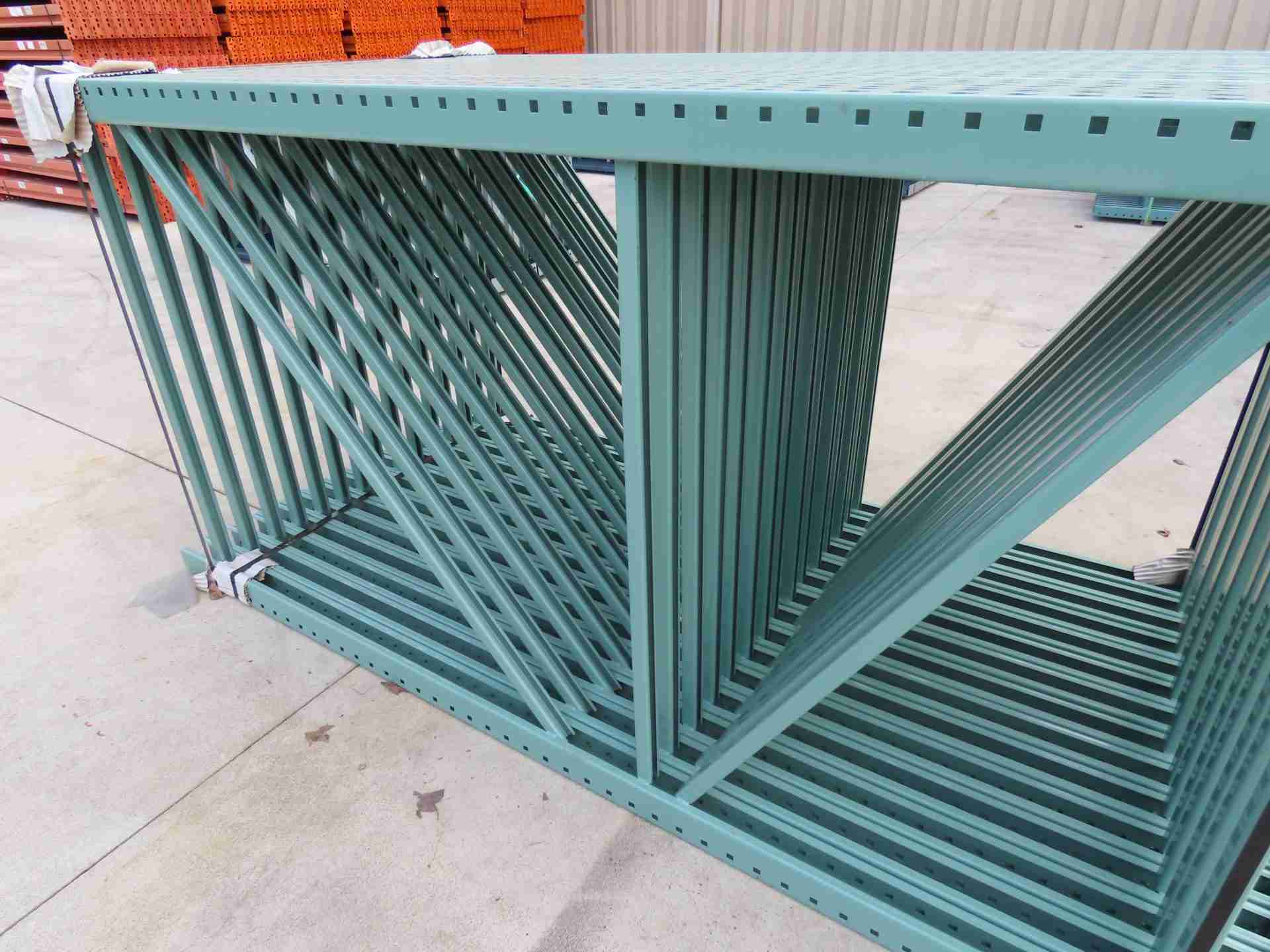
What Are Local Pallet Racks And Their Main Uses?
How Is Weight Capacity Determined For Pallet Racks?
Understanding weight capacity is critical for anyone investing in pallet racking systems. After all, the lifeblood of any warehousing or distribution operation is an efficient, safe storage solution. But how exactly is the weight capacity of these systems determined? Let’s break it down.
Pallet racking systems are engineered based on a variety of factors including the materials used, structural design, and compliance with industry standards. The foundation starts with the type of steel used; higher-grade steel can bear heavier loads. Common pallet racking configurations, such as selective, drive-in, and cantilever racks, will have varying load capacities based on their design and intended use.
For example, selective pallet racks, which are the most widely used in warehouses, allow easy access to each pallet. A well-designed selective rack can handle between 1,000 to 4,000 lbs per level depending on its configuration and components. This means that if you’re storing bulk goods like home improvement supplies, as many retailers saw spikes in demand during recent supply chain challenges, knowing your rack’s weight capacity is essential.
Moreover, it’s crucial to consider the arrangement of pallets within the racks. Proper pallet placement, balanced loading, and the number of pallets per level can significantly impact overall weight capacity. Using heavier pallets on lower levels helps keep the center of gravity stable and supports safer storage practices.
Regulatory standards such as the American National Standards Institute (ANSI) provide guidelines that govern the weight limits for pallet racking systems. Compliance with these standards is vital. Not only does it prevent accidents, but it also shields businesses from potential legal ramifications. For instance, recent warehouse accidents linked to improper rack usage have underscored the importance of adhering to these regulations.
Additionally, manufacturers often conduct rigorous testing on their racking systems, certifying their load capacities under specific conditions. For instance, a manufacturer might test a new line of pallet racks for vertical load stress – simulating the conditions they would face in a real-world setting.
In these times, as businesses emerge from the pandemic and face ongoing disruptions, understanding your pallet racking’s weight capacity isn’t just a safety measure; it’s a strategic move that can improve efficiency and profitability. Learning how to optimize the use of your pallet racking systems can lead to a boost in productivity that pays dividends now and into the future. Remember, in a world of fleeting opportunities, solid foundations are what keep your business resilient.

How Is Weight Capacity Determined For Pallet Racks?
How Is Weight Capacity Determined For Pallet Racks?
- Understanding weight capacity is essential for efficient and safe pallet racking systems in warehousing and distribution.
- Pallet racking systems are designed based on factors like materials, structural design, and industry standards.
- Selective pallet racks, commonly used in warehouses, can support between 1,000 to 4,000 lbs per level based on configuration.
- Proper pallet placement and balanced loading are critical for maximizing weight capacity and safety.
- Compliance with regulatory standards, such as those from the ANSI, is necessary to prevent accidents and legal issues.
- Manufacturers test racking systems for load capacities under specific conditions to ensure reliability and safety.
- Understanding weight capacity can enhance business efficiency and profitability, especially during ongoing market disruptions.

How Is Weight Capacity Determined For Pallet Racks?
What Are The Factors Affecting The Weight Capacity Of Pallet Racks?
When it comes to storage solutions, nothing commands attention quite like pallet racking. These industrial-grade shelving systems have revolutionized the way businesses handle inventory, but understanding their weight capacity is crucial. Several factors influence the weight-bearing ability of these racks, and knowing them can mean the difference between a well-organized warehouse and a disaster waiting to happen.
First, consider the material of the pallet racking. Most commercial pallet racks are constructed from structural steel, often designed to withstand heavy loads. For example, roll-formed steel racks can support heavy pallets but may not be as sturdy as their structural counterparts. If your warehouse is storing particularly heavy items—like metal components or bulk products—you may want to invest in heavier-duty racks. The fallout from choosing the wrong material can be serious; recent reports show that faulty racking resulted in costly warehouse collapses, causing not just financial loss but also injuries.
Next, the design and configuration of the pallet racking play an essential role. Double-deep racks might seem like an efficient use of space but require careful consideration regarding stability. Additionally, factors like beam spacing and height must align with load requirements. Miscalculations can lead to overloading, which can compromise not just the rack but the safety of your entire warehouse staff. For instance, many warehouses are now opting for adjustable pallet racking to accommodate fluctuating inventory levels; however, this flexibility should always come with guidelines on maximum load capacities.
Then there’s inspection and compliance. Regular checks and adherence to safety standards, such as ANSI and OSHA guidelines, ensure that your pallet racking can perform at its optimal level. Just recently, several companies have faced fines for insufficient racking inspections, emphasizing the need for diligence. Businesses that prioritize compliance not only enhance safety but also mitigate financial risk.
Finally, environmental factors can impact your racking’s weight capacity. Temperature fluctuations and humidity can weaken materials over time, particularly if the racks are subjected to outdoor elements. Companies in regions prone to severe weather should pay close attention to the specifications of their racking systems—especially when heavy loads are involved.
In summary, understanding the interplay of materials, design, compliance, and environmental factors is crucial in optimizing the weight capacity of your pallet racking. Making informed decisions now will help safeguard your investment and, more importantly, the safety of your team. Don’t wait for a mishap; ensure you’ve got the right pallet racking solution for your needs today!

What Are The Factors Affecting The Weight Capacity Of Pallet Racks?
What Are The Factors Affecting The Weight Capacity Of Pallet Racks?
- Pallet racking is a key storage solution that improves inventory management.
- The weight capacity of pallet racks is influenced by several factors, including material and design.
- Structural steel is the most common material for pallet racks; heavier items may require sturdier options.
- Design factors such as beam spacing and height alignment are critical for safety and stability.
- Regular inspections and compliance with safety standards (ANSI and OSHA) are essential to prevent incidents.
- Environmental factors, like temperature and humidity, can weaken rack materials over time.
- Understanding these factors is vital for optimizing weight capacity and ensuring safety in the warehouse.

What Are The Factors Affecting The Weight Capacity Of Pallet Racks?
Can Pallet Racks Be Customized For Specific Weight Needs?
In today’s ever-evolving marketplace, having the right equipment tailored to your unique operational requirements is crucial for maximized efficiency and safety. A key element that often flies under the radar is pallet racking. While many businesses use standard models, the reality is that pallet racking can be expertly customized to accommodate specific weight loads, helping you achieve optimal storage solutions.
Imagine your warehouse packed with products that vary dramatically in weight. You have heavy machinery on one end and lightweight packaging supplies on the other. A one-size-fits-all approach to your pallet racking may result in inefficiencies, safety hazards, and costly damage. Wouldn’t it be better if you could tailor your racking system to the exact weight requirements of your inventory?
Consider a logistics company storing various goods ranging from small electronics to heavy cartons of automotive parts. These differences in weight and size necessitate a more nuanced approach to pallet racking. By engaging an experienced supplier, you can specify the precise load ratings on each rack section, ensuring that no load exceeds its limits. This not only minimizes risk but also optimizes space—allowing for higher stacking where safe and practical.
Moreover, the rise of e-commerce has led to a surge in fluctuating storage needs. For instance, a warehouse storing seasonal items like winter apparel or holiday decorations can find its weight distribution changing dramatically throughout the year. By customizing your pallet racking system, you can easily adapt to these shifts and improve overall floor space, creating an agile operation that scales with demand.
Let’s not overlook a recent trend observed in various industry reports: sustainable practices are gaining momentum. Companies are now seeking solutions that not only meet their load specifications but also support eco-friendly operations. Custom pallet racking systems can be designed to utilize lighter materials and innovative designs, aligning with green initiatives while catering to heavy storage needs.
In the final analysis, investing in customized pallet racking systems that reflect your specific weight specifications is not merely a functional choice; it’s a strategic business move. Whether it’s enhancing safety, maximizing space, or supporting sustainable practices, the importance of tailoring your storage solution cannot be overstated. So, take that step today and unlock the potential that a well-designed racking system can offer. You’ve got nothing to lose and a world of efficiency to gain.

Can Pallet Racks Be Customized For Specific Weight Needs?
Can Pallet Racks Be Customized For Specific Weight Needs?
- Customized pallet racking is essential for maximizing efficiency and safety in warehouses.
- Standard pallet racking may lead to inefficiencies, safety hazards, and damage due to varying weight loads.
- Engaging experienced suppliers allows businesses to specify load ratings, preventing overloading and optimizing space.
- E-commerce growth necessitates flexible storage solutions to adapt to fluctuating inventory and seasonal products.
- Sustainable practices are becoming important, prompting companies to seek eco-friendly custom pallet racking solutions.
- Custom racking systems help businesses enhance safety, maximize floor space, and support sustainability.
- Investing in tailored pallet racking is a strategic move that offers significant operational benefits.
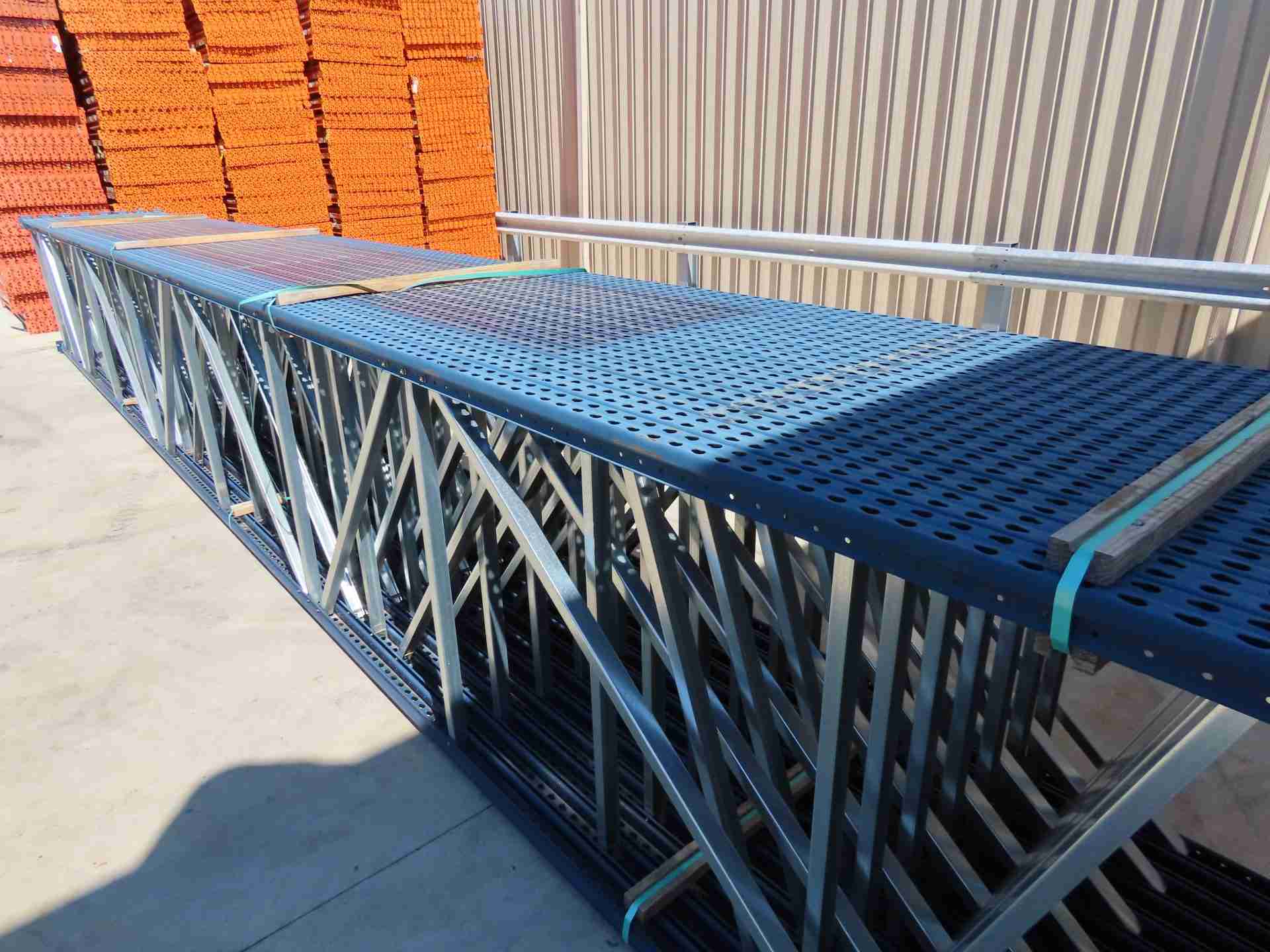
Can Pallet Racks Be Customized For Specific Weight Needs?
How Do I Calculate The Weight Capacity Of My Pallet Rack?
Understanding the weight capacity of your pallet racking system isn’t just a good idea—it’s essential for maintaining safety and optimizing efficiency in your warehouse. As supply chain challenges and inflation continue to impact industries, maximizing your storage solutions can be a game-changer. So, how do you determine the weight capacity of your pallet rack? Let’s break it down.
First and foremost, you need to know the type of pallet racking you have. There are various styles—selective, drive-in, push-back, and more—all with differing weight capacities. For example, selective pallet racking generally has a capacity ranging from 3,000 to 5,000 pounds per shelf. Drive-in racks, which allow for denser storage, can handle more weight but require precise calculations to avoid collapse. Keep in mind that using the right pallet for your racking system can significantly impact overall weight distribution.
Next, you’ll want to gather specifications for your racking system, which typically include load capacity ratings from the manufacturer. These ratings are expressed in terms of uniform load capacity, meaning the weight should be distributed evenly across the shelves. For instance, if you’ve got a selective racking system rated for 4,000 pounds and you’re stacking items with a total weight of 3,500 pounds, you’re within safe limits. If your items are heavy but oddly shaped, consider how that weight is distributed. Uneven weight can lead to potential failure.
Then, factor in the structural integrity of the racking system itself. Look at the beams, columns, and connectors. If there’s any sign of wear or damage—perhaps from recent supply chain disruptions—don’t overlook these details. Regular inspections, especially in today’s dynamic market, can prevent accidents.
Finally, keep an eye on regulations. Recent discussions around workplace safety and warehouse standards are only increasing scrutiny on racking systems. Compliance isn’t just about legality—it’s about protecting your workers and your bottom line. Invest in periodic professional audits to ensure your systems meet current compliance laws and industry standards.
Calculating the weight capacity of your pallet rack isn’t rocket science, but it does require diligence. By considering the type of racking, manufacturer guidelines, weight distribution, and regulatory requirements, you empower your operation to make smart storage decisions. The result? Enhanced safety, improved efficiency, and ultimately, a streamlined operation that supports your bottom line, even amidst today’s challenges.
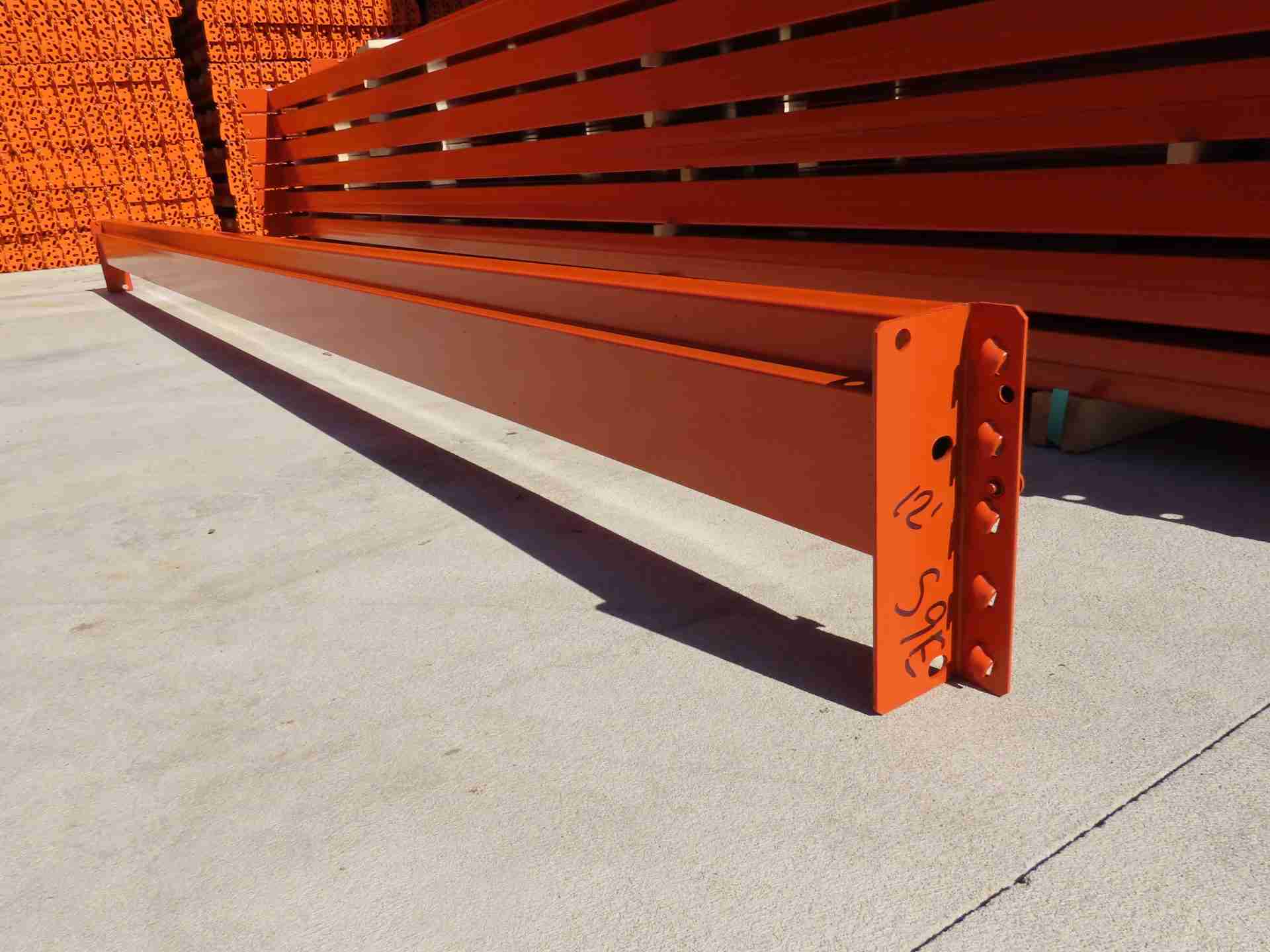
How Do I Calculate The Weight Capacity Of My Pallet Rack?
How Do I Calculate The Weight Capacity Of My Pallet Rack?
- Understanding pallet racking weight capacity is essential for safety and efficiency in warehouses.
- Different pallet racking types (selective, drive-in, push-back) have varying weight capacities.
- Selective pallet racking typically supports 3,000 to 5,000 pounds per shelf.
- Manufacturer specifications are critical, especially uniform load capacity ratings for weight distribution.
- Inspect the structural integrity of beams, columns, and connectors for wear or damage.
- Stay updated on regulations and compliance to ensure worker safety and operational standards.
- Proper assessment of racking systems leads to enhanced safety, efficiency, and overall business performance.

How Do I Calculate The Weight Capacity Of My Pallet Rack?
What Are The Common Materials Used In Local Pallet Racks?
When it comes to optimizing warehouse space and maximizing productivity, pallet racking systems stand out as an essential investment. However, the materials used in these systems can significantly impact performance, durability, and overall ergonomic efficiency. Let’s explore the common materials used in local pallet racks and why they matter.
Steel is, without a doubt, the heavyweight champion of pallet racking materials. Strong, durable, and resistant to wear and tear, steel pallet racks can handle substantial weight loads—ideal for warehouses storing heavy goods. The recent boom in e-commerce has led to an increased demand for robust storage solutions, and steel’s structural integrity makes it a go-to choice. Investing in steel pallet racking not only ensures longevity but also supports your operations in harsh conditions, reducing maintenance costs over time.
Wood is another traditional material that has not lost its charm. While not as common for heavy-duty applications as steel, wooden pallet racks can offer a rustic aesthetic combined with sufficient functionality for certain storage needs. Wood is typically used in more niche settings, such as boutique warehouses or businesses focused on organic products. In times when environmental sustainability is at the forefront of consumer consciousness, wooden racks made from reclaimed materials provide a unique selling point, particularly for eco-friendly brands.
Then there’s Plastic, which may raise some eyebrows yet holds its own in specific applications. Plastic pallet racks are incredibly lightweight and resistant to corrosion, making them perfect for warehouses that handle food, chemicals, or other corrosive items. Current trends in food supply chains, especially amid rising concerns over safety and hygiene, have led many businesses to rethink their storage solutions, and plastic offers a clean, safe alternative.
Composite materials are also gaining traction in the pallet racking industry. By combining different elements, manufacturers can create racks that boast the advantages of various materials—like the strength of steel and the lightweight properties of plastic. As sustainability becomes a pressing issue, composites derived from recycled materials will likely see increased incorporation in pallet racking solutions, appealing to both environmentally-conscious companies and cost-sensitive operations.
Understanding the materials used in local pallet racks is crucial for making informed decisions about storage solutions. Depending on your business’s specific needs, whether you’re laden with heavy products, food items, or eco-friendly offerings, the right material can dramatically enhance your operational capabilities. Invest wisely in your pallet racking strategy, and watch your efficiency soar!

What Are The Common Materials Used In Local Pallet Racks?
What Are The Common Materials Used In Local Pallet Racks?
- Pallet racking systems are essential for optimizing warehouse space and productivity.
- Steel is the most popular material due to its strength, durability, and suitability for heavy loads.
- Wooden pallet racks offer a rustic aesthetic and are suitable for niche applications, especially in eco-friendly businesses.
- Plastic pallet racks are lightweight and corrosion-resistant, ideal for warehouses handling food and chemicals.
- Composite materials combine the advantages of different materials, appealing to eco-conscious and cost-sensitive operations.
- Understanding the materials used in pallet racks is crucial for making informed storage decisions.
- Choosing the right material can enhance operational capabilities significantly.

What Are The Common Materials Used In Local Pallet Racks?
Are There Safety Standards For Pallet Rack Weight Limits?
When managing a warehouse or distribution center, safety should always be at the forefront of your operations. One crucial element that often flies under the radar is the weight limits for pallet racking. These structures are the backbone of efficient storage solutions, but how well do you know the safety standards that dictate their use?
Pallet racking isn’t just about maximizing vertical space; it’s about doing so safely. As businesses scale and innovate, recent high-profile accidents in the warehousing sector emphasize the importance of complying with established safety standards. The Occupational Safety and Health Administration (OSHA) has guidelines that specifically address the design and use of pallet racks, outlining essential safety measures that every warehouse must adhere to.
For instance, each type of pallet racking system, whether selective, drive-in, or push-back, has unique weight capacities. This is determined by the material, design, and overall configuration of the racking system. Not only do you need to consult these specifications, but you also must keep records of the weight distribution to prevent catastrophic incidents. The Warehouse Safety Consortium recently reported that improper loading of pallet racks resulted in several injuries. Compliance with safety standards could have mitigated these risks.
Furthermore, industry standards from organizations like the American National Standards Institute (ANSI) and the Rack Manufacturer’s Institute (RMI) provide clear guidelines on weight limits. These standards encourage regular inspections and employee training, focusing on how to load racking systems effectively. A proactive approach here not only ensures compliance but also protects your employees and inventory.
Let’s take a moment to consider the real-world implications. A national retailer recently faced significant backlash after a pallet rack collapse caused injuries during peak season. That catastrophe could have been avoided if they had strictly adhered to the weight limits established in relevant safety standards. Instead, the loss of reputation and millions in potential lawsuits could have been easily averted by prioritizing safety.
Ultimately, the burden of knowledge rests on your shoulders. Ensure your pallet racking system is compliant with existing safety standards to safeguard not just your business’s assets, but more importantly, the people who make it thrive. Investing in training and up-to-date systems today can save you from a headache tomorrow. Don’t let safety become an afterthought—make it a priority, and watch your business thrive with confidence.

Are There Safety Standards For Pallet Rack Weight Limits?
Are There Safety Standards For Pallet Rack Weight Limits?
- Safety should be a primary concern in managing warehouses and distribution centers.
- Pallet racking systems are essential for efficient storage but have specific safety standards and weight limits.
- OSHA provides guidelines on the design and use of pallet racks, which must be strictly followed.
- Different pallet racking systems (selective, drive-in, push-back) have unique weight capacities that require careful monitoring.
- Industry standards from ANSI and RMI emphasize regular inspections and training for effective loading practices.
- Real-world incidents, such as a major retailer’s pallet rack collapse, highlight the consequences of neglecting safety standards.
- Prioritizing safety and compliance can protect assets and personnel, ultimately benefiting the business.

Are There Safety Standards For Pallet Rack Weight Limits?
How Can Improper Loading Affect Pallet Rack Safety?
Pallet racking is the backbone of any warehouse operation. It maximizes storage space, organizes inventory, and allows for seamless inventory management. However, improper loading of these racking systems can lead to significant safety hazards that extend beyond mere inconvenience. Consider this: an improperly loaded pallet rack is like a house of cards; it may seem stable initially, but one wrong move can trigger a catastrophic collapse.
Let’s first discuss the dangers of overloading. When racks are compromised by excess weight, it places immense stress on the beams and uprights. Take, for instance, a warehouse that attempted to store heavier machinery parts on standard racking, breaching manufacturer weight limits. The result? A catastrophic failure that not only damaged inventory but also seriously injured employees. In the aftermath, that warehouse faced hefty fines, lawsuits, and immense liability—far exceeding any cost savings they might have gained by cramming in more products.
Moreover, improper loading can lead to skewed weight distribution, which affects stability. Picture a scenario where pallets are stacked haphazardly or leaned against each other. This carelessness can cause the load to shift, leading to tipping racks and fallen stock. Just last year, a major retailer in the Midwest experienced a high-profile incident when improperly secured loads toppled, injuring employees and forcing temporary shutdowns. Such events illustrate just how vital it is to follow proper loading protocols.
Mixing product types on the same pallet can also create unintended challenges. For example, stacking lightweight plastics atop heavy metals can lead to an imbalance. If a lightweight item suddenly breaks under pressure, the entire racking system could be at stake, impacting not just products but the safety of every individual in the vicinity.
In times when supply chains are already strained—think of recent global disruptions—one cannot afford additional complications due to improper loading. The emphasis on operational efficiency makes it more critical than ever to get it right. By investing in proper training and utilizing best practices for pallet racking, you elevate not just safety, but productivity and morale throughout your facility.
By mindfully managing your pallet racking, you’re not just protecting assets; you’re safeguarding lives. A conscientious approach to loading may appear as a minor detail, but it’s a cornerstone of operational safety and efficiency. Prioritize proper techniques today to avoid a calamity tomorrow.

How Can Improper Loading Affect Pallet Rack Safety?
How Can Improper Loading Affect Pallet Rack Safety?
- Pallet racking is essential for maximizing storage space and organizing inventory in warehouses.
- Improper loading can create significant safety hazards, potentially leading to catastrophic collapses.
- Overloading racks places immense stress on beams and uprights, leading to failures that can injure employees and cause financial liabilities.
- Skewed weight distribution from haphazard stacking can lead to tipping racks and fallen stock, resulting in workplace injuries.
- Mixing product types on pallets, such as stacking lighter items on heavier ones, can create imbalances and additional risks.
- Increased operational efficiency is crucial, especially during supply chain disruptions; proper training and loading practices can enhance safety and productivity.
- Mindfully managing pallet racking safeguards not just assets but the lives of individuals in the workplace.
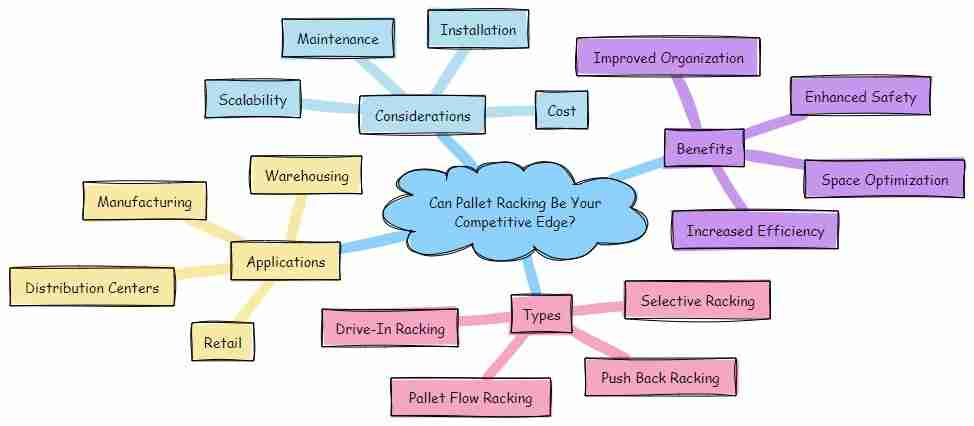
How Can Improper Loading Affect Pallet Rack Safety?
Conclusion
In the dynamic realm of warehousing and logistics, the weight capacity of your pallet racks can significantly impact both safety and efficiency. With demand for effective storage solutions surging—especially as eCommerce continues its meteoric rise—making the right choices in pallet racking is more critical than ever. It’s not merely about stacking items higher; it’s about doing so intelligently, ensuring safety for your team and safeguarding your assets.
Did you know that pallet racks have the potential to carry anywhere from 1,500 up to 5,000 pounds per beam level? The type of racking system you select greatly influences your safety and operational efficiency. Understanding the specifications and adhering to weight limits can prevent catastrophic failures that not only damage your inventory but may also lead to workplace injuries. The recent incident in a Chicago warehouse serves as a harrowing reminder that neglecting these details can threaten lives and livelihoods.
At Arrow Industrial Sales, we recognize that every business has unique needs, which is why we specialize in providing customized pallet racking solutions tailored to your specific weight and space requirements. Whether you’re dealing with heavy machinery parts or delicate products, our dedicated team will help you choose the right system that optimally supports your inventory while complying with industry safety standards.
But understanding weight capacities is just the beginning. From selecting the right materials—like durable steel or eco-friendly options—to ensuring regular inspections and compliance with OSHA and ANSI regulations, every detail counts. By partnering with Arrow Industrial Sales, you will be equipped with the right knowledge and high-quality racking systems to ensure your warehouse remains safe, organized, and efficient.
Don’t wait for a potential crisis to act! Now is the perfect time to evaluate your current storage solutions. Call Arrow Industrial Sales at (574) 349-6575 for personalized advice and to explore how our racking systems can transform your warehouse operations. Remember, investing in the right pallet racking solutions today lays the foundation for your business’s success tomorrow. Protect your workforce, enhance your productivity, and secure a competitive edge in the marketplace. The clock is ticking—act now and elevate your warehouse efficiency to unprecedented heights!

Conclusion
Conclusion:
- The weight capacity of pallet racks significantly affects safety and efficiency in warehousing and logistics.
- Pallet racks can hold between 1,500 to 5,000 pounds per beam level, impacting operational effectiveness.
- Choosing the correct racking system is crucial to prevent inventory damage and workplace injuries.
- Arrow Industrial Sales offers customized pallet racking solutions tailored to specific business needs.
- Key considerations include selecting durable materials and ensuring compliance with OSHA and ANSI regulations.
- Regular inspections are essential to maintain safety and organizational standards in warehouses.
- Now is the time to evaluate storage solutions—contact Arrow Industrial Sales for personalized advice and racking options.

Conclusion
Other Resources

Other Resources
Here is a list of other resources you can review online to learn more:
- BMH Equipment LLC
- Warehouse Racking Systems: Beginner’s Guide to Rack Systems
- Used Pallet Rack for Sale in Illinois – American Surplus
- Warehouse Automation
- International Warehouse Logistics Association
- CMMA
- Illinois Pallet Racking – WPRP
- Overhead Lifting
- Illinois
- Warehouse Racking Chicago, IL
Use This Prompt To Get More Resources With Your Favorite Online AI Tool: Please provide me with a list of online articles with their URLs in a bulleted list that I can read regarding How Much Weight Can Local Pallet Racks Hold?

Other Resources
Glossary Terms
How Much Weight Can Local Pallet Racks Hold? – Glossary Of Terms
1. Pallet Rack: A storage system made up of vertical posts, horizontal beams, and shelves for holding pallets of goods.
2. Load Capacity: The maximum weight a pallet rack can safely support, determined by its design and materials.
3. Beam: A horizontal component of a pallet rack that supports the weight of stored pallets.
4. Upright: The vertical component of a pallet rack that provides support and stability.
5. Load Beam: A specific type of beam designed to carry a designated load of pallets.
6. Pallet: A flat structure used to support and transport goods, typically made of wood or plastic.
7. Weight Distribution: The manner in which weight is spread across a pallet rack, critical for maintaining stability.
8. Dynamic Load: Weight applied to the rack during routine operations, such as when items are being loaded or unloaded.
9. Static Load: The weight of the items on the rack when they are not being moved.
10. Clearance: The vertical space between the top of a pallet and the beam or the next storage level, important for safety and efficiency.
11. Safety Factor: A design consideration that provides additional strength beyond the anticipated load to account for unexpected circumstances.
12. Inspection: Regular checks performed to ensure pallet racks are structurally sound and capable of holding designated loads.
13. Overloading: When the weight on a pallet rack exceeds its load capacity, leading to potential collapse or damage.
14. Forklift: A powered industrial truck used to lift and move materials, often essential in managing pallets on racks.
15. Rack Stability: The ability of a pallet rack to remain upright and structurally sound under load without tipping over.
16. Pallet Rack Design: The specific configuration of a pallet rack, influencing its load capacity and safety.
17. Heavy-Duty Rack: A pallet rack designed to hold heavier loads, typically featuring reinforced beams and uprights.
18. Adjustable Rack: A versatile pallet rack that allows for beam heights to be modified based on storage needs.
19. Roll-Formed Steel: A type of steel used in pallet rack construction that is shaped through a process of rolling, providing strength and durability.
20. Cantilever Racking: A storage system with arms extending from a vertical frame, ideal for handling long or bulky items.
21. Rack Collapse: A failure of a pallet rack structure, often due to overloading or improper installation.
22. Weight Limit Label: A sign or tag affixed to pallet racks that indicates the maximum safe load capacity.
23. Cross-bracing: Diagonal supports used between upright frames to enhance stability and strength.
24. Palletization: The process of placing goods onto pallets in an organized manner for storage and transportation.
25. Aisle Width: The space between rows of pallet racks, which must be sufficient for equipment to navigate safely.
26. OSHA Regulations: Guidelines set by the Occupational Safety and Health Administration regarding workplace safety, including storage systems.
27. Tilted Rack: A type of rack that is angled to facilitate easy access and retrieval of goods.
28. Multi-Tier Rack: A pallet rack system that features multiple levels or tiers for maximizing vertical space in a storage area.
29. Steel Gauge: A standard measurement of steel thickness used in the construction of pallet racks, affecting load capacity.
30. Warehouse Management System (WMS): Software used to manage inventory and optimize storage within facilities, including the efficient use of pallet racks.
These terms should provide a comprehensive overview of the topic regarding the weight capacity of local pallet racks.

Glossary Of Terms
Other Questions
How Much Weight Can Local Pallet Racks Hold? – Other Questions
If you wish to explore and discover more, consider looking for answers to these questions:
- What types of pallet racks are available in the market?
- What are the benefits of using local pallet racks for small businesses?
- How often should pallet racks be inspected for safety compliance?
- What training should warehouse staff receive regarding pallet rack safety?
- Are there industry regulations specific to pallet rack installation?
- Can pallet racks be relocated within a warehouse easily?
- What are the signs of wear and damage to look for in pallet racks?
- How do seasonal inventory changes impact pallet rack requirements?
- What are the cost implications of investing in customized pallet racks?
- How can businesses effectively monitor load distribution on pallet racks?
- What environmental factors should influence pallet rack material selection?
- How does pallet rack design impact warehouse workflow and productivity?
- Are there specific pallet types that work best with certain rack systems?
- What are the long-term maintenance costs associated with different pallet rack materials?
- How does climate or weather affect the performance of pallet racks?
Other Questions
Checklist
How Much Weight Can Local Pallet Racks Hold? – A Checklist
Before Installation:
1. Assess Storage Needs:
_____ Evaluate the types of products to be stored.
_____ Consider weight and size variations among inventory.
2. Choose the Right Rack Type:
_____ Select appropriate pallet racking configuration (selective, drive-in, push-back, etc. ).
_____ Consult with local suppliers for recommendations based on your unique inventory needs.
3. Determine Material Requirements:
_____ Select suitable materials (steel, wood, plastic, composite) based on weight and environmental factors.
4. Calculate Load Capacity:
_____ Familiarize yourself with the manufacturer’s load capacity ratings for your chosen rack type.
_____ Understand that selective racks typically hold 1,000 to 4,000 lbs per level depending on the style.
During Installation:
5. Follow Design Specifications:
_____ Ensure proper installation according to industry standards (ANSI, OSHA).
_____ Adhere to manufacturer’s guidelines regarding spacing, height, and layout.
6. Factor in Dynamic Loads:
_____ Consider the impact of moving items and use of forklifts when determining load capacity.
Ongoing Maintenance:
7. Regular Inspections:
_____ Conduct routine safety inspections to check for wear and compliance with safety standards.
_____ Keep records of weight distribution and rack condition.
8. Monitor Environmental Factors:
_____ Be aware of temperature and humidity effects on rack integrity.
_____ Adjust for any changes that may affect the stability of the racking system.
Loading Best Practices:
9. Balance Load Distribution:
_____ Place heavier items on lower levels for stability.
_____ Use the right pallet for your inventory to optimize weight distribution.
10. Educate Staff on Safety Protocols:
_____ Provide training on proper loading techniques and racking system usage.
_____ Emphasize the consequences of improper loading (overloading, mixing product types, etc. ).
11. Keep Clear Paths:
_____ Ensure aisles are kept clear and accessible for safe operation.
Emergency Preparedness:
12. Have a Contingency Plan:
_____ Develop a response plan for any accidents or rack collapses.
_____ Train employees on emergency protocols to minimize risk.
By following this checklist, you’ll enhance the safety, efficiency, and longevity of your pallet racking system, ensuring a well-organized and effective warehouse environment.

Checklist
At RackingWorld, we help guide you through selecting warehouse storage systems and racking.
Be sure to read our other related stories at RackingWorld to learn more about warehouse storage systems.
0 Comments