
Painless Pallet Disassembly: Unlocking The Secrets
By Tom Seest
At RackingWorld, we help guide you through selecting warehouse storage systems and racking.
Be sure to read our other related stories at RackingWorld to learn more about warehouse storage systems.
What Is The Easiest Way to Disassemble Pallets?
Disassembling pallets may seem daunting, but with the right approach and tools, it can be as easy as pie! Whether you’re repurposing pallets for DIY projects, crafting furniture, or managing inventory for your business, knowing the easiest method to disassemble these wooden structures can save you time and effort. In a world where sustainability and creativity are increasingly valued, the demand for reusable materials is surging, making pallet disassembly a skill worth mastering.
First and foremost, gather the right tools. A pry bar, hammer, and a reciprocating saw are your best friends when breaking down pallets. Avoid using screwdrivers and chisels for this task, as they can cause unnecessary damage and frustration. For instance, a pry bar can slip into the cracks between the slats and create leverage, allowing you to lift and remove boards effortlessly. If you’re dealing with pallets that have been nailed together, a reciprocating saw can swiftly cut through stubborn nails, freeing individual boards for use.
When tackling a pallet project, choose an approach based on your goals. If you’re looking for quick disassembly, simply laying the pallet on its side and prying apart the slats can work wonders. Conversely, if your aim is to keep the wood intact for a pristine look, take your time and use the saw to cut the nails instead. A careful approach will yield smoother boards that are perfect for furniture-making or artistic installations—think about the exciting trends in home décor that emphasize rustic charm!
Current events further underscore the importance of repurposing materials like pallets. As communities increasingly embrace sustainability, DIY pallet furniture has soared in popularity—think of trendy Instagram posts showcasing chic pallet sofas and coffee tables. Notably, GreenBuildingAdvisor has emphasized how using reclaimed materials can not only reduce waste but also contribute to cost-saving initiatives for eco-conscious businesses.
Another tip? When disassembling, consider labeling the boards. This makes your future projects smoother and turns what could be a chaotic process into a seamless one. Organization can be your secret weapon and will set you up for success, saving you valuable time when you’re ready to craft or build.
In summary, disassembling pallets doesn’t have to be a painstaking process! With the right tools and techniques, you can become a master at repurposing wood, joining a community of creators who breathe new life into discarded materials. So roll up your sleeves and dive into this satisfying endeavor—your next project awaits!
What Is The Easiest Way to Disassemble Pallets?
What Is The Easiest Way to Disassemble Pallets?
- Disassembling pallets can be easy with the right tools and approach.
- Essential tools include a pry bar, hammer, and reciprocating saw; avoid screwdrivers and chisels.
- Choose your disassembly method based on goals: quick assembly or preserving wood quality.
- Current trends favor DIY pallet furniture, showcasing its popularity on social media.
- Using reclaimed materials reduces waste and can save costs for eco-conscious businesses.
- Labeling boards during disassembly helps streamline future projects and maintain organization.
- Mastering pallet disassembly opens opportunities for creative and sustainable DIY projects.
What Is The Easiest Way to Disassemble Pallets?
Table Of Contents
- What Is The Easiest Way to Disassemble Pallets?
- What Tools Are Needed To Disassemble Pallets?
- How Do I Safely Disassemble A Pallet?
- What Are The Best Techniques For Pallet Disassembly?
- Is There An Easier Method For Breaking Down Pallets?
- How Can I Avoid Damaging The Wood While Disassembling?
- What Safety Precautions Should I Take When Disassembling Pallets?
- Can I Disassemble Pallets Without Power Tools?
- What Are The Benefits Of Reusing Pallet Wood?
- How Do I Identify Different Types Of Pallets For Disassembly?
- Where Can I Find Pallets To Disassemble?
- Conclusion
- Other Resources
- Glossary Of Terms
- Other Questions
- Checklist
What Tools Are Needed To Disassemble Pallets?
Disassembling pallets can open up a treasure trove of opportunities, from DIY home projects to innovative recycling solutions. However, diving into this endeavor requires the right tools for the job. Here’s what you need to make quick work of your wooden wonders.
1. Pry Bar: A sturdy pry bar is your best friend when it comes to breaking the seal on those tightly fitted nails. Look for a crowbar or a long-handled pry bar, as they provide the leverage needed to lift and separate the wooden slats without splintering them. Brands like Estwing or Stanley offer durable options that can withstand the rigors of multiple disassemblies.
2. Hammer: A solid hammer is essential for driving out stubborn nails. A claw hammer works wonders for both pulling nails and tapping the pry bar into place. For more intensive tasks, consider a sledgehammer to give you that extra oomph when dealing with particularly resistant pallets. Don’t forget to check out the latest safety news; some states are cracking down on safety standards for public spaces, making it crucial to ensure that repurposed wooden materials are sound.
3. Circular Saw: If you prefer a more systematic approach, a circular saw can be your ticket to efficient pallet disassembly. By cutting through the wood instead of prying it apart, you can salvage usable pieces without risking damage. Remember to take note of current environmental trends—opt for eco-friendly saw blades that minimize waste for a greener alternative.
4. Safety Gear: Before diving into your project, make sure you’re equipped with essential safety gear. Gloves, safety goggles, and a dust mask will keep you protected from splinters and debris. Accidents can happen, and as manufacturers face scrutiny over workplace safety, it’s imperative to practice responsible DIY habits.
5. Reciprocating Saw: For those tougher, thicker pallets that require brute force, a reciprocating saw can slice through nails and wood alike. This tool can dramatically speed up your disassembly process, especially when faced with a particularly stubborn pallet. While some experts say that the quick-and-easy route is often more tempting, it’s important to balance speed with quality.
6. Utility Knife: Last but not least, a utility knife is essential for removing any pesky staples or fasteners that escape your other tools. A quick scrape along the wood can clear away remnants from the manufacturing process, giving you a clean canvas for your next project.
With the right tools at your disposal, you can transform those neglected pallets into valuable building materials, crafty decor, or even profitable furniture. In today’s economy, where sustainability and resourcefulness are key, mastering pallet disassembly can lead to new opportunities that not only enhance your space but also align with greater environmental goals. So gear up, stay safe, and unleash your creativity!
What Tools Are Needed To Disassemble Pallets?
What Tools Are Needed To Disassemble Pallets?
- Pry Bar: Essential for breaking seals on tightly fitted nails; choose a sturdy crowbar or long-handled pry bar for leverage.
- Hammer: Necessary for driving out stubborn nails; a claw hammer is versatile, while a sledgehammer can provide extra force.
- Circular Saw: Allows for a systematic approach by cutting through wood to salvage usable pieces while minimizing damage.
- Safety Gear: Wear gloves, safety goggles, and a dust mask to protect against splinters and debris during disassembly.
- Reciprocating Saw: Effective on tougher pallets, this tool speeds up the process by slicing through nails and wood.
- Utility Knife: Useful for removing staples or fasteners; ensures a clean surface for future projects.
- Sustainability: Mastering pallet disassembly can lead to resourceful and eco-friendly DIY projects, enhancing your space while aligning with environmental goals.
What Tools Are Needed To Disassemble Pallets?
How Do I Safely Disassemble A Pallet?
Disassembling a pallet might seem like a straightforward task; after all, it’s just wood. However, executing this seemingly simple feat with safety and efficiency is paramount. Whether you’re looking to repurpose the wood for a DIY project or recycle the materials, knowing how to disassemble a pallet safely can save you time, money, and potential injury.
First things first—wear the right protective gear. A decent pair of gloves, safety goggles, and steel-toed boots are essential. You wouldn’t go into battle without armor, would you? Pallets can harbor sharp nails and splinters that can send you to the ER if you’re unprepared.
Next, inspect the pallet carefully. Look for the ones that are sturdy and free from damage, as they’re usually made of strong hardwoods like oak or maple. In recent years, a surge of interest in eco-friendly materials has led many to seek out recycled pallets for creative home projects—think rustic décor or outdoor furniture. Just ensure your pallet is not chemically treated, which can be hazardous if you breathe in the particles or get them on your skin.
Once you’ve selected a pallet, follow these steps:
1. Choose Your Tools: For optimal disassembly, grab a pry bar and a hammer. These tools are the secret weapons of pallet disassembly. You might also consider a reciprocating saw for more stubborn pallets as a last resort, but use it sparingly to avoid damaging the wood.
2. Start at the Ends: Begin removing the slats from the ends of the pallet. Insert your pry bar between the slat and the support beam and push down to loosen the nails. If it’s particularly stubborn, tap the bar with a hammer to get a deeper wedge in there. Remember, patience is a virtue here; rushing will lead to frustration and potential injuries.
3. Work Smart, Not Hard: If the slats are nailed down well, consider cutting them instead. Use a reciprocating saw for quick work, especially on pallets that have seen better days. The recent trend in backyard renovations, spurred by the pandemic, has led many delightful DIY enthusiasts to swap out palettes for quick, makeshift projects that add flair to their outdoor spaces.
4. Clean Up: After disassembly, safely dispose of the nails and any damaged wood. Proper disposal prevents future injuries and keeps your workspace tidy.
In a world where safety often takes a backseat to convenience, taking the extra steps to disassemble a pallet safely can be a game-changer. So gear up, take your time, and let your creativity flow without compromising your well-being. The rewards of your effort will be both satisfying and safe!
How Do I Safely Disassemble A Pallet?
How Do I Safely Disassemble A Pallet?
- Disassembling a pallet requires safety and efficiency to avoid injury.
- Wear protective gear: gloves, safety goggles, and steel-toed boots.
- Inspect the pallet for sturdiness and check for chemical treatments.
- Use essential tools: a pry bar and hammer; consider a reciprocating saw for stubborn pallets.
- Start disassembly at the ends of the pallet, loosening slats carefully.
- Consider cutting slats if they are well-nailed; use tools smartly to prevent damage.
- Clean up after disassembly by safely disposing of nails and damaged wood.

How Do I Safely Disassemble A Pallet?
What Are The Best Techniques For Pallet Disassembly?
In today’s cost-conscious climate, where businesses are honing in on sustainability and maximizing profitability, the art of pallet disassembly emerges as a critical strategy. Not only does it reduce waste, but it also allows companies to reclaim valuable materials for reuse, renovation, or resale. But how do you effectively take apart these sturdy structures without turning the process into a frustrating endeavor? Let’s explore some of the most effective techniques for pallet disassembly that can save time, preserve materials, and even bolster your bottom line.
1. The Right Tools for the Job
Investing in a few essential tools can transform the disassembly process from tedious to streamlined. A pry bar, hammer, and a reciprocating saw should be at the top of your list. The pry bar allows for effective leverage, while the hammer helps loosen nails. For tougher pallets, utilizing a reciprocating saw can quickly cut through the wood, saving you time while keeping your efforts organized.
For example, consider a local furniture manufacturer that recently adopted these techniques. By training their staff equipped with the right tools to carefully disassemble pallets, they were able to reclaim nearly 85% of the wood for future product lines, dramatically enhancing their sustainable practices.
2. The Strategic Approach
Taking a moment to analyze the pallet’s structure can lead to more effective disassembly. Begin by examining where the nails or staples are located. Start loosening the top deck boards before tackling the bottom boards, which often secure the entire structure. This systematic approach not only reduces the likelihood of splintering and breakage but also keeps your workspace organized.
A production facility recently used this technique to enhance efficiency, reducing their disassembly time by 50% within the first month. This freed up resources that could be redirected to more productive tasks, proving that smart strategies yield significant returns.
3. Employing Technology
With advancements in technology, companies can also look into automated disassembly systems. These machines can efficiently take apart pallets while preserving the integrity of the wood, allowing for large scale operations without straining manpower. As businesses become increasingly aware of supply chain impacts and ecological footprints, this modern solution is arriving just in time.
Mastering pallet disassembly techniques is not just about breaking down materials. It’s about smart strategies that promote sustainability and drive profit margins even higher. As recent supply chain issues continue to loom, adapting these methods will put your business miles ahead of the competition. Start disassembling pallets with purpose, and watch your resources multiply!
What Are The Best Techniques For Pallet Disassembly?
What Are The Best Techniques For Pallet Disassembly?
- Pallet disassembly is a critical strategy for sustainability and maximizing profitability in businesses.
- Effective tools for disassembly include a pry bar, hammer, and reciprocating saw to streamline the process.
- A local furniture manufacturer reclaimed 85% of wood by training staff and using proper tools for pallet disassembly.
- A strategic approach involves analyzing the pallet’s structure and loosening the top deck boards first to reduce breakage.
- A production facility improved efficiency by 50% in disassembly time by employing a systematic technique.
- Automated disassembly systems can efficiently take apart pallets while preserving the wood’s integrity for large operations.
- Adopting smart disassembly techniques can enhance sustainability and profit margins, positioning businesses ahead of competition.
What Are The Best Techniques For Pallet Disassembly?
Is There An Easier Method For Breaking Down Pallets?
In today’s fast-paced logistics and retail environment, business efficiency is everything. The need to streamline operations has never been more critical. Enter the pallet: a simple, yet essential component in the shipping and storage industry. Traditionally, breaking down pallets can be labor-intensive, time-consuming, and downright cumbersome. But as the saying goes, “Innovate or die.” So, is there an easier method for breaking down pallets? Absolutely!
Picture this: The old method of hitting pallets apart with crowbars or dismantling them piece by piece is a relic of the past. Enter modern machinery that offers solutions designed for efficiency. For example, consider the use of pallet dismantling machines. These machines are revolutionizing how businesses tackle pallet breakdowns. They allow companies to disassemble pallets quickly while preserving the wood for reuse or recycling, thus enhancing sustainability. Imagine your team swapping hours of back-breaking labor for a quick, automated process that multiplies productivity while saving on labor costs.
Now, think about the current surge in eco-consciousness among consumers. Businesses are increasingly held accountable for their environmental footprint. By investing in equipment that breaks down pallets efficiently while reducing waste, you position your brand as an eco-friendly option. Not only does this satisfy consumer demands, but it can also lead to reduced disposal costs and higher margins on recycled materials.
Additionally, let’s look at the current labor market. The shortage of skilled labor is hitting many industries hard. By automating the pallet breakdown process, companies can alleviate pressure on their workforce. This provides valuable time for your employees to focus on other critical tasks that require human ingenuity—like customer service or strategy development. A simple investment in technology can help solve several business problems with one solution.
Take a clue from industry leaders who are already embracing these changes. Companies like Amazon are using advanced machinery in their distribution centers, drastically cutting down the time it takes to prepare goods for shipment. Their agile approach speaks volumes about the advantages of modernizing pallet management systems.
The future of breaking down pallets is filled with opportunity. By employing innovative machinery and techniques, not only do you save time and labor, but you also enhance your operational efficiency and environmental standing. It’s not just about making it easier; it’s about making your business smarter. Now is the time to look beyond traditional methods and embrace the solutions that the market and technology have to offer.
Is There An Easier Method For Breaking Down Pallets?
Is There An Easier Method For Breaking Down Pallets?
- Business efficiency is crucial in today’s fast-paced logistics and retail environment.
- Breaking down pallets traditionally is labor-intensive and time-consuming.
- Modern machinery, such as pallet dismantling machines, offers efficient solutions for pallet breakdowns.
- Automated processes preserve wood for reuse or recycling, enhancing sustainability.
- Investing in pallet breakdown technology positions brands as eco-friendly and can reduce costs.
- Automation helps alleviate labor shortages, allowing employees to focus on critical tasks.
- Industry leaders like Amazon demonstrate the advantages of modernizing pallet management systems.
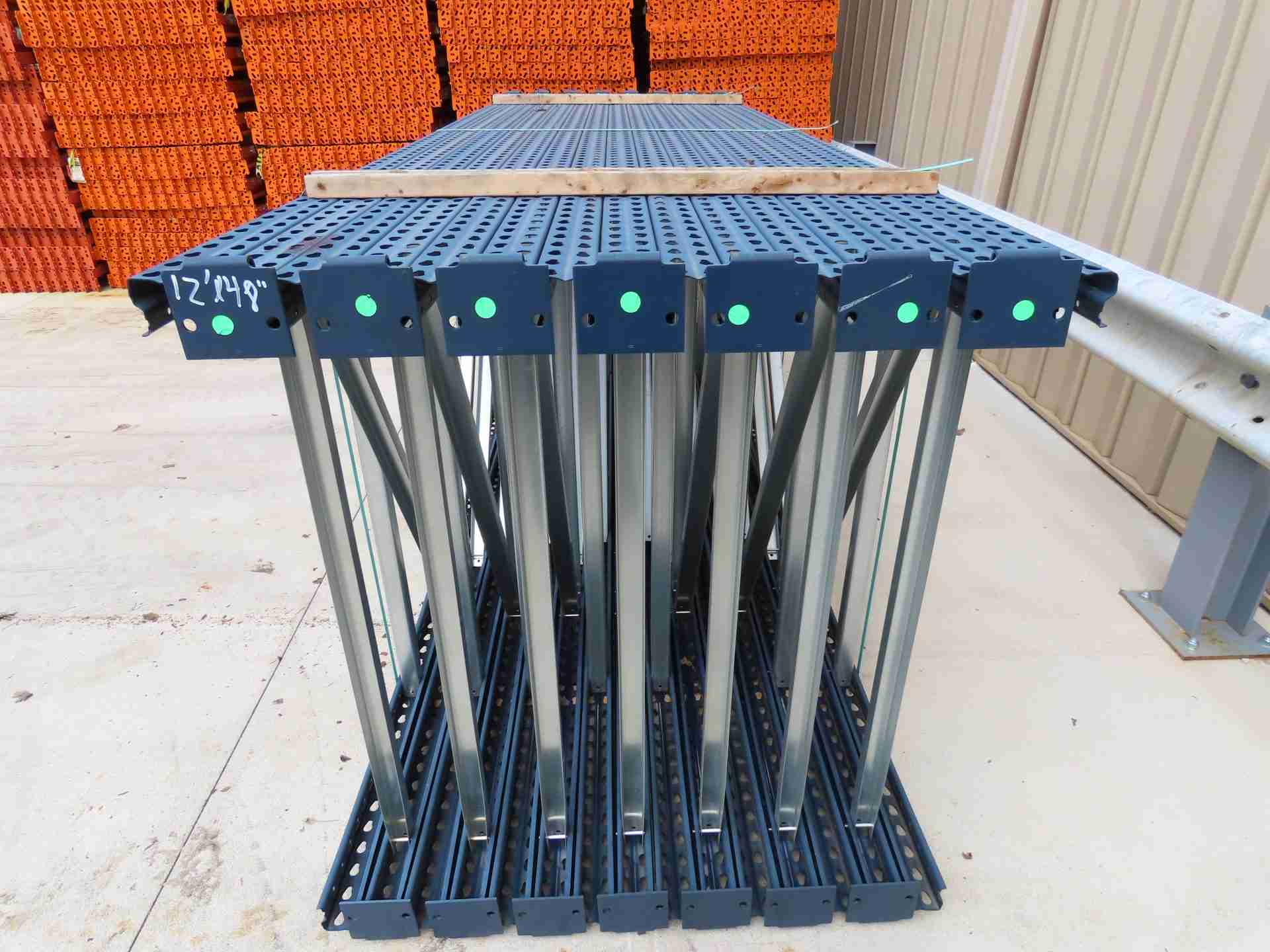
Is There An Easier Method For Breaking Down Pallets?
How Can I Avoid Damaging The Wood While Disassembling?
When it comes to disassembling wooden furniture or structures, taking a careful and thoughtful approach is crucial. The goal? Preserve the integrity of the wood while ensuring your project moves forward seamlessly. Avoiding damage isn’t just about preserving aesthetics; it’s about maintaining value, especially in an era where vintage wooden items are soaring in popularity, thanks to the sustainable living trend.
First, arm yourself with the right tools. A simple investment in high-quality tools can save hours of frustration and prevent damage. For example, a set of plastic pry bars will help you apply gentle pressure when prying apart pieces of furniture, whereas metal tools may gouge or scratch the wood. Similarly, invest in a rubber mallet for tapping joints apart instead of using a hammer, which can easily mar the finish or split the wood.
Before you dive into disassembly, analyze the construction elements. Look for screws, dowels, or hidden fasteners. In recent months, there’s been a surge of interest in retro-fit furniture as DIY enthusiasts seek to personalize their spaces. Knowing what holds your item together lets you disassemble without surprise damage. Take a moment to study the joints; many contemporary designers have embraced easy-to-take-apart constructions, making your job even easier.
Consider the climate in which you’re working. Changes in humidity can impact the wood’s properties, causing it to swell or shrink. If you’re in a region currently experiencing an unusually dry spell, like many parts of the U.S. this past summer, give the wood some time to acclimatize before proceeding, adjusting your technique as necessary.
Labeling parts and fasteners is another golden rule you can’t overlook. Much like tracking your receipts for a larger investment, a simple labeling strategy can save you future headaches. Use painter’s tape and a marker to differentiate sections, helping ensure a smooth reassembly.
Finally, patience is your greatest ally. Furniture disassembly isn’t a race. Rushing can lead to costly mistakes, especially with pieces that have been lovingly crafted or that have historical value. A recent viral video of a DIYer ruining an antique table serves as a cautionary tale. Slow and steady wins the race, and every moment spent carefully detaching will pay off when you see the final result.
By equipping yourself with knowledge, tools, and a steady hand, you can disassemble wood projects with confidence and avoid damaging that precious timber. Let your careful approach turn potential pitfalls into triumphs!
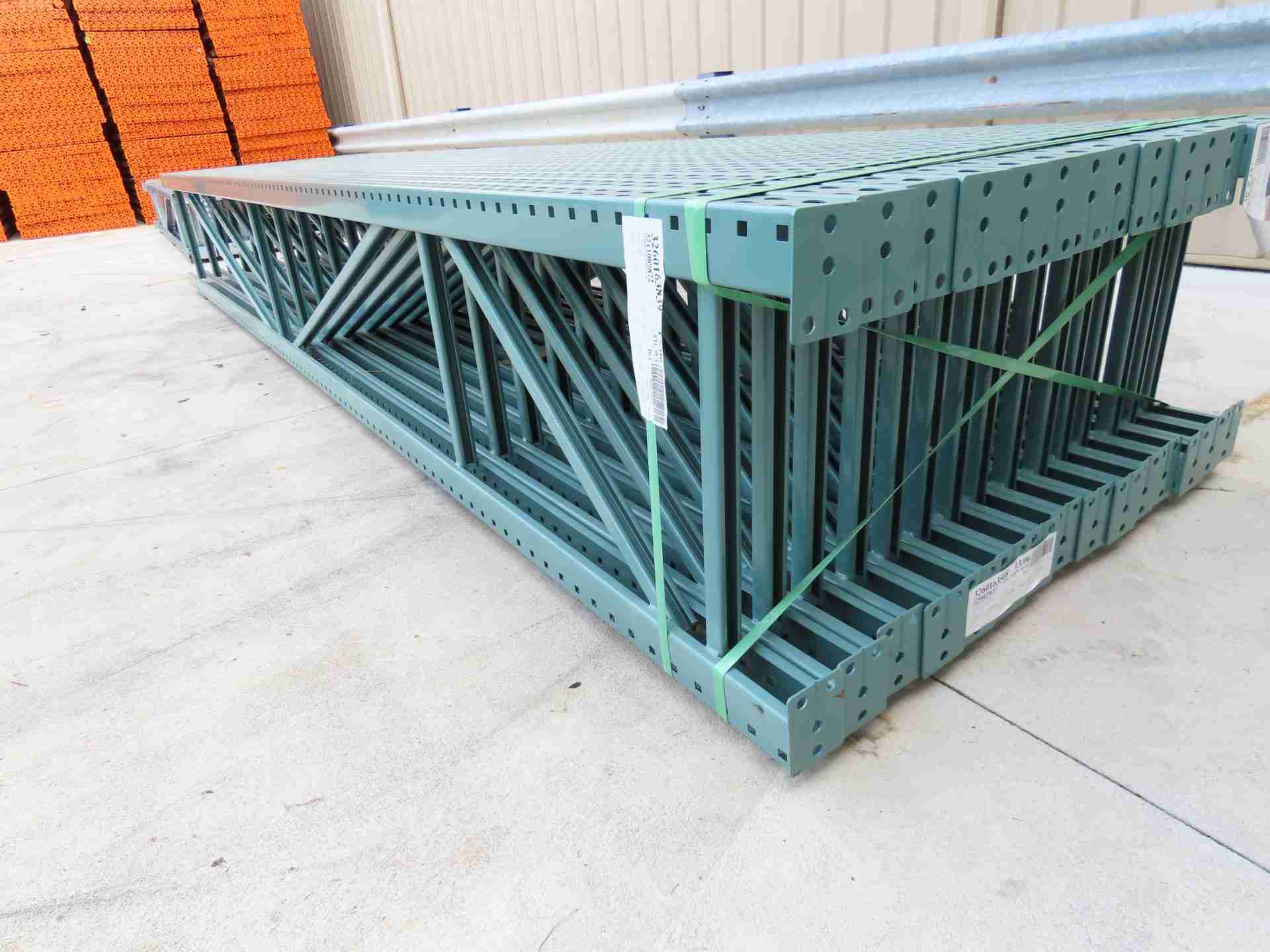
How Can I Avoid Damaging The Wood While Disassembling?
How Can I Avoid Damaging The Wood While Disassembling?
- Careful disassembly is essential to maintain the integrity and value of wooden furniture.
- Use high-quality tools like plastic pry bars and a rubber mallet to prevent damage.
- Analyze construction elements such as screws and dowels before disassembling.
- Consider the climate, as humidity changes can affect wood properties.
- Label parts and fasteners with painter’s tape to streamline reassembly.
- Patience is key; rushing can lead to mistakes and damage, particularly with valuable pieces.
- Equip yourself with knowledge and a steady hand for successful disassembly.
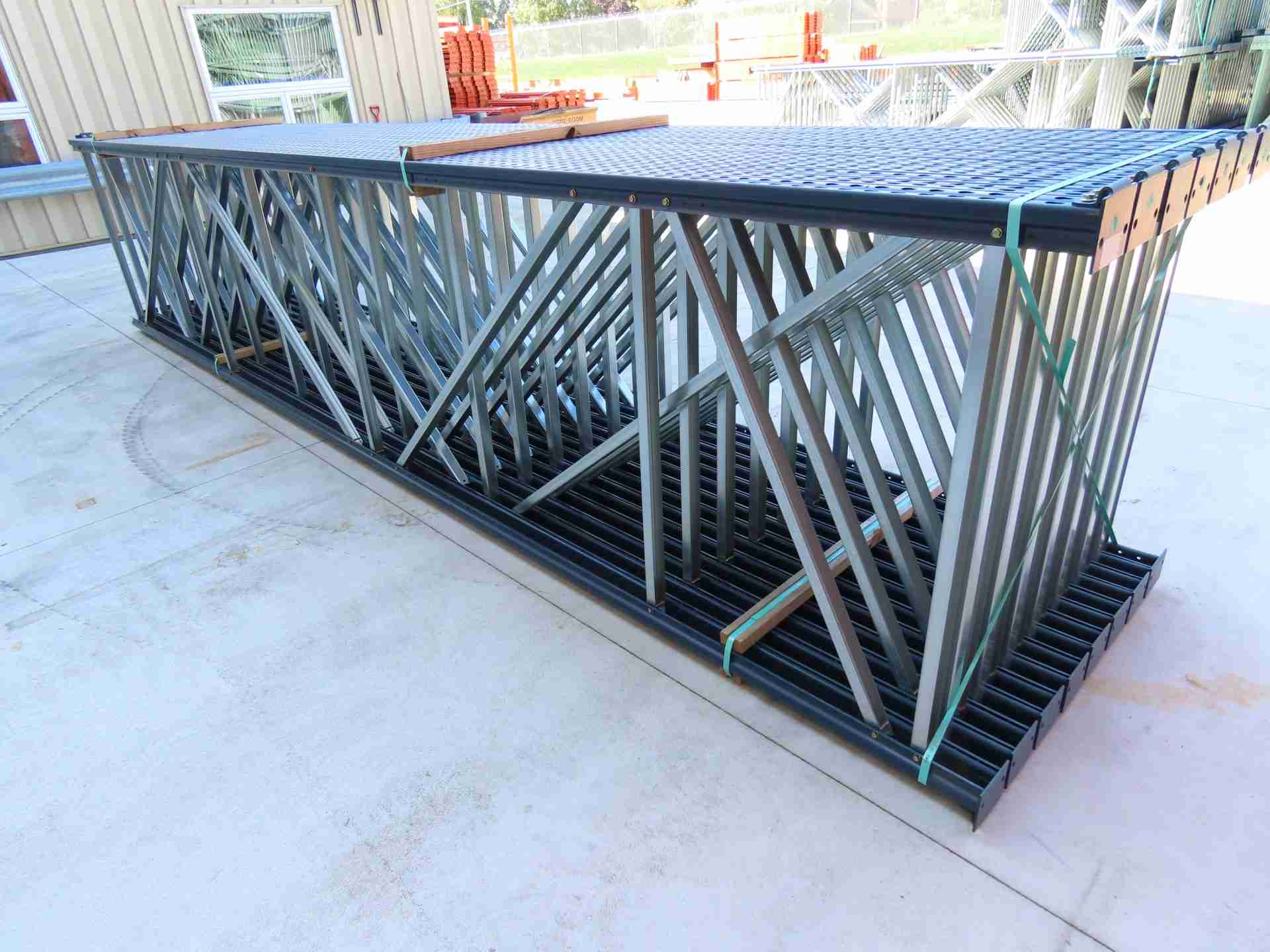
How Can I Avoid Damaging The Wood While Disassembling?
What Safety Precautions Should I Take When Disassembling Pallets?
Disassembling pallets can be a lucrative venture, whether you’re repurposing wood for DIY projects, selling reclaimed materials, or crafting unique furniture. However, safety must be your top priority when navigating this seemingly simple task. So, what safety precautions should you take? Let’s break it down and ensure you’re not just a wood-slinger but a responsible artisan in the world of pallet projects.
First, always wear personal protective equipment (PPE). This isn’t just a suggestion; it’s essential. Equip yourself with safety goggles to protect your eyes from splinters, a sturdy pair of gloves to prevent cuts, and steel-toed boots to shield your feet from heavy pallets. Accidents can happen in the blink of an eye—think of recent news reports where DIY enthusiasts ended up in the ER after neglecting basic safety gear.
Next, inspect your pallets before diving into disassembly. Look for damaged wood, rusted nails, or chemical exposure symbols. Especially considering current events highlighting the importance of source materials in sustainable projects, ensure your pallets are not treated with harmful chemicals. Many pallets are treated with pesticides or fungicides that can be hazardous when the wood is cut or sanded. To check if a pallet is safe, look for the ISPM 15 stamp; if it’s not there, you may want to reconsider its use.
When it comes to disassembling the pallet, utilize the right tools. A crowbar, pry bar, and band saw can be invaluable in ensuring you avoid using excessive force, which could not only damage the wood but result in injury. For example, consider a scenario where someone tries to force apart a stubborn nail with a hammer—it’s a recipe for disaster that’s easily avoided with the right technique and tools.
Maintain an organized workspace. Clutter increases the risk of tripping or misplacing tools. Set up a dedicated area where you can disassemble and store your pallets efficiently. Keep tools within easy reach and materials sorted—this not only boosts productivity but reduces accidental injuries.
Finally, know how to lift properly. Pallets can be deceptively heavy. Bend your knees and keep your back straight when lifting to avoid strains or injuries. If the pallet is too heavy, don’t hesitate to ask for a helping hand or use a dolly.
By following these guidelines, you’ll not only protect yourself but also transform your pallet disassembly into a smooth, efficient process. Safety isn’t just a precaution—it’s a smart investment in your well-being and future projects.
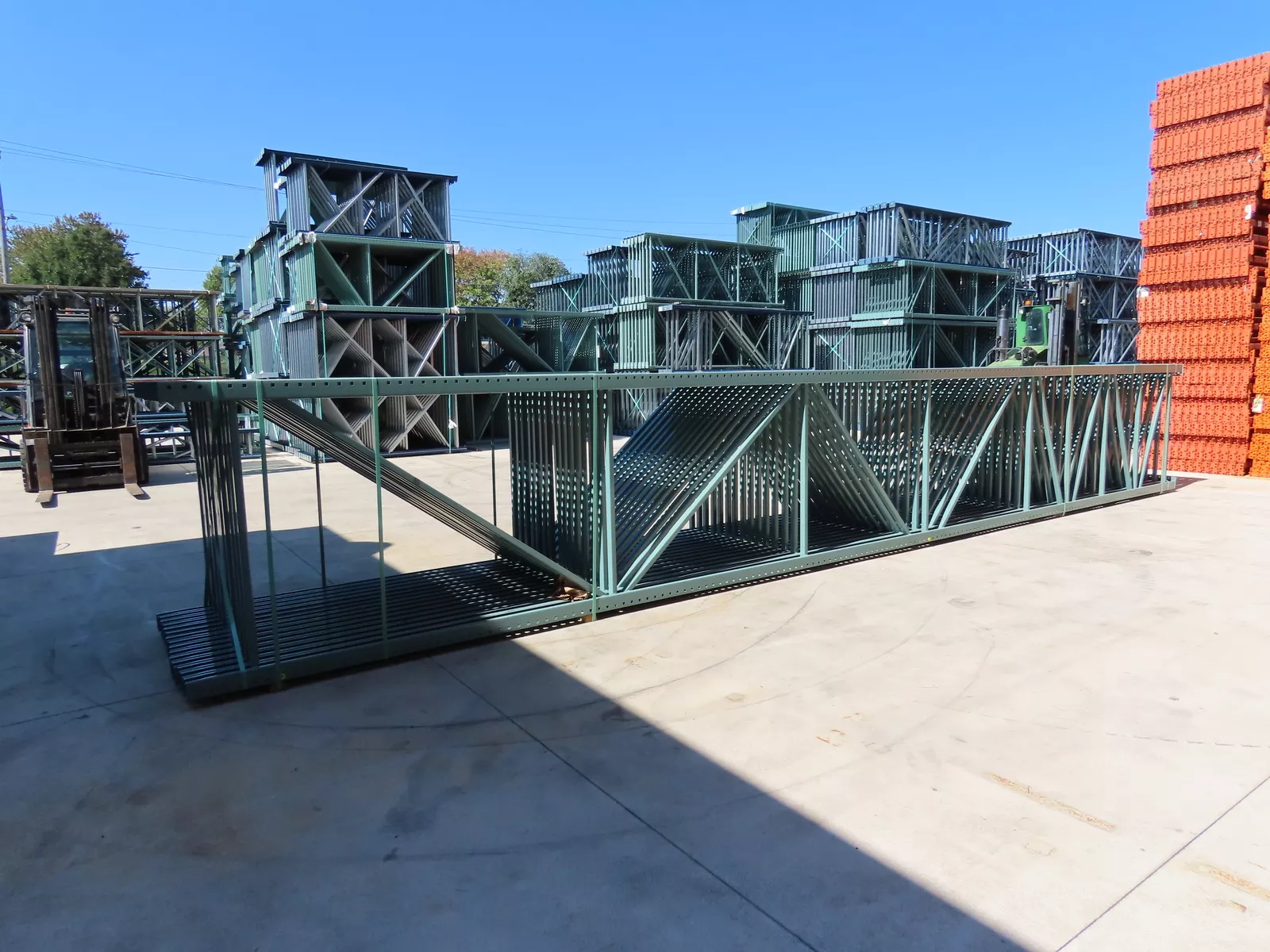
What Safety Precautions Should I Take When Disassembling Pallets?
What Safety Precautions Should I Take When Disassembling Pallets?
- Disassembling pallets can be profitable for DIY projects, selling reclaimed materials, or crafting furniture.
- Always use personal protective equipment (PPE) such as safety goggles, gloves, and steel-toed boots.
- Inspect pallets for damaged wood, rusted nails, and harmful chemical exposure before disassembly.
- Use the right tools like crowbars, pry bars, and band saws to prevent injury and damage to the wood.
- Maintain an organized workspace to reduce the risk of tripping and improve productivity.
- Learn proper lifting techniques to avoid strains; ask for help or use a dolly for heavy pallets.
- Following safety guidelines ensures a smooth disassembly process while protecting your well-being.
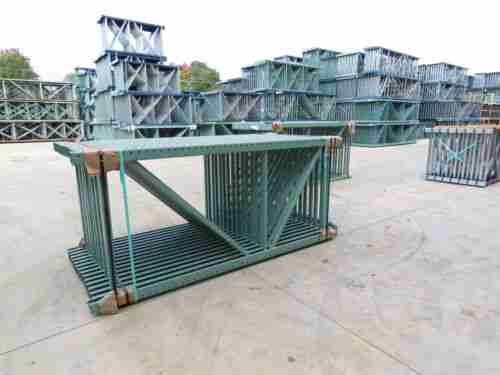
What Safety Precautions Should I Take When Disassembling Pallets?
Can I Disassemble Pallets Without Power Tools?
Absolutely! Disassembling pallets without power tools is not only possible but can also be quite fulfilling. In a world where sustainability is paramount, more people are seeking DIY solutions to repurpose materials. With the rise of eco-conscious living and the do-it-yourself movement, there’s never been a better time to embrace the art of pallet disassembly using basic hand tools.
Consider the growing trend of upcycling. It’s not just a buzzword anymore; it’s a lifestyle choice. By dismantling pallets manually, you’re contributing to a circular economy while scoring some excellent materials for your next project. Imagine transforming an old shipping pallet into a rustic coffee table or a charming garden planter, all without the need for bulky power tools.
What You Will Need
To get started, arm yourself with a few simple hand tools: a hammer, a pry bar, a chisel, and a saw can be your best friends. A hand saw, while a bit more labor-intensive than its electric counterpart, gives you the control you need to slice through nails and wood carefully. For instance, a pry bar can be incredibly effective in creating leverage to pop the boards apart.
The Process
Begin by inspecting the pallet. Identify where the boards are nailed and assess their condition. Use your hammer and a chisel to drive out any stubborn nails. Once you’ve loosened the boards, slide your pry bar in between them, applying consistent pressure to gradually separate the wood without breaking it. Remember, patience is crucial here. If you rush, you’re more likely to cause damage that could sideline your project.
Current Events Connection
As people remain increasingly engaged in self-sufficiency movements, especially amid global supply chain challenges and inflation concerns, DIY projects using pallets have surged in popularity. Your neighbors or local community groups might be holding workshops on woodworking or upcycling. Joining these can not only enhance your skills but also help connect you with like-minded individuals who share your enthusiasm for creative reuse.
So why not roll up your sleeves and dive into pallet disassembly? Not only can you whip up some gorgeous and functional pieces for your home, but you can also do so with a sense of pride — all while saving money and reducing waste. This isn’t just a craft; it’s a statement, a movement, and an opportunity to unleash your creativity, one nail at a time.
Can I Disassemble Pallets Without Power Tools?
Can I Disassemble Pallets Without Power Tools?
- Disassembling pallets without power tools is fulfilling and aligns with sustainable practices.
- The DIY culture and upcycling trend encourage repurposing materials like pallets.
- Key tools for disassembly include a hammer, pry bar, chisel, and hand saw.
- Inspect the pallet and methodically remove nails and boards to avoid damage.
- Current self-sufficiency movements have increased the popularity of DIY pallet projects.
- Community workshops on woodworking and upcycling provide skill enhancement and networking.
- Pallet disassembly allows for unique home creations while promoting waste reduction and personal creativity.
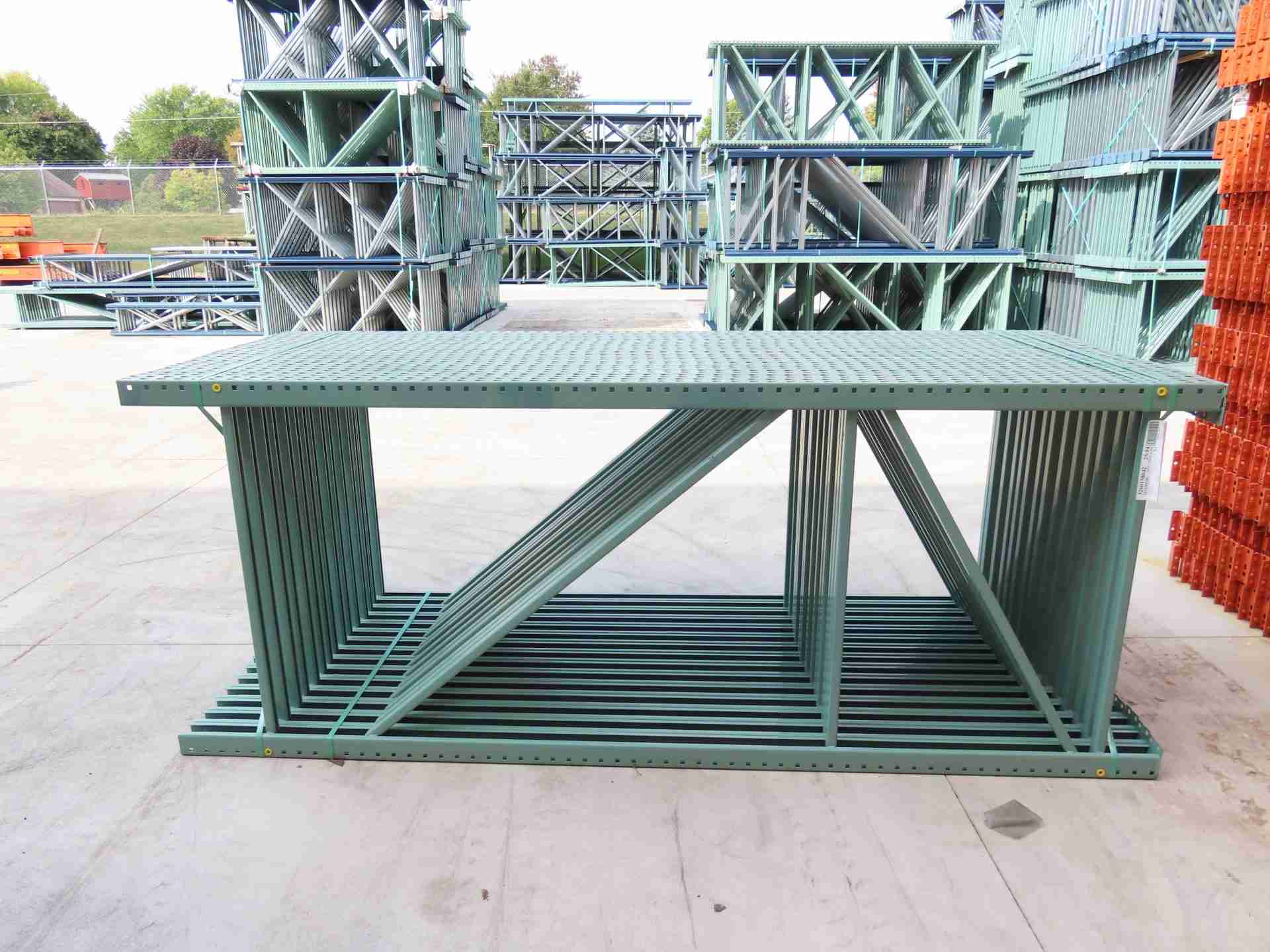
Can I Disassemble Pallets Without Power Tools?
What Are The Benefits Of Reusing Pallet Wood?
In a world increasingly focused on sustainability and environmental responsibility, the benefits of reusing pallet wood are resounding. These humble wooden pallets, often viewed as mere shipping tools, can be transformed into incredible resources for both businesses and homeowners. With rising concerns surrounding environmental impact and the green movement’s momentum, reusing pallet wood isn’t just trendy; it’s a smart strategy.
Environmental Impact
First and foremost, reusing pallet wood contributes significantly to waste reduction. The global shipping industry generates millions of pallets annually, many of which end up in landfills. By repurposing these pallets, we tackle two problems: overconsumption and waste. For example, companies like IKEA have taken strides in sustainability by incorporating reused wood into their product lines, showcasing how waste can become a valuable commodity.
Cost-Effectiveness
For businesses, reusing pallet wood presents a cost-effective alternative. Traditional lumber prices are on the rise, fueled by supply chain disruptions and increasing demand. By sourcing pallets from local suppliers or even directly from shipping companies, businesses can save money while enhancing their brand’s sustainability credentials. Retailers such as Ace Hardware have begun offering DIY workshops that teach customers how to craft furniture and decorative pieces from reclaimed pallets, effectively marrying cost-savings with community engagement.
Versatility
Pallet wood’s versatility cannot be overstated. Whether crafting rustic furniture, shelving, or unique art pieces, the possibilities are endless. Consider the growing trend of creating bespoke garden planters from reclaimed pallets. With a bit of creativity, homeowners can transform a shipping pallet into a vertical garden, maximizing space while contributing to local food sources. This not only elevates home aesthetics but also promotes sustainable living practices at a time when food security is paramount.
Community Engagement
Reusing pallet wood can also foster community engagement. Many communities are organizing pallet projects that encourage collaboration and creativity. Local workshops or maker spaces allow individuals to come together, share skills, and create something meaningful. The rise of social media platforms such as Instagram and Pinterest has fueled this movement, showcasing countless innovative projects and building a community of DIY enthusiasts dedicated to sustainable living.
Conclusion
The benefits of reusing pallet wood extend beyond simple cost-savings. By embracing this practice, you align with a broader movement towards sustainability, creativity, and community involvement. Now is the time to tap into the potential of pallet wood, turning waste into opportunity, while making a positive impact on the planet — all while adding unique character to your projects. In a crowded marketplace, the brands that champion such initiatives will not only appeal to eco-conscious consumers but also lead the charge towards a greener future.
What Are The Benefits Of Reusing Pallet Wood?
What Are The Benefits Of Reusing Pallet Wood?
- Reusing pallet wood significantly reduces waste by repurposing millions of pallets that would otherwise end up in landfills.
- Companies like IKEA demonstrate that waste can become a valuable commodity through the incorporation of reused wood into product lines.
- Reusing pallet wood offers a cost-effective alternative for businesses amid rising traditional lumber prices.
- Local sourcing from suppliers or shipping companies can enhance a brand’s sustainability credentials while saving money.
- Pallet wood’s versatility allows for the creation of various items, including rustic furniture, shelving, and garden planters.
- Community engagement opportunities arise through local workshops and collaborative projects centered on pallet repurposing.
- Embracing pallet wood reuse aligns with sustainability goals and encourages creativity and community involvement, appealing to eco-conscious consumers.

What Are The Benefits Of Reusing Pallet Wood?
How Do I Identify Different Types Of Pallets For Disassembly?
In today’s fast-paced and eco-conscious marketplace, knowing how to identify and disassemble different types of pallets is an invaluable skill, particularly for businesses focused on sustainability or cost-effective material management. Pallets, the workhorses of logistics, come in various forms and materials, each serving distinct purposes. By understanding the nuances of these structures, you can not only ensure maximum utility but also tap into potential cost savings and environmental benefits.
First up, we have wooden pallets. These are by far the most common, accounting for up to 90% of all pallets used today. When evaluating wooden pallets for disassembly, look for the quality of the wood and the method of construction. Identify whether it’s a block pallet, which offers greater durability, or a stringer pallet, which is lighter and easier to store. For example, during the current supply chain challenges—which have seen shipping containers in short supply—many businesses are opting for reclaimed wooden pallets. A savvy operation could source high-quality used pallets, saving money while contributing to the circular economy.
Next on the list are plastic pallets. Excellent for specific applications such as pharmaceuticals or food, they are lighter and more hygienic, often boasting a longer lifespan than their wooden counterparts. However, disassembling plastic pallets can be more complex due to their molded construction. Instead, consider repurposing them directly for applications such as storage bins or garden beds—after all, every moment saved on disassembly can go toward delivering value to your customers.
Steel pallets, while less common, are worth identifying. Renowned for their strength and longevity, they’re often used in heavy-duty applications. Knowing their value allows you to negotiate better deals when purchasing or reselling them. Typically used in industries like automotive and aerospace, steel pallets are designed to take a beating. If disassembling is necessary, approach it with care, as the risk of injury is higher.
Finally, consider the increasingly popular composite pallets, which offer the best of both worlds. Made from a blend of materials, they’re light, robust, and still environmentally friendly. Businesses like Amazon and Walmart are integrating such products to optimize their logistics while reducing their carbon footprint.
As you navigate the world of pallets, keep in mind that knowledge is power. By identifying and understanding the various types of pallets available, your business can unlock new avenues for cost reduction and promote responsible resource management—keeping you ahead in a competitive marketplace.
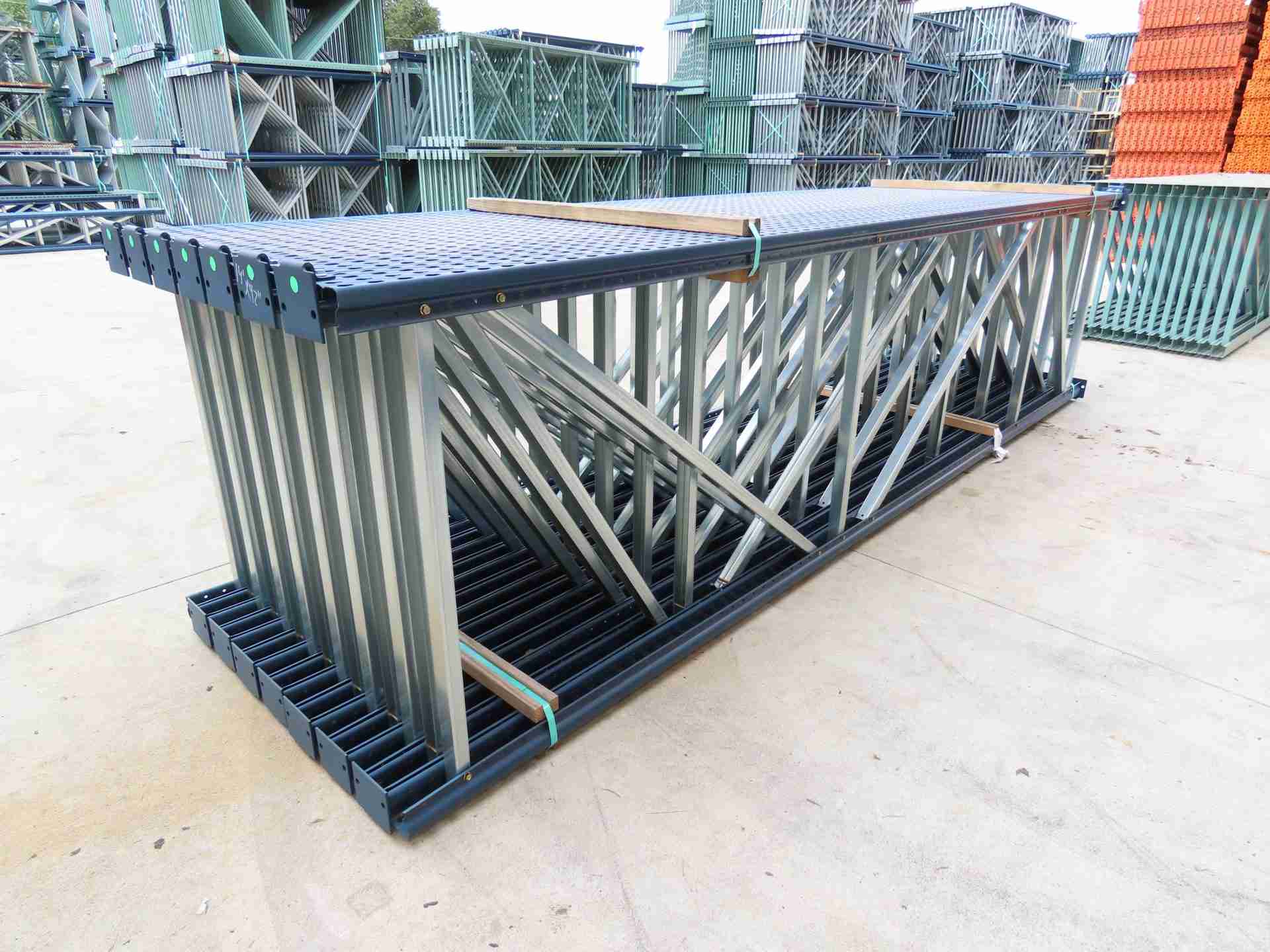
How Do I Identify Different Types Of Pallets For Disassembly?
How Do I Identify Different Types Of Pallets For Disassembly?
- Understanding different types of pallets is essential for businesses focused on sustainability and cost-effective material management.
- Wooden pallets make up about 90% of pallets used; quality and construction method (block vs. stringer) are key evaluation criteria.
- Reclaimed wooden pallets are popular during supply chain challenges, providing cost savings and supporting the circular economy.
- Plastic pallets are lightweight, hygienic, and have a longer lifespan but are more complex to disassemble; repurposing is often more practical.
- Steel pallets, used in heavy-duty applications, offer strength and longevity but require careful handling during disassembly due to injury risks.
- Composite pallets, made from a blend of materials, are gaining popularity for being light, robust, and environmentally friendly.
- Knowledge about pallet types helps businesses reduce costs and promote responsible resource management in a competitive marketplace.
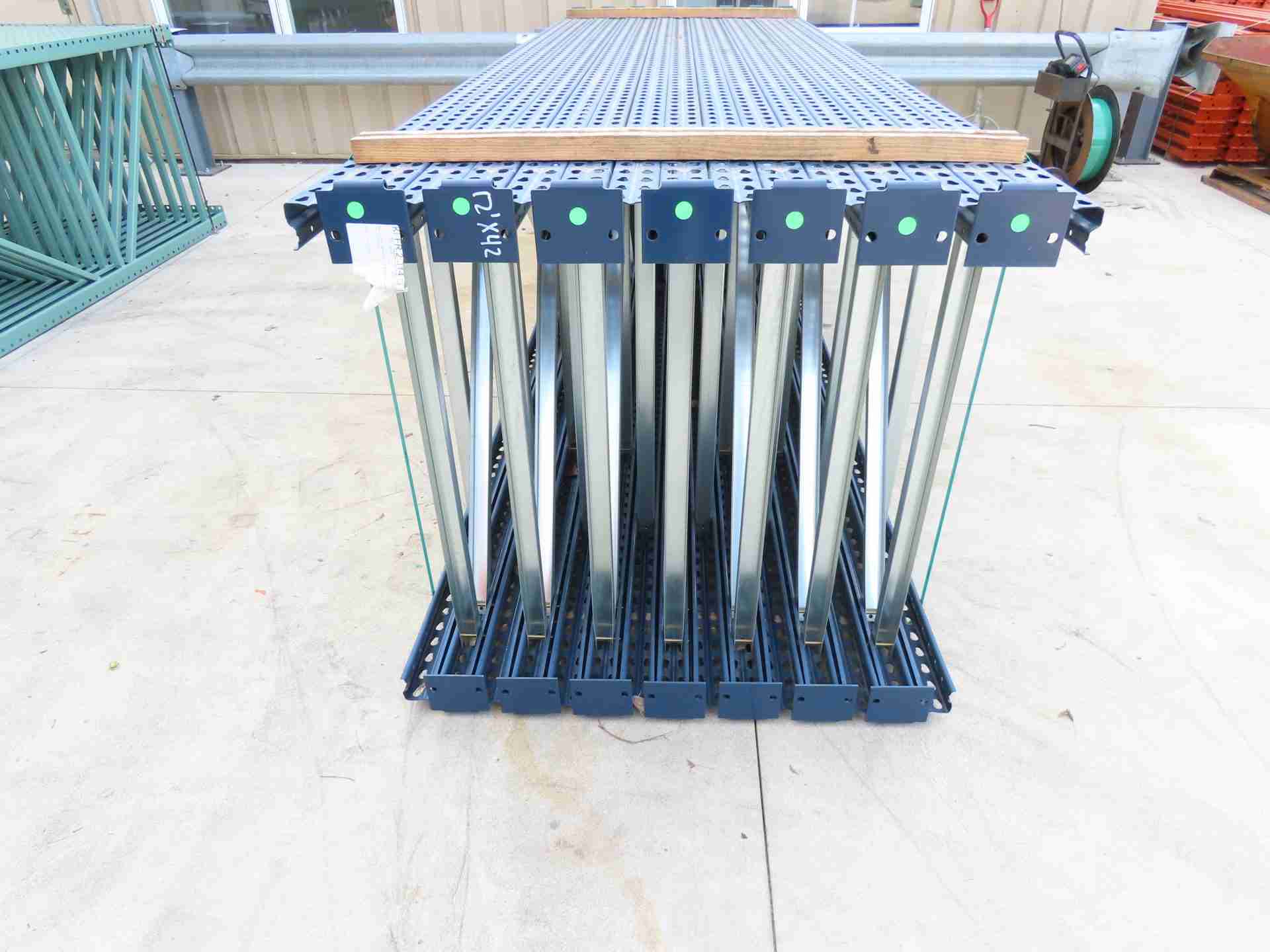
How Do I Identify Different Types Of Pallets For Disassembly?
Where Can I Find Pallets To Disassemble?
If you’re on the hunt for pallets to disassemble, you’re in luck! There’s a treasure trove of opportunities just waiting for you, and the possibilities are almost endless. Whether you’re looking to repurpose them for a DIY project, use them to create unique furniture, or tap into the booming market for reclaimed wood, the right source is key. Here’s how you can locate pallets in your area and turn those wooden wonders into your next big project!
1. Local Retailers and Big-Box Stores
One of the most straightforward places to find pallets is at local retailers. Stores like Walmart, Home Depot, and Lowe’s often receive shipments on pallets and may simply toss them out once they empty them. Don’t be shy—ask the staff if they have pallets available. Some might even let you take them for free! Given the supply chain challenges that retailers have faced in recent years, they may be more inclined to let those pallets go to good use instead of discarding them.
2. Construction Sites
Construction sites are a goldmine for pallets. Builders often use pallets in their supply deliveries, which means there’s a steady flow of surplus wood. Just remember, it’s courteous (and often required) to get permission from the site manager before taking any pallets. With current housing booms—and the uptick in construction projects fueled by urban renewal efforts—your chances of finding usable pallets are higher than ever.
3. Online Marketplaces and Classifieds
Leverage the power of the internet! Platforms like Craigslist, Facebook Marketplace, and OfferUp often feature listings for free or inexpensive pallets. Search your local listings and you might find someone practically giving them away! Plus, with the rise of sustainability initiatives, many people are eager to offload their extra pallets to those who will give them a second life.
4. Local Gardens and Farms
Don’t overlook local gardens or farms; they sometimes use pallets for planting or composting. You might find them willing to part with unwanted pallets that are no longer usable for agricultural purposes.
In this era of eco-consciousness and DIY ingenuity, the quest for pallets can lead to fantastic opportunities. Not only can you save on costs, but you align with the growing trend of sustainability. So grab your tools, hit the ground running, and start turning those pallets into something extraordinary!
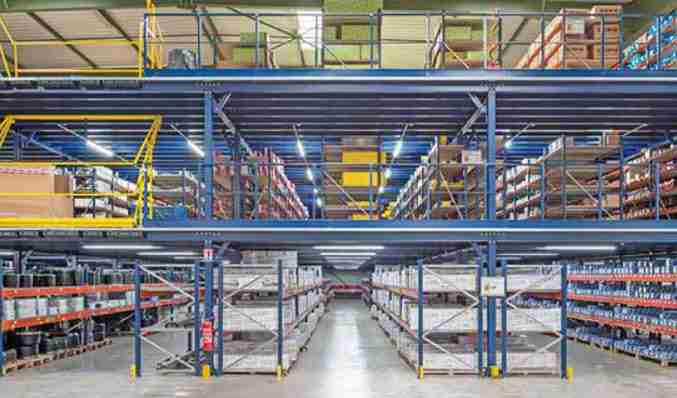
Where Can I Find Pallets To Disassemble?
Where Can I Find Pallets To Disassemble?
- Local retailers like Walmart, Home Depot, and Lowe’s often discard empty pallets; ask staff for available pallets.
- Construction sites provide an abundance of pallets, but always get permission before taking any.
- Online marketplaces such as Craigslist and Facebook Marketplace have listings for free or inexpensive pallets.
- People are eager to give away pallets due to rising sustainability initiatives, so check local listings often.
- Local gardens and farms may have unwanted pallets from planting or composting activities.
- Utilizing pallets can save costs and align with the trend of sustainability.
- With creativity and tools, you can turn pallets into unique DIY projects and furniture.
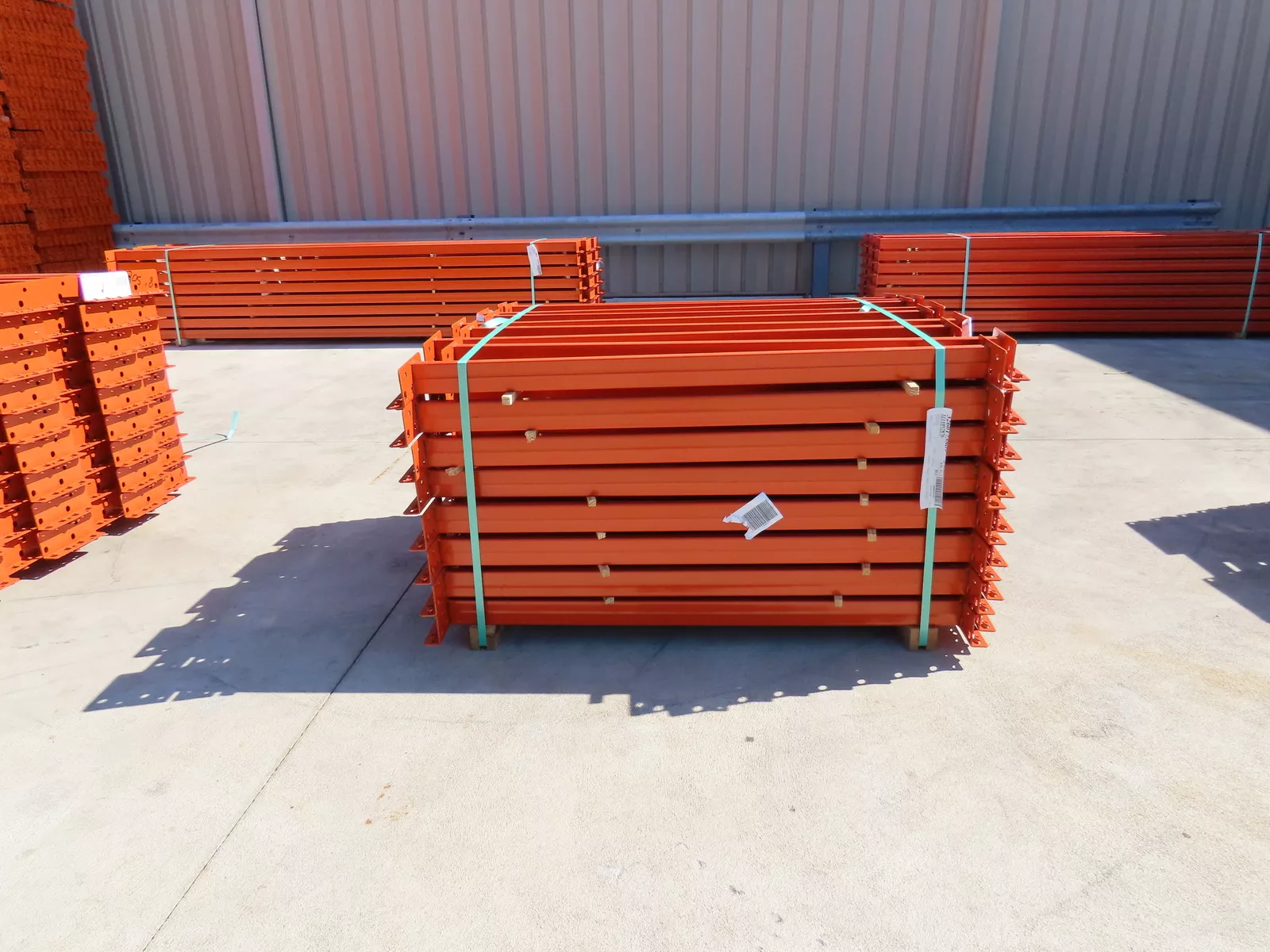
Where Can I Find Pallets To Disassemble?
Conclusion
As we wrap up our exploration of pallet disassembly, it’s clear that this skill is much more than simply taking apart wooden structures. It embodies the essence of sustainability, creativity, and resourcefulness that today’s businesses and DIYers are embracing. In a world increasingly concerned about waste and environmental impact, knowing how to effectively and safely disassemble pallets sets you apart in both the market and your community.
Let’s face it: the demand for recyclable, reusable materials is surging. Whether you’re crafting beautiful furniture, enhancing your retail space, or supporting ecological initiatives, understanding the nuances of pallet disassembly can unlock endless possibilities. With the right tools—such as pry bars, hammers, and reciprocating saws—you can effortlessly break down pallets while preserving the wood’s integrity. A skilled disassembler is akin to an artist, transforming raw material into something uniquely valuable and functional.
Moreover, by honing this skill, you position yourself within a community of like-minded individuals who value sustainability. Engaging in pallet projects not only allows for self-expression but also encourages collaboration and knowledge sharing. Recent trends show that workshops and local meetups dedicated to upcycling are popping up everywhere, providing opportunities to learn from and connect with others passionate about responsible craftsmanship.
Notably, the urgency to adopt more eco-friendly practices cannot be overstated. With businesses striving to improve their green credentials, mastering pallet disassembly can serve as a lucrative avenue toward achieving sustainability goals while saving costs. Corporate giants are realizing the benefits of reclaimed materials as they adapt to new consumer demands for environmentally responsible practices.
Are you ready to roll up your sleeves and unleash your creativity? By prioritizing safety and proper techniques—investing in protective gear, inspecting pallets for integrity, and maintaining an organized workspace—you foster a safer environment that enhances productivity and satisfaction.
Don’t let this opportunity pass you by! Dive into this engaging endeavor with Arrow Industrial Sales. Equip yourself with the knowledge and tools necessary to not just disassemble pallets, but to also redefine your living space, create unique projects, and contribute to a sustainable future. For expert guidance and to learn more about sourcing quality pallets or obtaining tools, call Arrow Industrial Sales at (574) 349-6575. Time is of the essence—take the first step toward becoming a master in pallet disassembly today!
Conclusion
Conclusion:
- Pallet disassembly is a skill that promotes sustainability, creativity, and resourcefulness.
- Understanding pallet disassembly helps meet the increasing demand for recyclable and reusable materials.
- Using the right tools, such as pry bars and reciprocating saws, allows for effective and safe pallet breakdown.
- The skill positions individuals within a community that values sustainability and responsible craftsmanship.
- Workshops and local meetups focused on upcycling are becoming more common, providing networking and learning opportunities.
- Mastering pallet disassembly can help businesses improve their green credentials while saving costs.
- Prioritizing safety and proper techniques can enhance productivity and satisfaction in the disassembly process.
Conclusion
Other Resources
Other Resources
Here is a list of other resources you can review online to learn more:
- Easiest Way to Break Down a Pallet Without Damaging the Boards: This YouTube video provides a step-by-step guide on how to break down a pallet without damaging the boards.
- How to Take Apart a Pallet Without Breaking It (with Pictures): This wikiHow article offers detailed instructions on using a reciprocating saw or a crowbar to disassemble a pallet.
- Mastering Pallet Disassembly: The Art of Preserving Wood: This article from Painted Furniture Ideas discusses various methods to disassemble a pallet while preserving the wood.
Use This Prompt To Get More Resources With Your Favorite Online AI Tool: Please provide me with a list of online articles with their URLs in a bulleted list that I can read regarding What Is The Easiest Way to Disassemble Pallets?
Other Resources
Glossary Terms
What Is The Easiest Way to Disassemble Pallets? – Glossary Of Terms
1. Pallet: A flat structure made of wood or other materials used for storing or moving goods.
2. Disassembly: The process of taking apart or breaking down an object into its individual components.
3. Nails: Metal fasteners used to hold the wooden components of a pallet together, often requiring removal during disassembly.
4. Crowbar: A tool with a curved end used to pry apart nails and lift wooden planks during pallet disassembly.
5. Hammer: A hand tool used to drive nails in and out of wood; essential for disassembling pallets.
6. Reciprocating Saw: A power tool that uses a saw blade for cutting through wood, metal, or other materials; helpful for quickly disassembling pallets.
7. Utility Knife: A tool with a retractable blade used for cutting through wood or strapping during the disassembly process.
8. Safety Gear: Protective equipment such as gloves, goggles, and helmets worn to safeguard against injuries during disassembly.
9. Strapping: A band made of plastic or metal used to secure goods; may need to be cut during the disassembly of pallets.
10. Wooden Decking: The flat surface of the pallet that supports the load; typically disassembled into individual boards.
11. End Boards: The vertical components at the ends of a pallet that provide stability and structure.
12. Slats: The horizontal pieces of wood that form the base of the pallet; commonly removed during disassembly.
13. Reciprocating Saw Blade: A specialized blade used with a reciprocating saw, designed for cutting through various materials, including pallet wood.
14. Pry Bar: Similar to a crowbar, this tool can be used to leverage apart wooden components and remove nails.
15. Jaw Clamp: A tool used to secure inline parts while disassembling pallets to maintain safety and control.
16. Chisel: A tool with a sharp edge that can be used to remove stubborn nails or separate wood joints.
17. Pallet Jack: A hand-operated device used to lift and move pallets; useful for repositioning pallets before disassembly.
18. Wood Glue: Adhesive used in some pallet constructions that may require careful separation of components during disassembly.
19. Rotary Tool: A versatile power tool that can be fitted with different attachments for cutting or grinding wood.
20. Screwdriver: A tool designed to turn screws, which may be present in some pallet constructions alongside nails.
21. Deconstruction: The careful dismantling of a pallet to preserve its components for reuse or recycling.
22. Pallet Repair: The act of fixating or replacing broken parts of a pallet after disassembly to ensure it can be reused.
23. Recycling: The process of converting disassembled pallet wood and materials into new products to reduce waste.
24. Hand Saw: A manual cutting tool used for cutting wood; may be employed for precision disassembly.
25. Dust Mask: Protective gear worn to filter out dust and particles when cutting or sanding pallets.
26. Pallet Types: Various designs of pallets, including skid, block, and stringer pallets, each having unique disassembly methods.
27. Wood Species: Different types of wood used in pallets, affecting the tools and methods required for disassembly.
28. Assembly Joints: The connections where different parts of the pallet are joined; critical points to focus on during disassembly.
29. Disassembly Method: The specific technique or strategy used to take apart pallets safely and efficiently.
30. Work Surface: A stable area where pallets can be disassembled; essential for safety and efficiency during the process.
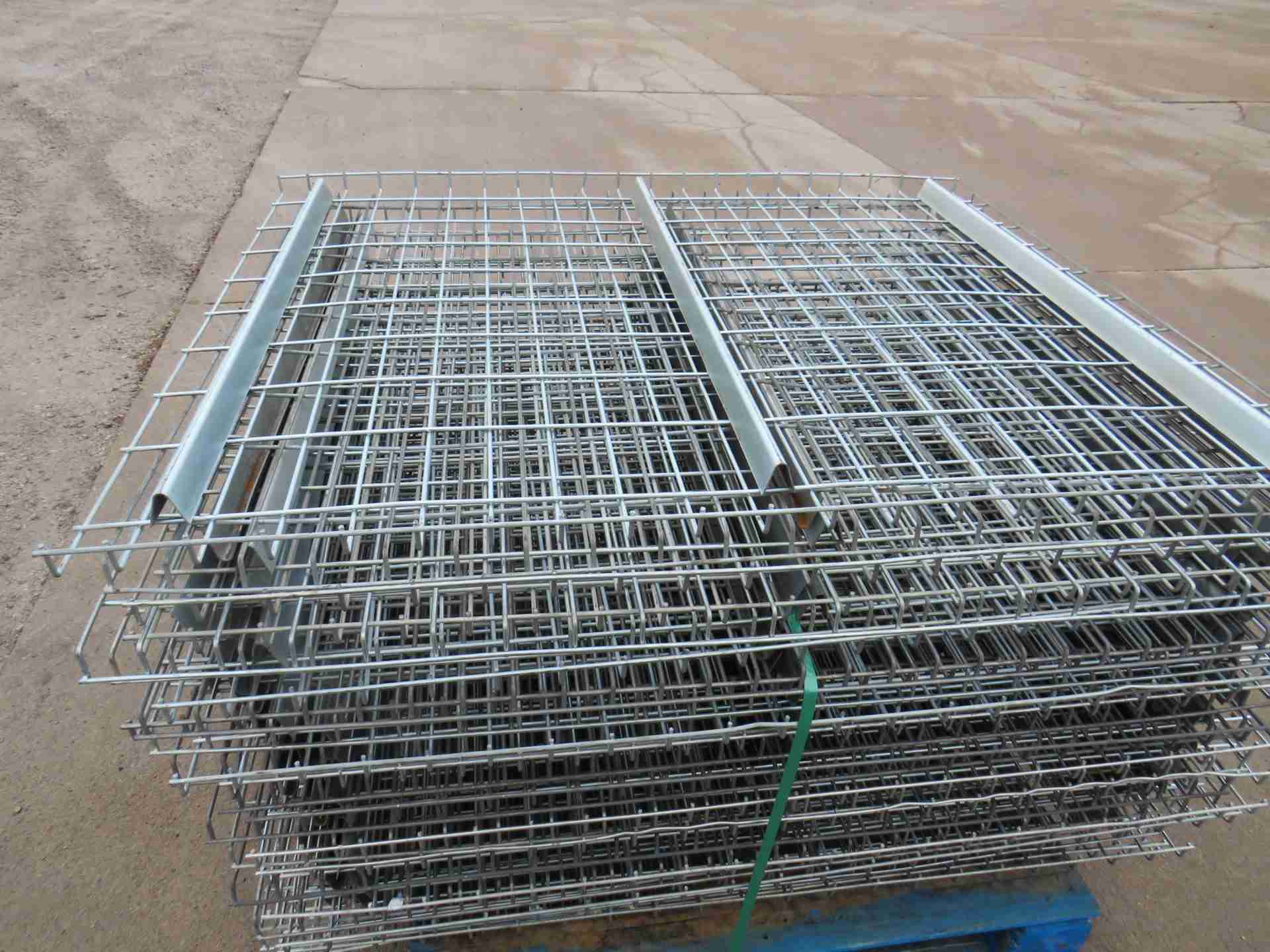
Glossary Of Terms
Other Questions
What Is The Easiest Way to Disassemble Pallets? – Other Questions
If you wish to explore and discover more, consider looking for answers to these questions:
- What types of pallets are most suitable for disassembly?
- How can I tell if a pallet is safe to use?
- What are the environmental benefits of reusing pallets?
- Can I sell disassembled pallet wood for profit?
- What are some creative projects I can make using disassembled pallets?
- Are there local regulations I should be aware of when collecting pallets?
- How can I store disassembled pallet wood properly?
- What are the common mistakes to avoid while disassembling pallets?
- Can pallets be recycled instead of disassembled?
- Is there a specific technique for disassembling pallets without causing damage?
- What safety certifications should I look for when using reclaimed pallet wood?
- How can I connect with others interested in DIY pallet projects?
- What are the costs associated with tools for disassembling pallets?
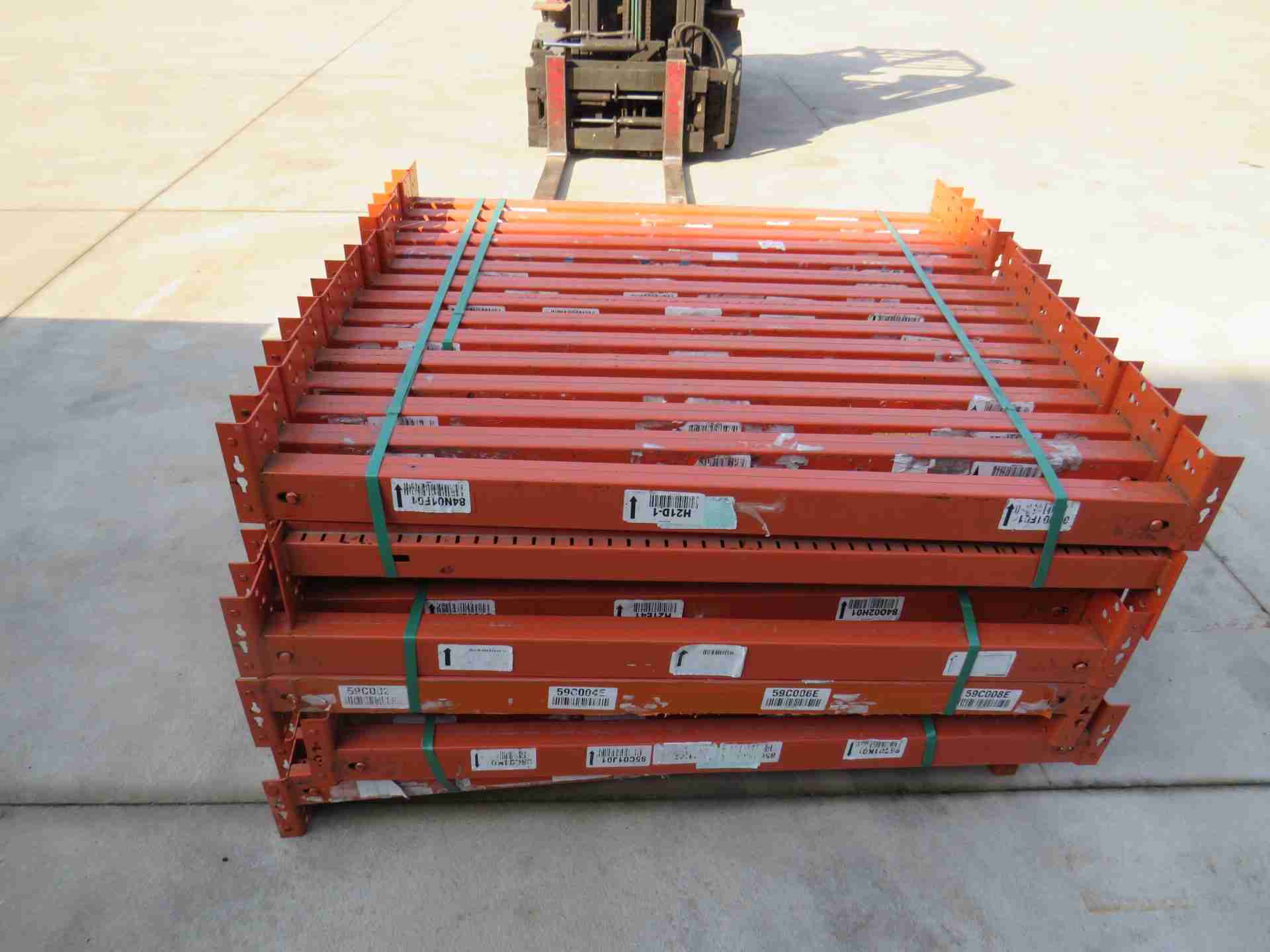
Other Questions
Checklist
What Is The Easiest Way to Disassemble Pallets? – A Checklist
Before You Start
1. Gather Tools: Make sure you have the following tools:
_____ Pry bar
_____ Hammer (claw hammer or sledgehammer)
_____ Reciprocating saw (optional for tougher pallets)
_____ Circular saw (optional for an efficient approach)
_____ Utility knife for removing staples
_____ Safety gear: gloves, safety goggles, dust mask, steel-toed boots
2. Inspect the Pallet:
_____ Check for structural integrity (sturdy wood, free from damage).
_____ Look for chemical exposure symbols to avoid hazardous materials.
Safety Precautions
3. Wear Personal Protective Equipment (PPE):
_____ Always wear safety goggles to protect your eyes.
_____ Use gloves to prevent cuts and scrapes.
_____ Steel-toed boots are essential to protect your feet.
4. Organize Your Workspace:
_____ Keep your workspace tidy to avoid accidents.
_____ Ensure tools are easily accessible.
Disassembly Process
5. Choose Your Approach:
_____ For quick disassembly, lay the pallet on its side and pry apart the slats.
_____ If you want to keep the wood intact, use a reciprocating saw to cut nails.
6. Start at the Ends:
_____ Begin removing slats from the ends of the pallet using your pry bar and hammer.
7. Utilize Proper Techniques:
_____ Use the hammer to tap the pry bar and loosen nails.
_____ Be patient, as rushing can lead to damage or injury.
8. Label Boards:
_____ As you disassemble, label the boards for more accessible future projects.
Clean-Up
9. Dispose of Nails Safely:
_____ Collect and dispose of nails and damaged wood properly to prevent future injuries.
10. Store Reusable Materials:
_____ Keep separated boards organized for future reuse in projects.
Resource Management
11. Identify Different Types of Pallets:
_____ Learn to recognize wooden, plastic, steel, and composite pallets to enhance your sourcing strategy.
12. Where to Find Pallets:
_____ Check with local retailers, construction sites, online marketplaces, and farms for available pallets.
Additional Considerations
13. Adapt to Trends:
_____ Keep up with trends in sustainability and reclaimed materials to maximize use of disassembled pallets.
14. Practice Patience:
_____ Take your time during disassembly to maintain material integrity and prevent damage.
Post-Disassembly
15. Explore Creative Projects:
_____ Use the salvaged pallet wood for DIY projects like furniture, planters, or decorative elements.
By following this checklist, you can engage in seamless and safe pallet disassembly, paving the way for your next creative project!
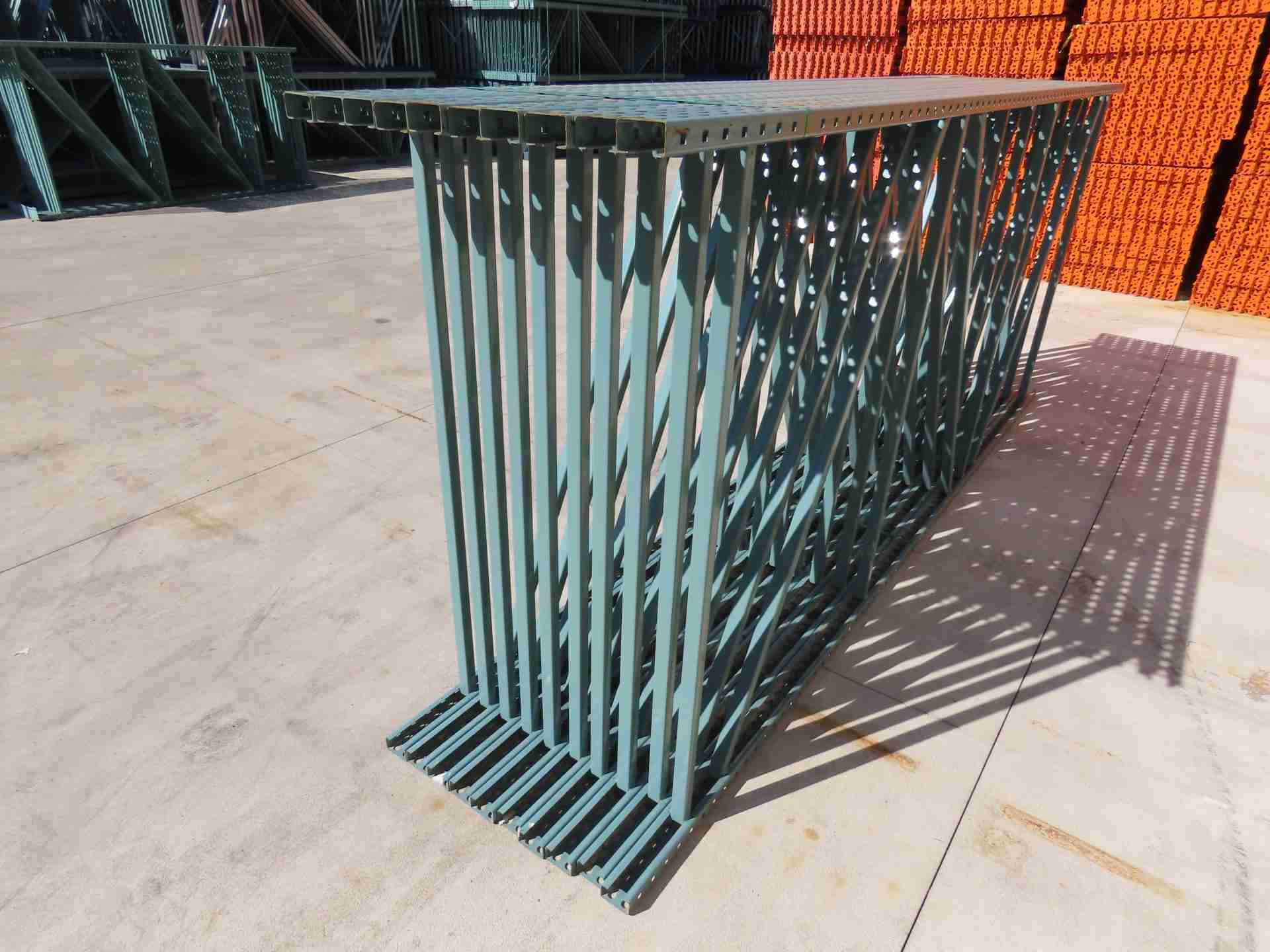
Checklist
At RackingWorld, we help guide you through selecting warehouse storage systems and racking.
Be sure to read our other related stories at RackingWorld to learn more about warehouse storage systems.
0 Comments