
Maximizing Efficiency And Storage Space In Your Lumber Yard
By Tom Seest
At RackingWorld, we help guide you through selecting warehouse storage systems and racking.
Be sure to read our other related stories at RackingWorld to learn more about warehouse storage systems.
What’s The Best Cantilever Rack Setup for a Lumber Yard?
When it comes to optimizing your lumber yard’s storage and efficiency, choosing the right cantilever rack setup can make all the difference. A well-structured, organized space isn’t just about aesthetics; it’s about maximizing your operational efficiency and ultimately boosting your bottom line.
First, consider the type of lumber you handle. Different dimensions and weights demand varying rack configurations. For instance, if you primarily store long lengths of lumber, a double-sided cantilever rack with extra-height arms can accommodate the length while allowing easy access. Conversely, if smaller, lighter materials dominate your inventory, single-sided racks with adjustable arms make for the ideal solution. A popular choice among lumber yards today is the heavy-duty cantilever rack, featuring reinforced steel arms that can handle oversized beams and planks without compromising safety or stability.
In a time when supply chain disruptions persist, as seen in the 2023 global lumber market fluctuations, your ability to quickly and efficiently access stock becomes essential. A good cantilever rack setup not only keeps your materials visible but also enhances picking efficiency. Imagine working from a setup that allows your staff to easily see available inventory from a distance. It minimizes time spent searching for that elusive piece of lumber, allowing your team to focus on more valuable tasks, like servicing customers or managing inventory.
But let’s not disregard the workflow aspect. Smart lumber yards are combining cantilever racks with modern technology. Consider implementing inventory management systems that integrate seamlessly with your storage solutions. RFID tags on your lumber can help track quantities and movement effortlessly. When coupled with cantilever racks strategically arranged to allow for a first-in, first-out (FIFO) flow, you’re positioned to reduce waste and improve turnover rates, critical factors in today’s fluctuating market.
Additionally, take into account the accessibility of your cantilever rack setup. Creating wide aisles that facilitate smooth traffic flow is crucial. Ensure that there’s enough room for fork trucks, so you can quickly restock as customer demand rises, like the current trend in home renovations and DIY projects feeding lumber sales.
The best cantilever rack setup for your lumber yard isn’t just about storage; it’s about creating an environment that enhances efficiency, improves safety, and maximizes inventory turnover. By investing in a tailored solution that matches your specific needs and current market trends, you not only position yourself to thrive but also create a robust platform for future growth.
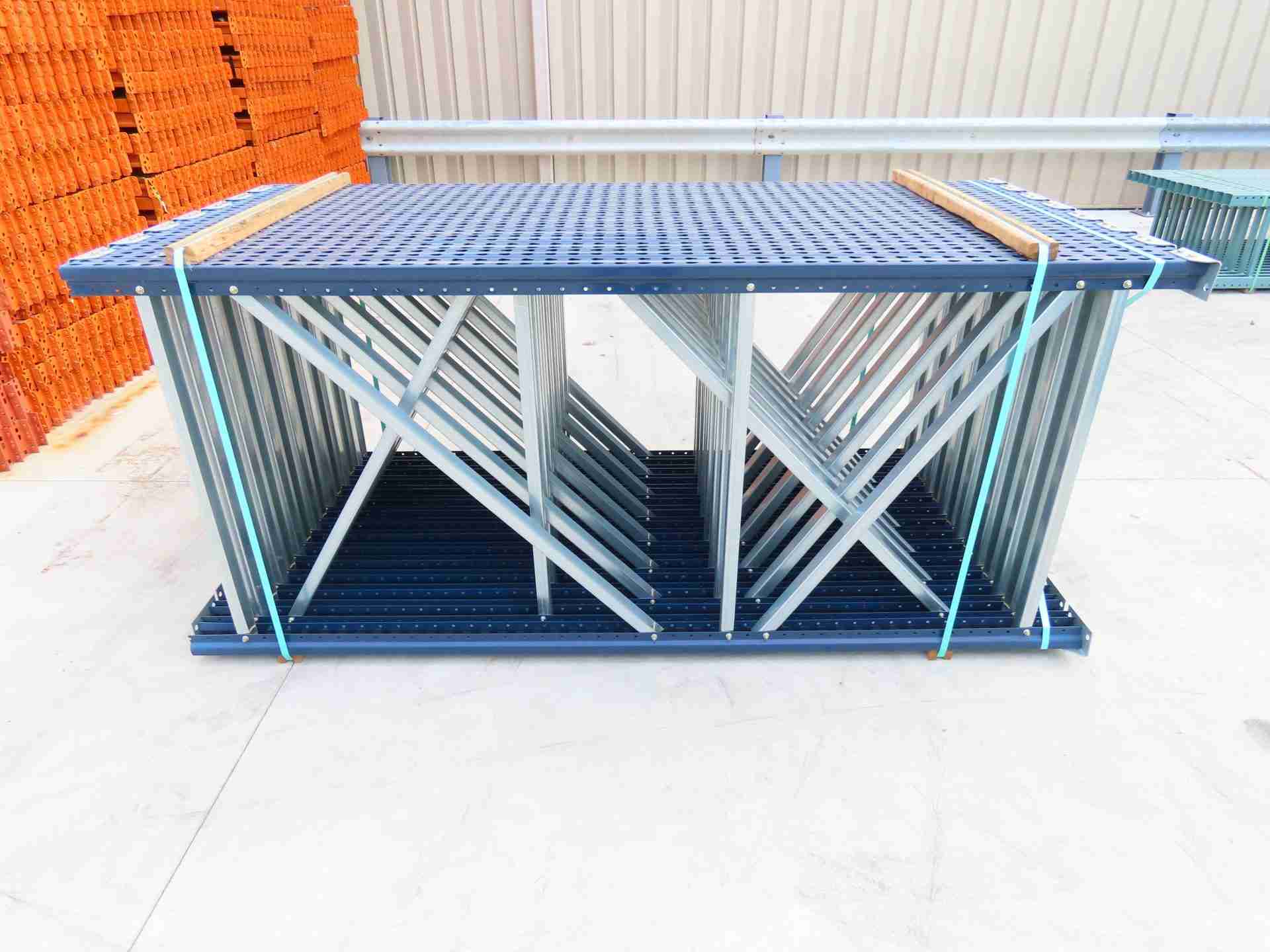
What’s The Best Cantilever Rack Setup for a Lumber Yard?
What’s The Best Cantilever Rack Setup for a Lumber Yard?
- Choosing the right cantilever rack setup is crucial for optimizing lumber yard storage and efficiency.
- Different lumber dimensions and weights require specific rack configurations, such as double-sided racks for long lengths and single-sided racks for smaller materials.
- Heavy-duty cantilever racks with reinforced steel arms can support oversized beams and planks safely.
- A well-organized cantilever rack system enhances inventory visibility and picking efficiency, saving time for more critical tasks.
- Integrating inventory management systems and RFID technology with cantilever racks can help track stock and improve turnover rates.
- Creating wide aisles in the storage area facilitates smooth traffic flow and quick restocking, crucial for meeting customer demand.
- The optimal cantilever rack setup not only boosts efficiency and safety but also supports inventory turnover in a fluctuating market.
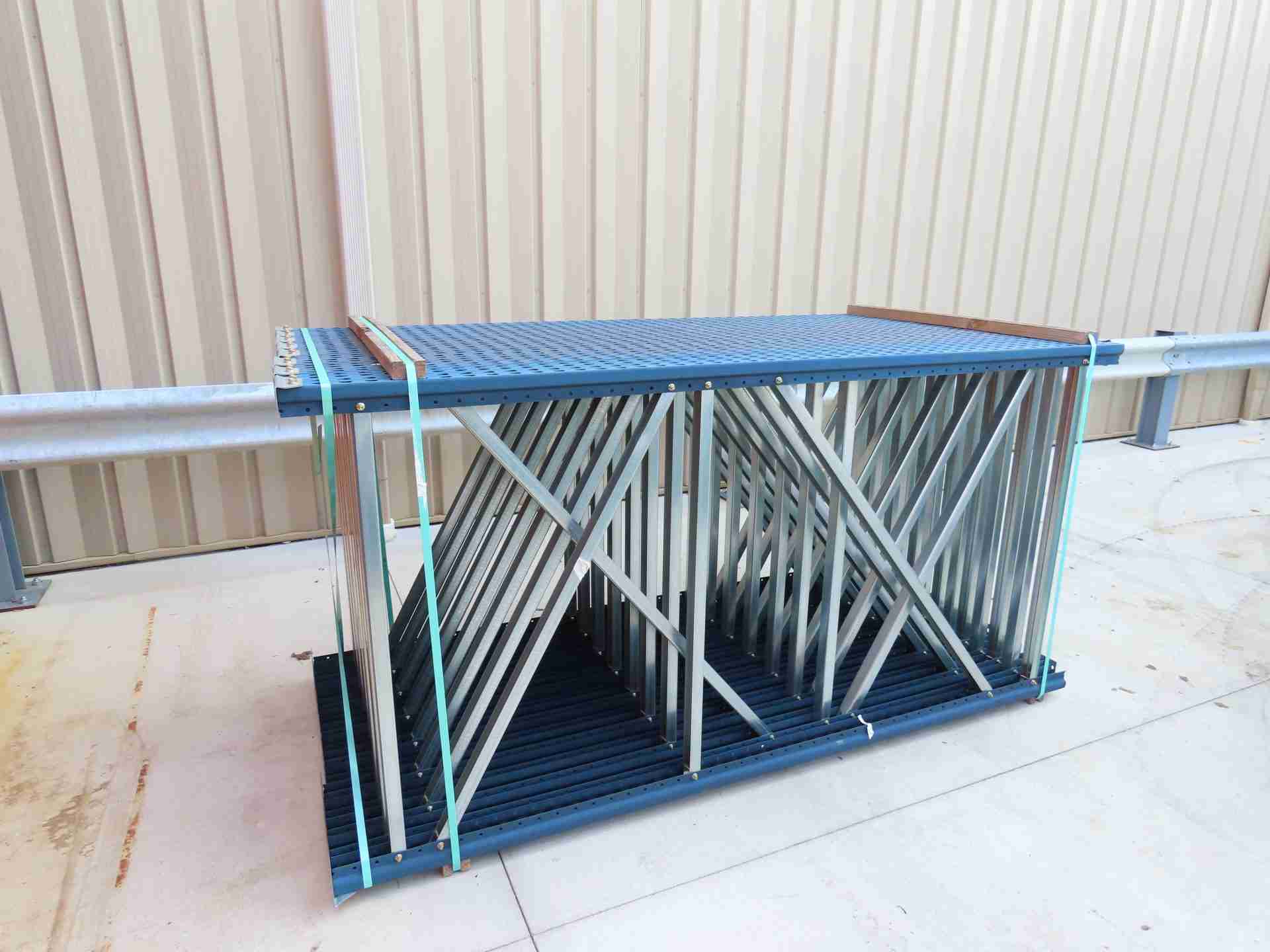
What’s The Best Cantilever Rack Setup for a Lumber Yard?
Table Of Contents
- What’s The Best Cantilever Rack Setup for a Lumber Yard?
- What Are The Key Features Of A Good Cantilever Rack?
- How Do I Choose The Right Size Cantilever Rack?
- What Weight Capacity Do I Need For My Cantilever Rack?
- How Many Arms Should My Cantilever Rack Have?
- Should I Opt For Adjustable Or Fixed Cantilever Racks?
- How Is A Cantilever Rack Installed Properly?
- What Is The Best Material For Cantilever Racks?
- How To Enhance Safety In A Lumber Yard With Cantilever Racks?
- Can Cantilever Racks Handle Different Types Of Lumber?
- What Are The Maintenance Tips For Cantilever Racks?
- How Much Space Do I Need For A Cantilever Rack System?
- What Are The Cost Factors To Consider When Buying Cantilever Racks?
- Are There Specific Regulations For Cantilever Racks?
- How Do I Optimize My Lumber Yard Layout With Cantilever Racks?
- Can I Integrate Cantilever Racks With Other Storage Solutions?
- Conclusion
- Other Resources
- Glossary Of Terms
- Other Questions
- Checklist
What Are The Key Features Of A Good Cantilever Rack?
When it comes to optimizing warehouse space, cantilever racks stand out as the unsung heroes of industrial storage solutions. But not every cantilever rack is created equal. Investing in high-quality racks can transform your storage capabilities, streamline operations, and ultimately boost your bottom line. So, what makes a cantilever rack truly exceptional? Here are the key features to consider:
1. Robust Construction: A good cantilever rack must withstand substantial loads. Look for racks made of heavy-duty steel, preferably with a powder-coated finish to resist wear and tear. In recent months, we’ve seen manufacturers dealing with global supply chain disruptions due to the pandemic, leading to variances in material quality. Always buy from reputable suppliers who can guarantee the integrity of their products.
2. Adjustable Design: Flexibility is paramount in a storage environment. A quality cantilever rack should offer adjustable arms to accommodate various sizes of materials—whether you’re storing lumber, pipes, or even furniture. The ability to customize the height and spacing of the arms means you’re not just investing for today but future-proofing your storage for years to come. For instance, companies in the construction industry that frequently change inventory sizes will greatly benefit from this feature.
3. Stability and Safety Features: A good cantilever rack prioritizes safety. Features such as base plates, bracing, and cross-supports are vital. With the rise in e-commerce, the demand for quick order fulfillment creates a perfect storm for storage-related accidents. Investing in racks designed with stability in mind can mitigate such risks, keeping your employees safe and your operations running smoothly.
4. Easy Assembly and Adjustability: Time is money, and the last thing you want is a complicated setup. Look for cantilever racks that come with easy-to-follow instructions or those that allow for tool-free assembly. Companies like Home Depot have embraced such user-friendly designs, aiding DIY warehouse managers in transforming their spaces without unnecessary delays.
5. Versatility: Consider the versatility of the cantilever rack system. Can it be used indoors and outdoors? Will it cater to different industries? The best racks are adaptable enough to work across various sectors, from retail to manufacturing.
In today’s dynamic business landscape, investing in a high-quality cantilever rack system is not just a smart choice—it’s essential. As industries evolve and consumer needs shift, having the right storage solution can be the cornerstone of operational success. Choose wisely, and watch your business soar!
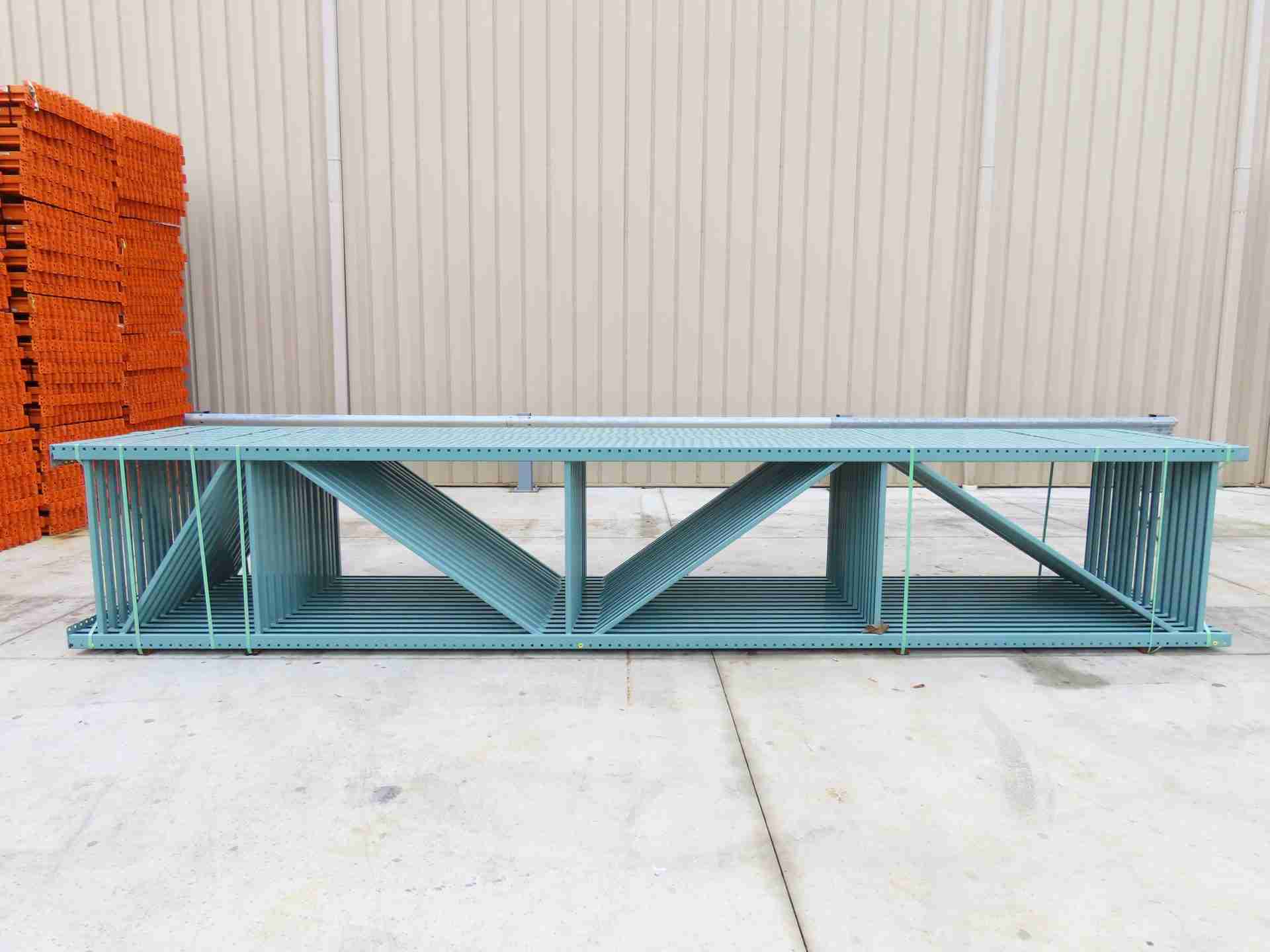
What Are The Key Features Of A Good Cantilever Rack?
What Are The Key Features Of A Good Cantilever Rack?
- Robust Construction: Cantilever racks should be made of heavy-duty steel with a powder-coated finish to resist wear and tear. Purchase from reputable suppliers to ensure material quality.
- Adjustable Design: Look for racks with adjustable arms to accommodate various material sizes, offering flexibility and future-proofing storage needs.
- Stability and Safety Features: Safety is paramount, with essential features like base plates, bracing, and cross-supports to mitigate storage-related accidents.
- Easy Assembly and Adjustability: Select cantilever racks that are easy to assemble, ideally allowing for tool-free setup and user-friendly instructions.
- Versatility: A good rack system should be adaptable for indoor and outdoor use and applicable across various industries.
- Operational Efficiency: High-quality cantilever racks can transform storage capabilities and streamline operations, ultimately boosting profitability.
- Strategic Investment: Choosing the right storage solution is essential for operational success in an evolving business landscape.
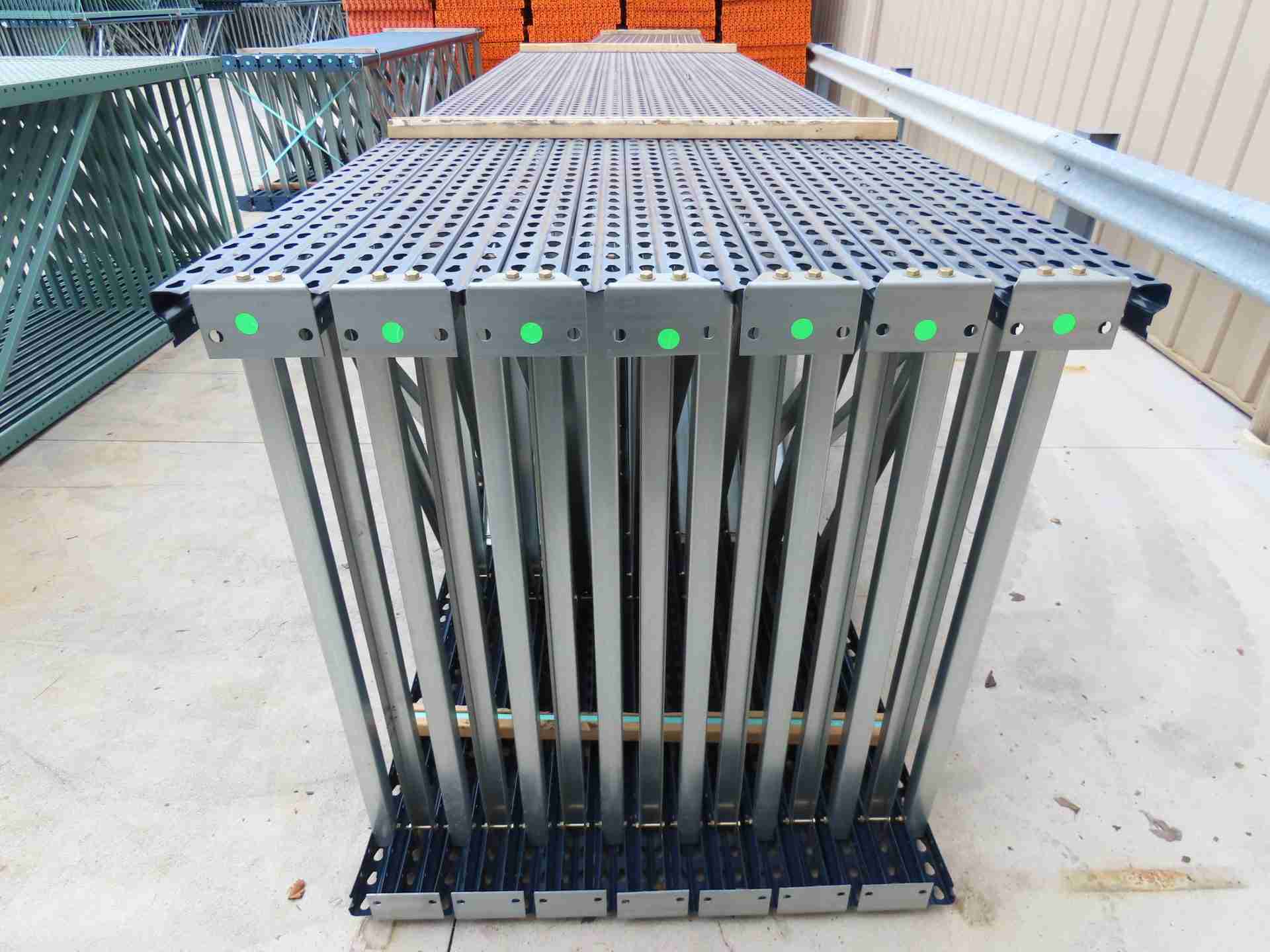
What Are The Key Features Of A Good Cantilever Rack?
How Do I Choose The Right Size Cantilever Rack?
Choosing the right size cantilever rack may feel daunting, but it doesn’t have to be. In fact, it’s a crucial decision that can enhance your storage efficiency and streamline your operations. Let’s break it down into manageable steps, so you can make the best choice for your specific needs.
Understand Your Inventory Needs
Before you even glance at a cantilever rack, take inventory of what you plan to store. Are you dealing with lumber, steel pipes, or large furniture? Understanding the dimensions and weight of your items will significantly influence your choice. For instance, if you’re a home improvement retailer handling various lengths of lumber, you might require longer arms and deeper shelves. Take Kraft Heinz, who optimized their supply chain recently by upgrading their storage systems to better accommodate their growing product lines—this is the kind of foresight that pays off.
Analyze Space Requirements
Next, consider your available space. Are you working in a sprawling warehouse or a compact retail environment? Measure the height, width, and depth of the space where your cantilever rack will reside. For narrow aisles, you might want to avoid wider racks that could inhibit movement. A company like Home Depot has been known to reconfigure nooks in their stores, maximizing vertical space with appropriately sized cantilever racks to display more products while maintaining accessibility.
Evaluate Load Capacity
Load capacity isn’t just a number; it’s a vital aspect that can impact safety and operational efficiency. Check the load capacity of the cantilever arms and the overall structure. If you’re storing heavy items, ensure the rack you select can support the maximum weight without risk of failure. Look at the automotive industry, where parts can weigh over a ton; carefully chosen cantilever racks ensure that operations remain safe and efficient.
Customization & Modular Options
A highly effective strategy is to choose a cantilever rack that offers modular options. The flexibility to add shelves or additional arms can be invaluable as your inventory changes. Last year, many companies pivoted their product lines due to shifting demand; having adaptable storage solutions allowed them to respond swiftly.
Consult an Expert
Finally, don’t hesitate to reach out to storage experts. The right supplier can provide insights tailored to your unique situation. They can guide you in considering all facets—from load capacities and dimensions to industry-compliant safety features. After all, going it alone can lead to costly mistakes.
In summary, assessing your inventory needs, understanding your space, evaluating load capacities, and opting for customization are your keys to choosing the right cantilever rack. Make a decision that doesn’t just meet your current needs but scales with your future growth. After all, the right choice today will lay a solid foundation for tomorrow’s success.
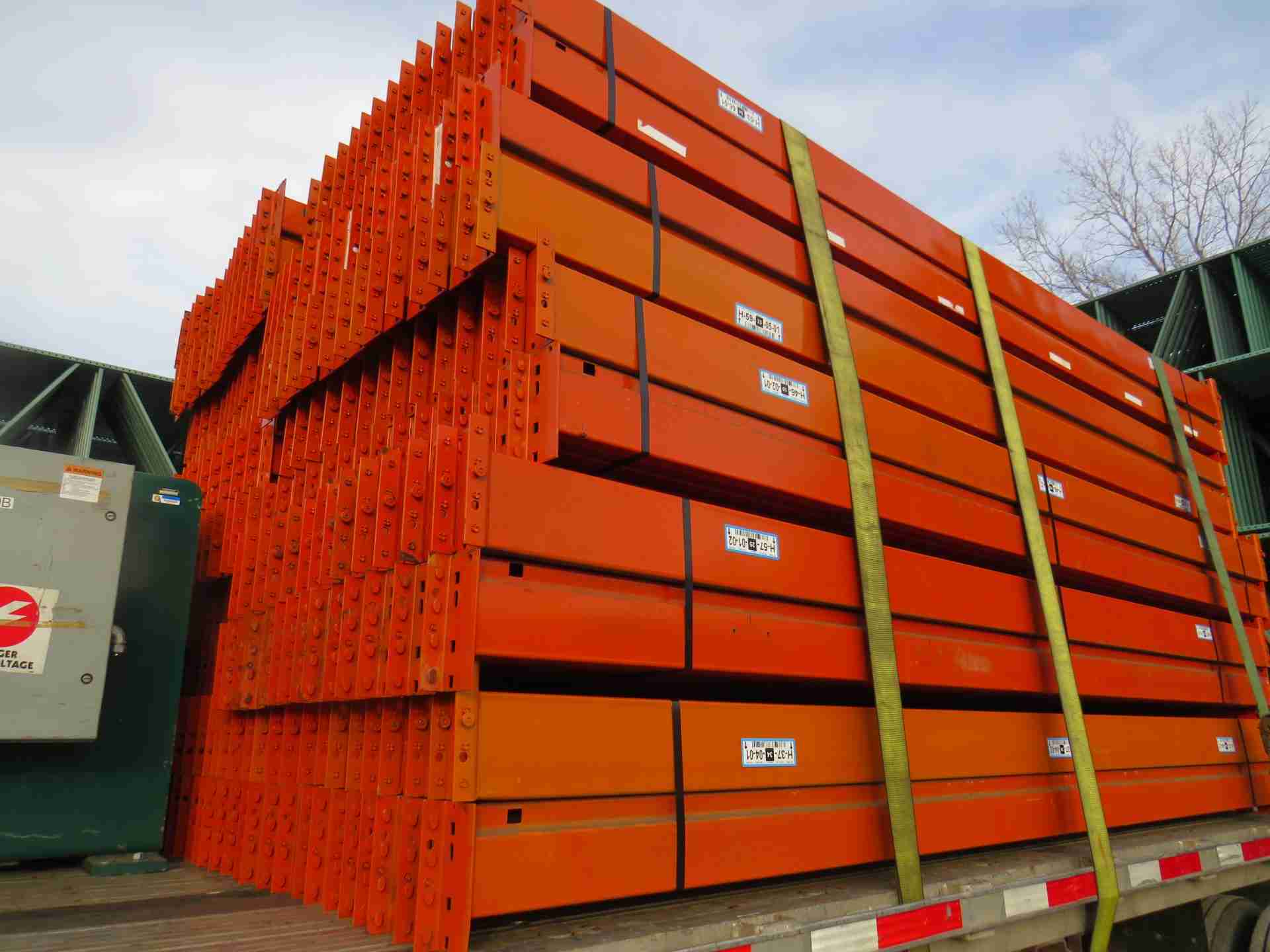
How Do I Choose The Right Size Cantilever Rack?
How Do I Choose The Right Size Cantilever Rack?
- Choosing the right size cantilever rack is crucial for enhancing storage efficiency and operations.
- Assess your inventory needs by understanding the dimensions and weight of the items to be stored.
- Analyze the available space; measure height, width, and depth for optimal rack placement.
- Evaluate load capacity to ensure safety and operational efficiency when storing heavy items.
- Consider cantilever racks with customizable and modular options for adaptability to changing inventory.
- Consult storage experts for tailored insights on load capacities, dimensions, and safety features.
- Make a decision that meets current needs while allowing for future growth and scalability.

How Do I Choose The Right Size Cantilever Rack?
What Weight Capacity Do I Need For My Cantilever Rack?
What Weight Capacity Do I Need for My Cantilever Rack?
When it comes to selecting the perfect cantilever rack for your storage needs, weight capacity isn’t just a number—it’s a reflection of your business’s efficiency, safety, and bottom line. But how do you determine the right capacity without falling prey to common pitfalls? Let’s break it down in a way that empowers you to make a wise investment.
First, consider what you plan to store. Are you dealing with heavy-duty lumber, HVAC equipment, or perhaps bulky pipes? The type of items you store will heavily influence your choice. For instance, if your warehouse is part of the booming construction industry—currently benefiting from infrastructure investments—anticipate heavier loads and choose a rack that supports at least 1,500 to 2,000 pounds per arm. This will not only safeguard your items but also maintain the structural integrity of your workplace, ensuring that you can meet escalating demands.
Next, think about your future needs. Are you planning to expand your inventory? Many businesses mistakenly select a cantilever rack that only meets their current requirements, leaving them hamstrung when rapid growth occurs. Operating within a volatile market like retail or manufacturing means unpredictable demands; selecting a rack with a higher capacity can be a strategic hedge against future expansion. For instance, if you currently store furniture but anticipate diving into appliance storage, it’s wise to consider racks that can accommodate heavier weights.
Don’t overlook the importance of safety ratings and certifications. A cantilever rack that meets industry standards can not only protect your products but also keep your employees safe. A single incident from overloaded racks can lead to costly insurance claims and a tarnished reputation. In today’s world where accountability is paramount—think of the recent supply chain disruptions—the last thing you want is a costly operation setback.
Lastly, factor in the overall layout of your storage space. Even the most robust cantilever rack won’t be effective if it doesn’t fit within your operational flow. Choose racks that maximize vertical space while remaining accessible for easy loading and unloading.
Ultimately, the right weight capacity for your cantilever rack allows you to evolve with the market rather than react to it. By planning strategically, weighing both current and future needs, and grasping the principles of safety and design, you’ll make an informed choice that catalyzes growth rather than stifling it. This way, you’re not just investing in a rack—you’re investing in the durability and success of your entire business operation.

What Weight Capacity Do I Need For My Cantilever Rack?
What Weight Capacity Do I Need For My Cantilever Rack?
- Weight capacity is crucial for cantilever rack selection, affecting efficiency, safety, and profitability.
- Consider the type of items to be stored; heavy-duty items like lumber or pipes require higher weight limits (1,500 to 2,000 pounds per arm) for safety and structural integrity.
- Expect future growth and select a rack with higher capacity to avoid constraints from rapid inventory expansion.
- Prioritize safety ratings and certifications to protect products and employees, avoiding costly incidents and operational setbacks.
- Ensure the cantilever rack fits within your operational layout, maximizing vertical space while allowing for easy access.
- Strategic planning for current and future needs enables more effective market adaptation.
- Investing in the right cantilever rack supports the durability and success of your business operations.
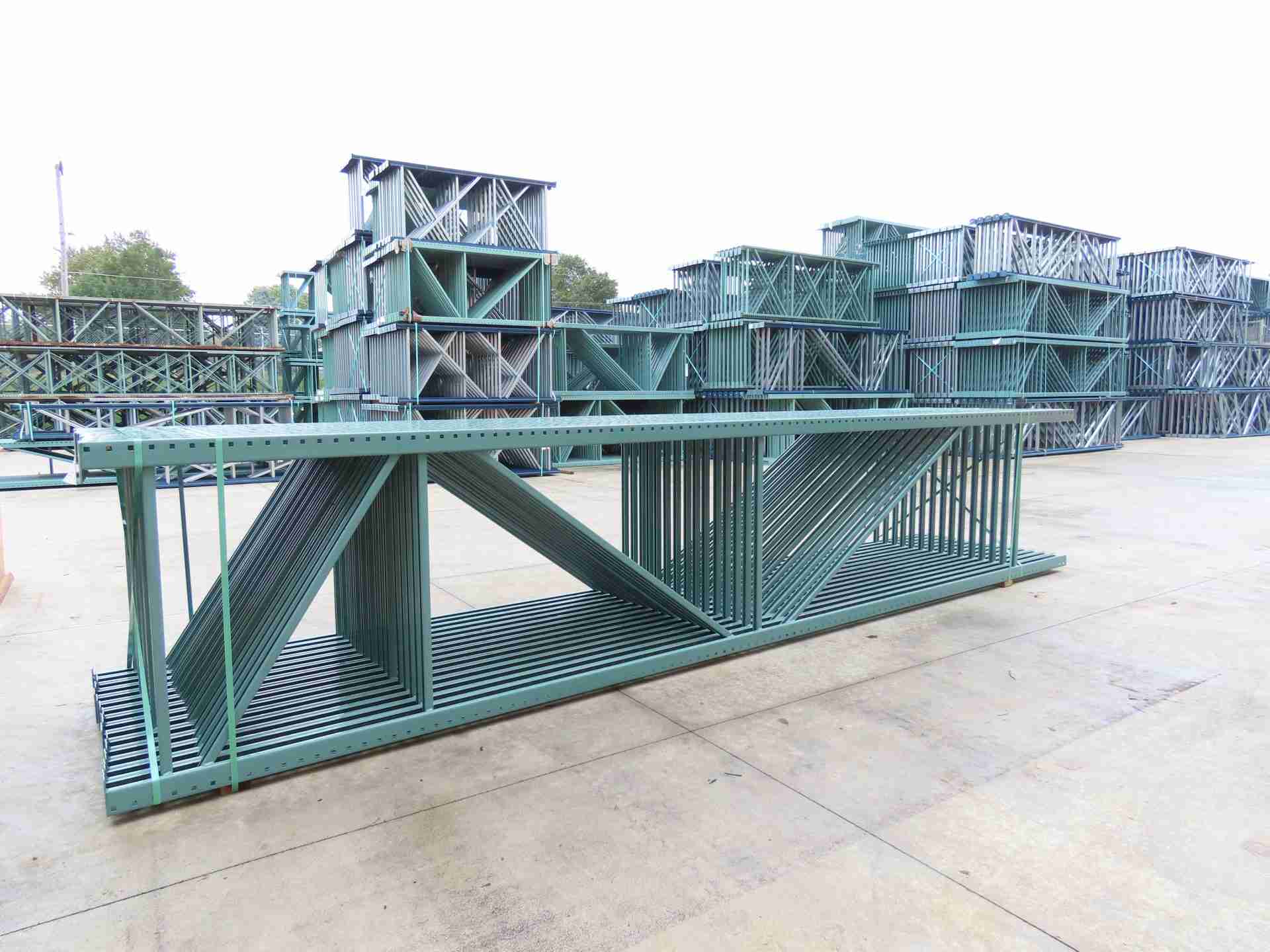
What Weight Capacity Do I Need For My Cantilever Rack?
How Many Arms Should My Cantilever Rack Have?
When it comes to optimizing your storage solutions, the question of how many arms your cantilever rack should have is not just a technical detail—it’s a strategic decision that can make or break your operational efficiency. Understanding the nuances of cantilever rack design is essential if you want to maximize space while ensuring safety and accessibility in your warehouse.
First, consider the type of materials you’ll be storing. Are you dealing with long, heavy items like lumber or pipes? For these items, a cantilever rack with more arms is essential. Each arm acts as a supportive platform, distributing the weight evenly and reducing the risk of overloading any single point. For instance, if you have a load of heavy steel beams, a rack with three to five arms per column allows you to create specific sections for each size or type of beam, keeping your stock organized and secure.
On the flip side, if your storage needs are lighter, a cantilever rack with fewer arms may suffice. Take the example of a retail warehouse storing lightweight drapery fabrics. You might find that having two arms per side is adequate to give flexibility for organizing different colors and patterns while also making it easy for staff to access and stock these materials efficiently.
But beyond merely responding to the types of goods you’re storing, it’s crucial to think about future scalability. In today’s fast-paced economy, with businesses constantly evolving to meet new demands—like the surge in e-commerce—having a cantilever rack system that can adapt to change is invaluable. During the last quarter, numerous retail businesses reported shifts in storage needs due to changing consumer behaviors, leading to short-term space crises. By starting with a cantilever rack that has more arms than you currently need, you’ll be prepared for unexpected increases in inventory volumes, saving you from potential headaches down the line.
Additionally, consider the geographic footprint of your warehouse. The balance between height, depth, and arm count can influence how efficiently you use your space. Investing in a higher cantilever rack with several arms can yield significant long-term benefits. A well-structured approach not only maximizes vertical space but also reduces the frequency and costs associated with reconfiguring your layout.
In summary, the optimal number of arms for your cantilever rack hinges upon careful consideration of your current storage needs, expected growth, and the specific characteristics of the items you store. Build your warehouse strategy around these insights, and you won’t just store inventory—you’ll be optimizing for success.
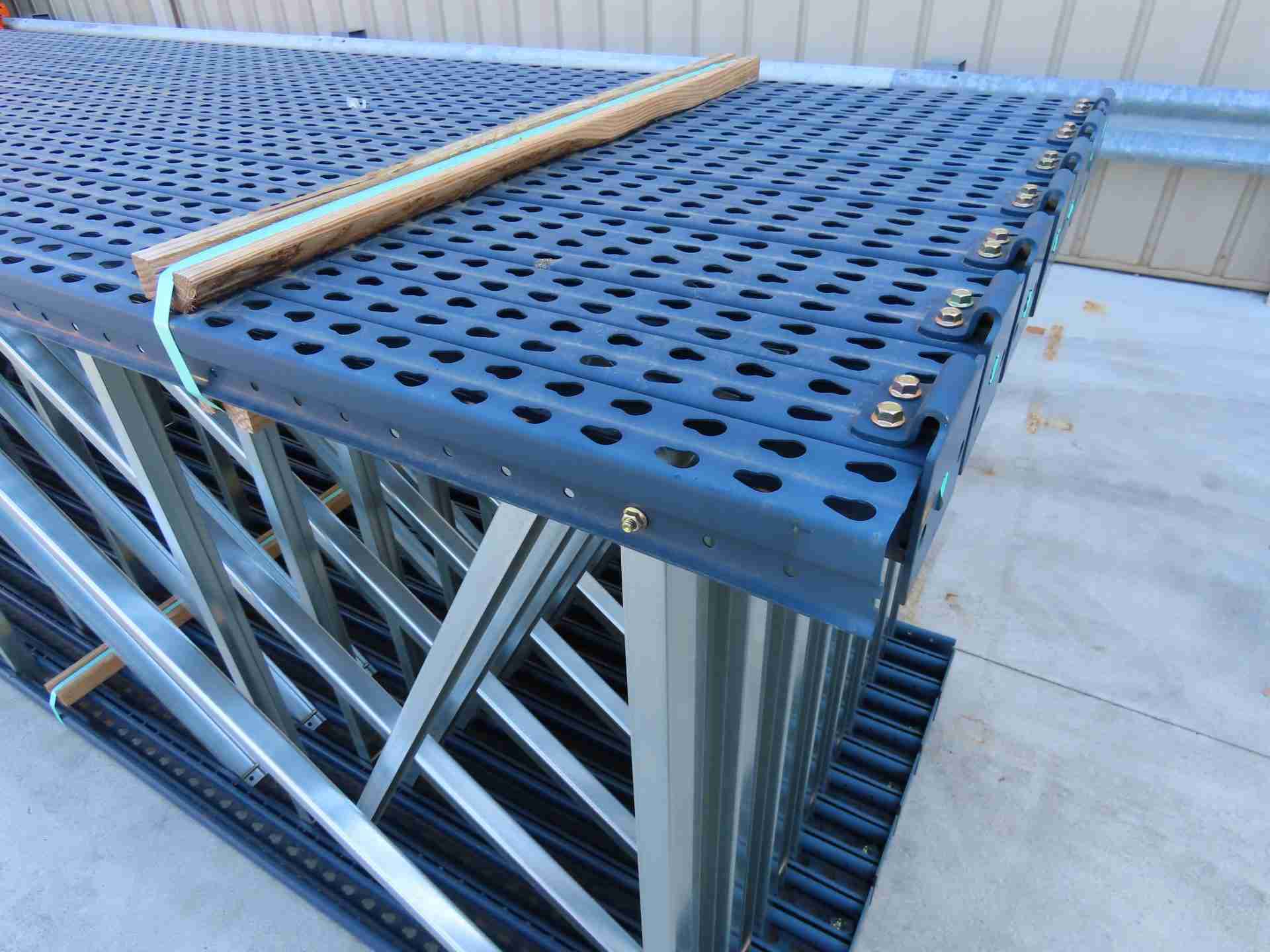
How Many Arms Should My Cantilever Rack Have?
How Many Arms Should My Cantilever Rack Have?
- The number of arms on a cantilever rack is a strategic decision impacting operational efficiency.
- More arms are necessary for storing long, heavy items to evenly distribute weight and enhance safety.
- Fewer arms may suffice for lighter materials, enabling flexibility and easy access for staff.
- Future scalability is crucial; having more arms than currently needed prepares for unexpected inventory increases.
- Consider the geographic footprint of the warehouse; optimizing height, depth, and arm count is essential.
- A higher cantilever rack with several arms can maximize vertical space and minimize layout reconfigurations.
- The optimal number of arms depends on current storage needs, anticipated growth, and item characteristics.
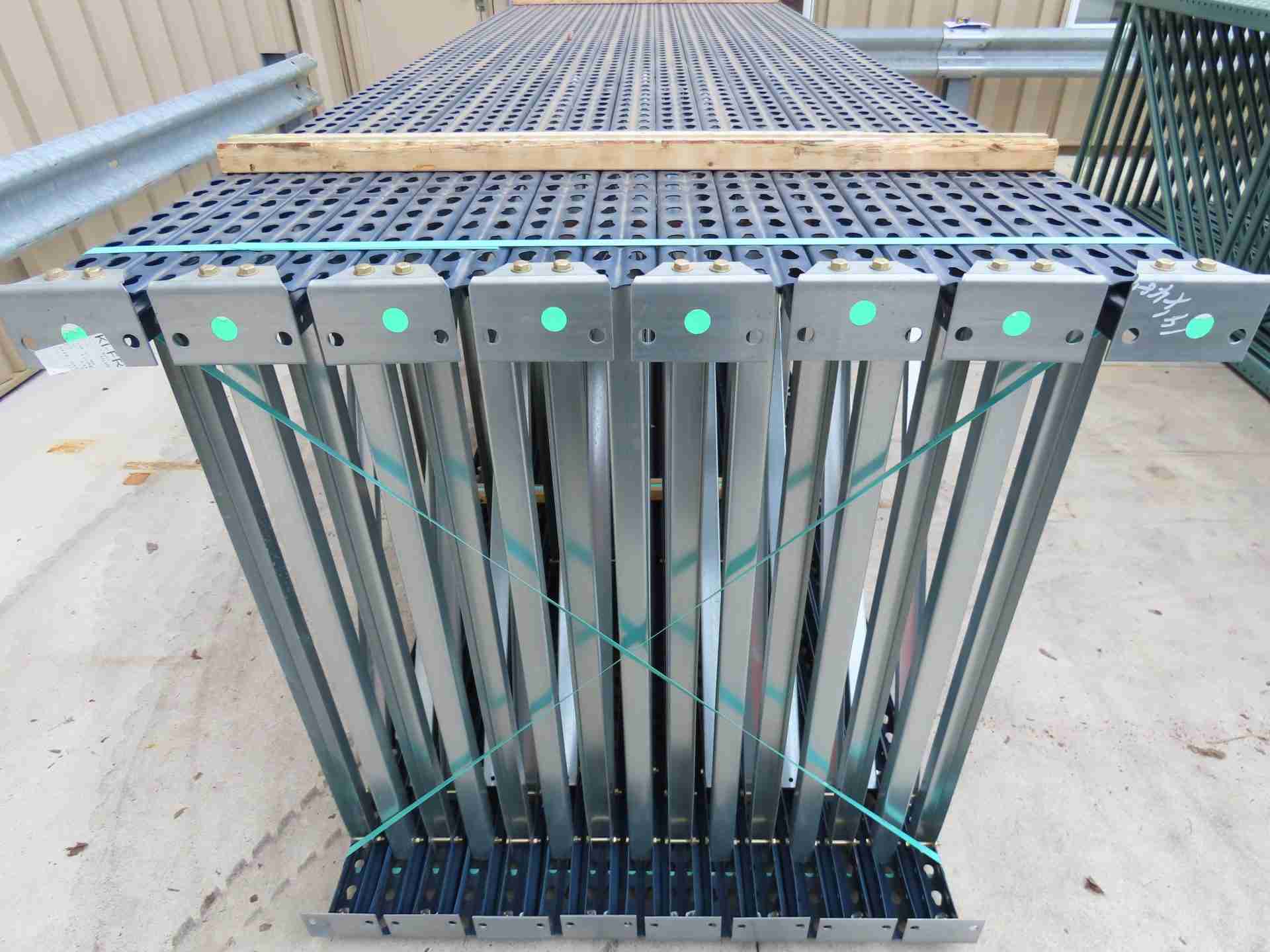
How Many Arms Should My Cantilever Rack Have?
Should I Opt For Adjustable Or Fixed Cantilever Racks?
Should I Opt For Adjustable or Fixed Cantilever Racks?
When it comes to maximizing your warehouse or retail space, the choice between adjustable and fixed cantilever racks is crucial. But how do you decide which option suits your needs best? Let’s simplify the complexities and shine a spotlight on both solutions to help you take decisive action.
Adjustable Cantilever Racks: Flexibility is Key
Adjustable cantilever racks are champions of versatility. Businesses that handle various products or anticipate fluctuations in inventory can benefit immensely from the adaptability these racks provide. For instance, if you’re in the furniture industry, adjustable racks allow you to reconfigure your layout quickly as demand shifts from sofas to dining sets.
Consider a recent surge in e-commerce logistics. With companies needing to pivot constantly in response to global shipping challenges, adjustable racks offer the flexibility to accommodate new product lines or unforeseen increases in stock. Picture an online retailer that suddenly expands to sell home office supplies due to increased telecommuting. An adjustable rack system enables rapid reorganization, helping them seize that market opportunity without missing a beat.
Fixed Cantilever Racks: The Case for Stability
Now, let’s talk about fixed cantilever racks. If your inventory is more static and predictable—think lumber yards, piping supply businesses, or manufacturers with consistent product lines—fixed racks might be the ideal choice. With their robust construction, these racks can handle substantial weight and offer a streamlined aesthetic that appeals to many warehouse environments.
For example, in the wake of recent supply chain disruptions, industries reliant on storage solutions—like metal fabrication—have leaned into fixed cantilever racks to enhance efficiency and simplify inventory management. By utilizing these racks, a metal supplier can optimize their space, allowing for a quicker turnaround and easy access to materials.
Making the Decision
Ultimately, the decision between adjustable and fixed cantilever racks comes down to the nature of your business and your long-term goals. Evaluate your product types, inventory turnover, and space constraints. If flexibility is what you need, don’t shy away from adjustable options. But if you’re seeking a dependable, sturdy solution, fixed racks may be your best ally.
In these unpredictable times, let your choice of storage solutions reflect your commitment to efficiency and adaptability. Invest wisely, and you’ll pave the way for sustained growth and success in your operations. Whether you opt for the fluidity of adjustable racks or the solid footing of fixed ones, your warehouse will be equipped to meet challenges head-on. It’s time to choose—take action today!
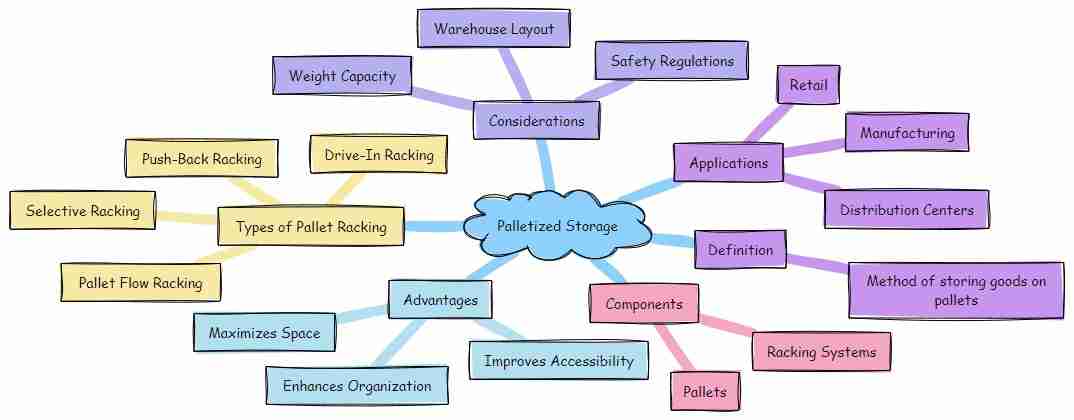
Should I Opt For Adjustable Or Fixed Cantilever Racks?
Should I Opt For Adjustable Or Fixed Cantilever Racks?
- The choice between adjustable and fixed cantilever racks is essential for optimizing warehouse or retail space.
- Adjustable cantilever racks offer versatility, ideal for businesses with fluctuating inventory or diverse product lines.
- Examples like the furniture and e-commerce industries highlight how adjustable racks can accommodate shifts in demand.
- Fixed cantilever racks provide a sturdy option for industries with static inventory, such as lumber yards and manufacturers.
- These fixed racks boast robust construction, suitable for heavy loads, and help streamline inventory management.
- When deciding between the two, consider product types, inventory turnover, and space constraints aligned with business goals.
- Your storage solution choice should reflect a commitment to efficiency and adaptability to ensure sustained growth.
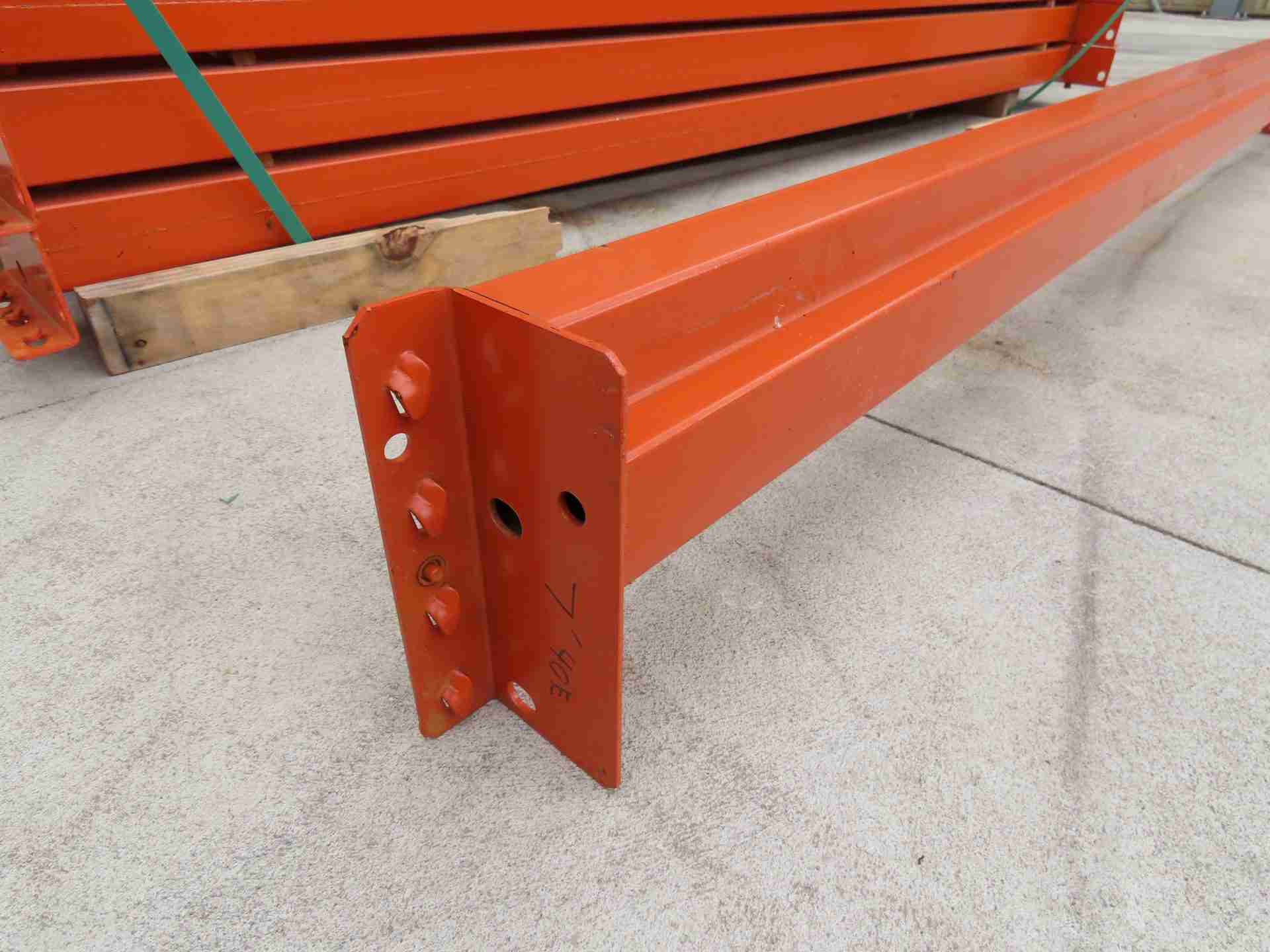
Should I Opt For Adjustable Or Fixed Cantilever Racks?
How Is A Cantilever Rack Installed Properly?
Installing a cantilever rack may seem like a straightforward process, but achieving a safe and efficient setup requires careful planning and execution. This is particularly critical in today’s rapidly evolving supply chain landscape, where the demand for optimized warehouse spaces is higher than ever. Here’s how to get it right, ensuring your investment delivers maximum returns.
1. Assess Your Space and Needs
Before you dive into installation, conduct a thorough assessment of your warehouse. Measure the dimensions of your space—height, width, and applicable load-bearing limits. Identify the types of materials you’ll be storing. For instance, if you’re handling long metal sheets or lumber, your cantilever rack should be tailored accordingly. A recent study highlighted in industry news underscores that poor space utilization can lead to waste – don’t let it be your warehouse!
2. Design With the End in Mind
Draft a blueprint for your rack layout. Consider the flow of goods in and out. Ensure that high-demand items are accessible without creating bottlenecks that slow down operations. Efficient layout design can increase productivity by up to 25%, based on data from recent logistics reports. A strategic positioning of your racks—like aligning them with the shipping docks—can further enhance efficiency.
3. Choose Quality Racks
Quality matters. Invest in robust, durable cantilever racks designed to handle heavy loads and resist wear and tear. Look for systems that comply with safety standards outlined by organizations like Rack Manufacturers Institute (RMI). Remember, cheap isn’t always cheerful—choosing subpar materials can lead to damage and liability issues.
4. Professional Installation
Engaging a professional for installation isn’t just a luxury; it’s a necessity. Experts bring the experience needed to ensure stability and safety. In a recent incident reported in logistics circles, a poorly installed rack led to structural failure, causing injuries and significant downtime. A professional installation will reduce these risks while ensuring compliance with local regulations.
5. Regular Inspections and Maintenance
After installation, don’t rest on your laurels. Implement a routine inspection and maintenance schedule to check for damages or wear. Regular maintenance helps you catch potential issues before they become costly problems—keeping your operation running smoothly and efficiently.
Conclusion
With the right approach, installing a cantilever rack can transform your warehouse into a highly functional space that enhances productivity. Take the time to assess your needs, choose quality products, and invest in professional installation. The returns, in efficiency and safety, will far outweigh the initial investment, allowing your business to adapt and thrive in an ever-changing marketplace. Don’t just settle for “good enough” when optimal solutions are within reach!
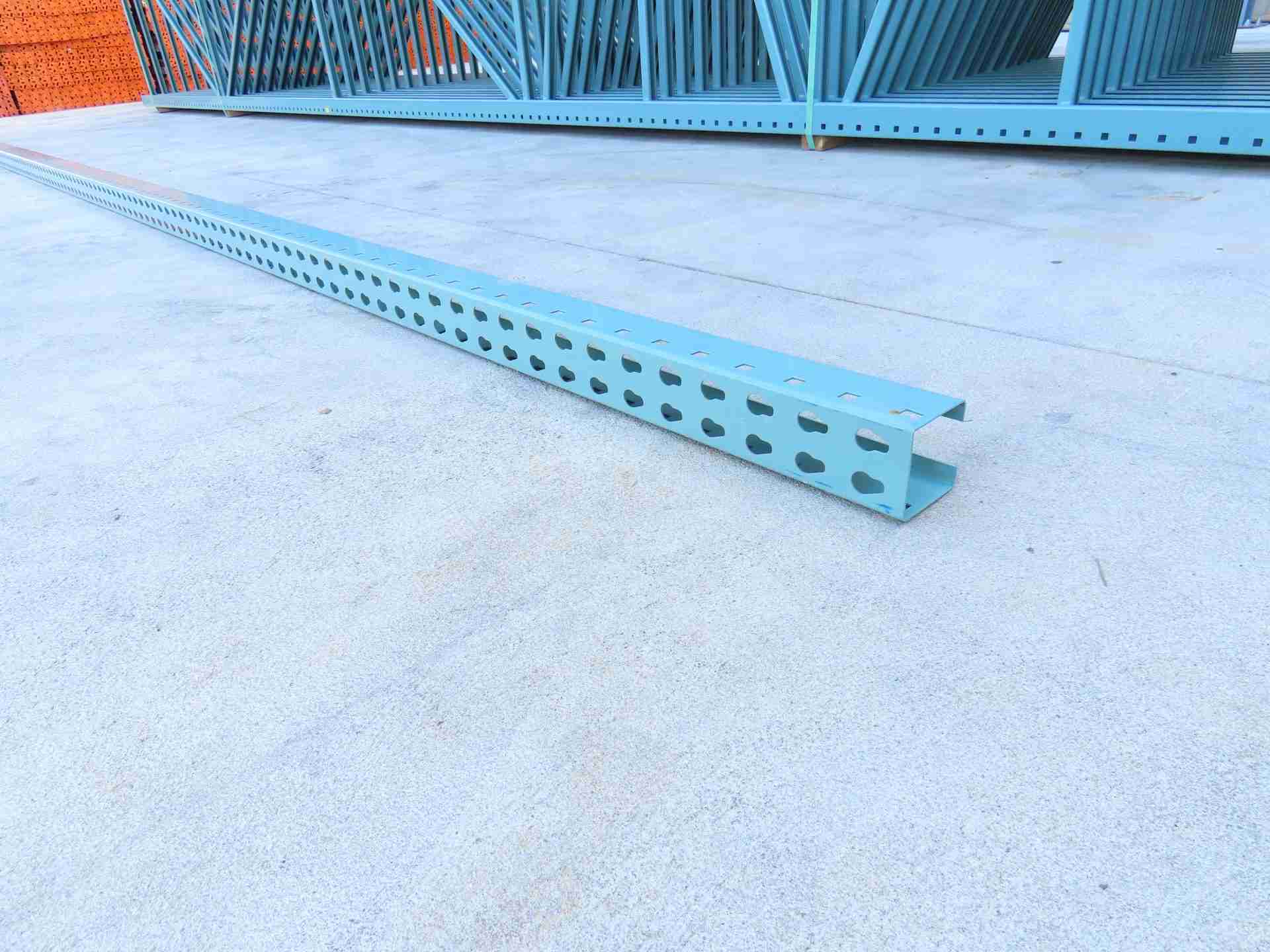
How Is A Cantilever Rack Installed Properly?
How Is A Cantilever Rack Installed Properly?
- Assess Your Space and Needs: Conduct a thorough evaluation of your warehouse dimensions and load-bearing limits, tailoring your cantilever rack to the materials you’ll be storing.
- Design With the End in Mind: Create a blueprint that facilitates the flow of goods and ensures high-demand items are easily accessible, potentially increasing productivity by up to 25%.
- Choose Quality Racks: Invest in durable cantilever racks that comply with safety standards to avoid damage and liability issues.
- Professional Installation: Hire experts for installation to ensure stability and safety, reducing the risk of structural failures.
- Regular Inspections and Maintenance: Implement a routine check for damages or wear to prevent costly issues and maintain efficient operations.
- Optimize Warehouse Functionality: A well-installed cantilever rack can enhance productivity and adapt your business to a rapidly changing supply chain landscape.
- Invest Wisely: The initial cost of quality products and professional installation will yield significant returns in efficiency and safety.
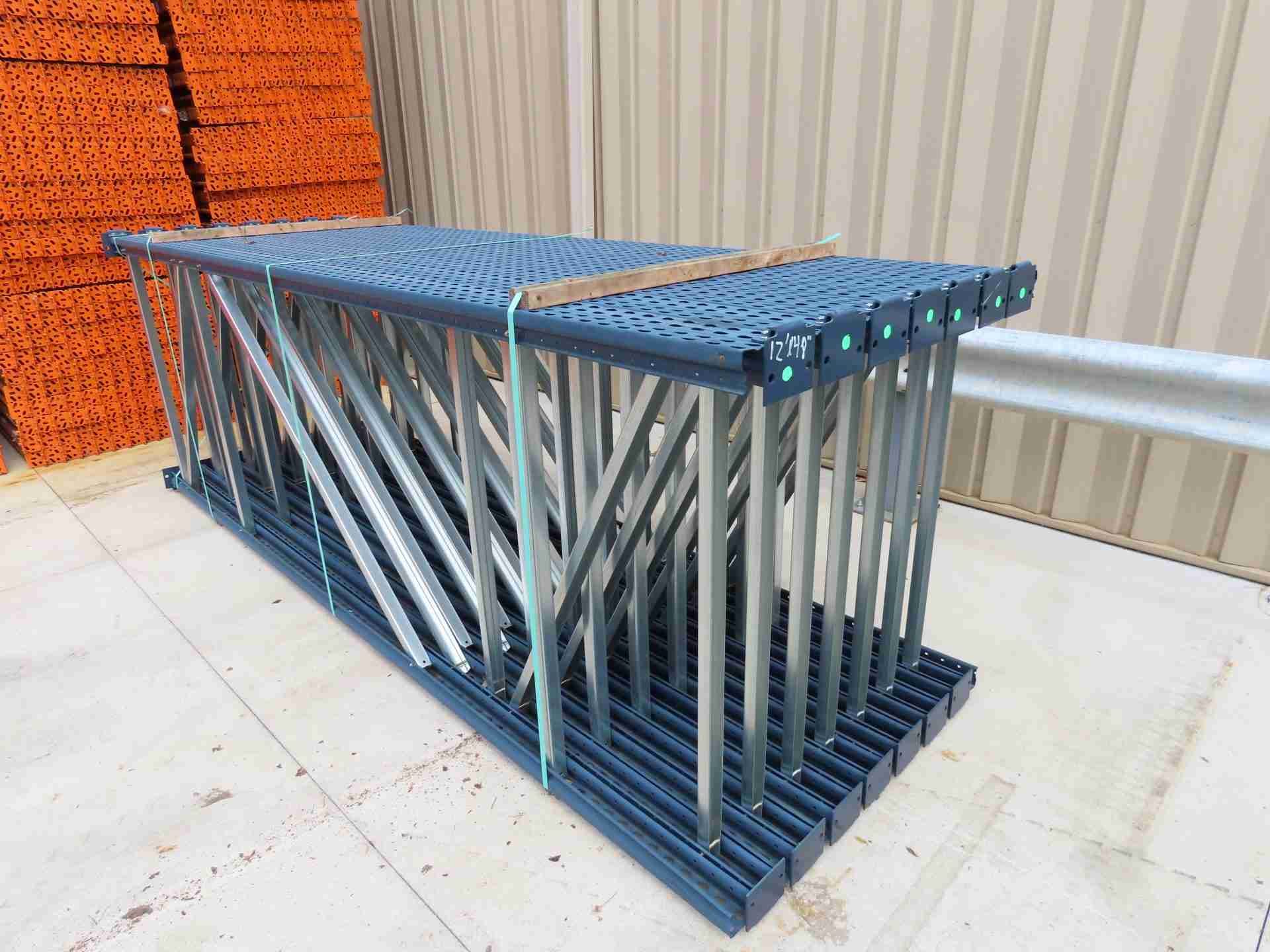
How Is A Cantilever Rack Installed Properly?
What Is The Best Material For Cantilever Racks?
When it comes to optimizing your storage solutions, the choice of material for cantilever racks can make all the difference between efficiency and chaos. While several materials are available, two stand out for their unique properties and performance: steel and resin.
Steel: The Heavyweight Champion of Cantilever Racks
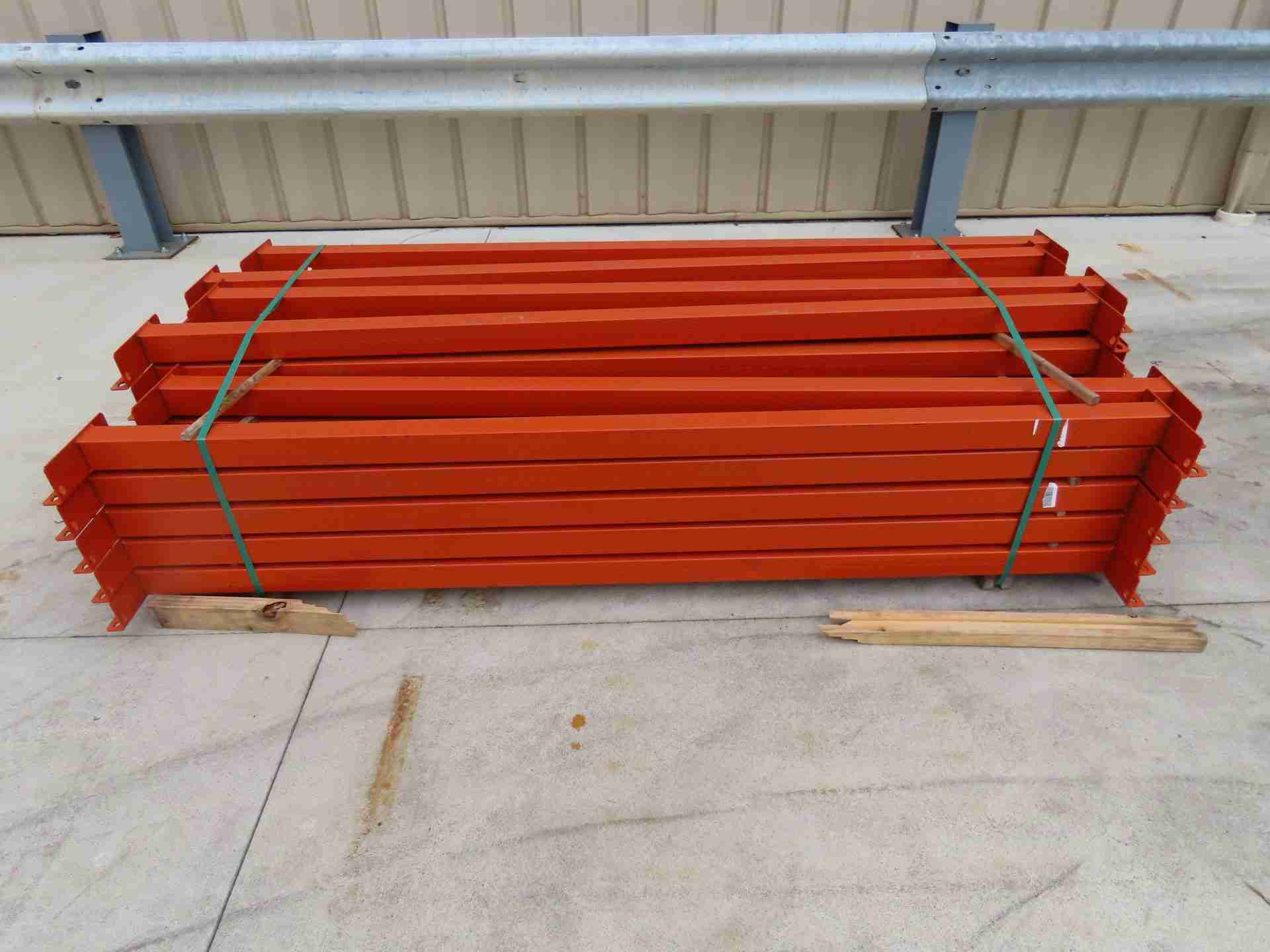
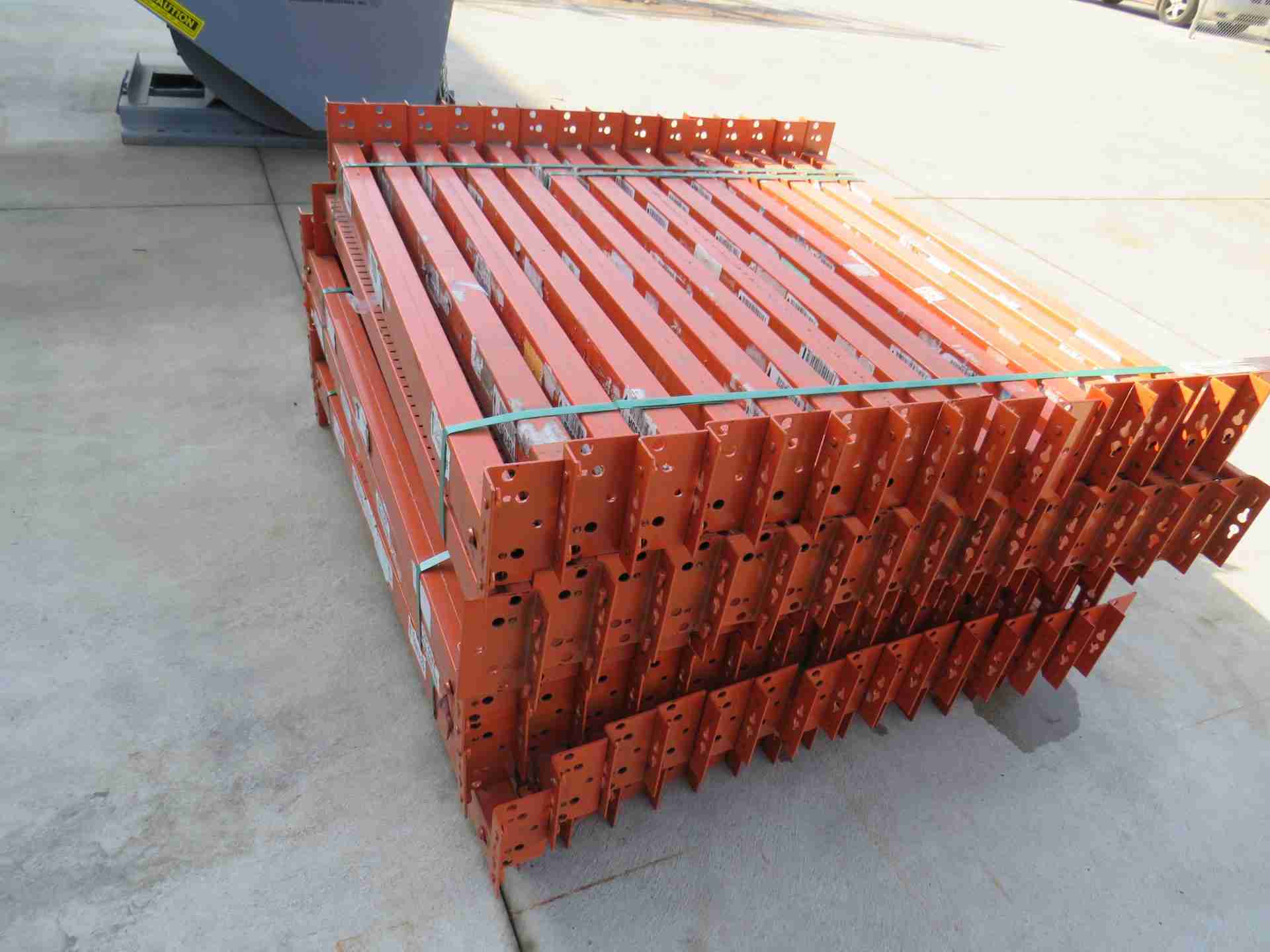
If you want durability and strength, steel cantilever racks are the clear frontrunner. Steel is not just about raw strength; it’s about versatility. These racks can handle a staggering amount of weight and can be configured to accommodate varying lengths of materials, from lumber to PVC pipes. With the construction industry booming in 2023, as seen with current major infrastructure projects like the Bipartisan Infrastructure Law initiatives, the demand for robust storage solutions is more critical than ever. Steel racks provide the reliability contractors need to keep their projects running smoothly.
Consider a construction warehouse that switched to heavy-duty steel cantilever racks. By doing so, they reduced their risk of equipment failure by 40%. They were able to store larger lengths of materials vertically, leading to a 30% increase in operational efficiency. Imagine the financial savings—less time spent searching for materials and more time dedicated to project deadlines.
Resin: The Rising Star of Flexibility
On the flip side, resin cantilever racks have gained traction for businesses prioritizing corrosion resistance and lightweight solutions. As we continue to grapple with climate change and increasing environmental regulations, more industries are looking for sustainable alternatives. Resin racks are often fabricated from recycled materials, making them an eco-friendly option. Plus, their resistance to rust makes them ideal for industries like gardening and plumbing, where exposure to water is a constant concern.
Let’s say a landscaping company faced issues with rust damaging their steel racks during the rainy season. By transitioning to resin cantilever racks, they not only solved their corrosion problem but also discovered that lighter materials improved their workflow. They reported a 25% reduction in employee strain injuries—proof that the right material can significantly impact workplace safety.
The Final Verdict
Choosing the best material for your cantilever racks really depends on your specific needs. If your focus is on heavy-duty storage, steel is your go-to. For businesses focused on flexibility and durability against the elements, look no further than resin. As trends and technologies continue to evolve in 2023, it’s essential to stay ahead of the game with the right material, ensuring your storage solutions are as innovative as the projects you handle.
What Is The Best Material For Cantilever Racks?
What Is The Best Material For Cantilever Racks?
- The choice of material for cantilever racks greatly impacts storage efficiency.
- Steel cantilever racks offer durability, strength, and versatility for heavy-duty storage.
- Steel racks can accommodate varying lengths of materials and have seen increased demand due to major construction projects.
- Switching to steel racks can lead to reduced equipment failure and increased operational efficiency.
- Resin cantilever racks are recognized for their corrosion resistance and lightweight characteristics.
- Resin racks are eco-friendly, often made from recycled materials, making them suitable for industries affected by moisture.
- Choosing between steel and resin depends on specific storage needs, guided by considerations of strength and environmental factors.
What Is The Best Material For Cantilever Racks?
How To Enhance Safety In A Lumber Yard With Cantilever Racks?
How To Enhance Safety In A Lumber Yard With Cantilever Racks
In the bustling environment of a lumber yard, where heavy materials and machinery coexist, safety is the paramount concern. A strategic approach to enhancing safety not only protects workers but also safeguards inventory and boosts overall efficiency. One innovative solution tailored for lumber yards is the implementation of cantilever racks.
Cantilever racks are specifically designed to handle long loads, making them the perfect choice for lumber storage. Unlike traditional shelving systems that often obstruct visibility and are difficult to navigate, cantilever racks provide an open design that allows for easy access and clear sightlines. Imagine your team moving through the yard without the risk of tripping over misplaced materials or struggling to locate a specific board. By applying this proven storage solution, you can transform safety from a concern into a competitive advantage.
Consider the recent surge in lumber prices, which has emphasized the importance of efficient inventory management. When files and resources are organized neatly using cantilever racks, it drastically reduces the chances of loading errors or misplacement. This helps not only to maintain inventory integrity but also to minimize costly worker compensation claims resulting from accidents. In fact, a well-organized yard can lead to a reported 25% decrease in workplace injuries—an impressive statistic that commands attention.
Moreover, cantilever racks can be customized to fit the unique dimensions of your yard. Whether you are storing 2x4s or hefty beams, these racks can be scaled up or down, enabling you to optimize space and mitigate hazards linked to overcrowded or improperly stocked areas. A well-structured space naturally encourages cautious behavior among employees, allowing them to focus on their tasks rather than on navigating around obstacles.
Adding safety features like anti-tipping brackets, securing straps, and clearly labeled aisles further enhances the effectiveness of cantilever racks. Investing in high-visibility signage around these structures ensures that employees are conscious of their surroundings. After all, a little extra visual guidance could prevent a costly mishap, reinforcing the idea that safety is a shared responsibility.
The integration of cantilever racks in your lumber yard is a proactive means of boosting safety while simultaneously improving operational efficiency. By prioritizing the well-being of your staff and inventory with this system, you not only comply with safety regulations but also create an environment where productivity can flourish, ultimately leading to a more profitable business. Embrace this opportunity—because a safer yard means a sharper competitive edge.
How To Enhance Safety In A Lumber Yard With Cantilever Racks?
How To Enhance Safety In A Lumber Yard With Cantilever Racks?
- Safety is the top priority in lumber yards, where heavy materials and machinery are present.
- Cantilever racks are ideal for storing long loads, enhancing visibility and access compared to traditional shelving.
- Organized storage with cantilever racks reduces loading errors and misplacement, maintaining inventory integrity.
- A well-structured storage space can lead to a 25% decrease in workplace injuries.
- Cantilever racks can be customized to fit specific yard dimensions and optimize space utilization.
- Adding safety features like anti-tipping brackets and high-visibility signage promotes employee awareness.
- Integrating cantilever racks boosts safety and operational efficiency, creating a more productive and profitable business environment.
How To Enhance Safety In A Lumber Yard With Cantilever Racks?
Can Cantilever Racks Handle Different Types Of Lumber?
When it comes to maximizing your warehouse space and efficiently storing various types of lumber, cantilever racks stand out as a superior solution. These versatile storage systems are designed with the flexibility to accommodate a wide range of lumber profiles, from the finest hardwoods to bulky beams and sheets.
Let’s look at the practicalities. Cantilever racks feature arms that extend from vertical columns, allowing for easy access to both long and heavy materials without obstruction. For example, if you’re dealing with dimensional lumber such as 2x4s or 4x4s, these racks can effortlessly support multiple lengths, ensuring that everything from framing lumber to plywood sheets is organized and easy to reach. The adjustable arm heights let you customize the setup based on the specific inventory you have, making it super easy to adapt to seasonal changes in stock.
Consider a construction supply company aiming to enhance operational efficiency. By incorporating cantilever racks, they made a strategic turnaround in their operations. Not only did they manage to increase their storage capacity by up to 60%, but they also streamlined the picking process. Workers could navigate through aisles easily, knocking time off order fulfillment—an invaluable advantage in today’s fiercely competitive market.
You might wonder about the durability of these racks when it comes to heavier timber. Fear not! Cantilever racks can endure significant weight when properly configured. The key is choosing the right system engineered for your specific lumber types. For instance, engineered wood products like LVL (Laminated Veneer Lumber) or glulam beams can be stored without the risk of bowing or collapsing under their weight. Recent industry trends indicate a greater utilization of such engineered materials in construction; therefore, having the right storage solution sets you apart from the competition.
Let’s take a look at a real-world scenario: In September 2023, a lumberyard in the Midwest upgraded its storage system amid rising demand for sustainable building materials. By implementing cantilever racks, they not only optimized space but also improved inventory management, which led to a noticeable reduction in lost materials—an expensive mistake in the lumber business.
If you are looking to enhance your lumber storage capabilities, cantilever racks offer the perfect blend of versatility and durability. Whether you’re storing traditional lumber or exploring new engineered materials, these racks can be tailored to fit your unique needs, providing you the efficiency and organization necessary to thrive in today’s dynamic market.
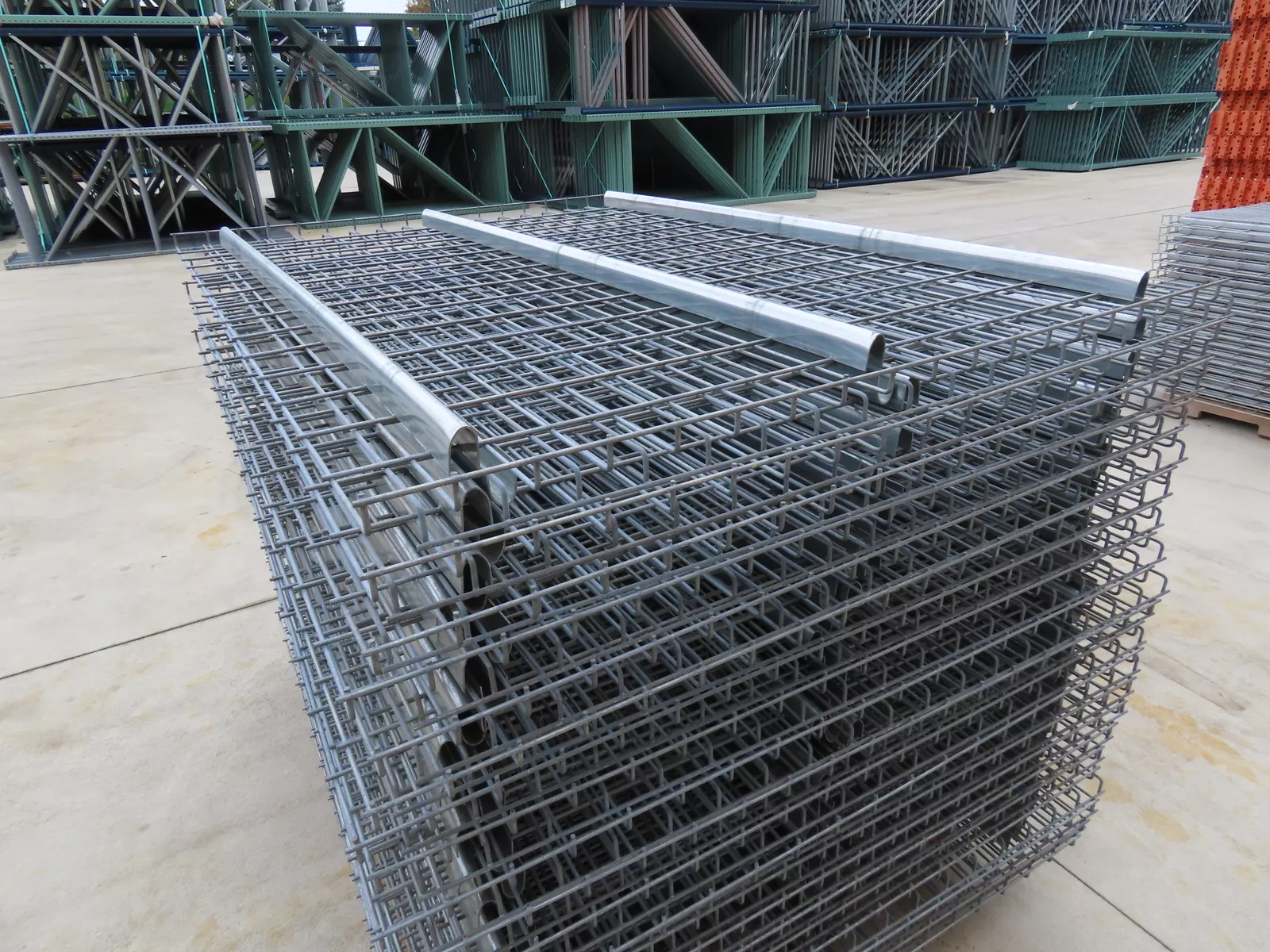
Can Cantilever Racks Handle Different Types Of Lumber?
Can Cantilever Racks Handle Different Types Of Lumber?
- Cantilever racks provide superior storage solutions for various lumber types, from hardwoods to bulky beams.
- They feature extending arms for easy access to long and heavy materials, accommodating items like 2x4s and plywood.
- Adjustable arm heights allow customization based on inventory needs, adapting to seasonal stock changes.
- Incorporating cantilever racks can increase storage capacity by up to 60% and streamline the picking process.
- These racks are durable and can support heavy timber products, especially when properly configured.
- Real-world examples demonstrate effective optimization of space and improved inventory management using cantilever racks.
- Cantilever racks are versatile and durable, suitable for both traditional lumber and engineered materials, enhancing efficiency and organization.
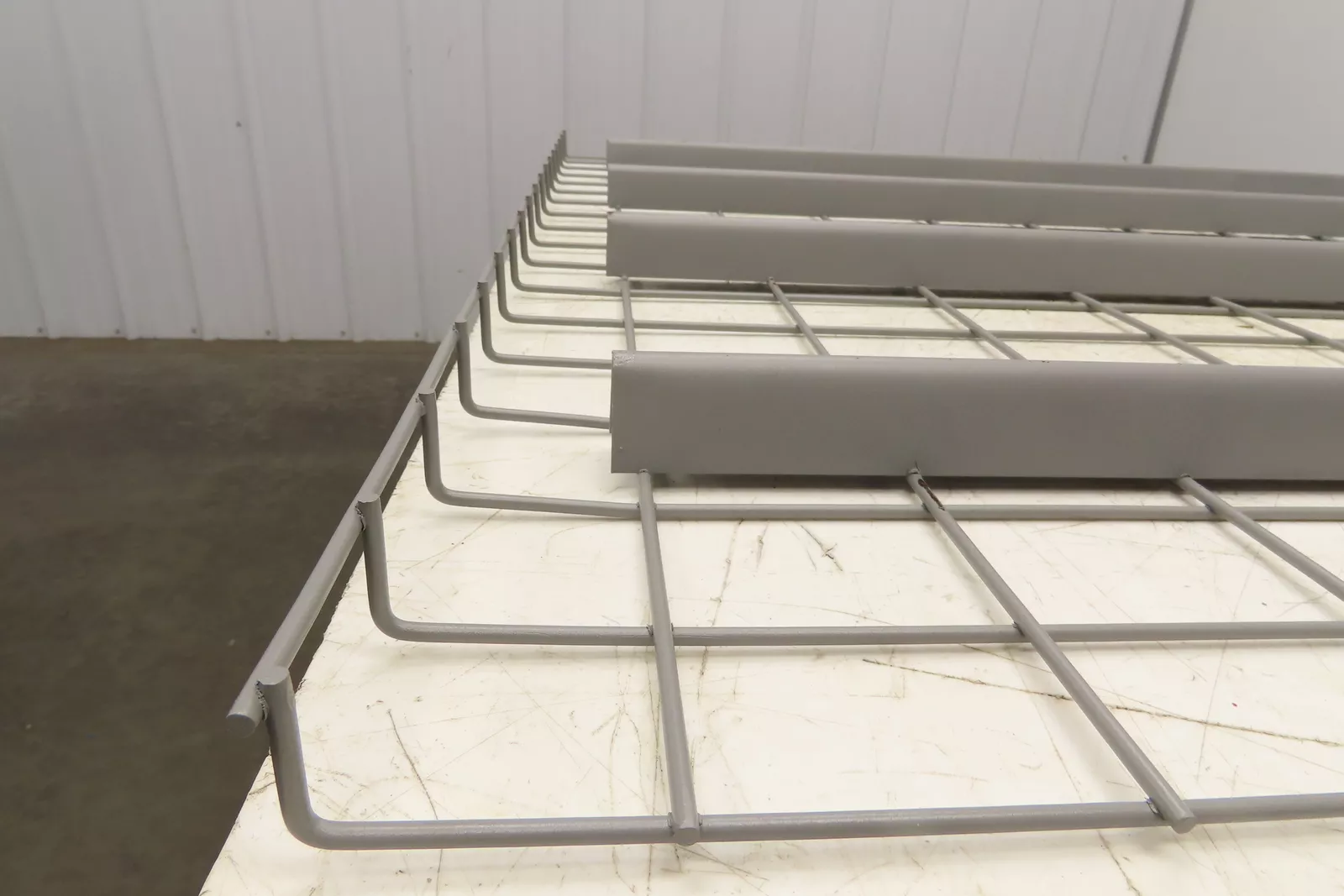
Can Cantilever Racks Handle Different Types Of Lumber?
What Are The Maintenance Tips For Cantilever Racks?
In the fast-paced world of inventory management, your cantilever racks are more than just storage solutions; they’re the backbone of your warehousing efficiency. To keep these vital tools functioning at their best, regular maintenance is crucial. Here are key tips that will not only prolong the life of your cantilever racks but also enhance operational safety and productivity.
1. Regular Inspections: Start by conducting routine inspections of your cantilever racks. Look for signs of wear, such as bent arms or corroded posts. It’s essential to address these issues before they escalate into major problems. For instance, after a surge in e-commerce demands (like those seen during the pandemic), the increased load on your racks may lead to structural fatigue. A proactive inspection routine can save you from costly repairs or, worse, accidents.
2. Load Assessments: Ensure that you adhere to the manufacturer’s load specifications. Overloading can compromise the structural integrity of your racks. Take a cue from recent industry standards changes that emphasize load compliance; they are there to protect you and your investment. Keep a reinforced set of guidelines for your team to follow when loading and unloading, minimizing human error that could lead to disaster.
3. Cleaning Regimen: While it might be tempting to overlook cleanliness in the hustle of daily operations, keeping your racks clean is paramount. Dust and debris can lead to corrosion, especially in outdoor or poorly ventilated areas. Schedule a monthly deep clean of your cantilever racks, using a mild detergent and water. If your racks handle hazardous materials, use appropriate cleaning products per safety regulations. A clean workspace reflects professionalism and promotes a safety-first culture.
4. Employee Training: Knowledge is power. Invest time and resources into training your staff on the proper handling of materials using cantilever racks. Consider hosting regular workshops or creating easy-to-understand manuals. An informed team is far less likely to make mistakes that could jeopardize safety and operational efficiency, which today’s environment demands.
5. Repair and Replacement: Don’t wait until an issue becomes apparent—establish a routine for timely repairs and replacement of damaged components. Keep a stock of essential parts on hand to quickly address any issues that arise. A recent survey highlighted that 60% of warehouse accidents stem from faulty equipment—don’t let your facility be part of that statistic.
By implementing these five maintenance tips, you’ll not only maximize the lifespan of your cantilever racks but also enhance safety and productivity within your warehouse. It’s all about investing in your infrastructure to ensure continued success in an ever-evolving marketplace. Prioritize maintenance today and reap the benefits tomorrow!
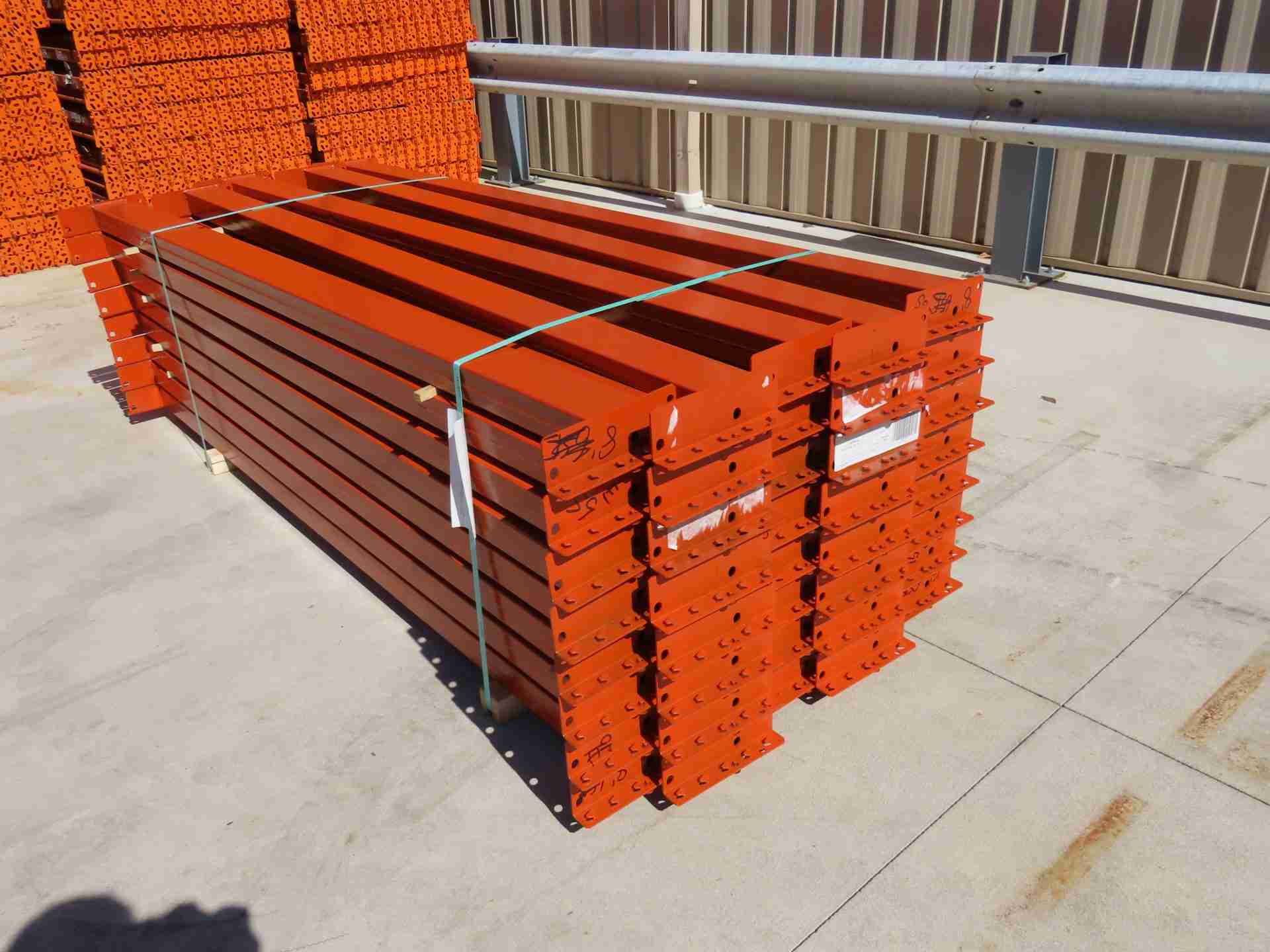
What Are The Maintenance Tips For Cantilever Racks?
What Are The Maintenance Tips For Cantilever Racks?
- Regular Inspections: Conduct routine checks for wear signs, such as bent arms or corroded posts, to prevent major issues.
- Load Assessments: Adhere to manufacturer’s load specifications to maintain structural integrity and minimize human error during loading and unloading.
- Cleaning Regimen: Establish a monthly deep cleaning schedule using appropriate cleaners to prevent corrosion and ensure a professional workspace.
- Employee Training: Invest in training staff on proper handling of materials to enhance safety and operational efficiency.
- Repair and Replacement: Implement a routine for timely repairs and keep essential parts stocked to address issues quickly.
- Accident Prevention: 60% of warehouse accidents stem from faulty equipment; proactive maintenance can help avoid this risk.
- Long-term Benefits: Prioritizing maintenance enhances safety, productivity, and the lifespan of cantilever racks, leading to continued success.
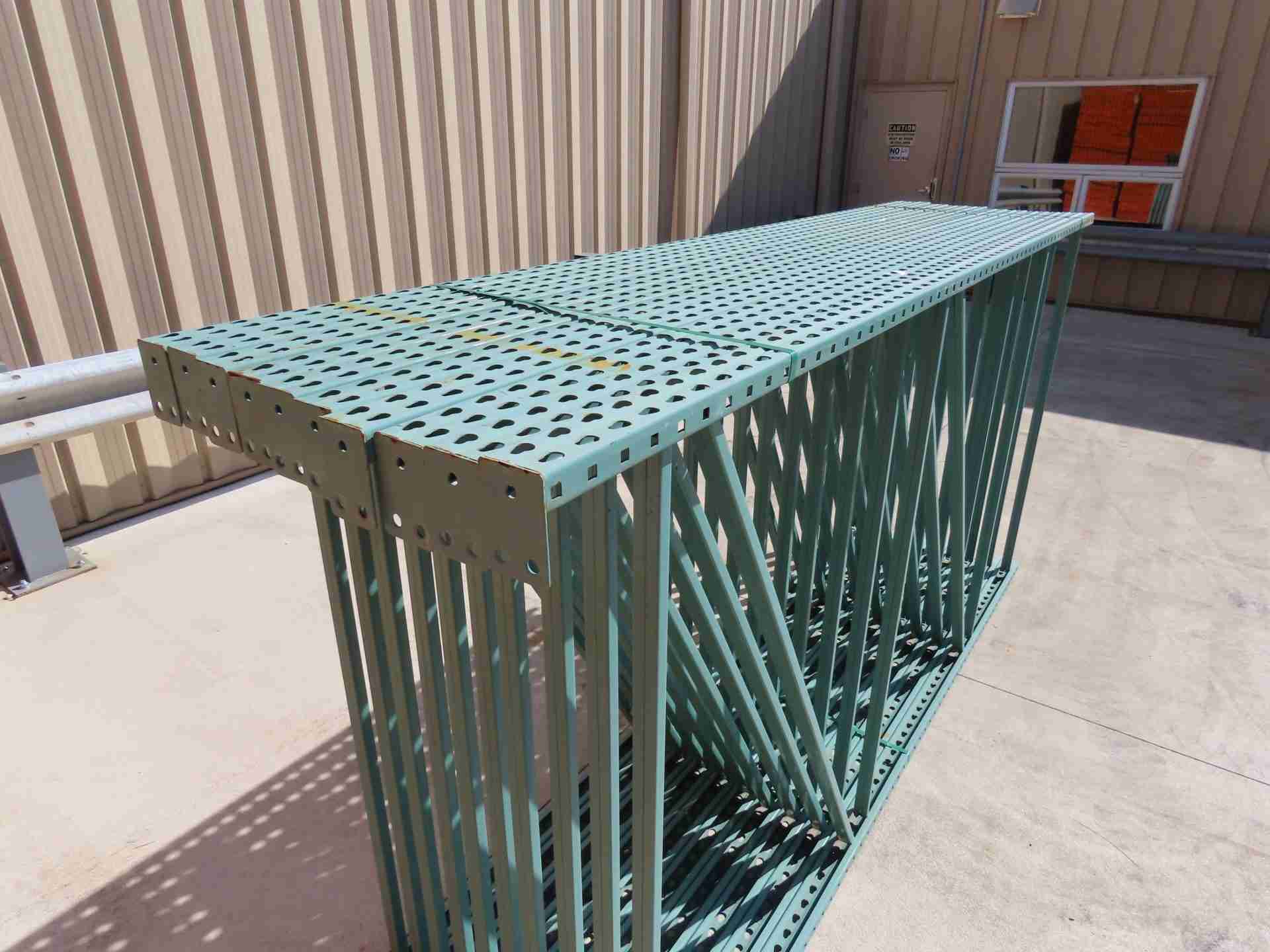
What Are The Maintenance Tips For Cantilever Racks?
How Much Space Do I Need For A Cantilever Rack System?
When contemplating the installation of a cantilever rack system, determining the appropriate space is crucial for maximizing efficiency and minimizing costs. A cantilever rack is designed to store long and bulky items like lumber, pipes, or furniture, and knowing how much space you really need can mean the difference between a streamlined operation and a cluttered, inefficient warehouse.
First, consider your products. Measure your longest item and factor in additional length for any potential future inventory expansion. For example, if your longest lumber board is 16 feet, ensure your cantilever rack system can accommodate that length, along with a bit of extra space for maneuvering. If you plan to expand your inventory in the next few years, factor in that growth as well. Allocating space for future needs can save you the headache of an inefficient layout.
Next, analyze your floor space. A cantilever rack system typically requires more room than standard shelving since it’s configured to accommodate long items horizontally. A good rule of thumb is to leave at least 3 feet of aisle space between racks for easy access with forklifts. This not only facilitates quick loading and unloading but also enhances safety—another crucial factor, especially in light of recent OSHA regulations emphasizing workplace efficiency and safety.
Beyond these physical dimensions, think about the vertical space you can utilize. Many operations overlook vertical storage potential, but a cantilever rack’s design allows for significant height usage. If you have a warehouse ceiling height of 20 feet, installing racks that reach close to that ceiling can dramatically increase your storage capacity while keeping the operational footprint manageable.
Take a cue from a recent trend in the construction industry, where companies have started moving towards off-site fabrication due to space constraints. Many of these firms are implementing cantilever racks in their warehouse layouts, optimizing their limited square footage to better accommodate their increased inventory. By doing so, they are not only improving their operational efficiency but also enhancing inventory management, ultimately translating to cost savings.
To sum it up, calculating the space you need for a cantilever rack system involves understanding your product dimensions, considering the floor and vertical space in your facility, and planning for future growth and efficiency. Armed with these insights, your investment in storage solutions can lead to substantial operational improvements—and that’s a return you can bank on!
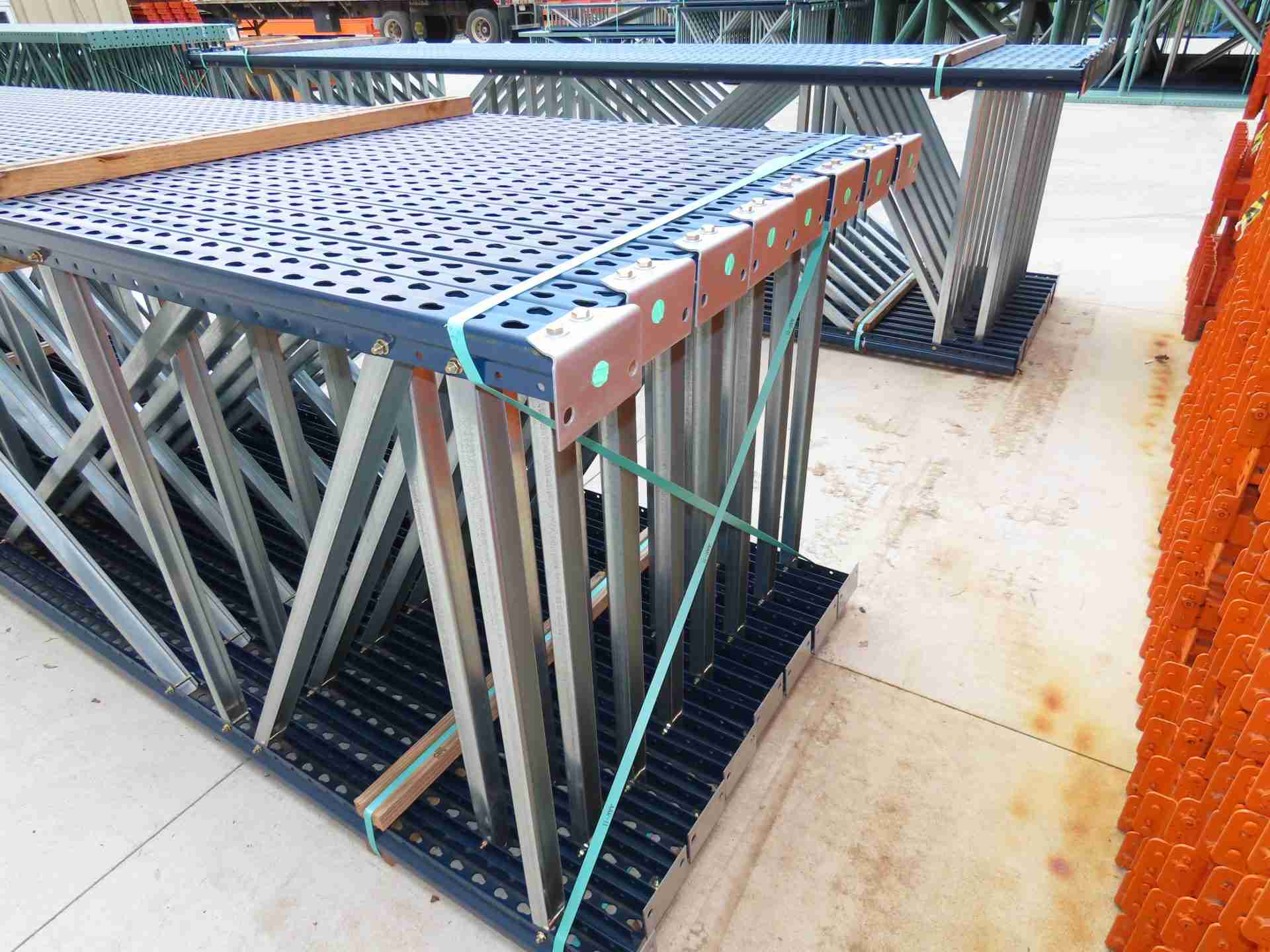
How Much Space Do I Need For A Cantilever Rack System?
How Much Space Do I Need For A Cantilever Rack System?
- Determining appropriate space for a cantilever rack system is essential for efficiency and cost-effectiveness.
- Cantilever racks are designed for long and bulky items, requiring careful measurement to accommodate current and future inventory.
- Leave at least 3 feet of aisle space between racks for safe and efficient access with forklifts, aligning with OSHA regulations.
- Utilize vertical space effectively, as a cantilever rack can maximize storage capacity by reaching close to the warehouse ceiling.
- Recent trends in the construction industry show firms implementing cantilever racks to optimize limited square footage for increased inventory.
- Planning involves understanding product dimensions, floor space, vertical space, and future growth needs for a streamlined layout.
- Properly calculating needed space can lead to substantial operational improvements and cost savings.
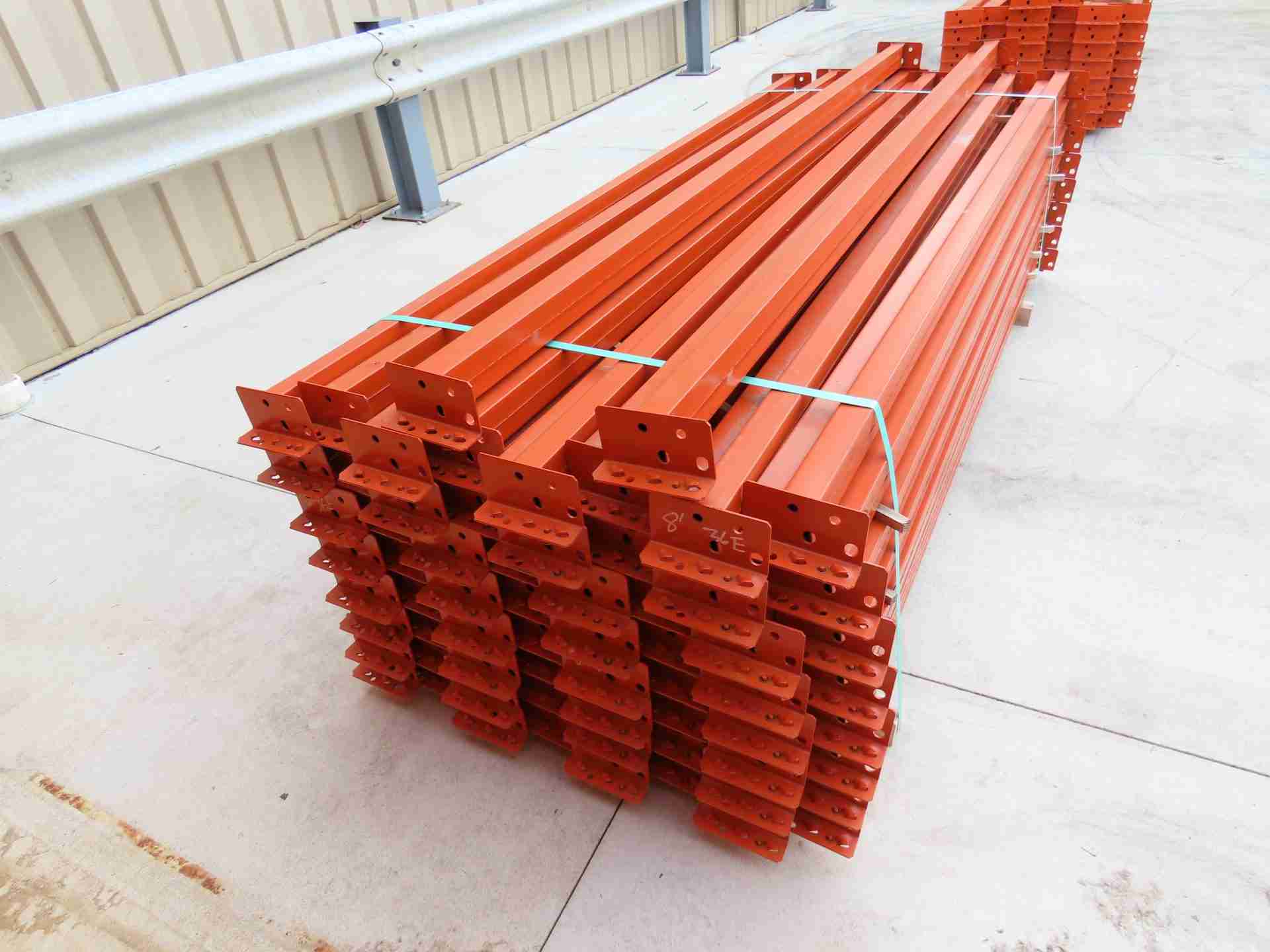
How Much Space Do I Need For A Cantilever Rack System?
What Are The Cost Factors To Consider When Buying Cantilever Racks?
Investing in cantilever racks can seem like a straightforward decision, but as with any significant purchase, a deeper dive into the cost factors will help you make the smartest choice for your business. Remember, the cheapest option today may not be the most economical in the long run.
1. Material Quality:
One of the most pivotal factors to consider is the quality of materials used in the racks. Heavy-duty steel is commonly recommended for cantilever racks due to its strength and resilience. The gauge of the steel indicates its thickness and sturdiness; thicker steel will, of course, cost more but will provide superior longevity. Skimping on material quality may save money initially, but you could face untold costs down the line due to replacements or damage to products stored.
2. Load Capacity:
Your intended applications will dictate the load capacity you require. If you’re storing lightweight materials like pipes and lumber, a standard model may suffice. However, for heavier items, such as metal or machinery, investing in racks that can support higher weights is non-negotiable. As market conditions fluctuate, particularly with rising raw material costs driven by recent supply chain disruptions, ensuring your racks can handle your current and future inventory is crucial.
3. Customization:
Custom cantilever racks can provide tailored solutions to fit your specific needs. These solutions can include adjustable arms, unique height configurations, or specialized coatings. The cost of customization can considerably increase upfront investment; nevertheless, it often pays off in efficiency and usability. On the heels of surging e-commerce demands, businesses find themselves needing adaptable storage solutions more than ever.
4. Shipping and Installation:
Don’t overlook the logistics involved in getting your racks up and running. Shipping costs can vary dramatically based on distance and the supplier’s location. Installation costs can also add to your overall budget, especially if you require professional setup. As companies turn from manual labor to mechanical solutions to cut costs, consider whether investing in a rack and storing system might yield long-term savings.
5. Warranty and After-Sales Support:
The longevity of any investment is tied directly to the manufacturer’s warranty and after-sales support. Unforeseen issues can plague even the best-built racks; having a robust warranty may save you thousands if repairs become necessary. But remember—warranty offerings can skew pricing; ensure that your choice is aligned with reliability and long-term performance.
By weighing these cost factors meticulously, you can ensure that your investment in cantilever racks will yield not just short-term efficiency, but lasting profitability for your business.
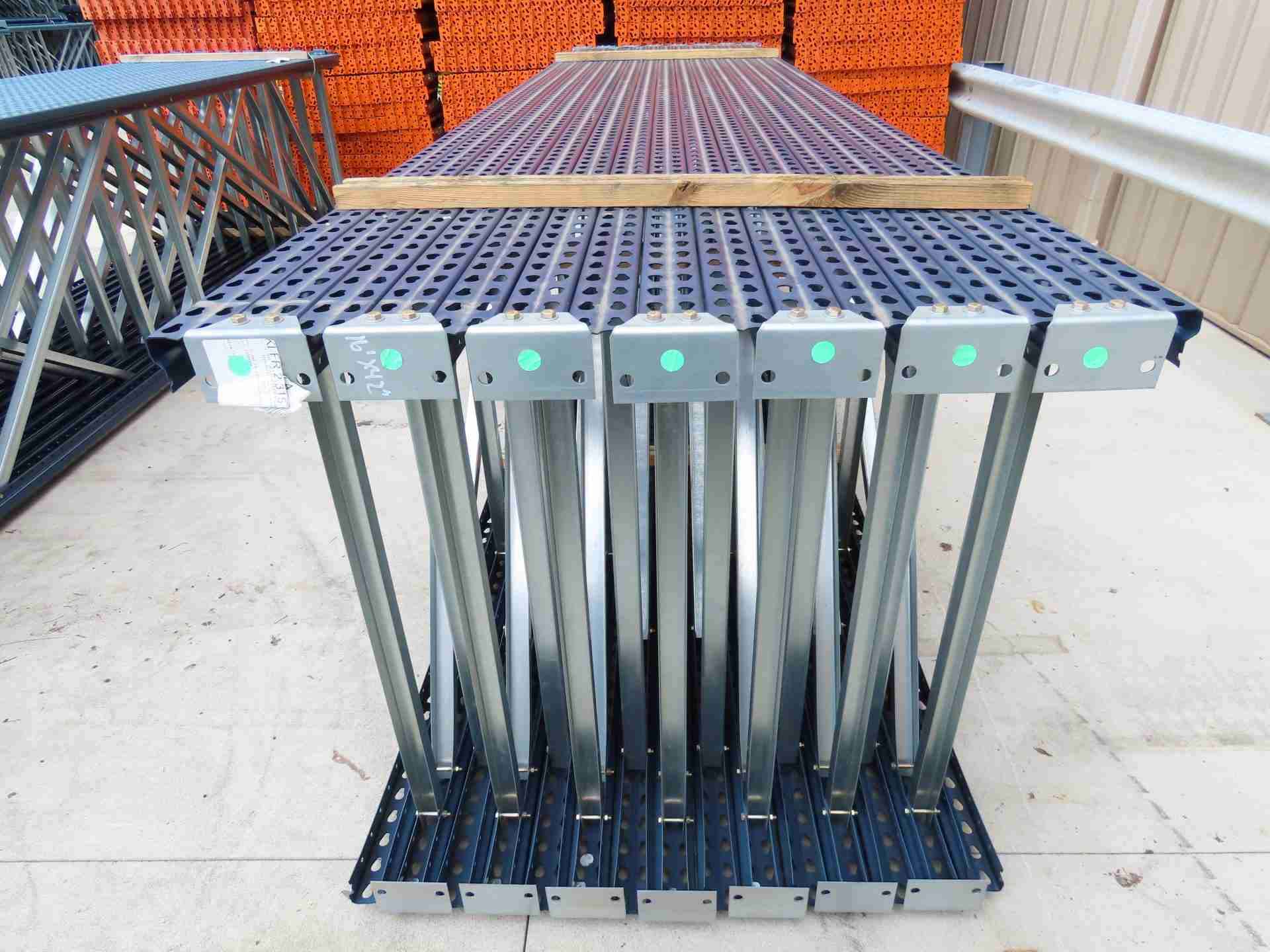
What Are The Cost Factors To Consider When Buying Cantilever Racks?
What Are The Cost Factors To Consider When Buying Cantilever Racks?
- Material Quality: Invest in heavy-duty steel for superior strength and longevity; thicker steel increases costs but reduces future replacement needs.
- Load Capacity: Match rack capacity with intended applications; heavier items require higher load capacity to handle current and future inventory.
- Customization: Tailored solutions, such as adjustable arms and unique configurations, can enhance efficiency, though they may raise upfront costs.
- Shipping and Installation: Account for varying shipping costs and potential installation expenses, especially if professional setup is necessary.
- Warranty and After-Sales Support: A strong warranty can save money on repairs, but be cautious of how it affects pricing; prioritize reliability and performance.
- Long-Term Considerations: The cheapest options may not be the most economical over time; evaluate overall value and sustainability of the investment.
- Overall Impact: Thoroughly assess these factors to ensure that your cantilever rack investment leads to lasting profitability and efficiency.
What Are The Cost Factors To Consider When Buying Cantilever Racks?
Are There Specific Regulations For Cantilever Racks?
When it comes to optimizing warehouse space, nothing beats the efficiency of cantilever racks. However, with opportunity comes responsibility. For business owners, it’s crucial to navigate the maze of regulations that govern the use of these robust storage solutions. Ignoring them not only jeopardizes your operations but could also expose you to liabilities that impact your bottom line.
Cantilever racks are designed to manage long, bulky items like lumber, pipes, and steel sheets. Their unique structure gives them an advantage over traditional shelving, but this strength is accompanied by specific production and safety regulations that users must adhere to. The Occupational Safety and Health Administration (OSHA) has established stringent guidelines for storage systems, and cantilever racks are no exception.
For instance, OSHA mandates that these racks are properly anchored to withstand lateral forces. This is particularly vital in high-seismic areas where an earthquake can cause untold damage. In fact, as recently as 2023, we witnessed several regions experiencing seismic events that caught businesses off guard, highlighting the importance of compliance. Companies should invest in rack anchoring systems and reinforce their structures accordingly to avoid catastrophic failures.
Moreover, the Rack Manufacturers Institute (RMI) sets forth standards for the design and maintenance of cantilever racks. These guidelines stipulate load limits and safety factors that are crucial for ensuring the racks can hold their intended weight. An example of this can be seen in the construction industry, where failing to adhere to these standards has resulted in costly accidents and even loss of life. Businesses must document weight capacities and regularly inspect their racks to remain compliant and safe.
Additionally, manufacturers must provide proper labeling and instructions on the safe use of their products. If a company installs cantilever racks without following these guidelines, they risk penalties ranging from fines to potential lawsuits. It’s not just about compliance; it’s about protecting your employees and securing your company’s reputation.
In summary, while cantilever racks offer outstanding flexibility and efficiency in storage, they come with a specific set of regulatory requirements. Staying informed and compliant with OSHA, RMI, and local regulations should be your operational mantra. By doing so, you not only ensure the safety and efficiency of your operations but also position your business as a responsible player in the marketplace, ready to thrive in the face of challenges.
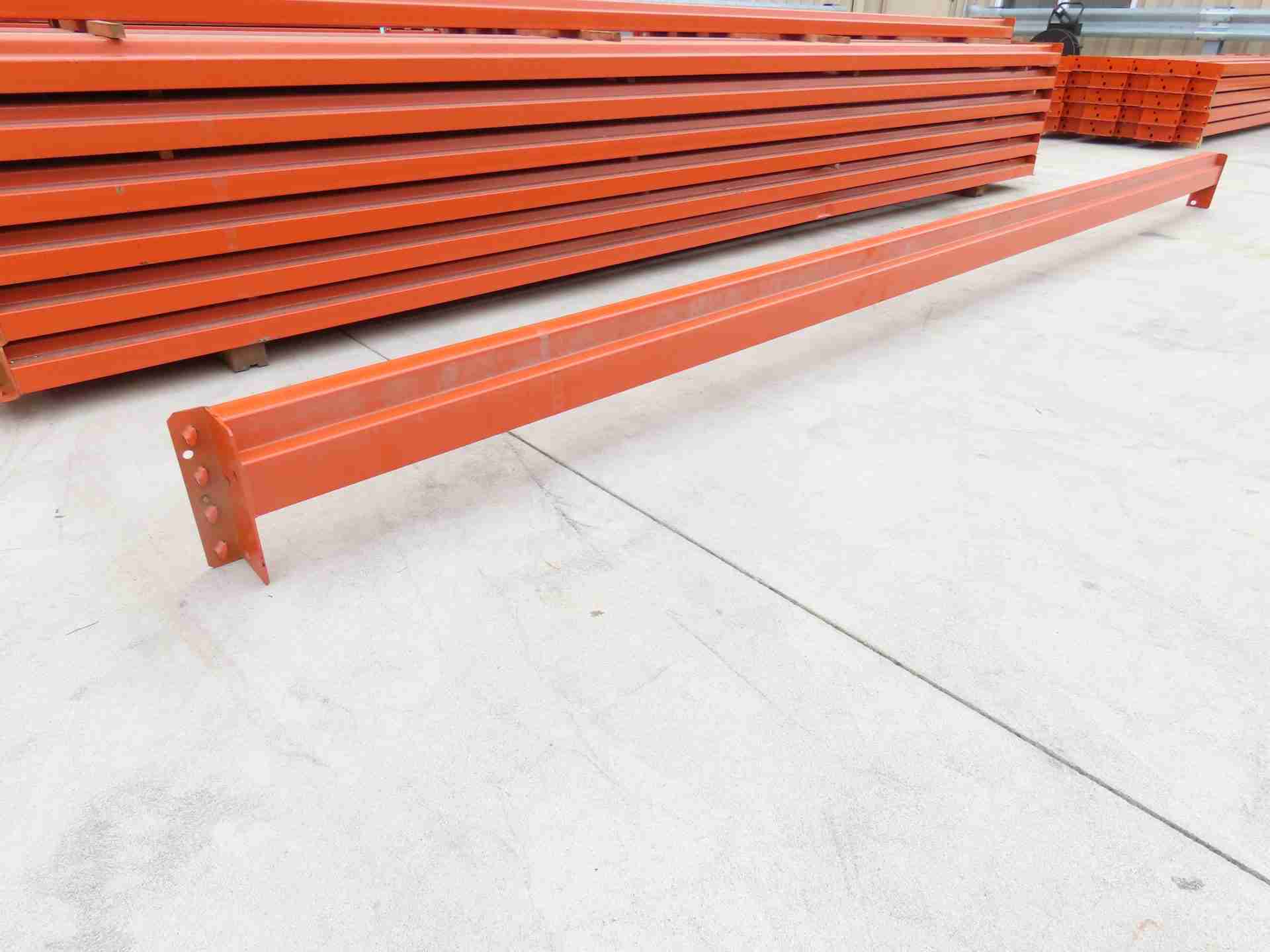
Are There Specific Regulations For Cantilever Racks?
Are There Specific Regulations For Cantilever Racks?
- Cantilever racks are efficient solutions for optimizing warehouse space, particularly for long and bulky items.
- Business owners must navigate regulations governing the use of cantilever racks to avoid operational jeopardies and liabilities.
- OSHA outlines strict guidelines for storage systems, including the proper anchoring of cantilever racks to withstand lateral forces.
- In high-seismic areas, compliance with anchoring regulations is critical to prevent catastrophic failures during seismic events.
- The Rack Manufacturers Institute (RMI) provides standards for the design and maintenance of cantilever racks, including load limits and safety factors.
- Proper labeling and instructions from manufacturers are necessary to ensure safe use and avoid penalties for non-compliance.
- Staying informed about OSHA, RMI, and local regulations is essential for operational safety and maintaining a reputable business presence.
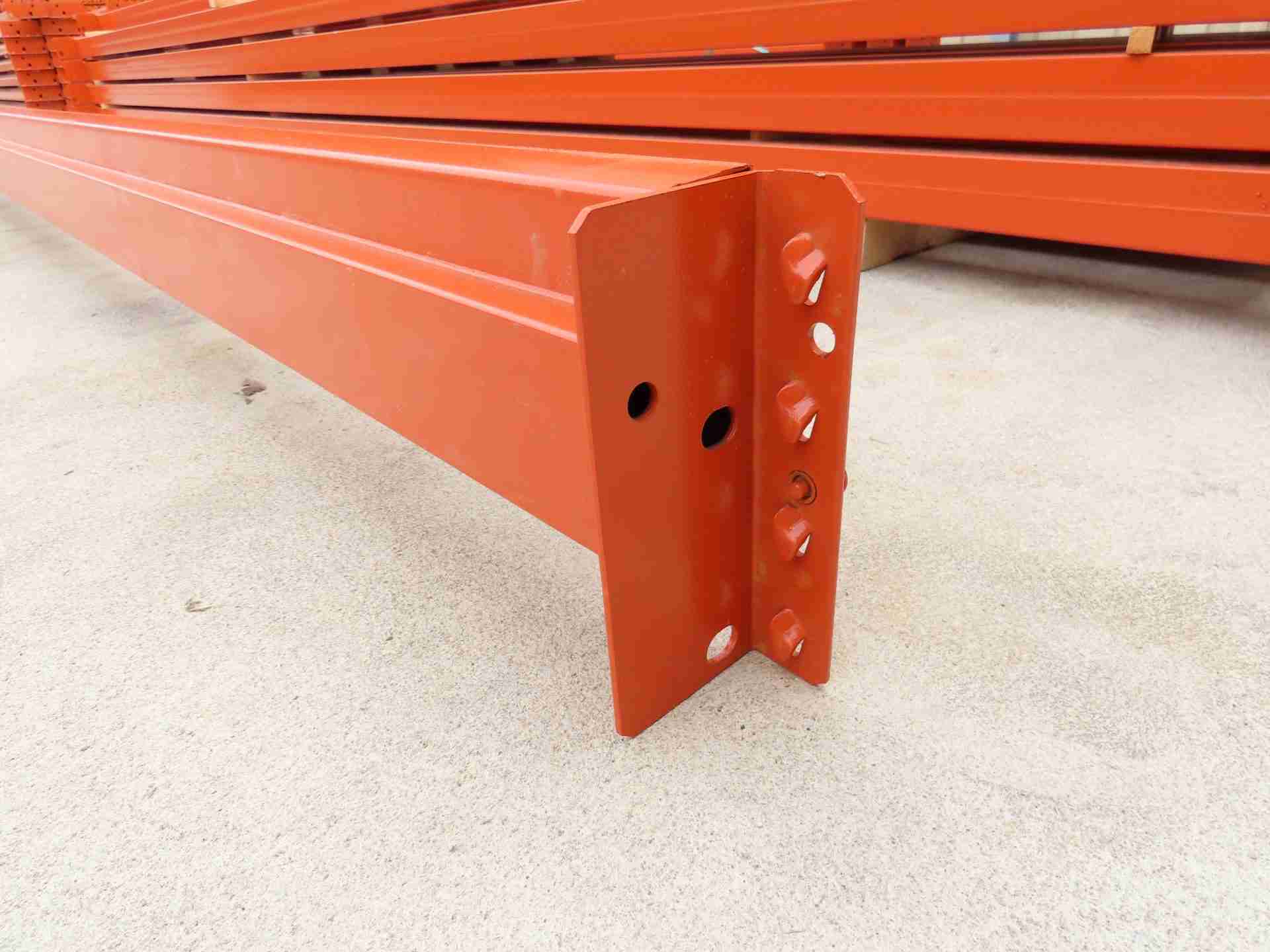
Are There Specific Regulations For Cantilever Racks?
How Do I Optimize My Lumber Yard Layout With Cantilever Racks?
Optimizing Your Lumber Yard Layout with Cantilever Racks
If you’re in the lumber business, you know that efficient space management is crucial for profitability and productivity. As lumber prices fluctuate and demand for sustainable materials rises, every square foot of your yard becomes precious. The solution? Cantilever racks. These innovative storage systems can transform your lumber yard into a well-oiled machine, ensuring that the right materials are easily accessible while maximizing your space.
First, consider the fundamental advantage of cantilever racks: they’re designed to accommodate long and bulky items, such as lumber and sheet goods, without the need for support legs that would typically consume valuable floor space. For instance, by implementing cantilever racks in a vertical layout, you can store boards of various lengths, stacking them in an organized manner that enhances visibility and retrieval speed. Imagine a scenario where a contractor needs a specific type of wood. With organized cantilever racks, your employees can quickly locate and pull the needed materials, reducing wait times and increasing customer satisfaction—essential in a competitive market where speed is key.
Strategic Placement for Purposeful Access
When designing your layout, think strategically about the flow of inbound and outbound materials. Place cantilever racks near loading zones for easy loading and unloading of trucks. This setup not only streamlines operations but also minimizes the risk of damage to your inventory—a key consideration, especially with ongoing discussions around environmentally sustainable practices in the building industry. In recent months, lumber prices have continued to soar, making every piece of wood more valuable. A well-organized storage system can help reduce inventory loss due to damage, leading to higher profit margins.
Proper Use of Vertical Space
Vertical storage is a game-changer for lumber yards. Use cantilever racks to their full advantage by stacking materials high, which is particularly beneficial if your yard has limited room for expansion. For example, if your lumber yard has a 30-foot ceiling, utilizing vertical space can significantly enhance capacity without needing to rent additional land. By arranging your lumber vertically, you not only free up ground space for equipment or customer interactions but also create a visually appealing environment that communicates efficiency and professionalism to your customers.
In summary, optimizing your lumber yard layout with cantilever racks isn’t just about storage—it’s about elevating your business. By embracing this storage solution, you can enhance operational efficiency, minimize damage, and improve customer experience, delivering your products swiftly and reliably. The future of lumber sales lies in the hands of those who can adapt and refine their operations. Will you be among them?
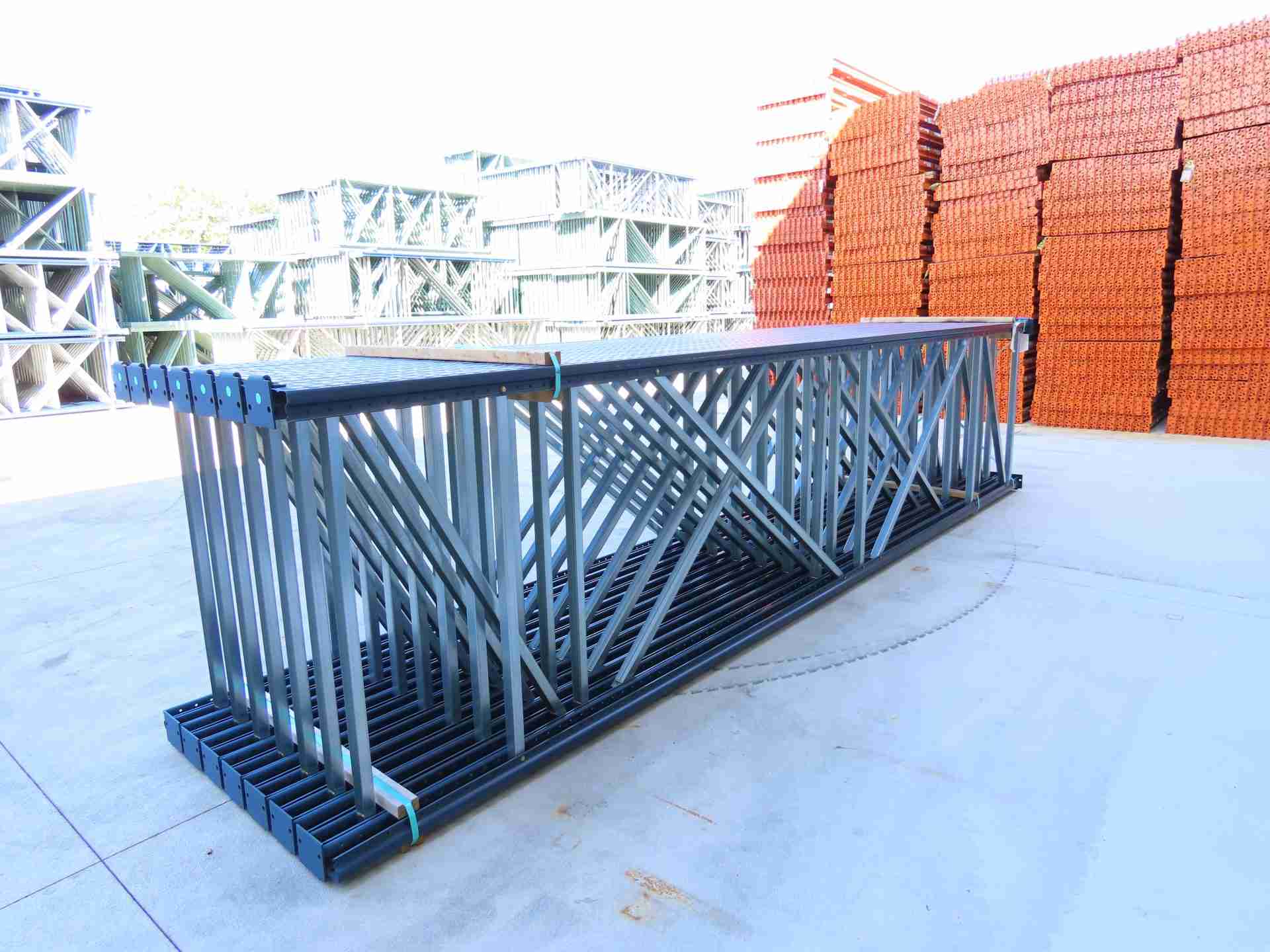
How Do I Optimize My Lumber Yard Layout With Cantilever Racks?
How Do I Optimize My Lumber Yard Layout With Cantilever Racks?
- Efficient space management is vital for profitability in the lumber business.
- Cantilever racks are ideal for storing long and bulky items without consuming floor space.
- Organized cantilever racks improve visibility and retrieval speed for lumber materials.
- Strategically placing racks near loading zones streamlines operations and minimizes inventory damage.
- Vertical storage using cantilever racks maximizes capacity in limited space.
- Utilizing vertical space enhances operational efficiency and professionalism in lumber yards.
- Optimizing layout with cantilever racks improves customer experience and reduces wait times.
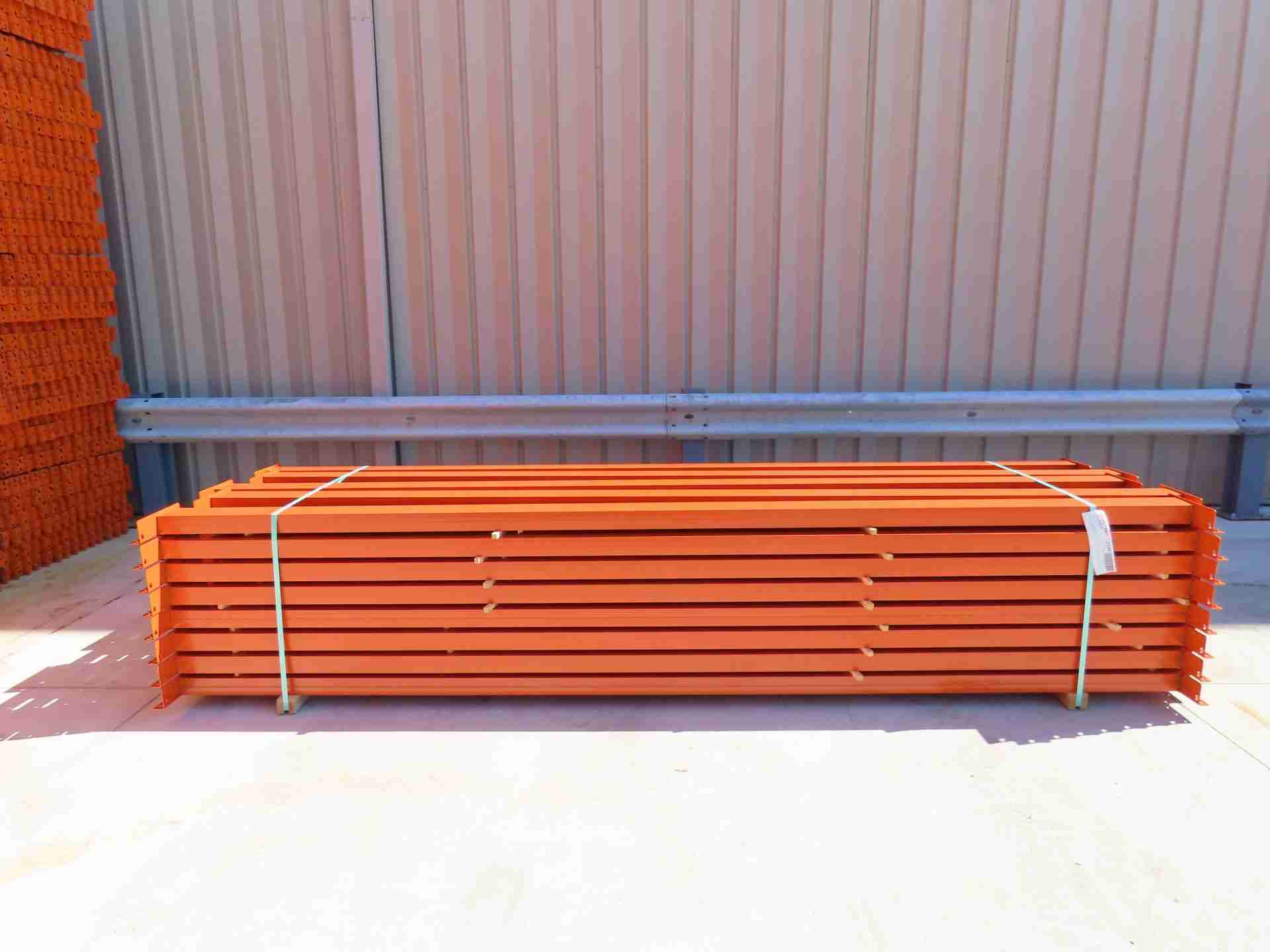
How Do I Optimize My Lumber Yard Layout With Cantilever Racks?
Can I Integrate Cantilever Racks With Other Storage Solutions?
Absolutely, and the best part is that the integration of cantilever racks into your existing storage solutions can maximize your space efficiency, streamline operations, and enhance overall productivity. If you’re looking to modernize your warehouse or distribution center, leveraging the versatility of cantilever racks is essential.
Let’s paint a picture. Imagine a bustling warehouse where bulky items like lumber, piping, or even automotive parts piled high on traditional shelving are causing delays. That’s where cantilever racks come into play. Unlike standard shelving, cantilever racks offer unobstructed vertical space, providing an ideal solution for storing long or irregularly shaped items. However, they can do more than just stand alone in your facility.
Consider integrating cantilever racks with pallet racking systems. For example, if your operation involves both large sheets of material and pallets of smaller items, a combination of these two systems creates a hybrid solution. You can utilize the cantilever racks for the long materials while maximizing the use of existing pallet racks for smaller boxes and goods. With the advent of e-commerce and the surge in demand for multi-channel distribution, this flexibility can be a game changer.
Additionally, incorporating mobile shelving or automated guided vehicles (AGVs) with your cantilever racks can enhance retrieval efficiency. As businesses are increasingly turning toward automation in light of labor shortages and rising operational costs, integrating these technologies ensures that your inventory flows seamlessly. For instance, an AGV can efficiently transport items from the cantilever section to packing areas, drastically reducing handling time.
It’s also important to consider the current trends in sustainable practices. By integrating your cantilever racks with recycling stations or eco-friendly packaging areas, you turn your storage solutions into a more sustainable operation. With companies like IKEA and Amazon making headlines by committing to sustainability, your commitment to eco-conscious operations can not only assist in brand recognition but also improve operational efficiency.
In today’s fast-paced market, isn’t it time to future-proof your storage solutions? Integrating cantilever racks with other systems not only enhances your space utilization but also aligns with emerging trends in automation, sustainability, and efficiency. Make the bold move today—your warehouse will thank you!
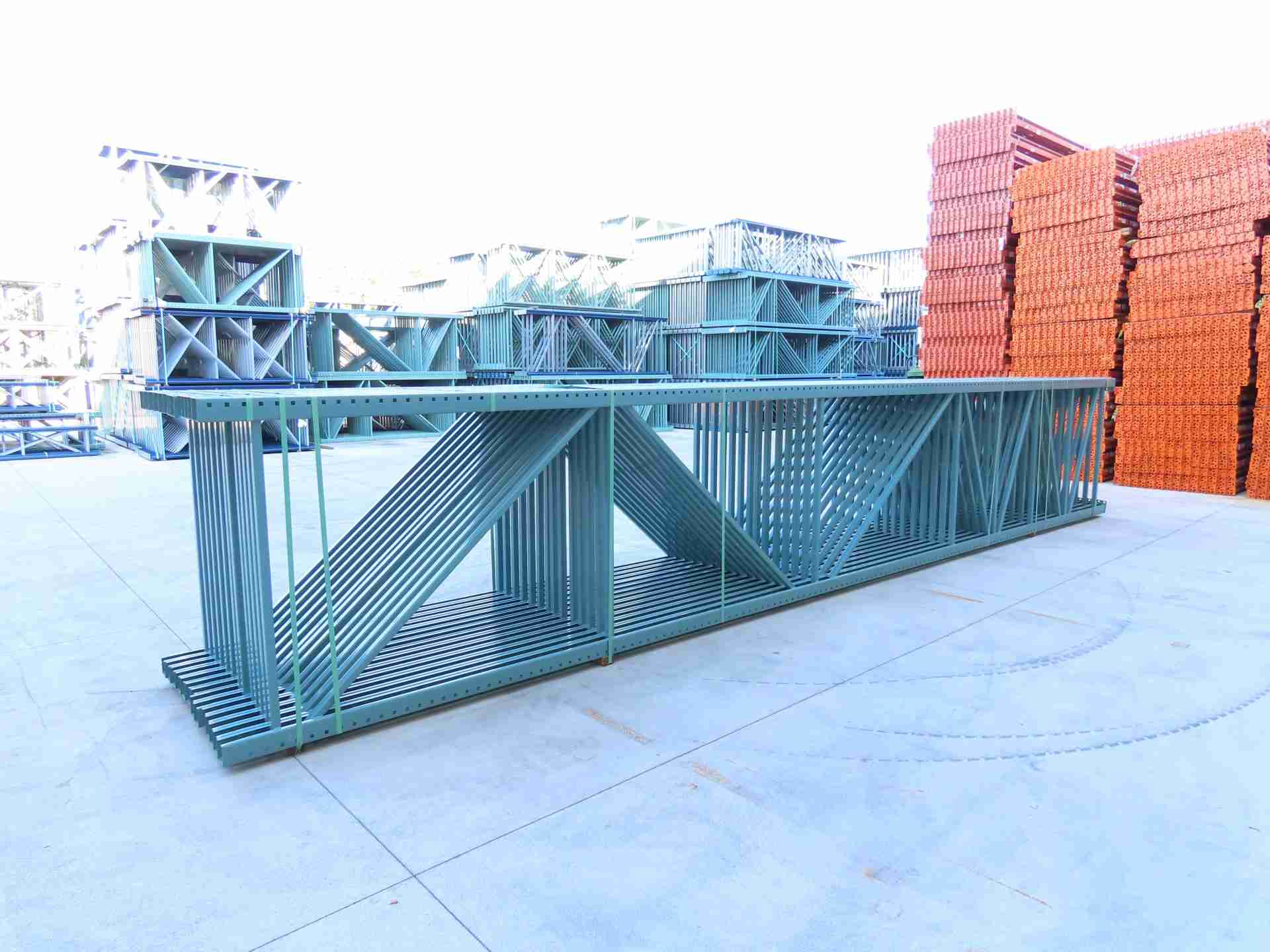
Can I Integrate Cantilever Racks With Other Storage Solutions?
Can I Integrate Cantilever Racks With Other Storage Solutions?
- Integrating cantilever racks maximizes space efficiency, streamlines operations, and enhances productivity.
- Cantilever racks are ideal for storing long or irregularly shaped items, unlike traditional shelving.
- A hybrid solution combining cantilever racks with pallet racking can optimize storage for both large and small items.
- Integration of mobile shelving or Automated Guided Vehicles (AGVs) can increase retrieval efficiency.
- Automation in storage systems helps address labor shortages and rising operational costs.
- Incorporating sustainable practices, such as recycling stations, aligns with current eco-friendly trends.
- Future-proofing storage solutions through integration helps businesses adapt to emerging trends in automation and efficiency.
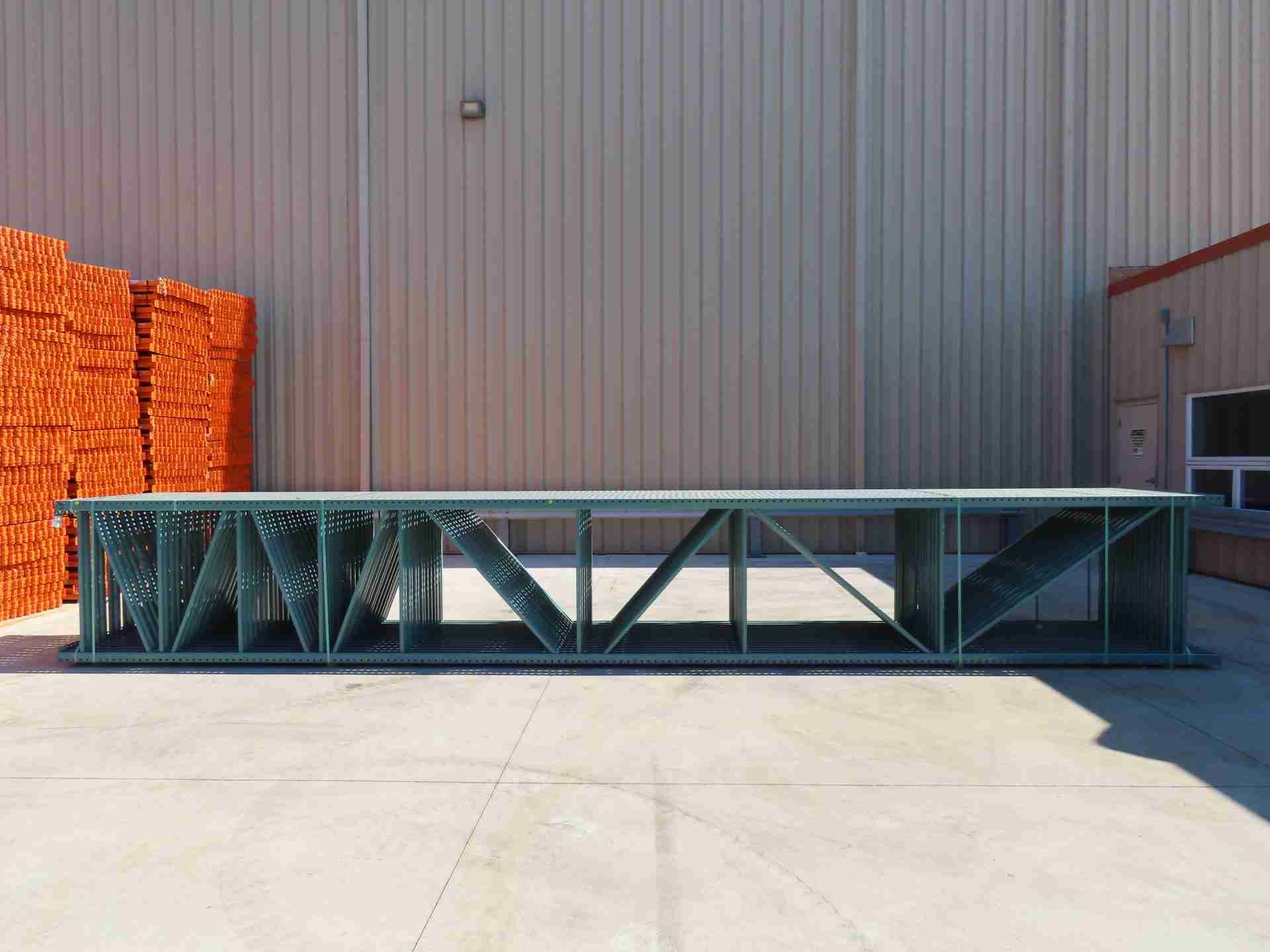
Can I Integrate Cantilever Racks With Other Storage Solutions?
Conclusion
In the competitive landscape of lumber yards, the right cantilever rack setup isn’t just a choice—it’s a strategic imperative. The efficiency, safety, and profitability of your operations hinge on how well your storage solutions are tailored to your specific needs and the ever-changing market dynamics. With the proper cantilever rack configuration, you can optimize storage space, streamline operations, and enhance inventory management, crucial for meeting the demands of today’s market.
As highlighted throughout this article, cantilever racks offer unparalleled flexibility in accommodating long and bulky items while making inventory easily accessible. Whether you’re working with varying dimensions of lumber, pipes, or engineered wood products, a well-designed cantilever system not only maximizes your storage capabilities but also enables your team to focus on core tasks rather than waste time searching for materials.
Moreover, embracing technology through integrated inventory management systems enhances your operational workflow, ensuring you stay ahead of supply chain disruptions and fluctuations in demand. Pairing these racks with organized aisles, modern inventory tracking techniques, and sophisticated equipment turns your lumber yard into a lean, efficient powerhouse ready to seize opportunities.
However, it’s essential to act quickly. The market is shifting rapidly, and visibility into your inventory and operational efficiency directly impacts your bottom line. Securing high-quality cantilever racks, adhering to safety regulations, and investing in regular maintenance is pivotal for maintaining productivity and minimizing accidents.
Now is the time to reevaluate your current storage solutions and consider how a tailored cantilever rack system can facilitate growth and scale with your business. The lumber industry is witnessing fluctuations that make every piece of wood increasingly valuable; missed opportunities today could translate into lost profits tomorrow. Don’t let inefficiency cost you.
At Arrow Industrial Sales, we specialize in providing customized cantilever rack solutions designed to meet the unique needs of your lumber yard. Our team is ready to assist you in transforming your storage strategy and optimizing your operations. Call us at (574) 349-6575 today—we’re here to help you make informed decisions that will position your business for success. The future of your lumber yard is in your hands; let’s optimize it together before it’s too late!

Conclusion
Conclusion:
- Proper cantilever rack setup is essential for efficiency, safety, and profitability in lumber yards.
- Optimizing storage space and enhancing inventory management are critical for meeting market demands.
- Cantilever racks provide flexibility for storing long and bulky items while ensuring easy access.
- Integrating technology with inventory management systems improves operational workflow and responsiveness to supply chain changes.
- Timely action and maintenance of cantilever racks are crucial for productivity and minimizing accidents.
- Reevaluating your storage solutions can facilitate growth in a fluctuating lumber market.
- Arrow Industrial Sales offers customized cantilever rack solutions tailored to the unique needs of your business.

Conclusion
Other Resources
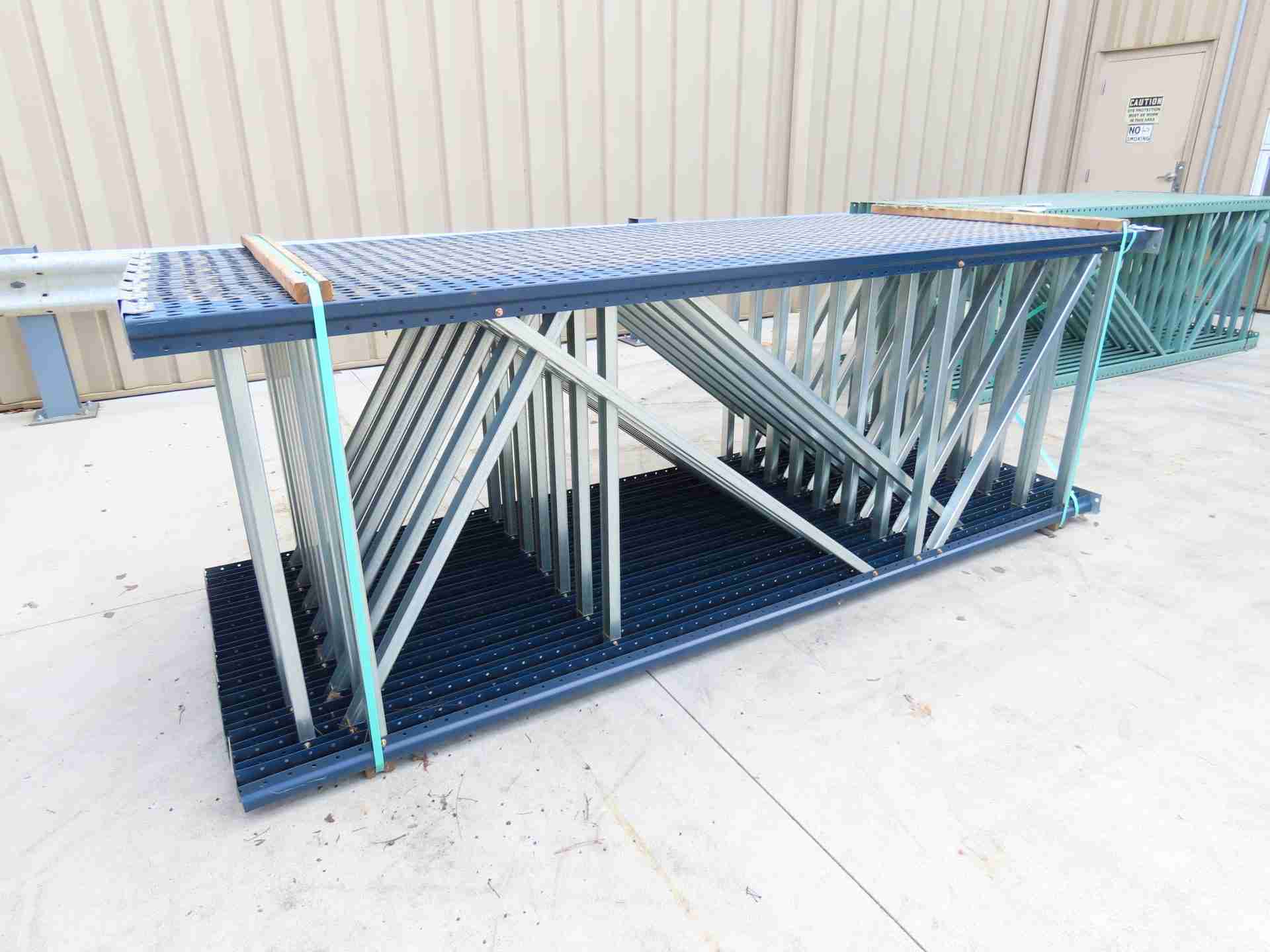
Other Resources
Here is a list of other resources you can review online to learn more:
- Cantilever Rack Configuration & Installation: A Comprehensive Guide – BMH – This guide covers the basics of cantilever racking and provides detailed instructions on configuration and installation.
- Lumber Rack – Cantilever Rack & Covered Lumber Storage – This article discusses the benefits of using cantilever racks for lumber storage and offers insights into covered storage options.
- Lumber Storage Racks | Cantilever Racks for Lumber – DC Graves – This resource provides information on designing cantilever racks specifically for lumber storage.
- 15 BEST Lumber Storage Rack Ideas To DIY – The Heathered Nest – This article offers creative DIY ideas for lumber storage racks, including cantilever setups.
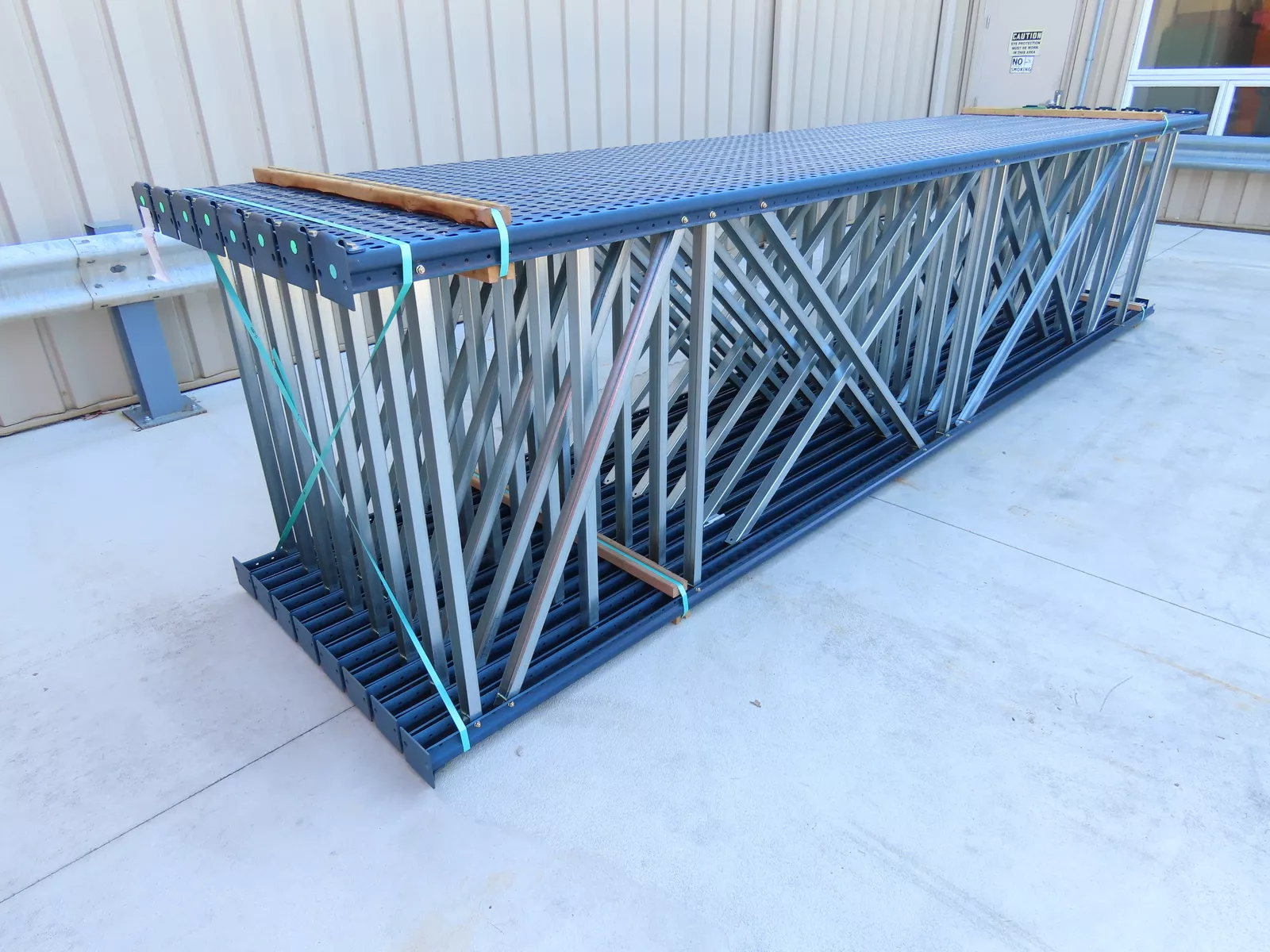
Other Resources
Glossary Terms
What’s The Best Cantilever Rack Setup for a Lumber Yard? – Glossary Of Terms
1. Cantilever Rack: A type of storage system designed to hold long or bulky items like lumber, featuring vertical posts and horizontal arms.
2. Arm: The horizontal support structure on a cantilever rack that holds the load, adjustable for different lengths.
3. Column: The vertical posts of a cantilever rack that provide stability and support for the arms.
4. Base: The bottom support structure of a cantilever rack that anchors the system to the ground and provides stability.
5. Load Capacity: The maximum weight that a cantilever rack or its arms can safely support.
6. Vertical Clearance: The height between the base of the rack and the topmost horizontal arm, allowing for the stacking of materials.
7. Horizontal Clearance: The space between arms on the same level of a cantilever rack, important for accommodating various materials.
8. Adjustability: The feature that allows arms and levels to be repositioned to accommodate different sizes of lumber and materials.
9. Cross Bracing: Diagonal supports added between columns for additional stability and to prevent swaying of the rack.
10. Heavy-Duty: A term used to describe cantilever racks designed for heavy loads, typically made of robust materials.
11. Light-Duty: Racks designed for lighter materials, featuring less robust construction and lower load capacities.
12. End Frame: The two vertical columns at the ends of a cantilever rack structure, anchoring it and providing additional support.
13. Intermediate Frame: The vertical posts in the middle of a cantilever rack that help provide additional support between the end frames.
14. Single-Sided: A cantilever rack configuration where arms extend out from one side only, ideal for against-wall installations.
15. Double-Sided: A layout where arms extend from both sides of the frame, maximizing storage efficiency in open areas.
16. Weight Distribution: The even spread of weight on the rack to prevent tipping and ensure safety.
17. Lumber Bundles: Grouped collections of lumber typically tied together for easier storage and handling.
18. Aisle Space: The area between rows of cantilever racks, important for safe and efficient access to materials.
19. Forklift Access: Designed pathways or spaced arrangements allowing forklifts to safely navigate and load/unload materials.
20. Maintenance: Regular inspections and repairs performed on cantilever racks to ensure safety and functionality.
21. Galvanized Steel: A rust-resistant material commonly used in the construction of cantilever racks for outdoor durability.
22. Painted Finish: A protective coating applied to cantilever racks to improve aesthetics and resistance to elements.
23. Safety Pins: Devices used to secure arms in place on a cantilever rack and prevent accidental dislodgment.
24. Floor Plan: The layout design of the lumber yard, determining the optimal placement of the cantilever racks.
25. Material Type: The specific kind of lumber or material being stored, affecting the chosen rack configuration and load capacity.
26. Space Optimization: The process of arranging storage systems to maximize efficiency and minimize waste of space.
27. Dust Control: Measures taken in the lumber yard to reduce dust accumulation on materials and racks, improving cleanliness and visibility.
28. Fire Safety Regulations: Guidelines that must be followed to minimize the risk of fire hazard within storage spaces.
29. Inventory Management: The system used to track stock levels and materials, ensuring efficient usage and replenishment.
30. Environmental Considerations: The assessment of how the cantilever rack setup may impact the surrounding environment, including sustainability practices.
Glossary Of Terms
Other Questions
What’s The Best Cantilever Rack Setup for a Lumber Yard? – Other Questions
If you wish to explore and discover more, consider looking for answers to these questions:
- What are the benefits of using cantilever racks over traditional shelving systems?
- How do cantilever racks improve safety in a lumber yard?
- What are some common mistakes to avoid when installing cantilever racks?
- What maintenance practices are essential for cantilever racks?
- How do I determine the best location for cantilever racks in my warehouse?
- Are there specific guidelines for loading and unloading materials on cantilever racks?
- What types of lumber can be stored on cantilever racks, and how does this vary by rack design?
- How do cantilever rack costs compare with other storage solutions?
- What should I consider when designing a layout that includes cantilever racks?
- How do cantilever racks contribute to inventory management systems?
- Can cantilever racks be used outdoors, and if so, what are the best practices?
- What types of industries benefit the most from using cantilever racks?
Other Questions
Checklist
What’s The Best Cantilever Rack Setup for a Lumber Yard? – A Checklist
Step 1: Evaluate Your Inventory
_____ List the types of lumber and materials you handle.
_____ Measure the dimensions (length, width, height) of the largest items to be stored.
Step 2: Assess Space Requirements
_____ Measure available floor space for installation.
_____ Determine required aisle width (at least 3 feet for forklift access).
_____ Assess vertical space (consider ceiling height) for maximizing storage.
Step 3: Choose the Right Cantilever Rack Type
_____ Decide between Single-sided or Double-sided racks based on accessibility needs.
_____ Consider Fixed versus Adjustable racks based on future inventory changes.
Step 4: Determine the Necessary Features
_____ Ensure racks have robust construction (heavy-duty steel recommended).
_____ Look for adjustable arms to accommodate different sizes.
_____ Check for stability features (base plates, cross-supports) for safety.
_____ Choose racks with easy assembly instructions.
Step 5: Calculate Load Capacity
_____ Evaluate typical load weights and select racks that support these weights (1,500-2,000 lbs per arm for heavy-duty).
_____ Consider possible future expansions when determining load capacities.
Step 6: Plan Rack Installation
_____ Draft a layout for optimal flow of materials and labor efficiency.
_____ Engage a professional for proper installation and safety compliance.
_____ Implement a cleanup plan for dust and debris to prevent corrosion.
Step 7: Enhance Safety
_____ Ensure racks are equipped with anti-tipping brackets and labeling for visibility.
_____ Create a routine for regular inspection and maintenance of the racks.
_____ Train employees on proper loading methods and safety protocols.
Step 8: Consider Integration with Other Systems
_____ Explore options for integrating cantilever racks with pallet racking or automated guided vehicles (AGVs).
_____ Plan spaces for recycling or additional eco-friendly features in your lumber yard layout.
Step 9: Review Regulations and Compliance
_____ Familiarize yourself with OSHA and RMI guidelines relevant to cantilever racks.
_____ Ensure all racks are properly anchored and marked for capacity limits.
By following this checklist, you’ll be well on your way to creating an efficient, safe, and organized lumber yard that meets your current needs and allows for future growth.
Checklist
At RackingWorld, we help guide you through selecting warehouse storage systems and racking.
Be sure to read our other related stories at RackingWorld to learn more about warehouse storage systems.
0 Comments