
Maximizing Storage Space: Outdoor Use Of Cantilever Racks
By Tom Seest
At RackingWorld, we help guide you through selecting warehouse storage systems and racking.
Be sure to read our other related stories at RackingWorld to learn more about warehouse storage systems.
Can Cantilever Racks Be Used Outdoors?
When it comes to maximizing your storage efficiency, cantilever racks are a game-changer. But you may be asking yourself: can these versatile storage solutions really be used outdoors? The answer is a resounding yes, and let’s explore why this is an excellent choice for many businesses and what you need to consider.
First, let’s set the stage. Industries ranging from construction to lumber yards often find themselves grappling with the challenge of keeping their materials organized and accessible. Enter the cantilever rack—specifically designed to handle long or bulky items. Whether you are storing heavy pipes, sheets of plywood, or landscaping materials, outdoor cantilever racks provide a robust solution that can withstand the elements.
But don’t just take our word for it. Consider a case study from a local lumber yard in Texas that upgraded to outdoor cantilever racks last year. Faced with the constant issues of material damage due to improper storage methods, they made the shift. The result? Not only did they improve accessibility by 40%, but their material loss due to weather-related deterioration dropped significantly. They now have a well-structured outdoor area where efficiency reigns supreme.
When using cantilever racks outdoors, it’s important to choose the right materials. Opt for those that are treated or coated to resist rust and corrosion, especially if you’re in an area prone to moisture. Powder-coated finishes are an excellent option, as they not only extend the longevity of the rack but also add an appealing aesthetic.
As businesses increasingly prioritize sustainability, outdoor cantilever systems can also be part of the solution. Consider how a rock-solid cantilever rack can promote better organization, reducing the time spent searching for materials and consequently enhancing productivity. With the labor shortages many industries are facing today, every minute of increased efficiency can translate into significant cost savings.
Furthermore, global supply chain issues brought to light during the pandemic have pushed companies to rethink their inventory management strategies. By employing outdoor cantilever racks, businesses can maximize their space while making room for increased inventory, which is vital during these uncertain times.
In summary, yes—cantilever racks can be used outdoors effectively. When chosen wisely, they not only enhance your storage capabilities but also improve your operational efficiency in a landscape where every advantage counts. So, if you’re looking to reclaim your outdoor space while making a lasting impact on your bottom line, investing in outdoor cantilever racks may just be your best move yet.
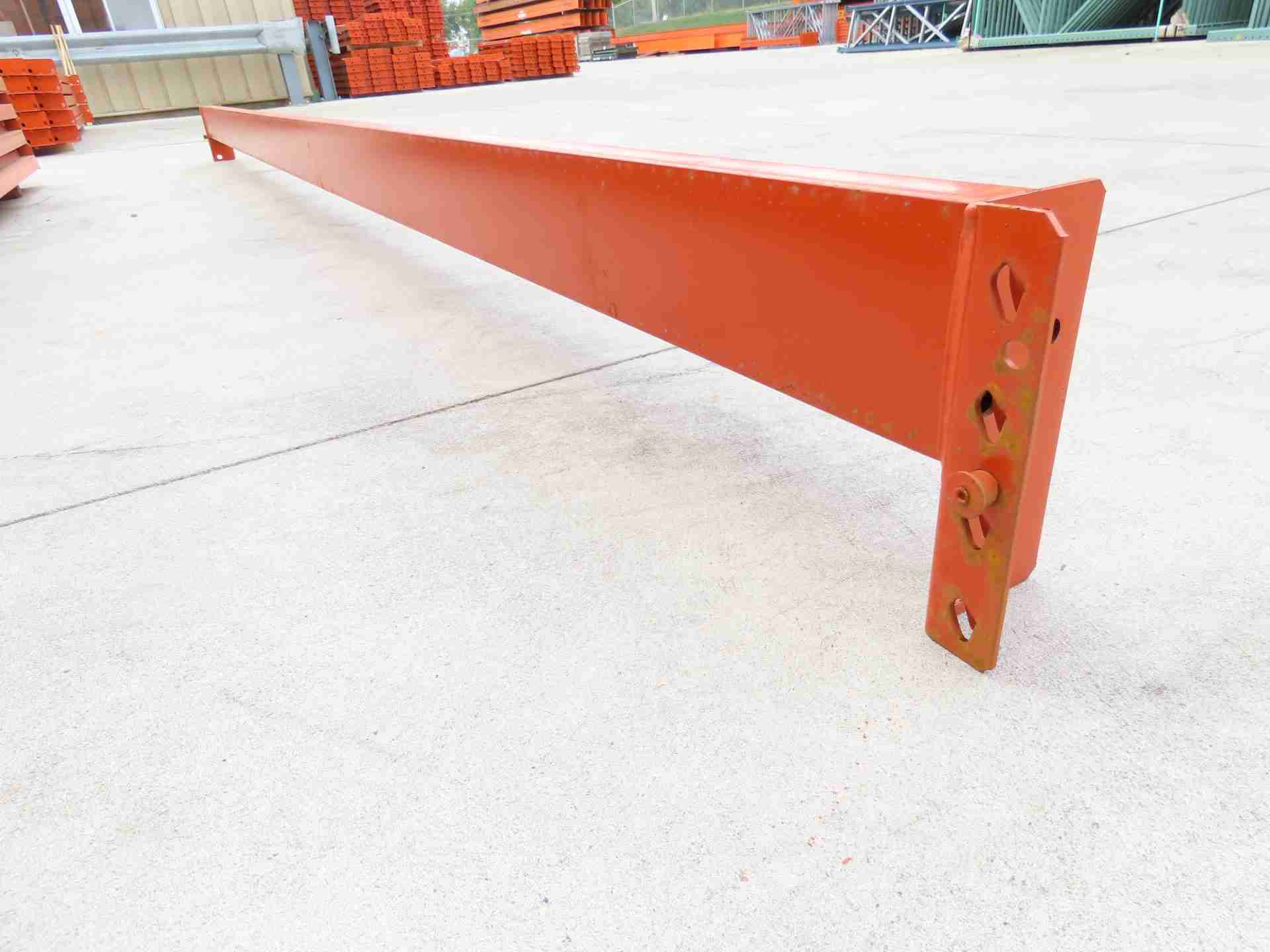
Can Cantilever Racks Be Used Outdoors?
Can Cantilever Racks Be Used Outdoors?
- Cantilever racks are effective for maximizing storage efficiency outdoors.
- Industries like construction and lumber yards benefit from using these racks for long or bulky items.
- A local Texas lumber yard improved accessibility by 40% and reduced material loss after upgrading to outdoor cantilever racks.
- Choosing treated or coated materials is crucial for outdoor cantilever racks to resist rust and corrosion.
- Outdoor cantilever racks can enhance organization, leading to improved productivity and cost savings.
- Adopting these racks can assist businesses in managing inventory during global supply chain challenges.
- Overall, outdoor cantilever racks enhance storage capabilities and operational efficiency, making them a smart investment.
Can Cantilever Racks Be Used Outdoors?
Table Of Contents
- Can Cantilever Racks Be Used Outdoors?
- Can Cantilever Racks Withstand Outdoor Conditions?
- What Materials Are Best For Outdoor Cantilever Racks?
- How Do I Protect Cantilever Racks From Rust?
- Are There Specific Designs For Outdoor Cantilever Racks?
- What Weight Limits Should I Consider For Outdoor Racks?
- How Do Weather Changes Affect Cantilever Rack Performance?
- Can Outdoor Cantilever Racks Support Heavy Items?
- What Are The Installation Requirements For Outdoor Racks?
- How Do I Maintain Cantilever Racks Exposed To The Elements?
- Are Outdoor Cantilever Racks Cost-Effective Over Time?
- Conclusion
- Other Resources
- Glossary Of Terms
- Other Questions
- Checklist
Can Cantilever Racks Withstand Outdoor Conditions?
When it comes to maximizing your outdoor storage space, cantilever racks are often a go-to solution for businesses dealing with bulk materials like lumber, pipes, and metal sheets. But the vital question remains: Can these structures truly withstand the rigors of outdoor conditions? The answer lies not just in the design, but in the materials, construction, and maintenance of these racks.
First, consider the elements. Cantilever racks are engineered to endure varying weather conditions, including intense UV rays, heavy rainfall, and extreme temperatures. Opting for racks made from galvanized steel or powder-coated materials can substantially increase their resilience. For instance, a contractor in Chicago recently upgraded their outdoor storage facility by investing in weather-resistant cantilever racks. This choice not only improved the durability of their equipment, but also led to a significant reduction in replacement costs due to rust and corrosion.
Moreover, proper installation is crucial. Racks that are mounted on sturdy concrete bases can further mitigate the effects of wind and rain. Recent events, like the surprising snowstorms in the Midwest, demonstrate why a stable foundation is crucial. Businesses that skimped on the foundational setup found themselves with damaged inventory and toppled storage systems. By contrast, those who took the time to properly anchor their racks were able to keep their operations running smoothly, even in the face of relentless weather.
The importance of maintenance cannot be understated either. Regular inspections, including checking for signs of wear or damage, can extend the lifespan of cantilever racks significantly. A leading warehouse supply company recently reported an uptick in inquiries related to outdoor rack maintenance, particularly after weather-related incidents impacted various sectors.
Lastly, think about protective add-ons. Installing weather shields or canopies can provide additional safeguards against rain, snow, and sun. For example, a supplier in the Pacific Northwest has seen increased inventory longevity since they added protective covers to their cantilever structures, avoiding costly weather-related damages.
Yes, cantilever racks can withstand outdoor conditions, but only if they are made from suitable materials, installed correctly, maintained regularly, and equipped with protective features. The investment in quality cantilever racks and diligent upkeep will safeguard your assets against outdoor challenges, ensuring that your business can withstand whatever Mother Nature throws its way. With the right approach, those racks can serve you well for years, providing not just storage, but peace of mind.
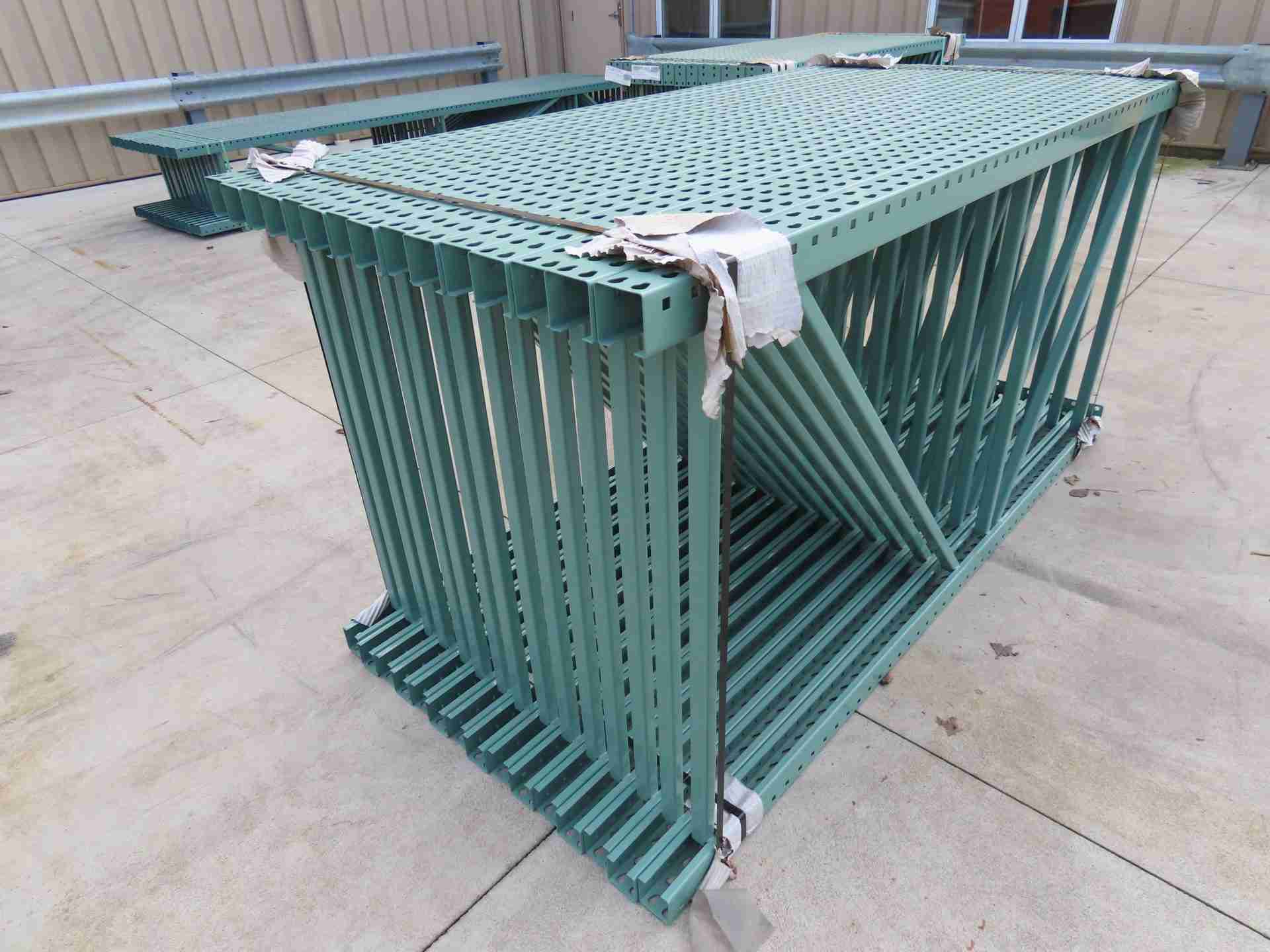
Can Cantilever Racks Withstand Outdoor Conditions?
Can Cantilever Racks Withstand Outdoor Conditions?
- Cantilever racks are ideal for outdoor storage of bulk materials like lumber, pipes, and metal sheets.
- These racks are designed to withstand various outdoor elements, such as UV rays, heavy rainfall, and extreme temperatures.
- Choosing materials like galvanized steel or powder-coated finishes enhances the durability and resistance to rust and corrosion.
- Proper installation on sturdy concrete bases is critical to withstand wind and rain, preventing damage to inventory.
- Regular maintenance and inspections can significantly extend the lifespan of cantilever racks.
- Protective add-ons like weather shields and canopies can further safeguard racks from adverse weather conditions.
- Quality cantilever racks, when properly maintained and equipped, provide reliable outdoor storage solutions and peace of mind.
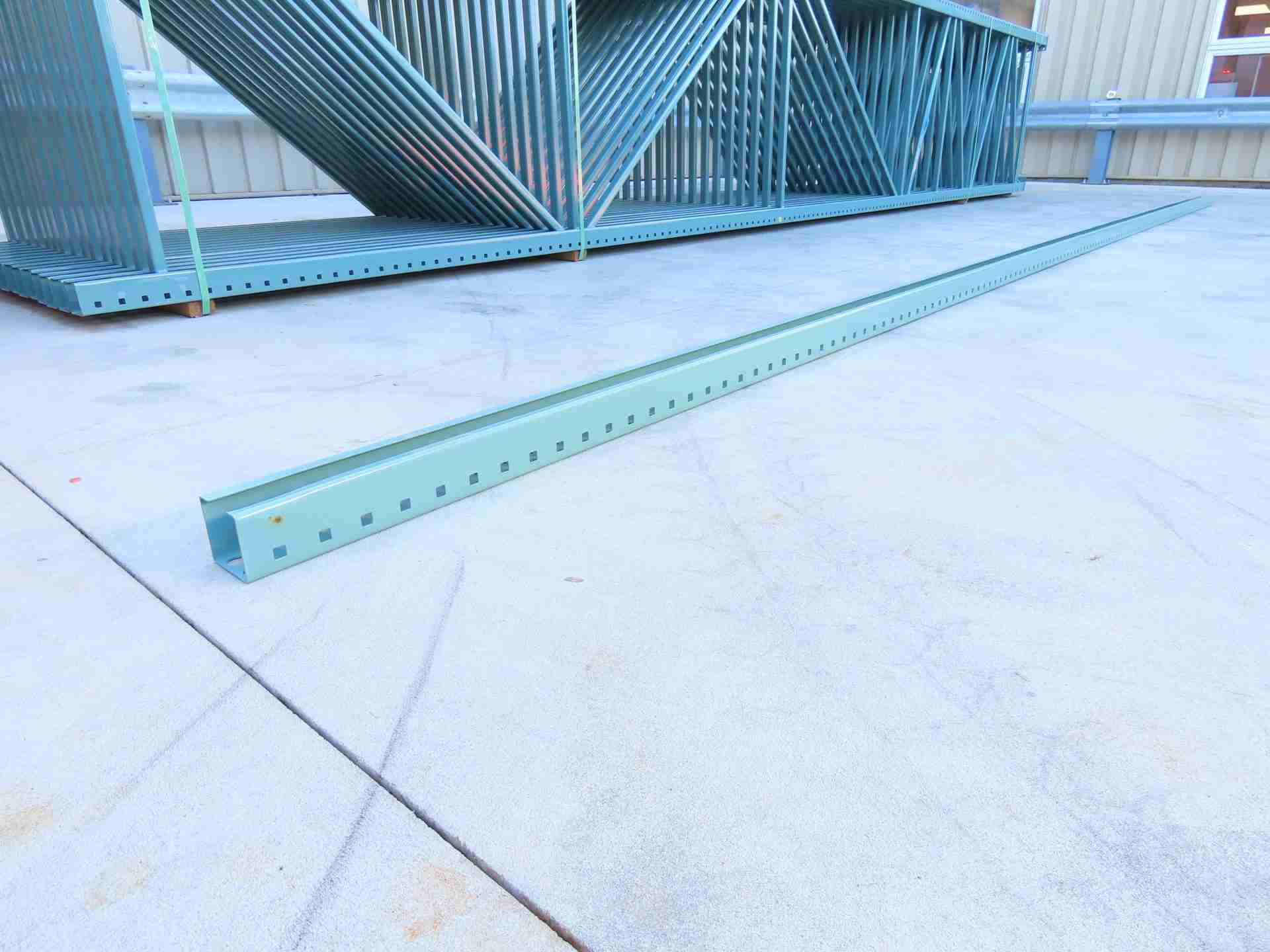
Can Cantilever Racks Withstand Outdoor Conditions?
What Materials Are Best For Outdoor Cantilever Racks?
When it comes to selecting the ideal materials for outdoor cantilever racks, the choices you make can significantly impact durability, performance, and return on investment. In an era where businesses are keenly aware of their environmental footprint and operational efficiency, the right material selection can set your storage solutions apart from competitors.
Steel: The Gold Standard
Steel remains the top choice for cantilever racks, especially for outdoor applications. It’s robust, able to withstand heavy loads, and resistant to deformation. Look for galvanized steel, which undergoes a protective zinc coating process that makes it resistant to rust and corrosion—even in harsh weather conditions. For instance, manufacturers like RackSource have leveraged this material to create systems that not only hold weight but are built to last, ensuring their clients won’t have to invest in replacements frequently.
Aluminum: Lightweight and Rust-resistant
While steel reigns supreme in terms of strength, don’t overlook aluminum. This lightweight alternative excels in areas where mobility and flexibility are key. Aluminum cantilever racks are especially beneficial for businesses that need to frequently rearrange or relocate their storage systems. For example, many landscaping companies are now using aluminum racks for their equipment storage, allowing for easy transport and installation at various job sites. Additionally, the rust-resistant properties of aluminum make it a fantastic option for regions experiencing heavy rainfall or humidity.
Composite Materials: The Eco-friendly Alternative
As sustainability becomes a primary concern across industries, composite materials are gaining traction. Made from a combination of wood fibers and plastics, these materials offer an eco-friendly, durable solution that can stand up to the elements. Companies like Trex are leading the charge, providing composite products that are built to withstand outdoor conditions without sacrificing performance. While they might come with a higher upfront cost, the long-term benefits—including lower maintenance requirements—make them a compelling option for eco-conscious businesses.
Consider Coatings and Treatments
Beyond the base material, coatings and treatments play a crucial role in enhancing durability. Powder coating, for instance, adds an extra layer of protection to both steel and aluminum racks, creating a barrier against moisture, UV rays, and abrasions. Businesses in coastal areas, such as shipping or port operations, would do well to consider this option as it directly correlates with longevity and value.
In short, the best materials for outdoor cantilever racks depend on your unique business needs, climate considerations, and environmental ethos. By making informed choices, you can ensure your storage solutions will perform effectively and endure the test of time, ultimately propelling your business toward greater success.
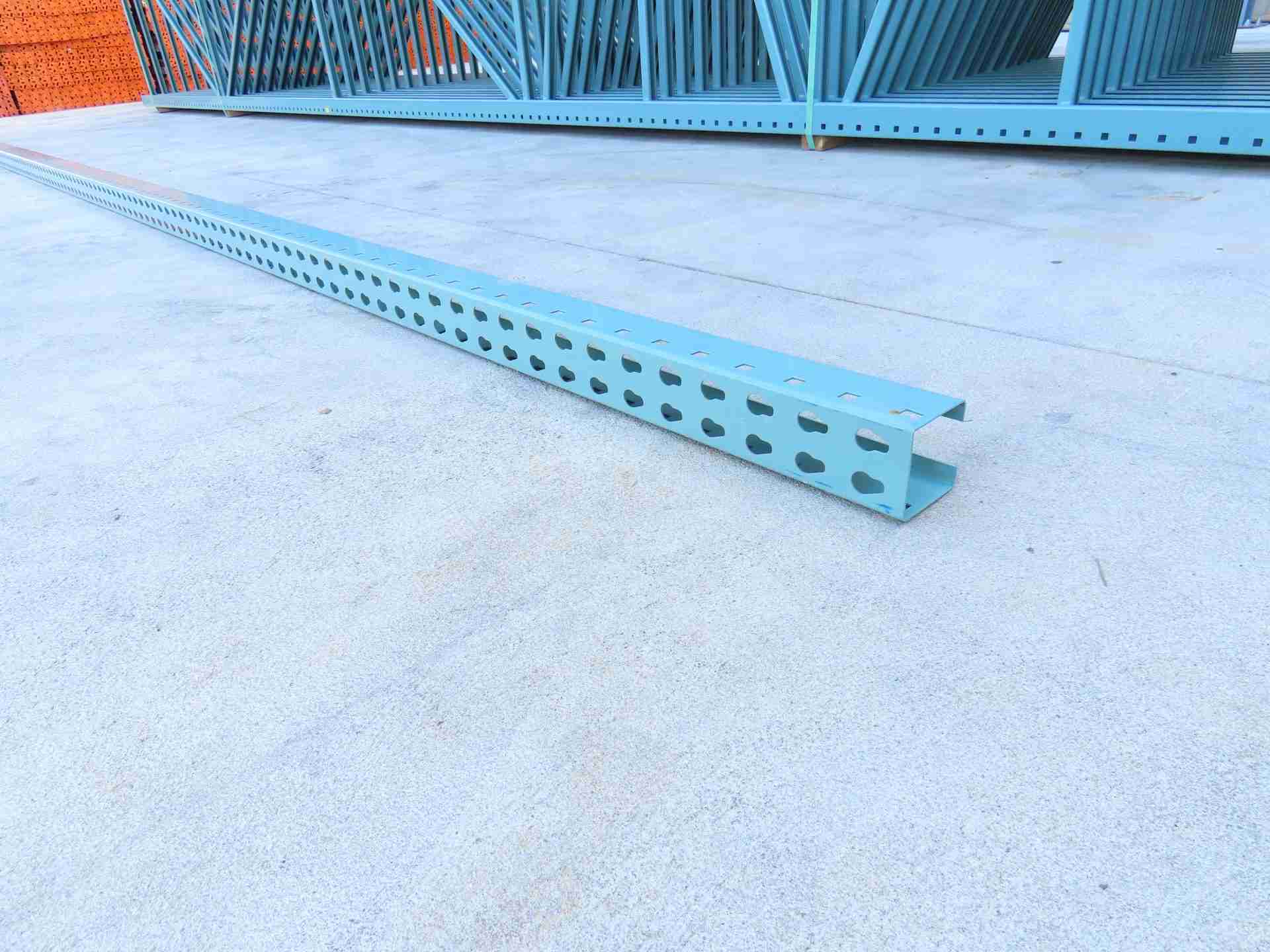
What Materials Are Best For Outdoor Cantilever Racks?
What Materials Are Best For Outdoor Cantilever Racks?
- Selecting materials for outdoor cantilever racks impacts durability, performance, and ROI.
- Steel is the top choice for cantilever racks due to its strength, load capacity, and rust resistance, especially when galvanized.
- Aluminum offers a lightweight, rust-resistant alternative ideal for mobility and flexibility, popular among landscaping businesses.
- Composite materials provide an eco-friendly option combining wood fibers and plastics, demonstrating durability and long-term performance.
- Coatings and treatments, such as powder coating, enhance the durability of steel and aluminum racks against moisture and UV rays.
- Material choice depends on specific business needs, climate, and environmental considerations.
- Informed material selection leads to effective, long-lasting storage solutions that enhance business success.
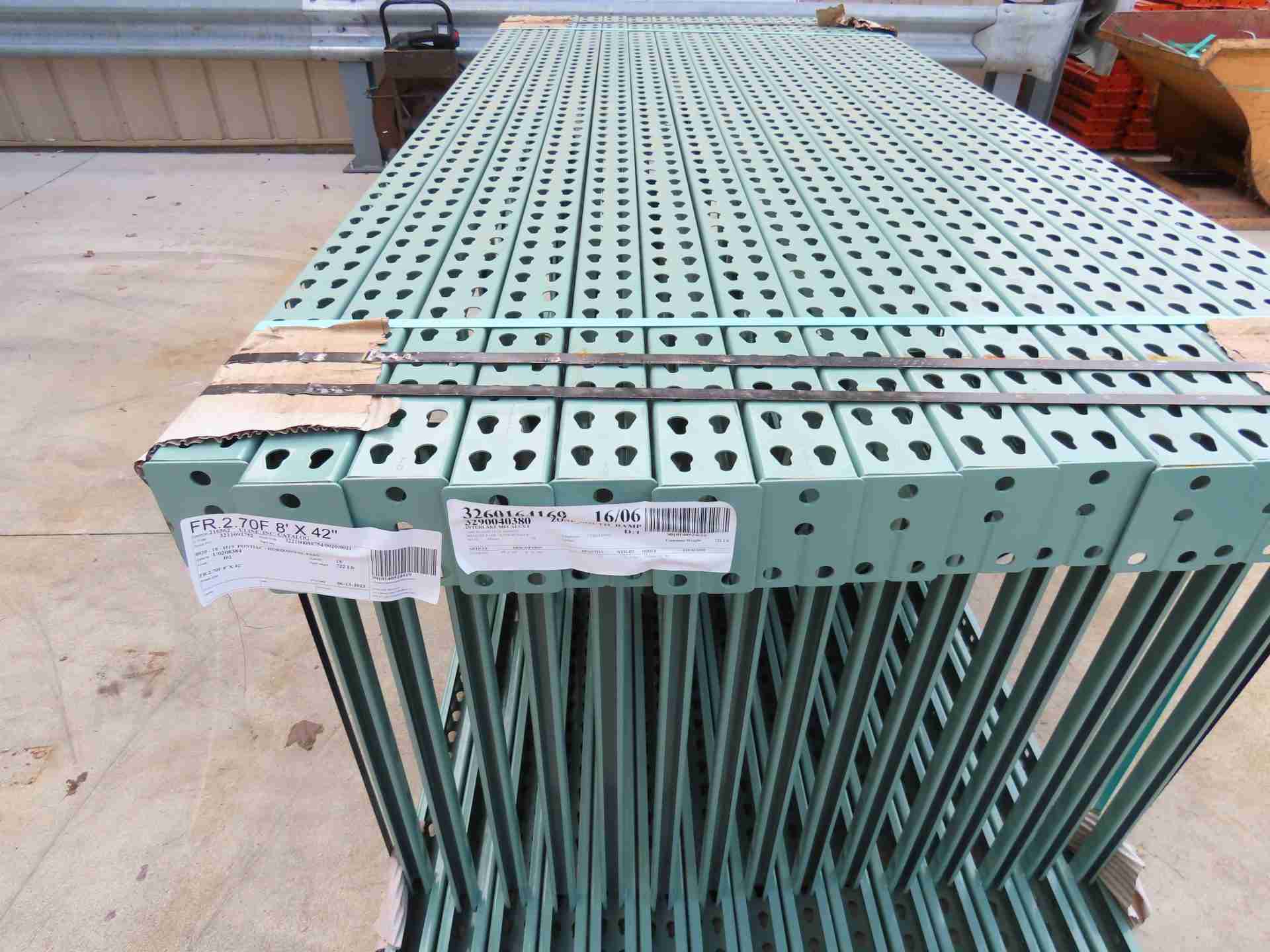
What Materials Are Best For Outdoor Cantilever Racks?
How Do I Protect Cantilever Racks From Rust?
Rust can be a silent killer for your cantilever racks. If left unchecked, this destructive force can threaten not just the integrity of your materials but also the safety of your operation. In today’s industrial landscape, where supply chains are delicate and every penny counts, protecting your investments takes priority. Here’s a strategic approach to ensure your cantilever racks stand the test of time, even in harsh environments.
1. Choose the Right Material:
Start by selecting cantilever racks made from a high-quality, corrosion-resistant material. Galvanized steel, for instance, offers enhanced protection against rust due to its zinc coating. In addition, consider stainless steel options, which although may come with a heftier price tag, deliver exceptional performance in settings prone to moisture and humidity. Investing in quality from the get-go significantly reduces long-term maintenance costs—this is your first line of defense.
2. Implement Protective Coatings:
One practical way to stave off rust is to apply protective coatings. Epoxy paints or powder coatings create a barrier between oxygen, moisture, and the metal surface, effectively preventing the onset of rust. Painting your racks during installation and regularly reapplying these coatings as part of scheduled maintenance is vital. For instance, in recent months, many manufacturers have stepped up to offer eco-friendly, rust-inhibiting coatings, addressing rising environmental concerns while enhancing rack durability.
3. Maintain a Clean Environment:
A clean workspace is more than just good practice; it’s a crucial aspect of rust prevention. Regularly inspect your cantilever racks for dust accumulation, dirt, and chemical spills that could promote rust formation. Consider implementing a proactive cleaning schedule, especially in industries that handle corrosive substances. A recent study showed that companies that kept their equipment clean experienced a 30% reduction in equipment failures, proving that prevention is indeed more cost-effective than dealing with damages post-factum.
4. Invest in Monitoring Solutions:
In our tech-driven era, keeping tabs on environmental conditions is easier than ever. Consider integrating humidity and moisture monitoring systems around your storage area. For example, if you’re storing metal materials outdoors or in a humid climate, these systems can provide real-time alerts, allowing you to take dramatic action before rust becomes a reality.
5. Regular Inspections and Maintenance:
Lastly, establish a routine inspection schedule for your cantilever racks. Address any minor issues before they escalate. Similar to the preventative measures taken by many companies in light of current supply chain disruptions, regularly maintaining your racks will help safeguard your operational efficiency and profitability.
By proactively assessing your cantilever racks and implementing these strategies, you’ll not only protect your investment but also ensure a safer, more efficient workspace for years to come.
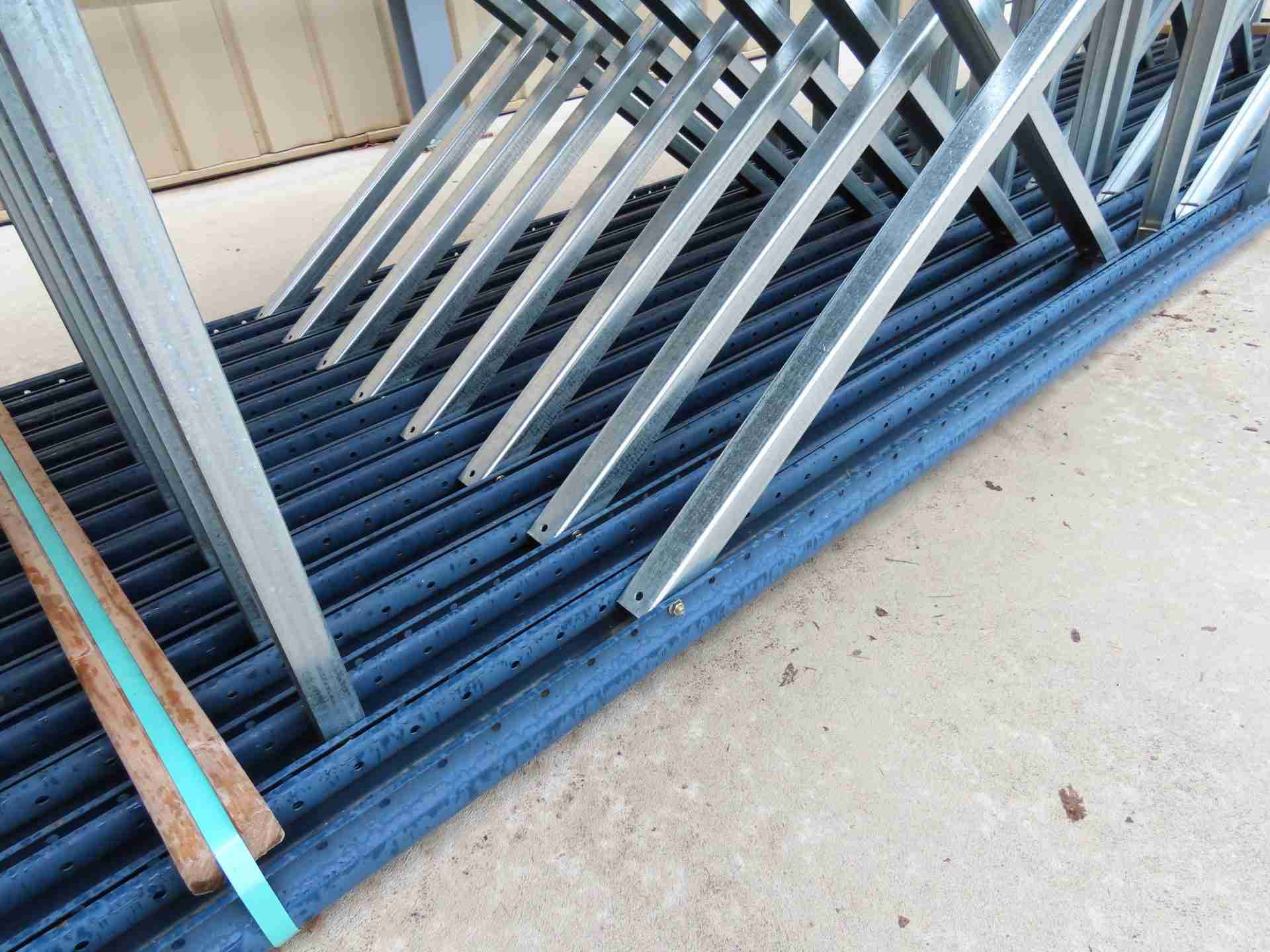
How Do I Protect Cantilever Racks From Rust?
How Do I Protect Cantilever Racks From Rust?
- Rust poses a significant threat to cantilever racks, impacting material integrity and operational safety.
- Choosing high-quality materials like galvanized or stainless steel offers enhanced corrosion resistance.
- Applying protective coatings, such as epoxy or powder coatings, creates a barrier against rust.
- Maintaining a clean environment is vital; regular inspections and cleaning help prevent rust formation.
- Investing in humidity and moisture monitoring systems can provide real-time alerts to prevent rust.
- Establishing a routine inspection and maintenance schedule is crucial for early detection and intervention.
- Proactively applying these strategies protects your investment and ensures a safe and efficient workspace.
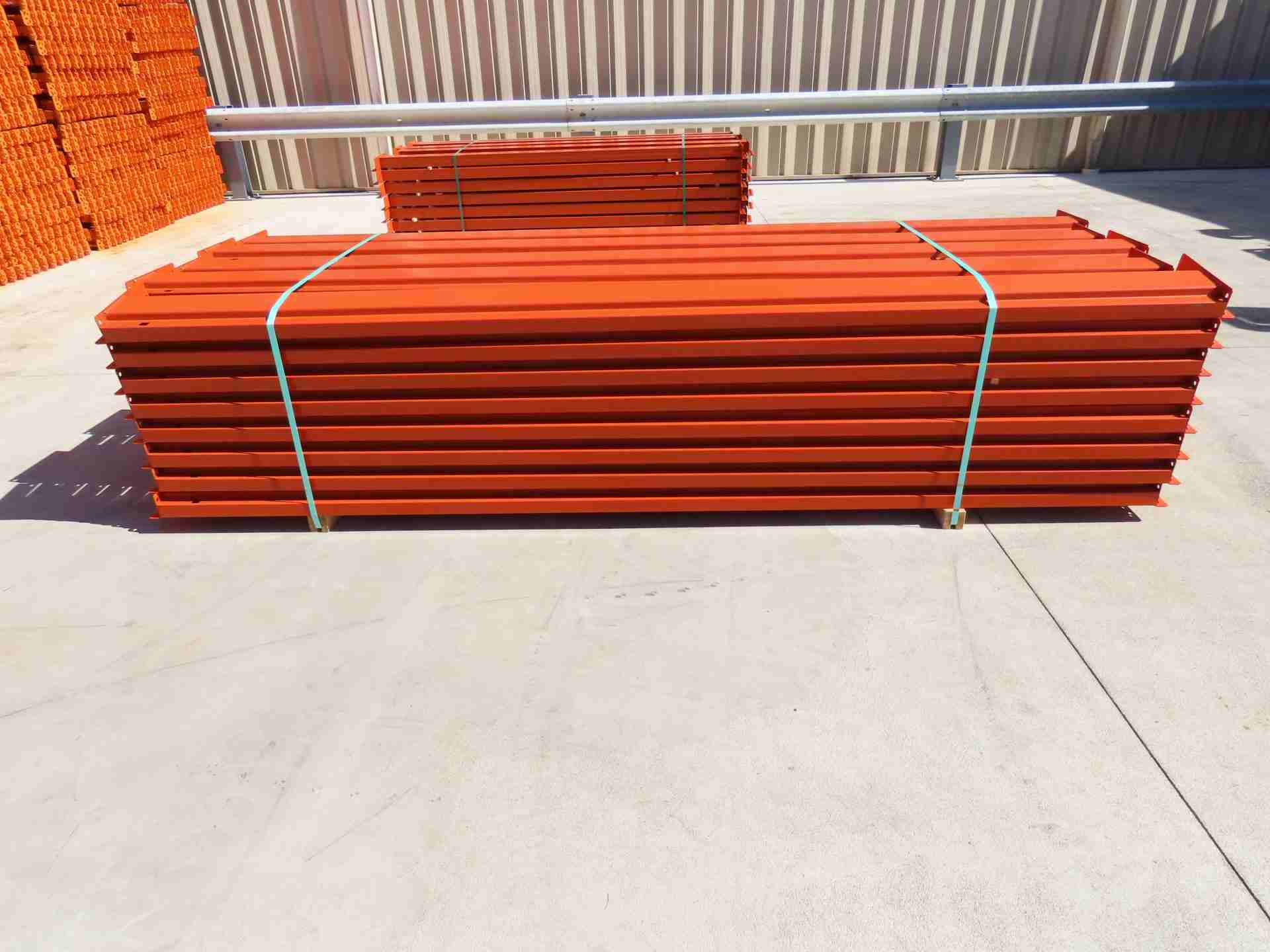
How Do I Protect Cantilever Racks From Rust?
Are There Specific Designs For Outdoor Cantilever Racks?
Are There Specific Designs for Outdoor Cantilever Racks?
When it comes to organizing and storing bulky, irregularly shaped items outdoors, not all cantilever racks are created equal. Specific designs cater to unique storage needs while ensuring optimal durability and stability against weather conditions and environmental stressors. As businesses across industries seek efficient storage solutions, understanding the variations in outdoor cantilever rack designs becomes paramount.
One prevalent design is the heavy-duty cantilever rack, ideal for businesses dealing with large construction materials like lumber or steel pipes. These racks often feature adjustable arms, allowing for versatile configurations that easily accommodate items of different lengths and weights. For instance, a construction company could load 20-foot lumber on one arm while storing shorter pieces on another, maximizing space efficiency. Investing in racks with robust powder-coated finishes can further enhance longevity, resisting rust and corrosion caused by rain or humidity.
Another notable option is the single-sided cantilever rack, perfect for tight spaces. These are commonly found in lumber yards or home improvement stores where simplicity and accessibility are key. In such environments, it’s not uncommon to see these racks prominently displayed, facilitating quick access for customers needing construction materials. By showcasing products in an organized manner, businesses not only save on storage costs but also enhance the shopping experience, effectively driving sales.
Dual-sided cantilever racks are also gaining traction, particularly in industries like manufacturing and wholesale distribution. These designs offer increased storage capacity by allowing both sides to be accessed, making them ideal for high-traffic areas. Companies that require immediate access to frequently used items—like HVAC parts or piping—find immense value in the efficiency these racks provide. By reducing retrieval times and organizing large inventories, businesses can respond faster to customer demands, a crucial advantage in today’s competitive market.
Let’s not forget the innovative touch of integrating plastic, metal, or even wood slats in the design process, complementing the functional aspects with aesthetic appeal. For retailers focusing on visually appealing display setups, this modern mix can turn a utilitarian space into an engaging shopping experience.
In light of recent global supply chain disruptions, businesses are reevaluating their logistics and storage strategies. The shift to outdoor cantilever racks represents this adaptability, providing robust solutions that not only stand the test of time but also cater to fluctuating business needs.
Ultimately, choosing the right outdoor cantilever rack design isn’t merely about storage; it’s about enhancing operational efficiency and positioning your business to thrive, regardless of external pressures. Make the smart choice today, and elevate your workspace with a customized storage solution that reflects the ingenuity of your business model.
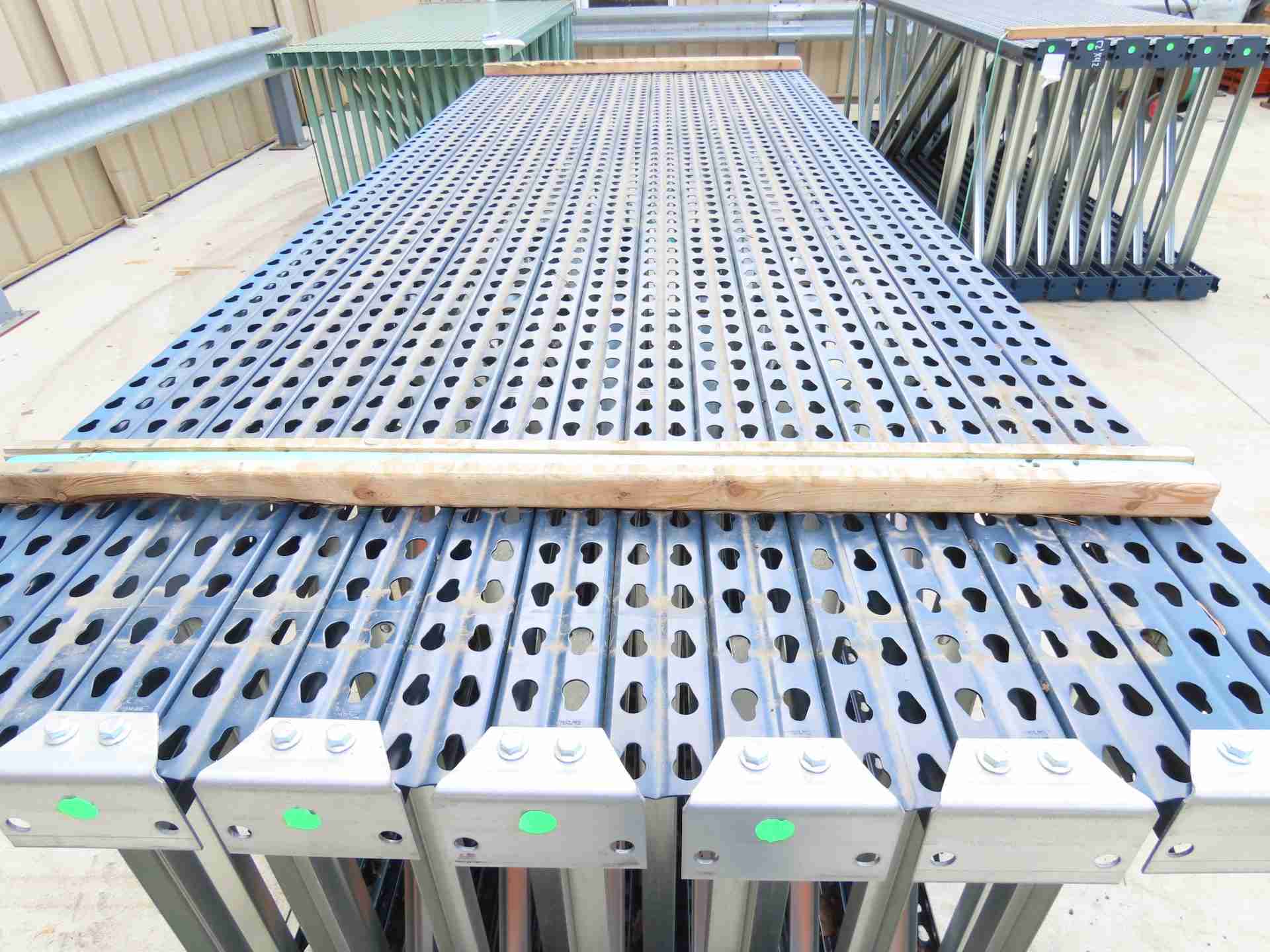
Are There Specific Designs For Outdoor Cantilever Racks?
Are There Specific Designs For Outdoor Cantilever Racks?
- Outdoor cantilever racks come in various designs tailored for specific storage needs.
- Heavy-duty cantilever racks are ideal for storing large construction materials like lumber and steel pipes, with adjustable arms for flexibility.
- Single-sided cantilever racks are suited for tight spaces and facilitate easy access, commonly used in lumber yards and home improvement stores.
- Dual-sided cantilever racks increase storage capacity by allowing access from both sides, beneficial in high-traffic areas.
- Integrating materials like plastic, metal, or wood slats enhances both functionality and aesthetic appeal for retail environments.
- Businesses are adapting to supply chain disruptions by reevaluating storage strategies, utilizing outdoor cantilever racks for durability and versatility.
- Choosing the right design can enhance operational efficiency and help businesses thrive amidst external challenges.
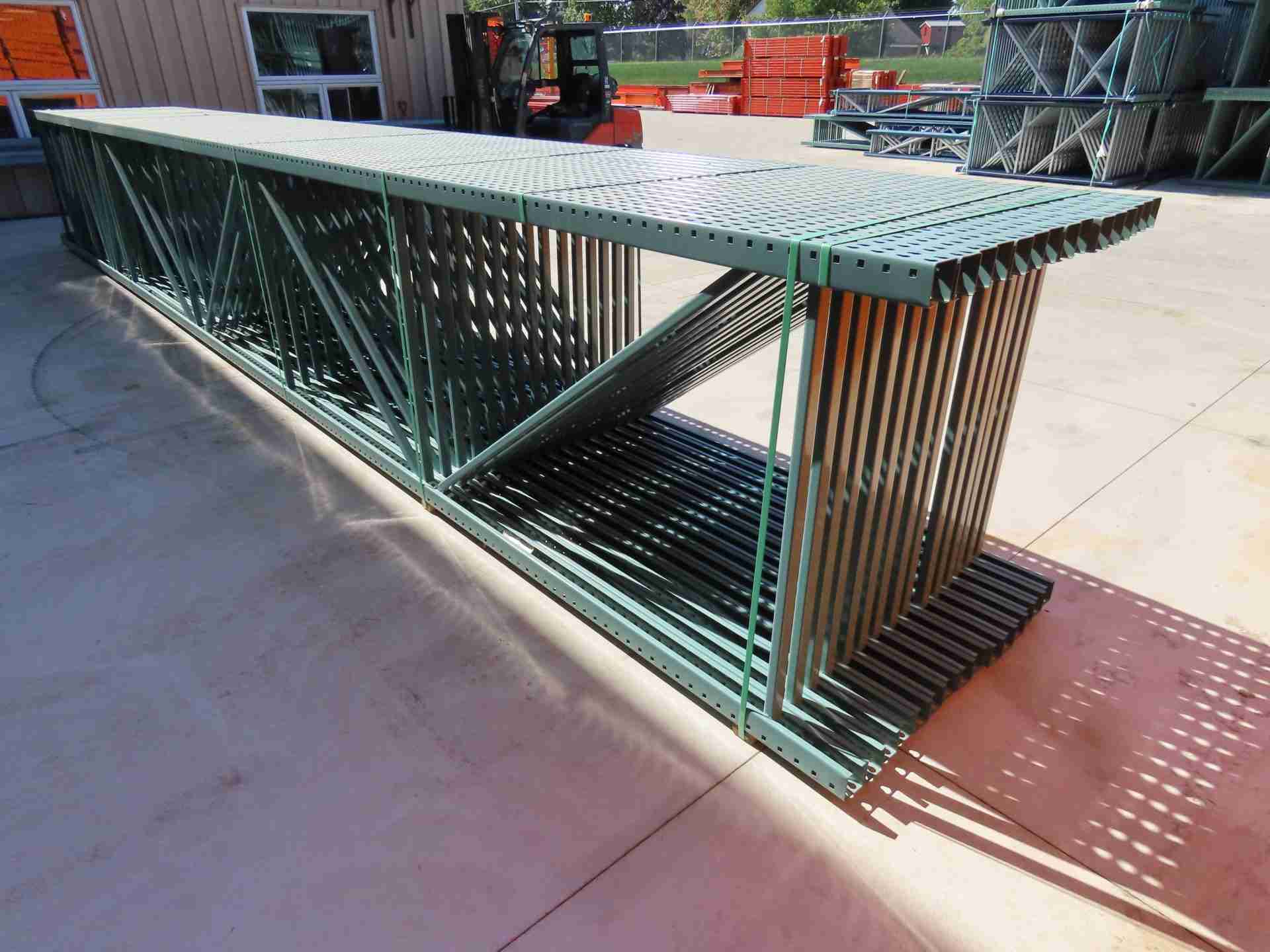
Are There Specific Designs For Outdoor Cantilever Racks?
What Weight Limits Should I Consider For Outdoor Racks?
When it comes to outdoor racks, whether for bicycles, kayaks, or camping gear, understanding weight limits is crucial to ensure safety, durability, and longevity. Knowing the exact weight capacity not only protects your investments but also fortifies your outdoor adventures against unforeseen mishaps.
First and foremost, let’s delve into the science behind weight limits. Every outdoor rack has a specific design meant to accommodate a certain amount of weight. For instance, a typical bike rack can hold anywhere from 90 to 200 pounds, depending on its construction materials and design features. It’s vital to check the manufacturer’s specifications before loading your rack beyond its stated capacity. For example, if you’re using a budget bike rack intended for basic commuting, loading it with three heavy mountain bikes could lead to severe damage or, worse, an accident on the road.
Consider the environmental factors, too. A heavy-duty rack designed to endure extreme weather conditions is essential if you live near coastal regions where salty air can corrode metal or in areas with heavy snowfall. The recent surge in extreme weather events, as seen during last year’s hurricane season, exemplifies the importance of choosing racks that can withstand the elements.
When evaluating weight limits, contemplate your intended usage. Are you an occasional camper who needs a simple setup or an outdoor enthusiast preparing for extended trips? If you belong to the latter group, opting for a rack with a higher weight rating is non-negotiable. Products like the Thule T2 Pro XT are marketed with a capacity of 120 pounds, providing ample support for multiple bikes and added features like easy loading.
Also, don’t overlook the stability of your setup. A rack can handle substantial weight, but improper loading can lead to tipping or swaying while driving. To ensure a safe journey, distribute the weight evenly and secure your gear tightly. This is especially critical for platforms designed for multiple items—load the heaviest equipment closest to the vehicle to maintain balance.
Lastly, keep an eye on innovations in outdoor equipment. With the popularity of electric bikes soaring, many manufacturers are now designing racks that cater specifically to heavier e-bike models. For instance, brands like YAKIMA have updated their offerings to accommodate the new norm, with limits rising to 300 pounds for some of their latest models.
Be thorough in assessing weight limits for outdoor racks. Your safety and the performance of your gear depend on it. Keep current trends and innovations in mind, and equip yourself with the right information for an adventurous and carefree experience. Your outdoor escapades await!
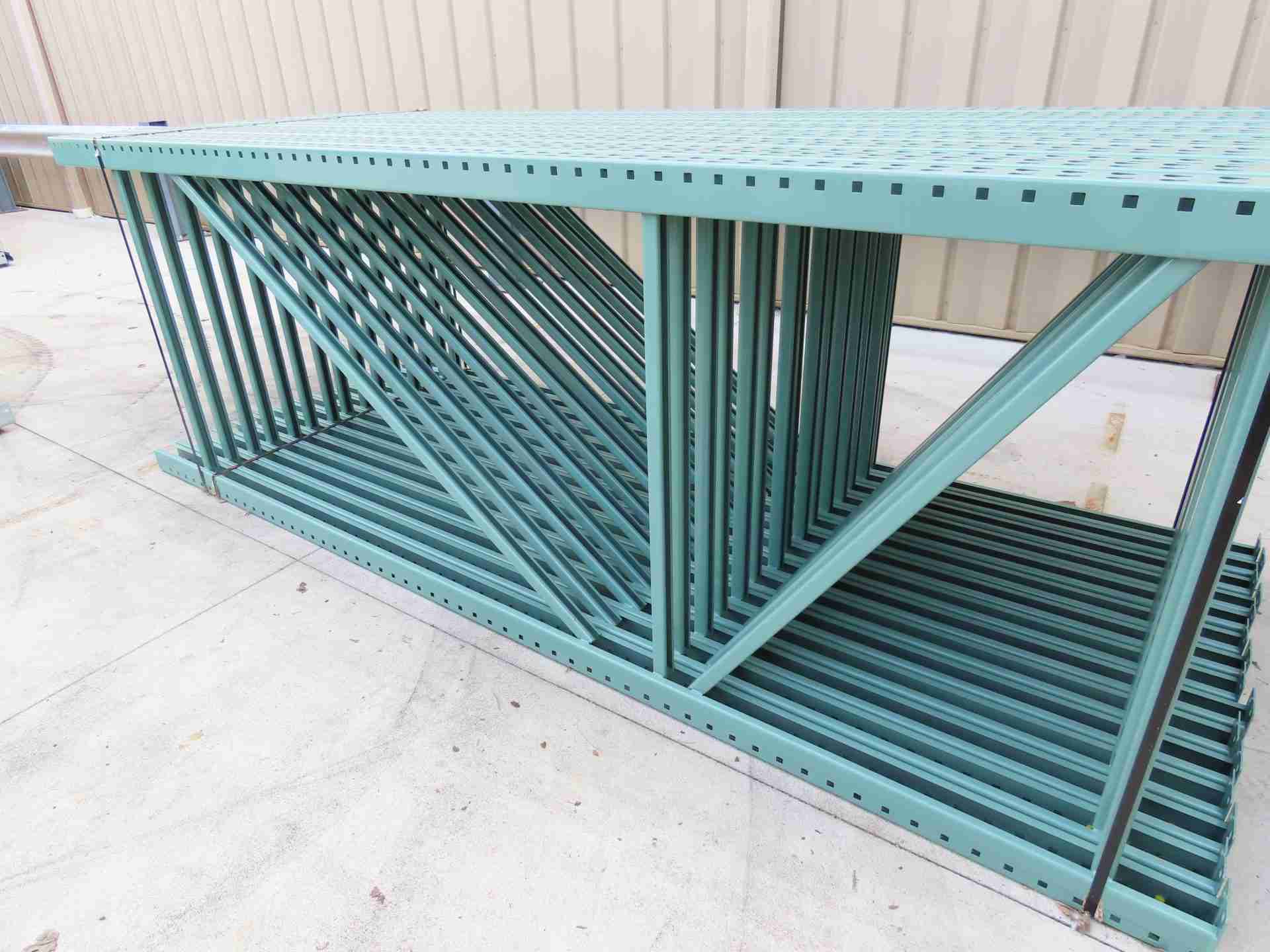
What Weight Limits Should I Consider For Outdoor Racks?
What Weight Limits Should I Consider For Outdoor Racks?
- Understanding weight limits for outdoor racks, such as those for bicycles, kayaks, or camping gear, is essential for safety and longevity.
- Each rack is designed for a specific weight capacity, typically ranging from 90 to 200 pounds.
- Check the manufacturer’s specifications to avoid overloading racks, which can lead to damage or accidents.
- Environmental factors, like corrosive salt air or heavy snowfall, should influence your choice of rack material and design.
- Your intended usage is crucial; occasional campers may need simpler setups, while outdoor enthusiasts require higher weight-rated racks.
- Proper weight distribution is vital for stability; load heavier items closer to the vehicle to prevent tipping.
- Stay informed about innovations in outdoor equipment, especially for accommodating heavier e-bikes with rising weight limits.
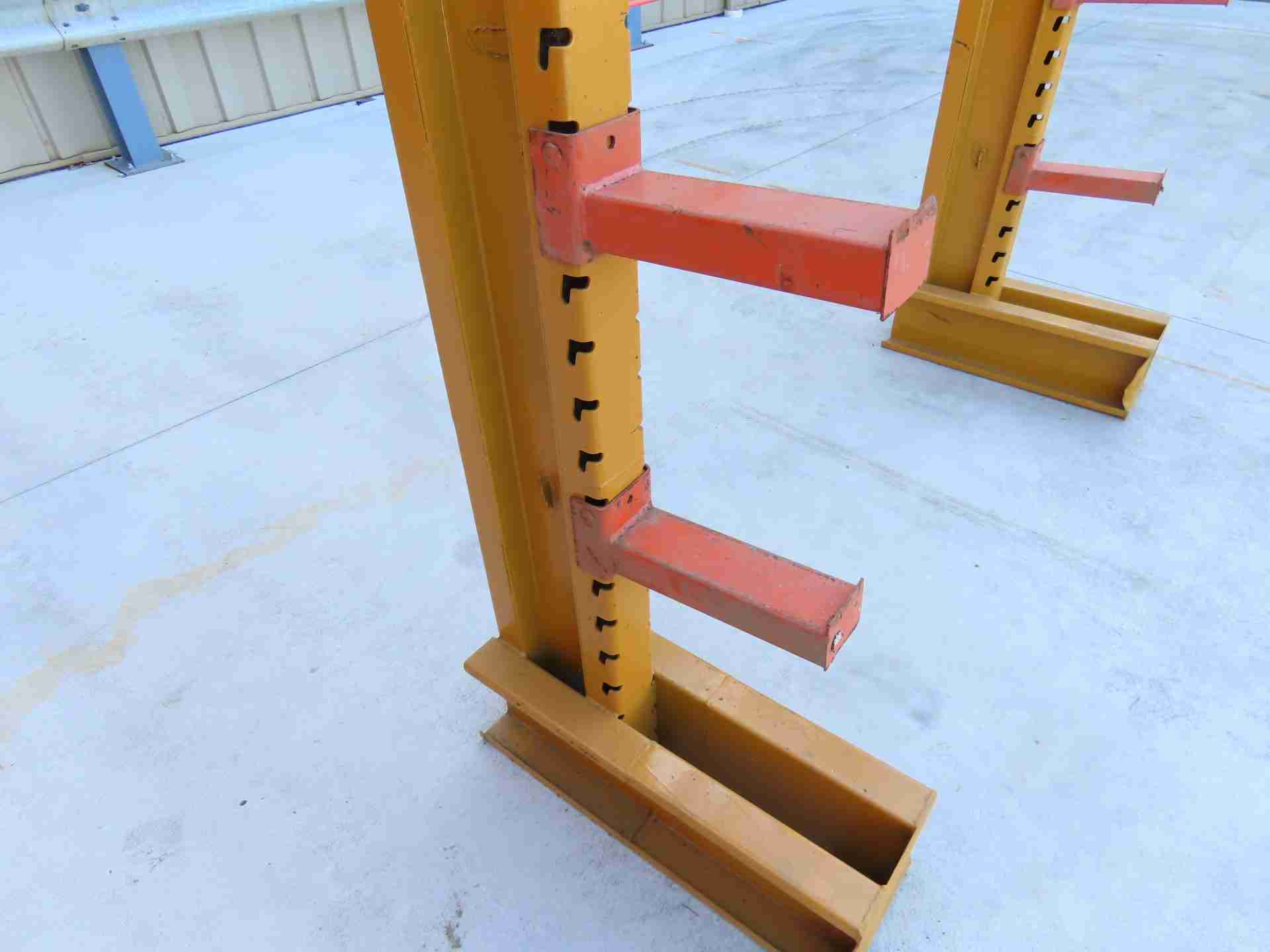
What Weight Limits Should I Consider For Outdoor Racks?
How Do Weather Changes Affect Cantilever Rack Performance?
When it comes to maximizing efficiency in a warehouse or distribution center, the right cantilever rack system is a critical investment. But here’s the kicker: your cantilever racks aren’t just a static solution to a storage problem; they are dynamic structures that respond to the whims of weather. As we’ve seen in recent years with record-breaking heatwaves and severe storms impacting various regions, understanding how weather changes affect cantilever rack performance is not just smart—it’s essential for safeguarding your assets and optimizing your operations.
Take, for instance, the impact of temperature fluctuations. Extreme heat can cause materials to expand, while colder temperatures contract them. This can lead to issues such as misalignment and structural integrity. Imagine a scenario where a business in Texas experiences one of its infamous summer heat waves—metal components of cantilever racks could expand, affecting the load distribution. If your inventory is stored on a rack that has not been adjusted or inspected regularly, you risk damaging both the rack and the goods it holds. As any seasoned warehouse manager knows, a few moments of neglect can lead to expensive disasters.
Humidity is another weather element worth considering. Elevated moisture levels can promote rust and corrosion, particularly in warehouses that store metal products. A recent event in Florida, where a tropical storm brought several days of torrential rain, serves as a stark reminder. Companies that failed to adopt weather-resistant coatings for their cantilever racks found themselves dealing with diminished rack integrity and increased maintenance costs. Investing in corrosion-resistant coatings and regular inspections is not merely precautionary; it’s a strategic necessity.
Moreover, how your racks perform during severe weather events can directly impact your bottom line. Disruptions from storms or heavy snow can lead to downtime, delaying shipments and frustrating customers. Imagine a distribution center in the Midwest caught unprepared during a heavy winter storm; racks sagging under the weight of accumulated snow can lead to costly damages—or worse, personal injury.
In summary, the performance of your cantilever racks shouldn’t be an afterthought, especially as weather patterns become increasingly unpredictable. Ensure your cantilever rack systems are built to withstand the elements through rigorous maintenance, proper installation, and timely upgrades. As the old adage goes, “An ounce of prevention is worth a pound of cure.” Keep your operations resilient—before the unexpected strikes. After all, you don’t just want to store; you want to store smart.
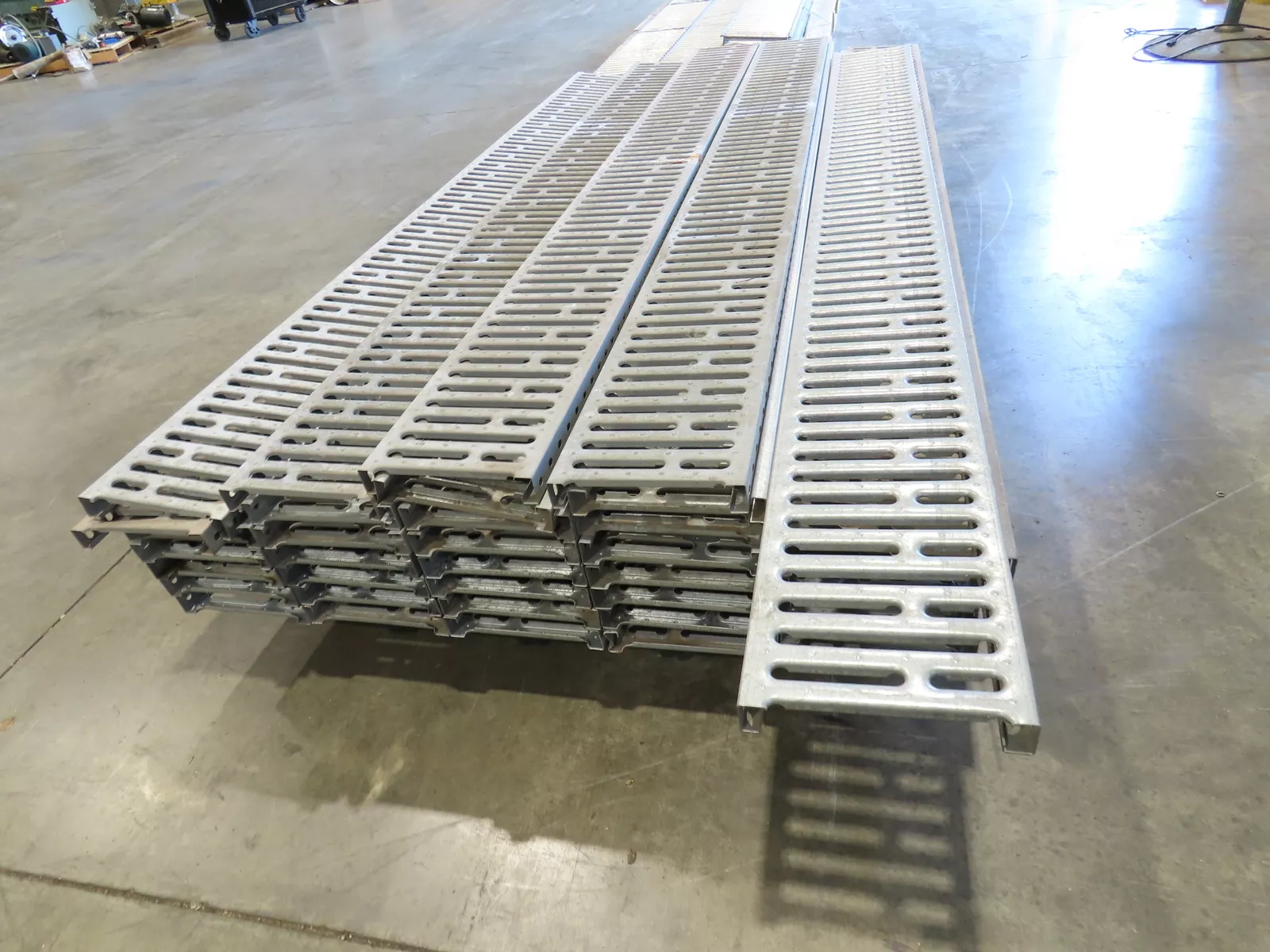
How Do Weather Changes Affect Cantilever Rack Performance?
How Do Weather Changes Affect Cantilever Rack Performance?
- The right cantilever rack system is essential for maximizing efficiency in warehouses and distribution centers.
- Cantilever racks are dynamic structures affected by weather changes, which can impact their performance.
- Temperature fluctuations can cause materials to expand or contract, leading to misalignment and structural integrity issues.
- Humidity can promote rust and corrosion, particularly in warehouses storing metal products.
- Weather-resistant coatings and regular inspections of cantilever racks are crucial for maintaining integrity and reducing maintenance costs.
- Severe weather events can disrupt operations, causing shipment delays and potential damages.
- Regular maintenance, proper installation, and timely upgrades are necessary to ensure cantilever racks withstand unpredictable weather.
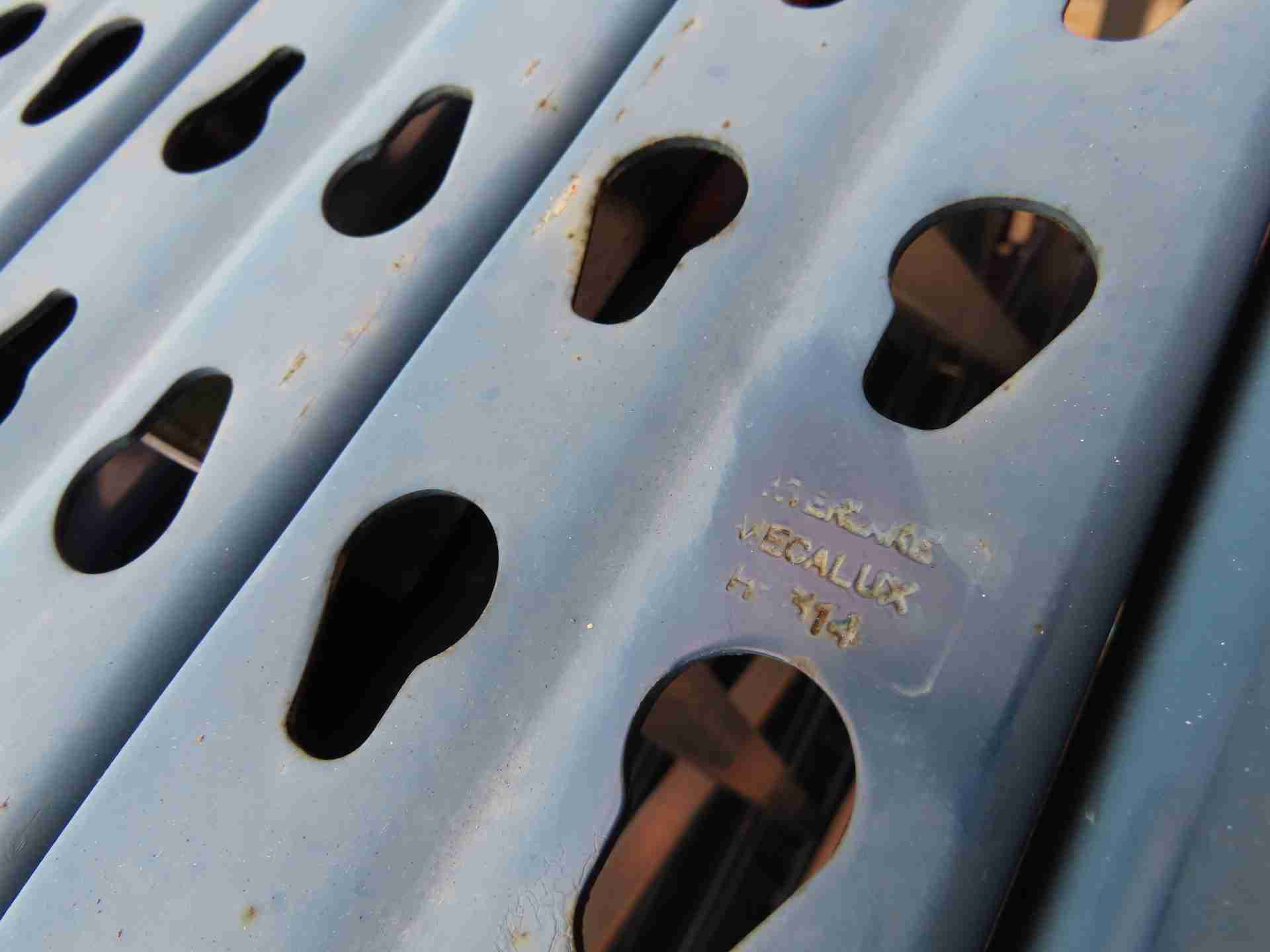
How Do Weather Changes Affect Cantilever Rack Performance?
Can Outdoor Cantilever Racks Support Heavy Items?
When it comes to the heavy lifting of your goods, the right storage solution is crucial—but is an outdoor cantilever rack equipped for the challenge? The short answer is a resounding “yes.” Designed with both durability and versatility in mind, these racks are your secret weapon for efficient outdoor storage.
Imagine a windy afternoon at a bustling construction site. Your team needs quick access to stacks of lumber, steel rods, or even large pipes. With outdoor cantilever racks, each item is securely elevated off the ground, resisting the elements while maximizing your operational efficiency. These racks are engineered to support substantial weight—often up to several thousand pounds—while maintaining stability, safety, and ease of access. This means your heavy-duty items are no longer a liability; they can be an asset, enabling increased productivity on-site.
For instance, consider a manufacturing company recently featured in the news for its innovative approach to storage. By implementing cantilever racks outdoors, they improved their inventory management dramatically, allowing for the seamless organization of bulky materials. This shift not only increased their production capacity but also saved them significant expenses on labor costs and potential damages to items that would have otherwise been left on unstable ground.
One key advantage of using outdoor cantilever racks is their flexibility in various climates. Heavy-duty made from weather-resistant materials, these racks endure everything from extreme heat to harsh winters. If your business operates in an area prone to frequent storms, galvanization can protect against rust, prolonging the life of your investment.
Additionally, the straight vertical design of these racks provides straightforward accessibility. No more wrestling with cumbersome pallets or digging through stacks of materials to find what you need. With everything neatly displayed and easily reachable, you can cut down on downtime and keep operations flowing smoothly—an aspect that is crucial especially as businesses look to rebound and grow post-pandemic.
In today’s fast-paced economy, efficiency is non-negotiable. When you invest in outdoor cantilever racks for heavy items, you are not just purchasing a storage solution; you are buying a pathway to greater operational success. As industries adapt to changing demands and the call for optimized space utilization grows louder, choosing the right equipment to support your heavy items is not merely a consideration; it’s a strategic necessity. Elevate your business by harnessing the strength and stability of outdoor cantilever racks.
Can Outdoor Cantilever Racks Support Heavy Items?
Can Outdoor Cantilever Racks Support Heavy Items?
- Outdoor cantilever racks are designed for durability and versatility for efficient outdoor storage.
- They securely elevate heavy items off the ground, enhancing operational efficiency on construction sites.
- These racks can support substantial weight, often up to several thousand pounds, while ensuring stability and safety.
- A manufacturing company improved its inventory management and production capacity by utilizing outdoor cantilever racks.
- These racks are made from weather-resistant materials, suitable for various climates, including extreme heat and harsh winters.
- The straightforward vertical design allows for easy access, reducing downtime and enhancing operational flow.
- Investing in outdoor cantilever racks is a strategic decision for businesses seeking optimized space utilization and operational success.
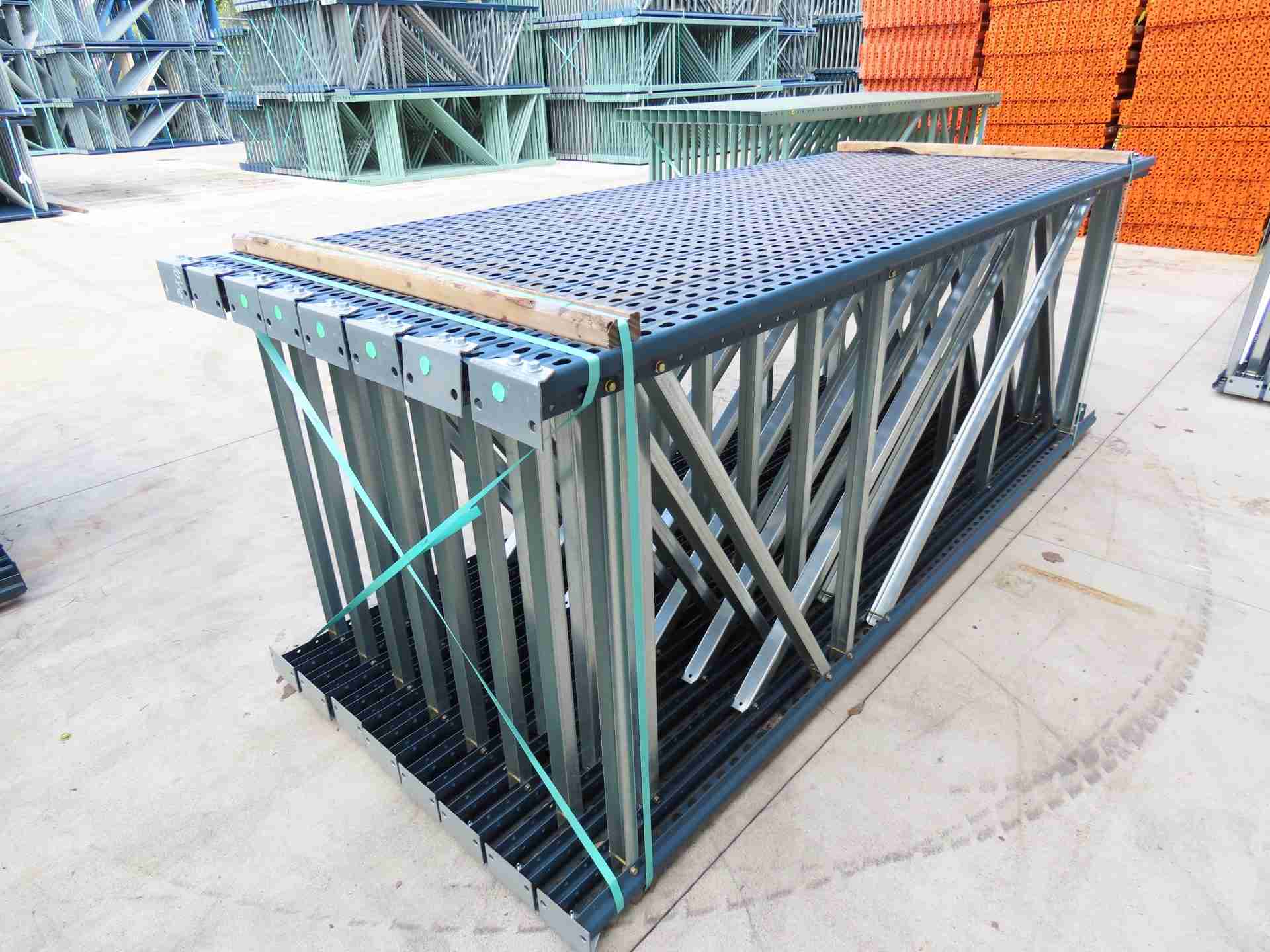
Can Outdoor Cantilever Racks Support Heavy Items?
What Are The Installation Requirements For Outdoor Racks?
When it comes to outdoor storage solutions, the installation of racks is not just about finding a suitable spot; it’s about strategic placement, durability, and maximizing your return on investment. Whether you’re a homeowner looking to organize your yard or a business seeking to streamline outdoor operations, understanding the installation requirements for outdoor racks is crucial.
1. Location, Location, Location
Choosing the right location for your outdoor rack can spell the difference between a functional space and a chaotic one. You want it easily accessible but also protected from extreme weather. For example, if you live in an area prone to heavy rainfall, consider a spot that offers some natural shelter, like a porch or overhang. Likewise, businesses in industrial zones can utilize reinforced racks that withstand the wear and tear of heavy equipment use.
2. Appropriate Materials
Not all materials are created equal when it comes to outdoor conditions. Racks made from galvanized steel or powder-coated metal are ideal for resisting rust and corrosion. Take the recent uptick in severe weather events—a robust, weather-resistant rack can withstand elements such as snow, rain, and blistering sun. Look to products that come with guarantees against fading and damage to ensure longevity.
3. Ground Stability
Let’s talk about the ground beneath your outdoor rack. Ensure the ground is level, as an uneven surface can lead to safety hazards and premature wear on your rack. You may even need to pour a concrete base for larger structures. For instance, in areas experiencing significant seismic activity, additional bracing and anchoring systems might be necessary to keep your outdoor storage stable and secure.
4. Regulatory Compliance
Don’t overlook local regulations! Municipalities may have specific codes governing outdoor structures, especially for commercial installations. Always check with local planning offices to ensure compliance with zoning laws. This is particularly important in areas like California, where recent legislation focuses on support for fire safety in outdoor storage due to increasing wildfire threats.
5. Assembly & Maintenance
Lastly, consider the assembly and ongoing maintenance of your outdoor racks. Choose products that come with clear installation guidelines, or better yet, enlist professional help. Products that allow for easy disassembly and maintenance will save you time and trouble in the long run, particularly when the weather calls for repair or relocation.
The successful installation of outdoor racks goes well beyond mere placement—it’s about strategic thinking, material choices, and adherence to regulations. Paying attention to these details not only protects your investment but enhances the overall efficiency of your outdoor space. So dig in, plan ahead, and set yourself up for success!
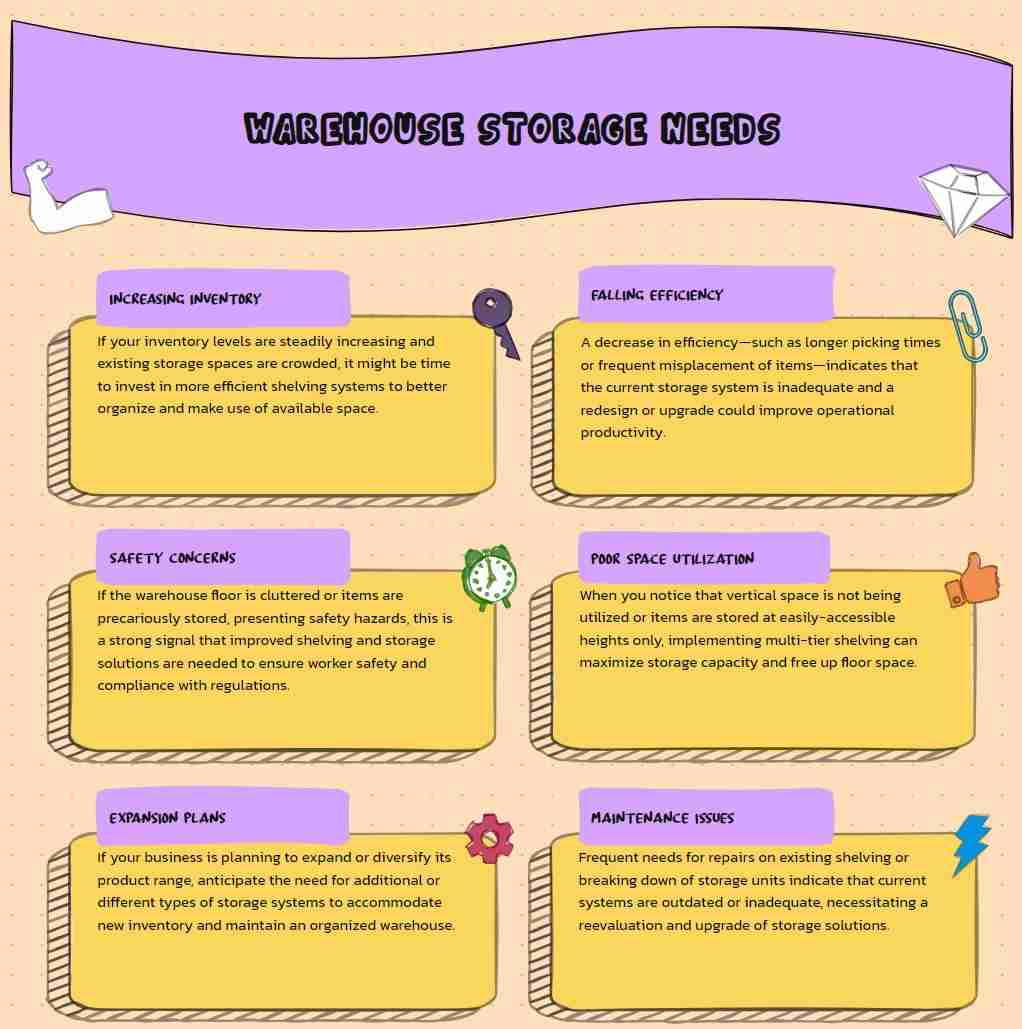
What Are The Installation Requirements For Outdoor Racks?
What Are The Installation Requirements For Outdoor Racks?
- Strategic Location: Choose an accessible spot that offers protection from extreme weather, such as a porch or overhang.
- Durable Materials: Use racks made from galvanized steel or powder-coated metal to resist rust and corrosion.
- Ground Stability: Ensure the ground is level; consider a concrete base for larger structures in unstable areas.
- Regulatory Compliance: Check local regulations and zoning laws, especially for commercial installations.
- Assembly & Maintenance: Opt for products with clear installation guidelines and consider professional help if needed.
- Weather Resistance: Select racks that can withstand severe weather events and come with guarantees against damage.
- Efficiency and Planning: Pay attention to strategic installation to enhance outdoor space efficiency and protect your investment.
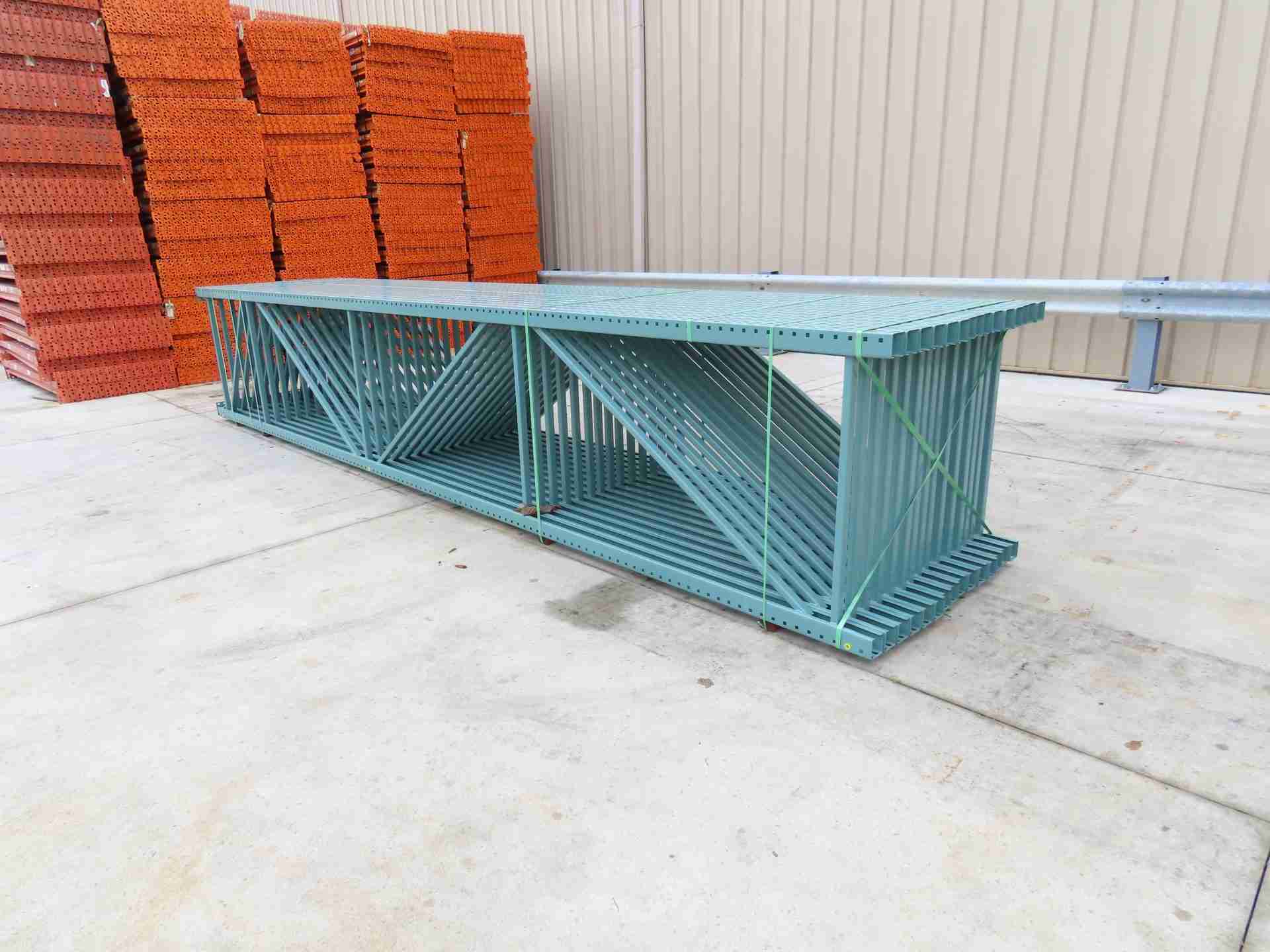
What Are The Installation Requirements For Outdoor Racks?
How Do I Maintain Cantilever Racks Exposed To The Elements?
Maintaining cantilever racks, especially those braving the unpredictable whims of Mother Nature, is crucial for ensuring longevity and safety. While these storage solutions are designed to handle heavy loads and keep your space organized, exposure to the elements can invite a host of challenges—from rust and corrosion to structural issues that can compromise your operations.
First, consider the material your racks are made from. Investing in high-quality, weather-resistant materials will save you time and headaches down the line. For example, powder-coated steel racks will typically offer superior defense against moisture and UV rays compared to standard steel. Not only do these materials provide a formidable barrier against the elements, but they also maintain an aesthetically pleasing finish, which enhances your facility’s image.
The next step in maintaining these racks is to establish a rigorous inspection routine. Experts recommend conducting a thorough inspection every six months, but in regions experiencing heavy rainfall, snow, or extreme temperatures, you might need to increase the frequency. Look for signs of rust, loose bolts, or any structural damages. A proactive approach can prevent minor issues from escalating into costly repairs or, worse, workplace injuries.
Always remember the importance of cleaning. Debris, dirt, and moisture can accumulate on racks, fostering an environment where rust thrives. Make it a habit to regularly rinse down your cantilever racks with fresh water and inspect them for any dirt buildup that could promote wear and tear. You can borrow a technique from the maritime industry—consider applying corrosion inhibitors to vulnerable areas. By treating your racks as though they were subjected to salty ocean air, you elevate their resilience against corrosion.
As we navigate a world increasingly impacted by climate change, periodicization of maintenance is more crucial than ever. Recent weather patterns have made sudden storms and temperature fluctuations the norm. For instance, the recent severe weather events across many regions remind us that being unprepared can lead to massive disruptions. Have a contingency plan in place to temporarily secure your inventory if severe weather strikes, ensuring stability and safety for all operations.
Lastly, never underestimate the importance of seeking professional assistance. Collaborating with experts in rack maintenance and safety can lead to tailored solutions that align perfectly with your specific needs. Leveraging the knowledge of industry professionals not only optimizes your equipment’s lifespan but can also lead to significant cost savings and improved overall operational efficiency.
In sum, maintaining cantilever racks exposed to the elements requires vigilance, investment in quality materials, and a commitment to regular inspection and cleaning. By implementing these practices, you ensure your investment remains safe, secure, and capable of handling whatever the weather throws your way.
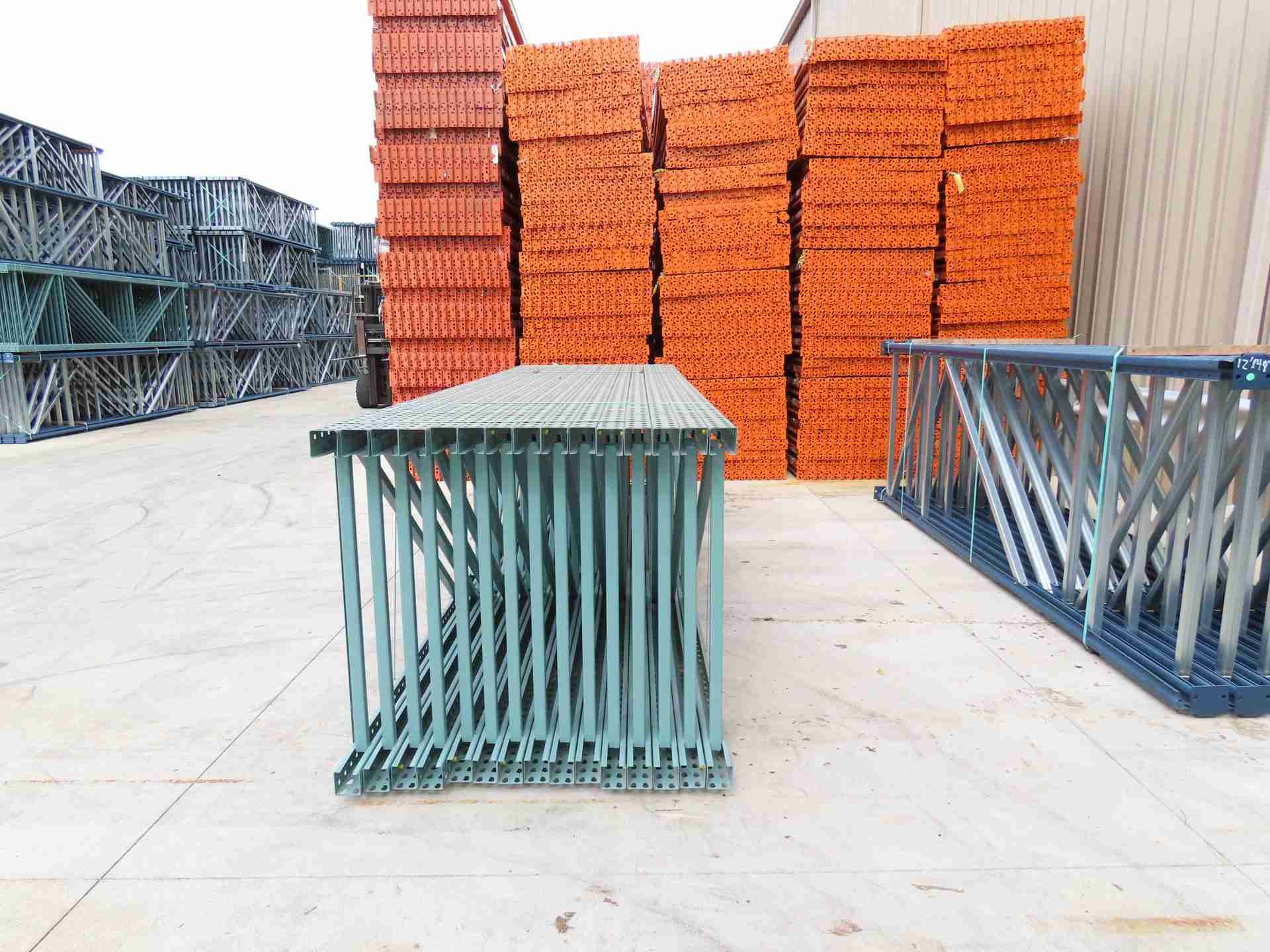
How Do I Maintain Cantilever Racks Exposed To The Elements?
How Do I Maintain Cantilever Racks Exposed To The Elements?
- Maintaining cantilever racks is essential for longevity and safety, especially in outdoor environments.
- Investing in high-quality, weather-resistant materials like powder-coated steel helps prevent rust and corrosion.
- Establish a rigorous inspection routine, ideally every six months, to identify issues such as rust and loose bolts.
- Regular cleaning is important; rinse down racks to remove debris and consider using corrosion inhibitors.
- Develop a contingency plan to secure inventory during severe weather, ensuring operational stability.
- Seek professional assistance for tailored maintenance solutions that optimize equipment lifespan and reduce costs.
- Consistent maintenance practices help ensure cantilever racks are safe and effective against environmental challenges.
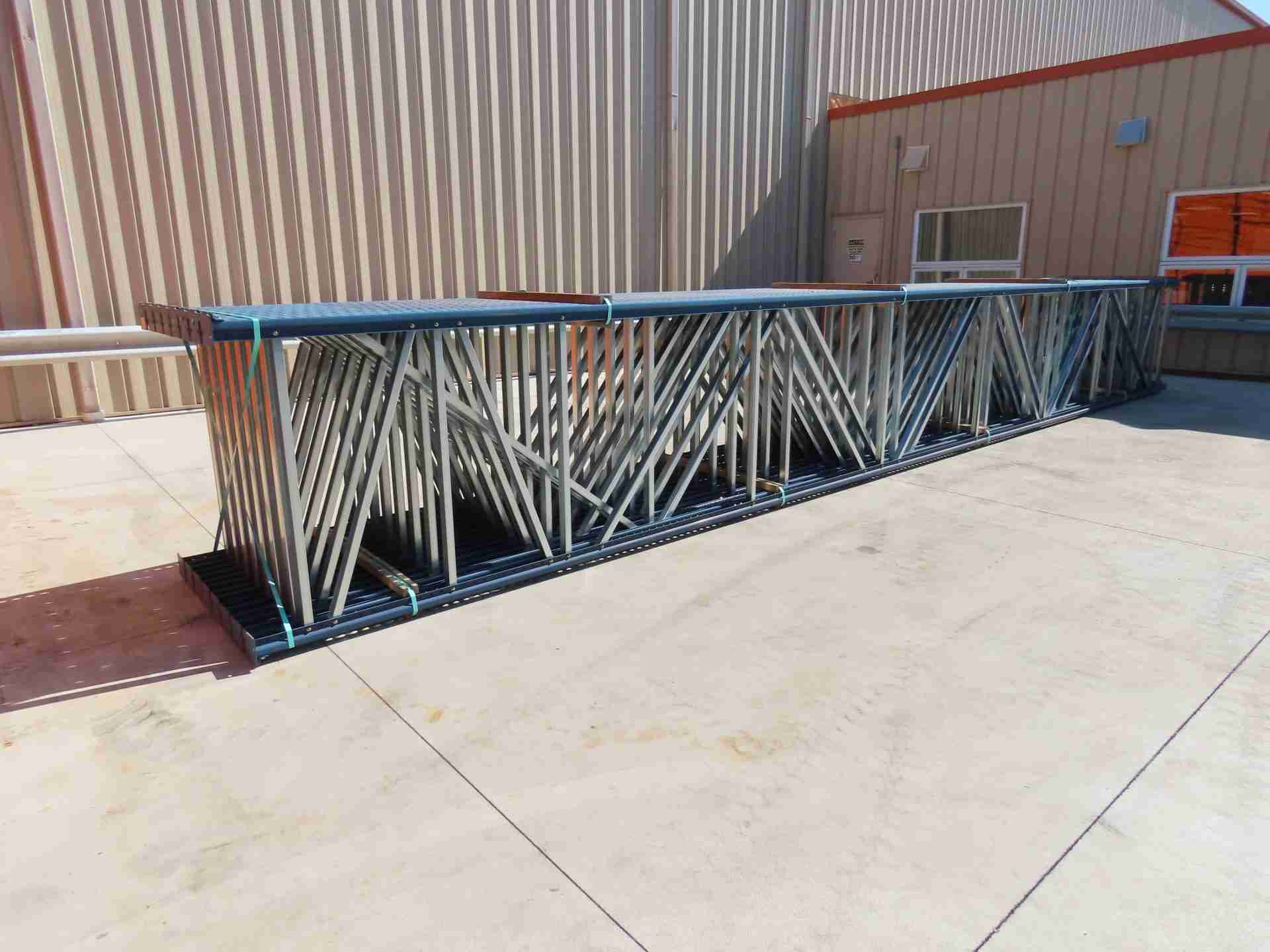
How Do I Maintain Cantilever Racks Exposed To The Elements?
Are Outdoor Cantilever Racks Cost-Effective Over Time?
When it comes to optimizing storage space, particularly in outdoor environments, investing in cantilever racks can be one of the smartest moves you’ll ever make. But are they truly cost-effective in the long run? The resounding answer is yes, and the reasons are as compelling as they are practical.
First, let’s talk about durability. Outdoor cantilever racks are engineered to withstand the elements—be it rain, snow, or ultraviolet rays from the Sun. Take the example of a construction firm that recently upgraded their outdoor storage solutions. They decided to replace their aging storage bins with cantilever racks, which are not only more robust but also facilitate better organization. In just one season, they reported a 30% reduction in inventory loss due to weather-related damage. Less product loss translates directly to improved profit margins.
Then there’s the aspect of space efficiency. Traditional storage methods often lead to wasted square footage. With cantilever racks, you’ll gain vertical space that can be used to store a variety of items—wood, piping, or even landscaping materials. Imagine a landscaping company that previously struggled with a cramped yard. By adopting cantilever racks, they transformed their workspace into a well-organized storage area that reduced retrieval time by an impressive 50%. The time saved equals money saved, ensuring that every minute in that yard contributes to the bottom line.
Another financial benefit comes from the reduced labor costs. When materials are organized and easily accessible, employees can work faster and more efficiently. A local manufacturing plant implemented cantilever racks and saw a significant decrease in on-the-job injuries because materials were stored at optimal heights, reducing the need for excessive bending or reaching. This not only improved employee morale but also resulted in lower workers’ compensation claims—savings that add up quickly!
Moreover, in a climate where sustainability is a growing concern, cantilever racks can also support eco-friendly practices. By promoting organization and effective use of materials, you’re less likely to create waste—both in terms of excess inventory and environmental impact. As society shifts toward greener practices, businesses investing in cantilever racks position themselves as responsible players in their industries.
As you weigh the decision to invest in outdoor cantilever racks, consider the longer view. Calculate not just the upfront costs, but the potential savings in time, labor, and materials. With demands for streamlined processes and higher efficiency, the cost-effectiveness of these racks becomes not just an option, but an essential strategy for smart operational management. The initial investment may seem steep, but the dividends—both immediate and long-term—are undeniable.
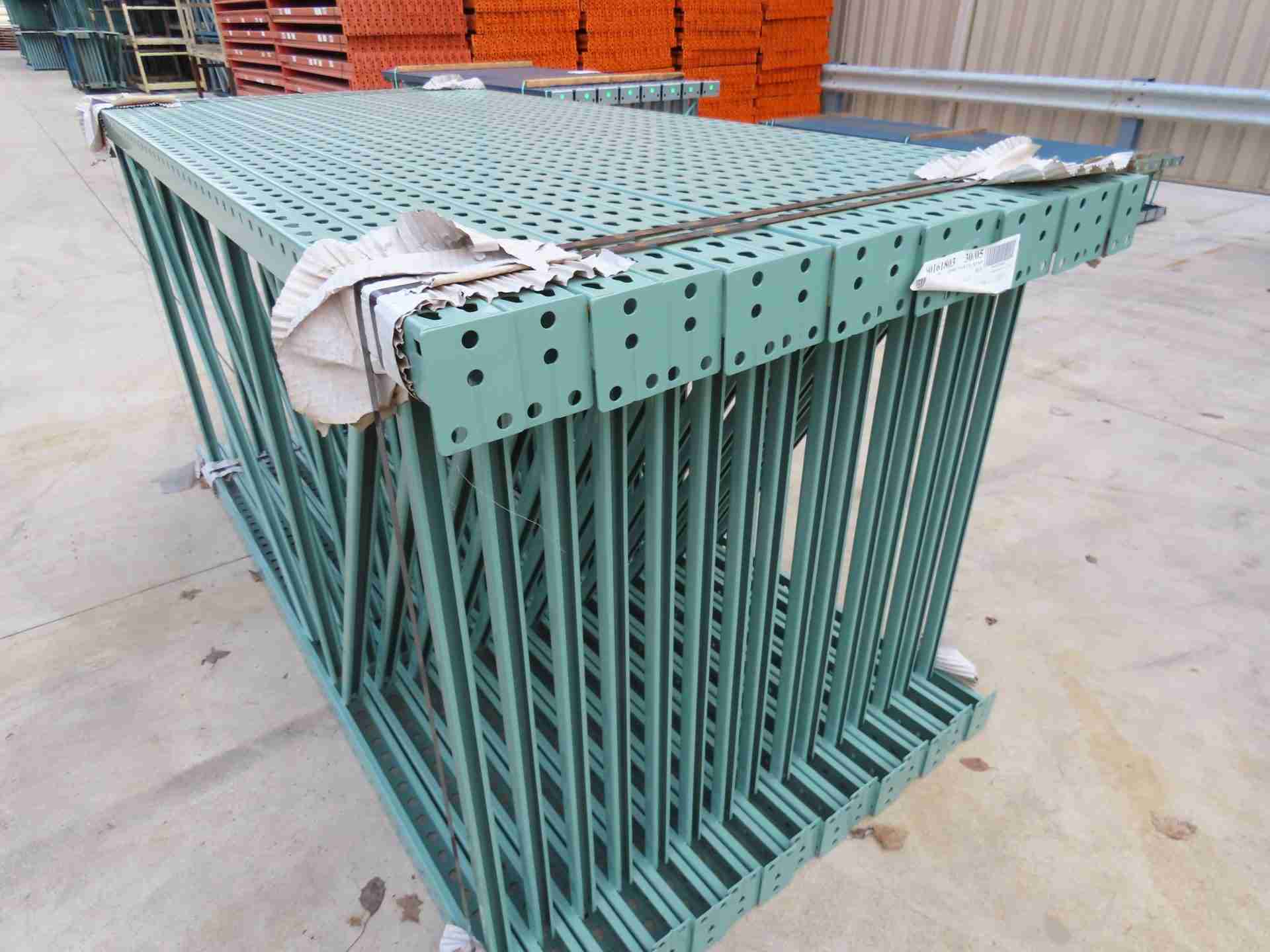
Are Outdoor Cantilever Racks Cost-Effective Over Time?
Are Outdoor Cantilever Racks Cost-Effective Over Time?
- Cantilever racks are a cost-effective storage solution for outdoor environments.
- They are durable, able to withstand weather conditions like rain, snow, and UV rays.
- Adopting cantilever racks can lead to a significant reduction in inventory loss from weather damage.
- They maximize vertical space, allowing for better organization of various materials.
- Improved organization can lead to labor cost savings and reduced on-the-job injuries.
- Cantilever racks support sustainability by minimizing waste and encouraging eco-friendly practices.
- Investing in these racks is essential for operational efficiency and long-term savings.
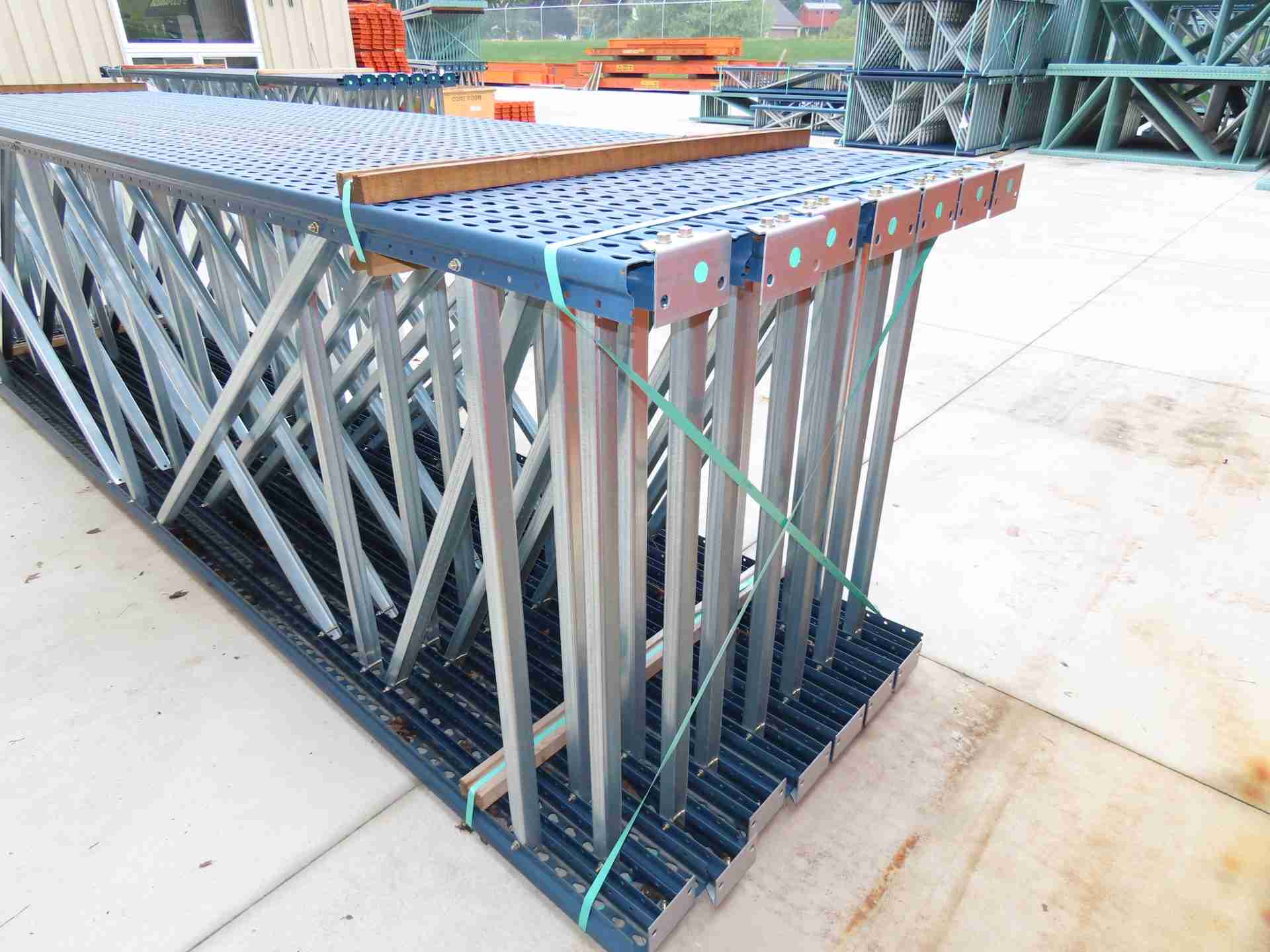
Are Outdoor Cantilever Racks Cost-Effective Over Time?
Conclusion
In the ever-evolving landscape of outdoor storage, cantilever racks represent a formidable solution—capable of transforming how businesses manage their bulky materials while maximizing available space. As we’ve explored, these racks are not merely a means to an end; they embody a strategic choice that can significantly enhance operational efficiency, improve inventory management, and protect valuable assets from harsh environmental conditions.
Businesses across various industries can reap numerous benefits from outdoor cantilever racks, particularly those dealing with construction materials, lumber, and other bulky items. By upgrading to weather-resistant designs, companies can reduce damage from rust and other elements, ultimately preserving their bottom lines. Case studies reveal striking improvements in accessibility and reduced material loss, underscoring the tangible advantages these systems provide.
Choosing the right materials—like galvanized steel or powder-coated finishes—can greatly increase the longevity and resilience of your racks, making maintenance easier and minimizing the risk of costly repairs. Regular inspections and the implementation of protective coatings can further safeguard your investment against the elements, ensuring that your storage solution stands strong through all seasonal demands.
But the question remains: is this investment truly cost-effective? The answer is a definitive yes. By enhancing organization, minimizing safety hazards, and reducing equipment failure risks, outdoor cantilever racks can translate to substantial long-term savings. Organizations are finding that every minute saved in retrieval time equates directly to increased productivity and profitability. And let’s not overlook sustainability—the right storage practices contribute to reduced waste and demonstrate corporate responsibility to increasingly eco-conscious consumers.
Now, if you’re ready to take your outdoor storage game to the next level, don’t delay. Call Arrow Industrial Sales at (574) 349-6575 today to discuss your specific needs and explore our wide range of cantilever racks. The time to act is now—get informed, understand your options, and secure the durable, effective storage solutions your business deserves. Maximize your space and enhance your operational capabilities with Arrow Industrial Sales—because great storage leads to great success.
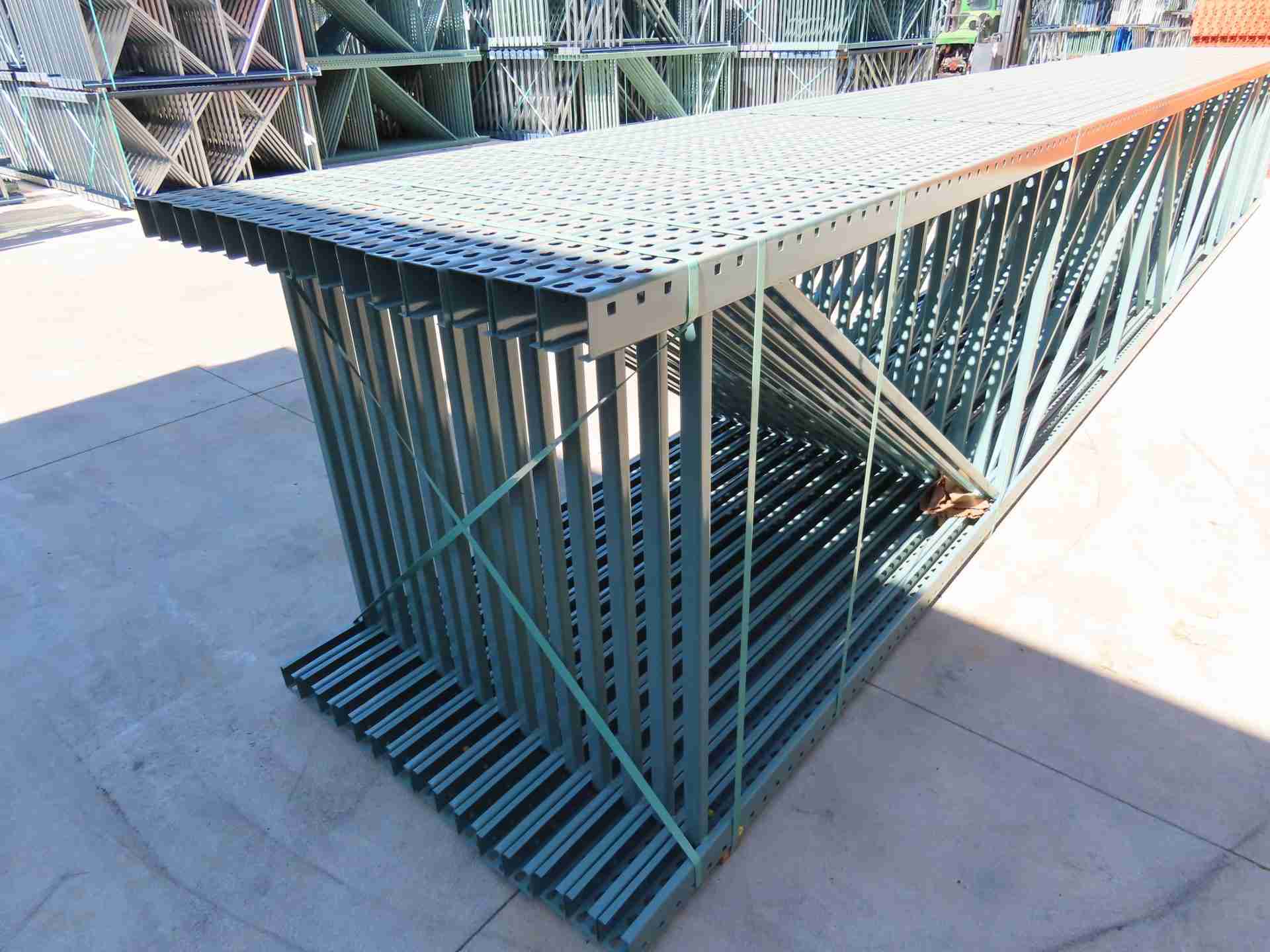
Conclusion
Conclusion:
- Cantilever racks offer businesses a strategic solution for managing bulky materials and maximizing space.
- These racks enhance operational efficiency, improve inventory management, and protect assets from environmental damage.
- Weather-resistant designs help prevent rust and damage, preserving financial investments.
- Choosing durable materials like galvanized steel increases the longevity and resilience of cantilever racks.
- Regular maintenance and protective coatings can safeguard storage solutions against seasonal impacts.
- Investing in outdoor cantilever racks leads to cost savings through improved organization, reduced hazards, and increased productivity.
- Contact Arrow Industrial Sales at (574) 349-6575 to explore cantilever rack options and elevate your storage solutions.
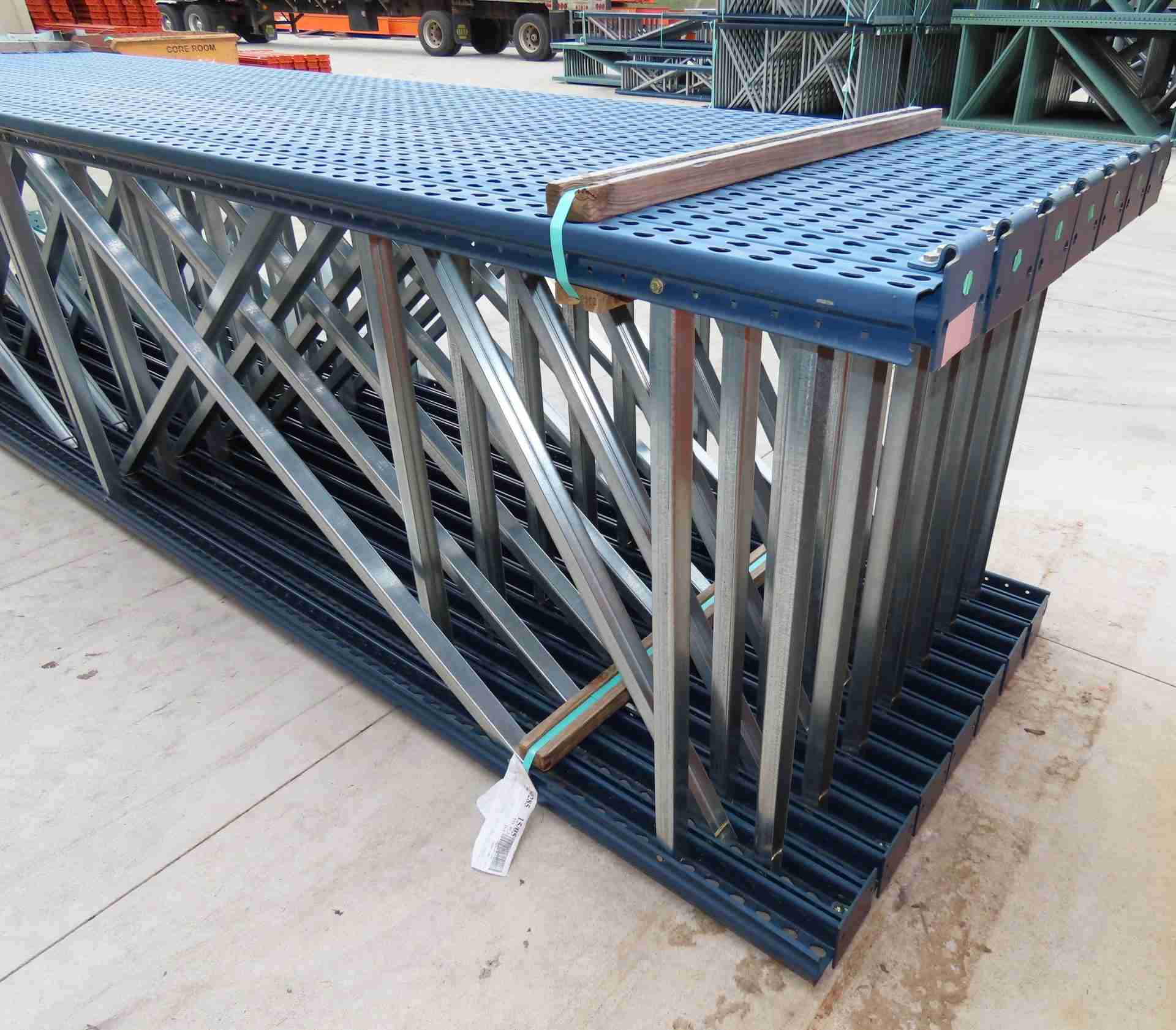
Conclusion
Other Resources
Other Resources
Here is a list of other resources you can review online to learn more:
- “Cantilever Racking Texas | Warehouse Equipment & Storage”
- “L-Shed & T-Shed Covered Cantilever Storage Racking …”
- “Cantilever Racking Specialists – Get the Right Racks”
- “Heavy Duty Cantilever Racks | Platforms and Ladders”
- “Best Prices on Quality Used Cantilever Racking Systems”
- “New Cantilever Rack Systems for Sale”
- “Pipe Racks & Industrial Cantilever Lumber Racking”
- “Effectively Store Long Materials with Cantilever Racks”
Other Resources
Glossary Terms
Can Cantilever Racks Be Used Outdoors? – Glossary Of Terms
1. Cantilever Rack: A type of storage rack designed with horizontal arms that extend from a vertical column, ideal for storing long or bulky items.
2. Outdoor Storage: The practice of storing goods or materials outside, exposed to environmental elements such as weather and UV radiation.
3. Weather Resistance: The ability of materials or structures to withstand weather conditions without deteriorating.
4. Galvanization: A process of applying a protective zinc coating to steel or iron to prevent rusting, often used for outdoor racks.
5. Load Capacity: The maximum weight that a cantilever rack can safely support without risking structural failure.
6. UV Protection: The ability of a material or coating to resist damage from ultraviolet radiation, which can degrade plastics and coatings over time.
7. Corrosion: The gradual destruction of materials (usually metals) due to chemical reactions, often accelerated by exposure to moisture and air.
8. Stable Base: The foundational support that ensures the rack remains upright and secure when heavy items are placed on its arms.
9. Installation: The process of setting up the cantilever rack for use, which may include anchoring it to a surface for stability.
10. Maintenance: Routine procedures carried out to keep the cantilever racks in good condition, including inspections for rust, structural integrity, and cleaning.
11. Environmental Exposure: The degree to which a structure or material is subjected to natural elements, including rain, snow, wind, and sun.
12. Portable Racks: Cantilever racks designed to be movable rather than fixed in one location, suitable for temporary outdoor use.
13. Heavy-Duty Racks: Cantilever racks engineered to support significantly more weight than standard models, essential for industrial applications.
14. Mobile Storage Solutions: Storage systems that allow for easy relocation; can include wheeled cantilever racks for outdoor use.
15. Steel Grades: Classification of steel based on its properties and composition, affecting durability and suitability for outdoor installations.
16. Impact Resistance: The ability of a storage rack to withstand sudden forces or shocks without damage, crucial for outdoor environments.
17. Site Assessment: The evaluation of an outdoor location to determine the suitability for installing cantilever racks, including ground conditions and environmental factors.
18. Anchoring: The method of securing cantilever racks to the ground or a structure to improve stability and resist toppling.
19. Rack Configurations: Various designs and setups for cantilever racks that accommodate different types of materials and access needs.
20. Vertical Columns: The upright structural components of a cantilever rack that support the horizontal arms.
21. Horizontal Arms: The long, projecting components of a cantilever rack that hold the items being stored.
22. Safety Standards: Regulations and guidelines that dictate the design, installation, and maintenance of storage systems to ensure user safety.
23. Loading Guidelines: Specific instructions provided by manufacturers regarding how to properly load items onto cantilever racks for safe usage.
24. Custom Fabrication: The process of creating personalized cantilever racks tailored to meet specific storage requirements or constraints.
25. Wind Load: The force exerted by wind on a structure, an important consideration in the design of outdoor cantilever racks.
26. Weatherproof Coatings: Protective finishes applied to racks that enhance durability against rain, sun, and other environmental factors.
27. Rust Inhibitors: Chemical agents used in coatings to prevent the formation of rust on steel materials.
28. Inspections: Regular evaluations performed on cantilever racks to ensure they are in safe working condition and meet all safety standards.
29. Sustainability: The practice of using materials and design principles that minimize environmental impact, applicable to the choice of cantilever racks.
30. Space Optimization: The strategic arrangement of storage systems, including cantilever racks, to maximize available outdoor space for efficiency.
Glossary Of Terms
Other Questions
Can Cantilever Racks Be Used Outdoors? – Other Questions
If you wish to explore and discover more, consider looking for answers to these questions:
- What types of materials are recommended for outdoor cantilever racks?
- How should I maintain cantilever racks that are exposed to outdoor elements?
- What are the main differences between indoor and outdoor cantilever rack designs?
- Can I customize outdoor cantilever racks for specific storage needs?
- What safety regulations should I follow when installing outdoor cantilever racks?
- How do you determine the appropriate weight limits for outdoor cantilever racks?
- What are the potential risks of using cantilever racks outdoors?
- Are there specific maintenance products that can enhance the lifespan of outdoor cantilever racks?
- What are the common installation mistakes to avoid with outdoor cantilever racks?
- How can I optimize the layout of outdoor cantilever racks for maximum efficiency?
Other Questions
Checklist
Can Cantilever Racks Be Used Outdoors? – A Checklist
Before You Invest in Outdoor Cantilever Racks
1. Assess Your Storage Needs
_____ Identify the types of materials you’ll store (e. g. , lumber, pipes, metal sheets).
_____ Evaluate the weight and size of items to determine the required strength and configuration of the rack.
2. Choose the Right Materials
_____ Select racks made from galvanized steel or powder-coated materials for rust and corrosion resistance.
_____ Consider aluminum for lightweight needs and composite materials for eco-friendly options.
3. Determine Location
_____ Find a flat, stable area that is accessible but shielded from extreme weather conditions.
_____ Check local regulations for any restrictions on outdoor storage structures.
4. Check Weight Limits
_____ Review manufacturer specifications for the weight capacity of selected racks.
_____ Ensure the chosen rack can handle the weight of your stored items without compromising safety.
Installation Considerations
5. Ground Stability
_____ Prepare a level surface and consider pouring a concrete base for larger racks.
_____ Ensure the area is free of debris and well-drained to prevent water accumulation.
6. Professional Installation
_____ Decide if you’ll assemble the racks yourself or hire professionals for installation.
_____ Follow installation guidelines to ensure stability and compliance with safety regulations.
Maintenance and Longevity
7. Regular Inspections
_____ Schedule inspections every six months to check for rust, loose bolts, or structural damage.
_____ Address minor repairs immediately to avoid escalation.
8. Implement Cleaning Routines
_____ Clean racks regularly to remove dust, debris, and chemical spills.
_____ Consider applying corrosion inhibitors for added protection against elements.
9. Maintenance Records
_____ Keep a log of inspections and maintenance performed to track the condition and needs of your racks.
Weather-Related Protections
10. Add Protective Features
_____ Consider weather shields or canopies to provide an extra layer of protection against elements like rain, snow, and UV rays.
_____ Invest in humidity and moisture monitoring systems for environments prone to rust.
Evaluating Cost-Effectiveness
11. Calculate Long-Term Savings
_____ Assess potential savings from reduced inventory loss and material damage.
_____ Consider savings from improved labor efficiency and reduced worker injuries due to better organization and accessibility.
12. Assess Return on Investment
_____ Weigh initial costs against the long-term benefits in operational efficiency, safety improvements, and decreased maintenance.
By following this checklist, you can ensure you make informed decisions about installing and maintaining outdoor cantilever racks that will optimize storage space and enhance operational efficiency.
Checklist
At RackingWorld, we help guide you through selecting warehouse storage systems and racking.
Be sure to read our other related stories at RackingWorld to learn more about warehouse storage systems.
0 Comments