
Maximizing Efficiency And Profit With Warehouse Automation
By Tom Seest
At RackingWorld, we help guide you through selecting warehouse storage systems and racking.
Be sure to read our other related stories at RackingWorld to learn more about warehouse storage systems.
What Are The Benefits Of Using Automation In Warehousing?
In an age where efficiency reigns supreme, the integration of automation in warehousing is not just a luxury; it’s a necessity. Imagine walking into a warehouse where every item is precisely where it needs to be, ready to roll out the door at a moment’s notice. This isn’t just wishful thinking; it’s the reality created by automating your operations. Let’s dive into the transformative benefits of this cutting-edge approach, shall we?
First and foremost, automation drastically enhances efficiency. Think of the traditional chaos of manual order fulfillment—the clutter of pallets scattered about, the slow-moving processes, and the ever-present risk of human error. Enter automation, a game changer that organizes your inventory seamlessly. With smart systems in place, your pallet racking can be optimized for quick access, ensuring that your team spends less time searching for items and more time fulfilling orders. Imagine cutting your operational costs while simultaneously increasing your output—this is the future of efficient warehousing.
But let’s talk about reliability. In a world where time is money, customer satisfaction hinges on timely deliveries. Automating your warehouse means that you’re not just getting products out faster; you’re also keeping a pulse on your inventory with real-time tracking. This means fewer surprises and more assurance, fostering trust with your customers. They’ll appreciate the certainty that comes with knowing their needs are met with precision and speed.
Another significant perk lies in safety. A streamlined warehouse minimizes the risk of accidents—a crucial factor when you consider the physical nature of pallet racking systems and the heavy loads they often carry. Automation removes many danger zones typically associated with manual labor, thus creating a safer work environment for everyone involved. Happy employees are productive employees, and it’s easy to see how introducing automated solutions can boost morale across your entire workforce.
Lastly, embracing automation empowers you to stay ahead of the competition. In a rapidly changing marketplace, agility is critical. Automated systems offer the flexibility to scale up during peak seasons without the headache of last-minute hiring or training. You’ll be ready to tackle any demand while maintaining your reputation for reliability.
Integrating automation into your warehousing approach doesn’t just transform your operations; it revolutionizes your entire business model. It’s about taking that leap toward efficiency, reliability, safety, and adaptability in today’s bustling marketplace. So, are you ready to unlock the full potential of your warehouse? Embrace automation and watch your business thrive!
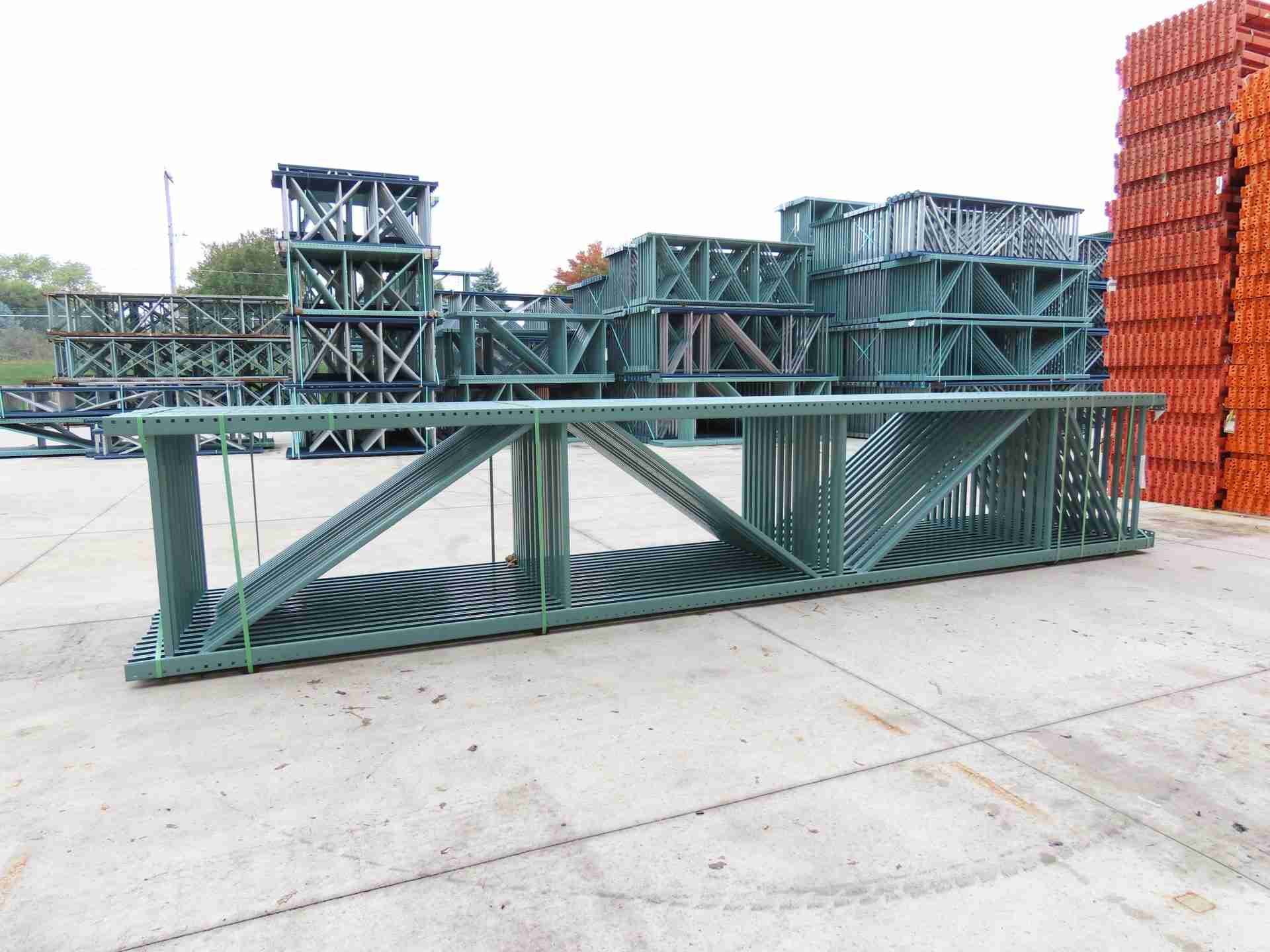
What Are The Benefits Of Using Automation In Warehousing?
What Are The Benefits Of Using Automation In Warehousing?
- Automation in warehousing is essential for enhancing efficiency and operational effectiveness.
- It streamlines inventory management, reducing manual errors and optimizing pallet racking for quick access.
- Real-time tracking through automation ensures timely deliveries and improves customer satisfaction.
- Automation minimizes the risk of accidents, creating a safer work environment and boosting employee morale.
- It allows businesses to remain agile, adapting to peak demands without the need for last-minute staffing solutions.
- Integrating automation revolutionizes the entire business model, focusing on efficiency, reliability, safety, and adaptability.
- Embracing automation helps businesses unlock their full potential and thrive in a competitive market.
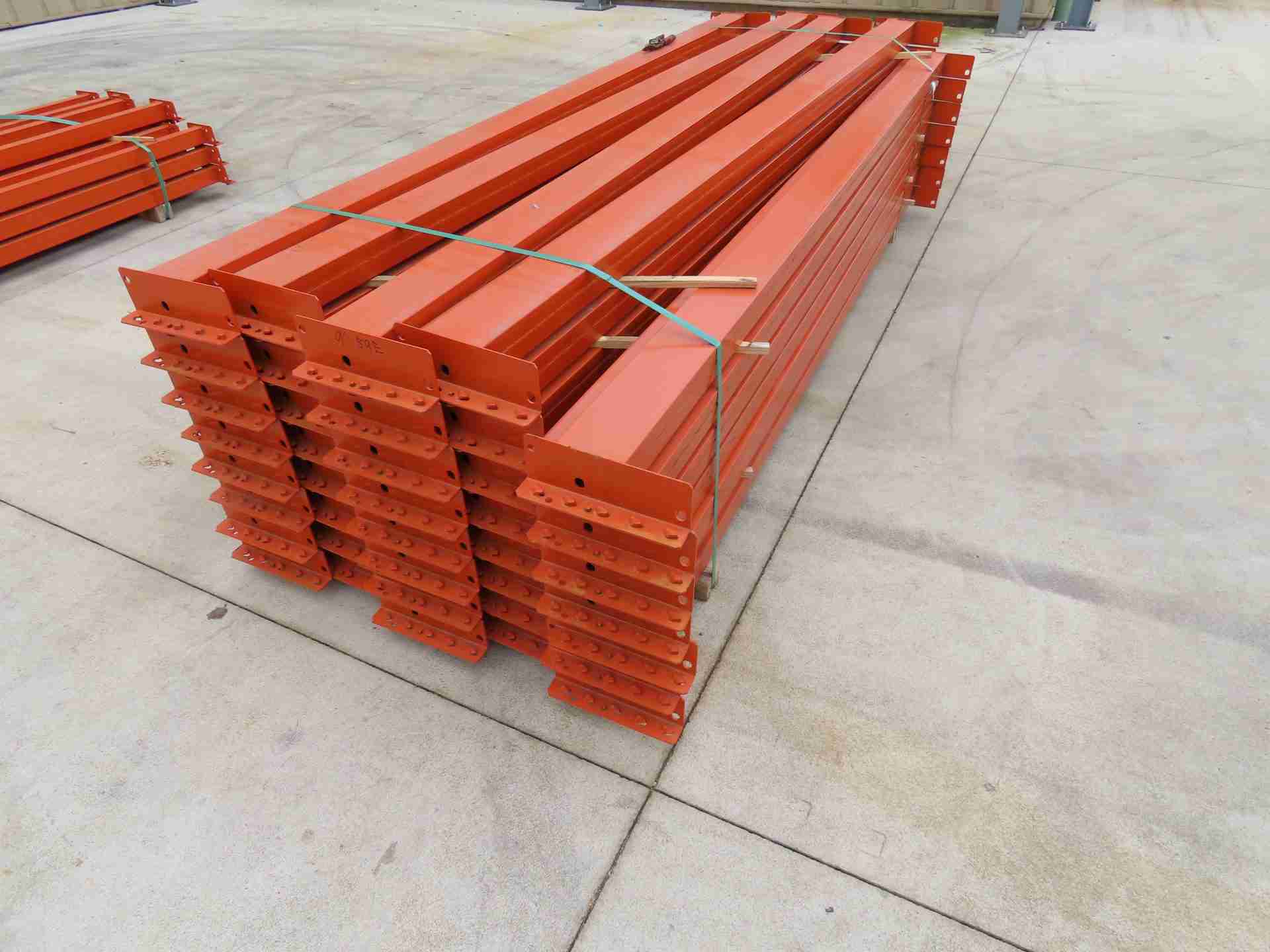
What Are The Benefits Of Using Automation In Warehousing?
Table Of Contents
- What Are The Benefits Of Using Automation In Warehousing?
- What Is Warehouse Automation And How Does It Work?
- How Can Automation Reduce Labor Costs?
- What Technologies Are Commonly Used In Warehouse Automation?
- How Does Automation Improve Inventory Accuracy?
- What Impact Does Automation Have On Order Fulfillment Speed?
- Can Automation Enhance Safety In The Warehouse Environment?
- Conclusion
- Other Resources
- Glossary Of Terms
- Other Questions
- Checklist
What Is Warehouse Automation And How Does It Work?
In the fast-paced world of logistics and supply chain management, efficiency is not just an advantage—it’s a necessity. Enter warehouse automation, a revolutionary approach designed to streamline operations, reduce costs, and amplify productivity. So, what exactly is it? Simply put, warehouse automation involves the integration of technology and systems to manage the flow of goods with minimal human intervention. This doesn’t just enhance accuracy—it transforms the way your warehouse operates.
Think about it: your warehouse may rely on traditional pallet racking systems to store inventory. While effective, these systems do have their limitations. By incorporating automation, you can optimize how those pallets are stored, retrieved, and managed. Imagine a warehouse where robotic systems are seamlessly navigating through those pallet racks, pulling items with pinpoint precision while dramatically reducing the time it takes to fulfill orders. It’s not some distant future; it’s happening right now.
Warehouse automation comes in various forms—automated storage and retrieval systems, conveyor belts, and advanced software solutions that coordinate everything from inventory tracking to shipment scheduling. Picture a behind-the-scenes operations dashboard, where real-time data flows effortlessly, offering insights that help you make informed decisions. This level of visibility is key to ensuring that your operations run smoothly and efficiently, minimizing errors or costly delays.
But it doesn’t stop there. The real magic happens when you consider the cost savings and scalability that warehouse automation brings. No longer constrained by manual labor limitations, your warehouse can respond to fluctuating demands with ease. Whether it’s ramping up during peak seasons or optimizing space utilization, automation makes adaptation easier than ever before.
Adopting warehouse automation isn’t just about keeping up; it’s about forging ahead in an increasingly competitive landscape. More companies are turning to automated solutions to enhance their supply chains, and with good reason. With reduced labor costs, enhanced accuracy, and increased throughput, automation is an investment that pays dividends.
So, are you ready to dive into the world of warehouse automation? The future is right at your fingertips, and just like those meticulously arranged pallets in your racking system, it’s time to put your operations in order. Embrace the change and watch your warehouse transform into a powerhouse of efficiency and reliability. Don’t just keep pace—lead the charge.
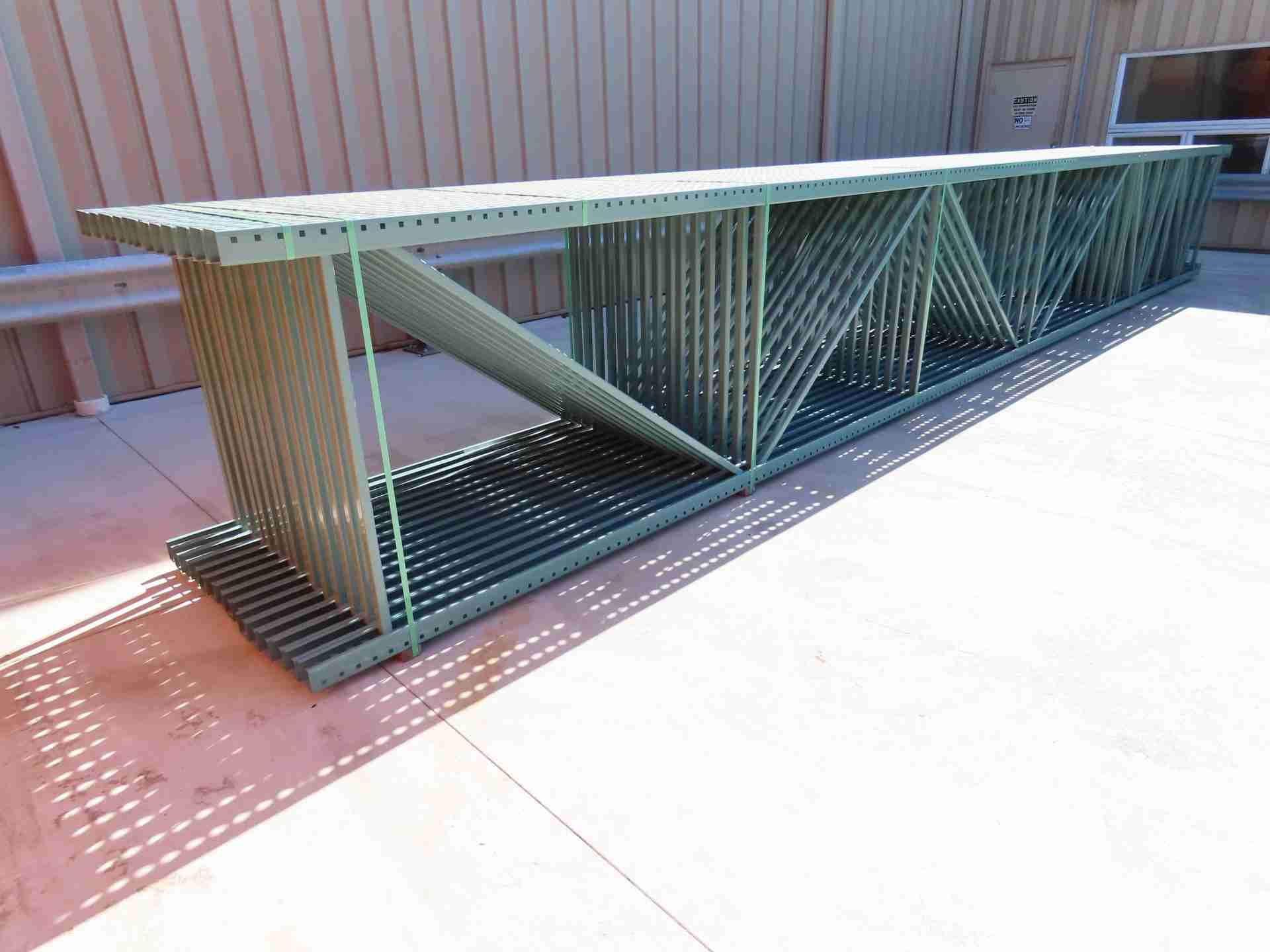
What Is Warehouse Automation And How Does It Work?
What Is Warehouse Automation And How Does It Work?
- Warehouse automation is essential for enhancing efficiency in logistics and supply chain management.
- It integrates technology and systems to manage goods flow with minimal human intervention.
- Automation optimizes the storage, retrieval, and management of inventory, improving accuracy and order fulfillment times.
- Various forms of automation include automated storage and retrieval systems, conveyor belts, and advanced software solutions.
- Real-time data and operational dashboards provide visibility for better decision-making and error reduction.
- Automation allows for cost savings and scalability, enabling warehouses to adapt to fluctuating demand easily.
- Investing in warehouse automation positions companies to lead in a competitive landscape by reducing labor costs and increasing efficiency.
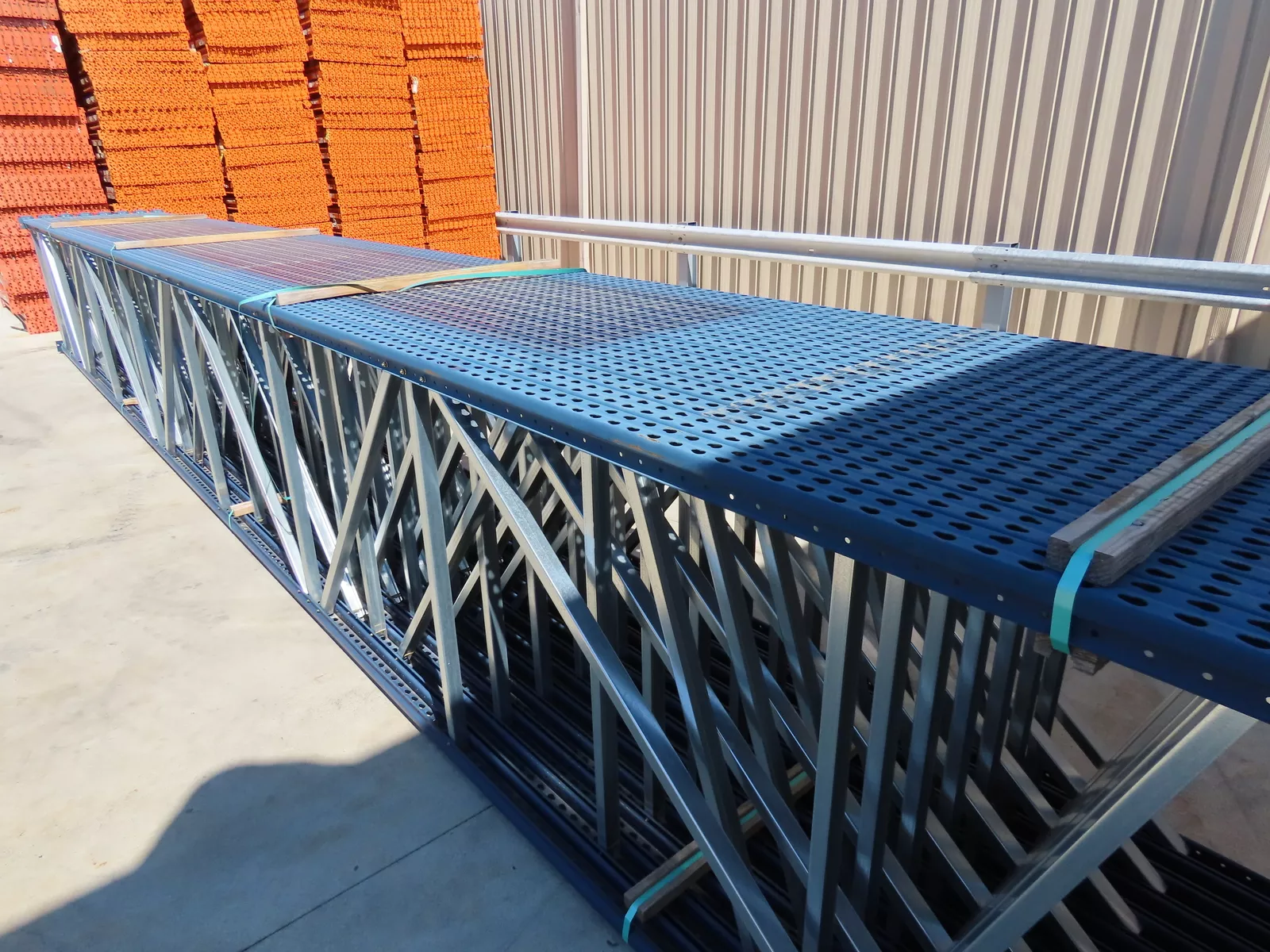
What Is Warehouse Automation And How Does It Work?
How Can Automation Reduce Labor Costs?
In today’s fast-paced business landscape, every penny counts. If you’re staring at overwhelming labor costs, feeling shackled by inefficiencies, it’s time to consider the transformative power of automation. Embrace it, and you’ll not only enhance productivity but also discover the extraordinary potential to cut costs dramatically.
Imagine a warehouse where goods move seamlessly through your system. Picture a setup featuring advanced pallet racking that maximizes space and streamlines inventory management. Now pair that with automation technologies like robotic pick and pack systems or conveyor belts that intuitively move products to their destinations. The equation is simple: less manual labor equals lower labor costs.
Let’s break it down. Manual processes often tie up valuable human resources in repetitive tasks—tasks that can drain both time and morale. By automating those tasks, you free up your staff to focus on more strategic initiatives. Your employees can engage in higher-value work, leading to not just enhanced motivation but also creativity in problem-solving. This means fewer errors and less rework, which further trims your operational costs.
But there’s more. Automation systems aren’t merely about replacing human input; they create synergy within your operational framework. The perfect integration of technologies like pallet racking systems and automated inventory tracking offers a clear view of stock levels in real-time. You anticipate needs before they become issues, making your supply chain smoother and more efficient. When a customer places an order, the automated processes kick into gear, reducing wait times and accelerating fulfillment—all of which directly impact your bottom line.
And let’s talk about scalability. With automation, you can quickly adapt to fluctuations in demand or changes in the market. During peak seasons, your automated systems allow you to ramp up operations without the need to hire temporary labor, which can introduce variability and risk. Conversely, in leaner times, automation ensures you’re not weighed down with excessive labor costs.
In a world craving speed and efficiency, automation is your secret weapon. By investing in automated technologies and optimal pallet racking solutions, you not only reduce labor costs but also enhance your service delivery, making your business more competitive and profitable.
Take this leap. Streamline your operations, empower your workforce, and set your sights on growth. The path to lower costs and higher profits starts with automation. So, why wait? Step into the future today.
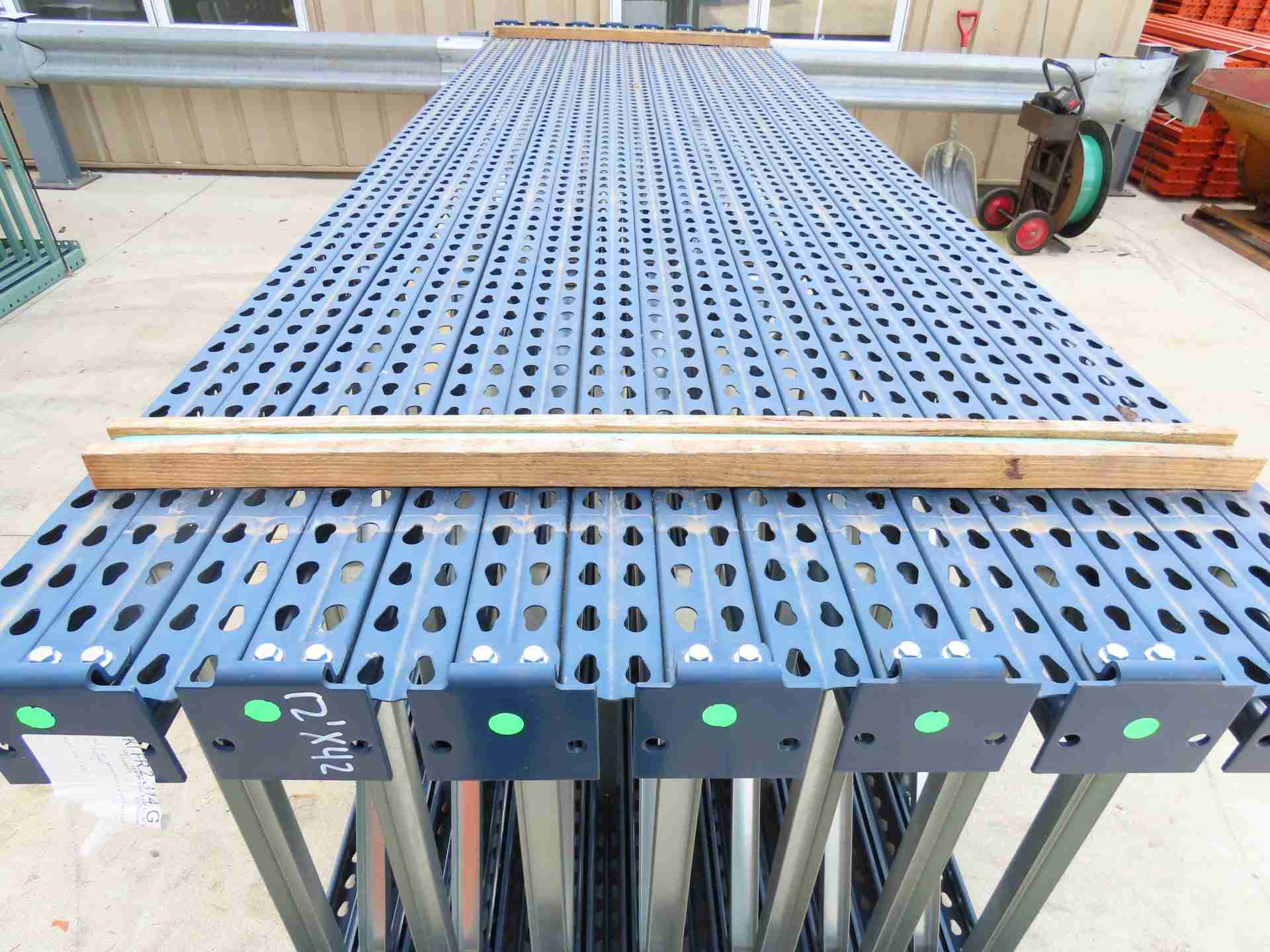
How Can Automation Reduce Labor Costs?
How Can Automation Reduce Labor Costs?
- Embrace automation to enhance productivity and cut costs in a fast-paced business environment.
- Utilize advanced pallet racking and automation technologies like robotic systems and conveyor belts to streamline operations.
- Free up staff from repetitive tasks through automation, allowing them to focus on strategic initiatives.
- Reduction in manual labor leads to fewer errors, less rework, and lower operational costs.
- Integration of technologies provides real-time visibility of stock levels, improving supply chain efficiency.
- Automation allows for scalability, enabling quick adaptation to market fluctuations without relying on temporary labor.
- Investing in automation and optimal racking solutions positions your business for increased competitiveness and profitability.
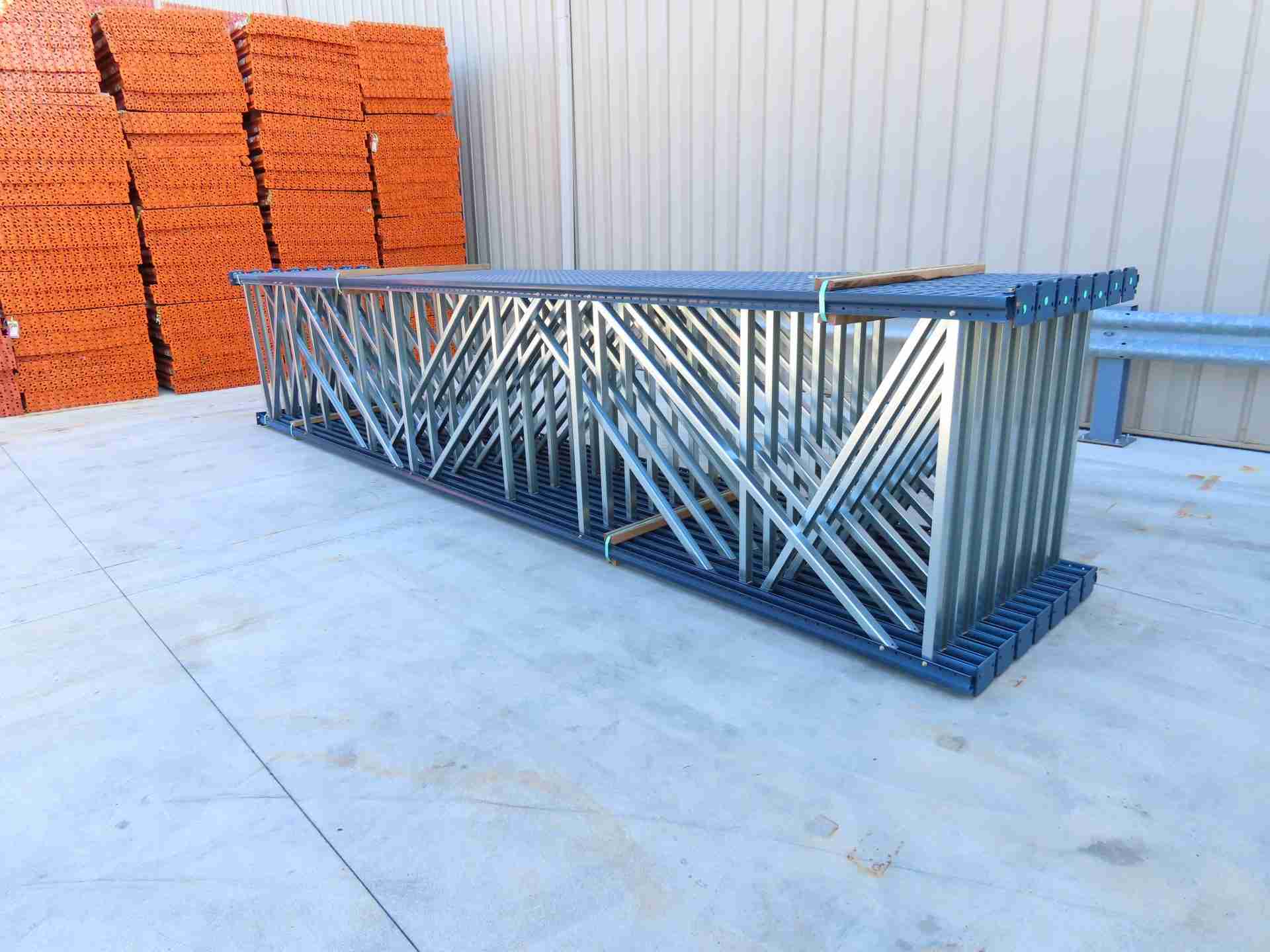
How Can Automation Reduce Labor Costs?
What Technologies Are Commonly Used In Warehouse Automation?
In today’s fast-paced world, warehouse automation is not just a trend; it’s a necessity for businesses looking to enhance efficiency and boost their bottom line. Imagine a warehouse where every inch of space is optimized, where items whisk by at lightning speed, and where labor costs are significantly reduced. Sounds like a dream? Well, it’s a reality made possible through a variety of cutting-edge technologies.
First and foremost, let’s talk about pallet racking systems. These vertical storage solutions serve as the backbone of any automated warehouse. By maximizing vertical space, pallet racking allows for higher storage densities and enhances accessibility. This affords businesses a strategic advantage, reducing retrieval times and increasing throughput. When combined with automation, such as Automated Storage and Retrieval Systems (AS/RS), these racking systems work in harmony to ensure that your warehouse is organized, efficient, and ready to meet customer demands.
But the magic doesn’t stop there. Robots are becoming the unsung heroes of modern warehousing. From robotic arms that pick and pack products to autonomous mobile robots (AMRs) that navigate through aisles, these technologies are revolutionizing how we think about labor. Imagine your workforce collaborating seamlessly with robots, completing tasks in a fraction of the time. This human-robot partnership not only elevates productivity but also allows your employees to focus on more strategic tasks that require human ingenuity.
We can’t overlook the power of Warehouse Management Systems (WMS), which serve as the brain behind the operation. These software solutions integrate seamlessly with automation technologies, providing real-time analytics and inventory management tools. They help you optimize workflows, track shipments, and monitor inventory levels with precision. A robust WMS empowers you to make data-driven decisions that positively impact your bottom line.
Don’t forget about conveyor systems, which act like the circulatory system of your warehouse, transporting goods effortlessly from one area to another. Paired with sensors and robotics, these systems ensure that items are delivered to the right place at the right time, minimizing bottlenecks and delays.
The warehouse of tomorrow is here, and it’s powered by these innovative technologies. Investing in automation is not just about staying competitive; it’s about future-proofing your operations for success. If you want to transform your warehouse into a powerhouse of efficiency and reliability, now is the time to act! With the right technologies, you can forge a path to a streamlined and profitable future. Trust in automation—it’s your ticket to unlocking unprecedented potential.
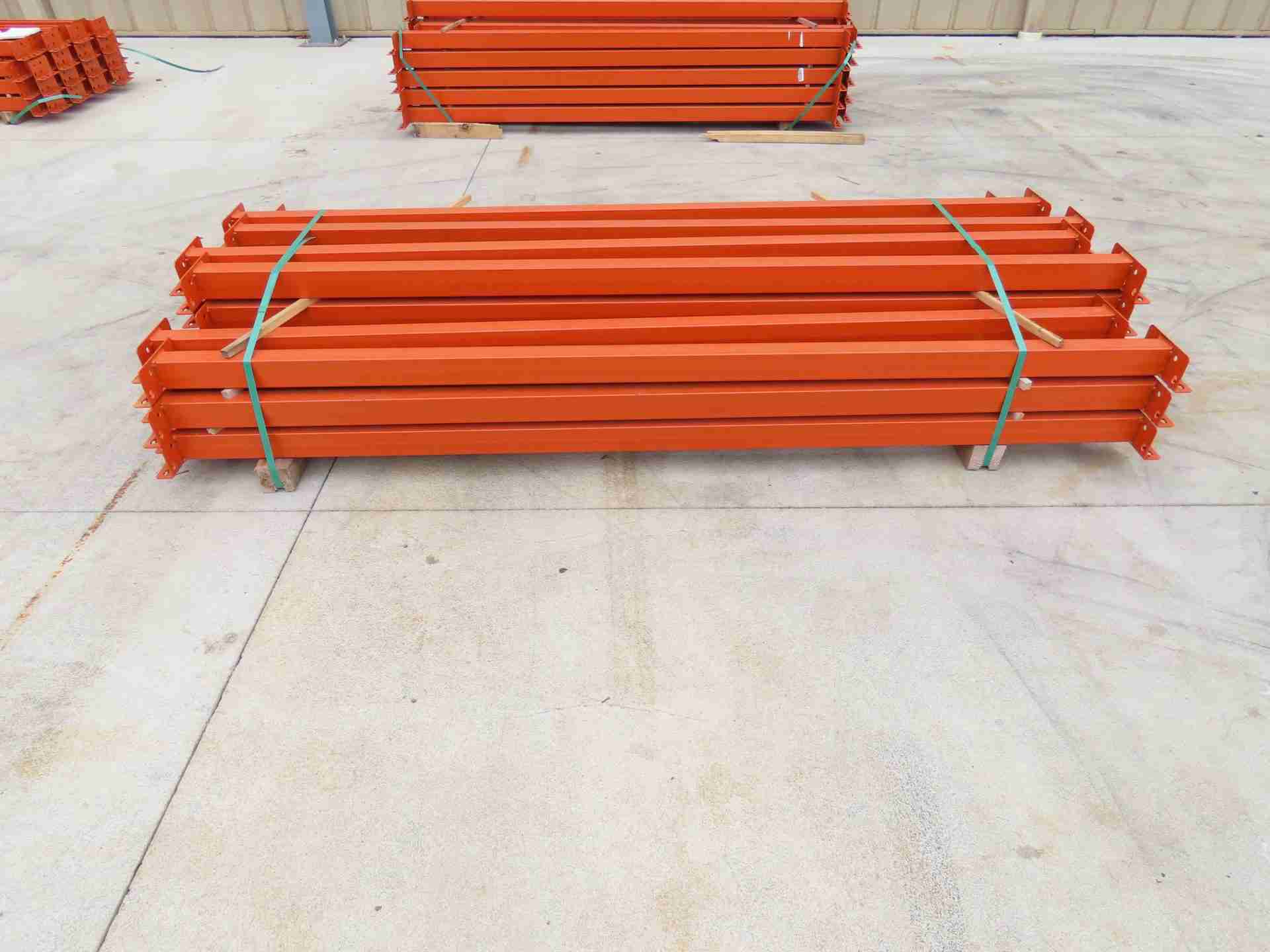
What Technologies Are Commonly Used In Warehouse Automation?
What Technologies Are Commonly Used In Warehouse Automation?
- Warehouse automation is essential for enhancing efficiency and reducing labor costs.
- Pallet racking systems maximize vertical storage, improving accessibility and accelerating retrieval times.
- Automated Storage and Retrieval Systems (AS/RS) work alongside racking systems to optimize warehouse organization.
- Robots, including robotic arms and autonomous mobile robots (AMRs), revolutionize labor dynamics in warehouses.
- Warehouse Management Systems (WMS) provide real-time analytics and inventory management for efficient operations.
- Conveyor systems transport goods efficiently, preventing bottlenecks and enhancing workflow.
- Investing in warehouse automation is key to staying competitive and ensuring future operational success.
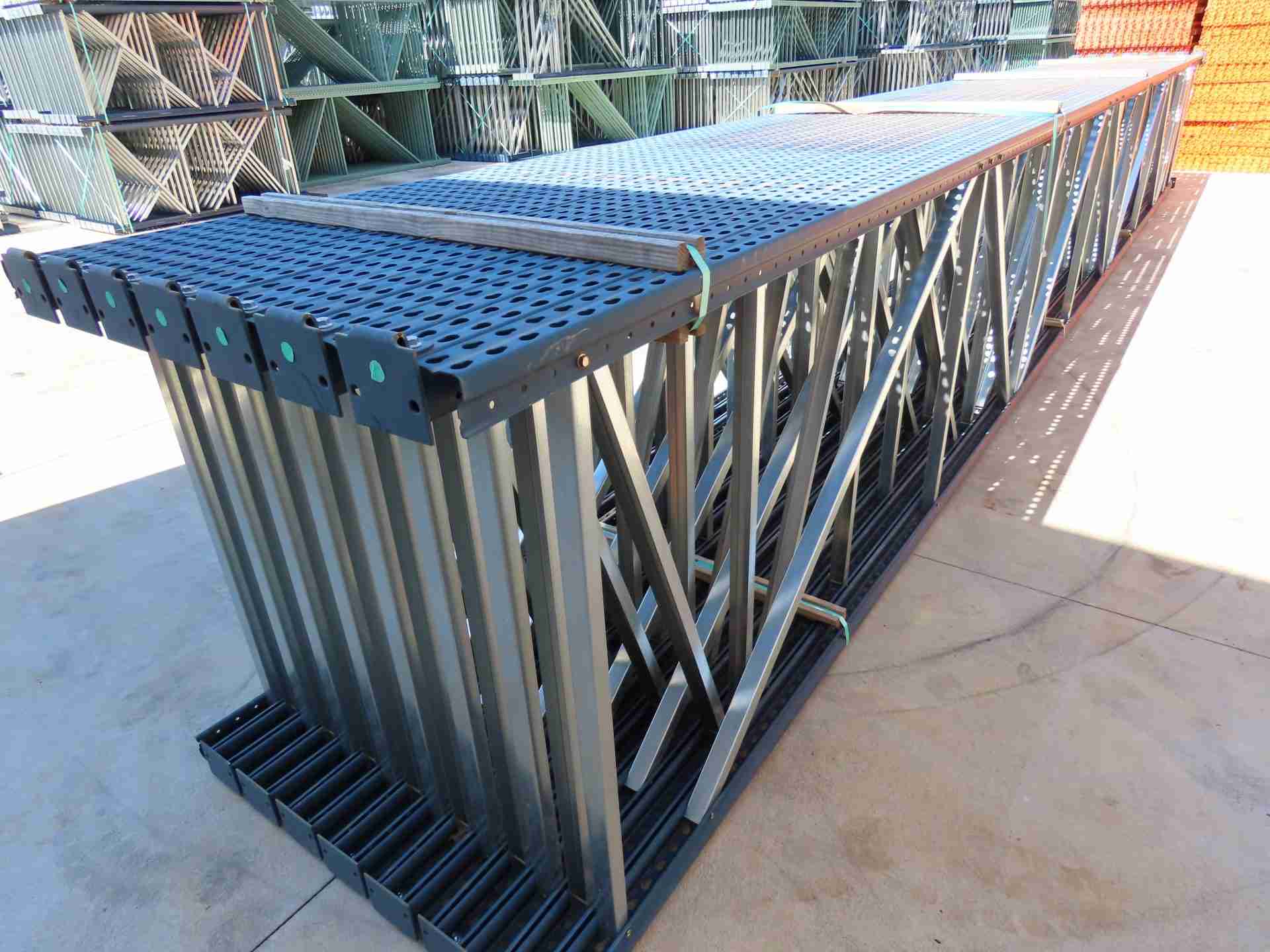
What Technologies Are Commonly Used In Warehouse Automation?
How Does Automation Improve Inventory Accuracy?
Imagine walking into a warehouse where every item is perfectly in place, where the shelves are meticulously organized, and where each product is tracked with laser-like precision. This is not just a dream; it’s the reality that automation brings to the world of inventory management. When you leverage technology to oversee your inventory, you’re not only embracing progress; you’re embracing accuracy.
Take pallet racking, for instance—a foundational element in warehouse organization. While traditional methods may rely on human monitoring and manual counts, automation is the game-changer that turns chaos into order. By integrating automated systems, each pallet is automatically recorded when it enters or leaves the racking system. This eliminates human error, ensuring that what you think is in stock is exactly what is in the system. No more wasted time searching for misplaced items or tallying inventory incorrectly.
We understand the frustrations that come with inventory inaccuracies—discrepancies that lead to stockouts, overstocks, and ultimately, lost sales. The good news? Automation dramatically minimizes these risks. With real-time inventory tracking, you foster a proactive environment where you can anticipate needs and respond instantly. When a product runs low, automated alerts can notify your team for immediate replenishment, ensuring that your shelves are consistently stocked and your business runs smoothly.
Beyond just accuracy, automation builds trust. When your inventory systems are seamless, your employees can focus on what matters most—providing excellent customer service instead of wrestling with the discrepancies of outdated inventory lists. Transparency becomes your hallmark; when you know exactly what you have in stock, you can communicate confidently with clients about availability and lead times. This translates to happier customers and repeat business.
Now, let’s not forget about the bottom line; improving accuracy through automation means reducing costs associated with overstocking or emergency ordering. It’s about smarter, not harder, work. Investing in automated inventory systems is an investment in the future—a future where you can confidently scale your operations, knowing your warehouse runs like a well-oiled machine.
In a fast-paced marketplace, businesses that leverage the power of automation set themselves apart. So, take the leap. Embrace automation, and watch as your inventory accuracy soars, propelling your business to new heights. Your success story starts with a single step towards smart inventory management.
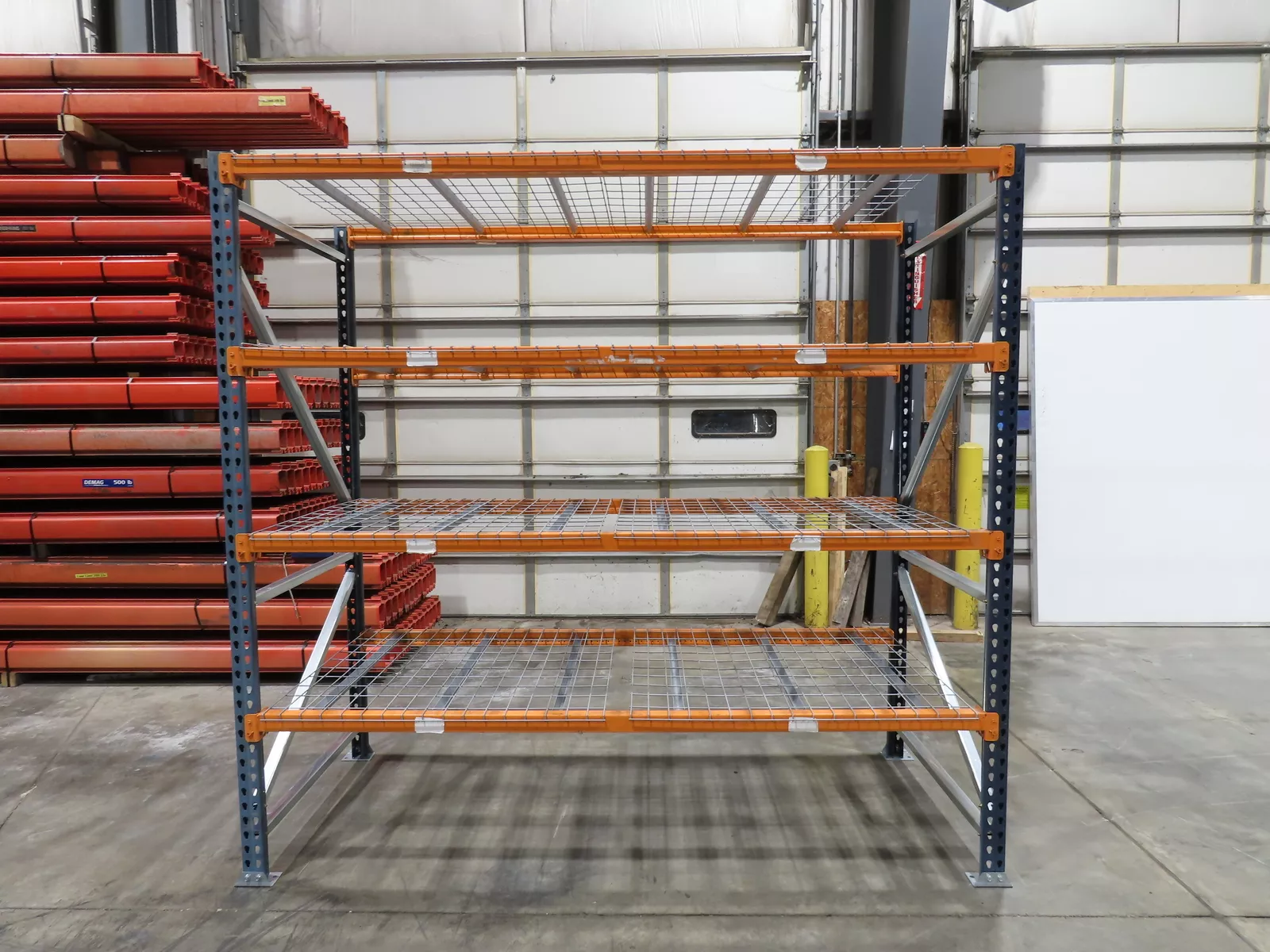
How Does Automation Improve Inventory Accuracy?
How Does Automation Improve Inventory Accuracy?
- Automation transforms inventory management by providing precision and organization in warehouses.
- Pallet racking integrated with automated systems eliminates human error in stock tracking.
- Real-time inventory tracking minimizes risks of stockouts and overstocks, leading to increased sales.
- Automated alerts ensure timely replenishment, maintaining consistently stocked shelves.
- Trust and transparency improve customer service by providing accurate information about stock availability.
- Investing in automation reduces costs associated with overstocking and emergency orders.
- Embracing automation allows businesses to scale operations confidently and enhances overall efficiency.
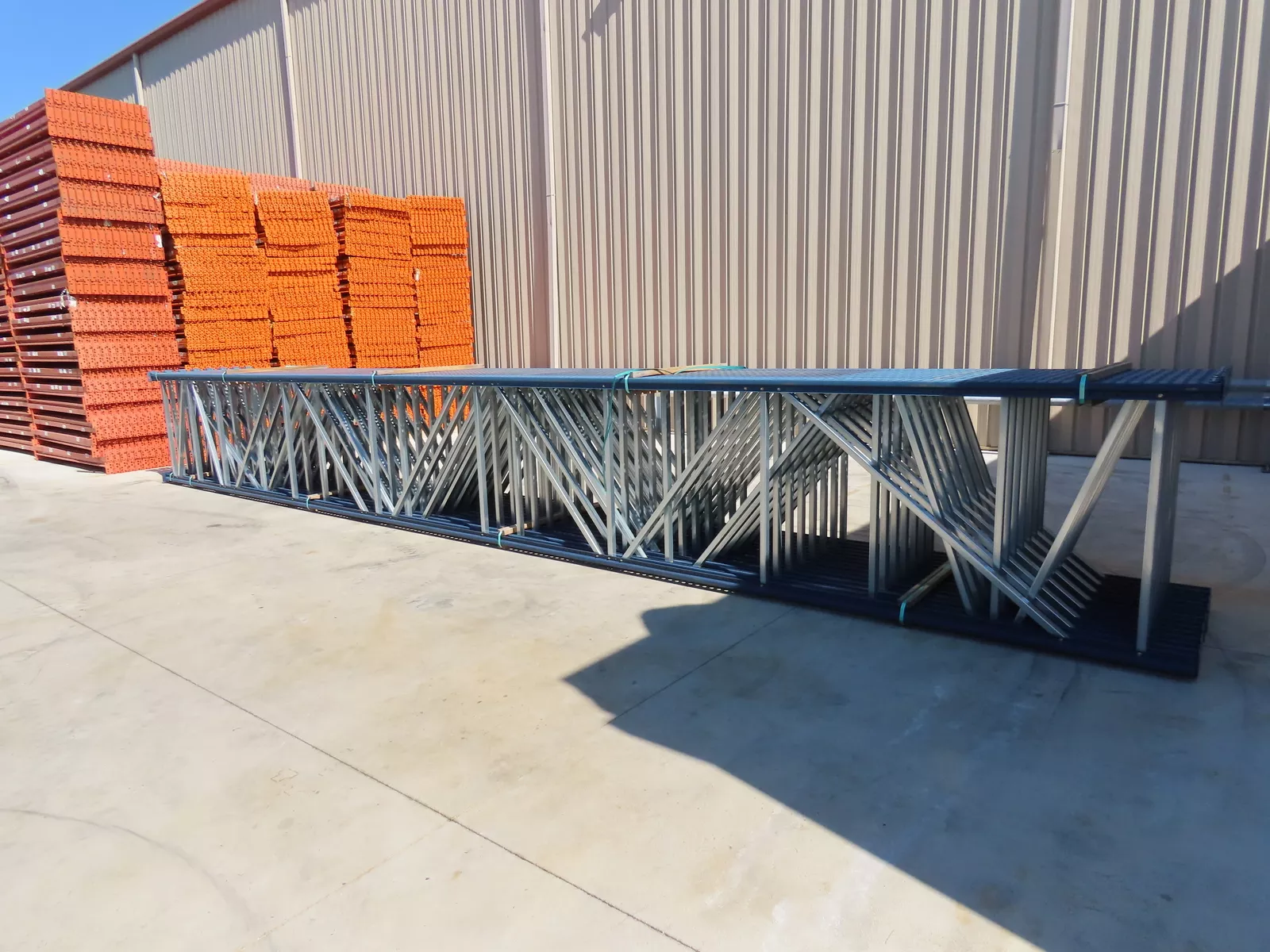
How Does Automation Improve Inventory Accuracy?
What Impact Does Automation Have On Order Fulfillment Speed?
In the fast-paced world of e-commerce and retail, speed isn’t just an advantage; it’s a necessity. Imagine your business in the throes of a peak season rush, with orders pouring in like a tidal wave. It’s an intoxicating scenario, but without robust systems in place, it can swiftly turn into a logistical nightmare. That’s where automation steps in, transforming chaos into concise efficiency.
Let’s talk about pallet racking—those towering structures that store everything from electronics to fashion apparel. When paired with automated systems, the impact on order fulfillment speed is nothing short of revolutionary. Automated guided vehicles (AGVs) can swiftly navigate through your pallet racking, picking up items and moving them to the packing station in a fraction of the time it would take a human worker. This isn’t just about speed; it’s about precision. Fewer human errors mean fewer delays and a drastically reduced return rate.
Think about the customer experience. In a world where consumers expect same-day shipping and instant gratification, every second counts. If you can transform your fulfillment process to meet (and exceed) these expectations, your brand becomes synonymous with reliability. Customers will not only keep coming back; they will rave about your speed, propelling you to new heights of word-of-mouth promotion.
Moreover, automation isn’t just for the mega-warehouses with sprawling facilities. Small to medium-sized businesses can also harness its power. Picture your compact storage space utilizing smart technology to streamline order picking. Scalability becomes effortless. As you grow, so too does your ability to fulfill orders swiftly without sacrificing quality.
Moreover, with automation, you gain invaluable data insights. Imagine knowing precisely how quickly items move through your pallet racking system, what the bottlenecks are, and where to optimize. This forecasting ability enables you to stay ahead of trends, ensuring your inventory aligns with what consumers want, right when they want it.
As we venture further into this age of technology, remember that implementing automation is not just about keeping pace; it’s about leading the charge. Trust in the evolution of your processes, invest in cutting-edge solutions, and watch your order fulfillment speed soar. Your customers will thank you, your profits will reflect it, and your reputation as a leader in the industry will be solidified. So why wait? Your opportunity for growth is just an automation away.
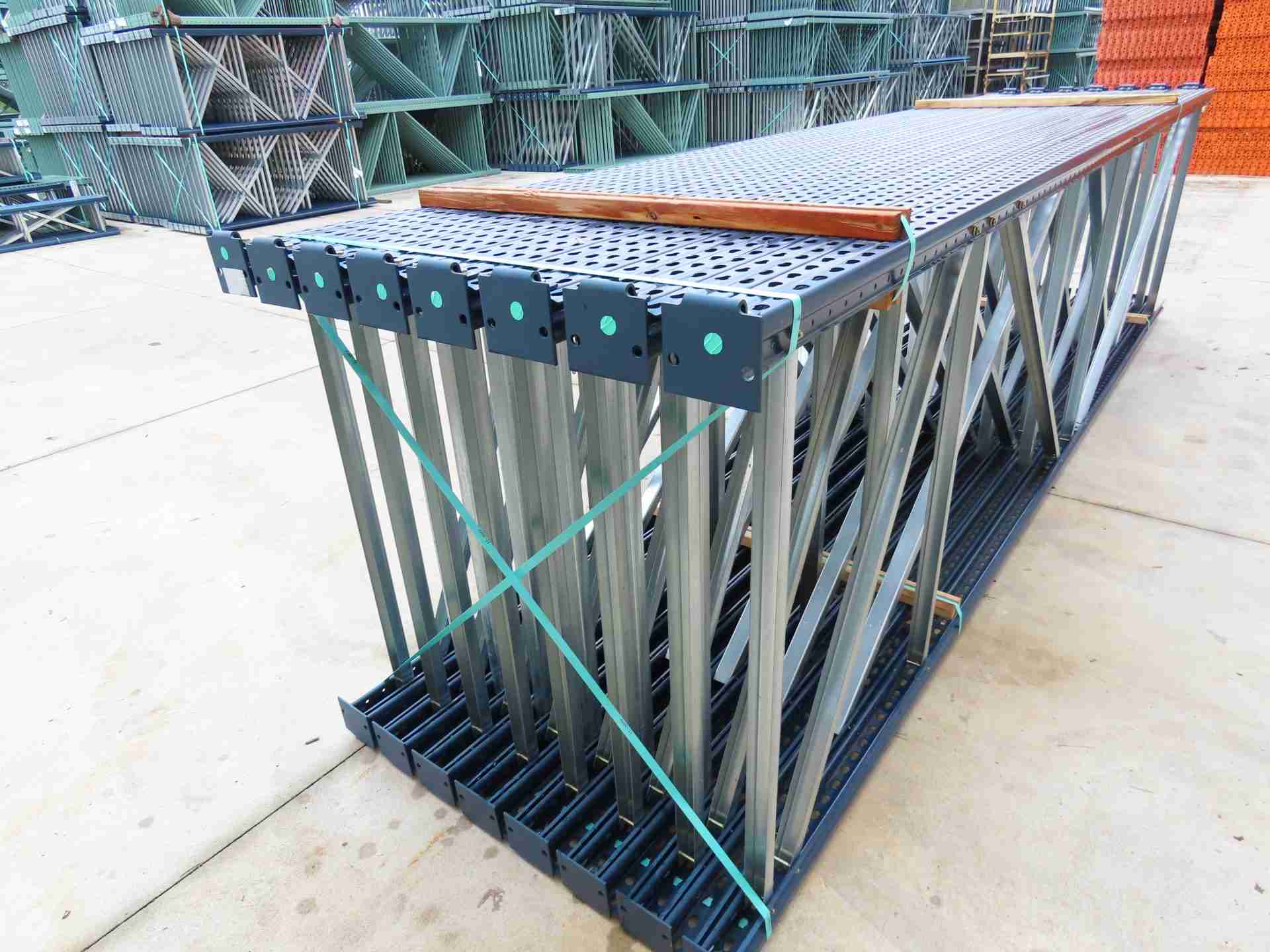
What Impact Does Automation Have On Order Fulfillment Speed?
What Impact Does Automation Have On Order Fulfillment Speed?
- Speed is essential in e-commerce, especially during peak seasons with high order volume.
- Automation transforms logistical chaos into efficient order fulfillment.
- Pallet racking combined with automated systems revolutionizes order speed and accuracy.
- Automated guided vehicles (AGVs) reduce time and errors in item retrieval and packing.
- Enhancing fulfillment processes leads to improved customer experiences and brand reliability.
- Small to medium-sized businesses can also benefit from automation for scalable operations.
- Automation provides valuable data insights for optimizing inventory and forecasting trends.
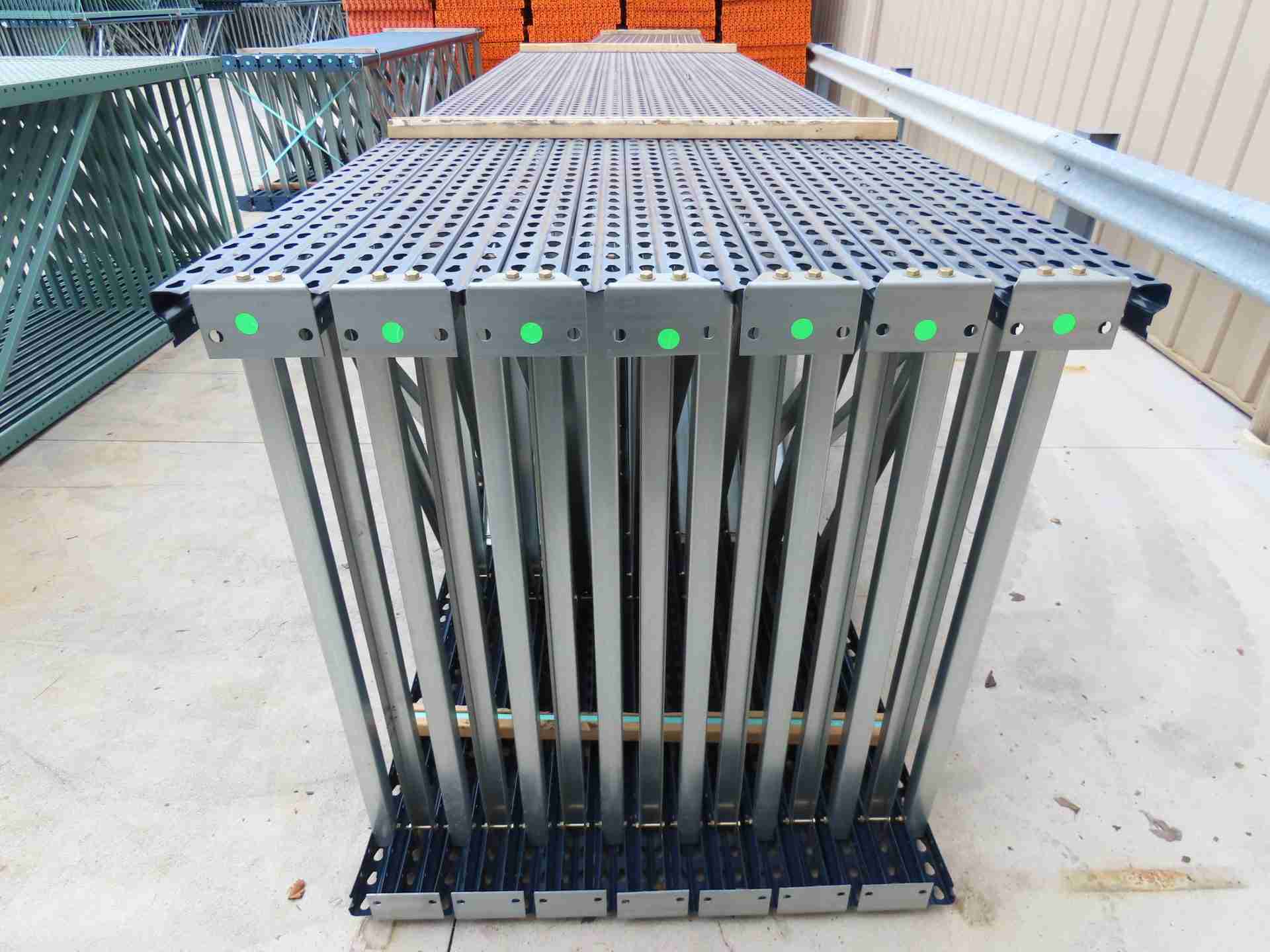
What Impact Does Automation Have On Order Fulfillment Speed?
Can Automation Enhance Safety In The Warehouse Environment?
When you think about warehouses, what’s the first thing that comes to mind? Stacks of pallets in intricate pallet racking systems, bustling employees, or perhaps a cacophony of machinery whirring in the background. Now, picture this: an optimized environment where automation seamlessly intertwines with your existing processes, elevating safety standards to unprecedented heights. Yes, it’s not just a dream—this is the future of warehousing.
Automation is more than a trend; it’s a transformative force that has the potential to revolutionize the way we manage our warehouse spaces. When it comes to safety, the benefits are multifaceted. Imagine a bustling warehouse where Autonomous Mobile Robots (AMRs) navigate around your pallet racking systems, meticulously transporting goods without interruptions, drastically reducing the risk of human error. With less human traffic in critical areas and around crowded racking units, the likelihood of accidents diminishes significantly.
Take a moment to reflect on your current safety protocols. Are your employees frequently maneuvering around heavy pallets on racking systems? Do you find yourself constantly enforcing safety measures to mitigate accidents? By integrating automated solutions, you can create a streamlined ecosystem where your team focuses on higher-value tasks, confidently knowing that routine tasks are safely managed by intelligent machines. The beauty of automation lies not just in efficiency but in creating a safer working atmosphere.
Moreover, let’s talk about data. Automation systems aren’t just efficient; they’re smart. They come equipped with analytics capabilities that offer real-time monitoring of safety metrics. This means you can track near-misses, identify hazardous zones around your pallet racking setups, and proactively address potential issues before they escalate. When you foster an environment rooted in safety, you not only protect your team but also build a robust reputation in the industry.
Trust in technology can feel daunting. Many are hesitant to let go of traditional practices. However, the evidence is undeniable: companies that embrace automation report significant improvements in safety records. By investing in automation, you’re not just enhancing processes; you’re cultivating a culture of safety and assurance.
Are you ready to revolutionize your warehouse environment? Step into the future with confidence, knowing that automation can elevate safety, productivity, and peace of mind to levels you never thought possible.
Can Automation Enhance Safety In The Warehouse Environment?
Can Automation Enhance Safety In The Warehouse Environment?
- Warehouses are evolving into optimized environments where automation enhances existing processes.
- Automation is a transformative force capable of revolutionizing warehouse management.
- Autonomous Mobile Robots (AMRs) can reduce human error by transporting goods, decreasing accident risks.
- Integrating automation allows employees to focus on higher-value tasks while routine operations are managed by machines.
- Automation systems provide real-time analytics for safety metrics, allowing proactive identification of hazards.
- Embracing automation can lead to significant improvements in safety records and industry reputation.
- The future of warehousing offers heightened safety, productivity, and peace of mind through automation.
Can Automation Enhance Safety In The Warehouse Environment?
Conclusion
Conclusion: Embrace the Future of Warehouse Automation
In a world where operational efficiency defines success, the push toward warehouse automation is not merely a trend—it’s an urgent necessity. Imagine transforming your chaotic warehouse into a streamlined powerhouse where each item is precisely tracked, orders are fulfilled at lightning speed, and safety is prioritized. This vision can become your reality with the right automation solutions from Arrow Industrial Sales.
Warehouse automation enhances productivity across the board, slashing inefficiency and dramatically reducing labor costs. By integrating advanced technologies such as Automated Storage and Retrieval Systems (AS/RS), robotics, and sophisticated Warehouse Management Systems (WMS), you can elevate your inventory accuracy and operational agility. Picture your team liberated from monotonous tasks, empowered to focus on higher-value work that drives growth and profitability.
Customer satisfaction hinges on speed and reliability, and warehouse automation delivers both. Automated systems can fulfill orders faster than ever, positioning your business as a leader in customer service. Real-time inventory tracking ensures that you’re never caught off guard by stock discrepancies, allowing you to fulfill orders confidently and promptly. As a result, customers will not just return—they’ll spread the word about your exceptional service, propelling your brand to new heights.
Moreover, the integration of automation plays a critical role in enhancing workplace safety. By minimizing human traffic in high-risk areas and utilizing intelligent machines for routine tasks, you create a safer environment for your employees. This investment in safety pays dividends, fostering a culture of reliability and trust within your workforce and among your clientele.
But here’s the kicker: staying ahead in today’s competitive landscape comes down to having the right tools at your disposal. The time to act is now. Every day that you delay implementing warehouse automation is a missed opportunity for increased profitability and efficiency. Make the strategic choice to embrace this powerful wave of innovation.
Are you ready to unlock the full potential of your operations and position your business for future success? Call Arrow Industrial Sales today at (574) 349-6575, and let us help you transform your warehouse into an epicenter of efficiency. Don’t let your competition outpace you—take action now and pave the way to a profitable tomorrow! Your automation journey starts with a simple phone call, but the benefits will echo throughout your business for years to come.
Conclusion
Conclusion:
- Warehouse automation is crucial for operational efficiency and is more than just a trend.
- Automation transforms chaotic warehouses into streamlined operations with precise tracking and fast order fulfillment.
- Advanced technologies like AS/RS, robotics, and WMS enhance productivity, reduce labor costs, and improve inventory accuracy.
- Automated systems boost customer satisfaction by speeding up order fulfillment and ensuring real-time inventory tracking.
- Integrating automation improves workplace safety by reducing human traffic in high-risk areas and using intelligent machines for routine tasks.
- Timely implementation of warehouse automation is vital for maintaining competitiveness and maximizing profitability.
- Contact Arrow Industrial Sales to start your automation journey and unlock your warehouse’s potential.
Conclusion
Other Resources

Other Resources
Here is a list of other resources you can review online to learn more:
- Teardrop Industrial Shelving Rack
- Material Handling Safety
- Cantilever Rack Guide: Ordering Cantilever Racking
- Teardrop Uprights
- Rack Manufacturers Institute
- Selective Racking
- Material Handling Industry
- Rack Manufacturers Institute
- IIWS Inc. Rack Installation Illinois & Rack Repairs Illinois
- Illinois Pallet Racking – WPRP
Use This Prompt To Get More Resources With Your Favorite Online AI Tool: Please provide me with a list of online articles with their URLs in a bulleted list that I can read regarding What Are The Benefits Of Using Automation In Warehousing?
Other Resources
Glossary Terms
What Are The Benefits Of Using Automation In Warehousing? – Glossary Of Terms
1. Automation: The use of technology to perform tasks with minimal human intervention, increasing efficiency and reducing errors.
2. Warehouse Management System (WMS): Software designed to optimize warehouse functionality and distribution center management, overseeing inventory, order fulfillment, and shipping.
3. Robotics: The use of robotic systems to automate material handling, picking, and packing tasks in the warehouse.
4. Inventory Management: The process of supervising and controlling stock levels and stock management, often enhanced by automation for improved accuracy.
5. Efficiency: The ability to accomplish tasks with minimal waste of time and resources, often increased through automated systems.
6. Productivity: A measure of output per unit of input, significantly improved by automating repetitive tasks in warehousing.
7. Order Fulfillment: The complete process of receiving, processing, and delivering orders, which can be streamlined by warehouse automation.
8. Pick-to-Light Systems: A picking system that uses lights to direct operators to the right location for order picking, increasing speed and accuracy.
9. Automated Guided Vehicles (AGVs): Mobile robots used in warehouses to transport goods from one location to another without human intervention.
10. Data Analytics: The process of examining warehouse data to improve operations and make informed decisions, often facilitated through automation.
11. Cycle Counting: An inventory auditing procedure where a small subset of inventory is counted on a specific day, with automation helping track discrepancies.
12. Barcode Scanning: The use of barcodes to track inventory movement automatically, reducing human error and improving accuracy.
13. Cross-Docking: A logistics procedure where products are directly transferred from inbound to outbound shipping with minimal handling, often made efficient by automation.
14. Artificial Intelligence (AI): Technology that simulates human intelligence, used in warehouses for predictive analytics and process optimization.
15. Speed: The quickness of processes, which can be enhanced through automated systems to meet customer demands quickly.
16. Safety: Measures taken to ensure the well-being of workers, improved by minimizing human involvement in potentially dangerous tasks through automation.
17. Quality Control: The process of ensuring that products meet certain standards, often automated to reduce errors in inspections.
18. Return on Investment (ROI): A performance measure used to evaluate the efficiency of an investment, such as automation in warehousing.
19. Warehouse Layout Optimization: Designing the warehouse space for maximum efficiency, which can be enhanced through automation systems.
20. Throughput: The amount of material or items processed in a given time frame, often increased with the use of automated technologies.
21. Load Balancing: Distributing workload evenly across systems or processes, improved through automation for better resource utilization.
22. Real-Time Tracking: Monitoring inventory and order movements as they occur, facilitated by automated systems to improve transparency and responsiveness.
23. Flexible Automation: Automation systems designed to adapt to changing tasks or products, enhancing responsiveness to market needs.
24. Predictive Maintenance: Techniques that use data to predict equipment failures before they occur, reducing downtime in automated systems.
25. Customization: The ability to tailor warehouse operations and automation solutions to meet specific business needs, improving efficiency.
26. Sustainability: Practices that promote ecological balance, often supported by automation to reduce waste and improve energy efficiency.
27. Time Management: The process of planning and exercising conscious control over time spent on specific activities, significantly improved with automation.
28. Supply Chain Integration: The alignment of supply chain processes, which can be enhanced by automated systems for seamless operation.
29. Workflow Automation: The process of automating a series of tasks to streamline operations, improve efficiency, and reduce manual errors.
30. Scalability: The ability of a system to adapt to increased workload or complexity, often more achievable through automated solutions.
Glossary Of Terms
Other Questions
What Are The Benefits Of Using Automation In Warehousing? – Other Questions
If you wish to explore and discover more, consider looking for answers to these questions:
- What are some examples of warehouse automation technologies?
- How does warehouse automation impact employee roles and job security?
- What is the initial investment required for implementing warehouse automation?
- How can businesses effectively implement automation in their warehouses?
- What challenges might companies face when transitioning to automated systems?
- How does automation influence supply chain management?
- What are the long-term benefits of warehouse automation besides cost savings?
- How can small and medium-sized enterprises afford automation?
- What metrics can be used to measure the success of warehouse automation?
- Can automation integrations be tailored for specific industries or warehouse types?
- What are the trends shaping the future of warehouse automation?
- How does automation improve customer satisfaction and retention?
- What is the role of artificial intelligence in warehouse automation?
- How do automated systems handle returns or damaged goods?
- What maintenance is required for automated warehouse systems?
Other Questions
Checklist
What Are The Benefits Of Using Automation In Warehousing? – A Checklist
Checklist: Benefits of Using Automation in Warehousing
This checklist serves as a quick reference for the key benefits of automation in warehousing, helping you to evaluate and implement effective automation strategies. Use it to optimize your operations for efficiency, cost savings, and safety.
Automation Benefits Checklist
1. Maximize Efficiency
_____ Assess current manual processes for order fulfillment.
_____ Identify areas where automation can streamline operations (e. g. , inventory management, order picking).
_____ Review pallet racking setup for optimization.
2. Enhance Reliability
_____ Implement real-time inventory tracking systems.
_____ Develop protocols for timely deliveries using automated processes.
_____ Monitor customer satisfaction regarding order accuracy and fulfillment speed.
3. Improve Safety
_____ Conduct a safety audit of current warehouse practices.
_____ Reduce manual labor tasks that pose risks (e. g. , heavy lifting).
_____ Invest in Autonomous Mobile Robots (AMRs) to minimize human traffic in critical areas.
4. Cut Labor Costs
_____ Evaluate costs tied to manual processes versus automation.
_____ Deploy robotic solutions for repetitive tasks (e. g. , picking and packing).
_____ Free up human resources for strategic initiatives that add value.
5. Increase Inventory Accuracy
_____ Implement automated inventory management systems.
_____ Regularly assess inventory levels using real-time data.
_____ Create automated alerts for low stock items to prevent stockouts.
6. Accelerate Order Fulfillment Speed
_____ Review and optimize layout for quick access to high-demand items.
_____ Analyze time taken for order processing and identify bottlenecks.
_____ Utilize automated guided vehicles (AGVs) to speed up item retrieval.
7. Scale Operations Easily
_____ Prepare your warehouse layout for flexible scalability during peak seasons.
_____ Implement cloud-based solutions for automated systems that can adjust to demands.
_____ Monitor market trends to anticipate changes in inventory needs.
8. Maintain Competitive Advantage
_____ Conduct a market analysis to see how competitors are leveraging automation.
_____ Set clear KPIs for measuring the impact of automation on business processes.
_____ Foster a culture of continuous improvement and innovation concerning technological advancements.
9. Foster Employee Morale
_____ Engage employees in the transition to automated systems.
_____ Provide training for employees to focus on higher-value tasks.
_____ Recognize and reward contributions to enhancing warehouse operations.
10. Harness Data Insights
_____ Implement Warehouse Management Systems (WMS) for analytics.
_____ Regularly review data for decision-making in inventory and operational efficiency.
_____ Use insights to optimize workflows and improve business strategies.
By following this checklist, you can leverage the benefits of automation in your warehouse operations efficiently, ultimately leading to increased productivity, enhanced customer satisfaction, and improved safety standards.
Checklist
At RackingWorld, we help guide you through selecting warehouse storage systems and racking.
Be sure to read our other related stories at RackingWorld to learn more about warehouse storage systems.
0 Comments