
Sustainability In Warehouse Storage Solutions
By Tom Seest
At RackingWorld, we help guide you through selecting warehouse storage systems and racking.
Be sure to read our other related stories at RackingWorld to learn more about warehouse storage systems.
How Eco-Friendly Is Local Pallet Racking?
In today’s market, businesses are increasingly prioritizing sustainability, and one often overlooked ally in this mission is local pallet racking. While the primary function of pallet racking is to optimize storage space and improve efficiency, its environmental impact shouldn’t be dismissed—especially when sourced locally.
Let’s talk about the benefits of local sourcing of pallet racking systems. When a business chooses to purchase racking from a local manufacturer, it drastically reduces transportation emissions. Imagine the trucks filled with metal racking systems crisscrossing states or even countries. Each mile contributes to carbon output. By purchasing locally, you are not only supporting your community but also minimizing the carbon footprint associated with logistics. In an era where consumers are more eco-conscious than ever, aligning your operations with green practices can enhance your brand reputation and attract sustainability-minded customers.
Moreover, local pallet racking solutions often utilize materials that are recycled or sustainably sourced. For instance, many local manufacturers are now incorporating recycled steel into their pallet racks, significantly reducing the need for new raw materials. This shift not only conserves energy but also decreases waste, marking a step toward a circular economy.
Recent events have pushed many companies to rethink their supply chains. The disruptions caused by global crises have highlighted the vulnerabilities of international sourcing. By prioritizing local suppliers for pallet racking, businesses can ensure a more reliable, eco-friendly solution that maintains operational continuity while promoting sustainability.
Consider a local distributor that offers pallet racking solutions made from sustainable materials. They might offer customized designs that perfectly fit your warehouse, enhancing space efficiency while utilizing eco-friendly mechanics. Choosing such options can highlight to your customers that your brand is serious about reducing its environmental impact.
Furthermore, as businesses pivot toward greener practices, there is potential for reduced operational costs. Investing in high-quality, durable pallet racking systems means fewer replacements are necessary, which translates to reduced waste.
Local pallet racking isn’t just about storage; it’s a tangible expression of eco-friendliness in today’s business world. By supporting local suppliers, utilizing sustainable materials, and minimizing transportation emissions, businesses can not only optimize their storage needs but also play an integral role in building a greener future for all.

How Eco-Friendly Is Local Pallet Racking?
How Eco-Friendly Is Local Pallet Racking?
- Businesses are increasingly prioritizing sustainability, with local pallet racking as a potential ally.
- Purchasing locally reduces transportation emissions, minimizing carbon footprint associated with logistics.
- Choosing local suppliers supports the community while aligning operations with eco-conscious consumer preferences.
- Local pallet racking often incorporates recycled or sustainably sourced materials, conserving energy and decreasing waste.
- Recent global crises have prompted companies to rethink supply chains and prioritize reliable local sourcing.
- Local distributors may offer customized pallet racking solutions that enhance space efficiency and demonstrate commitment to environmental impact.
- Investing in durable local pallet racking can lead to reduced operational costs and waste, contributing to a greener business practice.

How Eco-Friendly Is Local Pallet Racking?
Table Of Contents
- How Eco-Friendly Is Local Pallet Racking?
- How Can Pallet Racking Contribute To Sustainability?
- What Materials Are Used In Local Pallet Racking?
- How Does Local Sourcing Impact The Environment?
- Are There Eco-Friendly Alternatives To Traditional Pallet Racking?
- What Is The Lifespan Of Local Pallet Racking Systems?
- How Can Pallet Racking Systems Be Recycled Or Repurposed?
- What Certifications Indicate Eco-Friendliness In Pallet Racking?
- Conclusion
- Other Resources
- Glossary Of Terms
- Other Questions
- Checklist
How Can Pallet Racking Contribute To Sustainability?
In today’s eco-conscious market, businesses are embracing strategies that not only drive profits but also benefit the planet. One often-overlooked hero in the sustainability movement is pallet racking. This indispensable component of logistics and warehousing does more than just organize inventory; it can significantly reduce a company’s carbon footprint when used wisely.
First, let’s discuss space optimization. Traditional storage methods consume valuable floor space, leading to increased energy consumption for heating, cooling, and lighting. By utilizing pallet racking, companies can maximize vertical storage, thereby minimizing physical footprint. For example, a retailer using advanced pallet racking systems can store up to 75% more inventory in the same area, leading to lower energy requirements and less environmental impact per product stored.
Another sustainability factor is the durability of pallet racking systems. Invest in high-quality, sustainable materials that last longer, requiring less frequent replacement. Steel racking systems, for instance, boast a lifespan that can exceed 20 years with proper maintenance. This longevity minimizes waste and reduces the need for resource-intensive manufacturing of new racking. Some businesses have even adopted recycled materials for their pallet racks, contributing further to a circular economy.
The operational efficiency found in modern pallet racking solutions cannot be overstated. With improved access and organization, employees can locate and handle inventory more quickly. This efficiency can lead to reduced energy use as workers navigate the racking system. A notable example is a nationwide grocery chain that revamped their flow-through distribution centers with high-density pallet racking. The result? A 30% reduction in overall energy consumption during peak hours.
Sustainability efforts are amplified when companies think beyond just their facilities. Partnering with suppliers who prioritize eco-friendly practices can enhance sustainability further. For instance, collaborating with suppliers who embrace green logistics allows businesses to create more sustainable supply chains. The logistics industry is witnessing a surge in eco-conscious practices, especially amid the push for ESG (Environmental, Social, and Governance) compliance. By ensuring their pallet racking partners share a commitment to sustainability, companies not only improve their processes but also contribute to a larger movement.
Pallet racking is not just a tool for storage but a vital part of a sustainable future. By maximizing space, minimizing waste, investing in durable systems, and fostering green partnerships, businesses can drive both profitability and sustainability. The choice to incorporate advanced pallet racking methods is not only a smart business strategy; it’s an actionable step toward a greener tomorrow.

How Can Pallet Racking Contribute To Sustainability?
How Can Pallet Racking Contribute To Sustainability?
- Businesses are adopting eco-friendly strategies that enhance profits and benefit the planet.
- Pallet racking plays a crucial role in sustainability by optimizing space and reducing carbon footprints.
- Using pallet racking allows companies to maximize vertical storage, increasing inventory capacity by up to 75% and reducing energy requirements.
- Durability of pallet racking systems, especially those made from sustainable materials, minimizes waste and resource-intensive manufacturing.
- Modern pallet racking enhances operational efficiency, leading to faster inventory handling and reduced energy usage; for example, a grocery chain reduced energy consumption by 30% through its revamped racking system.
- Partnering with eco-friendly suppliers further amplifies sustainability efforts, helping create greener supply chains.
- Incorporating advanced pallet racking is both a strategic business decision and a step toward a sustainable future.

How Can Pallet Racking Contribute To Sustainability?
What Materials Are Used In Local Pallet Racking?
When it comes to optimizing warehouse storage solutions, understanding the materials used in local pallet racking becomes imperative. Companies looking to improve efficiency should recognize that pallet racking systems are more than just steel structures; they are essential tools that significantly impact operations, safety, and productivity.
Steel: The Backbone of Pallet Racking
Undoubtedly, the most prevalent material used in local pallet racking is steel. High-strength steel provides the durability and support necessary to handle significant weights. For example, many retailers have turned to heavy-duty pallet racking systems made from cold-rolled steel to withstand the rigorous demands of today’s e-commerce boom. A leading retailer recently upgraded their racking systems using advanced coated steel that enhances corrosion resistance, ensuring longevity in challenging environments.
Cross Beam Construction
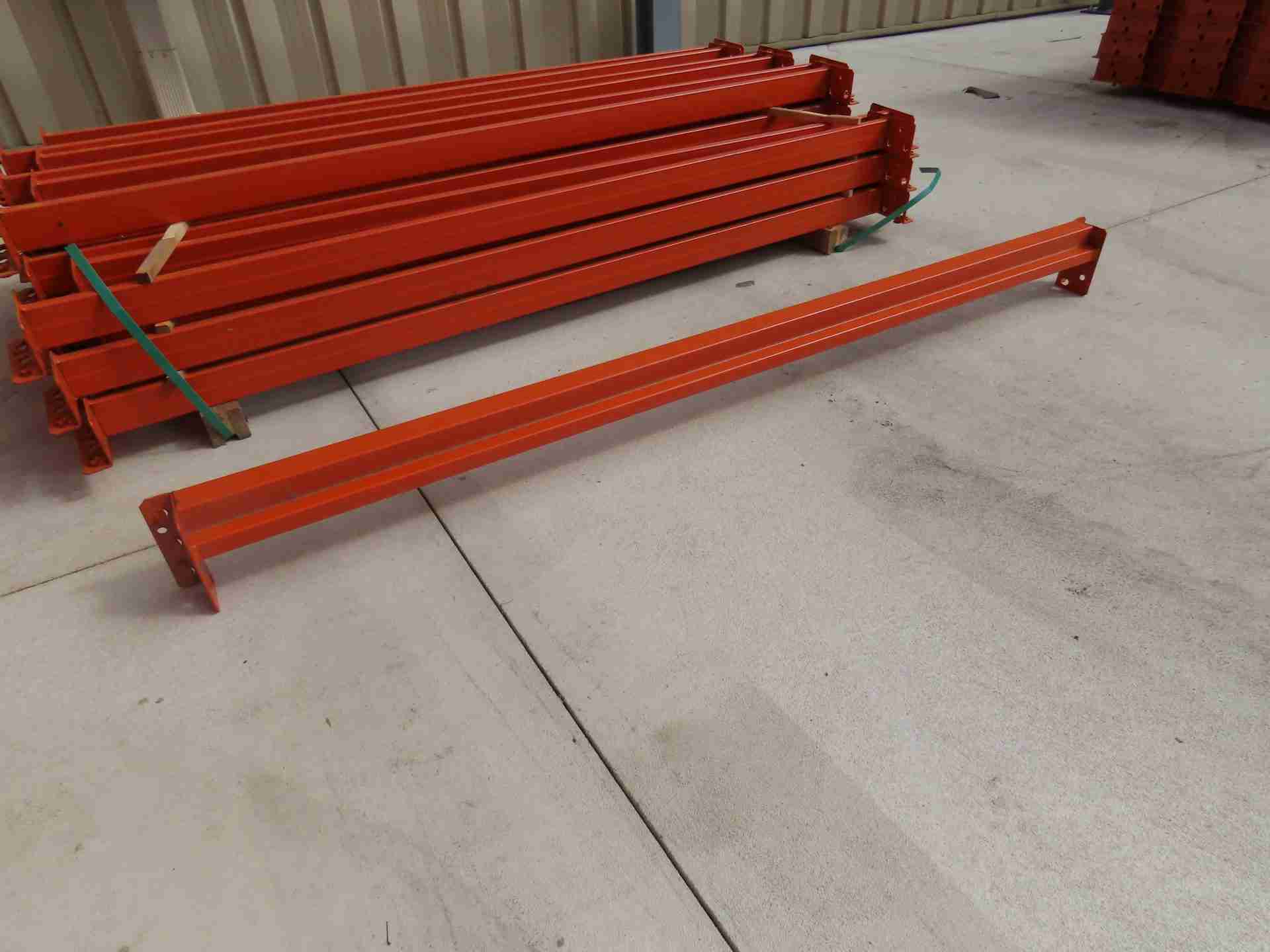
Another critical component of pallet racking is the cross beams. Designed for easy modification and adjustability, these beams allow businesses to customize storage according to their needs. Those with growing inventories, like classic pallet racking solutions, utilize adjustable beams to accommodate diverse pallet sizes and types. Recent trends show that businesses are increasingly adopting structural beam designs, which not only offer greater load capacities but also facilitate a more organized warehouse layout.
Wire Decking
Wire decking is becoming a favored material for many local pallet racking setups. Its design ensures that smaller items do not fall through while improving air circulation, a factor especially important for food and perishable goods storage. During the pandemic, many food distribution centers rapidly adopted wire decking to comply with safety regulations, demonstrating that versatility in materials can significantly affect compliance management.
Plastic and Composite Materials
In recent years, there has been a rise in the use of plastic and composite materials for specific pallet racking applications. These materials are lighter and often resistant to chemicals and moisture, making them suitable for industries dealing with hazardous materials. Companies in the pharmaceuticals and chemicals sector have begun to explore these innovative materials, enhancing safety protocols while maximizing storage efficiency.
Conclusion
Choosing the right materials for local pallet racking is crucial for businesses looking to enhance efficiency and productivity. By investing in top-notch steel structures, adjustable beams, innovative wire decking, and specialized plastic materials, organizations ensure that they remain competitive in an ever-evolving marketplace. Now is the time to capitalize on these advancements, aligning your storage solutions with the demands of modern commerce.

What Materials Are Used In Local Pallet Racking?
What Materials Are Used In Local Pallet Racking?
- Understanding materials used in local pallet racking is essential for optimizing warehouse storage solutions.
- Steel is the most prevalent material, providing necessary durability and support for heavy loads.
- Heavy-duty pallet racking systems made from cold-rolled steel are favored by retailers due to the e-commerce boom.
- Cross beams in pallet racking systems allow for easy modification and customization to accommodate diverse inventories.
- Wire decking is increasingly used for improved air circulation and safety compliance, especially for food storage.
- Plastic and composite materials are being adopted in specific applications for their lightweight, chemical-resistant properties.
- Investing in high-quality materials enhances efficiency and productivity, keeping businesses competitive in the market.

What Materials Are Used In Local Pallet Racking?
How Does Local Sourcing Impact The Environment?
In an age where environmental consciousness is paramount, local sourcing has emerged as a powerful strategy for companies dedicated to sustainability. By prioritizing local suppliers and producers, businesses can significantly reduce their carbon footprint while also bolstering their community’s economy. A remarkable aspect of this approach lies in its direct influence on the supply chain, from raw materials to distribution channels.
Consider a mid-sized furniture manufacturer that utilizes pallet racking systems for its inventory management. Rather than sourcing materials from distant suppliers—incurring substantial transportation emissions—this company chooses to partner with nearby lumber mills. This not only minimizes the transportation distance but also supports local employment and reduces overall logistical costs. The result? A smaller environmental impact through lowered greenhouse gas emissions.
Another pertinent example can be found in the food industry. Farmers’ markets have surged in popularity, with consumers increasingly prioritizing local produce. For instance, during recent events like the COVID-19 pandemic, people sought to reconnect with their communities, leading to a renaissance of local sourcing in grocery stores and restaurants. By sourcing ingredients from local farms, restaurants can offer fresher options while minimizing the emissions associated with longer supply chains. This practice also fosters a bond between chefs and local producers, enhancing the culinary experience and promoting biodiversity.
Current events related to climate change have further underscored the significance of local sourcing. As natural disasters and economic fluctuations threaten large-scale supply chains, companies that rely on local resources can operate more resiliently. In light of recent droughts affecting agricultural regions across the country, businesses that invest in local sourcing can swiftly adapt to changing conditions, ensuring they remain competitive and sustainable.
Moreover, engaging in local sourcing can also spark innovation. Local businesses often collaborate to share resources and minimize waste—think of pallet racking systems being used efficiently across multiple local businesses rather than individual companies investing in large inventories. This collaborative spirit not only strengthens community ties but also fosters a culture of sustainability, where environmental stewardship becomes an inherent value.
Local sourcing emerges as more than just a trendy buzzword; it’s a robust strategy with profound implications for environmental responsibility. By reducing transportation emissions, bolstering local economies, and fostering collaborative innovation, businesses can create a sustainable future while thriving in their communities. Embracing local sourcing isn’t just smart for the company’s bottom line; it’s a commitment to our planet’s health and resilience.

How Does Local Sourcing Impact The Environment?
How Does Local Sourcing Impact The Environment?
- Local sourcing is a key strategy for sustainability, helping to reduce carbon footprints and support local economies.
- A mid-sized furniture manufacturer partners with nearby lumber mills to minimize transportation emissions and support local employment.
- Farmers’ markets are rising in popularity as consumers seek local produce, especially during the COVID-19 pandemic.
- Restaurants sourcing ingredients from local farms can provide fresher options and build relationships with local producers.
- Current climate change events highlight the resilience of businesses that rely on local resources during natural disasters.
- Local sourcing encourages collaboration among businesses, facilitating resource-sharing and waste reduction.
- Overall, local sourcing promotes environmental responsibility and is beneficial for both the economy and the planet’s health.

How Does Local Sourcing Impact The Environment?
Are There Eco-Friendly Alternatives To Traditional Pallet Racking?
In an era where sustainability is not just a trend but a necessity, businesses are keenly exploring eco-friendly alternatives to traditional pallet racking. The increasing environmental consciousness among consumers and regulatory pressures are prompting warehouses and distribution centers to rethink their strategies.
Traditional pallet racking systems, while effective for storage, are often made from steel and other resource-intensive materials, resulting in considerable carbon footprints. Enter eco-friendly alternatives that not only reduce these footprints but can also enhance operational efficiency.
One notable option is wooden pallet racking. Sustainably sourced wood can provide a sturdy and biodegradable alternative to steel. Companies like EcoPallets are leading the charge by offering wooden racking solutions crafted from reclaimed wood, helping to reduce deforestation and lower waste outputs. This innovation not only appeals to eco-conscious companies but also provides distinct aesthetic charm in warehouses.
Another promising alternative is plastic pallet racking made from recycled materials. Brands such as Schoeller Allibert have developed an array of recycling-friendly storage solutions that are both lightweight and robust. These racking systems can withstand the rigors of everyday warehouse operations while significantly reducing plastic waste. Unlike traditional steel options, these can be repurposed at the end of their lifecycle.
Furthermore, modular racking systems are gaining traction as an eco-friendly choice. With companies like Space Saver pushing the envelope, these systems can be easily reconfigured to meet the evolving needs of storage spaces. This modular approach not only extends the life of the equipment but reduces the need for constant replacement, minimizing resource consumption and waste.
As businesses pivot towards greener practices, participating in sustainability alliances can yield advantages. For instance, organizations like The Global Alliance for Sustainable Supply Chain support businesses in adopting eco-centric solutions. Joining such groups can aid companies in sharing best practices while aligning with other businesses striving for a sustainable future.
Of course, one must remain aware of current events impacting the industry. The recent energy concerns tied to logistics and transportation have placed additional scrutiny on warehouse operations. By choosing environmentally friendly pallet racking solutions, companies can bolster their reputations and assure customers they are part of the solution in combating climate change.
Reevaluating traditional pallet racking in favor of more sustainable options is not only a smart business decision but also an ethical imperative. With choices available that enhance efficiency while reducing environmental impact, businesses can carve out a competitive advantage in today’s marketplace.

Are There Eco-Friendly Alternatives To Traditional Pallet Racking?
Are There Eco-Friendly Alternatives To Traditional Pallet Racking?
- Sustainability is increasingly essential, prompting businesses to seek eco-friendly alternatives to traditional pallet racking.
- Traditional pallet racking systems typically use steel, resulting in significant carbon footprints.
- Wooden pallet racking, sourced from reclaimed wood, offers a biodegradable and sturdy option, reducing deforestation.
- Plastic pallet racking made from recycled materials is lightweight and robust, significantly lowering plastic waste.
- Modular racking systems provide flexibility and longevity, minimizing resource consumption and waste.
- Participating in sustainability alliances, like The Global Alliance for Sustainable Supply Chain, helps businesses adopt eco-centric solutions.
- Switching to sustainable pallet racking is both a smart business strategy and an ethical responsibility, enhancing competitiveness and reputation.

Are There Eco-Friendly Alternatives To Traditional Pallet Racking?
What Is The Lifespan Of Local Pallet Racking Systems?
When it comes to maximizing storage efficiency, no system is more foundational than pallet racking. As the backbone of warehouses and distribution centers, these structures are built to bear heavy loads day in and day out. But how long can you really rely on your local pallet racking systems? Understanding their lifespan isn’t just about durability—it’s about protecting your investment and ensuring continuous operation.
Pallet racking systems, when properly designed and maintained, can have a lifespan ranging from 10 to 25 years. However, this can vary greatly based on several factors, including the quality of the materials, the environment in which they are installed, and the volume of traffic they experience. For instance, a warehouse that sees high levels of forklift activity might experience wear and tear more quickly than a facility with lower traffic. Regular maintenance is key; failing to conduct inspections can lead to early deterioration and, worse yet, safety hazards.
Recent events, such as supply chain disruptions and inventory shortages, have pushed many businesses to rethink their storage strategies. Companies are opting for high-density pallet racking systems to increase their storage capacity without expanding their facilities. This can be a wise move, but it’s crucial to understand that not all racking solutions are created equal. Cheap materials may promise short-term savings, but investing in high-quality, sturdy pallet racking can drastically extend your system’s lifespan—thin gauge steel doesn’t compare to heavy-duty options.
Additionally, consider the environment where your racking is installed. Warehouses subject to high humidity or extreme temperatures require specially coated racking systems that resist corrosion. Investing in these protective features can add years to your local pallet racking systems’ lifespan.
Lastly, keeping up with industry standards and regulations is vital. In 2023, OSHA has implemented new mandates regarding load capacities and safety features for warehouse storage solutions. Falling behind on these regulations might not only cost you in terms of fines but could also endanger your employees.
In closing, the lifespan of local pallet racking systems is influenced by the quality of materials, environment, and maintenance practices. By investing in high-quality systems and adhering to safety regulations, you can ensure that your warehouse remains safe, efficient, and productive for years to come. Remember, a well-maintained pallet racking system is not just a storage solution; it’s an investment in your business’s future.

What Is The Lifespan Of Local Pallet Racking Systems?
What Is The Lifespan Of Local Pallet Racking Systems?
- Pallet racking is foundational for maximizing storage efficiency in warehouses and distribution centers.
- Properly designed and maintained pallet racking systems can last between 10 to 25 years, depending on various factors.
- Factors affecting lifespan include the quality of materials, environmental conditions, and traffic volume in the facility.
- Regular inspections and maintenance are crucial to preventing deterioration and ensuring safety.
- Many businesses are opting for high-density pallet racking to enhance storage capacity amid supply chain challenges.
- Investing in high-quality materials can significantly extend the lifespan of racking systems, especially under challenging conditions.
- Compliance with 2023 OSHA regulations regarding load capacities and safety features is essential to protect employees and avoid fines.

What Is The Lifespan Of Local Pallet Racking Systems?
How Can Pallet Racking Systems Be Recycled Or Repurposed?
In a world increasingly focused on sustainable practices, the question of what to do with outdated or surplus pallet racking systems has never been more pertinent. Rather than relegating these robust structures to the scrap heap, businesses can harness creativity and innovation to recycle or repurpose pallet racking, turning waste into opportunity.
First, consider the straightforward option of recycling. Many components of pallet racking systems are made from steel, a highly recyclable material. Steel can be melted down and repurposed to create new products, significantly reducing the carbon footprint associated with new steel production. Businesses can partner with local scrap yards or recycling centers to ensure their old racking is not only disposed of responsibly but also contributes to a circular economy. This not only demonstrates corporate responsibility but can also generate some income from the sale of scrap metal.
Next, let’s talk repurposing. Instead of viewing pallet racking as a forgotten relic of a warehouse overhaul, innovative minds are turning these structures into creative solutions across various industries. For instance, some businesses have found success in converting pallet racking into shelving units for retail spaces, art installations, or even vertical gardens. The robust design offers not only stability but also a customizable canvas for new applications. Companies like IKEA and other furniture innovators have found ways to incorporate recycled materials, including metal from pallet racking, into chic modern designs that appeal to eco-conscious consumers.
In light of current trends emphasizing sustainability, consider how pallet racking can serve the booming DIY movement. Workshops and community spaces have begun showcasing pallet racking systems as versatile frameworks for maker projects, including furniture, artwork, and storage solutions. By engaging local communities, businesses can promote sustainable practices and build valuable goodwill, turning their outdated racking into a community asset.
Additionally, as the market for electric vehicles (EVs) and batteries expands, the need for storage solutions for these components is on the rise. Creative companies are repurposing their pallet racking systems to accommodate the unique requirements of EV battery storage. This aligns perfectly with current trends in green technology and underscores the importance of adaptability in today’s marketplace.
Ultimately, by recycling and repurposing pallet racking systems, businesses not only alleviate waste concerns but also pave the way for innovation, creativity, and solid community engagement. It’s not just a matter of sustainability; it’s a chance to redefine your brand’s impact in a rapidly changing economy. Make the smart choice today—repurpose and recycle your pallet racking systems for a brighter tomorrow.

How Can Pallet Racking Systems Be Recycled Or Repurposed?
How Can Pallet Racking Systems Be Recycled Or Repurposed?
- Businesses are encouraged to recycle or repurpose outdated or surplus pallet racking systems to promote sustainability.
- Many pallet racking components are made from steel, a highly recyclable material that can help reduce carbon footprints.
- Collaborating with local scrap yards or recycling centers ensures responsible disposal and contributes to a circular economy.
- Repurposing pallet racking can involve creating shelving units, art installations, or vertical gardens, showcasing innovative uses across industries.
- The DIY movement embraces pallet racking for various projects, promoting community engagement and sustainable practices.
- As the demand for electric vehicle storage rises, companies are adapting pallet racking systems to meet new storage needs.
- Recycling and repurposing pallet racking systems not only address waste but also foster innovation and enhance brand impact in a changing economy.

How Can Pallet Racking Systems Be Recycled Or Repurposed?
What Certifications Indicate Eco-Friendliness In Pallet Racking?
In today’s fiercely competitive marketplace, showcasing your commitment to sustainability is not just a trend; it’s an imperative. For businesses looking to enhance their eco-friendly credentials, the choice of Pallet Racking systems goes beyond mere functionality. Eco-certifications can serve as potent endorsements, impressing customers and stakeholders alike.
When evaluating Pallet Racking systems, focus on certifications that highlight a product’s environmental impact. One prominent certification to look for is the Forest Stewardship Council (FSC) label. FSC certification ensures that the wood used in your Pallet Racking originates from responsibly managed forests that provide environmental, social, and economic benefits. Using FSC-certified materials not only demonstrates your commitment to sustainable sourcing but also appeals to the growing consumer base that prioritizes ethical purchasing.
Another certification worth exploring is the GREENGUARD Gold. This certification signifies that the product has been tested for low chemical emissions, contributing to healthier indoor environments. For companies operating warehouses or distribution centers, choosing Pallet Racking systems that meet this standard can significantly improve air quality—a crucial consideration as more businesses recognize the health impacts of indoor pollutants.
Let’s also not overlook the importance of ISO 14001 certification, which indicates that a company adheres to international standards for effective environmental management systems. When your Pallet Racking provider carries this certification, it assures you that they are committed to systematically reducing environmental impacts across their operations. This kind of certification not only enhances your supply chain’s sustainability but also provides a powerful story to tell your customers about your dedication to environmental responsibility.
Green building certifications like LEED (Leadership in Energy and Environmental Design) also play a vital role. If your warehouse achieves LEED certification, incorporating eco-friendly Pallet Racking can contribute to points within this certification framework. By leveraging eco-friendly practices and products, you can not only improve operational efficiency but also position your brand as a leader in sustainability.
As the conversation about climate change intensifies—especially with recent climate summits calling for urgent action—the significance of eco-friendly certifications in Pallet Racking will only grow. Smart businesses will take proactive steps towards embracing these certifications, enabling them to not just meet but exceed market expectations in sustainability.
In a world accelerating towards eco-consciousness, make sure your Pallet Racking choices reflect an unwavering commitment to protecting our planet. Your business and our environment will thank you.

What Certifications Indicate Eco-Friendliness In Pallet Racking?
What Certifications Indicate Eco-Friendliness In Pallet Racking?
- Showcasing commitment to sustainability is essential in today’s competitive marketplace.
- Eco-certifications enhance eco-friendly credentials and impress customers and stakeholders.
- Look for certifications like Forest Stewardship Council (FSC) for responsibly sourced wood.
- GREENGUARD Gold certification indicates low chemical emissions, improving indoor air quality.
- ISO 14001 certification ensures adherence to international standards for environmental management.
- LEED certification in warehouses can be supported by incorporating eco-friendly Pallet Racking.
- Embracing eco-friendly certifications will help businesses meet and exceed market sustainability expectations.

What Certifications Indicate Eco-Friendliness In Pallet Racking?
Conclusion
In the rapidly evolving landscape of modern business, the call for sustainability is not just a trend—it’s a vital strategy that can define a brand’s future. At Arrow Industrial Sales, we recognize that local pallet racking systems offer a pragmatic solution for companies aiming to reduce their environmental impact. By sourcing local, businesses can drastically cut down on transportation emissions, ensuring that every racking system shipped contributes positively to the planet rather than harming it.
Opting for locally made pallet racking also means supporting your community while leveraging materials that are often recycled or sustainably sourced. As we delve deeper into eco-friendly practices, the sustainability of warehouse operations can become a focal point of your brand’s identity, appealing to a growing base of environmentally-conscious customers. Imagine the consumer loyalty you can cultivate by showcasing your commitment to eco-friendliness, all while optimizing your storage capacity and enhancing operational efficiency.
Moreover, we only stand to gain by investing in high-quality materials that boast impressive longevity—pallet racking systems made from durable steel can last over 20 years, reducing the frequency of replacements and waste. This durability translates into significant operational savings, while also aligning with the circular economy mindset we should all strive to adopt.
At Arrow Industrial Sales, we carefully evaluate our products to ensure they meet both practical and eco-friendly standards. From traditional steel racking to innovative modular designs, our solutions are crafted with durability and sustainability in mind. But choosing the right racking solution is merely the first step: collaborating with us ensures you have a reliable supply chain that promotes both efficiency and environmental stewardship.
But time is of the essence. As recent global events have shown, relying solely on distant suppliers can leave your business vulnerable. Now is the moment to act—partner with Arrow Industrial Sales to elevate your warehouse storage solutions and join the movement toward a greener, more sustainable future.
So don’t hesitate! Call Arrow Industrial Sales today at (574) 349-6575 for expert guidance and to learn more about how our eco-friendly pallet racking options can fit seamlessly into your operations. Together, let’s turn your storage needs into a powerful statement of sustainability and community support.

Conclusion
Conclusion:
- Sustainability is an essential strategy for modern businesses, defining their future.
- Local pallet racking systems help companies reduce transportation emissions and environmental impact.
- Supporting local production promotes community growth and utilizes recycled or sustainably sourced materials.
- Eco-friendly warehouse practices enhance brand identity and attract environmentally-conscious customers.
- Durable steel pallet racking systems can last over 20 years, minimizing waste and replacement costs.
- Arrow Industrial Sales evaluates products for practicality and eco-friendliness, offering reliable solutions.
- Partnering with Arrow Industrial Sales empowers businesses to adopt a greener approach to storage solutions.

Conclusion
Other Resources

Other Resources
Here is a list of other resources you can review online to learn more:
- The Complete Pallet Rack Guide – Simply Rack
- Warehouse Storage Racks
- Selective Pallet Racking Systems – Container Systems
- Warehouse Racking Systems: Beginner’s Guide to Rack Systems
- Teardrop Industrial Shelving Rack
- Warehouse Racking Chicago, IL
- Cantilever Racking Specialists – Get the Right Racks
- BMH Equipment LLC
- American Surplus
- The Ultimate Pallet Racking Guide – Speedrack West
Use This Prompt To Get More Resources With Your Favorite Online AI Tool: Please provide me with a list of online articles with their URLs in a bulleted list that I can read regarding How Eco-Friendly Is Local Pallet Racking?

Other Resources
Glossary Terms
How Eco-Friendly Is Local Pallet Racking? – Glossary Of Terms
1. Pallet Racking: A storage system that uses racks to hold pallets stacked in rows, commonly used in warehouses and distribution centers.
2. Eco-Friendly: Products or practices that are not harmful to the environment and promote sustainable living.
3. Sustainability: Meeting the needs of the present without compromising the ability of future generations to meet their own needs.
4. Recycled Materials: Materials that have been reprocessed to create new products, reducing the need for virgin resources.
5. Carbon Footprint: The total amount of greenhouse gases emitted directly or indirectly by an individual, organization, or product, often measured in equivalent tons of CO2.
6. Life Cycle Assessment (LCA): A methodological framework for assessing the environmental impacts of a product throughout its entire life cycle, from raw material extraction to disposal.
7. Upcycling: The process of transforming waste materials or unwanted products into new materials or products of better quality or environmental value.
8. Durability: The ability of a product or material to withstand wear, pressure, or damage, contributing to a longer lifespan.
9. Local Sourcing: The practice of obtaining goods and materials from local suppliers, which can reduce transportation emissions and support local economies.
10. Biodegradable: Refers to materials that can be broken down naturally by microorganisms, reducing landfill waste.
11. Green Logistics: A concept focused on minimizing environmental impact during the logistics and supply chain processes, including transportation and storage.
12. Waste Reduction: Strategies aimed at minimizing the amount of waste produced, often through reuse, recycling, and efficient resource management.
13. Resource Efficiency: Using resources in a sustainable manner, optimizing their use to minimize waste and reduce environmental impact.
14. Environmental Standards: Regulations and guidelines established to protect the environment, which may affect how businesses operate, including storage systems like pallet racking.
15. Modular Design: Designing products with interchangeable components to enhance flexibility and reduce waste during construction and decommissioning.
16. Energy Efficiency: Using less energy to provide the same service or output, often a key consideration in eco-friendly design.
17. Waste Management: The process of collecting, transporting, processing, and disposing of waste products, including strategies to reduce environmental impact.
18. Green Materials: Building and manufacturing materials that are sustainably sourced and have low environmental impacts, such as bamboo or recycled steel.
19. Clear-Cutting: A forestry practice that can have negative environmental impacts if overused or poorly managed, affecting sustainability.
20. Environmental Impact: The effect that a product or activity has on the surrounding environment, including factors such as pollution, resource depletion, and habitat destruction.
21. Compliance: Adhering to environmental regulations and standards that govern how products, including pallet racking systems, should be designed and manufactured.
22. Closed-Loop System: An industrial process that recycles waste products back into the production cycle, minimizing waste and maximizing resource use.
23. Ecological Footprint: A measure of human demand on the Earth’s ecosystems, assessing the amount of land and water area required to produce resources and absorb waste.
24. Industry Standards: Accepted set of guidelines or specifications within an industry, aimed at ensuring quality and minimizing environmental impact.
25. Toxicity: The degree to which a substance can harm humans or the environment, an important consideration for materials used in manufacturing pallet racking.
26. FSC Certification: A certification indicating that the wood used in a product comes from responsibly managed forests that provide environmental, social, and economic benefits.
27. Pallet Pooling: A shared system where companies use pooled pallets to enhance efficiency and reduce the need for new pallets, benefiting sustainability.
28. Lumber Sustainability: Practices and processes that ensure timber is sourced from responsibly managed forests, supporting the ecosystem and reducing deforestation.
29. Energy Recovery: The conversion of waste materials into usable energy, such as electricity, heat, or fuel, thereby reducing landfill use.
30. Supply Chain Transparency: The openness and clarity regarding how materials are sourced and managed throughout the supply chain, enabling more informed eco-friendly choices.

Glossary Of Terms
Other Questions
How Eco-Friendly Is Local Pallet Racking? – Other Questions
If you wish to explore and discover more, consider looking for answers to these questions:
- What are the cost implications of local pallet racking systems?
- How do local pallet racking systems compare to traditional ones in terms of efficiency?
- Can pallet racking systems be easily reconfigured if business needs change?
- What are the best practices for maintaining local pallet racking systems?
- How can businesses assess the environmental impact of their current storage solutions?
- Are there government incentives or subsidies for using eco-friendly storage solutions?
- What are the most common mistakes businesses make when selecting pallet racking systems?
- How does local pallet racking contribute to a circular economy beyond materials?
- What safety standards should be considered when installing pallet racking?
- How can businesses educate their employees about sustainability in pallet racking?
- What are some case studies of successful implementations of local pallet racking?
Other Questions
Checklist
How Eco-Friendly Is Local Pallet Racking? – A Checklist
1. Evaluate Local Sourcing:
_____ Purchase from Local Manufacturers: Choose suppliers within your region to reduce transportation emissions.
_____ Support Local Economy: Ensure that your sourcing choices contribute positively to the local community.
2. Assess Material Sustainability:
_____ Check Material Sources: Look for manufacturers that use recycled or responsibly sourced materials.
_____ Prioritize Durable Materials: Choose steel or other materials known for longevity to minimize replacements.
3. Investigate Recycling Options:
_____ Identify Recycling Programs: Ensure old racking can be recycled at local scrap yards or recycling centers.
_____ Consider Repurposing Opportunities: Explore creative reuse of unused racking systems within your operations or community.
4. Look for Eco-friendly Certifications:
_____ Search for FSC Certification: Verify that wood used in pallet racking comes from sustainably managed forests.
_____ Verify GREENGUARD Gold Certification: Ensure low chemical emissions for healthier indoor air quality.
_____ Check for ISO 14001 Certification: Ensure the company adheres to effective environmental management practices.
_____ Consider LEED Certification Contributions: Determine if your racking solutions can help achieve green building certifications.
5. Optimize Storage Efficiency:
_____ Maximize Vertical Space: Implement high-density racking systems to minimize floor space usage.
_____ Review Energy Consumption Needs: Select designs that reduce heating, cooling, and lighting requirements.
6. Regular Maintenance and Inspection:
_____ Schedule Routine Maintenance: Ensure consistent inspections to prolong the lifespan of the racking systems.
_____ Stay Updated on Safety Regulations: Follow current regulations to enhance operational safety and sustainability.
7. Promote Collaboration and Green Partnerships:
_____ Collaborate with Eco-conscious Suppliers: Partner with suppliers who emphasize green logistics and sustainable practices.
_____ Join Sustainability Alliances: Engage with networks committed to sustainability to share resources and strategies.
8. Communicate Your Commitment:
_____ Share Your Sustainability Story: Highlight your efforts in sourcing eco-friendly solutions in marketing materials.
_____ Engage Employees and Customers: Involve stakeholders in sustainability initiatives and promote awareness of eco-friendly practices.
9. Monitor and Adapt:
_____ Track Environmental Impact: Regularly assess the ecological footprint of your pallet racking systems.
_____ Adapt Strategies as Needed: Be flexible and ready to implement new eco-friendly innovations as they arise.
By following this checklist, you can make informed choices that not only optimize your storage needs but also contribute to a sustainable future.

Checklist
At RackingWorld, we help guide you through selecting warehouse storage systems and racking.
Be sure to read our other related stories at RackingWorld to learn more about warehouse storage systems.
0 Comments