
Maximizing Warehouse Efficiency: Quick Strategies For Success
By Tom Seest
At RackingWorld, we help guide you through selecting warehouse storage systems and racking.
Be sure to read our other related stories at RackingWorld to learn more about warehouse storage systems.
What Steps Can You Take to Boost Warehouse Productivity Fast?
Imagine walking into your warehouse, and instead of chaos, you’re met with an orchestra of efficiency. Items flow seamlessly, teams communicate effortlessly, and productivity soars to new heights. Sounds too good to be true? It doesn’t have to be. Let’s dive into some actionable steps that can supercharge your warehouse operations and drive results faster than you ever thought possible.
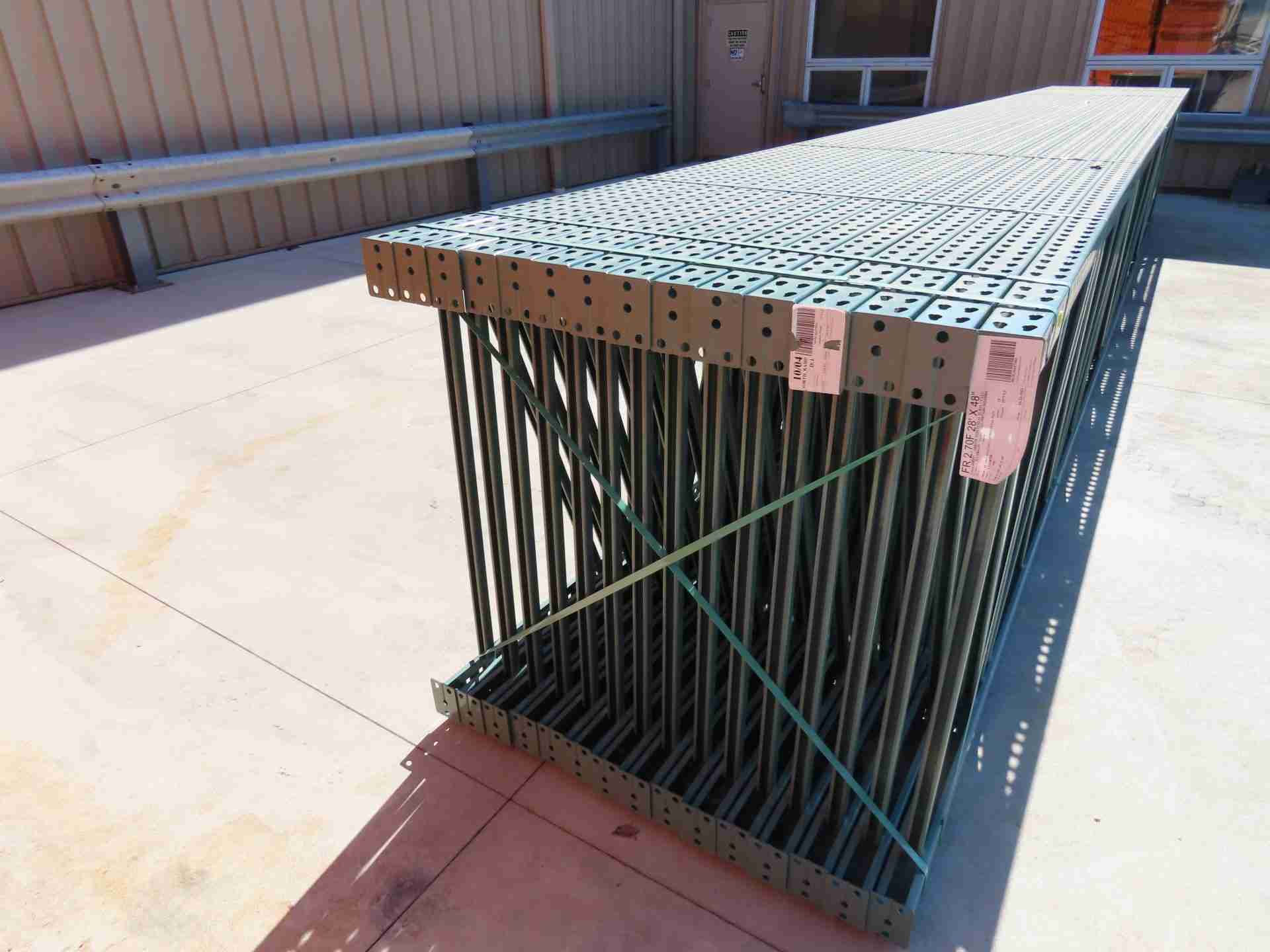
Optimize with Pallet Racking Systems
First and foremost, consider your layout. Utilizing innovative pallet racking systems not only maximizes vertical space but also streamlines inventory access. By organizing your products logically and efficiently, you ensure that items are not just easy to find but also easy to move. This method cuts down on unnecessary travel time for your workers, allowing them to focus on what truly matters—getting things done swiftly and accurately.
Streamline Processes
Next, take a hard look at your processes. Are there bottlenecks or redundancies? Often, the simplest tweaks can yield the biggest impacts. Implementing standardized procedures can eliminate confusion and miscommunication among staff. Picture a well-oiled machine, where every part knows exactly what to do, when to do it, and how. Training your team to adhere to these standards not only boosts confidence but also fosters a culture of accountability and excellence.
Embrace Technology
Let’s talk tech. In today’s fast-paced world, leveraging the right technology can be a game-changer. From inventory management software to automated picking systems, technology can transform your operations in no time. Imagine real-time data at your fingertips, guiding your team every step of the way. This not only increases speed but also accuracy, ensuring fewer errors and less wasted time.
Encourage a Team-Based Approach
Finally, don’t underestimate the power of your people. Encourage open communication among staff and foster a collaborative environment. Teamwork isn’t just a catchy slogan; it’s the backbone of a successful operation. When employees feel valued and connected, they are naturally more motivated to perform at their best. Celebrate successes together, whether they’re big wins or small improvements, and watch morale—and productivity—skyrocket.
So there you have it! With just a few strategic adjustments to your pallet racking, processes, technology, and team dynamics, you can transform your warehouse into a productivity powerhouse. The time for action is now—don’t let another day slip by in inefficiency!
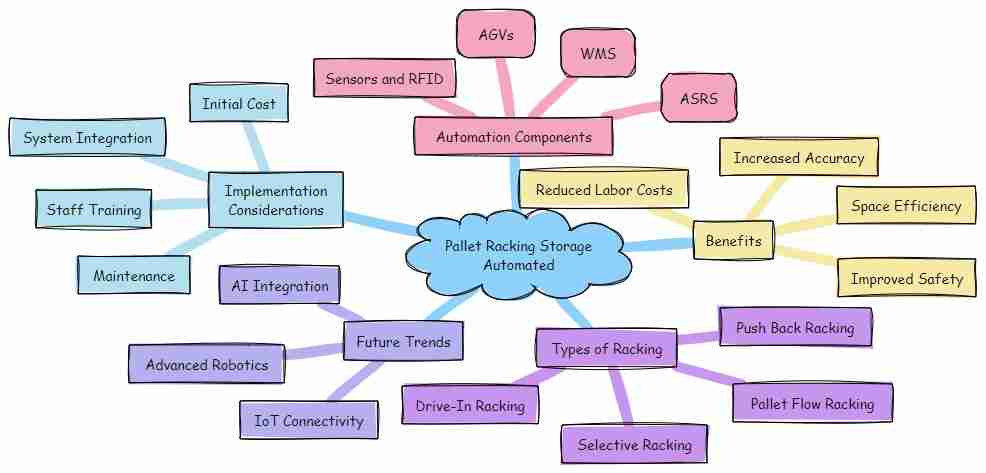
What Steps Can You Take to Boost Warehouse Productivity Fast?
What Steps Can You Take to Boost Warehouse Productivity Fast?
- Envision an efficient warehouse where items flow seamlessly and productivity thrives.
- Optimize your layout by utilizing innovative pallet racking systems to maximize space and streamline inventory access.
- Identify and eliminate bottlenecks or redundancies in your processes to enhance efficiency.
- Implement standardized procedures to reduce confusion and improve accountability among staff.
- Leverage technology, such as inventory management software and automated picking systems, to boost speed and accuracy.
- Encourage open communication and teamwork among employees to foster a collaborative environment.
- Make strategic adjustments to transform your warehouse operations and drive productivity forward.

What Steps Can You Take to Boost Warehouse Productivity Fast?
Table Of Contents
- What Steps Can You Take to Boost Warehouse Productivity Fast?
- What Common Obstacles Hinder Warehouse Productivity?
- How Can Technology Streamline Warehouse Operations?
- What Role Does Employee Training Play In Productivity?
- What Inventory Management Techniques Improve Efficiency?
- How Can Layout Optimization Enhance Workflow?
- Which Automation Tools Are Best For Warehouses?
- Conclusion
- Other Resources
- Glossary Of Terms
- Other Questions
- Checklist
What Common Obstacles Hinder Warehouse Productivity?
In the fast-paced world of warehousing and logistics, the pursuit of productivity can often feel like an uphill battle. Many organizations find themselves facing common obstacles that not only slow down operations but also drain resources and derail growth. Let’s take a closer look at these challenge points so that you can identify and conquer them, ensuring your warehouse shines in efficiency.
First and foremost, the layout of your warehouse plays a pivotal role in productivity. A haphazard arrangement can lead to chaos, causing employees to waste precious time navigating through disorganization. Imagine a facility where pallet racking isn’t thoughtfully implemented. Workers spend countless hours searching for inventory hidden among misplaced items—an all-too-common scenario. A well-planned layout not only optimizes use of space but also ensures that your team can access goods quickly and hassle-free.
Communication, or lack thereof, is another silent yet powerful productivity killer. When operational silos exist, departments can work at odds instead of in harmony. Information gets lost, bottlenecks occur, and errors multiply, leading to a frustrating cycle that stifles growth. Foster an environment where open communication is encouraged. This can be as simple as incorporating collaborative tools or holding regular team meetings. Remember, a united team can tackle obstacles with ease!
Technology is a double-edged sword. While it offers incredible opportunities to streamline operations, poor implementation can lead to serious setbacks. Whether you’re dealing with outdated software or clunky machinery, always assess the tools at your disposal. Engaging in regular training sessions on new systems will ensure your team has the skills needed to leverage technological advancements for improved productivity.
Employee morale is the backbone of any successful warehouse operation. Motivating your workforce should not be an afterthought. Recognize achievements, provide continuous training, and offer a supportive environment. When employees feel valued and empowered, productivity naturally flourishes.
Lastly, constant evaluation is key. Implementing new strategies without measuring their impacts can leave you in the dark about actual productivity levels. Regular assessments will highlight areas needing improvement, enabling adjustments to unleash your warehouse’s full potential.
Overcoming these common obstacles isn’t just about identifying issues—it’s about taking decisive, confident action. Your warehouse is a reflection of your business; ensure it operates at peak productivity, paving the way for a bright and prosperous future!
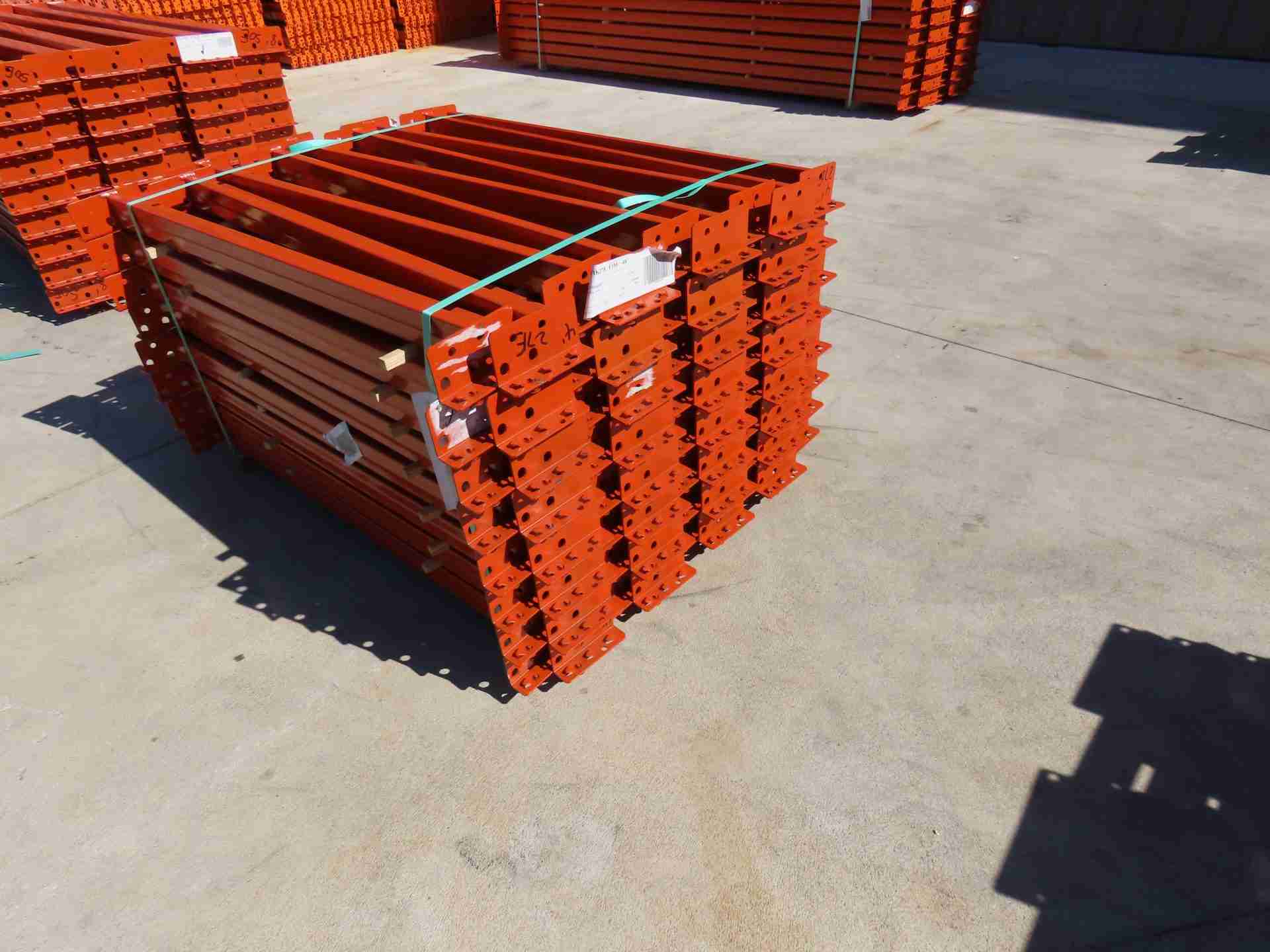
What Common Obstacles Hinder Warehouse Productivity?
What Common Obstacles Hinder Warehouse Productivity?
- Productivity in warehousing and logistics can be challenging due to various obstacles.
- A well-planned warehouse layout is crucial for efficiency, helping to minimize time wasted in disorganization.
- Poor communication can lead to operational silos, causing errors and bottlenecks that hinder growth.
- Technology should be evaluated and implemented effectively to avoid setbacks due to outdated systems.
- Employee morale is vital; motivating staff through recognition and support enhances productivity.
- Regular evaluation of strategies is necessary to understand their impact on productivity and identify areas for improvement.
- Decisive action is required to overcome obstacles and ensure your warehouse operates at peak productivity.

What Common Obstacles Hinder Warehouse Productivity?
How Can Technology Streamline Warehouse Operations?
In today’s fast-paced business environment, warehouse operations can often feel like a chaotic juggling act—stock piling up, orders flying in, and deadlines looming overhead. But what if I told you that the magic wand for smoother operations is nestled right within the realm of technology? Let’s break it down, shall we?
Imagine walking into your warehouse and seeing not just a maze of pallet racking, but an intuitively structured space that maximizes efficiency and minimizes costly errors. Technology, my friend, is the bridge that can take you from the overwhelming hustle of disarray to the calm of order and productivity.
Pallet racking systems alone can transform how you store and manage inventory. Yet, when integrated with smart software solutions, these traditional structures evolve into dynamic tools that make inventory management a breeze. Automated systems can track stock levels in real-time, allowing you to focus on what matters—growing your business. No more manual counts or guesswork; it’s like having a crystal ball that anticipates your inventory needs before you even realize it!
But let’s not stop at inventory. Picture advanced barcode scanning and mobile devices in the hands of your employees, working like a finely-tuned orchestra. Each scan instantly updates your inventory levels and directs workers to the exact location of the goods. No more running around the warehouse searching for products; instead, your team will be empowered to complete tasks quickly and efficiently, reducing the time spent on mundane activities and focusing on what propels your business forward.
What about order fulfillment, you ask? Automation is your ally here too. Consider robust warehouse management systems (WMS) that can prioritize and allocate resources in the blink of an eye. Customers expect speed—why not meet and exceed those expectations? Quick, accurate order processing not only improves customer satisfaction but also strengthens your reputation in a crowded marketplace.
Technology in the warehouse is no longer a luxury; it’s a necessity. It’s time to embrace these advancements wholeheartedly. If you’re ready to watch your warehouse transform from a source of stress into a powerhouse of productivity, take action now. Invest in technology that can streamline operations. Harness the power of innovation to build a warehouse environment that works for you, not against you. Say goodbye to chaos, and hello to a streamlined, thriving operation poised for success!

How Can Technology Streamline Warehouse Operations?
How Can Technology Streamline Warehouse Operations?
- The fast-paced nature of business creates challenges in warehouse operations, leading to a chaotic environment.
- Technology aids in creating a structured and efficient warehouse, minimizing errors and enhancing productivity.
- Pallet racking systems integrated with smart software improve inventory management and streamline stock tracking.
- Automated systems provide real-time stock levels, allowing businesses to anticipate inventory needs accurately.
- Advanced barcode scanning and mobile devices enhance employee efficiency by quickly updating inventory and locating goods.
- Automation in order fulfillment through warehouse management systems (WMS) boosts speed and customer satisfaction.
- Embracing technological advancements is essential for transforming warehouse operations into efficient and successful environments.
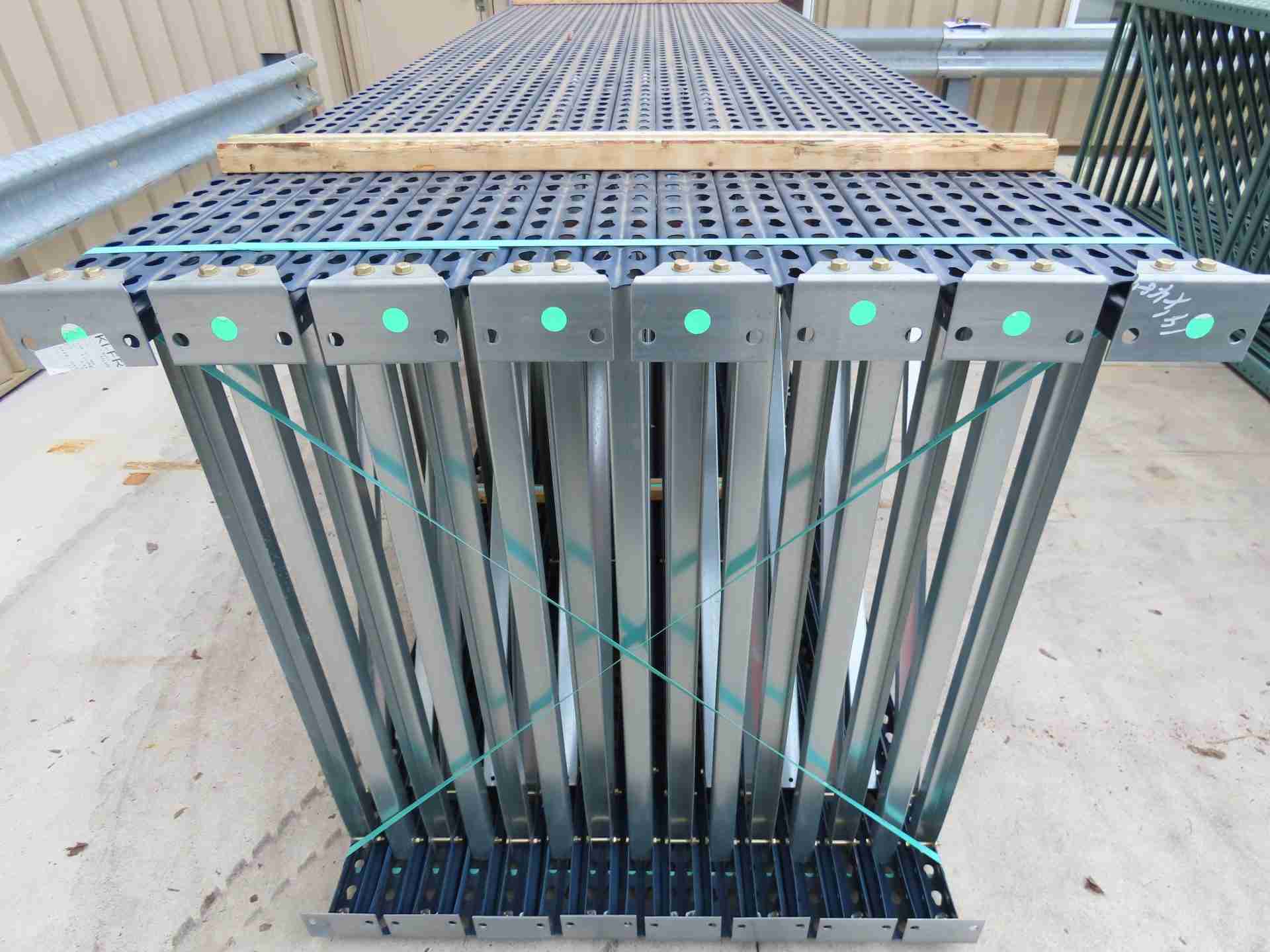
How Can Technology Streamline Warehouse Operations?
What Role Does Employee Training Play In Productivity?
What Role Does Employee Training Play in Productivity?
Picture this: a bustling warehouse filled with expertly organized pallet racking, making inventory management a breeze. Now, imagine a workforce that’s not only capable but fully equipped to maximize that setup. Employee training plays a pivotal role in transforming this vision into reality. It’s not just about showing your staff how to clock in and out; it’s about arming them with the knowledge and skills they need to truly excel.
At its core, effective employee training fosters a culture of competence and confidence. When employees are well-trained, they can navigate complicated systems—like complex pallet racking setups—effortlessly. This leads to fewer errors and faster decision-making. Think about a well-oiled machine; just like every cog must operate smoothly for peak performance, each member of your team needs to understand their role inside and out.
Now, let’s delve a bit deeper. Think about the financial implications of inadequate training. Mistakes happen—perhaps a misplaced item on the pallet racking leads to hours wasted searching for it later. Or maybe an untrained employee struggles to use inventory management software effectively, resulting in stock outages. The ripple effects can sap productivity and drain profits. By investing in training, you’re not just protecting your bottom line; you’re actively fueling your growth.
But here’s the kicker: training is not a one-and-done deal. It’s an ongoing investment that reaps exponential rewards. Regular training sessions keep your team current with the latest industry trends, technologies, and best practices. This commitment to continual learning cultivates loyalty and reduces turnover, further stabilizing your operational efficiency.
Now, let’s make it even more relatable. Have you ever been thrown into a new job with little to no training? That feeling of uncertainty can be a massive productivity killer. Conversely, imagine stepping into a role where you feel prepared and supported. That’s the transformative power of effective training—it empowers your workforce to rise to challenges and take ownership of their roles.
In a competitive marketplace, the businesses that invest decisively in employee training will always outshine their rivals. When your shipping department can maneuver through your pallet racking like seasoned pros, that’s more than productivity; it’s a competitive advantage. So why wait? Start fostering an empowered workforce today, and watch your productivity soar!

What Role Does Employee Training Play In Productivity?
What Role Does Employee Training Play In Productivity?
- Employee training is essential for maximizing workforce efficiency and productivity.
- Effective training fosters a culture of competence and confidence among employees.
- Well-trained employees navigate complex systems with ease, reducing errors and speeding up decision-making.
- Inadequate training can lead to costly mistakes and decreased productivity, impacting profits.
- Ongoing training is crucial for keeping staff updated on industry trends and best practices.
- Proper training enhances employee satisfaction, loyalty, and reduces turnover rates.
- Investing in employee training provides a competitive advantage in the marketplace.

What Role Does Employee Training Play In Productivity?
What Inventory Management Techniques Improve Efficiency?
When it comes to running a successful business, managing your inventory effectively is non-negotiable. Think about it: if you don’t know what you have on hand, how can you make informed decisions and avoid costly mistakes? Embracing the right inventory management techniques can skyrocket your efficiency, boost your profits, and set you apart from the competition.
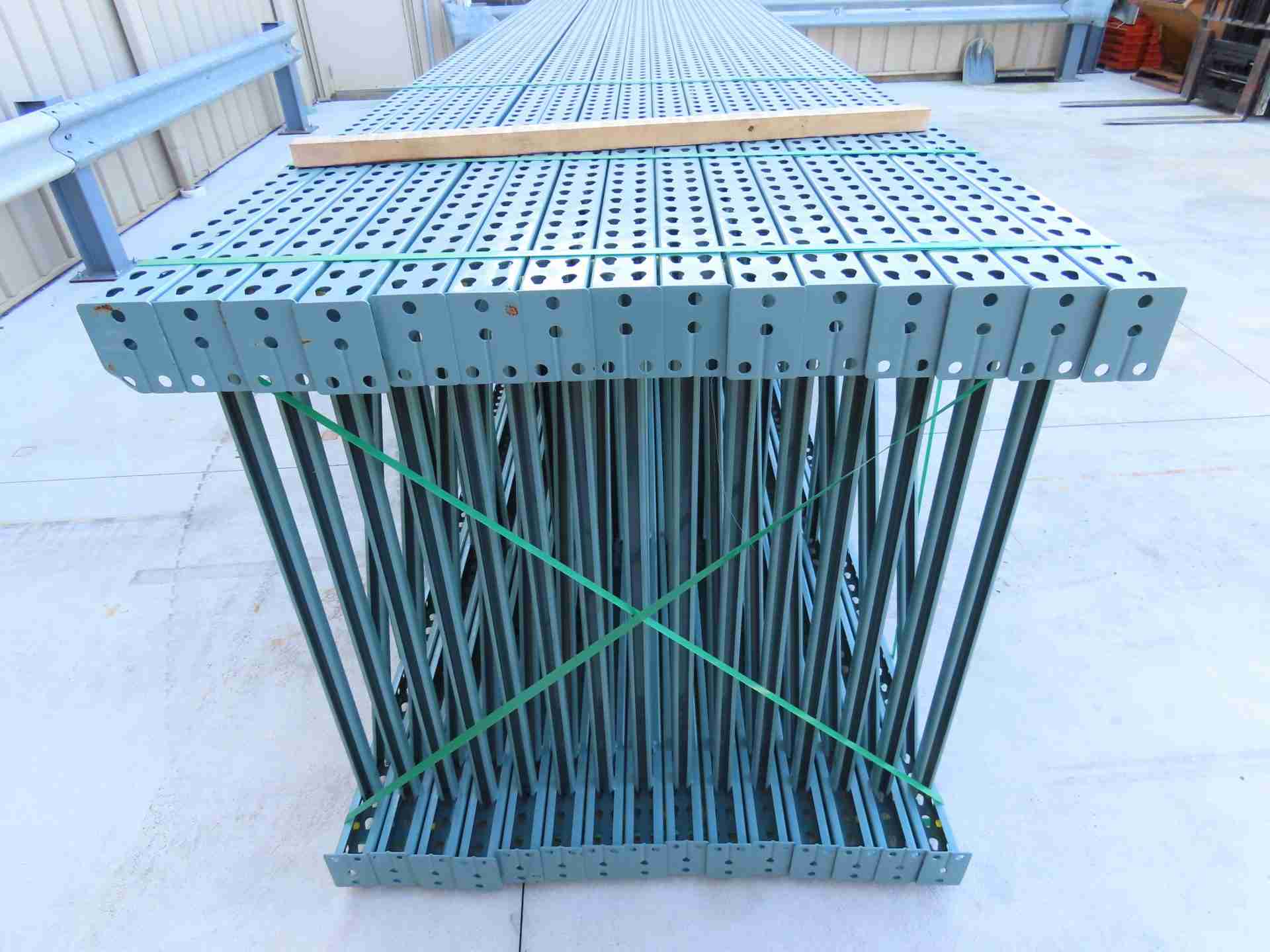
Let’s start with a staple in warehouse management: pallet racking. This innovative storage solution isn’t just about putting your products on shelves; it’s about optimizing the space you have. By implementing pallet racking systems, you maximize vertical space and create easy access to your stock. This results in quicker pick times and reduced labor costs, empowering your team to focus on what truly matters—serving your customers.
Next up, consider adopting a robust inventory management software. This isn’t just a fancy tool; it’s your secret weapon. Imagine having real-time visibility of your stock levels, enabling you to forecast demand accurately and make smarter purchasing decisions. Say goodbye to those embarrassing stockouts or having too much inventory gathering dust. With powerful software in your arsenal, you’re armed to proactively manage your inventory instead of reacting to issues as they arise.
Another powerful technique is the use of a Just-In-Time (JIT) inventory system. This approach minimizes excess stock, reduces storage costs, and sharpens your focus on your core operational efficiency. You’ll feel lighter knowing that you’re only holding onto what you truly need, thus maintaining cash flow while keeping your products fresh for your customers.
Let’s not overlook the importance of regular auditing. By conducting periodic inventory reviews, you can identify inefficiencies and discrepancies. A consistent audit trail instills trust—both in your operations and in the relationship with your suppliers. Knowing that you have a handle on your inventory goes a long way in inspiring confidence among your partners and customers alike.
To wrap it all up: whether you’re using pallet racking to optimize your physical space or harnessing technology to elevate your management strategies, remember this—it’s about creating a seamless flow that supports every aspect of your business. By implementing these inventory management techniques, you’re not just enhancing your efficiency; you’re paving the way for growth and a more prosperous future. Take action today, and watch how these changes can revolutionize your operations for the better!
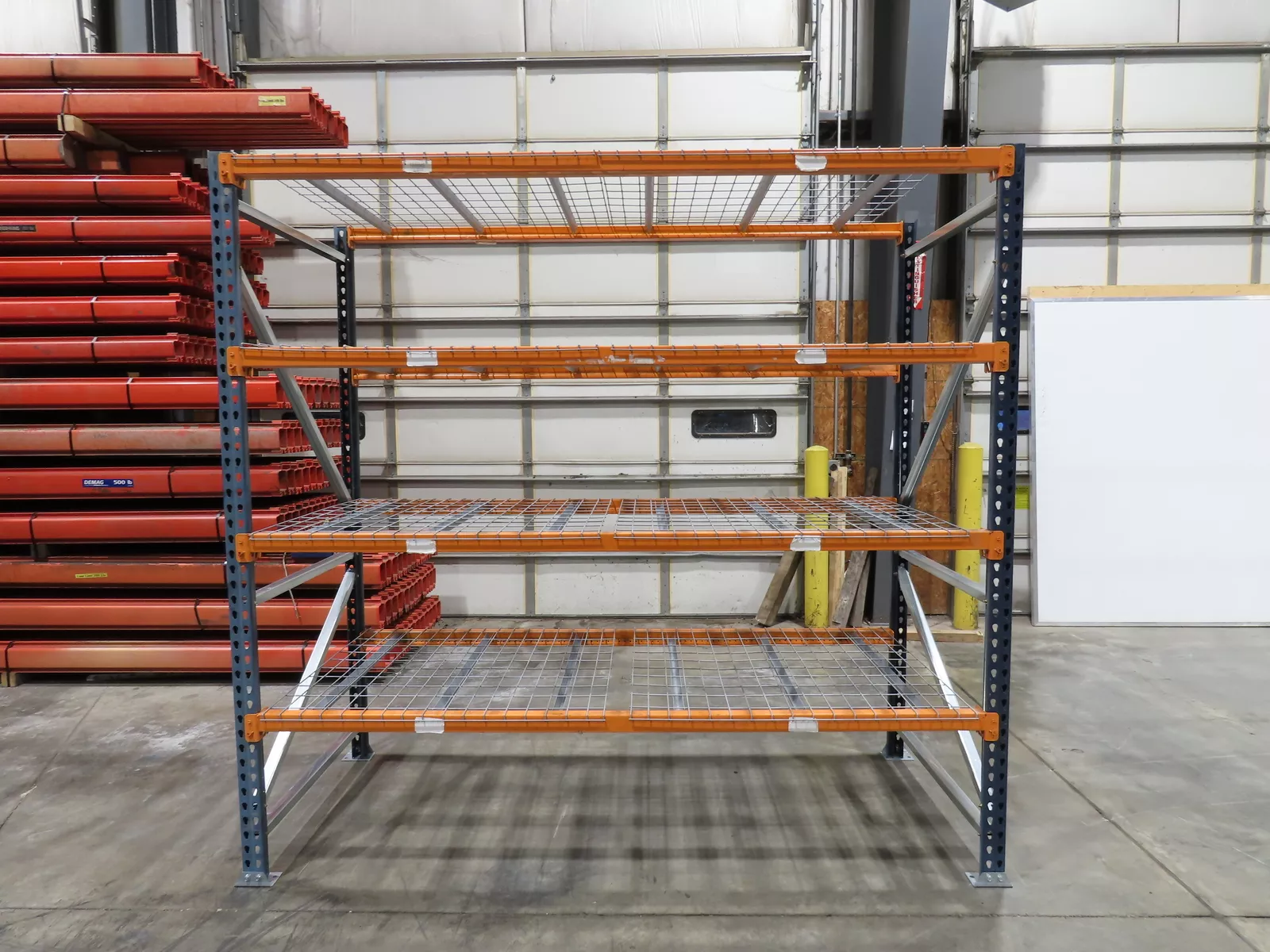
What Inventory Management Techniques Improve Efficiency?
What Inventory Management Techniques Improve Efficiency?
- Effective inventory management is crucial for business success.
- Pallet racking optimizes space and improves access to stock, leading to quicker pick times and reduced labor costs.
- Robust inventory management software provides real-time visibility of stock levels, aiding in accurate demand forecasting and smarter purchasing decisions.
- The Just-In-Time (JIT) inventory system minimizes excess stock and storage costs, maintaining cash flow and product freshness.
- Regular inventory audits help identify inefficiencies and build trust with suppliers and customers.
- Implementing these techniques enhances efficiency and supports business growth.
- Taking action on inventory management can revolutionize operations for a more prosperous future.
What Inventory Management Techniques Improve Efficiency?
How Can Layout Optimization Enhance Workflow?
Imagine walking into a facility where every inch of space sings in harmony with your operational goals. The power of layout optimization can transform your workspace into a well-oiled machine, where time is saved and productivity flourishes. With smart design choices, including efficient Pallet Racking systems, you empower your team to work smarter, not harder.
Let’s paint a picture. You’ve just finished a meeting filled with good intentions and innovative ideas, but as soon as the team disperses, the chaos of the cluttered workspace settles back in. Sound familiar? It doesn’t have to be this way! Effective layout optimization addresses the flow of goods and people, reducing bottlenecks and miscommunication that can hinder your workflow.
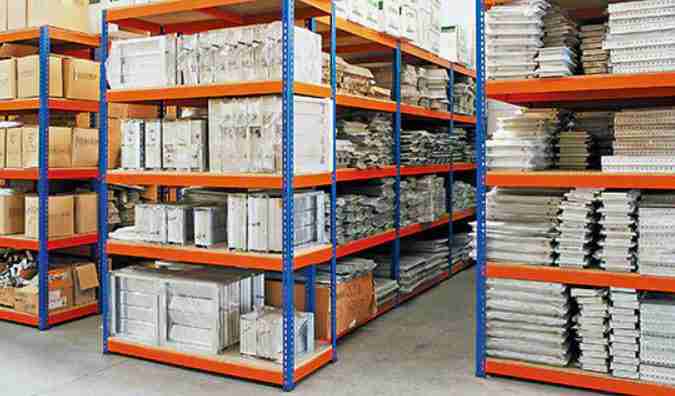
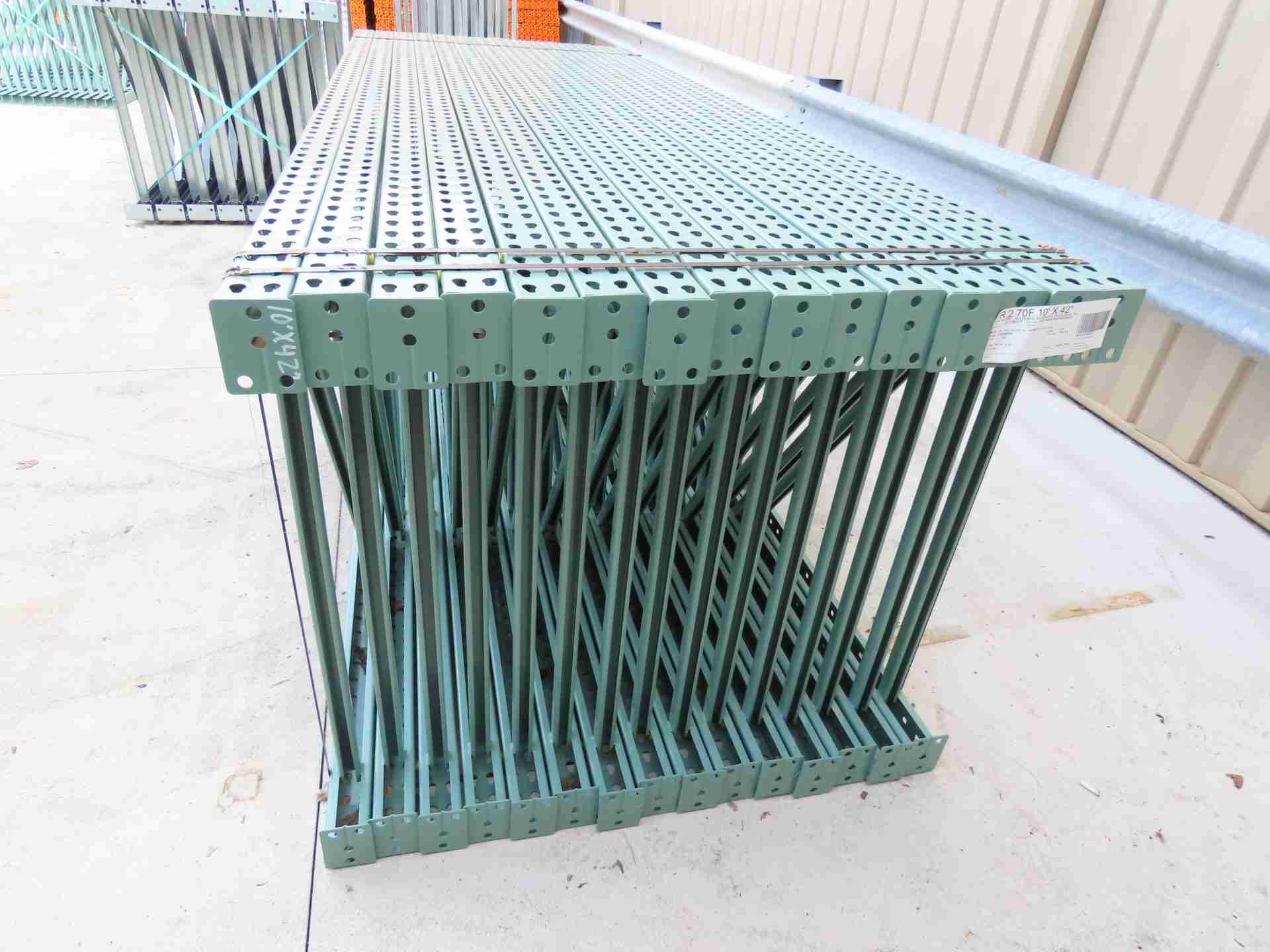
Consider Pallet Racking as your foundation for success. These versatile storage solutions not only maximize vertical space, allowing you to utilize every square foot of your facility, but they also ensure that items are accessible when needed. By strategically organizing your warehouse with clearly defined pathways and a dedicated storage plan, your team can swiftly locate and retrieve items. This means less time spent searching and more time driving your business forward.
Optimizing your layout doesn’t just benefit your employees; it cultivates a culture of productivity and morale. When your team can navigate their workspace efficiently, it fosters a sense of accomplishment and control. Workers are happier and more invested in their tasks when there’s a clear purpose behind the organization. This is why every detail matters; from the arrangement of your Pallet Racking to the design of workflow stages, each element enhances the user experience.
Moreover, a well-optimized layout can spotlight areas for improvement. Are there patterns of congestion? Does a particular section seem perpetually chaotic? These clues help identify weak points in your operation that you can address proactively. With this insight, you can refine and adjust, continuously enhancing workflow efficiency without the need for large, disruptive changes.
Now is the time to take action. Imagine the impact on your bottom line and employee satisfaction when you prioritize layout optimization. When every square foot and every employee’s role aligns toward your organizational goals, the results will speak for themselves. Embrace this opportunity to transform your workspace and unlock the full potential of your operations!
How Can Layout Optimization Enhance Workflow?
How Can Layout Optimization Enhance Workflow?
- Effective layout optimization transforms workspaces into efficient, productive environments.
- Utilizing smart design choices, such as Pallet Racking systems, can enhance team performance.
- Optimized layouts reduce bottlenecks and miscommunication, streamlining workflow.
- Pallet Racking maximizes vertical space and ensures easy access to items.
- A well-organized workspace boosts employee morale and fosters a culture of productivity.
- Layout optimization helps identify areas for improvement and weak points in operations.
- Prioritizing layout optimization benefits both the bottom line and employee satisfaction.
How Can Layout Optimization Enhance Workflow?
Which Automation Tools Are Best For Warehouses?
In the fast-paced world of warehousing, the right automation tools can transform your operations, streamline processes, and increase efficiency. Imagine walking into your warehouse and seeing a seamlessly coordinated system working in harmony, allowing your staff to focus on high-value tasks instead of mundane routines. This doesn’t have to be a distant dream—it can be your reality with the right selection of tools.
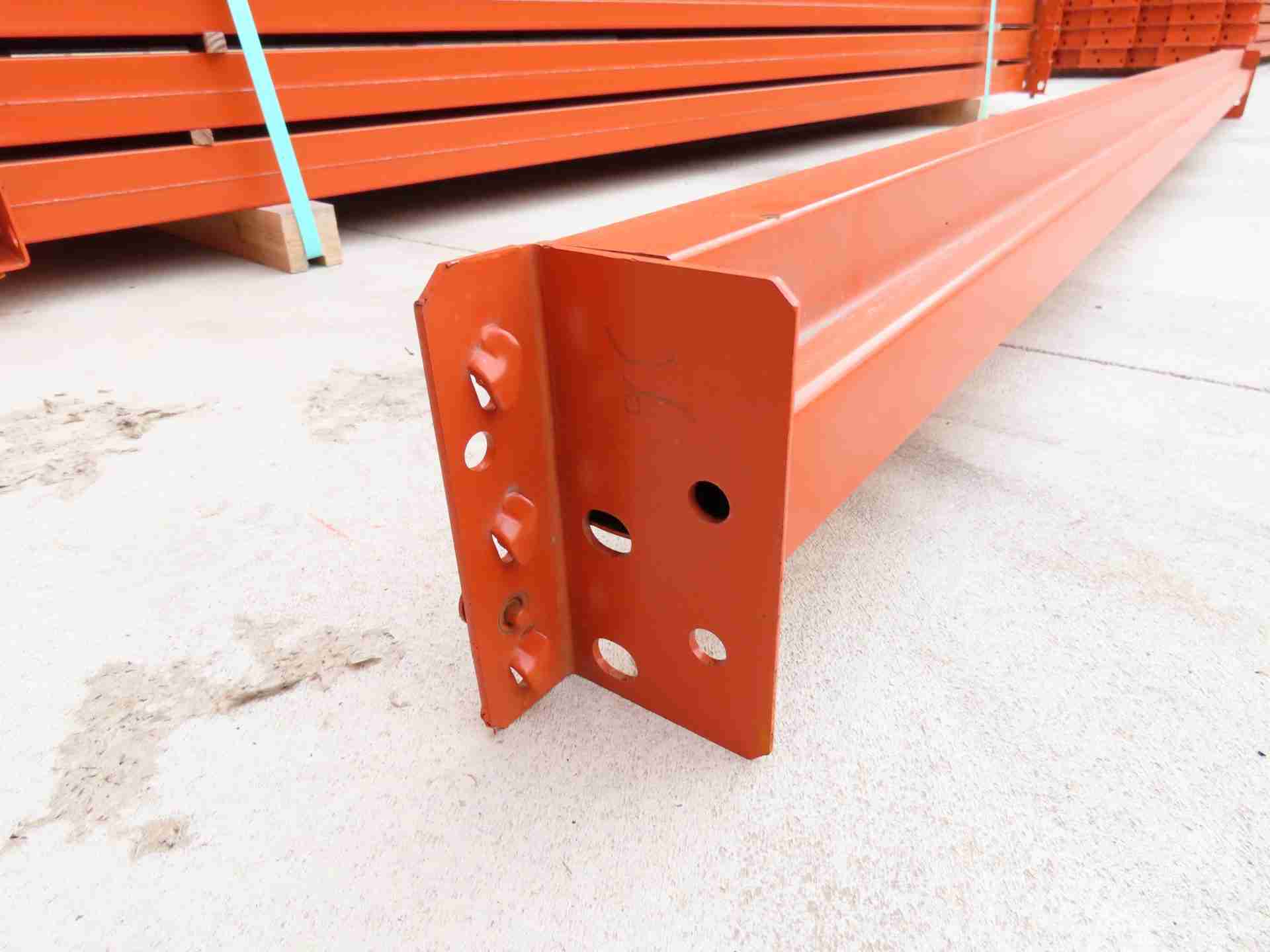
First on the list are automated guided vehicles (AGVs) and autonomous mobile robots (AMRs). These modern marvels not only navigate your facility with ease but can also reduce the number of manual handling tasks, minimizing the risk of injury and maximizing productivity. Picture your pallet racking areas efficiently serviced by these intelligent robots, moving goods quickly and accurately from point A to B. The consistent performance of robust AGVs ensures that your inventory management runs smoother, leading to better turnover rates and fewer errors.
Furthermore, consider integrating warehouse management systems (WMS). In the age of information, a sophisticated WMS can provide real-time data on inventory levels, order fulfilment, and system performance. When paired with your pallet racking, it helps visualize space utilization and optimize product placement, ensuring that you are using every inch of your storage capacity effectively. This kind of insight inspires confidence—knowing that you have your finger on the pulse of your operations translates into better decision-making.
Don’t overlook the potential of automated sorting systems. These systems can manage and process orders faster than any human team, minimizing bottlenecks and dramatically improving your throughput. Imagine the relief of watching your picking process become a well-oiled machine, with items consistently reaching their destinations without delays. This not only satisfies your customers but also cultivates trust in your brand—after all, everyone appreciates a reliable partner.
Lastly, let’s talk about the power of data analytics. Integrating analytics tools into your operations can provide valuable insights into performance patterns and tendencies. By harnessing this information, you can make informed decisions to refine not just your warehouse processes but your entire business strategy.
Investing in the right automation tools isn’t just a technical decision; it’s a commitment to elevating your warehouse to its highest potential. The path to success is paved with efficiency, and with these exceptional tools at your disposal, you’re poised to outpace competition and delight your customers consistently. Don’t let hesitation hold you back—embrace the future today!
Which Automation Tools Are Best For Warehouses?
Which Automation Tools Are Best For Warehouses?
- The right automation tools can transform warehouse operations and enhance efficiency.
- Automated guided vehicles (AGVs) and autonomous mobile robots (AMRs) reduce manual tasks and increase productivity.
- Integrating warehouse management systems (WMS) provides real-time data for better inventory and order management.
- Automated sorting systems speed up order processing, minimize bottlenecks, and improve throughput.
- Data analytics tools offer insights into performance patterns, aiding in strategic decision-making.
- Investing in these automation tools enhances your warehouse’s potential and keeps you competitive.
- Embracing automation is crucial for sustaining customer satisfaction and operational success.

Which Automation Tools Are Best For Warehouses?
Conclusion
Conclusion
In the dynamic world of warehousing, the pursuit of productivity is not merely an option; it’s an imperative. As we step back and assess the comprehensive insights of this article, we uncover a powerful narrative: transforming your warehouse into a bastion of efficiency is within reach, and it starts with decisive action. Picture this: a warehouse where the chaos of disorganization gives way to a symphony of streamlined operations—a place where your team operates like a well-oiled machine, leveraging cutting-edge technology, optimized layouts, and robust employee training to maximize output.
The critical first step lies in optimizing your layout using innovative pallet racking systems. These structures are not just storage solutions; they are instrumental in maximizing space and improving accessibility, ultimately leading to reduced travel time and enhanced productivity. Coupled with thoughtful process streamlining to eliminate bottlenecks, a focused approach fosters a serene work environment where tasks are completed swiftly and accurately.
But technology plays an equally crucial role in elevating your efforts. By integrating smart inventory management systems and automation tools, you can take real-time control of your operations. Say goodbye to errors and inefficiencies, and hello to a warehouse that operates on precision and speed. With the right tools, your team can focus on what truly matters—delivering exceptional service and driving growth.
Empowering your workforce is equally important. Regular training ensures that your team possesses the skills and confidence needed to excel, leading to higher morale and greater accountability. An invested workforce fosters open communication and teamwork, creating a culture that not only values efficiency but celebrates it.
Lastly, don’t forget the urgency of taking action now. Identifying common obstacles and making strategic improvements today can safeguard your operations for the future. A proactive approach means engaging with solutions that are readily available—such as a consultation with Arrow Industrial Sales to explore how pallet racking and other tools can impact your productivity.
The path to a more efficient warehouse is open, and with the guidance of experts at Arrow Industrial Sales, you can embark on this transformative journey. Don’t let another day pass in inefficiency; call (574) 349-6575 now and unlock the full potential of your warehouse. Harness the strategies discussed, and watch as your operations flourish, empowering you not just to meet, but to surpass both customer expectations and business goals. Your warehouse deserves this leap forward—take action today!
Conclusion
Conclusion:
- Productivity in warehousing is essential and requires decisive action.
- Optimizing warehouse layout with innovative pallet racking systems can maximize space and accessibility.
- Streamlining processes helps eliminate bottlenecks, fostering a serene work environment.
- Integrating smart inventory management and automation tools enhances precision and operational speed.
- Regular employee training builds skills, morale, and accountability in the workforce.
- A proactive approach to identifying obstacles and improvements can safeguard future operations.
- Consulting with experts like Arrow Industrial Sales can help implement effective strategies for increased productivity.
Conclusion
Other Resources
Other Resources
Here is a list of other resources you can review online to learn more:
- Logic Material Handling
- Warehousing and Fulfillment
- Warehouse Racking Chicago, IL
- Warehouse Racking Layout: The Ultimate Guide – Conger
- Heavy-Duty Cantilever Storage Racks
- RMI
- Cantilever Rack Guide: Ordering Cantilever Racking
- BMH
- What is Selective Pallet Racking
- Illinois Pallet Racking – Storage Solutions
Use This Prompt To Get More Resources With Your Favorite Online AI Tool: Please provide me with a list of online articles with their URLs in a bulleted list that I can read regarding What Steps Can You Take to Boost Warehouse Productivity Fast?

Other Resources
Glossary Terms
What Steps Can You Take to Boost Warehouse Productivity Fast? – Glossary Of Terms
1. Automation
: The use of technology to perform tasks without human intervention, enhancing efficiency and reducing labor costs.
2. Data Analytics
: The process of examining data to draw conclusions, often used to optimize inventory management and order fulfillment.
3. Lean Management
: A methodology that focuses on minimizing waste while maximizing productivity, often involving continuous improvement processes.
4. Inventory Management
: The supervision of non-capitalized assets (inventory) and stock items to ensure optimal levels and timely replenishment.
5. Pick and Pack
: The process of selecting items from inventory (picking) and packing them for shipment, crucial for order fulfillment speed.
6. Warehouse Layout
: The physical arrangement of storage space and workstations within a warehouse to streamline workflows and minimize delays.
7. Cross-Docking
: A logistics practice where incoming goods are directly transferred to outgoing transportation with minimal handling, reducing storage time.
8. Utilization Rate
: A measure of how effectively warehouse space and resources are used, typically expressed as a percentage.
9. Forklift Training
: Instruction provided to warehouse personnel on the safe and efficient operation of forklifts to minimize accidents and improve handling times.
10. Cycle Counting
: An inventory auditing technique where a portion of the inventory is counted on a scheduled basis to ensure accuracy without disrupting operations.
11. Order Accuracy
: The degree to which ordered items match the items delivered, crucial for customer satisfaction and operational efficiency.
12. Barcoding
: The use of barcodes to track inventory and shipments, enhancing accuracy and speeding up data entry processes.
13. Task Prioritization
: The process of determining the order in which tasks should be completed based on urgency and importance to optimize workflow.
14. Shipper Consolidation
: Combining multiple smaller shipments into one large shipment to reduce transportation costs and improve efficiency.
15. Standard Operating Procedures (SOPs)
: Established guidelines that outline the processes for routine operations to ensure consistency and efficiency.
16. Material Handling
: The movement, protection, and control of materials throughout the manufacturing and warehousing process.
17. Workforce Training
: Educational programs designed to equip employees with the skills needed to improve productivity and safety in the warehouse.
18. Real-Time Tracking
: The ability to track inventory and shipments as they move through the supply chain using technology for immediate updates.
19. Selectivity
: A measure of how easily inventory can be accessed; higher selectivity often leads to quicker fulfillment times.
20. Packing Optimization
: The strategic arrangement of products within packaging to maximize space and reduce shipping costs.
21. Safety Protocols
: Procedures designed to ensure the safety of warehouse employees, which can lead to higher morale and productivity.
22. Workstation Design
: The layout and organization of work areas to enhance efficiency and reduce movement waste.
23. Kitting
: The process of assembling multiple items into a single package for easier and faster order fulfillment.
24. Demand Forecasting
: The practice of estimating future customer demand to optimize inventory levels and reduce stockouts or overstock situations.
25. Performance Metrics
: Measurements used to assess how well warehouse operations are functioning, helping to identify areas for improvement.
26. Supplier Relationships
: The strategic partnerships with suppliers that can lead to better pricing, reliability, and flexibility in inventory management.
27. Continuous Improvement
: Ongoing efforts to enhance products, services, or processes, often driven by employee input and data analysis.
28. Ergonomics
: The study of workers’ physical interactions with their environment to improve comfort, efficiency, and safety.
29. Digital Supply Chain
: The integration of digital technology into supply chain processes to enhance visibility and responsiveness.
30. Just-In-Time (JIT)
: An inventory strategy where materials are received only as they are needed in the production process, minimizing stock levels.

Glossary Of Terms
Other Questions
What Steps Can You Take to Boost Warehouse Productivity Fast? – Other Questions
If you wish to explore and discover more, consider looking for answers to these questions:
- What specific pallet racking systems are most effective for different types of warehouses?
- How can I identify bottlenecks in my current warehouse processes?
- What types of technology are best for inventory management?
- How can I foster better communication among my warehouse staff?
- What are some best practices for ongoing employee training in a warehouse environment?
- What metrics should I track to measure warehouse productivity effectively?
- How can layout optimization impact safety in the warehouse?
- What are the costs vs. benefits of implementing automation tools in my warehouse?
- How can I ensure a successful transition to new technology in the warehouse?
- What are some common mistakes to avoid when trying to improve warehouse productivity?
- How can I motivate my employees to embrace new systems and processes?
- What role does regular maintenance play in warehouse efficiency?
- How can seasonal fluctuations affect warehouse operations and productivity?
- What strategies can I implement to reduce employee turnover in the warehouse?
- How does cross-docking fit into warehouse operations and its effectiveness?
Other Questions
Checklist
What Steps Can You Take to Boost Warehouse Productivity Fast? – A Checklist
Checklist: Steps to Boost Warehouse Productivity Fast
1. Optimize Pallet Racking Systems
_____ Assess current layout for vertical space utilization.
_____ Organize products logically for easy access.
_____ Ensure pallet racking facilitates efficient item movement.
2. Streamline Processes
_____ Identify and eliminate bottlenecks and redundancies.
_____ Implement standardized operating procedures.
_____ Conduct regular team training to reinforce these standards.
3. Embrace Technology
_____ Evaluate and adopt inventory management software.
_____ Consider automation tools for efficient picking and tracking.
_____ Ensure staff is trained on new technologies for optimal use.
4. Encourage Team-Based Approach
_____ Foster open communication among team members.
_____ Promote collaboration and teamwork through regular meetings.
_____ Recognize and celebrate team achievements to boost morale.
5. Regularly Evaluate Operations
_____ Conduct periodic assessments of workflows and processes.
_____ Use data analytics to identify performance trends.
_____ Make adjustments based on feedback and observations to continually improve efficiency.
6. Invest in Employee Training
_____ Schedule regular training sessions to keep the team updated on best practices.
_____ Encourage a culture of continuous learning and skill development.
_____ Provide resources and support to empower employees in their roles.
7. Implement Inventory Management Techniques
_____ Utilize Just-In-Time (JIT) inventory systems to reduce excess stock.
_____ Conduct regular inventory audits to identify and correct discrepancies.
_____ Optimize inventory selection based on real-time data insights.
8. Enhance Layout Optimization
_____ Design the warehouse layout to support efficient product flow.
_____ Create defined pathways to minimize worker travel time.
_____ Use signage and organizational aids to clarify processes.
9. Adopt Automation Tools
_____ Investigate the use of automated guided vehicles (AGVs) or autonomous mobile robots (AMRs).
_____ Integrate a warehouse management system (WMS) for real-time tracking.
_____ Explore automated sorting systems to improve order processing efficiency.
10. Monitor and Measure Impact
Checklist
At RackingWorld, we help guide you through selecting warehouse storage systems and racking.
Be sure to read our other related stories at RackingWorld to learn more about warehouse storage systems.
0 Comments