
Preventing Costly Accidents With Proper Warehouse Training
By Tom Seest
At RackingWorld, we help guide you through selecting warehouse storage systems and racking.
Be sure to read our other related stories at RackingWorld to learn more about warehouse storage systems.
Is Your Failure to Train Warehouse Staff Leading to Costly Accidents?
Picture this: a busy warehouse bustling with activity. Pallet racking loaded to the brim with inventory, each shelf telling a story of hard-earned profit. But lurking beneath this industrious atmosphere is a hidden danger—one that could cost you more than just money. Have you taken the necessary steps to train your warehouse staff effectively? If not, you might just be sitting on a ticking time bomb.
It’s not just about having the right equipment; it’s about having the right people behind the equipment. A well-trained team is your best defense against accidents that can lead to costly downtime, legal fees, and, quite frankly, loss of reputation. When a forklift mishandles a load, or a worker misjudges the stability of a pallet racking system, the results can be disastrous. Injuries and damages ripple through your operation like a stone thrown into a pond, affecting everyone from management to the workers on the floor.
Now, let’s be honest: accidents aren’t just unfortunate; they are preventable! Every time you invest in comprehensive training programs, you are investing in the very lifeblood of your enterprise—your team. You’re not just providing a checklist of safety procedures; you’re cultivating a culture of awareness and responsibility. This is where your commitment to safety meets your financial responsibility. The reality is clear: a culture built on education and best practices significantly reduces the likelihood of incidents that could drain your resources.
If you believe your warehouse staff is adequately trained simply because they were shown how to use machinery, you might want to think again. Effective training is an ongoing process involving simulations, hands-on learning, and continual assessment. It provides them the tools to not only recognize hazards but also to act responsibly in the face of potential risks.
Don’t wait for the next accident to occur. Take the proactive approach your business deserves. Establish a robust training program focused on the specific challenges your staff faces daily, including how to navigate your pallet racking system securely. Equip your team with the knowledge they need to succeed—and in turn, watch your workplace transform into a beacon of safety and efficiency.
Investing in your team isn’t just a cost; it’s a strategy—a strategy that leads to a safer, more productive workplace. Don’t let negligence become a costly lesson. Now is the time to take action!

Is Your Failure to Train Warehouse Staff Leading to Costly Accidents?
Is Your Failure to Train Warehouse Staff Leading to Costly Accidents?
- Busy warehouses face hidden dangers that can cost more than just money.
- Effective training of warehouse staff is crucial for preventing accidents and costly downtime.
- A well-trained team minimizes risks associated with equipment mishandling and pallet racking stability.
- Investing in comprehensive training creates a culture of awareness and responsibility among staff.
- Ongoing training that includes simulations and hands-on learning is essential for effective hazard recognition and response.
- Establish a robust training program tailored to specific challenges in the workplace for enhanced safety and efficiency.
- Investing in staff training is a strategic approach to creating a safer, more productive work environment.

Is Your Failure to Train Warehouse Staff Leading to Costly Accidents?
Table Of Contents
- Is Your Failure to Train Warehouse Staff Leading to Costly Accidents?
- How Do Training Gaps Contribute To Warehouse Accidents?
- What Signs Indicate A Need For Better Training Programs?
- How Can Effective Training Reduce Workplace Injuries?
- What Types Of Training Are Essential For Warehouse Staff?
- Which Training Methods Are Most Effective For Warehouse Safety?
- How Often Should Warehouse Staff Undergo Safety Training?
- Conclusion
- Other Resources
- Glossary Of Terms
- Other Questions
- Checklist
How Do Training Gaps Contribute To Warehouse Accidents?
How Do Training Gaps Contribute to Warehouse Accidents?
Picture this: a bustling warehouse, humming with activity and the promise of efficiency. Yet, lurking beneath that seemingly orderly surface is a significant risk—the gap in training that leaves employees vulnerable to accidents. It’s a scenario that many warehouse managers face daily, yet few fully grasp the implications of neglecting comprehensive training.
When workers are not adequately trained, especially regarding critical components like pallet racking systems, safety becomes an afterthought. Imagine a team member unsure about the weight limits of a pallet racking configuration or unaware of the correct protocol for stacking materials. It’s not merely a lapse in knowledge; it’s a potentially catastrophic setup for disaster. Misplaced items and overloading can lead to severe injuries, costly damages, and even worse—a disruption in your operations that can ripple impact throughout your entire organization.
You might think, “My team seems to know what they’re doing.” While familiarity can breed a false sense of security, the truth is that without ongoing training, compliance can slip through the cracks. Regulations change, equipment evolves, and what was once an industry best practice may no longer be the standard. A training gap creates a breeding ground for accidents that can shatter that confidence in an instant.
But let’s pivot to the bright side. Addressing these gaps doesn’t just protect your workforce; it’s an investment in your company’s future. By fostering a culture of training and safety, you build trust not only within your team but also with your clients and stakeholders. They can rest easy knowing you prioritize safety and compliance.
Moreover, a proactive approach to training pays dividends. Incorporating refresher courses on handling pallet racking and staff safety protocols can empower employees, enhancing their skills and confidence. They will feel valued, more engaged, and more aware of their surroundings, leading to fewer accidents and a stronger team dynamic.
So, let’s get real—can you afford to overlook the training your employees need? The answer is clearly no. Let this be the turning point for your warehouse. Invest in comprehensive training today, and transform potential hazards into a well-oiled machine where safety is paramount, and accidents are a thing of the past. Your employees deserve it, your business demands it, and your future depends on it.

How Do Training Gaps Contribute To Warehouse Accidents?
How Do Training Gaps Contribute To Warehouse Accidents?
- Training gaps in warehouses increase the risk of accidents, leaving employees vulnerable.
- Insufficient training on critical components, like pallet racking systems, can lead to serious safety issues.
- Overloaded or misplaced items due to inadequate training can result in severe injuries and operational disruptions.
- Familiarity does not guarantee safety; ongoing training is essential as regulations and best practices change.
- Investing in training fosters a culture of safety and builds trust with employees, clients, and stakeholders.
- Regular refresher courses empower employees, leading to heightened skills, confidence, and awareness.
- Prioritizing comprehensive training is crucial for transforming hazards into a safe and efficient workspace.
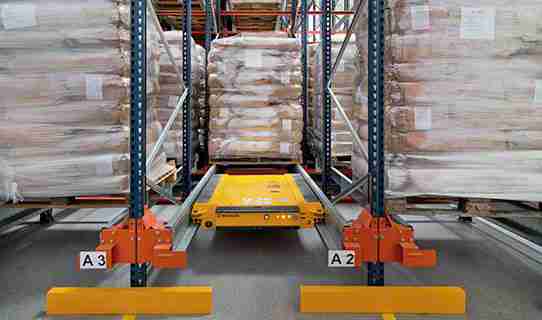
How Do Training Gaps Contribute To Warehouse Accidents?
What Signs Indicate A Need For Better Training Programs?
In the fast-paced world of warehousing and logistics, where efficiency is king, the question becomes not just about what you’re doing, but how effectively your team is equipped to do it. We often overlook the subtleties, but signs often bubble up to the surface, practically begging for your attention. If your warehouse is recently stocked with Pallet Racking but your team struggles to navigate the new layout, it’s time for a shift.
First, look for the unmistakable signs of confusion and inefficiency. Are products consistently misplaced or damaged due to mishandling? If your employees are faced with hesitation and uncertainty when operating machinery or engaging with new systems, you’ve got a red flag waving in your face. Inadequate training leads to costly errors, wasted time, and ultimately, a blow to morale. Nobody wants to feel like they’re continuously guessing or second-guessing their every move.
Next, analyze the frequency of near-misses or safety incidents. If near-misses are becoming too common, this is not just a minor annoyance—it’s a glaring indicator that your training programs may be lacking. When employees aren’t confident in their ability to handle equipment such as forklifts around your new Pallet Racking system, the risk escalates. Untrained personnel can lead to accidents that not only threaten the well-being of your team but can also incur significant financial repercussions.
Another point to ponder: disengagement. Does your team seem more interested in their phones than in their tasks? A lack of enthusiasm often stems from inadequate training. Empower your employees with knowledge and skills, and watch as their engagement skyrockets. They’ll not only be more motivated but also take pride in their roles, ultimately translating into better outcomes for your business.
Lastly, if your organization is undergoing technological changes, adaptability is essential. If your team struggles to embrace new systems or equipment—such as implementing advanced inventory management linked with your new Pallet Racking—it’s clear that the training isn’t keeping pace with your growth.
Trust your instincts. If you’re noticing these warning signs, don’t hesitate; take action. Invest in comprehensive training programs that are tailored to your team’s needs. Remember, a well-trained workforce isn’t just an asset; it’s the heartbeat of your operation. By tackling these issues head-on, you’re not just ensuring compliance; you’re fostering a culture of excellence that positions your business for long-term success.

What Signs Indicate A Need For Better Training Programs?
What Signs Indicate A Need For Better Training Programs?
- Efficiency in warehousing and logistics is crucial for success.
- Signs of confusion and inefficiency, such as misplaced or damaged products, indicate a need for better training.
- Frequent near-misses or safety incidents suggest inadequate training programs.
- Employee disengagement, such as distraction by phones, may stem from insufficient training.
- Adaptability to technological changes is essential; lack of confidence in new systems signals training gaps.
- Investing in comprehensive, tailored training programs can enhance team effectiveness and morale.
- A well-trained workforce fosters a culture of excellence and positions the business for long-term success.

What Signs Indicate A Need For Better Training Programs?
How Can Effective Training Reduce Workplace Injuries?
Imagine walking into your workplace and feeling a sense of safety wash over you. No more worrying about slips, trips, or falls. No more concerns about heavy machinery mishaps or the dangers of mismanaged pallet racking. That vision can be your reality through effective training.
When employees are thoroughly trained, they don’t just learn the ropes; they cultivate a culture of safety. Think about it: each time a team member understands how to properly maneuver around equipment or how to effectively secure pallet racking, they’re not just gaining knowledge—they’re becoming a pivotal part of your safety net. This is how you foster an environment where everyone watches out for one another, turning concerns into proactive measures.
Effective training isn’t just about ticking boxes for compliance; it’s about empowering your workforce. When workers feel confident in their abilities, their engagement skyrockets. This isn’t a hypothetical; it’s a well-documented fact. Employees who are well-trained are less likely to take shortcuts that could lead to injuries. It’s about instilling the belief that thoroughness pays off and that safety protocols aren’t just suggestions—they’re essential pillars of the work they do.
Now, consider the act of correctly navigating pallet racking systems. This isn’t merely about storage; it’s about understanding weight limits, proper stacking techniques, and recognizing hazards. Without proper training, a simple task can turn into a dangerous game of chance—one that could lead to serious injuries or even life-altering accidents. But with a comprehensive training program in place, workers can confidently handle their tasks with precision and awareness.
Moreover, mentorship plays a significant role. When seasoned employees share their insights and experiences, they bridge the gap between theory and practical knowledge. This collaboration isn’t just about training; it’s about creating a trusted environment where employees can voice concerns, ask questions, and feel a sense of belonging.
As business leaders, it’s essential to recognize that investing in training isn’t just a line item in your budget; it’s an investment in the very heart of your organization—your people. When they feel secure, your entire company flourishes. Let’s commit to a safer workplace by prioritizing effective training today. Your workforce—and your bottom line—will thank you for it.

How Can Effective Training Reduce Workplace Injuries?
How Can Effective Training Reduce Workplace Injuries?
- Creating a safe workplace reduces worries about accidents like slips, trips, and machinery mishaps.
- Thorough training cultivates a culture of safety, encouraging employees to watch out for each other.
- Empowered and well-trained employees exhibit higher engagement and are less likely to take dangerous shortcuts.
- Proper training in navigating pallet racking systems is crucial for understanding safety protocols and avoiding hazards.
- Mentorship from seasoned employees enhances practical knowledge and fosters a trusted work environment.
- Investing in training is essential for organizational growth and employee security, benefiting both workforce morale and the bottom line.
- Prioritizing effective training today leads to a safer workplace and a flourishing organization.

How Can Effective Training Reduce Workplace Injuries?
What Types Of Training Are Essential For Warehouse Staff?
What Types of Training Are Essential For Warehouse Staff?
In the bustling world of warehousing, success hinges on a well-trained workforce. However, not all training is created equal. Connecting with your team and fostering a sense of shared purpose is foundational to creating a thriving warehouse environment. Let’s dive into the essential training programs that can elevate your operation and ensure your staff feels empowered and motivated.
Safety Training: The Pillar of Warehouse Operations
First and foremost, safety training should be your golden ticket to building a cohesive team. Your warehouse staff needs to be well-versed in the protocols for safe equipment handling, fire safety, and emergency procedures. By prioritizing this training, you communicate that their well-being is your top concern, fostering trust and commitment.
Equipment Handling: Mastering the Tools of the Trade
When it comes to warehouse efficiency, mastering the tools of the trade is non-negotiable. Training staff on the correct operation of forklifts, pallet jacks, and specialized machinery is essential. This includes understanding the intricacies of pallet racking and how to navigate those towering rows of inventory with confidence. Imagine your staff expertly maneuvering through space, knowing exactly how to load and unload goods for optimal safety and efficiency. That’s the kind of expertise that elevates your entire operation.
Inventory Management: The Heartbeat of Efficiency
Training in inventory management shouldn’t be overlooked. Employees must understand how to track, order, and manage stock effectively. Instilling knowledge of inventory systems ensures they’re equipped to handle everything from stock discrepancies to system updates. It’s about creating a culture where everyone knows the importance of accuracy and timely restocking, thus maintaining a smooth flow of operations.
Soft Skills Development: Fostering Team Spirit
Finally, don’t underestimate the power of soft skills training. Communication, teamwork, and conflict resolution are critical in a warehouse setting. Investing in your staff’s interpersonal skills cultivates a cohesive unit that collaborates efficiently. A team that can communicate openly is a team prepared to tackle challenges and celebrate successes together.
The training you choose to implement impacts not just your bottom line, but the very culture of your warehouse. By focusing on safety, equipment handling, inventory management, and soft skill development, you equip your staff with the tools they need to excel. This investment in their development not only inspires confidence but ultimately promotes a sense of pride and ownership among your workforce. Take action today—give your team the training they deserve, and watch your warehouse flourish.

What Types Of Training Are Essential For Warehouse Staff?
What Types Of Training Are Essential For Warehouse Staff?
- Importance of Training: A well-trained workforce is essential for warehouse success and fosters a shared purpose among staff.
- Safety Training: Prioritize safety training to ensure staff are knowledgeable about equipment handling, fire safety, and emergency procedures, building trust and commitment.
- Equipment Handling: Train employees on operating forklifts, pallet jacks, and specialized machinery to enhance efficiency and safety.
- Inventory Management: Essential training on tracking, ordering, and managing stock ensures employees can handle inventory discrepancies and maintain smooth operations.
- Soft Skills Development: Training in communication, teamwork, and conflict resolution fosters a cohesive and collaborative warehouse team.
- Cultural Impact: The training you implement influences both operational efficiency and the overall culture of the warehouse.
- Investment in Staff: Providing comprehensive training inspires confidence, promotes pride, and enhances ownership among employees.

What Types Of Training Are Essential For Warehouse Staff?
Which Training Methods Are Most Effective For Warehouse Safety?
When it comes to ensuring safety in the bustling world of warehouses, the emphasis on effective training methods cannot be overstated. Imagine the chaos of a busy warehouse without a solid framework for safety — it’s enough to make your heart race. But breathe easy! By employing innovative training techniques, you can not only minimize risks but foster a culture of safety that keeps everyone engaged and secure.
One of the most essential components of warehouse safety training involves familiarizing employees with key elements, such as pallet racking systems. Think about it: these structures are the backbone of your storage solutions. Proper training must go beyond cursory explanations; it should dive deep into the nuances of pallet racking maintenance, load limits, and safe stacking practices. Employees equipped with this knowledge are less likely to make costly mistakes that could lead to accidents or injuries.
Furthermore, a combination of hands-on training and interactive learning provides an excellent foundation for effective safety education. Interactive workshops, wherein employees can physically engage with equipment and practice safe handling methods, not only boost retention but also empower your team. Imagine them reminiscing about that time they role-played an emergency scenario or navigated through a simulated forklift operation course. They aren’t just learning; they are bonding over a shared commitment to safety.
Now, let’s not forget about technology. Online training modules and virtual reality simulations are game-changers in the realm of warehouse safety education. Employees can learn at their own pace and revisit crucial lessons as needed. This approach is not just forward-thinking; it’s also incredibly effective. When your team can visualize the consequences of neglecting safety procedures — perhaps through a realistic virtual environment — the lessons truly hit home.
Lastly, reinforce the message with regular refresher courses and safety audits. Just like you wouldn’t let your car go without an oil change, you shouldn’t let your safety training stagnate. Refresh your employees’ memories of best practices surrounding pallet racking and other warehouse essentials consistently, fostering an ongoing commitment to safety.
The most effective training methods are those that resonate with your team, combining hands-on experience, technology, and regular updates. Your warehouse is more than just a workplace; it’s a community dedicated to safety, and with the right training approach, you can ensure it remains that way. So why not take action today? Your employees — and your peace of mind — deserve nothing less.

Which Training Methods Are Most Effective For Warehouse Safety?
Which Training Methods Are Most Effective For Warehouse Safety?
- Effective training methods are crucial for ensuring safety in warehouses.
- Familiarizing employees with pallet racking systems is essential for preventing accidents.
- Training should include in-depth knowledge of maintenance, load limits, and stacking practices.
- Hands-on training and interactive learning enhance retention and promote a safety culture.
- Technology, like online modules and virtual reality, allows employees to learn at their own pace.
- Regular refresher courses and safety audits sustain a commitment to safety practices.
- Combining practical experience, technology, and continual updates ensures a safe warehouse community.

Which Training Methods Are Most Effective For Warehouse Safety?
How Often Should Warehouse Staff Undergo Safety Training?
In the fast-paced world of warehousing, safety isn’t just a priority; it’s a lifeline. But how often should your team step back from their daily hustle to immerse themselves in safety training? The answer might surprise you. It’s not a one-size-fits-all scenario. Rather, it’s about creating a cycle of continuous learning, grounded in the unique demands of your warehouse and its operations, like managing pallet racking systems effectively.
Picture this: your warehouse team expertly navigating the aisles, stocked high with products on formidable pallet racking. They’re swift, efficient, but oh, how quickly things can go wrong. A misplaced box could lead to an accident, or improper use of equipment might endanger lives. By investing in regular safety training, you not only protect your workforce but also foster an environment of trust and responsibility.
So, how often should training occur? A good rule of thumb is to schedule comprehensive safety training every six months. This ensures that staff members are always up-to-date with the latest safety protocols, especially as regulations can shift and evolve over time. However, don’t stop here. You can also integrate shorter, focused training sessions monthly or even weekly that tackle specific topics like operating forklifts, safe handling of materials, or proper use of pallet racking.
But it’s not just about telling them what to do; it’s about engaging your warehouse staff in the process. Make them feel a part of the safety culture. Use real-life scenarios they face every day, allowing them to solve problems collaboratively. Create a participative environment where employees feel empowered to highlight safety concerns or suggest improvements. This not only cultivates stronger team dynamics but also transforms your safety training from a mundane obligation into a dynamic, team-building experience.
Another effective strategy is to personalize training around the unique challenges your staff encounters. For instance, if a recent incident occurred involving pallet racking, plunge into that specifics. Analyze what went wrong and strategize how to avoid similar situations in the future. This direct connection reinforces the relevance of the training and makes it stick.
By investing regularly in safety training, you’re not simply checking a box. You’re establishing a culture of safety that inspires confidence among your employees and communicates to them that their well-being truly matters. This investment pays off in reduced accidents, enhanced morale, and a more productive workforce. Because in the end, a safe warehouse is a thriving warehouse. Start today, and watch the positive changes unfold.

How Often Should Warehouse Staff Undergo Safety Training?
How Often Should Warehouse Staff Undergo Safety Training?
- Safety training in warehousing is essential and should be a continuous learning process rather than a one-time event.
- Regular safety training fosters a safe work environment and builds trust among team members.
- A recommended schedule includes comprehensive safety training every six months to keep staff up-to-date with protocols.
- Shorter, focused training sessions (monthly or weekly) can address specific topics like forklift operation and material handling.
- Engaging warehouse staff in safety training makes them feel part of a safety culture and encourages collaboration.
- Personalizing training to address specific challenges or recent incidents helps reinforce the relevance of safety protocols.
- Investing in regular safety training leads to reduced accidents, improved morale, and a more productive workforce.

How Often Should Warehouse Staff Undergo Safety Training?
Conclusion
Conclusion: Invest in Safety Training to Safeguard Your Warehouse Operations
In the dynamic world of warehousing, safety shouldn’t just be a checkbox on your to-do list; it should be the cornerstone of your operations. As illustrated throughout this article, the failure to properly train your warehouse staff can lead to disastrous consequences — not just for your employees, but for your company’s bottom line. The reality is that untrained or inadequately trained personnel are walking hazards in an environment already fraught with risks. From costly accidents to diminished morale, the stakes are too high to ignore.
The good news? You have the power to turn your warehouse into a safer, more productive workspace by implementing robust training programs that cater to the specific challenges your staff faces daily. It’s not merely about compliance; it’s about cultivating a culture of responsibility and awareness that resonates at every level of your organization. Imagine a warehouse where every member of your team is equipped with the knowledge and confidence to navigate complex pallet racking systems, operate machinery efficiently, and respond to emergencies effectively.
Training is not a one-time event but an ongoing commitment — a strategy that pays dividends in reduced injuries, lower operational costs, and higher employee engagement. Regular refresher courses and hands-on training allow for continual improvement, transforming safety from a mere policy into a fundamental part of your workplace culture. By addressing training gaps and fostering an environment of open communication, you provide your team not just with skills, but a sense of ownership and pride in their roles.
Now is the time to take action! Don’t wait for accidents to occur before you realize the importance of effective training. Contact Arrow Industrial Sales at (574) 349-6575 today and learn how you can transform your warehouse into a bastion of safety and efficiency. Given the increasing demands of modern warehousing, the cost of negligence is far greater than the investment in training. Equip your workforce with the tools they need to succeed and watch as your operational efficiency soars while costly incidents plummet. The future of your warehouse — and the safety of your team — depends on the choices you make today. Make the right choice and commit to comprehensive training.

Conclusion
Conclusion:
- Safety should be a cornerstone of warehouse operations, not just a compliance checkbox.
- Inadequate training can result in dangerous conditions, costly accidents, and low employee morale.
- Implement robust training programs tailored to the daily challenges faced by warehouse staff.
- Training fosters a culture of responsibility, equipping employees with essential knowledge and confidence.
- Ongoing training is necessary for continual improvement, reducing injuries and operational costs.
- Address training gaps and encourage open communication to enhance employee engagement and pride.
- Investing in training now prevents future accidents and boosts operational efficiency significantly.

Conclusion
Other Resources

Other Resources
Here is a list of other resources you can review online to learn more:
- MHI
- Teardrop Uprights
- Storage Equipment Manufacturers’ Association
- Material Handling Safety
- Pallet Racking systems in Illinois and Great Lakes
- Mustang Material Handling
- Warehouse Automation
- Bradford Systems
- The Ultimate Pallet Racking Guide – Speedrack West
- Chicago Pallet Racking
Use This Prompt To Get More Resources With Your Favorite Online AI Tool: Please provide me with a list of online articles with their URLs in a bulleted list that I can read regarding Is Your Failure to Train Warehouse Staff Leading to Costly Accidents?

Other Resources
Glossary Terms
Is Your Failure to Train Warehouse Staff Leading to Costly Accidents? – Glossary Of Terms
1. Accident Analysis: The process of examining workplace accidents to identify root causes and prevent future incidents.
2. Compliance: Adhering to laws, regulations, and standards related to workplace safety and training.
3. Continuing Education: Ongoing training and development opportunities provided to staff to enhance skills and knowledge.
4. Ergonomics: The study of people’s efficiency in their working environment, focusing on reducing strain and improving safety.
5. Hazard Identification: The systematic approach to identifying potential hazards in the workplace that could lead to accidents.
6. Incident Report: Documentation detailing the circumstances and consequences of an accident or near-miss event within a warehouse.
7. Job Safety Analysis (JSA): A procedure to evaluate tasks and identify hazards before work begins, typically involving staff training.
8. Liability: Legal responsibility for injury or damage due to negligence, particularly relevant in warehouse operations.
9. Loss Control: Strategies implemented to prevent and minimize workplace losses, including accidents and injuries.
10. Material Handling: The movement, protection, storage, and control of materials throughout the manufacturing, warehousing, distribution, consumption, and disposal stages.
11. OSHA: The Occupational Safety and Health Administration, a U. S. agency responsible for workplace safety regulations and assessments.
12. Personal Protective Equipment (PPE): Safety gear and clothing worn to minimize injury risk; includes helmets, gloves, and safety glasses.
13. Preventive Measures: Actions taken to foresee and mitigate potential risks before they result in accidents.
14. Safety Culture: The shared values, beliefs, and practices regarding safety within an organization, influencing employee behavior.
15. Safety Audit: An evaluation of workplace practices and conditions to assess compliance with safety standards.
16. Safety Training: Instructional programs aimed at equipping employees with the knowledge and skills necessary to perform their jobs safely.
17. Skills Gap: The difference between the skills required for a job and the actual skills possessed by employees which may lead to unsafe practices.
18. Standard Operating Procedures (SOPs): Detailed, written instructions meant to achieve uniformity of the performance of a specific function, often related to safety practices.
19. Temporary Workers: Employees hired for short-term roles who may require specific training to ensure safety in warehouse environments.
20. Training Matrix: A tool used to track employee training requirements and status, ensuring that all staff receive adequate safety training.
21. Warehouse Layout: The physical arrangement of items, equipment, and staff within the warehouse, which can affect efficiency and safety.
22. Workplace Safety: The set of policies and practices aimed at ensuring the health and safety of employees while performing their job duties.
23. Workplace Injuries: Injuries sustained by employees during the course of employment, often tied to inadequate training or unsafe conditions.
24. Workplace Risk Assessment: The process of identifying, evaluating, and controlling risks associated with workplace hazards.
25. Forklift Training: Specialized training focused on the safe operation of forklifts, an essential component of warehouse operations.
26. Accident Prevention: Strategies and initiatives aimed at reducing the risk of accidents and promoting a safe working environment.
27. Behavior-Based Safety (BBS): A safety management approach that focuses on employee behaviors as a means to reduce accidents.
28. Risk Mitigation: Strategies aimed at reducing the likelihood or impact of workplace hazards.
29. Employee Empowerment: Encouraging employees to take ownership of safety practices, leading to proactive involvement in maintaining a safe workspace.
30. Metrics and KPIs: Key Performance Indicators used to measure the effectiveness of training programs and safety initiatives in the warehouse.
These terms provide a foundational understanding of the issues related to warehouse staff training and the potential consequences of inadequate training in terms of accidents and associated costs.

Glossary Of Terms
Other Questions
Is Your Failure to Train Warehouse Staff Leading to Costly Accidents? – Other Questions
If you wish to explore and discover more, consider looking for answers to these questions:
- What are the long-term benefits of investing in warehouse training?
- How can I assess the current training needs of my warehouse staff?
- Are there specific regulations regarding training requirements for warehouse workers?
- What tools and resources are available for developing effective training programs?
- How do I evaluate the effectiveness of my warehouse training programs?
- What role does technology play in modern warehouse training?
- How can I foster a culture of safety in my warehouse?
- What are some common misconceptions about warehouse training?
- How can I encourage employee engagement in safety training?
- What are the costs associated with inadequate training in the warehouse environment?
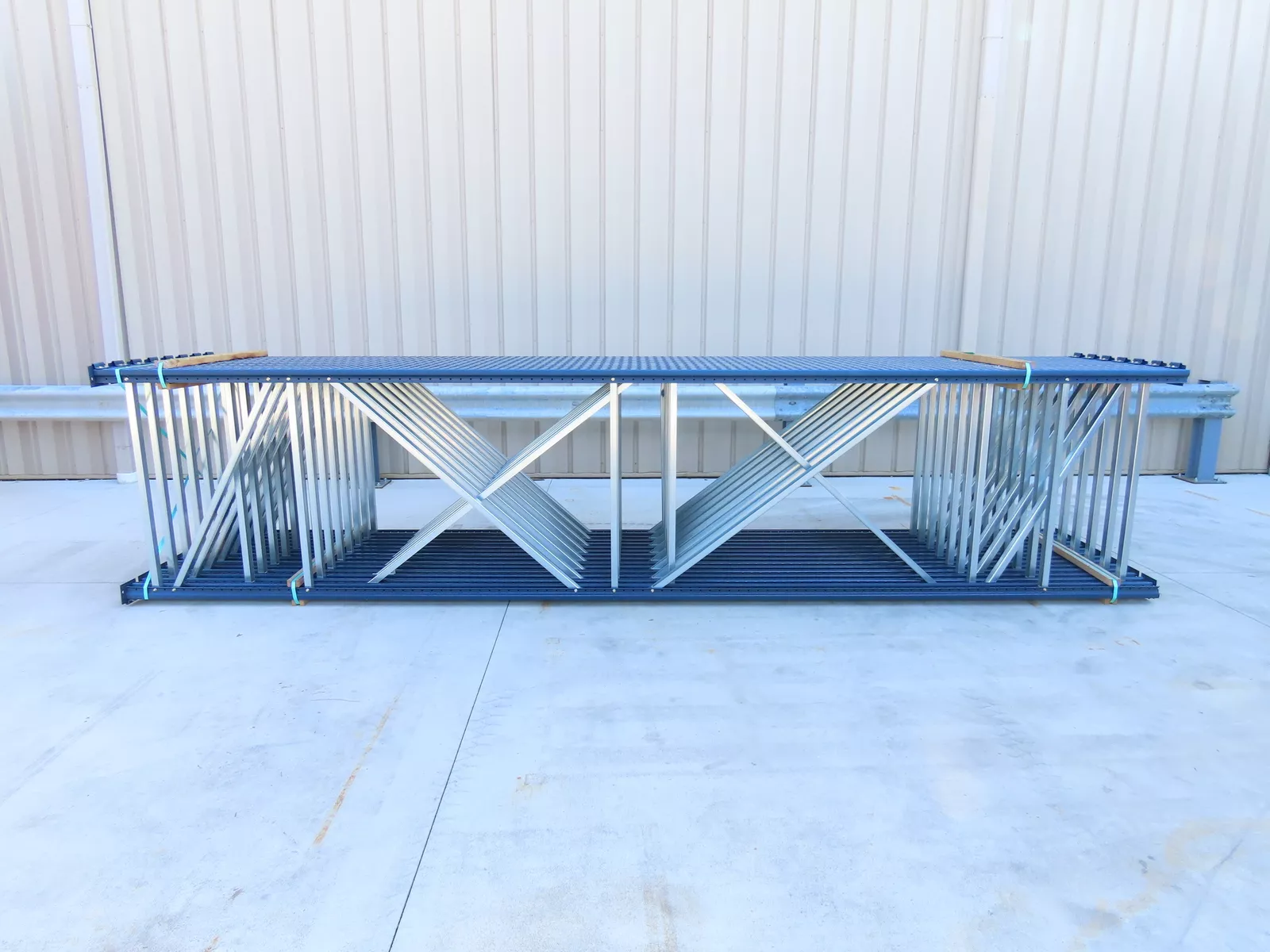
Other Questions
Checklist
Is Your Failure to Train Warehouse Staff Leading to Costly Accidents? – A Checklist
Checklist: Enhancing Warehouse Safety Through Staff Training
Ensure that your warehouse is a safe and efficient environment for all employees by following this comprehensive checklist:
Training Needs Assessment
1. Evaluate Current Training Programs
_____ Review existing training materials and methods for relevance and effectiveness.
_____ Assess if all employees have undergone comprehensive safety training.
2. Identify Training Gaps
_____ Track incidents and near-misses to identify areas needing further training.
_____ Ensure understanding of equipment, safety protocols, and warehouse layout.
3. Monitor Employee Performance
_____ Observe employee interactions with safety equipment and procedures.
_____ Gather feedback from employees regarding their comfort and understanding of procedures.
Training Program Development
4. Implement Safety Training
_____ Schedule regular safety protocols training focusing on equipment handling and emergency procedures.
_____ Incorporate specific training on pallet racking systems, including load limits and stacking techniques.
5. Introduce Hands-On Learning
_____ Utilize simulations and role-playing scenarios to reinforce training messages.
_____ Provide practical experience with machinery under supervision during training sessions.
6. Incorporate Technology
_____ Develop online training modules that allow employees to learn at their own pace.
_____ Utilize virtual reality simulations to visualize safety procedures and consequences of negligence.
Engagement and Motivation Strategies
7. Foster a Culture of Learning
_____ Create an environment where employees feel empowered to voice concerns and suggest improvements.
_____ Ensure that training sessions include discussions on real-life scenarios faced in the warehouse.
8. Encourage Soft Skills Development
_____ Offer training aimed at improving communication, teamwork, and conflict resolution.
_____ Recognize and celebrate team successes to boost morale and engagement.
Ongoing Training and Compliance
9. Schedule Regular Refresher Courses
_____ Conduct comprehensive safety training every six months.
_____ Provide targeted shorter training sessions monthly or weekly on specialized topics.
10. Conduct Safety Audits
_____ Regularly review safety protocols and incident reports.
_____ Modify training programs based on audit findings and any changes in regulations or equipment.
Feedback and Improvement
11. Collect Employee Feedback
_____ Implement regular surveys or discussions to gather employee input on training effectiveness.
_____ Act on feedback to continuously improve training content and delivery.
12. Track Progress and Performance
_____ Keep records of training completion, assessments, and incident reports.
_____ Measure the impact of training on accident rates and workplace morale.
By consistently following this checklist, you can help ensure your warehouse team is well-trained, confident, and skilled at maintaining a safe working environment while enhancing overall productivity.

Checklist
At RackingWorld, we help guide you through selecting warehouse storage systems and racking.
Be sure to read our other related stories at RackingWorld to learn more about warehouse storage systems.
0 Comments