
Understanding OSHA’s Pallet Racking Requirements
By Tom Seest
At RackingWorld, we help guide you through selecting warehouse storage systems and racking.
Be sure to read our other related stories at RackingWorld to learn more about warehouse storage systems.
Does OSHA Pallet Racking Regulations Exist?
When it comes to maintaining a safe and productive workplace, understanding the regulations surrounding pallet racking systems is vital. The Occupational Safety and Health Administration (OSHA) does have standards that, while not specifically targeting pallet racking, provide a framework to ensure safety in the storage of materials. The implications of these regulations on warehouse operations cannot be overstated, especially in the fast-paced world of E-commerce and distribution.
OSHA’s General Duty Clause mandates that employers provide a work environment free from recognized hazards. This general principle applies to warehouse settings where pallet racking plays a crucial role. For instance, consider a recent report highlighting an accident involving a collapsed racking system in a major distribution center. Not only did this mishap cause significant product loss, but it also resulted in injuries to employees, leading to extensive fines and increased scrutiny from OSHA inspectors.
Pallet racking systems must adhere to OSHA’s standards related to walking-working surfaces (29 CFR 1910 Subpart D) and materials handling (29 CFR 1910.176). This means your storage setup must promote safe movement and minimize risks of tipping or collapse. Regular inspections and maintenance are keys to compliance. The use of proper equipment, training, and even the right kind of pallet racking—whether selective, cantilever, or drive-in—can make a difference.
Moreover, guidelines from the American National Standards Institute (ANSI) and the Rack Manufacturers Institute (RMI) supplement OSHA’s regulations. These organizations provide critical insight into designing and maintaining racking systems that support safety. Industry best practices suggest conducting routine assessments to catch potential hazards before they become costly accidents.
Just this year, businesses across industries have witnessed the importance of compliance in the face of increased regulation from the federal government. Warehouses that have scrupulously followed OSHA guidelines thrived while those that skirted safety protocols faced shutdowns and fines.
So, does OSHA have explicit pallet racking regulations? Not in isolation, but the regulations are clear. A failure to consider these guidelines is a failure to underscore the importance of safety in the workplace. As we accelerate into a future where efficiency meets e-commerce demands, now is the time to inspect, invest, and ensure your pallet racking systems meet OSHA’s implicit standards. Remember, safe employees are productive employees, and your bottom line will thank you for prioritizing safety as a crucial cornerstone of your operations.

Does OSHA Pallet Racking Regulations Exist?
Does OSHA Pallet Racking Regulations Exist?
- OSHA has standards that provide a safety framework for pallet racking systems, although not specifically targeting them.
- The General Duty Clause requires employers to maintain a hazard-free work environment, including in warehouses with pallet racking.
- Accidents involving pallet racking, such as collapses, can lead to product loss, employee injuries, fines, and increased scrutiny from OSHA.
- Pallet racking must comply with OSHA standards on walking-working surfaces and materials handling, emphasizing safe movement and stability.
- Guidelines from ANSI and RMI reinforce OSHA regulations by offering insights into effective racking system design and maintenance.
- Regular inspections and adherence to safety protocols are crucial to preventing accidents and ensuring compliance with regulations.
- While OSHA does not have explicit pallet racking regulations in isolation, prioritizing safety in design and operations is essential for workplace efficiency.

Does OSHA Pallet Racking Regulations Exist?
Table Of Contents
- Does OSHA Pallet Racking Regulations Exist?
- What Are OSHA Regulations On Pallet Racking?
- How Do I Find OSHA Standards?
- What Are The Safety Requirements For Pallet Racking?
- Are There Specific Guidelines For Warehouse Racking?
- How Do Pallet Racks Comply With OSHA Regulations?
- What Are Common Violations Related To Pallet Racking?
- How Can I Ensure My Pallet Racks Are OSHA Compliant?
- What Is The Role Of Load Capacity In Racking Regulations?
- How Often Should Pallet Racking Be Inspected?
- Are There Training Requirements For Pallet Rack Safety?
- What Should I Know About Pallet Rack Design Standards?
- How Do I Report Unsafe Pallet Racking Practices?
- What Are The Penalties For Non-Compliance With Racking Regulations?
- Can Pallet Racking Affect My Insurance Premiums?
- What Should I Do If I Find A Racking Safety Issue?
- Conclusion
- Other Resources
- Glossary Of Terms
- Other Questions
- Checklist
What Are OSHA Regulations On Pallet Racking?
When it comes to warehouse safety, understanding OSHA regulations on pallet racking is not just a requirement—it’s an opportunity to safeguard your employees and enhance your operational efficiency. The Occupational Safety and Health Administration (OSHA) provides guidelines to ensure that your pallet racking systems are set up to minimize risk and maximize productivity. But let’s dive into what these regulations entail.
First, OSHA mandates that all pallet racks be capable of supporting the loads they’re intended to carry. This means you can’t just throw together a makeshift system and call it a day. Each pallet rack must be rated for the specific weight it will bear. For instance, consider a food distribution center that pivots to support a surge in frozen product storage. Ensuring that their pallet racking can withstand the increased weight is not only compliant but crucial for operational success.
Next comes stability. OSHA requires that racks are anchored properly to prevent tipping. Imagine a busy retail warehouse preparing for the holiday rush; a poorly secured pallet rack can mean disaster. Just recently, safety officials cited a company whose inadequate anchoring led to a collapse, causing injuries and downtime. This not only incurred hefty fines but also jeopardized employee morale and product inventory.
Maintenance plays a pivotal role too. OSHA emphasizes routine inspections and maintenance of pallet racking systems. Establish a schedule to check for wear and tear, and ensure all components are in working order. For example, a logistics company that discovered rusted supports during a quarterly inspection averted a potential catastrophe that could have derailed their busiest season. This proactive approach allowed them to maintain their reputation for reliability.
Training is another vital cog in the OSHA wheel. Employees should participate in training sessions that help them understand the safe loading and unloading of pallet racking systems. A company that invested in safety training saw a 30% reduction in workplace accidents—a convincing case for not just compliance but a strong safety culture.
In summary, adhering to OSHA regulations on pallet racking isn’t just about avoiding fines; it’s about investing in the kind of safety that fosters trust and confidence among your workforce. In an environment where supply chains are increasingly strained, it pays to have a safety-first mentality that resonates throughout your organization. Commit to proper racking systems, foster a culture of safety, and watch your productivity soar!

What Are OSHA Regulations On Pallet Racking?
What Are OSHA Regulations On Pallet Racking?
- Understanding OSHA regulations on pallet racking is essential for employee safety and operational efficiency.
- All pallet racks must support the specific loads intended for them, avoiding makeshift solutions.
- Proper anchoring of racks is required to prevent tipping and potential disasters, as demonstrated by recent safety citations.
- Routine inspections and maintenance of pallet racking systems are mandated by OSHA to ensure their reliability.
- Training for employees on the safe loading and unloading of pallet racking systems is crucial for reducing workplace accidents.
- Adhering to OSHA regulations goes beyond avoiding fines; it builds trust and confidence within the workforce.
- Implementing a safety-first mentality can boost productivity and foster a strong safety culture within an organization.

What Are OSHA Regulations On Pallet Racking?
How Do I Find OSHA Standards?
How Do I Find OSHA Standards?
Navigating the maze of OSHA standards can often feel like deciphering a foreign language—one that directly impacts your workplace safety and compliance. But don’t fret; finding these crucial standards is more straightforward than you might think. In today’s fast-paced environment, being in-the-know about OSHA guidelines isn’t just about avoiding penalties; it’s about fostering a culture of safety and trust within your organization.
Start with the OSHA Website
The foundation of your search should begin at the official OSHA website (osha.gov). This is your gold mine of information—compiled, organized, and constantly updated to reflect the most current regulations. From general industry standards to construction safety guidelines, you can access crucial documents and updates pertinent to your specific line of work.
For example, if you’re in the healthcare sector, the Bloodborne Pathogens Standard will be of utmost importance, especially given the heightened awareness surrounding health protocols during the COVID-19 pandemic. OSHA’s resources, such as compliance assistance tools and safety posters, can transform your workspace into a compliant and efficient machine.
Utilize Industry Specific Resources
Another effective strategy is to leverage industry-specific resources. Trade associations and professional organizations often publish guides and compliance checklists tailored to particular sectors. For instance, organizations like the American National Standards Institute (ANSI) offer insights into applicable regulations that complement OSHA’s framework. By being part of these networks, you gain access to expert opinions, timely updates, and best practices.
Stay Updated with Current Events
Whether it’s due to technological advancements or shifts in global health concerns, standards can evolve rapidly. Take, for example, how the rise of remote work during the pandemic has triggered conversations surrounding ergonomics and mental health in the workplace. Staying updated on these trends will help you anticipate changes in OSHA standards and adjust your safety protocols accordingly.
Ask the Experts
When in doubt, don’t hesitate to reach out to safety consultants or compliance experts. These professionals are often well-versed in navigating the intricacies of OSHA guidelines and can offer tailored advice specific to your operation. This proactive approach not only ensures compliance but can save you money by preventing accidents before they happen.
Finding OSHA standards is more about knowing where to look and staying engaged with the evolving landscape of workplace safety. By implementing these strategies, you can cultivate an environment that prioritizes safety, compliance, and ultimately, the well-being of your employees. Safety isn’t just about following rules; it’s about setting the standard in your industry.

How Do I Find OSHA Standards?
How Do I Find OSHA Standards?
- Navigating OSHA standards is essential for workplace safety and compliance.
- Start your search at the official OSHA website (osha.gov) for up-to-date regulations and documents.
- Industry-specific resources, such as those from trade associations, can provide tailored compliance guides.
- Stay informed about current events and trends that may influence OSHA standards.
- Consult safety experts or compliance consultants for tailored advice on OSHA guidelines.
- Implementing these strategies fosters a culture of safety and trust in the workplace.
- Prioritizing safety and compliance leads to the well-being of employees and sets industry standards.

How Do I Find OSHA Standards?
What Are The Safety Requirements For Pallet Racking?
Pallet racking systems are the backbone of many warehouses and distribution centers, but their efficiency hinges on strict adherence to safety requirements. Not only does ensuring safety protect your workforce, but it also prevents costly disruptions that can ripple through your operations. As we navigate an era of heightened expectations for workplace safety, understanding these requirements is more crucial than ever.
First and foremost, your pallet racking system must meet industry standards set by organizations such as the American National Standards Institute (ANSI) and the Occupational Safety and Health Administration (OSHA). These guidelines delineate specifications for installation, load capacity, and maintenance. Regular inspections—ideally on a monthly basis—should include checks for any damage to the racking system and assessments of load distribution. Failure to comply could not only endanger your employees but may also lead to hefty fines. With OSHA increasing scrutiny in the wake of recent warehouse accidents, compliance is no longer optional; it’s imperative.
Let’s delve into load capacity. Every racking system is designed to carry a specific weight, and overloading can have dire consequences. For instance, during peak seasons—like the current surge in eCommerce—companies often feel the pressure to maximize space. However, cramming too much onto a shelf not only risks structural failure but could also lead to product loss and workplace injuries. One notable case in 2022 involved a major retailer where overloaded racks collapsed, resulting in significant injuries and an extensive legal fallout. Always adhere to the manufacturer’s specifications when determining how much weight your racking can safely support.
Additionally, proper installation plays a critical role in safety. It’s essential that installers have the right qualifications and experience. Use of qualified personnel ensures that your racks are anchored correctly and align wit industry standards. Tools for training employees on best practices in handling and storage within the racking system can shoulder this burden, making it easier to advocate for a culture of safety.
Implementing comprehensive safety training programs can further enhance workplace safety. Regularly scheduled training sessions not only familiarize employees with safety protocols but also reinforce the importance of vigilance in their day-to-day operations.
In our fast-paced, high-demand era, the stakes are high. Prioritizing the safety requirements for pallet racking isn’t merely about following regulations; it’s about fostering a culture of safety that can safeguard your employees, protect your assets, and ultimately ensure smooth operations in your warehouse. After all, a safe workplace is a productive workplace.

What Are The Safety Requirements For Pallet Racking?
What Are The Safety Requirements For Pallet Racking?
- Pallet racking systems are essential for warehouse efficiency and hinge on strict safety adherence.
- Compliance with industry standards from ANSI and OSHA is crucial for installation, load capacity, and maintenance.
- Regular inspections should be conducted, ideally monthly, for damage and load distribution assessment.
- Overloading racking systems can lead to structural failure, product loss, and workplace injuries.
- Proper installation by qualified personnel is vital to ensure the safety and compliance of racking systems.
- Comprehensive safety training programs can enhance workplace safety and reinforce safety protocols among employees.
- Prioritizing safety requirements not only protects employees and assets but also promotes smooth warehouse operations.

What Are The Safety Requirements For Pallet Racking?
Are There Specific Guidelines For Warehouse Racking?
In the world of warehousing, efficiency isn’t just a goal; it’s a necessity. Every inch of space is a battlefield where profit margins are fought. When it comes to warehouse racking, adhering to specific guidelines isn’t merely advisable—it’s essential for maximizing both safety and productivity. The right racking system can not only streamline operations but also minimize potential hazards that can result from poor organization.
Safety First: Compliance is Key
Safety regulations play a crucial role in warehouse racking systems. According to OSHA, proper racking systems must comply with the latest safety standards to prevent workplace accidents. For example, racks should be inspected regularly to ensure stability and integrity. When implementing a new system, consider investing in racking that meets or exceeds the standards set forth by the American National Standards Institute (ANSI) and the Rack Manufacturers Institute (RMI). These organizations provide robust guidelines to ensure that your racking system can withstand heavy loads without posing unnecessary risks.
Optimizing Space: Choose the Right System
Beyond safety, selecting the appropriate type of racking can drastically improve your warehouse’s operational efficiency. Take, for instance, the growing trend of automated storage solutions. Companies like Amazon are continually enhancing their warehouses with cutting-edge racking systems that maximize vertical space and reduce retrieval times. Options such as pallet racking, drive-in racking, and dynamic racking ensure that businesses can operate at optimum capacity. By evaluating your inventory needs and turnover rates, you can choose a system that works seamlessly, enhancing flow and reducing the bottlenecks that often plague less efficient setups.
The Right Partner: Consulting Experts
Yet, navigating the myriad of warehouse racking guidelines can be overwhelming. This is why partnering with experts in the field can be a game-changer. Take advantage of consultants who specialize in warehousing; they can offer tailored solutions that align with your unique operational demands. They can help evaluate your current systems and suggest improvements that have been validated by industry trends—like moving towards modular systems that adapt to changing needs.
In Summation: Don’t Skimp on Racking
As 2023 continues to witness an evolution in e-commerce and logistics, the demand for efficient warehousing solutions remains high. Following established guidelines while embracing innovative racking systems can give your warehouse a significant edge. Remember, every dollar saved on accidents and time wasted in inefficient storage is a dollar back in your pocket. Stay informed, stay compliant, and let your racking system be the backbone of your success in this increasingly competitive landscape.

Are There Specific Guidelines For Warehouse Racking?
Are There Specific Guidelines For Warehouse Racking?
- Efficiency in warehousing is crucial for maximizing profit margins and safety.
- Compliance with safety regulations, such as OSHA standards, is essential for racking systems.
- Regular inspections of racking systems help ensure stability and integrity.
- Choosing the appropriate racking system can improve operational efficiency and reduce retrieval times.
- Automated storage solutions are increasingly adopted to maximize vertical space and enhance flow.
- Consulting with warehousing experts can provide tailored solutions and validate improvements.
- Adhering to guidelines and innovative racking systems can lead to significant cost savings and operational advantages.

Are There Specific Guidelines For Warehouse Racking?
How Do Pallet Racks Comply With OSHA Regulations?
In the fast-paced world of warehousing and distribution, safety is not just a checkbox on the compliance list—it’s the bedrock of a thriving operation. The Occupational Safety and Health Administration (OSHA) has set forth regulations that govern pallet racking systems to ensure that your business is not just productive, but safe. Understanding how your pallet racks can comply with these regulations is crucial for operational efficiency, employee safety, and legal compliance.
First and foremost, OSHA mandates that employers provide a workplace free from recognized hazards. When dealing with pallet racks, this means that proper installation and regular inspections are paramount. Are your racks installed according to the manufacturer’s specifications? If they’re not, that could lead to catastrophic failures, injuries, and hefty fines. For instance, in March 2023, a major distributor was heavily fined after a collapse of improperly installed pallet racks led to a serious injury. Regular inspections, at least every six months, are vital to identify risks before they escalate.
Another critical regulation revolves around load management. Every pallet rack has a specified load capacity, and exceeding this limit can lead to failure. To comply, you should clearly label each rack with its load limit and train your staff accordingly. In today’s market, where supply chain disruptions are the norm, it can be tempting to push limits, but understanding and respecting these capacities can prevent accidents and ensure smooth operations. Remember the warehouse fire that erupted due to overloading pallets in a different state last summer? Avoiding such consequences starts with adherence to established guidelines.
Then there’s the aspect of aisle space and clearance. OSHA requires that aisles must be kept clear to allow for safe movement of personnel and equipment. Implementing designated walkways in your warehouse and ensuring that they’re marked appropriately is not just good practice—it’s a compliance necessity. With the rise of e-commerce, many warehouses are maximizing space, which can inadvertently lead to increased risks if aisle regulations are disregarded.
Finally, training is the cornerstone of OSHA compliance. Investing in thorough training programs for your employees helps foster a culture of safety. An educated workforce will be more aware of potential hazards and the importance of adhering to rack safety protocols. As more companies invest in automated systems and artificial intelligence, human oversight remains critical; after all, technology can’t replace the human eye when it comes to spotting an issue.
In summary, compliance with OSHA regulations is not just a legal obligation—it’s an opportunity. By properly managing your pallet racking systems, you’re not only keeping your workplace safe but also safeguarding the future of your business. Let’s turn compliance into a competitive advantage!
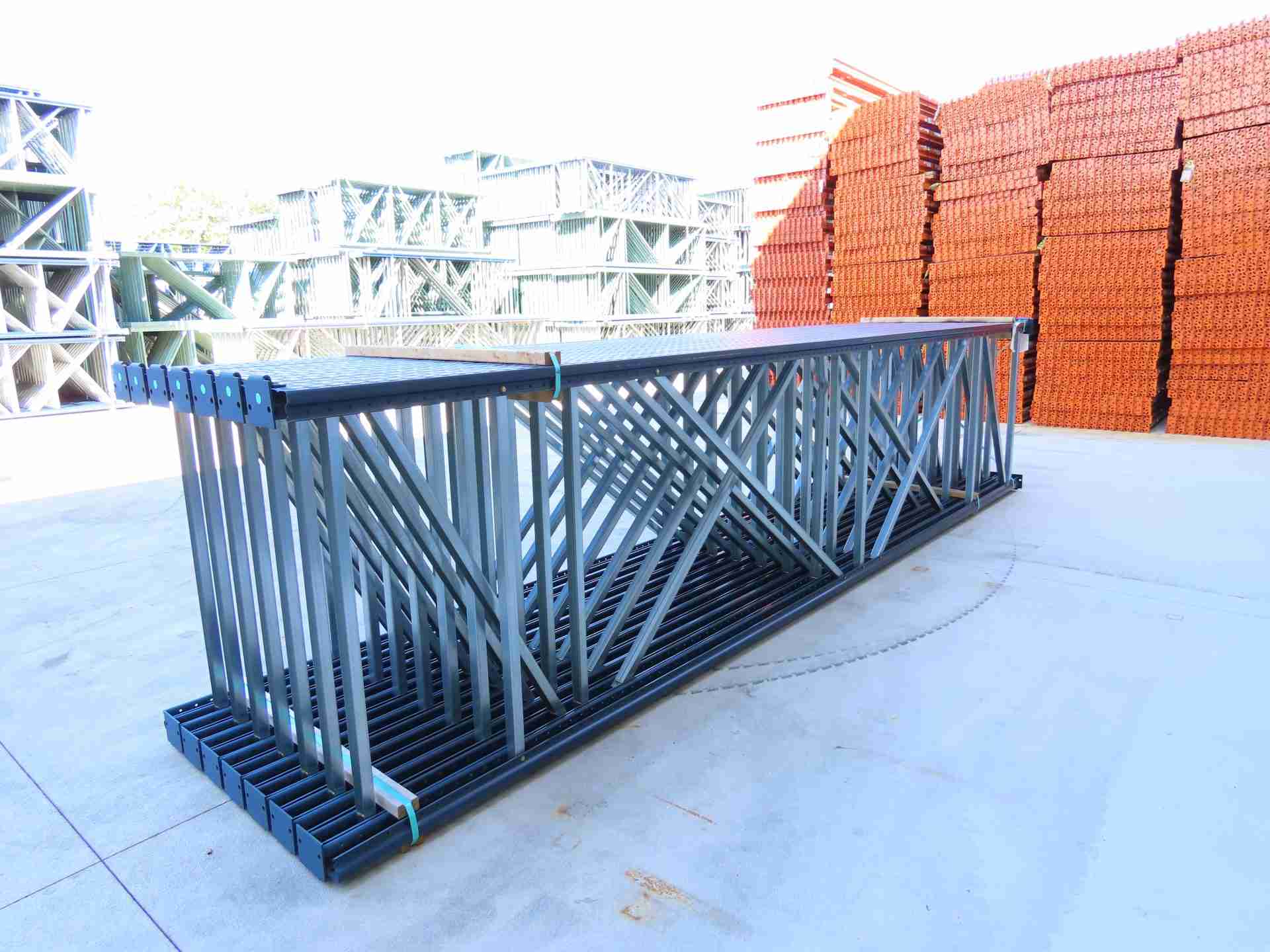
How Do Pallet Racks Comply With OSHA Regulations?
How Do Pallet Racks Comply With OSHA Regulations?
- OSHA regulations emphasize the importance of safety in warehousing and distribution operations.
- Employers must provide a workplace free from recognized hazards, highlighting the need for proper installation and regular inspections of pallet racks.
- Improperly installed racks can lead to catastrophic failures and serious injuries, as evidenced by a major distributor being fined in March 2023.
- Each pallet rack has a specified load capacity; exceeding this limit can result in accidents, so racks should be clearly labeled and staff trained.
- Aisle space must be kept clear to ensure safe movement of personnel and equipment; designated walkways should be marked to comply with regulations.
- Training programs for employees are essential for fostering a culture of safety and ensuring adherence to rack safety protocols.
- Compliance with OSHA regulations presents an opportunity to enhance workplace safety and protect the future of the business.

How Do Pallet Racks Comply With OSHA Regulations?
What Are Common Violations Related To Pallet Racking?
In the bustling world of warehousing and logistics, pallet racking systems stand as the backbone of efficient storage and inventory management. However, mismanagement and oversight can lead to severe violations that not only hamper productivity but also threaten safety. Awareness of these common pitfalls is essential for maintaining an optimal and compliant operation.
1. Overloading Racks
One of the most egregious violations in pallet racking comes from exceeding weight limits. Every rack has a designated load capacity clearly specified by manufacturers, yet the allure of cramming in as much product as possible can lead to disastrous consequences. For instance, during a recent warehouse incident that made headlines, overloading led to a complete rack collapse, injuring employees and halting operations for weeks. Regular training sessions about these limits can significantly mitigate risks.
2. Improper Installation
Installation errors can be another significant source of violations. Racks that aren’t anchored properly or fail to meet local building codes can pose serious safety hazards. Recently, regulatory agencies have tightened their inspections, spotlighting warehouses that cut corners during installation. Ensure every installation is carried out by certified professionals using up-to-date guidelines to dodge hefty fines and maintain a safe workplace.
3. Inadequate Clearance
Maintaining proper clearance zones is vital, yet many companies fall short. Insufficient aisle widths can limit access for forklifts and other machinery, increasing the risk of collisions and damage. A notable incident in a distribution center this year underscored this problem when an obstructed aisle created a bottleneck, leading to significant downtime and repair costs. Adhering to the recommended clearance distances not only enhances safety but optimizes workflow.
4. Ignoring Regular Inspections
Failing to conduct regular inspections often results in missed maintenance opportunities. A well-publicized recall regarding faulty racking systems served as a stark reminder of the importance of routine checks. Agencies are more active in inspecting compliance, and the repercussions for non-compliance can range from stiff penalties to business closure. Implement a robust inspection protocol to ensure that your systems are always in top condition.
5. Insufficient Training
Even the best equipment can fail if operators aren’t adequately trained. Lapses in employee education regarding load handling and safety standards lead to sloppiness and violations. Promoting a culture of ongoing training and awareness can prevent costly mistakes.
It’s imperative to recognize, address, and rectify potential violations in your pallet racking systems. Staying informed and proactive not only safeguards your warehouse but ensures your operation remains competitive and compliant in a landscape where safety cannot be compromised.

What Are Common Violations Related To Pallet Racking?
What Are Common Violations Related To Pallet Racking?
- Pallet racking systems are crucial for efficient storage and inventory management in warehousing and logistics.
- Overloading racks beyond weight limits can cause dangerous collapses, leading to injuries and operational downtime.
- Improper installation of racking systems can create serious safety hazards; using certified professionals is essential.
- Inadequate clearance zones can increase risks of collisions; maintaining recommended aisle widths is vital for safety and workflow.
- Ignoring regular inspections can lead to missed maintenance and increased risk of non-compliance penalties.
- Insufficient training of operators on load handling and safety standards can result in costly mistakes.
- Proactively addressing potential violations is essential for safety, compliance, and maintaining competitive operations.

What Are Common Violations Related To Pallet Racking?
How Can I Ensure My Pallet Racks Are OSHA Compliant?
When it comes to warehouse safety, ensuring your pallet racks are OSHA compliant isn’t just about following regulations—it’s about protecting your employees, safeguarding your assets, and ultimately, preserving your bottom line. But how do you navigate the complex maze of compliance while still making profits? It’s simpler than you think.
Conduct a Thorough Inspection
Start by performing regular inspections of your pallet racks—at least once a month. Look for signs of wear and tear, such as bent frames or worn-out connectors. A notable incident from last year involved a major retailer, which suffered a serious accident due to neglecting these crucial checks. They faced not only hefty fines but a tarnished reputation that cost them customers. A simple inspection could have saved them from this disaster.
Training is Essential
Investing in employee training is vital. Ensure that your team understands the importance of proper loading techniques and the maximum load capacities of your pallet racks. For example, a warehouse that recently implemented a training program saw a 30% drop in accidents—an impressive statistic that highlights the benefits of education. Including interactive sessions or hands-on workshops about OSHA standards can bolster retention and engagement.
Implement Safe Loading Practices
Establish clear loading and unloading procedures. Make it a rule to never exceed the load capacity specified by the manufacturer—this is where many companies slip up. Just look at the case from earlier this year, when a facility overloaded their racks, leading to a catastrophic collapse that resulted in injuries and a significant OSHA fine. By adhering to manufacturer guidelines and using weight monitoring systems, you can avoid this costly oversight.
Documentation is Key
Maintain meticulous records of inspections, repairs, and employee training. Good documentation not only helps in staying compliant but can also save you during an OSHA inspection. In a recent case, a business faced severe penalties until they provided solid proof of their safety measures and training records. They turned the tables by demonstrating their commitment to safety and compliance.
Stay Updated with Regulations
Finally, OSHA standards are constantly evolving. Keep yourself informed about the latest regulations and best practices by subscribing to industry newsletters or joining professional associations. This proactive approach will ensure your warehouse not only meets compliance standards but also operates at optimal efficiency.
By weaving a robust safety culture into the very fabric of your operations, you can ensure compliance and foster a workplace where employees feel valued and secure. Remember, compliance is not just a checkbox; it’s an investment in your future success.

How Can I Ensure My Pallet Racks Are OSHA Compliant?
How Can I Ensure My Pallet Racks Are OSHA Compliant?
- Ensure OSHA compliance for pallet racks to protect employees, assets, and maintain profit margins.
- Conduct regular inspections (at least monthly) to identify wear and tear, avoiding serious accidents.
- Invest in employee training on loading techniques and load capacities to reduce accidents.
- Establish safe loading practices, adhering strictly to manufacturer guidelines to prevent overloading.
- Maintain thorough documentation of inspections, repairs, and employee training for compliance verification.
- Stay updated on evolving OSHA regulations by subscribing to industry newsletters and joining associations.
- Foster a safety culture to ensure compliance and create a secure workplace for employees.

How Can I Ensure My Pallet Racks Are OSHA Compliant?
What Is The Role Of Load Capacity In Racking Regulations?
When it comes to warehouse management and logistics, the role of load capacity in racking regulations is not just a mere checkmark on a compliance list; it’s a crucial pillar that can make or break your operational success. Understanding load capacity ensures not only the safety of your workforce but also the longevity of your equipment and the efficiency of your overall operations.
Load capacity refers to the maximum weight a racking system can safely handle. Adhering to load capacity standards is imperative to prevent accidents that could injure employees or damage valuable inventory. Just last year, we witnessed catastrophic warehouse collapses due to overloading—incidents that could have been avoided with stringent adherence to load capacity regulations. Notably, a major retail chain faced significant legal repercussions and damage to their brand reputation after an accident in one of their warehouses resulted from neglecting these regulations.
Implementing racking systems that respect load capacities can transform your warehouse into a powerhouse of productivity. For instance, consider the case of a logistics company that upgraded its racking systems to reflect a controlled load capacity. This adjustment led to a remarkable 30% increase in storage efficiency while simultaneously minimizing incidents related to overloading. Not only did this improve their bottom line, but it also boosted employee morale as workers felt safer in a well-regulated environment.
Moreover, adherence to load capacities ensures compliance with OSHA regulations and local building codes, thus safeguarding your organization from hefty fines and unexpected audits. The fallout from non-compliance can be staggering. A single miscalculation could lead to not just financial loss but also a tarnished image—a risk not worth taking in today’s competitive market landscape.
In an era where e-commerce is booming, understanding load capacity becomes even more critical. The rapid pace of order fulfillment demands an efficient storage system, and any disruption—including that caused by racking failure—can lead to delayed shipping times, unfulfilled orders, and angry customers.
Incorporating proper training on load capacity for your team is essential. Equip your workforce with the knowledge and tools they need to respect these regulations. Implementing regular inspections and maintenance schedules for your racking systems not only honors load capacity but also fosters a culture of safety and accountability.
In summary, load capacity in racking regulations is not just a technical detail; it’s a strategic imperative that influences safety, efficiency, and ultimately, your bottom line. By respecting these guidelines, you safeguard your team, protect your assets, and maintain your market position, proving that in logistics, knowledge is power and compliance is key.

What Is The Role Of Load Capacity In Racking Regulations?
What Is The Role Of Load Capacity In Racking Regulations?
- Load capacity is a critical factor in warehouse management and logistics, impacting operational success.
- It refers to the maximum weight that a racking system can safely handle to ensure safety and equipment longevity.
- Accidents from overloading can be catastrophic, as shown by recent warehouse collapses and legal repercussions faced by companies.
- Implementing racking systems that respect load capacities can significantly improve storage efficiency and employee morale.
- Compliance with load capacity standards also aligns with OSHA regulations and local building codes, protecting organizations from fines.
- In the e-commerce era, efficient storage and adherence to load capacities are essential to avoid delays and customer dissatisfaction.
- Training staff on load capacity and conducting regular inspections fosters a culture of safety and accountability in the workplace.

What Is The Role Of Load Capacity In Racking Regulations?
How Often Should Pallet Racking Be Inspected?
In today’s fast-paced warehouse environments, the importance of regular pallet racking inspections cannot be overstated. The standing question is not whether to inspect, but how often? The simple yet powerful answer lies in understanding the critical role pallet racking plays in your operational efficiency and safety.
The Frequency of Inspections
Corporate safety standards and industry best practices suggest that pallet racks should be inspected at least once a year. However, this is an absolute minimum. For high-traffic warehouses or those handling heavy loads, a quarterly inspection is advisable. In many cases, businesses like Amazon and major retailers have reported that a proactive approach to safety — inspecting racking systems monthly — significantly minimizes risks, damages, and potential accidents.
Consider a recent incident in California where a warehouse experienced a catastrophic rack collapse due to inadequate inspections. The aftermath not only resulted in injuries but also caused costly downtime that could have been avoided with regular checks. How often you inspect your pallet racks directly translates into how much you’re willing to protect your workforce and your bottom line.
Indicators of Increased Risk
Apart from set scheduling, factors such as recent alterations in storage patterns, the introduction of heavier equipment, or substantial building renovations should trigger immediate inspections. If your product mix changes, for instance, or if your warehouse hits peak season, don’t wait for your next scheduled inspection. Jumping on these conditions promptly can save you from unforeseen expenses and lost productivity.
Creating a Culture of Safety
Incorporating a culture of safety within your organization is essential. When employees are encouraged to report any visible damages or abnormalities on a continuous basis, you create a system that safeguards not just equipment, but lives as well. For example, offering incentives for teams that identify and rectify potential issues can transform your inspection habits from a dreaded chore into a proactive mindset.
Conclusion
Ultimately, how often you choose to inspect your pallet racking systems can mean the difference between a safe, efficient operation and a hazardous liability. Make inspections an integral part of your operational routine. In a world where supply chain management is increasingly scrutinized, a robust and proactive approach to pallet racking safety can set your business apart. Invest in regular inspections and remember: a small commitment to safety today leads to substantial returns tomorrow.

How Often Should Pallet Racking Be Inspected?
How Often Should Pallet Racking Be Inspected?
- Regular pallet racking inspections are crucial for operational efficiency and safety in warehouses.
- Inspection frequency should be at least annually, but quarterly for high-traffic or heavy load environments.
- Monthly inspections, as practiced by companies like Amazon, can significantly reduce risks and damages.
- Recent incidents highlight the dangers of inadequate inspections, causing injuries and costly downtimes.
- Changes in storage patterns, heavier equipment, or peak seasons should trigger immediate inspections.
- Fostering a culture of safety encourages employees to report damages, improving overall safety standards.
- Regular inspections should be an integral part of operations to prevent hazards and enhance efficiency.

How Often Should Pallet Racking Be Inspected?
Are There Training Requirements For Pallet Rack Safety?
In today’s fast-paced warehouse environment, the stakes have never been higher. With e-commerce booming and the need for rapid fulfillment increasing, your storage solutions—especially pallet racks—are the backbone of your operation. But how often do you consider the safety training of your staff? Effective training can not only protect your employees but also enhance your operational efficiency and cut costs associated with accidents.
First and foremost, it’s essential to understand the safety requirements for pallet racks. The Occupational Safety and Health Administration (OSHA) mandates that employers provide training to workers who operate or are exposed to pallet racks and other storage solutions. The guidelines specify that training must cover how to identify hazards, proper lifting techniques, and safe equipment operation. But don’t just stop at compliance—consider it an opportunity to foster a culture of safety.
Training should be a continuous process, not a one-off event. For example, industry-leading companies such as Amazon and Walmart conduct regular safety drills and refreshers to keep their workplace safe. By utilizing modern methods—like virtual reality simulations—you can engage your employees and ensure they understand the nuances of operating around heavy loads and high shelving.
But don’t overlook the psychological aspect of safety training. When employees feel empowered by their training, their morale increases, which can lead to improved productivity. In contrast, neglecting education can lead to mistakes. For example, a warehouse accident in 2022 resulted from poorly trained personnel mishandling pallet jack equipment, causing injuries that set the company back both financially and in employee trust.
Today’s dynamics, especially with recent supply chain disruptions, underscore the importance of maintaining efficiency and safety. When firms face resources shortages, the pressure on workers to perform rapidly can lead to corners being cut, including training protocols. Conversely, companies that prioritize employee training report not just safer workplaces, but also better retention rates and improved customer satisfaction due to fewer delays and reliable service.
By investing in comprehensive pallet rack safety training, you aren’t just ticking boxes—you’re building a robust foundation for your business. So gear up, review your training protocols, and be proactive. Ensure that safety is a top priority, and watch as your productivity soars, your costs drop, and your team operates like a finely tuned machine. Ultimately, a safer workplace is a smarter investment.

Are There Training Requirements For Pallet Rack Safety?
Are There Training Requirements For Pallet Rack Safety?
- The warehouse environment requires effective safety training to protect employees and enhance operational efficiency.
- OSHA mandates safety training for workers operating or exposed to pallet racks, covering hazard identification and safe equipment operation.
- Safety training should be continuous, with examples from leading companies like Amazon and Walmart conducting regular drills and refreshers.
- Modern training methods, such as virtual reality simulations, can engage employees in understanding safe operations around heavy loads.
- Empowered employees through training can lead to increased morale and productivity, while neglecting training can result in costly mistakes.
- Prioritizing safety training can lead to better employee retention and improved customer satisfaction amid resource shortages.
- Investing in pallet rack safety training builds a strong foundation for business success and transforms safety into a smart investment.

Are There Training Requirements For Pallet Rack Safety?
What Should I Know About Pallet Rack Design Standards?
When it comes to optimizing warehouse efficiency and safety, understanding pallet rack design standards is not just a good practice; it’s essential. The right design standards not only ensure the structural integrity of the storage system but also protect your valuable inventory and your workforce. In today’s fast-paced business environment, overlooking these guidelines can lead to costly mistakes, injuries, and even potential legal ramifications.
First, let’s dive into the heart of the matter—the key standards established by organizations such as ANSI (American National Standards Institute) and RMI (Rack Manufacturers Institute). These standards dictate how load capacities are calculated, how rack systems should be structurally designed, and what safety measures must be in place. For instance, a pallet rack system designed without adhering to these standards might buckle under pressure, leading to disastrous outcomes as seen in several warehouse accidents last year alone.
Consider the recent surge in e-commerce, a trend accelerated by the pandemic. Warehousing has become a critical backbone for goods distribution. As companies race to expand their storage capacity, they must prioritize compliance with design standards. Just last quarter, a major logistics firm faced hefty fines and operational disruptions after failing to meet basic safety standards during their rapid expansion. It served as a stark reminder that cutting corners can result in not only financial repercussions but also reputational damage.
Moreover, as sustainability becomes a focal point for more businesses, adhering to design standards can facilitate better material use and minimize waste. For example, investing in adjustable and scalable pallet rack systems allows companies to adapt their storage as needed, aligning with eco-friendly practices that are appealing to today’s socially conscious consumers.
Lastly, don’t overlook the importance of regular inspections and maintenance. Even the most robust pallet rack systems can wear over time, and the standards emphasize the necessity of ongoing evaluations. Establishing a routine inspection schedule that aligns with design standards not only protects your investment but also fosters a culture of safety among employees.
In summary, understanding and implementing pallet rack design standards isn’t merely an option; it’s a strategic advantage. By ensuring compliance, you can enhance operational efficiency, minimize liability risks, and improve overall workplace safety. Stay ahead of the curve, protect your business, and ensure your warehouse is a safe haven for all. Your bottom line—and to a greater extent, your reputation—depends on it.

What Should I Know About Pallet Rack Design Standards?
What Should I Know About Pallet Rack Design Standards?
- Understanding pallet rack design standards is essential for optimizing warehouse efficiency and safety.
- Standards from organizations like ANSI and RMI dictate load capacities, structural design, and necessary safety measures.
- Failure to adhere to these standards can lead to costly mistakes, injuries, and legal repercussions.
- The growth of e-commerce necessitates compliance with design standards, as seen in a logistics firm’s recent operational disruptions.
- Adhering to design standards supports sustainability by optimizing material use and reducing waste.
- Regular inspections and maintenance are crucial to ensure pallet rack systems remain safe and effective over time.
- Implementing these standards provides a strategic advantage, enhancing efficiency, minimizing risks, and improving workplace safety.

What Should I Know About Pallet Rack Design Standards?
How Do I Report Unsafe Pallet Racking Practices?
When it comes to workplace safety, complacency can be your worst enemy. Stacked high and mighty, pallet racking systems are a vital part of warehouse logistics, but they can also become a hazard if not properly maintained or used. Reporting unsafe pallet racking practices is not only an ethical responsibility but a lifesaving move. Here’s how you can take action effectively.
First and foremost, you must gather evidence. Document any hazardous conditions you observe—think about leaning racks, damaged braces, or improper load limits. Take photos and make detailed notes. For instance, if you notice a racking system that’s wobbling due to overload, snap a picture and jot down the date and location. This documentation will serve as vital evidence, painting a clear picture of the unsafe conditions.
Next, consult your organization’s safety policies. Most companies have specific protocols for reporting safety issues. Familiarize yourself with these procedures. They’re often found in the employee handbook, on the company intranet, or through the HR department. Aligning your report with existing guidelines increases its credibility and ensures it reaches the right eyes. For instance, a large-scale retailer recently updated its reporting process to encourage anonymous feedback, making it easier for employees to voice concerns without fear.
Once you know the procedure, get your report ready. Follow a structured format—describe the issue, suggest potential solutions, and state the risks involved if the problem isn’t addressed. Use concise language but don’t shy away from being direct. Think of a recent incident in the news: a warehouse collapse caused by improper use of racking systems highlighted just how catastrophic such negligence can be. Use this as a poignant reminder in your report, emphasizing that safety should never take a backseat to productivity.
If you believe immediate action is necessary, don’t hesitate to reach out to your safety officer or manager directly. In urgent situations, an immediate phone call can accelerate an investigation. You might say, “I spotted several unsafe racking practices that jeopardize our team’s safety. Can we address this before someone gets hurt?” This approach shows leadership, and it underscores that safety is a shared responsibility.
Lastly, if internal measures fail, don’t hesitate to contact external regulatory bodies, such as OSHA or local labor boards, to report unsafe working conditions. Remember, your diligence in addressing unsafe pallet racking practices not only protects your colleagues but also promotes a culture of safety and accountability within your workplace. It’s time to be a champion for change!

How Do I Report Unsafe Pallet Racking Practices?
How Do I Report Unsafe Pallet Racking Practices?
- Complacency is a major risk factor in workplace safety, particularly with pallet racking systems.
- Document unsafe conditions with evidence such as photos and detailed notes.
- Familiarize yourself with your organization’s safety reporting policies for effective communication.
- Prepare a structured report detailing the issue, potential solutions, and associated risks.
- In urgent situations, promptly contact your safety officer or manager to address concerns.
- If internal reporting fails, reach out to external bodies like OSHA for unsafe conditions.
- Your actions help promote a culture of safety and accountability in the workplace.

How Do I Report Unsafe Pallet Racking Practices?
What Are The Penalties For Non-Compliance With Racking Regulations?
In today’s fast-paced industrial environment, understanding and adhering to racking regulations is not just a smart practice; it’s a business imperative. Falling short of compliance can lead to a cascade of penalties that could derail not only your operational efficiency but also your bottom line.
First, let’s establish what non-compliance can look like. Picture a warehouse where racks are overloaded or improperly installed. This not only poses an immediate safety risk but can also attract the scrutiny of regulators. According to the Occupational Safety and Health Administration (OSHA) and various local safety codes, failure to meet racking standards can induce hefty fines. Reports indicate that penalties for safety violations can range anywhere from a few thousand dollars to upwards of $130,000 for willful or repeated violations. This is not chump change for any organization, especially small businesses grappling with tight margins.
Consider the case of a well-known logistics company that faced the consequences of non-compliance last year. The company was hit with over $200,000 in fines after several safety inspections uncovered serious flaws in their racking system. Beyond just the fines, they also suffered reputational damage, losing contracts with several key clients who valued safety and compliance over cost. These factors collectively underscore that non-compliance is not just a regulatory issue; it can tarnish a brand’s reputation and stakeholder trust.
But the ramifications don’t stop with financial penalties. Non-compliance can lead to severe operational disruptions. If a racking system fails and leads to an incident, the ramifications can include worker injuries, which not only jeopardizes lives but also leads to costly lawsuits and increased insurance premiums. The National Safety Council has highlighted that workplace injuries can cost businesses up to $164 billion annually in direct and indirect costs.
Let’s dive deeper. When a business is found non-compliant, it often faces mandatory corrective actions, which can lead to a halt in operations. Retraining staff, repairing or replacing defective racking systems, and conducting safety audits can all lead to unplanned downtime. In an industry where time truly is money, this could be the difference between profit and loss.
In essence, the penalties for non-compliance with racking regulations extend beyond immediate fines. They infringe on safety, reputational integrity, and overall operational viability. The lesson is clear: prioritize compliance not only to avoid penalties but to build a sustainable, reputable business that values safety and quality above all else.

What Are The Penalties For Non-Compliance With Racking Regulations?
What Are The Penalties For Non-Compliance With Racking Regulations?
- Understanding and adhering to racking regulations is crucial for business compliance and operational efficiency.
- Non-compliance can lead to significant penalties, with fines ranging from thousands to over $130,000.
- Case example: A logistics company incurred over $200,000 in fines due to racking system flaws and lost key client contracts.
- Non-compliance can result in operational disruptions, including worker injuries and costly lawsuits.
- Workplace injuries can cost businesses up to $164 billion annually in direct and indirect costs.
- Mandatory corrective actions for non-compliance can cause unplanned downtime, impacting profitability.
- Prioritizing compliance helps build a sustainable business focused on safety and quality, avoiding financial and reputational harm.

What Are The Penalties For Non-Compliance With Racking Regulations?
Can Pallet Racking Affect My Insurance Premiums?
When it comes to streamlining operations and boosting efficiency, pallet racking is often the first line of defense for businesses engaged in inventory management. But what many business owners overlook is an often uncharted territory where pallet racking can significantly impact their bottom line: insurance premiums.
Pallet racking systems, while essential for maximizing storage space and enhancing accessibility, also play a crucial role in risk management—a factor insurance companies scrutinize closely. By implementing robust and compliant pallet racking systems, you could potentially lower your insurance premiums. Here’s how this works.
Insurance Underwriting and Risk Assessment
Insurance providers assess the risks associated with your business’s operational methods. A well-organized warehouse with compliant pallet racking reduces hazards like employee injuries, product damage, or liability claims. For instance, a study by the National Safety Council highlighted that businesses that maintain a safe and organized workspace are 25% less likely to experience work-related incidents. By demonstrating a commitment to safety through proper racking systems, you wouldn’t just be protecting your employees—you would be sending a clear signal to insurers that you are serious about minimizing risk.
Example in Real Life
Consider a warehouse that employs outdated or poorly maintained racking systems. An incident like a shelf collapse could not only lead to injuries and inventory loss but could also trigger a spike in insurance premiums due to increased claims. In stark contrast, an organization that invests in modern, compliant racking systems may enjoy lower rates by presenting a safer profile during renewal. Just last year, a major retailer reported a 15% reduction in insurance premiums after revamping its pallet racking layout to meet new safety standards following a series of incidents in less regulated competitors’ warehouses.
Current Events and Regulatory Focus
With current regulations tightening around workplace safety and inventory storage requirements, your business decisions taking the proactive route could pay dividends in insurance costs. For example, after the COVID-19 pandemic, the scrutiny on workplace safety has intensified; companies that fail to adapt risk facing not just regulatory penalties but also higher insurance rates as insurers evaluate potential liabilities.
In summary, smart investments in pallet racking not only optimize space and improve operational efficiency; they also serve as a powerful tool to negotiate lower insurance premiums. By prioritizing safety and compliance in your warehousing practices, you fortify your business against unforeseen costs and contribute to long-term financial stability. Don’t just think of pallet racking as a storage solution—view it as an integral part of your risk management strategy.

Can Pallet Racking Affect My Insurance Premiums?
Can Pallet Racking Affect My Insurance Premiums?
- Pallet racking is essential for inventory management and streamlining operations.
- Robust pallet racking systems can reduce insurance premiums by impacting risk management positively.
- Insurance providers evaluate the risks associated with operational methods, emphasizing safety.
- A well-organized warehouse with compliant racking lowers the risk of employee injuries and liability claims.
- Companies that maintain a safe workspace are 25% less likely to face work-related incidents.
- Investing in modern racking can result in lower insurance rates during renewal periods.
- Prioritizing safety and compliance in warehousing practices supports long-term financial stability.

Can Pallet Racking Affect My Insurance Premiums?
What Should I Do If I Find A Racking Safety Issue?
Imagine walking through your warehouse, and your heart drops as you spot a racking safety issue. Perhaps a bent beam, a loose bolt, or even a rack that seems teetering uncomfortably under a weight it wasn’t meant to bear. What do you do next? The steps you take in these crucial moments can be the difference between a minor inconvenience and a catastrophic accident that could cost time, money, and even lives.
First and foremost, stay calm and act quickly. Don’t let panic cloud your judgment. Your immediate priority should be to secure the area. If it’s safe to do so, place warning signs or cones around the affected racking to prevent colleagues from inadvertently walking into a potentially dangerous zone. For example, a company in Indiana recently faced a significant fine after an employee was injured due to a failure to address an obvious racking issue. They had noticed the problem, but the lack of immediate cautionary measures resulted in severe repercussions.
Next, document the issue thoroughly. Take photographs, jot down notes, and collect as much information as you can about the problem. This documentation will not only be invaluable when you report the issue but could also save your business in the event of an investigation later. Remember the reported cases during the recent warehouse safety summits emphasizing the importance of maintaining detailed safety records? They underscored that every piece of information can be critical in demonstrating compliance and awareness.
Now comes the moment of truth: report the issue. Don’t keep it to yourself. Notify your supervisor or safety officer immediately. If your organization has a safety committee or designated safety personnel, make sure they are involved. Transparency is key here. Make your documentation available to decision-makers, so they understand both the severity and context of the racking issue.
Furthermore, follow up with corrective actions. It’s one thing to report the issue, but it’s another to ensure it gets fixed. Schedule an inspection by a trained racking specialist, as they can assess the situation and provide guidance on necessary repairs or replacements. Recent discussions in industry circles have highlighted the increasing focus on third-party inspections, suggesting that businesses may find immense value in having external experts weigh in.
Lastly, learn from the experience. Use this incident as a teaching moment. Conduct a safety training session for all employees to reiterate the importance of vigilant monitoring and reporting of any safety concerns. Remember, a proactive approach to workplace safety not only protects your bottom line but also fosters a culture of care and responsibility.
By acting decisively and responsibly when you encounter a racking safety issue, you’re not just protecting assets; you’re safeguarding lives. And that’s worth far more than any immediate profit.

What Should I Do If I Find A Racking Safety Issue?
What Should I Do If I Find A Racking Safety Issue?
- Maintain calmness and act quickly when spotting a racking safety issue.
- Secure the area by placing warning signs or cones to prevent accidents.
- Document the issue thoroughly with photographs and notes for reference.
- Report the issue immediately to a supervisor or safety officer.
- Follow up with corrective actions, including scheduling inspections by trained specialists.
- Use the incident as a learning opportunity for safety training among employees.
- Adopt a proactive approach to workplace safety to protect assets and lives.

What Should I Do If I Find A Racking Safety Issue?
Conclusion
In the bustling world of warehouse operations, ensuring compliance with OSHA pallet racking regulations isn’t just a matter of legality—it’s a cornerstone of effective business management. Addressing the nuances of pallet racking safety is more pressing than ever as the industry undergoes rapid transformations driven by e-commerce demands. This conclusion reiterates the crucial elements presented in our comprehensive exploration of OSHA’s guidelines and the safety standards surrounding pallet racking systems.
While OSHA may not have explicit regulations dedicated solely to pallet racks, its overarching guidelines speak volumes about general workplace safety. Your responsibility as a business leader aligns with the General Duty Clause of OSHA: creating an environment devoid of recognized hazards. From understanding load capacities to adhering to proper installation practices, every detail holds weight in ensuring operational safety and efficiency.
Regular inspections and consistent maintenance form the backbone of compliance efforts. The need for at least quarterly checks—in high-traffic settings—cannot be overstated. Any lapse can hinder not just employee safety but your overall business productivity. As our findings highlighted, ignoring these practices could result in catastrophic incidents, hefty fines, and irreparable reputational damage.
A culture of safety must be cultivated through comprehensive training sessions for your staff, fostering awareness about the correct handling of loads and the importance of maintaining clear aisles free from obstruction. Such proactive measures promote a safer environment and can lead to notable cost savings through reduced workplace accidents. The real-world examples and statistics provided throughout the article clearly showcase that prioritizing safety is not merely about compliance; it is an investment that pays dividends in efficiency and employee morale.
Finally, there is an undeniable urgency in taking action. With OSHA’s regulations continually evolving, businesses must stay informed and adaptive. The recent shifts in regulatory focus mean now is the time to evaluate your pallet racking systems critically. Contact Arrow Industrial Sales at (574) 349-6575 to ensure that your business meets all safety standards and avoids the pitfalls associated with non-compliance. Remember, safeguarding your employees isn’t just an obligation—it’s a strategic advantage that positions your business for success. Embrace the importance of maintaining compliant pallet racking systems today for a safer, more productive tomorrow.

Conclusion
Conclusion:
- Compliance with OSHA pallet racking regulations is essential for effective business management, especially amid rapid e-commerce growth.
- While OSHA lacks explicit pallet rack regulations, general workplace safety guidelines, particularly the General Duty Clause, are crucial.
- Business leaders must understand load capacities and practices for proper installation to ensure operational safety and efficiency.
- Regular inspections, ideally quarterly in high-traffic areas, are vital to maintain compliance and prevent safety lapses.
- Cultivating a safety culture through staff training on load handling and maintaining clear aisles promotes a safer work environment.
- Prioritizing safety is an investment in efficiency and employee morale, leading to significant cost savings by reducing workplace accidents.
- With evolving OSHA regulations, businesses should critically evaluate their pallet racking systems and ensure compliance to safeguard employees and enhance productivity.

Conclusion
Other Resources

Other Resources
Here is a list of other resources you can review online to learn more:
- “1910 | Occupational Safety and Health Administration”
- “Warehousing – Know the Law | Occupational Safety and …”
- “What Does OSHA Have to Say About Pallet Rack Safety?”
- “Citation 1060970.015/01001 | Occupational Safety and …”
- “1926.250 – General requirements for storage.”
- “OSHA Pallet Rack Anchor Requirements – Blog”
- “Rack Manufacturers Institute (RMI)”
- “Pallet Racking Safety Guidelines: What They Are and How …”
- “Advertisement for Bids”
- “Glossary of safety and health terms”
- “informal bid proposal and contract documents for”
- “Morrow County Board of Commissioners Agenda Page 1 of 2 …”
- “Specifications”
- “Amendment 3 to RFP FQ13087”
- “Randolph Johnson Park Improvements”
- “c~t2 Richland Operations Office”
- “SUPPLIER HANDBOOK DOCUMENT REVISION HISTORY …”
- “Programmatic Health & Safety Plan. – DTIC”
Use This Prompt To Get More Resources With Your Favorite Online AI Tool: Please provide me with a list of online articles with their URLs in a bulleted list that I can read regarding Does OSHA Pallet Racking Regulations Exist?

Other Resources
Glossary Terms
Does OSHA Pallet Racking Regulations Exist? – Glossary Of Terms
1. OSHA: The Occupational Safety and Health Administration, a US government agency responsible for ensuring safe and healthy working conditions.
2. Pallet Racking: A storage system that uses horizontal structures, known as racks, to hold and organize goods on pallets.
3. Regulation: A rule or directive made and maintained by an authority, such as OSHA, to control how processes are carried out in workplaces.
4. Safety Standards: Documents that outline best practices, procedures, and criteria to ensure workplace safety and protect workers from hazards.
5. Load Capacity: The maximum weight that a pallet rack system can safely hold, determined by design and materials used.
6. Forklift Safety: Practices and guidelines required when operating forklifts to ensure the safety of operators and those around them in pallet storage areas.
7. Inspection: The process of examining pallet racking systems for compliance with safety regulations and identifying any potential hazards.
8. Dunnage: Material used to support or brace a load during transportation or storage, helping to prevent damage.
9. Structural Integrity: The ability of a racking system to support its load without failing, an essential aspect of safety regulation compliance.
10. Sway Bracing: Diagonal supports added to a racking system to prevent lateral movement and enhance stability.
11. Aisle Space: The designated clear space between pallet racks to allow for safe movement of equipment, like forklifts, and personnel.
12. Load Labels: Markings on pallet racks that indicate the maximum load capacity to inform workers of safe loading practices.
13. Pallet Configuration: The specific arrangement, type, and size of pallets used on racks that can affect overall safety and storage efficiency.
14. Hazard Communication: The system of informing workers about chemical hazards and safe handling practices, important in warehousing environments.
15. Height Restrictions: Regulations governing the maximum allowable height of racking systems to ensure stability and safety.
16. Stability Factor: A measure of how stable a racking system is, which takes into account loading, height, and environmental factors.
17. Load Distribution: The way weight is spread across a pallet racking system, affecting its stability and safety.
18. Penalties: Consequences faced by employers who fail to comply with OSHA regulations, which can include fines or legal action.
19. Training Requirements: Mandatory education provided to workers on safe practices and the proper use of equipment in relation to pallet racking.
20. Ergonomics: The study of designing workspaces and systems that maximize productivity by minimizing worker strain and discomfort, vital in warehouse operations.
21. Risk Assessment: The systematic process of evaluating the potential risks that may be involved in a projected activity or undertaking related to pallet racking.
22. Incident Reporting: The procedure for documenting accidents or near misses in the workplace to improve safety practices and compliance.
23. Compliance Audits: Regular evaluations of workplace practices to ensure adherence to OSHA regulations and safety standards.
24. Material Handling: The movement, protection, storage, and control of materials throughout the manufacturing and warehousing process.
25. Pallet Rack Components: The individual parts of a pallet racking system, including uprights, beams, and cross-bracing, each vital for overall safety.
26. Occupational Hazards: Potential risks or dangers that workers may encounter in their job environments, including those related to racking systems.
27. Maintenance: Routine checks and repairs to ensure that pallet racking systems remain safe and compliant with regulations over time.
28. Emergency Procedures: Planned actions to be implemented in case of an accident or hazardous situation related to pallet racking systems.
29. Material Compliance: Ensuring that the materials used in the construction of pallet racking systems meet specific safety and durability standards.
30. Inspection Frequency: The regularity at which pallet racking systems must be inspected for safety and compliance, often defined by OSHA regulations.

Glossary Of Terms
Other Questions
Does OSHA Pallet Racking Regulations Exist? – Other Questions
If you wish to explore and discover more, consider looking for answers to these questions:
- What are the key differences between OSHA regulations and ANSI/RMI guidelines for pallet racking?
- How can businesses ensure they stay updated on changes in pallet racking regulations?
- What are the consequences of failing to comply with OSHA pallet racking regulations?
- What types of pallet racking systems exist and how do they differ in compliance requirements?
- How can companies effectively train their employees on pallet racking safety?
- What resources are available for businesses to learn about pallet racking compliance?
- Can pallet racking be customized to fit unique warehouse requirements while remaining compliant?
- What are the best practices for maintaining pallet racking systems?
- How do inspections differ for various types of pallet racking systems?
- Are there industry-specific regulations that affect pallet racking compliance?

Other Questions
Checklist
Does OSHA Pallet Racking Regulations Exist? – A Checklist
1. General Compliance
_____ Confirm pallet racking systems comply with OSHA standards for walking-working surfaces and materials handling (29 CFR 1910 Subpart D & 1910. 176).
_____ Ensure understanding of OSHA’s General Duty Clause requiring a safe work environment.
2. Load Capacity
_____ Check that all pallet racks are properly labeled with their load capacities.
_____ Verify the load limits are respected and not exceeded, especially during peak operational times.
_____ Ensure loads are evenly distributed on racks to maintain balance and prevent tipping.
3. Installation
_____ Confirm that racks are installed according to manufacturer specifications.
_____ Ensure racks are anchored properly to prevent tipping or collapse.
4. Maintenance and Inspections
_____ Establish a routine inspection schedule (ideally monthly for high-traffic areas, quarterly for others).
_____ Check for signs of wear and tear (e. g. , bent beams, rust, loose bolts) during inspections.
_____ Document inspection results and maintenance performed.
5. Training
_____ Conduct regular training sessions for employees on safe loading/unloading practices and recognizing potential hazards.
_____ Provide specific training on the use of equipment related to pallet racking (e. g. , forklifts, pallet jacks).
_____ Foster an environment of continuous safety awareness and education among employees.
6. Incident Reporting
_____ Implement a clear process for reporting unsafe pallet racking practices.
_____ Encourage employees to report any racking issues immediately, without fear of repercussions.
7. Design Standards
_____ Verify compliance with design standards from organizations like ANSI and RMI.
_____ Utilize adjustable and scalable racking systems to accommodate various inventory needs safely.
8. Clear Aisles and Access
_____ Maintain clear pathways and ensure aisles between racks are adequately sized for safe movement of personnel and equipment.
_____ Regularly check that access points are not obstructed by pallets, products, or equipment.
9. Corrective Actions
_____ Ensure prompt corrective actions are taken for any identified safety issues.
_____ Schedule inspections by qualified personnel if serious issues are found.
10. Documentation
_____ Keep detailed records of inspections, maintenance, employee training, and safety concerns addressed.
_____ Have readily available documentation to present during audits or inspections by safety officials.
11. External Consultation
_____ Consider working with safety consultants for tailored insights and compliance checks.
_____ Stay tuned to industry-specific resources for updates related to racking safety and compliance.
12. Emergency Preparedness
_____ Develop and communicate an emergency response plan for accidents involving pallet racking systems.
_____ Conduct drills and train employees on evacuation routes and procedures specific to racking-related incidents.
By following this checklist, you can help ensure that your pallet racking systems are compliant with OSHA regulations and contribute to a safe and efficient warehouse environment. Safe employees lead to a sustainable and profitable operation!

Checklist
At RackingWorld, we help guide you through selecting warehouse storage systems and racking.
Be sure to read our other related stories at RackingWorld to learn more about warehouse storage systems.
0 Comments