
Protecting Your Warehouse: Saving Lives And Livelihoods
By Tom Seest
At RackingWorld, we help guide you through selecting warehouse storage systems and racking.
Be sure to read our other related stories at RackingWorld to learn more about warehouse storage systems.
Are Safety Hazards In Your Warehouse Costing Lives and Livelihoods?
Picture this: a bustling warehouse filled with workers, each committed to fulfilling orders and meeting deadlines. Amidst the hustle and bustle, however, lurks an invisible threat—a safety hazard that could transform a thriving environment into a scene of unimaginable loss. It’s a reality far too many warehouse operators face, yet it often goes unchecked until tragedy strikes.
Now, let’s talk about pallet racking. This pivotal component is not only a backbone of your storage system; it’s also where potential safety hazards can manifest. Unstable racks, misplaced loads, and insufficient safety measures can turn your pallet racking into a ticking time bomb. The vision of a towering rack collapsing due to overloading or improper installation shouldn’t just send shivers down your spine; it should ignite a fire within you to assess and improve the safety protocols in place.
Every day, countless employees depend on warehouses that prioritize safety and efficiency. When safety hazards exist—like inadequately secured merchandise or poorly designed layouts—the stakes are alarmingly high. It’s not just about avoiding insurance claims or legal repercussions; it’s about people—your team, who come to work hoping to provide for their families. Those daily earnings are a lifeline, and safety issues threaten to sever that connection.
Now, before you dismiss these concerns as unmanageable or too costly to rectify, consider the alternative. Investing in safety measures—including proper pallet racking systems—can serve as a vital insurance policy for both life and business. Imagine peace of mind knowing your warehouse meets the highest safety standards, allowing you to focus on what truly matters—growing your business while safeguarding the livelihood of your employees.
Creating a culture of safety has never been more essential. Act now to evaluate your warehouse operations. Are your pallet racking systems sound and secure? Are your employees adequately trained to identify potential hazards? Start engaging with your team to foster an environment where safety is everyone’s responsibility. This is more than a call to action; it’s a commitment to the people who make your business thrive, ensuring that safety is not just a policy, but a fundamental ethos ingrained in your company culture.
Taking proactive steps today can transform your warehouse from a risky environment into a beacon of safety, empowering both lives and livelihoods. Don’t wait for disaster to strike—make the change today!

Are Safety Hazards In Your Warehouse Costing Lives and Livelihoods?
Are Safety Hazards In Your Warehouse Costing Lives and Livelihoods?
- The presence of safety hazards in warehouses can lead to tragic outcomes for both employees and operations.
- Pallet racking systems, vital for storage, can become safety hazards if unstable, overloaded, or improperly installed.
- Inadequately secured merchandise and poor warehouse layouts pose high risks to workers’ safety.
- Investing in safety measures, like proper pallet racking, protects both employees and business interests.
- Creating a culture of safety and involving employees in hazard identification is crucial for sustainable operations.
- Evaluating safety protocols regularly can ensure that warehouses meet high safety standards, safeguarding livelihoods.
- Proactive measures today can prevent disasters and foster a safer work environment for employees.

Are Safety Hazards In Your Warehouse Costing Lives and Livelihoods?
Table Of Contents
- Are Safety Hazards In Your Warehouse Costing Lives and Livelihoods?
- What Are Common Safety Hazards In Warehouses?
- How Do Safety Hazards Impact Costs?
- What Are The Consequences Of Warehouse Accidents?
- How Can Proper Training Reduce Safety Risks?
- What Equipment Can Improve Warehouse Safety?
- How Often Should Safety Audits Be Conducted?
- Conclusion
- Other Resources
- Glossary Of Terms
- Other Questions
- Checklist
What Are Common Safety Hazards In Warehouses?
Navigating the complex environment of a warehouse can sometimes feel like walking through a maze. With the towering stacks of pallet racking, the busy forklifts zipping by, and employees hustling from one task to another, the thrill of efficiency can easily slip into the shadows of oversight and danger. Understanding common safety hazards is not only crucial for compliance but essential for cultivating a culture of safety that protects your valuable workforce.
Pallet Racking is one of the leading culprits when it comes to safety hazards in warehouses. These towering storage systems are designed for efficiency; however, if not properly maintained or utilized, they can become precarious. Imagine the moment you hear the ominous sound of items teetering on the edge—one slip and a cascade of inventory becomes a serious hazard. Ensure that your pallet racking is installed correctly, load weight limits are adhered to, and all employees are trained on proper stacking techniques. It’s a small investment in training that pays off handsomely in reducing risk.
But pallet racking is just the tip of the iceberg. Slips, trips, and falls are alarmingly common, often stemming from cluttered walkways or improperly marked hazards. Visualize an employee carrying a heavy load, eyes focused down but feet stumbling over a misplaced pallet. Clear pathways and smart storage solutions not only save your workforce from injury but also improve efficiency in daily operations.
Forklift operations present yet another layer of complexity. While forklifts are vital for moving goods, they can also be potential mischief-makers if operators are not vigilant. Proper training and routine inspections become your best friends here, ensuring every operator is equipped with the knowledge and skills to keep themselves and others safe.
And let’s not overlook personal protective equipment (PPE). Often viewed as an afterthought, PPE is your frontline defense against workplace hazards. Encouraging a culture of wearing hard hats, gloves, and eye protection creates an environment where safety is ingrained in the daily routine.
The good news? By acknowledging these safety hazards and implementing proactive measures, you’re not just following regulations—you’re establishing a robust, safety-oriented environment that inspires trust and confidence in your workforce. After all, the greatest asset in your warehouse is the people who keep it running smoothly. Invest in their safety today, and you’ll reap the rewards tomorrow.

What Are Common Safety Hazards In Warehouses?
What Are Common Safety Hazards In Warehouses?
- Navigating a warehouse involves complexities like pallet racking, busy forklifts, and active employees, making safety awareness crucial.
- Pallet racking is a significant safety hazard; proper maintenance, correct installation, and employee training on stacking are essential.
- Slips, trips, and falls commonly occur due to cluttered walkways; maintaining clear pathways improves both safety and efficiency.
- Forklift operations require proper training and routine inspections to mitigate risks associated with their use.
- Personal protective equipment (PPE) serves as a frontline defense against hazards; fostering a culture of PPE usage is important.
- Proactively addressing safety hazards helps create a safety-oriented environment, building trust and confidence among employees.
- Investing in employee safety leads to long-term rewards for both the workforce and operational efficiency.
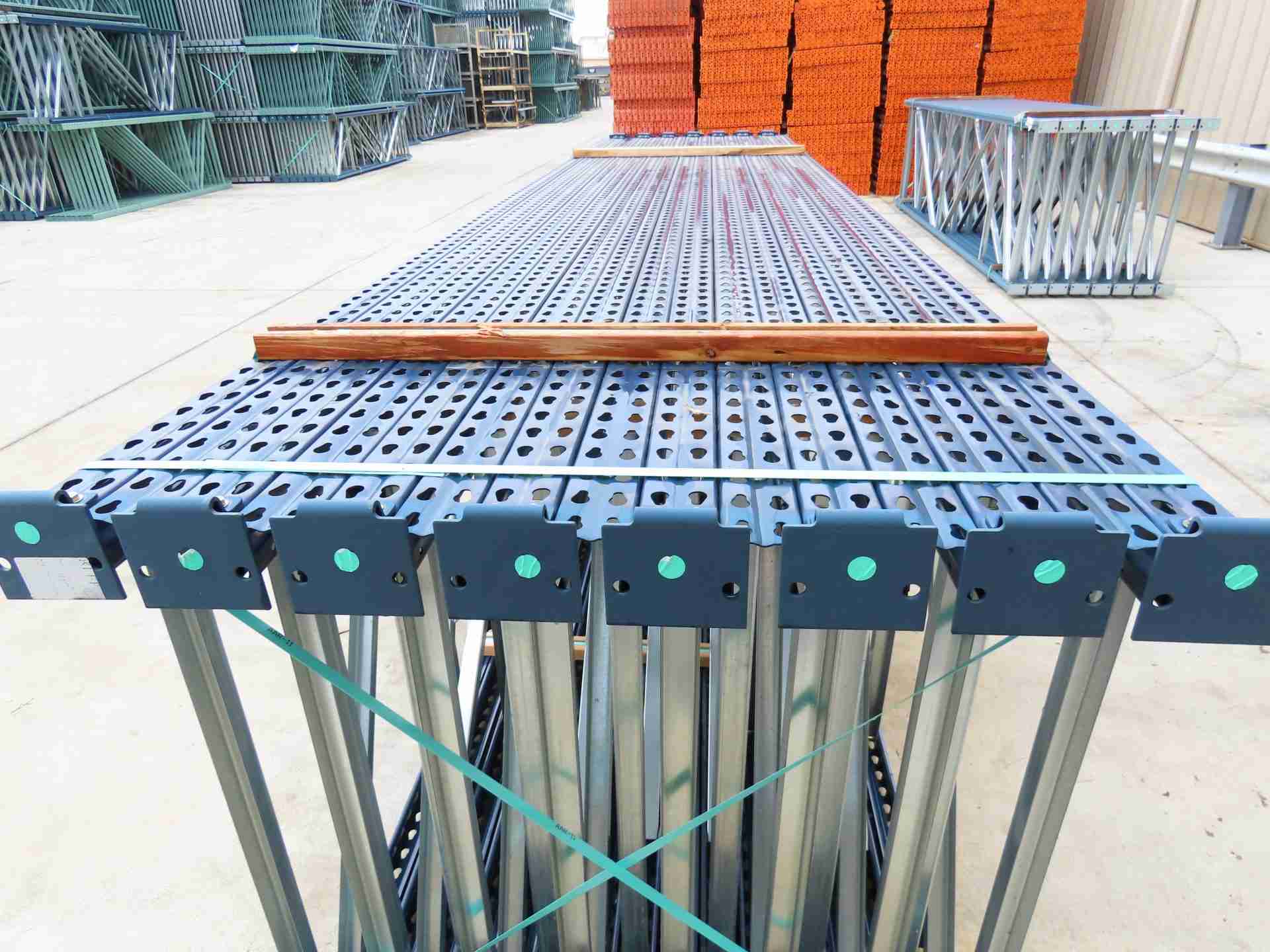
What Are Common Safety Hazards In Warehouses?
How Do Safety Hazards Impact Costs?
Imagine walking into your warehouse and feeling a surge of confidence because your operation runs like a well-oiled machine. You can trust your team to execute their tasks without hesitation. Now, imagine the opposite—a safety hazard lurking in the shadows, perhaps a misplaced pallet racking system, leading to potential injuries, inventory loss, and spiraling costs. The reality? Safety hazards are more than just risks; they are ticking time bombs that can blow up your bottom line.
Let’s face it: the cost of a single workplace accident can be staggering. The financial repercussions extend well beyond immediate medical expenses. Picture this scenario: a team member sustains an injury due to inadequate safety protocols surrounding pallet racking. The incident could lead to downtime, lost productivity, and even a dent in your company’s reputation—an invaluable currency in today’s competitive market. Not to mention, with regulatory fines looming in the background, the numbers can start to stack up faster than you can say “safety inspection.”
But here’s the silver lining: understanding how safety hazards impact costs empowers you to take proactive measures that can ultimately enhance your profitability. Investing in proper safety training and systems can reduce accidents, keeping your team safe and your operations smooth. When you prioritize safety, you also build trust within your team. Employees are more engaged when they feel cared for, which translates directly to productivity.
Moreover, by addressing hazards—such as optimizing your pallet racking layouts—you can save on insurance premiums that often balloon when claims are made. Evolving safety practices not only demonstrate your commitment to employee welfare but also establish you as a responsible leader in your industry.
Let’s not shy away from the truth: the cost of inaction can be criminal. Ignoring safety protocols is akin to tossing money into a bottomless pit. By taking decisive action now, you can transform potential pitfalls into stepping stones towards a more efficient, safer, and ultimately profitable operation.
So, take a moment to assess your current safety measures. Are you prioritizing the well-being of your team? Are your processes around pallet racking designed to foster a secure environment? Remember, investing in safety is not merely an expense—it’s a commitment to excellence that will pay dividends for years to come. Act now, and watch as your bottom line reflects the positivity of an empowered workforce.

How Do Safety Hazards Impact Costs?
How Do Safety Hazards Impact Costs?
- A well-organized warehouse boosts confidence and operational efficiency.
- Safety hazards, such as misplaced pallet racking, can lead to serious injuries and financial losses.
- The costs of workplace accidents extend beyond medical bills to include downtime, lost productivity, and reputational damage.
- Proactive measures, such as investing in safety training, can enhance profitability by reducing accidents.
- Optimizing safety protocols can lower insurance premiums and establish industry credibility.
- Neglecting safety can have severe financial implications—inaction is costly.
- Prioritizing safety reflects a commitment to employee welfare and operational excellence, benefiting the bottom line.

How Do Safety Hazards Impact Costs?
What Are The Consequences Of Warehouse Accidents?
When the hustle and bustle of a warehouse come to a grinding halt due to an accident, the repercussions can ripple far beyond the immediate scene. You may think of it as a minor blip, but warehouse accidents can lead to a cascade of costly consequences that can affect not only your bottom line but also the very essence of your operational ethos.
First and foremost, let’s talk about safety. Improperly maintained pallet racking can tip the scales in a critical moment, leading to injuries that impact not just the affected worker but the entire team’s morale. An incident turns heads, invokes fear, and stirs doubts in the efficiency of processes. Who wants to return to a work environment that feels unsafe? You want your employees to approach their tasks with enthusiasm and confidence, not trepidation.
Then there’s the matter of financial ramifications. Beyond potential medical bills, think about the costs associated with lost productivity during investigations or safety audits. If an accident occurs, you may need to halt operations, losing precious revenue. You may also face legal consequences if negligence surfaces as a factor, adding layers of complexity you could be navigating without the added stress. It’s not just a risk, it’s a reality that could haunt your operation for years.
Furthermore, consider the regulatory repercussions. Warehouse safety regulations are stringent, and a single accident can shine a spotlight on your entire operation, leading to audits, fines, or even temporary shutdowns. It’s an embarrassing and costly predicament that no business owner ever wants to endure.
Finally, let’s not overlook reputation—your brand is on the line. In a world guided heavily by social perception, customers and partners expect diligence. A warehouse accident becomes a conversation piece, possibly tarnishing your company’s image. Once trust is lost, it takes considerable effort and time to rebuild.
The truth is, warehouse accidents aren’t just unfortunate events—they are avoidable crises waiting to unravel. By investing in the right equipment, like high-quality pallet racking systems, conducting thorough safety training, and prioritizing a culture of safety, you safeguard your workforce—and your business.
In this ever-competitive landscape, the best time to act is now. Don’t wait for an accident to occur; proactively protect your assets, your employees, and ultimately your business’s future. Trust in your preparations, and you’ll cultivate a culture that not only thrives but excels.

What Are The Consequences Of Warehouse Accidents?
What Are The Consequences Of Warehouse Accidents?
- Warehouse accidents can have extensive repercussions beyond the immediate incident.
- Safety concerns arise from poorly maintained equipment, leading to employee injuries and diminished morale.
- Financial impacts include medical bills, lost productivity, and potential legal issues due to negligence.
- Regulatory responses can include audits, fines, and possible temporary shutdowns following an accident.
- A company’s reputation may suffer, as accidents can damage customer and partner trust.
- Investment in quality equipment and safety training is crucial for preventing accidents.
- Proactive measures are essential to protect employees and ensure the future success of the business.

What Are The Consequences Of Warehouse Accidents?
How Can Proper Training Reduce Safety Risks?
Imagine walking into a bustling warehouse, where pallets neatly stack to the ceiling, goods are expertly organized on pallet racking, and productivity flows like a well-oiled machine. But if you peel back the layers of this seemingly perfect scene, you’ll uncover a truth that every business owner knows: safety is paramount. The risks associated with mishandling equipment and poor training can be staggering, leading to injuries, lost time, and substantial financial impact.
So, how can you cultivate an environment where safety flourishes and unnecessary risks are mitigated? The answer lies in comprehensive training. When your employees are well-versed in safety protocols, the chances of accidents drop dramatically. Think of it this way: would you trust your family to drive a car without a license? Of course not! Similarly, you shouldn’t trust your team with pallet racking systems or warehouse equipment without proper training.
Consider the dynamics of pallet racking. A misjudged maneuver can mean more than just a toppled load; it can result in injury and costly downtime. By providing your employees with thorough training programs that explore the intricacies of pallet racking—like weight limits, load distribution, and aisle clearance—you empower them with the knowledge they need to navigate this complex terrain safely.
But the benefits of training stretch far beyond just reducing risks. When employees feel confident in their skills, their productivity skyrockets. They’ll tackle tasks with vigor and efficiency, knowing they have the right tools and knowledge at their fingertips. A well-trained team fosters a culture of safety, where workers look out for one another, actively minimizing hazards before they become threats.
Moreover, investing in training showcases your commitment to your employees’ well-being. It builds trust, loyalty, and morale, creating a sense of community within your organization. Employees who know their employer cares about their safety are more likely to stick around. They become brand ambassadors, which can directly impact your bottom line.
So, don’t let safety risks linger in the shadows. Take action today to develop a robust training program that emphasizes the safe handling of pallet racking and equipment. Your employees will thrive, your operations will hum along efficiently, and the confidence that radiates from a safety-conscious workplace is a mantra worth embracing. It’s not just about compliance; it’s about creating an environment where everyone feels safe, valued, and empowered. Why wait? Enrich your workplace with the knowledge that transforms risks into safety.

How Can Proper Training Reduce Safety Risks?
How Can Proper Training Reduce Safety Risks?
- Warehouse operations must prioritize safety to prevent injuries and financial losses.
- Comprehensive training is essential for equipping employees with safety protocols.
- Proper training reduces the risk of accidents involving equipment like pallet racking.
- Thorough training programs enhance employee confidence and overall productivity.
- A well-trained workforce promotes a culture of safety, encouraging team vigilance.
- Investing in training builds trust and morale, fostering employee loyalty.
- Creating a safety-conscious environment empowers employees and enhances operational efficiency.
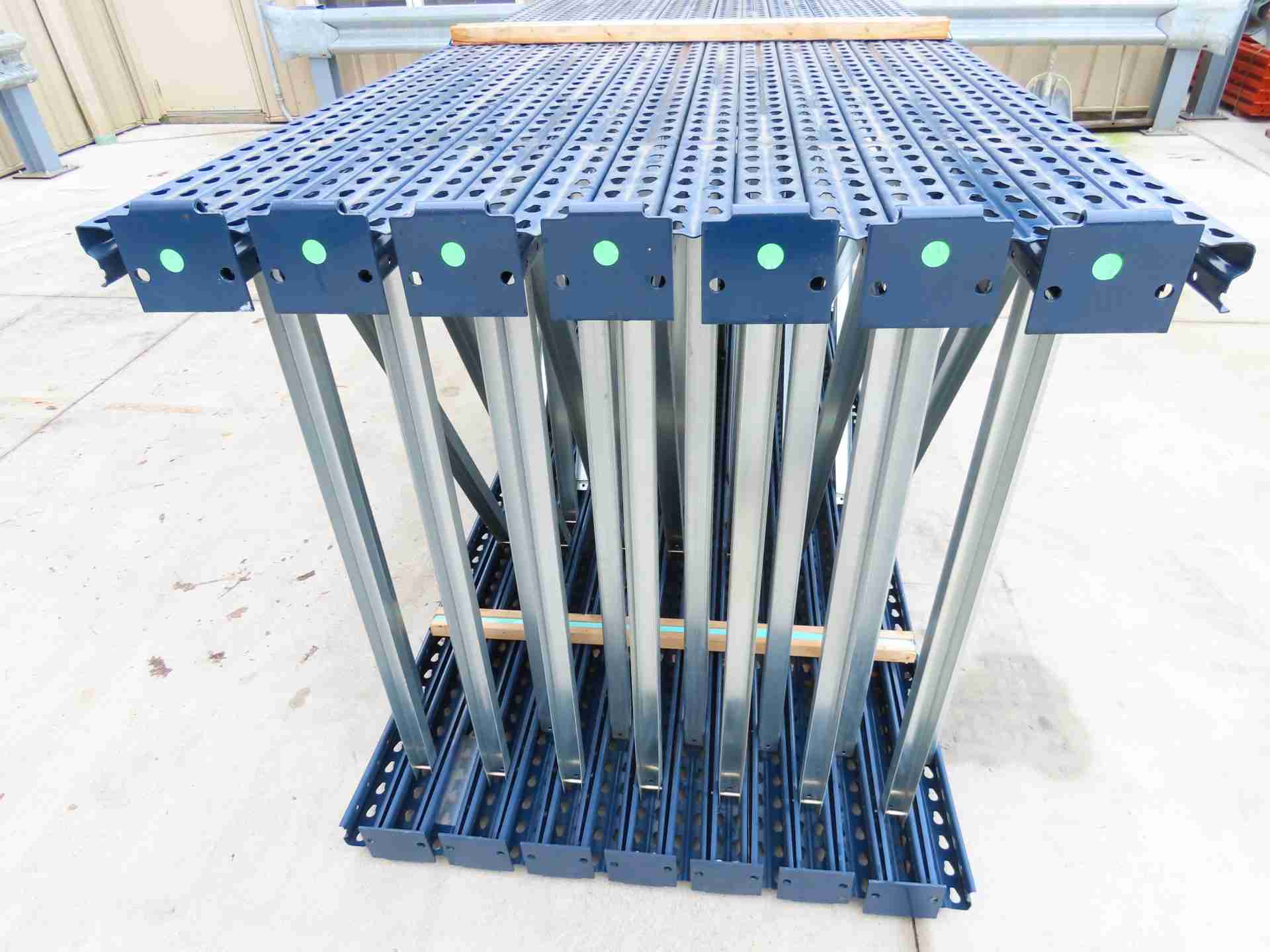
How Can Proper Training Reduce Safety Risks?
What Equipment Can Improve Warehouse Safety?
In the bustling world of warehousing, safety is not just a priority; it’s a foundational necessity. Implementing the right equipment can dramatically reduce accidents and keep your team secure. Let’s delve into key tools that can transform your warehouse into a model of efficiency and safety.
Pallet Racking is a must-have for any warehouse operation. Imagine a space where every square foot is optimized, and every item is easily accessible. Pallet racking systems do just that—they elevate your inventory and organize it into manageable sections. By utilizing vertical space, these systems reduce clutter on the floor, which is often the first step to preventing slips and falls. A well-organized warehouse is not just efficient; it empowers your team to navigate the space safely and with confidence.
Next, consider the infusion of technology into your warehouse safety strategy. Automated guided vehicles (AGVs) can take the place of forklifts, transporting materials without human drivers. While traditional machinery requires rigorous training and can pose risks if not handled correctly, AGVs significantly decrease the likelihood of accidents. Similarly, implementing advanced Warehouse Management Systems (WMS) can optimize workflows, ensuring that hazardous materials are stored correctly, and designated pathways remain clear. This proactive approach fosters a safer working environment and ensures your operations run smoothly.
Don’t overlook the importance of personal protective equipment (PPE). Hard hats, gloves, and high-visibility apparel are your frontline defense. Employees equipped with the right gear not only feel safer, they are safer. A safety-first mindset cultivated through regular training sessions can enhance the effectiveness of your warehouse staff while building an organizational culture that prioritizes well-being above all.
Finally, ensure that safety signage and training are part of the routine. Clearly marked pathways, loading zones, and emergency exits help keep safety top of mind. Regular training ensures that every employee knows not only how to operate equipment safely but also understands the importance of creating a culture of safety.
Investing in equipment and practices that enhance safety in your warehouse is not just a requirement, but a commitment to your team’s well-being. When they feel secure, their productivity skyrockets, creating a positive ripple effect throughout your operations. Start today by evaluating your current processes and implementing these transformational safety measures. Your team and your bottom line will thank you!

What Equipment Can Improve Warehouse Safety?
What Equipment Can Improve Warehouse Safety?
- Safety is a foundational necessity in warehousing, not just a priority.
- Pallet racking systems optimize space and organize inventory while reducing floor clutter.
- Automated guided vehicles (AGVs) enhance safety by replacing traditional forklifts, reducing accident risks.
- Advanced Warehouse Management Systems (WMS) help manage hazardous materials and maintain clear pathways.
- Personal protective equipment (PPE) like hard hats and gloves is essential for employee safety.
- Regular training and clear safety signage foster a culture of safety within the organization.
- Investing in safety measures enhances employee well-being and boosts overall productivity.

What Equipment Can Improve Warehouse Safety?
How Often Should Safety Audits Be Conducted?
In any workplace, especially in settings that feature Pallet Racking systems, the question of safety audits looms large. After all, when it comes to safeguarding not just your products, but more importantly, your people, a proactive approach isn’t just wise—it’s essential.
Safety audits should ideally be conducted regularly, but the frequency can depend on various factors unique to your organizational environment. A good rule of thumb is to assess your operations at least once a quarter. However, if your facility sees heavy traffic, multiple shifts, or rapid changes in inventory, you might want to consider monthly audits. The more dynamic your environment, the more regularly you should be checking in on safety compliance.
But those timelines are just baselines; real-world experience often reveals an underlying truth: the need for flexibility in your audit schedule. If you recently installed new Pallet Racking systems, or if there’s been a notable increase in employees or equipment, it’s time to take a long, hard look at your safety protocols. The stability of your operations hinges on ensuring your systems can handle these changes.
Continuous improvement should be a cornerstone of your safety culture. When you forge a habit of regular audits, you open the door to not only identifying the risks but also to experiencing growth opportunities. Are your current practices aligned with the latest regulations? What new methodologies could improve efficiency while enhancing safety? This is more than just compliance; it’s about creating a heartbeat for safety in your workplace.
Build trust among your team by involving them in the process. Equip them with the knowledge and tools to recognize hazards and suggest improvements. This collaboration creates a sense of ownership, transforming safety from an obligation to a shared value. Remember, a proactive approach to safety audits fosters confidence within your organization and reassures stakeholders that you’re prioritizing their welfare.
Let’s simplify it: consider safety audits as a vital check-up. You wouldn’t neglect your health, so don’t allow your workplace systems to go unchecked either. Regular audits can be the difference between a workplace thriving with safety-minded individuals and one facing unnecessary risks. Make your Pallet Racking systems and employee safety a priority—invest in your audits today for a more secure tomorrow. Don’t wait for an incident to spark action; start a culture that values safety at its core!

How Often Should Safety Audits Be Conducted?
How Often Should Safety Audits Be Conducted?
- Safety audits are crucial in workplaces with Pallet Racking systems, emphasizing the protection of people and products.
- Regular audits should ideally occur at least once a quarter, with more frequent checks for high-traffic environments.
- Audit schedules should remain flexible, particularly after significant changes in operations such as new equipment or increased workforce.
- Continuous improvement should be integral to safety culture, aligning practices with regulations and seeking new methodologies.
- Involving employees in safety processes builds trust and ownership, transforming safety from an obligation into a shared value.
- Regular safety audits serve as essential ‘check-ups’ to ensure workplace systems remain safe and effective.
- Proactively investing in safety audits can cultivate a workplace culture that prioritizes safety and mitigates risks.

How Often Should Safety Audits Be Conducted?
Conclusion
In the high-stakes world of warehousing, where every second counts and every corner turned carries potential risks, a stark reality faces those who manage these bustling hubs: safety hazards are not just minor issues—they’re ticking time bombs that can lead to devastating consequences. At Arrow Industrial Sales, we understand that ensuring safety within your warehouse is paramount—not just for protecting your personnel but also for safeguarding your bottom line. The statistics are alarming: workplace accidents can cost businesses not only in medical bills and lost productivity but also in reputational damage that can take years to recover from.
But what if we told you that the solution doesn’t lie in waiting for the next incident to occur? The answer is proactive engagement now! By conducting regular safety audits and investing in reliable equipment like optimal pallet racking systems, you can take significant strides toward transforming your workspace from a potential hazard zone to a model of safety and efficiency. Remember, safety is not a one-time checklist—it’s an ongoing commitment that requires the involvement of every employee and the endorsement from leadership. This includes proper training, clear signage, and the integration of personal protective equipment (PPE).
Time is of the essence. The longer unsafe practices linger in the shadows of your operation, the greater the risks multiply! Your employees’ livelihoods and productivity are interwoven; a secure environment breeds trust, morale, and, ultimately, success. At Arrow Industrial Sales, we urge you to take action today. Call us at (574) 349-6575 to discuss tailored safety solutions that meet your specific warehouse needs. Whether your focus is on enhancing current safety measures or implementing comprehensive training programs, we are here to facilitate that journey.
Don’t let safety be an afterthought—it must be a priority! Remember, every moment you delay increases the chance of tragedy and financial loss. You have the power to create a culture that not only values safety but also promotes it. By investing in the right tools and procedures, you can transform potential pitfalls into opportunities for growth and resilience. The future of your warehouse— and the well-being of your team—depends on the actions you take today. Start investing in safety now and safeguard your operations for tomorrow.

Conclusion
Conclusion:
- Safety hazards in warehousing are critical issues that can lead to severe consequences.
- Workplace accidents result in medical costs, lost productivity, and long-term reputational damage.
- Proactive engagement, such as regular safety audits and reliable equipment investments, is essential.
- Ongoing commitment to safety involves training, clear signage, and PPE integration from all employees and leaders.
- An unsafe environment adversely affects employee trust, morale, and overall success.
- Immediate action is necessary to prevent accidents and protect both personnel and operations.
- Creating a safety-focused culture offers opportunities for growth and resilience in the workplace.

Conclusion
Other Resources

Other Resources
Here is a list of other resources you can review online to learn more:
- American Society of Safety Professionals
- Illinois Pallet Racking – WPRP
- Crane Manufacturers Association Of America Inc.
- Intro to Warehouse Racks & Warehouse Racking Systems – ShipBob
- ASSP
- Logic Material Handling
- Warehousing and Fulfillment
- Teardrop Racks – Pallet Rack World
- Storage Equipment Manufacturers’ Association
- Interlake Mecalux
Use This Prompt To Get More Resources With Your Favorite Online AI Tool: Please provide me with a list of online articles with their URLs in a bulleted list that I can read regarding Are Safety Hazards In Your Warehouse Costing Lives and Livelihoods?
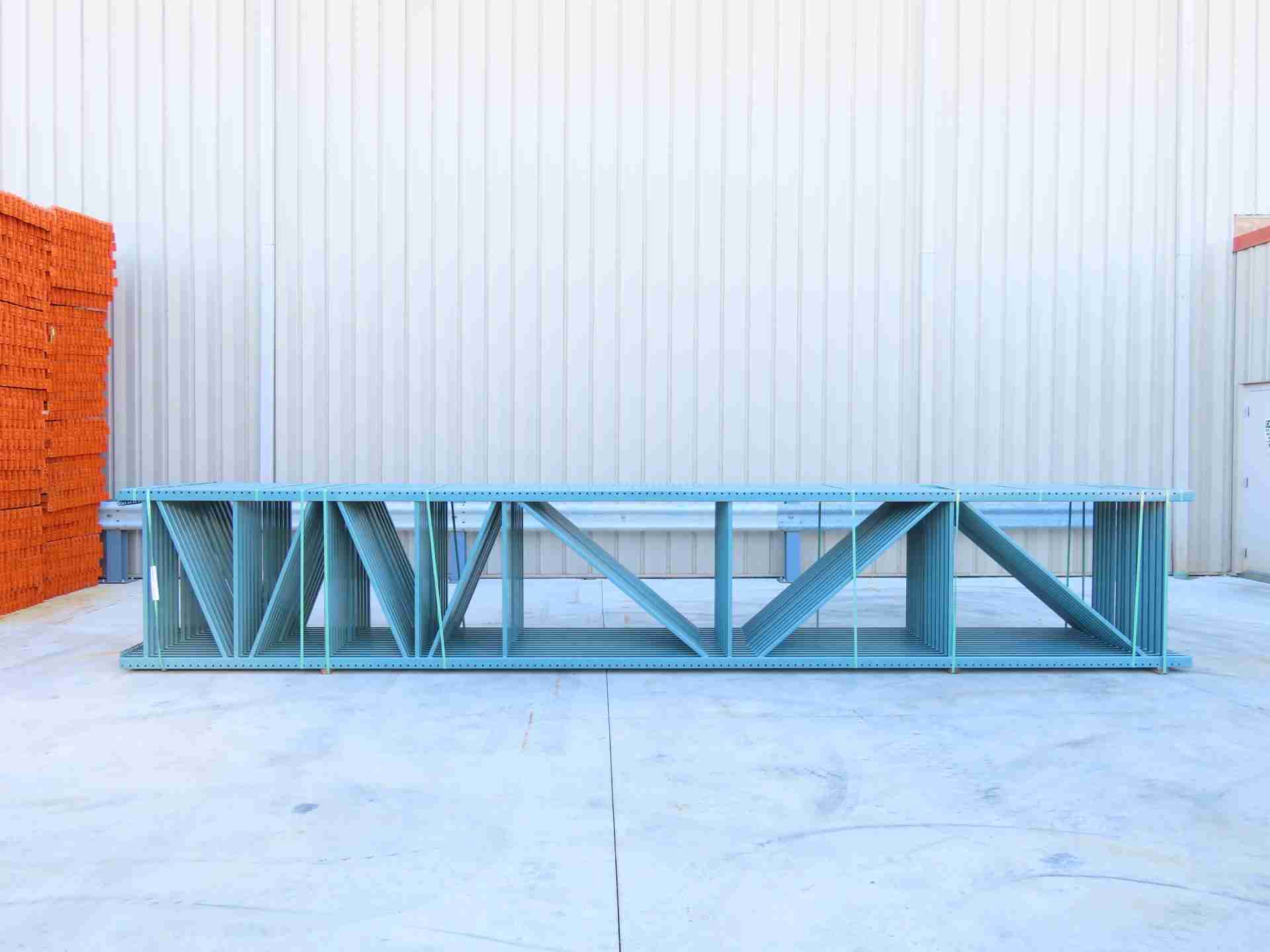
Other Resources
Glossary Terms
Are Safety Hazards In Your Warehouse Costing Lives and Livelihoods? – Glossary Of Terms
1. Safety Hazard: A condition or practice in a workplace that poses a risk of injury, illness, or damage.
2. Ergonomics: The study of people’s efficiency in their working environment, focused on designing tasks and workspaces for optimal comfort and productivity.
3. OSHA: Occupational Safety and Health Administration; a U. S. agency that sets and enforces standards to ensure safe and healthful working conditions.
4. PPE (Personal Protective Equipment): Gear worn to minimize exposure to hazards that could cause serious injuries or illnesses.
5. Forklift: A powered industrial truck used to lift, stack, and move materials; can be a source of hazards if not operated safely.
6. Hazard Assessment: The process of identifying potential hazards and evaluating the risks associated with them in the workplace.
7. Incident Report: A detailed account of an accident or near-miss, commonly used to analyze safety issues and prevent future occurrences.
8. Slip and Fall: A common workplace injury that occurs when an individual slips or trips over a surface, often due to improper housekeeping.
9. Stacking Protocols: Guidelines for stacking and storing items safely to prevent collapses and associated injuries.
10. Warehouse Layout: The design and arrangement of goods and workspaces within a warehouse; important for optimizing flow and safety.
11. Training Programs: Structured courses designed to educate employees about safety protocols, equipment handling, and emergency procedures.
12. Emergency Exits: Designated pathways that provide a means of escaping in the event of an incident; must be clearly marked and easily accessible.
13. Fire Safety: Practices and procedures aimed at reducing the risk of fire incidents and ensuring safe evacuation during a fire.
14. Load Limits: The maximum weight that shelves, racks, or equipment can safely handle without risk of failure.
15. Chemical Hazards: Risks associated with exposure to harmful substances in the workplace, potentially leading to health issues or accidents.
16. First Aid Kit: A collection of medical supplies and equipment used for initial treatment of injuries occurring in the workplace.
17. Lockout/Tagout (LOTO): Safety procedures used to ensure that dangerous machines are properly shut off and not started again before maintenance or repair work is completed.
18. Warehouse Management System (WMS): Software that helps manage warehouse operations, improving efficiency and safety through systematic tracking of inventory and processes.
19. Workplace Culture: The shared values, beliefs, and practices within an organization that influence safety behavior and attitudes among employees.
20. Safety Signage: Visual indicators placed throughout a facility to communicate potential hazards and safety practices.
21. Incident Prevention: Strategies and actions taken to reduce the likelihood of accidents and injuries in the workplace.
22. Manual Handling: The physical process of lifting, carrying, pushing, or pulling items; can be a source of injury if not performed correctly.
23. Controlled Environment: Areas within a warehouse designed to maintain specific conditions for safety, such as temperature-controlled zones for sensitive materials.
24. Risk Management: The identification, assessment, and prioritization of risks followed by coordinated efforts to minimize, monitor, and control the probability of unfortunate events.
25. Warehouse Inspections: Regular assessments of workplace conditions and safety protocols to identify hazards and ensure compliance with regulations.
26. Behavior-Based Safety (BBS): A safety approach focusing on measuring and influencing employee behaviors to improve safety performance.
27. Near Miss: An event that could have led to an accident but did not; important for analyzing potential hazards.
28. Automation: The use of technology to perform tasks with minimal human intervention; can improve efficiency but may introduce new safety hazards.
29. Logistical Safety: Safety protocols specifically related to the handling, storage, and transport of goods within a warehouse environment.
30. Crisis Management Plan: A strategy for responding to emergencies, detailing procedures to mitigate the impact of an incident on employees and business operations.

Glossary Of Terms
Other Questions
Are Safety Hazards In Your Warehouse Costing Lives and Livelihoods? – Other Questions
If you wish to explore and discover more, consider looking for answers to these questions:
- What are the best practices for maintaining pallet racking systems?
- How can I get my employees involved in safety discussions?
- What training resources are available for warehouse safety?
- How can technology enhance safety in warehouses?
- What specific regulations should warehouse operators be aware of?
- How can I assess the effectiveness of my current safety protocols?
- What should be included in a warehouse safety training program?
- How can I encourage a culture of safety among my staff?
- What are common indicators of potential safety hazards in warehouses?
- How can effective communication improve warehouse safety?
- What steps can be taken to reduce slip, trip, and fall incidents?
- How do safety audits differ from safety inspections?
- Can I implement safety measures on a limited budget?
- What consequences can arise from poor warehouse safety practices?
- How can I learn from past accidents to improve future safety?

Other Questions
Checklist
Are Safety Hazards In Your Warehouse Costing Lives and Livelihoods? – A Checklist
General Safety Practices:
_____ Conduct regular safety audits (at least quarterly).
_____ Create clear safety protocols and communicate them to all employees.
_____ Foster a culture of safety among team members.
_____ Encourage employees to report hazards without fear of retribution.
Pallet Racking Safety:
_____ Ensure all pallet racking is installed correctly and meets weight limits.
_____ Regularly inspect pallet racks for stability and damage.
_____ Train employees on proper stacking techniques and load distribution.
_____ Implement designated pathways and ensure they remain clear of obstacles.
Training & Education:
_____ Provide comprehensive safety training for all employees.
_____ Schedule regular refresher courses on safety protocols.
_____ Ensure all employees are trained on the specific equipment they will use (e. g. , forklifts).
Forklift Operations:
_____ Ensure all forklift operators are certified and undergo regular training.
_____ Conduct routine inspections of forklifts and other equipment.
_____ Define and mark safe operating zones for forklift traffic.
Slips, Trips, and Falls Prevention:
_____ Keep walkways and emergency exits clear of clutter.
_____ Use anti-slip mats in areas prone to spills or wet conditions.
_____ Regularly clean up spills immediately.
Personal Protective Equipment (PPE):
_____ Provide appropriate PPE (e. g. , hard hats, gloves, eye protection) to all employees.
_____ Enforce a policy that requires the use of PPE at all times.
_____ Regularly inspect and replace worn or damaged PPE.
Technology & Equipment:
_____ Consider using automated guided vehicles (AGVs) to reduce human-operated risks.
_____ Implement a Warehouse Management System (WMS) for optimized workflows.
_____ Install safety signage to mark hazards, loading zones, and emergency exits.
Health and Wellbeing:
_____ Provide support resources for employee mental health and wellbeing.
_____ Encourage regular breaks to prevent fatigue-related accidents.
_____ Implement ergonomic solutions to reduce the risk of strain and injury.
Emergency Preparedness:
_____ Develop and communicate an emergency action plan.
_____ Conduct regular drills to ensure all employees know safety procedures.
_____ Keep first aid kits accessible and stocked.
Continuous Improvement:
_____ Solicit employee feedback on safety improvements.
_____ Stay current with safety regulations and industry best practices.
_____ Modify safety audits and practices based on internal and external feedback.
By using this checklist regularly, you can help transform your warehouse into a safer environment for everyone. Let’s make safety a priority!

Checklist
At RackingWorld, we help guide you through selecting warehouse storage systems and racking.
Be sure to read our other related stories at RackingWorld to learn more about warehouse storage systems.
0 Comments