
The Ultimate Guide To Pallet Rack Weight Capacity
By Tom Seest
At RackingWorld, we help guide you through selecting warehouse storage systems and racking.
Be sure to read our other related stories at RackingWorld to learn more about warehouse storage systems.
How Much Weight Can a Pallet Rack Hold?
When it comes to optimizing your warehouse space, understanding the weight capacity of pallet racks is not just a matter of efficiency—it’s a matter of safety and profitability. Pallet racks are a critical component in the logistics chain, allowing businesses to store goods effectively. But how much weight can these racks truly handle?
Each pallet rack system is engineered with specific load ratings that depend on various factors, including the rack type, configuration, and the materials used in its construction. For example, selective pallet racks, which are among the most common types, can typically support between 2,000 to 3,500 pounds per level. In contrast, heavy-duty racks designed for industrial environments can hold significantly more—often exceeding 5,000 pounds per level. When you decide to invest in pallet racking, ensure the system aligns with your operational needs.
Let’s consider a real-world example to illustrate this point. In a recent industry analysis, a large e-commerce retailer faced increased demand due to the boom in online shopping. They opted for high-density storage solutions and upgraded to a heavy-duty pallet racking system, effectively doubling their capacity to store bulky goods. This strategic move didn’t just enhance their operational efficiency; it significantly improved their bottom line, showcasing the impact of choosing the right storage solution.
However, it’s crucial to remember that the weight capacity is not just a simple number; it must also consider weight distribution, the condition of the pallet racks, and the type of products being stored. For instance, loading a rack unevenly or exceeding the prescribed weight limits can lead to catastrophic failures. In 2023, multiple news reports highlighted warehouse accidents caused by improper use of storage systems, stressing the necessity of adhering to manufacturer guidelines and performing regular safety inspections.
Additionally, with the ever-evolving landscape of logistics and distribution, investing in modern pallet rack technology—such as adjustable racks and automated handling systems—can also lead to higher capacities and efficiency. This is not just about investing in steel; it’s about investing in your operational future.
In summary, understanding how much weight your pallet rack can hold is more than just a specification—it’s a cornerstone of your operational success. The right choice benefits not only your workflow but also your employees’ safety and, ultimately, your company’s reputation in the highly competitive marketplace. Make the informed decision today and unlock the full potential of your storage capabilities!
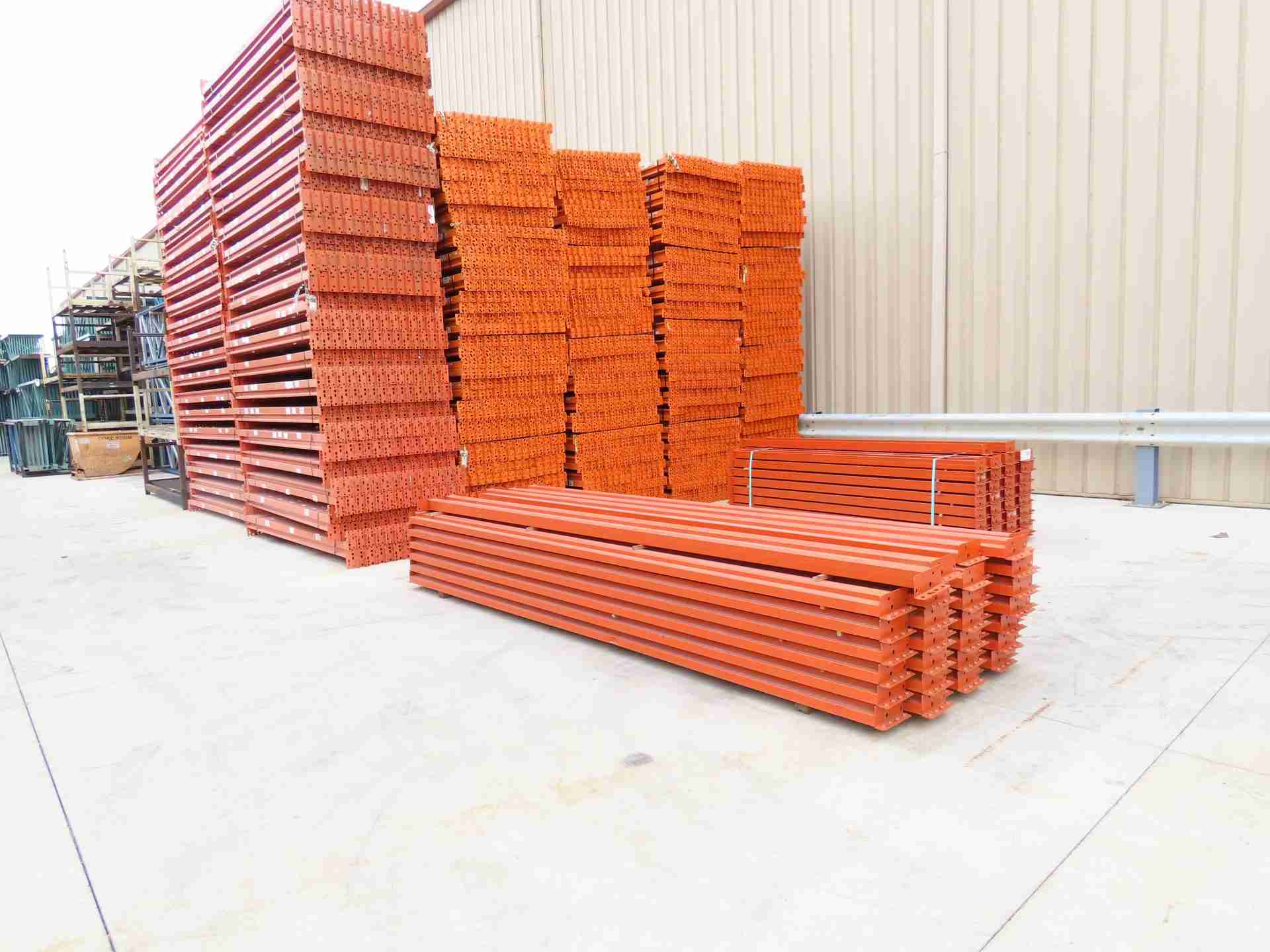
How Much Weight Can a Pallet Rack Hold?
How Much Weight Can a Pallet Rack Hold?
- Understanding pallet rack weight capacity is essential for safety, efficiency, and profitability.
- Pallet racks are vital for effective goods storage and have specific load ratings based on rack type, configuration, and materials.
- Selective pallet racks typically support between 2,000 to 3,500 pounds per level; heavy-duty racks can exceed 5,000 pounds per level.
- A large e-commerce retailer upgraded to heavy-duty pallet racking, doubling their capacity and improving operational efficiency.
- Weight distribution, rack condition, and product type must be considered to avoid catastrophic failures in pallet racks.
- Modern pallet rack technology, such as adjustable racks and automated systems, can enhance storage capacity and efficiency.
- Choosing the right pallet rack system positively affects employee safety, workflow, and company reputation in the competitive marketplace.

How Much Weight Can a Pallet Rack Hold?
Table Of Contents
- How Much Weight Can a Pallet Rack Hold?
- What Are The Standard Weight Limits For Pallet Racks?
- How Is The Weight Capacity Of A Pallet Rack Determined?
- What Factors Affect The Weight Capacity Of Pallet Racks?
- Can Pallet Racks Hold Heavy Machinery Or Equipment?
- How Do I Calculate The Load Capacity For My Specific Pallet Rack?
- How Do Load Distributions Impact The Strength Of Pallet Racks?
- Are There Safety Standards For Pallet Rack Weight Limits?
- How Can I Ensure My Pallet Rack Setup Is Safe And Compliant?
- Conclusion
- Other Resources
- Glossary Of Terms
- Other Questions
- Checklist
What Are The Standard Weight Limits For Pallet Racks?
Understanding the weight limits of pallet racks is crucial for any business that warehouses goods. Properly utilizing pallet racks not only maximizes space but also ensures safety and operational efficiency. But what exactly are the standard weight limits you should consider?
Pallet racking systems vary widely, but the most common type — selective pallet racks — can typically support weights ranging from 2,500 to 3,000 pounds per beam. This is great news for businesses dealing with standard pallets filled with products. For instance, a typical pallet of groceries might weigh between 1,500 and 2,500 pounds, perfectly fitting within these capacities.
However, not all racking systems are created equal. Heavy-duty racking options, like structural steel racks, can carry significantly more weight. Some systems can support entire loads of up to 5,000 pounds per beam or more, making them ideal for manufacturers or distribution centers that handle massive items — think automotive parts or industrial supplies. A current example can be seen with businesses adapting to supply chain disruptions; many are opting for heavy-duty racks to house bulk supplies or oversized goods, thus optimizing space during uncertain times.
It’s also essential to factor in the configuration of your pallet racks. The height, depth, and overall design impact load capacity. A double-deep rack, for instance, may hold more weight because it allows for efficient storage of two pallets back-to-back. But before you rush to grab the heaviest items, remember that exceeding these limits can lead to structural failure, which can be not only costly but also dangerous.
Before investing in pallet racks, consider your specific needs and the type of product you stock. For lighter goods, standard racking will suffice, but if you anticipate rapid growth or manage heavy items, consider investing in more robust systems. Additionally, always account for dynamic loads created by forklift traffic in your warehouse — the constant motion can affect the stability of your stacked products.
In summary, knowing the weight limits of pallet racks is essential for any operational strategy. As businesses pivot and adapt to ongoing challenges in 2023, reevaluating storage solutions with an eye on weight limits can prevent costly accidents and inefficiencies. Choose wisely, and let your storage solution work as hard as you do.
What Are The Standard Weight Limits For Pallet Racks?
- Understanding pallet rack weight limits is essential for warehouse safety and efficiency.
- Selective pallet racks typically support weights of 2,500 to 3,000 pounds per beam, suitable for standard pallets.
- Heavy-duty racking systems can support loads of up to 5,000 pounds per beam, ideal for large items.
- Businesses are increasingly opting for heavy-duty racks to accommodate bulk supplies amid supply chain disruptions.
- The configuration of pallet racks (height, depth, design) influences load capacity and storage efficiency.
- It’s crucial to consider dynamic loads from forklift traffic when evaluating racking stability.
- Reevaluating storage solutions based on weight limits can prevent costly accidents and improve operational strategy.
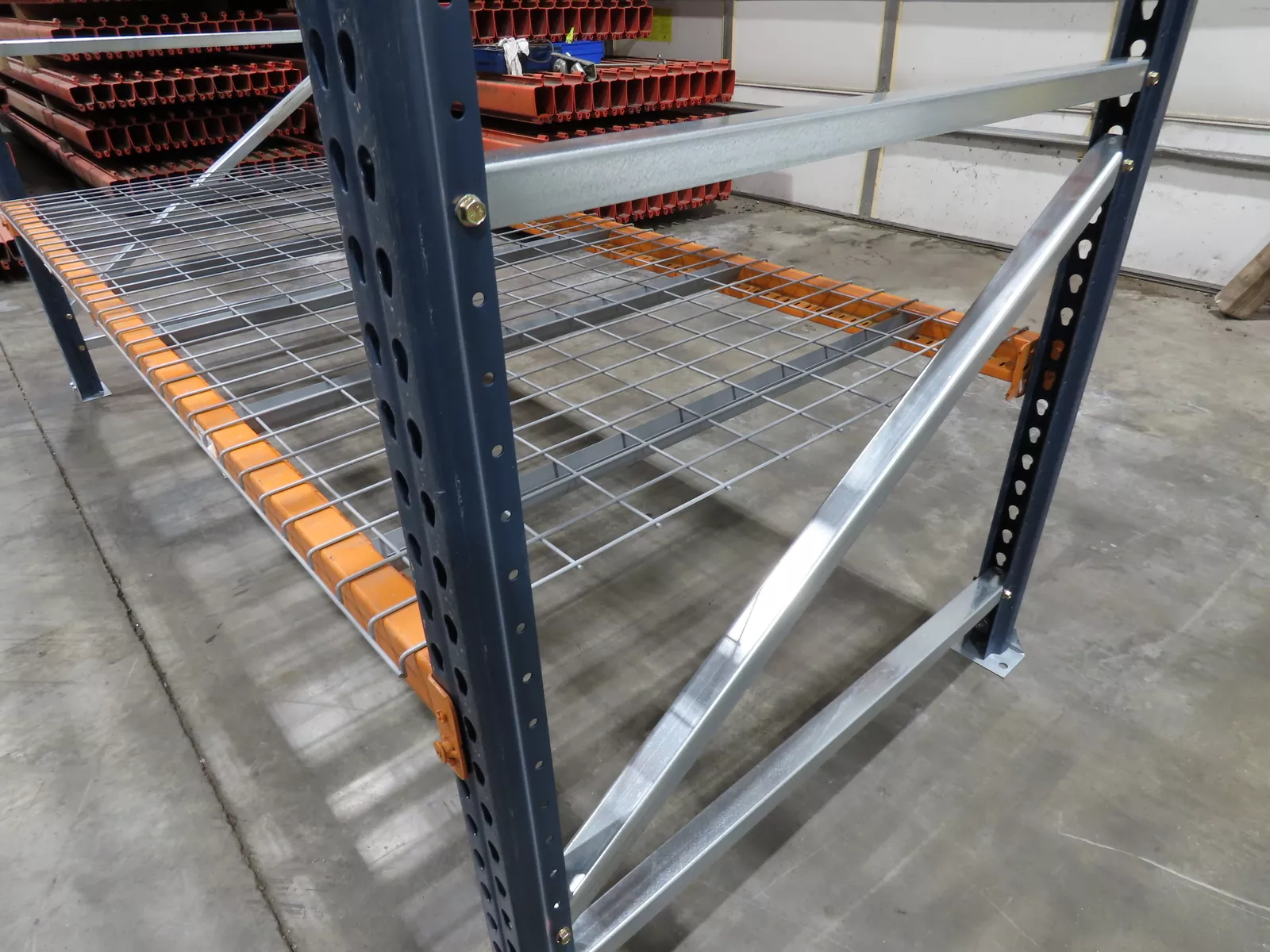
What Are The Standard Weight Limits For Pallet Racks?
How Is The Weight Capacity Of A Pallet Rack Determined?
Understanding the weight capacity of a pallet rack is crucial for maximizing storage efficiency and ensuring safety in your warehouse. A common misconception is that any pallet rack can handle any load; however, that’s as misguided as thinking a compact car can effectively tow a trailer. It’s essential to delve into the specifics to avoid costly mistakes and potential hazards.
At its core, the weight capacity of a pallet rack is influenced by the design and materials used in its construction, as well as how it is configured in your storage space. Modular in nature, pallet racks have individual components—including beams, uprights, and braces—that each contribute to the overall strength. For instance, a heavy-duty rack typically utilizes thicker steel and reinforced connections to support substantial loads.
Consider a practical example: The standard capacity of a selective pallet rack can range from 2,000 to 4,000 pounds per level, depending on its design. But if you opt for the robust drive-in racks often used in cold storage, those can hold between 3,000 to 6,000 pounds, given they are adequately supported. Choosing the right design based on your inventory needs is akin to having the right tool for a job; using the wrong one could lead to disaster.
Moreover, it’s crucial to account for load distribution. A uniformly distributed load reduces the risk of damage and enhances the overall integrity of the rack. For example, if you have a beam rated for 5,000 pounds, evenly distributing the load across its length will ensure you remain well within capacity. However, piling heavy boxes at one end could invoke catastrophic failure.
In today’s landscape, where supply chain disruptions are frequent and demand for efficient storage solutions has skyrocketed, the importance of following the appropriate weight capacity guidelines is emphasized. Events like the pandemic have forced businesses to rethink their warehousing strategies, and cutting corners by misjudging rack capacity can lead to unnecessary operational halts.
Regulatory compliance also plays a role in determining capacity; adherence to standards set by organizations like the Occupational Safety and Health Administration (OSHA) not only ensures safety but also significantly impacts how weight capacities are calculated.
When navigating the world of pallet racks, remember: Knowledge is power. Choosing the right rack, understanding its specifications, and adhering to safety guidelines not only safeguards your assets but enhances your overall operational success. So, avoid the pitfall of ignorant decisions—invest in understanding the intricacies of your pallet rack weight capacities today!
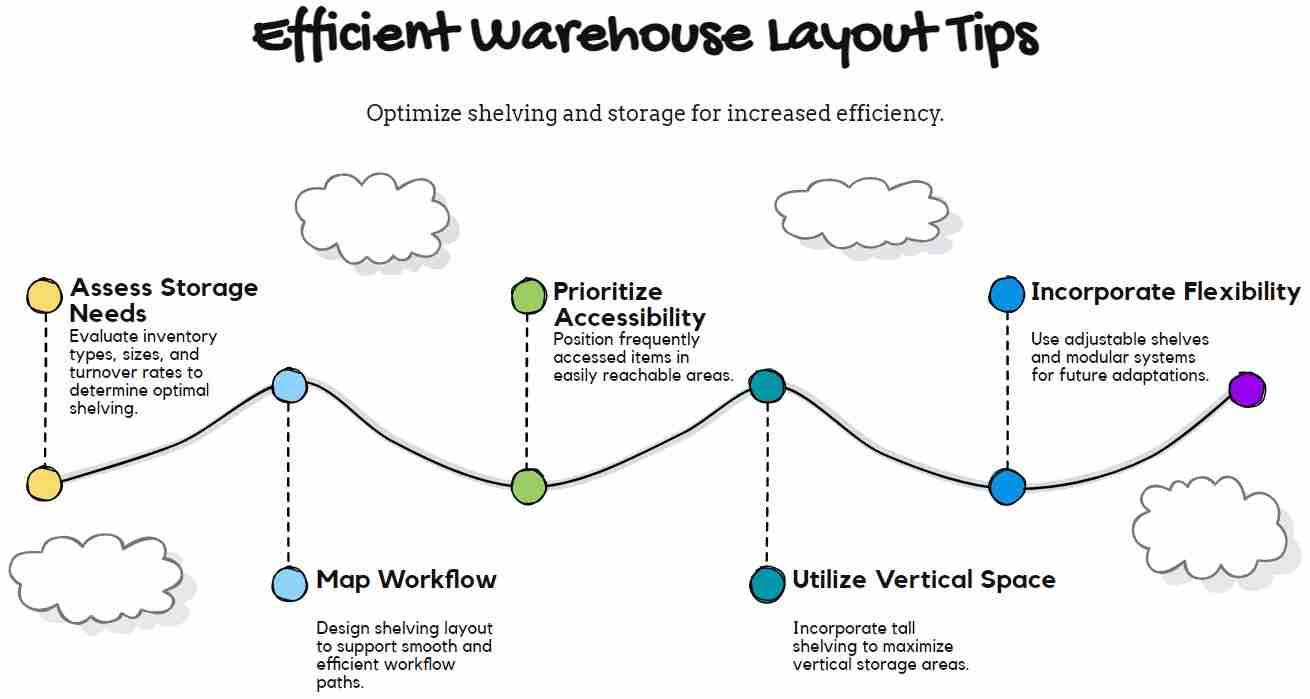
How Is The Weight Capacity Of A Pallet Rack Determined?
How Is The Weight Capacity Of A Pallet Rack Determined?
- Understanding pallet rack weight capacity is essential for storage efficiency and safety.
- Not all pallet racks can handle the same load; design and materials are crucial factors.
- Pallet racks consist of components like beams, uprights, and braces that contribute to strength.
- Selective pallet racks typically support 2,000 to 4,000 pounds per level, while drive-in racks can handle 3,000 to 6,000 pounds.
- Proper load distribution enhances rack integrity and reduces the risk of failure.
- Compliance with OSHA standards is vital for safety and impacts weight capacity calculations.
- Investing in knowledge about pallet rack capacities is key to avoiding costly mistakes and improving operations.

How Is The Weight Capacity Of A Pallet Rack Determined?
What Factors Affect The Weight Capacity Of Pallet Racks?
When it comes to warehouse efficiency, knowing the weight capacity of your pallet racking system is non-negotiable. But, you can’t simply slap any old product on the rack and hope for the best. Numerous factors come into play that can significantly impact how much weight your pallet racks can safely support.
1. Design and Construction Materials
The first consideration is the design and materials of the pallet racks themselves. Heavy-duty racks constructed from high-grade steel inherently offer better weight capacity than light-duty variants made from thinner materials. For instance, while a standard light-duty rack might hold 1,500 pounds per beam, a heavy-duty option could accommodate 3,000 or more without breaking a sweat. As materials technology evolves — especially with current trends toward lighter, stronger solutions in manufacturing — selecting the right construction is pivotal.
2. Rack Configuration
The layout and configuration of your racking system can affect its overall capacity. Single-row versus double-deep configurations make a difference. A well-planned single-row design can drastically improve accessibility and load stability, allowing for better weight distribution. In contrast, a double-deep configuration, while efficient in maximizing space, may compromise overall weight capacity due to potential access and instability issues. Just look at the disruptions caused by supply chain challenges in recent years; warehouses that adapted to effective layout designs came out on top.
3. Load Type
What you’re storing matters as well. Palletized cases of beverages will have a different storage requirement than boxes of automotive parts. Generally, uniform loads allow for optimal stacking and weight distribution, maximizing rack capacity. However, if bulky or oddly shaped items are placed on the racks, those interruptions to weight distribution can lead to capacity breaches. Always assess the load type to ensure that it aligns well with the rack’s specifications.
4. Environmental Factors
Don’t overlook the influence of your warehouse environment. Humidity, temperature fluctuations, and even seismic activity can all alter the structural integrity of your racks, reducing their safe weight capacity. In areas with frequent earthquakes, for example, investing in seismic-rated racks can be the difference between safety and disaster.
Navigating these factors wisely requires a blend of knowledge, planning, and a good dose of common sense. By understanding and addressing each influencing element, businesses can ensure their pallet racks operate safely and efficiently, giving them an advantage in any marketplace.
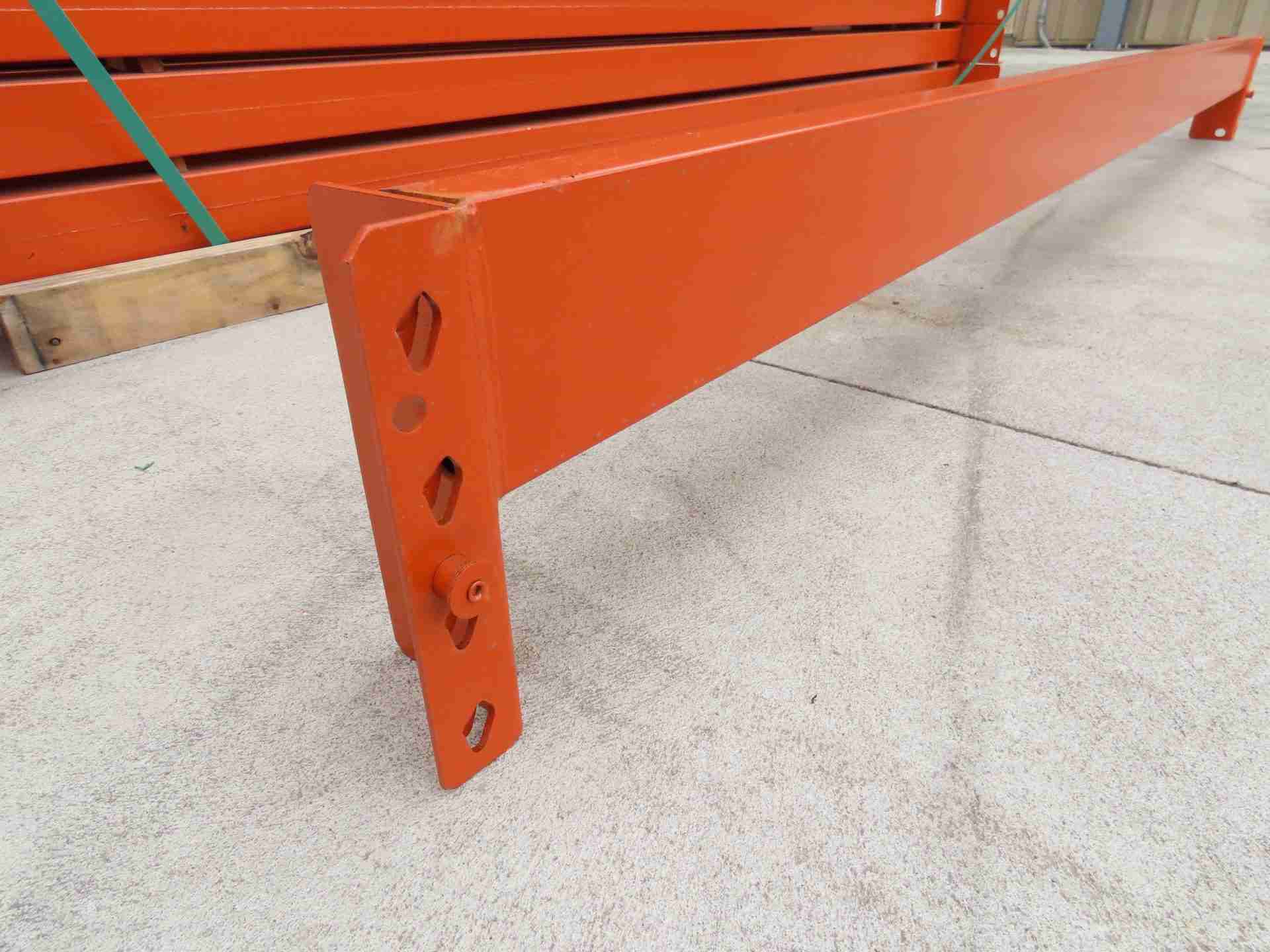
What Factors Affect The Weight Capacity Of Pallet Racks?
What Factors Affect The Weight Capacity Of Pallet Racks?
- Understanding weight capacity of pallet racking systems is crucial for warehouse efficiency.
- The design and construction materials significantly affect the weight capacity of pallet racks.
- Heavy-duty racks made of high-grade steel can support more weight than light-duty racks.
- The configuration of racks (single-row vs double-deep) impacts load stability and overall capacity.
- The type of load stored (uniform vs bulky items) is essential for optimal stacking and weight distribution.
- Environmental factors like humidity and temperature can reduce the safe weight capacity of racks.
- Careful planning and knowledge of these factors enhance the safety and efficiency of pallet rack operations.
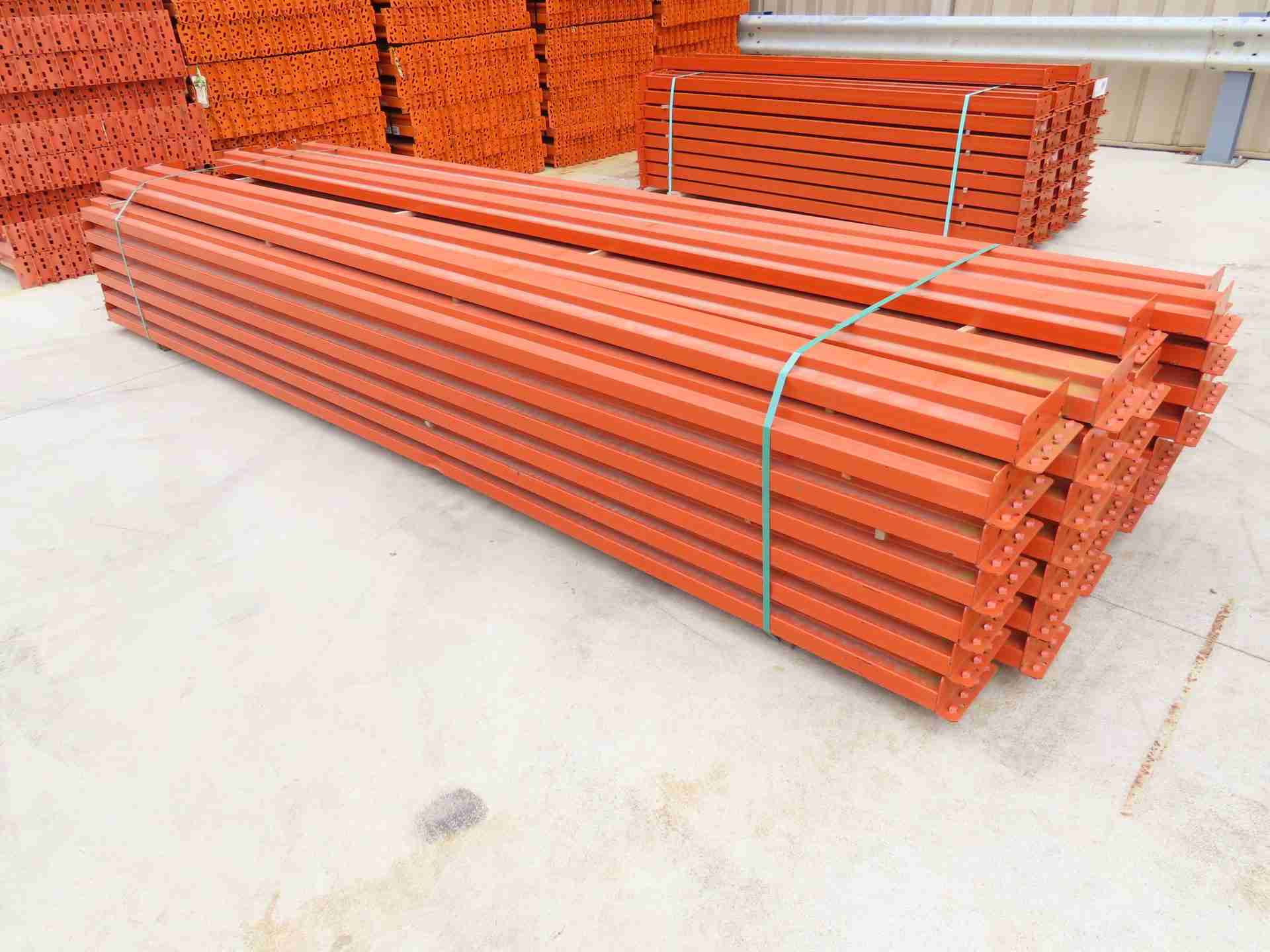
What Factors Affect The Weight Capacity Of Pallet Racks?
Can Pallet Racks Hold Heavy Machinery Or Equipment?
Can Pallet Racks Hold Heavy Machinery or Equipment?
When it comes to maximizing warehouse space and optimizing storage solutions, one question frequently arises: Can pallet racks hold heavy machinery or equipment? The answer is a resounding yes—but with significant caveats.
Pallet racks are versatile systems designed primarily for the storage of various materials. They can be tailored for specific applications, including the storage of heavy machinery and equipment. Companies around the globe are discovering innovative ways to leverage pallet racks to accommodate weighty items, particularly as industries evolve and operational requirements shift.
Consider the construction sector’s rapid growth. As demand escalates, construction equipment like scissor lifts and compactors must be stored efficiently without compromising safety. Many manufacturers now offer heavy-duty pallet racks capable of supporting thousands of pounds. For example, a standard selective rack can hold up to 3,000 pounds per shelf, but with enhanced designs, specialized racks boast a capacity of up to 5,500 pounds.
Let’s take a look at a real-world application: A leading automotive parts distributor recently restructured their warehousing strategy. By utilizing heavy-duty pallet racks, they were able to stack heavy equipment like transmissions and engines strategically. Not only did this save warehouse floor space, but it also streamlined their pick-and-pack operations, improving overall efficiency and productivity. This shift not only reduces clutter but also leads to safer environments where heavy items can be accessed easily and securely.
However, while pallet racks can support heavy loads, it’s crucial to adhere to the manufacturer’s specifications and guidelines. Oversight or miscalculations can turn an otherwise efficient storage strategy into a hazardous situation. Current events, particularly the increasing discussions around workplace safety regulations, underscore the necessity of compliance. Governments and safety organizations are particularly vigilant about ensuring that storage solutions meet safety standards, especially in manufacturing and industrial settings.
Moreover, investing in a properly engineered pallet rack system can pay dividends in the long run. Not only do they help with organization, but they also extend the lifespan of your equipment by providing secure and protective storage. Plus, better organization often leads to improved workforce morale and efficiency, both invaluable attributes in today’s competitive market.
Pallet racks can indeed hold heavy machinery and equipment, but it is essential to choose the right type of racks and to follow all safety protocols. In this fast-paced, ever-evolving landscape, businesses that adapt and innovate their storage solutions will find themselves ahead of the curve.

Can Pallet Racks Hold Heavy Machinery Or Equipment?
Can Pallet Racks Hold Heavy Machinery Or Equipment?
- Pallet racks can support heavy machinery and equipment, but there are important considerations.
- They are versatile systems that can be tailored for specific applications, including heavy items.
- Many manufacturers provide heavy-duty pallet racks with capacities ranging from 3,000 to 5,500 pounds per shelf.
- An automotive parts distributor successfully utilized heavy-duty racks to improve storage and operational efficiency.
- Adhering to manufacturer specifications and safety guidelines is crucial to prevent hazardous situations.
- Properly engineered pallet rack systems can enhance organization, equipment lifespan, and workforce morale.
- Businesses must adapt their storage solutions to remain competitive in an evolving landscape.

Can Pallet Racks Hold Heavy Machinery Or Equipment?
How Do I Calculate The Load Capacity For My Specific Pallet Rack?
When it comes to optimizing your warehouse operations, understanding load capacity for your pallet racks is non-negotiable. A miscalculation can mean the difference between smooth sailing and a costly disaster. Let’s roll up our sleeves and get to work.
Step 1: Know Your Rack Type
Not all pallet racks are created equal. There’s selective, drive-in, or cantilever racks, each with its unique design features. For instance, a selective rack offers easy access to each pallet, but it generally has a lower load capacity compared to a drive-in rack, which allows for deeper storage with high-density loading. So, start by identifying your specific rack type, which will guide your calculations.
Step 2: Understand Load Distribution
Pallet racks are designed to support an evenly distributed load. For example, if you have another layer of pallets on top of your original load, your total weight might change. If your shelf has a 2,000-pound capacity but you stack your loaded pallets unevenly, you risk compromising the integrity of the entire structure. Always make sure to distribute weight evenly across the beams.
Step 3: Consider Beam Capacity
As you formulate your game plan, the capacity of the load beams comes into play. The manufacturer usually provides these specs. For instance, if a specific beam can support 3,000 pounds, but you’re using it in conjunction with 1,500 pounds worth of products, you’ve got room—but not too much. Don’t forget to factor in both top and bottom beams, depending on your specific setup.
Step 4: Factor in Height and Depth
Height brings its own challenges. For instance, if you’re stacking freight 4 levels high, the weight list piles up. The higher the rack, the more stability you need. Also, depth plays a role in stability—if your pallets extend too far beyond the shelf, you risk overturning.
Step 5: Consult the Manufacturer
Never underestimate the power of expert advice. Always consult your rack’s manufacturer for the most accurate specifications. Regulations and safety standards may change in light of events like global supply chain disruptions or safety recalls, so staying updated is crucial for compliance and safety.
Ultimately, getting your load capacity right is about combining knowledge, keen observation, and a dash of common sense. Bear in mind that safety and efficiency should never be compromised for temporary space-savings. Make the numbers work for you, and watch your warehouse thrive.
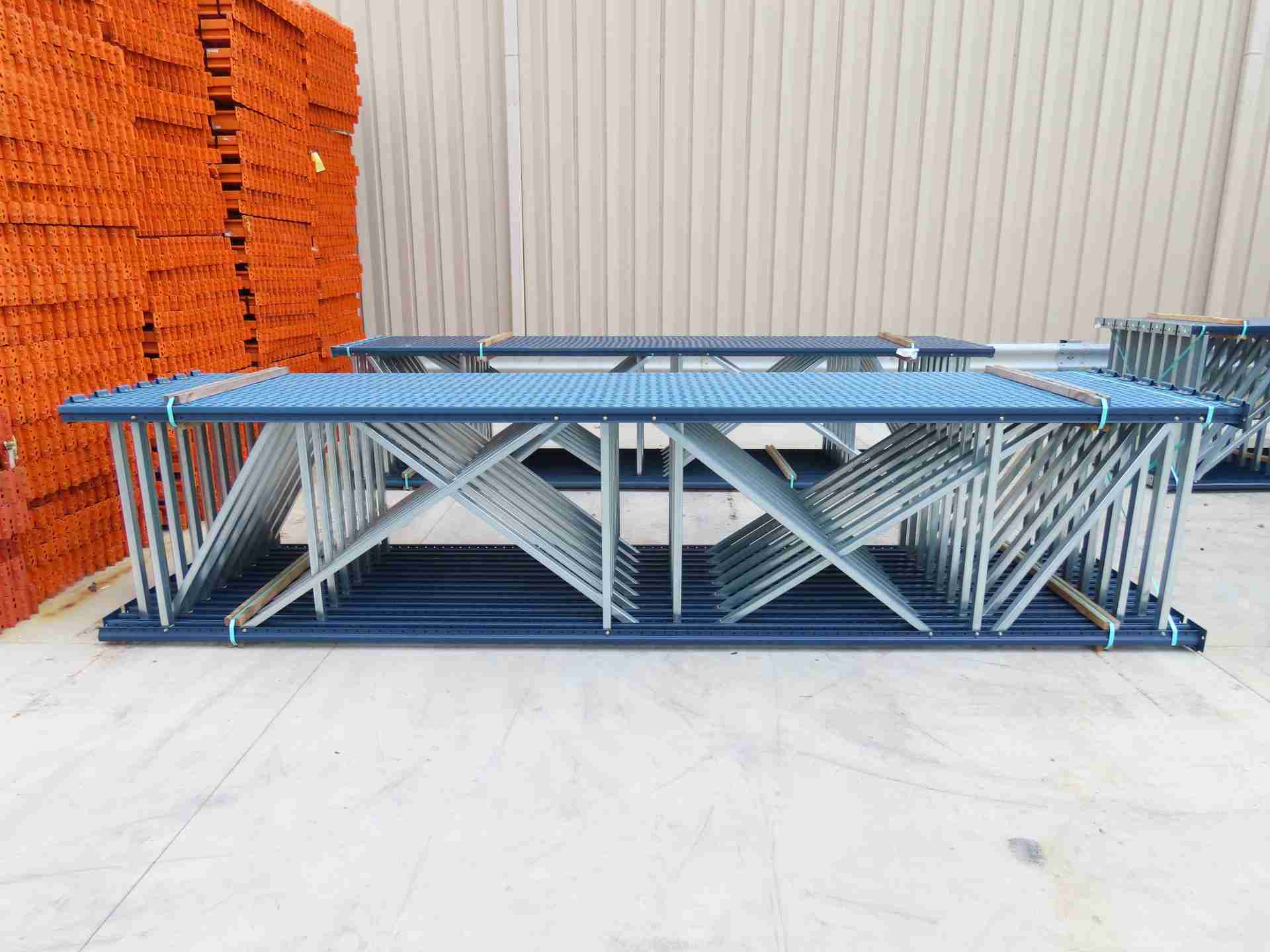
How Do I Calculate The Load Capacity For My Specific Pallet Rack?
How Do I Calculate The Load Capacity For My Specific Pallet Rack?
- Understanding load capacity for pallet racks is crucial for optimizing warehouse operations.
- Different pallet rack types (selective, drive-in, or cantilever) have unique features and load capacities.
- Even load distribution is essential; uneven stacking can compromise rack integrity.
- Manufacturer specifications determine beam capacity; account for top and bottom beams in calculations.
- Height and depth impact stability; higher racks require more careful weight management.
- Consulting the manufacturer keeps you updated on accurate specifications and safety standards.
- Combining knowledge and common sense is vital for ensuring safety and efficiency in warehouse operations.
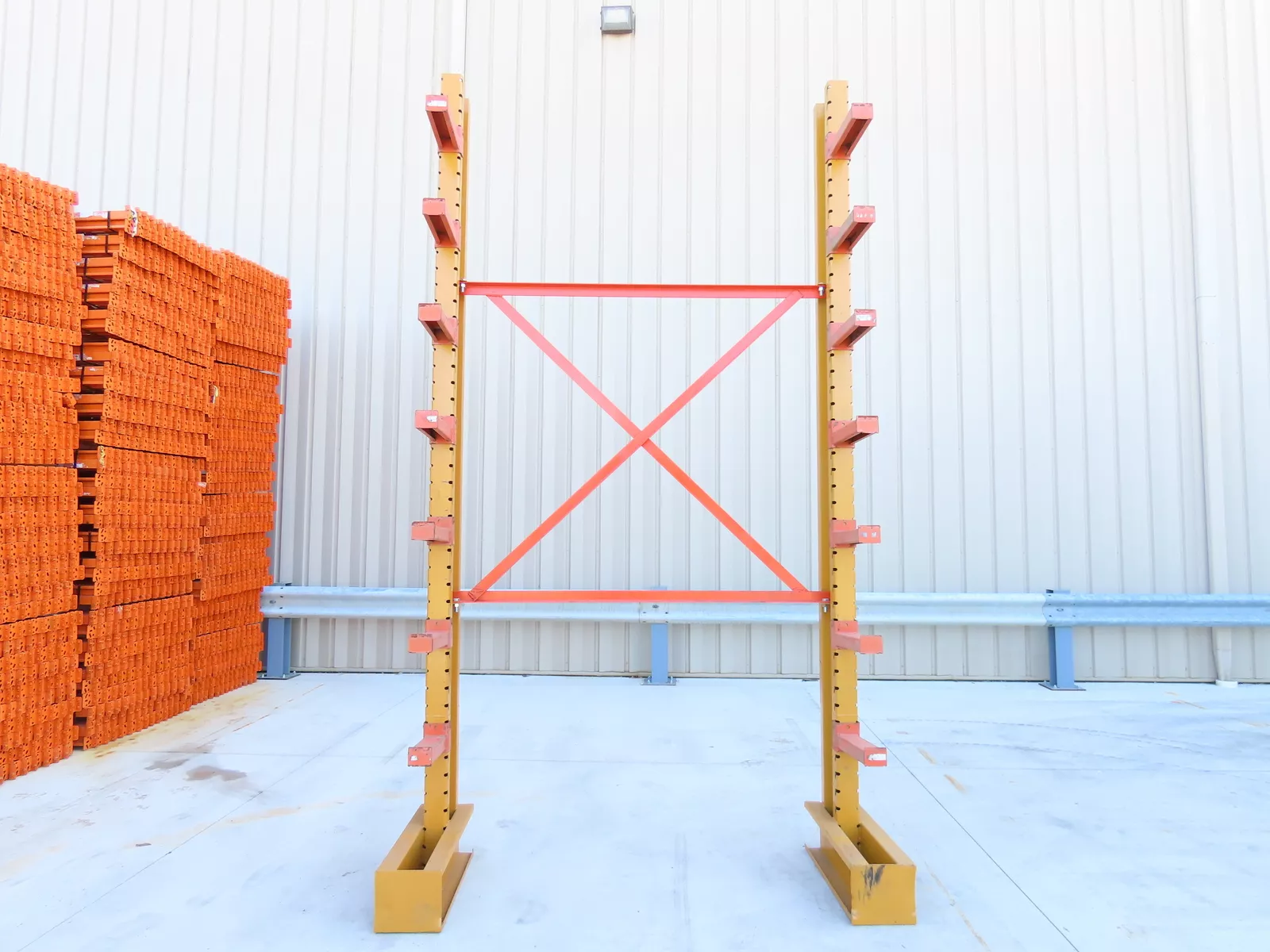
How Do I Calculate The Load Capacity For My Specific Pallet Rack?
How Do Load Distributions Impact The Strength Of Pallet Racks?
In the world of logistics and warehousing, the unsung hero is often the pallet rack. These robust structures hold the weight of your inventory, but what many don’t realize is how critical load distribution is to maintaining their integrity and safety. Understanding how load distribution impacts the strength of pallet racks can save you from costly damages, injuries, and even the disruption of your operations.
Picture this: a pallet rack storing precious inventory. A heavy load is placed on a single beam while lighter loads are scattered on adjacent beams. This uneven distribution creates an imbalance that can lead to rack deformation or, in worst-case scenarios, catastrophic failure. For example, if a warehouse allocates too much weight on the lower shelf and neglects to space out pallets evenly, the likelihood of substantial structural damage increases — not to mention the risk to personnel working nearby.
The recent surge in e-commerce, propelled further by the pandemic, has resulted in warehouses working at unprecedented capacities. Consider organizations like Amazon or Walmart—these giants are not just ramping up inventory; they are continuously adjusting load strategies to accommodate ever-changing market demands. By ensuring optimal load distribution across their racks, they’re not only enhancing safety; they’re also increasing their operational efficiency. For instance, by adhering to loading guidelines and consistently analyzing weight layouts, these companies can maximize the height and depth of their racking systems, leading to significant cost savings and more organized inventories.
To bring your load distribution into optimal condition, implement a few strategies. First, regularly review your inventory turnover rate. High-rotation items should be positioned at eye level in the rack for easy access, while slower-moving items can be placed higher or deeper in the structure. Additionally, ensure that your pallets are not overloaded. Each pallet rack system has a specified weight capacity. Ignoring these specifications is akin to tempting fate.
Also, consider the material of your racks. Steel is the most common material due to its strength and durability. Still, even steel has limits, and understanding how your particular racks are engineered will help you prevent failures. Furthermore, keep an eye on load types and dimensions. Make sure that dimensions match the beams’ design for stability.
When it comes to load distributions and pallet rack strength, remember: it’s not just about where you put your inventory; it’s about protecting your assets and ensuring your operation runs like a well-oiled machine. Prioritize load distribution today, and your warehouse will thrive tomorrow.
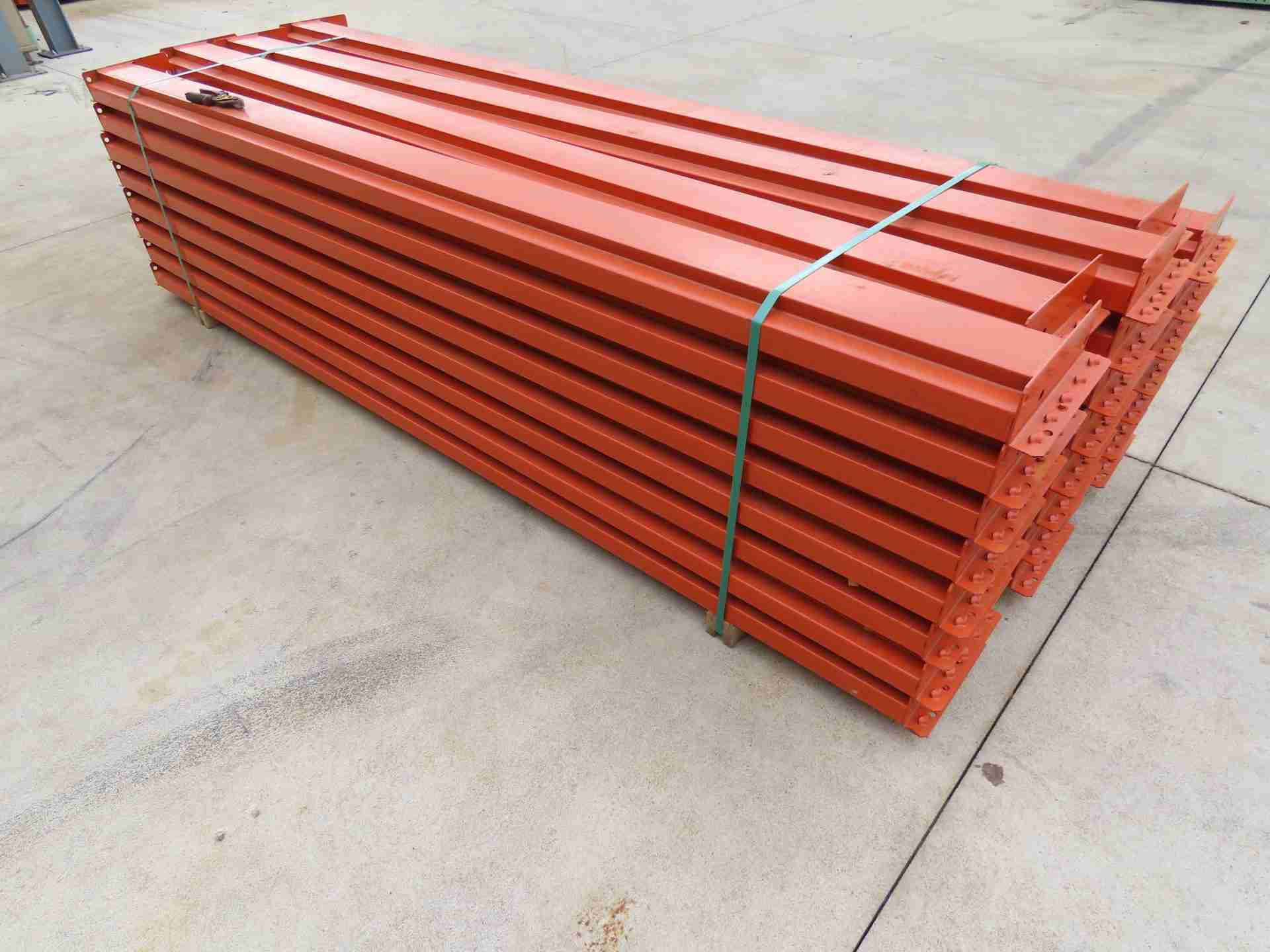
How Do Load Distributions Impact The Strength Of Pallet Racks?
How Do Load Distributions Impact The Strength Of Pallet Racks?
Here’s a bulleted summary of the provided text, formatted as an HTML list:
- Pallet racks are crucial in logistics and warehousing for supporting inventory.
- Proper load distribution is essential for maintaining the integrity and safety of pallet racks.
- Uneven load distribution can cause rack deformation or catastrophic failure.
- The rise of e-commerce has increased the need for effective load strategies in warehouses.
- Companies like Amazon and Walmart optimize load distribution to enhance safety and operational efficiency.
- Regularly review inventory turnover rates to improve load distribution strategies.
- Understand the weight capacity and material limits of your pallet racks to prevent failures.

How Do Load Distributions Impact The Strength Of Pallet Racks?
Are There Safety Standards For Pallet Rack Weight Limits?
When it comes to your warehouse operation, safety is not just a priority; it’s a non-negotiable necessity. One critical aspect of maintaining that safety is understanding and adhering to the weight limits of pallet racks. Ignoring this vital consideration can lead to unfortunate incidents, damaging inventory, and even injuring employees. So, are there safety standards governing pallet rack weight limits? Absolutely.
The American National Standards Institute (ANSI) and the Rack Manufacturers Institute (RMI) provide crucial guidelines for the design and use of pallet racking systems. According to ANSI/RMI MH16.1, manufacturers must specify a safe working load for their racks, which encapsulates factors such as the type of load, shelf configuration, and the structural integrity of the rack itself. Adhering to these standards is more than just ticking a box; it demonstrates a commitment to safety and operational excellence.
For instance, let’s consider a warehouse that deals with heavy equipment. Underestimating the weight of the items being stored can lead to catastrophic failure of the racking system. In 2023, a warehouse in a Midwest city experienced just that: overloaded racks collapsed due to the improper evaluation of weight limits, leading to significant injuries and a costly shutdown that drew headlines across local media. Such incidents starkly underscore the critical importance of following safety regulations.
Moreover, consider the implications of regulatory compliance. OSHA (Occupational Safety and Health Administration) can impose fines and sanctions on businesses that fail to meet safety standards. By understanding pallet rack weight limits and ensuring your systems are up to code, you mitigate both financial risk and the danger posed to your valuable workforce.
In the world of e-commerce, where inventory moves at breakneck speed, it’s all too easy to overlook these crucial guidelines. However, simple practices such as regular inspections and employee training on safety standards can prevent disasters and create a culture of awareness and responsibility.
To ensure your operations run smoothly and securely, invest in robust warehouse management solutions that can track your inventory’s weight and compliance with safety standards. Remember, the cost of neglecting safety is far greater than that of implementing best practices.
In short, safety standards for pallet rack weight limits are not just guidelines; they’re essential frameworks for protecting your business, employees, and bottom line. Establishing and adhering to these limits not only fortifies your warehouse but also fortifies your reputation, setting your business up to thrive in today’s competitive marketplace.
Are There Safety Standards For Pallet Rack Weight Limits?
Are There Safety Standards For Pallet Rack Weight Limits?
- Safety in warehouse operations is a non-negotiable necessity, particularly regarding pallet rack weight limits.
- Ignoring weight limits can result in inventory damage and employee injuries.
- The American National Standards Institute (ANSI) and Rack Manufacturers Institute (RMI) provide guidelines for pallet racking systems.
- Manufacturers must specify safe working loads based on load type, shelf configuration, and structural integrity.
- Failure to adhere to safety standards can lead to catastrophic failures and significant financial and human costs.
- Regulatory compliance with OSHA is crucial to avoid fines and protect employees.
- Regular inspections and employee training are vital in promoting a culture of safety and preventing disasters.

Are There Safety Standards For Pallet Rack Weight Limits?
How Can I Ensure My Pallet Rack Setup Is Safe And Compliant?
In the fast-paced world of warehousing and logistics, ensuring your pallet rack setup is not only efficient but also safe and compliant is non-negotiable. It’s a matter of protecting your employees, minimizing liability, and maintaining operational flow. So, how do you achieve this delicate balance?
Start with a solid foundation: Invest in quality pallet racking systems from reputable manufacturers. In recent years, several companies have been called out for skimping on safety in their warehouse setups, leading to catastrophic accidents and costly lawsuits. Avoid being one of them. Look for racking systems that meet or exceed the latest industry standards such as RMI (Rack Manufacturers Institute) guidelines. Verify certifications through reputable third-party testing agencies.
Next, conduct regular inspections of your entire racking system. Establish a routine where trained personnel assess your setup for signs of wear, damage, or misuse. Recent news has shown that organizations that prioritize regular inspections can prevent mishaps before they escalate into something serious. Consider integrating technology—like load sensors—that alert you to potential issues before they become dangerous.
Training is equally vital. Implement a robust employee training program, emphasizing proper load handling techniques and safety protocols when working around pallet racks. Empower each team member to understand the weight limits and intended use of your racking systems. This can dramatically reduce human error, a leading cause of accidents in warehouses. For instance, during a recent seminar hosted by a leading logistics provider, experts highlighted a 30% reduction in accidents due to comprehensive staff training.
Compliance with local regulations and OSHA guidelines is another critical component. Familiarize yourself with the specific requirements that apply in your region. A proactive approach is key. For example, Philadelphia recently updated its safety regulations for warehouses; staying informed of such changes can provide a competitive edge while ensuring you remain compliant.
Finally, document everything. A well-organized record-keeping system not only assists in routine audits but also protects your business in the event of a legal dispute. Keep a log of inspections, training sessions, and maintenance works performed. In today’s litigious environment, being thorough can safeguard your company’s future.
By following these steps, you create a culture of safety and accountability that resonates throughout your organization. It not only protects your employees but also enhances your reputation and profitability in an increasingly stringent marketplace. Don’t leave safety to chance—make it a cornerstone of your operational strategy today!

How Can I Ensure My Pallet Rack Setup Is Safe And Compliant?
How Can I Ensure My Pallet Rack Setup Is Safe And Compliant?
- Pallet rack setups must be efficient, safe, and compliant to protect employees and minimize liability.
- Invest in quality racking systems that meet or exceed industry standards (RMI guidelines) and verify certifications through third-party testing agencies.
- Conduct regular inspections to assess for wear, damage, or misuse, and consider using technology like load sensors for early warning.
- Implement a robust employee training program focusing on proper load handling techniques and safety protocols.
- Stay compliant with local regulations and OSHA guidelines to maintain a competitive edge and ensure safety.
- Maintain thorough documentation of inspections, training sessions, and maintenance work to safeguard against legal disputes.
- Creating a culture of safety and accountability enhances reputation and profitability in a demanding marketplace.
How Can I Ensure My Pallet Rack Setup Is Safe And Compliant?
Conclusion
In the intricate world of warehousing logistics, understanding the weight limits of pallet racks is not merely an operational detail—it’s a linchpin for success that can impact your bottom line and ensure safety for your entire workforce. As you’ve learned through this comprehensive guide, the weight capacity of pallet racks is influenced by various factors such as type, material, configuration, load type, and environmental conditions. A well-informed choice can lead to enhanced storage efficiency, increased safety, and, ultimately, greater profitability.
The significance of aligning your warehouse setup with industry standards cannot be overstated. Outdated or improper usage of pallet racks can lead to catastrophic failures, resulting in costly damages and injuries. Recent events illustrate the pressing need for adherence to ANSI and OSHA regulations—where overlooking weight capacities has not only jeopardized safety but led to financial repercussions. The long-standing adage rings true: “an ounce of prevention is worth a pound of cure.”
Moreover, the advent of e-commerce and supply chain fluctuations demands a proactive approach in warehouse management. Companies that invest in adaptable, high-capacity storage solutions outperform competitors while protecting their assets. From employing modern technology to enhancing your racking systems for varied loads, the time to act is now.
Here at RackingWorld.com and Arrow Industrial Sales, we are committed to being your trusted partner in revolutionizing your warehouse operations. Whether you’re reevaluating existing systems or installing new ones, we provide tailored solutions to meet your unique needs. Don’t delay; every moment spent without the right guidance could spell the difference between operational safety and disaster.
Call us today at (574) 349-6575 to get the expert advice and support necessary to optimize your pallet rack setup. With our experience and commitment to excellence, we’ll help you harness the full potential of your storage capabilities, paving the way for elevated efficiency and profitability. Remember, in the fast-paced market we navigate today, informed decisions can set your company apart. Reach out now and take the first step toward a secure and compliant future!
Conclusion
Conclusion:
- Understanding the weight limits of pallet racks is crucial for operational success and workforce safety.
- Factors influencing pallet rack weight capacity include type, material, configuration, load type, and environmental conditions.
- Aligning warehouse setups with industry standards is essential to prevent catastrophic failures and financial losses.
- Compliance with ANSI and OSHA regulations is critical to avoid safety hazards and financial repercussions.
- Proactive warehouse management is necessary to adapt to e-commerce demands and supply chain fluctuations.
- Investing in high-capacity storage solutions can enhance efficiency and provide a competitive advantage.
- Contact Arrow Industrial Sales for expert advice to optimize your pallet rack setup and improve safety and profitability.
Conclusion
Other Resources
Other Resources
Here is a list of other resources you can review online to learn more:
- Pallet Racking Weight Capacity: How to Calculate It – OneRack
- Determining Pallet Racking Weight Capacity & Beam Strength – REB
- How much weight can a pallet rack hold? – Manutan UK Blog
- Choosing a Pallet Based on Its Weight Capacity – Container Exchanger
Use This Prompt To Get More Resources With Your Favorite Online AI Tool: Please provide me with a list of online articles with their URLS in a bulleted list that I can read regarding How Much Weight Can a Pallet Rack Hold?

Other Resources
Glossary Terms
How Much Weight Can a Pallet Rack Hold? – Glossary Of Terms
1. Pallet Rack: A storage system designed to hold palletized goods, typically consisting of upright frames and horizontal beams.
2. Capacity: The maximum weight that a pallet rack can safely hold without compromising structural integrity.
3. Load Bearing: The ability of a structure to support weight without failure.
4. Uniform Load: A load that is evenly distributed across the pallet rack, which allows for the maximum rated capacity.
5. Dynamic Load: The weight capacity of a rack that accounts for motion, such as during loading or unloading.
6. Static Load: Weight that is applied to a rack without movement, representing a different capacity than dynamic loads.
7. Weight Distribution: The manner in which weight is spread across a pallet rack, influencing its stability and safety.
8. Beam: The horizontal support component of a pallet rack that holds the pallets.
9. Upright: A vertical frame or post in a pallet rack that supports the beams and overall structure.
10. Deflection: The amount that a beam bends under load; important for understanding how weight affects rack integrity.
11. Forklift: A powered industrial vehicle used to lift and transport heavy loads, often utilized in pallet rack systems.
12. Safety Factor: A design principle that provides a margin of safety beyond the expected maximum load.
13. Regulatory Standards: Guidelines established by organizations like OSHA or ANSI to ensure pallet rack safety and performance.
14. Pallet: A flat structure used to support goods in a stable manner during storage or transport.
15. Weight Limit: The maximum allowable weight that can be placed on a specific pallet rack without risking damage or failure.
16. Load Bar: A component that runs horizontally along the beams to support pallets and evenly distribute weight.
17. Cross Brace: Diagonal support members that stabilize the upright frames of a pallet rack.
18. Racking System: The overall arrangement of pallet racks, including various types and configurations.
19. Adjustment: The ability to modify the height or configuration of a pallet rack to accommodate different load sizes.
20. Span: The distance between the uprights in a pallet rack, affecting its capacity and the types of loads it can handle.
21. Overload: Exceeding the maximum weight limit of a pallet rack, which can lead to structural failure.
22. Material: The substance from which the pallet rack is made (e. g. , steel, aluminum), which affects its strength and capacity.
23. Footprint: The total area that the pallet rack occupies on the floor, influencing space utilization and load capacity.
24. Height: The vertical measurement of a pallet rack, which can affect its load capacity and stability.
25. ERP (Enterprise Resource Planning): Software that helps manage inventory, including space and weight capacities of pallet racks.
26. Inspection: Regular checks performed on pallet racks to ensure safety and functionality, including assessing load limits.
27. Load Management: The practice of monitoring and controlling how much weight is placed on a pallet rack.
28. Compliance: Adhering to safety and operational guidelines in the use of pallet racks.
29. Dynamic Stability: The ability of a pallet rack to maintain its structure during motion, such as loading or unloading.
30. Inventory Turnover: The rate at which goods stored in a pallet rack are replaced; high turnover can affect weight loads.
Glossary Of Terms
Other Questions
How Much Weight Can a Pallet Rack Hold? – Other Questions
If you wish to explore and discover more, consider looking for answers to these questions:
- What are the different types of pallet racks available?
- How can I determine the right type of pallet rack for my business needs?
- What factors should I consider when configuring my pallet rack layout?
- How often should pallet racks be inspected for safety compliance?
- What are the consequences of exceeding the weight limits of pallet racks?
- How can I identify signs of wear or damage in my pallet racks?
- What training should employees receive regarding pallet rack safety?
- Are there specific regulations governing pallet rack installations in my region?
- What technologies can enhance the safety and efficiency of pallet racks?
- How can I best distribute weight across my pallet racks?
- What are the best practices for loading and unloading pallet racks?
- What role does pallet rack maintenance play in safety and compliance?
- How do different materials used in pallet racks affect their weight capacity?
- Can you provide case studies of successful pallet rack implementations?
- How do seasonal fluctuations impact pallet rack storage strategies?

Other Questions
Checklist
How Much Weight Can a Pallet Rack Hold? – A Checklist
1. Select Quality Racking Systems
_____ Choose pallet racks from reputable manufacturers.
_____ Verify that the racks meet or exceed industry standards (e. g. , RMI guidelines).
_____ Check for certifications from third-party testing agencies.
2. Conduct Regular Inspections
_____ Establish a routine for inspecting the racking system for wear or damage.
_____ Assign trained personnel to conduct these inspections.
_____ Integrate technology (e. g. , load sensors) to monitor rack conditions.
3. Employee Training
_____ Implement a comprehensive employee training program on proper load handling techniques.
_____ Educate staff about the weight limits and intended use of the racking systems.
_____ Review safety protocols regularly to keep staff informed.
4. Adhere to Weight Limits
_____ Understand the weight limits specific to your pallet rack type (e. g. , selective, heavy-duty).
_____ Ensure weight is evenly distributed across beams to prevent overload.
_____ Avoid exceeding the maximum weight capacity specified by the manufacturer.
5. Review Load Types
_____ Assess the type of goods being stored and ensure compatibility with rack specifications.
_____ Ensure uniform loads are used when possible for optimal weight distribution.
6. Regulatory Compliance
_____ Familiarize yourself with local regulations and OSHA guidelines.
_____ Stay updated on safety regulation changes relevant to warehouse operations.
_____ Keep records of compliance efforts and safety standards met.
7. Documentation and Record Keeping
_____ Maintain a detailed log of inspections, training sessions, and maintenance work.
_____ Document any incidents and how they were resolved to improve future safety protocols.
8. Promote a Safety-First Culture
_____ Encourage team members to report unsafe practices or conditions.
_____ Recognize and reward safety compliance among staff.
_____ Regularly survey employees to identify areas where safety can improve.
Conclusion
By following this checklist, you can enhance the safety and efficiency of your pallet rack system, protect your workforce, and ensure compliance with relevant guidelines and standards. Safety should always be at the forefront of your operational strategy.
Checklist
At RackingWorld, we help guide you through selecting warehouse storage systems and racking.
Be sure to read our other related stories at RackingWorld to learn more about warehouse storage systems.
0 Comments