
Optimizing Efficiency And Strength With Rack Connection Innovations
By Tom Seest
At RackingWorld, we help guide you through selecting warehouse storage systems and racking.
Be sure to read our other related stories at RackingWorld to learn more about warehouse storage systems.
Teardrop Vs. Keystone Rack Connections
When we dive into the world of racking systems, particularly the teardrop versus keystone connections, we’re not just talking about metal and wood—we’re exploring the backbone of our warehouse operations, the very structure that holds everything together. Each connection tells a story, and understanding these differences can mean the difference between a stable, efficient workspace and a disaster waiting to happen.
Teardrop racks boast an innovative design that allows for unparalleled adaptability. Imagine a rack system as versatile as you are, one that’s built to expand and change as needs evolve. With teardrop’s easy-to-adjust features, you can move beams around with minimal tools and effort. It’s a little like how we navigate life—sometimes we need to adapt quickly to get things done right. But this flexibility doesn’t come with compromise; it’s built tough, designed for the long haul.
On the other end, the keystone rack connection offers a more traditional approach, a reliable classic if you will. Its design is known for stability and strength, thanks to its simple, straightforward assembly. Think of it as the steadfast old friend who’s been there through thick and thin. This type of connection ensures that your loads are safe and secure, even under pressure.
However, navigating the choice between these connections isn’t merely a matter of strength; it’s also about trust—trust in the manufacturer, in your choices, and in the system holding your livelihood. Ethically, it’s imperative to choose materials and designs that stand the test of time, reducing waste and ensuring that future projects don’t compromise the integrity of your operations.
With hundreds of options at your fingertips, both teardrop and keystone have their merits. The emotional aspect of choosing the right racking system is intense—you want the assurance that your investment will serve you well. You want peace of mind, knowing that your inventory is secured and your operation runs smoothly.
Ultimately, this choice isn’t merely a technical decision; it’s about creating a space where people can work efficiently and safely. Your racks should inspire confidence among your team, enabling them to focus on what truly matters—getting the job done. So, as you weigh your options, ask yourself: which connection resonates with your vision and values? A choice made in understanding and purpose often leads to success.
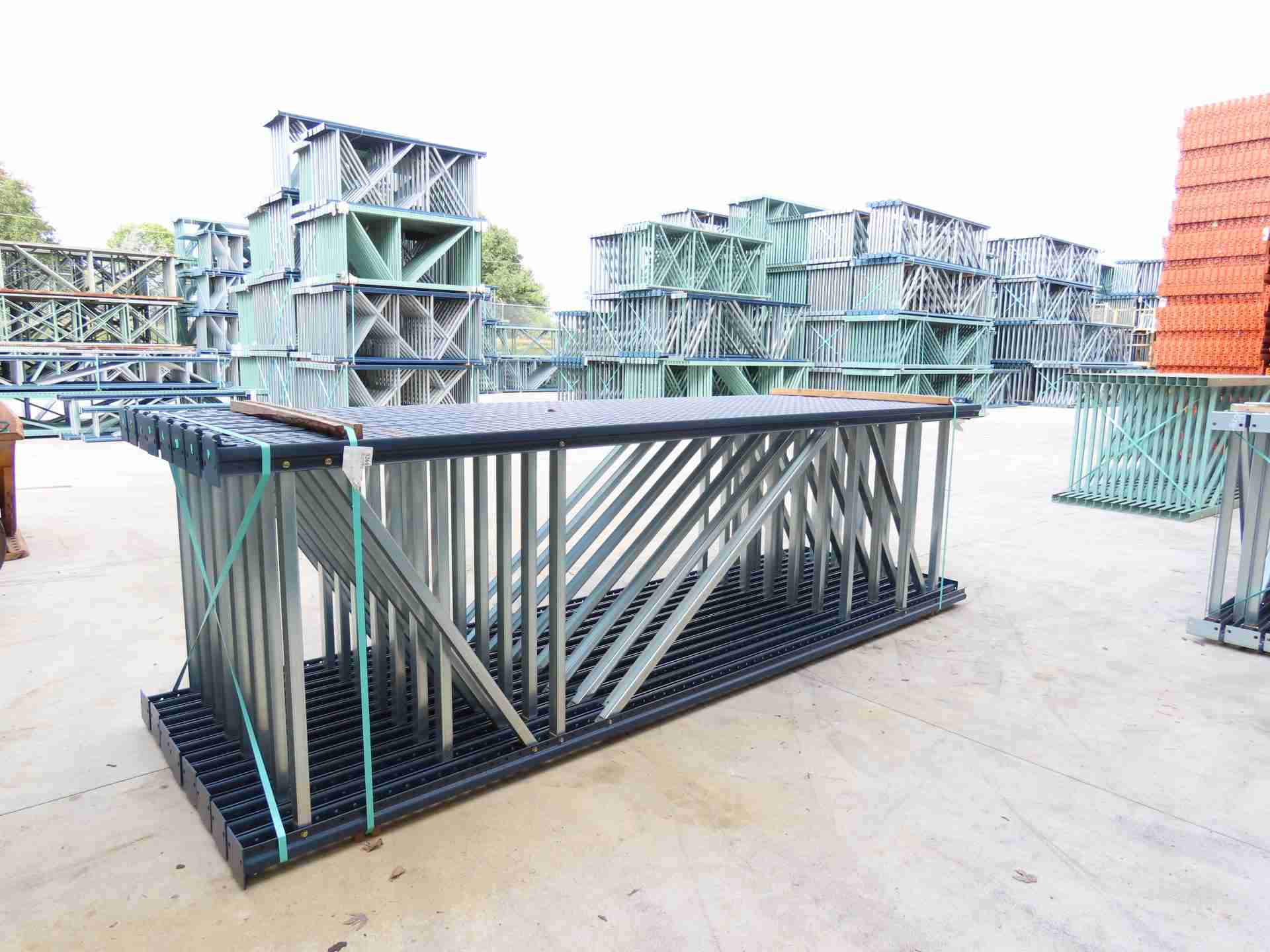
Teardrop Vs. Keystone Rack Connections
Teardrop Vs. Keystone Rack Connections
- Racking systems, specifically teardrop and keystone connections, are crucial to warehouse operations.
- Teardrop racks provide adaptability with easy adjustments and the ability to expand as needs change.
- Keystone racks offer a traditional design, emphasizing stability and strength through simple assembly.
- Choosing between these connections involves trust in the manufacturer and the integrity of the materials used.
- Both racking options present emotional weight; the right choice ensures security and smooth operation.
- The decision impacts not just technical aspects but also the efficiency and confidence of the workforce.
- Ultimately, selecting a racking system should align with one’s vision and values for long-term success.
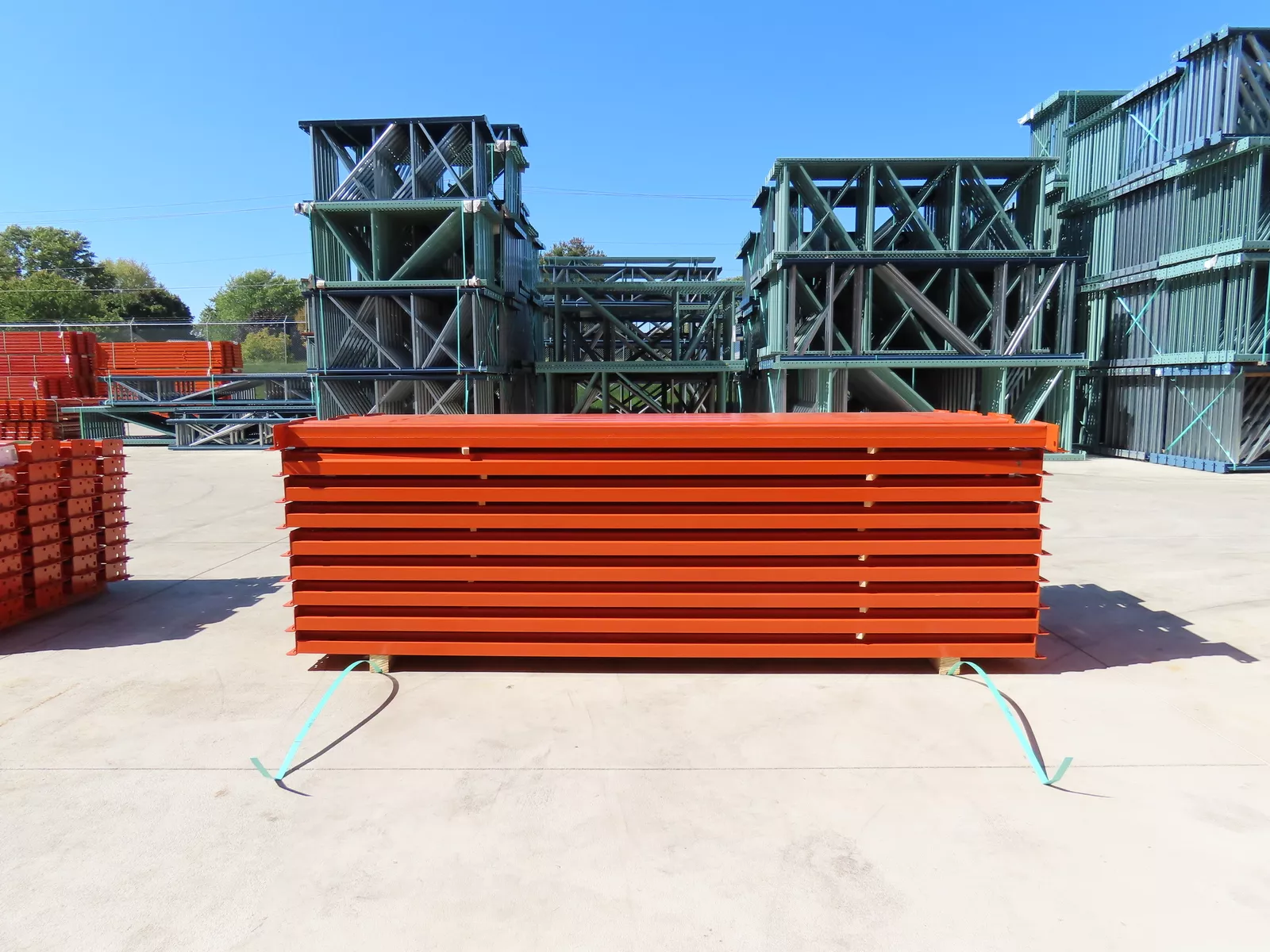
Teardrop Vs. Keystone Rack Connections
Table Of Contents
- Teardrop Vs. Keystone Rack Connections
- What Makes You Feel Secure When Choosing a Rack Connection?
- How Do You Evaluate the Strength Of Teardrop Vs. Keystone Racks?
- What Factors Influence Your Decision on Rack Connections?
- Which System Demonstrates Higher Reliability In Real-World Conditions?
- How Important Is Manufacturer Reputation In Your Selection Process?
- Conclusion
- Other Resources
- Glossary Of Terms
- Other Questions
- Checklist
What Makes You Feel Secure When Choosing a Rack Connection?
When it comes to choosing a rack connection, the emotional weight of that decision is often compounded by the daunting task of navigating myriad options and specifications. You don’t just want any connection—you want one that embodies reliability, strength, and longevity. Think about it. Your equipment, your projects, your very success depend on a solid racking system. That’s a heavy responsibility. The heart tells you to prioritize quality and performance, while the mind weighs the implications of long-term investments versus short-term savings.
Imagine standing before your setup, inspecting the carefully selected components. It’s easy to feel overwhelmed by technical jargon, but remember that a good racking system is much more than just pieces of metal and bolts. It’s a fortress that protects your data, your inventory, and your reputation. The rational part of you knows that the right rack connection minimizes risk—risk of failure, risk of financial loss, and, in some cases, risk of safety. Every choice you make contributes to a seamless operation; the more stable and secure your racking, the freer you are to focus on what truly matters.
Ethically, you owe it to yourself and your team to choose wisely. When you invest in quality racking, you’re not just building a physical structure; you’re fostering an environment of trust and efficiency. Sharing this responsibility with your colleagues enhances camaraderie, encouraging open discussions about what works best, ensuring decisions are made with collective wisdom.
And let’s not ignore authority in the field. Listen to the voices of those who’ve been there. Seek out reputable brands and consult with seasoned professionals who’ve experienced the bitter taste of poor choices and the sweet success of solid investments. Their stories can serve as cautionary tales or blueprints for success.
Socially, you’re part of a larger community. Engage with others—whether through forums, local meetups, or trade shows—and share your experiences. In that pool of collective knowledge lies inspiration, advice, and perhaps even a cautionary tale or two that can guide your choice.
So, as you assess your options, ask yourself: what truly makes you feel secure when choosing a rack connection? The answer lies not only in the specifications and capabilities but deep within the values you hold. Choose wisely, protect your investments, and create an environment where everyone can thrive.
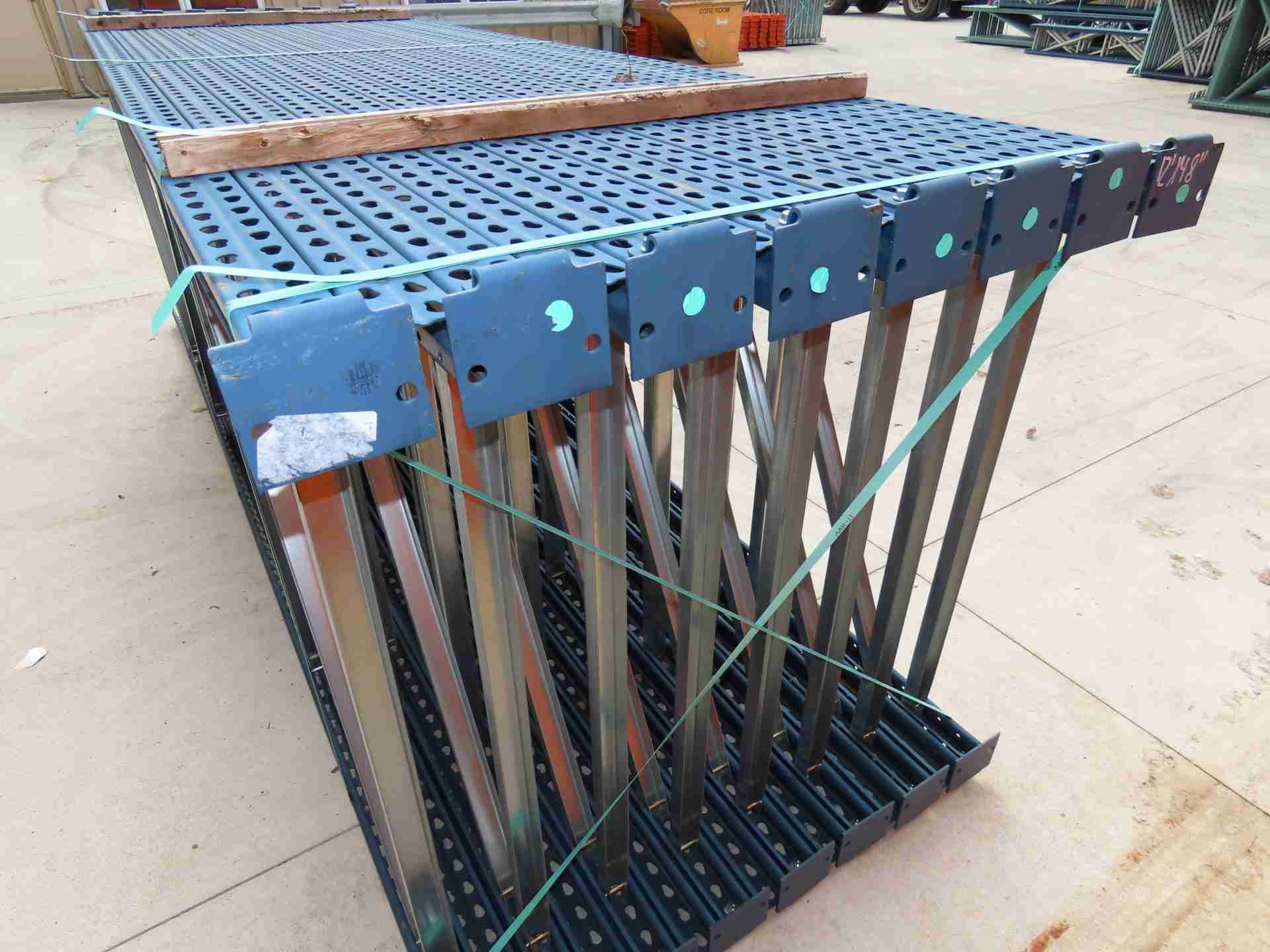
What Makes You Feel Secure When Choosing a Rack Connection?
What Makes You Feel Secure When Choosing a Rack Connection?
- Choosing a rack connection is a decision loaded with emotional and practical considerations.
- Quality and performance are essential, as they impact success and reliability of equipment.
- A good racking system protects critical assets like data and reputation, minimizing various risks.
- Investing in quality fosters trust and efficiency within teams and encourages collaborative decision-making.
- Seek insights from reputable brands and experienced professionals to avoid poor choices.
- Engage with the community through forums and events to share experiences and gather advice.
- Your choice should reflect personal values alongside technical specifications for a secure environment.
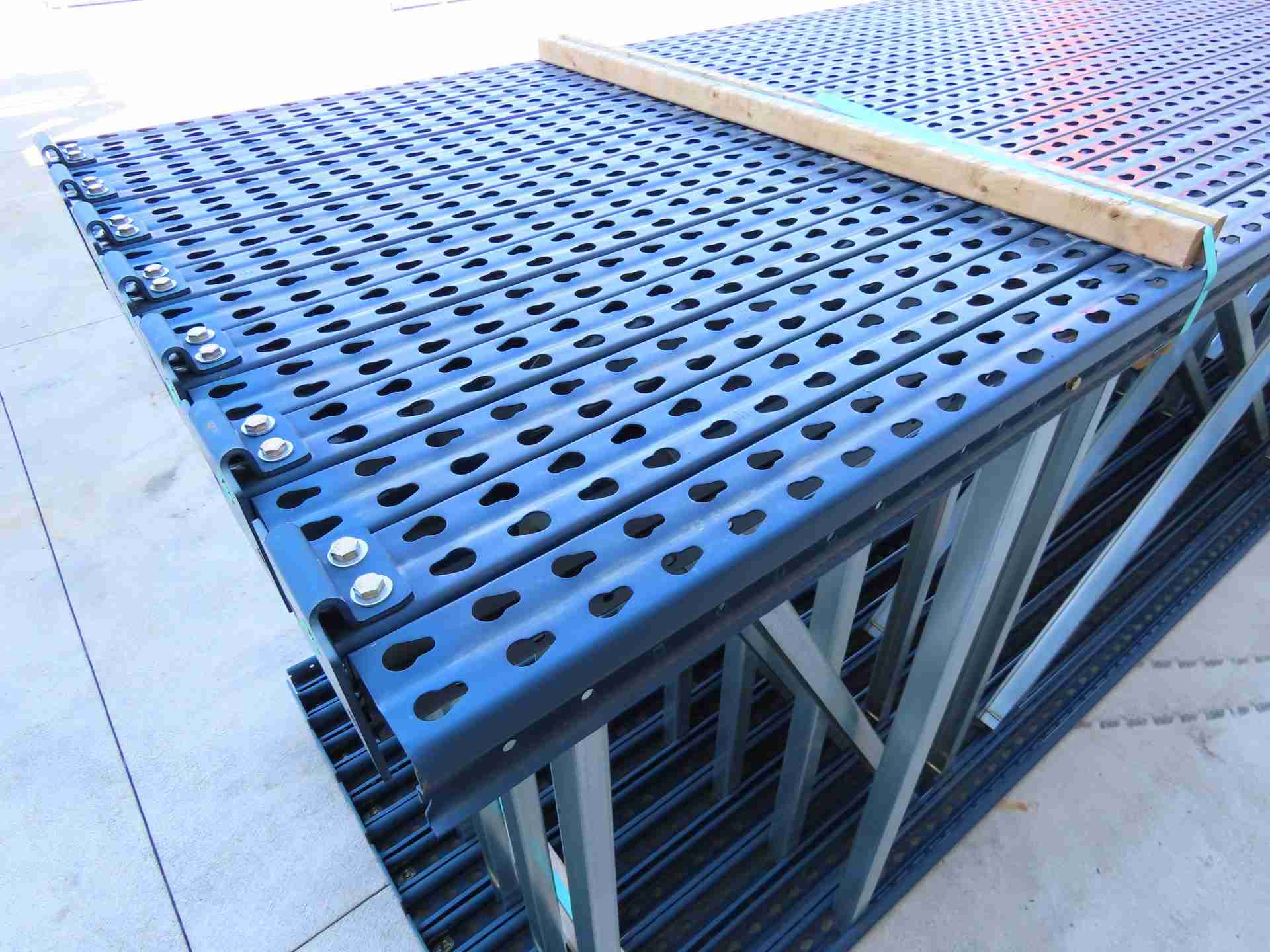
What Makes You Feel Secure When Choosing a Rack Connection?
How Do You Evaluate the Strength Of Teardrop Vs. Keystone Racks?
When it comes to evaluating the strength of teardrop versus keystone racks, you’re tapping into more than just metal and design; you’re exploring a landscape where durability meets purpose. Picture this: You’re gearing up for a weekend adventure, one that promises breathtaking views and loads of laughter, but only if you have the right gear securely in place. That’s where racking systems come into play—your partners in crime for hauling the gear that makes memories possible.
Head over heart is where it often starts. With teardrop racks, their aerodynamic shape allows for a streamlined experience. They reduce wind resistance, saving you fuel on those long hauls. On the flip side, we have keystone racks, known for their unmatched strength and versatility. If you’re packing heavy gear, such as bikes or camping supplies, that solid construction is non-negotiable. The science of weight distribution and how racks handle loads can often offset the initial allure of a sleek profile, urging you to consider what lies beneath the surface.
But let’s not forget the human element—the gut feeling that stirs when you think about your family’s safety and the potential risks involved. The stakes are high; damaged equipment or an accident on the road can mean more than just inconvenience. Ask yourself: Which option builds that sense of security? Teardrop racks may boast style, but keystone racks offer reliability and robustness, making them a solid choice for those who prioritize safety and family adventures.
Ethically speaking, when you invest in quality racks, you’re not only making a decision for yourself but for the environment too. A well-constructed rack means fewer replacements, reducing waste and the overall carbon footprint. Think about the narrative you’re crafting with each ride, harmonizing adventure and stewardship.
Socially, we gravitate toward what others deem trustworthy. Recommendations from friends, family, or community forums will guide you through the maze of choices. The wisdom of those who have traveled the path before you carries weight. By consulting the experience of others, you cement the trust in your choice, ensuring that your hard-earned money contributes to something reliable and enduring.
Ultimately, whether you lean toward teardrop or keystone racks, embrace the journey of evaluation with an eye for what truly matters, allowing the strength of your choice to echo through every adventure you embark upon.
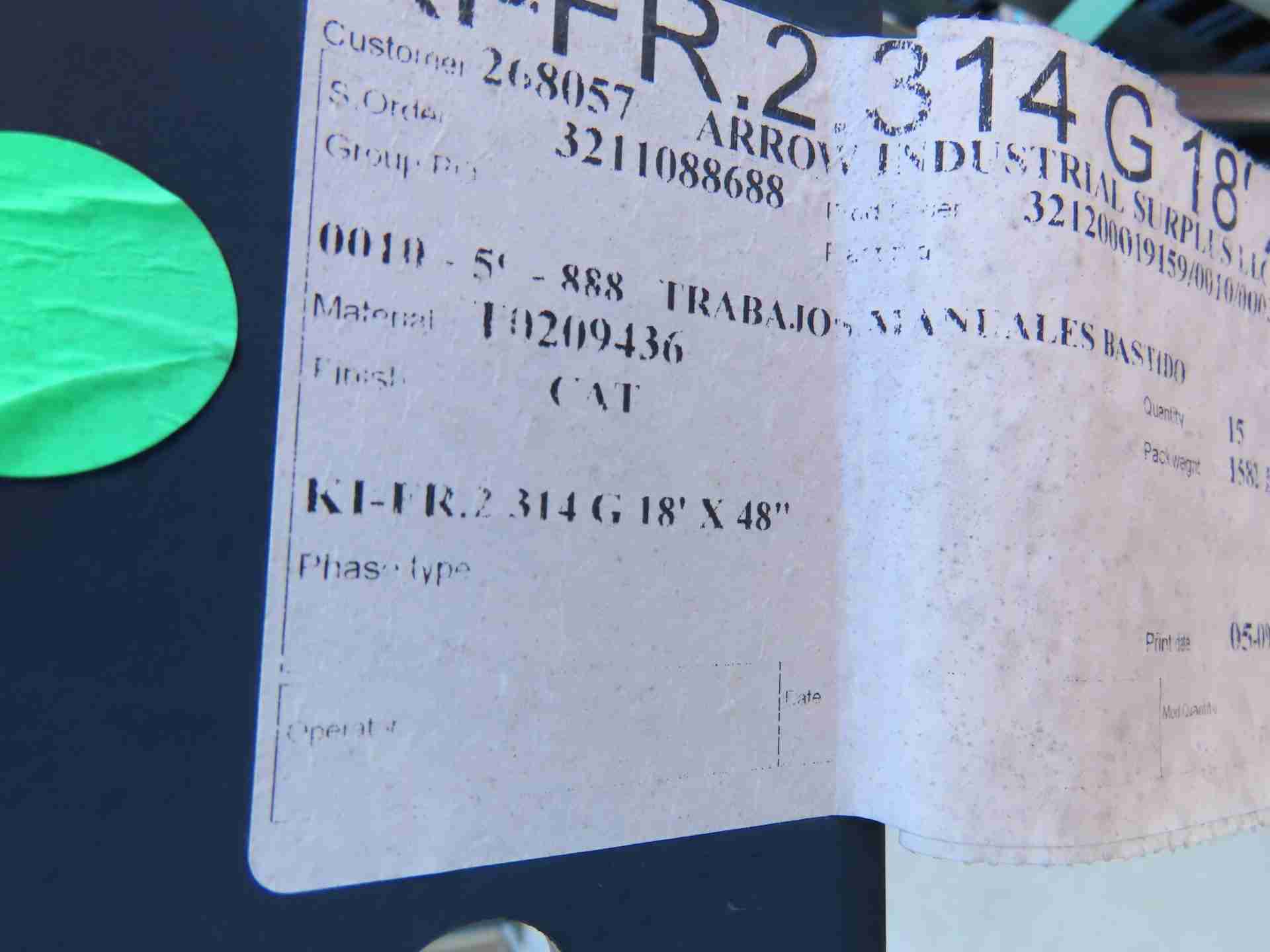
How Do You Evaluate the Strength Of Teardrop Vs. Keystone Racks?
How Do You Evaluate the Strength Of Teardrop Vs. Keystone Racks?
Here’s a bulleted summary of the provided text in a formatted HTML list:
- Evaluating teardrop versus keystone racks involves assessing both durability and purpose.
- Teardrop racks offer an aerodynamic design, improving fuel efficiency during long trips.
- Keystone racks provide unmatched strength and versatility, ideal for heavy gear such as bikes and camping supplies.
- Weight distribution science plays a crucial role in rack selection beyond just appearance.
- Prioritizing family safety is essential; keystone racks are known for reliability and robustness.
- Investing in quality racks contributes to environmental sustainability by reducing waste and carbon footprint.
- Trustworthy recommendations from friends and community forums can guide your choice in racking systems.
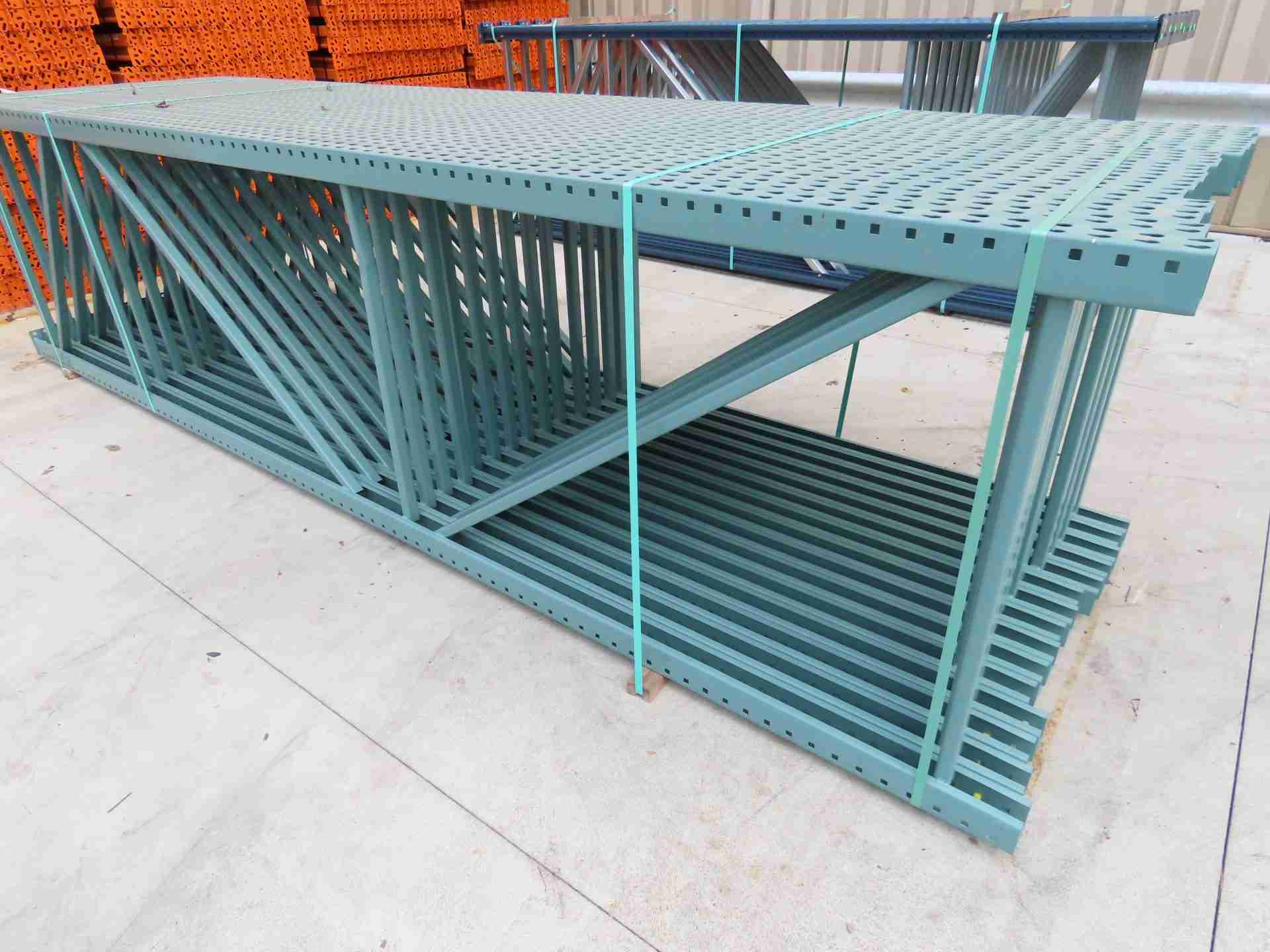
How Do You Evaluate the Strength Of Teardrop Vs. Keystone Racks?
What Factors Influence Your Decision on Rack Connections?
When it comes to the intricate world of rack connections in networking, several factors weave together like threads in a tapestry, each influencing your decision-making process. Imagine standing before a colossal stack of challenges—each layer of rack represents not just hardware, but the heart of your operations. It’s more than just a choice; it’s about reliability, efficiency, and peace of mind.
First, consider the emotional aspect. You want to feel confident that your systems are secure. Imagine the knot in your stomach while waiting for a crucial upload that could lead to a missed deadline. Choosing the right racking solution means erasing that anxiety. Think of the pride you’ll feel knowing you’ve created an efficient, organized space that allows your team to thrive, powered by the robust connections you’ve made. Picture your colleagues feeling motivated in a streamlined environment where everything has its place, enabling creativity and collaboration.
Rationally speaking, the decision isn’t just an emotional one; it’s founded upon clear, logical strategies. You must assess the type of rack that aligns with your specific needs: vertical space, cable management, airflow, and weight tolerance. Review the data sheets and evaluate how each option impacts operational costs. Investing wisely today can save a significant amount down the road, offering a solid return that would make any accountant nod in agreement.
Now, let’s talk ethics. At its core, the right choice reflects your commitment to sustainability and responsible sourcing. Opting for racks made from recycled materials or engaging with manufacturers who prioritize eco-friendly practices embodies a choice for future generations, a decision your conscience will thank you for.
Then there’s the authoritative voice of experience. Industry trends change quickly; leverage insights from seasoned professionals who’ve navigated these waters before. Understand their triumphs and pitfalls. Their collective wisdom can offer a treasure trove of data points to guide your choices.
Finally, think about the social aspect. Which racks will you talk about at the next networking event? Which ones will people admire? Making an informed decision is not just about functionality; it’s also about how it positions you within your professional community. Ultimately, each connection you make through racking sends ripples that affect not just your organization, but the very fabric of your industry. Your choice impacts how your team works together and how efficiently you respond to challenges. In these connections, there lies a profound responsibility. Make it count.
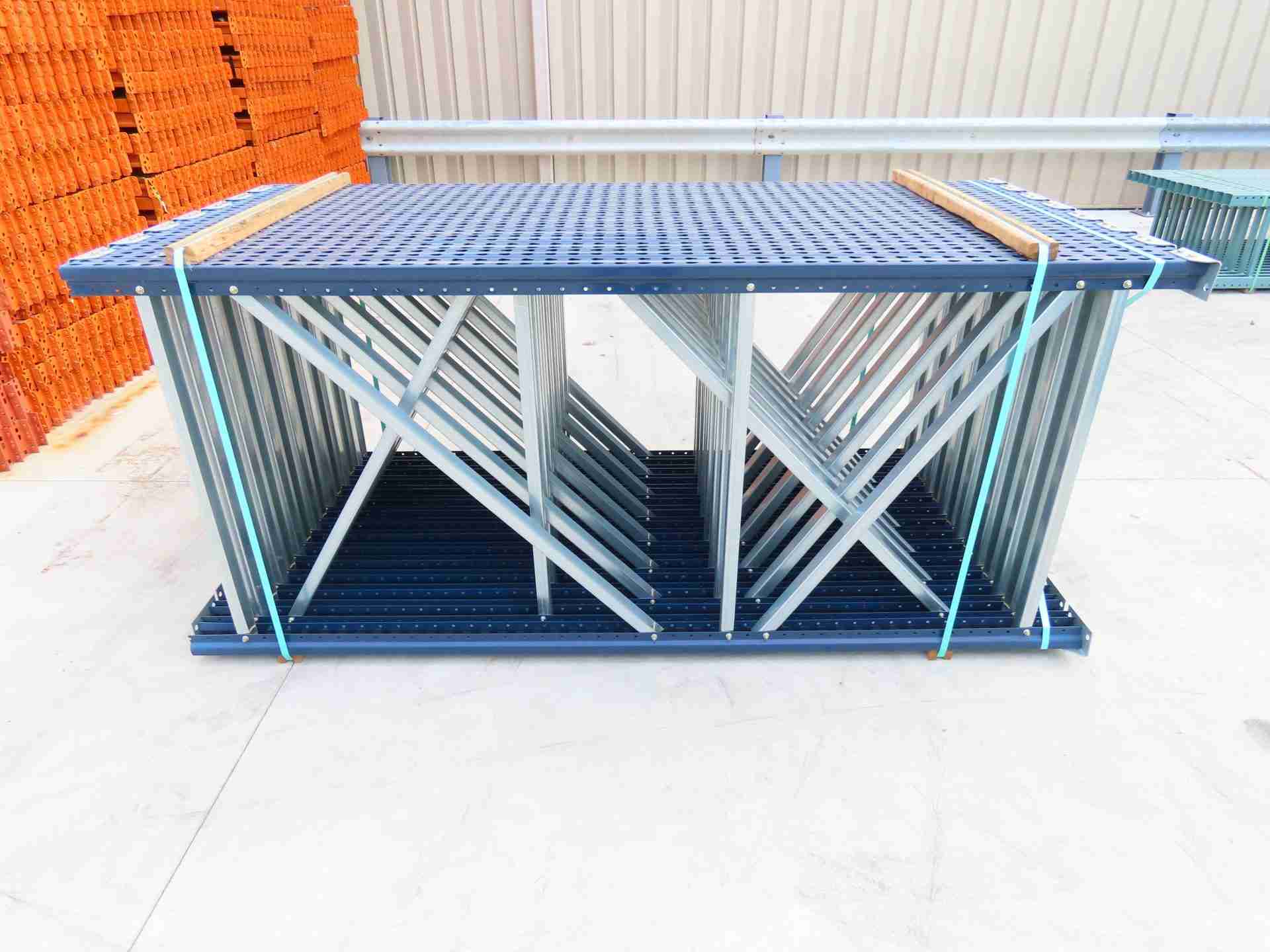
What Factors Influence Your Decision on Rack Connections?
What Factors Influence Your Decision on Rack Connections?
- Choosing rack connections involves multiple factors that influence decision-making in networking.
- The emotional aspect includes feeling secure and reducing anxiety during critical operations.
- Creating an organized and efficient workspace can foster team motivation and collaboration.
- Decisions should be based on clear strategies, considering space, cable management, airflow, and weight tolerance.
- Opting for sustainable materials demonstrates a commitment to responsible sourcing and ethical practices.
- Leverage insights from experienced professionals to navigate industry trends and avoid common pitfalls.
- Your choice of racking impacts not only your team but also your professional reputation and industry standing.
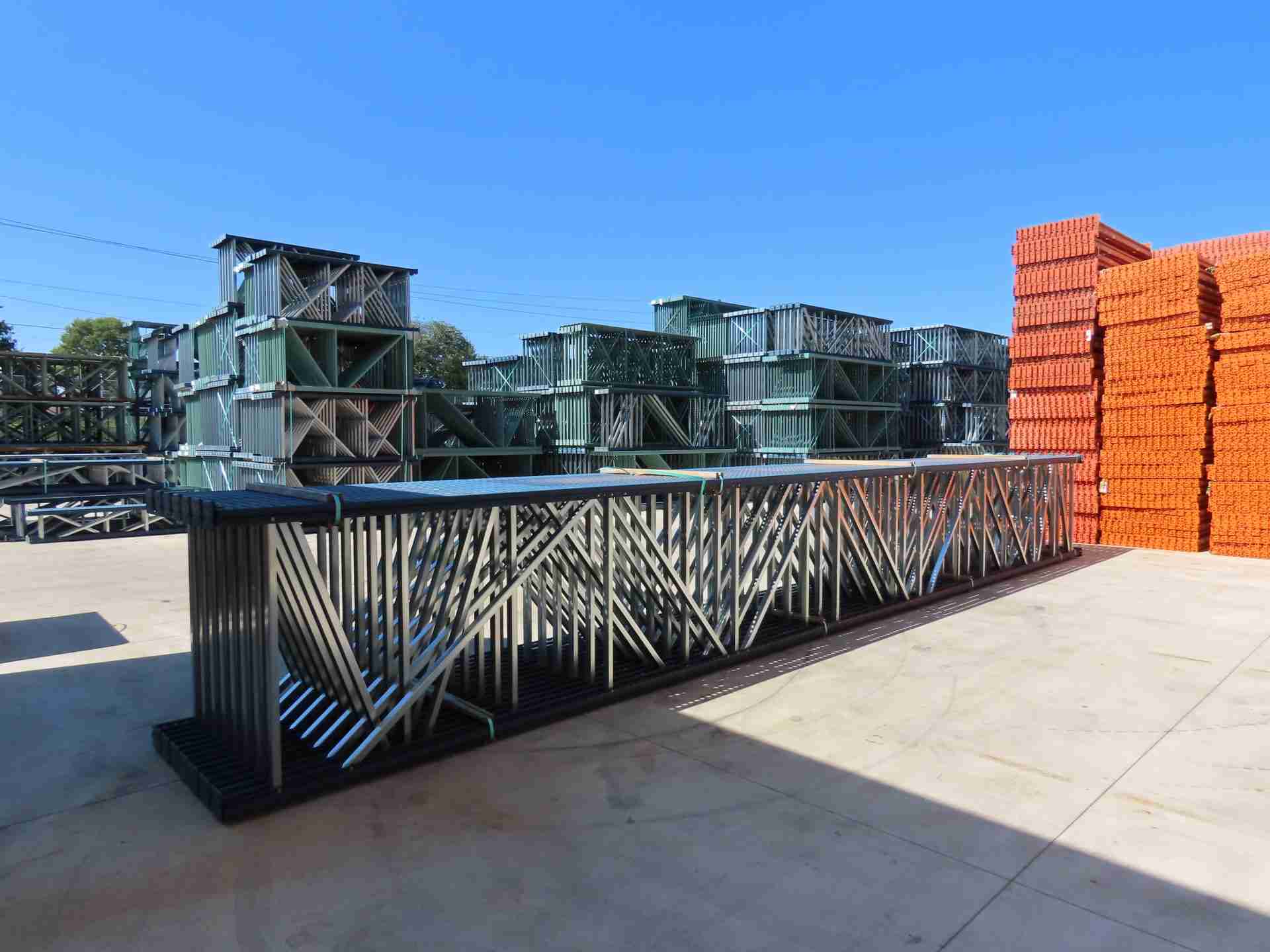
What Factors Influence Your Decision on Rack Connections?
Which System Demonstrates Higher Reliability In Real-World Conditions?
In the realm of technology, where dreams of innovation often clash with the gritty slog of reality, the question of reliability becomes not just a matter of numbers and specs, but of lived experience. When we talk about systems and their performance in real-world conditions, we’re not merely crunching data; we’re digging into the stories held within those systems—stories of grit, perseverance, and human connection.
Take a step back and consider the role of Racking. Think of it as the backbone that supports not just machinery, but the very dreams of those who depend on them. A reliable racking system can be the difference between a smoothly operating facility and a chaotic nightmare. Picture this: a delivery truck loaded with goods, ready to serve a community. If a racking system falters, not only do profits dwindle, but the livelihoods of those relying on that delivery hang in the balance. That’s not just business; it’s personal.
Now, rationally speaking, when evaluating systems, many focus on metrics like uptime and failure rates. But let’s be real—numbers alone can’t replace the gut feeling you get when you see a system in action, working for you. The best systems, the ones you can trust, are those that have been tested in the field, not just in the lab. They have endured the wear and tear of everyday life, proving they can handle what comes their way.
Ethically, we owe it to ourselves and each other to champion reliability. Each choice we make echoes through our communities, impacting jobs, families, and futures. When we invest in reliable systems, we invest in a promise—a promise to support our workers and create a stable environment where everyone can thrive.
Hearing the stories of those who have faced challenges head-on fosters a connection that mere data can never achieve. Consider the warehouse manager who recounts the day a faulty system nearly derailed operations; their relief and gratitude for the reliable replacement resonate far beyond their words.
In this world, where challenges arise unexpectedly, choosing a system that stands the test of real-world conditions isn’t just smart; it’s essential. It inspires trust and confidence in every decision, urging us all to seek out reliability as we navigate the complexities of our daily lives. With every rack that withstands the weight, with every system that delivers under pressure, we reinforce the foundation of not just our businesses, but our communities.

Which System Demonstrates Higher Reliability In Real-World Conditions?
Which System Demonstrates Higher Reliability In Real-World Conditions?
- Reliability in technology is about lived experience, not just data and specifications.
- Racking systems serve as the backbone of operations, supporting machinery and the dreams of users.
- A reliable racking system is crucial for the smooth operation of facilities and overall business success.
- Metrics like uptime and failure rates are important, but real-world performance holds greater value.
- Investing in reliable systems impacts communities, supporting jobs and creating stability.
- Stories from users highlight the importance of reliability, fostering deeper connections beyond data.
- Choosing systems tested in real-world conditions is essential for building trust and confidence.
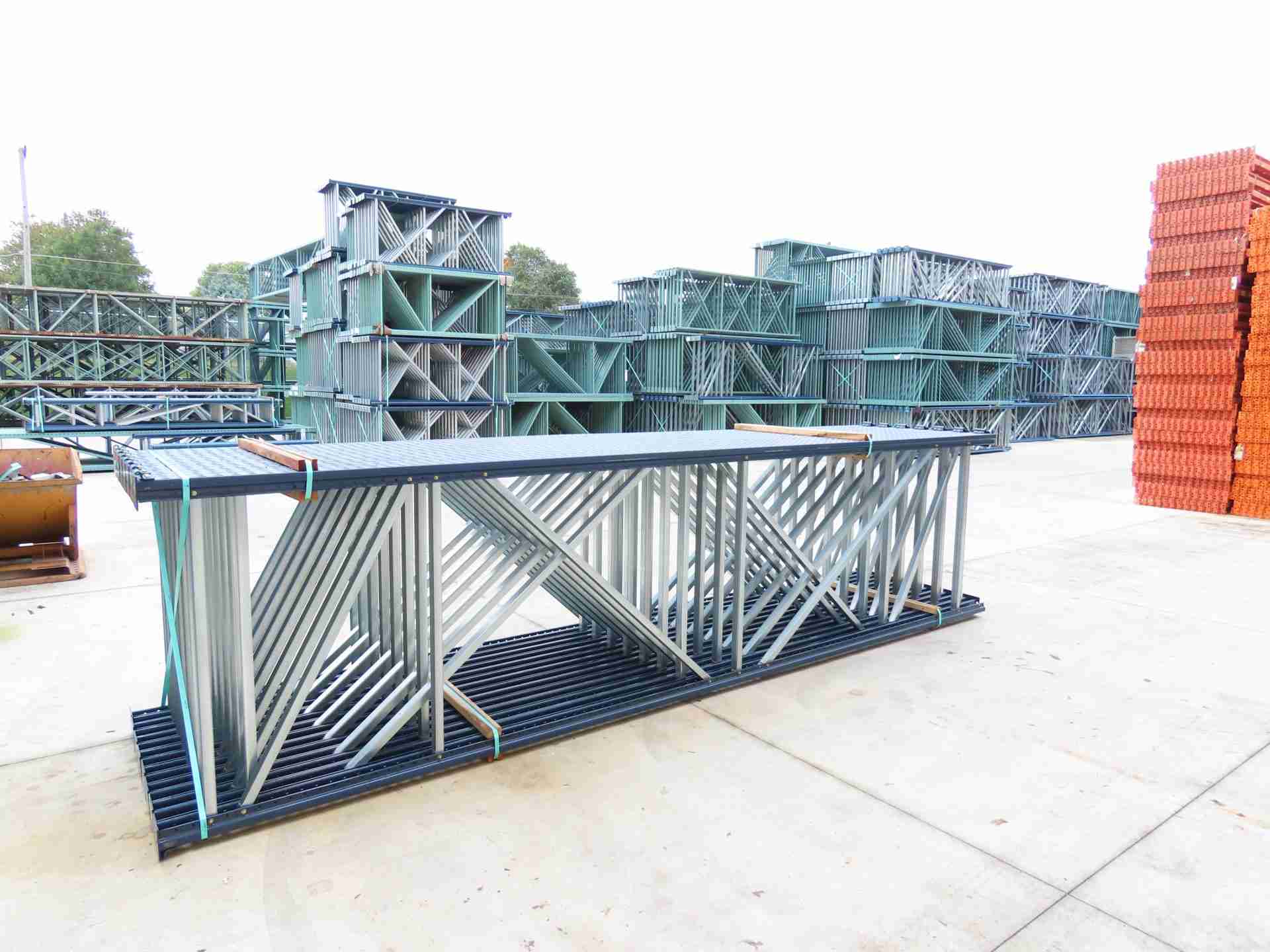
Which System Demonstrates Higher Reliability In Real-World Conditions?
How Important Is Manufacturer Reputation In Your Selection Process?
When it comes to making decisions about what to buy, the reputation of the manufacturer can feel like a guiding star in a foggy night. You might be deciding on a new set of racking for your warehouse, a crucial investment that can impact efficiency and productivity. But let’s face it, behind every piece of equipment lies a story, a commitment to quality, and a promise to do things right.
Manufacturer reputation is more than a marketing gimmick; it resonates deep within our collective experience. Think about it. When you invest in a product, you’re not just acquiring a thing; you’re also aligning yourself with the values that company embodies. You want to know that the builders, the designers, and the innovators behind your racking take pride in their work and adhere to ethical standards. You connect with the idea that behind those steel beams is a team dedicated to safety, durability, and excellence.
Rationally speaking, the stakes couldn’t be higher. A manufacturer with a strong reputation tends to have a proven track record. They’ve weathered storms, faced challenges, and emerged on the other side with stories of resilience. Choosing a reputable brand means you’re not just placing an order; you’re making a bet on reliability. You deserve to feel confident that these racks won’t buckle under pressure, that they’ve been tested in the trenches and are ready to stand the test of time.
The emotional side of reputation can’t be dismissed either. When people talk about brands they trust, they often share personal stories—an experience with customer service that went above and beyond, a product that exceeded expectations. Those moments create a deep bond, transforming a simple transaction into a relationship. It’s comforting to think that if something goes wrong, the manufacturer will be there, standing behind their product, ready to help.
Finally, look at the social aspect. You’re not the only one making this choice; you’re part of a community. Engaging with groups and forums that discuss various brands can shape your opinion and empower your decision. You’ll see firsthand how others affirm their choices based on reputation. When it comes down to it, your selection process is not just about you—it’s about your values, your trust, and your commitment to quality. Take that leap. Choose wisely, and know you’re selecting more than just a product—you’re forging a connection with those who stand behind it.

How Important Is Manufacturer Reputation In Your Selection Process?
How Important Is Manufacturer Reputation In Your Selection Process?
- Manufacturer reputation guides purchasing decisions, especially for significant investments like warehouse racking.
- Investing in a product means aligning with the company’s values related to quality and ethical standards.
- A strong reputation often indicates a proven track record of resilience and reliability in tough situations.
- Choosing reputable brands provides confidence that the equipment will endure and perform well.
- Emotional connections develop through positive customer experiences, transforming transactions into lasting relationships.
- Being part of a community discussing brands influences opinions and reinforces choices based on reputation.
- Decision-making reflects personal values and trust, emphasizing the importance of selecting quality products and manufacturers.
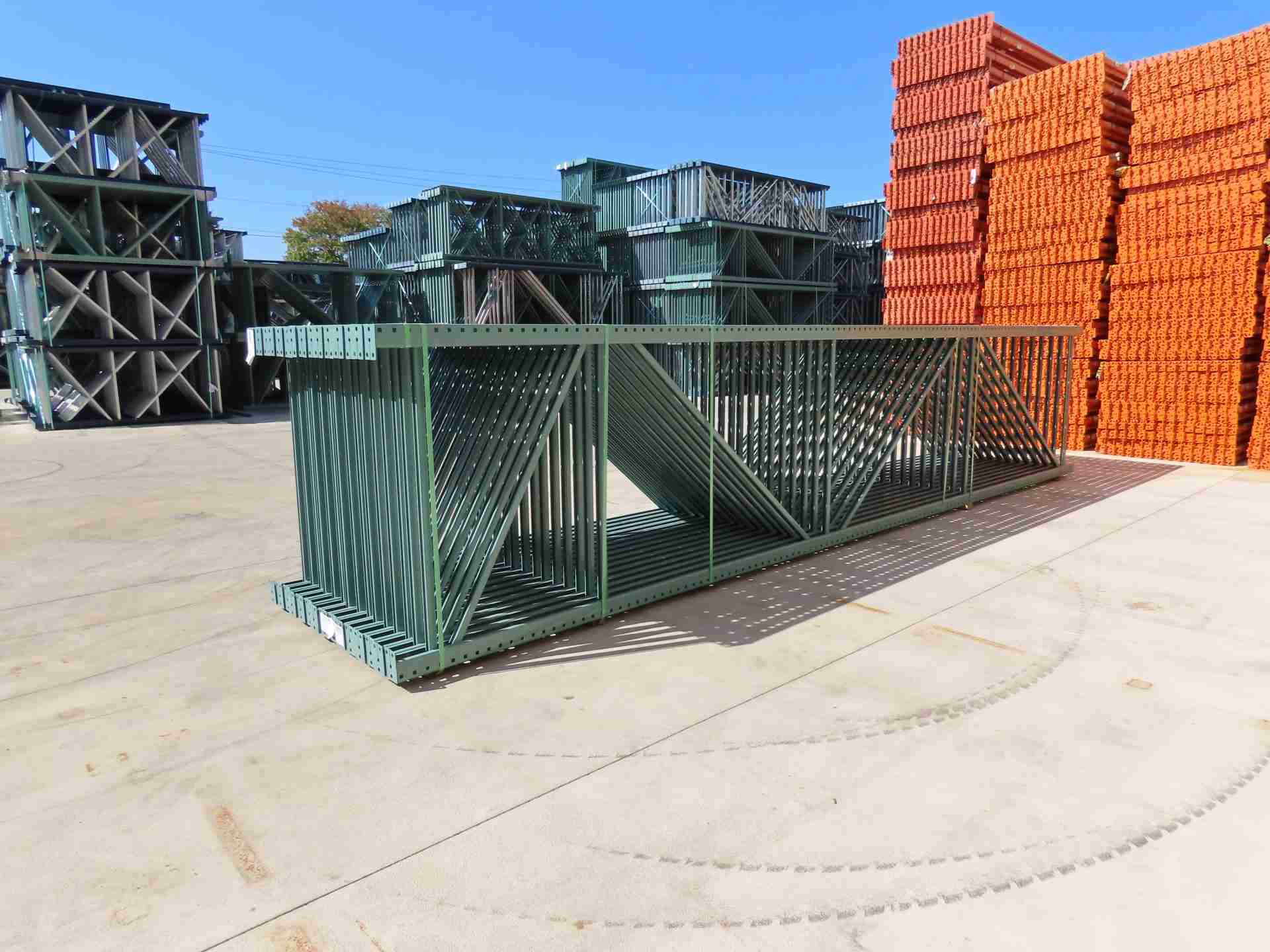
How Important Is Manufacturer Reputation In Your Selection Process?
Conclusion
Choosing the right racking system, between teardrop and keystone connections, is about much more than just metal and bolts; it’s about the backbone of your operations and the fabric of your success. These connections play pivotal roles in ensuring stability, efficiency, and security within warehouses and operations, a place where the pressure to perform is undeniable. The teardrop rack shines in its adaptability, allowing users to rearrange beams with minimal fuss, akin to how we maneuver through life’s unpredictable challenges. It embodies flexibility and resilience without sacrificing strength. Meanwhile, the keystone connection offers traditional reliability, like that steadfast friend who stands with you through life’s storms. Trust is inherent in this choice; it’s about having faith in the tools you rely on—and the manufacturers behind them.
Emotionally, selecting the right racking system weighs heavily on the heart. It’s crucial not just to ensure your inventory is secure but to foster a workplace that inspires confidence among your team. When workers know the tools they use are made to last, morale rises, and focus shifts from anxiety about failures to the joy of achieving goals. Systematically, the rational mind kicks in—a well-structured racking system translates to operational efficiency, and stability means fewer disruptions, leading to significant long-term savings.
Ethically, investing in quality isn’t just about improving your own operation; it’s also about making choices that benefit the environment and promote sustainability. By choosing durable materials, you demonstrate a commitment to reducing waste and embodying responsibility that extends beyond your immediate needs. There’s authority in the voice of experience too—the knowledge gained from those who’ve faced challenges in the field can be invaluable in guiding your decisions.
Socially, the conversations around these systems and the recommendations from peers and professionals can guide you toward selecting what’s best for your operation, fostering a sense of community. The brands you choose should resonate with your values and align with those whose opinions matter to you. Whether you lean towards teardrop for its innovation or keystone for reliability, remember—the choice you make is a reflection of your vision, values, and the commitment to creating a safe, efficient workplace where every team member can thrive. In this journey, every connection counts, impacting not just your workspace but reverberating through your community as well. Choose wisely, embrace the journey, and let your decisions shape a robust future.
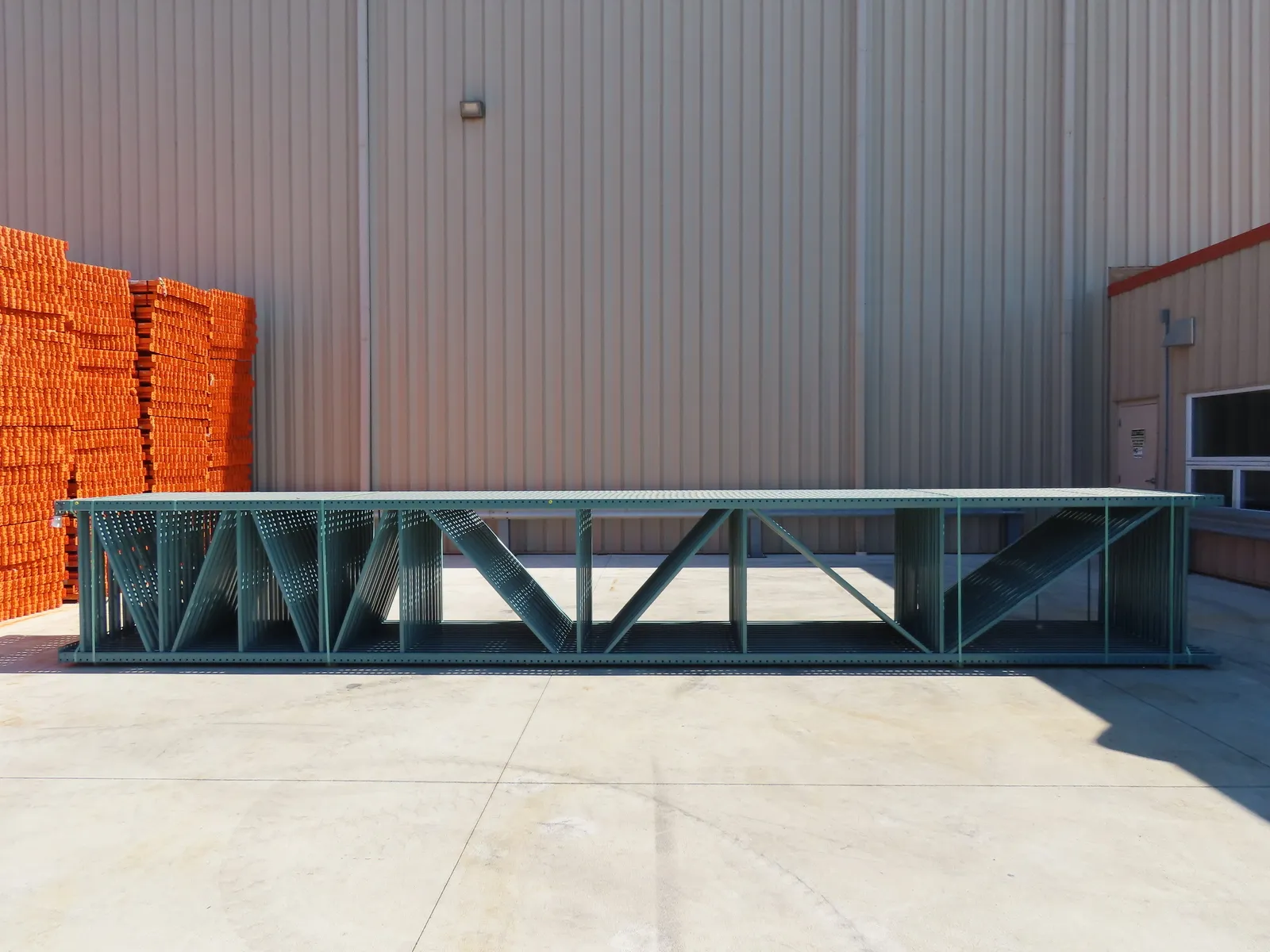
Conclusion
Conclusion:
- Choosing between teardrop and keystone racking systems involves understanding their impact on operations and success.
- The teardrop rack offers adaptability and flexibility, enabling users to rearrange beams easily.
- The keystone connection is known for its traditional reliability, providing stability in challenging environments.
- Selecting the right system fosters workplace confidence, boosting morale and focus on achieving goals.
- Investing in quality racking systems promotes sustainability and environmentally responsible choices.
- Expert advice and peer recommendations can guide your racking system selection, enhancing community ties.
- The choice of racking system reflects your values and commitment to creating a safe, efficient workplace.
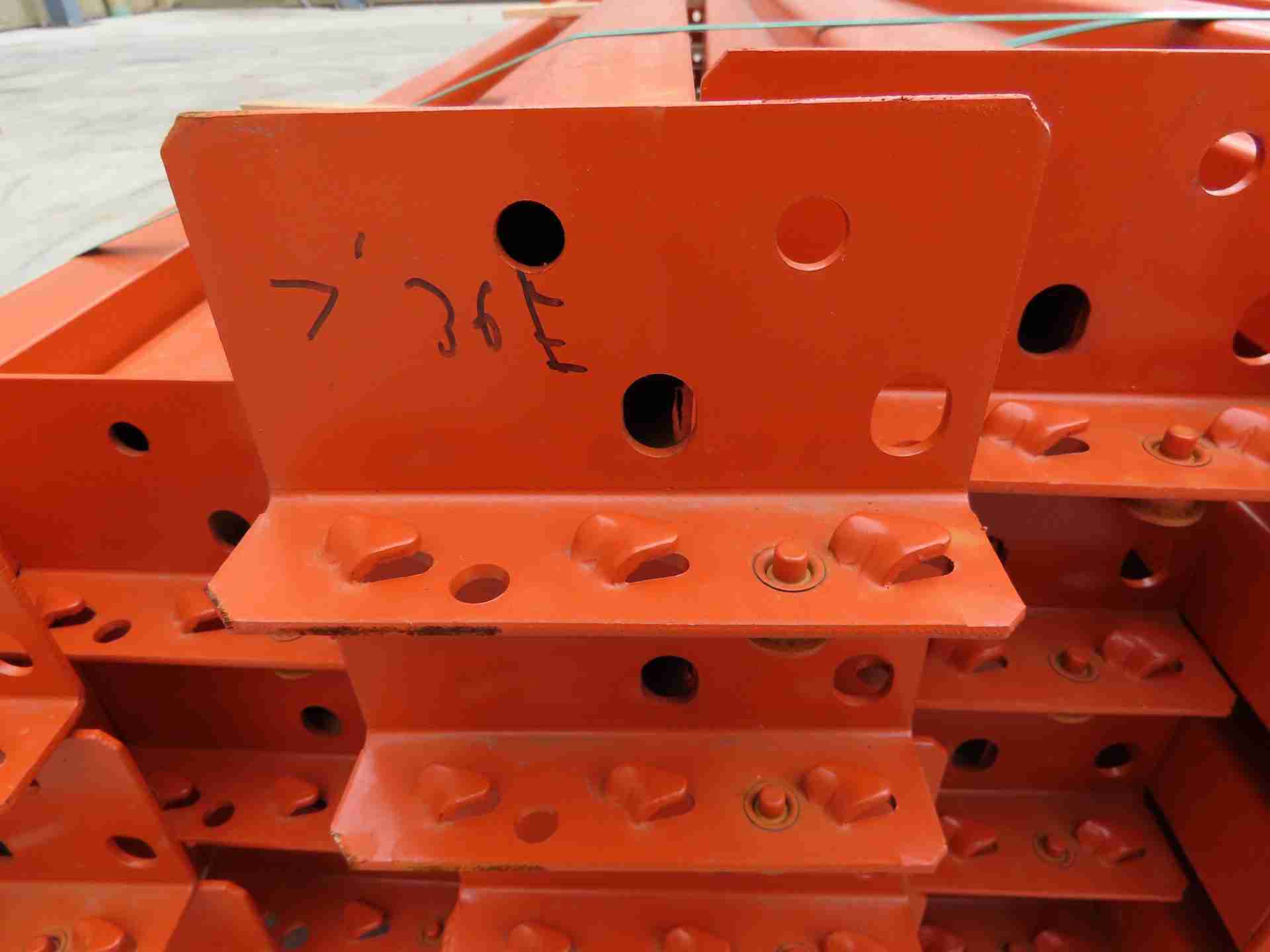
Conclusion
Other Resources
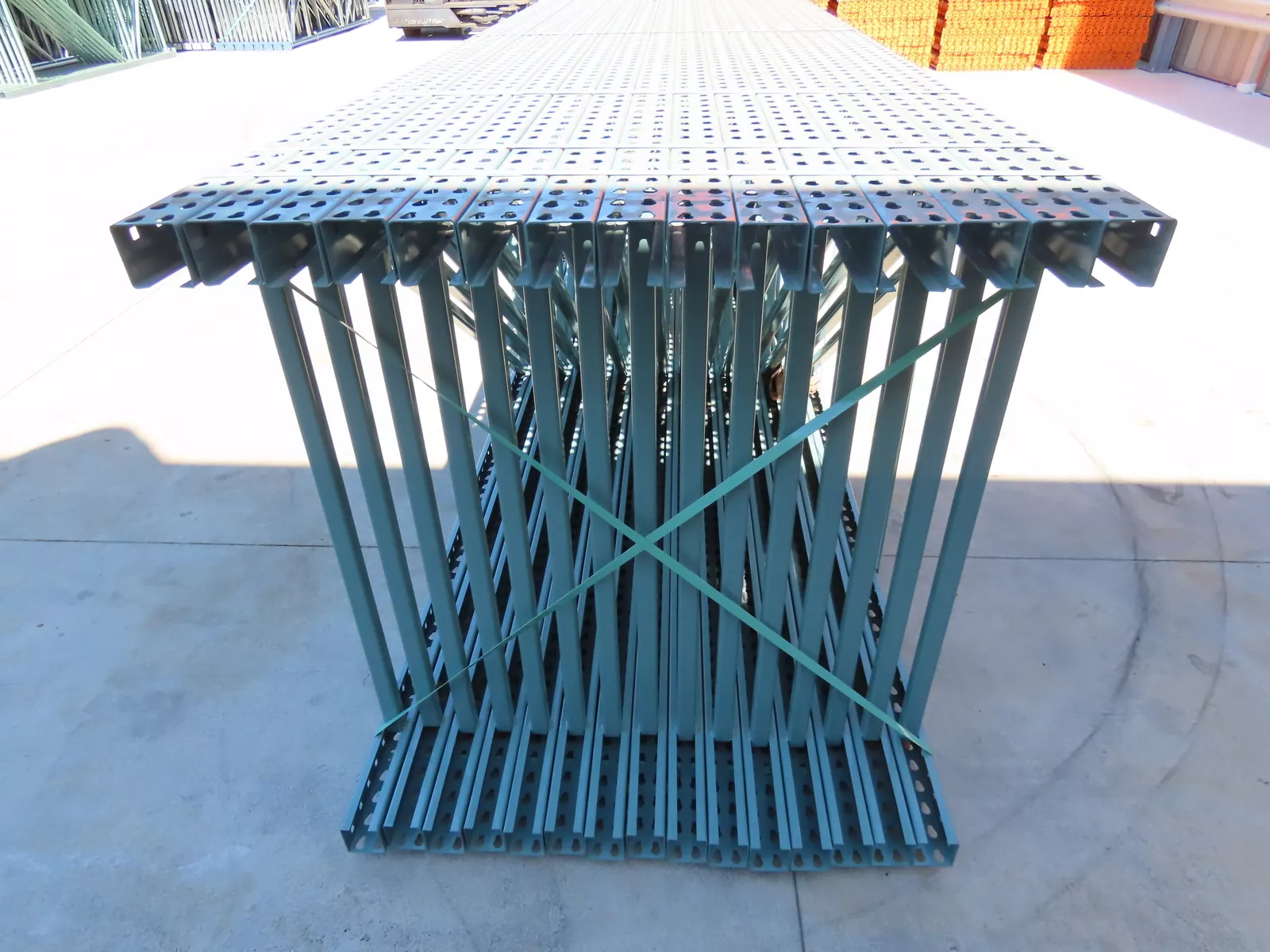
Other Resources
Here is a list of other resources you can review online to learn more:
- Used Pallet Rack for Sale in Illinois – American Surplus
- CMMA
- Rack Manufacturers Institute
- Pallet Racking systems in Illinois, Great Lakes
- Mustang Material Handling
- Logic Material Handling
- Bradford Systems
- Selective Pallet Racking Systems
- Storage Equipment Manufacturers’ Association
- International Warehouse Logistics Association
- Warehouse Racking Layout: The Ultimate Guide – Conger
- Cantilever Rack Guide: Ordering Cantilever Racking
- Iowa Illinois Warehouse Racking
- MHI
- Teardrop Industrial Shelving Rack
- Rack Manufacturers Institute
- CA Wire
- Warehouse Racking System: Powerful Guide to Optimise, 2024
- The Complete Pallet Rack Guide – Simply Rack
- Racking World
Use This Prompt To Get More Resources With Your Favorite Online AI Tool: Please provide me with a list of online articles with their URLs in a bulleted list that I can read regarding Teardrop Vs. Keystone Rack Connections

Other Resources
Glossary Terms
Teardrop Vs. Keystone Rack Connections – Glossary Of Terms
1. Teardrop Rack: A type of trailer hitch connection featuring a teardrop shape, designed to provide better stability and weight distribution for the load.
2. Keystone Rack: A connection system characterized by its tapered shape, which enhances locking security and ease of attachment in various towing applications.
3. Hitch Class: A classification system that categorizes hitches based on their weight capacity and compatibility with different vehicles.
4. Weight Distribution: The process of evenly distributing the weight of the trailer load across the towing vehicle to improve handling and safety.
5. Coupling: The mechanism that connects a trailer to a towing vehicle, allowing for transfer of load and stability.
6. Ball Mount: A component that connects the trailer hitch to the trailer coupler, typically using a ball to secure the connection.
7. Swivel Mechanism: A feature in some racks that allows for rotational movement, enabling smoother navigation when turning with a trailer.
8. Torsion: The twisting force exerted on a connection point, which can affect the stability and alignment of the rack during transport.
9. Adjustable Height: A design feature allowing for the modification of the rack’s height to accommodate different towing setups and vehicle heights.
10. Durability: The strength and longevity of a rack connection under various conditions, critical for ensuring safety and performance.
11. Corrosion Resistance: The ability of rack materials to withstand rust and degradation when exposed to moisture and other elements.
12. Locking Mechanism: A safety feature that secures the connection between the trailer and towing vehicle, preventing accidental disconnection.
13. Payload Capacity: The maximum weight that a trailer rack can safely carry, determined by the design and materials used.
14. Tilt Feature: A design element allowing the rack to tilt away from the vehicle for easier loading and unloading of cargo.
15. Connection Geometry: The specific shape and design of the connection points between the trailer and the towing vehicle, influencing performance.
16. Engineering Standards: Guidelines and specifications set to ensure the safe and efficient design of rack connections.
17. Sway Control: A feature that minimizes side-to-side movement of the trailer during towing, enhancing stability and safety on the road.
18. Safety Chains: Additional chains that connect the trailer to the towing vehicle, providing a backup connection in the event of a failure.
19. Quick Release: A system that allows for fast disconnection of the trailer from the towing vehicle without the need for tools.
20. Load Leveling: Techniques and equipment used to maintain a level position of the trailer while being towed, ensuring even weight distribution.
21. Tongue Weight: The downward force that the trailer exerts on the hitch, crucial for maintaining stability during towing.
22. Pin Connection: A secure method of fastening that uses a pin to connect different components of the rack system.
23. Framework: The structural design and materials of the rack that contribute to its overall strength and reliability.
24. Installation Kit: A collection of components and tools necessary for properly installing a rack connection to a vehicle.
25. Compatibility: The ability of a rack system to function correctly with specific vehicle makes and models.
26. Aerodynamics: The study of how air moves around objects, which can affect fuel efficiency and stability during towing.
27. Fifth Wheel: A type of hitch for trailers that provides greater stability and weight handling compared to conventional hitches.
28. Towing Capacity: The maximum load that a vehicle can safely tow, influenced by the design of the rack system.
29. Ruggedness: The degree to which a rack can withstand harsh environments and rough handling without failing.
30. Trailer Brake Assist: A feature that helps to control braking when towing a trailer, enhancing safety and control during stops.
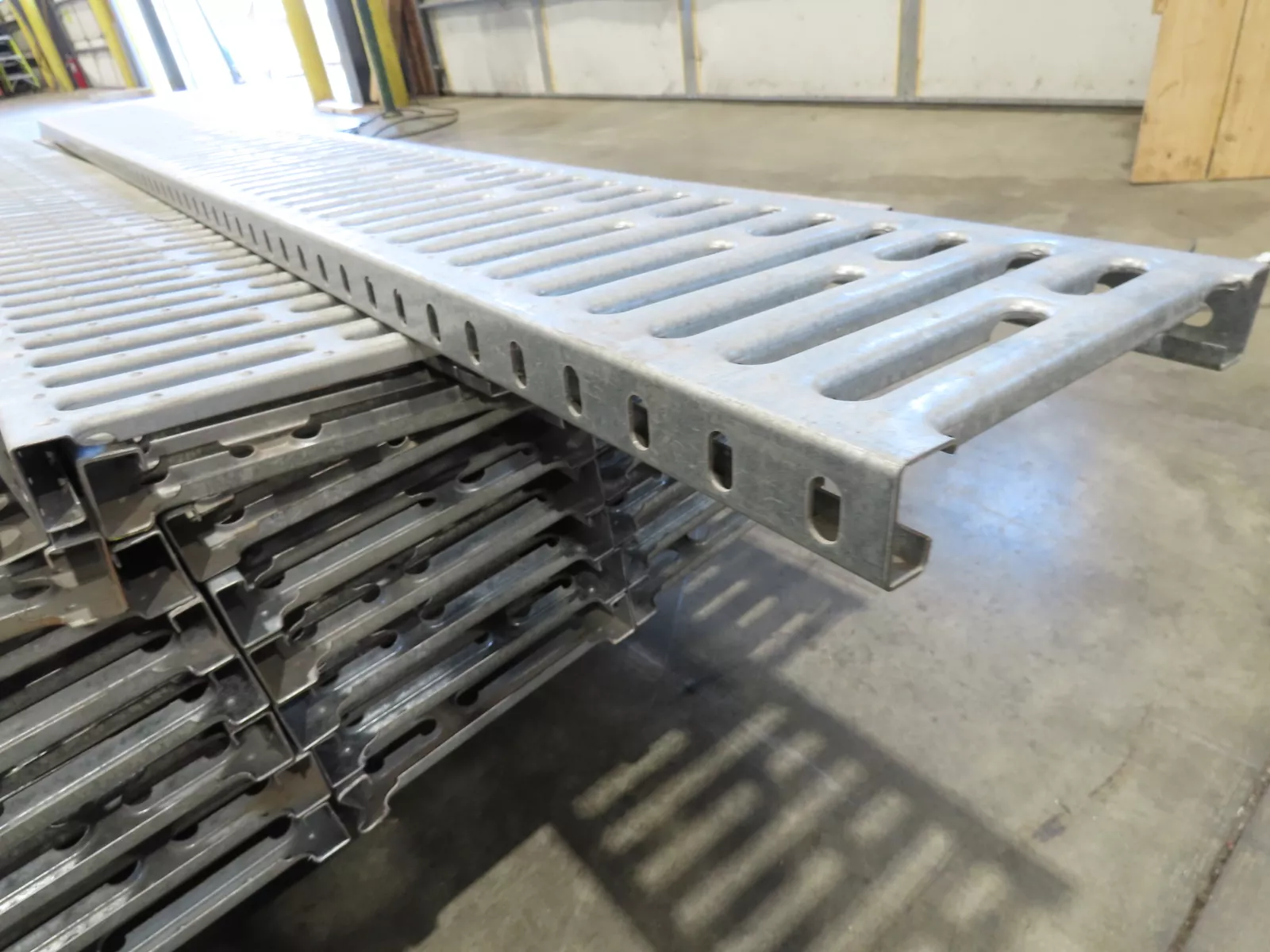
Glossary Of Terms
Other Questions
Teardrop Vs. Keystone Rack Connections – Other Questions
If you wish to explore and discover more, consider looking for answers to these questions:
- What are the specific advantages of teardrop rack connections over keystone connections?
- What types of environments are best suited for teardrop vs. keystone racks?
- How do installation processes differ between teardrop and keystone rack systems?
- What safety standards should be considered when selecting a rack connection?
- Are there specific industries that prefer teardrop racks over keystone racks, and why?
- How do maintenance and durability compare between teardrop and keystone rack connections?
- What is the cost difference between teardrop and keystone rack systems?
- How do weight capacities differ between teardrop and keystone racks?
- Which connection system is better for high-traffic warehouse environments?
- What do user reviews say about the performance of teardrop vs. keystone connections?
- How can the choice of rack connections impact overall warehouse workflow?
- What role do innovations in racking technology play in these selections?
- Are there customization options available for teardrop and keystone racks?
- How can sustainability be factored into the choice of rack connections?
- What are the common misconceptions about teardrop and keystone racks?
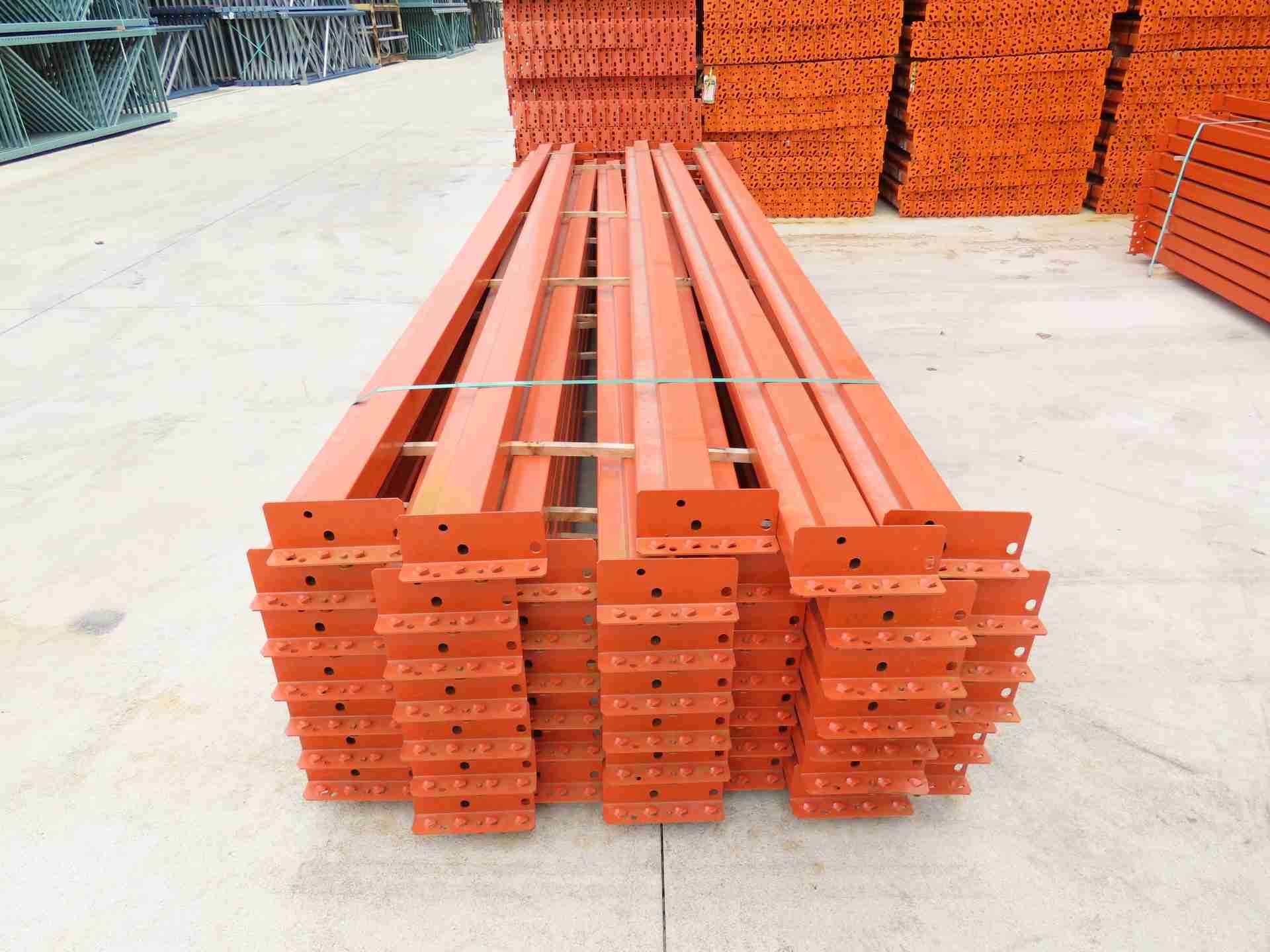
Other Questions
Checklist
Teardrop Vs. Keystone Rack Connections – A Checklist
Rack Connection Selection Checklist
Emotional Appeal
_____ Reflect on your feelings of security and trust when selecting a rack connection.
_____ Consider the emotional impact of a reliable racking system on your team’s morale and safety.
_____ Visualize the positive outcomes of choosing a strong system for your business.
Rational Appeal
_____ Evaluate the specifications and capabilities of teardrop vs. keystone racks.
_____ Assess long-term costs versus short-term savings in your decision-making.
_____ Check weight distribution and load handling capabilities of each option.
Ethical Appeal
_____ Investigate the environmental sustainability practices of the manufacturer.
_____ Consider the longevity and reliability of the system in order to minimize waste.
_____ Reflect on your responsibility to ensure a safe working environment for your team.
Authority Appeal
_____ Research reputable brands and manufacturers with proven success.
_____ Seek testimonials and stories from industry professionals regarding their experiences.
_____ Consult with experts to understand the latest trends and insights in rack connection technology.
Narrative Appeal
_____ Share stories of past successes or failures associated with racking systems.
_____ Connect your decision to broader narratives of customer service and quality.
_____ Highlight the importance of choosing a system that aligns with your values and vision.
Social Appeal
_____ Engage with community forums and groups discussing rack solutions.
_____ Share your experiences and learn from the challenges faced by others.
_____ Consider how your choice positions you within your professional network and community.
Take time to work through this checklist to ensure a well-rounded decision when selecting rack connections that prioritize efficiency, strength, and values.
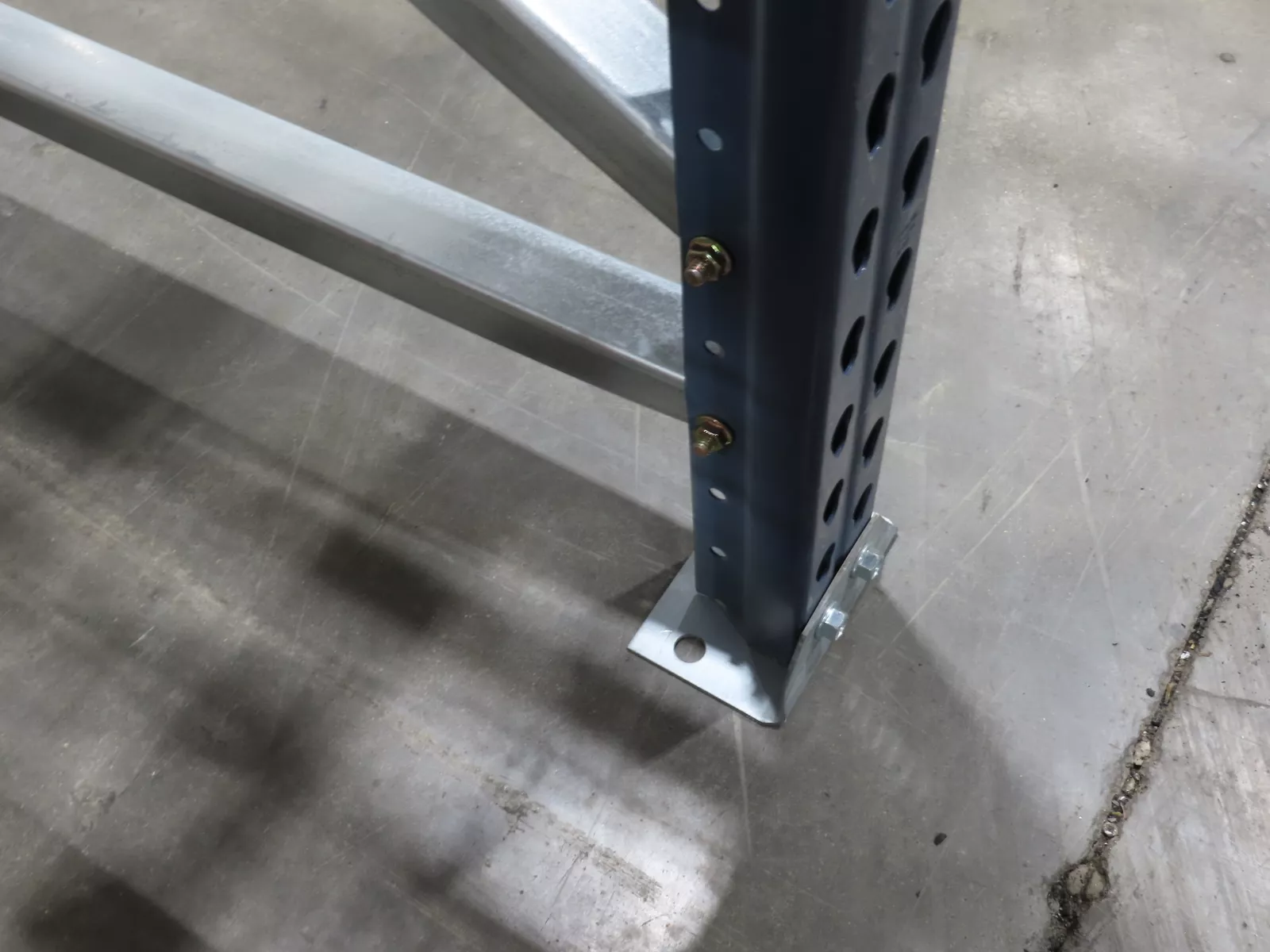
Checklist
At RackingWorld, we help guide you through selecting warehouse storage systems and racking.
Be sure to read our other related stories at RackingWorld to learn more about warehouse storage systems.
0 Comments