
Mastering Warehouse Safety: Training Staff For Equipment Use
By Tom Seest
At RackingWorld, we help guide you through selecting warehouse storage systems and racking.
Be sure to read our other related stories at RackingWorld to learn more about warehouse storage systems.
How Can You Train Staff to Use Warehouse Equipment Safely?
When it comes to warehouse safety, having the right equipment is only half the battle. The other half? How well your team understands and utilizes that equipment. At the heart of an efficient and safe warehouse lies the often-overlooked art of training. And let’s be clear: training isn’t a mere checkbox on a list; it’s an investment in your team’s confidence, productivity, and safety.
Let’s talk about pallet racking. This essential feature of any warehouse transforms a chaotic space into a structured system. But without proper training, it can quickly become a danger zone. So how do you take your approach to training beyond the basics and instill a culture of safety? Start by fostering an environment where learning feels engaging rather than intimidating.
Use real-life scenarios that your staff might encounter daily. Rather than digesting theory in a sterile classroom, introduce them to the actual equipment they’ll be using—such as pallet racks—and develop hands-on training sessions. When your team surrounds themselves with the equipment, they can learn what to look for, how to identify hazards, and the best practices for use. They’ll begin to see pallet racking not just as a structure, but as a vital part of their daily workflow that plays a critical role in their safety.
Encourage feedback and open dialogue among your team members. No one knows the nuances of warehousing operations better than the people working within them. Create a method for employees to share their insights and experiences, building a repository of knowledge that can enhance safety practices. When staff feels heard and valued, it cultivates a culture of trust and teamwork, resulting in better adherence to safety protocols.
Next, ensure that training is not a one-time event. Schedule regular refresher courses and invite external experts to share new insights or techniques. This approach not only keeps your team sharp but reinforces the idea that safety is an ongoing commitment, not just a one-off task.
Finally, celebrate, encourage, and reward safe practices. Recognize employees who demonstrate excellence in safety measures and proper warehouse equipment use. Acknowledging their efforts will reinforce positive behavior and inspire others to follow suit.
By prioritizing comprehensive, engaging training on equipment like pallet racking, you’re not just enhancing safety—you’re nurturing a culture of excellence. And when your staff feels competent and secure in their roles, everyone wins: from your warehouse to your bottom line. Let’s bring safety and training to the forefront—because in the world of warehousing, success is a team effort.

How Can You Train Staff to Use Warehouse Equipment Safely?
How Can You Train Staff to Use Warehouse Equipment Safely?
- Warehouse safety relies on both the right equipment and team training.
- Training should be viewed as an investment in confidence, productivity, and safety, not just a checklist item.
- Pallet racking organizes spaces but can become hazardous without adequate training.
- Foster an engaging learning environment using hands-on training with real equipment.
- Encourage team feedback and open dialogue to enhance safety practices through shared experiences.
- Implement regular refresher courses and invite external experts to ensure ongoing safety commitment.
- Recognize and reward employees for excellent safety practices to inspire a culture of excellence.
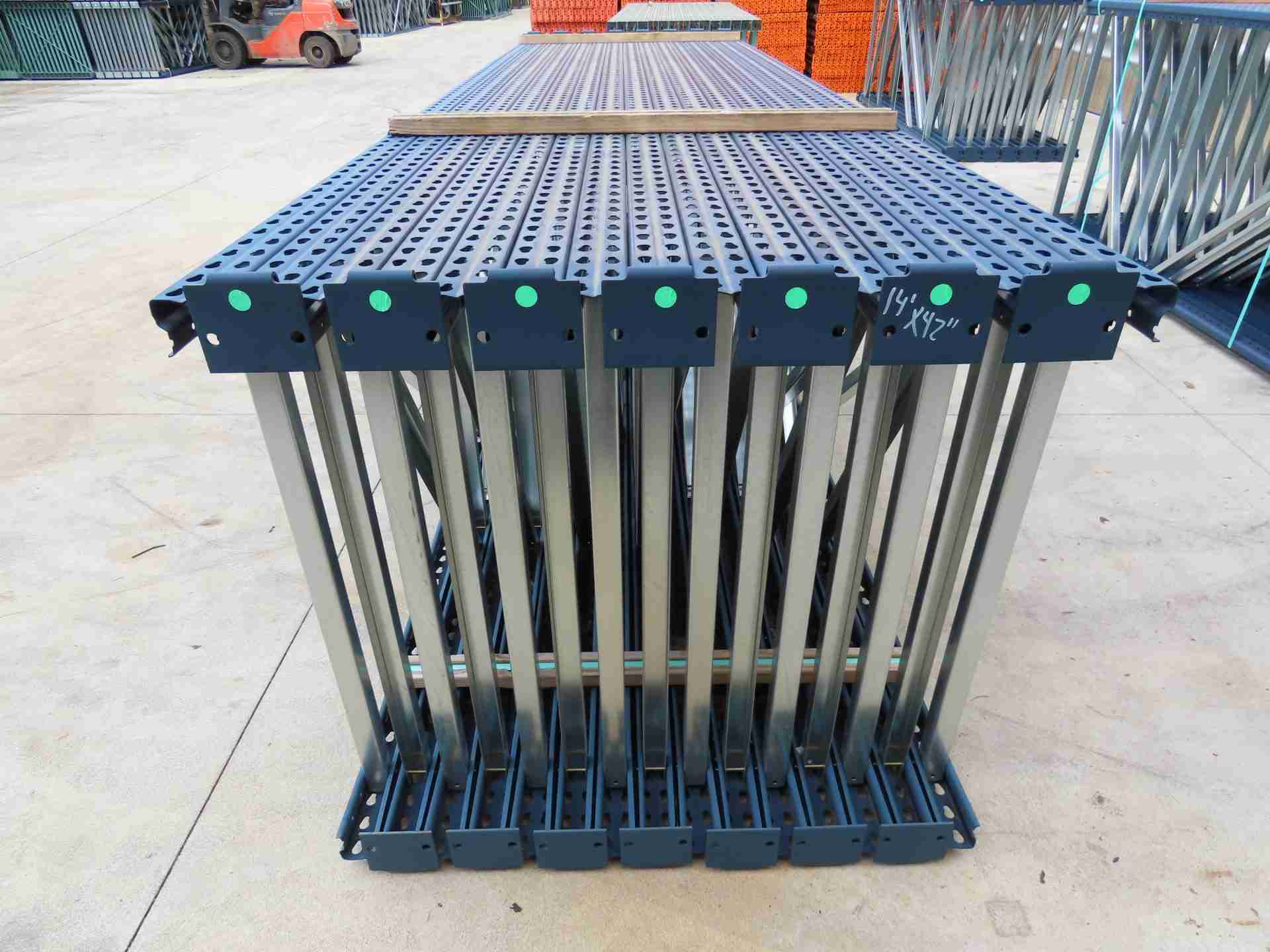
How Can You Train Staff to Use Warehouse Equipment Safely?
Table Of Contents
- How Can You Train Staff to Use Warehouse Equipment Safely?
- What Are The Key Safety Issues In Warehouse Equipment Use?
- How Can Hands-On Training Improve Safety In The Warehouse?
- What Safety Regulations Should Staff Know When Handling Equipment?
- How Can You Assess Staff Knowledge Of Equipment Safety?
- What Types Of Warehouse Equipment Require Special Training?
- How Often Should Safety Training Be Conducted For Warehouse Staff?
- Conclusion
- Other Resources
- Glossary Of Terms
- Other Questions
- Checklist
What Are The Key Safety Issues In Warehouse Equipment Use?
Imagine stepping into a bustling warehouse where the hum of efficiency meets the urgency of deadlines. Amid this orchestrated chaos, safety must always be the star of the show, especially when it comes to warehouse equipment use. One of the primary players on this stage of safety is pallet racking. While it organizes inventory and optimizes space, it also poses unique risks that every warehouse manager should prioritize.
First, let’s talk about stability: the foundation of safe warehouse operations. Pallet racking systems can reach impressive heights, making them susceptible to tipping and collapse if not installed and maintained properly. Regular inspections are essential. Make a schedule for checking for any signs of damage or deterioration—this simple act can save your team from serious accidents and expensive downtime.
Next is load capacity—yet another vital piece of the safety puzzle. Every pallet racking system is designed to hold a specific weight. Overloading beyond this limit can lead to catastrophic failures. It’s crucial to educate your team about knowing and adhering to load capacities. This not only fosters a culture of safety but also empowers your employees to take responsibility for their work environment.
Then there’s the placement of the pallets. Improper stacking can block exit paths or become unstable during handling. Encourage best practices for loading and unloading. Use pallets that are in good condition and ensure they are stacked evenly. A well-organized workspace isn’t just a pretty sight; it cultivates a safer environment for everyone involved.
Don’t forget about visibility. Visibility isn’t just about being able to see the pallets; it’s about ensuring that everyone involved is aware of their surroundings. Consider investing in proper lighting and visual cues for high-traffic areas within your warehouse. Utilize reflective tape or signage to guide employees smoothly through the inventory maze, minimizing accidents and promoting confidence in their surroundings.
Finally, ongoing training and communication are paramount. Engage your team in regular safety meetings and training sessions tailored around warehouse equipment use, particularly focusing on pallet racking systems. This investment in education pays dividends in creating a proactive safety culture. After all, when your employees are informed and empowered, not only do they feel valued, but they also become your best line of defense against accidents.
Prioritizing safety in warehouse equipment use isn’t just a necessity; it’s an opportunity to protect your greatest assets—your team and your business. Embrace these strategies, and watch your warehouse transform into a safer, more efficient powerhouse!
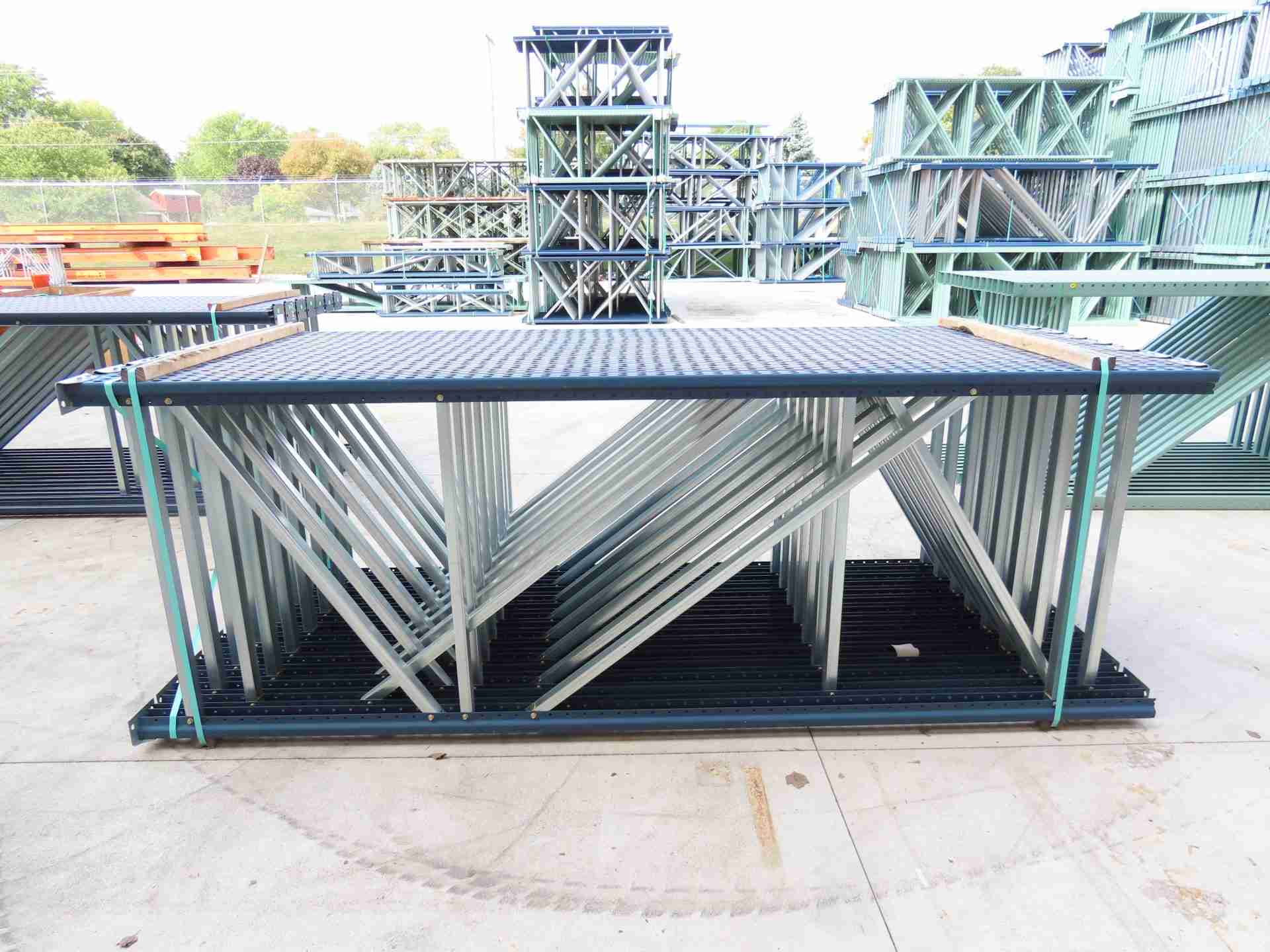
What Are The Key Safety Issues In Warehouse Equipment Use?
What Are The Key Safety Issues In Warehouse Equipment Use?
- Safety is a critical aspect in warehouses, particularly regarding equipment use, especially pallet racking.
- Pallet racking systems must be installed and maintained properly to ensure stability and prevent tipping or collapse.
- Regular inspections of pallet racking are essential to identify signs of damage or deterioration, preventing accidents.
- Educate employees about the importance of adhering to load capacities to avoid catastrophic failures from overloading.
- Proper placement and stacking of pallets are crucial to prevent blockage of exit paths and ensure stability.
- Visibility within the warehouse can be improved with proper lighting and visual cues to guide employees safely.
- Ongoing training and communication about safety practices create a proactive culture and empower employees to be safety-conscious.
What Are The Key Safety Issues In Warehouse Equipment Use?
How Can Hands-On Training Improve Safety In The Warehouse?
When you think about your warehouse environment, safety should sit at the top of your priority list. After all, a well-oiled machine is only as good as the people operating it! Understanding the intricacies of pallet racking and the potential hazards associated with it is vital to ensuring streamlined operations and protecting your most valuable asset—your workforce.
Imagine a bustling warehouse, filled with the clatter of equipment and the soft hum of productivity. Now, picture a scenario where a team member is unsure about how to safely access products stored on high pallet racking. Without proper training, the risk of accidents skyrockets, leading to injuries that could potentially sideline operations for days or weeks. This is where hands-on training comes into play—it’s more than just a box to check off; it’s the foundation of a safer, more efficient workplace.
Hands-on training immerses employees in real-life situations, which is ultimately where they’ll apply their skills. It goes beyond the theoretical knowledge shared in safety manuals. Instead, trainees engage directly with equipment, learning the best practices for stacking, retrieving, and securing items within pallet racking systems. Through this enriching experience, workers become comfortable navigating their environment, leading to quicker decision-making and a robust safety culture.
Moreover, hands-on training fosters a stronger connection among your team. Working together to learn, employees share tips, express concerns, and build camaraderie—all essential ingredients for a safer workplace. When team members feel confident in their abilities, they are more likely to take proactive steps to ensure safety, like double-checking their equipment or speaking up if they see a potential hazard.
Additionally, let’s not forget one crucial element: Trust. When employees feel confident in their training, they trust the systems and protocols in place. Knowledge builds trust, and trust builds a culture of safety. You’ll not only mitigate risks but also inspire your workers to take ownership of their safety procedures, creating an environment where everyone looks out for one another.
Investing in hands-on training isn’t just about compliance; it’s a commitment to fostering a safety-first mentality that empowers your team. Remember, every precaution taken today translates into a safer, more productive warehouse tomorrow. So, why wait? Equip your team with the skills they need to navigate their surroundings safely, and watch your operational efficiency soar!
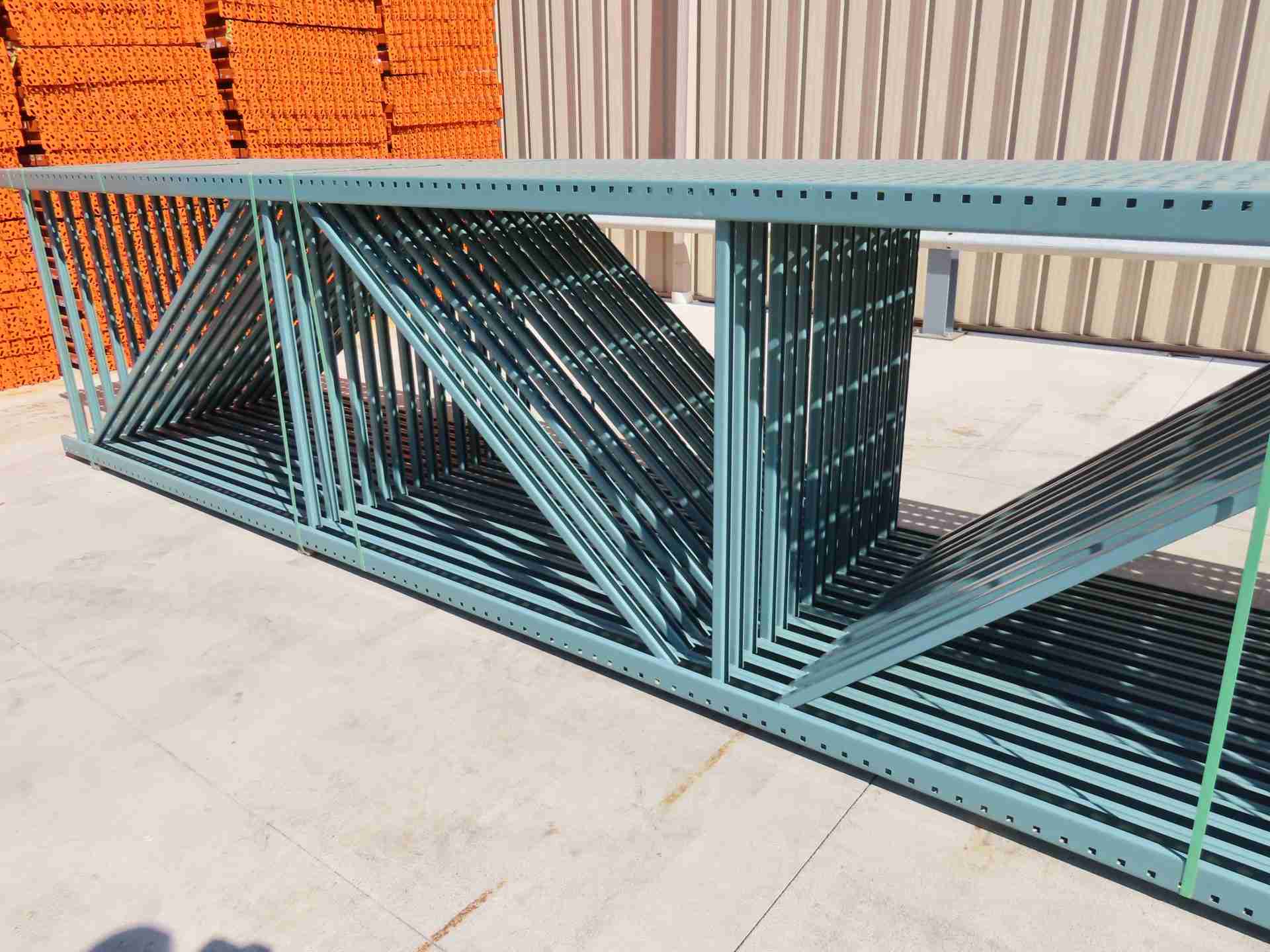
How Can Hands-On Training Improve Safety In The Warehouse?
How Can Hands-On Training Improve Safety In The Warehouse?
- Safety should be the top priority in warehouse environments, emphasizing the importance of well-trained personnel.
- Understanding pallet racking and its hazards is crucial for protecting the workforce and ensuring efficient operations.
- Proper training reduces the risk of accidents, which can severely disrupt warehouse operations.
- Hands-on training enhances practical skills by allowing employees to engage directly with the equipment.
- Training promotes teamwork, enhances camaraderie, and encourages proactive safety measures among employees.
- Building trust through effective training inspires employees to take ownership of safety procedures.
- Investing in hands-on training fosters a safety-first mentality that leads to improved operational efficiency.

How Can Hands-On Training Improve Safety In The Warehouse?
What Safety Regulations Should Staff Know When Handling Equipment?
When it comes to handling equipment, especially in environments where safety and efficiency intersect, knowing the regulations isn’t just a box to check—it’s a lifeline for both employees and the business. Let’s dive into the essentials, focusing particularly on the nuances of pallet racking, a staple in warehouses and stockrooms across the globe.
Imagine navigating a bustling warehouse filled with towering pallet racking, meticulously organized products, and a fast-paced team working harmoniously. Does that sound idyllic? It can be, but only if safety regulations are not merely brushed aside. Staff must be well-versed in the safety protocols surrounding the equipment they use daily. This means understanding the limits of weight capacity, recognizing the proper stacking methods, and being aware of the potential hazards that can arise from improperly handled items.
Why does it matter? Because injuries cause not only human suffering but also significant financial repercussions, from lost productivity to increased insurance costs. By fostering a culture of safety, employees feel empowered to speak up about hazardous conditions or unsafe equipment. This isn’t just about compliance; it’s about creating an environment where everyone returns home safely at the end of the day.
In training sessions, ensure staff are informed about the specifications concerning pallet racking. They should understand how to spot signs of wear and tear, how to engage the equipment correctly, and the importance of teamwork when loading or unloading heavy items. Picture a scenario where your team confidently maneuvers around the racking, each member knowing their role, fostering not just efficiency but also a secure atmosphere that nurtures trust.
Furthermore, encourage regular safety audits and drills to keep staff sharp and engaged. By instilling a vigilant attitude towards safety regulations, you create a workplace that doesn’t just meet standards but sets them.
The bottom line? Emphasizing safety regulations isn’t just about adhering to laws; it’s about building a company culture that prioritizes people. When your staff feels valued and secure, productivity skyrockets, and your business thrives. So, before the next shift begins or the next load is moved, take a moment to reinforce these crucial safety standards. Because when safety becomes second nature, success is just around the corner.
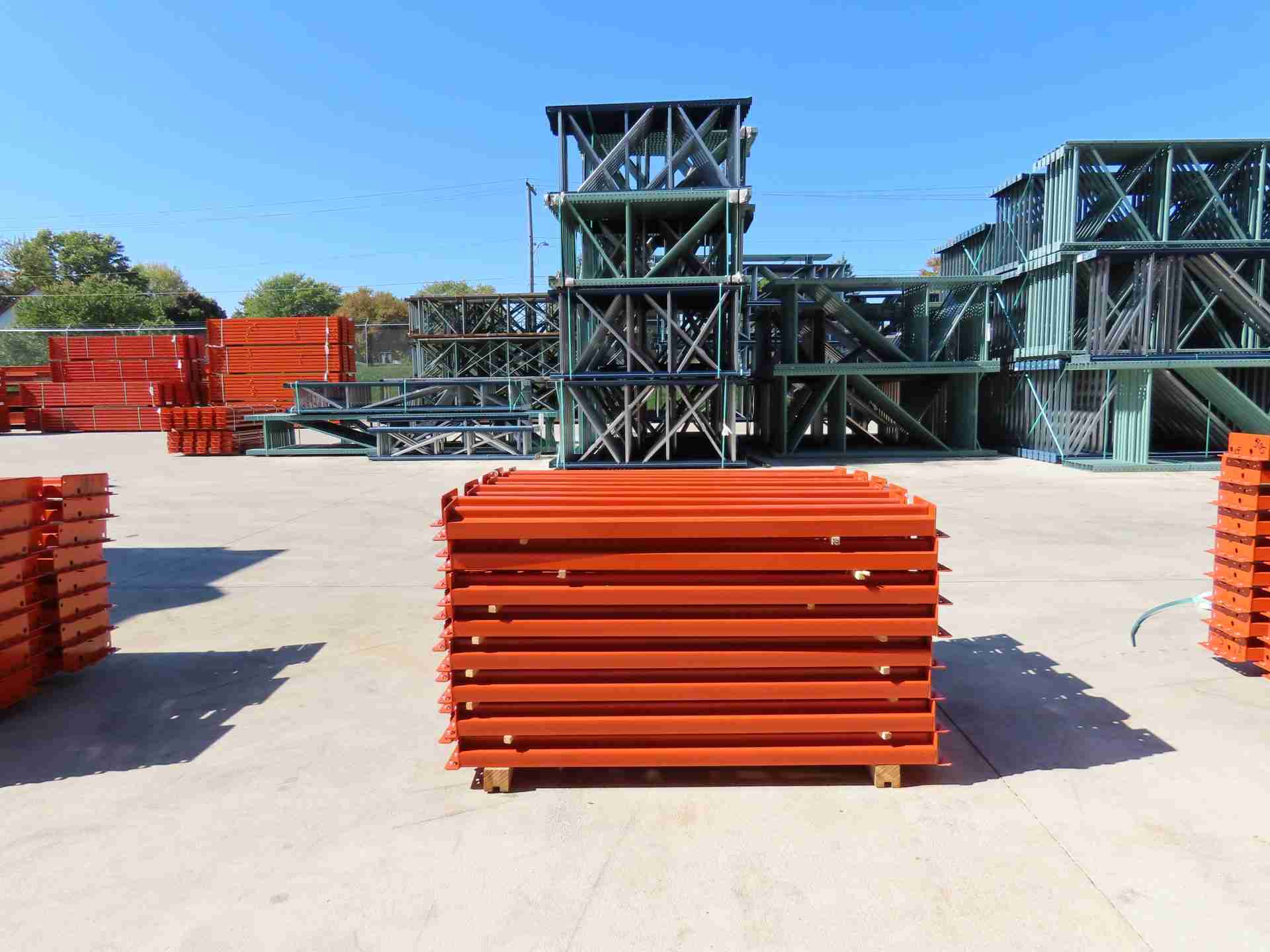
What Safety Regulations Should Staff Know When Handling Equipment?
What Safety Regulations Should Staff Know When Handling Equipment?
- Understanding safety regulations is crucial for employee and business well-being in equipment handling.
- Employees must be trained in safety protocols related to pallet racking, including weight limits and stacking methods.
- Compliance with safety standards helps reduce injuries and their financial repercussions, such as lost productivity and higher insurance costs.
- Fostering a culture of safety empowers employees to report hazardous conditions and encourages teamwork.
- Training sessions should cover equipment specifications, signs of wear, and safe loading/unloading practices.
- Regular safety audits and drills help maintain staff awareness and commitment to safety regulations.
- Prioritizing safety cultivates a productive work environment where employees feel valued and secure.
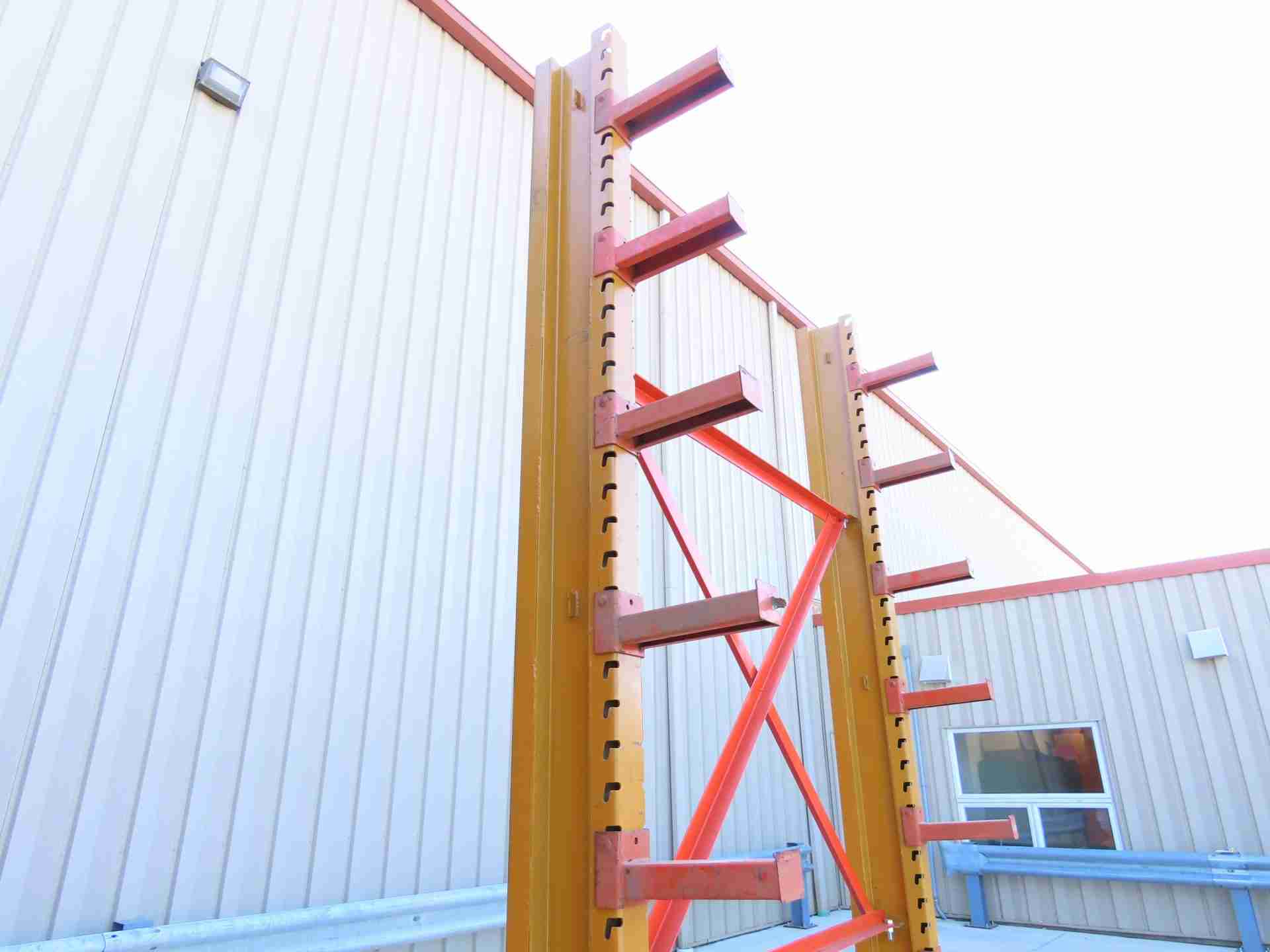
What Safety Regulations Should Staff Know When Handling Equipment?
How Can You Assess Staff Knowledge Of Equipment Safety?
Assessing Staff Knowledge of Equipment Safety: A Step Towards Empowerment
In today’s fast-paced work environment, ensuring the safety of your team—especially when handling equipment like pallet racking—can feel daunting. But here’s the good news: you don’t have to tackle it alone. Transform your approach to staff training and knowledge assessments into something that builds relationships, inspires confidence, and produces real results.
Start by making safety a shared responsibility within your organization. This isn’t just about compliance; it’s about creating a culture where every employee feels empowered to protect themselves and their colleagues. Begin by assessing current knowledge of equipment safety standards related to pallet racking. Bring your team together for an engaging workshop or a casual roundtable discussion. Encourage them to share experiences and thoughts on equipment handling. This not only sheds light on their understanding but also fosters camaraderie within your staff.
Next, utilize simple yet effective evaluation methods. A short quiz can serve as both a learning tool and a assessment gauge. Craft questions that apply directly to the day-to-day nuances of handling pallet racking. This ensures relevance and encourages your team to dive deeper into safety protocols. Remember, it’s not about intimidating your staff with complex tests; it’s about turning knowledge assessments into opportunities for growth.
However, numbers alone don’t tell the full story. Schedule one-on-one check-ins where employees can express concerns or uncertainties about using pallet racking safely. This builds trust and allows you to gauge their confidence levels in a low-pressure setting. Listening to your staff can reveal insights that standard assessments may overlook, empowering you to tailor further training programs to their needs.
Lastly, reinforce learning regularly. Consider implementing a continuous assessment cycle that includes on-the-job observations. This process not only reinforces knowledge but cultivates a safe working environment where your staff feels valued and invested in their own safety. Employees who know they are supported are far more likely to internalize safety practices and spread that knowledge throughout the organization.
Assessing your staff’s knowledge of equipment safety, especially regarding pallet racking, is essential. Approach it as an opportunity to forge stronger relationships, inspire confidence, and create a culture of safety that resonates throughout your organization. The more connected and confident your team feels, the safer they will be, transforming challenges into triumphs with every pallet racking inspection. Let’s embark on this safety journey together!
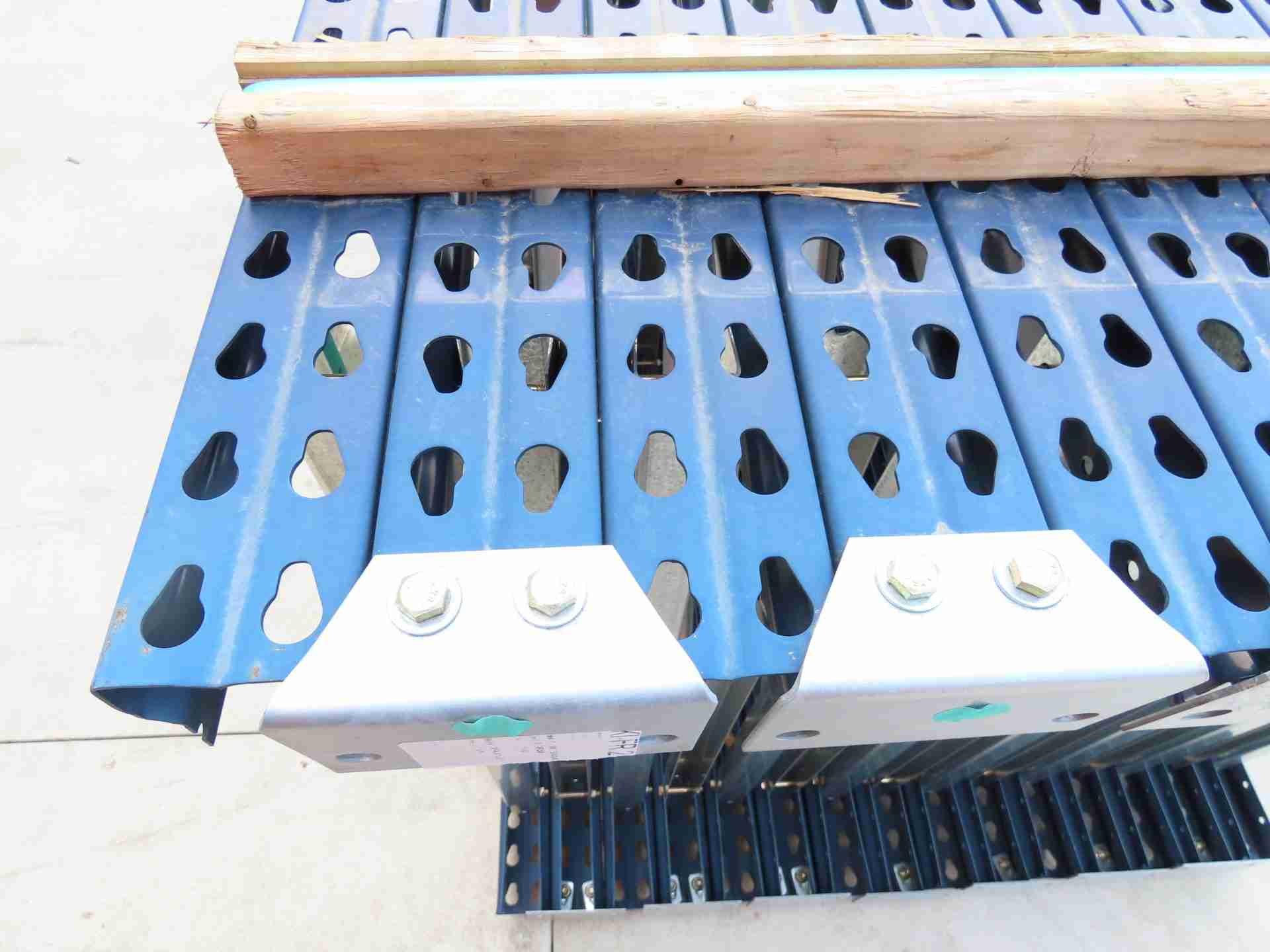
How Can You Assess Staff Knowledge Of Equipment Safety?
How Can You Assess Staff Knowledge Of Equipment Safety?
- Prioritize equipment safety, particularly around pallet racking, in a fast-paced work environment.
- Create a culture of shared responsibility for safety that empowers all employees.
- Assess current knowledge of safety standards through engaging workshops and discussions.
- Utilize simple evaluation methods, like quizzes, that relate directly to daily equipment handling.
- Conduct one-on-one check-ins to discuss safety concerns and build trust among staff.
- Implement a continuous assessment cycle that includes on-the-job observations to reinforce safety learning.
- Focus on building strong relationships and inspiring confidence to enhance overall workplace safety.
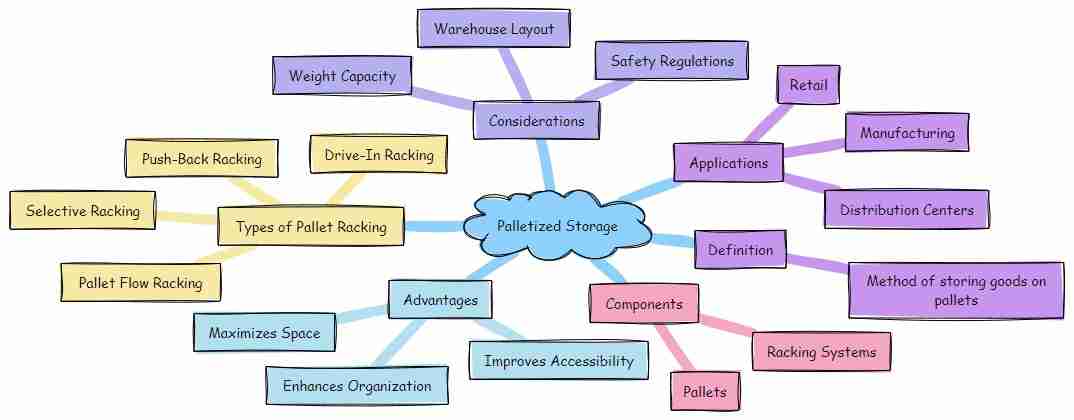
How Can You Assess Staff Knowledge Of Equipment Safety?
What Types Of Warehouse Equipment Require Special Training?
In the bustling environment of a warehouse, efficiency is king, and the right equipment plays a pivotal role in achieving it. However, many organizations overlook the vital aspect of training when it comes to utilizing this equipment safely and effectively. In this section, we’ll explore the types of warehouse equipment that demand special training, ensuring you recognize their importance and inspire you to take action.
First on the list is Pallet Racking. While it may seem simple, the operational nuances surrounding pallet racks are anything but. Proper training is essential to ensure that employees not only know how to safely stack and retrieve inventory but also appreciate the structural limits of their pallet racking systems. An online course or hands-on training can equip your team to maximize space, enhance safety, and reduce damage to stored goods. When your staff understands the intricacies of these systems, you foster an environment of confidence and diligence.
Next, we delve into Forklifts. These heavy-lifting machines are integral to warehouse operations, yet they come with inherent dangers if not operated effectively. Special training ensures that your team knows how to manipulate these vehicles properly, navigate tight spaces, and identify potential hazards. Investing in forklift certification creates a culture of safety, which not only protects your employees but can also save you significant costs related to accidents, damage claims, and equipment repair.
Conveyor Systems are another area that requires specialized knowledge. The fast-paced nature of conveyors means that a moment of inattention can lead to injuries or costly downtime. Employees trained in the operation and troubleshooting of conveyors can streamline processes and enhance productivity, ultimately impacting your bottom line positively.
Finally, let’s not overlook Loading Docks. This is where seamless logistics meets safety protocols. Training in this area isn’t just about operational efficiency; it’s about safeguarding lives. Ensuring your team is adept at handling dock levelers, managing vehicle movement, and understanding loading protocols can significantly reduce incident rates. It gives you peace of mind knowing your crew is equipped to handle the unexpected.
Ultimately, investing in specialized training for these types of warehouse equipment isn’t just a good idea—it’s a necessity for any organization looking to thrive. When your team is well-trained, they feel empowered, enabling them to work smarter, not harder. So, gear up, invest in training, and watch your operational efficiency soar!
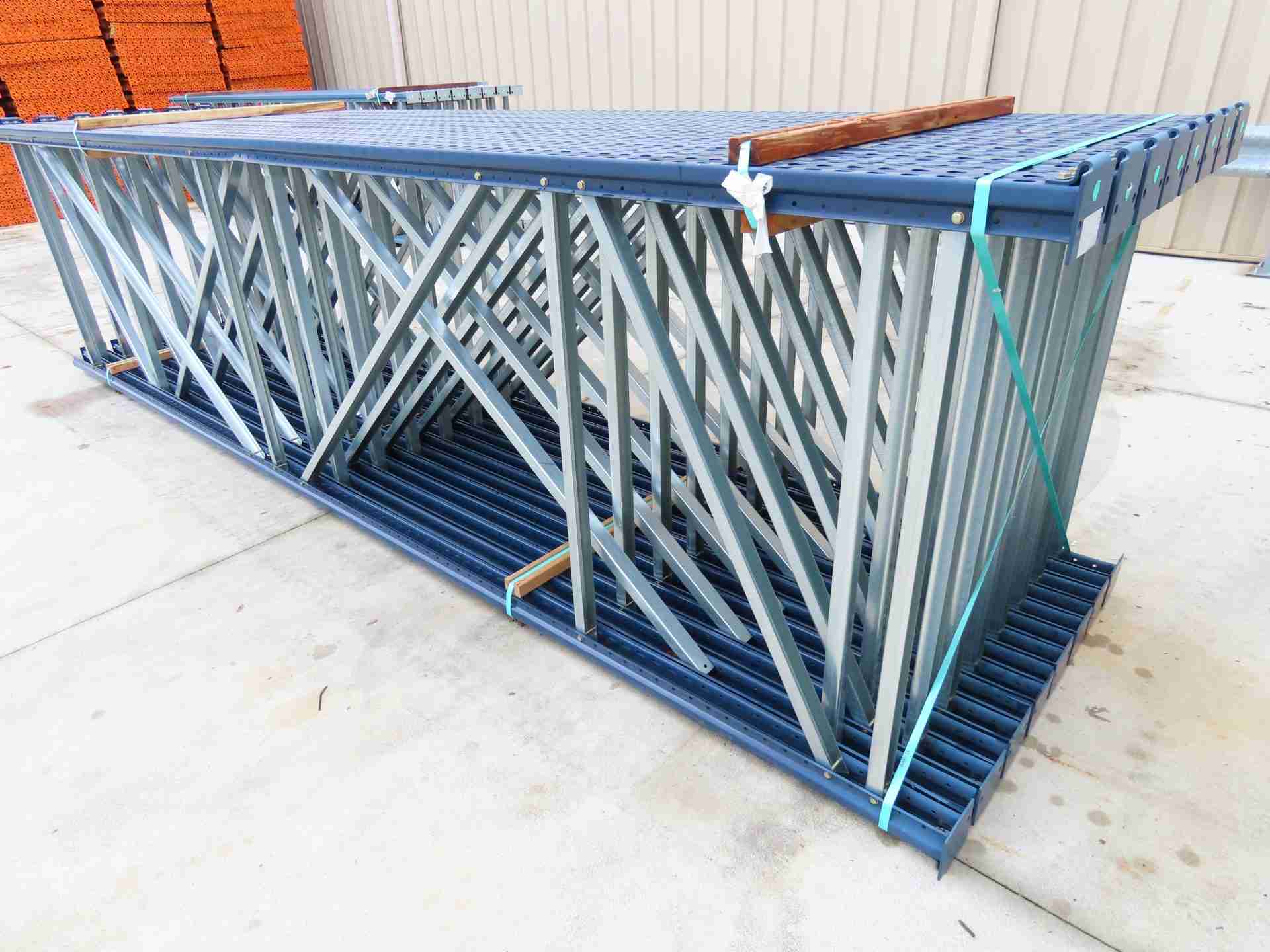
What Types Of Warehouse Equipment Require Special Training?
What Types Of Warehouse Equipment Require Special Training?
- Warehouse efficiency hinges on proper equipment and specialized training.
- Pallet Racking requires training to ensure safe stacking, retrieval, and understanding of structural limits.
- Forklift operation involves inherent dangers; certification promotes safety and reduces costs from accidents and damages.
- Conveyor Systems demand specialized knowledge to prevent injuries and enhance productivity in a fast-paced environment.
- Training at Loading Docks is essential for operational efficiency and safety, reducing incident rates significantly.
- Investing in specialized training for warehouse equipment is crucial for organizational success and employee empowerment.
- Well-trained teams boost operational efficiency, enabling smarter work practices.
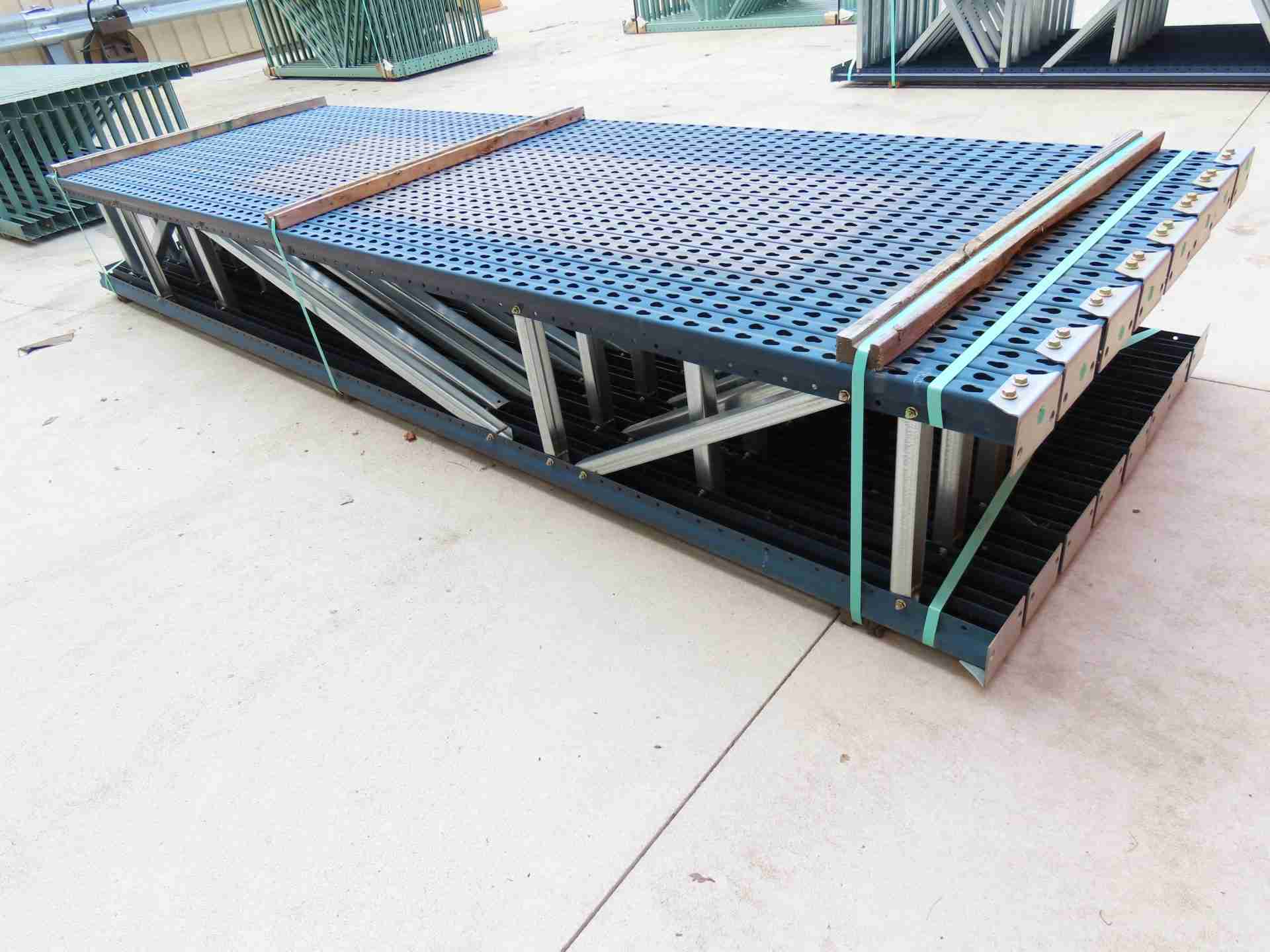
What Types Of Warehouse Equipment Require Special Training?
How Often Should Safety Training Be Conducted For Warehouse Staff?
When you think about warehouse operations, what immediately springs to mind? The rush of movement, the crucial coordination of staff and machinery, and of course, the towering Pallet Racking systems that hold valuable inventory. Each day, your warehouse environment teems with potential and opportunity, but it also presents a landscape of risks. So, how often should safety training be conducted to keep your staff safe and your operations running smoothly?
You might be tempted to think that one training session a year suffices, but that level of complacency can be a recipe for disaster. Just like the Pallet Racking system that needs regular inspections, your team requires ongoing safety training to effectively navigate the ever-evolving demands of warehouse work.
A structured approach is essential. Think of a well-tuned machine: the gears of knowledge need regular lubrication to ensure peak performance. Implementing safety training quarterly not only meets compliance standards but also fosters a culture of safety. This frequency allows you to address emerging risks and new equipment, like the latest Pallet Racking innovations. It’s not just about avoiding fines; it’s about creating an empowered workforce that instinctively understands how to protect themselves and their colleagues.
Moreover, consider hosting refresher courses or toolbox talks monthly. These sessions can be short and engaging, reinforcing previous training and promoting open dialogue. Staff will appreciate your commitment to their well-being and safety, making them feel valued and involved in their own protection. It’s a win-win.
Imagine a scenario where an employee is adept at handling the Pallet Racking system, not just through rote memorization of procedures but because they’ve had the chance to practice regularly and hear from their peers. They become not just participants but champions of safety awareness, passing that knowledge to others. This ripple effect fosters a shared responsibility that permeates throughout your warehouse.
The bottom line is this: Safety training isn’t just a checkbox to mark off. It’s an ongoing, dynamic process that should adapt as your warehouse evolves. Trust comes from consistency, and safety training that occurs frequently inspires confidence in your operations. By prioritizing regular safety training, you’re fostering an environment where your staff can perform their best, knowing that safety is your top priority. Investing time and resources into safety training today can save lives—and your bottom line—tomorrow. Let’s commit to making safety not just a policy, but a fundamental part of your culture.
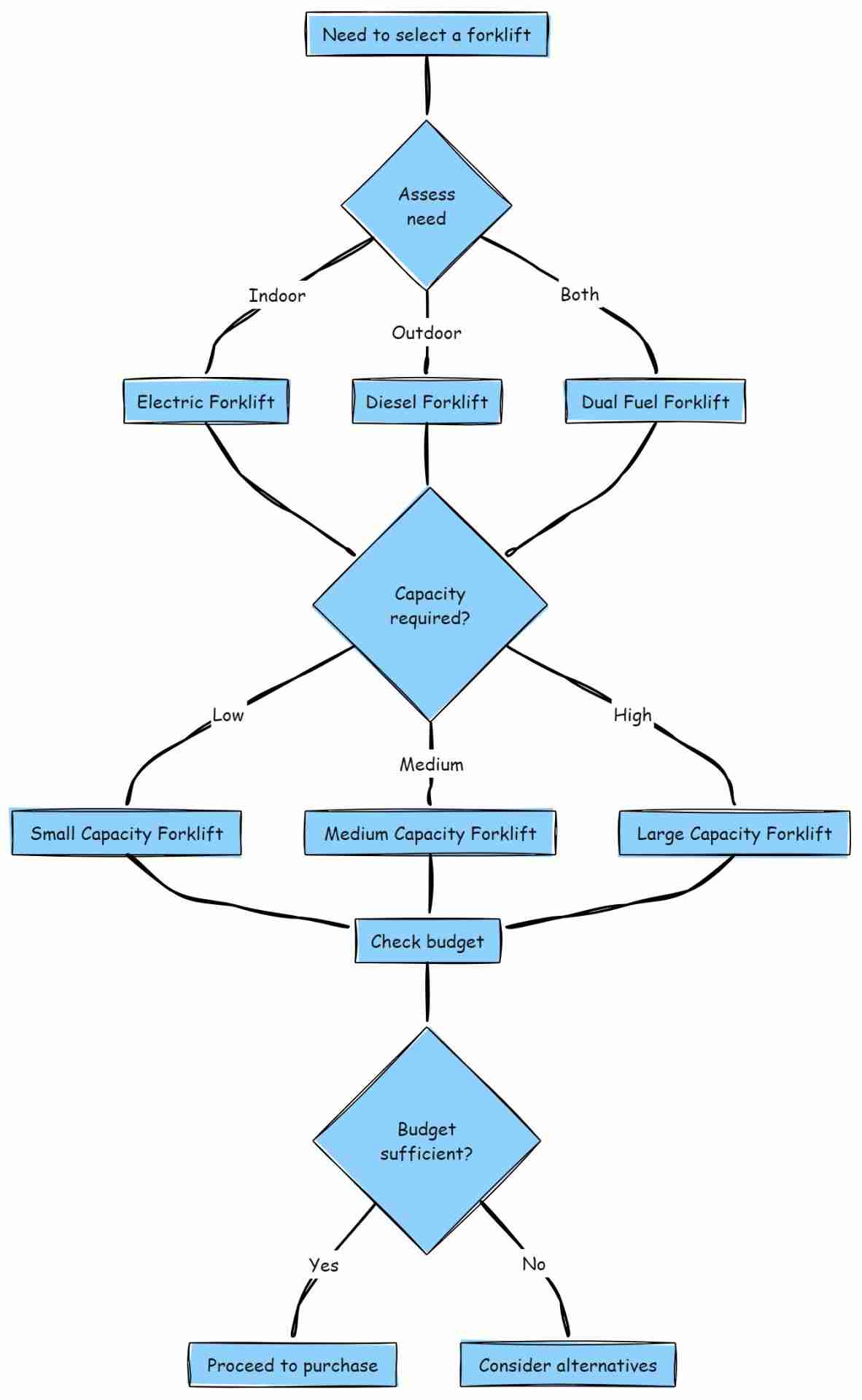
How Often Should Safety Training Be Conducted For Warehouse Staff?
How Often Should Safety Training Be Conducted For Warehouse Staff?
- Warehouse operations involve movement, coordination, and Pallet Racking systems holding valuable inventory.
- One annual safety training session is insufficient; ongoing training is essential for staff safety and operational efficiency.
- A structured approach to safety training, such as quarterly sessions, helps address emerging risks and new equipment.
- Quarterly training enhances compliance and cultivates a culture of safety among employees.
- Monthly refresher courses and toolbox talks can engage staff, reinforce training, and promote open dialogue about safety.
- Regular practice and peer sharing transform employees into champions of safety, fostering shared responsibility in the workplace.
- Prioritizing safety training builds trust, inspires confidence, and can save lives while improving the bottom line.
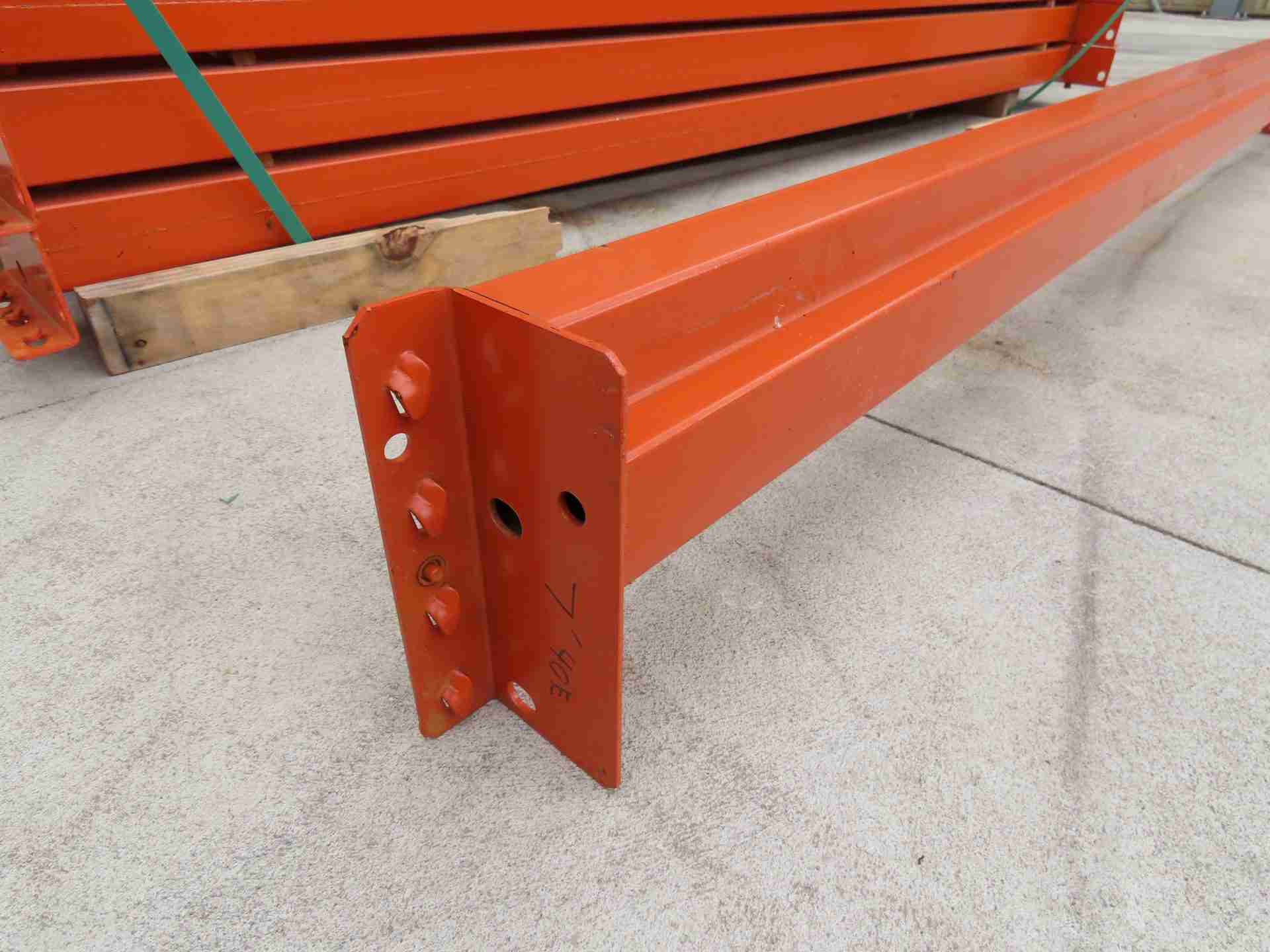
How Often Should Safety Training Be Conducted For Warehouse Staff?
Conclusion
Conclusion: Cultivating a Safety-First Culture in Your Warehouse
At Arrow Industrial Sales, we recognize that in the dynamic landscape of warehouse operations, safety is not simply a policy—it’s a commitment that can make or break your business. Our in-depth discussion emphasizes that training your staff to use warehouse equipment, particularly pallet racking, is paramount to ensuring both operational efficiency and employee safety. As warehouses evolve and expand, the complexities of equipment use increase; it’s essential to establish a robust training culture that goes beyond compliance.
Investing in comprehensive, engaging training is more than just a box to check; it’s an investment in your workforce’s confidence and your organization’s productivity. Remember, hands-on training is crucial—not only does it enable employees to familiarize themselves with equipment and hazards, but it also fosters teamwork and instills trust in safety protocols. Involving staff in real-life scenarios cultivates an environment of proactive safety awareness, where they feel empowered to voice concerns and suggest improvements.
Emerging risks and equipment innovations mean that training should not be a one-and-done affair. Implementing ongoing refreshers, regular assessments, and engaging discussions helps maintain a safety-first mindset. It’s not just about fulfilling regulations—it’s about preserving lives and nurturing a team that takes pride in their safety and operational excellence.
The key to fostering this safety culture lies in celebrating successes and reinforcing positive behaviors. Recognizing employees who excel in safe practices creates motivation that reverberates throughout the workplace, driving collective responsibility for safety.
As we wrap up this essential dialogue on warehouse safety, don’t let your commitment to staff training and equipment safety be an afterthought. The time to act is now—don’t wait until an accident disrupts operations and threatens the safety of your workforce. Call Arrow Industrial Sales today at (574) 349-6575! Our team is ready to provide the tailored resources and training solutions you need to elevate your warehouse operations. Together, let’s make your warehouse not just productive, but a beacon of safety and excellence in the industry. Remember: a well-trained team is the backbone of a successful operation, and prioritizing safety pays dividends now and in the long run.
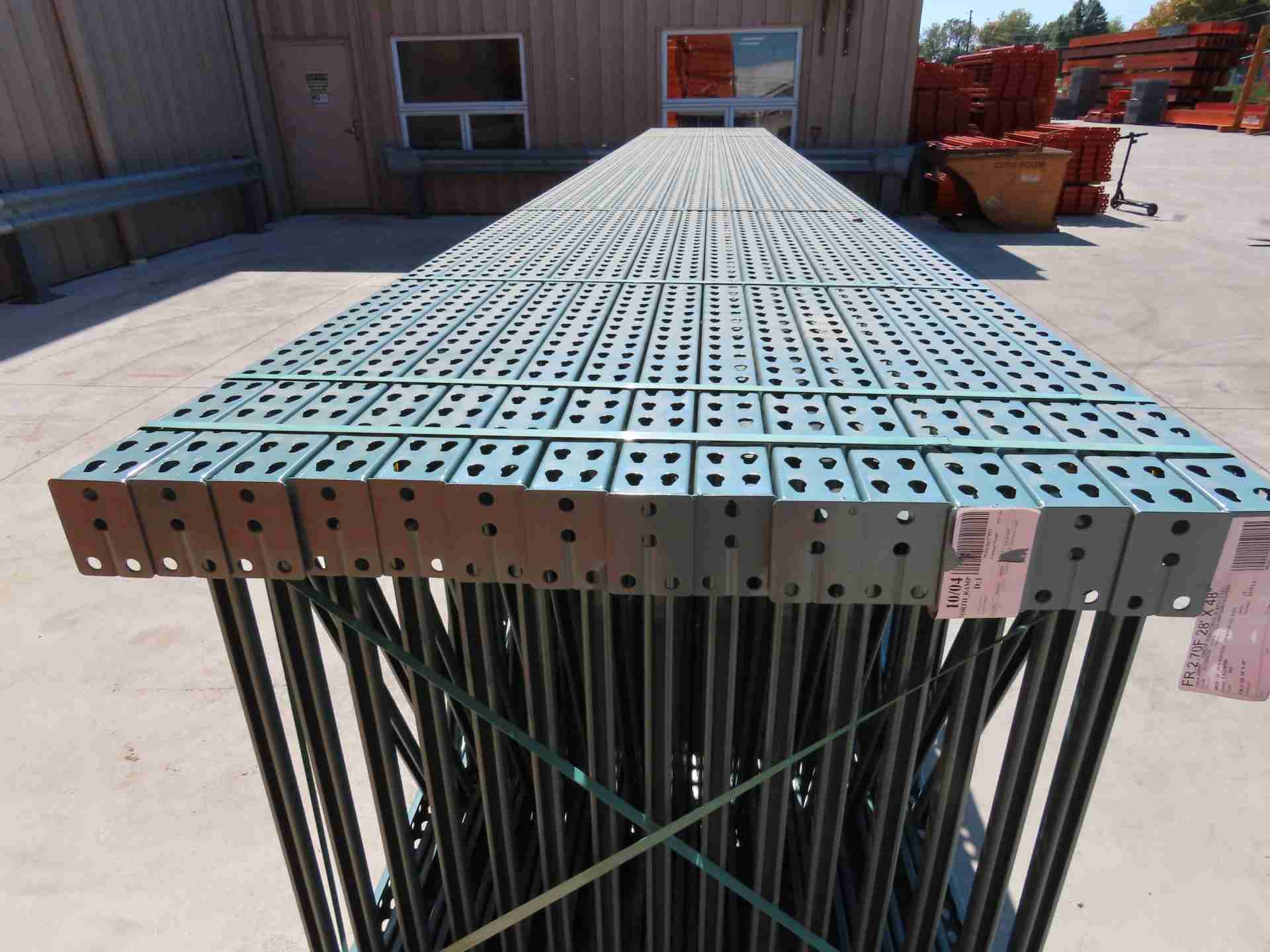
Conclusion
Conclusion:
- Safety in warehouse operations is a commitment, crucial for business success.
- Training staff in equipment use, especially pallet racking, is essential for safety and efficiency.
- Investing in comprehensive training enhances workforce confidence and organizational productivity.
- Hands-on training promotes familiarization with equipment, teamwork, and trust in safety protocols.
- Ongoing training, including refreshers and assessments, is necessary due to evolving risks and innovations.
- Recognizing and celebrating safe practices motivates employees and fosters collective responsibility.
- Timely action on training and safety is crucial—contact Arrow Industrial Sales for tailored solutions.
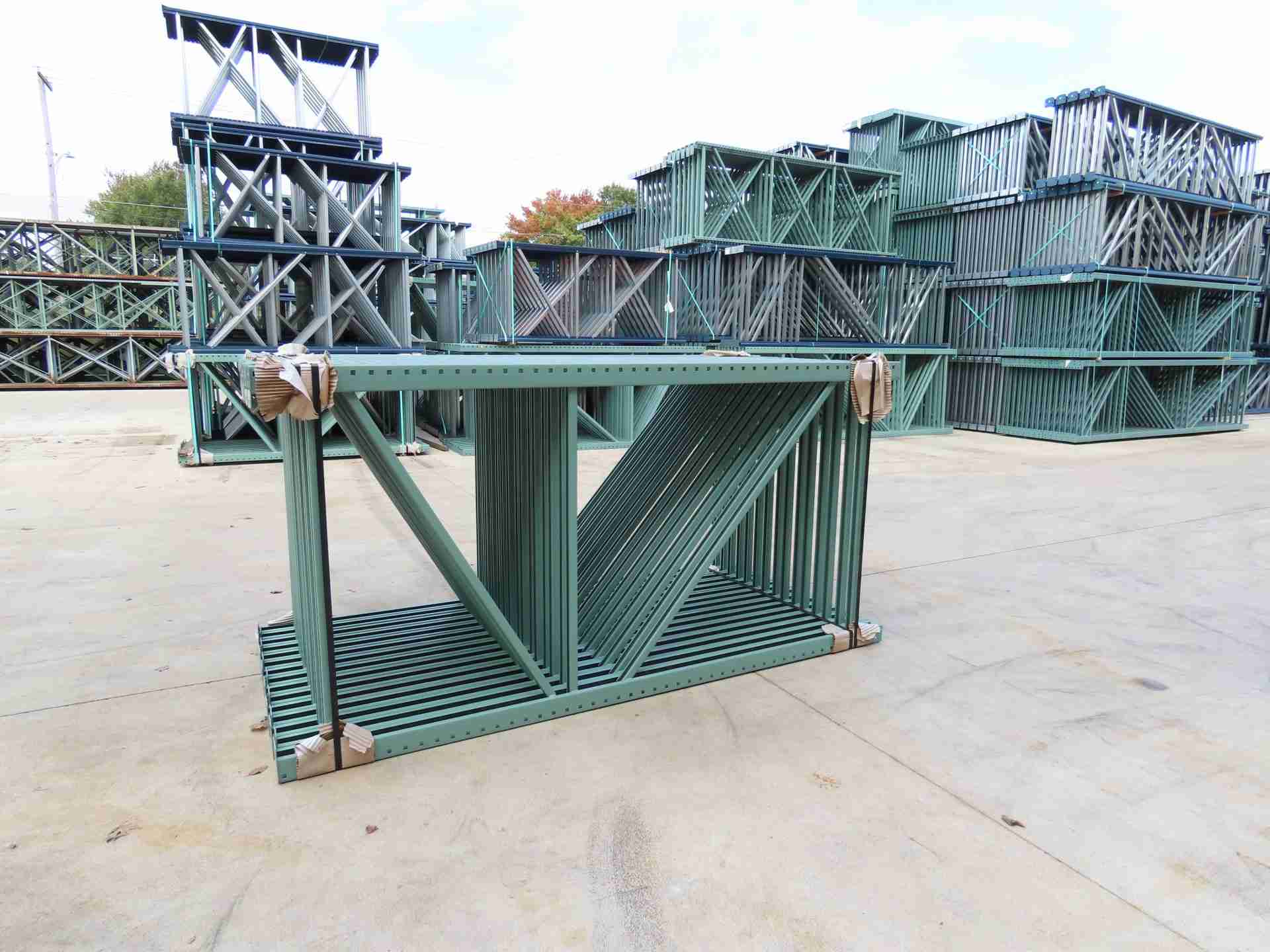
Conclusion
Other Resources

Other Resources
Here is a list of other resources you can review online to learn more:
- American Surplus
- Chicago Pallet Racking
- Interlake
- Pallet Racking systems in Illinois and Great Lakes
- BMH Equipment LLC
- American Society of Safety Professionals
- New Cantilever Racks and Racking Kits
- Iowa Illinois Warehouse Racking
- Total Warehouse
- WERC
Use This Prompt To Get More Resources With Your Favorite Online AI Tool: Please provide me with a list of online articles with their URLs in a bulleted list that I can read regarding How Can You Train Staff to Use Warehouse Equipment Safely?
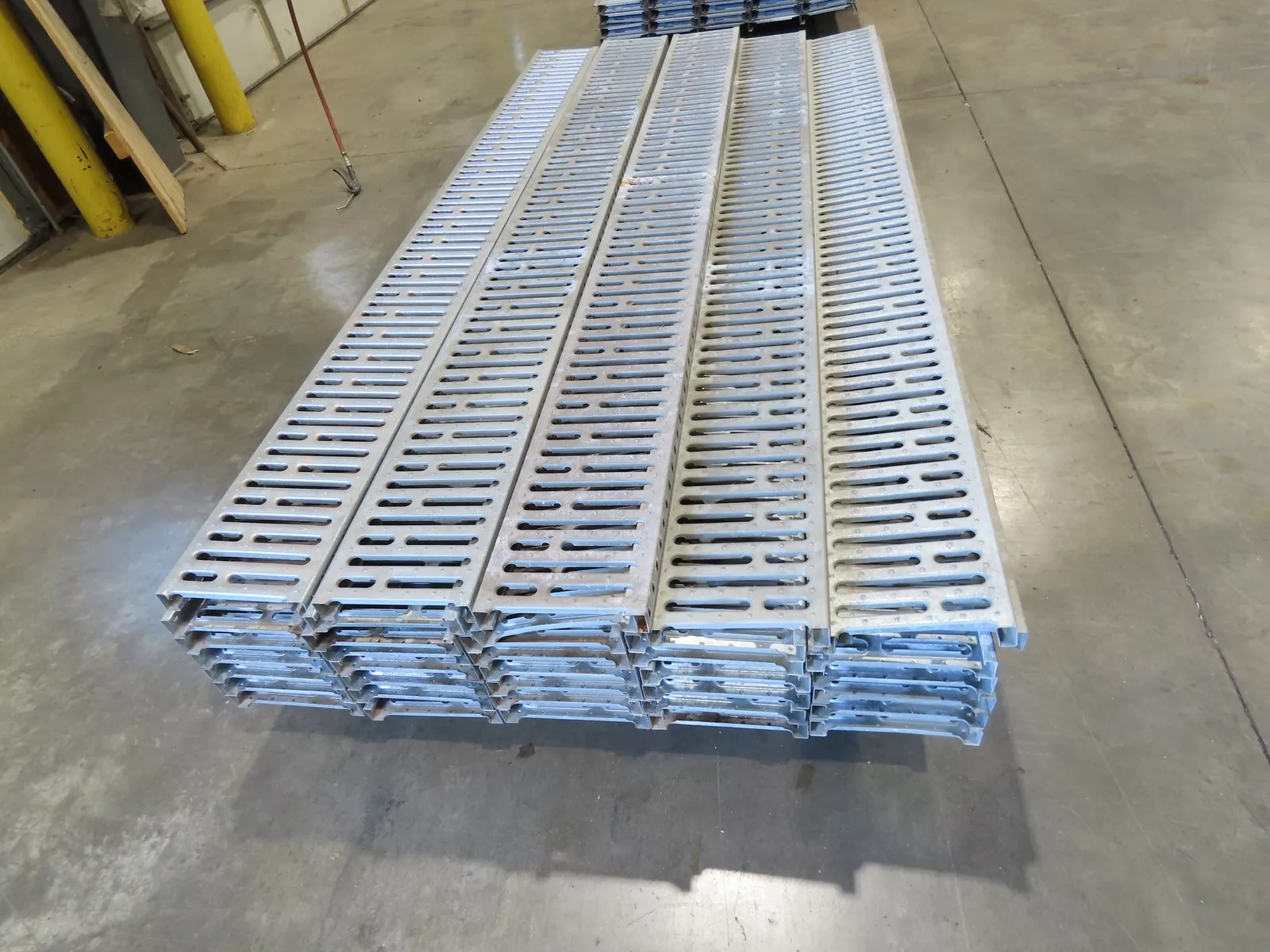
Other Resources
Glossary Terms
How Can You Train Staff to Use Warehouse Equipment Safely? – Glossary Of Terms
1. Safety Training: Instruction designed to educate employees on safe practices and protocols when operating warehouse equipment.
2. Personal Protective Equipment (PPE): Gear such as helmets, gloves, and safety glasses that protects employees from hazards while operating equipment.
3. Forklift: A powered industrial truck used to lift and move materials over short distances, requiring specific training to operate safely.
4. Pallet Jack: A manual or electric device used to lift and move pallets, requiring basic training for proper usage.
5. Operational Procedures: Established guidelines that outline how to safely operate warehouse equipment, including step-by-step instructions.
6. Load Capacity: The maximum weight that a piece of warehouse equipment can safely handle, crucial for preventing accidents.
7. Hazard Identification: The process of determining potential risks associated with equipment use and ensuring proper measures are in place to mitigate them.
8. Inspections: Regular checks performed on equipment to identify any issues or maintenance needs, ensuring safe operation.
9. Training Sessions: Structured meetings or classes aimed at educating staff on specific equipment safety measures and operational guidelines.
10. Mentorship: A structured support system where experienced employees guide new operators in safely using warehouse equipment.
11. Simulators: Tools or software designed to mimic the operation of warehouse equipment, providing a safe platform for practice.
12. Emergency Procedures: Pre-established actions that employees must follow in case of an incident or accident involving warehouse equipment.
13. Accident Reporting: The process of documenting any incidents or near-misses to assess safety and implement necessary improvements.
14. Signage: Visual aids displayed throughout the warehouse to remind staff of safety protocols and equipment usage rules.
15. Ergonomics: The study of people’s efficiency in their working environment, focusing on how to design tasks and equipment for safety.
16. SOP (Standard Operating Procedure): A detailed guide that outlines the steps necessary for safe and efficient operation of warehouse equipment.
17. Certification: An official recognition indicating that an individual has successfully completed training and meets safety standards for equipment use.
18. Refresher Course: Periodic training sessions aimed at updating staff on safety practices and reinforcing previous training.
19. Team Drills: Simulated exercises conducted to practice emergency response and ensure staff are familiar with safety procedures.
20. Operational Safety: Guidelines and practices aimed at ensuring a safe working environment while equipment is in use.
21. Clear Pathways: Ensuring that aisles and work areas are free from obstructions for safe movement of equipment and personnel.
22. Manufacturer’s Guidelines: Instructions and specifications provided by the equipment manufacturer that detail safe operation and maintenance.
23. Visibility Aids: Tools or equipment modifications that enhance sightlines for operators, reducing blind spots while maneuvering.
24. Warehouse Layout: The design and organization of the warehouse space, which can affect the safety and efficiency of equipment use.
25. Behavior-Based Safety (BBS): A safety approach focusing on identifying and changing individual behaviors that may lead to accidents.
26. Hands-On Training: Practical instruction involving direct interaction with warehouse equipment to build real-world skills.
27. Incident Analysis: The review process following an accident to determine causes and prevent recurrences through improved training.
28. Communication Protocols: Established methods for safely exchanging information between operators and ground personnel in the warehouse.
29. Cross-Training: Training employees on multiple pieces of equipment to enhance flexibility and safety in operations.
30. Continuous Improvement: Ongoing efforts to enhance safety training methods and practices based on feedback and performance data in warehouse operations.

Glossary Of Terms
Other Questions
How Can You Train Staff to Use Warehouse Equipment Safely? – Other Questions
If you wish to explore and discover more, consider looking for answers to these questions:
- What specific skills should staff learn during warehouse equipment training?
- How can technology be integrated into safety training for warehouse staff?
- What are the best practices for conducting effective hands-on training?
- How can warehouse managers measure the effectiveness of training programs?
- What is the role of safety audits in maintaining equipment safety?
- What resources are available for developing safety training programs?
- How do safety regulations differ between types of warehouse equipment?
- What are common misconceptions about warehouse equipment safety?
- How can you maintain engagement during safety training sessions?
- What are the benefits of having a safety committee in a warehouse?
- How should incidents or near misses be reported and addressed?
- What responsibilities do employees have in maintaining equipment safety?
- How can you adapt training for seasonal or temporary employees in a warehouse?
- What are the consequences of inadequate safety training in a warehouse?
Other Questions
Checklist
How Can You Train Staff to Use Warehouse Equipment Safely? – A Checklist
Safety Training Checklist for Warehouse Equipment Use
1. Create an Engaging Training Environment
_____ Use real-life scenarios relevant to daily operations.
_____ Conduct hands-on training sessions with actual equipment.
2. Foster Open Communication
_____ Encourage feedback and dialogue among team members.
_____ Establish a method for employees to share insights on safety practices.
3. Implement Ongoing Training
_____ Schedule regular refresher courses for all staff.
_____ Invite external experts for updated training and best practices.
4. Recognize and Reward Safe Practices
_____ Develop a recognition program for employees adhering to safety protocols.
_____ Celebrate safety milestones and achievements as a team.
5. Conduct Regular Safety Inspections
_____ Create a schedule for inspecting pallet racking and other equipment.
_____ Document any signs of damage or irregularities.
6. Educate on Load Capacities
_____ Train staff on the specific load limits of pallet racking systems.
_____ Promote the importance of adhering to weight restrictions for safety.
7. Implement Best Practices for Stacking and Loading
_____ Provide guidelines for proper stacking methods to prevent blockage and instability.
_____ Use pallets in good condition and ensure even stacking.
8. Enhance Visibility
_____ Invest in proper lighting for high-traffic areas.
_____ Use reflective tape or signage to guide safe navigation throughout the warehouse.
9. Conduct Safety Audits and Drills
_____ Implement regular safety audits to identify hazards and unsafe practices.
_____ Hold safety drills to practice emergency responses and reinforce protocols.
10. Regular Assessments of Staff Knowledge
_____ Organize workshops and discussions to assess understanding of safety standards.
_____ Use quizzes to reinforce knowledge of specific equipment handling and safety protocols.
11. One-on-One Check-ins for Employee Confidence
_____ Schedule individual meetings to address any concerns or uncertainties.
_____ Encourage employees to speak openly about safety issues.
12. Utilize Continuous Assessment Methods
_____ Observe on-the-job performance to ensure adherence to safety practices.
_____ Provide immediate feedback and support to reinforce learning.
13. Specialized Training for Equipment Use
_____ Identify and provide training for equipment that requires special handling (e. g. , forklifts, conveyor systems, loading docks).
14. Frequency of Training
_____ Schedule safety training quarterly for all employees.
_____ Conduct monthly refresher sessions or toolbox talks to maintain awareness.
15. Commit to a Culture of Safety
_____ Encourage shared responsibility for safety among all staff.
_____ Foster a supportive environment where safety is prioritized and valued.
Use this checklist as a guide to ensure that your warehouse environment remains safe and efficient for all employees.
Checklist
At RackingWorld, we help guide you through selecting warehouse storage systems and racking.
Be sure to read our other related stories at RackingWorld to learn more about warehouse storage systems.
0 Comments