
Maximize Efficiency By Avoiding Last Minute Storage Changes
By Tom Seest
At RackingWorld, we help guide you through selecting warehouse storage systems and racking.
Be sure to read our other related stories at RackingWorld to learn more about warehouse storage systems.
Are Last Minute Storage Changes Sabotaging Your Daily Operations?
Picture this: It’s the middle of a hectic Tuesday, and suddenly you’re told that your warehouse’s layout has changed overnight. Pallet racking systems have been shifted, aisles have been narrowed, and critical inventory is now harder to access. The chaos that ensues doesn’t just disrupt your workflow; it sends a ripple effect through your entire operation. Have you found yourself grappling with these sudden storage changes? You’re not alone.
In this fast-paced world, many businesses face the daunting challenge of adapting to last-minute modifications. Unfortunately, those seemingly innocent adjustments can sabotage your daily operations more than you might realize. When pallet racking is reorganized on a whim, it affects every facet of your logistics—from order fulfillment times to employee morale. It’s frustrating, isn’t it? Just when you think you have everything running smoothly, a curveball leaves your team scrambling.
You might be struggling with longer search times for products, increased potential for errors, or lower productivity; all of which stem from confusion and a lack of structure. Your team deserves an organized environment where they can shine. After all, their job hinges on efficiency, reliability, and speed. If they’re constantly grappling with unexpected changes, it can lead to decreased trust in your systems and, ultimately, a decline in performance.
But here’s the good news: you don’t have to accept these disruptions. Embrace a proactive approach where you regularly assess your storage needs and anticipate changes before they become crises. Invest in high-quality pallet racking systems that are versatile and adaptable. Train your team to handle these changes smoothly, ensuring they understand the impact of organizational structures on overall efficiency.
Ultimately, the key lies in fostering an environment where planning trumps panic. When you anticipate storage needs and implement changes with intentionality, you empower your team to thrive rather than survive. It’s time to take charge of your operations. Don’t let last minute decisions derail your success. Trust in a well-structured and thoughtful approach to storage management, and watch as your daily operations transform from chaotic to seamless. It’s not just about storage—it’s about building a foundation that supports your entire organization.
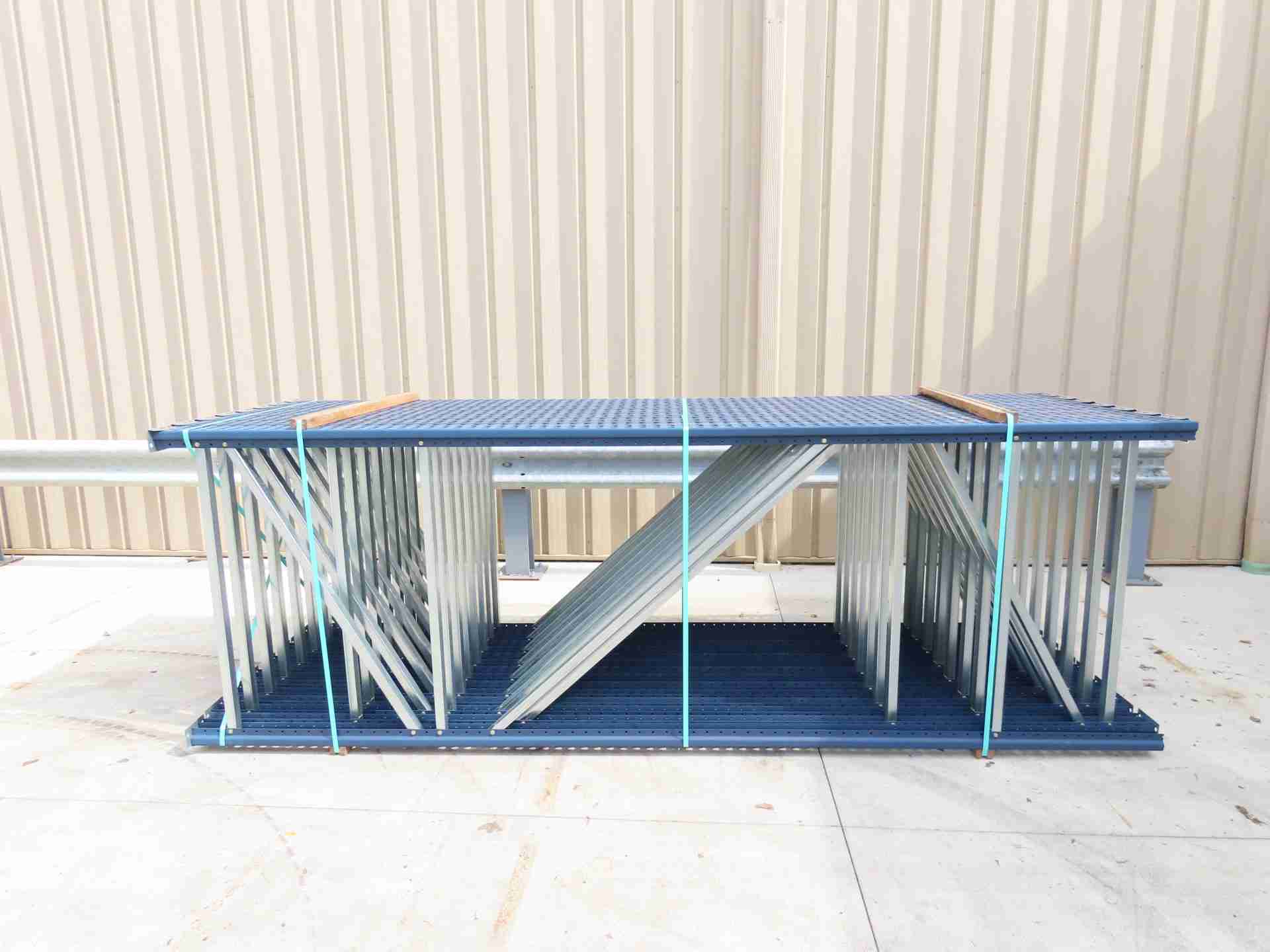
Are Last Minute Storage Changes Sabotaging Your Daily Operations?
Are Last Minute Storage Changes Sabotaging Your Daily Operations?
- Warehouse layout changes can disrupt workflow and create chaos for operations.
- Last-minute modifications can sabotage order fulfillment and employee morale.
- Unorganized systems lead to longer search times, increased errors, and lower productivity.
- Businesses should adopt a proactive approach to storage management.
- Investing in versatile pallet racking systems can help accommodate changes smoothly.
- Training team members on the impact of organization enhances overall efficiency.
- A planned approach to storage management transforms operations from chaotic to seamless.

Are Last Minute Storage Changes Sabotaging Your Daily Operations?
Table Of Contents
- Are Last Minute Storage Changes Sabotaging Your Daily Operations?
- What Are The Impacts Of Last Minute Storage Changes?
- How Can I Minimize Disruption From Storage Changes?
- What Strategies Can Improve Storage Change Communication?
- Are There Key Indicators For Potential Storage Issues?
- What Best Practices Can Help Manage Storage Changes Efficiently?
- How Do Storage Changes Affect Employee Productivity?
- Conclusion
- Other Resources
- Glossary Of Terms
- Other Questions
- Checklist
What Are The Impacts Of Last Minute Storage Changes?
Imagine this scenario: You’re in the thick of a bustling season, orders are flying in, and just when you think you’ve got a solid plan in place, you’re thrown a curveball. Your client asks for a last-minute storage change, perhaps a new layout for your pallet racking system, or they need more space for an unexpected shipment. This pressure cooker situation can stir up stress, but it’s also a golden opportunity—if managed correctly.
Last-minute storage changes can have significant impacts, both positive and negative. On one hand, they can disrupt the established flow of your operations, increase downtime, and lead to confusion among your staff. However, on the other hand, they act as a catalyst for improvement. Imagine rethinking your pallet racking arrangement with fresh eyes. Now you’re not just addressing immediate needs; you’re potentially optimizing your entire warehouse layout for long-term efficiency.
Embracing the challenge of last-minute changes positions you as a solution-oriented leader. The moment you show your team how to pivot and adapt, you cultivate a culture of responsiveness and innovation. This kind of adaptability not only streamlines your processes but enhances overall morale—who wouldn’t want to be part of a winning team that thrives in the face of adversity?
Moreover, when you tackle these challenges, you instill confidence in your clients. They see you aren’t just a vendor; you’re a partner who navigates complexities with poise. This trust is irreplaceable, transforming a simple storage logistics task into a deeper collaboration. Clients are more likely to refer you to others when they feel reassured and valued.
And remember, after the dust settles, take a moment for reflection. What worked? What can you improve for the next time? By documenting these lessons, you create a feedback loop that enhances future operations.
So the next time you receive that last-minute storage change request, don’t dread it—embrace it. Not only could it lead to groundbreaking enhancements in your pallet racking system, but it can also serve as a launching pad for professional growth and stronger client relationships. The key is to stay calm, take decisive action, and watch how these moments become amazing turning points in your logistics journey.
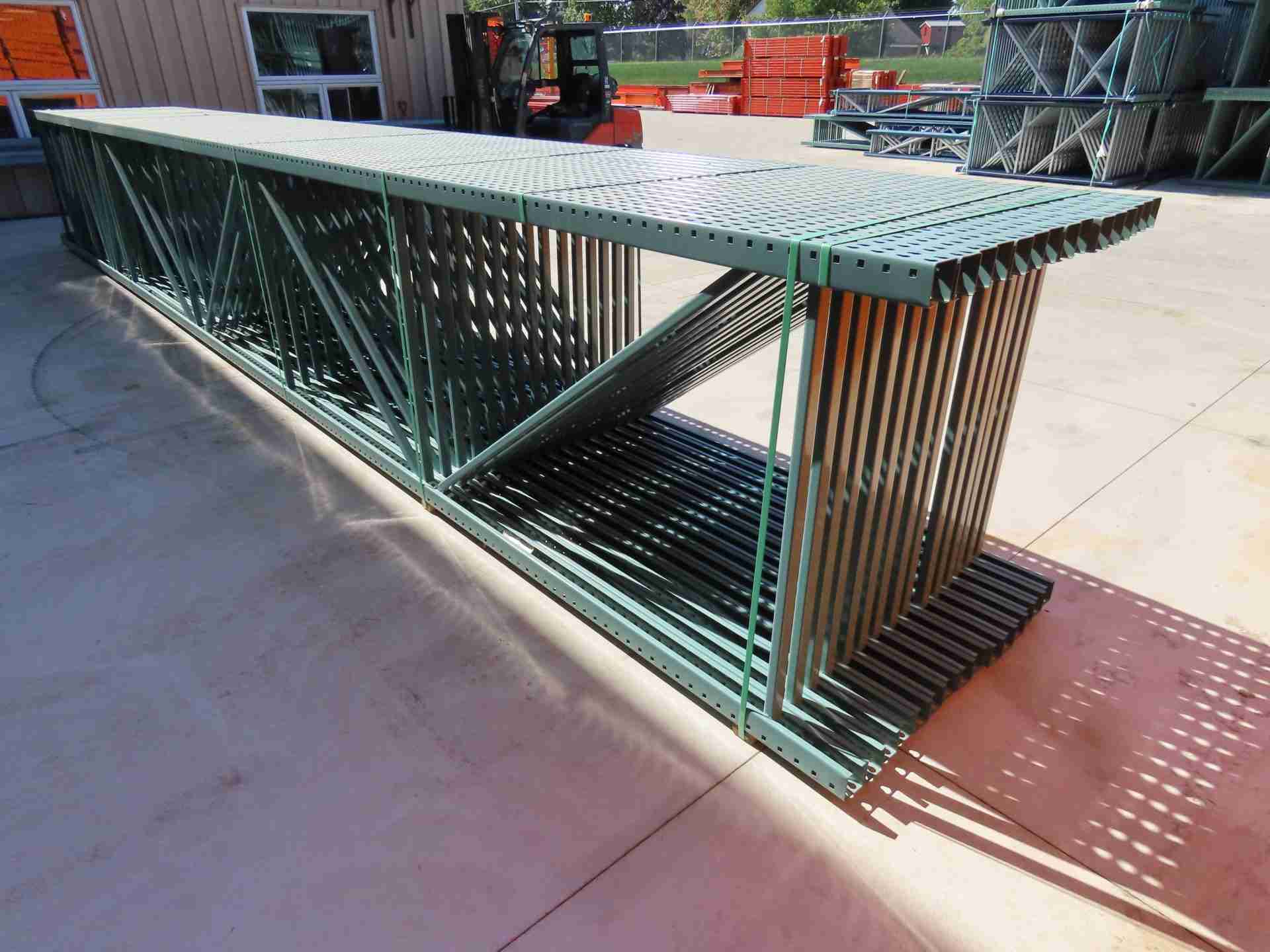
What Are The Impacts Of Last Minute Storage Changes?
What Are The Impacts Of Last Minute Storage Changes?
- Last-minute storage changes can disrupt operations but also present opportunities for improvement.
- They may increase downtime and cause confusion among staff, yet can trigger optimization of warehouse layout.
- Embracing these challenges fosters a solution-oriented leadership style and promotes innovation within the team.
- Adaptability enhances processes and boosts team morale, creating a resilient work environment.
- Tackling challenges builds client confidence, transforming the vendor-client relationship into a partnership.
- After challenges, reflection is essential to document lessons learned for future improvements.
- Embracing last-minute requests can lead to growth in logistics and forge stronger client relationships.
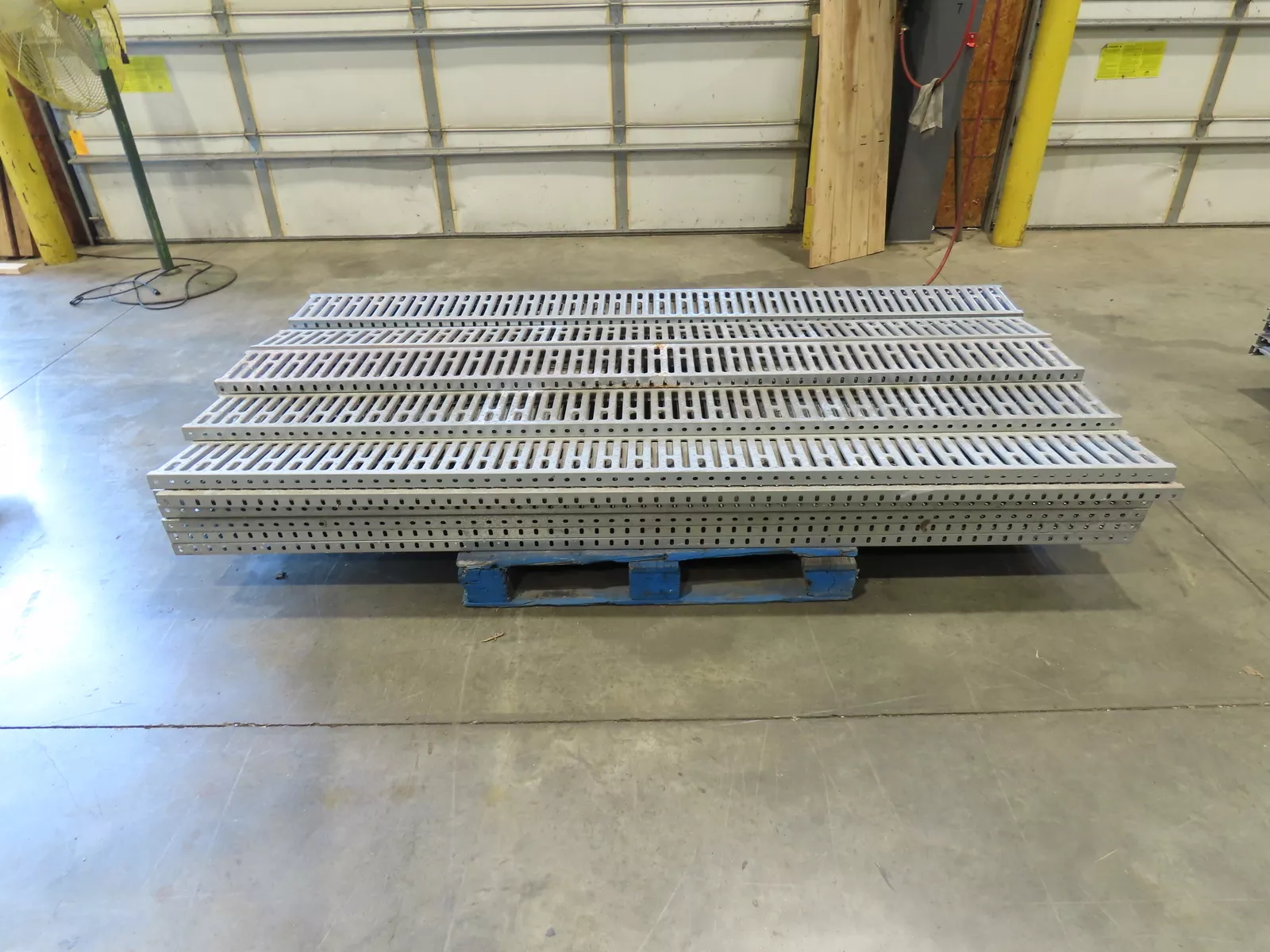
What Are The Impacts Of Last Minute Storage Changes?
How Can I Minimize Disruption From Storage Changes?
Imagine transforming your storage space without turning your operations upside down. It’s not just a dream—it’s entirely possible with thoughtful planning and strategic execution. If you’ve ever faced the chaos that comes with reorganizing your storage systems, you know that the right approach can make all the difference. Let’s dive into how you can minimize disruption when altering your storage solutions, especially when introducing pallet racking into the mix.
First, assess your current layout. Take the time to evaluate your existing storage methods. Are they effective, or do they create bottlenecks? Understanding how your workspace operates will help you make decisions that won’t just affect your storage but improve overall efficiency. Engage your team in this process; their insights can reveal hidden inefficiencies and pave the way for a smoother transition.
Next, plan your changes around peak business hours. Nobody likes chaos during the busiest times of the day. Scheduling your changes during off-peak hours or, better yet, over a weekend ensures that your operations remain as uninterrupted as possible. This approach not only assures that work continues but also gives your team the breathing room to adapt.
When integrating pallet racking, ensure that you have a clear blueprint of the new layout. A well-thought-out design allows for seamless implementation. Consider utilizing 3D modeling or visualization tools; these technological aids provide a tangible sense of the space before the reconfiguration. Your workforce will appreciate the foresight, and you’ll save time (and headaches) in the long run.
Communication is key. Keep your employees informed about the upcoming changes. Host a brief meeting to explain the benefits of the new pallet racking system and how it will improve their workflow. By including everyone in the conversation, you build trust and reduce the anxiety that often accompanies change. Teams are more resilient when they understand the “why” behind every shift.
Lastly, offer training sessions. Acclimating your workforce to the new pallet racking setup is essential for smooth operations. Thorough training not only empowers your team but also instills confidence in them to optimize the new system from day one.
Your storage solutions can evolve without creating chaos. Embrace change, plan meticulously, and watch how it transforms your operations for the better!
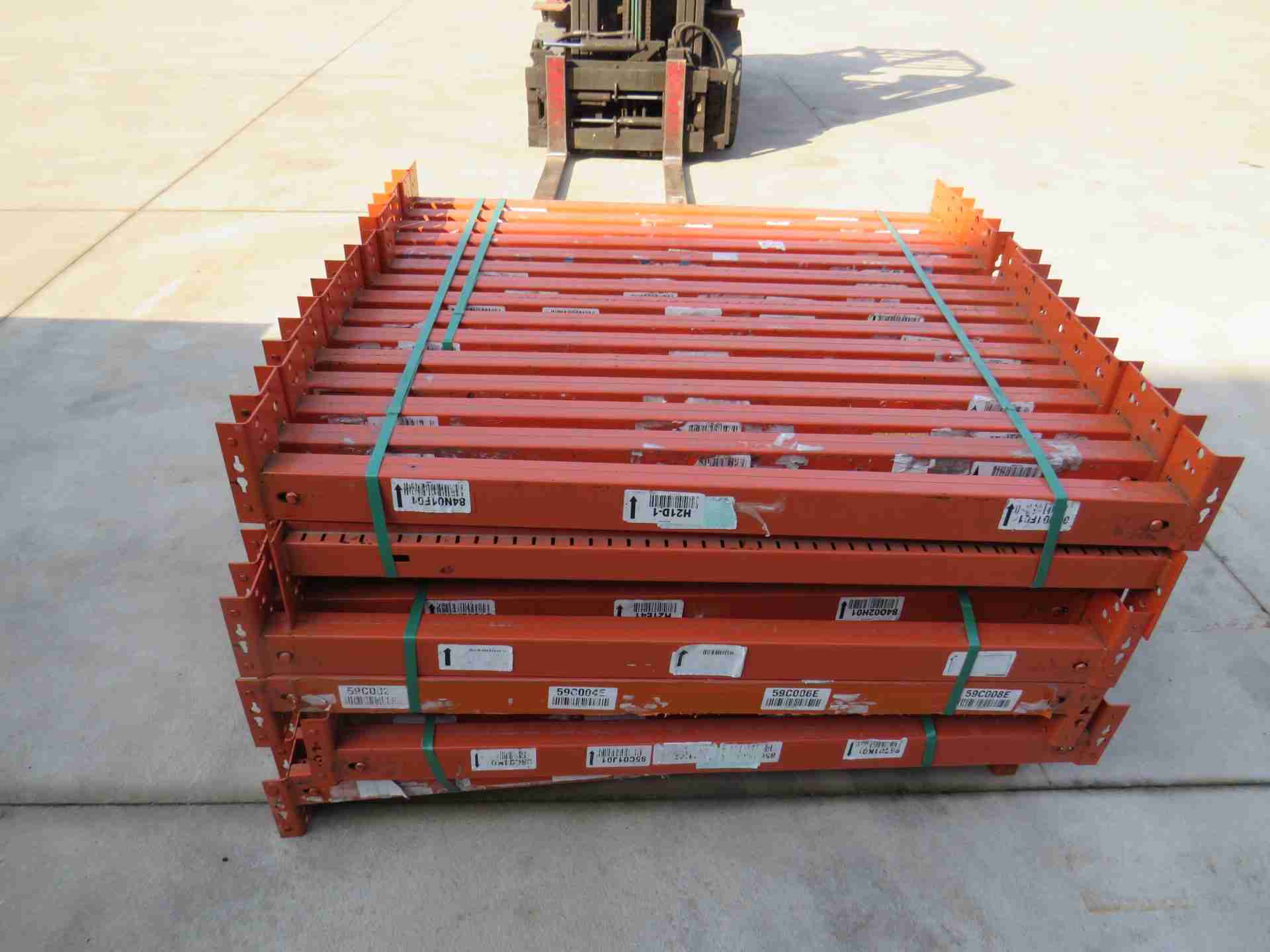
How Can I Minimize Disruption From Storage Changes?
How Can I Minimize Disruption From Storage Changes?
- Transform your storage space effectively through thoughtful planning and strategic execution.
- Assess your current layout to identify bottlenecks and engage your team for insights.
- Plan changes around peak business hours to minimize disruption.
- Create a clear blueprint for the new layout using 3D modeling or visualization tools.
- Maintain open communication with employees about upcoming changes to build trust and reduce anxiety.
- Offer training sessions to acclimate your workforce to the new pallet racking setup.
- Embrace change and meticulous planning to improve overall operational efficiency.
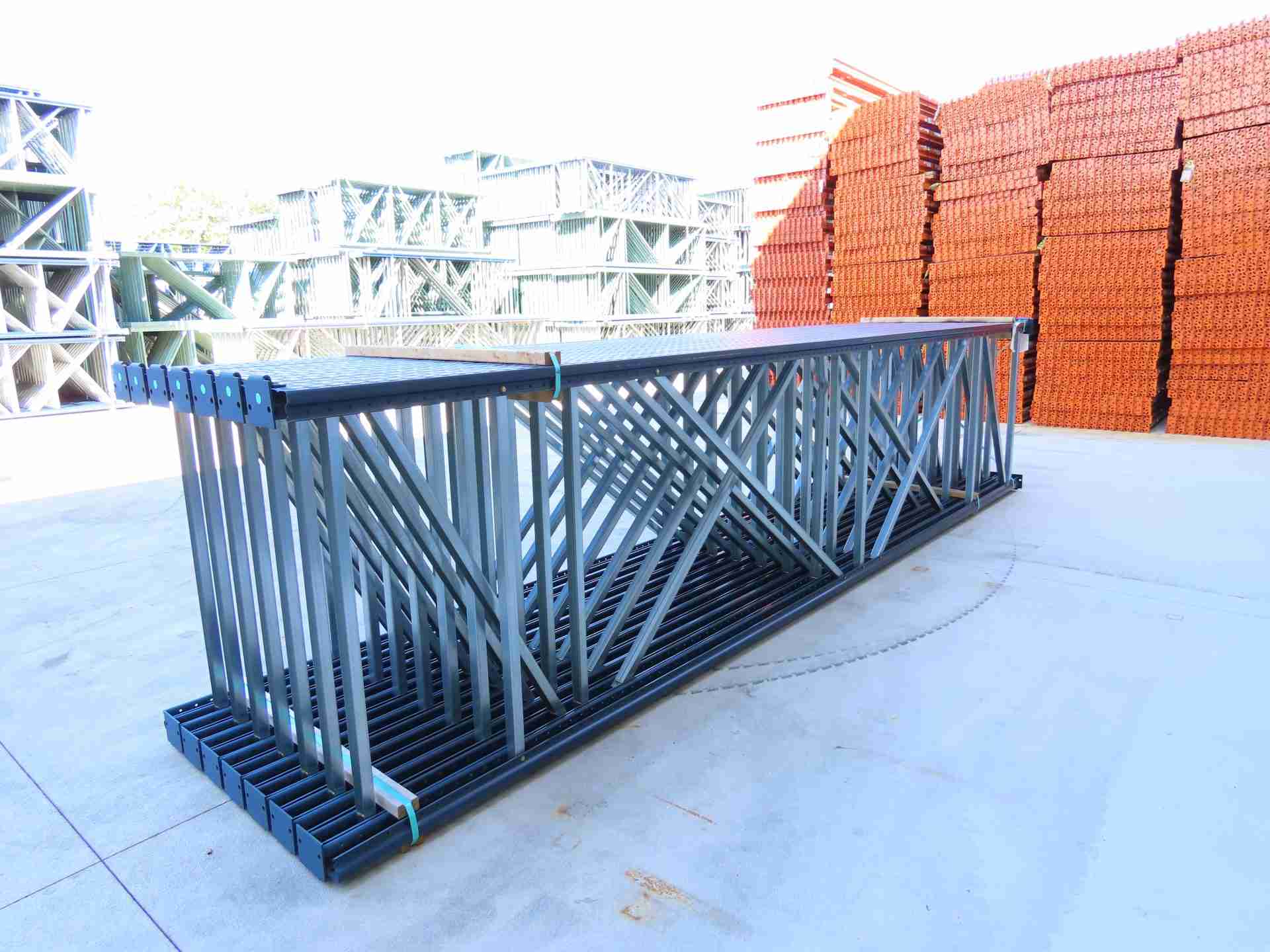
How Can I Minimize Disruption From Storage Changes?
What Strategies Can Improve Storage Change Communication?
In today’s whirlwind of commerce, effective communication about storage changes can’t be an afterthought; it must be a priority. Especially when it comes to infrastructure like pallet racking—where every inch of available space counts—neglecting clear communication can lead to costly errors or, worse yet, an entire operational breakdown.
First and foremost, open channels of communication are essential. Create a regular routine for updates, whether through weekly meetings, encouraging feedback, or utilizing digital tools that facilitate easy sharing of information. It’s about fostering a culture where every team member feels empowered to voice concerns or suggest improvements concerning storage methodologies. Encourage your staff to become ambassadors of the changes. When they own the message, it resonates more deeply with them, creating a unified front.
Next, clarity in the message is paramount. Vague instructions or hurriedly communicated changes around pallet racking setups can lead to confusion. Make your communication as straightforward as possible. Use visual aids, diagrams, and even walkthrough videos that illustrate the changes in detail. Think creatively: How can you let your team visualize the transformation? A picture is worth a thousand words, and in this case, it can save you time, space, and money.
Training sessions also play a crucial role in effective communication. When your employees understand the ‘why’ behind the changes, they’re more likely to embrace them. Host workshops that focus not just on the mechanics of the new system but also on the benefits it brings to their daily work life. Once they recognize how these improvements affect their workflow positively, motivation becomes the turbocharger of compliance.
Don’t underestimate the power of feedback. After implementing storage changes, consider follow-up surveys or informal check-ins. This engagement shows your team that their thoughts and feelings matter in the evolution of the workplace. It allows you to adjust communication strategies based on real insights, creating an adaptive approach to change.
Lastly, lead with confidence. Transparency builds trust, and your leadership during changes matters. When your team sees you navigating the challenges confidently, they will feel reassured and ready to follow suit. Embrace the change and build a thriving environment where communication about storage evolution, particularly around crucial elements like pallet racking, flows seamlessly.
Incorporating these strategies will not only enhance understanding but also catapult your operation into a new era of productivity and teamwork. So roll up those sleeves, put these systems in place, and watch as your organization transforms communication and, ultimately, performance.
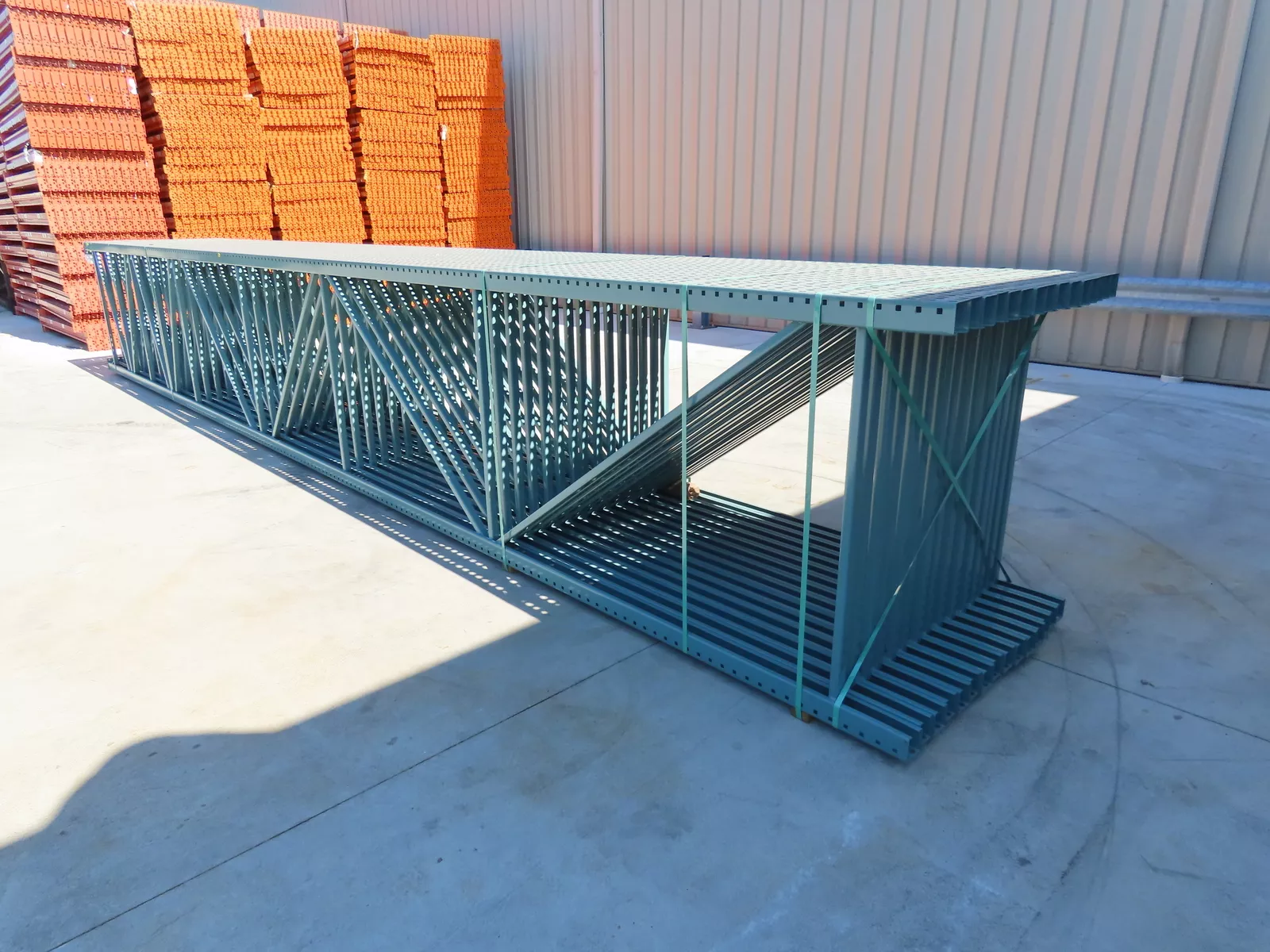
What Strategies Can Improve Storage Change Communication?
What Strategies Can Improve Storage Change Communication?
- Effective communication about storage changes is crucial, especially regarding pallet racking.
- Maintain open communication channels through regular updates, feedback, and digital tools.
- Clarity in messaging is essential; use visual aids and detailed instructions to avoid confusion.
- Training sessions should explain the ‘why’ behind changes to encourage acceptance and motivation.
- Seek feedback through surveys or check-ins to show team engagement and adjust strategies accordingly.
- Lead with confidence and transparency to build trust during changes.
- Implementing these strategies enhances understanding and boosts productivity and teamwork.

What Strategies Can Improve Storage Change Communication?
Are There Key Indicators For Potential Storage Issues?
When it comes to your warehouse, storage efficiency isn’t just a luxury—it’s a necessity. Ignoring the signs of potential storage issues can lead you down a costly path that disrupts operations and hampers profitability. But how do you know when it’s time to take a closer look at your setup? Here are some key indicators that should ring alarm bells and prompt a proactive approach to your storage solutions.
First, let’s talk about your Pallet Racking system. Is it bursting at the seams, displaying a chaotic mishmash of boxes and products? If you find yourself squeezing in extra loads or stacking items precariously, it’s not just a visual inconvenience; it’s a clear sign that your storage solution is not keeping up with your demands. Underutilized vertical space is often the culprit, so if you’re wasting precious square footage while your goods pile up, it’s time to reevaluate how effectively your pallet racking is functioning.
Next, consider the inventory turnover rate. If you’re experiencing slow movement of stock or items frequently become obsolete before they can be sold, your storage practices might be to blame. An insufficient sorting system can lead to confusion, misplaced items, and that all-too-familiar “lost” feeling when trying to find goods. Implementing an organized, strategic approach to your pallet racking can create a smoother flow and make product retrieval intuitive—not to mention boost your bottom line.
Another indicator of potential storage issues lies in the documentation. Are you facing challenges in tracking inventory levels? If the paperwork feels overwhelming and often inaccurate, it’s time to streamline your processes. An organized pallet racking structure paired with an efficient inventory management system can foster a sense of clarity and confidence amongst your team, enhancing productivity across the board.
Lastly, watch out for safety hazards. If you’re noticing damaged pallet racking, or if your team frequently mentions close calls while navigating the warehouse, it’s not just a nuisance—it’s a safety risk. Maintaining a robust and safe storage environment is paramount, and reinforcing your racking systems will inspire your team’s trust in the workplace.
Being proactive is the antidote to potential storage issues. Identifying these key indicators early can save you time, money, and headaches. Don’t wait for a crisis to strike; act now and transform your storage into an efficient, thriving environment. Your future self—and your bottom line—will thank you!
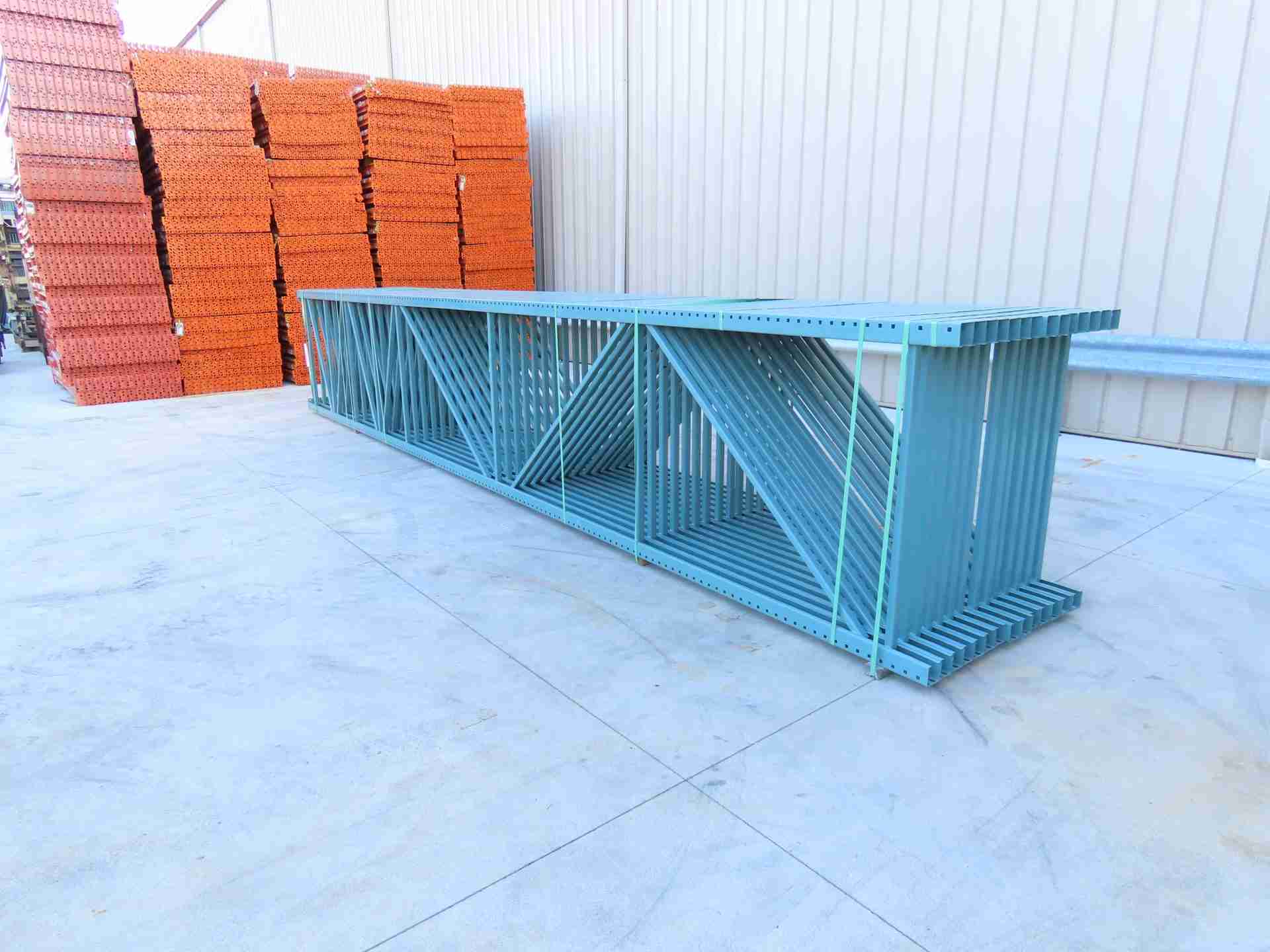
Are There Key Indicators For Potential Storage Issues?
Are There Key Indicators For Potential Storage Issues?
- Storage efficiency in a warehouse is essential for smooth operations and profitability.
- Signs of inadequate storage include overcrowded pallet racking and underutilized vertical space.
- Slow inventory turnover and confusion in stocking indicate a need for better organization.
- Tracking inventory levels with inaccurate documentation highlights the need for streamlined processes.
- Safety hazards from damaged pallet racking pose risks that should not be ignored.
- Proactive identification of storage issues can save time, money, and prevent future crises.
- Improving storage solutions benefits both employee productivity and overall business outcomes.

Are There Key Indicators For Potential Storage Issues?
What Best Practices Can Help Manage Storage Changes Efficiently?
Managing storage changes is no small feat; it’s like orchestrating a symphony with each segment harmonizing perfectly. The good news? By implementing some solid best practices, you can turn potential chaos into an elegantly arranged process.
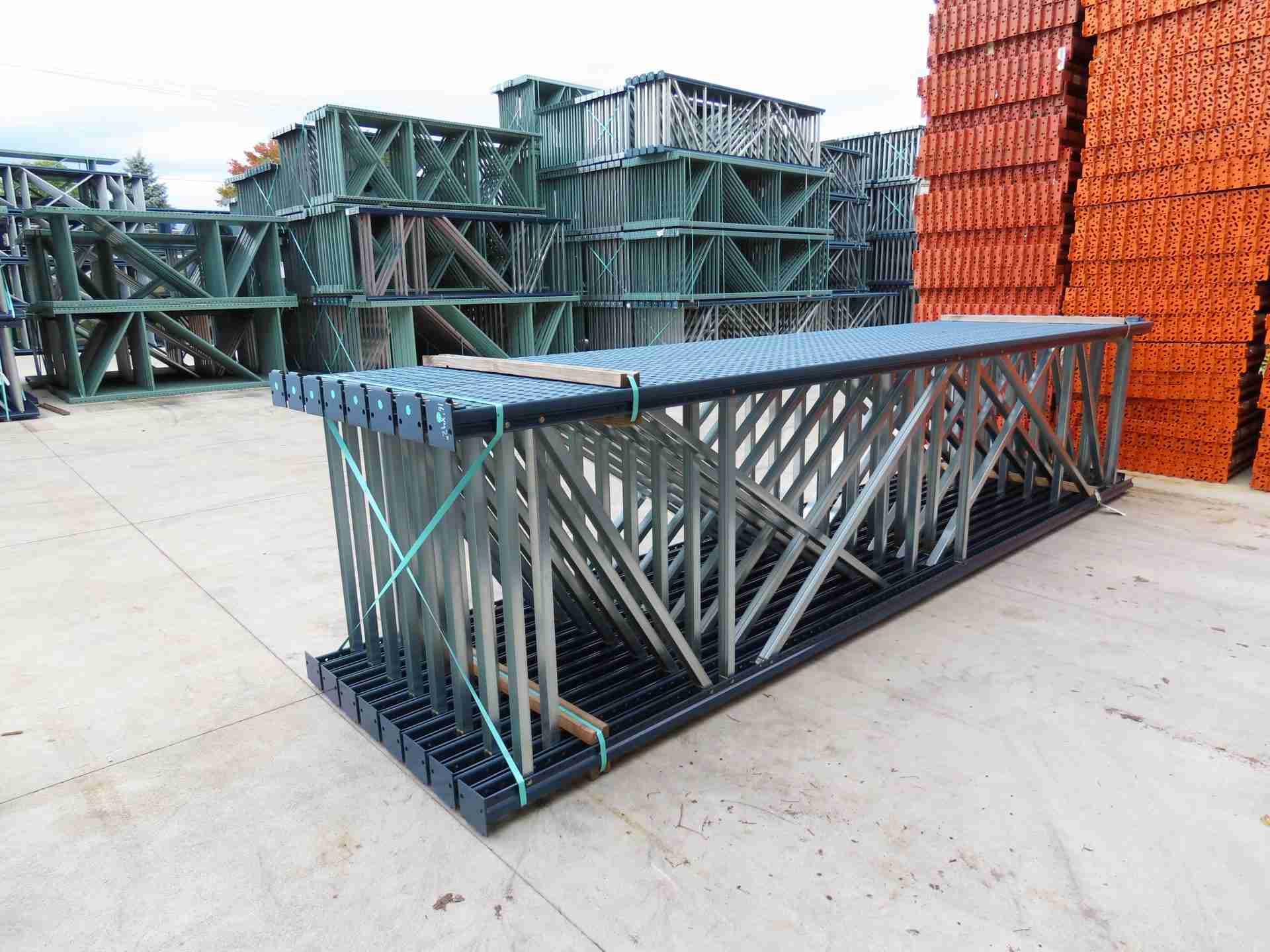
First, understand that pallet racking is your best friend. It’s more than just a structure to hold your inventory; it’s an entire system designed to optimize your space and enhance accessibility. By analyzing your storage needs and choosing the right pallet racking system—whether selective, drive-in, or push-back—you can maximize vertical space and improve workflow efficiency. Remember, each inch of space matters!
Next, embrace technology. Inventory management software can transform how you monitor and control your storage. Invest in a robust system that allows real-time tracking of your stock levels, automatically updating when items are added or removed. The trust and confidence this data brings can help you make informed decisions, reducing errors and minimizing waste.
When storage changes are necessary, communication is key. Involve your team early in the process. By soliciting their feedback and insights, you foster an inclusive environment, where everyone feels valued. This engagement can uncover inventive solutions and streamline transitions, paving the way for successful storage management. Encourage an open culture where ideas flow freely, and watch as your team rallies around the changes, driving them forward with enthusiasm.
Creating a maintenance schedule for your pallet racking systems also can’t be overlooked. Regular checks ensure that everything remains safe and functional. This proactive approach not only extends the lifespan of your equipment but also reassures your team that their safety matters. Confidence doesn’t just come from the shiny new racks you installed; it’s solidified by knowing they’re reliably maintained.
Finally, document everything. Creating standard operating procedures (SOPs) for your storage management processes not only serves as a reference for your current team, but it also sets the stage for future employees. This guidance fosters continuity, ensuring that changes in storage management don’t disrupt the overall operations.
In a nutshell, optimizing your storage processes doesn’t have to be daunting. By leveraging effective pallet racking, embracing technology, fostering team communication, maintaining your systems, and documenting your procedures, you’ll not only manage storage changes efficiently but also create an organization that’s poised for growth. Trust in these practices, and you’ll inspire actions that lead to undeniable success.
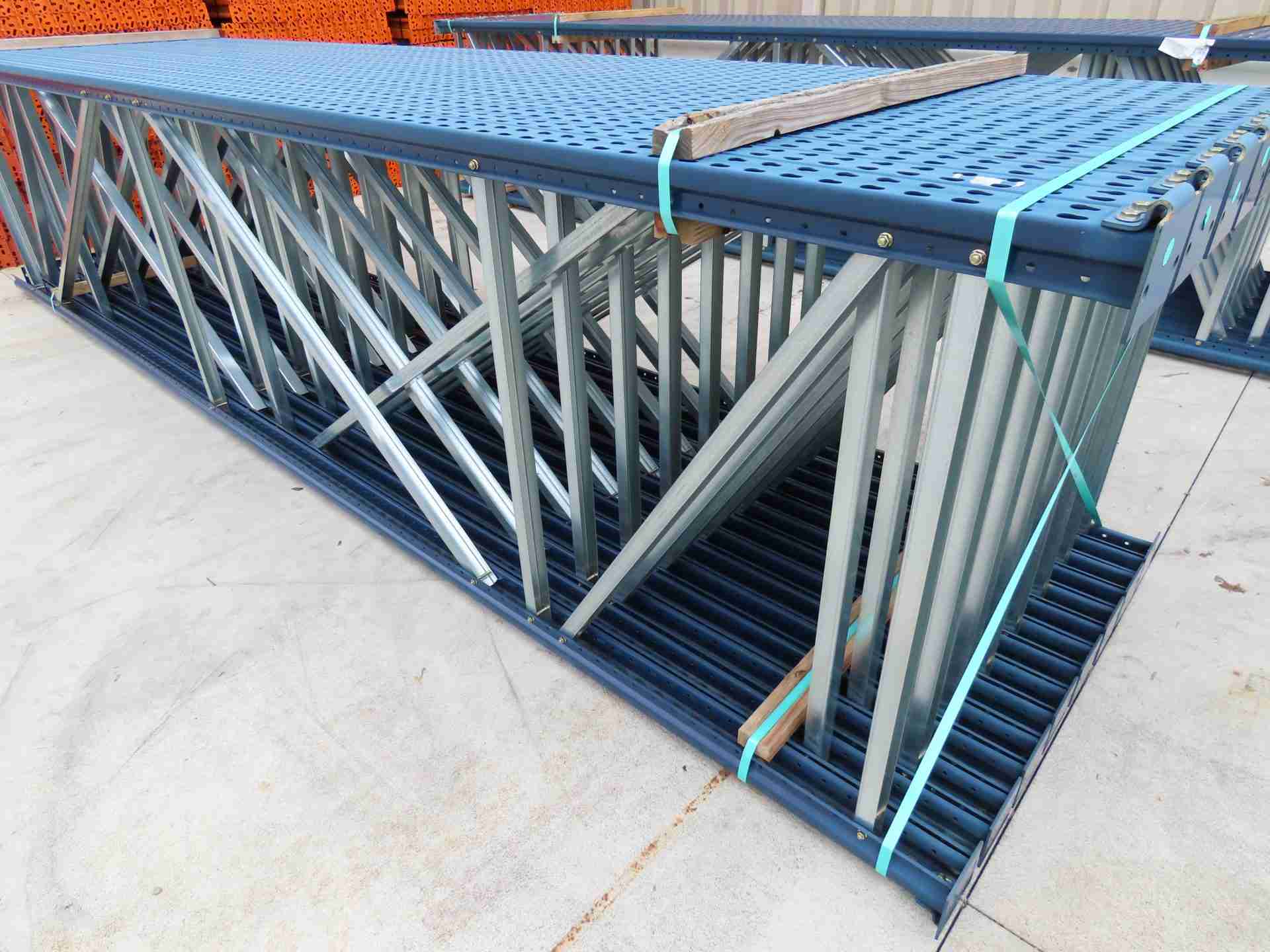
What Best Practices Can Help Manage Storage Changes Efficiently?
What Best Practices Can Help Manage Storage Changes Efficiently?
- Managing storage changes requires coordination, akin to orchestrating a symphony.
- Pallet racking systems, such as selective, drive-in, or push-back, are essential for optimizing space and enhancing accessibility.
- Utilizing inventory management software enables real-time tracking and informed decision-making, reducing errors and waste.
- Effective communication and team involvement foster an inclusive environment and encourage innovative solutions during storage changes.
- Establishing a maintenance schedule for pallet racking systems ensures safety and extends equipment lifespan.
- Documenting standard operating procedures (SOPs) provides continuity and guidance for current and future team members.
- By implementing these practices, organizations can manage storage changes efficiently and position themselves for growth and success.
What Best Practices Can Help Manage Storage Changes Efficiently?
How Do Storage Changes Affect Employee Productivity?
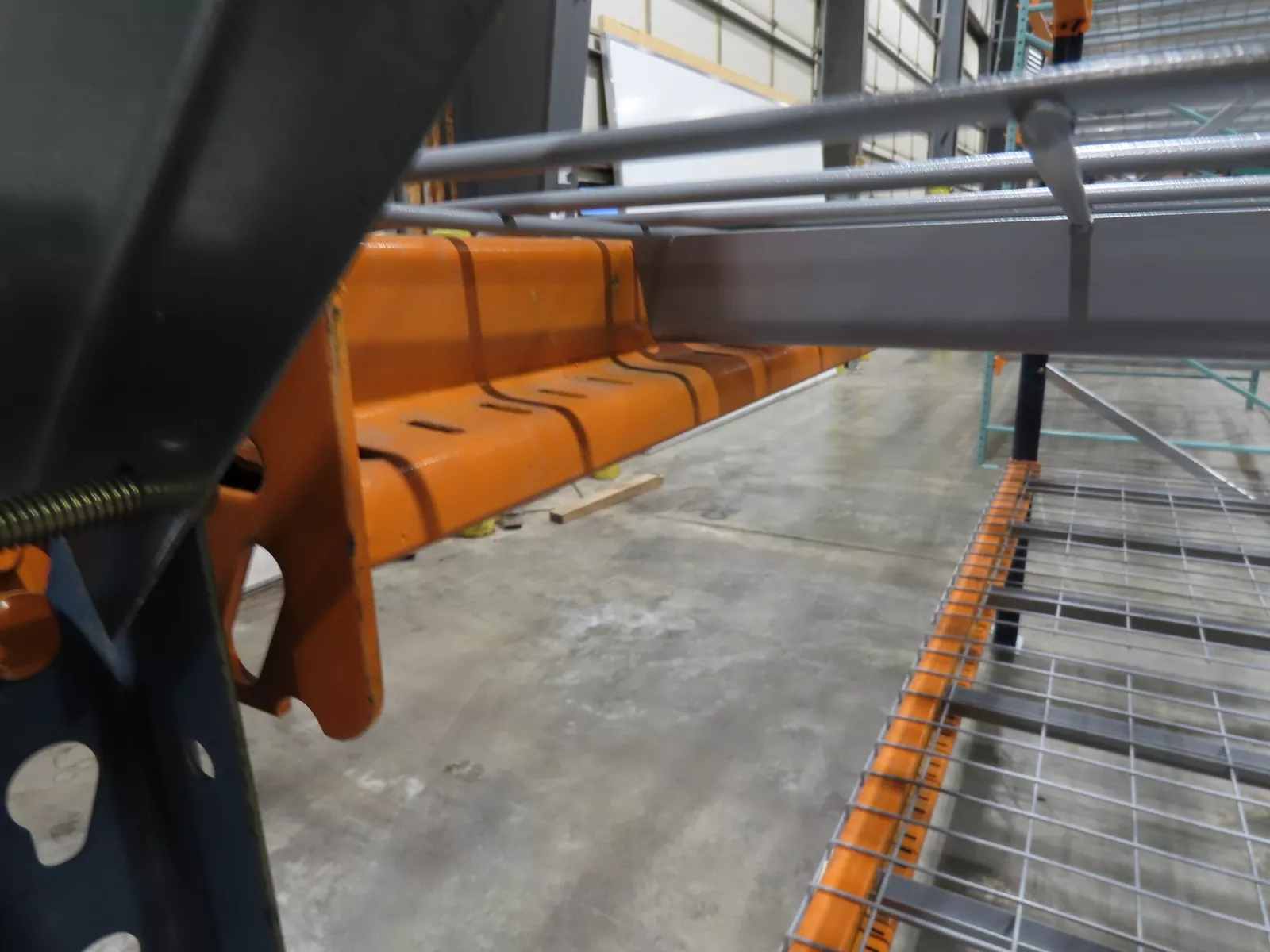
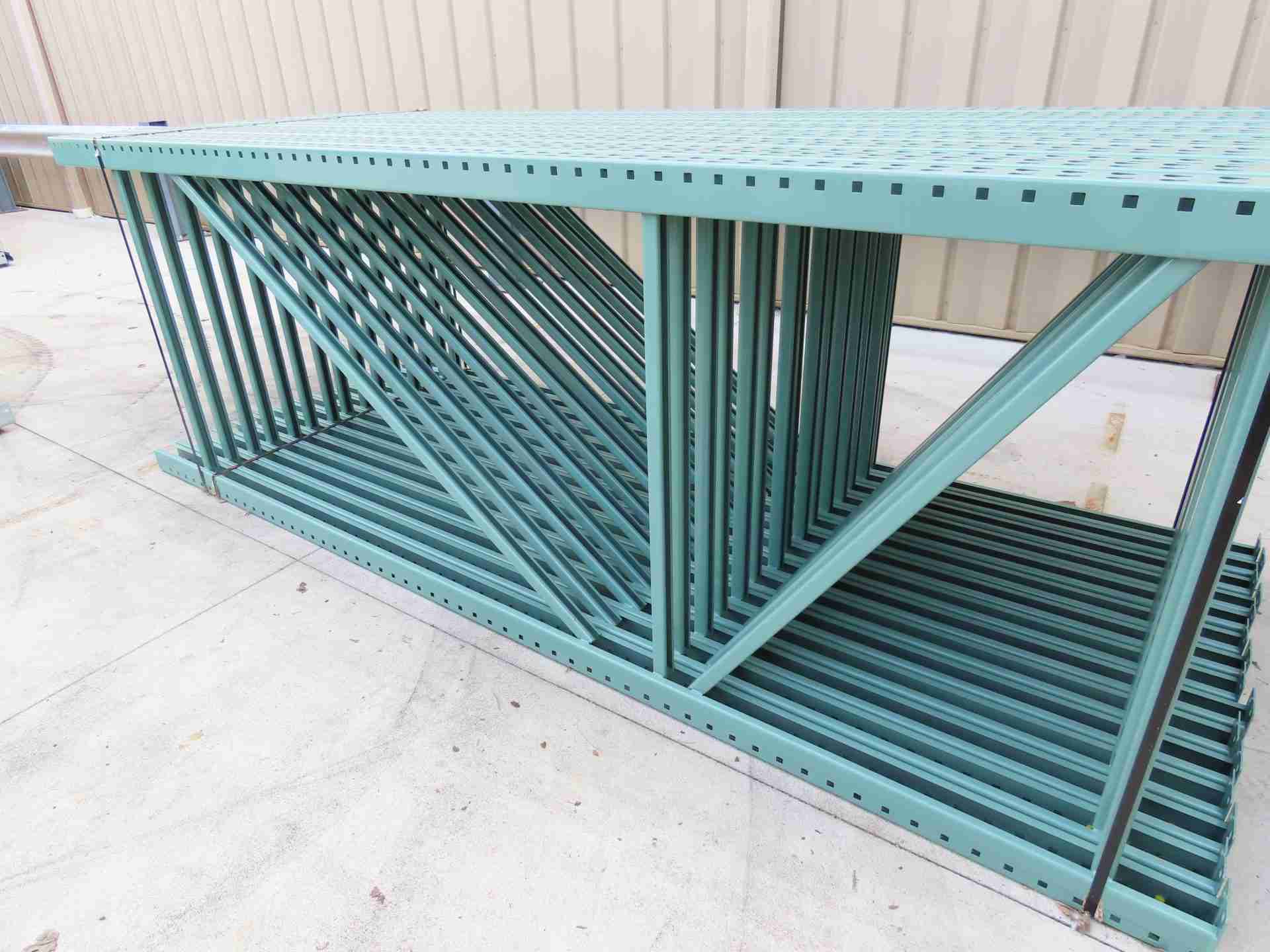
Imagine walking into a workspace where everything has its place. Pallet racking systems tower neatly, efficiently organizing products and materials, making it easy for your team to find what they need without sifting through chaos. Does this sound familiar? If you’ve ever experienced the frustration of a cluttered environment, you know how it weighs down both morale and productivity.
When storage solutions are optimized, the first thing you’ll notice is a shift in energy. Employees thrive in environments where they can move freely, access resources swiftly, and focus on their tasks without the distraction of disorganization. From the sales floor to the warehouse, the proper use of pallet racking can transform an ordinary space into a high-performance hub, where every item has its rightful home. This strategic arrangement isn’t just about aesthetics; it’s about creating a seamless workflow that makes work feel less like a chore and more like a mission.
Consider this: when team members waste precious time searching for inventory or navigating around clutter, it isn’t just a minor inconvenience—it’s a direct hit to your bottom line. Productivity stagnates when confusion reigns. By investing in an organized storage system that includes bulk pallet racking, you’ll empower your employees to reclaim their time and focus on delivering results. They’ll no longer feel like they’re swimming against the tide, but rather, riding a wave of efficiency.
Moreover, an organized environment speaks volumes about a company’s culture. When employees walk into a tidy, well-structured workspace, they experience a sense of pride and ownership. That’s a subtle but powerful motivator. You’re not just telling your team to be more efficient; you’re actually creating an atmosphere where they can thrive.
Here’s the kicker: transforming your space can inspire your employees in ways that extend far beyond productivity numbers. It increases job satisfaction, fuels creativity, and cultivates an environment of teamwork. When a workplace is efficient, it also leaves time for collaboration and innovation—essential ingredients for staying competitive in today’s fast-paced market.
So, why wait? It’s time to unleash the potential of an organized workspace. Embrace the impact of efficient pallet racking and watch as your team transforms, productivity skyrockets, and your business takes the lead. The journey to an optimized workspace starts today!
How Do Storage Changes Affect Employee Productivity?
How Do Storage Changes Affect Employee Productivity?
- Optimized storage solutions reduce clutter, improving employee morale and productivity.
- Pallet racking systems facilitate quick access to resources and create a seamless workflow.
- Disorganization negatively impacts productivity and can affect the bottom line significantly.
- An organized workspace fosters a positive company culture and encourages employee pride.
- Efficient environments enhance job satisfaction, creativity, and teamwork among employees.
- Transforming workspaces leads to increased collaboration and innovation in the workplace.
- Investing in organized storage solutions empowers teams and enhances overall efficiency.
How Do Storage Changes Affect Employee Productivity?
Conclusion
Navigating the tumultuous waters of last-minute storage changes can feel like a daunting task for any business engaged in logistics. But it doesn’t have to be this way! At RackingWorld.com, powered by Arrow Industrial Sales, we specialize in providing solutions that transform the chaos of abrupt adjustments into an opportunity for efficiency and growth.
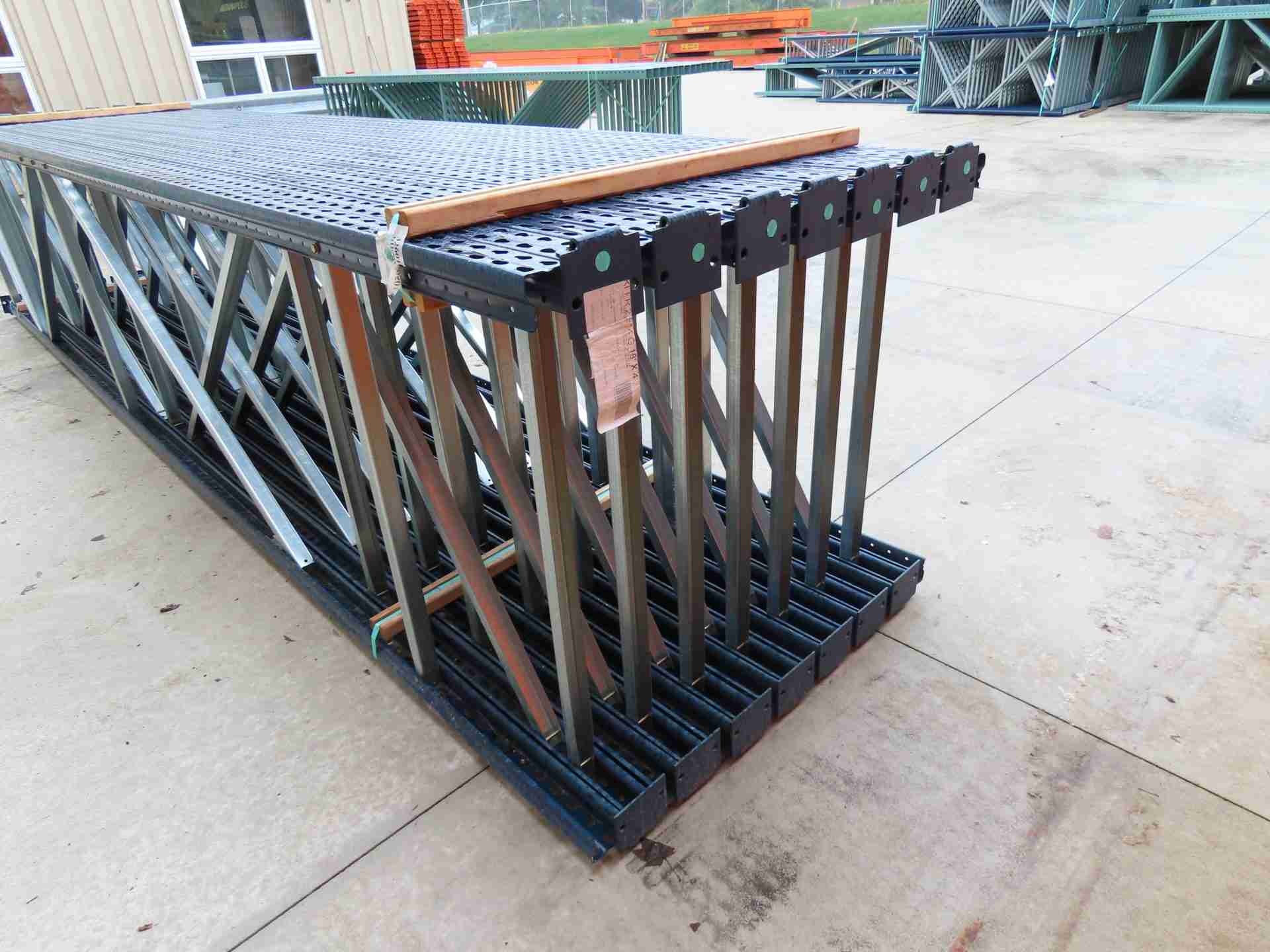
When faced with alterations to your warehouse layout, remember, it’s not merely about managing change; it’s about mastering it. Our comprehensive insights emphasize that by cultivating a proactive approach to storage management, you’re not just scrambling to keep pace—you’re setting the stage for success. Consider empowering your workforce with high-quality, versatile pallet racking systems that adapt to your needs, ensuring that every inch of space is utilized effectively. Engage your employees in the process, making them active participants in the planning and implementation stages. Communication is crucial, and when your team is informed and trained, they become motivated ambassadors for the changes that will ultimately streamline operations.
Moreover, by adopting best practices and embracing technology, you’re laying down the groundwork for a seamless transition that mitigates disruptions. The benefits of an organized storage environment ripple outwards, boosting employee morale, enhancing productivity, and leading to a culture of innovation. Happy teams foster happy clients, and nothing inspires trust and goodwill quite like a partner who swiftly adapts to ever-evolving requirements.
As you consider your own operations, the key questions remain: Are you ready to ditch the disarray and adopt a calculated approach to storage management? Will you invest in solutions that prioritize efficiency over chaos? Don’t let momentary adjustments sabotage your workflow any longer.
Act now! Contact Arrow Industrial Sales at (574) 349-6575. Our expert team is ready to equip you with the tools and systems you need to turn potential pitfalls into springboards for progress. This is your chance to revolutionize your storage processes. Don’t wait for another disruptive hiccup—take the reins of your operations today and watch as your logistics transform from chaotic to seamless. Join us on the journey to operational excellence and unlock a world of potential for your organization!
Conclusion
Conclusion:
- Navigating last-minute storage changes can be challenging for logistics businesses.
- RackingWorld.com specializes in turning chaotic adjustments into opportunities for efficiency and growth.
- Emphasizing a proactive approach to storage management enables businesses to master change rather than merely managing it.
- Empowering employees with adaptable pallet racking systems enhances space utilization and engages them in the transition process.
- Adopting best practices and technology lays the groundwork for seamless transitions that reduce disruptions.
- An organized storage environment boosts employee morale and productivity, fostering a culture of innovation.
- Contact Arrow Industrial Sales to equip your business for streamlined operations and enhanced logistics.
Conclusion
Other Resources

Other Resources
Here is a list of other resources you can review online to learn more:
- Warehouse Racking Chicago, IL
- Teardrop Pallet Rack – Ridg-U-Rak
- Teardrop Pallet Rack – Ridg-U-Rak
- CA Wire
- Illinois Pallet Racking – WPRP
- American Surplus
- Warehouse Automation
- What is Selective Racking: Understanding Benefits & Options
- Warehousing and Fulfillment
- WERC
Use This Prompt To Get More Resources With Your Favorite Online AI Tool: Please provide me with a list of online articles with their URLs in a bulleted list that I can read regarding Are Last Minute Storage Changes Sabotaging Your Daily Operations?
Other Resources
Glossary Terms
Are Last Minute Storage Changes Sabotaging Your Daily Operations? – Glossary Of Terms
1. Last Minute Changes: Adjustments made to storage plans or operations with little to no prior notice, often leading to confusion and inefficiencies.
2. Storage Optimization: The process of efficiently organizing and using storage space to maximize productivity and minimize waste.
3. Inventory Management: The supervision of non-capitalized assets (inventory) and stock items, ensuring proper levels to meet operational demands.
4. Operational Efficiency: The ability to deliver the highest quality of service while minimizing waste and optimizing resources.
5. Logistics Coordination: The management of moving goods from one location to another, ensuring that transport, storage, and resources align seamlessly.
6. Workspace Organization: Structuring physical spaces to facilitate better productivity, often involving layout planning and decluttering.
7. Supply Chain Disruption: Interruptions in the normal flow of goods and services caused by unforeseen storage changes or logistics issues.
8. Workflow Management: The process of overseeing tasks and operations to enhance productivity and reduce delays in workflows.
9. Change Management: A systematic approach to dealing with transitions or transformations in storage practices or operational procedures.
10. Crisis Response: Immediate actions taken to address unexpected storage issues that negatively impact daily operations.
11. Resource Allocation: The strategic distribution of available resources (like storage space and manpower) to optimize efficiency.
12. Employee Training: Programs designed to increase staff competency in responding to changes in storage and operations.
13. Communication Channels: Established pathways for disseminating information regarding changes in storage operations, crucial for minimizing misunderstandings.
14. Flexibility: The ability of an organization to adapt storage and operational strategies in response to last-minute changes.
15. Stakeholder Engagement: Involving all parties affected by storage changes to ensure smooth transitions and operations.
16. Technology Integration: The incorporation of software and tools that facilitate better storage management and operational efficiency.
17. Data Analysis: Reviewing and interpreting information on storage practices and operational efficacy to identify areas for improvement.
18. Queue Management: The organization of workflow processes to reduce bottlenecks, especially important when changes disrupt routines.
19. Feedback Loops: Continuous input from employees and stakeholders regarding the impacts of last-minute changes on operations.
20. Standard Operating Procedures (SOPs): Established guidelines and protocols to follow during storage operations to maintain consistency and quality.
21. Risk Assessment: The process of identifying potential issues and developing strategies to mitigate the impact of last-minute changes.
22. Contingency Planning: Preparing alternative strategies to ensure operational continuity in the face of unexpected storage modifications.
23. Performance Metrics: Criteria used to evaluate the effectiveness of storage and operational practices, guiding adjustments and improvements.
24. Capacity Planning: The process of determining storage space requirements based on predicted demand and operational needs.
25. Visual Management: Using visual cues and displays to enhance workspace organization and immediate understanding of storage conditions.
26. Cross-Functional Teamwork: Collaborative efforts among various departments to manage storage and operational changes effectively.
27. Workload Balancing: Ensuring that tasks and responsibilities are distributed evenly to avoid overburdening any team member, especially during storage changes.
28. Virtual Storage Solutions: Digital platforms offering flexible storage options that can adapt to changing operational requirements.
29. Continuous Improvement: Ongoing efforts to enhance processes, reduce waste, and increase the efficiency of storage operations.
30. Employee Morale: The overall satisfaction and motivation levels of employees, which can be significantly impacted by frequent storage changes.
Glossary Of Terms
Other Questions
Are Last Minute Storage Changes Sabotaging Your Daily Operations? – Other Questions
If you wish to explore and discover more, consider looking for answers to these questions:
- What are some signs that my current storage layout is ineffective?
- How can I effectively train my team to adapt to storage changes?
- What are the costs associated with last-minute storage changes?
- How do I choose the right type of pallet racking for my needs?
- What impact do storage changes have on customer satisfaction?
- How can technology improve our warehouse storage management?
- What are the best practices for conducting a storage audit?
- How often should a warehouse layout be reviewed for efficiency?
- What role does employee feedback play in storage system changes?
- How can I create a culture of adaptability within my team?
- What should I do if my new storage system isn’t working as planned?
- How can I ensure safety during storage changes or reorganization?
- What additional resources are available to improve my storage management strategies?
Other Questions
Checklist
Are Last Minute Storage Changes Sabotaging Your Daily Operations? – A Checklist
1. Assess Current Storage Needs:
_____ Evaluate the effectiveness of existing storage methods.
_____ Identify bottlenecks and inefficiencies within the current layout.
_____ Engage team members for their insights and suggestions.
2. Plan Changes Strategically:
_____ Schedule storage changes during off-peak hours to minimize disruption.
_____ Consider implementing changes over weekends or quieter times.
3. Develop a Clear Blueprint:
_____ Create a detailed plan or diagram for the new storage layout.
_____ Utilize technology like 3D modeling tools for visualization.
4. Communicate Changes Effectively:
_____ Keep open channels for communication with staff.
_____ Host meetings to explain the upcoming changes and their benefits.
_____ Use visual aids, diagrams, or videos to clarify the new setup.
5. Conduct Training Sessions:
_____ Offer comprehensive training to familiarize employees with new systems.
_____ Explain how changes impact their workflow and enhance efficiency.
6. Monitor and Gather Feedback:
_____ After implementing changes, collect feedback from employees.
_____ Conduct follow-up surveys to gauge comfort and understanding.
7. Document Procedures:
_____ Create and maintain Standard Operating Procedures (SOPs) for storage management.
_____ Ensure documentation is accessible for current and future employees.
8. Regular Maintenance Checks:
_____ Establish a schedule for regular inspections and maintenance of pallet racking systems.
_____ Address any safety hazards promptly to build confidence among your team.
9. Analyze Key Indicators:
_____ Watch for signs of storage inefficiencies, such as overcrowding or poor inventory turnover.
_____ Ensure that your pallet racking system effectively utilizes vertical space.
10. Foster a Culture of Responsiveness:
_____ Encourage a proactive approach among employees for suggesting improvements.
_____ Celebrate successes and learn from setbacks regarding storage changes.
11. Reflect and Adapt:
_____ Take time to evaluate what worked and what needs improvement after each change.
_____ Use documented lessons to enhance future storage operations.
By following this checklist, you’ll create a resilient storage management system that not only minimizes disruptions from last-minute changes but also enhances overall operational efficiency. Transform chaos into streamlined processes and empower your team to thrive in a well-organized environment!
Checklist
At RackingWorld, we help guide you through selecting warehouse storage systems and racking.
Be sure to read our other related stories at RackingWorld to learn more about warehouse storage systems.
0 Comments