
Uncovering The Risks Of Walking Under Pallet Racking
By Tom Seest
At RackingWorld, we help guide you through selecting warehouse storage systems and racking.
Be sure to read our other related stories at RackingWorld to learn more about warehouse storage systems.
Is It Safe to Walk Under Pallet Racking?
When considering safety in warehouses and storage facilities, one question looms large: Is it safe to walk under pallet racking? The short answer? It can be—if the proper safety measures are implemented. But skirting this critical issue could lead to costly accidents, injuries, or even fatalities. And for business owners, the implications of such incidents can extend far beyond employee well-being, impacting insurance rates and company reputation.
Think about a recent warehouse accident that made headlines—an operator was seriously injured when an improperly stored pallet fell, demonstrating the hazards associated with pallet racking systems. While such incidents often seem isolated, they underscore that neglecting safe practices can lead to dire consequences. As a business owner or facility manager, understanding the risks of walking under pallet racking is paramount.
First, it’s essential to ensure that your racking system is installed and maintained correctly. This includes regular inspections for signs of wear or damage. A recent study indicated that almost 80% of pallet racking injuries stemmed from inadequate maintenance and faulty setups. It’s not enough to just have racks; assessing their condition and ensuring they meet safety standards is crucial.
Second, communication among staff is key. Train your employees to be aware of their surroundings and encourage them to use spotters when navigating areas below high stacks of goods. By establishing a clear policy and line of sight regarding who can walk beneath racking and when, you can drastically reduce the risk of accidents.
Moreover, consider investing in protective equipment and infrastructure. Guard rails, safety nets, and even light curtains can act as the first line of defense against falling objects. Having designated walkways also minimizes the risk of a worker inadvertently walking under unstable loads.
Lastly, fostering a culture of safety in your organization can’t be ignored. Workers are more likely to adhere to safety protocols if they feel empowered and valued. Regularly scheduled training sessions and safety meetings can keep safety at the forefront of operations.
While walking under pallet racking isn’t inherently dangerous, it requires vigilance, awareness, and a proactive approach to ensure safety. As recent events highlight, even a moment of negligence can lead to life-altering situations. By prioritizing safety, not only do you protect your team, but you also safeguard your business’s future.
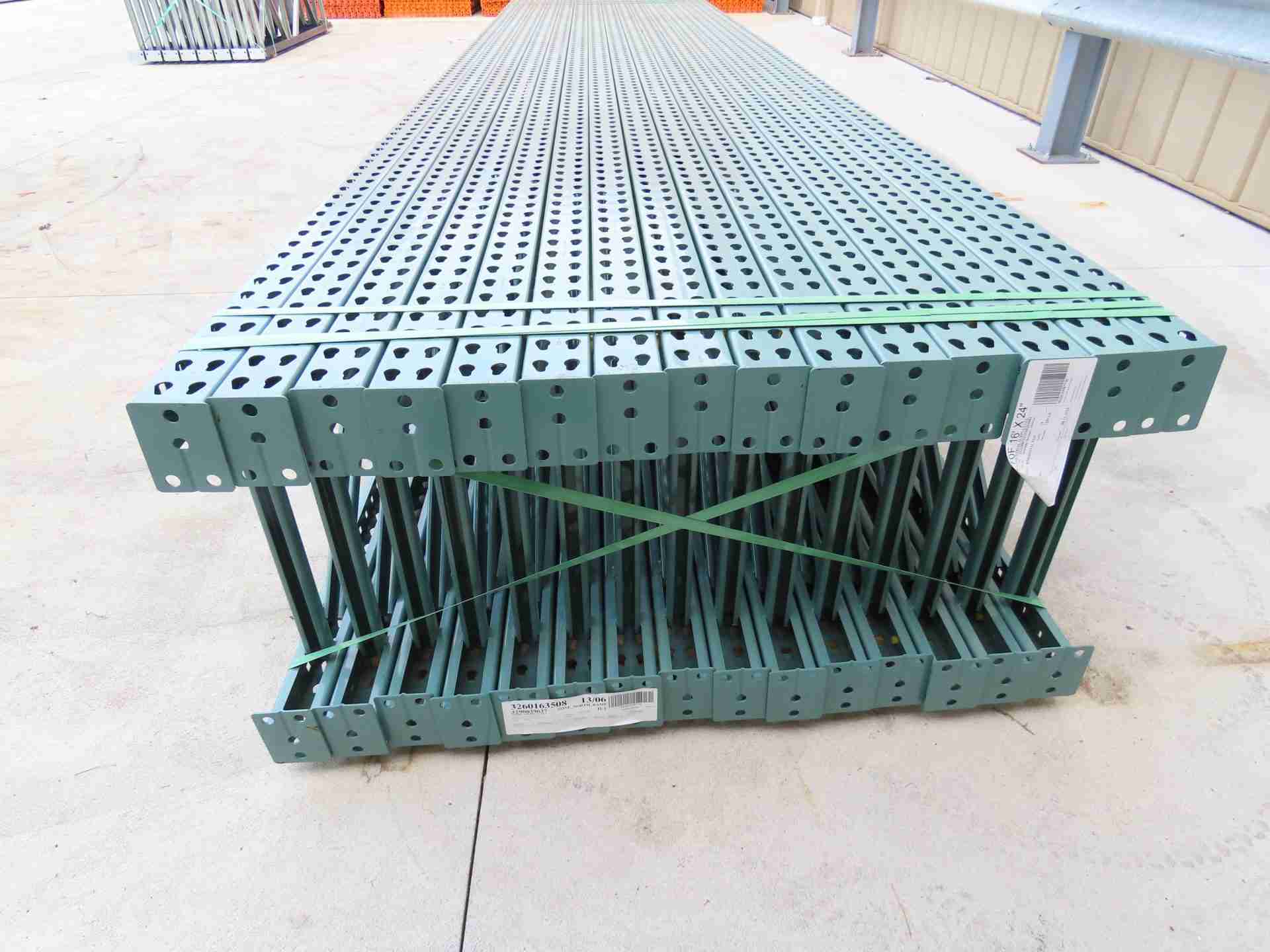
Is It Safe to Walk Under Pallet Racking?
Is It Safe to Walk Under Pallet Racking?
- Walking under pallet racking can be safe if proper safety measures are in place.
- Neglecting safety can lead to serious accidents, injuries, and reputational damage for businesses.
- Recent incidents, including a notable warehouse accident, highlight the dangers of improper pallet storage.
- Regular inspections and maintenance of racking systems are essential; nearly 80% of injuries are linked to these factors.
- Effective communication and training for employees about surroundings and the use of spotters can reduce accident risks.
- Investing in protective measures like guard rails, safety nets, and designated walkways enhances safety against falling objects.
- Fostering a culture of safety through regular training and empowerment is critical for adhering to safety protocols.
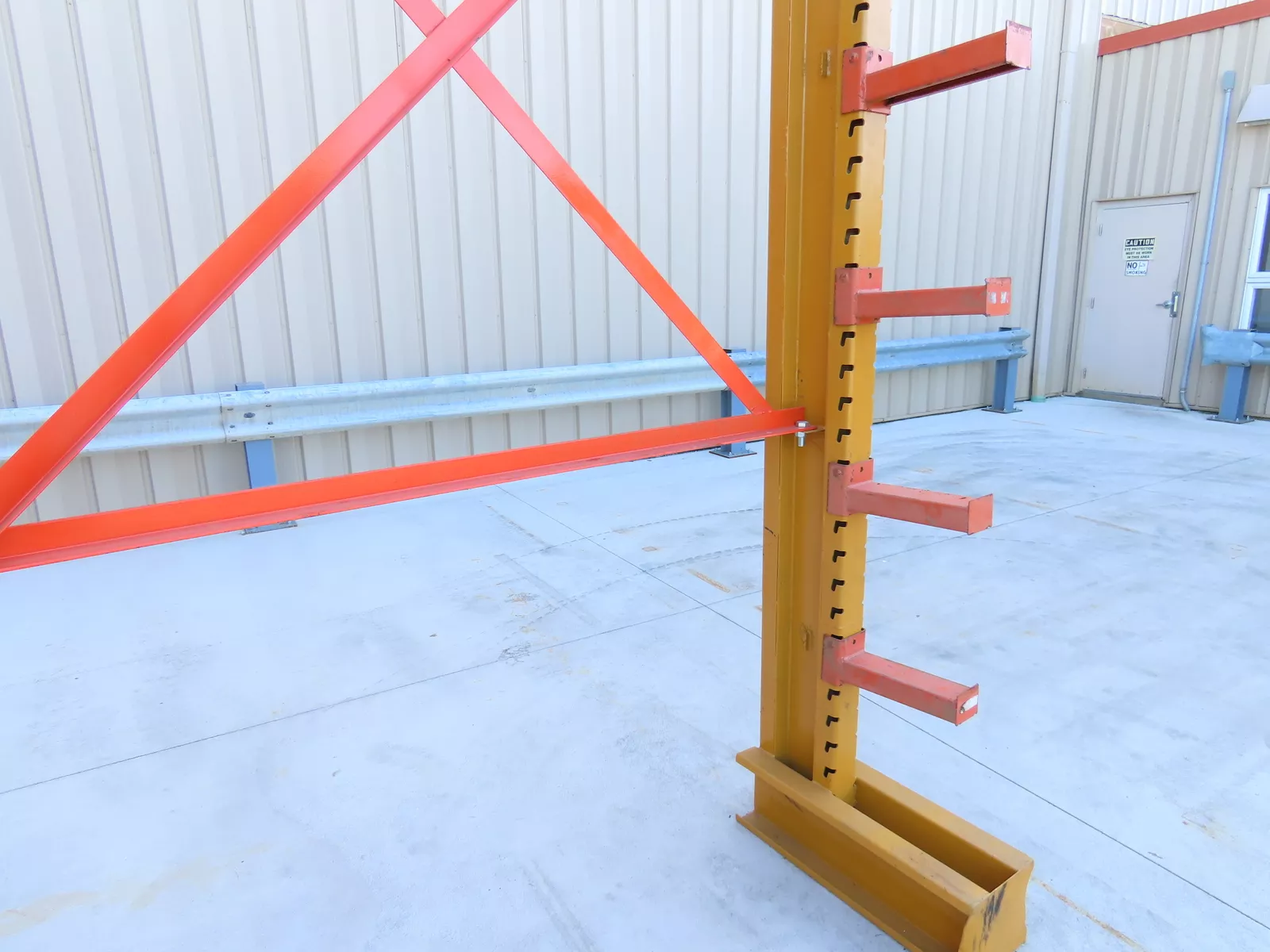
Is It Safe to Walk Under Pallet Racking?
Table Of Contents
- Is It Safe to Walk Under Pallet Racking?
- Is It Safe To Walk Under Pallet Racking?
- What Are The Risks Of Walking Under Racking?
- How Can You Ensure Safety When Walking Under Racking?
- What Safety Regulations Apply To Pallet Racking Areas?
- What Protective Gear Is Recommended For Warehouse Workers?
- How Often Should Pallet Racking Systems Be Inspected?
- What Should You Do If You See Debris Under The Racking?
- How Can Forklift Operation Impact Safety Under Racking?
- What Training Is Required For Working Near Pallet Racking?
- Are There Specific Design Features That Enhance Racking Safety?
- What Emergency Procedures Should Be In Place For Racking Areas?
- How Can You Identify Potential Hazards Under Pallet Racking?
- What Type Of Training Do Employees Need For Racking Safety?
- How Does Proper Organization Affect Walking Safety Under Racking?
- What Role Do Safety Audits Play In Racking Environments?
- Conclusion
- Other Resources
- Glossary Of Terms
- Other Questions
- Checklist
Is It Safe To Walk Under Pallet Racking?
Walking under pallet racking can be a routine part of warehouse operations, but how safe is it really? The short answer? It depends. Many businesses overlook potential hazards lurking just above, and this negligence can lead to costly accidents or injuries. Understanding the risks and implementing safety protocols is crucial to ensuring a secure working environment for your employees.
First, let’s highlight the importance of proper equipment maintenance and inspection. Pallet racking systems are engineered to bear heavy loads, yet over time, wear and tear can compromise their integrity. Regular inspections should be part of your routine. For instance, imagine a busy warehouse where a crucial safety inspection gets postponed. A few weeks later, a pallet collapses on an unsuspecting worker below. Statistics show that equipment failure and improperly stored goods are major contributors to workplace injuries. This risk can be effectively mitigated by adhering to a strict maintenance schedule and investing in professional inspections to identify weaknesses in your racking systems.
Next, consider training your staff on safe walking practices around and under pallet racking. Employees need to be aware of their surroundings and the potential for falling objects, especially in areas where goods are loaded or unloaded. One practical approach is to create clearly marked “no-go” zones or high-risk walking paths, empowering workers to steer clear of areas prone to falling items. Regular safety meetings discussing real-life incidents can reinforce these practices and keep safety top-of-mind.
Furthermore, look to industry standards and guidelines, such as those set by the Occupational Safety and Health Administration (OSHA). Adhering to these standards is not just about compliance—it’s about cultivating a culture of safety that prioritizes employee well-being. Recent OSHA updates stress the need for effective safeguards against falling materials in warehousing environments, underscoring the fact that neglecting safety can have dire consequences.
Lastly, consider the role of technology in enhancing safety. Innovations such as load monitoring systems and sensors can forewarn workers of potential hazards. For example, smart racking solutions that alert personnel to overcapacity issues or imbalances in stock can drastically reduce the risk of accidents.
While walking under pallet racking may be a common activity in warehouses, it comes with its share of risks. By focusing on proactive maintenance, stringent safety training, adherence to regulations, and adopting modern technology, businesses can create a safer operational environment. The effort put into ensuring safety pays off, reducing injury claims, and fostering a more productive and loyal workforce.
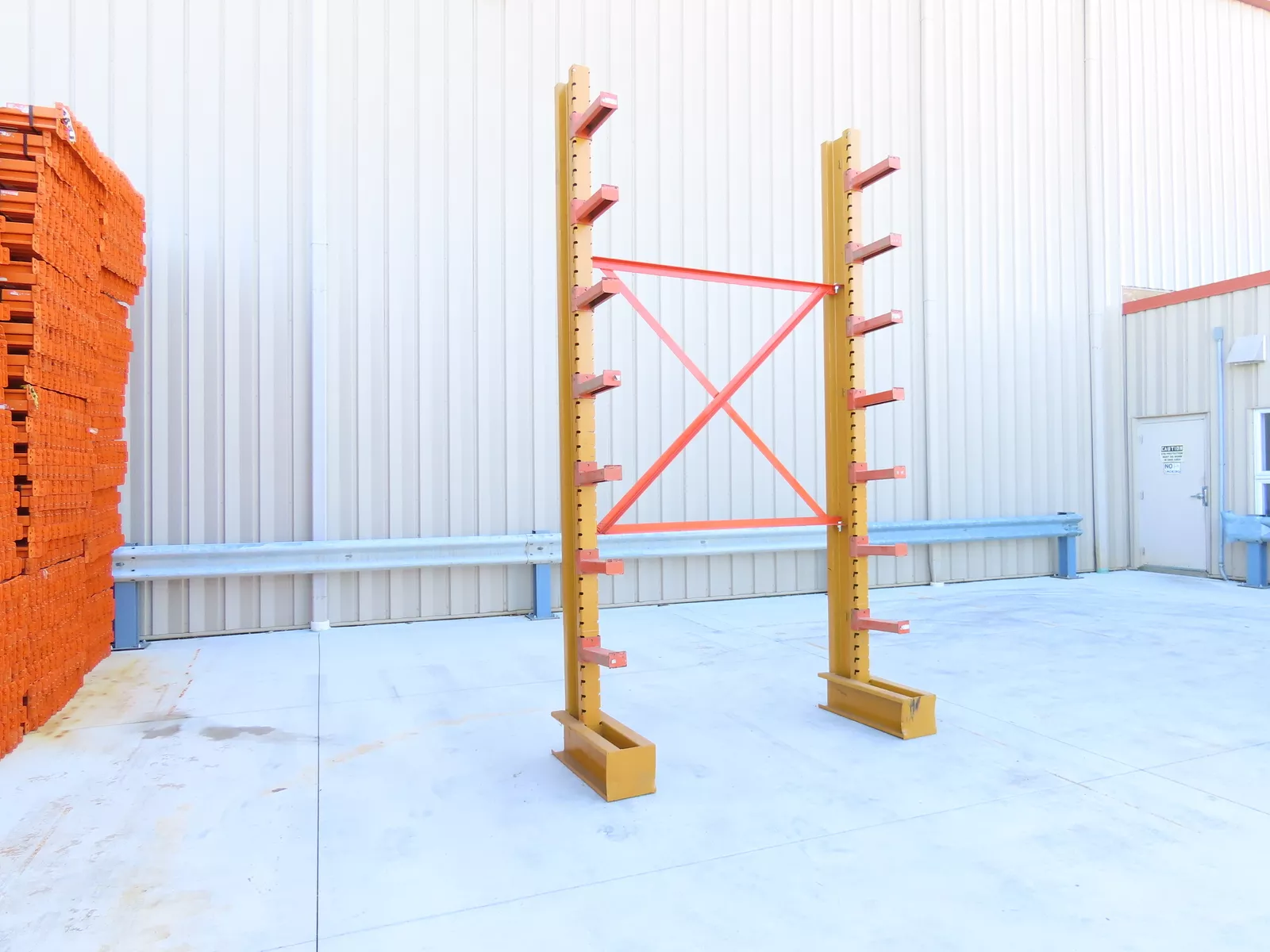
Is It Safe To Walk Under Pallet Racking?
Is It Safe To Walk Under Pallet Racking?
- Walking under pallet racking is common in warehouses, but safety varies widely.
- Neglecting potential hazards can result in serious accidents and injuries.
- Regular equipment maintenance and inspections are crucial to avoid racking failures.
- Training staff on safe walking practices and awareness of surroundings is essential.
- Establishing marked “no-go” zones can help prevent incidents from falling objects.
- Adhering to OSHA standards cultivates a safety culture prioritizing employee well-being.
- Utilizing technology like load monitoring systems can enhance safety by alerting workers to hazards.

Is It Safe To Walk Under Pallet Racking?
What Are The Risks Of Walking Under Racking?
When it comes to safety in warehouses and retail environments, the risks of walking under racking often go overlooked. The reality is that the consequences can be dire—not just for individual employees, but for the entire organization. A single careless moment can lead to serious injuries, costly litigation, and even damage to your reputation.
Consider the recent incident at a well-known fulfillment center where a worker was seriously injured after a heavy load fell from the racking above. This event sent shockwaves through the industry, prompting investigations and escalating insurance premiums. Unfortunately, this is not an isolated case—statistics reveal that thousands of injuries related to aisle hazards in storage facilities occur each year. Every time someone walks under racking, they’re taking a gamble with their safety and well-being.
One of the primary risks of walking beneath racking is the potential for product failures. Racking systems are designed to hold significant weight, but when they are overloaded or improperly maintained, the risk of collapse rises exponentially. Imagine an employee navigating a busy aisle, oblivious to the fact that a pallet of goods shifts ominously overhead. One slight miscalculation can lead to tragic outcomes.
Further compounding this danger is the issue of equipment operation. Forklifts and pallet jacks are essential tools in a warehouse but can also pose a threat. Operators often work at high speeds to meet outgoing shipment deadlines, and if an individual walks beneath racking during this chaos, the result could be catastrophic. It’s a ticking time bomb—a fragile situation that could unravel at any moment.
Moreover, the cultural impact on your business cannot be ignored. A workplace that tolerates unsafe practices sends a message that safety is not a priority. Employees who feel unsafe will be less productive and more likely to seek employment elsewhere. By neglecting the risks associated with walking under racking, you not only jeopardize their safety but also your bottom line.
So, how do you mitigate these risks? The answer is simple yet effective: cultivate a culture of safety. Implement comprehensive training programs that emphasize the dangers of walking under racking and establish strict policies to prevent it. Regularly inspect your racking systems for wear and tear, and encourage employees to report any hazards they encounter.
Remember, safety is not just a legal obligation; it’s a moral one. Protect your employees and your business by recognizing the significant risks of walking under racking and taking decisive action. With the right strategies, you can create a safer environment that empowers your team, enhances productivity, and fosters long-term success.
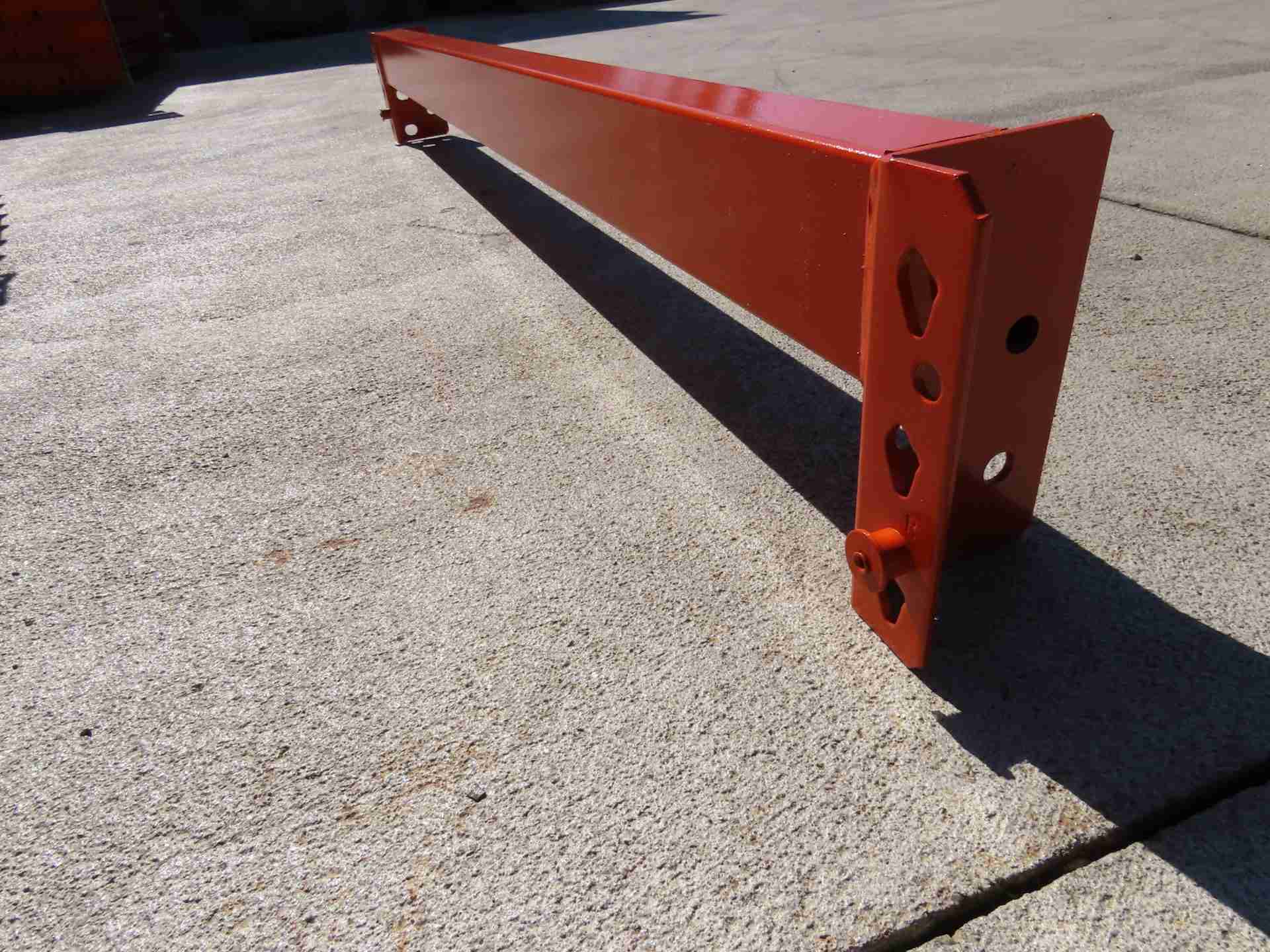
What Are The Risks Of Walking Under Racking?
What Are The Risks Of Walking Under Racking?
- Walking under racking poses significant safety risks in warehouses and retail environments.
- Incidents like a recent serious injury at a fulfillment center highlight the dire consequences of neglecting these risks.
- Statistics indicate thousands of injuries related to aisle hazards occur annually in storage facilities.
- Product failures due to overloaded or poorly maintained racking systems can lead to severe accidents.
- Equipment operation, particularly with forklifts moving at high speeds, increases the risk for individuals walking beneath racking.
- Ignoring safety practices can harm company culture, employee productivity, and retention rates.
- Mitigating these risks involves cultivating a culture of safety through training, regular inspections, and clear reporting policies.
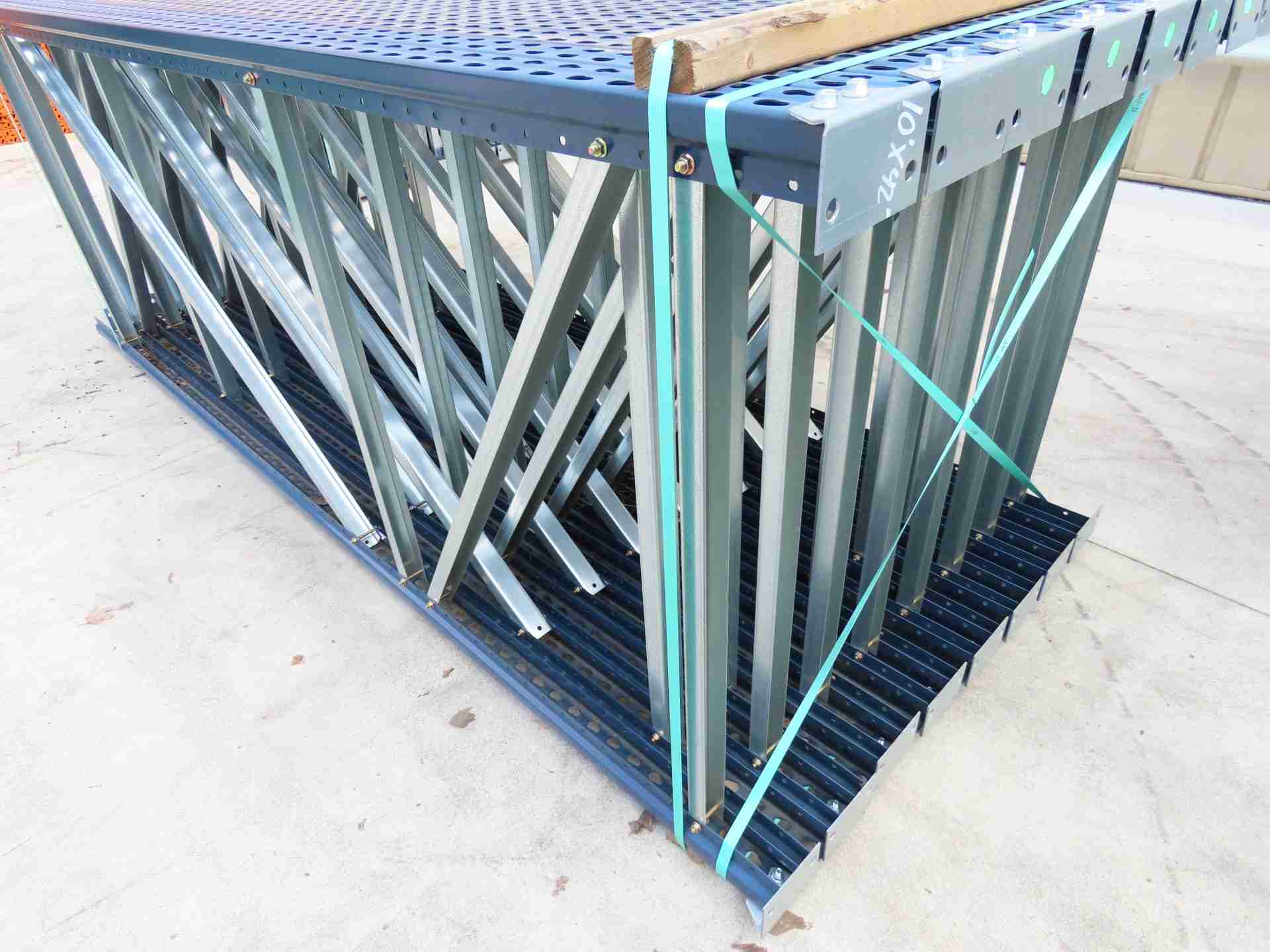
What Are The Risks Of Walking Under Racking?
How Can You Ensure Safety When Walking Under Racking?
When navigating the labyrinth of a warehouse or storage facility, ensuring safety while walking under racking systems is paramount. The potential risks are substantial, yet a few proactive measures can transform your operations from potentially disastrous to decidedly safe. Let’s explore how to safeguard your workforce and create a culture of safety that resonates throughout your organization.
1. Conduct Regular Safety Audits:
Start by scheduling routine inspections of your racking systems. Just like businesses assess their marketing efforts, warehouses must evaluate their equipment. Look for signs of wear and tear, missing parts, or structural instability in the racking. For example, a recent incident at a distribution center in Chicago was traced back to neglected racking inspections, leading to costly repercussions—both in injuries and lost productivity. By prioritizing audits, you not only identify hazards but also demonstrate to your employees that their safety is your top concern.
2. Implement a Clear Safety Protocol:
Develop and enforce a robust safety protocol for working around racking. This should include guidelines like maintaining clear walkways, using proper personal protective equipment (PPE), and establishing a ‘no-go’ zone under racking when not necessary. When Delta Airlines recently highlighted its new safety training for employees, it emphasized the importance of protocol adherence. The results were undeniable; incidents decreased substantially. You can adopt a similar strategy tailored to your environment to promote a culture of safety.
3. Foster Employee Training and Awareness:
Education is one of the most powerful tools at your disposal. By investing in training sessions focused on racking safety—teaching employees the dangers of walking underneath loaded racking systems, and proper lifting techniques—you empower your workforce. For instance, implementing a program inspired by recent OSHA training guidelines equips your team with vital knowledge, ensuring that everyone understands the hazards and knows how to mitigate them.
4. Utilize Technology for Monitoring:
Incorporating technology such as RFID systems or automated alerts can significantly enhance safety. These technologies can monitor load weights and alert workers if a racking system is overloaded or if an area becomes unsafe. For example, during the recent upswing in automation across various industries, companies leveraging smart tech have seen fewer workplace accidents, which strengthens both productivity and morale.
In summary, walking under racking systems should never become a routine risk. By conducting regular safety audits, establishing clear protocols, prioritizing employee training, and harnessing technology, you create an environment where safety reigns supreme. Not only will this protect your workforce, but it will also enhance your operational efficiency, illustrating that when safety thrives, so does productivity.
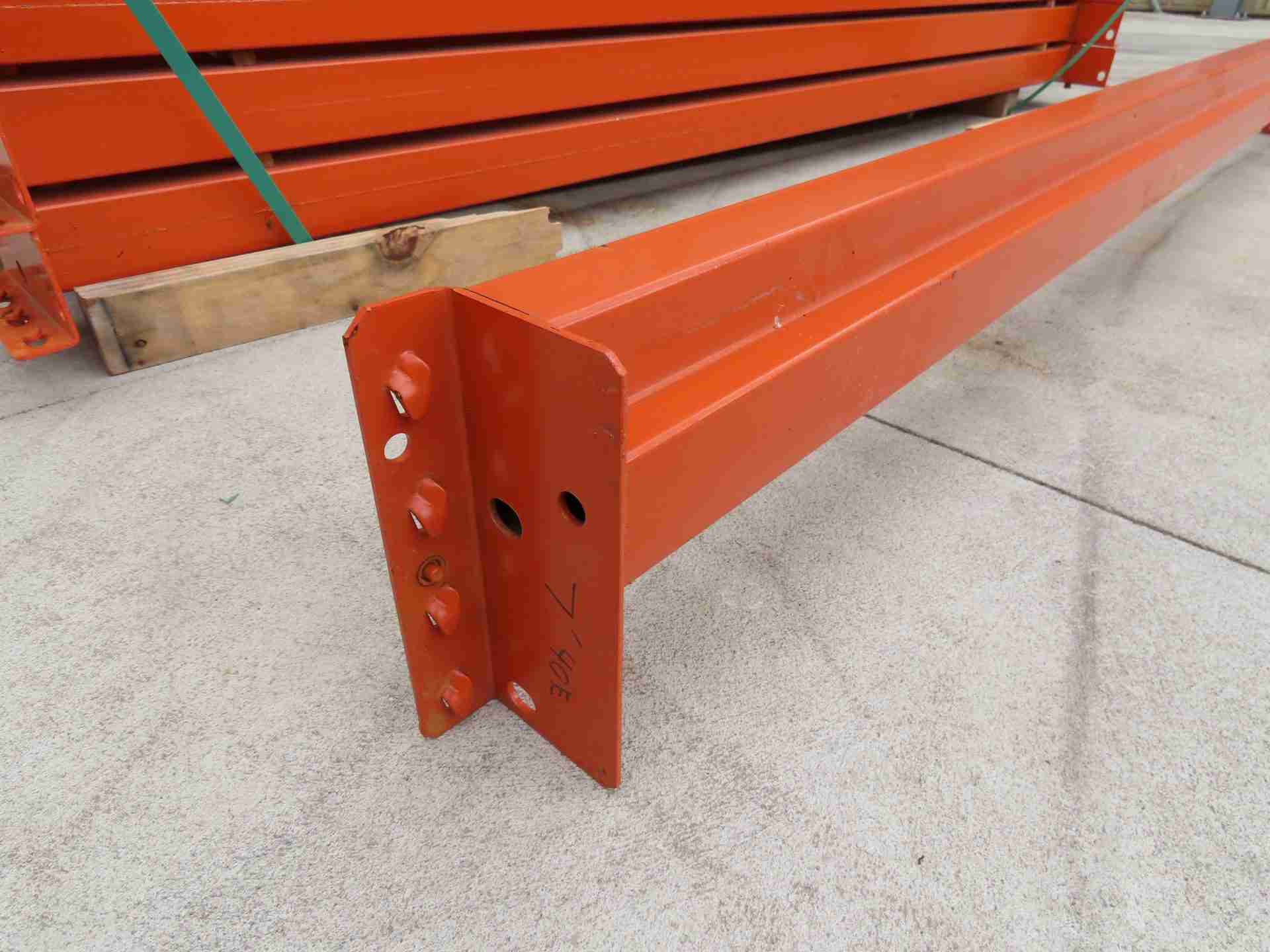
How Can You Ensure Safety When Walking Under Racking?
How Can You Ensure Safety When Walking Under Racking?
- Conduct Regular Safety Audits: Schedule routine inspections of racking systems to identify hazards such as wear and tear or structural instability.
- Implement a Clear Safety Protocol: Develop enforceable safety guidelines, including maintaining clear walkways and using proper PPE.
- Foster Employee Training and Awareness: Invest in training sessions on racking safety to educate employees on hazards and proper lifting techniques.
- Utilize Technology for Monitoring: Incorporate RFID systems and automated alerts to monitor load weights and enhance safety measures.
- Prioritize a Culture of Safety: Make safety a top concern to demonstrate commitment to employee well-being.
- Enhance Operational Efficiency: A strong safety framework not only protects the workforce but also improves productivity.
- Leverage Best Practices: Adopt strategies based on proven examples from industries that have successfully reduced workplace accidents.

How Can You Ensure Safety When Walking Under Racking?
What Safety Regulations Apply To Pallet Racking Areas?
When it comes to maintaining a safe and efficient warehouse environment, understanding the safety regulations that apply to pallet racking areas is not just advisable – it’s essential. Ignoring these regulations could lead to costly accidents, injuries, and financial repercussions.
The backbone of pallet racking safety lies in compliance with the Occupational Safety and Health Administration (OSHA) standards. These regulations are designed to ensure both worker safety and the integrity of the storage systems employed. For example, OSHA’s General Duty Clause mandates that employers provide a workplace free from recognized hazards, which includes ensuring that pallet racks are properly installed and maintained.
Currently, regulations can vary significantly across industries and states, but there are universal principles that apply. One major area of focus is load capacity. Each pallet rack has a specific load rating, and exceeding these limits can lead to catastrophic failures. For instance, in a widely reported incident last year, a large retail warehouse experienced a collapse due to overloading, resulting in injuries and significant damage. This serves as a stark reminder of the importance of adhering to established load capacities.
Another critical factor is rack inspection. OSHA requires that all storage systems be regularly inspected to identify wear and tear, damage, or misuse. Implementing a routine inspection schedule, supported by documentation, is not only a smart practice but also reinforces compliance and can protect you during audits. Warehouses that routinely perform these inspections often find they can avoid costly accidents and down-time.
Training is also a vital component in ensuring that all employees understand how to work safely around pallet racking. Programs focusing on proper lifting techniques, the use of pallet jacks, and the importance of reporting damages can drastically reduce safety risks. Take a cue from successful companies that prioritize ongoing training—by investing in your employees’ knowledge, you minimize liability and foster a culture of safety.
Finally, consider incorporating modern technologies such as upright protectors and safety nets. Not only do these innovations offer additional protection, but they also demonstrate your commitment to safety standards, which can enhance your company’s reputation.
Adhering to safety regulations related to pallet racking areas is a non-negotiable aspect of warehouse management. By prioritizing load capacity, routine inspections, employee training, and innovative safety products, you’re not only safeguarding your operations but also positioning your business for long-term success. Don’t wait for an accident to invest in safety—make it a priority today.
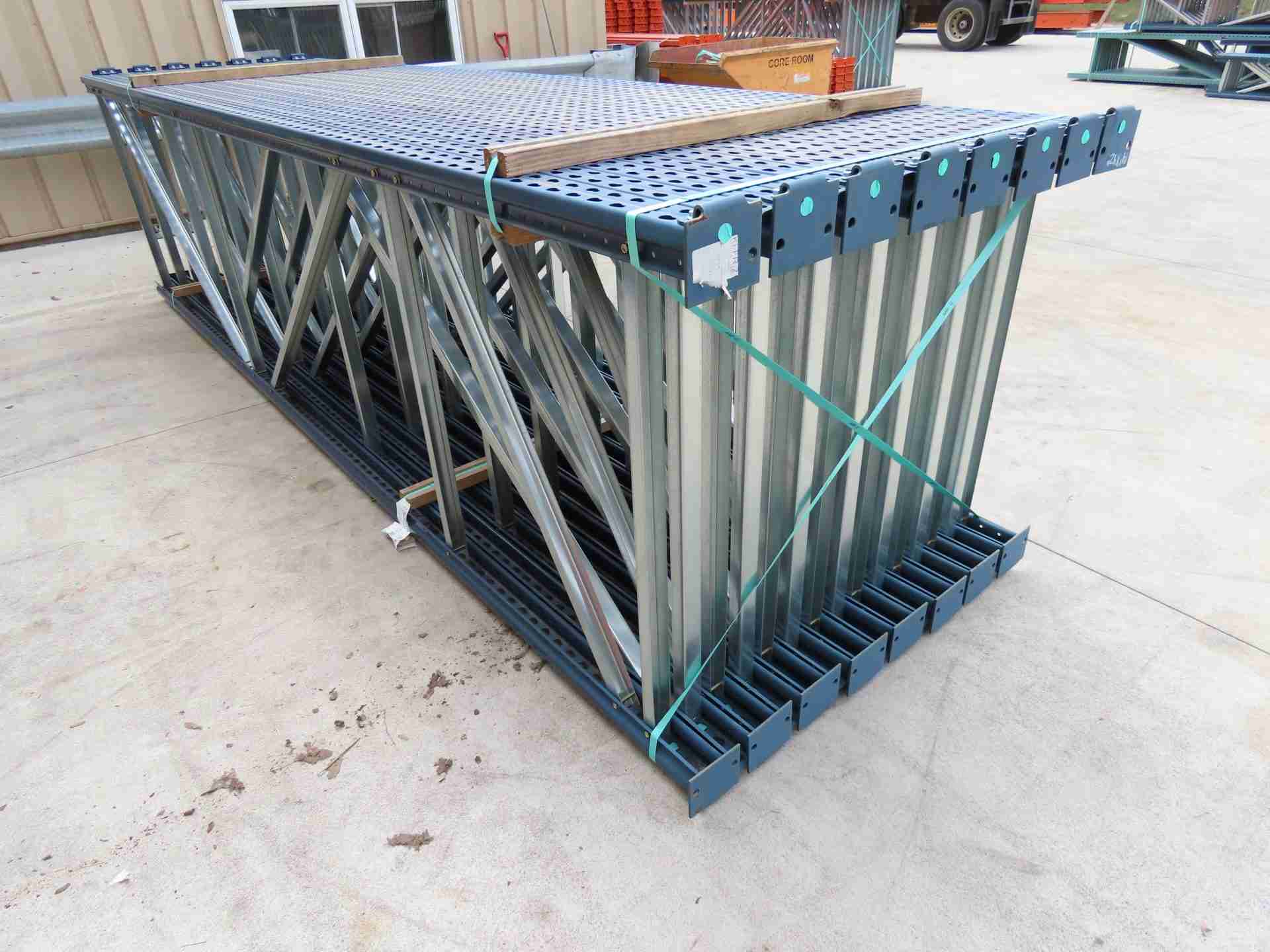
What Safety Regulations Apply To Pallet Racking Areas?
What Safety Regulations Apply To Pallet Racking Areas?
- Understanding safety regulations for pallet racking is essential for maintaining a safe warehouse environment.
- Compliance with OSHA standards is crucial for worker safety and the integrity of storage systems.
- Each pallet rack has a specific load rating; exceeding it can lead to catastrophic failures, as demonstrated by a recent incident.
- Regular inspections of storage systems are required by OSHA to identify wear, damage, or misuse.
- Employee training on safe practices, such as proper lifting techniques and equipment use, is vital to reduce risks.
- Incorporating technologies like upright protectors and safety nets enhances safety and demonstrates commitment to standards.
- Prioritizing safety regulations in warehouse management positions businesses for long-term success and minimizes liability.
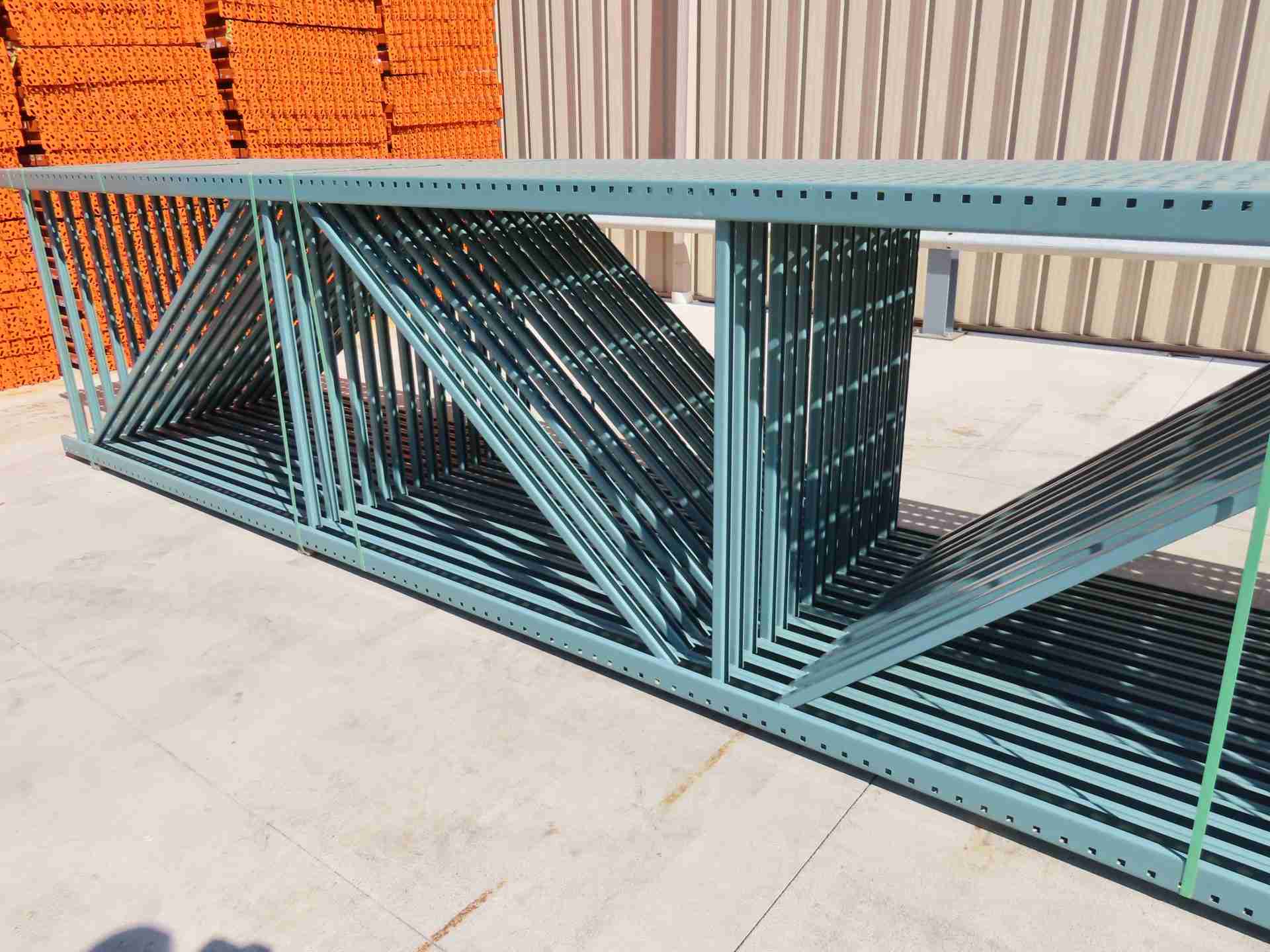
What Safety Regulations Apply To Pallet Racking Areas?
What Protective Gear Is Recommended For Warehouse Workers?
When it comes to warehouse work, safety should never take a backseat. The volume of goods being handled, the heavy machinery present, and the constant movement create an environment where protective gear becomes essential. Investing in the right equipment not only minimizes the risk of injury but also boosts employee morale and productivity. So let’s dive into the must-have protective gear every warehouse worker needs to stay safe and sound!
1. Safety Footwear: A solid pair of safety shoes or boots should be non-slip, waterproof, and equipped with steel or composite toe caps. According to OSHA, slips, trips, and falls account for a significant percentage of workplace injuries. In recent news, companies like Amazon have acknowledged this by investing heavily in enhanced safety footwear, highlighting their commitment to employee safety.
2. Hard Hats: Overhead hazards are a reality in many warehouses, whether it’s dropped tools or moving equipment. A hard hat is imperative for protecting your head. Recent incidents where heavy machinery has inadvertently toppled over illustrate the necessity of proper head protection. Certain models even offer integrated ear protection, serving a dual function in noise-sensitive environments.
3. High-Visibility Clothing: The hustle and bustle of warehouse operations can lead to accidents if workers aren’t easily seen. High-visibility vests or shirts with reflective strips are essential, especially in crowded spaces or when working near loading docks. During peak seasons, such as the holidays, when the volume of shipments surges, wearing this gear has proven vital for ensuring everyone’s safety.
4. Gloves: Handling various products and materials can expose workers to cuts, abrasions, and even chemical hazards. That’s where gloves come in. Different materials offer different levels of protection—leather for abrasions, rubber for chemical handling, and cut-resistant options for sharp materials. Given the rise of e-commerce and the increase in product variety, investing in the right gloves is a no-brainer.
5. Safety Glasses: Poor visibility can lead to accidents, especially with products being moved around. Safety eyewear not only protects against flying debris but also against chemical splashes, which are increasingly common in warehouses dealing with diverse goods. The construction and logistics sectors have, in fact, made this a requirement following incidents that highlighted the need for eye protection.
Implementing these essential protective measures fosters a culture of safety within your warehouse. Prioritize equipment that meets safety standards, and ensure that all employees are trained in proper usage. In an industry where efficiency meets risk, equipping your team with the right gear is not just an option—it’s a responsibility. After all, your most valuable asset is your workforce, and their safety should always come first!
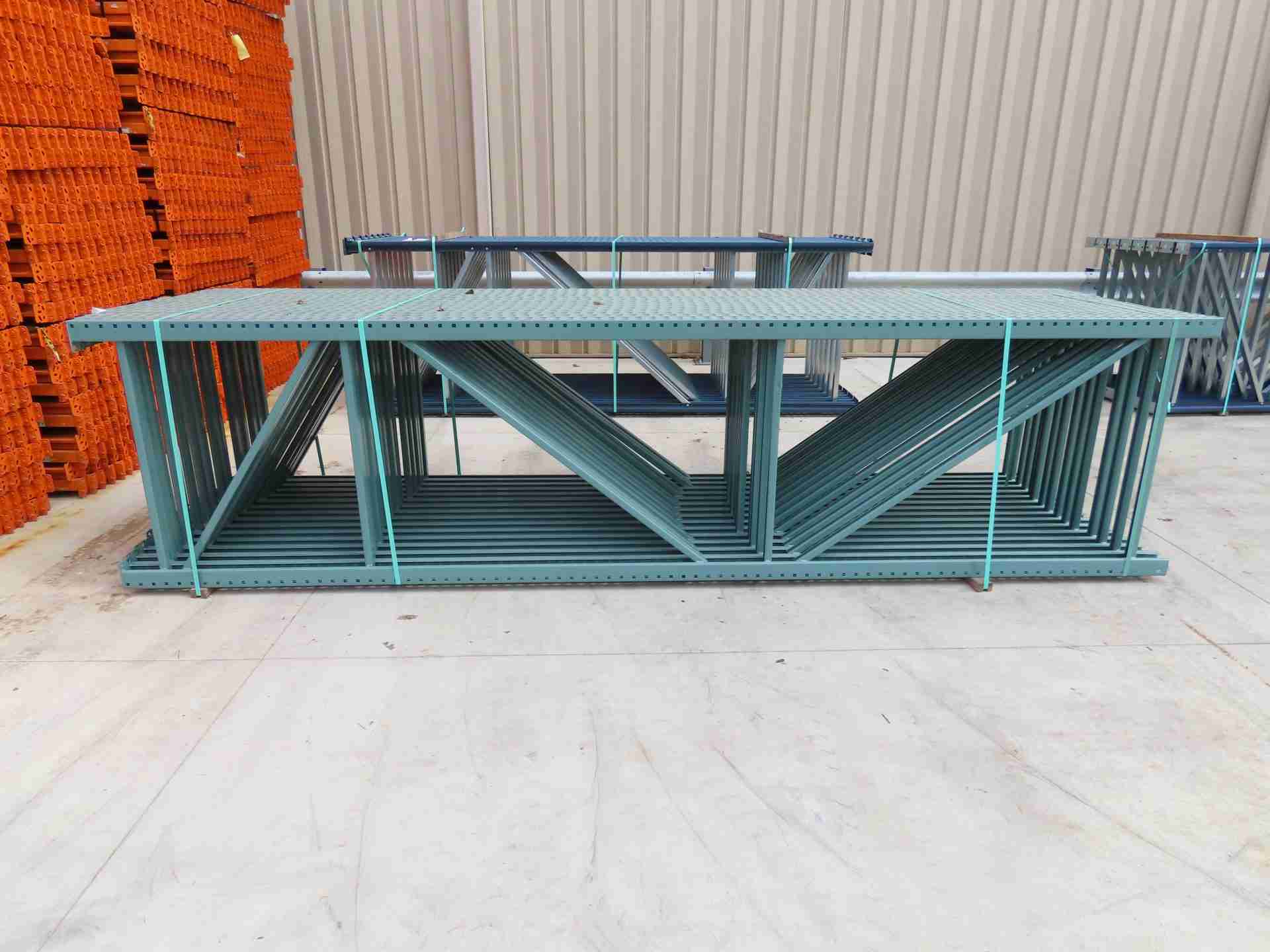
What Protective Gear Is Recommended For Warehouse Workers?
What Protective Gear Is Recommended For Warehouse Workers?
- Warehouse safety is crucial due to the high volume of goods, heavy machinery, and constant movement.
- Protective gear minimizes injury risk and enhances employee morale and productivity.
- Safety footwear should be non-slip, waterproof, and contain steel or composite toe caps.
- Hard hats protect against overhead hazards, with some models offering additional ear protection.
- High-visibility clothing is essential in crowded spaces to prevent accidents, especially during peak seasons.
- Gloves provide protection against cuts, abrasions, and chemical hazards, with various materials for different tasks.
- Safety glasses protect against debris and chemical splashes, critical for maintaining visibility and safety.

What Protective Gear Is Recommended For Warehouse Workers?
How Often Should Pallet Racking Systems Be Inspected?
When it comes to warehouse safety and efficiency, the often-overlooked aspect is the integrity of your pallet racking systems. Like the sturdy backbone of a thriving business, these systems hold your inventory and, ultimately, your bottom line. However, just as we wouldn’t drive a car without checking the oil or brakes, you should never take a chance with your pallet racks. The question is, how often should these systems be inspected to keep your operations running smoothly?
Industry standards recommend a routine inspection of pallet racking systems at least once every 12 months for general use. However, if your warehouse is bustling with activity—like the current boom in e-commerce and increased supply chain demands—you might want to ramp up your inspection frequency. For high-traffic areas or environments prone to heavy loads and frequent impact, consider bi-annual or even quarterly inspections. Remember, a proactive approach not only minimizes risk but also maximizes operational efficiency.
Think about it: just last year, a major retail company faced a costly lawsuit due to a catastrophic pallet rack failure that resulted in serious injuries. The incident sparked widespread discussions in the warehouse industry about the importance of rigorous inspection protocols. By investing in regular inspections before disaster strikes, you position your business as a safety-conscious entity, thus enhancing your reputation and avoiding potential legal ramifications.
Communication is key. Make sure to keep an open dialogue with your team about the condition of the racks and train them to identify potential hazards, such as bent beams or overloaded shelves. Encourage a culture of safety where everyone is vigilant. Additionally, documenting inspections and any findings creates a transparent trail, which can be invaluable during audits or if an incident occurs.
You might consider leveraging technology to streamline the inspection process. There are now apps and digital checklists that can help you manage and document inspections with ease, enabling your workforce to focus more on productivity rather than paperwork.
In today’s fast-paced and ever-evolving economy, where businesses are constantly adapting to new challenges, inspecting your pallet racking systems is not just a choice—it’s a necessity. Prioritize this fundamental aspect of your operations, and you’ll not only safeguard your employees but also fortify your bottom line for years to come. Make safety and efficiency your hallmarks, and watch your business thrive!
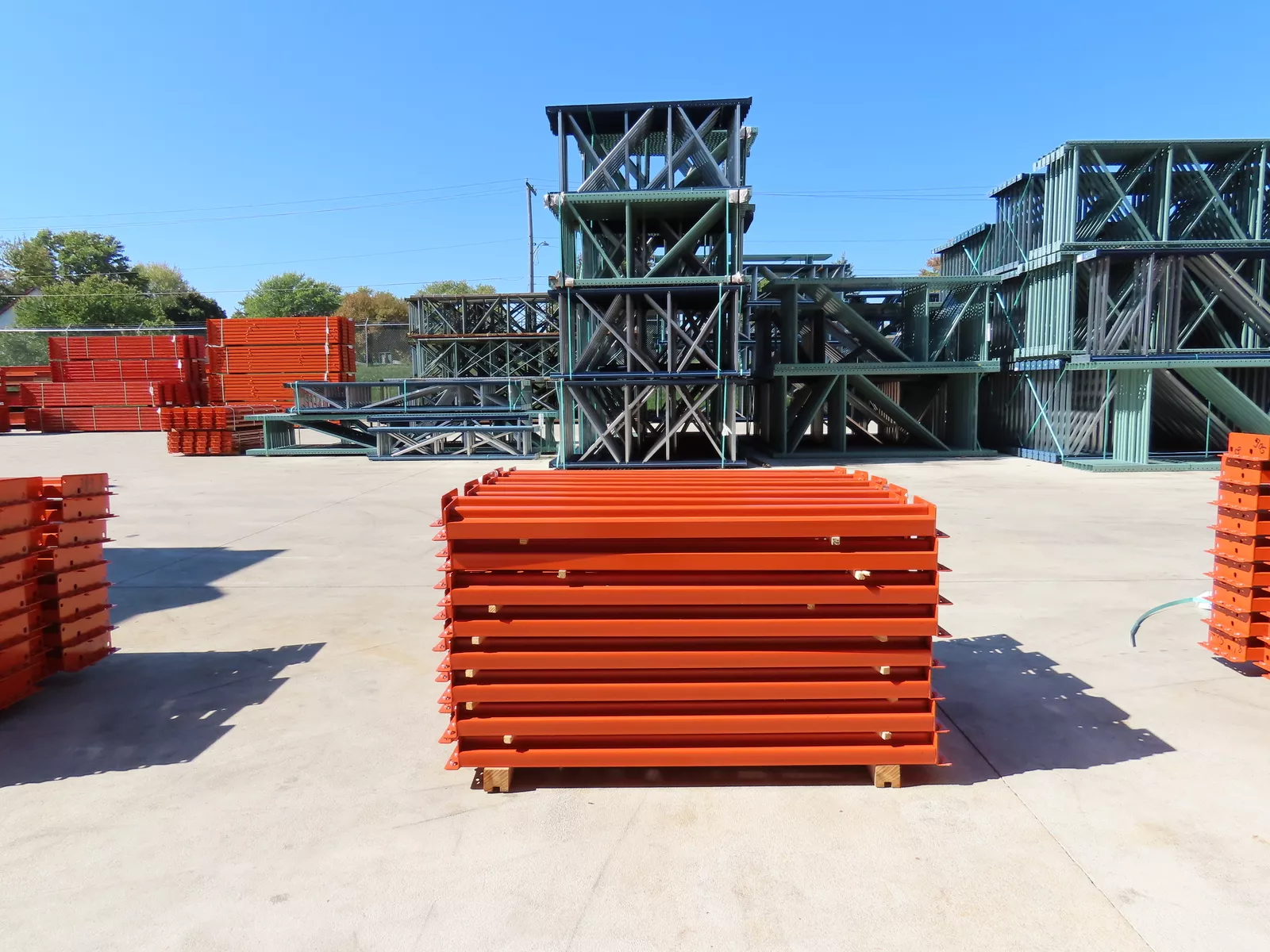
How Often Should Pallet Racking Systems Be Inspected?
How Often Should Pallet Racking Systems Be Inspected?
- Pallet racking systems are crucial for warehouse safety and efficiency, holding inventory and affecting the bottom line.
- Routine inspections are recommended at least once every 12 months; more frequent inspections (bi-annual or quarterly) are advised for high-traffic areas.
- A recent incident with a major retail company’s pallet rack failure highlights the importance of rigorous inspection protocols.
- Regular inspections enhance safety, improve reputation, and help avoid legal ramifications.
- Open communication with the team is essential for identifying potential hazards and fostering a culture of safety.
- Documenting inspections and findings is vital for transparency during audits and incident investigations.
- Utilizing technology, such as apps and digital checklists, can streamline the inspection process and increase productivity.
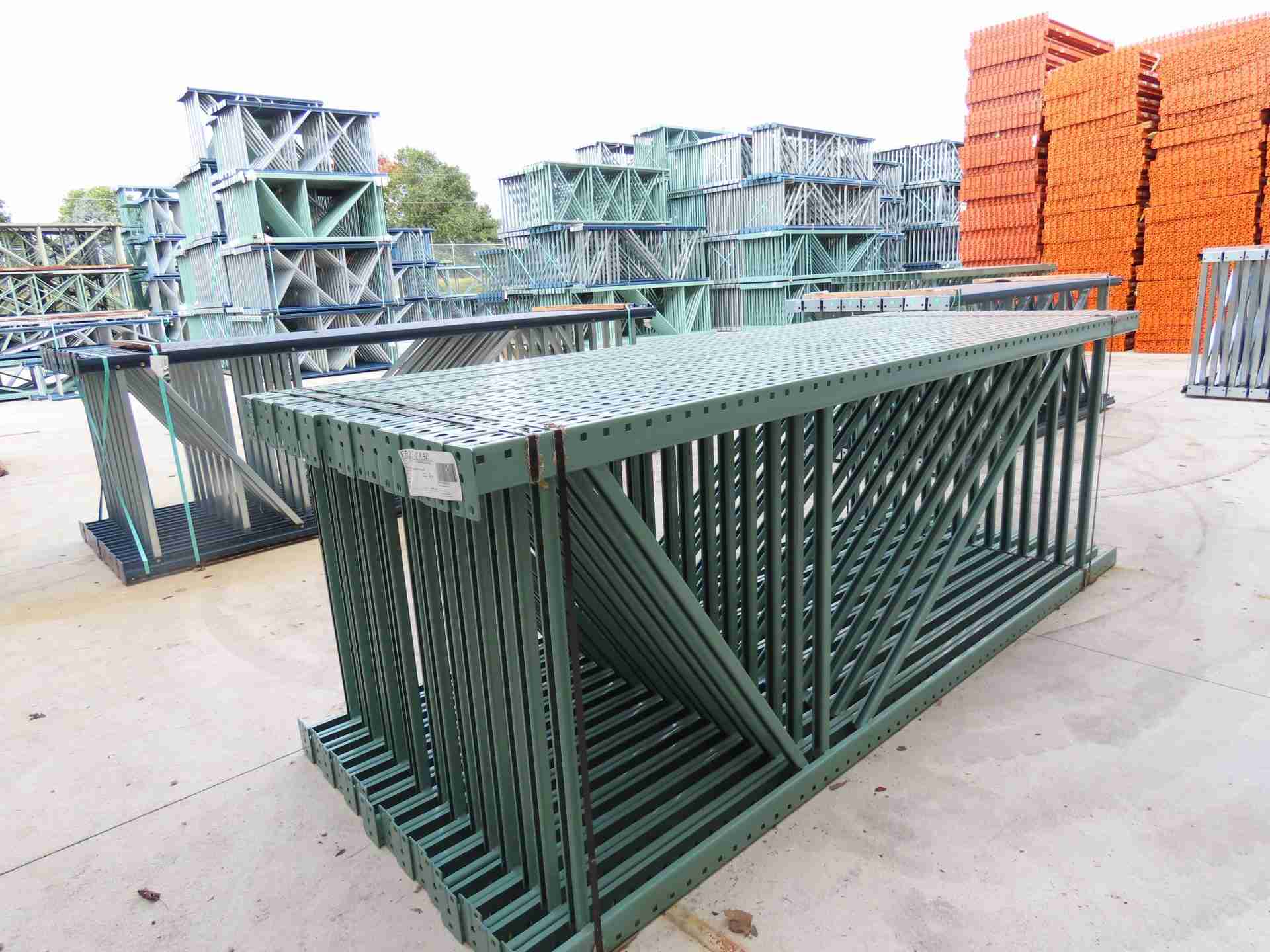
How Often Should Pallet Racking Systems Be Inspected?
What Should You Do If You See Debris Under The Racking?
In today’s fast-paced world, the cleanliness and organization of your warehouse can’t be an afterthought—especially when it comes to the racking systems that support your operations. Seeing debris under your racking isn’t just a visual concern; it’s a signal that immediate action is necessary. Here’s what you need to do to safeguard productivity and maintain safety.
1. Conduct a Rapid Assessment
The first step upon noticing debris is to assess the situation. Is this a one-time event, or could it signify a recurring issue? For instance, if you discover dust, stray packaging material, or waste, take note of its source. This could indicate disorganization in the supply chain or even a failure to maintain proper disposal practices. Understanding the root cause allows you to implement lasting solutions. Targeting the underlying problems ensures you don’t just repeat the cycle.
2. Engage Your Team
Communication is key. Rally your warehouse staff for a quick huddle to discuss their observations and experiences. They’re on the ground floor and often see what management might overlook. A team that feels empowered to voice their concerns is invaluable. For example, Amazon recently held company-wide training sessions to emphasize the importance of cleanliness and safety standards, which helped boost productivity and employee morale. Remember, a clean space fosters a safer and more efficient workplace.
3. Implement Routine Cleanliness Protocols
Once you’ve assessed the debris and engaged your team, it’s time to develop and implement strict cleanliness protocols. This means scheduling regular cleaning checks beneath the racks. Consider assigning tasks to specific team members to keep accountability high. A daily clean-up during shifts, supplemented by a more detailed weekly clean-up, can work wonders. Warehouse giants like Walmart have recently adjusted their operational strategies to include frequent maintenance schedules, realizing that cleanliness directly impacts performance.
4. Invest in Better Equipment
Utilize proper tools for debris removal. Manual cleaning can only get you so far. In industries where debris is a frequent issue, consider investing in automated cleaning solutions, like industrial vacuums and sweeping machines, to streamline the process. These are not just expenses; they are investments that lead to decreased downtime and increased efficiency.
5. Document and Review
Lastly, record the cleaning efforts and any ongoing issues. Set a date for a follow-up review of the situation to assess whether your actions led to improvements. Tracking these details establishes a culture of excellence and continuous improvement—a hallmark of thriving businesses today.
In summary, spotting debris under your racking system shouldn’t be a cause for alarm but rather an opportunity for enhancement. Take control, engage your workforce, and commit to executing a cleanliness strategy that propels your operations to new heights. A clean warehouse is not just good practice; it’s essential for success.
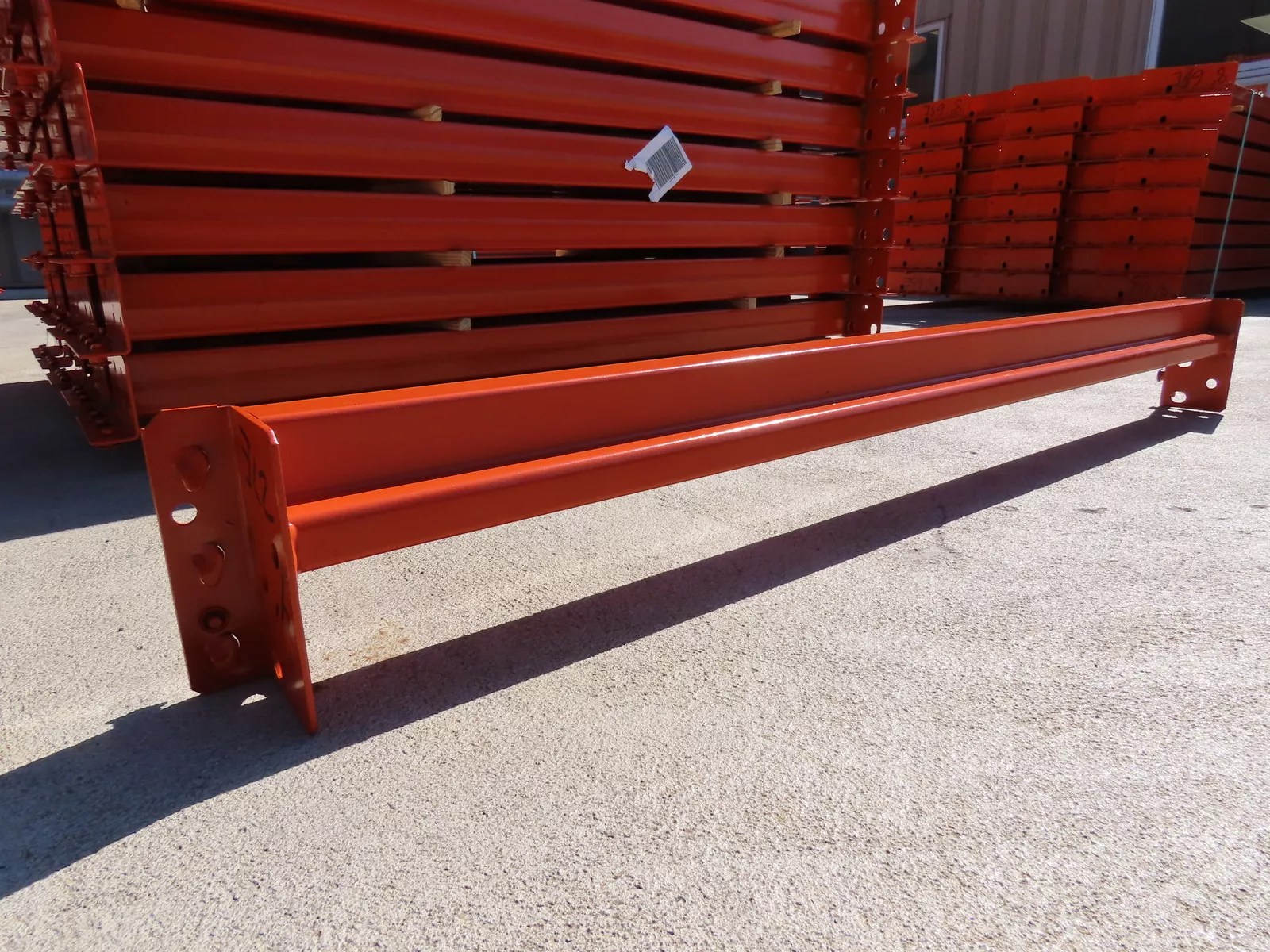
What Should You Do If You See Debris Under The Racking?
What Should You Do If You See Debris Under The Racking?
- Conduct a Rapid Assessment: Evaluate the debris situation to determine if it’s a one-time issue or a recurring problem.
- Engage Your Team: Hold discussions with warehouse staff to gather insights and empower them to share their observations.
- Implement Routine Cleanliness Protocols: Develop strict cleanliness schedules, assigning specific tasks to team members for accountability.
- Invest in Better Equipment: Consider automated cleaning tools like industrial vacuums to enhance debris removal efficiency.
- Document and Review: Keep records of cleaning efforts and regularly review the effectiveness of implemented solutions.
- Foster a Culture of Cleanliness: Encourage a workplace environment that prioritizes cleanliness for improved safety and productivity.
- View Debris as an Opportunity: Treat spotting debris as a chance to enhance operational efficiency and workplace organization.
What Should You Do If You See Debris Under The Racking?
How Can Forklift Operation Impact Safety Under Racking?
In the bustling world of warehouses and distribution centers, safety is paramount, yet it often takes a back seat to productivity. The truth is, efficient forklift operation can significantly enhance safety under racking systems—but only when executed with precision and care. Let’s delve into how these heavy-lifting workhorses can support a safer environment and the critical measures operators must adopt.
Consider this: In 2022, there were approximately 7,200 forklift-related injuries in the United States alone, illustrating a pressing need for improved safety protocols. The dynamic between forklifts and racking systems is where many of these incidents arise, often due to poor operation practices. Imagine a scenario where a forklift operator misjudges the height of a racking system, resulting in accidental collisions. This misstep not only endangers the operator but can also cause cascading effects, like the toppling of stored goods, leading to potentially severe injuries for nearby employees.
Training must be the cornerstone of effective forklift operation. When operators are equipped with the right skills, they can navigate tight aisles and maneuver around racking units with confidence and accuracy. Recently, companies that implemented rigorous training programs reported a 30% decline in incidents related to racking collisions, showcasing the tangible benefits of investment in human resources. Remember, knowledgeable operators are less likely to engage in risk-taking behaviors that jeopardize safety.
Moreover, maintaining clear communication channels among the workforce is crucial. Establishing protocols—such as using horns when navigating blind corners and implementing designated pedestrian pathways—enhances the overall safety culture. Just last month, a notable retailer increased its safety scores dramatically after adopting these best practices, illustrating how a cohesive team can drive down accident rates.
Finally, understanding the physical constraints of the racking system itself can’t be overlooked. Operators should be familiar with load limits and racking integrity. For example, overloading shelves not only poses risks for those operating forklifts but also creates hazards for other employees who may be underneath. As a case in point, several warehouses recently audited their racking systems after incidents related to overloading, leading to a proactive approach in risk management.
The intersection of forklift operation and racking safety is one that warrants attention. By combining standardized training, effective communication, and a thorough understanding of equipment capabilities, businesses can create a safer, more productive environment. Embrace these strategies, and your bottom line will not only reflect efficiency but also a genuine commitment to safety that resonates across the industry.
How Can Forklift Operation Impact Safety Under Racking?
How Can Forklift Operation Impact Safety Under Racking?
- Safety in warehouses often takes a back seat to productivity, despite its importance.
- In 2022, approximately 7,200 forklift-related injuries occurred in the U.S., highlighting the need for better safety protocols.
- Improper forklift operation around racking systems can lead to accidents, such as collisions and falling goods.
- Effective training programs can reduce incidents related to racking collisions by up to 30%.
- Clear communication protocols, like using horns and designated pedestrian pathways, enhance safety culture within the workforce.
- Understanding racking system load limits and maintaining integrity are crucial for preventing overloading hazards.
- Combining training, communication, and knowledge of equipment can foster a safer, more efficient work environment.
How Can Forklift Operation Impact Safety Under Racking?
What Training Is Required For Working Near Pallet Racking?
When it comes to warehouse operations, the safety and efficiency of working near pallet racking cannot be overstated. As businesses ramp up their supply chain capabilities in response to a dynamic market landscape, ensuring that employees are well-trained is more critical than ever. It’s not just about moving products—it’s about moving them safely and effectively.
# The Foundation: OSHA Regulations
To start, any training program for employees working near pallet racking must adhere to OSHA guidelines. Understanding these regulations is essential. For instance, OSHA mandates that any workers involved in operating pallet jacks or forklifts receive specialized training. Not only does this minimize workplace accidents, but it also protects your business from potential lawsuits—which is a must in today’s increasingly litigious environment.
# Hands-On Training
Formal classroom training is key, but it’s crucial not to stop there. Hands-on training sessions allow employees to engage directly with the equipment they will be using. Imagine a scenario where a new employee leaves a classroom blissfully unaware of the nuances of maneuvering a pallet jack between tightly packed racks. Without practical experience, they could inadvertently cause damage or injury. Incorporating situational drills where they practice navigating around racks fosters muscle memory and builds confidence.
For example, consider a recent incident at a major retailer, where improper handling of pallet racking resulted in significant product loss and operational downtime. The answer isn’t just to blame the individual; it’s about analyzing training procedures and making necessary adjustments. Regular refresher courses can ensure that even seasoned employees remain vigilant about safety.
# Safety Protocols and Emergency Procedures
Moreover, training should incorporate safety protocols and emergency procedures. Educating employees on what to do in situations like power outages or equipment failures is crucial. They should know how to signal for help and the proper steps to take to secure the area.
# Continuous Learning and Improvement
With the rise of automation and e-commerce challenges spurred by events like global supply chain disruptions, the landscape is evolving. Training programs should adapt to incorporate new technologies and systems used in conjunction with pallet racking. Engaging employees in continuous improvement sessions—where they provide feedback on their experiences—can yield valuable insights that elevate safety and efficiency.
Investing in robust training not only adheres to regulations but builds a culture of safety and responsibility. Your team won’t just become proficient; they’ll feel empowered, reducing turnover and increasing overall productivity. Ultimately, training near pallet racking is not just a checkbox—it’s a strategic investment in the future of your warehousing operations, aligning perfectly with the evolving demands of today’s marketplace.

What Training Is Required For Working Near Pallet Racking?
What Training Is Required For Working Near Pallet Racking?
- Safety and efficiency in warehouse operations near pallet racking are essential as businesses enhance supply chain capabilities.
- Employee training must adhere to OSHA guidelines to minimize workplace accidents and legal risks.
- Hands-on training is crucial for employees to gain practical experience with equipment like pallet jacks and forklifts.
- Situational drills can enhance muscle memory and confidence among employees navigating pallet racking.
- Training should include safety protocols and emergency procedures for incidents like power outages or equipment failures.
- Training programs must evolve with advancements in automation and continuous learning opportunities for employees.
- Robust training fosters a culture of safety, reduces turnover, and aligns with the demands of the modern marketplace.
What Training Is Required For Working Near Pallet Racking?
Are There Specific Design Features That Enhance Racking Safety?
In today’s fast-paced industrial landscape, the safety of racking systems is more crucial than ever. With supply chain disruptions and heightened workplace scrutiny, businesses cannot afford the consequences of improperly designed racking systems. Let’s dive into the specific design features that not only bolster safety but also shield your bottom line from unforeseen liabilities.
1. High-Quality Materials:
The foundation of any robust racking system begins with the materials used. High-strength steel is a must. It’s essential for optimizing load capacities and ensuring longevity. Recent studies have shown that racking systems built with heavy-duty materials can withstand the rigors of everyday operations and protect against costly accidents that can arise from structural failure. In an industry where a single incident could lead to a significant financial setback, investing in high-quality materials is non-negotiable.
2. Proper Load Management Systems:
Effective load management systems are another critical design feature. These systems can prevent a myriad of safety risks by ensuring that the racks never exceed their safe load limits. Recent innovations include intelligent weight sensors and alerts integrated directly into the racking. Such technology ensures that even in the busiest warehouses, the likelihood of overloading is mitigated. It’s powerful—keeping businesses compliant while enhancing operational efficiency.
3. Enhanced Visibility and Signage:
In the world of warehousing, visibility is king. Racking designs equipped with bright, reflective colors, and clearly labeled signage can significantly reduce accident rates. Regularly updated safety signs provide essential guidance for staff navigating through warehouse aisles. Companies like Amazon have revolutionized this aspect by implementing strategically colored racking systems to direct workers effectively, resulting in both increased safety and productivity.
4. Anti-Tipping Features:
With frequent movements of goods, a racking system must combat vertical instability. Anti-tipping engineering—like base plates, wall mounts, and integrated reinforcement beams—provides structural integrity. By adopting these features, businesses can significantly lower the risk of toppled racks, a leading cause of injury in many warehouses. This design not only protects employees but also preserves your inventory, preventing stock loss.
5. Routine Inspection Points:
A state-of-the-art racking system may be excellent, but without regular inspections, it’s merely a house of cards. Design features like inspection tags and easy-access inspection points can make a world of difference. A recent OSHA report emphasizes the need for routine checks, underscoring that proactive maintenance can stave off potential hazards—safeguarding your workforce while ensuring uninterrupted operations.
By integrating these design features, businesses can place safety at the forefront of their operations. Remember, when it comes to racking safety, it’s not just about compliance; it’s about creating a culture where safety and efficiency thrive hand-in-hand. Prioritizing these features means protecting your employees, assets, and ultimately, your bottom line in an increasingly competitive market.
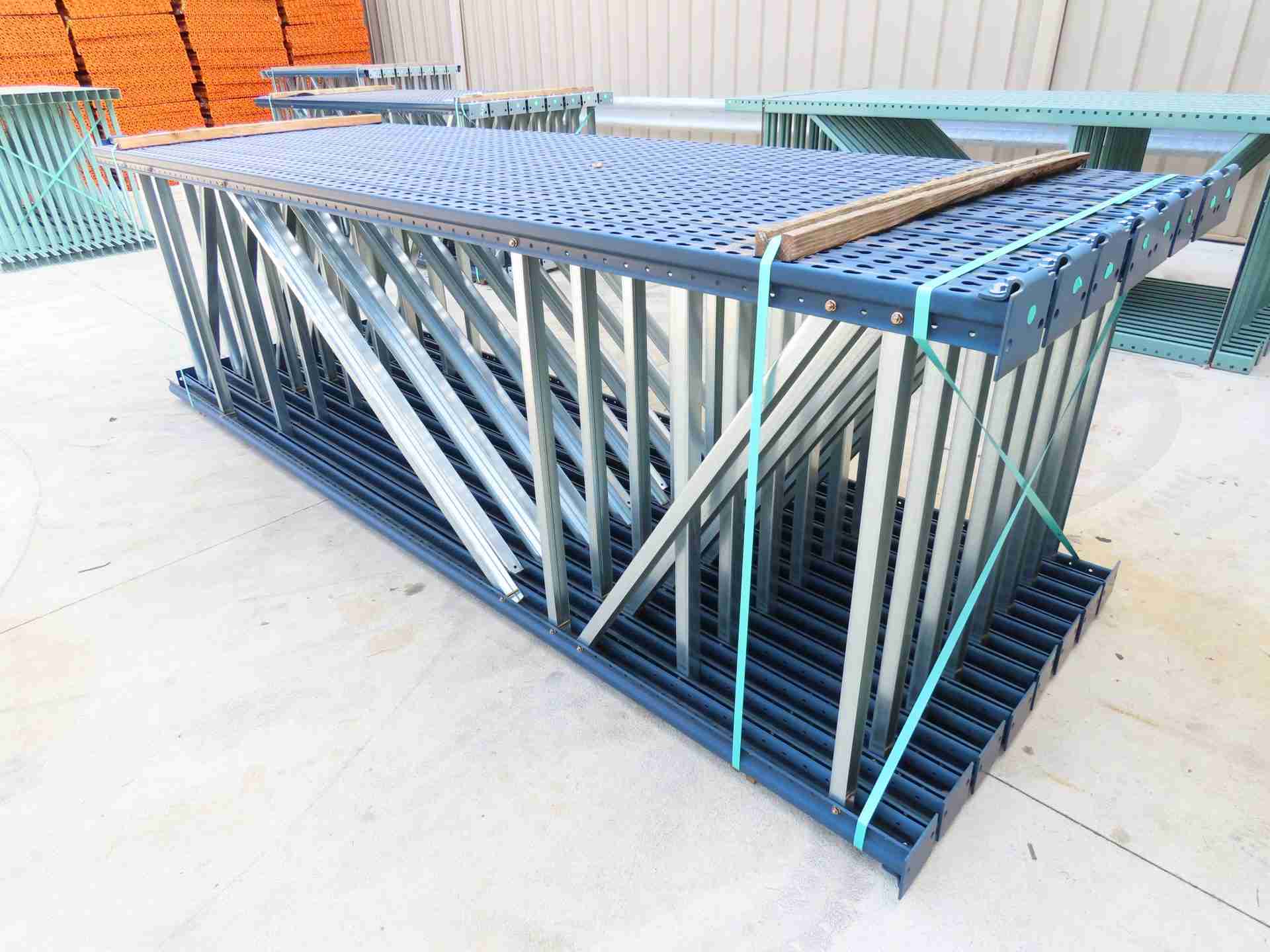
Are There Specific Design Features That Enhance Racking Safety?
Are There Specific Design Features That Enhance Racking Safety?
- Importance of Safety: Racking system safety is crucial in today’s industrial environment due to supply chain disruptions and heightened scrutiny.
- High-Quality Materials: Use of high-strength steel is vital for optimizing load capacities and longevity, helping prevent costly structural failures.
- Proper Load Management Systems: Intelligent weight sensors and alerts prevent exceeding safe load limits, enhancing compliance and operational efficiency.
- Enhanced Visibility and Signage: Bright colors and clear labels reduce accidents and increase productivity, as seen with companies like Amazon.
- Anti-Tipping Features: Structural elements like base plates and wall mounts lower the risk of rack tipping, protecting both employees and inventory.
- Routine Inspection Points: Regular inspections are critical; features like inspection tags help ensure proactive maintenance and safety compliance.
- Culture of Safety: Integrating these design features promotes a culture where safety and efficiency coexist, safeguarding employees and assets.
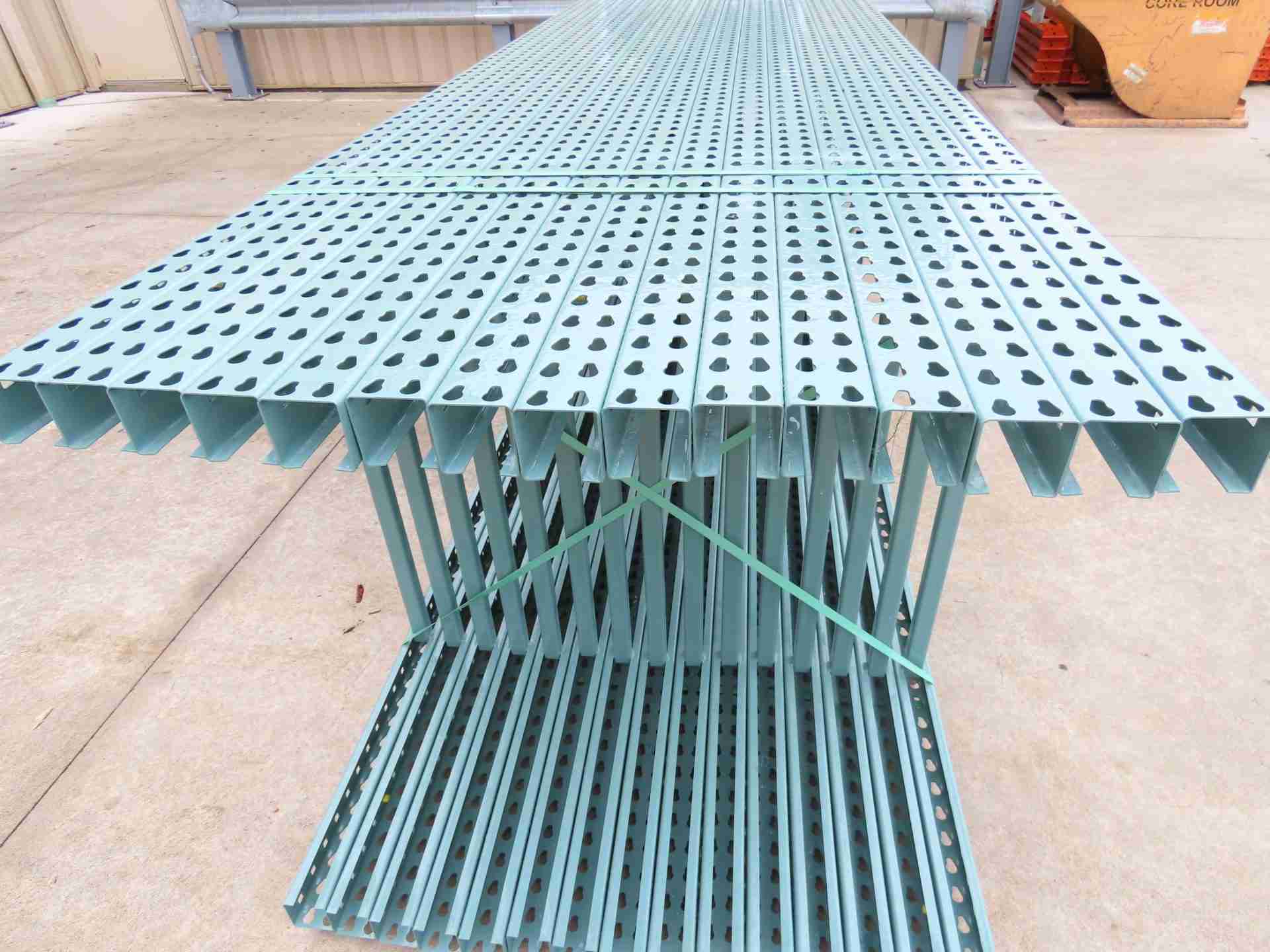
Are There Specific Design Features That Enhance Racking Safety?
What Emergency Procedures Should Be In Place For Racking Areas?
When it comes to racking areas, safety isn’t just a checkbox on a compliance list — it’s an essential strategy to protect employees, assets, and your bottom line. In today’s fast-paced logistics and warehousing environments, emergency procedures should not only be in place; they should be meticulously crafted and regularly updated. Think of them as your safety net, an investment in your organization’s future.
First and foremost, a clearly articulated emergency action plan (EAP) is a must-have. It should outline procedures for various emergencies, including fires, chemical spills, and equipment malfunctions. Take the recent warehouse fire in Tallahassee, Florida, as a cautionary tale. A well-structured EAP could have mitigated property damage and reduced injuries. Employees should be trained in this plan, including evacuation routes specific to the racking areas, which may involve multiple levels and pathways. Regular drills, refreshers, and employee feedback on the EAP will promote a culture of safety, empowering your workforce while ensuring compliance with federal and state regulations.
Next, consider implementing accessible emergency shut-off switches for heavy machinery and equipment. In a fast-moving warehouse, machinery can become a double-edged sword; while it boosts productivity, it can also pose significant risks. A recent incident involving a malfunctioning pallet jack led to injuries and significant downtime. When employees know how to halt machinery effectively during an emergency, it can prevent catastrophic outcomes.
Gathering real-time data from your racking systems can also bolster your emergency action plan. Utilizing sensors to monitor structural integrity or environmental conditions enables organizations to anticipate risks before they escalate. Incidence, like the collapse of a storage rack in a California warehouse during heavy winds, showcase how predictive data can save not just physical assets, but lives.
Don’t overlook communication. In an emergency, silence is the enemy. Invest in a robust communication system that ensures alerts reach every team member promptly. During the pandemic, many companies realized the critical nature of swift communication — the same principle applies in emergencies. Make sure everyone knows whom to contact and what information to share.
Finally, it’s important to maintain all safety equipment in racking areas, such as fire extinguishers, first-aid kits, and clear signage. Regular inspections and maintenance schedules ensure readiness when every second counts.
By implementing these comprehensive emergency procedures, you’re not just meeting compliance standards; you’re fostering a culture of safety that enhances employee morale, operational efficiency, and ultimately, your brand’s reputation. Remember, safety is an ongoing commitment, not a one-time focus, so keep your emergency procedures explicit, actionable, and continuously updated.
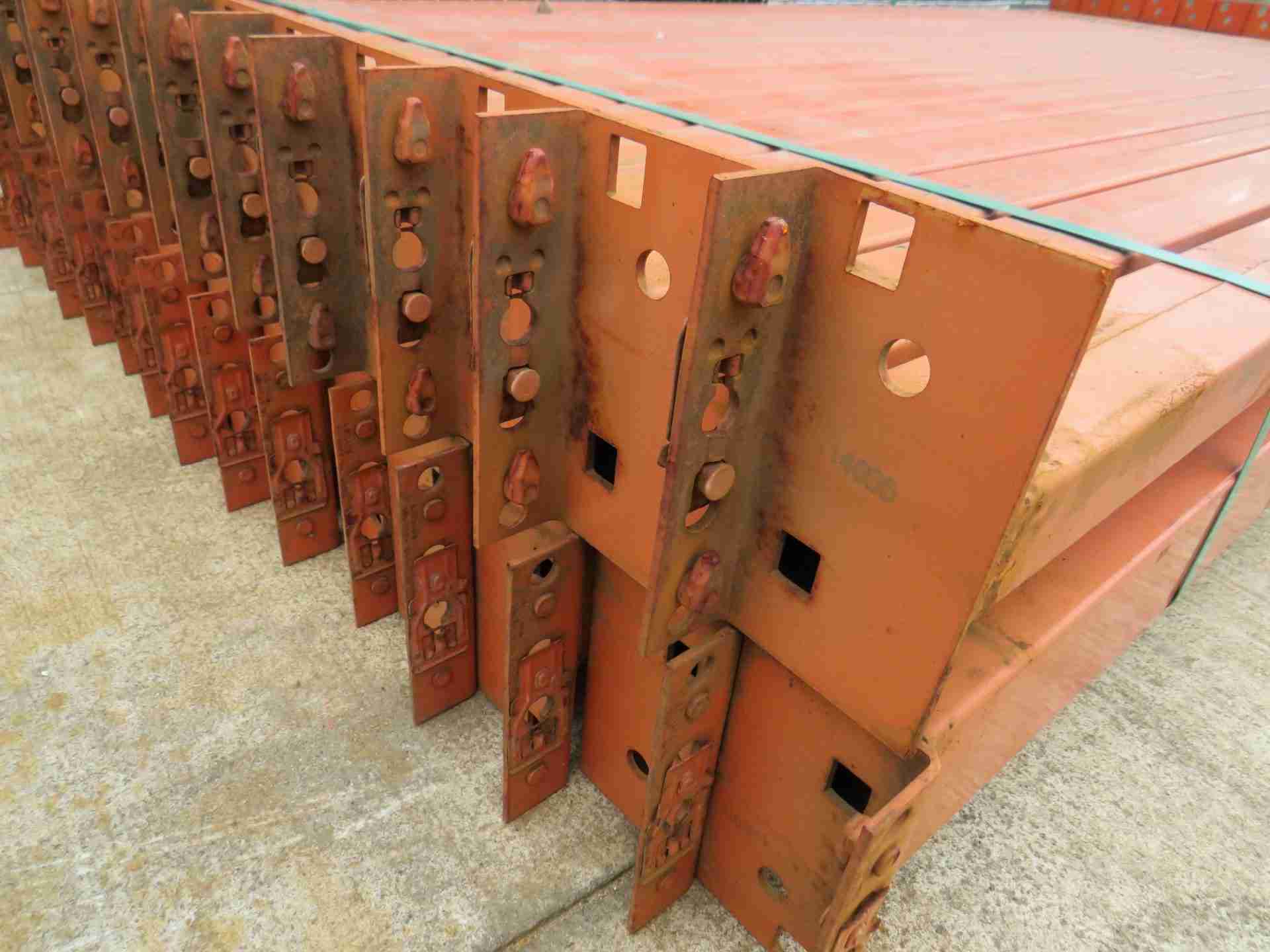
What Emergency Procedures Should Be In Place For Racking Areas?
What Emergency Procedures Should Be In Place For Racking Areas?
- Safety is a crucial strategy for protecting employees, assets, and overall company performance in logistics and warehousing.
- A comprehensive emergency action plan (EAP) is essential, detailing procedures for various emergencies such as fires, chemical spills, and equipment failures.
- Training employees on the EAP and evacuation routes specific to racking areas enhances preparedness and compliance with regulations.
- Accessible emergency shut-off switches for equipment can prevent injuries and downtime during machinery malfunctions.
- Utilizing real-time data and sensors for monitoring can anticipate risks and enhance safety protocols, as illustrated by past incidents.
- Effective communication systems are vital to ensure timely alerts and clear messaging among all team members during emergencies.
- Regular maintenance and inspection of safety equipment in racking areas are crucial for prompt readiness in emergency situations.
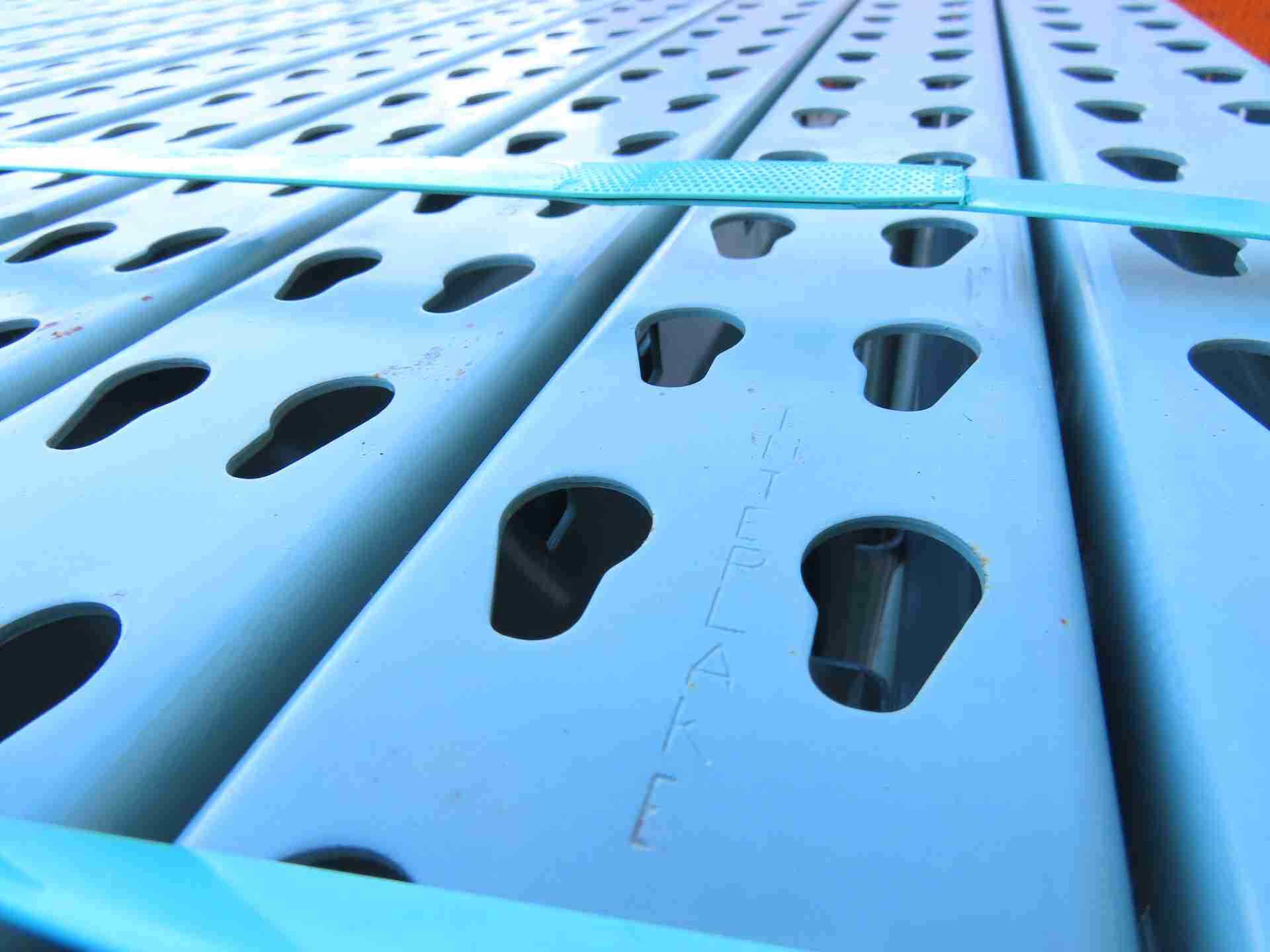
What Emergency Procedures Should Be In Place For Racking Areas?
How Can You Identify Potential Hazards Under Pallet Racking?
Understanding the potential hazards lurking beneath your pallet racking system is crucial for maintaining a safe and efficient work environment. Failure to identify these hazards can lead to costly accidents, operational downtime, and diminished employee morale. But fear not—identifying these risks doesn’t have to be a daunting task. Here’s how you can effectively spot potential hazards under your pallet racking and take proactive measures.
First and foremost, regular inspections are your frontline defense. Think of your pallet racking as a living system that requires routine check-ups. Schedule frequent assessments to look for signs of wear and tear, structural instability, or damage. For instance, during inspections, keep an eye out for bowed beams or dislodged components—both indicative of potential points of failure. A recent event in a warehouse in Tennessee highlighted the shocking reality of neglect, where uneven racking resulted in several injuries. Don’t let your facility be the next headline!
Another key aspect is ensuring proper storage techniques. Items must be stacked in such a way that they don’t exceed weight limits and are stable. Use labels that clearly communicate load requirements for each section of racking. Remember the time a major retailer experienced a catastrophic collapse due to overloading? Well, they learned the hard way—and you don’t have to. Ensure every team member understands how to assess load weight, and make sure they adhere to established protocols.
Training is an investment that pays dividends. Equip your employees with the knowledge they need to recognize hazards. Consider hosting regular safety seminars that focus on identifying risks associated with pallet racking. Utilize real-life scenarios and conduct group discussions, as this approach cultivates a culture of safety and vigilance. Just recently, studies indicated that companies with comprehensive training programs reported a 30% decrease in workplace accidents—an invaluable statistic that speaks volumes.
Lastly, technology can be your ally. Implementing warehouse management systems with built-in safety protocols can automate hazard detection. Such systems can monitor inventory levels, alert you to weight discrepancies, and even suggest rearrangements to optimize safety. As the warehouse industry embraces automation, staying ahead of the curve can mean the difference between a safe haven and an accident waiting to happen.
By actively engaging in these strategies, you’ll create a safe workspace that not only protects your team but also enhances productivity. After all, peace of mind should always be the foundation of a thriving business. Don’t wait for hazards to reveal themselves; take action now!
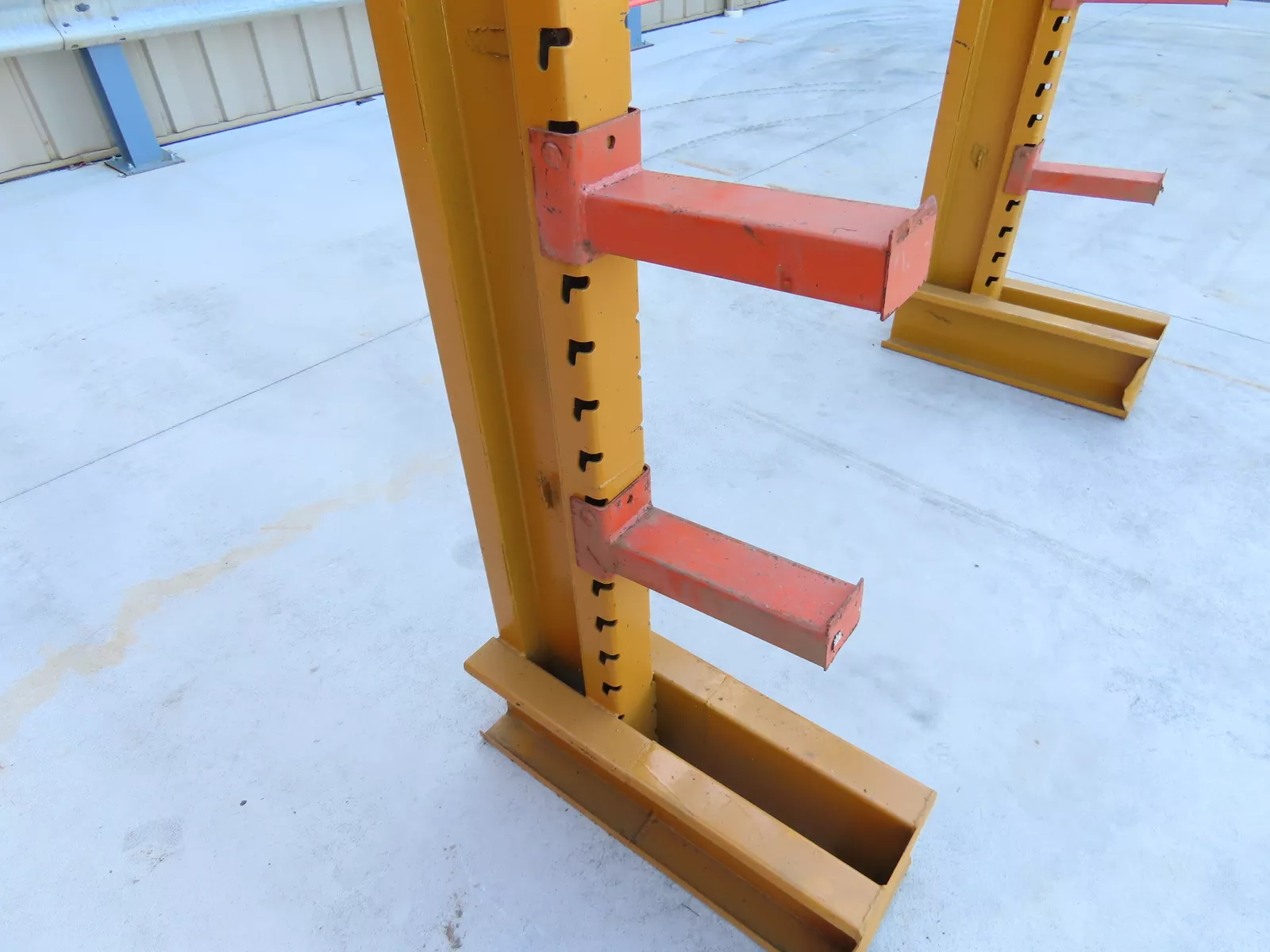
How Can You Identify Potential Hazards Under Pallet Racking?
How Can You Identify Potential Hazards Under Pallet Racking?
- Regular inspections are essential for identifying hazards in pallet racking systems.
- Look for signs of wear, structural instability, or damage during assessments.
- Implement proper storage techniques to prevent overloading and ensure stability.
- Train employees on load assessments and adherence to safety protocols.
- Conduct regular safety seminars to promote a culture of hazard recognition.
- Utilize technology and warehouse management systems for automated hazard detection.
- Proactive engagement in safety strategies enhances productivity and protects employees.
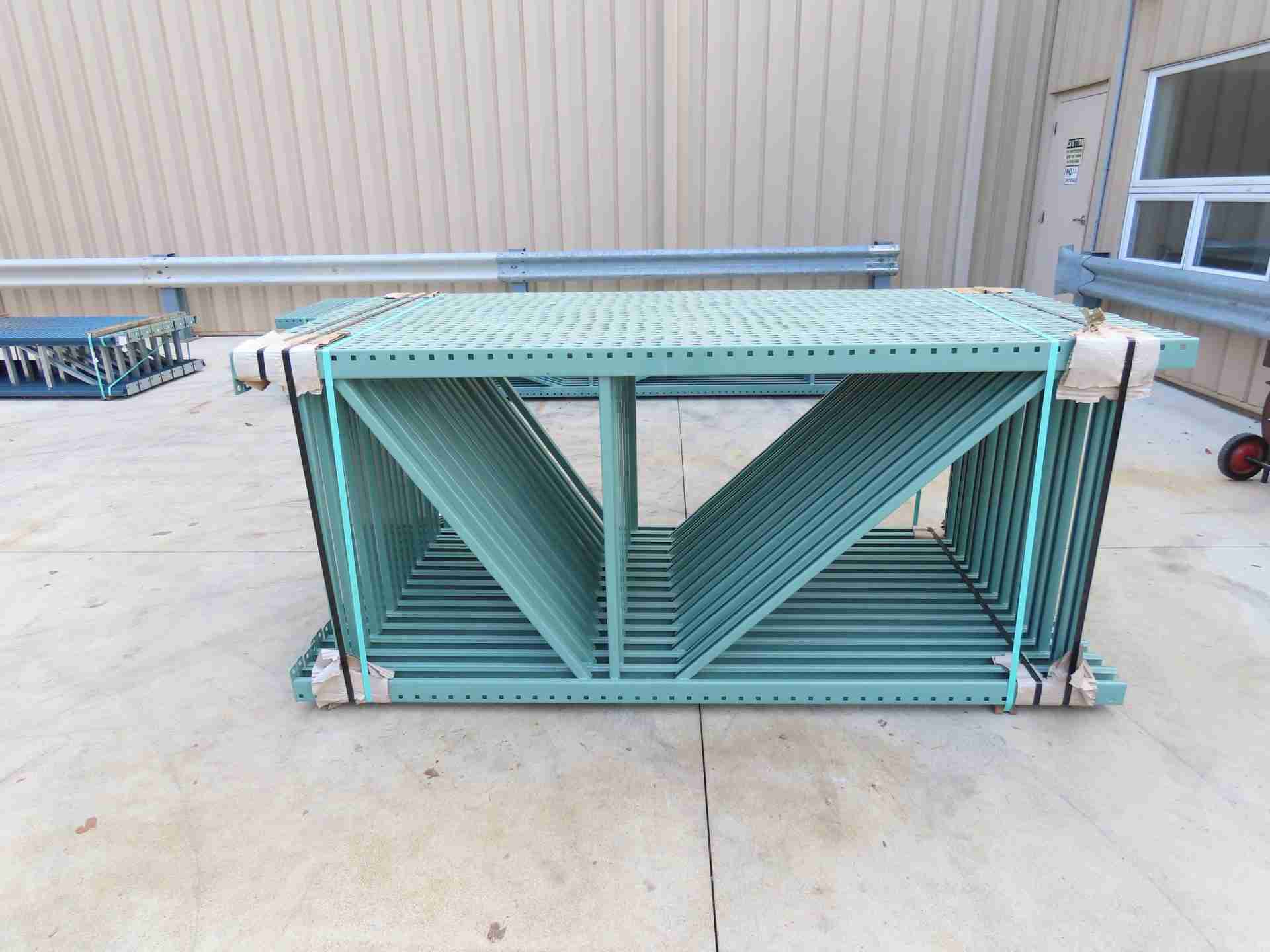
How Can You Identify Potential Hazards Under Pallet Racking?
What Type Of Training Do Employees Need For Racking Safety?
In an era where workplace safety is paramount, understanding racking safety is not just a compliance issue—it’s a business imperative. Proper training plays a critical role in preventing accidents and ensuring a safe working environment. But what does effective racking safety training entail? Let’s break it down.
1. Fundamentals of Racking Systems
First things first—employees must understand the basics of racking systems, including the various types, such as pallet racks, drive-in racks, and cantilever racks. Training should cover the purpose and proper use of each type of system. For instance, employees working with pallet racks should be educated about the weight limits and proper stacking techniques to avoid overloading. As seen in recent warehouse accidents, neglecting these principles can lead to catastrophic failures, resulting in injuries, damages, and lost profits.
2. Safe Equipment Operation
Hands-on training on how to operate equipment like forklifts is vital. Employees should master the nuances of maneuvering around racking systems, especially in high-traffic areas. With the rise of technology and automation, integrating simulation-based training can be incredibly effective. Utilizing VR technology, for instance, allows employees to practice safe loading and unloading procedures in a controlled environment without the risks associated with live operations.
3. Hazard Recognition and Risk Assessment
A crucial element of racking safety training is teaching employees to recognize potential hazards and perform risk assessments. This includes understanding environmental factors, such as how to identify weak points in the racking setup or recognizing signs of wear and tear. Regular safety audits and ongoing education are essential. According to the Occupational Safety and Health Administration (OSHA), an astonishing 35% of warehouse injuries stem from inadequate hazard recognition.
4. Emergency Preparedness
How prepared are your employees for emergencies? Racking safety training shouldn’t stop at understanding equipment and procedures; it must include emergency protocols as well. Conduct regular drills on what to do in case of a racking collapse or a fire. Engaging employees with scenarios based on recent incidents—like the fire at a major distribution center earlier this year—can drive the point home. Encourage them to think critically and respond swiftly to safety threats.
5. Continuous Improvement and Feedback Loops
Finally, training should never be a one-time event. Implementing a culture of continuous improvement means soliciting feedback from employees about safety practices and barriers they face. Not only does this improve team morale, but it also enhances safety protocols directly from those on the front lines.
Investing in comprehensive racking safety training is not just a regulatory checkbox; it’s a proactive strategy that signifies a commitment to employee welfare, productivity, and ultimately, enhanced profitability. Embrace this vital aspect of workplace safety, and you’ll see the benefits ripple through your organization.
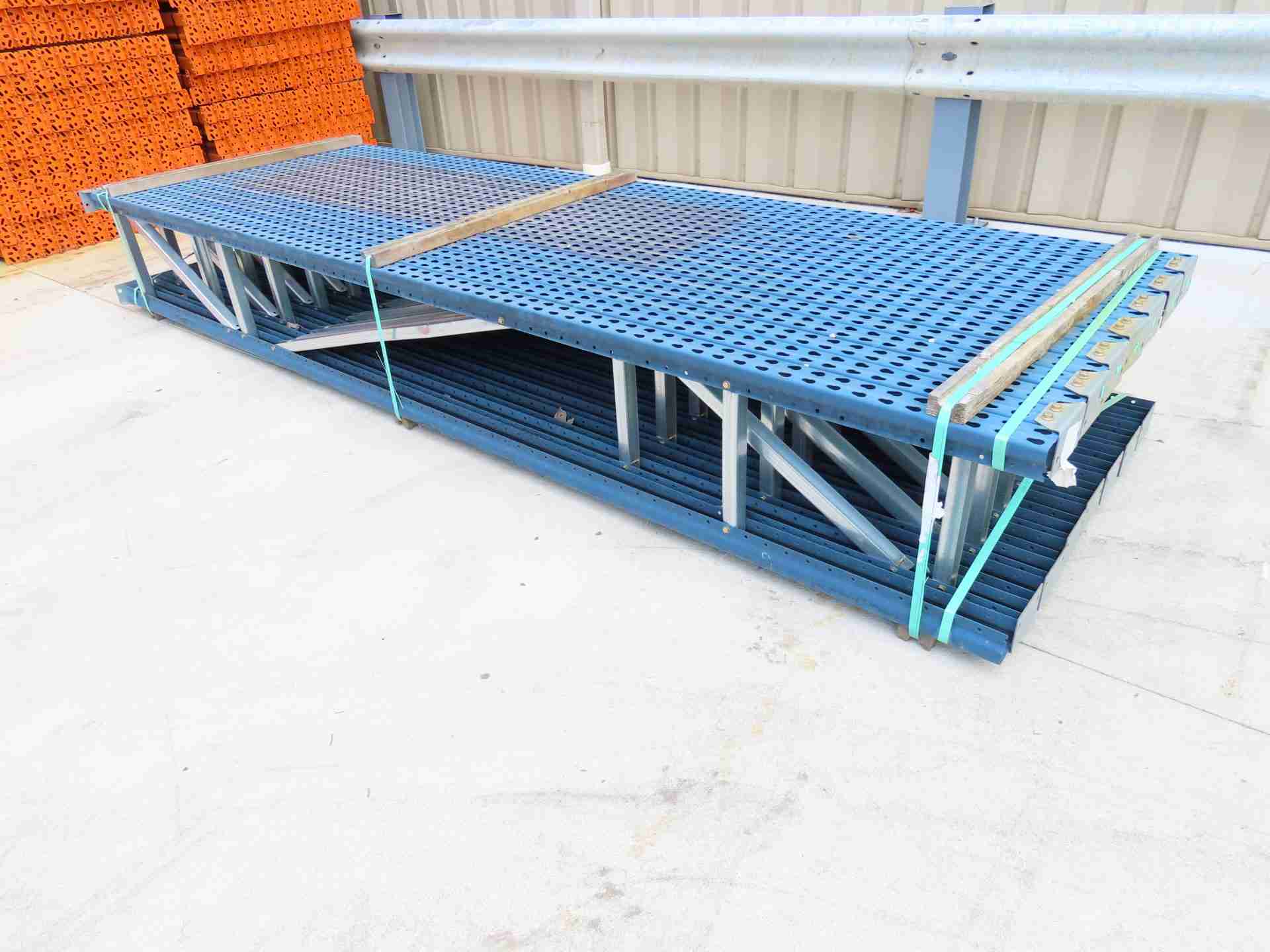
What Type Of Training Do Employees Need For Racking Safety?
What Type Of Training Do Employees Need For Racking Safety?
- Workplace safety, particularly racking safety, is essential for compliance and business success.
- Employees must understand different types of racking systems and their proper use to prevent accidents.
- Hands-on training for equipment operation, including the use of technology like VR for safe practice, is critical.
- Training should emphasize hazard recognition and risk assessment to identify weaknesses in racking setups.
- Emergency preparedness must be part of training, including conducting drills for various emergency scenarios.
- A culture of continuous improvement through employee feedback enhances safety protocols and team morale.
- Comprehensive racking safety training is a proactive investment in employee welfare and organizational productivity.
What Type Of Training Do Employees Need For Racking Safety?
How Does Proper Organization Affect Walking Safety Under Racking?
In today’s fast-paced warehouse environments, safety is not just a priority—it’s a necessity. Proper organization under racking systems is a critical component that often goes overlooked until an incident occurs. The reality is that disorganization leads to accidents, injuries, and costly legal ramifications. So, why not invest in a solution that minimizes these risks?
When racking systems are organized, you can enhance safety in multiple ways. For starters, clear pathways beneath and between racks reduce the possibility of tripping hazards that can result in serious injuries. Consider the case of a major warehouse distributor that faced massive fines after a worker tripped over misplaced pallets while retrieving inventory. Their disarray not only harmed employees but also triggered a PR fallout that tarnished their reputation. A few simple organizational strategies could have averted this incident.
Let’s dive into specific practices that enhance safety. First, ensure that all items stored under racking are neatly arranged and do not exceed designated height limits. For example, using containers or bins to house smaller items can create a tidy environment while minimizing the risk of accidents. Imagine navigating an aisle where everything is in its place; employees can focus on their tasks rather than worry about potential pitfalls.
Additionally, regular audits of racking areas can identify clutter and disorganization before they escalate into hazards. This proactive approach was adopted successfully by a leading logistics company this year, where a concerted effort to implement weekly organization checks resulted in a notable 30% decrease in workplace accidents over six months. By fostering a culture of organization, companies not only protect their workforce but also enhance operational efficiency.
Investing in organizational solutions also pays dividends during crucial moments, like inventory counts. When workers can safely and swiftly access products without fear of injury, it streamlines operations and maximizes productivity. Remember the chaos of peak seasons? Those moments call for order more than ever, yet many companies find themselves scrambling due to disarray.
In the face of increasing regulatory pressure, enhanced safety protocols will no longer be optional. Embracing proper organization is not just about compliance; it’s about safeguarding your largest asset—your workforce. When walking safely under racking is a priority, the ripple effects manifest as improved morale, elevated productivity, and an unbeatable reputation in your industry. Don’t wait for an accident to alert you—strategically reorganize today for a safer tomorrow.
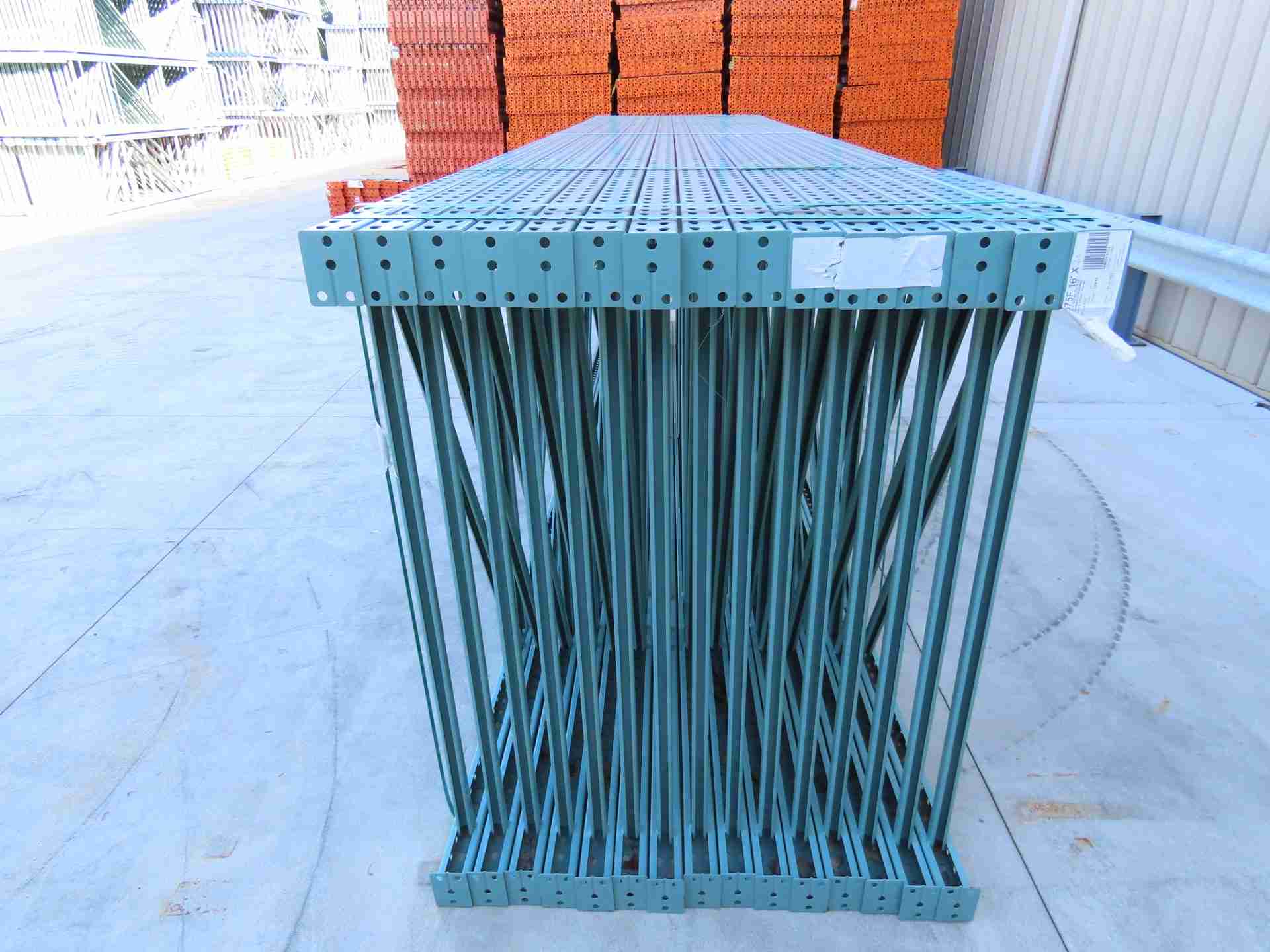
How Does Proper Organization Affect Walking Safety Under Racking?
How Does Proper Organization Affect Walking Safety Under Racking?
- Safety in warehouses is essential, with proper organization under racking systems being a critical component.
- Disorganization can lead to accidents, injuries, and costly legal issues.
- Clear pathways under and between racks can minimize tripping hazards and enhance safety.
- Regular audits of racking areas can help identify and mitigate clutter before it becomes a hazard.
- Investing in organizational strategies leads to increased operational efficiency and reduced workplace accidents.
- Organization is crucial during peak seasons to streamline operations and enhance productivity.
- Proper organization and safety protocols safeguard the workforce and improve overall morale and industry reputation.
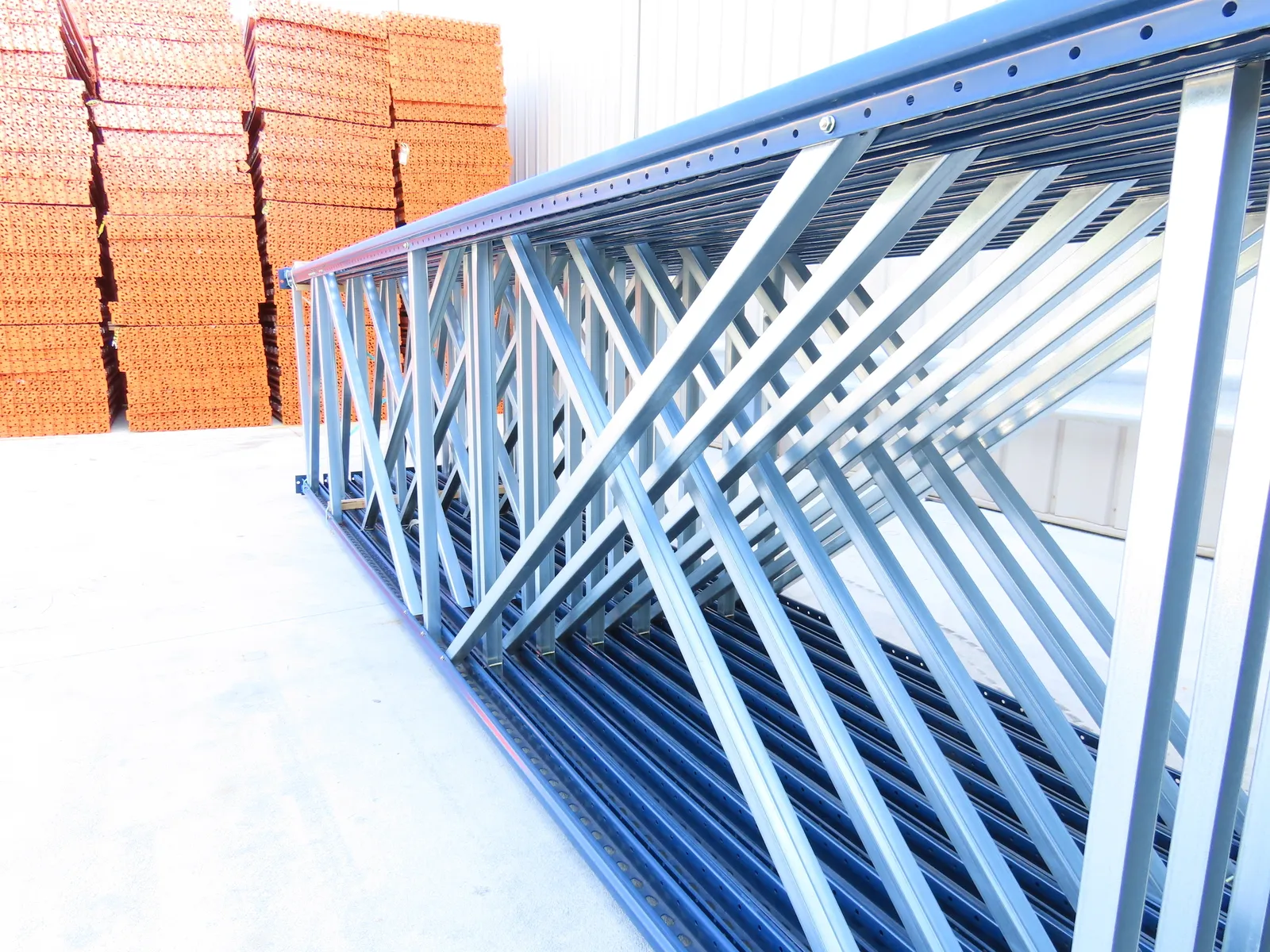
How Does Proper Organization Affect Walking Safety Under Racking?
What Role Do Safety Audits Play In Racking Environments?
In the fast-paced world of warehouses and distribution centers, safety is not just a checkbox—it’s the backbone of a thriving operation. Enter safety audits, the unsung heroes in maintaining a secure racking environment. These audits are more than academic exercises; they are critical tools that can save lives, reduce liabilities, and bolster your bottom line.
Consider this: according to recent industry reports, nearly 60% of warehouse accidents are linked to inadequate safety protocols. Imagine the fallout of a serious racking failure: not only could it endanger the lives of employees, but it could also lead to costly repairs, lawsuits, and insurance hikes. Safety audits act as a preventative strategy, ensuring that your racking systems are not just up to code, but optimized for performance.
At their core, safety audits serve to identify risks before they escalate into disasters. During a comprehensive safety audit, trained professionals evaluate every aspect of racking systems—from the structural integrity of shelves to the proper spacing and load capacities. For instance, take the case of a large retail chain that faced a significant operational setback after a series of racking collapses. They implemented rigorous safety audits, leading to the identification of structural weaknesses that had previously gone unnoticed. As a result, they minimized injuries and averted costly shutdowns, regaining employee trust and enhancing operational efficiency.
Moreover, safety audits foster a culture of safety among your workforce. Employees who see their organization prioritizing safety are more likely to adopt best practices, ensuring not just compliance but genuine commitment. In 2023, several leading logistics firms reported that enhanced safety measures, driven by frequent audits, resulted in a 30% reduction in workplace incidents. This not only proves that safety audits pay off in reduced costs, but they also cultivate a workforce that feels valued and secure.
In a climate where regulatory compliance is more stringent than ever, safety audits also shield businesses from potential penalties. The Occupational Safety and Health Administration (OSHA) has been ramping up enforcement, and the fines can be steep for non-compliance in racking environments. Regular safety audits can help mitigate these risks by ensuring that your operations not only meet but exceed the required safety standards.
To sum up, safety audits are not merely a procedure; they are an investment into the lifeblood of your operation. Embrace them, and you will not only protect your employees and assets but will also position your business for sustainable growth in a competitive marketplace.
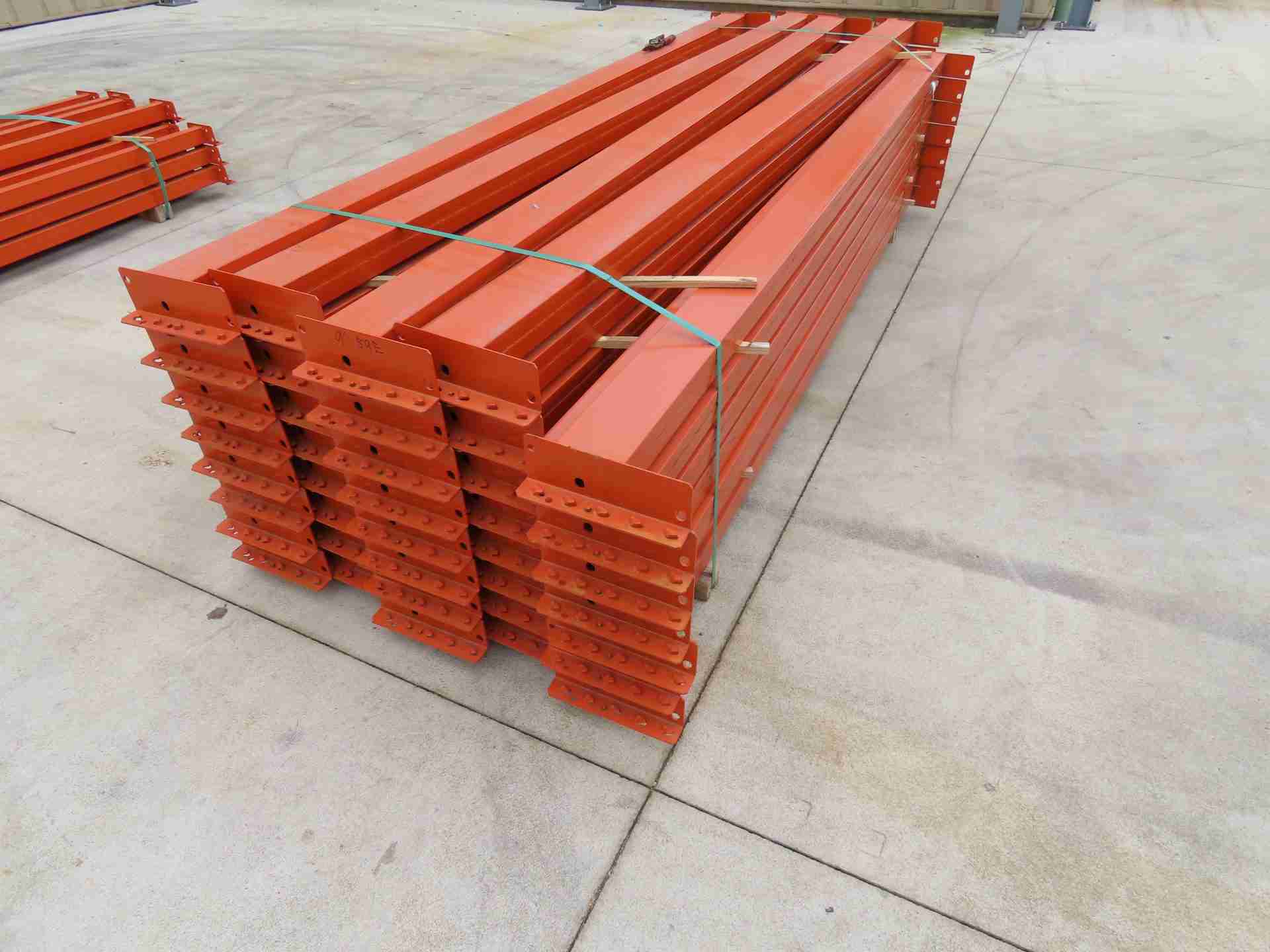
What Role Do Safety Audits Play In Racking Environments?
What Role Do Safety Audits Play In Racking Environments?
- Safety is essential in warehouses and distribution centers, forming the backbone of a successful operation.
- Safety audits are critical tools that can save lives, reduce liabilities, and positively impact the bottom line.
- Approximately 60% of warehouse accidents result from inadequate safety protocols, highlighting the importance of safety audits.
- Safety audits help identify risks in racking systems before they escalate, ensuring compliance and optimal performance.
- Companies that implement safety audits can minimize injuries, avoid costly repairs, and enhance operational efficiency.
- Frequent audits foster a strong safety culture, with reports indicating a 30% reduction in workplace incidents due to enhanced safety measures.
- Regular safety audits safeguard businesses against penalties from regulatory bodies, ensuring compliance with stringent safety standards.
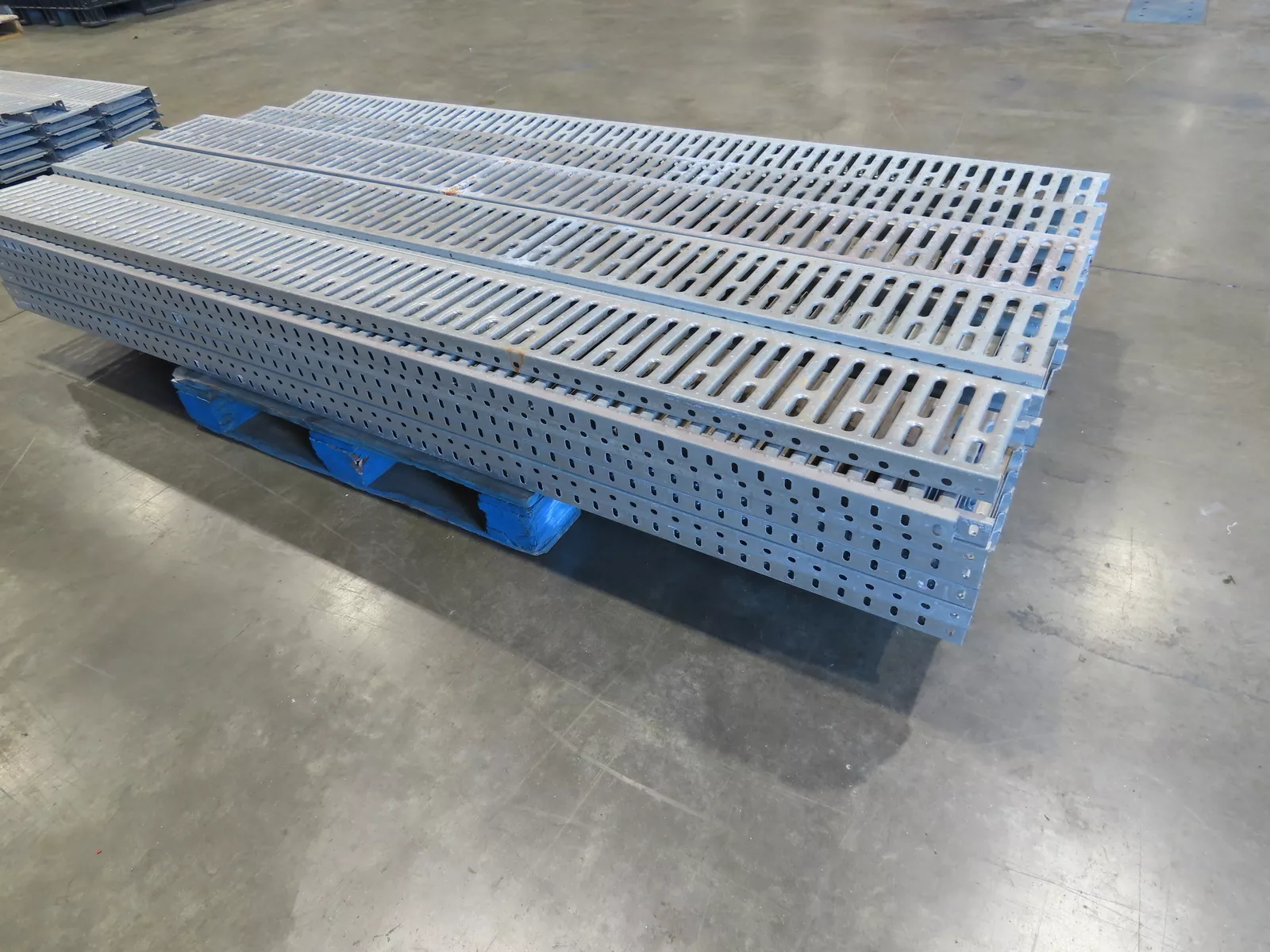
What Role Do Safety Audits Play In Racking Environments?
Conclusion
As we’ve explored throughout this article, the question of safety when walking under pallet racking systems is not just a routine inquiry—it’s a pressing concern that can have profound implications for both employee welfare and business operations. At RackingWorld.com and Arrow Industrial Sales, we acknowledge that while walking under racking can be part of daily warehouse activities, it demands strict adherence to safety protocols and an unwavering commitment to vigilance.
Consider this: every year, numerous accidents occur due to inadequate maintenance, lack of training, or neglect of safety protocols in racking environments. These incidents don’t just endanger lives; they can also stretch budgets thin through medical costs, legal fees, and increased insurance premiums. The notion of ‘better safe than sorry’ rings especially true in this context, as proactive safety measures can mitigate risks and enhance productivity.
So, what steps can you take to ensure the utmost safety for your team while navigating these areas? Regular inspections and maintenance of your racking systems are paramount. By establishing a robust schedule for routine audits and engaging in continuous training for employees, you can significantly minimize hazards associated with pallet racking. Utilizing technology to monitor load weights and implementing clear communication channels during operations will further bolster safety. Integrating these practices creates an environment conducive to serious safety standards while increasing operational efficiency.
Moreover, fostering a workplace culture that prioritizes safety empowers your workforce. When employees recognize their role in maintaining a safe environment, it leads to shared responsibility and commitment to safe practices across the board. Encouraging feedback and adapting training based on real-life experiences can catalyze significant improvements in safety protocols.
In the ever-evolving landscape of industrial operations, don’t wait for an accident to serve as a wake-up call—take action today. At Arrow Industrial Sales, we are here to support your safety initiatives. Call us at (574) 349-6575 for tailored advice, product recommendations, and actionable solutions for enhancing your racking safety measures. The time is now to protect your most valuable asset—your workforce. Investing in a safe working environment not only upholds your company’s reputation but ultimately safeguards its future.
Conclusion
Conclusion:
- The safety of employees walking under pallet racking systems is a critical concern for warehouse operations.
- Many accidents arise from inadequate maintenance, insufficient training, and neglect of safety protocols.
- Incidents can lead to increased medical costs, legal fees, and higher insurance premiums, making safety an economical necessity.
- Regular inspections and maintenance of racking systems are essential for minimizing hazards.
- Continuous employee training and the use of technology to monitor loads can enhance safety measures.
- Fostering a workplace culture that prioritizes safety encourages shared responsibility among employees.
- Taking proactive safety measures today can protect your workforce and ensure the long-term success of your business.
Conclusion
Other Resources
Other Resources
Here is a list of other resources you can review online to learn more:
- “Pallet Racking (Selective Storage Racks)”
- “Pallet racking systems for your warehouse”
- “Push-Back Pallet Racking”
- “Risks and prevention in the warehouse and its racks”
- “Selective Pallet Racking System – Godrej Enterprises Group”
- “Working safely with pallet racking systems – WorkSafe”
- “The Leading Causes of Unsafe Pallet Racking | RSLNI”
- “What Is Warehouse Racking?”
Use This Prompt To Get More Resources With Your Favorite Online AI Tool: Please provide me with a list of online articles with their URLS in a bulleted list that I can read regarding Is It Safe to Walk Under Pallet Racking?
Other Resources
Glossary Terms
Is It Safe to Walk Under Pallet Racking? – Glossary Of Terms
1. Pallet Racking: A system used for storage of materials on pallets, consisting of horizontal rows with vertical supports.
2. Load Capacity: The maximum weight a pallet rack can support without risking structural failure or collapse.
3. Safety Standards: Guidelines and regulations established to ensure safe operations in warehouses and storage facilities.
4. Aisle Space: The width of space between rows of pallet racking, critical for safe movement and access.
5. Forklift: A powered industrial vehicle used to lift and transport materials; frequently used in operations involving pallet racking.
6. Inspection: Regular checks performed to assess the integrity and safety of pallet racking and associated equipment.
7. Vertical Clearance: The height available above the pallet racking, important for safe operation, especially when walking beneath it.
8. Pallet: A flat structure used to support goods for storage and transport; crucial for pallet racking systems.
9. Occupational Safety and Health Administration (OSHA): A U. S. government agency that sets and enforces workplace safety standards.
10. Structural Integrity: The ability of the pallet racking system to withstand its intended load without failing.
11. Hazard Assessment: The process of identifying potential risks associated with walking or working under pallet racking.
12. Protective Barriers: Safety features, such as guardrails or mesh, designed to prevent items from falling from the racking system.
13. Material Handling: The movement, protection, storage, and control of materials throughout the manufacturing and distribution process.
14. Load Distribution: The way weight is spread across a pallet and the racking system, crucial for maintaining safety.
15. Employee Training: Instruction provided to workers regarding safety protocols and best practices for working around pallet racking.
16. Fall Protection: Measures or equipment used to prevent injuries from falling objects or personnel in areas with pallet racking.
17. Pallet Positioning: The arrangement of pallets on the racking, important for ensuring stability and safety.
18. Safety Signage: Visual indicators and warnings placed around pallet racking to inform employees of potential risks.
19. Emergency Procedures: A set of guidelines to follow in case of accidents or unsafe conditions occurring in racking areas.
20. Spotter: A person designated to assist operators in avoiding hazards while they maneuver equipment like forklifts near pallet racking.
21. Wear and Tear: The deterioration of racking components over time due to normal use, potentially leading to safety issues.
22. Guardrails: Protective barriers that prevent accidental contact or collisions with pallet racking.
23. Load Labels: Identification tags on pallets to communicate weight and contents, ensuring proper handling.
24. Weight Limits: Guidelines that specify the maximum load allowed on each pallet and rack level.
25. Caution Procedures: Recommended steps taken to safely navigate areas around pallet racking.
26. Operational Safety: A set of practices aimed at reducing accidents and injuries in the workplace involving pallet racking.
27. Risk Factors: Elements that contribute to unsafe conditions when walking under or around pallet racking.
28. Incident Reporting: The process of documenting accidents or near-misses involving pallet racking for future prevention.
29. Load Backrest: A structural component added to pallet racking to prevent pallets from tipping or falling.
30. Team Communication: Collaborative efforts among employees to ensure everyone is aware of safety risks and operational protocols around pallet racking.
Glossary Of Terms
Other Questions
Is It Safe to Walk Under Pallet Racking? – Other Questions
If you wish to explore and discover more, consider looking for answers to these questions:
- What safety measures should be implemented when working near pallet racking?
- What are the signs that pallet racking systems need maintenance?
- How can employees be trained to recognize safety hazards under pallet racking?
- What types of accidents commonly occur in warehouse racking systems?
- How do load limits impact racking safety?
- What roles do spotters and clear communication play in safety around pallet racking?
- What protective gear is essential for warehouse workers operating near racking systems?
- How should a warehouse develop and implement an emergency action plan related to racking safety?
- What maintenance schedule is recommended for pallet racking systems?
- How can technology enhance safety in pallet racking environments?
- What design features are most effective for improving racking safety?
- What protocols should be established for dealing with debris under pallet racking?
- How do workplace culture and employee involvement influence safety under racking systems?
- What are the best practices for organizing products under pallet racking to ensure safety?
- How can performance metrics related to safety be tracked in warehousing operations?
Other Questions
Checklist
Is It Safe to Walk Under Pallet Racking? – A Checklist
Regular Inspections
1. Schedule Routine Inspections
_____ Conduct inspections at least once a year.
_____ Increase frequency (bi-annual/quarterly) in high-traffic areas.
2. Check for Structural Integrity
_____ Look for signs of wear and tear, bent beams, or damaged components.
_____ Document inspection results and any changes needed.
3. Assess Load Management
_____ Ensure that racks are not overloaded beyond their designated weight capacity.
_____ Use clear labeling for load requirements.
Employee Training
4. Conduct Safety Training
_____ Train employees on safe practices around racking systems.
_____ Include hazard recognition and risk assessment.
5. Implement Hands-On Training
_____ Schedule practical sessions on using pallet jacks and forklifts near racking systems.
_____ Use situational drills to reinforce training.
6. Regular Refresher Courses
_____ Organize regular safety meetings to provide updates and address concerns.
_____ Provide training on emergency procedures.
Establish Safety Protocols
7. Develop Clear Safety Protocols
_____ Set guidelines for walking near and underneath racking systems.
_____ Establish ‘no-go’ zones where necessary.
8. Communicate High-Risk Areas
_____ Mark pathways clearly and ensure clear visibility.
_____ Use signage to alert workers about hazards and safety measures.
Utilize Protective Equipment
9. Provide Personal Protective Equipment (PPE)
_____ Issue hard hats, safety footwear, high-visibility clothing, gloves, and safety glasses.
_____ Ensure that employees are trained on the correct usage of PPE.
10. Install Safety Features
_____ Consider installing guard rails, safety nets, or light curtains where appropriate.
Foster a Culture of Safety
11. Encourage Reporting of Hazards
_____ Create an open line of communication for employees to report problems.
_____ Establish accountability for maintaining cleanliness and order in work areas.
12. Conduct Safety Audits
_____ Perform formal safety audits to identify areas of improvement.
_____ Include employee input in the audit process to enhance compliance and safety culture.
Maintain Cleanliness
13. Implement Cleanliness Protocols
_____ Schedule regular cleaning of the under-racking area.
_____ Assign responsibilities for maintaining cleanliness.
14. Identify and Remove Debris Promptly
_____ Train staff to assess and remove debris immediately.
_____ Use proper equipment for debris removal to ensure safety.
Emergency Preparedness
15. Develop an Emergency Action Plan (EAP)
_____ Create and communicate clear emergency procedures.
_____ Conduct regular drills for different emergency scenarios.
16. Install Emergency Shut-Off Systems
_____ Ensure that emergency shut-off switches for machinery are accessible.
By following this checklist, warehouse managers and employees can significantly enhance safety while navigating under pallet racking systems, thereby protecting both workers and the organization.
Checklist
At RackingWorld, we help guide you through selecting warehouse storage systems and racking.
Be sure to read our other related stories at RackingWorld to learn more about warehouse storage systems.
0 Comments