
Ensuring Worker Safety And Efficiency Near Racks
By Tom Seest
At RackingWorld, we help guide you through selecting warehouse storage systems and racking.
Be sure to read our other related stories at RackingWorld to learn more about warehouse storage systems.
Fall Protection Considerations Near Racks
When you step into a warehouse filled with towering racks, the first thing that strikes you is the sheer scale—metal and goods stacked high, everyone bustling about with a sense of purpose. But amidst the hustle and bustle, there’s an unyielding responsibility that weighs heavy on the shoulders of every worker, and that’s the commitment to safety. Fall protection considerations near racking aren’t just boxes to tick; they’re vital safeguards that can mean the difference between a routine day on the job and a life-altering incident.
Imagine a scenario where a worker is climbing to retrieve a product stored high on the racking. It’s a familiar scene—the adrenaline rush of reaching for an item you can’t quite grasp, but the ground feels just a bit more distant with each step. Now, consider that worker’s family waiting at home, trusting that their loved one will return safely after a long day. It’s this connection—this emotional investment in every individual—that underscores the absolute necessity of comprehensive fall protection measures.
Racks in a warehouse represent more than just storage; they embody the hard work and dedication of individuals striving to maintain productivity. Ethically, every employer has a duty to protect their employees, ensuring that no one feels the weight of worry when they set foot on the job. This is where fall protection systems come into play: harnesses, guardrails, and even personal fall arrest systems are not mere accessories; they are lifelines that foster confidence and security. By implementing these systems, companies are not just enforcing regulations—they are investing in their workforce, building a culture of trust that promotes both safety and productivity.
And let’s not forget the power of addressing the gut feeling that comes with hazard awareness. There’s a sense of unease when navigating areas with limited protection. This isn’t just about compliance; it’s about acknowledging fear and transforming it into confidence through proper training and acknowledgment of risks associated with working near racking.
Creating a safe workspace is a collective effort; it’s about camaraderie and responsibility. Each team member should feel empowered to speak up when something doesn’t feel right, creating a culture where everyone looks out for one another. That’s how we cultivate safety—a shared commitment, an unspoken bond fostered among colleagues. So next time you’re near racking, remember: every step you take is an act of responsibility, not just for yourself, but for everyone who counts on you.
Fall Protection Considerations Near Racks
Fall Protection Considerations Near Racks
- Warehouses feature towering racks filled with goods, highlighting their scale and purpose.
- Workers carry an important commitment to safety, especially regarding fall protection measures.
- Fall protection is essential to prevent life-altering incidents, reflecting the emotional stakes for workers’ families.
- Racking signifies both storage functionality and the workers’ dedication to productivity.
- Employers have an ethical duty to ensure the safety of their employees through comprehensive fall protection systems.
- Hazard awareness is crucial; addressing fears can enhance confidence through training and risk acknowledgment.
- Creating a safe work environment is a collective responsibility, fostering a culture of safety and camaraderie among all team members.
Fall Protection Considerations Near Racks
Table Of Contents
- Fall Protection Considerations Near Racks
- What Emotional Weight Does Your Team Carry While Working Near Racks?
- Are You Aware Of the Safety Regulations Regarding Fall Protection?
- How Can Proper Training Influence Safety Near Storage Racks?
- What Stories Highlight the Importance Of Fall Protection Near Racks?
- What Risks Arise From Complacency In Fall Protection Strategies?
- Conclusion
- Other Resources
- Glossary Of Terms
- Other Questions
- Checklist
What Emotional Weight Does Your Team Carry While Working Near Racks?
When you look at a team working near racks, it’s easy to see the machinery, the inventory, and the knowledge put to use. But behind this industrial symphony lies an emotional weight that often goes unnoticed. Each day, your teammates clock in, carrying not just their lunch pails, but also their hopes, frustrations, and dreams. Racking up those late nights and extra shifts adds layers to their performance—it’s a delicate dance of dedication and pressure.
Consider the heart—a team member might be a single parent, balancing the demands of their job with the needs of their children. When they secure items on racking systems, they’re stacking more than just boxes; they’re building a future, brick by brick. Each movement could be a small victory or a sobering reminder of what’s at stake. This emotional backdrop shapes not just individual experiences but the collective spirit of the whole team.
Then there’s the head. The rational side that weighs risks versus rewards, efficiency against safety. As teams operate around racking systems, every decision made is an intricate balancing act. With tight deadlines and quotas to meet, adrenaline often fuels actions that might otherwise set alarms ringing. It’s a mental strain akin to a high-wire act, where one misstep could spell disaster. A rational understanding of these stakes fosters a culture of mutual respect—a true connection forms when each team member acknowledges the burdens they carry.
Ethically, the responsibility is immense. The emotional and physical safety of the team hinges on how well they navigate these environments. There’s the obligation to foster a workplace where psychological well-being is just as valued as physical prowess. Creating an atmosphere where feedback flows freely and support is palpable encourages collaboration and candor.
Finally, it’s a shared narrative. Each worker provides a unique perspective, contributing to a larger story—one where triumph and hardship intertwine. When colleagues share their challenges, they spark empathy and understanding, creating an unbreakable bond forged through shared experience.
So as you observe your team near those racks, recognize the invisible burdens they bear. Engage with them, listen actively, and appreciate their daily grind. By understanding the emotional weight of their labor, you not only foster an environment of trust but also inspire confidence—a call to action where everyone feels valued and empowered to give their best.
What Emotional Weight Does Your Team Carry While Working Near Racks?
What Emotional Weight Does Your Team Carry While Working Near Racks?
- Teams working near racks embody a combination of machinery, inventory, and knowledge, but also carry emotional burdens.
- Team members arrive with personal challenges, hopes, and dreams, adding layers of dedication and pressure to their performance.
- A single parent, while working, might view securing items as building a future, revealing personal stakes and small victories.
- The rational aspect involves balancing risks and rewards, where every decision can impact safety and efficiency.
- Mutual respect develops when team members recognize each other’s burdens, fostering a strong workplace culture.
- There is a shared ethical responsibility to prioritize both psychological and physical safety in the workplace.
- Each team member’s unique experiences contribute to a collective narrative that fosters empathy and strengthens bonds.
What Emotional Weight Does Your Team Carry While Working Near Racks?
Are You Aware Of the Safety Regulations Regarding Fall Protection?
When we walk into a bustling construction site, it’s easy to get lost in the cacophony of machines and the chatter of skilled workers. But hidden behind that industrious facade lies something far more critical—an unyielding commitment to safety. Fall protection is not just a set of regulations; it’s the thin line between a productive day and a life-altering accident.
Think about it for a moment. Every time you step into the heights of a building, or precariously position yourself on a racking system, there’s a silent agreement you make: the assurance that precautions are in place to catch you if you stumble. You trust that your colleagues have followed the protocols, that professionals with expertise have designed this environment with your safety in mind. That trust is paramount. And yet, it can only exist when everyone knows the rules and stands by them.
It’s not just about personal safety; it’s about the greater good. Each worker on that site is someone’s brother, sister, parent, or friend. When we commit to safety regulations regarding fall protection, we honor not only our lives but the lives of those who love us. The decision to wear a harness or attach a safety line while up high is rooted in an ethical responsibility—to yourself and your community.
We can speak about numbers and reports—the statistics that confirm how many accidents can be averted with proper safety measures. But let’s cut to the heart of it: when you’re hundreds of feet in the air, those statistics become very real. Consider the gut-wrenching feeling of knowing that a simple oversight could change the course of your life forever. That’s what makes this dialogue so crucial.
So, let’s rally around the idea that safety isn’t just a checklist; it’s a culture we foster together on every job site. Share stories, teach the newcomers, and make it clear that following these regulations is not just a legal obligation but a deeply-rooted commitment to one another’s well-being. When we own this responsibility, the foundation of our work becomes as solid as the structures we build. Together, let’s take those steps—because safety is not optional; it’s indispensable. It’s time to make it a mission, not just an afterthought.
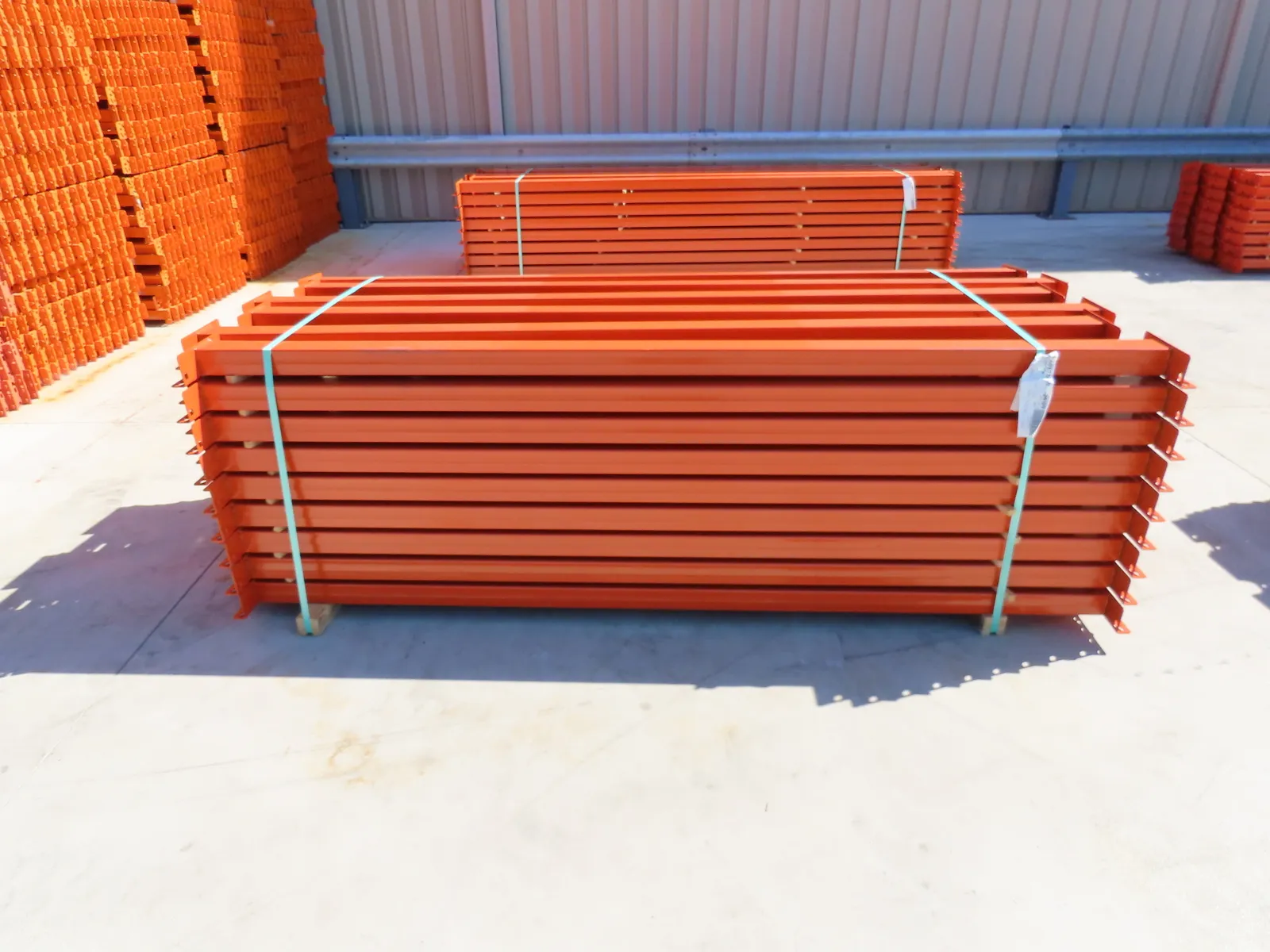
Are You Aware Of the Safety Regulations Regarding Fall Protection?
Are You Aware Of the Safety Regulations Regarding Fall Protection?
- Construction sites are busy environments, yet safety remains a critical priority.
- Fall protection is essential, serving as the line between productivity and life-altering accidents.
- Trust in safety measures is crucial; it relies on everyone knowing and following the rules.
- Commitment to safety honors not just individual lives but also the lives of loved ones.
- Awareness of personal responsibility in safety practices is key to preventing serious accidents.
- Safety is a culture that should be actively fostered through sharing experiences and teaching others.
- Making safety a mission is essential; it is not just a regulatory obligation but a moral responsibility.
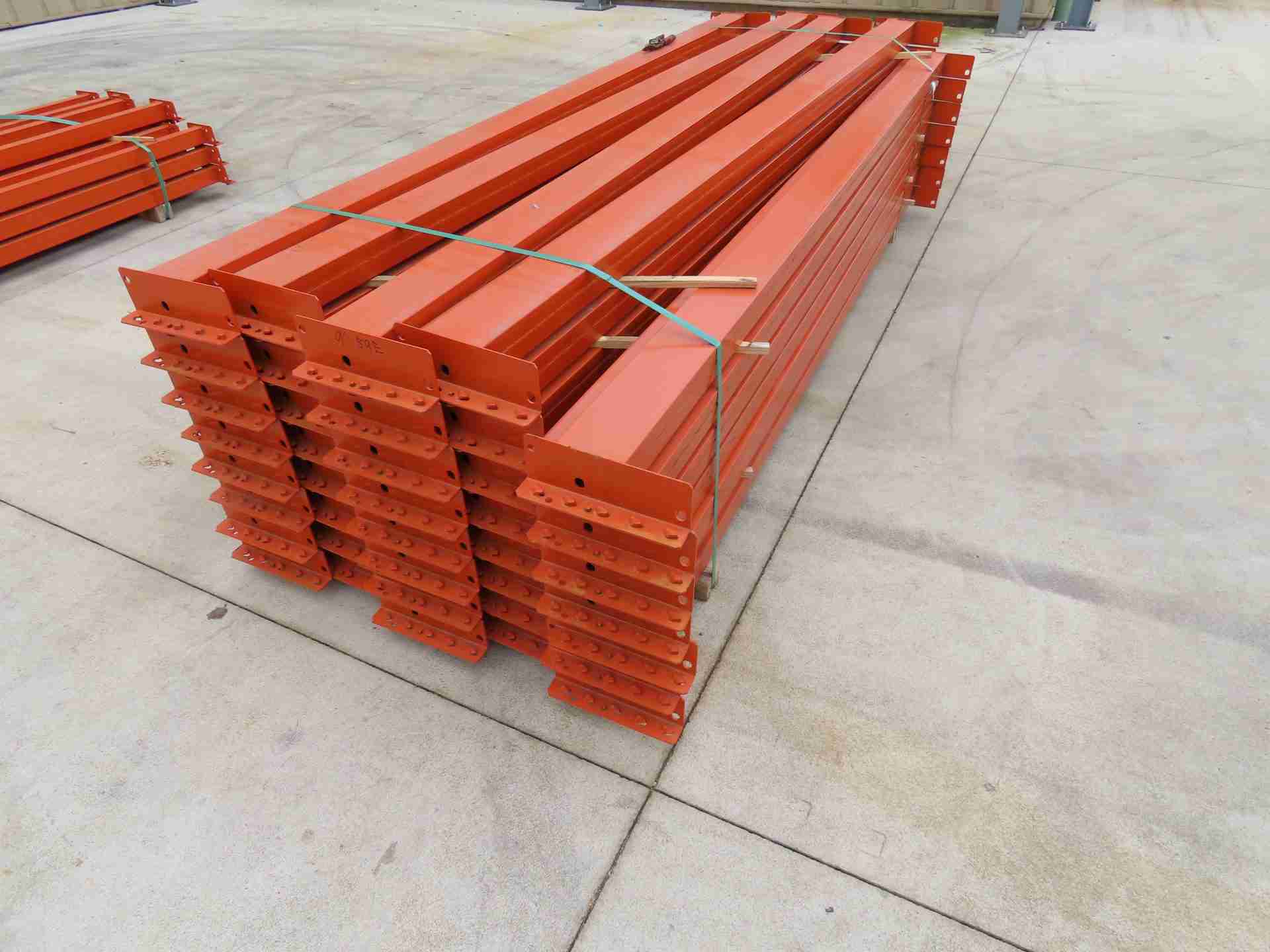
Are You Aware Of the Safety Regulations Regarding Fall Protection?
How Can Proper Training Influence Safety Near Storage Racks?
It’s hard to ignore the towering presence of storage racks in warehouses. They stand like sentinels, holding our products and, to a large degree, our livelihoods. But every day, countless individuals navigate this maze of metal and inventory, often unaware of the dangers lurking in the shadows. Proper training can be the difference between routine and tragedy, fundamentally influencing safety near these racking systems.
Imagine Jane, a warehouse worker with dreams of a better life. For her, each shift represents an opportunity to provide for her family. But on this particular day, a lapse in safety protocol changes everything. Untrained in the nuances of operating forklifts near racking, she misjudges her turn and accidentally knocks over a stack of boxes. The sound of metal clanging against concrete reverberates in the air, and in a split second, she realizes her carefree attitude could have catastrophic consequences.
Training doesn’t just protect employees; it enriches the very fabric of a workplace culture. It instills a sense of ownership. When individuals understand the intricacies of equipment and safe practices, their confidence grows. They begin to feel a responsibility not just for their safety, but for their colleagues as well. This collective awareness fosters a community that values vigilance—a community that protects each other while working side by side.
From an ethical standpoint, businesses have a moral duty to safeguard their employees. We put our trust in employers to prioritize our well-being, so they must deliver on that expectation. Racking systems may hold up products, but proper training supports the people who interact with these structures every day. It shows that a company values its workforce, which cultivates loyalty and drives productivity.
When we invest in comprehensive training programs, we’re not just checking a box; we’re shaping a safer environment. Organizations that prioritize employee education are often seen as leaders in their field. By setting the standard, they inspire others to follow suit, creating an industry culture that champions safety over negligence.
A well-trained team is a confident team. Let’s commit ourselves to the daily grind of learning and improvement. After all, it’s not just about getting the job done—it’s about doing it in a way that keeps everyone safe. Together, we can turn the daunting sight of racking from something menacing into a testament to our collective diligence and dedication.
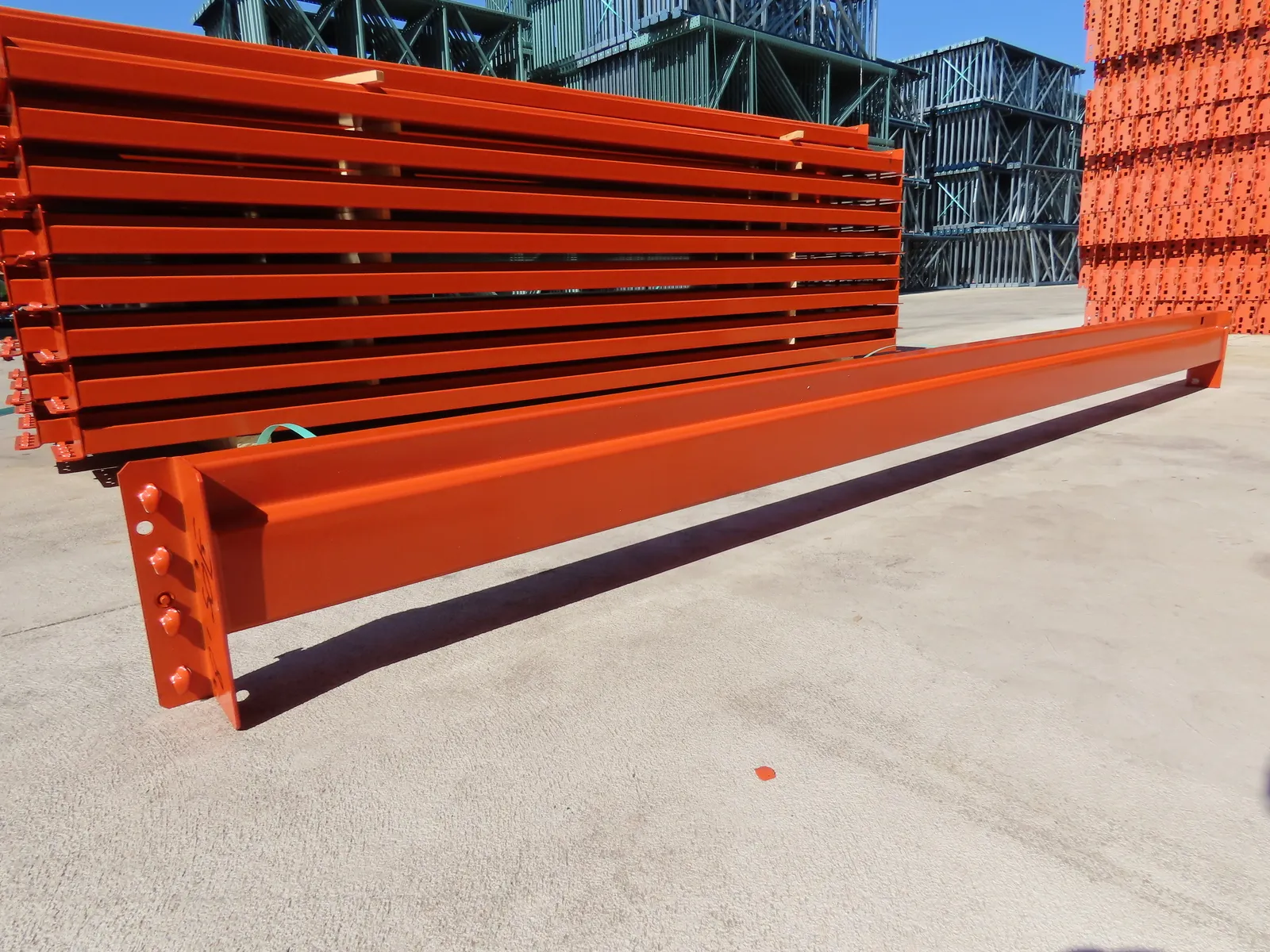
How Can Proper Training Influence Safety Near Storage Racks?
How Can Proper Training Influence Safety Near Storage Racks?
- Storage racks in warehouses are essential for holding products and supporting livelihoods.
- Many warehouse employees, like Jane, may be unaware of safety dangers around racking systems.
- Proper training is crucial for safety, potentially preventing tragic accidents.
- Training fosters workplace culture, responsibility, and ownership among employees.
- Businesses have a moral obligation to prioritize employee safety and well-being.
- Comprehensive training programs contribute to a safer work environment and enhance company reputation.
- A well-trained team promotes confidence and a commitment to safety in the workplace.

How Can Proper Training Influence Safety Near Storage Racks?
What Stories Highlight the Importance Of Fall Protection Near Racks?
In the bustling heart of warehouses across the nation, stories unfold daily—some hopeful, others tinged with heartbreak. One story that resonates deeply occurred in a warehouse where a hardworking father of two lost his footing while stacking inventory. The racking system, tall and intimidating, became a backdrop for a preventable tragedy. His fall not only shattered bones but also dreams, leaving an indelible mark on his family and a workplace forever changed by loss. This incident underscores just how crucial fall protection near racks is—a safety net that can make the difference between tragedy and survival.
Many of us envision warehouses as mere structures filled with goods, but the reality is much deeper. These places house lives, ambitions, and futures. It’s about workers—dads, mothers, brothers, and sisters—risking everything to provide for loved ones. When we neglect fall protection, we undermine not just safety protocols, but the very humanity behind the hard work. The authority of seasoned safety experts echoes with this message: investing in fall protection isn’t merely a regulatory obligation, it’s a moral duty. It signals that lives matter more than profit margins—a statement that should echo in every corner of a workplace.
Think about it: the next time you enter a warehouse, can you look past the racks and see the people whose livelihoods depend on those shelves? Each individual maneuvering around stacks of boxes, each one counting the hours to return home, bringing not just a paycheck, but peace of mind. The gut-wrenching truth is that without proper protections in place, these individuals are walking a tightrope. The emotional weight of this reality can unite us in a cause greater than ourselves.
Too often, we hear about the consequences of oversight—the stories that haunt us because they could have easily been avoided. By fostering an environment that prioritizes fall protection near racks, we’re not just complying with safety standards; we’re cultivating a culture of care and responsibility. Imagine workplaces where safety gear is as common as gloves and helmets—where every worker feels valued and protected.
Let’s turn our narratives into actions. Promote awareness and advocate for rigorous safety measures. Encourage your teammates to speak up, to be part of the solution. As we celebrate the strength of our workforce, let’s also commit to fortifying their safety—because every life lost is a life that could have been celebrated.
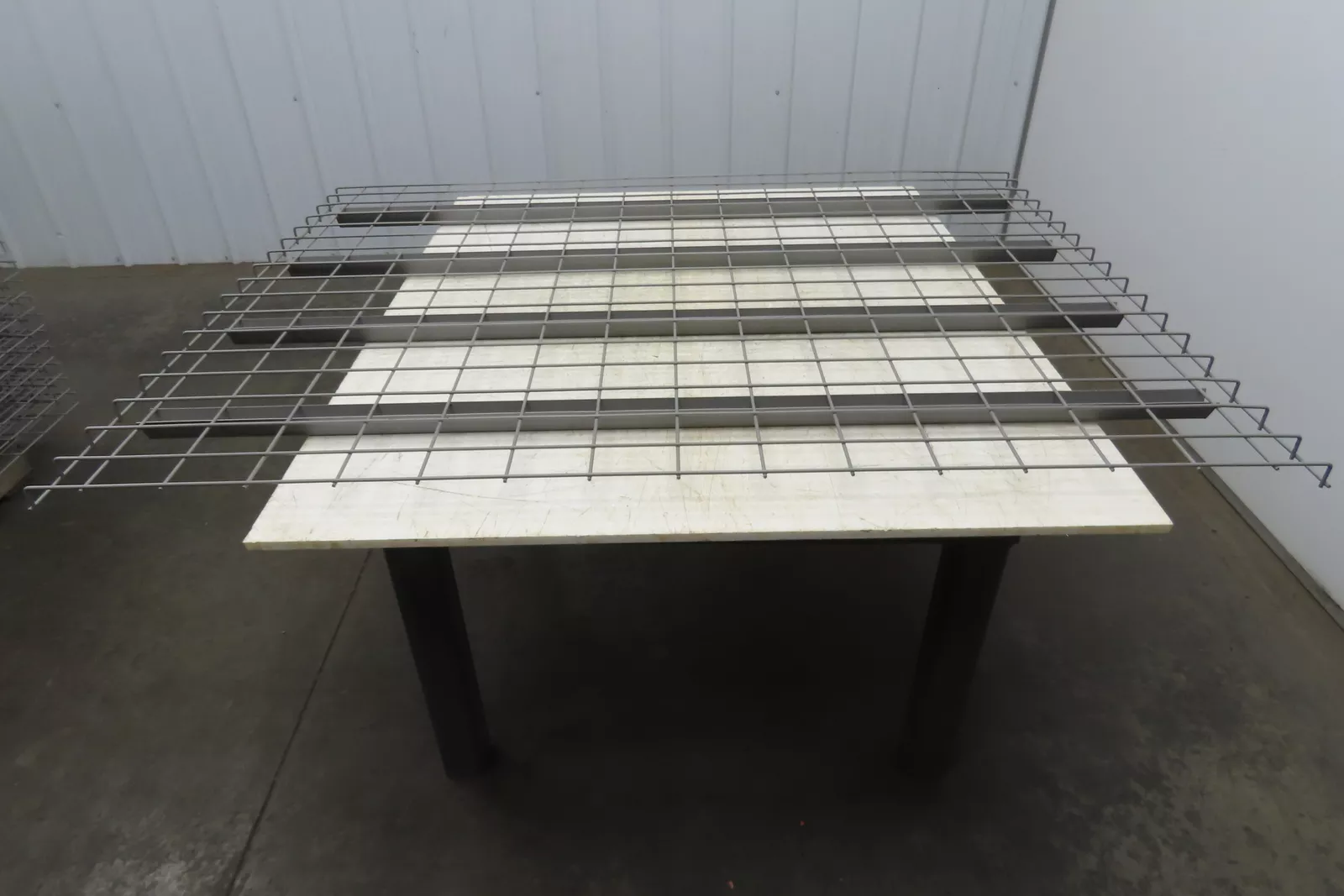
What Stories Highlight the Importance Of Fall Protection Near Racks?
What Stories Highlight the Importance Of Fall Protection Near Racks?
- A tragic incident occurred in a warehouse where a father of two fell while stacking inventory, highlighting the need for fall protection.
- This accident not only caused physical injuries but also affected the victim’s family and workplace environment.
- Warehouses are more than storage spaces; they represent lives, futures, and the hard work of individuals providing for their families.
- Fall protection is a crucial safety measure that reflects a company’s commitment to valuing human lives over profit.
- Every worker in a warehouse contributes to the safety and productivity of their environment, underscoring the need for protections.
- There is a call to create a culture of safety, where protective measures are prioritized, and all workers feel valued.
- Encouraging awareness and advocacy for safety measures transforms narratives into action, honoring every life in the workforce.
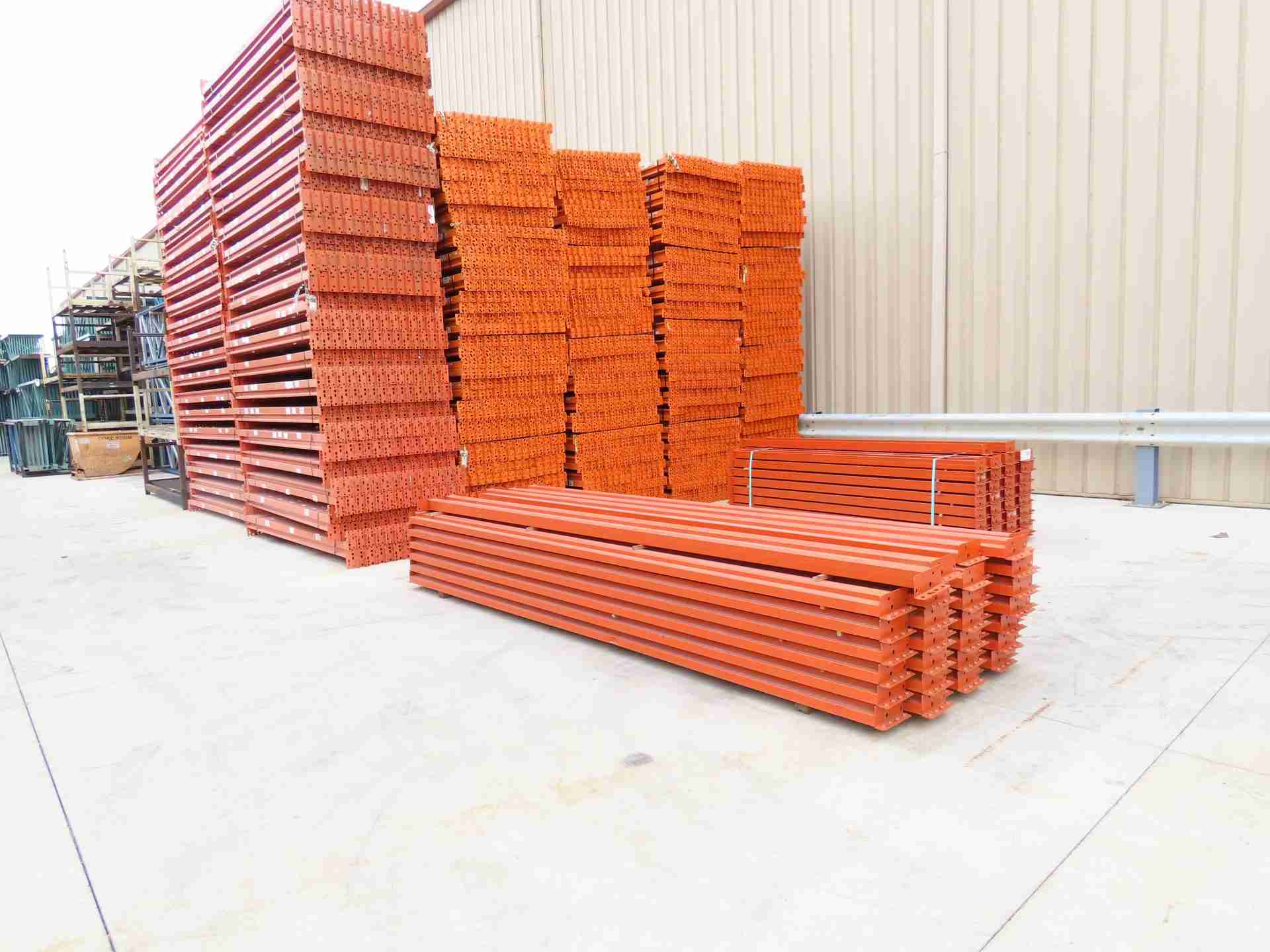
What Stories Highlight the Importance Of Fall Protection Near Racks?
What Risks Arise From Complacency In Fall Protection Strategies?
When we talk about fall protection strategies, the conversation can quickly devolve into a series of statistics or regulations, but let’s take a moment to step back and think about what happens when we become complacent. Picture a bustling construction site, a place where workers depend on each other, where their lives and livelihoods hinge on the integrity of fall protection measures. Now imagine a worker overlooking worn harnesses, thinking, “It’ll be fine; I’ve done this a thousand times.” That moment of complacency—because it feels easier—can lead to catastrophic outcomes.
Racking our focus on proper fall protection isn’t just a matter of compliance; it’s about the ethical responsibility we bear for ensuring each person returns home safe. The emotional weight of knowing that a simple oversight could devastate families is a heavy burden. Risk is a three-letter word, but its implications can echo through generations. When one’s safety is compromised, it isn’t just a statistic that we read about—it’s a life altered forever.
Let’s think logically. Complacency breeds a culture where safety becomes an afterthought. A rational approach encourages us to embrace continuous learning and vigilance. Consider the shocking fact that over 300 workers die from falls each year in the U.S. alone. This isn’t just a number; it represents fathers, mothers, children, and friends who were either unprotected or believed the risk was worth the short cut. Allowing complacency to creep in is a betrayal not just to those workers but to the very essence of teamwork; it says, “I’m willing to gamble not just with my life, but potentially with yours.”
Now, let’s move on to the heart of the matter. When we neglect our fall protection strategies, we are, in essence, neglecting our fellow human beings. Each time we don our safety gear, we are making an oath—to ourselves and to our teammates. We owe it to one another to be mindful, to be proactive, and to elevate the set of standards to which we hold ourselves.
In this collective endeavor, let us harness the power of social influence. We thrive on community support, stemming from shared values and experiences. Making fall protection a priority not only demonstrates respect for one another, but it also fosters trust—a critical component of any workforce. When the stakes are this high, it’s time to act, to challenge complacency head-on, and to ensure that every individual feels empowered to speak up. Let the safety of our team be the foundation upon which we build. After all, none of us should ever have to ask ourselves why we didn’t do more to protect one another.
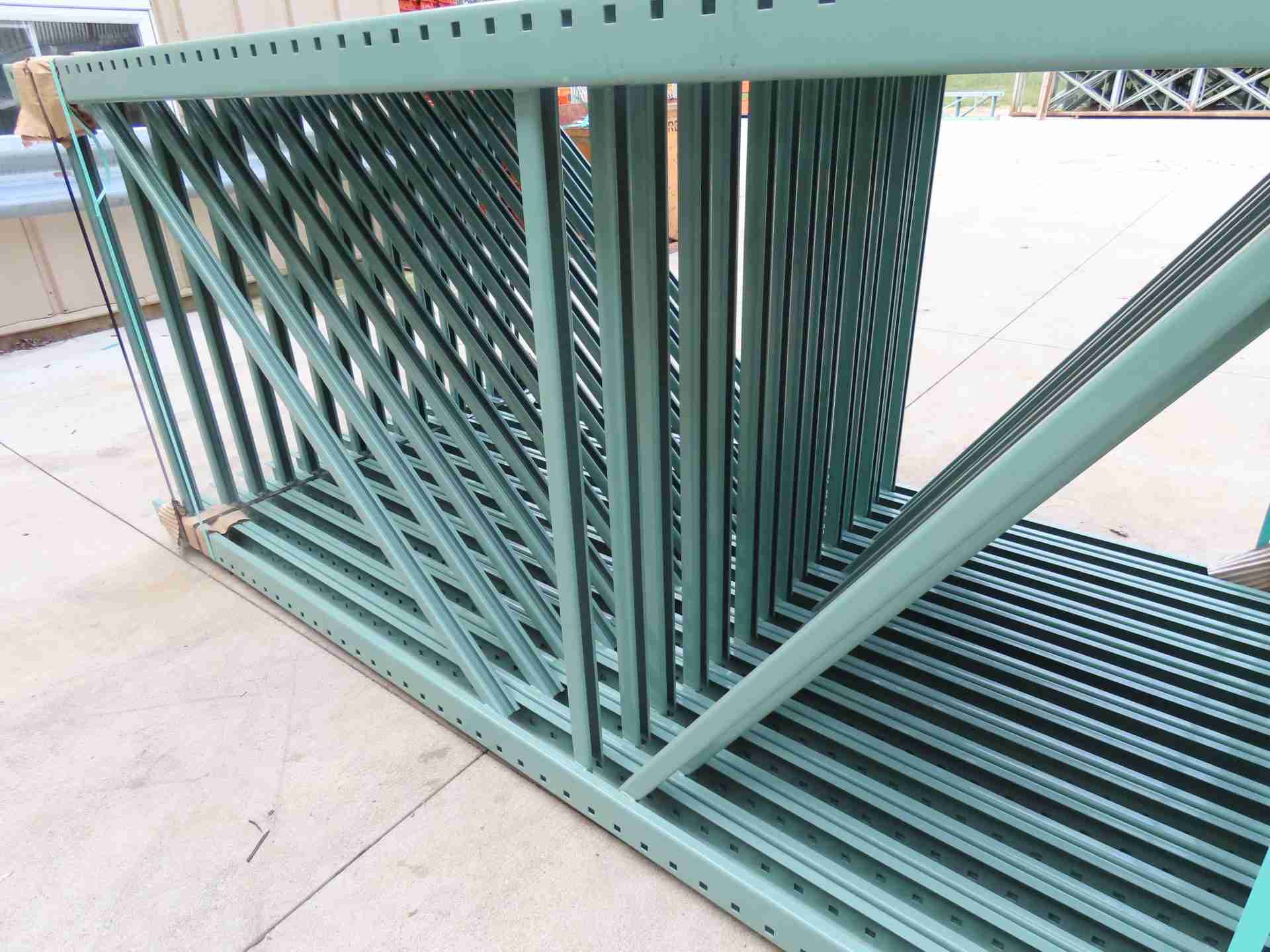
What Risks Arise From Complacency In Fall Protection Strategies?
What Risks Arise From Complacency In Fall Protection Strategies?
- Fall protection strategies must prioritize vigilance over complacency to prevent catastrophic outcomes.
- Workers should not underestimate the importance of proper safety measures, as even a moment of neglect can have devastating consequences.
- Fall protection is an ethical responsibility that impacts the safety and well-being of families and communities.
- Over 300 workers die from falls each year in the U.S., highlighting the real-life implications of safety oversights.
- Complacency in safety leads to a culture where risks are undervalued, putting everyone at stake.
- Wearing safety gear represents a collective commitment to each other’s safety and teamwork.
- Fostering a culture of trust and accountability in fall protection strategies empowers everyone to prioritize safety.
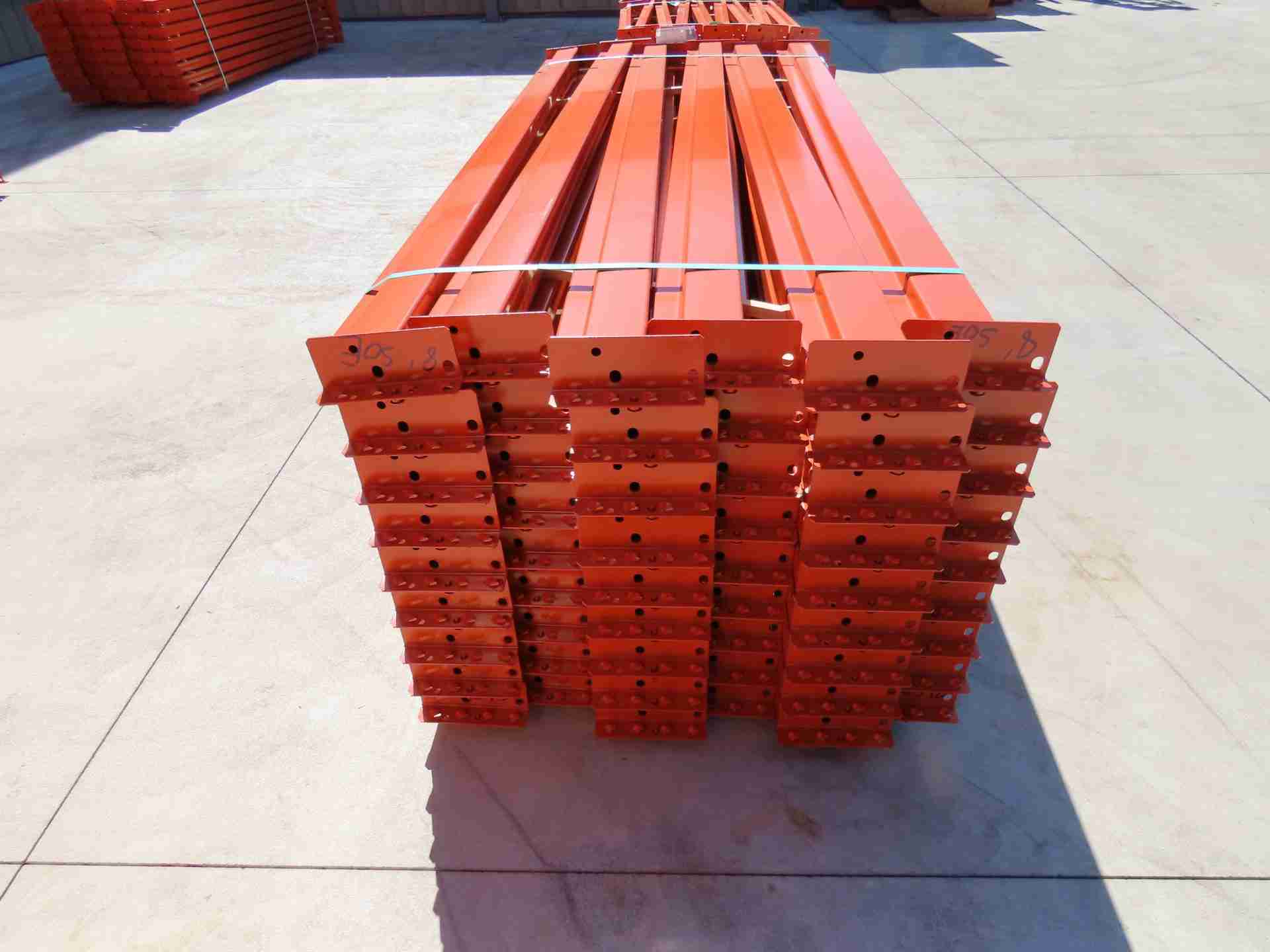
What Risks Arise From Complacency In Fall Protection Strategies?
Conclusion
Within the labyrinth of towering racks in our warehouses, every employee embodies the fusion of hard work and unyielding commitment to safety. These metal giants, which hold our inventories and futures, come with their own set of risks. Each time a worker ascends a ladder or maneuvers around these structures, they carry not just the weight of goods but the emotional burdens of home—their families, dreams, and aspirations tightly wound around each movement they make. The importance of fall protection near these racks transcends regulatory compliance; it’s about honoring these emotional ties and ensuring a safe return each day.
We can rationalize the need for safety with cold, hard statistics, yet the human element is at the core of this discussion. What could be numbers on a report represent lives—mothers, fathers, sons, and daughters—each with loved ones counting on their safe return. The bond between a team is forged in the understanding of shared risks. It’s that bond that turns safety protocols from a mere obligation into a culture of care and responsibility.
We face a daunting truth: complacency in fall protection strategies is a silent killer. It invites the illusion that shortcuts are harmless, that familiarity breeds invulnerability. One slip, one lapse in judgment, and lives are irrevocably changed, casting shadows over families and communities. Recognizing this, we need to challenge the myth of invincibility that often leads workers to overlook safety measures. Proper training and consistent vigilance are our lifelines against this pervading complacency.
Let’s not forget that fostering a spirit of safety requires collective effort. The workplace becomes a tapestry woven with stories of shared experience; it encourages open communication where team members feel empowered to voice concerns without hesitation. Each of us plays a crucial role in ensuring that our environment prioritizes safety as much as productivity. Speak up. Advocate for rigorous safety measures. Recognize that caring for one another translates into trust and higher morale.
As we navigate the complexities of our workspaces, we must remember that putting our safety first isn’t just a responsibility; it’s a declaration of solidarity. Every time we secure a safety harness or acknowledge a potential hazard, we’re not just following procedures; we’re committing to one another. In the world of work, this commitment is indispensable—because when safety becomes second nature, we empower one another, and that’s when we truly work together. In the end, it’s not about how high the racks go; it’s about how far we will go to keep each other safe. Let’s make that our mission.

Conclusion
Conclusion:
- Every employee in the warehouse exemplifies hard work and commitment to safety amidst potential risks.
- The emotional burdens of workers’ families and dreams add significance to fall protection practices.
- Safety measures are essential not just for compliance, but to ensure safe returns home.
- Complacency in fall protection strategies poses a serious risk and can lead to tragic consequences.
- Proper training and vigilance are critical in combating complacency and maintaining safety standards.
- A collective effort fosters a culture of safety through open communication and advocacy among team members.
- Prioritizing safety is a responsibility that strengthens solidarity and trust within the workplace.
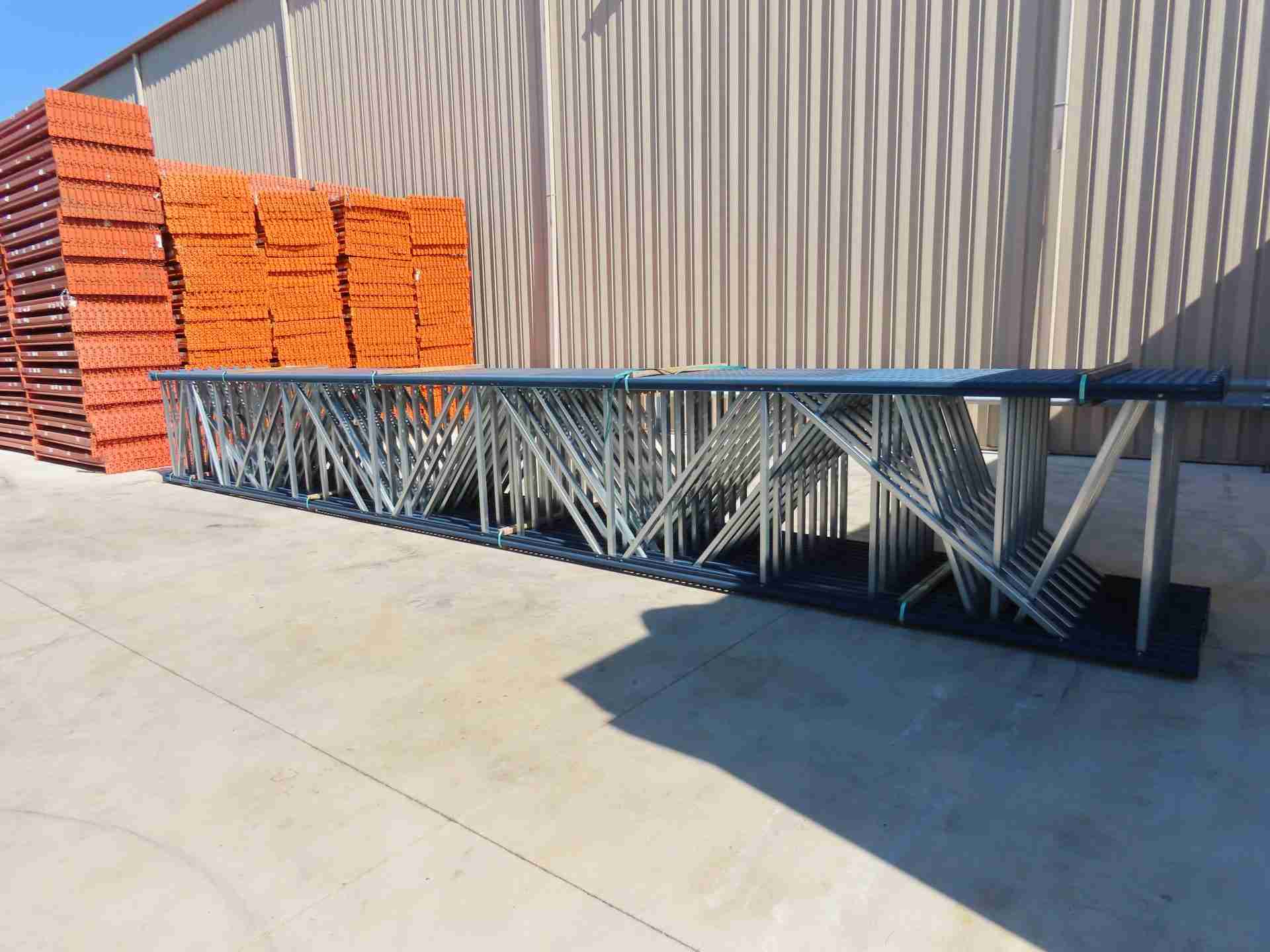
Conclusion
Other Resources
Other Resources
Here is a list of other resources you can review online to learn more:
- What is Cantilever Racking? – AK Material Handling Systems
- Selective Racking
- International Warehouse Logistics Association
- Overhead Lifting
- New Cantilever Racks and Racking Kits
- Cantilever Rack Guide: Ordering Cantilever Racking
- IWLA
- Warehouse Storage Racking in Illinois
- Logic Material Handling
- ASSP
- BMH Equipment LLC
- Interlake Mecalux
- Cantilever Racks Chicago
- Heavy-Duty Cantilever Storage Racks
- Chicago Pallet Racking
- Cantilever Rack Configuration & Installation: A Comprehensive Guide – BMH
- Arrow Industrial Sales
- SEMA
- Teardrop Industrial Shelving Rack
- BMH
Use This Prompt To Get More Resources With Your Favorite Online AI Tool: Please provide me with a list of online articles with their URLs in a bulleted list that I can read regarding Fall Protection Considerations Near Racks
Other Resources
Glossary Terms
Fall Protection Considerations Near Racks – Glossary Of Terms
1. Fall Protection: Safety measures and equipment designed to prevent workers from falling during tasks at heights.
2. Racks: Structures used for storing goods, materials, or inventory in warehouses and industrial settings.
3. Guardrails: Barriers installed around elevated areas to prevent falls, typically consisting of a top rail, mid-rail, and posts.
4. Anchor Points: Secure locations on which personal fall protection equipment, like harnesses and lanyards, can be attached.
5. Harness: A wearable safety device that secures the body and distributes fall forces across the torso.
6. Lanyards: Flexible lines used to connect a harness to an anchor point, designed to absorb the forces of a fall.
7. Personal Fall Arrest System (PFAS): A combination of equipment, including a harness, lanyard, and anchor point, designed to safely arrest falls.
8. Fall Restraint: Systems that prevent a worker from reaching the edge of a fall hazard, keeping them safe without the risk of free fall.
9. Safety Nets: Netting that catches falling workers or materials, designed to provide a secondary level of protection.
10. Training: Instruction provided to workers on how to safely use fall protection equipment and follow best practices.
11. Risk Assessment: A systematic evaluation of potential fall hazards associated with working near racks.
12. Incident Report: Documentation detailing any fall-related accidents or near misses, used for safety analysis and improvements.
13. Compliance: Adherence to safety regulations and standards set by organizations like OSHA.
14. Edge Protection: Safety measures put in place to protect workers at elevated edges to prevent falls.
15. Footwear: Shoes designed to improve grip and stability, reducing the risk of slips that could lead to falls.
16. Access Platforms: Elevated platforms providing safe access to work areas near racks, equipped with railings and guardrails.
17. Inspection: The process of evaluating fall protection equipment and systems to ensure functionality and safety.
18. Load Limits: Maximum weight capacity for racks, which must be respected to prevent structural failure and accidents.
19. Material Handling: The movement, protection, storage, and control of materials throughout the manufacturing and warehousing process.
20. Safety Culture: An organization’s commitment to prioritizing the safety and health of its workers.
21. Incident Prevention: Strategies and practices implemented to reduce the likelihood of accidents and injuries.
22. Emergency Procedures: Steps established to follow in the event of a fall or accident, designed for rapid response.
23. Inspection Checklist: A list of items to verify during equipment inspections to ensure compliance with safety standards.
24. Post-Fall Procedures: Actions to be taken after a fall incident, including rescue operations and medical attention.
25. Installation Guidelines: Best practices for securing fall protection systems near elevated racks.
26. Vertical Lifelines: Ropes or cables used in fall protection systems that allow users to move vertically while remaining secured.
27. Slips, Trips, and Falls (STFs): Common workplace accidents that can occur due to uneven surfaces, clutter, or wet conditions.
28. Collective Protection: Safety measures that protect multiple workers at once, such as barriers or safety nets.
29. Work Zone: Designated areas where employees perform tasks, often requiring tailored fall protection strategies.
30. Compliance Audits: Reviews conducted to ensure that fall protection measures meet established safety regulations and standards.
Glossary Of Terms
Other Questions
Fall Protection Considerations Near Racks – Other Questions
If you wish to explore and discover more, consider looking for answers to these questions:
- What specific fall protection systems are most effective for racking environments?
- How can companies ensure proper training for their employees regarding fall protection?
- What legal consequences can arise from failing to comply with fall protection regulations?
- What are the personal stories of individuals affected by inadequate fall protection?
- How can organizations foster a culture of safety and accountability among employees?
- What are the financial implications of investing in fall protection measures?
- How can technology improve safety protocols in warehouses with racking systems?
- What role does management play in promoting safety near racks?
- How can employees effectively communicate safety concerns in the workplace?
- What are some common misconceptions about fall protection in warehouse settings?
Other Questions
Checklist
Fall Protection Considerations Near Racks – A Checklist
Fall Protection Safety Checklist
Emotional Appeals:
_____ Reflect on the stories of colleagues affected by workplace accidents; understand their personal stakes.
_____ Share personal experiences or fears about safety with coworkers to foster a supportive culture.
_____ Discuss how safety measures allow workers to focus on their families and the lives they build.
Rational Appeals:
_____ Review and understand the current fall protection regulations relevant to your workplace.
_____ Analyze the risks versus rewards of properly implemented safety measures.
_____ Encourage team discussions on the financial and reputational costs associated with accidents versus the investment in safety training.
Ethical Appeals:
_____ Commit to a workplace culture that prioritizes the emotional and physical well-being of all team members.
_____ Make it a collective responsibility to ensure that everyone follows safety protocols with dedication.
_____ Advocate for continuous improvement in safety measures to reflect the value of every individual in the organization.
Authority Appeals:
_____ Stay informed about safety standards and best practices from recognized safety organizations.
_____ Attend safety training sessions conducted by experienced professionals to enhance awareness.
_____ Encourage sharing of knowledge from safety experts and peer-reviewed sources regarding fall protection.
Narrative Appeals:
_____ Share success stories where proper fall protection prevented potential accidents.
_____ Collect and discuss narratives from peers that highlight the importance of vigilance and safety in their experiences.
_____ Create a communal archive of stories emphasizing the human aspect of safety measures.
Social Appeals:
_____ Foster a team environment where speaking up about safety concerns is encouraged and supported.
_____ Establish accountability partners within teams to ensure adherence to safety protocols.
_____ Organize team-building activities that emphasize safety culture, encouraging unity and responsibility toward one another.
Checklist
At RackingWorld, we help guide you through selecting warehouse storage systems and racking.
Be sure to read our other related stories at RackingWorld to learn more about warehouse storage systems.
0 Comments