
The Hidden Risks Of Inadequate Warehouse Storage
By Tom Seest
At RackingWorld, we help guide you through selecting warehouse storage systems and racking.
Be sure to read our other related stories at RackingWorld to learn more about warehouse storage systems.
How Can One Misstep In Warehouse Storage Lead to Catastrophic Loss?
How Can One Misstep in Warehouse Storage Lead to Catastrophic Loss?
Picture this: a bustling warehouse filled with the promise of efficiency and productivity. But lurking beneath the surface is a single misstep – one overlooked detail in your storage system, and the entire operation could spiral into chaos. Yes, even the most meticulously planned facilities can fall victim to a single oversight, leading to catastrophic loss. And often, that misstep is connected to something as crucial as pallet racking.
When we think of warehouse storage, we often imagine vast aisles lined with neatly stacked products. Yet, behind this facade lies a complex web of decisions – each one pivotal to the preservation of your inventory. Enter pallet racking, the backbone of your storage system. How you choose to implement and manage this critical infrastructure could mean the difference between smooth sailing and financial disaster.
Consider a scenario where pallet racking is improperly configured. Heavy items might be placed on shelves designed for lighter loads, resulting in structural failure. Within moments, a cascade of product, raw materials, and pallet racking could come tumbling down, causing injury to employees and damage to the very goods you rely on. Not only does this impact safety, but it may trigger expensive downtime and a loss of customer confidence – a recipe for disaster.
The human factor cannot be overlooked, either. An employee unaware of the capacity limits can unknowingly place a burden on the racking system, or mislabel items, leading to confusion and misplaced stock. This isn’t just bad for your operation; it can sour relationships with loyal customers who expect timely deliveries and precise inventory management. Each misallocation or mishap accumulates, and before you know it, your profit margins dwindle and your stress levels soar.
Now, I invite you to reflect: Is your warehouse utilizing the right pallet racking system? Are your employees trained to recognize the importance of proper loading, weight distribution, and overall compliance? Addressing these questions today means safeguarding your assets tomorrow. Investing in structured training and robust pallet racking solutions not only enhances safety but fortifies the foundation of your business. Don’t let oversight lead you down the path of loss. Instead, take the proactive steps necessary to ensure your warehouse stands firm, ready to weather any storm. Your business deserves that assurance, and so do you.
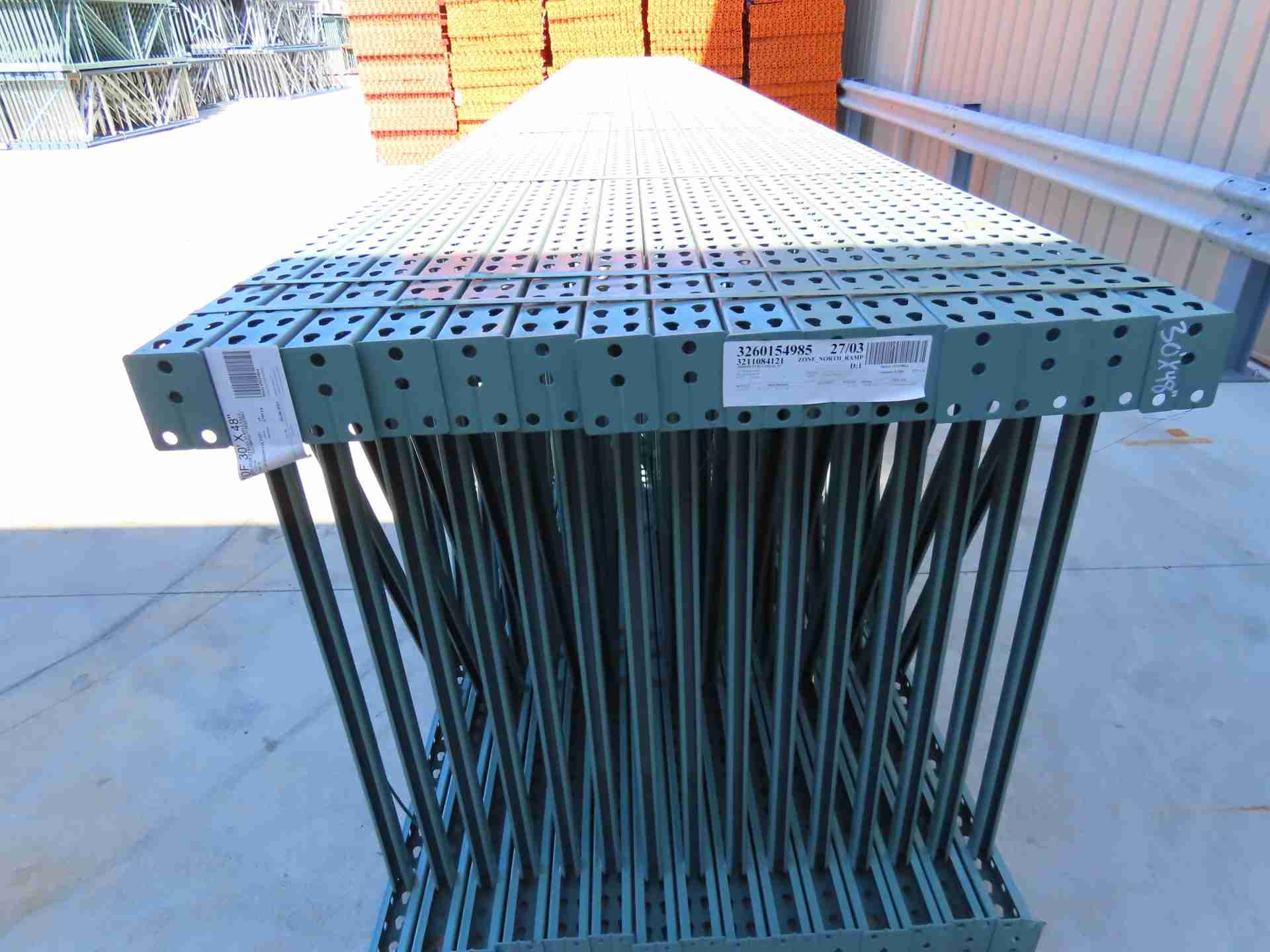
How Can One Misstep In Warehouse Storage Lead to Catastrophic Loss?
How Can One Misstep In Warehouse Storage Lead to Catastrophic Loss?
- A single oversight in warehouse storage can lead to catastrophic loss.
- Pallet racking is a critical component of warehouse management.
- Improper configuration of pallet racking can cause structural failures.
- Collapse of pallet racking can result in injuries and damage to goods.
- Human errors, such as mislabeling or overloading, can exacerbate problems.
- Proper training and awareness among employees are essential for safety and efficiency.
- Investing in training and effective pallet racking solutions safeguards business operations.
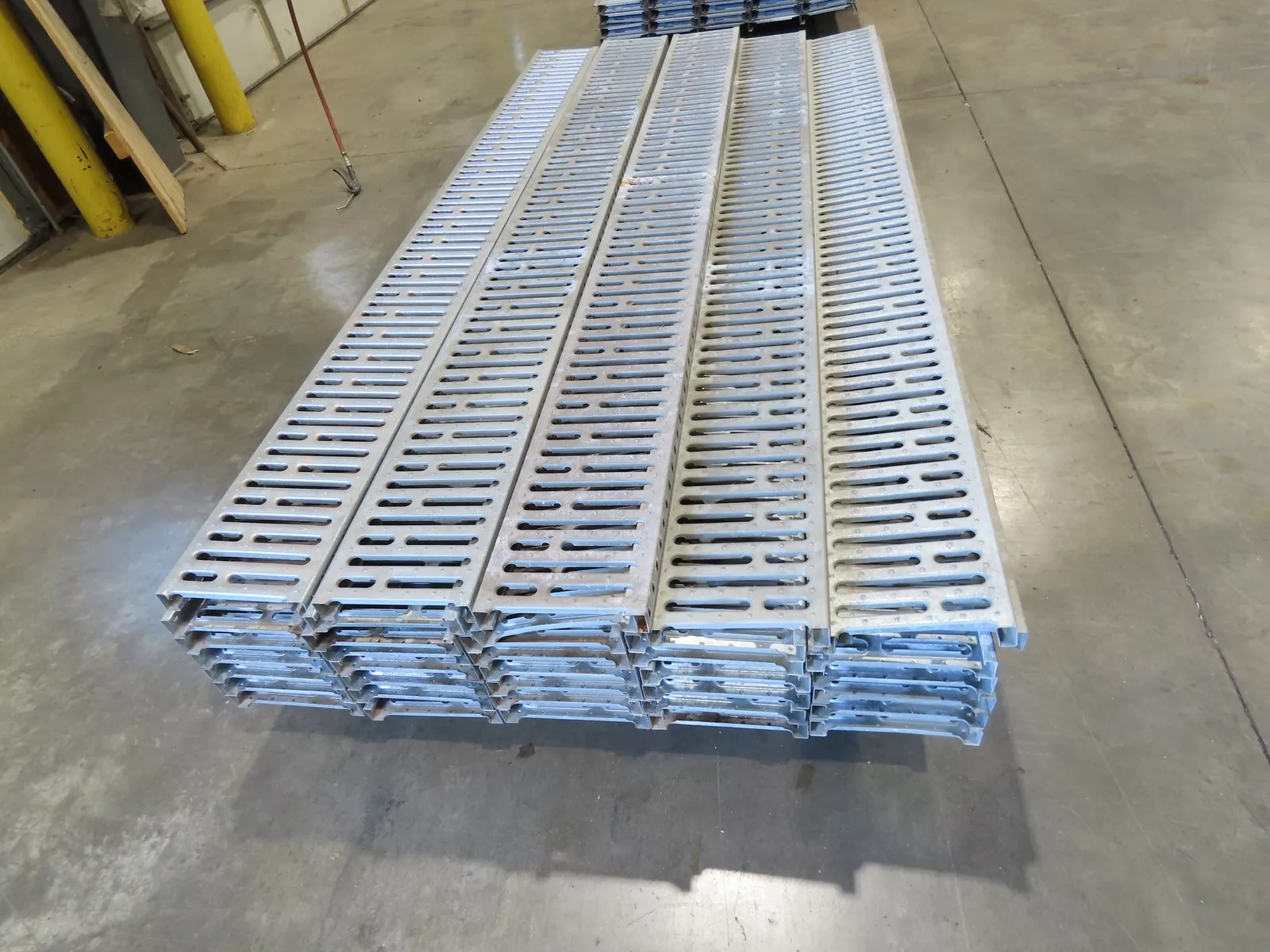
How Can One Misstep In Warehouse Storage Lead to Catastrophic Loss?
Table Of Contents
- How Can One Misstep In Warehouse Storage Lead to Catastrophic Loss?
- What Is The Impact Of Poor Warehouse Layout On Efficiency?
- How Does Inventory Mismanagement Contribute To Losses?
- What Are The Most Common Mistakes In Warehouse Storage?
- How Can Improper Stacking Lead To Safety Hazards?
- What Role Does Employee Training Play In Warehouse Safety?
- How Can Outdated Technology Hinder Warehouse Operations?
- Conclusion
- Other Resources
- Glossary Of Terms
- Other Questions
- Checklist
What Is The Impact Of Poor Warehouse Layout On Efficiency?
Imagine walking into a warehouse where every aisle feels like a labyrinth, and finding a pallet of vital goods takes twice as long as it should. Our industry thrives on efficiency, yet how often do we underestimate the impact of a poor warehouse layout? It’s like trying to navigate a crowded city with a faulty map—frustrating, costly, and riddled with missed opportunities.
At the heart of many distribution problems lies the warehouse layout. Poorly structured tools and inefficient use of space can turn a potential goldmine of productivity into an operational nightmare. Take pallet racking, for example. When improperly designed or placed, these racks not only consume valuable space but can also lead to safety hazards, increased picking times, and ultimately, customer dissatisfaction.
When your team spends precious minutes navigating through cluttered paths or searching for misplaced pallets, you’re not just losing time; you’re losing money, morale, and trust. The cumulative impact of these inefficiencies can quickly cascade into wasted labor and increased operational costs, leaving your bottom line feeling the pinch. It’s a scenario that’s all too common, but one that can be remedied with strategic investment in an intelligent warehouse layout.
Think about it: What would it feel like to have a well-organized warehouse? Picture your staff moving smoothly through aisles that are logically arranged, where decisions about pallet racking placements enhance both accessibility and safety. Your team could focus on fulfilling orders rather than wasting energy on locating products. When your warehouse operates like a finely tuned machine, you’re not just improving efficiency; you’re delivering on the promise of reliable, timely service that keeps your customers coming back, and that’s where true loyalty is built.
So, what steps can you take? Start with a thorough evaluation of your space. Identify bottlenecks and areas that could benefit from improved layout designs. Engage with your team; after all, they are the ones navigating the daily operations. By involving everyone in the discussion, you not only foster a team-oriented culture but also gain insights that might otherwise go overlooked.
In today’s competitive landscape, investing in a smart warehouse layout is no longer optional; it’s essential. Let go of the inefficiencies that are holding you back, and embrace the potential for growth and success that a well-organized warehouse can bring. Take that first step today—you won’t regret it.
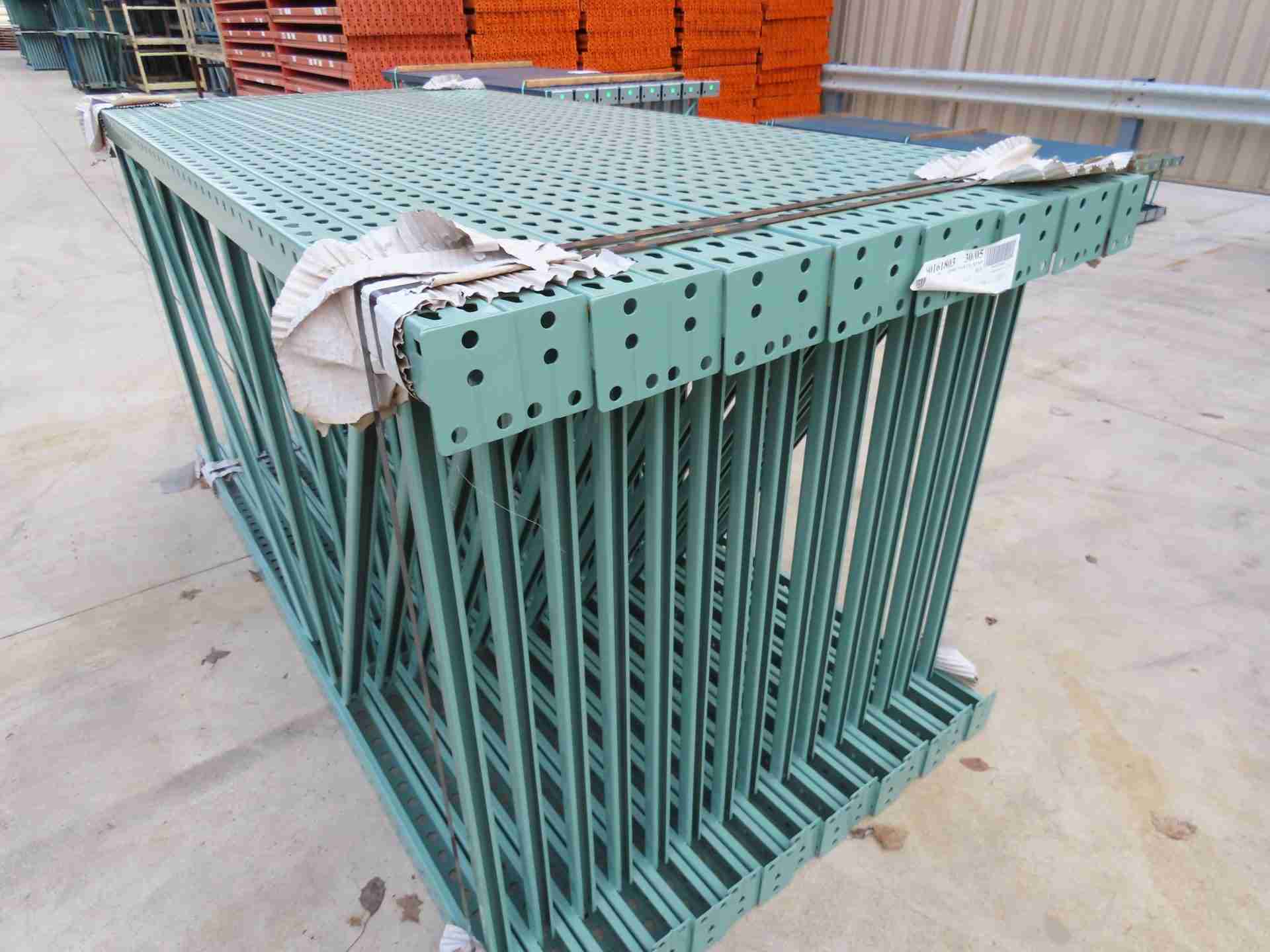
What Is The Impact Of Poor Warehouse Layout On Efficiency?
What Is The Impact Of Poor Warehouse Layout On Efficiency?
- Poor warehouse layout significantly impacts efficiency and productivity.
- Cluttered paths and misplaced pallets waste time, money, morale, and customer trust.
- Improperly designed pallet racking can create safety hazards and increase picking times.
- A well-organized warehouse enhances staff movement, accessibility, and safety.
- Strategically investing in warehouse layout can lead to improved reliability and customer loyalty.
- Evaluate current space and engage with your team to identify layout improvement opportunities.
- In today’s market, a smart warehouse layout is essential for growth and success.
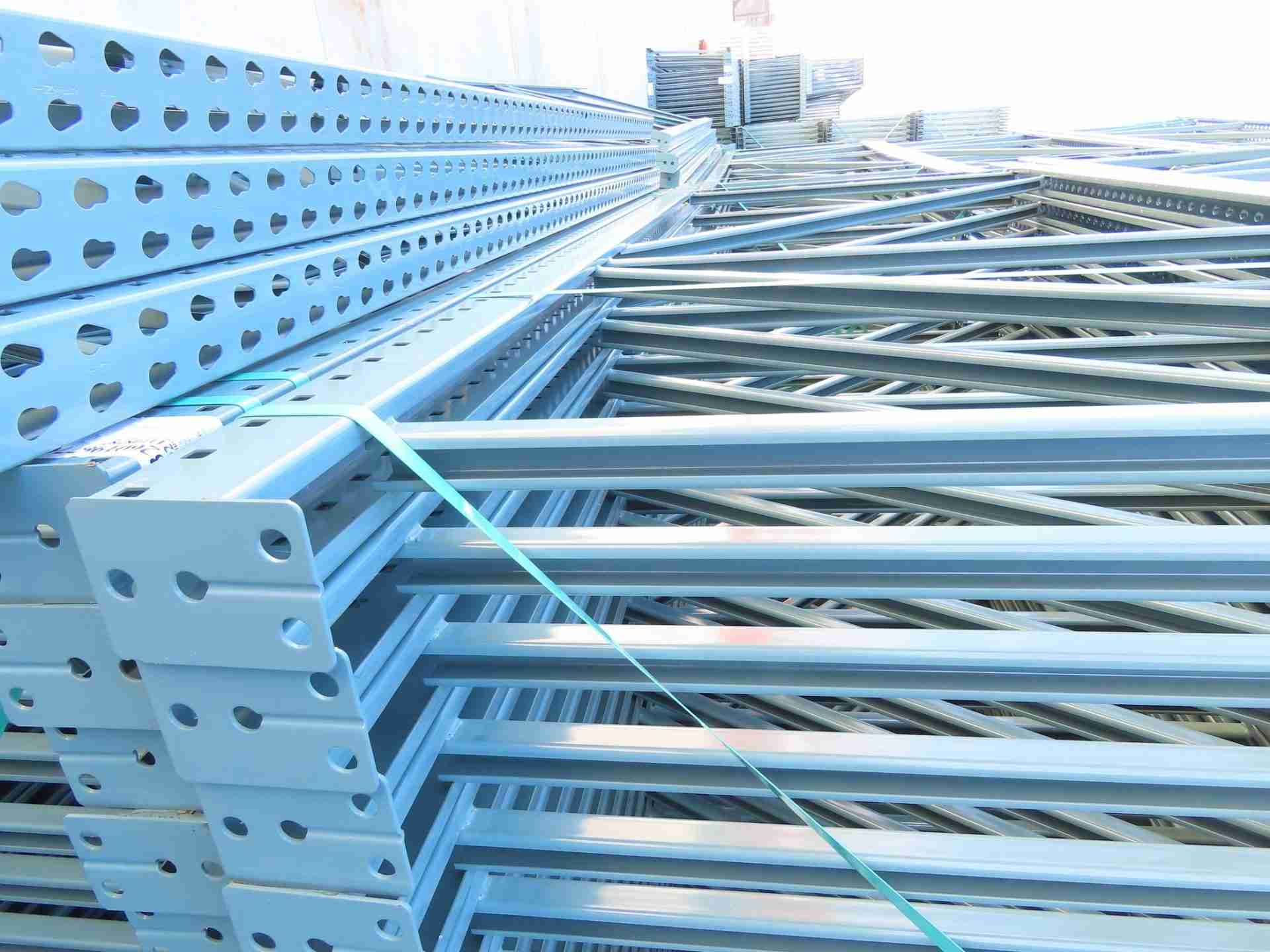
What Is The Impact Of Poor Warehouse Layout On Efficiency?
How Does Inventory Mismanagement Contribute To Losses?
Imagine walking into a bustling warehouse filled with the hum of productivity—where every item is in its place, efficiently arranged on sturdy pallet racking that maximizes space. Now, contrast that scene with a disorganized storage area where misplaced items lead to chaos, confusion, and a significant drain on your resources. Inventory mismanagement is more than just an operational hiccup; it’s a silent thief that sneaks away profits while you’re busy chasing sales.
Every day, businesses rely on their inventory to fulfill customer demands and drive revenue. But what happens when that inventory isn’t managed properly? Stockouts can leave customers frustrated, leading them to your competitors. Conversely, overstocking leads to wasted space and capital tied up in products that may never sell. Picture the financial toll: funds that could have fueled growth or innovation are now sitting stagnant among unsold items—suffocating your cash flow.
The culprits behind inventory mismanagement often go unnoticed. Without a reliable tracking system, discrepancies arise, inventory counts become inaccurate, and the potential for loss multiplies. When pallet racking is not utilized correctly— with improperly labeled products or ineffective layouts—finding what you need becomes an expedition rather than a streamlined process. The time lost scrambling through aisles translates to labor costs and missed deadlines that could have sealed your business deals.
Let’s not forget the emotional wear and tear. Frustration mounts when you can’t meet customer expectations or fulfill orders on time. Your reputation hangs in the balance, and every dissatisfied customer tells a story that can tarnish your brand. In a competitive market, trust takes years to build but only moments to dismantle. People remember poor experiences, and word of mouth spreads like wildfire.
So, what do you do? Start by investing in better inventory management practices. Embrace technology that not only tracks your stock but also provides analytics to forecast demand. Organize your pallet racking to optimize flow and accessibility. Taking these essential steps can drastically reduce losses and improve customer satisfaction.
Imagine a future where your inventory works for you rather than against you. You can reclaim control, build customer loyalty, and watch your bottom line thrive. The pathway to success begins with the simple realization that managing your inventory effectively is foundational to your business strategy. Embrace it, and you’ll not only safeguard profits but also inspire confidence in those you serve. Don’t let mismanagement win; take action today!
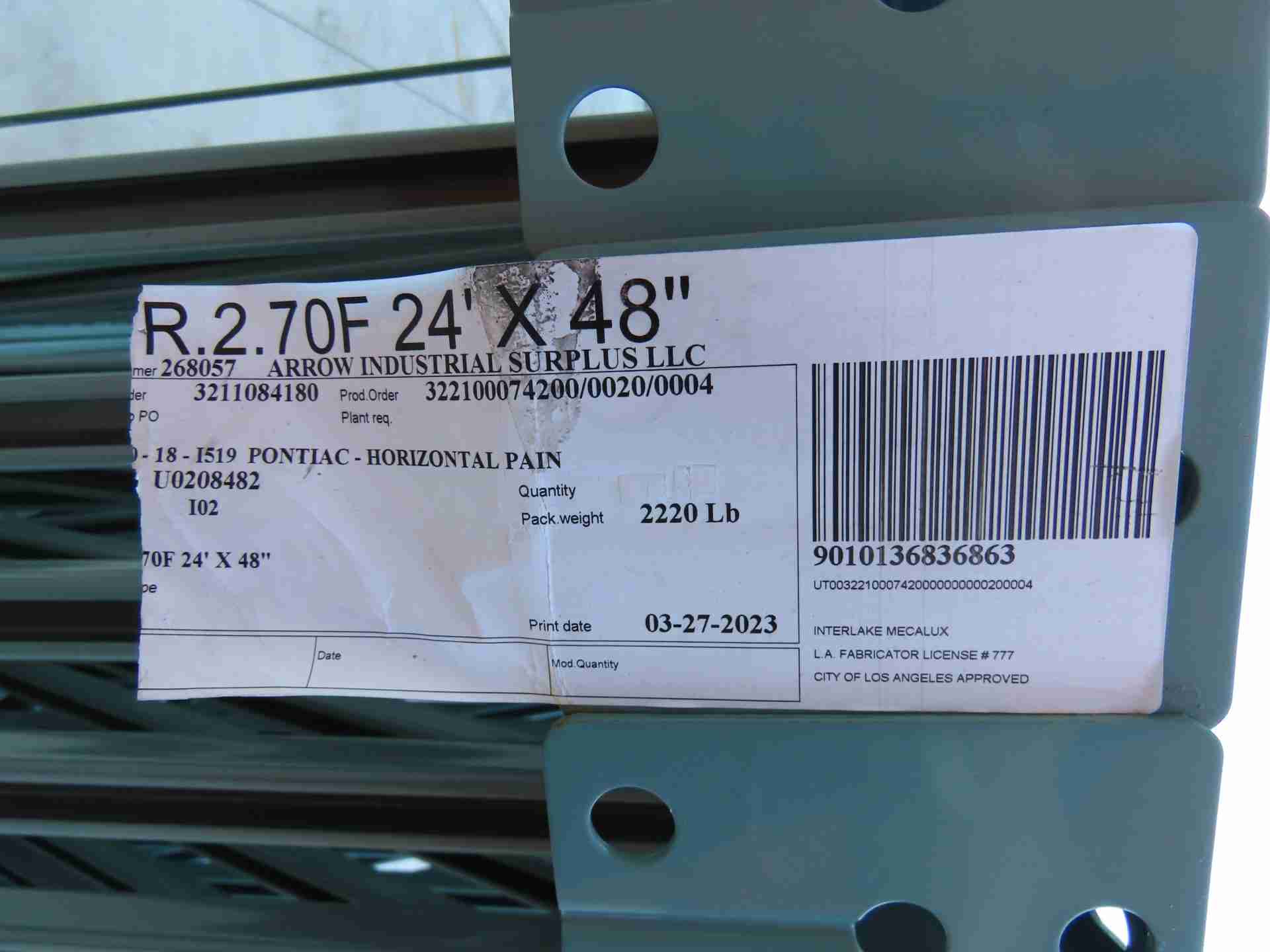
How Does Inventory Mismanagement Contribute To Losses?
How Does Inventory Mismanagement Contribute To Losses?
- Inventory mismanagement leads to inefficiencies and lost profits in businesses.
- Properly managed inventory is critical for meeting customer demand and driving revenue.
- Stockouts frustrate customers, pushing them towards competitors, while overstocking wastes resources.
- Without a reliable tracking system, inaccuracies multiply, leading to inventory discrepancies.
- Pallet racking must be organized effectively to prevent time loss and increased labor costs.
- Emotional stress from failure to meet customer expectations can damage a brand’s reputation.
- Investing in better inventory practices and technology can enhance tracking, forecasting, and customer satisfaction.
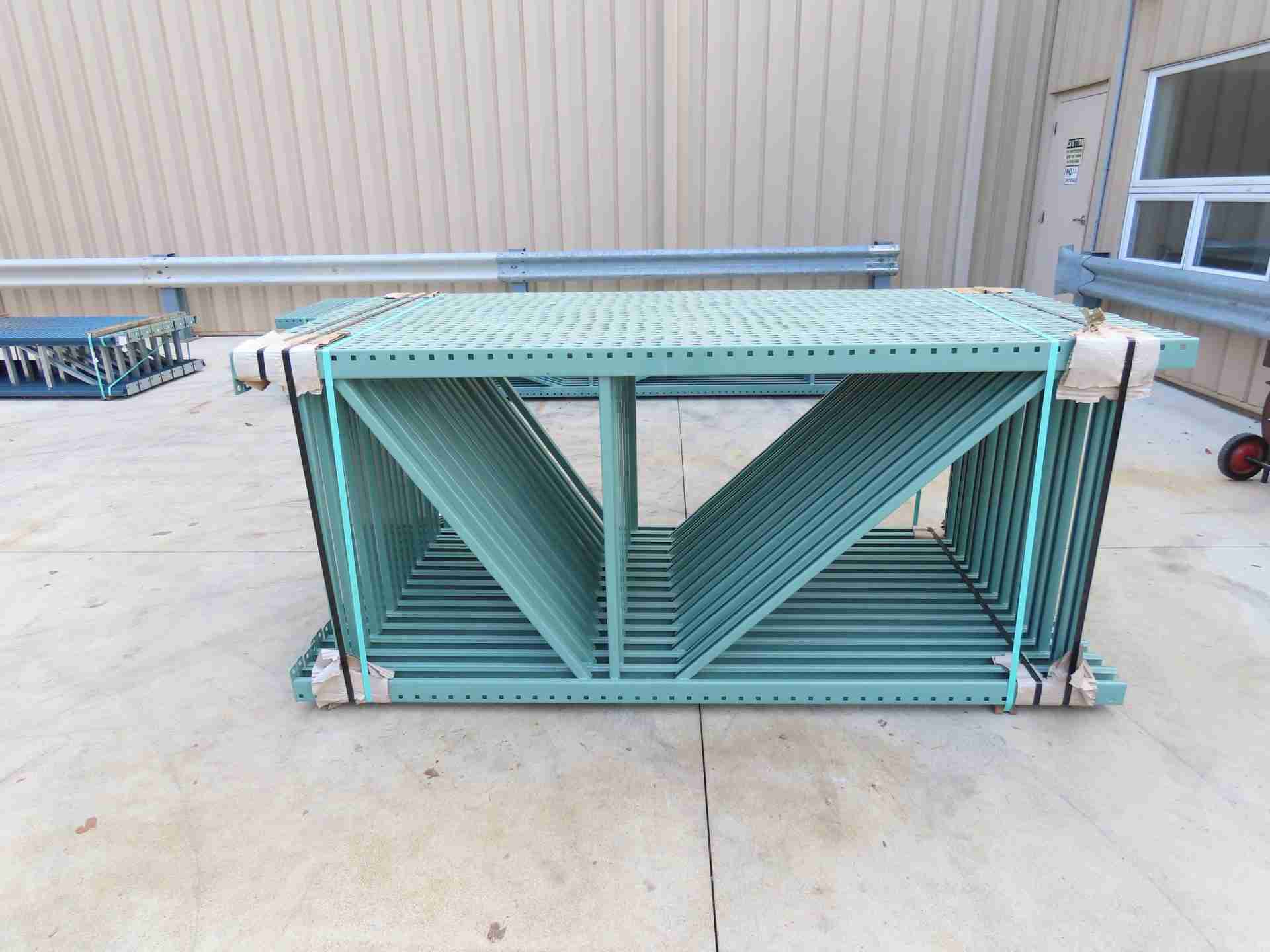
How Does Inventory Mismanagement Contribute To Losses?
What Are The Most Common Mistakes In Warehouse Storage?
When it comes to warehouse storage, the stakes are high. An efficient, well-organized space is essential for productivity, but even the smallest oversight can lead to costly mistakes. If you’ve ever walked into a cluttered warehouse, you know how chaos can undermine your business operations. Let’s dive into the most common pitfalls that can transform your storage from efficient to haphazard and how to avoid them.
One of the principal errors is the failure to optimize your pallet racking system. A well-structured pallet racking layout maximizes vertical space while ensuring easy access to inventory. Many warehouse operators underestimate the significance of this setup, often cramming pallets into every available inch. Instead, consider analyzing your storage requirements and investing in adjustable pallet racking. This allows for flexibility, so you can adapt your setup as your inventory needs change without needing a complete overhaul.
Another frequent mistake is neglecting regular inventory audits. Inventory discrepancies not only cause shipping delays but can also lead to financial losses. Without consistent checks, you might find yourself in a situation where the item you need is out of stock, or worse, you’re overstocked on products that aren’t moving. Implementing a robust tracking system where your inventory is updated in real-time will foster more reliable operations, allowing your warehouse to respond swiftly to customer demands.
Safety is another critical but often overlooked aspect. A cluttered aisle or improperly stacked items can lead to accidents that disrupt productivity and could even result in injuries. It’s not just about organization; it’s an investment in your team’s wellbeing. Train your staff on proper storage techniques and promote a safety-first culture in your warehouse environment.
Lastly, don’t underestimate the power of appropriate labeling and signage. Some warehouses fall into the trap of assuming everyone knows where things are located. Misplaced products due to poor communication can lead to frustration and errors. By employing a well-thought-out labeling system, you empower your staff and streamline processes. This small step fosters not just efficiency, but also builds a sense of ownership in your team.
Avoid these common warehouse storage mistakes and create an environment that’s not just organized, but a hub of productivity. Your future profits depend on it! Let’s turn challenges into opportunities and elevate your warehouse operations today.
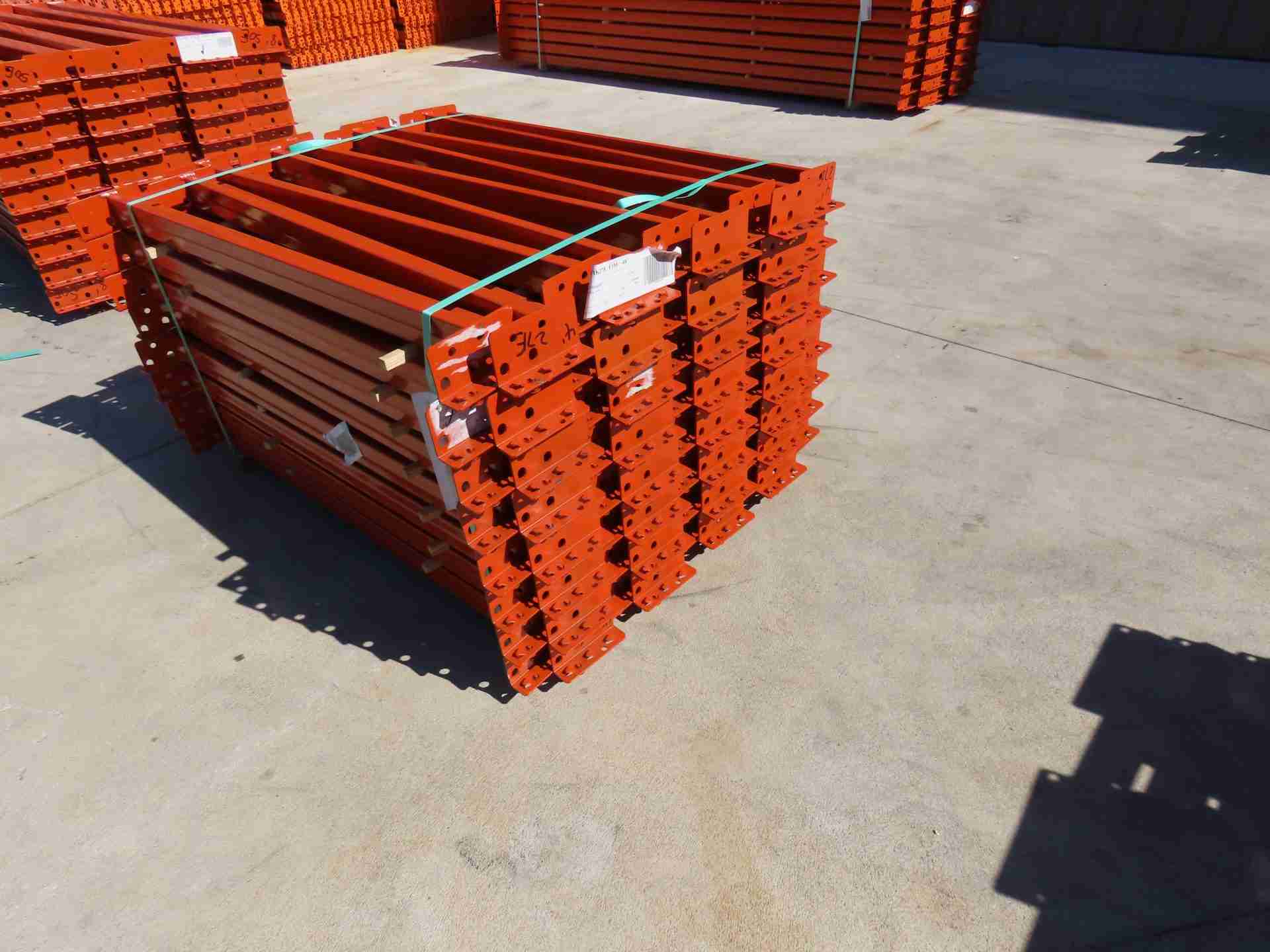
What Are The Most Common Mistakes In Warehouse Storage?
What Are The Most Common Mistakes In Warehouse Storage?
- Efficient warehouse storage is crucial for productivity; disorganization can lead to costly mistakes.
- Optimizing your pallet racking system can maximize vertical space and ensure easy access to inventory.
- Regular inventory audits are essential to prevent discrepancies that can cause shipping delays and financial losses.
- Implement a robust tracking system for real-time inventory updates to respond swiftly to customer demands.
- Promote safety by maintaining clear aisles and proper storage techniques to reduce accidents and enhance team wellbeing.
- Utilize appropriate labeling and signage to improve product location awareness and streamline processes.
- Avoid common storage mistakes to create a productive and organized warehouse environment that boosts profits.

What Are The Most Common Mistakes In Warehouse Storage?
How Can Improper Stacking Lead To Safety Hazards?
In the fast-paced world of warehousing and storage, the efficiency of your operations hinges on something that might seem mundane but is incredibly crucial: proper stacking. Yes, we’re talking about how you arrange items on your pallet racking. You might think, “What’s the big deal?” But let me assure you, improper stacking can create a web of safety hazards that could endanger your employees and your bottom line.
Picture this: a busy warehouse, employees hustling and bustling, getting orders ready for shipment. Then, imagine an employee reaches for a box that’s precariously perched atop a poorly stacked load. Suddenly, like a scene from a suspense movie, that box topples over, creating chaos and risking injury. This is where the tricky dance of gravity and carelessness steps in. The stakes are high when it comes to pallet racking—each item you stack needs to be placed with a strategic mindset, or you risk a cascading effect that can lead to accidents.
Let’s be real. Everyone wants a safe work environment, and yet many overlook the weight of their stacking methods. Sometimes it’s as simple as underestimating the stability of a stack. Items that are too heavy or oddly shaped can throw everything off balance, transforming your pallet racking into a disaster waiting to happen. Just one incorrect placement sends a message that safety isn’t a priority, and that’s the last thing we want.
Moreover, those minor infractions—stacking too high, mixing incompatible materials, or disregarding weight limits—create a ticking time bomb. It’s not just about managing inventory; it’s about building a culture of safety. By prioritizing proper stacking techniques, you influence not only the immediate safety of your team but also the long-term health of your business. A well-organized pallet racking system fosters confidence and trust. Employees can focus on their tasks without the shadow of impending danger looming above them.
If you want to ensure that your warehouse runs like a well-oiled machine, start with the foundation—your pallet racking. Investing time to educate your team on the importance of proper stacking doesn’t just protect them; it fosters a sense of responsibility and pride in their work. Take action today—evaluate your stacking practices, empower your workforce, and watch as you cultivate a safer, more efficient environment. Because at the end of the day, safety isn’t just a protocol; it’s a mindset.
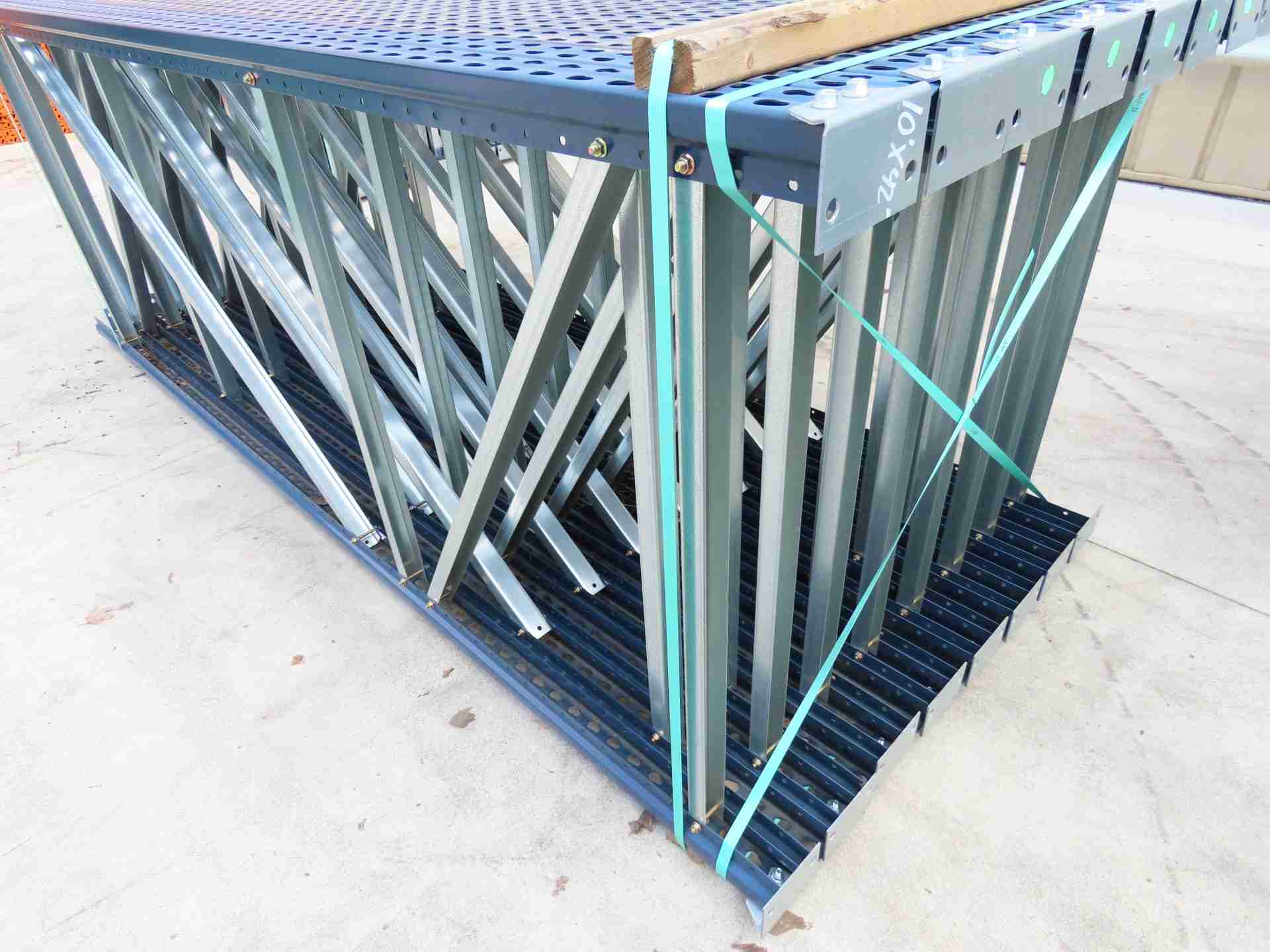
How Can Improper Stacking Lead To Safety Hazards?
How Can Improper Stacking Lead To Safety Hazards?
- The efficiency of warehousing operations greatly depends on proper stacking of items on pallet racking.
- Improper stacking can lead to safety hazards that endanger employees and impact business operations.
- A chaotic incident can occur if an employee attempts to retrieve a box from a poorly stacked load.
- Heavy or oddly shaped items can disrupt stack stability and lead to accidents.
- Minor stacking violations contribute to unsafe work conditions and undermine a safety-focused culture.
- Prioritizing proper stacking techniques promotes both employee safety and long-term business health.
- Educating employees about stacking importance cultivates a sense of responsibility and enhances workplace safety.

How Can Improper Stacking Lead To Safety Hazards?
What Role Does Employee Training Play In Warehouse Safety?
When it comes to warehouse safety, the importance of employee training cannot be overstated. Think about it: every warehouse, bustling with activity, is a dynamic environment. From maneuvering around pallet racking systems to handling heavy machinery, the potential for accidents is ever-present. That’s why a robust training program is your first line of defense against mishaps and injuries.
Imagine your team, confidently navigating the maze of pallet racking, understanding not just how to operate safely but also why it matters. Effective training transforms your employees from mere operators into safety champions. They become keenly aware of the best practices for stacking, loading, and unloading – all vital for preventing accidents and promoting efficiency.
But, let’s be honest. Training is not a one-size-fits-all approach. It should be tailored to fit the unique needs of your warehouse environment. That means equipping your team with skills that go beyond basic safety procedures. Take, for example, the handling of specific equipment used for pallet racking. A thorough understanding of the risks associated with this equipment can drastically reduce potential hazards. When employees know how to maneuver correctly, the likelihood of costly accidents diminishes.
Moreover, engaging training sessions encourage teamwork and foster an awareness of shared responsibilities. When each employee feels empowered to look out for one another, you cultivate a culture of safety. This isn’t just about compliance; it’s about building a community where everyone contributes to the overall well-being of the workplace.
Training also instills confidence. Imagine your workers knowing they can rely on each other in times of stress or emergency. This shared knowledge base allows for quick decision-making and responsiveness when it matters most. After all, proactive measures are always better than reactive ones when it comes to safety.
So, what does this all amount to? A safer, more productive environment where employees feel valued and engaged. Not only does this reduce the risk of accidents, but it also enhances morale and promotes a positive workplace culture – a win-win for everyone involved.
Investing in employee training isn’t just a compliance obligation; it’s a commitment to safety, efficiency, and the well-being of every team member in your warehouse. Let’s pave the path to a safer tomorrow, starting today. Make your training a priority, and watch your warehouse thrive!
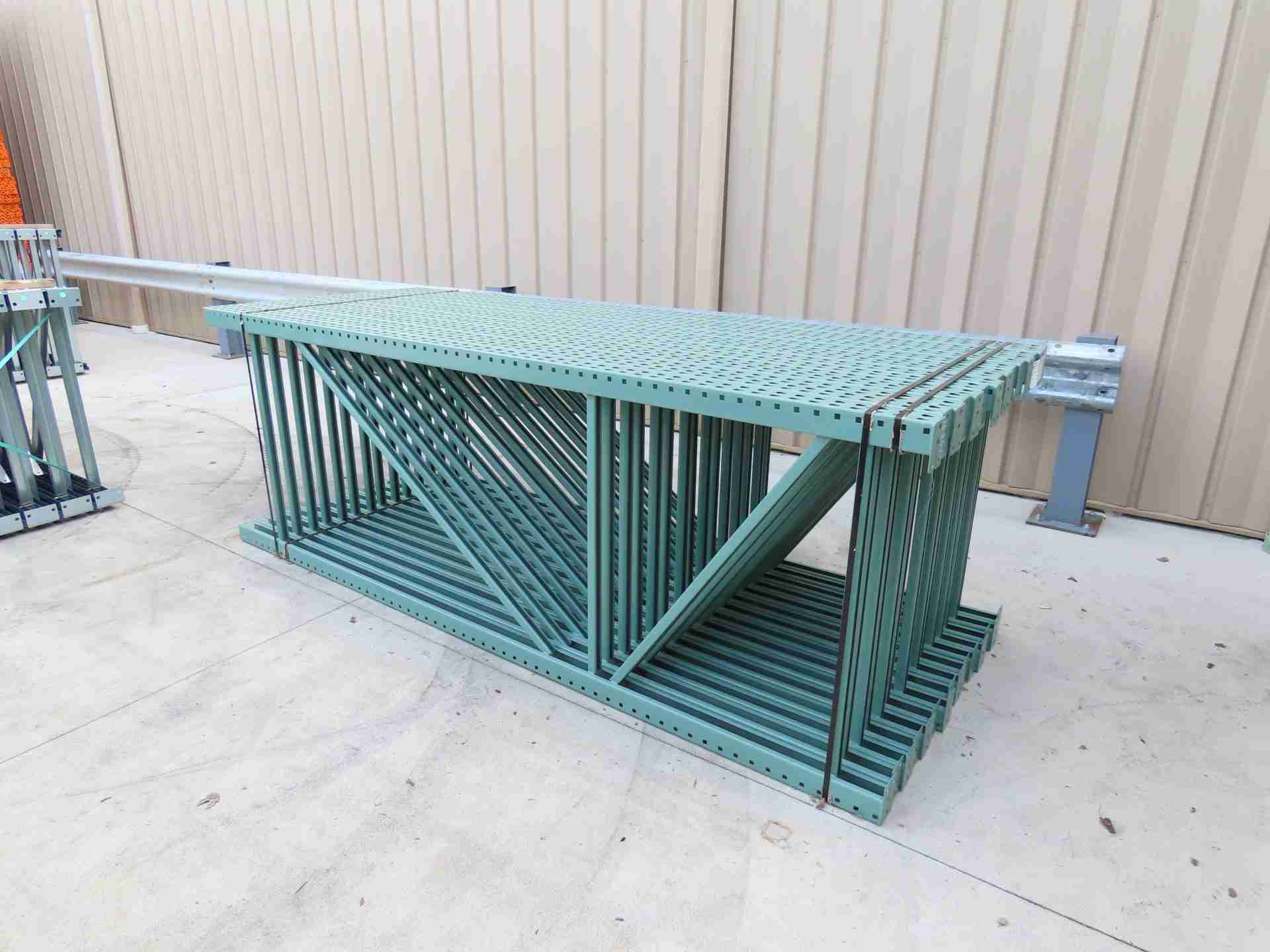
What Role Does Employee Training Play In Warehouse Safety?
What Role Does Employee Training Play In Warehouse Safety?
- Employee training is crucial for warehouse safety in dynamic environments.
- A robust training program acts as a primary defense against accidents and injuries.
- Effective training empowers employees to become safety advocates with an understanding of best practices.
- Training should be tailored to fit the specific needs of the warehouse, especially regarding equipment handling.
- Engaging training fosters teamwork and a culture of shared safety responsibilities among employees.
- Well-trained employees develop confidence, enabling quick decision-making in emergencies.
- Investing in training enhances overall workplace culture, morale, and safety, benefiting everyone involved.
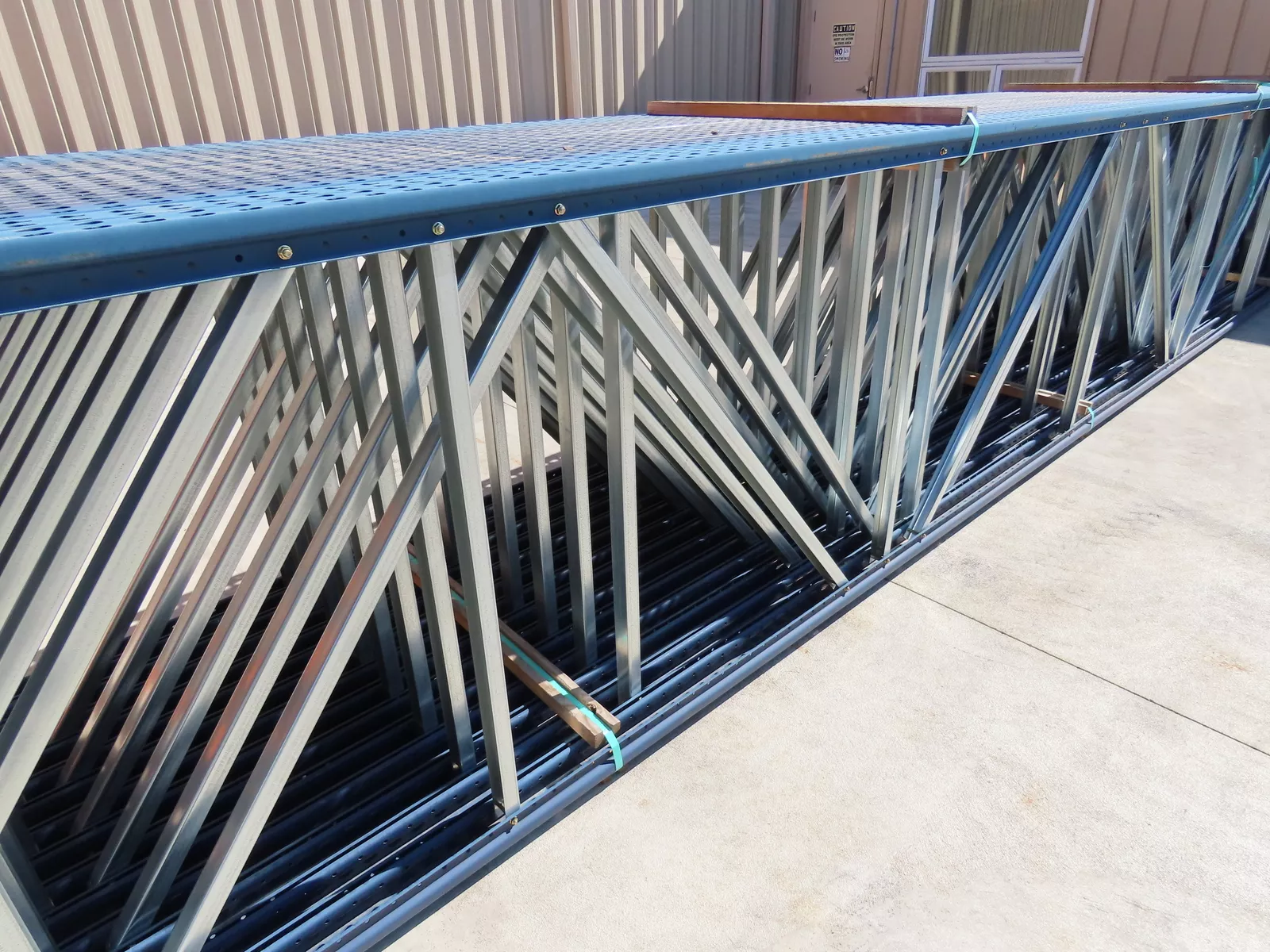
What Role Does Employee Training Play In Warehouse Safety?
How Can Outdated Technology Hinder Warehouse Operations?
In the fast-paced world of logistics and warehousing, every second counts. Imagine you’re in a bustling warehouse, surrounded by towering pallet racking systems, each filled with products ready to ship. But, despite the potential for efficiency, outdated technology stifles progress, creating a bottleneck that costs time and money.
When your warehouse operations rely on archaic systems, you’re not just throwing away potential profits; you’re risking your reputation. Customers expect timely deliveries and accurate orders. If your staff is still using outdated inventory management software that’s clunky and slow, errors multiply, and the frustration grows. Picture your team fumbling through piles of paper for inventory counts or manually adjusting stock levels while the clock ticks. It’s a scenario that leads to chaos—not the kind of operational excellence you want to showcase.
Now, think about communication. Modern warehouses thrive on real-time data sharing. But if your technology is stuck in the past, your team may face communication lapses that can derail the entire operation. Refusing to upgrade to efficient systems means your workers may wait hours for critical updates, undermining their ability to respond to urgent tasks. Imagine losing precious time just to determine whether an item is in stock or if it’s still lounging in limbo.
Moreover, outdated technology can severely limit your ability to scale operations. In an industry where agility is paramount, being shackled to old systems means you’ll struggle to adapt, innovate, or keep pace with industry trends. On the other hand, embracing the latest advancements offers the promise of streamlined processes, smarter pallet racking solutions, and ultimately, greater customer satisfaction.
Are you ready to transform your operations? Prioritizing technology upgrades isn’t just a good idea; it’s essential for sustaining growth. Investing in modern inventory management systems, automated handling equipment, and cutting-edge tracking solutions can positively reshape your warehouse environment.
The world is moving forward, and so should you. By shedding outdated technology, you’ll empower your team, enhance efficiency, and regain that competitive edge. Don’t let your warehouse lag behind. Take charge today, and watch as your operations flourish, paving the way for both short and long-term success. The road to operational excellence begins with the decision to invest in the tools that will propel you into the future.

How Can Outdated Technology Hinder Warehouse Operations?
How Can Outdated Technology Hinder Warehouse Operations?
- Logistics and warehousing operations are hindered by outdated technology, causing inefficiencies.
- Reliance on archaic systems can lead to lost profits and damage to reputation due to delayed deliveries and inaccurate orders.
- Using clunky inventory management software increases errors and operational chaos.
- Effective communication hinges on real-time data sharing, which is compromised by old technology.
- Outdated systems limit scalability and the ability to adapt to industry trends, risking competitiveness.
- Upgrading to modern systems can streamline processes, improve efficiency, and enhance customer satisfaction.
- Investing in technology is essential for growth and operational excellence in the fast-paced logistics sector.
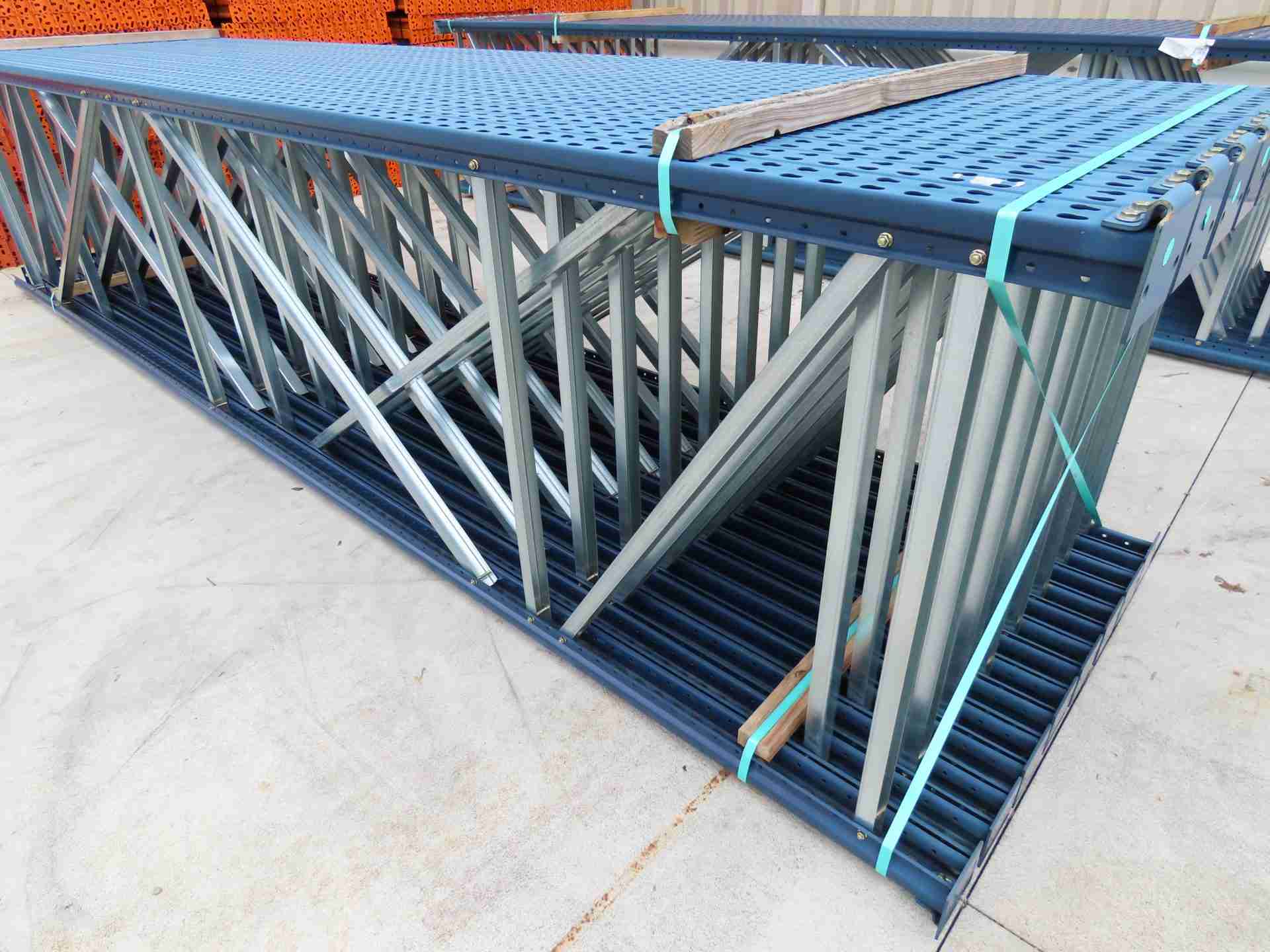
How Can Outdated Technology Hinder Warehouse Operations?
Conclusion
Conclusion: Avoid Catastrophic Losses and Elevate Your Warehouse Operations Now!
In the competitive realm of warehousing, every detail matters, and a single misstep can lead to catastrophic losses that jeopardize not only your inventory but also your reputation. Risks linked to inadequate warehouse storage stretch beyond mere inefficiency; they encompass safety hazards, inventory mismanagement, and lost productivity—all of which can spiral into severe financial ramifications.
At RackingWorld.com and Arrow Industrial Sales, we recognize the critical importance of optimal pallet racking systems, employee training, and technology updates to mitigate these risks. A thorough evaluation of your warehouse layout, professional training for your team, and the implementation of cutting-edge inventory management systems can transform your operation from a potential minefield of errors into a well-oiled machine. Imagine navigating a beneficial environment where every pallet is where it should be, every employee is well-trained, and every process maximizes efficiency.
But the urgency to act cannot be overstated. Delaying these essential improvements puts your business at risk. Inefficiencies lead not only to decreased productivity but also to diminished customer satisfaction—translating into lost sales and damaged relationships. The time to act is now! Ask yourself: Is your current storage system truly meeting the needs of your operation? Are your employees equipped with the knowledge and training to prioritize safety and efficiency?
Contact Arrow Industrial Sales at (574) 349-6575 to explore customized solutions tailored specifically for your warehouse needs. We are committed to providing you with actionable insights that will fortify your storage systems, protect your employees, and optimize your overall operations. Every moment lost to outdated practices costs you money and peace of mind, so don’t wait until it’s too late.
In business, as across life, the best defense is always a good offense. Take the proactive stance to safeguard your assets and future success. Invest in your storage systems and workforce today to see a remarkable uplift in your warehouse operations and profitability. The pathway to a more secure and productive warehouse environment starts with a single phone call. Act quickly—your operations depend on it!
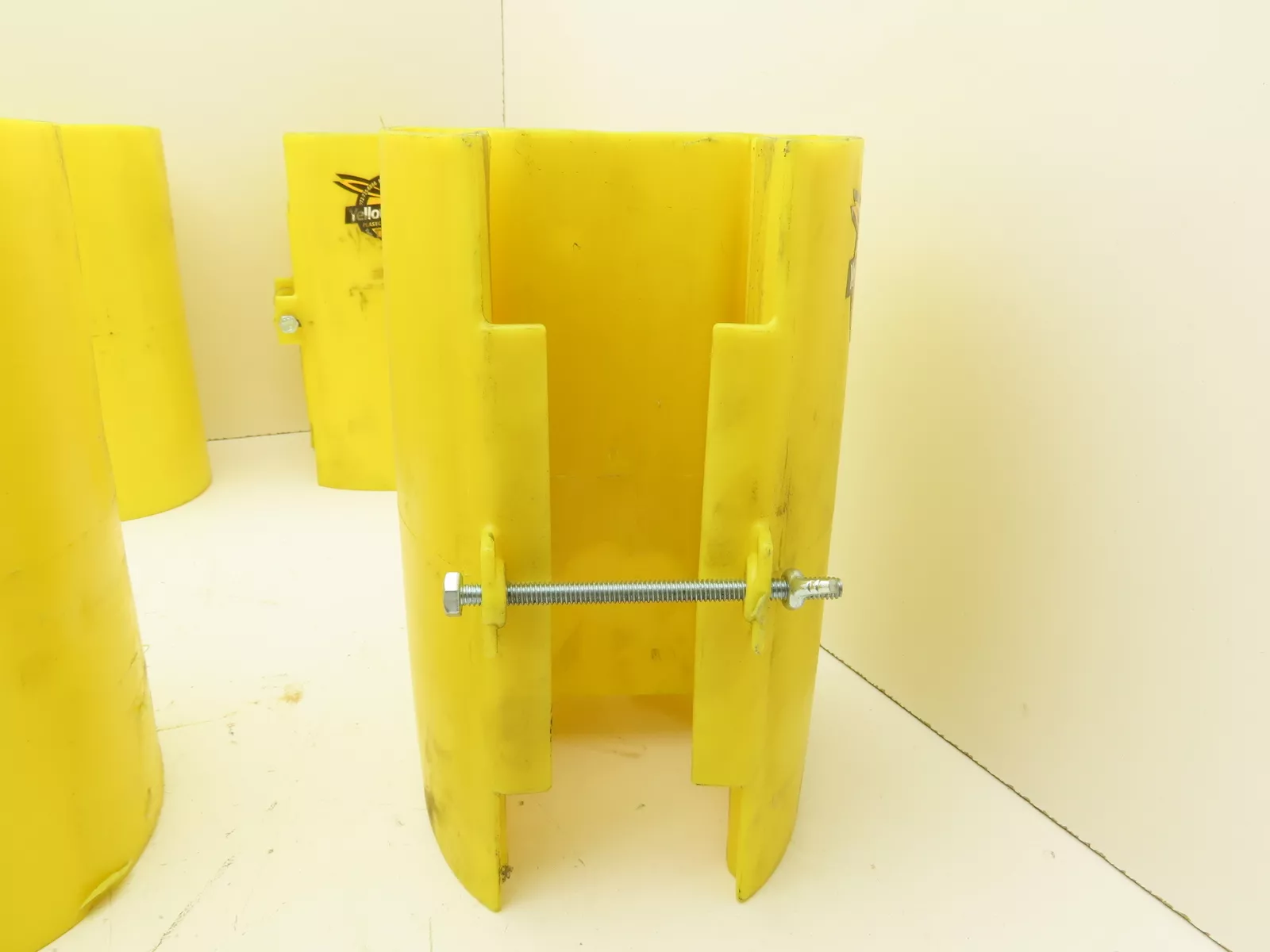
Conclusion
Conclusion:
- In warehousing, every detail is crucial, with missteps potentially causing catastrophic losses.
- Risks associated with poor warehouse storage include safety hazards, inventory mismanagement, and lost productivity.
- Optimal pallet racking systems, employee training, and technology updates are essential for mitigating risks.
- A thorough evaluation of warehouse layout and implementation of inventory management systems can improve operations significantly.
- Delaying improvements can lead to decreased productivity and customer satisfaction, resulting in lost sales.
- Contact Arrow Industrial Sales for customized warehouse solutions.
- Investing in storage systems and workforce training is critical for enhancing warehouse operations and profitability.
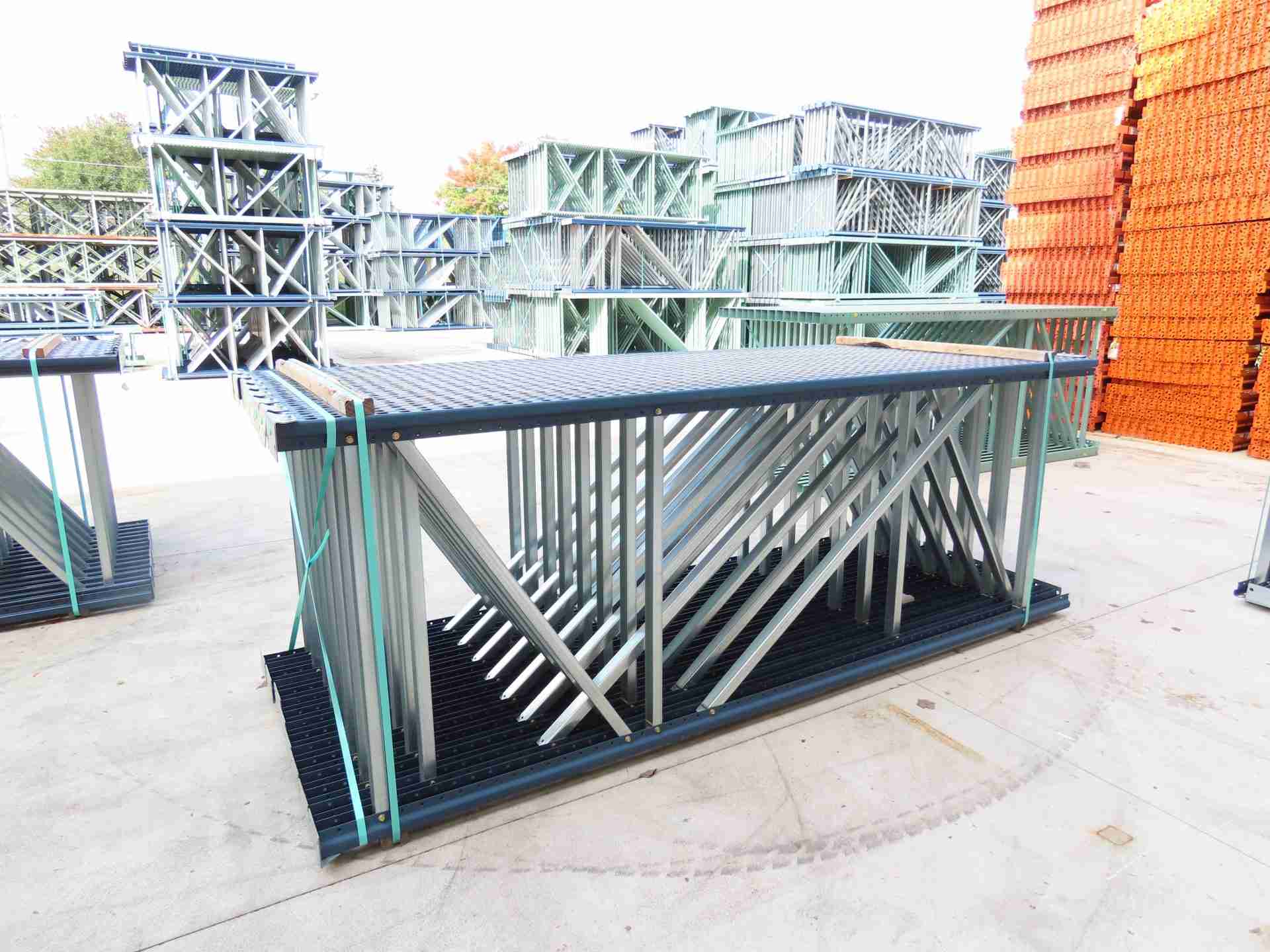
Conclusion
Other Resources
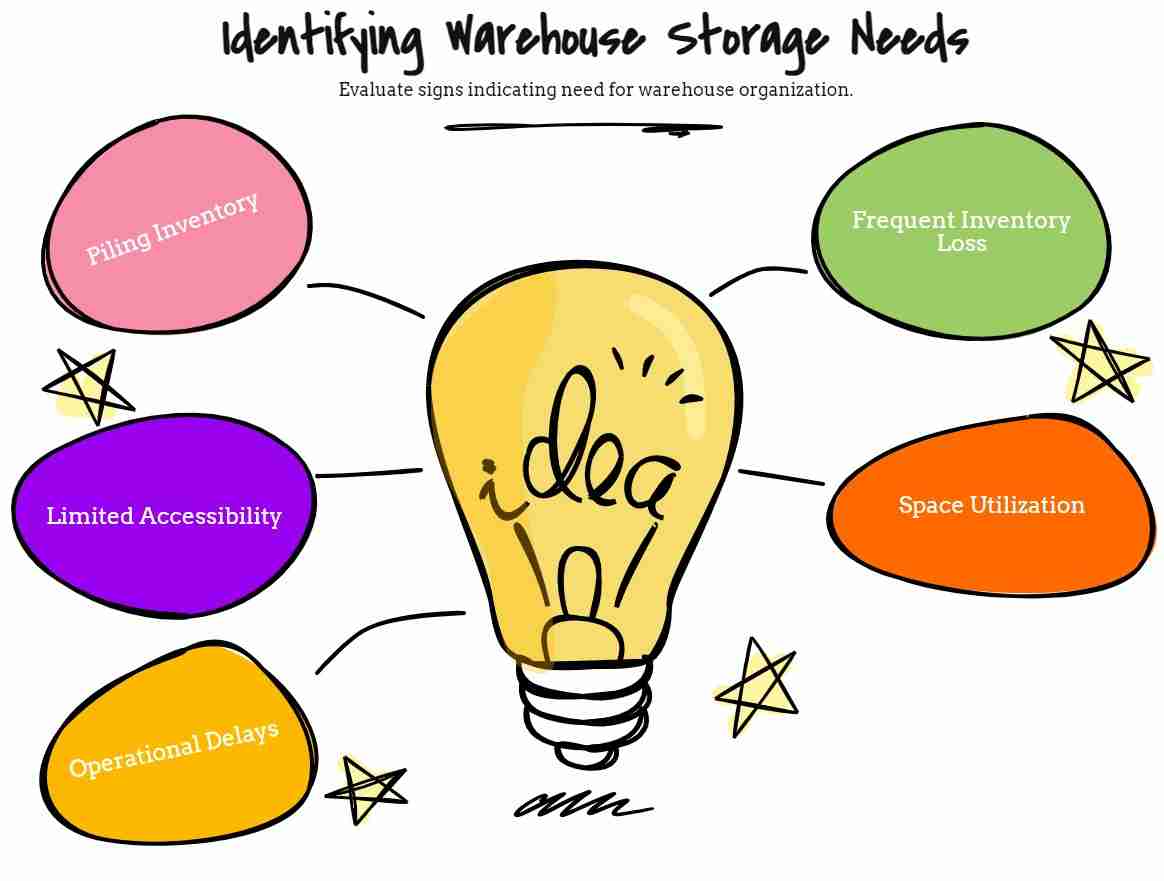
Other Resources
Here is a list of other resources you can review online to learn more:
- Iowa Illinois Warehouse Racking
- Mustang Material Handling
- Selective Pallet Racking Systems
- Used Pallet Rack for Sale in Illinois – American Surplus
- Pallet Racking systems in Illinois and Great Lakes
- Teardrop Pallet Rack – Ridg-U-Rak
- Material Handling Safety
- Pallet Racking systems in Illinois and Great Lakes
- Warehousing Education and Research Council: https://www.werc.org/
- International Warehouse Logistics Association
Use This Prompt To Get More Resources With Your Favorite Online AI Tool: Please provide me with a list of online articles with their URLs in a bulleted list that I can read regarding How Can One Misstep In Warehouse Storage Lead to Catastrophic Loss?
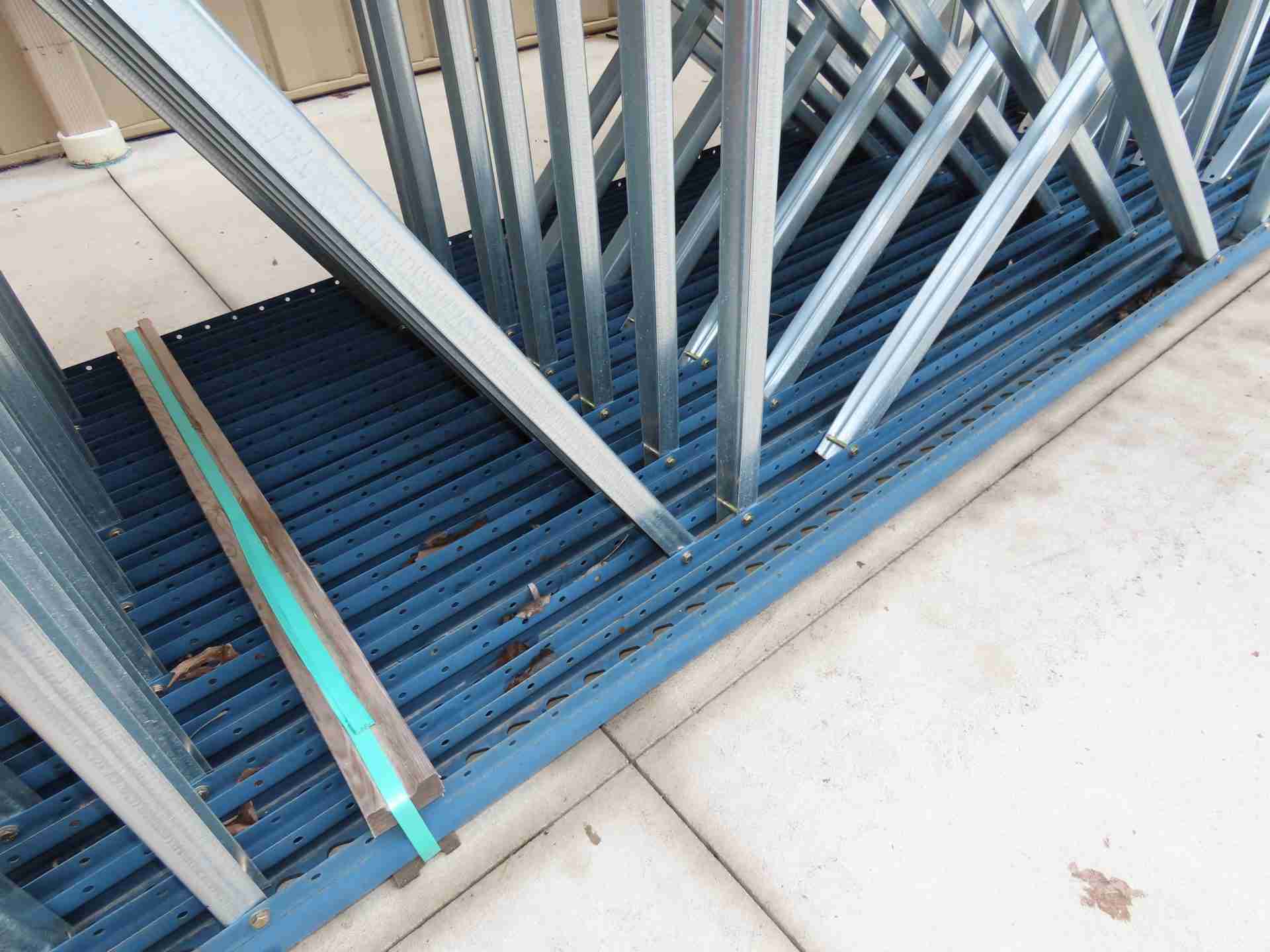
Other Resources
Glossary Terms
How Can One Misstep In Warehouse Storage Lead to Catastrophic Loss? – Glossary Of Terms
1. Accident: An unexpected event that results in damage or injury, often due to improper storage practices.
2. Asset: Any valuable item stored in a warehouse, including inventory, equipment, and raw materials.
3. Back Order: An order for a product that is temporarily out of stock; can lead to customer dissatisfaction if not managed properly.
4. Capacity: The maximum amount of goods that a warehouse can store; exceeding this can cause safety hazards.
5. Compliance: Adhering to laws, regulations, and standards in warehouse operations to avoid legal issues and penalties.
6. Damage: Physical harm to goods that can occur due to poor handling, improper stacking, or environmental conditions.
7. Disaster Recovery: Plans and procedures for recovering from catastrophic events like fire or flooding that affect warehouse operations.
8. Ergonomics: The study of people’s efficiency in their working environment, critical for reducing injuries during storage activities.
9. FIFO (First In, First Out): An inventory management method ensuring that older stock is used or sold before newer stock, preventing spoilage.
10. Hygiene: Maintaining cleanliness in the warehouse to prevent contamination and ensure the safety of stored products.
11. Inventory Management: The supervision of non-capitalized assets, or inventory, to maintain the correct amount of stock.
12. Labeling: Clearly marking storage items to provide essential information for tracking and preventing misplacement.
13. Mislabeled Inventory: Incorrect labeling can lead to wrong items being shipped or stored, causing operational inefficiencies.
14. OSHA Compliance: Adhering to Occupational Safety and Health Administration standards to ensure worker safety in warehouses.
15. Palletization: The process of stacking goods on pallets for efficient storage and transportation, requiring proper techniques to prevent collapse.
16. Pick and Pack: The process of selecting and preparing items for shipment, where missteps can lead to shipping errors.
17. Safety Stock: Extra inventory maintained to prevent stockouts and ensure prompt fulfillment of demand.
18. Segregation: Dividing different types of inventory to minimize cross-contamination and mix-ups.
19. Shrinkage: Loss of inventory due to theft, damage, or error, impacting financial performance.
20. Storage Strategy: A systematic approach to storing goods efficiently, affecting accessibility and safety.
21. Temperature Control: Maintaining specific temperatures for sensitive products to prevent spoilage or damage.
22. Training: Providing education and skills development for staff to minimize human error in warehouse operations.
23. Utilization: Measuring how effectively warehouse space is used, as inefficient layout can lead to catastrophic issues.
24. Variance: The difference between the recorded inventory and the actual inventory, which can indicate problems.
25. Workplace Safety: Ensuring a hazard-free environment to protect workers from accidents and injuries.
26. Shipping Error: Mistakes made during the packing and shipment process, leading to financial loss and reduced customer satisfaction.
27. Risk Assessment: Evaluating potential hazards in warehouse operations to implement preventive measures.
28. Space Optimization: Efficiently designing warehouse layouts to maximize storage capacity and minimize risks.
29. Fulfillment: The process of receiving, processing, and delivering orders; poor execution can lead to significant losses.
30. Warehouse Management System (WMS): Technology used to manage warehouse operations, including inventory tracking, order processing, and storage optimization.
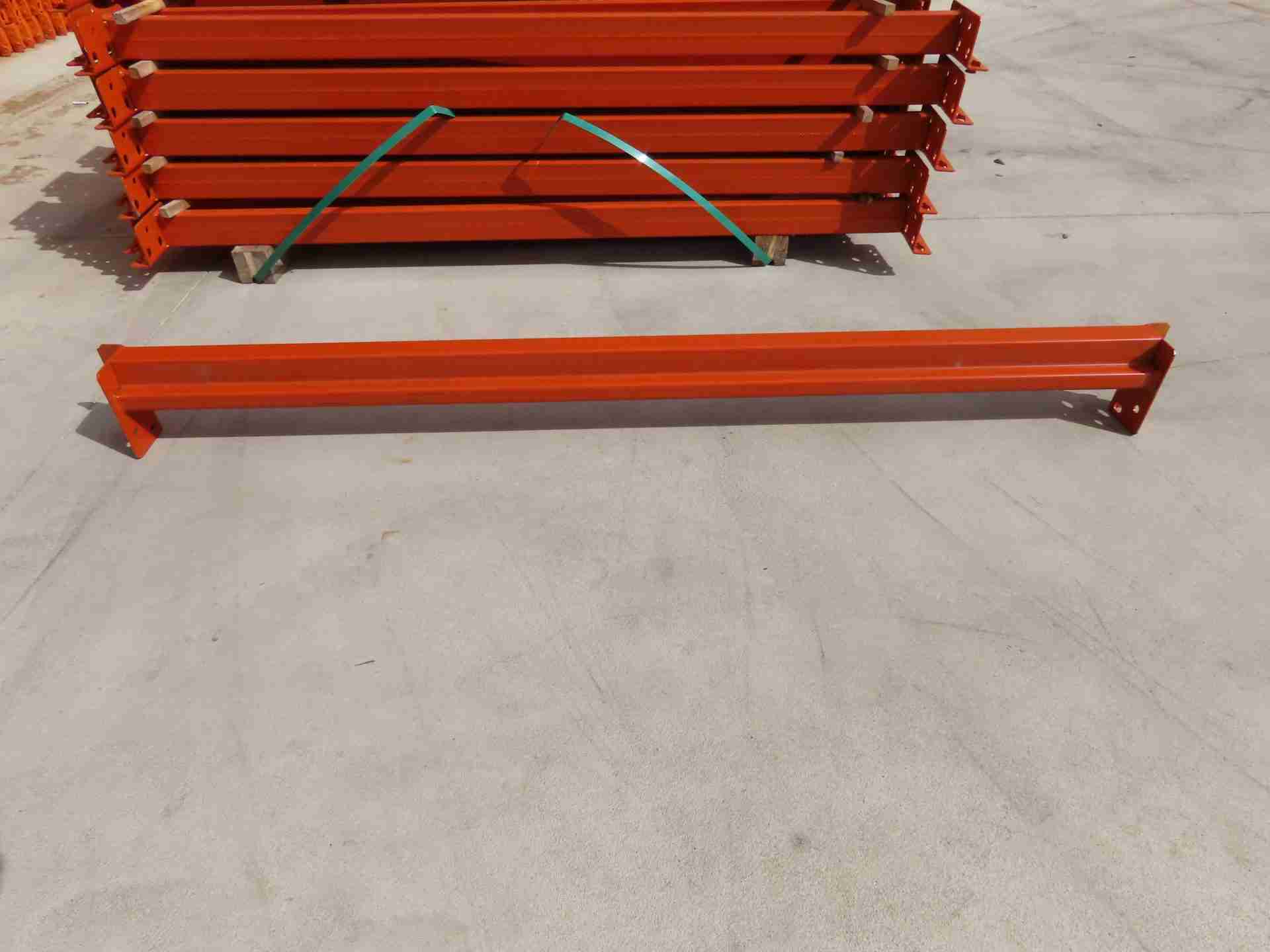
Glossary Of Terms
Other Questions
How Can One Misstep In Warehouse Storage Lead to Catastrophic Loss? – Other Questions
If you wish to explore and discover more, consider looking for answers to these questions:
- What are the costs associated with warehouse storage missteps?
- How can warehouse layout be optimized for maximum efficiency?
- What technologies can help manage inventory more effectively?
- What are the key indicators of inventory mismanagement?
- How frequently should warehouses conduct safety audits?
- What are the best practices for employee training in warehouse environments?
- How can I assess the effectiveness of my current pallet racking system?
- What role does employee feedback play in improving warehouse operations?
- How does regulatory compliance impact warehouse safety?
- What are the long-term benefits of investing in new warehouse technology?
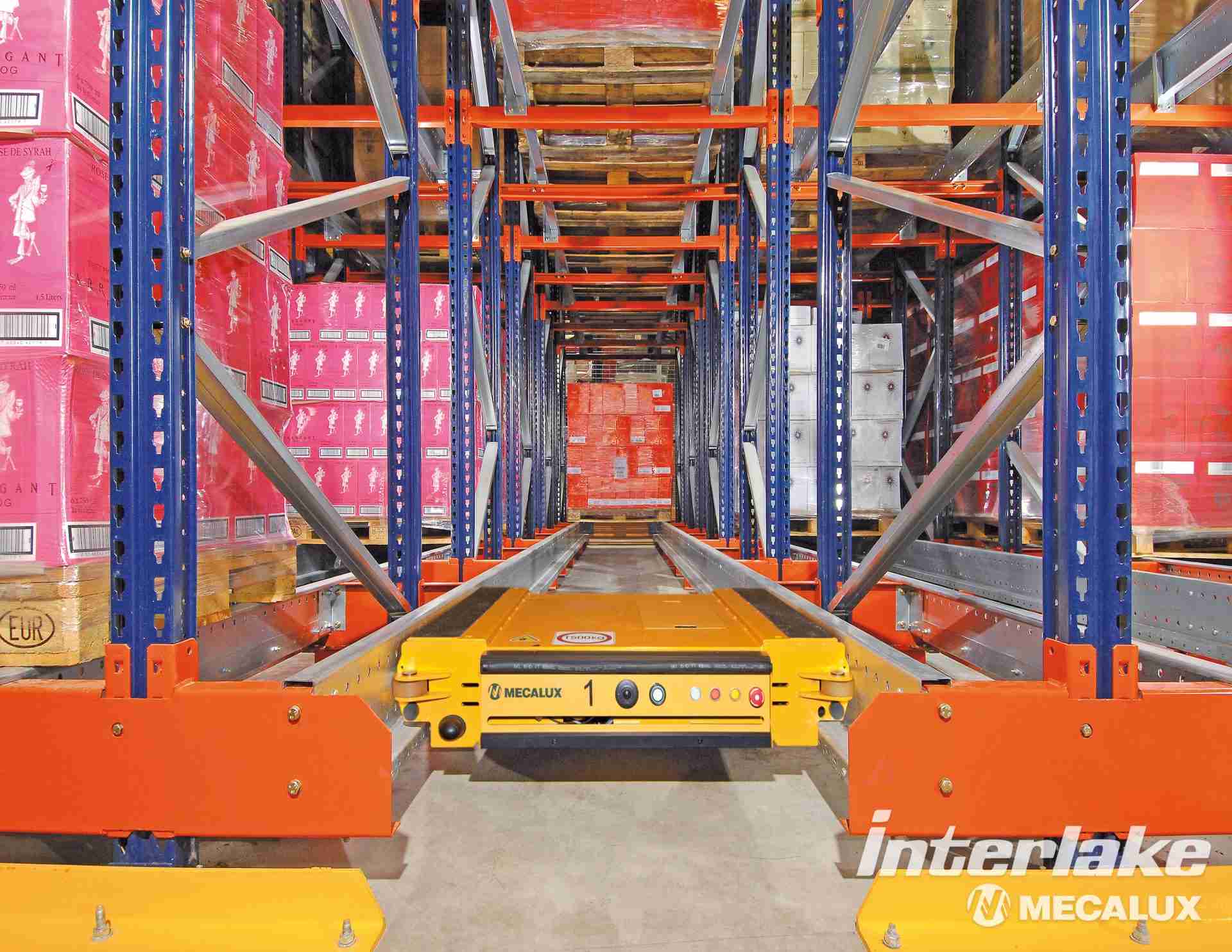
Other Questions
Checklist
How Can One Misstep In Warehouse Storage Lead to Catastrophic Loss? – A Checklist
Warehouse Storage Safety and Efficiency Checklist
1. Pallet Racking Setup
_____ Ensure that pallet racking is properly configured for weight limits.
_____ Regularly assess the placement of heavy and light items.
_____ Invest in adjustable pallet racking for flexibility.
2. Employee Training
_____ Conduct regular training sessions on safety procedures and equipment handling.
_____ Tailor training programs to the specific warehouse environment and tasks.
_____ Reinforce the importance of teamwork and shared responsibility in safety.
3. Inventory Management
_____ Implement a reliable inventory tracking system to reduce discrepancies.
_____ Conduct regular inventory audits to prevent stockouts and overstocking.
_____ Optimize pallet racking for flow and accessibility based on inventory needs.
4. Warehouse Layout
_____ Evaluate current warehouse layout for bottlenecks and inefficiencies.
_____ Engage employees in discussions about layout improvements.
_____ Ensure all aisles are clear and well-marked for easy navigation.
5. Safety Practices
_____ Train staff on proper stacking and loading techniques.
_____ Regularly inspect aisles for clutter and potential hazards.
_____ Implement and maintain clear labeling and signage for easy identification of products.
6. Technology Utilization
_____ Assess current technology and upgrade inventory management systems as needed.
_____ Adopt automated handling equipment for efficiency.
_____ Ensure real-time data sharing capabilities are in place to enhance communication.
7. Continuous Improvement
_____ Solicit feedback from employees on system and layout improvements.
_____ Monitor the effectiveness of safety and efficiency measures periodically.
_____ Stay informed about industry best practices and advancements in technology.
8. Emergency Preparedness
_____ Develop and communicate protocols for emergency situations.
_____ Conduct regular safety drills and training refreshers.
_____ Ensure all staff know where safety equipment (first aid kits, fire extinguishers, etc. ) is located.
9. Accountability and Ownership
_____ Foster a culture where everyone takes responsibility for safety and efficiency.
_____ Recognize and reward employees who demonstrate proactive safety measures.
_____ Encourage open communication about safety concerns and suggestions for improvement.
Conclusion
Use this checklist to evaluate and enhance the safety and efficiency of your warehouse operations. Regular reviews and updates can help you uncover hidden risks and avoid potential losses, ultimately leading to improved productivity and profitability.
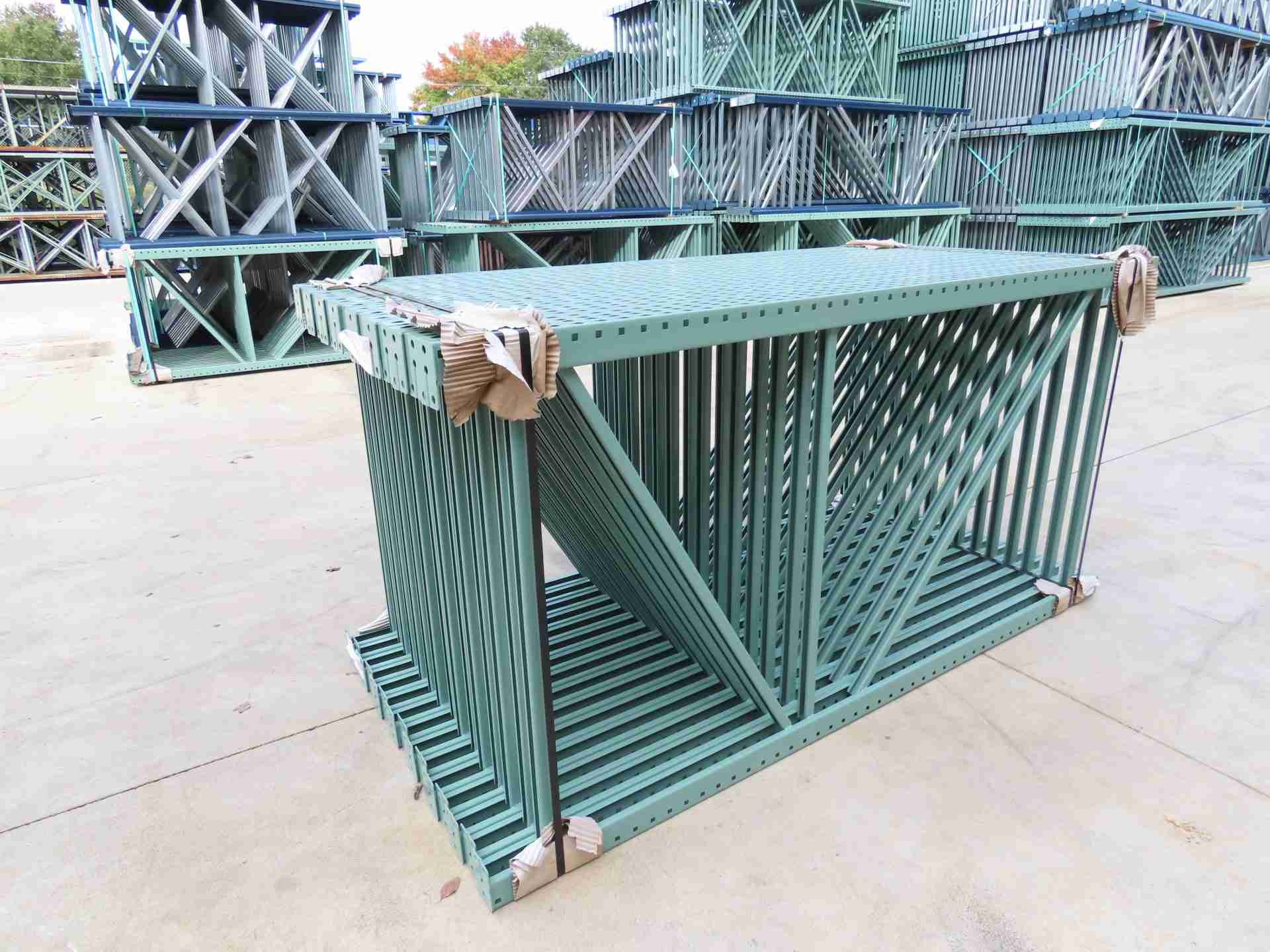
Checklist
At RackingWorld, we help guide you through selecting warehouse storage systems and racking.
Be sure to read our other related stories at RackingWorld to learn more about warehouse storage systems.
0 Comments