
The Dangers Of Neglecting Overloaded Warehouse Racks
By Tom Seest
At RackingWorld, we help guide you through selecting warehouse storage systems and racking.
Call Arrow Industrial Sales today at (574) 349-6575 and take the first step toward transforming your warehouse. The stakes are too high to wait. Your safer, more efficient future is just a phone call away!
Be sure to read our other related stories at RackingWorld to learn more about warehouse storage systems.
Are You Ignoring The Signs Of Overburdened Warehouse Racking Systems?
Every warehouse operator knows that effective storage solutions are the backbone of a successful business. If you’ve invested in pallet racking, you’ve already taken a significant step toward maximizing your space. But are you ignoring the signs that your racking systems may be overburdened?
Picture this: you walk into your warehouse, a place that should hum with efficiency and productivity. Instead, you see billowing stacks of products precariously teetering on overloaded shelves. The telltale signs are there; bent racks, overloaded pallets, and perhaps your team members cautiously maneuvering around hazardous conditions. It’s not just a minor inconvenience; it’s a red flag waving in the wind, calling for your attention.
Every piece of pallet racking has a specified load capacity. Ignoring these limits can create hidden dangers not just for your inventory, but for the team who rely on that racking system for their safety. Overburdened racking can lead to structural failures, resulting in injuries, significant property damage, and ultimately, a hit to your bottom line. Think of it as a ticking time bomb, one that can easily be defused by taking proactive measures now.
How can you avoid this unfortunate scenario? Regular inspections are key. Schedule routine audits of your pallet racking systems. Check for signs of wear and tear, such as rust, corrosion, or bending beams. Bring in professionals for a thorough evaluation and listen to your team; they’re your eyes and ears on the ground. Encourage open communication about the condition of your racking systems and the items stored within them. A culture of safety not only protects your physical assets but also fosters a sense of trust among your team.
Moreover, it’s wise to reevaluate your loading practices. Are you stacking items haphazardly or utilizing every inch of available space effectively? Streamline your processes to maximize efficiency without compromising safety. Remember, a well-organized palette racking system equals an empowered team and a thriving warehouse.
Don’t let your business be caught in the crossfire of negligence. Invest the time, resources, and energy into maintaining and assessing your pallet racking systems. By taking these proactive steps, you empower yourself, your team, and your business, ultimately inspiring both trust and confidence as you forge ahead in today’s competitive marketplace. Act now to transform a potential crisis into an opportunity for success!
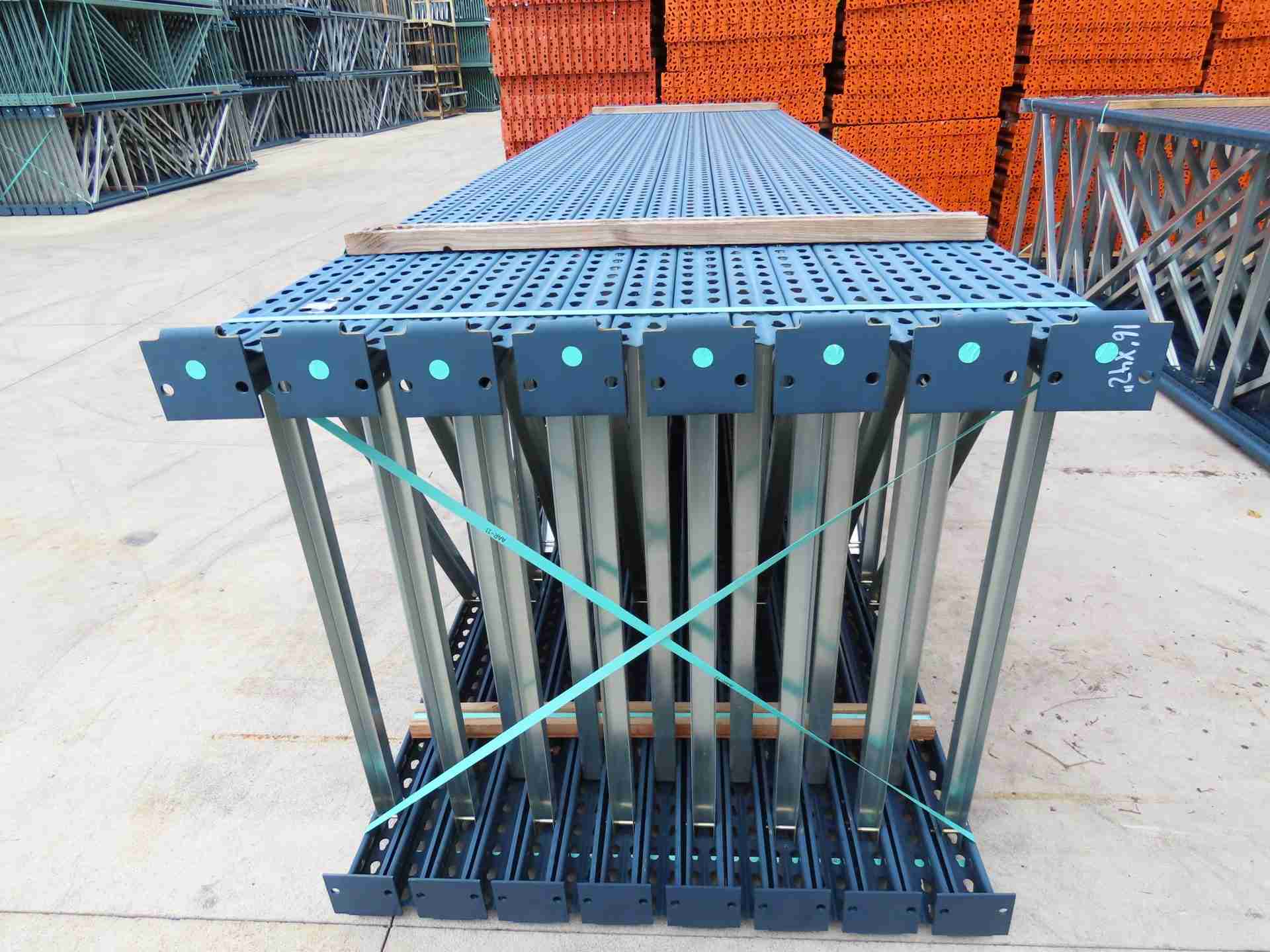
Are You Ignoring The Signs Of Overburdened Warehouse Racking Systems?
Are You Ignoring The Signs Of Overburdened Warehouse Racking Systems?
- Effective storage solutions are crucial for business success, with pallet racking as a significant investment.
- Look for signs of overburdened racking systems: bent racks, overloaded pallets, and hazardous conditions.
- Every pallet racking system has a specified load capacity, which if ignored, can lead to hidden dangers.
- Overburdened racking risks structural failures, injuries, property damage, and financial loss.
- Regular inspections and routine audits of pallet racking systems are essential to avoid accidents.
- Encourage open communication about the condition of storage systems to foster a culture of safety.
- Evaluate and streamline loading practices to maximize efficiency while ensuring safety in the warehouse.
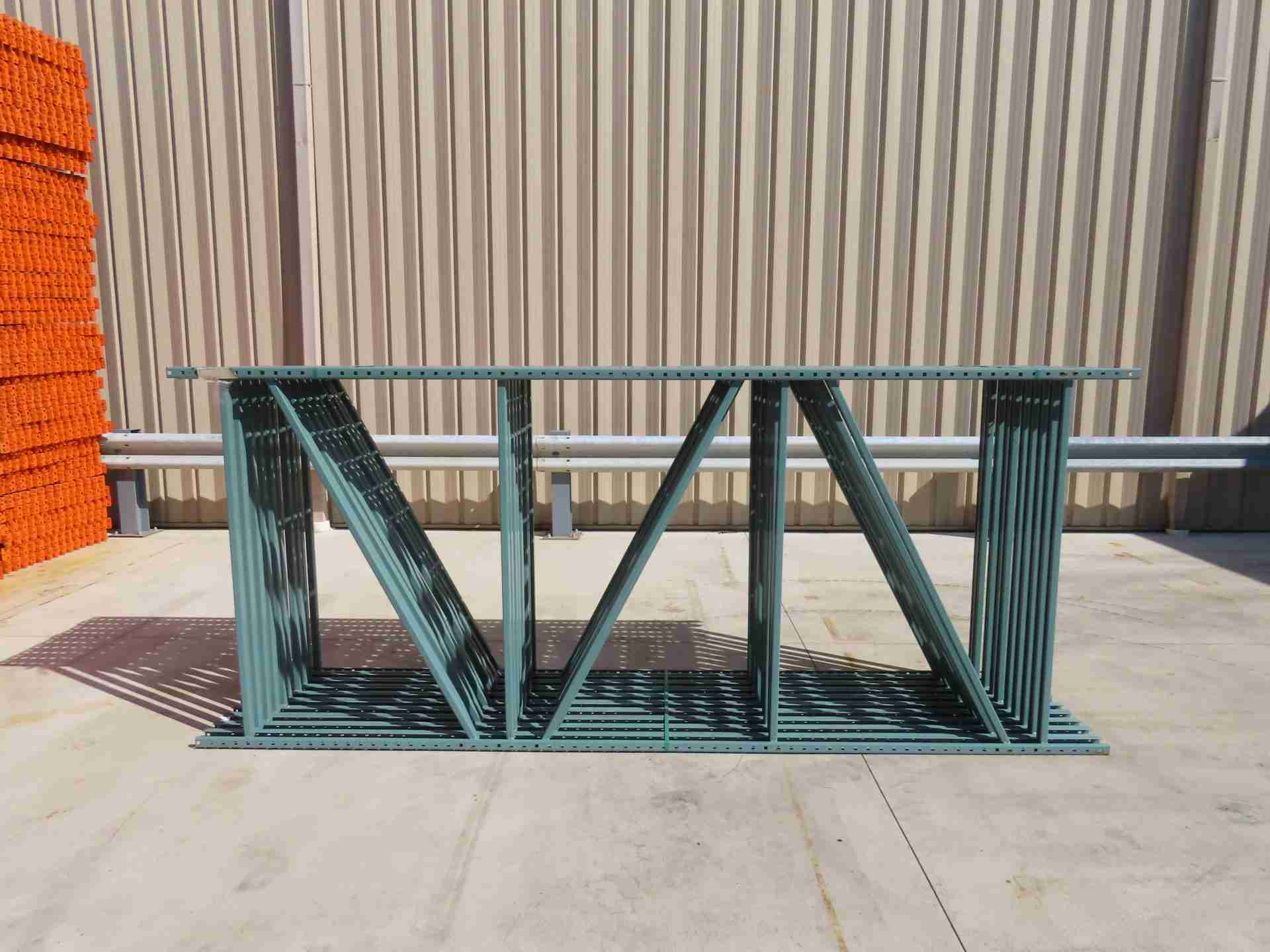
Are You Ignoring The Signs Of Overburdened Warehouse Racking Systems?
Table Of Contents
- Are You Ignoring The Signs Of Overburdened Warehouse Racking Systems?
- What Signs Indicate An Overburdened Racking System?
- How Can I Assess The Weight Limits Of My Racking Systems?
- What Are The Risks Of Ignoring Racking System Overload?
- How Often Should I Inspect My Warehouse Racking Systems?
- What Are The Best Practices For Maintaining Warehouse Racking?
- How Can I Determine If My Racking Needs Reinforcement?
- Conclusion
- Other Resources
- Glossary Of Terms
- Other Questions
- Checklist
What Signs Indicate An Overburdened Racking System?
When it comes to pallet racking, the backbone of your warehouse or storage solution, paying attention to the signs of an overburdened racking system is crucial. Think of it as your warehouse’s pulse; when it’s offbeat, what is it trying to tell you? Ignoring these signals could lead to costly accidents and disruptions that most of us can’t afford. So, let’s dive into the red flags that should have you questioning whether your racking system is operating under optimal conditions.
First, look for visual distress signals. Is the racking structure exhibiting noticeable bending or sagging? When the cross beams bow under the weight of heavy pallets, you might not just be dealing with a cosmetic issue—this could be a precursor to a catastrophic failure. Similarly, if you observe the rack connections loosening, don’t wait for the disaster to unfold; act before it’s too late.
Next, consider the surrounding chaos. An overburdened racking system often results in disorganization. If you find that pallets are precariously stacked, overflowing onto aisles, or if you are consistently needing to run retrievals for crammed items, you could be pushing your system beyond its limits. This not only affects efficiency but can also pose a safety risk to your personnel.
Moreover, monitor your workforce. Are your employees reluctant to approach certain sections of your racking system? Fear often stems from concern for their safety, and if your team is apprehensive about navigating the aisles, it’s time to reevaluate your operational strategy.
Don’t overlook the escalating maintenance costs. A racking system that’s consistently struggling might require frequent repairs or replacements of components, not to mention the potential for downtime that comes with those repairs. If you’re constantly pouring money into fixing a shaky system, consider that a cry for help. It’s an invitation to reassess your storage needs.
Finally, are you feeling pressure in your supply chain? If you’re experiencing delays in processing orders, it could be that your pallet racking is simply unable to keep pace with your inventory demands. Your racking system should be a powerhouse of efficiency, not a hindrance.
Recognizing these signs early can transform your operation, ensuring a safer and more productive environment. Trust your instincts; if your racking feels burdened, it’s time to rethink your approach. Stability is key, and proactive measures will pave the way for success. Don’t wait until it’s too late—take action now!
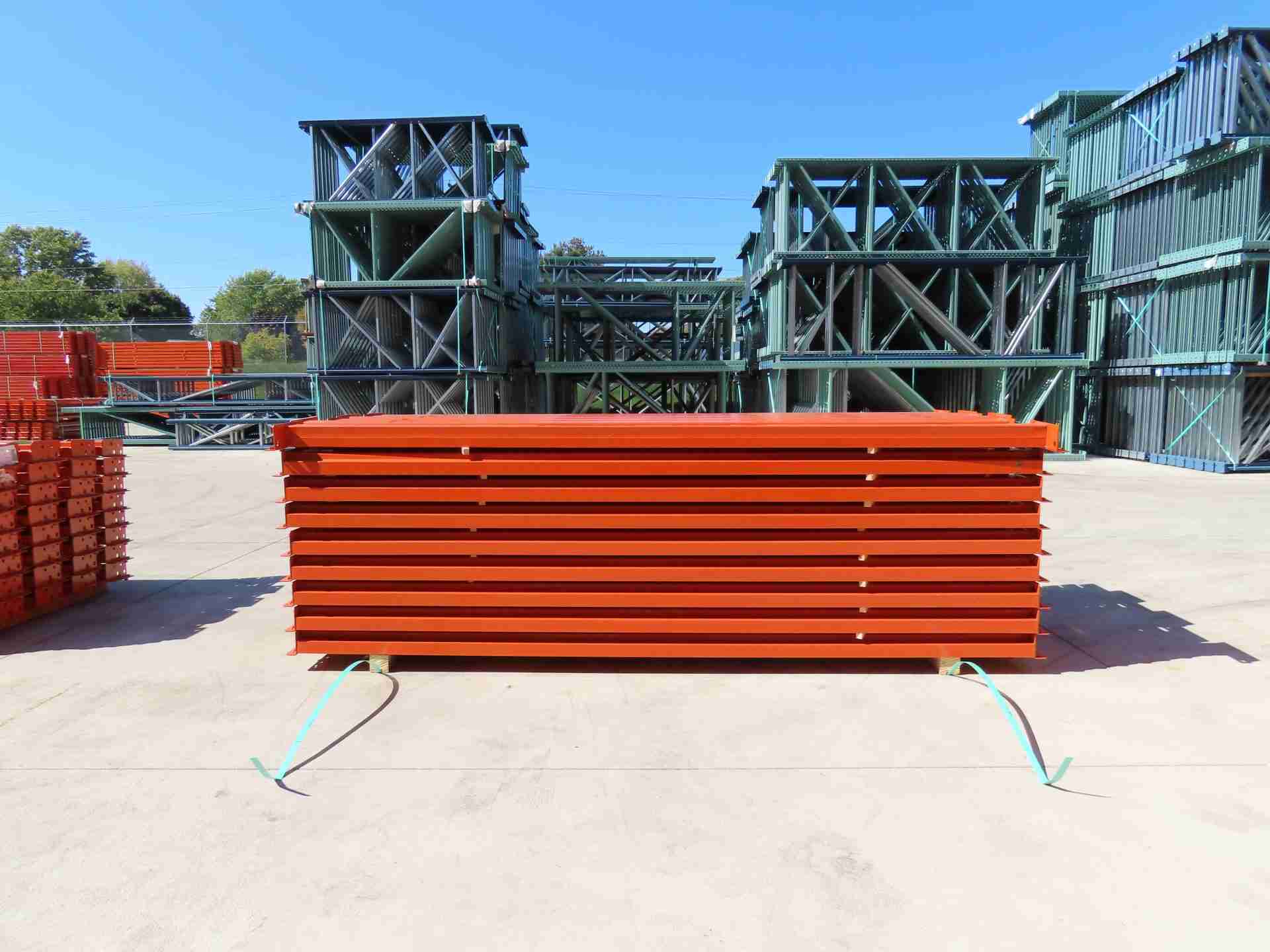
What Signs Indicate An Overburdened Racking System?
What Signs Indicate An Overburdened Racking System?
- Pay attention to signs of an overburdened pallet racking system; ignoring them can lead to accidents and disruptions.
- Visual distress signals include noticeable bending or sagging of the racking structure and loosening connections.
- Disorganized surroundings, such as precariously stacked pallets and overflowing aisles, indicate the system is pushed beyond its limits.
- Employee reluctance to approach certain sections of the racking system may signal safety concerns.
- Escalating maintenance costs due to frequent repairs and replacements suggest the need to reassess storage needs.
- Pressure in the supply chain, such as delays in processing orders, may indicate the racking system cannot keep up with inventory demands.
- Recognizing these signs early can lead to a safer, more productive environment; take proactive measures to rethink your approach.
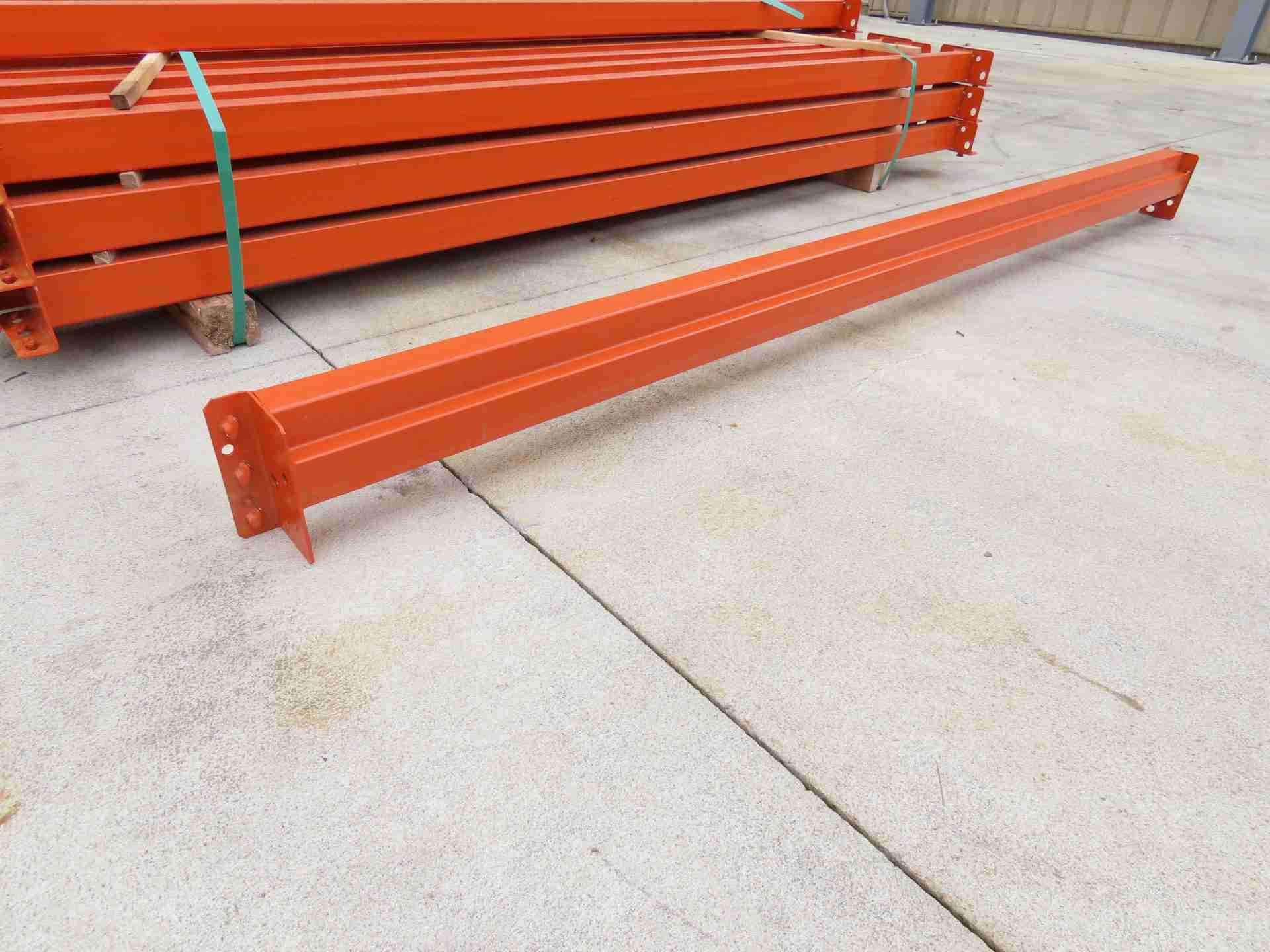
What Signs Indicate An Overburdened Racking System?
How Can I Assess The Weight Limits Of My Racking Systems?
When it comes to optimizing your warehouse or storage space, understanding the weight limits of your pallet racking systems isn’t just a technical necessity; it’s the backbone of operational efficiency and safety. At first glance, it might feel overwhelming, but let’s break it down together.
First and foremost, know that your chosen pallet racking system is engineered to hold significant weight – but each frame, beam, and accessory has its own specific limits. To assess these limits effectively, begin with the manufacturer’s specifications. This information is like gold; it tells you exactly what your racks can handle and ensures you’re not playing a dangerous guessing game. If you can’t easily find this data, don’t hesitate to reach out to your supplier for clarity.
Now you’re probably wondering, “But how do I practically apply this information?” Start by evaluating the weight of your pallets. Each pallet should clearly indicate its load weight, which enables you to easily align that figure against what your racking can handle. But hold on! It’s not just about individual pallets. Think about how many pallets you’ll be stacking per level and across the racking system.
Next, consider the dynamic elements. Are your pallets being frequently loaded and unloaded? This movement can cause fluctuations in weight distribution, requiring you to double-check that your racks remain within safe operating limits. It’s all about striking a balance—ensuring that your heavy-duty loads won’t lead to buckling or damage over time.
A crucial step is to regularly inspect your pallet racking system. Visual checks can help reveal any signs of strain or damage that could compromise safety. It’s like looking after your vehicle – regular maintenance goes a long way to ensuring longevity and reliability.
Lastly, never forget the human element involved. Training your team on the capacities and proper loading techniques fosters a culture of responsibility and awareness. When your team understands the weight limits, they’re equipped to make informed decisions that protect both the racking system and its contents.
By understanding and actively managing your weight limits, you’ll not only safeguard your investment but also enhance safety and productivity in your operations. So take that first step today – dive into those specifications, discuss them with your team, and create a smarter, safer racking environment. The stability of your operation depends on it!
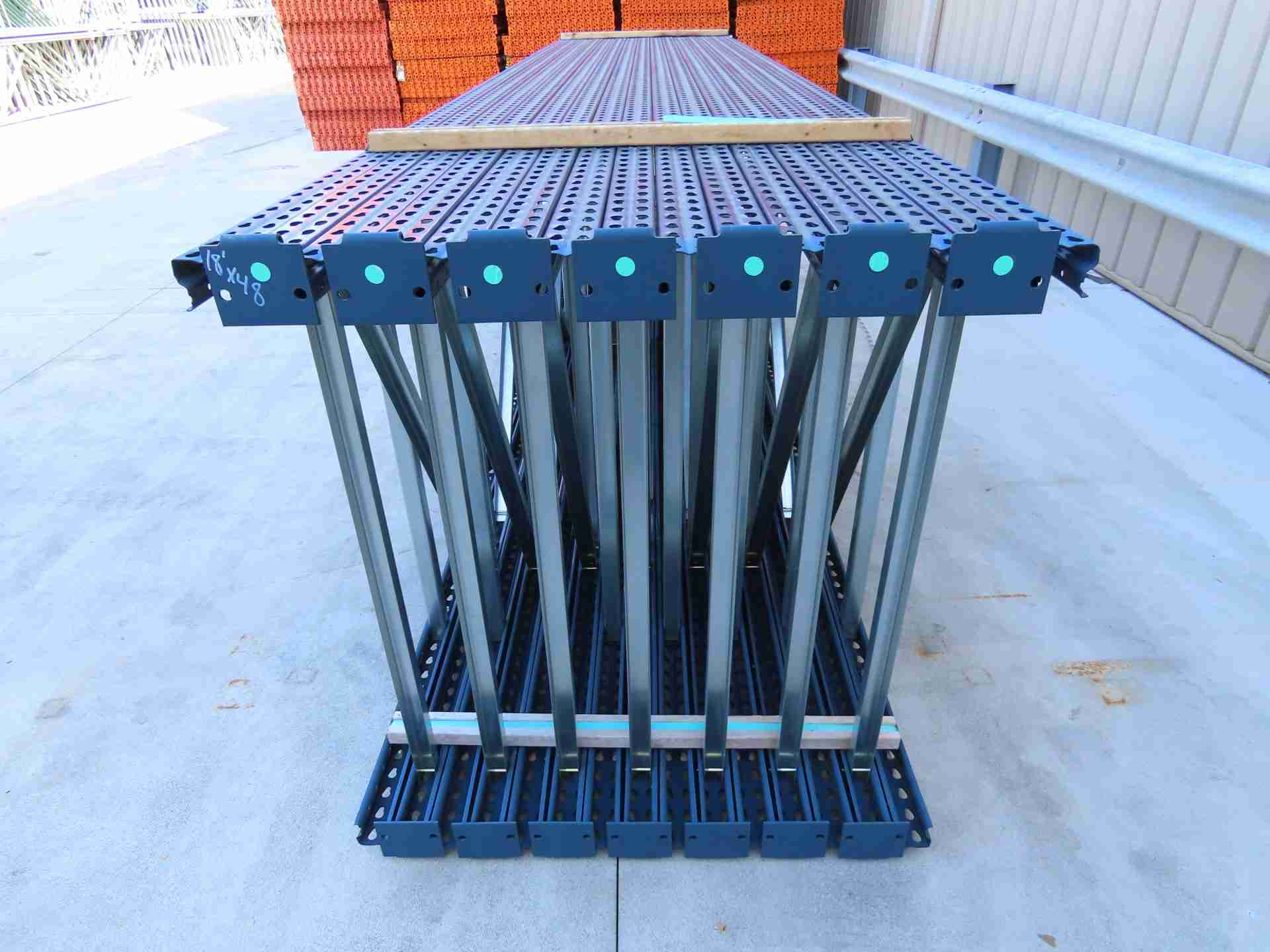
How Can I Assess The Weight Limits Of My Racking Systems?
How Can I Assess The Weight Limits Of My Racking Systems?
- Understanding weight limits of pallet racking systems is essential for operational efficiency and safety.
- Each component of the racking system has specific weight limits; refer to manufacturer specifications for guidance.
- Evaluate the weight of each pallet and consider the total weight when stacking multiple pallets.
- Dynamic factors, such as frequent loading and unloading, can affect weight distribution and safety limits.
- Regular inspections of the pallet racking system are crucial to identify signs of strain and ensure reliability.
- Training the team on weight limits and proper loading techniques promotes a culture of safety and responsibility.
- Active management of weight limits enhances safety and productivity in warehouse operations.

How Can I Assess The Weight Limits Of My Racking Systems?
What Are The Risks Of Ignoring Racking System Overload?
In the bustling world of warehousing and distribution, pallet racking is the backbone of efficient storage. These sturdy structures are designed to maximize space and streamline operations. However, there’s a darker side to this efficiency if you dare to overlook racking system overload. Ignoring the risks associated with exceeding weight limits can transform your bustling warehouse into a dangerous minefield.
Imagine this: a seemingly ordinary day in your warehouse suddenly turns chaotic when a rack collapses under the weight of improperly stored goods. The immediate consequences are glaring. Products are damaged, valuable time is lost, and your workers face unnecessary risks. As injuries mount, so do costs – not only in lost productivity but also in potential legal ramifications. In a fraction of a moment, your reputation as a responsible employer and trusted supplier can take a catastrophic hit.
But let’s connect on a deeper level. You’ve poured your heart and soul into building your business and fostering relationships with your customers. The last thing you need is a preventable incident that tarnishes what you’ve worked so hard to establish. It’s not just about the physical infrastructure; it’s about your people, your products, and your peace of mind. When you allow overloading to go unchecked, you compromise all of that.
Furthermore, your financial footing can also wobble under the weight of neglect. Higher insurance premiums and unexpected fines can spiral into daunting figures. Proactively investing in proper racking system assessments and maintenance is not an expenditure; it’s an investment in the longevity and stability of your business.
Understanding the limits of your pallet racking is a crucial step in fostering a safe and efficient work environment. By conducting regular inspections, training employees on safe loading practices, and adhering to the manufacturer’s specifications, you demonstrate not just responsibility but that you genuinely care about your team’s wellbeing.
Don’t let ignorance wear the mask of false productivity. Take charge today. Assess your racking systems, have those crucial conversations with your team, and commit to a culture of safety. The benefits will be immeasurable—peace of mind, a solid reputation, and, most importantly, a safe working environment that everyone deserves. Empower yourself to take action. Your warehouse is more than a space; it’s a community. Protect it, and it will protect your business.
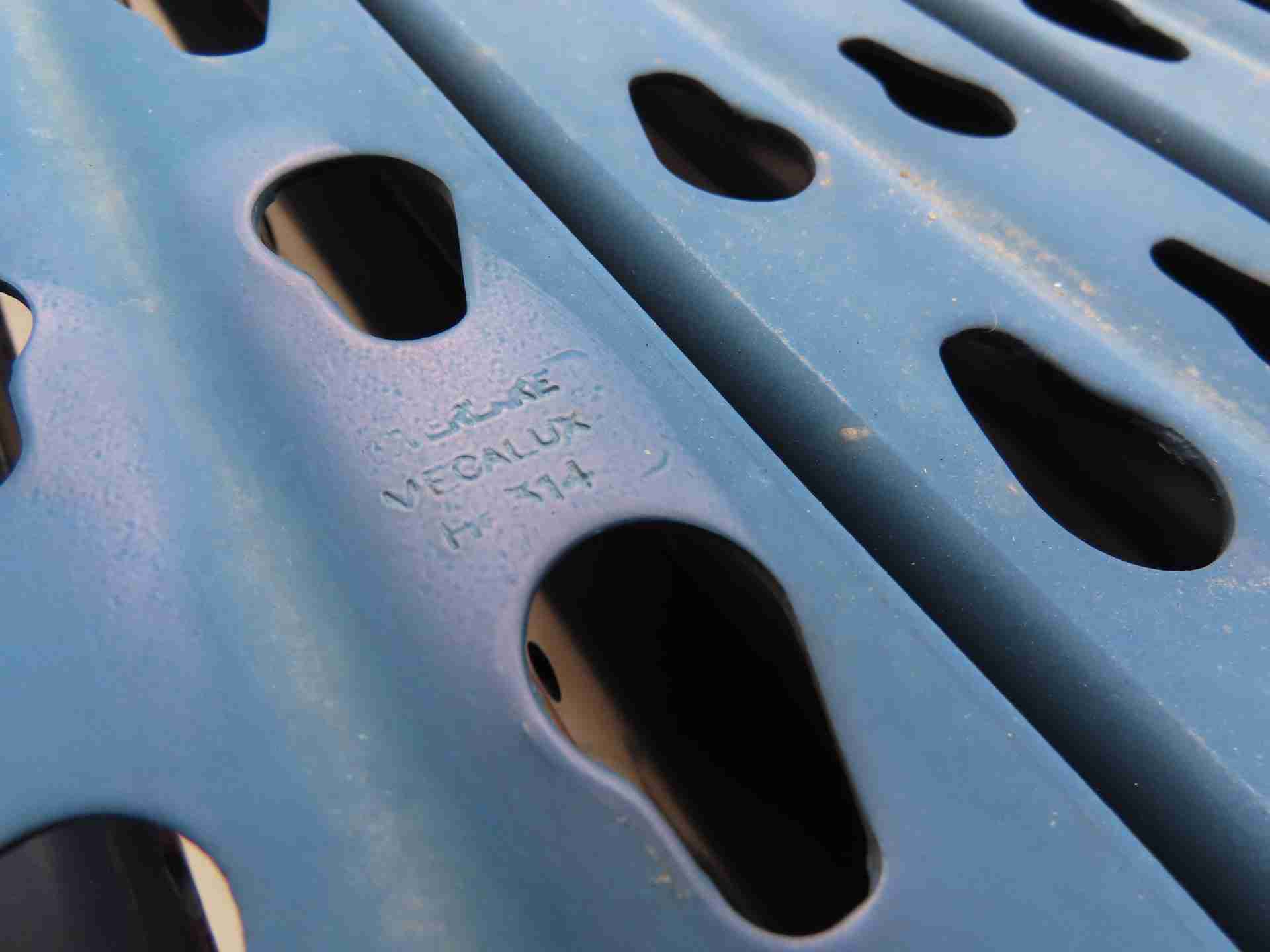
What Are The Risks Of Ignoring Racking System Overload?
What Are The Risks Of Ignoring Racking System Overload?
- Pallet racking is essential for efficient storage in warehousing and distribution.
- Overloading racking systems can lead to dangerous consequences, including injuries and damaged goods.
- Incidents of rack collapse can result in lost productivity and potential legal issues.
- Maintaining a safe warehouse environment is crucial for the reputation and stability of your business.
- Ignoring weight limits can lead to higher insurance premiums and unexpected fines.
- Regular inspections and employee training on safe loading practices help promote a culture of safety.
- Taking proactive measures can ensure a safe working environment and long-term success for your business.

What Are The Risks Of Ignoring Racking System Overload?
How Often Should I Inspect My Warehouse Racking Systems?
Managing a warehouse is more than just stacking boxes and managing inventory; it’s about ensuring safety and productivity through regular inspections of your pallet racking systems. But how often should you climb the ladder—literally and figuratively—to scrutinize those towering steel structures that hold your precious goods? The answer might surprise you.
Imagine entering your warehouse and witnessing a jumbled ecosystem of pallets piled high, seemingly stable but potentially precarious. It’s easy to fall into the trap of neglect—after all, everything looks fine, right? Well, just like you wouldn’t ignore a check-engine light on your car, turning a blind eye to your racking systems can lead to significant—often catastrophic—failures. Regular inspection of pallet racking isn’t merely a precaution; it’s a lifeline to operational efficiency and safety.
Experts recommend a thorough inspection at least once a year, but consider adopting a more proactive approach by evaluating your racking systems quarterly. In high-traffic environments or warehouses that experience heavy load shifts, more frequent inspections—perhaps even monthly—can make all the difference. The key is to look for signs of wear, structural integrity, and suitability for the loads they carry. Trust that keeping a vigilant eye on your pallet racking not only preserves your assets but also fosters a culture of safety and accountability among your team.
Imagine the confidence your employees will feel knowing that you care about their safety. Engaging them in regular inspections can empower them, making them part of a team that respects quality and diligence in operations. When everyone is on board, you build trust and a shared responsibility for the overall health of your warehouse.
Of course, conducting inspections isn’t just about checking off a box. Equip your team with checklists that highlight potential issues, from bent beams to incorrect load placements. Encourage open dialogue: if someone spots a problem, they should feel empowered to report it immediately. This sense of community helps create a safer and more efficient working environment.
Don’t leave your pallet racking systems to chance. Embrace a routine of diligent inspections, and watch not only productivity soar but also the confidence of your team grow. Safety and efficiency go hand in hand; let’s build a warehouse that reflects those values!
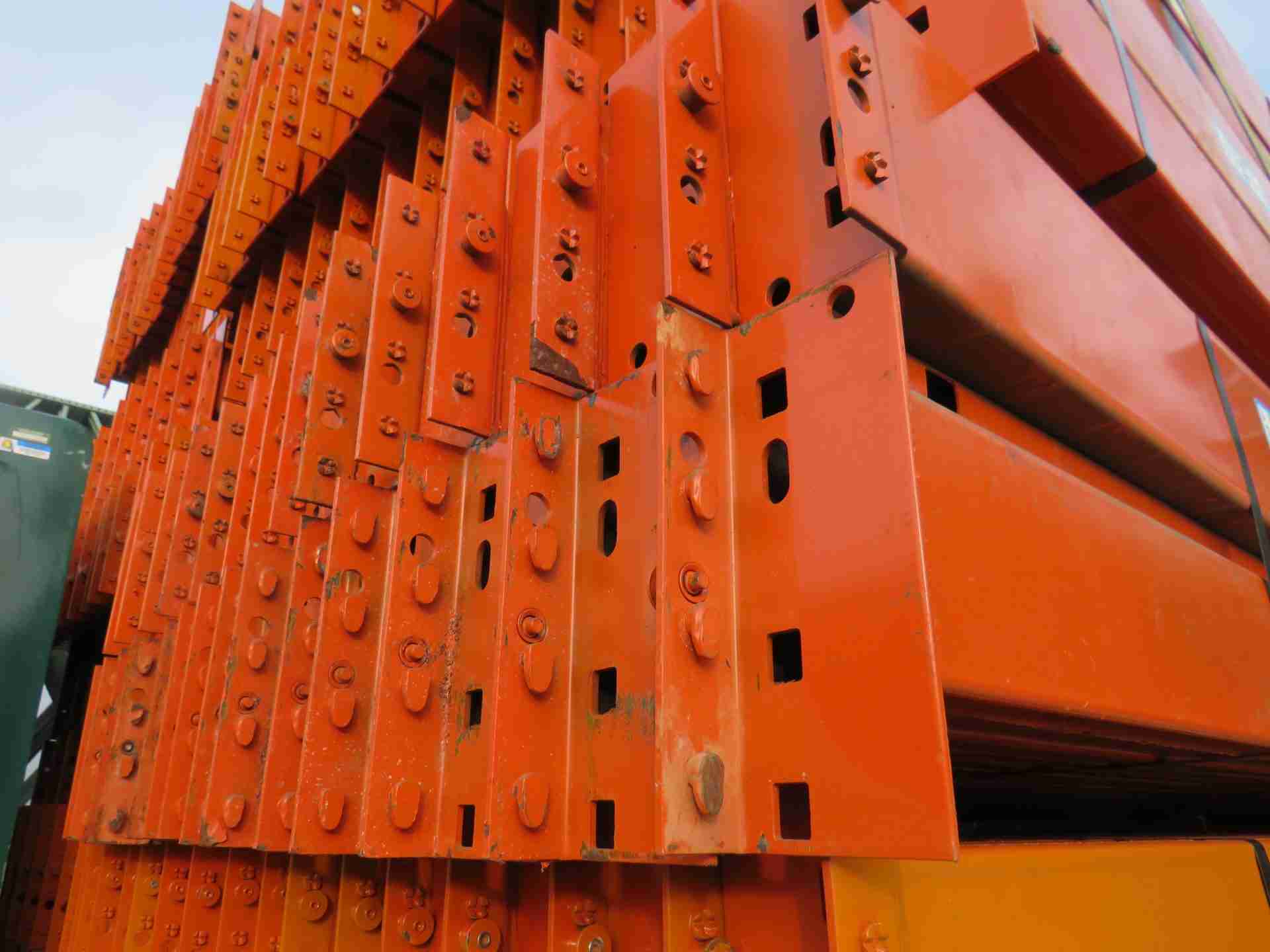
How Often Should I Inspect My Warehouse Racking Systems?
How Often Should I Inspect My Warehouse Racking Systems?
- Warehouse management involves ensuring safety and productivity through regular inspections of pallet racking systems.
- Neglecting racking systems can lead to significant and catastrophic failures, similar to ignoring a check-engine light in a car.
- Experts suggest at least one thorough inspection of pallet racking per year, with quarterly evaluations being even more beneficial.
- High-traffic warehouses may require monthly inspections to ensure structural integrity and suitability for loads.
- Regular inspections promote a culture of safety and accountability, empowering employees and fostering teamwork.
- Equip employees with checklists and encourage open dialogue for reporting potential issues, enhancing safety measures.
- Routine inspections can boost productivity and employee confidence while reinforcing safety and efficiency in warehouse operations.
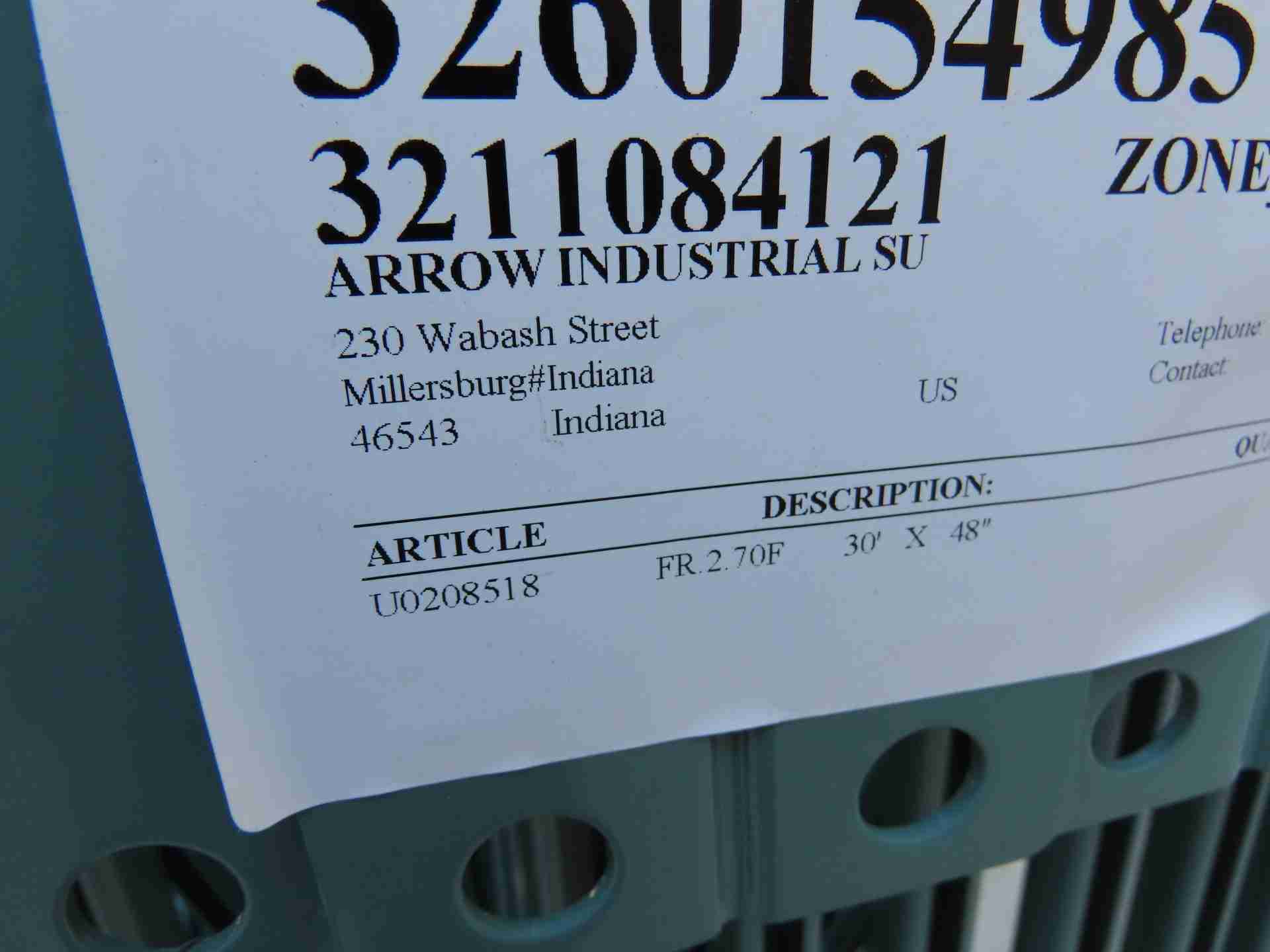
How Often Should I Inspect My Warehouse Racking Systems?
What Are The Best Practices For Maintaining Warehouse Racking?
When it comes to running an efficient warehouse, the unsung hero of your operation often goes overlooked: pallet racking. Just like a well-tuned engine keeps a car running smoothly, properly maintained pallet racking ensures that your business functions without hiccups. But how do you cultivate a racking system that stands the test of time? It’s simpler than you might think, and it all starts with commitment to best practices.
First and foremost, regular inspections are your best ally. Equip your team with a simple checklist to assess the condition of your pallet racking. Look for signs of wear, like bent beams or rust. Remember, safety is paramount! A small issue overlooked can quickly morph into a costly catastrophe. Encourage an environment where every team member feels empowered to report concerns. You’d be surprised how candid conversations can lead to major preventative measures!
Next, educate your staff. Training is not just a checkbox; it’s the cornerstone of safety and efficiency. Make certain that employees understand the limits of your pallet racking—how much weight it can bear and how loads must be distributed. Implement daily training sessions where you not only highlight these limits, but also engage your team with real-world scenarios they might encounter. This will foster a sense of ownership and responsibility that resonates throughout your warehouse.
Moreover, organization is key. A well-optimized layout maximizes your pallet racking and improves workflow. Assign specific areas for different types of inventory, ensuring your staff knows exactly where everything belongs. A clutter-free environment encourages efficiency and minimizes accidents, all while keeping morale high.
Lastly, implement a maintenance schedule. Just like any long-term investment, your pallet racking requires care to promote longevity. Schedule periodic maintenance for deep cleaning and repair. Dedicate time for touch-ups and rust prevention treatments. Not only will this extend the life of your racking, but it also shows employees that you value their safety and the investment you’ve made.
Maintaining your pallet racking is not an option; it’s a necessary commitment to safety, efficiency, and longevity. By investing in inspection, education, organization, and maintenance, you’ll transform your warehouse into a beacon of productivity. Remember, when your pallet racking shines, so does your bottom line! Embrace best practices today to lay the foundation for a smoother operation tomorrow.
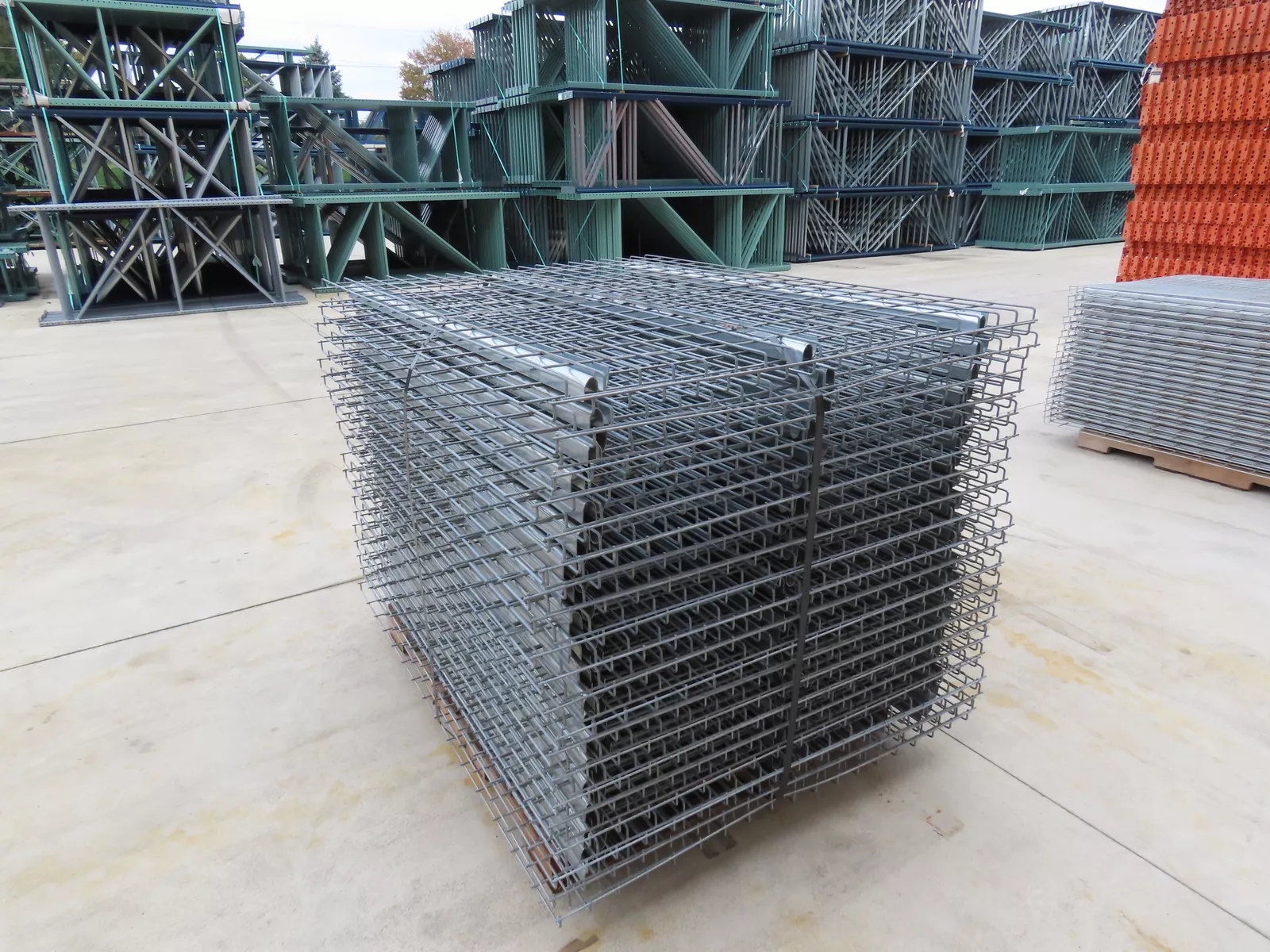
What Are The Best Practices For Maintaining Warehouse Racking?
What Are The Best Practices For Maintaining Warehouse Racking?
- Pallet racking is essential for efficient warehouse operations, serving as a backbone for smooth functionality.
- Regular inspections using a checklist help identify wear and safety issues before they escalate.
- Encourage a culture of reporting concerns to promote preventative measures among team members.
- Staff education is crucial; training on weight limits and load distribution fosters safety and responsibility.
- An organized layout optimizes pallet racking, improves workflow, and reduces clutter and accidents.
- A maintenance schedule for deep cleaning and repairs is vital for the longevity of pallet racking.
- Investing in best practices for pallet racking ensures safety, efficiency, and improved productivity in the warehouse.
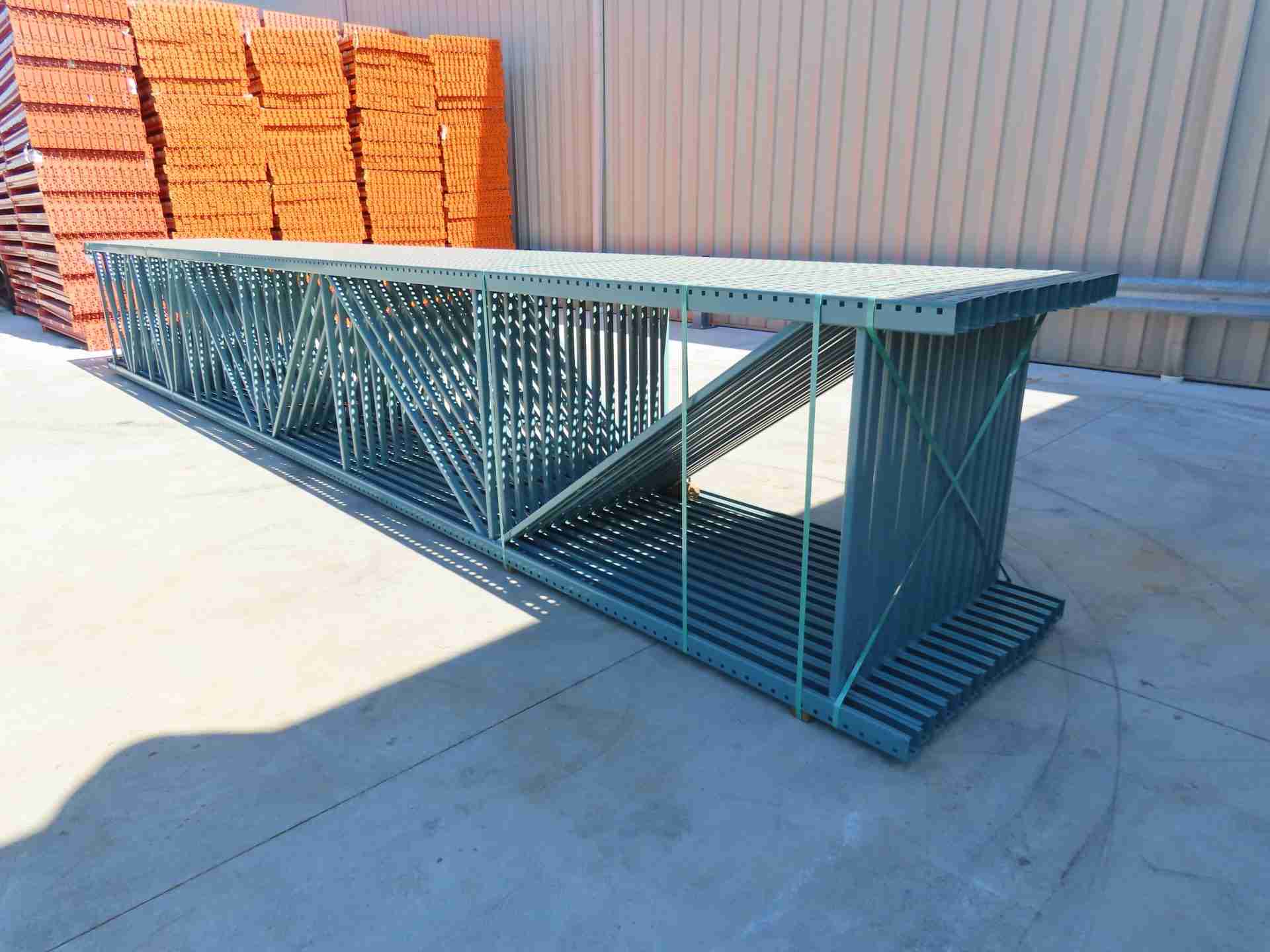
What Are The Best Practices For Maintaining Warehouse Racking?
How Can I Determine If My Racking Needs Reinforcement?
As a diligent warehouse manager or business owner, your top priority is ensuring your operations run smoothly and safely. If you’re using Pallet Racking, understanding when it’s time for reinforcement is crucial—not only for the integrity of your storage system but also for the well-being of your team.
Pallet Racking holds your inventory, yes, but it also holds the key to operational efficiency. So, how can you determine if this essential backbone of your warehouse needs a little extra love? Start by performing a visual inspection. Walk through your aisles and closely examine the framework of your Pallet Racking. Look for signs of wear and tear, such as bent beams, cracked uprights, or anything that seems out of alignment. These red flags can signal the need for immediate reinforcement.
Next, consider the weight capacity of your racking system. Are you pushing the limits? If you’re stacking products higher or loading them heavier than recommended, it might be time to evaluate your current setup. Overloaded Pallet Racking can lead to catastrophic failures, jeopardizing not just your inventory but more importantly, the safety of your employees. A little proactive thinking can save you from a heap of trouble later on.
Also, pay attention to any alterations in your inventory turnover. If you’re consistently rearranging stock or facing challenges in accessing products, your racking configuration may be inadequate for your current needs. Consider an expert audit of your racking system. Professionals can provide insights that you might overlook, reinforcing weak points and ensuring your system is optimized for your operations.
Moreover, don’t underestimate the importance of regular training for your staff. Educating your team about the dos and don’ts of interacting with your Pallet Racking can make all the difference. This proactive approach contributes to a culture of safety and vigilance, where everyone feels empowered to report concerns.
Investing time and resources into monitoring and enhancing your racking setup isn’t just about mitigation; it’s about building a resilient foundation for your business. With the right knowledge and tools at your disposal, deciding whether your Pallet Racking needs reinforcement can transition from a daunting task to a simple, straightforward process. So take that step today. A safer, more efficient warehouse awaits!

How Can I Determine If My Racking Needs Reinforcement?
How Can I Determine If My Racking Needs Reinforcement?
- Pallet Racking is crucial for operational efficiency and team safety in warehouses.
- Conduct visual inspections for signs of wear, such as bent beams or cracked uprights.
- Evaluate the weight capacity of your racking system to avoid overloading.
- Monitor inventory turnover and product accessibility to assess racking adequacy.
- Consider hiring experts for an audit to reinforce weak points in the racking system.
- Regular staff training on safety protocols helps foster a vigilant workplace culture.
- Investing in racking setup enhancements builds a resilient foundation for business operations.
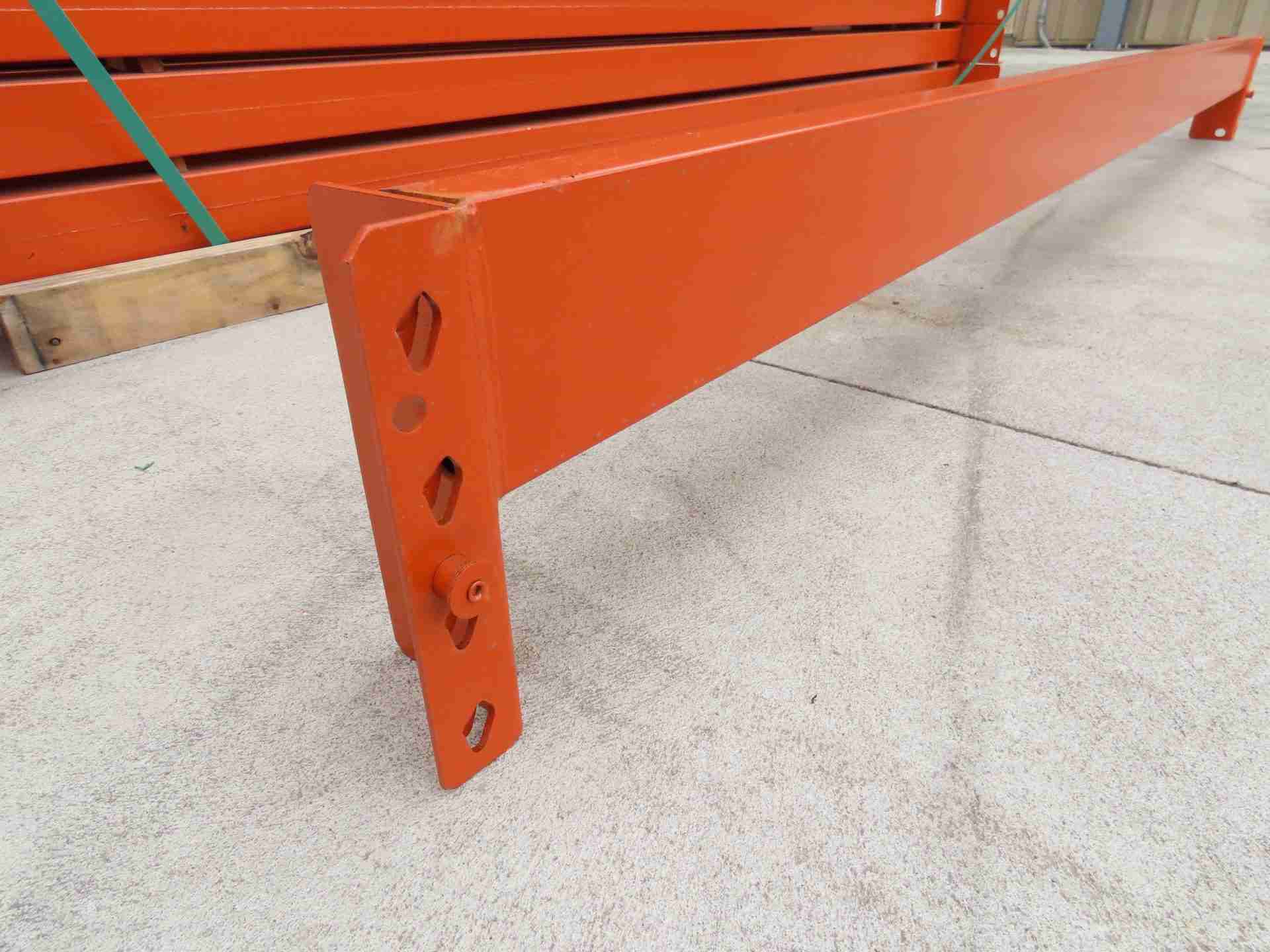
How Can I Determine If My Racking Needs Reinforcement?
Conclusion
In the high-stakes world of warehousing, understanding the signs of overburdened racking systems can mean the difference between smooth operations and catastrophic failures. At RackingWorld.com and Arrow Industrial Sales, we recognize that your pallet racking is more than just storage—it’s the backbone of your productivity, efficiency, and safety. Ignoring the warning signs can lead to structural damage, employee injuries, and financial losses that can cripple your business and tarnish your reputation.
Imagine the consequences of ignoring that bent beam or the pallets overflowing, precariously piled up for a disaster waiting to happen. These are not just minor inconveniences; they are glaring red flags that call for immediate attention. By conducting regular inspections and encouraging open communication amongst your team, you can foster a culture of safety and accountability that empowers your employees while significantly enhancing operational efficiency.
Don’t let your warehouse become a ticking time bomb! Assessing the weight limits of your racking systems, reevaluating your loading practices, and committing to a rigorous maintenance schedule can prevent overburdening and ensure longevity. Remember—the cost of neglect is far greater than the investment in preventative measures. Each day you delay could result in accidents that can lead to severe penalties, hefty insurance costs, and detrimental downtime.
Our actionable steps are designed to guide you through this critical process: conduct regular inspections, train your staff on proper loading techniques, and remain vigilant in monitoring the condition of your racking systems. If you’re feeling the pressure of operational inefficiencies or witnessing signs of structural compromise, it’s time to act decisively.
At Arrow Industrial Sales, we’re here to support you every step of the way. With expert evaluations and tailored solutions, we can help you fortify your racking system against the risks of overloading. Act now! Don’t wait until it’s too late—call us at (574) 349-6575 and let’s work together to transform your warehouse from a potential liability into a thriving environment. Your safety, operations, and bottom line depend on it. Invest in your future today and join the ranks of forward-thinking businesses that prioritize safety and efficiency above all. The power to safeguard your operation is in your hands—don’t hesitate, the time to act is now!
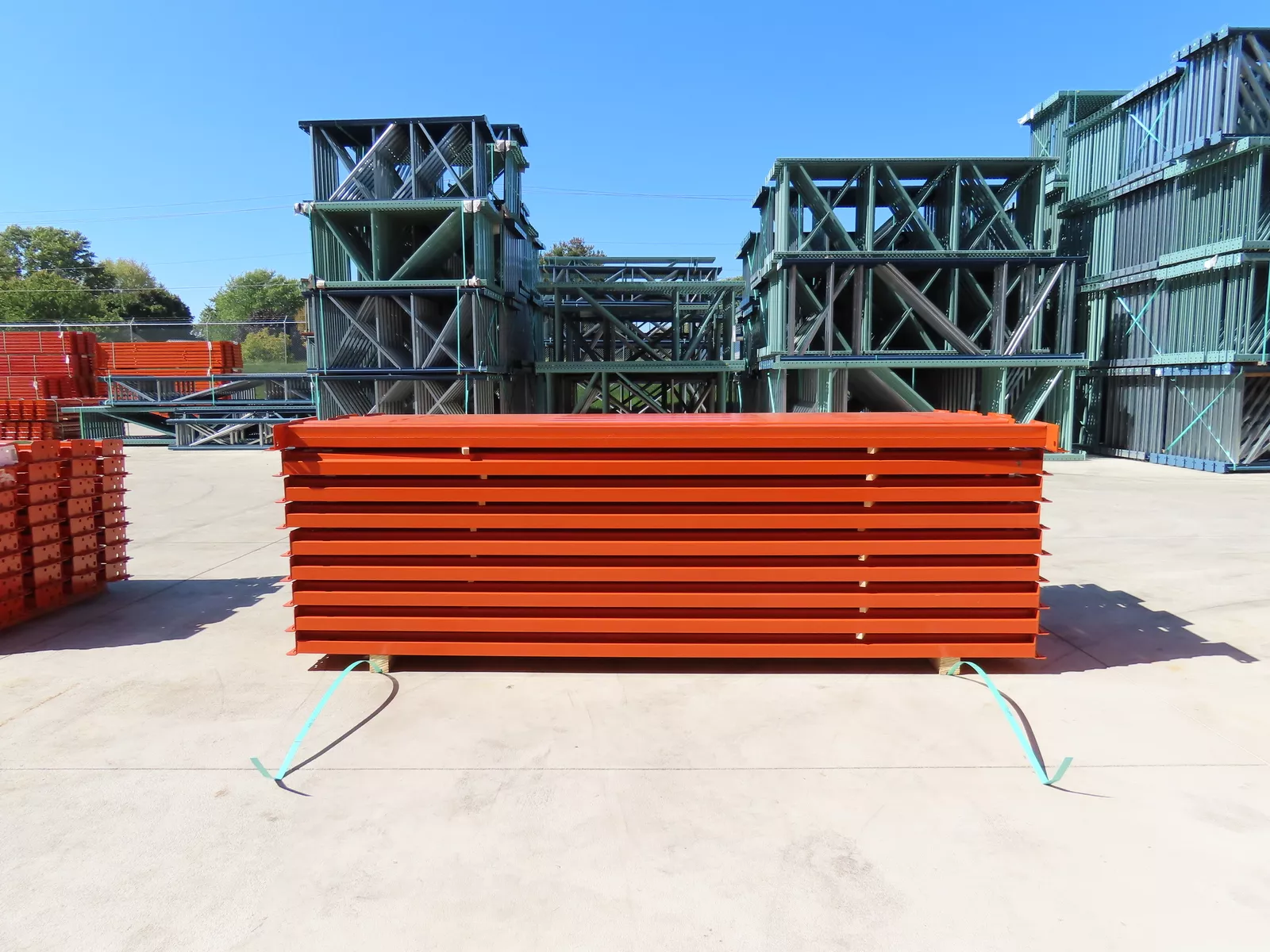
Conclusion
Conclusion:
- Understanding signs of overburdened racking systems is crucial for smooth warehouse operations.
- Overlooking warning signs like bent beams or overloaded pallets can lead to severe consequences, including structural damage and financial losses.
- Regular inspections and open communication among team members foster a culture of safety and accountability.
- Assessing weight limits, reevaluating loading practices, and maintaining your racking systems can prevent overburdening.
- The costs of neglecting these issues outweigh the investment in preventive measures.
- Actionable steps include conducting regular inspections, training staff on proper loading, and monitoring racking conditions.
- Arrow Industrial Sales offers expert evaluations and tailored solutions for improving your racking system and ensuring safety.
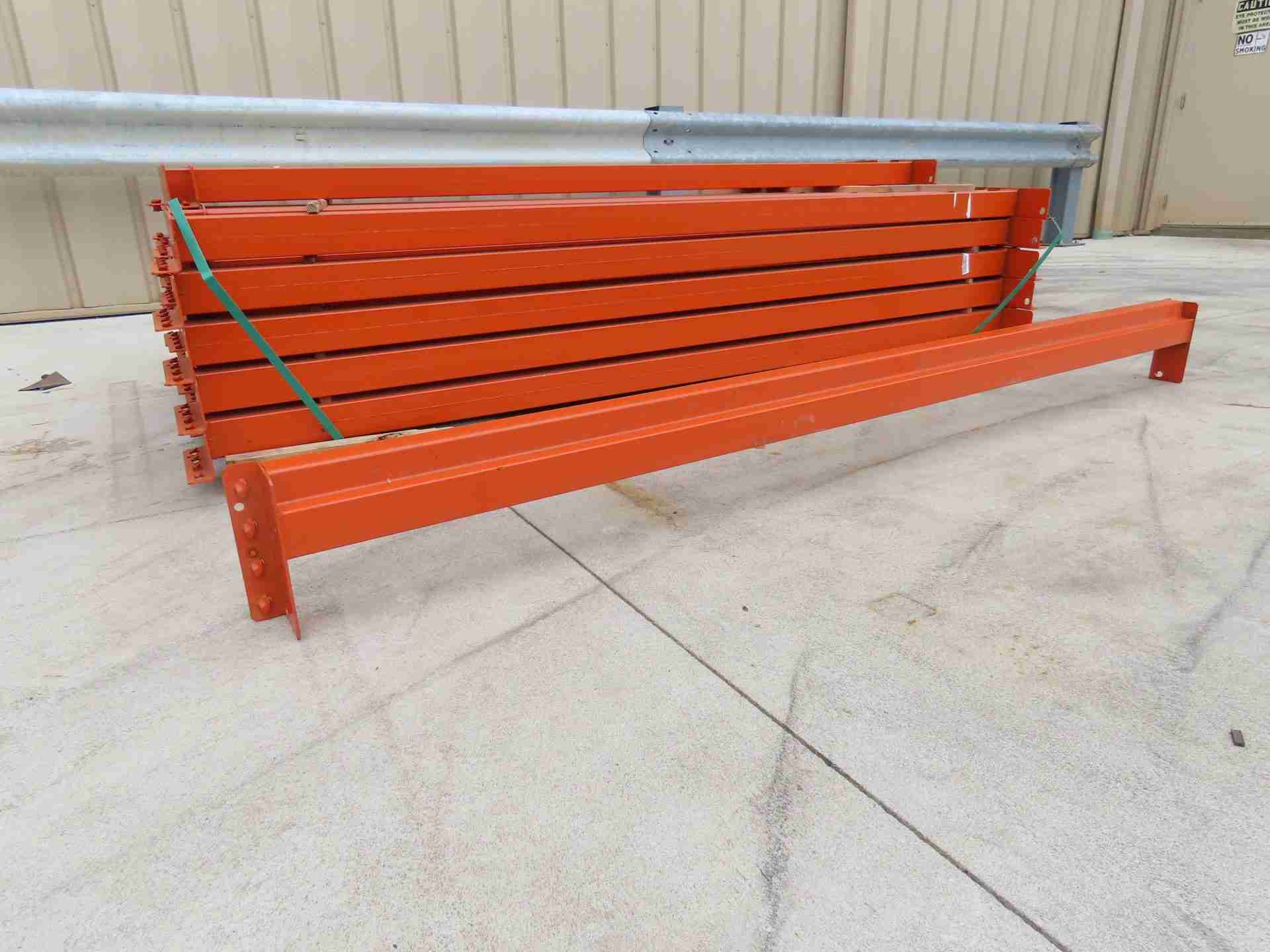
Conclusion
Other Resources
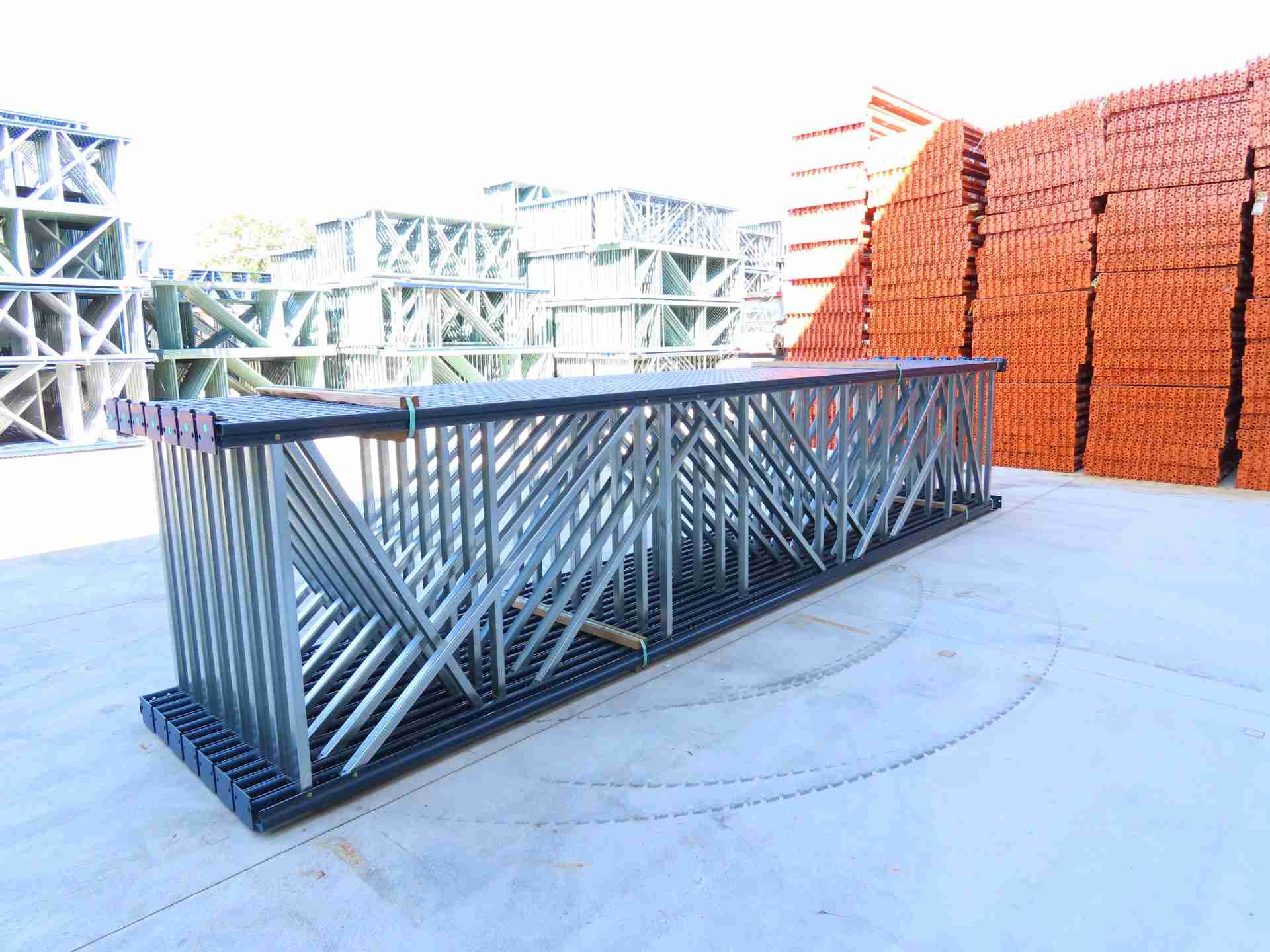
Other Resources
Here is a list of other resources you can review online to learn more:
- Teardrop Racks – Pallet Rack World
- Pallet Racks, Pallet Racking, Pallet Shelves in Stock – ULINE
- Illinois Pallet Racking – Storage Solutions
- International Warehouse Logistics Association
- Heavy-Duty Cantilever Storage Racks
- Chicago Pallet Racking
- CMMA
- Pallet Racking systems in Illinois and Great Lakes
- Warehouse Storage Racks
- Cantilever Racking Specialists – Get the Right Racks
Use This Prompt To Get More Resources With Your Favorite Online AI Tool: Please provide me with a list of online articles with their URLs in a bulleted list that I can read regarding Are You Ignoring The Signs Of Overburdened Warehouse Racking Systems?
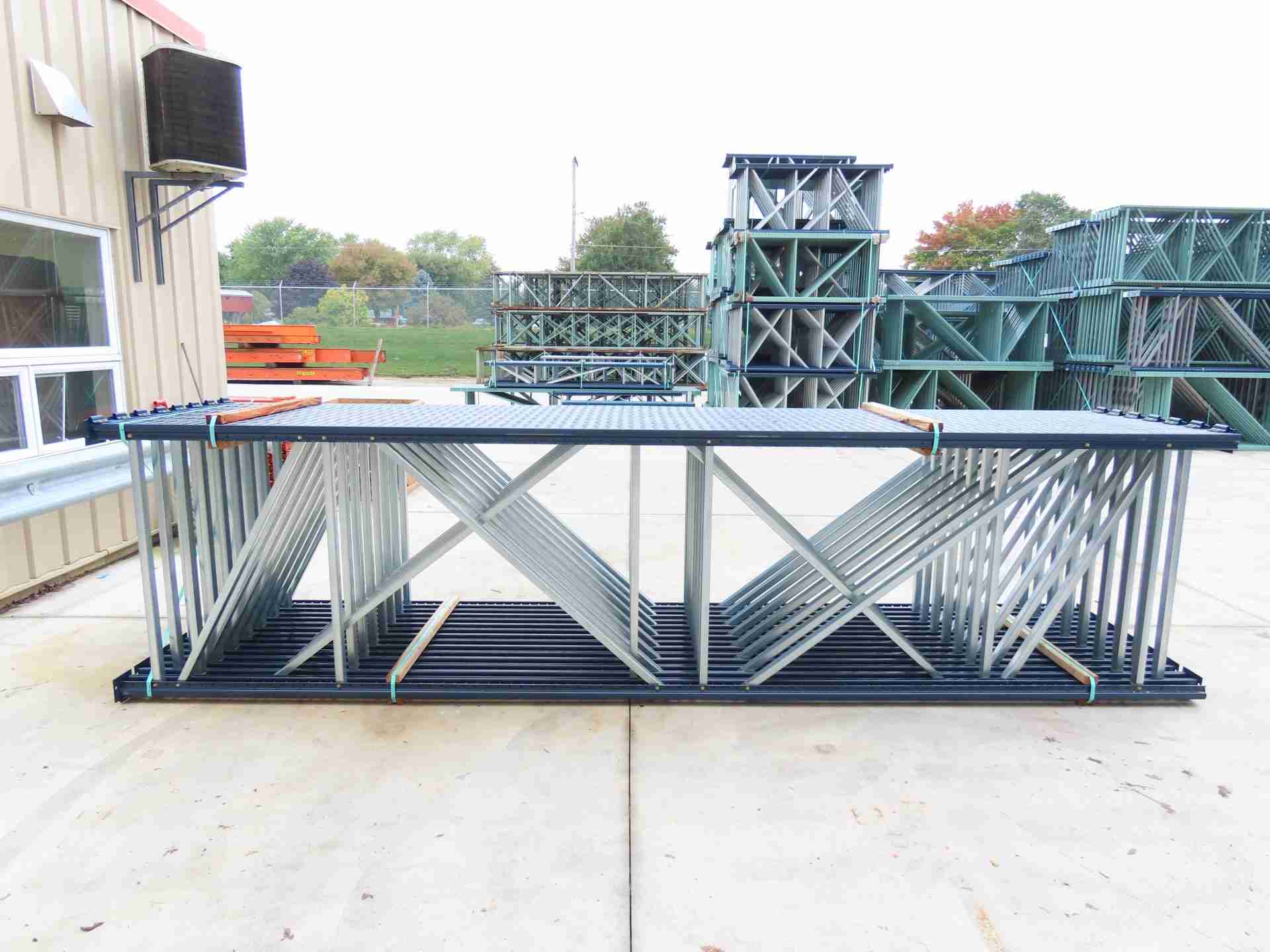
Other Resources
Glossary Terms
Are You Ignoring The Signs Of Overburdened Warehouse Racking Systems? – Glossary Of Terms
1. Overburdened: Refers to warehouse racking systems that carry weights or loads beyond their designed capacity, potentially leading to structural failure.
2. Racking System: An organized framework used in warehouses to store goods vertically, improving space efficiency and accessibility.
3. Load Capacity: The maximum weight that a racking system can safely support without risk of collapsing or damaging materials.
4. Structural Integrity: The ability of a racking system to hold its shape and strength under load without deformation or failure.
5. Safety Protocols: Established guidelines and procedures designed to ensure the safe operation and maintenance of warehouse systems.
6. Pallet: A flat transport structure that supports goods in a stable manner, typically used in conjunction with racking systems.
7. Crossbeam: Horizontal supports in a racking system designed to hold pallets or goods, forming a load-bearing shelf.
8. Vertical Column : Upright support structures that form the framework of a racking system, designed to support load-bearing beams.
9. Weight Distribution: The manner in which weight is allocated across a racking system to minimize stress on individual components.
10. Aisle Space: The area between racking rows that allows for maneuverability of people and equipment, such as forklifts.
11. Forklift: A powered industrial vehicle used to lift and move materials within a warehouse.
12. Tripping Hazard: An obstruction or misalignment in a working area that can cause personnel to fall or trip, often exacerbated by crowded racking systems.
13. Warehouse Audit: A systematic examination of warehouse operations, equipment, and storage methods to ensure safety and efficiency.
14. Load Optimization: The process of balancing and maximizing the load on racking systems to enhance space utilization and maintain safety.
15. Dynamic Load: The weight of materials that may change, such as during the loading and unloading processes, requiring careful management.
16. Static Load: The weight that is consistently applied to a racking system without movement, affecting the long-term stability of the structure.
17. Inspection Checklist: A documented set of criteria used to evaluate the condition and safety of racking systems during routine checks.
18. Deformation: The change in shape or structure of racking components under excessive weight or stress, which may indicate overburdening.
19. Compliance Standards: Regulations and guidelines set by organizations like OSHA to ensure safety and efficiency in warehouse operations.
20. Stress Test: An assessment conducted to evaluate how much weight a racking system can support before failure occurs.
21. Warehouse Layout: The strategic arrangement of storage areas, equipment, and aisles designed to optimize efficiency and safety.
22. Inventory Management: The process of efficiently overseeing and controlling the ordering, storage, and use of materials and products.
23. Collapse Risk: The likelihood that a racking system will fail due to excessive weight or improper stacking of materials.
24. Maintenance Schedule: A planned timeline for regular checks and repairs of racking systems to ensure safe and efficient operations.
25. Palletized Load: Goods stacked and secured on a pallet for efficient handling and storage on racking systems.
26. Forklift Capacity: The maximum weight that a forklift can lift safely, which needs to be considered in relation to racking load limits.
27. Overstocking: The practice of storing more inventory than necessary, which can lead to overburdening racking systems.
28. Safety Signage: Visual aids used in warehouses to communicate safety information and reminders to employees regarding equipment and operations.
29. OSHA: The Occupational Safety and Health Administration, a regulatory body ensuring safe working conditions, including warehouse safety compliance.
30. Risk Assessment: The process of identifying potential hazards related to warehouse racking systems and implementing measures to mitigate them.

Glossary Of Terms
Other Questions
Are You Ignoring The Signs Of Overburdened Warehouse Racking Systems? – Other Questions
If you wish to explore and discover more, consider looking for answers to these questions:
- What are the potential consequences of ignoring overloaded racking systems?
- How can I identify the early warning signs of racking overload?
- What specific steps should I take to conduct a thorough racking inspection?
- What are the most common causes of pallet racking failure?
- How do I choose the right racking system for my warehouse needs?
- Are there any industry standards or regulations regarding racking systems?
- What are the costs associated with repairing or replacing damaged racking systems?
- How often should employees receive training on safe loading practices?
- What technology or tools can assist in monitoring racking system integrity?
- How can I effectively communicate safety concerns within my team?
- What are the best practices for reorganizing inventory to reduce racking stress?
- What signs indicate that a racking system may need replacement instead of reinforcement?
- Are there specialized services or professionals for racking system evaluations?
- What should I do if I suspect my racking system is overloaded?
- How can I implement a culture of safety among warehouse staff?
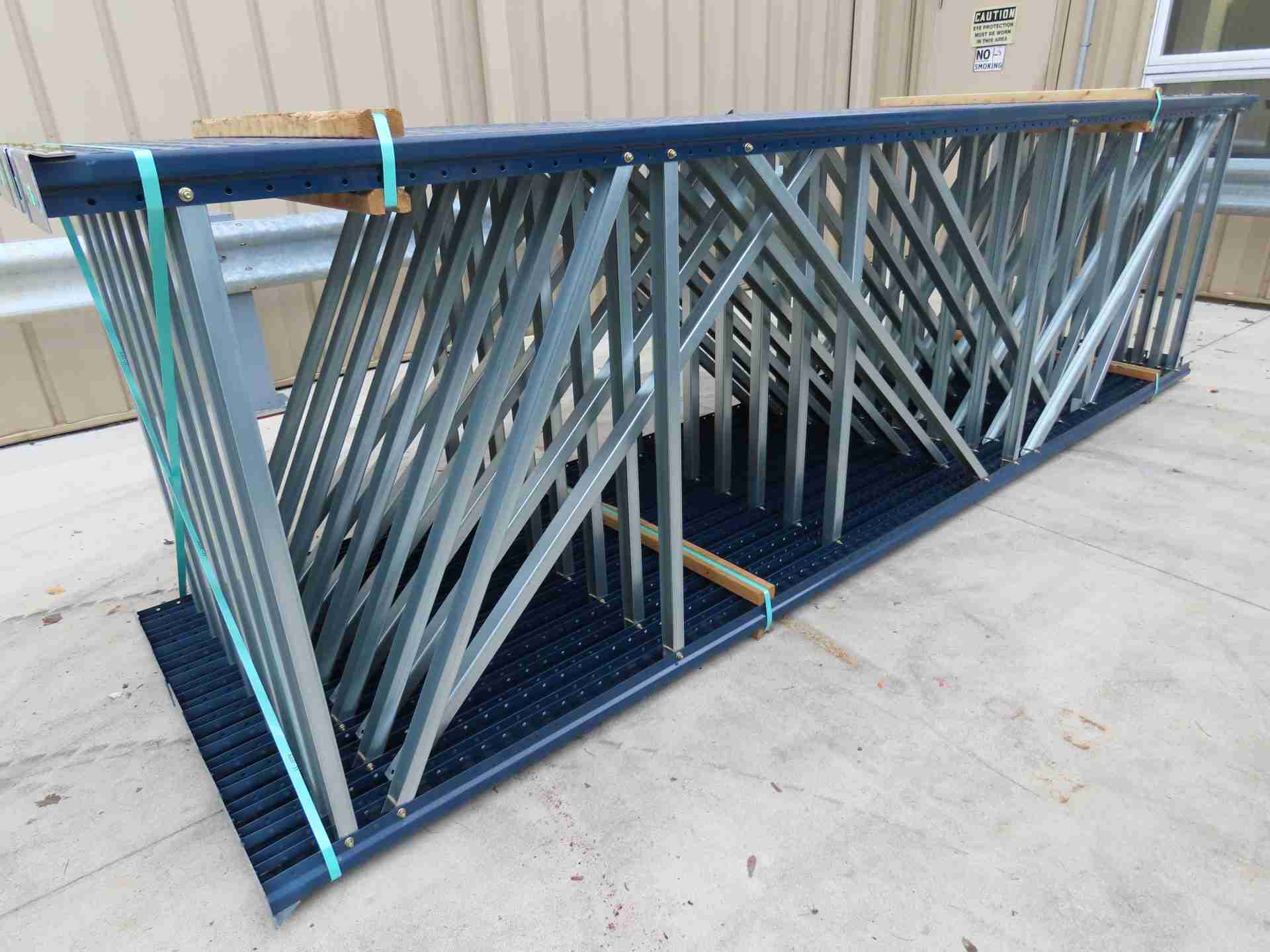
Other Questions
Checklist
Are You Ignoring The Signs Of Overburdened Warehouse Racking Systems? – A Checklist
1. Regular Inspections
✅ _____ Conduct inspections at least quarterly or monthly in high-traffic areas.
✅ _____ Look for signs of wear and tear: bent beams, rust, and loose connections.
✅ _____ Create a checklist for inspectors to ensure thorough evaluations.
2. Monitor Load Capacity
✅ _____ Review the manufacturer’s specifications on weight limits regularly.
✅ _____ Document the weight of each pallet and ensure it aligns with your racking system’s capacity.
✅ _____ Be aware of dynamic load changes due to frequent loading and unloading.
3. Maintain a Safety Culture
✅ _____ Encourage open communication about safety concerns related to racking systems.
✅ _____ Train employees on load limitations, safe stacking practices, and reporting issues.
✅ _____ Foster an environment where team members feel empowered to speak up about safety concerns.
4. Evaluate Organizational Practices
✅ _____ Review your pallet stacking methods—are they safe and organized?
✅ _____ Ensure clear aisleways are maintained to promote safe movement.
✅ _____ Assign designated areas for different inventory types to minimize clutter.
5. Track Maintenance Costs
✅ _____ Document repair and maintenance costs to identify patterns or persistent issues.
✅ _____ Regularly reevaluate storage needs if maintenance costs are high.
✅ _____ Invest in preventative measures rather than waiting for costly repairs.
6. Conduct Expert Audits
✅ _____ Schedule routine evaluations by professionals for comprehensive assessments.
✅ _____ Address any identified weak points in the racking system promptly.
✅ _____ Consider expert recommendations for reinforcement or reconfiguration.
7. Educate and Train Staff
✅ _____ Implement ongoing training sessions to refresh staff on best practices for using racking systems.
✅ _____ Discuss real-world scenarios to enhance understanding and accountability.
✅ _____ Encourage teamwork in inspections and problem reporting.
8. Analyze Inventory Turnover
✅ _____ Monitor your inventory turnover rates to evaluate if the current racking setup meets demands.
✅ _____ Be proactive about rearranging or adjusting heights and loads as necessary.
✅ _____ Consider modifying racking configurations if access to products is continually problematic.
9. Keep Detailed Records
✅ _____ Maintain documentation of inspection dates, findings, maintenance actions, and training sessions.
✅ _____ Use this data to track trends, making proactive decisions regarding racking upgrades.
10. Reinforce When Necessary
✅ _____ After inspections, determine if additional support is needed based on visual assessments.
✅ _____ Be cautious of consistent overloading—take immediate action by reinforcing or upgrading racking systems.
✅ _____ Consult experts for guidance on effective reinforcement strategies.
By following this checklist, you can protect both your inventory and your team while ensuring that your warehouse operates efficiently and safely!
Checklist
At RackingWorld, we help guide you through selecting warehouse storage systems and racking.
Be sure to read our other related stories at RackingWorld to learn more about warehouse storage systems.
0 Comments