
Uncovering The Hidden Costs Of The Just In Time Model
By Tom Seest
At RackingWorld, we help guide you through selecting warehouse storage systems and racking.
Be sure to read our other related stories at RackingWorld to learn more about warehouse storage systems.
Is The Just In Time Model Hurting Your Warehousing Operations?
Let’s face it: in the fast-paced world of logistics, the Just In Time (JIT) model has taken center stage. On the surface, it sounds like the perfect solution—minimal inventory, reduced storage costs, and the promise of operational efficiency. But for many businesses, this shiny facade can quickly tarnish. Are you feeling the cracks in your warehousing operations?
Imagine this: you receive an unexpected surge in demand for a product. Your shelves are wiped clean, and you’re relying on your suppliers to deliver exactly what you need, when you need it. But what happens when these deliveries fall short? Suddenly, you’re staring at empty pallet racking systems and missed sales opportunities. You’re not alone in this predicament; countless businesses have sacrificed stability on the altar of efficiency.
Let’s drill down a bit. The JIT model depends on a finely-tuned supply chain that can often feel out of your control. Any hiccup—be it a natural disaster, transportation delay, or supplier issue—can send your operations into a tailspin. In these critical moments, the clutter of uncertainty creeps in, and the fear of disgruntled customers looms large. Can you imagine the impact on your reputation?
But it doesn’t have to be this way. There’s a middle ground where operational efficiency meets reliability. Consider reevaluating your warehousing strategies. For instance, integrating a balanced inventory system could create the safety net you sorely need. With a system that marries JIT principles with adequate stock levels, you’d not only prevent those empty pallet racking situations but also build a buffer against supply chain shocks.
We get it—change can be daunting. But remember, taking a step back could be the key to long-term success. Don’t let the allure of minimalism put your business at risk. Instead, cultivate a resilient approach that embraces the unpredictable nature of supply chains while enhancing your warehousing capabilities.
Reassess your strategy and open the door to operational stability. Your business deserves more than just surviving the highs and lows of the marketplace. Embrace a proactive strategy that aligns quality service with sustainable growth. The future of your warehousing operations is resting on the choices you make today; let’s make them count.
Is The Just In Time Model Hurting Your Warehousing Operations?
Is The Just In Time Model Hurting Your Warehousing Operations?
- The Just In Time (JIT) model is popular in logistics for its minimal inventory and cost-saving benefits.
- JIT can lead to challenges, especially when faced with unexpected surges in demand and unreliable supplier deliveries.
- Critical disruptions in the supply chain can result from natural disasters, transportation delays, or supplier issues.
- Operational efficiency should be balanced with reliability to prevent stockouts and maintain customer satisfaction.
- Reevaluating warehousing strategies, such as integrating a balanced inventory system, can provide a safety net.
- Cultivating a resilient approach to supply chain management can mitigate risks associated with JIT.
- Proactive strategies can ensure long-term success and align service quality with sustainable growth.
Is The Just In Time Model Hurting Your Warehousing Operations?
Table Of Contents
- Is The Just In Time Model Hurting Your Warehousing Operations?
- What Are The Common Challenges Of Just In Time Warehousing?
- How Does The Just In Time Model Impact Supply Chain Efficiency?
- Can Just In Time Lead To Increased Stockouts Or Shortages?
- What Are The Financial Implications Of Adopting Just In Time?
- How Do Fluctuations In Demand Affect Just In Time Operations?
- In What Ways Can Technology Improve Just In Time Processes?
- Conclusion
- Other Resources
- Glossary Of Terms
- Other Questions
- Checklist
What Are The Common Challenges Of Just In Time Warehousing?
Just-In-Time (JIT) warehousing is often hailed as the holy grail of efficiency, promising lower inventory costs and the ability to respond swiftly to customer demands. Sounds ideal, right? But before you dive headfirst into this revolutionary approach, let’s gently peel back the layers to expose some common challenges that come with the territory. Understanding these challenges will not only prepare you for the journey ahead but also empower you to turn obstacles into opportunities.
First and foremost, let’s talk about space optimization. With JIT warehousing, every inch counts. You might find yourself grappling with the challenge of maximizing your storage capacity while managing your pallet racking systems. A well-designed pallet racking system can streamline operations, but if it’s not customized for your specific needs, it can quickly become a bottleneck. Embrace the idea that your racking solutions must evolve as your business does. If your pallet racking isn’t adjustable or flexible enough, it could hinder rather than help.
Next up is the delicate balance of supply chain management. JIT requires impeccable coordination with suppliers to ensure that products arrive exactly when needed. Delays can lead to a domino effect—disrupting your operations and potentially damaging your reputation. Consider the risks involved in relying on a JIT system. Are your suppliers reliable? Have you established strong communication channels? Building solid relationships can mitigate these risks and foster a sense of resilience throughout your supply chain.
Then there’s the issue of accurate forecasting. JIT methodologies thrive on accurate demand predictions, which can be a slippery slope. Underestimating customer demand can lead to stockouts, while overestimating can leave you with excess, tying up precious cash flow. Utilize technology and analytics as your trusty allies, providing you with insights that can bolster your forecasts. The right systems can give you the confidence to make informed decisions.
And let’s not forget about employee training. In a JIT environment, your team must be agile and adaptable. Ensure your workforce is well-equipped with the skills and knowledge to navigate this dynamic space. Investing in training not only empowers your employees but also cultivates a culture of collaboration.
In summary, embracing Just In Time warehousing is not without its hurdles, but with foresight, planning, and a commitment to improvement, you can transform these challenges into stepping stones for success. Ready to harness the power of JIT while tackling its challenges head-on? Your future self will thank you.
What Are The Common Challenges Of Just In Time Warehousing?
What Are The Common Challenges Of Just In Time Warehousing?
- Just-In-Time (JIT) warehousing promises lower inventory costs and quick response to customer demands.
- Space optimization is critical; a customized pallet racking system is essential for efficient storage management.
- JIT demands impeccable supply chain coordination; delays can disrupt operations and damage reputation.
- Accurate demand forecasting is necessary; underestimating leads to stockouts, while overestimating ties up cash flow.
- Utilizing technology and analytics can enhance forecast accuracy, aiding in informed decision-making.
- Employee training is crucial; a well-trained workforce is vital for adaptability in a JIT environment.
- With foresight and planning, challenges of JIT warehousing can be transformed into opportunities for success.
What Are The Common Challenges Of Just In Time Warehousing?
How Does The Just In Time Model Impact Supply Chain Efficiency?
Picture this: your warehouse is a well-oiled machine, every pallet racking system meticulously arranged, stocked just right—not too little, not too much. This is the beauty of the Just In Time (JIT) model, a game-changer for modern supply chains that not only boosts efficiency but also creates a stream of benefits that can transform your operations. Imagine slashing excess inventory costs while maintaining the agility to meet customer demands. That’s what JIT offers—your competitive edge in a world bustling with unpredictability.
At its core, the JIT model eliminates waste—be it time, space, or resources. Traditional inventory systems often drown you in surplus stock, rendering your pallet racking systems overstuffed and chaotic. With JIT, you focus on receiving goods only as they are needed in the production process. This means each unit of inventory has a purpose, driving down holding costs and freeing up valuable storage space. Picture how that extra room could enhance your operational flexibility, helping you respond to market changes in real-time.
You might be wondering, “But what happens when demand spikes?” That’s where trust in your suppliers and strong relationships come into play. Your network becomes an extension of your capabilities, ensuring you can react swiftly without the safety net of excessive stock. Building this robust supplier relationship requires effort, but think of it as building a golden bridge that links your production to your demand—reliable, efficient, and seamless.
Now let’s not forget about the impact of JIT on employee morale. When everyone knows their roles within this streamlined framework, it fosters a sense of ownership and responsibility. Employees trained to work with a JIT approach feel more engaged, leading to higher productivity and fewer mistakes.
Ultimately, embracing the Just In Time model is about much more than just cutting costs; it’s about future-proofing your business. It’s a commitment to being lean, agile, and responsive. So, if you’re ready to invigorate your supply chain and unlock a world where efficiency reigns supreme, consider how JIT can refine your pallet racking strategies and lead you into a brighter, more profitable future. Now is the moment to take action—don’t get left behind.
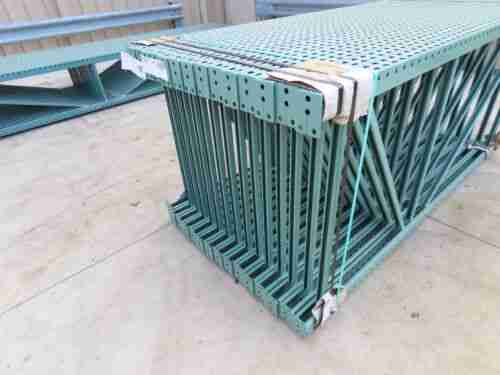
How Does The Just In Time Model Impact Supply Chain Efficiency?
How Does The Just In Time Model Impact Supply Chain Efficiency?
- The Just In Time (JIT) model enhances supply chain efficiency and reduces excess inventory costs.
- JIT eliminates waste related to time, space, and resources by only receiving goods as needed in production.
- Each inventory unit has a purpose, lowering holding costs and increasing storage space for operational flexibility.
- Strong supplier relationships are crucial for quick responses to demand spikes without relying on excess stock.
- Implementing JIT can boost employee morale and engagement, leading to higher productivity and fewer mistakes.
- Adopting JIT fosters a commitment to being lean, agile, and responsive in business operations.
- Now is the time to embrace JIT to enhance pallet racking strategies and secure a profitable future.
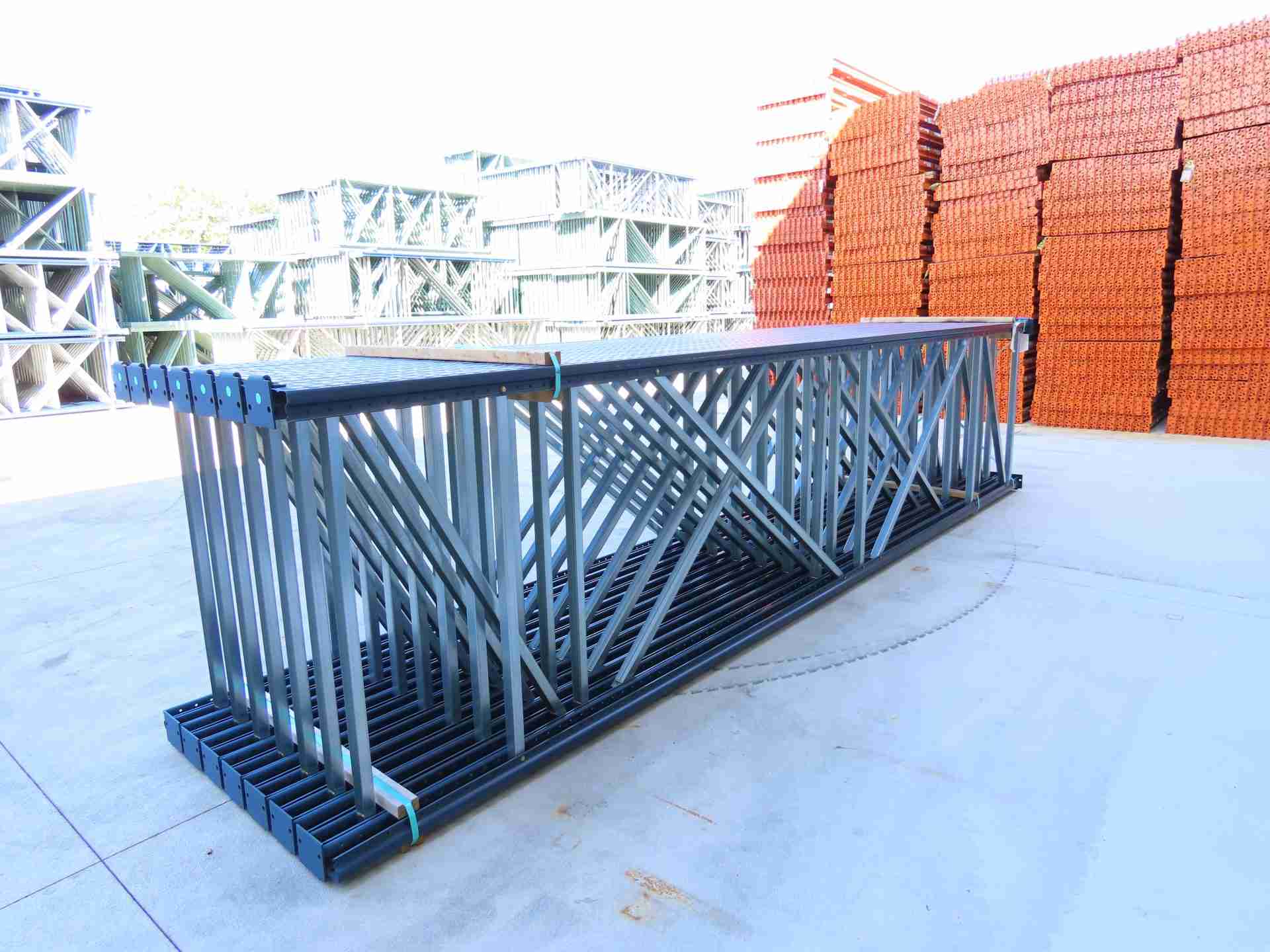
How Does The Just In Time Model Impact Supply Chain Efficiency?
Can Just In Time Lead To Increased Stockouts Or Shortages?
Imagine running a well-oiled machine, where every component aligns perfectly—this is the promise of Just In Time (JIT) inventory management. However, lurking beneath the shiny surface of efficiency, there lies a potential pitfall that many businesses overlook: stockouts or shortages.
Let’s take a moment to paint a vivid picture. You’re a bustling retailer, relying on your preferred suppliers to deliver goods right when you need them, just in time to fill your shelves. Your warehouse is adorned with a sophisticated pallet racking system, designed to maximize space and streamline operations. Everything’s set, your product flow is seamless, your customers are happy. Or are they?
There’s a storm brewing outside—an unexpected surge in demand for a popular item, or perhaps a delay in shipping due to unforeseen circumstances. Suddenly, that finely tuned JIT approach falters. Your stock levels drop dramatically, your shelves become bare, and you find yourself facing an irate customer who walked in expecting one thing and walked out disappointed. Ouch!
This scenario is more common than many care to admit. In the relentless pursuit of just-in-time efficiency, businesses often underestimate the importance of having a safety net—a buffer stock, if you will. You may think you’ve calculated everything to the decimal, but the reality is that disruptions happen. A single glitch can lead to unforeseen stockouts that have traumatic effects on customer loyalty and your bottom line.
But here’s the good news: foreseeing these potential shortages isn’t rocket science. By incorporating strategic forecasting tools and understanding historical demand patterns, you can better prepare for the unexpected. Invest in systems that help you analyze trends, and don’t hesitate to hold a more considerable buffer stock during peak seasons or when launching new products.
Moreover, keep those pallet racks organized and visible; having an accurate, real-time understanding of your on-hand inventory can be a game changer. It empowers you to pivot when circumstances shift, ensuring that your shelves are stocked when customers come calling.
So, while Just In Time can effectively minimize costs and increase efficiency, don’t let your pursuit of perfection blind you to the risks of stockouts. Embrace a balanced approach and ensure you’re not just meeting demand—stay a few steps ahead of it. Your customers—and your profit margins—will thank you.
Can Just In Time Lead To Increased Stockouts Or Shortages?
Can Just In Time Lead To Increased Stockouts Or Shortages?
- Just In Time (JIT) inventory management promises efficiency but risks stockouts or shortages.
- Retailers rely on suppliers for timely deliveries to maintain product flow and customer satisfaction.
- Unexpected demand surges or shipping delays can disrupt JIT, leading to bare shelves and unhappy customers.
- Many businesses underestimate the necessity of having a buffer stock as a safety net against disruptions.
- Strategic forecasting tools and historical demand analysis can help prepare for unexpected shortages.
- Maintaining organized, visible pallet racks allows for real-time inventory tracking, aiding in responsiveness.
- While pursuing JIT efficiency, businesses should embrace a balanced approach to meet and stay ahead of customer demand.
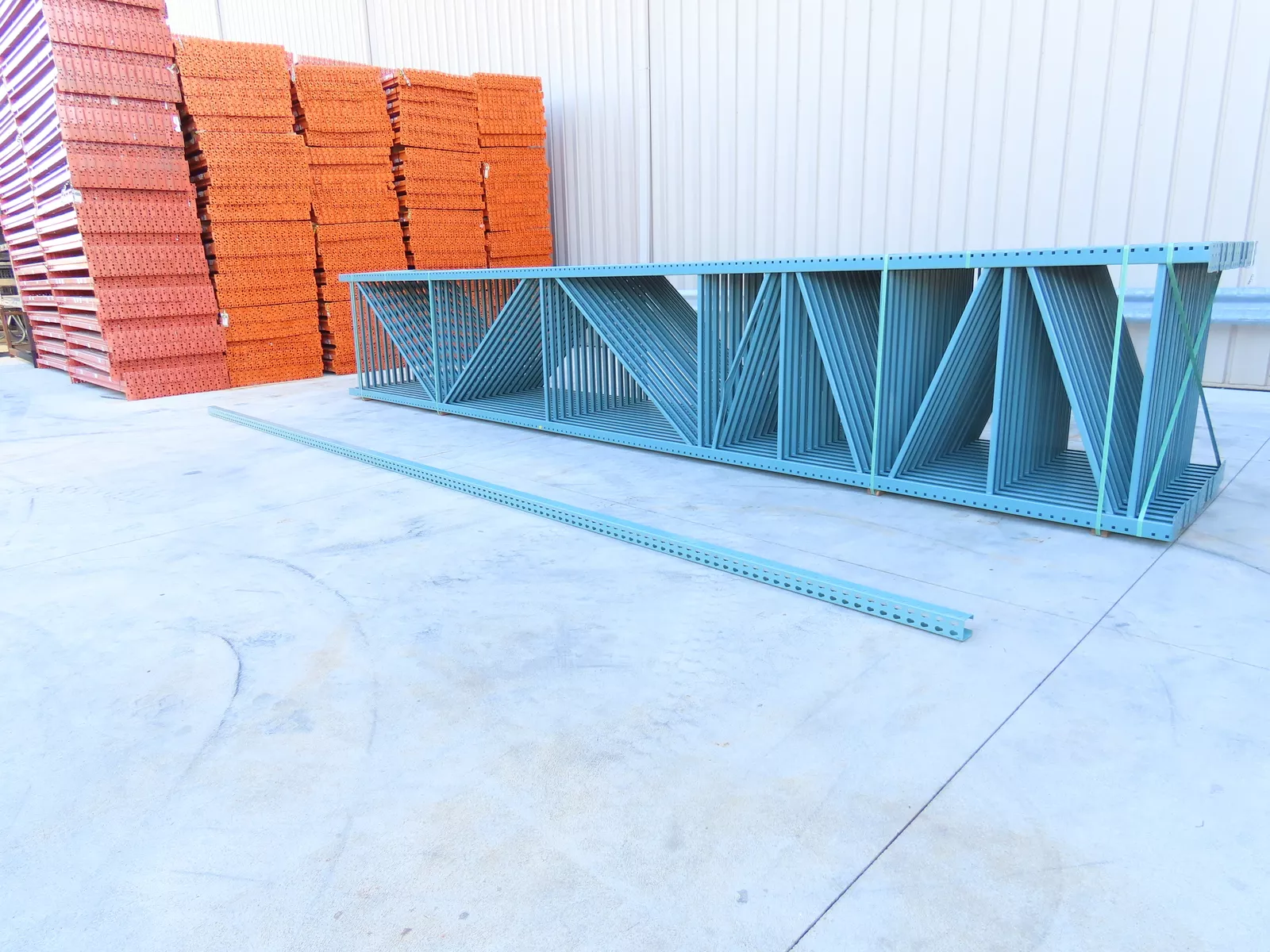
Can Just In Time Lead To Increased Stockouts Or Shortages?
What Are The Financial Implications Of Adopting Just In Time?
Imagine walking into your warehouse and feeling an immediate weight lifted off your shoulders. It’s organized, efficient, and everything is in its place. This is not just a fantasy; it can become your reality through the adoption of Just In Time (JIT) inventory management. But what does this mean for your bottom line? Let’s explore the financial implications together.
When you embrace JIT, you’re not just streamlining operations; you’re transforming how your business allocates its resources. The beauty of this approach lies in its ability to reduce inventory holding costs. Think about it: every pallet racking system you have is filled with goods that require storage space, handling, and insurance. With JIT, you dramatically cut back on excess inventory, freeing up valuable capital that can be reinvested into growth initiatives rather than tied up in stock. That’s money that could be channelled into marketing, technology upgrades, or expanding your product line.
Furthermore, adopting JIT significantly enhances your cash flow. Less inventory means fewer finances locked away in unsold goods. This can lead to a more robust financial position, enabling you to react swiftly to market demands. With a lean operation, your agility increases—allowing you to meet customer needs without the burden of excess inventory hanging over you like a dark cloud. Suddenly, your business is not only seen as reactive but also as proactive, inspiring confidence among clients and stakeholders alike.
However, let’s be honest: moving to a JIT model doesn’t come without its challenges. It demands a shift in culture and operational processes. But the payoff? A leaner, more responsive organization that caters to current market trends. Think about those moments when stockouts occur; every missed opportunity can translate into lost sales. JIT minimizes this by ensuring you’re only ordering what’s needed, when it’s needed.
The financial implications of adopting Just In Time inventory management extend far beyond mere savings on storage space. They encompass faster inventory turnover, improved cash flow, and a leaner operation that retains the agility to thrive in a competitive market. The choice to shift toward JIT is not just a decision for today but an investment in the resilience and growth of your business tomorrow. So why wait? Embrace the future of inventory management and watch your business flourish!
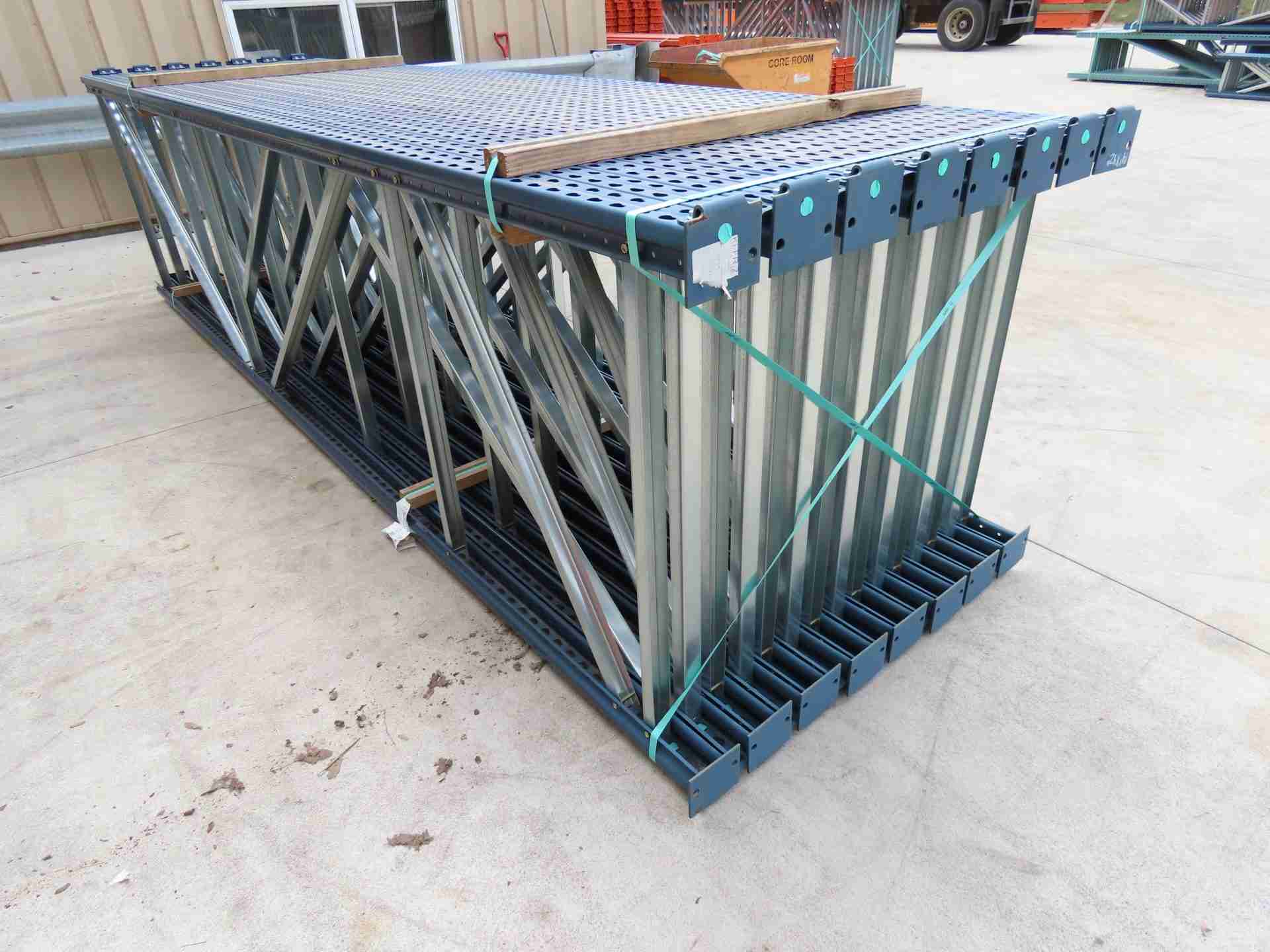
What Are The Financial Implications Of Adopting Just In Time?
What Are The Financial Implications Of Adopting Just In Time?
- Adopting Just In Time (JIT) inventory management can transform warehouse efficiency and organization.
- JIT reduces inventory holding costs, freeing up capital for growth initiatives, such as marketing and technology upgrades.
- Less inventory leads to improved cash flow, allowing quicker responsiveness to market demands.
- Shifting to a JIT model enhances business agility, making it proactive rather than reactive.
- Implementing JIT involves challenges, including cultural and operational shifts.
- JIT minimizes stockouts and missed sales opportunities by ensuring timely ordering of necessary stock.
- The financial benefits of JIT include faster inventory turnover and a competitive edge in the market.
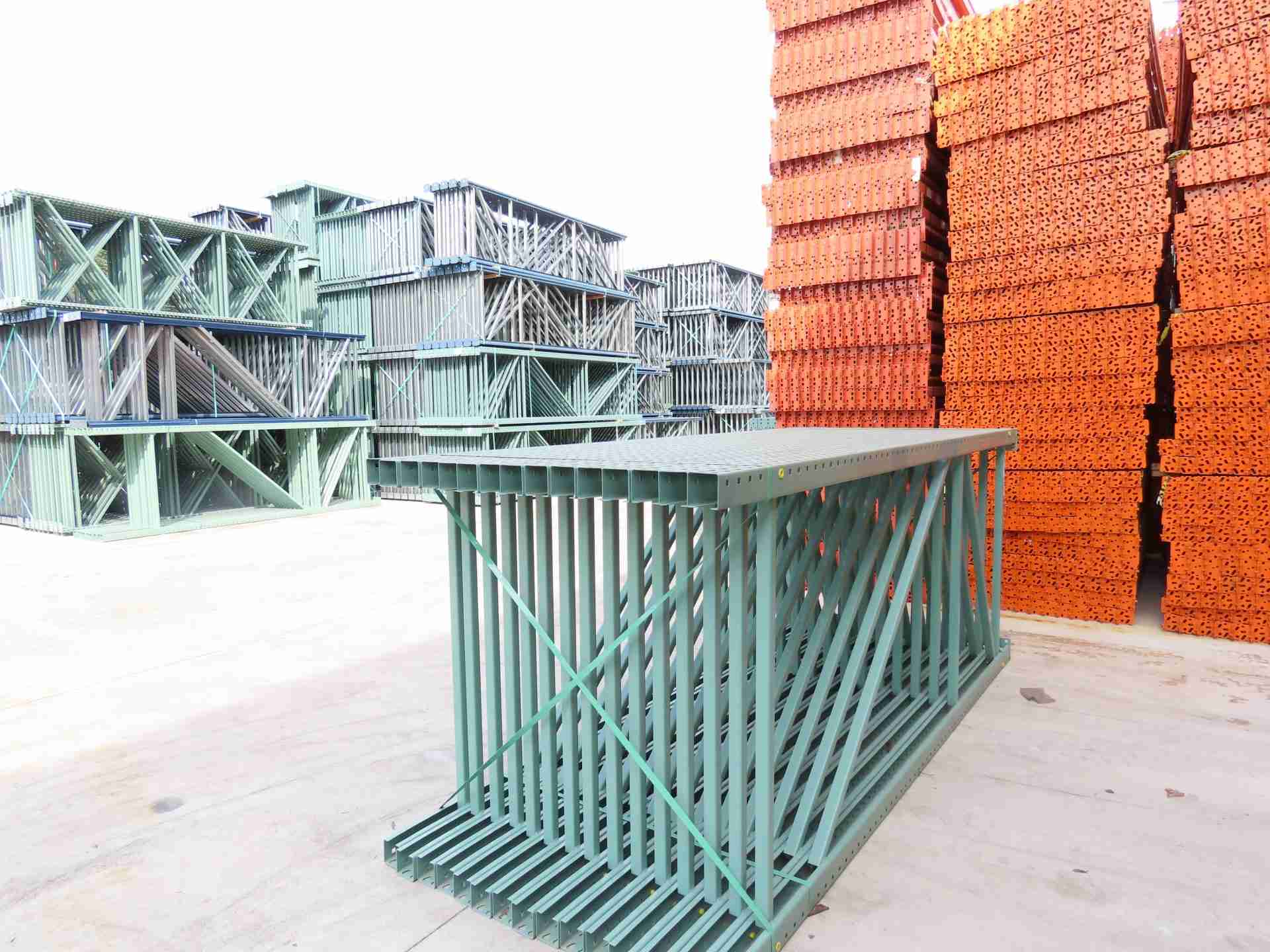
What Are The Financial Implications Of Adopting Just In Time?
How Do Fluctuations In Demand Affect Just In Time Operations?
In the fast-paced world of modern business, the phrase “Just In Time” (JIT) operation is often touted as the golden ticket to efficiency. But let me ask you—what happens when demand starts to waver, like waves crashing unpredictably against the shore? It can feel like a JIT operation is walking a tightrope, and suddenly you’re teetering off balance.
When demand fluctuates, the entire JIT philosophy, designed to align inventory levels precisely with consumption, can be put to the ultimate test. Picture this: a perfectly arranged warehouse with pallet racking designed to maximize space efficiency, strategically housing just what you need. But what happens when those customer orders start pouring in, or worse yet, when they dry up? The stability of your operation hangs in the balance.
Firstly, when demand spikes unexpectedly, your reliance on JIT can lead to severe challenges. It’s like a race where your competitors keep getting faster, while your supply chain is still preparing for a sprint. You may find yourself scrambling to get additional inventory in place, only to discover that suppliers can’t keep up. This can result in delays and missed sales opportunities that tarnish your reputation. On the flip side, when demand dips, your careful balancing act risks turning into excess inventory, gathering dust on your pallet racking instead of turning into precious cash flow.
But don’t let the fear of fluctuations cripple your operation. Instead, embrace the dynamic nature of demand with a strategic mindset. One powerful approach is to maintain a safety stock or “buffer” inventory—purely a contingency to cushion the blow during unpredictable surges or drops. This doesn’t mean you go overboard and let your pallet racking overflow; it’s about smart, calculated planning to absorb shocks while still allowing for the agile practices JIT thrives on.
Moreover, investing in robust data analytics can give you the foresight needed to spot trends before they manifest. When you understand the seasonality of your products or emerging market shifts, you enable yourself to pivot quickly rather than be at the mercy of demand fluctuations.
JJIT can be a remarkable strategy when managed well, even in a world of uncertainties. With a little foresight, creativity, and adaptability, you can turn the tide in your favor. So come along on this journey—be the captain of your supply chain, and never let fluctuations in demand keep you from sailing smoothly toward success. Your business deserves the edge that comes from truly understanding and harnessing the power of JIT operations.
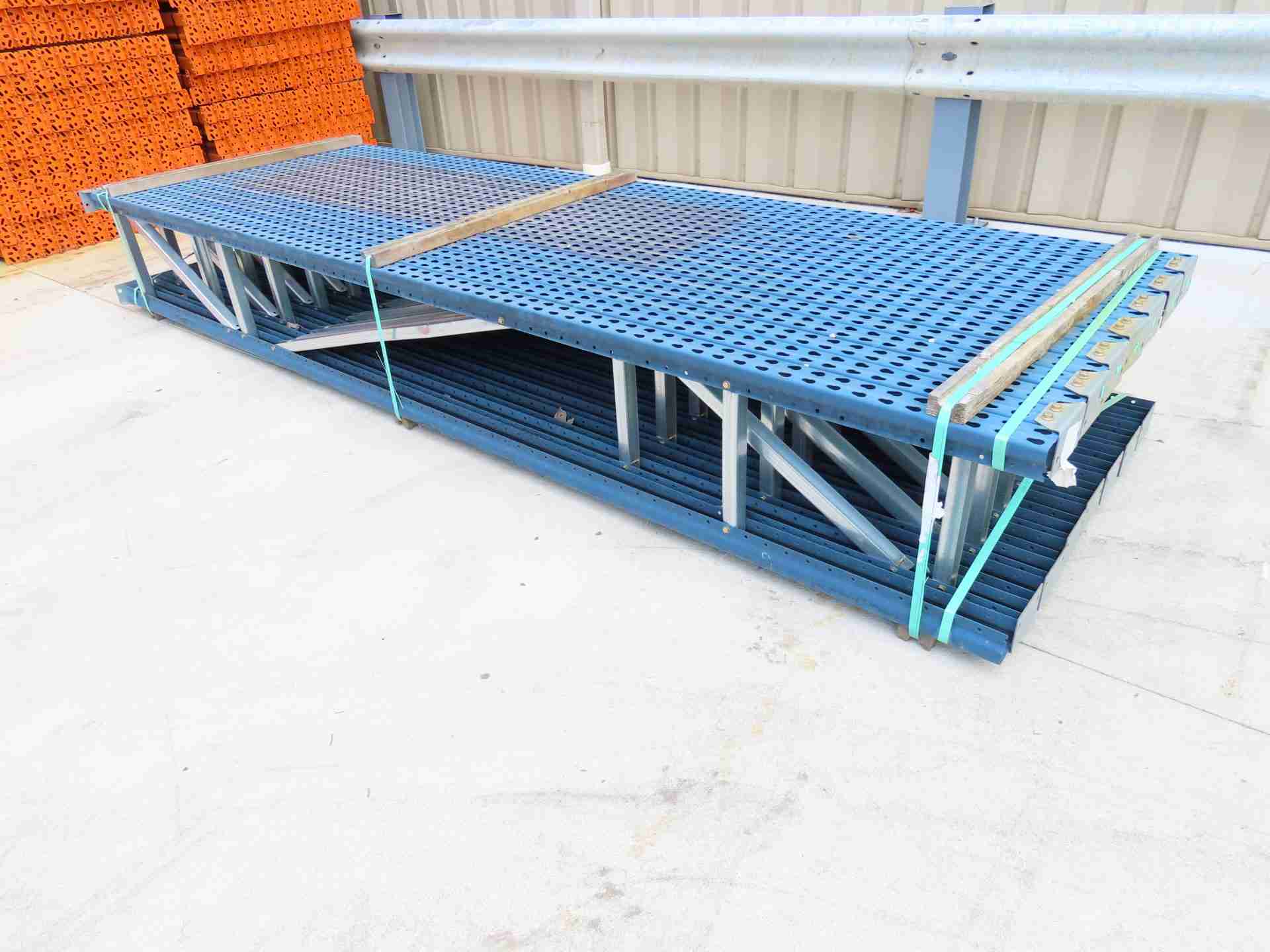
How Do Fluctuations In Demand Affect Just In Time Operations?
How Do Fluctuations In Demand Affect Just In Time Operations?
- “Just In Time” (JIT) operations are highly regarded for efficiency but can be tested by fluctuating demand.
- Demand spikes can create significant challenges, risking delays and tarnishing company reputation due to inability to meet customer orders.
- Conversely, demand dips can lead to excess inventory that ties up cash flow.
- Implementing a safety stock or buffer inventory can help manage unexpected demand changes while maintaining JIT principles.
- Utilizing robust data analytics enables better forecasting of trends and quick adaptation to market shifts.
- With foresight and adaptability, JIT can thrive even in uncertain conditions, fostering a competitive edge.
- Embracing the dynamic nature of demand empowers businesses to navigate fluctuations successfully.
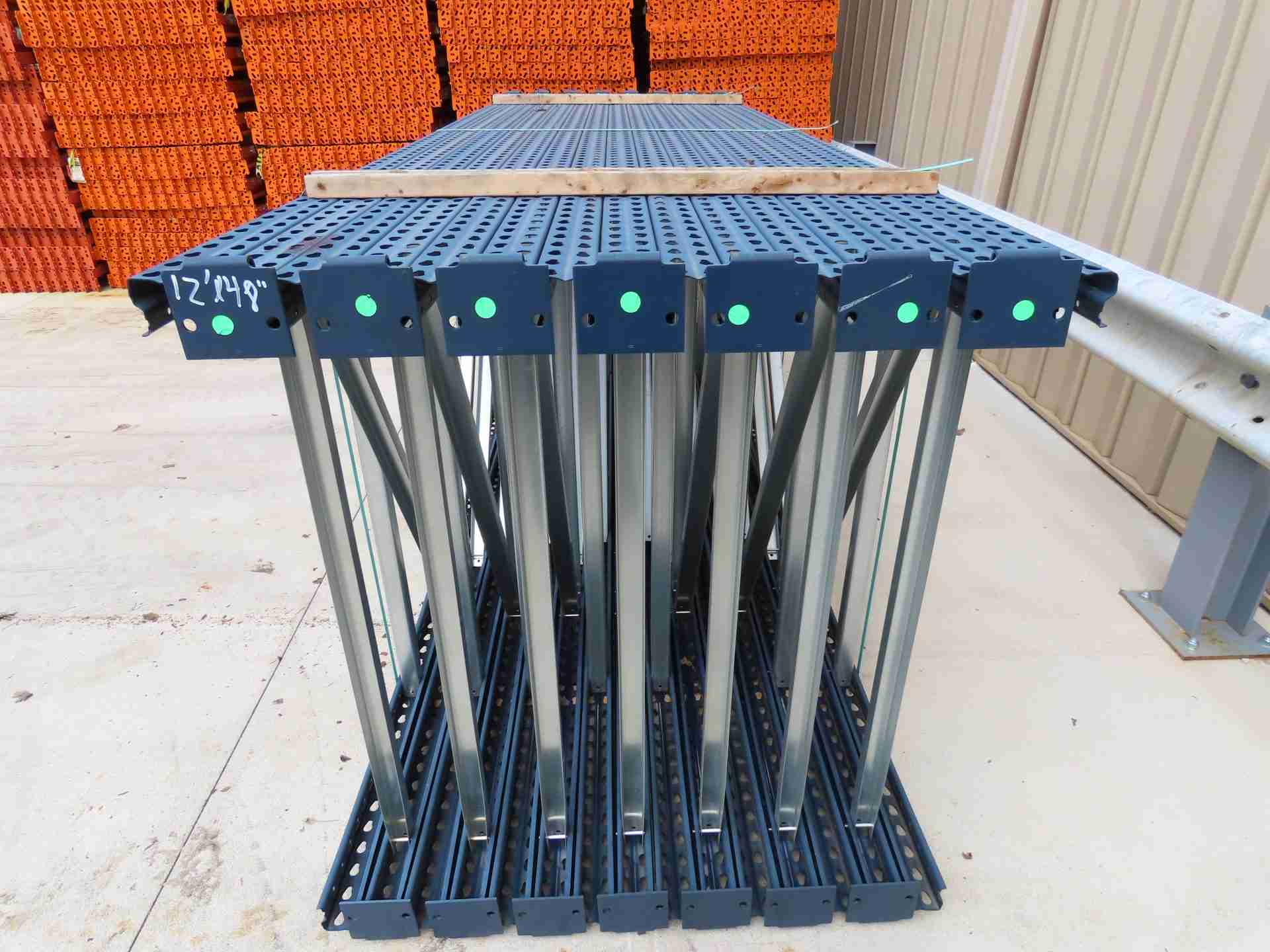
How Do Fluctuations In Demand Affect Just In Time Operations?
In What Ways Can Technology Improve Just In Time Processes?
In What Ways Can Technology Improve Just-In-Time Processes?
In a world that’s constantly evolving, every business owner knows the value of efficiency—especially when it comes to Just-In-Time (JIT) processes. Imagine orchestrating a finely tuned symphony where every note matters. That’s exactly what technology offers to JIT, transforming your operations into a seamless flow that minimizes waste and maximizes productivity. Let’s dive into how modern advancements can elevate your JIT practices to unprecedented heights.
Picture your warehouse, a bustling hub of activity. With the integration of smart technology, say goodbye to uncertainty and hello to clarity. Real-time data tracking brings a wealth of information at your fingertips, allowing you to monitor inventory levels and supplier readiness like never before. An intelligent inventory management system not only helps you keep track of your goods but also predicts trends and demand fluctuations. This proactive approach means that the pallets of materials you need arrive just as you need them, perfectly aligning with your current production schedule.
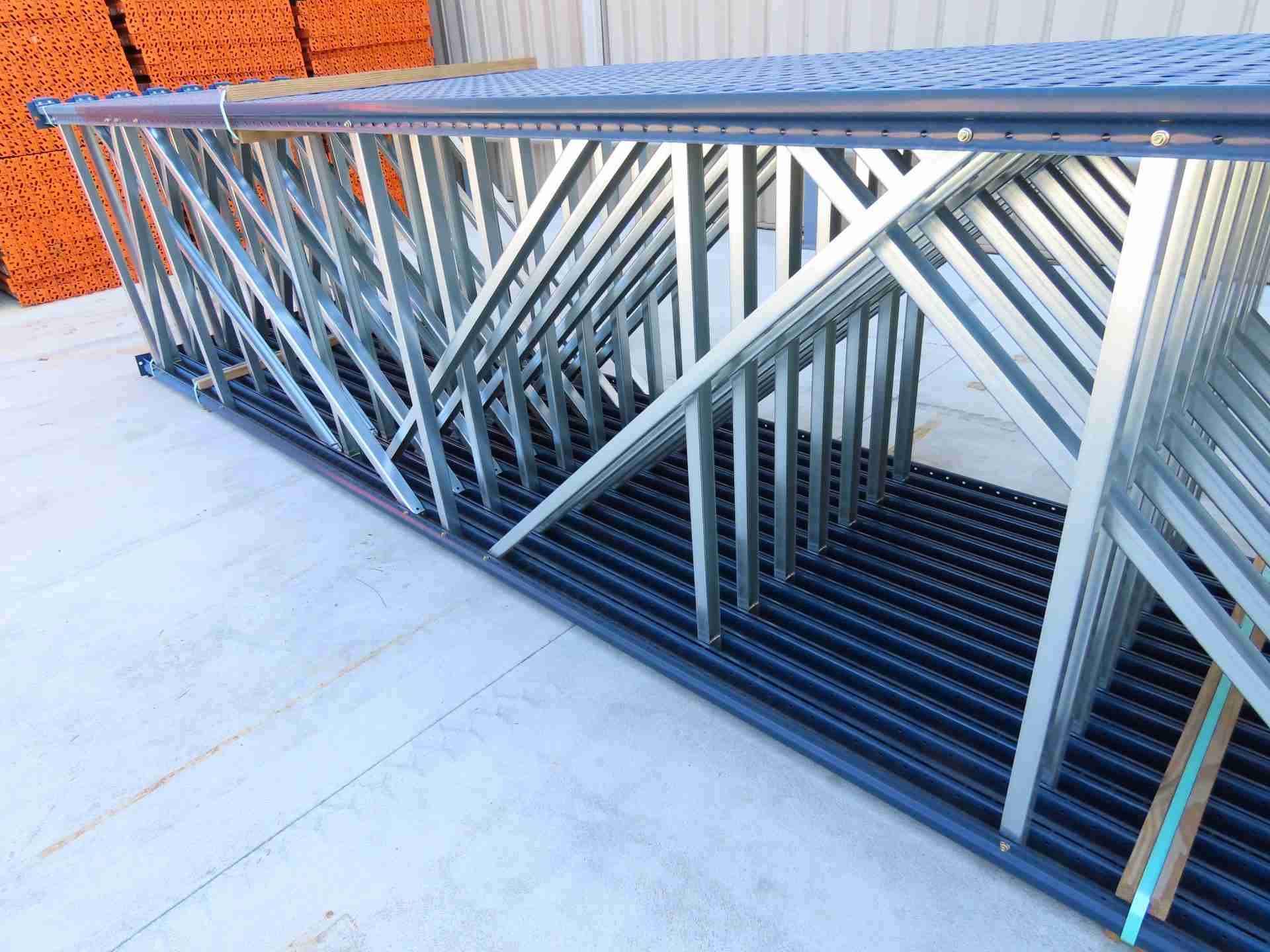
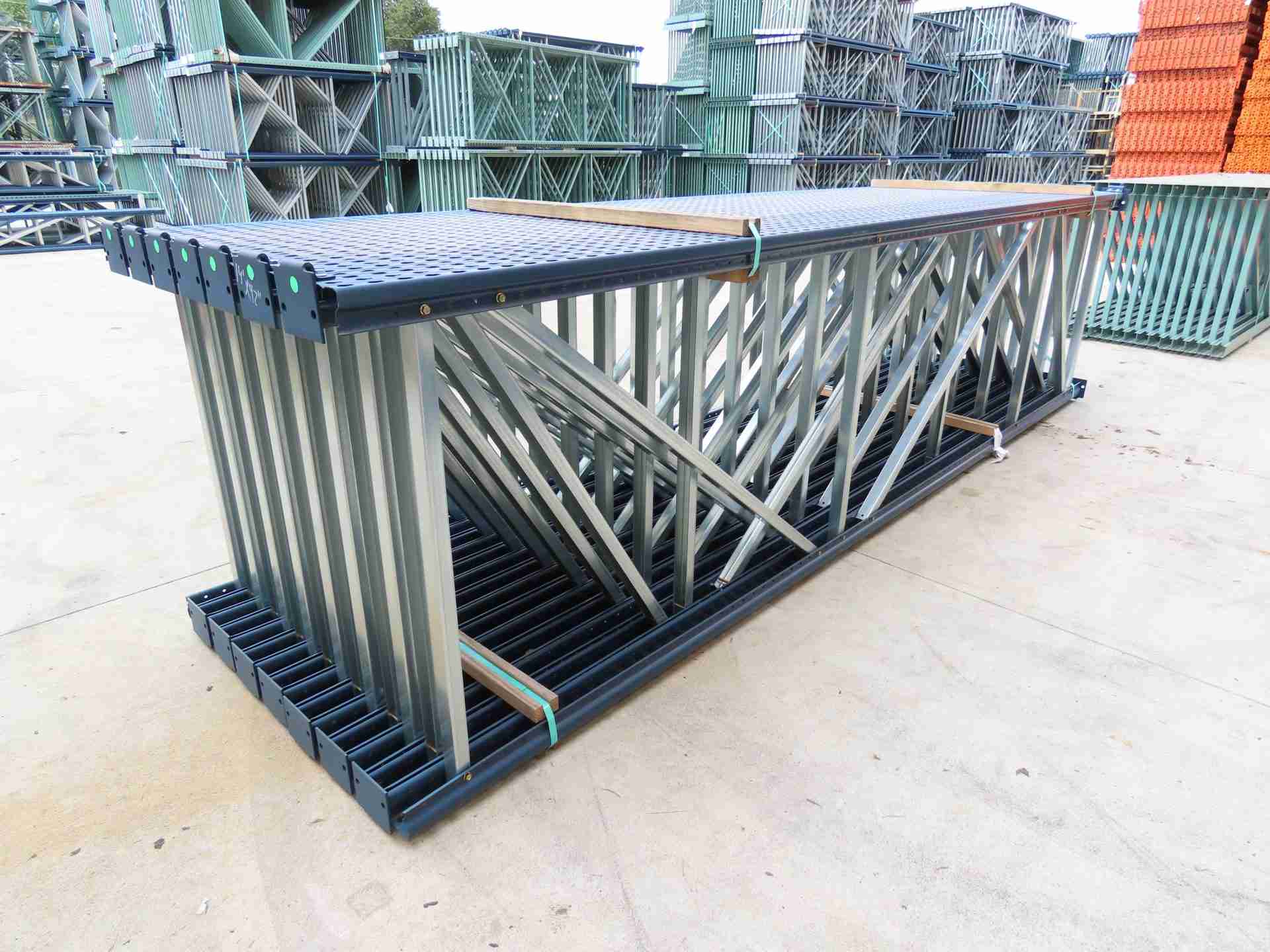
Moreover, in any efficient JIT operation, how products are stored and accessed is just as crucial as how they are procured. This is where innovative solutions like advanced pallet racking come into play. Gone are the days of endlessly searching for materials buried deep in a chaotic storage system. With smart pallet racking systems, your inventory is organized in a way that optimizes space and accessibility. Imagine a world where your team spends less time locating products and more time focusing on producing value.
Let’s not forget communication—keeping everyone in sync is vital for successful JIT implementation. Modern collaboration platforms allow you to share updates instantly with your suppliers and team members, ensuring that everyone is on the same page. Whether it’s adjusting delivery schedules or addressing unforeseen delays, effective communication tools foster an environment of trust and reliability.
Incorporating technology into your JIT processes isn’t just about efficiency; it’s about creating a competitive edge. It’s about empowering your team, minimizing risk, and responding agilely to market demands. Embrace the future and make every move count. With innovative tools at your disposal, you will soon discover that refining your Just-In-Time processes is not just a possibility; it’s an opportunity. Take action now, and watch as your operations transform, reflecting the streamlined success you’ve always envisioned.
In What Ways Can Technology Improve Just In Time Processes?
In What Ways Can Technology Improve Just In Time Processes?
- Technology enhances Just-In-Time (JIT) processes by increasing operational efficiency and reducing waste.
- Real-time data tracking allows businesses to monitor inventory levels and supplier readiness effectively.
- Intelligent inventory management predicts trends and demand, ensuring timely material arrivals that align with production schedules.
- Advanced pallet racking systems optimize storage and accessibility, reducing time spent on locating materials.
- Modern collaboration platforms facilitate instant communication among teams and suppliers for better synchronization.
- Incorporating technology in JIT processes creates a competitive edge and empowers teams to respond to market demands.
- Embracing innovative tools can transform operations and lead to streamlined success in business practices.
In What Ways Can Technology Improve Just In Time Processes?
Conclusion
In today’s fast-paced logistics landscape, the Just In Time (JIT) model is often hailed as a beacon of efficiency. However, as we’ve dissected throughout this article, the reality may not be as rosy as it seems. While JIT promises lower inventory costs and agility in meeting customer demands, it can also expose your warehousing operations to a myriad of hidden challenges—stockouts, fluctuating demand, and risky supplier dependencies, to name a few. It’s crucial for businesses to recognize the intricate balance necessary between operational efficiency and reliability.
As you evaluate your warehousing strategies, it’s essential to reassess your current inventory systems. Embracing a balanced inventory approach—where JIT principles intermingle with a smart buffer—can equip your business with the resilience it desperately needs in a volatile marketplace. Picture your warehouse not just as a collection of pallet racking systems, but as an agile, dynamic entity prepared to tackle unexpected surges in demand while simultaneously mitigating the risk of empty shelves.
Incorporating technology into your operations can become your greatest ally. Smart inventory management systems provide real-time data that enables predictive analytics and trend forecasting—insights that empower you to make informed decisions. Likewise, optimizing the layout of your warehouse with advanced pallet racking solutions can enhance retrieval processes and overall efficiency.
Nevertheless, remember that change doesn’t come without its hurdles. Successfully transitioning to a more robust inventory management approach demands a shift in organizational culture and sound strategic planning. As overwhelming as these challenges may appear, they also serve as golden opportunities for growth and transformation.
To ensure your business thrives amidst the complexities of modern supply chains, your next step is critical. Don’t allow the allure of minimalism to jeopardize customer satisfaction and profit margins. Act now to cultivate a proactive strategy that aligns operational efficiency with sustainable growth.
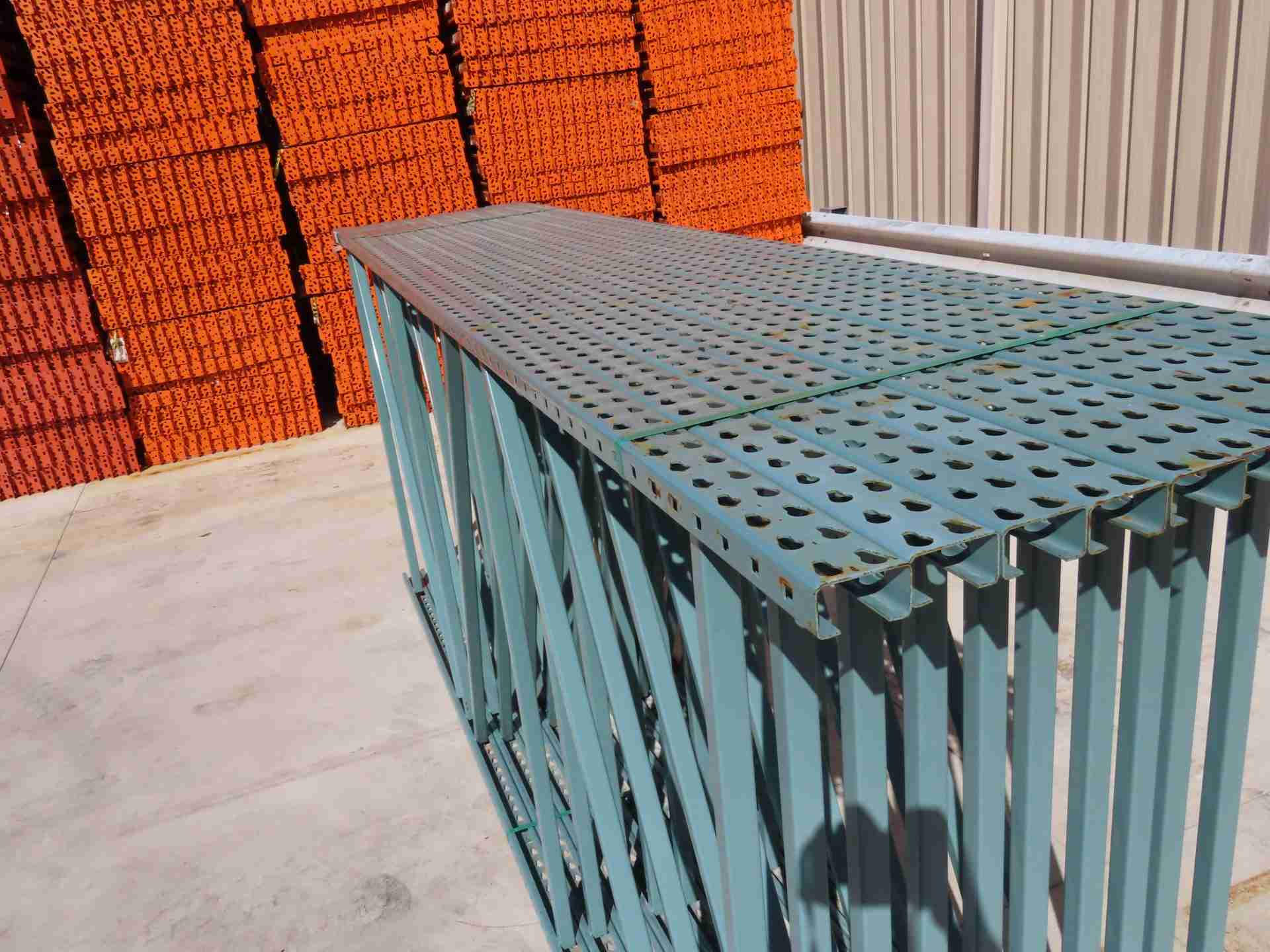
At Arrow Industrial Sales, we specialize in turning these challenges into opportunities—equipping you with tailored racking solutions and expert guidance to redefine your operations. Don’t delay! Call us today at (574) 349-6575 for in-depth information and actionable insights that will secure your warehousing future. The time to take control is now—your business deserves more than just survival in the ever-changing marketplace; it deserves to thrive!
Conclusion
Conclusion:
- The Just In Time (JIT) model is recognized for its efficiency in logistics.
- JIT presents potential challenges, including stockouts, demand fluctuations, and supplier dependencies.
- Balancing operational efficiency and reliability is essential for businesses.
- A balanced inventory approach combining JIT with smart buffers enhances resilience.
- Implementing technology, like smart inventory systems, can improve decision-making and efficiency.
- Transitioning to better inventory management requires cultural shifts and strategic planning.
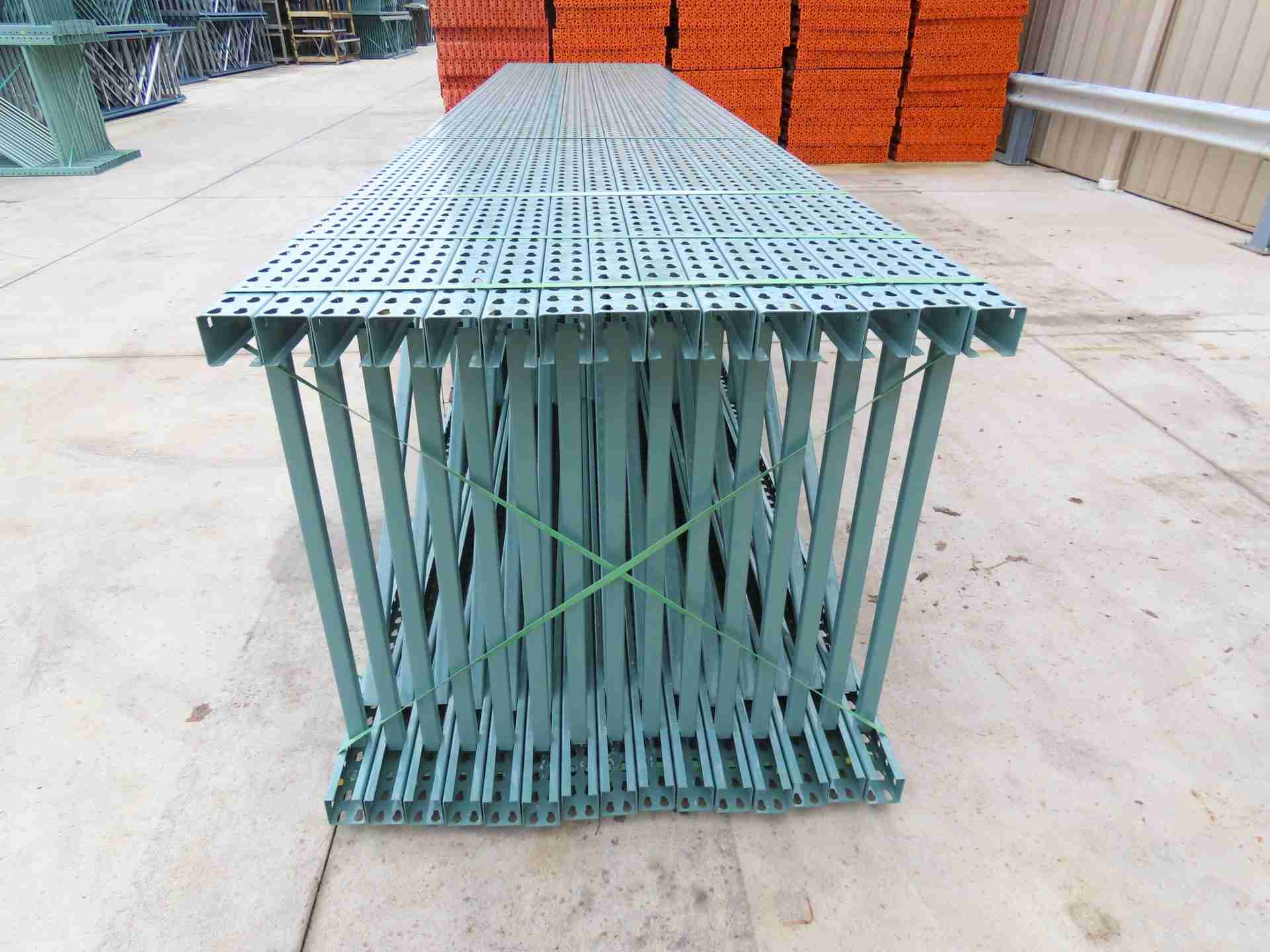
- Arrow Industrial Sales offers tailored racking solutions to help businesses thrive in modern supply chains.
Conclusion
Other Resources
Other Resources
Here is a list of other resources you can review online to learn more:
- Pallet Racks, Pallet Racking, Pallet Shelves in Stock – ULINE
- Warehouse Racks, Warehouse Racking in Stock – ULINE
- Pallet Racking systems in Illinois and Great Lakes
- American Society of Safety Professionals
- Storage Equipment Manufacturers’ Association
- Pallet Racking systems in Illinois, Great Lakes
- Selective Pallet Racking Systems
- ASSP
- Crane Manufacturers Association Of America Inc.
Use This Prompt To Get More Resources With Your Favorite Online AI Tool: Please provide me with a list of online articles with their URLs in a bulleted list that I can read regarding Is The Just In Time Model Hurting Your Warehousing Operations?
Other Resources
Glossary Terms
Is The Just In Time Model Hurting Your Warehousing Operations? – Glossary Of Terms
1. Just-In-Time (JIT): A production strategy that strives to improve a business’ return on investment by reducing in-process inventory and its associated carrying costs.
2. Inventory Management: The supervision of non-capitalized assets (inventory) and stock items, ensuring the right amount of products is available at the right time.
3. Supply Chain: A network between a company and its suppliers to produce and distribute a specific product. It involves various processes and participants.
4. Lead Time: The total time it takes from the initiation of a process until its completion. In manufacturing, it often refers to the time taken from ordering materials to product delivery.
5. Demand Forecasting: The process of estimating the future demand for products based on historical data, market trends, and qualitative inputs.
6. Carrying Cost: The total cost of holding inventory, including storage, insurance, taxes, spoilage, and opportunity costs.
7. Stockout: A situation in which inventory is depleted and cannot meet customer demand, leading to potential loss of sales and customer trust.
8. Lean Manufacturing: A production practice that considers the expenditure of resources in any aspect other than the bare minimum required for operation to be wasteful and thus a target for elimination.
9. Buffer Stock: Additional inventory kept on hand to prevent stockouts caused by demand fluctuations or supply chain disruptions.
10. Fulfillment Center: A specialized warehouse that receives, picks, packs, and ships products to customers, often used in e-commerce.
11. Warehouse Efficiency: A measure of how effectively a warehouse uses resources to handle inventory and orders, usually expressed as a productivity ratio.
12. Just-In-Case (JIC): An inventory strategy that involves maintaining higher levels of stock to mitigate the risk of running out of items, unlike JIT.
13. Order Frequency: The rate at which orders are placed, which can be influenced by the inventory management model in use.
14. Cycle Counting: An inventory auditing procedure, where a portion of the inventory is counted on a specific day.
15. Overstocking: Maintaining too much inventory, which can lead to increased carrying costs, obsolescence, or waste.
16. Warehouse Layout: The design and arrangement of different areas within a warehouse to optimize space and efficiency.
17. Kanban: A scheduling system for lean and just-in-time (JIT) production, using visual signals to trigger the movement of materials.
18. Operational Flexibility: The capacity of a warehouse operation to adapt to fluctuations in demand, including the ability to change processes and workflows quickly.
19. SKU (Stock Keeping Unit): A unique identifier for each distinct product and service that can be purchased, used for inventory control.
20. Cost-Benefit Analysis: A systematic approach to estimating the strengths and weaknesses of alternatives in order to determine the best approach to achieve benefits while preserving savings.
21. Supplier Relationship Management (SRM): The systematic measurement and management of supplier performance and partnerships to enhance overall supply chain efficiency.
22. Distribution Network: The interconnected system of facilities, vehicles, and personnel responsible for delivering products from suppliers to customers.
23. Warehouse Automation: The use of technology and software tools to perform tasks in a warehouse without human intervention, increasing efficiency and accuracy.
24. Obsolescence: The process by which goods or services lose their relevance or consumer demand, often due to advancements in technology or changes in market preference.
25. Shrinkage: The loss of inventory due to theft, damage, or errors, which directly affects profitability.
26. Return on Investment (ROI): A measure used to evaluate the efficiency or profitability of an investment relative to its cost.
27. Pick & Pack: The process of retrieving items from storage to fulfill customer orders and then packaging them for shipment.
28. Cold Chain Management: A logistics system for perishables, maintaining a constant temperature to preserve product quality during storage and transport.
29. Inventory Turnover: A ratio that shows how many times inventory is sold and replaced over a period, indicating inventory management effectiveness.
30. Vendor Managed Inventory (VMI): An inventory management strategy where the supplier assumes the responsibility for managing the inventory of products in the customer’s warehouse.
These terms and descriptions provide a foundational understanding of the challenges and considerations associated with the Just-In-Time model in warehousing operations.
Glossary Of Terms
Other Questions
Is The Just In Time Model Hurting Your Warehousing Operations? – Other Questions
If you wish to explore and discover more, consider looking for answers to these questions:
- What are the advantages of the Just In Time model compared to traditional inventory management?
- How can businesses effectively transition to a Just In Time inventory system?
- What are the key metrics to assess the effectiveness of a JIT strategy?
- How can businesses mitigate the risks associated with stockouts in a JIT model?
- What role does supplier reliability play in the success of a JIT operation?
- How can data analytics enhance forecasting for businesses using the JIT model?
- What technologies are available to support Just In Time operations?
- Are there specific industries where the JIT model is particularly beneficial or detrimental?
- How does employee training impact the implementation of JIT processes?
- What strategies can businesses use to maintain customer satisfaction during supply chain disruptions?

Other Questions
Checklist
Is The Just In Time Model Hurting Your Warehousing Operations? – A Checklist
Checklist for Evaluating Just In Time Warehousing Operations
This checklist is designed to help businesses assess their Just In Time (JIT) warehousing strategies and identify areas for improvement. Use it to uncover potential hidden costs and ensure your operations are aligned for efficiency and resilience.
1. Assess Inventory Levels
_____ Are your current inventory levels aligned with customer demand?
_____ Do you have a plan in place for maintaining a safety stock or buffer inventory?
2. Evaluate Supplier Relationships
_____ Are you in regular communication with your suppliers?
_____ Have you established reliable partnerships to prevent disruptions?
_____ Can your suppliers adapt to sudden changes in demand?
3. Check for Space Optimization
_____ Is your pallet racking system customized for your specific inventory needs?
_____ Are you maximizing storage capacity without clutter?
4. Analyze Demand Forecasting
_____ Are you using technology or analytics to forecast demand accurately?
_____ Do you regularly review historical data to inform your predictions?
5. Strategic Planning for Demand Fluctuations
_____ Do you have contingency plans for unexpected surges in demand?
_____ How do you manage excess inventory during low demand periods?
6. Employee Training and Agility
_____ Is your workforce trained to adapt quickly to JIT operations?
_____ Do you promote a culture of collaboration and engagement among employees?
7. Implement Technology Solutions
_____ Are you utilizing real-time data tracking for inventory management?
_____ Do you have a smart pallet racking system to improve access and organization?
_____ Are communication tools in place to ensure coordination between teams and suppliers?
8. Review Financial Implications
_____ Have you analyzed the impact of JIT on your cash flow and operational costs?
_____ Are there hidden costs associated with stockouts or excess inventory?
9. Evaluate Your Supply Chain Management
_____ Are your supply chain processes agile enough to adapt to market changes?
_____ Do you have a robust system to monitor transportation and logistics?
10. Continuous Improvement
_____ Do you regularly reassess and update your warehousing strategies?
_____ Are you open to feedback from employees and customers to improve operations?
Conclusion
By systematically going through this checklist, you can identify any vulnerabilities in your Just In Time warehousing practices, allowing you to construct a more stable, efficient, and resilient operation. Remember, the aim is to find the right balance between operational efficiency and effective inventory management.
Checklist
At RackingWorld, we help guide you through selecting warehouse storage systems and racking.
Be sure to read our other related stories at RackingWorld to learn more about warehouse storage systems.
0 Comments