
Maximize Efficiency And Minimize Costs With The Right Racking Design
By Tom Seest
At RackingWorld, we help guide you through selecting warehouse storage systems and racking.
Be sure to read our other related stories at RackingWorld to learn more about warehouse storage systems.
Is Your Warehouse Racking Design Costing You Time and Money?
Imagine walking into your warehouse and immediately sensing a problem. Boxes are stacked haphazardly, pallets are crammed in every corner, and your employees are wasting valuable minutes navigating the chaos. You might be surprised to learn that your warehouse racking design could be the hidden culprit costing you precious time and hard-earned money.
Let’s face it: a poorly designed pallet racking system can turn your operational efficiency into a quagmire. If the current design doesn’t allow for easy access to inventory, what should take minutes can spiral into hours of lost productivity. Instead of moving fluidly through your stock, your team is left hunting and pecking for the items they need. The tangible frustration seeps into their morale, which can impact your entire operation.
But it doesn’t have to be this way. Visualize a racking system that optimizes the space you already have while enhancing the flow of your operations. Picture your staff effortlessly retrieving what they need, while reducing the risk of costly accidents associated with cluttered aisles and poorly stacked pallets. The right design allows for a streamlined inventory system that ensures everything from ordering to shipping operates like a well-oiled machine.
Investing in a thoughtful pallet racking solution isn’t just an expense; it’s a means to accelerate your warehouse’s potential. Every square foot of space should be working for you. A custom layout tailored to your specific inventory needs ensures you maximize your returns. This isn’t a mere change; it’s a transformation.
The bottom line is simple: your current racking setup could be dragging your business down, sabotaging growth opportunities, and shaving vital margins off your bottom line. Don’t let inefficiencies cost you any longer. You have the power to turn your warehouse into an asset rather than a liability.
Take action today. Consult with experts who can assess your current layout and suggest actionable improvements. By prioritizing an optimized pallet racking design, you’re not just enhancing space but investing in the future of your operations. The difference could mean the next level of success you’ve been seeking. Are you ready to make that change? The clock is ticking, and your profits shouldn’t be either.

Is Your Warehouse Racking Design Costing You Time and Money?
Is Your Warehouse Racking Design Costing You Time and Money?
- Chaos in warehouse layout can lead to inefficient operations and wasted employee time.
- A poorly designed pallet racking system hampers access to inventory, resulting in lost productivity.
- Productivity loss affects employee morale, which can impact overall operations.
- Optimizing a racking system can enhance operational flow and reduce risks of accidents.
- Investing in a custom pallet racking solution transforms your space into a functional asset.
- Current racking inefficiencies may be hindering growth opportunities and profit margins.
- Consulting experts for layout improvements can lead to significant enhancements in operational efficiency.
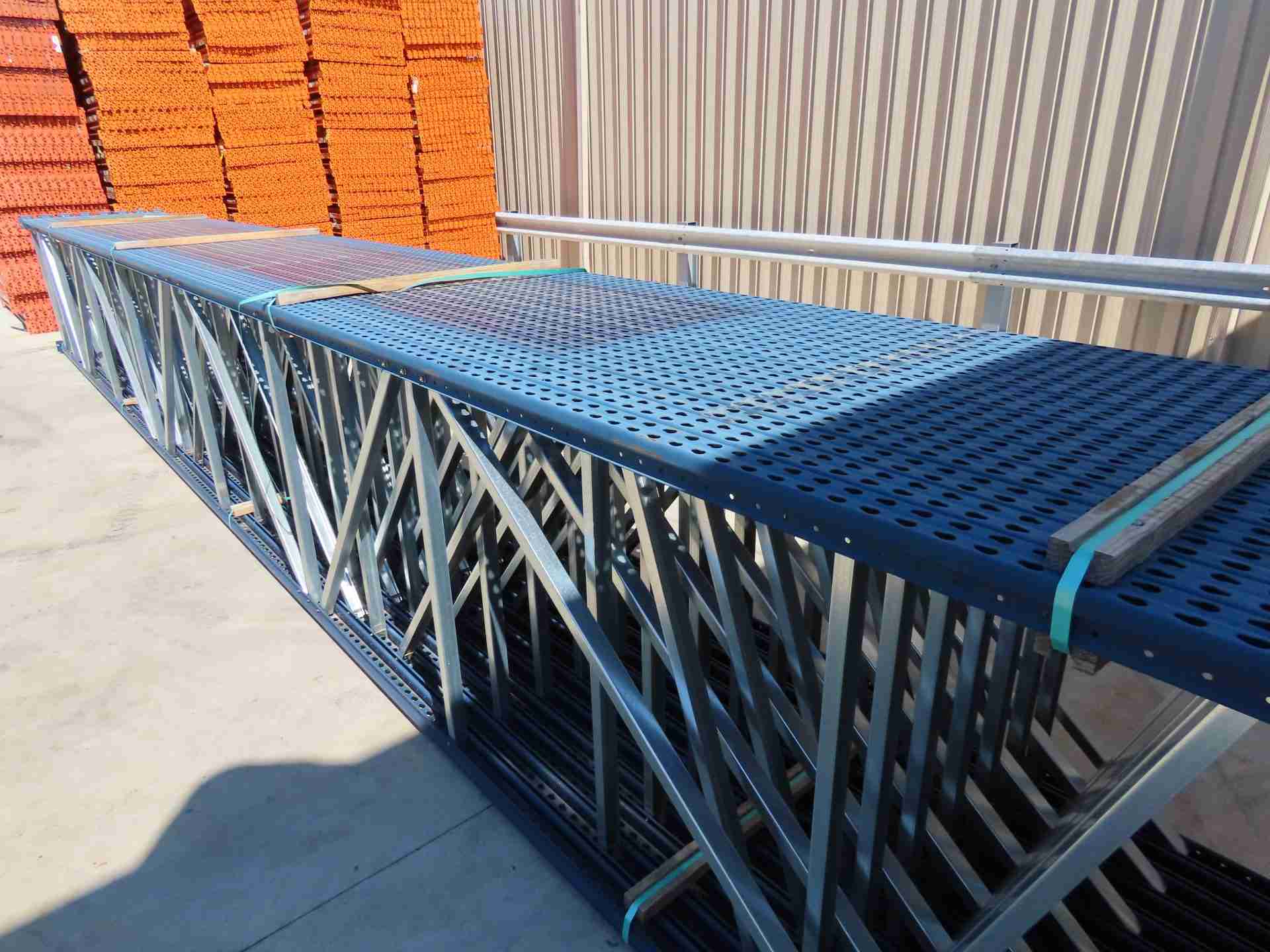
Is Your Warehouse Racking Design Costing You Time and Money?
Table Of Contents
- Is Your Warehouse Racking Design Costing You Time and Money?
- Is Your Warehouse Layout Optimized For Efficiency?
- How Can You Reduce Pallet Storage Costs?
- Are Your Racking Systems Compliant With Safety Standards?
- Is Your Racking Design Maximizing Vertical Storage Space?
- How Often Should You Assess Your Warehouse Racking?
- What Impact Does Poor Racking Design Have On Labor Costs?
- Conclusion
- Other Resources
- Glossary Of Terms
- Other Questions
- Checklist
Is Your Warehouse Layout Optimized For Efficiency?
Imagine walking into your warehouse and feeling an effortless rhythm as products flow smoothly from one area to another. Every item is conveniently located, every team member knows precisely where to go, and delays are a distant memory. This isn’t just a dream; it can be your reality with an optimized warehouse layout.
You might be surprised to learn how much a well-structured design can enhance your operations. Let’s talk about something many overlook but has a massive impact: pallet racking. Properly designed pallet racking systems do more than just hold products; they create a backbone for your warehouse workflow. When arranged and utilized correctly, they can increase your storage capacity, reduce retrieval time, and even improve safety. That’s right. An inspired layout combined with effective pallet racking could yield exponential gains for your business.
Now, reflect on your current layout. Is it cluttered and chaotic? Are employees tripping over each other, desperately seeking items, while the clock ticks down in this game of inefficiency? It doesn’t have to be like this. The first step is to acknowledge the necessity for change. This mindset alone can set the stage for remarkable transformations.
Think about the last time you walked through your space. Was it a seamless journey, or did it feel more like a scavenger hunt? By tailoring your pallet racking system according to the flow of goods—aligning it with your shipping and receiving schedules—you can create a more intuitive environment. It’s not merely about saving space, but about nurturing an atmosphere where productivity thrives.
Here’s a little secret: the best warehouse layouts are dynamic. They change and evolve with your business needs. As you bring in new inventory or shift your product lines, continually assess your layout. Regular evaluations pave the way for identifying bottlenecks or sections that could benefit from reevaluation. Communicate with your team—they’re your eyes and ears on the ground. Their insights can spark innovative ideas you might not have considered.
Embrace the notion of a more efficient warehouse today. Your team deserves a space that empowers them, and your business will benefit sharply as you cut costs and improve service. With strategic updates to your layout and an efficient pallet racking system, you’ll not only meet customer expectations but exceed them. The time to act is now—because a warehouse that works smarter makes all the difference.
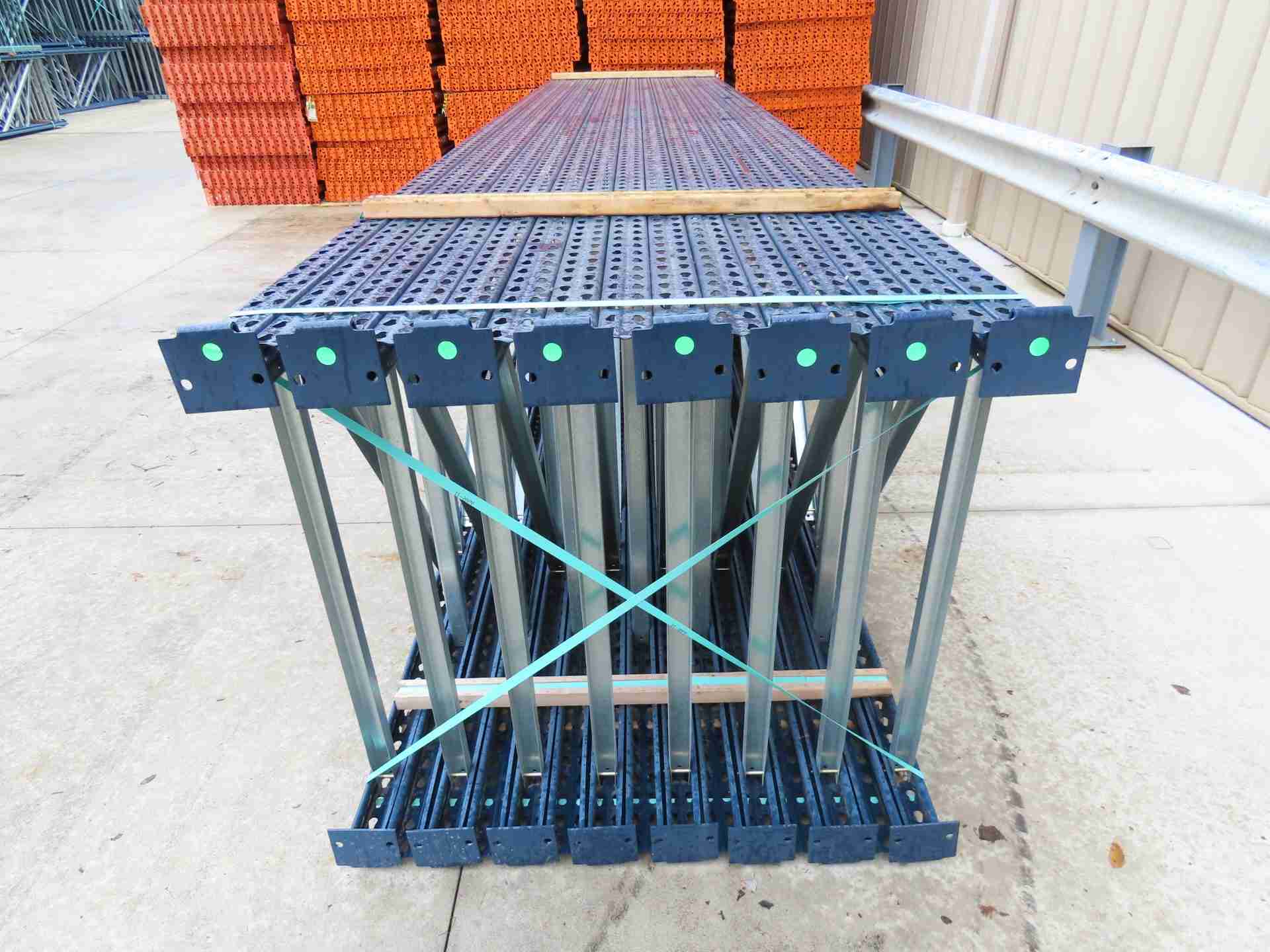
Is Your Warehouse Layout Optimized For Efficiency?
Is Your Warehouse Layout Optimized For Efficiency?
- Optimized warehouse layouts create smooth product flow and enhance operational efficiency.
- Well-structured pallet racking systems serve as the backbone of warehouse workflow, increasing storage capacity and reducing retrieval time.
- Acknowledge the need for change to transition from a chaotic layout to a more organized one.
- Tailor pallet racking systems to align with shipping and receiving schedules for a more intuitive workspace.
- Dynamic warehouse layouts should continually evolve to meet changing business needs and inventory flows.
- Regular evaluations of the layout can help identify bottlenecks and improve efficiency.
- Empowering your team and making strategic updates can lead to cost reductions and improved service, surpassing customer expectations.
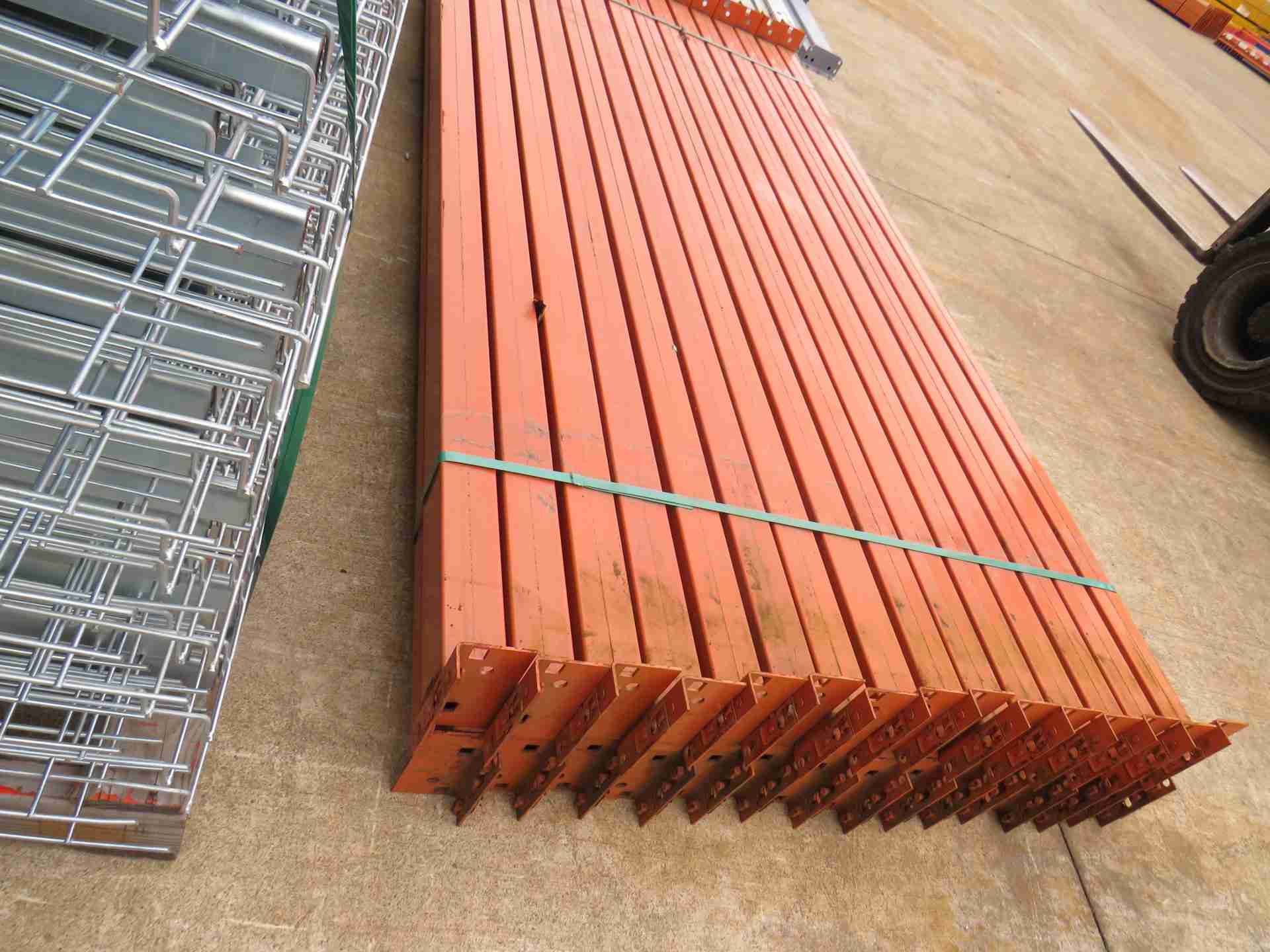
Is Your Warehouse Layout Optimized For Efficiency?
How Can You Reduce Pallet Storage Costs?
In the fast-paced world of supply chains and warehousing, ensuring profits often hinges on how effectively you manage your pallet storage. Let’s face it: the warehouse isn’t just about moving goods; it’s also about maximizing your bottom line. To tackle soaring overheads, consider an approach that focuses on both innovation and efficiency. Here’s how you can reduce your pallet storage costs without sacrificing quality or service.
First and foremost, embrace the transformative power of pallet racking. Good pallet racking is more than just shelves; it’s an investment in your operation. Opt for customizable pallet racking systems that can adapt to your changing inventory needs. This allows you to utilize vertical space, reducing your footprint while enhancing accessibility. The beauty of this approach is twofold: you save on renting larger warehouse spaces, and you increase the speed of your operations. Think about it—less space means lower costs, and more efficient operations translate to happier customers.
Next, reevaluate your inventory management practices. Too often, organizations fall into the trap of overstocking, resulting in wasted space and resources. By employing a robust inventory system that emphasizes just-in-time techniques, you can keep your storage lean. This minimizes the amount of pallet storage you require—saving money on storage costs while ensuring you only stock what you need.
Engage your workforce into the mix. Empower them with training and involve them in the optimization process. Skilled employees know how to handle pallets efficiently, resulting in lower injury risks and quicker operations. This not only builds a culture of trust and accountability but boosts morale as well. When your team feels valued, productivity soars—and that’s where the real savings kick in.
Finally, consider embracing technology. Automated systems for pallet handling can streamline your operations tremendously. Think about incorporating warehouse management software that helps you track and analyze your inventory needs in real-time. This kind of foresight allows for better planning, reducing the necessity for excess pallet storage.
Reducing pallet storage costs isn’t just about cutting corners; it’s about strategic investment. Each decision—from pallet racking choices to employee engagement—creates a ripple effect that can save your business money while enhancing overall efficiency. Now is the time to take action and reshape your pallet storage strategies for a leaner, more profitable future. Embrace these tactics, and watch as your operational efficiency transforms the way you do business!

How Can You Reduce Pallet Storage Costs?
How Can You Reduce Pallet Storage Costs?
- Effective pallet storage management is crucial for maximizing profits in supply chains and warehousing.
- Invest in customizable pallet racking systems to utilize vertical space and enhance operational speed.
- A smaller warehouse footprint lowers costs and increases customer satisfaction through efficient operations.
- Reevaluate inventory practices to avoid overstocking and implement just-in-time techniques to reduce pallet storage needs.
- Empower and train your workforce for better pallet handling, which improves safety and operational efficiency.
- Incorporate technology, such as automated systems and warehouse management software, to track and analyze inventory needs in real-time.
- Strategic investments in pallet storage choices and employee engagement lead to significant savings and improved efficiency.

How Can You Reduce Pallet Storage Costs?
Are Your Racking Systems Compliant With Safety Standards?
In the fast-paced world of warehousing and logistics, ensuring that your operations run smoothly is not just a goal—it’s a necessity. One crucial element often overlooked until it’s too late is the compliance of your pallet racking systems. Imagine the peace of mind that comes from knowing your racking is not only efficient but also absolutely safe.
Pallet racking serves as the backbone of your storage solutions. Yet, many warehouse operators are unaware that improper racking systems can lead to devastating accidents, costly injuries, and even legal repercussions. When was the last time you assessed your racking systems against industry safety standards? If the answer is “I’m not sure,” you are not alone, but that uncertainty can be a massive risk.
Think about this: the integrity of your pallet racking affects not only the safety of your employees but also the overall efficiency of your operations. When racking systems are compliant with safety standards, they promote a cohesive work environment where your team can focus on productivity rather than worrying about potential hazards. You deserve that peace of mind, and so do your employees.
Now, let’s explore some steps you can take to evaluate your current pallet racking systems. First and foremost, familiarize yourself with the regulatory framework specific to your industry. Items like the ANSI, OSHA, and local building codes specify essential safety requirements that your racking systems must meet. Furthermore, well-trained personnel can conduct regular inspections and audits, identifying wear and tear before they lead to malfunction or accidents.
And while compliance might sound tedious, consider this: it’s an investment. The cost of implementing safety measures far outweighs the price of an accident. Plus, demonstrating a commitment to safety elevates your brand’s reputation, fostering trust with partners and customers alike. In today’s competitive landscape, being proactive about safety sets you apart.
Ready to take action? Schedule a thorough assessment of your pallet racking systems and align them with safety regulations. Speak with experts in the field who can guide you through the necessary changes. Ensure your focus remains on growth, knowing that safety is firmly in your corner. When your racking is compliant, you invest in the foundation of your business—making it more resilient and ready for whatever comes next. Trust these steps will lead you on a path not just to compliance, but to excellence.
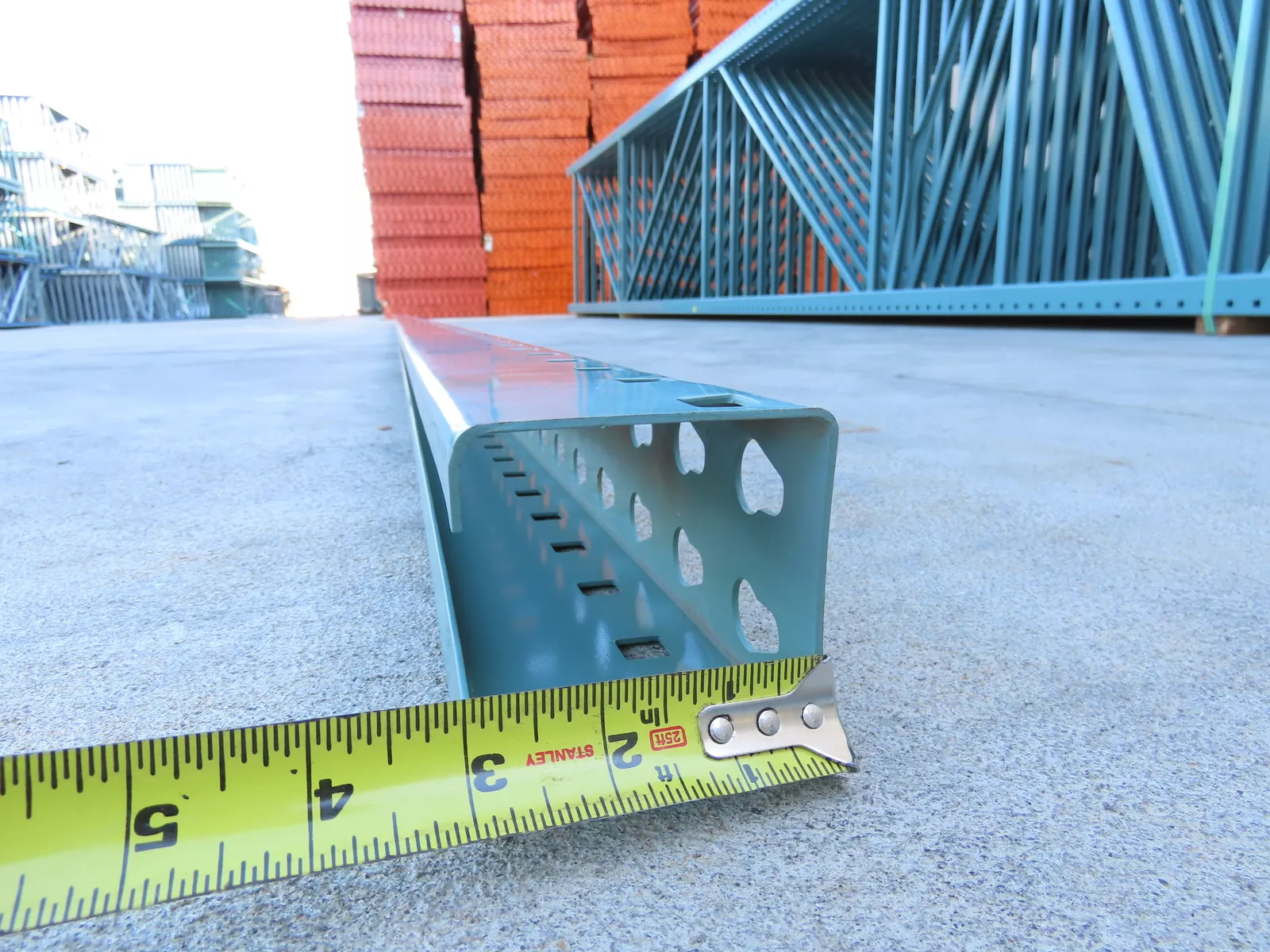
Are Your Racking Systems Compliant With Safety Standards?
Are Your Racking Systems Compliant With Safety Standards?
- Compliance of pallet racking systems is crucial for the smooth operation of warehousing and logistics.
- Improper racking can lead to accidents, injuries, and legal issues.
- The safety and integrity of pallet racking systems directly affect employee safety and overall operational efficiency.
- Familiarize yourself with safety regulations like ANSI, OSHA, and local building codes.
- Regular inspections and audits are essential for identifying wear and tear in racking systems.
- Investing in safety measures enhances brand reputation and builds trust with partners and customers.
- Schedule assessments with experts to ensure compliance and focus on business growth.

Are Your Racking Systems Compliant With Safety Standards?
Is Your Racking Design Maximizing Vertical Storage Space?
Imagine walking into your warehouse and feeling that rush of satisfaction as you gaze upon a seamless, optimized space—every inch utilized, every pallet stacked with precision. Now, let’s pause for a moment and consider: is your current pallet racking system truly maximizing vertical storage space? This isn’t just about aesthetics; it’s about profitability and efficiency.
Pallet racking is more than just metal shelving. It’s your gateway to a more streamlined operation, and its design plays a critical role. Many businesses settle for the status quo, allowing outdated systems to dictate their storage capacity. But here’s the kicker: the key to unlocking your inventory’s potential often lies in the sky above your head. Vertical storage is not just a trend; it’s a necessity in today’s fast-paced environment.
Have you ever noticed how some warehouses seem to reach the sky with their inventory? It’s all about maximizing vertical space. A well-thought-out pallet racking design can transform your storage capabilities. By choosing the right height and configuration, you could potentially double your storage capacity without needing to expand your footprint. Understandably, change can be daunting. You may worry about the costs, the logistics, and the learning curve involved. But consider this: investing in the right pallet racking solution can lead to enhanced workflow, reduced operational costs, and, ultimately, increased profitability.
What often holds businesses back from re-evaluating their racking systems is a fear of the unknown. Let’s be real; it’s easy to cling to what you’ve always done. Yet, the businesses that thrive are those willing to innovate and adapt. They understand that modern racking solutions are designed not only for efficiency but also for safety and ease of use.
When you think about it, it’s not just about a new racking system—it’s about transforming the way your entire operation functions. Getting expert guidance on your pallet racking design can evoke that “aha!” moment you never knew you needed. By optimizing vertical space, you can significantly enhance your workflow and alleviate the pressure on your warehouse team.
So, take a moment, assess your current setup, and ask yourself: is your racking design truly maximizing vertical storage? If not, it’s time to take that leap. Your future productivity—and profitability—could depend on it. Don’t just store; store smart!

Is Your Racking Design Maximizing Vertical Storage Space?
Is Your Racking Design Maximizing Vertical Storage Space?
- Maximizing vertical storage in warehouses is crucial for profitability and efficiency.
- Pallet racking systems are not just metal shelving; they significantly influence operations.
- Many businesses still use outdated racking systems, limiting their storage capacity.
- Proper pallet racking design can potentially double storage capacity without expanding the warehouse footprint.
- Investing in updated racking solutions can enhance workflow, reduce costs, and increase profitability.
- Fear of change often prevents businesses from re-evaluating their racking systems, but innovation is key for success.
- Expert guidance in pallet racking design can optimize vertical space and improve overall warehouse efficiency.

Is Your Racking Design Maximizing Vertical Storage Space?
How Often Should You Assess Your Warehouse Racking?
When was the last time you took a good, hard look at your pallet racking? If you can’t remember or it’s been “a while,” you might want to pull out your calendar and schedule your first assessment stat! The heart of any efficient warehouse operation is its racking system, and your pallet racking holds the lifeblood of your productivity—and your profits. Regular assessments are not just a preventative measure; they’re a strategic move that keeps your business running like a well-oiled machine.
Assessing your pallet racking should be a routine task, much like changing the oil in your vehicle or replacing filters in your HVAC system. It’s not just for the safety of your employees (though that’s paramount); it’s also about prolonging the life of your investment and keeping your operations seamless. Generally speaking, you should conduct a thorough inspection every six months. However, consider more frequent assessments if you frequently handle heavy loads, experience changes in storage patterns, or have new team members joining your ranks.
But here’s where it gets interesting—these assessments don’t just have to be formal inspections! Engaging your team in informal checks can foster a culture of accountability. Encourage warehouse employees to report any signs of wear and tear, missing safety pins, or any instability with the pallet racking. The more eyes on the job, the better. Create a simple checklist for your team to use during their shifts, turning them into your first line of defense.
Let’s consider some critical aspects of your assessment: deformations, rust, and anchoring issues can all lead to catastrophic failures if not addressed timely. You don’t want to wait for an incident to occur before you take action. Ensuring that your pallet racking is in prime condition builds trust with your employees, clients, and stakeholders. It’s also a reflection of your commitment to excellence—something that resonates louder than any marketing campaign.
In the bustling world of warehouse management, a proactive approach to assessing your pallet racking can mean the difference between thriving success and costly setbacks. So, take action today—invest in your future by making regular racking assessments part of your operational routine. Your team and your bottom line will thank you.
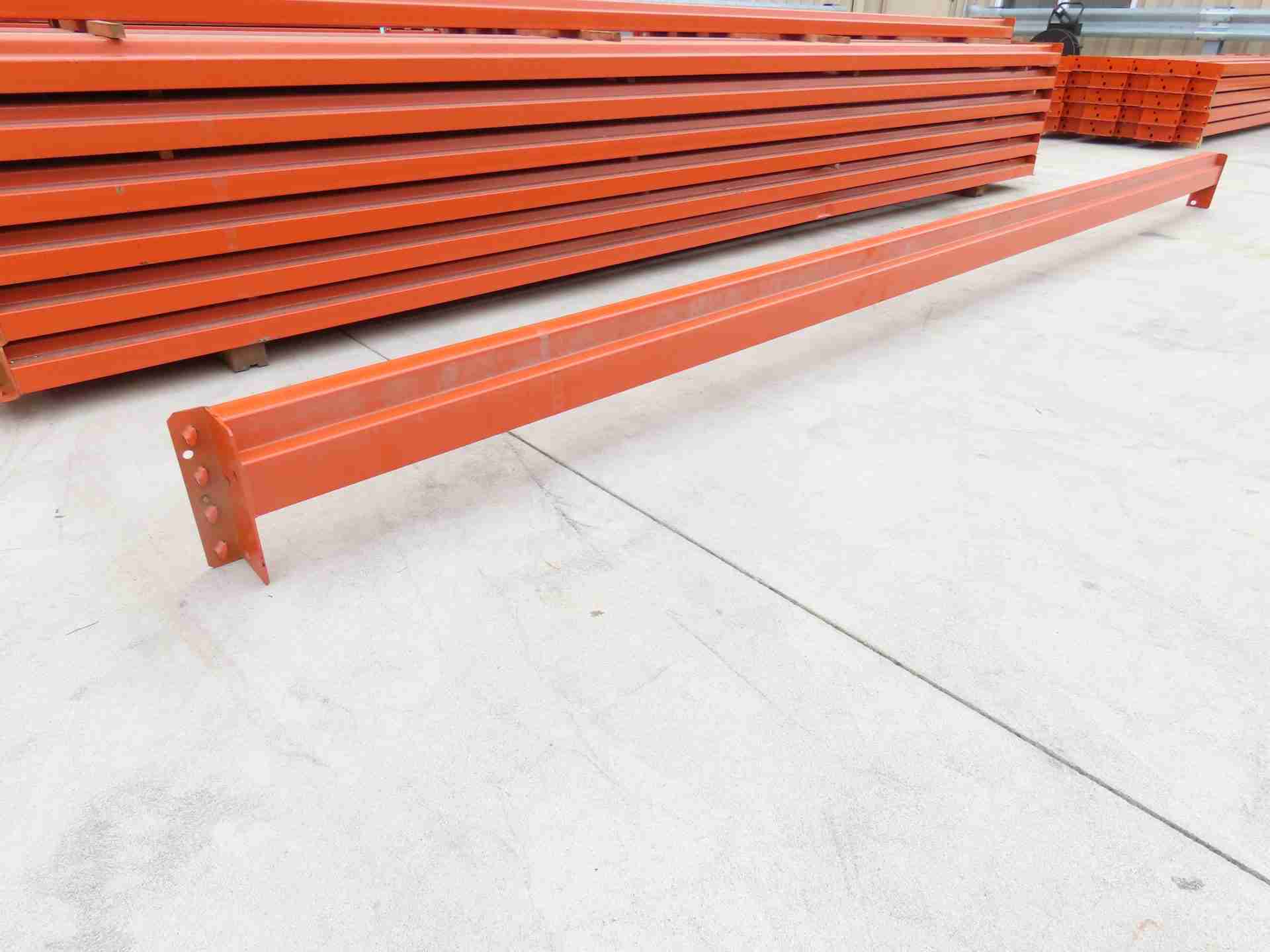
How Often Should You Assess Your Warehouse Racking?
How Often Should You Assess Your Warehouse Racking?
- Regular assessment of pallet racking is crucial for efficient warehouse operations and productivity.
- Routine checks should resemble regular vehicle maintenance, ideally conducted every six months.
- More frequent inspections may be necessary for heavy loads, changing storage patterns, or new team members.
- Engage warehouse employees in informal checks to foster accountability and report issues like wear and tear.
- Create a simple checklist for team members to use during shifts for ongoing monitoring.
- Critical assessment aspects include deformations, rust, and anchoring issues to prevent catastrophic failures.
- Proactive racking assessments contribute to trust, commitment to excellence, and operational success.

How Often Should You Assess Your Warehouse Racking?
What Impact Does Poor Racking Design Have On Labor Costs?
Imagine stepping into a warehouse where every aisle is a maze, every shelf a puzzle, and every pallet racked in an illogical sequence. It’s a scene far too common in logistics operations across the world—one where poor pallet racking design not only frustrates employees but also wreaks havoc on labor costs. Let’s explore this critical issue together.
When the layout of your pallet racking system is poorly thought out, you’re not just inviting inefficiency; you’re allowing chaos to reign. Employees waste precious time navigating disorganized racking systems, struggling to locate items buried beneath the clutter. This anxiety-laden scavenger hunt leads to decreased morale and increased employee turnover. When your team feels stuck in a frustrating environment, their productivity plummets—and so does your bottom line.
Think about it. Every minute spent searching for a product is a minute not spent adding value elsewhere. Over the course of a day, week, or month, these lost minutes add up, creating a ripple effect that ultimately inflates labor costs without adding any tangible benefits. An organized, well-designed pallet racking system, on the other hand, streamlines workflows, allowing employees to move with purpose, confidence, and speed.
Let’s talk numbers. Research shows that a well-optimized racking system can boost productivity by as much as 30%. Just imagine what that kind of efficiency could do for your operational costs! When your team knows where to find everything and can easily access pallets, they save time, cut down on stress, and contribute to a more harmonious workspace. Happy employees lead to happier customers, and that’s a win-win scenario all around.
But it’s not just about the day-to-day operations. Poor pallet racking design often leads to safety hazards. As safety concerns rise, so do insurance costs and the potential for costly accidents that can further strain labor budgets. By investing in a smart racking solution, you’re not only prioritizing efficiency but also safeguarding your workforce’s well-being—and shields your company from unforeseen expenses.
So, let’s take a critical look at your pallet racking system. Ask yourself: is it operating as a seamless extension of your team, or is it an anchor dragging you down? The impact of good design on labor costs isn’t just a statistic; it’s a pathway to a more productive, profitable future. Make the change today, and watch your operation thrive as you reclaim lost time and resources. Your bottom line deserves nothing less.
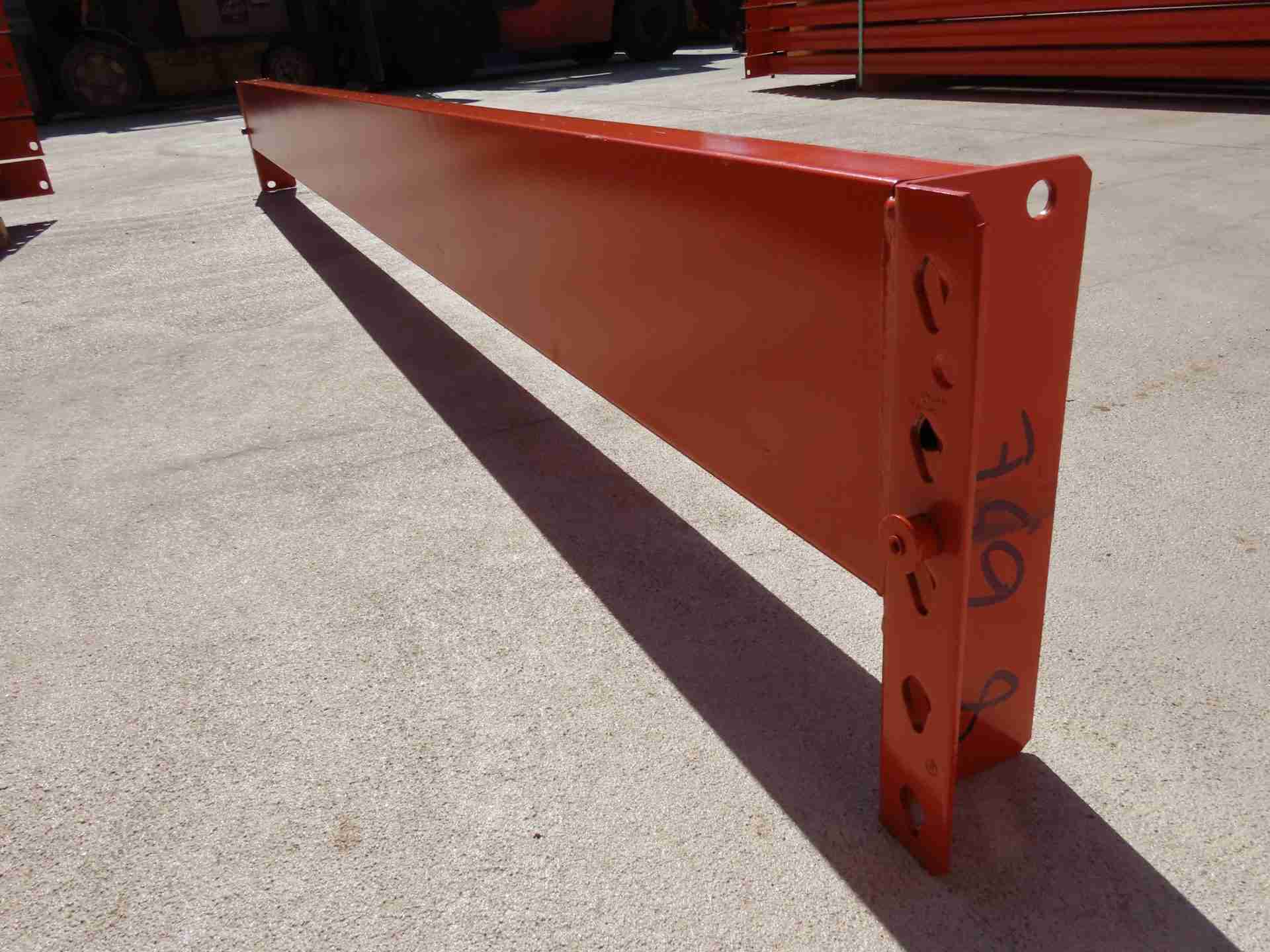
What Impact Does Poor Racking Design Have On Labor Costs?
What Impact Does Poor Racking Design Have On Labor Costs?
- Poor pallet racking design leads to inefficiency and employee frustration in logistics operations.
- Disorganized racking systems cause employees to waste time searching for items, decreasing morale and increasing turnover.
- Time lost searching for products inflates labor costs without tangible benefits.
- A well-optimized racking system can boost productivity by up to 30%, significantly impacting operational costs.
- Efficient racking improves employee well-being and leads to happier customers.
- Poor racking design can create safety hazards, increasing insurance costs and potential accidents.
- Investing in smart racking solutions prioritizes both efficiency and workforce safety, fostering a more productive environment.

What Impact Does Poor Racking Design Have On Labor Costs?
Conclusion
Conclusion: Elevate Your Warehouse Efficiency Now!
In the competitive realm of warehousing, the effectiveness of your pallet racking system can mean the difference between success and stagnation. If you’ve been navigating a cluttered maze of disorganization, the time has come to acknowledge that your racking design may be costing you valuable time and money. The stark reality is that a poorly structured system doesn’t just impede productivity; it places a heavy burden on your bottom line. A lackluster layout leads to frustrated employees, heightened labor costs, and ultimately, missed opportunities for growth.
But what if there’s a better way? Imagine a warehouse where operations flow seamlessly, where every pallet is easily accessible, and employees are empowered to excel. This is not a distant dream but a tangible reality through optimized racking designs. By embracing the right strategies now—whether it’s maximizing vertical storage space, ensuring compliance with safety regulations, or adopting a proactive approach to assessments—you can transform your warehouse into a beacon of efficiency. It’s about creating an environment where your team can thrive, and customer satisfaction becomes the norm rather than a goal.
Moreover, the transformation isn’t merely about aesthetics or saving space. It’s about enhancing your inventory management, reducing retrieval times, and ultimately cutting costs. Each decision you make—from customizing your pallet racking system to empowering your workforce—comes together to foster an ecosystem of productivity. And as your operational efficiency skyrockets, so do your profits!
Don’t let indecision or fear of the unknown hold you back any longer. The status quo could very well be dragging your business down. Strategically investing in your racking solutions is not just operational change; it is a leap toward a more prosperous, efficient future.
At Arrow Industrial Sales, we understand the nuances of racking design and offer tailored solutions that fit your specific needs. Don’t leave your success to chance. The time to act is now! Call us at (574) 349-6575 to consult with our experts, assess your racking system, and seize the opportunity for a transformative upgrade that will bolster your operations. Your warehouse can either be a liability or your biggest asset—choose wisely and make that call today! The clock is ticking; your competitive edge awaits you.
Conclusion
Conclusion:
- The effectiveness of your pallet racking system is crucial for warehouse success.
- A cluttered and poorly structured racking design can lead to wasted time and financial losses.
- Optimized racking designs can create a seamless flow of operations and enhance employee productivity.
- Maximizing vertical storage, ensuring safety compliance, and proactive assessments are key strategies for improvement.
- Transforming your warehouse boosts inventory management, reduces retrieval times, and lowers costs.
- Investing in racking solutions is essential for achieving operational efficiency and increasing profits.
- Contact Arrow Industrial Sales for tailored racking solutions to upgrade your warehouse and enhance competitiveness.
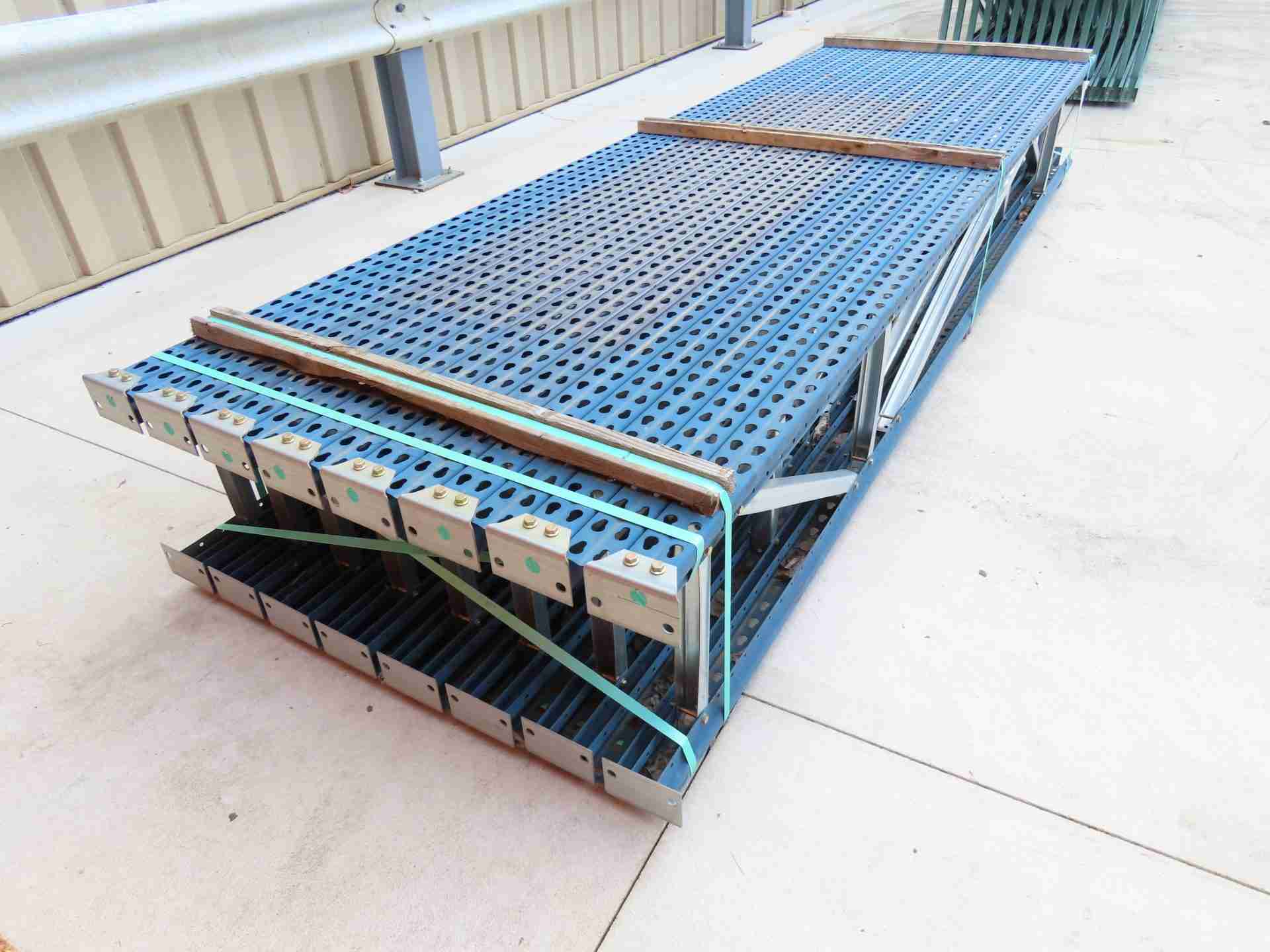
Conclusion
Other Resources
Other Resources
Here is a list of other resources you can review online to learn more:
- Cantilever Rack Guide: Ordering Cantilever Racking
- American Society of Safety Professionals
- Storage Equipment Manufacturers Association
- Bradford Systems
- Heavy-Duty Cantilever Storage Racks
- Selective Pallet Racking Systems – Container Systems
- Illinois Pallet Racking – Storage Solutions
- Warehouse Racks, Warehouse Racking in Stock – ULINE
- Racking World
- What is Cantilever Racking? – AK Material Handling Systems
Use This Prompt To Get More Resources With Your Favorite Online AI Tool: Please provide me with a list of online articles with their URLs in a bulleted list that I can read regarding Is Your Warehouse Racking Design Costing You Time and Money?
Other Resources
Glossary Terms
Is Your Warehouse Racking Design Costing You Time and Money? – Glossary Of Terms
1. Racking: A system used for storing goods in a warehouse, typically made from steel and designed to optimize space and accessibility.
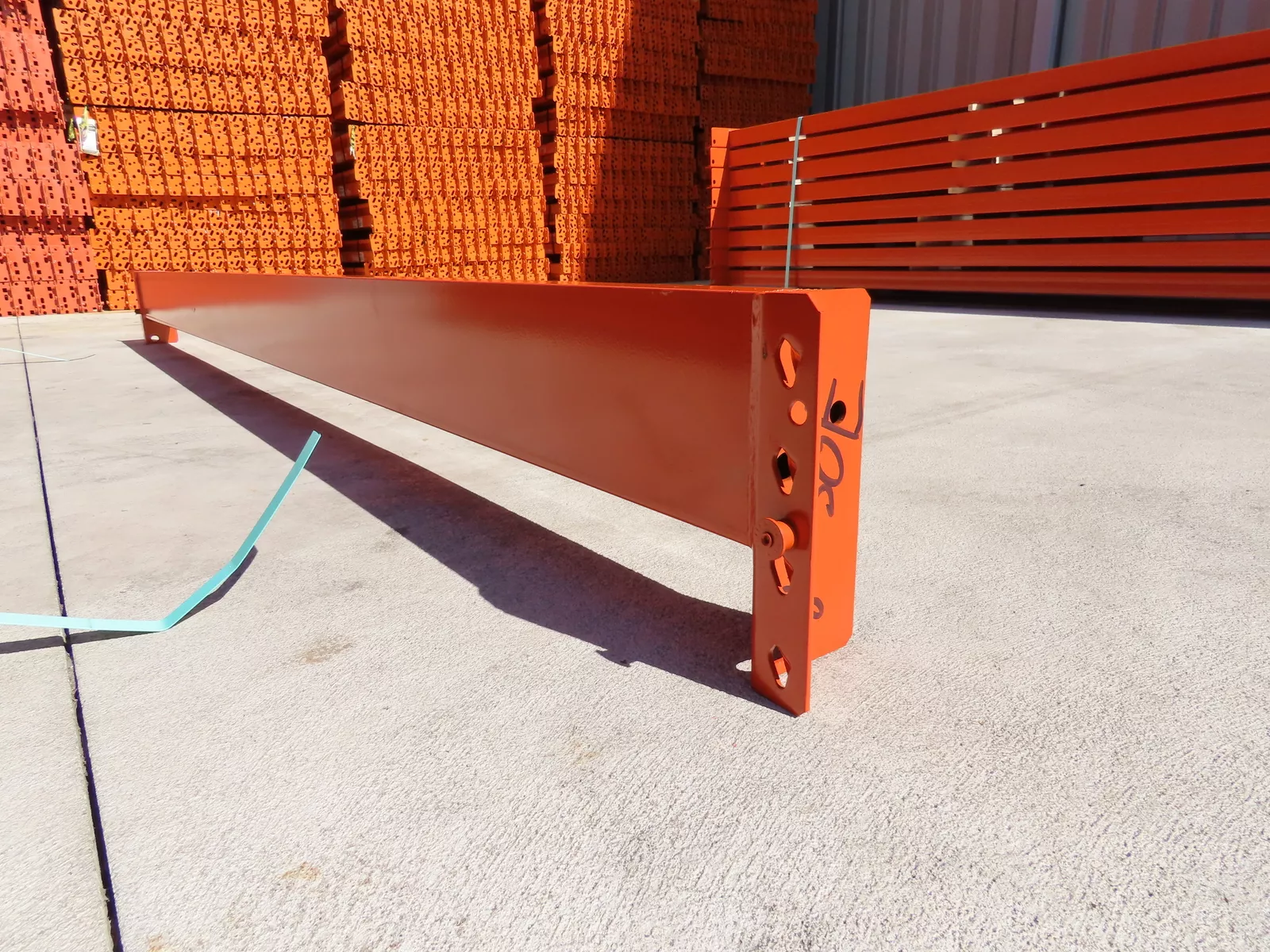
2. Beam: Horizontal supports in racking systems that hold the weight of stored items above.
3. Upright: The vertical posts in a racking system that provide structural integrity and support for beams.
4. Load Capacity: The maximum weight that a racking system can safely support without risk of failure.
5. Pallet: A flat structure used for transporting and storing goods, typically used in warehouse racking systems.
6. Selective Racking: A type of racking system that allows easy access to all stored pallets and items, maximizing flexibility.
7. Drive-In Racking: A high-density racking system where forklifts can drive into the racking structure to load/unload products, saving space but limiting access.
8. FIFO (First-In, First-Out): An inventory management method where the oldest inventory items are used or sold first to minimize waste.
9. LIFO (Last-In, First-Out): An inventory management strategy where the most recently added items are the first to be removed from storage.
10. Inventory Turnover: A measure of how often inventory is sold and replaced over a period, indicating the efficiency of inventory management.
11. Vertical Storage: Utilizing height in storage design to maximize space efficiency in a warehouse.
12. Cross-Docking: A logistics practice where incoming goods are directly transferred to outgoing transport without being stored in the warehouse.
13. Space Utilization: The effective use of warehouse space, including layout and design, to maximize storage and operational efficiency.
14. Access Aisles: Paths created between racking systems that allow forklifts and personnel to easily reach stored items.
15. Pick Rate: The speed at which items can be picked and prepared for shipment, an essential metric for warehouse efficiency.
16. Slotting: The process of determining the optimal placement of products in a warehouse to improve picking efficiency.
17. Safety Stock: Extra inventory kept on hand to prevent stockouts and ensure timely order fulfillment.
18. Stock Keeping Unit (SKU): A unique identifier for each distinct product and service that can be purchased.
19. Lead Time: The time it takes for an order to be fulfilled and delivered, critical for inventory management.
20. Dynamic Racking: A racking system that adjusts to inventory levels and turnover, often using automated technologies.
21. Static Racking: Fixed racking systems that do not change configurations and are designed for specific inventory types.
22. Warehouse Management System (WMS): Software designed to optimize warehouse operations, including inventory management, tracking, and order fulfillment.
23. Ergonomics: The study and design of equipment and spaces to improve comfort and efficiency for workers in a warehouse setting.
24. Order Picking: The process of retrieving items from inventory for shipment, a key operation in warehouse management.
25. Forklift: A powered industrial vehicle used to lift and move materials over short distances, essential in warehouse operations.
26. Blending: Combining multiple SKUs into a single outgoing shipment to optimize transportation efficiency and reduce costs.
27. Cycle Count: A physical inventory auditing procedure where a subset of inventory is counted on a specific day, improving accuracy in stock levels.
28. Return on Investment (ROI): A financial metric used to evaluate the profitability of an investment in warehouse design and automation.
29. Lean Warehousing: A methodology focused on eliminating waste and improving efficiency in warehouse operations.
30. Modular Racking Systems: Adjustable racking setups that can be modified or expanded based on changing storage needs or inventory types.
Glossary Of Terms
Other Questions
Is Your Warehouse Racking Design Costing You Time and Money? – Other Questions
If you wish to explore and discover more, consider looking for answers to these questions:
- What are the key characteristics of an effective warehouse racking design?
- How can I identify if my warehouse layout is inefficient?
- What are the benefits of consulting with warehouse layout experts?
- How do I choose the right pallet racking system for my business needs?
- What common mistakes should I avoid when designing my warehouse racking?
- What technologies can assist in optimizing warehouse operations?
- How does warehouse layout affect order fulfillment speed?
- What types of pallet racking systems exist and how do they differ?
- How can I effectively train my team on new racking systems?
- Are there financial incentives or grants for optimizing warehouse facilities?
- How can regular assessments improve my warehouse’s efficiency over time?
- What industry standards and regulations should my racking systems comply with?
- What role does employee feedback play in improving warehouse layout?
- How do seasonal changes in inventory affect racking design decisions?
- What are the safety risks associated with poor racking design?
Other Questions
Checklist
Is Your Warehouse Racking Design Costing You Time and Money? – A Checklist
Checklist: Is Your Warehouse Racking Design Costing You Time and Money?
1. Evaluate Current Racking System
_____ Conduct a thorough inspection of your pallet racking system.
_____ Identify any obvious issues such as clutter and disorganization.
_____ Assess the flow of inventory to ensure easy access to items.
2. Maximize Space Utilization
_____ Confirm that vertical storage space is being fully utilized.
_____ Explore customizable pallet racking solutions to adapt to changing inventory.
_____ Determine if rearranging items could allow for better storage capacity.
3. Improve Workflow Efficiency
_____ Analyze whether your racking design aligns with shipping and receiving schedules.
_____ Check if retrieval times are reasonable, and strategize to minimize search time.
_____ Gather employee feedback to identify workflow bottlenecks.
4. Ensure Safety Compliance
_____ Familiarize yourself with industry safety standards (ANSI, OSHA, etc. ).
_____ Conduct regular safety inspections to assess racking integrity and mitigate risks.
_____ Provide training for employees on proper handling and safety measures.
5. Enhance Inventory Management
_____ Review your inventory management practices for overstocking or wasted space.
_____ Implement just-in-time inventory techniques to keep storage lean.
_____ Use warehouse management software for real-time tracking and analysis.
6. Assess Labor Impact
_____ Analyze how much time employees spend searching for items.
_____ Measure employee productivity levels and correlate with racking efficiency.
_____ Consider the impact of a well-designed racking system on overall morale.
7. Schedule Regular Assessments
_____ Plan formal checks every six months.
_____ Encourage informal checks by employees to maintain accountability.
_____ Create a simple assessment checklist for daily use by warehouse staff.
8. Invest in Technology
_____ Explore automated systems for pallet handling.
_____ Consider using warehouse management software to enhance operational oversight.
_____ Stay informed about industry technology trends that could optimize your warehouse.
9. Engage Team for Continuous Improvement
_____ Foster an open environment for employee suggestions on improving operations.
_____ Regularly communicate the importance of an optimized racking system to the team.
_____ Involve employees when rearranging or re-evaluating the racking layout.
10. Document Changes and Improvements
_____ Record the impacts of changes made to the racking system.
_____ Compare labor costs and productivity metrics before and after implementation.
_____ Monitor for continuous improvement and revisit strategies regularly.
By following this checklist, you’ll be better positioned to assess your warehouse’s racking design and determine if it’s indeed costing you time and money. Take actionable steps for improvement today!
Checklist
At RackingWorld, we help guide you through selecting warehouse storage systems and racking.
Be sure to read our other related stories at RackingWorld to learn more about warehouse storage systems.
0 Comments