
Modernize Your Warehouse Racking For Employee Safety
By Tom Seest
At RackingWorld, we help guide you through selecting warehouse storage systems and racking.
Be sure to read our other related stories at RackingWorld to learn more about warehouse storage systems.
Is Your Outdated Warehouse Racking System Betraying Employee Trust?
In the fast-paced world of logistics and warehousing, your employees are your most valuable asset. They are the backbone of your operation, and their trust is paramount. But how can you expect them to perform at their best if they’re surrounded by an outdated pallet racking system that hinders their efficiency and safety? Picture this: Your team walks into work every day, greeted not by streamlined operations but by rickety shelves that seem to defy any semblance of order. Not only does this create a disorganized environment, but it fosters a culture of uncertainty and frustration.
Consider the role of pallet racking in your warehouse. This isn’t just a collection of metal beams; it’s a framework that can either support a thriving workplace or contribute to an atmosphere of mistrust and unease. When you cling to antiquated systems, you’re sending a message: “My priorities lie elsewhere.” Employees notice this disparity. They see you investing in technology, marketing campaigns, or even ornate break rooms, while the very tools of their trade remain stagnant. This oversight can erode their sense of belonging and commitment to your vision.
Let’s be real: nobody wants to navigate through a labyrinth of unstable racks, risking injury and inefficiency. It bogs down productivity, diminishes morale, and transforms your welcoming workplace into a chaotic maze. Instead, try envisioning a warehouse with sleek, modern pallet racking systems meticulously designed to optimize workflow and foster safety. This investment isn’t merely about aesthetics; it’s about reinforcing trust. When your employees see you taking the time to upgrade their tools, they feel valued. They can sense that you care, and that translates to enhanced job satisfaction.
Think back to your last team meeting. Did you notice disengagement when discussing company metrics? Perhaps you sensed frustration creeping into conversations? Your outdated racking might be silently sabotaging those moments of connection. It’s time to break that cycle. Replacing your tired, outdated shelving not only elevates your operational efficiency—fostering an environment where employees can thrive—but also signals that you genuinely care about their wellbeing.
Make a change. Together, let’s build a workplace where trust is not just a buzzword, but a reality. Modernize your pallet racking system, and watch as it transforms your warehouse—and your team’s attitude—into a fortress of confidence and productivity.
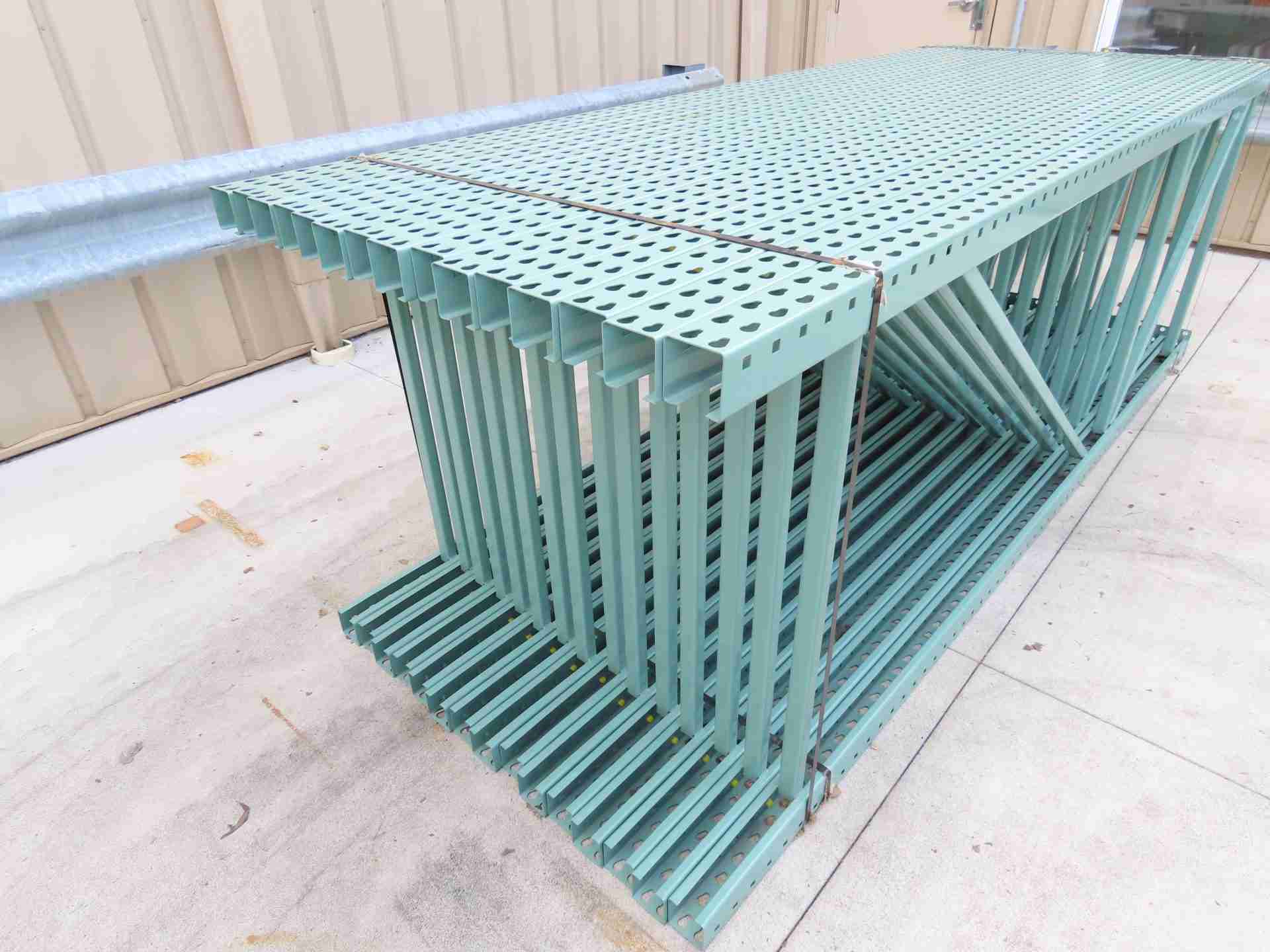
Is Your Outdated Warehouse Racking System Betraying Employee Trust?
Is Your Outdated Warehouse Racking System Betraying Employee Trust?
- Employees are the most valuable asset in logistics and warehousing, and their trust is essential.
- Outdated pallet racking systems hinder efficiency and safety, leading to a disorganized environment.
- Pallet racking serves as a framework that can either support a thriving workplace or create mistrust.
- Neglecting modern equipment diminishes employee sense of belonging and commitment to the company.
- Upgrading to modern pallet racking improves safety and workflow, reinforcing trust and valuing employees.
- Outdated shelving can lead to disengagement and frustration among employees during discussions.
- Investing in modern racking systems fosters a productive workplace and boosts employee morale.

Is Your Outdated Warehouse Racking System Betraying Employee Trust?
Table Of Contents
- Is Your Outdated Warehouse Racking System Betraying Employee Trust?
- What Are The Signs Of An Outdated Warehouse Racking System?
- How Does An Outdated Racking System Affect Employee Safety?
- Can An Aging Racking System Impact Operational Efficiency?
- What Costs Are Associated With Maintaining Old Racking Systems?
- How Often Should Warehouse Racking Systems Be Inspected?
- What Safety Standards Should Modern Racking Systems Meet?
- Conclusion
- Other Resources
- Glossary Of Terms
- Other Questions
- Checklist
What Are The Signs Of An Outdated Warehouse Racking System?
In the fast-paced world of warehousing and distribution, your operations rely heavily on effective organization and space utilization. If you find yourself in a battle with clutter, inefficiency, or safety hazards, it might be time to evaluate your pallet racking system. But how do you know if it’s outdated? Here are some clear signs that should raise a red flag.
1. Frequent Damage: If your pallet racking often shows signs of wear and tear, this is a glaring indication of obsolescence. Bent beams, cracked uprights, or compromised safety features not only diminish your storage capacity but also present serious safety concerns. Remember, a deteriorating structure can lead to costly accidents.
2. Inflexibility: Modern warehouses thrive on adaptability. If your racking system limits your ability to change configurations, add new SKUs, or accommodate different product sizes, it’s time for an upgrade. An outdated pallet racking system becomes a bottleneck rather than a facilitator of growth.
3. Low Accessibility: A system that requires excessive climbing or maneuvering to access products can lead to inefficiencies. If employees are regularly struggling to retrieve items or having to reorganize the racking just to reach key products, it’s a signal that your system is out of sync with today’s operational demands.
4. Safety Concerns: An environment that is not prioritizing safety is a recipe for disaster. If your warehouse lacks necessary safety features like proper labeling, rack inspections, or effective weight distribution practices, your outdated racking could put your employees and inventory at risk.
5. Inefficient Space Utilization: If you find yourself cramming products into tight spaces or needing to rent additional storage because your current system can’t handle your inventory effectively, it’s time for a change. A new, state-of-the-art pallet racking system can optimize your space, leading to improved workflow and significant cost savings.
6. Outdated Technology: If your racking system doesn’t integrate with modern inventory management technology or fails to support current automation trends, you’re likely holding your operations back. Technology evolves rapidly, and your racking should reflect that dynamism.
Take Action Now: Trust your instincts – if these signs resonate with you, don’t wait for a mishap to occur. Engaging with a professional to assess your current pallet racking system can save you time, money, and hassle in the long run. Embrace change, innovate, and keep your warehouse thriving!
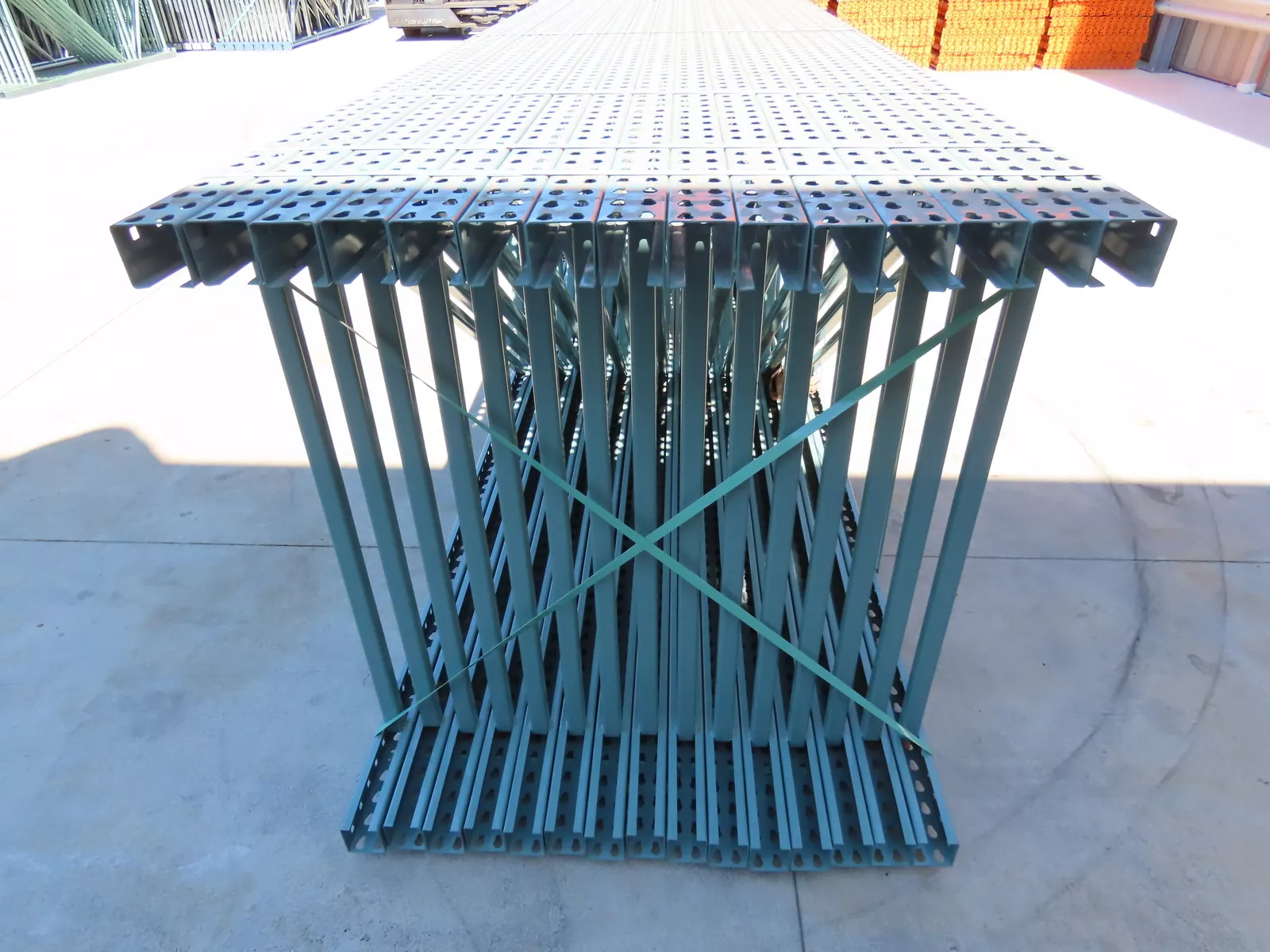
What Are The Signs Of An Outdated Warehouse Racking System?
What Are The Signs Of An Outdated Warehouse Racking System?
- Frequent Damage: Signs of wear like bent beams and cracked uprights indicate obsolescence and safety concerns.
- Inflexibility: Outdated systems limit adaptability for changing configurations, new SKUs, or varying product sizes.
- Low Accessibility: Difficulty in accessing products leads to inefficiencies and operational disruptions.
- Safety Concerns: Lack of safety features increases risk to employees and inventory.
- Inefficient Space Utilization: Cramped storage or the need for additional space indicates a need for a new racking system.
- Outdated Technology: Failure to integrate with modern inventory technology can hinder operational efficiency.
- Take Action Now: If these signs resonate, consult a professional to assess and upgrade your pallet racking system.
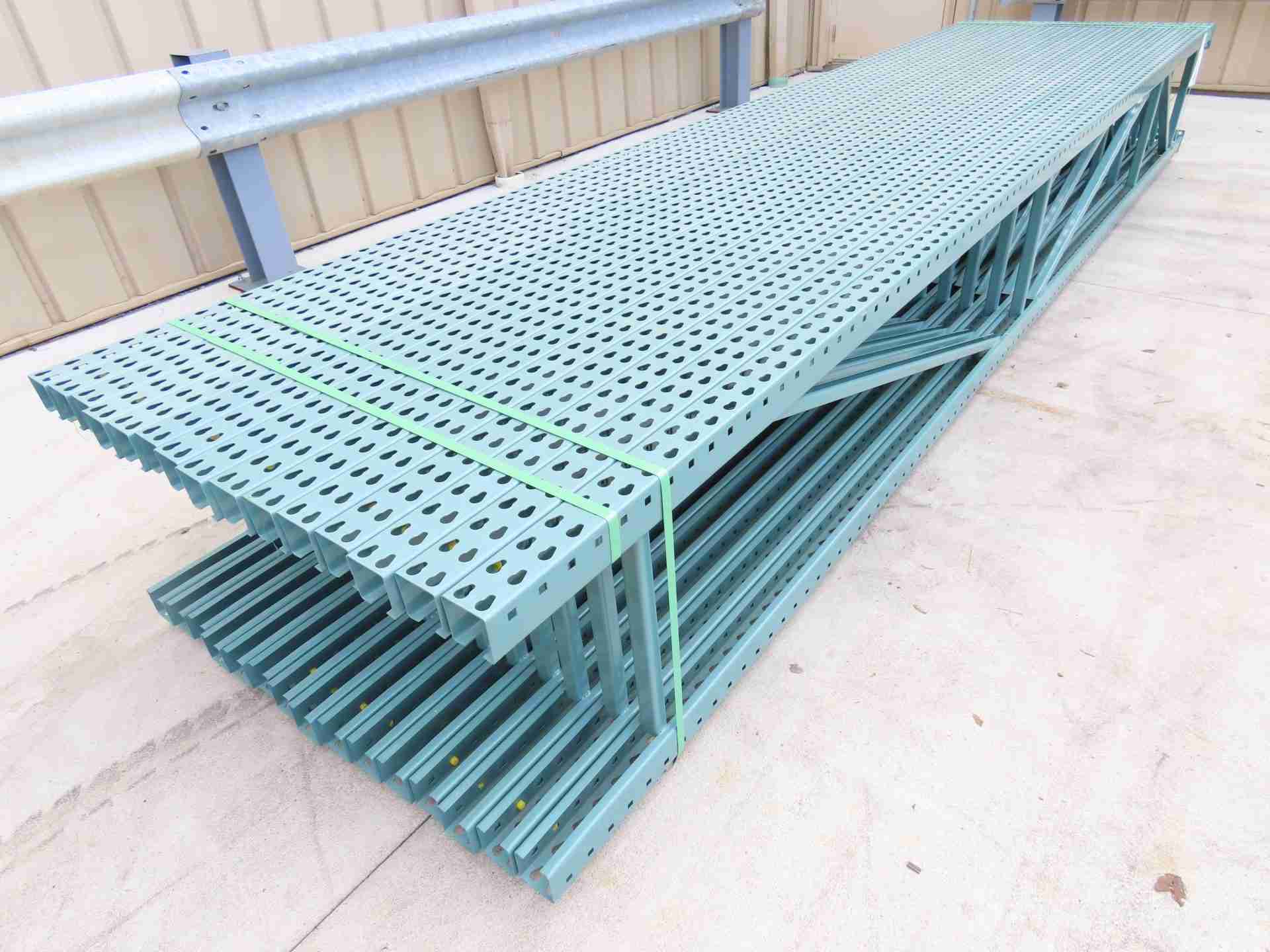
What Are The Signs Of An Outdated Warehouse Racking System?
How Does An Outdated Racking System Affect Employee Safety?
How Does an Outdated Racking System Affect Employee Safety?
Imagine walking into a warehouse and being greeted by the sight of an outdated pallet racking system. What you might see is not just a maze of steel and pallets, but a potential recipe for disaster. An outdated racking system can create an environment fraught with safety hazards, putting not only your employees at risk but also your bottom line.
When safety measures fall behind modern standards, you invite chaos. A crumbling pallet racking system can lead to instability, which increases the likelihood of accidents. Heavy loads tipping over, pallets collapsing, and employees dodging falling merchandise become common stressors. The reality is, every time an employee steps onto the warehouse floor, they should feel secure in their surroundings—not anxious about the next potential catastrophe hanging over their heads. It’s more than just an inconvenience; it could lead to serious injuries or, in the worst-case scenario, loss of life.
Now, let’s talk about how an outdated racking system doesn’t just jeopardize employee health—it also cripples productivity. Imagine a picker struggling to locate a product because the layout is inefficient, or encountering obstacles that weren’t designed for today’s fast-paced environment. Employees can’t work efficiently or safely if they’re constantly fighting against the very system intended to help them. This leads to frustration, lowered morale, and ultimately, higher turnover rates.
Think about it: if you wouldn’t drive a decade-old car with questionable brakes, why would you allow your employees to work in a facility equipped with outdated racking systems? Investing in modern pallet racking solutions not only protects your team but also fosters a culture of safety and professionalism.
When you upgrade your warehouse with state-of-the-art pallet racking that adheres to the latest safety standards, you send a powerful message: you care about your employees. This builds trust and loyalty. Who wouldn’t want to work for a company that prioritizes their safety and well-being?
Make the right choice today. Evaluate your current racking system, and if it’s lagging behind, take action. Reinforce your commitment to safety. Your employees deserve an environment where they can thrive; their safety should never be an afterthought. Step into the future with a racking system that sets the standard for excellence and ensures that your team is safe, efficient, and motivated.
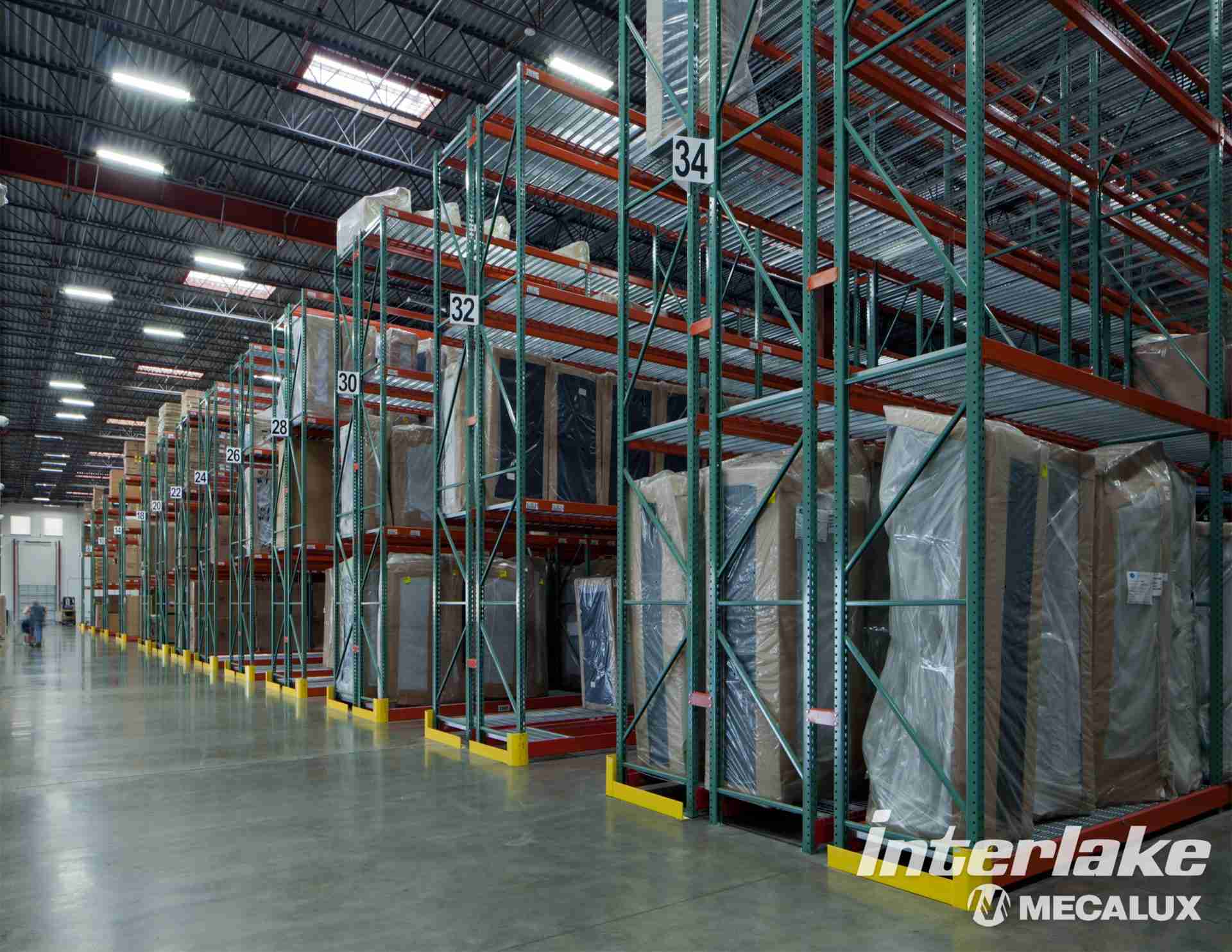
How Does An Outdated Racking System Affect Employee Safety?
How Does An Outdated Racking System Affect Employee Safety?
- An outdated pallet racking system poses numerous safety hazards for employees.
- Inadequate safety measures can lead to accidents caused by instability, such as pallets collapsing or heavy loads tipping over.
- Employees should feel secure while working, and an outdated system creates anxiety about potential accidents.
- An inefficient racking layout hinders productivity, causing frustration and lowered morale among workers.
- High turnover rates can result from a challenging work environment centered around outdated infrastructure.
- Investing in modern pallet racking solutions fosters a culture of safety, enhancing trust and loyalty among employees.
- Evaluating and upgrading to current safety standards is essential for creating a thriving workplace where employees feel safe and valued.
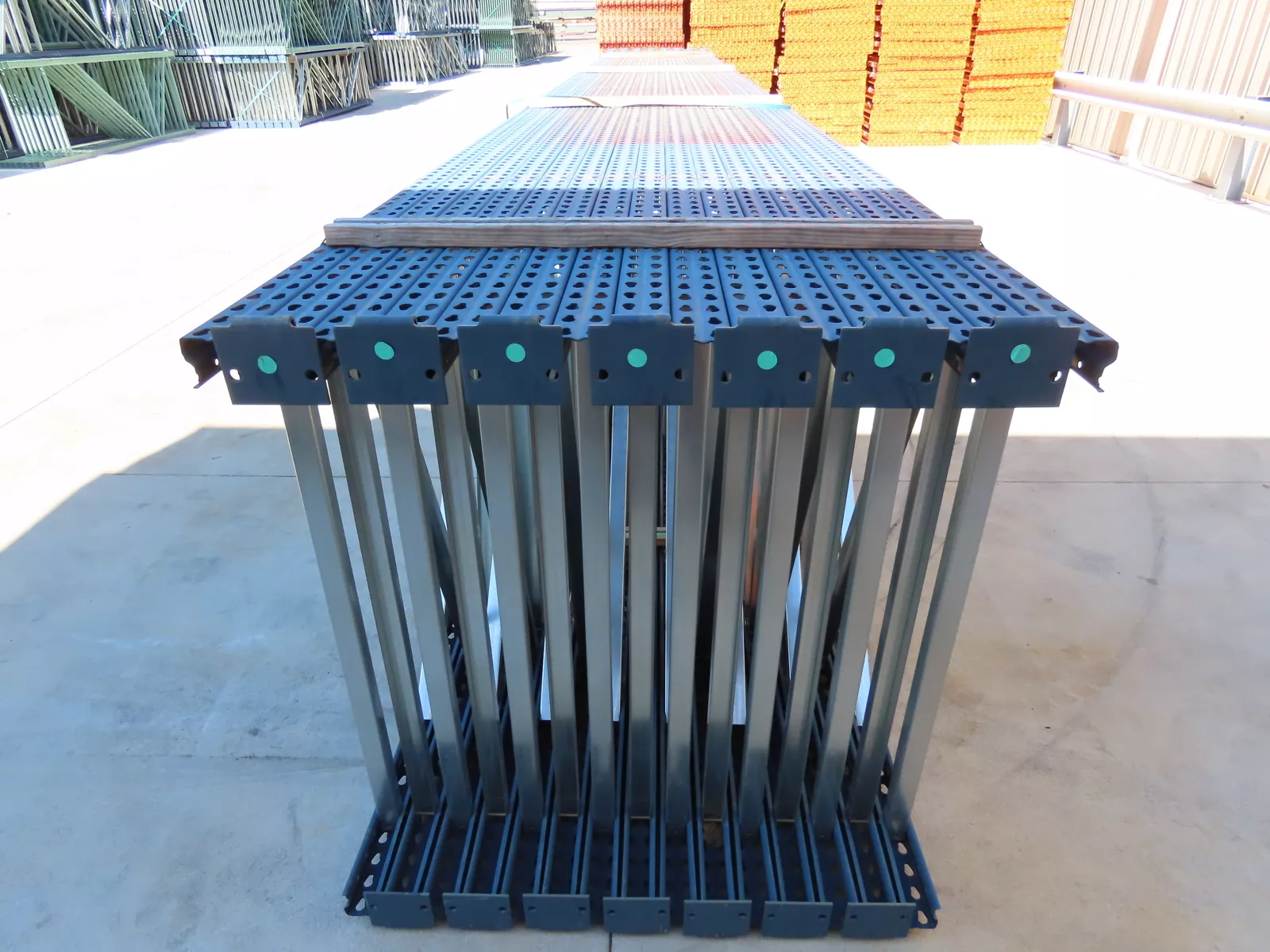
How Does An Outdated Racking System Affect Employee Safety?
Can An Aging Racking System Impact Operational Efficiency?
In the bustling world of warehousing and distribution, the efficiency of your operations hinges on countless factors. One often overlooked but critically important element is your pallet racking system. Imagine walking through your facility and noticing how an aging racking system quietly churns away at your operational efficiency—like a ticking time bomb waiting to disrupt your flow. You want to maximize every square foot of your storage space, streamline processes, and maintain a safety-first environment. But if your pallet racking is outdated or compromised, your entire operation could be a house of cards, ready to collapse.
Consider this: every time your team struggles to retrieve a pallet, or every time an item is damaged due to racking inadequacies, it doesn’t just cost you time and money—it’s robbing you of opportunities. An efficient warehouse operates like a well-oiled machine, orchestrating people, processes, and technology in harmony. Our lives are busy, and we often think we can make do with the status quo. But being stuck in that mindset can lead to costly mistakes. Aging pallet racking systems are often responsible for hidden inefficiencies that can sabotage your bottom line.
Now, think about the last time you invested in upgrading equipment. That leap generated excitement and new energy. Rejuvenating your pallet racking system doesn’t just improve efficiency; it can empower your team, spark motivation, and unleash potential you didn’t even know existed. Newer designs provide better space utilization, reduce the need for excessive handling, and enhance safety protocols. Plus, they are often engineered with the latest advancements in technology, ensuring that you stay one step ahead of your competition.
Now is the time to take action. Don’t wait for that next near-disaster to be your wake-up call. Getting a handle on your pallet racking situation isn’t just about fixing problems—it’s about investing in your future. Envision the pride and confidence overflowing from your team when they know they’re supported by safe, efficient systems. When you prioritize your warehouse infrastructure, you’re not just re-stacking the odds in your favor; you’re creating an environment that champions excellence.
Let’s work together to reshape your operational landscape. Your commitment to an upgraded pallet racking system can lead to unparalleled improvements in productivity, safety, and ultimately, profitability.
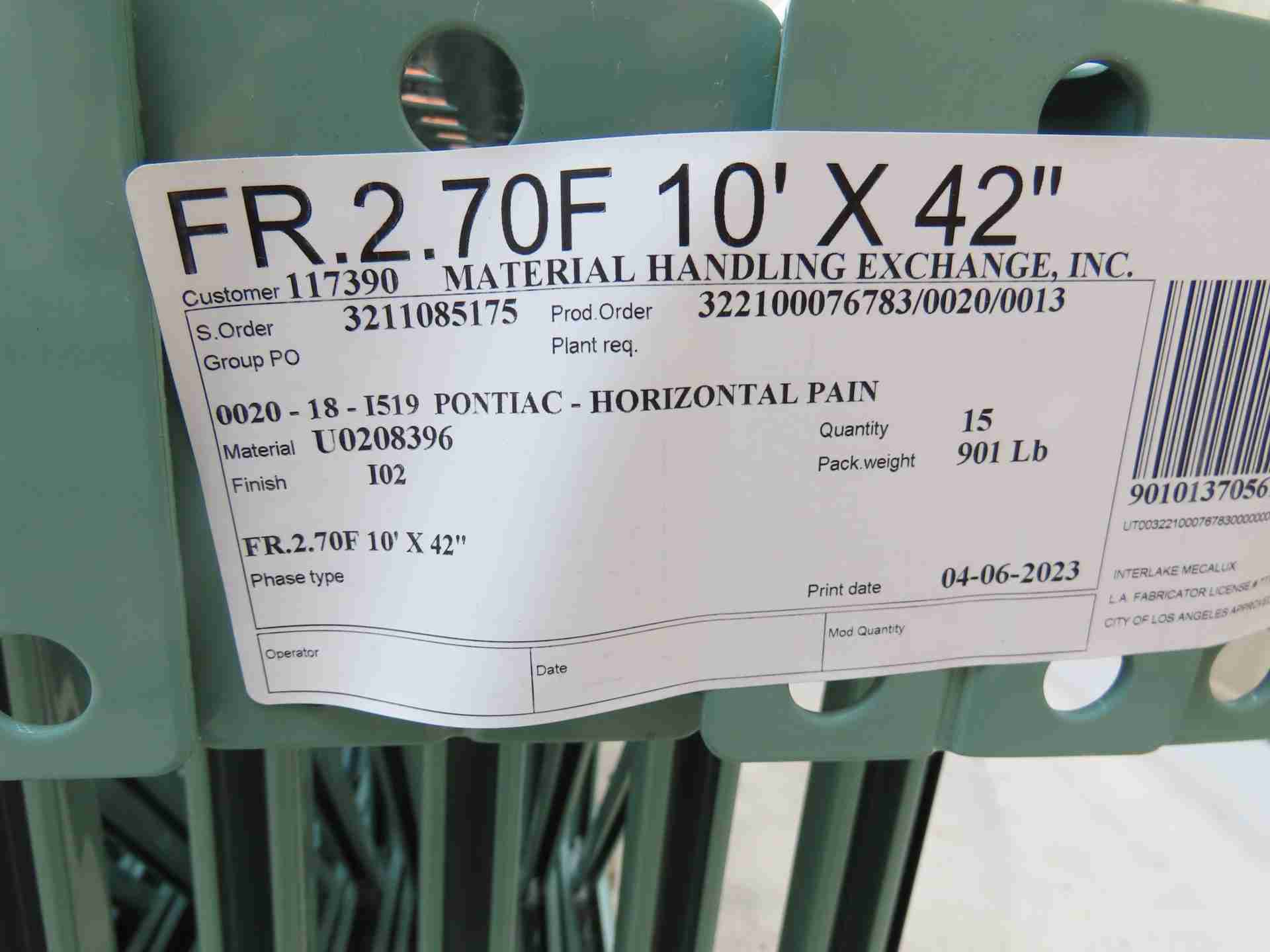
Can An Aging Racking System Impact Operational Efficiency?
Can An Aging Racking System Impact Operational Efficiency?
- Pallet racking systems are crucial for efficient warehousing and distribution operations.
- An aging racking system can significantly disrupt operational flow and efficiency.
- Outdated racking can lead to increased costs and missed opportunities due to time lost and damaged items.
- Investments in upgrading pallet racking systems can rejuvenate efficiency and boost team motivation.
- Newer racking designs enhance space utilization, reduce handling, and improve safety protocols.
- Prioritizing warehouse infrastructure investments fosters an environment of excellence and boosts confidence.
- Upgrading pallet racking can lead to improvements in productivity, safety, and overall profitability.
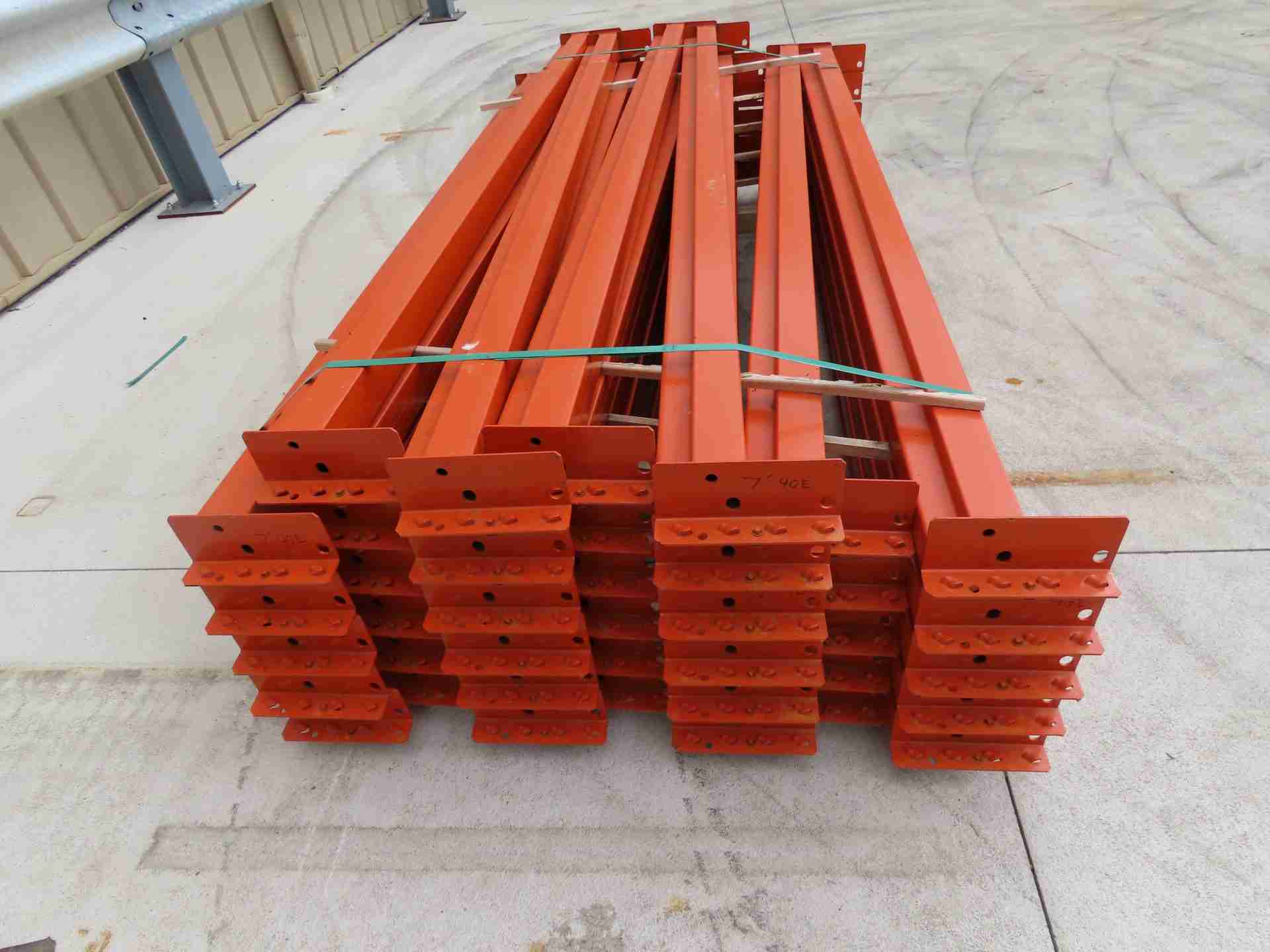
Can An Aging Racking System Impact Operational Efficiency?
What Costs Are Associated With Maintaining Old Racking Systems?
When we think about warehouse efficiency, one element often overlooked is the cost associated with maintaining older pallet racking systems. While the initial investment of purchasing racking might feel like a distant memory, the ongoing costs can creep up on your bottom line significantly. Consider this your friendly reminder to take a closer look at those aging racks before they age you in the process!
First, let’s talk about wear and tear. Like a trusty old car, pallet racking can experience significant degradation over years of heavy use, leading to the eventual need for repairs or replacements. Even a small amount of damage might seem innocuous at first glance, but a bend in a beam or a wobble in a post can gravely compromise safety and functionality. Every time that old racking system is subjected to weight, stress fractures can form, leading to potential collapses that could put employees at risk and disrupt operations.
Then there are the operational inefficiencies. Old racking systems often lack the innovative features of modern solutions — like adjustable heights or modular designs. This inflexibility can lead to suboptimal storage practices, increased time spent on retrieving items, and ultimately higher labor costs. If employees are spending more time maneuvering around outdated systems, it’s not just time lost; it’s money draining away without even being fully aware of it.
Don’t overlook compliance costs; maintaining an older pallet racking system may mean you’re not adhering to the latest safety and regulatory standards. Getting flagged during an inspection can lead to mandatory updates or replacements — all associated with costs you never planned for. So often, we hear stories of businesses that faced substantial fines or penalties because their racking did not meet new regulatory requirements. It’s a lesson learned the hard way.
Lastly, let’s consider the hidden costs of opportunity. As your competitors adopt newer, more efficient systems that maximize storage space and streamline operations, you could be falling behind, watching your market share dwindle. Investing in modern solutions offers not just immediate cost savings in maintenance but a competitive edge that helps you surge ahead.
It’s clear: keeping that old pallet racking system might seem economical in the short term, but looking at the bigger picture tells a different story. Investing wisely today pays dividends in efficiency, safety, and competitive advantage tomorrow. Don’t let complacency dictate your fate. Take action and evaluate your racking; it may just be the smartest business decision you make this year!
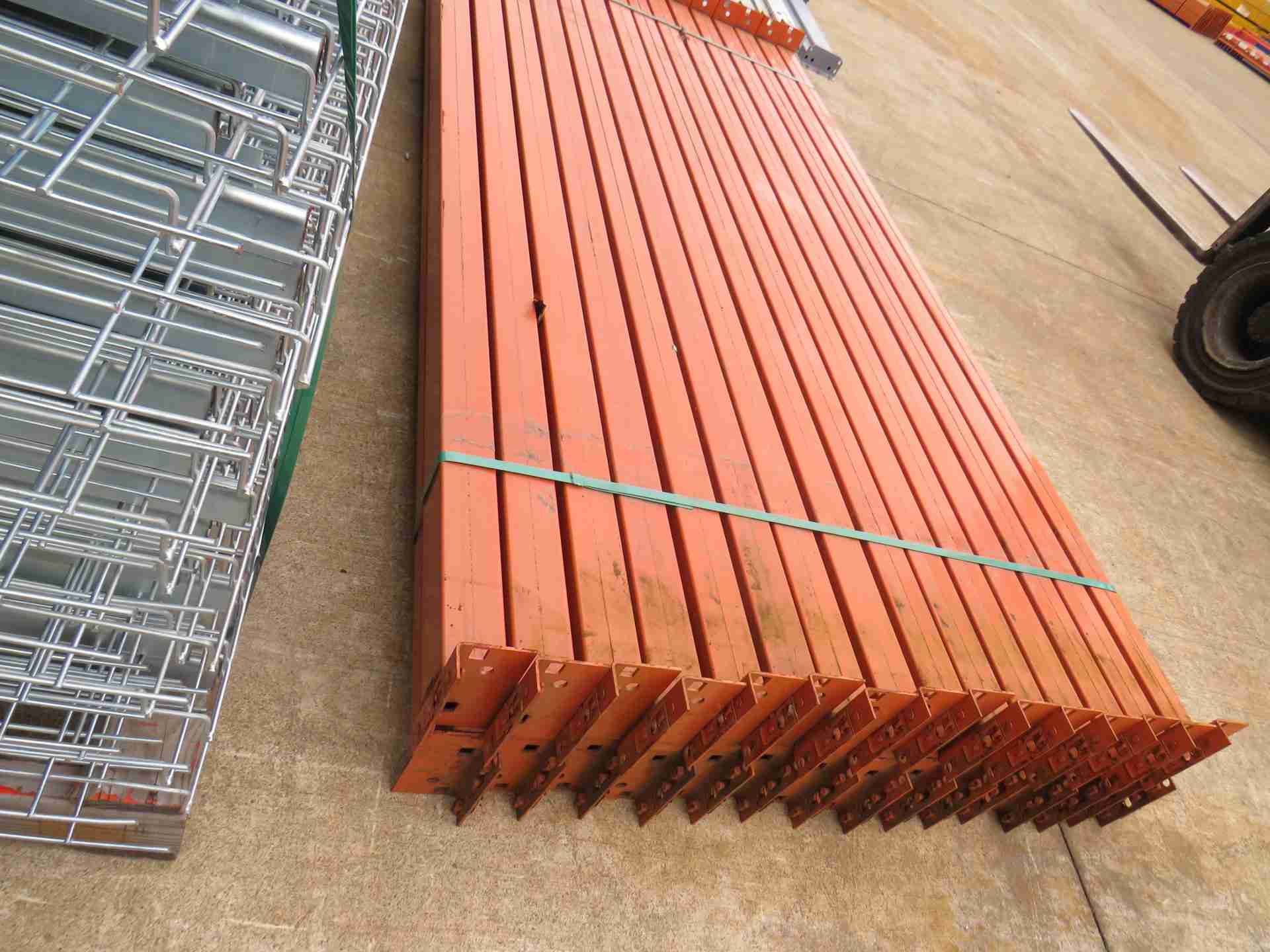
What Costs Are Associated With Maintaining Old Racking Systems?
What Costs Are Associated With Maintaining Old Racking Systems?
- Maintaining older pallet racking systems incurs hidden ongoing costs that affect profitability.
- Wear and tear can lead to significant degradation and safety risks, including potential collapses.
- Old racking systems lack modern features, resulting in operational inefficiencies and higher labor costs.
- Compliance costs can arise from not meeting the latest safety and regulatory standards, risking penalties and mandatory updates.
- Older systems may hinder competitiveness as rivals adopt more efficient storage solutions.
- Investing in modern racking can yield long-term savings, improve safety, and enhance competitive edge.
- Evaluating and upgrading racking systems is crucial for making informed business decisions that support growth.

What Costs Are Associated With Maintaining Old Racking Systems?
How Often Should Warehouse Racking Systems Be Inspected?
When it comes to warehouse operations, one of the most critical aspects is the safety and reliability of your Pallet Racking systems. Just imagine—your entire operation relies on sturdy, dependable storage solutions to keep your inventory organized and accessible. Yet, how often do we actually stop and ask ourselves: “When was the last time I inspected these racking systems?”
It’s easy to overlook routine inspections, especially when work is busy and orders are piling up. However, neglecting this critical task can lead to costly accidents, damaged goods, and, worse yet, a workplace injury. The truth is, inspecting your warehouse racking systems doesn’t have to feel like a chore. In fact, viewing these inspections as an investment in your operation can shift your mindset and elevate your business’s success.
So, how often does this inspection need to happen? The answer isn’t a one-size-fits-all solution. Regular inspections should occur at least once a year, but many industry experts recommend quarterly checks, especially if your warehouse sees heavy traffic or if your racking systems are subjected to considerable wear and tear. After all, like a car, your Pallet Racking needs maintenance, too!
Think about it this way: when you regularly inspect your racking systems, you’re not just safeguarding your product; you’re also safeguarding your team. A well-maintained racking system minimizes the risk of accidents, bolsters employee morale, and enables you to conduct business with confidence. You wouldn’t drive a car without checking the oil—so why would you let your racking systems go unchecked?
Visualize your warehouse not just as a space for storage, but as a hive of productivity and safety. Your commitment to regular inspections conveys a message to your team and your clients: you value their safety and your product’s integrity. This inspires confidence both internally and externally—a hallmark of successful business operations.
In summary, don’t let your racking systems fade into the background. Embrace a proactive approach and schedule your inspections. Establish a routine that ensures your Pallet Racking is always ready to serve your operation’s demands. By doing so, you’ll be investing in more than just steel beams—you’ll be investing in the future success of your warehouse.
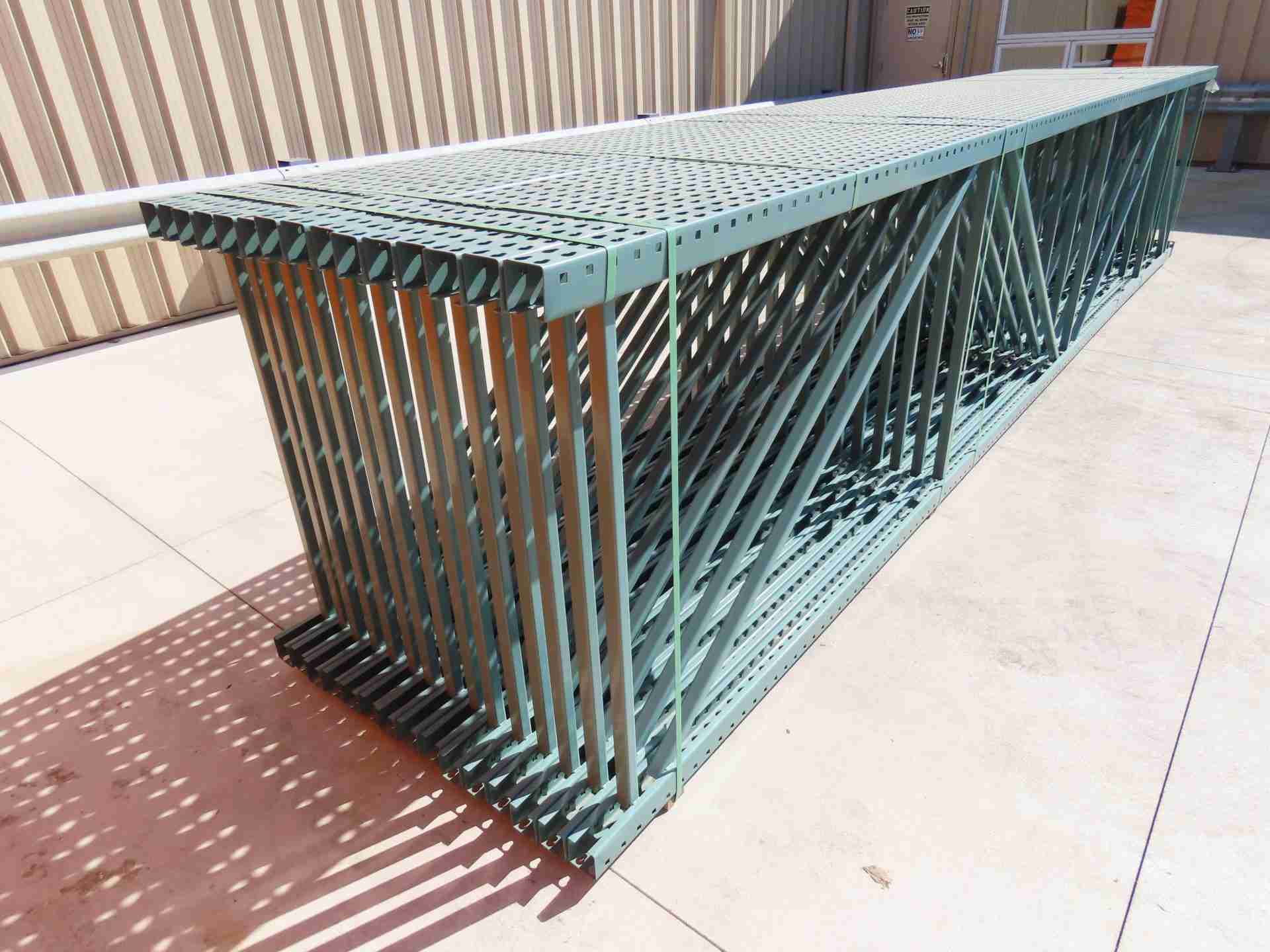
How Often Should Warehouse Racking Systems Be Inspected?
How Often Should Warehouse Racking Systems Be Inspected?
- The safety and reliability of Pallet Racking systems are crucial for warehouse operations.
- Routine inspections are often overlooked but are essential to prevent costly accidents and injuries.
- Inspections should occur at least once a year, with quarterly checks recommended for high-traffic warehouses.
- Regular inspections protect both products and team members, enhancing safety and morale.
- A well-maintained racking system promotes confidence in business operations.
- Commitment to inspections demonstrates value for team safety and product integrity.
- Scheduling regular inspections is an investment in the future success of the warehouse.

How Often Should Warehouse Racking Systems Be Inspected?
What Safety Standards Should Modern Racking Systems Meet?
When it comes to choosing the right pallet racking system for your warehouse or distribution center, safety should never be an afterthought; it should be at the forefront of your decision-making process. Picture this: your team is working tirelessly to meet tight deadlines, walking through aisles lined with towering racks of inventory. Now imagine the peace of mind that comes from knowing that your pallet racking is not just efficient but is also built to comply with the highest safety standards. That peace of mind is worth its weight in gold!
First and foremost, let’s talk about certifications. It’s not just about slapping a label on your pallet racking system; look for compliance with key industry standards such as the American National Standards Institute (ANSI) and the Occupational Safety and Health Administration (OSHA). These certifications signal a commitment to safety, ensuring that your racking systems can withstand the rigors of daily operations while minimizing the risk of accidents.
Consider the quality of the materials used in your pallet racking. High-grade steel, for instance, offers strength and durability that cheaper alternatives simply cannot match. Your racking system should be designed to handle the weight capacity of your stored products – there are industry guidelines regarding load limits that must be strictly adhered to. Ignoring these guidelines is not just risky; it can lead to catastrophic failure, endangering lives and crippling your operations.
Regular inspections and maintenance are another critical aspect of modern safety standards. Just like you wouldn’t drive a car without regular check-ups, your pallet racking system needs ongoing attention to ensure it remains compliant and safe. Invest in employee training to ensure your team understands the importance of recognizing when racks need repair or replacement. A knowledgeable workforce is your first line of defense against potential hazards!
Finally, don’t overlook the role of innovative design. Modern pallet racking systems offer features like integrated safety mechanisms, advanced load monitoring, and even flexibility to adapt to changing warehouse needs. The future is here, and it’s designed not just for efficiency but also for ultimate safety. Choose wisely, consult experts, and, above all, prioritize safety to create a thriving work environment.
In the world of logistics, safety isn’t just a feature – it’s a foundation. Make your pallet racking systems a testament to your commitment to safety, and watch your confidence and efficiency soar. So go ahead – let’s build safely and smartly!
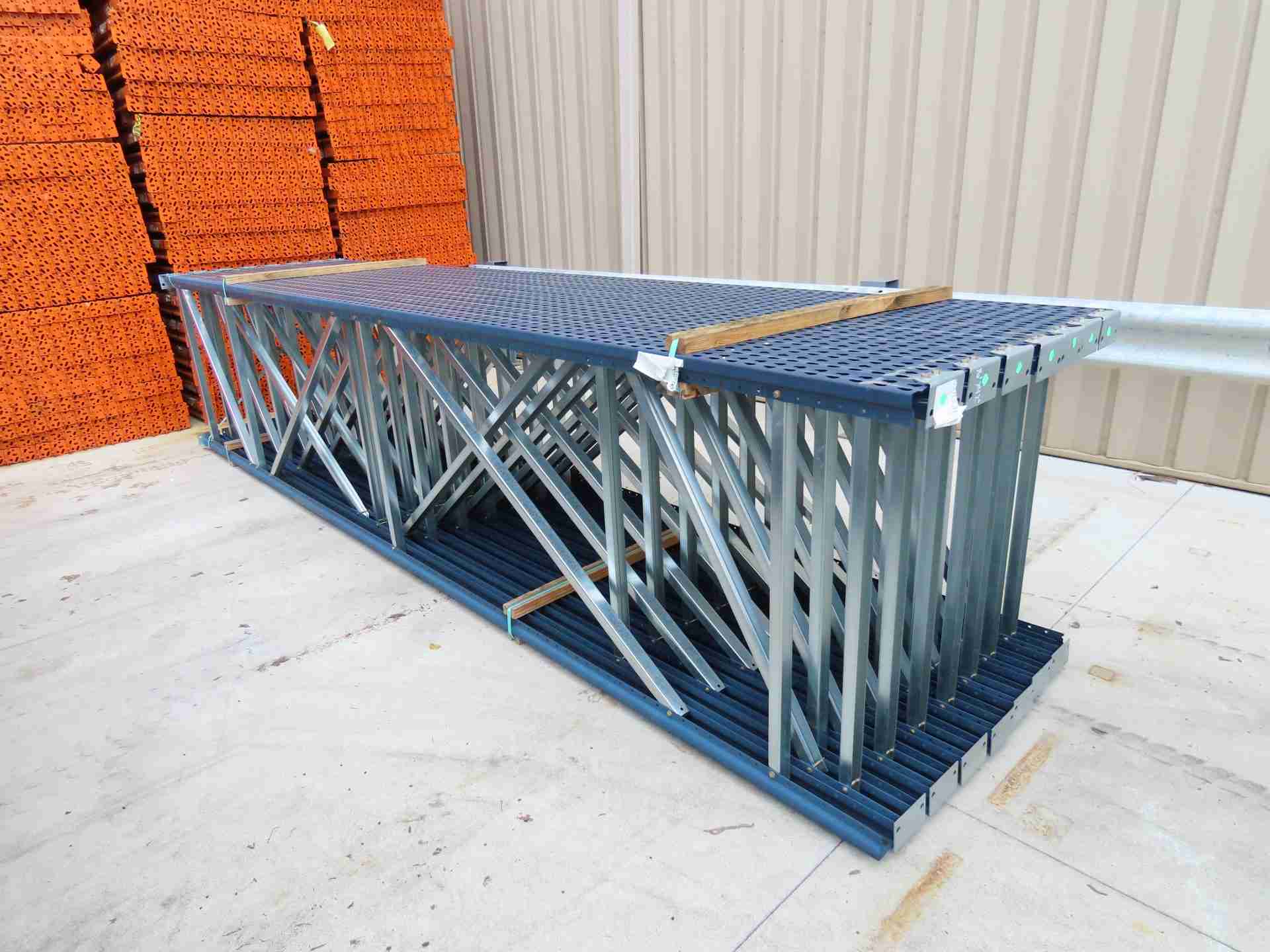
What Safety Standards Should Modern Racking Systems Meet?
What Safety Standards Should Modern Racking Systems Meet?
- Safety should be a top priority when choosing pallet racking systems for warehouses.
- Look for compliance certifications, such as ANSI and OSHA, indicating commitment to safety standards.
- Use high-grade materials, like steel, to ensure durability and strength of racking systems.
- Adhere to industry load limits to prevent catastrophic failures and protect lives.
- Conduct regular inspections and maintenance to keep racking systems compliant and safe.
- Invest in employee training to recognize when repairs or replacements are needed.
- Modern pallet racking designs include safety mechanisms and flexibility for evolving warehouse needs.
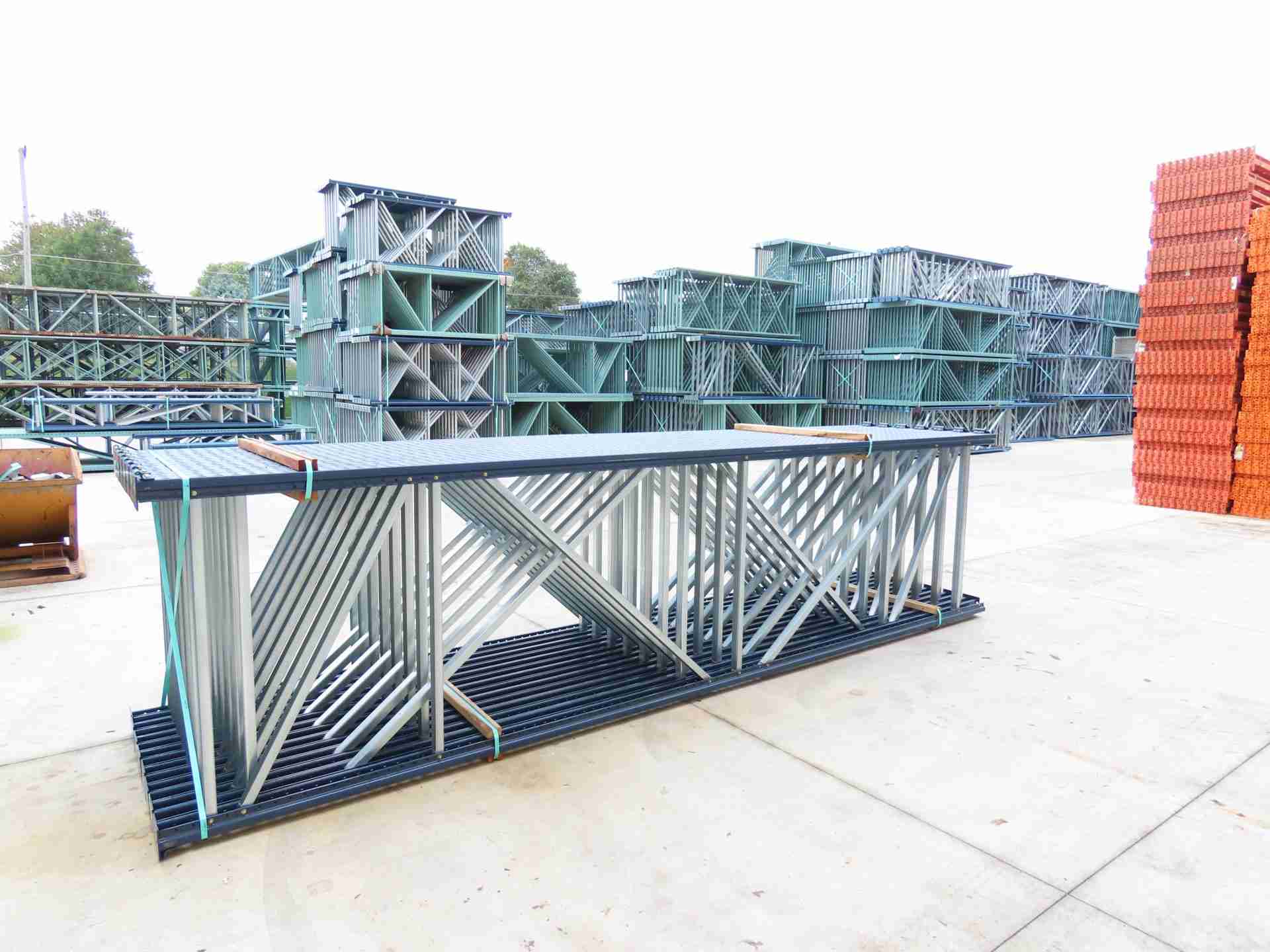
What Safety Standards Should Modern Racking Systems Meet?
Conclusion
Conclusion: Secure Your Warehouse’s Future with Modern Racking Solutions
In today’s fast-paced warehouse environment, it’s imperative to recognize that your employees are more than just workers; they are the foundation of your organization. Trust and security within the workplace start with the very systems that support your daily operations. An outdated pallet racking system doesn’t just limit efficiency; it can erode employee morale and safety. It’s time to take a hard, honest look at what outdated systems might be saying to your team. If you’re clinging to antiquated racking, what message does that send about your priorities?
The signs of an outdated racking system are undeniable: frequent damage, lack of flexibility, safety concerns, and inefficient space utilization are merely the beginning. These are not just operational inefficiencies—they’re warnings that, if ignored, can lead to catastrophic failures and compromise your biggest asset: your workforce. AS an industry leader, Arrow Industrial Sales understands that your warehouse should not be a labyrinth of chaos but a streamlined and productive workplace that empowers employees and enhances their safety.
If your racking system is lacking modern safety features and compliance with today’s rigorous standards, you are not just risking your inventory but also your employees’ well-being. By investing in state-of-the-art pallet racking, you signal to your team that you prioritize their safety and efficiency, boosting morale and trust in the long run.
With all that in mind, you must act before it’s too late. Don’t wait for a major mishap to become your wake-up call. If your current racking system exhibits any signs of outdatedness or inefficiency, now is the time to make a change. Arrow Industrial Sales is poised to guide you through this transformative journey, providing not only superior products but also tailored solutions to fit your unique operational needs.
The future of your warehouse rests on the decisions you make today. Why risk employee trust and operational efficiency any longer? Call Arrow Industrial Sales now at (574) 349-6575 for a consultation today! This isn’t just about upgrading your racking system; it’s about taking a bold step towards a safer, more efficient workplace that benefits everyone involved. Let’s build a better tomorrow together, where trust and productivity are foundational pillars of your warehouse operations. Don’t hesitate—make the smart move now, and reap the rewards for years to come!
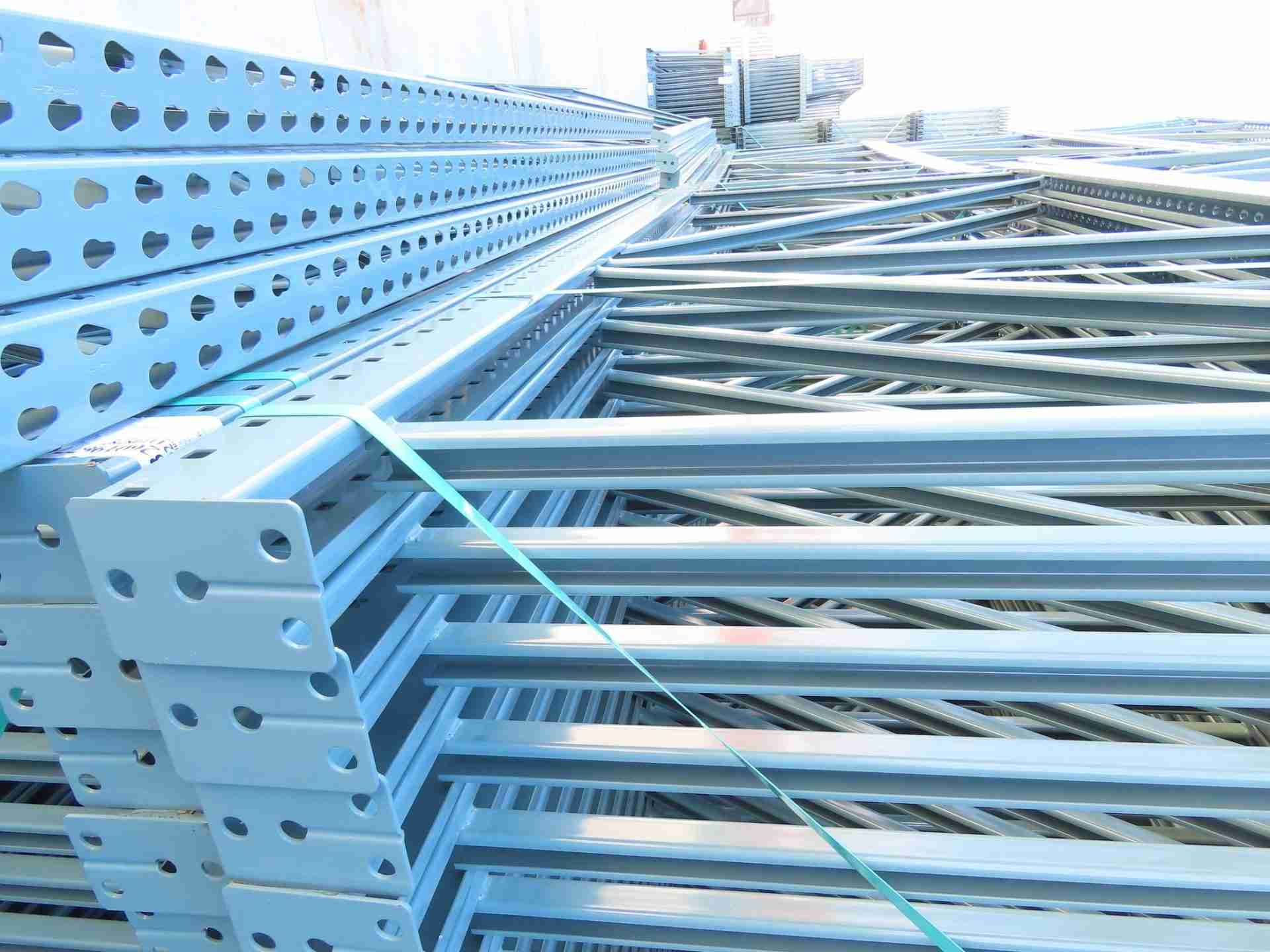
Conclusion
Conclusion:
- Recognize employees as the foundation of your organization, emphasizing their trust and safety.
- Outdated pallet racking systems can lead to decreased efficiency and eroded employee morale.
- Signs of an outdated system include frequent damage, lack of flexibility, and safety concerns.
- Ignoring these signs can result in catastrophic failures affecting the workforce.
- Investing in modern pallet racking enhances employee safety, morale, and operational efficiency.
- Take action before it’s too late; outdated systems require immediate attention to prevent major incidents.
- Contact Arrow Industrial Sales for tailored solutions to ensure a safer, more efficient warehouse.

Conclusion
Other Resources
Other Resources
Here is a list of other resources you can review online to learn more:
- What is Selective Pallet Racking
- Pallet Racking 101: A Comprehensive Guide & Options Explained
- Overhead Lifting
- Mustang Material Handling
- Warehouse Racking Chicago, IL
- Teardrop Pallet Rack – Ridg-U-Rak
- Warehouse Storage Racks
- MHI
- Racking World
- Selective Rack – Raymond West
Use This Prompt To Get More Resources With Your Favorite Online AI Tool: Please provide me with a list of online articles with their URLs in a bulleted list that I can read regarding Is Your Outdated Warehouse Racking System Betraying Employee Trust?
Other Resources
Glossary Terms
Is Your Outdated Warehouse Racking System Betraying Employee Trust? – Glossary Of Terms
1. Warehouse Racking: A storage system designed to hold goods and products in a warehouse, generally consisting of vertical and horizontal elements.
2. Outdated System: A racking system that no longer meets current safety standards, operational efficiency, or company needs.
3. Employee Trust: The confidence employees place in their employer and workplace conditions, often influenced by safety and operational practices.
4. Safety Standards: Regulations and guidelines that dictate safe practices and equipment use within warehouses to protect employees.
5. Operational Efficiency: The ability to minimize waste and maximize productivity in warehouse operations, often impacted by racking design.
6. Inventory Management: The process of overseeing and controlling ordering, storage, and usage of inventory, which can be improved with modern racking solutions.
7. Accessibility: The ease with which employees can reach stored items, significantly impacted by the layout and design of racking systems.
8. Load Capacity: The maximum weight a racking system can safely support, essential for preventing accidents and ensuring safety.
9. Ergonomics: The science of designing environments that maximize comfort and efficiency, essential for minimizing injuries in warehouses.
10. Training Programs: Structured educational sessions that teach employees how to safely operate equipment and handle materials in the warehouse.
11. Employee Morale: The overall attitude and satisfaction level of employees, which can be negatively affected by unsafe working conditions.
12. Warehouse Layout: The physical arrangement of storage, equipment, and pathways in a warehouse, influencing both safety and productivity.
13. Maintenance: Regular checks and repairs performed on racking systems to ensure they remain safe and effective for use.
14. Insurance Compliance: Adherence to policies and standards set by insurance companies regarding workplace safety and equipment usage.
15. Pallet Racking: A specific type of racking designed for storing pallets, widely used in warehouses for bulk storage.
16. Safety Inspections: Routine evaluations of equipment and environment to identify potential hazards and ensure compliance with safety regulations.
17. Hazard Identification: The process of recognizing potential safety risks associated with outdated systems and practices in warehouse settings.
18. Worker Feedback: Insights and opinions shared by employees regarding safety and efficiency, often used to improve system design and practices.
19. Modernization: The process of updating facilities and equipment to improve performance, safety, and employee satisfaction.
20. Automated Storage Systems: Advanced racking solutions that incorporate technology to simplify retrieval and storage processes.
21. OSHA Regulations: Standards set by the Occupational Safety and Health Administration in the U. S. , which dictate safety protocols in workplaces.
22. Risk Assessment: A systematic approach to analyzing potential hazards in the workplace and determining appropriate measures for mitigation.
23. Employee Retention: The ability of an organization to keep its employees over time, often linked to workplace satisfaction and safety.
24. Pallet Stacking: The method of organizing goods on pallets for storage; improper stacking can lead to hazards and safety issues.
25. Compliance Audits: Evaluations conducted to ensure that warehouse practices align with legal and regulatory safety requirements.
26. Workplace Culture: The shared values and practices within a workplace that can influence employee morale and trust.
27. High-Density Storage: A type of racking system designed to maximize space utilization, potentially increasing efficiency but requiring careful design regarding employee safety.
28. Risk Mitigation: Strategies and practices implemented to reduce the risks associated with warehouse operations, particularly with regard to safety.
29. Loading Docks: Areas in a warehouse designated for loading and unloading goods, often a source of potential safety concerns if not properly designed.
30. Employee Empowerment: The practice of involving employees in decision-making processes and encouraging them to voice concerns about safety and efficiency, fostering trust and loyalty.
Glossary Of Terms
Other Questions
Is Your Outdated Warehouse Racking System Betraying Employee Trust? – Other Questions
If you wish to explore and discover more, consider looking for answers to these questions:
- What are the costs associated with upgrading a warehouse racking system?
- How can I assess the current condition of my racking system?
- What are the latest technologies in pallet racking systems?
- What should I look for when choosing a new racking system?
- How can I train employees on safe racking practices?
- What types of pallet racking systems are available on the market?
- How can I ensure compliance with safety regulations in my warehouse?
- What are the long-term benefits of modernizing my racking system?
- Can a modern racking system improve inventory management?
- What are the signs that it’s time for a complete racking system overhaul?
Other Questions
Checklist
Is Your Outdated Warehouse Racking System Betraying Employee Trust? – A Checklist
Checklist: Is Your Warehouse Racking System Modern and Safe?
Evaluate Your Current Racking System:
1. Inspect for Damage:
_____ Check for bent beams or cracked uprights.
_____ Look for any safety features that are compromised.
2. Assess Flexibility:
_____ Can the racking system adapt to new configurations?
_____ Is it possible to accommodate different product sizes easily?
3. Evaluate Accessibility:
_____ Are employees able to easily access products without excessive climbing or maneuvering?
_____ Do employees struggle to retrieve items regularly?
4. Identify Safety Hazards:
_____ Does the racking system have proper labeling and signage?
_____ Are rack inspections conducted regularly?
_____ Is weight distribution properly managed?
5. Examine Space Utilization:
_____ Are products crammed into tight spaces?
_____ Are you renting additional storage due to inefficiencies in current racking?
6. Technology Compatibility:
_____ Does your racking system integrate with modern inventory management or automation technologies?
_____ Are you aware of current trends in warehouse technology?
Conduct Regular Inspections:
7. Schedule Routine Inspections:
_____ Implement inspections at least once a year; quarterly checks are recommended for high-traffic warehouses.
_____ Establish a routine for documenting inspection outcomes and addressing issues.
Prioritize Safety Standards:
8. Verify Compliance with Safety Standards:
_____ Ensure your racking systems comply with ANSI, OSHA, and other applicable safety regulations.
_____ Confirm that high-grade materials are used and meet industry guidelines for load limits.
9. Invest in Employee Training:
_____ Provide training for employees on recognizing when racking needs repair or replacement.
_____ Cultivate a culture of safety awareness among all warehouse staff.
Plan for Upgrades:
10. Consider Modern Alternatives:
_____ Research new racking systems that enhance efficiency and safety.
_____ Evaluate whether investing in modern systems could reduce long-term maintenance costs and improve employee satisfaction.
Foster a Culture of Safety and Improvement:
11. Communicate Changes:
_____ Keep employees informed about updates or changes to the racking system.
_____ Encourage feedback regarding the usability and safety of the current setup.
12. Reinforce Employee Trust:
_____ Show your team that you care about their safety by prioritizing upgrades and modernizing their working environment.
_____ Create a sense of ownership and responsibility among employees for maintaining safety standards in the workplace.
By following this checklist, you’ll not only improve the efficiency and safety of your warehouse operations but also foster a culture of trust and morale among your employees. Regular assessments and timely upgrades can lead to a healthier, more productive work environment.
Checklist
At RackingWorld, we help guide you through selecting warehouse storage systems and racking.
Be sure to read our other related stories at RackingWorld to learn more about warehouse storage systems.
0 Comments