
Maximizing Efficiency: Are Small Warehouses The Key?
By Tom Seest
At RackingWorld, we help guide you through selecting warehouse storage systems and racking.
Be sure to read our other related stories at RackingWorld to learn more about warehouse storage systems.
Can Smaller Warehouses Operate More Efficiently Than Larger Ones?
When it comes to the logistics and warehousing industry, the age-old debate continues: can a smaller warehouse truly outperform its larger counterparts? The answer may surprise you. Imagine walking into a warehouse that feels just right—neat, organized, and highly efficient, where every inch of space is used to its fullest potential. That’s the world of smaller warehouses, where the magic happens.
One of the biggest advantages smaller warehouses have is flexibility. Without the need to manage sprawling square footage, you can adapt your operations quickly to meet evolving market demands. Think about it: in a larger warehouse, space can become a burden. Too much of it can lead to inefficiencies, clutter, and misplaced inventory. But in a smaller setting, every pallet is strategically placed using innovative pallet racking systems, which makes retrieval and inventory management feel like second nature.
By adopting smart racking solutions like these, smaller warehouses can maximize vertical space and reduce underutilized areas. This not only boosts efficiency but also significantly cuts operational costs. Let’s face it; in today’s competitive landscape, every dollar saved can be reinvested to enhance service and innovation.
Moreover, smaller warehouses foster a culture of ownership and accountability among employees. With teams responsible for smaller sections, workers develop a sense of pride in their work and a deeper connection to the goods they handle. This heightened awareness translates to better accuracy, faster processing times, and a more seamless experience for the customer. In an age where customer satisfaction is king, smaller operations can pivot quickly to meet and exceed expectations, ensuring your brand becomes synonymous with reliability.
But don’t just take this at face value—real-world examples abound. Many successful retailers, from nimble startups to established brands, have embraced smaller warehouse models to optimize their operations. They leverage technology, precise inventory management systems, and innovative storage solutions (like pallet racking) to create systems that larger warehouses can only envy.
If you’re considering a warehouse strategy that fosters efficiency, agility, and connection, don’t dismiss the power of smaller facilities. Embrace the opportunity to innovate, inspire your team, and streamline your operations. It’s not just about size; it’s about how you use what you have. If you’re ready to make the shift, the benefits are waiting for you, just around the corner!

Can Smaller Warehouses Operate More Efficiently Than Larger Ones?
Can Smaller Warehouses Operate More Efficiently Than Larger Ones?
- The logistics and warehousing industry debates whether smaller warehouses can outperform larger ones.
- Smaller warehouses offer flexibility, allowing for quick adaptation to market demands.
- Efficient space management in smaller warehouses reduces clutter and improves inventory control.
- Smart racking solutions maximize vertical space and cut operational costs.
- Smaller warehouses encourage employee ownership and accountability, enhancing work pride and performance.
- Successful retailers leverage smaller models with advanced technology and precise inventory management.
- Embracing smaller facilities can lead to innovation, efficiency, and improved customer satisfaction.

Can Smaller Warehouses Operate More Efficiently Than Larger Ones?
Table Of Contents
- Can Smaller Warehouses Operate More Efficiently Than Larger Ones?
- What Advantages Do Smaller Warehouses Have Over Larger Ones?
- How Can Space Utilization Impact Efficiency In Smaller Warehouses?
- Are There Specific Technologies That Benefit Smaller Warehouses?
- What Role Does Inventory Management Play In Warehouse Efficiency?
- How Does The Size Of A Workforce Affect Warehouse Operations?
- Can Smaller Warehouses Provide Faster Order Fulfillment Times?
- Conclusion
- Other Resources
- Glossary Of Terms
- Other Questions
- Checklist
What Advantages Do Smaller Warehouses Have Over Larger Ones?
When it comes to warehousing, bigger isn’t always better. In fact, smaller warehouses offer a unique set of advantages that might just make them the secret weapon you need for your business. Imagine a space where you can optimize every square inch, where your operations flow seamlessly, and where you can respond to your customers’ needs with lightning speed. That’s the magic of smaller warehouses!
First off, let’s talk about flexibility. Smaller warehouses allow for agile operations that larger facilities often lack. Need to pivot quickly due to a shift in market demand? No problem! In a smaller space, you can implement changes swiftly without navigating cumbersome bureaucracy or logistics. This adaptability not only keeps you ahead of the competition but also fosters trust with your customers who appreciate reliability and responsiveness.
Now, consider cost-efficiency. Smaller warehouses tend to have lower overhead costs. From rent to utilities, every dollar counts, and a compact space means you can allocate resources where they’re needed most—like investing in cutting-edge storage solutions such as pallet racking systems designed for maximum organization and efficiency. With effective pallet racking, you can store more inventory in a smaller footprint, making your operations leaner and your profits fatter.
Don’t overlook the human element, either. A smaller warehouse fosters a sense of community among your staff. It’s easier to cultivate teamwork and effective communication when everyone is close at hand, working towards the same goals. This collaborative spirit contributes to heightened morale, which translates into better service for your customers. Remember, happy employees create happy customers!
Speaking of customers, smaller warehouses can enhance your customer experience. With proximity to your inventory and a streamlined fulfillment process, you can ensure that orders are picked, packed, and shipped without delay. That means faster delivery times, accurate order processing, and ultimately, a stronger relationship with your clientele. When customers know they can rely on you, they not only return—they become your most loyal advocates.
While larger warehouses have their place, smaller warehouses offer compelling advantages that drive efficiency, responsiveness, and customer satisfaction. Invest in a space that works smarter, not harder, and watch how it transforms your operations. Isn’t it time you embraced the power of smaller? Your bottom line will thank you!

What Advantages Do Smaller Warehouses Have Over Larger Ones?
What Advantages Do Smaller Warehouses Have Over Larger Ones?
- Smaller warehouses provide unique advantages for businesses, allowing for optimized use of space.
- Flexibility is key; smaller facilities allow for agile operations and quick responsiveness to market demands.
- Cost-efficiency is enhanced due to lower overhead costs, enabling better resource allocation.
- Effective storage solutions, like pallet racking systems, maximize organization and efficiency.
- A smaller warehouse fosters teamwork and communication among staff, improving morale and service quality.
- Proximity to inventory enables faster delivery times and accurate order processing, enhancing customer satisfaction.
- Smaller warehouses drive efficiency, responsiveness, and loyalty, making them a smart investment for businesses.

What Advantages Do Smaller Warehouses Have Over Larger Ones?
How Can Space Utilization Impact Efficiency In Smaller Warehouses?
How Space Utilization Can Impact Efficiency in Smaller Warehouses
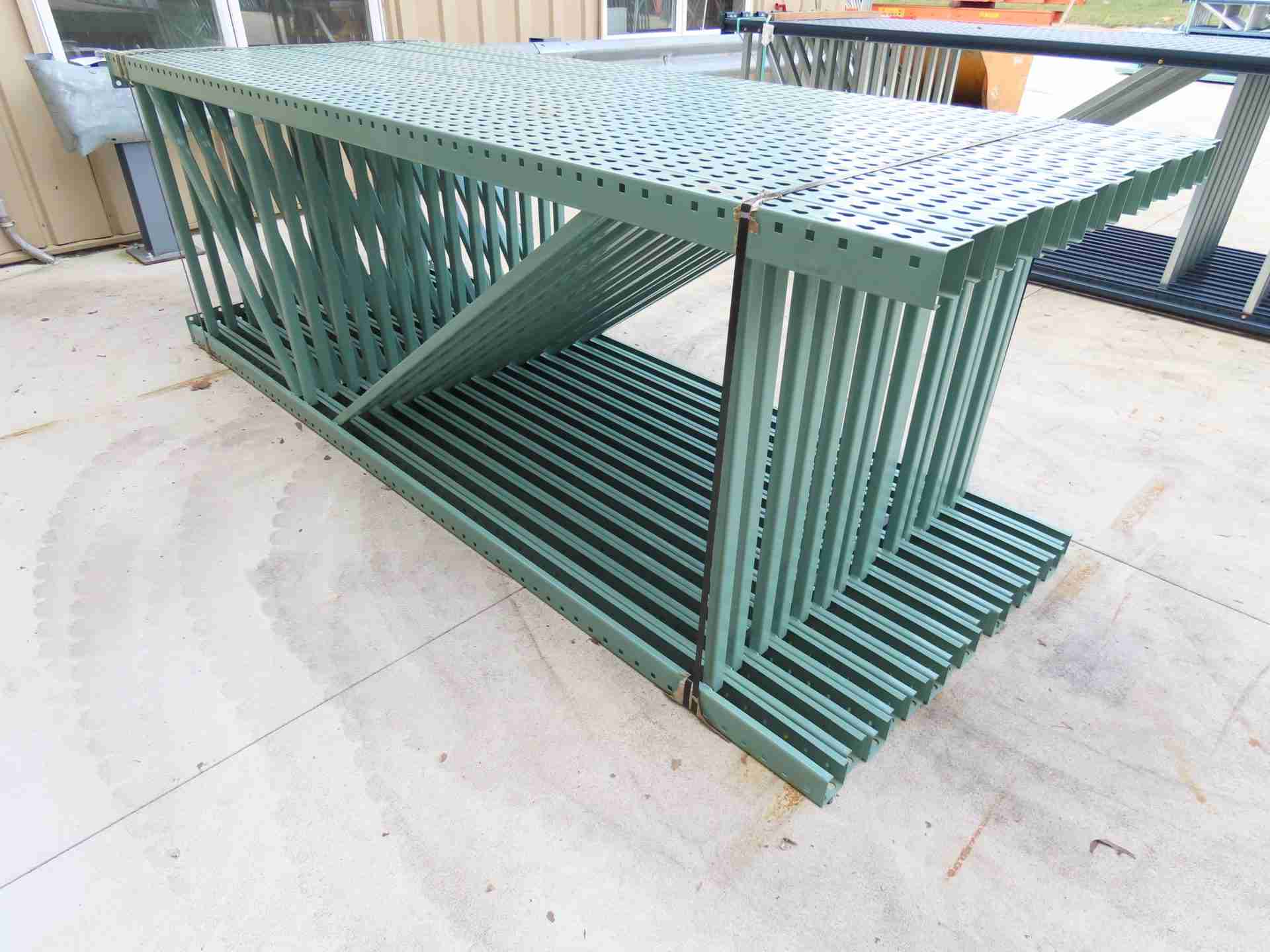
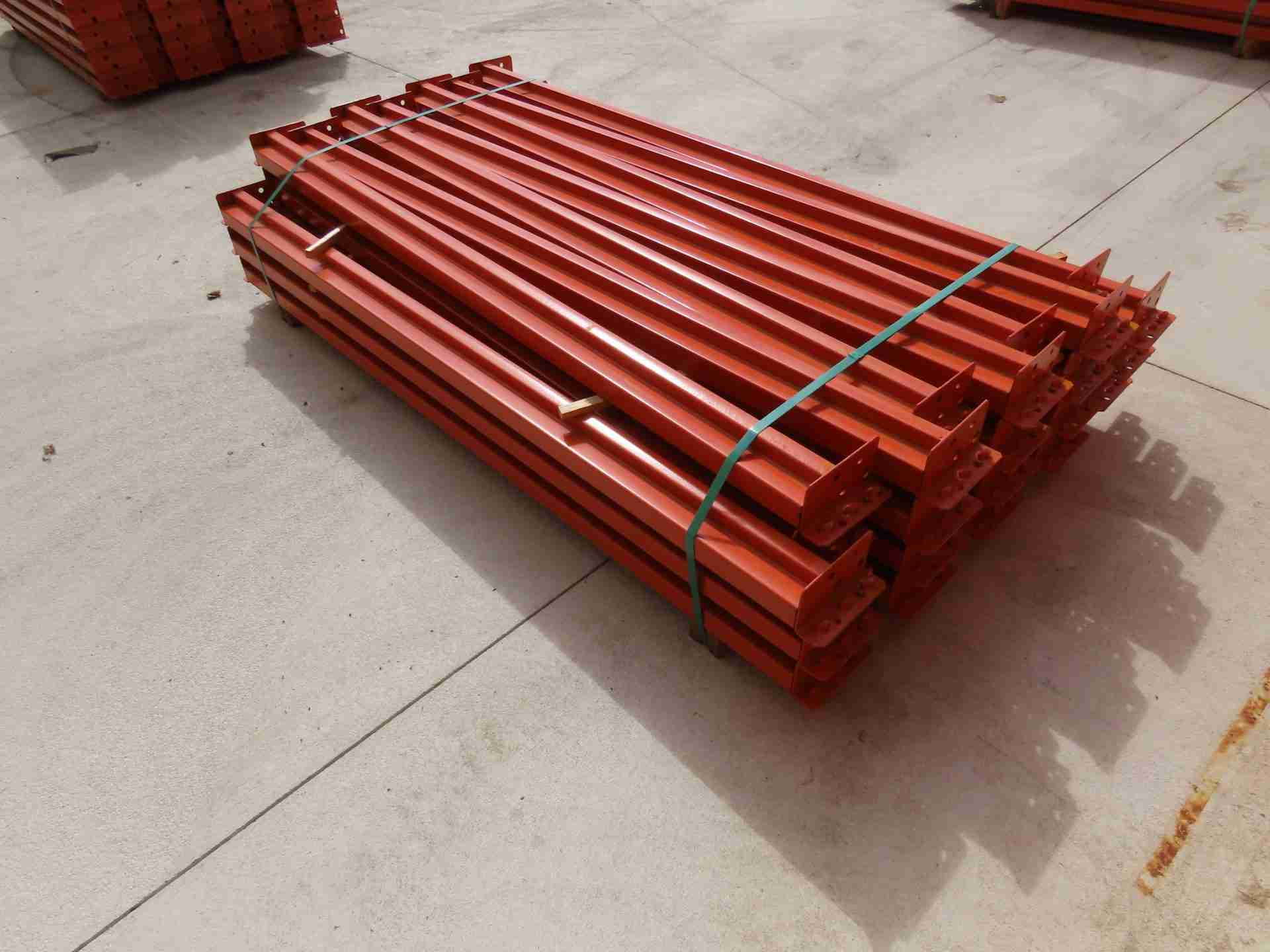
In the world of logistics, every square foot of your warehouse space is a precious resource. When you’re operating within the tighter confines of a smaller warehouse, mastering space utilization can transform your efficiency from mediocre to magnificent. Picture this: your pallets, stacked high and neatly organized on pallet racking systems, become not just storage solutions, but pivotal players in your operational strategy.
Imagine walking into your warehouse and witnessing an intricate dance of inventory management. This vision can become a reality when you strategically implement pallet racking to optimize the vertical space available. It’s not just about cramming items into every nook and cranny—it’s about ensuring each square inch serves a purpose. By elevating your stock off the ground and utilizing overhead space, you create easier access to products, streamline picking processes, and reduce the time your team spends searching for items.
Think about your current operations. Are you wasting hours on inefficient layouts? Are your employees spending too much effort navigating through clutter and chaos? When you invest in proper space utilization techniques, you empower your staff with a seamless workflow. A well-organized warehouse means faster turnover rates, fewer errors in order picking, and a sharper focus on customer satisfaction.
But it’s not just about speed; it’s about accuracy and safety as well. An efficient space layout, highlighted by effective pallet racking systems, minimizes the risk of damage to your goods and injury to your team. Safe, organized, and efficient—these are not just lofty ideals; they’re achievable goals when you prioritize how you use your space effectively.
Let’s not forget that good organization speaks volumes to your clients too. It builds trust. When they know that their orders are being handled in a well-functioning space, they gain confidence in your ability to deliver on promises. This can lead to repeat business and referrals, catapulting your warehouse operations into a realm of unmatched success.
So, take a moment to assess your current space. Consider how pallet racking can help you elevate your efficiency. After all, a small warehouse doesn’t have to mean small results. With the right strategies, every inch of your space can work harder for you, turning limitations into a streamlined powerhouse of productivity. Don’t wait. Start maximizing your warehouse potential today!
How Can Space Utilization Impact Efficiency In Smaller Warehouses?
How Can Space Utilization Impact Efficiency In Smaller Warehouses?
- Effective space utilization is crucial in smaller warehouses for enhancing operational efficiency.
- Pallet racking systems play a significant role in optimizing vertical space, making inventory management more effective.
- Organizing stock off the ground facilitates easier access, streamlines picking, and reduces search times.
- Proper layouts minimize chaos, empowering staff and leading to faster turnover rates and fewer order picking errors.
- Efficient space designs also enhance safety for employees and reduce the risk of product damage.
- A well-organized warehouse fosters client trust, leading to repeat business and referrals.
- With strategic approaches, small warehouses can achieve significant results and increased productivity.
How Can Space Utilization Impact Efficiency In Smaller Warehouses?
Are There Specific Technologies That Benefit Smaller Warehouses?
In the world of warehousing, size doesn’t always dictate success. If you run a smaller warehouse, you might feel overshadowed by the vast operations of your bigger competitors. But fear not! There are specific technologies that can give your smaller warehouse an edge—creating efficiency, enhancing organization, and ultimately boosting your bottom line.
Let’s start with something fundamental: Pallet Racking. Imagine the sheer space and organization this system can provide! By converting your floor space into vertical storage, you’re maximizing every square inch of your facility. With the right pallet racking systems, you can neatly stack product pallets, making items easily accessible without the clutter that often leads to chaos. It’s not just about storing more; it’s about storing smarter. Picture your employees moving seamlessly around a well-organized space, grabbing items without having to sift through mountains of boxes. The right racking solution can dramatically improve picking times and, in turn, customer satisfaction.
But racking alone isn’t where the magic ends. Modern inventory management software can revolutionize how you track and manage your stock. Gone are the days of manual checks and guesswork! With trained systems that alert you when items are low, you’ll never again find yourself in a tight spot, scrambling for products at the last minute. Smart inventory systems also provide insights into your sales patterns, allowing you to make informed purchasing and pricing decisions. Talk about a win-win!
Consider also the incorporation of mobile technology. With the magic of smartphones and tablets, your staff can access crucial information and updates on the go. Need to check inventory levels while handling goods on the floor? No problem. Receiving truckloads can be done efficiently, with each item documented in real time. Imagine boosting your operational flow by cutting down on unnecessary trips back and forth to a desktop!
Investing in these technologies doesn’t merely keep your warehouse afloat; it makes it stand out. In a competitive landscape, smaller warehouses that embrace these tools can position themselves as nimble, customer-focused operations. So, let’s not shy away from the innovation that’s right at our fingertips. Dive into these technologies today, and feel the confidence grow as your small warehouse transforms into an efficient powerhouse!

Are There Specific Technologies That Benefit Smaller Warehouses?
Are There Specific Technologies That Benefit Smaller Warehouses?
- Size is not the sole determinant of success in warehousing; smaller warehouses can thrive with the right strategies.
- Pallet racking systems optimize space by converting floor area into vertical storage, enhancing organization and accessibility.
- Efficient racking improves picking times and boosts customer satisfaction by reducing clutter and chaos.
- Modern inventory management software automates stock tracking, eliminating manual checks and guesswork.
- Smart inventory systems provide timely alerts for low stock and insights into sales patterns for better decision-making.
- Incorporating mobile technology allows staff to access information on-the-go, improving operational flow and efficiency.
- Embracing innovative technologies helps smaller warehouses to stand out as nimble, customer-focused operations in a competitive market.

Are There Specific Technologies That Benefit Smaller Warehouses?
What Role Does Inventory Management Play In Warehouse Efficiency?
In the bustling world of logistics and warehousing, the heart of your operation beats within its inventory management. Imagine a well-orchestrated symphony—a seamless flow of goods and materials from one point to another, driven by a finely-tuned inventory system. When done right, inventory management can catapult your warehouse efficiency to heights you never thought possible.
At the core of effective inventory management is the utilization of pallet racking systems. These systems are not just a way to store inventory; they are a strategic design element that maximizes space and improves accessibility. When you can efficiently organize your goods using vertical storage solutions, you create an environment where your team moves faster, picks smarter, and ultimately achieves more. It’s like upgrading from a cluttered garage to a sleek, organized workshop where every tool is within reach.
Let’s be honest—navigating through a cluttered warehouse can feel like searching for a needle in a haystack. That’s where inventory management steps in as a game-changer. By implementing a robust inventory management system, you can ensure that your products are not just stowed away, but strategically placed where they can be quickly accessed. This means less time spent stumbling around and searching, and more time focused on fulfilling orders and boosting your bottom line.
But what does this look like in practice? Picture your team scanning and retrieving items with efficiency and ease, thanks to a well-designed inventory layout and intelligent software solutions. The result? Orders are processed faster, customer satisfaction soars, and your revenue stream flows uninterrupted. When you manage your inventory effectively, you’re not just keeping track of items; you’re nurturing a culture of efficiency that resonates throughout your entire warehouse operation.
And let’s not overlook the importance of real-time data. With advanced inventory management technology, you have the power to track stock levels, forecast demand, and even identify trends. This information empowers you to make informed decisions that prevent overstocking or understocking, which can cripple your efficiency.
In summary, embracing comprehensive inventory management is not merely a logistical necessity—it’s an investment in your business’s future. By leveraging tools like pallet racking and intelligent systems, you foster an environment of trust and reliability. So, don’t just manage your inventory; master it, and watch your warehouse transform into a powerhouse of productivity and profit. The path to unparalleled warehouse efficiency begins here.

What Role Does Inventory Management Play In Warehouse Efficiency?
What Role Does Inventory Management Play In Warehouse Efficiency?
- Effective inventory management is crucial for enhancing warehouse efficiency.
- Pallet racking systems maximize space and improve accessibility of stored goods.
- A well-organized inventory allows teams to work faster and smarter, boosting overall productivity.
- Implementing a robust inventory system reduces time spent searching for products, increasing order fulfillment efficiency.
- Intelligent layout and software solutions enhance scanning and retrieval processes for quicker order processing.
- Real-time data tracking aids in stock level management, forecasting demand, and identifying trends.
- Comprehensive inventory management is an investment in future business success, creating a culture of reliability and trust.

What Role Does Inventory Management Play In Warehouse Efficiency?
How Does The Size Of A Workforce Affect Warehouse Operations?
When it comes to warehouse operations, the size of your workforce is more than just a number—it’s a critical component of your overall efficiency and productivity. Imagine a meticulously organized space filled with pallet racking, ready to house goods. Now picture the bustling activity required to keep that space running smoothly. Here’s where workforce size makes all the difference.
A well-staffed warehouse is dynamic. It can quickly adapt to peak seasons or unexpected surges in demand. Whether it’s handling incoming shipments or picking orders, a larger workforce means tasks can be completed faster. This not only increases throughput but also enhances the accuracy of order fulfillment. Have you ever experienced the frustration of a delayed shipment? A workforce that’s adequately sized can prevent those setbacks.
Conversely, having too few hands on deck creates a bottleneck. When your team is stretched thin, errors multiply, from misplaced items on the pallet racking to incorrect shipments. Each mistake can result in not just financial losses, but also tarnished relationships with your customers. A reliable workforce can alleviate those concerns, creating a smooth flow that keeps both operations and morale high.
Engagement among team members is another advantage of workforce size. In a warehouse where everyone’s role is clear and each person feels valued, productivity skyrockets. Communication flourishes, fostering collaboration that helps tackle challenges with ease. Envision a team that knows exactly when to pull products from the pallet racking or organize inventory—it’s a well-oiled machine, and it starts with the right number of people.
However, it’s not just about having a big team; it’s also about having the right team. Training, empowerment, and a shared vision can turn any warehouse into a powerhouse of efficiency. Focusing on cultivating a skilled workforce empowers employees, driving them to take ownership of their tasks and improve overall performance.
Ultimately, if you want to elevate your warehouse operations, consider workforce size as both a strategic asset and a path to growth. Finding that sweet spot allows your business not just to survive but to thrive. Optimize your workforce, and transform your operations into an industry leader, one pallet at a time. Step forward and take control—your warehouse deserves it!

How Does The Size Of A Workforce Affect Warehouse Operations?
How Does The Size Of A Workforce Affect Warehouse Operations?
- Workforce size is crucial for warehouse efficiency and productivity.
- A well-staffed warehouse can quickly adapt to peak seasons and increased demand.
- More workers facilitate faster task completion, enhancing throughput and order accuracy.
- Insufficient staffing can lead to bottlenecks and increased error rates, impacting finances and customer relationships.
- A clear and valued role for each team member boosts engagement and communication, leading to improved productivity.
- Training and empowerment are essential for creating a skilled and effective workforce.
- Optimal workforce size transforms warehouse operations into a strategic asset, enabling business growth and industry leadership.

How Does The Size Of A Workforce Affect Warehouse Operations?
Can Smaller Warehouses Provide Faster Order Fulfillment Times?
In today’s fast-paced business landscape, customers are not just looking for quality products; they want speed. The clock is ticking, and when it comes to order fulfillment, every second counts. Now, you might think that bigger warehouses equal faster fulfillment times, but the reality could be quite the opposite. Enter the efficiency of smaller warehouses, which can disrupt the conventional thinking about storage and logistics.
Imagine a space where streamlined operations meet strategic design—yes, we’re talking about smaller warehouses optimized with intelligent layouts that include essential tools like pallet racking. Picture this: products are organized in a way that allows for quick access and efficient retrieval. Instead of endless aisles that slow your team down, everything is within arm’s reach, with stylishly arranged goods on sturdy pallet racks that maximize vertical space. This means fewer steps, less time wasted, and ultimately, faster orders getting out the door.
By investing in smaller warehouses fortified with modern shelving solutions like pallet racking, businesses can harness the power of agility. Smaller spaces mean fewer distractions; your team can focus on what truly matters—getting the right product to your customer when they expect it. Think about it—what if a customer needed a product urgently? Would you want to risk delay from indecipherable inventory in a sprawling warehouse? Or, would you rather move swiftly, with everything neatly organized on easily accessible pallet racks, ready to roll out the door?
Confidence in your supply chain can build customer loyalty. A prospect who receives their order in record time is not just satisfied; they’re impressed. That’s the kind of experience that not only brings people back but fosters the kind of word-of-mouth marketing that money can’t buy. When customers trust you to deliver on time, they become loyal advocates for your brand.
Of course, it’s about more than just speed; it’s about strategy. Smaller warehouses with optimized layouts and effective use of pallet racking pave the way for a more sustainable future. They reduce overheads and environmental footprints, enabling your business to thrive even in tight market conditions.
So, don’t be afraid to think outside the box— or the warehouse, in this case. Your shortcut to exceptional service may just be through a smaller, more nimble space equipped for efficiency. Ready to race ahead of the competition? It’s time to embrace the smaller warehouse revolution!

Can Smaller Warehouses Provide Faster Order Fulfillment Times?
Can Smaller Warehouses Provide Faster Order Fulfillment Times?
- Customers today prioritize speed in order fulfillment, not just product quality.
- Smaller warehouses can offer faster fulfillment than larger ones by optimizing logistics.
- Efficient layouts and essential tools like pallet racking enhance quick access and retrieval of products.
- Organized goods on pallet racks reduce wasted time and improve order processing speed.
- Confidence in fast delivery builds customer loyalty and encourages positive word-of-mouth.
- Optimized smaller warehouses contribute to sustainability by lowering overheads and environmental impact.
- Embracing smaller, efficient warehouse spaces can give businesses a competitive edge.

Can Smaller Warehouses Provide Faster Order Fulfillment Times?
Conclusion
Conclusion: Harnessing the Power of Smaller Warehouses for Unmatched Efficiency
In today’s fast-evolving logistics landscape, the question isn’t merely about size; it’s about strategy. Larger warehouses may dominate surface area, but smaller warehouses offer a distinctive edge—efficiency, agility, and exceptional customer experience. By leveraging every square inch through innovative storage solutions like pallet racking systems, businesses can maximize their operational potential and drive significant cost savings.
Flexibility is the cornerstone of smaller warehouses, permitting rapid adaptations to market trends without the logistical setbacks that often burden larger counterparts. With fewer distractions and streamlined layouts, order fulfillment times can be remarkably quick, allowing businesses to meet the ever-growing consumer demand for speed and accuracy. Imagine a nimble operation where efficiency reigns, employees take ownership of their sections, and customers enjoy reliable service and timely deliveries. This is not just a dream; it is the practical reality for those who embrace the concept of size optimization.
Moreover, the human element cannot be underrated. Smaller facilities nurture a close-knit community among staff, fostering engagement and effective communication. This translates into a morale boost that enhances team productivity, reduces errors, and ultimately, amplifies customer satisfaction. When your workforce feels valued and connected, it shows in every shipment that leaves your doors, converting one-time buyers into lifelong advocates for your brand.
As we move further into an era where efficiency, responsiveness, and a keen customer-centric approach define success, don’t overlook the advantages that smaller warehouses offer. The implementation of modern inventory management technologies, combined with smart warehouse designs, can turn any compact space into a powerhouse of productivity. The results are not just theoretical; countless businesses that have pivoted to smaller warehouse models are reaping the benefits in tangible ways.
So, what are you waiting for? If you are ready to unlock the potential of your operation and elevate your business above the competition, don’t hesitate—a wealth of information regarding the right pallet racking solutions and innovative warehouse strategies is just a call away. Contact Arrow Industrial Sales at (574) 349-6575 to explore how you can transform your warehouse from a simple storage space into a formidable hub of efficiency and growth. Act today—your operational excellence depends on it!

Conclusion
Conclusion:
- Smaller warehouses provide efficiency, agility, and exceptional customer experience compared to larger ones.
- Innovative storage solutions, like pallet racking systems, help maximize operational potential and reduce costs.
- Flexibility in smaller warehouses allows quick adaptations to market trends without logistical burdens.
- Streamlined layouts lead to faster order fulfillment, meeting consumer demand for speed and accuracy.
- A close-knit community among staff enhances engagement, communication, and overall productivity.
- Modern inventory management technologies and smart designs transform smaller spaces into productive powerhouses.
- Contact Arrow Industrial Sales to explore pallet racking solutions and innovative strategies for warehouse efficiency.

Conclusion
Other Resources

Other Resources
Here is a list of other resources you can review online to learn more:
- Warehouse Racking Chicago, IL
- Storage Equipment Manufacturers’ Association
- Selective Pallet Racking Systems
- Warehouse Automation
- Racking World
- MHI
- Intro to Warehouse Racks & Warehouse Racking Systems – ShipBob
- Teardrop Industrial Shelving Rack
- Selective Rack – Raymond West
- Illinois
Use This Prompt To Get More Resources With Your Favorite Online AI Tool: Please provide me with a list of online articles with their URLs in a bulleted list that I can read regarding Can Smaller Warehouses Operate More Efficiently Than Larger Ones?

Other Resources
Glossary Terms
Can Smaller Warehouses Operate More Efficiently Than Larger Ones? – Glossary Of Terms
1. Efficiency: The ability to maximize output while minimizing input, time, and resources in warehouse operations.
2. Automation: The use of technology to perform tasks with minimal human intervention, enhancing speed and accuracy in warehouse processes.
3. Inventory Management: The process of overseeing and controlling stock levels, ensuring that the right amount of products is available at the right time.
4. Throughput: The rate at which goods are processed and moved through a warehouse, reflecting operational efficiency.
5. Space Optimization: The strategic arrangement of inventory and equipment to maximize the use of available physical space in a warehouse.
6. Lean Warehousing: An approach focused on reducing waste and improving productivity by streamlining processes and eliminating non-value-added activities.
7. Order Fulfillment: The complete process of receiving, processing, and delivering customer orders, critical for customer satisfaction and efficiency.
8. Lead Time: The total time taken from placing an order to its completion, influencing customer satisfaction and inventory turnover.
9. Cross-Docking: A logistics strategy that minimizes storage time by directly transferring incoming goods to outgoing shipments without warehousing.
10. Supply Chain: The entire network of businesses, people, and processes involved in producing and delivering a product, from suppliers to customers.
11. Scalability: The capacity of a warehouse operation to grow and manage increased demand without a significant drop in efficiency.
12. Ergonomics: The study of workplace design to ensure efficiency and safety, especially in handling and moving goods.
13. Data Analytics: The practice of examining data to identify patterns, trends, and insights for improving warehouse operations and decision-making.
14. Employee Productivity: A measure of the efficiency of workers in the warehouse, often affected by workplace design, tools, and processes.
15. Stock Keeping Unit (SKU): A unique identifier for each distinct product and service that can be purchased, essential for inventory management.
16. Warehouse Management System (WMS): Software designed to support warehouse operations by managing inventory, order processing, and logistics.
17. Just-In-Time (JIT): A strategy to align inventory levels closely with production schedules, reducing holding costs and increasing efficiency.
18. Distribution Center: A facility that serves as a hub for storing and distributing products, often designed for quick turnover and shipping.
19. Vertical Storage: Utilizing vertical space in a warehouse to maximize storage capacity through the use of shelving and racking systems.
20. Transport Optimization: The process of improving the efficiency of transportation within the supply chain to reduce costs and delivery times.
21. Route Planning: The strategy of determining the most efficient paths for shipping goods to minimize time and costs in distribution.
22. Energy Efficiency: The goal of reducing energy consumption in warehouse operations, often achieved through automation and modern equipment.
23. Real-Time Tracking: The ability to monitor the location and status of inventory and shipments in real-time, enhancing transparency and accuracy.
24. Fulfillment Center: A specialized warehouse focused on completing orders quickly and accurately, often used by e-commerce businesses.
25. Returns Management: The process of handling returned goods, including restocking, refurbishing, and processing refunds.
26. Shrinkage: The loss of inventory due to theft, damage, or errors, impacting overall efficiency and profitability.
27. Pick and Pack: A warehousing process whereby products are selected (picked) from storage and packaged for shipment to customers.
28. Cold Storage: A temperature-controlled warehouse designed for storing perishable goods, impacting inventory management strategies.
29. Collaborative Logistics: A practice where multiple businesses work together to share resources and information, improving efficiency in warehouse operations.
30. FIFO (First In, First Out): An inventory management method where older stock is sold or used before newer stock, essential for perishable goods.

Glossary Of Terms
Other Questions
Can Smaller Warehouses Operate More Efficiently Than Larger Ones? – Other Questions
If you wish to explore and discover more, consider looking for answers to these questions:
- What specific technologies can be implemented in smaller warehouses to increase efficiency?
- How does employee morale impact the overall efficiency of smaller warehouses?
- What are the best practices for maximizing space utilization in smaller warehouses?
- Can smaller warehouses compete with larger ones in terms of service quality?
- What are the challenges faced by smaller warehouses compared to larger operations?
- How can inventory management systems be optimized for smaller warehouse settings?
- What role does employee training play in the efficiency of smaller warehouses?
- How does the physical layout of a smaller warehouse affect operational efficiency?
- What metrics can be used to evaluate the performance of smaller warehouses?
- Are there industry examples that demonstrate the success of smaller warehouses?

Other Questions
Checklist
Can Smaller Warehouses Operate More Efficiently Than Larger Ones? – A Checklist
Checklist: Maximizing Efficiency in Smaller Warehouses
Use this checklist as a guide to optimize your small warehouse operations and unlock their full potential!
1. Assess Your Space Utilization
_____ Measure Available Space: Calculate the total usable square footage.
_____ Analyze Layout: Evaluate the current layout for openness and accessibility.
_____ Implement Pallet Racking: Consider installing vertical storage solutions to maximize space.
2. Enhance Flexibility & Adaptability
_____ Streamline Processes: Identify bottlenecks in operations that may hinder flexibility.
_____ Training Programs: Educate staff on quick adaptation to changes in operations or inventory.
3. Optimize Inventory Management
_____ Adopt Software Solutions: Utilize modern inventory management software for real-time tracking.
_____ Regular Audits: Conduct frequent inventory checks to maintain accuracy.
_____ Designated Storage Locations: Assign specific areas for different products to establish a systematic retrieval process.
4. Boost Employee Morale and Accountability
_____ Define Roles Clearly: Ensure each team member knows their responsibilities within the smaller space.
_____ Encourage Teamwork: Foster communication and collaboration among staff.
5. Incorporate Cost-Efficient Practices
_____ Analyze Operational Costs: Regularly review costs related to rent, utilities, and maintenance.
_____ Invest in Technology: Consider cutting-edge storage solutions like advanced pallet racking that enhance efficiency.
6. Leverage Technology
_____ Adopt Mobile Solutions: Use mobile devices for inventory checks and updates on the go.
_____ Smart Inventory Alerts: Set up alert systems to notify you of low stock levels.
7. Prioritize Safety and Organization
_____ Conduct Safety Training: Regularly train staff on safety protocols in handling warehouse materials.
_____ Regular Maintenance Checks: Ensure the pallet racking systems and warehouse equipment are well-maintained.
8. Measure Fulfillment Times
_____ Track Order Processing: Monitor the time taken from order receipt to shipment.
_____ Evaluate Accessibility: Ensure products are easily accessible to reduce retrieval times.
9. Engage with Customers
_____ Seek Feedback: Regularly ask customers for feedback on delivery speed and overall satisfaction.
_____ Implement Changes Based on Feedback: Make necessary adjustments to enhance customer fulfillment.
10. Create a Continuous Improvement Plan
_____ Regularly Review Efficiency Strategies: Set quarterly or bi-annual reviews to assess and improve processes.
_____ Encourage Employee Input: Foster a culture where employees can suggest improvements in warehouse operations.
Utilize this checklist to ensure your small warehouse operates efficiently, stays agile in a dynamic market, and continues to deliver exceptional service to your customers!

Checklist
At RackingWorld, we help guide you through selecting warehouse storage systems and racking.
Be sure to read our other related stories at RackingWorld to learn more about warehouse storage systems.
0 Comments