
Unveiling The Latest Technology In Local Pallet Rack Suppliers
By Tom Seest
At RackingWorld, we help guide you through selecting warehouse storage systems and racking.
Be sure to read our other related stories at RackingWorld to learn more about warehouse storage systems.
Are Local Pallet Rack Suppliers Technologically Up-To-Date?
In today’s fast-paced business landscape, the efficiency of warehousing operations is paramount. As e-commerce surges and customer expectations heighten, every fraction of a second counts. Enter pallet racking—the backbone of any effective storeroom. However, the question looms: Are local pallet rack suppliers keeping up with the latest technological advancements to meet these demands?
Many suppliers might still be relying on outdated inventory systems and manual processes. But industry leaders have recognized the necessity of embracing technology. For example, automated stock management systems have become increasingly common in warehouses. These systems not only track inventory levels in real-time but also optimize pallet racking configurations to maximize space. Consider a recent case where a mid-sized retailer implemented a cloud-based inventory management platform that integrated seamlessly with their pallet racking system. They reported a reduction in stock retrieval times by over 30%, increasing overall operational efficiency.
Moreover, suppliers who align with OEMs (Original Equipment Manufacturers) are increasingly providing innovative solutions that leverage IoT (Internet of Things) technology. By embedding sensors in pallet racks, businesses can monitor weight loads, detect structural integrity, and even avoid overloading—ultimately minimizing the risk of accidents and boosting safety compliance. An industry report showed that warehouses incorporating smart pallet racking solutions saw a 25% reduction in workplace injuries.
However, there are also signs of stagnation. Smaller, local pallet rack suppliers may struggle to compete against larger firms with more robust resources for technological investment. While these local suppliers may excel in personalization and proximity, their reluctance to adopt cutting-edge technologies can hinder their customers’ growth. Recently, a leading local supplier lost out on a significant contract to a national chain that offered advanced, data-driven storage solutions.
The landscape of pallet racking is evolving, and business owners must ensure they partner with suppliers that are not only knowledgeable but also technologically adept. As companies continuously strive for operational excellence, supplier capabilities in this arena can dramatically influence overall success. So, whether you’re a thriving e-commerce powerhouse or an up-and-coming retail space, align yourself with those who embrace the future—because when it comes to pallet racking, being behind the curve is a risk you can’t afford to take.

Are Local Pallet Rack Suppliers Technologically Up-To-Date?
Are Local Pallet Rack Suppliers Technologically Up-To-Date?
- The efficiency of warehousing operations is crucial in the fast-paced business landscape.
- Pallet racking is essential for effective storeroom management, especially as e-commerce grows.
- Many local suppliers are using outdated inventory systems and manual processes.
- Adopting automated stock management systems can significantly improve operational efficiency.
- Innovative solutions leveraging IoT technology enhance safety and reduce workplace injuries.
- Smaller local suppliers may struggle to compete due to a lack of technological investment.
- Business owners should prioritize partnering with technologically adept suppliers for sustainable growth.

Are Local Pallet Rack Suppliers Technologically Up-To-Date?
Table Of Contents
- Are Local Pallet Rack Suppliers Technologically Up-To-Date?
- Are Local Pallet Rack Suppliers Using The Latest Technology?
- What Benefits Do Modern Pallet Racks Offer?
- How Do Local Suppliers Compare To National Chains?
- Are There Specific Tech Advancements In Pallet Racking Systems?
- What Features Should I Look For In A Modern Pallet Rack?
- Conclusion
- Other Resources
- Glossary Of Terms
- Other Questions
- Checklist
Are Local Pallet Rack Suppliers Using The Latest Technology?
In the fast-paced world of warehousing and logistics, staying ahead of the curve is crucial. Pallet racking systems are not just shelves; they are the backbone of an efficient supply chain. For local pallet rack suppliers, embracing the latest technology is not just a competitive advantage; it’s a necessity.
Consider the recent advancements in automation and smart technology. Leading local pallet rack suppliers are now incorporating features such as AI-driven inventory management systems that communicate directly with pallet racking. This means that as goods flow in and out, the racking adjusts to optimize space utilization. Why stack boxes manually when your pallet racking can reconfigure in real-time? Suppliers like Ace Racks are stepping up, offering integrated solutions that connect directly to warehouse management systems (WMS). This results in increased efficiency, reduced labor costs, and—most importantly—enhanced accuracy.
Moreover, the integration of Internet of Things (IoT) technology into pallet racking is reshaping how businesses manage their inventory. Sensors placed within the racks provide data on load weight, which helps in maintaining safety standards and preventing overloading. A recent study indicated that companies utilizing IoT technology saw a 25% reduction in operational costs within the first year. Local suppliers are increasingly stocking these advanced racks, ensuring they aren’t left in the dust as their customers advance technologically.
But it’s not just about high-tech gizmos; it’s also about using technology to enhance customer service. Imagine being able to visualize your warehouse layout through a virtual reality (VR) platform before making a purchase decision. Suppliers are beginning to offer VR experiences where customers can walk through potential configurations of their pallet racking. This innovative use of technology not only helps customers make informed choices but also builds trust and loyalty—key components for a thriving business.
Furthermore, the importance of sustainability cannot be overlooked. Many local pallet rack suppliers are investing in eco-friendly materials and production methods, compound by leveraging tech that minimizes waste during the design and manufacturing processes. This aligns with the growing consumer demand for green solutions, making it easier for companies to keep up with both their operational needs and their corporate social responsibility goals.
Local pallet rack suppliers who harness the latest technology are not just improving efficiencies; they are transforming the way businesses operate. From smart racks to customer-centric VR experiences, the evolution of pallet racking is here—are you ready to take advantage? Don’t get left behind; partner with a supplier who understands how to integrate cutting-edge technology into your operations.

Are Local Pallet Rack Suppliers Using The Latest Technology?
Are Local Pallet Rack Suppliers Using The Latest Technology?
- Pallet racking systems are essential for an efficient supply chain in warehousing and logistics.
- Local pallet rack suppliers need to adopt the latest technology to maintain a competitive edge.
- AI-driven inventory management is now being integrated with pallet racking for optimized space utilization.
- IoT technology in pallet racking helps track load weight, ensuring safety and reducing operational costs.
- Virtual reality (VR) experiences are offered by suppliers to help customers visualize warehouse layouts.
- Sustainability is prioritized by suppliers investing in eco-friendly materials and reducing waste.
- Embracing advanced technology is transforming operations and enhancing customer service within the industry.

Are Local Pallet Rack Suppliers Using The Latest Technology?
What Benefits Do Modern Pallet Racks Offer?
In today’s fast-paced business environment, effective inventory management is not just a luxury; it’s a necessity. Enter modern pallet racking, the unsung hero of warehouses and distribution centers. Far from just metal shelves, these systems are engineered for efficient space utilization, increased productivity, and enhanced safety—all while catering to the diverse needs of a rapidly evolving marketplace.
Firstly, consider the power of space optimization. Many businesses are affected by rising real estate costs and the shortage of available warehouse space. Modern pallet racking systems are designed to maximize vertical space, allowing companies to store more products in less physical area. For instance, a push-back racking system might enable a manufacturer to fit twice as many pallets in the same footprint, drastically reducing overhead costs. As e-commerce continues to skyrocket—projected to reach $6.4 trillion by 2024—having a robust pallet racking system becomes increasingly essential for fulfilling customer demands without incurring excessive storage costs.
Moreover, modern pallet racking incorporates customizable features that adapt to the unique requirements of various industries. For example, food and beverage companies often need to adhere to strict safety standards and regulations. Utilizing specially designed pallet racks that facilitate airflow can help maintain product quality while ensuring compliance with industry requirements. Recent food crises have underscored the importance of maintaining not only safety but also the speed of access, and a well-organized pallet racking system can significantly reduce the time needed for inventory checks and order fulfillment.
In terms of safety, modern pallet racks prioritize employee well-being. Many systems today have been engineered with safety features that prevent tipping and rack collapse, minimizing the risk of accidents in the workplace. With workplace safety regulations tightening in various regions, investing in high-quality pallet racking not only enhances operations but also shields companies from costly fines and legal troubles.
On the operational side, the integration of smart technologies with pallet racking systems makes for seamless inventory management. Systems embedded with RFID technology can transmit real-time data on inventory levels and stock movements directly to management systems. This integration enables businesses to stay ahead of trends and react promptly to market demands—a critical advantage as consumer behavior continues to shift unpredictably.
In summary, modern pallet racking solutions are not merely practical; they are pivotal to the success of businesses striving for efficiency in a competitive landscape. By investing in advanced pallet racking systems, companies can ensure they are primed for growth, ready to meet tomorrow’s challenges while maximizing today’s opportunities.
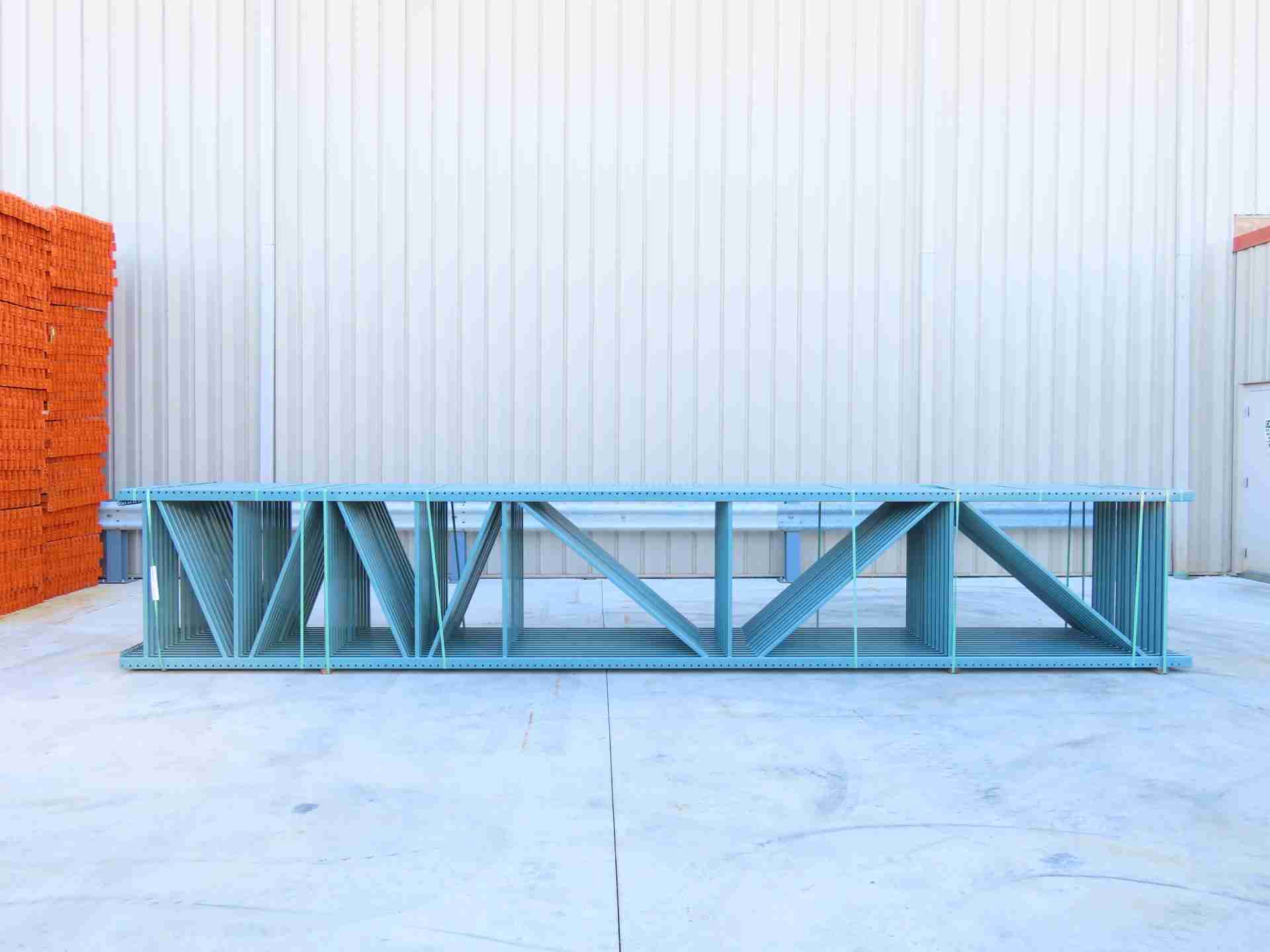
What Benefits Do Modern Pallet Racks Offer?
What Benefits Do Modern Pallet Racks Offer?
- Effective inventory management is crucial in today’s fast-paced business environment.
- Modern pallet racking systems optimize space and increase productivity, essential for addressing rising real estate costs and limited warehouse space.
- These systems can dramatically enhance storage capacity, such as through push-back racking, allowing businesses to reduce overhead costs.
- Customizable features in pallet racking cater to industry-specific needs, such as safety standards in food and beverage sectors.
- Modern pallet racks prioritize employee safety, incorporating features to prevent tipping and collapse, thereby minimizing workplace accident risks.
- Integration of smart technologies, like RFID, enables real-time inventory management and responsive market adaptation.
- Investing in advanced pallet racking is key for businesses aiming for efficiency, growth, and readiness to face future challenges.

What Benefits Do Modern Pallet Racks Offer?
How Do Local Suppliers Compare To National Chains?
When it comes to sourcing materials for your business, particularly for warehouse management, the debate between local suppliers and national chains becomes central. Each option has its own merits, but let’s delve into how these two choices stack up against each other, especially when it comes to essential components like pallet racking.
Local suppliers often offer the advantage of personalized service that national chains struggle to replicate. Imagine a small, family-owned warehouse supply company down the street. They have a finger on the pulse of the community and understand your specific needs. You walk in, and they’ll not only recognize you but also recall your previous orders and preferences. This level of service fosters relationships that can lead to tailored solutions—like custom pallet racking designed specifically for your storage needs.
In contrast, national chains might boast larger inventories and the ability to meet immediate demands. Yet, this vastness often comes at a cost—impersonal interactions and a one-size-fits-all approach. For instance, a major warehouse giant may have a standard line of pallet racking solutions. While they might guarantee rapid delivery, you could find yourself sacrificing quality and customization. During supply chain disruptions—like those we’ve experienced recently due to global events—national chains can struggle to fulfill orders promptly. Meanwhile, local suppliers are often more nimble and connected, allowing them to pivot quickly to source the materials you need, even when inventory becomes scarce.
Moreover, choosing local can yield unexpected benefits beyond immediate transactional value. Local suppliers are typically more engaged in the community, supporting local economies and contributing to regional development. For brands striving for sustainability, this direct economic support can enhance your company’s image and resonate deeply with conscious consumers.
Additionally, consider the value of feedback. Local suppliers are usually more receptive to customer insights. A quick conversation might lead to improved products and services, whereas at a national chain, your concerns might be logged as a number in a vast system, often going unheard.
Ultimately, while national chains may wield mighty logistical power, local suppliers can offer an unrivaled personal touch, understanding, and adaptability that capitalize on their proximity. So when you weigh your options for purchasing essential equipment, such as pallet racking, ask yourself not just about price and availability but also about the kind of partnership that will propel your business forward. Local or national, the choice could significantly affect not only your bottom line but also your operational morale and community engagement.

How Do Local Suppliers Compare To National Chains?
How Do Local Suppliers Compare To National Chains?
- The choice between local suppliers and national chains is crucial for warehouse management, especially for sourcing materials like pallet racking.
- Local suppliers provide personalized service and tailored solutions that national chains often don’t offer.
- National chains have larger inventories but usually provide a one-size-fits-all approach, sacrificing quality and customization.
- During supply chain disruptions, local suppliers are more agile and better positioned to meet urgent demands.
- Choosing local suppliers supports community engagement and regional development, enhancing a brand’s sustainability image.
- Local suppliers are more receptive to customer feedback, improving product and service quality.
- Consider partnership quality beyond price and availability when selecting suppliers; it impacts your business’s bottom line and community ties.

How Do Local Suppliers Compare To National Chains?
Are There Specific Tech Advancements In Pallet Racking Systems?
Gone are the days when pallet racking systems were merely static, metal frameworks in warehouses. Today, the evolution of technology is transforming these essential storage solutions into dynamic, high-efficiency assets that can significantly impact your bottom line. That’s right—pallet racking is no longer just about storing goods; it’s about optimizing your entire operational flow.
For example, consider the advancements in automation and robotics within warehouse environments. Companies are increasingly incorporating Automated Guided Vehicles (AGVs) to streamline the retrieval and placement of pallets. These AGVs can navigate complex racking systems, enhancing safety and efficiency while minimizing labor costs. The recent surge in e-commerce, particularly highlighted during the pandemic, has driven retailers to adopt more sophisticated pallet racking systems, ensuring rapid order fulfillment without sacrificing space or organization.
Another game-changing development in pallet racking technology is the integration of IoT (Internet of Things) sensors. These devices provide real-time data on inventory levels and the structural integrity of racking systems. This means you can monitor your warehouse’s performance from a single dashboard—optimizing space utilization, reducing the risk of overloading racks, and ensuring safer operations that prevent costly accidents. In light of recent legislation emphasizing workplace safety, the ability to monitor these key metrics is not just a luxury; it’s becoming an essential component of modern warehouse management.
Let’s not overlook the trend toward adaptive racking systems, such as adjustable beam racking and drive-in racking. These innovations allow companies to alter their storage configurations quickly, responding to changes in inventory types and sizes. The agile nature of these systems is particularly relevant in today’s fast-paced market, where businesses must pivot to meet evolving customer demands. For instance, retailers who quickly adapted their pallet racking systems to accommodate a surge in specific product categories during the pandemic saw improved sales and customer satisfaction levels.
Lastly, sustainability is a vital aspect of modern pallet racking systems. Technological improvements have made it possible to produce more durable, recyclable materials for racking systems that significantly reduce their environmental footprint. In a world increasingly focused on social responsibility, companies that embrace eco-friendly practices in their warehouse design will stand out from the competition—after all, customers today value sustainable businesses.
As you consider an upgrade or expansion of your pallet racking systems, keep an eye on these technological advancements. They are not just trends; they represent the future of warehousing and logistics. Investing in these innovations will give your company a competitive edge, improve operational efficiency, and ultimately lead to greater profitability.

Are There Specific Tech Advancements In Pallet Racking Systems?
Are There Specific Tech Advancements In Pallet Racking Systems?
- Pallet racking systems have evolved from static metal frameworks to dynamic storage solutions that optimize operational flow.
- Automation and robotics, such as Automated Guided Vehicles (AGVs), enhance safety and efficiency in pallet retrieval and placement, lowering labor costs.
- The rise of e-commerce has driven retailers to adopt advanced pallet racking systems for rapid order fulfillment and improved organization.
- IoT sensors provide real-time data on inventory levels and structural integrity, facilitating better space utilization and safety compliance.
- Adaptive racking systems, like adjustable beam and drive-in racking, allow companies to quickly modify storage configurations to meet changing demands.
- Sustainability is increasingly prioritized, with advances allowing for the creation of durable, recyclable racking materials that reduce environmental impact.
- Investing in advanced pallet racking technologies is vital for enhancing operational efficiency, gaining a competitive edge, and boosting profitability.

Are There Specific Tech Advancements In Pallet Racking Systems?
What Features Should I Look For In A Modern Pallet Rack?
When considering an upgrade to your warehouse infrastructure, the choice of pallet racking can significantly influence your operational efficiency. In today’s fast-paced supply chain environment, understanding the essential features of modern pallet racking is crucial for maximizing space, safety, and productivity.
1. Durability and Material Quality
First and foremost, durability should be at the forefront of your decision-making. Opt for pallet racking systems crafted from high-quality steel. These racks not only withstand the rigors of heavy loads but also offer resistance against corrosion. A recent report indicated that warehouses which upgraded to top-grade pallet racking systems experienced a reduction in maintenance costs by nearly 30%.
2. Versatility and Configurability
Modern pallet racking should be highly configurable to adapt to fluctuating inventory needs. Look for systems that can easily adjust levels and configurations, such as selective, drive-in, or cantilever racking. For instance, consider a case study from a leading e-commerce firm that transformed its logistical efficiency simply by switching to adjustable pallet racks, allowing them to handle various product sizes without unnecessary delays.
3. Safety Features
Safety cannot be overstated. Given the increased frequency of workplace accidents, investing in pallet racking that includes safety features such as welded frame construction, safety pins, and shock-absorbing components can minimize risk. A notable event earlier this year saw a major retailer investing in new racking systems specifically to enhance safety compliance, which subsequently decreased accident rates by approximately 40%.
4. Easy Access and Handling
In a dynamic environment, easy access to inventory is non-negotiable. Choose pallet racking that facilitates quick retrieval and storage of goods. Flow rack systems or mobile racking can speed up operations. For example, a logistics provider recently improved their pick and pack process through implementing a modern racking system, resulting in a 20% improvement in order fulfillment times.
5. Integration with Technology
Finally, modern pallet racking systems often come equipped for seamless integration with warehouse management systems (WMS). Today’s smart racks utilize RFID technology to keep track of inventory levels in real-time, providing insights that lead to better stock management. This technology ensures you stay on top of current trends, which is essential in a world increasingly reliant on data.
By focusing on these features—durability, versatility, safety, accessibility, and technological integration—you can make an informed decision on your warehouse’s pallet racking needs. Embracing these modern solutions will not only enhance the functionality of your space but will also future-proof your warehousing operations, ensuring you remain competitive in today’s marketplace.

What Features Should I Look For In A Modern Pallet Rack?
What Features Should I Look For In A Modern Pallet Rack?
- Durability and Material Quality: Choose high-quality steel pallet racking for better load resistance and corrosion prevention; upgrades can reduce maintenance costs by nearly 30%.
- Versatility and Configurability: Select racking systems that can adjust easily for fluctuating inventory needs, improving logistical efficiency.
- Safety Features: Invest in systems with safety features to minimize risk; enhanced safety compliance can decrease accident rates by approximately 40%.
- Easy Access and Handling: Opt for racking that allows quick retrieval and storage of goods; modern systems can improve order fulfillment times by 20%.
- Integration with Technology: Choose pallet racking that integrates with warehouse management systems and utilizes RFID technology for real-time inventory tracking.
- Operational Efficiency: Focus on features that maximize space, safety, and productivity to future-proof warehousing operations.
- Competitive Edge: Embrace modern racking solutions to enhance functionality and remain competitive in today’s marketplace.

What Features Should I Look For In A Modern Pallet Rack?
Conclusion
In an era where efficiency is non-negotiable, partnering with the right pallet rack supplier can make all the difference between thriving and merely surviving in the fast-paced logistics landscape. As highlighted throughout this article, the local pallet rack suppliers that embrace cutting-edge technology and innovative solutions are leading the charge, setting themselves apart from those lagging behind in outdated processes. It’s not just about having shelves in your warehouse; it’s about strategically leveraging modern pallet racking systems to optimize inventory management, ensure safety, and ultimately drive business growth.
Today’s advanced pallet racks are more than mere storage solutions—they’re dynamic systems infused with smart technology that enhance operational flow. From AI-driven inventory management to IoT sensors that monitor weight loads and optimize space, the landscape of pallet racking is evolving at breakneck speed. Suppliers who fail to adopt these advancements risk losing significant business opportunities, as companies increasingly prioritize safety, efficiency, and the ability to adapt to fluctuating market demands.
Additionally, as competition intensifies, the personal touch and tailor-made solutions offered by local suppliers become invaluable. These providers understand the local market intricacies and are agile enough to pivot quickly when challenges arise—a stark contrast to the often impersonal experience offered by national chains. This unique relationship reduces lead times, enhances customer service, and allows for bespoke solutions that truly fit your operational needs.
But before you make your choice, ask yourself: Are you aligning with a supplier that prioritizes innovation while providing the personalized service your business deserves? Are they technologically adept enough to keep you competitive in an increasingly automated world? The answers to these questions could very well dictate the trajectory of your warehouse operations and your bottom line.
Don’t wait until your competitors have zipped ahead with advanced systems—act now. At Arrow Industrial Sales, our commitment to embracing technology and delivering exceptional service positions us as your ideal partner in navigating the changing landscape of pallet racking. Don’t leave your success to chance; call Arrow Industrial Sales at (574) 349-6575 today to explore how we can help you harness the latest pallet racking innovations and propel your business into the future. Your warehouse efficiency—and peace of mind—depend on it. The time to act is now; your operational success is at stake!

Conclusion
Conclusion:
- Partnering with an innovative pallet rack supplier is essential for success in logistics.
- Modern pallet racking systems enhance inventory management, safety, and business growth.
- Advanced pallet racks utilize AI and IoT technology to optimize operational flow.
- Suppliers that resist technological advancements risk losing business opportunities.
- Local suppliers offer personalized services and quick adaptability to market changes.
- Choosing the right supplier can significantly impact warehouse operations and financial outcomes.
- Act now to align with a technology-driven supplier like Arrow Industrial Sales for future success.

Conclusion
Other Resources

Other Resources
Here is a list of other resources you can review online to learn more:
- Teardrop Racks – Pallet Rack World
- Warehouse Racking Systems: Beginner’s Guide to Rack Systems
- Illinois
- Shipping Boxes, Packaging Materials, Pallet Racking
- Warehousing Education and Research Council: https://www.werc.org/
- Warehouse Racking System: Powerful Guide to Optimise, 2024
- Warehouse Racking Chicago, IL
- Selective Pallet Racking Systems
- Pallet Racking 101: A Comprehensive Guide & Options Explained
- CMMA
Use This Prompt To Get More Resources With Your Favorite Online AI Tool: Please provide me with a list of online articles with their URLs in a bulleted list that I can read regarding Are Local Pallet Rack Suppliers Technologically Up-To-Date?

Other Resources
Glossary Terms
Are Local Pallet Rack Suppliers Technologically Up-To-Date? – Glossary Of Terms
1. Pallet Rack: A storage system designed to hold palletized loads in a warehouse, allowing for organized and efficient storage.
2. Supply Chain: The entire network of entities involved in the creation and distribution of products, from suppliers to consumers.
3. Warehouse Management System (WMS): Software that helps manage warehouse operations, including inventory tracking, fulfillment, and storage optimization.
4. Beam: A horizontal component of a pallet rack that supports the weight of stored pallets.
5. Upright: The vertical structure of a pallet rack that supports the beams and holds the entire system together.
6. Load Capacity: The maximum weight a pallet rack can safely hold, which is determined by its design and materials.
7. Automated Storage and Retrieval Systems (AS/RS): Technology that automates the process of storing and retrieving goods, typically using robotics.
8. Inventory Management: Techniques and processes used to oversee the ordering, storage, and use of products to ensure efficiency.
9. Lean Warehousing: An approach to warehouse management that aims to minimize waste while maximizing productivity.
10. Customization: Adapting pallet rack systems to meet specific requirements of a business, including size, configuration, and load capacity.
11. Regulatory Compliance: Adherence to laws, regulations, and guidelines that govern warehouse operations and safety protocols.
12. 3D Modeling: The process of creating a three-dimensional representation of a pallet rack system, often used for design and visualization.
13. Lead Time: The amount of time it takes from placing an order with suppliers to receiving the goods.
14. Cost Analysis: Evaluation of the costs associated with acquiring and installing pallet racking, helping businesses budget effectively.
15. Safety Standards: Established guidelines that ensure pallet racking systems are installed and used safely to prevent accidents.
16. Tech Integration: The incorporation of the latest technologies into existing systems to enhance functionality and efficiency.
17. Vertical Space Optimization: The practice of utilizing the height of a warehouse to maximize storage capacity using tall racking systems.
18. Data Analytics: The process of gathering and analyzing data from warehouse operations to improve efficiency and decision-making.
19. Flexibility: The ability of a pallet rack system to adapt to changing inventory needs and warehouse layouts.
20. E-commerce Demand: The specific requirements and pressures placed on warehouses due to the growth of online shopping.
21. Capacity Planning: The process of determining the necessary storage capacity to meet current and anticipated inventory levels.
22. Forklift Accessories: Tools and attachments used with forklifts to enhance efficiency and handle various types of pallets.
23. Durability: The ability of pallet racks to withstand wear and tear over time, affecting their lifespan and maintenance needs.
24. Just-In-Time (JIT): An inventory strategy that aligns raw-material orders from suppliers directly with production schedules.
25. Quality Assurance: Procedures and processes to ensure that pallet racking systems meet established standards of quality and performance.
26. Remote Monitoring: Technology that allows for the oversight of warehouse operations and equipment performance from a distance.
27. Vertical Lift Module (VLM): An automated storage solution that allows for vertical storage and retrieval of items, optimizing space.
28. Racking Systems Innovation: The ongoing development of new designs and technologies in the pallet racking industry to improve efficiency.
29. Environmental Sustainability: Practices that minimize environmental impact, often incorporated into warehouse operations and supplier decisions.
30. Vendor Collaboration: The process of working together with suppliers to improve product offerings, share technology advancements, and optimize logistics.

Glossary Of Terms
Other Questions
Are Local Pallet Rack Suppliers Technologically Up-To-Date? – Other Questions
If you wish to explore and discover more, consider looking for answers to these questions:
- What are the latest technological advancements in pallet racking systems?
- How can businesses assess if a local supplier is technologically advanced?
- What are the specific advantages of using IoT in pallet racking?
- How do smart pallet racking systems improve operational efficiency?
- What role does sustainability play in modern pallet racking solutions?
- Can local suppliers compete effectively with larger national chains in terms of technology?
- What features differentiate premium pallet racking systems from basic ones?
- What are some case studies showcasing successful pallet racking implementations?
- How do companies evaluate the return on investment (ROI) for modern pallet racking?
- What safety standards should businesses consider when choosing pallet racks?

Other Questions
Checklist
Are Local Pallet Rack Suppliers Technologically Up-To-Date? – A Checklist
1. Technological Integration
_____ Does the supplier offer automated stock management systems?
_____ Are real-time inventory tracking capabilities included?
_____ Can the pallet racking systems integrate with Warehouse Management Systems (WMS)?
2. Smart Features
_____ Are IoT sensors utilized in their pallet racking systems?
_____ Do they monitor load weight and structural integrity?
_____ Are there features for automatic adjustment according to inventory changes?
3. Safety Compliance
_____ Do their products include built-in safety features?
_____ Are there certifications or compliance with safety regulations?
_____ Are safety records (e. g. , accident rates) available for their systems?
4. Durability and Material Quality
_____ Are the racking systems made of high-quality, durable materials?
_____ Is there a warranty or guarantee against structural defects?
5. Customization and Configuration
_____ Can the racks be customized to fit specific inventory needs?
_____ Do they offer adjustable or versatile racking solutions (e. g. , selective, drive-in, or cantilever)?
6. Customer Experience
_____ Is personalized service available from the supplier?
_____ Do they offer a consultation service to discuss site-specific needs?
_____ Are there virtual reality (VR) options to visualize racking layouts before purchase?
7. Sustainability Practices
_____ Does the supplier use eco-friendly materials?
_____ Are their manufacturing processes designed to minimize waste?
8. Customer Support and Feedback
_____ Is there a process for customer feedback that impacts product development?
_____ What kind of after-sales support is provided?
9. Market Reputation
_____ What do reviews and testimonials say about the supplier’s technology adoption?
_____ Have they recently won contracts based on their technological advantages?
10. Future-Readiness
_____ How frequently does the supplier update their technology?
_____ Are they involved in industry discussions or innovations?
By using this checklist, you can assess whether your local pallet rack supplier is equipped to meet the demands of today’s fast-paced warehousing environment and ensure that you make an informed decision for your operational needs.
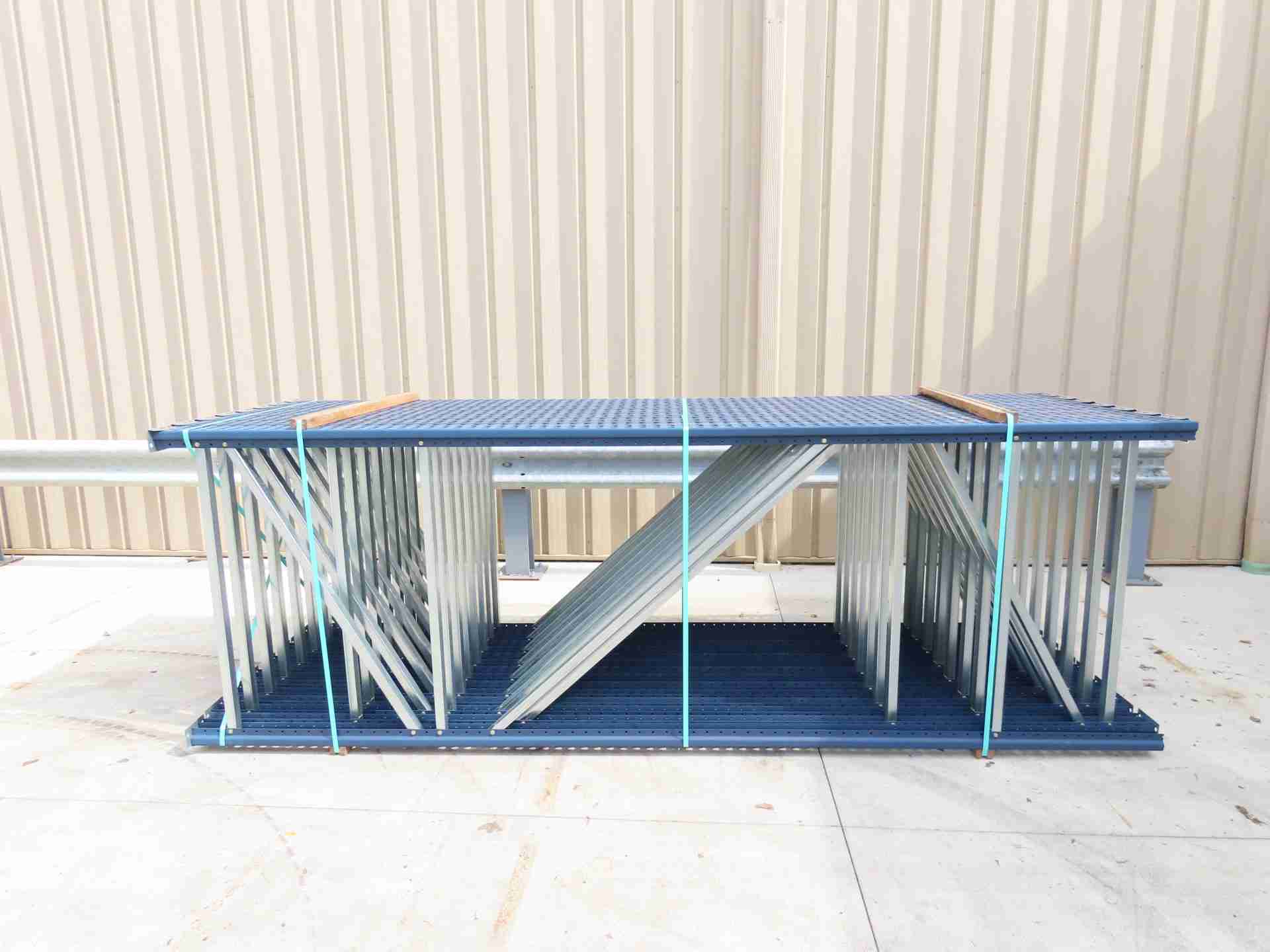
Checklist
At RackingWorld, we help guide you through selecting warehouse storage systems and racking.
Be sure to read our other related stories at RackingWorld to learn more about warehouse storage systems.
0 Comments