
Maximize Efficiency With Better Warehouse Organization
By Tom Seest
At RackingWorld, we help guide you through selecting warehouse storage systems and racking.
Be sure to read our other related stories at RackingWorld to learn more about warehouse storage systems.
Are You Losing Time Retraining Warehouse Staff Due to Poor Storage?
Picture this: Your warehouse is bustling with activity, but rather than flowing smoothly, there’s a constant shuffle of items in and out, like a chaotic dance. Employees fumble around the space, wrestling with a layout that’s more bewildering than efficient. Sound familiar? If this resonates, you might be losing valuable time in retraining your warehouse staff—time that could be better spent driving growth or improving productivity.
Let’s talk about one of the unsung heroes of warehouse efficiency: pallet racking. It seems simple, but getting your pallet racking setup right isn’t just about storing goods; it’s about creating an environment that promotes seamless operations. An effective pallet racking system allows your staff to easily locate and retrieve products, minimizing downtime and reducing the need for constant retraining. Imagine the confidence your team would feel if they could quickly navigate their surroundings and accurately fulfill orders without the guesswork.
The harsh reality is that poor storage solutions can create a domino effect of inefficiency. Employees may find it frustrating to deal with incorrect inventory locations or inaccessible items, leading to mistakes that cost you both time and money. By investing in an optimized pallet racking layout, you establish a structure that empowers your team rather than confuses them.
Consider this: the longer your team struggles with poor storage solutions, the more resources you’ll waste retraining and regrouping. It’s not merely an operational issue; it affects morale when employees feel they can’t perform their jobs effectively. By prioritizing smart storage solutions, you’re setting the stage for a happier, more engaged workforce – and that’s a narrative worth championing.
We’re not just talking about cramming more products into your warehouse. We’re talking about intelligent design and organization that transforms a chaotic space into a well-oiled machine. Your staff deserves an environment that supports them, not one that hinders their performance. When workers spend less time struggling with their surroundings and more time honing their skills, your entire operation thrives.
It’s time to break free from the cycle of inefficiency. Embrace an effective pallet racking system today and watch your warehouse transform into a streamlined powerhouse, where training becomes a thing of the past and progress takes center stage. You owe it to your team—and to your bottom line.

Are You Losing Time Retraining Warehouse Staff Due to Poor Storage?
Are You Losing Time Retraining Warehouse Staff Due to Poor Storage?
- Warehouse operations can become chaotic, leading to inefficiency and wasted time.
- An effective pallet racking system improves storage and allows easy access to products.
- Good layout minimizes downtime and reduces need for retraining staff.
- Poor storage solutions lead to frustration, mistakes, and additional costs.
- Optimized pallet racking empowers employees and enhances morale.
- Smart design transforms warehouses into efficient, organized spaces.
- Investing in proper storage solutions benefits both employee satisfaction and the bottom line.
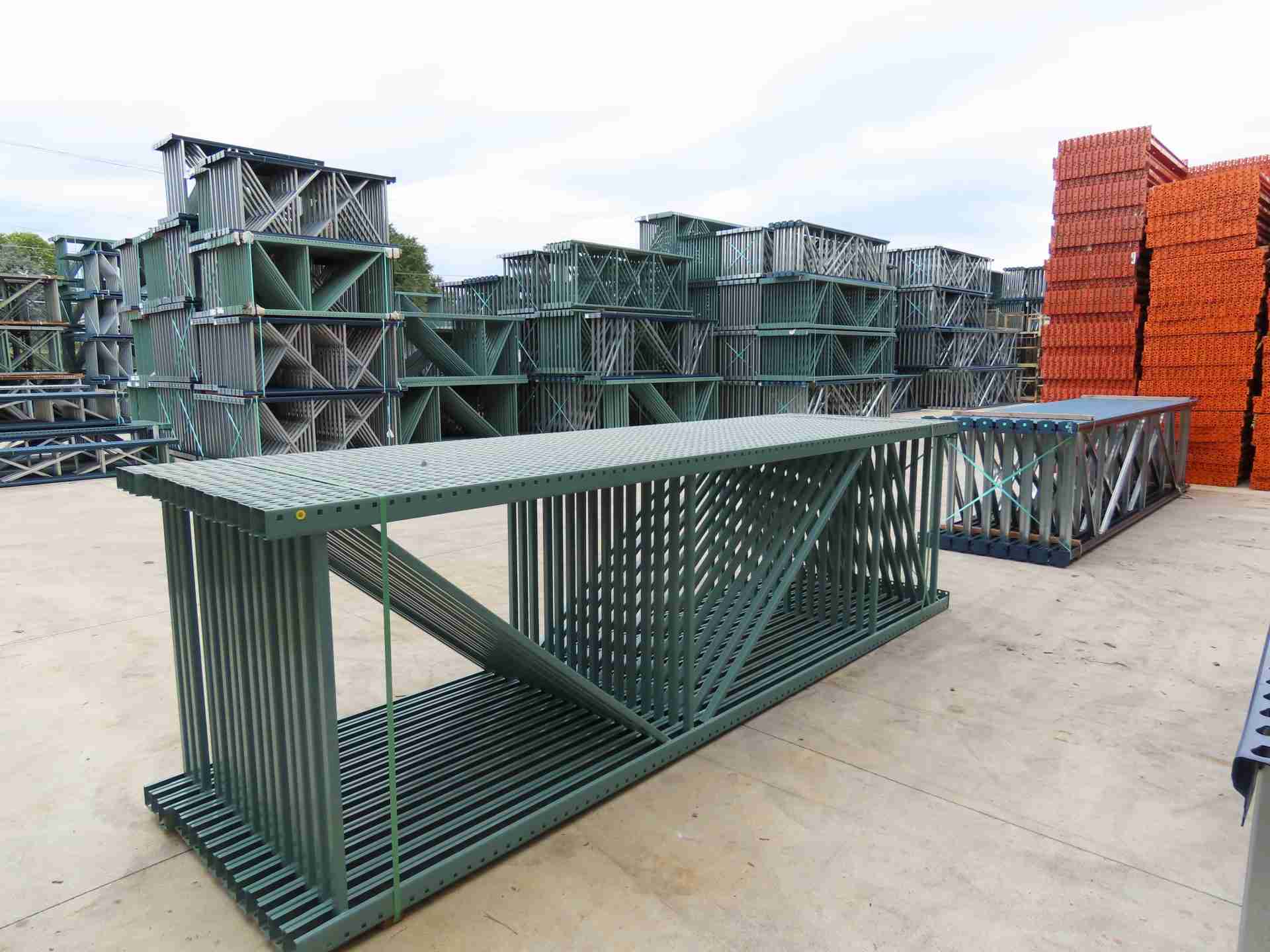
Are You Losing Time Retraining Warehouse Staff Due to Poor Storage?
Table Of Contents
- Are You Losing Time Retraining Warehouse Staff Due to Poor Storage?
- What Are The Main Causes Of Ineffective Warehouse Storage?
- How Does Poor Storage Impact Employee Training Time?
- What Strategies Can Improve Warehouse Storage Efficiency?
- How Can I Assess The Current Storage System In My Warehouse?
- What Are The Best Practices For Organizing Warehouse Inventory?
- How Does Employee Turnover Affect Warehouse Training Efforts?
- Conclusion
- Other Resources
- Glossary Of Terms
- Other Questions
- Checklist
What Are The Main Causes Of Ineffective Warehouse Storage?
When it comes to warehouse storage, the difference between smooth operation and chaos often comes down to how well you’ve structured your storage solutions. If your facility feels more like a labyrinth and less like a well-organized haven for productivity, you’re not alone. Many businesses struggle with ineffective warehouse storage, and the causes can range from simple oversight to more complex operational challenges.
First and foremost, let’s talk about Pallet Racking. This crucial component is designed to maximize vertical space while offering quick access to inventory. Yet, many warehouses fall short due to improper installation or inadequate weight distribution. Without sufficient planning and regular maintenance, your pallet racking system could lead to dangerous situations and missed opportunities. If the layout of your racking isn’t aligned with your workflow, it can also slap a cumbersome bottleneck on your operation, draining productivity and morale.
Next, consider inventory mismanagement. Many companies take a casual approach to stock control, leading to overstock or understock situations. Too much inventory means wasted space, while too little can lead to lost sales and dissatisfied customers. Implementing an effective inventory management strategy can provide structure and transparency, allowing you to make informed decisions based on real-time data.
Poor communication also plays a significant role in ineffective storage. When teams aren’t aligned or when instructions aren’t clearly conveyed, chaos ensues. It’s critical to cultivate a culture of communication. Encourage feedback from staff on the ground; they’re often the first to see inefficiencies or potential improvements within the storage system.
Another common pitfall is neglecting employee training. All the fancy technology and racking systems won’t help if the people using them don’t know how to maximize their potential. Training isn’t a one-time event; it’s an ongoing process that should evolve alongside your team and warehouse capabilities.
Finally, inadequate space planning can throw everything off balance. Are your aisles too narrow to accommodate the machinery? Is your picking process hampered by disorganized shelving? A comprehensive space assessment can help identify these discrepancies, leading to actionable changes that can transform your warehouse into a dynamic and efficient operation.
By acknowledging these common pitfalls and tackling them head-on, you can inspire a culture of efficiency, trust, and accountability within your warehouse. Remember, great storage is not just about making space; it’s about creating an environment where your business can thrive. Don’t let these issues linger—take action now!
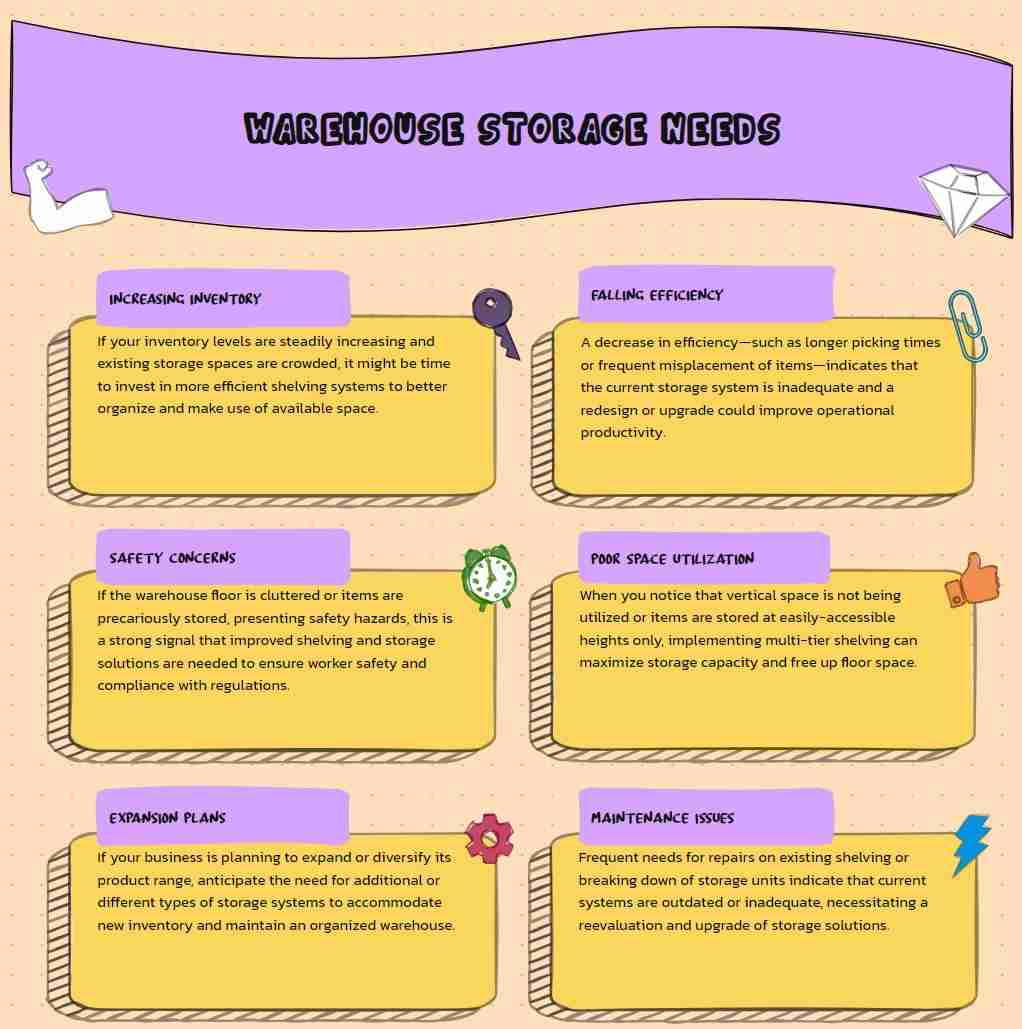
What Are The Main Causes Of Ineffective Warehouse Storage?
What Are The Main Causes Of Ineffective Warehouse Storage?
- Effective warehouse storage relies on well-structured solutions to avoid chaos.
- Pallet racking is vital for maximizing vertical space, but poor installation and planning can lead to hazards and bottlenecks.
- Inventory mismanagement can result in overstock or understock situations, impacting sales and customer satisfaction.
- Clear communication among teams is essential to avoid chaos; encourage staff feedback for improvements.
- Ongoing employee training is crucial for maximizing the potential of technology and storage systems.
- Inadequate space planning, like narrow aisles and disorganized shelving, can hinder operational efficiency.
- Addressing these common pitfalls can create a culture of efficiency and allow your warehouse to thrive.

What Are The Main Causes Of Ineffective Warehouse Storage?
How Does Poor Storage Impact Employee Training Time?
Imagine the scene: your warehouse is bustling with energy, but underneath that surface is a brewing storm. Employees struggle to navigate through aisles choked with disordered inventory, chaotic stock placement, and inadequate storage solutions. The truth is, poor storage can significantly hinder not just productivity but the very essence of employee training itself.
Consider how much time is wasted when your team spends more of their shift hunting for materials than engaging in meaningful training. Inefficiencies in storage lead to delays, frustrations, and ultimately, a disconnect between employees and their training goals. When time is eaten away by searching for tools and supplies that should be organized at their fingertips, the flow of learning is disrupted, leading to longer training timelines and diminishing returns on investment.
Take a look at pallet racking, for instance. The clear and efficient design of pallet racking systems promotes organization and accessibility. Without it, you risk creating a labyrinth of clutter that overwhelms new employees and derails their learning journey. Cargo that should be easy to identify and access becomes an obstacle, transforming what could be a streamlined training process into an ordeal fraught with challenges.
Think about it: when your employees spend less time navigating through chaos and more time grasping core skills and knowledge, they not only learn faster but retain information better. A well-organized storage system allows for quick retrieval of training materials, tools, and supplies, setting a positive tone that influences not only the employees but the culture of your whole operation. The quicker your team is able to train, the faster they become proficient, leading to a more competent workforce and increased profitability.
Incorporating proper storage practices, like installing effective pallet racking, isn’t merely a logistical choice; it’s a strategic investment in your workforce’s future. Imagine a learning environment where resources are at everyone’s fingertips, where new hires feel empowered instead of frustrated. This isn’t merely a dream—it can be your reality with the right systems in place.
So what are you waiting for? Take the first step toward transforming your employee training experience by addressing your storage inefficiencies. The path to a more skilled workforce is clear, organized, and ready to set your business apart from the competition. Embrace the opportunity to make impactful changes today; your employees—and your bottom line—will thank you tomorrow!
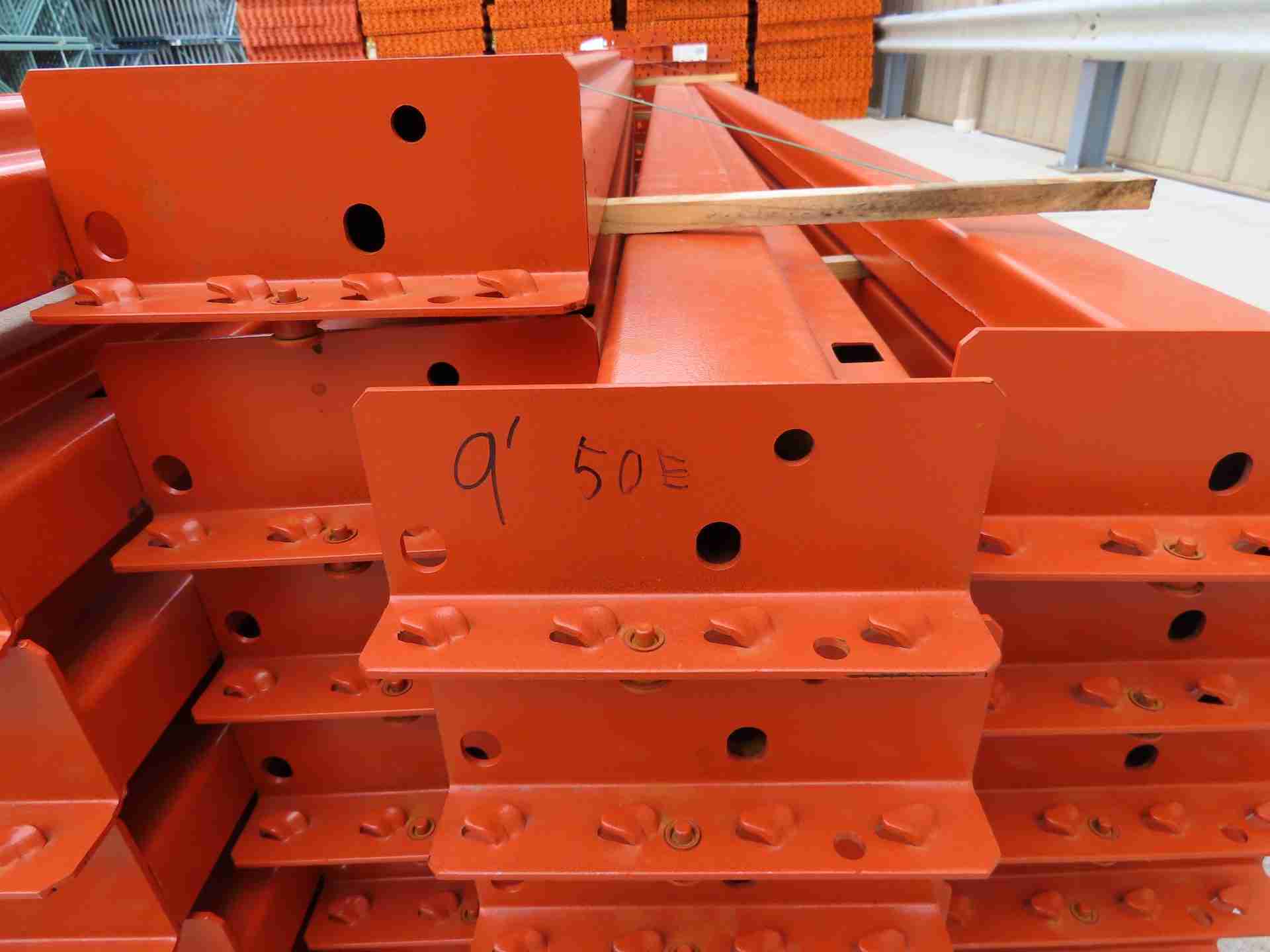
How Does Poor Storage Impact Employee Training Time?
How Does Poor Storage Impact Employee Training Time?
- Warehouse disorganization leads to hindered productivity and poor employee training.
- Time wasted searching for materials disrupts the flow of learning, resulting in longer training timelines.
- Pallet racking promotes organization and accessibility, preventing clutter that overwhelms new employees.
- Streamlined storage systems enhance information retention and allow employees to focus on core skills.
- A well-organized environment fosters a positive culture and increases workforce competence.
- Implementing effective storage practices is a strategic investment in the future of the workforce.
- Addressing storage inefficiencies can transform the training experience and boost overall profitability.
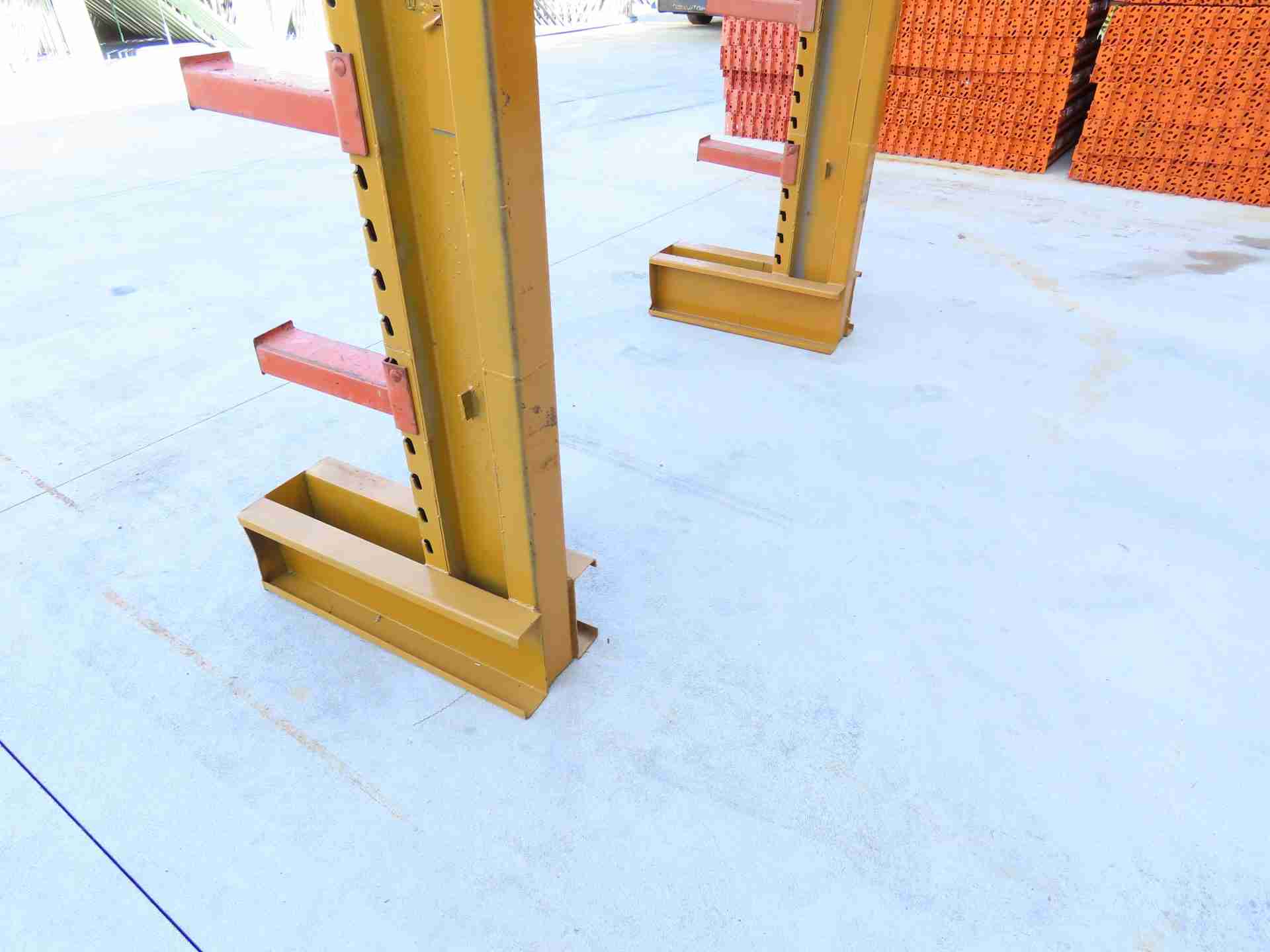
How Does Poor Storage Impact Employee Training Time?
What Strategies Can Improve Warehouse Storage Efficiency?
Every successful warehouse operation thrives on efficiency. When your storage methods are streamlined, it not only reduces overhead but also enhances productivity. Let’s dive into some proven strategies that can elevate your warehouse storage efficiency to new heights.
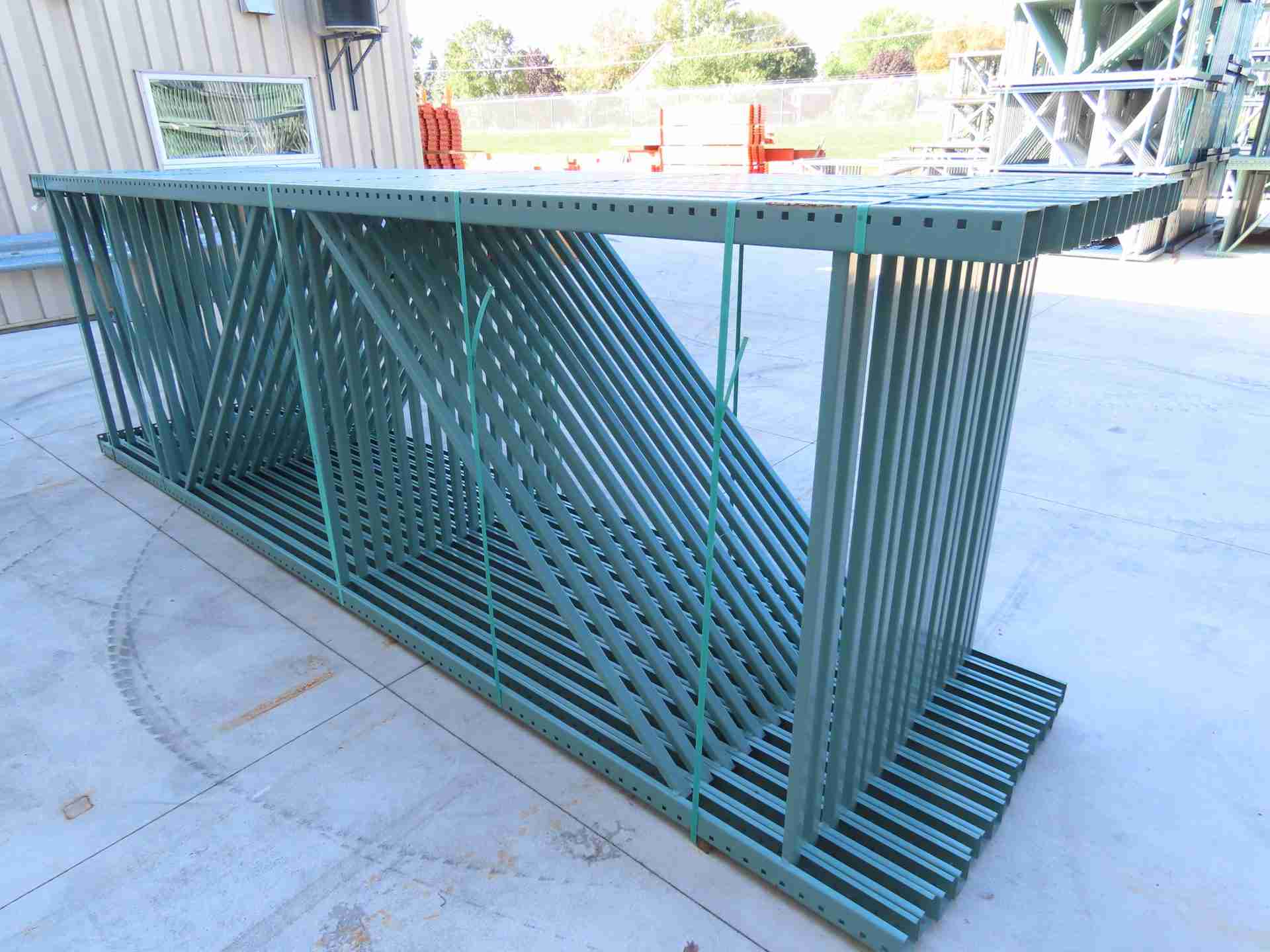
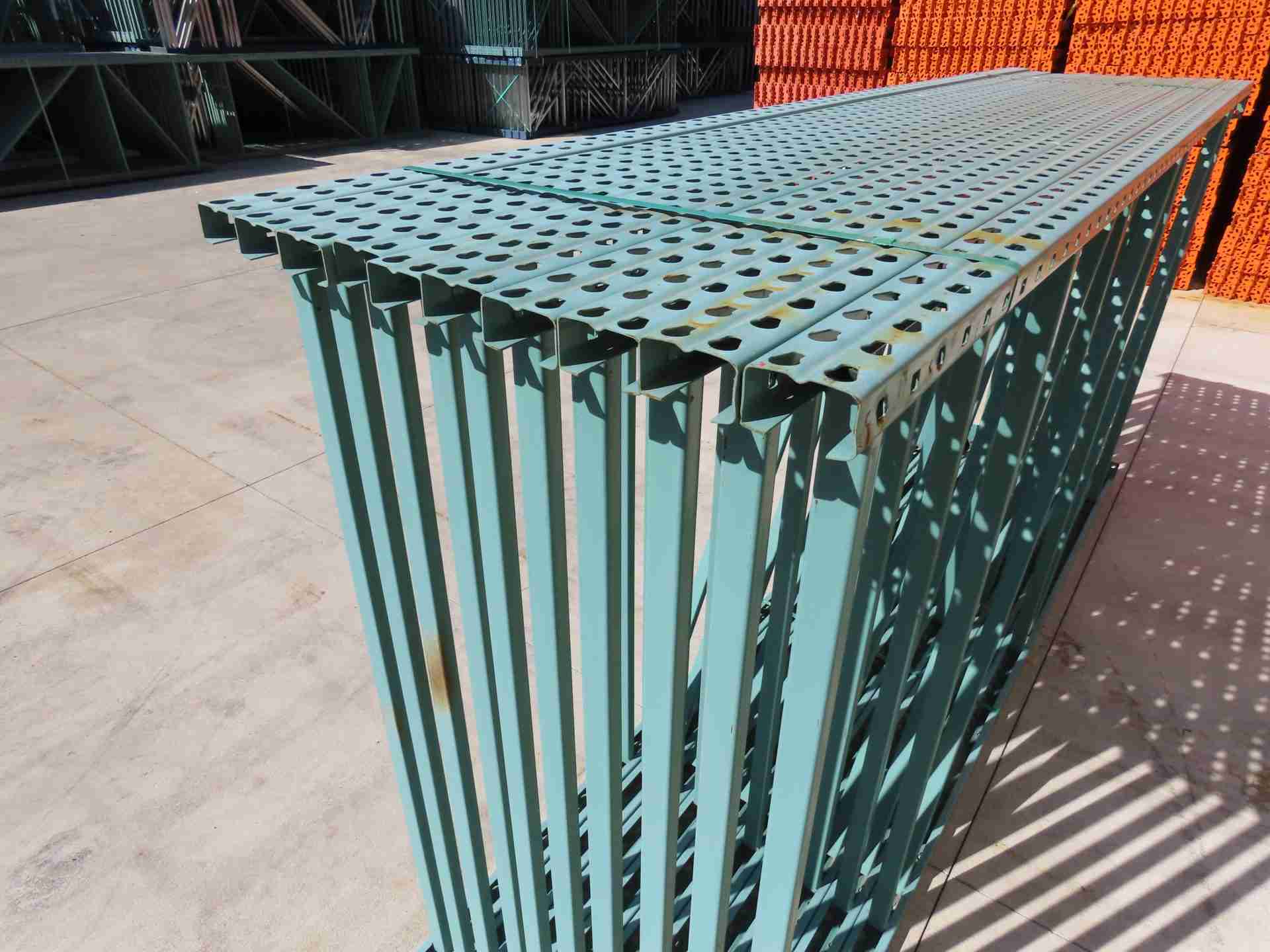
First, consider the transformative power of pallet racking. This isn’t just a trendy buzzword; it’s a game-changer. Think of pallet racking as the backbone of your storage strategy. By utilizing vertical space, you can store more inventory without expanding your physical footprint. Imagine this: your warehouse space is a prime asset—by implementing industrial-grade pallet racking, you can maximize each square foot and reduce clutter. Picture your team zipping around with ease, swiftly locating items rather than digging through piles of inventory!
Next, embrace the art of organization. A well-thought-out layout isn’t just appealing; it’s essential. Invest time in mapping out your storage area. Creating designated zones ensures that everything has a home. Products that move quickly should be close to packing areas, while slower-moving inventory can be stored further away. This simple shift can save invaluable time and cut down on labor costs. Visualize your staff, confidently navigating the aisles, knowing precisely where each item resides—all thanks to an organized layout!
Moreover, technology is a trusted ally in optimizing your warehouse efficiency. Consider implementing a robust warehouse management system (WMS). This tech-savvy solution enables real-time tracking of inventory, automates ordering processes, and provides invaluable analytics. This ensures you’re not just guessing how much stock to order or where to place items; you’re equipped with data-driven insights that foster informed decisions!
Finally, don’t overlook the importance of training your staff. Your team’s knowledge and dexterity are your greatest assets. Regular training sessions on proper storage techniques—whether it’s the safest way to maneuver pallets or the optimal use of your racking systems—will translate into fewer accidents and reduced downtime. Think about it: a well-trained team is a confident team, and their heightened morale will reflect in your bottom line!
By integrating these strategies into your operations, you’re not just improving storage efficiency; you’re paving the way for sustained success. So take that leap. Invest in pallet racking for your warehouse, streamline your layout, embrace technology, and empower your team. Your future self—one that’s operating at peak efficiency—will thank you!
What Strategies Can Improve Warehouse Storage Efficiency?
What Strategies Can Improve Warehouse Storage Efficiency?
- Efficiency is crucial for successful warehouse operations, reducing overhead and enhancing productivity.
- Pallet racking serves as a backbone for storage strategies, maximizing vertical space and minimizing clutter.
- A well-organized warehouse layout saves time and labor costs by ensuring quick-moving items are easily accessible.
- Implementing a warehouse management system (WMS) offers real-time inventory tracking and analytics for informed decision-making.
- Staff training on proper storage techniques reduces accidents and downtime, boosting team confidence and morale.
- Integrating these strategies improves overall storage efficiency and paves the way for sustained business success.
- Investing in the right storage solutions and empowering your team will lead to peak operational efficiency.
What Strategies Can Improve Warehouse Storage Efficiency?
How Can I Assess The Current Storage System In My Warehouse?
When it comes to optimizing your warehouse’s performance, understanding your current storage system’s strengths and weaknesses is crucial. Many warehouse owners overlook this vital step, believing that simply having adequate Pallet Racking is enough. But let’s face it—just like a well-baked cake needs the right ingredients and proportions, your warehouse needs a finely-tuned system to maximize efficiency, reduce costs, and meet your business goals.
Start by taking a walk through your warehouse with fresh eyes. Are your aisles cluttered? Is the Pallet Racking system organized, or does it resemble an overstuffed closet? Pay close attention to your storage layout. Is it intuitive for your team to navigate? A well-structured layout causes delays and frustration, costing time and money. Engage your staff in this assessment—they are on the front lines and can provide invaluable insights about inefficiencies.
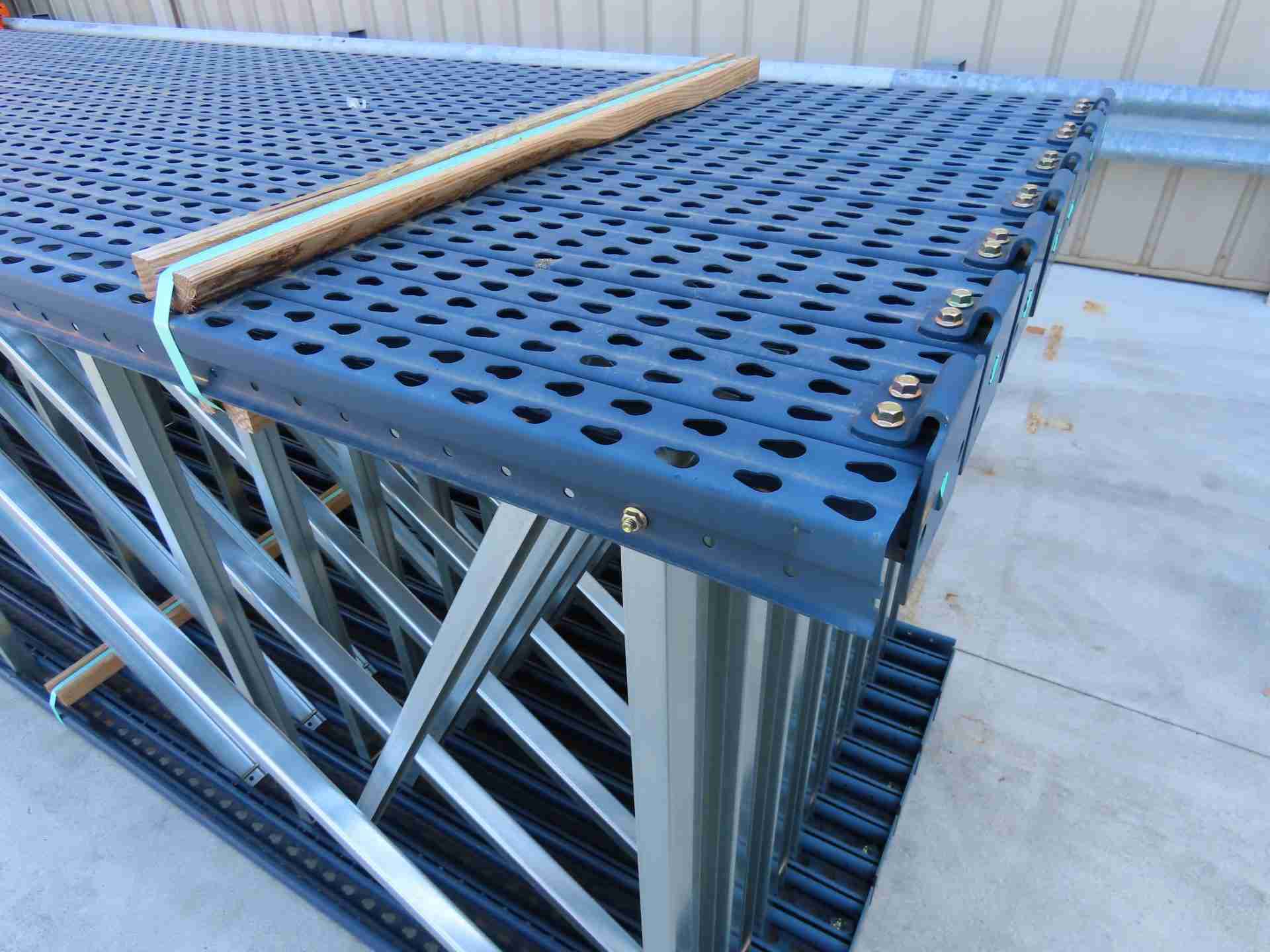
Next, evaluate your current Pallet Racking. Is it up to industry standards? Has it been maintained properly? Inspect for any signs of wear and tear or design flaws that may hinder your operation. A sturdy, well-maintained Pallet Racking system not only enhances safety but also maximizes storage space, allowing for easier inventory management.
Moreover, consider integrating technology. Inventory management systems can save time and reduce human errors. Assess how you track incoming and outgoing products; if your current systems feel clunky or outdated, it might be time for an upgrade. Modern software solutions are user-friendly and can provide real-time data to help you make informed decisions, a game-changer in today’s fast-paced marketplace.
Don’t forget to look at trends in your industry. Are competitors leveraging different storage solutions that are more efficient? Benchmark your operations against industry standards to identify gaps and opportunities. Asking peers about their strategies can provide fresh insights and innovative solutions.
Finally, prepare an actionable plan. Document your findings, prioritize areas for improvement, and set realistic goals. A strategic approach not only increases the performance of your current storage system but inspires confidence among your team. Remember, a well-organized warehouse is not just a facility; it’s an investment that signals your commitment to excellence to your clients and stakeholders.
Embrace this opportunity to assess and enhance your storage system—you will reap the rewards in remarkable ways!
How Can I Assess The Current Storage System In My Warehouse?
How Can I Assess The Current Storage System In My Warehouse?
- Understanding the strengths and weaknesses of your current storage system is essential for optimizing warehouse performance.
- Evaluate the organization of your warehouse layout to ensure it is intuitive and uncluttered for efficient navigation.
- Engage staff in the assessment process to gather insights on inefficiencies based on their front-line experiences.
- Regularly inspect the Pallet Racking system for maintenance, safety, and adherence to industry standards.
- Consider integrating modern inventory management technology to reduce errors and improve efficiency.
- Stay updated on industry trends and benchmark against competitors to identify areas for improvement.
- Prepare a detailed, actionable plan based on findings, setting achievable goals to enhance your storage system.

How Can I Assess The Current Storage System In My Warehouse?
What Are The Best Practices For Organizing Warehouse Inventory?
Picture this: you walk into your warehouse, and instead of chaos reigns, it’s a symphony of organization. Every item has its place, and you can navigate the aisles with the grace of a seasoned pro. This is not just a dream; it’s what efficient warehouse inventory organization looks like when implemented strategically. Let’s dive into some essential best practices that can transform your inventory management experience.
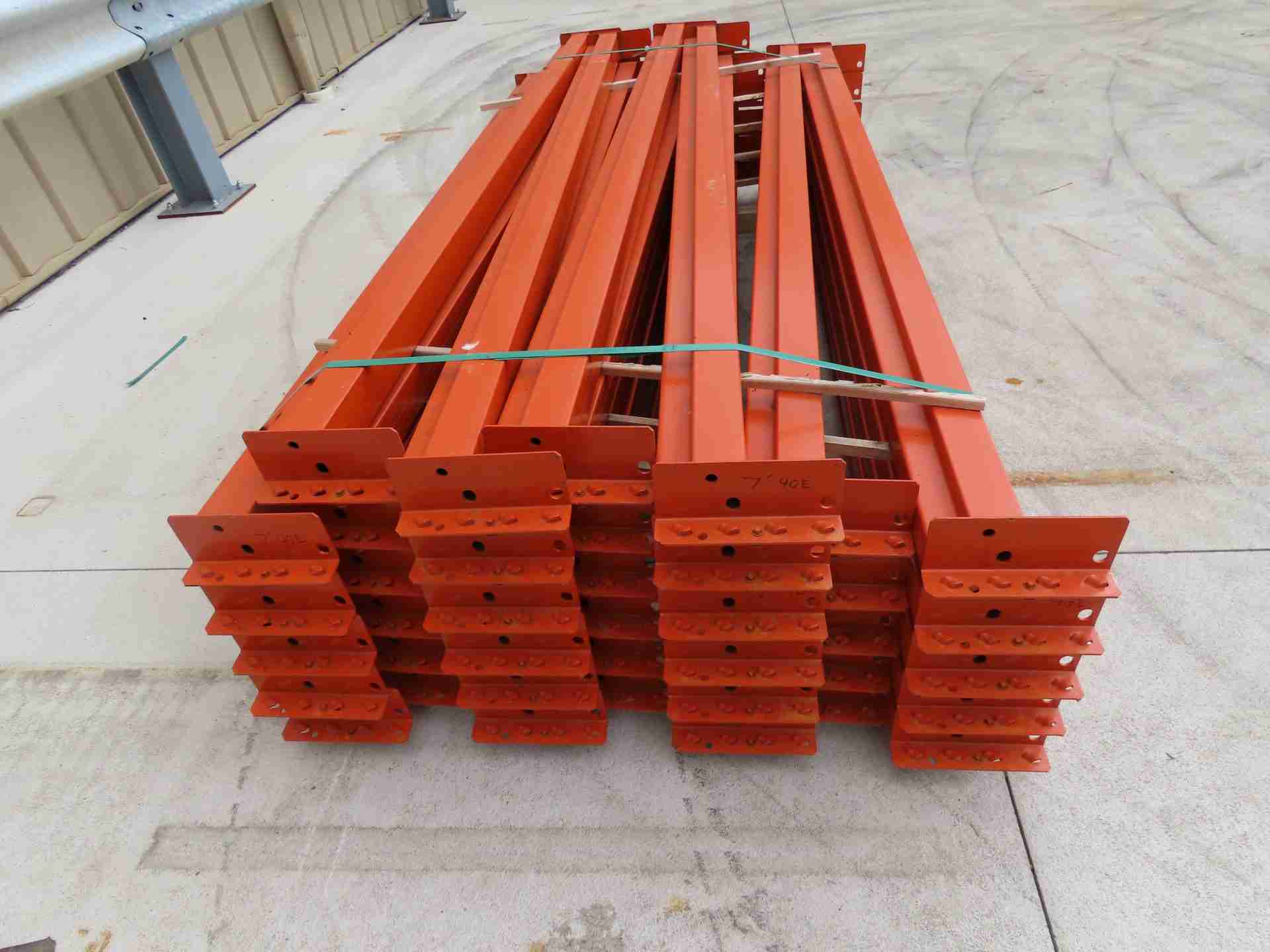
First and foremost, embrace the power of pallet racking. A well-planned racking system is your first line of defense against clutter. This modular shelving allows you to utilize vertical space efficiently, clearing up valuable floor space. But don’t just throw pallets in willy-nilly! Be deliberate. Group similar items together, and ensure that your high-demand products are easily accessible. It’s like creating a VIP section for your most popular items, allowing for quicker picks and heightened efficiency.
Next, adopt a labeling system that’s as clear as a sunny day. Investing in high-quality labels that withstand wear and tear can save you hours of searching through boxes. Make it a rule: every item, every bin, every shelf should be clearly marked. Not only does this foster self-sufficiency among your team members but also builds a culture of accountability. They know where to look, and they know where things belong.
Now, think about categorizing your inventory. The more organized your categories, the easier it becomes for your team to find items. Consider principles like FIFO (First In, First Out) or LIFO (Last In, First Out) to keep track of your stock. This practice minimizes waste and old inventory, ensuring that your operations run smoothly and efficiently.
Implementing technology is another game-changer. Utilize Warehouse Management Systems (WMS) that can track inventory levels in real-time. Not only does this provide insights into your stock’s movement, but it also helps you avoid the dreaded stockouts or overstock situations. With real-time data, you can make informed decisions that bring your operations to the next level.
Lastly, foster a culture of continuous improvement. After all, the best warehouses evolve. Regularly assess your inventory organization practices and actively seek feedback from your team. This not only enhances trust among your employees but also inspires innovative solutions that might just transform your operation.
By embracing these best practices, you won’t just organize your warehouse—you’ll empower your business. So roll up your sleeves, grab that pallet, and watch your inventory management soar to new heights!
What Are The Best Practices For Organizing Warehouse Inventory?
What Are The Best Practices For Organizing Warehouse Inventory?
- Embrace pallet racking for efficient vertical space utilization and organized floor space.
- Group similar items together and prioritize accessibility for high-demand products.
- Implement a clear labeling system for all items, bins, and shelves to enhance accountability.
- Categorize inventory using principles like FIFO or LIFO to minimize waste and streamline operations.
- Utilize Warehouse Management Systems (WMS) for real-time inventory tracking and insights.
- Foster a culture of continuous improvement by regularly assessing practices and seeking team feedback.
- Empower your business by implementing these best practices for effective warehouse inventory management.

What Are The Best Practices For Organizing Warehouse Inventory?
How Does Employee Turnover Affect Warehouse Training Efforts?
Imagine walking into a warehouse buzzing with energy. Forklifts zipping around, products being shelved on sturdy pallet racking, and a team that works like a well-oiled machine. Now, picture that same scene disrupted by high employee turnover. You might recognize the unease it brings—not only to the operations but also to the training efforts that are vital for maintaining efficiency and productivity.
When employees leave, it creates a ripple effect throughout your organization. Newly hired employees need to familiarize themselves with systems, procedures, and, of course, the fundamental aspects of their roles—from operating machinery safely to understanding the layout of the warehouse, including the crucial pallet racking systems. The disruption is palpable; existing staff must invest time in mentoring newbies, which can divert their focus from their own tasks.
You might be thinking, “What’s the big deal?” The truth is, every minute spent on training new employees is a minute not spent on ensuring that shelves are stocked, orders are filled, and deliveries are made on time. Plus, there’s the risk that fresh faces, still learning the ropes, may overlook details that seasoned veterans wouldn’t dream of missing. This can result in costly errors and inefficiencies—undermining the quality that customers expect and deserve.
But it doesn’t have to be this way. One of the most effective solutions is adopting a robust training program that doesn’t just respond to turnover, but anticipates it. Think of it as a lifestyle—creating a culture of continuous learning where each employee, from day one, is not just learning the job, but becoming invested in your company’s success. Implementing hands-on training sessions that highlight the importance of processes involving pallet racking and other operational aspects can significantly cut down on the transition period for new hires.
Moreover, involving seasoned employees in the training process fosters a sense of belonging and teamwork. By encouraging knowledge sharing, you enhance not only skills but also morale. When employees feel connected and valued, they’re less likely to seek opportunities elsewhere.
High turnover doesn’t have to spell doom for your warehouse training efforts. Instead, view it as an opportunity to refine your systems, strengthen your team, and invest in the future. Equip your workforce with the tools they need, and watch as your turnover challenges transform into a tightly-knit, efficient operation ready to tackle whatever comes next.
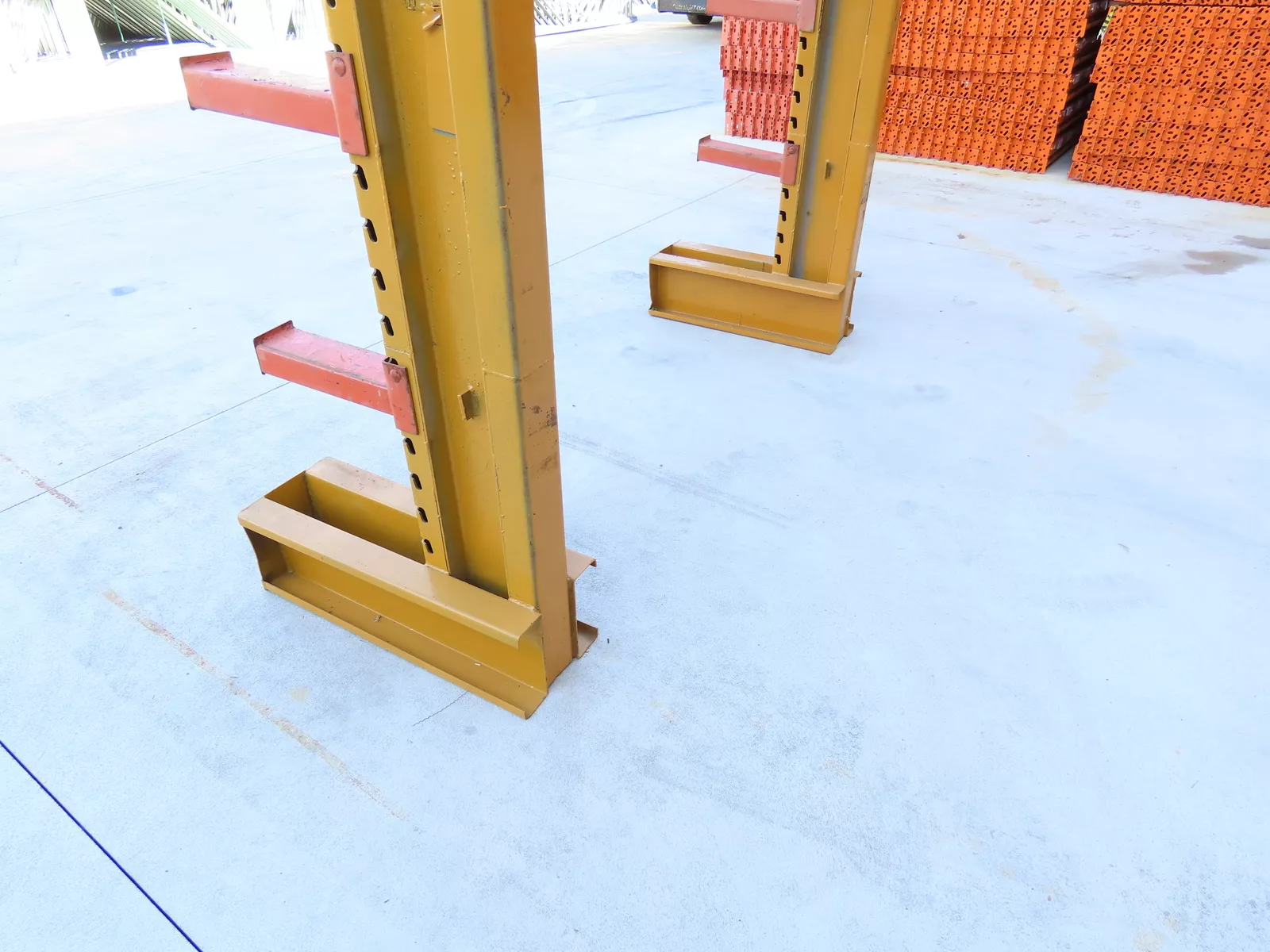
How Does Employee Turnover Affect Warehouse Training Efforts?
How Does Employee Turnover Affect Warehouse Training Efforts?
- High employee turnover disrupts warehouse operations and training efforts.
- New hires require time to learn systems and fundamental job aspects, increasing workload for existing staff.
- Every minute spent training new employees detracts from essential tasks like stocking and fulfilling orders.
- Overlooked details by inexperienced employees can lead to costly errors and inefficiencies.
- Implementing a robust training program anticipates turnover and fosters continuous learning culture.
- Involving seasoned employees in training enhances knowledge sharing, morale, and teamwork.
- View turnover as an opportunity to refine systems and strengthen team dynamics for future success.
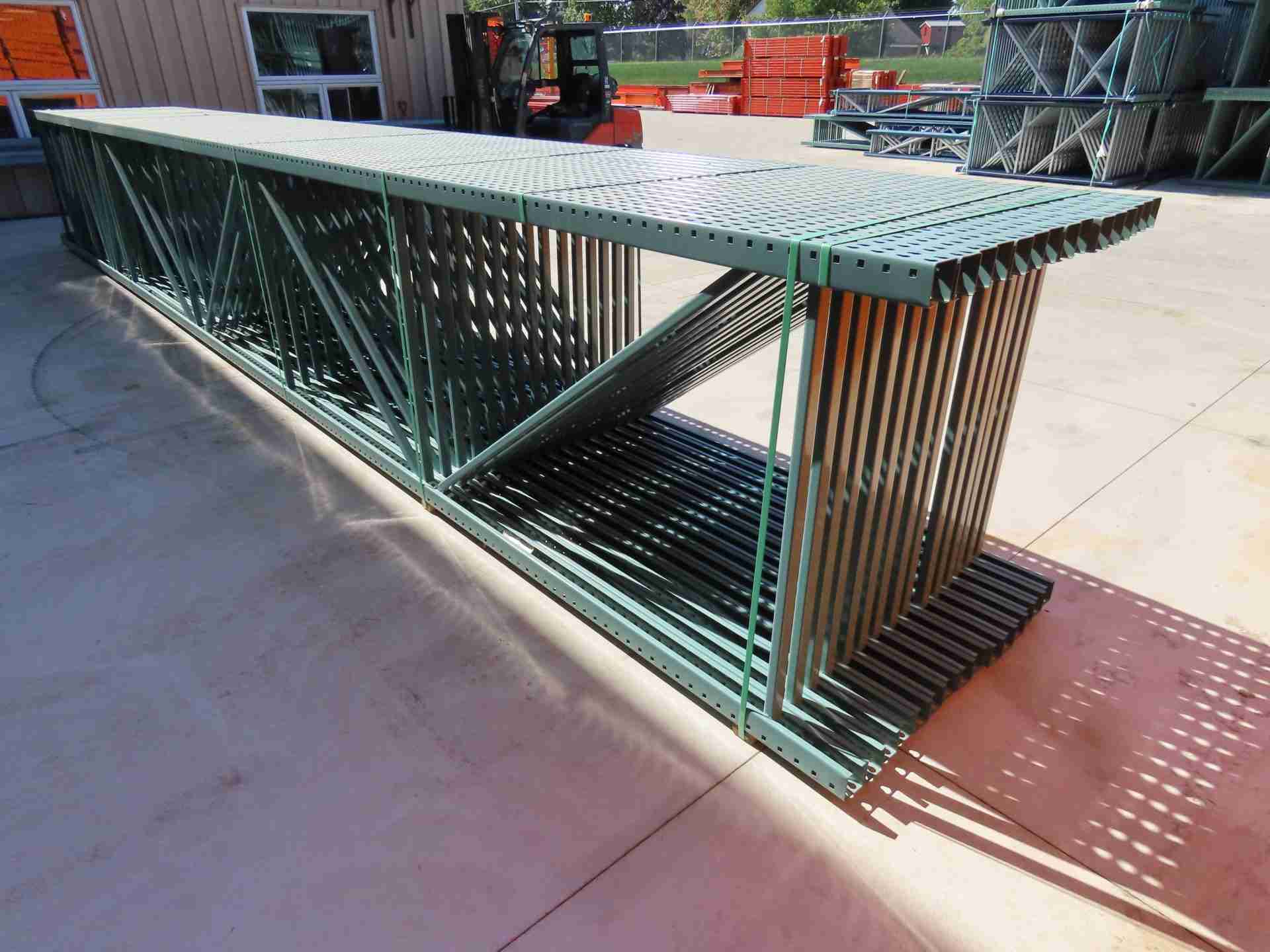
How Does Employee Turnover Affect Warehouse Training Efforts?
Conclusion
In today’s fast-paced industrial landscape, the efficiency of your warehouse is not just a matter of operational convenience—it’s a crucial driver of profitability and employee satisfaction. If your warehouse resembles a chaotic maze rather than a well-organized hub, you’re not only squandering time but also hindering growth. The key to overcoming these challenges lies in one often-overlooked component: effective pallet racking and storage solutions.
Imagine a streamlined system where your employees can swiftly navigate aisles and easily locate inventory. When storage is optimized, employees spend less time searching for items and more time refining their skills, leading to quicker training times and enhanced productivity. This reduction in inefficiency addresses a pressing concern for many warehouses—an ongoing cycle of retraining due to disorganization. Investing in a well-structured pallet racking system allows you to reap the rewards of increased operational efficiency and superior morale.
Sifting through the common pitfalls of ineffective storage—from improper racking installations to poor inventory management—it’s evident that adopting a strategic approach is essential. Warehouse management systems (WMS) can revolutionize your operations, offering real-time tracking and data-driven insights to help you make informed decisions. Combine this with best practices in inventory organization, such as clear labeling and strategic product placement, and watch your warehouse transform from a cluttered space into a powerhouse of efficiency.
At Arrow Industrial Sales, we specialize in providing customized storage solutions designed to meet your specific needs. Our quality pallet racking systems ensure that your employees feel empowered in their roles, saving you valuable time and substantial costs in the long run. Don’t allow inefficiencies to hinder your operation—invest in your warehouse’s organizational future today.
The time for change is now! Don’t wait until inefficiencies steal even more from your bottom line. Call Arrow Industrial Sales at (574) 349-6575 today to explore how we can help you maximize efficiency through superior warehouse organization. Remember, your competition won’t wait—act swiftly, and pave the way for a seamless and productive warehouse operation!
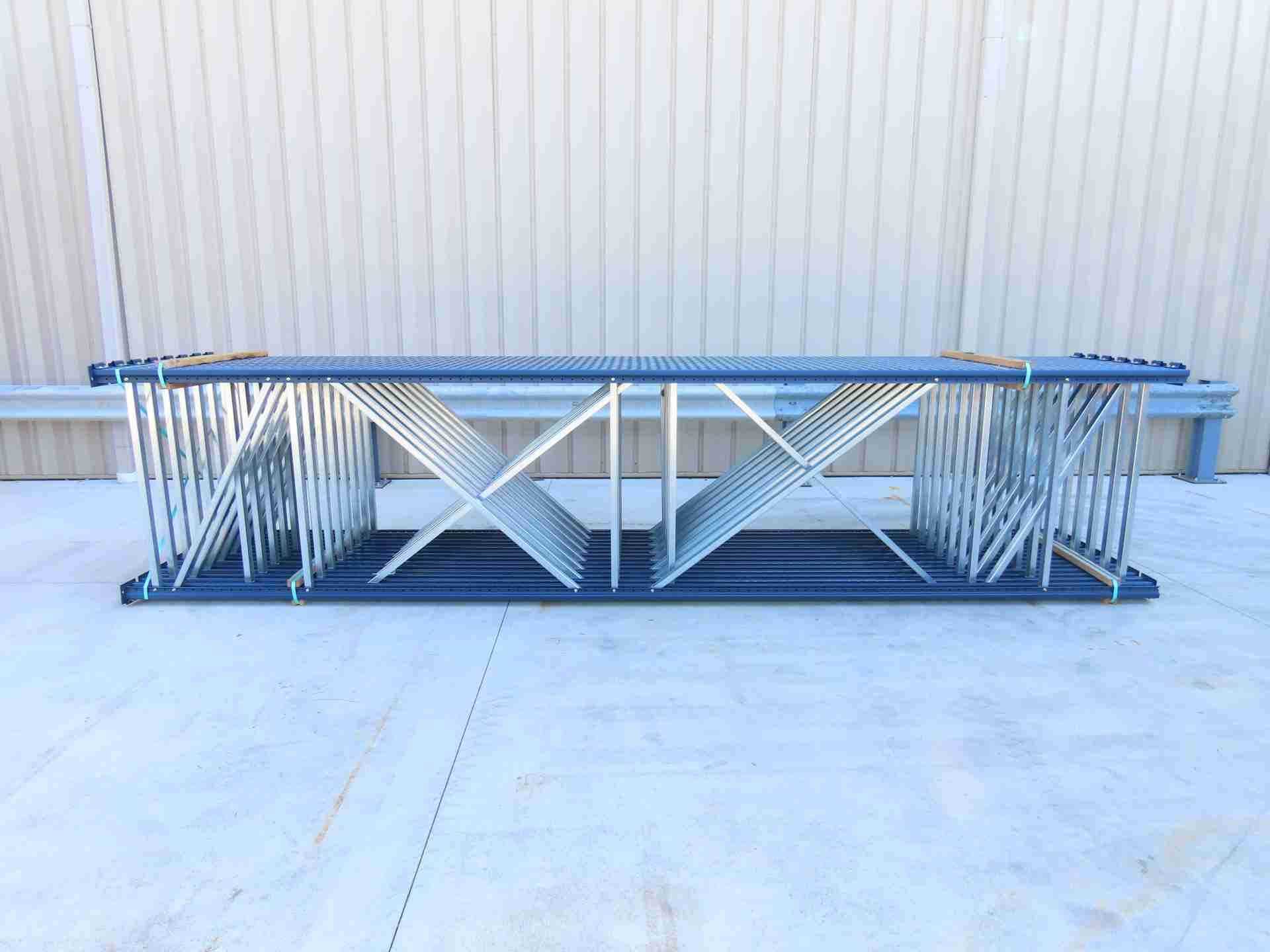
Conclusion
Conclusion:
- Warehouse efficiency is crucial for profitability and employee satisfaction in today’s industrial landscape.
- An organized warehouse reduces time wasted searching for items, improving employee training and productivity.
- Investing in effective pallet racking systems leads to increased operational efficiency and workforce morale.
- Strategic approaches to storage, including proper racking and inventory management, are essential for warehouse success.
- Warehouse Management Systems (WMS) provide real-time tracking and insights for informed decision-making.
- Arrow Industrial Sales offers customized storage solutions to empower employees and reduce costs.
- Contact Arrow Industrial Sales to enhance warehouse organization and stay competitive in the market.

Conclusion
Other Resources
Other Resources
Here is a list of other resources you can review online to learn more:
- Rack Manufacturers Institute
- Logic Material Handling
- New Cantilever Racks and Racking Kits
- Pallet Racking systems in Illinois and Great Lakes
- Crane Manufacturers Association Of America Inc.
- Pallet Racking 101: A Comprehensive Guide & Options Explained
- Material Handling Safety
- Selective Pallet Racking Systems
- Warehouse Racking System: Powerful Guide to Optimise, 2024
- National Safety Council
Use This Prompt To Get More Resources With Your Favorite Online AI Tool: Please provide me with a list of online articles with their URLs in a bulleted list that I can read regarding Are You Losing Time Retraining Warehouse Staff Due to Poor Storage?

Other Resources
Glossary Terms
Are You Losing Time Retraining Warehouse Staff Due to Poor Storage? – Glossary Of Terms
1. Warehouse Management System (WMS): Software that helps manage and optimize warehouse operations, including tracking inventory and streamlining processes.
2. Inventory Turnover: A measure of how often inventory is sold and replaced over a period, indicating the efficiency of storage and sales.
3. SKU (Stock Keeping Unit): A unique identifier for each distinct product and service that can be purchased, crucial for inventory management.
4. Pick and Pack: A logistics process where items are picked from inventory and packed for shipment, emphasizing efficient storage layout.
5. FIFO (First In, First Out): An inventory management method that ensures older stock is sold before newer stock, preventing waste.
6. LIFO (Last In, First Out): A method in which the most recently produced or received inventory is the first to be sold, affecting storage practices.
7. Lean Warehousing: An approach to reducing waste and optimizing storage to improve efficiency in warehouse operations.
8. Cross-Docking: The practice of unloading goods from inbound transport and loading them directly onto outbound transport, minimizing storage time.
9. Inventory Accuracy: The measure of the correctness and reliability of inventory levels, crucial for effective retraining and storage strategies.
10. Cycle Counting: A periodic counting of inventory in a warehouse to ensure accuracy and mitigate errors in stock records.
11. Storage Optimization: The process of organizing space effectively to maximize storage capacity and accessibility, crucial for retraining staff.
12. Bin Location: A designated area in a warehouse where specific items are stored, essential for efficient picking and packing operations.
13. Workforce Training: Programs and processes designed to educate employees on tasks related to inventory management and warehouse operations.
14. ERP (Enterprise Resource Planning): Integrated software that manages a company’s resources, including inventory, to enhance decision-making and efficiency.
15. Safety Stock: Extra inventory kept on hand to prevent stockouts, which can complicate storage and retraining.
16. Real-time Inventory Tracking: Technology that allows for the immediate logging and monitoring of inventory changes as they occur.
17. Order Fulfillment: The complete process of receiving, processing, and delivering orders to customers, closely tied to storage efficiency.
18. Space Utilization: The effectiveness of space usage in the warehouse, affecting how much inventory can be stored and accessed.
19. Logistics: The overall management of the flow of goods and services from origin to consumer, heavily influenced by storage practices.
20. Retraining: The process of reeducating employees on systems and practices to enhance performance and adapt to changes in warehousing.
21. Process Mapping: Documenting and analyzing workflows in a warehouse to identify inefficiencies in storage and improve training.
22. Automation: The use of technology to perform tasks without human intervention, potentially reducing the need for retraining.
23. Picking Efficiency: A measure of how quickly and accurately items can be retrieved from storage for order fulfillment.
24. Demand Forecasting: The process of predicting future inventory needs, influencing storage practices and staff training requirements.
25. Safety Protocols: Guidelines and procedures established to maintain a safe working environment in warehouses, essential for staff training.
26. Standard Operating Procedures (SOPs): Written instructions detailing routine operations within a warehouse, critical for consistent staff performance.
27. Visual Management: A strategy that uses visual signals to enhance communication and understanding of processes in the warehouse.
28. Shelving Systems: Various types of structures used to store inventory, impacting accessibility and the efficiency of storage.
29. Bulk Storage: A method of storing large quantities of products in a single location, requiring specific training for efficient retrieval.
30. Continuous Improvement: Ongoing efforts to enhance processes and practices within the warehouse, directly impacting retraining and operational efficiency.
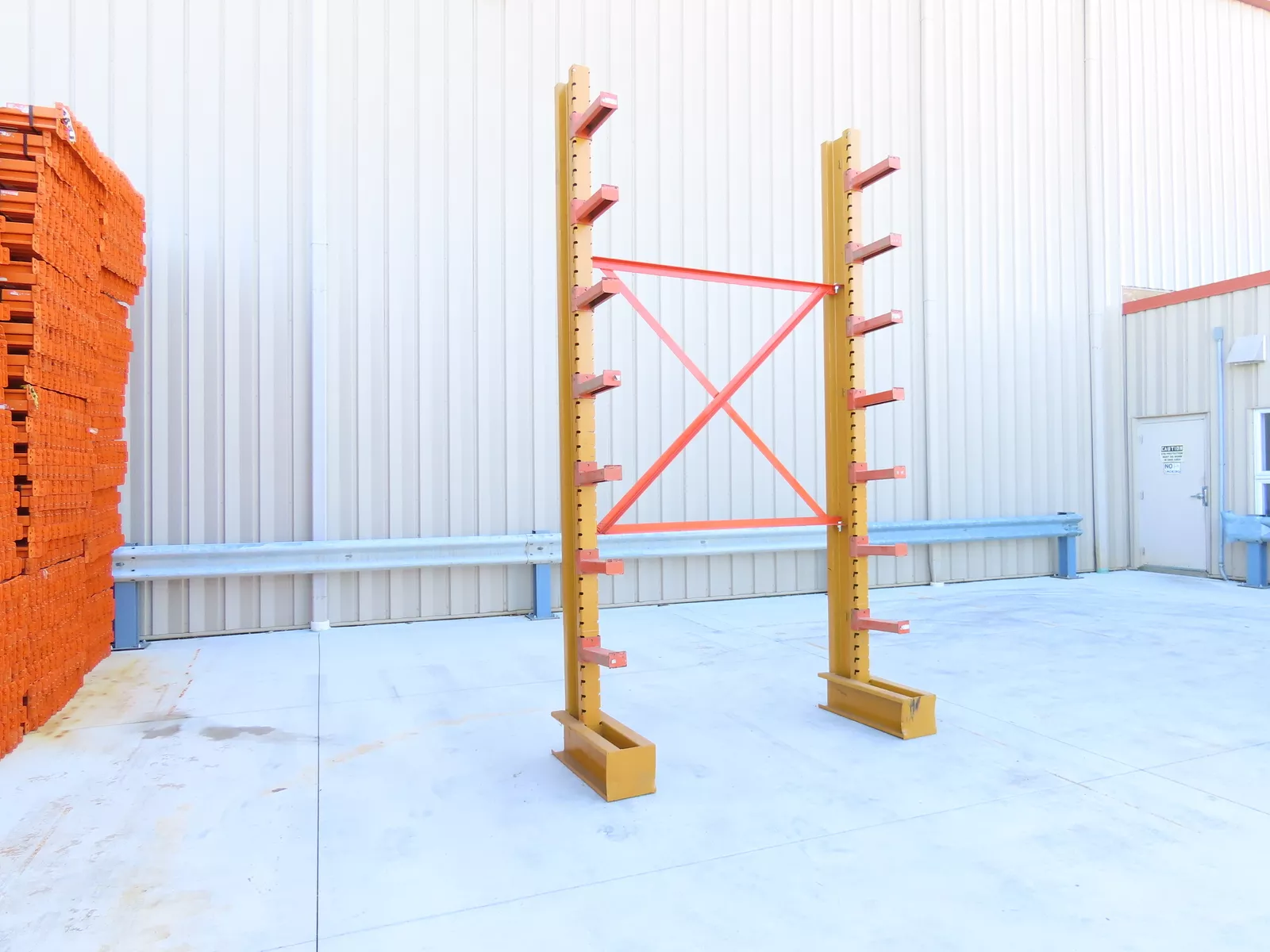
Glossary Of Terms
Other Questions
Are You Losing Time Retraining Warehouse Staff Due to Poor Storage? – Other Questions
If you wish to explore and discover more, consider looking for answers to these questions:
- What are the best pallet racking systems for different types of warehouses?
- How can I calculate the ideal pallet racking configuration for my warehouse?
- What are the safety standards associated with pallet racking installation?
- How frequently should I reassess my warehouse storage systems?
- What role does technology play in modern warehouse management?
- How can employee feedback be effectively integrated into warehouse organization strategies?
- What are the consequences of neglecting employee training on warehouse operations?
- How do different inventory management strategies affect storage efficiency?
- What are some common pitfalls in implementing new storage solutions?
- How can I create a culture of continuous improvement in my warehouse?
- What cost-saving benefits can proper warehouse organization provide?
- How can I quickly train staff on new storage systems effectively?
- What metrics can I use to measure the efficiency of my warehouse operations?
- How does poor communication contribute to warehouse inefficiencies?
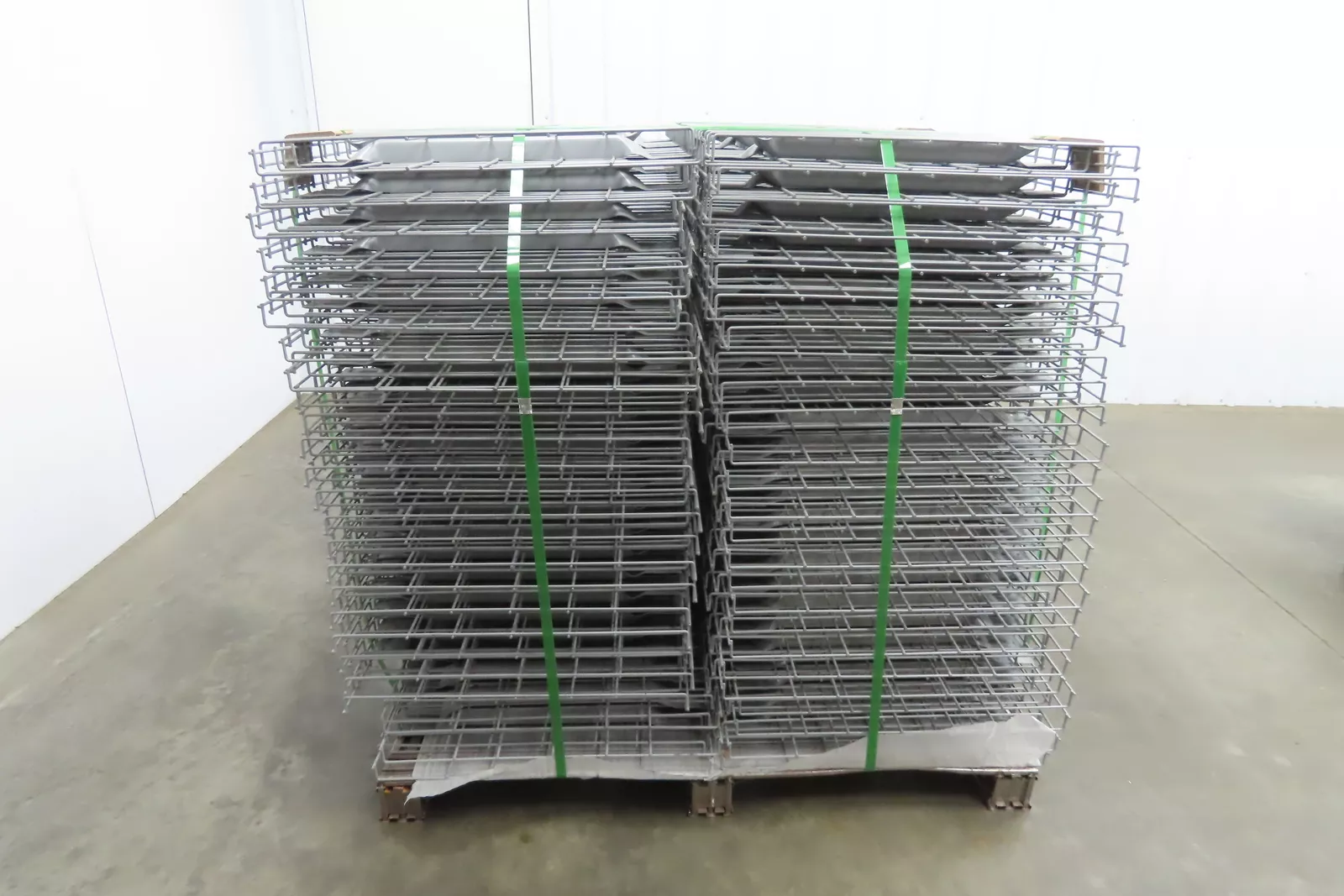
Other Questions
Checklist
Are You Losing Time Retraining Warehouse Staff Due to Poor Storage? – A Checklist
1. Assess Your Current Warehouse Layout
✅ _____ Walk through your warehouse and observe the flow of operations.
✅ _____ Identify cluttered aisles and areas that hinder navigation.
✅ _____ Check if your pallet racking system is organized effectively.
2. Optimize Pallet Racking
✅ _____ Ensure proper installation and maintenance of pallet racking systems.
✅ _____ Utilize vertical space efficiently to maximize storage capacity.
✅ _____ Group similar items together for easier access to high-demand products.
3. Implement Inventory Management Strategies
✅ _____ Adopt a clear and efficient labeling system for all items and shelves.
✅ _____ Implement inventory categorization (e. g. , FIFO or LIFO).
✅ _____ Regularly review stock levels and adjust inventory as needed.
4. Foster Effective Communication
✅ _____ Create a culture of feedback where employees can share insights on inefficiencies.
✅ _____ Ensure clear communication of roles and responsibilities within the team.
5. Develop a Comprehensive Training Program
✅ _____ Implement ongoing training sessions focused on proper storage and operational techniques.
✅ _____ Involve experienced employees in training new hires to enhance teamwork.
✅ _____ Incorporate hands-on training with pallet racking and inventory management systems.
6. Embrace Technology Solutions
✅ _____ Investigate warehouse management systems (WMS) for real-time tracking.
✅ _____ Utilize technology for automated ordering and inventory analytics.
✅ _____ Explore mobile solutions to enhance operational efficiency on-the-go.
7. Conduct Regular Evaluations
✅ _____ Schedule routine assessments of your storage system and layout.
✅ _____ Benchmark against industry standards or competitors to identify potential improvements.
✅ _____ Encourage employee feedback to continually refine processes.
8. Promote a Culture of Continuous Improvement
✅ _____ Encourage team members to suggest innovative storage and organization practices.
✅ _____ Recognize and reward teams for their contributions towards improving warehouse efficiency.
9. Review and Adjust Space Planning
✅ _____ Evaluate aisle widths and ensure they accommodate necessary equipment.
✅ _____ Reassess shelving organization to optimize picking processes.
✅ _____ Make necessary adjustments based on the evolving needs of the business.
10. Monitor Employee Morale and Turnover
✅ _____ Conduct regular check-ins to gauge employee satisfaction.
✅ _____ Create a supportive work environment that encourages team cohesion.
✅ _____ Address any issues contributing to high turnover rates promptly.
By utilizing this checklist, you can create a more efficient and organized warehouse environment that reduces the need for retraining, fosters employee engagement, and ultimately drives productivity. Your team—and your bottom line—will thank you!
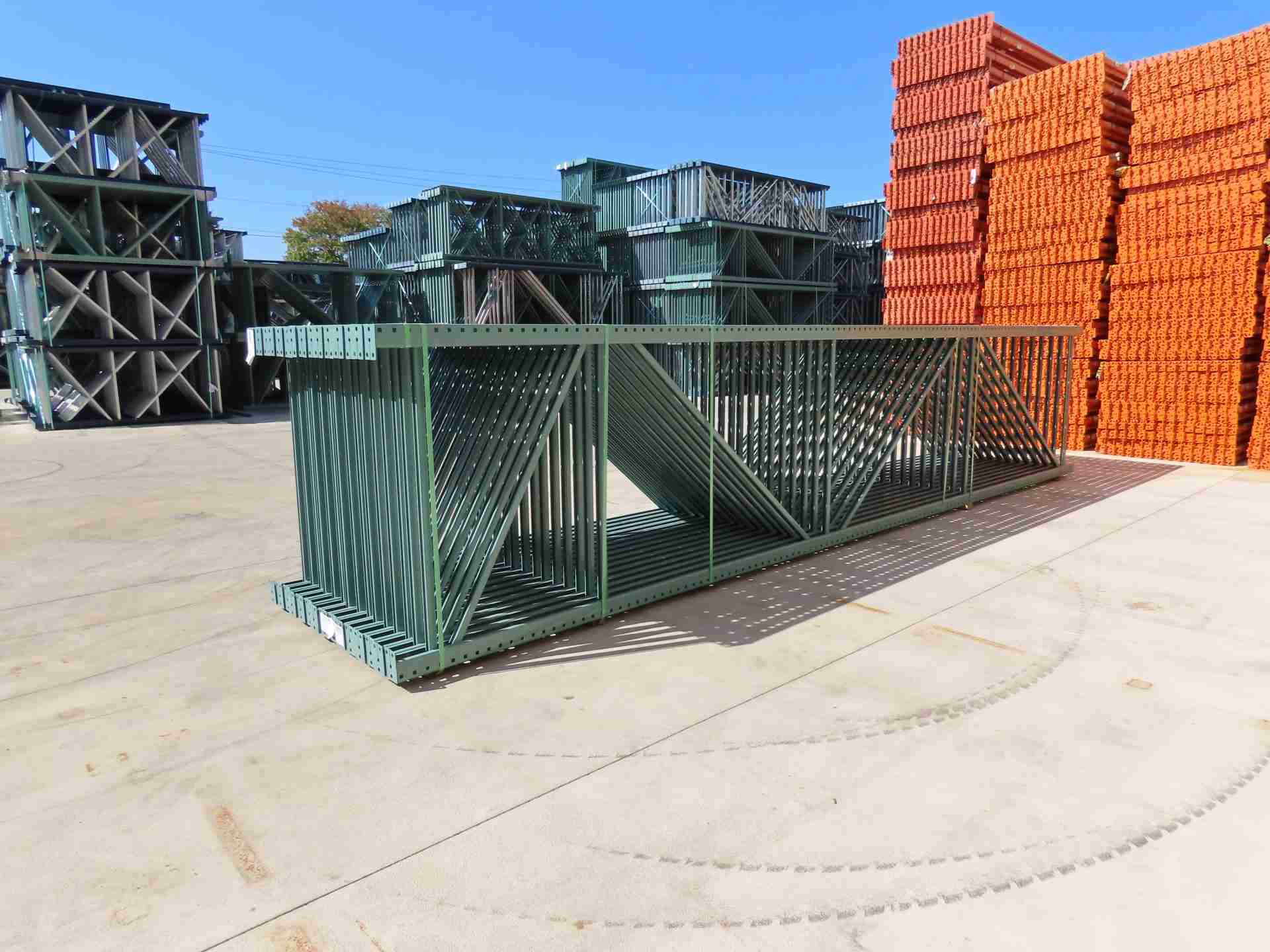
Checklist
At RackingWorld, we help guide you through selecting warehouse storage systems and racking.
Be sure to read our other related stories at RackingWorld to learn more about warehouse storage systems.
0 Comments