
Maximizing Warehouse Agility For Today’s Market Demands
By Tom Seest
At RackingWorld, we help guide you through selecting warehouse storage systems and racking.
Be sure to read our other related stories at RackingWorld to learn more about warehouse storage systems.
Can Your Warehouse Adapting Quickly to Market Demands Today?
Can Your Warehouse Adapt Quickly to Market Demands Today?
In today’s dynamic marketplace, your warehouse is not just a storage space; it’s the nerve center of your operations. With customer preferences shifting at lightning speed, the ability to pivot and adapt is paramount. Imagine this: today’s consumers want it all—immediate satisfaction, diverse options, and seamless experiences. Are you equipped to meet these demands? If you’re scratching your head, you’re not alone. Many businesses find themselves at a critical juncture.
Enter efficient pallet racking systems. This crucial component of your warehousing strategy can be the game-changer you need. With the right racking solutions, your warehouse can transform from a stagnant storage unit into a responsive, agile powerhouse. Think about it—when every square inch of your space is optimized for flexibility and speed, you’re not just storing goods; you’re matching supply with demand in real-time.
But let’s not gloss over the real challenge: it’s not just about having the latest pallet racking systems, but knowing how to leverage them effectively. Picture your team, effortlessly navigating aisles, fulfilling orders faster than ever, thanks to an intuitive layout and well-organized inventory. This isn’t a distant dream; it’s achievable.
Now, consider the trust factor. In an environment where every delay echoes negatively through your entire supply chain, the perception of reliability is your golden ticket. Your customers must believe without hesitation that you can deliver their needs, pronto. This belief starts in your warehouse. When your operations flow seamlessly, you not only fulfill orders on time; you foster customer loyalty. Remember, in business, confidence breeds results.
Here’s the call to action: don’t let your warehouse become a bottleneck. Assess how well you’re utilizing your pallet racking systems. Are they designed for adaptability? Can they accommodate the ebb and flow of market demands? If the answer is no, it’s time to rethink your approach. Investing in intelligent storage solutions and engaging with a logistics expert can propel your business to new heights.
The question remains: when market demands shift, will your warehouse lead the charge or lag behind? The choice is yours. Make the changes today to inspire confidence, enhance efficiency, and secure your position ahead of the competition. Your success story starts with taking action now!
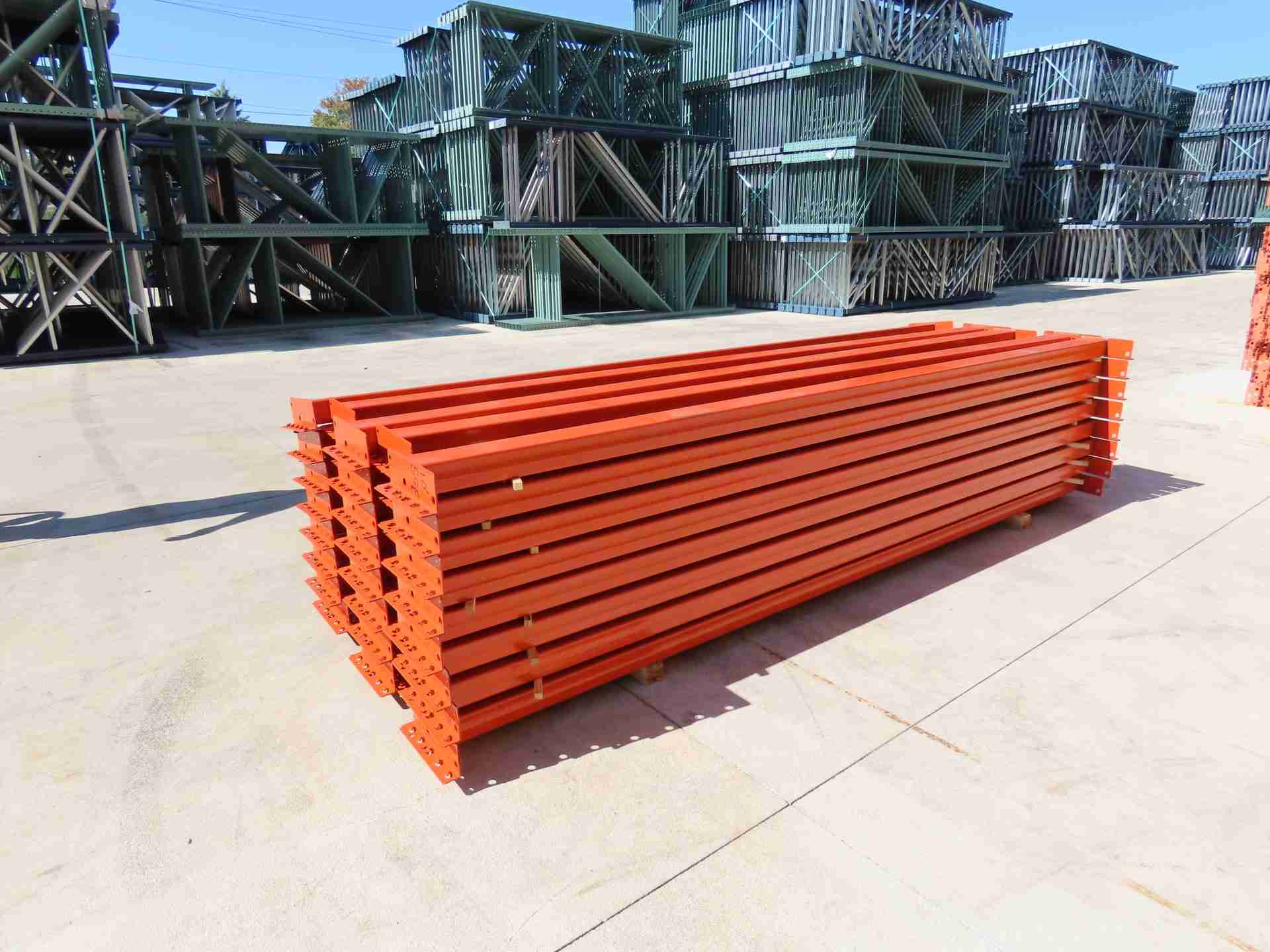
Can Your Warehouse Adapting Quickly to Market Demands Today?
Can Your Warehouse Adapting Quickly to Market Demands Today?
- Today’s warehouses are essential for operations, not just storage spaces.
- Customers demand immediate satisfaction, diverse options, and seamless experiences.
- Efficient pallet racking systems can transform a warehouse into a responsive powerhouse.
- Effective use of racking systems enables faster order fulfillment through optimized layouts.
- Reliability and trust are critical for maintaining customer confidence and fostering loyalty.
- Assess your pallet racking systems for adaptability to meet market demands.
- Take action now to enhance efficiency and secure your competitive position.
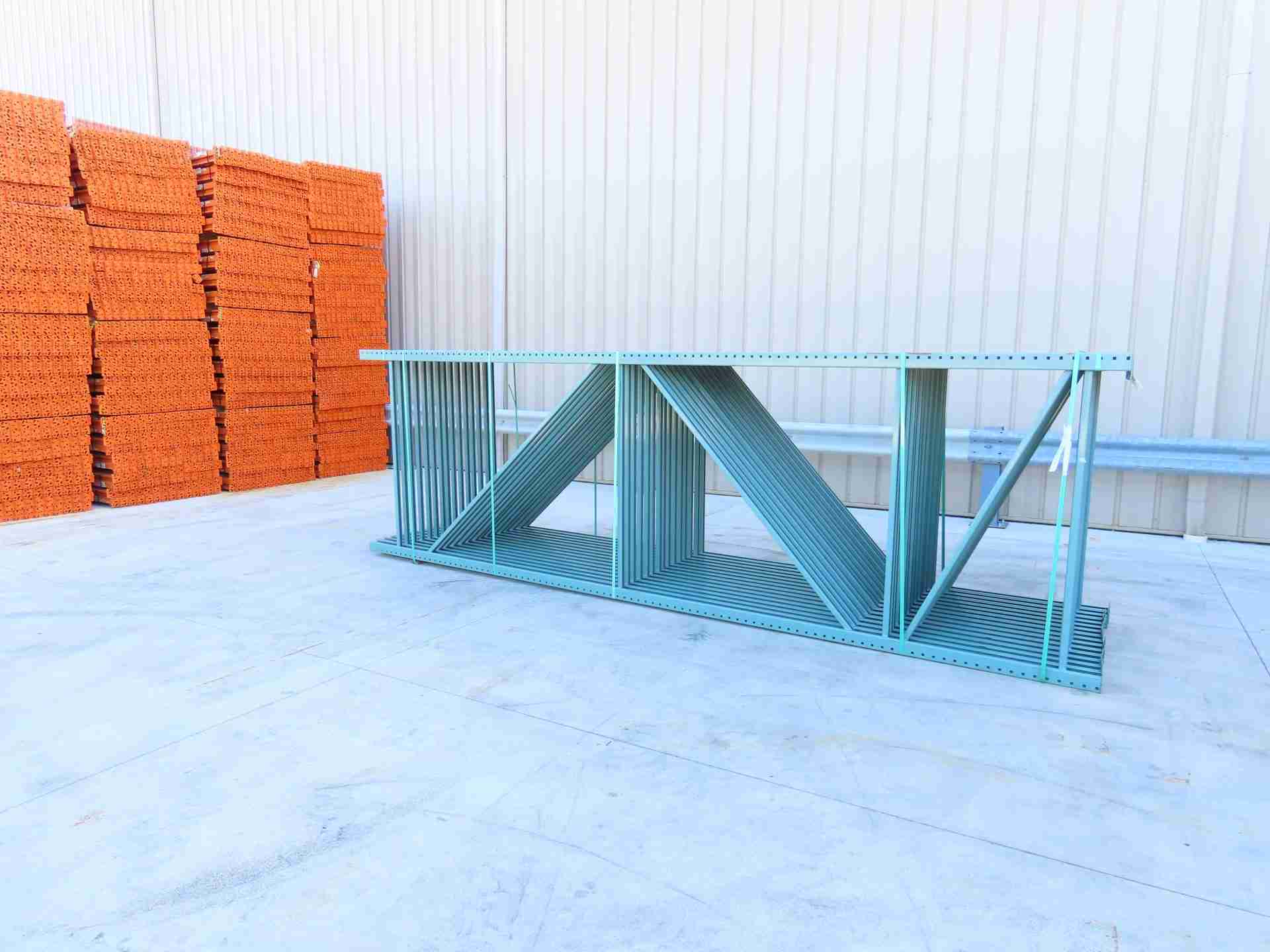
Can Your Warehouse Adapting Quickly to Market Demands Today?
Table Of Contents
- Can Your Warehouse Adapting Quickly to Market Demands Today?
- Can Your Warehouse Respond To Changing Customer Needs Quickly?
- What Technologies Are Essential For A Responsive Warehouse?
- Are You Utilizing Data Analytics To Forecast Market Trends?
- How Can Real-Time Inventory Management Improve Adaptability?
- What Role Does Employee Training Play In Warehouse Agility?
- What Strategies Help In Reducing Lead Times In Your Warehouse?
- Conclusion
- Other Resources
- Glossary Of Terms
- Other Questions
- Checklist
Can Your Warehouse Respond To Changing Customer Needs Quickly?
Can Your Warehouse Respond to Changing Customer Needs Quickly?
Imagine opening your warehouse doors to meet the ever-shifting demands of your customers. Picture this: a last-minute rush order that requires immediate fulfillment or a sudden trend that sees inventory flying off the shelves. How efficiently can your warehouse adapt to these dramatic changes without crumbling under the pressure? This is not just a hypothetical scenario; it’s a reality in today’s fast-paced market. Your response could mean the difference between delighting your customers and losing them to your competition.
Central to this agility is the design and organization of your warehouse. Enter pallet racking—an often-overlooked yet undeniably vital component that can either make or break your operational efficiency. A well-implemented pallet racking system not only maximizes your storage capacity but also ensures that your products are easily accessible, allowing for rapid response times when the unexpected occurs. Imagine walking into a warehouse where every product is neatly stored, organized, and within reach—no more digging through piles or wasting precious minutes searching for stock.
But let’s be real; it’s not just about the physical layout. It’s about nurturing a culture within your warehouse that embraces flexibility and responsiveness. When your team is empowered with the right tools and a streamlined process, they can pivot at a moment’s notice, ensuring customer needs are met swiftly and accurately. Whether it’s adjusting your stock levels based on emerging customer trends or shifting focus due to seasonal demands, a well-planned warehouse can handle it all and keep your customers smiling.
Now, you might be asking yourself, “How do I introduce this type of nimbleness into my operation?” It starts with the right investment—think strategically about your space and your systems. Consider upgrading to modern pallet racking solutions that allow for quick reconfiguration as your needs change.
Your customers deserve the best, and delivering on evolving expectations isn’t just a priority; it’s an imperative. When your warehouse can respond quickly, you not only satisfy customers on the spot but foster long-term relationships anchored in reliability and trust.
In this competitive landscape, can you afford to be stagnant? Embrace the challenge of change, and watch your business soar as satisfied customers spread the word. Invest today in a warehouse that turns your operational agility into a competitive advantage, ensuring that you’re not just keeping up, but leading the pack.

Can Your Warehouse Respond To Changing Customer Needs Quickly?
Can Your Warehouse Respond To Changing Customer Needs Quickly?
- Warehouses must adapt quickly to changing customer demands to stay competitive.
- Pallet racking is essential for maximizing storage capacity and ensuring easy access to products.
- An organized warehouse layout enables rapid responses to last-minute orders and shifting trends.
- Building a culture of flexibility and responsiveness within the team enhances operational efficiency.
- Investing in modern pallet racking solutions allows for quick reconfiguration of storage as needs change.
- Quick responses to customer needs foster long-term relationships based on reliability and trust.
- Companies should embrace change to turn operational agility into a competitive advantage.
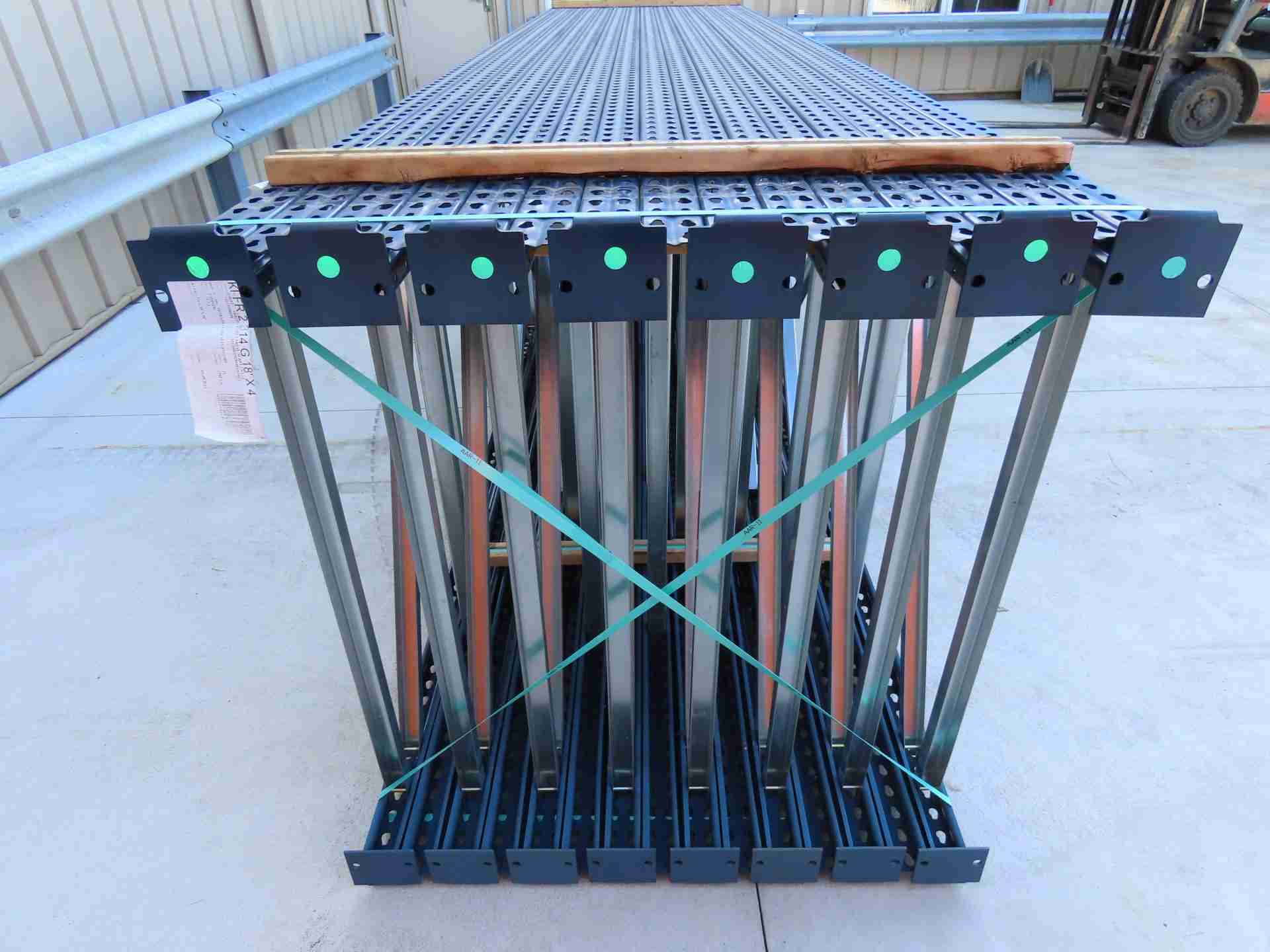
Can Your Warehouse Respond To Changing Customer Needs Quickly?
What Technologies Are Essential For A Responsive Warehouse?
In today’s fast-paced market, your warehouse isn’t just a storage space. It’s a powerhouse of efficiency waiting to be unleashed. To transform this vision into reality, incorporating the right technologies is essential. Let’s embark on this journey together, understanding how you can create a responsive warehouse that doesn’t just meet the demands of today but anticipates the opportunities of tomorrow.
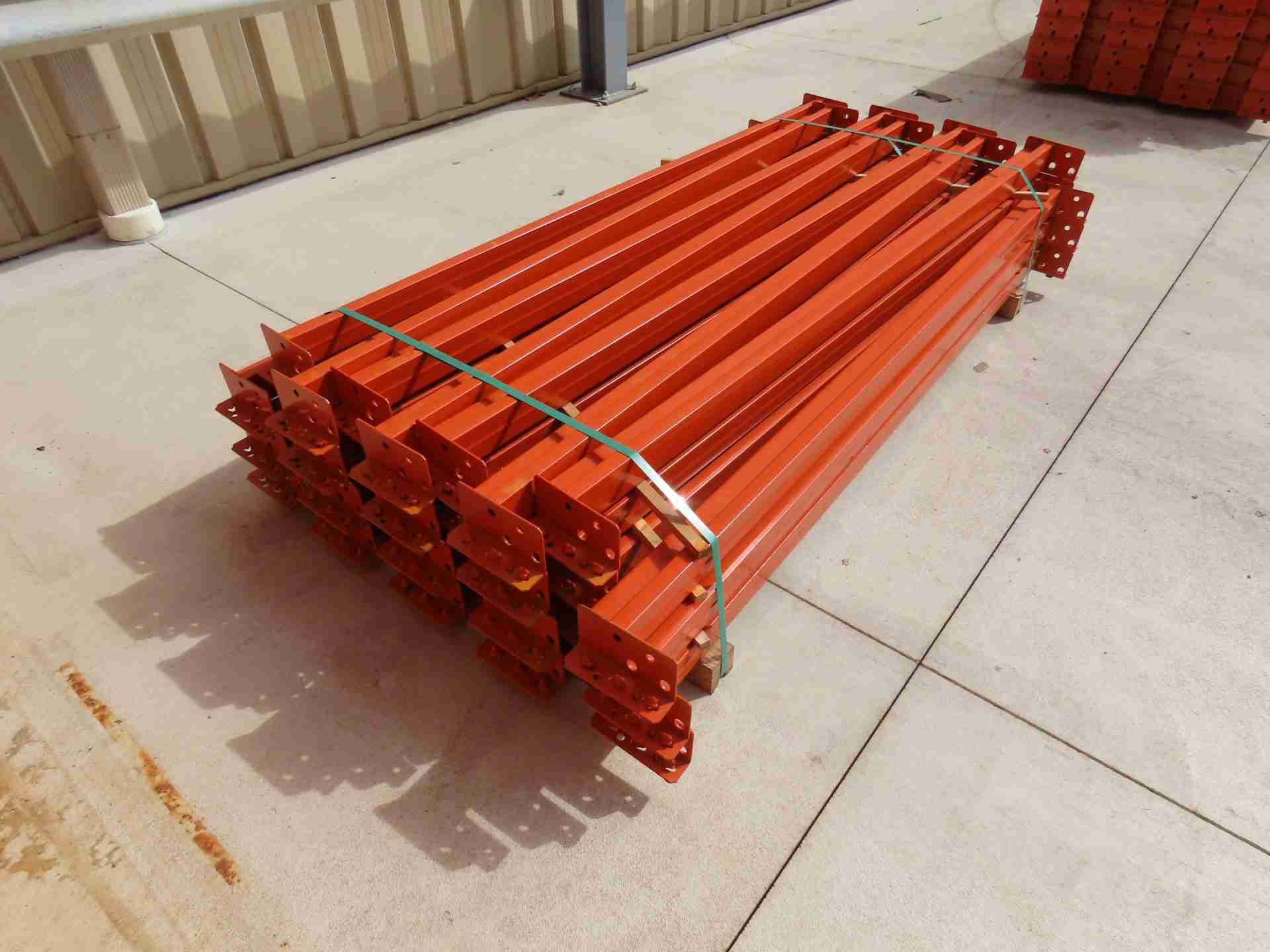
Pallet Racking is the backbone of any effective warehouse. Imagine a system so intelligent it maximizes vertical space while ensuring quick access to every item. By utilizing high-density pallet racking solutions, you are not merely storing goods; you are optimizing your workflow, streamlining inventory management, and ensuring that every square inch of your warehouse is working for you. This isn’t just about shelving; it’s about creating an organized, responsive environment where every pallet counts.
But it doesn’t stop there. Pairing technologies like RFID inventory tracking with your pallet racking system takes responsiveness to the next level. Gone are the days of manually counting items or misplacing products. With RFID, you gain real-time visibility into your inventory, reducing human error, increasing accuracy, and enabling you to make data-driven decisions swiftly. Your responsive warehouse becomes a finely tuned orchestra, where each piece of technology plays in harmony.
Automation further enhances this efficiency. Consider investing in mobile picking technologies. These tools allow your team to navigate seamlessly through the warehouse, significantly cutting down on time spent searching for items. The goal here is to empower your staff to focus on what truly matters—providing exceptional service to your customers. When you have a responsive warehouse that integrates these innovations, you’ll find that your fulfillment speed doubles and your errors plummet.
Lastly, embrace sophisticated warehouse management software that connects all these pieces. By consolidating your pallet racking, RFID, automation, and data analytics, you gain insights that allow you to pivot on a dime. This software doesn’t just provide metrics; it offers a roadmap for growth, ensuring that you can respond to market changes before you even see them coming.
Creating a responsive warehouse is not an option but a necessity. By investing in the essential technologies that make it possible, you’re not only fine-tuning your operation; you’re building a trustful partnership with your customers. When they see your efficiency, missed deadlines will become a thing of the past. Join the revolution today and watch your warehouse transform into a responsive titan of productivity!
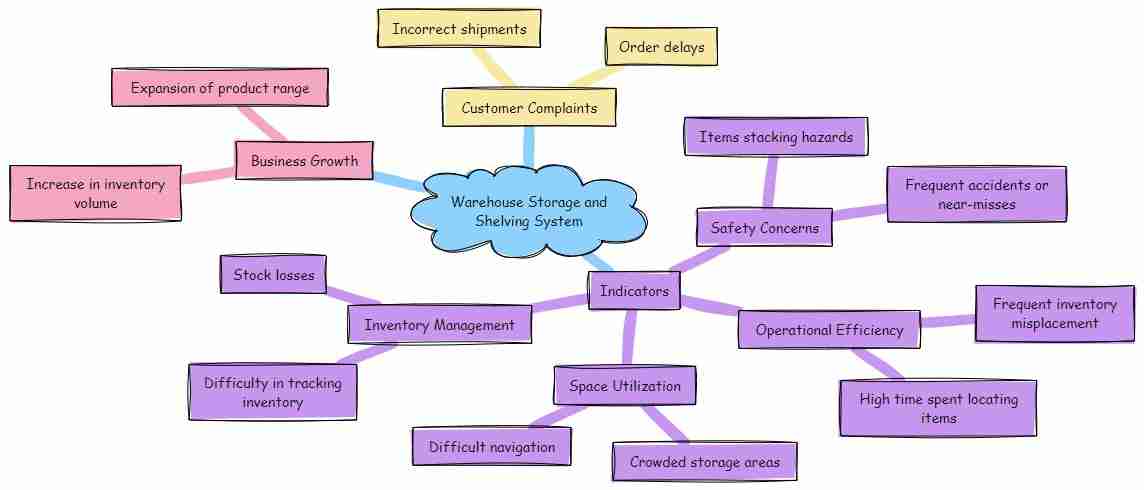
What Technologies Are Essential For A Responsive Warehouse?
What Technologies Are Essential For A Responsive Warehouse?
- Modern warehouses serve as efficient powerhouses rather than mere storage spaces.
- Pallet racking systems maximize vertical space while enabling quick item access.
- High-density pallet racking solutions optimize workflow and inventory management.
- Integrating RFID inventory tracking enhances real-time visibility and reduces human error.
- Automation tools, like mobile picking technologies, empower staff and improve service.
- Sophisticated warehouse management software consolidates systems for better insights and adaptability.
- Creating a responsive warehouse is necessary for building customer trust and improving fulfillment speed.
What Technologies Are Essential For A Responsive Warehouse?
Are You Utilizing Data Analytics To Forecast Market Trends?
In the fast-paced world of business, particularly in sectors like warehousing and logistics, relying solely on intuition isn’t just risky—it’s outdated. If you want your operation to boom, you must embrace data analytics. But how do you start transforming raw data into actionable insights that drive your strategy?
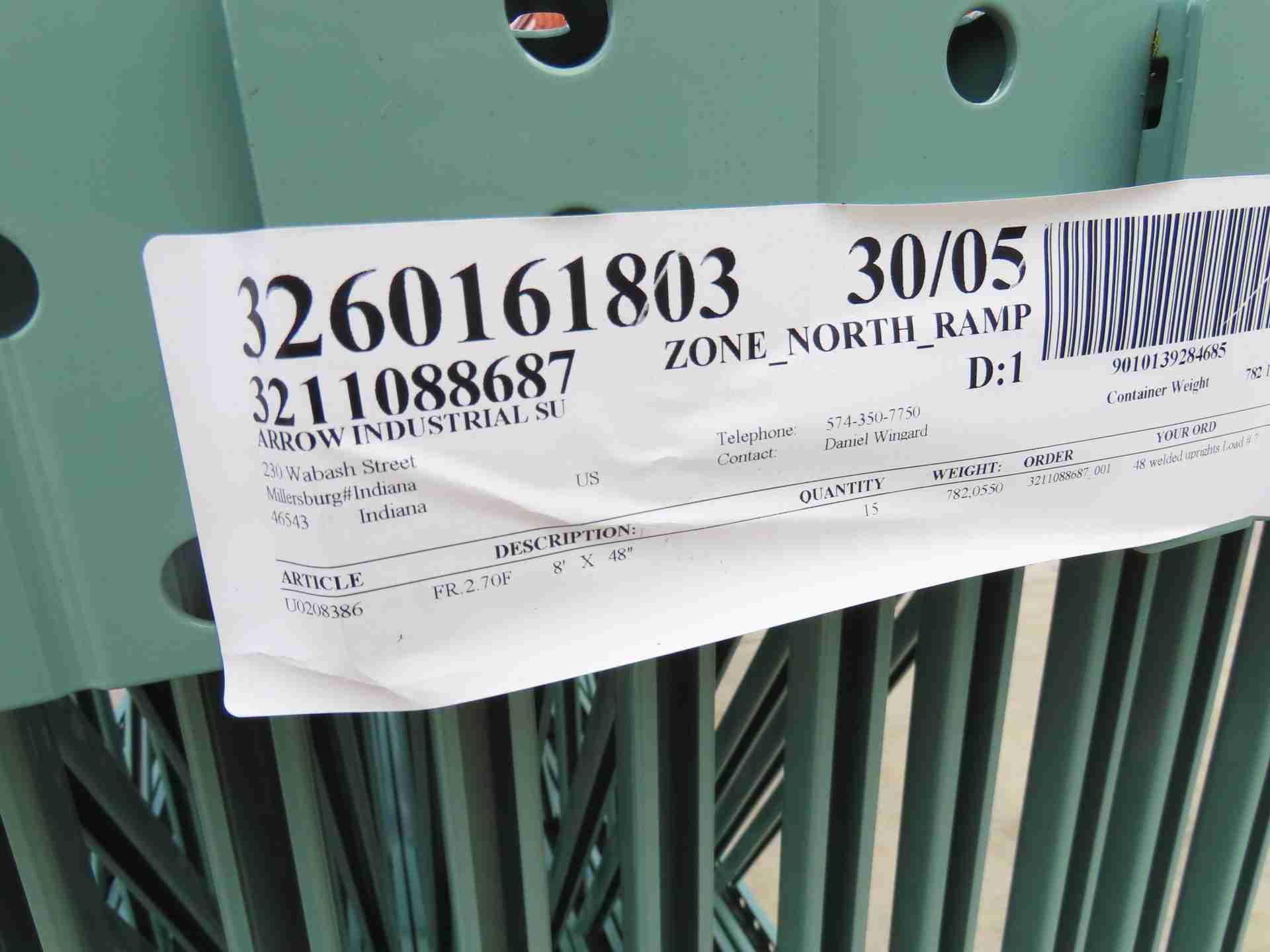
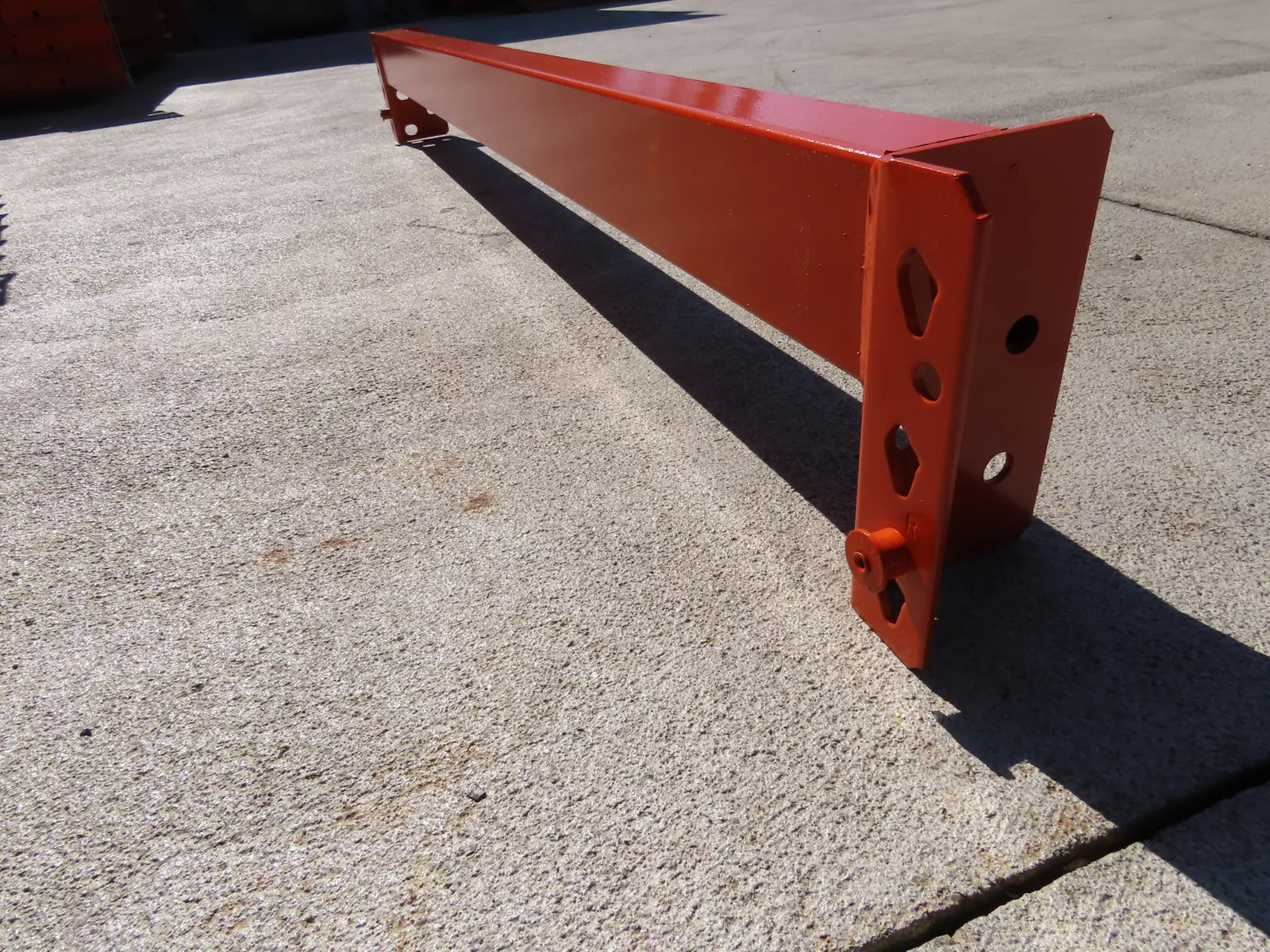
Imagine your warehouse with efficient, streamlined Pallet Racking systems. You’ve invested in solid infrastructure, stacking your products neatly and safely. But those Pallet Racking units only tell part of the story. What if you could predict market trends that would allow you not just to stay afloat, but to thrive? Understanding traffic patterns, demand spikes, and inventory cycles can turn that racking into a goldmine of opportunity.
This is where data analytics steps in—it’s your secret weapon! Every piece of data consumed in your operation holds the potential to inform your next strategic move. When leveraged properly, analytics can reveal emerging trends in your market, helping you adapt your inventory levels, optimize your Pallet Racking layout, and ultimately serve your customers better. Think about the last time you ran low on an in-demand product. Wasn’t that stress unbearable? By forecasting demand accurately, you can maintain optimal stock levels, ensuring that what your customers want is always on hand.
Let’s take a moment to consider trust. Who do you trust more: a gut feeling, or a data-driven prediction? When you arm yourself with data, you build a solid foundation not only for your business decisions but also for fostering trust with your stakeholders, customers, and team. People gravitate toward confidence. When they see you making informed decisions backed by analytics, they’ll feel more secure working with you, knowing you’re in control of the ever-changing marketplace.
So, are you ready to step into the future and let data analytics assist you in forecasting market trends? It’s time to take the leap! Engage a solid analytics framework that encompasses your entire operation. Start small if you need to—track your sales, observe your inventory with a keen eye, and watch as insights emerge from the numbers. With the right data and a systematized approach, you can reshape your market strategies, minimize risk, and truly harness the power of your Pallet Racking setup. The future is data-driven. Are you ready to join the revolution?
Are You Utilizing Data Analytics To Forecast Market Trends?
Are You Utilizing Data Analytics To Forecast Market Trends?
- In modern business, particularly in logistics and warehousing, relying solely on intuition is outdated and risky.
- Embracing data analytics is essential for transforming raw data into actionable insights that drive strategy.
- Efficient Pallet Racking systems can optimize operations, but understanding market trends and inventory cycles enhances their value.
- Data analytics can reveal emerging trends, helping businesses optimize inventory levels and improve customer service.
- Accurate demand forecasting prevents stock shortages of in-demand products, alleviating operational stress.
- Building a data-driven approach fosters trust with stakeholders, customers, and teams, promoting confidence in decision-making.
- Engaging a comprehensive analytics framework allows businesses to reshape market strategies and minimize risk.
Are You Utilizing Data Analytics To Forecast Market Trends?
How Can Real-Time Inventory Management Improve Adaptability?
In today’s fast-paced market landscape, adaptability is no longer just a buzzword; it’s the lifeline to thriving against competitors. Picture this: You have a bustling warehouse full of goods organized meticulously on pallet racking, but without effective real-time inventory management, that careful organization can quickly turn into chaos. The moment customer demands change—perhaps a sudden spike in a popular product or a seasonal shift—individuals and businesses that rely on outdated systems find themselves floundering.
Now, let’s bring this scenario closer to home. Have you ever experienced a delay in fulfilling an order because you were unaware of stock levels? Maybe it was during a busy holiday season, or perhaps your store was hosting a flash sale. Frustrating, isn’t it? Real-time inventory management provides an escape route from that headache. By integrating technology that updates stock levels instantaneously, you can not only react to changing demands but anticipate them.
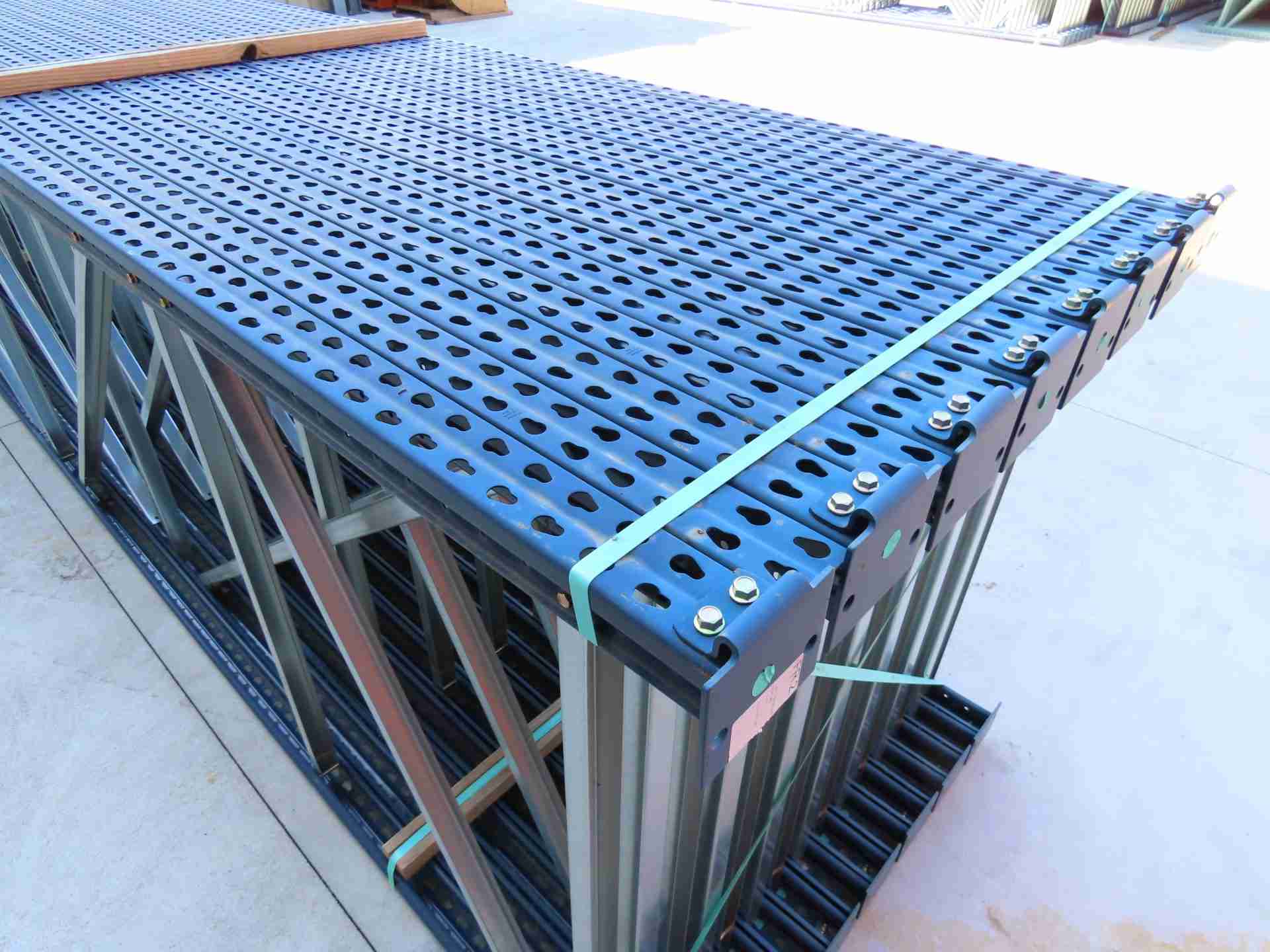
Imagine having the ability to track inventory across multiple locations at the blink of an eye. You can identify which pallet racking system holds the fastest-moving products and optimize your storage accordingly. Instead of scrambling last minute for product replenishment, you become the proactive powerhouse of your industry. This isn’t just about efficiency; it’s about building trust with your customers. When they see that you can deliver swiftly and reliably, they’ll keep coming back, increasing your customer lifetime value.
Furthermore, your adaptability doesn’t stop at managing stock. It extends to your ability to pivot your business strategy as market conditions shift. With real-time insights, you can make well-informed decisions about promotions, new product lines, or even stocking levels based on accurate demand forecasting. What does this mean for you? Less waste, less overstock, and more profit.
In essence, real-time inventory management equips your business with the agility to evolve and flourish in any environment. So, don’t let outdated methods hold you back. Embrace the transformation that allows you to master your inventory, delight your customers, and lead your market. The future of your business is bright when you have the tools to adapt with confidence and assertiveness. Make that leap forward, and watch as your operations—neatly arranged on sturdy pallet racking—begin to run like a well-oiled machine. Are you ready to seize the opportunity? Let’s get started today!
How Can Real-Time Inventory Management Improve Adaptability?
How Can Real-Time Inventory Management Improve Adaptability?
- Adaptability is essential for thriving in today’s fast-paced market environment.
- Effective real-time inventory management is crucial to avoid chaos in stock organization.
- Outdated systems can hinder responsiveness to sudden changes in customer demand.
- Real-time inventory management helps track stock levels instantaneously across multiple locations.
- Proactive inventory management builds customer trust and enhances lifetime value.
- Real-time insights enable better decision-making regarding promotions and product stocking.
- Embracing modern inventory tools ensures agility and improves overall business operations.

How Can Real-Time Inventory Management Improve Adaptability?
What Role Does Employee Training Play In Warehouse Agility?
In the fast-paced world of warehousing, agility is not just a buzzword—it’s a necessity. As the landscape of logistics continually evolves, how do you stay ahead of the competition? The answer lies in a critical asset: your workforce. Specifically, tailored employee training is at the heart of fostering a nimble and responsive supply chain, allowing your team to adapt effortlessly to changing demands.
Think about it. A proficient warehouse team isn’t simply a group of individuals who move boxes from point A to point B. They’re dynamic problem solvers capable of navigating complex systems involving inventory management, pallet racking, and order fulfillment seamlessly. But here’s the catch—without effective training, the potential of your employees can remain untapped, dragging down your operational efficiency.
Consider the impact of well-trained employees on your warehouse operations. Imagine a scenario where every team member confidently navigates your pallet racking systems. They don’t just know how to stack items; they understand the optimal use of space, the importance of labeling, and how to minimize damage—all contributing to a streamlined process. When employees are armed with this knowledge, you witness an increase in accuracy, a decrease in waste, and an overall improvement in productivity that puts you miles ahead of your competition.
Moreover, let’s not forget the human element. Training cultivates a culture of safety and confidence. Employees who are well-versed in safety protocols and warehouse operations are far less likely to make costly mistakes or suffer injuries. This not only protects your workforce but also shields your bottom line. When your employees are knowledgeable and confident, turnover rates plummet, and morale soars. It’s a win-win scenario.
Investing in training signals to your employees that you value them. This breeds loyalty and a strong sense of camaraderie as your team works together toward shared goals. Imagine how much smoother your operations will run when employees feel empowered to take initiative, troubleshoot issues in real-time, and contribute to an agile environment.
Don’t leave the future of your warehouse to chance. Commit to comprehensive employee training and watch as your agility transforms into a competitive advantage. Embrace the opportunity to unlock unparalleled efficiency and safety in your operations. The time to act is now; your agile warehouse awaits!
What Role Does Employee Training Play In Warehouse Agility?
What Role Does Employee Training Play In Warehouse Agility?
- Agility in warehousing is essential for staying competitive in an evolving logistics landscape.
- Tailored employee training is crucial for developing a responsive supply chain.
- Well-trained teams are dynamic problem-solvers capable of efficient inventory management and order fulfillment.
- Effective training enhances operational efficiency and maximizes employee potential.
- Knowledgeable employees improve accuracy, reduce waste, and boost overall productivity.
- Training fosters a culture of safety, reducing mistakes and turnover rates while increasing morale.
- Investing in training demonstrates value to employees, strengthening camaraderie and empowerment.

What Role Does Employee Training Play In Warehouse Agility?
What Strategies Help In Reducing Lead Times In Your Warehouse?
In today’s fast-paced marketplace, no one wants to be the last one standing in a game where speed and efficiency reign supreme. When your competitors are meeting customer demands at lightning speed, discovering how to reduce lead times in your warehouse is not just an advantage; it’s a necessity. But where do you start?
Let’s explore some actionable strategies that make a tangible difference—and just might give you that competitive edge you’ve been seeking.
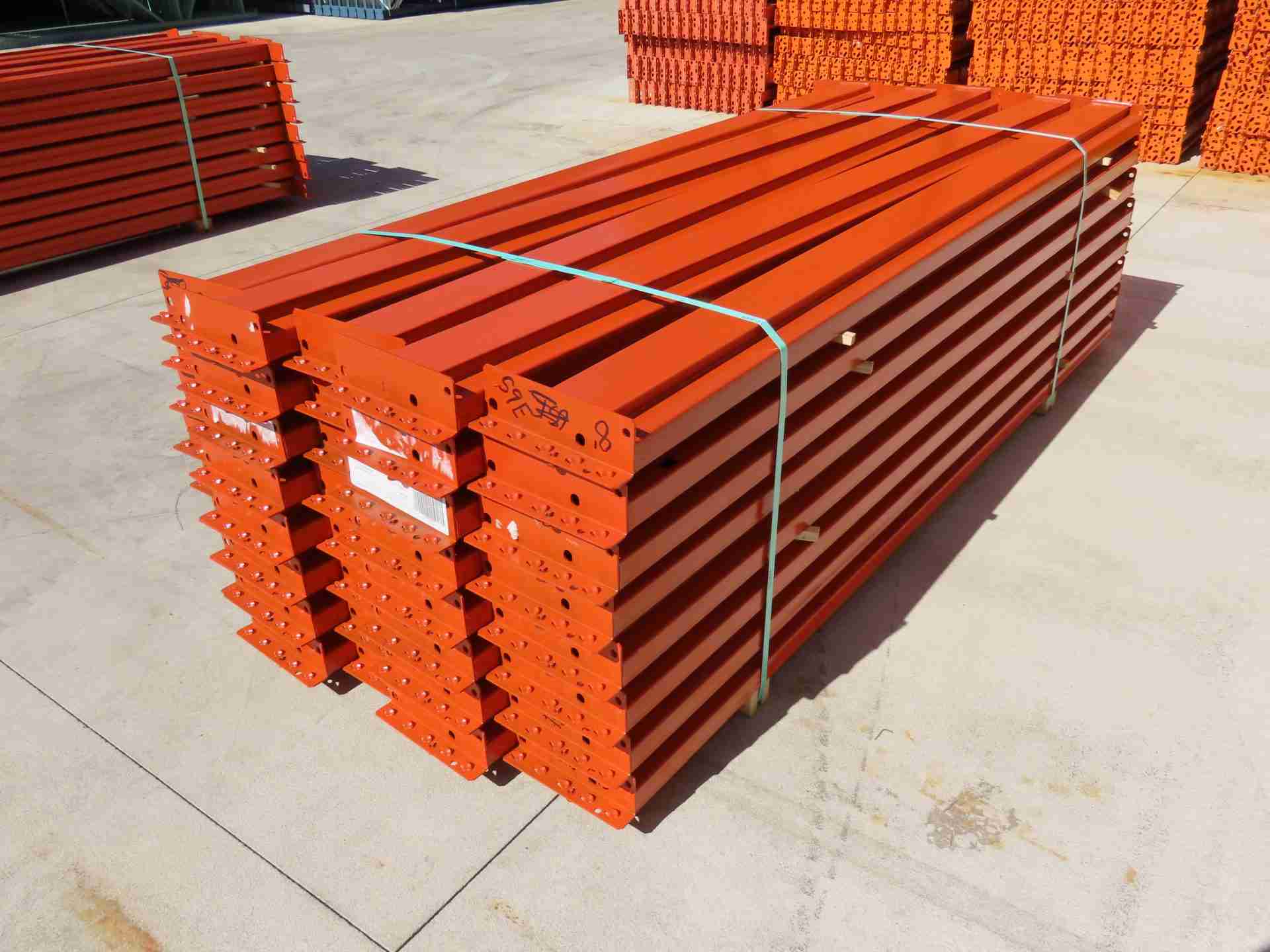
First, let’s talk about Pallet Racking. You may not think it’s a game-changer, but optimizing your storage systems can revolutionize your workflow. Implementing high-density pallet racking solutions allows you to maximize your storage space and minimize the time spent locating and retrieving products. Think about it—fewer steps to retrieve stock not only streamlines your picking process but also gets orders out the door faster.
Next, leverage technology to your advantage. Integrating inventory management software provides real-time visibility into your stock levels, allowing your team to make smarter decisions quickly. Imagine the confidence that comes with knowing exactly what you have on hand and when to reorder. With an automated system, you can drastically reduce human error and time wasted on manual counts.
Another critical strategy is to establish a culture of continuous improvement. Encourage your team to provide feedback on processes and workflows. What small change could lead to monumental results? Engage your employees in brainstorming sessions—after all, they’re the frontline warriors battling inefficiencies daily. This not only fosters a stronger team dynamic but also empowers them to take ownership over their workspaces.
Additionally, let’s not overlook the power of layout optimization. A well-thought-out warehouse design minimizes unnecessary movement, so product can flow seamlessly from receiving to shipping. Re-evaluating your floor plan regularly is an often-overlooked strategy that can yield surprising dividends.
Lastly, prioritize effective training. Invest in your workforce. When team members know the ins and outs of your operational processes, you fortify your efficiency. Consider creating training that mimics real-life scenarios to prepare them for handling unexpected situations with ease.
Combining these strategies can help you slice those pesky lead times down to size. As you implement these changes, remember: efficiency is not just about speed—it’s about delivering unmatched service that keeps your customers coming back for more. Take action today, and watch your warehouse transform into a well-oiled machine.
What Strategies Help In Reducing Lead Times In Your Warehouse?
What Strategies Help In Reducing Lead Times In Your Warehouse?
- Reducing lead times in warehouses is essential for maintaining competitiveness in a fast-paced market.
- Optimizing pallet racking can maximize storage space and minimize product retrieval time.
- Integrating inventory management software offers real-time stock visibility and reduces human error.
- Establishing a culture of continuous improvement encourages employee feedback to enhance workflows.
- Layout optimization can minimize unnecessary movement and improve product flow from receiving to shipping.
- Investing in effective training equips team members to handle operational processes and unexpected situations efficiently.
- Combining these strategies enhances efficiency and service, leading to improved customer loyalty.

What Strategies Help In Reducing Lead Times In Your Warehouse?
Conclusion
Conclusion: Elevate Your Warehouse’s Agility with Arrow Industrial Sales
In today’s rapidly evolving marketplace, the agility of your warehouse is crucial to staying ahead of competition and satisfying your customers’ ever-changing demands. If you’ve been wrestling with stagnant operations, the message is clear: it’s time for a transformation. With efficient pallet racking systems and strategic investments in technology, employee training, and inventory management, your warehouse can become a nimble, responsive powerhouse.
Consider the current landscape—customers want their products not just quickly but reliably. The success of your business hinges on how well you can adapt and respond to their needs. Are you equipped for last-minute orders, inventory surges, or sudden shifts in market trends? The difference between delighting your customers and sending them to competitors lies in your operational readiness.
At Arrow Industrial Sales, we specialize in crafting tailored solutions that enable your warehouse to pivot seamlessly with market demands. By leveraging smart pallet racking setups and integrating advanced technologies like RFID, you can create a highly organized environment that streamlines processes from inventory management to order fulfillment. Imagine a warehouse where every aisle is optimized, every SKU easily accessible, and every team member is empowered with the tools and knowledge they need to work efficiently.
Furthermore, it’s not just about systems and technology; your workforce plays an indispensable role. Investing in comprehensive employee training nurtures a culture of agility—from onboarding practices to real-time problem-solving tactics. When employees are well-trained, they can swiftly conquer unpredictability, reducing errors and improving morale.
But don’t just take our word for it—take action! Evaluate your current warehouse strategy and determine where quick improvements can be made. With the right tools and mindset, you have everything you need to turn your warehouse into a model of effectiveness.
Time is of the essence. As competitors seek to capture your customers, the pressure is on to evolve your operations. Reach out to Arrow Industrial Sales at (574) 349-6575 today for a consultation. Let’s explore how we can help you seize this moment and transform your warehouse into a formidable force that anticipates market shifts and propels your business towards unmatched success. Don’t wait; the agility revolution starts now!
Conclusion
Conclusion:
- Agility of your warehouse is crucial for competitive advantage and customer satisfaction.
- Transform stagnant operations through efficient pallet racking systems and technology investments.
- Customers demand quick and reliable delivery; adaptability is key to meeting their needs.
- Arrow Industrial Sales offers tailored solutions for seamless pivots in response to market demands.
- Leveraging technologies like RFID can create an organized environment that streamlines processes.
- Investing in employee training fosters a culture of agility and improves operations.
- Contact Arrow Industrial Sales for a consultation to evolve your warehouse and enhance effectiveness.
Conclusion
Other Resources
Other Resources
Here is a list of other resources you can review online to learn more:
- Warehouse Storage Racks
- Pallet Racking systems in Illinois, Great Lakes
- BMH
- Warehouse Automation
- Total Warehouse
- Illinois Pallet Racking – WPRP
- Teardrop Industrial Shelving Rack
- Rack Manufacturers Institute
- Cantilever Rack Guide: Ordering Cantilever Racking
Use This Prompt To Get More Resources With Your Favorite Online AI Tool: Please provide me with a list of online articles with their URLs in a bulleted list that I can read regarding Can Your Warehouse Adapting Quickly to Market Demands Today?
Other Resources
Glossary Terms
Can Your Warehouse Adapting Quickly to Market Demands Today? – Glossary Of Terms
1. Agility: The ability of a warehouse to respond rapidly to changes in market demands, such as shifts in consumer preferences or inventory needs.
2. Automation: The use of technology and machines to perform tasks in the warehouse, such as inventory management and order fulfillment, reducing labor costs and increasing efficiency.
3. BIM (Building Information Modeling): A digital representation of a facility’s physical and functional characteristics, used in warehouse design and operations to enhance efficiency.
4. Cloud Computing: Storing and accessing data and applications over the internet, allowing warehouses to scale their operations and access information remotely.
5. Cross-Docking: A logistics practice where incoming goods are directly transferred to outgoing vehicles with minimal storage time, facilitating faster delivery.
6. Demand Forecasting: The process of predicting future customer demand based on historical data, trends, and market analysis to manage inventory levels effectively.
7. E-commerce Fulfillment: The process of receiving, processing, and delivering orders for online purchases, necessitating efficient warehousing strategies.
8. Flexibility: The capability of a warehouse to adjust its operations, layout, and capacity to accommodate fluctuating demand.
9. Inventory Management: Strategies and processes used to oversee and control inventory levels, ensuring that stock quantities align with market needs.
10. Just-in-Time (JIT): An inventory strategy that aims to reduce waste by receiving goods only as they are needed in the production process, minimizing storage costs.
11. Lean Warehousing: A method that focuses on minimizing waste within warehouse operations while maximizing productivity and value for customers.
12. Logistics Management: Overseeing the planning, execution, and optimization of the movement of goods, including warehousing and transportation.
13. Omnichannel Distribution: A multichannel approach to sales that seeks to provide customers with a seamless shopping experience, requiring flexible warehousing solutions.
14. Order Fulfillment: The complete process from receiving an order to delivering it to the customer, encompassing inventory management and shipping logistics.
15. Real-Time Data Analysis: The process of analyzing current data instantly to make informed decisions about inventory levels and operations in the warehouse.
16. Robotics: The use of automated machines in warehouses to carry out tasks such as picking, packing, and sorting goods, improving efficiency.
17. Safety Stock: Additional inventory held to mitigate the risk of stockouts caused by demand fluctuations or supply chain disruptions.
18. Scalability: The ability of a warehouse to expand or contract its operations effectively in response to changing market demands.
19. Supply Chain Resilience: The capacity of a supply chain, including warehousing, to anticipate, respond to, and recover from disruptions and challenges.
20. SKU (Stock Keeping Unit): A unique identifier for each distinct product in inventory, crucial for effective inventory tracking and order fulfillment.
21. Temperature-Controlled Storage: Warehousing designed to maintain specific temperature ranges for sensitive products, such as food and pharmaceuticals.
22. Third-Party Logistics (3PL): Outsourcing logistics and warehousing functions to an external provider, allowing businesses to focus on core activities and adapt to market changes.
23. Warehouse Management System (WMS): Software that helps manage and optimize warehouse operations, including inventory tracking, order processing, and reporting.
24. Workforce Optimization: Strategies to enhance employee productivity and efficiency through training, scheduling, and technology integration.
25. Zoning: A strategy used in warehouse layout to allocate specific areas for different types of products or activities, improving efficiency and organization.
26. Triggers: Events or conditions that signal the need for action in inventory management, such as reorder points or seasonal demand changes.
27. Virtual Warehousing: A model where inventory is managed virtually, allowing real-time visibility and sales fulfillment without physical storage in a central warehouse.
28. Return Processing: The operations involved in managing the return of products, which can affect inventory levels and customer satisfaction.
29. Lead Time: The amount of time it takes from placing an order to receiving it, which can impact responsiveness to market demands.
30. Lean Six Sigma: A methodology that combines lean manufacturing principles and Six Sigma strategies to improve efficiency and reduce waste in warehouse operations.
Glossary Of Terms
Other Questions
Can Your Warehouse Adapting Quickly to Market Demands Today? – Other Questions
If you wish to explore and discover more, consider looking for answers to these questions:
- How can I evaluate my current pallet racking systems for effectiveness?
- What are the latest trends in warehouse technology?
- How can I implement a culture of flexibility within my warehouse team?
- What specific metrics should I track to measure warehouse agility?
- How can I balance speed and accuracy in order fulfillment?
- What are the best practices for maintaining customer trust through logistics?
- How often should I reassess my warehouse layout and operations?
- What are some common pitfalls to avoid when upgrading warehouse technology?
- How do I train my employees effectively for maximum operational efficiency?
- What tools can help me manage real-time inventory effectively?
- How can collaboration between departments improve warehouse operations?
- What role does sustainability play in modern warehousing strategies?
- How can I ensure that my warehouse is compliant with health and safety regulations?
- What resources are available for warehouse managers looking to enhance agility?
- How can I use customer feedback to improve my warehouse processes?
Other Questions
Checklist
Can Your Warehouse Adapting Quickly to Market Demands Today? – A Checklist
Checklist: Maximizing Warehouse Agility for Today’s Market Demands
1. Assess Your Current Warehouse Setup
_____ Evaluate the effectiveness of your existing pallet racking systems.
_____ Determine if your storage layout allows for quick access and organization.
_____ Identify areas of redundancy or inefficiency in your current setup.
2. Invest in Modern Storage Solutions
_____ Research high-density pallet racking options for space optimization.
_____ Explore adaptable racking systems that can be reconfigured easily.
_____ Consider options that enhance flexibility in inventory management.
3. Implement Advanced Technologies
_____ Integrate RFID inventory tracking for real-time visibility.
_____ Explore automation tools such as mobile picking technologies.
_____ Utilize warehouse management software for streamlined operations.
4. Leverage Data Analytics
_____ Establish a framework for tracking sales and inventory trends.
_____ Use analytics to forecast demand and optimize stock levels.
_____ Regularly review data insights to inform business decisions.
5. Enhance Real-Time Inventory Management
_____ Incorporate tools that provide instant updates on stock levels across locations.
_____ Identify fast-moving products and optimize storage accordingly.
_____ Regularly reassess inventory policies based on demand fluctuations.
6. Focus on Employee Training
_____ Develop comprehensive training programs that cover all operational aspects.
_____ Foster a culture of safety, confidence, and efficiency through ongoing education.
_____ Encourage team feedback on processes to promote continuous improvement.
7. Optimize Layout and Processes
_____ Reevaluate your warehouse layout for maximum efficiency.
_____ Minimize unnecessary movement in the picking and shipping processes.
_____ Regularly update your processes to incorporate team suggestions.
8. Establish a Culture of Agility
_____ Empower your employees to adapt quickly to changing demands.
_____ Promote a mindset of flexibility within your team.
_____ Foster collaboration across departments for improved communication and responsiveness.
9. Constantly Monitor Industry Trends
_____ Stay informed about market changes and emerging consumer needs.
_____ Network with logistics experts for insights on best practices.
_____ Attend workshops or webinars to gain knowledge about industry advancements.
10. Set Clear Performance Metrics
_____ Develop key performance indicators (KPIs) to measure warehouse efficiency.
_____ Establish benchmarks for order fulfillment speed and accuracy.
_____ Regularly analyze performance data to identify areas for improvement.
Action Steps:
_____ Choose at least one action from each category to implement within the next month.
_____ Schedule regular reviews (monthly/quarterly) to assess the effectiveness of your improvements.
_____ Share insights from your journey with your team to foster a collective commitment to warehouse agility.
By following this checklist, your warehouse can better adapt to market demands, enhance efficiency, and maintain a competitive edge.
Checklist
At RackingWorld, we help guide you through selecting warehouse storage systems and racking.
Be sure to read our other related stories at RackingWorld to learn more about warehouse storage systems.
0 Comments