
Uncovering The Hidden Risks Of Warehouse Storage
By Tom Seest
At RackingWorld, we help guide you through selecting warehouse storage systems and racking.
Be sure to read our other related stories at RackingWorld to learn more about warehouse storage systems.
What If Warehouse Storage Methods Are Causing Avoidable Accidents?
Imagine the bustling environment of a warehouse. Pallet racking systems stand tall, loaded with goods, waiting to serve your operations. But what if those towering stacks, while convenient, are inadvertently sowing the seeds of preventable accidents? The truth is, the methods we use for warehouse storage could be more than just an efficient way to maximize space—they could be a hidden danger, waiting to unfold.
Consider this: the very pallet racking that aids in organizing your inventory may also become a potential hazard if not managed properly. Misalignment, overloading, and even poor visibility can turn a seemingly straightforward operation into a risky endeavor. Have you ever witnessed a near-miss, where a careless motion nearly leads to disaster? Or perhaps you’ve cringed watching an employee maneuver under a loaded shelf? These scenarios are more common than you might think, and they raise the inevitable question: is it time to reassess how we utilize these storage systems?
Beyond compliance and regulations, investing the time and resources into improving your warehouse storage methods sends a powerful message—safety matters. When you prioritize safety, you inspire confidence among your team. It fosters a culture that values each individual’s well-being, ensuring they feel secure doing their jobs. After all, a happy workforce is a productive workforce.
Now, let’s talk solutions. Before dismissing the idea, imagine transforming your approach with a simple audit of your pallet racking systems. Evaluate your setup: Are your racks properly secured and maintained? Is your loading procedure up to snuff? Training employees on the safe handling of goods can significantly reduce incidents. What’s more, regular safety checks and updates not only help you stay compliant but can also unveil potential hazards that otherwise might go unnoticed.
By taking actionable steps, you aren’t just reducing risks; you are building a reputation for safety and efficiency. And trust me, such a reputation is invaluable in today’s competitive landscape. With the right warehouse storage methods, your operations can flourish without the shadow of avoidable accidents hanging over you. So, isn’t it worth exploring? Let’s create an environment where productivity and safety go hand-in-hand, because in the end, it’s not just about what you store—it’s about how you protect what matters most.

What If Warehouse Storage Methods Are Causing Avoidable Accidents?
What If Warehouse Storage Methods Are Causing Avoidable Accidents?
- Warehouse pallet racking systems can inadvertently lead to preventable accidents.
- Improper management, such as misalignment and overloading, can create hazardous situations.
- Common scenarios include employees maneuvering under loaded shelves, highlighting safety concerns.
- Prioritizing safety improves team confidence and fosters a culture of well-being.
- Conducting regular audits of pallet racking systems can enhance safety and compliance.
- Training employees on safe handling and conducting safety checks can reduce incidents.
- Implementing effective storage methods promotes a reputation for safety and efficiency in operations.

What If Warehouse Storage Methods Are Causing Avoidable Accidents?
Table Of Contents
- What If Warehouse Storage Methods Are Causing Avoidable Accidents?
- What Are The Common Warehouse Storage Methods That Lead To Accidents?
- How Can Improper Shelving Impact Worker Safety In Warehouses?
- What Role Does Training Play In Preventing Warehouse Accidents?
- Are There Specific Storage Practices That Increase Accident Risks?
- How Can Inventory Organization Reduce The Likelihood Of Accidents?
- What Safety Regulations Should Warehouses Be Adhering To?
- Conclusion
- Other Resources
- Glossary Of Terms
- Other Questions
- Checklist
What Are The Common Warehouse Storage Methods That Lead To Accidents?
In any bustling warehouse environment, safety should always be at the forefront of your operations. Yet, alarming statistics show that common storage methods can sometimes put employees at risk, leading to accidents that may have otherwise been easily preventable. Let’s delve into some pivotal storage practices often seen in warehouses and how they can lead to mishaps if not managed correctly.
Take pallet racking, for instance. This approach allows for efficient use of vertical space, providing easy access to inventory. However, without proper inspections or negligent stacking practices, this method can quickly turn hazardous. Overloading pallet racks, for example, can create unsafe conditions, causing items to become dislodged and fall, potentially injuring workers. Regular training is imperative, ensuring all team members know how to handle loads safely and recognize when a pallet rack is overloaded or improperly organized.
Another common practice is the use of block stacking. It might seem like a straightforward, cost-effective way to store items, but stacking items precariously can lead to some serious accidents. Without adequate guidelines, heavy boxes, even if securely stacked, may tumble if not placed on a stable base, leaving little to chance when it comes to employee safety.
Additionally, have you considered the pitfalls of drive-in racking? This method maximizes space but removes the aisle for easier accessibility. Unfortunately, it can also result in “pallet collapse,” wherein the entire stack can come crashing down if a forklift operator miscalculates their turn or fails to secure a load effectively. Instantly, chaos ensues. To keep your workforce safe, adequate signage and training are crucial to minimizing these risks.
One often overlooked method is shelf storage. While it allows for easy pick-and-pack operations, cluttered shelves can quickly become a safety hazard, leading to tripping and falling accidents. It’s essential to maintain clean, organized shelving units and train employees to be vigilant when navigating these areas.
While effective and efficient warehouse storage methods like pallet racking, block stacking, drive-in racking, and shelf storage can greatly enhance productivity, they also come with their own set of challenges. By fostering an environment focused on safety through training, regular inspections, and organizational practices, you can ensure that your warehouse operates smoothly and your employees return home safe every day. Don’t wait for an accident to happen—take action now and transform your warehouse safety culture! Safety is not just a priority; it’s a promise you make to the people who keep your business running.

What Are The Common Warehouse Storage Methods That Lead To Accidents?
What Are The Common Warehouse Storage Methods That Lead To Accidents?
- Safety should be a top priority in warehouse operations to prevent accidents.
- Pallet racking can create hazards if not inspected properly, and overloading can lead to falling items.
- Regular training is essential for employees to handle loads safely and recognize overloaded pallet racks.
- Block stacking, while cost-effective, poses risks if items are not placed on stable bases.
- Drive-in racking can lead to pallet collapse if forklift operators miscalculate their moves or don’t secure loads.
- Cluttered shelf storage increases the risk of tripping and falling accidents, necessitating organization and vigilance.
- To ensure safety, foster a culture of training, inspections, and organization to enhance productivity and employee well-being.

What Are The Common Warehouse Storage Methods That Lead To Accidents?
How Can Improper Shelving Impact Worker Safety In Warehouses?
How Can Improper Shelving Impact Worker Safety in Warehouses?
Imagine stepping into a bustling warehouse, the air tinged with the scent of freshly arrived goods. Workers are busy, lifting, sorting, and shelving items to keep the operation running smoothly. Yet, lurking among the chaos is a silent potential for disaster: improper shelving practices, particularly with pallet racking.
Pallet racking is more than just a storage solution; it’s the backbone of an efficient warehouse operation, a silent partner in productivity. However, when racking systems are poorly organized or improperly utilized, they can become a breeding ground for safety hazards. It’s easy to overlook the consequences of mismanagement in shelving systems, but they can manifest in very real and dangerous ways.
Picture this: a worker reaches for a box at the top of a poorly designed pallet rack, the racking system bowing slightly under the weight. What happens next? An avalanche of boxes tumbles down, leading to injuries, frantic shouts, and a halt in productivity. Doesn’t that sound like a scene you’d rather avoid? Improper shelving not only risks physical harm but also sows seeds of chaos and distrust within the workforce.
Now, let’s connect the dots. A well-organized pallet racking system not only maximizes space but also enhances visibility. Workers can quickly locate items they need, reducing the time spent searching and minimizing the risk of accidents. When employees feel confident navigating their workspace, it fosters a culture of safety and accountability. A trusted environment like this pays dividends, from improved morale to greater efficiency.
So, how can you turn the tide? Start by assessing your current shelving practices. Are you using pallet racking correctly? Are your employees trained to stack and retrieve items safely? Reviewing and revamping your shelving systems may seem like a daunting task, but the investment in both safety and productivity is priceless.
Let’s make safety a priority—not just a checklist item. By ensuring your pallet racking is optimized and your organization is dedicated to worker well-being, you create a safer, more productive warehouse. And that’s a commitment worth its weight in gold. Don’t wait for an accident to spur action; take charge of your workspace today and build a foundation of safety that your employees can always rely on.

How Can Improper Shelving Impact Worker Safety In Warehouses?
How Can Improper Shelving Impact Worker Safety In Warehouses?
- Improper shelving practices in warehouses, especially with pallet racking, can lead to serious safety hazards.
- Pallet racking is essential for efficient warehouse operation but can pose risks when poorly organized or misused.
- Accidents can occur when workers use poorly designed racking systems, leading to injuries and decreased productivity.
- A well-organized pallet racking system maximizes space and improves visibility for workers.
- Confidence in navigating a safe workspace fosters a culture of safety and accountability among employees.
- Regularly assess and revamp shelving practices to enhance safety and productivity in the warehouse.
- Prioritize worker safety by optimizing pallet racking and committing to employee well-being to build a reliable work environment.

How Can Improper Shelving Impact Worker Safety In Warehouses?
What Role Does Training Play In Preventing Warehouse Accidents?
In the bustling world of warehouses, where every second counts and every task demands precision, training stands as a crucial pillar in upholding safety standards. Imagine a well-oiled machine—efficient and productive—but without the right training, even the most advanced systems can falter, leading to accidents and costly downtime. When we talk about preventing mishaps, we must recognize the undeniable value of comprehensive training programs.
Let’s take pallet racking, a staple in warehouse operations. You might think it’s just a simple structure for storage, but improper handling or poor knowledge of its capabilities can turn it into a safety hazard. Picture this: a team member who isn’t trained properly navigates through the aisles, unaware of how to safely stack pallets or assess the integrity of the racking system. This lack of knowledge creates a scenario ripe for accidents. Training empowers your employees with informed decision-making skills, ensuring they respect these systems and understand their limitations.
A well-designed training program does more than just inform; it inspires confidence. Think about the last time you learned something new—didn’t it feel good to tackle the task with newfound skills? That’s how your workforce should feel every day when they step onto the warehouse floor. By covering crucial topics like correct pallet placement, load limits, and the importance of routine inspections, you foster an environment where safety becomes second nature, not an afterthought.
Moreover, investing in training is an investment in your team. Employees who feel competent and secure in their roles merge productivity with safety. They become your frontline defenders against accidents, identifying risks before they escalate into costly incidents. This proactive approach not only safeguards your people but also your bottom line.
Finally, let’s talk about trust. When employees trust their training, they’re more likely to take the responsibility seriously, identifying potential hazards and acting on them. They understand that their knowledge directly contributes to a safer workplace. The message is clear: effective training translates to a culture of safety, creating an environment where everyone feels valued.
So, let’s commit to making training an integral part of our daily routine. With the right focus on safety, you can elevate not just the operational success of your warehouse, but also the well-being and morale of your workforce. There’s no better time than now to take action and invest in the safety of your warehouse. It’s not just a choice—it’s an imperative.

What Role Does Training Play In Preventing Warehouse Accidents?
What Role Does Training Play In Preventing Warehouse Accidents?
- Training is essential for maintaining safety standards in warehouse operations.
- Improper handling of equipment like pallet racking can lead to dangerous situations.
- Comprehensive training programs help employees make informed decisions and respect safety protocols.
- A well-designed training program boosts employees’ confidence and promotes a culture of safety.
- Investing in training enhances both employee productivity and workplace safety.
- Trust in training encourages employees to proactively identify and address potential hazards.
- Making training a routine part of operations improves both operational success and workforce morale.

What Role Does Training Play In Preventing Warehouse Accidents?
Are There Specific Storage Practices That Increase Accident Risks?
In the bustling world of warehousing and distribution, effective storage is the backbone of a successful operation. However, amidst the complexities of managing inventory, there lurks a significant risk—accidents stemming from poor storage practices. One of the most common culprits? Inefficient pallet racking systems.
Imagine walking into a warehouse where a haphazard arrangement of pallet racking greets you. It’s chaotic, right? Not only does it present an eye-sore, but it also poses a direct threat to safety. Improperly installed or overloaded pallet racks can lead to a domino effect of disaster. These towering structures are designed to hold substantial weight, but when mismanaged, they can become precarious and unstable. A slight bump or an unfortunate miscalculation can result in catastrophic equipment failure or, even worse, endanger the lives of your employees.
Think about your own workplace. Have you ever witnessed goods stored over the maximum capacity of a pallet rack? Perhaps you’ve seen pallets stacked haphazardly, teetering on the verge of collapse. It’s a common scene, and many in the industry might shrug it off as just a part of the trade. But by doing so, you’re opening the door to accidents and costly downtime.
To cultivate a safe environment, it’s essential to establish strategic storage practices. Regular inspections of your pallet racking systems can help identify any signs of wear and tear. Train staff thoroughly on weight limits and the correct methods for loading and unloading pallets. An organized, well-maintained environment doesn’t just ensure safety; it promotes efficiency and productivity.
Let’s not forget the crucial role of communication. Foster a culture where employees feel empowered to report concerns regarding storage practices. It’s often the smallest adjustments that yield the greatest returns in safety.
Remember, every accident has a story, and your business should not be part of that narrative. By prioritizing proper storage methods, especially with regards to pallet racking, you’re not just protecting your assets—you’re safeguarding your most valuable resource: your people.
Take a moment today to reassess your storage practices, and make a proactive decision to create a safer work environment. After all, a commitment to accident prevention doesn’t just enhance your operational efficiency; it builds trust and loyalty among your team. Let’s make your warehouse a beacon of safety and productivity!

Are There Specific Storage Practices That Increase Accident Risks?
Are There Specific Storage Practices That Increase Accident Risks?
- Effective storage is crucial for successful warehousing and distribution operations.
- Pallet racking systems can pose significant safety risks if not properly managed.
- Poorly arranged or overloaded pallet racks lead to instability and potential accidents.
- Goods exceeding weight limits or haphazardly stacked increase the likelihood of accidents.
- Regular inspections and staff training on storage protocols are vital for safety and efficiency.
- Open communication among employees fosters a culture of safety and concern reporting.
- Prioritizing proper storage methods protects both assets and employee safety, enhancing trust and loyalty.

Are There Specific Storage Practices That Increase Accident Risks?
How Can Inventory Organization Reduce The Likelihood Of Accidents?
Imagine stepping into a bustling warehouse, where every part of the operation seems to hum in perfect harmony. Pallet racking stands tall and organized, like soldiers lining up for inspection. At first glance, it might feel like mere shelving, but dive deeper, and you’ll discover that this smart organizing system is more than just a cold steel fixture—it’s a crucial ally in ensuring safety.
When you invest in proper pallet racking, you’re not just optimizing space; you’re also creating an environment where accidents are significantly reduced. Clutter and chaos are breeding grounds for injuries. Ever seen a frantic worker scrambling for a misplaced item? It’s a recipe for disaster—slips, trips, and falls can quickly escalate from a simple oversight to serious injuries, disrupting not only morale but also productivity.
In contrast, well-structured pallet racking systems streamline everything from picking orders to conducting inventory checks. When items are stored logically, labeled accurately, and easy to access, you reduce the time employees spend wandering aimlessly through aisles that resemble a jungle of boxes. This clarity fosters an atmosphere where regular safety protocols can thrive because employees are less rushed and more focused.
Think about it this way: a neat and organized inventory can also elevate the efficiency of your training programs. New hires are more likely to grasp safety protocols when they can actually see and practice those procedures in a well-structured environment. They learn to navigate the organized pallet racking seamlessly, building their confidence as they familiarize themselves with the layout. Safety becomes an inherent part of the workflow rather than an afterthought.
Moreover, consider the psychology involved. An orderly workspace boosts morale and promotes a sense of pride among your team members. People feel safe when they can easily access what they need without unnecessary strain. When employees believe their safety is prioritized through effective inventory organization, it enhances their trust in management, leading to a more committed workforce.
In a nutshell, investing in an organized inventory system, particularly through effective pallet racking, isn’t just about aesthetics or functionality; it’s about creating a culture of safety. So take that proactive step today. Reimagine your space and watch as safety becomes not just an initiative, but a standard in your operation. Protect your team, protect your bottom line, and let safety be the cornerstone of your business success.
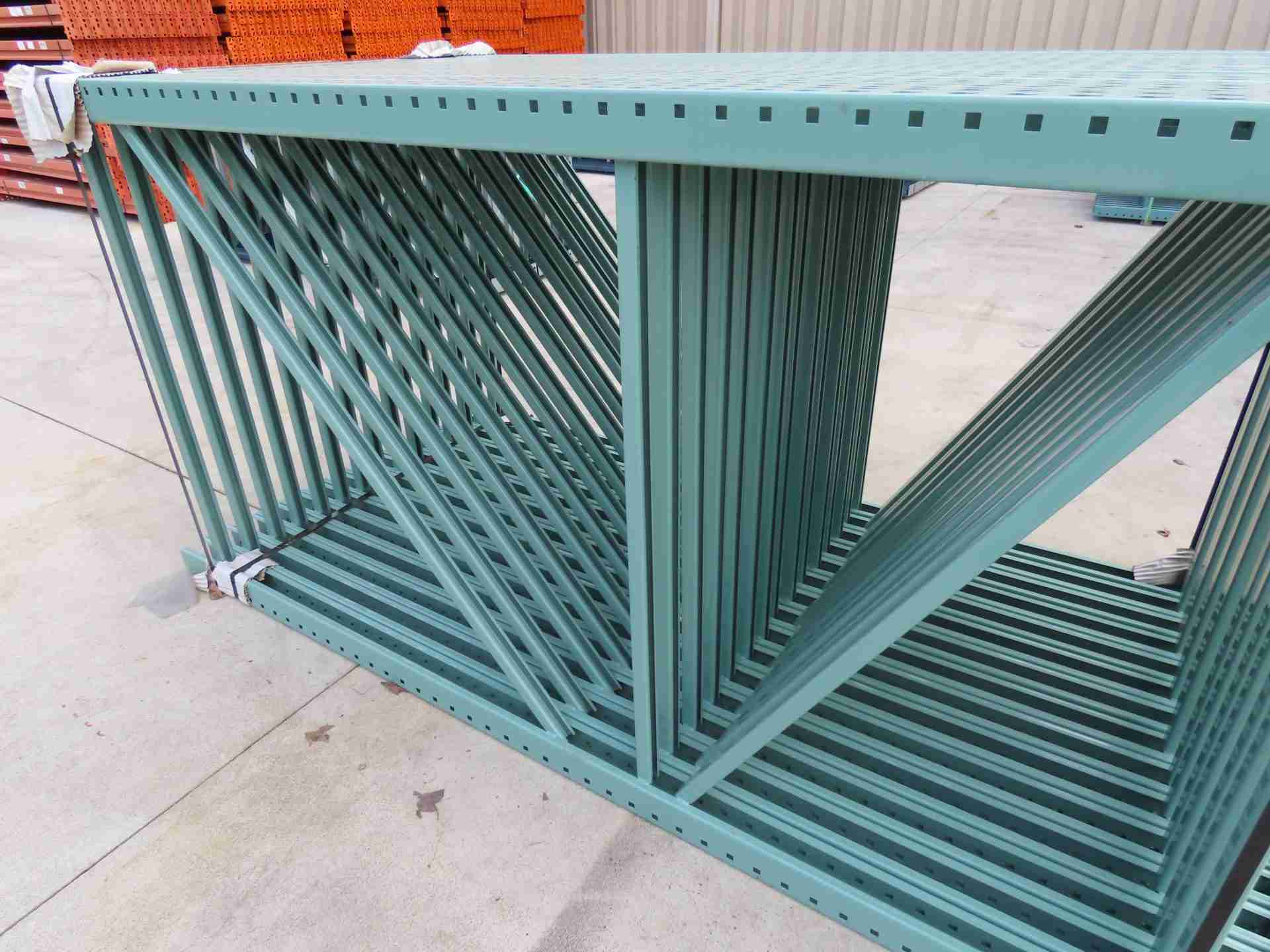
How Can Inventory Organization Reduce The Likelihood Of Accidents?
How Can Inventory Organization Reduce The Likelihood Of Accidents?
- Pallet racking is more than just shelving; it’s essential for safety in warehouse operations.
- Proper pallet racking optimizes space and reduces the risk of accidents caused by clutter.
- Well-structured racking systems streamline order picking and inventory checks, improving efficiency.
- An organized environment helps new hires learn safety procedures more effectively.
- A neat workspace boosts employee morale and fosters trust in management.
- Investing in effective pallet racking creates a culture of safety within the organization.
- Prioritizing safety enhances overall productivity and contributes to business success.

How Can Inventory Organization Reduce The Likelihood Of Accidents?
What Safety Regulations Should Warehouses Be Adhering To?
When it comes to warehouse safety, adhering to the right regulations isn’t just a good idea; it’s a necessity. Picture a bustling warehouse environment, with employees maneuvering through aisles filled with pallets stacked high, each carrying valuable goods. Now, imagine the chaos that could ensue without the proper safety measures in place. As a business owner, your responsibility goes beyond mere compliance; it’s about creating a culture of safety that protects your team and your bottom line.
One of the cornerstones of warehouse safety is the effective management of pallet racking systems. These sturdy frameworks, designed to hold loads of varying weights, play a crucial role in maximizing space and efficiency. However, improper use or maintenance can lead to accidents that not only endanger your employees but can also result in costly damages and liabilities. Regular inspections and maintenance of your pallet racking systems are essential. Make it routine to check for any signs of wear, damage, or instability. After all, a safe environment is the most productive one.
Think about your employees. Their well-being should be your top priority. Training programs covering proper lifting techniques and equipment handling can’t be overlooked. When each worker knows the ins and outs of the safety protocols, it fosters a sense of ownership and accountability. Not only does this reduce the risk of accidents, but it builds camaraderie and trust among team members, creating an atmosphere where everyone feels valued and protected.
Beyond the physical structures and training, the importance of a clear safety policy cannot be overstated. Encourage open communication around safety practices. Share success stories and lessons learned. Celebrate when your team adheres to safety regulations, and don’t shy away from addressing lapses. A proactive approach encourages engagement, and fostering a safety-first mentality leads to better outcomes for everyone involved.
It’s time to take action. Review your current safety protocols today. Are you adequately addressing pallet racking safety? Are your employees trained and empowered to spot potential hazards? By prioritizing these aspects, you not only comply with regulations but also demonstrate a commitment to your team’s safety and well-being. Remember, a safe warehouse is a successful warehouse, and your due diligence today lays the groundwork for a secure and prosperous tomorrow. Take the first step—your team is counting on you!

What Safety Regulations Should Warehouses Be Adhering To?
What Safety Regulations Should Warehouses Be Adhering To?
- Warehouse safety compliance is essential for protecting employees and business interests.
- Effective management of pallet racking systems is crucial for maximizing space and preventing accidents.
- Regular inspections and maintenance of pallet racking systems are necessary to ensure safety.
- Prioritize employee well-being by implementing training programs on lifting techniques and equipment handling.
- Encourage open communication about safety practices and celebrate adherence to regulations.
- Proactively engage employees in safety discussions to foster a safety-first mentality.
- Review current safety protocols and empower employees to identify potential hazards for a successful warehouse environment.

What Safety Regulations Should Warehouses Be Adhering To?
Conclusion
Conclusion: Ensuring Safety Through Smart Warehouse Practices with Arrow Industrial Sales
As you conclude this exploration into the pivotal role of effective warehouse storage methods, one undeniable truth emerges: your operations’ safety and efficiency hinge upon the very materials, structures, and protocols you employ. The reassuring hum of a well-run warehouse can quickly transform into chaos if the underlying infrastructure, particularly pallet racking systems, isn’t optimally managed. As our discussion has illuminated, the hazards lurking within common warehouse practices—overloaded racks, improperly arranged shelves, and neglected training—pose not just a risk to your team but also threaten productivity and morale.
Transforming your warehouse into a bastion of safety requires more than a cursory glance at compliance or operational efficiency; it demands a thorough reassessment of your storage methods and employee training. With Arrow Industrial Sales by your side, you have access to expertise tailored to identify and mitigate these hidden risks. Our company empowers you to embrace a proactive approach—one that starts with a comprehensive audit of your existing systems.
Imagine a workplace where your employees no longer navigate a maze of looming hazards but instead operate within an organized and efficient environment. Training designed to instill confidence and awareness among your workforce is not an expense; it’s an investment in your greatest asset—your people. With proper protocols and practices, accidents aren’t just mitigated; they are virtually eliminated.
Now is the time to act. The urgency for a safer warehouse environment has never been more pressing. Every day that safety isn’t prioritized is a day you risk the well-being of your employees, the stability of your operations, and the very reputation your business has built. Don’t let preventable accidents dictate your narrative; instead, take charge!
Call Arrow Industrial Sales at (574) 349-6575 today to begin your journey toward a safer, more efficient warehouse. Together, we can transform your workspace and reinforce your commitment to safety—because when it comes to protecting what matters most, mere compliance is not enough. A safe warehouse is a productive one; let not just safety be your priority but rather a standard. Take the first step now; our team is eager to partner with you on this critical journey!

Conclusion
Conclusion:
- Effective warehouse storage methods are crucial for operational safety and efficiency.
- Overloaded pallet racks, disorganized shelves, and lack of training pose significant risks.
- Transforming warehouse safety requires a comprehensive reassessment of storage methods and training.
- Arrow Industrial Sales offers tailored expertise to identify and mitigate hidden warehouse risks.
- Workplace training enhances employee confidence, awareness, and reduces the chance of accidents.
- Prioritizing safety protects employee well-being, operational stability, and business reputation.
- Contact Arrow Industrial Sales at (574) 349-6575 to start improving your warehouse safety and efficiency.

Conclusion
Other Resources

Other Resources
Here is a list of other resources you can review online to learn more:
- The Ultimate Pallet Racking Guide – Speedrack West
- Chicago Pallet Racking
- Used Pallet Rack for Sale in Illinois – American Surplus
- Pallet Racking systems in Illinois, Great Lakes
- RMI
- Selective Racking
- IWLA
- Intro to Warehouse Racks & Warehouse Racking Systems – ShipBob
- Material Handling Safety
- American Society of Safety Professionals
Use This Prompt To Get More Resources With Your Favorite Online AI Tool: Please provide me with a list of online articles with their URLs in a bulleted list that I can read regarding What If Warehouse Storage Methods Are Causing Avoidable Accidents?

Other Resources
Glossary Terms
What If Warehouse Storage Methods Are Causing Avoidable Accidents? – Glossary Of Terms
1. Accessibility: The ease with which workers can reach stored items, crucial for maintaining safe working conditions.
2. Aisle Width: The distance between storage shelves or pallets, which must be sufficient for equipment and personnel movement to avoid accidents.
3. Battery Handling: The procedures and safety measures related to the use and maintenance of rechargeable batteries in equipment such as forklifts.
4. Categorization: The practice of sorting items based on attributes such as size, weight, and hazard potential to improve storage safety and efficiency.
5. Compliance: Adherence to safety regulations and standards set by local and federal agencies to mitigate risks in warehouse operations.
6. Conveyor System: A mechanical device used for transporting items within a warehouse that can pose safety risks if not properly maintained.
7. Crush Hazards: Risks associated with items falling or collapsing, which can lead to serious injuries if safety protocols are not followed.
8. Emergency Exits: Designated paths for rapid evacuation in the event of an emergency, which must be clearly marked and easily accessible.
9. Ergonomics: The study of workplace design that promotes efficiency while reducing the risk of musculoskeletal injuries.
10. Forklift Safety: Protocols and training requirements that ensure safe operation of forklifts, a common source of warehouse accidents.
11. Hazardous Materials: Any substances that pose risks to health, safety, or the environment, which require special storage and handling procedures.
12. Inventory Management: The process of ordering, storing, and tracking inventory to ensure safety and prevent overloading shelves or storage areas.
13. Labeling: The practice of marking shelves and items clearly to ensure that hazardous materials and weight limits are easily identifiable.
14. Manual Handling: Refers to the process of moving goods by hand and the associated risks, necessitating training and best practices.
15. Palletizing: The method of stacking goods on pallets to facilitate easy movement, which can lead to accidents if not done correctly.
16. Personal Protective Equipment (PPE): Gear worn to minimize exposure to hazards, such as helmets, gloves, and safety shoes, critical for worker safety.
17. Safety Audits: Systematic evaluations of warehouse operations to identify risks and implement needed safety improvements.
18. Slips and Trips: Risks associated with wet or obstructed walkways, which can cause falls if not managed appropriately.
19. Stacking Protocols: Guidelines for safely arranging items in racks or pallets to prevent tipping or collapse.
20. Standard Operating Procedures (SOPs): Established written instructions that detail how to perform tasks safely and efficiently within the warehouse.
21. Training Programs: Instructional sessions designed to educate staff on safety practices and proper equipment use to reduce accidents.
22. Traffic Management: Strategies implemented to control the movement of forklifts and personnel to minimize collision risks.
23. Warehouse Layout: The physical design and arrangement of storage areas and pathways, which should be optimized for safety and efficiency.
24. Weight Limits: Maximum load capacities for shelves and pallets that must be adhered to in order to prevent structural failure.
25. Workplace Culture: The shared attitudes and practices regarding safety, which can significantly influence accident rates.
26. Workplace Inspections: Periodic checks of the warehouse to identify potential hazards and ensure compliance with safety protocols.
27. Temperature Control: Maintaining an appropriate climate within the warehouse, which is essential for certain products and can impact worker safety.
28. Tool and Equipment Maintenance: Routine checks and repairs of equipment to ensure safe operation and reduce the risk of malfunctions.
29. Two-Person Lift: A manual handling technique that requires two employees to safely move heavy items, mitigating the risk of injury.
30. Zero-accident Philosophy: A proactive approach aimed at fostering a workplace environment where accidents are actively prevented through continuous improvement and engagement.

Glossary Of Terms
Other Questions
What If Warehouse Storage Methods Are Causing Avoidable Accidents? – Other Questions
If you wish to explore and discover more, consider looking for answers to these questions:
- What are the most common types of warehouse storage methods?
- How can warehouses identify hidden risks in storage practices?
- What specific training is recommended for warehouse employees regarding safety?
- What role does employee feedback play in improving warehouse safety?
- How often should warehouse safety audits be conducted?
- What actions can be taken immediately to improve safety in a warehouse?
- Are there specific regulations that govern warehouse safety practices?
- How can technology assist in monitoring warehouse safety?
- What are the consequences of neglecting warehouse safety standards?
- How do psychological factors impact safety in warehouse environments?
- How can management promote a culture of safety within the workplace?
- What are the best practices for maintaining pallet racking systems?
- How can ergonomics be integrated into warehouse operations?
- What are the signs of a well-organized warehouse?
- What are the financial benefits of investing in warehouse safety measures?
Other Questions
Checklist
What If Warehouse Storage Methods Are Causing Avoidable Accidents? – A Checklist
Warehouse Safety Checklist: Preventing Avoidable Accidents
Evaluate Your Storage Systems
_____ Inspect Pallet Racking: Ensure all pallet racks are properly secured and free from damage.
_____ Assess Loading Procedures: Review how goods are loaded onto racks to avoid overloading and misalignment.
_____ Check for Proper Signage: Place clear instruction signs regarding weight limits and safe stacking practices.
Conduct Regular Training
_____ Employee Training Programs: Implement comprehensive training sessions focused on safe handling of goods and equipment.
_____ Emergency Response Training: Ensure all employees know emergency procedures and how to respond to accidents.
_____ Refresh Training Annually: Schedule regular refresher courses for all staff to keep safety top of mind.
Maintain Safe Practices
_____ Daily Safety Checks: Establish a routine for daily inspections of storage areas for clutter and potential hazards.
_____ Clear Aisles: Ensure aisles and walkways are free from obstructions to prevent trips and falls.
_____ Proper Stacking Techniques: Verify that all items are stacked safely and securely, avoiding block stacking where applicable.
Foster a Safety Culture
_____ Encourage Open Communication: Create channels for employees to report safety concerns or near-misses without fear of repercussions.
_____ Celebrate Safety Compliance: Acknowledge and reward departments or individuals who maintain high safety standards.
_____ Conduct Safety Audits: Perform regular audits of workplace conditions and employee practices regarding safety compliance.
Review Safety Compliance
_____ Stay Updated on Regulations: Regularly review local, state, and federal safety regulations applicable to warehouse operations.
_____ Keep Documentation: Maintain accurate records of safety inspections, training sessions, and accident reports for accountability.
_____ Update Policies as Needed: Revise safety policies based on audit findings and employee feedback.
Ensure Inventory Organization
_____ Organize Inventory Layout: Arrange items systematically for efficient access, reducing time spent searching and handling.
_____ Label Inventory Clearly: Use clear labels on shelves and sections to minimize confusion and incorrect handling.
_____ Utilize Inventory Management Systems: Implement effective inventory tracking to ensure smooth operations and safety.
Promote Safety Awareness
_____ Host Safety Meetings: Regularly schedule meetings to discuss safety updates, share experiences, and reinforce best practices.
_____ Display Safety Materials: Utilize posters and handouts that highlight best safety practices in visible areas throughout the warehouse.
_____ Develop a Safety Newsletter: Share tips, updates on training sessions, and celebrate safety milestones with all employees.
Final Review
_____ Conduct an Annual Safety Review: Reassess all safety measures and update protocols to ensure compliance and effectiveness.
_____ Engage Employees in Safety Initiatives: Involve employees in brainstorming sessions for further safety enhancements and solicit their input.
_____ Maintain a Safety-first Attitude: Reinforce that safety is everyone’s responsibility and integral to operational success.
By following this checklist, you can proactively create a safer warehouse environment and significantly reduce the risks of preventable accidents.

Checklist
At RackingWorld, we help guide you through selecting warehouse storage systems and racking.
Be sure to read our other related stories at RackingWorld to learn more about warehouse storage systems.
0 Comments