
Maximizing Safety In Warehouse Operations
By Tom Seest
At RackingWorld, we help guide you through selecting warehouse storage systems and racking.
Be sure to read our other related stories at RackingWorld to learn more about warehouse storage systems.
Are You Utilizing Essential Safety Practices In Warehouse Operations?
Are You Utilizing Essential Safety Practices in Warehouse Operations?
In the bustling world of warehouse operations, safety isn’t just a box to check; it’s the lifeblood of your operation. The efficiency of your workflow, the well-being of your team, and the integrity of your products all hinge on whether you’re actively enforcing essential safety practices. Yet, amid the flurry of daily tasks, it’s easy to let safety measures slide, often with disastrous consequences. So let’s talk about how you can create a safety-centric culture that not only complies with regulations but fosters trust and confidence among your employees.
First and foremost, consider your pallet racking systems. They may seem like a mere structural element, but neglected or improperly configured pallet racks can lead to accidents that threaten lives and inventories alike. Ensure your racking is designed to handle the load and is routinely inspected for wear and tear. A sturdy, well-maintained pallet racking system is an unspoken promise to your employees: “We care about your safety.”
Next, let’s talk training. Have you invested in regular safety training sessions? Engaging your team in these practices creates a robust foundation for a safety-first environment. Picture this: a warehouse where every employee feels empowered to speak up when they see a safety hazard. That level of engagement leads to improved morale and less downtime due to accidents. Turn your workforce into safety champions, and watch how they uphold best practices with pride.
Lastly, fostering open communication about safety is paramount. Organize regular safety meetings or check-ins to discuss concerns or experiences. An open-door policy invites your team to share insights that can lead to operational improvements. Show them that safety is a collective responsibility, one everyone plays a part in. When people feel heard, they’re more likely to take ownership of their roles in maintaining a safe workspace.
Remember, the investments you make in safety are not mere costs; they’re strategic decisions that pay dividends in employee satisfaction and operational efficiency. It’s time to step up and commit to essential safety practices. Empower your people by enhancing your infrastructure, enriching their training, and cultivating a culture of transparent communication. Together, we can transform your warehouse from just a storage space into a haven where safety reigns supreme, driving both productivity and profits. Take action now!

Are You Utilizing Essential Safety Practices In Warehouse Operations?
Are You Utilizing Essential Safety Practices In Warehouse Operations?
- Safety is vital for the efficiency, well-being, and integrity of warehouse operations.
- Neglected pallet racking systems can lead to dangerous accidents; regular inspections are essential.
- Investing in ongoing safety training empowers employees to identify and report hazards.
- Empowering warehouse staff as “safety champions” boosts morale and reduces downtime from accidents.
- Open communication about safety through regular meetings fosters a culture of shared responsibility.
- Investments in safety are strategic decisions that enhance employee satisfaction and operational efficiency.
- Commit to essential safety practices to transform your warehouse into a safe and productive environment.

Are You Utilizing Essential Safety Practices In Warehouse Operations?
Table Of Contents
- Are You Utilizing Essential Safety Practices In Warehouse Operations?
- What Are Essential Safety Practices For Warehouse Operations?
- How Can I Identify Hazards In My Warehouse?
- What Are The Key Elements Of A Safety Training Program?
- How Can I Improve Employee Safety Awareness In The Warehouse?
- What Personal Protective Equipment (Ppe) Is Necessary In Warehouses?
- How Frequently Should Safety Audits Be Conducted In A Warehouse?
- Conclusion
- Other Resources
- Glossary Of Terms
- Other Questions
- Checklist
What Are Essential Safety Practices For Warehouse Operations?
Running a warehouse can feel like navigating a busy city during rush hour—you have a flurry of activities, tight deadlines, and the pressure of keeping everything in order. One way to foster a smooth operation is by adopting essential safety practices that can protect your employees and assets while boosting efficiency. In this fast-paced environment, safety isn’t just a checklist; it’s a culture that resonates through every aisle, every box, and every pallet racking structure you utilize.
Picture a day in your warehouse. Workers dart around, carefully maneuvering forklifts, lifting heavy boxes, and stacking pallets. But amid this whirlwind, safety must remain a priority. Start with proper training for all employees. Simply put, knowledge is power. Equip your team with the skills to handle equipment safely and to understand the nuances of their surroundings. When employees know how to operate safely and recognize potential dangers—like an unstable pallet racking system—they become your most vigilant defenders.
Speaking of pallet racking, it’s crucial to inspect these structures regularly. Over time, wear and tear can undermine even the sturdiest designs. Ensure they are correctly installed and routinely checked for damage or misalignment. Educating your team on how to recognize risks associated with pallet racking may mean the difference between a productive day and a costly accident. Create an atmosphere of accountability: encourage employees to report any concerns immediately.
Next, make ergonomics a priority. Simple adjustments can drastically reduce the risk of injuries in your warehouse. Train employees on safe lifting techniques and the importance of using equipment designed for moving heavy loads. By prioritizing their well-being, you not only forge a culture of safety but also create a motivated workforce eager to come to work each day.
Remember that safety signage is more than just decoration; it’s a vital part of your operational landscape. Clear, visible reminders can reinforce safety standards, guiding employees to stay alert and reducing the likelihood of accidents. From emergency exits to instruction on handling hazardous materials, informative signage should be ubiquitous—and strategically placed to catch the eye of every team member.
As you move through the bustling rhythm of your warehouse, let these essential safety practices elevate your operations. Safety isn’t just a box to check; it’s a commitment to your team, your process, and your success. By making these practices part of your fabric, you’re not just protecting assets—you’re building a legacy of trust and confidence that resonates with everyone involved.

What Are Essential Safety Practices For Warehouse Operations?
What Are Essential Safety Practices For Warehouse Operations?
- Running a warehouse involves managing a busy environment with tight deadlines and numerous activities.
- Adopting essential safety practices enhances employee protection and boosts operational efficiency.
- Proper training empowers employees to operate safely and recognize potential dangers in their surroundings.
- Regular inspection of pallet racking systems is crucial to mitigate risks from wear and tear.
- Ergonomics should be prioritized to reduce injury risk, including safe lifting techniques and proper equipment use.
- Clear safety signage is essential for reinforcing standards and guiding employees to stay alert.
- Implementing these safety practices helps build a culture of trust and confidence within the warehouse.
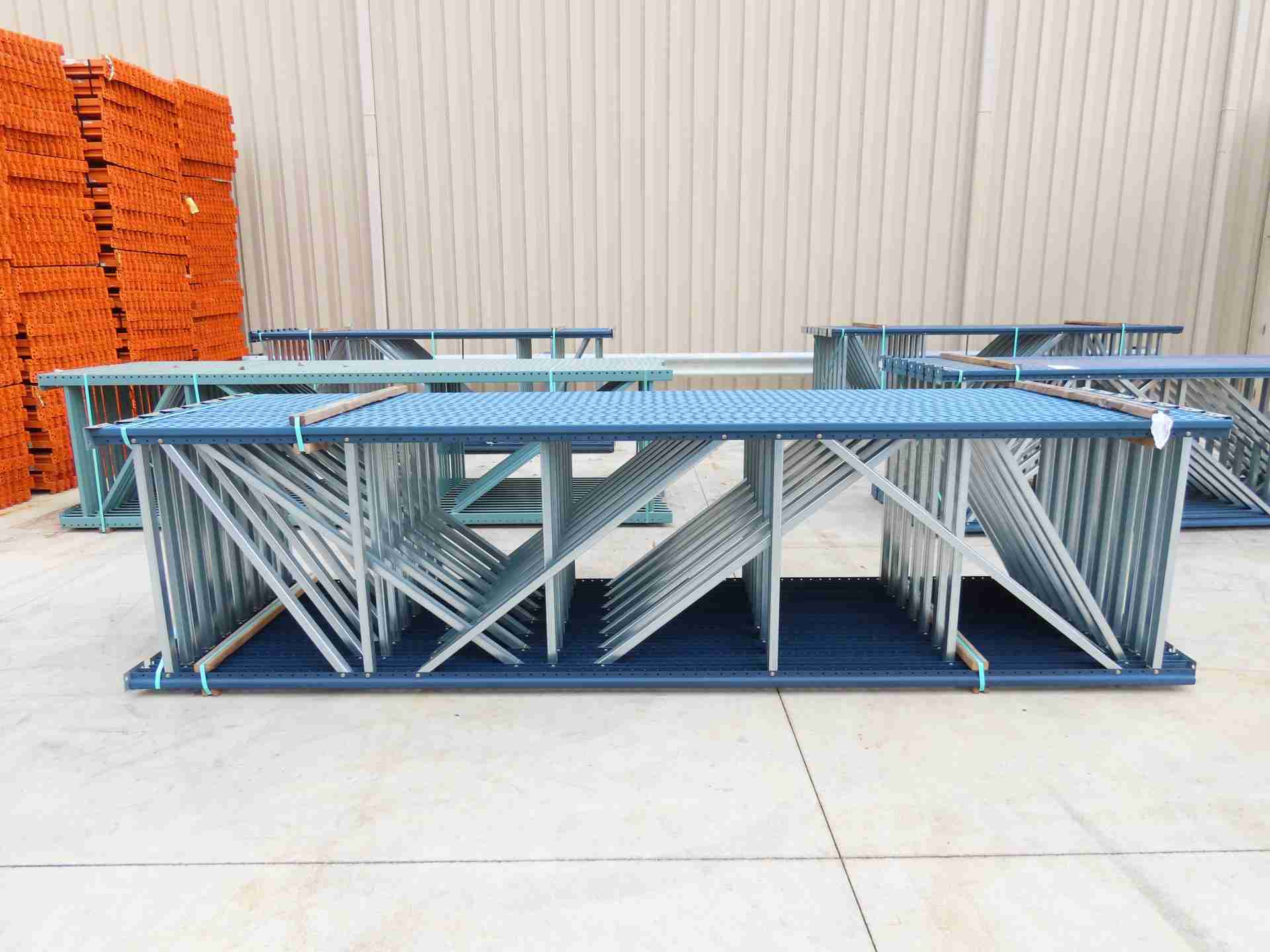
What Are Essential Safety Practices For Warehouse Operations?
How Can I Identify Hazards In My Warehouse?
When it comes to warehouse safety, identifying hazards is akin to reading the fine print on a contract—overlook it, and you may find yourself in a world of trouble. But don’t worry; it’s not as daunting as it sounds. By approaching the task systematically, you can turn what may seem like a labyrinth of potential risks into a clear and productive environment.
Start with the basics: Pallet racking systems. These are your warehouse’s backbone, but they can also become hidden danger zones if not managed appropriately. Is your pallet racking organized and stored correctly? Inspect each rack to ensure it’s properly loaded, with weight evenly distributed. Overloading not only risks collapsing the structure but can also lead to injuries. Regularly scheduled inspections should become second nature to you and your team.
Don’t just rely on inspections—engage your team in open conversations about hazards. Often, the people who navigate the warehouse daily can offer insights that go unnoticed by management. Create an atmosphere where employees feel empowered to speak up. When workers communicate freely about safety concerns, it fosters a culture of trust and vigilance. Plus, it’s a great way to strengthen camaraderie among staff, ensuring that everyone is looking out for one another.
Next, look at your walking pathways. Are they free of obstruction? Slip, trip, and fall hazards are often lurking in plain sight. Ensure pallets aren’t left lying around and that spills are cleaned up promptly. A tidy warehouse is not merely an aesthetic preference; it’s a safety necessity. If employees see clear, marked pathways, they’ll feel more secure, which translates into a more confident workforce.
Don’t shy away from investing in technology and training. Incorporating tools like warehouse management systems can identify trends leading to hazards before they escalate. Additionally, regular safety training empowers your employees with the knowledge they need to recognize and mitigate risks.
Lastly, post signage clearly and strategically throughout your warehouse. Eye-catching signs about safe handling, weight limits, and emergency exits act as constant reminders of essential safety practices. You’re not just covering your bases; you’re reinforcing a safety-first mindset among your team.
Take action today—reducing hazards is not just a compliance issue; it’s an investment in your most valuable asset: your workforce. Start with these steps and watch as your warehouse transforms into a model of safety and efficiency.

How Can I Identify Hazards In My Warehouse?
How Can I Identify Hazards In My Warehouse?
- Identifying hazards in warehouses is crucial for safety, comparable to reading fine print on contracts.
- Pallet racking systems should be organized and inspected regularly to prevent overloading and injuries.
- Encourage open communication among team members regarding safety concerns to foster trust and vigilance.
- Keep walking pathways clear of obstructions to minimize slip, trip, and fall hazards.
- Invest in technology and training, such as warehouse management systems and regular safety training sessions.
- Post clear and strategic signage to remind employees of safety practices, handling protocols, and emergency exits.
- Reducing hazards is an investment in employee safety and overall warehouse efficiency.

How Can I Identify Hazards In My Warehouse?
What Are The Key Elements Of A Safety Training Program?
Imagine a workplace that thrives on safety—a place where employees feel empowered and confident every time they walk through the doors. An effective safety training program is the cornerstone of fostering this kind of environment. If your organization is ready to make safety a priority, you’re in the right place. Let’s explore the key elements that can elevate your safety training efforts and ensure that every team member is equipped to face potential hazards head-on.
First and foremost, your training must begin with a strong foundation built on understanding risk. What are the specific hazards associated with your workspace? From slippery floors to complex machinery, every environment presents unique dangers. A specialized training module focusing on identifying and mitigating these risks is crucial. For instance, when it comes to pallet racking systems, it’s vital for employees to grasp not only how to load them correctly but also how improper use can lead to serious accidents. By educating your team on the intricacies of equipment usage, you’re cultivating a culture of awareness and precaution.
Next, practical application is essential. Safety principles need to go beyond theoretical knowledge; they must become second nature. Incorporate hands-on training where employees can practice safety protocols in real-life scenarios. This could include fire drills, first aid responses, or mock evacuations—strategic exercises that simulate potential emergencies. When your staff sees safety practices in action, they’re far more likely to embrace them.
Another key element is clear communication. Ensure that all safety protocols are articulated plainly and are easily accessible. This includes visual aids like posters or digital resources outlining procedures for equipment like pallet racking systems. When team members can reference critical information at a moment’s notice, they feel more secure and empowered.
Finally, foster a feedback-rich environment. Safety is not a one-and-done training session; it’s an ongoing commitment. Encourage your team to share insights or concerns about the training or workplace safety practices. Their frontline perspectives are invaluable for refining training and identifying potential hazards that may go unnoticed.
An effective safety training program is not just about compliance; it’s about caring for your team. When you invest in these key elements, you’re not just cultivating a safer workplace; you’re building trust, loyalty, and confidence. So take action today—embrace the steps that will transform your safety training into a beacon of assurance for every employee.

What Are The Key Elements Of A Safety Training Program?
What Are The Key Elements Of A Safety Training Program?
- Safety training is essential for creating a safe and empowered workplace environment.
- Begin with understanding workplace-specific risks to identify and mitigate hazards.
- Incorporate specialized training modules for equipment usage and potential dangers.
- Employ hands-on training and practical application to reinforce safety principles.
- Ensure clear communication of safety protocols through accessible resources and visual aids.
- Encourage a feedback-rich culture to continuously improve training and safety practices.
- Investing in safety training builds trust, loyalty, and confidence among employees.

What Are The Key Elements Of A Safety Training Program?
How Can I Improve Employee Safety Awareness In The Warehouse?
In the fast-paced environment of a warehouse, where every second counts and every action can impact not just productivity but also safety, it’s crucial to sharpen employee safety awareness. Imagine this: your team is efficiently navigating the aisles, but there’s an invisible thread of risk woven into every stack of pallets standing tall in your pallet racking system. How can you turn that trepidation into a strong foundation of safety knowledge?
The first step is to foster a culture of safety. This begins with open communication. Host regular safety meetings where employees can discuss their experiences and concerns. When they feel heard, it builds trust and encourages a shared responsibility for safety. Team members who feel valued are more likely to participate in safety protocols actively.
Next, let’s talk about training. Ditch the old PowerPoint presentations that put everyone to sleep. Instead, adopt hands-on, interactive training sessions that engage employees and make the learning process enjoyable. Simulation-based training, where employees safely practice navigating obstacles—like correctly storing items on pallet racking—will help instill crucial safety habits. Not only do they get to absorb information practically, but they’ll also remember it when it counts the most.
Visual reminders are another effective strategy. Brightly colored posters showcasing safety protocols can do wonders. But don’t stop there—integrate reminders into the layout of your warehouse. For instance, labels on pallet racking systems can indicate weight limits, while ground markings can designate safe walking paths, reducing accidents caused by poor awareness. These practical cues keep safety top of mind every day, reinforcing positive behavior.
Moreover, consider establishing a recognition program. Celebrate employees who exemplify outstanding safety practices. This not only rewards commitment but also inspires others to follow suit, creating a positive feedback loop of safety awareness throughout the warehouse.
Lastly, when you lead by example, your team will follow. Show them that safety is a priority in all you do. Walk the walk, and they will hear your commitment loud and clear. Investing in safety isn’t just about compliance; it’s about creating a trusting environment where employees feel empowered to contribute to their own safety and that of their peers.
Together, let’s transform your warehouse into a model of safety, where every employee feels secure, responsible, and engaged in creating a safe working environment!

How Can I Improve Employee Safety Awareness In The Warehouse?
How Can I Improve Employee Safety Awareness In The Warehouse?
- Foster a culture of safety through open communication and regular safety meetings.
- Encourage employees to share experiences and concerns to build trust and a shared responsibility for safety.
- Implement interactive, hands-on training sessions to engage employees and enhance learning retention.
- Use simulation-based training to help employees practice safety protocols in a practical setting.
- Utilize visual reminders like posters and labels to keep safety protocols top of mind.
- Establish a recognition program to celebrate employees who demonstrate outstanding safety practices.
- Lead by example to demonstrate the importance of safety, fostering a trusting and empowered workplace environment.

How Can I Improve Employee Safety Awareness In The Warehouse?
What Personal Protective Equipment (Ppe) Is Necessary In Warehouses?
What Personal Protective Equipment (PPE) Is Necessary in Warehouses?
When it comes to warehousing, safety should never take a backseat. Each day, warehouse workers navigate through a world filled with towering pallet racking, heavy machinery, and a flurry of activity. It’s a landscape that demands respect and, most importantly, the right personal protective equipment (PPE).
Imagine a bustling warehouse where every detail counts. Forklifts whiz by, stacks of pallets stand high, and packages arrive and depart continuously. In this bustling environment, the right PPE is not just a guideline—it’s a lifeline. With that in mind, let’s explore the essential gear that every warehouse professional should wear to protect themselves on the job.
# Hard Hats: The First Line of Defense
Picture the last time you heard a loud clang or thud in a warehouse. It’s crucial to ensure your head is protected from potential falling objects, which is precisely why a hard hat is your best friend. By investing in a sturdy hard hat, you’re not just following safety protocols—you’re taking a proactive step in safeguarding your most valuable asset: your health.
# Safety Glasses: Clear Vision, Clear Safety
Think about your daily tasks: picking from pallet racking, inspecting goods, and managing inventory. Each of these activities can create flying debris or exposure to harmful substances. Safety glasses create a barrier against unforeseen dangers, ensuring that your vision is clear and your focus remains sharp.
# Gloves: Grip with Confidence
Handling products involves dexterity and grip, making gloves a necessity rather than an option. They protect your hands from cuts, abrasions, and hazardous materials, allowing you to perform your tasks with assurance. Choose gloves that fit well; they won’t just comfort you—they’ll empower you to do your job better.
# Steel-Toed Boots: Foundation of Safety
Never underestimate the importance of proper footwear. Steel-toed boots provide vital protection against compression and puncture injuries. They support your feet through long hours of standing and walking—all while reminding you that safety is more than just a priority; it’s a lifestyle.
# High-Visibility Vests: Stand Out for Safety
With machinery and high-speed movement, being seen is half the battle. High-visibility vests bring another layer of safety to the table. They ensure you’re always visible, whether you’re among stacks of pallets or navigating through an active assembly zone.
In essence, the right PPE transforms a potentially hazardous environment into a secure workspace. Make the investment in these essential items and champion a culture of safety in your warehouse. Because when it comes to protecting what matters most, nothing is more valuable than safeguarding your team. Don’t wait for an accident to remind you; act now and ensure that safety is your warehouse’s calling card.

What Personal Protective Equipment (Ppe) Is Necessary In Warehouses?
What Personal Protective Equipment (Ppe) Is Necessary In Warehouses?
- Safety in warehouses is paramount due to heavy machinery and constant activity.
- Personal Protective Equipment (PPE) is essential for worker safety.
- Hard hats protect against potential falling objects, safeguarding head health.
- Safety glasses shield eyes from flying debris and harmful substances.
- Gloves provide protection for hands from cuts and hazardous materials.
- Steel-toed boots guard against foot injuries and support comfort during long hours.
- High-visibility vests enhance visibility in active warehouse environments.

What Personal Protective Equipment (Ppe) Is Necessary In Warehouses?
How Frequently Should Safety Audits Be Conducted In A Warehouse?
When it comes to warehouse safety, the question isn’t just about how to protect your employees and inventory—it’s also about establishing a culture that prioritizes diligence and responsibility. Imagine stepping into a space where every corner, every pallet racking unit, and every inch of floor space breathes safety and security. Sounds idyllic, doesn’t it? But making that vision a reality requires a steadfast commitment to routine safety audits.
So, how often should these audits occur? The answer, while not one-size-fits-all, hinges on a combination of factors—business size, specific warehouse activities, and even regulatory compliance needs. For most warehouses, conducting safety audits quarterly is a solid baseline. Think about it: Four times a year gives you ample opportunity to identify hazards, re-evaluate protocols, and return to the drawing board if needed.
However, it doesn’t stop there. If your warehouse handles high-traffic operations or utilizes high-stakes equipment, such as heavy machinery or extensive pallet racking systems, consider ramping your audits up to monthly. This level of vigilance keeps your team on their toes and surfaces potential issues before they turn into accidents—because let’s face it, prevention is always better than reaction.
What’s more, integrating informal walkthroughs or spot-checks can craft a proactive routine. Whispering “safety first” becomes a daily mantra for your team, creating a habit that fosters both awareness and responsibility. After all, a culture steeped in safety doesn’t merely flourish within quarterly or monthly audits; it thrives every single day.
Let’s also shine a light on incorporating feedback from your employees. They are on the frontlines, navigating the warehouse every day, and their insights could be invaluable. Make it a point to include them in discussions around safety protocols and potential improvements. By valuing their opinions, you not only enhance engagement but foster a greater sense of ownership and accountability, ensuring that everyone has a stake in maintaining safety.
In summary, the frequency of safety audits is not just a checkbox to tick off; it’s a vital practice that goes hand-in-hand with excellence in warehouse management. Commit to regular audits, instill a proactive mindset, and involve your employees, and watch as your warehouse transforms into not just a workplace, but a haven where safety reigns supreme. Don’t wait for accidents to happen; take action today and make a sustainable investment in safety that pays dividends in productivity and morale.

How Frequently Should Safety Audits Be Conducted In A Warehouse?
How Frequently Should Safety Audits Be Conducted In A Warehouse?
- Warehouse safety involves protecting employees and inventory while fostering a culture of diligence and responsibility.
- Regular safety audits are crucial; quarterly audits are a solid baseline for most warehouses.
- High-traffic or high-stakes environments may require monthly audits to proactively identify hazards.
- Integrating informal walkthroughs or spot-checks helps create a daily safety awareness among the team.
- Employee feedback is essential; their insights can enhance safety protocols and improve engagement.
- Safety audits are critical for excellence in warehouse management and should not be treated as a mere checklist.
- Committing to safety practices transforms the warehouse into a safe and productive environment.

How Frequently Should Safety Audits Be Conducted In A Warehouse?
Conclusion
Conclusion: Elevate Your Warehouse Safety and Efficiency Today!
In the high-paced environment of warehouse operations, safety is not merely an optional ethos; it’s the bedrock of a thriving facility. As we navigated the essential practices needed to optimize safety, one thing became abundantly clear: the time to act is now. By recognizing the critical importance of robust safety protocols, you are taking an excellent first step towards preventing accidents, nurturing a culture of trust, and enhancing overall efficiency.
From the foundation of proper training and regular inspections of pallet racking systems to establishing transparent communication among team members, each element we discussed serves to fortify your commitment to a safe working environment. As your workforce becomes educated on hazards and proper equipment handling, they evolve into vigilant stewards of safety, ready to tackle the daily challenges that come with the territory.
Moreover, the use of personal protective equipment (PPE) is paramount, transforming your workspace from a potential hazard zone into a sanctuary where dangers are minimized. The right gear guards against acute injuries, empowering employees with the confidence to perform their tasks without fear. Remember, investing in safety gear, just like proper training, is not a cost—it’s a decisive strategy that pays off handsomely through increased employee morale and reduced downtime.
Equally vital is the practice of conducting safety audits tailored to your operational needs. Scheduling regular evaluations, whether quarterly or monthly, sets the tone for a culture that prioritizes safety and accountability. Engaging your team in these audits not only highlights potential risks but also fosters a collective ownership of workplace safety, reinforcing the idea that everyone plays a vital role in this shared responsibility.
At Arrow Industrial Sales, we’re passionate about helping you make the leap from mere compliance to a genuine culture of safety. Are you maximizing your warehouse’s safety practices? Don’t wait until an accident forces your hand; take proactive steps instead. Call us today at (574) 349-6575 to discover tailored strategies and solutions that will transform your warehouse environment. Remember, every moment you delay is a moment that could compromise your team’s safety and productivity. Act now to secure your warehouse’s future!

Conclusion
Conclusion:
- Safety is the foundation of successful warehouse operations.
- Implementing robust safety protocols is crucial for preventing accidents and enhancing efficiency.
- Proper training and regular inspections strengthen commitment to workplace safety.
- Effective communication among team members is vital for fostering a safe environment.
- Investing in personal protective equipment (PPE) is essential for minimizing workplace hazards.
- Conducting tailored safety audits regularly promotes a culture of safety and accountability.
- Contact Arrow Industrial Sales for personalized strategies to improve your warehouse safety practices.

Conclusion
Other Resources

Other Resources
Here is a list of other resources you can review online to learn more:
- WERC
- International Warehouse Logistics Association
- Logic Material Handling
- Selective Pallet Racking Systems – Container Systems
- Teardrop Pallet Rack – Ridg-U-Rak
- Material Handling Industry
- NSC
- Cantilever Racking Specialists – Get the Right Racks
- Racking World
- Cantilever Rack Guide: Ordering Cantilever Racking
Use This Prompt To Get More Resources With Your Favorite Online AI Tool: Please provide me with a list of online articles with their URLs in a bulleted list that I can read regarding Are You Utilizing Essential Safety Practices In Warehouse Operations?

Other Resources
Glossary Terms
Are You Utilizing Essential Safety Practices In Warehouse Operations? – Glossary Of Terms
1. Access Control: A security measure that regulates who can enter certain areas of a warehouse to prevent unauthorized access.
2. AQMD (Air Quality Management District): A governmental agency that monitors and regulates air quality; important for ensuring warehouse operations comply with environmental regulations.
3. ASRS (Automated Storage and Retrieval System): Technology used to automatically place and retrieve loads from storage locations, improving efficiency and safety in warehousing.
4. Barcode Scanning: A method of tracking inventory by scanning barcodes, which helps maintain accurate inventory records and reduces manual errors.
5. BOL (Bill of Lading): A documented receipt for goods shipped, outlining the type, quantity, and destination, crucial for inventory and shipping safety.
6. Caution Sign: Visual indicators used to warn workers about potential hazards in specific areas, helping to prevent accidents and injuries.
7. Ergonomics: The study of how to design workspaces and tasks to fit the physical needs of workers, minimizing strain and injury.
8. Forklift Operator Certification: Training and certification required for workers to safely operate forklifts, essential for preventing accidents in warehouse operations.
9. Hazard Identification: The process of recognizing potential hazards in the workplace, vital for risk assessment and safety planning.
10. Incident Reporting: A documented process of recording accidents or near-misses, helpful for identifying patterns and improving safety measures.
11. Inventory Management: The supervision of ordering, storing, and using a company’s inventory, essential for maintaining safety and efficiency.
12. Loading Dock Safety: Guidelines designed to ensure the safe loading and unloading of goods at loading docks, where many accidents can occur.
13. PPE (Personal Protective Equipment): Gear such as helmets, gloves, and safety shoes that workers must wear to minimize exposure to hazards.
14. Racking Systems: Frameworks used for storage that can pose a safety risk if not properly maintained and loaded.
15. Safety Audit: A systematic examination of a company’s safety management system to ensure compliance and identify areas for improvement.
16. Safety Data Sheet (SDS): A document that provides information on the properties of hazardous substances and how to handle them safely.
17. Safety Training: Programs designed to educate employees about workplace hazards and safe operating procedures.
18. Slips, Trips, and Falls: Common types of workplace accidents, often preventable through proper housekeeping and safety practices.
19. Spill Containment: Measures taken to prevent and control the release of hazardous substances, critical for chemical handling in warehouses.
20. Stacking Protocols: Guidelines for safely stacking goods to prevent falling over, a key element in maintaining a safe warehouse environment.
21. Temperature Control: The management of climate conditions in the warehouse, essential for the safe storage of temperature-sensitive products.
22. Training Manuals: Written documents outlining safety procedures and protocols for staff to ensure consistent safety practices.
23. Traffic Management: Strategies used to regulate the movement of vehicles and pedestrians within warehouse premises to enhance safety.
24. Warehouse Layout: The design and organization of warehouse space, which impacts workflow efficiency and safety.
25. Weight Limits: Established maximum weights for storage and lifting, crucial for preventing injuries and equipment damage.
26. Workplace Ergonomics: The science of using design principles to create a safe and efficient work environment, reducing fatigue and injury risk.
27. Workplace Safety Culture: The shared values, beliefs, and norms related to safety in the workplace, influencing employee behavior and safety adherence.
28. Workplace Violence Prevention: Strategies designed to reduce the risk of violent incidents in the workplace, essential for ensuring overall safety.
29. Yield Management: Strategies used to optimize storage space and reduce waste, indirectly contributing to a safer work environment.
30. Zero Tolerance Policy: A strict policy against unsafe practices or behaviors that threaten workplace safety, fostering a culture of responsibility.

Glossary Of Terms
Other Questions
Are You Utilizing Essential Safety Practices In Warehouse Operations? – Other Questions
If you wish to explore and discover more, consider looking for answers to these questions:
- What are the most common hazards in warehouse operations?
- How can I create a culture of safety among my warehouse staff?
- What specific safety regulations apply to my warehouse operations?
- What technology can assist in enhancing warehouse safety?
- How do I conduct effective safety training sessions?
- What are the signs that indicate a safety issue in the warehouse?
- How can I improve communication about safety in the workplace?
- What resources are available for further safety training?
- How do safety practices differ between various warehouse industries?
- What role does PPE play in warehouse safety?
- How can ergonomic practices reduce injuries in warehouses?
- What are the legal consequences of neglecting warehouse safety?

Other Questions
Checklist
Are You Utilizing Essential Safety Practices In Warehouse Operations? – A Checklist
Essential Safety Practices Checklist for Warehouse Operations
This checklist serves as a practical reference for assessing and enhancing safety conditions in warehouse operations. Utilize this guide to ensure you are adhering to best practices and fostering a culture of safety in your work environment.
Pallet Racking System
_____ Inspection: Perform routine inspections of pallet racking systems for wear and tear.
_____ Load Management: Ensure racking is designed to handle specific load weights and contents.
_____ Proper Loading: Confirm that weight is evenly distributed and not overloaded.
Employee Training
_____ Regular Training Sessions: Conduct regular safety training sessions for all employees.
_____ Hands-On Practice: Include practical application of safety practices in real-life scenarios (e. g. , mock drills).
_____ Ergonomics Training: Educate on proper lifting techniques and the use of equipment.
Communication
_____ Safety Meetings: Organize regular meetings to discuss safety concerns and experiences.
_____ Open-Door Policy: Encourage employees to voice safety concerns without fear of repercussions.
_____ Feedback Loop: Create a system for employees to provide feedback on safety practices and training.
Hazard Identification
_____ Regular Walkthroughs: Conduct systematic inspections to identify potential hazards in the warehouse.
_____ Clear Pathways: Ensure all walkways are free from obstructions and hazards.
_____ Technology Use: Utilize technology for tracking potential hazards and trends.
Safety Signage
_____ Visibility: Place clear, visible safety signage throughout the warehouse.
_____ Informative: Ensure signs provide essential information on safe handling, emergency exits, and hazards.
Personal Protective Equipment (PPE)
_____ Hard Hats: Ensure hard hats are worn where there’s a risk of head injuries.
_____ Safety Glasses: Utilize appropriate safety glasses to protect against eye hazards.
_____ Gloves: Provide gloves for hand protection against cuts and abrasions.
_____ Steel-Toed Boots: Ensure all employees wear steel-toed boots to prevent foot injuries.
_____ High-Visibility Vests: Equip employees with vests to enhance visibility in active areas.
Safety Audits
_____ Audit Schedule: Conduct safety audits at least quarterly; more frequently for high-risk environments.
_____ Employee Involvement: Include employees in the audit process to gather insights and suggestions.
_____ Follow-Up: Track and address any findings from audits to ensure continuous improvement.
Recognition and Accountability
_____ Recognition Program: Establish a system to acknowledge employees who demonstrate commitment to safety.
_____ Encourage Accountability: Foster a sense of ownership among employees regarding their safety and that of their peers.
By following this checklist, you can contribute to creating a safer warehouse environment that prioritizes the well-being of employees and enhances overall operational efficiency. Take action now!

Checklist
At RackingWorld, we help guide you through selecting warehouse storage systems and racking.
Be sure to read our other related stories at RackingWorld to learn more about warehouse storage systems.
0 Comments