
Maximize Rack Efficiency: Calculate Load Capacity Now
By Tom Seest
At RackingWorld, we help guide you through selecting warehouse storage systems and racking.
Be sure to read our other related stories at RackingWorld to learn more about warehouse storage systems.
How to Calculate Load Capacity Of Racks?
When it comes to maximizing storage efficiency, understanding the load capacity of your racks is not just smart—it’s essential. Whether you’re running a warehouse filled with pallets or optimizing a retail space for seasonal stock, knowing how much weight each rack can support could spell the difference between smooth operations and costly disasters.
To calculate the load capacity, start by evaluating the rack type. Different racks, such as selective pallet racks, drive-in racks, or cantilever racks, have distinct load specifications. Consult manufacturer guidelines—these datasheets provide critical information on the maximum load each beam can bear, typically expressed in pounds or kilograms.
Next, assess the individual components of your rack. Calculate the load-bearing capacity by examining the following elements:
1. Beam Capacity: Begin with the horizontal beams that support pallets or shelves. If a beam can support 2,000 pounds and you have two beams per level, your total capacity per level is 4,000 pounds.
2. Level Configuration: Consider how many levels you’ll be using. If you have multiple levels with a similar configuration, just multiply the capacity of your beams by the number of levels. For example, if you have four levels at 4,000 pounds each, your rack can support 16,000 pounds.
3. Uniformity and Distribution: Load distribution is vital. Ensure the weight is evenly spread across the beams and levels; concentrated weights can lead to racking failure. An uneven load can drop your effective capacity significantly, just think of a recent incident in a major retail warehouse where a poorly loaded shelf collapsed, causing extensive damage and costly downtime.
4. Material Considerations: Consider the materials used for both the racks and the items stored. Heavy-duty steel racks can support more weight than lighter materials, so verify compliance with your rack specifications and avoid shortcuts—safety is paramount.
5. Safety Factors and Regular Maintenance: Incorporate a safety factor of 20-30% below the calculated capacity. Even the best racks can experience wear and tear over time. Conduct regular inspections for any signs of damage and replace components as necessary.
Leveraging the right tools for calculating load capacity not only protects your investment but also enhances overall operational efficiency. As businesses adapt to changing logistics demands, from e-commerce surges to heightened safety regulations, proper weight management in storage solutions will continue to play a pivotal role in successful operations. So, don’t wait—make load capacity calculations a priority today, and watch your business thrive!
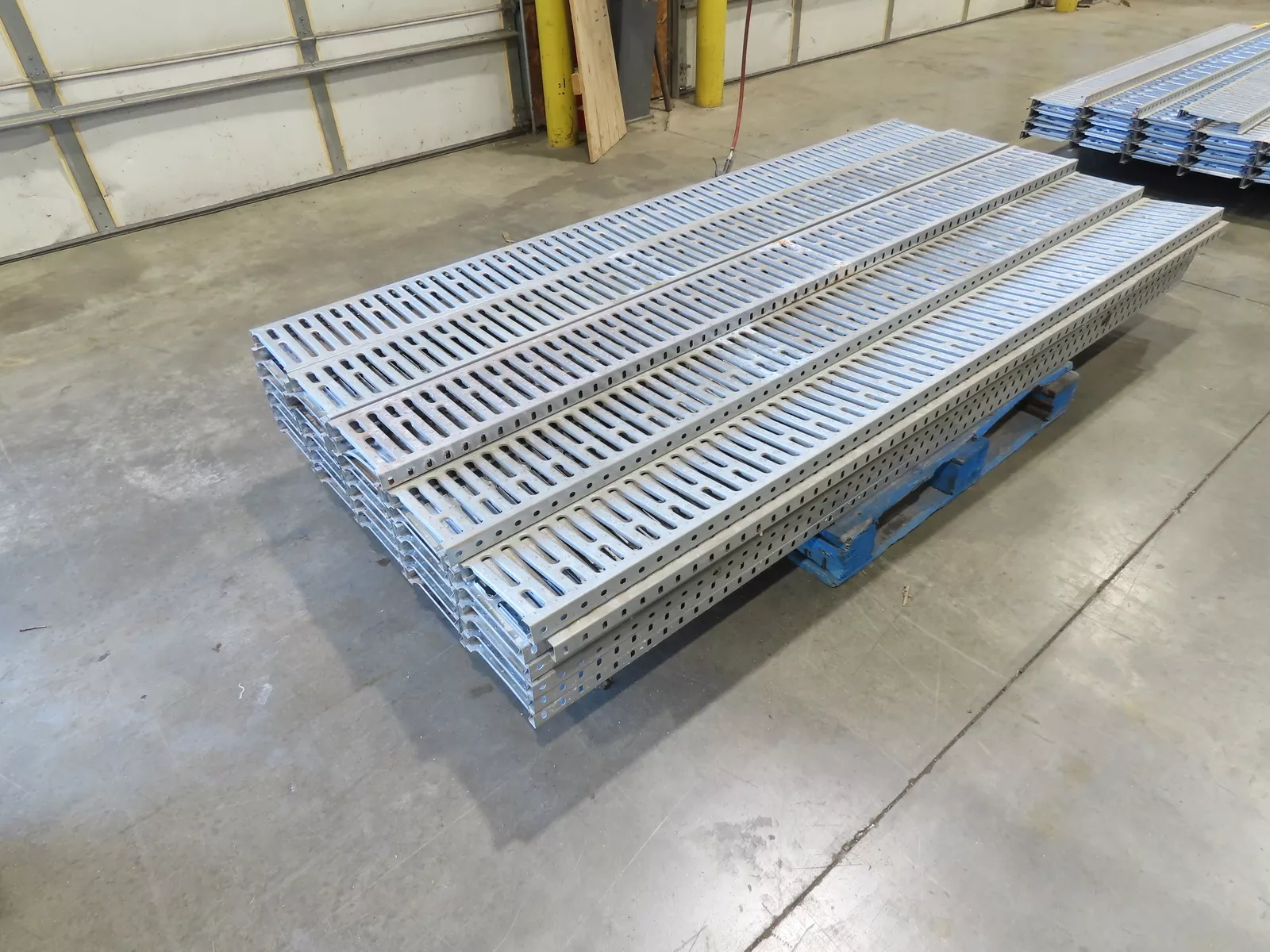
How to Calculate Load Capacity Of Racks?
How to Calculate Load Capacity Of Racks?
- Understanding rack load capacity is essential for ensuring smooth operations and avoiding disasters.
- Evaluate the type of rack (e.g., selective pallet racks, drive-in racks, cantilever racks) to determine distinct load specifications.
- Calculate load capacity by assessing the following components:
- Beam Capacity: Consider the total capacity based on the number of beams and their individual load capacity.
- Level Configuration: Multiply the capacity of the beams by the number of levels to find total capacity.
- Uniformity and Distribution: Ensure even weight distribution to avoid concentrated loads leading to racking failure.
- Material Considerations: Verify compliance with rack specifications based on the materials used.
- Safety Factors and Regular Maintenance: Incorporate a safety factor of 20-30% and conduct regular inspections.
.
- Utilizing proper tools for load capacity calculations enhances operational efficiency and protects your investment.
- Make load capacity calculations a priority to adapt to changing logistics demands and ensure successful operations.
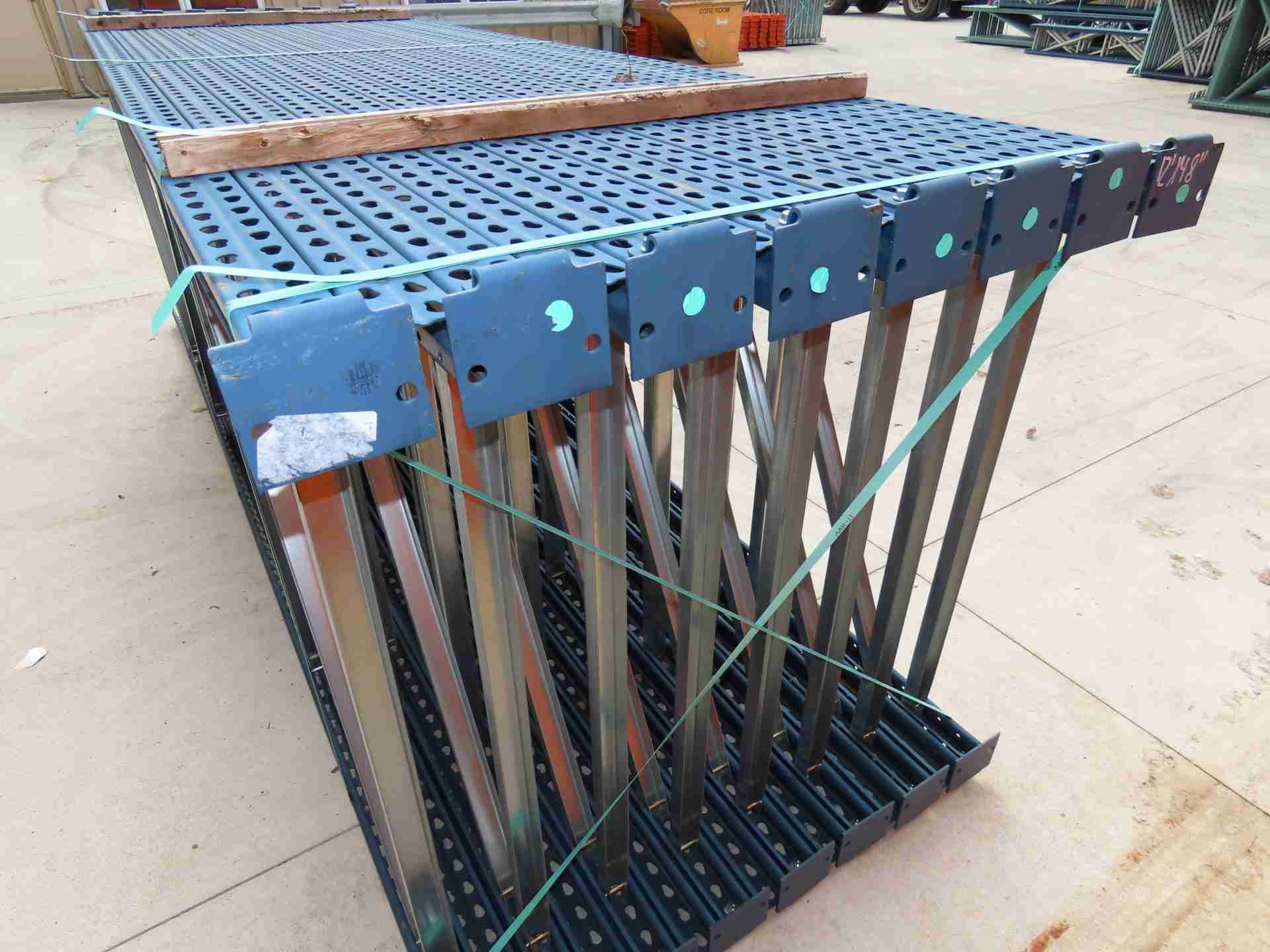
How to Calculate Load Capacity Of Racks?
Table Of Contents
- How to Calculate Load Capacity Of Racks?
- What Factors Affect Rack Load Capacity?
- How Is Load Capacity Measured?
- What Materials Enhance Rack Strength?
- How Do I Determine Rack Dimensions?
- What Safety Standards Apply To Racks?
- Can Weight Distribution Impact Capacity?
- How To Calculate Dynamic Load Capacity?
- What Are The Signs Of Overloading A Rack?
- How To Ensure Proper Installation Of Racks?
- What Tools Are Needed For Load Calculations?
- How Often Should Load Capacity Be Reviewed?
- What Role Does Rack Design Play In Capacity?
- How To Assess Load Capacity For Different Goods?
- What Certifications Should Racks Have?
- How Does Temperature Affect Rack Strength?
- Conclusion
- Other Resources
- Glossary Of Terms
- Other Questions
- Checklist
What Factors Affect Rack Load Capacity?
When you’re diving headfirst into the world of storage solutions, understanding rack load capacity is non-negotiable. It’s not just about stuffing items onto shelves; it’s crucial to think strategically about safety, efficiency, and long-term value. Let’s peel back the layers of what determines rack load capacity—a topic that’s more relevant now than ever as businesses rebound and re-evaluate their logistics post-pandemic.
Material Strength: The very foundation of your rack’s load capacity hinges on the materials used in its construction. High-quality steel is often the gold standard here. But don’t just take our word for it; look at industry trends where businesses are gravitating towards heavy-duty steel racks that withstand the test of both weight and time. For example, the surge in online shopping has led warehouses to up their game with robust storage solutions that can hold large quantities of goods without buckling.
Rack Design: Not all racks are created equal. The design influences load distribution and, consequently, capacity. For instance, cantilever racks are exceptional for storing long items like lumber or pipes, allowing for a significant amount of weight without compromising stability. But let’s not underestimate a well-designed pallet rack. In fact, as businesses adopt automated systems, the push to utilize selective pallet racks with optimized spacing has seen a marked increase. Businesses are not just firefighting their storage needs; they’re planning for scalability.
Load Distribution: Balance is key. How items are positioned on a rack dramatically affects the capacity. For example, stacking heavier boxes at the bottom and lighter ones on top ensures stability and maximizes available load capacity. Companies around the globe are employing this strategy to reduce accidents and improve efficiency. A quick glance at recent OSHA guidelines reinforces just how vital proper load distribution is for maintaining safety standards.
Compliance and Regulations: Staying compliant with regulations may seem burdensome, but it’s crucial for maintaining rack load capacity. For instance, many states have tightened requirements for warehouse safety in response to increased industry demands. Familiarize yourself with your local regulations, as adhering to these can avert costly fines and liabilities. Keeping abreast of current events, such as the recent legal case concerning warehouse safety protocols, serves as a reminder that negligence can have serious repercussions.
In summary, maximizing your rack load capacity isn’t merely a logistical concern—it’s a strategic differentiator. By meticulously considering material strength, design, load distribution, and compliance, you can create a storage solution that not only meets immediate needs but also fosters growth. In today’s dynamic market, aligning your storage strategies with these factors can safeguard your business against unforeseen challenges and set the stage for future success.
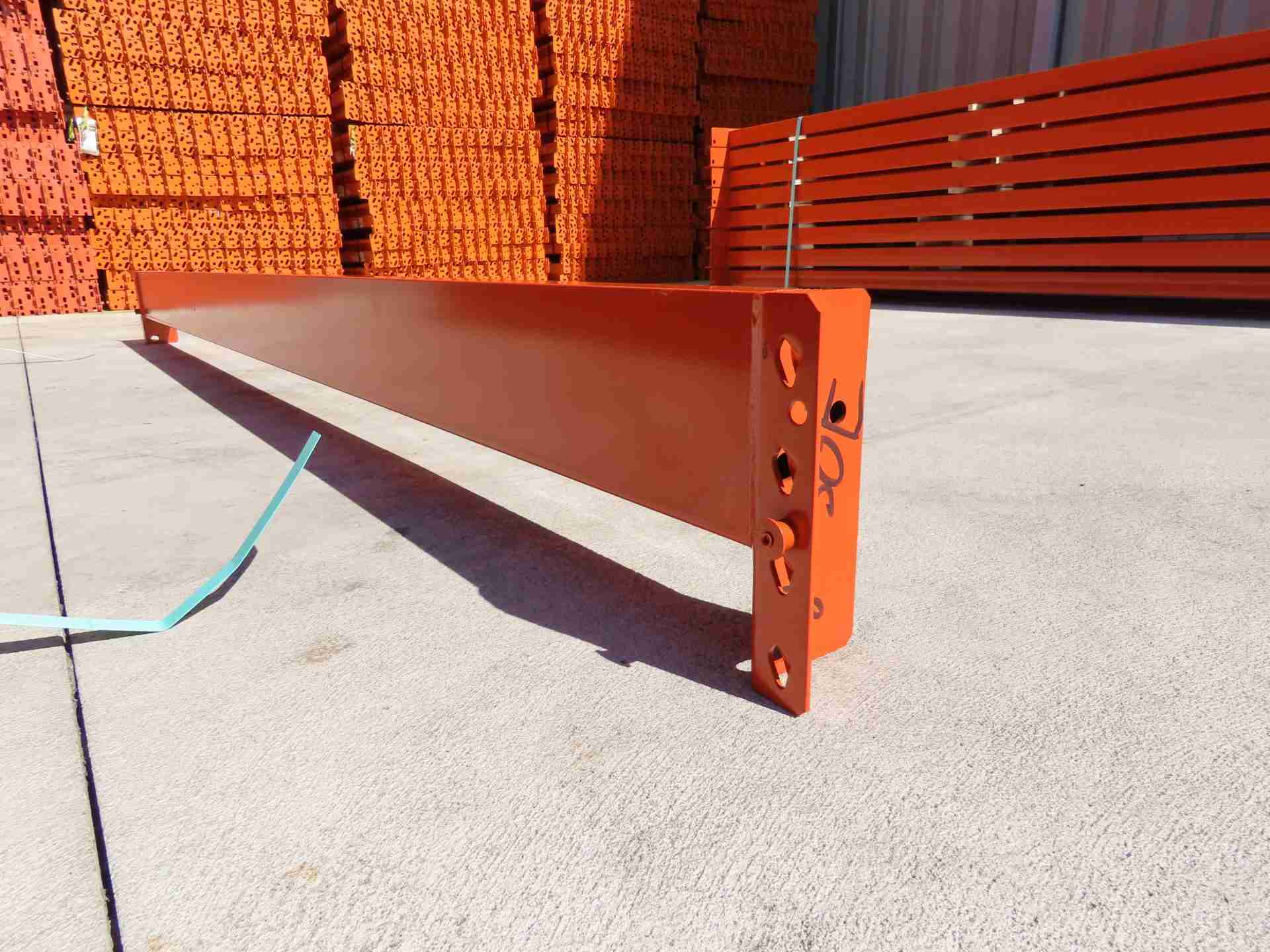
What Factors Affect Rack Load Capacity?
What Factors Affect Rack Load Capacity?
- Understanding rack load capacity is essential for safety, efficiency, and long-term value in storage solutions.
- Material strength is crucial; high-quality steel is preferred for durability, especially in response to increased online shopping demands.
- The design of racks affects load distribution; cantilever and selective pallet racks are examples of efficient designs for maximizing capacity.
- Proper load distribution enhances capacity and stability; placing heavier items at the bottom reduces accidents and improves efficiency.
- Compliance with regulations is vital for maintaining rack capacity and avoiding fines, with recent changes in warehouse safety laws.
- Maximizing rack load capacity is a strategic differentiator for businesses looking to optimize storage solutions.
- Aligning storage strategies with material strength, design, distribution, and compliance prepares businesses for future challenges.
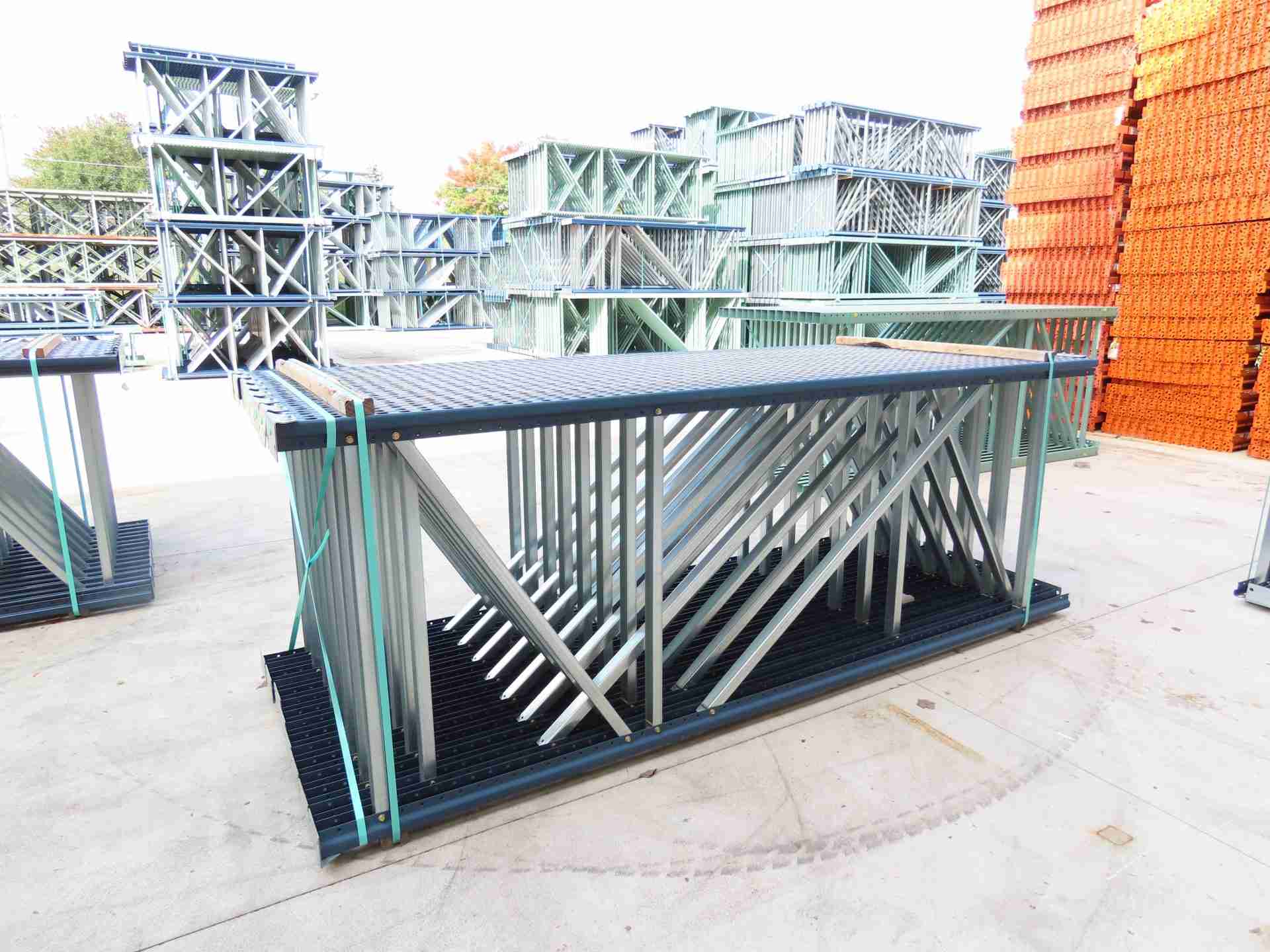
What Factors Affect Rack Load Capacity?
How Is Load Capacity Measured?
When it comes to understanding load capacity, especially in the realms of construction, transportation, and logistics, precision is paramount. Load capacity refers to the maximum load a structure, machine, or vehicle can support without risk of failure or damage. But how do engineers and industry professionals quantify this vital metric?
First and foremost, load capacity is assessed through a series of rigorous testing and calculations. Structural engineers utilize the principles of physics and material science to ensure safety and stability. For instance, consider the typical weight a bridge can withstand before it begins to show signs of wear. This is often established through standardized testing methods, which include both static and dynamic loading tests. Static tests involve applying a load over time, while dynamic tests measure the effects of sudden impacts or shifting weights.
Let’s take the recent developments in electric vehicle (EV) load capacity as an example. As companies like Tesla and Rivian race to launch the latest models, the load capacity of their vehicles increasingly comes under scrutiny. These manufacturers conduct extensive evaluations to determine how much cargo weight their vehicles can safely handle. For instance, Tesla has marketed its Cybertruck’s payload capacity at over 3,500 pounds. This figure isn’t just thrown out there haphazardly; it’s derived from a combination of material strength tests, simulation models, and real-world trials.
Furthermore, load capacity isn’t just about the maximum weight; it also includes the distribution of that weight. A classic example can be found in the shipping industry. Here, cargo ships must navigate complex regulations like the International Maritime Organization’s (IMO) guidelines, which specify how much weight can be loaded and where it should be positioned to maintain stability. Improper weight distribution can lead to catastrophic outcomes, a lesson underscored by incidents like the Ever Given blockage in the Suez Canal last year, which brought attention back to the importance of following load capacity rules meticulously.
In construction, load capacity is often expressed in terms of pounds per square foot (psf) or kilonewtons per square meter (kN/m²). A residential home, for example, generally requires a load capacity of about 40 psf to account for living loads, while commercial structures may require more based on usage.
Ultimately, accurately measuring load capacity involves a meticulous blend of engineering principles, safety standards, and real-world testing. In a world that continuously pushes the limits of what’s possible, staying informed about load capacity measurement is critical for professionals and consumers alike. This knowledge not only safeguards investments but also ensures compliance with safety regulations, protecting lives and resources.
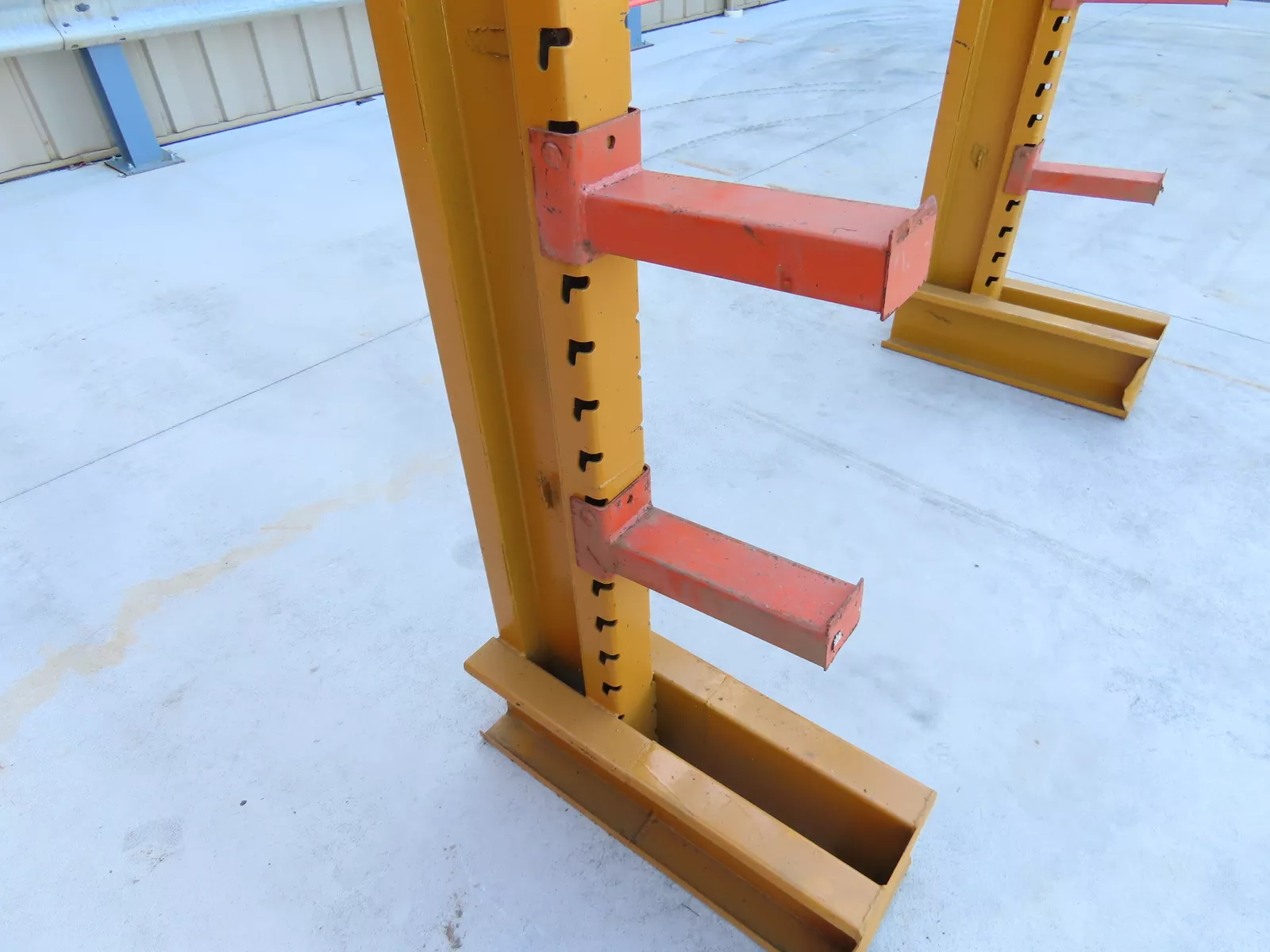
How Is Load Capacity Measured?
How Is Load Capacity Measured?
- Load capacity is the maximum weight a structure, machine, or vehicle can support without risk of failure.
- Assessment of load capacity involves rigorous testing and calculations by structural engineers using physics and material science.
- Static tests apply weight over time, while dynamic tests gauge the impact of sudden loads.
- Electric vehicle manufacturers, like Tesla and Rivian, conduct extensive evaluations to determine safe cargo weight capabilities.
- Load capacity also includes weight distribution, as seen in the shipping industry’s adherence to regulations for stability.
- In construction, load capacity is expressed in pounds per square foot (psf) or kilonewtons per square meter (kN/m²).
- Accurate measurement of load capacity is essential for safety, compliance with regulations, and safeguarding investments.
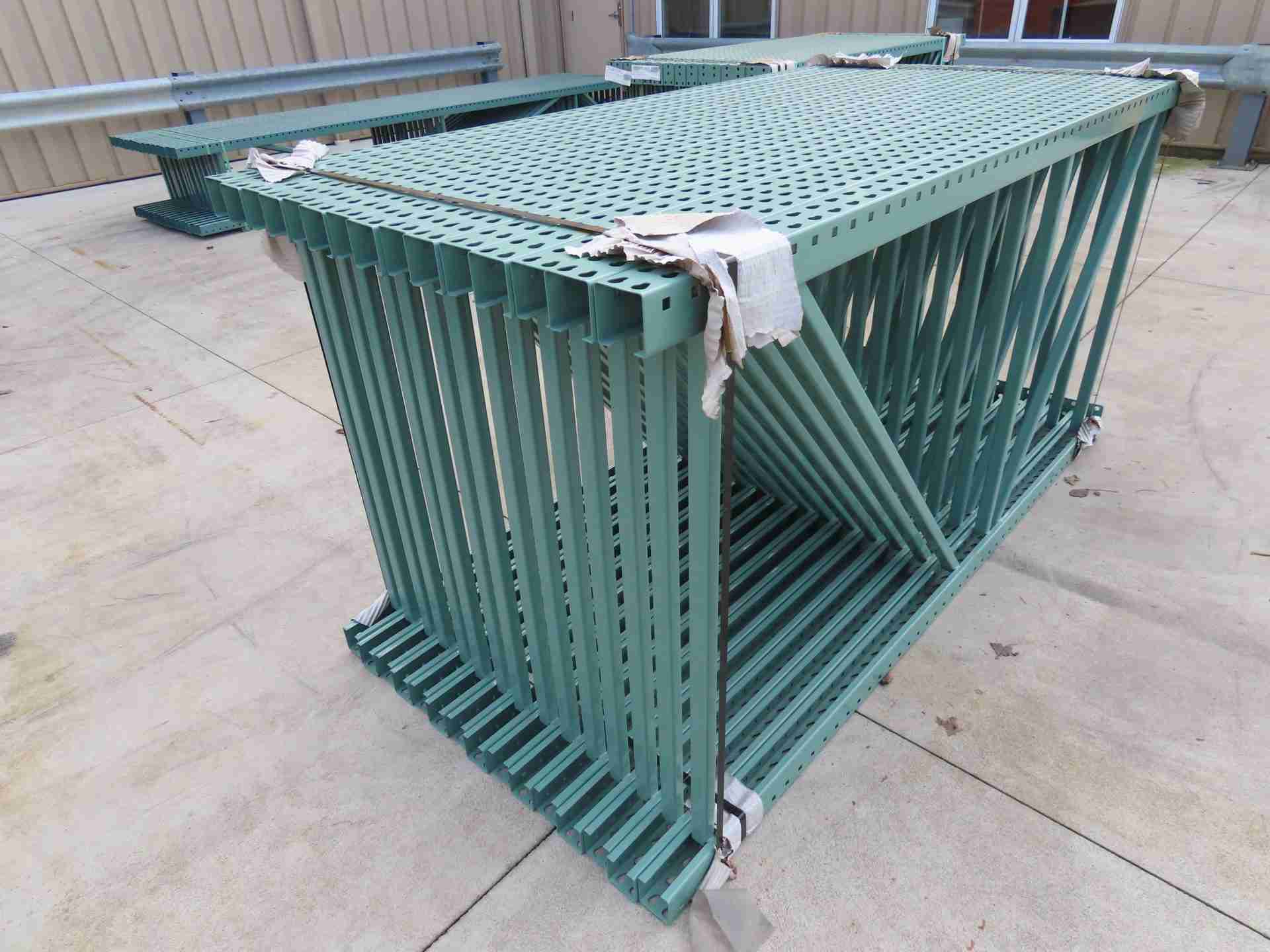
How Is Load Capacity Measured?
What Materials Enhance Rack Strength?
When it comes to maximizing the strength and durability of your storage racks, choosing the right materials is not just an option—it’s an imperative. In today’s rapidly evolving market, where supply chain reliability and safety are paramount, understanding the materials that enhance rack strength can offer you a competitive edge.
Steel: The Gold Standard
Let’s face it: when it comes to sheer strength, steel reigns supreme. Most industrial-grade racks are constructed from high-quality steel due to its impressive tensile strength and longevity. For instance, cold-rolled steel, with its smooth finish and excellent structural integrity, serves as a perfect choice for heavy-duty applications. Companies like Warehouse Rack and Shelf are embracing innovations in steel processing, producing beams that are not only stronger but also lighter, facilitating easier installation and adjustments.
Powder Coating: More Than Skin Deep
However, strength isn’t just about the metal used; it’s also about how it’s treated. Enter powder coating, a process that provides a hard, protective finish that resists chipping, scratching, and fading. This is especially important in environments subject to high traffic or handling, where regular wear and tear can compromise structural integrity. By investing in racks with powder-coated finishes, businesses can minimize long-term maintenance costs and ensure the safety of their stored goods. Just look at how major retailers are investing in enhanced storage solutions to comply with stringent safety regulations; a robust rack system is no longer a luxury—it’s a necessity.
Composite Materials: A New Frontier
As we push further into the 21st century, the emergence of composite materials is reshaping the landscape of rack strength. These materials, often a mix of metals and plastics, provide an excellent balance between weight and strength. They are not only resistant to corrosion but can also endure extreme temperatures and moisture—making them ideal for food storage or pharmaceuticals. Companies like Flexi-Storage are leading the charge with custom composite racks that meet specific industry needs, showcasing a futuristic vision for warehouses aiming for both efficiency and safety.
Conclusion: Choosing Wisely Pays Off
In an era where supply chain disruptions are not just rumors but realities, investing in the right materials for your rack systems is a strategic play that can yield remarkable dividends. Whether you opt for robust steel, protective powder-coated finishes, or cutting-edge composites, choosing wisely enhances not just the strength of your racks but the overall safety and efficiency of your operations. After all, a strong foundation is key to a thriving business. Don’t wait—make your choice today and fortify your storage solutions for tomorrow’s challenges.
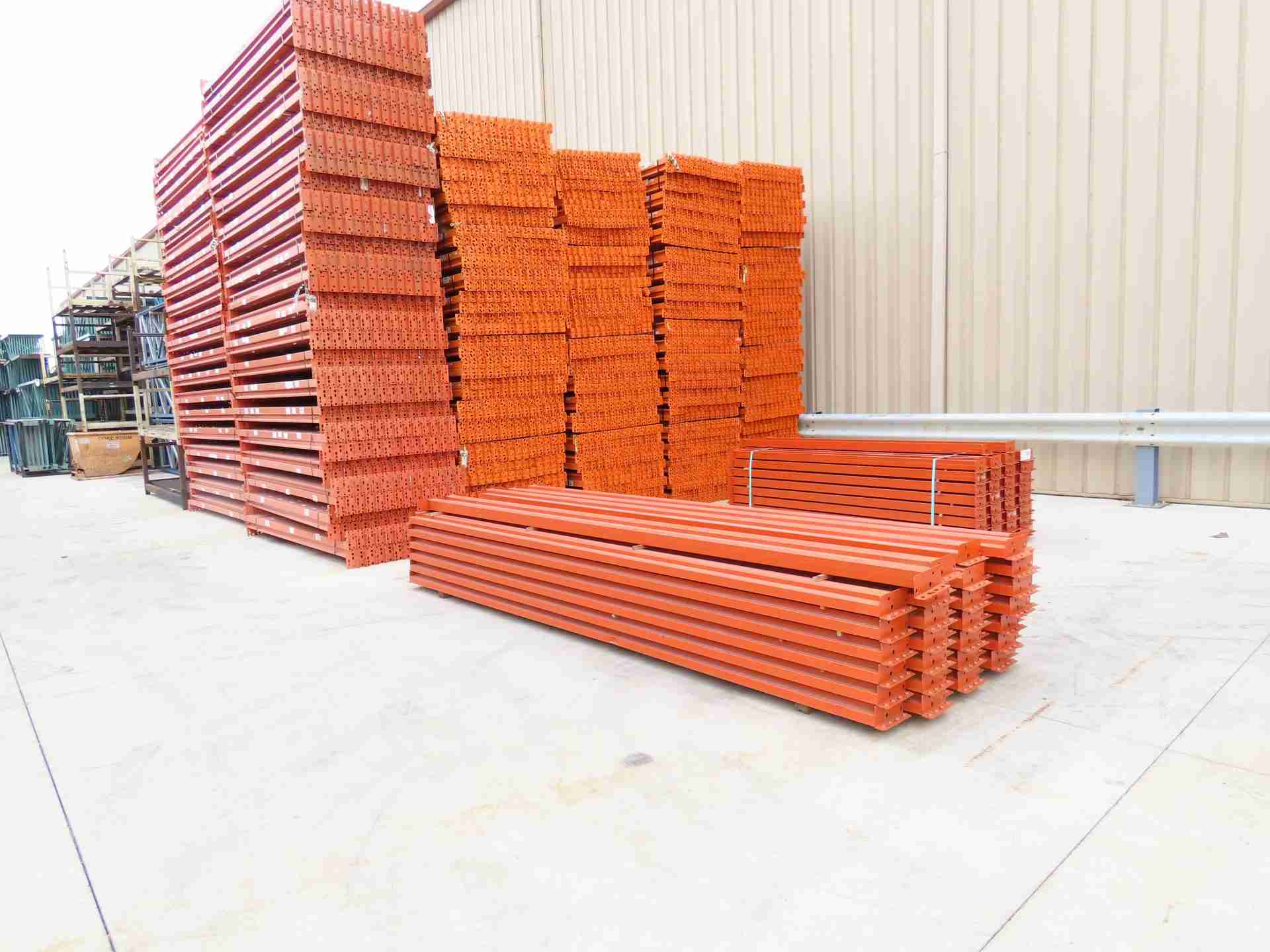
What Materials Enhance Rack Strength?
What Materials Enhance Rack Strength?
- Choosing the right materials for storage racks is essential for maximizing strength and durability.
- Steel is the preferred material for industrial-grade racks due to its tensile strength and longevity.
- Cold-rolled steel offers excellent structural integrity, making it ideal for heavy-duty applications.
- Powder coating provides a protective finish that resists chipping, scratching, and fading, reducing maintenance costs.
- Composite materials, a mix of metals and plastics, offer a balance of weight and strength, ideal for specialized storage needs.
- Investing in robust storage racks is necessary for compliance with safety regulations and to prevent supply chain disruptions.
- Making informed choices about rack materials enhances overall safety and efficiency in operations.

What Materials Enhance Rack Strength?
How Do I Determine Rack Dimensions?
In today’s fast-paced world, the importance of efficiency in your workspace cannot be overstated. Whether you’re operating a warehouse, an office, or a retail business, optimizing your space to accommodate your inventory and equipment can significantly impact your bottom line. To do this, you must start by determining the right rack dimensions for your specific needs. Here’s how to tackle this essential task.
First, assess the items you need to store. Are you working with standard-size pallets, delicate components, or bulky machinery? One size does not fit all; therefore, understanding the dimensions and weight distribution of your inventory is crucial. For instance, if your primary product is pallets of goods, consulting industry standards, such as the EPAL specifications, can provide a solid baseline for your rack dimensions.
Next, measure your available space accurately. Take the time to calculate the width, height, and depth of the area you wish to fill with racks. In recent months, many businesses have had to adapt to changes in consumer demand and moving towards e-commerce. With this shift, the need for more efficient storage solutions has become clear as inventory levels fluctuate. A business that sells fitness equipment, for example, might find itself with more diverse inventory sizes, and thus needs to consider adjustable shelving options that maximize vertical space while ensuring accessibility.
Don’t overlook the importance of space for maneuvering. Consider how items will be loaded and unloaded from the racks. Will you need room for forklifts or other equipment? A good rule of thumb is to account for at least 3-4 feet of aisle space to ensure smooth operation, particularly if you’re using automated systems which many companies have integrated recently for efficiency.
Another element worth considering is safety compliance. Depending on your location, local regulations may dictate certain safety standards that directly affect rack sizing and stability. The consequences for overlooking these requirements can be severe, ranging from fines to equipment damage or, worse, personal injury.
Finally, think about the future. Will your inventory expand? In light of recent trends in industries like e-commerce, where flexibility is key, selecting racks that can expand or be reconfigured can save both time and money in the long run. Adjustable shelving systems, for instance, allow you to modify your storage capacity as your business grows without the need for a complete overhaul.
Ultimately, determining the right rack dimensions is not just a logistical exercise; it’s a strategic decision that can position your business for growth and efficiency. By taking a thoughtful approach to measuring and planning, you set the stage for long-term success. Remember, it’s not just about filling space; it’s about maximizing your potential.
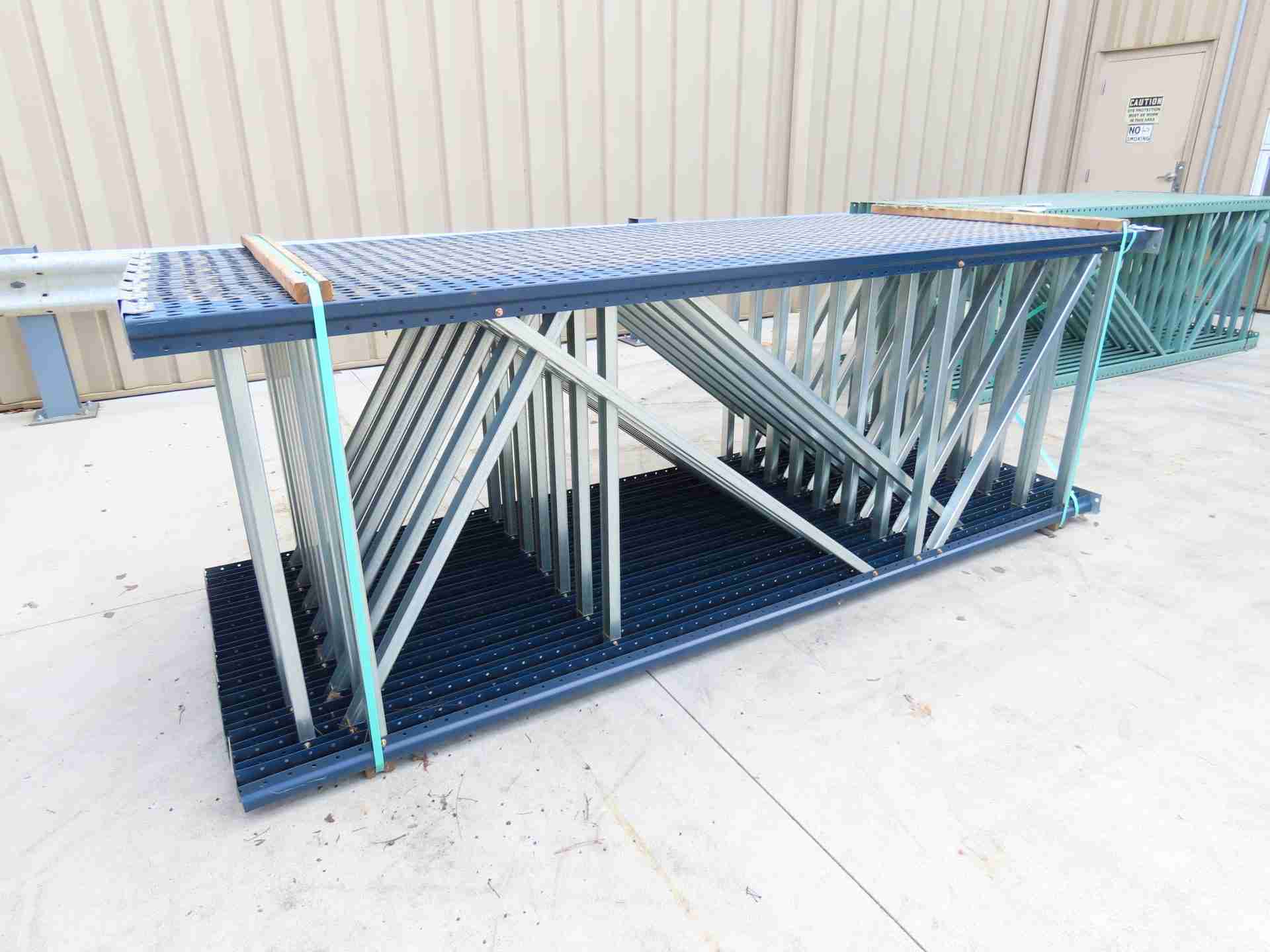
How Do I Determine Rack Dimensions?
How Do I Determine Rack Dimensions?
- Efficiency in workspaces is crucial for warehouses, offices, and retail businesses.
- Assess your storage needs by understanding the dimensions and weight of your inventory.
- Measure your available space accurately to determine suitable rack dimensions.
- Allow for maneuvering space around racks to facilitate loading/unloading, ideally 3-4 feet of aisle space.
- Ensure compliance with local safety regulations that may impact rack sizing and stability.
- Consider future inventory expansion and opt for adjustable shelving systems for flexibility.
- Optimizing rack dimensions is a strategic decision that supports long-term business growth and efficiency.
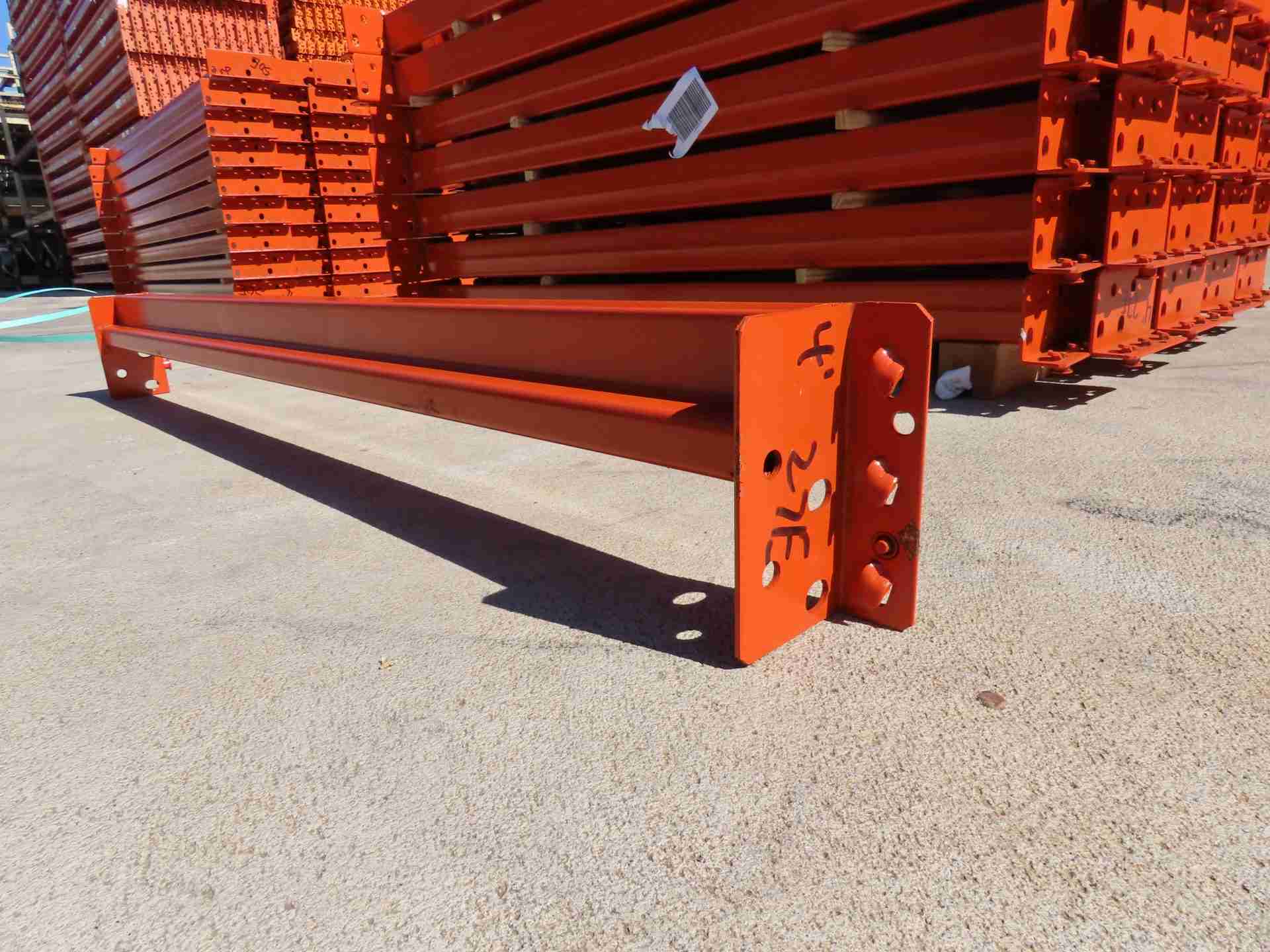
How Do I Determine Rack Dimensions?
What Safety Standards Apply To Racks?
When it comes to ensuring the safety and efficiency of your warehouse or storage facility, understanding the applicable safety standards for racks is essential. It’s not merely about meeting regulations; it’s about safeguarding lives, optimizing operations, and protecting your bottom line.
Understanding the Basics
At the core of rack safety standards lie guidelines established by organizations such as the Occupational Safety and Health Administration (OSHA) and the American National Standards Institute (ANSI). OSHA mandates that employers provide a workplace free from recognized hazards, which includes maintaining your racking systems. ANSI, particularly the ANSI/RI (Rack Industry) standard, outlines specific requirements for the design, performance, and maintenance of racks, giving facilities a blueprint for safety and compliance.
Where Standards Meet Practicality
Consider a scenario where a pallet rack system is structurally deficient due to substandard installation or wear. According to recent OSHA inspections, facilities that neglect compliance with proper rack safety protocols face hefty fines and, more importantly, risk serious injuries. In fact, the National Institute for Occupational Safety and Health (NIOSH) reported that improper storage techniques were responsible for over 500,000 injuries annually in the U.S. alone. These numbers reveal not just the financial implications but also the human cost of negligence.
Key Safety Standards to Implement
1. Load Capacity: Each rack must have clearly marked load capacity limits. Overloading racks is one of the top safety violations, and it’s imperative to train employees to adhere to these ratings. For instance, if a rack is rated for 2,000 pounds and an employee inadvertently places 3,000 pounds, it’s a disaster waiting to happen.
2. Regular Inspections: Establish a routine inspection schedule in compliance with the ANSI standards. Look for signs of structural damage, loose bolts, and other wear indicators. A proactive approach can prevent catastrophic failures—just ask companies that learned the hard way after a collapse led to injuries and public relations nightmares.
3. Safety Labels: Use conspicuous safety labels and signage to remind employees of proper loading techniques. Businesses with clear visual aids have noted as much as a 30% reduction in rack-related incidents.
4. Employee Training: Conduct regular training sessions. Direct engagement is a way to cement these safety standards into your workplace culture. Encourage your team to not only follow guidelines but to actively participate in identifying potential safety hazards.
Adhering to safety standards for racks isn’t just a legal obligation; it’s an investment in your workforce and operational integrity. Challenge yourself to exceed compliance—implement these best practices to create a safer, more productive work environment. After all, safety and efficiency go hand in hand, enhancing not only workplace morale but your company’s reputation and profitability. Do it right, and watch your business thrive.

What Safety Standards Apply To Racks?
What Safety Standards Apply To Racks?
- Understanding applicable safety standards for racks is crucial for warehouse safety and efficiency.
- Guidelines from OSHA and ANSI outline requirements for the design, performance, and maintenance of racking systems.
- Neglecting compliance with rack safety protocols can lead to heavy fines and serious injuries, as evidenced by OSHA inspections.
- Improper storage techniques contribute to over 500,000 injuries annually in the U.S., highlighting the human cost of negligence.
- Key safety standards include clear load capacity markings, regular inspections, conspicuous safety labels, and employee training.
- Companies that implement these practices can significantly reduce rack-related incidents and enhance workplace safety.
- Exceeding compliance and prioritizing safety is an investment in workforce integrity and operational success.

What Safety Standards Apply To Racks?
Can Weight Distribution Impact Capacity?
In the fast-paced world of logistics and transportation, understanding the nuances of weight distribution can mean the difference between efficiency and lost revenue. It’s not just a matter of packing your cargo; it’s about maximizing capacity while adhering to regulations and ensuring safety.
Picture this: a shipping company with a fleet of semi-trucks that regularly hits capacity, yet experiences frequent delays and penalties due to improper weight distribution. When a truck is overloaded in the rear, it not only poses a safety risk but also limits the usable space within the trailer. By redistributing the weight more evenly throughout the cargo, this company could increase load capacity while minimizing the risk of fines or accidents.
Take a look at recent supply chain disruptions caused by the COVID-19 pandemic. Experts reported how suboptimal packing practices led to critical shortages of essential items. Companies learned the hard way that adhering to proper weight distribution rules not only allows for larger shipments but also smoothens the entire supply chain process. Adjustments and innovations—both in technique and technology—can boost how much they actually deliver.
Consider an example from the automotive industry; manufacturers are now leveraging advanced algorithms and AI to optimize loading practices. By analyzing weight distribution in real-time, they can significantly enhance the capacity of cargo holds and containers. This proactive approach not only maximizes efficiency but also cuts operational costs, directly impacting the bottom line.
Moreover, regulatory changes are also playing a pivotal role. The Federal Motor Carrier Safety Administration (FMCSA) is continuously updating its guidelines related to weight limits for trucks. Those who stay ahead of these changes by adopting best practices for weight distribution will find themselves without the bottlenecks associated with compliance failures. Did you know that inefficient cargo distribution can directly increase fuel consumption? Even a minor miscalculation might lead to a significant cost burden over time—punishing your profit margins.
In a landscape defined by competition, the savvy business operator will recognize weight distribution as more than a logistical detail; it’s a powerful tool for cost reduction and capacity maximization. This isn’t just a theoretical exercise—it’s a strategic imperative that can transform how you conduct your operations. By mastering the art of weight distribution, you can enhance capacity, reduce costs, and improve overall service delivery, putting your company ahead of the curve in today’s demanding marketplace. The question is: are you ready to leverage this crucial aspect for your success?

Can Weight Distribution Impact Capacity?
Can Weight Distribution Impact Capacity?
- Understanding weight distribution is vital for efficiency and financial success in logistics and transportation.
- Improper weight distribution can lead to safety risks, delays, and penalties for shipping companies.
- COVID-19 highlighted how poor packing practices contribute to supply chain disruptions and shortages.
- Automotive manufacturers use advanced algorithms and AI to optimize loading practices and improve cargo capacity.
- Staying compliant with FMCSA weight limit guidelines is crucial for avoiding operational bottlenecks.
- Inefficient cargo distribution can increase fuel consumption, impacting profit margins significantly.
- Mastering weight distribution is a strategic imperative that enhances capacity, reduces costs, and improves service delivery.
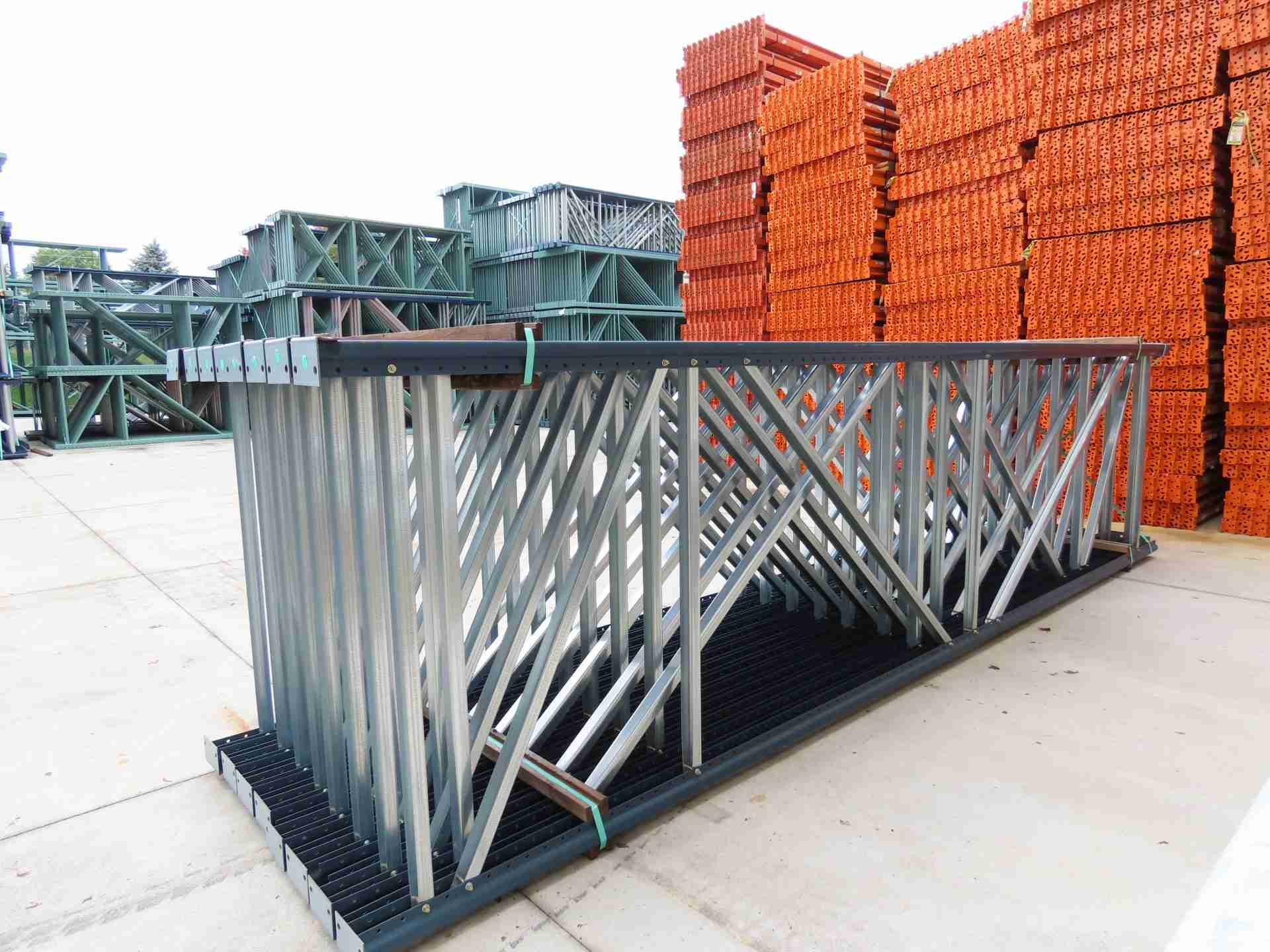
Can Weight Distribution Impact Capacity?
How To Calculate Dynamic Load Capacity?
Calculating dynamic load capacity is crucial for businesses striving to maintain efficiency and safety in their operations. Whether you’re managing heavy machinery, transporting goods, or overseeing construction projects, understanding how to accurately assess dynamic load capacity can save you time, money, and hassle. Let’s break it down.
Dynamic load capacity refers to the maximum load a component, like a bearing or a structure, can handle while in motion. It’s essential in various industries, including manufacturing, logistics, and even renewable energy sectors, especially as companies emphasize sustainability in their operations.
To determine dynamic load capacity, start with the fundamental equation:
C = F / (P × e)
Where:
– C is the dynamic load capacity (in Newtons)
– F is the applied load (in Newtons)
– P is the safety factor (a number greater than 1)
– e is the load duration ratio, often a fraction indicating the expected time the load will be applied.
Let’s break this down further with an example. Consider a factory where you plan to install a new conveyor system. If the conveyor is rated to carry 5000 N (Newtons), and you estimate that the load will be applied for three hours a day (which would be about 1/8 of the total operational time), a safety factor of 1.5 is considered prudent due to the potential for unexpected spikes in load.
Here’s how it works in practice:
1. Calculate P: For this scenario, take the safety factor of 1.5.
2. Set your e: For one-third of the day, this becomes approx. 0.5.
3. Plug these values in:
– \( C = 5000 / (1.5 × 0.5) \)
– \( = 5000 / 0.75 = 6666.67 \, \text{N} \)
This tells you that the conveyor system can handle a load of approximately 6666.67 N in motion, ensuring your production remains steady and without interruption.
Furthermore, consider the recent advancements in electric vehicles. As manufacturers push for lighter materials to increase efficiency while ensuring safety, they must also accurately calculate dynamic load capacities. The automotive industry is witnessing how these calculations can lead to innovations that not only protect the vehicle but promote sustainability efforts.
Remember, when calculating dynamic load capacity, always account for real-world factors like vibrations, shock loads, and environmental conditions. This focus ensures that every calculation supports your overarching goal: a robust and effective operational strategy that withstands the tests of daily demands and modern challenges. Don’t leave your success to chance—get the numbers right, and watch your business thrive!

How To Calculate Dynamic Load Capacity?
How To Calculate Dynamic Load Capacity?
- Dynamic load capacity is essential for maintaining efficiency and safety in various industries.
- It refers to the maximum load a moving component can handle, such as in machinery or structures.
- The formula for calculating dynamic load capacity is: C = F / (P × e).
- Key variables include applied load (F), safety factor (P), and load duration ratio (e).
- An example is provided for calculating dynamic load capacity for a conveyor system.
- Advancements in electric vehicles highlight the importance of accurately determining dynamic load capacities for safety and efficiency.
- Real-world factors like vibrations and environmental conditions should be included in calculations for robust operational strategies.
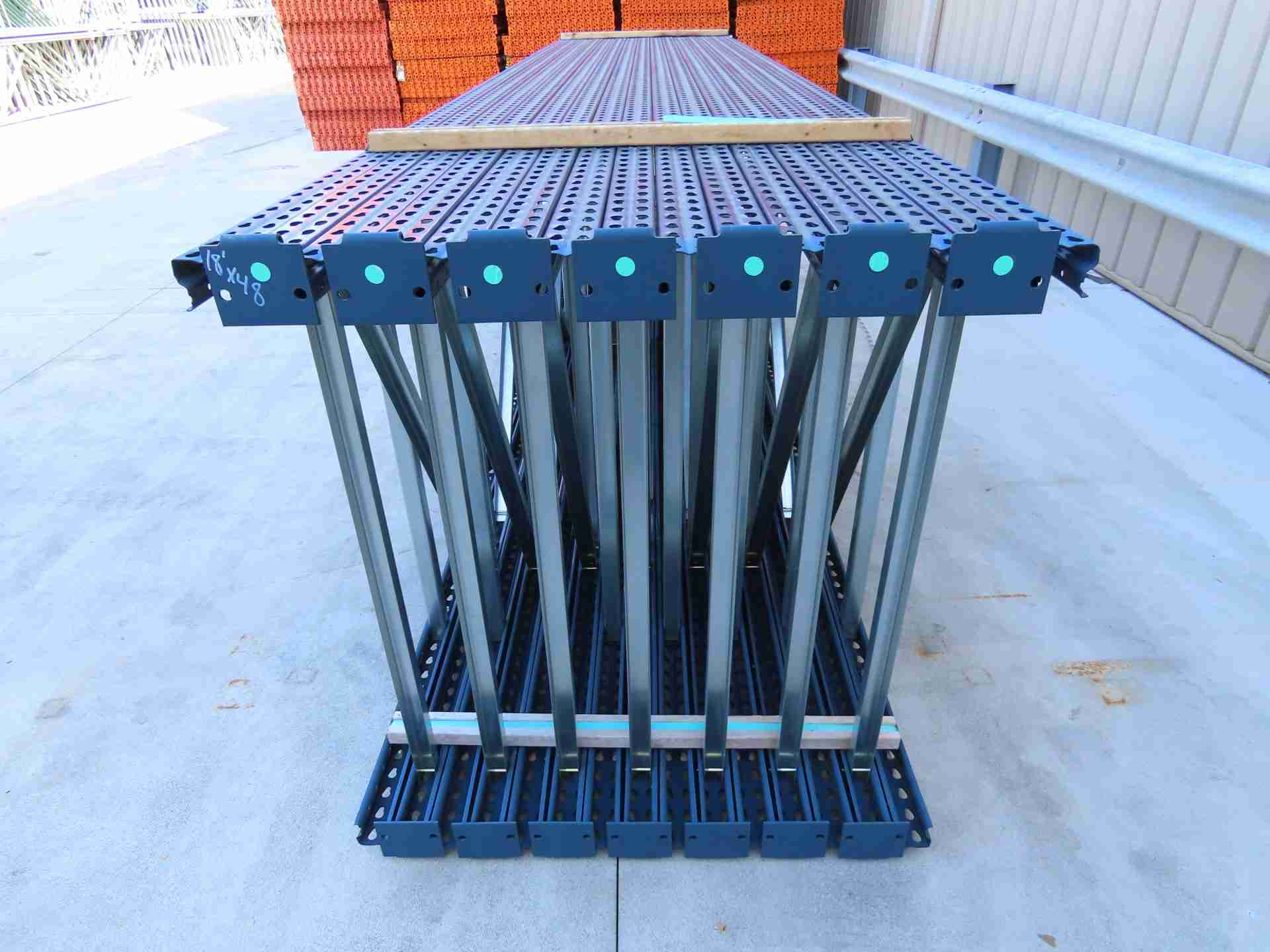
How To Calculate Dynamic Load Capacity?
What Are The Signs Of Overloading A Rack?
In the world of storage and organization, knowing when you’re overloading a rack can save you from costly damages and safety risks. Overloading a rack isn’t just a technical issue; it’s a business hazard. As we’ve seen in recent headlines, warehouse collapses and injuries due to overcapacity are not just rare occurrences—they’re alarming trends that can cripple businesses and disrupt operations.
So, how do you spot the signs of overloading before it becomes a disaster? Here are the key indicators:
1. Visible Distortion: One of the first signs to watch for is physical deformation of your racks. If you notice any bowing or bending of beams, it’s a clear message that your racks are working overtime. For instance, a recent case in Texas involved a distribution center where overloaded racks led to a cascading failure, costing millions in damages—and that’s money nobody can afford to lose.
2. Anomalous Sounds: Pay close attention to the sounds in your warehouse. A popping or creaking noise is often a forewarning of stress. Much like how a car might creak under too much weight, your racks are communicating with you. Ignoring these sounds could lead to dangerous consequences, including product damage and potential injuries to employees.
3. Excessive Wear and Tear: Have you noticed an uptick in damaged goods? If products are frequently falling or getting damaged due to the instability of your racks, that’s an undeniable sign of overload. Incidents in retail warehouses, particularly during peak shipping seasons, highlight how unchecked loading can lead to product loss and dissatisfied customers—a nightmare for any business.
4. Frequent Adjustments: If you find yourself continually adjusting the layout of your storage system to accommodate “just one more box,” it’s time to reassess. This behavior often points to poor organization driven by overcapacity rather than a healthy storage strategy.
5. Employee Safety Concerns: Finally, if your team is hesitant to work around certain racks, listen to their concerns. Unsafe conditions create an unproductive environment, leading to decreased morale and increased turnover. High-profile workplace incidents serve as reminders that safety must always come first.
Spotting the signs of rack overloading early can protect both your operations and your bottom line. By ensuring that your storage systems are operating within safe limits, you are not just preventing potential disasters; you’re also paving the way for growth and efficiency. Make it your business to stay informed and proactive—you’ll be grateful you did.
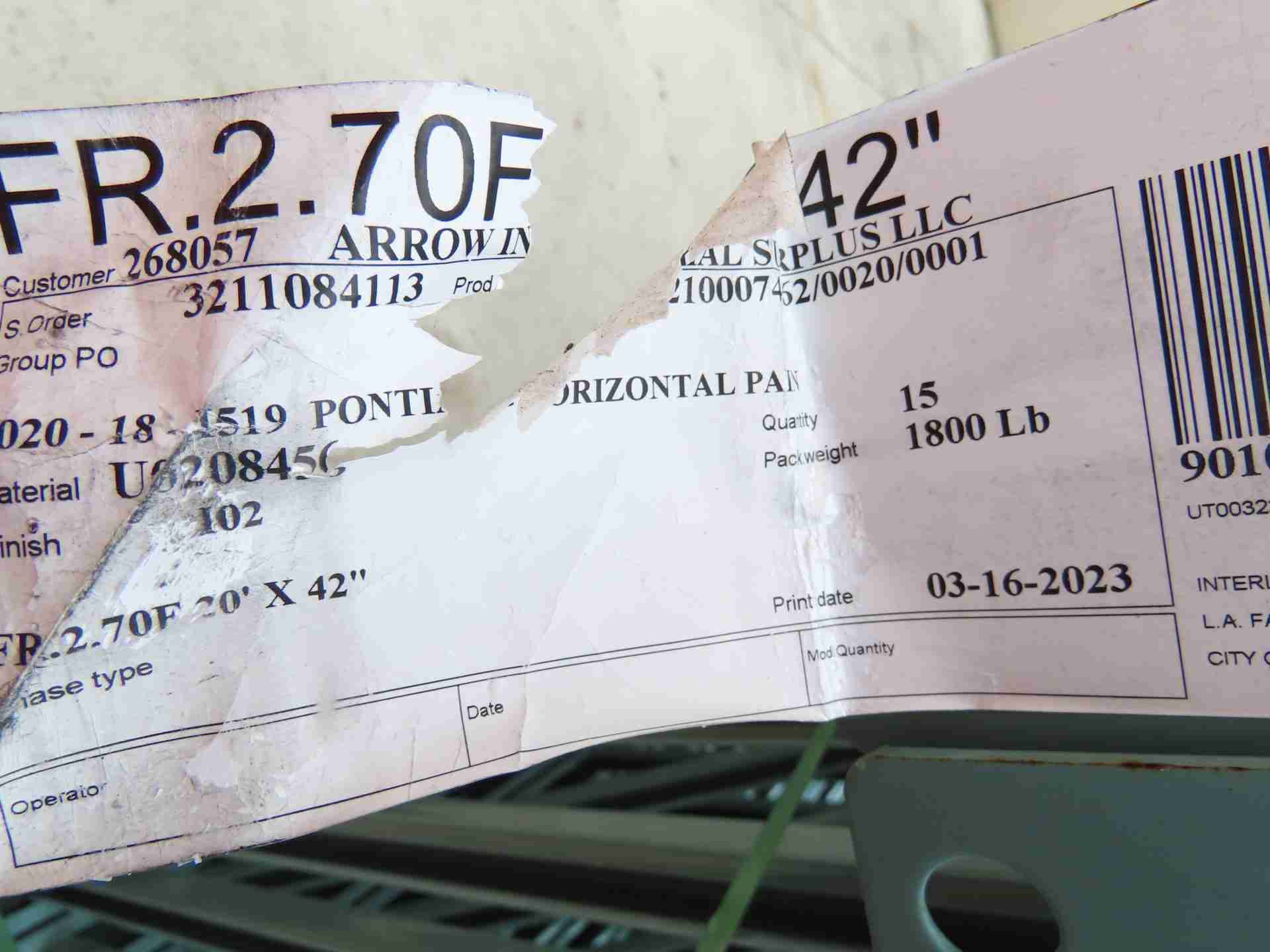
What Are The Signs Of Overloading A Rack?
What Are The Signs Of Overloading A Rack?
- Overloading racks can lead to costly damages and safety risks in storage and organization.
- Warehouse collapses and injuries due to overcapacity are alarming trends that negatively impact businesses.
- Key indicators of rack overloading include visible distortion, such as bowing or bending of beams.
- Anomalous sounds, like popping or creaking, are warnings of undue stress on racks.
- Excessive wear and tear, such as increased damaged goods, indicates rack instability due to overloading.
- Frequent layout adjustments to fit extra items suggest poor organization linked to overcapacity.
- Employee safety concerns highlight the importance of maintaining safe working conditions to prevent accidents.
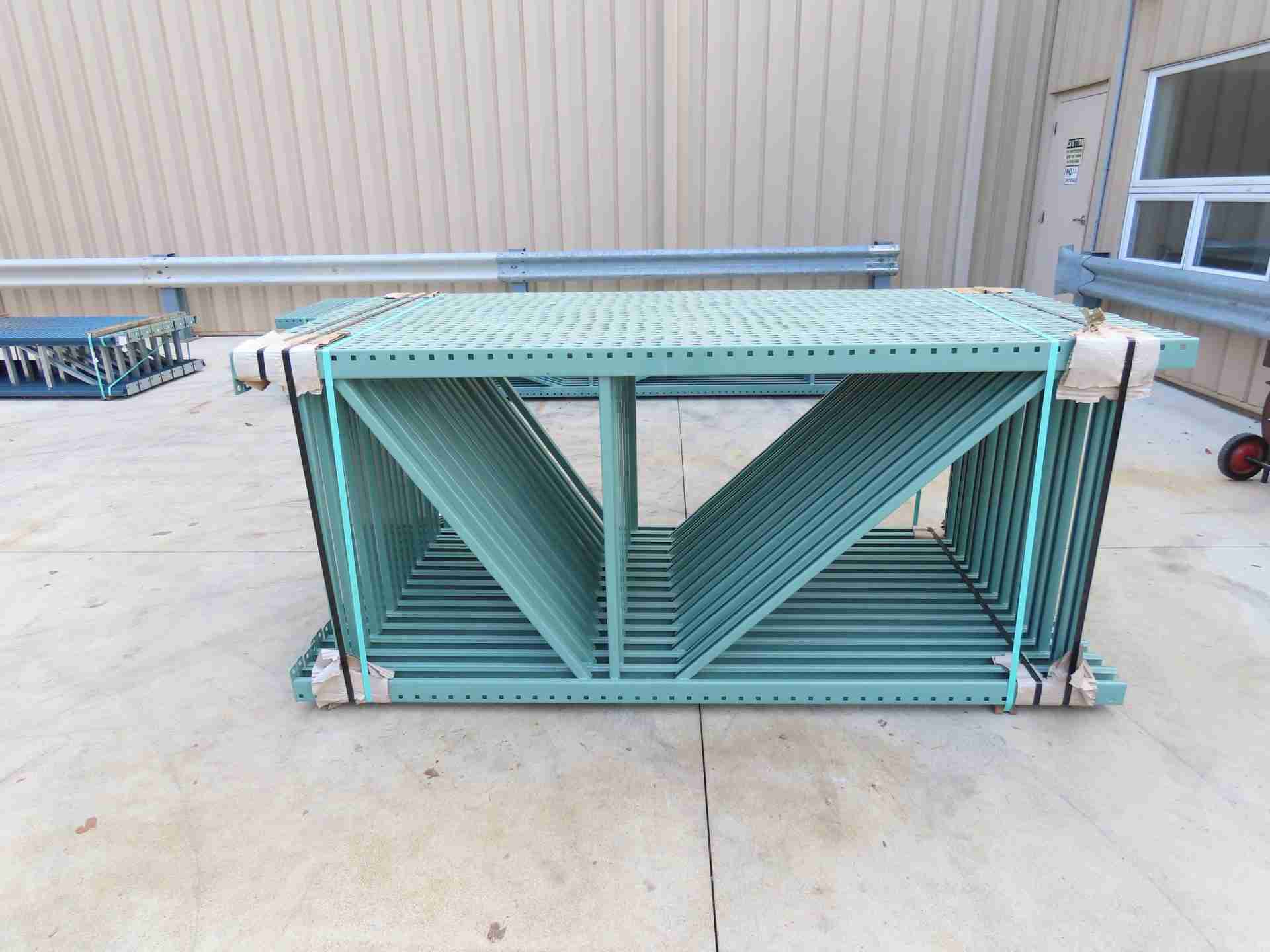
What Are The Signs Of Overloading A Rack?
How To Ensure Proper Installation Of Racks?
In today’s fast-paced business environment, the meticulous installation of racks in warehouses and storage facilities is crucial. It’s not just about stacking products high; it’s about creating an operational flow that maximizes efficiency, safety, and scalability. So, if you want to optimize your storage solution and avoid costly mishaps, here are some foolproof strategies to ensure proper rack installation.
First, consider the environment. Is your warehouse climate-controlled? Are you storing heavy, bulk items or lighter, intricate products? Your rack system should align with these dynamics. For instance, a recent study highlighted the significant impact of temperature and humidity on inventory levels—problems arise when delicate goods are housed alongside heavy machinery. Tailoring your racks to suit your inventory types not only enhances longevity but also improves accessibility.
Next, the initial setup conducts the orchestra of productivity. Precise measurements are paramount. Before installing racks, measure the vertical and horizontal space meticulously—considering not just the height and width but also the load capacity. A vivid example comes to mind: a prominent retail chain faced severe productivity losses because of improperly configured racks, resulting in product overflow and safety hazards. By taking the time to ensure precise installations, they transformed their operations, decreasing retrieval time and significantly boosting sales.
Training is another key component. Are your workers equipped to handle rack installations? Providing your team with comprehensive training, including safety protocols, will strengthen your overall operation. Highlight the importance of adhering to manufacturer specifications and local regulations. Recent advancements in workplace safety technology emphasize this very approach. For example, companies are increasingly harnessing augmented reality (AR) tools to train employees on rack installation logistics, ensuring they understand the complexities before stepping into the warehouse.
Furthermore, after installation, regular audits should be implemented. Periodically check for structural integrity and compliance with safety standards. A significant development in the warehousing industry is the growth of automated audit systems that alert you to potential issues before they escalate. Being proactive saves time and money.
Finally, connect with industry experts to tailor your installation strategy. Many organizations are embracing collaborative workshops and forums to share best practices. As we enter a new business landscape shaped by digital transition and emerging technologies, staying informed through shared knowledge can be the difference between mediocrity and peak performance.
By incorporating these strategies into your installation process, you not only protect your investments but also set your team up for unparalleled success. Always remember: a well-installed rack system is the backbone of an efficient operation. Invest in it wisely.
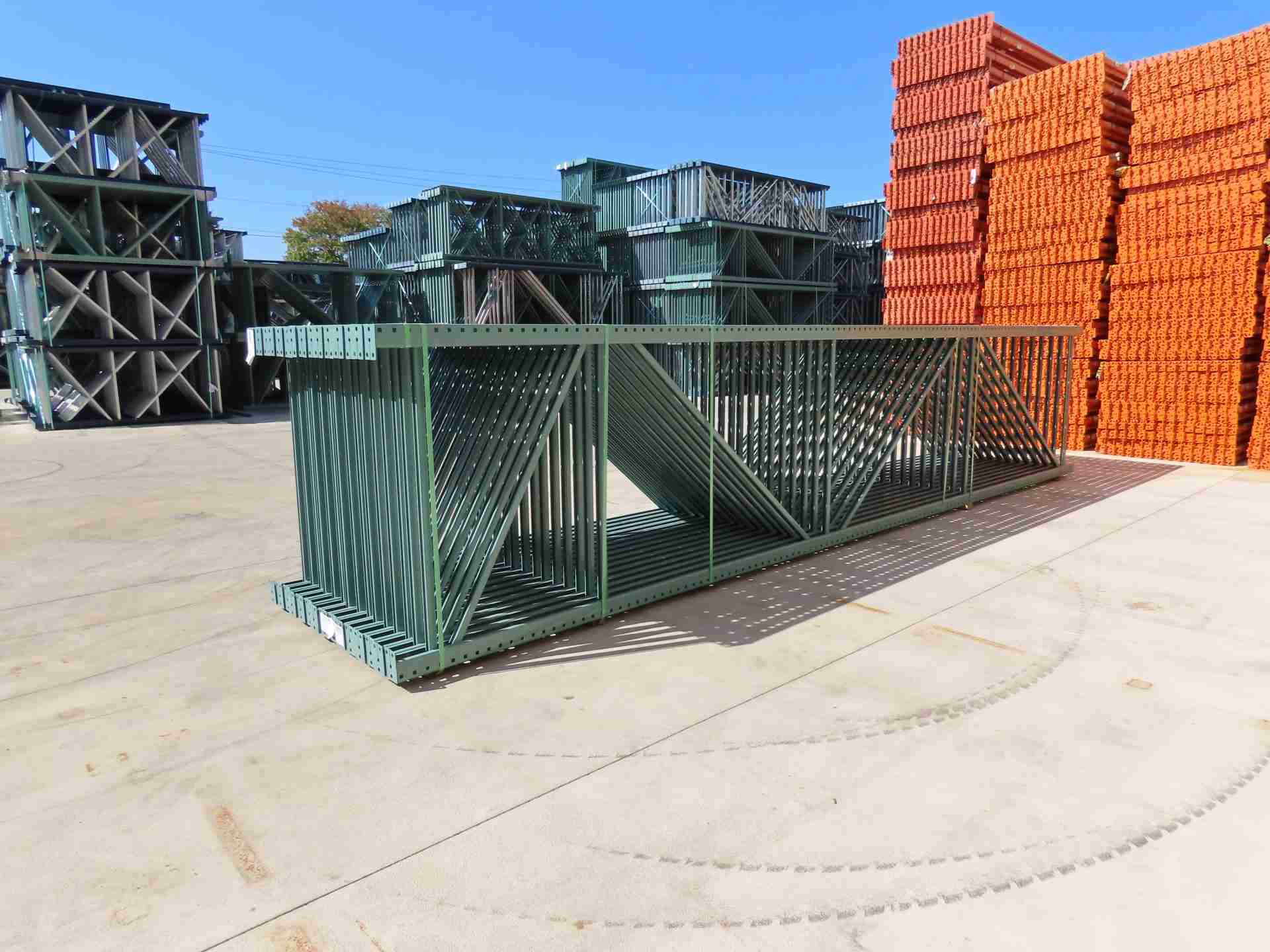
How To Ensure Proper Installation Of Racks?
How To Ensure Proper Installation Of Racks?
- Meticulous rack installation is crucial in warehouses for maximizing efficiency, safety, and scalability.
- Tailor rack systems to align with the environment and types of inventory to enhance longevity and accessibility.
- Accurate measurements of vertical and horizontal space, along with load capacity, are vital for proper installation.
- Provide comprehensive training for workers on rack installations, emphasizing safety protocols and manufacturer specifications.
- Implement regular audits post-installation to ensure structural integrity and compliance with safety standards.
- Engage with industry experts and participate in collaborative workshops to share best practices and strategies.
- Investing in a well-installed rack system is essential for operational efficiency and setting teams up for success.

How To Ensure Proper Installation Of Racks?
What Tools Are Needed For Load Calculations?
In today’s rapidly evolving landscape, grasping the art of load calculations isn’t just a necessity—it’s a game-changer for any HVAC professional, contractor, or builder who wants to stay ahead of the competition. Whether you’re designing a high-tech commercial space or retrofitting a cozy residential home, having the right tools can streamline the process and elevate the quality of your work. So, what exactly do you need in your arsenal?
1. Load Calculation Software
First and foremost, load calculation software is your best friend. Tools like *Manual J*, *Manual D*, and *Cool Calc* help you accurately determine heating and cooling requirements, accounting for factors like insulation, window size, and local climate. With software becoming more user-friendly and accessible, even those who aren’t tech-savvy can easily produce detailed reports, boosting both confidence and credibility. For instance, *Cool Calc* has gained popularity because of its cloud-based accessibility, allowing calculations to be performed on-the-go, a nod to the increasing demand for flexibility in today’s workspace.
2. Indoor Climate Assessment Tools
In the age of climate change and extreme weather events—remember the 2023 heatwave that swept across various states?—having reliable indoor climate assessment tools becomes crucial. Using tools like psychrometers or thermal imageries can help you assess humidity levels and identify thermal bridging in a building. These diagnostics will not only inform your load calculations but also provide insights for improving indoor air quality—a top priority for modern homeowners.
3. Manual Calculation Techniques
While technology leads the charge, never underestimate the power of good old-fashioned formulas. Familiarize yourself with the fundamentals of the *Hunter’s Curve* and the concept of *R-value*. These principles remain indispensable, allowing you to double-check the outputs of your software. Remember, in an industry fraught with quick fixes and oversights, the true professionals excel in blending traditional methods with advanced technology.
4. Educational Resources
Stay informed through online courses, webinars, and workshops. With organizations like ASHRAE consistently updating guidelines and standards, engaging in continuous learning helps refine your calculations and empowers you to adapt to new innovations in the field.
Conclusion
Incorporating a mix of software tools, hands-on assessment devices, traditional calculations, and ongoing education will not only ensure accurate load calculations but also position you as a trusted expert in the eyes of your clients. The right tools do more than just simplify processes—they enhance your credibility, boost efficiency, and ultimately lead to satisfied customers and endless referrals. Embrace this toolkit, and watch your business flourish.

What Tools Are Needed For Load Calculations?
What Tools Are Needed For Load Calculations?
- Understanding load calculations is essential for HVAC professionals, contractors, and builders to remain competitive.
- Load calculation software, such as Manual J, Manual D, and Cool Calc, is crucial for accurate heating and cooling assessments.
- Indoor climate assessment tools help evaluate humidity and thermal bridging, improving indoor air quality.
- Traditional manual calculation techniques, like the Hunter’s Curve and R-value, are valuable for verifying software outputs.
- Continuous education through online courses and workshops supports adaptation to industry changes and guidelines.
- Combining technology, hands-on tools, and traditional methods enhances credibility and customer satisfaction.
- A well-rounded toolkit not only simplifies processes but also contributes to business growth through referrals.
What Tools Are Needed For Load Calculations?
How Often Should Load Capacity Be Reviewed?
In a fast-paced business environment where change is a constant, the capacity of your operations is something that cannot be ignored. The truth is, how often you assess your load capacity can significantly impact your bottom line. Ignoring this key performance indicator can lead to overcommitment, operational bottlenecks, and ultimately, dissatisfied customers. So, how often should you review your load capacity? The answer lies in a strategic blend of regular monitoring and responsiveness to external factors.
For most businesses, a quarterly review is a solid baseline. This allows you to capture seasonal fluctuations and prepare for the peaks and valleys that accompany them. For instance, e-commerce companies frequently experience surges in demand during holiday seasons. Imagine a retailer who neglects to reassess their logistics capabilities in October, only to be overwhelmed by orders in November. The consequence? Late shipments, ruined reputations, and potentially lost customers. By planning quarterly audits, businesses can adjust staffing levels, inventory management, and even supplier agreements to ensure they are prepared for demand surges.
But let’s not stop there. Businesses must also remain vigilant and ready to adapt to external pressures. Current events, such as supply chain disruptions noted in various industries during the pandemic, highlight the need for dynamic assessments. When faced with fluctuating freight costs or evolving regulatory environments, an ad-hoc review can become a lifeline. For instance, if shipping costs spike due to a blockage in a key shipping lane, an immediate reassessment of load capacity can inform whether adjustments in pricing, sourcing, or logistics are necessary to maintain customer satisfaction and profitability.
Similarly, regular load capacity assessments can also be prompted by internal changes, such as the launch of a new product line or staffing changes. If a company decides to enhance its offerings, it must ensure its infrastructure can handle potential increases in demand. Without a thorough examination of load capacity, businesses may risk becoming the victim of their own success—too many customers, too few resources.
While quarterly reviews provide a useful guideline, the reality is that load capacity should be assessed continuously in light of external trends and internal shifts. You wouldn’t drive a car without checking the fuel gauge, and the same principle applies to your business operations. Proactive and consistent load capacity reviews can ensure your company stands not just ready to weather the storms, but also to seize new opportunities with efficiency and confidence.

How Often Should Load Capacity Be Reviewed?
How Often Should Load Capacity Be Reviewed?
- Assessing load capacity is crucial for business success in a changing environment.
- Regular reviews can prevent overcommitment, bottlenecks, and customer dissatisfaction.
- A quarterly review is recommended to account for seasonal demand fluctuations.
- External factors, like supply chain disruptions, necessitate dynamic assessments of load capacity.
- Internal changes, such as new product lines or staffing adjustments, also require load capacity reviews.
- Continuous monitoring of load capacity helps businesses remain adaptable and ready for opportunities.
- Proactive assessments ensure preparedness for demand surges while maintaining customer satisfaction.
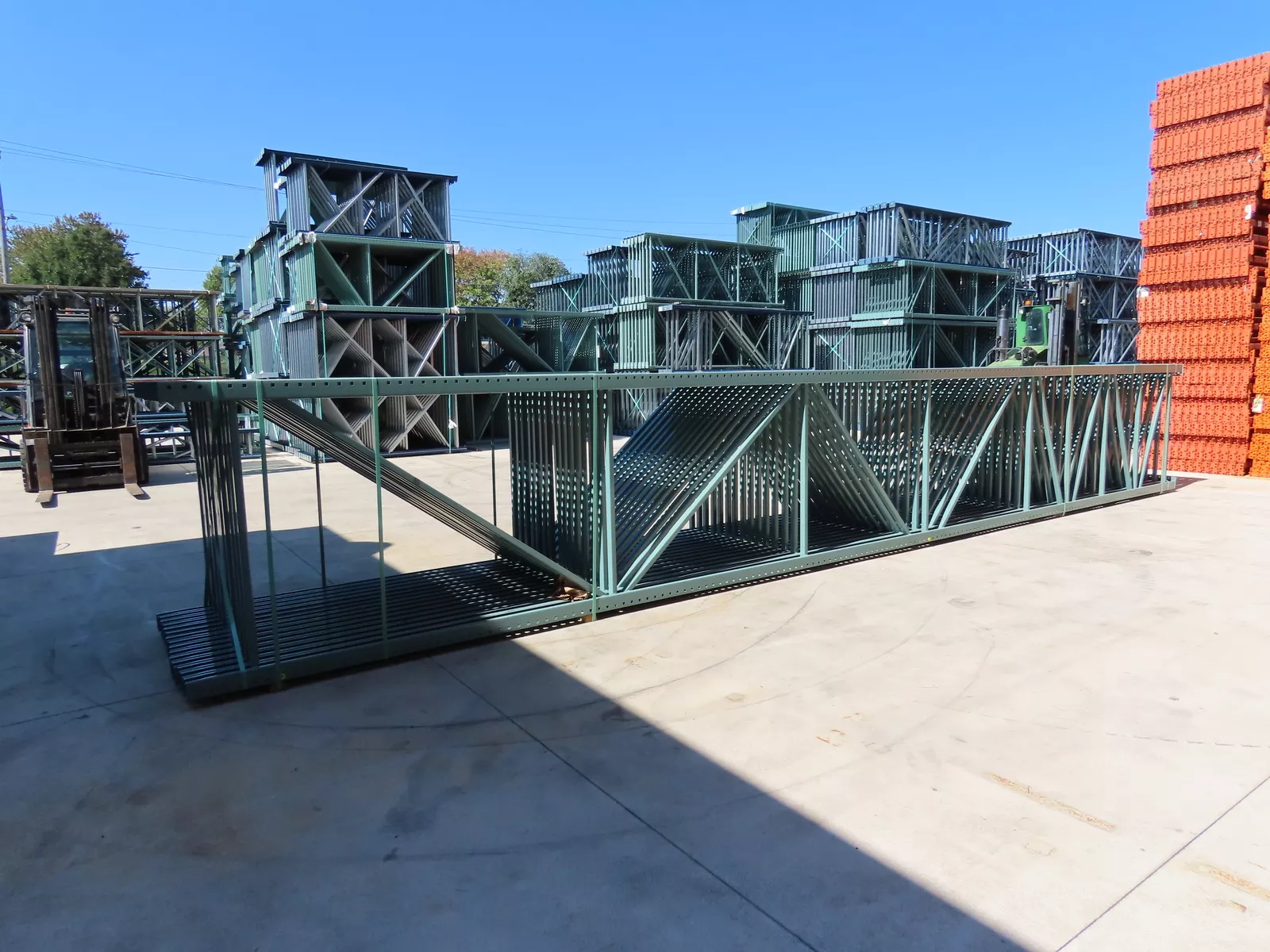
How Often Should Load Capacity Be Reviewed?
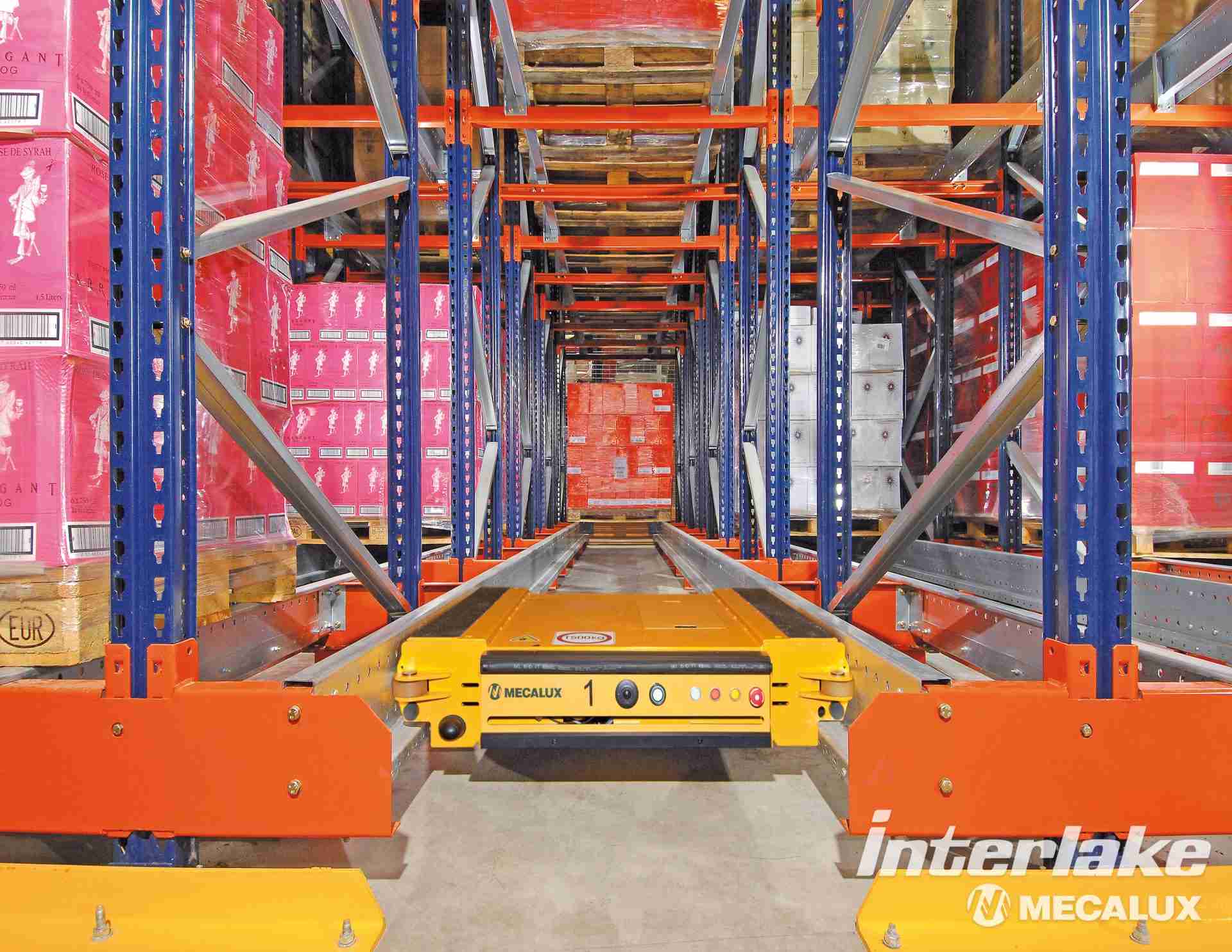
What Role Does Rack Design Play In Capacity?
When it comes to maximizing the efficacy of your warehouse or server room, the unsung hero often lies in your rack design. In today’s fast-paced environment, effective rack design can be the difference between operational chaos and seamless efficiency. It’s not just about aesthetics; it’s about optimizing space, ensuring safety, and enhancing productivity.
Take the exploding boom in e-commerce, for example. Companies like Amazon and Walmart are doubling down on their logistics capabilities, scrambling to leverage every inch of their warehouse space amidst skyrocketing demand. Well-designed racks allow these giants to increase storage capacity without the hefty overhead of expanding physical premises. With adjustable shelving, vertical storage opportunities, and smart grouping of goods, savvy companies can double or even triple their output, serving customers faster than ever before.
Furthermore, rack design directly influences employee efficiency. Think of it this way: a well-organized and efficiently designed rack system minimizes unnecessary movement and maximizes accessibility. A company pulling items for shipping might enjoy a reduction in picking time by up to 30% simply through adept rack arrangement.
But it’s not just about storage. The onus is also on safety. Poorly designed racks can pose significant hazards, leading to accidents or damage to goods. Recent studies have shown that nearly one in ten warehouse injuries are related to storage equipment failures. Investing in sturdy, well-designed rack solutions can save you from costly downtime and liabilities—a small price to pay compared to the potential losses from a single workplace incident.
In the age of smart technology, rack design has also evolved. Businesses are now integrating IoT (Internet of Things) solutions into their systems, paving the way for intelligent racks that monitor inventory levels in real time. This can streamline operations further, allowing businesses to react swiftly to inventory shortages or surpluses, a critical ability in today’s market.
The role of rack design in capacity cannot be overstated. From enhancing storage efficiency and employee productivity to ensuring safety and embracing technological advancements, the right rack system can set your business up for unparalleled success. If you’re serious about scaling your operations and maintaining a competitive edge, taking a closer look at your rack design isn’t just a good idea—it’s a necessity. The right racks could transform your storage space from a limitation into a launchpad for growth.

What Role Does Rack Design Play In Capacity?
What Role Does Rack Design Play In Capacity?
- Effective rack design is crucial for maximizing warehouse or server room efficiency.
- Well-designed racks improve space optimization, safety, and productivity.
- E-commerce growth pushes companies like Amazon and Walmart to enhance logistics and storage capacity.
- Adjustable shelving and vertical storage can double or triple output, meeting rising customer demand.
- A well-organized rack system can reduce item picking time by up to 30%.
- Poorly designed racks increase safety hazards; investing in quality design can prevent costly accidents.
- Integration of IoT technology enables smart racks for real-time inventory monitoring and operational improvements.
What Role Does Rack Design Play In Capacity?
How To Assess Load Capacity For Different Goods?
In today’s fast-paced logistics and shipping landscape, understanding how to assess load capacity is not just a nice-to-have; it’s a necessity. The right decision can save your operation from costly losses while positioning you as a trusted provider. Here’s how to do it effectively.
1. Identify the Nature of the Goods
The first step in assessing load capacity is to understand the specifics of the goods you’re handling. For example, perishables like fruits and vegetables require temperature-controlled environments and must be loaded to minimize bruising. In contrast, electronics must have sturdy packing to prevent damage from shocks during transit. Consider the recent supply chain disruptions seen with semiconductor shipments. These fragile components require specialized handling. Failure to assess the load properly can lead to significant financial repercussions—not just from lost goods, but in customer trust.
2. Understand the Weight and Dimensions
Get out the measuring tape! Knowing the dimensions and weight of your goods is essential. For example, if you’re shipping tiles, you need to think about how many can fit onto a standard pallet without exceeding height restrictions. The use of forklift pallets, with their standard capacity of around 1,000 kg, can ensure that you’re not bearing too much weight in a single shipment. Overloading not only risks the load but also the safety of the handlers involved—a concern highlighted by OSHA in their recent safety campaign.
3. Utilize Load Calculating Tools
Technology is your friend. Use load calculating software to help determine the optimal way to stack and distribute your goods. For instance, the logistics sector has widely adopted platforms like Load Planner, which allow businesses to input dimensions and weight to optimize load configurations. This not only streamlines the loading process but ensures compliance with transportation regulations, shielding you from unexpected fees or penalties.
4. Regulatory Compliance
Finally, you can’t overlook the compliance aspect. Transportation regulations can vary by region and often dictate how goods should be loaded and secured. The European Union, for instance, has stringent guidelines for the transport of hazardous materials. Not adhering to these can lead to outright shipment refusal or, worse—legal action.
By taking a comprehensive approach to assessing load capacity, businesses can mitigate risk, cut costs, and enhance customer satisfaction. Get it right, and you’ll not only keep your operations running smoothly but also establish your brand as an industry leader that clients can rely on.

How To Assess Load Capacity For Different Goods?
How To Assess Load Capacity For Different Goods?
- Understanding load capacity is crucial in logistics to prevent costly losses and build customer trust.
- Identify the nature of the goods, considering specifics like perishables requiring temperature control and electronics needing sturdy packaging.
- Measure the weight and dimensions of goods to ensure proper fitting on pallets and compliance with capacity limits.
- Use load calculating software, such as Load Planner, to optimize stacking and distribution of goods.
- Ensure compliance with regional transportation regulations to avoid penalties or legal issues.
- A comprehensive approach to load capacity assessment mitigates risks and enhances customer satisfaction.
- Proper assessment positions businesses as reliable industry leaders, ensuring smooth operations.

How To Assess Load Capacity For Different Goods?
What Certifications Should Racks Have?
When it comes to investing in storage racks, the certification notations can often feel like an afterthought. Yet, these certifications aren’t just bureaucratic red tape—they are critical badges of safety and performance that can vastly influence your buying decision. In an industry where safety and reliability are paramount, understanding which certifications matter will ensure you make an informed, risk-averse purchase.
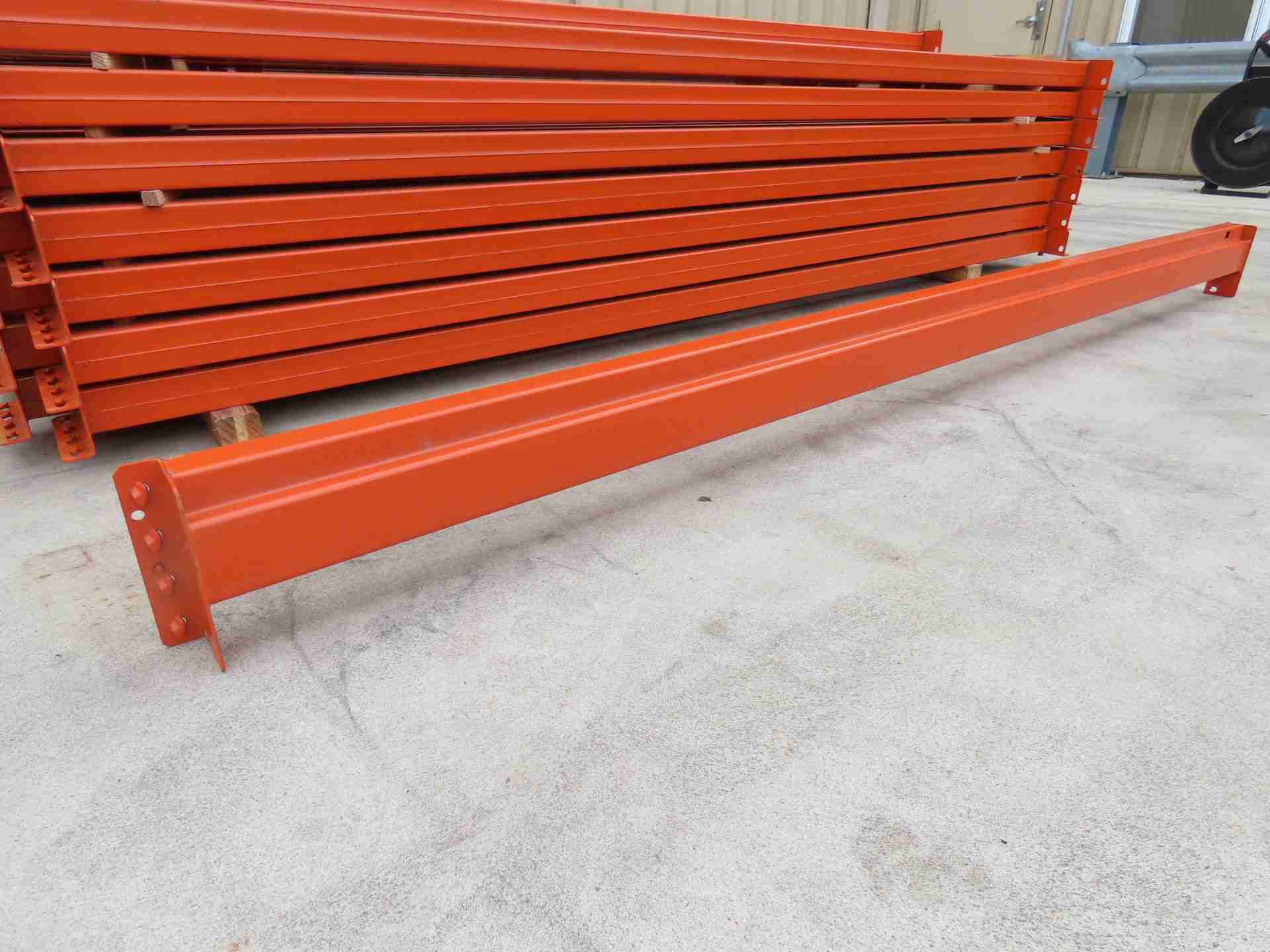
First and foremost, look for compliance with the American National Standards Institute (ANSI) and its subsidiary, the Rack Manufacturers Institute (RMI). RMI certifications ensure that the racks have been meticulously tested and are built to meet rigorous industry standards. A rack bearing an RMI certification tells you it’s capable of supporting the specified weight without compromising safety. Don’t take shortcuts here; the difference between a certified rack and a non-certified one can be the gap between a successful warehouse operation and a catastrophic failure.
Let’s not forget about the International Organization for Standardization (ISO). ISO certifications, especially ISO 9001 (Quality Management Systems), indicate that the manufacturer has a documented process for ensuring quality at every stage of production. Investing in ISO-certified racks means you are likely dealing with a manufacturer committed to ongoing improvement and customer satisfaction.
In light of recent supply chain disruptions caused by global events, the need for robust and durable storage solutions is more critical than ever. A well-certified rack system not only provides peace of mind but also enhances your operational efficiency. Imagine a scenario where your warehouse effectively maximizes its space and durability; certified racks can indeed be a game-changer.
Consider also compliance with local safety regulations—OSHA (Occupational Safety and Health Administration) guidelines, for example. Selecting racks that adhere to OSHA standards minimizes your liability and demonstrates your commitment to workplace safety. This is about more than just compliance; it’s about fostering a culture of safety that can lead to improved employee morale and productivity.
Finally, don’t overlook environmental certifications like LEED (Leadership in Energy and Environmental Design). ECO-conscious consumers and businesses alike are leaning towards sustainable options. Racks with eco-certifications signal that you’re not only thinking about the safety of your products but that you’re also investing in the future of our planet.
In summary, when you evaluate storage racks, don’t gloss over certifications. They are not just stamps of approval; they are your assurance of safety, quality, and compliance. In today’s ever-evolving commercial landscape, informed and strategic purchasing decisions can be your secret weapon to staying ahead of competitors. Make those certifications count!

What Certifications Should Racks Have?
What Certifications Should Racks Have?
- Certifications are critical for ensuring safety and performance in storage racks.
- Look for compliance with ANSI and RMI standards for rigorously tested and reliable racks.
- ISO certifications, particularly ISO 9001, indicate a manufacturer’s commitment to quality and improvement.
- Certified racks enhance operational efficiency and peace of mind, especially amid supply chain challenges.
- Compliance with OSHA standards reduces liability and promotes workplace safety and employee morale.
- Environmental certifications like LEED appeal to eco-conscious consumers and promote sustainability.
- Prioritize certifications in purchasing decisions to ensure safety, quality, and compliance in storage solutions.
What Certifications Should Racks Have?
How Does Temperature Affect Rack Strength?
When we think of rack strength, we often envision those massive steel frames holding up warehouses or the intricate shelving systems in retail environments. Yet, one crucial factor that can significantly impact their performance goes unnoticed: temperature. Just like a well-cooked steak versus a charred one, the condition of your rack systems can dramatically change with temperature fluctuations, affecting their integrity, safety, and overall performance.
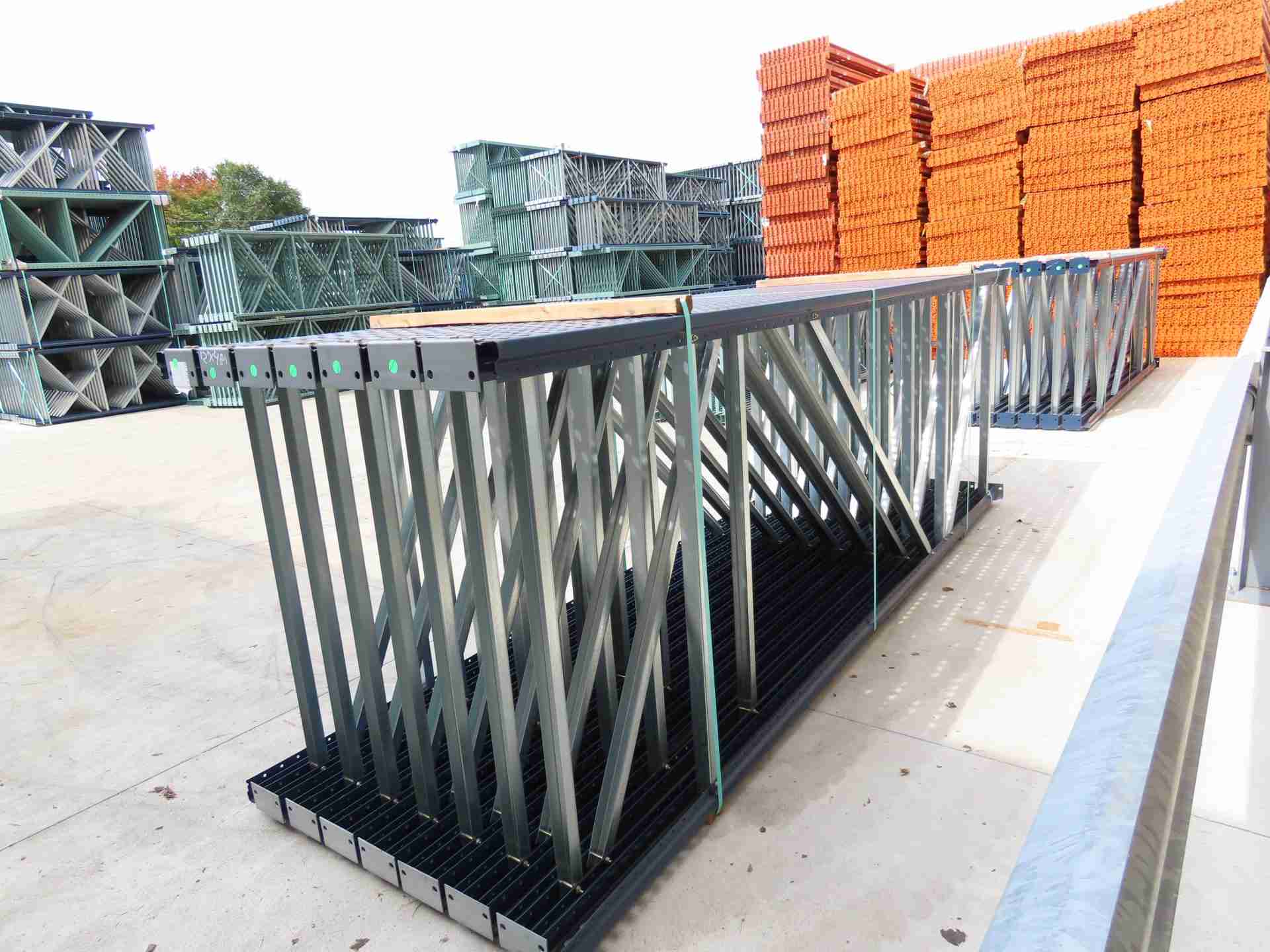
Consider the recent heatwaves sweeping across the globe. Record temperatures have not only raised alarms about climate change but have also forced businesses to rethink their storage solutions. Steel, while a robust material, has properties that change with the heat. Hot weather can lead to expansion in metal materials, potentially causing racks to distort or weaken if they’re not engineered for high temperatures. For example, during extreme heat events, steel’s yield strength can decrease by as much as 5% for every 100°F increase. So, a warehouse reliant on standard racking systems may find itself in hot water—literally and figuratively.
Conversely, cold temperatures can pose their own set of challenges. In conditions resembling last winter’s snap cold across the Midwest, storage facilities experienced drops in temperature that caused materials to become brittle and susceptible to cracking. Rack systems made from lower-grade steel or poorly manufactured components may succumb to increased stress when loaded, reducing their load-bearing capabilities and risking catastrophic collapses.
What’s the takeaway? Businesses must prioritize choosing the right materials and constructing their storage systems with temperature variations in mind. For example, opting for high-grade, temperature-resistant steel for your racks can minimize the risk of deformation in extreme conditions. Additionally, consider installing climate control measures in your warehouses to keep temperatures stable and reliable, thereby extending the life of your storage solutions.
This is not merely theoretical; businesses that adapt to these temperature challenges can glean significant advantages over competitors who underestimate this fundamental aspect. The right investment in quality racking that can withstand temperature fluctuations ultimately means fewer service disruptions, lower repair costs, and an enhanced focus on productivity.
As climate concerns continue to influence our world, understanding how temperature affects rack strength is not just a smart move—it’s a necessity for any business aiming for longevity and durability in today’s unpredictable environment. Don’t let your racks be the weak link; equip them to thrive in whatever temperature extremes come their way!

How Does Temperature Affect Rack Strength?
How Does Temperature Affect Rack Strength?
- Rack strength is often associated with the physical durability of shelving systems, but temperature is a critical factor impacting their performance.
- Recent global heatwaves have highlighted the need for businesses to rethink their storage solutions due to potential risks associated with temperature changes.
- High temperatures can cause steel to expand, decreasing yield strength by up to 5% for every 100°F increase, risking rack distortion or weakening.
- Conversely, cold temperatures can make materials brittle, particularly for racks made of lower-grade steel, increasing the risk of catastrophic collapses.
- Choosing high-grade, temperature-resistant steel for racks is essential to mitigate risks associated with extreme temperature fluctuations.
- Implementing climate control measures in warehouses can help maintain stable temperatures, thereby extending the lifespan of storage systems.
- Adapting to temperature challenges can offer significant competitive advantages, including fewer service disruptions and lower repair costs.
How Does Temperature Affect Rack Strength?
Conclusion
At RackingWorld.com, we understand that the proper calculation of load capacity on racks is the foundation for achieving operational excellence. Businesses today are under pressure to maximize efficiency while safeguarding safety and compliance, and understanding how to effectively calculate load capacity directly impacts your bottom line. Failure to grasp this critical aspect could lead to costly mistakes, such as equipment failure, damaged goods, and even liability issues arising from workplace accidents.
We’ve explored the vital components influencing load capacity—from determining rack types and assessing beam capacity to the importance of uniform load distribution and considering materials used in racks. Each element plays an essential role in optimizing your storage solutions, enabling you to harness every ounce of potential from your available space.
Moreover, as the supply chain landscape continues to evolve, with factors such as e-commerce growth and safety regulations becoming more pronounced, the significance of strategic rack assessment cannot be overstated. Businesses leveraging robust racks will find themselves more equipped to navigate these challenges, especially if they regularly review and adapt their load capacity calculations.
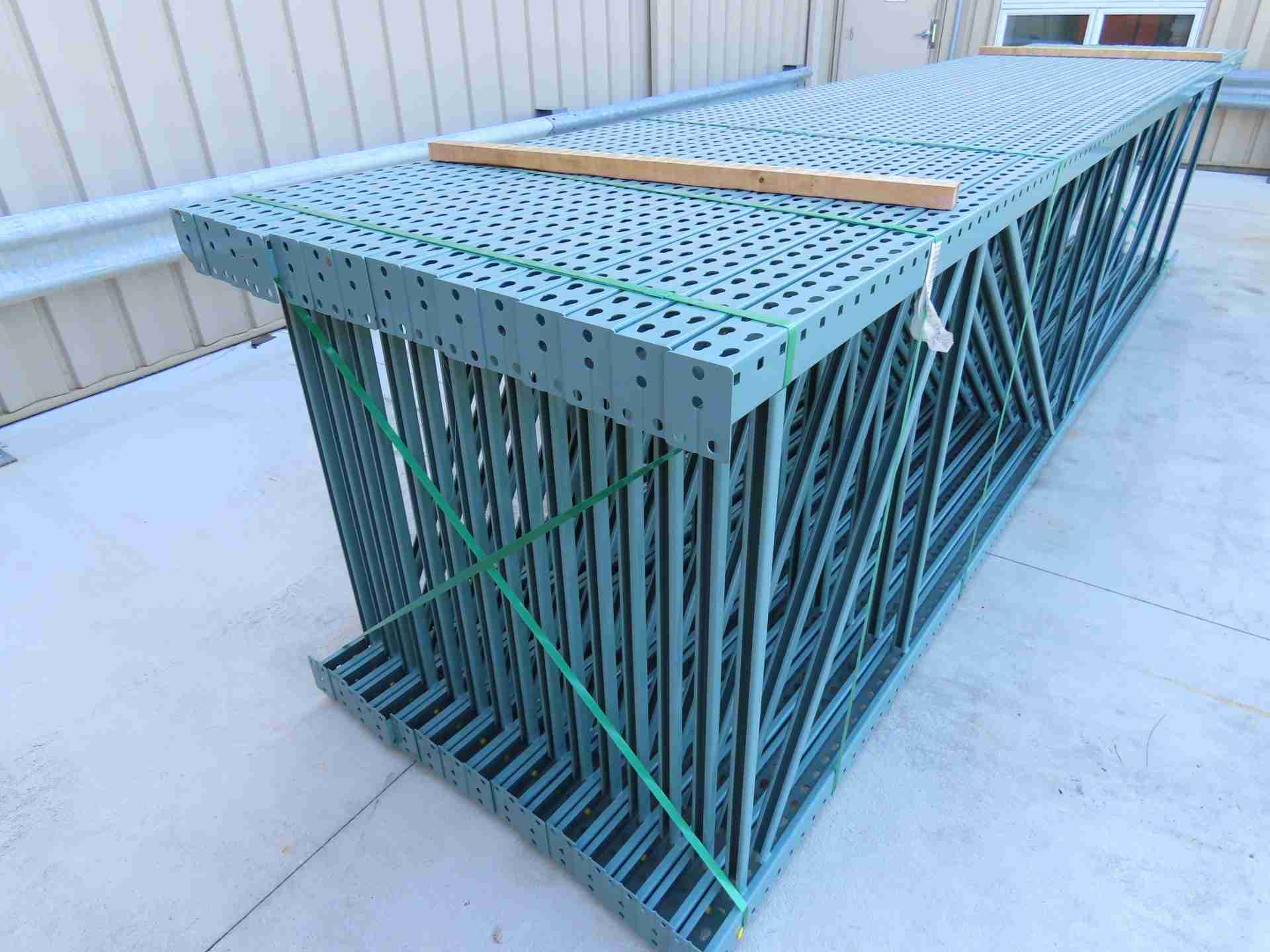
Arrow Industrial Sales stands ready to be your partner in this journey. With our extensive range of robust and certified storage solutions designed to withstand the evolving demands of modern logistics, we ensure you’re not just surviving but thriving. But don’t delay—timely action is key to taking charge of your operational efficiency. Remember, those who act fast gain a competitive edge in seizing new opportunities.
Call Arrow Industrial Sales today at (574) 349-6575 for personalized insights and recommendations tailored to your specific needs. Our dedicated team is prepared to provide the necessary information to help you make informed decisions regarding load capacity calculations and rack systems. Your success hinges on the right solutions—let us help you find them!
Your future starts now. Don’t leave your load capacity management to chance; take control and position your business for uncompromised efficiency and safety. After all, in the world of storage solutions, those who act decisively are the ones who succeed.
Conclusion
Conclusion:
- Proper calculation of load capacity on racks is essential for operational excellence.
- Maximizing efficiency while ensuring safety and compliance is critical for businesses.
- Failure to understand load capacity can lead to costly mistakes, including equipment failure and liability issues.
- Key components influencing load capacity include rack types, beam capacity, and uniform load distribution.
- Strategic rack assessment is increasingly important due to evolving supply chain landscapes and safety regulations.
- Arrow Industrial Sales offers certified storage solutions to enhance operational efficiency.
- Contact Arrow Industrial Sales for personalized insights on load capacity calculations to boost your business success.
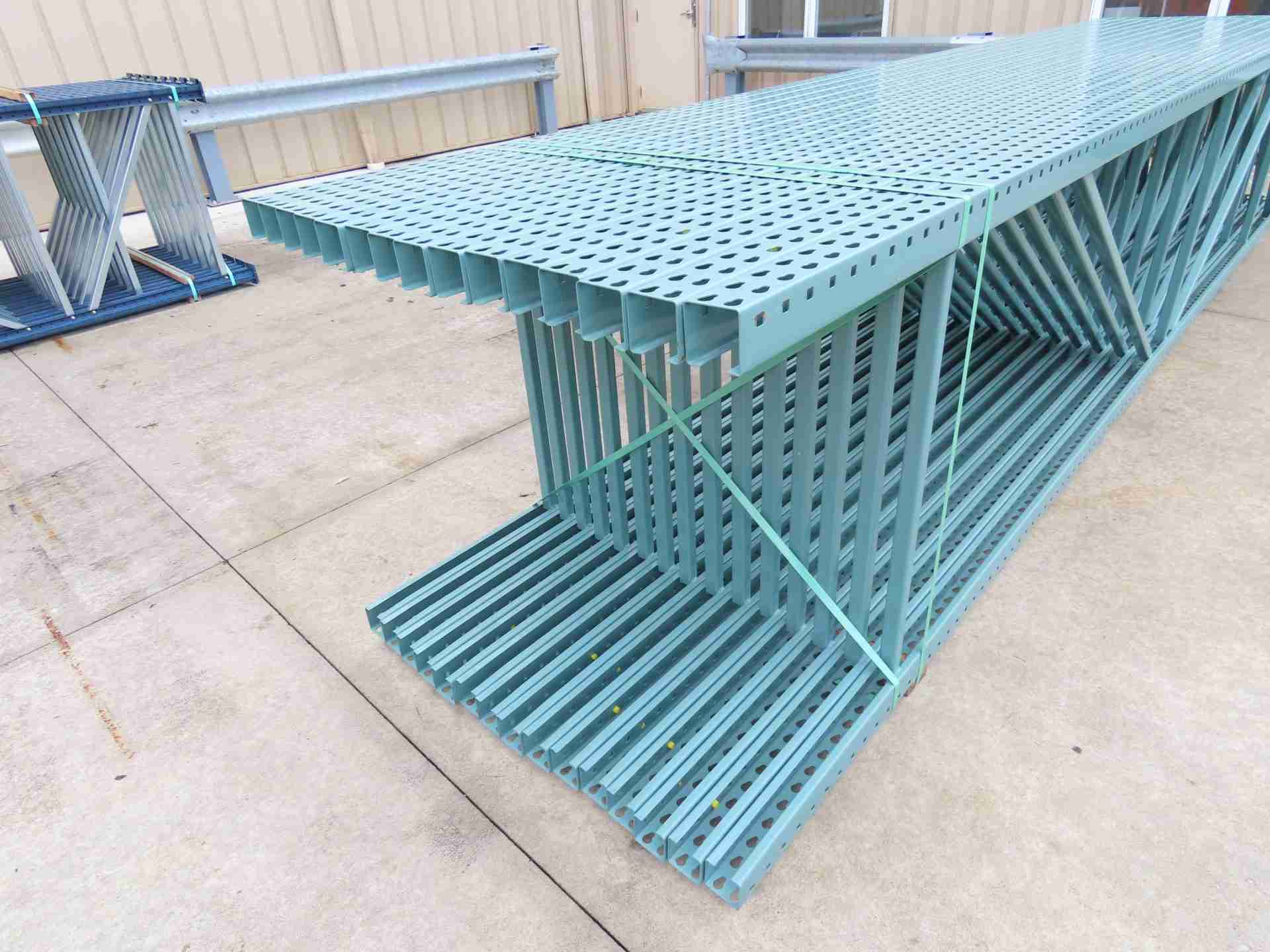
Conclusion
Other Resources
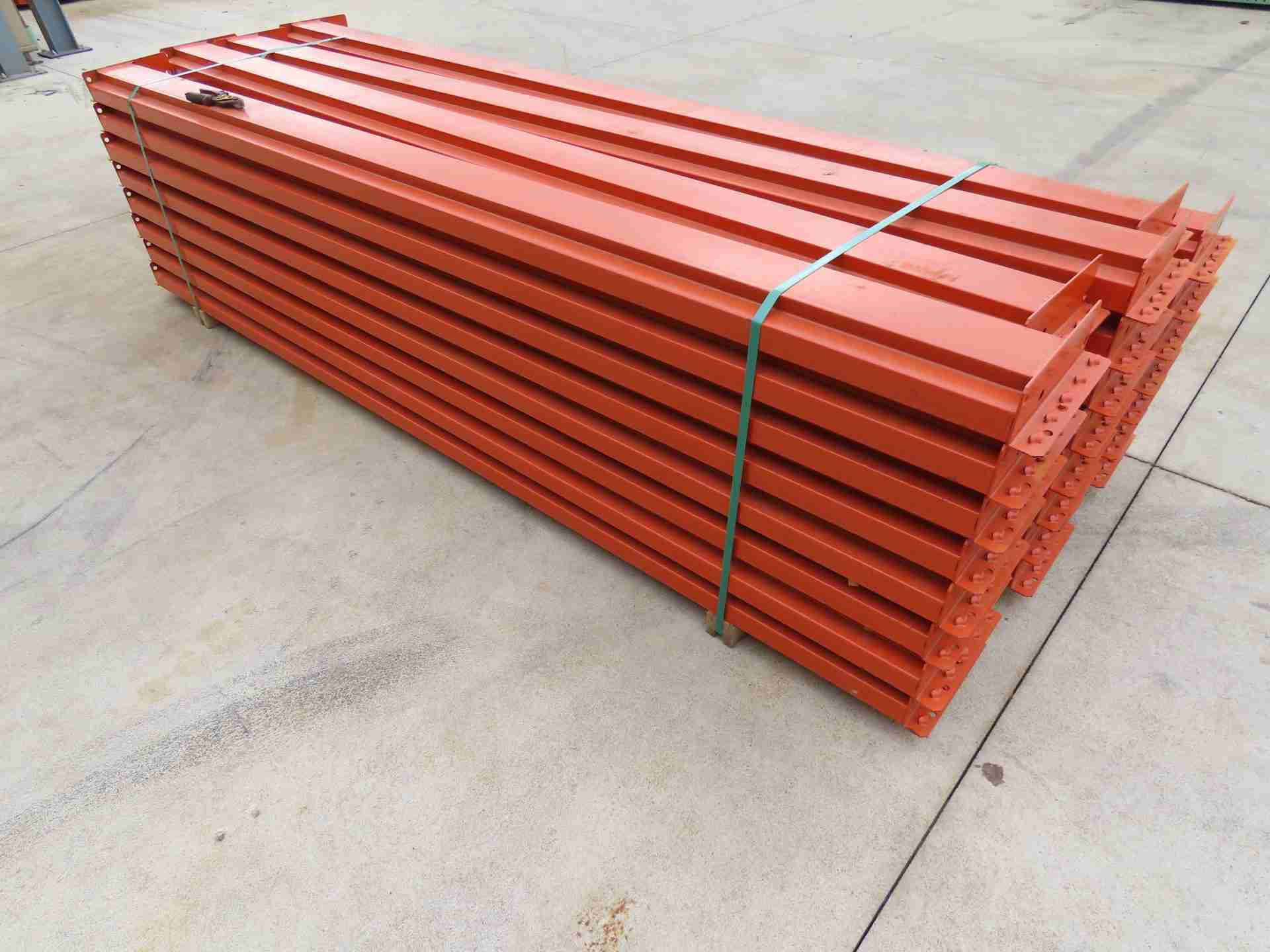
Other Resources
Here is a list of other resources you can review online to learn more:
- “Pallet Racks”
- “8 Types of Industrial Rack Systems Tailored for Warehouse …”
- “Warehouse Racks & Storage Solutions – Handlerkraft”
- “Pallet racks of all types”
- “Cantilever racking”
- “Complete Warehouse Racking Buyers Guide – SRS-i”
- “Compact Pallet Racking | For all types of Warehouse Usage”
Use This Prompt To Get More Resources With Your Favorite Online AI Tool: Please provide me with a list of online articles with their URLS in a bulleted list that I can read regarding How to Calculate Load Capacity Of Racks?
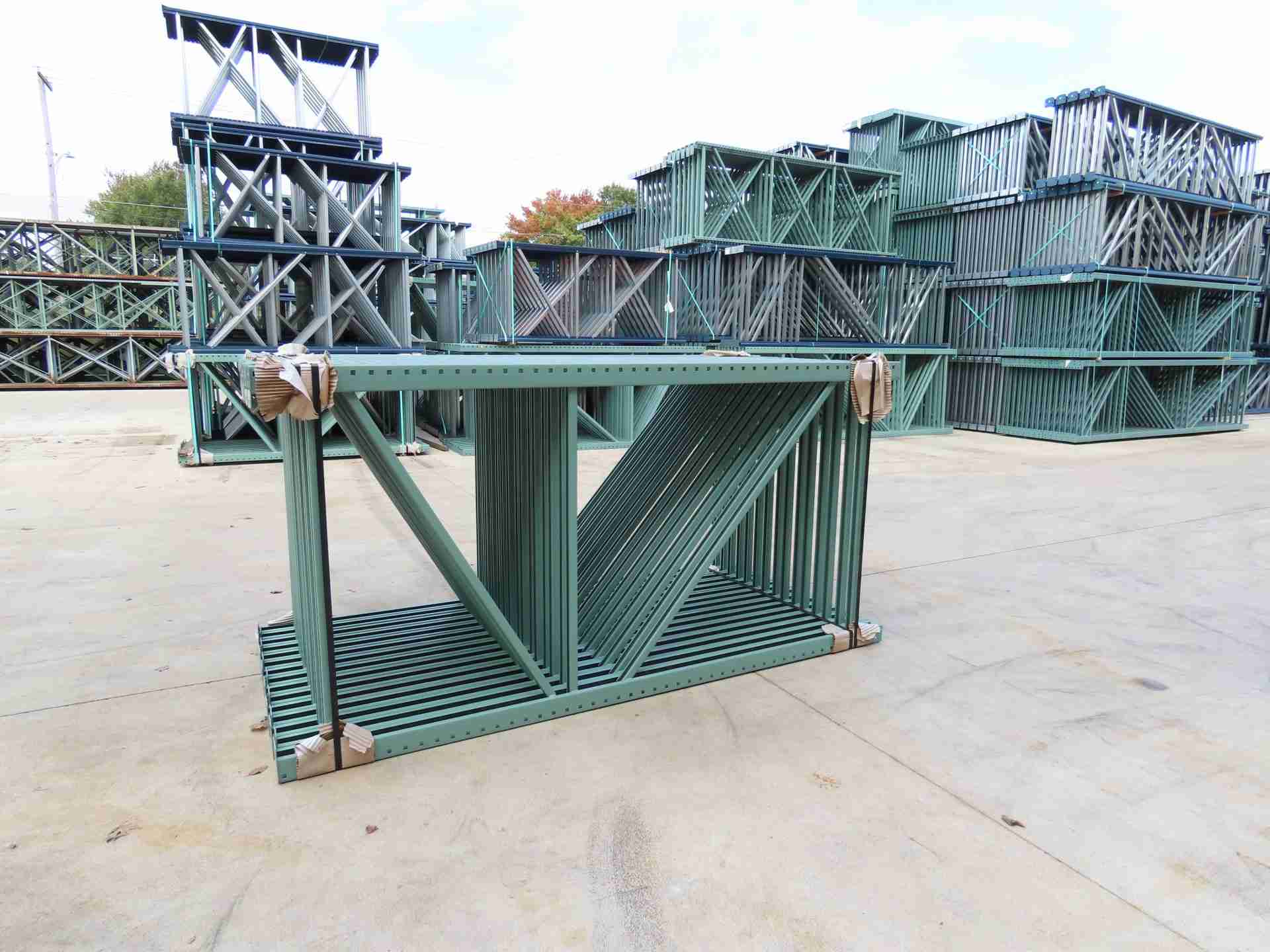
Other Resources
Glossary Terms
How to Calculate Load Capacity Of Racks? – Glossary Of Terms
1. Load Capacity: The maximum weight or load that a rack can safely support without risk of failure.
2. Safe Working Load (SWL): The maximum load that a rack can handle safely, considering a margin for error.
3. Rack Configuration: The specific arrangement and design of the rack system, including height, width, and number of levels.
4. UOM (Unit of Measure): The standard measurement used for loads, typically pounds (lbs) or kilograms (kg).
5. Static Load: The weight carried by the rack when it is stationary and not experiencing any dynamic forces.
6. Dynamic Load: The weight or force exerted on a rack during motion or movement, such as loading or unloading.
7. Load Distribution: The way weight is spread across the shelving levels in a rack to prevent overloading any one section.
8. Material Strength: The ability of rack materials (e. g. , steel or wood) to withstand applied loads without failing.
9. Shear Force: The force that causes parts of a material to slide past each other in opposite directions, which can affect rack stability.
10. Safety Factor: A design criterion that includes an additional margin above the calculated load capacity to ensure safety under unexpected conditions.
11. Post: The vertical structural element of a rack that supports shelves and distributes weight.
12. Beam: The horizontal support structure that holds shelving or other loads in a rack system.
13. Shelf: A flat surface in the rack used for storing items; must be designed to handle specific weights.
14. Axial Load: A load that is applied along the axis of a structural member, affecting the rack’s integrity.
15. Moment of Inertia: A measure of an object’s resistance to rotation, relevant in understanding load distribution in rack designs.
16. Column Stability: The ability of vertical posts to resist buckling or bending under load.
17. Cross-bracing: Diagonal supports in a rack system that enhance stability and reduce the risk of collapse.
18. Vertical Load: The weight applied directly downward onto the rack, affecting the load-bearing capacity.
19. Horizontal Load: A force acting on the rack from the side, often from the movement of goods or personnel.
20. Deflection: The degree to which a structural element (like a beam) bends under load, important in evaluating safety.
21. Rack Type: Categorization of racks based on function, such as pallet racks, shelving racks, or cantilever racks.
22. Load Test: An assessment process to determine how much weight a rack can support safely before failure.
23. Design Code: Guidelines and standards (e. g. , ANSI, OSHA) that dictate how racks should be constructed and load capacities determined.
24. Distributed Load: A load applied evenly over a surface, crucial for calculating safe load capacity for shelving.
25. Point Load: A concentrated load applied at a single point on the rack, which can create stress and affect integrity.
26. Material Specifications: Details regarding the qualities and grades of materials used in racks, which influence load calculations.
27. Rack Inspection: The process of routinely checking racks for structural integrity and compliance with safety standards.
28. Overloading: Exceeding the recommended load capacity of a rack, which can lead to failure and safety hazards.
29. Load Enforcement: Practices and policies that ensure loads are kept within safe limits during storage and handling.
30. Structural Analysis: The analytical process used to determine the effects of loads on the racks, ensuring safety and performance standards are met.

Glossary Of Terms
Other Questions
How to Calculate Load Capacity Of Racks? – Other Questions
If you wish to explore and discover more, consider looking for answers to these questions:
- What are the benefits of calculating load capacity for racks?
- How can I visually inspect racks for safety?
- What is the procedure for regular maintenance of racks?
- Are there different load capacity calculations for different industries?
- What tools can assist in calculating load capacity accurately?
- How do I select the right type of rack based on load capacity?
- What role do local regulations play in determining rack load capacity?
- How often should racking systems be inspected for safety compliance?
- What are common mistakes made when calculating load capacity?
- How does rack configuration affect the overall load capacity?
- What are the consequences of overloading a rack?
- How do seasonal changes affect rack load capacity needs?
- What advancements in technology relate to improving load capacity calculations?
- What case studies exist regarding rack capacity failures?
- How should weight should be distributed on a rack for optimal safety?
- What specific certifications should I look for in rack systems?
- What materials are preferred for enhancing rack strength?
- How can I ensure my rack installation meets safety standards?
- What are the potential long-term impacts of inadequate load capacity assessments?
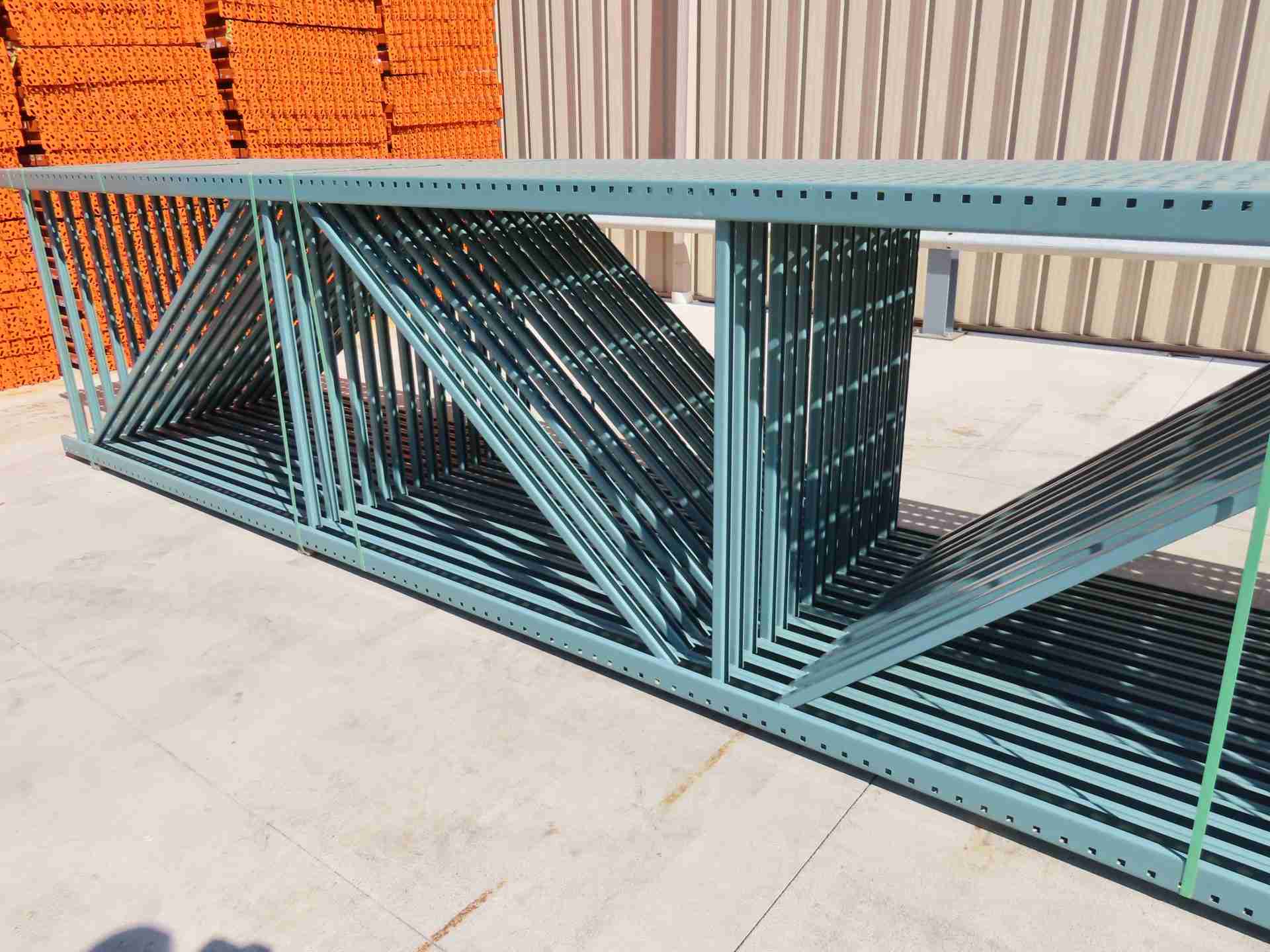
Other Questions
Checklist
How to Calculate Load Capacity Of Racks? – A Checklist
Checklist for Calculating Load Capacity of Racks
This checklist serves as a practical guide for businesses looking to assess and maximize the load capacity of their storage racks. Use it before making decisions regarding rack design, implementation, or maintenance.
1. Evaluate Rack Type
_____ Identify the type of rack (e. g. , selective pallet racks, drive-in racks, cantilever racks).
_____ Consult manufacturer guidelines or datasheets for load specifications.
2. Assess Load-Bearing Components
_____ Beam Capacity:
_____ Check the load capacity of each horizontal beam.
_____ Calculate total capacity per level (Beam Capacity × Number of Beams).
_____ Level Configuration:
_____ Determine the number of levels in use.
_____ Multiply capacity per level by the number of levels to find total rack capacity.
3. Ensure Proper Load Distribution
_____ Confirm that weight is evenly distributed across beams and levels.
_____ Avoid concentrated weights to decrease risk of racking failure.
4. Material Considerations
_____ Choose high-strength materials (preferably heavy-duty steel).
_____ Verify material specifications and compliance to avoid shortcuts.
5. Incorporate Safety Factors
_____ Apply a safety factor of 20-30% below the calculated capacity.
_____ Schedule regular inspections for wear and tear, replacing components as necessary.
6. Familiarize with Safety Standards
_____ Understand the applicable safety regulations (OSHA, ANSI, etc. ).
_____ Confirm labeling of load capacity limits on racks.
7. Calculate Dynamic Load Capacity
_____ Use the equation: C = F / (P × e) for calculating dynamic load capacity.
_____ F = Applied load (in Newtons).
_____ P = Safety factor (greater than 1).
_____ e = Load duration ratio.
8. Recognize Signs of Overloading
_____ Check for visible distortion (bending or bowing of beams).
_____ Listen for anomalous sounds (popping or creaking).
_____ Look for excessive wear and tear on stored goods.
_____ Monitor frequency of layout adjustments due to overcapacity.
9. Ensure Proper Installation
_____ Verify environmental suitability for rack types.
_____ Conduct precise measurements during installation.
_____ Provide comprehensive training to staff on installation best practices.
10. Tools and Resources
_____ Utilize load calculation software for efficiency (e. g. , Cool Calc).
_____ Collect educational resources to stay updated on industry standards and practices.
11. Regular Capacity Review
_____ Schedule quarterly reviews of load capacity.
_____ Stay responsive to changes in demand, regulations, or operational alterations.
12. Assess Rack Design Impact
_____ Analyze how rack design affects load capacity and storage efficiency.
_____ Integrate innovative design options to enhance storage capabilities.
13. Compliance with Certifications
_____ Ensure racks are certified by ANSI, RMI, OSHA, and ISO.
_____ Seek environmentally-friendly options with eco-certifications where possible.
This checklist helps streamline the process of calculating rack load capacity and ensures safety and efficiency in operations. Use it to guide your decisions and maintain a safe working environment.

Checklist
At RackingWorld, we help guide you through selecting warehouse storage systems and racking.
Be sure to read our other related stories at RackingWorld to learn more about warehouse storage systems.
0 Comments