
Maximizing Efficiency And Sustainability In Storage
By Tom Seest
At RackingWorld, we help guide you through selecting warehouse storage systems and racking.
Be sure to read our other related stories at RackingWorld to learn more about warehouse storage systems.
Are Your Current Storage Solutions Sustainable for The Long Haul?
When it comes to running a successful operation, your storage solutions are the unsung heroes, quietly holding everything together. But have you taken a moment to ask yourself: Are these solutions truly sustainable for the long haul? In a world that’s constantly evolving, the last thing you want is to depend on a rickety framework or outdated methods that can’t keep pace with your ambitions.
Let’s start with pallet racking—a fantastic storage option that, when optimized, can revolutionize the efficiency of your warehouse. Understand this: the potential of your pallet racking system isn’t just about maximizing horizontal space; it’s also about future-proofing your business. With e-commerce booming and customer expectations rising, you can’t afford to let old storage systems slow you down. If your current setup isn’t versatile, user-friendly, and scalable, then it could be time for a change.
Imagine a world where your storage infrastructure isn’t just a necessity, but a catalyst for growth. Visualize sleek, well-organized aisles that enhance productivity and promote safety. When your team can easily locate inventory and merchandise flows smoothly, it breeds confidence within your workforce and trust among your customers. That reliability translates into repeat business and brand loyalty—both crucial for long-term success.
Now, you might wonder if investing in sustainable storage solutions like advanced pallet racking systems is worth the financial commitment. Here’s the truth that we can all relate to: the real cost of inaction is far greater. Wasted time, lost inventory, and inefficient processes add up quickly, ultimately draining your bottom line. Hence, opting for reliable solutions that are built to last isn’t just smart; it’s essential.
This is your opportunity to connect with a vision that extends beyond mere products or services. It’s about cultivating an operational ethos that puts sustainability at the forefront. Every decision you make today sets the stage for the future, ensuring that you’re not just surviving but thriving. So, ask yourself: Are your current storage solutions harmonizing with your growth aspirations? If they’re not, it might be time to rethink your strategy.
Take the first step towards sustainable, efficient, and effective storage solutions, and empower your business to flourish—because when you invest in a bright future today, you’re crafting a legacy that stands the test of time.

Are Your Current Storage Solutions Sustainable for The Long Haul?
Are Your Current Storage Solutions Sustainable for The Long Haul?
- Storage solutions are crucial for the success of operations and must be sustainable long-term.
- Pallet racking systems can significantly enhance warehouse efficiency when optimized.
- Modern storage setups should be versatile, user-friendly, and scalable to keep pace with e-commerce growth.
- An organized storage infrastructure can improve productivity, safety, and workforce confidence.
- Investing in sustainable storage solutions, like advanced pallet racking, prevents wasted time and lost inventory.
- Every decision regarding storage impacts future operational sustainability and growth potential.
- Rethinking storage strategies can empower businesses to thrive and create a lasting legacy.
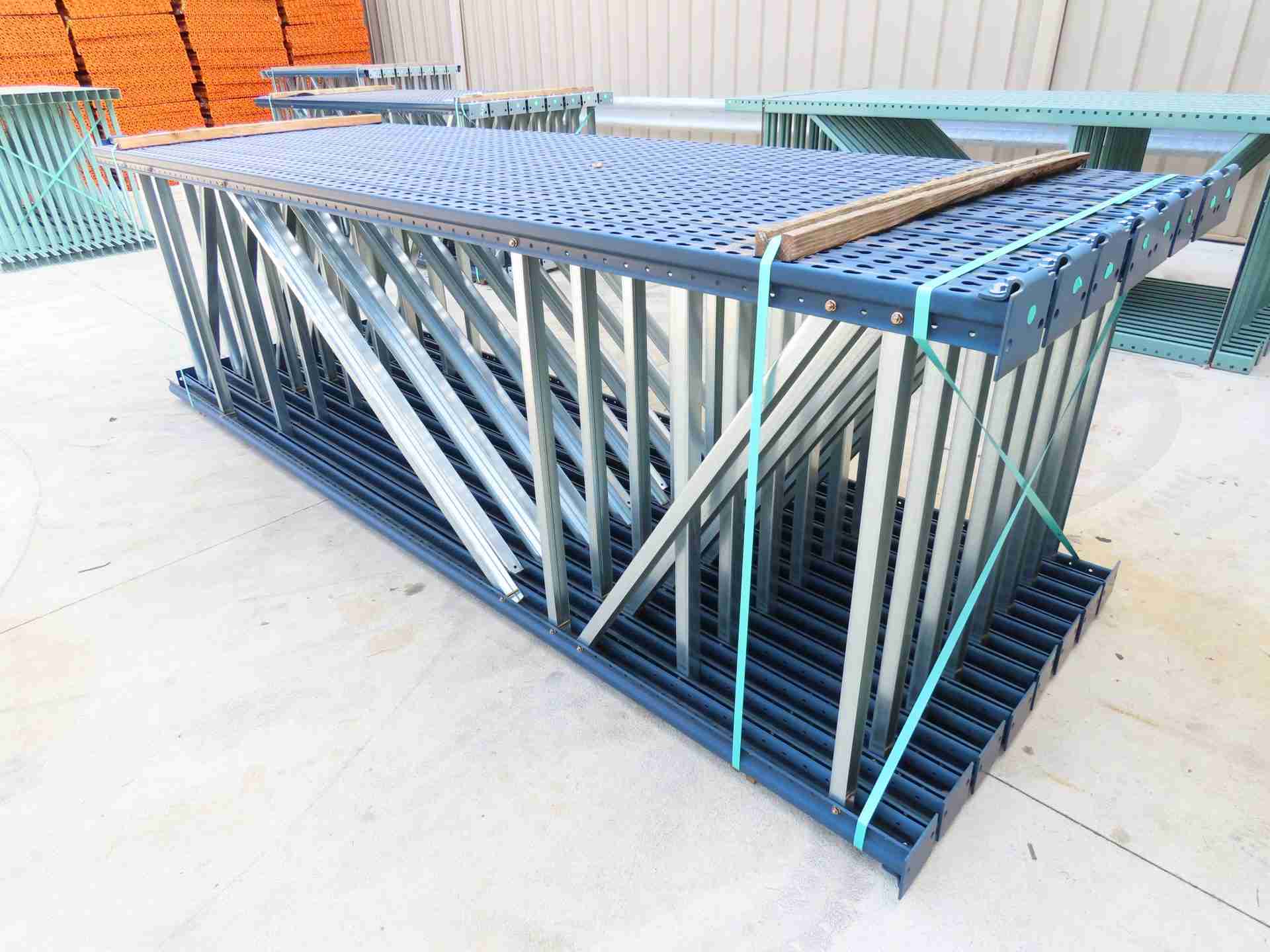
Are Your Current Storage Solutions Sustainable for The Long Haul?
Table Of Contents
- Are Your Current Storage Solutions Sustainable for The Long Haul?
- Are Your Current Storage Solutions Eco-Friendly?
- Do Your Storage Practices Reduce Waste?
- How Can You Improve Energy Efficiency In Storage?
- What Materials Are Best For Sustainable Storage?
- Are You Aware Of The Environmental Impact Of Your Storage?
- How Often Do You Review Your Storage Systems For Sustainability?
- Conclusion
- Other Resources
- Glossary Of Terms
- Other Questions
- Checklist
Are Your Current Storage Solutions Eco-Friendly?
In today’s conscientious marketplace, sustainability isn’t just a trend; it’s a necessity. Consumers are more aware than ever of their purchasing decisions, and they expect companies to take responsibility for their environmental impact. Have you considered whether your current storage solutions, such as pallet racking, align with these values?
Imagine walking into a warehouse filled not just with products, but with purpose. When you utilize eco-friendly storage solutions, you’re not just organizing your space—you’re making a statement. Pallet racking systems, for instance, can be sustainable when sourced from recycled materials or designed to minimize waste. It’s more than just a smart choice; it’s a way to show your customers that you prioritize the planet just as much as profits.
Picture your brand standing out in a crowded market because you’ve taken steps to reduce your ecological footprint. An investment in sustainable storage not only enhances your image, but it could also translate into cost savings down the line. Energy-efficient designs and well-engineered systems can lead to reduced operational costs, all while being environmentally conscious. That’s a win-win!
You might wonder where to start. Begin by auditing your current storage solutions and identifying areas where you can make eco-friendlier choices. Consider transitioning to pallet racking made from sustainable or renewable materials. It’s an opportunity to rejuvenate your warehouse with solutions that not only optimize space but also contribute to a healthier planet. Don’t underestimate the power this has to connect you with your customers; they want to support brands that care.
Moreover, building a green warehouse doesn’t stop with your racking system. Think about overall warehouse practices—from smart inventory management to energy-efficient lighting. Every small change contributes to a bigger impact.
When you commit to eco-friendly solutions, you win the trust of your audience. They see you not just as a vendor, but as a partner committed to a shared vision for a sustainable future. Are you ready to take that leap? Embrace eco-friendly opportunities in your storage solutions, starting now. Your customers—and our planet—will thank you for it!
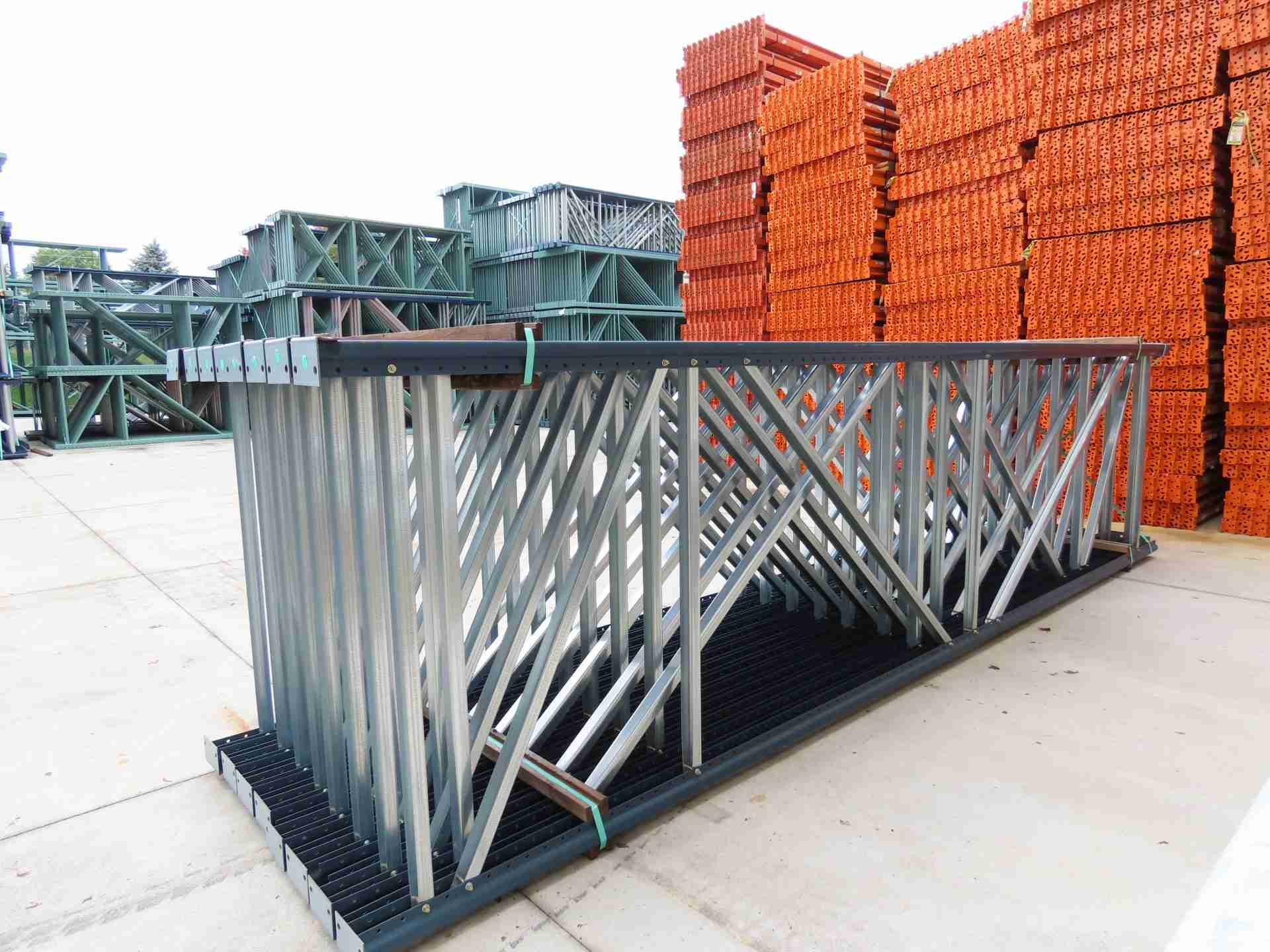
Are Your Current Storage Solutions Eco-Friendly?
Are Your Current Storage Solutions Eco-Friendly?
- Sustainability is essential in the modern marketplace, with consumers increasingly expecting companies to address their environmental impact.
- Utilizing eco-friendly storage solutions, like sustainable pallet racking, showcases a commitment to both organization and environmental responsibility.
- Investing in sustainable storage can enhance brand image and potentially lead to long-term cost savings through energy efficiency.
- Begin by auditing current storage solutions to identify opportunities for eco-friendlier alternatives.
- Transition to pallet racking made from renewable materials to optimize space while benefiting the environment.
- Consider overall warehouse practices, including inventory management and lighting, to maximize environmental benefits.
- Committing to eco-friendly solutions builds trust with customers, who appreciate brands dedicated to sustainability.
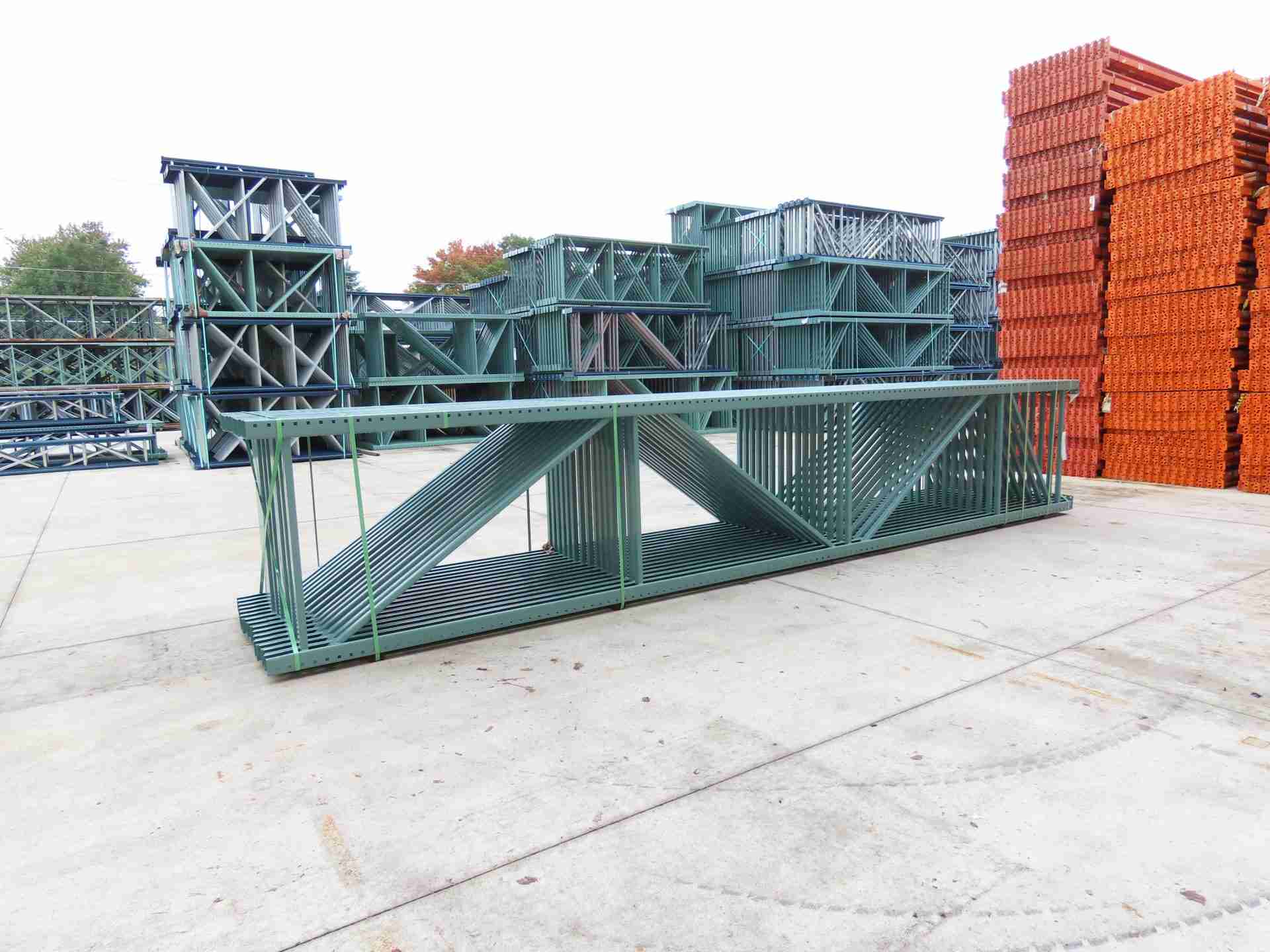
Are Your Current Storage Solutions Eco-Friendly?
Do Your Storage Practices Reduce Waste?
When it comes to storage solutions, the way you organize and utilize your space can significantly impact your bottom line—and the environment. In a marketplace where waste reduction is no longer just a buzzword, but a fundamental expectation, how is your storage practice contributing to this urgent cause?
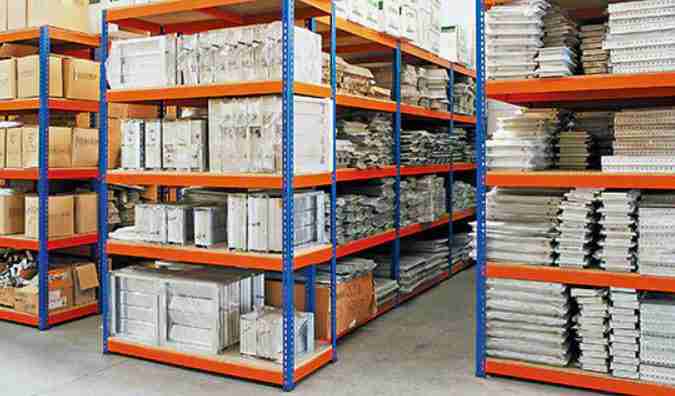
Pallet racking systems are more than just structures to hoard inventory; they are pivotal in reshaping your waste management strategy. Imagine a warehouse where every inch is optimized, every product easily accessible, and every single item thoughtfully placed. By leveraging pallet racking, your operation can minimize the spaces between items, leading to less wasted air—and that’s just the beginning.
Picture a scenario where your products are stacked more efficiently. You reduce transportation costs since products are easier to retrieve and ship. Think about the time savings, too; faster retrieval means less time spent on unnecessary tasks, opening the door to more productive activities. When you can see your inventory clearly, you’ll find yourself clutching fewer out-of-date items, all thanks to better visibility and organization provided by a well-structured pallet racking system.
But there’s more. Every item in your warehouse represents potential waste, whether it’s expired products or damages overlooked due to chaotic storage. By adopting a smart storage solution, you’re not only curbing waste but also improving your inventory turnover rates. Imagine the pride in knowing you are running an operation that respects our planet while boosting your profitability.
Now, you might be wondering, “How do I start incorporating these principles into my operations?” First, take a long, honest look at your current storage practices. Are items easily visible and accessible? Are you making the most of your available space? A good pallet racking system can transform your cluttered storage area into an efficient repository of productivity and sustainability.
Don’t underestimate the power of a well-organized space. By reducing waste, you enhance the experience for your team, your customers, and the environment—all while building a more sustainable future for your business. The shift to waste-reducing storage practices isn’t just a choice; it’s a responsibility we all share. Ready to embrace this journey? Let’s rethink your storage strategies together, one pallet at a time.
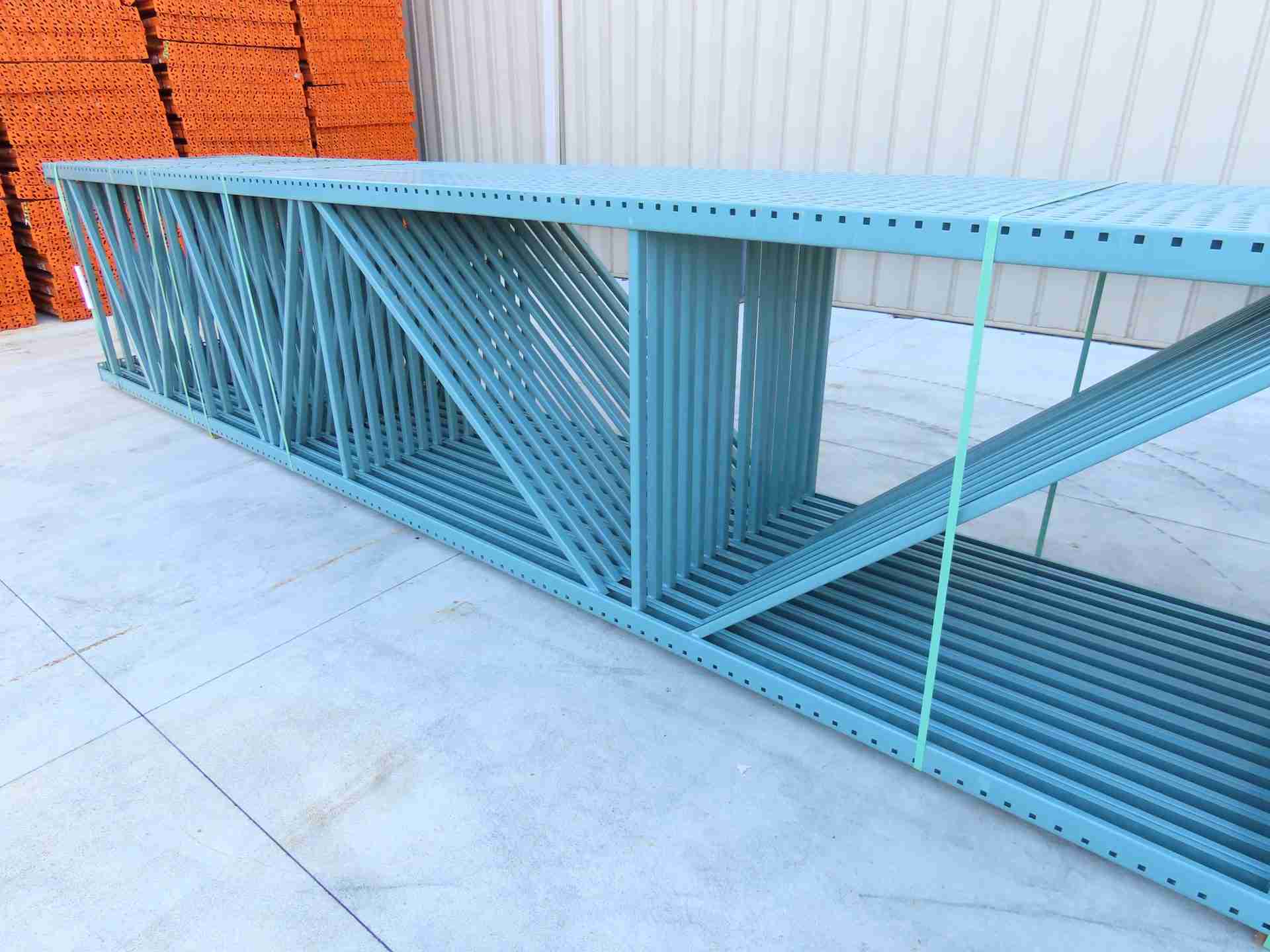
Do Your Storage Practices Reduce Waste?
Do Your Storage Practices Reduce Waste?
- Effective storage solutions significantly impact both profitability and environmental sustainability.
- Pallet racking systems optimize space, improve waste management, and minimize wasted air.
- Efficient product stacking reduces transportation costs and speeds up retrieval time.
- Enhanced visibility and organization through pallet racking decrease the risk of managing expired items.
- Smart storage solutions curb waste and improve inventory turnover rates.
- A thorough assessment of current storage practices is essential for improvement.
- Embracing waste-reducing storage practices benefits teams, customers, and the planet.
Do Your Storage Practices Reduce Waste?
How Can You Improve Energy Efficiency In Storage?
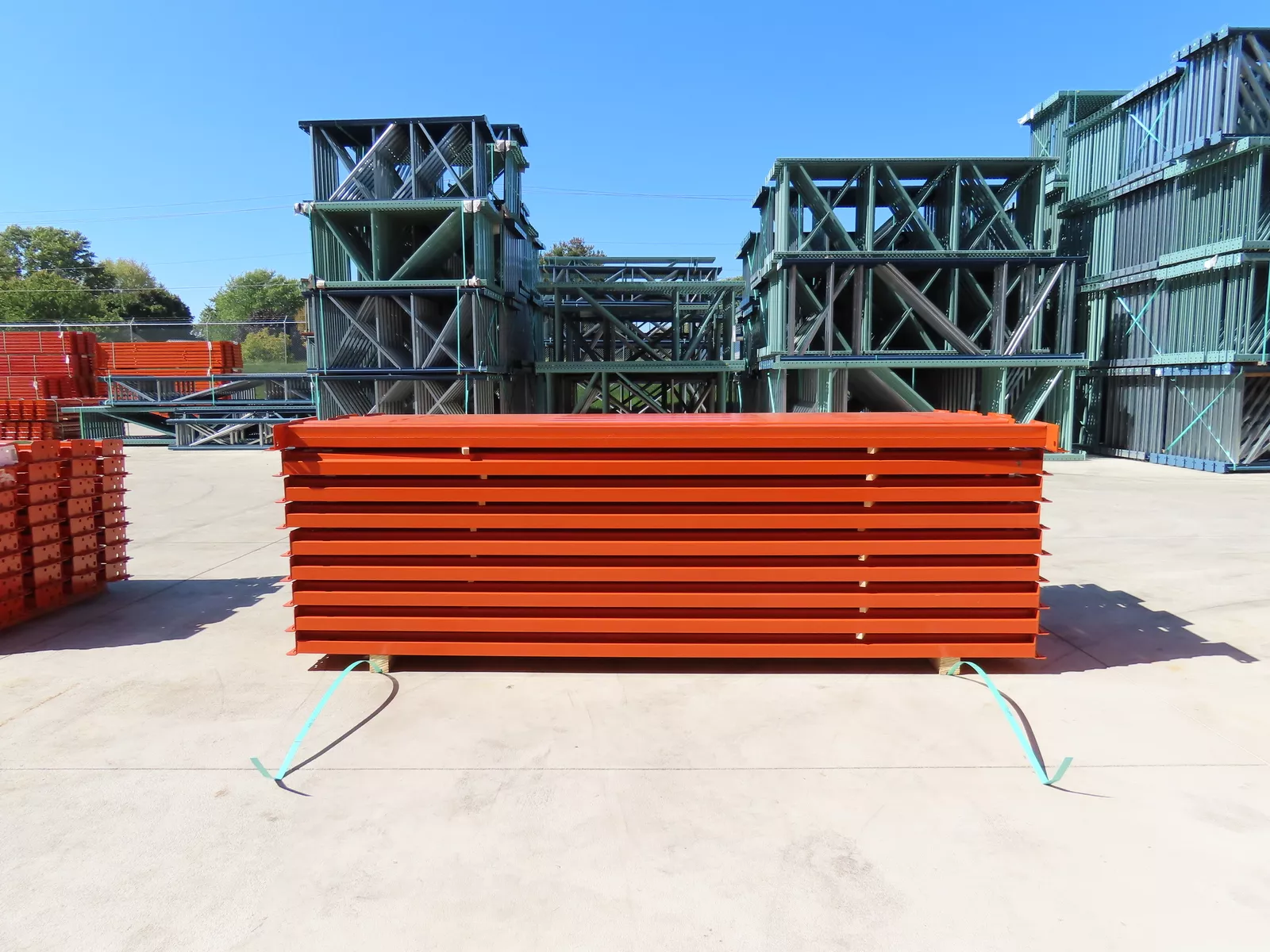
Energy efficiency might seem like a buzzword tossed around in boardrooms, but it’s a crucial aspect that can transform your storage space from just a warehouse into a powerhouse of savings and sustainability. Imagine walking into your storage area brimming with tidy, well-organized pallets, all supported by reliable pallet racking systems. These structures not only enhance organization but can also significantly contribute to optimizing energy use.
First off, let’s talk about the natural enemies of energy efficiency: disorganization and clutter. When your storage space resembles a battlefield of mismatched items, it’s not just aesthetically displeasing; it saps your efficiency. By implementing proper pallet racking, not only do you maximize vertical space, but you also minimize the time and energy spent locating and retrieving goods. Less time fumbling around means lower energy consumption.
Now, consider lighting. Many warehouses rely on overhead fluorescent lights that guzzle power even when they’re not needed. Transitioning to LED lights, which offer superior brightness and efficiency, can drastically cut your energy costs. And don’t forget to take advantage of natural lighting where possible. Strategically placing skylights or larger windows can reduce the reliance on artificial lighting during daylight hours. With well-organized pallet racking, there’s no shadowy corner lurking behind an unkempt store; everything is well-lit and easy to access.
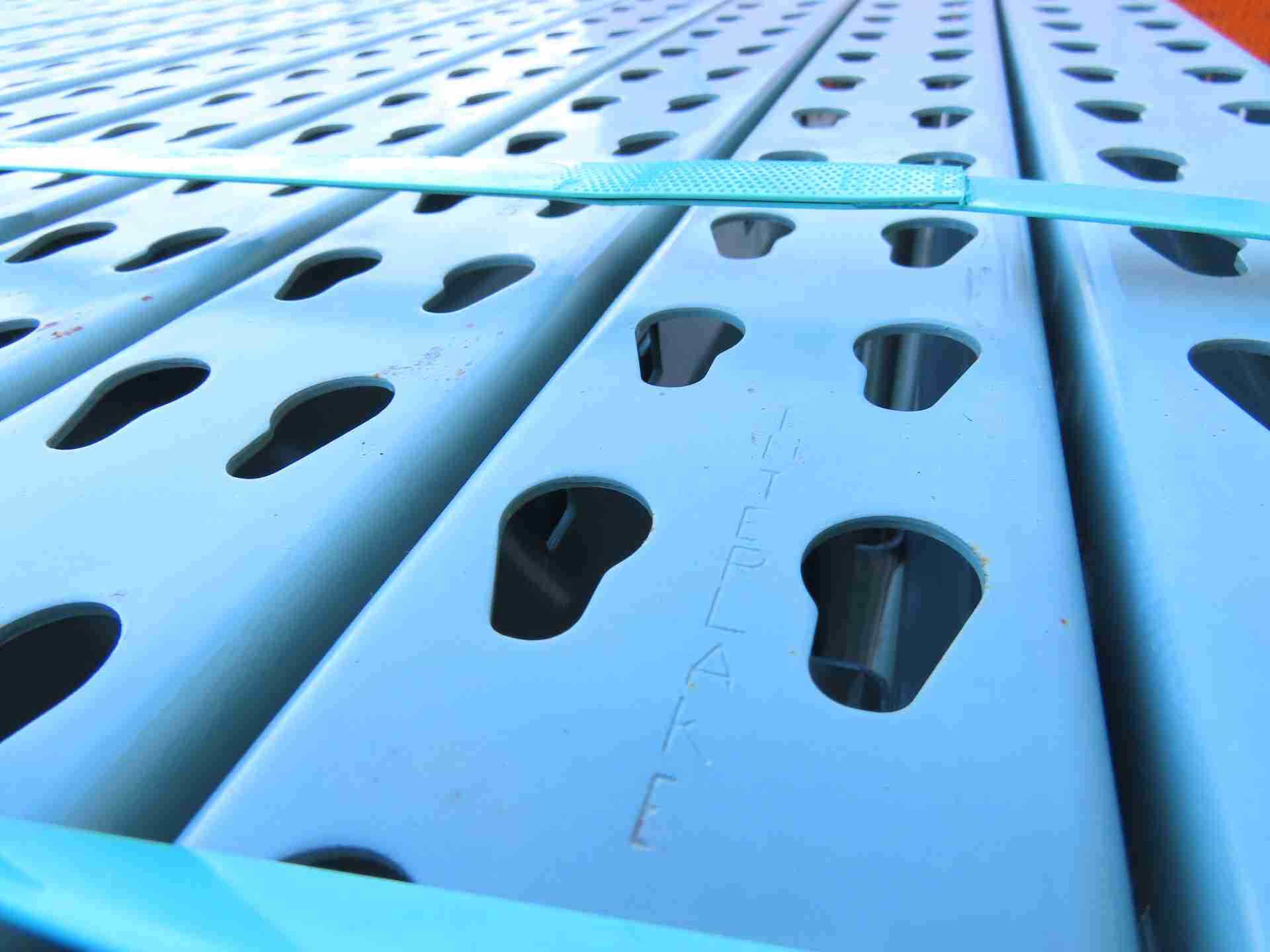
Temperature control is another significant consideration. Inconsistent temperatures can lead to energy waste—a simple solution is to properly insulate your storage area. Adding insulation to walls and ceilings, along with sealing any gaps, helps maintain a consistent climate. This becomes even more manageable when your goods are arranged neatly on pallet racks, allowing air to circulate freely around them, keeping everything cool without overworking your HVAC system.
Lastly, it’s about creating a culture of energy efficiency within your team. Engage your workforce in discussions about best practices: encourage them to turn off equipment when not in use or report any maintenance issues promptly. Empowering your staff to care about energy efficiency not only strengthens accountability but also fosters a collaborative atmosphere where everyone’s on the same page.
In every step you take to enhance energy efficiency in your storage operations, remember: your efforts will yield dividends not just in cost reductions but in fostering a greener future. Start with pallet racking, illuminate your space effectively, manage your climate, and engage your team. Each small change leads to monumental impact. So why wait? Dive in today!
How Can You Improve Energy Efficiency In Storage?
How Can You Improve Energy Efficiency In Storage?
- Energy efficiency is essential for transforming storage spaces into areas of savings and sustainability.
- Proper pallet racking maximizes vertical space and minimizes time and energy spent locating items.
- Transitioning to LED lighting and utilizing natural light can significantly reduce energy costs.
- Proper insulation and sealing gaps help maintain consistent temperatures, reducing energy waste.
- Well-organized pallet racks allow for better air circulation, aiding in efficient HVAC usage.
- Creating a culture of energy efficiency within the workforce promotes accountability and collaboration.
- Small changes in energy efficiency practices can lead to significant cost reductions and a greener future.
How Can You Improve Energy Efficiency In Storage?
What Materials Are Best For Sustainable Storage?
In our fast-paced world, where environmental responsibility is paramount, the storage solutions we choose can make a significant difference. When considering sustainable storage options, it’s crucial to think about the materials that contribute to both functionality and eco-friendliness. Let’s dive into the best materials for sustainable storage that not only help the environment but also enhance your bottom line.
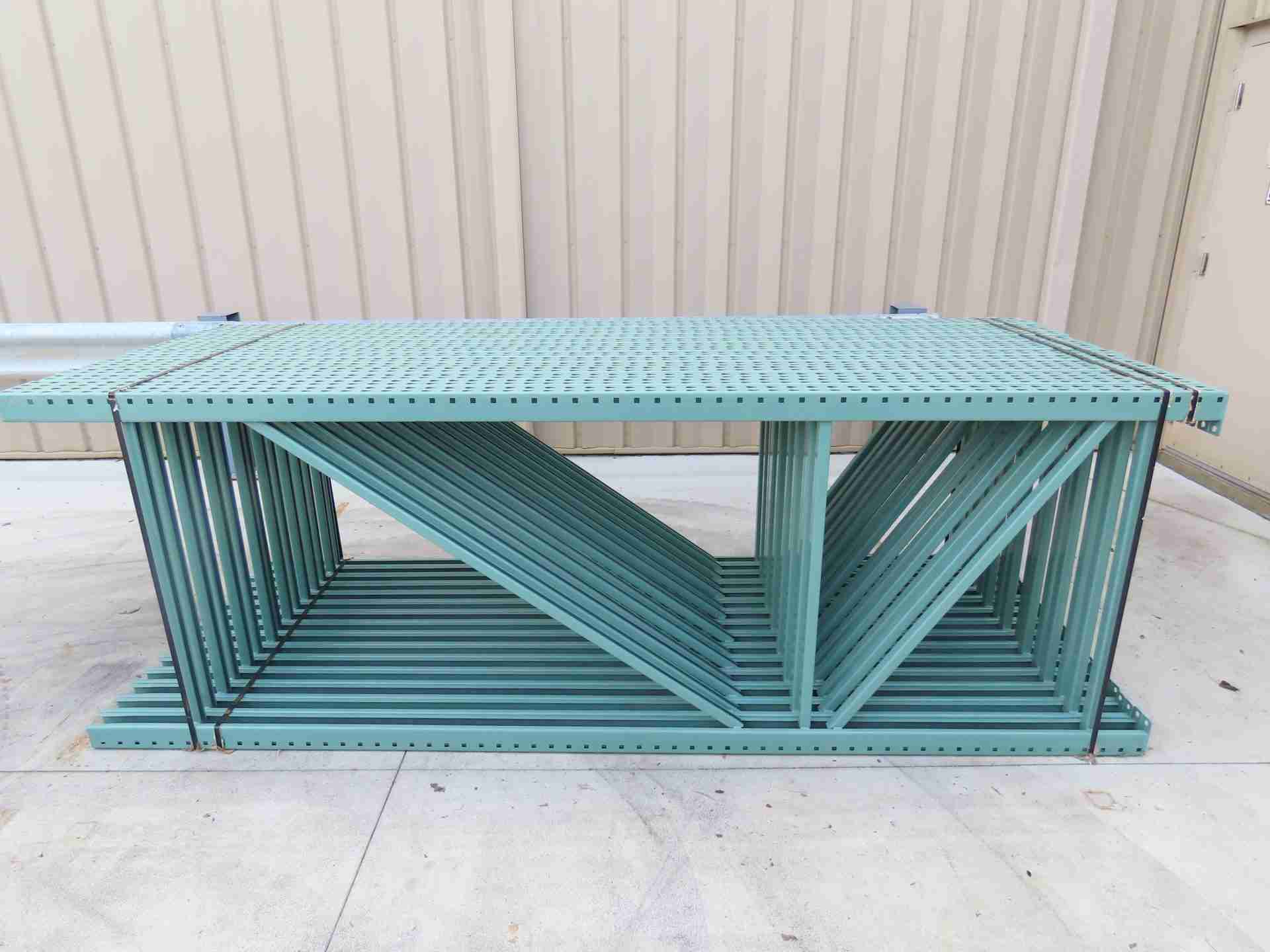
First and foremost, steel is the heavyweight champion in the storage materials arena. Unlike other materials, steel is both incredibly strong and fully recyclable. It can withstand the test of time—a quality that’s essential for storage solutions like pallet racking. By investing in durable steel pallet racks, you’re not just making a purchase; you’re committing to a sustainable future. When these racks reach the end of their life cycle, they can be melted down and repurposed, reducing waste and leading to a circular economy.
If you’re leaning towards more eco-friendly options, consider bamboo or reclaimed wood. Bamboo grows incredibly fast and absorbs more carbon dioxide than traditional trees, making it a sustainable choice. Reclaimed wood, on the other hand, gives a second life to materials that would otherwise end up in a landfill, adding character and uniqueness to your storage spaces. Picture a warm, inviting room that embraces sustainability while efficiently holding your goods—bamboo and reclaimed wood do just that.
Now, let’s talk about composite materials. These engineered wonders combine wood fibers and recycled plastics. They are designed to be strong, lightweight, and resistant to decay and pests, which is crucial for maintaining sustainable storage in any environment. With the added benefit of being moisture-resistant, composite materials are perfect for items needing a little extra protection from the elements.
And don’t overlook new biodegradable plastics. These innovative materials can decompose naturally, reducing the long-term impact of storage solutions on our planet. Whether they’re used for storage bins, containers, or packaging, choosing biodegradable options can be a game-changer for your sustainable goals.
Ultimately, the materials you choose for your storage solutions matter—not only for you but for the planet as well. By investing in sustainable practices today, you’re setting the stage for a brighter, greener tomorrow. So, step forward, embrace these materials, and let your commitment to sustainability shine through. Your business, your customers, and the Earth will thank you for it!
What Materials Are Best For Sustainable Storage?
What Materials Are Best For Sustainable Storage?
- Choosing sustainable storage solutions is crucial in a fast-paced, environmentally responsible world.
- Steel is a highly durable and fully recyclable material, ideal for long-lasting storage like pallet racking.
- Bamboo and reclaimed wood are excellent eco-friendly options, offering sustainability and uniqueness.
- Composite materials, made from wood fibers and recycled plastics, provide strength and resistance to decay.
- New biodegradable plastics can decompose naturally, minimizing the long-term environmental impact.
- The selection of storage materials greatly affects sustainability efforts and the future of the planet.
- Investing in sustainable practices today contributes to a greener tomorrow for businesses and communities alike.
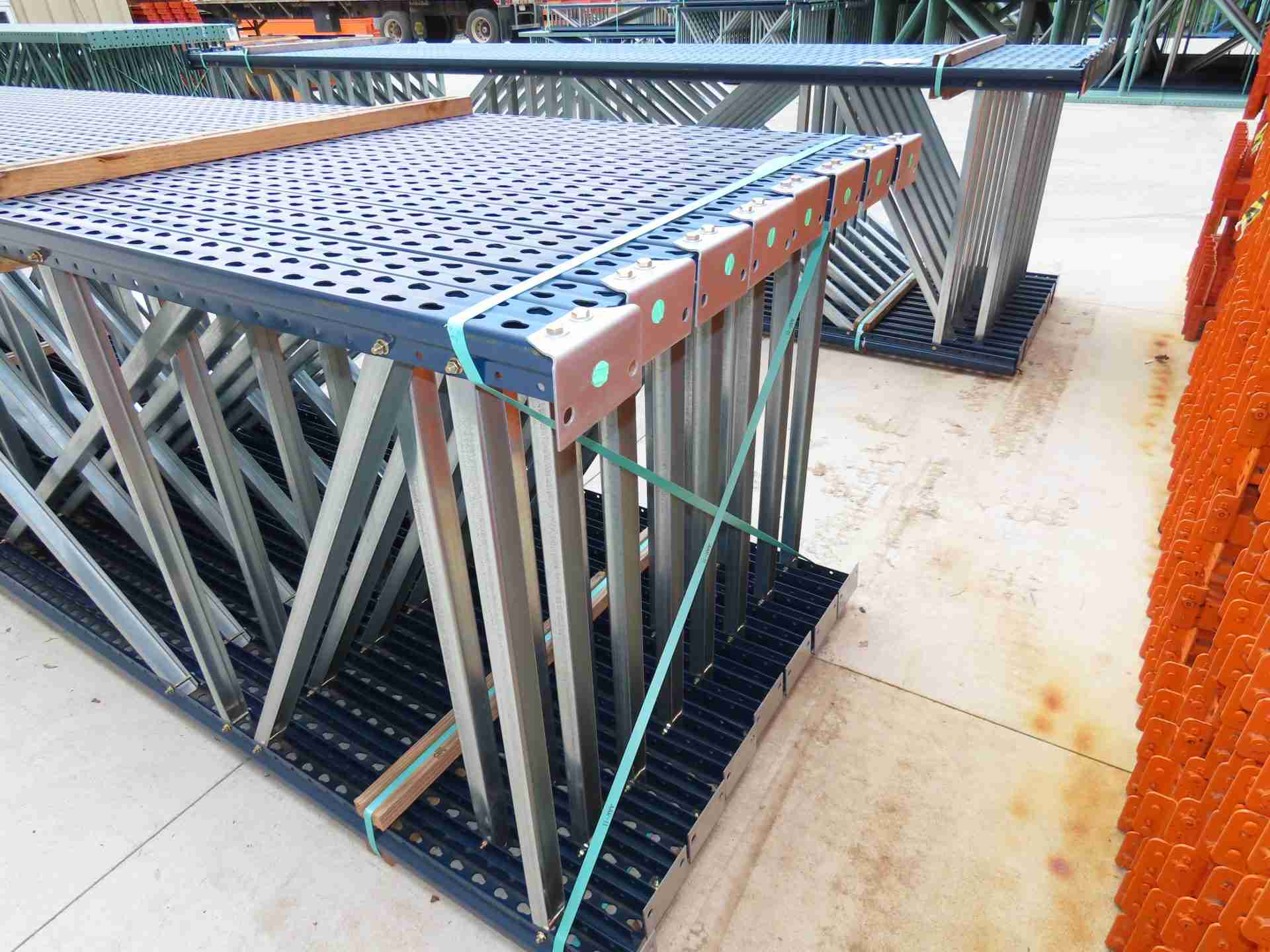
What Materials Are Best For Sustainable Storage?
Are You Aware Of The Environmental Impact Of Your Storage?
When it comes to managing your inventory, are you truly aware of the environmental impact of your storage methods? It’s not just about the bottom line; it’s about the legacy we leave behind. Think about your facilities: are you utilizing space efficiently, or are you stuck in the past using outdated storage solutions? If your business relies on traditional warehousing strategies without considering modern advancements like pallet racking systems, you might be missing an opportunity not just for improvement but for sustainability.
Pallet racking, for many companies, represents more than just a way to stack goods; it’s a solution that effectively increases warehouse capacity and efficiency. By implementing high-density pallet racking solutions, businesses can cut down on the square footage they occupy, which means lower energy use and reduced emissions. Imagine turning a cluttered space into an organized environment where every square foot is optimized. It’s an inviting thought, isn’t it?
But let’s take a moment to dig deeper. The truth is, every decision we make, including how we store our products, has a ripple effect on our planet. When you choose environmentally responsible storage methods, you’re not just making a choice for your business—you’re making a pledge to contribute positively to the community and the environment. Using sustainable materials in your pallet racking systems, for instance, can turn your storage approach into a greener alternative.
By adopting more innovative storage solutions, you gain more than just efficiency; you foster trust with your customers who, now more than ever, are looking to support brands that prioritize sustainability. They want to know that when they buy from you, they’re also making a responsible choice for the planet. It’s a connection that builds loyalty and encourages a community around your brand.
So why wait? Take the first step toward making a significant impact today. Assess your current storage solutions—are they contributing positively or negatively to your environmental goals? By choosing advanced options like pallet racking, you can enhance your company’s sustainability efforts and lead the charge for a greener future. Your customers, your community, and the planet will thank you for it. Make storage not just a necessity but a statement of your values. Embrace the change and inspire others to do the same!
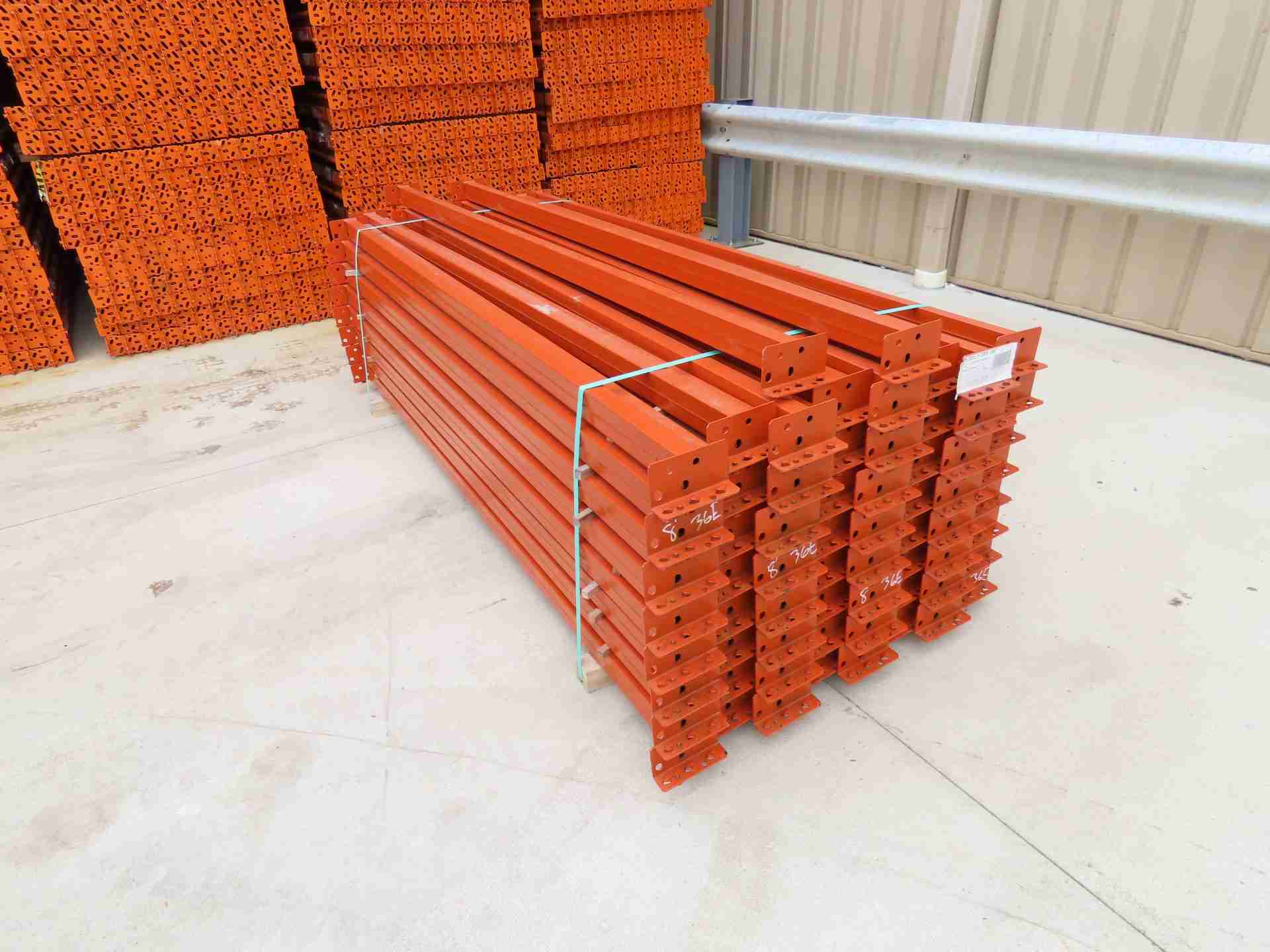
Are You Aware Of The Environmental Impact Of Your Storage?
Are You Aware Of The Environmental Impact Of Your Storage?
- Managing inventory involves considering the environmental impact of storage methods.
- Utilizing efficient storage solutions, like pallet racking, can improve capacity and organizational effectiveness.
- High-density pallet racking reduces space use, leads to lower energy consumption, and lowers emissions.
- Every storage decision affects the environment; sustainable storage methods create positive community impacts.
- Using sustainable materials in pallet racking enhances your storage approach and promotes a greener alternative.
- Innovative storage solutions foster trust and loyalty among customers who value sustainability.
- Assessing and upgrading storage solutions can significantly enhance your company’s sustainability efforts.
Are You Aware Of The Environmental Impact Of Your Storage?
How Often Do You Review Your Storage Systems For Sustainability?
You may think your storage systems are just a back-office function—forgotten and overlooked, much like that pile of paperwork on your desk. But in reality, these systems are the backbone of your operation, shaping everything from efficiency in your logistics to your commitment to sustainability. If you aren’t regularly reviewing these systems, you could be missing out on significant benefits.
Take a moment to reflect on your current pallet racking setup. Is it optimized for both space and sustainability? How often do you ask yourself if your storage solutions are up to the task? In a world increasingly focused on governance and corporate responsibility, your commitment to sustainability sets you apart from the competition. Businesses that actively evaluate and improve their storage solutions not only attract eco-conscious customers but also foster an environment of trust with their stakeholders.
Think about it—instead of treating pallet racking as mere metal beams holding boxes, consider it an opportunity. The layout, the materials used, and how you replenish stock all play pivotal roles in ensuring you’re doing your part. By embracing a system that prioritizes both organization and environmental responsibility, you send a powerful message: your business cares. It’s not merely about the products you sell; it’s also about how you operate.
Moreover, a frequent review of your storage systems can yield significant cost savings. Are you utilizing every inch of that pallet racking? If not, you could be overspending on floor space. Regular assessments allow you to recalibrate and possibly reconfigure, maximizing your efficiency while minimizing your carbon footprint. This doesn’t merely optimize resources; it cultivates a culture of innovation and sustainability across your organization.
Engage your entire team in this review process. Encourage them to bring their insights and ideas for improving storage practices. You might be surprised at the enthusiasm generated by the prospect of making a positive impact—both economically and environmentally. When you foster that spirit of collaboration, you not only inspire action but build a stronger, more resilient business.
So, how often do you review your storage systems? If the answer is “not enough,” consider this your wake-up call. Your pallet racking isn’t just a function of your business; it’s an essential ingredient in your ongoing story of sustainability, efficiency, and success. Embrace the challenge and keep your operations primed for the future.
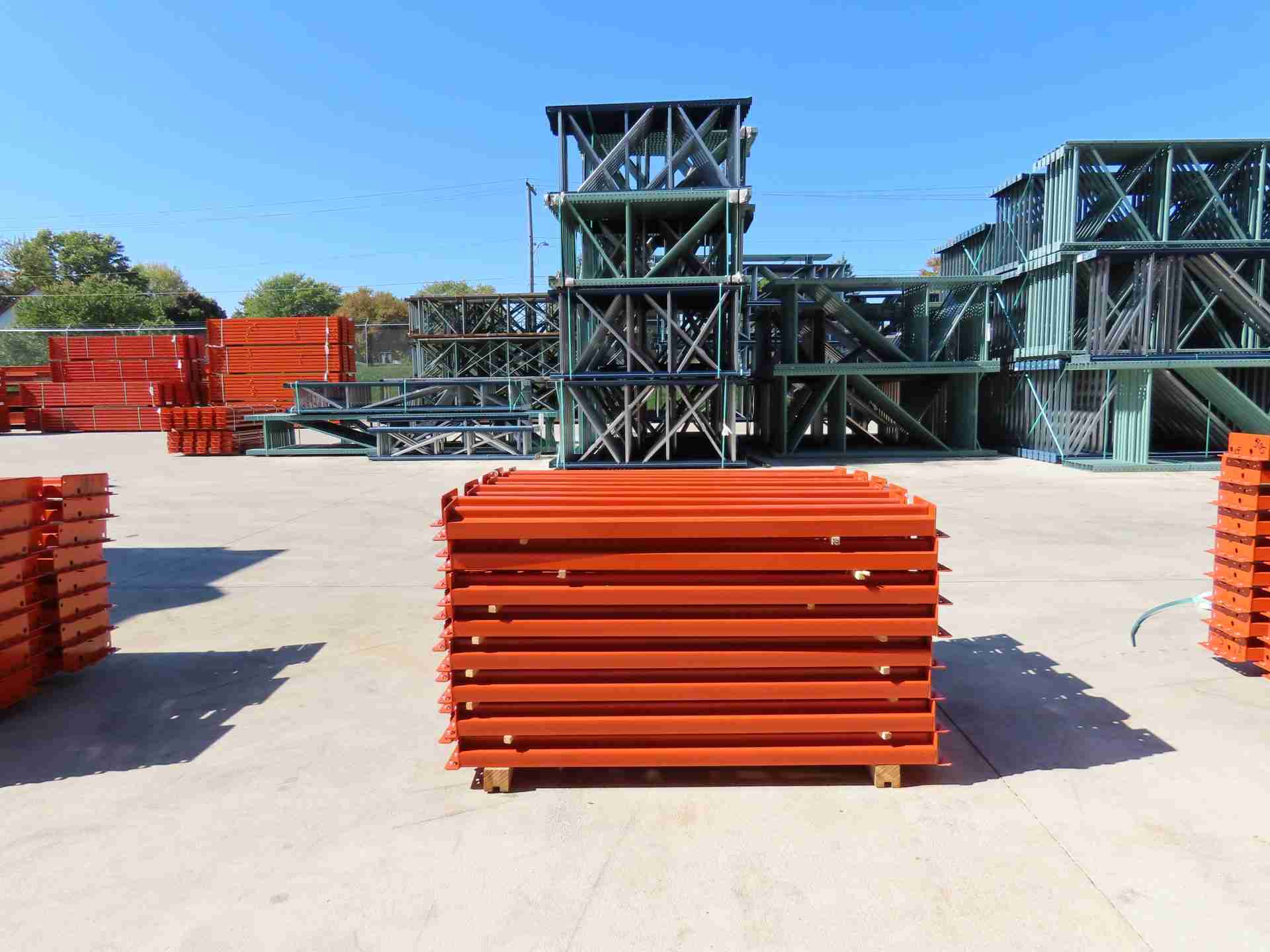
How Often Do You Review Your Storage Systems For Sustainability?
How Often Do You Review Your Storage Systems For Sustainability?
- Storage systems are crucial to business operations, influencing logistics efficiency and sustainability commitments.
- Regularly review pallet racking setups to optimize for space and sustainability.
- Evaluating storage solutions helps attract eco-conscious customers and fosters trust with stakeholders.
- Pallet racking should be viewed as an opportunity for improvement, not just a functional element.
- Frequent system reviews can lead to significant cost savings by optimizing space usage.
- Engage team members in the review process to gather insights and foster enthusiasm for positive change.
- Assessing storage systems is essential for maintaining sustainability, efficiency, and overall business success.
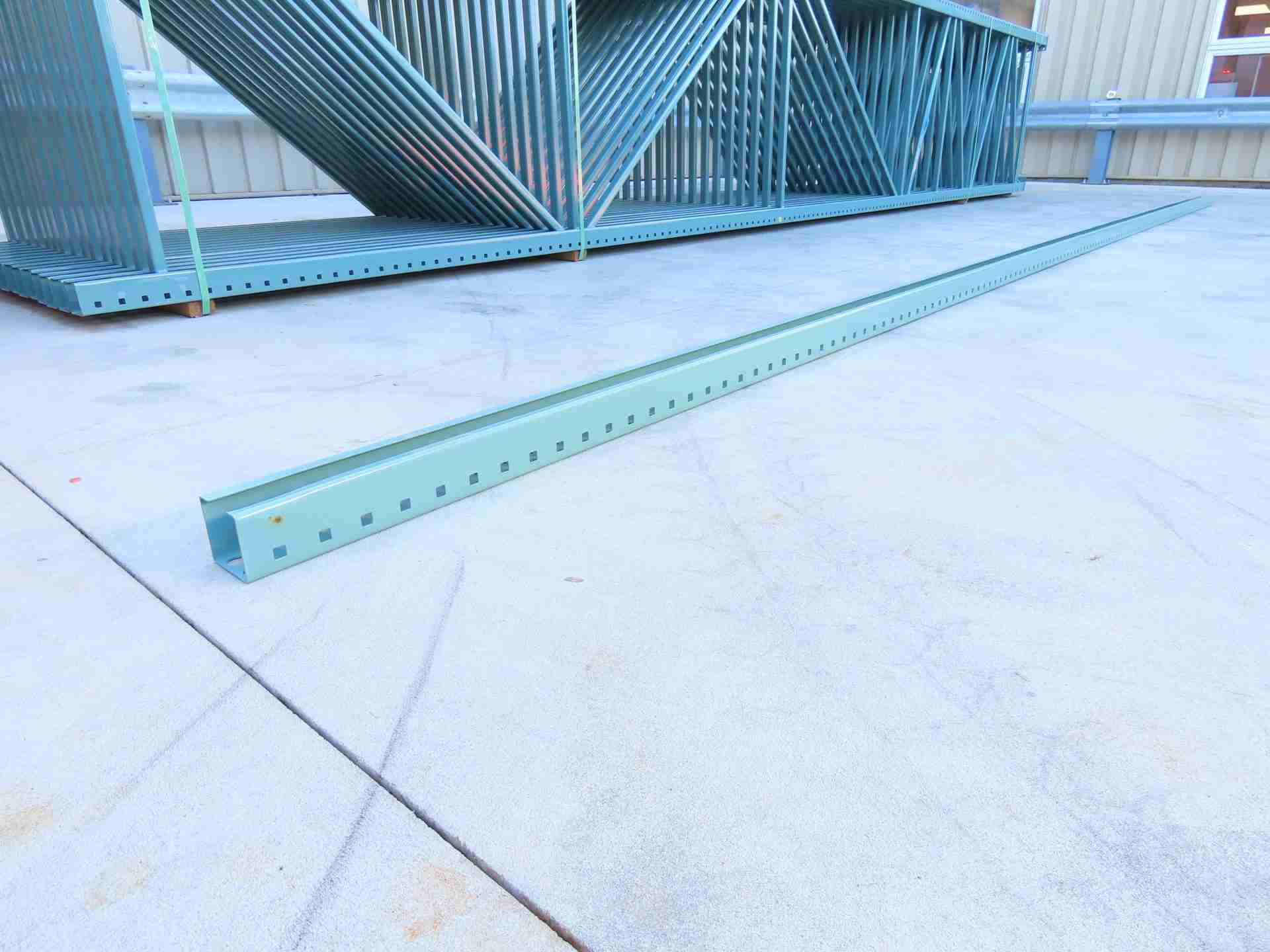
How Often Do You Review Your Storage Systems For Sustainability?
Conclusion
Conclusion: Elevate Your Storage Solutions for the Future
In today’s rapidly evolving business landscape, storage solutions are often taken for granted—yet they are the unsung heroes of efficiency and sustainability. If your current systems are outdated or not aligned with your growth ambitions, now is the time to act before you’re left behind. At Arrow Industrial Sales, we invite you to rethink your approach to storage by embracing advanced pallet racking systems that are not just functional but transformative.
Your storage infrastructure should do more than just hold products; it should be a catalyst for operational excellence. By making the switch to advanced pallet racking, you can optimize your warehouse space and future-proof your business. Imagine a streamlined, organized environment where your staff can locate inventory effortlessly and operational costs plummet. Envision your brand standing out in an eco-conscious marketplace because you’ve prioritized sustainability through responsible choices.
Now, consider the economic impact of inaction—lost time, wasted resources, and higher operational costs. The truth is that clinging to outdated storage practices could be a danger to both your bottom line and the environment. Choosing sustainable materials and optimized configurations presents an opportunity to reduce waste and energy consumption while enhancing your brand image amongst eco-conscious consumers.
Do you know how often you evaluate your storage systems? Regular scrutiny can uncover inefficiencies that, once addressed, could yield significant savings and a more stable, sustainable operational framework. It is essential to engage your whole team in this evaluation process to foster a culture of innovation and accountability. When everyone is aligned on the mission of sustainability and efficiency, the potential for positive impact multiplies.
The clock is ticking, and the market rewards proactive action. Are you ready to invest in storage solutions that not only accommodate today but also scale for tomorrow? The future of your business depends on the decisions you make today. Reach out to Arrow Industrial Sales at (574) 349-6575 for guidance on sustainable, efficient storage solutions that will empower your business to thrive.
Embrace the future now—because sensible storage today means sustainable success for years to come.
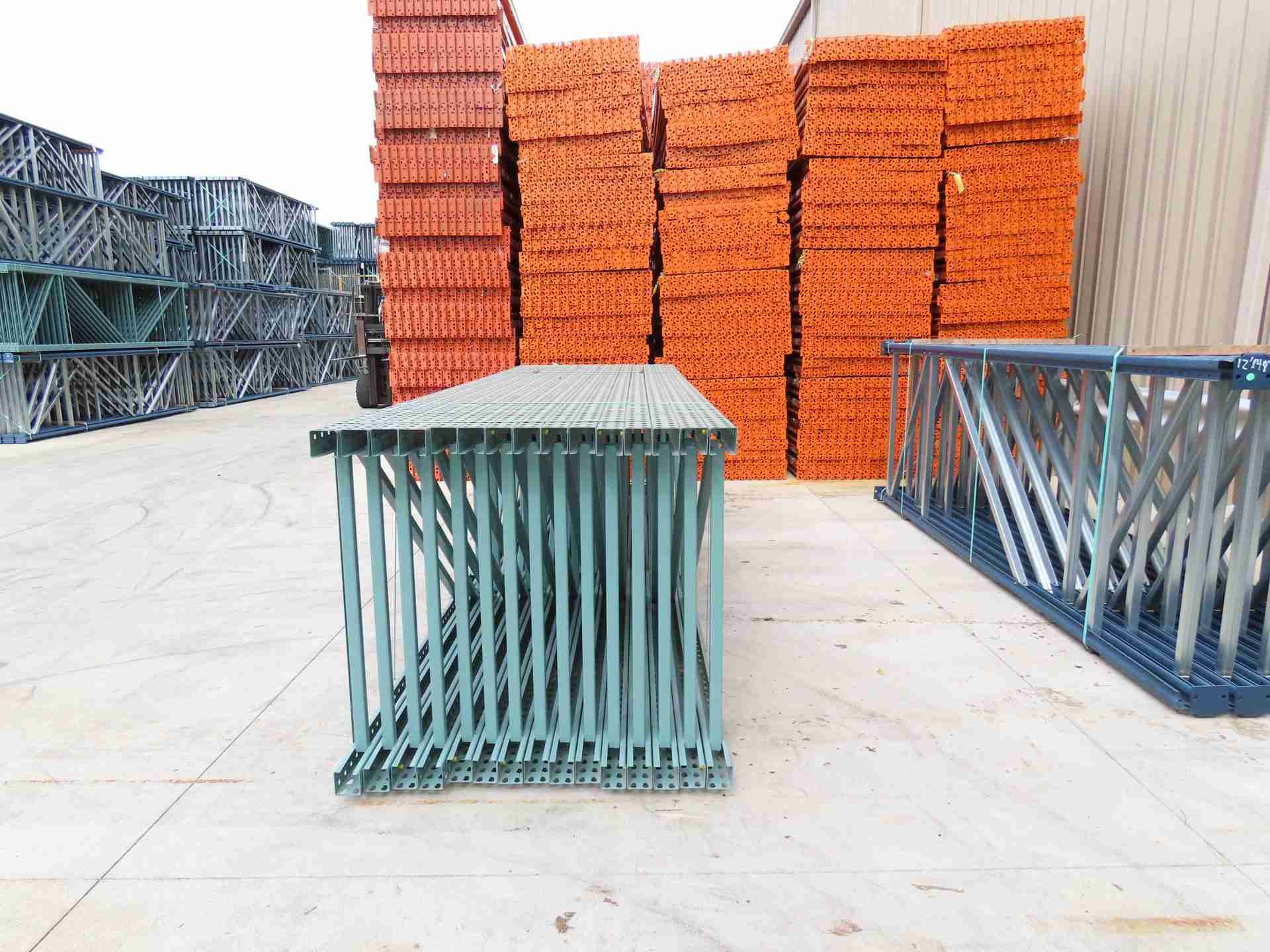
Conclusion
Conclusion:
- Storage solutions are crucial for efficiency and sustainability in business.
- Outdated systems can hinder growth; it’s essential to upgrade to advanced pallet racking systems.
- Modern storage infrastructures should optimize space and streamline organization to reduce operational costs.
- Choosing sustainable materials can enhance brand image in an eco-conscious market.
- Regular evaluation of storage systems can identify inefficiencies that lead to cost savings.
- Engaging the team in storage system evaluation fosters innovation and accountability.
- Investing in scalable storage solutions today is vital for future business success; contact Arrow Industrial Sales for guidance.

Conclusion
Other Resources
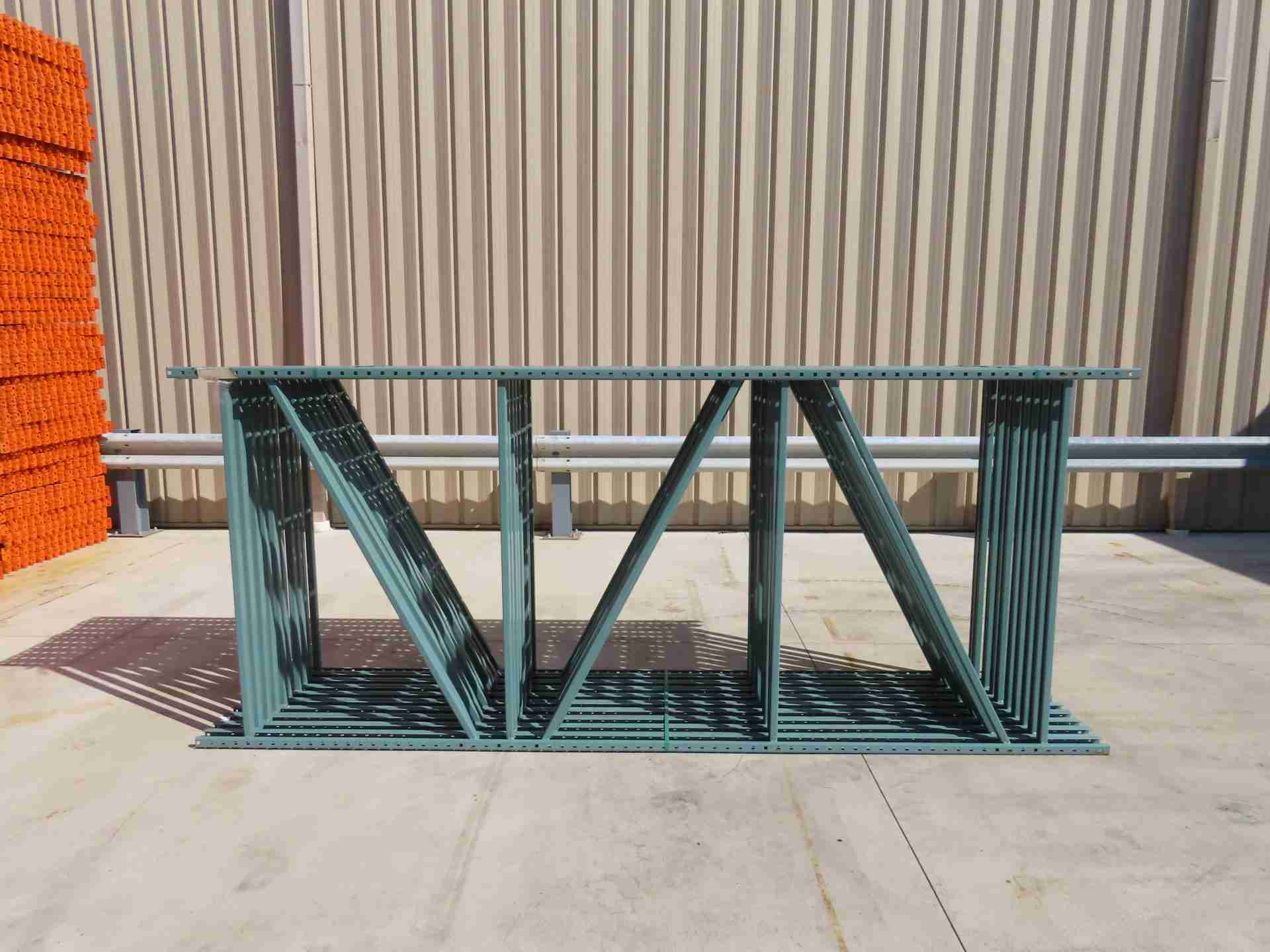
Other Resources
Here is a list of other resources you can review online to learn more:
- Total Warehouse
- New Cantilever Racks and Racking Kits
- MHI
- The Ultimate Pallet Racking Guide – Speedrack West
- What is Cantilever Racking? – AK Material Handling Systems
- Teardrop Industrial Shelving Rack
- Teardrop Racks – Pallet Rack World
- BMH
- Warehouse Racking Chicago, IL
- Rack Manufacturers Institute
Use This Prompt To Get More Resources With Your Favorite Online AI Tool: Please provide me with a list of online articles with their URLs in a bulleted list that I can read regarding Are Your Current Storage Solutions Sustainable for The Long Haul?
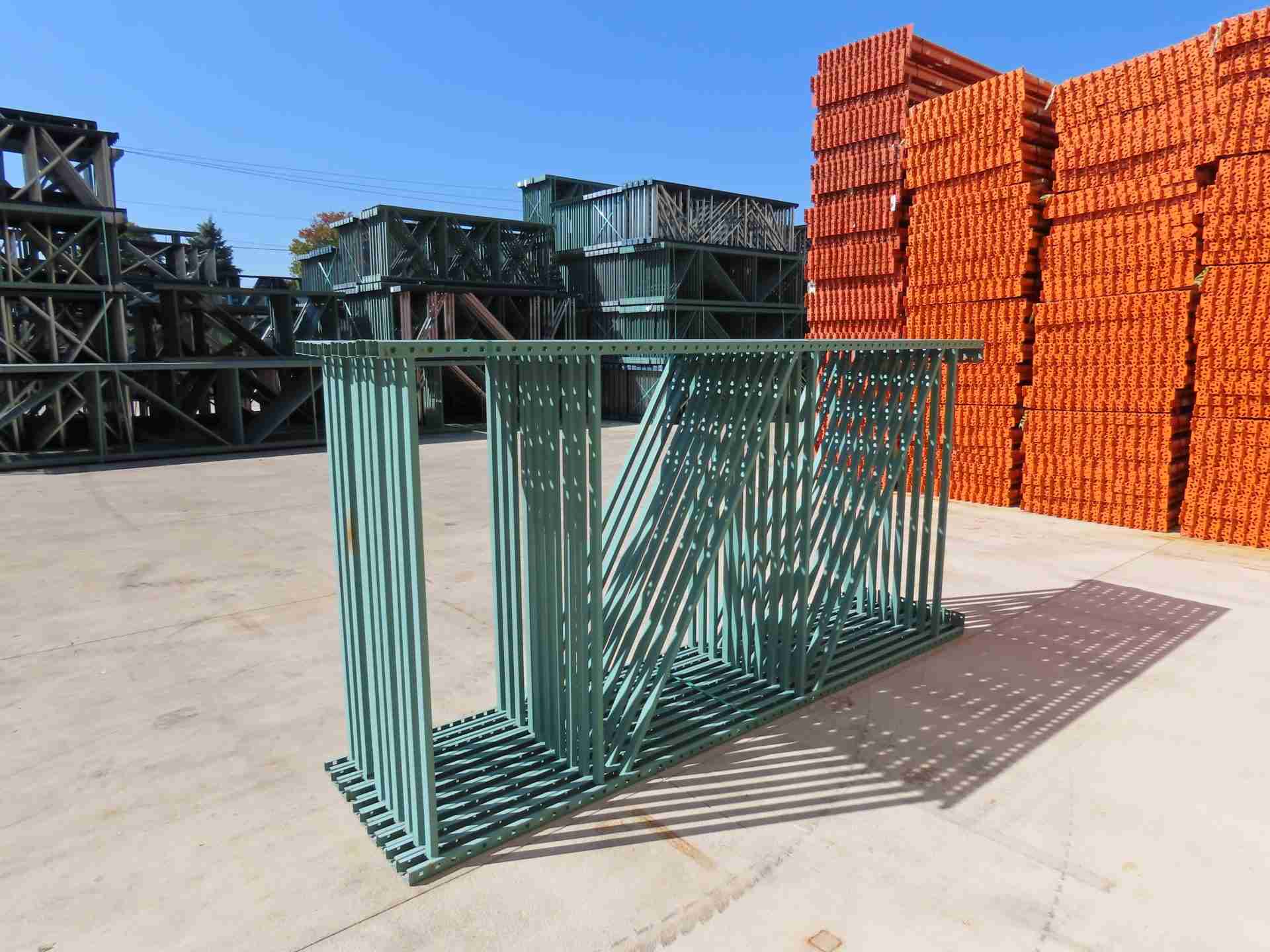
Other Resources
Glossary Terms
Are Your Current Storage Solutions Sustainable for The Long Haul? – Glossary Of Terms
1. Sustainability: The capacity to maintain processes over the long term, balancing ecological, social, and economic considerations.
2. Storage Solutions: Methods and systems used to store goods, materials, or information, which can vary from physical shelving to digital cloud services.
3. Lifecycle Assessment: A technique to evaluate the environmental impacts of a product from its initial extraction of raw materials to its disposal.
4. Renewable Resources: Natural resources like solar, wind, and biomass that are replenished naturally over time and can be used sustainably.
5. Waste Reduction: Strategies aimed at minimizing waste creation and maximizing resource efficiency in storage solutions.
6. Eco-Friendly Materials: Products made from environmentally sustainable sources that minimize harm to the planet.
7. Lean Storage: A storage methodology that focuses on reducing waste and improving efficiency in space utilization, inventory, and logistics.
8. Circular Economy: An economic system aimed at eliminating waste by reusing, repairing, refurbishing, and recycling products and materials.
9. Carbon Footprint: The total amount of greenhouse gases emitted directly or indirectly due to an individual’s, organization’s, or product’s activities.
10. Energy Efficiency: Using less energy to perform the same task or produce the same output, thereby reducing overall energy consumption in storage solutions.
11. Smart Storage: Utilizing technology, such as IoT (Internet of Things), to optimize storage space and inventory management in a sustainable manner.
12. Organizational Systems: Frameworks or methodologies used to organize storage spaces efficiently, enhancing accessibility and reducing clutter.
13. Recyclability: The capability of a product or material to be recycled and transformed into new materials after its initial use.
14. Resource Management: Strategies and practices that ensure the sustainable use and conservation of resources in storage solutions.
15. Biodegradability: The ability of a material to break down naturally through biological processes, thus reducing long-term environmental impact.
16. Supply Chain Sustainability: Practices aimed at reducing environmental impact and promoting social responsibility throughout the supply chain network.
17. Modular Storage: Storage solutions that can be easily expanded or reconfigured, promoting flexibility and adaptability in various environments.
18. Minimalism: A design approach advocating for simplicity and the elimination of excess, leading to reduced resource consumption.
19. Green Certification: A formal acknowledgment that a product or practice meets specific environmental sustainability standards.
20. Space Optimization: Techniques aimed at maximizing the effective use of available space in storage areas, minimizing waste and inefficiency.
21. Digital Solutions: Technologies, such as cloud storage, that facilitate efficient data management and reduce the need for physical storage.
22. Carbon Neutrality: Achieving a balance between carbon emissions produced and those removed from the atmosphere, often through offsets or reductions.
23. Sustainable Packaging: Packaging materials and design approaches that minimize environmental impact, utilizing recyclable and biodegradable options.
24. Green Logistics: The integration of environmentally friendly practices in the logistics and supply chain management processes.
25. Conservation Practices: Methods aimed at preserving resources, reducing ecological impact, and ensuring the sustainability of storage solutions.
26. Documentation Management: Processes used to track and manage documents and records efficiently, often focusing on digital formats to enhance sustainability.
27. Collaborative Consumption: A model of sharing resources or services, reducing the need for excessive production and promoting sustainability.
28. Environmental Footprint: A measure of the human impact on the ecosystem, reflecting the amount of land and resources necessary to support that impact.
29. Smart Shelving: Advanced storage systems that utilize technology to enhance inventory management and improve storage efficiency.
30. Adaptive Reuse: The practice of repurposing old buildings or materials for new uses, promoting sustainability by reducing waste and resource consumption.

Glossary Of Terms
Other Questions
Are Your Current Storage Solutions Sustainable for The Long Haul? – Other Questions
If you wish to explore and discover more, consider looking for answers to these questions:
- What are the signs that my current storage solutions are outdated?
- How can I assess the sustainability of my existing storage systems?
- What are some examples of sustainable storage solutions available today?
- How does the choice of materials affect the sustainability of storage solutions?
- What are the benefits of using advanced pallet racking systems over traditional methods?
- How can I measure the energy efficiency of my current storage practices?
- What steps can I take to reduce waste in my storage processes?
- How do customer expectations influence my storage choices and sustainability efforts?
- Are there financial incentives for investing in sustainable storage solutions?
- How can I engage my team in enhancing our storage sustainability practices?
- What role does inventory management play in sustainable storage?
- How can I transition my storage system to be more eco-friendly incrementally?
- What is the long-term impact of sustainable storage on profitability?
- How do storage systems affect the overall operational efficiency of my business?
- Are there industry standards for sustainable storage practices I should follow?
Other Questions
Checklist
Are Your Current Storage Solutions Sustainable for The Long Haul? – A Checklist
Checklist for Sustainable Storage Solutions
Use this checklist to evaluate and optimize your current storage practices for sustainability and efficiency.
Storage Systems Evaluation
1. Pallet Racking Optimization
_____ Are your pallet racking systems space-efficient?
_____ Is the layout user-friendly for easy access and inventory management?
_____ Do they support future scalability as your business grows?
2. Eco-Friendliness Assessment
_____ Are your storage solutions made from recycled or sustainable materials?
_____ Do you currently utilize energy-efficient designs (e. g. , LED lighting)?
_____ Is there a focus on minimizing waste in your storage process?
Waste Reduction Practices
3. Inventory Visibility
_____ Are all items easily visible and accessible in your storage areas?
_____ Do you frequently review inventory to avoid expiration and waste?
_____ Is there an organized system in place to track inventory turnover rates?
4. Space Utilization
_____ Is every inch of warehouse space being utilized effectively?
_____ Do you implement strategies that reduce unnecessary air space between stored items?
Energy Efficiency Initiatives
5. Lighting and Climate Control
_____ Are you using energy-efficient lighting (e. g. , LED, natural light)?
_____ Is your storage space properly insulated to maintain climate control?
_____ Do employees practice energy-saving behaviors (e. g. , turning off lights and equipment)?
6. Engagement and Training
_____ Have you educated your team about best practices in energy efficiency?
_____ Is there a culture of accountability regarding sustainability practices within your team?
Material Choice and Environmental Impact
7. Sustainable Materials Selection
_____ Have you considered materials like steel, bamboo, reclaimed wood, or biodegradable plastics for storage solutions?
_____ Are you committed to using materials that promote a circular economy?
8. Regular Review Process
_____ How often do you assess your storage solutions for sustainability?
_____ Is there a structured plan for updating or replacing outdated storage systems?
Customer and Community Engagement
9. Branding and Sustainability
_____ Are your sustainability efforts communicated effectively to your customers?
_____ Do you actively seek to engage customers in your commitment to eco-friendliness?
10. Continuous Improvement Mindset
_____ Are you open to feedback from employees and customers regarding storage practices?
_____ Do you have a strategy in place for implementing new ideas that enhance sustainability?
By using this checklist, you can take actionable steps toward creating a more sustainable and efficient storage solution that not only meets your business needs but also benefits the environment.
Checklist
At RackingWorld, we help guide you through selecting warehouse storage systems and racking.
Be sure to read our other related stories at RackingWorld to learn more about warehouse storage systems.
0 Comments