
Unlocking The Potential Of Your Pallet Racking Inventory
By Tom Seest
At RackingWorld, we help guide you through selecting warehouse storage systems and racking.
Be sure to read our other related stories at RackingWorld to learn more about warehouse storage systems.
How Diverse Is Your Local Pallet Racking Inventory?
In the fast-paced world of warehousing and logistics, the heart of efficient operations often beats within the lanes of your pallet racking system. But here’s the kicker—how diverse is your local pallet racking inventory? This often-overlooked detail can make or break your operational efficiency and your bottom line.
Today, businesses across various industries are pivoting towards more flexible supply chain solutions, spurred by recent disruptions that shook global markets. Factors such as the COVID-19 pandemic and international shipping delays highlight the necessity for diverse and adaptable inventory systems. Enter pallet racking—a crucial aspect of this revolution, allowing businesses to respond to these challenges effectively.
Take, for example, the grocery sector, which saw a surge in demand for specific products during the pandemic. Retailers had to quickly adapt their pallet racking setups to accommodate an unexpected influx of items while ensuring that shelves were adequately stocked to meet public demand. This called for not just standard pallet racking, but a mix of styles including selective racking, drive-in racks, and even push-back systems. Each type of racking offers distinct advantages, whether that’s maximizing space or enhancing accessibility, allowing you to pivot quickly in response to shifting consumer needs.
Moreover, as sustainability becomes a focal point in today’s business landscape, the diversity of your pallet racking inventory can play a pivotal role. For instance, opting for eco-friendly materials when purchasing new racking systems doesn’t just align with corporate social responsibility initiatives; it sets you apart from competition. Clients increasingly prefer partnering with businesses that demonstrate a commitment to sustainable practices.
Imagine a warehouse that employs not only traditional pallet racking but also innovative solutions like automated racking systems. Companies such as Amazon have successfully leveraged high-density storage technologies to streamline their operations, manage seasonal product fluctuations, and ultimately boost their profits. The diversity in their pallet racking inventory allows for seamless scalability, accommodating everything from small- to large-scale operations.
Ultimately, evaluating the diversity of your pallet racking inventory is not just about a collection of metal and wood. It’s a strategic decision that aligns with market demands, operational efficiency, and sustainability goals. The right mix is essential for meeting current challenges while positioning your business for future growth. So ask yourself, is your local pallet racking inventory as diverse as it needs to be? If not, it’s time to rethink your strategy and invest in a racking solution that adapts to the needs of your business.
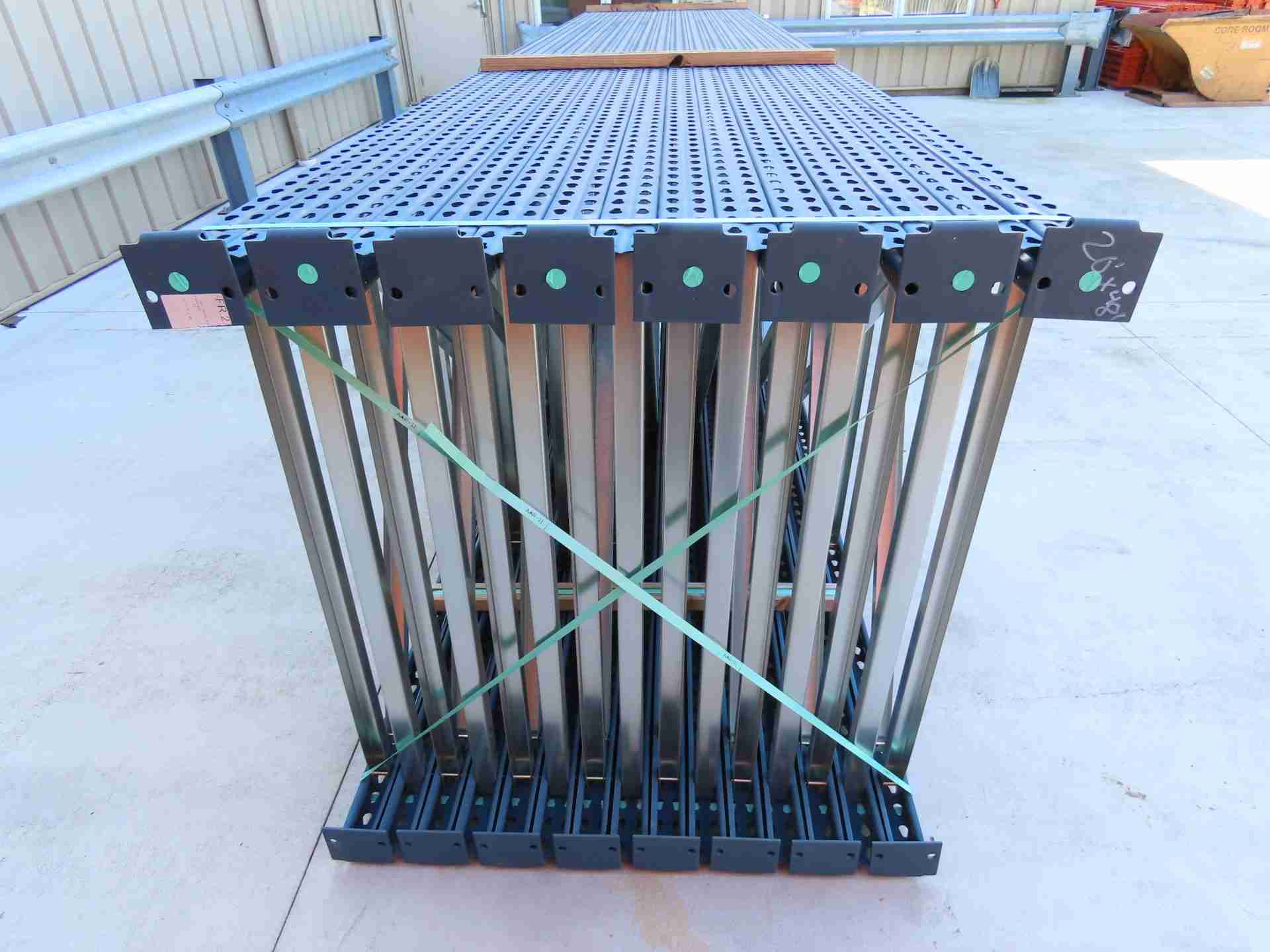
How Diverse Is Your Local Pallet Racking Inventory?
How Diverse Is Your Local Pallet Racking Inventory?
- Efficient warehouse operations hinge on a diverse pallet racking system.
- Supply chain disruptions have prompted businesses to seek flexible inventory solutions.
- Diverse pallet racking types, like selective and drive-in racks, enhance capacity and accessibility.
- Sustainability in pallet racking inventory can boost competitive advantage and align with corporate responsibility.
- Innovative systems like automated racking allow for high-density storage and adaptability to demand fluctuations.
- The diversity of pallet racking is crucial for operational efficiency and future growth.
- Rethinking and investing in diverse racking solutions is essential to meet contemporary business challenges.
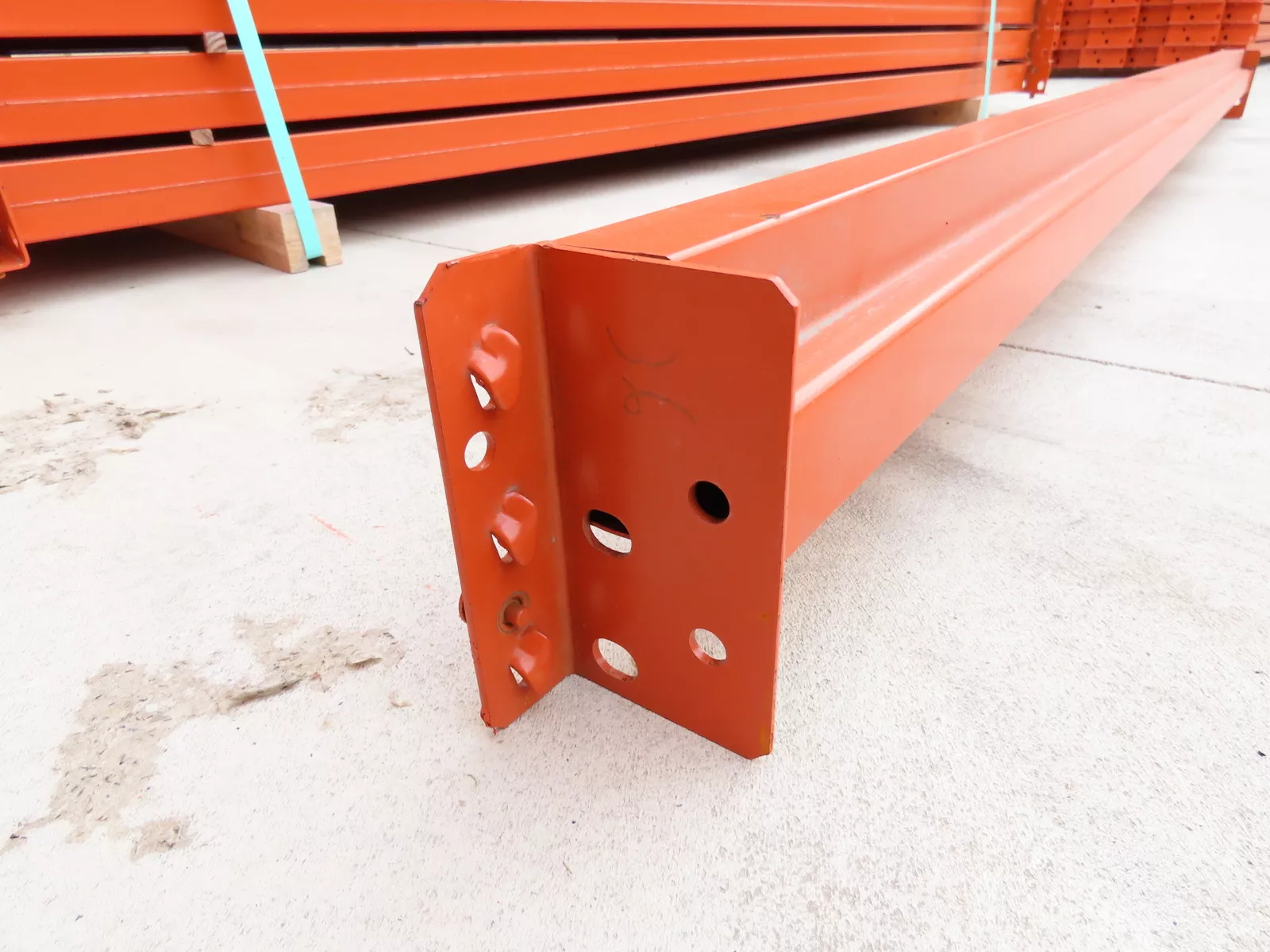
How Diverse Is Your Local Pallet Racking Inventory?
Table Of Contents
- How Diverse Is Your Local Pallet Racking Inventory?
- What Types Of Pallet Racking Systems Are Most Commonly Found Locally?
- What Are The Benefits Of Having A Diverse Pallet Racking Inventory?
- How Can Businesses Improve Or Expand Their Racking Options?
- What Factors Should Influence The Selection Of Pallet Racking Types?
- How Does Climate Affect The Choice Of Pallet Racking Materials?
- What Role Does Technology Play In Managing Pallet Racking Diversity?
- Conclusion
- Other Resources
- Glossary Of Terms
- Other Questions
- Checklist
What Types Of Pallet Racking Systems Are Most Commonly Found Locally?
When it comes to optimizing warehouse space, businesses must navigate the intricate world of pallet racking systems. These systems are essential for maximizing inventory organization, increasing efficiency, and ensuring safety in bustling environments. Let’s delve into the most common types found locally—each one is a solution tailored to specific needs.
Selective Pallet Racking: The frontrunner in pallet racking systems, selective racking, is both versatile and straightforward. It allows easy access to all pallets stored, making it perfect for warehouses with a diverse product range. For example, shipping companies often utilize selective racking due to the need for rapid access to various items. Given the current surge in e-commerce, businesses must have systems in place that promote swift order fulfillment, making this racking type invaluable.
Drive-In/Drive-Through Racking: If maximizing storage density is your goal, look no further than drive-in racking systems. These systems allow forklifts to drive directly into the racks, reducing aisles and maximizing space. It’s a favorite among companies managing bulk storage of products with a limited variety, such as food distributors or beverage suppliers. As supply chain disruptions continue to affect inventory levels, utilizing drive-in racking offers businesses the opportunity to store larger quantities in a reduced footprint.
Push Back Racking: For those looking to strike a perfect balance between accessibility and storage density, push back racking systems serve as a compelling option. Products are stored on wheeled carts, which can push back, allowing multiple pallets to be stacked behind one another in a lane. This type is particularly favored by those with medium turnover rates—think retail backrooms stocked with seasonal merchandise. During times when supply chain fluctuations are common, being able to optimize limited space is critical.
Flow Racking: When perishable items come into play, flow racking systems are essential. Utilizing a first-in, first-out (FIFO) approach, this design ensures that older stock is accessed first, reducing spoilage. Industries like groceries and pharmaceuticals that require stringent inventory turnover benefit immensely from this system’s streamlined organization.
Conclusion
Choosing the right pallet racking system isn’t just about fitting more into less; it’s about crafting a logistics strategy that aligns with current market demands. Whether your products are perishable, bulk, or varied, understanding the types of pallet racking available means staying competitive. With the fallout from recent global supply chain challenges, investing in the ideal system now can pave the way for smoother operations in the future.
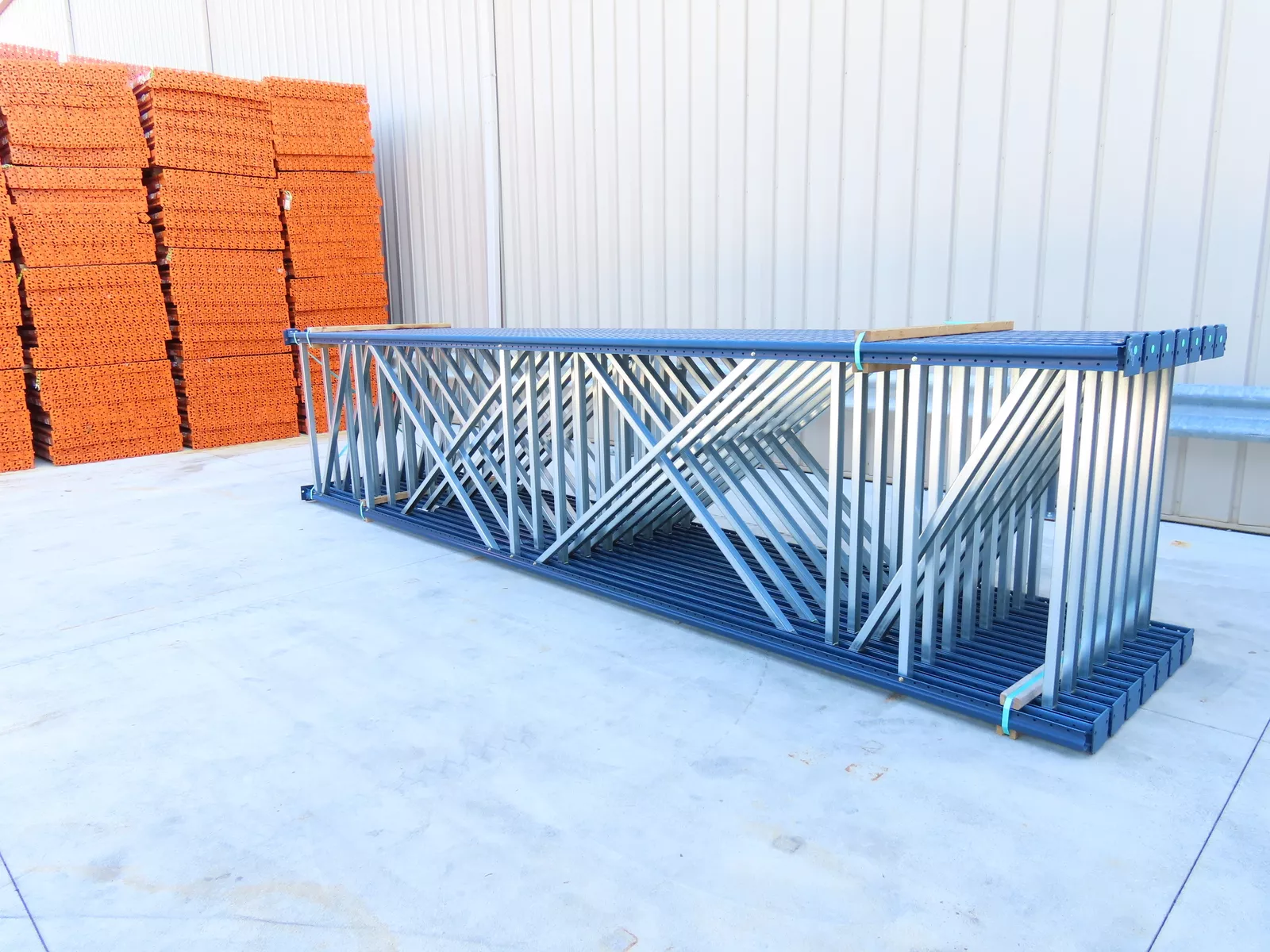
What Types Of Pallet Racking Systems Are Most Commonly Found Locally?
What Types Of Pallet Racking Systems Are Most Commonly Found Locally?
- Pallet racking systems are crucial for optimizing warehouse space and ensuring safety.
- Selective Pallet Racking is versatile, allowing easy access to all pallets, ideal for diverse product ranges.
- Drive-In/Drive-Through Racking maximizes storage density, suitable for bulk storage with limited variety.
- Push Back Racking balances accessibility and storage density, favored for medium turnover items.
- Flow Racking implements a FIFO approach, essential for perishable items and strict inventory turnover.
- Choosing the right racking system aligns logistics strategies with current market demands.
- Investing in the appropriate system can enhance operational efficiency amidst supply chain challenges.
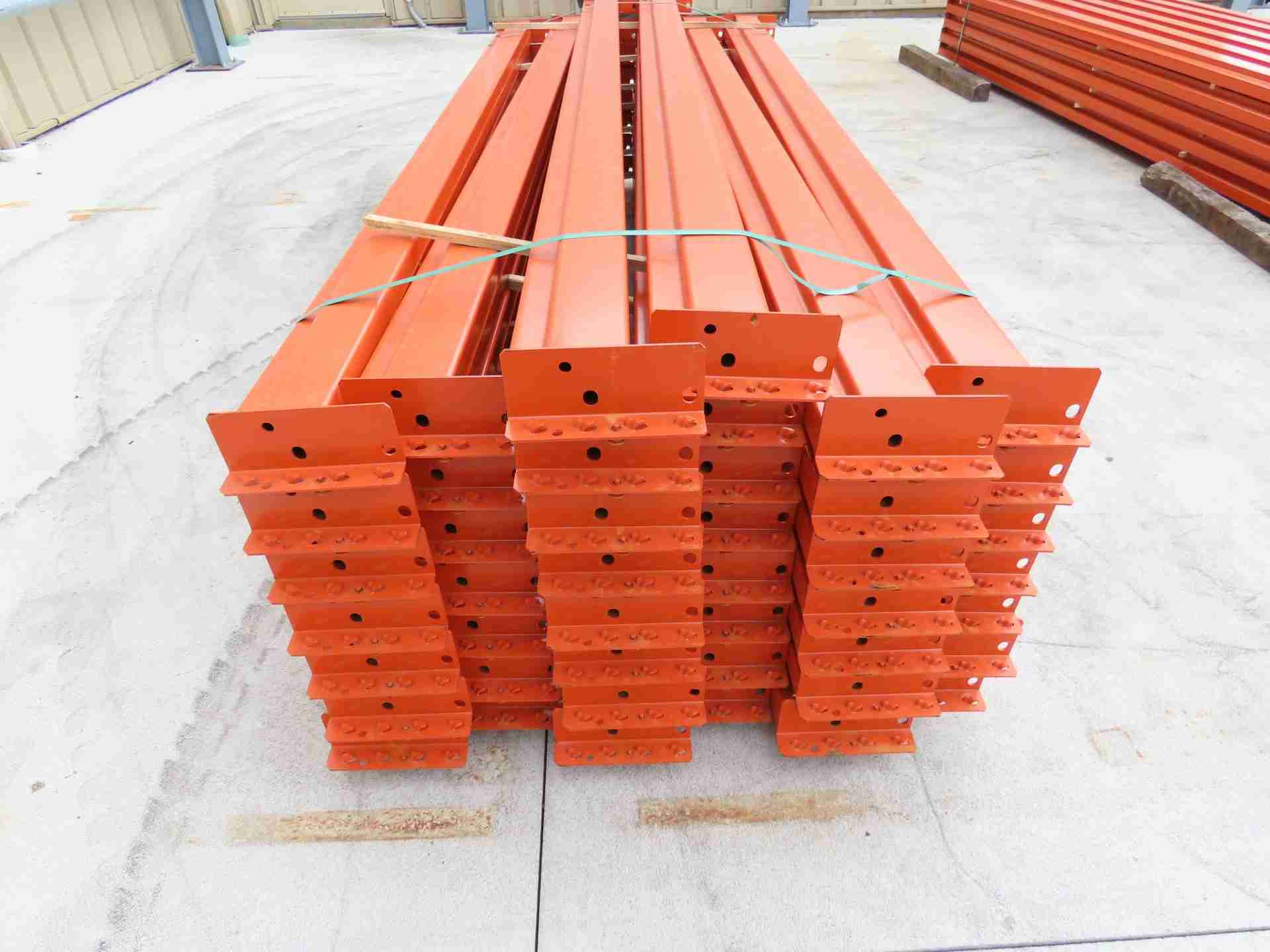
What Types Of Pallet Racking Systems Are Most Commonly Found Locally?
What Are The Benefits Of Having A Diverse Pallet Racking Inventory?
In today’s hyper-competitive market, having a diverse pallet racking inventory is not just an advantage; it’s a strategic necessity. With consumer preferences constantly shifting and supply chains becoming increasingly complex, the right pallet racking solutions can set you apart from the competition and bolster your bottom line.
First and foremost, a diverse pallet racking inventory enhances operational efficiency. When you stock a variety of products that are strategically organized within your warehouse, picking and packing times decrease, allowing your team to fulfill orders faster. For instance, major retailers like Amazon have mastered this by implementing dynamic storage strategies, rotating items based on demand. This ensures that popular products are easily accessible, leading to quicker delivery times and, ultimately, happier customers.
In addition to speeding up order processing, diversity in your pallet racking inventory also mitigates risks associated with market fluctuations. If your inventory is limited to a narrow range of products, you’re left vulnerable to shifts in consumer demand — a lesson underscored during the COVID-19 pandemic when numerous businesses that relied on single-product lines faced significant losses. By diversifying, you can adapt to changing trends more readily. For example, if you typically stock seasonal items, having a secondary range of everyday essentials in your pallet racking system helps smooth out revenues during off-peak periods.
Moreover, a well-rounded pallet racking inventory can optimize space utilization. Different types of racking systems—like selective, drive-in, or flow racks—can be combined to maximize your storage space. This is key for businesses navigating rising real estate costs. Think of how companies like Walmart employ sophisticated racking strategies to manage thousands of SKUs (Stock Keeping Units) efficiently. This not only ensures better space management, but also increases inventory turnover, meaning cash flows in faster.
Ultimately, a diverse pallet racking inventory fuels innovation. By being open to carrying a broader range of products, you’re able to test new ideas and enter new markets without the extensive risk associated with traditional launches. With the rise of e-commerce and the latest shift toward sustainability—a conversation gaining momentum in 2023—businesses that embrace flexibility in their inventory approach are well-poised to seize opportunities that arise.
Cultivating a diverse pallet racking inventory is more than a logistical strategy; it’s a holistic approach to securing your business’s future. In an environment where adaptability is paramount, don’t settle for uniformity; diversify your pallet racking inventory and watch your business thrive.
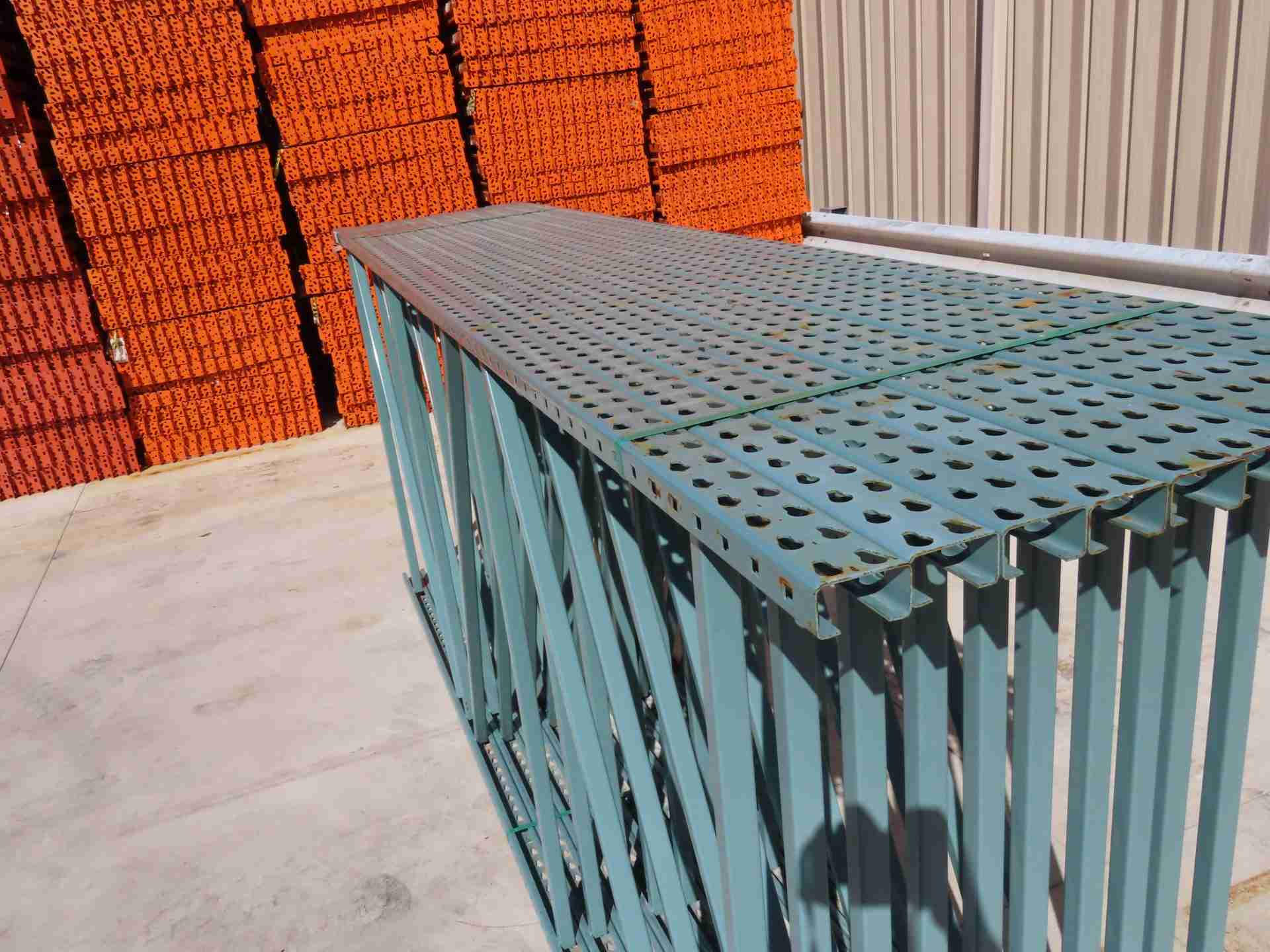
What Are The Benefits Of Having A Diverse Pallet Racking Inventory?
What Are The Benefits Of Having A Diverse Pallet Racking Inventory?
- A diverse pallet racking inventory is essential for competitive advantage and improved profitability in today’s market.
- Enhances operational efficiency by reducing picking and packing times, leading to faster order fulfillment.
- Diversity in inventory mitigates risks from market fluctuations, enabling businesses to adapt to changing consumer demands.
- Combining different racking systems optimizes space utilization, essential for managing rising real estate costs.
- Improved space management increases inventory turnover, enhancing cash flow.
- A diverse inventory fosters innovation, allowing businesses to test new products and enter new markets with reduced risk.
- Cultivating diverse pallet racking is a holistic strategy for long-term success and adaptability in a dynamic environment.
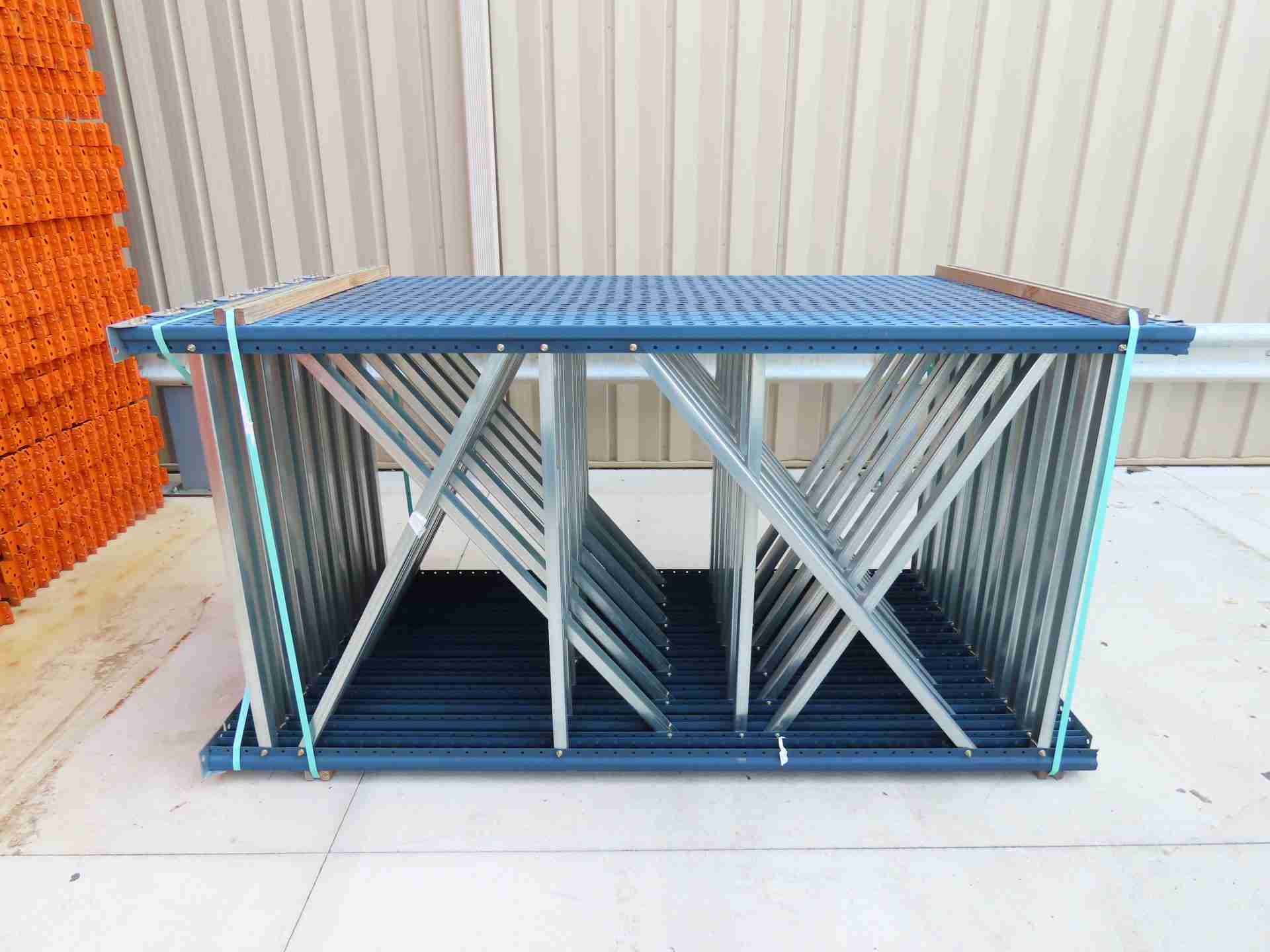
What Are The Benefits Of Having A Diverse Pallet Racking Inventory?
How Can Businesses Improve Or Expand Their Racking Options?
In the fast-paced world of logistics and inventory management, having the right pallet racking system is no longer a luxury; it’s a necessity. Businesses looking to improve or expand their racking options should be aware that a strategic approach can significantly enhance efficiency and profitability. Here are some practical steps to consider.
1. Assess Your Current Racking System:
Before making any changes, take a deep dive into your existing pallet racking setup. Are there bottlenecks in your workflow? Are products difficult to access? Conducting a thorough analysis can reveal hidden inefficiencies. For example, if your warehouse is filled with static pallet racking but you frequently deal with a high volume of SKUs, it might be time to consider a dynamic racking system that allows for quicker access and easier reorganization.
2. Embrace Modular Solutions:
The world of pallet racking is evolving, with modular systems gaining popularity. These flexible solutions enable businesses to configure their racking according to specific needs without a complete overhaul. For instance, modular racking allows for easy expansion into vertical space, capitalizing on underutilized warehouse height. Current events, such as the rapid growth of e-commerce, make modular systems particularly relevant. As retailers adapt to fluctuating inventory demands, having an adaptive racking solution empowers them to respond swiftly.
3. Explore Automation and Technology:
Integrating technology into your pallet racking strategy can yield substantial benefits. From automated guided vehicles to RFID inventory tracking, leveraging technology can streamline operations and minimize human error. Many companies, like Ocado, are leading the way in transforming warehouse efficiency through the use of robotics in their racking and picking processes. These advancements not only optimize space but also enhance order accuracy and speed.
4. Stay Informed About Regulations:
Understanding the legalities surrounding pallet racking safety is fundamental. Ensure that your systems comply with local regulations, which can change based on industry standards. Recent events, such as supply chain disruptions and warehouse safety audits, highlight the importance of being proactive about compliance to avoid costly fines and damages.
5. Partner with Racking Experts:
When expanding your racking options, consider collaborating with warehouse design specialists. Experts can analyze your unique requirements and guide you in selecting the ideal pallet racking system. Their insight can save time, reduce costs, and improve overall layout efficiency.
Incorporating these strategies not only enhances operational effectiveness but positions your business to thrive in a competitive marketplace. Remember, an optimized pallet racking system is more than just storage; it’s the backbone of an agile, successful operation. Act now to secure your edge!
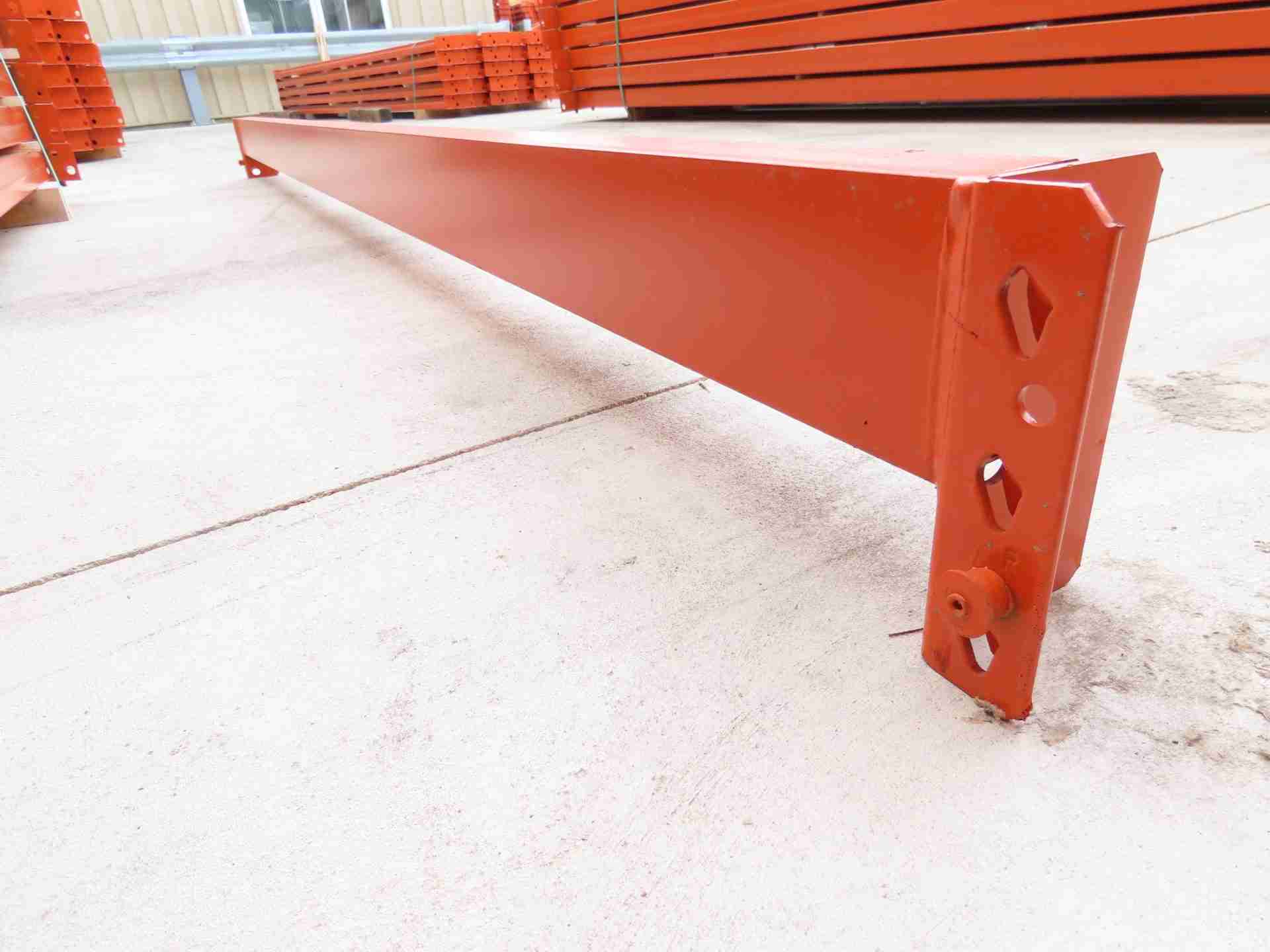
How Can Businesses Improve Or Expand Their Racking Options?
How Can Businesses Improve Or Expand Their Racking Options?
- Pallet racking systems are essential for enhancing efficiency and profitability in logistics.
- Assess your current racking system to identify bottlenecks and inefficiencies.
- Modular racking solutions offer flexibility for adapting to specific operational needs.
- Integrate automation and technology to streamline operations and reduce human error.
- Stay informed about local regulations to ensure compliance and avoid penalties.
- Collaborate with racking experts for customized solutions and improved layout efficiency.
- Optimized pallet racking is crucial for a successful and agile operation in a competitive market.
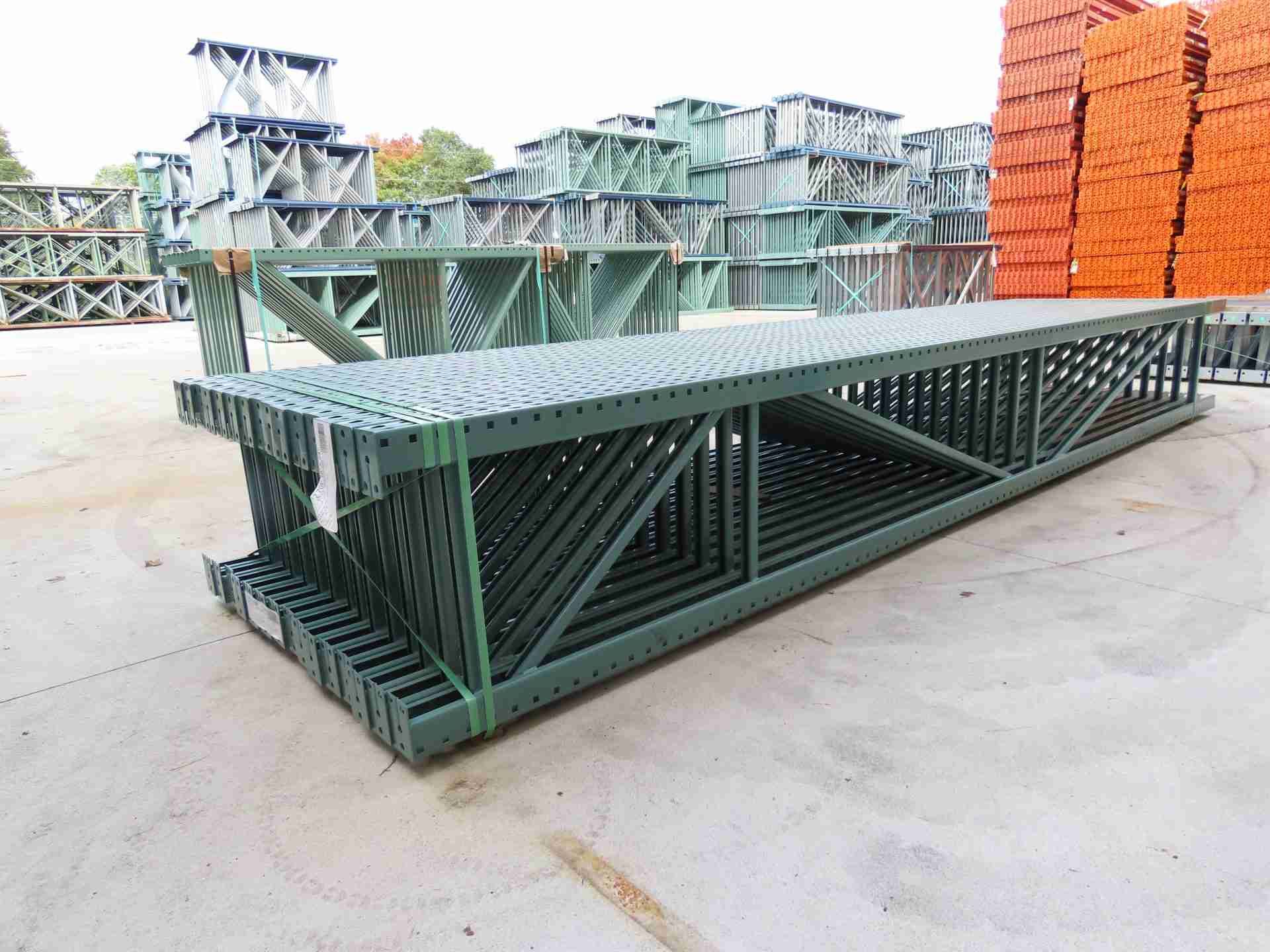
How Can Businesses Improve Or Expand Their Racking Options?
What Factors Should Influence The Selection Of Pallet Racking Types?
When it comes to optimizing your warehouse space, the selection of pallet racking types is a pivotal decision that can dramatically influence your operations and bottom line. Let’s delve into the key factors that you should weigh before making this vital choice, ensuring you don’t just throw money away on a system that won’t serve your long-term goals.
First and foremost, consider your inventory characteristics. Are you dealing with a wide variety of products, or a limited range? For example, if your business relies heavily on seasonal goods—like holiday decorations or swimming pool supplies—you might find that selective pallet racking provides the versatility you need. This system allows for easy access to each individual pallet, enabling quicker turnover during peak seasons while minimizing the risk of stockouts. Recent studies show that businesses employing this type of racking have improved their order accuracy by nearly 30%, showcasing its effectiveness.
Next, you must evaluate your available floor space and vertical capacity. Height restrictions can significantly impact your decision. For warehouses with high ceilings, consider using drive-in or drive-thru pallet racking systems. This design allows forklifts to enter at multiple points, maximizing storage density. Imagine an industrial warehouse that can utilize 80% of its height with this engineered solution, instead of the standard 30% space typically used in selective racking systems. The efficiency gained here translates directly into higher profitability for your operations.
Safety is another crucial aspect. Your selection should prioritize the durability and load capacity of the pallet racking system. Current best practices emphasize choosing racking that conforms to the latest safety standards. The collapse of poorly engineered racks can lead to catastrophic loss—not only to your goods but, potentially, to your workforce’s safety. In fact, incidents reported in the industry have pushed warehousing regulations to evolve, highlighting the necessity of adhering to compliance standards when selecting systems.
Lastly, consider your budget. While it might be tempting to opt for the cheapest pallet racking options, investing in higher-quality systems often leads to lower total cost of ownership. A recent survey indicated that businesses that chose to invest in robust systems realized a return on investment far quicker than those who prioritized short-term savings.
Whether you are a small business owner or managing a large distribution center, the type of pallet racking you select should align with your unique operational needs. Understanding these factors will empower you to make an informed decision, ensuring that your warehouse runs efficiently now and into the future. Choose wisely, and watch your productivity soar!

What Factors Should Influence The Selection Of Pallet Racking Types?
What Factors Should Influence The Selection Of Pallet Racking Types?
- The choice of pallet racking types is crucial for optimizing warehouse space and impacting operations and profits.
- Inventory characteristics, such as variety and seasonal goods, should influence your selection; for instance, selective pallet racking allows easy access and increased turnover.
- Evaluate floor space and vertical capacity; in warehouses with high ceilings, drive-in or drive-thru racking can maximize storage and efficiency.
- Prioritize safety by selecting durable racking systems that comply with the latest safety standards to protect goods and workforce.
- Cost considerations matter; investing in higher-quality racking often leads to lower total cost of ownership and quicker returns on investment.
- Align your pallet racking choice with your unique operational needs, regardless of business size, for improved warehouse efficiency.
- Making an informed decision on pallet racking can significantly boost productivity in your warehouse.
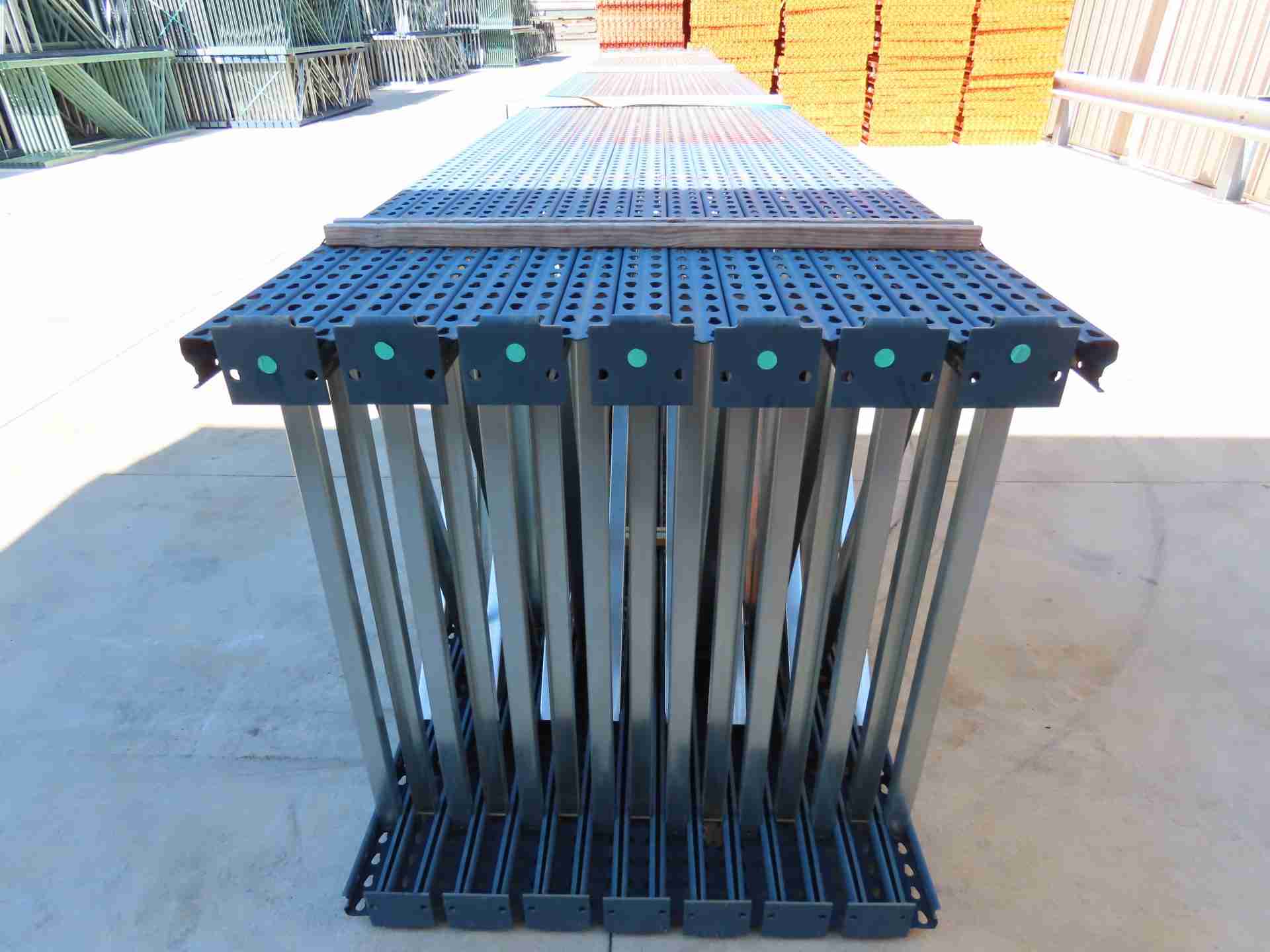
What Factors Should Influence The Selection Of Pallet Racking Types?
How Does Climate Affect The Choice Of Pallet Racking Materials?
When it comes to choosing the right pallet racking for your facility, climate is a pivotal factor that cannot be overlooked. The weather in your region influences not only the durability of the materials but also the operational efficiency of your storage solutions. Whether you are managing a warehouse in sunny California or a cold, damp climate in the Pacific Northwest, the right decision can lead to lasting benefits.
In warmer climates, heat and humidity can wreak havoc on certain materials. Wooden pallet racks, for instance, are popularly perceived as a cost-effective solution but can absorb moisture, leading to warping, splitting, or even pest infestations. Aluminum or galvanized steel racks, however, hold their own against humid conditions, proving resistant to corrosion while maintaining structural integrity. If you’re located near coastal areas, don’t underestimate the impact of salt from the ocean air—this is where investing in powder-coated metal options pays off. These finishes provide an added layer of protection against the elements.
Conversely, in colder regions, the type of pallet racking material you select can greatly influence safety and performance. Steel racks can become brittle in freezing temperatures, risking accidents and expensive downtime. Choosing high-grade steel with enhanced toughness ratings or considering composite materials can ensure that your pallet racking system will perform without fail in abrasive winter conditions.
Current events have shown that climate change is shifting weather patterns worldwide, making it essential to assess how these shifts may affect your operations. Extreme heat waves or unexpected freezing temperatures are becoming increasingly common. For warehouses that handle food products, having the right pallet racking is crucial not just for preserving the integrity of goods but also for meeting regulatory requirements. This means that flexibility in your racking systems is essential—configurations should enable adaptability based on temporary climate conditions.
Let’s not forget about maintenance costs. Climate directly influences the wear and tear on your racking systems. Regular inspections paired with climate-appropriate materials can significantly reduce long-term expenses. For example, a facility located in a snowy region might find that investing in racks made from rust-resistant materials means fewer repairs and replacements down the line.
In short, the climate where your business operates should always be top-of-mind when selecting pallet racking materials. By making informed choices, you can safeguard your investment, enhance safety, and optimize operational efficiencies, setting you up for long-term success.
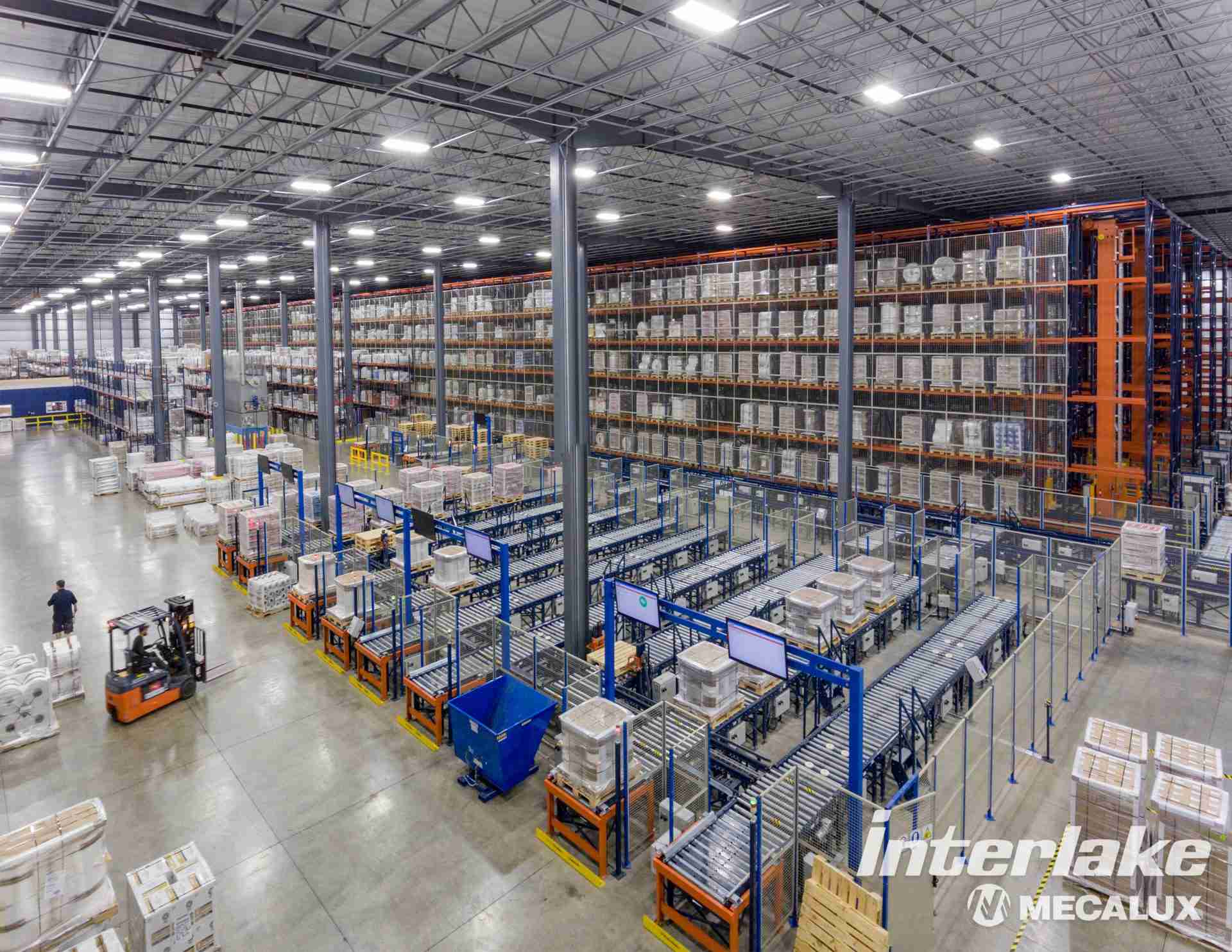
How Does Climate Affect The Choice Of Pallet Racking Materials?
How Does Climate Affect The Choice Of Pallet Racking Materials?
- Climate significantly influences the choice of pallet racking materials for a facility.
- Warmer climates require moisture-resistant materials, such as aluminum or galvanized steel, to prevent damage to wooden racks.
- Coastal areas should consider powder-coated metal options for added protection against salt and corrosion.
- In colder regions, selecting high-grade steel or composite materials is essential to avoid brittleness and ensure safety.
- Climate change is altering weather patterns, making flexibility and adaptability in racking systems increasingly important.
- Regular maintenance and climate-appropriate materials can help reduce long-term expenses related to wear and tear.
- Choosing the right pallet racking materials enhances safety, safeguards investments, and optimizes operational efficiencies.
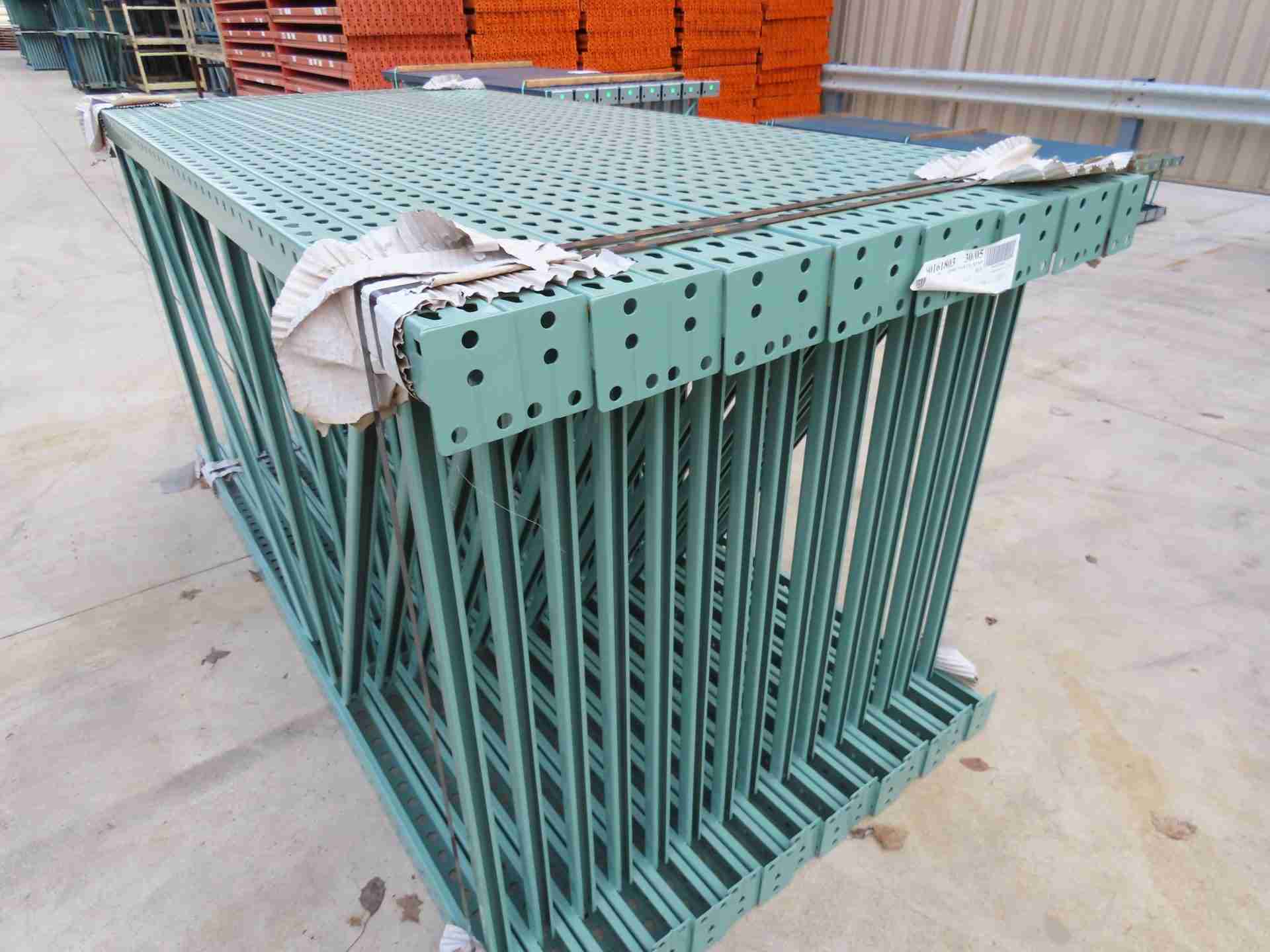
How Does Climate Affect The Choice Of Pallet Racking Materials?
What Role Does Technology Play In Managing Pallet Racking Diversity?
In today’s fast-paced supply chain environment, the diversity of pallet racking systems can feel like a double-edged sword. On one hand, different products require varied racking solutions to maximize space and efficiency. On the other, managing this complexity can spiral into chaos. Enter technology—a game-changer that streamlines operations, ensuring that pallet racking serves its purpose effectively while adapting to ever-evolving market demands.
One of the key areas where technology makes a mark is in inventory management. For instance, advanced Warehouse Management Systems (WMS) allow businesses to keep track of every item in their pallet racking setups. RFID (Radio Frequency Identification) technology has become increasingly prevalent, enabling real-time data collection and providing visibility into stock levels. Imagine a scenario where you’re storing assorted products, from heavy machinery parts to delicate items. With RFID technology, companies like Amazon and Walmart have demonstrated how real-time tracking can reduce errors and optimize storage by ensuring that items are correctly placed within diverse pallet racking configurations.
Furthermore, data analytics tools are now essential in making informed decisions about pallet racking. By analyzing movement patterns and demand forecasting, these platforms can suggest optimal placements for each product type, maximizing the efficiency of your pallet racking. Companies can reduce picking times, increase turnover rates, and ultimately enhance customer satisfaction. In a recent industry case study, a leading automotive parts supplier implemented an analytics-driven approach to their pallet racking system, resulting in a 30% reduction in retrieval times within just six months.
Automation is another vital player in the technology landscape. Automated storage and retrieval systems (ASRS) are revolutionizing the way companies manage pallet racking diversity. These systems can adapt to various sizes and types of pallets, seamlessly integrating different configurations to accommodate shifting inventory needs. In the wake of labor shortages compounded by recent global events, automation becomes not just an option but a necessity for maintaining operational efficiency.
As businesses grapple with the ever-increasing complexity of logistics, technology emerges as a beacon of hope. By leveraging inventory management systems, data analytics, and automation, companies can gain control over their pallet racking diversity and enhance overall operational effectiveness. In a marketplace where the only constant is change, those who embrace technology to manage the intricate tapestry of pallet racking will not only survive but thrive, setting themselves apart from the competition. After all, in the world of supply chain management, efficiency is king, and technology reigns supreme.
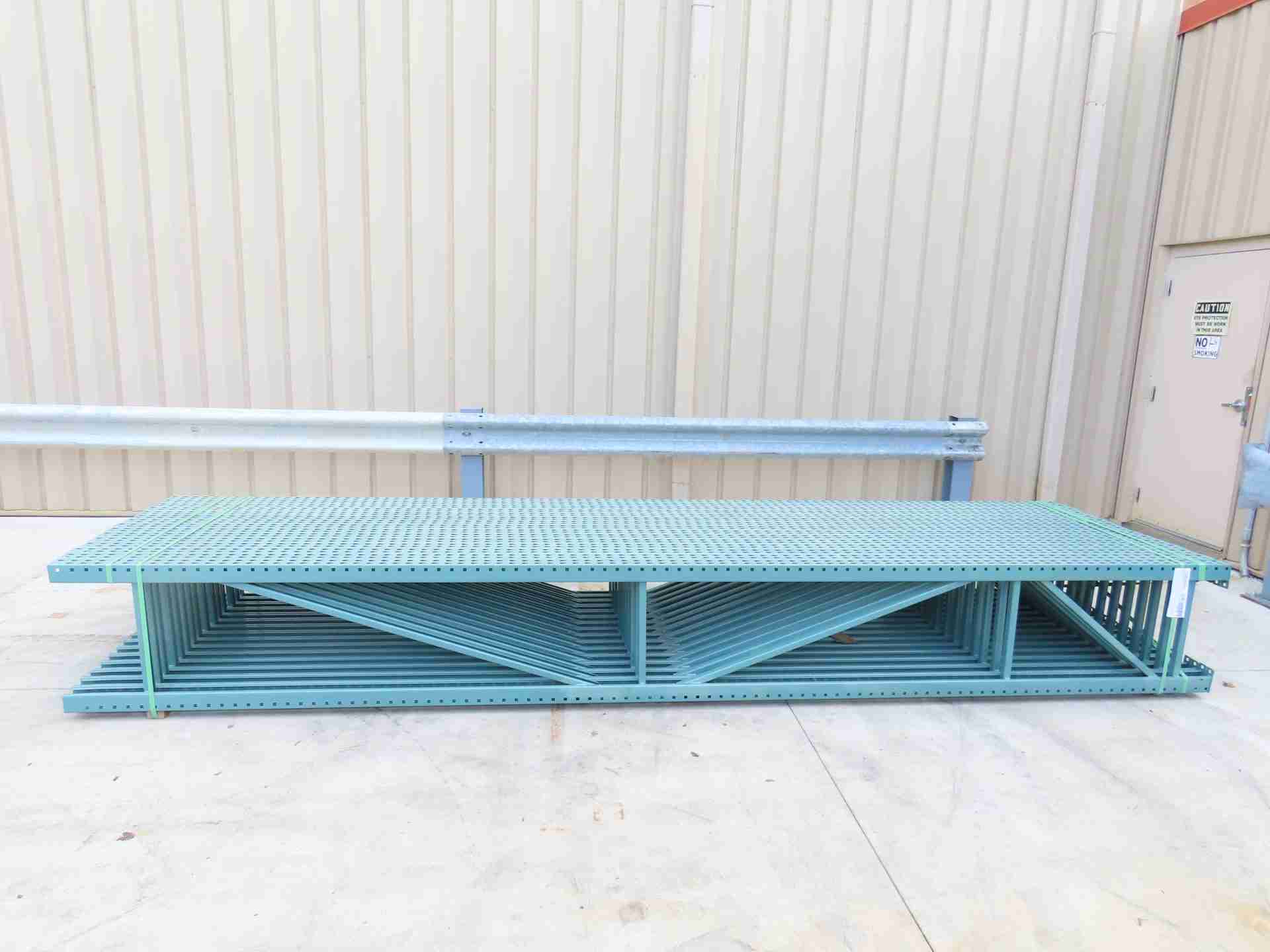
What Role Does Technology Play In Managing Pallet Racking Diversity?
What Role Does Technology Play In Managing Pallet Racking Diversity?
- Diverse pallet racking systems are essential for optimizing space and efficiency in supply chains but can lead to management complexities.
- Technology streamlines operations in pallet racking to adapt to market changes effectively.
- Advanced Warehouse Management Systems (WMS) and RFID technology enable real-time inventory tracking, reducing errors and optimizing storage.
- Data analytics tools help businesses make informed decisions by analyzing movement patterns and demand forecasting, leading to optimal product placements.
- Automation, particularly Automated Storage and Retrieval Systems (ASRS), is crucial for managing diverse pallet racking configurations amid labor shortages.
- Companies that leverage technology can improve operational effectiveness and customer satisfaction through reduced retrieval times and increased efficiency.
- Embracing technology is vital for businesses to navigate complexities in logistics and achieve a competitive edge in the supply chain market.
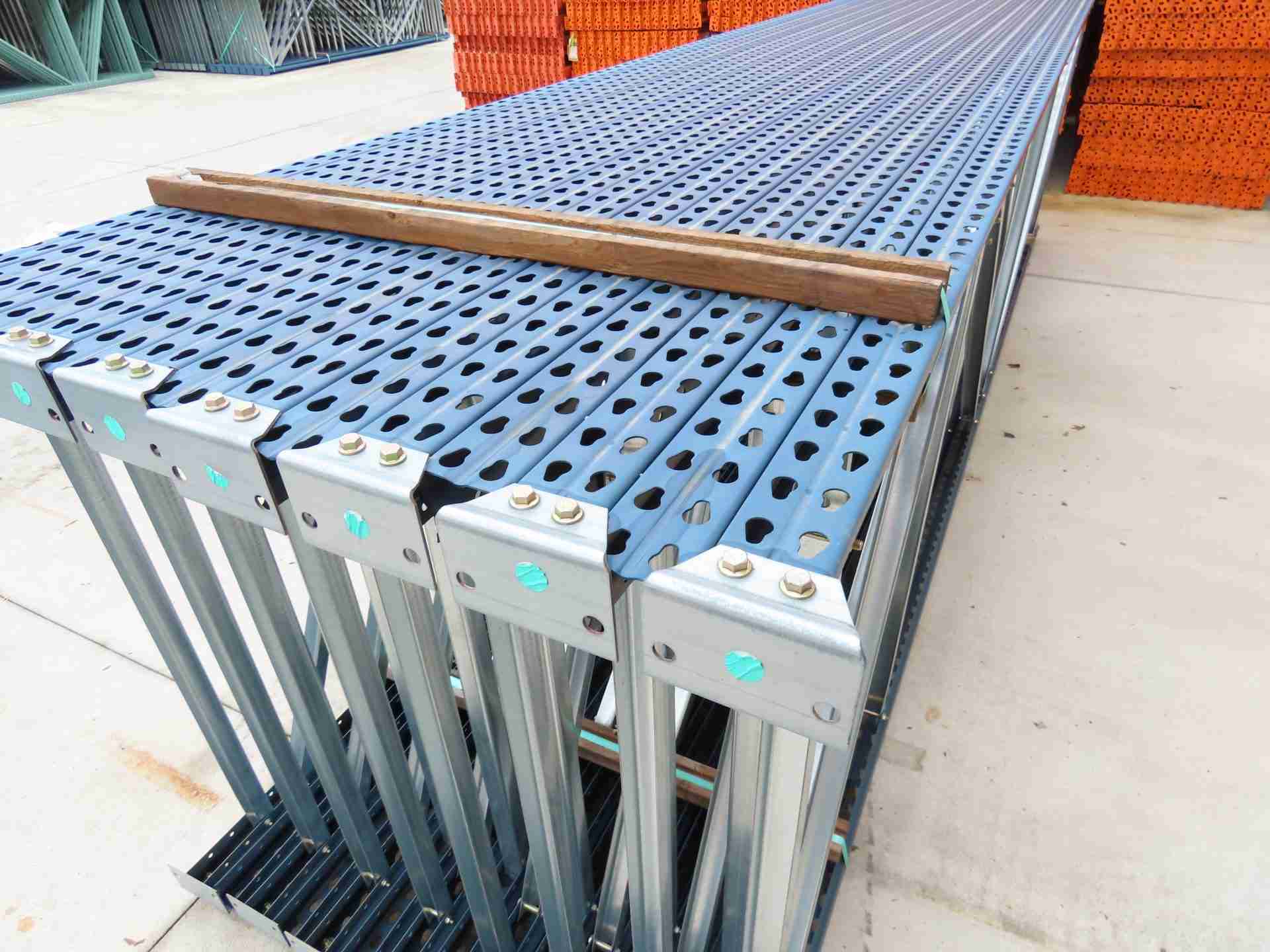
What Role Does Technology Play In Managing Pallet Racking Diversity?
Conclusion
Conclusion
In the competitive realm of warehousing and logistics, the question isn’t merely about how much you can store but rather how effectively you can optimize the space you have. The diversity of your local pallet racking inventory is not just a trivial detail—it’s foundational to your operational capacity and profitability. With supply chain disruptions becoming the new normal, the ability to adapt quickly with an array of racking solutions is no longer a choice but a necessity.
As explored in this article, the right mix of pallet racking systems—be it selective, drive-in, push-back, or flow racks—can drastically enhance your operational efficiency. Consider the recent global challenges that forced many businesses to pivot. The grocery sector, for instance, required a flexible racking solution to accommodate a spike in demand and manage unpredictable inventory levels. By embracing diverse racking systems, you can streamline processes and ensure a swift response to market changes.
But it doesn’t end with operational efficiency; your inventory’s diversity also plays a crucial role in sustainability and positioning within the market. Modern consumers increasingly favor businesses committed to eco-friendly practices. Thus, selecting sustainable materials for your pallet racks not only supports your corporate responsibility goals but can become a key differentiator among competitors.
The time for complacency has passed. With the stakes higher than ever, evaluating your pallet racking strategy to incorporate diverse and adaptable solutions is essential for future growth. If your current setup feels stagnant or inadequate, consider practical steps for improvement: assess your existing racking systems, explore modular options, or even integrate automation and technology to optimize your warehouse operations.
Don’t underestimate the urgency of taking action. The warehouse landscape is evolving rapidly, and those who delay these necessary assessments may find themselves falling behind. If you’re ready for a change and want to discover how diverse and effective your pallet racking setup can be, reach out today. Call Arrow Industrial Sales at (574) 349-6575. Take charge of your inventory diversity now and position your business for long-term success. Remember, the complexities of the supply chain are manageable—invest wisely in your pallet racking today!

Conclusion
Conclusion:
- Effective space optimization in warehousing is crucial for operational capacity and profitability.
- Diverse pallet racking inventory is foundational, especially in light of supply chain disruptions.
- Various racking systems (selective, drive-in, push-back, flow racks) enhance operational efficiency.
- Flexibility in racking solutions is vital for adapting to market changes, as seen in the grocery sector.
- Sustainability and eco-friendly practices are increasingly important for modern consumers and can differentiate businesses.
- Continuous evaluation of pallet racking strategies is essential for future growth and competitiveness.
- Proactive assessments and potential upgrades can prevent businesses from falling behind in a rapidly evolving warehouse landscape.
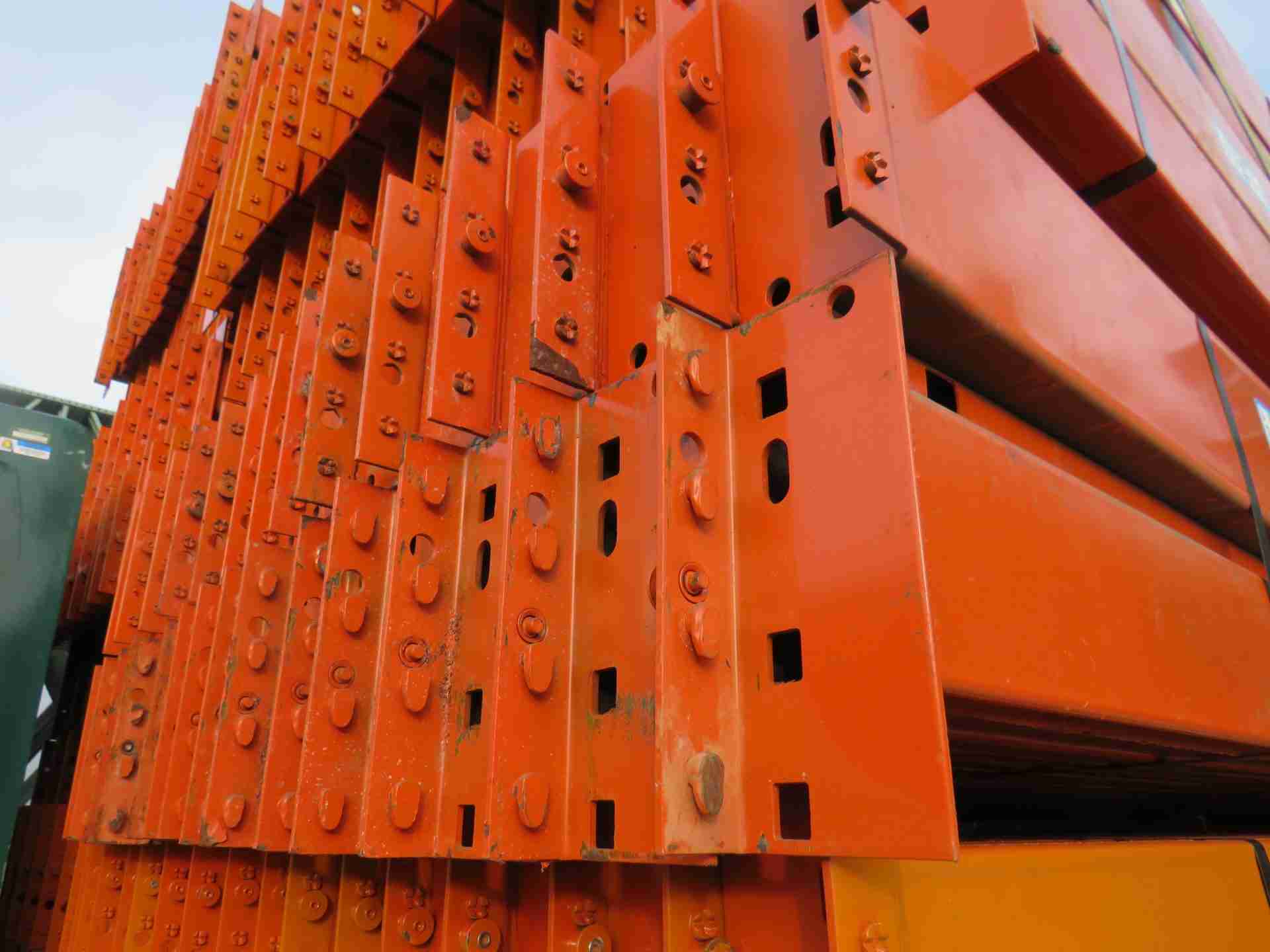
Conclusion
Other Resources
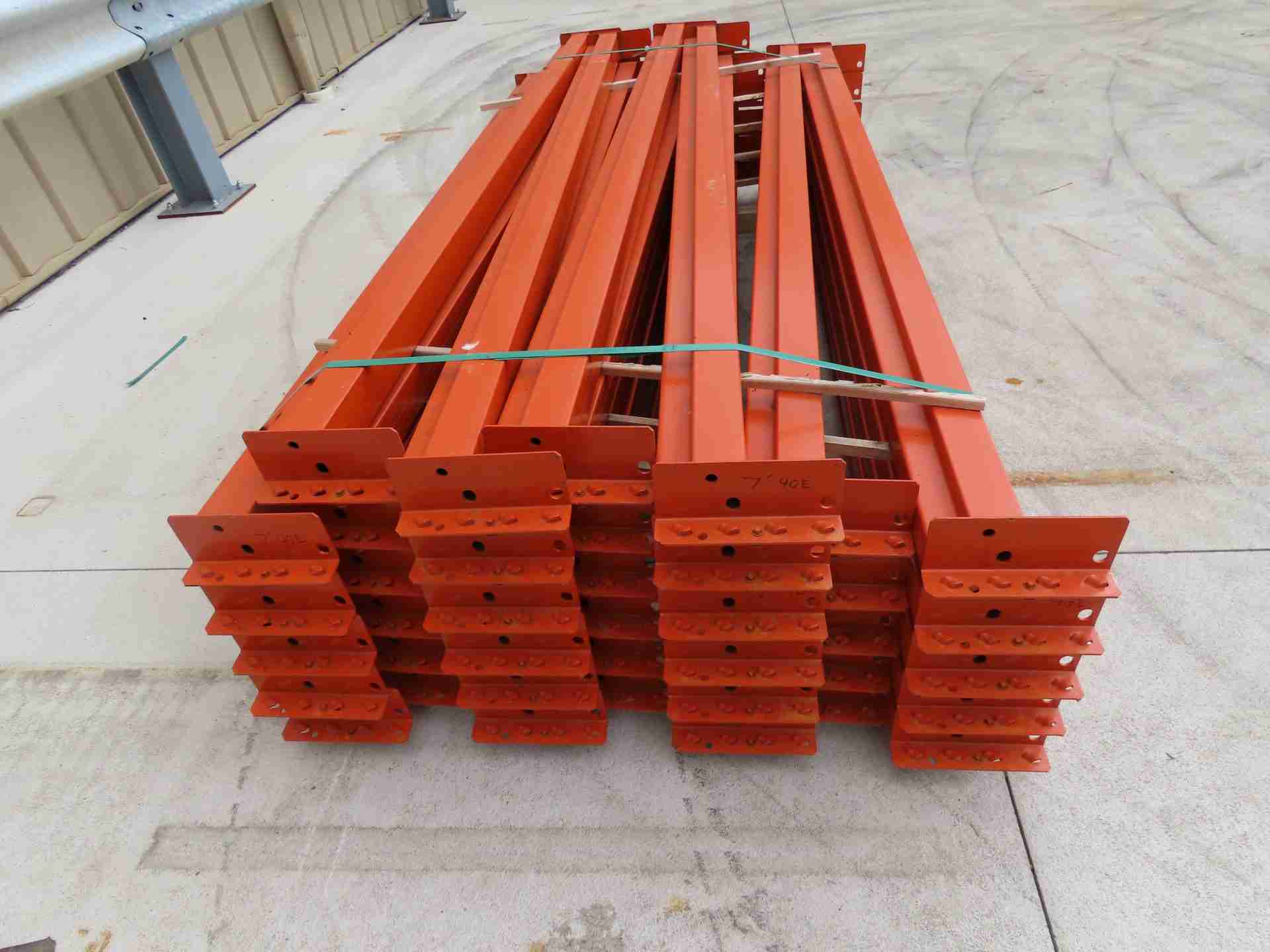
Other Resources
Here is a list of other resources you can review online to learn more:
- Teardrop Industrial Shelving Rack
- Material Handling Industry
- Bradford Systems
- Warehouse Racking System: Powerful Guide to Optimise, 2024
- Wolter
- Warehousing and Fulfillment
- ASSP
- WERC
- What is Cantilever Racking? – AK Material Handling Systems
Use This Prompt To Get More Resources With Your Favorite Online AI Tool: Please provide me with a list of online articles with their URLs in a bulleted list that I can read regarding How Diverse Is Your Local Pallet Racking Inventory?
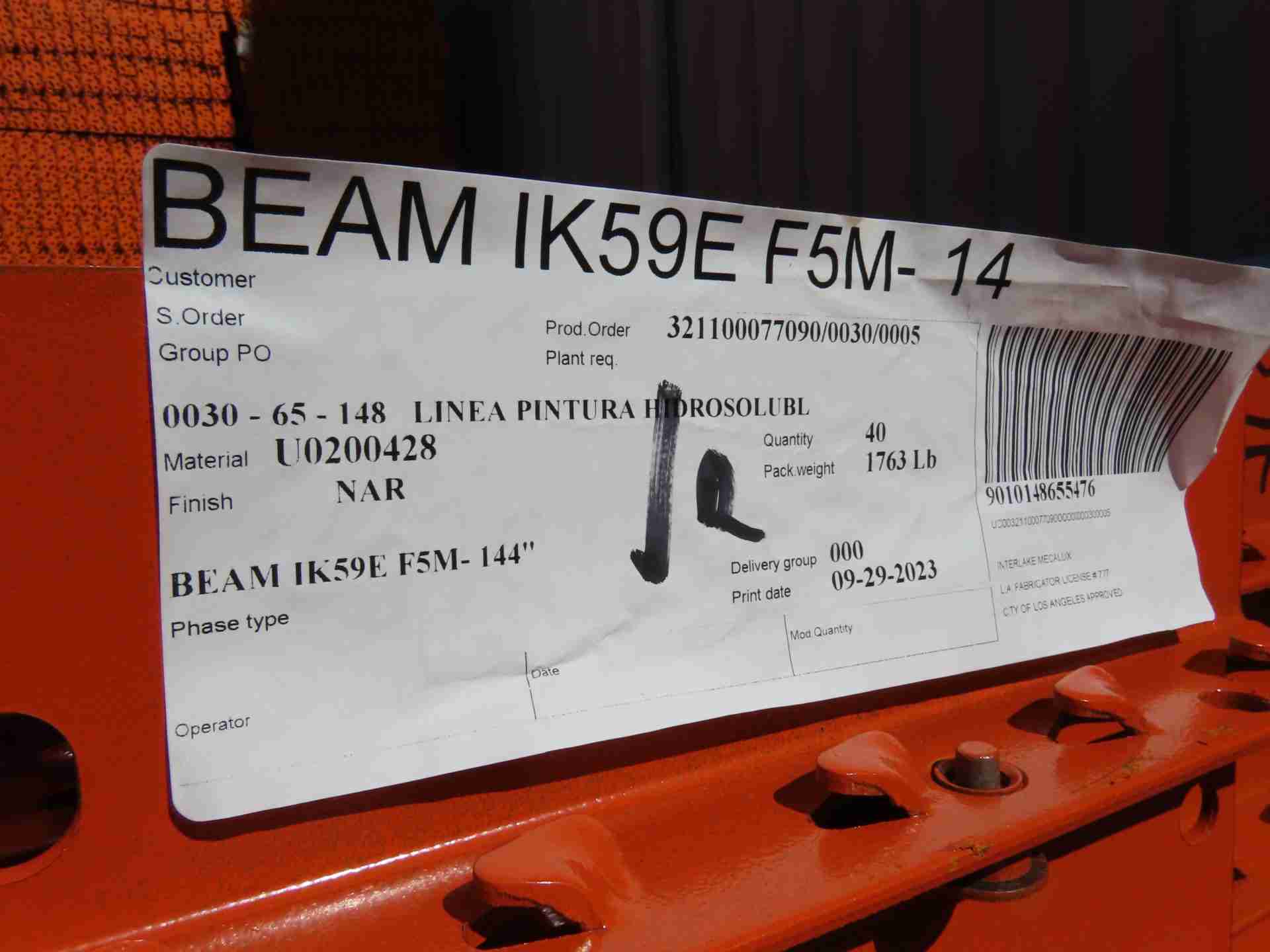
Other Resources
Glossary Terms
How Diverse Is Your Local Pallet Racking Inventory? – Glossary Of Terms
1. Pallet Racking: A storage system designed for storing goods on pallets in horizontal rows.
2. Inventory: A complete list of items or goods available for sale or use in a warehouse.
3. SKU (Stock Keeping Unit): A specific identifier used to track a product’s inventory.
4. Forklift: A powered industrial vehicle used to lift and move materials over short distances.
5. Warehouse Layout: The arrangement of storage areas, equipment, and facilities within a warehouse.
6. Throughput: The rate at which goods are processed and moved through the warehouse.
7. Selectivity: The measure of how easily a storage system allows for the selection and retrieval of items.
8. Accessibility: How easily items can be reached and retrieved from storage.
9. Density: The amount of storage space utilized in relation to the total square footage of the warehouse.
10. Product Variety: The range of different products available within the inventory.
11. FIFO (First In, First Out): An inventory management method where the oldest stock is sold or used first.
12. LIFO (Last In, First Out): An inventory method where the most recently acquired items are utilized first.
13. Cross-docking: A logistics practice where incoming goods are directly transferred to outbound shipping, reducing storage time.
14. Cold Storage: A refrigerated area for storing perishable goods requiring temperature control.
15. Bulk Storage: The storage of large quantities of goods, usually in a single location or area.
16. Custom Racking: Racking systems tailored to meet specific storage needs or product types.
17. Safety Stock: Extra inventory kept on hand to prevent stockouts due to demand fluctuations.
18. Dynamic Racking: A storage system that allows for flexible product placement and retrieval, often incorporating automation.
19. Modular Racking: A flexible racking system composed of interchangeable components to suit various needs.
20. Inventory Turnover: The rate at which inventory is sold and replaced over a specific period.
21. Lead Time: The time taken from placing an order to receiving goods.
22. Cycle Counting: A method of auditing inventory regularly rather than all at once.
23. Overflow Storage: Additional storage space used when primary storage is full.
24. Space Optimization: Techniques applied to maximize the use of available storage space.
25. Commodity Diversification: The practice of stocking different types of goods to meet varying customer demands.
26. Inventory Management System: Software designed to track inventory levels, orders, sales, and deliveries.
27. Rotational Storage: A system designed to rotate inventory, ensuring older products are used before newer ones.
28. Pallet Size Variation: The range of different pallet dimensions available to accommodate various product sizes.
29. Capacity Planning: The process of determining the storage and handling capacity needed to meet demand.
30. Sustainability Practices: Environmentally-friendly practices integrated into inventory management, such as recycling and reducing waste.
Glossary Of Terms
Other Questions
How Diverse Is Your Local Pallet Racking Inventory? – Other Questions
If you wish to explore and discover more, consider looking for answers to these questions:
- What factors should businesses consider when choosing pallet racking systems?
- How can companies assess the effectiveness of their current pallet racking setup?
- What trends are emerging in pallet racking systems due to recent global changes?
- How does the choice of pallet racking material impact warehouse safety?
- What are the latest innovations in pallet racking technology?
- How can businesses measure the return on investment for pallet racking solutions?
- What are the maintenance requirements for different types of pallet racking?
- How do seasonal fluctuations affect the choice of pallet racking systems?
- What role do industry regulations play in selecting pallet racking types?
- How can businesses effectively integrate automation into their pallet racking systems?
- What impact does local climate have on pallet racking materials over time?
- What are the common mistakes to avoid when implementing a pallet racking system?
- How does pallet racking diversity contribute to sustainability in warehousing?
- What are the signs that a warehouse needs to upgrade its pallet racking systems?
- How can data analytics improve the efficiency of pallet racking systems?

Other Questions
Checklist
How Diverse Is Your Local Pallet Racking Inventory? – A Checklist
Evaluation and Assessment
1. Current Racking System Analysis
_____ Identify bottlenecks in your workflow.
_____ Assess product accessibility and storage inefficiencies.
_____ Discuss findings with your warehouse team.
2. Inventory Characteristics
_____ Determine the variety of products in your inventory.
_____ Identify seasonal versus everyday items.
Diversification Strategies
3. Explore Racking Types
_____ Investigate the use of Selective Pallet Racking for diverse product ranges.
_____ Evaluate Drive-In/Drive-Through Racking for bulk product storage.
_____ Consider Push Back Racking for a balance of accessibility and density.
_____ Implement Flow Racking for perishable items to ensure FIFO access.
4. Automation and Technology
_____ Research the feasibility of integrating a Warehouse Management System (WMS).
_____ Consider using RFID technology for real-time inventory tracking.
_____ Explore the potential of Automated Storage and Retrieval Systems (ASRS).
Optimization and Compliance
5. Space Utilization
_____ Maximize vertical storage options with modular racking.
_____ Assess height restrictions and configurations for high-density storage.
6. Safety and Compliance
_____ Ensure that all pallet racking systems conform to local safety regulations.
_____ Conduct regular safety inspections of racking systems.
Sustainability and Climate Considerations
7. Material Selection Based on Climate
_____ Identify climatic conditions in your area (e. g. , temperature, humidity).
_____ Choose suitable materials (e. g. , galvanized steel or powder-coated metal for coastal areas).
8. Sustainability Goals
_____ Evaluate the use of eco-friendly racking materials.
_____ Align racking strategy with corporate social responsibility initiatives.
Continuous Improvement
9. Performance Metrics
_____ Establish key performance indicators (KPIs) related to racking efficiency (e. g. , picking times, inventory turnover).
_____ Regularly review and update metrics based on operational changes.
10. Investment Planning
_____ Prepare a budget to invest in higher quality racking options.
_____ Assess long-term ROI for different racking systems.
Collaboration and Expertise
11. Consult with Racking Experts
_____ Partner with warehouse design specialists for tailored solutions.
_____ Attend industry seminars or training to stay informed about the latest racking technologies and trends.
By following this checklist, you can enhance your pallet racking inventory’s efficiency, adaptability, and alignment with market demands. Ensure continuous evaluation and improvement to thrive in today’s competitive logistics landscape.
Checklist
At RackingWorld, we help guide you through selecting warehouse storage systems and racking.
Be sure to read our other related stories at RackingWorld to learn more about warehouse storage systems.
0 Comments