
Empower Your Team: The Key To Warehouse Safety
By Tom Seest
At RackingWorld, we help guide you through selecting warehouse storage systems and racking.
Be sure to read our other related stories at RackingWorld to learn more about warehouse storage systems.
What Role Does Employee Training Play In Warehouse Safety?
In the realm of warehouse management, where efficiency and safety go hand-in-hand, employee training stands as the cornerstone of a safe working environment. Imagine a warehouse bustling with activity: forklifts zipping by, pallets stacked high on racking systems, and team members navigating with precision. Amidst this controlled chaos, the role of training cannot be overstated.
When employees receive comprehensive training, they become adept guardians of warehouse safety. They learn the ins and outs of maneuvering around pallet racking systems, an essential element in any warehousing operation. Understanding the limitations of these storage structures is vital; improperly stacked pallets can lead to cascading disasters that not only damage inventory but can also threaten lives. A well-trained employee can spot potential hazards long before they escalate into serious incidents. With the right guidance, they’re empowered to handle equipment, assess risks, and respond with confidence.
Moreover, training fosters a culture of safety and accountability. Every team member becomes an active participant in maintaining the integrity of the workspace. They learn to recognize not just their own role, but how each action impacts the entire operation. This interconnected understanding transforms an ordinary workforce into a safety-focused community, where employees look out for one another, taking pride in their shared commitment to maintaining a secure environment.
You might be wondering, “What does this mean for my bottom line?” Well, investing in thorough employee training pays dividends that go far beyond immediate safety concerns. Fewer accidents lead to reduced downtime, which translates directly into increased productivity. When your operations run smoothly without the hiccup of safety incidents, the results manifest in customer satisfaction and enhanced reputation in the marketplace.
But don’t just take our word for it—consider the statistics. Companies that prioritize safety training see a dramatic reduction in workplace injuries, fostering trust both internally among staff and externally with customers. Safety is not just a compliance requirement; it’s a competitive advantage.
So, as you envision your warehouse environment, picture it not just as a place filled with pallet racking and inventory, but as a thriving hub of safety, efficiency, and teamwork. Commit to robust training programs that elevate your workforce’s knowledge and skills. In doing so, you’ll cultivate a culture where safety flourishes, paving the way for a brighter, more profitable future.
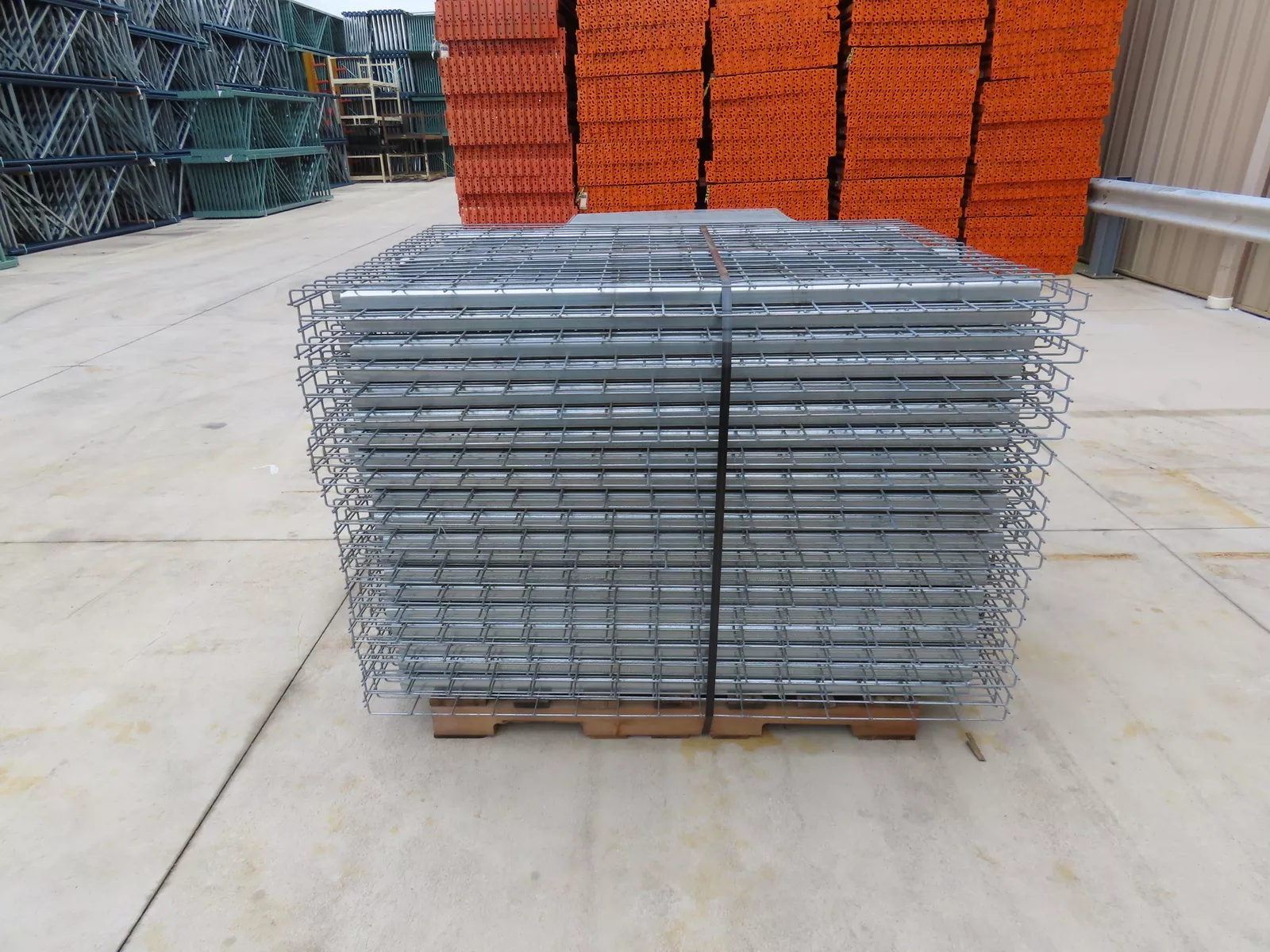
What Role Does Employee Training Play In Warehouse Safety?
What Role Does Employee Training Play In Warehouse Safety?
- Employee training is crucial for maintaining a safe and efficient warehouse environment.
- Comprehensive training enables employees to navigate pallet racking systems safely and recognize potential hazards.
- Trained employees are empowered to handle equipment, assess risks, and respond confidently to emergencies.
- Training promotes a culture of safety and accountability, transforming employees into a safety-focused community.
- Investing in employee training leads to fewer accidents, reduced downtime, and increased productivity.
- Companies prioritizing safety training experience significantly fewer workplace injuries, enhancing internal trust and external reputation.
- Commitment to robust training programs encourages a thriving hub of safety, efficiency, and teamwork in the warehouse.
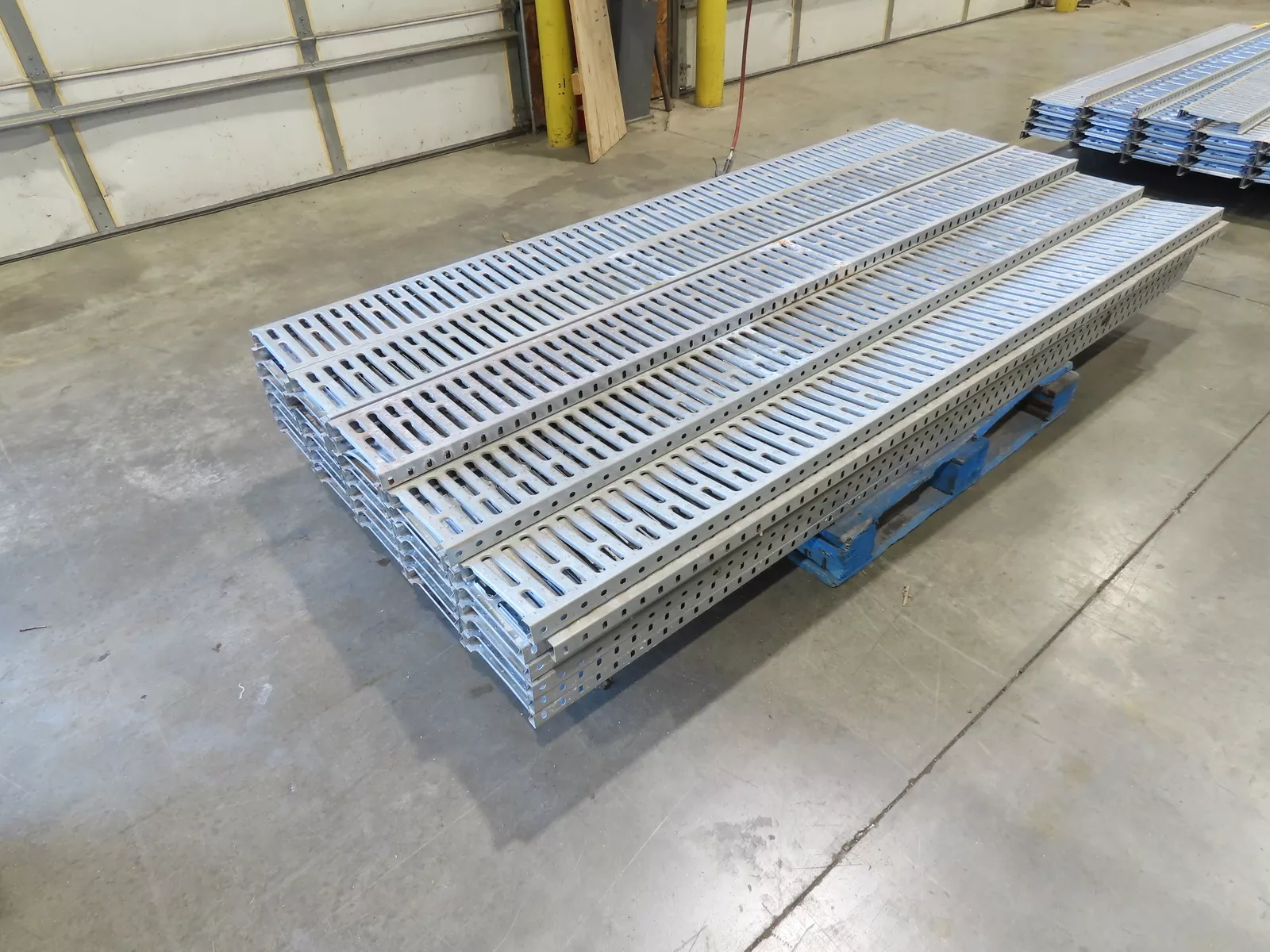
What Role Does Employee Training Play In Warehouse Safety?
Table Of Contents
- What Role Does Employee Training Play In Warehouse Safety?
- What Are The Key Benefits Of Employee Training For Safety?
- How Can Training Reduce Workplace Accidents In Warehouses?
- What Techniques Improve Retention Of Safety Training?
- How Frequently Should Safety Training Be Conducted In Warehouses?
- What Specific Skills Should Be Taught In Warehouse Safety Training?
- How Can Technology Enhance Employee Training In Safety Practices?
- Conclusion
- Other Resources
- Glossary Of Terms
- Other Questions
- Checklist
What Are The Key Benefits Of Employee Training For Safety?
Imagine a workplace where every employee feels empowered, informed, and equipped to tackle safety challenges head-on. Employee training for safety is not just a box to tick—it’s an investment that pays dividends in multiple ways, making it both vital and valuable for any organization, especially those dealing with complex equipment like pallet racking.
First and foremost, effective safety training significantly reduces workplace accidents. When employees understand the risks associated with their environment and the equipment they operate, such as pallet racking, they are less likely to take unnecessary risks. Safety training cultivates a culture of awareness that promotes proactive behavior rather than reactive measures. By providing workers with the proper knowledge, you’re not only protecting them but also safeguarding your company’s bottom line. Think of the costs associated with injuries—medical expenses, lost productivity, and potential litigation. It’s easy to see how investing in training can ultimately protect your financial health.
Additionally, training enhances employee confidence and morale. A well-trained workforce approaches their tasks with assurance, knowing they are prepared to handle potential hazards. This sense of confidence leads to higher job satisfaction, increased productivity, and a more engaged workforce. Your employees become advocates for safety, which creates a positive ripple effect throughout the organization. When each worker embraces their role in maintaining safety standards, the entire workplace thrives.
Moreover, regular training ensures compliance with legal and regulatory standards. Industries that utilize pallet racking systems often face stringent safety requirements. By committing to ongoing training and education, you shield your business from potential fines and penalties. Compliance isn’t just a legal obligation; it’s a badge of honor that showcases your commitment to employee well-being and sustainability.
The benefits of employee training for safety aren’t solely practical; they also resonate on an emotional level. Employees feel valued when they see that their employer prioritizes their safety and well-being. This builds trust and loyalty—two essential ingredients for a cohesive workplace culture. Trust your team with the right training, and watch as they rise to meet expectations.
The key benefits of employee training for safety are undeniable. From reducing accidents and enhancing morale to ensuring compliance and fostering trust, investing in safe practices now will set the stage for a brighter, safer future. Your commitment to safety today translates into confidence for tomorrow, creating an environment where employees can thrive without compromise. Embrace this opportunity to invest in your greatest asset—your people.
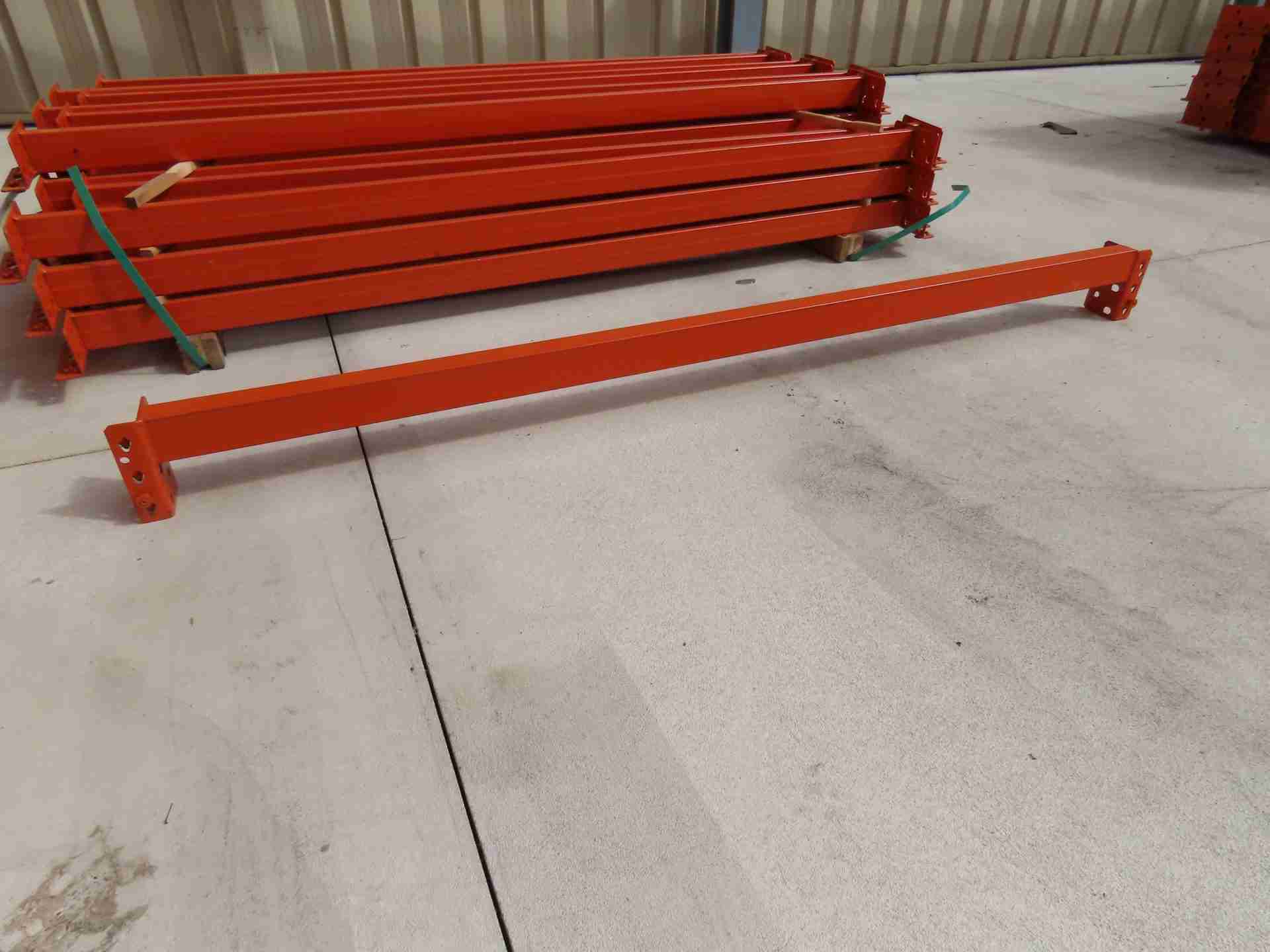
What Are The Key Benefits Of Employee Training For Safety?
What Are The Key Benefits Of Employee Training For Safety?
- Empower and equip employees to address safety challenges effectively.
- Effective safety training significantly reduces workplace accidents.
- Training enhances employee confidence, morale, and job satisfaction.
- Regular training ensures compliance with legal and regulatory standards.
- Prioritizing safety builds trust and loyalty within the workplace.
- Investing in employee training creates a culture of proactive safety practices.
- Commitment to safety translates into long-term benefits for the organization.
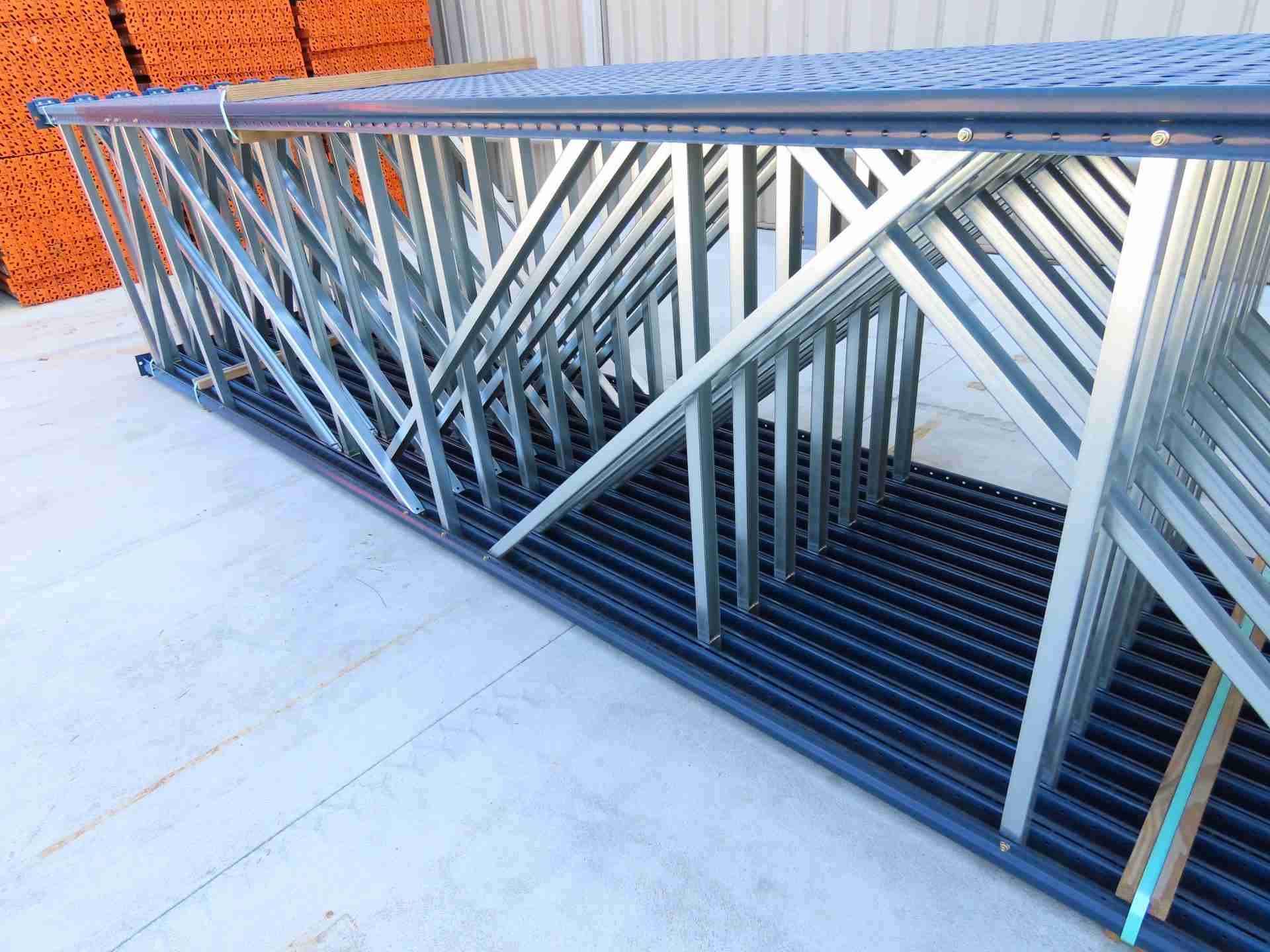
What Are The Key Benefits Of Employee Training For Safety?
How Can Training Reduce Workplace Accidents In Warehouses?
Picture this: a bustling warehouse, filled with the hum of activity and the sounds of pallets being expertly maneuvered into position. Now, imagine what happens when that rhythm is disrupted by a workplace accident. The consequences are never just physical; they ripple throughout the entire operation, causing delays, financial losses, and a significant drop in morale. At the heart of combatting these unfortunate events lies a strategy that is both simple and powerful: training.
Training is your frontline defense against accidents in warehouses, particularly when it comes to critical components like pallet racking. A well-structured training program cultivates an awareness and understanding of potential hazards associated with these systems. Think about it: your staff needs to know not just how to operate equipment, but how to do so safely, with an eye toward the bigger picture. When employees are educated about the proper loading techniques and weight distribution on pallet racking, they instinctively become vigilant. This vigilance not only prevents accidents but promotes a culture of safety that resonates throughout the organization.
But training isn’t just about imparting knowledge; it’s about fostering an environment where team members feel empowered to speak up. When individuals understand the intricacies of their surroundings—be it a crowded workspace or the nuances of navigating pallet racking—they gain confidence. This empowerment leads to better decision-making, ensuring that actions taken are not only swift but safe. Imagine a warehouse where every employee feels responsible for their environment. This doesn’t just reduce accidents; it builds a cohesive team dedicated to a common goal: safety first.
Moreover, visual aids, hands-on training, and real-life scenarios can bring the lessons to life. Unpacking the complexities of pallet racking through engaging drills and interactive discussions helps ensure that the information sticks. Delivering insights from experienced trainers who share stories of near misses or accidents ignites a sense of realism that often stirs action.
A commitment to training is not just an investment; it’s a declaration that safety is paramount. So, if reducing workplace accidents is a priority for your organization—and it should be—embrace the power of training. Equip your team with knowledge, foster a culture of safety, and watch as your workplace flourishes, brimming with confidence and camaraderie. Your investment today will pay dividends in a safer, more productive future.
How Can Training Reduce Workplace Accidents In Warehouses?
How Can Training Reduce Workplace Accidents In Warehouses?
- Workplace accidents disrupt warehouse operations, leading to delays, financial losses, and decreased morale.
- Training is a critical strategy for preventing accidents, especially concerning pallet racking systems.
- A structured training program fosters awareness of hazards and safe operation practices among staff.
- Educated employees are more vigilant about safety, promoting a culture of safety within the organization.
- Training empowers team members to speak up, leading to better decision-making and ownership of workplace safety.
- Utilizing visual aids, hands-on training, and real-life scenarios enhances learning and retention of safety practices.
- Investing in training signifies a commitment to safety, resulting in a more confident and productive workplace.
How Can Training Reduce Workplace Accidents In Warehouses?
What Techniques Improve Retention Of Safety Training?
In the fast-paced world of safety training, especially regarding complex systems such as *pallet racking*, the conventional methods often fall flat. You know the drill: you sit through a lecture, maybe take some notes, and by the end of the week, you struggle to remember what was taught. It’s frustrating, isn’t it? Luckily, there are proven techniques that can make safety training not just a requirement but a memorable and effective learning experience.
First, let’s talk about engagement. Presenting material through interactive methods keeps trainees on the edge of their seats. Think role-playing scenarios that mimic real-life *pallet racking* situations. By immersing individuals in the potential hazards they might face daily, you cultivate urgency and relevance. Suddenly, those safety protocols aren’t just words on paper—they become a matter of life and death, making retention increase exponentially.
Visual aids are another game-changer. Imagine vibrant infographics or real-life video demonstrations showcasing the correct and incorrect ways to handle a *pallet racking* system. These visuals can serve as mental anchors, helping learners recall key information long after the training session has ended. The brain craves stories and images, so why not leverage that natural tendency to reinforce safety principles?
Another critical element is repetition, but not just mindless recitation. Use spaced learning techniques, revisiting crucial concepts over time to embed them in memory. For example, a follow-up quiz that revisits *pallet racking* protocols a week after the initial training can be incredibly effective. This approach not only assesses but also reinforces learning, making it more likely that the information will stick.
Don’t overlook the power of community and peer discussions. Create forums where trainees can share experiences, concerns, or even success stories regarding safety measures and *pallet racking*. When individuals feel they are part of a team working towards a common goal—safe handling in a shared environment—they’re more likely to remember the training and apply it in their daily routines.
Finally, ensure that the training is not a “one and done” affair. Regular refreshers, gamified learning experiences, or even incentives like recognition for safe behavior can keep safety front of mind. Remember, making safety an ongoing conversation cultivates a culture where every employee feels empowered and responsible—a culture where retention soars.
By implementing these engaging, relatable methods, you’ll not only enhance retention but also create a workforce that’s committed to safety. After all, in the world of *pallet racking*, a safe environment isn’t just a check in a box; it’s your business’s lifeblood.
What Techniques Improve Retention Of Safety Training?
What Techniques Improve Retention Of Safety Training?
- Conventional safety training methods often fail to engage trainees effectively.
- Interactive methods, like role-playing scenarios, increase engagement and urgency among trainees.
- Visual aids, such as infographics and video demonstrations, aid in retention by creating mental anchors.
- Spaced learning techniques, such as follow-up quizzes, help reinforce key concepts over time.
- Community discussions and peer interactions foster a team environment that enhances memory retention.
- Ongoing training and refreshers keep safety at the forefront of employees’ minds.
- Implementing engaging methods leads to a dedicated workforce committed to safety in complex systems like *pallet racking*.

What Techniques Improve Retention Of Safety Training?
How Frequently Should Safety Training Be Conducted In Warehouses?
In the bustling world of warehouse operations, safety training isn’t just a requirement – it’s a lifeline. Picture a scene where your dedicated team navigates the intricate maze of pallet racking, maneuvering heavy loads with precision. Now imagine a slip-up due to a lack of proper training. That’s a scenario that no business wants to face. The question then arises: How frequently should you conduct safety training to avoid accidents and to foster a culture of safety that permeates every corner of your warehouse?
For warehouses, the mantra is “more is better.” While some might suggest biannual training sessions, the reality is that the risk factors are ever-present and ever-evolving. Safety training should start upon hire and be refreshed regularly. A good rule of thumb might be to conduct comprehensive training sessions at least every three months. Just think about it! Your equipment, procedures, and even team dynamics can shift dramatically in a matter of weeks. Regular refreshers not only keep everyone up to speed but also instill a sense of confidence among your staff.
In addition to the scheduled training, consider integrating brief, informal safety huddles before every shift. This daily ritual creates an opportunity to review essential safety practices, address any concerns related to pallet racking, and ensure everyone is aware of particular challenges or hazards that day. By making safety an ongoing conversation rather than a one-off event, you reinforce the importance of a safe workplace continuously.
Moreover, keep in mind that safety training should never feel like a chore. Transform your sessions into interactive workshops where team members can engage, ask questions, and even share experiences. This approach not only aids retention but also cultivates trust as employees feel valued and heard.
Finally, don’t forget to stay updated on local regulations and industry best practices. It’s vital to continuously evolve your training program based on compliance requirements and new safety technologies. Your warehouse is a dynamic environment, and your safety training should reflect that.
With the right commitment to consistent safety training, your warehouse can become a bastion of safety and efficiency, where workers feel secure and empowered. So take that essential step today and elevate your commitment to warehouse safety. Your team, and your bottom line, will thank you for it!

How Frequently Should Safety Training Be Conducted In Warehouses?
How Frequently Should Safety Training Be Conducted In Warehouses?
- Safety training is crucial in warehouse operations and can prevent costly accidents.
- Regular safety training should start upon hiring and be refreshed, ideally every three months.
- Conduct brief safety huddles before each shift to discuss essential practices and current challenges.
- Transform safety training into interactive workshops to enhance engagement and retention among staff.
- Continuous updates on local regulations and industry best practices are essential for effective training.
- Prioritize creating a culture where safety is an ongoing conversation, fostering a sense of accountability.
- Commitment to consistent safety training can lead to a secure, efficient workplace benefiting both employees and business outcomes.

How Frequently Should Safety Training Be Conducted In Warehouses?
What Specific Skills Should Be Taught In Warehouse Safety Training?
Imagine stepping into a bustling warehouse filled with the hum of activity, where every employee knows they play a critical role in not just moving products, but also in maintaining a safe environment. The foundation of this security is effective safety training that arms workers with the necessary skills to navigate their responsibilities confidently. Key among these are the essential skills related to pallet racking systems—an often overlooked but vital component of warehouse operation.
First and foremost, a comprehensive understanding of pallet racking systems is essential. Knowing how to properly utilize these structures not only maximizes space, but it also prevents accidents stemming from improperly stacked goods. Employees need training that covers the dos and don’ts of pallet stacking—including weight distribution, correct use of safety pins, and understanding load limits—which can drastically reduce the risk of dangerous collapses.
But that’s just the beginning. Safety training should also focus on proper equipment handling. Instruction on how to operate forklifts and pallet jacks safely ensures that employees are not just proficient in their daily tasks, but also aware of potential hazards. Enabling workers to identify and mitigate risks related to equipment operation fosters a culture of safety, where proactive measures are the norm rather than the exception.
Communication skills, often undervalued, are another critical piece. In any warehouse, clear communication can be the difference between safety and disaster. Training should emphasize how to effectively communicate with teammates about potential hazards or changes in plans—because a simple alert can prevent a serious accident.
Additionally, first aid and emergency response training are indispensable. Every employee should feel empowered and prepared to act in case of an injury or emergency. This not only instills confidence but builds camaraderie among team members, ensuring that there’s always someone prepared to step up when the moment arises.
Finally, fostering a culture of accountability is essential. Each worker should understand their role in maintaining safety standards—not just during training, but throughout their daily routines. Embedding these practices into the fabric of warehouse operations inspires trust and creates an environment where safety is everyone’s responsibility.
By prioritizing these specific skills in warehouse safety training, companies can cultivate a workforce that is not only efficient but also deeply invested in one another’s safety. When employees feel safe and valued, they bring that energy into their work—transforming the warehouse into a space where excellence thrives. Now that’s a goal worthy of your commitment!

What Specific Skills Should Be Taught In Warehouse Safety Training?
What Specific Skills Should Be Taught In Warehouse Safety Training?
- Warehouse employees play a critical role in maintaining a safe environment through effective safety training.
- Comprehensive understanding of pallet racking systems is essential to maximize space and prevent accidents.
- Training on pallet stacking dos and don’ts is crucial for reducing the risk of dangerous collapses.
- Proper equipment handling training ensures safe operation of forklifts and pallet jacks, promoting a safety culture.
- Clear communication among team members is vital to prevent accidents and manage changes in plans.
- First aid and emergency response training empower employees to act confidently during emergencies.
- Fostering a culture of accountability inspires trust and makes safety a shared responsibility among all workers.
What Specific Skills Should Be Taught In Warehouse Safety Training?
How Can Technology Enhance Employee Training In Safety Practices?
In today’s fast-paced workplace, ensuring that your team is well-trained in safety practices isn’t just a checkbox on a compliance form; it’s a pivotal investment in the future of your organization. Imagine a training process that doesn’t just inform, but truly engages employees, creating a culture of safety that empowers everyone—from your new hires to seasoned veterans. Let’s explore how technology can elevate your training regimen, particularly in areas critical for operational efficiency, like pallet racking safety.
Imagine your employees stepping into a virtual reality simulation where they face real-world scenarios involving pallet racking systems. Rather than passive lectures or dull PowerPoint slides, they’re immersed in a dynamic environment that demands their attention and decision-making skills. They learn the right techniques for loading, unloading, and maintaining these structures—enhancing their spatial awareness and situational judgment. This hands-on experience not only reinforces your safety protocols but also promotes retention in ways traditional methods simply can’t match.
But let’s take it a step further. Incorporating mobile learning platforms makes safety training accessible anytime, anywhere. Whether your team is on the warehouse floor or the job site, they can pull up a quick refresher on pallet racking procedures or access instructional videos detailing best practices. This approach transforms learning from a one-off event into a continuous journey, keeping safety top-of-mind every day.
Now, consider using data analytics to monitor safety training effectiveness. With advanced tracking tools, you can analyze employee engagement, retention rates, and even assess potential safety hazards in real-time. You gain critical insights that enable you to refine your training approach, ensuring that your methods resonate with your team. This fosters a sense of trust—employees feel valued when their safety is prioritized, and they become advocates for safety training themselves.
Let’s not forget about the power of gamification. By adding elements like quizzes and interactive challenges surrounding pallet racking safety, you’re not just teaching; you’re motivating. Employees will actually look forward to learning—competing with themselves and each other, turning safety training into a fun and effective process.
Incorporating technology into your employee training for safety practices isn’t merely about compliance; it’s about cultivating a proactive safety culture. The tools and techniques available today can empower your workforce, ensuring they are not just equipped but enthusiastic advocates for safety measures. Ready to transform your approach to safety training? Let technology lead the way. Your team’s safety—and your bottom line—will thank you.
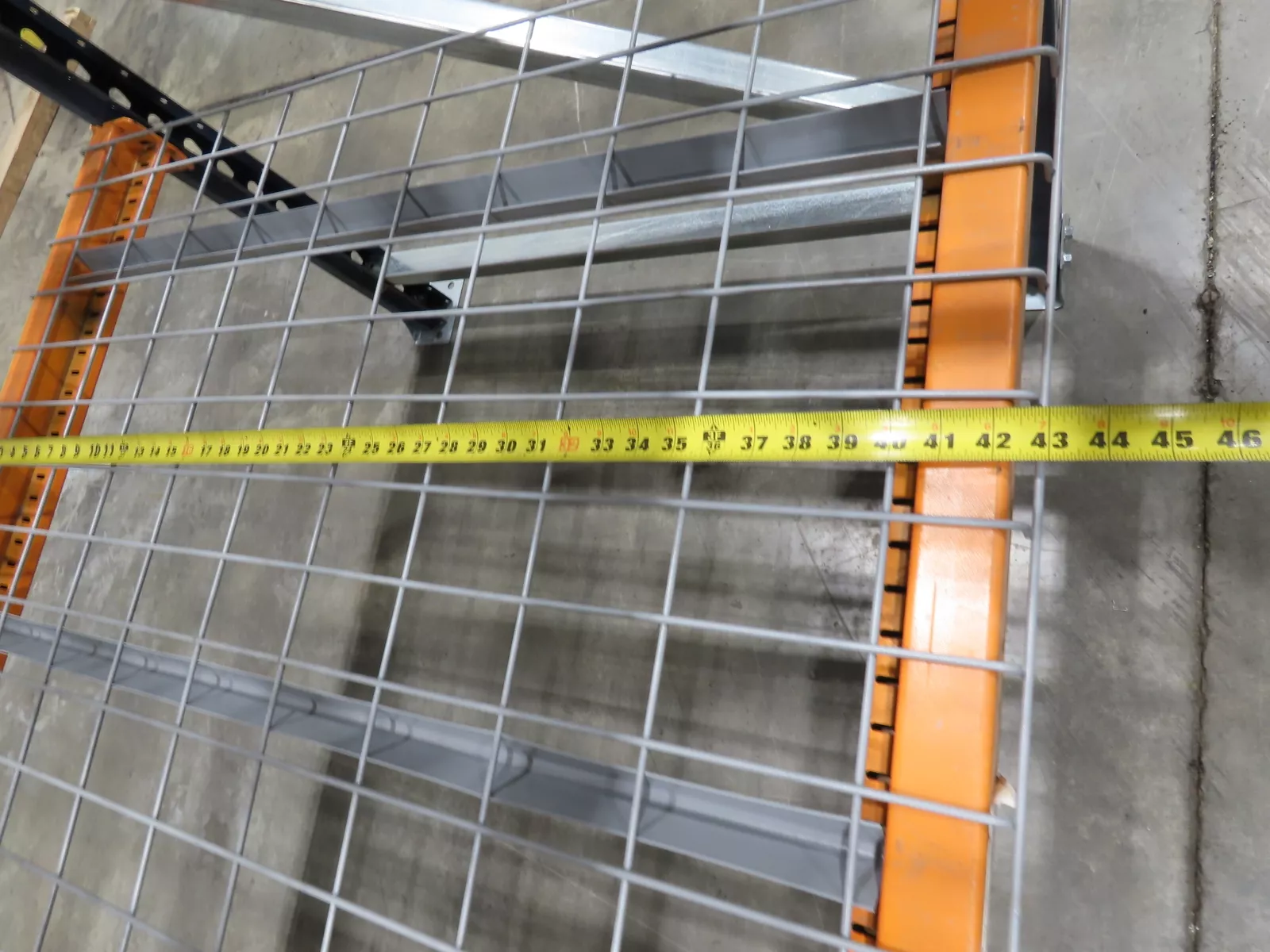
How Can Technology Enhance Employee Training In Safety Practices?
How Can Technology Enhance Employee Training In Safety Practices?
- Investing in safety training is essential for fostering a culture of safety within an organization.
- Utilizing virtual reality simulations engages employees by placing them in real-world pallet racking scenarios.
- This immersive training enhances spatial awareness and situational judgment, improving safety protocol retention.
- Mobile learning platforms provide accessible safety training resources anytime and anywhere, promoting continuous learning.
- Data analytics can be used to monitor training effectiveness, track employee engagement, and assess safety hazards.
- Gamification through quizzes and interactive challenges increases motivation and makes safety training enjoyable.
- Incorporating technology into safety training cultivates a proactive safety culture and encourages employees to advocate for safety measures.
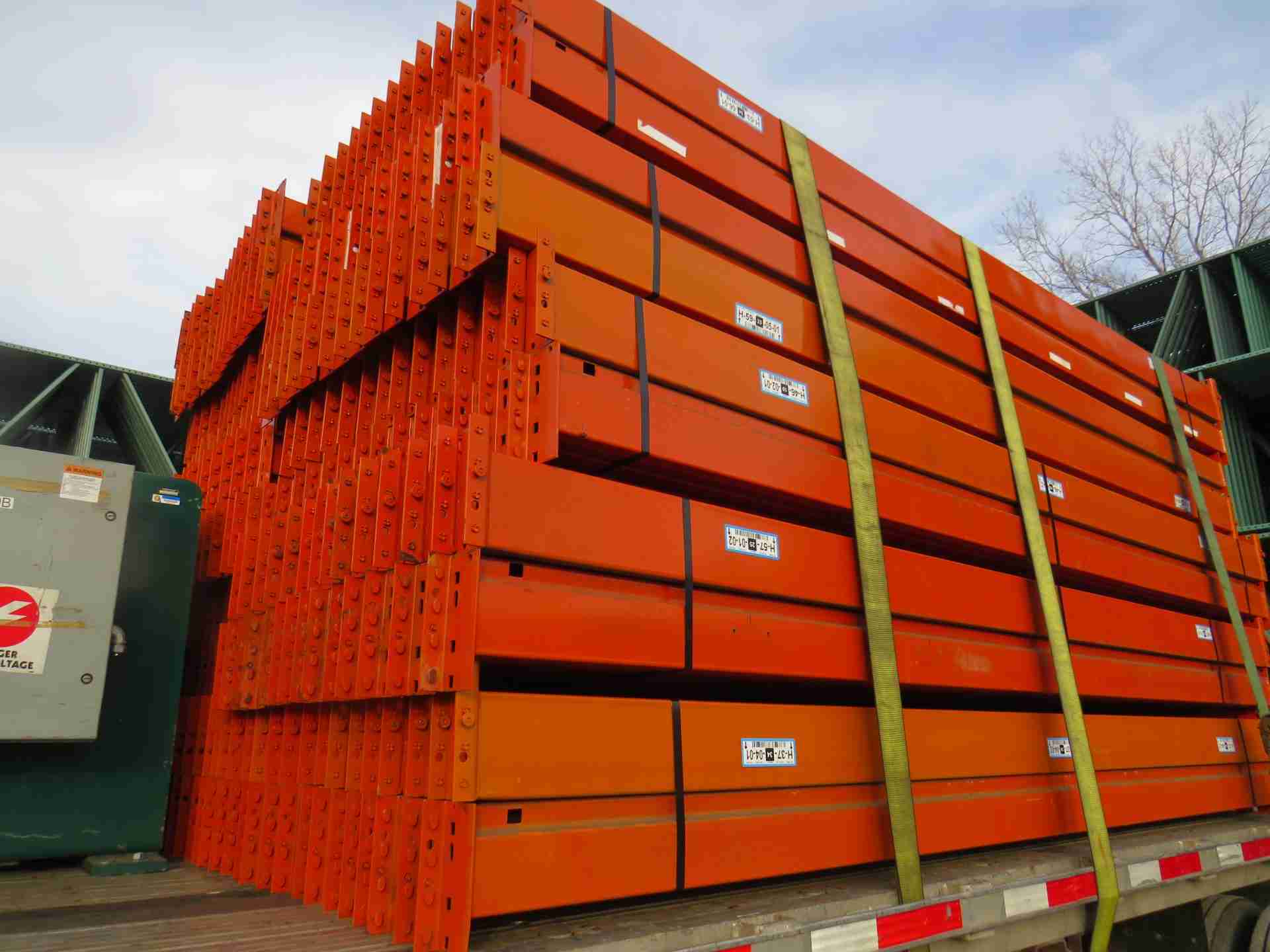
How Can Technology Enhance Employee Training In Safety Practices?
Conclusion
Conclusion: Elevate Warehouse Safety Through Employee Training
As we wrap up this insightful journey into the pivotal role of employee training in warehouse safety, it is clear that investing in a robust training program is no longer optional—it’s an imperative. The dynamic environment of a bustling warehouse, teeming with movement and heavy equipment, presents inherent risks. The solution? Empowering your workforce with the knowledge and skills needed to navigate these challenges with confidence and care.
At Arrow Industrial Sales, we understand that comprehensive employee training transforms workers into vigilant guardians of safety. When warehouse employees are educated on the intricacies of pallet racking systems and equipment operation, they become proactive participants in mitigating risks. It’s not just about compliance; it’s about cultivating a culture where safety is prioritized and woven into the very fabric of daily operations.
Picture a transformed warehouse—a space where every team member not only understands their role in maintaining safety but also feels responsible for their colleagues’ well-being. This camaraderie, forged through ongoing training, fosters a thriving environment, reducing accidents and enhancing productivity. Studies show that organizations prioritizing safety training witness fewer workplace injuries, translating to decreased downtime and a bolstered bottom line. By safeguarding your employees, you’re also protecting your investment in the enterprise itself.
Moreover, consistent and innovative training techniques, such as leveraging technology and interactive methods, ensure that learning becomes engaging and memorable. By incorporating virtual simulations, mobile platforms, and gamification, Arrow Industrial Sales can help you create an unforgettable training experience that stimulates the mind and reinforces critical safety protocols.
However, the stakes are high, and the risks of neglect can be profound. With each passing day, accidents can disrupt operations and jeopardize the safety of your team. The time to act is now. Consider the future of your warehouse and the lives it impacts. Don’t just meet safety standards—exceed them.
Join us in committing to a strategic training approach that elevates safety standards and sets your organization apart in today’s competitive landscape. Make the call to Arrow Industrial Sales at (574) 349-6575. Our experts are eager to provide tailored training solutions to enhance your safety initiatives today, ensuring you create a secure and productive environment for your employees. Take this essential step now, and position your warehouse for success. Your commitment to safety is a commitment to excellence—don’t wait to embrace it!
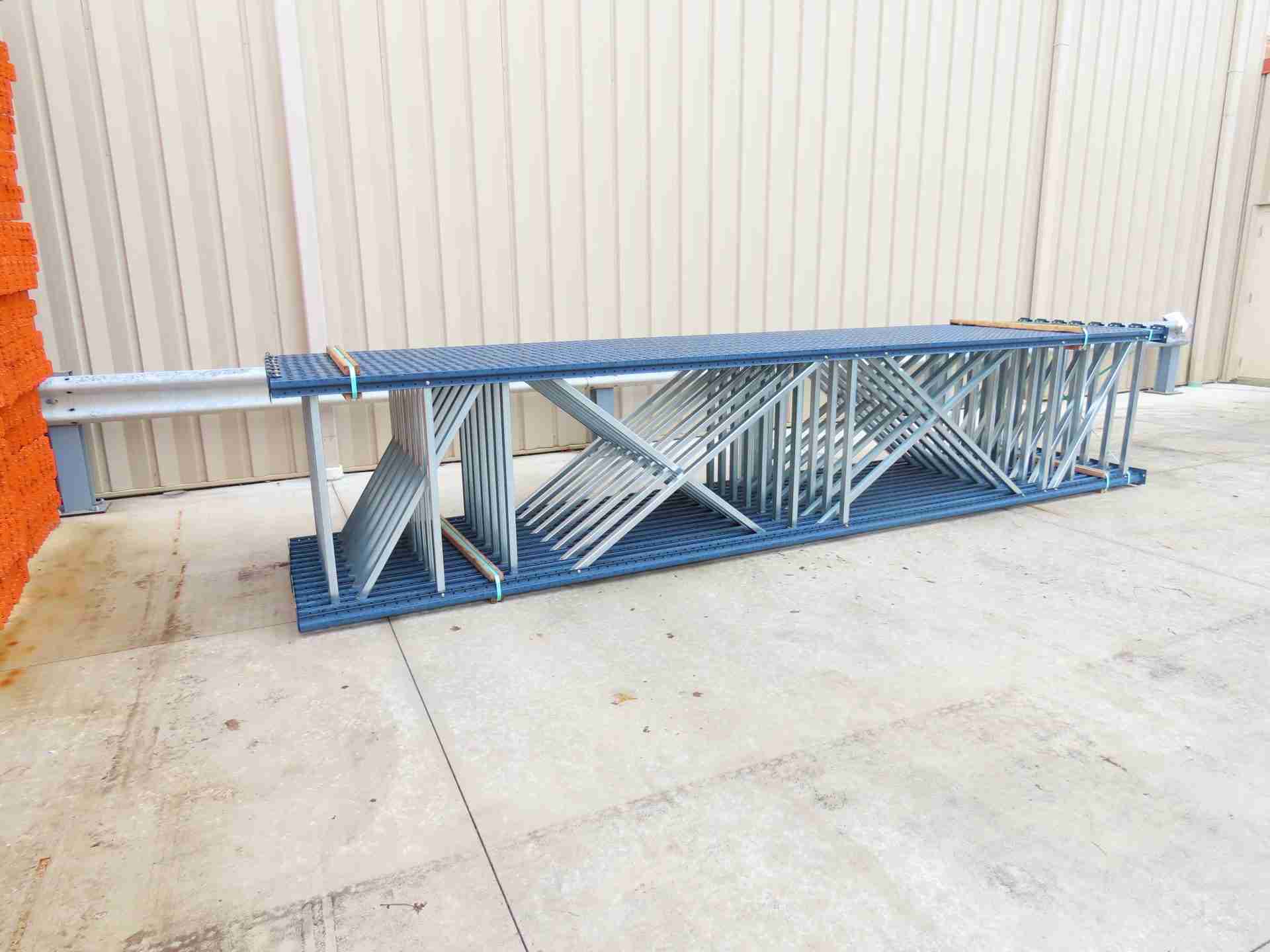
Conclusion
Conclusion:
- Investing in employee training for warehouse safety is essential and non-negotiable.
- Empowering employees with knowledge enhances their ability to navigate risks and ensure safety.
- Comprehensive training fosters a culture of safety that is integral to daily operations.
- Ongoing training promotes camaraderie and personal responsibility among employees for each other’s safety.
- Prioritizing safety training reduces workplace injuries, leading to decreased downtime and improved productivity.
- Innovative training methods, such as virtual simulations and gamification, enhance engagement and retention.
- Taking immediate action on safety training is crucial for the well-being of employees and overall operational success.
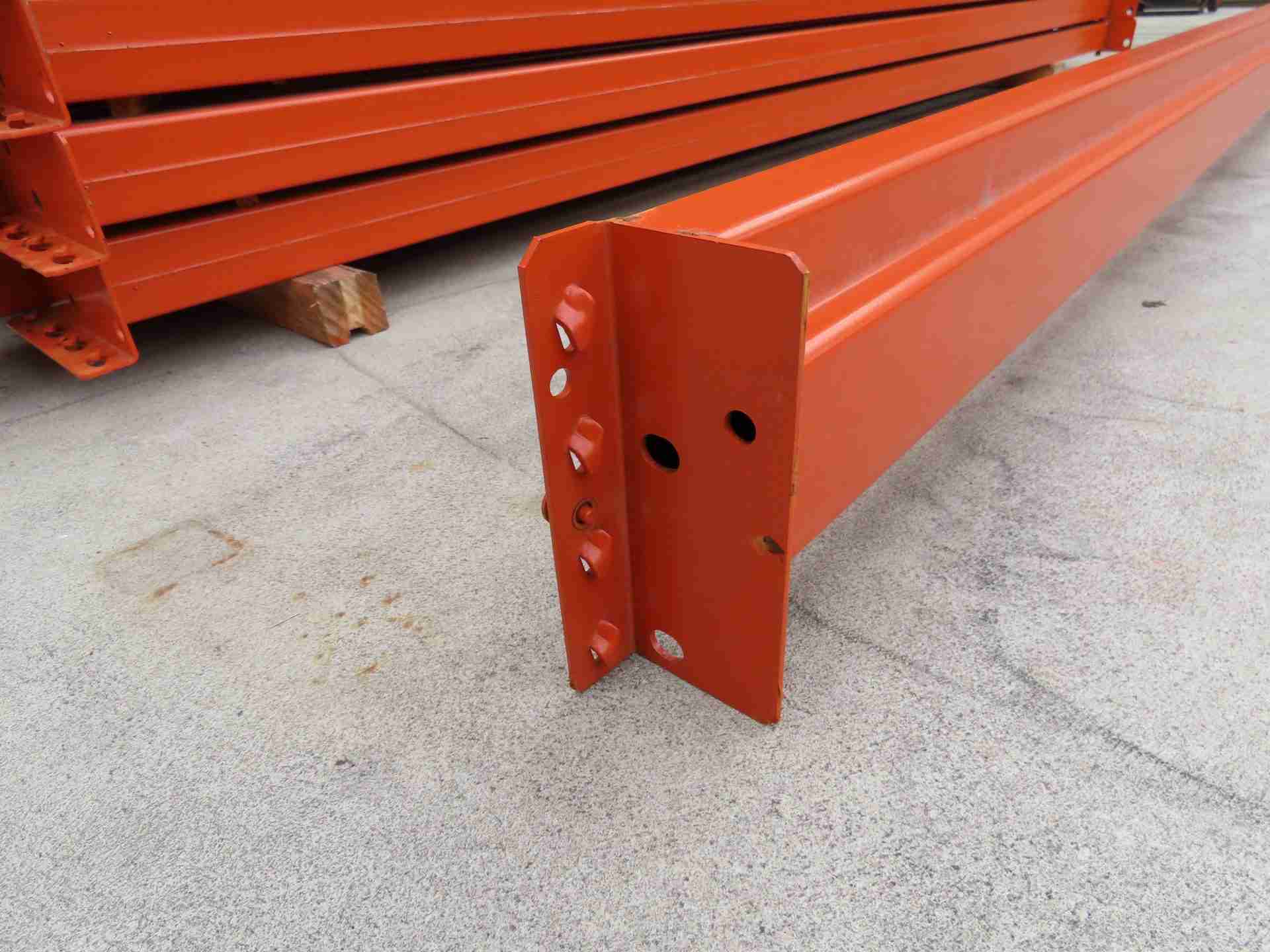
Conclusion
Other Resources
Other Resources
Here is a list of other resources you can review online to learn more:
- Teardrop Pallet Rack – Ridg-U-Rak
- CMMA
- CA Wire
- What is Cantilever Racking? – AK Material Handling Systems
- New Cantilever Racks and Racking Kits
- Iowa Illinois Warehouse Racking
- Teardrop Industrial Shelving Rack
- Storage Equipment Manufacturers Association
- Illinois
- Selective Pallet Racking Systems
Use This Prompt To Get More Resources With Your Favorite Online AI Tool: Please provide me with a list of online articles with their URLs in a bulleted list that I can read regarding What Role Does Employee Training Play In Warehouse Safety?
Other Resources
Glossary Terms
What Role Does Employee Training Play In Warehouse Safety? – Glossary Of Terms
1. Accident Prevention: Strategies and methods implemented to reduce the likelihood of workplace accidents.
2. Awareness Training: Training programs focused on making employees aware of potential hazards and risks in the warehouse environment.
3. Compliance: Adhering to local, state, and federal safety regulations and standards.
4. Emergency Response: Procedures and protocols in place for addressing emergency situations, such as accidents or natural disasters.
5. Ergonomics: The study of how to make work environments safe and efficient to reduce strain on employees.
6. Hazard Identification: The process of recognizing potential sources of harm in the workplace.
7. Job Safety Analysis (JSA): A systematic procedure to identify and control potential hazards associated with specific job tasks.
8. Lift Techniques: Best practices for lifting heavy objects to prevent injury, including the use of proper body mechanics.
9. Material Handling: The process of moving, packaging, and storing materials in a warehouse safely.
10. OSHA (Occupational Safety and Health Administration): A government agency that establishes and enforces standards for workplace safety.
11. Personal Protective Equipment (PPE): Specialized clothing and gear designed to protect employees from workplace hazards.
12. Risk Assessment: The systematic process of evaluating potential risks that could be involved in a projected activity or undertaking.
13. Safety Culture: The attitudes, beliefs, and practices regarding safety shared by employees in a workplace.
14. Safety Audits: Regular inspections conducted to assess compliance with safety standards and identify areas for improvement.
15. Safety Committees: Groups of employees and managers tasked with overseeing workplace safety initiatives.
16. Standard Operating Procedures (SOPs): Documented processes that outline the steps necessary to complete specific warehouse tasks safely.
17. Training Modules: Individual segments or components of training programs focused on specific safety topics or skills.
18. Warehouse Layout: The physical arrangement of equipment, storage areas, and workstations in a warehouse, designed to minimize risks.
19. Workplace Ergonomics: Design and arrangement of workplace tools and tasks to fit employees’ needs and reduce the risk of injury.
20. Forklift Safety: Guidelines and training focused on the safe operation of forklift trucks within the warehouse.
21. Incident Reporting: The process by which employees document and communicate safety incidents or near misses.
22. Safety Drills: Simulated exercises conducted to prepare employees for emergency situations, such as evacuations.
23. Continuous Improvement: Ongoing efforts to enhance safety practices and training programs based on feedback and results.
24. Behavioral Safety: An approach to improving workplace safety by focusing on employee behaviors that can lead to accidents.
25. Training Evaluation: The assessment of training effectiveness to determine if safety training meets its objectives.
26. Mentorship: An experienced employee guiding and supporting less experienced colleagues in safe work practices.
27. Cross-Training: Training employees in multiple roles and responsibilities to ensure safety and flexibility in operations.
28. Safety Signage: Visual indicators placed throughout the warehouse to provide safety information and alerts.
29. Incident Investigations: Analyzing accidents to understand their causes and prevent future occurrences.
30. Training Certifications: Official recognition of skills and knowledge acquired through training programs, often required for specific tasks.
Glossary Of Terms
Other Questions
What Role Does Employee Training Play In Warehouse Safety? – Other Questions
If you wish to explore and discover more, consider looking for answers to these questions:
- What are the common hazards found in warehouse environments?
- How can I assess the effectiveness of my current training programs?
- What are best practices for creating a safety training program?
- How do I keep training engaging for employees?
- What should a comprehensive safety training program include?
- How can employee feedback improve safety training processes?
- What role do supervisors play in maintaining safety standards?
- Are there specific certifications for warehouse safety training?
- How can I make safety training part of the company culture?
- What are the legal implications of not conducting safety training?
- How do different training methods compare in effectiveness?
- What role does leadership play in promoting warehouse safety?
- How can I incorporate new technology into safety training effectively?
- How do I train employees from different generations effectively?
- What are the signs that my warehouse safety training needs to be updated?

Other Questions
Checklist
What Role Does Employee Training Play In Warehouse Safety? – A Checklist
Checklist: Enhancing Warehouse Safety Through Employee Training
1. Initial Training Program
_____ Conduct comprehensive safety training upon employee hire.
_____ Cover topics related to pallet racking and equipment handling.
2. Regular Training Refreshers
_____ Schedule comprehensive training sessions at least every three months.
_____ Conduct brief, informal safety huddles before every shift.
3. Training Techniques
_____ Implement interactive training methods (e. g. , role-playing, hands-on drills).
_____ Use visual aids such as infographics and video demonstrations.
_____ Employ spaced learning techniques, and provide quizzes afterward.
4. Essential Skills to Teach
_____ Proper usage and limitations of pallet racking systems.
_____ Safe operation of forklifts and pallet jacks.
_____ Effective communication about hazards and changes.
_____ First aid and emergency response preparedness.
_____ Instill a culture of accountability among all team members.
5. Utilizing Technology
_____ Incorporate virtual reality simulations for immersive training.
_____ Implement mobile learning platforms for continuous access to safety resources.
_____ Use data analytics tools to monitor training effectiveness and safety compliance.
_____ Integrate gamification elements to make training engaging and motivating.
6. Encouraging a Safety Culture
_____ Foster an environment where employees feel empowered to speak up about safety.
_____ Encourage team discussions about safety concerns and successes.
_____ Regularly remind employees of the importance of safety within the warehouse.
7. Compliance and Legal Standards
_____ Stay updated on local safety regulations and industry best practices.
_____ Ensure training meets legal compliance requirements to avoid penalties.
8. Feedback and Improvement
_____ Solicit feedback from employees regarding training effectiveness.
_____ Continuously adapt training programs based on employee input and safety data.
9. Tracking Success Metrics
_____ Monitor workplace accident rates before and after training implementation.
_____ Evaluate employee confidence and morale post-training.
10. Commitment to Safety
_____ Regularly communicate the company’s commitment to safety to all employees.
_____ Recognize and reward employees who demonstrate exceptional safety practices.
Utilizing this checklist will help you create a robust employee training program that not only enhances safety in the warehouse but also cultivates a proactive safety culture among your staff.

Checklist
At RackingWorld, we help guide you through selecting warehouse storage systems and racking.
Be sure to read our other related stories at RackingWorld to learn more about warehouse storage systems.
0 Comments