
Maximizing Efficiency: Revamp Your Warehouse Layout Now!
By Tom Seest
At RackingWorld, we help guide you through selecting warehouse storage systems and racking.
Be sure to read our other related stories at RackingWorld to learn more about warehouse storage systems.
Are You Losing Valuable Resources to Inefficient Warehouse Layouts?
Let’s face it: every square foot of your warehouse is a precious resource. Yet, many warehouse managers unknowingly squander that value, and the culprit is often an inefficient layout. Picture this scenario: your team furiously rushes around dodging obstacles, searching for misplaced items, or dealing with that outdated pallet racking that seems to consume space rather than maximize it. What if I told you that your layout could be the difference between profit and loss?
Imagine entering your warehouse and immediately feeling the flow. Products are seamlessly organized, and your team knows exactly where to find and place items—no clutter, no confusion. You could optimize your pallet racking system to create a well-oiled machine rather than a chaotic obstacle course. A well-planned layout doesn’t just save time; it saves money, enhances productivity, and boosts employee morale. That’s what a good layout enables—a streamlined operation that runs like clockwork.
Now, I know what you might be thinking: “How can I change something that seems so set in stone?” It starts with understanding your unique needs. Think of your current layout not as a permanent fixture but as a dynamic framework, constantly evolving according to your inventory and workflow needs. This is where trust and partnership come into play—you don’t have to navigate this transformation alone. Experienced warehouse consultants are ready to guide you through each stage, helping you pinpoint inefficiencies and transform them into opportunities.
Consider that every wasted minute adds up to lost profits. Picture a warehouse where your employees move with purpose. Observe how order picking times decrease, shipping accuracy improves, and those pesky overhead costs start to dwindle. When was the last time you reflected on the importance of a layout optimized for your operation?
So why let those resources slip through your fingers? Take a moment to envision what optimized pallet racking would mean for your bottom line. Invest time in rethinking your warehouse layout, and the results will undoubtedly speak for themselves. The journey toward a more efficient workspace begins with a single step—don’t hesitate. Contact an expert today, and reclaim the valuable resources that have been quietly draining your profits. It’s time to take action and reshape your warehouse’s future!
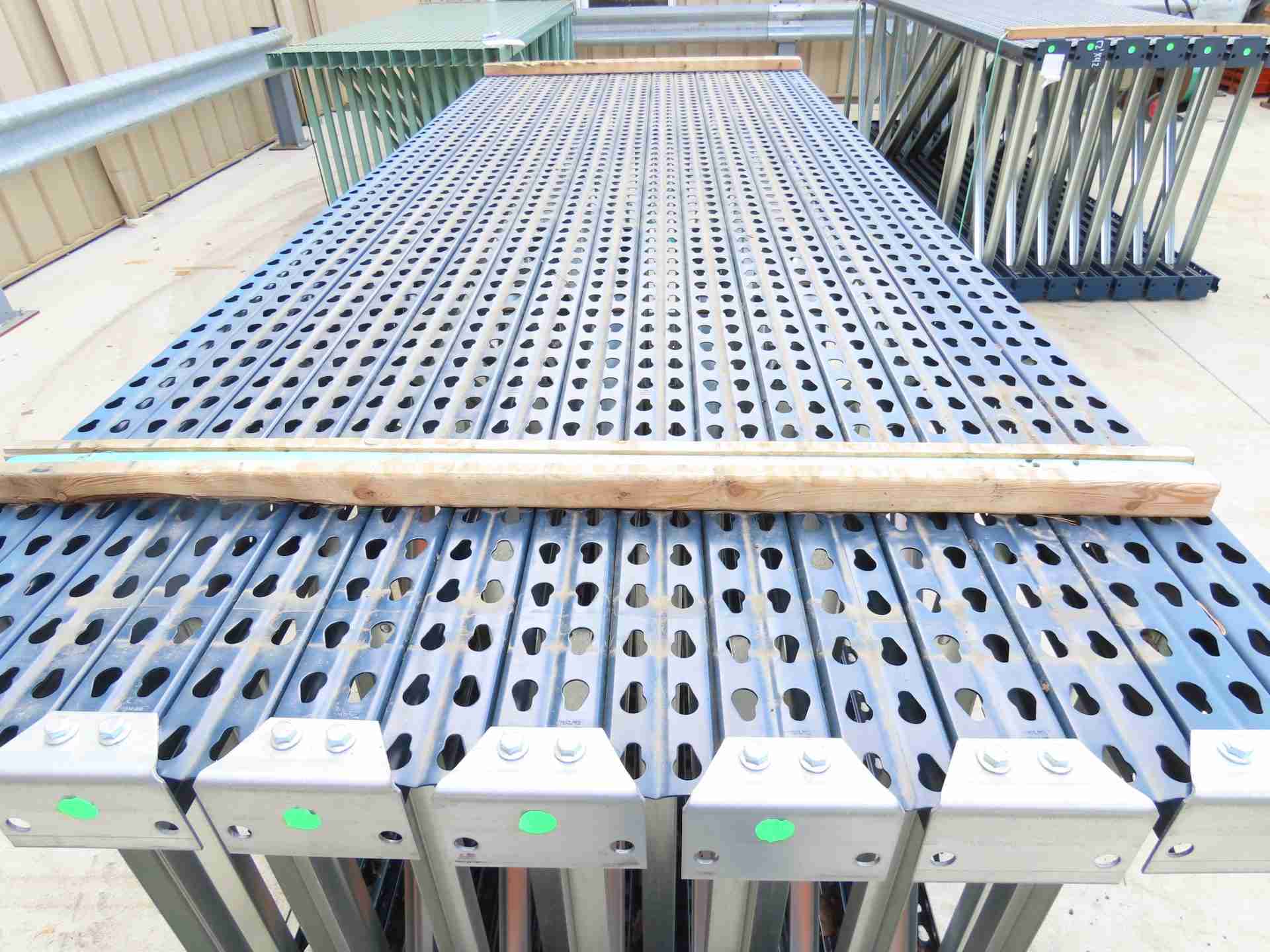
Are You Losing Valuable Resources to Inefficient Warehouse Layouts?
Are You Losing Valuable Resources to Inefficient Warehouse Layouts?
- Every square foot of warehouse space is valuable, yet many managers waste it due to inefficient layouts.
- A chaotic warehouse layout can hinder team movements, leading to time loss and frustration.
- A well-planned layout enhances productivity, saves money, and improves employee morale.
- View your current layout as a dynamic framework that can evolve based on inventory and workflow needs.
- Experienced warehouse consultants can assist in identifying inefficiencies and optimizing your operations.
- Optimizing your layout can significantly reduce order picking times and improve shipping accuracy.
- Investing in warehouse layout changes can lead to substantial improvements in your bottom line—consider reaching out to an expert.
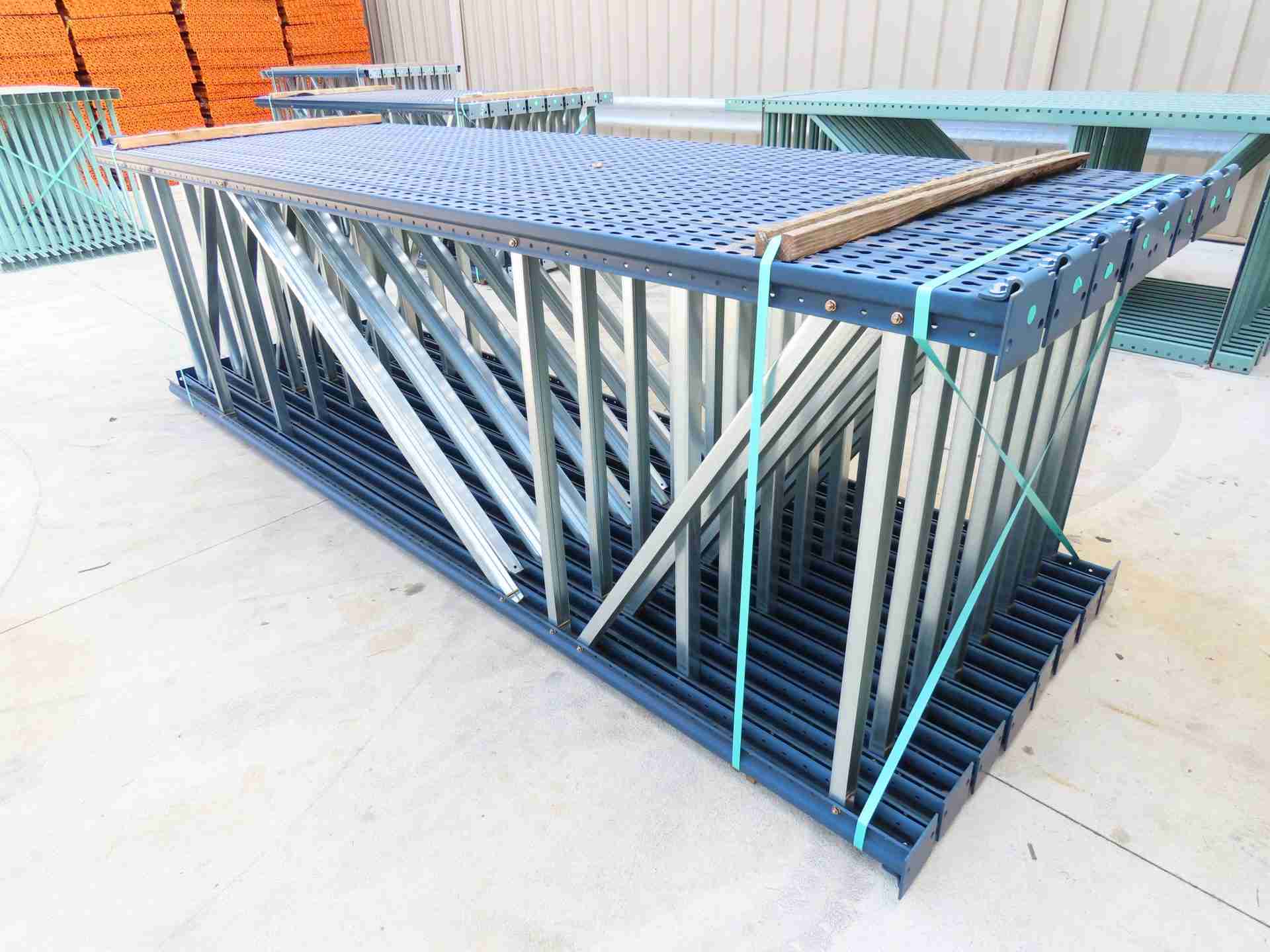
Are You Losing Valuable Resources to Inefficient Warehouse Layouts?
Table Of Contents
- Are You Losing Valuable Resources to Inefficient Warehouse Layouts?
- Are Your Warehouse Aisles Optimized For Maximum Efficiency?
- Is Your Inventory Management System Integrated With Layout Planning?
- How Often Do You Reassess Your Warehouse Layout For Efficiency?
- Are You Utilizing Vertical Space Effectively In Your Warehouse?
- Is Your Warehouse Layout Adaptable To Changing Inventory Levels?
- Are There Bottlenecks In Your Current Warehouse Operations?
- Conclusion
- Other Resources
- Glossary Of Terms
- Other Questions
- Checklist
Are Your Warehouse Aisles Optimized For Maximum Efficiency?
Picture this: a bustling warehouse, days and nights filled with the hum of productivity. Workers navigating aisles swiftly, products flying off the shelves, and every inch of space optimized for maximum output. Now, take a moment to ask yourself—are your warehouse aisles truly optimized for maximum efficiency?
If you’re managing a warehouse, you know that every second counts. Delays can lead to missed deadlines and dissatisfied customers. That’s where pallet racking comes into play. This essential component isn’t just another fixture; it’s a strategic investment in your operational success. Many businesses underestimate how effective pallet racking can be when it comes to maximizing both space and accessibility in your aisles. Picture this: your aisles are designed for flow—items are easy to reach, pathways are clear, and your team can move with purpose.
But how do you get there? First, consider the layout of your space. Are your aisles too narrow, causing congestion? Do items sit on shelves gathering dust because they’re simply out of reach? The ideal warehouse setup needs to balance space efficiency with accessibility. Narrow aisles can feel cozy, but in reality, they create bottlenecks that frustrate the very employees you depend on.
Next, proper pallet racking can help alleviate these concerns. By using warehouse racking systems designed for easy access while maximizing vertical space, you can significantly increase your storage capacity. More space means more productivity. More productivity means happier customers. You wouldn’t want your workers scrambling around looking for a misplaced pallet, would you? In the long run, an optimized aisle layout not only increases efficiency but also boosts morale.
Let’s be honest—your warehouse deserves better than the cluttered chaos that may have crept in over time. Trust is built on efficiency, and when your operations flow smoothly, your team—and your customers—will feel confident. You don’t have to overhaul your entire warehouse; sometimes, small improvements lead to monumental changes.
So, why wait? Take a closer look at your warehouse aisles today. Assess the potential of your pallet racking and reclaim your productivity. Optimize for success, because an efficient warehouse isn’t just a nice-to-have—it’s a requirement for growth. Don’t let inefficiency steal your thunder. Invest in your operations and watch your business thrive!
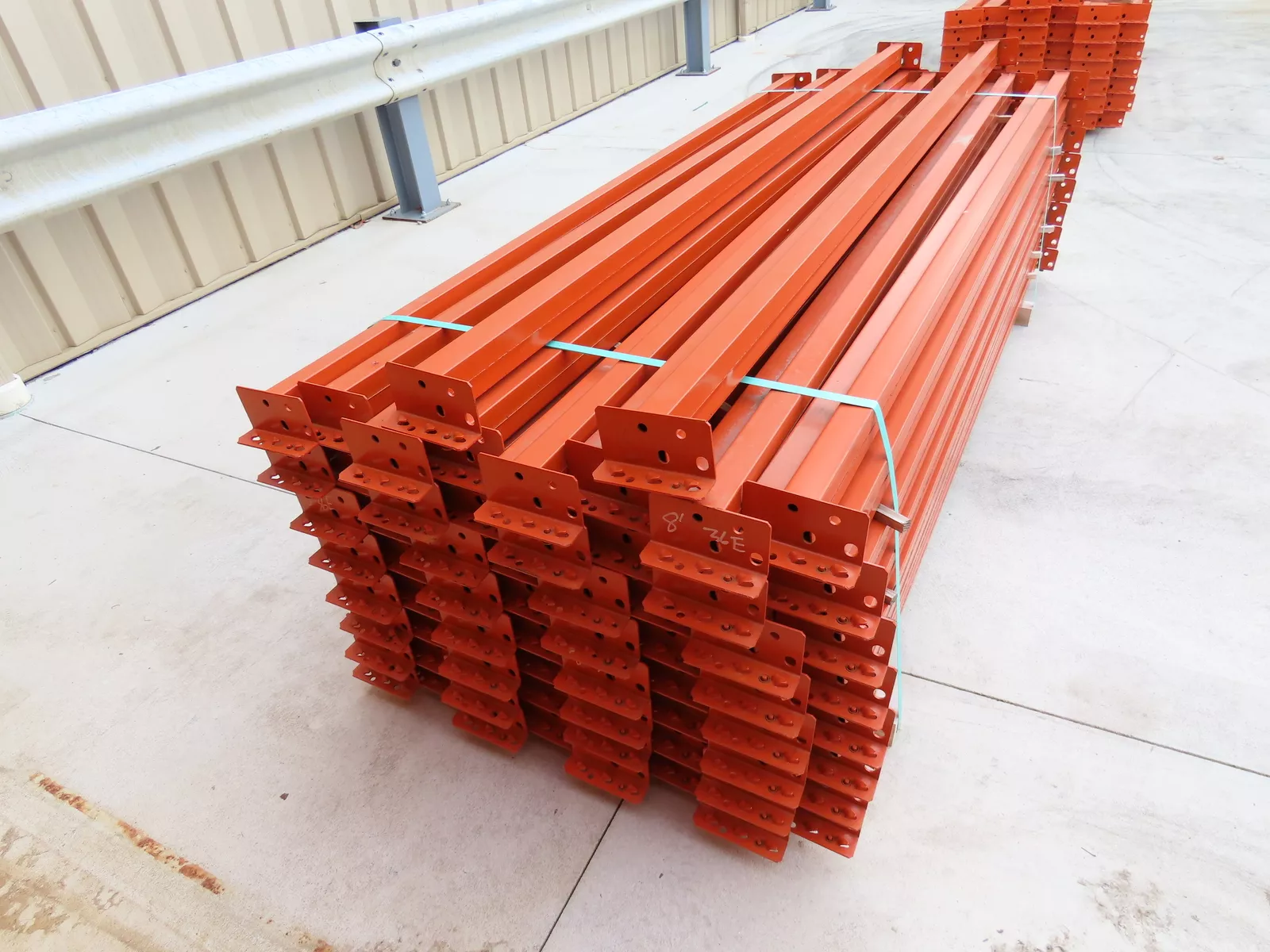
Are Your Warehouse Aisles Optimized For Maximum Efficiency?
Are Your Warehouse Aisles Optimized For Maximum Efficiency?
- Warehouse productivity relies on efficient aisle management and layout.
- Pallet racking is a strategic investment that maximizes space and accessibility.
- Proper aisle design ensures items are reachable and pathways are clear.
- Narrow aisles can create bottlenecks, leading to delays and employee frustration.
- Implementing effective racking systems increases storage capacity and productivity.
- Improving warehouse organization can enhance efficiency and employee morale.
- Small changes in aisle optimization can lead to significant operational improvements.
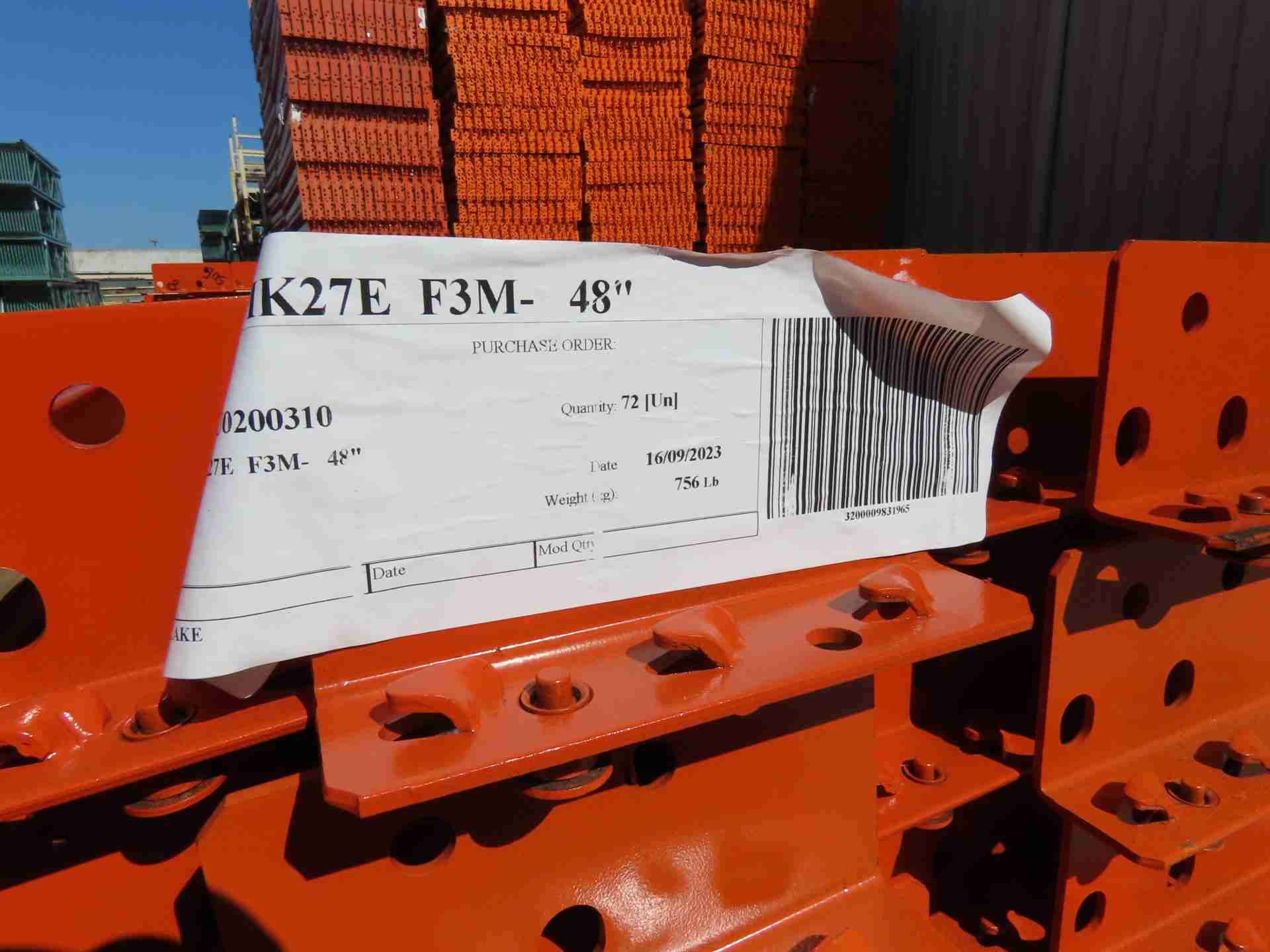
Are Your Warehouse Aisles Optimized For Maximum Efficiency?
Is Your Inventory Management System Integrated With Layout Planning?
When it comes to efficiently managing your inventory, there’s one essential question you must ask yourself: Is your inventory management system truly integrated with your layout planning? Picture this: a well-designed warehouse featuring Pallet Racking that allows for seamless organization and accessibility. Isn’t that the dream? But, without the right systems in place, that dream can quickly turn into a logistical nightmare.
Unfortunately, many businesses operate in silos, treating their inventory management and layout planning as two separate entities. This tunnel vision can lead to inefficiencies that cost time, money, and sanity. If your stock is scattered in hard-to-reach corners or boxed away where no one can find it, you’re losing valuable resources every day.
Integrating your inventory management system with effective layout planning transforms those cumbersome processes into smooth operations. Imagine how much more efficient your team could be if they didn’t have to waste time searching for products tucked away behind a maze of Pallet Racking. When you join together these two vital components, you create an environment in which inventory flows like clockwork.
Consider this: optimizing your layout means you can strategically place your best-selling items in prime locations, thereby reducing picking time and enhancing customer satisfaction. It’s not just about quantity but about quality of service. If your clients see the Diligence and efficiency of your operations, it will inspire trust and confidence, turning first-time buyers into loyal customers.
Now, let’s take action! As you reflect on your current systems, think of the possibilities. A smart integration could mean implementing digital tools that not only record stock levels but analyze data and inform your layout decisions in real-time. Why shuffle things around blindly when you can make informed moves that enhance productivity?
So, if you’re still stuck in the old ways, consider taking that bold leap forward. Dive into the integration of your inventory management with layout planning. We’re talking about an upgrade that unleashes the potential of your storage space and empowers your workforce, ultimately leading to higher profits and a thriving business.
Don’t just take our word for it—experience the change yourself. Take that first step today, and watch your efficiency skyrocket. The future of your inventory system is not only about tools but about strategy, layout, and doing things right. The road to success starts now!
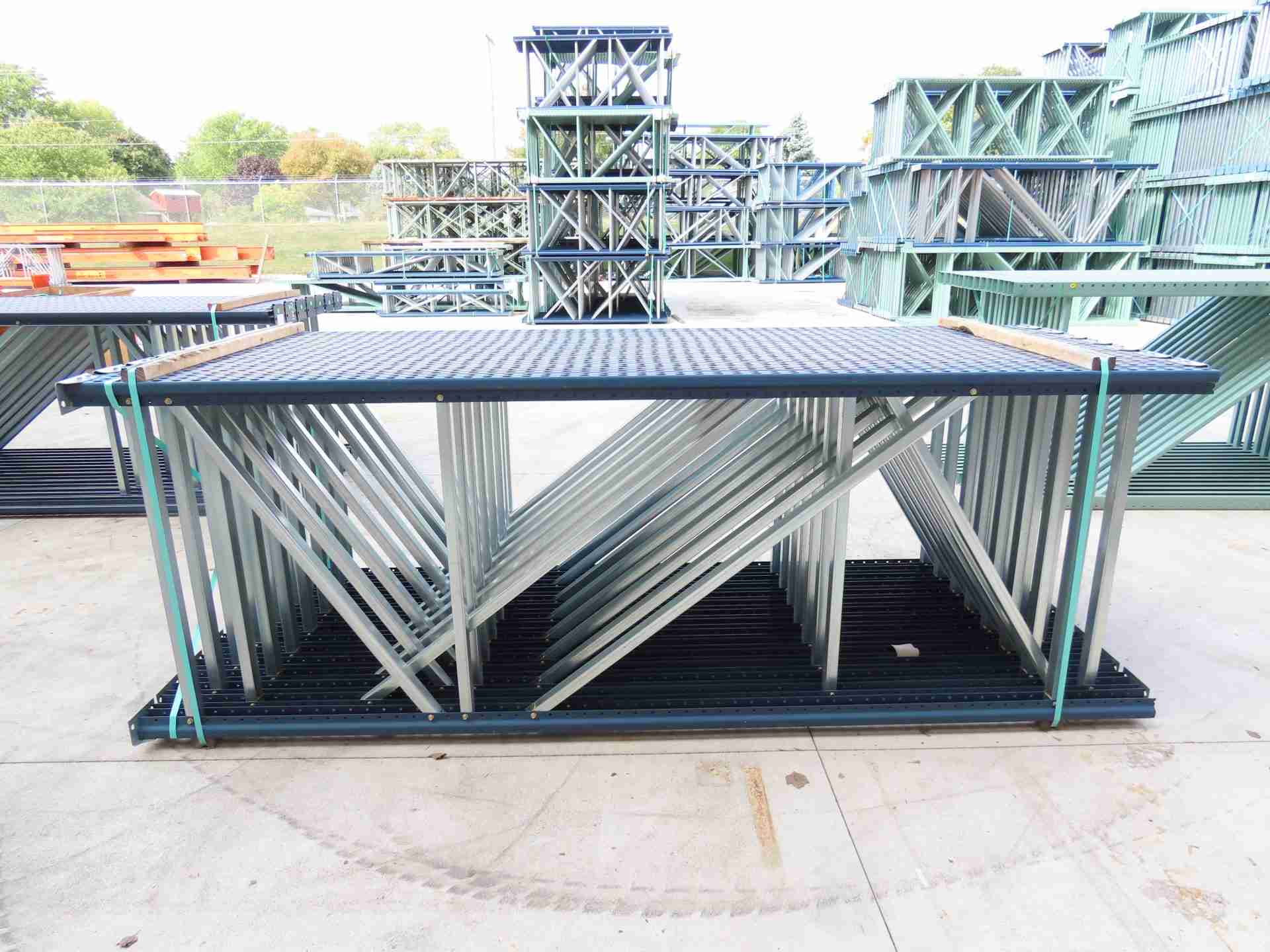
Is Your Inventory Management System Integrated With Layout Planning?
Is Your Inventory Management System Integrated With Layout Planning?
- Assess whether your inventory management system is integrated with layout planning.
- A well-designed warehouse with Pallet Racking enhances organization and accessibility, reducing logistical issues.
- Operating in silos with separate inventory and layout planning leads to inefficiencies and wasted resources.
- Integrating inventory management with layout planning can streamline operations and improve efficiency.
- Strategically placing best-selling items optimizes layout, reducing picking time and enhancing customer satisfaction.
- Implementing digital tools can provide real-time data analysis for informed layout decisions.
- Integrating these systems can lead to higher profits and a more efficient, thriving business.
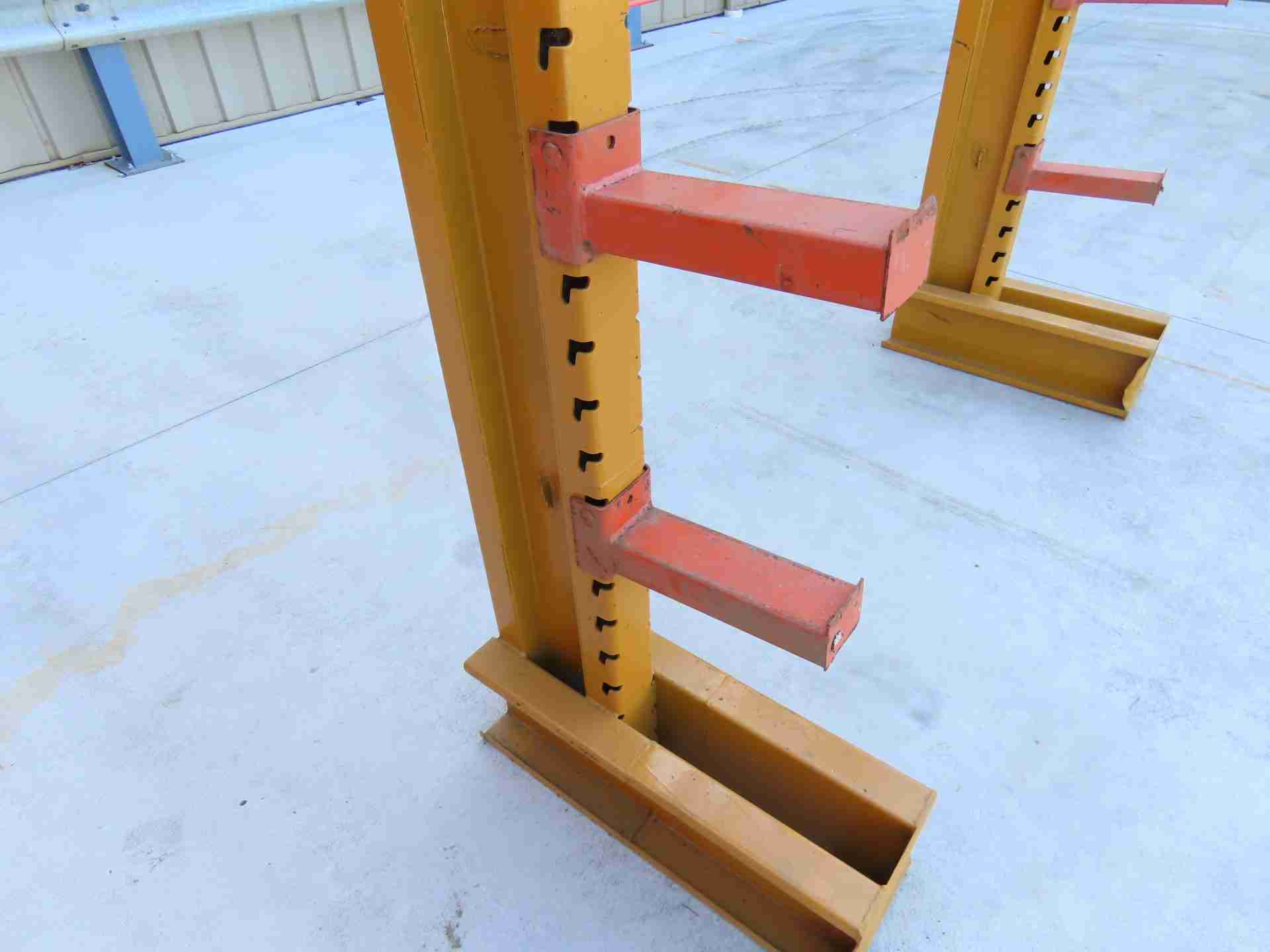
Is Your Inventory Management System Integrated With Layout Planning?
How Often Do You Reassess Your Warehouse Layout For Efficiency?
Picture this: it’s a busy Tuesday afternoon, orders are piling up, and your team is scrambling to locate items within your warehouse. You glance around and realize the chaos could have been avoided with a simple reassessment of your warehouse layout. Surprisingly, many businesses overlook this critical step, assuming their current setup must be working just fine. But let’s be real—how often do you take a thorough look at your warehouse operations?
Your warehouse is not just a storage space; it’s the backbone of your business. With the right frequency of reassessment, you can transform that backbone into a powerhouse of efficiency, productivity, and ultimately, profitability. A smartly designed warehouse layout means your pallet racking is not just installed but strategically placed to facilitate smooth workflows. Products need to move seamlessly from the receiving dock to storage, and then to shipping. Is your current layout supporting this?
Think about how often your inventory mix changes. Perhaps you’ve introduced new products or phased out others. These changes demand a fresh look at your warehouse layout. If you’re still working with the same pallet racking configuration you had five years ago, you could be losing valuable time—and money. Every wasted minute searching for an item translates directly to reduced customer satisfaction and dwindling profits.
Now, let’s make this relatable. Imagine an athlete who never revisits their training regimen. They practice the same drills day in and day out, never adjusting for improved techniques or new strategies. The same applies to your warehouse. Regular reassessment ensures your layout evolves with your business needs, staying competitive in a rapidly changing market.
To foster trust and ignite action, I encourage you to schedule a brief but insightful site review bi-annually. This isn’t just about optimizing space; it’s about understanding flow and accessibility. Gather your team, brainstorm changes, and assess the effectiveness of your current pallet racking setup. Empower your staff with the responsibility to suggest tweaks that could save time or enhance productivity.
When you prioritize a reassessment of your warehouse layout, you’re not just keeping pace—you’re setting the pace for efficiency. Don’t wait for issues to unfold; take proactive measures that guarantee smooth operations and satisfied customers. After all, being reactive rarely breeds success. Be the leader who anticipates needs and structures your warehouse layout for greatness.
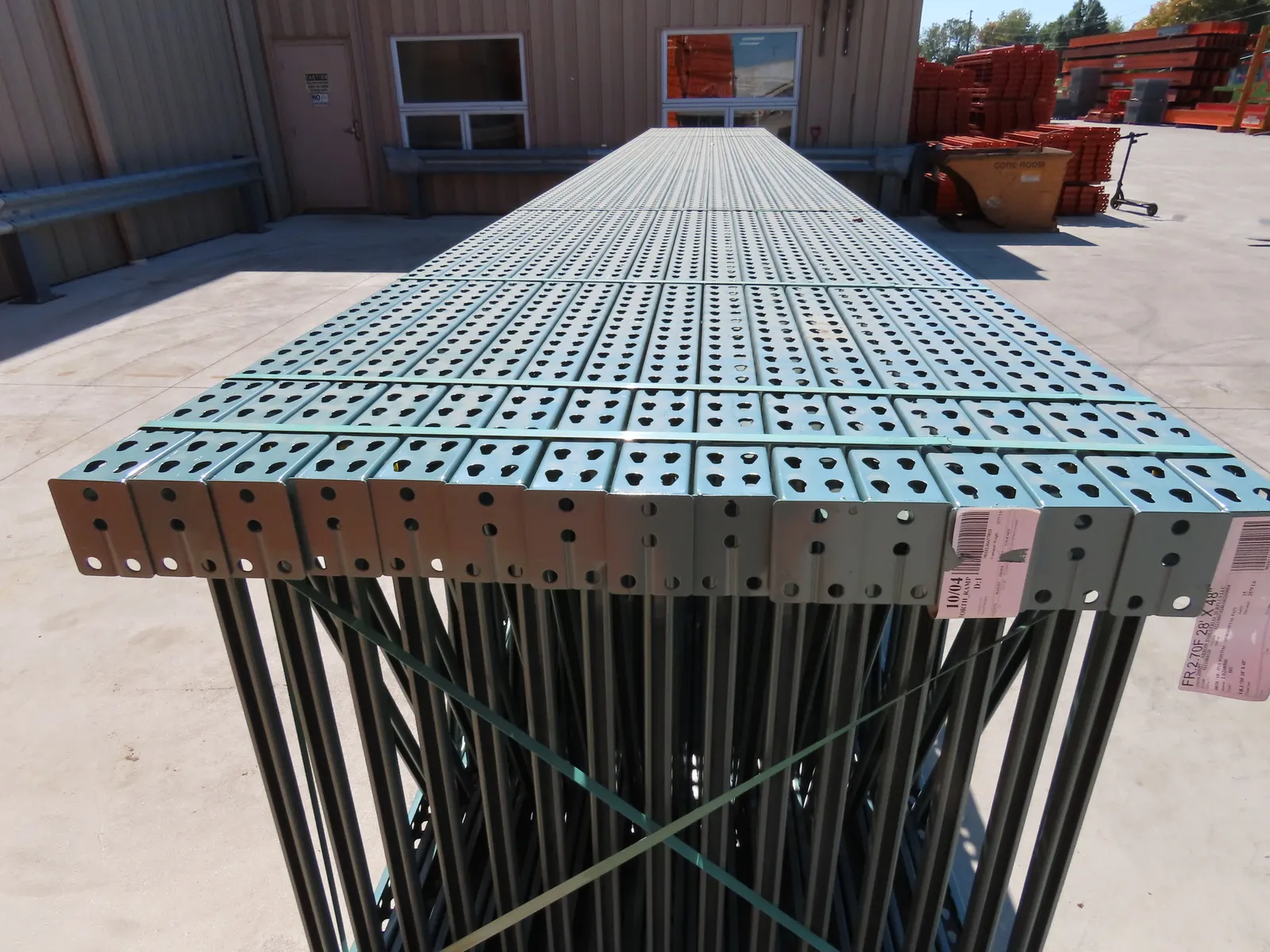
How Often Do You Reassess Your Warehouse Layout For Efficiency?
How Often Do You Reassess Your Warehouse Layout For Efficiency?
- Many businesses overlook the importance of regularly reassessing their warehouse layout, assuming their current setup is fine.
- A well-designed warehouse layout enhances efficiency, productivity, and profitability for the business.
- Changes in inventory mix, such as new products, necessitate a fresh look at warehouse organization.
- Outdated pallet racking configurations can lead to wasted time and decreased customer satisfaction.
- Regular reassessment of a warehouse layout is akin to an athlete improving their training regimen.
- Conducting bi-annual site reviews with your team can optimize space, understand flow, and enhance productivity.
- Proactive measures in warehouse management lead to smoother operations and increased customer satisfaction.
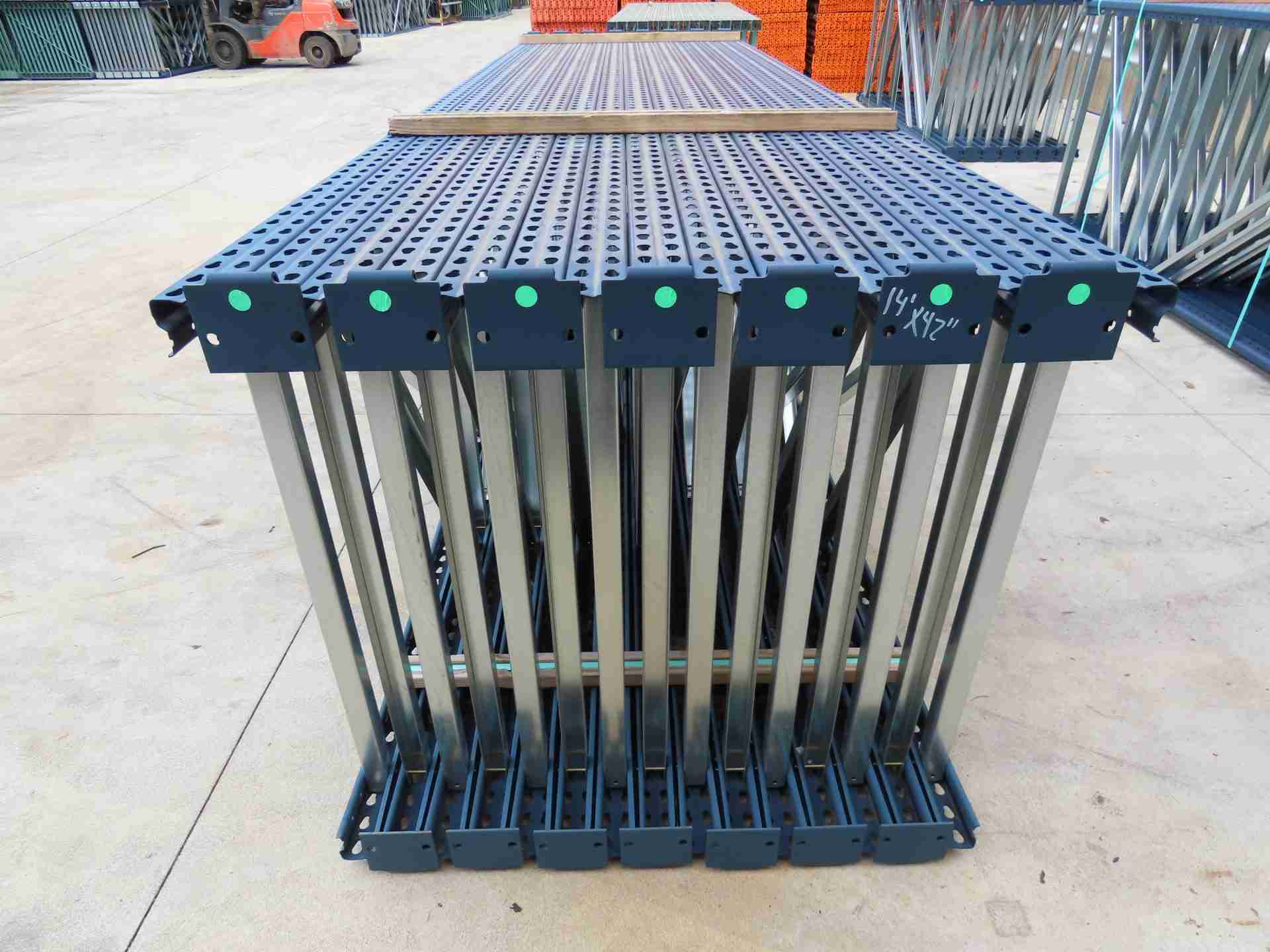
How Often Do You Reassess Your Warehouse Layout For Efficiency?
Are You Utilizing Vertical Space Effectively In Your Warehouse?
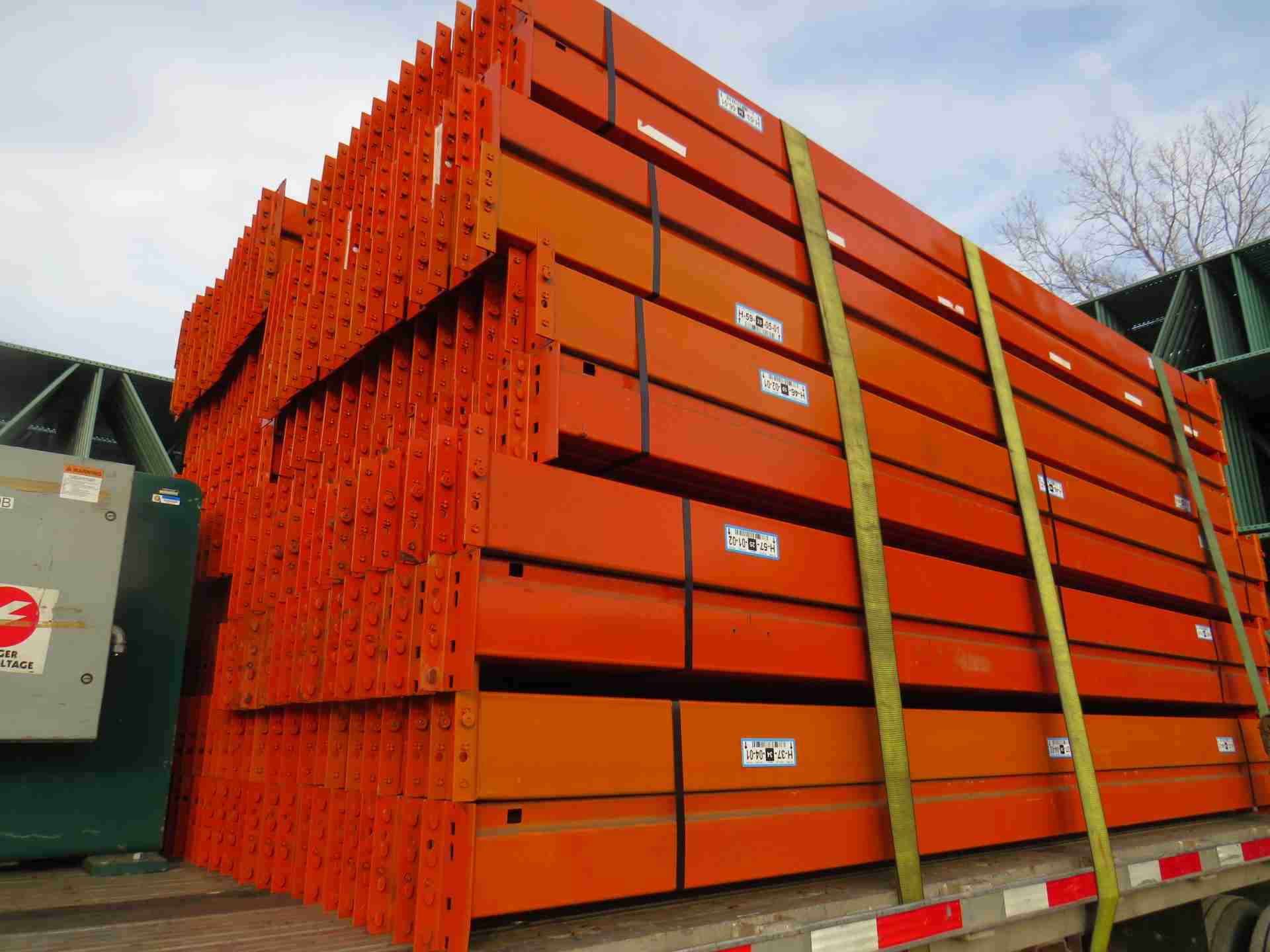
In the fast-paced world of warehousing, maximizing every square foot is essential—not just for efficiency, but for profitability. Your warehouse is likely filled with a mix of products, equipment, and, dare we say, wasted vertical potential. Have you stopped to consider that the answer to your space woes could lie right above your head? Effective use of vertical space can transform your warehouse from a cluttered maze into a streamlined operation.
Pallet racking systems are a game-changer when it comes to tapping into that vertical real estate. Imagine lifting your inventory up into the air, creating multiple levels of organized storage that allow you to keep clear pathways on the floor. Not only do you get enhanced organization, but you also boost accessibility. Items stored at different heights can be easily retrieved, saving your team precious time that they can redirect to value-adding activities.
But let’s get real: It’s not just about putting up stacks of pallets haphazardly. Smart pallet racking doesn’t just help you fetch goods; it helps you maintain order. Picture a warehouse where every item has a home, a place that’s clearly defined, which allows your workers to find what they need quickly and efficiently. It enhances workflow and eliminates the chaos that often comes with disorganization.
Conversely, neglecting your vertical potential can lead to stagnation. Think about it: every inch of unused overhead space is potential revenue lost. Inefficient use of vertical storage can stifle growth and profitability, making it hard to scale your operation. Why should you forgo opportunity when an effective pallet racking system can elevate your business—literally?
Now, we understand that investing in your warehouse requires careful planning and consideration. You might be hesitant, wondering whether implementing a new storage system is necessary or even viable. But here’s the truth: the cost of inaction is far greater. Ask yourself—what opportunities are you missing by clinging to ineffective storage methods?
Engage with your space, and think about how your operations can evolve. Reach out to experts who specialize in warehouse optimization and get informed about how pallet racking could revolutionize your business. It’s time to rise above limited thinking and allow your warehouse to reach its full potential. Remember, effective vertical space utilization isn’t just a strategy; it’s a necessity in today’s competitive market. Don’t let your overhead space go to waste—make it work for you!
Are You Utilizing Vertical Space Effectively In Your Warehouse?
Are You Utilizing Vertical Space Effectively In Your Warehouse?
- Maximizing vertical space in warehousing is crucial for efficiency and profitability.
- Pallet racking systems enhance organization by creating multiple levels of storage.
- Effective use of vertical storage improves accessibility and allows for clear floor pathways.
- Smart pallet racking maintains order, helping workers quickly locate items in a defined space.
- Neglecting vertical potential can lead to lost revenue and hinder growth and scalability.
- The cost of inaction on storage solutions can outweigh the investment in new systems.
- Engaging with experts in warehouse optimization allows businesses to make informed decisions on pallet racking.
Are You Utilizing Vertical Space Effectively In Your Warehouse?
Is Your Warehouse Layout Adaptable To Changing Inventory Levels?
In today’s dynamic marketplace, a rigid warehouse layout can feel like trying to fit a square peg into a round hole. As inventory levels fluctuate—whether due to seasonal demand, unexpected surges, or supply chain variances—an adaptable layout becomes not just a luxury but a necessity. Are you prepared to pivot?
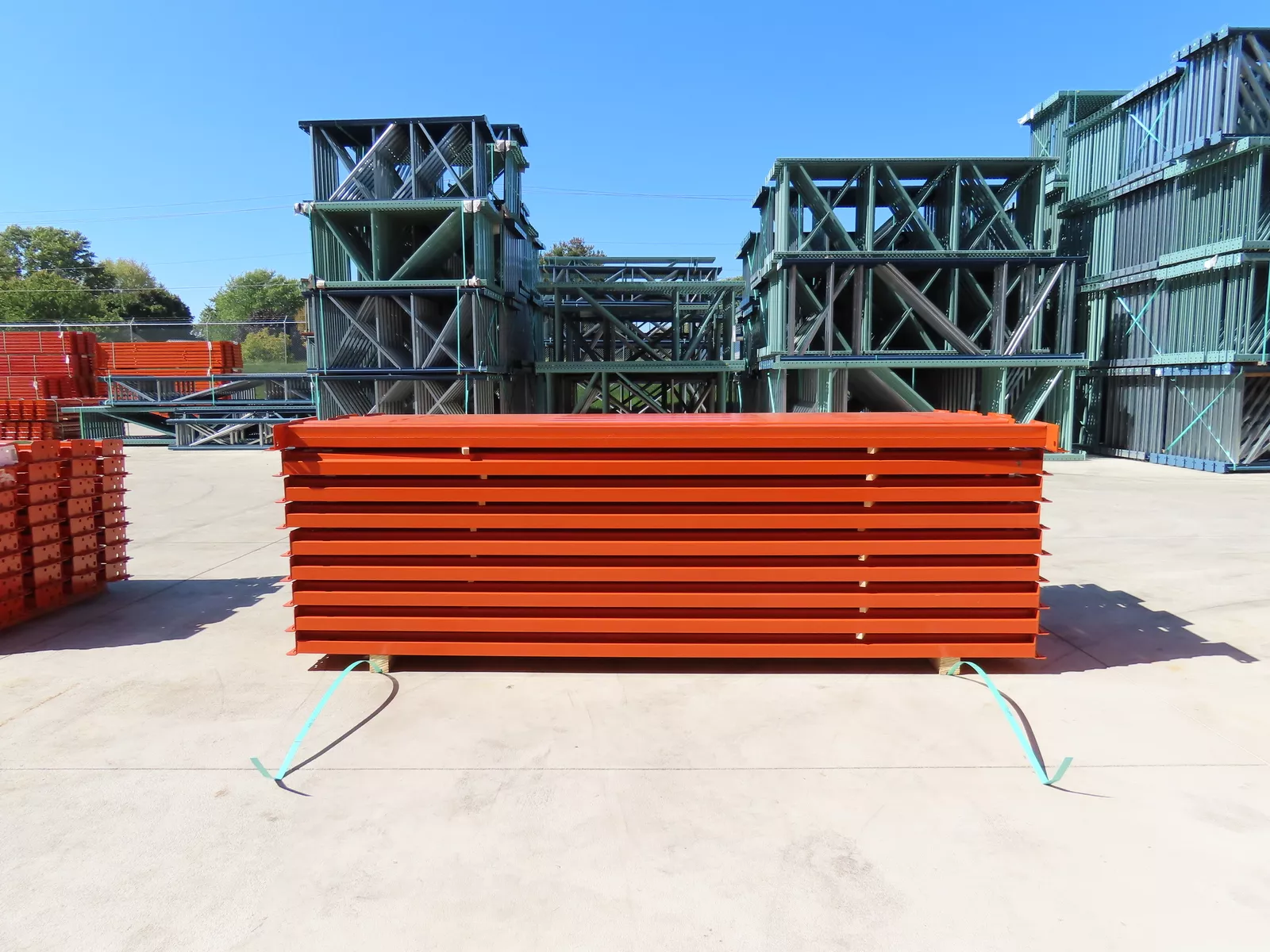
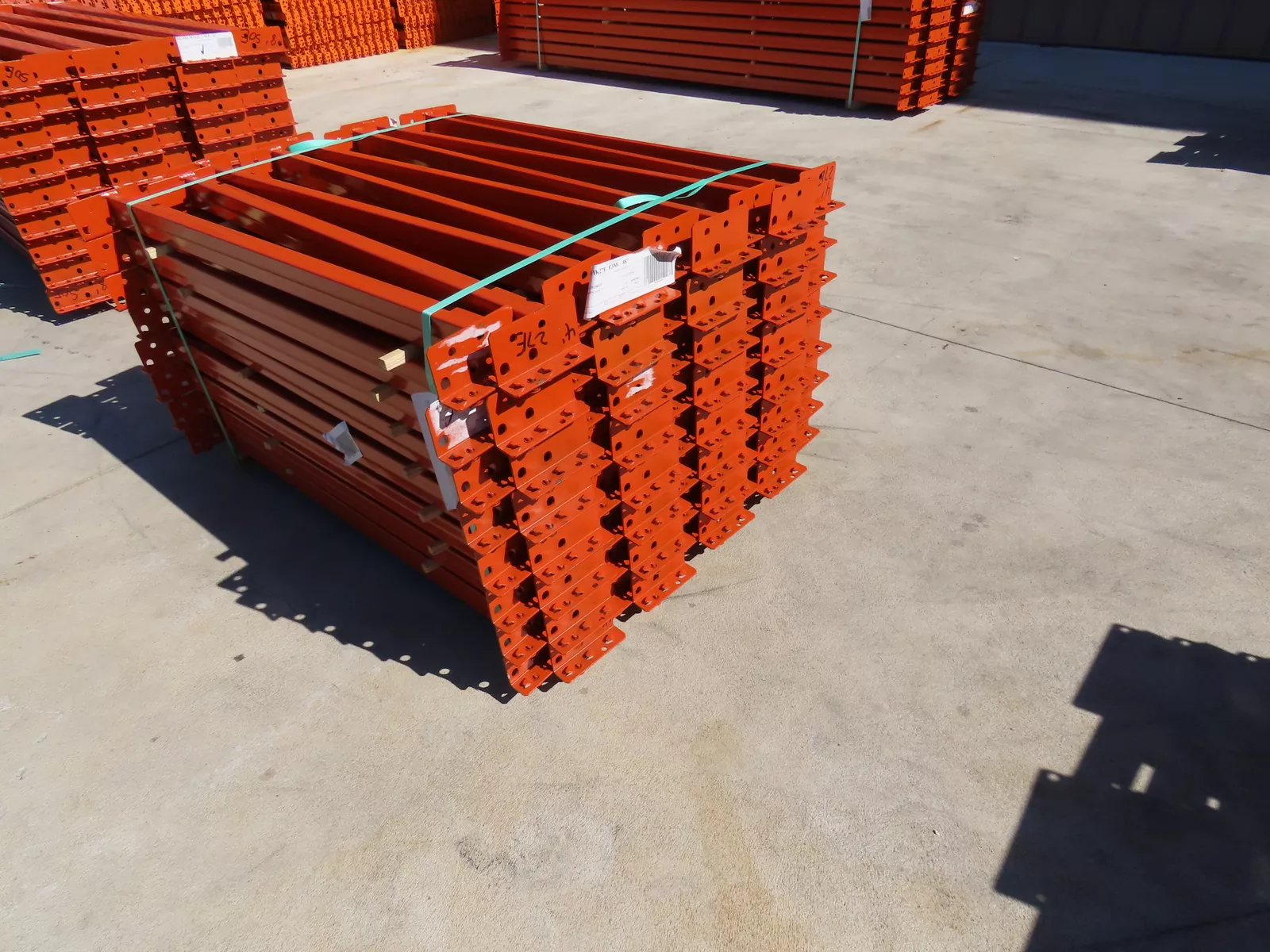
Imagine this: You’ve just received a large shipment of fast-selling goods, but your current setup, with its static pallet racking, limits your ability to respond quickly. Frustrating, isn’t it? That’s where the flexibility of your warehouse should shine. Innovative designs that embrace modular racking systems allow you effectively to reconfigure space on the fly. You wouldn’t buy a car that couldn’t adjust to new driving conditions, so why would you settle for a warehouse that can’t adjust to evolving inventory needs?
The key to an adaptable warehouse layout lies in understanding your inventory patterns. Utilize intelligent inventory management systems that help you forecast demand shifts, and use this data to reallocate space effectively. Consider the strategic placement of pallet racking to support high-demand items up front, while keeping slower-moving stock conveniently accessible but out of the way. It’s all about creating a flow that supports efficiency and speed—especially when the pressure is on!
Your warehouse is like a living organism, and it needs to breathe and shift as your business evolves. Picture a setup where you can easily slide in new pallet racking configurations or even remove sections when a product line peaks or wanes. Don’t let stagnant conditions stifle your growth; be proactive. Engage your team in brainstorming space solutions that focus on flexibility without compromising safety or accessibility.
Taking the leap into an adaptable layout may seem daunting, but remember—you’re not alone. Invest in professional guidance or consult with warehouse layout experts who understand the intricacies of your unique needs. Build trust with those who specialize in the art of organization and flow, and before you know it, you’ll transform your warehouse into a powerhouse of responsiveness and efficiency.
Take action today. Review your current layout, envision flexibility, and embrace adaptability in your warehouse. After all, in this fast-paced world, staying ahead means being ready for whatever opportunities come your way. Don’t merely react to inventory changes; lead the charge. Your bottom line—and your business reputation—will thank you!
Is Your Warehouse Layout Adaptable To Changing Inventory Levels?
Is Your Warehouse Layout Adaptable To Changing Inventory Levels?
- Today’s dynamic marketplace requires an adaptable warehouse layout to handle fluctuating inventory levels.
- Static pallet racking can hinder the ability to respond quickly to large shipments of fast-selling goods.
- Modular racking systems offer flexibility to reconfigure space as needed for evolving inventory demands.
- Understanding inventory patterns and utilizing intelligent management systems can enhance space allocation.
- Strategic placement of racking supports efficiency by positioning high-demand items prominently.
- Engaging your team in brainstorming flexible space solutions can improve responsiveness and safety.
- Consulting with warehouse layout experts can help transform your warehouse into a responsive and efficient space.
Is Your Warehouse Layout Adaptable To Changing Inventory Levels?
Are There Bottlenecks In Your Current Warehouse Operations?
When was the last time you really examined the flow of your warehouse operations? If we’re honest, many of us become so entrenched in daily tasks that we forget to take a step back and assess the bigger picture. But here’s the crux: bottlenecks in your warehouse can lead to substantial losses—both in time and money. Let’s dive into this together and find out where improvements can be made.
Imagine walking into your warehouse and seeing a well-organized space. The pallet racking is meticulously arranged, each item in its rightful place, making picking and packing a breeze. Your staff glides effortlessly from section to section, the workflow is smooth, and customers receive their orders on time, every time. Sounds ideal, right?
Now, let’s contrast that with a scenario where operational hiccups proliferate. Items get stuck in long processing queues. Your skilled workers are left standing by because they can’t find what they need when they need it. It’s frustrating, isn’t it? Perhaps that misalignment stems from outdated systems or poor layout designs. Your pallet racking might be underutilized, or perhaps too cluttered—preventing optimal movement and efficiency.
Identifying these bottlenecks isn’t just about slapping on a band-aid solution; it’s about understanding the root cause. Whether it’s ineffective pallet racking, lack of proper training, or insufficient technology, you have to pinpoint what’s holding your operations hostage. This is where you find your hidden potential—not by lamenting what went wrong but by identifying and eliminating these roadblocks.
Trust yourself to take action! Don’t let complacency set in. Analyze your warehouse operations, engage in honest conversations with your team, and be open to innovations. Start by mapping out your workflow process, visualize the movement, study how your pallet racking can be maximized, and adjust accordingly.
The result? A warehouse that hums with efficiency, customer satisfaction soaring, and a team that feels empowered rather than frustrated. You hold the keys to creating this vision. Take a moment to assess your operation, because transformation begins with you. Embrace the challenge, and watch as your warehouse becomes a well-oiled machine. After all, the only thing standing between you and a thriving operation is the willingness to identify—and tackle—those bottlenecks head-on.
Are There Bottlenecks In Your Current Warehouse Operations?
Are There Bottlenecks In Your Current Warehouse Operations?
- Warehouse operations often go unexamined amid daily tasks, risking efficiency.
- Bottlenecks can lead to significant time and monetary losses in warehouse operations.
- A well-organized warehouse enhances smooth workflows and timely customer orders.
- Operational hiccups can cause delays and frustrations among skilled workers.
- Identifying bottlenecks requires understanding root causes rather than superficial fixes.
- Engaging with team members and analyzing workflow can lead to positive changes.
- Embracing challenges and tackling inefficiencies can transform a warehouse into a streamlined operation.
Are There Bottlenecks In Your Current Warehouse Operations?
Conclusion
In today’s fast-paced marketplace, optimizing your warehouse layout has never been more crucial. Are you inadvertently squandering valuable resources due to an inefficient setup? The cascade of frustrations can quickly compound—lost time, reduced profits, and a demoralized team struggling against the chaos of clutter. But it doesn’t have to be this way! At Arrow Industrial Sales, we believe that every inch of your warehouse holds the potential for increased productivity and profitability.
Imagine a seamless flow of operations where employees move confidently through wide, clearly defined aisles, easily locating every item. Envision a dynamic layout tailored to adapt to your evolving inventory levels, fully utilizing vertical space and integrating pallets with inventory management systems to enhance efficiency. By rethinking your approach and embracing innovative pallet racking solutions, your workspace can transform from a bottleneck into a well-oiled machine.
Are you worried about embarking on this journey alone? Fear not! Our experienced team at Arrow Industrial Sales is here to guide you every step of the way. We specialize in identifying bottlenecks and crafting personalized solutions that work for your unique needs. With our expertise, you can harness your warehouse’s full potential, turning inefficiencies into profit-driving opportunities.
Now is the time to take action! The longer you wait, the more resources slip through your fingers. Schedule a site review with our professionals, and let’s uncover the hidden efficiencies in your layout. Transform stagnation into agility as you prepare for seasonal demands and fluctuating inventory. A well-structured layout promises not only contented employees but also delighted customers—each assured that their orders will be delivered on time, every time.
But don’t delay—opportunities like this wait for no one! Call Arrow Industrial Sales today at (574) 349-6575. Let us help you reclaim your productivity and generate profound results for your operation. The future of your warehouse—and your bottom line—depends on it. Embrace the change, optimize with purpose, and lead your business to thriving success in the competitive warehouse environment. Your highly efficient and profitable operation awaits, and it starts now!
Conclusion
Conclusion:
- Optimizing warehouse layout is crucial in today’s fast-paced marketplace.
- Inefficient setups lead to lost time, reduced profits, and demoralized teams.
- Arrow Industrial Sales believes every inch of your warehouse can boost productivity and profitability.
- A seamless flow with wide aisles and effective inventory management can transform operations.
- The experienced team at Arrow Industrial Sales provides personalized solutions to overcome bottlenecks.
- Scheduling a site review can uncover hidden efficiencies and prepare for fluctuating inventory demands.
- Contact Arrow Industrial Sales to optimize your warehouse and improve your bottom line.
Conclusion
Other Resources

Other Resources
Here is a list of other resources you can review online to learn more:
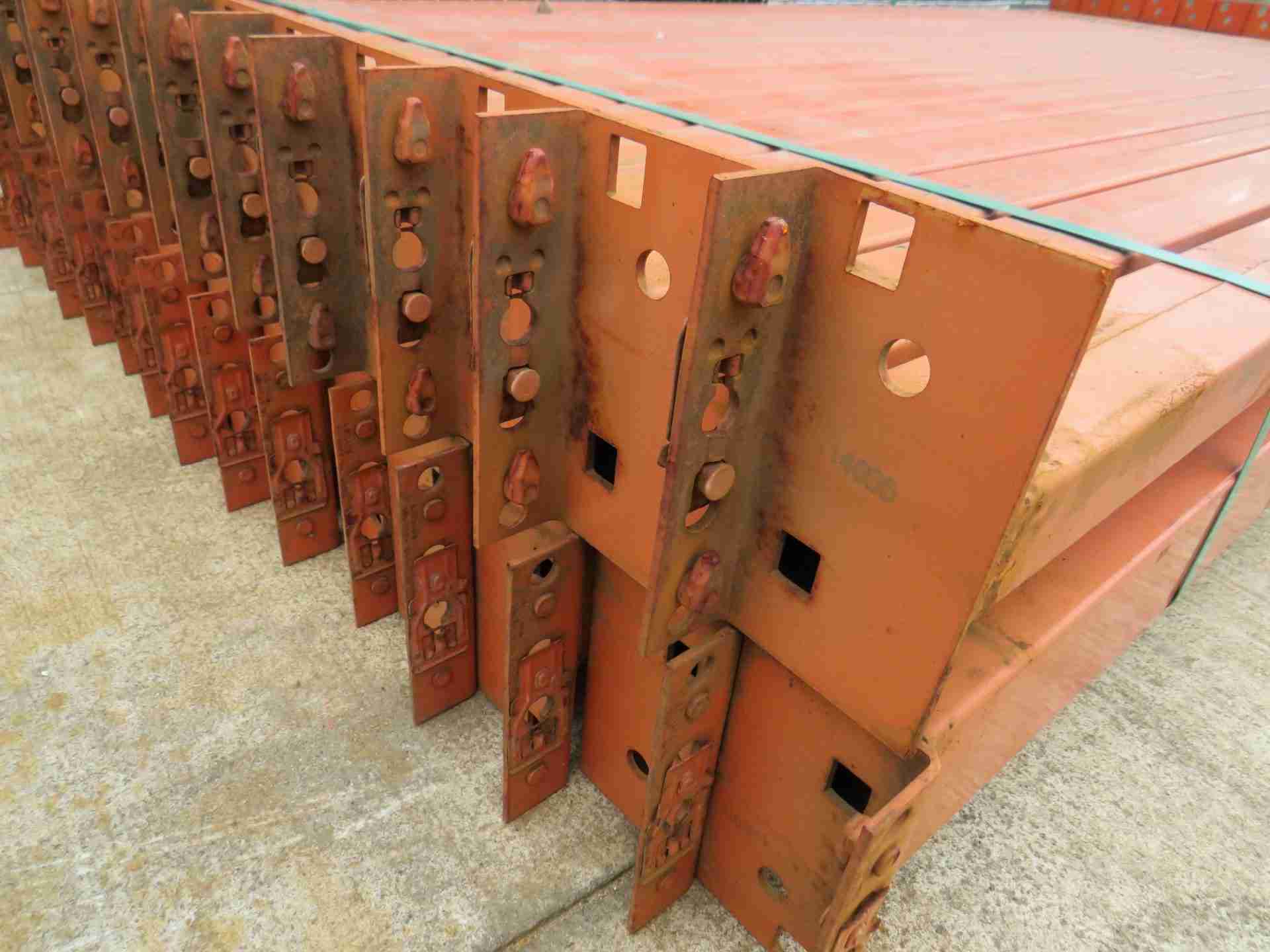
- Selective Pallet Racking Systems – Container Systems
- BMH
- Cantilever Racking Specialists – Get the Right Racks
- Mustang Material Handling
- Interlake Mecalux
- Warehouse Storage Racks
- RMI
- Overhead Lifting
- Interlake
- Crane Manufacturers Association Of America Inc.
Use This Prompt To Get More Resources With Your Favorite Online AI Tool: Please provide me with a list of online articles with their URLs in a bulleted list that I can read regarding Are You Losing Valuable Resources to Inefficient Warehouse Layouts?
Other Resources
Glossary Terms
Are You Losing Valuable Resources to Inefficient Warehouse Layouts? – Glossary Of Terms
1. Warehouse Layout: The arrangement of storage areas, aisles, and workspaces in a warehouse to optimize workflow and space utilization.
2. Efficiency: The ability to maximize output while minimizing input, particularly related to space and labor in a warehouse setting.
3. Inventory Management: The process of overseeing and controlling the ordering, storage, and use of a company’s inventory.
4. Stock Keeping Unit (SKU): A unique identifier for each distinct product and service that can be purchased, used for tracking inventory.
5. Flow Analysis: The examination of movement patterns within a warehouse to identify inefficiencies and streamline operations.
6. Space Utilization: The measurement of how effectively warehouse space is used, often expressed as a percentage of total space.
7. Lean Warehousing: A management philosophy that focuses on minimizing waste and optimizing efficiency in warehouse operations.
8. Accessibility: The ease with which warehouse staff can reach products, which can significantly affect picking and inventory turnover speeds.
9. Picking Area: A designated space in the warehouse where items are selected for order fulfillment, requiring careful layout planning.
10. Aisle Width: The distance between storage racks in a warehouse; critical for navigating equipment and maintaining safe operations.
11. Cross-Docking: A logistics practice where incoming goods are directly transferred to outgoing shipments with minimal storage time.
12. Storage Bin: A container or compartment within a warehouse used for holding inventory, categorized by size and access frequency.
13. Dynamic Slotting: A system that changes product locations based on sales patterns or order frequency to improve picking efficiency.
14. Inventory Turnover: A ratio that indicates how many times inventory is sold or used in a specific time period, reflecting warehouse efficiency.
15. Material Handling Equipment: Tools and machinery like forklifts and pallet jacks used to move goods within a warehouse, influencing layout design.
16. Throughput: The rate at which products are processed in a warehouse, often influenced by the layout and efficiency of operations.
17. Pick-and-Pack: A process where items are picked from storage and packed for shipping, reliant on an efficient layout for speed.
18. Returns Processing: The systematic handling of returned items, which can impact warehouse space and efficiency if not designed well.
19. Safety Stock: Extra inventory kept on hand to prevent stockouts, requiring careful balance to avoid inefficient layouts.
20. Order Fulfillment: The complete process from receiving a customer order to delivering the final product, heavily influenced by warehouse layout.
21. Warehouse Management System (WMS): Software designed to support warehouse operations, including tracking inventory levels and optimizing layouts.
22. Ergonomics: The study of how work environments can be designed to minimize strain and increase efficiency for workers.
23. Lean Inventory: A methodology that emphasizes reducing excess stock while ensuring enough availability for efficient order fulfillment.
24. FIFO (First In, First Out): An inventory management method where the first items received are the first ones sold, affecting layout and storage arrangement.
25. Bulk Storage: A strategy for storing large quantities of similar products in a warehouse to maximize space utilization.
26. Cycle Counting: A periodic counting system where inventory is counted on a rotating basis; accuracy can be influenced by layout efficiency.
27. Warehouse Zones: Specific areas within the warehouse designated for particular activities, such as receiving, storing, or shipping goods.
28. Just-in-Time (JIT): An inventory strategy that aims to increase efficiency by receiving goods only as they are needed, minimizing storage needs.
29. Retrieval Time: The duration it takes to locate and retrieve an item from storage, which can be reduced through an efficient layout.
30. Waste Reduction: Practices aimed at lowering inefficiencies in warehouse processes, including layout decisions that affect space and time management.
Glossary Of Terms
Other Questions
Are You Losing Valuable Resources to Inefficient Warehouse Layouts? – Other Questions
If you wish to explore and discover more, consider looking for answers to these questions:
- What are the key elements of an efficient warehouse layout?
- How can I assess my current warehouse layout for inefficiencies?
- What specific signs indicate that my warehouse layout needs improvement?
- What are common mistakes made in warehouse layouts?
- What are the benefits of hiring a warehouse consultant?
- How often should I reassess my warehouse layout?
- How can I ensure my warehouse layout adapts to seasonal inventory changes?
- What technologies can help optimize warehouse layout and operations?
- How does poor warehouse layout affect employee morale?
- What are the costs associated with inefficient warehouse layouts?
- How can I incorporate safety considerations into my warehouse layout?
- Are there best practices for utilizing vertical space in warehouses?
- What tools can help manage inventory effectively alongside layout planning?
- How can I train my staff to adapt to a revamped warehouse layout?
- What types of pallet racking systems are best for different warehouse types?
Other Questions
Checklist
Are You Losing Valuable Resources to Inefficient Warehouse Layouts? – A Checklist
1. Assess Current Layout
✅ _____ Have you mapped out your current warehouse layout?
✅ _____ Are all areas of the warehouse easily accessible?
✅ _____ Is your layout designed for optimal flow from receiving to shipping?
2. Evaluate Aisles and Pathways
✅ _____ Are warehouse aisles wide enough to prevent congestion?
✅ _____ Is there a clear pathway for efficient movement?
✅ _____ Are high-demand items positioned close to the picking area?
3. Analyze Pallet Racking
✅ _____ Are your pallet racking systems utilized to maximize both floor and vertical space?
✅ _____ Is pallet racking organized by product popularity and size?
✅ _____ Have you considered modular racking for flexibility?
4. Inventory Management Integration
✅ _____ Is your inventory management system integrated with warehouse layout planning?
✅ _____ Are you utilizing data analytics to inform layout changes based on inventory turnover?
✅ _____ Do you have a system in place to track product placements and moves?
5. Conduct Regular Reassessments
✅ _____ How frequently do you reassess the layout of your warehouse?
✅ _____ Are you adaptable to changes in inventory levels or seasonal demand?
✅ _____ Do you schedule bi-annual or quarterly layout reviews?
6. Maximize Vertical Space
✅ _____ Are you utilizing overhead space effectively?
✅ _____ Have you installed any vertical storage solutions (e. g. , shelving, racks)?
✅ _____ Is there a process for regularly evaluating height accessibility?
7. Identify and Eliminate Bottlenecks
✅ _____ Have you conducted a flow analysis to identify bottlenecks?
✅ _____ Are you engaging your team to gather feedback on operational inefficiencies?
✅ _____ Do you have a plan to address identified roadblocks?
8. Prioritize Employee Engagement
✅ _____ Are you involving your team in the layout optimization process?
✅ _____ Have you created an environment where staff can suggest improvements?
✅ _____ Are your workers properly trained to adapt to layout changes?
9. Invest in Consultation
✅ _____ Have you considered hiring warehousing experts to evaluate your layout?
✅ _____ Are you open to implementing expert recommendations for improvement?
✅ _____ Do you allocate budget for warehouse optimization initiatives?
10. Monitor Outcomes
✅ _____ Do you track key performance indicators (KPIs) related to efficiency?
✅ _____ Have you set clear goals for what optimized layout should achieve?
✅ _____ Are you prepared to adapt and iterate based on performance data?
Next Steps
✅ _____ Not sure where to start? Contact a warehouse optimization consultant today to discuss potential improvements.
✅ _____ Start small: Identify one area to improve and implement changes before moving on to larger-scale adjustments.
✅ _____ Stay proactive: Regularly revisit this checklist to ensure your warehouse layout evolves with your business needs.
By following this checklist, you can reclaim valuable resources and enhance the efficiency of your warehouse operations!
Checklist
At RackingWorld, we help guide you through selecting warehouse storage systems and racking.
Be sure to read our other related stories at RackingWorld to learn more about warehouse storage systems.
0 Comments