
Maximizing Efficiency And Safety With Pallet Supports
By Tom Seest
At RackingWorld, we help guide you through selecting warehouse storage systems and racking.
Be sure to read our other related stories at RackingWorld to learn more about warehouse storage systems.
Exploring Pallet Supports: When and Why You Need Them
In the world of warehousing and logistics, the unsung heroes often lie in the shadows, quietly holding together the complex ballet of products and pallets. Enter pallet supports—a simple yet ingenious solution designed to enhance racking systems and prevent the all-too-frequent disaster of collapsed loads. You might not think about these humble pieces of equipment every day, but when the stakes are high, they become the backbone of safe and efficient operations.
Every warehouse manager understands the heart-stopping moment when the weight of one too many products threatens to tip the balance. The crunching sound of falling merchandise is not just costly; it shatters trust among coworkers and hampers efficiency. Pallet supports come into play here as the logical choice to bolster racking systems. By providing that extra layer of security, they reassure not just the team on the floor but everyone up the chain. When you know your products are secure, you can focus on what really matters—the work itself.
Now, let’s not forget the ethical responsibility that weighs on each of us in the industry. Every day, people are tasked with heavy loads, sometimes under tight schedules and high pressure. It’s a simple moral obligation to ensure they can work safely. Using pallet supports is a proactive move that shows you care—about your team, your mission, and your products. It’s a small investment that builds a culture of safety and performance, where every member feels that their wellbeing is prioritized.
Consider the stories that emerge from workplaces that prioritize safety. Teams thrive. Morale skyrockets. Even productivity gets a boost when individuals know they’re supported—literally and figuratively. Nobody wants to be the one who cuts corners and faces the consequences of collapsing stock. That’s where social responsibility and leadership intersect. By embracing the use of pallet supports, you set a standard for excellence in your workplace.
So, the next time you gaze upon your racking system, take a moment to ponder the role of pallet supports. They’re more than just components; they embody a commitment to your team, an assurance for your products, and a respect for the very environment in which you work. In a world where every detail counts, let’s make sure no one gets left behind—because, after all, we build our futures on solid ground.
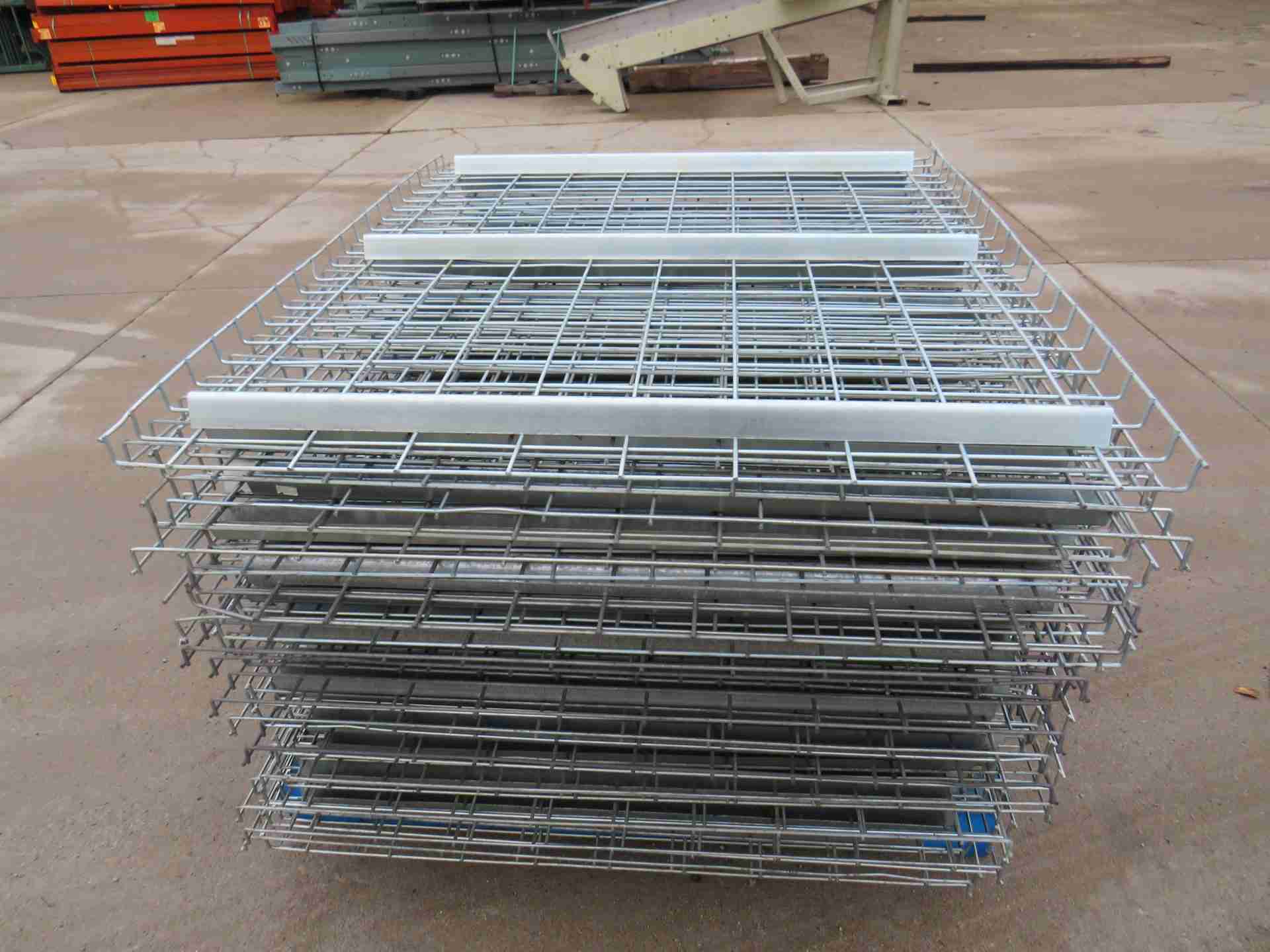
Exploring Pallet Supports: When and Why You Need Them
Exploring Pallet Supports: When and Why You Need Them
- Pallet supports are essential yet often overlooked components in warehousing and logistics.
- They enhance racking systems and prevent the risks associated with collapsed loads.
- Warehouse managers rely on pallet supports to ensure the safety and efficiency of operations.
- Using pallet supports demonstrates a commitment to employee safety and wellbeing.
- Investing in pallet supports fosters a culture of safety and performance within teams.
- Prioritizing safety leads to increased morale and productivity among workers.
- Pallet supports symbolize a commitment to reliability, safety, and respect in the workplace.
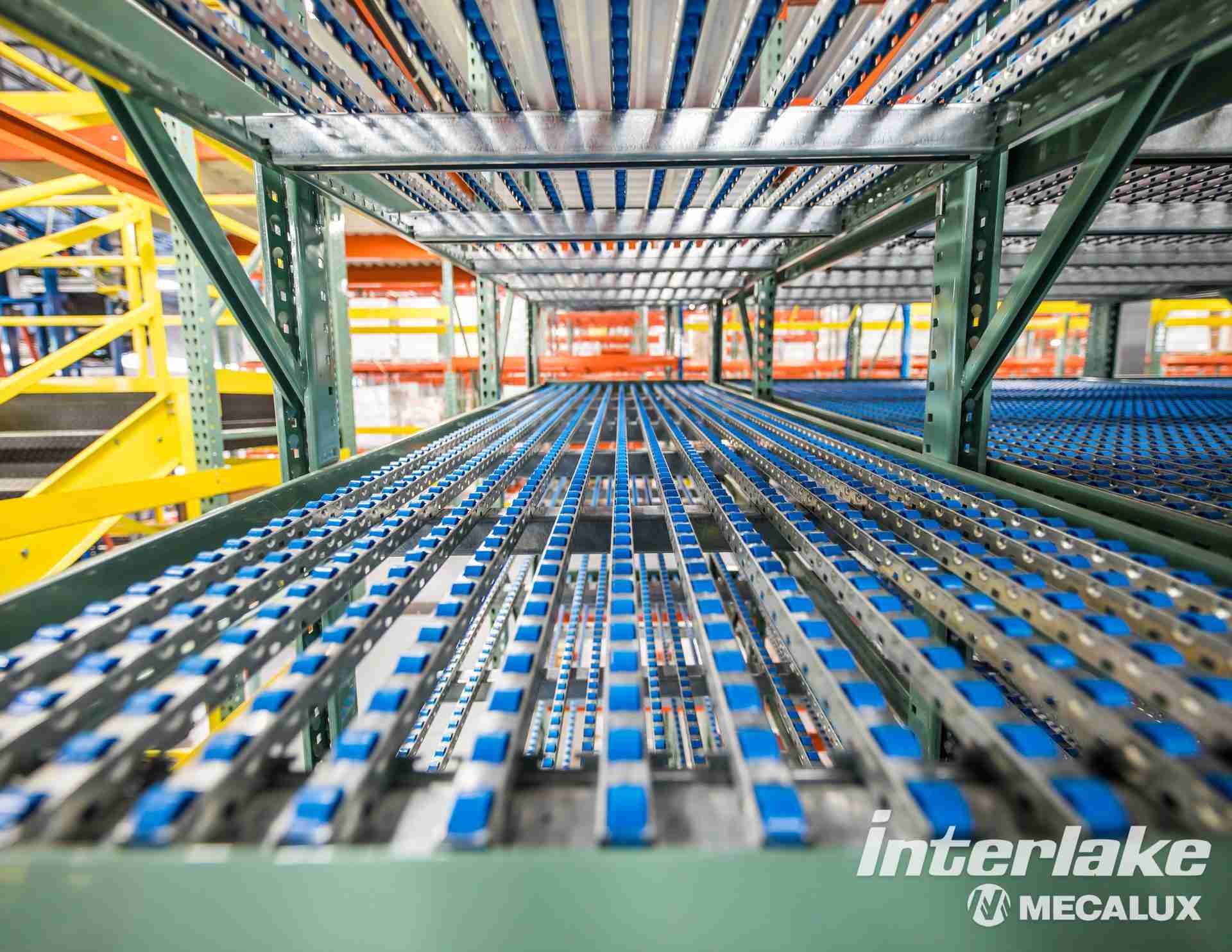
Exploring Pallet Supports: When and Why You Need Them
Table Of Contents
- Exploring Pallet Supports: When and Why You Need Them
- What Emotional Toll Does Inadequate Support for Your Pallets Have?
- Have You Considered the Long-Term Costs Of Pallet Failures?
- Can You Afford to Ignore the Safety Implications Of Weak Pallet Bases?
- What Are the Environmental Impacts Of Underperforming Pallet Systems?
- How Do You Feel When Your Inventory Is At Risk Due to Pallet Issues?
- Conclusion
- Other Resources
- Glossary Of Terms
- Other Questions
- Checklist
What Emotional Toll Does Inadequate Support for Your Pallets Have?
Picture this: a warehouse, bustling with the energy of workers, hum of machinery, and the promise of productivity. Yet in the corner, a neglected pallet leans against a racking system, its potential left untapped. This scene paints a broader picture of what happens when we fail to support the very frameworks that hold our operations—and our lives—together.
When we talk about inadequate support for your pallets, we’re not just discussing wood and nails; we’re delving into the heart of what keeps a business running smoothly. These pallets are the unsung heroes of logistics, and their struggle has an emotional toll that ripples through every aspect of your work. It can manifest as stress, anxiety, and a nagging feeling that success is slipping through your fingers. Without proper support, pallets buckle under pressure, and so do we.
Let’s get rational for a moment. When inefficiencies creep in—delays mount, costs rise, and productivity falters—the cumulative stress impacts everyone on the workforce. A lack of proper racking systems leads to chaos: pallets falling, goods damaged, and morale plummeting. It’s like a domino effect, where every individual misstep creates a larger pitfall, diminishing confidence in the entire operation.
Ethically speaking, every worker deserves an environment where they feel safe and equipped to do their job well. This isn’t just about the pallets; it’s about the people behind the scenes who rely on them. When their work-life is made harder by inadequate support, the fabric of teamwork unravels. Employees feel neglected, undervalued, and ultimately, disconnected from their roles—and that’s a heartbreaking reality.
Reflect for a moment on the stories these pallets tell. They bear the weight of expectations, dreams, and livelihoods. When they falter, it’s not just inventory at stake; it’s the very pulse of your operation. The faces of your coworkers, their hopes for career growth, their financial stability—these are the real consequences of neglect.
So, next time you walk through that warehouse, remember this: supporting your pallets is not merely about logistics; it’s about honoring your team, your mission, and the mutual trust that binds you all together. Take action—invest in the systems that support you. After all, when we lift each other up, the only direction we can go is forward.
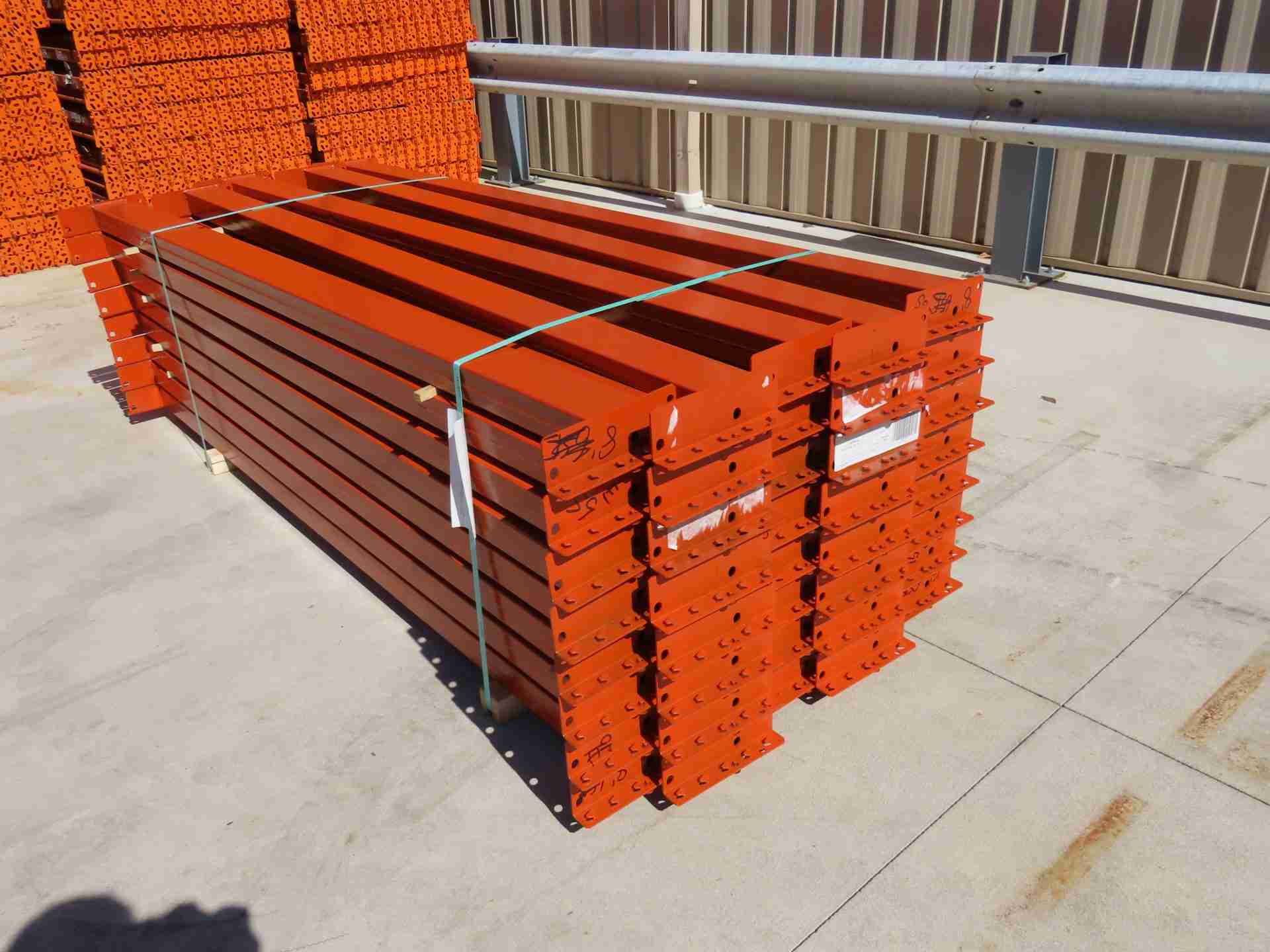
What Emotional Toll Does Inadequate Support for Your Pallets Have?
What Emotional Toll Does Inadequate Support for Your Pallets Have?
- A bustling warehouse symbolizes productivity, yet a neglected pallet highlights untapped potential.
- Inadequate support for pallets impacts logistics, reflecting broader business challenges.
- Pallets serve as essential components in operations, influencing workplace stress and anxiety.
- Inefficiencies lead to rising costs, delays, and diminished morale among workers.
- Every worker deserves a safe and supportive environment, crucial for teamwork and morale.
- Pallets represent the weight of employee expectations, dreams, and livelihoods.
- Investing in support systems honors the team and fosters a culture of mutual trust and progress.
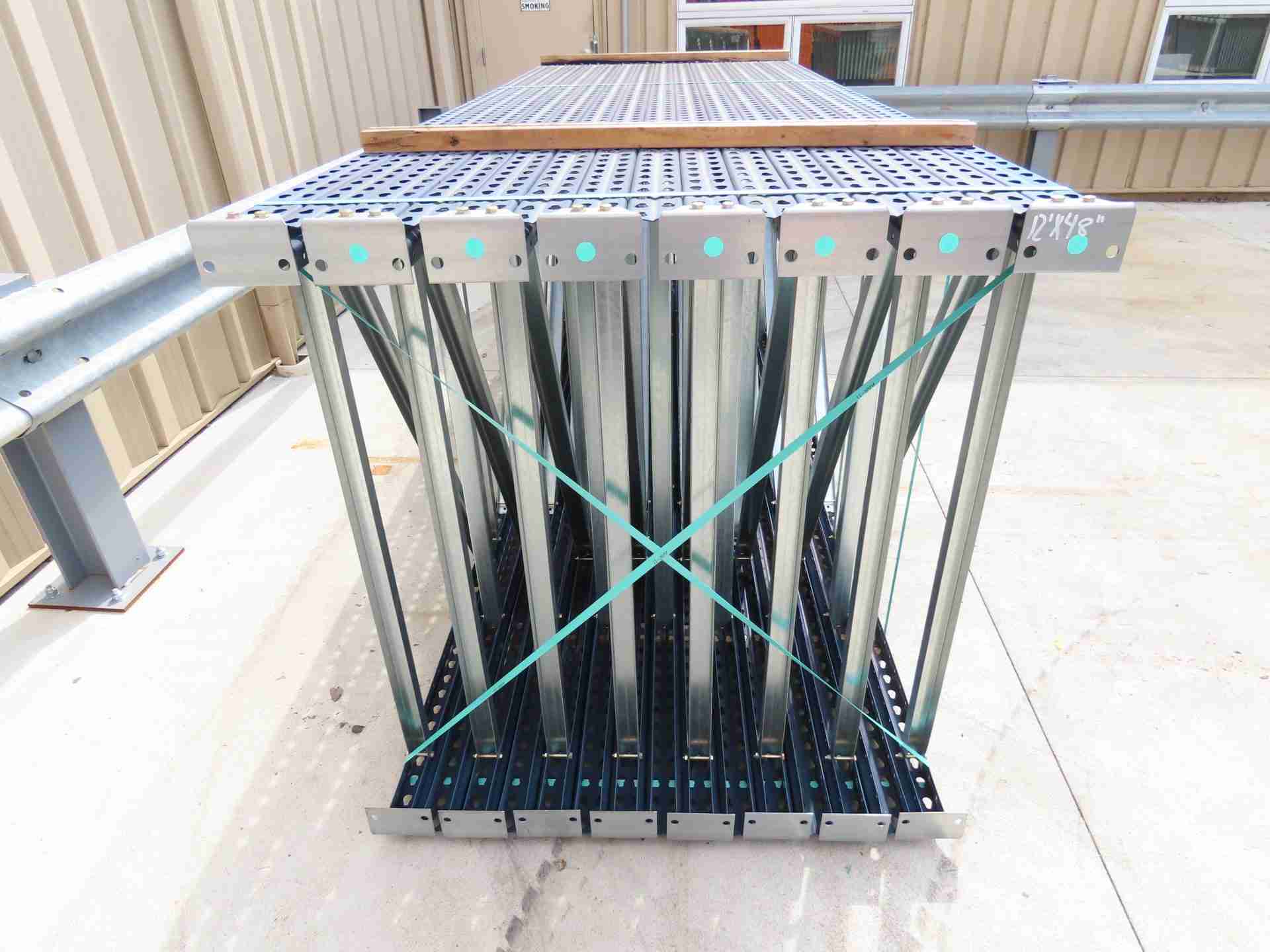
What Emotional Toll Does Inadequate Support for Your Pallets Have?
Have You Considered the Long-Term Costs Of Pallet Failures?
Have you ever stopped to think about the silent heroes of your warehouse—those wooden or plastic pallets that carry our lives, our work, and sometimes our very livelihoods? Racking systems rely on these steadfast carriers; they’re not just pieces of wood or plastic; they’re the backbone of logistics. Yet, when pallets fail, they become an unintentional villain in this crucial supply chain story.
Picture this: A pallet collapses under the weight of products, sending a cascade of inventory tumbling to the ground. The immediate aftermath is chaos—employees scrambling to avoid injury, management rushing to assess the damage. Beyond the physical mess lies a deeper cost—insurance claims, potential injuries, and lost productivity are just the beginnings of a financial nightmare. Add to that the reputational damage. Your clients trust you to deliver, and when they see a truck rigged with empty promises instead of products, they start to reconsider their partnerships.
Now, let’s engage our rational side. The numbers don’t lie. A study here, a report there—every analysis points to a critical understanding: investing in quality pallets can save you money in the long run. One structural failure can spike a cascade of unexpected costs: downtime, compensation claims, and the price of wasted product. Who can argue with logic, especially when it’s tied to your bottom line?
From an ethical standpoint, think about your workforce. You have a responsibility towards them. A reliable pallet keeps them safe, prevents injuries, and creates a culture of trust in your operations. Supporting your team means investing in what they stand on.
Then, there’s authority. Industry experts consistently highlight the importance of robust pallet management. Trusting their insights isn’t a gamble; it’s a calculated strategy.
And let’s not forget the broader narrative: Every pallet that holds steady represents the children of workers, the dreams of entrepreneurs, and the health of our economy. When we embrace excellence in every corner of our operations, we foster not only a safer workplace but also a community that thrives.
So next time you’re evaluating your inventory management, think beyond the immediate savings. Consider what investing in quality pallets truly means for your team, your reputation, and your future. Let’s make that choice, not for today, but for a more secure tomorrow. Choices like these matter.
Have You Considered the Long-Term Costs Of Pallet Failures?
Have You Considered the Long-Term Costs Of Pallet Failures?
- Pallets are crucial silent heroes in warehouse logistics, acting as the backbone of supply chains.
- A collapsed pallet can lead to chaos, injuries, and significant financial costs, including insurance claims and lost productivity.
- Reputational damage can occur if clients witness operational failures, potentially causing them to reconsider partnerships.
- Investing in quality pallets can save money in the long run by reducing unexpected costs related to downtime and product loss.
- Ensuring reliable pallets promotes workforce safety and builds a culture of trust within operations.
- Industry experts emphasize the importance of robust pallet management as a key strategy for successful logistics.
- Quality pallets contribute to a thriving community, reflecting the aspirations of employees and the overall health of the economy.
Have You Considered the Long-Term Costs Of Pallet Failures?
Can You Afford to Ignore the Safety Implications Of Weak Pallet Bases?
When you walk through a warehouse or a distribution center, you can’t help but notice the towering racking systems, a symphony of metal and wood, part of the intricate dance that keeps our economy humming. But beneath that choreography lies a stark truth: weak pallet bases can turn this harmonious operation into a ticking time bomb. It’s not just a matter of cost; it’s about lives, livelihoods, and the very foundation of trust we place in our systems.
Consider for a moment the dedicated workers who rely on these racking systems every day. They’re not just employees; they’re parents, siblings, and friends, each one carrying the weight of their responsibilities, and each one is a thread in the fabric of our community. When a pallet base fails, it can create a cascade of events, jeopardizing not only the safety of those nearby but also the stability of the entire operation. The heart aches to think of the consequences: a colleague injured, a family disrupted, a community shaken. This isn’t just a theoretical risk; it’s a reality that has played out too often.
From a rational perspective, the stakes couldn’t be clearer. Damaged or inadequate pallet bases don’t just compromise safety; they compromise efficiency. How much productivity is lost when workers are sidelined due to injuries? Think about the financial implications of a workplace accident. It ripples outward, affecting insurance rates, operational downtime, and ultimately, your bottom line. Investing in quality pallet bases is not just a spending decision; it’s a strategic move towards a safer, more efficient operation.
Ethically, we must ask ourselves: Is it right to cut corners that could lead to harm? The answer is a resounding no. Every worker deserves to go home safe at the end of the day. When we prioritize safety, we send a powerful message that we value the lives and well-being of our teams over saving a few bucks.
This isn’t just talk; it’s a call to action. Engage your team in conversations about safety and invest in strong, reliable pallet bases that can hold up to the demands of the job. You not only uphold the principles of integrity but also foster an environment where every worker feels valued and secure. When you prioritize safety, you connect with the human side of this industry, inspiring confidence that resonates through your workforce. In doing so, you create a culture where safety and strength go hand in hand, and that’s a legacy worth standing on.
Can You Afford to Ignore the Safety Implications Of Weak Pallet Bases?
Can You Afford to Ignore the Safety Implications Of Weak Pallet Bases?
- Warehouse and distribution center operations rely on robust racking systems and strong pallet bases.
- Weak pallet bases pose significant risks, endangering lives and compromising trust in safety systems.
- Workers are integral to the community, and their safety is essential for operational stability.
- Failure of pallet bases can lead to injuries, disrupting families and communities.
- Inadequate pallet bases reduce efficiency and productivity, with financial repercussions from workplace accidents.
- Ethically investing in quality pallet bases shows a commitment to worker safety over cost-cutting.
- Promoting safety fosters a positive work culture that values employees and enhances overall operational integrity.
Can You Afford to Ignore the Safety Implications Of Weak Pallet Bases?
What Are the Environmental Impacts Of Underperforming Pallet Systems?
When we think about pallet systems, it’s easy to get lost in the numbers: inventory turnover rates, storage capacities, and the like. But let’s pull back the curtain for a moment and consider what lies beneath those statistics. Underperforming pallet systems don’t just stagnate warehouse efficiency; they carry significant environmental impacts that ripple far beyond the loading dock.
Imagine a racking system that’s out of alignment. It can’t hold the weight it claims to, leading to either idle stock piling up or products lying in disarray. This disorganization isn’t just an operational headache. It creates excess waste, as damaged goods often find their way to the landfill instead of a responsible recycling facility. According to the EPA, more than 130 million tons of waste ended up in landfills in 2023, much of which could have been diverted with smarter inventory practices.
Now, let’s navigate the ethical implications. Each underperforming pallet system is more than just a logistical failure; it reflects a broader indifference to sustainability. Perhaps your company prides itself on eco-friendliness, yet when you look closer, you’re contributing to unnecessary waste and carbon emissions. It’s a gut check. As stewards of the environment, we have a duty to not just manage our resources but also to honor them.
Think about the other businesses around you. If one company struggles with efficiency, it’s not just their problem; it drags down everyone else too. A poorly performing pallet system sets off a chain reaction—wasting materials, time, and money. Collaboratively, we can shift gears. By investing in streamlined, effective pallet systems, we not only enhance our own operations but also uplift the entire industry’s environmental footprint.
And here’s a thought: what if your new racking system didn’t just improve your bottom line but also forged a path toward a greener future? Picture the pride in knowing you’re part of a solution rather than the problem. When we choose smarter systems, we’re not just making decisions for ourselves; we’re creating a legacy of responsibility for future generations.
Let’s take the reins. Demand greater efficiency, champion innovative approaches, and commit to minimizing your environmental impact. It’s time to give a nod to the heart, head, and gut—all while we raise the bar in responsible business practices. Together, we can transform our industry. Together, we can make an impact.
What Are the Environmental Impacts Of Underperforming Pallet Systems?
What Are the Environmental Impacts Of Underperforming Pallet Systems?
- Underperforming pallet systems hinder warehouse efficiency and have significant environmental consequences.
- Misaligned racking systems lead to wasted inventory and damaged goods, often resulting in excess waste.
- The EPA noted that over 130 million tons of waste could have been diverted with better inventory practices in 2023.
- Businesses that prioritize eco-friendliness must reflect on their contribution to unnecessary waste and carbon emissions.
- A poorly functioning pallet system negatively affects not just one company but the entire industry by wasting resources.
- Investing in effective pallet systems can enhance operations and improve the industry’s environmental impact.
- Adopting smarter systems promotes responsibility for future generations and improves business practices overall.

What Are the Environmental Impacts Of Underperforming Pallet Systems?
How Do You Feel When Your Inventory Is At Risk Due to Pallet Issues?
Every time you walk into a warehouse, a familiar tension hangs in the air. You know it well: that pit in your stomach when you see the disarray of pallets and racking that could jeopardize your inventory. It’s more than just misplaced goods; it’s a looming threat to your livelihood. The emotional toll is real—think about the families who rely on those products, the employees whose jobs are tied to every item on those shelves, the clients waiting on delivery. Suddenly, that racked inventory isn’t just a part of the supply chain; it represents aspirations, hard work, and trust.
Rationally, we all know that a sound inventory strategy is crucial. Poorly managed pallet configurations can lead to damaged goods and, worse, unsatisfied customers. When you think like a business owner or a manager, the numbers are clear—lost inventory equals lost income. The hard truth is that every damaged pallet, every mishandled box, feeds into a larger cycle of inefficiency. You can almost hear the cash registers chiming off-key—the sound of missed opportunities due to preventable mistakes.
Ethically, we must consider the impact on our community and industry. Racking issues are not just about productivity; they ripple outward. They affect those hardworking logistics teams who are at the mercy of subpar systems. It’s our responsibility to ensure that safety and efficiency come first—a dedication to not just our businesses but also the people intertwined with them.
This isn’t merely a professional concern; it’s a shared narrative. Picture this: a veteran worker, someone who’s put in their time and honed their craft, standing back and watching a new hire struggle with disorganized pallets. You can feel that veteran’s frustration and empathy. They want to impart their wisdom, to guide, to inspire, because they’ve seen firsthand how proper racking can turn chaos into harmony.
When you invest in robust inventory management, you’re fostering a culture of respect and responsibility. The community thrives on support and shared knowledge. With each step you take to rectify these pallet issues, you build not just a more efficient operation but a stronger network of trust among your team, your clients, and yourself. When your inventory is at risk due to pallet issues, it’s a call to action—a rallying point that can transform anxiety into motivation, driving everyone to be part of the solution. It’s not just about logistics; it’s about legacy.
How Do You Feel When Your Inventory Is At Risk Due to Pallet Issues?
How Do You Feel When Your Inventory Is At Risk Due to Pallet Issues?
- Walking into a warehouse often brings a sense of tension, highlighting potential inventory risks.
- Disorganized pallets threaten not only goods but also livelihoods, jobs, and customer trust.
- A strong inventory strategy is vital; poor management leads to damaged goods and lost income.
- Pallet mismanagement creates a cycle of inefficiency, resulting in missed opportunities.
- Neglecting racking issues impacts the entire community, affecting workers and logistics teams.
- Veteran workers feel empathy towards new hires struggling with disarray, emphasizing the need for guidance and knowledge sharing.
- Investing in effective inventory management fosters a culture of respect, responsibility, and trust within teams and clients.

How Do You Feel When Your Inventory Is At Risk Due to Pallet Issues?
Conclusion
In the complex world of warehousing and logistics, the significance of pallet supports extends far beyond mere functionality; they represent a critical pillar of safety, efficiency, and ethical responsibility. Picture a bustling warehouse, alive with ambition, yet overshadowed by the haunting prospect of a pallet collapse. When product loads sag under pressure, it’s not just merchandise at stake—it’s trust, morale, and the very livelihood of the workers involved. The silent chaos that follows a failure can create an environment filled with anxiety, undermining a team’s sense of security and productivity. Investing in pallet supports, therefore, isn’t just about protecting inventory; it’s about safeguarding the emotional and physical well-being of every individual on the floor.
The emotional toll of inadequate support is real and can manifest as worry and stress, impacting not just individual workers but the team as a whole. The cascading effects of a compromised racking system can lead to accidents that ripple through operations, affecting efficiency and the company’s reputation. This isn’t just about numbers; it’s about people—parents, friends, coworkers—each one contributing to a shared narrative of trust and responsibility. Every pallet that stands firm symbolizes a commitment to safety and productivity, showcasing leadership that prioritizes the human factor in business.
Rationally, the choice to implement strong pallet systems emerges as an astute financial strategy. The costs of neglect, from insurance claims to lost productivity, can be staggering. Conversely, investing in quality pallet supports not only mitigates risk but also inspires confidence throughout the organization. Emphasizing ethical practices in this decision-making process creates an atmosphere where everyone feels valued and protected, thereby enhancing overall workplace morale.
Beyond immediate concerns, the environmental implications of underperforming pallets demand attention. Inefficiencies create waste that harms our planet while undermining efforts to foster a sustainable future for our industry. By making responsible choices today, we pave the way for a greener tomorrow, strengthening our legacy and ensuring that our operations resonate positively within the broader community.
Ultimately, the commitment to robust pallet support systems embodies a call to action—a reminder that safety, efficiency, and ethical responsibility are inextricably linked. When we recognize that every pallet carries not just weight but hopes and dreams, we cultivate an environment where trust, shared knowledge, and community thrive. In whatever warehouse you walk into, strive to make every choice count, because when we lift each other up, we’re building a solid foundation for the future, where success is as inevitable as it is shared.

Conclusion
Conclusion:
- Pallet supports are vital for safety, efficiency, and ethical responsibility in warehousing and logistics.
- A pallet collapse poses risks not only to merchandise but also to worker trust, morale, and livelihood.
- Inadequate pallet support can create anxiety and undermine productivity within teams.
- Investing in quality pallet systems safeguards the emotional and physical well-being of employees.
- Strong pallet systems serve as a sound financial strategy by reducing costs associated with accidents and neglect.
- Environmental concerns related to underperforming pallets highlight the need for sustainable practices in logistics.
- The commitment to robust pallet support systems fosters an atmosphere of trust, community, and shared success.
Conclusion
Other Resources

Other Resources
Here is a list of other resources you can review online to learn more:
- Selective Pallet Racking Systems
- Warehouse Storage Racks
- Pallet Racks, Pallet Racking, Pallet Shelves in Stock – ULINE
- IIWS Inc. Rack Installation Illinois & Rack Repairs Illinois
- Selective Pallet Racking Systems – Container Systems
- IWLA
- New Cantilever Racks and Racking Kits
- Overhead Lifting
- What is Selective Pallet Racking
- Selective Racking
- Heavy-Duty Cantilever Storage Racks
- Chicago Pallet Racking
- Logic Material Handling
- IIWS Inc. Rack Installation Illinois & Rack Repairs Illinois
- WERC
- Illinois
- Teardrop Pallet Rack – Ridg-U-Rak
- NSC
- Teardrop Industrial Shelving Rack
- Cantilever Racking Specialists – Get the Right Racks
Use This Prompt To Get More Resources With Your Favorite Online AI Tool: Please provide me with a list of online articles with their URLs in a bulleted list that I can read regarding Exploring Pallet Supports: When and Why You Need Them
Other Resources
Glossary Terms
Exploring Pallet Supports: When and Why You Need Them – Glossary Of Terms
1. Pallet Support: A structural feature designed to provide stability and strength to pallets stacked in storage or during transportation.
2. Load Distribution: The method of evenly spreading weight across a surface to prevent damage or failure of the pallet and its contents.
3. Weight Capacity: The maximum load a pallet can safely carry without risk of collapse or deformation.
4. Cross-Bracing: Diagonal supports added to a pallet to enhance its structural integrity and prevent swaying or bending under load.
5. Decking: The surface of a pallet on which goods are placed, which can affect load stability and ease of handling.
6. Stacking: The practice of placing pallets on top of one another to maximize vertical storage space.
7. Forklift Access: The design feature that allows forklifts to easily lift and transport pallets without damaging them.
8. Pallet Racking: A storage system designed to hold pallets in warehouse settings, often requiring specific pallet supports for safety and efficiency.
9. Dynamic Load: The weight or forces exerted on a pallet when it is in motion, as opposed to when it is stationary.
10. Static Load: The weight or forces acting on a pallet when it is at rest, which can affect its structural support needs.
11. Material Handling: The movement, protection, storage, and control of materials and products throughout the manufacturing, warehousing, distribution, consumption, and disposal stages.
12. Safety Standards: Regulatory guidelines that govern the design and use of pallets, ensuring they meet safety and performance requirements.
13. Pallet Material: The substance from which a pallet is made, such as wood, plastic, or metal, affecting durability and application.
14. Pallet Weight: The mass of the pallet itself, which can influence the total weight capacity and handling.
15. Pallet Design: The specific construction and arrangement of a pallet, impacting its functionality and suitability for various loads.
16. ISO Standards: International Organization for Standardization guidelines that define dimensions and specifications for pallets to ensure compatibility.
17. Pallet Jacks: Hand-operated or powered devices used to lift and move pallets, requiring adequate support features for safety.
18. Load Height: The vertical measurement of the pallet and its contents, crucial for determining stacking limits and stability.
19. Environmental Factors: External conditions, such as humidity and temperature, that can affect the materials and performance of pallet supports.
20. Interlocking Design: A method of constructing pallets that allows for stacking without slipping, enhancing stability.
21. Retractable Supports: Adjustable support systems that can adapt to varying load heights and weights in different storage scenarios.
22. Pallet Footprint: The area occupied by the pallet on the ground, which influences how many can be stored or transported together.
23. Ergonomics: The study of people’s efficiency in their working environment, relevant in the design of pallet supports to enhance worker safety and ease of use.
24. Palletization: The process of placing goods onto a pallet for storage or transport, which can be optimized with proper support systems.
25. Vibration Resistance: The ability of a pallet support to withstand shaking or movement without compromising the stability of the load.
26. Surface Treatment: Processes applied to pallets to enhance durability, grip, or resistance to environmental conditions.
27. Pallet Lifecycle: The lifespan of a pallet from production to disposal, which can inform decisions on materials and supports.
28. Reusable Pallets: Pallets designed for multiple uses, which may require specific support designs to handle repeated loads.
29. Custom Pallet Solutions: Tailored pallet designs and support systems engineered to meet unique business needs or specific load requirements.
30. Inventory Management: The process of overseeing and controlling stock levels, where effective pallet supports can ensure organized and accessible storage.
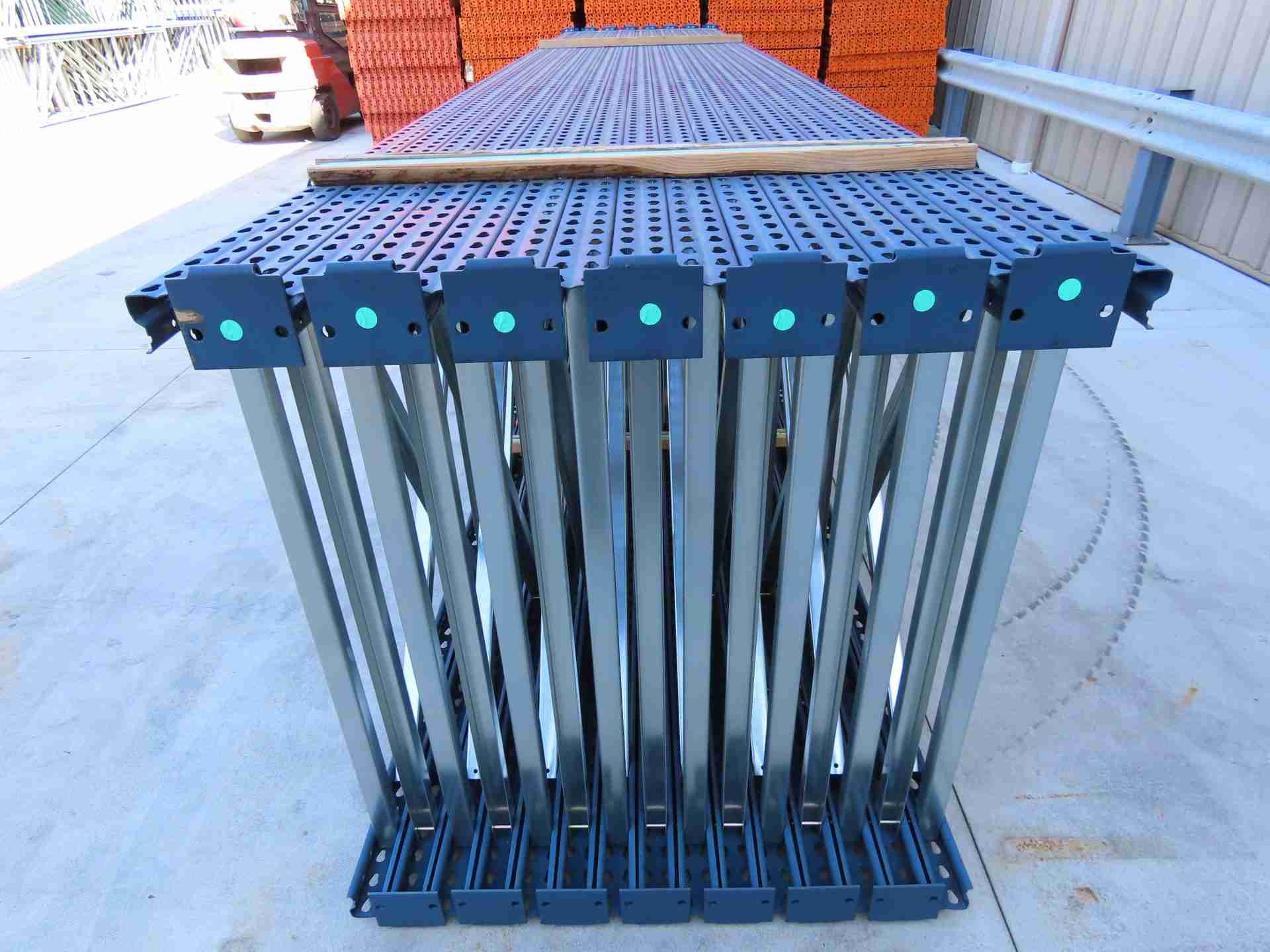
Glossary Of Terms
Other Questions
Exploring Pallet Supports: When and Why You Need Them – Other Questions
If you wish to explore and discover more, consider looking for answers to these questions:
- What factors should be considered when choosing pallet supports?
- How do pallet supports differ for different types of racking systems?
- What are the best practices for maintaining pallet supports?
- What materials are commonly used for pallet supports?
- How can I assess if my current pallet supports are sufficient?
- What are the regulatory compliance requirements related to pallet supports?
- How do pallet supports impact warehouse layout and design?
- What are the signs of wear or failure in pallet supports?
- Can pallet supports be customized for specific applications?
- What is the cost-benefit analysis of investing in better pallet supports?
- How do pallet supports enhance employee morale and safety?
- What training is necessary for employees working with pallet systems?
- Are there case studies showing the impact of pallet supports on warehouse operations?
- What technologies are available to monitor the effectiveness of pallet supports?
- How often should pallet supports be inspected or replaced?
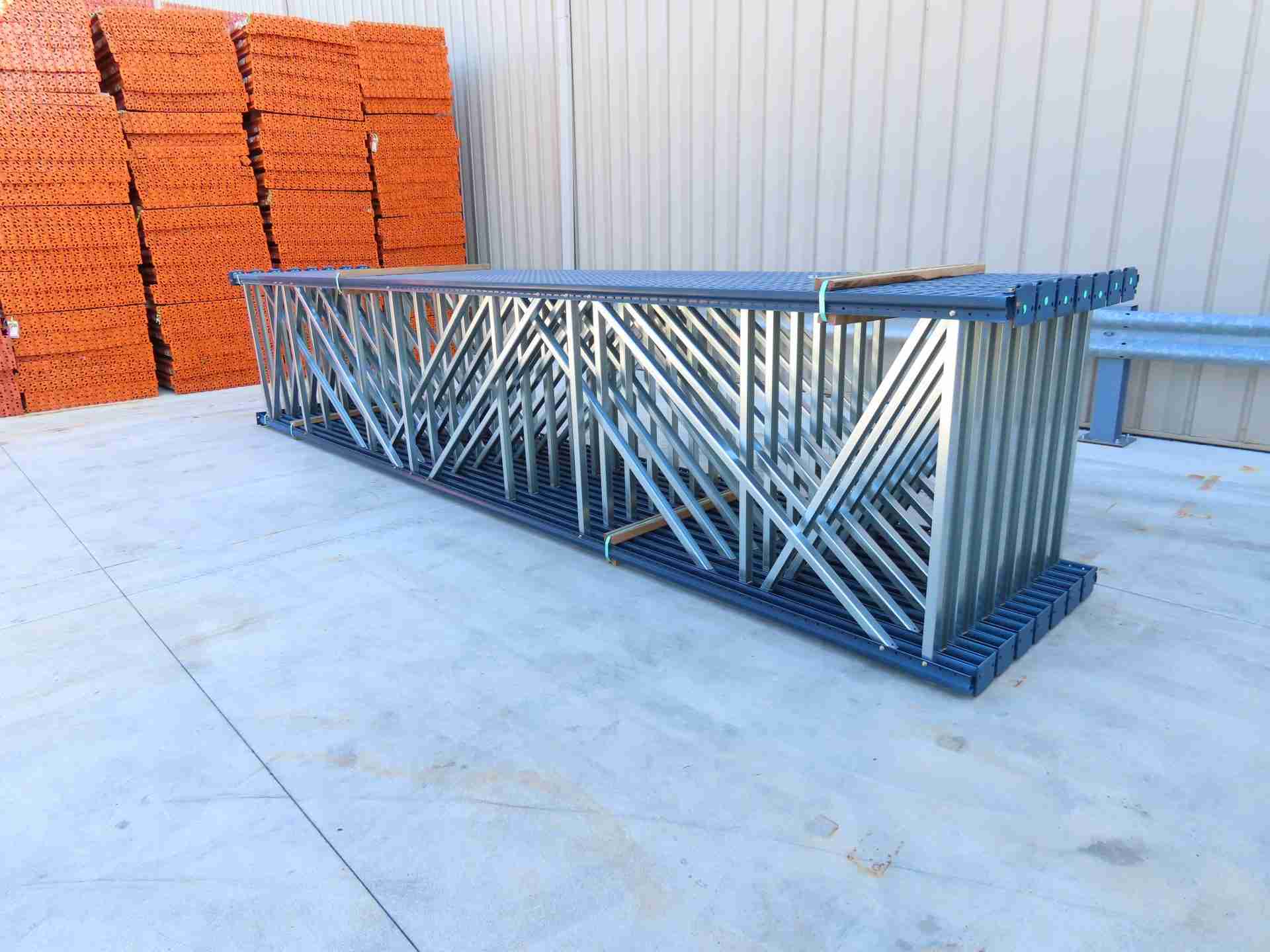
Other Questions
Checklist
Exploring Pallet Supports: When and Why You Need Them – A Checklist
Checklist for Maximizing Efficiency and Safety with Pallet Supports
Emotional Appeals
_____ Cultivate a Safety Culture: Reflect on how prioritizing pallet supports impacts employee morale and builds trust within the team.
_____ Share Personal Stories: Collect testimonials from team members about their experiences regarding safety and support in the workplace.
_____ Appreciate Your Team: Regularly recognize and appreciate workers who advocate for safety improvements.
Rational Appeals
_____ Evaluate Your Current Systems: Assess the efficiency of your current pallet systems and identify potential risks.
_____ Calculate Potential Costs: Estimate the financial impact of a pallet failure, including downtime, compensation, and lost products.
_____ Review Expert Insights: Stay informed about industry reports and studies highlighting the importance of robust pallet management.
Ethical Appeals
_____ Commit to Worker Safety: Ensure that every employee has the tools and environment required to perform their jobs safely.
_____ Promote Sustainable Practices: Consider how improper pallet systems contribute to environmental issues and commit to solutions that minimize waste.
_____ Foster Accountability: Create a culture where everyone feels responsible for safety and efficiency in the workplace.
Authority Appeals
_____ Incorporate Best Practices: Research and implement proven strategies recommended by industry experts for effective pallet management.
_____ Attend Training Sessions: Encourage team participation in safety training and workshops focused on pallet and inventory management.
_____ Consult Professionals: Engage with safety and logistics consultants to audit your systems and suggest improvements.
Narrative Appeals
_____ Share Success Stories: Highlight case studies of companies that improved safety and efficiency through the use of pallet supports.
_____ Create a Team Vision: Collaboratively develop a narrative about the importance of safety and teamwork in your operations.
_____ Visualize the Future: Discuss what success looks like when everyone prioritizes safety and efficiency, and how that benefits individual team members.
Social Appeals
_____ Engage with the Community: Organize community events or forums to discuss warehouse safety and efficiency with other local businesses.
_____ Form Peer Accountability Groups: Create small groups within the workplace that regularly discuss and address pallet and safety concerns.
_____ Leverage Social Media: Use social media platforms to share your commitment to safety and invite feedback or suggestions from followers.
Employ this checklist to enhance operational standards, ensuring not only efficiency but also a culture of safety and support within your organization.
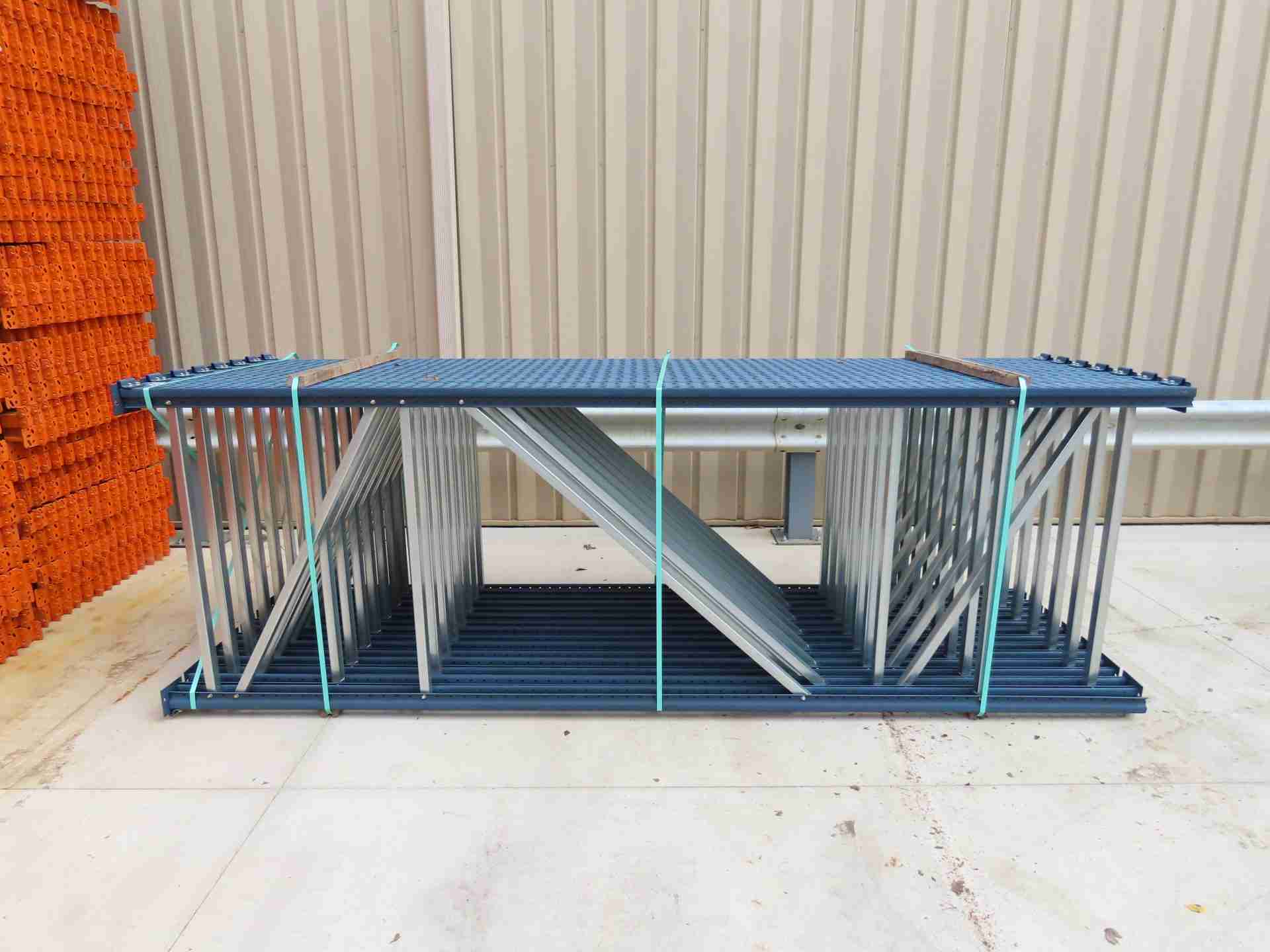
Checklist
At RackingWorld, we help guide you through selecting warehouse storage systems and racking.
Be sure to read our other related stories at RackingWorld to learn more about warehouse storage systems.
0 Comments