
Maximize Efficiency: Selecting The Right Warehouse Shelving
By Tom Seest
At RackingWorld, we help guide you through selecting warehouse storage systems and racking.
Be sure to read our other related stories at RackingWorld to learn more about warehouse storage systems.
How Do You Choose The Right Shelving Type for Your Warehouse Needs?
When it comes to optimizing your warehouse space and improving efficiency, choosing the right shelving type is not merely a matter of preference; it’s a critical business decision that can significantly impact your bottom line. Understanding your specific needs is the first step, and it all starts with recognizing the different types of shelving systems available, particularly pallet racking.
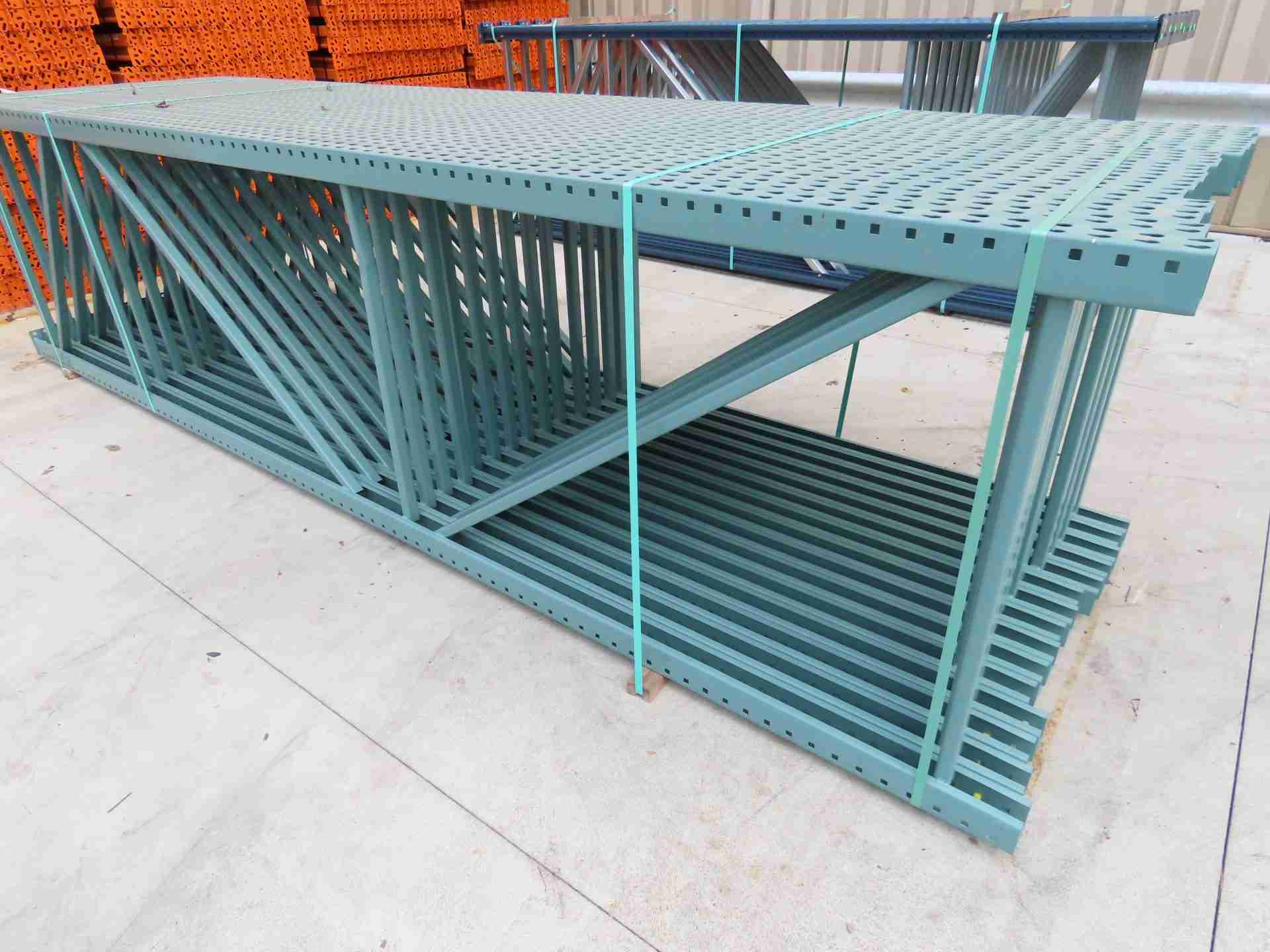
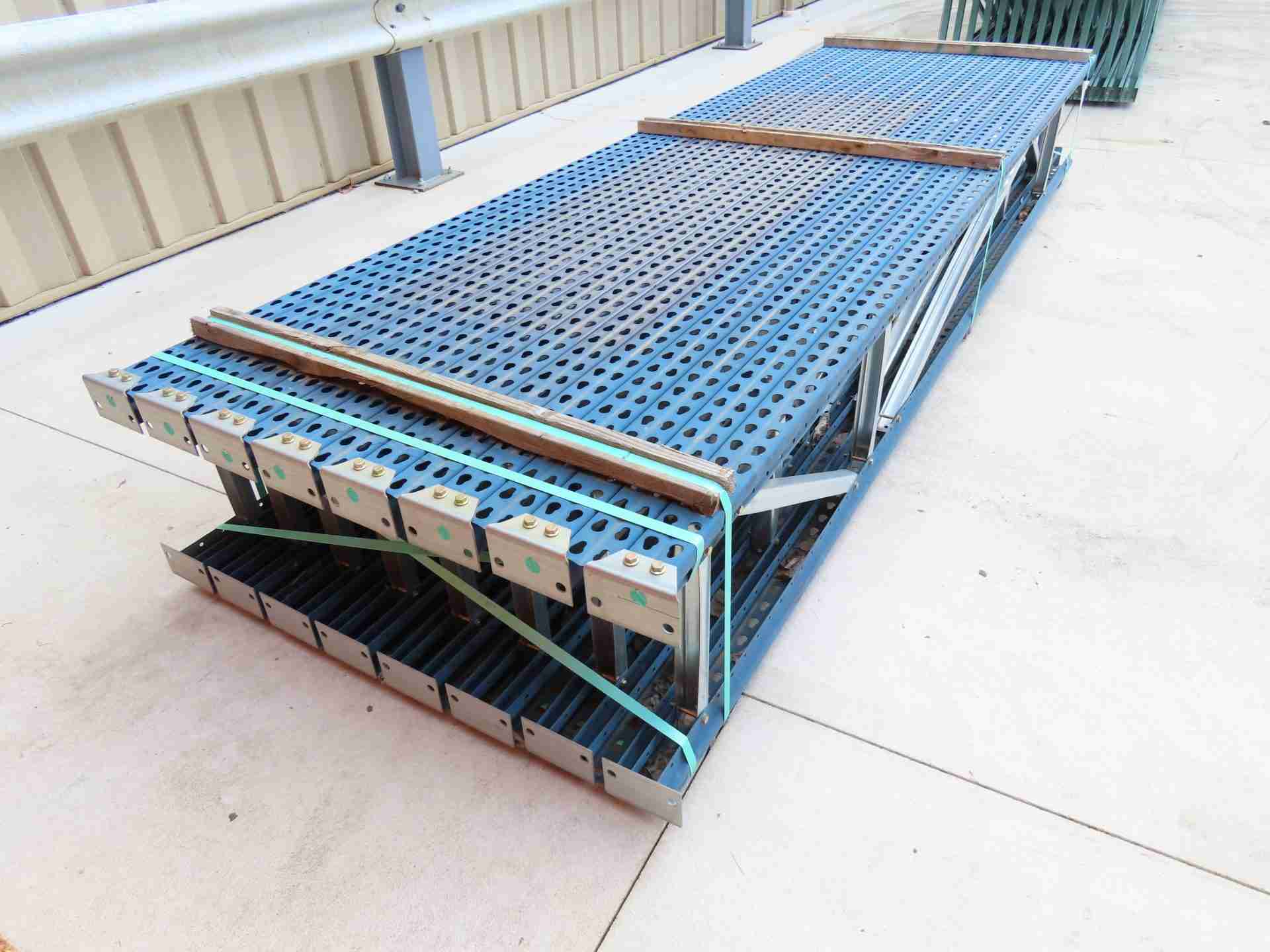
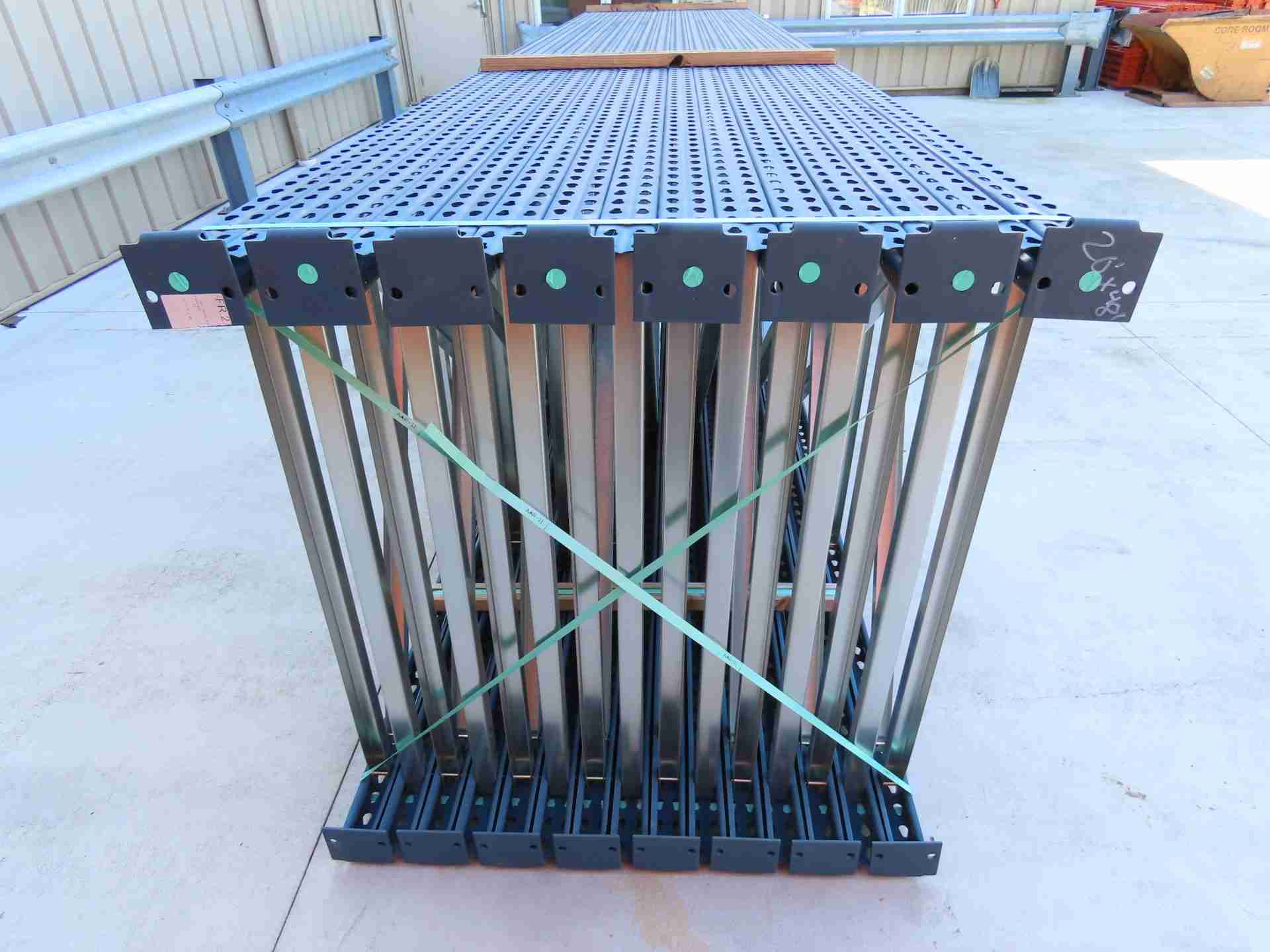
Pallet racking systems are renowned for their versatility and capacity to handle heavy loads. If you’re in an industry where you deal with large quantities of goods on pallets—think retail distribution centers, manufacturing plants, or e-commerce fulfillment operations—then a robust pallet racking system is essential. This type of shelving allows you to store more products vertically, maximizing your warehouse’s cubic space and minimizing the need for extensive horizontal layouts. Just look at Amazon and Walmart’s efficiency; they’ve invested billions in warehouse automation and design, often integrating advanced pallet racking systems to meet escalating demands.
But what if your needs are somewhat different? If your business deals with small items or works with an ever-changing inventory, consider moving towards open shelving or modular shelving systems. These systems can provide easier access to frequently picked items and encourage efficient workflows. For instance, a manufacturing facility that must regularly shift from one product line to another may benefit from adjustable shelving, as it allows for quick modifications in layout.
Current trends indicate a growing inclination toward mobile racking systems as well. These innovatively designed systems allow for flexibility, enabling businesses to adapt their storage layout as needs change. In a world where supply chain disruptions are the norm, the ability to pivot quickly is invaluable. You can dramatically increase your storage capacity without the need for larger physical spaces, aligning perfectly with current sustainability goals many companies are pursuing.
Moreover, never underestimate the importance of compliance and safety. The shelving system you choose must not only meet your operational needs but also adhere to industry standards and regulations. Investing in compliant shelving solutions builds trust with customers and stakeholders alike while safeguarding your employees.
To sum up, choosing the right shelving type for your warehouse is about aligning your operational tactics with contemporary trends and future-proofing your business. Whether you require the strength of pallet racking or the adaptability of mobile or modular shelving, selecting an appropriate system is paramount to your warehouse productivity, operational efficiency, and ultimately, your company’s success. Don’t leave this decision to chance—invest the time to evaluate your present and future needs. Your return will be greater than you can imagine!

How Do You Choose The Right Shelving Type for Your Warehouse Needs?
How Do You Choose The Right Shelving Type for Your Warehouse Needs?
- Choosing the right shelving type is a critical business decision that impacts your bottom line.
- Pallet racking systems are versatile and ideal for handling heavy loads, especially in industries like retail and manufacturing.
- Pallet racking maximizes vertical storage, enhancing cubic space and reducing the need for horizontal layouts.
- Open shelving or modular shelving is better for small items or changing inventories, aiding in efficient workflows.
- Mobile racking systems are trending, offering flexibility to adapt storage layouts while increasing capacity.
- Compliance and safety are crucial; shelving must meet operational needs and adhere to industry standards.
- Investing in the right shelving aligns operational tactics with trends and future-proofs your business for success.
How Do You Choose The Right Shelving Type for Your Warehouse Needs?
Table Of Contents
- How Do You Choose The Right Shelving Type for Your Warehouse Needs?
- What Factors Should You Consider When Selecting Shelving?
- Which Shelving Types Are Best For Maximizing Space?
- How Do Load Capacities Affect Shelving Selection?
- What Are The Advantages Of Adjustable Shelving Systems?
- How Does Aisle Width Influence Shelving Choices?
- What Materials Are Best For Warehouse Shelving?
- Conclusion
- Other Resources
- Glossary Of Terms
- Other Questions
- Checklist
What Factors Should You Consider When Selecting Shelving?
When it comes to selecting shelving, there’s more to the process than just picking a design that looks good in your space. You need to consider a variety of factors that can make or break your efficiency, productivity, and, ultimately, your bottom line. There’s a lot at stake, especially in the fast-paced environments we see today—think e-commerce giants, manufacturing facilities, or even small businesses looking to maximize storage. Let’s dive into the important elements to consider.
1. Load Capacity: One of the first things you need to assess is the load capacity of your shelving units. Different shelving options can support varying weights, and depending on your inventory (like heavy-duty tools or lightweight packaging materials), you’ll need to ensure your choice can handle it all. For instance, businesses utilizing pallet racking systems often face scenarios where items are heavy and bulky, requiring specialized shelving to prevent collapses.
2. Space Optimization: You cannot afford to waste space. If you operate in a warehouse or store, consider how each inch can be used effectively. Look beyond the floor space; think vertical. High-rise shelving can free up ground space, making operations smoother and more efficient. With the rise of online shopping, retailers are adapting their layouts to accommodate quick order fulfillment, significantly boosting the need for intelligent vertical solutions.
3. Accessibility and Organization: Consider how frequently you access your stored items. If your operation necessitates frequent retrieval of specific products, your shelving layout should facilitate easy access. For example, a restaurant with high turnover of certain ingredients might prefer open shelving, while a distribution center might lean towards pallet racking for bulk storage.
4. Material Durability: The material of the shelving plays a crucial role in longevity and safety. Steel shelving is often a favorite in warehouses for its robustness, while lighter materials might be suitable for a store or office setting. This is especially pertinent in today’s climate, where the focus on sustainability is growing. Choosing eco-friendly materials can also have a positive impact on your brand image.
5. Flexibility and Scalability: As businesses continue to adapt to the ever-changing market demands—such as trends in e-commerce and shifts in consumer behaviors—your shelving should be able to grow and adjust with your needs. Modular shelving systems, for instance, allow for easy reconfiguration, ensuring your storage solutions keep pace with changes in your inventory or operational requirements.
Choosing the right shelving isn’t just about aesthetics. It’s about strategic decisions that impact your workflow and profitability. Don’t leave your success to chance; invest the time to make an informed decision.

What Factors Should You Consider When Selecting Shelving?
What Factors Should You Consider When Selecting Shelving?
- Load Capacity: Assess the load capacity of shelving units to handle varying weights based on your inventory.
- Space Optimization: Utilize vertical space effectively to enhance operations, especially in warehouses and retail settings.
- Accessibility and Organization: Design shelving layouts for easy access based on how frequently items are retrieved.
- Material Durability: Choose durable materials like steel for longevity and safety, considering sustainability in your selection.
- Flexibility and Scalability: Opt for modular shelving systems that can adapt to changing market demands and inventory needs.
- Strategic Decisions: Focus on shelving choices that impact workflow, productivity, and ultimately profitability.
- Informed Investment: Take the time to select the right shelving to support your business success.

What Factors Should You Consider When Selecting Shelving?
Which Shelving Types Are Best For Maximizing Space?
When it comes to maximizing space in warehouses or retail environments, choosing the right shelving system is crucial. The right balance between function and efficiency can significantly impact your bottom line. With various shelving types available today, understanding how each can optimize your space will pave the way for success.
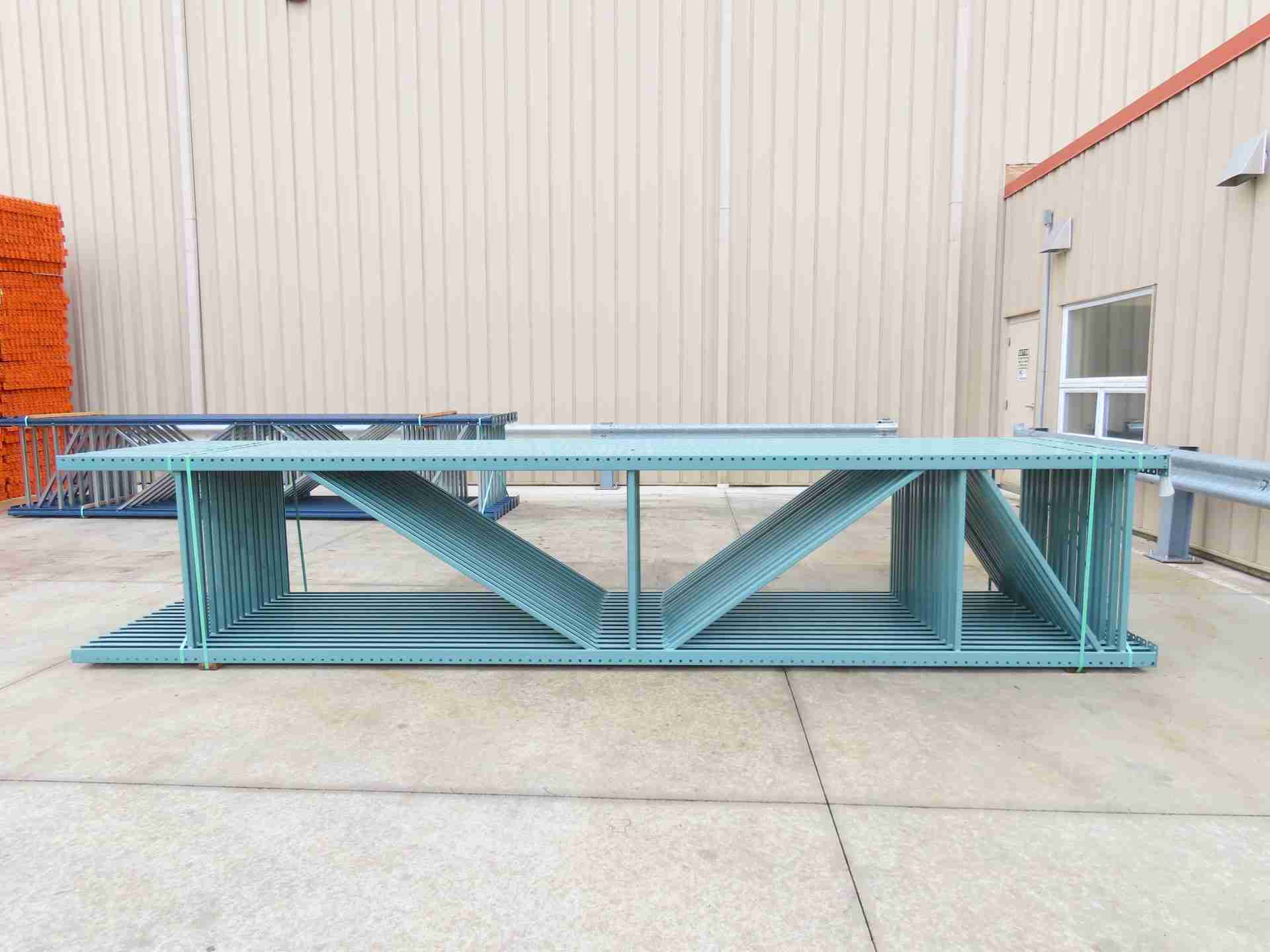
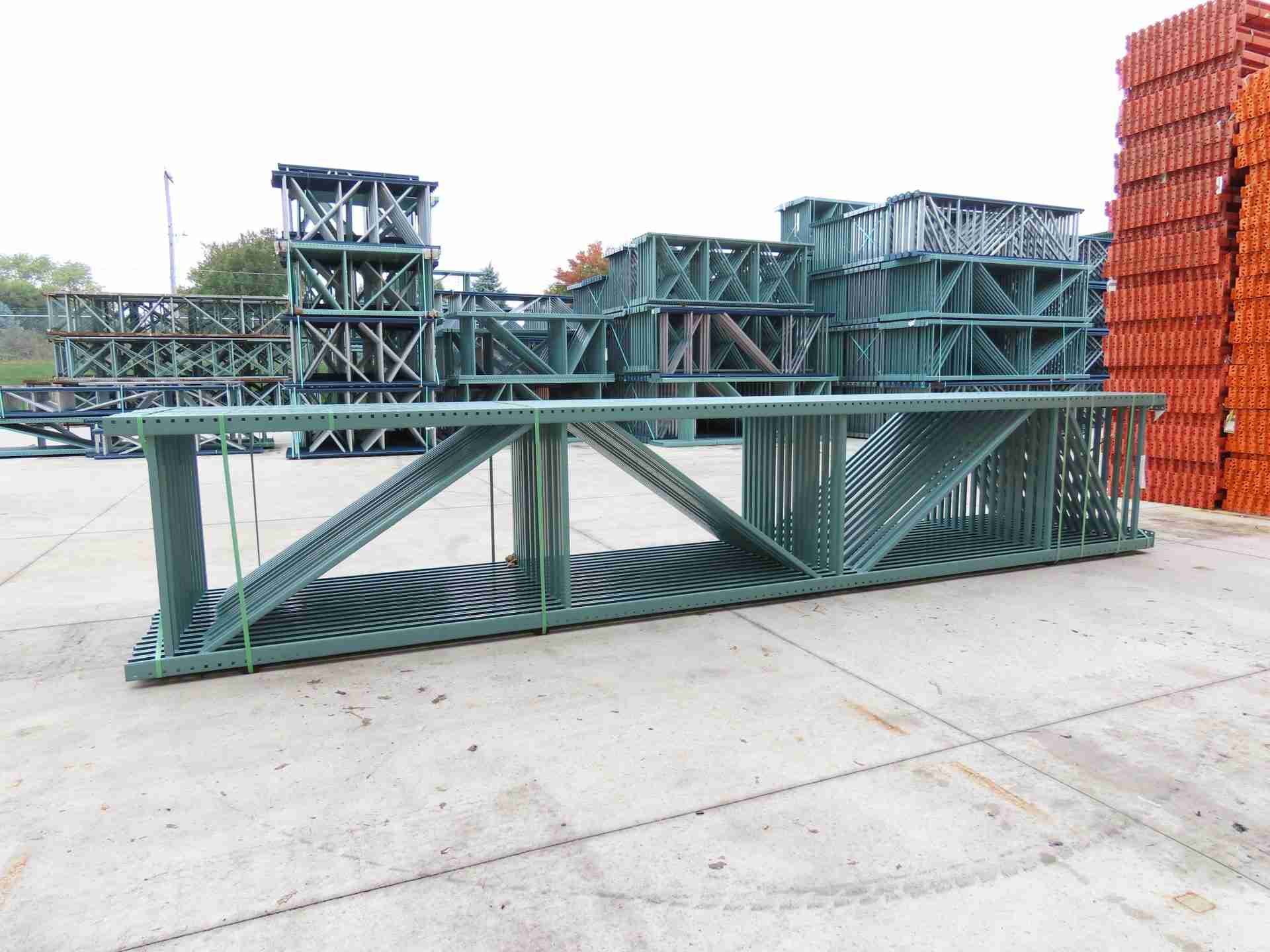
One of the most efficient shelving solutions on the market today is pallet racking. This system is designed to handle bulk items, making it indispensable for warehouses and distribution centers. Pallet racking allows products to be stored vertically, drastically enhancing your usable floor space. Imagine transforming your warehouse into a veritable treasure trove of organized products, allowing for more inventory without cramping your every available square foot. Given current supply chain challenges and the push for more online retail distribution, implementing pallet racking systems has never been more essential. Companies that once relied on traditional shelving methods are increasingly turning to this robust solution to accommodate growing inventories.
But let’s shift our focus — what about smaller spaces? For businesses dealing with limited room, vertical shelving is a game changer. These units rise high rather than wide, making them perfect for stock rooms, small retail environments, or even home offices. Like the two-story drop in this month’s apartment rental market, vertical shelves provide the options you need to maximize space while creating an inviting aesthetic.
Now let’s not overlook mobile shelving. Popular in libraries and archives, mobile shelving is a brilliant innovation that combines traditional shelving with wheels, making it easily movable. This solution allows you to maximize space by compacting your storage area when shelves are not in use. Increased demand for on-demand services has made mobile shelving appealing even to e-commerce and local businesses trying to manage inventory efficiently.
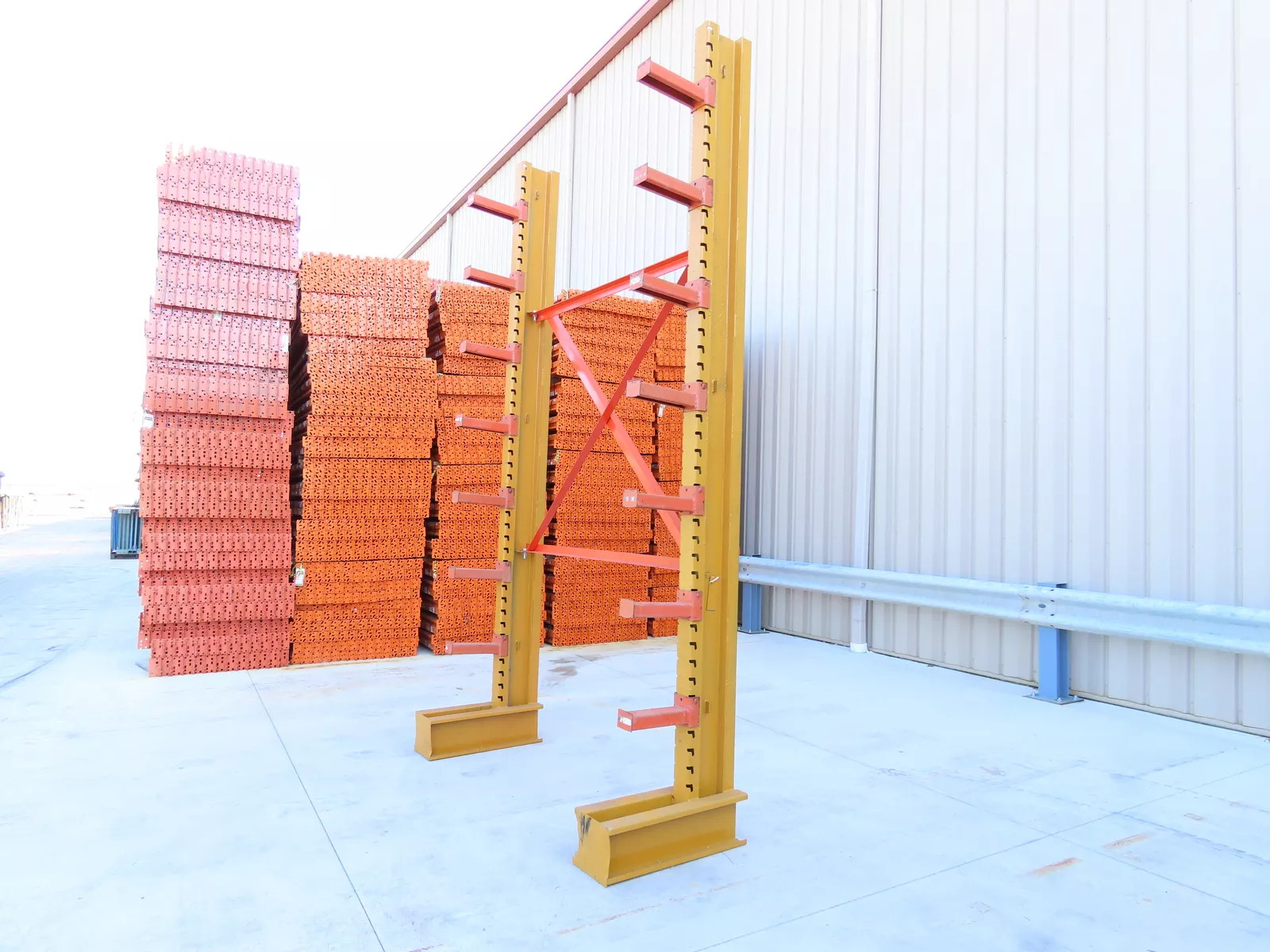
Now, consider cantilever shelving, perfect for storing long items such as lumber or pipes. Given the rise in DIY and home renovation projects fueled by current lifestyle changes, like remote working configurations, these shelves offer not just utility but also an attractive presentation for potential customers browsing in-store.
Whichever shelving type you choose, remember that maximizing space is not just about fitting more items into a confined area; it’s about creating an organized and efficient environment. By utilizing solutions like pallet racking, vertical shelving, mobile systems, or cantilever setups, you position your business for streamlined operations and increased profitability. With such strategic choices, you won’t just adapt to current pressures — you’ll thrive in them!
Which Shelving Types Are Best For Maximizing Space?
Which Shelving Types Are Best For Maximizing Space?
- Choosing the right shelving system is crucial for maximizing space in warehouses and retail environments.
- Pallet racking is an efficient solution for handling bulk items, allowing vertical storage and maximizing usable floor space.
- Implementing pallet racking is essential due to current supply chain challenges and increasing online retail distribution.
- Vertical shelving is ideal for small spaces, rising high instead of wide, perfect for tight stock rooms or retail environments.
- Mobile shelving offers innovative storage solutions with wheels, allowing for easy movement and compact storage.
- Cantilever shelving is effective for storing long items and provides an attractive display for DIY and home renovation products.
- Maximizing space involves creating an organized environment, supporting streamlined operations and increased profitability.
Which Shelving Types Are Best For Maximizing Space?
How Do Load Capacities Affect Shelving Selection?
In the bustling world of warehousing and retail, making the right choice in shelving can mean the difference between efficiency and chaos. Load capacities should be at the forefront of your decision-making process, especially when considering options like pallet racking. It’s not just about fitting everything you have; it’s about understanding what you can safely and effectively store.
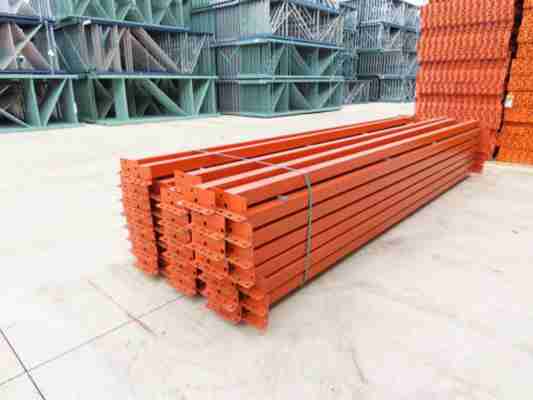
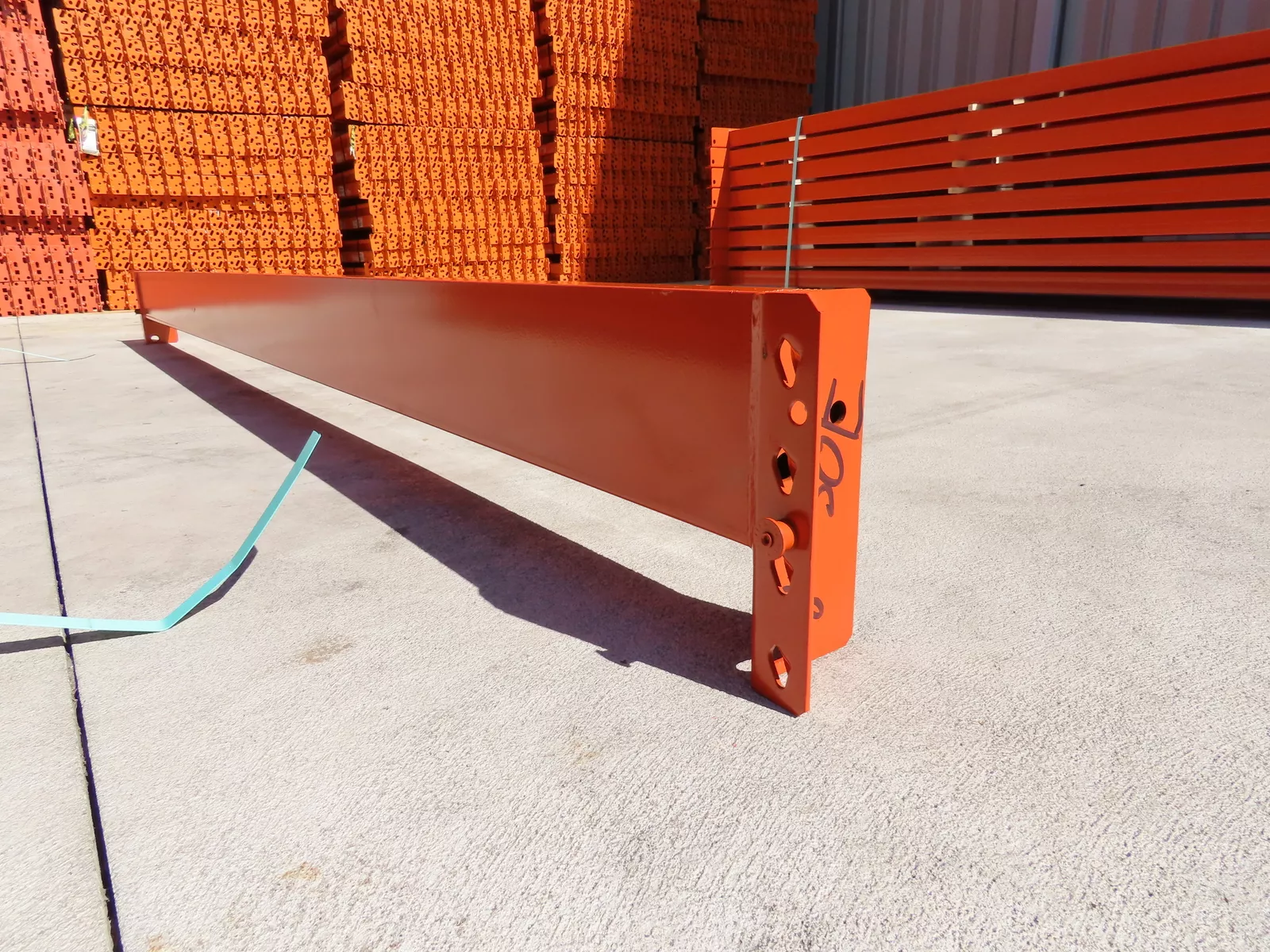
Pallet racking, for instance, is a staple in many distribution centers and warehouses due to its impressive load-bearing capability. Imagine you’re running a warehouse that’s recently experienced a surge in e-commerce orders—just like the recent uptick spurred by the global shift toward online shopping. You need shelving solutions that not only accommodate your current inventory but can also scale as demand grows. That’s where understanding load capacities comes into play.
Every piece of shelving, including pallet racks, has a defined load capacity. This is the maximum weight that each shelf or rack can safely hold. If you misjudge this number, you could face dangerous collapses, damaging both your products and your bottom line. For example, consider a business that stores heavy machinery parts. By selecting pallet racking with appropriate load capacities, they can optimize vertical space, reduce clutter, and maintain safety. In contrast, neglecting load specifications could lead to a disaster—not to mention liability issues.
Let’s also not overlook the specificity of your inventory. Suppose your operation includes both lightweight consumer goods and heavy industrial supplies. You would need varied shelving options, including robust pallet racking for heavier items, while lighter products could be stored on standard shelving with lower load limits. This strategic segmentation not only makes for a safer workplace but also improves inventory management.
With the rapid changes in supply chain dynamics, demand forecasting is challenging but crucial. As companies expand their inventories or pivot their product lines—similar to how many brands adapted during the pandemic—those selecting shelving need to remain agile. Having the right load capacities in mind allows your shelving to evolve along with your business.
When investing in shelving systems, think beyond appearances and organizational aesthetics. Load capacities dictate not only the safety of your environment but ultimately the efficiency and scalability of your operation. Choose wisely, and watch your warehouse transform into a well-oiled machine that can tackle any opportunity that comes your way. It’s not just about shelves—it’s about making an informed investment that supports your future growth.
How Do Load Capacities Affect Shelving Selection?
How Do Load Capacities Affect Shelving Selection?
- Choosing the right shelving is crucial for maintaining efficiency in warehousing and retail.
- Understanding load capacities is essential, especially for options like pallet racking.
- Pallet racking offers impressive load-bearing capabilities, making it ideal for distribution centers.
- Accurate load capacities can prevent dangerous collapses and potential liability issues.
- Different inventory types require varied shelving solutions for optimal storage and safety.
- Demand forecasting and operational agility are important as businesses adapt to changing marketplaces.
- Investing in shelving systems should consider load capacities to enhance operational efficiency and future growth.
How Do Load Capacities Affect Shelving Selection?
What Are The Advantages Of Adjustable Shelving Systems?
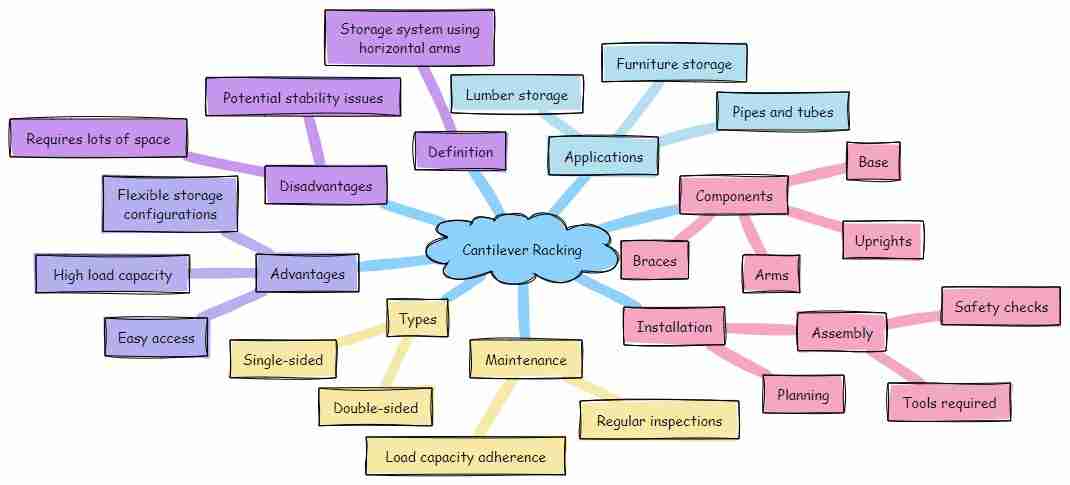
Adjustable shelving systems are the unsung heroes of modern storage solutions. Imagine turning your cluttered warehouse or disorganized garage into a paragon of efficiency and order—this is not just a dream; it’s a reality waiting to happen with adjustable shelving. Among the myriad options available, few can rival the practicality and versatility of adjustable shelving systems, specifically when considered alongside pallet racking.
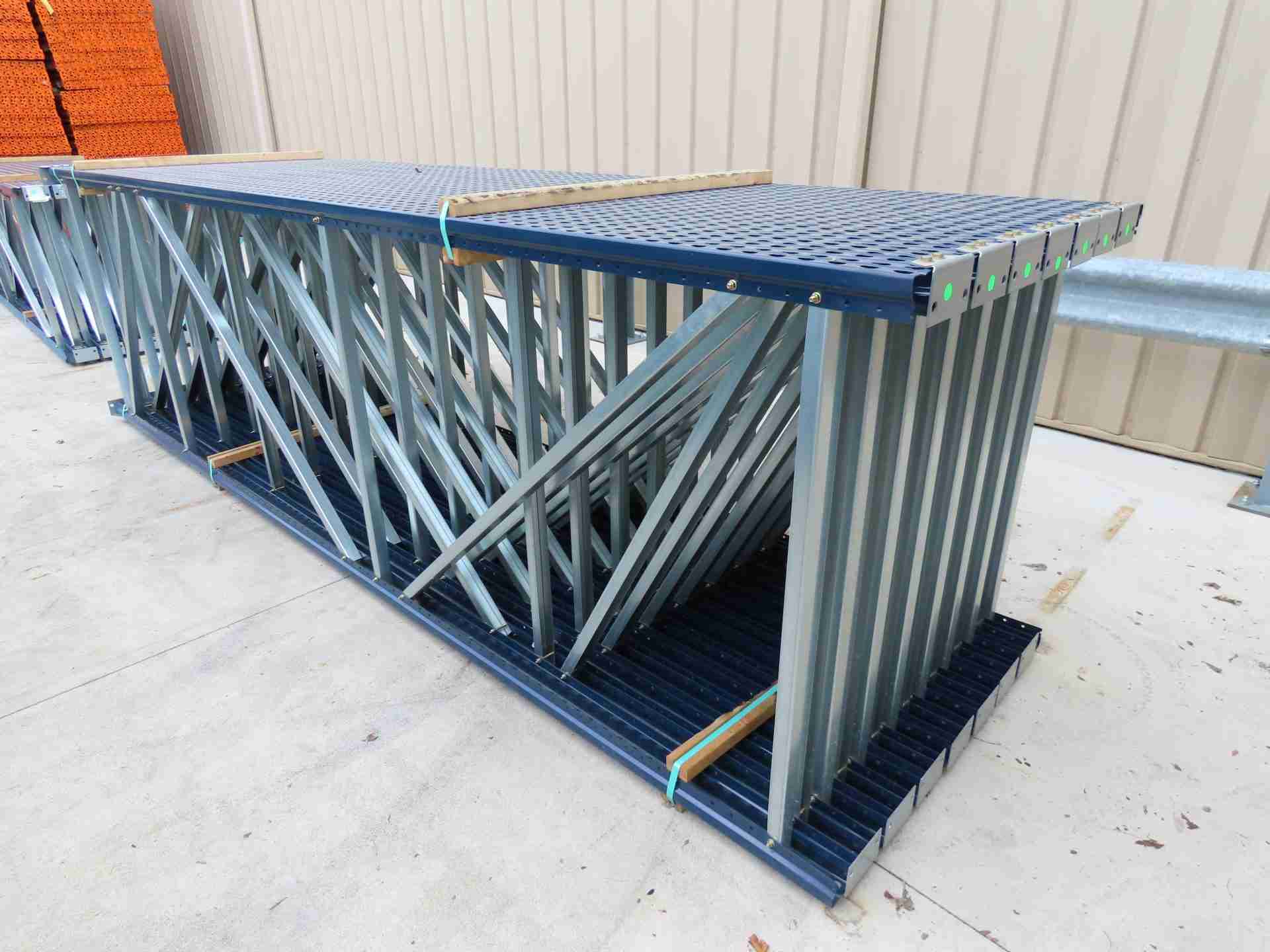
One of the most compelling advantages of these systems is their adaptability. As your business evolves or your storage needs change, adjustable shelving allows you to reconfigure your space with ease. For instance, should your inventory demographics shift—say a spike in e-commerce sales—these systems can expand vertically to accommodate more products without requiring costly infrastructure changes. In contrast, traditional shelving usually requires complete replacement or redesign when needs evolve.
Consider the growing trend in online shopping exacerbated by recent global events. Companies are facing unprecedented increases in demand, pushing their logistical frameworks to the limit. Warehouse managers are recognizing the immense benefits of adjustable shelving systems paired with pallet racking. Think about it: with pallet racking’s robust framework and the flexibility of adjustable shelving, you can optimize space utilization to ensure your most popular products are always front and center.
Moreover, these systems foster a safer work environment. Adjustable shelving makes it easier to organize items by size and weight, reducing the risk of accidents caused by improperly stored products. In warehouses where employees maneuver heavy goods, this is not a detail to be overlooked. Safety is paramount, and having a well-organized, adjustable shelving system reduces hazards significantly.
Another key advantage is the aesthetic and professional appeal. Businesses often underestimate how a tidy and organized space enhances their image. When clients walk into a warehouse stocked with neatly arranged products on adjustable shelving and pallet racking, the impression is not just one of efficiency but of professionalism. This can fundamentally enhance customer trust and drive sales.
Lastly, consider the cost-effectiveness of investing in adjustable shelving systems. These systems often have a lower upfront cost compared to fixed shelving, and their versatility means you won’t need to replace shelves as your inventory needs fluctuate. In today’s economy, marked by uncertainty and rapid change, making smart, scalable investments is more essential than ever.
In summary, adjustable shelving systems create a roadmap to organization, safety, and scalability, giving businesses the edge they need in today’s fast-paced landscape. Don’t allow your storage space to limit your success—embrace adjustable shelving and watch as it transforms your operations.
What Are The Advantages Of Adjustable Shelving Systems?
What Are The Advantages Of Adjustable Shelving Systems?
- Adjustable shelving systems enhance modern storage solutions, turning cluttered spaces into organized efficiency.
- The adaptability of adjustable shelving allows for easy reconfiguration as storage needs evolve.
- These systems are particularly beneficial for managing the increased demand from e-commerce trends.
- They promote a safer work environment by enabling better organization of items by size and weight.
- Well-arranged adjustable shelving enhances the professionalism and aesthetic appeal of a business.
- Investing in adjustable shelving systems is cost-effective, offering lower upfront costs and avoiding the need for replacements.
- Adjustable shelving systems provide a strategic advantage for businesses to thrive in a fast-paced environment.
What Are The Advantages Of Adjustable Shelving Systems?
How Does Aisle Width Influence Shelving Choices?
In the captivating world of retail and warehouse logistics, aisle width isn’t just a matter of convenience; it’s an essential strategic consideration that shapes your shelving choices and overall operational efficiency. When you understand how to leverage aisle width, you can significantly boost functionality and, ultimately, profitability.
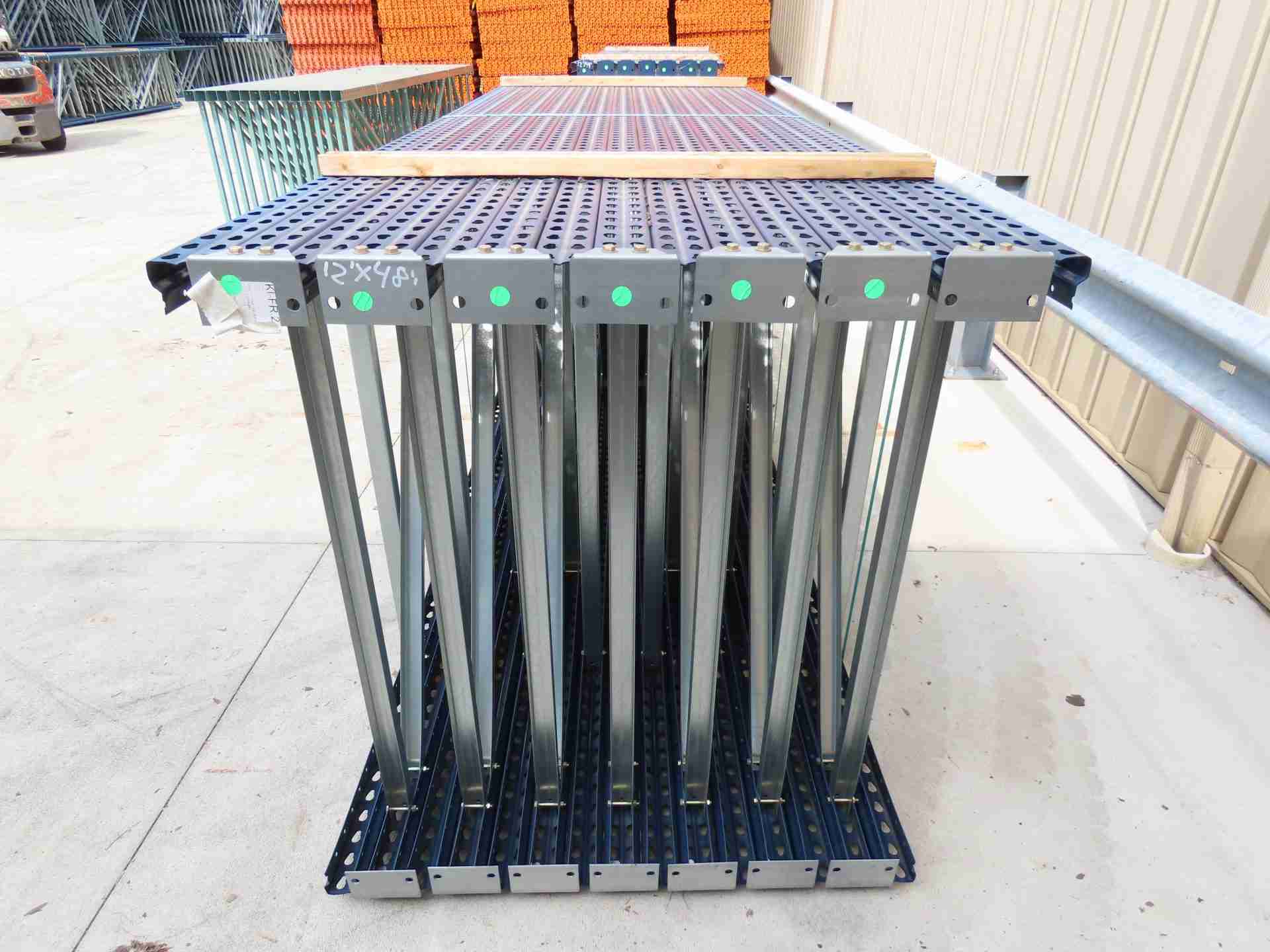
Let’s consider the case of pallet racking systems. If you’ve been paying attention to trends in warehouse design, you know that the push for greater efficiency is clearer than ever. Many retailers are now opting for wider aisles to accommodate larger equipment and facilitate quick access, especially in this era of e-commerce. An example from a major retailer such as Amazon demonstrates the intentional spacing of aisles to streamline picking operations. Wider aisles allow forklifts to navigate easily, reducing the time spent retrieving items from pallet racking systems. However, this solution isn’t without a trade-off; you must balance aisle width with shelf capacity and product density.
Conversely, a narrower aisle can lead to heightened shelf density, maximizing your inventory in a limited floor space. Retailers like Costco have mastered this. They employ narrower aisles combined with high pallet racking, allowing them to stock bulk items efficiently while providing a robust shopping experience. The challenge here involves ensuring that the aisle width is sufficient for customers to browse comfortably, especially in a post-pandemic retail climate where spacing has become critical for safety.
Moreover, consider current events such as supply chain disruptions. As businesses pivot to manage inventory fluctuations, the right shelving choices become paramount. For instance, using wider aisles can facilitate better maneuverability in receiving and storing larger shipments, mitigating the risk of bottlenecks. For stores proactive in crisis management, the agility to adapt aisle width along with shelving options is crucial.
The ultimate takeaway here is that the dimensions of your aisles directly impact your shelving decisions. Businesses should assess their unique operational needs: ease of movement with pallet racking versus maximizing stock holding capacity. It’s about designing a space that not only looks appealing but performs excellently under pressure. Efficient aisle width planning can help you meet customer demands swiftly, adapt to market changes, and create a better shopping experience overall. So, whether you’re outfitting a small boutique or a sprawling warehouse, remember that aisle width is not just a number; it’s a doorway to greater success.
How Does Aisle Width Influence Shelving Choices?
How Does Aisle Width Influence Shelving Choices?
- Aisle width is a critical strategic aspect influencing shelving choices and operational efficiency in retail and warehouse logistics.
- Wider aisles are increasingly favored for accommodating larger equipment and facilitating quick access, especially in the e-commerce era.
- Examples from retailers like Amazon show that wider aisles improve forklift navigation and reduce retrieval time from pallet racking systems.
- Narrower aisles can increase shelf density, allowing retailers such as Costco to efficiently stock bulk items while ensuring a good shopping experience.
- Post-pandemic, customer comfort and safety have made appropriate aisle spacing increasingly important.
- Supply chain disruptions necessitate the right shelving choices and aisle width to manage inventory effectively and avoid bottlenecks.
- Businesses must balance ease of movement and stock capacity when designing their spaces to enhance customer experience and operational performance.
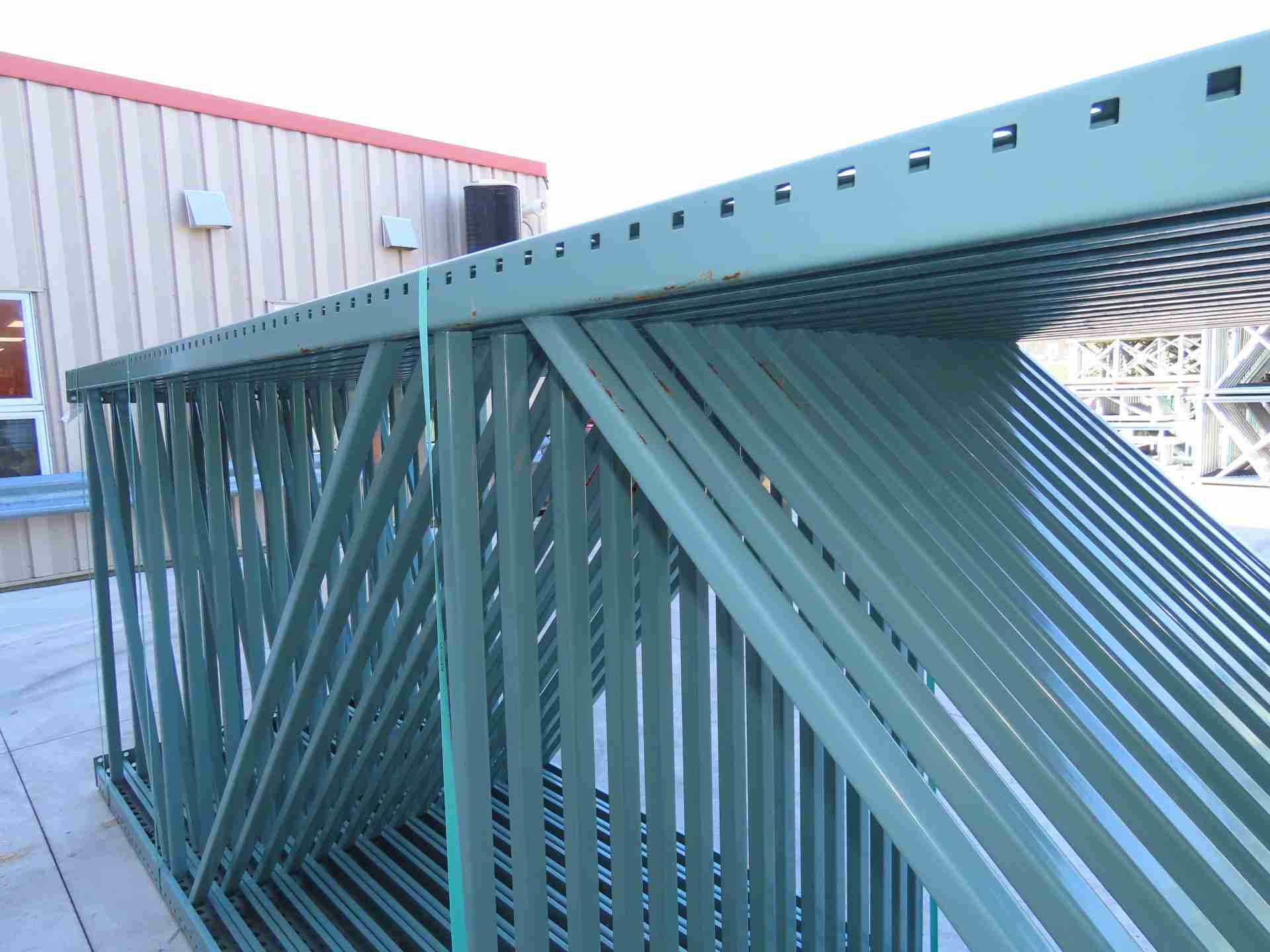
How Does Aisle Width Influence Shelving Choices?
What Materials Are Best For Warehouse Shelving?
When it comes to warehouse shelving, material selection can make or break your operations. The right materials not only support your inventory but also contribute to enhancing your efficiency and safety. From strong pallet racking to more specialized options, let’s explore the best materials for your warehouse shelving needs.
1. Steel: The Backbone of Stability
Steel is the undisputed king of warehouse shelving. Whether you’re looking at traditional pallet racking systems or innovative storage solutions, steel’s strength and durability are unmatched. Steel shelving can easily handle substantial loads, making it ideal for heavy inventory; for example, many large retailers rely on heavy-duty steel racks to manage everything from seasonal stock to high-demand items.
2. Wire: The Champion of Visibility
Wire shelving advantages are undeniable when it comes to storage solutions that prioritize visibility and ventilation. Ideal for smaller retail operations or warehouses that store food products, wire shelves allow for air circulation while providing clear sightlines to your inventory. Consider grocery stores, which have transitioned to wire racks for better product visibility and freshness, streamlining both inventory checks and customer browsing experience.
3. Plastic: The Light Weighter
For lighter items or environments with specific hygienic needs, plastic shelving comes into its own. Lightweight yet resilient, these shelves resist corrosion, making them perfect for industries such as pharmaceuticals or food service. An increasing number of companies have adopted plastic shelving systems to comply with health regulations while maximizing storage space.
4. Specialty Materials: Custom Solutions for Unique Needs
As industries evolve, so do shelving needs. The rise in eCommerce has led warehouse operators to look at specialized shelving solutions capable of multitasking—like modular shelving that can be adjusted to meet changing inventory profiles. Companies are now investing in automated and smart shelving systems that integrate technology to keep up with modern logistics demands.
When considering materials for your warehouse shelving, think about your specific needs. Are you storing heavy products, delicate items, or temperature-sensitive goods? A great example is the recent surge in cold storage operations due to increasing demand in grocery distribution amidst global challenges. Each material has its own advantages, but the key is understanding the unique demands of your warehouse.
In summary, the best materials for warehouse shelving depend on your specific operational needs and inventory. Steel, wire, plastic, and specialty materials can all play a crucial role in your strategies. Don’t overlook the importance of choosing the right material; it’s an investment that pays off in efficiency and long-term savings!
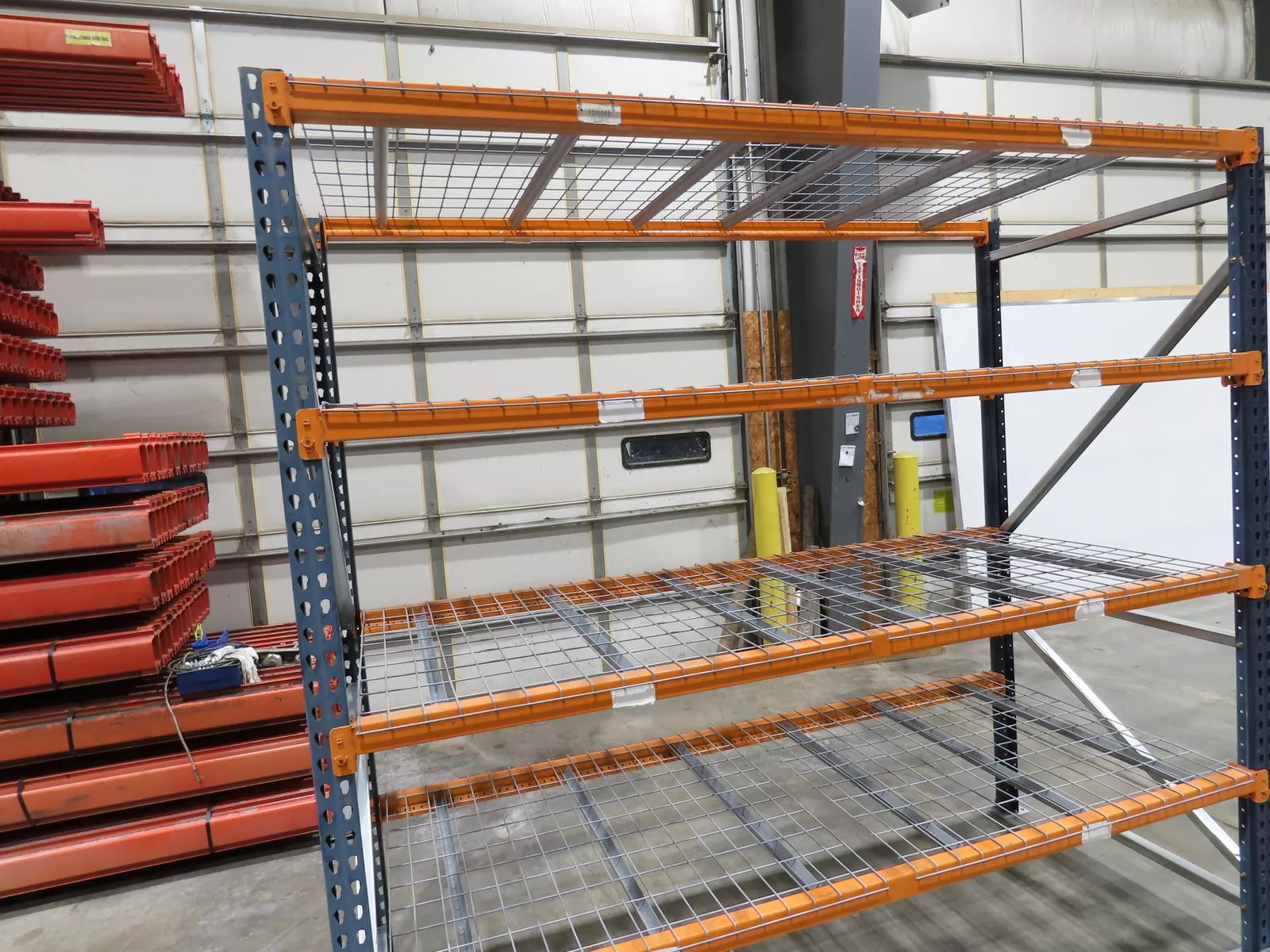
What Materials Are Best For Warehouse Shelving?
What Materials Are Best For Warehouse Shelving?
- Material Selection: Essential for efficient and safe warehouse operations.
- Steel: Offers unmatched strength and durability for heavy inventory management.
- Wire: Enhances visibility and ventilation, ideal for food storage and retail operations.
- Plastic: Lightweight, corrosion-resistant, perfect for hygienic environments like pharmaceuticals.
- Specialty Materials: Custom solutions needed for evolving industries, including modular and smart shelving.
- Considerations: Choose materials based on the specific needs of your inventory and operational demands.
- Long-term Investment: Selecting the right shelving material can lead to improved efficiency and savings.
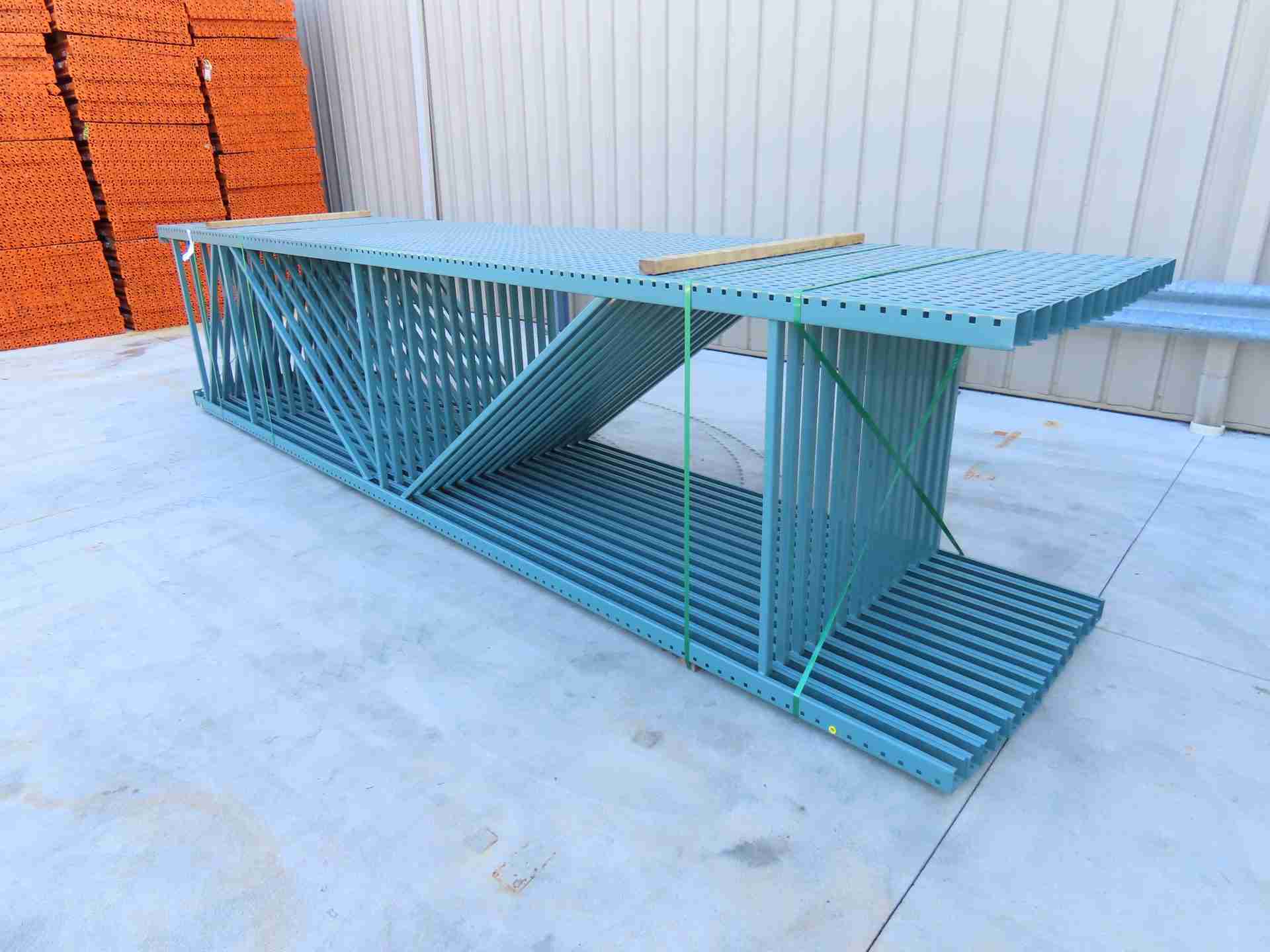
What Materials Are Best For Warehouse Shelving?
Conclusion
In today’s fast-paced commercial landscape, the right shelving solutions can dramatically reshape your warehouse operation, enhancing efficiency and contributing positively to your bottom line. As we’ve explored, selecting the perfect shelving type isn’t just a matter of aesthetics or convenience; it’s a strategic decision that must align with the unique needs of your business. Arrow Industrial Sales stands ready to guide you through this pivotal choice. The spectrum of shelving options—from robust pallet racking systems to agile modular and mobile solutions—offers diverse advantages tailored to various operational demands.
Understanding key factors such as load capacity, space utilization, accessibility, material durability, and aisle width not only enables you to meet the immediate needs of your inventory but also allows your storage systems to evolve as your business grows. Industries ranging from retail and e-commerce to manufacturing have seen incredible results from prudent shelving choices—think of Amazon’s logistic efficiencies built on smart shelving and warehousing techniques.
Moreover, in an age marked by fluctuations in supply chain dynamics, the adaptability of your shelving systems can provide you with the resilience necessary to respond to market changes swiftly. Whether it’s a sudden rise in e-commerce orders requiring enhanced vertical storage or nimble adjustments to meet differing product lines, investing in the right shelving is tantamount to future-proofing your operations.
But time is of the essence! Delaying this critical decision could lead to inefficiencies that cost you both time and money. With Arrow Industrial Sales, expert help is just a call away! Reach out to us at (574) 349-6575 today. Our team is eager to help you assess your needs and provide tailored solutions that ensure your storage infrastructure maximizes every square inch of space, adheres to safety regulations, and supports your operational growth.
Don’t leave your warehousing success to chance. Seize the opportunity to take your efficiency, organization, and profitability to new heights with appropriately configured shelving systems. Your future depends on the decisions you make today. Contact Arrow Industrial Sales now and watch your warehouse transform into a well-ordered, high-performing space!
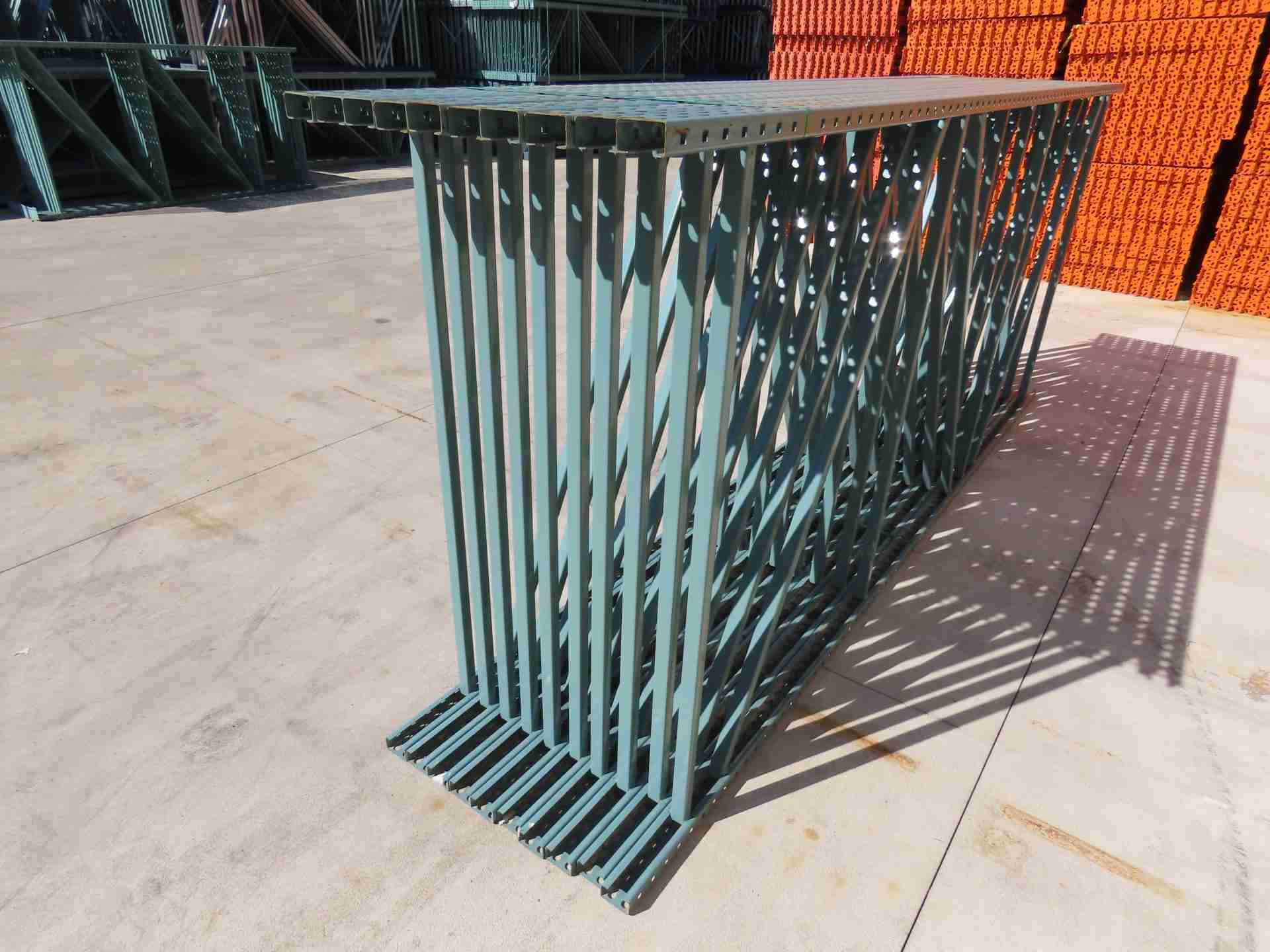
Conclusion
Conclusion:
- The right shelving solutions can enhance warehouse efficiency and positively impact your bottom line.
- Selecting the ideal shelving type is a strategic decision that must align with your business’s unique needs.
- Arrow Industrial Sales offers guidance in choosing appropriate shelving options, including pallet racking and mobile systems.
- Key factors to consider include load capacity, space utilization, accessibility, material durability, and aisle width.
- Smart shelving choices have significantly improved operational efficiency in various industries, such as retail and manufacturing.
- Adaptability of shelving systems is crucial for responding swiftly to market changes and demand fluctuations.
- Contact Arrow Industrial Sales for expert assistance to optimize your warehouse shelving and ensure future growth.
Conclusion
Other Resources
Other Resources
Here is a list of other resources you can review online to learn more:
- Warehouse Automation
- Warehouse Racking Systems: Beginner’s Guide to Rack Systems
- Selective Pallet Racking Systems – Container Systems
- Pallet Racking 101: A Comprehensive Guide & Options Explained
- Interlake Mecalux
- Warehouse Storage Racks
- CA Wire
- American Surplus
- Cantilever Rack Configuration & Installation: A Comprehensive Guide – BMH
- Warehouse Storage Racking in Illinois
Use This Prompt To Get More Resources With Your Favorite Online AI Tool: Please provide me with a list of online articles with their URLs in a bulleted list that I can read regarding How Do You Choose The Right Shelving Type for Your Warehouse Needs?

Other Resources
Glossary Terms
How Do You Choose The Right Shelving Type for Your Warehouse Needs? – Glossary Of Terms
1. Active Storage: Storage systems designed for items that are frequently accessed, allowing for easy retrieval.
2. Dynamic Rack: A type of shelving that uses gravity to facilitate easy access to products, often found in warehouses with high turnover.
3. Static Rack: Shelving that is fixed in place and not designed for easy relocation, typically used for bulk storage.
4. Pallet Rack: Heavy-duty shelving designed to store palletized loads, often adjustable to accommodate various sizes.
5. Cantilever Rack: A type of shelving suited for storing long or bulky items, featuring arms that extend out from a vertical base.
6. Shelving Units: Modular storage systems made up of shelves, used in various configurations to store different items.
7. Vertical Storage: A method of maximizing warehouse space by utilizing vertical shelving systems or racks.
8. Flow Rack: A racking system that allows products to be loaded from one end and retrieved from the other, promoting first-in, first-out (FIFO) inventory management.
9. Drive-In Rack: A high-density storage system that allows forklifts to drive directly into the rack for storage, best for large quantities of the same item.
10. Mezzanine: An intermediate floor built between the main floors of a warehouse, used to create additional storage space.
11. Modular Shelving: Flexible shelving systems that can be easily reconfigured or expanded based on changing storage needs.
12. Cold Storage Rack: Shelving specifically designed for refrigerated or temperature-sensitive products.
13. Gravity Flow Rack: Utilizes gravity to move items from a loading end to a picking end, ideal for high-volume SKU environments.
14. Wire Rack: Open shelving made of wire, which allows for visibility and airflow, commonly used in retail and warehouses.
15. Storage Density: The measure of how much product can be stored in a specific area, crucial for maximizing warehouse efficiency.
16. Cross-Docking: A logistics practice where incoming goods are directly transferred to outgoing vehicles, minimizing storage time.
17. Number of SKUs: Refers to the variety of stock-keeping units (SKUs) stored in a warehouse, influencing shelving choice.
18. Load Capacity: The maximum weight that a shelving unit or rack can safely support, vital for maintaining safety and efficiency.
19. Accessibility: The ease with which items can be reached and retrieved from shelving, impacting workflow and productivity.
20. Aisle Width: The distance between shelving units, which affects the type of machinery used for retrieval and overall space utilization.
21. Inventory Turnover: A measure of how quickly inventory is sold and replaced, influencing the choice of shelving based on storage needs.
22. Safety Standards: Regulations and guidelines that must be followed to ensure safe warehousing operations, including shelving installation and configuration.
23. Custom Shelving: Tailored shelving solutions designed to meet specific storage needs, which may include unique dimensions or configurations.
24. First-In, First-Out (FIFO): An inventory management method ensuring older stock is sold or used before newer stock, important for perishable goods.
25. Last-In, First-Out (LIFO): An inventory method where the most recently added items are this first to be sold or used, often used for non-perishable goods.
26. Flexible Storage Solutions: Adaptable shelving options that can be modified according to evolving business needs.
27. Load-Bearing Capacity: Specific measure of how much weight each shelf can hold, often dictated by material and design.
28. Software Integration: Using warehouse management systems (WMS) to streamline inventory and shelving management, enhancing operational efficiency.
29. Best Practices: Proven methods and strategies for effective shelving selection and warehouse organization.
30. Ergonomics: The study of peoples’ efficiency in their working environment, crucial in shelving design to prevent workplace injuries and enhance productivity.
Glossary Of Terms
Other Questions
How Do You Choose The Right Shelving Type for Your Warehouse Needs? – Other Questions
If you wish to explore and discover more, consider looking for answers to these questions:
- What are the different types of shelving systems available?
- How can I assess the specific needs of my warehouse?
- What are the costs associated with different shelving types?
- What safety standards should I consider when selecting shelving?
- How do I maintain and care for my shelving systems?
- What are the best practices for organizing products on shelves?
- How can I determine the right size of shelving for my space?
- What is the impact of shelving design on employee productivity?
- How do seasonal changes affect shelving needs in warehouses?
- Are there shelving systems specifically designed for cold storage?
- What role does technology play in modern shelving solutions?
- How does the layout of my warehouse influence shelving selection?
- What are the benefits of using mobile shelving systems?
- Can I customize shelving solutions for specific products?
- What types of shelving are best for small businesses or startups?
Other Questions
Checklist
How Do You Choose The Right Shelving Type for Your Warehouse Needs? – A Checklist
Understanding Your Needs
1. Identify your inventory type: Determine if your business deals with heavy loads (like palletized goods) or smaller items.
2. Assess inventory turnover: Analyze how frequently items are picked and stored to decide on shelving accessibility.
Key Factors to Consider
3. Load Capacity
_____ Evaluate the weight each shelf needs to hold.
_____ Ensure the shelving system can safely support your heaviest products.
4. Space Optimization
_____ Calculate your available floor and vertical space.
_____ Look for shelving systems that maximize cubic storage rather than just floor space (e. g. , high-rise solutions).
5. Accessibility and Organization
_____ Consider how often items are accessed. Choose a system that allows for quick retrieval.
_____ Evaluate whether open shelving or closed systems are more suitable for your operations.
6. Material Durability
_____ Choose materials based on your inventory needs—steel for heavy loads, wire for visibility, plastic for hygiene-sensitive environments, etc.
_____ Consider sustainability and eco-friendly materials where applicable.
7. Flexibility and Scalability
_____ Look for adjustable or modular shelving that can reconfigure as inventory needs change.
_____ Assess potential growth of your inventory and operational requirements.
Types of Shelving to Consider
8. Pallet Racking
_____ Best for bulk items; effective for maximizing vertical storage.
9. Mobile Shelving
_____ Allows for increased storage capacity and flexibility as it can be moved to accommodate changes in inventory.
10. Vertical Shelving
_____ Ideal for small items; maximizes vertical space while minimizing footprint.
11. Cantilever Shelving
_____ Perfect for storing long items (like lumber or pipes), offering both utility and aesthetic appeal.
Safety and Compliance
12. Compliance with Standards
_____ Ensure that the shelving system meets industry regulations and safety standards for your specific sector.
13. Aisle Width Consideration
_____ Evaluate the width of the aisles to ensure safe and efficient movement of staff and equipment.
Operational Evaluation
14. Analyze Workflow Efficiency
_____ Assess how shelving layouts will influence picking and stocking workflows.
15. Cost-Effectiveness
_____ Consider the initial and ongoing costs associated with different shelving options, including potential needs for future adjustments or replacements.
Final Steps
16. Conduct a Trial Setup
_____ If possible, simulate a shelving setup to assess efficiency and make adjustments before finalizing your choice.
17. Get Feedback from Employees
_____ Involve staff who will use the shelving to gather input on functionality and accessibility.
By following this checklist, you can ensure that you choose the right shelving solutions tailored to your operational needs, ultimately maximizing efficiency and safety in your warehouse environment.
Checklist
At RackingWorld, we help guide you through selecting warehouse storage systems and racking.
Be sure to read our other related stories at RackingWorld to learn more about warehouse storage systems.
0 Comments