
Maximizing Storage Efficiency With Industrial Shelving
By Tom Seest
At RackingWorld, we help guide you through selecting warehouse storage systems and racking.
Be sure to read our other related stories at RackingWorld to learn more about warehouse storage systems.
What Is Industrial Shelving?
In a world increasingly driven by efficiency and organization, the term “industrial shelving” has risen to prominence as a game-changer in warehousing, distribution, and retail environments. So, what exactly is industrial shelving? Simply put, it’s a specialized storage solution designed to maximize space and streamline operations in commercial settings. Imagine a system that not only enhances your storage capacity but also boosts productivity—this is the essence of industrial shelving.
Let’s dive into examples to bring this concept to life. Picture a bustling warehouse where pallets of goods are stacked haphazardly. Now, envision that same warehouse transformed with heavy-duty racks designed to hold various products, from boxes of electronics to pallets of fresh produce. Industrial shelving provides adjustable options that can accommodate changing inventory, thereby keeping your operations flexible.
Take, for instance, a company like Amazon. With its ever-expanding inventory, Amazon relies on sophisticated shelving solutions that allow for quick access and efficiency. New lines of products are added frequently, and without a robust shelving solution, the chaos could ensue. Rolling shelves enable easy reconfiguration, ensuring that every square inch of space is utilized to its fullest potential.
Current events also underscore the significance of industrial shelving. As the supply chain continues to face disruptions thanks to ongoing global challenges, businesses must adapt quickly. Attention to logistics has never been more critical. Industrial shelving systems allow warehouses to respond with agility to shifting inventory demands. For instance, with the unprecedented rise of e-commerce, retailers are reallocating warehouse space for inventory that is increasingly diverse. This is where industrial shelving shines, promoting flexibility while enhancing operational efficiencies.
Moreover, many industries are pivoting towards sustainability. Industrial shelving not only helps optimize space but can also feature eco-friendly materials and designs. Companies are now seeking solutions that reduce their carbon footprint, and the implementation of sustainable industrial shelving systems can be a step in the right direction.
Finally, it’s vital to consider the operative advantages. Opting for industrial shelving solutions can empower businesses to declutter their environments, reduce lost items, and streamline workflows. With precisely organized inventory, your team spends less time searching and more time delivering value.
In summary, industrial shelving is not just a simple storage solution; it’s a strategic asset designed to improve efficiency, adaptability, and sustainability in today’s competitive landscape. Embracing this innovative approach can transform chaos into order, paving the way for growth and success in any commercial venture.
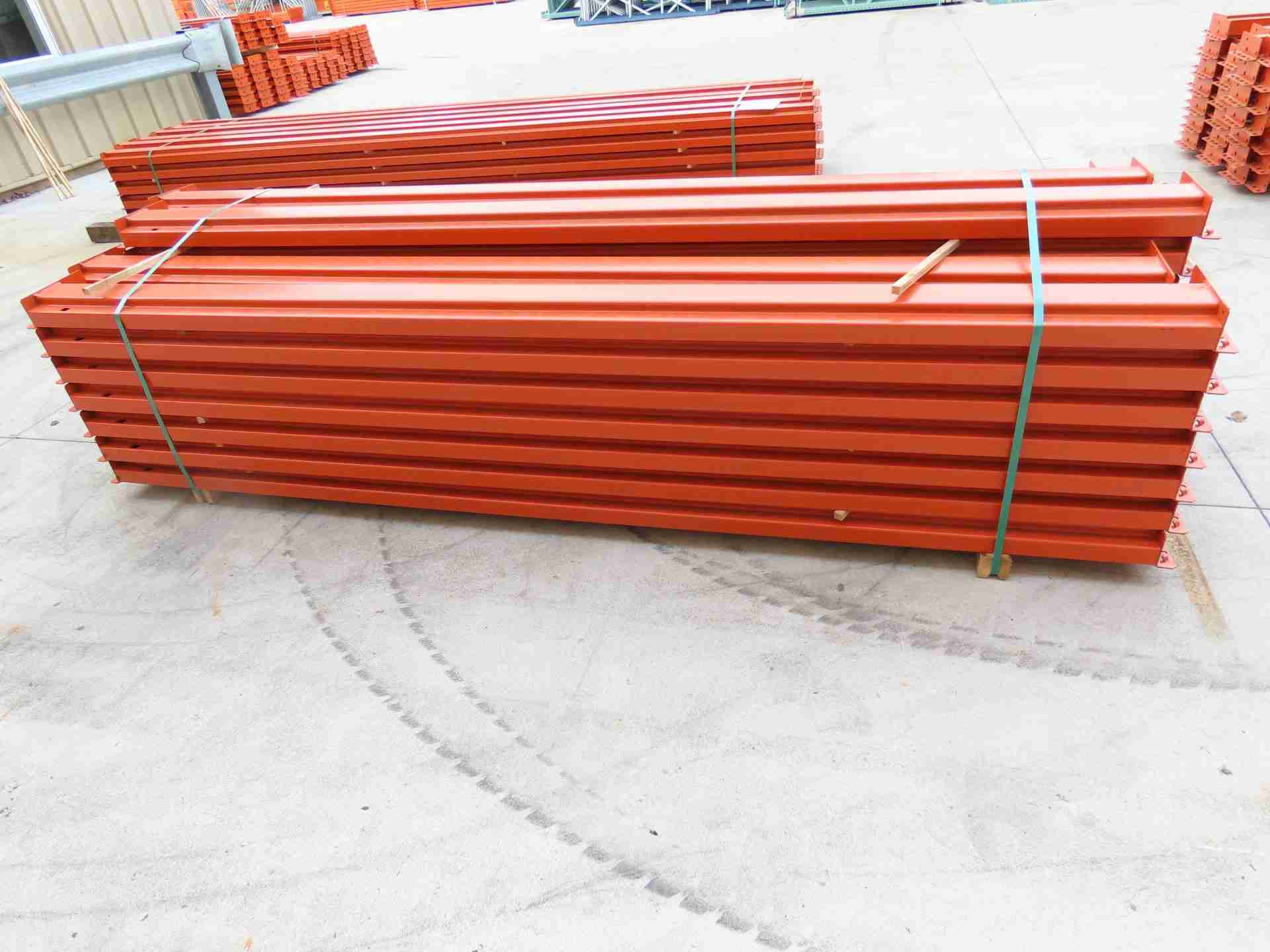
What Is Industrial Shelving?
What Is Industrial Shelving?
- Industrial shelving is a specialized storage solution aimed at maximizing space and streamlining operations in commercial settings.
- It enhances storage capacity while boosting productivity, transforming chaotic environments like warehouses into organized spaces with heavy-duty racks.
- Companies like Amazon rely on sophisticated shelving solutions that allow for quick access to a diverse inventory and efficient operations.
- Industrial shelving systems enable businesses to respond quickly to disruptions in the supply chain and shifting inventory demands, especially in the context of e-commerce.
- Many industries are adopting sustainable practices; industrial shelving can feature eco-friendly materials and designs, supporting reduced carbon footprints.
- Implementing industrial shelving helps declutter environments, reduce lost items, and streamline workflows, allowing teams to focus on delivering value.
- Overall, industrial shelving is a strategic asset that improves efficiency, adaptability, and sustainability, paving the way for growth and success.
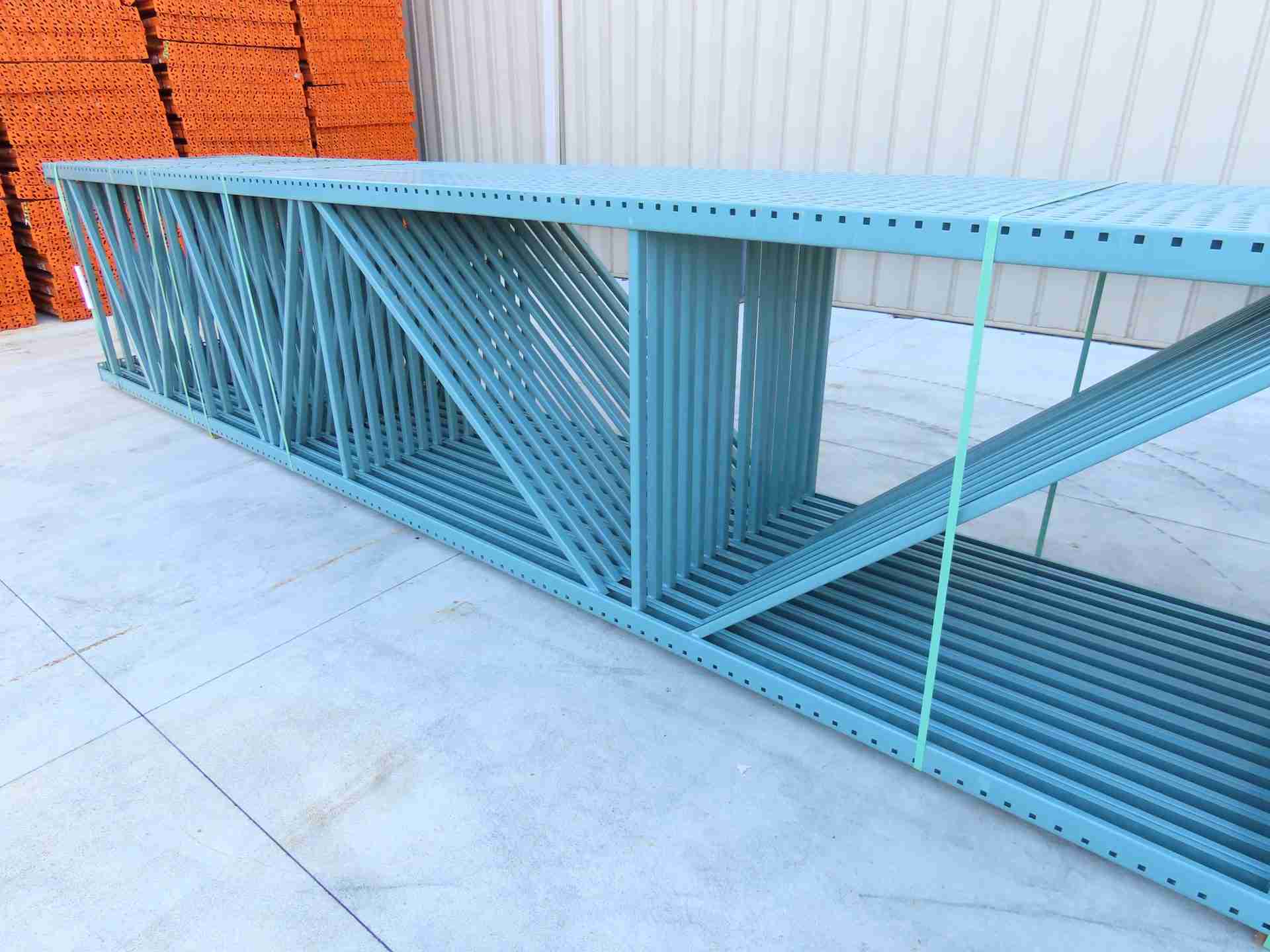
What Is Industrial Shelving?
Table Of Contents
- What Is Industrial Shelving?
- What Is Industrial Shelving And Its Key Functions?
- How Does Industrial Shelving Differ From Regular Shelving?
- What Materials Are Commonly Used For Industrial Shelving?
- What Are The Typical Applications Of Industrial Shelving?
- How Do I Choose The Right Industrial Shelving For My Needs?
- What Are The Benefits Of Using Industrial Shelving Systems?
- How Do I Optimize Warehouse Space With Industrial Shelving?
- What Safety Standards Should I Consider For Industrial Shelving?
- How Can I Customize Industrial Shelving For Specific Products?
- What Is The Cost Range For Industrial Shelving Units?
- How Do I Maintain Industrial Shelving For Long-Lasting Use?
- What Are Common Mistakes To Avoid With Industrial Shelving?
- How Does Industrial Shelving Impact Workflow Efficiency?
- How Does Industrial Shelving Affect Inventory Management Practices?
- Conclusion
- Other Resources
- Glossary Of Terms
- Other Questions
- Checklist
What Is Industrial Shelving And Its Key Functions?
Industrial shelving is more than just a storage solution; it’s a critical component in the efficiency and functionality of warehouses, retail settings, and manufacturing facilities. Picture a bustling warehouse, where every second counts, and every inch of space is precious. This is where industrial shelving comes into play. It serves not merely as a place to store goods but as a powerful tool to optimize workflow, enhance safety, and streamline operations.
Maximizing Space Efficiency
In today’s fast-paced business environment, space is at a premium. Industrial shelving systems are designed specifically to use vertical space effectively, allowing businesses to store more items without the need for larger square footage. For instance, companies like Amazon are always on the cutting edge of space optimization, utilizing multi-tiered shelving systems in their fulfillment centers to maximize storage capacity while minimizing operational costs.
Improving Accessibility
Time is money, and when employees can quickly access items, productivity soars. Modern industrial shelving solutions are engineered with accessibility in mind. Adjustable shelving units can be customized to meet your specific needs, making it easy to rearrange space as inventory fluctuates. For example, during peak shopping seasons—like the upcoming holiday rush—retail businesses often leverage mobile shelving units that allow seasonal items to be organized efficiently and retrieved without hassle.
Enhancing Safety
Safety is paramount in any industrial setting. Poorly organized storage can lead to dangerous situations, with items falling or shelves collapsing. Industrial shelving systems are built with robust materials and engineering innovations to offer a stable and secure way to manage inventory. With features such as load capacity ratings and anti-collapse designs, you can rest assured that your workplace remains safe. Recent trends indicate that companies are increasing investments in safety equipment, including shelving systems that comply with OSHA regulations.
Facilitating Inventory Management
Proper shelving not only supports organization but also enhances inventory management practices. Shelving units can be integrated with inventory control software to provide real-time data on stock levels, ensuring that businesses remain nimble and responsive to market demands. As just seen in the global supply chain disruptions of 2023, companies leveraging modern shelving for superior inventory management fared better in adjusting to market fluctuations.
Industrial shelving isn’t simply a storage solution; it’s an essential part of a well-oiled business machine. It maximizes space, enhances safety, improves accessibility, and plays a pivotal role in inventory management. Investing in the right shelving system can transform your operations, ensuring that you stay competitive in a fast-evolving marketplace. Don’t underestimate the power of industrial shelving—it’s a strategic asset that can propel your business forward.
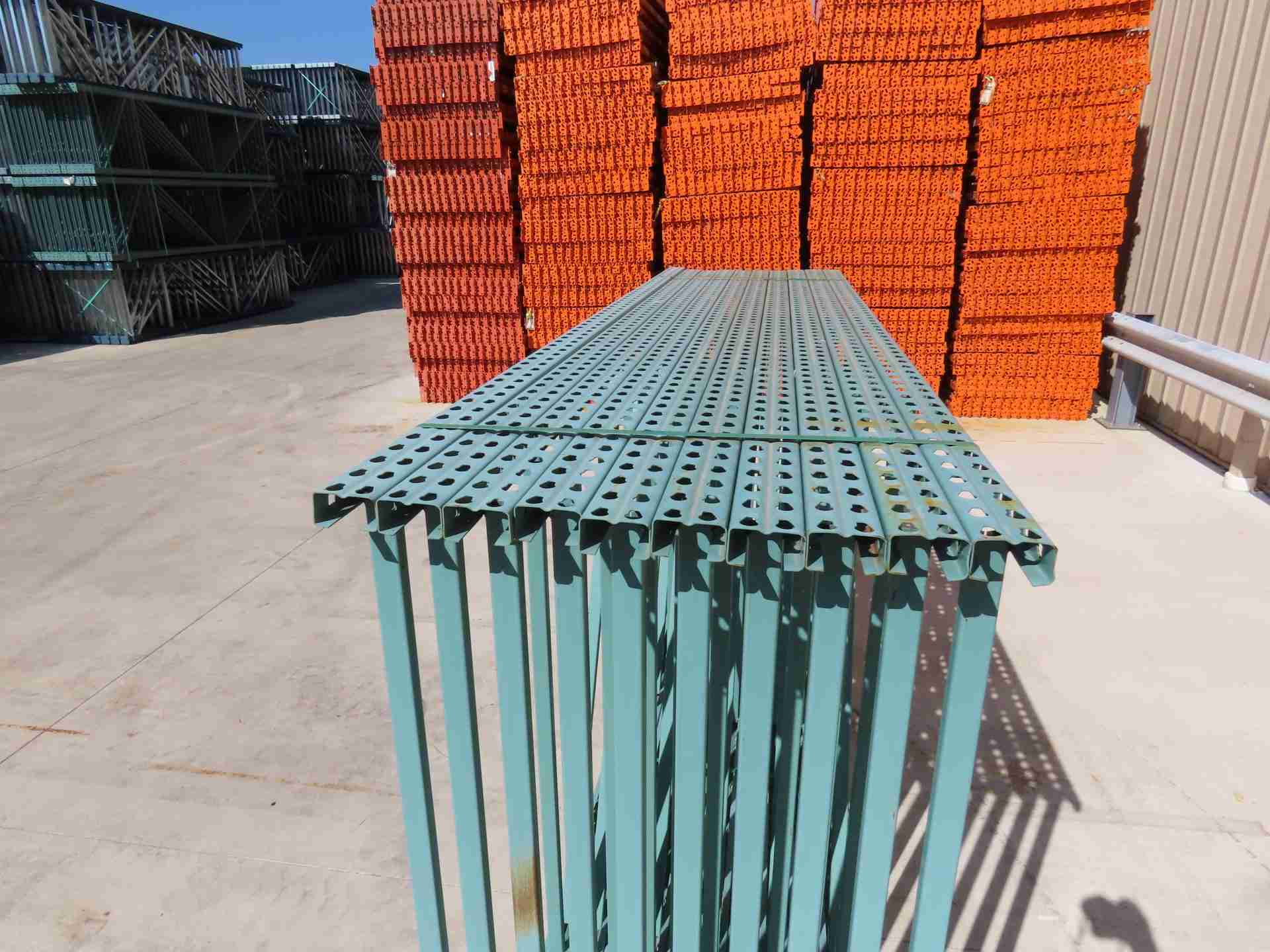
What Is Industrial Shelving And Its Key Functions?
What Is Industrial Shelving And Its Key Functions?
- Industrial shelving is crucial for efficiency in warehouses, retail, and manufacturing.
- It maximizes space efficiency by utilizing vertical space, allowing more storage without increased footprint.
- Modern shelving improves accessibility, with adjustable and mobile units for quick item retrieval.
- Safety is enhanced through robust materials and designs that prevent accidents and comply with OSHA regulations.
- Shelving aids in inventory management, integrating with software for real-time stock data and responsiveness.
- Investing in industrial shelving can transform operations and maintain competitiveness in a fast-paced market.
- It is a strategic asset that contributes significantly to optimizing workflow and enhancing business functionality.
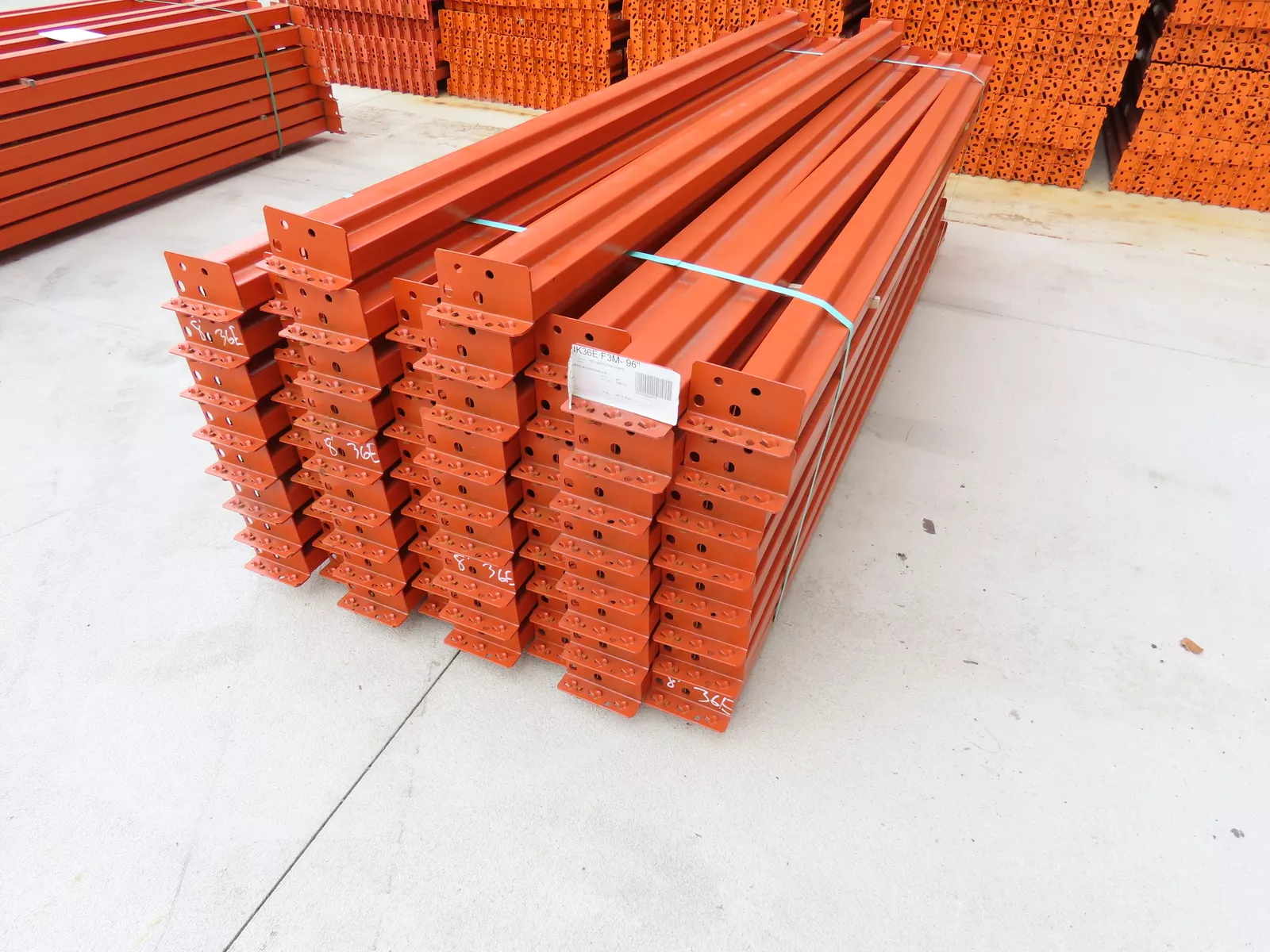
What Is Industrial Shelving And Its Key Functions?
How Does Industrial Shelving Differ From Regular Shelving?
When it comes to optimizing your workspace, the difference between industrial shelving and regular shelving can be the deciding factor in maximizing efficiency, increasing safety, and boosting productivity. It’s not just about space; it’s about creating a system that works for you and your unique operational needs.
Built to Handle the Heavyweight
First and foremost, industrial shelving is designed to bear significant loads that would buckle standard shelving under pressure. Picture a bustling warehouse environment where boxes of inventory line the shelves. Regular shelving might hold a few books or decorative items without issue, but industrial shelving is purpose-built with heavy-duty materials, robust construction, and advanced engineering that allows it to carry hundreds—if not thousands—of pounds. For instance, a recent surge in e-commerce has prompted many businesses to invest in industrial shelving solutions that support the increased volume, ensuring they can store bulky items efficiently and safely.
Adaptability is Key
Industrial shelving systems often come with greater adaptability. While standard shelving typically has fixed configurations, industrial solutions offer modifiable designs. This means you can easily change the height between shelves or reconfigure the layout based on your needs. Imagine a manufacturing plant that needs to store various sized components; with industrial shelving, they can create vertical space and optimize their storage footprint, accommodating everything from small parts bins to large, bulky pallets. Last year’s supply chain disruptions have made it clear: flexibility in storage solutions has never been more crucial.
Safety First
Safety is a monumental concern in any industrial setting. Industrial shelving is engineered with safety in mind, featuring materials and designs that reduce the risk of collapses or accidents. For example, consider the 2021 OSHA updates, emphasizing the need for better storage solutions to enhance workplace safety. Businesses adhering to these guidelines are realizing that investing in strong and reliable shelves pays off by significantly reducing the chance of costly accidents.
Aesthetic vs. Functionality
Lastly, while regular shelving may mind its aesthetics—think of stylish bookcases or decorative displays—industrial shelving prioritizes functionality. In a logistics center, the goal isn’t to impress visitors; it’s to create an organized and efficient storage space that enhances workflow. Companies that embrace this utility-oriented design often find they’ve streamlined operations and increased their bottom line.
In summary, industrial shelving isn’t just a matter of putting things on a shelf. It’s about creating a structured environment that supports your business’s current and future needs, ensuring safety, efficiency, and adaptability in an ever-evolving landscape. Whether you’re streamlining a warehouse or organizing a manufacturing floor, the right shelving choice is critical for your operational success.
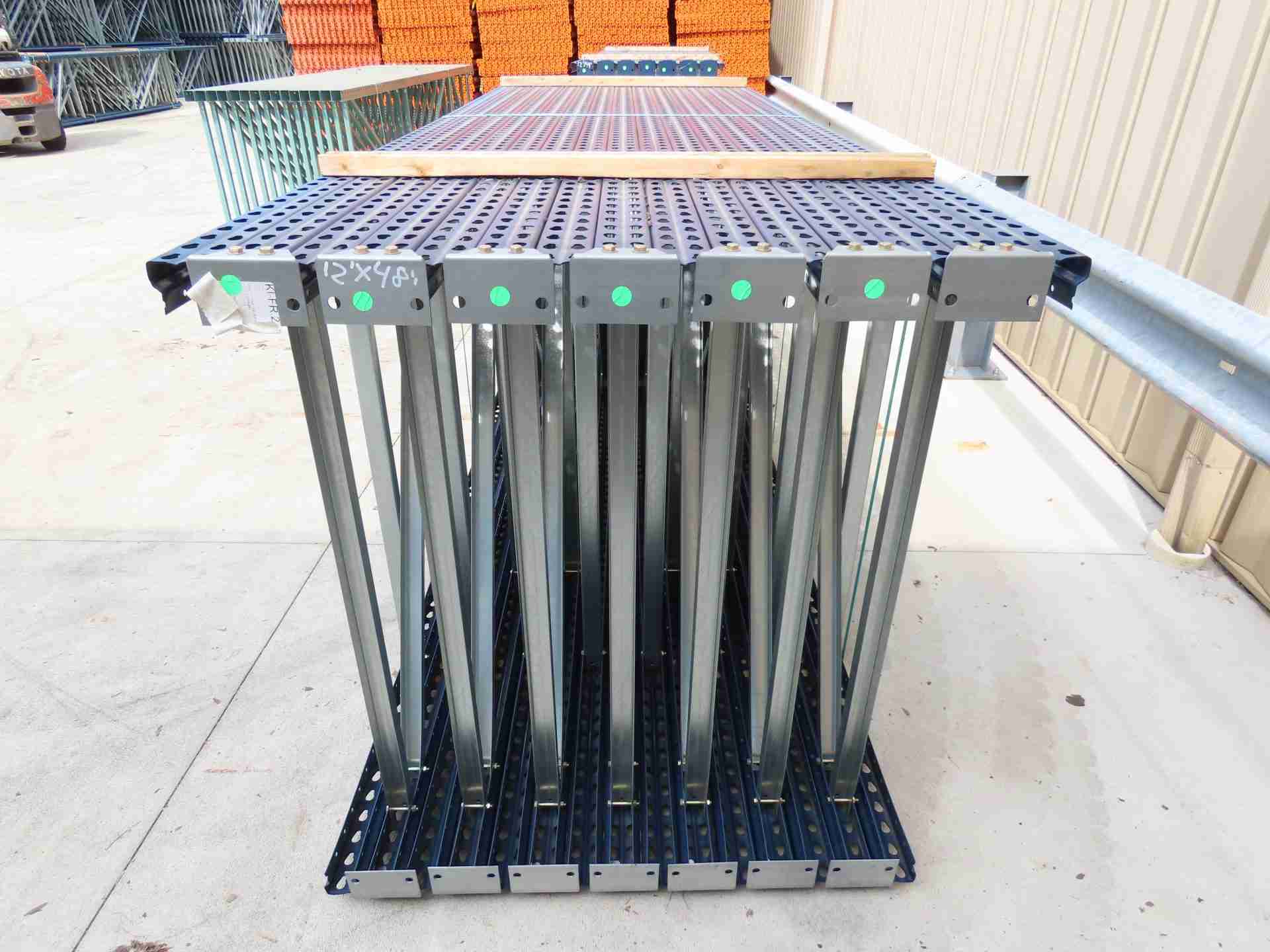
How Does Industrial Shelving Differ From Regular Shelving?
How Does Industrial Shelving Differ From Regular Shelving?
- Industrial shelving is essential for maximizing workspace efficiency, safety, and productivity.
- Unlike regular shelving, industrial shelving is designed to bear heavy loads, supporting hundreds or thousands of pounds.
- Adaptability is a key feature of industrial shelving, allowing for modifiable configurations to suit various storage needs.
- Safety is prioritized in industrial shelving, with materials and designs that reduce collapse risks and accidents.
- Investing in industrial shelving aligns with OSHA guidelines, enhancing workplace safety and reducing costly incidents.
- While regular shelving focuses on aesthetics, industrial shelving emphasizes functionality for organized and efficient storage.
- Choosing the right shelving solution is critical for operational success in dynamic business environments.
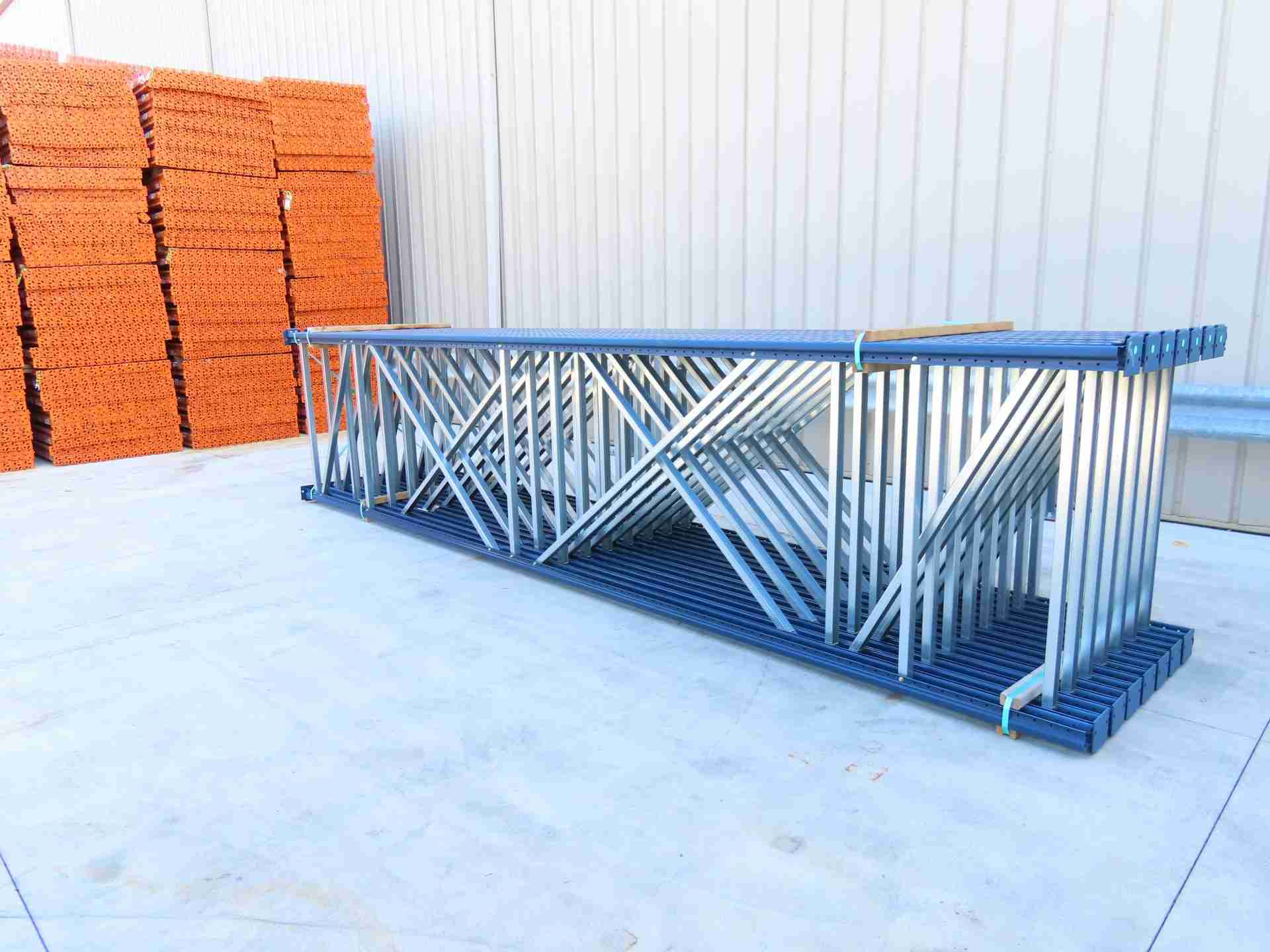
How Does Industrial Shelving Differ From Regular Shelving?
What Materials Are Commonly Used For Industrial Shelving?
When it comes to industrial shelving, the choice of materials can make a world of difference in durability, functionality, and overall return on investment. In an increasingly competitive market, understanding the best materials for your shelving needs isn’t just prudent—it’s essential. Let’s break down the most common materials used for industrial shelving and why they might be the right fit for your operation.
1. Steel: The heavyweight champion of industrial shelving, steel is revered for its incredible strength and ability to handle heavy loads. With the ongoing disruptions in global supply chains, manufacturers are increasingly returning to local suppliers for their steel needs. This shift not only supports domestic economies but often results in quicker delivery times and reduced costs—qualities worth considering when planning your next industrial setup. Steel shelving can withstand significant wear and tear, making it an ideal option for warehouses or factories that handle heavy equipment or goods.
2. Stainless Steel: For environments where hygiene and cleanliness are paramount—think food processing, pharmaceuticals, and laboratory settings—stainless steel shelving is the go-to. Its resistance to corrosion and easy-to-clean surfaces ensure compliance with strict regulatory standards. Recently, companies in the food service industry have upgraded to stainless options as part of their COVID-19 health and safety improvements, reinforcing their commitment to cleanliness. This material stands as a testament to how strategic investments in shelving can yield long-term benefits in operational efficiency.
3. Wood: Don’t overlook wood! While perhaps less common in traditional industrial settings, high-quality plywood and engineered wood can offer a blend of aesthetic appeal and functional storage solutions. Now, as sustainability becomes a focal point in public discourse, responsibly sourced wood is gaining traction. Whether for retail environments or decorative features in warehouses, wood shelving can create a warm atmosphere while maintaining a practical edge.
4. Plastic: As industries increasingly lean toward lightweight and versatile solutions, high-density polyethylene and other plastics are emerging as viable contenders. Perfect for smaller items or environments less prone to heavy loads, plastic shelving is easily adjustable, impervious to rust, and resistant to many chemicals. Notably, some logistics companies are opting for plastic alternatives, as these materials can enhance efficiency and reduce weight in shipping operations.
In today’s dynamic marketplace, the right shelving materials can optimize your operations while providing resilience against challenges. Whether it’s steel’s unparalleled strength, stainless steel’s hygiene, wood’s charm, or plastic’s flexibility, choosing wisely empowers your business to thrive. So, dig deep into your organization’s specific needs and ask yourself: which material amendment can elevate your warehouse operations to new heights?
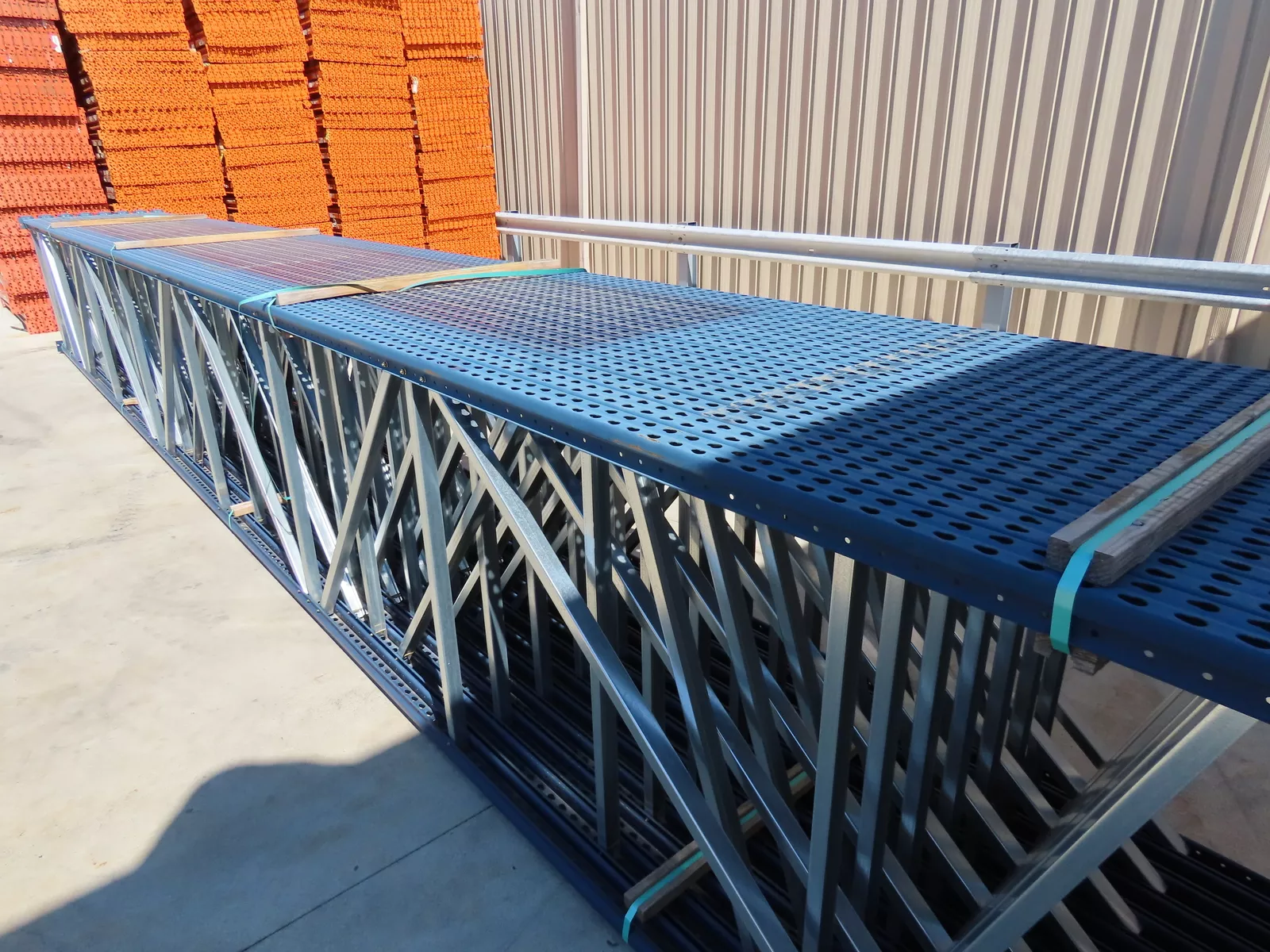
What Materials Are Commonly Used For Industrial Shelving?
What Materials Are Commonly Used For Industrial Shelving?
- Steel: Known for incredible strength, steel handles heavy loads and supports quick, local supply chains, ideal for warehouses and factories.
- Stainless Steel: Best for hygiene-focused environments like food processing and pharmaceuticals; resistant to corrosion and easy to clean, aligning with safety enhancements.
- Wood: High-quality plywood provides aesthetic appeal and functional storage; sustainably sourced options are gaining popularity for their warmth and practicality.
- Plastic: High-density polyethylene offers lightweight, adjustable shelving; resistant to rust and chemicals, making it suitable for smaller items and logistics efficiency.
- Choosing the right material is essential for maximizing durability, functionality, and return on investment in industrial shelving.
- Understanding specific organizational needs helps determine which material best enhances warehouse operations.
- Overall, optimal shelving materials can contribute to resilience against market challenges.
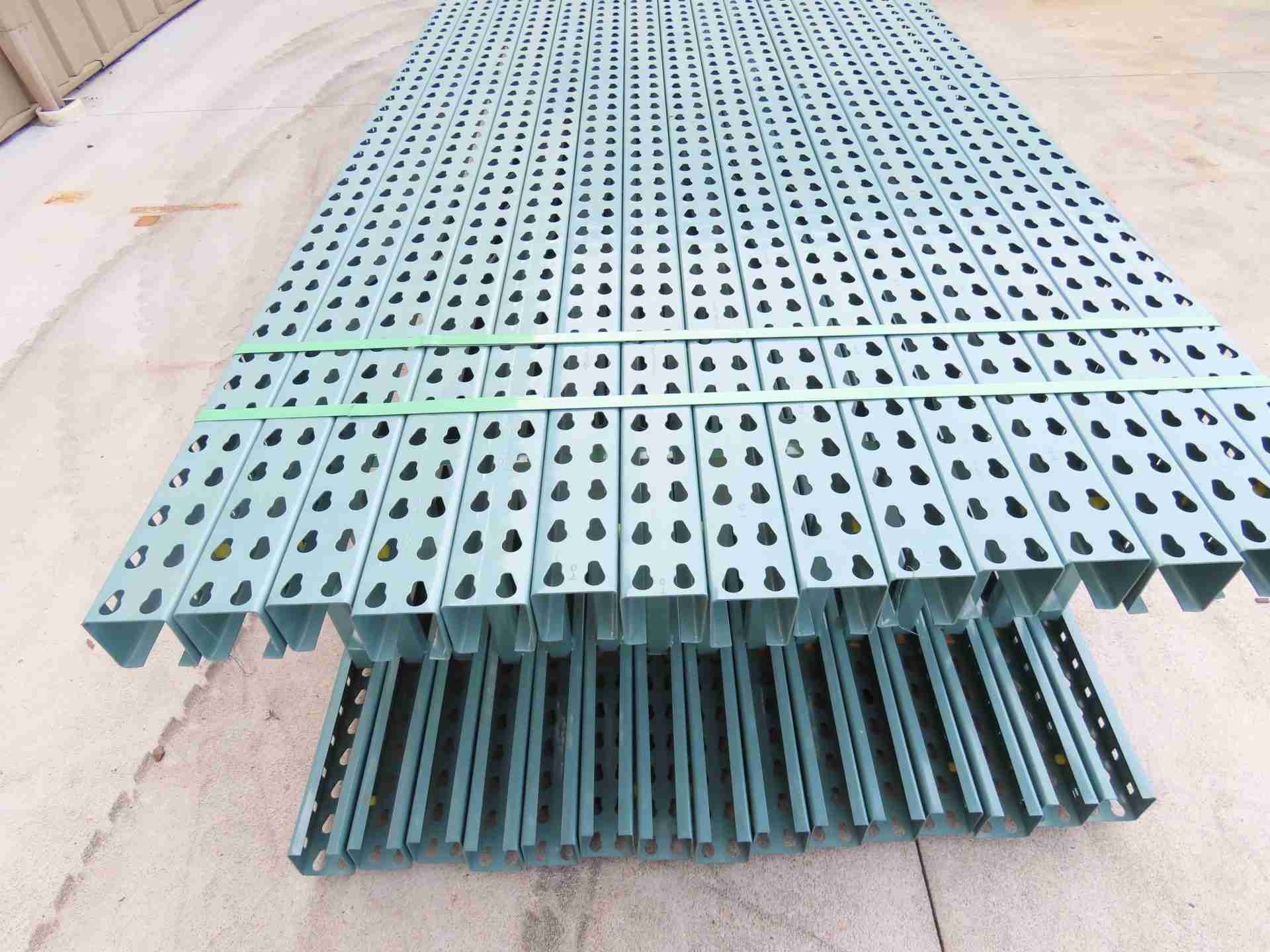
What Materials Are Commonly Used For Industrial Shelving?
What Are The Typical Applications Of Industrial Shelving?
Industrial shelving is not just a storage solution; it’s a cornerstone of operational efficiency across various sectors. As businesses evolve and adapt to new challenges—whether it’s the e-commerce boom stoked by global shifts in consumer behavior or the pressing need for sustainable storage solutions for green initiatives—industrial shelving has emerged as an indispensable asset. Here are some of the most common applications that highlight its versatility.
Warehouse Storage: The heart of any distribution operation is its ability to organize and retrieve products quickly. Heavy-duty industrial shelving systems maximize vertical space, allowing warehouses to stock a greater volume of goods without compromising accessibility. For instance, consider the recent spikes in online shopping due to the pandemic; retailers like Amazon are constantly optimizing their warehouses’ layouts, leveraging shelving systems to streamline their pick-and-pack processes.
Retail Environments: Retailers utilize industrial shelving to showcase merchandise effectively while maintaining stock levels. Brands like IKEA and Home Depot revolutionize shopping experiences by integrating style and functionality into their shelving. These systems not only hold products but also enhance customers’ ability to find what they need quickly, driving more sales in the process.
Manufacturing Plants: In the fast-paced environment of manufacturing, efficient organization of tools, parts, and materials is critical. Industrial shelving allows for easy categorization and quick access to these resources. Consider auto manufacturers like Ford, which utilize robust shelving units to keep assembly lines running smoothly, ensuring that every part is on hand, reducing downtime and maximizing productivity.
Distribution Centers: In a world where logistics and speed matter, industrial shelving systems are optimized for quick loading and unloading. Businesses are turning to specialized shelving solutions, enabling dynamic inventory management—think of companies like Walmart, which continuously innovate in their distribution strategies to meet demand fluctuations.
Healthcare Facilities: Storage solutions in healthcare settings need to comply with strict regulations while being easily accessible. Industrial shelving meets these requirements, offering tailored solutions for everything from pharmaceuticals to medical equipment. The surge in telehealth services and the rapid deployment of COVID-19 vaccines have underscored the need for efficient organization in health facilities.
Educational Institutions: Schools and universities are increasingly recognizing the benefits of industrial shelving for libraries and storage rooms. These shelving solutions enhance resource accessibility, paving the way for better research and learning experiences, especially in the wake of ongoing digital transformations in education.
The adaptability of industrial shelving means it can serve as a powerhouse for operational efficiency across industries, responding dynamically to the ever-changing landscape of business needs. Whether you’re managing a warehouse, retail space, manufacturing plant, or healthcare facility, investing in the right shelving solutions will not only streamline operations but also position your organization for future success.

What Are The Typical Applications Of Industrial Shelving?
What Are The Typical Applications Of Industrial Shelving?
- Industrial shelving is a vital component of operational efficiency across multiple sectors.
- It supports businesses in adapting to challenges like e-commerce growth and sustainable practices.
- In warehouses, heavy-duty shelving maximizes vertical space for quick organization and retrieval of products.
- Retailers like IKEA and Home Depot use industrial shelving to enhance merchandise display and customer experience.
- Manufacturing plants rely on shelving for efficient organization of tools and materials, boosting productivity.
- Distribution centers utilize specialized shelving for dynamic inventory management and quick logistics response.
- Healthcare facilities benefit from tailored shelving solutions that comply with regulations and improve accessibility.
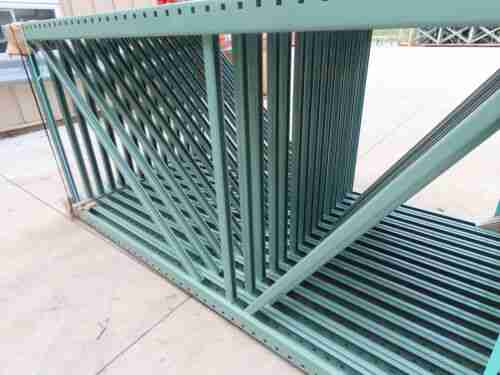
What Are The Typical Applications Of Industrial Shelving?
How Do I Choose The Right Industrial Shelving For My Needs?
When it comes to selecting the right industrial shelving, the choices can feel overwhelming. However, navigating this vital aspect of your business can significantly impact efficiency, organization, and even profitability. Here’s a straightforward guide to help you make the best decision for your space.
First and foremost, begin with a clear understanding of your storage requirements. What items will you be storing? If you’re managing heavy tools or machinery parts, look for heavy-duty shelving designed to hold substantial weight without compromising stability. For instance, consider the surge in e-commerce demands, driving retailers to overhaul their logistics. Companies like Amazon are increasingly investing in robust shelving systems to handle the exponential growth in inventory. Their success hinges not just on what they sell but how efficiently they can store and access their products.
Next, assess the layout of your space. Your shelving should complement your existing workflows, enhancing access and inventory management. Are you dealing with a compact area or a vast warehouse? For smaller spaces, consider mobile shelving units that can be easily reconfigured, allowing for maximum flexibility. Conversely, if you have wide aisles and significant vertical space, a high-rise shelving solution could be the ticket to optimizing capacity.
Your budget is another critical factor. Investing in quality shelving might seem like a substantial upfront cost, but think of it as a necessary investment. Quality systems, such as boltless or adjustable shelving, can adapt as your business grows, saving you costs and headaches down the line. Remember the growing trend of sustainability: durable materials can often reduce the need for replacement and maintenance, thus aligning with eco-friendly practices while safeguarding your wallet.
Let’s not overlook current events shaping our market. The ongoing challenge of supply chain disruptions emphasizes the importance of organization and efficiency in warehousing. By investing in the right shelving solutions now, you position your operation to better respond to unexpected surges in inventory—a crisis that many businesses, large and small, are grappling with today.
Lastly, don’t ignore the power of customization. Look for providers that offer modular systems tailored specifically to your needs, whether it’s for a small workshop or a sprawling distribution center. Your shelving should serve your unique workflow, making it easy to track stock and retrieve items when needed.
By strategically considering these factors—storage needs, space layout, budget, current market dynamics, and customization options—you’ll find the perfect industrial shelving solution that not only meets today’s demands but prepares you for tomorrow’s challenges. Choose wisely, and watch your operational efficiency soar!
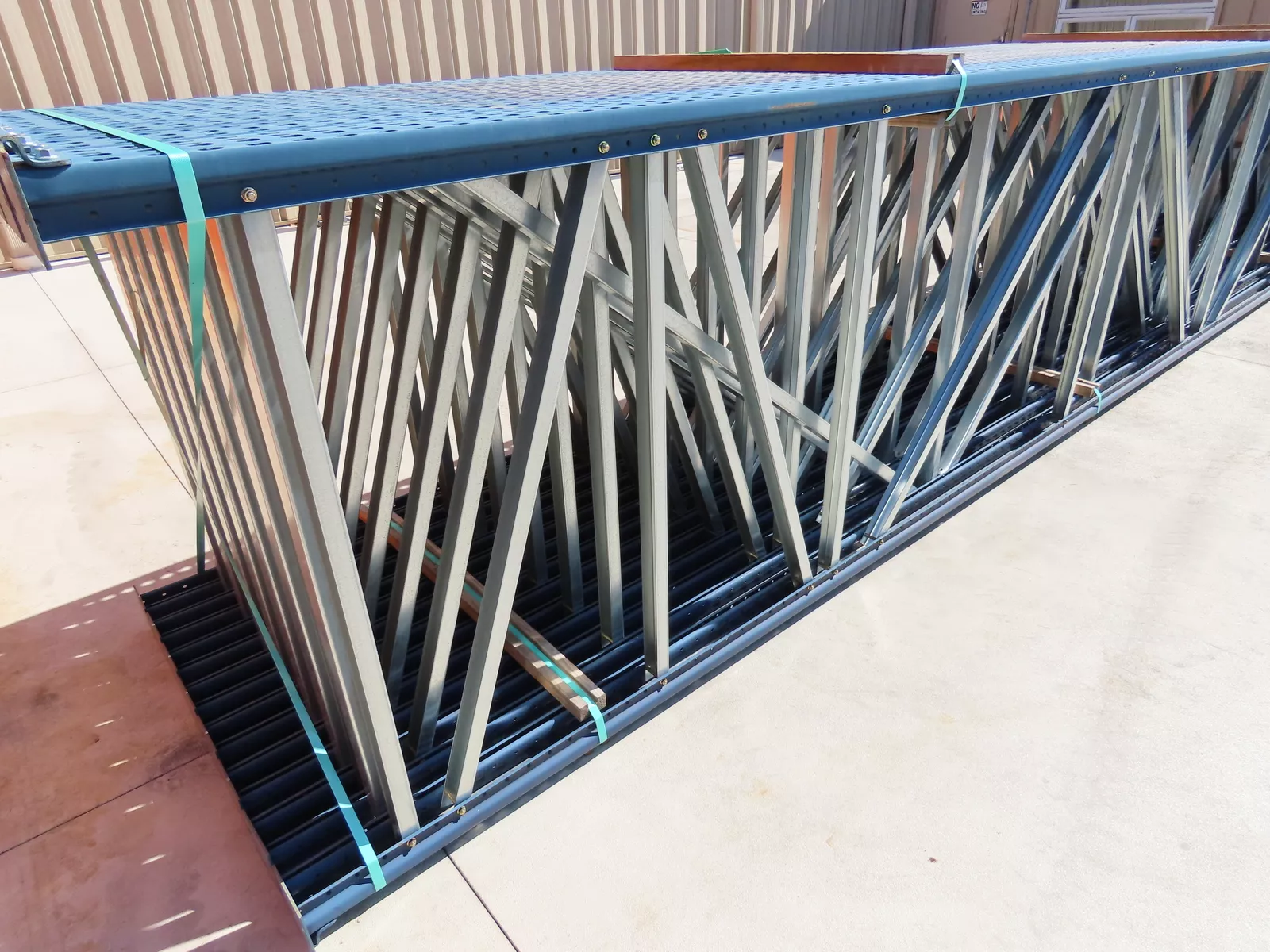
How Do I Choose The Right Industrial Shelving For My Needs?
How Do I Choose The Right Industrial Shelving For My Needs?
- Understand your storage requirements based on the items you’ll be storing.
- Consider heavy-duty shelving for heavy tools or machinery parts, especially in response to e-commerce demands.
- Assess the layout of your space to enhance access and inventory management, choosing mobile or high-rise shelving as needed.
- Your budget is crucial; consider quality shelving as a long-term investment that offers flexibility and durability.
- Stay aware of market challenges, such as supply chain disruptions, to ensure your shelving improves organization and efficiency.
- Look for customizable shelving solutions that cater to your unique workflow and operational needs.
- Strategically evaluate these factors to find an industrial shelving solution that meets current and future demands.
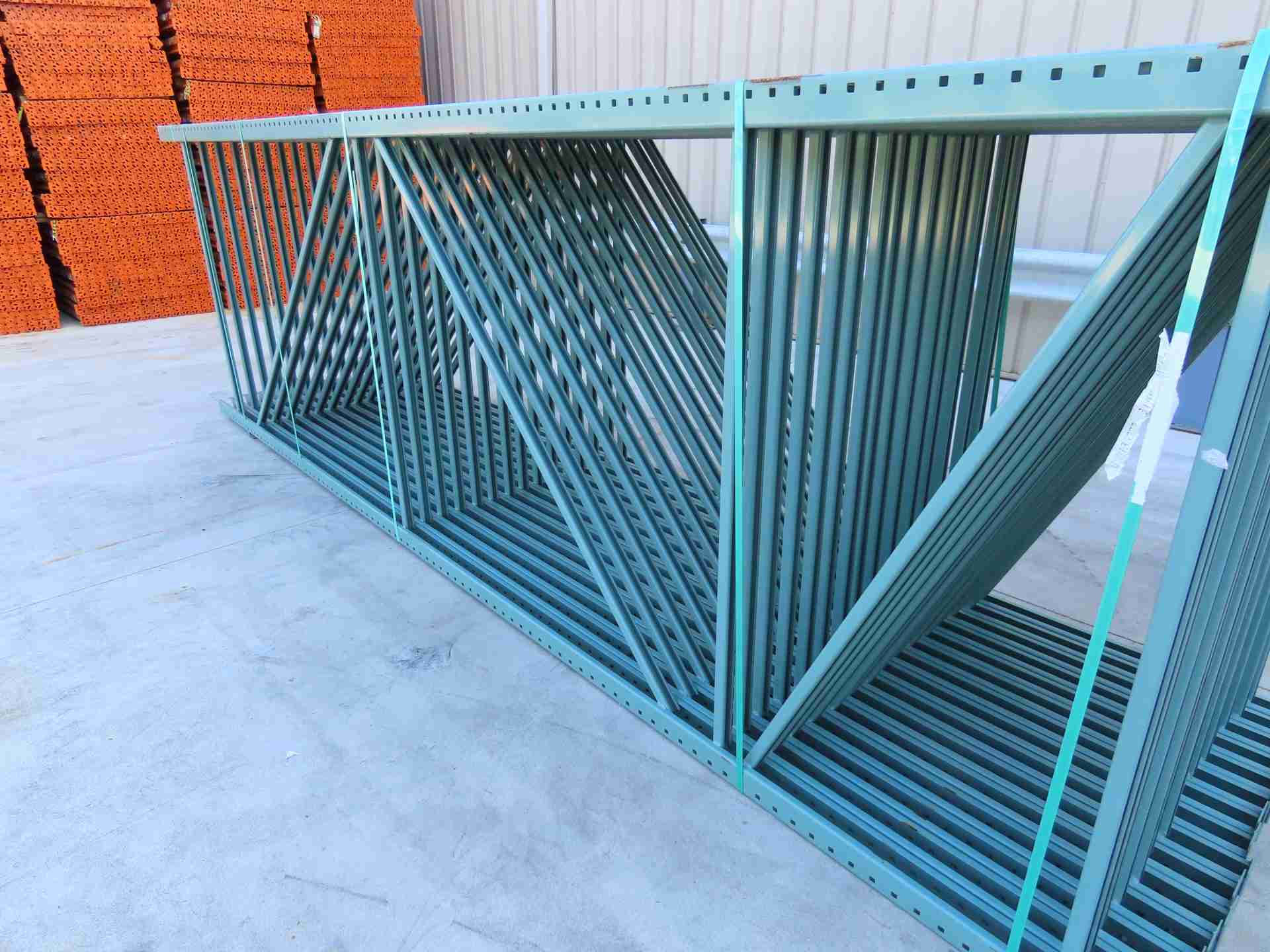
How Do I Choose The Right Industrial Shelving For My Needs?
What Are The Benefits Of Using Industrial Shelving Systems?
In today’s fast-paced business landscape, efficiency and organization are paramount. Enter industrial shelving systems—the unsung heroes of warehouses, factories, and retail spaces. But what makes these shelving solutions a game-changer for your operations? Let’s delve into some benefits that can supercharge your business.
Maximized Space Utilization
Consider the example of a mid-sized e-commerce retailer experiencing a surge in demand. With recent supply chain disruptions leading to inventory shortages, every square foot of storage space counts. By implementing industrial shelving systems, this retailer can achieve optimal vertical storage, effectively doubling capacity in the same footprint. Instead of sprawling aisles and wasted space, you can transform your warehouse into a streamlined operation, enhancing pick efficiency and reducing time spent locating products.
Enhanced Safety
In industries where heavy materials and equipment are the norm, safety cannot be an afterthought. Poor shelving can lead to accidents—injuries cost businesses in more ways than one. A well-designed industrial shelving system features heavy-duty materials that can withstand significant weight loads, minimizing the risk of collapse or strain injuries. For instance, during the recent uptick in construction projects following government infrastructure spending, companies that upgraded to robust shelving systems reported fewer safety incidents and correlated increases in employee morale. Keep your workforce safe, and you’re cultivating a culture that translates to better productivity.
Versatility in Storage Solutions
Think about a specialty food manufacturer managing diverse products ranging from bulk grains to finished goods. Industrial shelving systems offer flexibility, enabling businesses to adjust configurations to meet evolving needs. Whether it’s a restructuring due to new product lines or seasonal inventory demands, these shelving solutions can adapt. Features such as adjustable shelves and modular designs allow you to easily reconfigure setups, ensuring you’re always aligned with operational changes.
Cost Efficiency
Let’s not overlook the elephant in the room: cost. An initial investment in industrial shelving can yield substantial long-term savings. An organized space streamlines operations, reducing labor hours, lowering the risk of product loss due to mismanagement, and enhancing inventory turnover. Every moment spent searching for misplaced items is money down the drain. Recent case studies have illustrated that businesses investing in high-quality shelving reported a 25% reduction in inventory costs within the first year.
Investing in industrial shelving systems is not merely a logistical decision; it’s a strategic move toward superior operational efficiency. In a world where every dollar counts, maximizing your storage solutions can lead to monumental business growth. Don’t just keep up—stay ahead with the right shelving solutions that support your goals and ambitions.
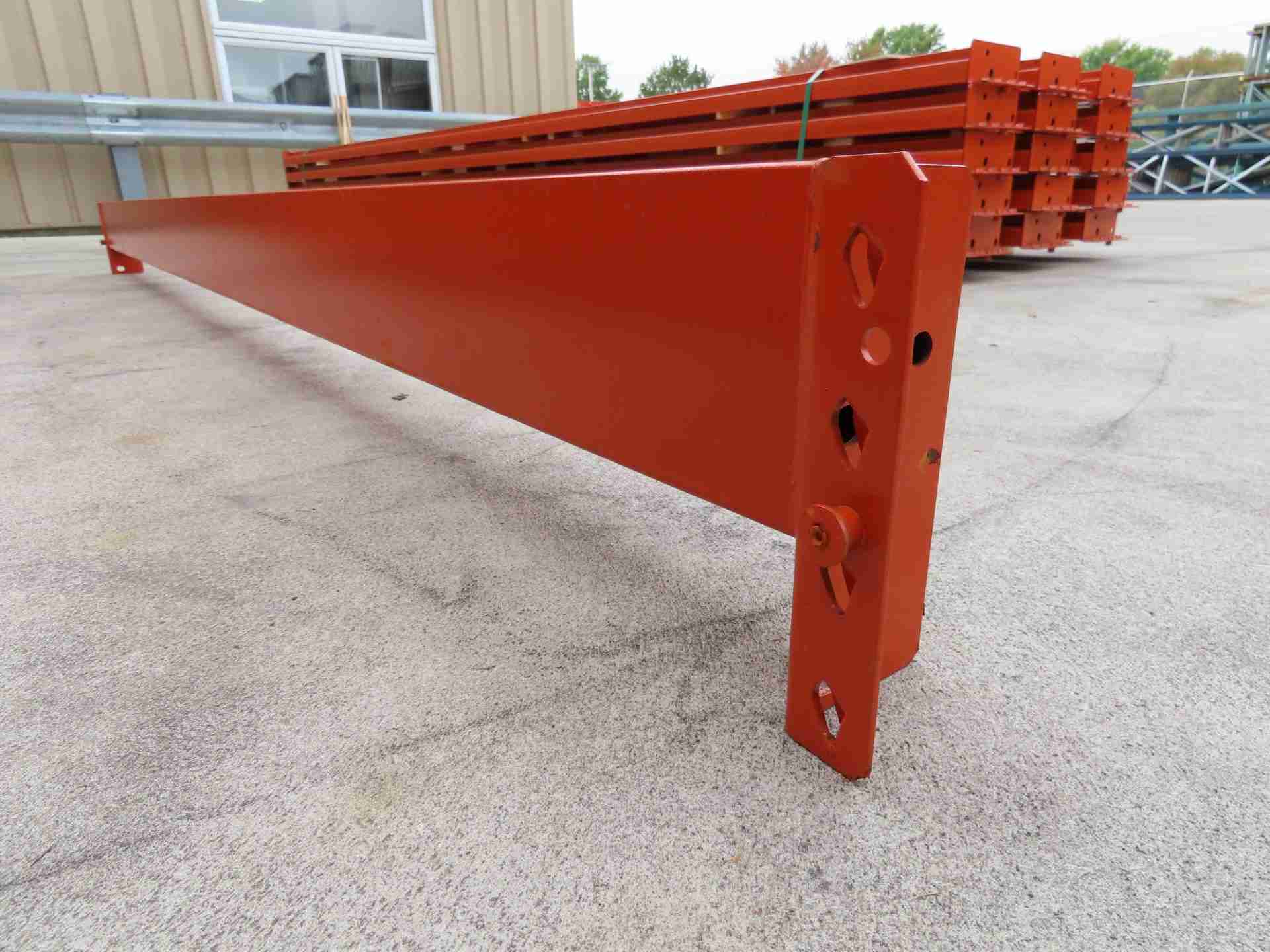
What Are The Benefits Of Using Industrial Shelving Systems?
What Are The Benefits Of Using Industrial Shelving Systems?
- Maximized Space Utilization: Industrial shelving optimizes vertical storage, effectively doubling capacity and enhancing pick efficiency in warehouses.
- Enhanced Safety: Well-designed shelving systems are made from heavy-duty materials, reducing the risk of accidents and improving employee morale.
- Versatility in Storage Solutions: Shelving systems offer flexibility to adjust configurations for diverse products and changing operational needs.
- Cost Efficiency: Initial investment leads to long-term savings by reducing labor hours and inventory mismanagement, with businesses reporting up to a 25% reduction in inventory costs.
- Improved Productivity: Organized spaces streamline operations, minimizing time spent searching for misplaced items.
- Strategic Investment: Industrial shelving is a vital logistical decision that contributes to superior operational efficiency and business growth.
- Staying Ahead: Proper shelving solutions support business goals, allowing companies to adapt and thrive in a competitive environment.
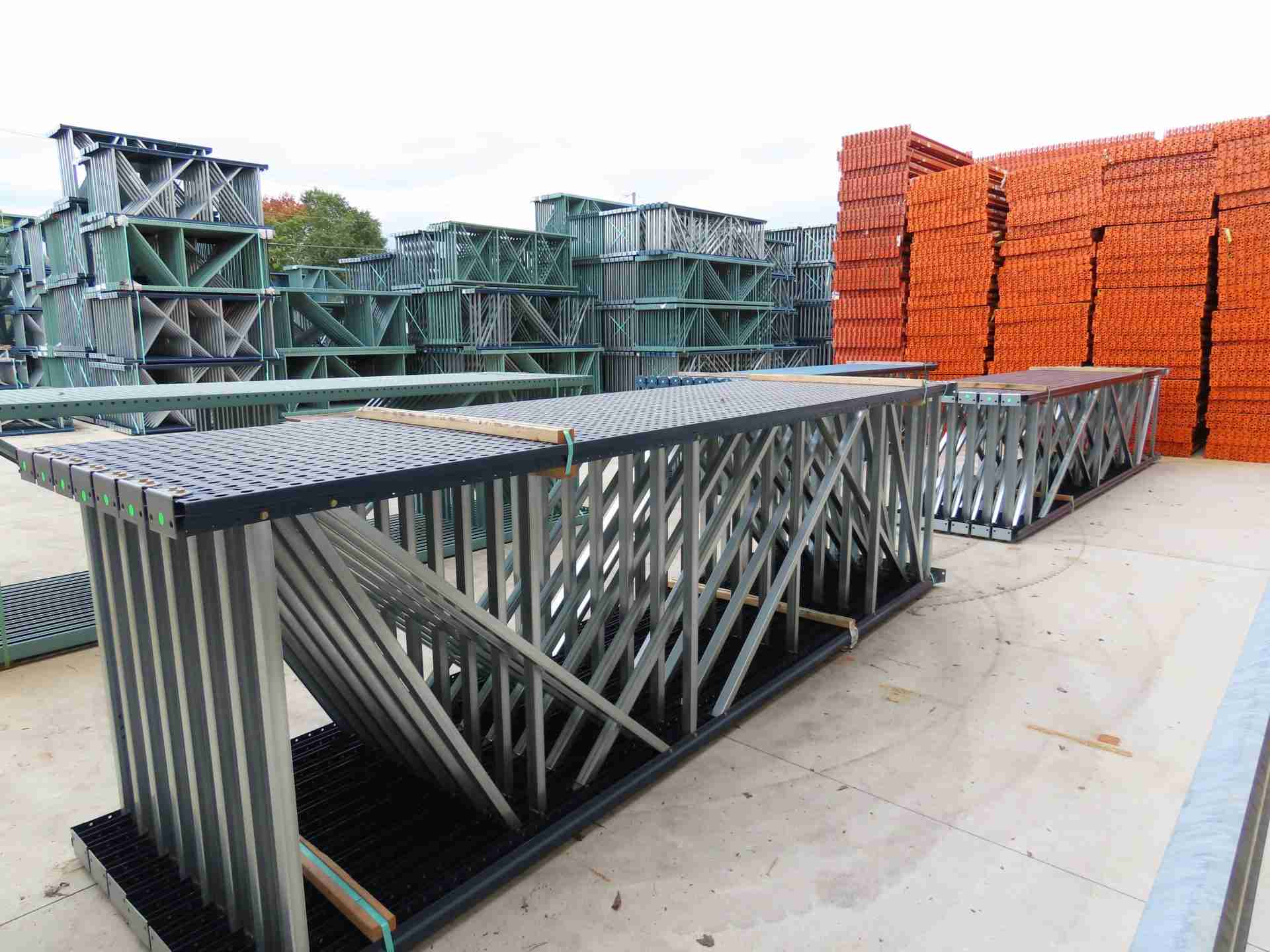
What Are The Benefits Of Using Industrial Shelving Systems?
How Do I Optimize Warehouse Space With Industrial Shelving?
In today’s fast-paced market, where efficiency is key to staying competitive, optimizing your warehouse space has never been more crucial. To do this effectively, industrial shelving is an indispensable tool in your arsenal. Not only does it maximize vertical space, but it also enhances organization, streamlines operations, and ultimately boosts your bottom line.
First, consider the various types of industrial shelving available. Heavy-duty shelving units are perfect for storing bulky items like machinery parts, while adjustable shelves can accommodate a range of products from small components to larger boxes. For instance, a leading e-commerce company recently revamped its warehouse by implementing modular shelving systems, leading to a staggering 30% increase in space utilization. This shift not only allowed for increased inventory but also significantly sped up order fulfillment times.
Don’t forget about the importance of proper layout and accessibility. Employing a systematic approach—like the FIFO (First In, First Out) method—will not only keep your operation efficient but also promote product freshness, crucial in industries dealing with perishable goods. Picture a food distribution center that faced huge challenges due to disorganized storage. By integrating heavy-duty, adjustable shelving, they were able to create a logical flow that minimized pick time by 40%, resulting in improved customer satisfaction and higher order accuracy.
Let’s not overlook the rising trend of automation and smart technology in warehouses. By combining industrial shelving with automated retrieval systems or RFID tracking, you can take your operations to the next level. A recent survey revealed that businesses integrating technology with traditional systems saw a revenue boost of 15%. This could be your opportunity to stay ahead of the competition, especially when market demand is evolving rapidly.
Moreover, sustainability is more than just a buzzword; it’s a necessity in today’s climate-conscious world. Opt for industrial shelving made from recycled or sustainable materials. Not only will you reduce your environmental footprint, but you’ll also appeal to the growing demographic of eco-conscious consumers. Transitioning to green practices can enhance your company’s image and lead to improved customer loyalty, an invaluable asset in an era where consumers are looking beyond mere products.
In summary, optimizing your warehouse space with industrial shelving not only enhances operational efficiency and organization but also positions your business as a forward-thinking leader in the industry. As you navigate the complexities of modern warehousing, remember, it’s about working smarter, not harder. Start your transformation today, and watch your efficiency soar.
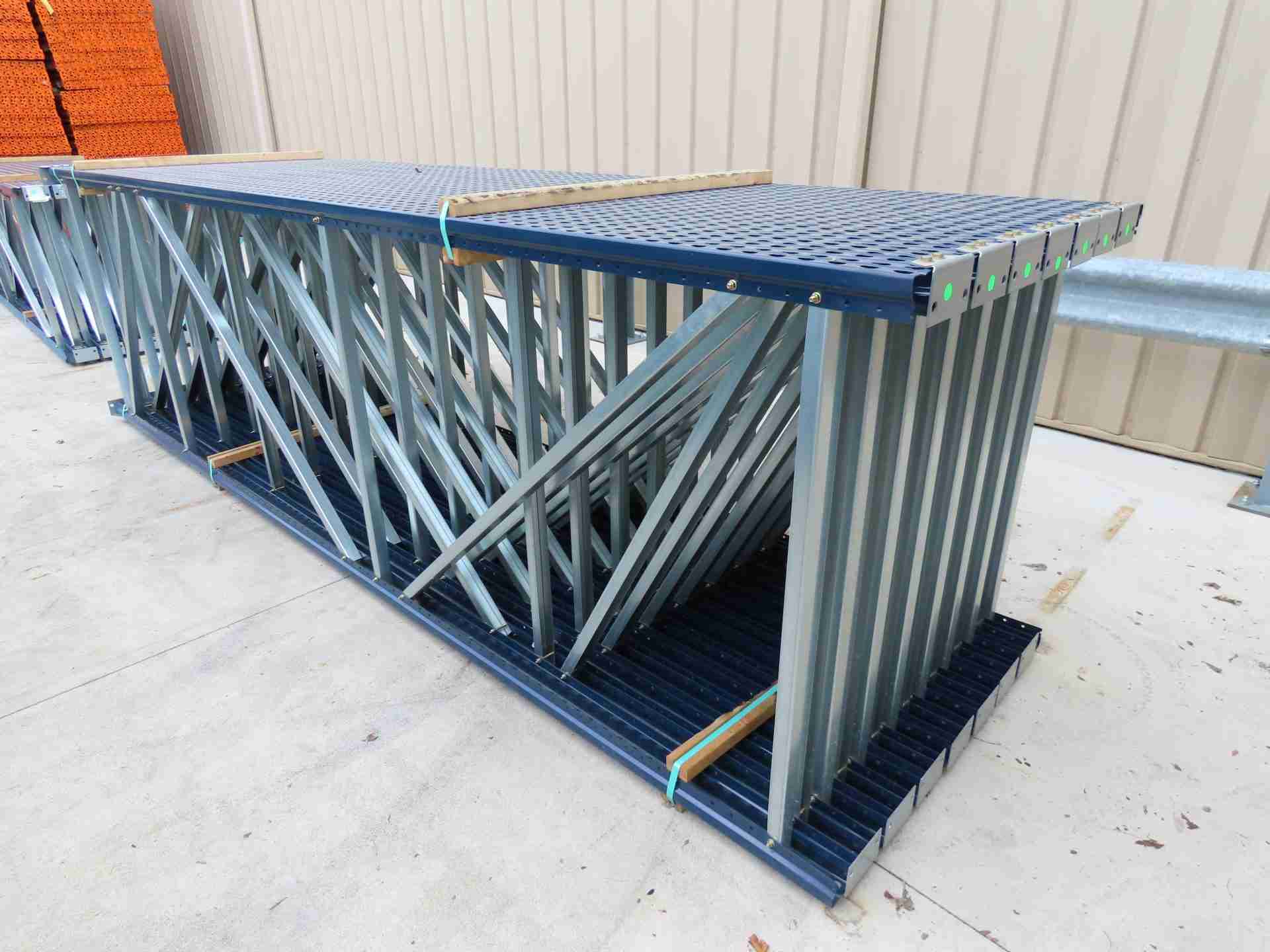
How Do I Optimize Warehouse Space With Industrial Shelving?
How Do I Optimize Warehouse Space With Industrial Shelving?
- Optimizing warehouse space is crucial for maintaining competitiveness in a fast-paced market.
- Industrial shelving maximizes vertical space, enhances organization, and streamlines operations.
- Heavy-duty and adjustable shelving can accommodate various product sizes, boosting space utilization.
- Implementing systematic approaches like the FIFO method improves efficiency and promotes product freshness.
- Automation and smart technology integration with shelving can lead to significant revenue boosts.
- Choosing sustainable shelving materials helps reduce environmental impact and appeals to eco-conscious consumers.
- Optimizing warehouse space with industrial shelving enhances operational efficiency and positions businesses as industry leaders.
How Do I Optimize Warehouse Space With Industrial Shelving?
What Safety Standards Should I Consider For Industrial Shelving?
When investing in industrial shelving, safety isn’t just an option—it’s a non-negotiable necessity. With increasing scrutiny on workplace safety and the rising costs associated with accidents, a firm understanding of safety standards is vital to protecting your workforce and your bottom line.
First and foremost, ensure that your industrial shelving complies with the American National Standards Institute (ANSI) guidelines, particularly the ANSI MH 16.1 standard for metal shelving. This standard outlines the design and performance specifications expected of shelving systems, ensuring they can adequately support loads without risk of failure. For example, if your shelving is rated for 1,500 pounds per shelf but you exceed that limit, the consequences could be catastrophic—not only in terms of employee safety but also with potential legal liabilities.
Another essential standard is the Occupational Safety and Health Administration (OSHA) regulations. OSHA sets forth guidelines that directly impact industrial shelving, covering aspects like load limits and proper installation procedures. Recent reports indicate a significant uptick in warehouse injuries due to improper racking systems. By adhering to OSHA standards, you not only reduce the likelihood of injuries but also enhance your company’s reputation as a safe and compliant workspace.
Furthermore, consider the International Organization for Standardization (ISO) standards, particularly ISO 9001. While primarily focused on quality management systems, adhering to ISO standards can streamline operations around your shelving systems. A company that prioritizes safety and efficiency positions itself to attract top talent and retain clients, especially in a competitive market sensitive to corporate responsibility.
Let’s not forget the importance of regular safety audits and inspections. Scheduling these assessments ensures that shelving systems remain compliant with the latest standards and that any wear and tear is addressed promptly to avoid compromising safety. For example, a company like Amazon has made headlines recently for its rigorous approach to warehouse safety, often showcasing its unwavering commitment to maintaining higher safety standards across its facilities. This commitment not only protects their employees but also contributes to their robust supply chain efficiency.
To bolster your commitment to safety, invest in the right training programs for your staff on proper shelving usage and load management. Equip them with tools to identify potential hazards. In an era where safety incidents can quickly lead to negative publicity and financial repercussions, the only smart choice is to adopt a proactive approach to safety standards.
Remember, integrating safety as a staple into your shelving solutions isn’t just about compliance; it’s about cultivating a culture of care that resonates throughout your organization. Your employees—they are your most valuable asset—deserve nothing less than a secure working environment.
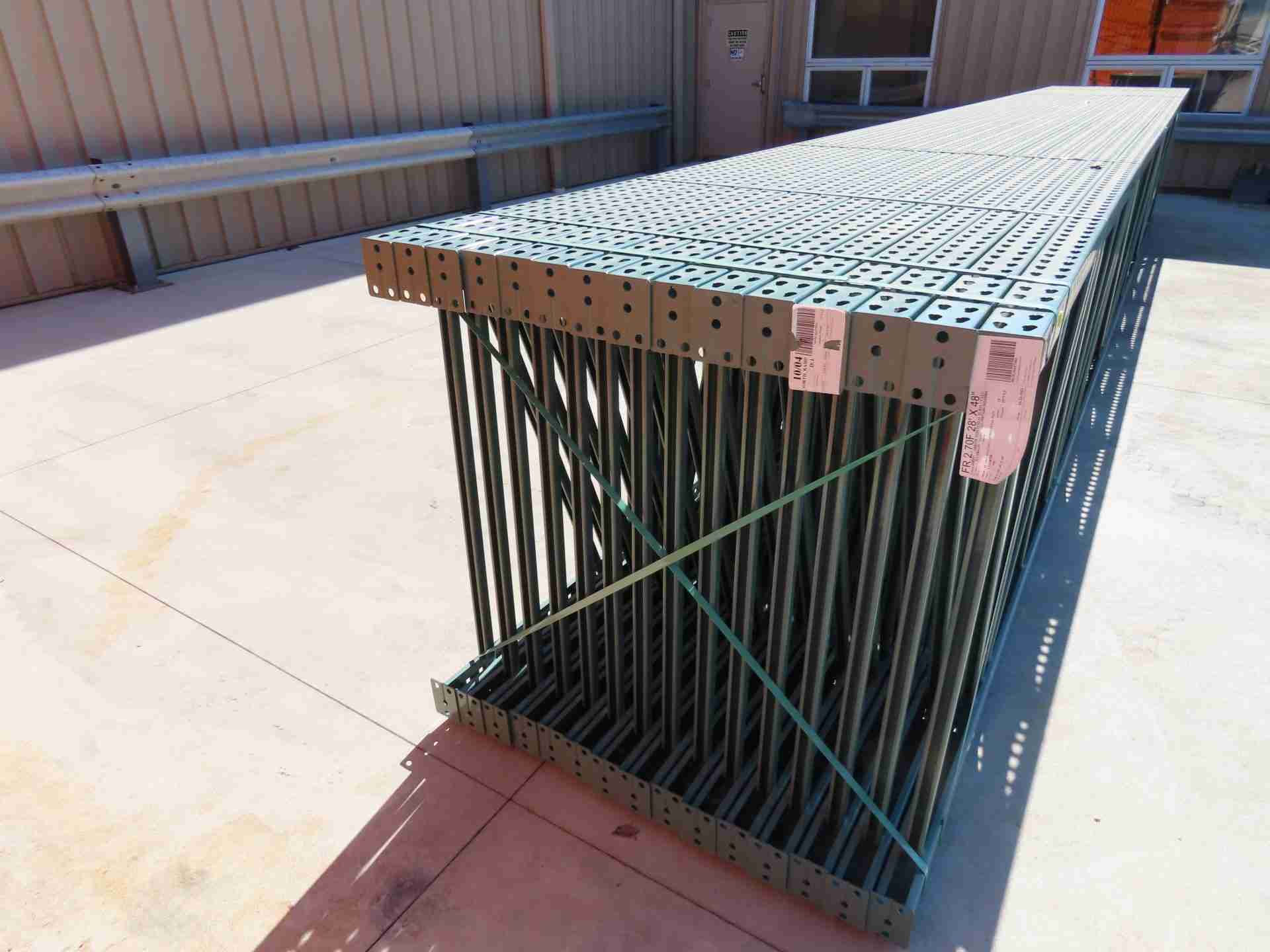
What Safety Standards Should I Consider For Industrial Shelving?
What Safety Standards Should I Consider For Industrial Shelving?
- Safety in industrial shelving is essential for protecting both employees and company finances.
- Compliance with ANSI guidelines, particularly ANSI MH 16.1, is critical for load support and shelf performance.
- Adhering to OSHA regulations minimizes injury risks and enhances workplace safety reputation.
- ISO standards, particularly ISO 9001, can improve operational efficiency and promote a culture of safety.
- Regular safety audits and inspections are necessary to maintain compliance and address any wear and tear.
- Invest in training programs for staff on proper shelving usage and load management to prevent hazards.
- Creating a culture of safety within the organization demonstrates care for employees, reinforcing their value.

What Safety Standards Should I Consider For Industrial Shelving?
How Can I Customize Industrial Shelving For Specific Products?
In today’s fast-paced market, the right industrial shelving isn’t just a functional necessity—it’s a strategic advantage. The way you showcase and store your products can significantly impact operations, enhance safety, and improve aesthetics, ultimately driving sales. Customizing your industrial shelving isn’t just about organization; it’s about creating an environment that amplifies your brand’s unique value proposition.
Know Your Products: A Tailored Approach
The first step in customizing shelving is understanding your specific products. For example, a warehouse storing electronics might require ESD-safe shelving to minimize static damage, while a food storage facility may benefit from stainless-steel shelving for easy cleaning and sanitation. Knowing the characteristics of your products will enable you to select materials and designs that cater to their specific needs.
Adjustable Shelving: Flexibility is Key
Consider implementing adjustable shelving units that can be easily modified to accommodate new inventory or changing product lines. For example, the surge in online shopping has led companies to diversify their product offerings drastically. Retailers who have adopted modular shelving systems can seamlessly adapt to these fluctuations, ensuring they are always prepared for what comes next. This flexibility not only keeps your operations efficient but also conveys to your customers that you are dynamic and responsive to trends.
Color Coding and Branding
Don’t overlook the visual appeal of your shelving. Custom colors that align with your brand identity can make a significant impact. Use color coding for different product categories to enhance inventory management and quick access. This technique not only speeds up your operations but also serves as an extension of your brand’s personality—a critical factor in a marketplace where visual identity plays a crucial role in consumer perception.
Incorporate Technology
Incorporating technology into your shelving solutions can streamline your processes further. Smart shelving systems equipped with RFID scanning can enhance inventory tracking, reducing human error and accelerating fulfillment times. As we’ve seen in recent years—especially during the pandemic—a disruption in supply chains has underscored the importance of real-time data and adaptability, making high-tech solutions a vital investment for future-proofing your business.
Conclusion
Customizing your industrial shelving is about more than mere organization; it’s a vital component of your operational strategy that can influence efficiency, safety, and brand identity. By understanding your products, embracing flexibility, utilizing smart technology, and aligning your shelving with your brand, you can optimize your workspace for current demands while preparing for future challenges. Your shelving is not just a storage solution; it’s a powerful tool for competitive advantage.

How Can I Customize Industrial Shelving For Specific Products?
How Can I Customize Industrial Shelving For Specific Products?
- Industrial shelving is a strategic advantage that impacts operations, safety, and aesthetics, driving sales.
- Understanding specific product needs is essential for selecting appropriate shelving materials and designs.
- Adjustable shelving units offer flexibility to accommodate new inventory and changing product lines.
- Color coding and custom colors enhance inventory management while reinforcing brand identity.
- Incorporating technology like RFID can streamline processes and improve inventory tracking.
- Customizing shelving is vital for operational strategy, influencing efficiency, safety, and brand identity.
- Optimized shelving can serve as a powerful tool for competitive advantage in a fast-paced market.
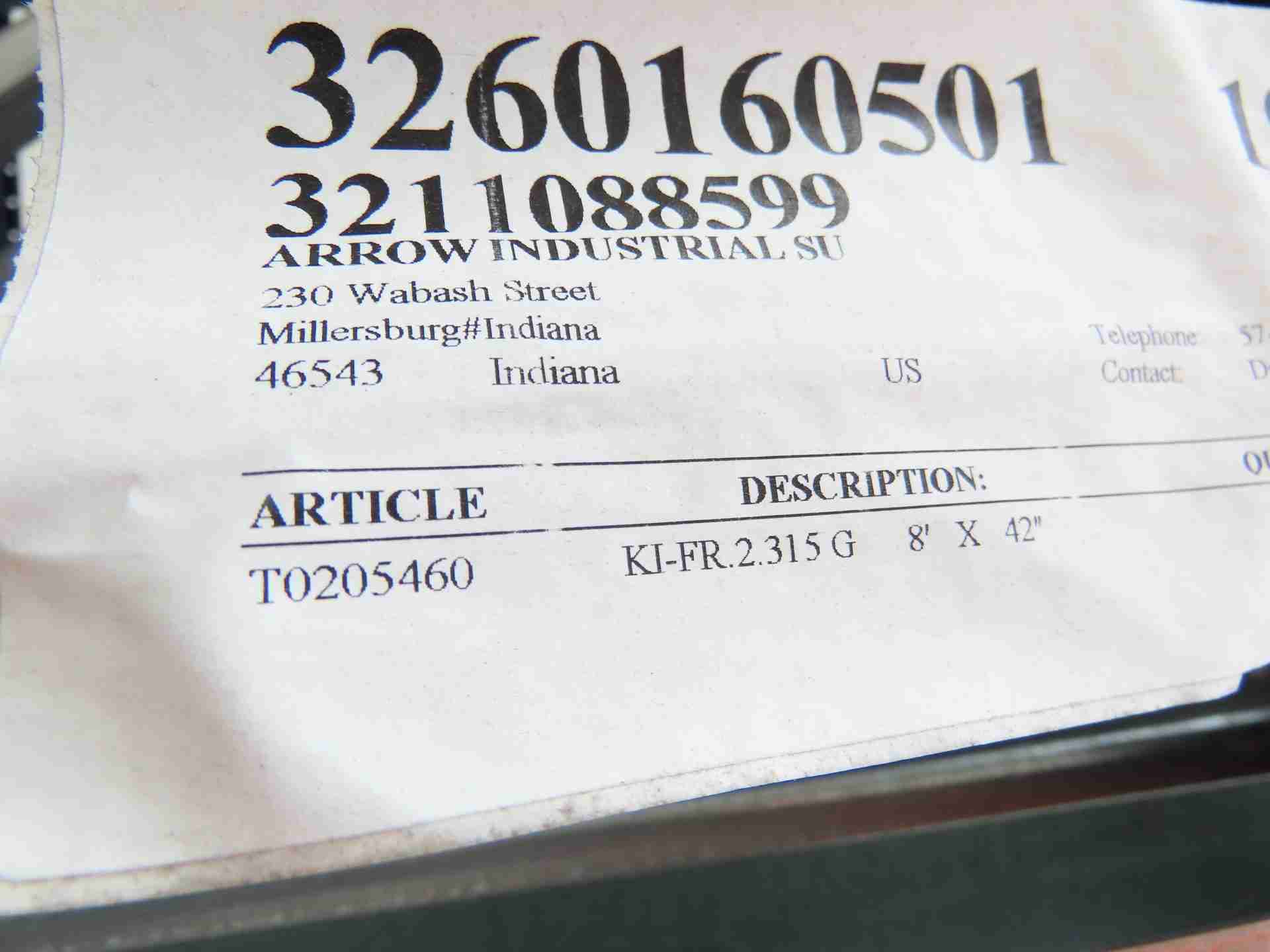
How Can I Customize Industrial Shelving For Specific Products?
What Is The Cost Range For Industrial Shelving Units?
When it comes to maximizing space in warehouses, factories, and retail environments, investing in quality industrial shelving units is crucial. However, understanding the cost range can feel like navigating a maze. The good news? We’ve got the inside scoop to help you make an informed decision.
Industrial shelving units can typically range from as low as $100 to well over $5,000, depending on various factors such as size, material, load-bearing capacity, and manufacturer. On the lower end, you might find basic steel shelving units suitable for light-duty applications, perfect for small businesses or home workshops. For instance, a 5-tier metal shelving unit from a leading office supply retailer can cost around $200 and typically holds around 350 pounds per shelf.
But if you’re looking to outfit a large-scale warehouse with heavy-duty options, prepare to spend significantly more. These robust shelving systems, often made from high-grade steel and engineered to support thousands of pounds, can range from $1,000 to $5,000 or more. An example is the cantilever shelving often used in lumberyards, which can exceed $2,500 for extended configurations capable of holding heavy and oversized items.
Don’t forget to consider the hidden costs! Installation services, custom modifications, and shipping charges can add considerably to the total price. As the supply chain recovery from the pandemic continues into 2024, some businesses are facing increased costs due to material shortages and shipping delays. This trend, especially relevant in the logistics sector, has made certain shelving systems more expensive.
Moreover, technological advancements are bringing innovative solutions, like automated shelving systems. These sophisticated, tech-savvy units can cost significantly more up front—often starting from $10,000—yet have the potential to streamline operations and result in greater efficiency over time. Businesses looking to the future understand that integrating tech can lead to cost savings in labor and increased productivity, making such investments smart.
In summary, the cost of industrial shelving units is influenced by a myriad of factors, with the average range falling between $100 and $5,000. Whether you’re a small business owner looking to optimize your back room or a large company aiming to enhance your warehouse’s efficiency, understanding these costs empowers you to make a savvy investment. So, evaluate your space needs and operational goals, and let that guide your shelving unit selection process. The right choice can transform not just your space but your entire business operations!
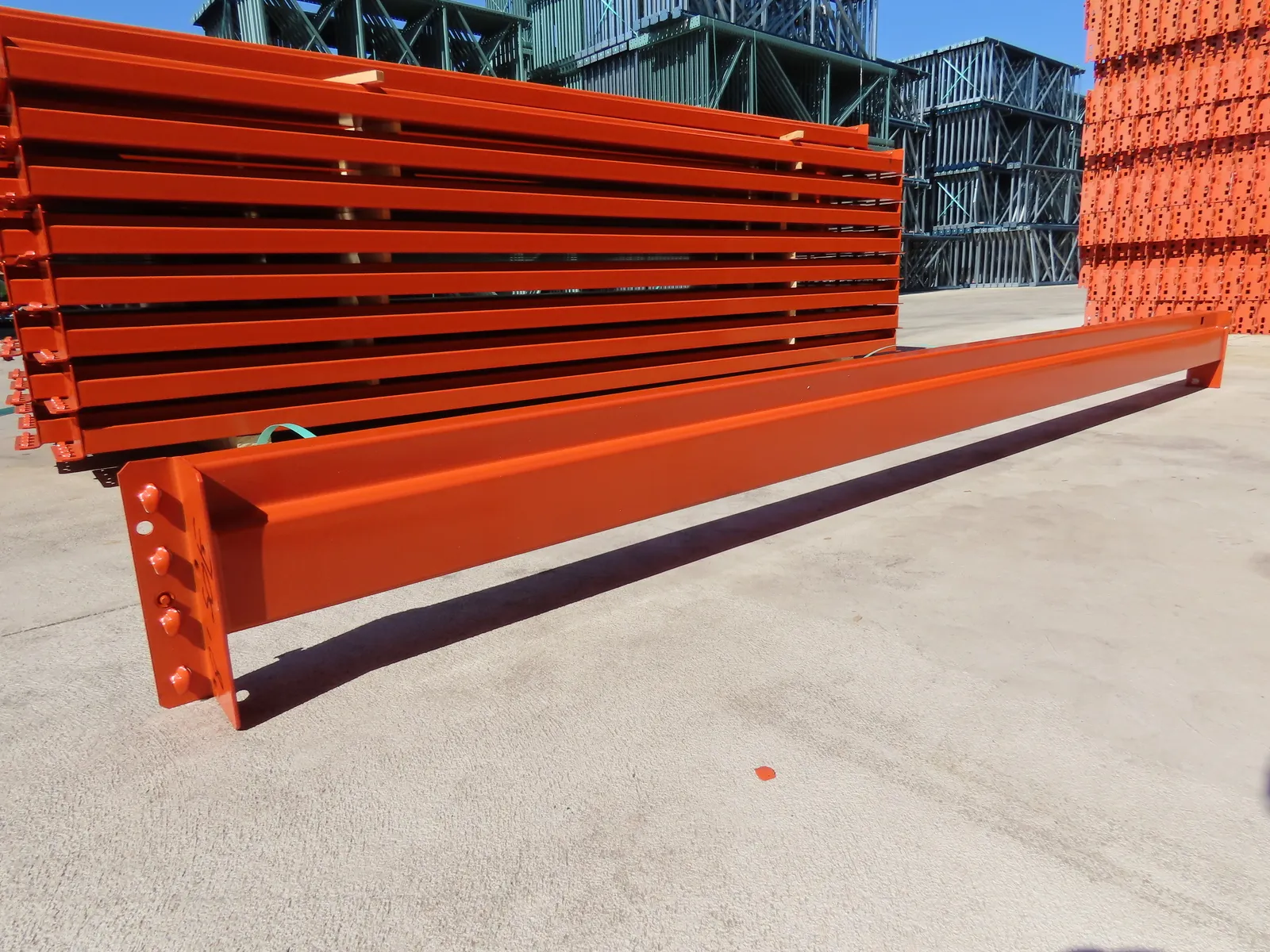
What Is The Cost Range For Industrial Shelving Units?
What Is The Cost Range For Industrial Shelving Units?
- Investing in quality industrial shelving units is essential for maximizing space in warehouses, factories, and retail environments.
- Cost of industrial shelving units ranges from $100 to over $5,000, influenced by size, material, load capacity, and manufacturer.
- Basic steel shelving units for light-duty applications cost around $200 and hold about 350 pounds per shelf.
- Heavy-duty shelving systems for large warehouses can cost from $1,000 to over $5,000, with examples like cantilever shelving exceeding $2,500.
- Hidden costs such as installation, custom modifications, and shipping can significantly impact the total price.
- Technological advancements are introducing automated shelving systems starting at $10,000, which can enhance efficiency and productivity.
- Understanding the cost factors allows small business owners and large companies to make informed investments that improve space optimization and operational efficiency.
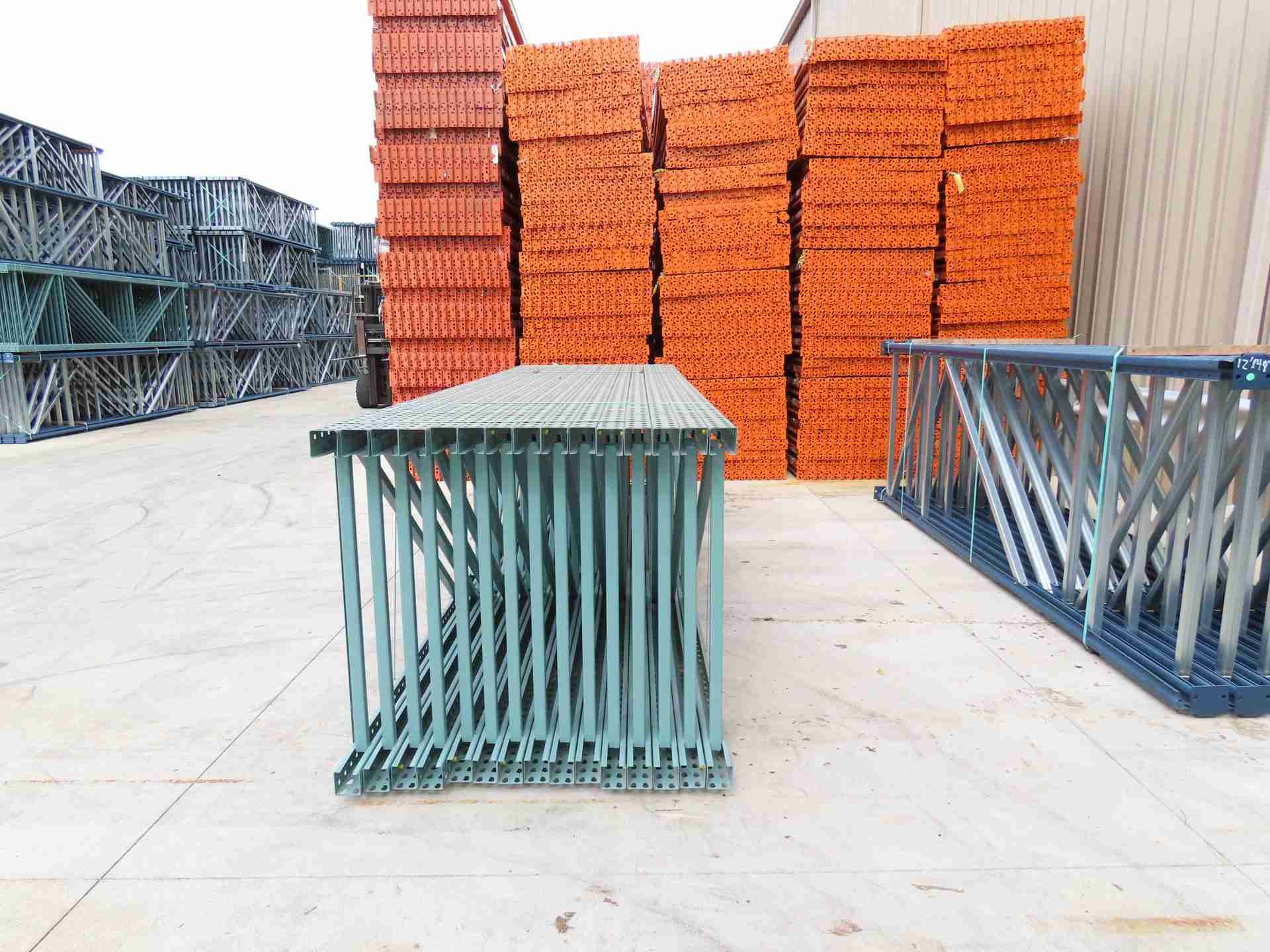
What Is The Cost Range For Industrial Shelving Units?
How Do I Maintain Industrial Shelving For Long-Lasting Use?
When it comes to industrial shelving, maintaining durability is not just a choice; it’s a necessity. With rising costs and supply chain challenges in today’s market, businesses can no longer afford to overlook the importance of proper maintenance. A little proactive care can translate to significant cost savings, improved efficiency, and extended shelf life, ensuring valuable assets deliver returns well beyond their initial investment.
Routine Inspections: Think of your industrial shelving as the backbone of your operation. Just like any other critical system, it requires regular check-ups. Schedule inspections on a monthly basis to assess structural integrity, looking for signs of wear, corrosion, or misalignment. For instance, during a recent inspection at a local distribution center, workers discovered several shelves beginning to sag under the weight of inventory. Addressing the issue with a simple reorganization saved the facility from a costly collapse.
Load Management: One of the most common mistakes is overloading shelving beyond its capacity. Consult the manufacturer’s specifications, and always be mindful of the weight limits. Avoid the temptation to stack that extra box of widgets; it’s not only unsafe but can result in damage that requires expensive repairs. Industries today are seeing an increase in accidents due to improper load distribution. Following best practices can prevent workplace injuries and lawsuits, allowing your workforce to operate safely and efficiently.
Cleaning and Maintenance: Keeping your shelving clean is more than an aesthetic choice; it’s crucial for prolonging the life of your racks. Dust and grime can wear down materials over time, leading to structural failure. Adopt a routine that includes dusting surfaces and wiping down rust-prone areas with protective oils or finishes. With many warehouses ramping up after pandemic slowdowns, cleanliness has never been more vital. This simple task not only protects your investment but also enhances the overall appearance of your facility.
Strategic Positioning and Layout: The layout of your industrial shelving plays a crucial role in ease of access and maintenance. Position shelves so they’re easily reachable and allow for necessary equipment, like forklifts or hand trucks, to maneuver around them safely. As supply chains have adapted to recent disruptions, optimizing floor space and increasing accessibility can significantly improve workflow efficiency.
In summary, maintaining industrial shelving is an investment in your operation’s longevity. Regular inspections, load management, diligent cleaning, and strategic layout planning are foundational principles that will ensure you get maximum ROI out of your shelves, avoiding the pitfalls that many businesses face in today’s rapidly changing environment. By prioritizing maintenance now, you’re safeguarding against costly disruptions in the future.

How Do I Maintain Industrial Shelving For Long-Lasting Use?
How Do I Maintain Industrial Shelving For Long-Lasting Use?
- Durability in industrial shelving is essential for cost savings and asset longevity.
- Routine inspections are necessary to assess structural integrity and prevent costly failures.
- Overloading shelves beyond capacity is a common mistake that can lead to damage and injuries.
- Regular cleaning is important to prolong shelf life and maintain both safety and appearance.
- Strategic positioning of shelves enhances ease of access and improves workflow efficiency.
- Proper maintenance practices can prevent accidents and legal issues associated with workplace safety.
- Prioritizing maintenance now safeguards against future disruptions and maximizes ROI.

How Do I Maintain Industrial Shelving For Long-Lasting Use?
What Are Common Mistakes To Avoid With Industrial Shelving?
When it comes to industrial shelving, efficiency and safety should be your guiding stars. Unfortunately, many businesses fall into the trap of common mistakes that can lead to wasted resources, compromised safety, and lost productivity. Here’s a rundown of the most glaring missteps you should steer clear of.
1. Overloading Shelves
One of the most frequent violations of safety protocols occurs when shelves are overloaded. It’s tempting, especially in times of supply chain challenges—as seen globally since the pandemic—to maximize every inch of storage space. However, placing too much weight on shelving can lead to structural failure. For instance, a recent incident at a warehouse in New Jersey led to the collapse of a shelving unit, injuring several employees. Always adhere to the manufacturer’s weight limits and regularly assess the condition of your shelves.
2. Neglecting Proper Organization
Another critical mistake is poor organization within shelving units. With the rise of e-commerce, efficiency in warehouse operations is more crucial than ever. A chaotic shelving system can lead to misplaced items, resulting in time wasted searching for products. Implement a clear labeling system and regularly audit your inventory. This simple shift can reduce your picking time significantly and enhance overall productivity.
3. Ignoring Maintenance
Shelves require regular inspections and maintenance—yet many businesses overlook this vital aspect. With the increase in demand for shelving solutions due to record-high inventory levels in many sectors, it’s easy to let maintenance slip. However, worn-out shelves can lead to catastrophic failures. Scheduling routine maintenance checks can save costs in the long run and extend the life of your shelving systems.
4. Failing to Train Staff
Even top-tier shelving can fall short if your staff isn’t trained adequately. It’s essential to educate your employees about the best practices in handling shelving systems and heavy loads. A company in Texas suffered severe damages after an untrained staff member mishandled stored items, resulting in injury and loss of inventory. A comprehensive training program not only boosts safety but also fosters a culture of responsibility.
5. Skimping on Customization
Finally, don’t make the mistake of treating all shelving as one-size-fits-all. Your business has unique needs and inventory types, which demand tailored solutions. Investing in customized shelving can improve access, optimize space utilization, and ultimately drive profits. As companies adapt to new norms in the post-pandemic landscape, properly customized solutions can offer a competitive advantage.
By avoiding these pitfalls, you can ensure that your industrial shelving system operates safely, efficiently, and profitably, vital for any business looking to thrive in today’s fast-paced environment.

What Are Common Mistakes To Avoid With Industrial Shelving?
What Are Common Mistakes To Avoid With Industrial Shelving?
- Efficiency and Safety: Focus on these key principles when managing industrial shelving.
- Overloading Shelves: Adhere to weight limits to avoid structural failures and injuries.
- Poor Organization: Implement clear labeling and regular audits to enhance product retrieval and productivity.
- Neglecting Maintenance: Conduct regular inspections and maintenance to prevent shelf failures and extend lifespan.
- Inadequate Staff Training: Educate employees on proper shelving handling to boost safety and responsibility.
- Ignoring Customization: Invest in tailored shelving solutions to meet specific business needs and increase efficiency.
- Avoid Common Pitfalls: Enhance safety, efficiency, and profitability by steering clear of frequent mistakes in shelving management.
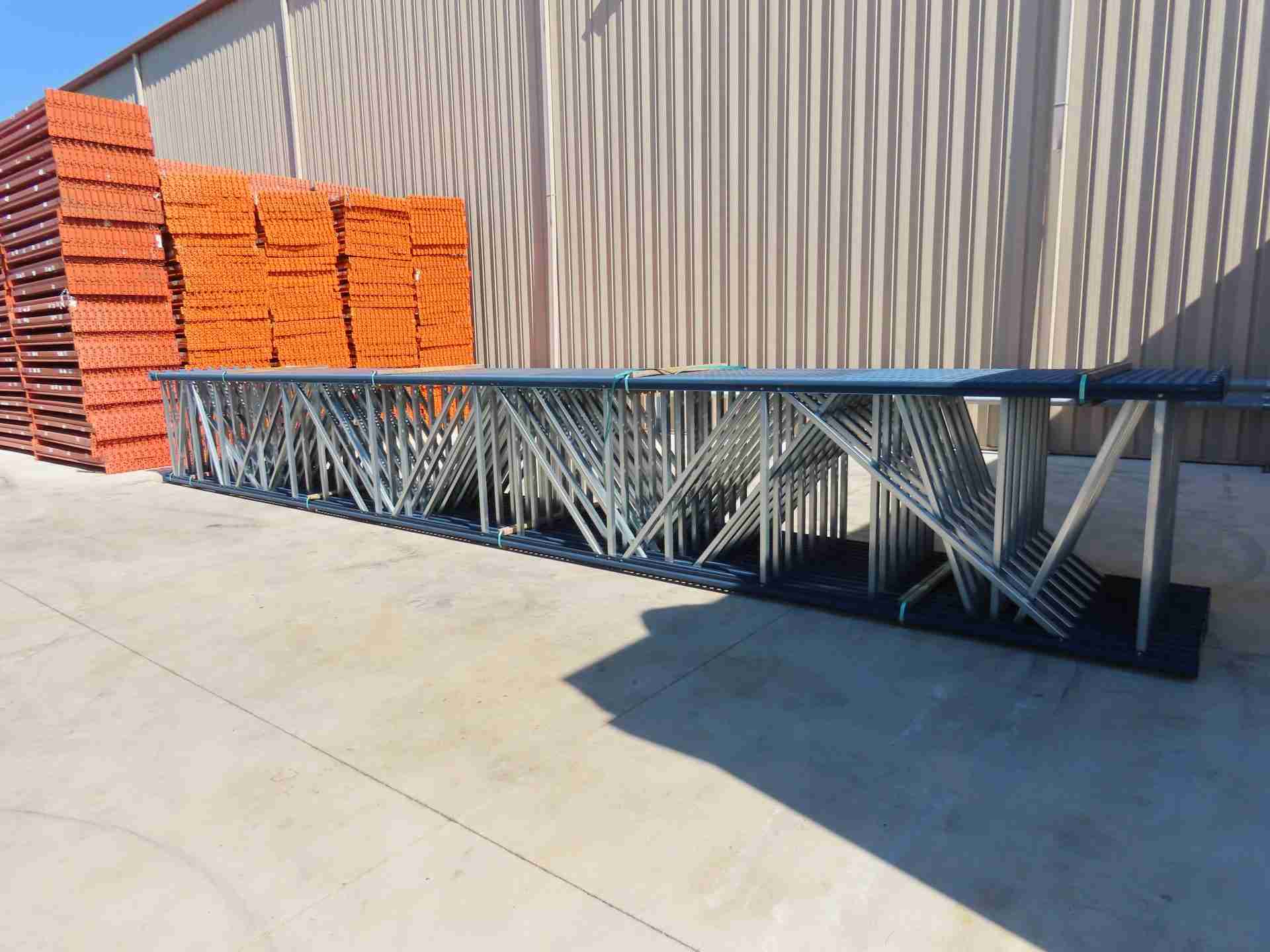
What Are Common Mistakes To Avoid With Industrial Shelving?
How Does Industrial Shelving Impact Workflow Efficiency?
In the fast-paced world of manufacturing, warehousing, and logistics, every ounce of efficiency counts. Enter industrial shelving — an often-overlooked hero in the quest for streamlined operations and maximized productivity. When used strategically, industrial shelving not only organizes space but can significantly impact workflow efficiency, ultimately affecting a company’s bottom line.
Consider a recent case from a mid-sized distribution center struggling with delays in order fulfillment. They decided to overhaul their shelving solutions. By moving from traditional pallet racking to a more dynamic, adjustable shelving system, they increased their storage density and improved accessibility to high-turnover SKUs (Stock Keeping Units). Suddenly, pickers could locate items more quickly, slashing their picking times by nearly 30%. The transformation didn’t stop at speed; it also reduced errors, resulting in fewer returns and increased customer satisfaction.
As logistics demands rise — with e-commerce sales skyrocketing, reaching $6 trillion globally — companies need to adapt swiftly. Efficient shelving solutions, such as vertical racks and modular shelving, offer increased storage capacity within a reduced footprint. For instance, the integration of mobile shelving systems allows warehouses to expand their storage options without additional real estate costs. An innovative retailer recently implemented a mobile shelving system to optimize a limited space, leading to a 40% increase in storage capacity. Consequently, this gave them the agility to scale operations swiftly to meet surging demand during holiday peaks.
But it’s not just about what you store; it’s about how you store it. Industrial shelving enables the organization of inventory based on order volume and frequency. A common practice is the “ABC analysis,” where items are categorized as A (high value/volume), B (moderate), and C (low value/volume). This method allows organizations to place high-volume items within closer reach, minimizing the time employees spend in transit. A local automotive parts supplier reported a significant 25% reduction in retrieval times simply by rearranging their shelving based on this principle.
In an era marked by supply chain disruptions and a shift towards just-in-time inventory practices, industrial shelving isn’t merely a utility; it’s a strategic asset. Companies harnessing the power of effective shelving solutions stay ahead of their competition by enhancing their operational flow and responding swiftly to market demands.
Ultimately, the question isn’t whether industrial shelving matters. It’s how quickly you can implement these changes to sharpen your competitive edge and boost your workflow efficiency. Don’t let outdated systems hold you back — explore innovative shelving solutions and transform your productivity today.
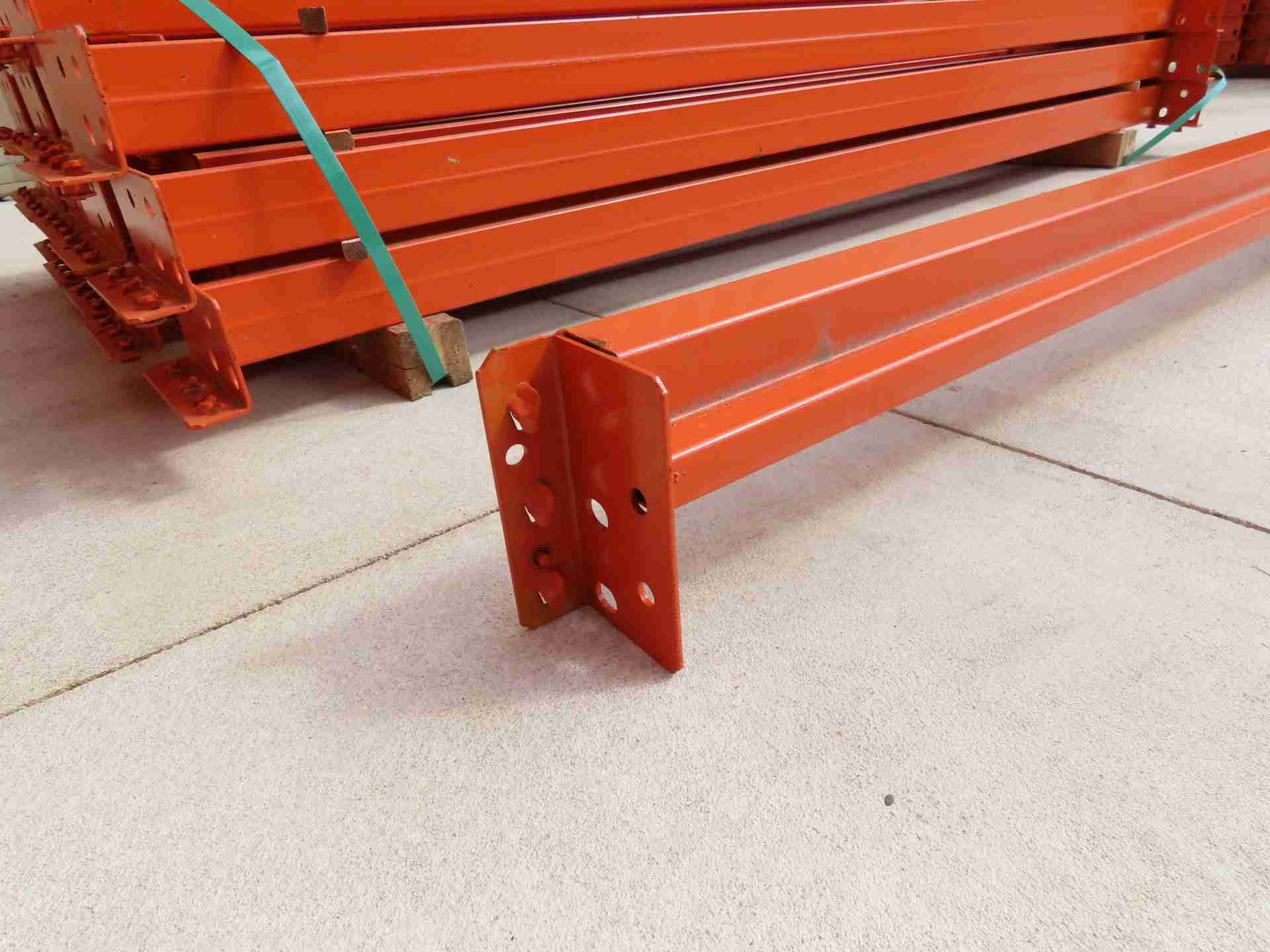
How Does Industrial Shelving Impact Workflow Efficiency?
How Does Industrial Shelving Impact Workflow Efficiency?
- Industrial shelving plays a crucial role in enhancing efficiency in manufacturing, warehousing, and logistics.
- A case study of a mid-sized distribution center showed a 30% reduction in picking times after switching to adjustable shelving.
- The change not only improved speed but also reduced errors, leading to fewer returns and higher customer satisfaction.
- With e-commerce sales reaching $6 trillion, companies must adapt quickly using efficient shelving solutions like vertical racks and mobile systems.
- A retailer achieved a 40% increase in storage capacity by implementing a mobile shelving system to optimize limited space.
- The “ABC analysis” method helps organizations optimize inventory storage based on order volume and frequency, improving retrieval times.
- Strategically implemented industrial shelving can provide a competitive advantage by enhancing operational flow and responsiveness to market demands.
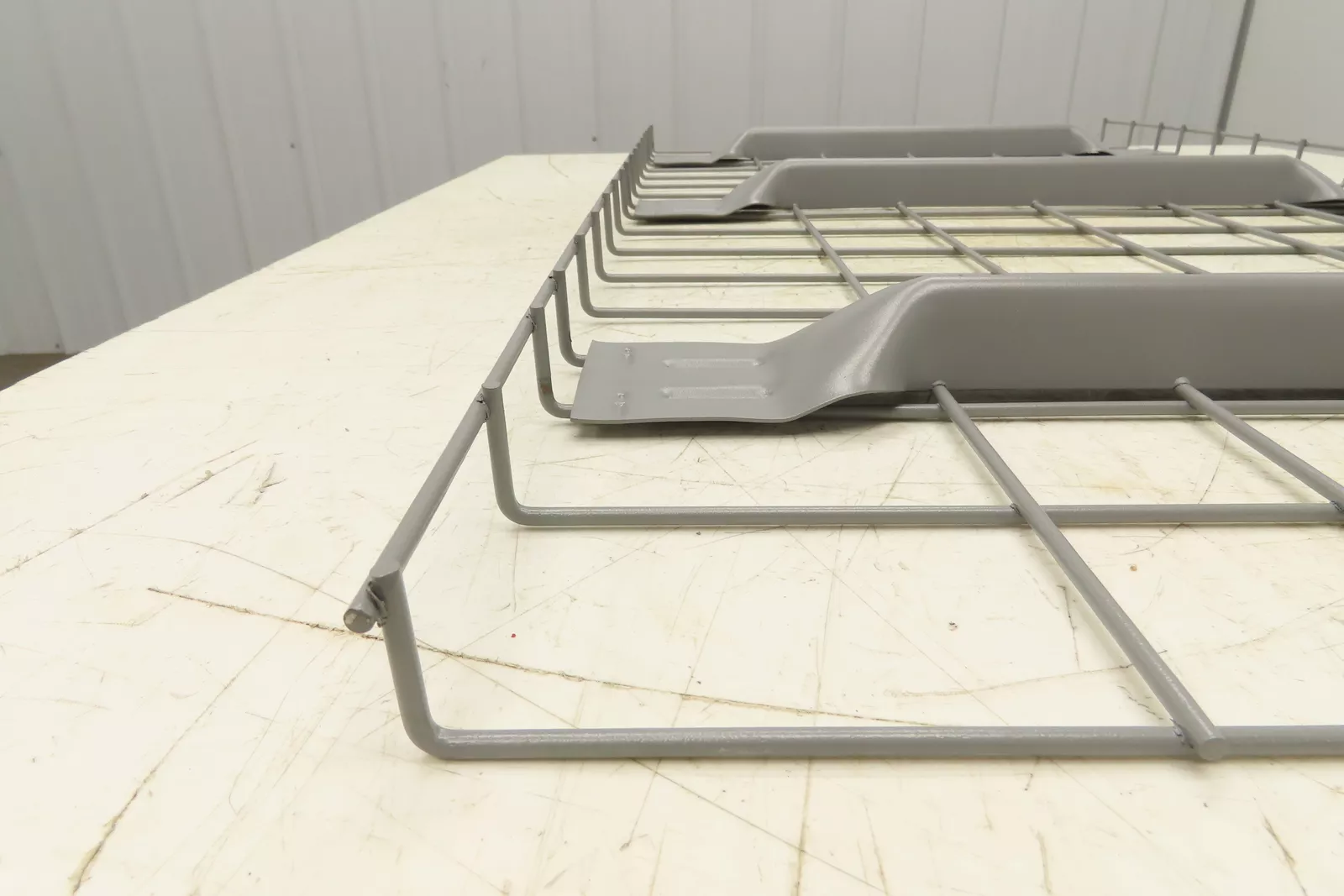
How Does Industrial Shelving Impact Workflow Efficiency?
How Does Industrial Shelving Affect Inventory Management Practices?
In today’s bustling marketplace, efficient inventory management is more crucial than ever. Companies are wrestling with globalization, speedier supply chains, and heightened customer expectations, all of which demand precision and efficiency in inventory practices. Enter industrial shelving—often overlooked, yet a game-changing asset that can dramatically streamline operations.
Let’s imagine a mid-sized electronics retailer struggling to keep up with a growing product lineup. The cluttered warehouse frequently led to misplaced stock, prolonged picking times, and ultimately, disgruntled customers waiting for delayed shipments. After conducting a thorough analysis, the company invested in heavy-duty, adjustable industrial shelving units. Suddenly, products were neatly organized, easily accessible, and displayed with clarity.
This transformation didn’t just declutter the space; it unlocked the power of effective inventory management. By implementing a first-in, first-out (FIFO) strategy with the new shelving setup, the retailer could ensure that older stock was sold before newer items, minimizing waste—particularly important in technology where products quickly become outdated.
The efficient use of industrial shelving also bolsters inventory accuracy. With the right shelving in place, the warehouse staff can perform cycle counts more frequently and effectively. Elevated shelving systems allow for better visibility and categorization of inventory, translating to fewer stock discrepancies. According to a recent study from the Warehousing Education and Research Council, warehouses employing organized shelving units report a 20% increase in inventory accuracy.
Current events highlight the necessity for agile inventory management strategies. For instance, businesses impacted by the fluctuations in global supply chains post-pandemic are shifting toward “just-in-time” inventory systems. Companies like Toyota, known for its lean inventory practices, have been re-evaluating their storage solutions to better align with this strategy. By integrating industrial shelving, they can maintain higher inventory turnover while minimizing overhead costs.
Moreover, in an era of rising ecommerce, the need for efficient order fulfillment cannot be overstated. When an online order must ship promptly, every second counts. Industrial shelving enhances this efficiency, reducing pick-and-pack times and ensuring that products are readily available for shipment.
To put it simply: Industrial shelving isn’t just furniture; it’s a strategic tool that can propel a business toward operational excellence. For organizations aiming to optimize their inventory management practices and stay ahead of the competition, investing in high-quality shelving could very well be the turning point. Efficient shelving reflects an efficient mind—one that understands that in the world of inventory, organization is not just helpful; it’s essential.
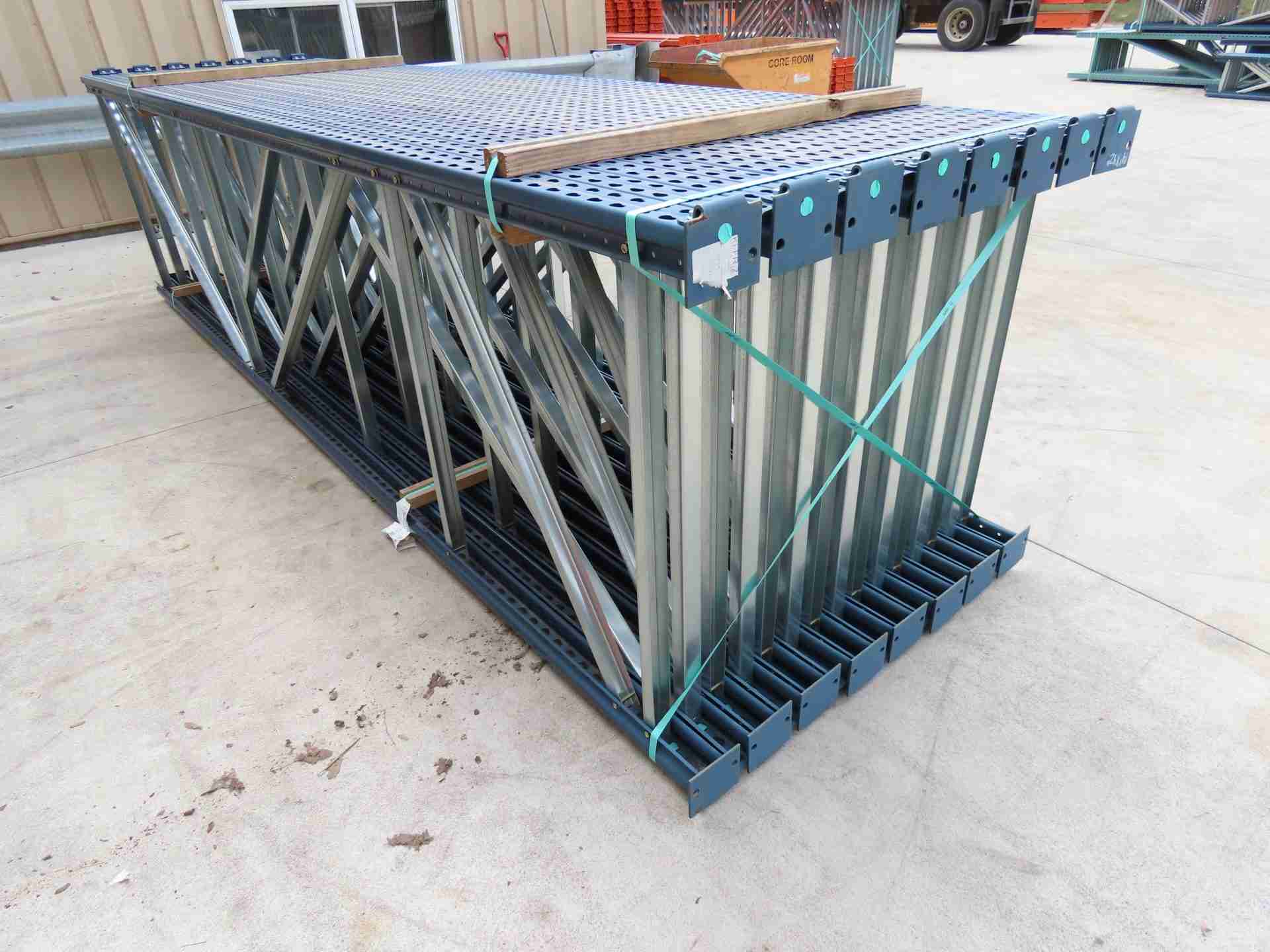
How Does Industrial Shelving Affect Inventory Management Practices?
How Does Industrial Shelving Affect Inventory Management Practices?
- Efficient inventory management is increasingly vital due to globalization and heightened customer expectations.
- Industrial shelving can significantly streamline operations and enhance inventory practices.
- A mid-sized electronics retailer improved organization and accessibility by investing in heavy-duty, adjustable shelving, reducing picking times and customer wait times.
- Implementing a first-in, first-out (FIFO) strategy with new shelving minimized waste and ensured older stock was prioritized for sale.
- Proper shelving increases inventory accuracy, with organized systems leading to a reported 20% improvement in accuracy.
- Businesses are adopting agile inventory strategies, such as “just-in-time” systems, which can be supported by effective shelving solutions.
- In the growing ecommerce landscape, industrial shelving aids in efficient order fulfillment, reducing pick-and-pack times.
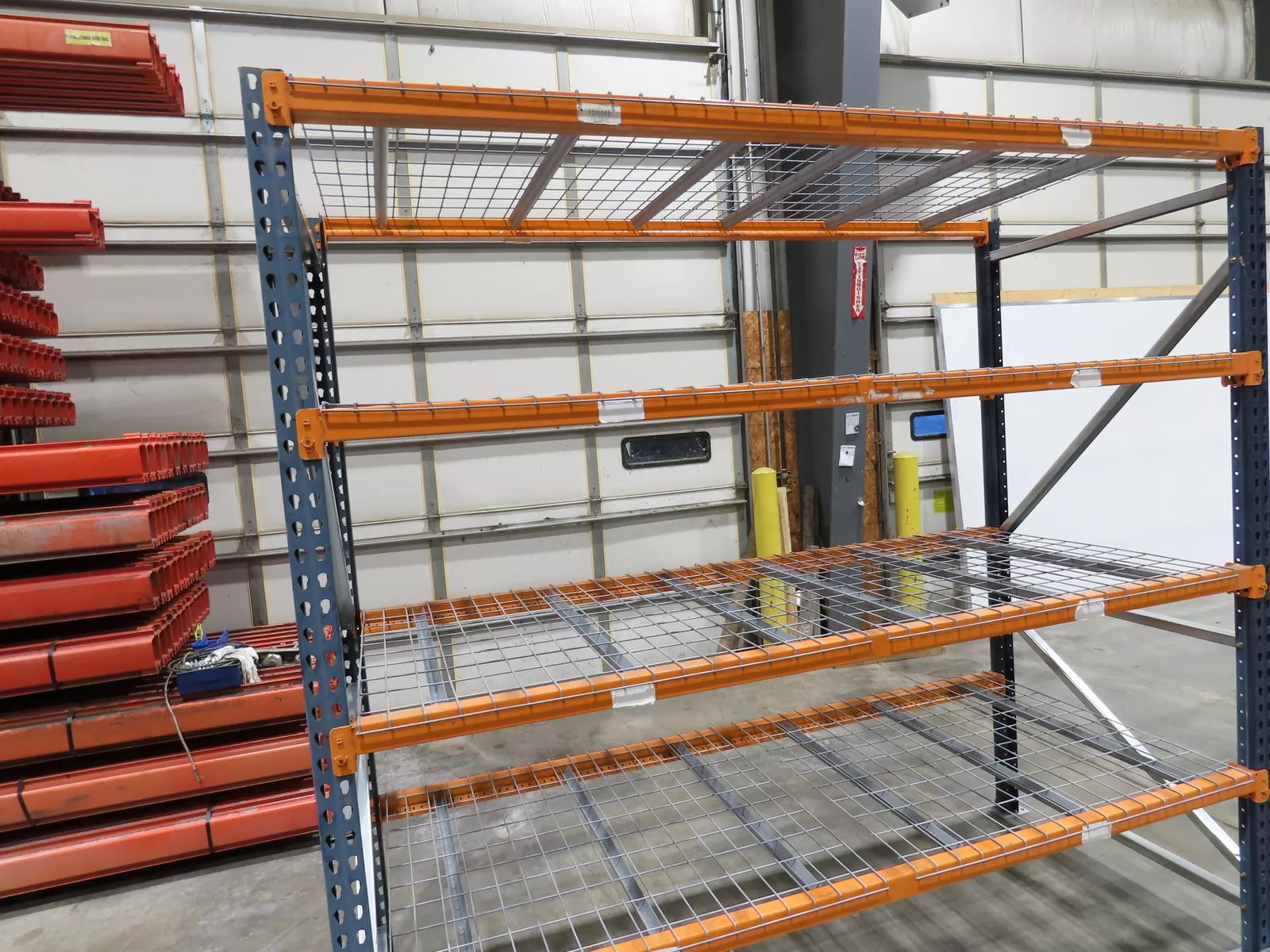
How Does Industrial Shelving Affect Inventory Management Practices?
Conclusion
As we wrap up our exploration of industrial shelving, it becomes abundantly clear that this innovative storage solution is much more than mere shelving; it holds the key to unlocking the full potential of your operational space. In a marketplace where efficiency, adaptability, and sustainability are no longer optional but essential, industrial shelving serves as a strategic asset—transforming how businesses manage their inventory, respond to market dynamics, and reduce costs.
By understanding the unique applications of industrial shelving, we see how it plays a pivotal role across various sectors—from streamlining warehouse storage to enhancing safety in manufacturing plants. Its benefits, such as maximized space utilization and improved inventory management, are indispensable in today’s fast-paced environments. Just consider the impact: a properly organized shelving system can lead to a substantial reduction in picking times, boosting operational efficiency and customer satisfaction.
Moreover, choosing the right industrial shelving is a strategic decision influenced by material, layout, and function. Businesses like Amazon exemplify the importance of these choices, utilizing advanced shelving designs to accommodate fluctuating inventories with agility and precision. Don’t forget that investing in high-quality systems pays off; they reduce operational hiccups and enhance overall productivity, yielding a significant return on investment.
However, the journey doesn’t end with the installation of shelving. Maintenance is crucial for longevity. Adhering to safety standards, conducting routine inspections, and maintaining a culture of training are essential practices that safeguard not just the physical shelving but the wellbeing of your workforce. When employees feel safe and equipped, their productivity reflects positively on your bottom line.
Call to Action: Act Now!
As you ponder the transformative potential of industrial shelving for your business, we urge you not to delay. The landscape is changing rapidly, and the time to enhance your operational capabilities is now. Reach out to Arrow Industrial Sales at (574) 349-6575 for tailored advice, recommendations, and urgent solutions designed to fit your specific needs.
Elevate your efficiency, redefine your inventory management, and ensure your place at the forefront of your industry. With RackingWorld.com and Arrow Industrial Sales by your side, you’ll not only navigate today’s challenges—you’ll thrive amid them. Don’t wait; your path to greater productivity begins with a single call—make it today!
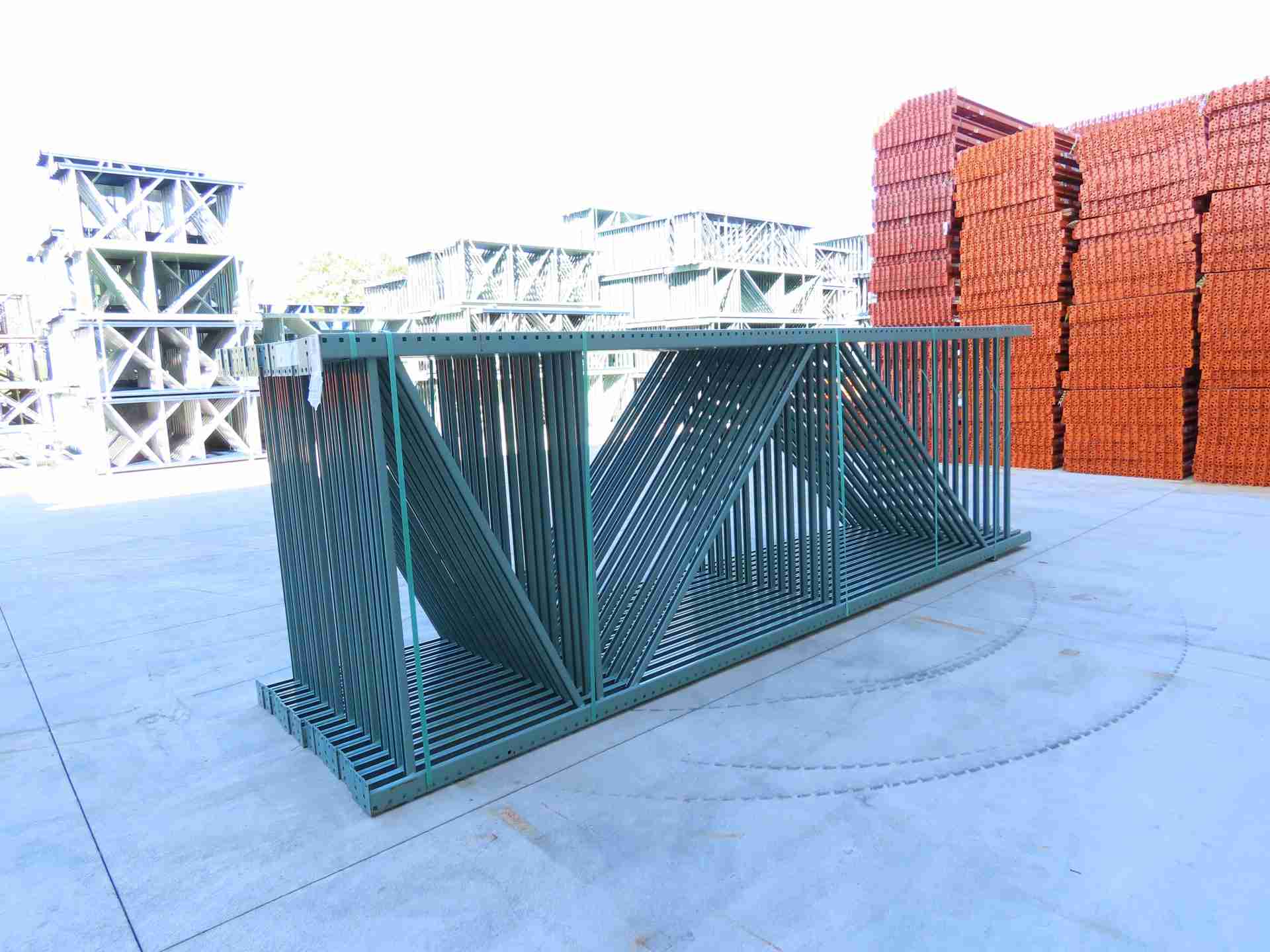
Conclusion
Conclusion:
- Industrial shelving is a crucial storage solution that maximizes operational space.
- It enhances efficiency, adaptability, and sustainability in modern business environments.
- Properly organized shelving significantly reduces picking times and boosts customer satisfaction.
- Choosing the right industrial shelving involves considerations of material, layout, and function.
- High-quality shelving systems lead to fewer operational issues and a greater return on investment.
- Maintenance and adherence to safety standards are vital for ensuring the longevity and safety of shelving systems.
- Contact Arrow Industrial Sales for tailored advice to enhance your operational capabilities.
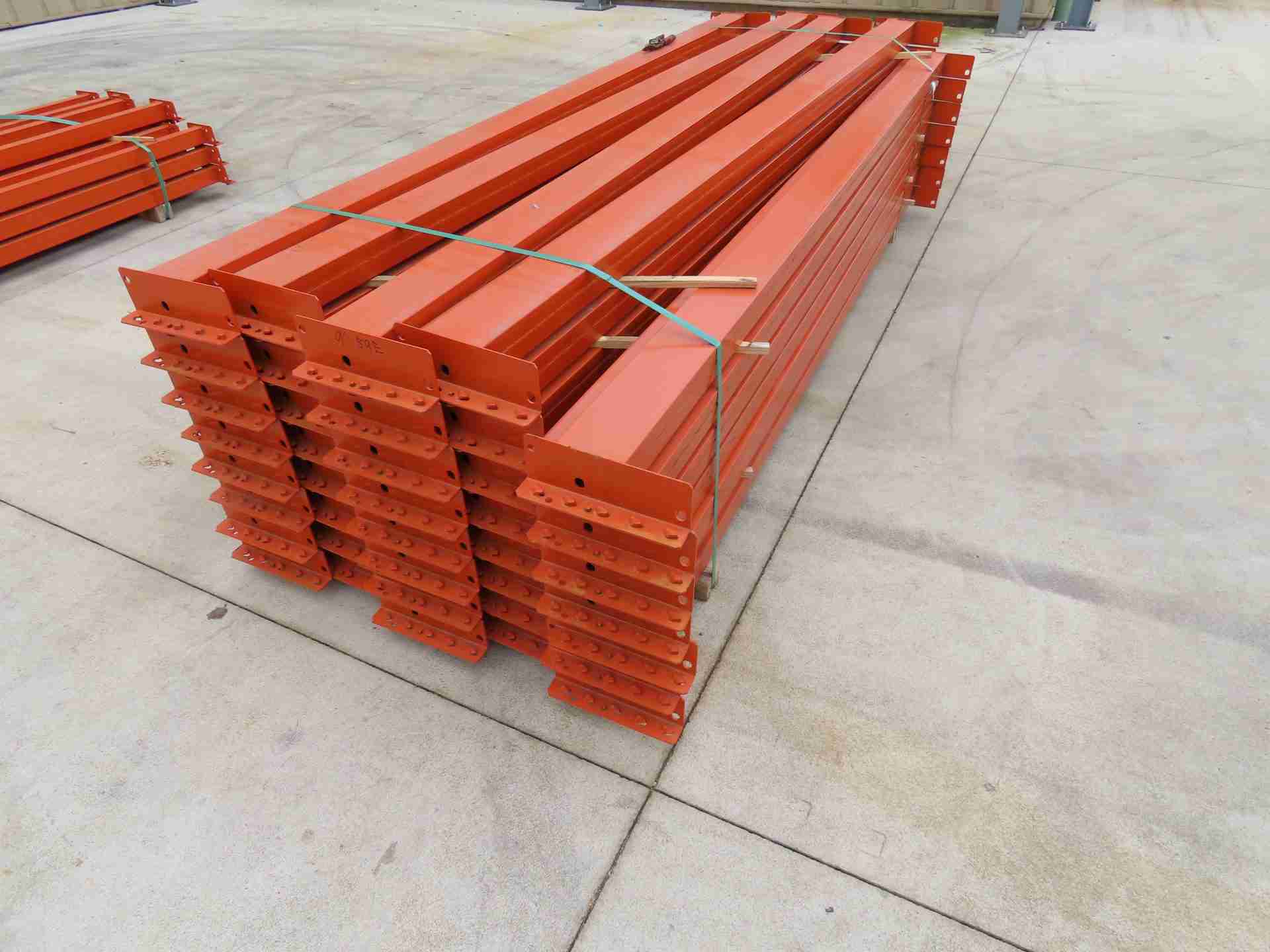
Conclusion
Other Resources
Other Resources
Here is a list of other resources you can review online to learn more:
- “Understanding e-commerce logistics | Order fulfilment”
- “2023 Amazon Sustainability Report”
- “2023 Report – Amazon Sustainability”
- “Get ready: Amazon will ask supply chain to report …”
Use This Prompt To Get More Resources With Your Favorite Online AI Tool: Please provide me with a list of online articles with their URLs in a bulleted list that I can read regarding What Is Industrial Shelving?
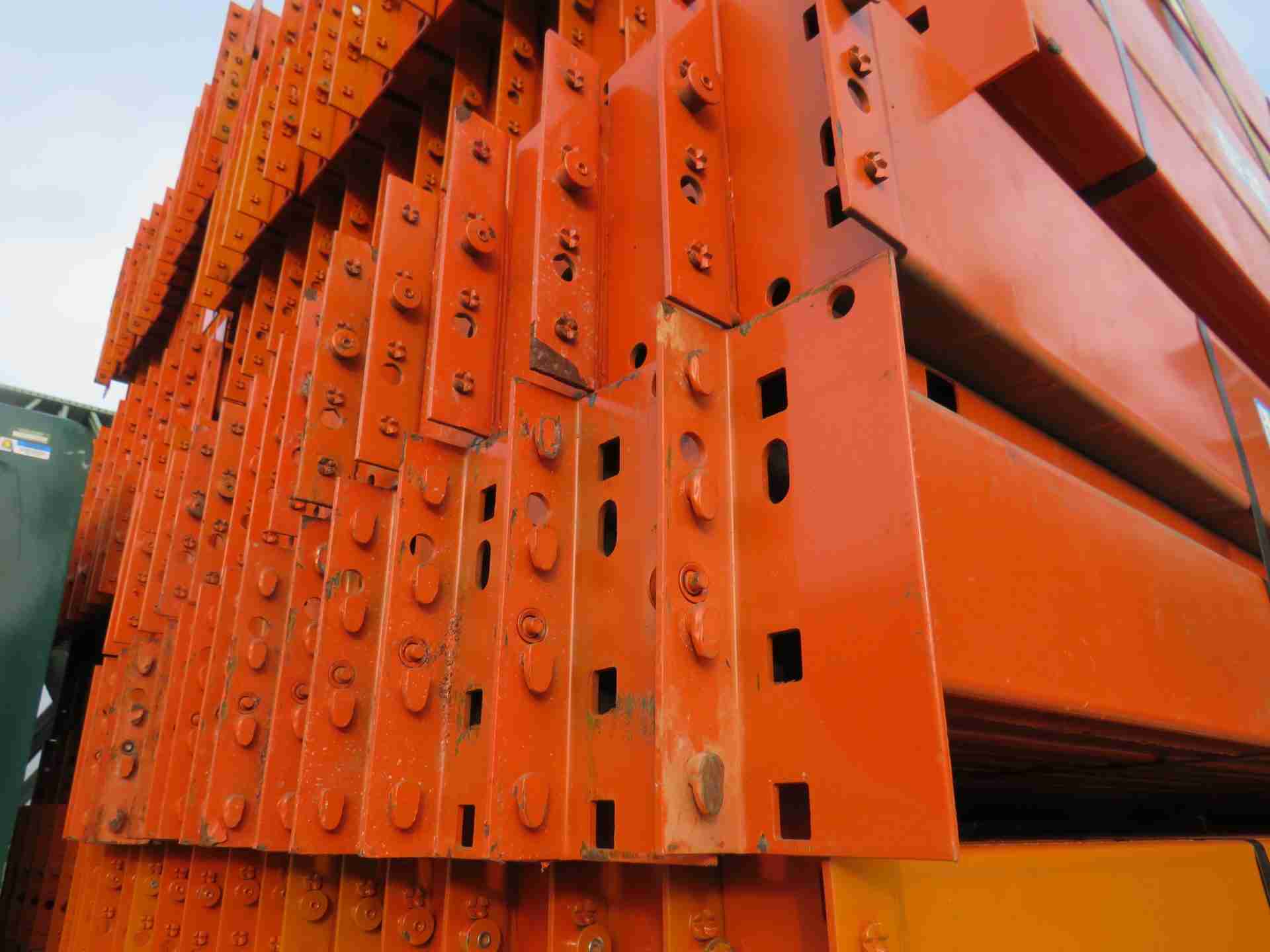
Other Resources
Glossary Terms
What Is Industrial Shelving? – Glossary Of Terms
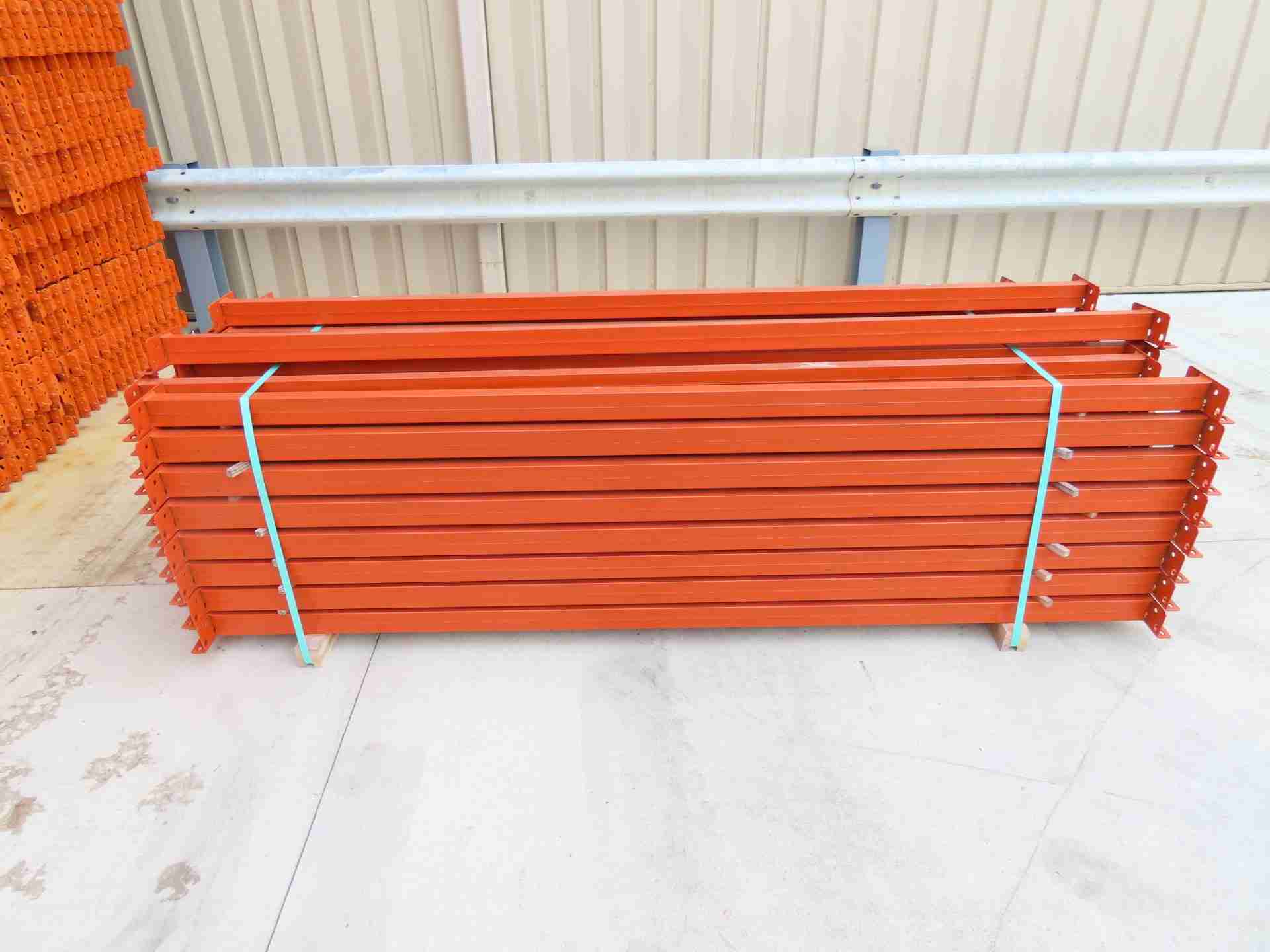
1. Industrial Shelving: Storage systems designed for heavy-duty use in warehouses, factories, and commercial spaces. Built to hold substantial weight and withstand harsh conditions.
2. Load Capacity: The maximum weight that a shelving unit can safely support without compromising stability or integrity.
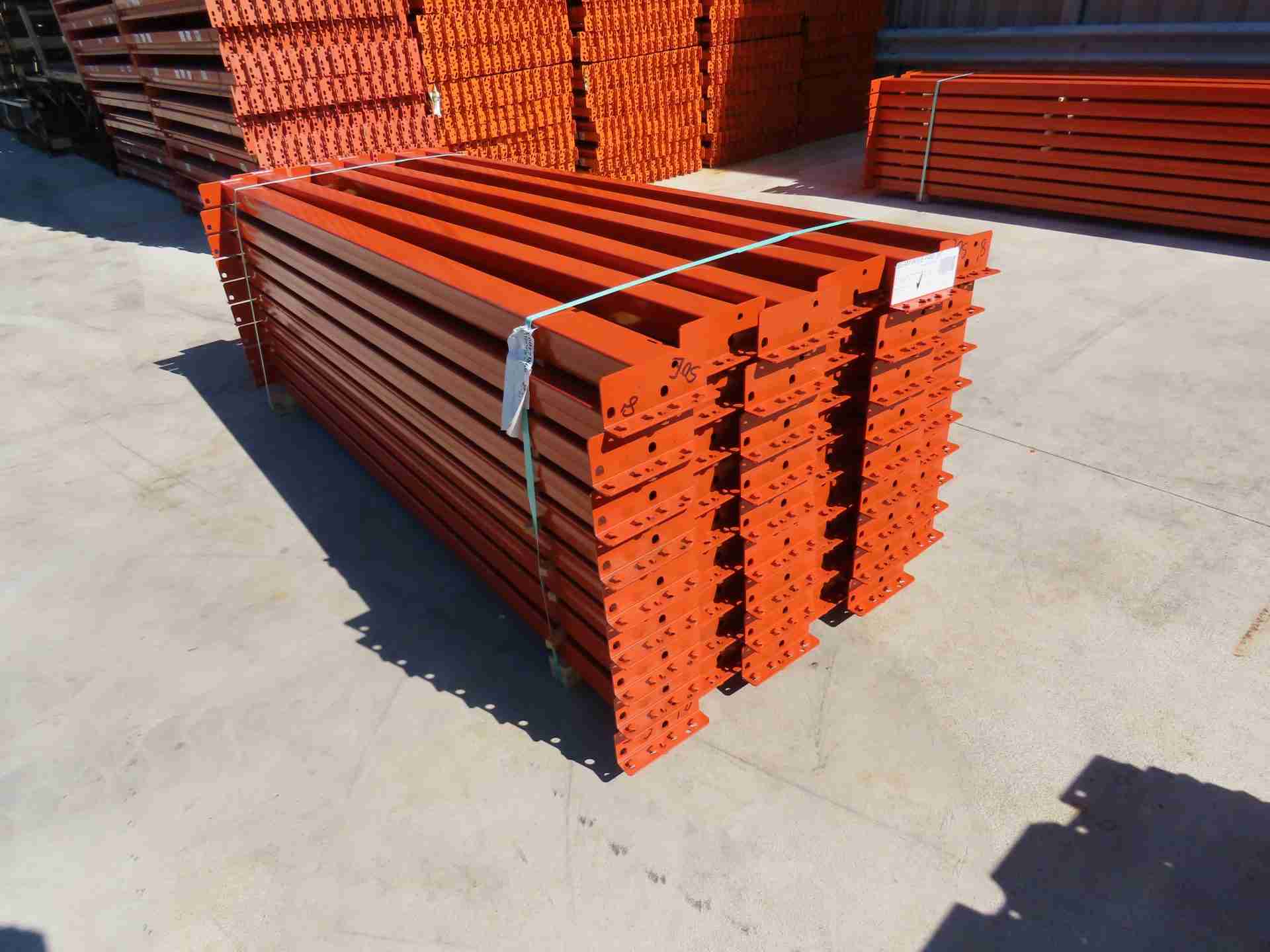
3. Beam: A horizontal support structure in shelving systems that holds the shelves in place and bears the load.
4. Shelf: A flat platform or surface on which goods are stored or displayed, often adjustable in height within a shelving unit.
5. Racking: A general term for various systems and structures used for storing goods, including industrial shelving systems.
6. Pallet Rack: A specific type of shelving designed to hold standard-sized pallets of goods, commonly used in warehouses.
7. Adjustable Shelves: Shelves that can be repositioned to various heights to accommodate different sizes and types of products.
8. Metal Shelving: Industrial shelves made of steel or other metals, suitable for heavy loads and durability.
9. Wire Shelving: Shelving made from wire grids that allow for ventilation, visibility, and easy cleaning, often used in food and pharmaceutical industries.
10. Modular Shelving: Shelving systems that can be easily customized and reconfigured based on changing storage needs.
11. Shelf Life: The expected time that goods can be stored on a shelf before they are deemed unsuitable for use or sale.
12. Back Panel: Vertical panels that provide stability to shelving units and prevent items from falling off the back.
13. Bracing: Structural components that reinforce the shelving unit, providing extra stability and strength, often in the form of diagonal or horizontal supports.
14. Vertical Post: The upright part of a shelving unit that supports beams and shelves, providing stability and load distribution.
15. Storage Density: The amount of storage space utilized in relation to the overall volume of a storage area, often a key consideration in industrial shelving design.
16. Colors and Coatings: Finishes applied to shelving to enhance aesthetics, protect against corrosion, or facilitate cleaning.
17. Installation: The process of assembling and setting up industrial shelving units in a specified area for optimal functionality.
18. Component System: A shelving unit that consists of independent components allowing for flexible assembly and design according to specific storage needs.
19. End Panels: The side components of shelving units that often enhance stability and can provide a finished look.
20. Heavy-Duty Shelving: Shelving systems specifically designed to hold exceptionally heavy items, typically made from robust materials like steel.
21. Shelf Support: Brackets or pegs that hold the shelves in place within the shelving unit, ensuring they remain secure.
22. Safety Standards: Regulations and guidelines framed to ensure that industrial shelving systems are built and maintained to prevent hazards and accidents.
23. Picking: The process of selecting items from shelves for orders, crucial in warehousing and distribution environments.
24. Warehouse Management System (WMS): A software application used to manage and optimize warehouse operations, including shelving and inventory management.
25. Stock Rotation: The practice of using inventory shelf space efficiently by ensuring that older products are sold before newer ones.
26. Cross Docking: A logistics practice where products are directly transferred from incoming to outgoing transport, requiring careful shelving system organization.
27. Space Utilization: The effective use of available space in a warehouse or storage area, often optimized through strategic shelving designs.
28. FIFO (First In, First Out): An inventory management strategy where older stock is sold or used before newer stock, often implemented in shelving layouts.
29. Inventory Management: The process of overseeing and controlling stock levels, including how items are organized on industrial shelving.
30. Customization: Tailoring shelving solutions to fit specific storage needs, including size, configuration, and load requirements.
Glossary Of Terms
Other Questions
What Is Industrial Shelving? – Other Questions
If you wish to explore and discover more, consider looking for answers to these questions:
- What types of industrial shelving are available?
- How can I assess the right industrial shelving for my warehouse size?
- What safety certifications should I look for in industrial shelving?
- Are there specific brands known for high-quality industrial shelving?
- What are the differences between shelving for indoor vs outdoor use?
- How can I implement automated systems with industrial shelving?
- What maintenance tips can ensure longevity for industrial shelving systems?
- How does industrial shelving impact employee productivity?
- What are the installation costs associated with industrial shelving?
- What are the environmental impacts of industrial shelving materials?
- How often should industrial shelving be inspected for safety?
- Can industrial shelving be used for specific product types, like food or electronics?
- What common mistakes do businesses make when choosing industrial shelving?
- How can I incorporate sustainability into my shelving solutions?
- What organizational strategies can I implement alongside industrial shelving?

Other Questions
Checklist
What Is Industrial Shelving? – A Checklist
1. Understand Your Storage Needs
_____ Identify the types of items to be stored (heavy, bulky, sensitive).
_____ Determine the weight and dimensions of inventory.
2. Space Assessment
_____ Evaluate the layout and dimensions of your storage area.
_____ Identify high-traffic areas and consider accessibility for forklifts or personnel.
3. Select the Right Type of Shelving
_____ Choose heavy-duty shelving for bulky items.
_____ Opt for adjustable shelving for flexibility.
_____ Consider mobile shelving for compact spaces.
4. Material Considerations
_____ Select materials based on the environment (e. g. , stainless steel for hygiene, steel for heavy loads, or wood for aesthetics).
5. Safety Compliance
_____ Ensure shelving units meet ANSI, OSHA, and ISO safety standards.
_____ Look for load capacity ratings.
_____ Conduct regular safety audits and inspections.
6. Organization of Inventory
_____ Implement a labeling system for easy identification.
_____ Use the FIFO (First In, First Out) method for items with expiration dates.
_____ Arrange items based on order frequency (ABC analysis).
7. Training and Best Practices
_____ Train employees on shelving use and weight limits.
_____ Establish protocols for proper loading and organization.
8. Regular Maintenance
_____ Schedule routine inspections to check for structural integrity.
_____ Clean shelving units to prevent dust and rust accumulation.
9. Utilize Technology
_____ Consider integrating RFID or automated retrieval systems for efficient inventory tracking.
10. Evaluate Budget and Costs
_____ Assess initial investment versus long-term savings from increased efficiency.
_____ Consider installation and possible customization costs.
11. Plan for Future Growth
_____ Choose flexible shelving solutions that can adapt as your inventory needs evolve.
_____ Regularly reassess your shelving needs as your business expands.
12. Explore Eco-Friendly Options
_____ Consider shelving made from sustainable or recycled materials.
_____ Evaluate the potential for reduced carbon footprint through efficient design.
Conclusion
Utilizing this checklist will help you create a structured and efficient storage environment using industrial shelving, ultimately improving productivity and operational efficiency in your workspace.
Checklist
At RackingWorld, we help guide you through selecting warehouse storage systems and racking.
Be sure to read our other related stories at RackingWorld to learn more about warehouse storage systems.
0 Comments