
Unlocking The Secrets Of Warehouse Racking
By Tom Seest
At RackingWorld, we help guide you through selecting warehouse storage systems and racking.
Be sure to read our other related stories at RackingWorld to learn more about warehouse storage systems.
What Is Warehouse Racking?
In the bustling realm of logistics and warehousing, efficiency is king, and central to achieving that efficiency is an often-overlooked hero: warehouse racking. Picture this: a vast expanse of boxed products, every inch laden with capital, yet disorganized and inaccessible. Enter warehouse racking—a systematic solution designed to transform chaos into order, maximizing usable space and heightening operational efficiency.
Warehouse racking isn’t merely about shelves; it’s about strategic organization. From selective pallet racks to drive-in racks and cantilever systems, there are various styles tailored to suit diverse inventory types. For instance, selective pallet racks are the most common choice for warehouses dealing with a high volume of diverse products. They allow easy access to each pallet, making them perfect for operations that require quick turnover, like e-commerce dining establishments that have seen a surge in demand since 2020.
The relevance of effective racking systems has blossomed in current events, especially in light of the logistics challenges faced during the COVID-19 pandemic. Numerous businesses have had to pivot and adapt to a fluctuating market, and those using integrated racking solutions found themselves at a distinct advantage. With the e-commerce boom, companies that optimized their warehouse space through effective racking systems were able to expedite order fulfillment and maintain customer satisfaction.
Implementing a strategic racking system is not just about the initial investment; it’s about the long-term impact on operational efficiency and cost reduction. Think of it as setting the stage for everything that follows—inventory management and order processing. According to industry studies, organizations that invest in optimized warehouse racking can increase their storage capacity by up to 40%, translating into significant cost savings and ultimately higher profit margins.
Moreover, modern warehouse racking solutions are increasingly being enhanced by technology, such as automated systems and inventory management software. RFID tracking, for example, allows for real-time stock assessment, ensuring that you know exactly what’s in your warehouse without the inefficiencies of manual counting.
By choosing the right racking system, you are not just organizing your inventory; you’re creating a competitive advantage. It’s an essential strategy for businesses aiming to thrive in an evolving marketplace. As we navigate through the complexities of global supply chains, optimizing your warehouse with the right racking solutions becomes not just a best practice, but a crucial step toward sustainable growth. Don’t let disorganization hold you back—embrace warehouse racking and watch your efficiency soar!

What Is Warehouse Racking?
What Is Warehouse Racking?
- Warehouse racking is a crucial solution for enhancing efficiency in logistics and warehousing.
- It includes various styles like selective pallet racks, drive-in racks, and cantilever systems tailored for different inventory needs.
- Selective pallet racks are ideal for warehouses with diverse products, enabling quick access and turnover.
- The need for effective racking systems has increased due to logistics challenges during the COVID-19 pandemic.
- Optimized warehouse racking can boost storage capacity by up to 40%, leading to significant cost savings and higher profits.
- Modern racking solutions incorporate technology, such as RFID tracking for real-time inventory management.
- Implementing the right racking system creates a competitive advantage and is essential for sustainable growth in the current marketplace.

What Is Warehouse Racking?
Table Of Contents
- What Is Warehouse Racking?
- What Are The Benefits Of Warehouse Racking?
- How Does Warehouse Racking Work?
- What Types Of Warehouse Racking Are Available?
- How To Choose The Right Warehouse Racking System?
- What Materials Are Used In Warehouse Racking?
- How Can Warehouse Racking Improve Efficiency?
- What Safety Regulations Apply To Warehouse Racking?
- How To Maintain Warehouse Racking Systems?
- What Are The Costs Associated With Warehouse Racking?
- How Can Warehouse Racking Maximize Space?
- What Is The Installation Process For Warehouse Racking?
- How Does Warehouse Racking Impact Inventory Management?
- What Are Common Mistakes With Warehouse Racking?
- How To Measure Warehouse Racking Effectiveness?
- What Innovations Are Emerging In Warehouse Racking?
- Conclusion
- Other Resources
- Glossary Of Terms
- Other Questions
- Checklist
What Are The Benefits Of Warehouse Racking?
In today’s fast-paced business environment, optimizing space and efficiency is no longer a luxury; it’s a necessity. Enter warehouse racking systems—a game-changer that transforms cluttered warehouses into organized powerhouses. Imagine maximizing your storage capacity while simultaneously enhancing operational efficiency. It’s not just a dream; it’s a reality with the right racking system.
First and foremost, warehouse racking maximizes storage capacity. Consider the sheer amount of vertical space available in warehouses. Traditional floor stacking limits your ability to utilize this space effectively. By implementing a racking system, you can stack goods high, ensuring that more products are stored in a smaller footprint. For example, businesses like Amazon have revolutionized their fulfillment centers’ efficiency by leveraging innovative racking solutions that keep their operations streamlined and competitive.
But it’s not just about storing more—it’s about organizing better. With dedicated racking systems, you can categorize inventory based on size, weight, and frequency of use. This organization leads to faster picking times and reduced labor costs. For instance, during peak seasons, such as Black Friday or the back-to-school rush, retailers that leverage smart racking solutions can fulfill orders much faster than their competitors. Recent studies indicate that efficient storage solutions can improve order accuracy by up to 25%, meaning fewer returns and enhanced customer satisfaction.
Moreover, safety is a paramount concern in warehouses, and proper racking systems contribute significantly to a safer working environment. By ensuring items are stored securely and systematically, you reduce the risk of accidents caused by poorly stacked items. The Occupational Safety and Health Administration (OSHA) has reported numerous incidents stemming from inadequate storage practices, emphasizing the importance of investing in robust racking solutions to protect your workforce.
In the wake of the global supply chain disruptions caused by events like the COVID-19 pandemic, businesses must also consider adaptability. Adjustable racking systems allow you to modify your setup to accommodate changing inventory needs, ensuring you remain agile in times of uncertainty. As companies pivot and evolve, having flexible racking strategies can be the difference between thriving and merely surviving.
Finally, investing in quality warehouse racking is an investment in the future. Enhanced productivity, improved safety, and greater space efficiency lead to higher profits. In a world where every square foot counts, don’t let outdated practices hold you back. Upgrade your warehouse with a racking system and unlock the potential of your operations today. The benefits are clear; the question is: can you afford not to?

What Are The Benefits Of Warehouse Racking?
What Are The Benefits Of Warehouse Racking?
- Warehouse racking systems are essential for optimizing space and efficiency in fast-paced business environments.
- They maximize storage capacity by effectively utilizing vertical space, allowing for higher stacking of goods.
- Organizing inventory through dedicated racking systems leads to faster picking times and reduced labor costs.
- Efficient storage solutions can enhance order accuracy by up to 25%, improving customer satisfaction.
- Proper racking systems contribute to workplace safety by securely storing items and minimizing accident risks.
- Adjustable racking systems offer adaptability to changing inventory needs, particularly during supply chain disruptions.
- Investing in quality racking solutions boosts productivity and profitability, making it a crucial business decision.

What Are The Benefits Of Warehouse Racking?
How Does Warehouse Racking Work?
Warehouse racking systems are the backbone of efficient inventory management, playing a vital role in optimizing space and streamlining operations. Imagine walking into a warehouse filled with towering shelves, each meticulously organized to maximize storage efficiency. This isn’t just a scene from a logistics company; this is the lifeblood of countless industries facing the demand for rapid fulfillment and streamlined supply chains, particularly as e-commerce continues to surge post-pandemic.
At its core, warehouse racking works by utilizing vertical space effectively, offering a variety of racking styles tailored to specific needs. For instance, pallet racking—one of the most common systems—allows pallets to be stored horizontally on racks, making it easy to access products. With the recent shifts toward Just-In-Time (JIT) inventory stemming from supply chain disruptions, businesses are leaning on pallet racking to enable quicker turnover rates without overwhelming their storage capacities.
Then we have selective racking, which is perfect for smaller warehouses. It uses a systematic approach, allowing for direct access to every single pallet stored within the system. This type of racking system is highly adaptable, accommodating a variety of products—from bulky machinery to delicate items. Take, for instance, retailers, who are increasingly adopting selective racking to keep up with varying demand for seasonal inventory. With tools like RFID and barcode scanning, workers can navigate their inventory at a pace impossible just a decade ago, maintaining accuracy and efficiency.
However, it isn’t all about the racks themselves. The organization and layout of the warehouse, informed by the racking system in use, significantly impact efficiency. For example, using a flow rack system can enhance order picking operations. These racks utilize gravity to facilitate product movement, ensuring that the oldest stock is picked first—a principle known as FIFO (First In, First Out). This method recently gained popularity among food distribution companies striving to minimize waste and ensure compliance with safety standards.
Today’s racking systems integrate cutting-edge technology. Automated Systems and robots are now transitioning traditional warehouses into smarter environments. For example, companies like Amazon are leading the charge with their Kiva robots, optimizing not just space but entire operational workflows. As warehouse racking evolves, the systems you choose don’t merely hold your inventory—they shape your operation’s efficiency, responsiveness, and ultimately, your bottom line.
By investing wisely in warehouse racking solutions, businesses can not only keep pace with current demands but also future-proof their operations. Whether you’re a small retailer or a large-scale distributor, the right racking system can transform your efficiency from stagnant to supercharged, preparing you for the swift currents of the ever-evolving market landscape.

How Does Warehouse Racking Work?
How Does Warehouse Racking Work?
- Warehouse racking systems are essential for efficient inventory management and operational optimization.
- Pallet racking facilitates horizontal storage of pallets, enhancing product accessibility and enabling quicker turnover rates.
- Selective racking allows direct access to all pallets, making it adaptable for various products and ideal for retailers managing seasonal inventory.
- Modern tools like RFID and barcode scanning improve inventory navigation, accuracy, and efficiency for warehouse workers.
- Warehouse organization and racking layout significantly impact operational efficiency, with flow rack systems enhancing order picking through First In, First Out (FIFO) principles.
- Integration of cutting-edge technology, including automation and robotics, is transforming traditional warehouses into smarter environments.
- Investing in the right racking solutions can future-proof operations and dramatically enhance efficiency to meet evolving market demands.

How Does Warehouse Racking Work?
What Types Of Warehouse Racking Are Available?
When it comes to optimizing your warehouse space, choosing the right racking system can make all the difference. With the ever-evolving landscape of e-commerce and increased consumer demand, having an efficient warehousing strategy is no longer just an advantage but a necessity. Let’s explore some of the most popular types of warehouse racking available today—and how they can elevate your operations to new heights!
1. Selective Pallet Racking: The Classic Choice
This is the most widely used racking system, ideal for companies that require direct access to stored products. Selective pallet racking allows for easy retrieval of individual pallets, maximizing accessibility without sacrificing storage density. For businesses like grocery distributors, where inventory needs to be rotated frequently, this system is essential. In a recent report, grocery giants highlighted the increased focus on stock rotation to meet fast-moving consumer trends, demonstrating the relevance of selective racking today.
2. Drive-In/Drive-Through Racking: Space-Saving Marvels
For businesses with high inventory turnover and uniform products, drive-in and drive-through racking offers tremendous efficiency. Goods can be stored deeper with minimal aisles, allowing for maximum storage in a limited space. This racking type is particularly beneficial for operations that involve bulk products, like beverages or canned goods. Recently, as beverage companies ramp up production to meet post-pandemic demand, many have turned to drive-in systems to enhance their storage capabilities and streamline logistics.
3. Push Back Racking: A Compromise in Accessibility
Combining features of selective and drive-in racking, push back racking optimizes both space and accessibility. This system allows pallets to be stored two to six deep, utilizing gravity to bring forward products as older stock is picked. For manufacturers dealing with seasonal products, this offers substantial flexibility. A key takeaway from recent retail reports shows that businesses adopting push back systems have experienced quicker order fulfillment, showcasing its growing appeal.
4. Cantilever Racking: A Specialty Solution
If your business deals with long, bulky items—think steel pipes or lumber—cantilever racking is your answer. Constructed with arms extending from a vertical structure, it allows for easy loading and unloading of oversized products. As construction and industrial sectors ramp up post-COVID, the demand for cantilever systems has surged, responding to the needs of growing businesses in an expanding market.
5. Mezzanine Racking: Maximizing Vertical Space
When square footage is at a premium, mezzanine racking provides an innovative solution. By creating a raised platform within your warehouse, you can effectively double your storage space without needing a larger facility. As logistics and e-commerce companies adapt to more online orders, mezzanine systems have become invaluable. Industry insiders predict a continued boom in mezzanine solutions as online retail continues to climb.
In a world where efficiency and space optimization are crucial for success, choosing the right warehouse racking system isn’t just functional; it’s strategic. Invest wisely in your racking choice, and watch as your operations soar!

What Types Of Warehouse Racking Are Available?
What Types Of Warehouse Racking Are Available?
- Selective Pallet Racking: The most widely used system allowing direct access to products, essential for inventory rotation in businesses like grocery distribution.
- Drive-In/Drive-Through Racking: Ideal for high inventory turnover with minimal aisles, maximizing storage for bulk items like beverages.
- Push Back Racking: Combines the benefits of selective and drive-in racking, offering flexibility and quicker order fulfillment for seasonal products.
- Cantilever Racking: Designed for long, bulky items such as steel pipes or lumber, facilitating easy loading and unloading.
- Mezzanine Racking: Creates a raised platform to double storage space, particularly useful for logistics and e-commerce businesses addressing growing order volumes.
- Choosing the right racking system is crucial for optimizing warehouse space and enhancing operational efficiency.
- Investing in appropriate racking systems strategically improves warehouse management and responsiveness to market demands.

What Types Of Warehouse Racking Are Available?
How To Choose The Right Warehouse Racking System?
Selecting the right warehouse racking system is a pivotal decision that can significantly impact your operational efficiency and bottom line. In today’s fast-paced logistics and retail environments, where supply chain dynamics are continuously evolving, it’s crucial to make an informed choice to stay competitive. Here’s a guide to help you navigate this essential aspect of your business.
Understand Your Inventory Needs
Before diving into the sea of options, it’s vital to evaluate the specific requirements of your inventory. Ask yourself: What types of products are you storing? Do you need to accommodate large, bulky items or smaller, more compact products? For instance, if your business involves seasonal inventory, consider implementing a Pallet Racking system, which provides flexibility and easy access for rotating stock. Recent events have taught retailers to pivot quickly—think of those who had to adapt their offerings during supply chain disruptions in 2020. A well-chosen racking system can help you react promptly to changes in market demands.
Consider Space and Layout
The physical space available in your warehouse is another factor that cannot be overlooked. Measure the dimensions of your warehouse to understand how many shelves or racks can fit comfortably without compromising safety and accessibility. For facilities with limited height, a Drive-In Racking system maximizes vertical space by allowing multiple pallets to be stored deep within aisles. In contrast, if you have wider aisles, consider a selective racking setup that prioritizes accessibility. In today’s climate, efficient space usage is paramount as e-commerce growth continues to skyrocket, demanding more from existing warehouse facilities.
Safety and Compliance
Every reputable racking system must adhere to local regulations and safety standards. Investing in a system that meets compliance is not just about avoiding fines; it’s about protecting your workforce. Look for racking systems that come with safety certifications. For example, many businesses are now implementing systems with integrated safety features to reduce accidents—an essential consideration reflected in recent OSHA guidelines focusing on warehouse safety.
Assess Scalability and Customization
The right warehouse racking system should grow with your business. Customizable solutions can adapt to your changing needs without requiring a complete overhaul. Modular racking systems, for instance, allow for easy reconfiguration, which is invaluable during market shifts. As consumer behavior continues to evolve—especially post-pandemic—scalability is not just a luxury; it’s a necessity.
Choosing the right warehouse racking system requires a careful assessment of your inventory, available space, safety considerations, and the need for scalability. By taking these key factors into account, you can enhance your operations and position your business for future success.

How To Choose The Right Warehouse Racking System?
How To Choose The Right Warehouse Racking System?
- Choosing the right warehouse racking system can significantly affect operational efficiency and profitability.
- Assess your inventory needs to determine the type of racking system suitable for your products, such as Pallet Racking for seasonal inventory.
- Consider the physical space and layout of your warehouse, and choose systems like Drive-In or selective racking based on height and aisle width.
- Ensure the racking system complies with local regulations and safety standards to protect your workforce.
- Look for racking systems with safety certifications and integrated features that reduce accidents.
- Opt for customizable and scalable racking solutions that can adapt to changing business needs.
- Taking these factors into account enhances operational efficiency and positions your business for future success.

How To Choose The Right Warehouse Racking System?
What Materials Are Used In Warehouse Racking?
When it comes to maximizing your warehouse efficiency, understanding the materials used in warehouse racking is your first step toward informed investment. The right racking systems can radically improve productivity and organization while offering longevity and durability. Let’s delve into the primary materials that make up these essential systems and why they matter.
Steel: The Backbone of Racking Systems
Undoubtedly, steel reigns supreme as the material of choice for warehouse racking. Steel’s exceptional strength and resilience make it ideal for supporting heavy loads and withstanding the wear and tear of a bustling warehouse environment. For instance, modern steel racking systems, typically constructed from high-grade cold-rolled steel, can support thousands of pounds, providing peace of mind when storing valuable inventory. With the recent global focus on sustainability, many manufacturers are also prioritizing recyclable steel, aligning with eco-friendly business practices.
Selective Pallet Racking: A Case Study
Consider the rise of selective pallet racking in response to changing retail demands. Composed largely of durable steel beams and columns, these racking systems allow for easy access to pallets, optimizing storage space and facilitating faster order fulfillment. In recent months, companies have reported increased efficiency thanks to the advantages of selective racking, especially as e-commerce continues to surge in light of changing consumer behaviors post-pandemic. These systems are not just practical; they are a necessity for warehouses aiming to stay competitive.
Wood and Bulk Storage: A Timely Alternative
Let’s not overlook wood, especially for bulk storage solutions. While not as sturdy as steel, wood racks are often favored for their cost-effectiveness and aesthetic appeal in environments where visual presentation matters, such as retail warehouses. Recent trends show that businesses are adapting wood racking solutions for seasonal inventories or specialty items. Furthermore, the increasing interest in sustainable materials has led to more wood racking options made from reclaimed wood, appealing to eco-conscious shoppers.
Plastic and Composite Materials: The Future is Here
As technology advances, we see plastic and composite materials entering the racking arena. These materials offer lightweight options that can reduce overall costs and increase flexibility in warehouse layouts. They are particularly useful in environments that require frequent layout changes or in industries where chemicals might corrode traditional materials. For example, the shift towards lightweight plastic racking systems has been observed in pharmaceutical warehouses where hygiene and flexibility are critical.
In summary, the materials used in warehouse racking—from robust steel to innovative composites—are pivotal in ensuring that your warehousing operations remain efficient and cost-effective. As industries evolve and consumer demands shift, staying informed about these materials will empower you to make strategic decisions that keep your business thriving. Embrace the right racking system, and watch your warehouse transform into an engine of productivity.

What Materials Are Used In Warehouse Racking?
What Materials Are Used In Warehouse Racking?
- Understanding materials used in warehouse racking is essential for maximizing efficiency and informed investment.
- Steel is the primary choice for racking systems, providing exceptional strength, resilience, and support for heavy loads.
- Selective pallet racking has gained popularity due to its durable steel construction, allowing easy access and optimizing storage.
- Wood is favored for cost-effective, aesthetically pleasing bulk storage solutions, particularly in retail environments.
- Recent trends in sustainable materials include wood racking options made from reclaimed wood, catering to eco-conscious consumers.
- Plastic and composite materials are emerging as lightweight alternatives that enhance flexibility and reduce costs in varying warehouse layouts.
- Staying informed about materials used in racking systems is crucial for strategic decision-making and enhancing warehouse productivity.

What Materials Are Used In Warehouse Racking?
How Can Warehouse Racking Improve Efficiency?
In today’s fast-paced business environment, efficiency is everything. Companies everywhere are looking for that competitive edge, and one often-overlooked solution lies in the strategic implementation of warehouse racking systems. The right racking system can turn a cluttered, chaotic storage area into a well-organized powerhouse of productivity.
Imagine this: a leading e-commerce company recently reported a staggering 30% increase in order fulfillment speed after optimizing their warehouse with a new racking design. By switching to a vertical racking system, they maximized overhead space while minimizing the need for endless foot traffic through the aisles. Less wandering means more time focusing on what really matters—getting products into the hands of eager customers.
But it’s not just about space optimization. Effective racking systems also streamline inventory management. Take, for instance, the rise of RFID technology. Businesses are increasingly adopting RFID tracking alongside racking systems, giving them real-time visibility into stock levels. This powerful combination allows managers to quickly locate items, thereby reducing retrieval time and minimizing the likelihood of errors. In a world where consumer expectations are at an all-time high, this level of accuracy is not just a luxury; it’s a necessity.
Another contemporary example comes from the automotive industry, where manufacturers have faced significant supply chain disruptions over the past few years. In response, many have reconfigured their warehouses with dynamic racking solutions that allow for flexible storage options. By employing a “just-in-time” inventory system supported by advanced racking, companies can reduce waste and ensure they’re only storing what they need to meet immediate demands. This agility not only cuts costs but also enhances delivery capabilities—an essential factor as we move further into the era of digital retail.
Moreover, energy efficiency is a growing concern. Innovative racking systems can significantly improve warehouse energy consumption. Brands are now investing in energy-efficient racking systems that better support automated material handling, further optimizing workflows. Automation not only enhances speed but also frees up employees to focus on higher-value tasks rather than repetitive physical labor.
The impact of a strategically designed racking system goes beyond mere organization; it is a catalyst for increased efficiency, cost savings, and enhanced customer satisfaction. Companies willing to invest in modern racking systems are not just keeping pace—they’re setting the standard in an increasingly competitive marketplace. By putting efficiency first, businesses position themselves for long-term success, turning their warehouses from cost centers into critical assets.

How Can Warehouse Racking Improve Efficiency?
How Can Warehouse Racking Improve Efficiency?
- Warehouse racking systems are essential for efficiency in today’s competitive business landscape.
- A leading e-commerce company achieved a 30% increase in order fulfillment speed by optimizing their warehouse with vertical racking.
- Effective racking systems enhance inventory management, especially when combined with RFID technology for real-time stock visibility.
- The automotive industry uses dynamic racking solutions to adapt to supply chain disruptions, supporting a “just-in-time” inventory approach.
- Energy-efficient racking systems improve warehouse energy consumption and support automation, streamlining workflows.
- Strategically designed racking systems lead to increased efficiency, cost savings, and heightened customer satisfaction.
- Investing in modern racking systems allows businesses to convert warehouses into critical assets, promoting long-term success.

How Can Warehouse Racking Improve Efficiency?
What Safety Regulations Apply To Warehouse Racking?
Warehouse racking systems are the backbone of efficient storage and logistics, but they come with a substantial responsibility—ensuring the safety of your workers and the integrity of your operations. Adhering to safety regulations is not just about compliance; it’s about cultivating a thriving, disaster-free work environment that boosts productivity and fosters employee morale.
In the United States, the Occupational Safety and Health Administration (OSHA) plays a pivotal role in dictating safety regulations related to warehouse racking. One of the primary OSHA guidelines is the General Duty Clause, which mandates employers to provide a workplace free from recognized hazards. This precept underscores the importance of maintaining your racking systems in top-notch condition. Regular inspections should be on your calendar, much like your scheduled maintenance for forklifts and other equipment.
For example, OSHA specifies that pallet racking must be properly anchored and maintained. If you’ve seen news reports of warehouse collapses, such as the notable incident in Philadelphia in 2022 where inadequate racking systems contributed to a tragic collapse, it’s clear that overlooking these regulations can have devastating consequences—not just materially, but also in terms of human safety.
Beyond OSHA guidelines, the American National Standards Institute (ANSI) and the Rack Manufacturers Institute (RMI) contribute additional specifications crucial for safe racking systems. These organizations emphasize load capacity limitations. An overloaded rack might look like an accomplishment until it comes crashing down, endangering lives and incurring significant financial loss. Equip your staff with training to understand these limits and recognize warning signs like bent beams or shifted pallets.
Stay ahead by keeping abreast of state-specific regulations as well. For instance, California has its own stringent safety regulations that supplement OSHA guidelines, requiring additional safety measures for seismic activity. As this region has faced consistent challenges with earthquakes, understanding these nuances is imperative for businesses operating in or shipping to specific areas.
Moreover, ongoing training and education of employees are key to compliance. Falling injuries are a leading cause of accidents in warehouses; a well-informed team is your best defense. Consider implementing regular safety drills and refresher courses to keep safety top of mind.
Understanding and adhering to safety regulations pertaining to warehouse racking systems aren’t just legal necessities—they are essential for running a successful and responsible business. Investing in safety means investing in your workforce and the longevity of your operations. As they say, an ounce of prevention is worth a pound of cure; let us ensure your warehouse is a place of productivity, not peril.

What Safety Regulations Apply To Warehouse Racking?
What Safety Regulations Apply To Warehouse Racking?
- Warehouse racking systems are essential for efficient storage and logistics, but they require a focus on worker safety and operational integrity.
- OSHA regulations, particularly the General Duty Clause, mandate a safe workplace free from recognized hazards, emphasizing the maintenance of racking systems.
- Regular inspections of racking systems should be scheduled alongside maintenance for other equipment like forklifts.
- Inadequate racking systems can lead to serious incidents, as exemplified by the Philadelphia warehouse collapse in 2022.
- Organizations like ANSI and RMI provide additional specifications, emphasizing load capacity limitations to prevent accidents.
- Be aware of state-specific regulations, such as California’s additional safety measures for seismic activity, crucial for businesses in prone areas.
- Ongoing employee training and safety drills are vital to prevent accidents, making compliance essential for successful business operations.

What Safety Regulations Apply To Warehouse Racking?
How To Maintain Warehouse Racking Systems?
In the fast-paced world of logistics and supply chain management, efficient warehouse operations hinge on one crucial element: your racking systems. Just as a well-oiled machine requires regular maintenance, so too do your racking systems demand attention to ensure safety, maximize space, and enhance productivity.
1. Regular Inspections: The Foundation of Safety
Begin with routine inspections. A diligent walkthrough of your warehouse should be part of your weekly or biweekly schedule. Look for visible signs of wear and tear: bent beams, loose connections, or any signs of rust. Consider the recent incident reports affecting various warehouses across the U.S., where neglecting to conduct regular inspections led to avoidable accidents and costly downtime. Document everything—this isn’t just a best practice; it’s essential for compliance with safety regulations.
2. Implement a Maintenance Log
Keep a detailed maintenance log. This allows you to track all inspection results and address issues promptly. Similar to how businesses are leveraging AI and technology for better inventory tracking, utilizing maintenance management software can optimize this process. Apps like Fiix or UpKeep can streamline record-keeping and provide reminders for upcoming maintenance needs, ensuring you’re not playing catch-up but staying ahead.
3. Load Testing and Compliance Checks
Ensure that your racking systems adhere to all load capacities. Overloading is a common mistake leading to structural failures. Conduct load testing regularly to ensure your racking systems are fit for purpose. Many companies are experiencing increased pressure on their supply chains, leading to higher demands on warehouse space. It’s critical to avoid shortcuts that could lead to critical failures.
4. Train Your Team
Your team’s safety is paramount. Invest in training sessions that familiarize staff with proper loading techniques, weight distribution, and safe handling practices. A well-trained staff not only keeps themselves safe but can significantly reduce the strain on your racking systems. Consider industry statistics showing that businesses that invest in regular training see a 50% reduction in workplace accidents.
5. Collaborate with Racking Experts
Finally, don’t hesitate to bring in the pros. Consulting with racking system experts can provide insights into enhancing your current setup or upgrading to more efficient solutions. Given the recent shifts toward automation in warehouses, working with specialists may uncover opportunities you hadn’t considered, ensuring your racking systems evolve alongside your business needs.
In summary, maintaining your warehouse racking systems isn’t just about compliance or safety—it’s about maximizing efficiency and enhancing profitability. By implementing these strategies, you’re not only protecting your investment but also creating a more productive warehousing environment. Don’t wait for problems to arise; be proactive and safeguard your operations today!

How To Maintain Warehouse Racking Systems?
How To Maintain Warehouse Racking Systems?
- Regular Inspections: Conduct routine inspections to identify wear and tear, ensuring compliance with safety regulations.
- Implement a Maintenance Log: Use maintenance management software to track inspections and schedule maintenance, enhancing organization and efficiency.
- Load Testing and Compliance Checks: Regularly perform load tests to avoid overloading and structural failures of racking systems.
- Train Your Team: Provide training on proper loading techniques and safe handling to reduce accidents and strain on racking systems.
- Collaborate with Racking Experts: Consult specialists to improve and upgrade racking systems to meet evolving business needs.
- Maximize Efficiency: Focus on maintaining racking systems not just for compliance, but to enhance productivity and profitability.
- Be Proactive: Address racking system issues before they arise to safeguard warehouse operations.

How To Maintain Warehouse Racking Systems?
What Are The Costs Associated With Warehouse Racking?
When it comes to maximizing the efficiency and profitability of your warehouse, the racking system you choose is paramount. However, many warehouse operators overlook the full spectrum of costs associated with warehouse racking, leading to budgeting surprises that can impact the bottom line. Let’s delve into the various costs you should consider, ensuring you make an informed decision that optimizes both performance and capital allocation.
1. Initial Purchase Costs
At first glance, the primary expense is the racking system itself. Prices can vary greatly depending on the materials (steel, chrome, etc.), design (selective pallet racking, drive-in racking), and capacity needs. For example, a standard selective pallet racking system can cost anywhere from $10,000 to $50,000, based on size and configuration. However, opting for a more complex automated storage solution could skyrocket initial costs to six figures.
2. Installation Expenses
Once the racking systems are procured, the next cost to consider is installation. Professional installation is vital for safety and efficiency, with costs ranging from 10% to 20% of the total racking cost. Don’t forget potential downtime during installation, which can translate to lost revenue. Improper installation not only diminishes safety but can shorten the lifespan of the racking, adding to long-term expenses through replacements or repairs.
3. Maintenance and Inspections
Warehouse racking systems require ongoing maintenance to ensure safety and compliance with regulations. Regular inspections, which may be mandated by OSHA standards, ensure that your racks are in optimal shape, typically costing between $500 and $1,500 annually depending on your warehouse size. Ignoring maintenance can lead to catastrophic failures, fiscal losses, and even lawsuits—costs that can far exceed any preventive maintenance budget.
4. Opportunity Costs
Every square foot of wasted space in your warehouse costs you money. An inefficient racking system can lead to increased labor costs, slower pick rates, and even hindered workflows. For instance, if you run a multi-channel distribution center and your racking inhibits access to product, you may find—a year down the line—that you could have added 10% more revenue had you invested in a proper racking solution from the get-go.
5. Regulatory Costs
Don’t forget about the costs tied to regulatory compliance. Various local, state, and federal regulations dictate safety and design standards for industrial racking. Non-compliance can bring fines and the required investments to bring your systems up to code.
While the initial outlay for warehouse racking might seem straightforward, the associated costs—installation, maintenance, opportunity costs, and regulatory compliance—demand careful consideration. Invest wisely, and you’ll ensure that your warehouse racking not only meets but exceeds your operational needs while safeguarding your bottom line. In today’s fast-paced market, standing still invariably equates to falling behind.

What Are The Costs Associated With Warehouse Racking?
What Are The Costs Associated With Warehouse Racking?
- Importance of Racking System: The choice of racking system is crucial for maximizing warehouse efficiency and profitability.
- Initial Purchase Costs: Racking systems can vary from $10,000 to six figures based on materials and design.
- Installation Expenses: Professional installation adds 10-20% to total costs and can cause downtime that affects revenue.
- Maintenance and Inspections: Ongoing maintenance is essential, with annual costs ranging from $500 to $1,500 to comply with regulations.
- Opportunity Costs: An inefficient racking solution can lead to lost potential revenue and increased labor costs.
- Regulatory Costs: Compliance with safety and design standards is necessary to avoid fines and ensure safety.
- Overall Investment Insight: Consider all associated costs carefully to ensure a racking system that exceeds operational needs and protects the bottom line.

What Are The Costs Associated With Warehouse Racking?
How Can Warehouse Racking Maximize Space?
In the ever-evolving world of logistics and inventory management, the strategic use of warehouse racking systems has become an essential ingredient for businesses looking to gain a competitive edge. As the demand for e-commerce continues to surge—fueled in part by the ongoing shift towards online shopping—businesses must employ smarter solutions to optimize storage efficiency. The right racking system is more than just a shelving unit; it’s a powerful tool that can maximize space, streamline operations, and drive profitability.
Consider the example of XYZ Distribution, a mid-sized retailer that recently converted its traditional racking system to a dynamic push-back racking solution. By leveraging incline track systems, XYZ Distribution saw a 50% increase in storage capacity. This revolutionary system allowed for rapid retrieval of high-demand products while maintaining a balance of accessibility and density. By maximizing vertical space, XYZ effectively transformed underutilized cubic footage into prime real estate for their growing inventory.
In today’s fast-paced environment, warehouse managers face the constant challenge of adapting to shifting inventory levels. A current trend is the popularity of mobile racking systems, which allow users to move entire rows or blocks of racking aside to create temporary aisles. This flexible approach dramatically increases storage density without sacrificing accessibility—a win-win scenario. A notable example here is ABC Logistics, which recently switched to mobile shelving solutions and reported a remarkable 30% increase in floor space. They were able to accommodate a wider variety of products without expanding their operating footprint.
Investing in a multi-tier racking system can also deliver notable benefits. These systems utilize vertical space more efficiently and allow for the storage of smaller items that may not warrant a dedicated shelving unit. For instance, a small electronics manufacturer adopted multi-tiered racks and managed to fit five different product lines within the same square footage that previously housed only two. This not only improved the organization but also enhanced order-picking efficiency, getting products to customers faster.
So how do you harness the potential of warehouse racking? Start by analyzing your current layout and inventory patterns. Embrace systems that encourage adaptability and scalability, ensuring your warehouse can pivot quickly as market demands fluctuate—without adding additional overheads.
In these unpredictable times, the ability to maximize space within your warehouse can be the difference between merely surviving and thriving. Opt for smart racking solutions and see the transformation in your operational capabilities!

How Can Warehouse Racking Maximize Space?
How Can Warehouse Racking Maximize Space?
- Strategic use of warehouse racking systems is essential for gaining a competitive edge in logistics and inventory management.
- The surge in e-commerce demands smarter storage solutions to optimize efficiency.
- XYZ Distribution gained a 50% increase in storage capacity by switching to a dynamic push-back racking solution.
- Mobile racking systems are trending, allowing for increased storage density while maintaining accessibility, as demonstrated by ABC Logistics’ 30% increase in floor space.
- Multi-tier racking systems efficiently utilize vertical space and enhance order-picking, as shown by a small electronics manufacturer fitting five product lines in the same area previously used for two.
- Analyzing current layouts and inventory patterns is crucial for maximizing warehouse racking potential.
- Investing in smart racking solutions can significantly transform operational capabilities and contribute to a thriving business.

How Can Warehouse Racking Maximize Space?
What Is The Installation Process For Warehouse Racking?
When it comes to optimizing your warehouse space, the installation of racking systems is not just a matter of stacking shelves; it’s an artful science that, when done correctly, can drastically enhance operational efficiency and productivity. The installation process typically involves several key steps that ensure your racking system is safe, functional, and tailored to your specific needs.
1. Assess Your Needs: Start with Strategy
Before you even think about the installation itself, a thorough assessment of your warehouse’s layout and inventory is essential. This step involves analyzing the types of goods you store, their sizes, and the volume of items you handle daily. For example, a cold storage facility for perishable goods will require different racking than a traditional warehouse for recyclable materials. By understanding your needs, you set the stage for a successful installation that aligns with current trends, such as increased demand for efficient and sustainable storage solutions.
2. Design Your Racking Layout
Once your needs are clearly defined, it’s time to design your racking layout. Engage experienced professionals who specialize in warehouse configurations. Tools like CAD software can help visualize best-fit solutions. Consider incorporating modular shelving systems or double-deep racks to maximize vertical space, especially as e-commerce continues to surge, leading to higher volumes and variances in inventory. This step is particularly crucial as many companies are pivoting towards more agile warehouse systems in response to changing market dynamics.
3. Choose the Right Equipment
Selecting the appropriate racking system is essential for your specific needs. Options range from selective pallet rack systems to drive-in or push-back racking. For instance, if you’re seeing a rise in demand for fast-moving consumer goods (FMCG), a selective pallet rack could facilitate quicker access, thereby enhancing your picking and packing processes. This choice extends beyond mere functionality; it influences your overall operational flow and can significantly affect your bottom line.
4. Installation and Safety Checks
With the design and equipment selected, the actual installation can begin. It’s crucial to work with trained professionals to guarantee that the racking is installed correctly. Local regulations and safety standards, such as those set forth by organizations like OSHA, must guide this process. Conducting thorough safety inspections post-installation ensures a secure system, reducing the risk of accidents that could lead to costly downtime.
5. Continuous Evaluation
Finally, the installation process doesn’t end once the racking is in place. Continuous evaluation and adjustment according to changing inventory levels and warehouse layouts are critical. The market trends emphasize flexibility, so be prepared to adapt your racking systems as your business evolves.
In the fast-paced world of warehousing, understanding the installation process for racking can make all the difference. By following these steps, you not only set your facility up for success but also position your business to respond effectively to the ongoing changes in today’s market landscape.

What Is The Installation Process For Warehouse Racking?
What Is The Installation Process For Warehouse Racking?
- Assess Your Needs: Conduct a thorough analysis of your warehouse layout, inventory types, sizes, and daily volume to tailor your racking system effectively.
- Design Your Racking Layout: Engage professionals and utilize tools like CAD to visualize the best racking solutions, considering modular systems for maximizing vertical space.
- Choose the Right Equipment: Select a racking system that aligns with your specific needs (e.g., selective pallet racks for fast-moving goods) to enhance operational flow.
- Installation and Safety Checks: Work with trained professionals to ensure proper installation and compliance with local regulations and safety standards.
- Continuous Evaluation: Regularly assess and adjust your racking system to keep pace with changing inventory levels and warehouse layouts.
- Enhancing Efficiency: Implementing a well-designed racking system significantly improves operational efficiency and productivity in your warehouse.
- Responding to Market Changes: Flexibility in racking system design allows businesses to adapt to evolving market dynamics and customer demands.

What Is The Installation Process For Warehouse Racking?
How Does Warehouse Racking Impact Inventory Management?
In the fast-paced world of logistics and supply chain management, efficient warehouse racking systems are the unsung heroes that propel businesses toward success. The design and organization of your racking directly affect every facet of inventory management—visibility, accessibility, accuracy, and ultimately, profitability.
Consider the recent surge in e-commerce, which has led to a staggering rise in demand for efficient inventory management. Brands like Amazon have set the standard, showcasing how a well-organized warehouse can drastically reduce order fulfillment times. The secret lies not just in the technology but in the physical layout of the inventory itself, specifically the racking system employed.
Let’s take a closer look at a couple of racking options: selective racking and drive-in racking. Selective racking is the most common type, allowing easy access to every pallet stored. This system is perfect for businesses that deal with a wide variety of products but have lower turnover rates. Imagine a local distributor for a health food store utilizing selective racking; they can easily track their inventory levels and quickly pull products for shipment, thus improving order accuracy and customer satisfaction.
Conversely, take the case of a cold storage facility handling perishable goods. A drive-in racking system is an ideal solution here, allowing for higher density storage while still enabling the “first in, first out” method essential for maintaining product freshness. Here’s where strategic rack layout becomes crucial. When the racking supports rapid retrieval of older stock, it minimizes waste and maximizes turnover rates—a key consideration as supermarkets increasingly focus on sustainability and reducing food waste.
But let’s not ignore the inherent risks. Poorly designed racking can lead to inefficiencies that cost businesses dearly. For example, increased picking times result in higher labor costs and reduced customer satisfaction. With supply chain disruptions becoming the norm post-pandemic, inventory accuracy has never been more critical. A robust racking system entrenches not just efficiency but also agility in the face of market fluctuations.
An investment in a well-planned warehouse racking system isn’t merely a logistical enhancement; it’s a profound driver of your business’s operational health. Whether you’re a startup or a veteran player in the market, refining your racking techniques can propel your inventory management strategies into a realm of new possibilities. The better your racking, the better equipped you are to navigate today’s unpredictable market landscape.

How Does Warehouse Racking Impact Inventory Management?
How Does Warehouse Racking Impact Inventory Management?
- Efficient warehouse racking systems are crucial for success in logistics and supply chain management.
- The design of racking influences inventory management aspects like visibility, accessibility, accuracy, and profitability.
- E-commerce growth highlights the importance of efficient inventory management, exemplified by companies like Amazon.
- Selective racking provides easy access to pallets, suitable for businesses with diverse products and lower turnover rates.
- Drive-in racking facilitates high-density storage and supports the “first in, first out” method for perishable goods.
- Poor racking design can cause inefficiencies, leading to increased labor costs and reduced customer satisfaction.
- Investing in an efficient racking system enhances operational health and agility amidst market fluctuations.

How Does Warehouse Racking Impact Inventory Management?
What Are Common Mistakes With Warehouse Racking?
In the fast-paced world of logistics and warehousing, effective racking systems are crucial for optimizing space, maximizing efficiency, and ensuring safety. However, many warehouses stumble into common pitfalls that can lead to costly repercussions. Let’s break down these mistakes and how you can sidestep them like a pro.
Neglecting Weight Limits
One of the most prevalent errors in warehouse racking is ignoring the weight capacity of storage racks. Overloading racks can compromise their structural integrity, leading to potential collapses and accidents. For example, a warehouse in Ohio recently faced severe penalties after a racking system failed, injuring two employees due to disregarded weight limits. Always adhere to manufacturer specifications and regularly train staff on the importance of weight compliance—safety first should be your mantra!
Poor Space Utilization
Another mistake is failing to properly assess storage needs, which can lead to inefficient use of space. A classic case of this error is the recent supply chain disruptions encountered by retailers during the pandemic. Many warehouses found themselves cramped and unable to adapt to rapid changes in inventory needs. Utilizing techniques like slotting analysis or implementing a first-in, first-out (FIFO) system can optimize space utilization, improving workflow and speeding up order fulfillment.
Inadequate Maintenance
Routine inspections and maintenance of racking systems are frequently overlooked. Rust, wear, and tear can accumulate unnoticed, leading to potential hazards down the line. A shift supervisor should routinely check racking systems for visible damage and proactively address repairs. Investing in a preventive maintenance plan is not just good practice; it’s vital for longevity and safety.
Ignoring Employee Training
Underestimating the importance of proper training on how to handle and store products safely is a mistake that can’t be overstated. Inadequate training can lead to mishandling and accidents, resulting in not only personal injury but also expensive legal repercussions. Regular training sessions and updates on best practices for employees can reduce risks significantly.
Failure to Adapt
Warehousing is not a “set it and forget it” industry; market changes, e-commerce growth, and technological advancements require flexibility. The rise of automation means that static racking systems may no longer meet your needs. Last year, many companies rushed to implement automation yet failed to redesign their racking systems accordingly, leading to bottlenecks and inefficiencies in operations.
Avoid these common mistakes, and your warehouse can not only survive but thrive in today’s competitive landscape. Taking proactive steps now will ensure you’re ahead of the curve, maximizing productivity and minimizing risk. Don’t just store products; store them right!

What Are Common Mistakes With Warehouse Racking?
What Are Common Mistakes With Warehouse Racking?
- Effective racking systems are essential for optimizing space, maximizing efficiency, and ensuring safety in logistics and warehousing.
- Neglecting weight limits can lead to structural failures, significant injuries, and legal penalties; adhere to manufacturer specifications and train staff on compliance.
- Poor space utilization can hinder workflow and adaptability; employing slotting analysis and FIFO systems can help optimize storage needs.
- Inadequate maintenance of racking systems poses safety risks; routine inspections and a preventive maintenance plan are essential for longevity and safety.
- Ignoring employee training on safe product handling can lead to accidents and legal issues; regular training sessions are crucial for reducing risks.
- Failure to adapt to market changes and technological advancements can result in inefficiencies; ensuring that racking systems evolve with industry needs is vital.
- By avoiding these common mistakes, warehouses can thrive, maximizing productivity and minimizing risks in a competitive landscape.

What Are Common Mistakes With Warehouse Racking?
How To Measure Warehouse Racking Effectiveness?
In today’s hyper-competitive logistics landscape, where every inch of space counts and efficiency can dictate the success of your business, measuring warehouse racking effectiveness isn’t just a good idea—it’s imperative. Organizations that prioritize this measurement gain a critical edge, enhancing operational efficiency, reducing costs, and ultimately maximizing profitability.
First, begin with the fundamentals: capacity utilization. This metric answers the question, “Are we using our available space effectively?” To calculate this, divide the total weight or volume of products stored by the total capacity of the racking system. For instance, if your warehouse can hold 100,000 pounds of inventory, but you’re only storing 70,000 pounds, your capacity utilization stands at a commendable 70%. However, if you’re aiming for a more robust operation, seek to push that percentage to an optimal range, ideally above 85%.
Next, turn your attention to pick rates. An effective racking system should facilitate not just storage but also speedy and efficient retrieval of products. Track how many picks per hour each worker achieves. A low pick rate might indicate that your racking configuration is inefficient, or that product placement isn’t strategic. For example, if your top-selling items are buried in the back of a high rack, workers will waste precious time navigating around less critical stock.
Cycle time is another critical measure; it gauges the time taken from receiving an item to placing it in racking and eventually retrieving it for shipping. A lengthy cycle time signifies inefficiencies, possibly pointing to poor organization or inadequate racking design. Streamlining these processes can result in immediate improvements. In a recent survey, warehouses that reorganized their racking structure witnessed an astonishing 30% decrease in cycle times, underscoring the power of strategic layout planning.
Consider the damage ratio as well. The more effective your racking system, the lower the damage to goods stored. Regularly assess how often inventory is damaged during storage and retrieval. If damage is prevalent, it may indicate inadequate racking support. Investing in better racks or enhancing the handling process can lead to significant savings—not to mention happier customers.
Lastly, implement regular audits and reviews. Track these metrics over time to identify trends and spot issues before they balloon into costly problems. Emphasizing continuous improvement isn’t just a buzzword; it’s a pathway to enhanced profitability.
In summary, by examining capacity utilization, pick rates, cycle times, damage ratios, and conducting regular audits, you can measure your warehouse racking effectiveness with precision. Stay ahead of the curve, adapt rapidly to market changes, and utilize these insights to fine-tune your warehouse operations for maximum efficiency. Your bottom line will thank you!

How To Measure Warehouse Racking Effectiveness?
How To Measure Warehouse Racking Effectiveness?
- Measuring warehouse racking effectiveness is crucial for success in a competitive logistics landscape.
- Capacity utilization indicates effective use of space; aim for above 85% utilization..
- Pick rates are vital for retrieval efficiency; low rates may signal poor racking or product placement.
- Cycle time measures efficiency from receiving to shipping; optimizing layout can reduce cycle times by up to 30%.
- The damage ratio to goods reveals racking effectiveness; regular assessment can lead to savings and customer satisfaction.
- Conduct regular audits and reviews to track metrics, identify trends, and improve operations.
- Focus on key metrics to enhance efficiency, adapt to changes, and improve profitability.

How To Measure Warehouse Racking Effectiveness?
What Innovations Are Emerging In Warehouse Racking?
In a fast-paced world where efficiency and precision are paramount, the evolution of warehouse racking systems is leading the charge in transforming logistics and inventory management. As businesses strive to meet the ever-growing demands of e-commerce and the supply chain, innovative racking solutions are emerging to maximize space optimization, improve workflow, and reduce operational costs.
Automated Racking Systems: A Game Changer
One of the most significant advancements in the warehouse sector is the rise of automated racking systems. Companies are now investing in high-density storage solutions that utilize robotic technology to streamline operations. Take, for instance, Amazon’s deployment of Kiva robots in their fulfillment centers. These autonomous systems transport racks of products to human workers, reducing both the time and effort spent on order picking. This innovation not only increases productivity but also minimizes the risk of worker injuries, creating a safer working environment.
Smart Racking with IoT Integration
The Internet of Things (IoT) is another revolutionary force shaping warehouse racking systems. By integrating IoT technology, warehouse managers can monitor stock levels and racking conditions in real-time. Companies like Schaefer Systems International are leading the way with smart racking solutions equipped with sensors that track the temperature and humidity within storage areas. This level of oversight allows businesses to maintain optimal conditions for their products, particularly those sensitive to environmental changes, ultimately reducing spoilage and enhancing inventory turnover.
Dynamic Racking Solutions
Current events, such as the pandemic’s supply chain disruptions, have showcased the necessity for flexibility in warehouse management. Dynamic racking systems are emerging as a favored solution, allowing for quick reconfiguration based on inventory fluctuations. Modular racking that easily adjusts to varying product sizes and shapes is becoming essential. Warehouses that utilize adjustable shelving systems can pivot swiftly in response to market demand, making them more resilient in uncertain times.
Sustainability Trends
As environmental concerns mount, sustainability is becoming increasingly important in the warehouse sector. Innovative racking solutions made from recycled materials are hitting the market. For example, companies like TMI Solutions are producing racking systems designed not only for performance but also for minimal environmental impact. With the growing emphasis on corporate responsibility, investing in sustainable racking options positions businesses as industry leaders committed to reducing their carbon footprint.
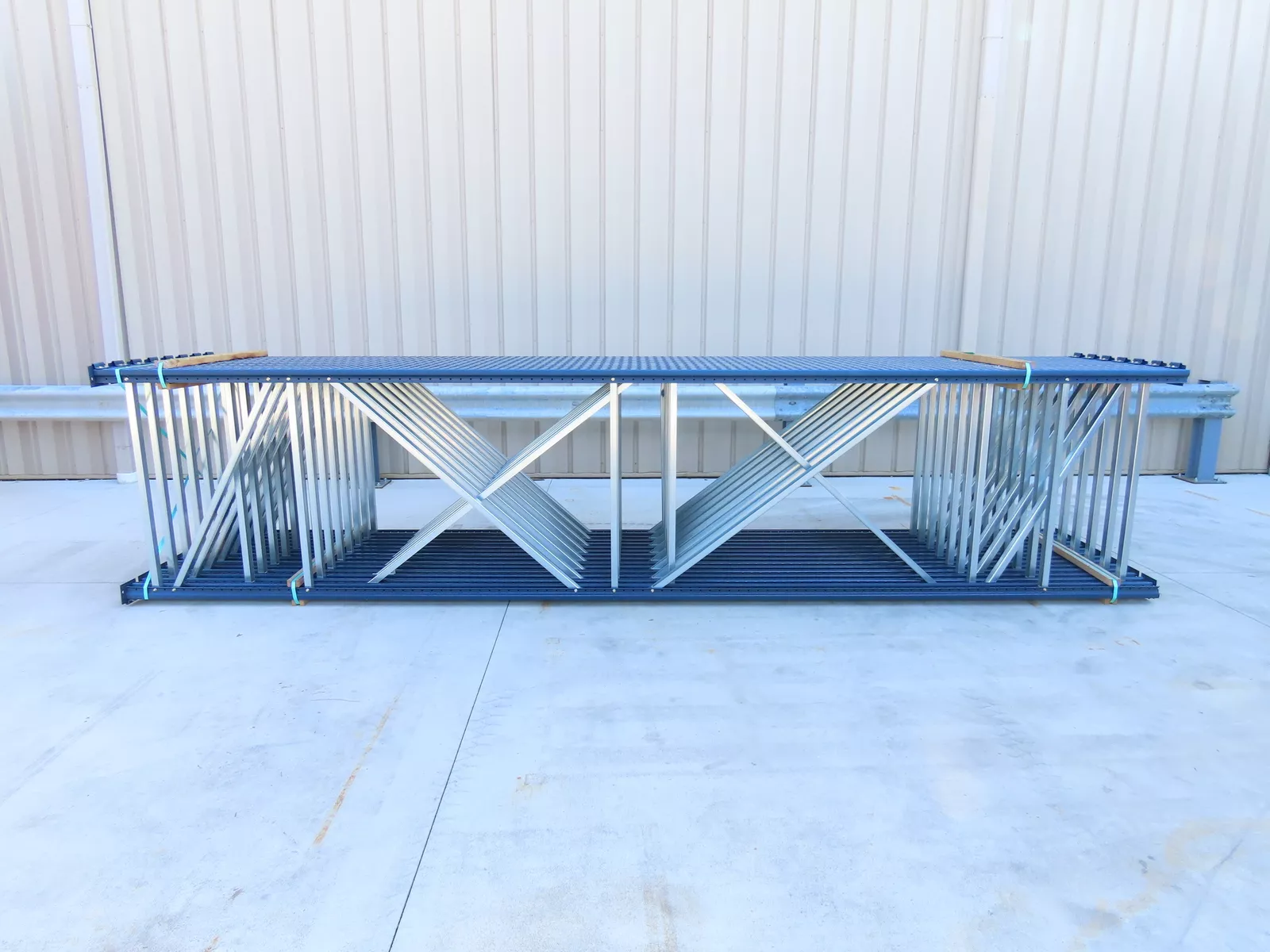
The future of warehouse racking is brighter than ever. By embracing automation, IoT, flexibility, and sustainability, businesses can optimize their operations and respond swiftly to the demands of a changing market landscape. The innovations emerging in this space are not just trends; they are transformative strategies paving the way for the future of logistics.
What Innovations Are Emerging In Warehouse Racking?
What Innovations Are Emerging In Warehouse Racking?
- The evolution of warehouse racking systems is transforming logistics and inventory management in response to e-commerce demands.
- Automated racking systems, like Amazon’s Kiva robots, enhance productivity and reduce worker injuries.
- IoT integration allows real-time monitoring of stock levels and conditions, improving inventory management.
- Dynamic racking solutions enable quick reconfiguration to address inventory fluctuations and market demands.
- Modular racking systems provide adaptability to varying product sizes, enhancing resilience during disruptions.
- Sustainability trends are driving the development of racking systems made from recycled materials to minimize environmental impact.
- Embracing automation, IoT, flexibility, and sustainability positions businesses for success in a changing market landscape.

What Innovations Are Emerging In Warehouse Racking?
Conclusion
In the high-stakes world of logistics and warehousing, efficiency isn’t just beneficial; it’s vital for survival and growth. As we’ve explored throughout this article, warehouse racking systems play an instrumental role in optimizing space, enhancing operational effectiveness, and guarding against the chaos that can arise from poor organization. The right racking systems are more than mere storage solutions—they are strategic investments that can yield returns in increased productivity, accuracy, and safety.
As inventory complexities rise and supply chains shift in real-time, warehousing practices must adapt accordingly. Organizations that leverage tailored racking systems not only benefit from improved space utilization but also enjoy enhanced adaptability to evolving market demands. Brands that have optimized their racking have reported substantial improvements, such as increased storage capacity, reduced retrieval times, and lower labor costs—significantly boosting their bottom lines.
However, choosing the right racking solution is not a one-size-fits-all endeavor. It demands a comprehensive understanding of your unique inventory needs, physical warehouse layout, and compliance with safety regulations. Moreover, effective training and a commitment to routine maintenance are paramount to securing ongoing efficiency and safety within your operation.
Now is the time to act. As businesses worldwide adapt to the rapid changes brought on by e-commerce and global supply chain fluctuations, falling behind in implementing modern, efficient racking solutions could risk your competitive edge. Don’t let disorganization and outdated practices hold your operation hostage.
If your business is ready to take the next step towards transforming its warehouse into a well-oiled machine, contact Arrow Industrial Sales today at (574) 349-6575. Our team of experts is poised to guide you through the selection and implementation of the ideal racking solution tailored to your specific needs. Embrace the potential of warehouse racking—elevate your operations, boost your efficiency, and secure your place at the forefront of the industry. The time to optimize is now!

Conclusion
Conclusion:
- Efficiency in logistics and warehousing is vital for survival and growth.
- Warehouse racking systems optimize space and enhance operational effectiveness.
- Proper racking systems lead to increased productivity, accuracy, and safety.
- Organizations with tailored racking systems can better adapt to market demand shifts.
- Optimized racking can result in increased storage capacity and reduced labor costs.
- Selecting the right racking solution requires understanding unique inventory needs and safety compliance.
- Contact Arrow Industrial Sales to optimize your warehouse operations today.

Conclusion
Other Resources

Other Resources
Here is a list of other resources you can review online to learn more:
Use This Prompt To Get More Resources With Your Favorite Online AI Tool: Please provide me with a list of online articles with their URLS in a bulleted list that I can read regarding What Is Warehouse Racking?

Other Resources
Glossary Terms
What Is Warehouse Racking? – Glossary Of Terms
1. Warehouse Racking: A system of storage solutions that utilizes vertical space in warehouses to store goods efficiently.
2. Pallet Rack: A framework used to hold pallets off the ground, allowing for easy access and better inventory organization.
3. Selective Racking: A type of racking that allows easy access to each pallet individually, making it ideal for warehouses with a variety of products.
4. Drive-In Rack: A high-density storage system that allows forklifts to drive into the racking system, maximizing space usage.
5. Push Back Rack: A racking system where pallets are loaded from the front and pushed back onto a series of slanted rails, allowing for multiple pallets deep.
6. Flow Rack: A racking system that incorporates gravity to move products from the back of the rack to the front, improving the picking process.
7. Cantilever Rack: A storage rack designed to store long or bulky items that cannot be stacked, featuring arms that extend from vertical columns.
8. Shelf Rack: A system with multiple horizontal shelves, suitable for storing non-palletized goods such as smaller boxes and supplies.
9. Mezzanine: An elevated platform within a warehouse that adds additional storage space without expanding the building’s footprint.
10. Column: Vertical support structures in racking systems that bear the load of the shelves and pallets above them.
11. Crossbeam: Horizontal beams that connect between columns to support the structure and store pallets.
12. Load Capacity: The maximum weight that a racking system can safely support, which varies by design and material.
13. Aisle Width: The distance between racks, which is crucial for maneuverability and safety for forklifts and personnel.
14. Pick Face: The area of a racking system from which products are retrieved, designed for optimal accessibility.
15. Stock Rotation: A method used to manage inventory, ensuring older stock is used before newer stock, often implemented in flow racks.
16. Inventory Management: The process of tracking and managing inventory levels, orders, and deliveries to optimize storage and reduce waste.
17. Safety Compliance: Adherence to regulations and standards to ensure the structural integrity and safety of warehouse racking systems.
18. Forklift: A powered warehouse vehicle used to lift and move materials, essential for operations involving racking systems.
19. Static Racking: A fixed racking solution where goods are stored without the use of moving parts or machines, featuring stationary shelves.
20. Dynamic Racking: A racking system designed to allow for the movement of goods either through mechanical systems or gravity, enabling rapid inventory turnover.
21. Dunnage: Materials used to protect products during storage and transit, often placed within or around the racks.
22. Rack Guard: Protective barriers installed around racking systems to prevent damage from forklifts and other equipment.
23. Shelving Unit: A framework consisting of a series of horizontal surfaces for storing various items in a warehouse efficiently.
24. Anchoring: The process of securing a racking system to the floor or walls to prevent tipping or collapsing.
25. Custom Racking: Tailored racking solutions designed to meet specific warehouse needs based on the types of products stored.
26. High-Rise Racking: Tall racking systems that maximize vertical space, often requiring specialized equipment for access.
27. Racking Plan: A strategic layout designed for the placement of racking systems to optimize space and improve operational efficiency.
28. Distribution Center: A facility that focuses on the storage and distribution of goods, leveraging racking systems to enhance logistics.
29. Reverse Logistics: The process of moving goods from their final destination for returns, repairs, or recycling, often necessitating flexible racking solutions.
30. Warehouse Optimization: The practice of refining storage and retrieval processes within a warehouse to maximize efficiency and productivity, involving effective racking systems.

Glossary Of Terms
Other Questions
What Is Warehouse Racking? – Other Questions
If you wish to explore and discover more, consider looking for answers to these questions:
- What are the different styles of warehouse racking systems?
- How can businesses determine the best racking system for their needs?
- What are some common challenges faced when implementing warehouse racking?
- How does warehouse racking influence overall supply chain efficiency?
- What are the signs that a warehouse racking system needs to be updated or replaced?
- How can technology enhance warehouse racking systems?
- What kind of training do employees need for effective racking system use?
- Are there any emerging trends in sustainable warehouse racking materials?
- How can businesses measure the return on investment (ROI) for warehouse racking solutions?
- What are the typical lifespan and maintenance requirements for various racking systems?

Other Questions
Checklist
What Is Warehouse Racking? – A Checklist
1. Assess Your Needs
_____ Identify the types of products stored (size, weight, turnover rate).
_____ Analyze seasonal inventory patterns and adaptability requirements.
2. Measure Your Space
_____ Assess available height, width, and floor space in the warehouse.
_____ Consider clearance for forklifts and other machinery.
3. Choose the Right Racking System
_____ Evaluate different styles (selective, drive-in, push-back, cantilever, mezzanine).
_____ Consider accessibility and inventory turnover requirements.
4. Ensure Safety Compliance
_____ Familiarize yourself with OSHA guidelines and local safety regulations.
_____ Ensure racking systems have necessary safety certifications.
5. Implement a Maintenance Schedule
_____ Schedule regular inspections (weekly or biweekly) for wear and damage.
_____ Keep a detailed maintenance log for inspections and repairs.
6. Train Your Team
_____ Conduct training sessions on load limits, safe handling, and racking usage.
_____ Update employees regularly on best practices and safety protocols.
7. Optimize Inventory Management
_____ Implement tools like RFID or barcode systems for accurate tracking.
_____ Consider using FIFO (First In, First Out) to reduce spoilage and waste.
8. Monitor and Evaluate Performance
_____ Track capacity utilization, pick rates, and cycle times regularly.
_____ Assess the damage ratio to ensure inventory integrity.
9. Adapt and Innovate
_____ Keep up with trends in racking innovations (automation, IoT, sustainability).
_____ Be flexible with racking configurations to accommodate changing inventory needs.
10. Plan for Future Growth
_____ Assess scalability options of the racking system for business growth.
_____ Prepare to evolve your racking solutions as market demands shift.
By following this checklist, you can effectively optimize your warehouse racking, enhance operational efficiency, and ensure a safer working environment. Make the smart choice—your bottom line will thank you!
Checklist
At RackingWorld, we help guide you through selecting warehouse storage systems and racking.
Be sure to read our other related stories at RackingWorld to learn more about warehouse storage systems.
0 Comments