
Mastering Warehouse Design: Avoid These Costly Errors
By Tom Seest
At RackingWorld, we help guide you through selecting warehouse storage systems and racking.
Be sure to read our other related stories at RackingWorld to learn more about warehouse storage systems.
What Common Mistakes Should You Avoid In Warehouse Design?
When it comes to warehouse design, the stakes are high. A well-thought-out layout can propel your operations to new heights, while poor planning can lead to chaos, inefficiencies, and ultimately, lost profits. Do you want your warehouse to be a well-oiled machine, or a source of headaches? Let’s eliminate the guesswork and explore the common pitfalls you can dodge—starting with one crucial element: pallet racking.
Overlooking Storage Optimization
To begin, many businesses underestimate the significance of proper pallet racking. The design of your racking system directly impacts the flow of goods and the ability to make the most of your vertical space. A common blunder is failing to select the right pallet racking system for your inventory. Is your stock fast-moving or slow? Bulky or compact? Tailor your racking to fit your specific needs. An inefficient racking system can lead to unnecessary downtime and frustrated staff, which, as you can guess, trickles down to the customer experience.
Ignoring Workflow Design
Another frequent mistake is neglecting the workflow within the warehouse. Think of your operation as a finely tuned orchestra. Every movement and action should harmonize with others to create a seamless process. Avoid convoluted pathways or confusing layouts that lead to bottlenecks. By intentionally designing the workflow to minimize backtracking and maximize efficiency, you empower your team to do their best work, allowing them to focus on what really matters—serving your customers.
Poor Space Utilization
Space is money, and not utilizing it wisely can be one of the most costly mistakes. Don’t fill every inch with inventory; that’s not the goal. Instead, strategically plan where and how to store items, taking into account peak seasons. Understand that your warehouse is not just for storage—it’s an active hub of movement. Failing to account for this will result in wasted resources and less flexibility.
Neglecting Safety and Accessibility
Finally, let’s not forget about safety. A hurried design often compromises safety features. Ensure that your layout adheres to safety regulations and provides easy accessibility for employees, equipment, and emergency exits. A safe warehouse is a productive warehouse, and your team will appreciate the attention to their well-being.
In summary, avoiding these common mistakes can set the foundation for a successful warehouse operation. By paying attention to pallet racking, workflow design, space utilization, and safety, you can transform your warehouse into a beacon of efficiency and profitability. As you tackle these critical aspects, you’ll foster an environment where both your team and business can thrive. So roll up those sleeves, because it’s time to elevate your warehouse game!
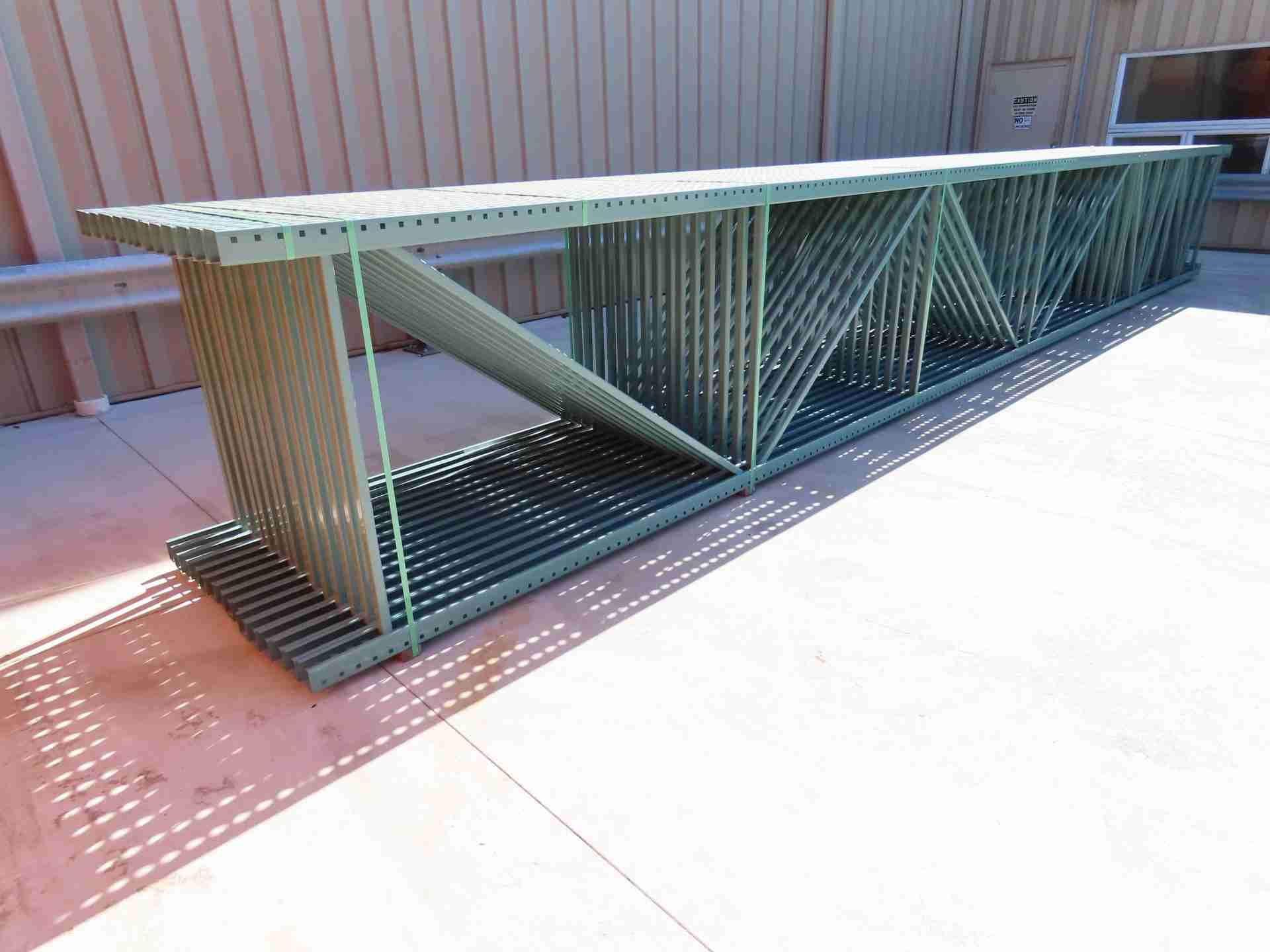
What Common Mistakes Should You Avoid In Warehouse Design?
What Common Mistakes Should You Avoid In Warehouse Design?
- Effective warehouse design is crucial for operational success and profitability.
- Proper pallet racking is essential; selecting the right system based on stock characteristics is key.
- A well-designed workflow minimizes bottlenecks and enhances team efficiency.
- Strategic space utilization is vital—avoid filling every inch and plan for peak seasons.
- A warehouse should be an active hub, not just a storage space to prevent resource wastage.
- Safety and accessibility must not be compromised; adherence to safety regulations is essential.
- Addressing these common pitfalls can lead to a more efficient and profitable warehouse operation.
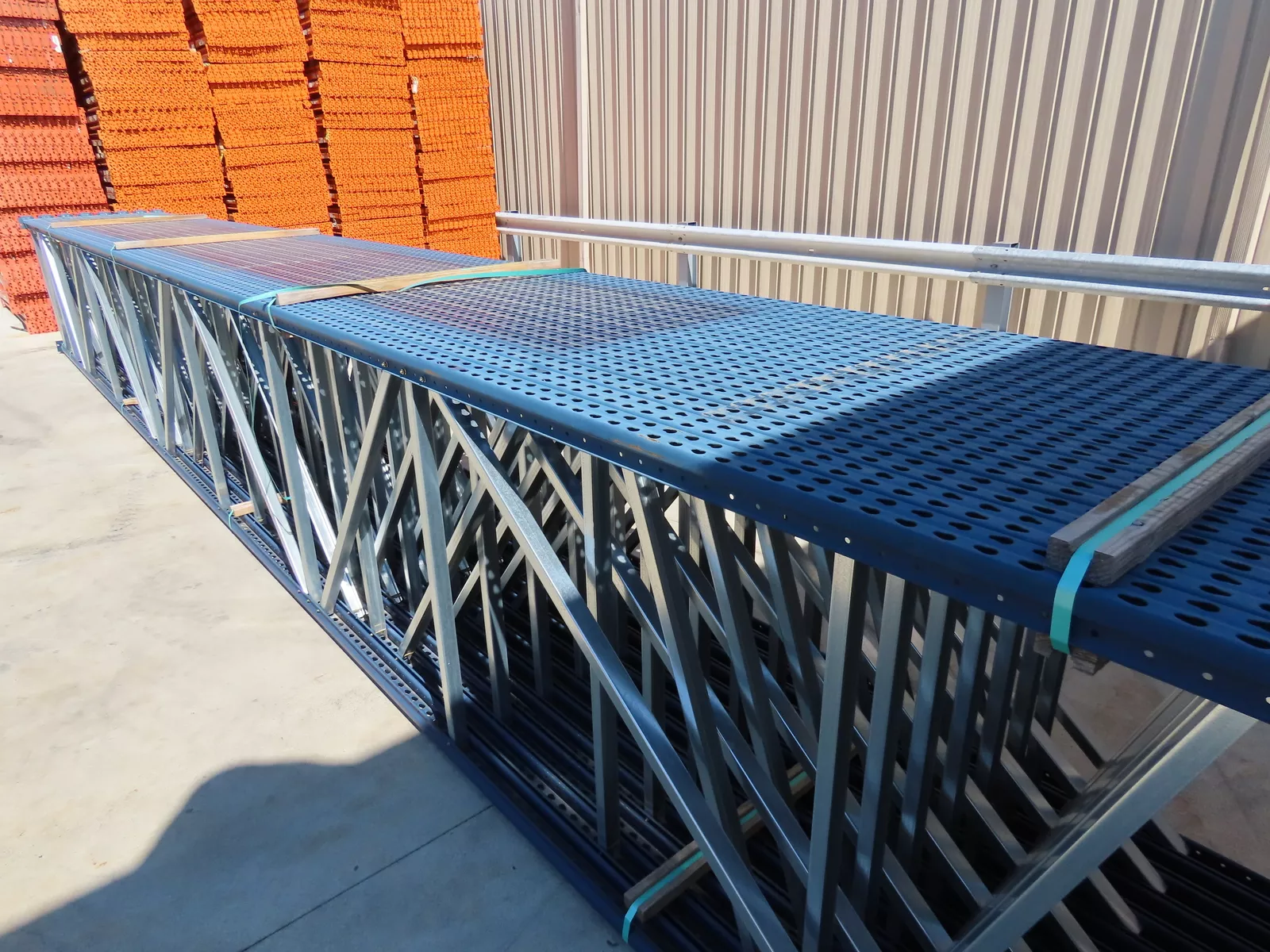
What Common Mistakes Should You Avoid In Warehouse Design?
Table Of Contents
- What Common Mistakes Should You Avoid In Warehouse Design?
- What Are The Key Principles Of Effective Warehouse Design?
- How Does Poor Layout Impact Warehouse Efficiency?
- What Are Common Mistakes In Warehouse Space Utilization?
- How Can Inadequate Shelving Affect Inventory Management?
- Why Is It Essential To Plan For Future Growth In Warehouse Design?
- What Role Does Technology Play In Modern Warehouse Design Mistakes?
- Conclusion
- Other Resources
- Glossary Of Terms
- Other Questions
- Checklist
What Are The Key Principles Of Effective Warehouse Design?
When it comes to crafting an efficient warehouse, the elevation of your logistics game starts with a strong foundation—literally and figuratively. Picture your warehouse as a finely tuned machine, with every part working harmoniously toward boosting productivity, reducing costs, and ultimately enhancing customer satisfaction. So, why settle for less when you can embrace these key principles that ensure your warehouse design is as effective as it is efficient?
Optimizing Space: Unleashing Potential
Imagine walking into a warehouse where every inch is maximized for productivity. This is where pallet racking enters the spotlight. These innovative systems allow you to stack a diverse range of products vertically, thereby minimizing the footprint of your storage area. By utilizing pallet racking, you can store more inventory without the need for expanding your facility, saving on real estate costs and allowing for a streamlined operation.
Intuitive Layout: Navigation with Purpose
Now, let’s transform the chaos of moving goods into a ballet of efficiency. An intuitive warehouse layout that prioritizes the flow of goods is a non-negotiable principle. Think about it: a well-organized space minimizes travel time, reduces labor costs, and enhances overall productivity. Invest in an effective path for the movement of both people and inventory, ensuring that picking and restocking procedures are as seamless as possible.
Embracing Technology: The Future is Here
The world is advancing at lightning speed, and your warehouse design should reflect that. Integrating technology—think inventory management systems, automated guided vehicles, or even AI-driven analytics—transforms the way you operate. This trend isn’t just a perk; it’s a necessity. Embracing technology not only brings efficiency but also fosters transparency, allowing you to make informed decisions that propel your business forward.
Safety First: Building Trust
Last but certainly not least, prioritizing safety creates a culture of trust—both for your employees and your clients. A well-thought-out warehouse design incorporates clear pathways, proper storage techniques, and adherence to safety regulations. When your team feels secure in their environment, productivity soars, building a foundation of loyalty that translates into better service for your customers.
Effective warehouse design harmonizes these key principles to create a powerhouse of efficiency. By optimizing space with pallet racking, crafting an intuitive layout, embracing technology, and ensuring safety, you position your business not just to compete, but to thrive. Start reimagining your warehouse today—the benefits will be immeasurable, and your bottom line will thank you.
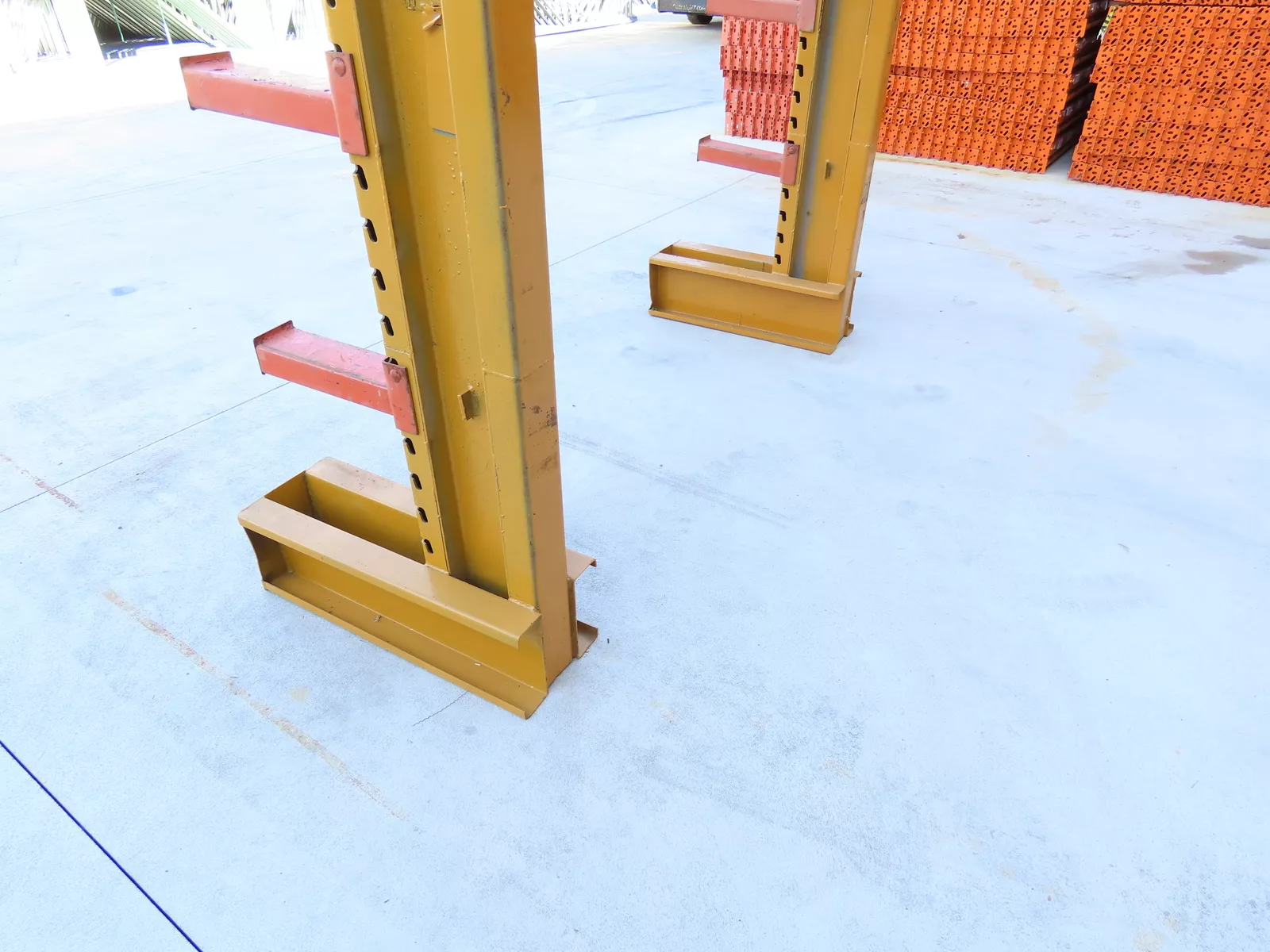
What Are The Key Principles Of Effective Warehouse Design?
What Are The Key Principles Of Effective Warehouse Design?
- Strong Foundation: A well-designed warehouse boosts productivity, reduces costs, and enhances customer satisfaction.
- Optimizing Space: Utilize pallet racking systems to maximize storage efficiency and minimize real estate costs.
- Intuitive Layout: Organize the warehouse to streamline the flow of goods, reducing travel time and labor costs.
- Embracing Technology: Integrate systems like inventory management and AI analytics to enhance operational efficiency and transparency.
- Safety First: Implement safety protocols to create a secure environment for employees, fostering trust and productivity.
- Harmonizing Principles: Combine space optimization, intuitive layout, technology, and safety for a powerful warehouse design.
- Future Growth: Reimagine your warehouse to thrive in a competitive landscape, benefiting both operations and the bottom line.
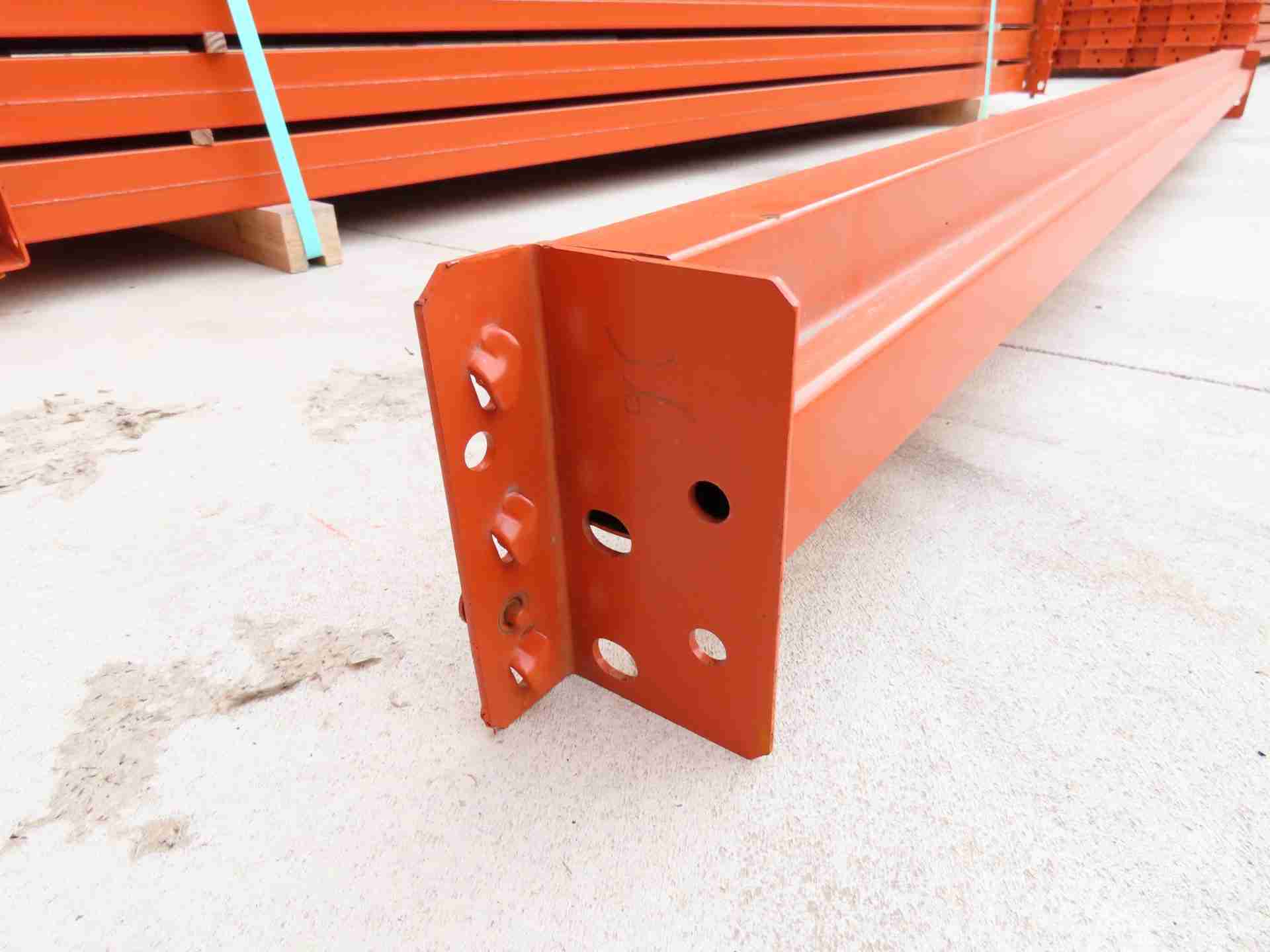
What Are The Key Principles Of Effective Warehouse Design?
How Does Poor Layout Impact Warehouse Efficiency?
Picture this: a bustling warehouse, machines whirring, workers efficiently moving products from shelves to loading docks. Now, imagine if that same warehouse was filled with chaos—dropped pallets, aisles jam-packed with equipment, and a disorganized maze of pallet racking. How would this affect productivity and morale? In the world of warehousing, a poor layout can transform a vibrant hub of activity into a spiraling pit of inefficiency.
First, let’s consider the costs. A cluttered space doesn’t just waste time; it becomes a literal money pit. Every minute spent navigating around obstructions is a minute lost—time that could otherwise be devoted to picking orders, managing inventory, or even improving customer service. When your pallet racking isn’t strategically placed, workers waste precious seconds locating items or trying to maneuver around overcrowded areas. Multiply that by the number of workers and shifts you run, and the inefficiencies quickly escalate into a costly drain on your bottom line.
But it’s not just about dollars. Think about the impact on your team’s morale. A poorly laid out warehouse can stifle motivation and lead to frustration. When your staff feels like they’re on an endless scavenger hunt for the right item on the wrong pallet, you’ll likely see an increase in errors, accidents, and absenteeism. An organized, well thought out space fosters a sense of control and empowerment, allowing your workforce to take pride in their work and deliver their best performance.
So, what can you do? Start by assessing your current layout. Are your pallet racking systems effectively utilized? Are they designed for easy access to fast-moving products? Implementing changes doesn’t mean a complete overhaul; sometimes it involves simple adjustments that can lead to a noticeable uptick in efficiency. Evaluate your aisles, ensure that there’s ample space for picking and replenishing, and consider the flow of traffic.
In essence, your warehouse layout is more than just a floor plan; it’s the circulatory system of your operation. By investing the time and resources to optimize that space today, you’ll cultivate a thriving warehouse environment. In turn, you’ll not only boost productivity but also nurture a culture of excellence—one that resonates through every order filled and shipment dispatched. It’s time to reclaim that efficiency, one pallet racking solution at a time.
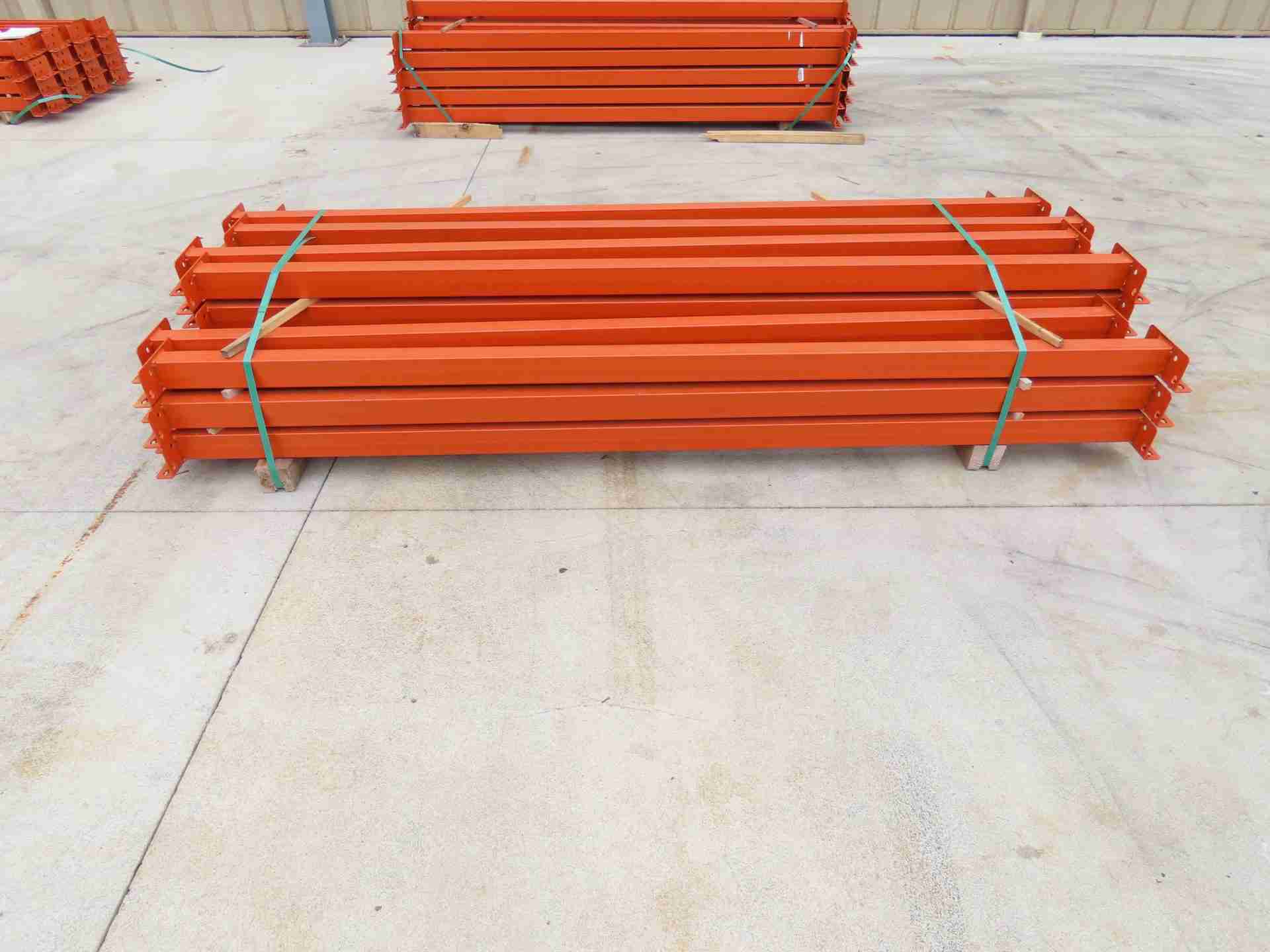
How Does Poor Layout Impact Warehouse Efficiency?
How Does Poor Layout Impact Warehouse Efficiency?
- A cluttered warehouse layout leads to inefficiencies, wasted time, and increased costs.
- Time spent navigating obstructions detracts from order picking and inventory management.
- A disorganized space negatively affects team morale, leading to frustration and errors.
- An organized layout fosters employee motivation and pride in their work.
- Assess and optimize your pallet racking systems for easy access to fast-moving products.
- Small layout adjustments can significantly enhance workflow efficiency.
- Investing in an optimized warehouse layout promotes a culture of excellence and boosts overall productivity.
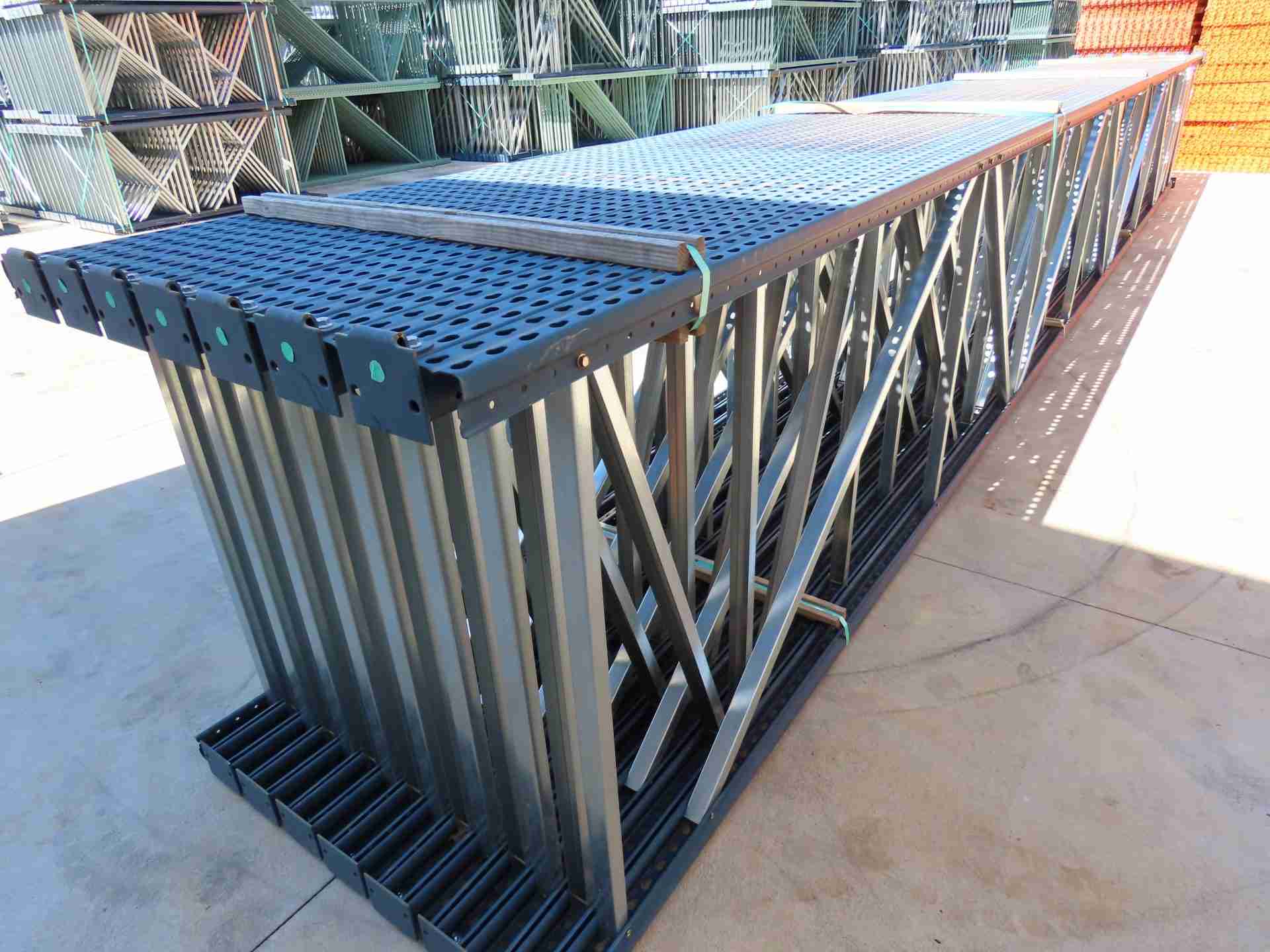
How Does Poor Layout Impact Warehouse Efficiency?
What Are Common Mistakes In Warehouse Space Utilization?
When it comes to warehouse space utilization, many businesses struggle with the same pitfalls time and again. Ignoring these common mistakes can mean the difference between thriving operations and a costly strain on your resources. So, let’s dive into the habits that can trip you up and keep your warehouse from running smoothly.
One of the most glaring issues that many warehouses face is the inefficient design of pallet racking systems. Imagine scrambling to find an essential item because your racking is cramped or poorly organized. Suboptimal pallet racking not only leads to lost productivity but also creates chaos, sending your employees on frustrating scavenger hunts. Instead of maximizing the vertical space, they are often limiting it. Re-evaluating your racking layout can allow you to increase storage capacity without a significant investment.
Another common mistake is overlooking the importance of inventory management. Many warehouses stockpile items without adequately tracking their movement. If your stock is outdated or if you’re repeatedly searching for products that are hiding in the back under piles of inventory, it’s high time to implement a robust inventory management system. This ensures you know exactly what you have, reduces redundancy, and ultimately frees up precious space.
Don’t underestimate the value of proper training. An often-overlooked aspect of warehouse management is the staff’s understanding of space utilization techniques. Employees should be trained not just in their specific duties, but also in the fundamentals of maximizing space, efficiently navigating the warehouse, and adhering to best practices. When your team understands the big picture, they can contribute to a more streamlined operation, effortlessly aligning their efforts with your overall strategy.
Lastly, one mistake many warehouse managers make is neglecting to regularly reassess their layout and processes. The demands of business change, and what worked last year may not be compatible with your current needs or future growth. Schedule regular evaluations of your warehouse structure and space utilization strategies. By staying proactive, rather than reactive, you can stay ahead of issues before they burden your operations.
Ultimately, the path to efficient warehouse space utilization is paved with awareness, training, and a willingness to adapt. By addressing these common mistakes head-on, you’re not just making your warehouse more efficient; you’re fostering a culture of continuous improvement that will resonate throughout your entire operation. So, take charge today—optimize that space and watch your productivity soar!
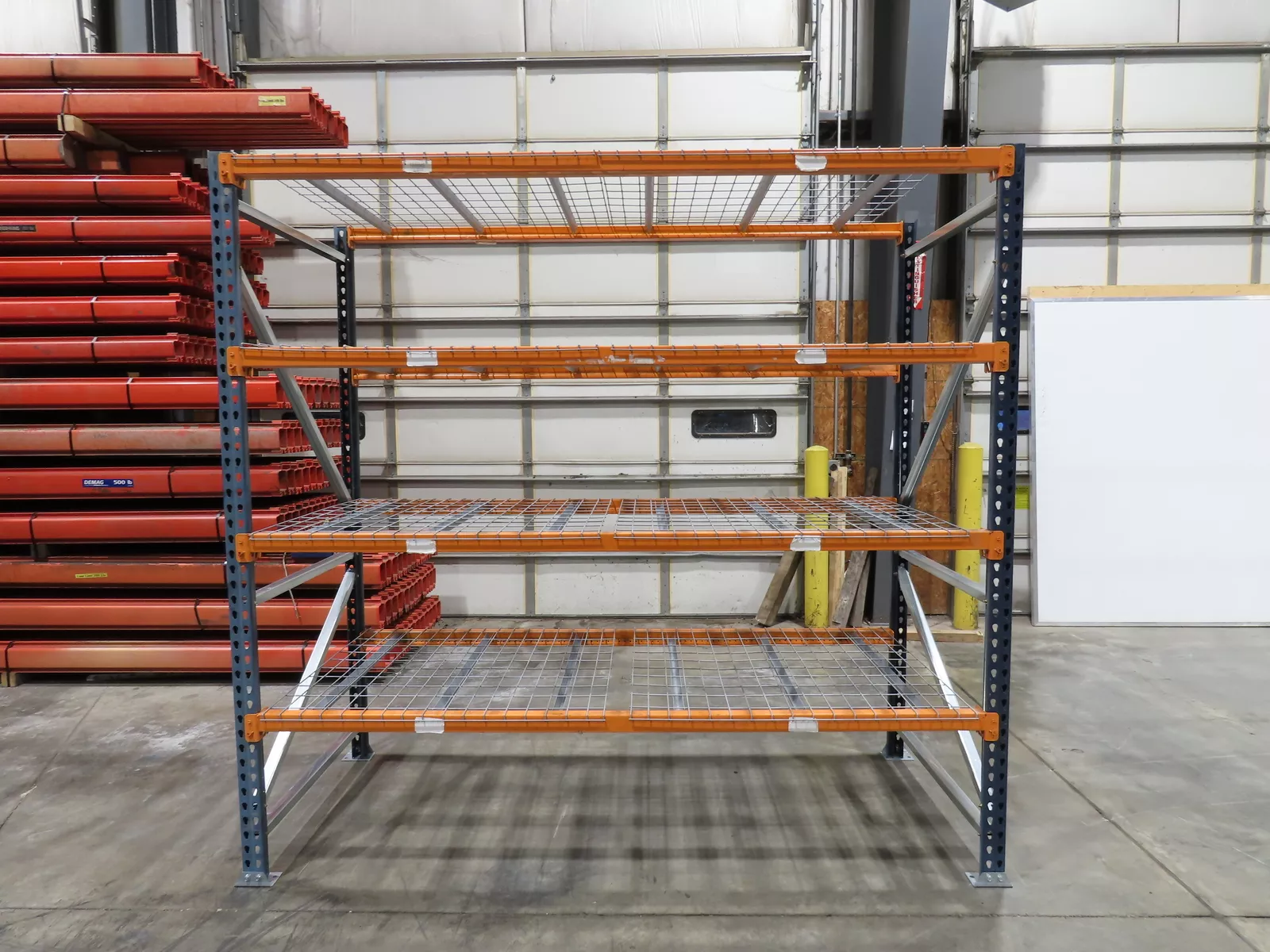
What Are Common Mistakes In Warehouse Space Utilization?
What Are Common Mistakes In Warehouse Space Utilization?
- Many businesses face common pitfalls in warehouse space utilization that can hinder operations.
- Inefficient design of pallet racking systems can lead to lost productivity and organizational chaos.
- Re-evaluating racking layouts can help increase storage capacity without significant investment.
- Overlooking inventory management leads to stockpiling and outdated items, complicating operations.
- Implementing a strong inventory management system ensures accurate tracking and reduces redundancy.
- Proper employee training on space utilization techniques enhances warehouse efficiency and aligns efforts.
- Regular reassessment of layout and processes is essential to keep pace with changing business demands.
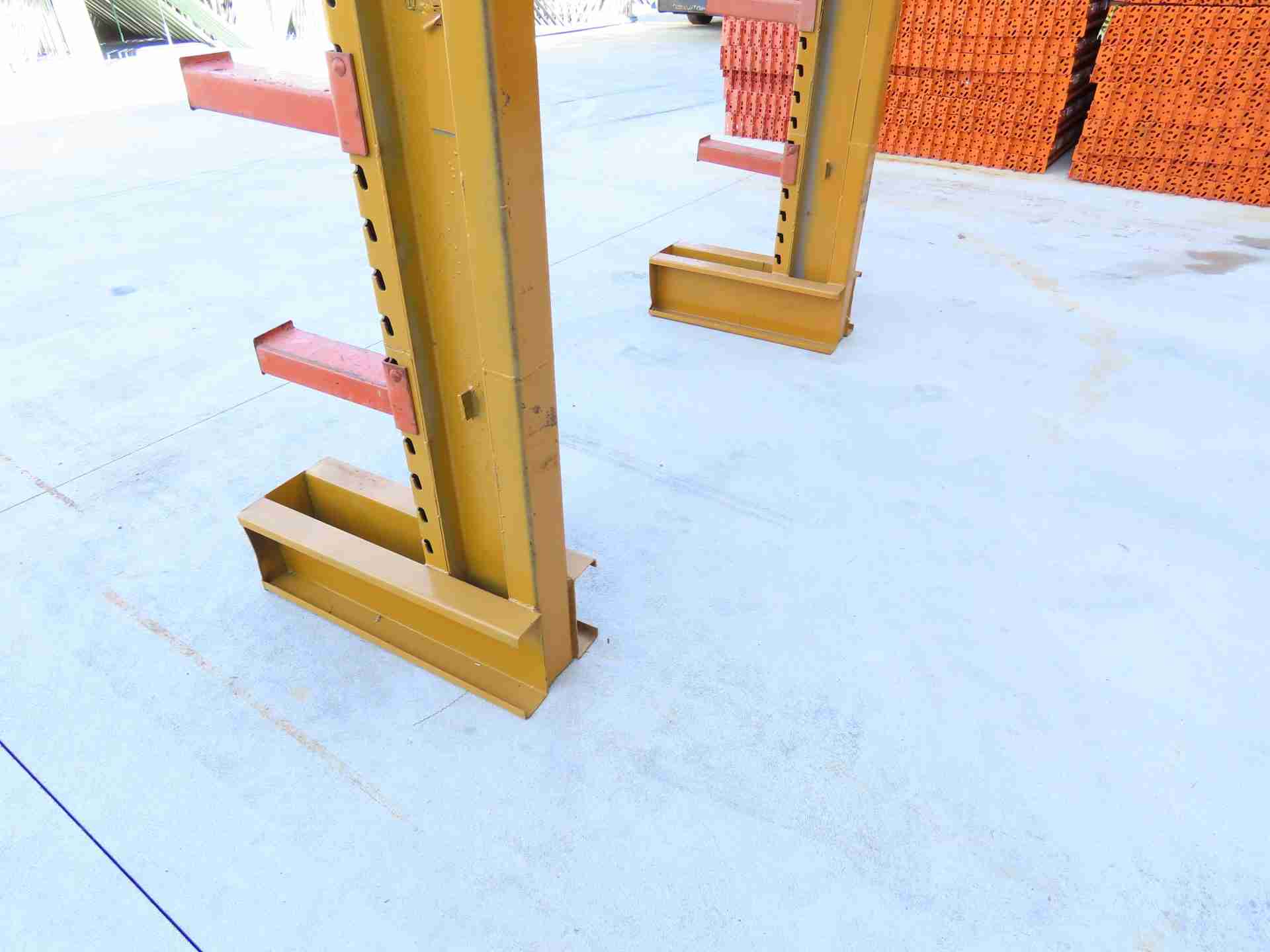
What Are Common Mistakes In Warehouse Space Utilization?
How Can Inadequate Shelving Affect Inventory Management?
In the ever-evolving world of inventory management, it often seems like every detail matters—and it certainly does! One of the most critical factors often overlooked is the quality of your shelving system. Inadequate shelving can turn what should be an efficient supply chain into a chaotic mess, disrupting productivity and causing unnecessary headaches.
Imagine walking into a warehouse where products are piled high, teetering precariously on flimsy shelves that lack structure. It’s not just a visual disaster; it’s a recipe for disaster in your inventory management. Without a sturdy system like pallet racking, products may be difficult to access, leading to time wasted searching for items. And we all know that time equals money. How much are those minutes and hours costing your bottom line?
Furthermore, inadequate shelving can result in inventory discrepancies that can keep you awake at night. You could easily overlook what you have in stock, leading to over-ordering or under-ordering. If your shelves aren’t designed for an effective stock rotation, you risk losing money on expired products or outdated inventory. Red flags should be going up at this point. Your organization deserves a shelving system that allows you to take control rather than feel like you’re constantly playing catch-up!
Think of your inventory management as an intricate dance. Each move counts, and a weak link in your shelving can throw the entire performance off balance. Solid storage solutions—like pallet racking—allow you to elevate your product accessibility while maximizing your floor space. When every item has its dedicated place, you can spend less time searching and more time selling.
Now, let’s get personal. Consider your own experiences. Have you ever felt the frustration of scrambling to locate goods, only to find that they were hidden behind a mountain of disorganization? It’s a feeling that’s all too relatable and can lead to a lack of confidence in your inventory processes. By investing in a robust shelving system, you’re not just making an upgrade; you’re fostering trust in your operations.
In short, inadequate shelving can be a silent business killer. By prioritizing your shelving solutions, you can reclaim control, boost your inventory accuracy, and propel your operation towards success. Don’t wait for chaos to reign; take action today and watch your inventory management flourish!

How Can Inadequate Shelving Affect Inventory Management?
How Can Inadequate Shelving Affect Inventory Management?
- The quality of shelving systems is a critical factor in effective inventory management.
- Poor shelving can disrupt productivity and create chaos in the supply chain.
- Inadequate shelves can lead to time wastage searching for items, costing money.
- Inventory discrepancies may arise from lack of proper shelving, causing over or under-ordering.
- A sturdy shelving system, like pallet racking, enhances product accessibility and maximizes floor space.
- Investing in robust shelving builds trust and confidence in inventory operations.
- Prioritizing shelving solutions can improve inventory accuracy and overall operational success.
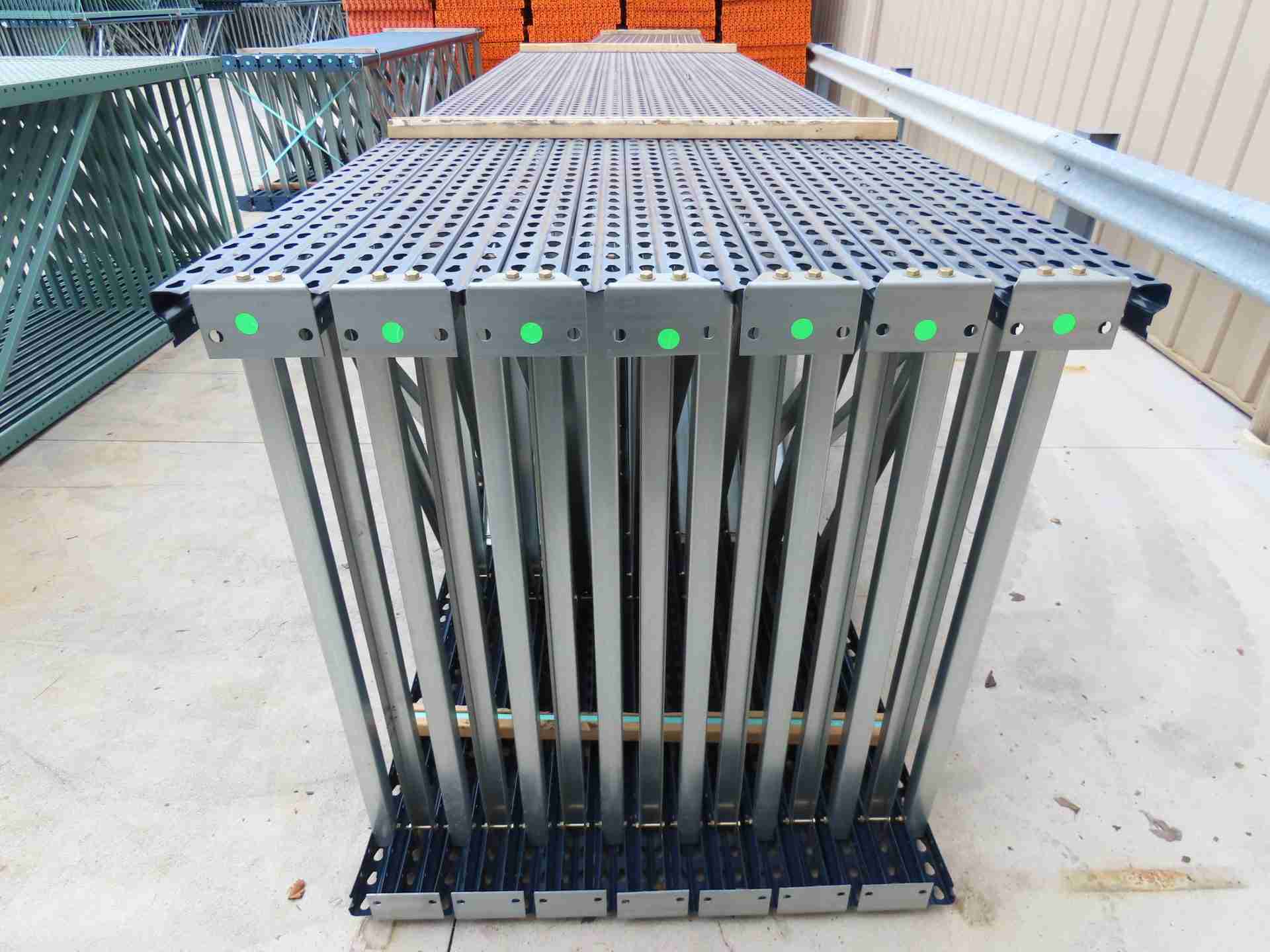
How Can Inadequate Shelving Affect Inventory Management?
Why Is It Essential To Plan For Future Growth In Warehouse Design?
When it comes to warehouse design, thinking ahead isn’t just beneficial—it’s critical. The landscape of business is always shifting, and if your warehouse isn’t tailored to accommodate change, you might find yourself at a significant disadvantage. Enter the concept of future growth planning. This isn’t just about where you’ll place your Pallet Racking today; it’s about enacting a vision for your operations that can scale with your business, ensuring that you’re not just prepared for tomorrow, but thriving in it.
Imagine standing in your warehouse a few years down the line. Your products are flying off the shelves, customer demand is at an all-time high, and your business is expanding. But wait—have you considered whether your space will be able to adapt? If the answer is no, you could be inadvertently setting the stage for chaos and inefficiency. If your design lacks foresight, you may scrape by, but no one wants to merely scrape by. The goal is to flourish, and that starts with a solid foundation.
A well-planned warehouse can efficiently accommodate new inventory and provide the flexibility to incorporate advanced technology. Picture this: modular Pallet Racking systems that can be reconfigured as you expand your product range. Not only does this solution minimize disruption, but it also maximizes productivity. Each inch of your space should be a strategic asset, engineered to respond swiftly as market demands change.
Moreover, future-proofing your warehouse opens doors to new opportunities. Scale your operations and embrace automation, optimize your logistics, or even reinvent your supply chain model. A thoughtful design not only secures your current inventory layout but also paves the way for experimentation and innovation—two crucial ingredients for sustaining growth in today’s fast-paced market.
By prioritizing future growth in your warehouse design, you’re not just safeguarding your investment; you’re also building a robust and agile framework that fosters resilience. This demonstrates to your stakeholders, employees, and customers that you are committed to not only your success but theirs as well. Trust in this proactive approach, and you’ll inspire confidence across every facet of your operations.
In short, when considering warehouse design, think beyond today. Craft your space with an eye toward the future, and you’ll create not just a warehouse but a growth powerhouse that thrives no matter what challenges lie ahead. Embrace this forward-thinking mindset, and position yourself as a leader, ready to tackle what’s next.
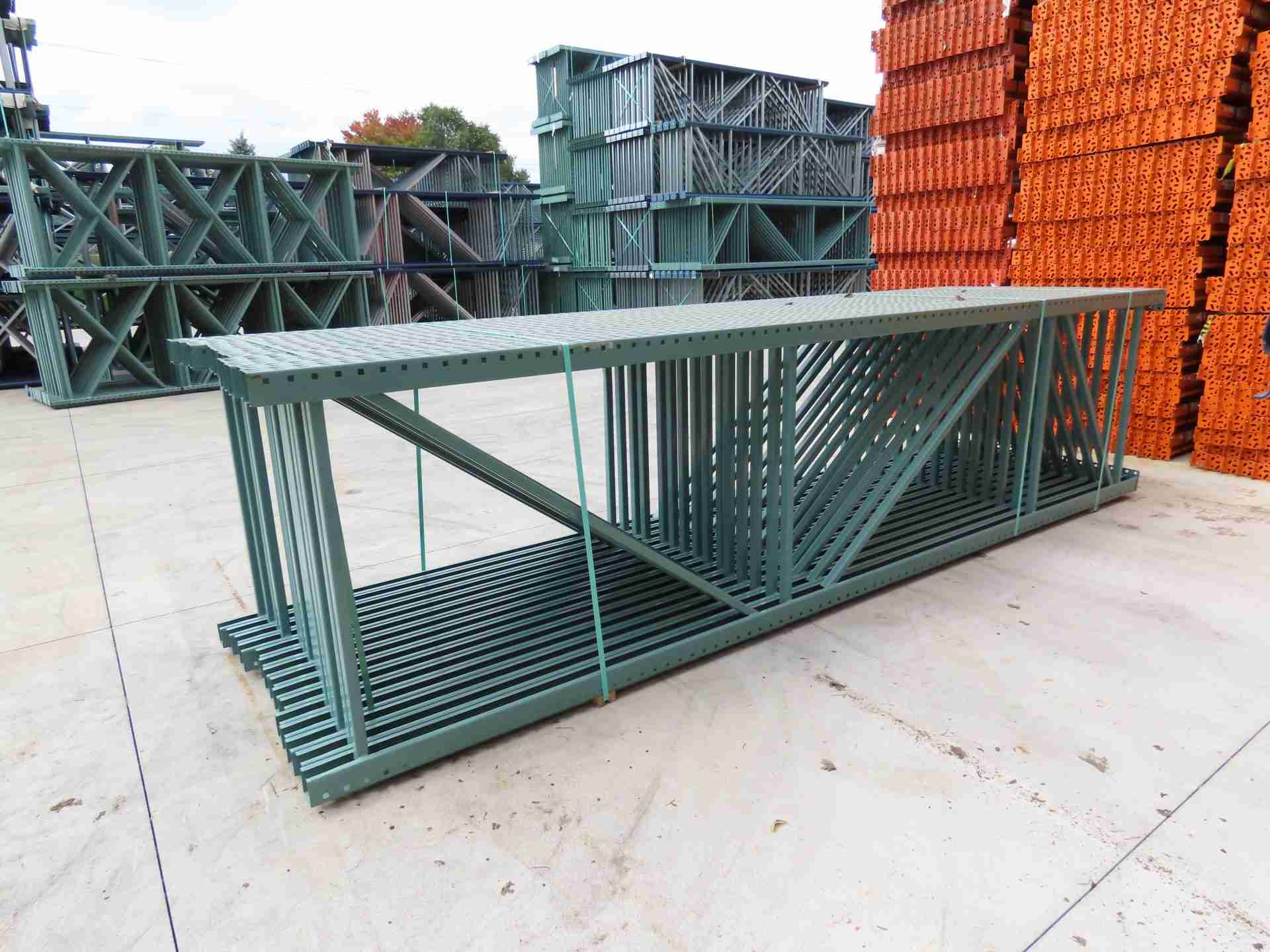
Why Is It Essential To Plan For Future Growth In Warehouse Design?
Why Is It Essential To Plan For Future Growth In Warehouse Design?
- Future growth planning is essential for effective warehouse design in a dynamic business landscape.
- A warehouse must be adaptable to accommodate changing demands and to prevent chaos and inefficiency.
- Well-planned warehouses can efficiently manage inventory and incorporate advanced technologies.
- Modular Pallet Racking systems allow for reconfiguration as product lines expand, maximizing productivity.
- Future-proofing creates opportunities for scaling operations, optimizing logistics, and innovating supply chains.
- Prioritizing growth in design builds a resilient framework that benefits stakeholders and inspires confidence.
- Embracing a forward-thinking mindset transforms a warehouse into a growth powerhouse, ready for future challenges.
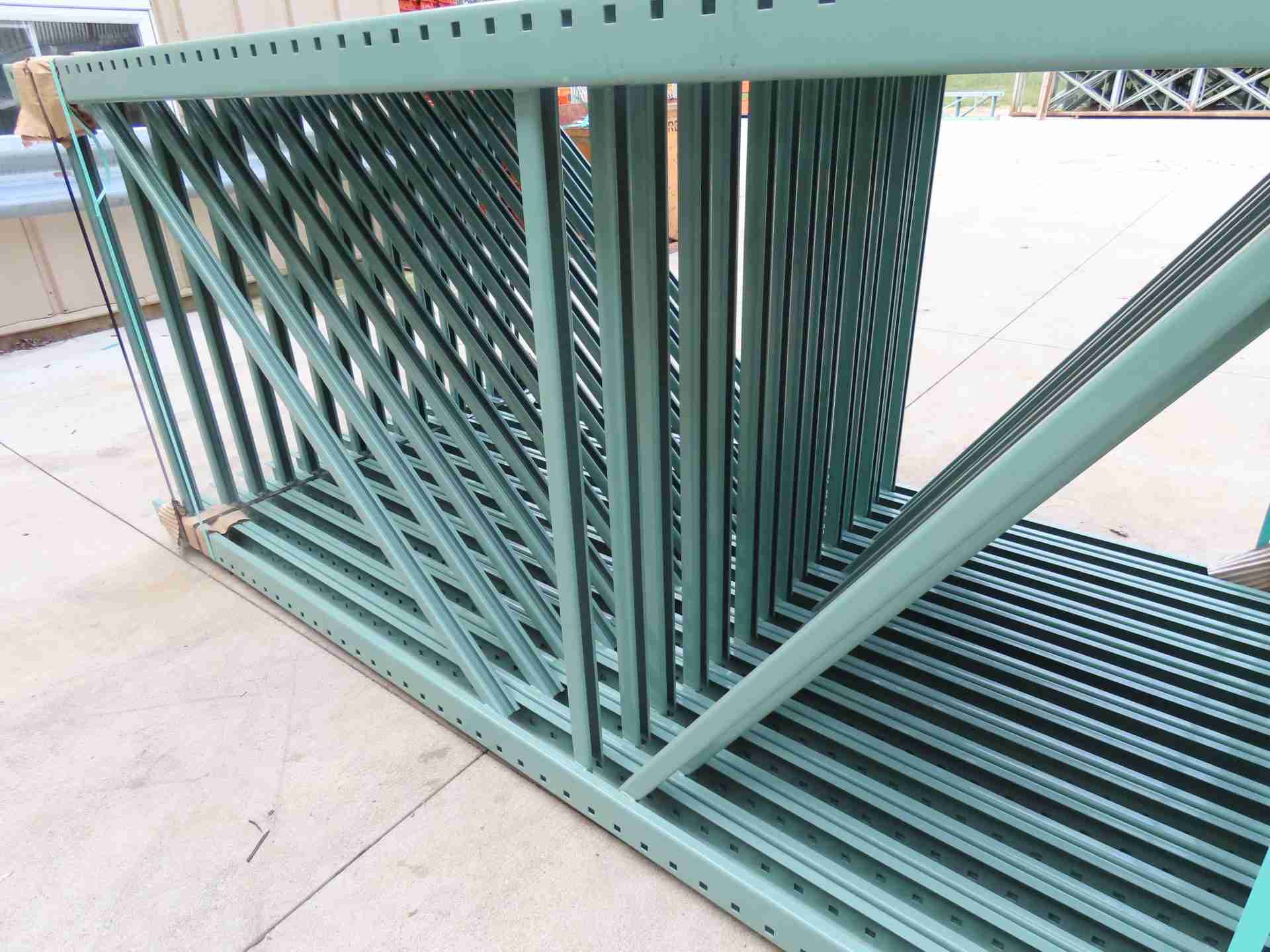
Why Is It Essential To Plan For Future Growth In Warehouse Design?
What Role Does Technology Play In Modern Warehouse Design Mistakes?
In today’s fast-paced world, the heartbeat of any successful distribution operation lies within the confines of its warehouse. The designs we implement are no longer just about maximizing space; they’re about leveraging technology to fuel operational efficiency. Yet, amidst this drive for innovation, many businesses stumble into common pitfalls that undermine their efforts. One of these is the improper integration of technology into warehouse design.
Picture this: Your warehouse brims with new pallet racking systems purchased at a hefty cost, eagerly awaiting the promise of increased productivity. Yet, without the right technological infrastructure in place, that promise quickly evaporates. Here lies the conundrum: technology should enhance, not complicate. Rushing headlong into high-tech systems without a solid strategy leads to chaos instead of clarity.
Feel the weight of misalignment! When technology supersedes fundamental logistics, it becomes easy to ignore the basic principles of good design. For instance, understanding how your pallet racking layouts interact with automated picking systems can mean the difference between seamless flow and frustrating logjams. Complex software solutions may dazzle with their capabilities but can also inadvertently create bottlenecks if not properly configured for specific warehouse layouts.
Now, consider the human element. Transaction data flowing through your Warehouse Management System should not only inform operational decisions; it should foster a genuine connection between your processes and your people. A technology-driven design should empower employees by providing intuitive interfaces and streamlined operations. When they can interact easily with critical data, not only do errors decline but morale skyrockets.
Moreover, while cutting-edge gadgets can be alluring, neglecting the basics often leads to truncated performance. A common oversight is failing to continuously update and train staff on evolving technology. Investing in your team yields impressive returns; after all, they are the heart of the operation.
So, how do we avoid the snares set by modern technology? It begins with a clear vision: integrate technologies that align with your strategic goals while keeping the fundamentals firmly in sight. By marrying cutting-edge tools with solid warehouse design principles, you cultivate an environment ripe for success.
Embrace the world of modern technology, but let it be a tool that supports your mission, not a complex maze that hinders it. The right design not only increases efficiency but also inspires trust in your team and stakeholders alike. It’s time to take a step back, reevaluate, and ensure that your technology serves to elevate your warehouse, not ensnare it.
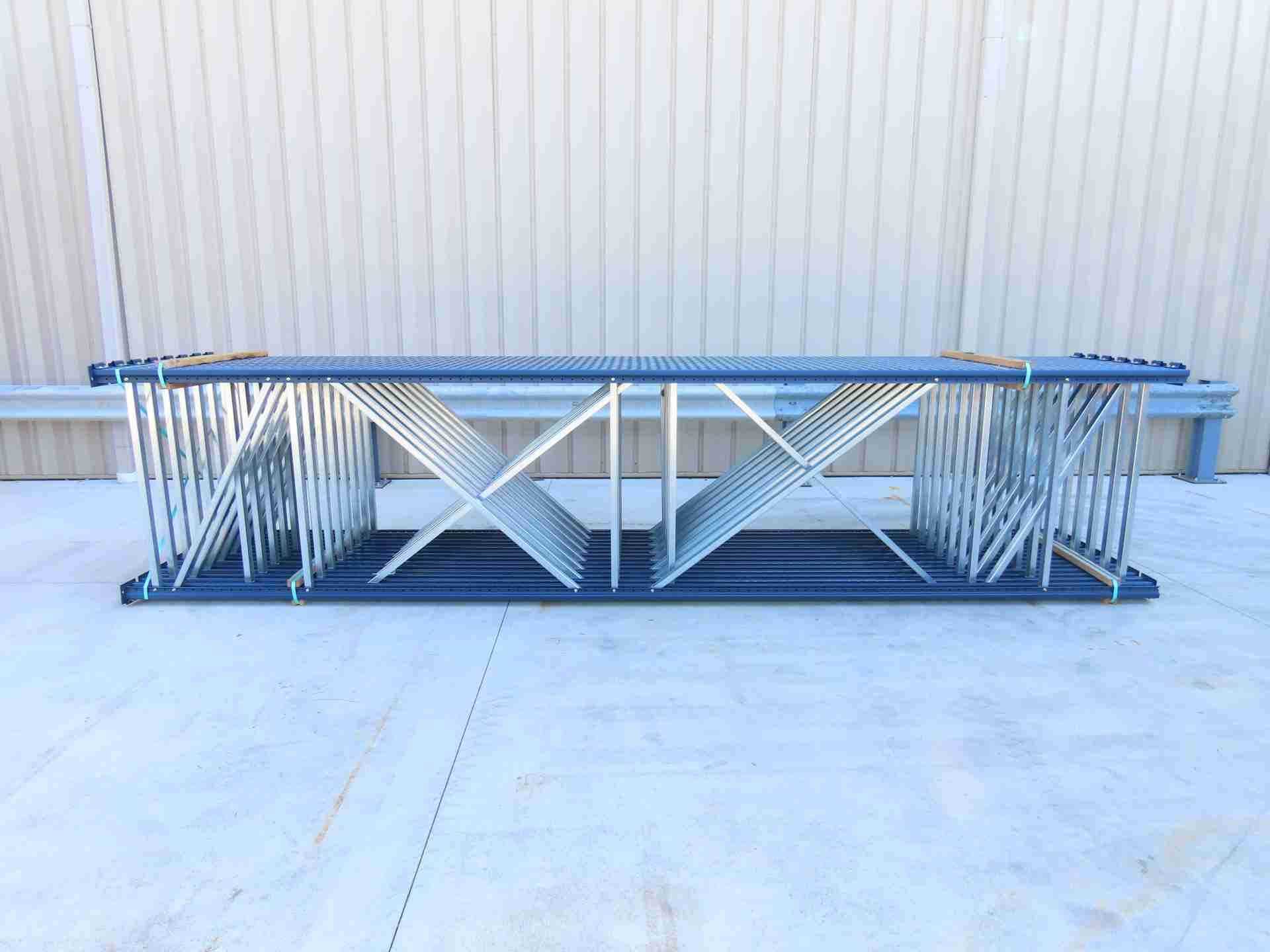
What Role Does Technology Play In Modern Warehouse Design Mistakes?
What Role Does Technology Play In Modern Warehouse Design Mistakes?
- The cornerstone of successful distribution operations lies in effective warehouse design.
- Warehouse designs should leverage technology to enhance operational efficiency, not complicate it.
- Improper technology integration can lead to chaos and degrade promised productivity.
- Misalignment occurs when technology overshadows fundamental logistics principles.
- Human elements and employee interaction with tech are crucial for reducing errors and boosting morale.
- Ongoing training and updates for staff are essential to maximize the efficiency of new technology.
- A clear vision that aligns technology with strategic goals is vital for successful warehouse operations.
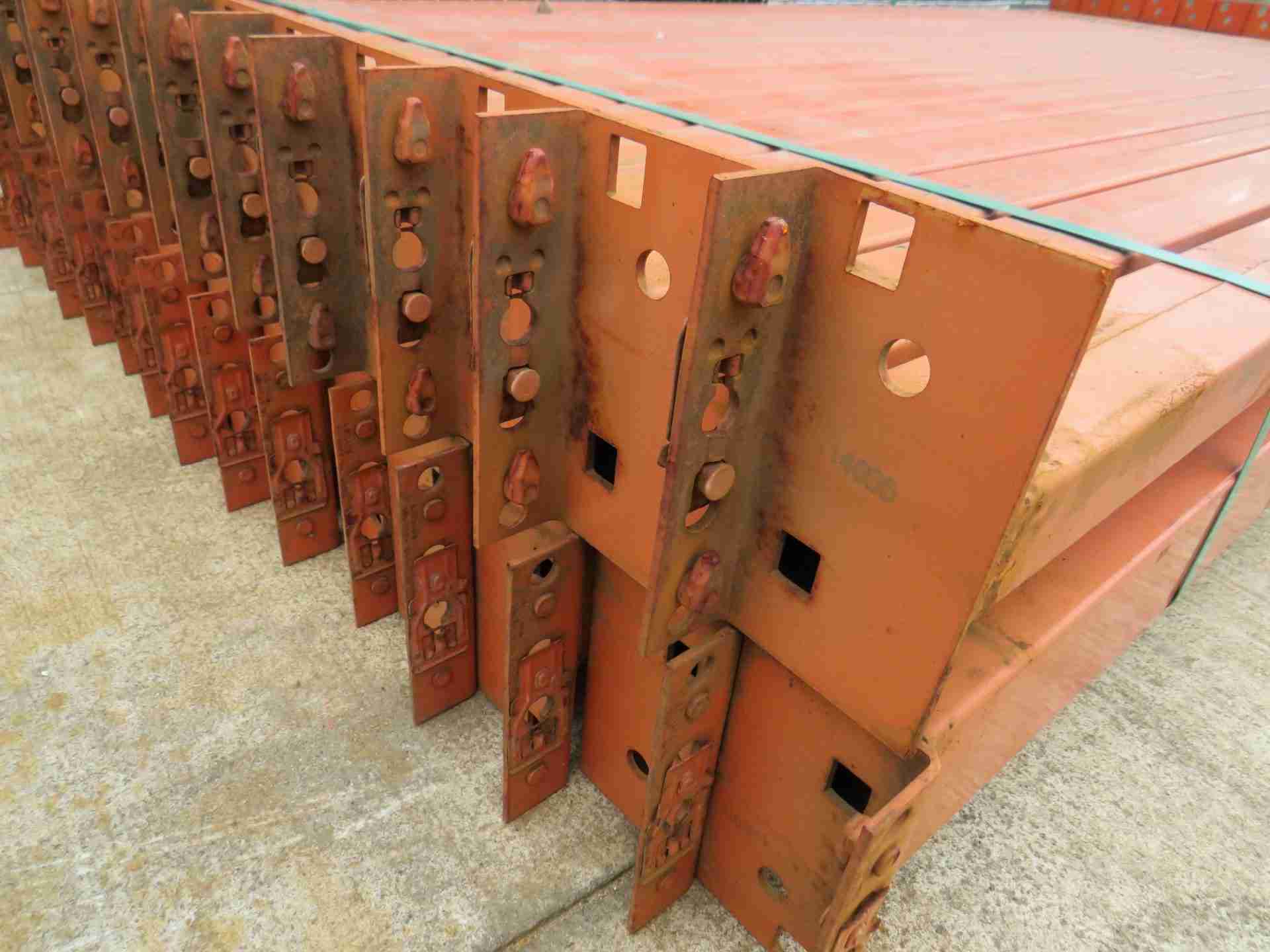
What Role Does Technology Play In Modern Warehouse Design Mistakes?
Conclusion
Conclusion: Transform Your Warehouse with Strategic Design
When it comes to warehouse design, the importance of strategic planning cannot be overstated. From choosing the right pallet racking system, optimizing your warehouse space, and ensuring efficient workflow, every decision made today shapes your operational efficiency and profitability tomorrow. Ignoring these design principles can lead to costly mistakes, inefficiencies, and employee frustration—turning your warehouse from a bustling hub into a chaotic liability.
At Arrow Industrial Sales, we understand that a well-structured warehouse equipped with innovative solutions fosters an environment where both your team and business can thrive. Consider this: your warehouse should not only accommodate present needs but also be scalable to adapt to inevitable market changes and growth. This means evaluating your current layout and investing in modular, future-proof shelving and racking systems that effortlessly align with your expansion plans.
Emphasizing safety and accessibility is imperative. A workspace that prioritizes employee well-being not only increases morale but enhances productivity. Additionally, leveraging technology should be a cornerstone of your design strategy. In today’s fast-paced market, modern technology—when integrated properly—can propel your operations to extraordinary heights.
But here’s the catch: these transformations cannot wait. As competition heats up, inefficiencies in your warehouse could cost you valuable customers and opportunities. The good news? You have the power to make impactful changes starting now. By calling Arrow Industrial Sales at (574) 349-6575, you can receive hands-on guidance tailored to your unique warehouse challenges. Our experts are ready to provide you with insights that will revolutionize your logistics.
Don’t kick the can down the road—it’s time to act! Those who delay planning for future changes will only find themselves scrambling to adapt, while proactive leaders set themselves up for success. Let Arrow Industrial Sales be your partner in this vital journey to transforming your warehouse into the efficient, dynamic hub it was meant to be. Act quickly—your warehouse’s future is resting on your next move!

Conclusion
Conclusion:
- Strategic planning is crucial for effective warehouse design, impacting operational efficiency and profitability.
- Ignoring design principles can lead to mistakes, inefficiencies, and employee frustration.
- A well-structured warehouse should accommodate current needs while being scalable for future growth.
- Safety and accessibility are essential for employee well-being and productivity.
- Integrating modern technology into warehouse design can significantly enhance operational capabilities.
- Procrastinating on warehouse improvements can result in lost customers and opportunities.
- Consulting with experts from Arrow Industrial Sales can provide tailored guidance for effective transformations.
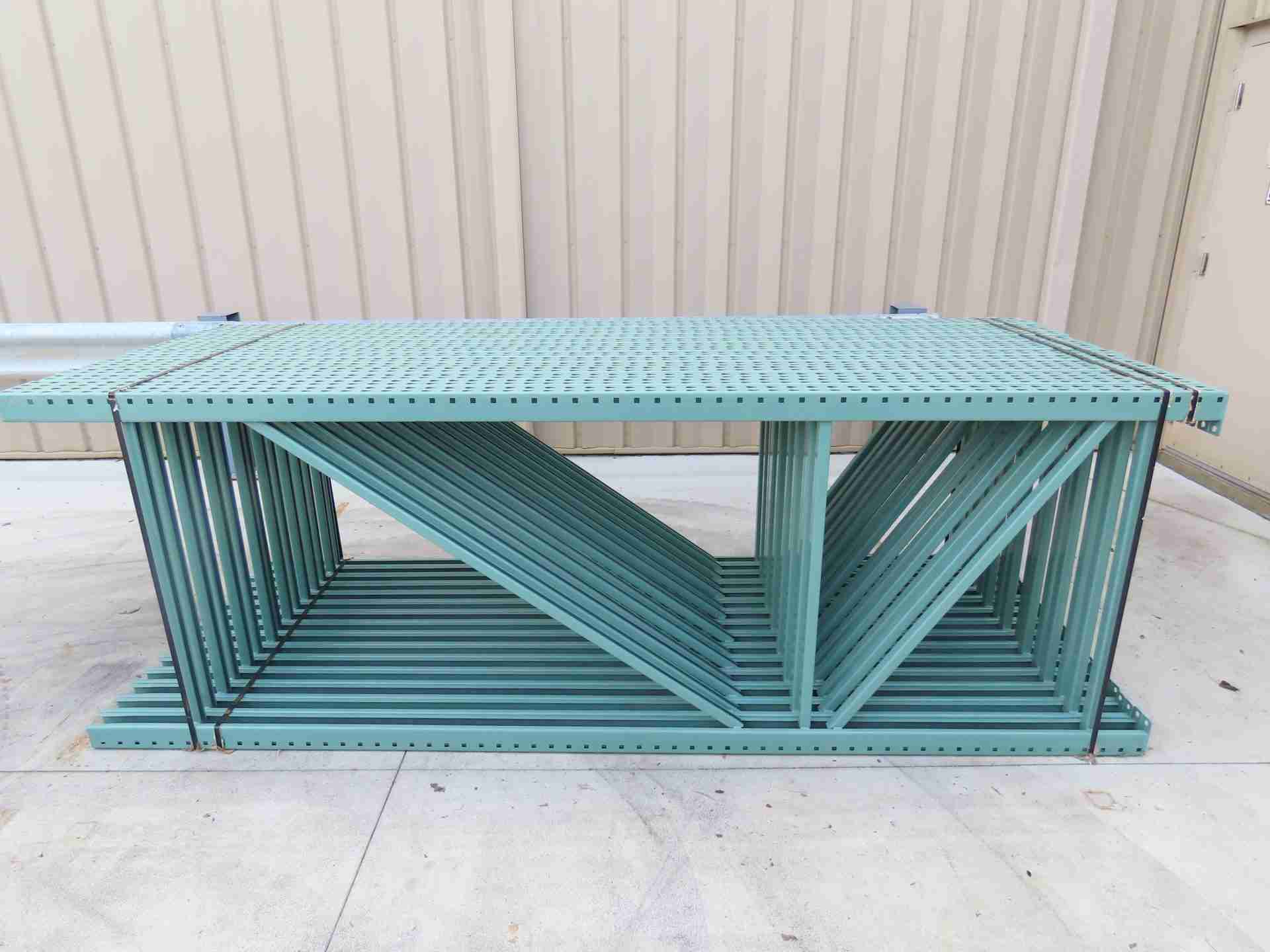
Conclusion
Other Resources
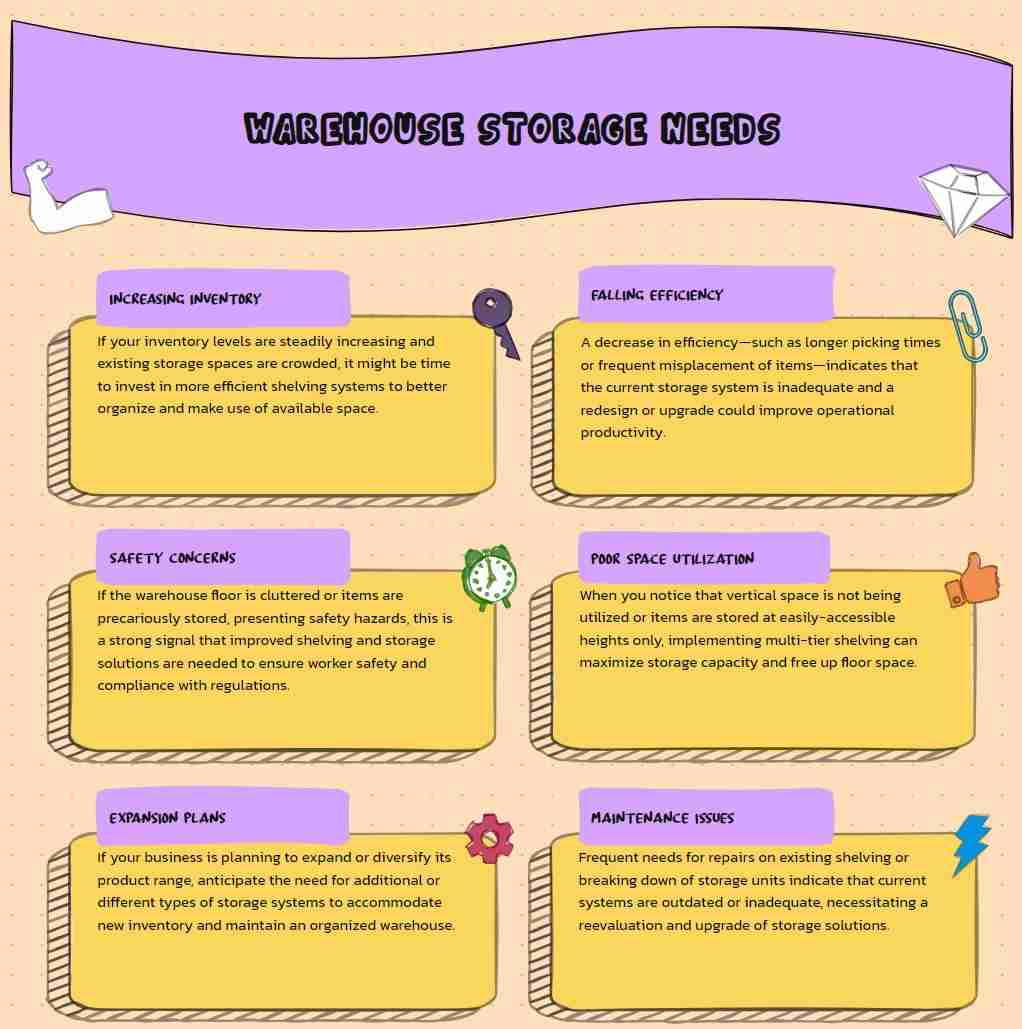
Other Resources
Here is a list of other resources you can review online to learn more:
- CMMA
- Illinois Pallet Racking – Storage Solutions
- Cantilever Rack Configuration & Installation: A Comprehensive Guide – BMH
- IWLA
- International Warehouse Logistics Association
- Iowa Illinois Warehouse Racking
- MHI
- Illinois Pallet Racking – WPRP
- National Safety Council
- Warehouse Storage Racks
Use This Prompt To Get More Resources With Your Favorite Online AI Tool: Please provide me with a list of online articles with their URLs in a bulleted list that I can read regarding What Common Mistakes Should You Avoid In Warehouse Design?
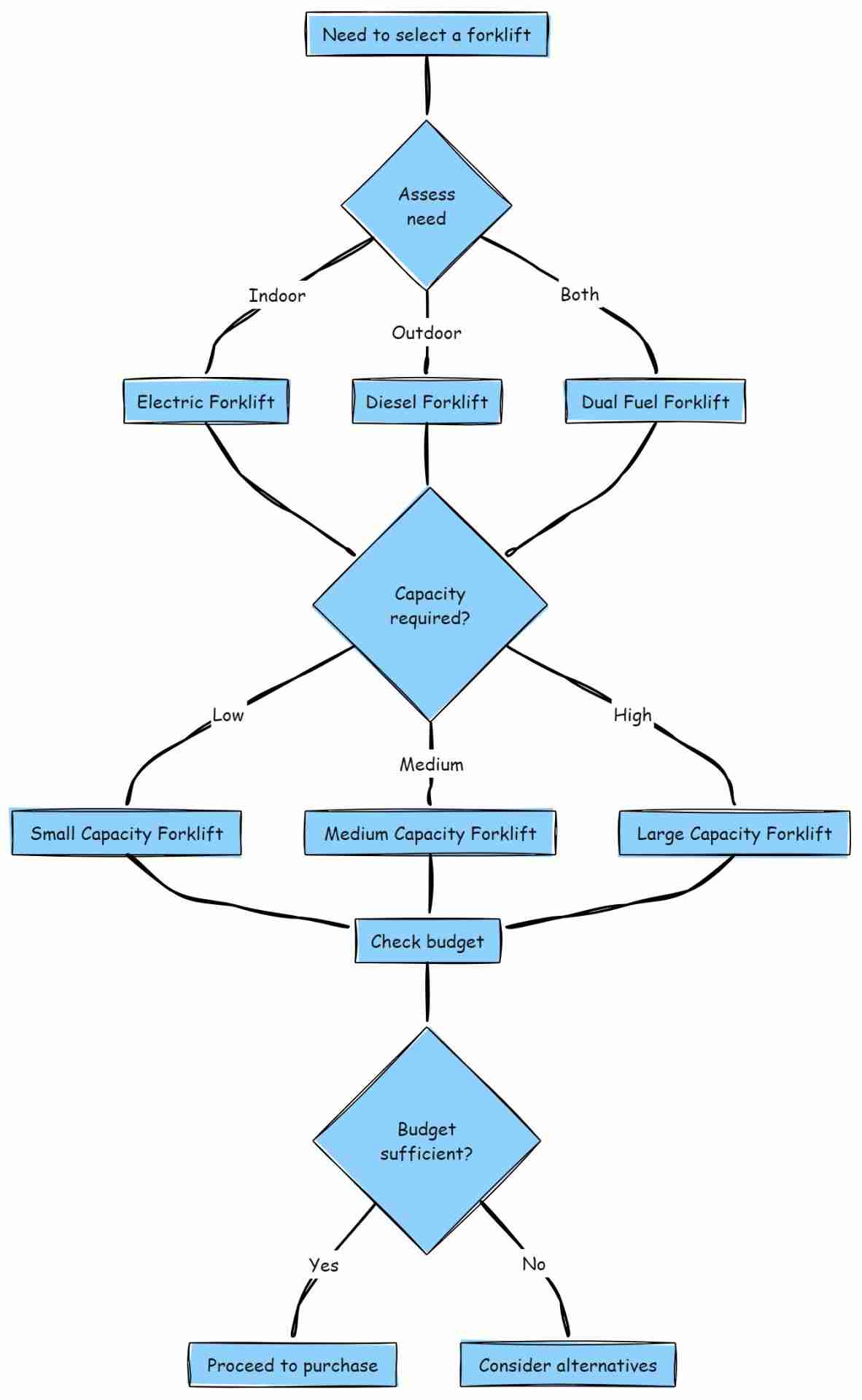
Other Resources
Glossary Terms
What Common Mistakes Should You Avoid In Warehouse Design? – Glossary Of Terms
1. Aisle Width: The space between shelves or racks; insufficient width can hinder movement and increase safety risks.
2. Layout: The arrangement of warehouse elements; poor layout can lead to inefficiencies and high operational costs.
3. Flow: The movement of goods through a warehouse; inefficient flow causes delays and bottlenecks.
4. Storage Density: The amount of inventory stored in a given space; overly compact storage can lead to accessibility and safety issues.
5. Zoning: The practice of dividing the warehouse into specific areas for different activities; lack of zoning can result in disorganization and workflow disruptions.
6. Ergonomics: The study of people’s efficiency in their working environment; neglecting ergonomic considerations can lead to employee injuries.
7. Inventory Management: The process of overseeing and controlling stock levels; poor inventory management can result in excess or shortages of products.
8. Technology Integration: The incorporation of automation and software in warehouse operations; failing to integrate technology can hinder performance and data accuracy.
9. Safety Regulations: The laws and guidelines designed to protect workers; ignoring safety regulations can lead to accidents and legal issues.
10. Accessibility: The ease with which workers can reach products; poor accessibility increases retrieval times and labor costs.
11. Flexibility: The ability to adapt the warehouse layout to changing needs; an inflexible design can limit future growth.
12. Lighting: The illumination of the warehouse; inadequate lighting can decrease productivity and increase safety hazards.
13. Ventilation: The circulation of fresh air within the warehouse; poor ventilation can lead to health issues and reduced comfort for employees.
14. Temperature Control: Maintaining appropriate climate conditions; a lack of climate control can damage products and affect employee comfort.
15. Equipment Selection: Choosing the right machinery for warehouse operations; inappropriate equipment can lead to inefficiencies and operational risks.
16. Load Capacity: The maximum weight a storage system can handle; exceeding load capacity can lead to structural failures and safety hazards.
17. Receiving Area: The section of the warehouse for incoming goods; a disorganized receiving area can slow down operations.
18. Shipping Area: The space designated for outgoing goods; inefficient shipping processes can lead to delays and customer dissatisfaction.
19. Signage: Informational signs within the warehouse; inadequate signage can cause confusion and misrouting of goods.
20. Staff Training: Educating employees on warehouse operations; insufficient training can lead to mistakes and accidents.
21. Maintenance: The process of keeping equipment and facilities in good condition; neglecting maintenance can result in breakdowns and safety hazards.
22. Workflow Optimization: Streamlining processes to enhance efficiency; lack of optimization can cause unnecessary delays and increased costs.
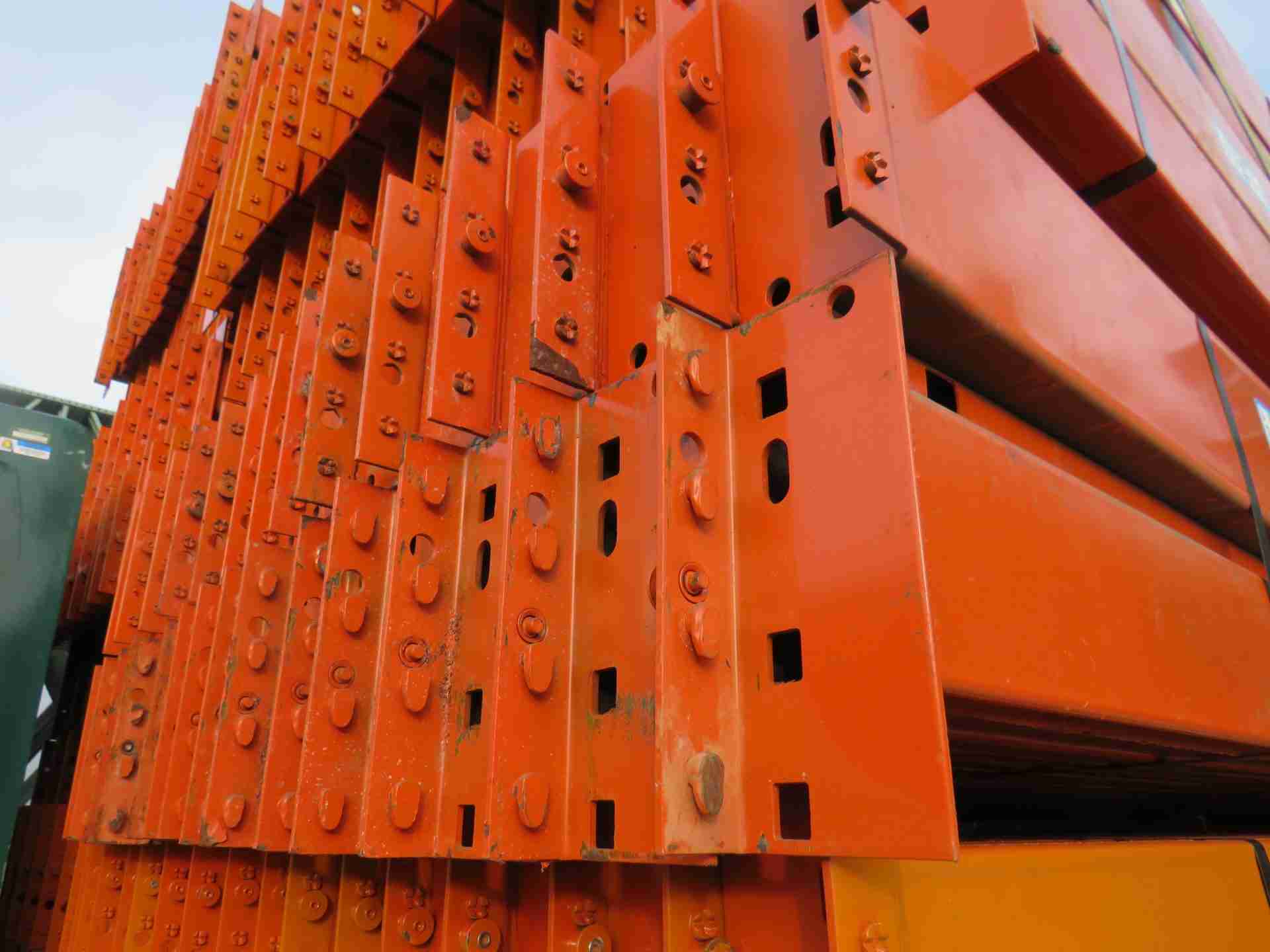
23. Pallet Rack Systems: Structures used for storing pallets; poorly designed racking can compromise safety and space utilization.
24. Lean Methodology: A system aimed at reducing waste without sacrificing productivity; ignoring lean principles can lead to inefficiencies.
25. Workstation Design: The layout and setup of areas where tasks are performed; inefficient workstation design can hinder employee productivity.
26. Communication Systems: Tools used for coordinating activities among team members; ineffective communication can lead to errors and confusion.
27. Return Processing: The method of handling returned goods; poor return processing can increase costs and harm customer satisfaction.
28. Environmental Considerations: Practices aimed at minimizing ecological impact; ignoring environmental aspects can lead to regulatory fines and negative public perception.
29. Cost Analysis: Evaluating expenses associated with warehouse operations; failing to conduct cost analysis can lead to budget overruns and financial inefficiencies.
30. Scalability: The capacity to grow and adapt warehouse operations; a non-scalable design can restrict business expansions.
Glossary Of Terms
Other Questions
What Common Mistakes Should You Avoid In Warehouse Design? – Other Questions
If you wish to explore and discover more, consider looking for answers to these questions:
- What are the first steps to take when redesigning a warehouse?
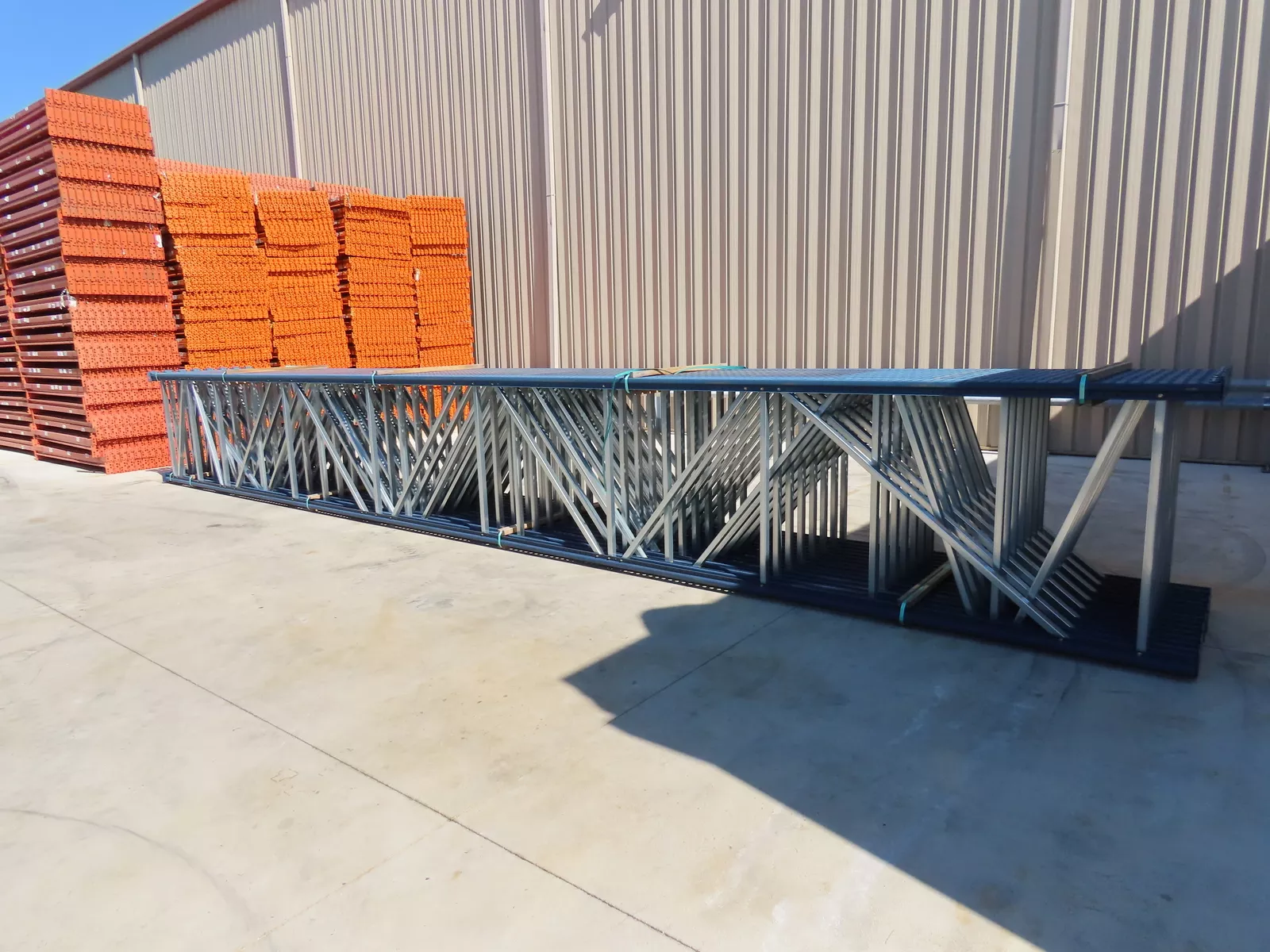
- How can I determine the right pallet racking system for my inventory?
- What technology tools are essential for modern warehouse operations?
- How often should I reassess my warehouse layout and processes?
- What safety regulations should I consider in warehouse design?
- How can I improve employee morale in a warehouse setting?
- What role does inventory management play in warehouse efficiency?
- How can I effectively train my staff on space utilization techniques?
- What are the best practices for integrating automation in a warehouse?
- How can I optimize workflow in an existing warehouse layout?
- What factors should I consider when planning for future growth in my warehouse?
- How does shelving affect the overall efficiency of warehouse operations?
- What mistakes should I avoid when implementing new technology in my warehouse?
- How do seasonal changes impact warehouse space utilization?
- What are the common signs of an inefficient warehouse layout?
Other Questions
Checklist
What Common Mistakes Should You Avoid In Warehouse Design? – A Checklist
Warehouse Design Mistake Avoidance Checklist
Essential Checklist for Effective Warehouse Design
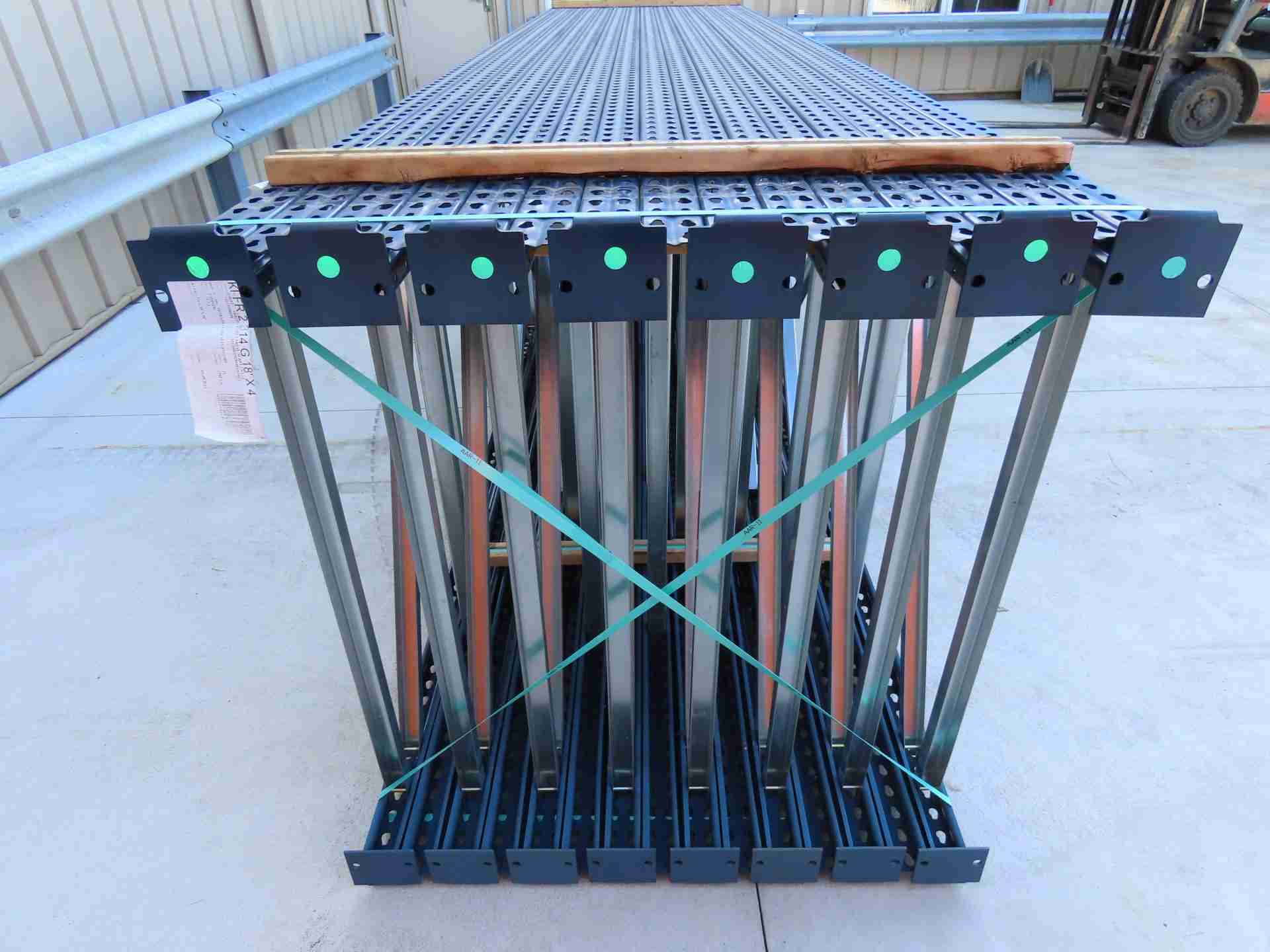
1. Pallet Racking Optimization
_____ Assess the suitability of your current pallet racking system for inventory types (fast/slow moving, bulky/compact).
_____ Evaluate vertical space usage; adjust racking to maximize storage efficiency.
_____ Regularly re-evaluate racking for ongoing effectiveness based on inventory flow.
2. Workflow Design
_____ Analyze and visualize the current warehouse workflow to identify bottlenecks.
_____ Create clear, intuitive pathways to minimize backtracking and delays.
_____ Consider employee feedback to improve pathways and overall workflow.
3. Space Utilization
_____ Conduct a space audit to identify underutilized areas of the warehouse.
_____ Plan storage layouts for peak seasons to accommodate fluctuating inventory needs.
_____ Implement modular solutions for adaptability during changes in stock levels.
4. Safety and Accessibility
_____ Review layout for compliance with safety regulations and ensure emergency exits are accessible.
_____ Maintain clear paths for both employees and machinery to reduce accidents.
_____ Regularly train staff on safety protocols and warehouse navigation.
5. Technology Integration
_____ Assess your technology needs before investing in new tools; ensure compatibility with existing systems.
_____ Provide training for staff on new technology to maximize efficiency and minimize errors.
_____ Regularly update software and systems to keep pace with advancements and changes in operational needs.
6. Inventory Management
_____ Implement a robust inventory management system to keep track of stock levels and locations.
_____ Regularly audit and update inventory to avoid overstocking or shortages.
_____ Train staff on inventory tracking processes and the importance of accurate data entry.
7. Continuous Evaluation and Improvement
_____ Schedule regular assessments of warehouse layout and processes to ensure ongoing efficiency.
_____ Collect feedback from employees regularly to identify areas for improvement.
_____ Stay aware of industry trends and updates to best practices for warehouse design.
8. Planning for Future Growth
_____ Design flexible layouts that can adapt to changes in product lines and inventory levels.
_____ Consider scalability when investing in racking and shelving solutions.
_____ Conduct market analysis to anticipate future needs and adjust warehouse designs accordingly.
9. Staff Training and Empowerment
_____ Ensure comprehensive training programs are in place for all employees.
_____ Create a culture of continuous learning, focusing on best practices and new technology.
_____ Empower staff to contribute ideas for improving workflows and space utilization.
By following this checklist, you can systematically address common warehouse design mistakes, leading to a more efficient, productive, and profitable operation. Embrace best practices and maintain a proactive approach for sustained success!
Checklist
At RackingWorld, we help guide you through selecting warehouse storage systems and racking.
Be sure to read our other related stories at RackingWorld to learn more about warehouse storage systems.
0 Comments