
Maximizing Efficiency And Minimizing Losses Through Proper Warehouse Organization
By Tom Seest
At RackingWorld, we help guide you through selecting warehouse storage systems and racking.
Be sure to read our other related stories at RackingWorld to learn more about warehouse storage systems.
What Are The Hidden Costs Of Poor Warehouse Organization?
When you think of a warehouse, what comes to mind? Stacks of boxes, rows of shelves, and perhaps the hum of activity. Yet beneath this bustling surface lies a silent killer of profitability: poor warehouse organization. Think about it. Every inch of disorganization can seep into your bottom line, and many of these costs are hidden from sight, lurking in the shadows like an uninvited guest at an otherwise lively party.
Let’s start with the obvious: the cost of inefficiency. When your workers spend excessive time searching for items—whether nestled behind a pile of boxes or buried under an avalanche of disordered pallet racking—the minutes turn into hours, and those hours translate into dollars lost. For every misplaced pallet, there’s a ripple effect that echoes through your operations. While you may think those extra moments of searching aren’t significant, add them up across a month and you could be staring down the barrel of hundreds, if not thousands, of wasted labor hours.
Then there’s the impact on customer satisfaction. In an age where a swift delivery is expected, delays caused by chaos in your warehouse can lead to missed deadlines and a tarnished reputation. Happy customers are repeat customers, and their trust is your most valuable asset. Poor organization can turn this precious relationship toxic, as they say goodbye to your brand and hello to your competitors.
Let’s not forget safety. A cluttered warehouse isn’t just a breeding ground for inefficiency—it’s also a recipe for accidents. Injuries stemming from disorganized inventory can lead to significant worker compensation claims, higher insurance premiums, and, worse yet, a loss of morale among your employees. You can’t underestimate the importance of fostering a safe work environment; when your team feels secure, they deliver more productive results.
Lastly, there’s the long-term cost of scalability. Good luck trying to expand when your warehouse resembles a chaotic maze. A well-structured space allows for growth and adaptation, making it easier to introduce new products and optimize your inventory management strategies.
Involving proper organization strategies with smart storage solutions—like implementing effective pallet racking systems—is absolutely essential. By investing time and resources into restructuring your warehouse layout today, you’re not just cleaning up a space; you’re laying the foundation for smoother operations and a more prosperous future. Don’t wait for the costs to pile up—take action now and transform your warehouse from a chaotic mess into a well-oiled machine. Your profits, and your peace of mind, will thank you!
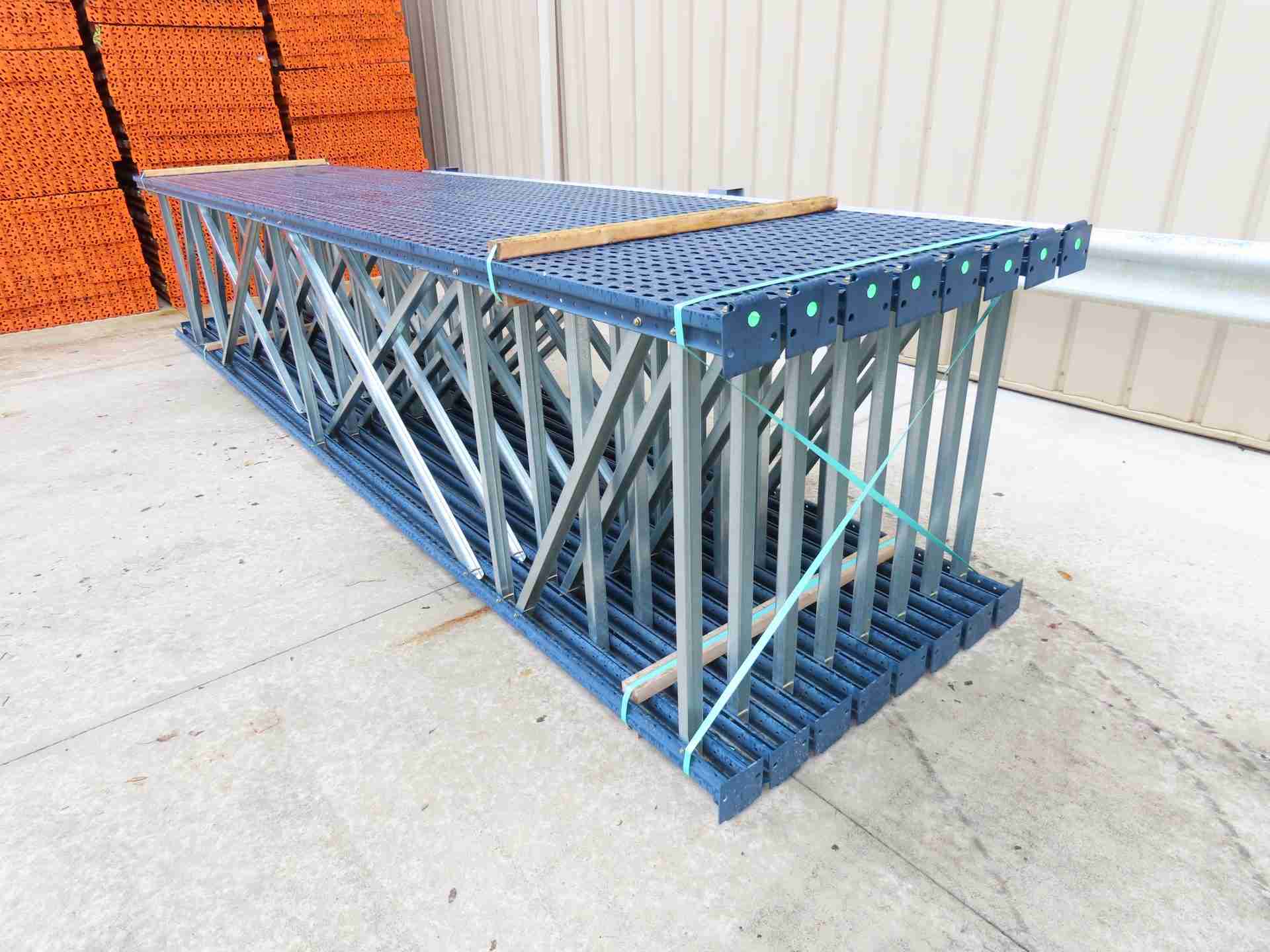
What Are The Hidden Costs Of Poor Warehouse Organization?
What Are The Hidden Costs Of Poor Warehouse Organization?
- Warehouse disorganization negatively impacts profitability, often in hidden ways.
- Inefficiency caused by searching for misplaced items leads to significant labor hour losses.
- Poor organization can harm customer satisfaction, risking missed deadlines and damaging reputation.
- A cluttered environment increases safety risks, potentially leading to injuries and compensation claims.
- Disorganized warehouses hinder scalability and adaptability for future growth.
- Implementing effective storage solutions and organization strategies is crucial for operational success.
- Restructuring your warehouse can enhance efficiency, improve profits, and ensure long-term viability.

What Are The Hidden Costs Of Poor Warehouse Organization?
Table Of Contents
- What Are The Hidden Costs Of Poor Warehouse Organization?
- What Are The Signs Of Poor Warehouse Organization?
- How Does Disorganization Affect Productivity?
- What Financial Impacts Result From A Chaotic Warehouse?
- How Can Poor Organization Lead To Inventory Loss?
- What Role Does Employee Morale Play In Warehouse Efficiency?
- How Does Poor Layout Affect Order Fulfillment Speed?
- Conclusion
- Other Resources
- Glossary Of Terms
- Other Questions
- Checklist
What Are The Signs Of Poor Warehouse Organization?
In the bustling world of warehousing, an organized space isn’t just a luxury; it’s a necessity. Yet, many businesses overlook the subtle yet telling signs that their warehouse organization is faltering. If you find yourself amid crowded aisles or an endless scavenger hunt for tools and inventory, it’s time to take a closer look. Let’s face it: disorganization can sink your ship faster than any financial misstep.
One glaring sign of a disorganized warehouse is a chaotic setup of pallet racking. These towering structures should promote efficiency and safety, but when they’re crammed aimlessly and items are jumbled, you’re creating a logistical nightmare. If your team is spending more time navigating through uneven stacks than fulfilling orders, you’re not just losing productivity—you’re losing money.
Another indicator is the frequency of misplaced items. Are your employees consistently turning to their phones to track down missing products? This inefficiency not only frustrates your staff; it also erodes customer trust. When orders are delayed or incorrect due to misplaced inventory, your reputation takes a hit, and we all know how hard it is to recover from that.
Visualize walking into your warehouse and feeling absolutely overwhelmed by clutter: boxes strewn everywhere, tools haphazardly placed, and safety equipment buried under a pile of unused merchandise. This chaotic environment breeds inefficiency, leading to slower turnaround times and, ultimately, a decline in customer satisfaction.
Moreover, consider the consequences of your aisle widths—are they too narrow to maneuver equipment safely? Cramped pathways lead to accidents and injuries, not to mention lost hours on safety measures. How much could an accident cost you in terms of lost work and damaged goods? The answer is simple: plenty.
Do any of these signs resonate with you? If so, don’t despair! Recognizing poor warehouse organization is the first step toward transformation. By investing time and resources into optimizing your layout—especially your pallet racking—you’ll not only streamline operations but also foster a work environment where employees feel empowered and inspired.
Take action today. Embrace organization, make that space work for you, and watch your efficiency soar while your costs dwindle. The path to a well-organized warehouse is a proven route to success; don’t let chaos stand in your way!
What Are The Signs Of Poor Warehouse Organization?
What Are The Signs Of Poor Warehouse Organization?
- An organized warehouse is essential for operational success, not a luxury.
- Signs of disorganization include chaotic pallet racking that reduces efficiency and safety.
- Frequent misplaced items lead to inefficiencies and can damage customer trust.
- A cluttered environment slows down operations and decreases customer satisfaction.
- Narrow aisles can lead to accidents, injuries, and lost productivity.
- Recognizing disorganization is the first step toward improvement and transformation.
- Investing in organization can enhance efficiency and lower costs, leading to success.

What Are The Signs Of Poor Warehouse Organization?
How Does Disorganization Affect Productivity?
Let’s face it: in a world that thrives on efficiency and precision, disorganization can be your worst enemy. Have you ever tried to navigate a cluttered workspace? It’s like trying to find buried treasure in a heap of old junk. The chaos distracts you, saps your energy, and ultimately hampers your ability to achieve your goals. This isn’t just about a messy desk; it extends into how we manage spaces, people, and materials—everything from the files on our computers to the physical layout of our operations.
Imagine a warehouse filled to the brim with pallets stacked haphazardly. You’ve got Pallet Racking systems available, meant to enhance your operations, but if those pallets are positioned incorrectly or your racking isn’t organized, you might as well be throwing your money out the window! Navigating this chaos slows down processes, frustrates staff, and leads to missed deadlines. Your productivity takes a nosedive because you’re spending more time searching for items than utilizing them efficiently.
But it’s not just about physical space. Disorganization seeps into our digital lives as well. An overflowing inbox or messy project management system can leave you paralyzed, unsure of where to start. Each moment wasted adds to the anxiety and overwhelm that can sometimes feel insurmountable. The cumulative effect is clear: disorganization is a stealthy thief, quietly robbing you of precious time, creativity, and focus.
So, what can you do to combat this? Embrace organization as a strategic ally. Start with simple systems—create an inspirative workspace, utilize effective Pallet Racking solutions for your inventory, and develop routines that streamline your daily tasks. These efforts not only clear physical clutter but foster mental clarity. When you know where everything is and can access it with ease, you’re empowering yourself to tackle challenges head-on.
Remember, every small improvement adds up to significant results. By embracing organization in your personal and professional arenas, you elevate your productivity, empowering yourself to reach new heights. It’s time to take control—organize your space, streamline your processes, and reclaim every minute lost to chaos. The path to greater productivity is just a few organizational tweaks away. So, why wait? Make that change today and watch your potential unfold.
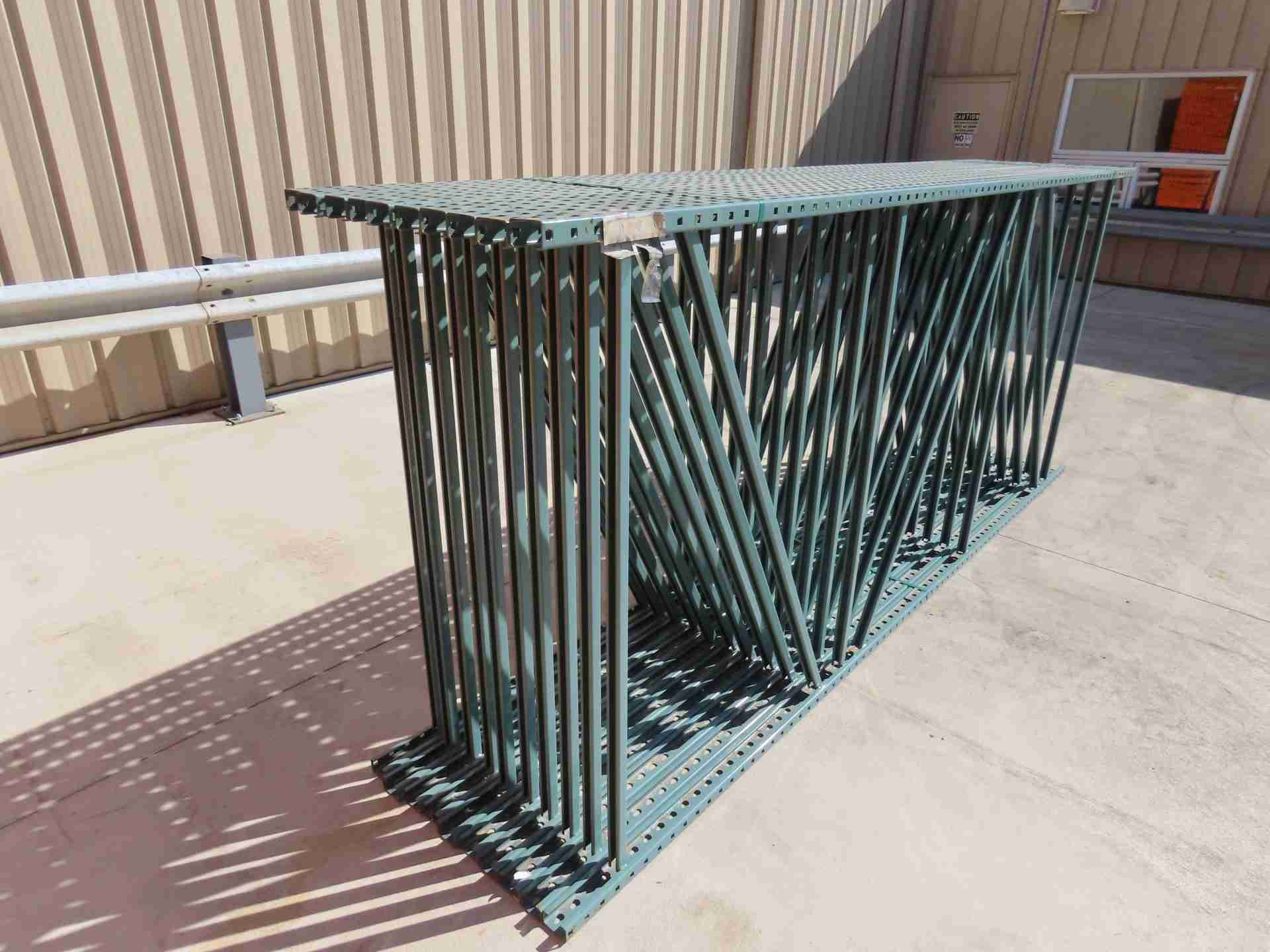
How Does Disorganization Affect Productivity?
How Does Disorganization Affect Productivity?
- Disorganization negatively impacts efficiency and productivity in both physical and digital spaces.
- A cluttered workspace distracts, drains energy, and hinders goal achievement.
- Improperly organized warehouse systems, like Pallet Racking, lead to wasted resources and frustrated staff.
- Digital disorganization, such as overflowing inboxes, creates feelings of anxiety and overwhelm.
- Embracing organization can clear clutter and enhance mental clarity, boosting overall productivity.
- Implementing simple organizational systems can yield significant results over time.
- Taking control of your organization empowers you to reach new heights in both personal and professional life.

How Does Disorganization Affect Productivity?
What Financial Impacts Result From A Chaotic Warehouse?
Imagine walking into a warehouse that looks like a scene from a post-apocalyptic movie. Items are strewn everywhere, aisles are blocked, and valuable pallet racking systems are underutilized or, worse, ignored entirely. This chaos doesn’t just create a headache for your operations team; it wreaks havoc on your bottom line. In a world where time is money, inefficiencies in your warehouse can lead to significant financial repercussions that are often overlooked.
First and foremost, consider the issue of increased labor costs. When your warehouse resembles a disorganized labyrinth, employees spend exponentially more time searching for products. Increased search time means overtime hours and a frustrated workforce—all of which can add up quickly. Conversely, a well-structured space that utilizes pallet racking effectively can streamline operations, enabling employees to work smarter, not harder.
Next on the list is inventory shrinkage. Merchandise lost due to poor organization or damaged during chaotic moves translates directly into lost revenue. Picture this: a simple box of high-demand items sits at the bottom of a disheveled pile, and by the time someone finds it, it’s too late—customers have gone elsewhere. Not only is this a sales opportunity lost, but it can also damage your brand’s reputation. In today’s marketplace, customer loyalty can easily be sacrificed due to inefficient warehouse practices.
Moreover, health and safety risks rise in a cluttered environment—leading to potential liabilities that can have dire financial implications. Injuries due to improper material handling or accidents related to unsafe pallet racking setups are not just difficult to manage; they can result in costly workers’ compensation claims.
Finally, think about the long-term impact on scalability. A chaotic warehouse hinders growth potential. When you’re unable to efficiently manage your current inventory, how can you reasonably expect to expand? With a solid storage solution that incorporates pallet racking systems designed for maximum efficiency, you can scale operations seamlessly, ensuring that every square inch of your space is working for you, not against you.
So, what’s the takeaway? A disorganized warehouse isn’t just an operational flaw; it’s a silent killer of profits. Investing time and resources into transforming that chaos into order will not just enhance efficiency—it will bolster your financial health and set the stage for unstoppable growth. Take action today and make that transformation a reality. Your bottom line will thank you.
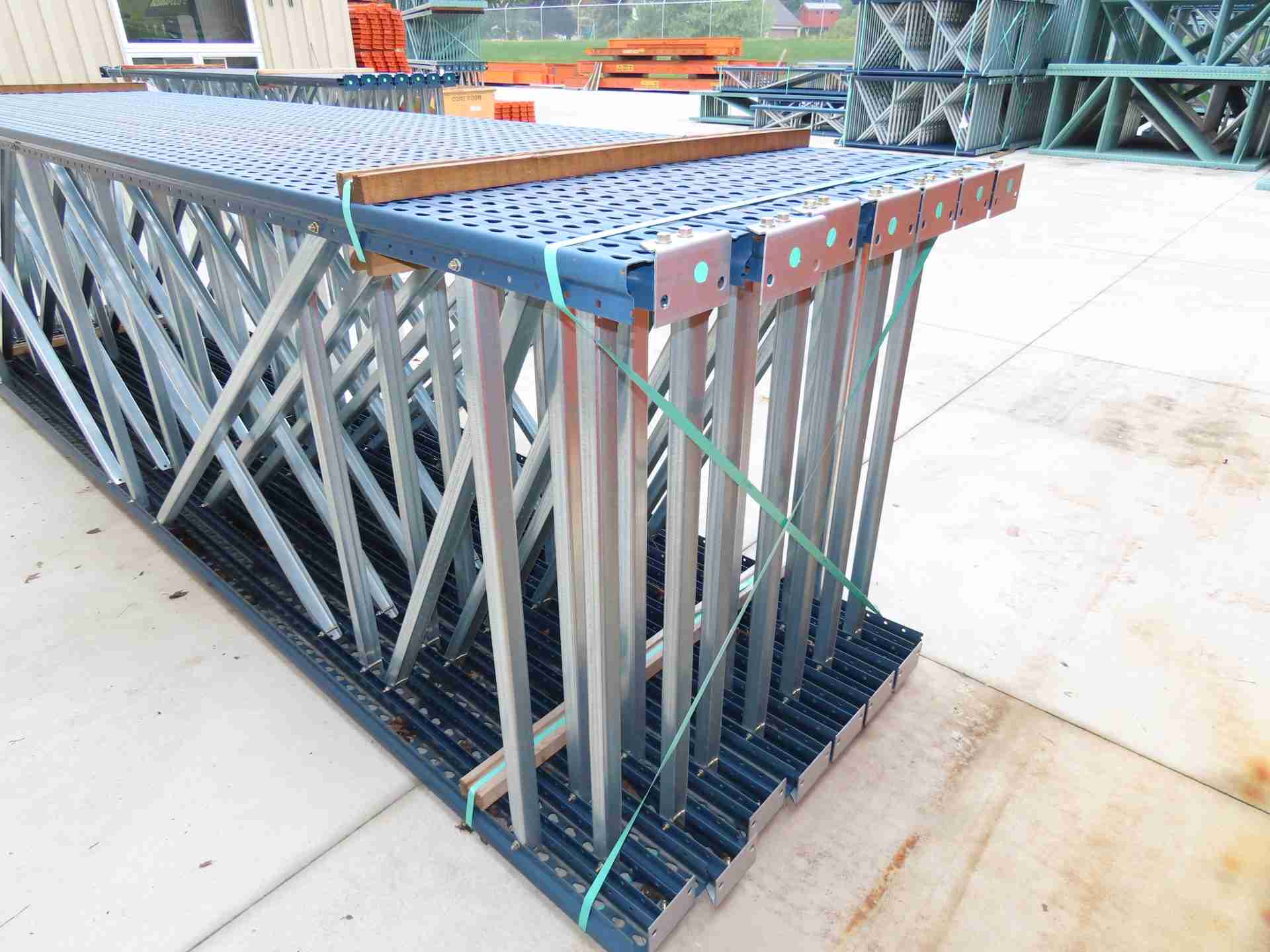
What Financial Impacts Result From A Chaotic Warehouse?
What Financial Impacts Result From A Chaotic Warehouse?
- Disorganized warehouses resemble post-apocalyptic scenes, causing operational headaches.
- Increased labor costs stem from employees spending excessive time searching for products.
- Poor organization leads to inventory shrinkage, resulting in lost revenue and damaged brand reputation.
- Cluttered environments raise health and safety risks, leading to potential liabilities and workers’ compensation claims.
- A chaotic warehouse hinders growth potential and scalability of operations.
- Implementing effective pallet racking systems can streamline operations and enhance efficiency.
- Investing in warehouse organization is crucial for financial health and long-term growth.
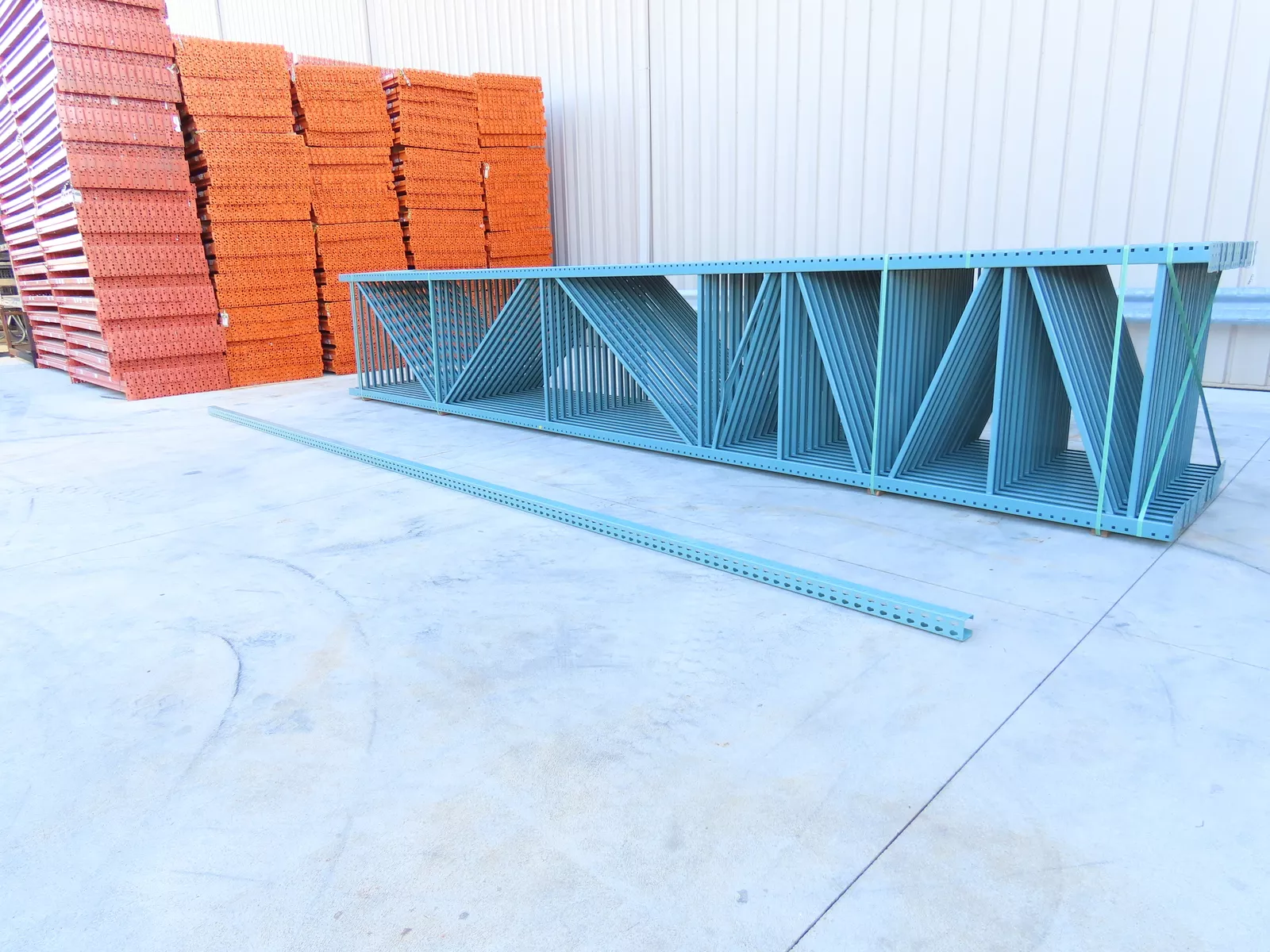
What Financial Impacts Result From A Chaotic Warehouse?
How Can Poor Organization Lead To Inventory Loss?
How Can Poor Organization Lead to Inventory Loss?
Imagine stepping into a bustling warehouse filled with pallets stacked high, each box promising potential profit. But wait! A closer look reveals chaos lurking beneath the surface—pallet racking improperly utilized, aisles cluttered, and items haphazardly stored. This disorganization may seem harmless, but it silently erodes your bottom line, costing you time, money, and ultimately, customers.
When your inventory management system resembles a puzzle missing half its pieces, it creates a breeding ground for loss. Products can go missing in plain sight. Have you ever experienced that sinking feeling of rummaging through stacks of pallet racking, only to discover something crucial has vanished? Whether it’s misplaced items or items incorrectly accounted for, the cost of poor organization can be staggering.
Let’s consider the impact on cash flow. Every time you lose track of your stock, you’re not just losing products; you’re losing trust—your customers’ trust. In a world where speed and accuracy reign supreme, a single missed order can tarnish your reputation. Customers rely on your ability to fulfill orders promptly; if they encounter constant stock-outs or delays due to your disarray, they’ll look elsewhere. The result? A perilous decline in conversions and sales.
Now, think about efficiency. Time wasted searching for misplaced inventory can add up to hours—if not days—lost. Your staff could be focusing on delivering exceptional service rather than retracing their steps through a labyrinth of poorly organized pallet racking. This inefficiency not only frustrates your team but also prevents your business from scaling its operations effectively.
So, what can you do? Invest in a robust organization system! Streamline your pallet racking to ensure items are easy to locate and retrieve. Implement a digital inventory management system that tracks goods in real-time, ensuring everything is accounted for. Don’t let disorganization cripple your warehouse and siphon off your revenue.
Embrace a culture of order and structure in your operations. Not only will you safeguard against inevitable losses, but you’ll also cultivate a space where your employees feel empowered and your customers feel valued. Every moment spent on organization is an investment in your business’s future—one that reaps dividends far beyond mere inventory management. Don’t wait until chaos reigns supreme; take decisive action today to protect what you’ve worked hard to build.
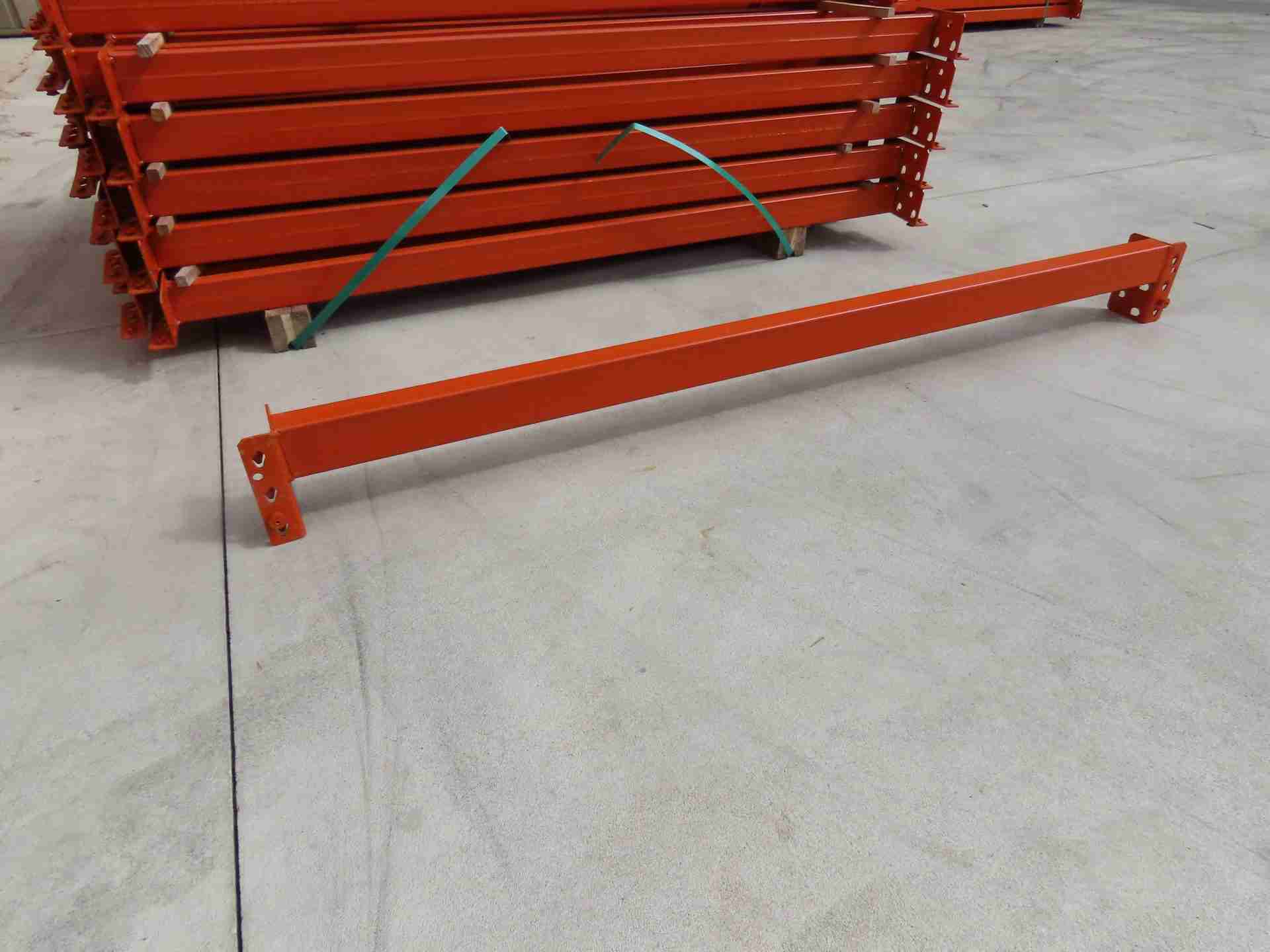
How Can Poor Organization Lead To Inventory Loss?
How Can Poor Organization Lead To Inventory Loss?
- Poor organization in warehouses can lead to significant inventory loss, impacting time, money, and customer retention.
- Disarray can make it difficult to locate products, resulting in missed items and costly mistakes in inventory accounting.
- Loss of inventory negatively affects cash flow and erodes customer trust, leading to missed orders and potential loss of sales.
- Inefficiencies caused by disorganization waste valuable time, preventing staff from delivering high-quality service.
- It is essential to invest in an effective organization system to streamline pallet racking and inventory retrieval.
- Implementing a digital inventory management system can help track stock in real-time, ensuring proper accountability.
- Cultivating a culture of order enhances employee empowerment and improves customer satisfaction, resulting in long-term benefits.
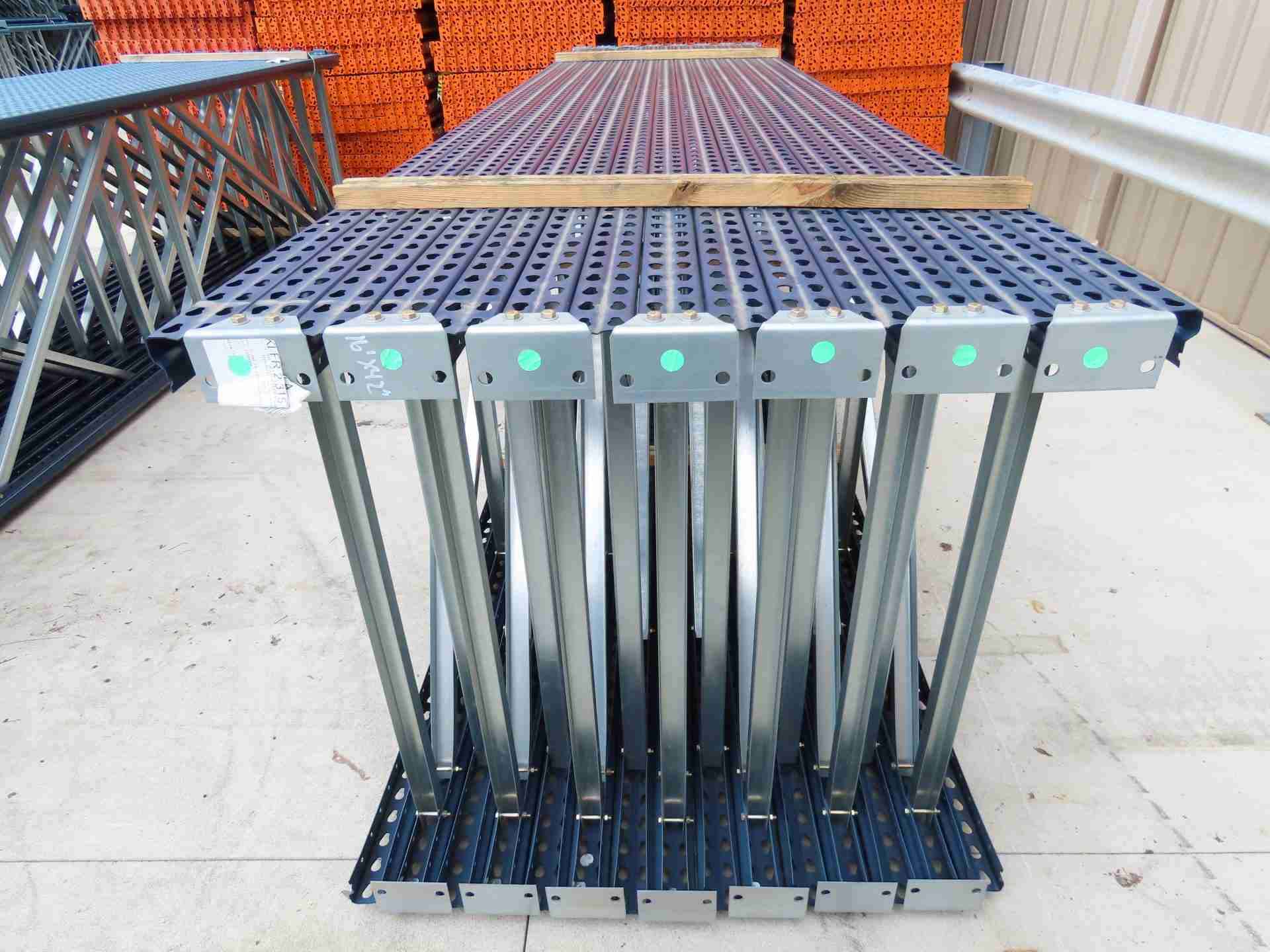
How Can Poor Organization Lead To Inventory Loss?
What Role Does Employee Morale Play In Warehouse Efficiency?
When we think about warehouse efficiency, we often picture sophisticated pallet racking systems and streamlined inventory management processes. However, an oft-overlooked element can make or break your workflow: employee morale. The truth is, a motivated and engaged team is your most valuable asset in the quest for operational excellence.
Picture this: a team of workers who feel valued and appreciated in their roles. The energy is palpable; they approach their tasks with enthusiasm. Their commitment to quality shines through in every pick, pack, and shipment. This positive attitude directly impacts your bottom line. When morale is high, productivity soars. Workers are more focused, less prone to errors, and willing to go the extra mile. Imagine the seamless interaction of your pallet racking systems as your team moves with purpose, ensuring that goods are managed efficiently and accurately.
Conversely, low morale can create a toxic environment. Have you ever walked into a warehouse where the energy feels heavy? Employees seem disengaged, and you can almost see the frustration hanging in the air. This disengagement leads to mistakes, slower workflows, and even higher turnover rates. When your team members feel undervalued or uninspired, the effects ripple through every nook and cranny of your operation—all the way down to your pallet racking systems, which may become cluttered and inefficient as employees drag their feet on the job.
So, how do you foster a high-morale environment? Start with open communication. Create a culture where feedback is welcomed, and genuine appreciation is expressed. Celebrate wins—no matter how small. This builds a sense of community within your workforce, driving a powerful motivation to work harmoniously toward shared goals.
Remember, investing in your employees isn’t just a nice-to-have; it’s a business imperative. Prioritize wellness and provide opportunities for professional development. As employees feel enhanced job satisfaction, they’ll take ownership of their responsibilities, leading to less wasted time and more efficient use of resources, including your precious pallet racking systems.
It’s time to consider how you can boost morale and, in turn, unlock the true potential of your warehouse. The connection between employee happiness and operational efficiency is real, and it’s within your reach. Don’t wait—take action now to create a thriving workplace that not only gets the job done but does it with an inspired spirit.
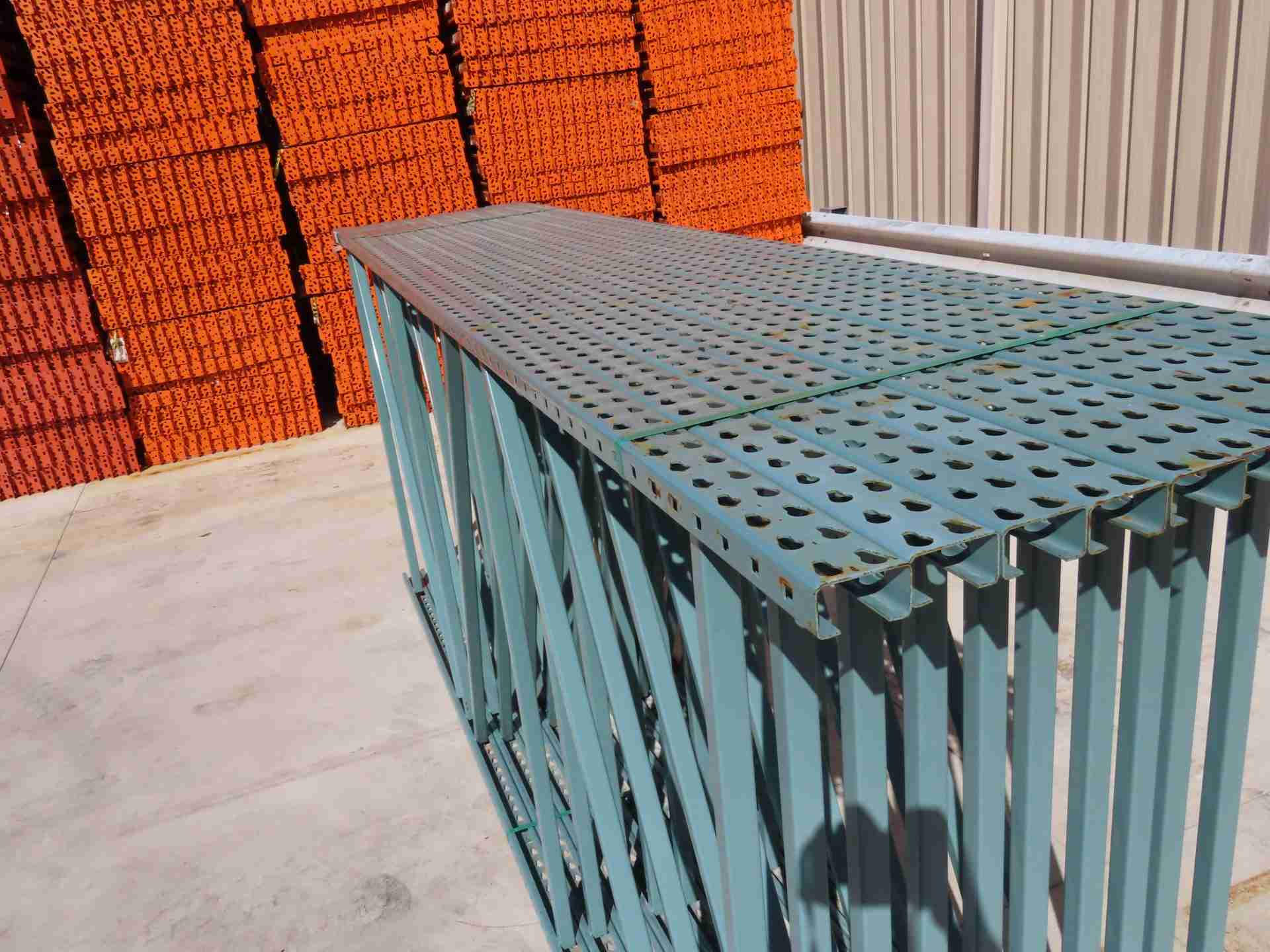
What Role Does Employee Morale Play In Warehouse Efficiency?
What Role Does Employee Morale Play In Warehouse Efficiency?
- Employee morale is a critical but often overlooked factor in warehouse efficiency.
- A motivated team boosts productivity, reduces errors, and improves overall workflow.
- Positive workplace morale leads to engaged employees who take pride in their work.
- Conversely, low morale results in disengagement, mistakes, and increased turnover.
- Creating a high-morale environment involves open communication and genuine appreciation.
- Investing in employee wellness and development is essential for operational excellence.
- Improving morale can unlock the true potential of your warehouse operations.
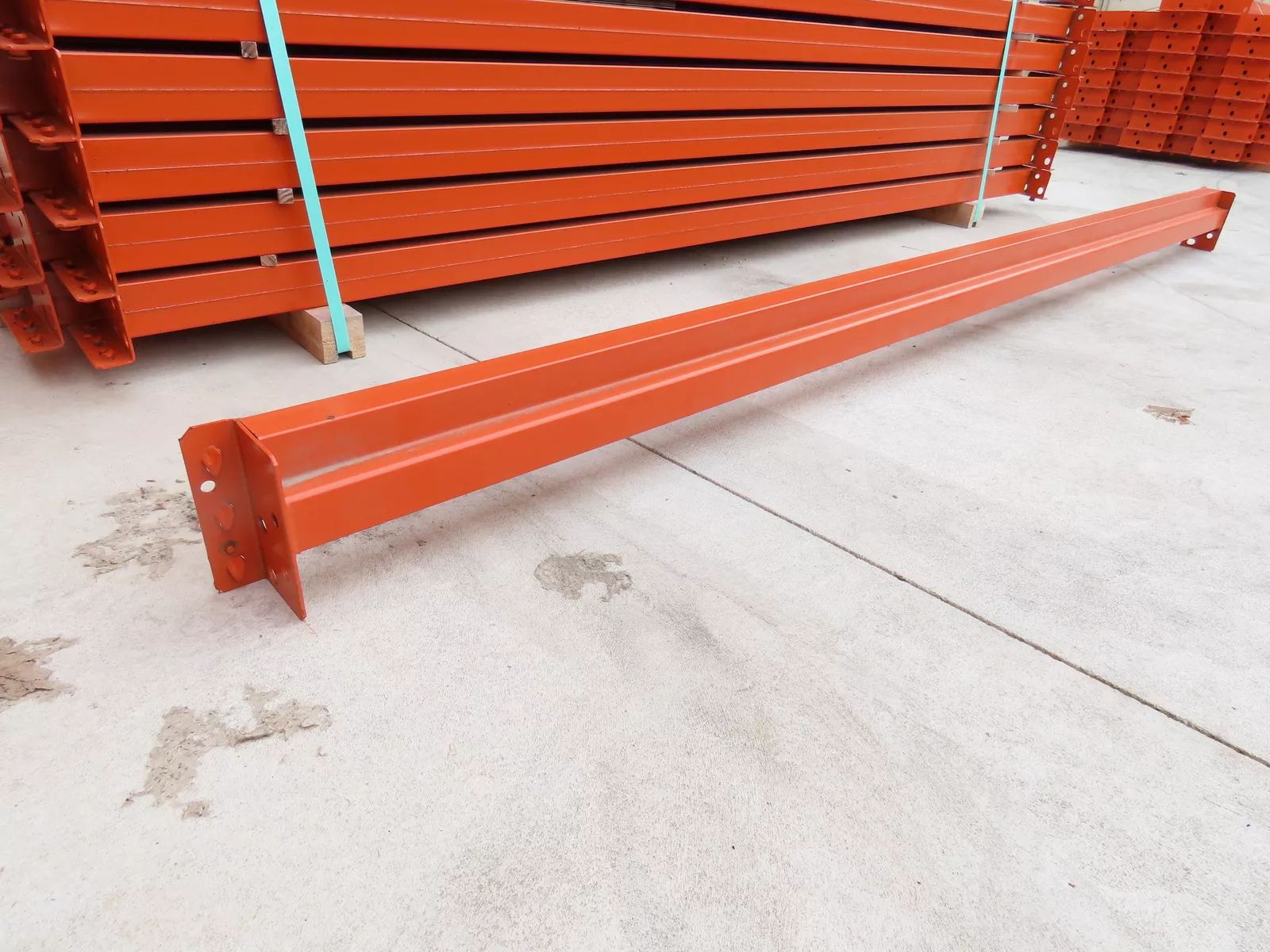
What Role Does Employee Morale Play In Warehouse Efficiency?
How Does Poor Layout Affect Order Fulfillment Speed?
Imagine your warehouse as a finely tuned machine, each part working in harmony to deliver a seamless experience to your customers. Now, picture that machine with rusty gears and misaligned components. Frustrating, right? Poor layout can be the invisible hand that slows down your order fulfillment process, leading to delays that can affect customer satisfaction, repeat business, and ultimately, your bottom line.
When your layout lacks efficiency, every action that should be seamless becomes a chore. Items stored in hard-to-reach places or in an illogical order only serve to create bottlenecks in your operations. Your team can easily lose precious time searching for products, fumbling through cluttered aisles, and wrestling with inadequate storage solutions. Instead of moving quickly, they slog through a maze that feels like a labyrinth.
Consider pallet racking—a critical component of warehouse layout. If your pallet racking isn’t designed with easy access and optimal organization in mind, you might as well put up a ‘Do Not Enter’ sign on productivity! Pallet racking systems that are disorganized will lead to employees taking longer to find items, which means longer fulfillment times. Each second wasted adds up, and before you know it, those seconds turn into hours, impacting your ability to deliver on time.
Now, let’s flip the script. By investing in a well-designed layout with strategic pallet racking, you can enhance efficiency significantly. Visualize a space where goods are stored logically, easily accessible, and organized by frequency of use. Imagine your team moving fluidly, effortlessly picking orders like a dance, contributing to a faster, more reliable fulfillment process. When your layout works for you instead of against you, you create an environment that fosters speed, accuracy, and morale.
Your customers won’t just notice the faster delivery—they’ll appreciate the reliability that comes from a well-oiled order fulfillment machine. You’ll build trust and confidence, encouraging them to come back for more. So, take a moment to evaluate your current layout. Are your pallet racking systems positioned to boost efficiency, or are they stifling your operations? Invest the time and effort now to make layout improvements, and watch your fulfillment speed soar. The effort you make today could lead to relationships built on loyalty tomorrow. Your bottom line will thank you!
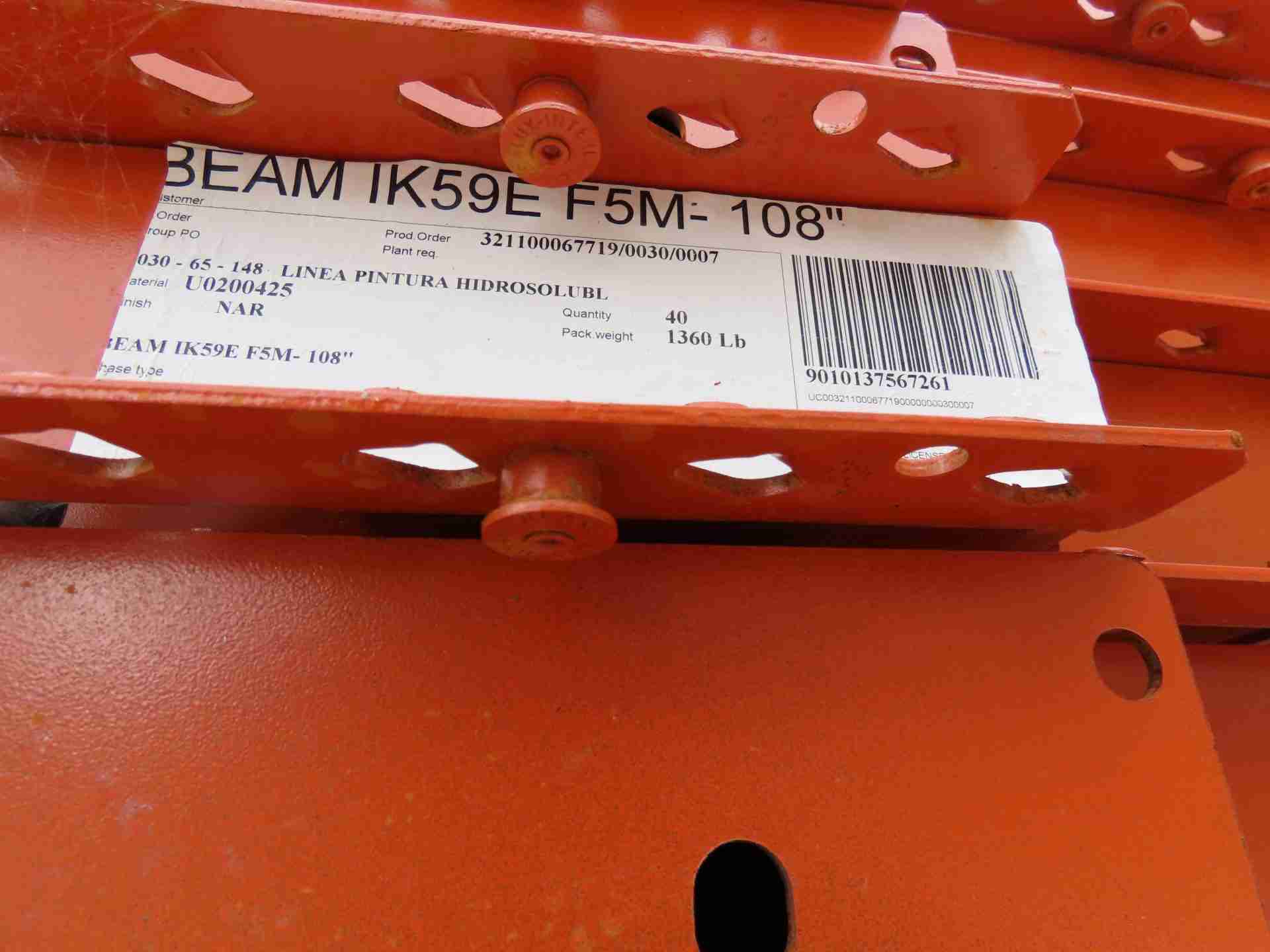
How Does Poor Layout Affect Order Fulfillment Speed?
How Does Poor Layout Affect Order Fulfillment Speed?
- Warehouse layout acts like a machine; poor organization can slow down processes.
- Inefficient layouts create bottlenecks, leading to delays in order fulfillment.
- Hard-to-reach items and cluttered aisles waste employee time searching for products.
- Pallet racking systems need to be well-organized for optimal productivity.
- Disorganized racking leads to longer item retrieval times and affects delivery speed.
- A well-structured layout fosters efficiency, accuracy, and improved employee morale.
- Investing in layout improvements enhances customer satisfaction and builds loyalty.
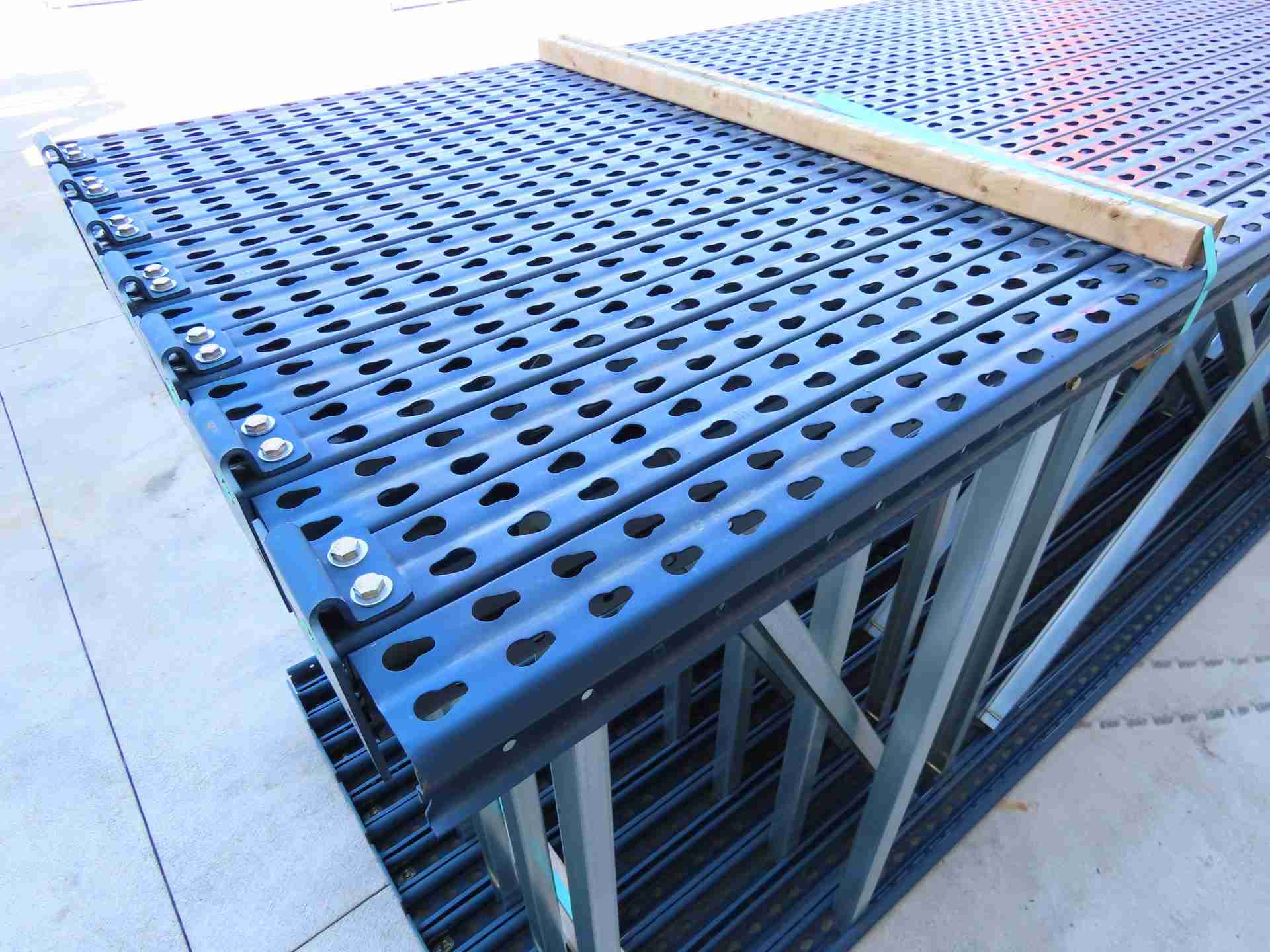
How Does Poor Layout Affect Order Fulfillment Speed?
Conclusion
Conclusion
In the fast-paced world of warehousing, the significance of organization cannot be overstated. As articulated by Tom Seest, the hidden costs associated with poor warehouse organization are a ticking time bomb for your bottom line. Every misplaced pallet and every distracted employee searching through clutter contributes not only to inefficiency but also to diminished productivity, customer satisfaction, and, ultimately, profitability. When your team spends more time navigating disorganization than fulfilling orders, the consequences ripple throughout your operations—costing you time, money, and, worse, loyal customers.
Disorganization is steeped in a multitude of issues: increased labor costs due to excessive search times, inventory shrinkage from misplaced items, safety hazards that can lead to costly accidents, and a constricted space that stymies expansion efforts. When clutter reigns, your warehouse is not just an eyesore; it’s a profit killer. Conversely, a streamlined, well-organized layout with effective pallet racking systems can transform chaos into clarity. Imagine your employees working efficiently, morale high, and order fulfillment processes running like a well-oiled machine—all thanks to a commitment to organization.
The stakes couldn’t be higher. A well-organized warehouse is not merely about aesthetics; it’s a direct path to operational success. By recognizing and addressing the signs of disorganization, you can take actionable steps today to reposition your facility for growth. Implement strategic racking solutions, encourage open communication, and foster a culture of excellence among your workforce—your profits and your peace of mind will flourish as a result.
Don’t let your warehouse become a graveyard of lost opportunities. Call Arrow Industrial Sales at (574) 349-6575 today and discover how we can help you maximize efficiency and minimize losses through proper warehouse organization. The clock is ticking; every moment you delay is a moment where inefficiency reigns supreme. Take the first step towards a better-organized future, and watch your company transform from a place of disarray into a fortress of productivity. Act now, and ensure the prosperity of your business today and into the future.
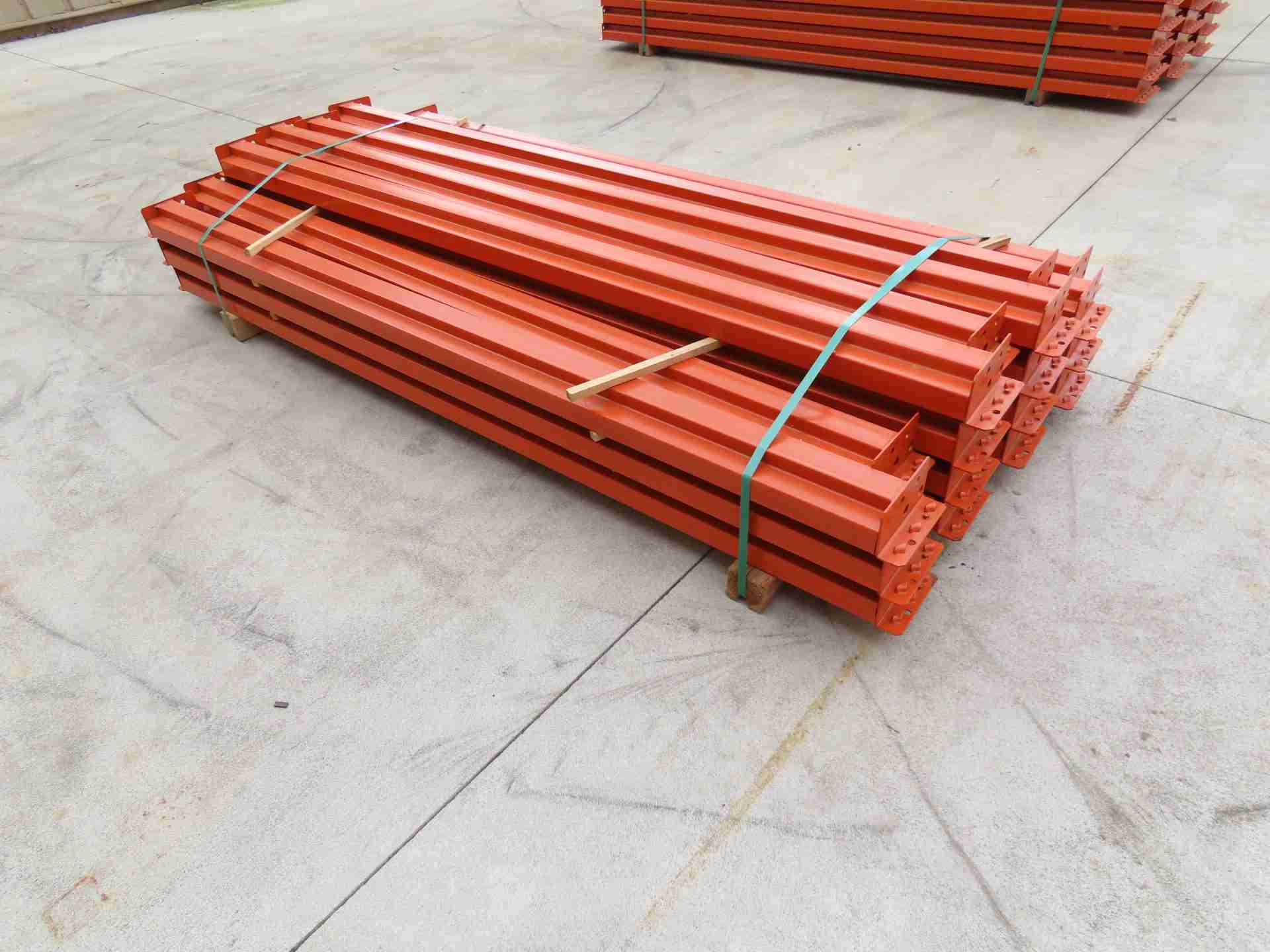
Conclusion
Conclusion:
- Organization is crucial in warehousing to avoid hidden costs that impact profitability.
- Poor organization leads to inefficiencies, decreased productivity, and customer dissatisfaction.
- Disorganization results in increased labor costs, inventory shrinkage, safety hazards, and limited space for growth.
- A streamlined layout with effective racking systems enhances employee efficiency and morale.
- A well-organized warehouse correlates directly with operational success and growth opportunities.
- Implementing strategic solutions and fostering a culture of excellence can improve profitability.
- Contact Arrow Industrial Sales to optimize warehouse organization and increase efficiency.
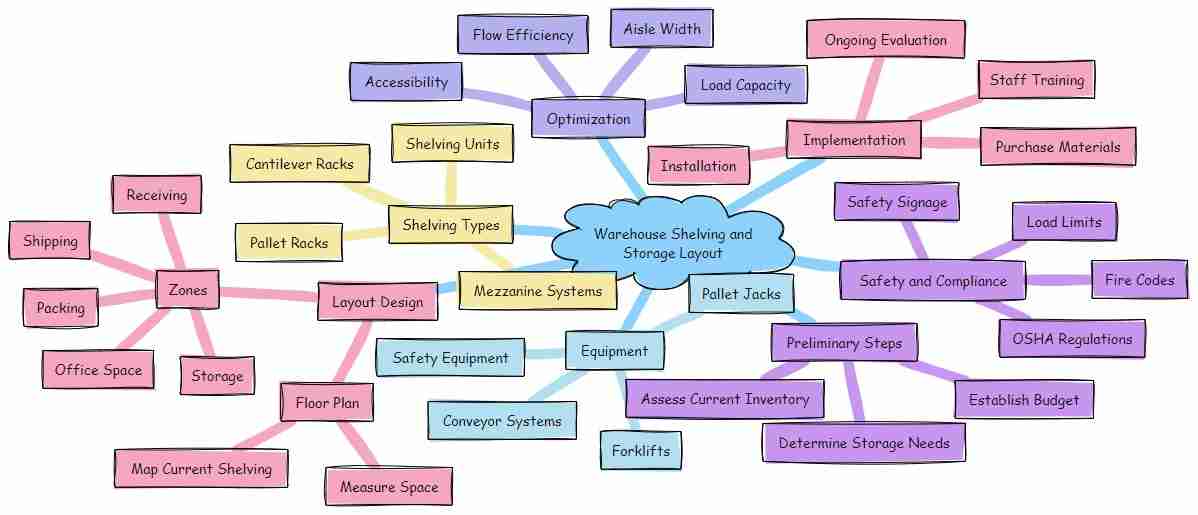
Conclusion
Other Resources
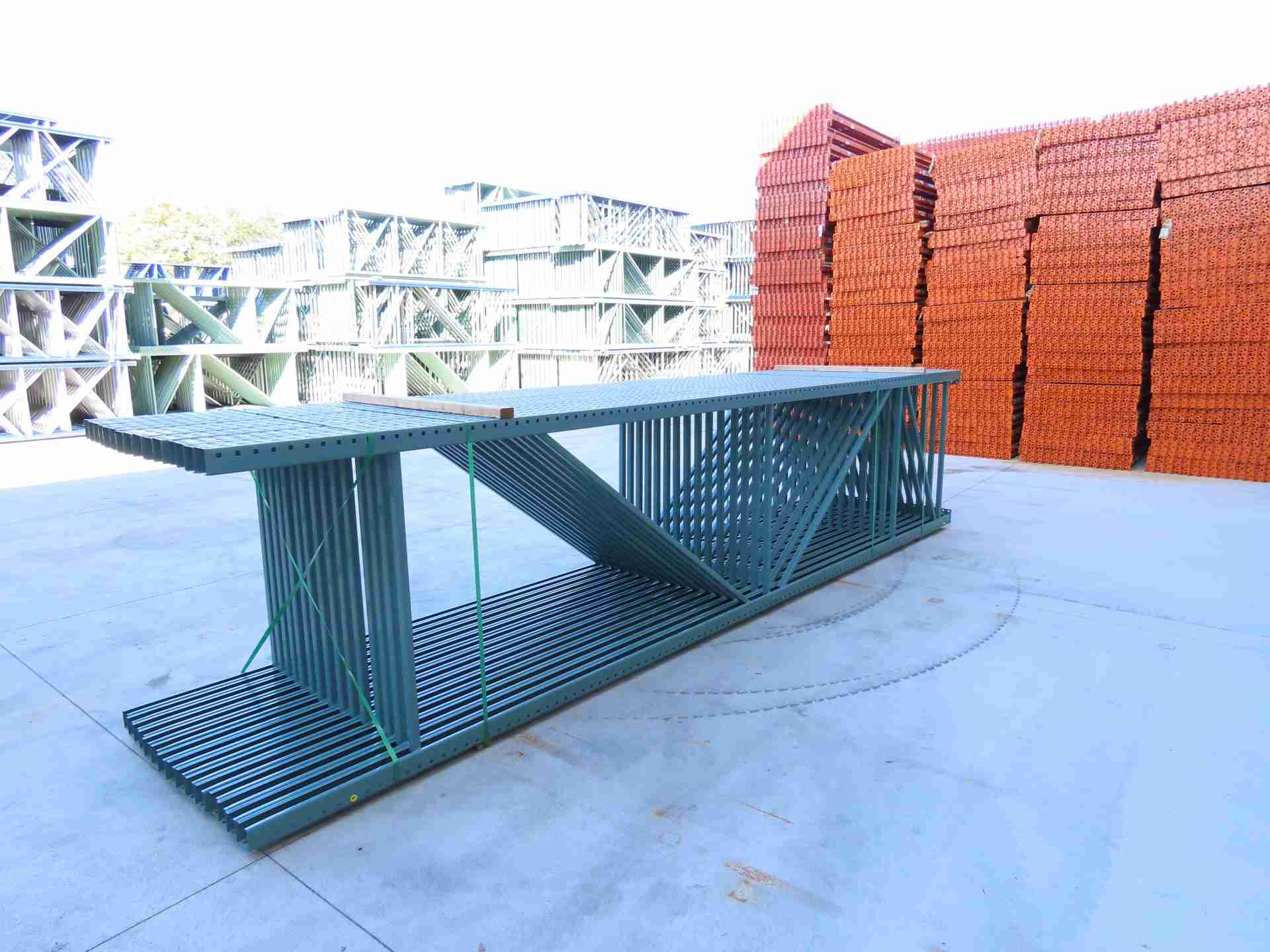
Other Resources
Here is a list of other resources you can review online to learn more:
- The Complete Pallet Rack Guide – Simply Rack
- WERC
- Arrow Industrial Sales
- Warehouse Racking System: Powerful Guide to Optimise, 2024
- Crane Manufacturers Association Of America Inc.
- Shipping Boxes, Packaging Materials, Pallet Racking
- Illinois Pallet Racking – Storage Solutions
- Warehouse Storage Racking in Illinois
- Selective Pallet Racking Systems
- Illinois
Use This Prompt To Get More Resources With Your Favorite Online AI Tool: Please provide me with a list of online articles with their URLs in a bulleted list that I can read regarding What Are The Hidden Costs Of Poor Warehouse Organization?
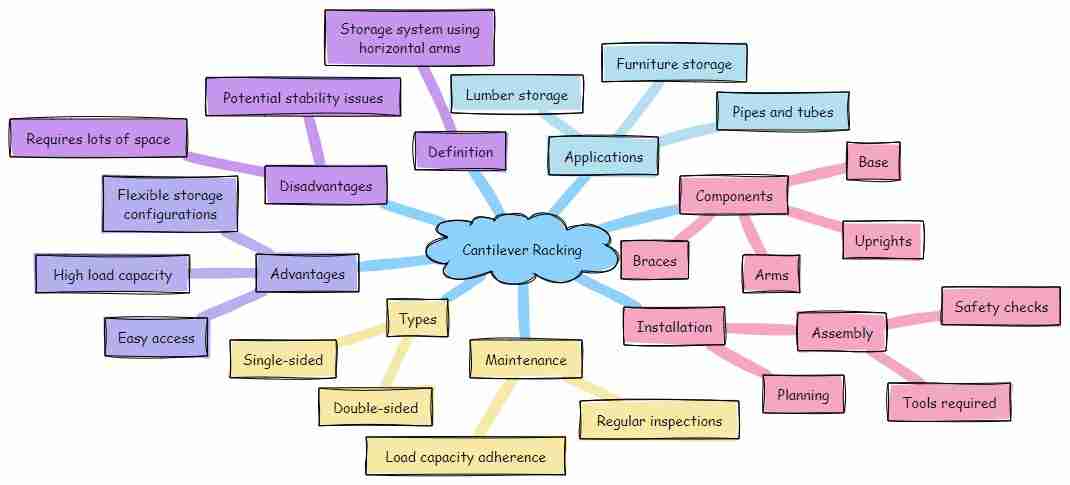
Other Resources
Glossary Terms
What Are The Hidden Costs Of Poor Warehouse Organization? – Glossary Of Terms
1. Warehouse Organization: The systematic arrangement of goods and materials within a warehouse to maximize efficiency and productivity.
2. Inefficiency: The lack of effective action or performance resulting in wasted time and resources within warehouse operations.
3. Inventory Management: The process of overseeing and controlling the flow of goods in and out of a warehouse, including tracking stock levels and orders.
4. Order Fulfillment: The entire process from receiving an order to delivering the product to the customer, which can be hampered by poor organization.
5. Pick Time: The duration it takes to select items from storage to fulfill an order; longer pick times can lead to increased labor costs.
6. Dead Stock: Inventory that is not moving or selling, tying up capital and space within the warehouse.
7. Stock Rotation: The process of organizing inventory so that older stock is sold before newer stock, reducing waste and obsolescence costs.
8. Safety Stock: Extra inventory kept on hand to prevent stockouts; poor organization can obscure the need for safety stock levels.
9. Lean Warehousing: A methodology aimed at minimizing waste and maximizing value through efficient warehouse practices.
10. Cycle Count: An inventory auditing process where a portion of the inventory is counted on a specific day; disorganization can lead to inaccuracies.
11. Lead Time: The amount of time it takes to receive inventory after placing an order; poor organization may contribute to longer lead times.
12. Loss Prevention: Strategies implemented to reduce theft and loss; a disorganized warehouse can make it harder to monitor these issues.
13. Space Utilization: The effective use of warehouse space; poor organization can lead to underutilized or over-crowded areas.
14. Labor Costs: The total expenses associated with workers; inefficient processes due to poor organization can inflate these costs.
15. Workflow: The sequence of processes through which a piece of work passes; efficient workflow is hindered by poor organization.
16. Cross-Docking: A logistics practice where incoming goods are directly transferred to outgoing shipments; disorganized warehouses complicate this process.
17. Retrieval System: The method used to locate and access items in a warehouse; ineffective systems increase retrieval times.
18. Damage Rates: The frequency of product damage due to mishandling or poor organization; higher damage rates increase costs.
19. Customer Satisfaction: The degree to which customers are happy with a product; disorganization can lead to errors and delays, impacting satisfaction.
20. Returns Processing: The handling and restocking of returned items; poor organization complicates this critical process.
21. Inventory Turnover: A ratio that shows how often inventory is sold and replaced in a given period; poor organization can lead to low turnover rates.
22. Information Technology (IT) Systems: Software and systems used to manage warehouse operations; ineffective use can result in mismanagement.
23. Pressure Points: Areas in a warehouse operations that are particularly vulnerable to inefficiencies; poor organization amplifies these vulnerabilities.
24. Stockout: A situation where inventory is unavailable for sale; poor warehouse organization can contribute to frequent stockouts.
25. Redundancies: Overlapping processes or inventory that aren’t necessary; they increase costs and reduce efficiency.
26. Supply Chain Disruption: Events that interrupt the flow of goods in a supply chain; disorganized warehouses can increase vulnerability.
27. Distribution Costs: The expenses associated with transporting goods; mismanaged warehouses can inflate these costs.
28. Returns Rate: The percentage of products returned by customers; excess returns may indicate poor quality or fulfillment issues.
29. Operational Agility: The ability of a warehouse to adapt quickly to changes; poor organization hinders this flexibility.
30. Performance Metrics: Standards used to measure the efficiency and effectiveness of warehouse operations; disorganized environments can lead to misleading or negative metrics.
Glossary Of Terms
Other Questions
What Are The Hidden Costs Of Poor Warehouse Organization? – Other Questions
If you wish to explore and discover more, consider looking for answers to these questions:
- What specific organizational strategies can improve warehouse layout?
- How can technology assist in warehouse organization?
- What are some common mistakes to avoid in warehouse organization?
- How do different pallet racking systems impact warehouse efficiency?
- What best practices can lead to a safe warehouse environment?
- How can staff training contribute to better warehouse organization?
- What are the consequences of neglecting warehouse organization long-term?
- How can poor organization affect inventory accuracy?
- What tools or software can help with inventory management?
- How often should warehouses be audited for organization issues?
- What role does leadership play in maintaining warehouse organization?
- How can employee feedback improve warehouse operations?
- What are some indicators that it’s time to reorganize a warehouse?
Other Questions
Checklist
What Are The Hidden Costs Of Poor Warehouse Organization? – A Checklist
Checklist: Improve Your Warehouse Organization and Efficiency
1. Evaluate Current Warehouse Layout
_____ Assess the current arrangement of pallets and shelving.
_____ Identify cluttered areas and bottlenecks in the workflow.
2. Implement Efficient Pallet Racking Solutions
_____ Ensure your pallet racking is optimized for easy access.
_____ Regularly review and update the racking system as inventory changes.
3. Establish Clear Labeling and Signage
_____ Use clear, consistent labeling for aisles, racks, and storage areas.
_____ Implement visual aids to guide workers in navigating the warehouse efficiently.
4. Regular Inventory Audits
_____ Schedule routine checks of inventory to identify misplaced or lost items.
_____ Use digital inventory management systems for real-time tracking.
5. Train Employees on Organization Practices
_____ Conduct training sessions on best practices for inventory management and organization.
_____ Encourage feedback from employees on workflow improvements.
6. Designate Specific Zones for Products
_____ Create designated areas for frequently picked items to reduce search time.
_____ Implement “hot zones” for high-demand items to streamline order fulfillment.
7. Monitor and Improve Safety Procedures
_____ Regularly assess safety protocols and ensure a clear path for movement.
_____ Provide training on safe material handling and warehouse policies.
8. Encourage a Clean Work Environment
_____ Adopt a “clean as you go” policy to maintain organization throughout the day.
_____ Designate time for teams to tidy up at the end of shifts.
9. Measure and Analyze Key Performance Indicators (KPIs)
_____ Track metrics related to order fulfillment speed and employee productivity.
_____ Conduct regular reviews to identify areas needing attention or improvement.
10. Foster Employee Morale and Engagement
_____ Provide opportunities for professional development and career growth.
_____ Create a recognition program to celebrate employee contributions to a positive work environment.
11. Gather and Act on Feedback
_____ Regularly solicit feedback from employees regarding organization and efficiency.
_____ Implement changes based on actionable insights from warehouse staff.
12. Set Clear Objectives for Warehouse Organization
_____ Define specific, measurable goals related to efficiency and organization.
_____ Review progress towards these goals on a regular basis and adjust strategies as needed.
By following this checklist, you can take significant steps towards transforming your warehouse into a more organized and efficient operation, reducing hidden costs and enhancing productivity.
Checklist
At RackingWorld, we help guide you through selecting warehouse storage systems and racking.
Be sure to read our other related stories at RackingWorld to learn more about warehouse storage systems.
0 Comments