
Maximizing Efficiency And Minimizing Costs In Your Warehouse
By Tom Seest
At RackingWorld, we help guide you through selecting warehouse storage systems and racking.
Be sure to read our other related stories at RackingWorld to learn more about warehouse storage systems.
What Costs Have You Faced Due to Ineffective Warehouse Solutions?
Let’s cultivate an image of your ideal warehouse—a beautifully organized space where everything has its place, where products arrive seamlessly, and orders fly out the door as if powered by jet engines. Now, take a moment to reflect on the reality of your current operations. Are you faced with chaos? Is it the nightly dread of inventory audits that keeps you awake?
Ineffective warehouse solutions can silently but aggressively erode your bottom line. Perhaps it starts with a simple decision: how to best utilize your space? Many businesses underestimate the importance of their storage systems, leading them to overlook essential elements like pallet racking. When improperly implemented, pallet racking can introduce inefficiencies that ripple into every facet of your operation, from increased labor costs to wasted time locating misplaced items.
Think about the tangible costs: Are your pickers spending extra minutes searching for products because your racking system isn’t designed for optimal flow? Those minutes add up to countless lost hours—invaluable time that could be spent fulfilling customers’ needs or strategizing your next big move. We’re not just talking operational delays here; we’re talking about customer dissatisfaction that could ultimately damage your reputation and business growth.
And what of inventory shrinkage? Poorly designed warehouse solutions often lead to mismanaged stock levels and stockouts that result in overspending on emergency orders. Relying on makeshift storage tactics may even foster an unsafe environment, increasing your liability insurance premiums. Do you really want your hard-earned profits frittering away into areas that do nothing but stifle your growth?
Now, let’s shift to a brighter, more productive reality. The right warehouse solutions can transform your operations—enhancing efficiency, reducing errors, and improving worker morale. Investing in effective pallet racking, for instance, can turn your warehouse into a powerhouse of performance. Picture streamlined pick paths, increased storage density, and heightened safety. Imagine that breath of fresh air when you see your profit margins smiling back at you!
It’s time to confront these inefficiencies. Ask yourself: What costs have I left unchecked? By taking proactive steps today—whether it’s reevaluating your current storage solutions or consulting with experts—you can usher your warehouse into a new era of effectiveness. Don’t let ineffectiveness hold you back. Embrace the power of strategic adjustments, and see the difference in your operations tomorrow!

What Costs Have You Faced Due to Ineffective Warehouse Solutions?
What Costs Have You Faced Due to Ineffective Warehouse Solutions?
- Imagine an ideal warehouse: organized, with seamless product arrival and efficient order fulfillment.
- Evaluate your current operations—are you facing chaos and the stress of inventory audits?.
- Ineffective warehouse solutions can erode profits, starting with inadequate space utilization and storage systems like pallet racking.
- Improper pallet racking leads to inefficiencies, increased labor costs, and time wasted searching for products.
- Inventory shrinkage, mismanaged stock levels, and unsafe environments can result from poorly designed warehouses, increasing costs and liability.
- Investing in effective warehouse solutions, such as proper pallet racking, can enhance efficiency, reduce errors, and improve worker morale.
- Take proactive steps today to reevaluate storage solutions and transform your operations for better profitability and effectiveness.
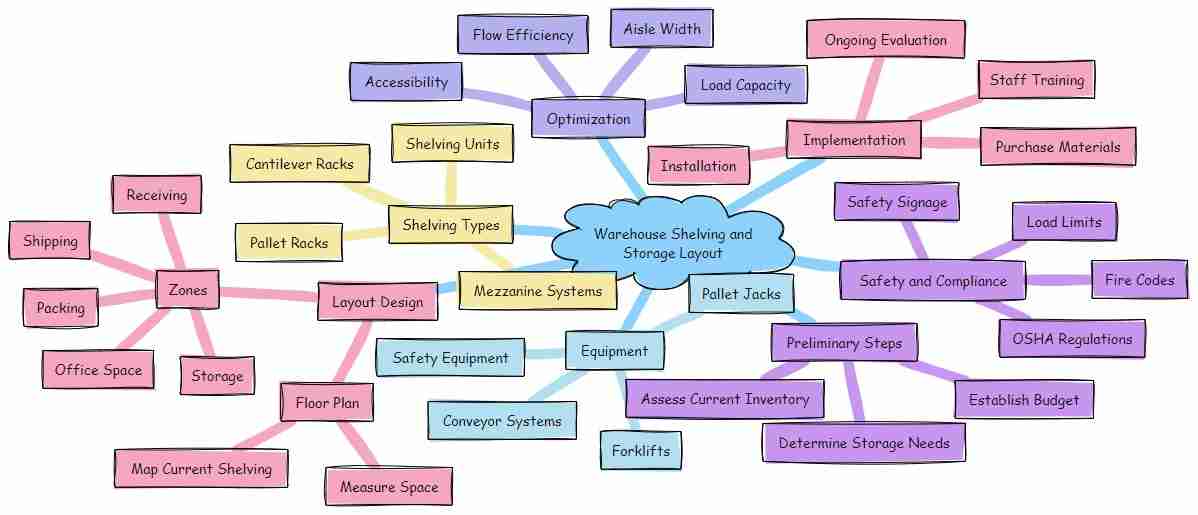
What Costs Have You Faced Due to Ineffective Warehouse Solutions?
Table Of Contents
- What Costs Have You Faced Due to Ineffective Warehouse Solutions?
- What Are The Hidden Costs Of Poor Warehouse Management?
- How Do Inefficient Workflows Impact Overall Expenses?
- What Financial Losses Arise From Inventory Inaccuracies?
- How Does Slow Order Fulfillment Affect Customer Satisfaction?
- What Are The Implications Of Excess Storage Fees On Profits?
- How Do Labor Inefficiencies Contribute To Rising Operational Costs?
- Conclusion
- Other Resources
- Glossary Of Terms
- Other Questions
- Checklist
What Are The Hidden Costs Of Poor Warehouse Management?
When you think about your warehouse operations, what are the first things that come to mind? Efficiency? Smooth processes? But lurking beneath the surface of these everyday activities are hidden costs that could rob your business of its profitability. Poor warehouse management isn’t just about misplaced items or employee frustration—it’s a cascade of inefficiencies that can severely impact your bottom line.
Let’s talk about pallet racking, for example. Every inch of space in your warehouse matters, yet poorly organized or unsuitable pallet racking can lead to a bottleneck of inventory. If your products are not easily accessible, your team will waste precious time—time that could be spent fulfilling orders or strategizing for the future. This doesn’t just create frustration for your workforce; it can also translate into missed opportunities and unsatisfied customers. Imagine telling a customer their shipment is delayed because someone spent ten extra minutes searching for a product hidden behind a mountain of disorganized stock.
But the cost of poor warehouse management goes beyond time wasted. How about the financial implications? Inefficient layouts lead to increased labor costs as employees spend more time navigating through a tangled mess rather than executing their tasks efficiently. Each misallocation of resources piles on expenses that you may not even notice until it’s too late.
Let’s not forget about the impact on your inventory accuracy. When items are incorrectly labeled or stored, the consequences ripple through your operations, ultimately resulting in overselling, stockouts, or excess inventory. Each mistake can turn into a hidden cost that slowly eats away at your profitability.
However, it doesn’t have to be this way. By investing in effective warehouse management practices and optimizing your pallet racking systems, you can drastically minimize these hidden costs. Imagine a well-organized warehouse, buzzing with productivity, where employees feel empowered and customers receive their orders on time.
So, what should you do? Start by auditing your current processes. Is your pallet racking designed for maximum efficiency? Are the pathways clear and logical? Addressing these issues will not only help you save money but also foster a thriving environment for growth. Take action today, and don’t let hidden costs stifle your warehouse potential!
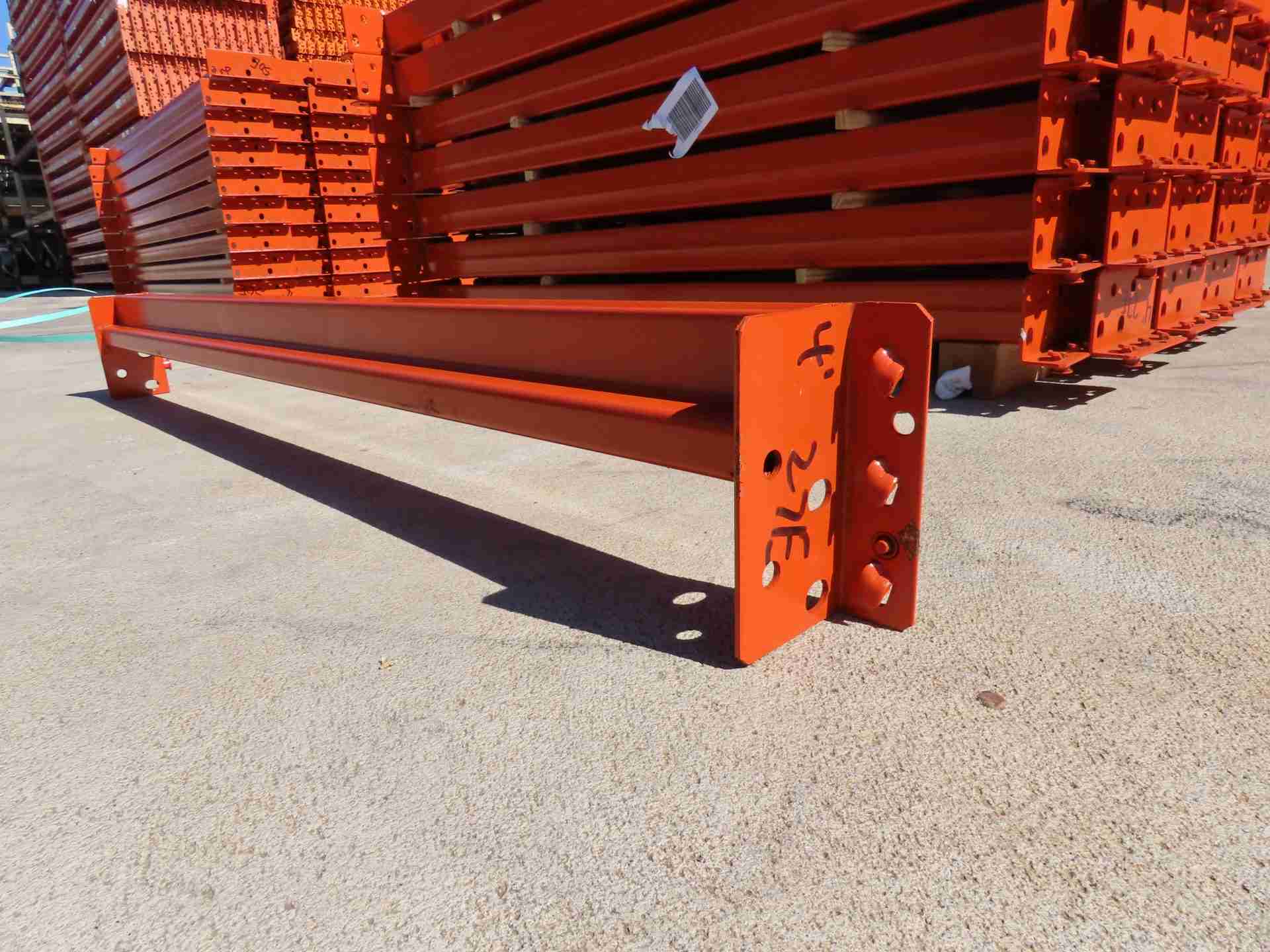
What Are The Hidden Costs Of Poor Warehouse Management?
What Are The Hidden Costs Of Poor Warehouse Management?
- Hidden costs in warehouse operations can significantly impact profitability.
- Poorly organized pallet racking can create bottlenecks and reduce accessibility.
- Wasted time searching for products translates to inefficiencies and customer dissatisfaction.
- Inefficient layouts increase labor costs as employees navigate disorganized spaces.
- Inaccurate inventory management leads to overselling, stockouts, and excess inventory.
- Investing in effective warehouse management practices optimizes systems and reduces hidden costs.
- Auditing current processes and enhancing layout can improve efficiency and foster growth.
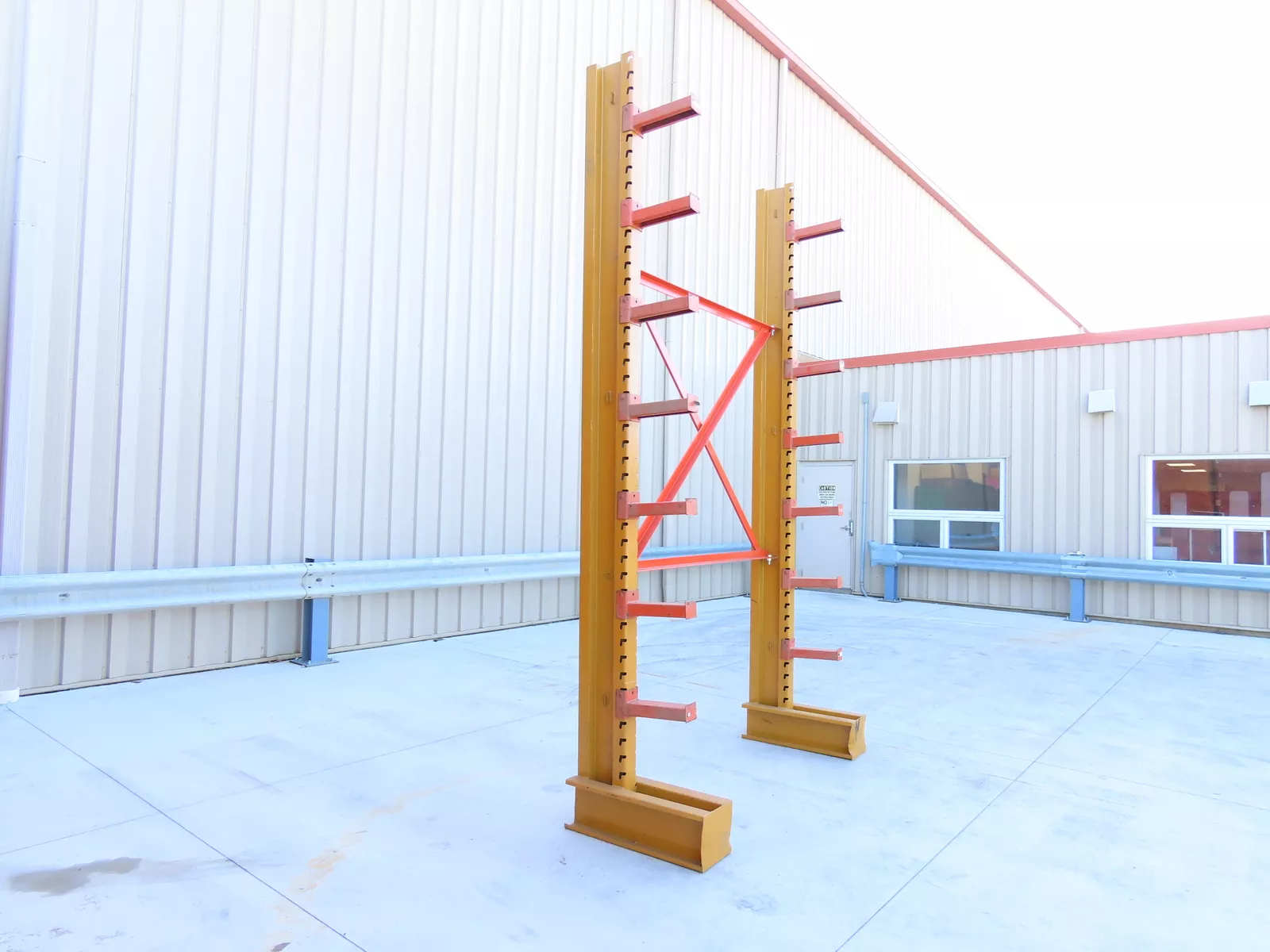
What Are The Hidden Costs Of Poor Warehouse Management?
How Do Inefficient Workflows Impact Overall Expenses?
Picture this: you walk into a warehouse bustling with activity, but the chaos soon becomes evident. Employees are searching for misplaced inventory, heavy items are being lifted inefficiently, and time is ticking away like a slow drip. This scene is a vivid reminder of how inefficient workflows can quietly drain your savings and undermine your operational success.
Now, let’s dig into the heart of this matter. When workflows are inefficient, every minute wasted translates to wasted dollars. Imagine if valuable employees are spending critical time shuffling through disorganized pallet racking systems instead of focusing on their primary tasks. The result? A frustrating cycle of higher labor costs and decreased productivity. Every time a worker is delayed, it adds up—not only in money spent but also in missed opportunities.
Moreover, consider how poor workflow management affects your inventory. Does it lead you to reorder items you already have, simply because they were unexpectedly out of reach? Or maybe you find yourself losing stock altogether due to disarray. Each of these scenarios doesn’t just chip away at your bottom line; they compound over time, creating an exponential financial burden that can be difficult to recover from.
Now, let’s not forget about the impact of workplace morale. When systems are chaotic and inefficiencies rule the day, the energy tends to plummet. Employees feel the stress, and their engagement may dwindle. Companies with low morale often face higher turnover rates, which can incur recruitment and training expenditures costing thousands. Simply put, inefficient workflows create a toxic environment that ultimately leads to a direct impact on your financial resources.
But here’s the good news: recognizing and remediating these inefficiencies can lead not only to a streamlined operation but also to substantial cost savings. Invest in strategies that revamp your infrastructure—like optimizing your pallet racking systems. A well-organized, thoughtfully designed storage solution can create a smooth flow of goods, minimizing downtime and ultimately leading to a healthier bottom line.
Take action today! Engage with your teams, assess your current workflows, and begin the journey of transformation. Efficiency is not merely a luxury but a necessity in a competitive landscape. Trust that small changes can have a profound impact, leading you to a more organized, productive, and financially sound business. Embrace the challenge, and watch prosperity follow.
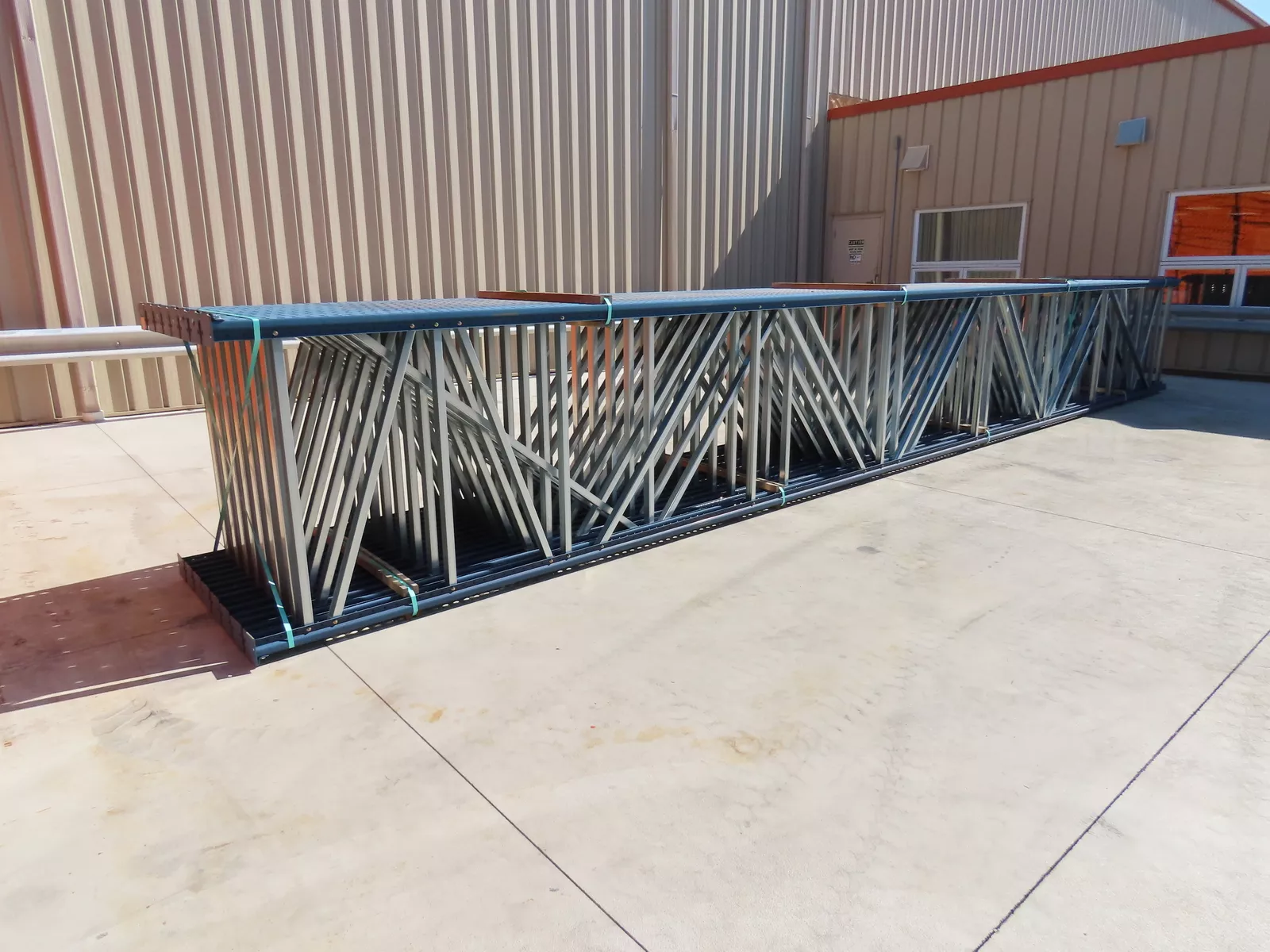
How Do Inefficient Workflows Impact Overall Expenses?
How Do Inefficient Workflows Impact Overall Expenses?
- Inefficient workflows can drain savings and undermine operational success.
- Every wasted minute translates to wasted dollars, affecting productivity and increasing labor costs.
- Poor inventory management may lead to unnecessary reorders and losses due to disorganization.
- Inefficiencies can create low workplace morale, resulting in higher turnover rates and recruitment costs.
- Addressing workflow inefficiencies can lead to streamlined operations and substantial cost savings.
- Invest in optimizing storage solutions, like pallet racking systems, to improve efficiency.
- Evaluate and transform current workflows to enhance business organization and productivity.
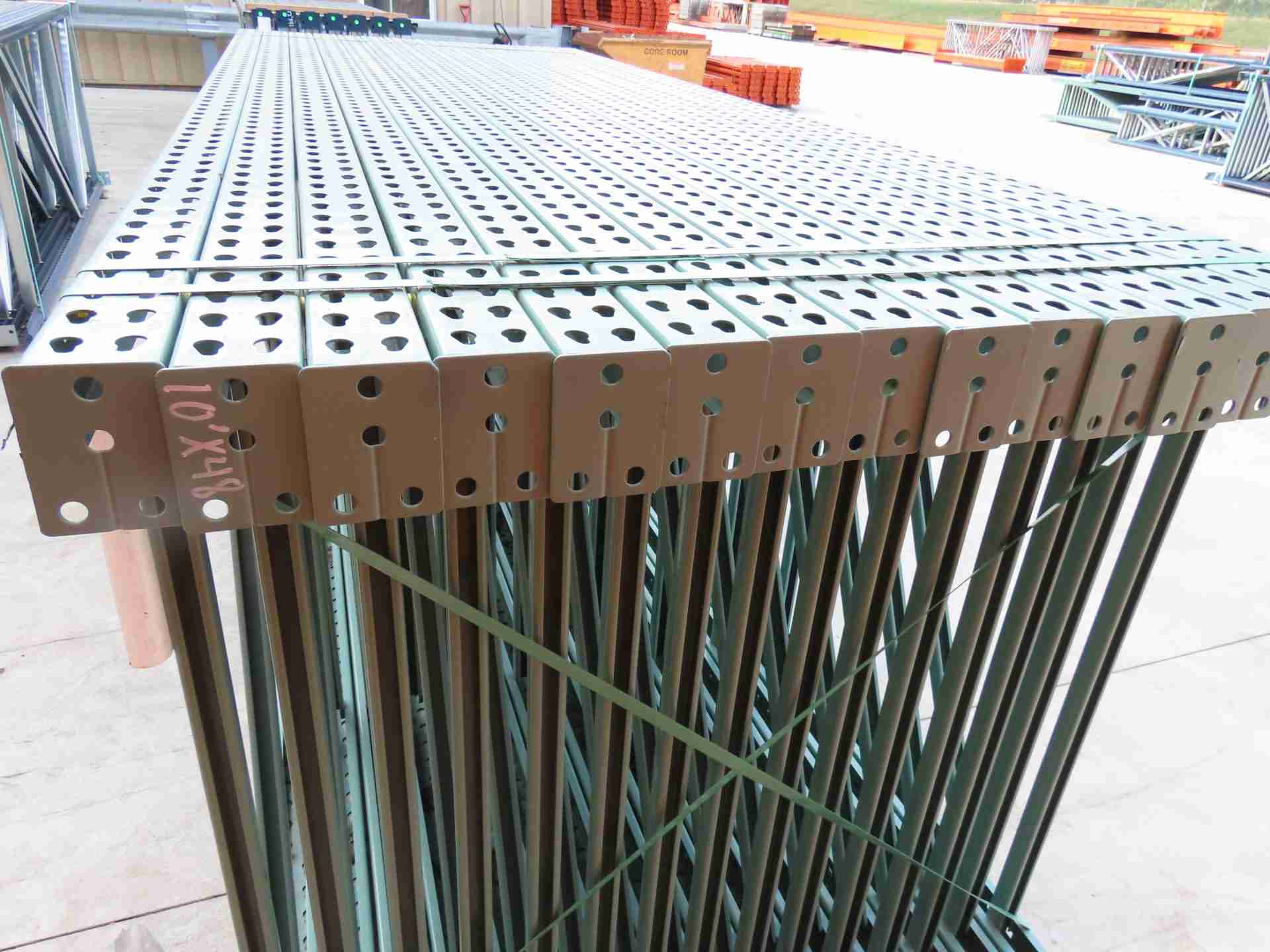
How Do Inefficient Workflows Impact Overall Expenses?
What Financial Losses Arise From Inventory Inaccuracies?
Imagine walking into your warehouse, glancing at your pallet racking, and realizing that what you have on hand doesn’t match what’s in your system. It’s a common scenario, often brushed off as an operational hiccup, but let’s delve deeper. Inventory inaccuracies can snowball into significant financial losses that impact your bottom line and overall business health.
First, consider the immediate costs associated with stock discrepancies. Stockouts will lead to missed sales opportunities. For every unit you fail to deliver, you not only lose revenue but also potentially tarnish your brand’s reputation. Customers remember late deliveries, and they’re one click away from choosing a competitor who can fulfill their needs promptly.
On the flip side lies the danger of overstocking. Excess inventory takes up valuable real estate in your warehouse, affecting your layout and disrupting the efficient flow of operations. Your pallet racking, meant to optimize storage, becomes a cluttered maze of unsold products. You’re not just losing money on unsold stock; you’re paying for storage, insurance, and possibly spoilage. It’s a hidden tax that eats into your profits month after month.
Furthermore, consider the costs associated with labor inefficiencies. If your inventory data is inaccurate, employees will waste precious time searching for products that don’t exist or are stored incorrectly. This inefficiency leads to reduced productivity and higher operational costs. Is your team spending more time looking for items in your racking system than serving your customers? Imagine what that time could instead be devoted to—building relationships, driving sales, or honing your competitive edge.
Then there’s the impact on financial forecasting. Accurate inventory data is pivotal to a successful business strategy. If your figures are off, your projections will be, too. This ripple effect leads to poor decision-making that could jeopardize your business’s growth and stability.
In today’s fast-paced market, precision is not just an advantage—it’s a necessity. The truth is, businesses don’t just sell products; they sell experiences. Ensuring that your inventory management is on point builds trust with your customers while safeguarding your bottom line. So, let’s take action together. Invest in systems that provide real-time inventory accuracy. Embrace technology that consolidates your data and optimizes your pallet racking strategy. By doing so, you’ll not only minimize financial losses but also pave the way for sustained growth and success.
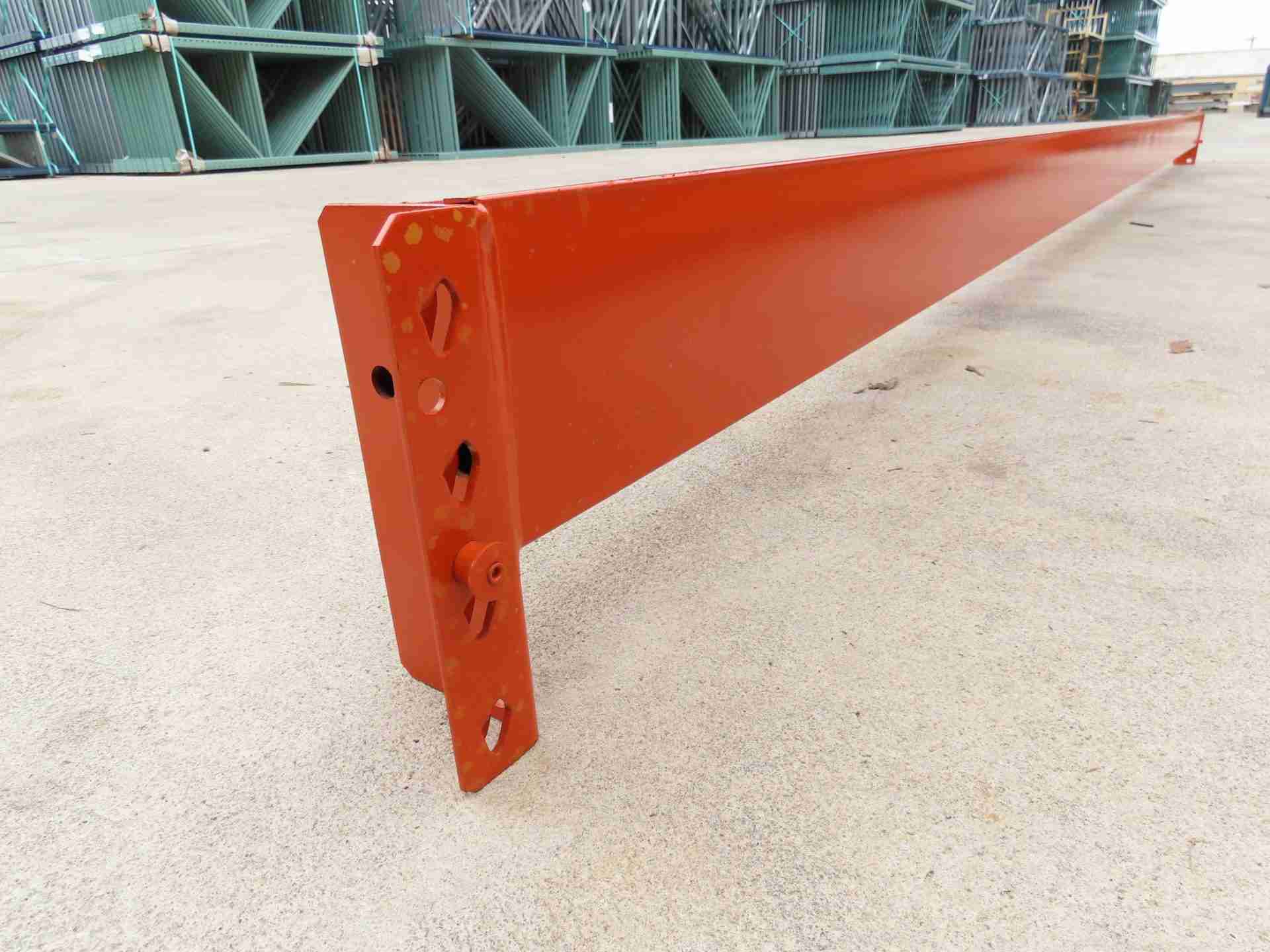
What Financial Losses Arise From Inventory Inaccuracies?
What Financial Losses Arise From Inventory Inaccuracies?
- Inventory inaccuracies can lead to significant financial losses and impact overall business health.
- Stock discrepancies can result in stockouts, leading to missed sales opportunities and damage to brand reputation.
- Excess inventory occupies valuable warehouse space, disrupting operations and leading to ongoing costs such as storage and spoilage.
- Labor inefficiencies arise when employees spend time searching for inaccurately recorded or misplaced products, reducing productivity.
- Inaccurate inventory data negatively impacts financial forecasting, leading to poor decision-making and potential jeopardy to business growth.
- Precision in inventory management is essential in today’s fast-paced market, influencing customer trust and experience.
- Investing in technology for real-time inventory accuracy can minimize losses and support sustained growth and success.

What Financial Losses Arise From Inventory Inaccuracies?
How Does Slow Order Fulfillment Affect Customer Satisfaction?
In today’s fast-paced market, customers expect more than just quality products; they demand speed and efficiency right from the moment they place their order. Picture this: you’ve just made the delightful decision to buy that perfect item, be it state-of-the-art pallet racking for your warehouse or that new gadget you’ve been eyeing. You envision having it delivered swiftly to enhance your projects, streamline your space, or simply bring joy into your life. But then, after placing your order, you find yourself left in the lurch, waiting days or even weeks for your shipment to arrive. Frustrating, isn’t it?
Slow order fulfillment can dramatically affect customer satisfaction and loyalty. It puts a damper on the excitement of a new purchase and intensifies feelings of uncertainty. Is your order even going to arrive? A delay can turn an eager customer into a disgruntled one in the blink of an eye. In fact, studies have shown that over 70% of buyers are willing to abandon their carts due to dissatisfaction with delivery times. It’s an alarming statistic but one that can’t be ignored.
Moreover, slow fulfillment impacts your bottom line. When customers have to grapple with delays, they often seek alternatives. This means your competitor—who perhaps offers similar pallet racking solutions but with faster shipping—could win the sale. Trust me, once customers stray, they might not return, even when you rectify the issue. The relationship has been harmed, and regaining that trust can take significant time and effort.
The good news? You have the power to influence customer satisfaction through effective order fulfillment strategies. Whether it’s investing in advanced inventory systems, choosing reliable shipping partners, or enhancing your warehouse organization to ensure smooth flow, every operational improvement counts. Consider implementing tracking systems that keep your customers updated every step of the way; a simple message can go a long way in maintaining their excitement and trust.
So, as you contemplate your fulfillment processes, remember that speed is not just a bonus—it’s a crucial pillar of customer satisfaction. Each interaction counts, and with proactive strategies, you can transform potential frustrations into moments of delight. By fine-tuning your fulfillment approach, you’ll not only enhance customer experience but ultimately foster long-lasting relationships that drive repeat business and loyalty. Your customers are waiting—let’s give them what they deserve!
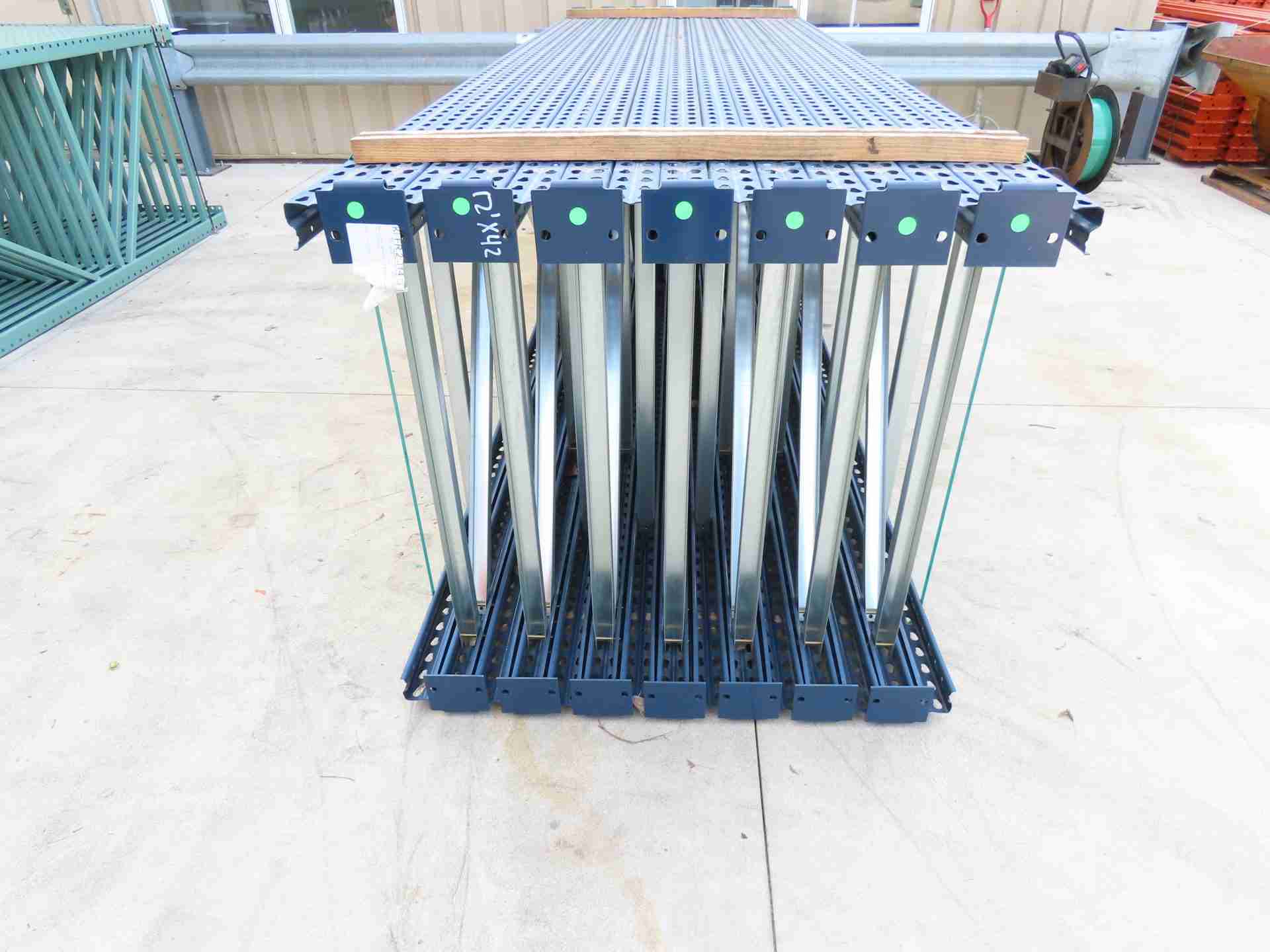
How Does Slow Order Fulfillment Affect Customer Satisfaction?
How Does Slow Order Fulfillment Affect Customer Satisfaction?
- Customers today demand speed and efficiency in order fulfillment, not just quality products.
- Slow order fulfillment can lead to frustration, impacting customer satisfaction and loyalty.
- Studies show over 70% of buyers may abandon their carts due to unsatisfactory delivery times.
- Delays can drive customers to competitors, jeopardizing long-term relationships and trust.
- Effective order fulfillment strategies can significantly influence customer satisfaction.
- Investing in inventory systems, reliable shipping partners, and organization can enhance fulfillment speed.
- Proactive communication, like tracking updates, keeps customers informed and engaged throughout the process.
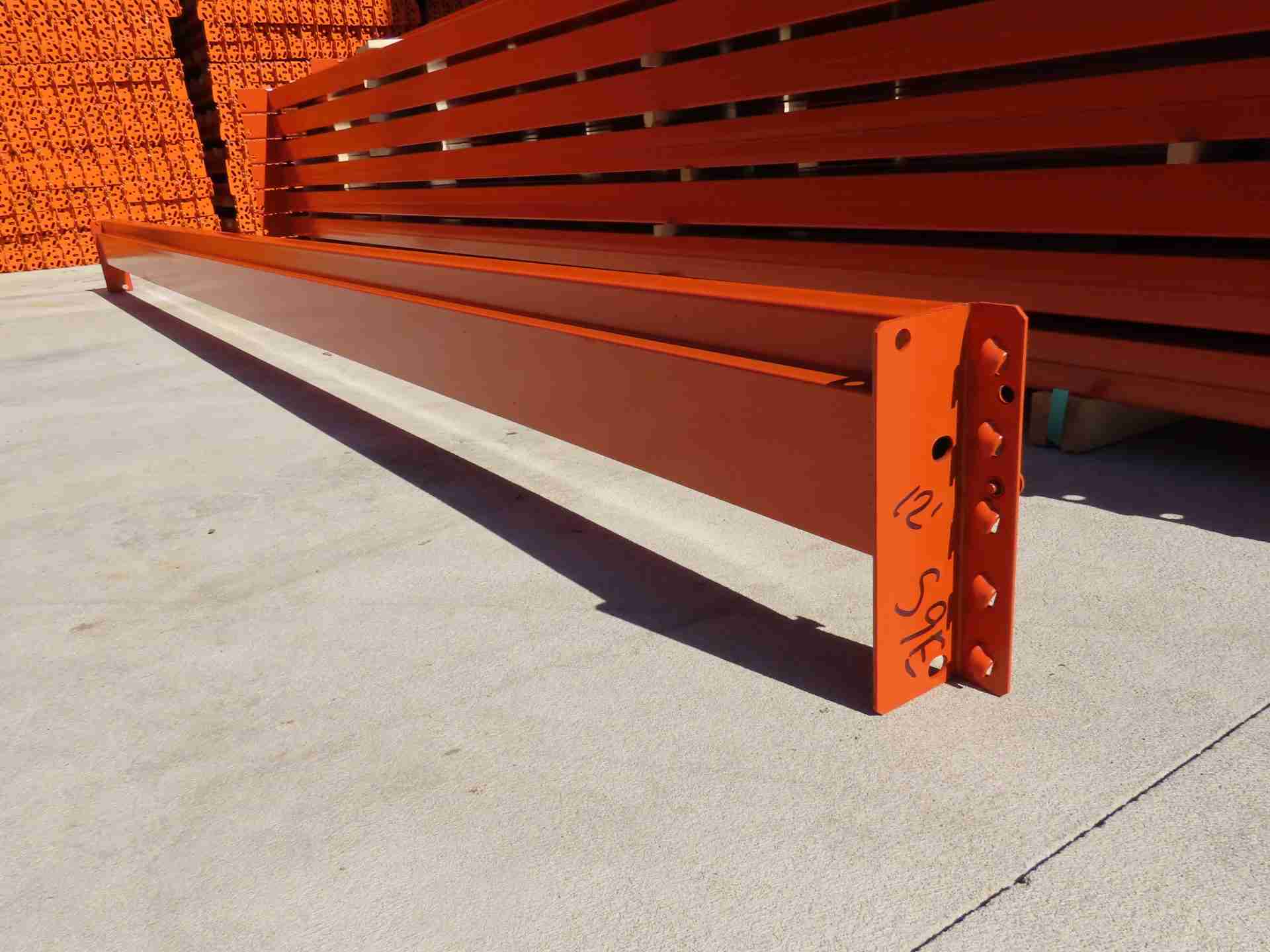
How Does Slow Order Fulfillment Affect Customer Satisfaction?
What Are The Implications Of Excess Storage Fees On Profits?
In the bustling world of inventory management, every cent counts. Excess storage fees can often feel like hidden culprits, stealthily siphoning away your profits. Imagine this scenario: you’ve meticulously arranged your warehouse with pallet racking systems designed to optimize space and improve accessibility. Yet, despite your best efforts, the dreaded excess storage fees keep creeping into your balance sheet like an uninvited guest. So, what does this mean for your bottom line?
First, let’s break it down. Excess storage fees aren’t just annoying extra charges; they represent a tangible threat to your profitability. Each day your inventory lingers too long in the warehouse incurs additional costs, chipping away at the revenue you’ve worked tirelessly to generate. This burden can become especially weighty if your pallet racking is filled to the brim with products that aren’t moving. The longer those goods sit, the more you pay—not to mention the lost opportunities to invest that capital elsewhere.
Now, consider the psychological aspect of excess storage fees. As business owners, we often gauge success by the stock we hold. It’s easy to fall into the trap of warehouse bloat, thinking more inventory equates to more sales. But when you’re shrouded in extra costs, it’s time to recalibrate that mindset. Those fees should serve as a wake-up call, motivating you to refine your operations and enhance efficiency. You might need to reevaluate your purchasing patterns, sales forecasts, and even your product offerings. This proactive approach transforms potential losses into opportunities for growth.
Moreover, making practical adjustments in your inventory management system can amplify your profitability. Use data analytics to identify which items are sitting stagnant on your pallet racking. By aligning your supply chain with actual demand, you’ll not only minimize storage fees but also foster a more responsive, agile business model. It creates a healthy cycle: less inventory means lower costs, and that means more profits.
The implications of excess storage fees extend way beyond mere dollars and cents. They’re a call to action for business leaders to streamline processes, engage their teams, and embrace a philosophy of continuous improvement. When your warehouse operates efficiently, with less wastage, every pallet rack can work harder for you. The question isn’t just how to survive these fees—it’s how to leverage them to become a more effective, profitable enterprise. Embrace the challenge, and watch your profits flourish!

What Are The Implications Of Excess Storage Fees On Profits?
What Are The Implications Of Excess Storage Fees On Profits?
- Excess storage fees can significantly impact profitability by increasing costs for products that remain unsold.
- Even with efficient pallet racking systems, inventory stagnation can lead to unexpected charges that affect financial performance.
- Business owners may mistakenly equate high inventory levels with success, potentially leading to warehouse bloat.
- Excess storage fees should motivate a reevaluation of purchasing patterns, sales forecasts, and product offerings.
- Utilizing data analytics helps identify slow-moving items and aligns supply chains with actual demand.
- Reducing inventory leads to lower costs, creating a cycle that enhances overall profitability.
- Excess storage fees serve as a catalyst for continuous improvement and operational efficiency in businesses.

What Are The Implications Of Excess Storage Fees On Profits?
How Do Labor Inefficiencies Contribute To Rising Operational Costs?
When navigating the complex world of operational management, the last thing you want is for labor inefficiencies to drain your profits faster than a leaky bucket. Picture this: a busy warehouse filled with towering pallet racking systems, neatly organized, but chaos ensues on the ground floor as employees struggle to locate the products they need. This scenario isn’t just a minor inconvenience; it’s a perfect storm brewing that can impact your bottom line.
Every minute your staff spends searching for a misallocated item or waiting for materials can translate to wasted dollars. Labor costs often account for a considerable portion of operational expenses, sometimes as high as 70% in warehouses. So, when inefficiencies creep into the workflow, like those pesky weeds in your garden, it’s not long before they stifle your productivity and push those operational costs ever higher.
Have you ever been in a situation where an employee doubles back because the picking list wasn’t clear or improperly organized? Or perhaps your warehousing system isn’t streamlined, leading to slower processing times? Each of these slip-ups chips away at your profits and, over time, can create a significant dent in your financial health. Inefficient labor isn’t just an annoyance; it’s an uninvited guest that you didn’t budget for.
But there’s hope! By addressing these inefficiencies head-on, you can turn your operational costs around. Start by investing in better training for your staff, ensuring they understand their roles and can navigate your pallet racking system like seasoned pros. Employing technology—like warehouse management systems—can also lighten the load, providing real-time data that helps your employees make quick decisions.
Additionally, periodic audits of workflow strategies can unveil hidden inefficiencies you never knew existed, opening the door to streamlined processes that save both time and money. Ask yourself: how well do you understand your operation’s pulse?
By refining your processes, not only will you foster a motivated workforce, but you’ll also build trust with stakeholders who yearn for transparency and efficiency. In a world where margins are paper-thin, making these subtle yet impactful changes can lead to monumental savings.
So, let’s take those next steps together to transform inefficiencies into opportunities for a more profitable future! With conscious effort and strategic adjustments, you can turn your operational landscape into a well-oiled machine, leaving inefficiencies in the dust.
How Do Labor Inefficiencies Contribute To Rising Operational Costs?
How Do Labor Inefficiencies Contribute To Rising Operational Costs?
- Labor inefficiencies in operational management can severely impact profits.
- Labor costs can account for up to 70% of operational expenses in warehouses.
- Misallocated items and unclear picking lists lead to wasted time and increased costs.
- Investing in better staff training is essential for improving efficiency.
- Utilizing technology like warehouse management systems can streamline operations.
- Periodic workflow audits can identify and eliminate hidden inefficiencies.
- Refining processes enhances workforce motivation and builds stakeholder trust.
How Do Labor Inefficiencies Contribute To Rising Operational Costs?
Conclusion
Conclusion: The Key to Warehouse Success: Minimize Costs, Maximize Efficiency
As we navigate the intricacies of warehouse management, it’s vital to confront the financial implications of inefficiencies head-on. Hidden costs from ineffective storage solutions like poorly organized pallet racking can chip away at your profitability, leading to exacerbated labor costs, missed sales opportunities, and customer dissatisfaction. The reality is stark: each misplaced item and delayed shipment chips away not just at your bottom line but also at your reputation in an increasingly competitive landscape.
An organized warehouse is not a luxury; it’s a necessity. The remedy lies in reevaluating your current operations, from inventory accuracy to streamlined workflows. Is your warehouse designed with efficiency in mind? Are your employees equipped with the tools and resources they need to thrive? A well-structured pallet racking system can drastically improve accessibility, reduce search times, and alleviate employee frustration—all while fostering a culture of productivity and morale.
The call to action is clear: now is the time to invest in effective warehouse solutions that enhance operational performance. By collaborating with experts like Arrow Industrial Sales, you can reinvent your approach to inventory management and take proactive steps to mitigate risks. Don’t let inefficiencies fester; utilize an actionable strategy to reclaim your profits.
Remember, each moment you wait translates into lost opportunities. The cost of inaction far exceeds the investment required for making strategic adjustments today. Call Arrow Industrial Sales at (574) 349-6575 to explore innovative warehouse solutions that address your unique challenges.
In a marketplace where agility and efficiency are paramount, a commitment to transformation will not only streamline your processes but also elevate your business above the competition. Embrace the power of optimization, and watch as you unlock the door to a warehouse that operates not just as a storage facility, but as a dynamic engine of growth and success. Each step you take today lays the foundation for a future rich with potential—take that step, and let your warehouse flourish!
Conclusion
Conclusion:
- Confront financial implications of warehouse inefficiencies to enhance profitability.
- Poor storage solutions lead to increased labor costs, missed sales opportunities, and customer dissatisfaction.
- An organized warehouse is essential for operational success.
- Reevaluate operations, focusing on inventory accuracy and streamlined workflows.
- Invest in effective warehouse solutions and seek expert collaboration for improved performance.
- The cost of inaction is greater than the investment needed for strategic improvements.
- Commit to transformation to elevate your business and unlock growth potential.
Conclusion
Other Resources

Other Resources
Here is a list of other resources you can review online to learn more:
- Material Handling Safety
- Wolter
- Pallet Racking systems in Illinois, Great Lakes
- Shipping Boxes, Packaging Materials, Pallet Racking
- Warehouse Storage Racks
- Warehousing Education and Research Council: https://www.werc.org/
- IIWS Inc. Rack Installation Illinois & Rack Repairs Illinois
- Warehouse Racking Systems: Beginner’s Guide to Rack Systems
- Heavy-Duty Cantilever Storage Racks
- Warehouse Racking Chicago, IL
Use This Prompt To Get More Resources With Your Favorite Online AI Tool: Please provide me with a list of online articles with their URLs in a bulleted list that I can read regarding What Costs Have You Faced Due to Ineffective Warehouse Solutions?
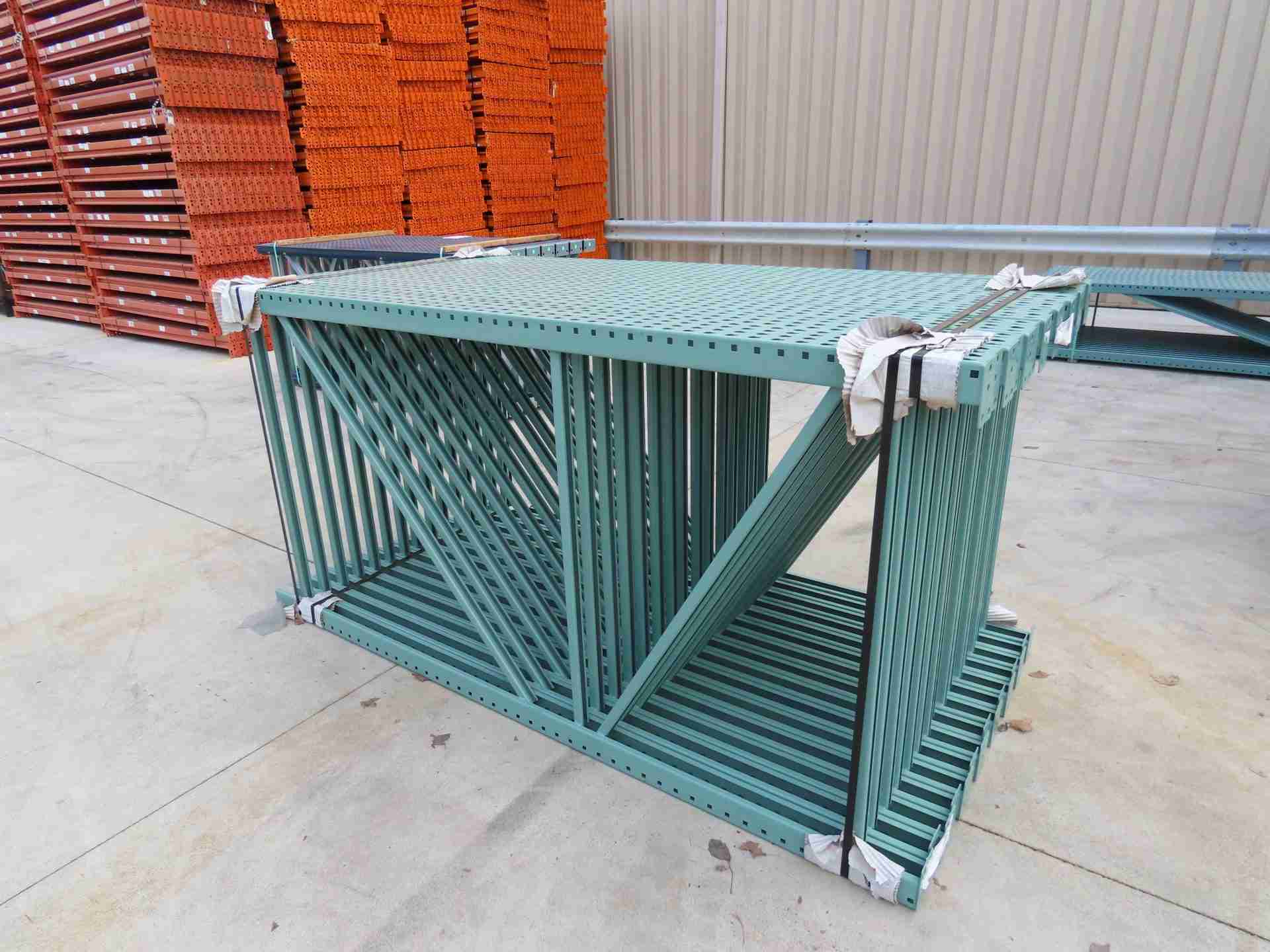
Other Resources
Glossary Terms
What Costs Have You Faced Due to Ineffective Warehouse Solutions? – Glossary Of Terms
1. Inventory Carrying Cost: The total cost of holding inventory, including storage, insurance, deterioration, and obsolescence.
2. Fulfillment Expenses: Costs associated with processing and delivering orders to customers, which can increase due to inefficiency.
3. Storage Fees: Charges incurred for storing goods in a warehouse, which may rise with poor space management.
4. Labor Costs: Wages and benefits paid to warehouse staff, often inflating due to inefficient processes requiring more manpower.
5. Shrinkage: Loss of inventory due to theft, damage, or mismanagement, leading to increased expenses.
6. Transportation Costs: Expenses related to moving goods from the warehouse to the customer, which can be higher if inventory is poorly managed.
7. Lost Sales: Revenue loss due to stockouts or delays caused by ineffective warehousing, leading to missed customer demands.
8. Inefficiency: The failure to optimize operations, resulting in wasted time and resources in warehouse processes.
9. Space Utilization: The effective use of warehouse space; poor utilization can lead to higher storage costs.
10. Obsolescence: The process of inventory becoming outdated or unsellable, often due to mismanagement of stock levels.
11. Order Accuracy: The percentage of correctly fulfilled orders; low accuracy leads to returns and reprocessing costs.
12. Return Rate: The frequency of returned orders, often increased by errors in order fulfillment or product inaccuracies.
13. Technology Overhead: Costs associated with outdated or ineffective technology used in warehouse management.
14. Warehouse Management System (WMS): A software solution designed to manage warehouse operations; ineffective systems can lead to errors and higher costs.
15. Pick and Pack Costs: Expenses incurred for selecting items and preparing them for shipment; can rise due to poor layout or organization.
16. Resource Allocation: The distribution of resources in the warehouse; ineffective allocation can lead to increased costs and delays.
17. Training Expenses: Costs related to training staff on warehouse operations; ineffective processes may require ongoing training.
18. Maintenance Costs: Expenses for upkeep of warehouse equipment; can increase as machinery may break down more frequently with poor organization.
19. Compliance Costs: Financial burdens associated with meeting regulatory requirements, which can escalate with inefficient operational processes.
20. Customer Service Costs: Expenses related to managing customer inquiries and issues that arise from poor order fulfillment.
21. Cycle Time: The total time taken to complete a warehouse process; longer cycle times can lead to higher operational costs.
22. Logistics Optimization: The process of improving supply chain efficiency; failure to optimize logistics can increase costs.
23. Supplier Relations: The relationship with suppliers, which can be strained by inefficiencies leading to additional expenses.
24. Demand Forecasting: The process of predicting customer demand; poor forecasting can result in excess or insufficient inventory, increasing costs.
25. Capital Expenditure (CapEx): Funds used by a company to acquire, upgrade, and maintain warehouse facilities; inefficiencies can lead to higher CapEx.
26. Operational Downtime: Periods when warehouse operations are halted; excessive downtime leads to wasted resources and cost escalations.
27. Lean Management: A practice focused on minimizing waste within manufacturing systems; ineffective warehouses often deviate from these principles.
28. Safety Stock: Extra inventory held to guard against unpredictability in demand or supply; mismanagement can lead to excess costs.
29. Third-Party Logistics (3PL): Outsourcing of logistics and warehousing; ineffective management can lead to higher reliance on these services, increasing costs.
30. Return on Investment (ROI): A measure of the profitability of an investment; ineffective warehouse solutions can diminish ROI significantly.
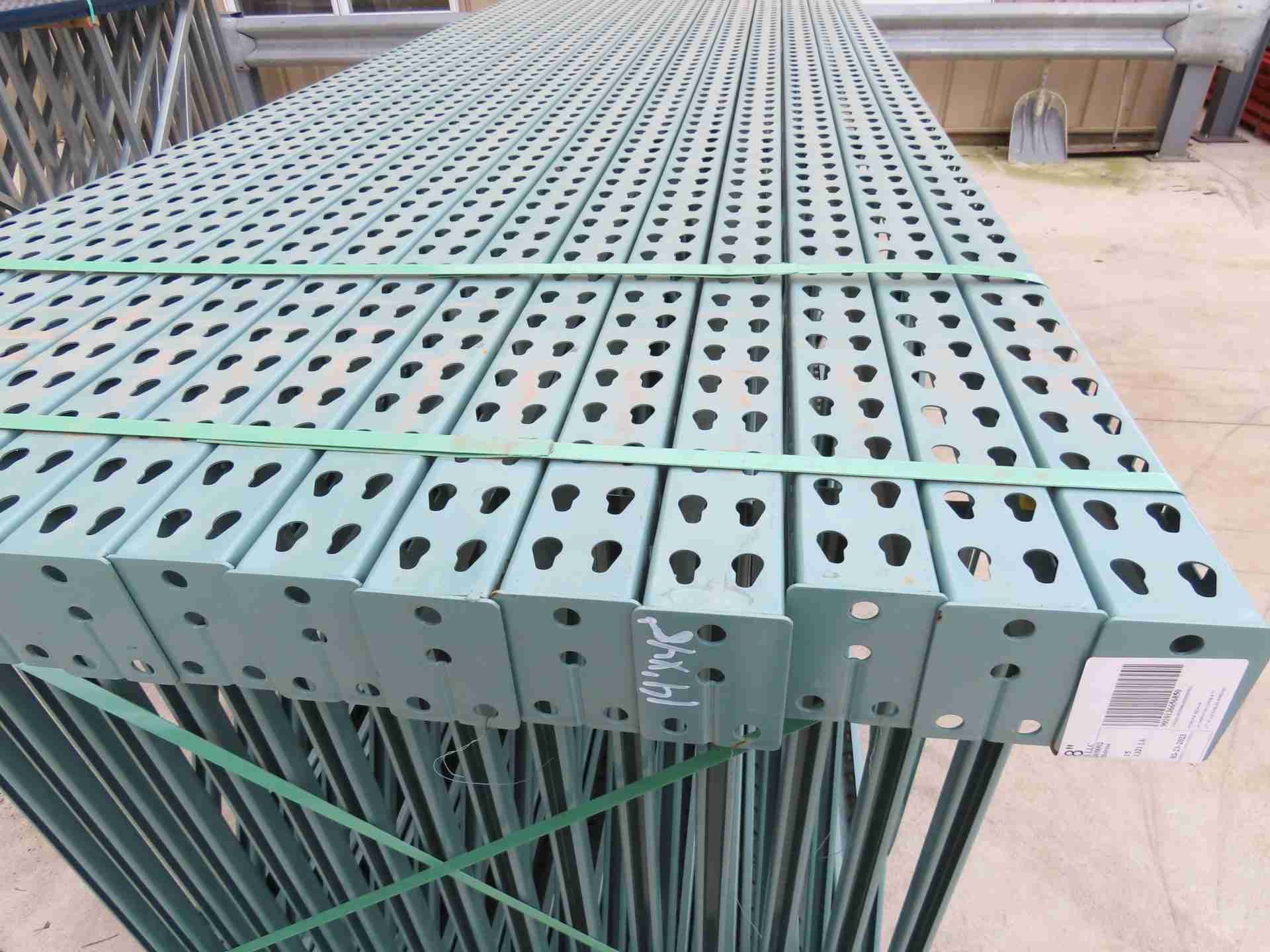
Glossary Of Terms
Other Questions
What Costs Have You Faced Due to Ineffective Warehouse Solutions? – Other Questions
If you wish to explore and discover more, consider looking for answers to these questions:
- What are the signs that my warehouse solution is ineffective?
- How can I evaluate the efficiency of my current warehouse layout?
- What technologies can help improve warehouse management?
- How can I reduce inventory shrinkage in my warehouse?
- What are best practices for organizing pallet racking systems?
- How can poor inventory management affect my overall business strategy?
- What steps should I take to implement changes in my warehouse operations?
- How do seasonality and demand fluctuations impact warehouse costs?
- What are the long-term benefits of investing in warehouse efficiency?
- How can I train my staff to improve productivity in the warehouse?
- What are some cost-effective solutions for optimizing storage space?
- How can I measure the ROI of improving my warehouse operations?
- What role does employee morale play in warehouse efficiency?
- How can I improve communication between my warehouse and sales team?
- Are there industry benchmarks for warehouse efficiency that I should consider?
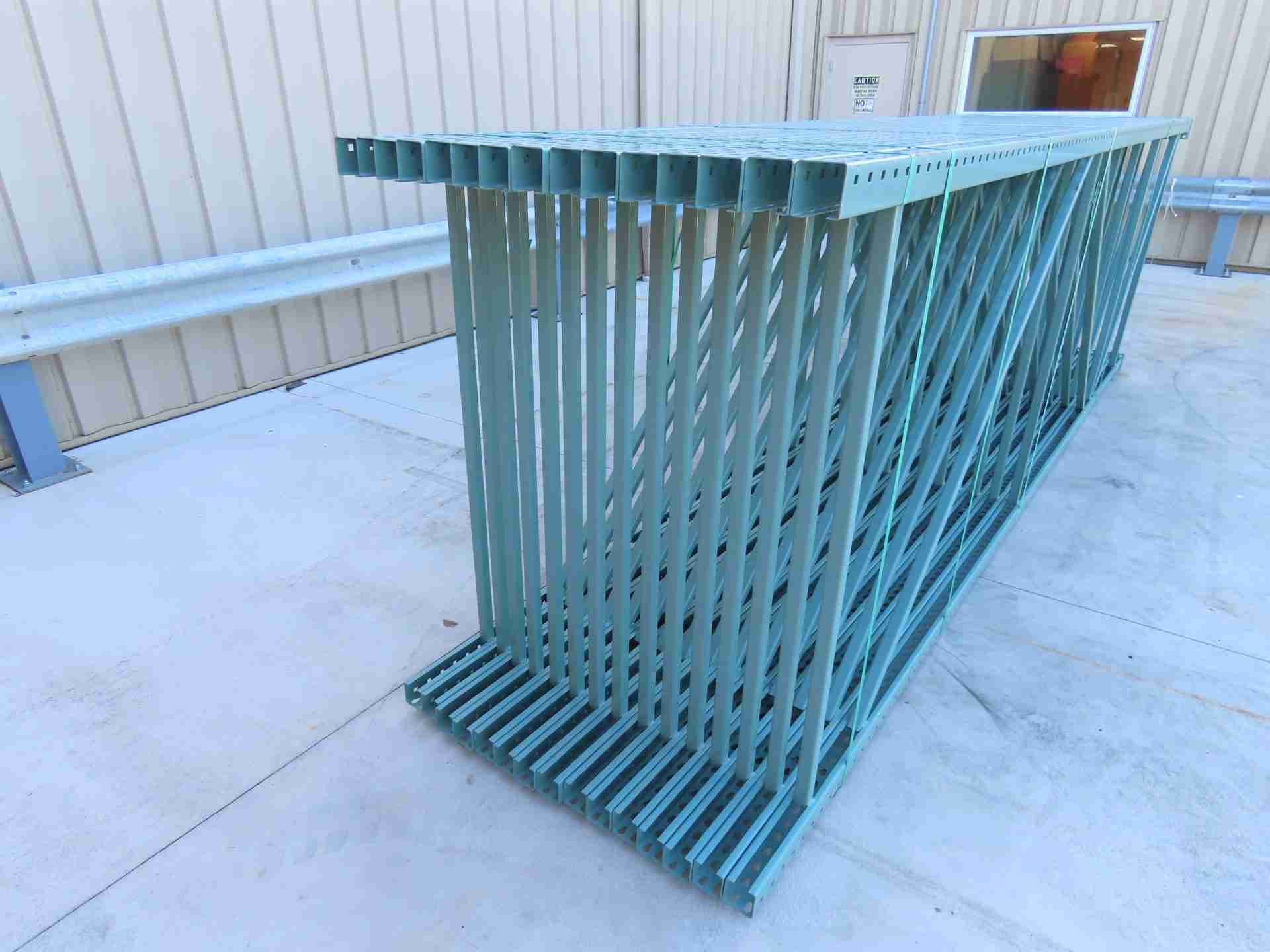
Other Questions
Checklist
What Costs Have You Faced Due to Ineffective Warehouse Solutions? – A Checklist
Checklist: Maximizing Warehouse Efficiency and Minimizing Costs
This checklist is designed to help you evaluate and improve the efficiency of your warehouse operations. Use it to identify areas for enhancement, reduce costs, and ultimately boost your bottom line.
1. Evaluate Warehouse Layout
_____ Assess the design of your storage systems (e. g. , pallet racking).
_____ Identify bottlenecks in product flow.
_____ Ensure pathways are clear and logical for easy navigation.
2. Audit Inventory Management
_____ Conduct a thorough inventory audit to check for inaccuracies.
_____ Evaluate labeling systems for clarity and correctness.
_____ Check stock levels to avoid stockouts and overstocking issues.
3. Optimize Labor Efficiencies
_____ Analyze workflow processes for time-consuming tasks.
_____ Train staff on efficient picking and inventory retrieval methods.
_____ Implement technology solutions (e. g. , warehouse management systems) for real-time data access.
4. Reduce Hidden Costs
_____ Identify and track hidden costs related to inefficient processes.
_____ Review current labor costs and explore ways to minimize unnecessary expenses.
_____ Monitor operational delays and their impacts on both costs and customer satisfaction.
5. Improve Order Fulfillment Processes
_____ Assess and streamline order fulfillment workflows.
_____ Implement tracking systems to keep customers informed about their orders.
_____ Encourage timely communication with customers regarding potential delays.
6. Manage Inventory Turnover
_____ Regularly analyze inventory turnover rates to identify slow-moving items.
_____ Adjust purchasing patterns based on sales forecasts and historical data.
_____ Set up promotional strategies for excess stock to boost sales.
7. Review Safety and Compliance
_____ Ensure that storage solutions are designed with safety in mind.
_____ Regularly review safety protocols to minimize liability risks.
_____ Keep up with industry regulations affecting warehouse operations.
8. Foster Employee Morale
_____ Gather feedback from employees about workspace frustrations.
_____ Create a positive work environment to enhance engagement.
_____ Implement incentive programs for efficient workflow operations.
9. Continuous Improvement
_____ Schedule periodic evaluations of warehouse practices.
_____ Stay updated on new warehouse technologies and trends.
_____ Set measurable goals for efficiency improvements and review progress routinely.
By completing this checklist, you’re taking proactive steps to transform your warehouse operations into a more efficient and cost-effective system.
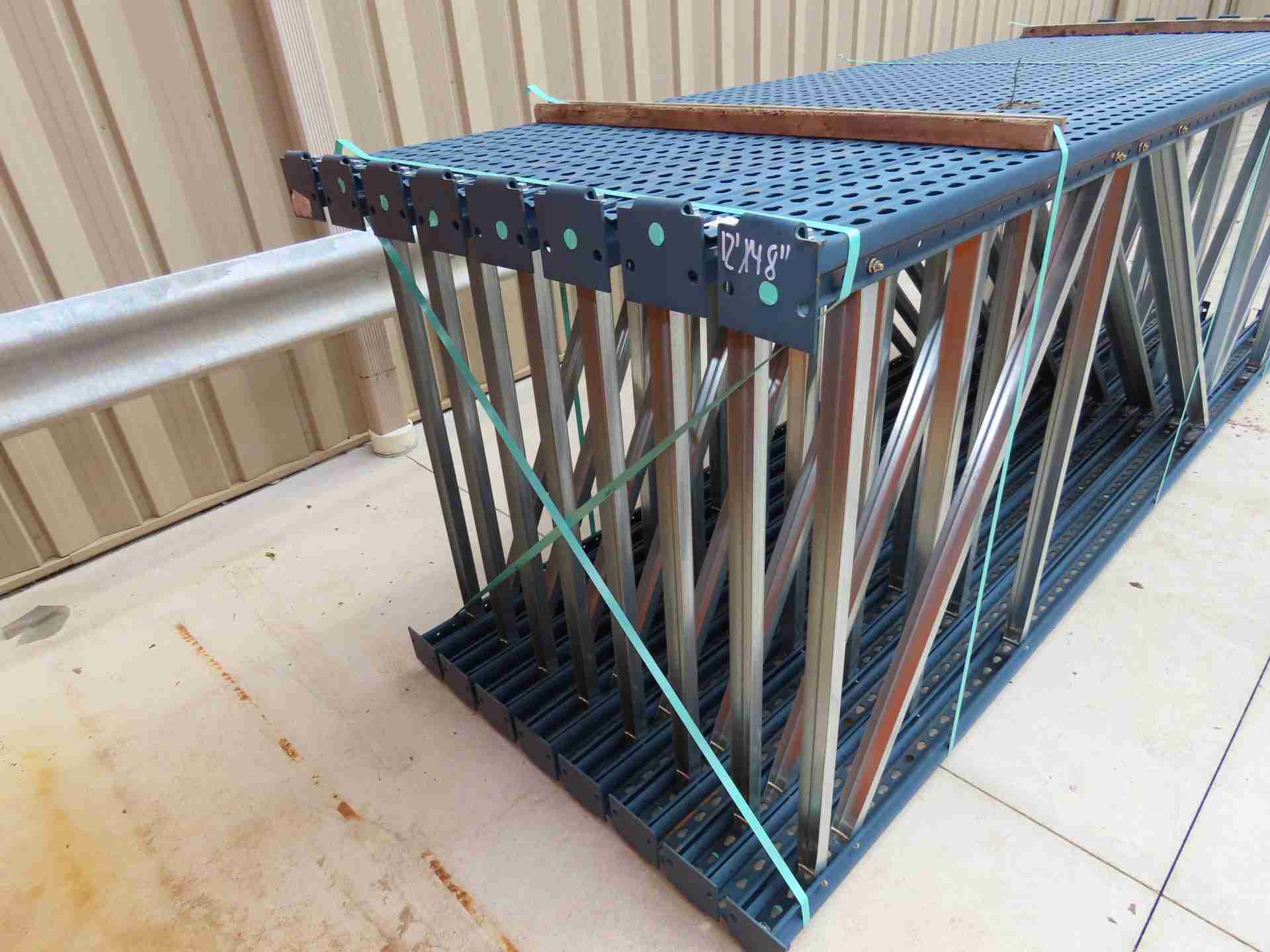
Checklist
At RackingWorld, we help guide you through selecting warehouse storage systems and racking.
Be sure to read our other related stories at RackingWorld to learn more about warehouse storage systems.
0 Comments