
The Secrets Of Warehouse Trendsetters
By Tom Seest
At RackingWorld, we help guide you through selecting warehouse storage systems and racking.
Be sure to read our other related stories at RackingWorld to learn more about warehouse storage systems.
How Do Top Warehouse Managers Stay Ahead Of Storage Trends?
In the fast-paced world of logistics and storage, the difference between mediocrity and excellence rests on one critical question: How are you adapting? Today’s top warehouse managers don’t just react to changes in the market; they anticipate trends, positioning themselves for success while competitors scramble to keep up. One of the cornerstones of a thriving warehouse lies in the efficient use of space, and that’s where innovative pallet racking systems come into play.
Pallet racking isn’t just a necessary structural feature; it’s the backbone of strategic inventory management. The leading warehouse managers recognize its transformative potential in enhancing storage capacity and streamlining operations. Yet, it isn’t merely about using the tallest shelving; it’s about understanding the intricate dance between your products, flow of goods, and the ever-evolving demands of your customers.
Imagine a warehouse where products are not simply stored but are organized in a way that ensures optimum accessibility and efficiency. This is a reality achievable through thoughtful selection and implementation of pallet racking solutions. By harnessing the power of these systems, savvy managers maximize vertical space without compromising safety, ensuring every square foot of the warehouse is put to good use.
But let’s take a step back. How can you, as a warehouse manager, equip yourself with knowledge that keeps you ahead of the curve?
Education and continuous improvement are key. Regularly attend industry conferences and training sessions focusing on new technologies and methodologies in warehouse storage. By networking with other industry professionals, sharing case studies, and discussing innovations, you build a wealth of knowledge. Moreover, embracing the latest developments in software solutions can provide key insights into your inventory trends and help you make data-driven decisions.
Trust is another pillar. By fostering open communication with your team, encouraging feedback, and creating a culture of innovation, you can cultivate an environment that thrives on continuous improvement. Remember, your employees on the ground are often the first to notice potential inefficiencies and can provide valuable insights into how new storage techniques can be applied.
In a world that never stops changing, the best warehouse managers are those who stay curious, are willing to adapt, and always keep their finger on the pulse of storage trends. Isn’t it time to elevate your warehouse operations to new heights? Let’s transform your storage strategy and ensure you’re not just in the game but dominating it.
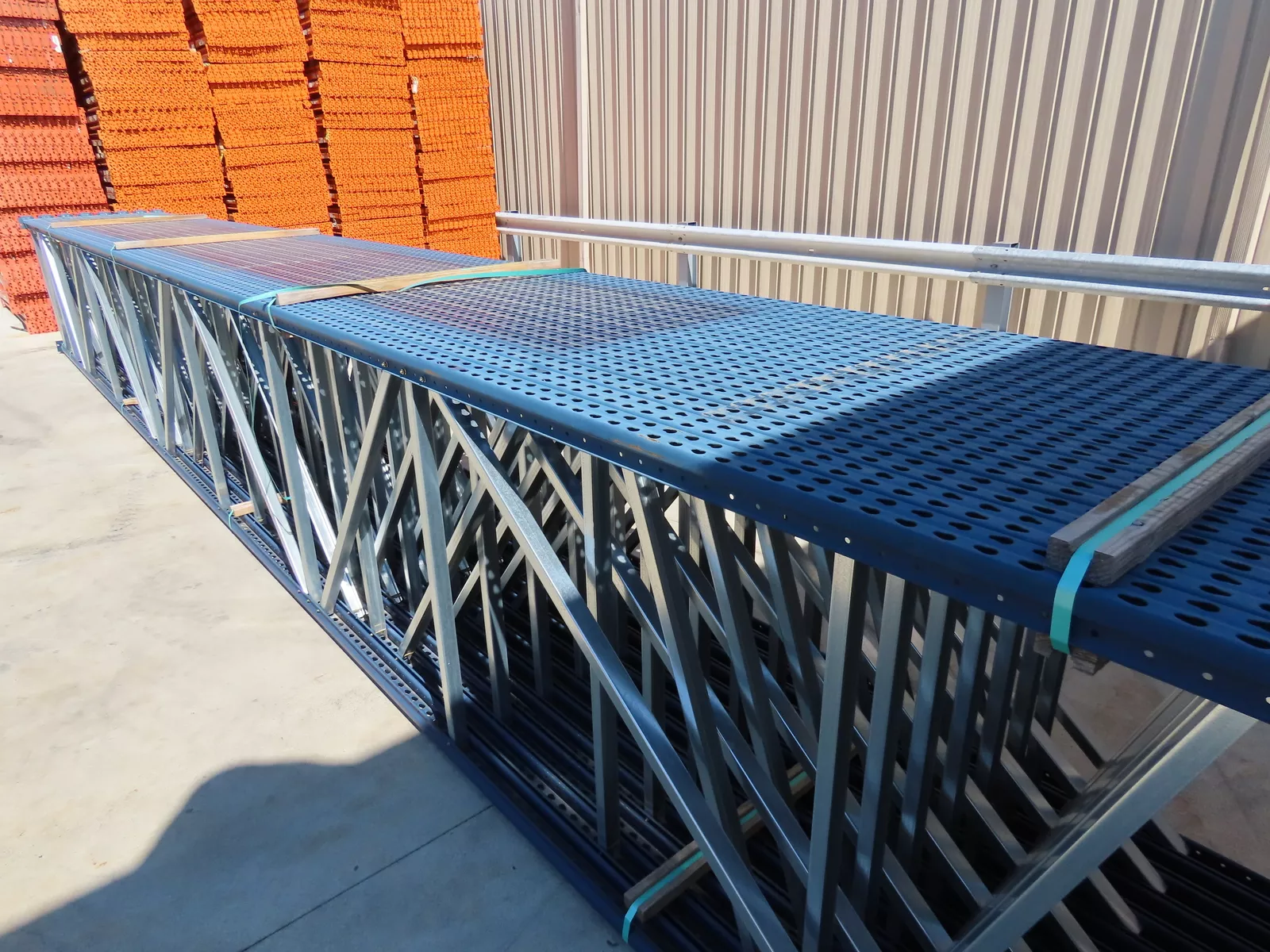
How Do Top Warehouse Managers Stay Ahead Of Storage Trends?
How Do Top Warehouse Managers Stay Ahead Of Storage Trends?
- Adaptation is crucial for success in logistics and storage, distinguishing excellent warehouse managers from mediocre ones.
- Efficient space utilization is a cornerstone of thriving warehouses, highlighting the importance of innovative pallet racking systems.
- Pallet racking contributes significantly to strategic inventory management, enhancing storage capacity and streamlining operations.
- Organizing products for optimum accessibility and efficiency is essential, requiring thoughtful implementation of pallet racking solutions.
- Continuous education and improvement through industry conferences and training can keep managers informed about new technologies and methodologies.
- Building trust and fostering open communication among team members can lead to valuable feedback and insights on storage improvements.
- The best warehouse managers remain curious and adaptable, staying updated with storage trends to maintain a competitive edge.

How Do Top Warehouse Managers Stay Ahead Of Storage Trends?
Table Of Contents
- How Do Top Warehouse Managers Stay Ahead Of Storage Trends?
- How Do Top Warehouse Managers Track Storage Trends Effectively?
- What Technologies Are Essential For Modern Warehouse Management?
- How Do Data Analytics Impact Warehouse Storage Strategies?
- What Role Does Automated Inventory Management Play In Warehouses?
- How Can Warehouse Managers Optimize Space Utilization Efficiently?
- What Are The Best Practices For Managing Seasonal Stock Fluctuations?
- Conclusion
- Other Resources
- Glossary Of Terms
- Other Questions
- Checklist
How Do Top Warehouse Managers Track Storage Trends Effectively?
In the fast-paced world of warehousing, staying ahead of storage trends is not just a nice-to-have—it’s a necessity. Effective tracking can make the difference between a thriving operation and one that struggles to keep pace. But how do the top warehouse managers pull it off? Let’s dive into their strategies and see how you can incorporate these insights to elevate your storage logistics.
First and foremost, modern warehouse operations rely heavily on strategic data collection. Imagine a scene where pallet racking systems are not just functional but are optimized using real-time analytics. By investing in a robust Warehouse Management System (WMS), you can track inventory levels, movement patterns, and even seasonal trends. The magic happens when you analyze this data to foresee inventory needs before a product runs out. Can you envision the satisfaction of always having the right items in stock? It’s like having a crystal ball for your storage needs!
Another essential technique is utilizing barcode scanning or RFID technology. These tools work wonders by providing accurate tracking of every item stored. Imagine being able to scan a code and instantly know exactly where a specific pallet is resting within your racking system. This immediacy not only boosts efficiency but also significantly reduces human error. Not to mention, it creates a more organized workspace, which fosters a sense of professionalism that resonates with both employees and clients.
Moreover, it’s vital to engage your team in regular training and discussions about trends in storage techniques. Encourage your warehouse staff to share their insights about bottlenecks or space inefficiencies. They often have valuable perspectives that can lead to innovative solutions. When your team feels empowered, the entire operation benefits, creating a culture of continuous improvement.
Lastly, keep an eye on industry trends. Attend trade shows, subscribe to relevant journals, and participate in online forums. With the rapid evolution of pallet racking solutions, staying informed about the latest innovations will empower you to make proactive decisions that set you apart from competitors.
It’s time to take charge of your storage destiny! By integrating data analytics, leveraging advanced tracking technologies, engaging your workforce, and staying informed on industry best practices, you become not just a manager, but the visionary leader your warehouse deserves. Embrace these strategies, and watch your operation flourish like never before!
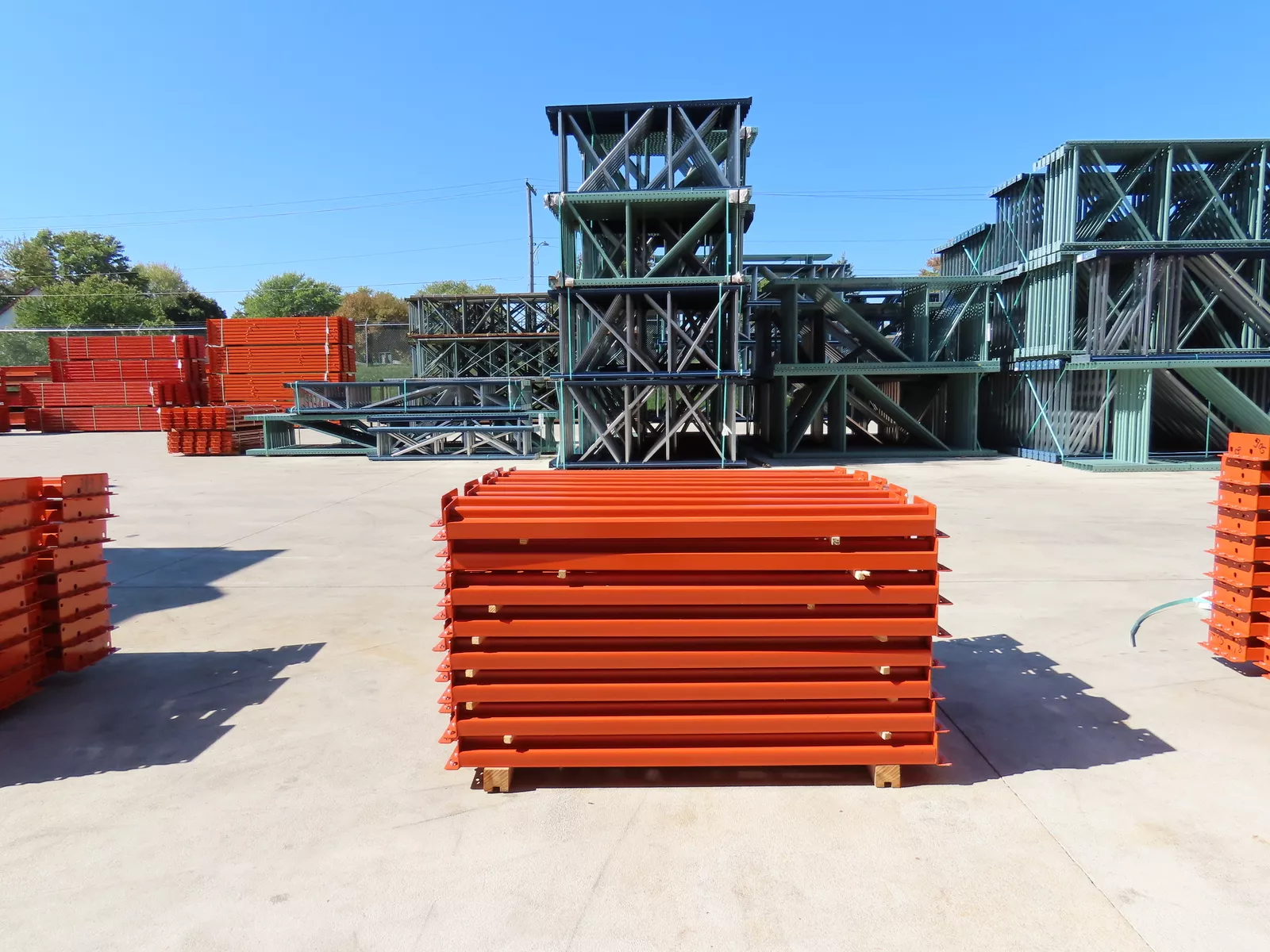
How Do Top Warehouse Managers Track Storage Trends Effectively?
How Do Top Warehouse Managers Track Storage Trends Effectively?
- Staying ahead of storage trends in warehousing is essential for success.
- Strategic data collection and analysis using a Warehouse Management System (WMS) improves inventory tracking and forecasting.
- Utilizing barcode scanning or RFID technology enhances accuracy and efficiency in tracking stored items.
- Regular training and discussions with warehouse staff foster a culture of continuous improvement and innovation.
- Engaging employees allows for valuable insights regarding bottlenecks and space inefficiencies.
- Keeping informed about industry trends through trade shows and journals helps in making proactive decisions.
- By embracing these strategies, warehouse managers can elevate their operations and become visionary leaders.
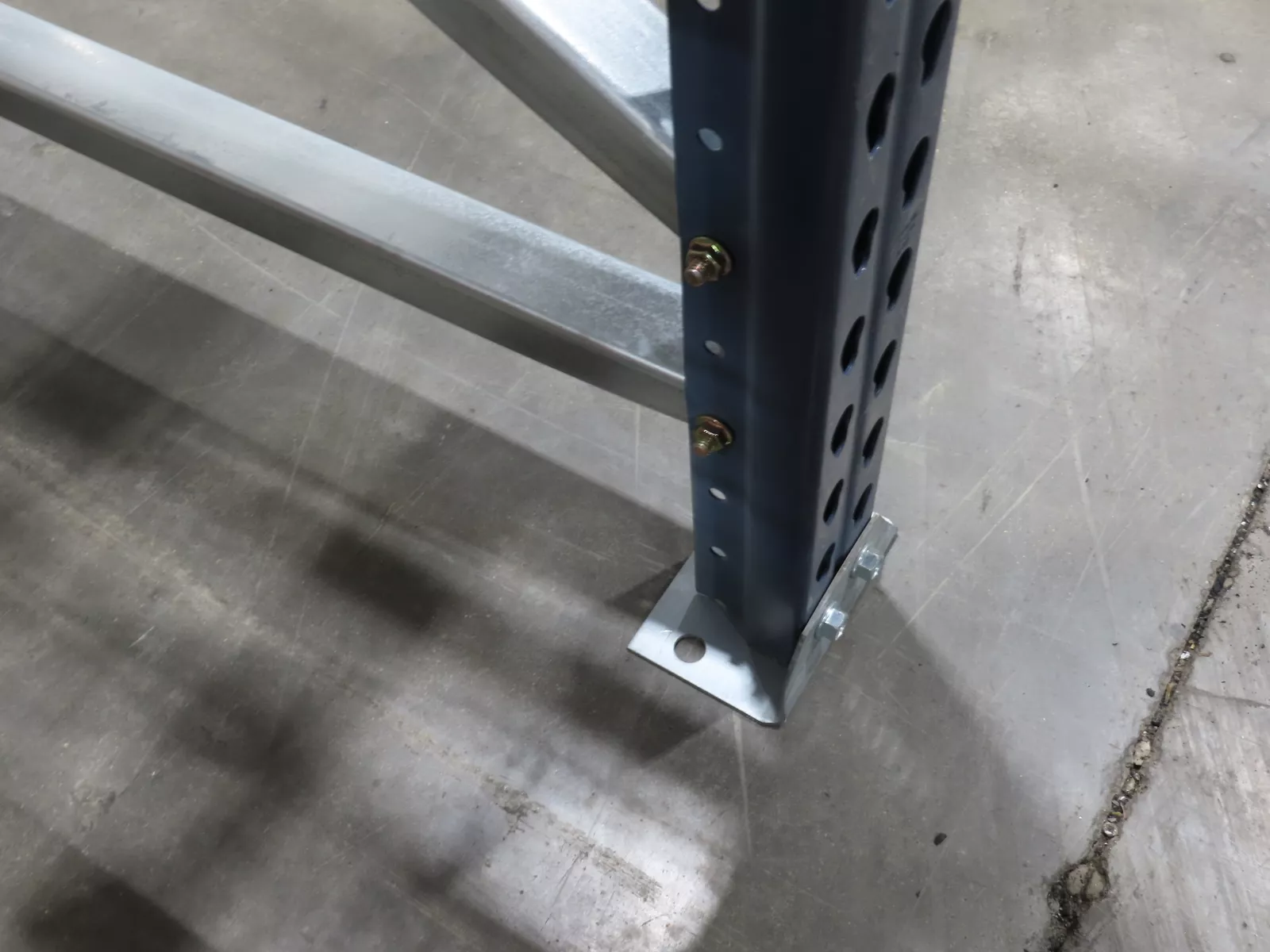
How Do Top Warehouse Managers Track Storage Trends Effectively?
What Technologies Are Essential For Modern Warehouse Management?
In today’s fast-paced world, running an efficient warehouse isn’t just an option—it’s a necessity. The right technologies can transform your operations from chaotic to streamlined, ensuring you stay ahead of the competition. Picture this: a well-organized space where every product has its place, and every process is honed to perfection. Let’s dive into the technology that can make this vision a reality.
First off, consider the cornerstone of your warehouse layout—pallet racking. This isn’t just a storage solution; it’s a game changer. Imagine maximizing vertical space and allowing easy access to inventory. With robust pallet racking systems, you not only increase storage capacity but also improve the accuracy and speed of order picking. Satisfied customers and fewer headaches? That’s a win-win!
But let’s not stop there. Investing in a Warehouse Management System (WMS) is essential to orchestrate the choreography of your warehouse like a maestro conducting a symphony. A good WMS automates inventory tracking, provides real-time data, and integrates seamlessly with other technologies, allowing for quick decision-making. Think of it as your warehouse’s central nervous system, enabling you to respond dynamically to demands, avoid stockouts, and reduce excess inventory. With this level of insight, your team can operate with unparalleled confidence.
Next, imagine the impact of integrating robotics and automation into your daily operations. From automated guided vehicles (AGVs) moving products to robotic arms handling packaging tasks, automation not only speeds up the workflow but also minimizes human error. After all, it’s no secret that we all have off days! By embracing these technologies, you’re not just keeping up; you’re setting the pace.
Let’s talk about data—your most powerful ally in this modern landscape. Implementing analytics tools gives you the capability to track performance metrics and identify efficiencies. You can harness this data to fine-tune your operations, anticipate demands, and respond proactively to market changes. The confidence that comes from having actionable insights cannot be overstated; you’re no longer flying blind.
Finally, don’t underestimate the importance of connectivity. IoT (Internet of Things) devices can provide invaluable information about equipment performance and inventory levels, keeping you in the know at all times. Wouldn’t it be empowering to make real-time decisions, knowing you have your finger on the pulse of your operations?
Adopting these essential technologies isn’t just a choice; it’s a commitment to excellence. So, let’s transform your warehouse into a hub of efficiency and reliability. The future of warehouse management is here—are you ready to embrace it?

What Technologies Are Essential For Modern Warehouse Management?
What Technologies Are Essential For Modern Warehouse Management?
- Efficient warehouse operations are crucial for staying competitive.
- Pallet racking maximizes vertical space and improves order picking accuracy and speed.
- A Warehouse Management System (WMS) automates inventory tracking and provides real-time data.
- Integrating robotics and automation enhances workflow speed and reduces human error.
- Data and analytics tools help identify efficiencies and anticipate demands in operations.
- IoT devices offer real-time information on equipment performance and inventory levels.
- Embracing these technologies is essential for creating a reliable and efficient warehouse.
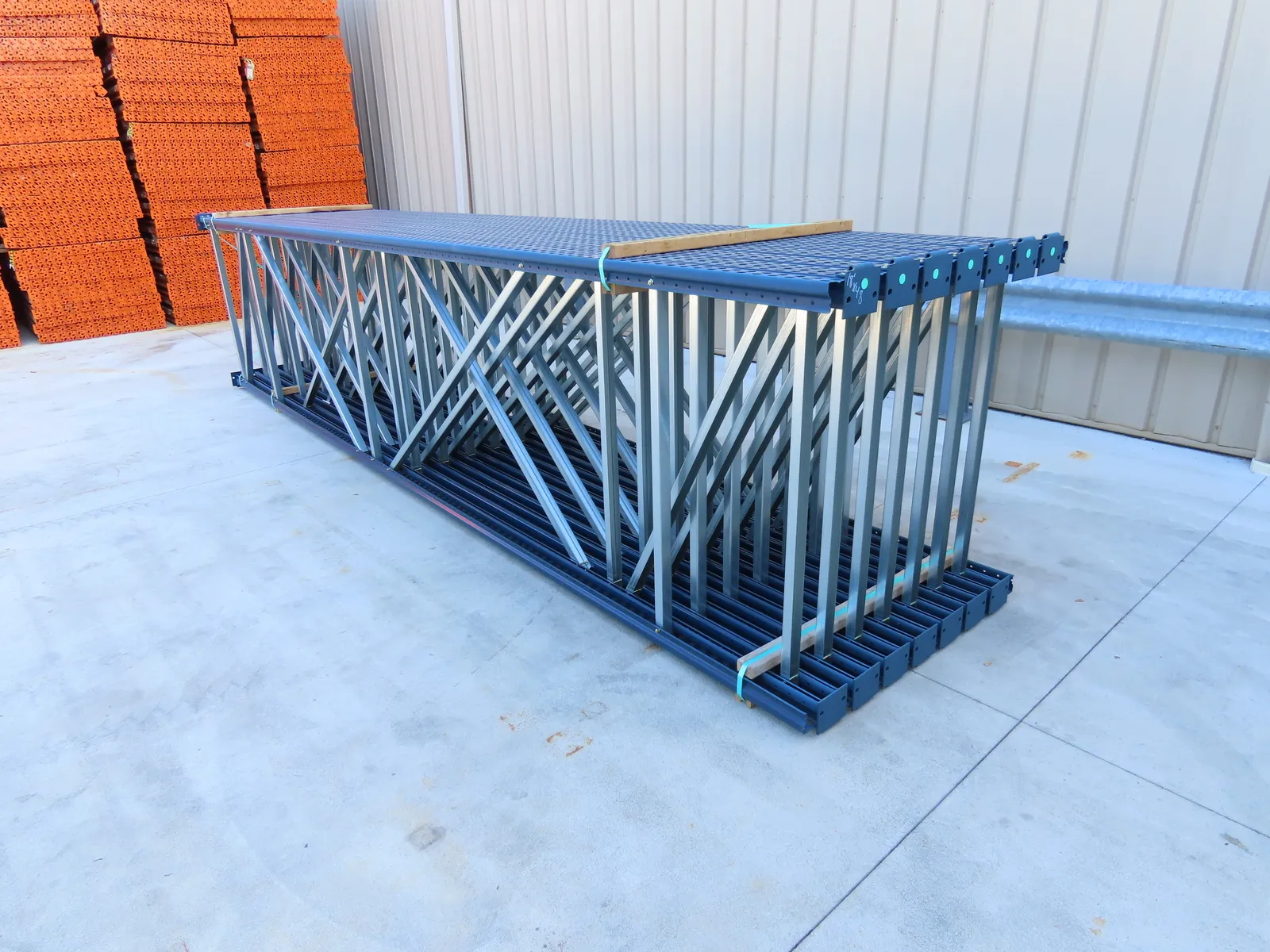
What Technologies Are Essential For Modern Warehouse Management?
How Do Data Analytics Impact Warehouse Storage Strategies?
In today’s fast-paced world, where efficiency and precision are paramount, the traditional methods of warehouse storage are being systematically transformed—thanks to data analytics. Imagine a warehouse that operates not just on gut instinct but on cold, hard facts. That’s the power of leveraging data analytics in your storage strategies, and it’s time to embrace this revolution.
Let’s delve into the heart of your storage solutions. Pallet racking, a staple in warehouse organization, can be optimized like never before. Data analytics allows you to scrutinize every inch of your space, ensuring you’re utilizing those valuable vertical square feet to their fullest potential. Are you using the most effective racking systems for your inventory? With the right data at your fingertips, you can identify trends, peak periods, and even seasonal fluctuations. This isn’t just number crunching; it’s a roadmap to strategic improvement.
When you start analyzing the flow of goods entering and exiting your warehouse, you’ll uncover patterns that might surprise you. Are certain products moving faster than you anticipated? Are there items that linger longer than they should? This insight allows you to adjust your pallet racking configurations, ensuring that your most popular items are front and center, easy to reach, and reducing wasted time and effort.
But perhaps the most transformative aspect is human connection. Data analytics empower your workforce. By understanding what’s happening in real time, your team feels more engaged, more informed, and more productive. They can trust that their efforts are backed by concrete figures—making their tasks not just manageable, but meaningful.
Let’s not forget about cost savings. Optimizing pallet racking and reducing excess inventory leads to lower operational expenses. When you reassess your storage strategies through analytical lenses, you’re not just cutting costs; you’re investing in the future of your business. By making informed decisions, you foster an environment of growth—one that attracts not only revenue but also trust from your customers.
So, action is the order of the day. Evaluate your current strategies. Where are the gaps? How can data analytics elevate your storage game? It’s time to leverage these insights to maximize your space, motivate your workforce, and ultimately, enhance your customer satisfaction. The future of warehouse storage is data-driven, and the sooner you embrace it, the greater your success will be.
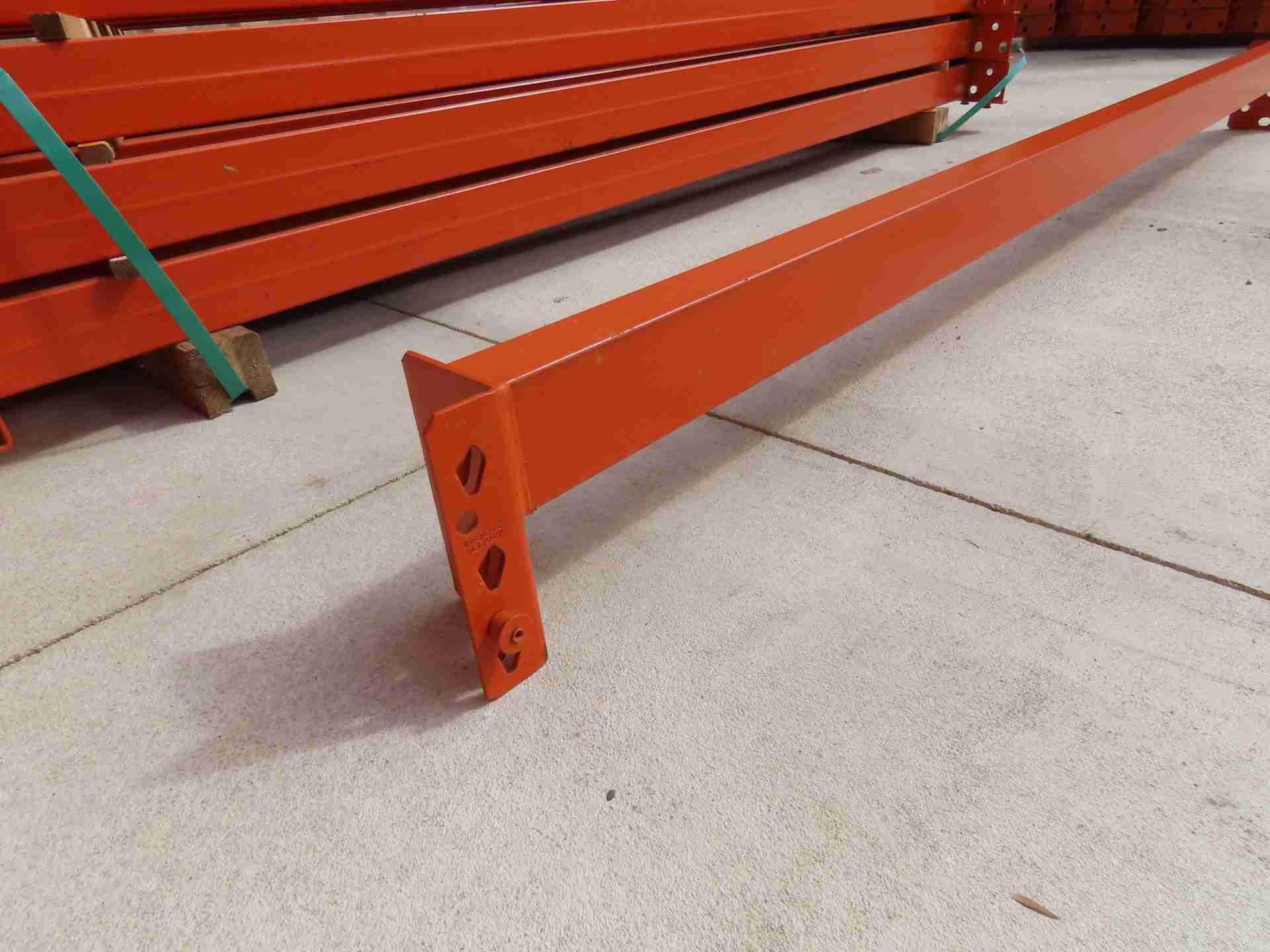
How Do Data Analytics Impact Warehouse Storage Strategies?
How Do Data Analytics Impact Warehouse Storage Strategies?
- Traditional warehouse storage methods are evolving due to data analytics.
- Data analytics enables strategic optimization of pallet racking and space utilization.
- Identifies trends, peak periods, and seasonal fluctuations in inventory.
- Analyzing goods flow reveals product movement patterns to enhance efficiency.
- Data empowers warehouse teams, increasing engagement and productivity.
- Cost savings result from optimizing racking and minimizing excess inventory.
- Embracing data-driven insights can lead to better customer satisfaction and business growth.
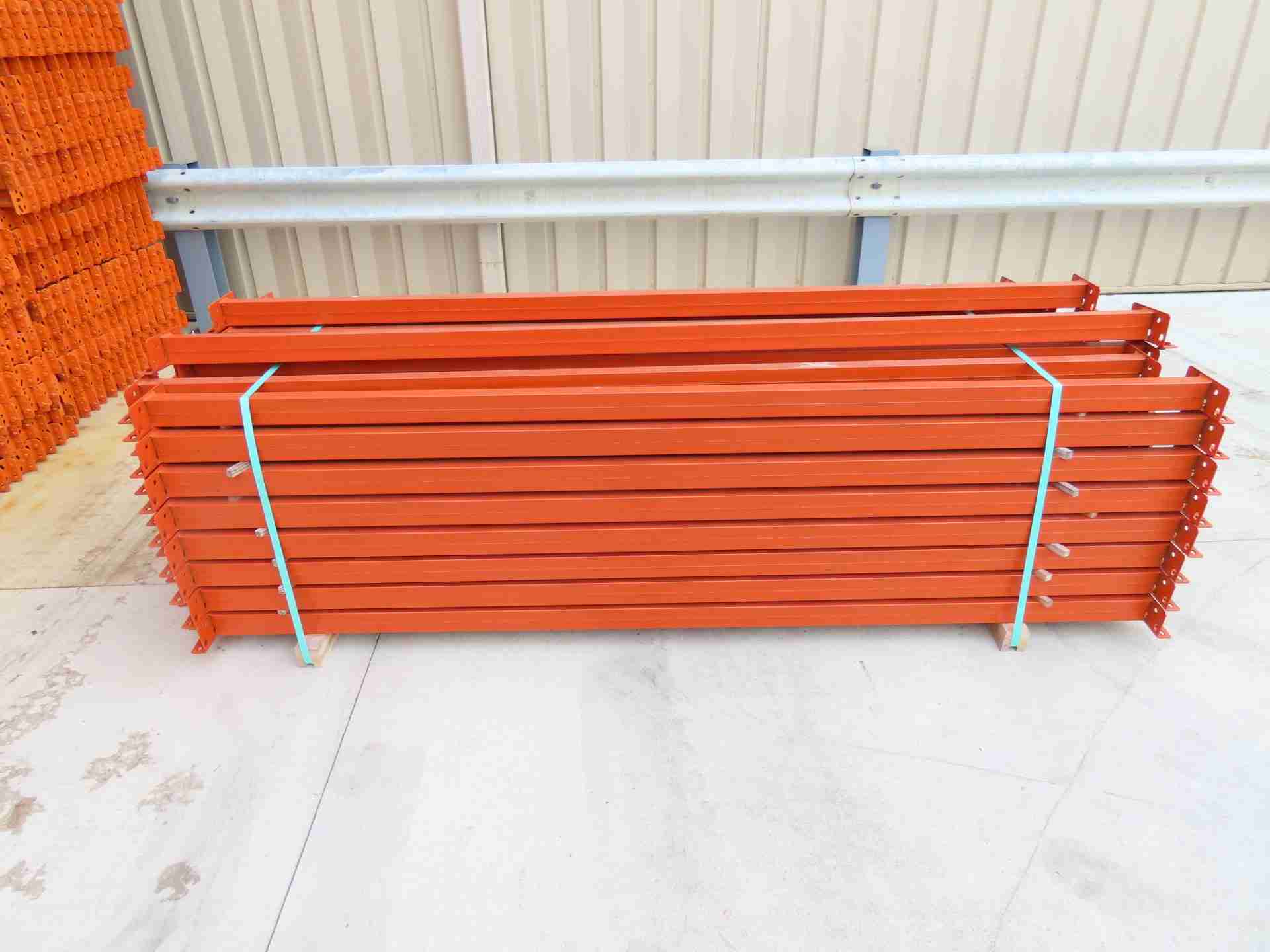
How Do Data Analytics Impact Warehouse Storage Strategies?
What Role Does Automated Inventory Management Play In Warehouses?
In today’s fast-paced business landscape, warehouses are the beating hearts of supply chains. But what keeps that heart pumping efficiently? The answer lies in automated inventory management. Imagine a world where tracking and managing your stock becomes second nature—where every pallet racking system functions smoothly and flawlessly, guiding your operations toward unprecedented efficiency and profitability.
Automated inventory management is not just a luxury; it’s a strategic necessity. Picture this: Your warehouse is overflowing with products, each item meticulously stored on pallet racking systems designed to maximize space and facilitate access. Yet, without a reliable inventory management system, that meticulous organization can easily morph into chaos. Stock is misplaced, orders are delayed, and customer satisfaction takes a nosedive. This is where the power of automation shines.
By integrating automated inventory management, you gain real-time visibility into your stock levels, allowing you to keep your finger firmly on the pulse of your operations. No longer will you have to rely on manual checks or hope that the data collected is accurate. Automation takes the guesswork out of inventory control, ensuring you know exactly where every item in your warehouse is located. This leads to fewer errors and faster order fulfillment, enhancing your overall service level.
Beyond mere efficiency, automated inventory management fosters a culture of accountability. When staff see a tangible system in place—one that keeps track of product movement, stock levels, and even expiration dates—they naturally become more engaged in their roles. This empowerment creates a proactive work environment where everyone contributes to the larger goal of operational excellence.
Moreover, the benefits extend beyond the warehouse walls. With accurate inventory data at your fingertips, you can make informed decisions about purchasing, reduce unnecessary surplus, and ultimately boost your bottom line. Your suppliers will trust you to order the right quantities, and your customers will appreciate the reliability of timely deliveries—elevating your brand image in their eyes.
Investing in automated inventory management systems for your warehouse is more than just upgrading your technology; it’s about laying down a foundation for sustained growth. It’s time to embrace the future, streamline your operations, and turn your warehouse into a powerhouse of productivity. After all, in a world driven by speed and accuracy, why settle for less? Let your pallet racking become a strategic asset, fully optimized through the power of automation. Take that leap—your warehouse deserves it!
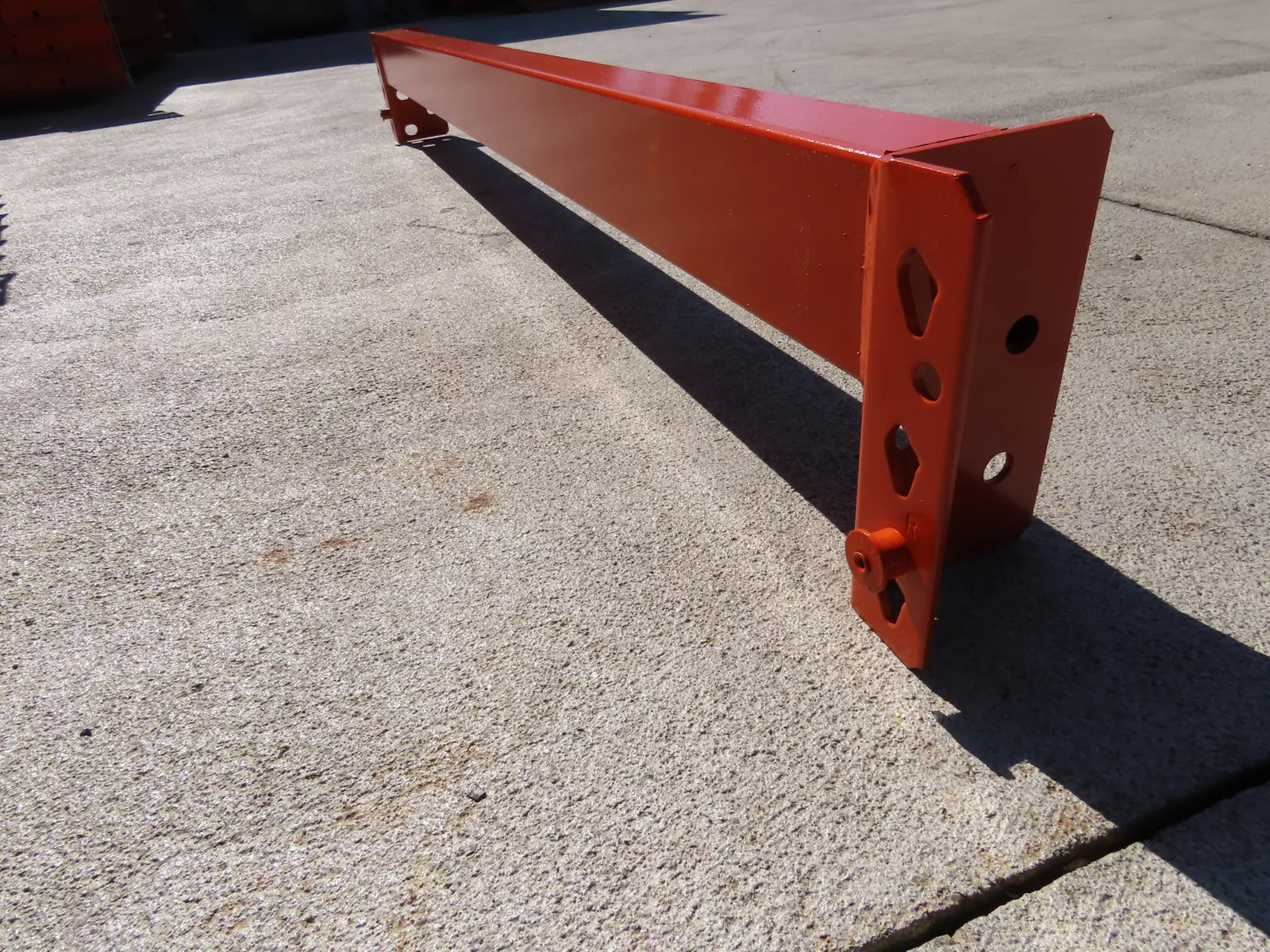
What Role Does Automated Inventory Management Play In Warehouses?
What Role Does Automated Inventory Management Play In Warehouses?
- Warehouses are essential to supply chains and their efficiency relies on automated inventory management.
- Automated inventory management transforms stock tracking into a seamless process, enhancing operational efficiency.
- Lack of an inventory management system can lead to chaos such as misplaced stock, delayed orders, and decreased customer satisfaction.
- Automation provides real-time visibility into stock levels, reducing errors and speeding up order fulfillment.
- Employee engagement and accountability increase with the implementation of a tangible inventory management system.
- Accurate inventory data supports informed purchasing decisions, reduces surplus, and enhances brand reliability.
- Investing in automation is essential for sustained growth, transforming warehouses into productive assets.
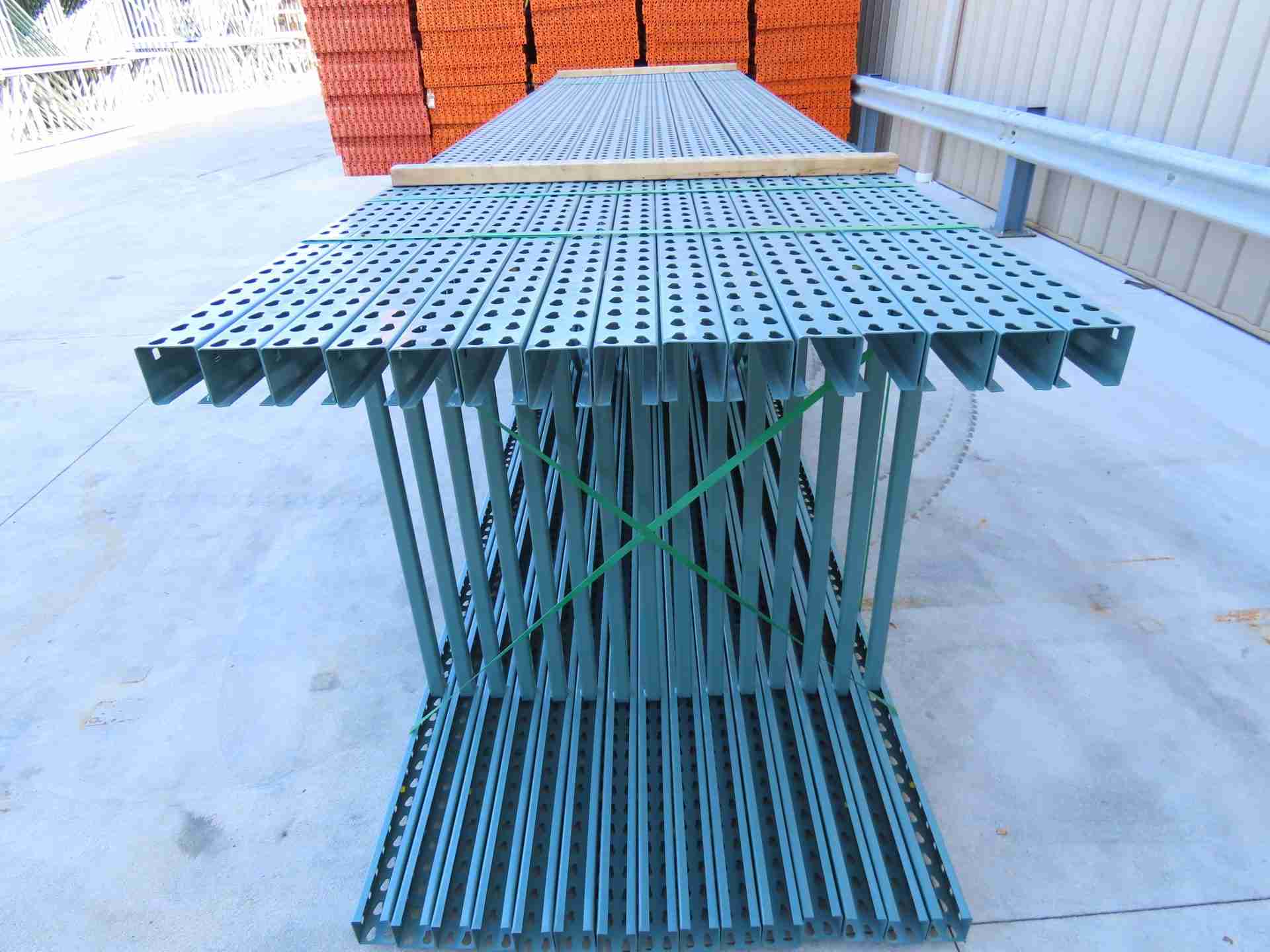
What Role Does Automated Inventory Management Play In Warehouses?
How Can Warehouse Managers Optimize Space Utilization Efficiently?
When it comes to maximizing your warehouse space, think of it as a game of chess, where every move counts and every square matters. In this complex landscape, your most valuable piece is the pallet racking system. Mastering the art of space utilization isn’t just about fitting more items; it’s about aligning your operations to create a symphony of efficiency that resonates throughout your entire business.
Imagine stepping into your warehouse, where every aisle flows seamlessly and every inch of vertical space is cleverly used. With pallet racking systems, you can transform that vision into reality. Instead of merely stacking products, optimize the layout to enhance accessibility and streamline inventory management. This is where smart design comes into play. Choosing the right racking configuration—be it selective, drive-in, or push-back—can significantly impact how you store and retrieve goods. The right choice not only saves space but also minimizes the time your team spends searching for items, ultimately speeding up your operations.
But let’s go beyond just the racks. Are your employees trained to maximize these systems? Investing in training programs can empower your team to handle inventory more efficiently, ensuring they understand the mechanics of your pallet racking system. When employees are educated on the best practices, it’s a game-changer for productivity.
Another crucial aspect is inventory turnover. Working closely with your supply chain team, analyze your fast-moving versus slow-moving items and strategically position them within your pallet racking setup. This simple adjustment can make a world of difference; frequently accessed goods should be within arm’s reach, while seasonal items or slower-moving stock can be stored higher or deeper in your space. This clever maneuver reduces the distance traveled, cutting down on wasteful movements and fostering a more nimble operation.
And here’s a call to action: don’t settle for just adequate. Dive into your warehouse operations today! Conduct an audit of your current layouts, explore various pallet racking options, and assess employee training. Engage with your team and cultivate an atmosphere of innovation where everyone understands the pursuit of optimizing space utilization is a collective effort.
Remember, optimizing your warehouse space isn’t just a tactic—it’s a mindset. Embrace it, and watch as both your efficiency and profitability soar to new heights. After all, in the competitive world of logistics, those who adapt and optimize will always have the upper hand.
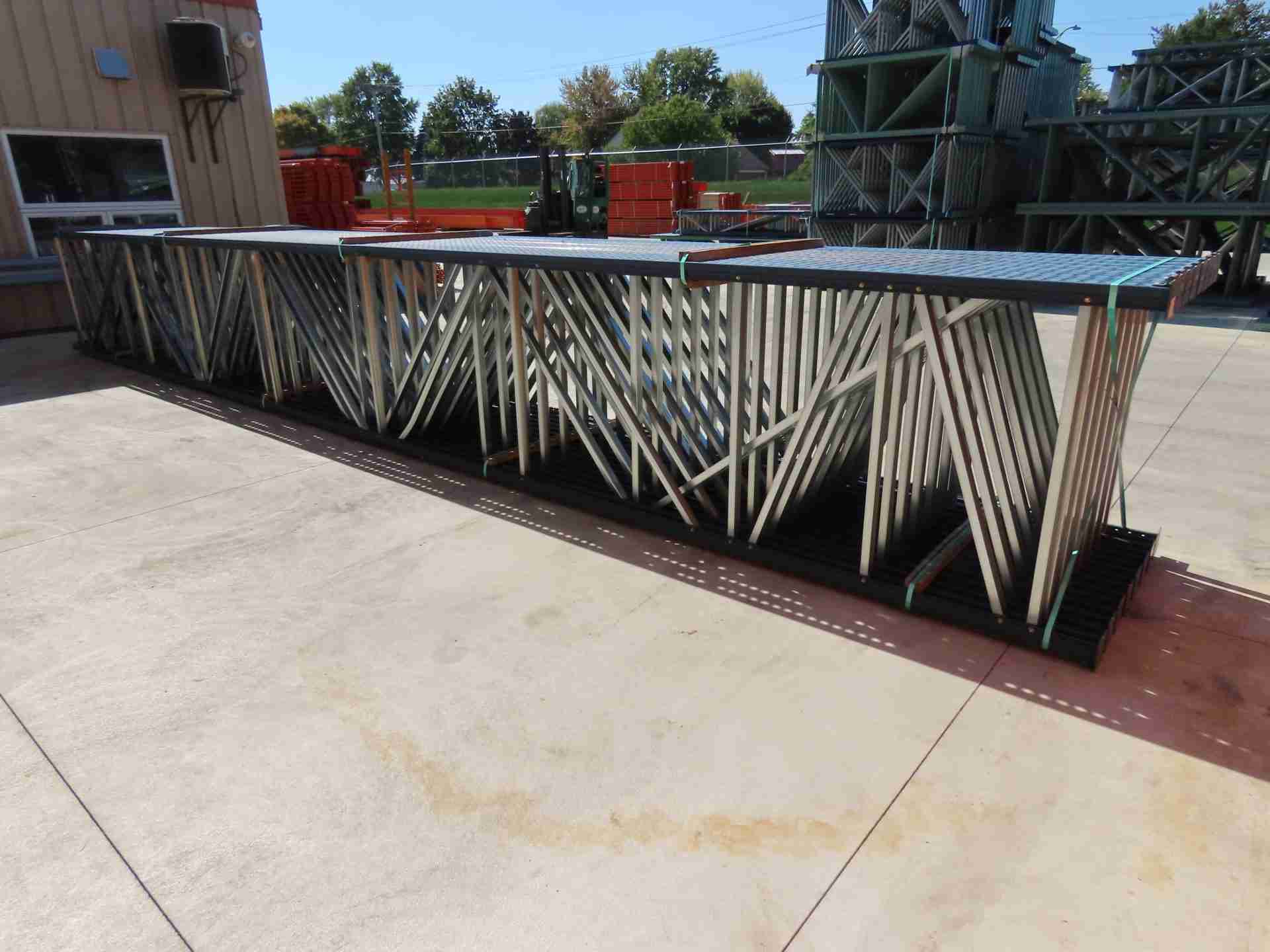
How Can Warehouse Managers Optimize Space Utilization Efficiently?
How Can Warehouse Managers Optimize Space Utilization Efficiently?
- Maximizing warehouse space is comparable to playing chess, where strategic moves are essential.
- The pallet racking system is the most valuable tool in enhancing space utilization.
- Optimizing layout improves accessibility and streamlines inventory management beyond just stacking products.
- Selecting the appropriate racking configuration (selective, drive-in, push-back) dramatically affects storage and retrieval efficiency.
- Investing in employee training on pallet racking systems increases productivity by enhancing inventory handling skills.
- Analyzing inventory turnover and strategically positioning items can reduce unnecessary movements and improve operations.
- Optimizing warehouse operations is a collective effort; engage your team to innovate and embrace this mindset for greater efficiency and profitability.
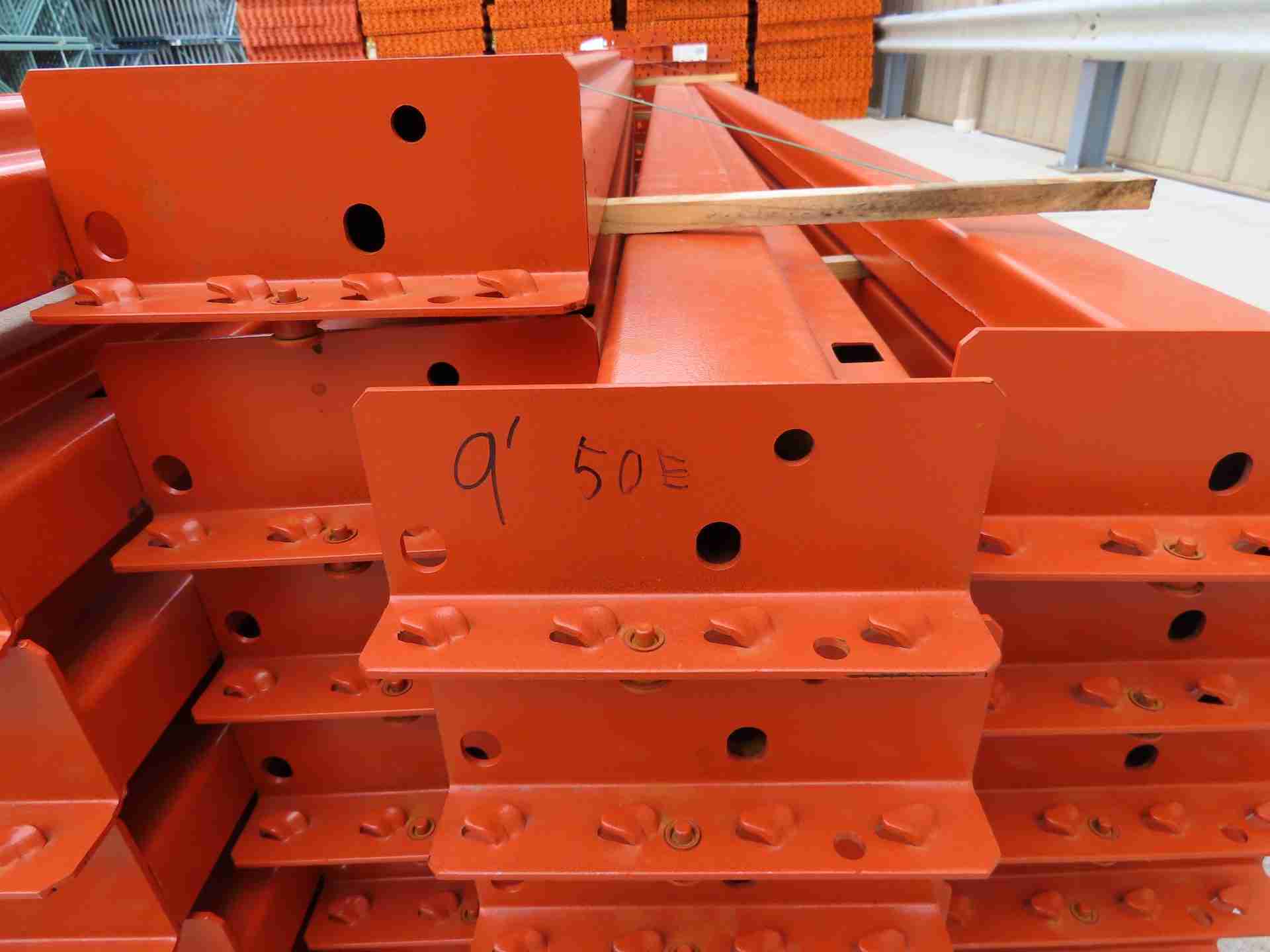
How Can Warehouse Managers Optimize Space Utilization Efficiently?
What Are The Best Practices For Managing Seasonal Stock Fluctuations?
Every savvy business owner knows that seasonal stock fluctuations are inevitable. With a little bit of foresight and strategic planning, however, these fluctuations can be transformed into opportunities rather than obstacles. Let’s dive into some best practices that will allow you to not just manage but thrive amid these stock changes.
One of the first steps you should take is to analyze historical sales data. Look closely at trends in your customer purchasing behavior over past seasons. Which products fly off the shelves in the summer? Which items hold their ground during the winter months? By understanding these patterns, you can determine your stock levels and ensure you have adequate supplies when demand spikes. This means more sales and less time scrambling to fulfill customer needs.
Next, consider leveraging efficient storage solutions, such as pallet racking. This system allows you to maximize warehouse space and organize your stock for easy access. Imagine having your most popular seasonal items at the forefront of your warehouse, ready to ship out at a moment’s notice! Investing in smart storage will not only save you time but also enhance your operational efficiency, making it easier to scale your inventory up or down as needed.
Another practice is to foster strong relationships with suppliers. When the busy season approaches, having open lines of communication with your vendors can help you secure better terms and prioritize stock replenishment. Forge partnerships that resonate with your business values, and don’t hesitate to ask for flexibility on orders. Strong supplier relationships can provide confidence and stability, especially when you need to increase stock to meet customer demands.
Moreover, implementing a just-in-time inventory approach can minimize excess stock during slow seasons while allowing you to pivot quickly during peak times. This method keeps your inventory lean and agile—ensuring that cash flow remains strong as you navigate through the ebbs and flows of demand.
Above all, don’t forget to incorporate customer feedback into your strategy. Engage with your audience on social media or through surveys to understand their needs. Let them know you’re listening, and adjust your stock accordingly. Building this trust allows your clients to feel valued and ensures that when they come looking for their favorite seasonal items, you’ll be ready.
By putting these best practices into play, you can transform seasonal stock fluctuations from a daunting task into an exhilarating journey toward growth. So, roll up those sleeves and get ready to make the most of every season!

What Are The Best Practices For Managing Seasonal Stock Fluctuations?
What Are The Best Practices For Managing Seasonal Stock Fluctuations?
- Seasonal stock fluctuations are unavoidable but can be turned into opportunities with strategic planning.
- Analyze historical sales data to understand customer purchasing trends by season.
- Leverage efficient storage solutions, like pallet racking, for better organization and accessibility of stock.
- Foster strong relationships with suppliers to secure better terms and quick stock replenishment during busy seasons.
- Implement a just-in-time inventory approach to minimize excess stock while remaining agile during peak demand.
- Incorporate customer feedback through social media and surveys to adjust stock to meet their needs.
- Utilize these best practices to transform seasonal fluctuations into growth opportunities.
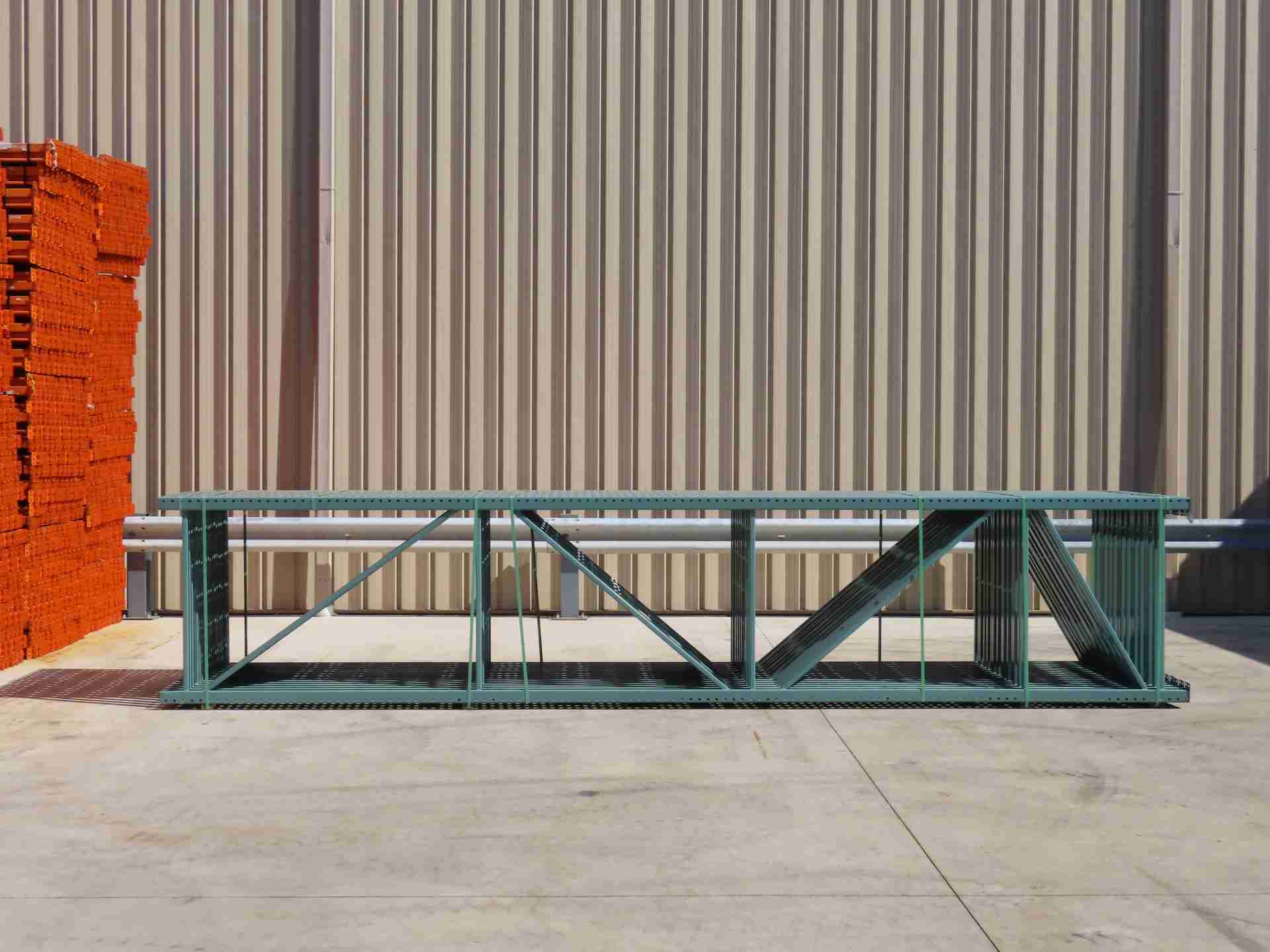
What Are The Best Practices For Managing Seasonal Stock Fluctuations?
Conclusion
In the dynamic realm of warehouse management, staying ahead of evolving storage trends isn’t just an ambition—it’s a vital necessity. As explored throughout this article, the most successful warehouse managers are those who embrace change and proactively adapt their strategies. The key to thriving in this fast-paced environment lies in the efficient utilization of space, and at the heart of this optimization is the sophisticated use of pallet racking systems.
But how do the leaders of the industry engineer their success? It begins with an understanding that their pallet racking solutions do more than merely store products; they serve as strategic tools that enhance operational efficiency and improve inventory management. With the ability to maximize vertical space, innovative racking systems allow warehouses to respond more effectively to customer demands while ensuring safety and accessibility.
Education stands as a cornerstone for these trendsetters; by continuously investing in professional development and networking with fellow industry leaders, they arm themselves with the knowledge to implement best practices and observe market changes in real-time. Coupled with technology—like advanced Warehouse Management Systems (WMS) and automated inventory management—these professionals are learning not just to react to inventory fluctuations but to anticipate them. Utilizing data analytics facilitates informed decision-making, further positioning them as leaders in their field.
Yet, knowledge alone is not enough. Managers must cultivate a culture of collaboration within their teams, encouraging feedback and innovation from employees who are on the front lines. After all, those working directly with the systems often provide the most valuable insights into areas for improvement.
As we draw this discussion to a close, the crucial question remains: Are you ready to elevate your warehouse operations? With a clear understanding of the transformative power of optimized pallet racking systems and a commitment to leveraging technology and fostering teamwork, you can not only keep pace with the competition but also outpace them.
Take the next step to transform your storage strategy. Don’t just sit back and wait for a change; create it. Call Arrow Industrial Sales today at (574) 349-6575 for personalized insights and solutions that will position your warehouse at the forefront of industry trends. Don’t delay—stronger operations, enhanced efficiency, and elevated customer satisfaction await you. The time is now to ensure that your warehouse is not just surviving but thriving.
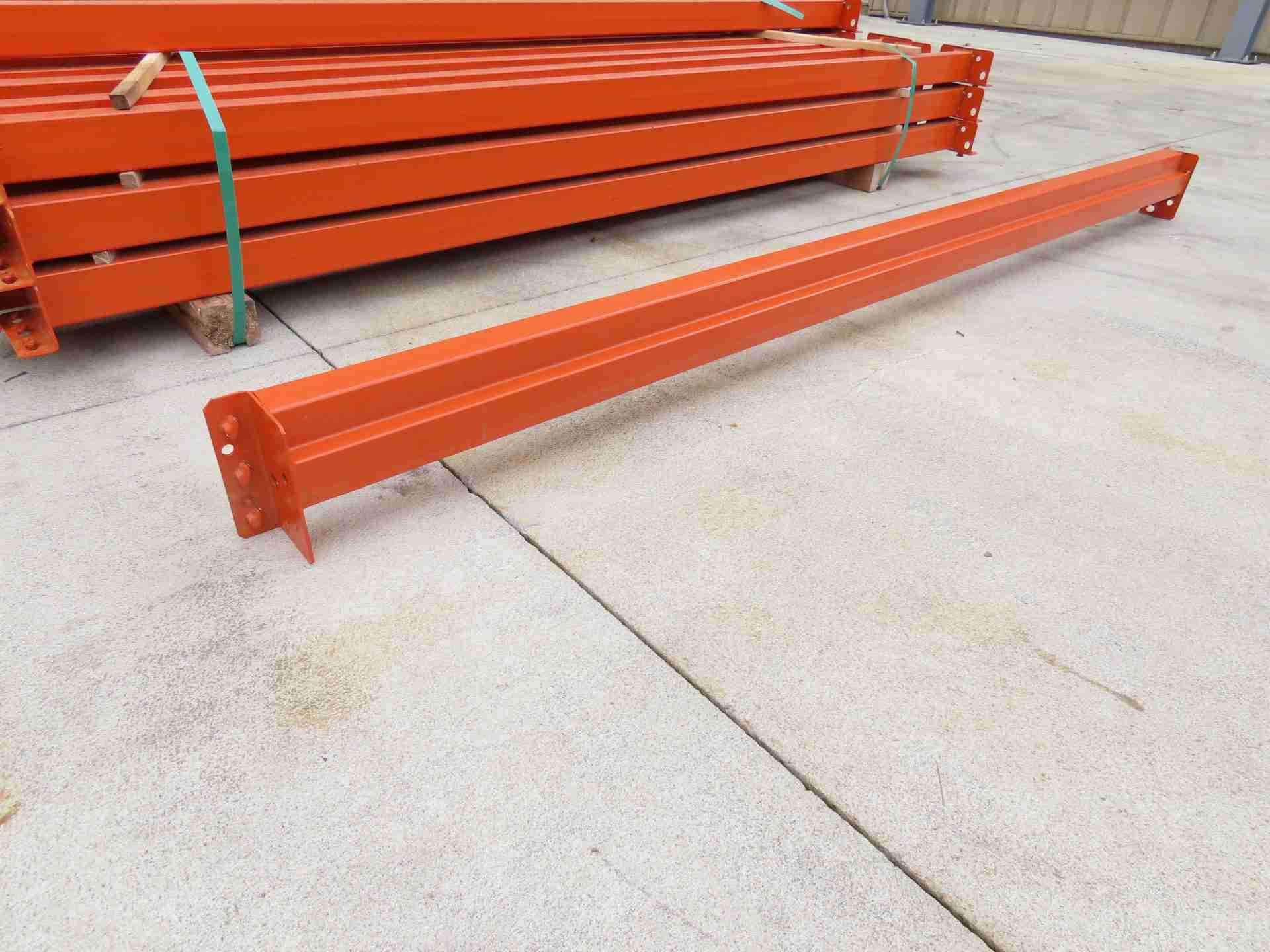
Conclusion
Conclusion:
- Staying ahead of evolving storage trends is vital for successful warehouse management.
- Pallet racking systems are essential tools for optimizing space and improving efficiency.
- Industry leaders use pallet racking not just for storage, but to enhance operational efficiency and inventory management.
- Continuous education and professional development empower managers to implement best practices and adapt to market changes.
- Utilizing advanced technology, like Warehouse Management Systems (WMS), helps managers anticipate inventory fluctuations.
- A culture of collaboration and employee feedback is crucial for identifying areas of improvement.
- Transform your storage strategy with the right tools and insights to elevate warehouse operations and customer satisfaction.
Conclusion
Other Resources

Other Resources
Here is a list of other resources you can review online to learn more:
- Rack Manufacturers Institute
- Cantilever Rack Guide: Ordering Cantilever Racking
- MHI
- Interlake Mecalux
- NSC
- CA Wire
- The Ultimate Pallet Racking Guide – Speedrack West
- Storage Equipment Manufacturers Association
- Logic Material Handling
Use This Prompt To Get More Resources With Your Favorite Online AI Tool: Please provide me with a list of online articles with their URLs in a bulleted list that I can read regarding How Do Top Warehouse Managers Stay Ahead Of Storage Trends?
Other Resources
Glossary Terms
How Do Top Warehouse Managers Stay Ahead Of Storage Trends? – Glossary Of Terms
1. Automation: The use of technology to perform tasks without human intervention, improving efficiency and accuracy in warehouse operations.
2. AI (Artificial Intelligence): The simulation of human intelligence processes by machines, used in warehousing for predictive analytics, inventory management, and decision-making.
3. IoT (Internet of Things): A network of interconnected devices that communicate and share data, enhancing visibility and tracking in warehouse management.
4. Inventory Management: The process of overseeing and controlling stocked items, ensuring optimal levels and minimizing excess or shortages.
5. Lean Warehousing: A methodology that focuses on minimizing waste while maximizing productivity and efficiency within warehouse operations.
6. Supply Chain Visibility: The ability to track products throughout the entire supply chain, enabling better decision-making and responsiveness.
7. Warehouse Management System (WMS): Software designed to optimize warehouse functionality, managing inventory, order fulfillment, and shipping processes.
8. Cross-Docking: A logistics practice where products are directly transferred from incoming to outgoing shipping docks, reducing storage time and improving efficiency.
9. Order Fulfillment: The entire process of picking, packing, and shipping products to customers, crucial for customer satisfaction and operational efficiency.
10. Data Analytics: The process of examining raw data to draw conclusions and make informed decisions, necessary for optimizing warehouse operations.
11. Key Performance Indicators (KPIs): Metrics used to evaluate the success of warehouse operations, helping managers assess performance and identify areas for improvement.
12. Demand Forecasting: The practice of predicting future customer demand to adjust inventory levels and resource allocation accordingly.
13. Dynamic Slotting: An inventory management technique that continuously analyzes product movement and optimizes storage locations based on current data.
14. Sustainability: Practices that aim to reduce environmental impact, including efficient resource usage and waste reduction in warehousing operations.
15. Last-Mile Delivery: The final step in the delivery process where products are transported from a distribution center to the end customer.
16. Temperature-Controlled Storage: Specialized storage environments that maintain specific temperatures to preserve perishable goods and sensitive products.
17. Cycle Counting: A method of inventory auditing where a set number of items are counted in regular intervals to ensure inventory accuracy.
18. Pick-to-Light Systems: Systems that use lights to guide warehouse workers to the correct item locations, improving picking speed and accuracy.
19. Cloud Computing: The delivery of storage and computing services over the internet, providing scalable and flexible data management solutions.
20. Robotics: Automated machines employed in warehouses for tasks such as sorting, picking, and transporting goods to increase operational efficiency.
21. Ergonomics: The study of optimizing the workplace environment and tasks to improve worker comfort and productivity, reducing injuries.
22. Blockchain: A decentralized digital ledger technology that enhances transparency and security in supply chain operations.
23. Flexible Warehousing: The ability to adapt storage capacities and operations to meet fluctuating demand and market conditions.
24. Multi-Channel Distribution: A sales approach that involves selling products through various channels, necessitating complex warehousing and logistics strategies.
25. RFID (Radio-Frequency Identification): Technology that uses electromagnetic fields to automatically identify and track tags attached to objects, enhancing inventory accuracy.
26. Workforce Management: The process of managing employee schedules, roles, and productivity to optimize labor resources in the warehouse.
27. Forklift Fleet Management: The practice of overseeing the operation and maintenance of a fleet of forklifts to ensure safe and efficient material handling.
28. Space Optimization: Strategies and techniques used to maximize the use of available space in a warehouse, improving storage efficiency.
29. Fulfillment Centers: Warehouses designed specifically for order processing and shipping, often integrated with e-commerce fulfillment strategies.
30. Continuous Improvement: An ongoing effort to enhance products, services, or processes by implementing incremental improvements, vital for staying competitive in warehousing.
Glossary Of Terms
Other Questions
How Do Top Warehouse Managers Stay Ahead Of Storage Trends? – Other Questions
If you wish to explore and discover more, consider looking for answers to these questions:
- What are the latest innovations in pallet racking systems?
- How do different warehouse layouts impact operational efficiency?
- What software solutions are most effective for warehouse management?
- How can warehouse managers encourage a culture of continuous improvement?
- What role does employee training play in optimizing warehouse operations?
- What emerging technologies should warehouse managers keep an eye on?
- How can data analytics improve decision-making in warehouse management?
- What are the challenges of transitioning to automated inventory management?
- How can warehouse managers effectively monitor and adapt to market changes?
- What are the key performance indicators (KPIs) for warehouse efficiency?
- What are the best methods for reducing operational costs in warehousing?
- How can warehouse managers balance automated processes with human oversight?
- What strategies can be employed for better inventory turnover?
- How does customer demand forecasting influence warehouse operations?
- What are some common pitfalls to avoid in warehouse management?
- How can warehouse managers leverage IoT technology for better efficiency?
Other Questions
Checklist
How Do Top Warehouse Managers Stay Ahead Of Storage Trends? – A Checklist
Checklist: Stay Ahead of Warehouse Storage Trends
1. Educate Yourself and Your Team
_____ Attend industry conferences and training sessions regularly.
_____ Stay updated on new technologies and methodologies in warehouse storage.
_____ Engage in networking with other industry professionals for knowledge sharing.
2. Leverage Data Analytics
_____ Invest in a robust Warehouse Management System (WMS).
_____ Collect and analyze data on inventory levels and movement patterns.
_____ Adjust pallet racking configurations based on identified trends.
3. Utilize Tracking Technologies
_____ Implement barcode scanning or RFID technology for accurate inventory tracking.
_____ Ensure real-time visibility of stock locations to enhance efficiency.
4. Foster a Culture of Innovation
_____ Encourage open communication and feedback from your team.
_____ Conduct regular training and discussions about industry trends and storage techniques.
5. Optimize Space Utilization
_____ Assess your pallet racking design to improve access and organization.
_____ Train employees on effective use of the storage systems.
_____ Analyze inventory turnover and strategically position items based on demand.
6. Manage Seasonal Stock Fluctuations
_____ Analyze historical sales data to predict demand for seasonal items.
_____ Maintain strong relationships with suppliers for flexible stock replenishment.
_____ Consider a just-in-time inventory approach to manage stock levels effectively.
7. Stay Informed on Industry Trends
_____ Subscribe to relevant journals and online forums for the latest updates.
_____ Attend trade shows to discover innovative pallet racking solutions.
8. Invest in Automation
_____ Explore robotic solutions and automation in inventory management.
_____ Utilize analytics tools to measure performance metrics for continuous improvement.
9. Encourage Team Engagement
_____ Involve your team in efficiency discussions and encourage them to share insights.
_____ Foster accountability and engagement by leveraging automated inventory systems.
10. Evaluate and Adapt
_____ Conduct regular audits of your warehouse operations to identify areas for improvement.
_____ Be willing to adapt and embrace new storage techniques and technologies.
By following this checklist, you can enhance your warehouse operations, stay ahead of storage trends, and create a more efficient and adaptable environment.
Checklist
At RackingWorld, we help guide you through selecting warehouse storage systems and racking.
Be sure to read our other related stories at RackingWorld to learn more about warehouse storage systems.
0 Comments