
Optimizing Warehouse Productivity Through Ergonomics
By Tom Seest
At RackingWorld, we help guide you through selecting warehouse storage systems and racking.
Be sure to read our other related stories at RackingWorld to learn more about warehouse storage systems.
How Can Ergonomic Considerations Improve Warehouse Worker Efficiency?
Imagine walking into a bustling warehouse where each worker is moving fluidly, effortlessly navigating through the aisles filled with pallets of goods. Now, envision that same picture, but with workers straining, stumbling, and battling fatigue just to complete their tasks. One of the key differentiators between these two scenarios lies in ergonomic considerations — the unsung hero of warehouse efficiency.
When we think of ergonomics, we often picture office chairs and keyboards. But in a warehouse filled with pallet racking systems, the stakes are even higher. Ergonomic design isn’t merely about comfort; it’s about creating an environment where workers can thrive without the burden of physical strain. Integrating ergonomic principles into your workspace can lead to staggering improvements in both efficiency and morale.
Have you noticed how awkwardly stacked pallets can lead to unnecessary back strain? When pallet racking is designed with the worker in mind—considering height, reach, and load distribution—you’re not just improving safety; you’re enhancing the overall workflow. Workers who can effortlessly access goods are more engaged and less likely to feel overwhelmed. This translates directly to increased productivity, lower injury rates, and heightened job satisfaction.
But let’s not forget: the benefits extend beyond just the workers. Company owners see the tangible return on their investments. With reduced worker compensation claims and fewer sick days taken due to injuries, your bottom line gains significant traction. Investing in ergonomic solutions is not an expense; it’s a smart strategy for sustainable growth.
Moreover, fostering an environment that champions ergonomic practices reflects a culture of care and value. When employees know their well-being is prioritized, they act not just as workers but as stakeholders in your success. This connection builds trust. Imagine your team feeling empowered, knowing that they are equipped with the best tools and environments for their roles.
So, what are you waiting for? It’s time to elevate your warehouse operations. Embrace ergonomic considerations not merely as an option but as a critical pillar for your success. Transform your workspace, enhance worker efficiency, and foster a thriving culture where productivity soars and morale stays high. Unlock the true potential of your workforce — your warehouse is ready, are you?
How Can Ergonomic Considerations Improve Warehouse Worker Efficiency?
How Can Ergonomic Considerations Improve Warehouse Worker Efficiency?
- Ergonomics plays a crucial role in warehouse efficiency by reducing physical strain on workers.
- Proper ergonomic design in warehouses enhances safety and workflow, considering factors like height, reach, and load distribution.
- Effortlessly accessible goods lead to engaged workers, resulting in increased productivity and lower injury rates.
- Company owners benefit from investing in ergonomic solutions through reduced compensation claims and sick days.
- Prioritizing worker well-being fosters a culture of care, building trust and empowering employees.
- Embracing ergonomic practices is key for sustainable growth and overall success in warehouse operations.
- Transforming your workspace with ergonomic considerations unlocks the true potential of your workforce.
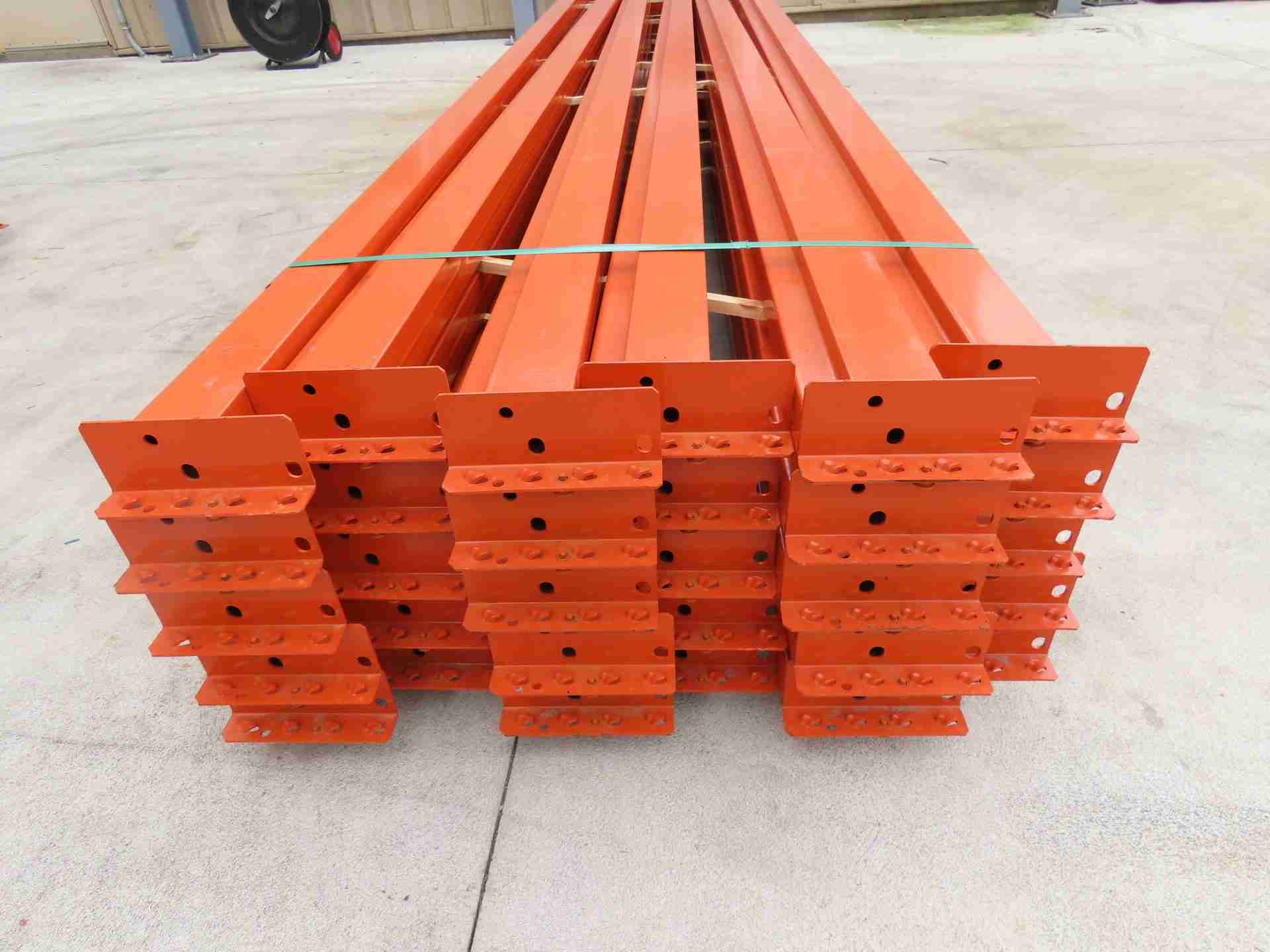
How Can Ergonomic Considerations Improve Warehouse Worker Efficiency?
Table Of Contents
- How Can Ergonomic Considerations Improve Warehouse Worker Efficiency?
- What Are The Key Ergonomic Principles For Warehouse Design?
- How Does Ergonomic Equipment Impact Worker Productivity?
- What Common Injuries Do Warehouse Workers Face Due To Poor Ergonomics?
- How Can Ergonomic Assessments Identify Workplace Improvements?
- What Role Does Training Play In Promoting Ergonomic Practices?
- How Can Ergonomic Tools Reduce Worker Fatigue During Shifts?
- Conclusion
- Other Resources
- Glossary Of Terms
- Other Questions
- Checklist
What Are The Key Ergonomic Principles For Warehouse Design?
When you think about a warehouse, the first things that come to mind might be towering shelves brimming with pallets, industrious employees zipping along aisles, and an unrelenting commitment to efficiency. But what truly drives productivity and employee satisfaction in this bustling environment? The answer lies in understanding and implementing core ergonomic principles that enhance both functionality and human interface. This is not simply a matter of comfort; it’s a decisive factor that can significantly impact the bottom line of your operations.
At the heart of ergonomic warehouse design is the layout—and it all starts with the strategic placement of pallet racking. Here’s where the magic begins! Well-designed pallet racking systems enhance accessibility, reduce reach distances, and streamline the flow of goods. Imagine the difference it makes when employees can easily retrieve items without awkward bending or stretching. Every minimal adjustment to the arrangement of your pallet racks can create a ripple effect of productivity boosts.
Next, consider the importance of movement and space. Employees should feel empowered to navigate their environment without unnecessary strain. This means creating wide aisles that allow for swift and safe transit. The more time employees spend seamlessly moving between locations, the more productive they become. Visualize this: a team member glides effortlessly to retrieve a pallet without having to dodge obstacles—a small change that can lead to monumental improvements in efficiency.
Additionally, it’s crucial to involve your employees in the design process. Let’s face it—who knows their jobs best if not your workers? Their feedback is invaluable in crafting ergonomic solutions that fit seamlessly into their daily tasks. By fostering an environment where their voices are heard, you’ll not only gain their trust but motivate them to take ownership of the workspace. They won’t just be clocking in and out; they’ll become integral members of a well-oiled machine that runs on collaboration and shared goals.
Lastly, don’t overlook the role of technology. Utilizing tools like adjustable workstations and assistive devices can reduce physical strain while enhancing productivity. Embrace innovation that prioritizes the well-being of your staff; it’s a testament to your commitment to their health and efficiency.
In summary, a warehouse that embraces ergonomic principles—anchored in intelligent pallet racking, thoughtful layout, employee involvement, and cutting-edge technology—will not just enhance productivity but will also cultivate a culture of care and respect within your workforce. It’s time to step into the future, where every detail counts, and success is measured by both output and well-being.

What Are The Key Ergonomic Principles For Warehouse Design?
What Are The Key Ergonomic Principles For Warehouse Design?
- Ergonomic principles are essential for enhancing productivity and employee satisfaction in warehouses.
- Strategically placed pallet racking improves accessibility and reduces strain, boosting efficiency.
- Wide aisles facilitate easy movement, allowing employees to navigate without unnecessary obstacles.
- Involving employees in the design process leads to better ergonomic solutions and fosters trust.
- Employee feedback is crucial for creating a workspace that integrates into daily tasks effectively.
- Technology, such as adjustable workstations, can reduce physical strain and enhance productivity.
- Implementing ergonomic design cultivates a culture of care and respect, benefiting both output and employee well-being.
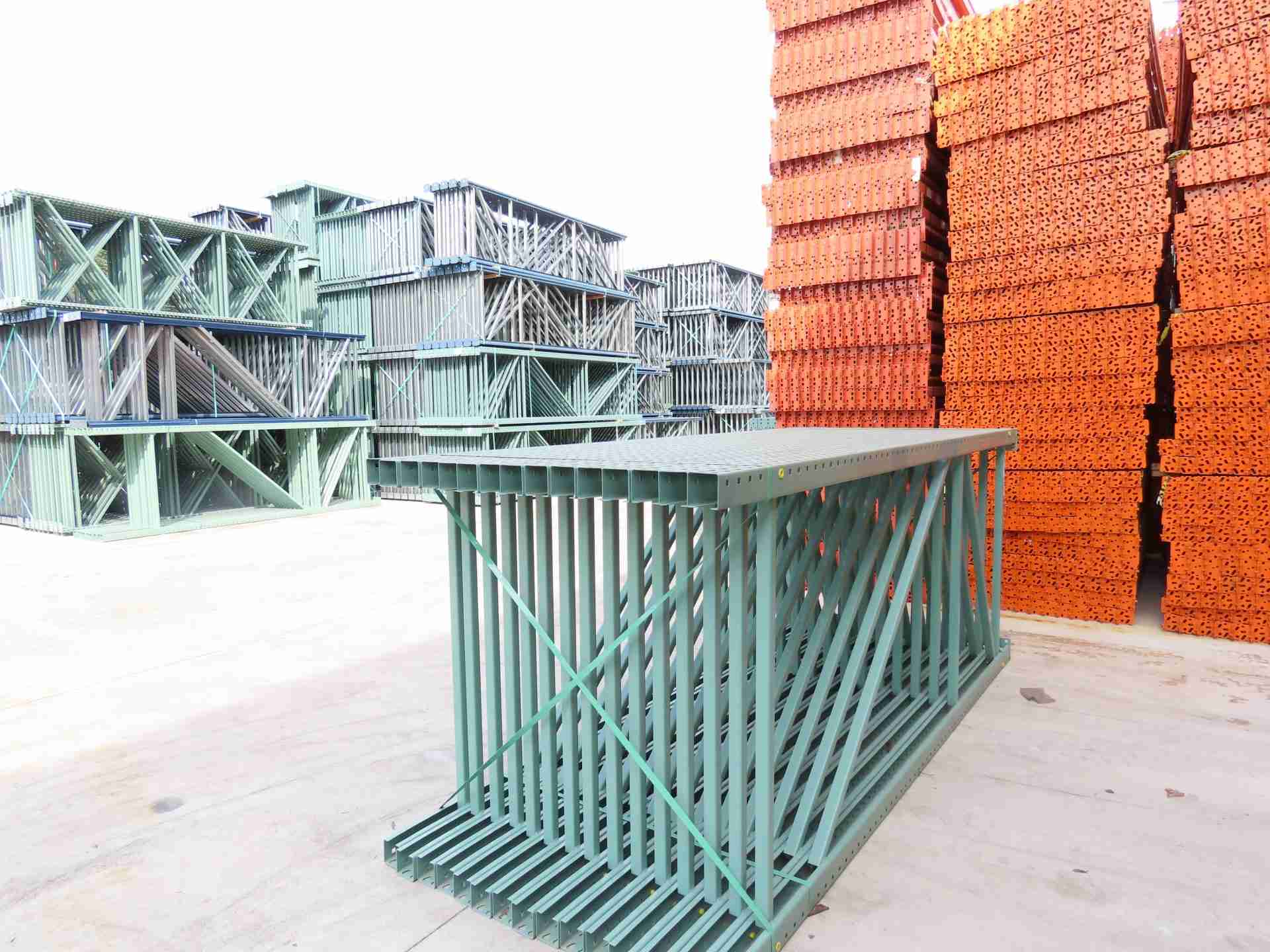
What Are The Key Ergonomic Principles For Warehouse Design?
How Does Ergonomic Equipment Impact Worker Productivity?
In today’s fast-paced work environment, ensuring your team can operate at their best isn’t just a nice-to-have; it’s an absolute necessity. Enter ergonomic equipment, the unsung hero of productivity that doesn’t just enhance comfort but also inspires efficiency! But what does this mean for your workforce—and your bottom line?
Imagine workers who arrive each day feeling energized rather than drained. When using ergonomic equipment—like adjustable desks, supportive chairs, and even innovative pallet racking systems—employees can adjust their work environment to suit their unique needs. This tailored flexibility fosters a culture where creativity flourishes and collaboration becomes second nature. Feeling comfortable in your workspace translates to fewer distractions and a sharper focus on the tasks at hand.
Consider the downsides of traditional setups. How often have you seen employees struggle to reach an item on a high pallet racking system, wasting valuable time and energy? Or worse, how many backaches and work injuries arise from poorly designed chairs and desks? These aren’t just inconveniences; they are direct threats to productivity and morale. Investing in ergonomic equipment not only reduces these risks but also sends a powerful message: You care about your team.
Moreover, when workers feel good and are less fatigued, their engagement skyrockets. Research has shown that ergonomic improvements can lead to significant boosts in productivity—often 20% or more! Picture a scenario where projects move forward without the usual hurdles of discomfort or discontent. This isn’t just about increased output; it’s about cultivating an environment where employees thrive. When your team is engaged and working efficiently, everyone benefits—from the individual contributors to the overall organizational success.
But let’s not overlook the financial aspect. Companies that prioritize ergonomic solutions often see lower healthcare costs, reduced absenteeism, and higher employee retention rates. When workers know they are valued and their well-being is prioritized, loyalty builds, and turnover decreases.
In a world where competition is fierce, investing in ergonomic equipment isn’t just smart; it’s essential. The results are clear: create a workspace that energizes rather than exhausts. Make the leap today and watch your workforce transform into a powerhouse of productivity, creativity, and satisfaction. After all, a supportive environment is the foundation upon which great results are built!
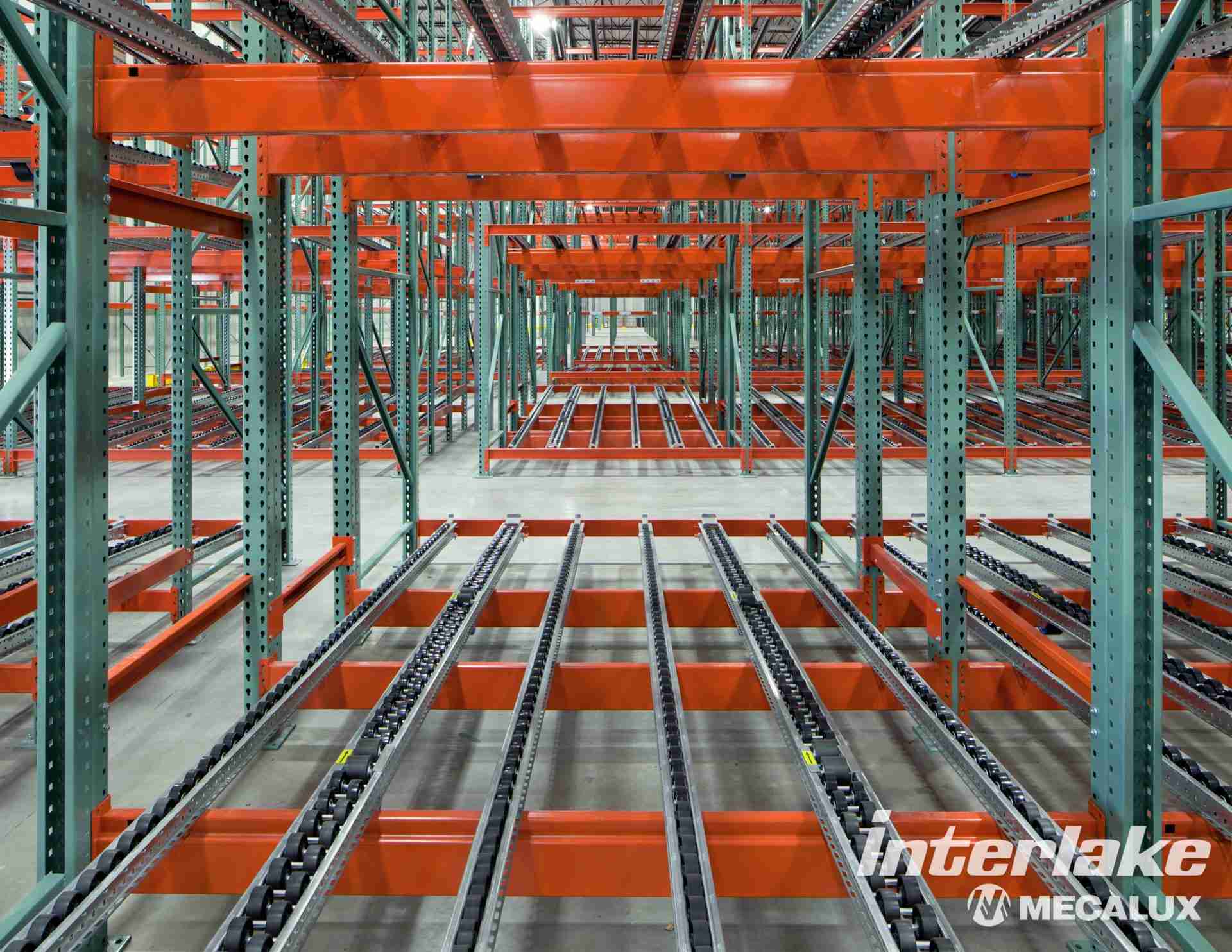
How Does Ergonomic Equipment Impact Worker Productivity?
How Does Ergonomic Equipment Impact Worker Productivity?
- Ergonomic equipment is essential for enhancing productivity and employee comfort in today’s fast-paced work environment.
- Using adjustable desks, supportive chairs, and innovative pallet racking systems allows employees to tailor their workspace to their needs.
- Comfortable workspaces lead to fewer distractions and sharper focus on tasks, fostering creativity and collaboration.
- Poorly designed work environments can result in wasted time, backaches, and decreased morale, threatening productivity.
- Investing in ergonomic solutions can increase productivity by 20% or more, cultivating a thriving atmosphere for employees.
- Prioritizing ergonomics results in lower healthcare costs, reduced absenteeism, and higher employee retention rates.
- Creating an energized and supportive work environment transforms the workforce, driving productivity, creativity, and satisfaction.

How Does Ergonomic Equipment Impact Worker Productivity?
What Common Injuries Do Warehouse Workers Face Due To Poor Ergonomics?
In the vibrant hub of warehouse operations, where efficiency meets efficiency, the dedicated men and women behind the scenes deserve a spotlight on their health and well-being. Unfortunately, the very environment designed for productivity can sometimes lead to a silent epidemic of injuries, especially due to poor ergonomics. So, let’s dive into the nitty-gritty of the most common injuries warehouse workers face and why your attention to ergonomics not only matters, but it pays off.
First, consider the day-in-the-life of a warehouse worker. Picture them navigating through rows of towering pallet racking, a labyrinth that demands constant bending, lifting, and reaching. Each time a worker squats down to lift a box or stretches to grab an item from high shelves, their body is at risk. Strains and sprains are the most common injuries, typically affecting the back, shoulders, and wrists. The repetitive nature of these tasks can lead to chronic pain, leaving workers exhausted and demoralized.
But that’s not all. Poor ergonomics can result in conditions like carpal tunnel syndrome, where the repetitive motion of gripping and lifting can cause painful nerve compression. Workers may also suffer from tendonitis, particularly in the elbows and shoulders, due to the relentless push and pull of handling materials in awkward positions. Can you imagine the frustration of not being able to perform at your best due to avoidable injuries, particularly in a fast-paced setting where every second counts?
Now, let’s talk numbers. Workers compensation claims for these injuries can skyrocket, creating a ripple effect that devastates morale and productivity. Companies investing in ergonomic solutions—think improved workstation designs, proper lifting techniques, and reducing repetitive motions—can not only prevent these injuries but also cultivate a culture of care and efficiency.
Every injury is not just a statistic—it’s a real-life story of a worker’s struggle. These heroes deserve the tools and support to thrive. By prioritizing ergonomics, you’re not just safeguarding your workforce; you’re demonstrating a commitment to their well-being, ultimately unlocking unprecedented productivity levels.
Empower your warehouse team by recognizing the clues of poor ergonomics and choosing to make impactful changes. It’s more than an operational choice; it’s a promise to your workers that their health and safety matter—and that success, together, is built on a solid foundation of trust and care. Take action today—your team’s future depends on it!
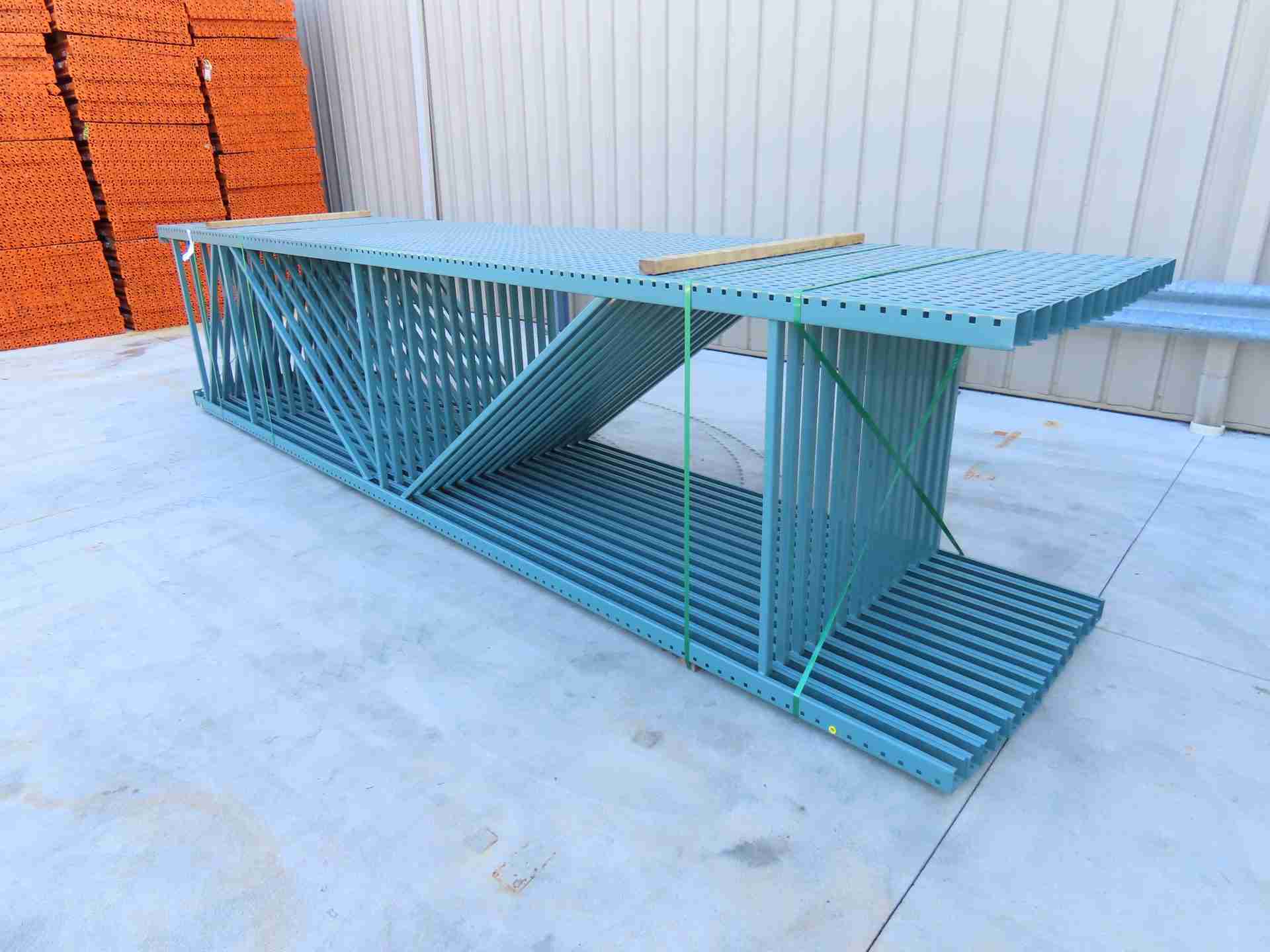
What Common Injuries Do Warehouse Workers Face Due To Poor Ergonomics?
What Common Injuries Do Warehouse Workers Face Due To Poor Ergonomics?
- Warehouse operations prioritize efficiency but often overlook employee health.
- Common injuries include strains and sprains, often affecting the back, shoulders, and wrists due to repetitive bending and lifting.
- Poor ergonomics can lead to chronic pain and conditions such as carpal tunnel syndrome and tendonitis.
- Injuries cause a significant increase in workers compensation claims, affecting morale and productivity.
- Investing in ergonomic solutions can prevent injuries and create a culture of care and efficiency.
- Prioritizing ergonomics not only safeguards workers but also enhances overall productivity and team well-being.
- Making ergonomic changes demonstrates a commitment to employee health, fostering trust and team success.

What Common Injuries Do Warehouse Workers Face Due To Poor Ergonomics?
How Can Ergonomic Assessments Identify Workplace Improvements?
Imagine walking into your workplace and feeling an immediate wave of comfort wash over you. Desk setups are perfectly aligned, tools are easily accessible, and surprisingly, employees are more engaged and productive than ever. This isn’t just a dream; it’s the result of strategic ergonomic assessments. These evaluations are not merely checklists; they are comprehensive tools aimed at dissecting every corner of your workplace to enhance not just comfort but performance.
Let’s discuss why investing in ergonomic assessments is a must for any modern workplace, especially when considering elements like pallet racking. Often, our inventory systems are the most overlooked aspect of workspace ergonomics. Inefficient pallet racking can lead to unnecessary strain as employees reach for items that are poorly positioned or difficult to access. By performing a thorough ergonomic assessment, you can pinpoint these problem areas, leading to practical solutions tailored specifically for your team.
Companies tend to underestimate the impact of proper ergonomics on employee well-being and overall business performance. So, here’s the truth—you can have the best products in the world, but if your team is uncomfortable or striving to navigate inefficient spaces, you’re losing out on potential productivity. An ergonomic assessment uncovers opportunities to maximize your space and streamline processes, creating an environment where employees can flourish.
Imagine a workspace where every employee feels supported—physically and mentally. This isn’t just about reducing injuries or complaints; it’s about fostering a culture of health and productivity. When your systems, including pallet racking, are optimized for usability, you’ll see a noticeable drop in workplace fatigue, and a substantial increase in morale.
Now, think about the trust you instill in your team when you prioritize their comfort. It’s more than just a nice gesture; it’s a strategic move that speaks volumes about your leadership. By addressing ergonomic concerns, you’re not only enhancing your work environment but also showing your employees that their well-being is a priority.
So, if you’re ready to cultivate an engaging workplace that encourages well-being and productivity, consider implementing ergonomic assessments. They’ll unveil critical insights and help put you on the path to creating a workspace that resonates with comfort, efficiency, and success. Act now, and watch how these valuable assessments can transform your workplace for the better!
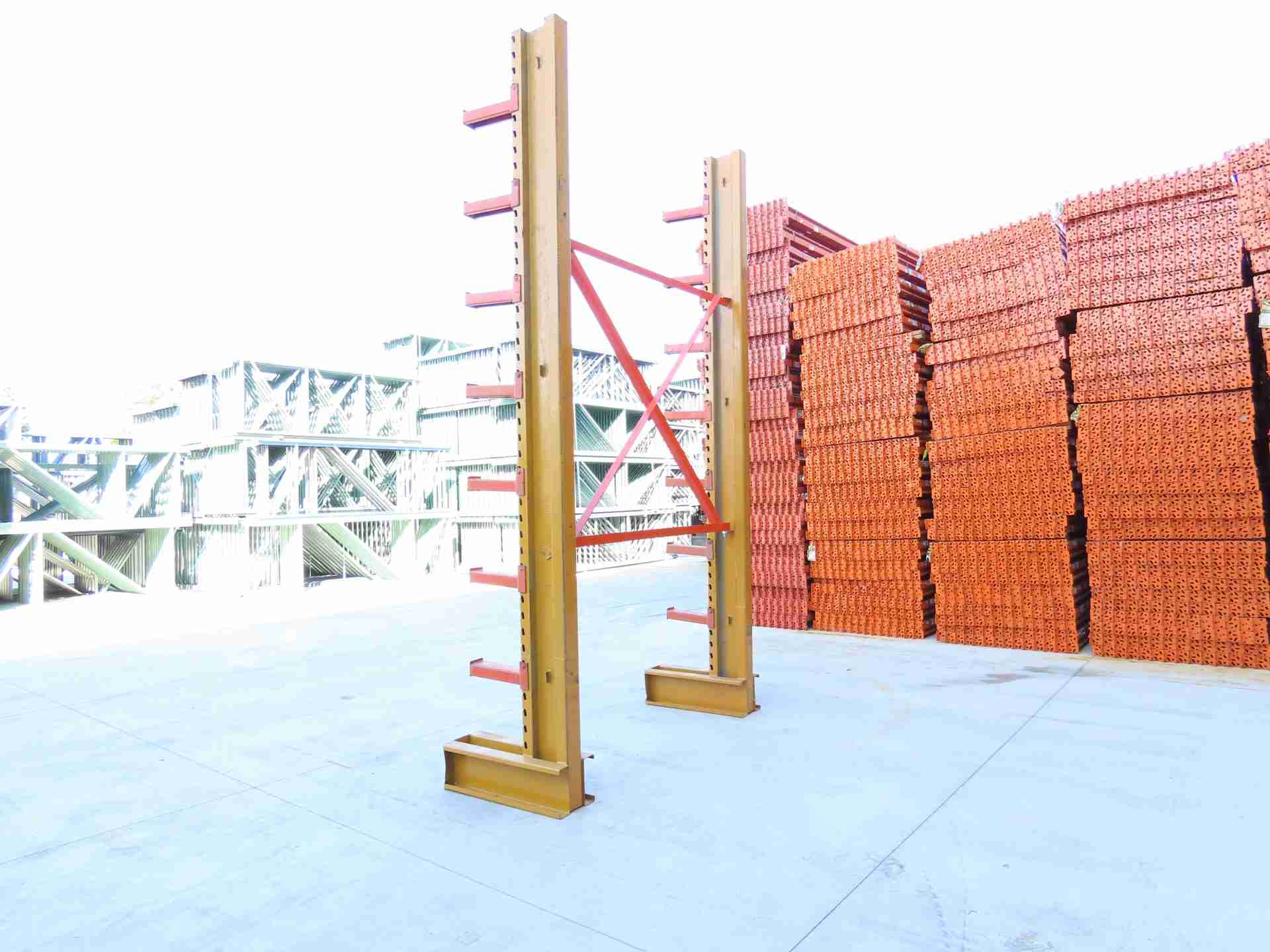
How Can Ergonomic Assessments Identify Workplace Improvements?
How Can Ergonomic Assessments Identify Workplace Improvements?
- Walking into a well-organized workplace fosters comfort and enhances productivity.
- Strategic ergonomic assessments dissect workplace environments to improve comfort and performance.
- Pallet racking often gets overlooked, leading to inefficiencies and employee strain.
- Proper ergonomics can significantly impact employee well-being and overall business performance.
- Optimized systems, including pallet racking, can reduce fatigue and increase morale.
- Prioritizing employee comfort builds trust and demonstrates strong leadership.
- Implementing ergonomic assessments uncovers insights for a more efficient and successful workplace.

How Can Ergonomic Assessments Identify Workplace Improvements?
What Role Does Training Play In Promoting Ergonomic Practices?
Imagine walking into a warehouse filled with rows of pallet racking, each shelf stacked high with inventory. Now visualize your team operating with a smooth efficiency that doesn’t compromise their health. This vision can become a reality, but it starts with one crucial ingredient: training.
Training is not merely a checkbox to tick off. It’s the lifeblood of an ergonomic culture within a workplace. By fostering an environment rich in knowledge, you empower your team to understand the importance of ergonomics—those principles that keep them safe and enhance their productivity. Think of the time spent lifting, reaching, and maneuvering around pallets. Without proper training, those repetitive motions can lead to injuries that cost time, money, and morale. But with effective training, what you’re doing is equipping your team with the tools to protect themselves and thrive.
Now, let’s talk about relatability. We’ve all experienced the discomfort that comes from a long day of work. That nagging back pain, the strained shoulders—the list goes on. What if your team could learn how to avoid these common pitfalls? Imagine a training program that integrates hands-on techniques, engaging workshops, and visually appealing materials tailored to your specific workflows. This approach resonates on a personal level, making the concept of ergonomic practices accessible and actionable for every employee, whether they’re maneuvering around pallet racking or working at a desk.
Consider this: An investment in ergonomic training translates to long-term savings. When employees feel good, they perform better. Reduced absenteeism, increased job satisfaction, and a more harmonious workplace atmosphere aren’t just beneficial—they’re essential for sustained success. Leaders who champion ergonomic education don’t just prevent injuries; they cultivate trust and establish a precedent of care that resonates throughout the entire organization.
Training is not just about compliance; it’s about culture transformation. When employees feel valued, they are more likely to engage with their responsibilities. As a result, ergonomics becomes not just a policy, but a shared priority—a collective commitment to health and productivity that drives your business forward.
Join the ranks of those who see training as a vital investment in your workforce. Make ergonomic education a cornerstone of your operational strategy. Your team—and your bottom line—will thank you for it.
What Role Does Training Play In Promoting Ergonomic Practices?
What Role Does Training Play In Promoting Ergonomic Practices?
- Visualizing a warehouse environment emphasizes the need for smooth and efficient operations without compromising employee health.
- Training is essential for fostering an ergonomic culture and empowering teams to understand ergonomic principles.
- Proper training helps prevent injuries caused by repetitive motions, saving time, money, and morale.
- A relatable training program can alleviate common workplace discomfort through hands-on techniques and engaging formats.
- Investing in ergonomic training yields long-term savings through reduced absenteeism and increased job satisfaction.
- Transforming workplace culture involves making ergonomics a shared priority and commitment among employees.
- Organizations should view ergonomic education as a vital investment for workforce wellbeing and operational success.

What Role Does Training Play In Promoting Ergonomic Practices?
How Can Ergonomic Tools Reduce Worker Fatigue During Shifts?
Every day, countless workers clock in with ambition and enthusiasm, only to feel the weight of fatigue creeping in long before their shift ends. It’s a struggle that’s all too common—one that impacts not just their productivity but also their sense of well-being. But there’s good news: the solution lies in ergonomics. You might wonder, what exactly does ergonomics involve? Simply put, it’s about designing workflows and tools to fit the needs of the worker, putting their comfort and efficiency at the forefront.
Consider the impact of pallet racking in a typical warehouse setting. When designed with ergonomic principles in mind, pallet racking systems can drastically reduce the strain on workers. Imagine a setup where employees can easily access products without having to reach too far or bend down awkwardly. This reduction in awkward movements translates to less fatigue over long shifts.
Now, think of the benefits this can provide—more energy at the end of the day, decreased risk of injury, and a happier workforce overall. Employees armed with ergonomic tools are not just working; they’re thriving. Working in harmony with their environment frees them to focus on what really matters: getting the job done efficiently and effectively.
We’re not just talking about tools; we’re talking about transforming the everyday workplace into a sanctuary of productivity that supports health and well-being. Investing in ergonomic solutions leads to a reduction in fatigue and improves job satisfaction, fostering a culture of safety and efficiency. Employees feel valued when their comfort is prioritized, and this powerful shift enhances overall morale and cohesion.
So if you’re committed to building a healthier workplace, consider integrating ergonomic tools into your operations. Encourage feedback from your team; they are the ones who truly understand the daily challenges. Equip them with solutions that resonate with their needs—like properly designed pallet racking that enables them to work smarter, not harder.
Ultimately, embracing ergonomics isn’t just a smart business strategy; it’s a commitment to your workforce. By championing their comfort, you’re not only reducing fatigue but also enhancing productivity, loyalty, and trust. Don’t just wish for a better work environment—take action today and witness the transformative power of ergonomic tools in your workplace. Your employees deserve it, and your bottom line will thank you.
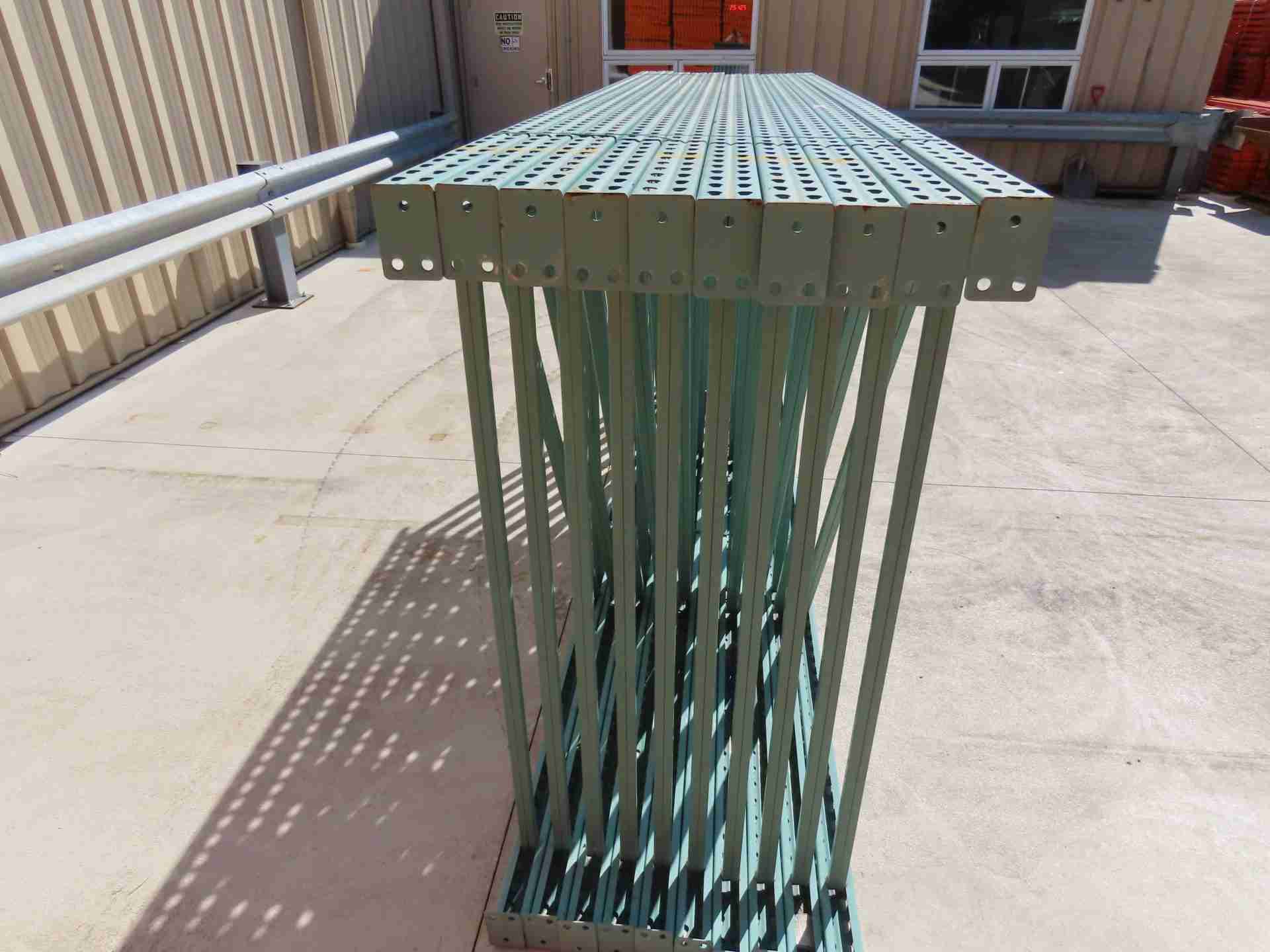
How Can Ergonomic Tools Reduce Worker Fatigue During Shifts?
How Can Ergonomic Tools Reduce Worker Fatigue During Shifts?
- Workers often experience fatigue before their shifts end, impacting productivity and well-being.
- Ergonomics involves designing workflows and tools to meet the needs of workers, focusing on comfort and efficiency.
- Implementing ergonomic pallet racking systems in warehouses reduces strain on employees.
- Accessible product placement minimizes awkward movements, leading to less fatigue during shifts.
- Benefits of ergonomics include increased energy, decreased injury risk, and improved employee happiness.
- Investing in ergonomics creates a productive workplace that prioritizes health and well-being.
- Encouraging employee feedback and integrating ergonomic solutions boosts morale and fosters loyalty and trust.

How Can Ergonomic Tools Reduce Worker Fatigue During Shifts?
Conclusion
Conclusion: Elevate Your Warehouse Operations Through Ergonomics
In a world where warehouse efficiency often dictates success, the integration of ergonomic principles stands as a game-changer for both employees and employers. As we have explored throughout this article, the benefits of applying ergonomic considerations to your warehouse environment extend far beyond mere comfort; they pave the way for increased productivity, diminished injury rates, and a culture of trust and care among your workforce. Imagine transforming your bustling warehouse into a haven of efficiency, where workers glide through their tasks with ease and confidence. This is not just a dream; it’s a reality waiting to be unlocked through strategic ergonomic investments.
The evidence is clear: ergonomic design matters. When pallet racking systems are tailored to account for human factors—such as easy accessibility, proper reach, and optimal load distribution—workers are empowered to operate efficiently with focus and vigor. The result? A noticeable surge in productivity that ripples positively throughout your entire operation. Moreover, such enhancements not only benefit individuals on the front lines but also significantly bolster your bottom line, minimizing workers’ compensation claims and reducing absenteeism.
But where do you begin this transformation? It starts with a commitment to systematic ergonomic assessments that identify critical areas for improvement. Engaging employees in the design process cultivates a sense of ownership and involvement that fosters a motivated and enthusiastic team. Implementing training programs that prioritize ergonomic practices further equips your workforce with the essential knowledge to maintain their health and productivity.
Time is of the essence; the urgency to act cannot be overstated. As competition intensifies, the businesses that prioritize ergonomic solutions will find themselves at a distinct advantage. So, what are you waiting for? It’s time to step up, embrace the ergonomic revolution, and position your warehouse as a leader in efficiency and worker satisfaction.
If you’re ready to make this pivotal change, now is the moment to reach out to Arrow Industrial Sales at (574) 349-6575. Don’t let your competition seize the opportunity to enhance their operations while you hesitate. Call us today to discover how ergonomic tools and strategies can transform your warehouse into a dynamic and productive workspace. Your employees deserve nothing less, and your success demands it. Unlock the true potential of your workforce and witness transformation like never before!
Conclusion
Conclusion:
- Integrating ergonomic principles enhances warehouse efficiency for employees and employers.
- Benefits include increased productivity, reduced injury rates, and a culture of trust.
- Thoughtful ergonomic design in pallet racking promotes optimal accessibility and load distribution.
- Systematic ergonomic assessments help identify areas for improvement.
- Engaging employees in the design process increases their motivation and ownership.
- Implementing ergonomic training programs equips workers to maintain health and productivity.
- Prioritizing ergonomics positions businesses competitively in an intense market landscape.
Conclusion
Other Resources
Other Resources
Here is a list of other resources you can review online to learn more:
- What is Cantilever Racking? – AK Material Handling Systems
- Pallet Rack Systems – New and Used Pallet Racking and Shelving Experts
- MHI
- Cantilever Rack Guide: Ordering Cantilever Racking
- Cantilever Racks Chicago
- Shipping Boxes, Packaging Materials, Pallet Racking
- Teardrop Uprights
- Interlake Mecalux
- Warehouse Storage Racking in Illinois
Use This Prompt To Get More Resources With Your Favorite Online AI Tool: Please provide me with a list of online articles with their URLs in a bulleted list that I can read regarding How Can Ergonomic Considerations Improve Warehouse Worker Efficiency?
Other Resources
Glossary Terms
How Can Ergonomic Considerations Improve Warehouse Worker Efficiency? – Glossary Of Terms
1. Ergonomics: The study of how people interact with their environment, focusing on optimizing human well-being and overall system performance.
2. Posture: The position in which a person holds their body while standing, sitting, or lying down, critical for preventing strain and injury.
3. Repetitive Motion: Any activity requiring the same movement to be performed repeatedly, which can lead to strain and injuries over time.
4. Lifting Techniques: Best practices for lifting heavy objects that minimize the risk of injury, including bending the knees and keeping the load close to the body.
5. Workstation Design: The layout of tools, equipment, and information to facilitate ease of use and efficiency while minimizing the need for excessive movement.
6. Physical Strain: The physical stress placed on the body due to poor ergonomic practices, resulting in discomfort or injuries.
7. Tool Safety: The use of ergonomic tools designed to reduce strain, enhance grip, and minimize the risk of injury for warehouse workers.
8. Flexibility Training: Exercises aimed at improving the range of motion and decreasing the likelihood of injuries related to repetitive tasks.
9. Musculoskeletal Disorders (MSDs): Injuries and disorders that affect the musculoskeletal system, often caused by ergonomic risks in the workplace.
10. Workplace Assessments: Evaluations conducted to identify ergonomic risk factors and implement improvements for worker safety and efficiency.
11. Material Handling: The movement, protection, storage, and control of materials throughout the manufacturing and distribution process, focusing on safety and efficiency.
12. Fatigue Management: Strategies to minimize physical and mental fatigue in workers, which can enhance productivity and reduce errors.
13. Load Distribution: The way weight is spread across the body to minimize strain; important in lifting and carrying tasks.
14. Break Scheduling: The implementation of regular breaks to reduce fatigue and improve focus, allowing workers to return to tasks refreshed.
15. Work Organization: Structuring tasks and workflows to enhance productivity and reduce unnecessary movements and strain on workers.
16. Training Programs: Educational initiatives aimed at teaching workers the importance of ergonomics and providing practical skills for safe working methods.
17. Environmental Factors: Conditions such as lighting, temperature, and noise levels that can affect worker comfort and efficiency.
18. Accommodations: Adjustments made to the workplace or equipment to meet the specific ergonomic needs of individual workers.
19. Injury Prevention: Strategies and practices aimed at reducing the likelihood of injuries related to poor ergonomic practices.
20. Adaptive Equipment: Tools and machinery designed to be more ergonomic, aiding workers in performing tasks safely and efficiently.
21. Cognitive Ergonomics: The study of how cognitive processes affect interactions with tools and environments, improving decision-making and efficiency.
22. Work-life Balance: The equilibrium between personal life and work obligations that can impact overall job satisfaction and productivity.
23. Performance Metrics: Measurements used to evaluate the efficiency and effectiveness of workers, often influenced by ergonomic interventions.
24. Hazard Recognition: The ability to identify potential ergonomic risks in the workplace, allowing for proactive safety measures.
25. Team Collaboration: Working together in groups to promote ergonomic practices and share responsibility for maintaining a safe work environment.
26. Physical Activity: Movement that contributes to overall health; balanced with rest to prevent fatigue in warehouse environments.
27. Job Rotation: A strategy where workers switch tasks regularly to reduce repetitive motion injuries and improve job satisfaction.
28. Productivity Boost: Increases in output and efficiency as a result of improved ergonomic practices and worker well-being.
29. Work Culture: The shared values and practices within a workplace that can significantly influence employee well-being and efficiency.
30. Feedback Mechanisms: Systems to gather input from workers about ergonomic challenges, allowing for continuous improvement in practices and policies.
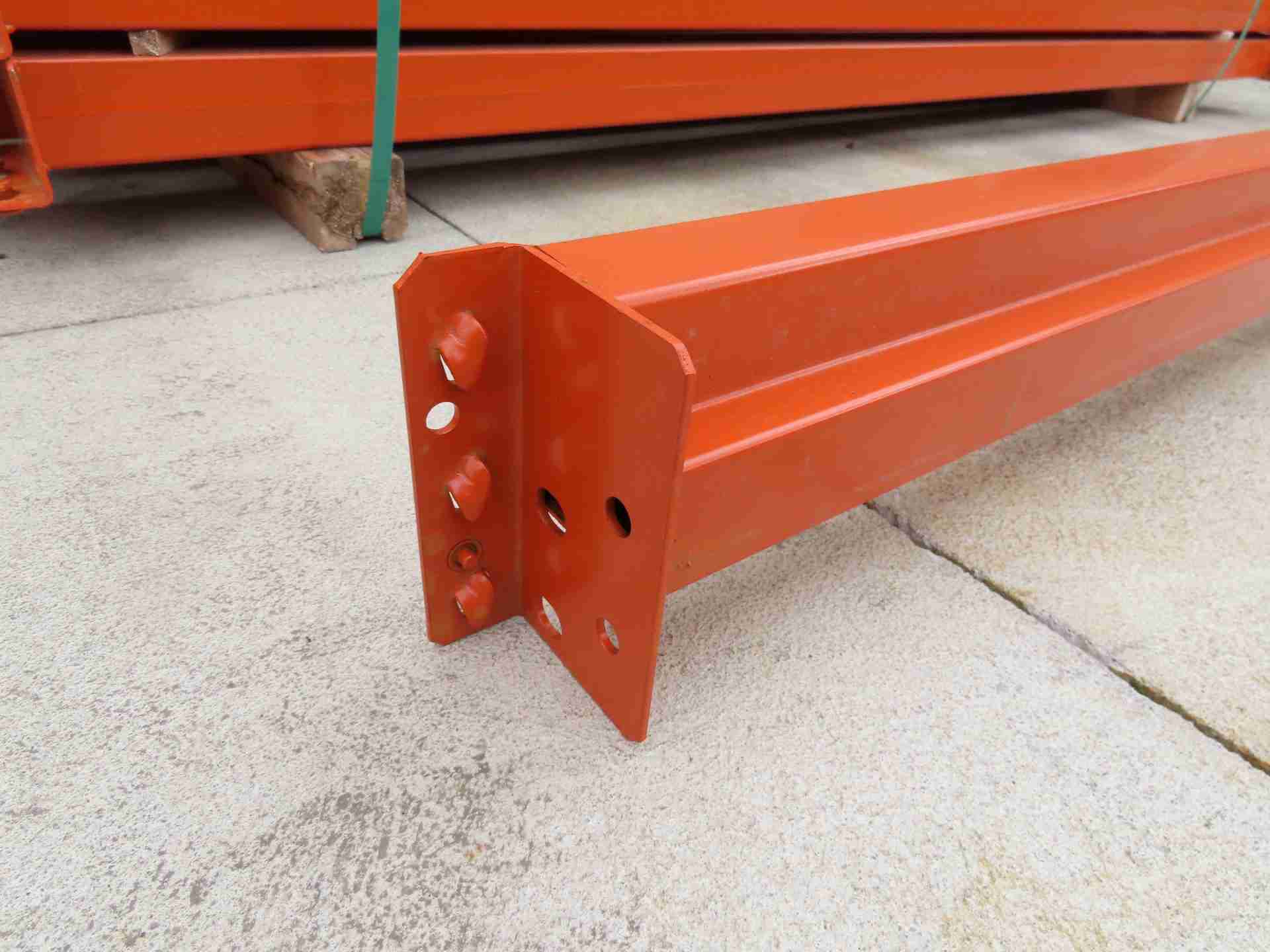
Glossary Of Terms
Other Questions
How Can Ergonomic Considerations Improve Warehouse Worker Efficiency? – Other Questions
If you wish to explore and discover more, consider looking for answers to these questions:
- What specific ergonomic tools can be implemented in a warehouse setting?
- How can companies measure the impact of ergonomic changes on productivity?
- What are some examples of successful ergonomic implementations in warehouses?
- How often should ergonomic assessments be conducted in a workplace?
- What training methods are most effective for promoting ergonomic practices?
- What are the long-term financial benefits of investing in ergonomic solutions?
- How can employee feedback be effectively gathered for ergonomic assessments?
- What role does management play in fostering an ergonomic culture?
- What common myths about ergonomics should be addressed?
- How can ergonomic practices be adapted for different types of warehouse jobs?
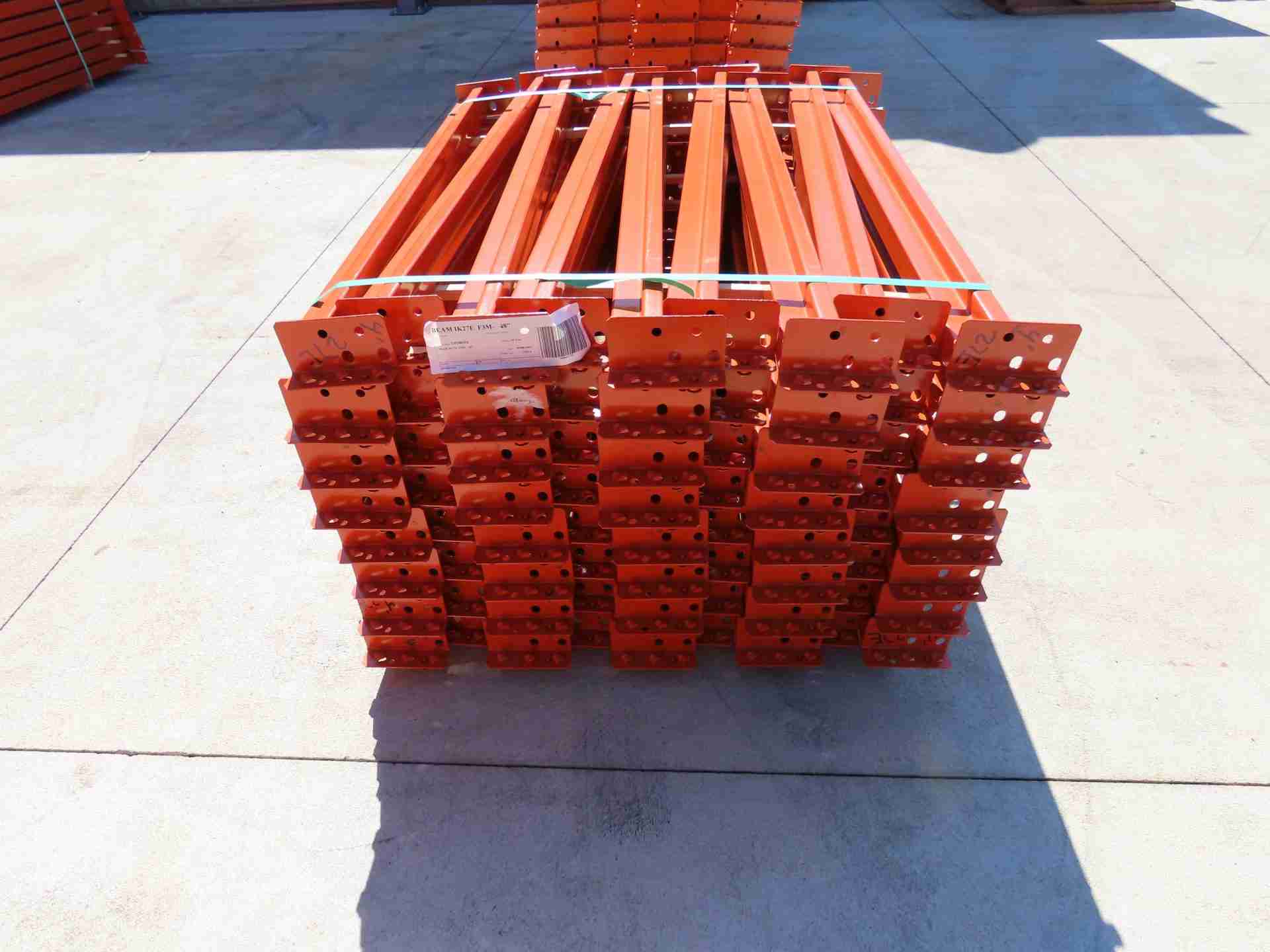
Other Questions
Checklist
How Can Ergonomic Considerations Improve Warehouse Worker Efficiency? – A Checklist
Ergonomic Considerations: Warehouse Efficiency Improvement Checklist
Use this checklist to enhance warehouse worker efficiency through ergonomic considerations:
Ergonomic Warehouse Design
_____ Assess Pallet Racking Systems: Ensure pallet racks are designed for easy access, minimizing awkward bending or reaching.
_____ Optimize Layout: Arrange aisles to allow smooth navigation, reducing reach distances and eliminating obstacles.
_____ Involve Employees in Design: Gather feedback from workers on workspace design to ensure it meets their needs.
Ergonomic Equipment
_____ Invest in Adjustable Equipment: Utilize adjustable desks and ergonomic chairs to accommodate individual preferences.
_____ Implement Assistive Devices: Incorporate tools designed to reduce physical strain, such as pallet jacks, lifts, or conveyor belts.
Injury Prevention
_____ Identify Common Injuries: Be aware of injuries such as strains, sprains, and chronic pain resulting from poor ergonomic conditions.
_____ Offer Training on Proper Techniques: Train workers on correct lifting, bending, and reaching methods to minimize injury risk.
Ergonomic Assessments
_____ Conduct Regular Assessments: Schedule regular ergonomic assessments to identify improvement areas for the workspace.
_____ Implement Recommendations: Act on the suggestions made during assessments to enhance comfort and productivity.
Training and Awareness
_____ Provide Ergonomic Training: Educate employees on the importance of ergonomics and how it affects their health and efficiency.
_____ Promote Continuous Learning: Foster an environment where ongoing education about ergonomic practices is encouraged.
Feedback and Improvement
_____ Encourage Employee Feedback: Create channels for workers to share their ergonomic challenges and suggestions.
_____ Review and Iterate: Regularly review ergonomic practices and adjust based on feedback and changing needs.
Monitoring and Evaluation
_____ Track Injury Rates: Monitor workers’ compensation claims and injury reports to assess the impact of ergonomic improvements.
_____ Evaluate Productivity Metrics: Assess changes in productivity and worker satisfaction post-implementation of ergonomic strategies.
Leadership Commitment
_____ Communicate Ergonomic Importance: Ensure management promotes the value of ergonomics in the workplace.
_____ Recognize and Reward Participation: Acknowledge teams or individuals who actively engage in ergonomic practices.
Final Action
_____ Create a Culture of Ergonomics: Strive not only to implement changes but to establish a workplace culture focused on health, safety, and efficiency.
Utilize this checklist to guide your efforts toward creating a more ergonomic and efficient warehouse environment!
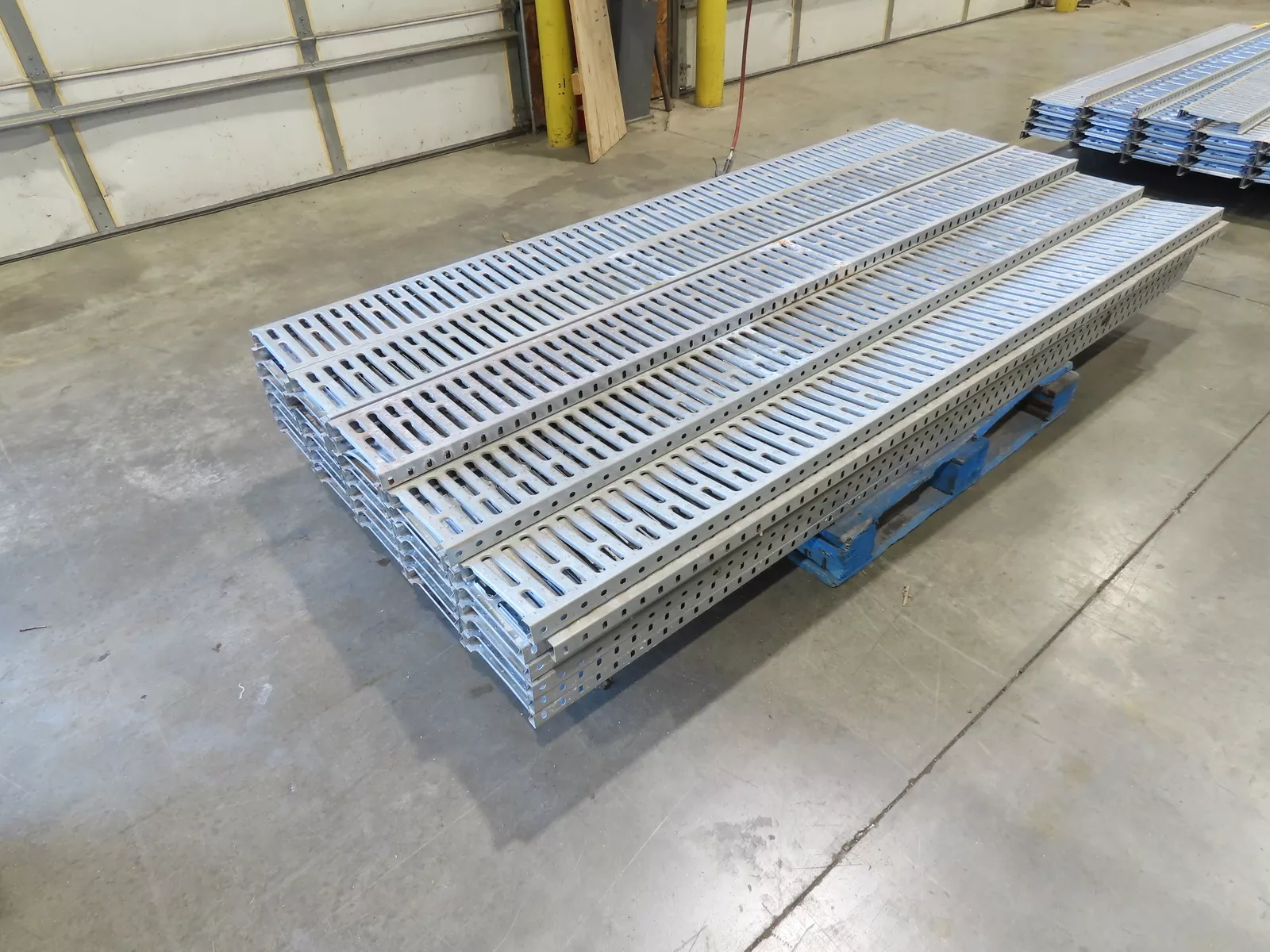
Checklist
At RackingWorld, we help guide you through selecting warehouse storage systems and racking.
Be sure to read our other related stories at RackingWorld to learn more about warehouse storage systems.
0 Comments