
Minimize Risk And Improve Safety In Warehouse Operations
By Tom Seest
At RackingWorld, we help guide you through selecting warehouse storage systems and racking.
Be sure to read our other related stories at RackingWorld to learn more about warehouse storage systems.
Do You Grieve Over Preventable Accidents In Warehouse Storage?
Do You Grieve Over Preventable Accidents in Warehouse Storage?
In the fast-paced world of warehouse operations, every second counts, and mishaps can lead to not only financial setbacks but devastating emotional consequences. The truth is, many of these accidents are preventable, and that’s the topic we need to address. How often do you find yourself contemplating the aftermath of a preventable accident in your storage space? The reality is—every missed protocol, every ounce of negligence can lead to a tragic accident that echoes through an organization.
Take pallet racking systems, for instance, the backbone of effective warehouse storage. These towering structures are designed to support your operational efficiency, but they’re only as safe as the practices that surround them. Imagine the peaceful hum of productivity disrupted by an unexpected incident—a pallet racking collapse, or a worker injured under the weight of negligence. This is more than just a statistic; it’s a palpable loss—a colleague, a friend, a vital part of your team’s heartbeat.
Every day, you make choices that affect the safety and well-being of your employees. When you look at your pallet racking, are you seeing essential business equipment, or are you recognizing an opportunity to foster a safer environment? Safety measures shouldn’t merely be a compliance check on a to-do list; they should be instilled in the very culture of your operation. Let’s spark a change in perspective.
By taking proactive steps to ensure your pallet racking system is properly inspected, maintained, and utilized, you are not just protecting your assets; you are safeguarding lives. Regular audits, employee training, and a commitment to following best practices can turn your warehouse from just a storage facility into a model of safety and productivity.
When accidents are prevented, the collective sigh of relief isn’t just a breath taken; it’s a trust rebuilt within the team and a confidence restored in the workplace. Embrace that opportunity. It’s time to take action—today. Invest in creating a safety-first culture and watch as your operation transforms, inspiring trust not just among your workers but throughout your entire community. Let’s rewrite the narrative—one safe pallet at a time.

Do You Grieve Over Preventable Accidents In Warehouse Storage?
Do You Grieve Over Preventable Accidents In Warehouse Storage?
- Mishaps in warehouse operations can cause financial setbacks and emotional consequences.
- Many warehouse accidents are preventable and stem from negligence or missed protocols.
- Pallet racking systems are crucial for operational efficiency but require safe practices to ensure safety.
- Every decision made can impact employee safety and well-being.
- Safety should be embedded in the culture of the operation, not just a compliance checklist.
- Proactive measures like regular audits and training can enhance safety and productivity in warehouses.
- Fostering a safety-first culture can rebuild trust among employees and transform the workplace environment.

Do You Grieve Over Preventable Accidents In Warehouse Storage?
Table Of Contents
- Do You Grieve Over Preventable Accidents In Warehouse Storage?
- What Are The Most Common Preventable Accidents In Warehouses?
- How Can Proper Training Reduce Warehouse Accidents?
- What Role Does Equipment Maintenance Play In Safety?
- Are Safety Protocols Always Followed In Warehouse Operations?
- How Can Effective Communication Minimize Risks In Warehouses?
- What Are The Psychological Effects Of Workplace Accidents?
- Conclusion
- Other Resources
- Glossary Of Terms
- Other Questions
- Checklist
What Are The Most Common Preventable Accidents In Warehouses?
When it comes to warehouse safety, some accidents are just waiting to happen. The truth is, many of these incidents are completely preventable—if only we recognize the common culprits and address them head-on. Everyone involved in warehouse operations has a role to play in maintaining a safe environment. Let’s dive deep into the typical issues that plague warehouses and discover how taking action can transform your workplace.
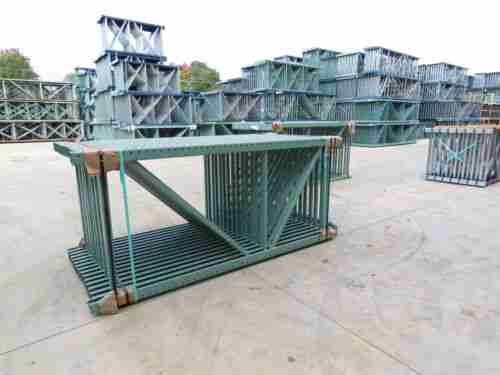
Pallet Racking accidents are high on the list of warehouse misfortunes. Poorly maintained or overloaded racking systems can lead to catastrophic collapses. Think about it: those towering stacks of goods, if not properly organized and secured, can become hazardous. Ensuring that your pallet racking is regularly inspected, and that it meets weight limits can make all the difference. Sit down with your team and develop a checklist to keep your racking in top shape. A bit of vigilance today could save you from disaster tomorrow.
Another common accident arises from forklift-related mishaps. The clatter of machines and the hustle of employees can create a bustling atmosphere, but this chaotic environment demands our attention. It’s easy to overlook proper training or forget the importance of clear pathways. A simple solution? Implement a robust training program for operators and encourage a culture of communication. When everyone is on the same page, the chances of accidents diminish significantly.
Now, let’s not ignore the often-overlooked hazard of slips, trips, and falls. With busy operations, spills can occur, merchandise can scatter, and distractions abound. Having a dedicated safety officer walking the floor and conducting regular audits is essential. Not only does it swiftly address potential hazards, but it also shows your team that their safety is paramount. When employees see action, they’re more likely to engage and participate in fostering a safer environment.
Last but not least, personal protective equipment (PPE) must be taken seriously. It’s not just a suggestion; it’s a necessity. Whether it’s gloves, helmets, or safety shoes, every team member should be equipped for safety. Encourage a culture of accountability. Make it a point to discuss safety in your morning briefings, emphasizing its importance and recognizing those who prioritize it.
So, let’s rally together as a unified front—not just for compliance but for the health, safety, and well-being of everyone in the warehouse. By identifying these preventable accidents and addressing them directly, we can create a culture of safety that inspires confidence, trust, and proactive action. Remember, an investment in safety today safeguards your tomorrow.
What Are The Most Common Preventable Accidents In Warehouses?
What Are The Most Common Preventable Accidents In Warehouses?
- Warehouse accidents are often preventable by recognizing and addressing common safety issues.
- Pallet racking accidents can occur due to poorly maintained or overloaded racking systems; regular inspections are essential.
- Develop a checklist with your team to ensure racking systems are organized and secure.
- Forklift accidents can be reduced through robust training programs and encouraging communication among team members.
- Address slips, trips, and falls by appointing a safety officer for regular audits and hazard identification.
- Personal protective equipment (PPE) is crucial; all team members should be properly equipped and accountable for their safety.
- Creating a culture of safety in the warehouse requires collective effort and prioritization of employee well-being.

What Are The Most Common Preventable Accidents In Warehouses?
How Can Proper Training Reduce Warehouse Accidents?
In the bustling world of warehousing, safety should never be an afterthought. Every day, countless employees navigate a maze of towering pallet racking, heavy machinery, and moving vehicles. Yet, amidst these challenges lies a powerful, often underestimated solution: proper training. Imagine walking onto a warehouse floor where every worker, from entry-level to management, confidently maneuvers equipment, understands safety protocols, and communicates seamlessly. Sounds like a dream? It’s not just a possibility; it’s a reality that begins with intentional training.
At the heart of preventing warehouse accidents is the understanding that knowledge is power. Imagine a new employee faced with intricate pallet racking systems, unsure of how to load or unload effectively. Without proper training, this uncertainty can quickly turn to danger. On the other hand, well-trained employees are equipped with critical skills that empower them to identify hazards before they become incidents. They learn the vital checkpoints of their work environment, from recognizing load limits on pallet racking to mastering the safe operation of forklifts.
Think about it: a few hours invested in training can lead to a significant decrease in workplace injuries. Not only does this foster a culture of safety, but it also cultivates trust. When employees feel confident in their abilities, they are more likely to voice concerns, participate in safety audits, and adopt proactive measures. This is where connection intersects with safety; a fully engaged team creates a harmonious workspace where every individual looks out for one another.
Moreover, the economic advantages of training are undeniable. An accident can cost a company thousands—if not millions—in lost productivity, litigation, and increased insurance premiums. By implementing a robust training program, companies not only protect their employees but also safeguard their bottom line. It’s a win-win scenario, one where morale soars and turnover rates drop. Employees who feel valued and are well-prepared are less likely to seek opportunities elsewhere.
Ultimately, it all boils down to building a culture of safety through education. Proper training lays the groundwork for a secure, productive warehouse environment. Equip your workforce with the knowledge they need to excel, and watch as your workplace transforms. The road to safety starts with the right training—step onto it today and foster a future where accidents are the exception, not the norm!

How Can Proper Training Reduce Warehouse Accidents?
How Can Proper Training Reduce Warehouse Accidents?
- Safety in warehousing should be a priority, not an afterthought.
- Proper training empowers employees to maneuver equipment and understand safety protocols.
- Knowledge is key to preventing accidents; well-trained employees can identify hazards.
- A few hours of training can significantly reduce workplace injuries and foster a culture of safety.
- Investing in training leads to economic benefits by minimizing accidents and associated costs.
- Employees who receive proper training are more likely to stay, as they feel valued and prepared.
- Building a culture of safety through education transforms the warehouse environment.

How Can Proper Training Reduce Warehouse Accidents?
What Role Does Equipment Maintenance Play In Safety?
Imagine a bustling warehouse—boxes stacked high, seamless operations, and a team that works in perfect harmony. Now, picture suddenly encountering a serious accident because a crucial piece of equipment failed. That feeling of dread can be avoided. This is where equipment maintenance steps in as a pivotal player in ensuring the safety of your entire operation.
Let’s talk about pallet racking, the backbone of high-volume storage environments. When it’s properly maintained, it can hold immense weight and withstand rigorous handling. But neglecting regular inspections and maintenance can lead to catastrophic results. An overlooked bent beam or rusting component can compromise the structural integrity of your pallet racking, leading not just to product loss, but to potential injuries—or worse. Ensuring that your racking system is consistently evaluated and maintained is not just a safety measure; it’s smart business.
Now, consider this: Scheduled maintenance isn’t merely an expense; it’s an investment in safety. Just like you wouldn’t leave a fancy car unattended without regular oil changes, your business deserves that same level of care and attention. It builds trust among your employees, showing them that their safety is valued. When workers feel secure in their environment, they exhibit increased morale and productivity, leading to lower turnover rates and higher efficiency—an all-around win.
And let’s not forget about compliance. Regular equipment maintenance keeps your facility aligned with safety regulations. The consequences of falling behind can be detrimental—financial penalties, unexpected downtime, and even reputational damage. On the flip side, adhering to these standards not only protects your team but also positions your organization as a leader in safety standards within your industry.
So, what’s the action step? Start a maintenance program today. Get those inspections booked, and don’t leave your equipment—and most importantly, your people—at risk. Embrace the proactive approach to safety and watch your operation thrive. Remember, maintaining your pallet racking systems effectively is not just about preventing accidents; it’s about fostering a culture of care that resonates throughout your entire organization. Take that leap towards safety, and your team will thank you for it.

What Role Does Equipment Maintenance Play In Safety?
What Role Does Equipment Maintenance Play In Safety?
- Proper equipment maintenance is vital for safety in operations, especially in warehouse environments.
- Pallet racking is essential for high-volume storage and requires regular inspections to maintain its integrity.
- Neglecting maintenance can lead to dangerous accidents, injuries, and significant product loss.
- Scheduled maintenance is an investment in safety that fosters employee trust and boosts morale and productivity.
- Regular maintenance helps ensure compliance with safety regulations, avoiding penalties and downtime.
- Adhering to safety standards positions organizations as leaders within their industry.
- Implementing a maintenance program actively promotes a culture of care and safety in the workplace.

What Role Does Equipment Maintenance Play In Safety?
Are Safety Protocols Always Followed In Warehouse Operations?
If you’ve ever walked through a busy warehouse, you know it’s a bustling hub of activity. Pallet racking stands tall, holding countless products ready to be shipped. But beneath this organized chaos lies a critical question: Are safety protocols always followed?
Let’s face it, in an environment that demands speed and efficiency, safety can sometimes take a backseat. It’s easy to overlook the essential protocols that protect employees, equipment, and inventory. When workers are hustling to meet deadlines, the danger of skipping safety measures looms large. Are those heavy pallets stacked high in the racking system secured properly? Is everyone wearing the right protective gear while handling hazardous materials?
The implications of neglecting safety in warehouse operations can be severe, leading to accidents that put lives at risk and create financial setbacks for businesses. This isn’t just about compliance; it’s about cultivating a mindset where every worker understands that safety is everyone’s responsibility.
Creating a culture of safety doesn’t just happen overnight. It takes commitment and consistent reinforcement. When warehouse leaders champion safety protocols, it inspires confidence among the team. Think about it: wouldn’t you feel more secure knowing that your colleagues take every precaution to ensure a safe working environment?
What’s more, a dedicated approach to following safety protocols also results in operational efficiency. When everyone knows the safeguards in place—like how to navigate around the racking safely or the proper techniques for lifting heavy items—the workflow smooths out. Fewer accidents mean reduced downtime and lower costs, which ultimately reflects on the bottom line.
But how can we ensure that safety protocols are more than a checklist? Engage your team! Encourage open dialogues about safety. Let them share their insights on the best practices in using pallet racking, or organizing workflows. When everyone is part of the conversation, it fosters ownership, leading to a safer, more productive warehouse.
Remember, the question isn’t just whether safety protocols are followed—it’s whether they are genuinely embraced. When safety becomes a shared value, the benefits resonate throughout the entire operation. By standing together, we can create an environment where safety is not just a priority but a way of life. Act now and empower your team to make safety the very foundation of your warehouse operations. Your employees’ well-being—and your business’s success—depends on it.

Are Safety Protocols Always Followed In Warehouse Operations?
Are Safety Protocols Always Followed In Warehouse Operations?
- Busy warehouses require strict adherence to safety protocols amidst high activity and efficiency demands.
- Overlooking safety measures can lead to severe accidents, risking lives and incurring financial losses.
- Creating a safety culture requires commitment, reinforcement, and engagement from warehouse leadership.
- Knowing that colleagues prioritize safety enhances confidence and security among workers.
- Following safety protocols improves operational efficiency by minimizing accidents and downtime.
- Engaging teams in safety discussions fosters ownership and shared responsibility for safety practices.
- Embracing safety as a collective value enhances the entire operation and contributes to business success.

Are Safety Protocols Always Followed In Warehouse Operations?
How Can Effective Communication Minimize Risks In Warehouses?
In the bustling world of warehouses, where every second counts and safety cannot be compromised, the backbone of success is effective communication. Imagine a scene in a large warehouse filled with towering pallet racking systems, workers scrambling to fulfill orders, and forklifts zipping through aisles. Amidst this dynamic environment, effective communication emerges as a lifeline, guiding actions, clarifying tasks, and ultimately minimizing risks.
When we think about communication in a warehouse, we’re not just talking about reports or memos; we are talking about a culture of open dialogue. Picture a setting where team members feel confident to voice concerns about safety hazards amidst the towering pallet racking. This proactive approach fosters an atmosphere where potential risks can be identified and addressed before they escalate into serious incidents.
Furthermore, effective communication encourages cross-department collaboration. Imagine the synergy between inventory management and shipping teams—when everyone is on the same page, the flow of operations seamlessly integrates. With clarity, communication ensures that employees understand the intricacies of handling products stored on pallet racking. They will be aware of weight limits, proper stacking protocols, and the precise methods for safely operating equipment, which helps to prevent accidents and costly delays.
But let’s draw it back to the human element for a moment. In a warehouse, every employee is an essential cog in the wheel. Misunderstandings can lead to perilous situations. Think about a time when a miscommunicated task led a coworker to make a mistake that could have ended badly. Such scenarios underscore the need for open lines of communication—the ability to approach a supervisor or a fellow worker, share insights, ask questions, and clarify doubts.
Training can also play a vital role in enhancing communication. Why not introduce regular safety meetings, where teams can come together, share their experiences, and learn from one another? Creating an environment where employees feel empowered to share their insights about pallet racking systems and other operational hazards strengthens your safety culture.
Invest in communication tools—apps, walkie-talkies, or bulletin boards—as simple, yet effective means of sharing vital information in real time. When employees are informed, motivated, and engaged through clear communication, the warehouse transforms from just a space to an expertly orchestrated operation where risks are visibly reduced.
Embrace the power of effective communication today, and watch as it cultivates a safer and more efficient warehouse for everyone involved. Let’s turn the clamor of the warehouse into a symphony of teamwork and safety!

How Can Effective Communication Minimize Risks In Warehouses?
How Can Effective Communication Minimize Risks In Warehouses?
- Effective communication is crucial in warehouses for guiding actions and minimizing risks.
- A culture of open dialogue allows team members to voice safety concerns, addressing risks proactively.
- Cross-department collaboration is enhanced when clear communication exists between inventory and shipping teams.
- Understanding handling protocols for pallet racking, including weight limits and stacking methods, is essential for safety.
- Open lines of communication between employees can prevent misunderstandings that lead to dangerous situations.
- Regular safety meetings encourage sharing experiences and insights, strengthening safety culture.
- Investing in communication tools helps keep employees informed and engaged, improving warehouse efficiency and safety.

How Can Effective Communication Minimize Risks In Warehouses?
What Are The Psychological Effects Of Workplace Accidents?
Picture this: You’re navigating your busy workplace, surrounded by stacks of Pallet Racking filled with inventory, the hum of machinery creating a rhythm that fuels productivity. Then — in an instant — everything changes. An accident occurs. In that split second, not only is physical safety compromised but also the mental well-being of everyone involved can take a deep hit. It’s a reality many workers face, yet it’s often overshadowed by the immediate physical repercussions.
When a workplace accident strikes, the psychological effects can be profound and long-lasting. Employees may grapple with anxiety, fear, and even post-traumatic stress, impacting their daily lives beyond the frontlines of work. It’s not just the person directly involved who feels the fallout; coworkers may also experience a ripple effect, leading to decreased morale and heightened stress levels. Imagine returning to the same space where chaos once reigned, surrounded by the towering Pallet Racking that now feels more like a looming threat than a mundane setting. This is the emotional burden that can linger.
Furthermore, the organizational culture plays a crucial role in how these feelings manifest. If your workplace fosters open communication, employees may feel more secure discussing their feelings and experiences. Conversely, if there’s silence or stigma around mental health, individuals can end up feeling isolated in their distress, leading to decreased productivity and engagement.
So, what can be done to address these psychological impacts? It begins with awareness. You have the power to cultivate an environment that prioritizes mental health alongside physical safety. Implementing regular training sessions on both safety protocols and mental health can empower your workforce. Consider creating a support system, like peer counseling or access to professional mental health services. These initiatives not only show your commitment to your team’s well-being but can also rebuild trust and confidence among employees.
Ultimately, understanding the intricate relationship between workplace accidents and psychological effects is vital. By taking it seriously and making concerted efforts to support your staff, you not only help individuals heal but also uplift the entire organization. It’s time to take action—because healthy minds cultivate enhanced workplaces, and stronger businesses are built on resilient teams.

What Are The Psychological Effects Of Workplace Accidents?
What Are The Psychological Effects Of Workplace Accidents?
- Workplace accidents can compromise both physical safety and mental well-being.
- The psychological effects of such accidents may include anxiety, fear, and post-traumatic stress.
- Co-workers may also experience a ripple effect, leading to decreased morale and increased stress levels.
- Organizational culture influences how employees discuss and process their feelings post-accident.
- Creating an environment that prioritizes mental health can help alleviate feelings of isolation and distress.
- Implementing training on safety protocols and mental health can empower employees and rebuild trust.
- Support initiatives can foster healing for individuals and enhance overall organizational resilience.

What Are The Psychological Effects Of Workplace Accidents?
Conclusion
Conclusion: Embrace a Safe, Productive Warehouse Culture Today!
In the bustling ecosystem of warehouse operations, every decision you make reverberates far beyond mere logistics. With preventable accidents looming like a dark cloud over your storage facilities, understanding and addressing the issues surrounding safety is not just prudent—it’s essential. As highlighted in this piece, safety goes hand-in-hand with the effectiveness of your pallet racking systems, forklift operation, and overall warehouse management.
The stark reality is that many workplace accidents are preventable. They stem from poorly maintained equipment, lack of training, and oversight of safety protocols. The emotional and financial toll of these incidents can cascade throughout an organization, creating a ripple effect that can undermine the very foundation of a successful operation. Imagine transforming your warehouse from a potential minefield of hazards into a model of safety and productivity, where every employee feels secure and valued.
One pivotal solution lies in proactive measures—consistent maintenance of your equipment, structuring comprehensive training programs, and fostering open communication among team members. By addressing common pitfalls—like the neglect of proper maintenance or inadequate training—you can turn potential disasters into opportunities for growth and improvement. Empowering your workforce with knowledge not only curtails risks but also builds a culture of safety that enhances morale and drives productivity.
But the time for action is now. Don’t wait for that inevitable accident to occur before making crucial changes. Imagine the peace of mind that comes from knowing your team works in an environment where safety is prioritized. Picture a warehouse where your employees collaborate and support one another, celebrating their shared commitment to maintaining a safe workplace.
At Arrow Industrial Sales, we understand your desire to protect your workforce and enhance your operations. Our comprehensive solutions and expert guidance can help you create that transformative culture. Call us today at (574) 349-6575 to discover how we can assist you in building a safer, more efficient warehouse. Don’t let negligence define your organization; instead, be the catalyst for change in your industry. Embrace the opportunity to safeguard lives, improve productivity, and rewrite the narrative of your warehouse—one safe pallet at a time. The moment for transformation is here; act decisively!

Conclusion
Conclusion:
- Warehouse operations impact beyond logistics, making safety an essential consideration.
- Preventable accidents can arise from poorly maintained equipment, lack of training, and safety protocol oversight.
- Workplace accidents create emotional and financial repercussions throughout an organization.
- Proactive measures such as equipment maintenance, training programs, and open communication can enhance safety.
- Empowering employees with knowledge fosters a culture of safety and boosts morale, driving productivity.
- Action is necessary; prioritize safety before incidents occur to ensure a secure work environment.
- Arrow Industrial Sales offers expert guidance to help build a safer and more efficient warehouse culture.

Conclusion
Other Resources
Other Resources
Here is a list of other resources you can review online to learn more:
- RMI
- Intro to Warehouse Racks & Warehouse Racking Systems – ShipBob
- IIWS Inc. Rack Installation Illinois & Rack Repairs Illinois
- Selective Rack – Raymond West
- Teardrop Pallet Rack – Ridg-U-Rak
- Warehousing and Fulfillment
- Illinois Pallet Racking – Storage Solutions
- Pallet Racking systems in Illinois and Great Lakes
- What is Cantilever Racking? – AK Material Handling Systems
- MHI
Use This Prompt To Get More Resources With Your Favorite Online AI Tool: Please provide me with a list of online articles with their URLs in a bulleted list that I can read regarding Do You Grieve Over Preventable Accidents In Warehouse Storage?

Other Resources
Glossary Terms
Do You Grieve Over Preventable Accidents In Warehouse Storage? – Glossary Of Terms
1. Accidents: Unforeseen events causing injury, damage, or loss, often resulting from negligence or unsafe practices.
2. Awareness: The state of being informed about potential hazards and risks in warehouse environments.
3. Collaboration: Working together among team members and departments to improve safety and prevent accidents.
4. Compliance: Adhering to established safety regulations and guidelines to minimize risks in warehouse operations.
5. Consequence: The result or effect of an accident, which can include physical injury, emotional trauma, and financial loss.
6. Culture of Safety: An organizational commitment to prioritizing safety through policies, training, and employee engagement.
7. Depression: A mental health condition that can arise from the accumulated stress and sadness following a preventable accident.
8. Emotional Impact: The psychological effects experienced by individuals after witnessing or being involved in an accident.
9. Empathy: The ability to understand and share the feelings of others, especially those affected by accidents.
10. Ergonomics: The study of workplace design to fit worker needs, aiming to reduce strain and accidents.
11. Fatality: A death resulting from a workplace accident, often prompting heightened grief and organizational reflection.
12. First Aid: Immediate assistance provided to injured individuals before professional medical help arrives.
13. Grief: The natural response to loss, particularly the emotional suffering caused by tragedy in the workplace.
14. Incident Reporting: The process of documenting accidents and near misses to identify patterns and prevent future occurrences.
15. Injuries: Physical harm or damage sustained by individuals, often leading to emotional and financial repercussions.
16. Mitigation: Strategies and actions taken to reduce the severity or likelihood of accidents in the workplace.
17. Negligence: Failure to take proper care in doing something, leading to accidents that could have been prevented.
18. OSHA: The Occupational Safety and Health Administration; responsible for enforcing safety regulations in the workplace.
19. Personal Protective Equipment (PPE): Gear designed to protect workers from physical hazards in the warehouse environment.
20. Post-Traumatic Stress Disorder (PTSD): A mental health condition triggered by experiencing or witnessing a traumatic event, such as a serious accident.
21. Preventable: Accidents that could have been avoided through proper planning, training, or safety measures.
22. Psychological First Aid: Immediate support provided to individuals to help them cope with trauma after an accident.
23. Risk Assessment: The process of identifying potential hazards in work operations and implementing measures to mitigate them.
24. Safety Training: Educational programs aimed at informing employees about safe practices and emergency responses.
25. Standard Operating Procedures (SOPs): Established guidelines and practices that dictate how tasks should be performed safely.
26. Support Systems: Resources available to help employees cope with grief, including counseling services and peer support groups.
27. Trauma: A deeply distressing or disturbing experience, often related to witnessing or being involved in an accident.
28. Tragedy: An event causing great suffering and loss, especially in the context of workplace accidents.
29. Wellness Programs: Initiatives aimed at improving overall employee well-being, addressing mental health needs post-accident.
30. Workplace Safety: Practices and regulations in place to ensure the safety of employees while performing their duties in a warehouse.

Glossary Of Terms
Other Questions
Do You Grieve Over Preventable Accidents In Warehouse Storage? – Other Questions
If you wish to explore and discover more, consider looking for answers to these questions:
- What are the statistics on warehouse accidents related to pallet racking?
- What specific training programs are recommended for warehouse employees?
- How can technology assist in improving safety measures in warehouses?
- What are the key components of an effective equipment maintenance program?
- How frequently should safety audits be conducted in warehouse operations?
- How can a safety-first culture be fostered in a warehouse environment?
- What are the legal implications of neglecting safety protocols in warehouses?
- How do different types of warehouses (e.g., cold storage, distribution centers) impact safety measures?
- What role does management play in promoting warehouse safety?
- What are the costs associated with workplace accidents in warehouses?
- How can employee feedback be effectively integrated into safety practices?
- What are the best practices for communication during emergencies in a warehouse?
- How do psychological effects of workplace accidents differ among employees?
- What resources are available for mental health support after a workplace accident?
- What measures can be taken to ensure proper usage of Personal Protective Equipment (PPE)?

Other Questions
Checklist
Do You Grieve Over Preventable Accidents In Warehouse Storage? – A Checklist
Warehouse Safety Improvement Checklist
General Safety Measures
_____ Conduct regular safety audits of the warehouse environment.
_____ Establish a safety-first culture among all employees.
_____ Provide clear signage indicating safety protocols and emergency exits.
_____ Encourage open communication regarding safety concerns.
Pallet Racking Safety
_____ Schedule regular inspections of pallet racking systems.
_____ Verify that all racking systems meet weight limits.
_____ Train employees on proper loading and unloading techniques.
_____ Ensure all products are stored securely on racking systems to prevent falls.
Forklift and Equipment Safety
_____ Implement thorough training programs for forklift operators.
_____ Maintain clear pathways for machinery and foot traffic.
_____ Conduct regular checks and maintenance of all equipment.
_____ Keep heavy machinery well-maintained and operated only by trained personnel.
Preventing Slips, Trips, and Falls
_____ Assign a dedicated safety officer to monitor potential hazards on the floor.
_____ Ensure that spills are addressed immediately and pathways are kept clear.
_____ Conduct regular safety drills to reinforce emergency procedures.
_____ Encourage employees to report any unsafe conditions immediately.
Personal Protective Equipment (PPE)
_____ Require the use of appropriate PPE (helmets, gloves, safety shoes).
_____ Conduct training sessions to emphasize the importance of PPE.
_____ Regularly inspect PPE for wear and replace as necessary.
_____ Foster accountability by discussing safety in team meetings.
Training and Education
_____ Establish regular training sessions for all employees on safety protocols.
_____ Include mental health awareness in training programs.
_____ Facilitate peer counseling or support systems for employees.
_____ Create an accessible resource hub for safety materials and updates.
Effective Communication
_____ Utilize communication tools (apps, walkie-talkies, bulletin boards) for sharing safety information.
_____ Schedule regular safety meetings to discuss recent incidents or near-misses.
_____ Encourage feedback from employees about safety practices and suggestions for improvement.
_____ Create a platform for anonymous reporting of safety concerns.
Psychological Support Systems
_____ Promote mental health resources and support for employees.
_____ Encourage a culture where discussing psychological effects of accidents is normalized.
_____ Implement stress-relief activities or workshops.
_____ Provide access to professional mental health services if needed.
Final Steps
_____ Regularly review and update safety protocols based on feedback and audits.
_____ Document and analyze accidents to prevent future occurrences.
_____ Celebrate safety achievements with the team to reinforce commitment.
Action Item
_____ Set a date for your next safety review meeting to discuss and implement this checklist.

Checklist
At RackingWorld, we help guide you through selecting warehouse storage systems and racking.
Be sure to read our other related stories at RackingWorld to learn more about warehouse storage systems.
0 Comments