
The Cost Of Prioritizing Productivity Over Warehouse Safety
By Tom Seest
At RackingWorld, we help guide you through selecting warehouse storage systems and racking.
Act now! Call Arrow Industrial Sales at (574) 349-6575 for tailored solutions that can take your business to heights you never imagined possible. Don’t let inefficiencies linger and costs mount. Embrace change, invest in better systems, and watch your business flourish. Time waits for no one—take the proactive step today! Your future of enhanced efficiency and profitability is just a phone call away.
Be sure to read our other related stories at RackingWorld to learn more about warehouse storage systems.
Are You Putting Productivity Over The Safety Of The Warehouse Workforce?
In the bustling world of warehousing, the drive for productivity often overshadows a critical element that should never be sacrificed: the safety and well-being of your workforce. When it comes to operations involving complex structures like pallet racking, the temptation to prioritize output can easily lead to compromising safety protocols. This is not just a matter of ethics—it’s a decision that directly influences your bottom line.
Did you know that, according to safety statistics, up to 80% of warehouse accidents are entirely preventable? Yet every day, thousands of warehouse workers clock in, risking injury due to outdated procedures or haphazard training. You may be tempted to think that a quick boost in productivity is worth those risks, but let’s reverse the lens for a moment. Imagine the liability of lost time, the costs associated with workers’ compensation claims, and the potential damage to your company’s reputation if accidents occur.
It’s not simply about keeping your warehouse running smoothly; it’s about ensuring that the people behind the operation are healthy and unharmed. Investing in robust safety measures surrounding pallet racking systems is essential—not just to comply with regulations but to foster a culture that values each employee. After all, a satisfied worker is a productive one.
Rather than viewing safety as a cost center, perspective is key. See it as an investment in your strongest asset: your employees. Empower them with training programs that educate about the proper handling of pallet racking equipment, reinforce the importance of maintaining a clean work environment, and encourage open communication about safety concerns. Your workforce will not only feel valued and respected but also more driven to achieve the productivity levels you desire.
Taking a proactive approach demonstrates to your team that their safety matters more than any short-term gains. The result? Increased morale, enhanced loyalty, and, ultimately, improved productivity.
So before you rush into another quarter fixated solely on numbers, ask yourself: Are you truly balancing productivity with the safety of your workforce? The answer could change the entire trajectory of your business, aligning both employee satisfaction and performance in a way that benefits everyone involved. Make the choice that not only protects your employees but elevates your entire operation. Choose safety without compromise.

Are You Putting Productivity Over The Safety Of The Warehouse Workforce?
Are You Putting Productivity Over The Safety Of The Warehouse Workforce?
- Increased productivity in warehousing often compromises worker safety and well-being.
- Up to 80% of warehouse accidents are preventable, highlighting the need for improved safety measures.
- Outdated procedures and inadequate training increase the risk of workplace injuries.
- Accidents can lead to significant costs from workers’ compensation and reputational damage.
- Investing in safety protocols fosters a positive workplace culture and enhances employee satisfaction.
- Empowering employees through training on safety protocols boosts morale and productivity.
- A balanced focus on safety and productivity can improve employee satisfaction and overall business performance.
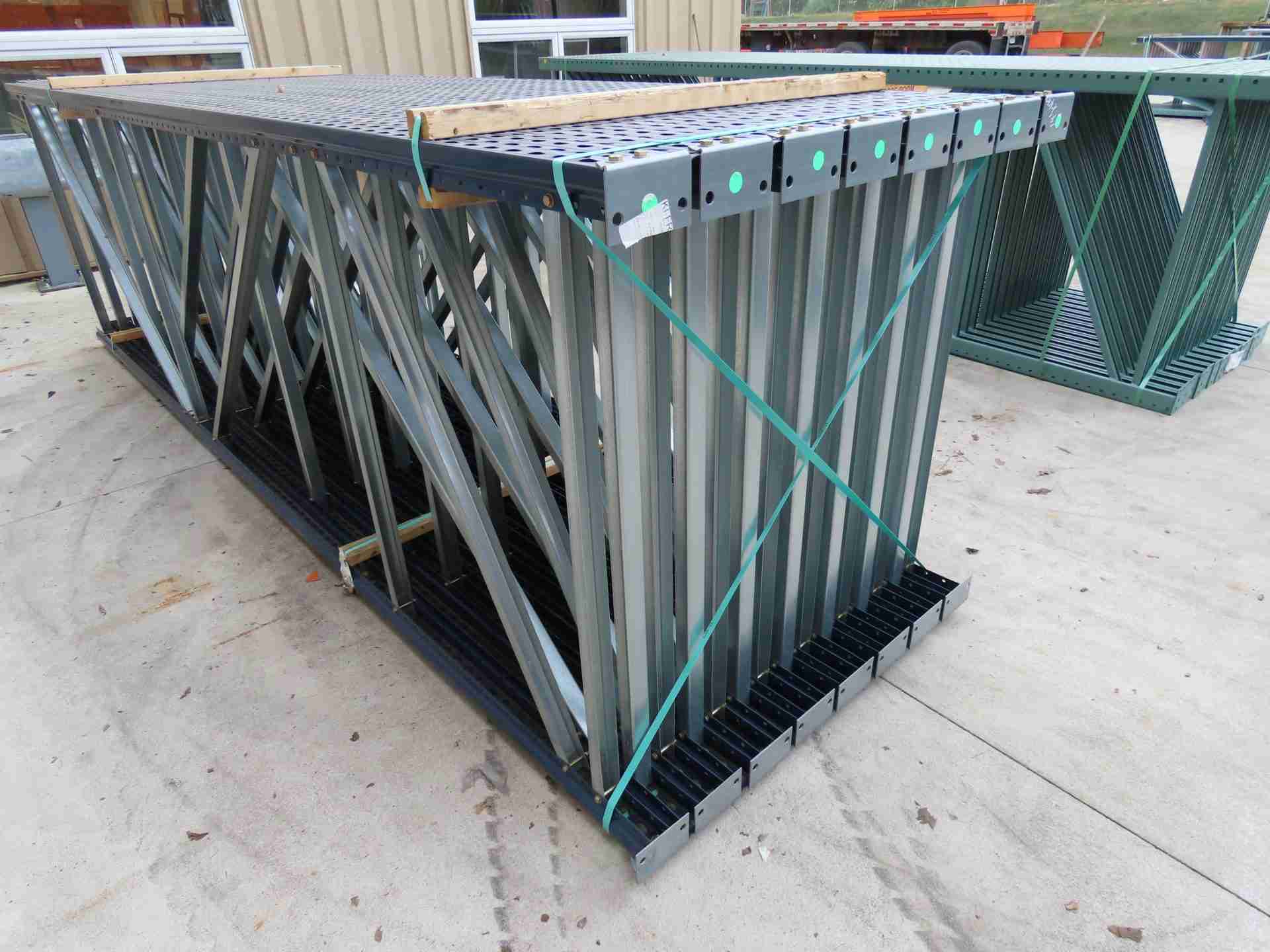
Are You Putting Productivity Over The Safety Of The Warehouse Workforce?
Table Of Contents
- Are You Putting Productivity Over The Safety Of The Warehouse Workforce?
- How Does Pressure For Productivity Impact Warehouse Safety Measures?
- What Are The Common Safety Hazards In Fast-Paced Warehouses?
- How Can Management Balance Productivity And Worker Safety Effectively?
- What Role Does Employee Training Play In Enhancing Workplace Safety?
- Are There Specific Metrics To Assess Safety Versus Productivity?
- How Can Technology Improve Safety Without Sacrificing Productivity?
- Conclusion
- Other Resources
- Glossary Of Terms
- Other Questions
- Checklist
How Does Pressure For Productivity Impact Warehouse Safety Measures?
In today’s fast-paced warehousing environment, the pressure to boost productivity can often overshadow safety considerations. You’ve likely felt it—deadlines looming, targets to meet, and the constant push to do more with less. It’s a familiar scenario. Yet, in such a race for efficiency, it’s critical to recognize the potential dangers that come with neglecting safety measures.
Take pallet racking, for instance. When configured correctly and utilized responsibly, these systems can drastically increase storage capacity and streamline workflow. But during rush periods, it’s all too easy for workers to overlook safety protocols, such as proper weight limits or secure stacking. Rushed decisions can lead to accidents, which ultimately derail productivity far more than any initial push for efficiency ever could.
Think about the stakes. A moment’s lapse in attention can lead to mishaps—fallen pallets, injuries, or worse. This is not just about compliance; it’s about cultivating a culture that prioritizes safety while still driving productivity. When employees feel safe, they’re more engaged and efficient. They’re not just checking boxes—they’re invested in doing their jobs well, which translates into higher output and reduced downtime caused by accidents.
Building a safety-first environment doesn’t mean sacrificing productivity; instead, it enhances it. When teams understand the best practices for handling equipment—like the safe use of pallet racking—everyone benefits. Employees become proactive, taking ownership of their surroundings, and feeling empowered to speak up about safety concerns.
Let’s face it: In this era of high expectations, customers won’t tolerate delays resulting from preventable accidents. They want reliable delivery, and that begins on the warehouse floor. Investing in comprehensive safety measures ensures that your operations run smoothly, avoiding costly interruptions. Moreover, it builds trust with both your workforce and your clientele—a win-win situation.
So, what can you do? Start conversations about safety with your team. Encourage feedback on current practices, and never hesitate to provide training on the proper use of equipment, including pallet racking systems. Lead by example; let your workforce know that their safety matters more than any number on a productivity report. When employees know you prioritize their well-being, they’ll feel more connected, loyal, and motivated to excel.
Remember, a safe warehouse is a productive warehouse. And that’s a model that promises sustainable success. So why wait? Embrace safety and watch your productivity soar!
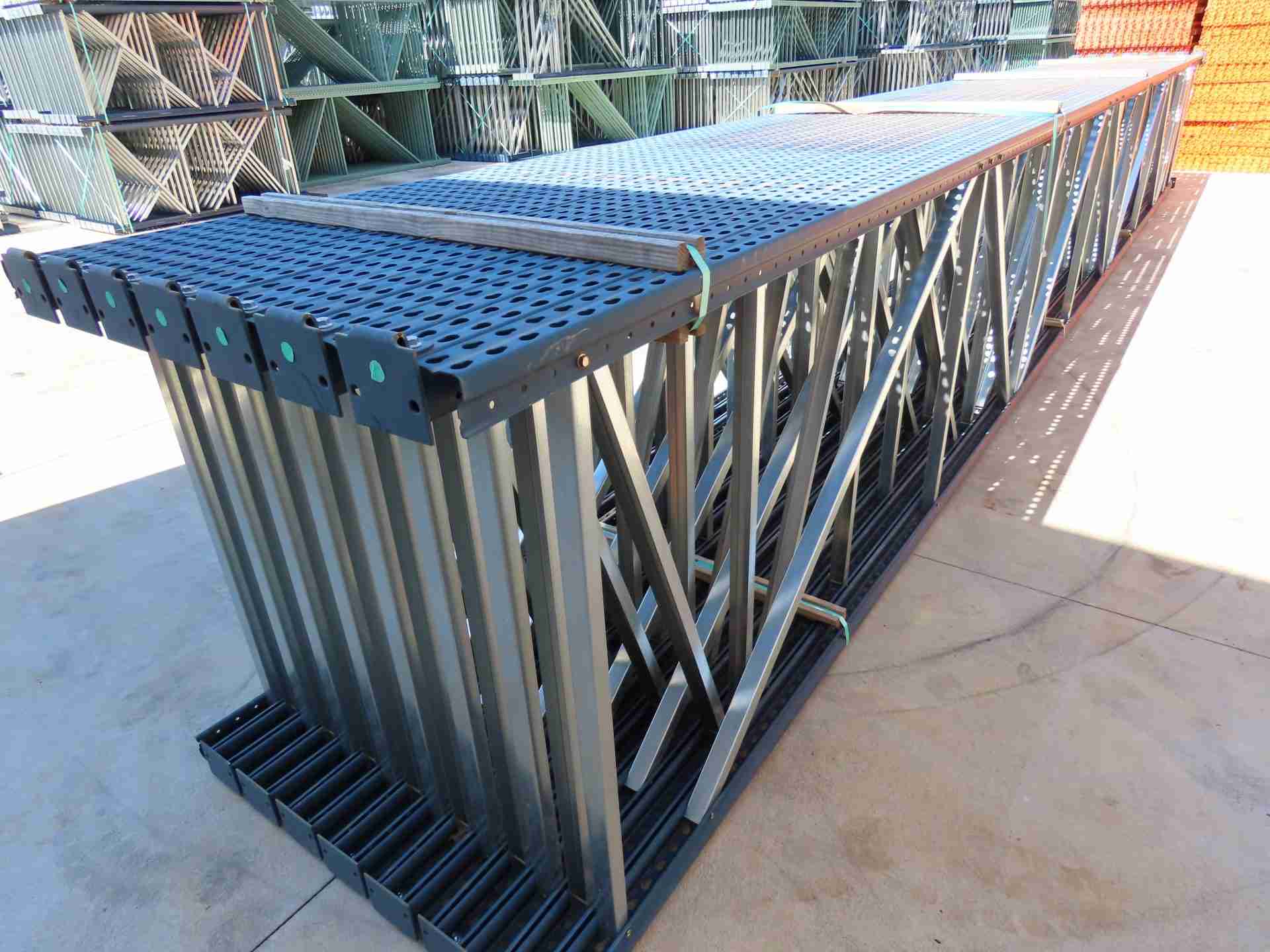
How Does Pressure For Productivity Impact Warehouse Safety Measures?
How Does Pressure For Productivity Impact Warehouse Safety Measures?
- Pressure to increase productivity in warehousing can overshadow safety considerations.
- Properly configured pallet racking systems enhance storage and workflow but pose safety risks if neglected.
- Lapse in safety can lead to accidents that ultimately derail productivity.
- Prioritizing safety fosters an engaged and efficient workforce, translating to higher output.
- A safety-first environment enhances productivity by empowering employees to take ownership of safety practices.
- Investing in safety measures builds trust with employees and customers, ensuring reliable operations.
- Encourage open discussions about safety, provide training, and lead by example to prioritize employee well-being.
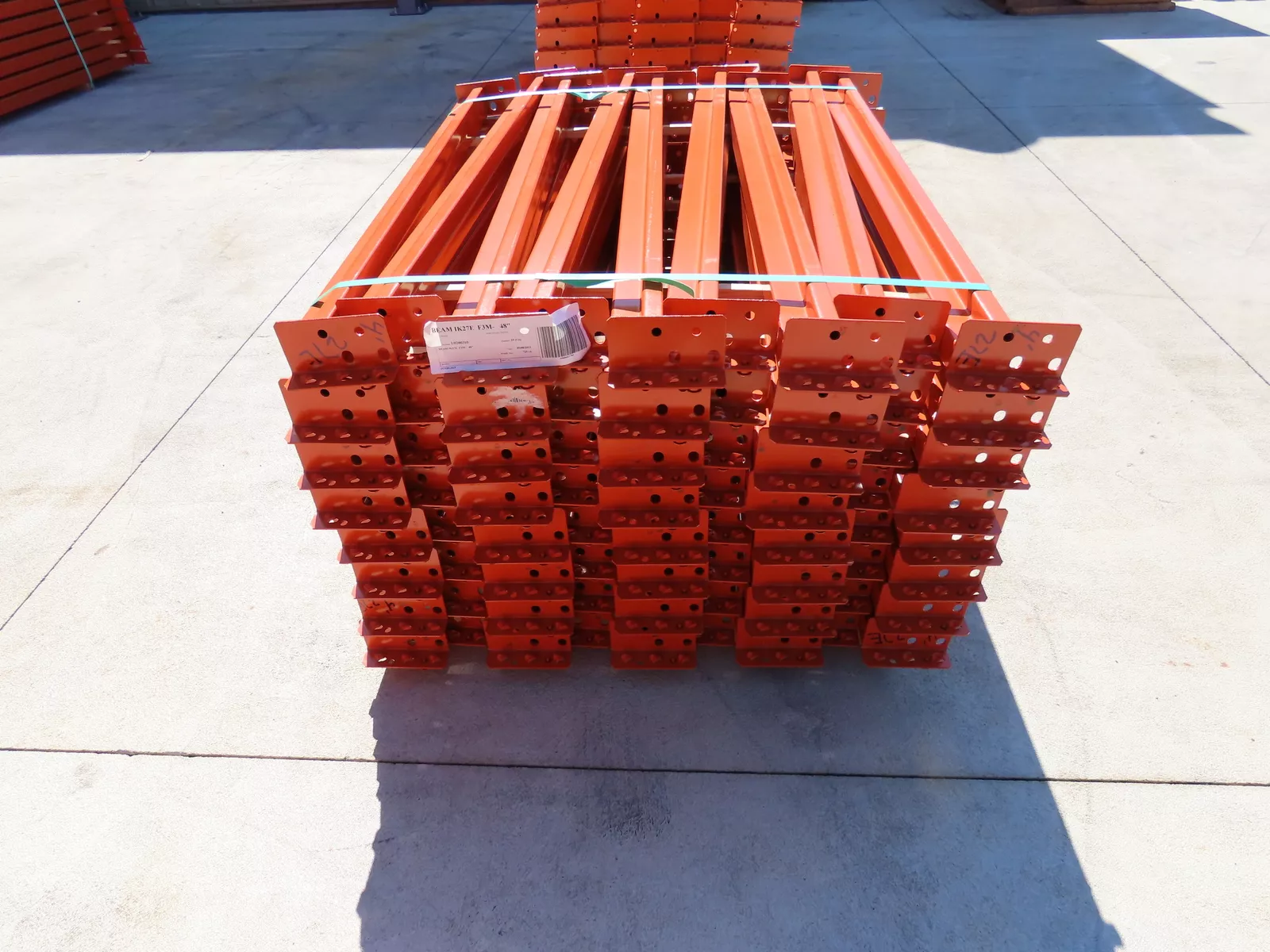
How Does Pressure For Productivity Impact Warehouse Safety Measures?
What Are The Common Safety Hazards In Fast-Paced Warehouses?
In today’s bustling fast-paced warehouses, safety is paramount, yet it can sometimes take a backseat amid the rush to meet deadlines. Just picture the sweeping rows of pallet racking, meticulously organized yet densely packed with inventory. The sheer volume of activity creates an environment ripe for accidents if proper precautions aren’t taken. Whether you’re a warehouse manager, a worker on the floor, or an industry onlooker, acknowledging and understanding these common hazards is the first step to fostering a safer work environment.
One of the most significant risks in any warehouse is related to the storage systems themselves. Pallet racking plays a crucial role in maximizing space and improving efficiency, but they can also present hazards if not properly utilized. Overloading racks, failing to secure pallets, or neglecting maintenance checks can lead to catastrophic failures. Regular inspections and employee training on safe stacking practices can help mitigate these risks. It’s not just about efficiency; it’s about empowering your team with the knowledge to work safely.
Another pressing concern stems from the high turnover associated with warehouse operations. With new employees joining the workforce regularly, the potential for accidents increases if safety protocols aren’t adequately communicated. Simple yet effective training sessions do wonders to instill a culture of safety, ensuring that every team member understands the importance of their role in maintaining not just their own safety, but that of their colleagues too. When workers feel confident and informed, they’re not just operating machinery—they’re contributing to a safe workplace.
And speaking of machinery, let’s not forget the buzz of forklifts and pallet jacks whizzing through aisles. These vital tools have the power to enhance productivity, but they also pose significant risks when operated haphazardly. Ensuring that operators are trained and certified—and that they adhere strictly to safety guidelines—is critical. Your commitment to following best practices can significantly reduce accidents, and ultimately, enhance employee morale.
In the fast-paced world of warehouses, safety shouldn’t be an afterthought; it needs to be integrated into the very fabric of operations. By actively addressing the common hazards and fostering a culture of respect for safety, you not only protect your employees but also enhance overall productivity. Let’s work together to create an environment where safety and efficiency go hand in hand, turning every day into a commitment to excellence. Remember, a proactive approach to safety is an investment in your most valuable asset—your people.
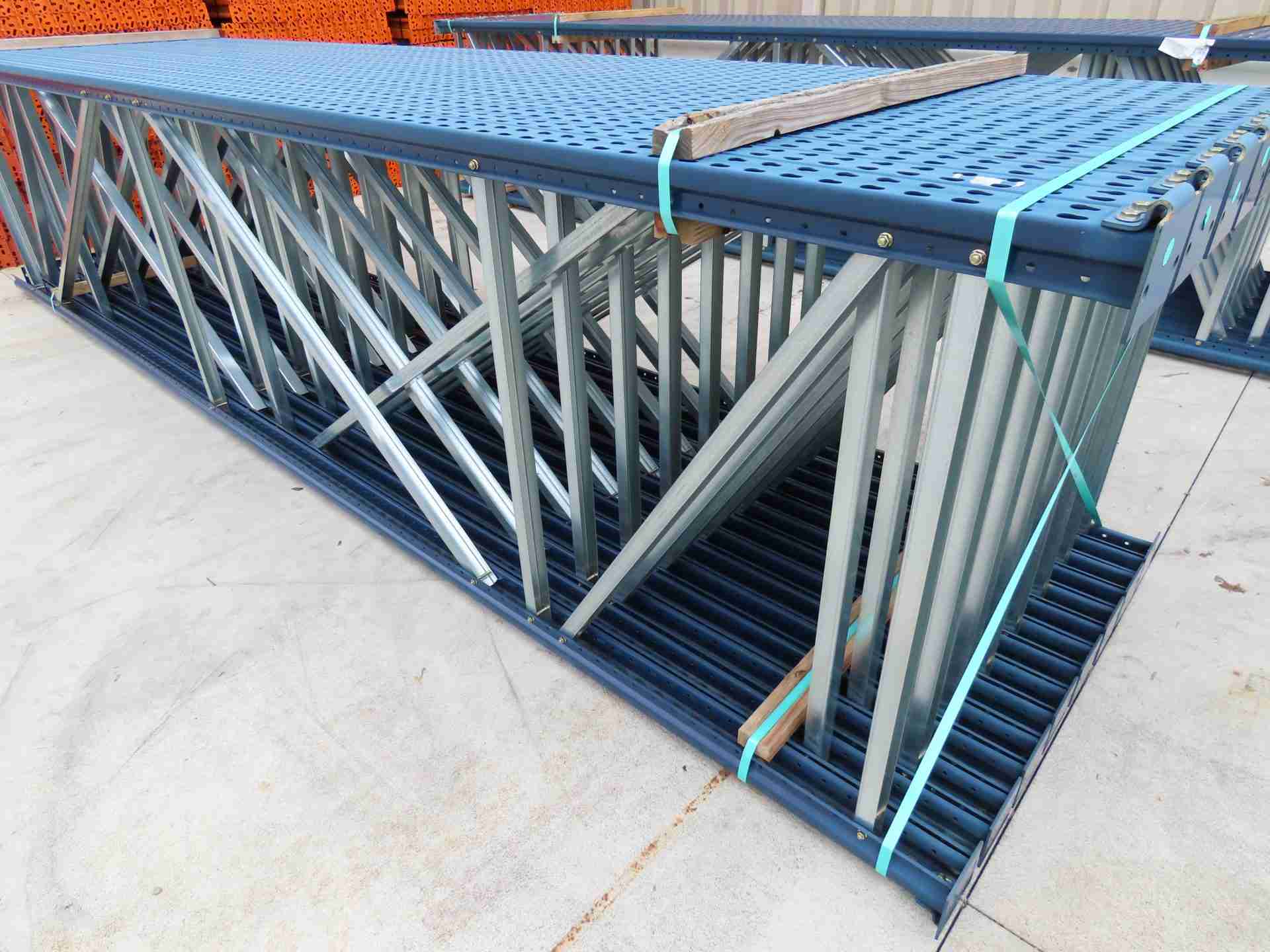
What Are The Common Safety Hazards In Fast-Paced Warehouses?
What Are The Common Safety Hazards In Fast-Paced Warehouses?
- Safety is crucial in fast-paced warehouses but can be overlooked in the rush to meet deadlines.
- Improper use of storage systems, like pallet racking, can lead to significant hazards if not managed correctly.
- Regular inspections and employee training on safe stacking practices are essential to mitigate risks associated with pallet racking.
- High turnover in warehouses increases the potential for accidents without effective communication of safety protocols.
- Training sessions play a vital role in instilling a culture of safety among both new and existing employees.
- Proper training and certification of machinery operators, like forklift drivers, are critical to reducing workplace accidents.
- Integrating safety into warehouse operations enhances both employee protection and overall productivity.

What Are The Common Safety Hazards In Fast-Paced Warehouses?
How Can Management Balance Productivity And Worker Safety Effectively?
In today’s fast-paced business landscape, the push for productivity can sometimes seem at odds with ensuring worker safety. However, a savvy manager knows that these two elements are not merely parallel tracks—they’re integral pieces of a winning strategy. Picture this: a bustling warehouse filled with pallet racking systems neatly organized, maximizing storage while providing employees with a safe environment to excel. This imagery isn’t just appealing; it’s the reality of successful enterprises that prioritize both efficiency and safety.
To navigate the balance between productivity and worker safety, start by redefining what success looks like. It’s no longer just about shipping out more products or hitting targets; it’s about creating a workspace that fosters determination without sacrificing well-being. Employees who feel secure and valued are statistically proven to be more engaged and productive. Hence, implementing robust safety protocols doesn’t just protect your team—it paves the way for higher output and morale.
Consider the pallet racking system—a fantastic example of how efficiency can enhance safety. When properly designed and maintained, pallet racking not only organizes your inventory but also minimizes the risk of accidents. By investing in quality racking that is tailored to your specific needs and ensuring it is regularly inspected, you create a streamlined workflow that keeps products moving safely.
Moreover, foster an environment of open communication. Encourage workers to share their thoughts on safety practices and productivity needs. Empowering employees to voice their concerns or suggest improvements cultivates a culture of safety and trust. This not only strengthens loyalty but keeps lines of communication open, making it easier to address potential safety issues before they escalate.
Finally, consider ongoing training as a vital ingredient in this balancing act. Regularly scheduled safety training sessions equip your workforce with essential knowledge and skills. When employees are trained on protocols related to equipment—including efficient usage of pallet racking—they can focus more on their tasks, knowing they are equipped to handle challenges responsibly.
Balancing productivity and worker safety is not merely a challenge; it’s an opportunity for growth. By centering safety in your operational philosophy, you not only enhance the workplace environment but also catalyze a more engaged and productive workforce. The path may not be straightforward, but the rewards—a thriving business and a fulfilled team—are well worth the effort. Take action today. Prioritize safety, and watch your productivity soar.

How Can Management Balance Productivity And Worker Safety Effectively?
How Can Management Balance Productivity And Worker Safety Effectively?
- Productivity and worker safety are integral components of a successful business strategy.
- A well-organized workspace enhances both efficiency and employee safety.
- Success now encompasses creating a supportive environment that promotes well-being.
- Implementing strong safety protocols leads to increased employee engagement and productivity.
- Properly designed pallet racking can minimize accident risks while streamlining workflows.
- Open communication and employee empowerment strengthen safety culture and loyalty.
- Ongoing safety training equips employees to handle challenges, enhancing overall workplace productivity.
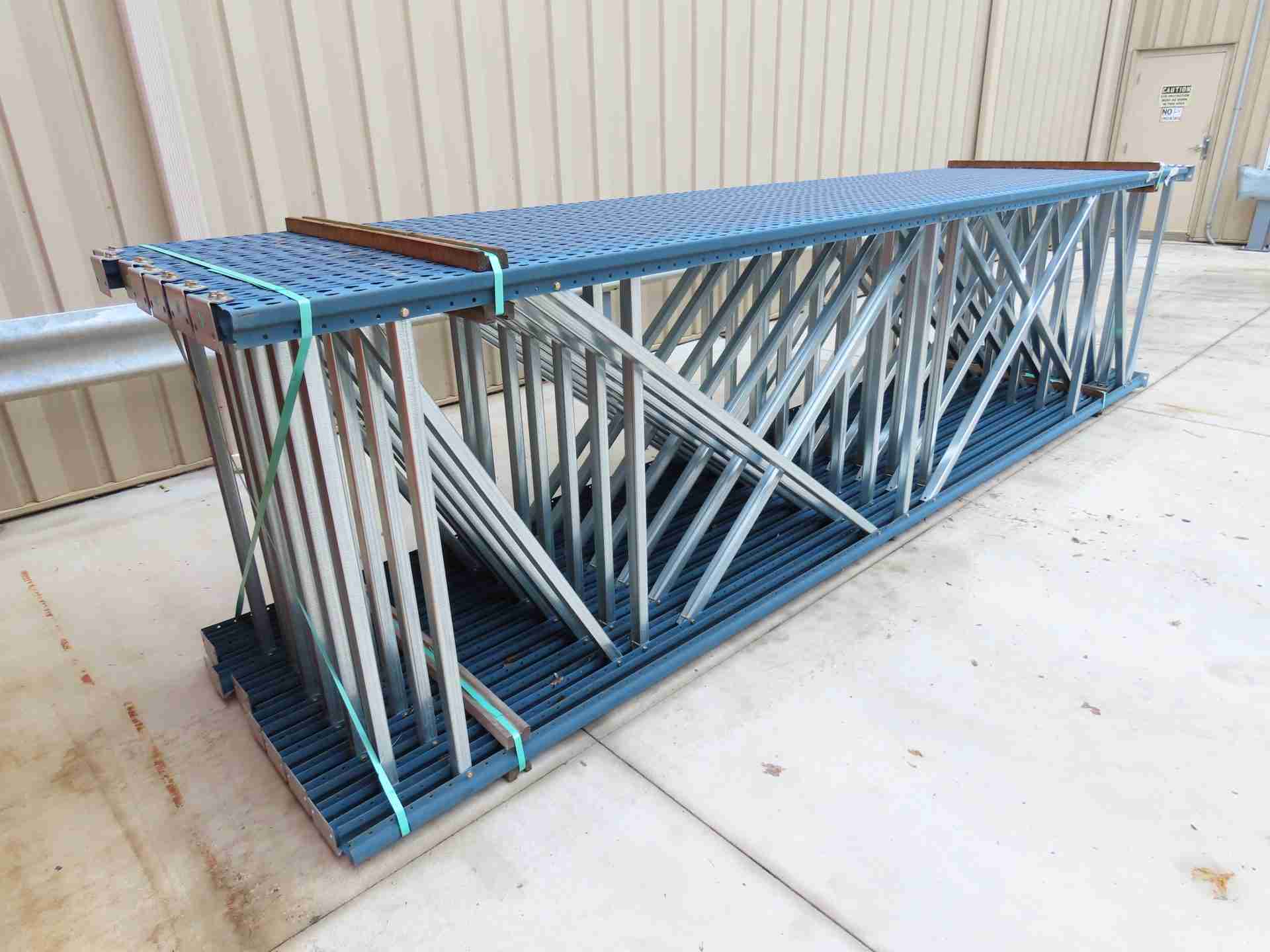
How Can Management Balance Productivity And Worker Safety Effectively?
What Role Does Employee Training Play In Enhancing Workplace Safety?
In the bustling world of business, where every item from pallet racking to employee engagement plays a pivotal role in operational success, the importance of robust employee training cannot be overstated. Imagine a warehouse where every worker is aware of the best practices when it comes to handling not just their daily tasks, but also the safety protocols associated with every piece of equipment. This proactive approach not only prevents accidents but cultivates a culture of trust and accountability that resonates throughout the organization like a harmonious symphony.
Picture this: employees who understand the intricacies of pallet racking systems. They know how to load, stack, and organize merchandise with finesse, minimizing risks while maximizing efficiency. Training transforms mere staff into safety stewards, wielding knowledge that empowers them to adopt correct procedures and recognize potential hazards before they escalate. When employees are equipped with essential safety training, it’s not just process; it’s a mindset. A culture where safety isn’t an afterthought, but an integral part of the fabric of your organization.
Connection and engagement grow when employees feel they are being invested in. Through comprehensive training programs, companies show their workforce that they are valued, fostering loyalty and increasing retention rates. The emotional and psychological benefits are profound. When workers feel safe and safeguarded, they contribute more passionately to their work community. The ripple effect of this commitment translates into increased productivity and lower turnover—an undeniable win-win.
But beyond mere retention and morale, consider the legal implications. Proper training helps mitigate liability and reduces the risk of workplace accidents that can lead to costly lawsuits. By equipping your team with knowledge about the specific safety concerns associated with pallet racking—like load limits and structural integrity—you’re not just avoiding peril; you’re also building a shield against compliance violations and the accompanying fines.
In a world where distractions and pressures abound, investing in employee training enhances workplace safety in ways that resonate deeply. Each session, each tutorial, and every drill reinforces a collective responsibility for safety, sharpening the skills necessary to navigate the complexities of the workplace environment.
So take action. Elevate your training programs now, and make workplace safety a cornerstone of your operational strategy. Because when you cultivate awareness, equip your team with the tools they need, and inspire confidence, you don’t just enhance safety—you transform your entire organizational culture for the better.

What Role Does Employee Training Play In Enhancing Workplace Safety?
What Role Does Employee Training Play In Enhancing Workplace Safety?
- Robust employee training is crucial for operational success in business environments.
- Workers trained in safety protocols minimize risks and foster a culture of trust and accountability.
- Effective training empowers employees to recognize potential hazards and adopt correct procedures.
- Comprehensive training programs lead to increased employee loyalty, retention, and productivity.
- Proper training mitigates legal liabilities and reduces the risk of costly workplace accidents.
- Investing in training enhances workplace safety and reinforces collective responsibility among employees.
- Elevating training programs transforms organizational culture and prioritizes safety as an operational cornerstone.

What Role Does Employee Training Play In Enhancing Workplace Safety?
Are There Specific Metrics To Assess Safety Versus Productivity?
In the fast-paced world of warehousing and distribution, the delicate balance between safety and productivity is a constant concern for business leaders. You might find yourself facing that dilemma: how to elevate productivity without compromising the safety of your workforce. Enter the need for metrics—specific, measurable indicators designed to provide clarity and foster informed decision-making.
When we talk about metrics, especially in the realm of Pallet Racking systems, it’s vital to think beyond simple numbers. The right metrics will not only tell you how efficiently goods are moving but will also give you insights into the structural implications of your storage solutions. For instance, consider tracking the incident rate related to your Pallet Racking. A sudden spike could signal deeper issues, perhaps subpar training or even structural weaknesses in your storage systems. By prioritizing this metric, you safeguard your personnel and assets simultaneously.
Another crucial metric to monitor is the throughput—how many goods are moved in a specific timeframe. High throughput suggests that your processes are running smoothly, but it’s essential to measure this alongside safety-related data. An increase in throughput must not come at the cost of overlooking safety protocols. A perfectly efficient operation can quickly turn into a costly nightmare if accidents happen. Therefore, create a safety-first culture; one that encourages employees to report near misses and unsafe practices, nurturing an environment where safety is seen as part of productivity rather than a burden.
You can also analyze the downtime that comes from safety incidents. Each hour lost translates to financial implications, and this gives you a palpable sense of how the two metrics interact. Measuring not just the frequency but the types of incidents can help you dial in on specific training or equipment upgrades needed within your Pallet Racking systems.
In essence, fostering an environment of safety while driving productivity isn’t just a wish—it’s a necessity. By establishing a robust set of safety and productivity metrics, you can inspire your team to think proactively. When employees see that their safety is a core component of your business strategy, they gain trust in your leadership and the processes in place. It’s not merely about maintaining regulatory compliance; it’s about creating a thriving workplace where everyone feels empowered to contribute to the success of the operation. After all, a safe workplace is a productive workplace, and adopting the right metrics will help you achieve that elusive balance. Embrace this journey, and watch your organization flourish as a result!

Are There Specific Metrics To Assess Safety Versus Productivity?
Are There Specific Metrics To Assess Safety Versus Productivity?
- The balance between safety and productivity is a key concern for warehousing and distribution leaders.
- Metrics are essential for informed decision-making, especially in relation to Pallet Racking systems.
- Tracking the incident rate related to Pallet Racking can reveal underlying training or structural issues.
- Monitoring throughput alongside safety data ensures that increased efficiency does not compromise safety.
- A safety-first culture encourages the reporting of near misses, integrating safety into productivity.
- Analyzing downtime from safety incidents provides insight into necessary training and equipment improvements.
- Establishing safety and productivity metrics fosters trust and empowers employees, leading to a thriving workplace.

Are There Specific Metrics To Assess Safety Versus Productivity?
How Can Technology Improve Safety Without Sacrificing Productivity?
In today’s fast-paced business environment, safety should never be an afterthought. Imagine a workplace where your team feels supported both in their productivity goals and their overall well-being. Surprising as it may seem, integrating cutting-edge technology can be the key to achieving this harmonious balance—think less stress, fewer accidents, and a boost in morale.
Let’s talk about pallet racking. If you manage a warehouse, you know how crucial proper storage is to operational efficiency. But here’s the catch: when not properly managed, pallet racking systems can become a hazard rather than a help. Fortunately, advanced technologies like automation and real-time monitoring can transform how we approach safety. Smart sensors, for instance, can detect when a pallet is unstable or improperly stacked, instantly notifying workers and allowing for quick adjustments before accidents occur.
Now, you might be thinking, “Will this slow us down?” Not at all! In fact, implementing these technologies encourages a culture of safety that actually enhances productivity. A secure environment empowers employees to focus on their tasks without the nagging worry of hazards lurking around every corner. Just imagine the impact of a well-maintained pallet racking system paired with intelligent software that optimizes space usage and inventory management all while keeping safety at the forefront.
Another key factor enhancing safety without sacrificing productivity is data analysis. By utilizing technology to analyze past incidents and near misses, businesses can uncover hidden risks and fine-tune their operational strategies. This type of insight allows management to focus their training efforts on specific safety issues, transforming your team into safety champions, all while keeping them engaged and productive.
But remember, trusting technology goes beyond the tools you implement. It’s about creating a company culture that values both safety and productivity. Communicate openly about the benefits of technology, encourage feedback from your team, and watch as they take ownership of their safety responsibilities.
In summary, by embracing innovative solutions and fostering an environment where safety and productivity walk hand in hand, you can transform your workspace into a thriving hub of efficiency and well-being. So, aren’t you ready to enlist technology as your ally in ensuring a safe yet productive workplace? The time to act is now!
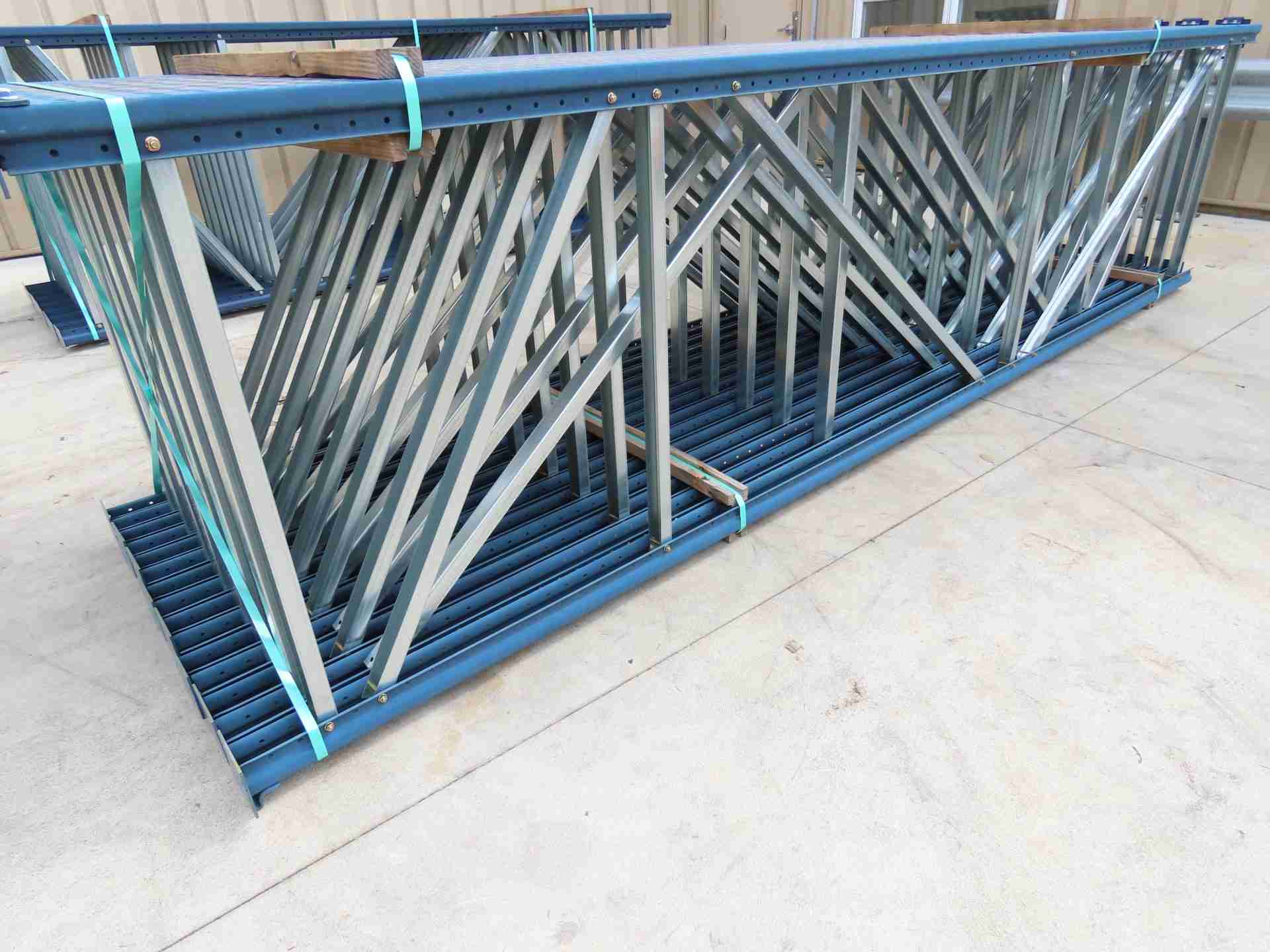
How Can Technology Improve Safety Without Sacrificing Productivity?
How Can Technology Improve Safety Without Sacrificing Productivity?
- Safety should be prioritized in the fast-paced business environment.
- Integrating advanced technology can enhance workplace safety and employee morale.
- Proper management of pallet racking systems is essential for operational efficiency.
- Advanced technologies like automation and real-time monitoring can improve safety.
- Data analysis helps identify hidden risks and improves operational strategies.
- Cultivating a company culture that values safety and productivity is vital.
- Embracing innovative solutions transforms the workspace into a hub of efficiency and well-being.
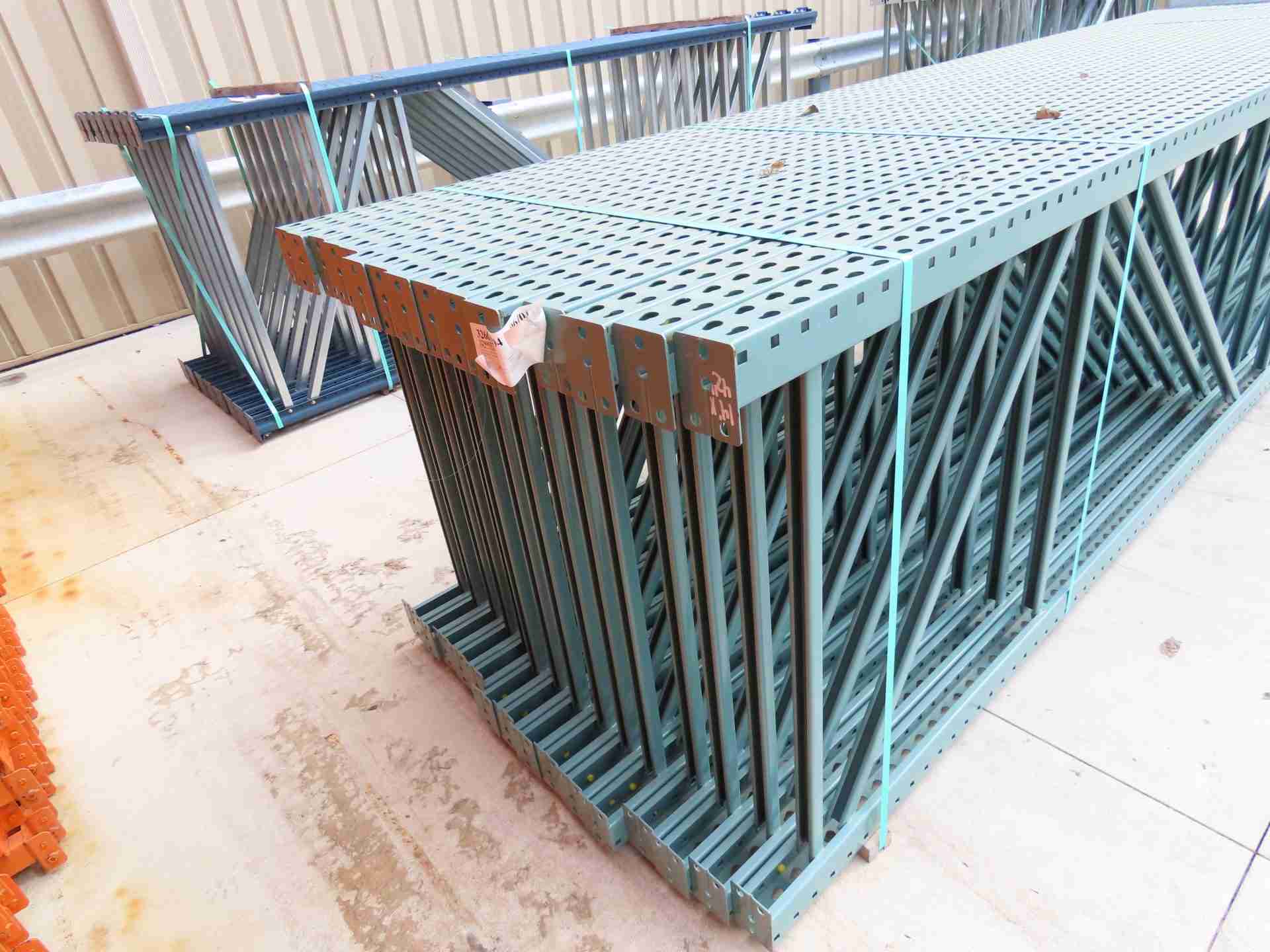
How Can Technology Improve Safety Without Sacrificing Productivity?
Conclusion
As the fast-paced world of warehousing continues to evolve, the intricate dance between productivity and safety becomes more essential than ever. The urgency to streamline operations often engenders risk, endangering the very workforce that drives your success. However, it doesn’t have to be a zero-sum game. By realigning your focus on safety, particularly concerning critical systems like pallet racking, you can cultivate a workplace that thrives on mutual respect, accountability, and efficiency.
Neglecting safety in the relentless pursuit of productivity can lead to dire consequences—one that transcends ethics and strikes directly at your bottom line. With startling statistics revealing that up to 80% of warehouse accidents are preventable, it’s time to flip the narrative. By embedding safety protocols into your operational ethos, you not only protect your team but also bolster productivity metrics. An environment that prioritizes worker well-being fosters engagement, morale, and ultimately, higher output.
Consider this: a well-trained workforce, equipped with the knowledge to navigate hazards associated with pallet racking and machinery, transforms potential risks into opportunities for improvement. Regular training sessions and open lines of communication elevate your team, creating a confident culture ready to excel.
Every decision you make today can yield significant dividends tomorrow. Implementing robust safety practices doesn’t merely align with regulatory compliance; it signifies a commitment to your most valuable asset—your employees. When they recognize that their safety is paramount, they’ll be more motivated to hit targets, inspire others, and contribute to a positive work environment.
Metrics, technology, and proactive training are your allies in this mission. By leveraging data to advance your safety stance, you are not just preventing accidents; you are forecasting an era of sustainable success.
So, what are you waiting for? This isn’t just another operational protocol; it’s a call to action! Don’t let another day pass without examining how your warehouse balances productivity with safety. Call Arrow Industrial Sales today at (574) 349-6575 to discuss how we can help you enhance your pallet racking systems and foster a safer, more productive workplace. The time for action is now—because when you prioritize safety, everyone wins! Don’t compromise; choose a future where safety and productivity coalesce for unparalleled operational excellence.

Conclusion
Conclusion:
- The balance between productivity and safety in warehouses is critical as operations evolve.
- Prioritizing safety, especially for systems like pallet racking, fosters a respectful and efficient workplace.
- Neglecting safety can lead to preventable accidents, harming both workers and the bottom line.
- Embedding safety protocols enhances both team protection and productivity metrics.
- Training and communication improve workforce confidence and turn risks into opportunities.
- Commitment to safety boosts employee motivation and engagement, leading to a better work environment.
- Utilizing metrics and technology can enhance safety, paving the way for sustainable success.
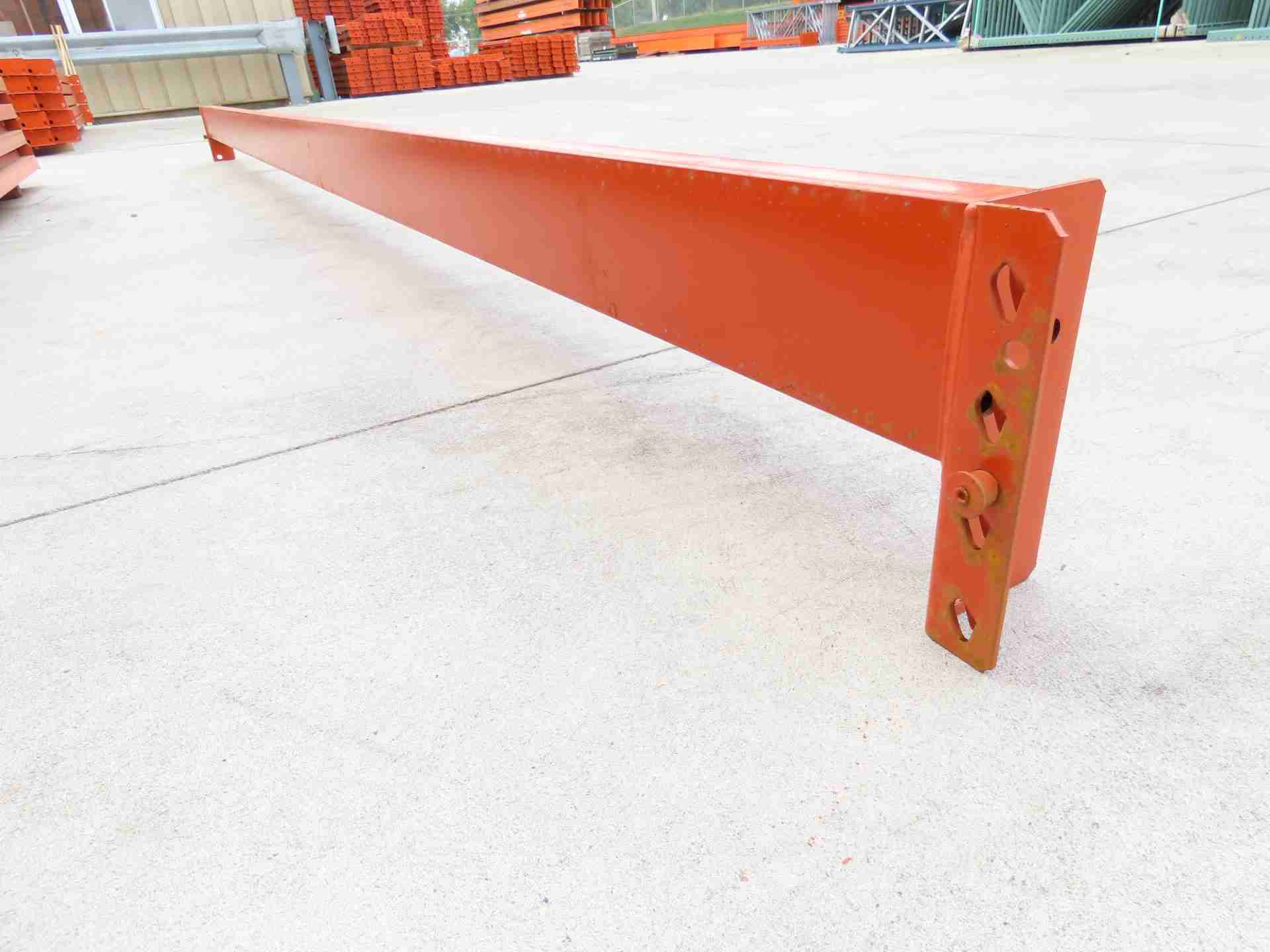
Conclusion
Other Resources
Other Resources
Here is a list of other resources you can review online to learn more:
- Material Handling Safety
- Warehouse Racking Chicago, IL
- Pallet Racking systems in Illinois and Great Lakes
- Warehouse Racks, Warehouse Racking in Stock – ULINE
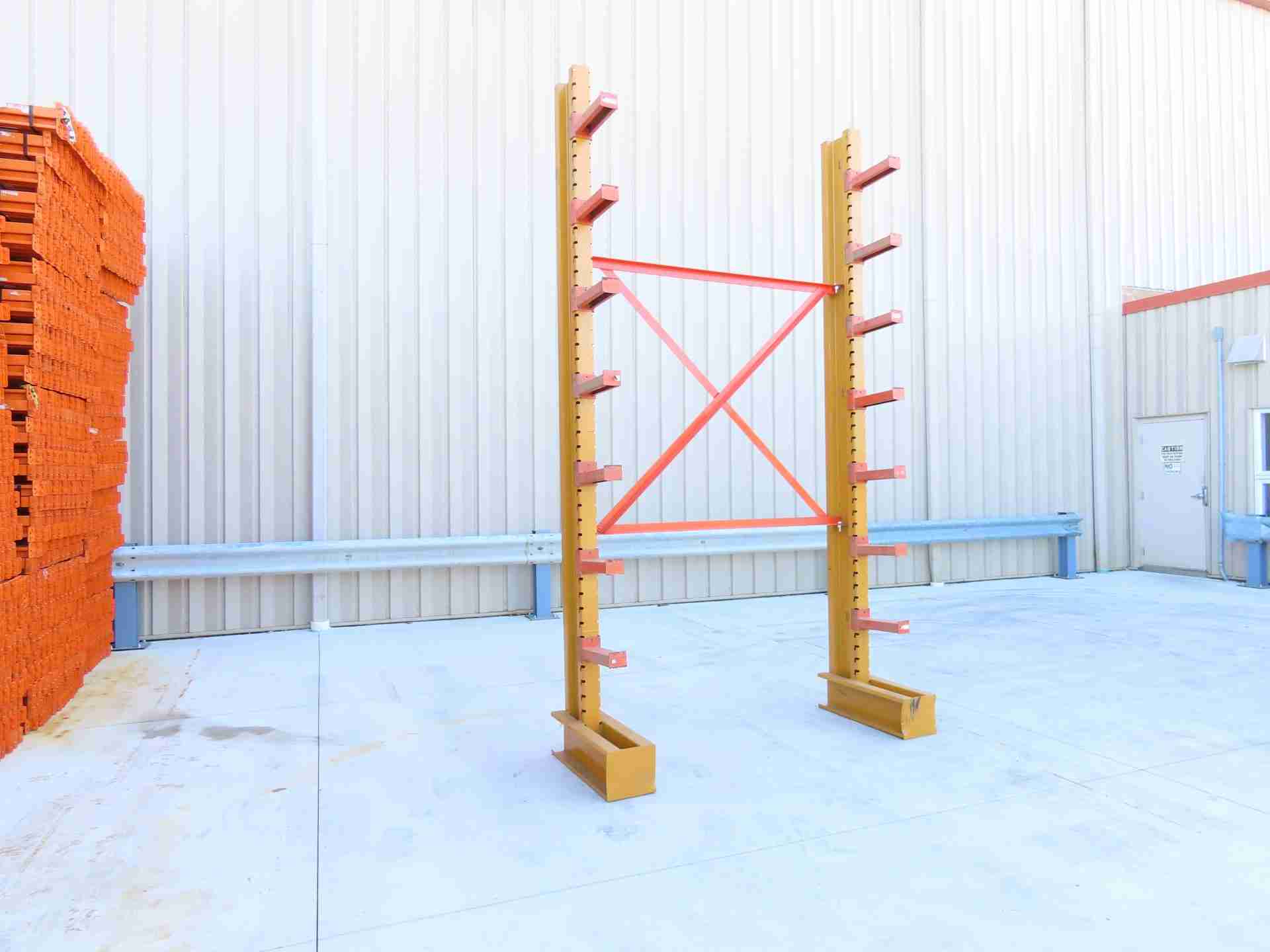
- Cantilever Racks Chicago
- National Safety Council
- BMH Equipment LLC
- Interlake Mecalux
- CMMA
- Pallet Racking systems in Illinois and Great Lakes
Use This Prompt To Get More Resources With Your Favorite Online AI Tool: Please provide me with a list of online articles with their URLs in a bulleted list that I can read regarding Are You Putting Productivity Over The Safety Of The Warehouse Workforce?
Other Resources
Glossary Terms
Are You Putting Productivity Over The Safety Of The Warehouse Workforce? – Glossary Of Terms
1. Productivity: The efficiency with which goods are produced or tasks are completed, typically measured by output over time.
2. Warehouse Safety: Practices and protocols designed to prevent accidents and injuries in a warehouse setting.
3. Workforce: The group of individuals engaged in work within an organization, especially in a specific environment like a warehouse.
4. OSHA: The Occupational Safety and Health Administration, a U. S. agency responsible for ensuring workplace safety and health.
5. Ergonomics: The study of people’s efficiency in their working environment, focusing on designing tasks and tools to promote comfort and reduce injury.
6. Hazard: A situation or condition that has the potential to cause harm or injury.
7. Risk Assessment: The process of evaluating potential risks that may be involved in a projected activity or undertaking.
8. Safety Protocols: Established procedures or guidelines aimed at maintaining safety standards in the workplace.
9. Incident Report: A formal record of an accident or injury that occurs in the workplace, used for analysis and preventive action.
10. Forklift Training: Instruction provided to workers on the safe operation of forklifts, vital for preventing accidents in warehouses.
11. Personal Protective Equipment (PPE): Clothing and gear designed to protect employees from hazards at work, such as helmets, gloves, and safety shoes.
12. Fatigue Management: Strategies implemented to prevent worker exhaustion that can compromise safety and productivity.
13. Inventory Management: Procedures and techniques for overseeing and controlling stock levels in a warehouse, often linked with efficiency metrics.
14. Lean Operations: An approach that seeks to improve efficiency by reducing waste while maintaining product quality and safety.
15. Near Miss: An incident that could have resulted in an accident but did not, often used to identify potential safety issues.
16. Workplace Culture: The shared values, beliefs, and practices among employees that can impact safety and productivity.
17. Emergency Exit : Designated routes for evacuation during emergencies, vital for ensuring worker safety in warehouses.
18. Safety Training: Programs designed to educate employees about safety practices, protocols, and procedures.
19. Compliance: Adherence to laws, regulations, and standards related to workplace safety and health.
20. Safety Audit: A systematic examination of a workplace to identify safety hazards and assess compliance with safety regulations.
21. Slow Down Policy: An organizational guideline that encourages workers to prioritize safety over speed, aiming to reduce accidents.
22. Behavior-Based Safety (BBS): A safety management approach focused on improving safe behaviors among workers to reduce incidents.
23. Statistical Process Control (SPC): A method of quality control using statistical methods to monitor and control a process, applicable in assessing both productivity and safety.
24. Safety Incentives: Reward programs that motivate employees to maintain safety standards and reduce workplace incidents.
25. Automation: The use of technology and equipment to perform tasks without human intervention, which can improve productivity but may raise safety concerns.
26. Shift Scheduling: Planning the hours and days on which employees work, which can affect fatigue and overall safety in the warehouse.
27. Compliance Training: Education programs that inform employees of legal requirements and organizational policies related to safety practices.
28. Workplace Inspections: Regular evaluations of the work environment to identify and mitigate safety hazards.
29. Safety Committee: A group of employees who are responsible for overseeing and improving safety practices within the workplace.
30. Accident Rate: A metric that measures the number of accidents relative to the total hours worked, often used to assess safety performance.
Glossary Of Terms
Other Questions
Are You Putting Productivity Over The Safety Of The Warehouse Workforce? – Other Questions
If you wish to explore and discover more, consider looking for answers to these questions:
- What are the long-term effects of neglecting warehouse safety on employee morale?
- How can companies measure the ROI of investing in safety training?
- What specific training content is most effective for warehouse workers?
- Are there industry benchmarks for safety performance in warehouses?
- What common missteps lead to safety violations in warehouse settings?
- How often should safety training and assessments be conducted?
- What role do safety leaders or safety committees play in a warehouse?
- How can communication be improved regarding safety protocols?
- What are the legal implications of ignoring safety in the workplace?
- How can technology be specifically tailored to enhance workplace safety?
- What are the key indicators that suggest a safety culture is lacking?
- How do other industries successfully balance safety and productivity?
- What are some real-world examples of companies that improved safety and productivity simultaneously?
- How can workers be motivated to report unsafe practices without fear of retaliation?
- What resources are available for keeping up-to-date with safety regulations?
Other Questions
Checklist
Are You Putting Productivity Over The Safety Of The Warehouse Workforce? – A Checklist
Safety Protocols
✅ _____ Conduct regular safety audits to identify potential hazards.
✅ _____ Ensure proper use of pallet racking systems; verify secure stacking and weight limits.
✅ _____ Implement clear safety protocols for machinery operation, especially for forklifts and pallet jacks.
✅ _____ Establish a routine for maintenance checks on equipment and storage systems.
Training and Communication
✅ _____ Develop and deliver comprehensive safety training programs for all employees.
✅ _____ Schedule regular safety refreshers to keep safety top-of-mind.
✅ _____ Encourage open communication—create channels for employees to report safety concerns and suggest improvements.
✅ _____ Empower employees with knowledge about recognizing and preventing potential hazards.
Emergency Preparedness
✅ _____ Prepare and distribute an emergency response plan tailored to warehouse operations.
✅ _____ Conduct drills for emergency situations, such as spills or equipment failures.
✅ _____ Ensure all employees are familiar with first aid procedures and the location of first aid kits.
Metrics and Reporting
✅ _____ Track and analyze workplace incident rates regularly.
✅ _____ Monitor productivity metrics alongside safety-related data.
✅ _____ Evaluate the impact of safety initiatives on overall employee morale and turnover rates.
✅ _____ Utilize data analysis tools to identify patterns in incidents and enhance prevention strategies.
Culture and Environment
✅ _____ Foster a safety-first culture where employee safety is prioritized over productivity targets.
✅ _____ Recognize and reward employees who actively participate in promoting safety.
✅ _____ Create a clean and organized work environment to minimize hazards and improve efficiency.
✅ _____ Encourage teamwork and collective responsibility for workplace safety.
Technology Integration
✅ _____ Assess and implement smart technologies to monitor safety (e. g. , sensor technology on pallet racks).
✅ _____ Utilize data analytics to identify risks and inform training programs.
✅ _____ Communicate the benefits of new technologies to workforces to encourage acceptance and proactive engagement.
Continuous Improvement
✅ _____ Schedule regular reviews of safety protocols and training programs.
✅ _____ Stay informed about industry standards and new safety regulations.
✅ _____ Gather feedback from employees on the effectiveness of safety measures and make improvements as needed.
This checklist serves as a practical guide to ensuring that safety remains a top priority alongside productivity in your warehouse operations.

Checklist
At RackingWorld, we help guide you through selecting warehouse storage systems and racking.
Be sure to read our other related stories at RackingWorld to learn more about warehouse storage systems.
0 Comments