
Discover The Hidden Dangers In Your Racking System
By Tom Seest
At RackingWorld, we help guide you through selecting warehouse storage systems and racking.
Be sure to read our other related stories at RackingWorld to learn more about warehouse storage systems.
Is Your Racking System Putting Your Safety At Risk Today?
When it comes to the backbone of your warehouse operations, pallet racking should be your trusted ally. However, like a loyal friend, it can sometimes hide its problems until they rear their ugly heads. You might be unknowingly placing your team and your valuable inventory at risk. Think about it: how often do you assess the health of your pallet racking system?
Many business owners operate on autopilot, focused on meeting targets and driving sales, but overlooking the critical infrastructure that supports their operations. Yet, neglecting your pallet racking inspection is like ignoring a leaky roof; eventually, that drip becomes a deluge. Walls, ceilings, and floors are not the only entities that need maintenance—your pallet racking should demand equal attention.
Imagine walking into your warehouse and seeing a perfectly organized system of pallet racking, items stacked neatly, and every product easily accessible. Now picture the horror of a sudden crash as overloaded racks crumble, sending tones of inventory crashing down. It’s a nightmare that nobody wants to experience. The repercussions are more than just damaged goods—they include downtime, financial loss, and the potential for serious injury to your workers. Are you willing to risk that?
Taking the proactive approach not only demonstrates your commitment to a safe working environment but fosters a culture of trust among your team. They need to feel secure, knowing that their safety is your top priority. Regular audits of your pallet racking system can expose hidden weaknesses, allowing you to address them before they escalate into genuine threats to safety.
So, what can you do today? Tie your routine safety checks with an evaluation of your pallet racking. Are they structurally sound? Are they properly loaded? Are your employees trained to recognize hazards? This will inspire confidence, not only in your facilities but among your crew, letting them know you are making their wellbeing a priority every single day.
Remember, a robust racking system is the foundation of your operation’s success. Don’t wait until it’s too late to address these challenges. Safeguard your workforce, protect your stock, and elevate your operations by treating your pallet racking with the respect it deserves. Investing in safety today means preserving your business for tomorrow.
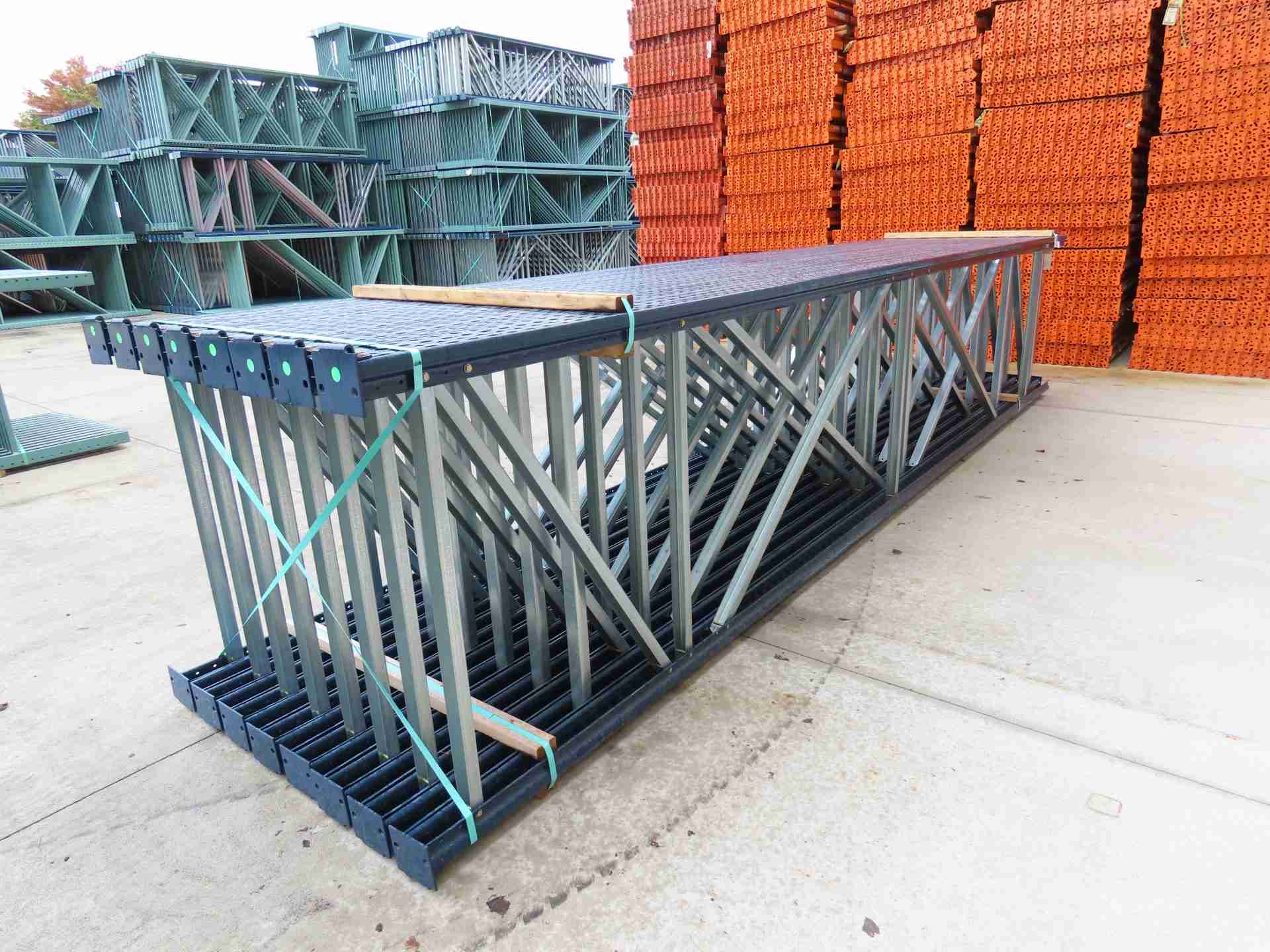
Is Your Racking System Putting Your Safety At Risk Today?
Is Your Racking System Putting Your Safety At Risk Today?
- Pallet racking is essential for warehouse operations but may hide problems until they become serious.
- Many business owners neglect pallet racking inspections while focusing on sales and targets.
- Ignoring pallet racking issues can lead to catastrophic failures, resulting in damage, downtime, and safety hazards.
- Proactively auditing pallet racking systems fosters a culture of safety and trust among employees.
- Regular safety checks should include evaluations of the pallet racking for structural integrity and proper loading.
- Training employees to recognize hazards is crucial for maintaining a safe working environment.
- Investing in the maintenance of pallet racking protects inventory and ensures the ongoing success of operations.
Is Your Racking System Putting Your Safety At Risk Today?
Table Of Contents
- Is Your Racking System Putting Your Safety At Risk Today?
- Are There Visible Signs Of Wear On Your Racking System?
- How Often Should Racking Inspections Be Conducted?
- What Are The Common Hazards Associated With Racking Systems?
- Are Your Employees Trained To Use The Racking System Safely?
- How Does Load Capacity Affect The Safety Of Your Racking?
- Are There Guidelines For Proper Racking System Design?
- Conclusion
- Other Resources
- Glossary Of Terms
- Other Questions
- Checklist
Are There Visible Signs Of Wear On Your Racking System?
When was the last time you walked past your pallet racking and truly examined it? Too often, warehouse managers get caught up in the daily grind, overlooking the very backbone of their operation—those sturdy structures designed to hold the weight of your business. But neglecting the signs of wear on your racking system can lead to costly consequences. Let’s take a moment to reflect on this critical asset.
Pallet racking is meant to last, but like any hardworking partner, it requires attention and care. The signs of wear and tear can be subtle; a dent here, a rust spot there, but these small indicators can evolve into serious problems if left unattended. Is that shelf leaning slightly? Are some beams beginning to rust? These imperfections may seem minor now, but they can compromise the integrity of your racking system, jeopardizing not just your inventory, but even your employees’ safety.
The good news? Identifying these signs early on empowers you. It fosters a proactive approach that can save you both time and money in the long run. Consider scheduling routine inspections—this is your opportunity to embrace ownership over your operations and put your team in the best position to succeed. By nurturing your pallet racking, you’re not just prolonging its lifespan; you’re reinforcing your commitment to a safe and efficient working environment.
But let’s face it; many of us are on the go, and it’s easy to skip right past that racking system without a second thought. What if you made it a habit to regularly check for visible wear? Picture this: a well-maintained racking system that stands proudly in your warehouse, a testament to your diligence. It empowers your team and inspires confidence in everything you do.
So, the next time you stroll through your operation, don’t just glance—inspect. Look for signs of wear on your pallet racking and take note. If you spot issues, take action swiftly. Your warehouse deserves it. Your employees deserve it. And let’s be honest—your business deserves it too. Trust in the strength of your racking system and make that commitment today. It’s not just about storage; it’s about building a foundation for sustained growth and success. Don’t wait—act now and ensure your racking is as robust as the ambitions you hold for your business!
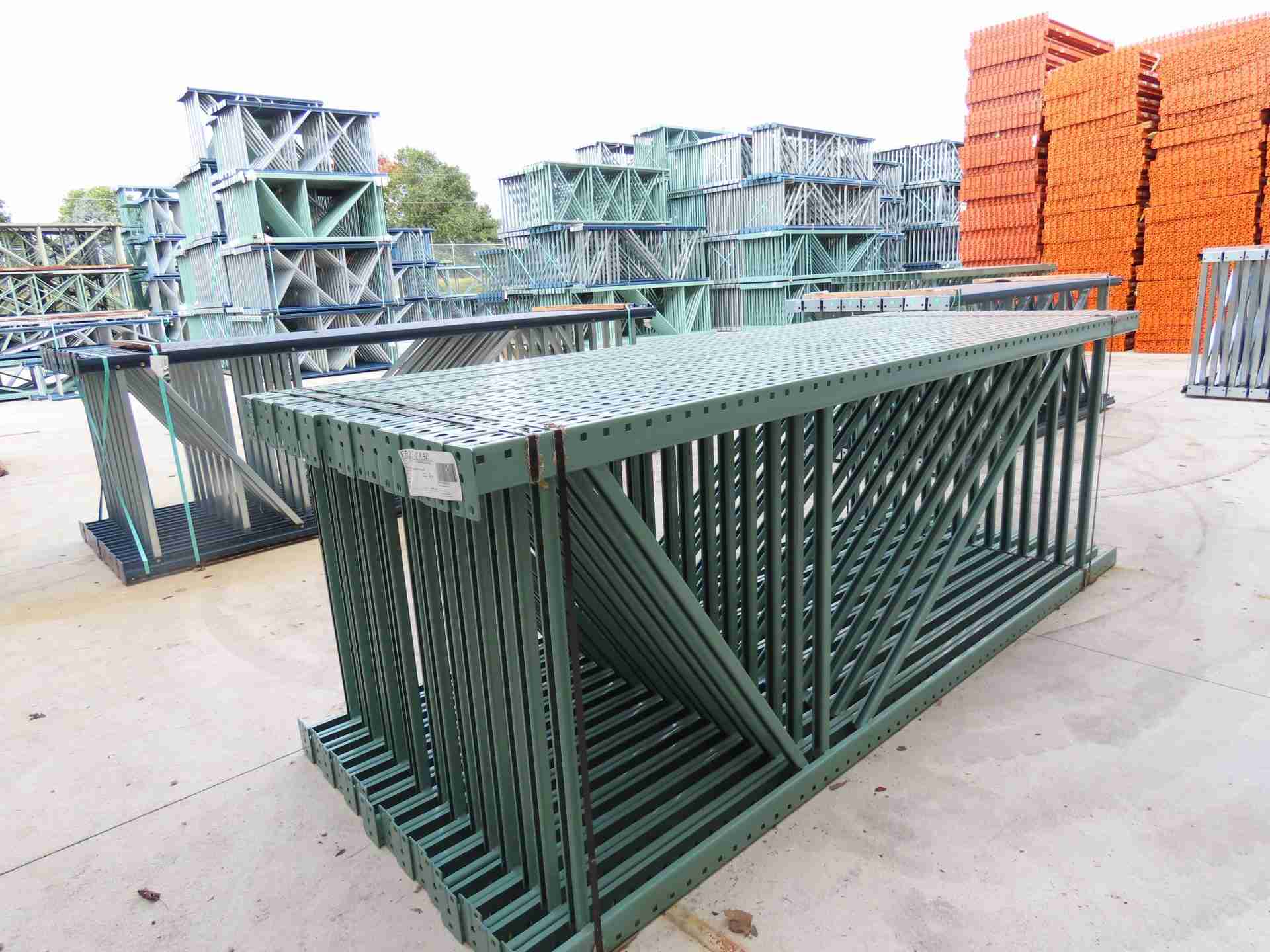
Are There Visible Signs Of Wear On Your Racking System?
Are There Visible Signs Of Wear On Your Racking System?
- Warehouse managers often overlook pallet racking, a critical component of operations.
- Signs of wear and tear, such as dents or rust, can lead to severe issues if ignored.
- Minor imperfections, like leaning shelves, can jeopardize inventory integrity and employee safety.
- Early identification of wear empowers warehouse managers to adopt a proactive approach.
- Routine inspections can save time and money, reinforcing commitment to safety and efficiency.
- Making it a habit to check for wear can lead to a well-maintained racking system, reflecting diligence.
- Regular inspections ensure both the strength of the racking system and long-term business success.
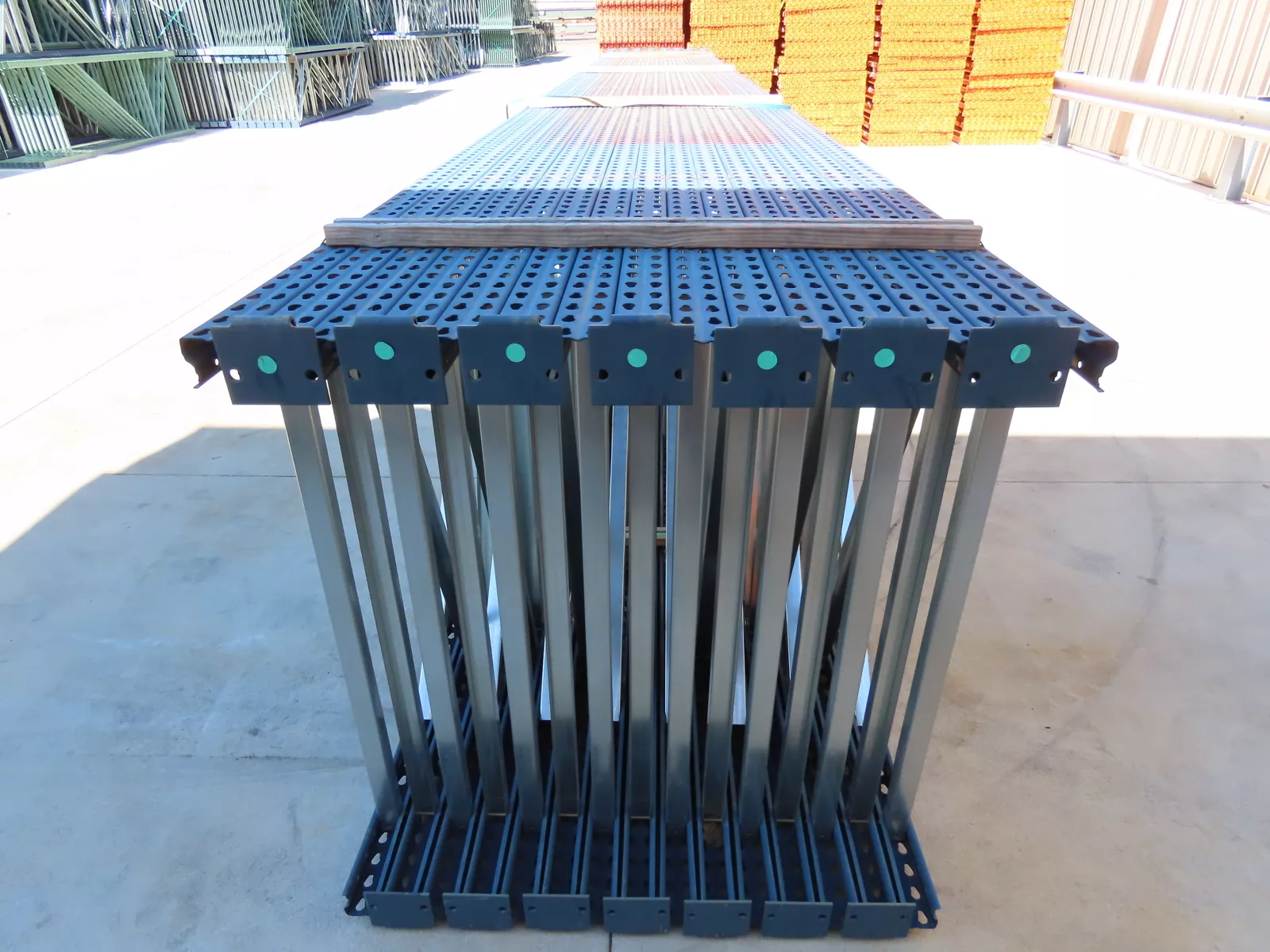
Are There Visible Signs Of Wear On Your Racking System?
How Often Should Racking Inspections Be Conducted?
When it comes to protecting your investment in pallet racking systems, the critical question that demands your attention is: How often should racking inspections be conducted? Just like routine check-ups for your car or annual health screenings, regular inspections of your pallet racking can save you from headaches down the line—both operationally and financially.
First and foremost, let’s face the undeniable truth: your pallet racking system is the backbone of your warehousing efficiency. Any instability or disrepair can lead to costly downtime, product damage, or even severe safety hazards for your team. Don’t let negligence rob you of peace of mind. For most businesses, a good practice is to conduct an inspection at least once every six months. This frequency allows you to catch those pesky problems before they snowball into major mishaps.
But don’t stop there! Consider the nature of your operation. If your warehouse is bustling with activity or if you frequently store heavy loads, you should ramp up your inspection schedule to quarterly or even monthly assessments. Imagine walking through your facility, knowing you’ve done everything possible to mitigate risk and protect your employees. That’s a confidence booster!
Moreover, it’s not just about frequency; it’s about thoroughness. Develop a checklist to ensure every vital aspect of your pallet racking is examined, including frame integrity, beam connection, and safety measures such as end-of-aisle protection. This little extra effort demonstrates your commitment to safety, inspiring trust among your workforce and stakeholders alike.
Additionally, consider integrating a culture of vigilance within your team. Train your employees on how to identify potential red flags—after all, who knows your pallet racking better than the people using it daily? Engaging your staff in this process not only increases safety but also fosters a sense of ownership that can enhance your workplace culture.
In summary, the question of how often to conduct racking inspections boils down to your specific operation’s needs. Commit to regular inspections tailored to your business dynamics, ensure thoroughness in each check, and foster an environment of accountability among your teams. Your pallet racking systems—and your bottom line—will be better for it. After all, in business, it’s never just about avoiding risks; it’s about creating opportunities for growth through safety and reliability.

How Often Should Racking Inspections Be Conducted?
How Often Should Racking Inspections Be Conducted?
- Regular inspections of pallet racking systems are essential for operational and financial safety.
- It’s advisable to conduct inspections at least once every six months for most businesses.
- High-activity warehouses or those storing heavy loads should increase inspections to quarterly or monthly.
- Develop a thorough checklist to evaluate frame integrity, beam connections, and safety measures.
- Train employees to identify potential issues, fostering a culture of vigilance and ownership.
- Tailor inspection frequency and thoroughness to your specific business needs for optimal safety.
- Prioritizing safety and reliability leads to growth opportunities in your business.
How Often Should Racking Inspections Be Conducted?
What Are The Common Hazards Associated With Racking Systems?
When you think of a warehouse or storage facility, the first image that often comes to mind is a sea of neatly arranged goods standing tall on pallet racking systems. These setups are the backbone of efficient inventory management, but beneath their structured surface lies a web of potential hazards. Understanding these risks is essential—not just for compliance but for the safety of your team and the longevity of your operation.
Tipping Over: One of the most concerning hazards with pallet racking is the risk of tipping. In busy environments, especially where heavy loads are frequently moved, improper loading or unbalanced stacks can lead to catastrophic tipping incidents. This is not just a concern for product loss; it poses a serious risk to employees working nearby. Take the time to train your staff on proper loading techniques and weight limits to reduce this risk significantly.
Overloading: It can be tempting to maximize space by overloading your pallet racking. This can lead to structural failure which not only damages your inventory but can also injure workers. Each racking system comes with specific weight limits; be vigilant about adhering to these guidelines. Training should emphasize the importance of following these limits to keep your facility safe and operational.
Inspection Oversights: Regular inspections might not seem thrilling, but ticking this off your checklist can save lives and assets. Over time, wear and tear can weaken structural integrity. Providing your team with clear inspection protocols can ensure problems are identified early, allowing corrective actions before an accident occurs.
Poor Design and Layout: Did you know that a subpar racking system design can amplify existing hazards? An ill-designed warehouse can create congestion, leading to accidents and inefficiencies. Take the time to evaluate your layout and engage with professional designers who understand not just aesthetics, but safety and workflow as well. A well-thought-out design encourages smooth operations and minimizes risks.
Fall Hazards: Inspecting how high your racks go is another crucial step towards safety. Workers accessing upper racks often face fall hazards. Equip your team with the right safety gear and make access to upper levels safe and secure.
Recognizing these hazards not only protects your most valuable asset—your workforce—but also builds a culture of safety that resonates throughout your organization. So, take action today. Strengthen your pallet racking safety measures, foster a culture of compliance, and watch your efficiency soar. After all, when it comes to your warehouse, safety isn’t just a duty; it’s a commitment to excellence.

What Are The Common Hazards Associated With Racking Systems?
What Are The Common Hazards Associated With Racking Systems?
- Pallet racking systems are crucial for efficient inventory management but pose various hazards.
- The risk of tipping due to improper loading or unbalanced stacks can threaten employee safety.
- Overloading pallet racks beyond their weight limits may lead to structural failure and worker injuries.
- Regular inspections are essential for identifying wear and preventing accidents, requiring clear protocols.
- Poorly designed warehouse layouts can create congestion and increase hazards; professional evaluation is recommended.
- Fall hazards exist when accessing upper racks, necessitating proper safety gear and secure access measures.
- Prioritizing safety enhances employee protection and fosters a culture of compliance, contributing to operational efficiency.
What Are The Common Hazards Associated With Racking Systems?
Are Your Employees Trained To Use The Racking System Safely?
In the world of warehouse management, the heartbeat of productivity often rests in a simple but crucial piece of equipment: the pallet racking system. Yet, how often do we pause and consider whether our employees are truly trained to navigate this essential asset safely? The truth is, neglecting proper training can lead not just to workplace accidents, but to losses in efficiency, morale, and ultimately, your bottom line.
Picture this: a well-organized warehouse bustling with activity. Employees confidently maneuver around towering rows of pallet racking, each move calculated and seamless. It’s a sight that inspires confidence—the kind of environment where productivity thrives. But this vision can quickly transform into chaos if your team isn’t equipped with the right skills and knowledge.
Training shouldn’t be viewed as an afterthought; it should be your first line of defense. Think of it as an investment in both safety and efficiency. Employees who are well-versed in the best practices of pallet racking management perform their tasks not just with speed, but with a level of caution that protects both themselves and their colleagues. Without the proper training, mistakes are bound to happen, and the consequences can be dire.
Now, imagine a scenario where an employee, unsure of their footing on a loading dock, inadvertently causes a pallet to topple. The result? Potential injuries and damaged goods—all preventable outcomes. This is where your commitment to effective training comes into play. By empowering your employees with comprehensive, hands-on education, you create a culture of safety and vigilance that permeates your operation.
But how do you ensure your training covers all bases? Regularly review and refresh training protocols. Incorporate real-life scenarios, hands-on demonstrations, and assessments to engage your team fully. Consider enlisting the help of experts who understand the nuances of pallet racking systems and can provide insightful, tailored training sessions.
Remember, investing in proper training is investing in your team’s confidence and your company’s future. Don’t leave the safety and efficiency of your warehouse to chance. The time to act is now—equip your employees with the skills they need to navigate the pallet racking system like seasoned professionals. Because at the end of the day, a well-trained team doesn’t just preserve life; it propels your business forward.
Are Your Employees Trained To Use The Racking System Safely?
Are Your Employees Trained To Use The Racking System Safely?
- The pallet racking system is essential for warehouse productivity and safety.
- Neglecting proper employee training can lead to workplace accidents and reduced efficiency.
- Well-trained employees create a confident and organized working environment, enhancing productivity.
- Training is an investment in safety and efficiency, emphasizing the importance of best practices.
- Inadequate training can result in preventable accidents, such as injuries and damaged goods.
- Training programs should be regularly reviewed and incorporate hands-on demonstrations and real-life scenarios.
- Investing in proper training boosts employee confidence and secures the future of the company.
Are Your Employees Trained To Use The Racking System Safely?
How Does Load Capacity Affect The Safety Of Your Racking?
When it comes to ensuring the safety and efficiency of your warehouse, understanding the load capacity of your pallet racking is not just a detail—it’s the backbone of your operation. Imagine for a moment the serene hum of a well-organized warehouse, where products are meticulously stored, easily accessed, and at no risk of compromise. But then, picture the opposite: racks buckling, merchandise tumbling, and the chaos of a preventable accident. Your pallet racking system carries more than just inventory; it carries the weight of your business’s reputation and safety.
Every piece of pallet racking is engineered with a specific load capacity that dictates how much weight it can support. This number isn’t arbitrary; it’s the result of careful design and testing to ensure stability and reliability. When you exceed this capacity, you’re not just flirting with disaster—you’re inviting it in for an extended stay. Merchandise may be damaged, workers can be injured, and the cost of downtime due to accidents can be staggering. Your commitment to adhering to load capacity guidelines is not just about compliance; it’s a promise to your team and yourself that safety comes first.
Now, let’s talk about optimization. Understanding load capacity doesn’t mean you have to sacrifice productivity. Quite the opposite! When you comprehend how to utilize your pallet racking to its maximum potential safely, you vastly improve your operations. Properly assigning weights to racking—based on each load capacity—ensures efficient space management, streamlined retrieval processes, and minimized risk. It’s a simple yet effective strategy that leaves room for growth while fortifying your safety net.
But wait—this isn’t just about the numbers on paper. It’s also about cultivating a safety culture within your organization. Engaging your team to understand the importance of load capacity fosters a sense of responsibility. After all, they are the ones who work around this equipment daily. Empower them with knowledge and watch as they take pride in maintaining a secure environment.
The load capacity of your pallet racking affects more than just how much you can store. It transcends into safety, efficiency, and productivity—all pivotal aspects of a thriving warehouse operation. So, invest in well-structured pallet racking systems and instill a culture of safety among your team. Because when safety becomes habitual, success naturally follows. It’s time to take proactive measures and make sure your racking is not just functional, but also safe. The health of your business depends on it.

How Does Load Capacity Affect The Safety Of Your Racking?
How Does Load Capacity Affect The Safety Of Your Racking?
- Understanding the load capacity of pallet racking is crucial for warehouse safety and efficiency.
- Exceeding the load capacity can lead to damaged merchandise, worker injuries, and significant downtime costs.
- Adhering to load capacity guidelines is a commitment to safety for both team members and the organization.
- Optimizing pallet racking based on load capacity can enhance productivity without sacrificing safety.
- Proper weight assignment to racking improves space management and retrieval processes while minimizing risks.
- Fostering a safety culture in the workplace empowers employees and promotes responsibility regarding load capacities.
- Investing in safe, well-structured pallet racking contributes to overall safety, efficiency, and productivity in warehouse operations.

How Does Load Capacity Affect The Safety Of Your Racking?
Are There Guidelines For Proper Racking System Design?
When it comes to maximizing your warehouse efficiency, your choice of a pallet racking system is pivotal. But let’s face it—navigating through the myriad options can feel a bit overwhelming. How do you know what design is right for your needs? Fear not! There are tried-and-true guidelines that can empower your decision-making and set you on the path to streamlined storage solutions.
First and foremost, understanding your inventory is crucial. Think of your products as puzzle pieces; your job is to find the perfect fit within your racking system. This involves assessing the size, weight, and type of the products you carry. For instance, heavier items might require a more robust racking system, while lighter loads may afford you the flexibility of selective racking. Visualizing your inventory in relation to potential pallet racking configurations invites clarity and ensures that you’re not just filling space, but optimizing it.
Next up on the agenda is height and accessibility. Your warehouse is a valuable asset, and making the most of vertical space can dramatically increase your storage capacity. However, caution is key. You want to leverage height without jeopardizing safety. Invest time into determining the accessibility of your pallet racking system. Even the most ingeniously designed setup can fall short if it complicates the retrieval process. Balance is the name of the game: find a design that offers both height advantage and ease of access.
Moreover, don’t overlook compliance with safety and regulatory standards. A well-designed racking system is not just about efficiency; it’s also about safety. Familiarize yourself with local regulations to ensure your pallet racking system meets all requirements. This commitment to safety builds trust with your employees and reinforces a culture of security within your organization.
Finally, consider how your racking system can evolve as your business grows. Future-proofing your design isn’t just smart; it’s essential. Modular systems allow you to expand or reconfigure without major upheaval. This flexibility not only saves you money but also extends the life of your investment.
When you adhere to these guidelines, integrating a pallet racking system that meshes with your operational needs becomes less daunting and far more rewarding. You’ll create an environment that enhances efficiency, safety, and ultimately, profitability. Take these insights into account, and watch your productivity soar!
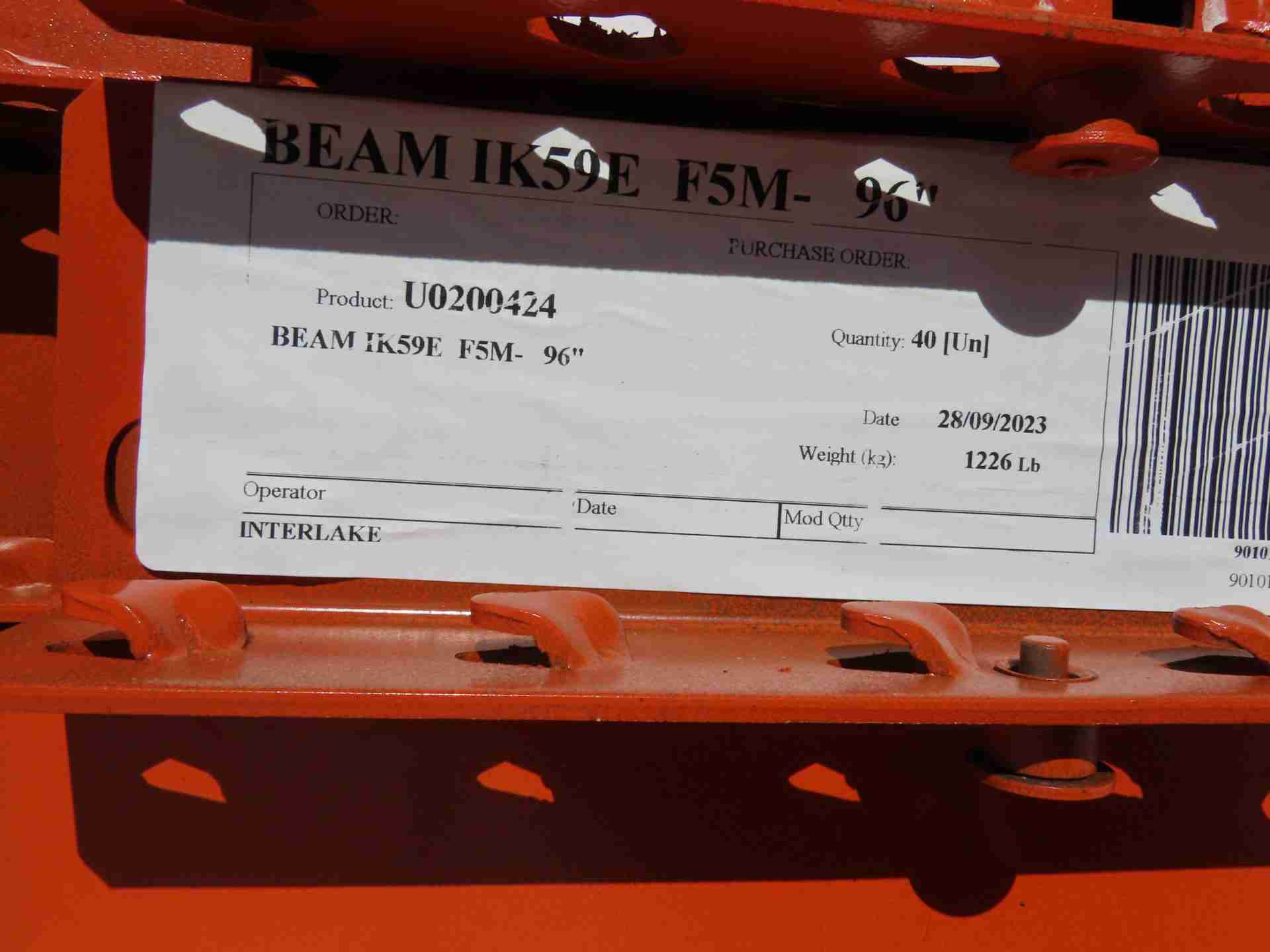
Are There Guidelines For Proper Racking System Design?
Are There Guidelines For Proper Racking System Design?
- Your choice of pallet racking system is crucial for warehouse efficiency.
- Understanding your inventory is essential; assess the size, weight, and type of products.
- Consider height and accessibility to maximize vertical storage capacity while ensuring safety.
- Compliance with safety and regulatory standards is vital for efficient and secure operations.
- Future-proof your racking system with modular designs for adaptability as your business grows.
- Adhering to these guidelines leads to improved efficiency, safety, and profitability.
- Integrating an appropriate pallet racking system enhances productivity in the warehouse.

Are There Guidelines For Proper Racking System Design?
Conclusion
Conclusion: Prioritize Safety with Arrow Industrial Sales
In today’s fast-paced warehouse environment, the safety of your pallet racking system should never be an afterthought. It serves not just as a functional asset, but as the pillar of safety where your operations thrive. Every business owner must ask themselves: Is your racking system truly safeguarding your employees and inventory? Ignoring potential hazards lurking in your racking setup could have catastrophic consequences—ranging from damaged goods to serious injuries that can disrupt not only your operations but the lives of your workforce.
Regular inspections and maintenance of your racking systems can nip problems in the bud, but it requires attention and commitment. By scheduling routine checks, diligently evaluating any wear and tear, and ensuring adherence to load capacities, you not only protect your investment but also cultivate a culture of safety that resonates throughout your organization. Educating your employees about proper racking usage empowers them to take ownership of their safety and surroundings, building confidence and competence within your team.
At Arrow Industrial Sales, we understand the urgency of addressing these safety concerns head-on. Our team is dedicated to equipping businesses like yours with the sharpest insights and tools to ensure that your racking systems are within safety regulations and fitted to your specific operational needs. From expert advice to top-of-the-line products, we offer solutions tailored to enhance both the safety and efficiency of your operations.
Don’t leave anything to chance. Call Arrow Industrial Sales at (574) 349-6575 today to discuss how we can help you ensure your racking system is as safe and reliable as it should be. Your commitment to safety is an investment, and the time to act is now. Remember: the longer you wait, the greater the risk you pose to your workforce, inventory, and ultimately, your bottom line. Take control and protect your business today—because when it comes to the safety of your warehouse, no risk is worth taking.
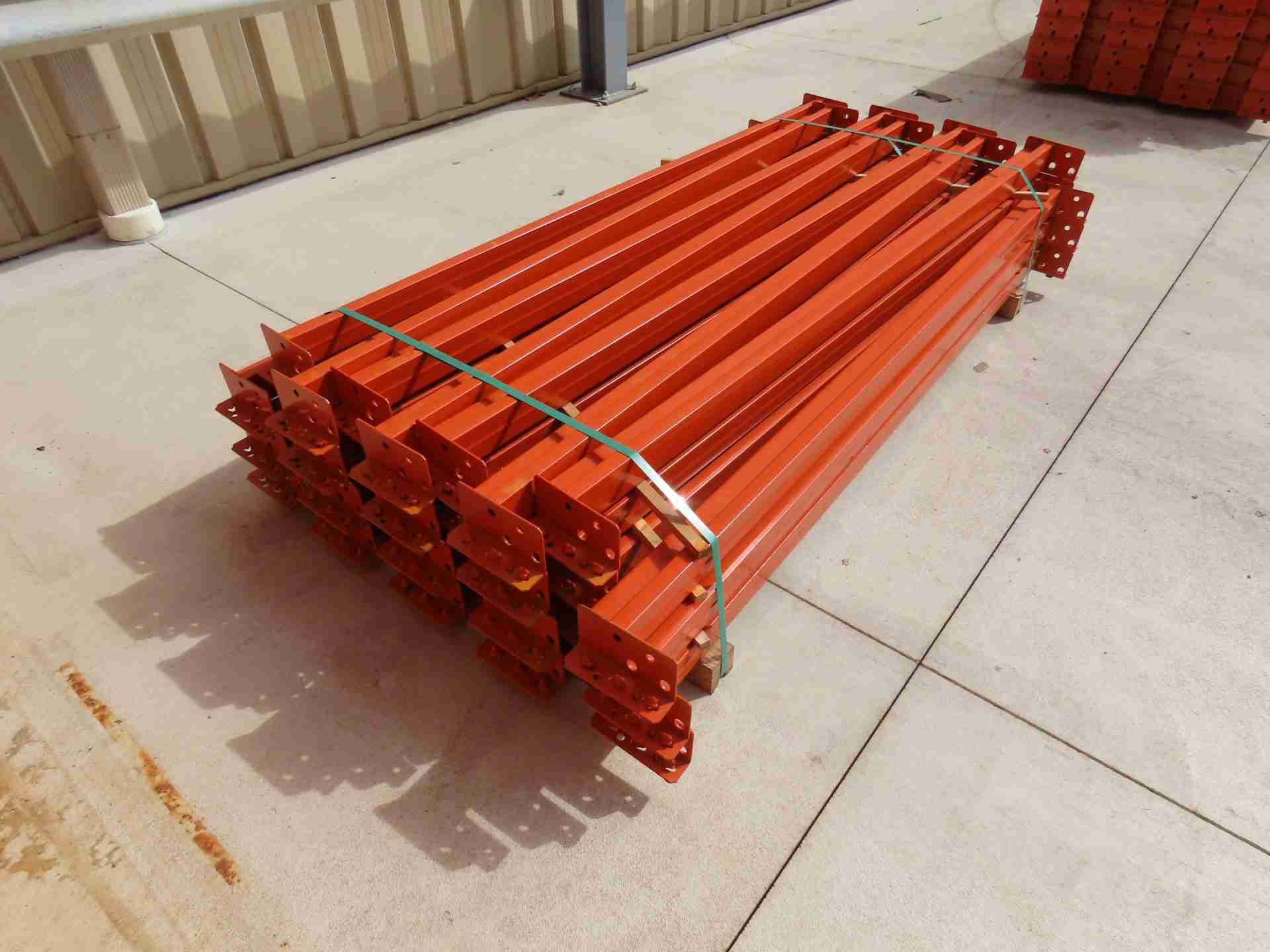
Conclusion
Conclusion:
- Safety in pallet racking systems is crucial in fast-paced warehouse environments.
- Business owners should assess whether their racking systems are adequately protecting employees and inventory.
- Neglecting potential hazards can lead to severe consequences, including injuries and damaged goods.
- Regular inspections and maintenance are essential to identify and prevent problems.
- Empowering employees through education on proper racking usage fosters a culture of safety.
- Arrow Industrial Sales offers insights and products to maintain compliance with safety regulations.
- Prompt action is necessary to mitigate risks to operations, workforce, and profit margins.
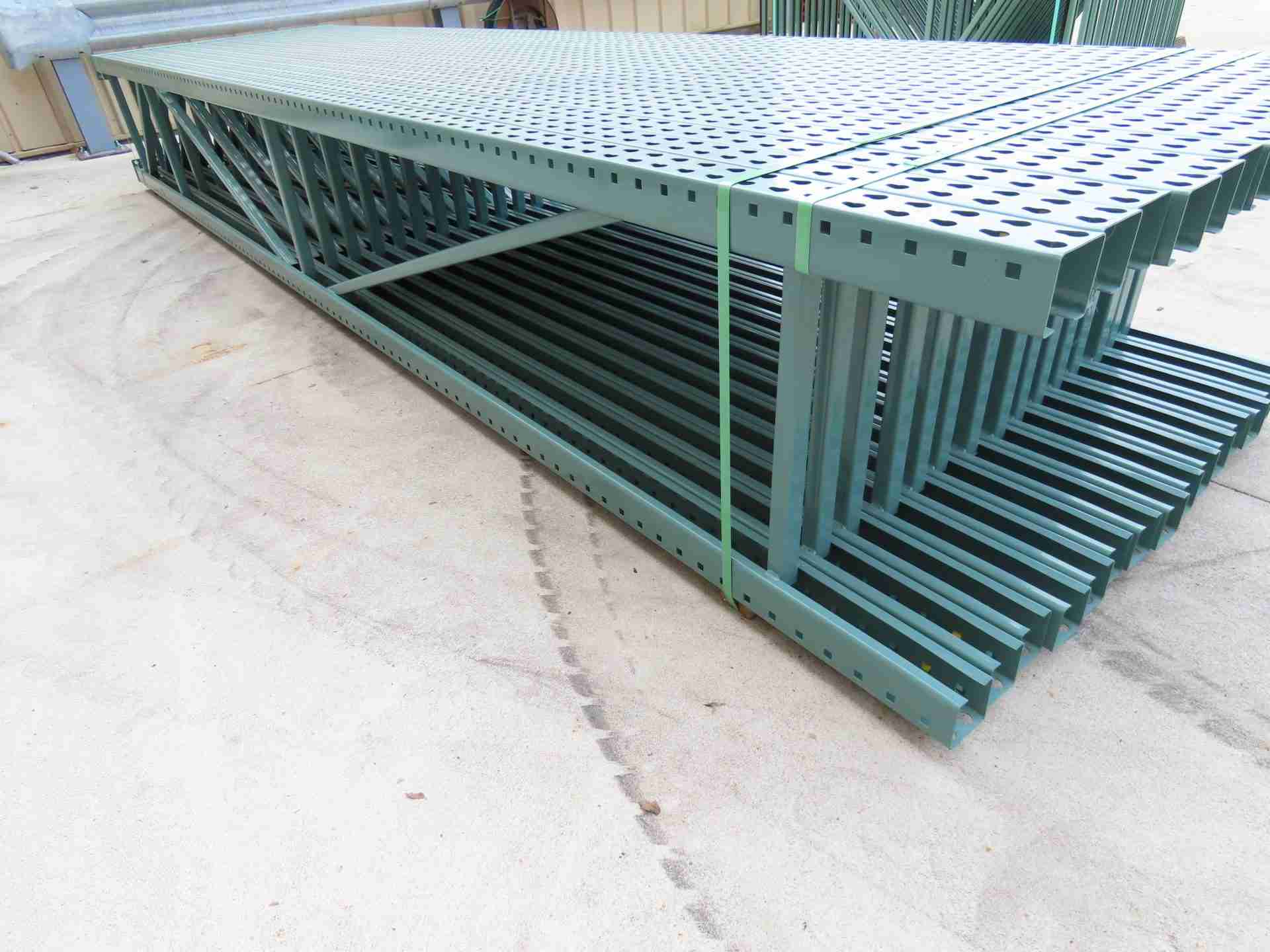
Conclusion
Other Resources
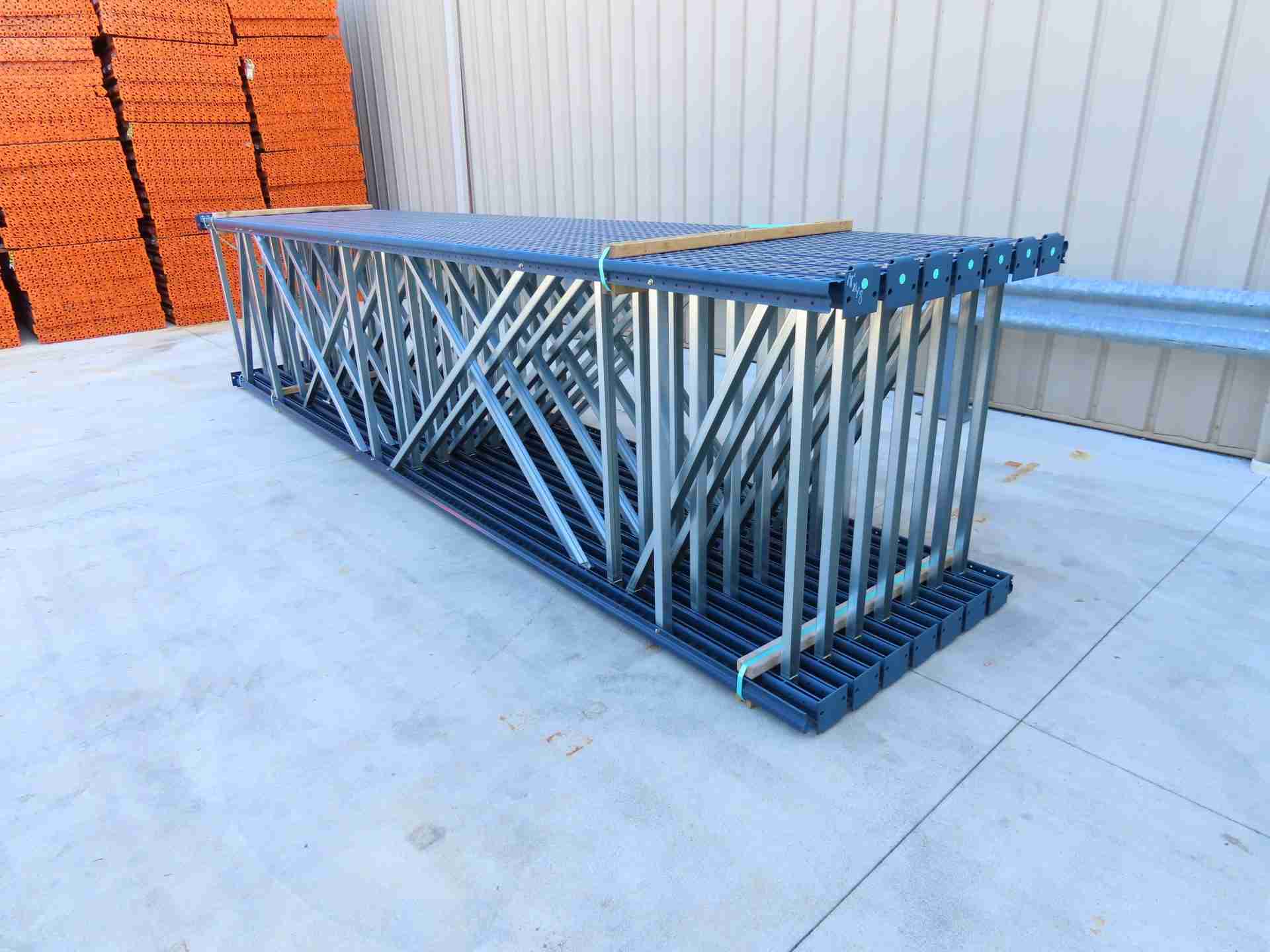
Other Resources
Here is a list of other resources you can review online to learn more:
- Bradford Systems
- Warehouse Racks, Warehouse Racking in Stock – ULINE
- Teardrop Pallet Rack – Ridg-U-Rak
- MHI
- NSC
- Illinois
- Illinois Pallet Racking – WPRP
- WERC
- IWLA
- Heavy-Duty Cantilever Storage Racks
Use This Prompt To Get More Resources With Your Favorite Online AI Tool: Please provide me with a list of online articles with their URLs in a bulleted list that I can read regarding Is Your Racking System Putting Your Safety At Risk Today?
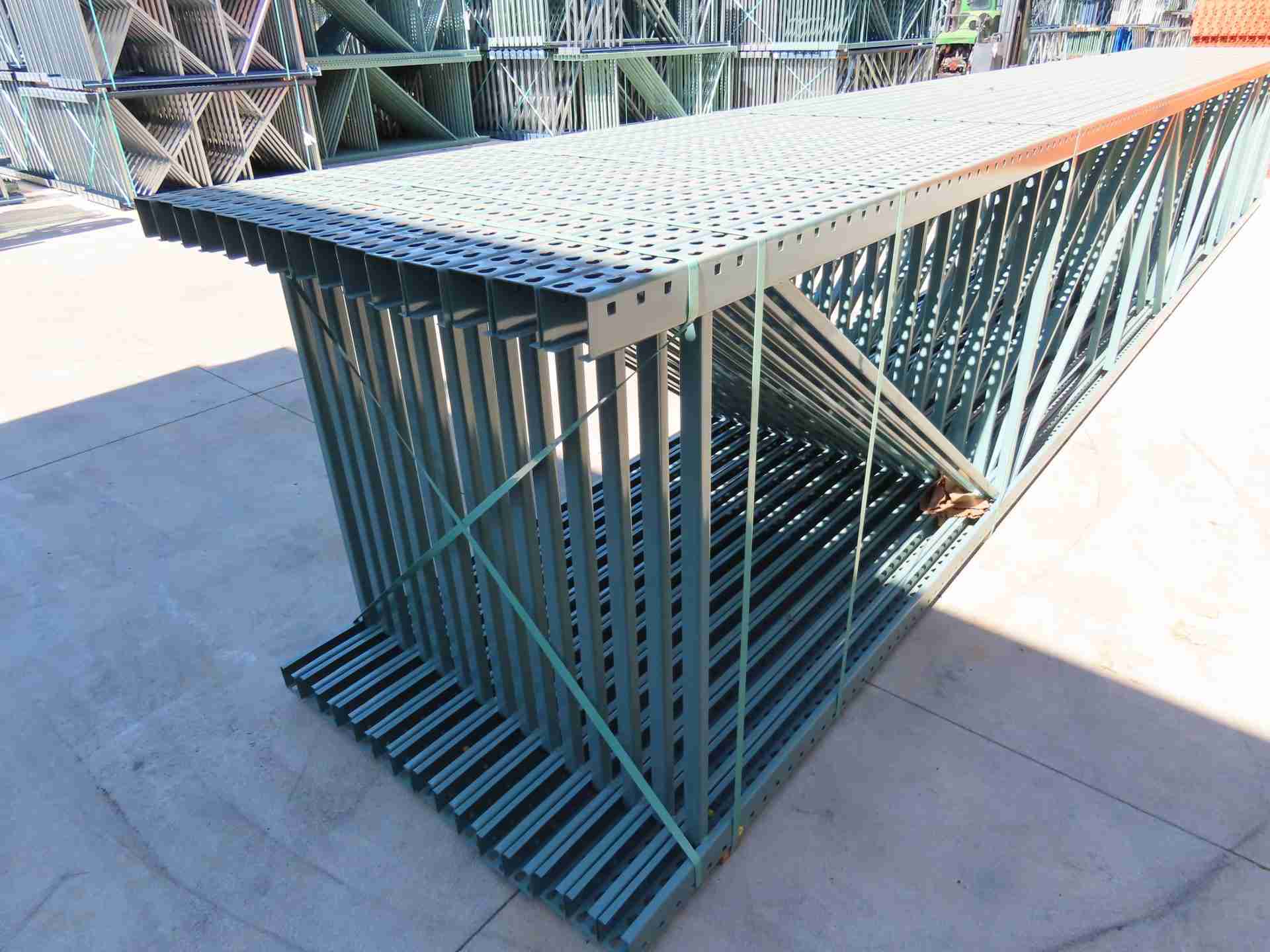
Other Resources
Glossary Terms
Is Your Racking System Putting Your Safety At Risk Today? – Glossary Of Terms
1. Racking System: A framework used in warehouses and storage areas to hold and organize inventory.
2. Load Capacity: The maximum weight a racking system can safely support without risk of failure.
3. Pallet: A flat structure used to support goods in a racking system, allowing for easy movement and storage.
4. Shock Load: An unexpected load that exceeds normal working conditions, often causing structural failure.
5. Overloading: Exceeding the load capacity of a racking system, leading to potential collapse or hazards.
6. Aisle Width: The space between racks that must be maintained for safe operation and access.
7. Rack Stability: The ability of a racking system to maintain its position and support loads without tipping over.
8. Column: A vertical support member of a racking system that bears the weight of the structure.
9. Deflection: The amount a racking system bends or moves under load, which can affect safety.
10. Safety Inspection: A routine check to assess the integrity and safety of racking systems.
11. Forklift: A powered industrial vehicle used to lift and move materials, often in conjunction with racking systems.
12. Safety Factor: A design criterion that provides a margin of safety by calculating the load-bearing capacity over normal conditions.
13. Warehouse Layout: The strategic arrangement of racks, aisles, and equipment within a storage facility for optimal safety and efficiency.
14. Ergonomics: The study of how equipment and workspaces can be designed for efficiency and safety while minimizing strain on workers.
15. Bracing: Additional structural elements used to reinforce and stabilize a racking system.
16. Fire Code Compliance: Adhering to regulations that ensure racking systems do not obstruct fire safety measures, like sprinkler systems.
17. Personal Protective Equipment (PPE): Gear worn by workers, such as helmets and gloves, to minimize injury risks while working near racking systems.
18. Inventory Management: The process of overseeing and controlling stock levels, which can impact racking safety if not properly managed.
19. Inspection Frequency: The schedule for how often racking systems should be checked for safety and integrity.
20. Training: Instruction provided to workers about safe practices for operating near racking systems and handling loads.
21. Tilted Rack: A compromised racking system that is leaning or tilted, posing a risk of collapse.
22. Collision Damage: Harm caused to racking systems due to equipment, like forklifts, accidentally striking them.
23. Load Stability: The positioning of items on a rack so that they are unlikely to shift or fall during storage and handling.
24. Maintenance: Regular care and repair of racking systems to ensure continued safety and functionality.
25. Compliance Standards: Regulations and industry standards governing the design and use of racking systems to ensure safety.
26. Failure Modes: Various ways a racking system might fail, including buckling, collapsing, or tipping over due to excessive loads or poor conditions.
27. Structural Integrity: The ability of a racking system to withstand intended loads and conditions without failing.
28. Weight Distribution: The arrangement of loads across the racking system to maintain balance and minimize risks.
29. Risk Assessment: The process of identifying and evaluating potential safety hazards related to racking systems.
30. Emergency Procedures: Guidelines for responding to accidents or failures involving racking systems, ensuring safety for all employees.
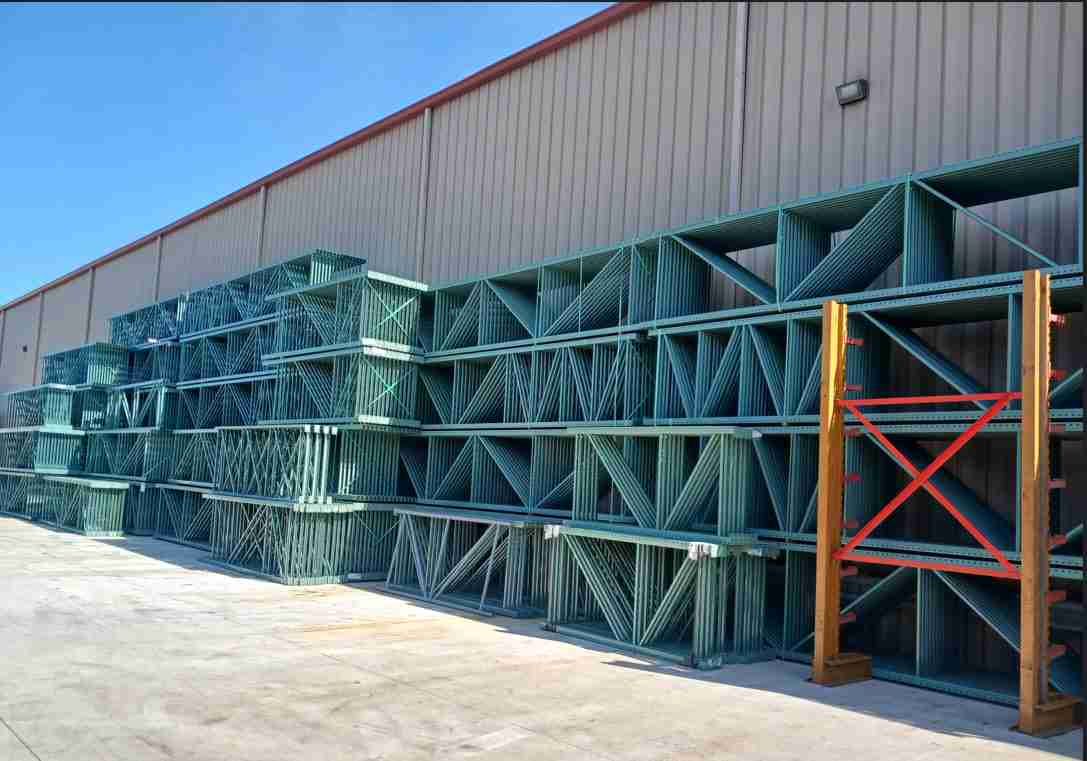
Glossary Of Terms
Other Questions
Is Your Racking System Putting Your Safety At Risk Today? – Other Questions
If you wish to explore and discover more, consider looking for answers to these questions:
- What are the signs that indicate my racking system needs immediate attention?
- What should I include in a pallet racking inspection checklist?
- How do I train my employees effectively on pallet racking safety?
- What is the potential cost of neglecting pallet racking inspections?
- How can I properly load my pallet racking to ensure safety?
- What are the specific safety regulations I need to comply with for racking systems?
- Are there recommended best practices for maintaining pallet racking systems?
- How can I create a culture of safety related to racking systems among my employees?
- What steps should I take if I identify a problem with my racking system?
- How often should I reassess my racking system design as my inventory changes?
- What tools and technologies can assist in monitoring the integrity of my racking system?
- Are there professional services available for racking system audits and inspections?
- What should I do if I experience an accident related to my racking system?
Other Questions
Checklist
Is Your Racking System Putting Your Safety At Risk Today? – A Checklist
Checklist: Ensuring the Safety and Efficiency of Your Racking System
Use this handy checklist to evaluate and enhance the safety and effectiveness of your pallet racking system:
1. Conduct Routine Inspections
_____ Schedule inspections at least every six months.
_____ Increase frequency to quarterly or monthly based on warehouse activity or heavy loads.
2. Assess for Visible Signs of Wear
_____ Look for dents, rust spots, or bending in racking.
_____ Check for leaning shelves or any structural imperfections.
_____ Document and address any issues found.
3. Evaluate Loading Procedures
_____ Confirm that loads adhere to designated weight limits.
_____ Ensure loads are evenly balanced and do not exceed capacity.
4. Train Employees Thoroughly
_____ Provide training on proper loading techniques and rack safety.
_____ Incorporate hands-on demonstrations in training sessions.
_____ Schedule regular refresher courses for all employees.
5. Identify Common Hazards
_____ Educate staff on the dangers of tipping and overloading.
_____ Implement inspection protocols to catch issues early.
_____ Foster a culture of safety awareness among employees.
6. Foster a Culture of Communication
_____ Encourage employees to report any observed hazards or concerns.
_____ Create open channels for discussing safety and efficiency improvements.
7. Design for Safety and Efficiency
_____ Ensure your rack design complies with local safety regulations.
_____ Make the system easily accessible to balance height and retrieval efficiency.
_____ Consider future needs—choose modular racking for adaptability.
8. Regularly Review Systems and Procedures
_____ Evaluate the efficiency of your racking system and make adjustments as needed.
_____ Stay informed about best practices and innovations in racking design.
9. Document Everything
_____ Keep detailed records of inspections, maintenance, and training sessions.
_____ Use documentation to track improvements or recurring issues.
By using this checklist, you can ensure that your racking system remains a safe and reliable backbone for your warehouse operations, protecting both your team and your inventory. Act now to safeguard your operations!
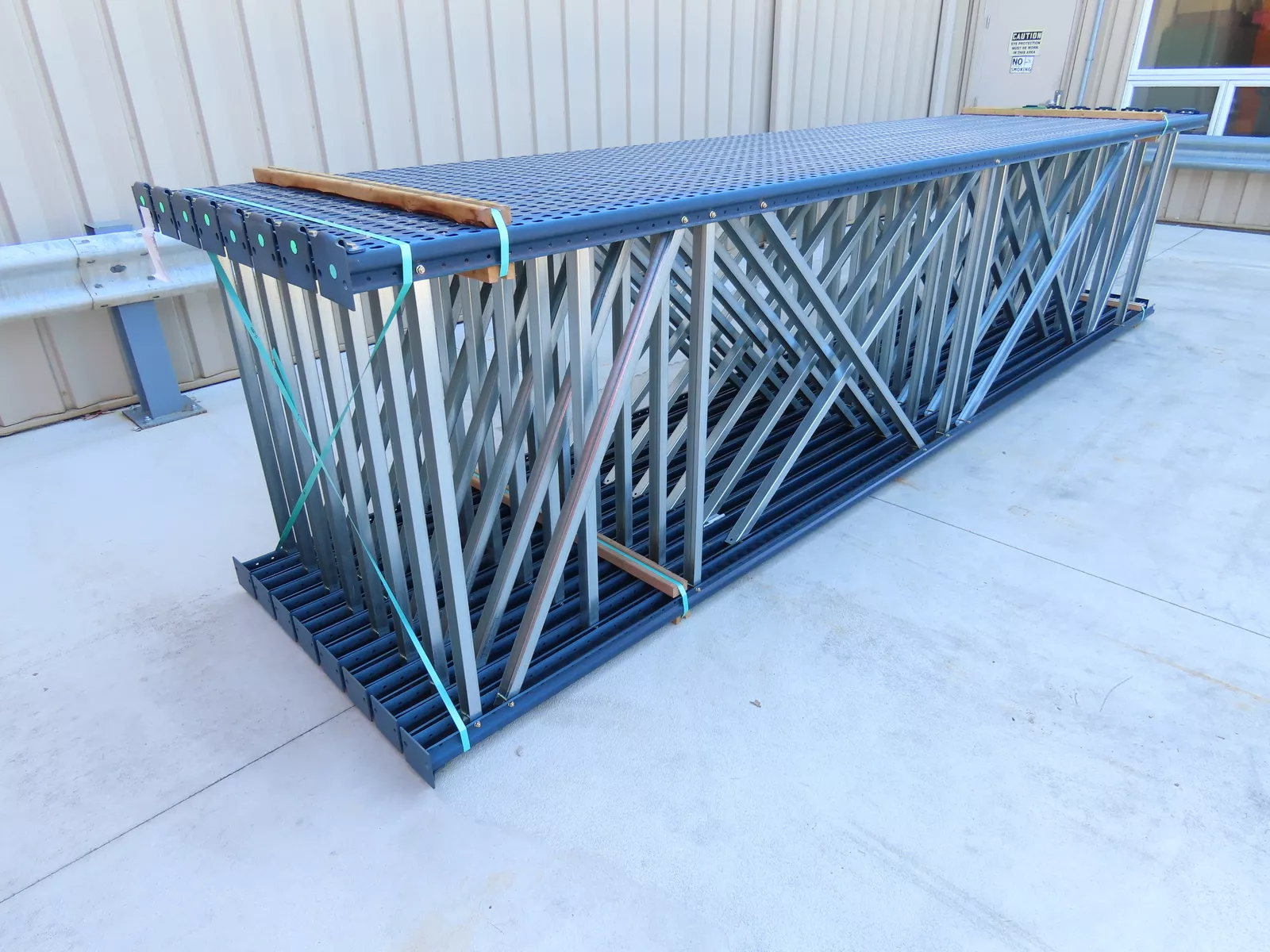
Checklist
At RackingWorld, we help guide you through selecting warehouse storage systems and racking.
Be sure to read our other related stories at RackingWorld to learn more about warehouse storage systems.
0 Comments