
Unlocking Efficiency: Balancing Tech In Warehouses
By Tom Seest
At RackingWorld, we help guide you through selecting warehouse storage systems and racking.
Be sure to read our other related stories at RackingWorld to learn more about warehouse storage systems.
Can too Much Technology Complicate Warehouse Management?
Can Too Much Technology Complicate Warehouse Management?
In today’s fast-paced business landscape, technology is often hailed as the ultimate solution for warehouse management. Yet, it’s essential to pause for a moment and ask: can too much technology actually complicate things? Imagine a bustling environment filled with advanced software, automated systems, and digital dashboards—all aimed at boosting efficiency and productivity. But what if these intricate setups end up creating more confusion than clarity?
Take pallet racking, for example. This fundamental component of warehouse organization—critical for maximizing space and ensuring easy access to inventory—can become a tangled web when overlaid with too many tech enhancements. As you implement automated inventory tracking solutions, robotics for picking, and cloud-based management systems, the sheer volume of data and processes can overwhelm your team. The very tools intended to streamline operations can inadvertently become roadblocks if not properly integrated.
What happens when your team is bogged down by overly complex software? Employees find themselves lost in a maze of buttons, functionalities, and endless training modules. Instead of focusing on their core responsibilities, they become entangled in tech troubleshooting—yielding lower morale and decreased productivity. This scenario may resonate with many warehouse managers who have seen their employees become frustrated with systems that promise efficiency but deliver confusion.
The key is balance. Technology should serve you—not the other way around. Simplifying your tech stack and harmonizing various systems can create a streamlined workflow that empowers your team. For instance, choose user-friendly solutions that seamlessly integrate with existing pallet racking setups, enabling employees to navigate tasks effortlessly. Invest in training that not only informs but inspires your team to embrace these tools as allies.
Ultimately, fostering a culture where technology enhances the human touch is crucial. Empathy and understanding within your team will go a long way, as you’ll be building a unified frontline that fully harnesses the power of technology without letting it complicate your operations.
In navigating the intersection of technology and warehouse management, remember: less can often be more. Evaluate your tech choices wisely, ensuring they align with your goals, and watch as your productivity—and employee satisfaction—soars to new heights. With a commitment to effective management, you can keep complexities at bay and turn your warehouse into a well-oiled machine that drives success.

Can too Much Technology Complicate Warehouse Management?
Can too Much Technology Complicate Warehouse Management?
- Technology is often viewed as the solution for warehouse management, but too much can cause complications.
- Advanced systems, while aimed at boosting efficiency, can create confusion if not properly integrated.
- Overloading traditional elements like pallet racking with tech can overwhelm teams with excessive data and processes.
- Employees may struggle with overly complex software, leading to frustration and decreased productivity.
- Finding the right balance is crucial; technology should simplify processes and empower teams.
- Choosing user-friendly solutions and investing in inspiring training can enhance operations and employee morale.
- Evaluating tech choices wisely can lead to greater productivity and employee satisfaction in warehouse management.

Can too Much Technology Complicate Warehouse Management?
Table Of Contents
- Can too Much Technology Complicate Warehouse Management?
- What Are The Signs Of Technology Overload In Warehouses?
- How Can Technology Simplify Inventory Tracking?
- What Are The Risks Of Over-Automation In Warehousing?
- Can Technology Enhance Workforce Productivity Or Hinder It?
- How Do We Balance Technology And Human Input In Warehouses?
- What Technologies Are Essential For Effective Warehouse Management?
- Conclusion
- Other Resources
- Glossary Of Terms
- Other Questions
- Checklist
What Are The Signs Of Technology Overload In Warehouses?
##
In today’s fast-paced world, warehouses are the backbone of supply chains, but the shimmering allure of technology can sometimes lead us down a path of overload. Have you ever walked into your warehouse and felt an overwhelming sense of chaos rather than efficiency? While technology is designed to streamline operations, an excess of it can create confusion, especially when it comes to complex systems like pallet racking.
One major sign of technology overload is the reliance on too many different systems that fail to communicate with each other. Imagine having state-of-the-art pallet racking systems that are meant to optimize space but are tangled up with outdated software that can’t keep up. This misalignment not only wastes precious time but also leads to errors that can cost your business in both productivity and profit.
Another indicator is employee frustration. If your team is spending more time navigating complex interfaces or troubleshooting tech issues than actually fulfilling orders, it’s time for a reality check. Look for furrowed brows and impatient sighs among your staff. These signals demonstrate that technology, rather than enhancing their capabilities, is handicapping them. When your team’s morale dips, so does your warehouse’s efficiency.
A clutter of unused or redundant tools is yet another red flag. When your pallet racking is filled to the brim, yet your inventory management software is rarely touched, it’s a clear sign you’re suffering from tech overload. Be honest—how many subscriptions and tools are you paying for that simply gather dust? It’s crucial to evaluate your tech ecosystem regularly, ensuring each component is adding real value.
Moreover, if you find yourself constantly facing unexpected tech failures, this is a major sign of overload. Frequent glitches or system downtimes bring operations to a grinding halt, creating a ripple effect of delays that can frustrate not just your team but customers as well.
Recognizing these signs is the first step towards reclaiming efficiency in your warehouse. Embrace simplicity—streamline your processes and focus on technology that truly enhances your operations. By reducing overload, you’ll foster a smoother workflow, enhance employee satisfaction, and ultimately improve your bottom line. Remember, technology should work for you, not the other way around. Take action today, and transform your warehouse from overwhelmed to optimized!

What Are The Signs Of Technology Overload In Warehouses?
What Are The Signs Of Technology Overload In Warehouses?
- Warehouses are essential to supply chains but can suffer from technology overload.
- Too many disconnected systems can lead to confusion and inefficiency.
- Employee frustration indicates that technology may be hindering, not helping, productivity.
- Unused or redundant tools are signs of tech overload—regular evaluations are necessary.
- Frequent tech failures can disrupt operations and frustrate both employees and customers.
- Streamlining processes and adopting valuable technology can reclaim warehouse efficiency.
- Technology should enhance operations, not complicate them; take action to optimize today.
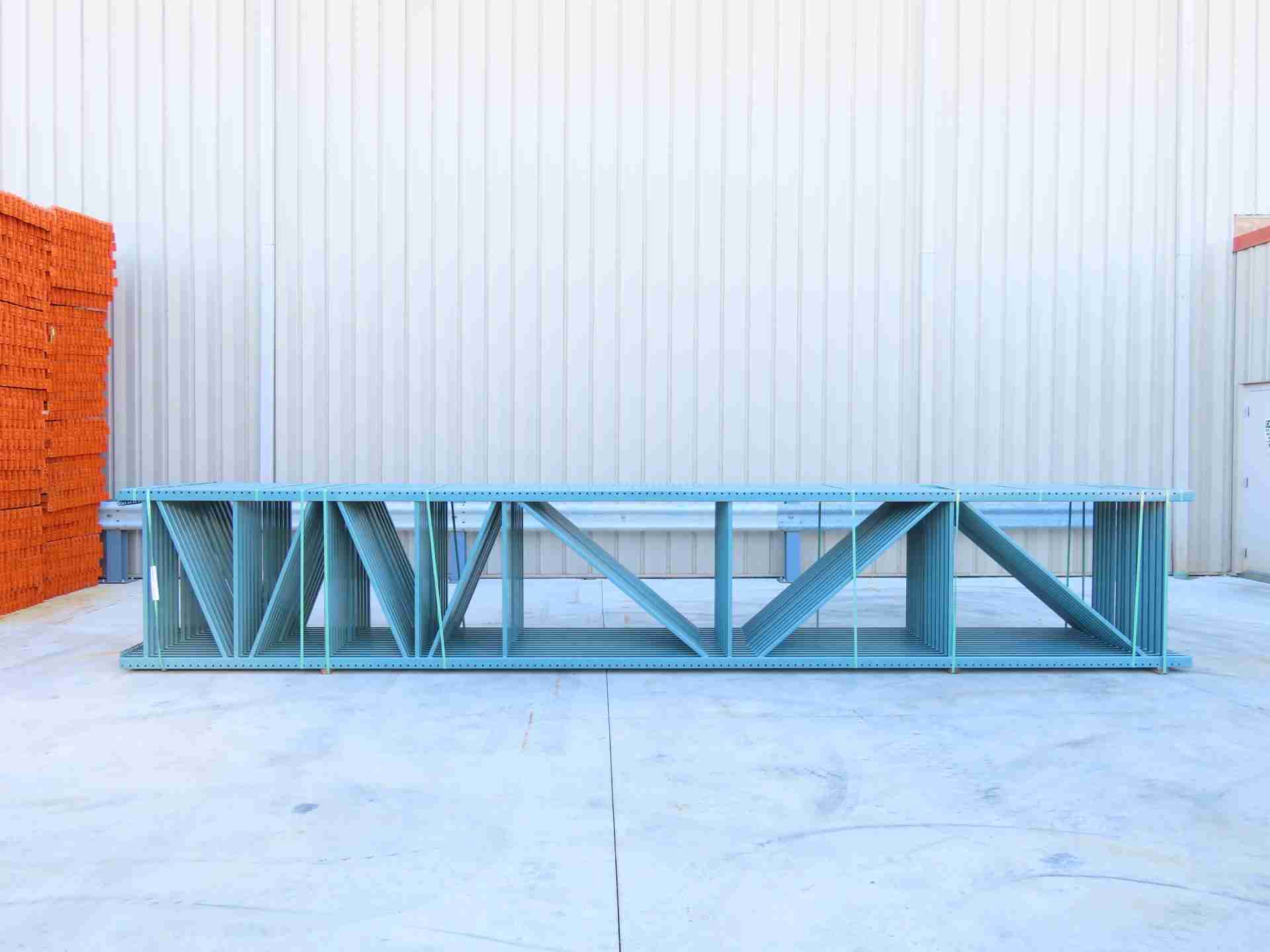
What Are The Signs Of Technology Overload In Warehouses?
How Can Technology Simplify Inventory Tracking?
In the ever-evolving landscape of modern business, technology doesn’t just make things easier—it transforms the very essence of how we operate. If you’re still manually tracking inventory, it’s time to leap into the future. Imagine reclaiming countless hours every week while gaining real-time visibility into your stock. With today’s technology, this isn’t just a dream; it’s a reality.
Start by examining your warehouse setup. Pallet racking systems can be optimized using cutting-edge inventory management software to provide seamless tracking. Picture this: You’ve just received a shipment, and within minutes, the products are scanned and logged into the system, automatically noting their location on the pallet rack. This instant update eliminates the risk of human error and ensures that each item’s details are captured accurately and promptly.
But this doesn’t stop at accuracy. The power of technology extends to detailed analytics, giving you insights that were once buried in spreadsheets or manual logs. Use these insights to identify slow-moving items or anticipate upcoming demand.
Think about how that knowledge propels your business forward. When you know exactly what’s on hand, what’s trending, and what needs to be restocked, you can base your decisions on solid data rather than gut feelings. Empower yourself to make proactive choices that enhance efficiency and boost profits.
Let’s not forget about integration! Modern inventory management systems can easily connect with other tools within your business ecosystem, from ordering platforms to accounting software. This interconnectedness means that every aspect of your operations plays harmoniously, further reducing inefficiencies and creating a cohesive workflow.
Moreover, technology offers invaluable support beyond just tracking. Mobile applications allow for on-the-go inventory checks, meaning if you’re out in the field or on a sales call, your inventory information is merely a tap away. No more running back to the warehouse or flipping through endless files!
The road to simplification starts with embracing technology. It’s not just about tools; it’s about building a better foundation for your business. By simplifying inventory tracking, you position yourself for growth, tackle challenges head-on, and enhance the customer experience. So why wait? Transform your inventory management today with the power of technology; your bottom line will thank you for it!

How Can Technology Simplify Inventory Tracking?
How Can Technology Simplify Inventory Tracking?
- Modern technology transforms business operations, enhancing efficiency and accuracy in inventory management.
- Optimizing warehouse setups with advanced inventory management software allows for seamless tracking, reducing manual errors.
- Technology provides detailed analytics to identify trends and anticipate demand, leading to informed decision-making.
- Better inventory insights enable proactive choices, enhancing efficiency and boosting profits.
- Integration with other business tools fosters a cohesive workflow, minimizing inefficiencies across operations.
- Mobile applications facilitate on-the-go inventory checks, providing instant access to information away from the warehouse.
- Embracing technology simplifies inventory tracking and positions businesses for growth and improved customer experiences.

How Can Technology Simplify Inventory Tracking?
What Are The Risks Of Over-Automation In Warehousing?
In today’s fast-paced world, automation in warehousing can feel like the golden ticket to efficiency. The allure is undeniably strong—think about it: streamlined operations, enhanced productivity, and reduced labor costs. Yet, before we rush headlong into a fully automated future, we need to consider the potential pitfalls of over-relying on technology.
Picture for a moment the state-of-the-art pallet racking systems that line the warehouse floor. These sophisticated setups are designed to optimize storage space and boost efficiency, but what happens when we lean too heavily on them? If these systems fail or encounter a glitch, the ramifications can be disastrous. Like a house of cards, your entire operation could come crumbling down, leading to costly downtime and logistical nightmares.
Furthermore, let’s consider the human element. Automation can create a disconnect between your workforce and the processes that keep your business thriving. When machines and algorithms take over, the invaluable knowledge that your employees possess can quickly fade. Employees become mere overseers of technology, rather than skilled operatives with a deep understanding of the nuances of pallet racking and inventory management. This loss of expertise could stifle innovation and adaptability in your business down the road.
Don’t forget the customer experience! Over-automation can lead to a one-size-fits-all approach that ignores the subtleties of individual client needs. The machines may prioritize efficiency, but sometimes a human touch is necessary, especially when it comes to handling inquiries, customizing solutions, or resolving issues.
Finally, there’s the risk of creating a vulnerable ecosystem. Excessive reliance on automation can leave you blind to the external shifts in the market. A sudden change in supply chain dynamics or customer demand may require quick adjustments that automated systems are ill-equipped to handle. The ability to pivot and respond dynamically is often the deciding factor between merely surviving and thriving.
So, what’s the takeaway? Embrace automation, but do so with caution and balance. Harness the power of technology while keeping your skilled workforce at the helm. A harmonious blend of human insight and machine efficiency is your best defense against the risks of over-automation. It’s about enhancing the relationship between man and machine, ensuring that both play pivotal roles in building a resilient, future-ready warehouse. Take the first step today—reassess your automation strategy and pave the way for a smarter, more sustainable operation!

What Are The Risks Of Over-Automation In Warehousing?
What Are The Risks Of Over-Automation In Warehousing?
- Automation in warehousing can boost efficiency, productivity, and lower labor costs.
- Excessive reliance on automation can lead to catastrophic failures and operational downtime.
- Human expertise may diminish as workers transition to overseeing automated processes.
- Over-automation can negatively affect customer experience by ignoring individual client needs.
- Heavy dependence on automation can create vulnerability to market shifts and supply chain dynamics.
- A balanced approach between automation and human insight is crucial for a resilient warehouse operation.
- Reassessing your automation strategy is essential for maintaining a sustainable and adaptable business.

What Are The Risks Of Over-Automation In Warehousing?
Can Technology Enhance Workforce Productivity Or Hinder It?
Imagine walking into a warehouse bustling with energy and efficiency. The air is filled with purpose, and every employee knows what they need to do to keep operations smooth and seamless. Behind the scenes, technology is the unsung hero, acting as a powerful ally in the quest for heightened productivity. But for every technological advancement that propels us forward, there looms the question: Is it possible that in our quest for efficiency, we inadvertently create hurdles?
Let’s take a step back and consider a crucial component: pallet racking. These simple systems revolutionized the way goods are stored and managed. They make it easy to organize inventory, allowing workers to access what they need quickly and with less physical strain. Still, if we rely solely on technology without the right systems in place, we can find ourselves drowning in excessive data, complex software, or too many logistics tools. Remember, technology should enhance your workforce, not complicate it.
Now, think about your own operations. Is technology a tool of empowerment or a source of frustration? It’s about finding that sweet spot, the balance between leveraging advanced systems and ensuring that your team is equipped, not overwhelmed. When the right tools, like automated data tracking or effective inventory management software, are integrated into your workflow, they can create an environment where employees thrive. Imagine having more time to focus on what truly matters—developing better customer relationships, innovating new products, and driving your business forward.
Let’s not forget that technology is only as effective as the people who use it. Training and development become essential. A workforce that is confident in how to utilize pallet racking systems or inventory management software is one that will shine. Empower your team with the knowledge and skills they need to maximize the tools at their disposal.
Ultimately, you must ask yourself: Is your technology reinforcing your team’s potential or tripping them up? Use this vital insight to ignite a transformation in your organization. Embrace the tools that streamline processes and foster a culture of continuous improvement. When done right, technology becomes a powerful engine driving productivity, helping your workforce achieve new heights. The right technology isn’t a crutch; it’s the wind beneath your business’s wings.

Can Technology Enhance Workforce Productivity Or Hinder It?
Can Technology Enhance Workforce Productivity Or Hinder It?
- Warehouse operations thrive on energy and efficiency, with employees clearly understanding their roles.
- Technology acts as a powerful ally, enhancing productivity but may unintentionally create hurdles.
- Pallet racking systems revolutionize inventory management by simplifying organization and reducing physical strain.
- Excessive reliance on technology can lead to overwhelming data and complex tools, complicating workflows.
- Finding a balance between advanced systems and an equipped workforce is crucial for effective operations.
- Training and development are essential for maximizing the potential of technology and empowering employees.
- Investing in the right tools fosters a culture of continuous improvement and drives business productivity.

Can Technology Enhance Workforce Productivity Or Hinder It?
How Do We Balance Technology And Human Input In Warehouses?
Finding the Perfect Harmony Between Technology and Human Touch in Warehousing
In today’s fast-paced world, the modernization of warehouse operations is no longer just a goal; it’s a necessity. But in our quest to embrace innovation, we must not forget the invaluable humans who breathe life into these systems. Think of warehouse operations as a symphony, where technology and human input play distinct yet harmonious roles. This balance can transform your warehouse from a chaotic backroom into an orchestrated masterpiece of efficiency.
Imagine standing in the heart of a bustling warehouse. Towering Pallet Racking lines the walls, and advanced robotics whir through the aisles. At first glance, it may seem like a cold, mechanical environment. But look closer, and you’ll see the dedicated personnel guiding these machines, performing quality checks, and ensuring that every product is meticulously placed on those sturdy racks. This is where the magic happens—where technology and human intuition come together.
Let’s face the reality: while automated systems can streamline processes and gather data faster than any human can thumb through an inventory list, there is something irreplaceably human in the art of decision-making. When it comes to handling delicate materials or making quick assessments of product quality, human intuition reigns supreme. These are the subtle nuances that machines simply cannot replicate.
However, relying solely on human effort without leveraging technology can lead to inefficiencies, missed opportunities, and ultimately, declining profits. This is where your strategy must become a balancing act. By automating repetitive tasks—everything from tracking inventory through smart software to utilizing fully integrated Pallet Racking systems—you free your workforce to focus on higher-level responsibilities that require critical thinking and creativity.
So how do we achieve this balance? Start by identifying the repetitive tasks that can be automated and integrate smart systems into your warehouse. At the same time, invest in training your personnel, ensuring they’re equipped with the skills to leverage this technology effectively. You create an environment where automation supports human capabilities—a dynamic duo of efficiency and effectiveness.
Now, this isn’t just about profit margins; it’s about fostering a culture of collaboration. Employees who feel secure and confident in their roles are more likely to provide insights that drive innovation. The insights from every warehouse associate don’t just streamline operations; they ignite passion and engagement, reinforcing the essential bond between technology and the human spirit.
Embrace this approach, and watch your warehouse thrive. After all, the goal isn’t just a well-oiled machine; it’s a thriving ecosystem where technology and humanity flourish together!

How Do We Balance Technology And Human Input In Warehouses?
How Do We Balance Technology And Human Input In Warehouses?
- Modernizing warehouse operations is a necessity in today’s fast-paced world.
- Warehouse operations should be viewed as a symphony of technology and human input.
- While automation streamlines processes, human intuition is essential for decision-making.
- Sole reliance on human effort can lead to inefficiencies and declining profits.
- Identify and automate repetitive tasks to allow employees to focus on critical thinking.
- Invest in personnel training to ensure effective use of technology in the warehouse.
- Foster a culture of collaboration where human insights drive innovation and engagement.

How Do We Balance Technology And Human Input In Warehouses?
What Technologies Are Essential For Effective Warehouse Management?
In today’s fast-paced market, efficient warehouse management is the heartbeat of any successful business. Imagine the possibilities when your warehouse operations run like a well-oiled machine, harnessing the latest technologies to enhance productivity and streamline processes. Let’s dive into the essential technologies that will not only elevate your warehouse management game but also empower your team to thrive.
First and foremost, consider the role of Warehouse Management Systems (WMS). A robust WMS serves as your command center, seamlessly integrating every aspect of warehouse operations from receiving inventory to shipping orders. It offers real-time visibility, helping to eliminate confusion and reduce costly errors. With the right system in place, your team can manage stock levels more effectively, ensuring the right products are in the right place at the right time.
Next up, let’s talk about Pallet Racking systems. You might think this is just about maximizing storage space, but it’s far more profound. When you implement a smart pallet racking solution, you’re not merely organizing inventory; you’re creating a flow that enhances efficiency. Think of it like optimizing the layout of a city to ensure smoother traffic flow. Efficient pallet racking arrangements translate into quicker picking times, easier inventory management, and ultimately, happier customers.
Wielding the power of Automation can also transform your warehouse operations. Automated solutions, such as robotics and conveyor systems, minimize manual handling, reduce labor costs, and decrease the likelihood of human error. Envision a scenario where your warehouse runs itself, freeing up your team to focus on strategy and customer relationships instead of mundane tasks. The return on investment from automation is not just financial but also strategic; it allows your staff to engage in higher-level thinking and innovation.
Furthermore, don’t underestimate the impact of Barcode and RFID Technologies. These tools empower your workforce to track inventory levels and locations with precision. No more searching for misplaced items; with a simple scan, you can bring a level of transparency and accountability that fosters trust both internally and with your customers.
Embracing these technologies not only positions your business for success in the warehouse but also creates a culture of confidence and adaptability. As you consider investing in these essential tools, remember that effective warehouse management goes beyond technology—it’s about creating a cohesive system that empowers your team and enhances customer satisfaction. Take action today; the future of your warehouse is in your hands!

What Technologies Are Essential For Effective Warehouse Management?
What Technologies Are Essential For Effective Warehouse Management?
- Efficient warehouse management is crucial for business success in a fast-paced market.
- Warehouse Management Systems (WMS) serve as a command center, integrating all warehouse operations and providing real-time visibility.
- Pallet Racking systems optimize inventory organization, enhancing efficiency and improving customer satisfaction.
- Automation, including robotics and conveyor systems, reduces manual handling and labor costs while minimizing errors.
- Barcode and RFID technologies allow for precise tracking of inventory, promoting transparency and accountability.
- Investing in warehouse technologies builds a culture of confidence and adaptability within the team.
- Effective warehouse management fosters a cohesive system that empowers staff and enhances customer satisfaction.

What Technologies Are Essential For Effective Warehouse Management?
Conclusion
Conclusion
In today’s rapidly evolving warehouse landscape, the balance between technology and human input has never been more critical. As we’ve unraveled in this discussion, while technology serves as a powerful ally in optimizing operations—transforming chaos into well-oiled efficiency—it is essential to tread carefully. Too often, organizations dive headfirst into a whirlpool of advanced technology, only to find themselves ensnared in a web of complexity that impedes rather than enhances productivity.
The signs of technology overload are palpable. When the latest innovations lead to employee frustration, lost motivation, and underutilized resources, it becomes abundantly clear: the true strength of a warehouse lies not in sheer tech volume but in a strategic, measured approach. Clarity, simplicity, and integration are the cornerstones of effective warehouse management. By carefully selecting user-friendly solutions like smart pallet racking systems and intuitive Warehouse Management Systems (WMS), organizations can empower their teams while avoiding the pitfalls of technological confusion.
Moreover, fostering a culture that embraces both technology and human expertise facilitates a more adaptable and resilient workforce. As employees learn to navigate technology effectively, they can pivot nimbly in response to an ever-changing market landscape. Training is vital—not just in the function of new tools, but in creating a mindset that sees technology as an enabler, rather than a hindrance.
So, if your warehouse feels overwhelmed by the very tools designed to simplify it, or if you’re hesitant to dive into technology for fear of complications, it’s time to reassess. Identify the precise technologies that can streamline your operations, and invest in integrating these with the invaluable human element in your workplace.
To seize the opportunity for elevation and transformation of your warehouse, contact Arrow Industrial Sales at (574) 349-6575 today. Don’t wait—your pathway to a balanced, efficient, and empowered warehouse management system is just a call away, and the time to act is now. Embrace simplicity, empower your team, and watch as your operations flourish. The future of effective warehouse management awaits, and it starts with you.

Conclusion
Conclusion:
- The balance between technology and human input is crucial in modern warehouse management.
- Excessive reliance on technology can lead to complexity that hinders productivity.
- Signs of technology overload include employee frustration and underutilized resources.
- Effective warehouse management hinges on clarity, simplicity, and integration.
- User-friendly solutions, like smart pallet racking systems and intuitive WMS, should be prioritized.
- Training employees to view technology as an enabler can lead to a more adaptable workforce.
- Organizations should reassess technology use to ensure it streamlines operations while maintaining the human element.

Conclusion
Other Resources

Other Resources
Here is a list of other resources you can review online to learn more:
- BMH
- Storage Equipment Manufacturers’ Association
- Warehouse Racking Systems: Beginner’s Guide to Rack Systems
- Selective Racking
- Teardrop Uprights
- CMMA
- What is Cantilever Racking? – AK Material Handling Systems
- MHI
- Logic Material Handling
- Teardrop Industrial Shelving Rack
Use This Prompt To Get More Resources With Your Favorite Online AI Tool: Please provide me with a list of online articles with their URLs in a bulleted list that I can read regarding Can too Much Technology Complicate Warehouse Management?

Other Resources
Glossary Terms
Can too Much Technology Complicate Warehouse Management? – Glossary Of Terms
1. Automation: Technology systems that perform tasks with minimal human intervention, often improving efficiency but requiring careful management.
2. Inventory Management: The process of overseeing stock levels, orders, sales, and deliveries to ensure the right amount of product is available.
3. Complexity: The intricate nature of systems and processes, which can increase as technology is integrated into warehouse operations.
4. Supply Chain: The network of businesses and activities involved in the production and delivery of goods, from suppliers to customers.
5. Data Overload: The overwhelming volume of data generated by technological systems, which can hinder decision-making if not managed properly.
6. User Interface (UI): The means by which a user interacts with a technology system; a complicated UI can complicate warehouse operations.
7. Integration: The process of combining different technology systems so they work together effectively, a crucial aspect of efficient warehouse management.
8. Cloud Computing: The delivery of computing services over the internet, allowing warehouse managers to access data remotely but also raising concerns about data security.
9. Artificial Intelligence (AI): Technology that simulates human intelligence processes, which can optimize operations but may require significant training and adjustment.
10. Machine Learning: A subset of AI that enables systems to learn from data, potentially improving operations but also increasing complexity in implementation.
11. Logistics: The planning and execution of transporting goods, which can be made more efficient through technology but also more intricate.
12. Real-Time Tracking: Technology that allows for the immediate tracking of inventory and shipments, enhancing visibility but necessitating sophisticated systems.
13. Robotics: The use of automated machines in warehouses that can improve efficiency but also require maintenance and skilled operators.
14. Predictive Analytics: Techniques that use statistical algorithms to forecast future events, which can help with inventory planning but may lead to analysis paralysis.
15. SKU (Stock Keeping Unit): A distinct identifier for each product, which can complicate inventory management with numerous technology systems generating data.
16. Ergonomics: The study of people’s efficiency in their work environment; technology should enhance this but can sometimes create new challenges.
17. Blockchain: A digital ledger technology that ensures transparency in transactions, which can add complexity to supply chain management.
18. Maintenance: The upkeep of technology systems to ensure they operate correctly; excessive technology can complicate maintenance protocols.
19. Workflow Automation: The use of technology to streamline processes; too many automated workflows can create confusion if not properly managed.
20. Scalability: The ability of a system to grow and manage increased demand; complexity can arise if systems are not designed for scalability.
21. E-commerce Integration: Aligning warehouse management systems with online retail platforms, which can complicate operations if not managed effectively.
22. Training: The education of staff on using new technologies, a necessary step that can become burdensome with multiple systems.
23. System Downtime: Periods when technology systems are non-functional, causing disruptions in warehouse management and complicating operations.
24. Compliance: Adherence to regulations and standards; too much technology can complicate compliance tracking and reporting.
25. TMS (Transportation Management System): Software that helps manage transportation logistics; incorporating new technologies can complicate its integration with existing systems.
26. Cross-Docking: A logistics practice that reduces inventory holding; technology can enhance this process but also requires precise coordination.
27. Data Visualization: The graphical representation of data to assist in decision-making; too much data can lead to cluttered visual representations.
28. Inventory Turnover Rate: A measure of how often inventory is sold and replaced; excessive technology may lead to data misinterpretation affecting this metric.
29. Virtual Reality (VR): A technology that creates simulated experiences; its application in warehouse training can be complex and resource-intensive.
30. Cybersecurity: The protection of systems against digital threats; increased technology integration raises the stakes for maintaining robust security measures.

Glossary Of Terms
Other Questions
Can too Much Technology Complicate Warehouse Management? – Other Questions
If you wish to explore and discover more, consider looking for answers to these questions:
- What specific technologies should I consider to avoid complicating warehouse management?
- How can I evaluate the effectiveness of my current warehouse technology?
- What is the best way to train employees on new technologies in the warehouse?
- How do I identify which technology is causing confusion or frustration in my team?
- What are the cost implications of overhauling my current tech stack?
- How can I encourage a culture of technology acceptance within my warehouse team?
- What steps can I take to simplify my current technology systems?
- How do I measure employee productivity changes after implementing new technology?
- What best practices can I adopt for integrating new technology into existing workflows?
- Are there industry benchmarks for technology effectiveness in warehouse management?

Other Questions
Checklist
Can too Much Technology Complicate Warehouse Management? – A Checklist
Checklist: Unlocking Efficiency in Warehouse Management by Balancing Technology
As you navigate the complexities of technology in warehouse management, use this checklist to ensure you’re on the right path to maintaining efficiency and harmony between technology and your workforce.
Evaluate Your Current Technology Usage
_____ Assess Compatibility: Ensure all systems (e. g. , WMS, inventory management software) integrate well with existing operations.
_____ Identify Redundancies: List tools that are rarely used and determine if they contribute value.
_____ Monitor System Performance: Track how frequently your technology encounters glitches or downtime.
Recognize Signs of Technology Overload
_____ Communication Breakdown: Are teams struggling due to an excess of disparate systems?
_____ Employee Morale: Notice if your employees express frustration during tech troubleshooting or interface navigation.
_____ Data Overwhelm: Identify if the volume of data collected is hindering instead of helping decisions.
Streamline Processes
_____ Simplify Tech Stack: Remove unnecessary tools and focus on user-friendly, essential technologies.
_____ Optimize Pallet Racking Systems: Ensure that your racking solutions support efficient retrieval and inventory management.
_____ Enhance Training Programs: Deliver training that empowers employees to use technology effectively and fosters confidence.
Foster Human-Tec Harmony
_____ Balance Automation and Human Insight: Identify tasks that can be automated while retaining necessary human involvement for critical thinking.
_____ Encourage Team Collaboration: Create an environment where employees voice their insights and suggestions for tech improvements.
_____ Provide Continuous Training: Regularly update training to keep the workforce adept at using new tools and software.
Assess Technology Investments
_____ Measure ROI: Evaluate financial and strategic returns from technology investments.
_____ Stay Updated on Technology Trends: Regularly research advancements in warehouse technology to stay ahead.
_____ Engage Stakeholders in Technology Decisions: Include team input in choosing new tools to ensure they meet operational needs.
Monitor Outcomes
_____ Gauge Employee Satisfaction: Periodically survey employees to understand their perspectives on the technology and processes in place.
_____ Track Performance Metrics: Monitor key performance indicators (KPIs) related to efficiency and productivity in the warehouse.
_____ Adapt Technologies as Needed: Be prepared to iterate on your tech stack as operations and employee needs evolve.
By following this checklist, you can create a balanced and effective technology strategy that enhances productivity and morale in your warehouse operations. Embrace technology as a tool for empowerment and growth—ensuring it serves your team, not complicates their work.

Checklist
At RackingWorld, we help guide you through selecting warehouse storage systems and racking.
Be sure to read our other related stories at RackingWorld to learn more about warehouse storage systems.
0 Comments