
Maximizing Warehouse Efficiency With Pallet Racking Secrets
By Tom Seest
At RackingWorld, we help guide you through selecting warehouse storage systems and racking.
Be sure to read our other related stories at RackingWorld to learn more about warehouse storage systems.
How to Learn More About Pallet Racking?
In today’s fast-paced world, businesses of all sizes are constantly searching for innovative ways to maximize space and enhance efficiency. One of the unsung heroes of inventory management is pallet racking — a vital solution for warehouses and distribution centers. However, understanding this complex system isn’t just for logistics managers; it’s for anyone looking to leverage space effectively. Here’s how you can dive deeper into the world of pallet racking and elevate your business operations.
1. Explore Online Resources
The internet is a treasure trove of information. Websites like the Material Handling Industry (MHI) and the Warehousing Education and Research Council (WERC) provide invaluable resources. They offer white papers, case studies, and webinars to help you understand the latest trends and technologies in pallet racking. For example, after the recent surge in e-commerce, many businesses have turned to high-density racking solutions. Understanding these recent advancements can position your business to tap into new logistical efficiencies.
2. Attend Industry Trade Shows
Trade shows are not just for the big players. Attending events such as the ProMat or Modex can offer firsthand exposure to innovative pallet racking solutions and industry best practices. You’ll have the opportunity to network with other professionals who share your challenges and goals. Learn directly from manufacturers and service providers about the latest products and innovations available—and perhaps even negotiate exclusive deals.
3. Engage with Social Media Conversations
Social media platforms like LinkedIn and Twitter are brimming with discussions about pallet racking and warehouse solutions. Join relevant groups or follow industry leaders and companies that specialize in materials handling. This is a fantastic way to stay updated on trends, ask questions, and participate in dialogues. For instance, during the recent supply chain crisis, many experts shared insights about optimizing pallet racking systems to adapt to fluctuating inventory levels, providing practical strategies you can implement.
4. Invest in Professional Development
Consider enrolling in training programs or certification courses focused on warehouse management and pallet racking systems. Online platforms like Coursera and Udemy offer specific courses that can enhance your understanding and skills. By investing in your knowledge, you not only gain expertise but also solidify your standing as a resourceful leader in your business or organization.
5. Learn through Experience
Lastly, experience is the best teacher. If possible, spend time on the warehouse floor and engage with your team. An observational approach will help you identify areas for improvement, allowing you to apply what you’ve learned from resources and training in real-life scenarios.
By proactively seeking knowledge about pallet racking, you can make informed decisions that will optimize your workspace, cut costs, and ultimately drive profits. In a world where every square foot counts, embracing knowledge in pallet racking today means a more organized and efficient operation tomorrow.

How to Learn More About Pallet Racking?
How to Learn More About Pallet Racking?
- Explore Online Resources: Utilize websites like MHI and WERC for white papers, case studies, and webinars on pallet racking trends and technologies.
- Attend Industry Trade Shows: Gain firsthand experience and network at events like ProMat and Modex to learn about innovative solutions and products.
- Engage with Social Media Conversations: Follow discussions on platforms like LinkedIn and Twitter to stay updated and connect with industry experts.
- Invest in Professional Development: Enroll in training programs or courses on warehouse management available on platforms like Coursera and Udemy.
- Learn through Experience: Spend time on the warehouse floor to identify improvement areas and apply knowledge gained from resources and training.
- Optimize Your Workspace: Proactively seek pallet racking knowledge to make informed decisions that enhance efficiency and drive profits.
- Embrace Knowledge for Future Success: Understanding pallet racking today leads to a more organized and efficient operation in the long run.

How to Learn More About Pallet Racking?
Table Of Contents
- How to Learn More About Pallet Racking?
- What Is Pallet Racking And How Does It Work?
- What Are The Different Types Of Pallet Racking?
- How Do I Choose The Right Pallet Racking System?
- What Factors Should I Consider When Buying Pallet Racking?
- How Can I Maximize My Pallet Racking Space?
- What Are The Safety Regulations For Pallet Racking?
- How Do I Install Pallet Racking Properly?
- What Maintenance Is Required For Pallet Racking?
- How Can I Improve The Efficiency Of My Pallet Racking System?
- What Are The Common Mistakes To Avoid With Pallet Racking?
- How Do I Assess The Condition Of Existing Pallet Racking?
- What Additional Equipment Works Well With Pallet Racking?
- How Does Pallet Racking Impact Inventory Management?
- What Companies Offer Pallet Racking Solutions?
- Conclusion
- Other Resources
- Glossary Of Terms
- Other Questions
- Checklist
What Is Pallet Racking And How Does It Work?
Pallet racking is a fundamental component of modern warehousing and logistics, often overlooked yet critical to operational efficiency. At its core, pallet racking is a system designed to store and organize pallets of goods, allowing businesses to maximize vertical space while keeping inventory accessible. This efficient storage solution revolutionizes inventory management and plays a significant role in supply chain dynamics.
Imagine a massive warehouse, items stacked haphazardly, employees hunting through aisles like treasure seekers. Chaos reigns! Now, picture that same space transformed through the strategic implementation of pallet racking—a well-organized system with specific aisles, each housing neatly stacked pallets. This is the magic of pallet racking: it creates order, boosts productivity, and enhances safety.
There are various types of pallet racking systems tailored to different needs. For example, selective racking offers easy access to all pallets, while drive-in racking maximizes storage density by allowing forklifts to enter the racking structure. To illustrate further, consider a retail giant that adopts a push-back racking system. This enables the company to load pallets from the front while still keeping inventory rotation in check—an essential factor in perishable goods management.
Current events highlight the importance of effective warehousing solutions. As e-commerce continues to surge, driven by the shift in consumer behavior post-pandemic, businesses face the pressing challenge of fulfilling customer demands quickly. Companies like Amazon are leading the charge, perfecting their fulfillment centers with state-of-the-art pallet racking systems that allow for accelerated order processing and inventory turnover. Those who adapt quickly will not only survive but thrive in this fast-paced market.
Leverage the power of pallet racking to supercharge your warehouse efficiency. By implementing the right system, you can improve accessibility, reduce wasted space, and minimize the risk of accidents—all while keeping operational costs in check. When done correctly, the return on investment is palpable: reduced labor costs, improved inventory accuracy, and enhanced customer satisfaction thanks to timely deliveries.
In the rapidly evolving landscape of logistics, pallet racking emerges as the unsung hero of operational excellence. Don’t wait for chaos to creep into your supplies. Invest in a reliable pallet racking system and watch your warehouse transform into a hub of productivity and profit.

What Is Pallet Racking And How Does It Work?
What Is Pallet Racking And How Does It Work?
- Pallet racking is essential for modern warehousing and logistics, enhancing operational efficiency.
- This system maximizes vertical space while keeping inventory accessible and organized.
- Various types of pallet racking systems cater to different needs, like selective, drive-in, and push-back racking.
- Effective warehousing solutions, including advanced pallet racking, are crucial in meeting the demands of e-commerce growth.
- Companies like Amazon utilize state-of-the-art pallet racking to optimize order processing and inventory turnover.
- Implementing the right pallet racking system can lead to decreased labor costs, improved inventory accuracy, and increased customer satisfaction.
- Pallet racking is a key factor in transforming chaotic warehouses into efficient hubs of productivity and profit.

What Is Pallet Racking And How Does It Work?
What Are The Different Types Of Pallet Racking?
When it comes to optimizing your warehouse space for maximum efficiency and productivity, understanding the variety of pallet racking systems available is crucial. In this fast-paced world where supply chain logistics are under constant strain, choosing the right pallet racking can significantly impact your operation’s bottom line.
1. Selective Pallet Racking
This is the most common type of pallet racking, ideal for warehouses with a diverse range of products and fast-moving inventory. Selective racking allows easy access to each pallet, promoting an efficient FIFO (First In, First Out) system. Whether you’re managing perishables or varied SKUs, selective racking provides the flexibility you need. For example, big-box retailers like Walmart deploy selective racking to ensure that inventory turnover remains swift and seamless.
2. Drive-In/Drive-Through Racking
For operations that prioritize high-density storage, drive-in and drive-through racking systems offer a compelling solution. These systems allow forklifts to drive directly into the storage lanes, facilitating a compact layout that maximizes vertical space. Ideal for bulk storage, companies like Home Depot utilize this type of racking to handle large quantities of pallets efficiently, especially during peak seasons.
3. Push Back Racking
Imagine a system where your pallets are automatically pushed back as new ones are loaded. That’s the beauty of push back racking—allowing you to store pallets on a inclined rail system, effectively enhancing accessibility while maintaining high-density storage. This is particularly popular among food distributors who must adapt to changing inventories without sacrificing speed or space.
4. Cantilever Racking
If you work with oversized or irregularly shaped items—think lumber, pipes, or furniture—cantilever racking is your best friend. These racks allow for the easy storage of bulky goods with adjustable arms that can be modified to accommodate different item sizes. Companies specializing in construction materials often rely on cantilever racking systems to optimize their storage layouts.
5. Mobile Racking
In an era where space is a premium, mobile racking takes full advantage by shifting racking units to create aisles as needed. This dynamic approach is particularly useful in industries like healthcare and pharmaceuticals, where regulations and inventory needs frequently change.
As the world becomes more interconnected and supply chain challenges evolve, your choice of pallet racking should adapt accordingly. Whether you are a small business scaling up or a large corporation fine-tuning operations, the right pallet racking choice can dramatically enhance efficiency and profitability in today’s ever-competitive landscape. Don’t just store—strategically optimize!

What Are The Different Types Of Pallet Racking?
What Are The Different Types Of Pallet Racking?
Here’s a bulleted summary formatted as an HTML list:
- Understanding various pallet racking systems is essential for warehouse efficiency and productivity.
- Selective Pallet Racking: Common for diverse products, promoting FIFO access to each pallet; used by big-box retailers like Walmart.
- Drive-In/Drive-Through Racking: High-density storage option, allows forklifts to enter storage lanes; utilized by companies like Home Depot.
- Push Back Racking: Pallets are pushed back automatically in an inclined rail system, enhancing accessibility; popular among food distributors.
- Cantilever Racking: Best for oversized or irregularly shaped items; adjustable arms accommodate various sizes, commonly used in construction materials.
- Mobile Racking: Shifting racking units create aisles as needed; beneficial in dynamic industries like healthcare and pharmaceuticals.
- Choosing the right pallet racking enhances efficiency and profitability in competitive markets.

What Are The Different Types Of Pallet Racking?
How Do I Choose The Right Pallet Racking System?
Selecting the right pallet racking system can feel overwhelming. With an array of options available, it’s vital to understand not just what you need today, but also how your requirements may evolve. A poor choice can lead to inefficiencies, soaring costs, and a cluttered warehouse—none of which are conducive to maximizing productivity.
Start with your inventory. What types of products are you storing? If you’re managing heavy machinery parts or large industrial products, a selective rack may be best for maximizing accessibility. Conversely, if you’re moving smaller, high-volume items, a drive-in or push-back racking system can save space while enhancing pick efficiency.
Consider your available space. Vertical storage is often the underutilized gem of warehouse management. For instance, recent trends in e-commerce have led many businesses to opt for taller, narrower racking systems that reach upward, thus freeing up precious floor space. As companies like Amazon and Alibaba push rapid delivery models, a finely-tuned warehouse becomes critical for efficiency. Aligning your racking choice with your spatial constraints ensures you streamline operations rather than boxed into them.
Next, evaluate your picking method. Are you using FIFO (First In, First Out) for perishables, or is your inventory subject to different retrieval needs? Specific racking systems cater to each method, and knowing your approach will help inform your decision. For example, many grocery distributors are transitioning to carton flow systems that accommodate FIFO principles, directly correlating with consumer demand for fresher items.
Consider safety regulations and weight limits as well. Every pallet racking system has a defined capacity, and compliance is non-negotiable. Researching leading manufacturers can lead you to sturdy options that meet or exceed safety standards, ultimately preserving your workforce and inventory.
Lastly, factor in your budget but remember: the cheapest option isn’t always the best. Investing in quality can mean lower long-term costs through reduced maintenance and less frequent replacement. Look for scalable solutions that can grow with your business, such as adjustable shelving that adapts to changing inventory profiles without requiring a complete overhaul.
In today’s fast-paced market, choosing the right pallet racking system isn’t just a decision—it’s a foundational component of your operational strategy. Get it right, and you’re setting your business up for streamlined efficiency, cost-saving, and the ability to adapt to tomorrow’s challenges.

How Do I Choose The Right Pallet Racking System?
How Do I Choose The Right Pallet Racking System?
- Select the right pallet racking system to avoid inefficiencies and costs.
- Consider the type of inventory being stored; heavy items may need selective racks, while smaller products benefit from drive-in systems.
- Utilize vertical storage to maximize space, especially in e-commerce environments.
- Evaluate picking methods like FIFO to choose racking systems that align with operational needs.
- Adhere to safety regulations and weight limits by selecting compliant, sturdy racking systems.
- Invest in quality solutions that offer scalability for changing business needs, rather than opting for the cheapest option.
- Choosing the right system is crucial for operational efficiency and adaptability in a fast-paced market.

How Do I Choose The Right Pallet Racking System?
What Factors Should I Consider When Buying Pallet Racking?
When stepping into the world of pallet racking, the first consideration on your mind should be maximizing efficiency and productivity in your storage space. In an era where supply chain dynamics constantly shift, and e-commerce fulfillment demands skyrocket, it’s essential to not only think about the type of racking that showcases your products but also how it contributes to your overall operational efficiency. Here’s what you need to ponder before making that vital purchase.
1. Weight Capacity and Size
Every warehouse has its unique requirements based on the types of products being stored. Are you dealing with heavy machinery parts, or lighter consumer goods? Understanding the weight capacity is critical. For example, if you’re storing automotive parts, opting for heavy-duty racking designed to carry tons of weight will be non-negotiable. In recent tech supply shortages, companies were forced to adapt their facilities for increased part storage; those who had previously invested in robust racking systems managed to pivot more effortlessly than their competitors.
2. Configuration Type
Different pallet racking configurations—such as selective, drive-in, or flow racking—offer distinct advantages. If your operation has a high turnover of varied stock, selective racking may be your best bet. Conversely, for high-density storage of similar products with limited space, drive-in racking can optimize your footprint effectively. Consider a recent report that highlighted warehouses shifting toward high-density systems due to rising real estate costs, proving that configuration considerations can lead to significant cost efficiencies.
3. Floor Space and Layout
Your warehouse floor plan isn’t just a map; it’s a blueprint for your success. Take time to analyze aisle width, warehouse height, and accessibility. A well-planned layout allows for smooth workflow, reducing time spent retrieving inventory. You’ll want to avoid the common pitfall of cramming too much inventory without regard for efficient accessibility, which can turn your well-planned storage solution into a chaotic mess.
4. Compliance and Safety Standards
Don’t ignore local regulations and insurance requirements. It’s essential to choose pallet racking that meets industry safety standards. Whether storing hazardous materials or simply adhering to general warehouse safety codes, compliance can save you substantial fines and potential liabilities down the line. The recent uptick in warehouse accidents has put safety at the forefront of industry discussions, showcasing that investing in compliant equipment is not just prudent; it’s imperative.
5. Future Growth Potential
Lastly, consider the future. Are you looking to expand your offerings or increase inventory in the coming years? Your pallet racking should be flexible enough to adapt to your business evolution. Growth-driven companies ensure that their racking can accommodate both current operational needs and future scalability, avoiding the costly pitfall of having to replace inadequate racking systems as they grow.
Thorough analysis of these factors will guide you in selecting the ideal pallet racking solution—one that not only meets your current needs but also serves as a durable foundation for future growth. Choose wisely, and your investment will pay dividends in operational efficiency and cost-saving in the long run.

What Factors Should I Consider When Buying Pallet Racking?
What Factors Should I Consider When Buying Pallet Racking?
- Maximize Efficiency: Focus on efficiency and productivity in storage, especially in dynamic supply chain and e-commerce environments.
- Weight Capacity and Size: Understand unique warehouse needs; select racking based on the weight of stored products, ensuring robustness for heavier items.
- Configuration Type: Choose appropriate racking configurations (selective, drive-in, flow) based on inventory turnover and space limitations to maximize cost efficiencies.
- Floor Space and Layout: Analyze warehouse layout to enhance workflow, ensuring accessibility to prevent chaos from overcrowded inventory.
- Compliance and Safety Standards: Ensure that racking meets local safety regulations to avoid fines and liabilities, emphasizing safety in operations.
- Future Growth Potential: Select flexible racking systems that can adapt to future inventory increases or business expansions to prevent costly replacements.
- Thorough Analysis: Careful examination of these factors will help in making informed decisions that benefit both current operations and future investments.

What Factors Should I Consider When Buying Pallet Racking?
How Can I Maximize My Pallet Racking Space?
When it comes to warehouse efficiency, maximizing pallet racking space isn’t just a preference—it’s a necessity in today’s fast-paced and often chaotic supply chain landscape. As demand skyrockets globally, with e-commerce leading the charge, having a streamlined storage solution is no longer a luxury; it’s a critical component of profitability. Here’s how you can take your pallet racking setup from average to exceptional.
First, Assess Your Current Layout:
Begin with a thorough analysis of your existing racking systems. Are they utilizing vertical heights effectively? Increasing your racking height can yield a dramatic boost in storage capacity without necessitating a larger footprint. For example, if you’re currently using a 14-foot racking system, consider upgrading to a 20-foot model, which can skyrocket your stored inventory by nearly 40%.
Second, Implement Efficient Inventory Management:
Utilize modern inventory management software to optimize how you store goods. Systems that track item weight, dimensions, and demand cycles can inform where items should be placed in your racking system. For instance, high-turnover items can be placed at eye level and easily accessible racks, while seasonal products can be stored higher up until needed. Companies like Amazon have honed this practice, ensuring their fastest-moving items are always within arm’s reach, reducing picking time and increasing overall efficiency.
Third, Enhance Your Rack Design:
Consider investing in adjustable pallet racking systems that offer versatility. These systems allow for easy customization based on changing inventory needs. For example, if you’re dealing with a surge in a product line—perhaps due to a current trend—an adjustable racking solution enables you to rearrange without significant downtime or reconfiguration costs.
Fourth, Collaborate with Experts:
Don’t hesitate to enlist the help of warehouse design professionals. Investing in expertise can lead to innovative solutions tailored specifically to your operation. Many warehouses fail because they skip this step, ultimately leading to cramped, inefficient spaces.
Finally, Embrace Automation:
With the emergence of new technologies—like automated guided vehicles (AGVs) and robotic picking systems—integrating these tools can further maximize your racking efficacy. An automated system can ensure optimal use of vertical space, keep traffic flowing, and minimize human error, adjusting to peaks in demand with ease.
Maximizing your pallet racking space is about strategic planning, the right tools, and a willingness to adapt. By implementing these tactics, you’ll not only increase your storage capabilities but also enhance your operational efficiency, ensuring that your business can keep up with the ever-evolving market demands. Grab the opportunity now and watch your productivity soar!

How Can I Maximize My Pallet Racking Space?
How Can I Maximize My Pallet Racking Space?
- Maximizing pallet racking space is essential for profitability in today’s fast-paced supply chain.
- Start by assessing your current racking layout to effectively use vertical space, potentially increasing storage capacity by nearly 40% by upgrading racking height.
- Utilize modern inventory management software to optimize storage based on item demand, placing high-turnover items at eye level for easy access.
- Invest in adjustable pallet racking systems for versatility, allowing easy customization based on changing inventory needs.
- Collaborate with warehouse design experts for innovative solutions tailored to your operations, avoiding cramped and inefficient layouts.
- Embrace automation technologies, such as AGVs and robotic picking systems, to maximize racking efficacy and minimize human error.
- Implementing strategic planning and right tools enhances storage capabilities and boosts operational efficiency.

How Can I Maximize My Pallet Racking Space?
What Are The Safety Regulations For Pallet Racking?
In today’s fast-paced world of warehousing and logistics, adhering to safety regulations for pallet racking isn’t just a legal obligation; it’s a competitive advantage. With incidents of warehouse injuries and fatalities receiving increased media scrutiny, ensuring that your pallet racking systems comply with established safety standards is not only a matter of regulatory compliance but also of brand reputation and employee morale.
Government agencies, such as the Occupational Safety and Health Administration (OSHA) and the American National Standards Institute (ANSI), have set forth comprehensive regulations to ensure the safe use of pallet racking systems. These standards cover various aspects, including load limits, inspection routines, and usage protocols specific to various types of racking systems.
For instance, ANSI / RMI (Rack Manufacturers Institute) standards dictate that pallet racking should be constructed from materials that can bear designated loads safely and efficiently. It’s critical to always ensure that each racking system is not overloaded. As an owner or manager, you must train your staff to recognize the maximum load capacity marked on each system—ignoring these guidelines can lead to catastrophic failures.
Consider recent news stories in the logistics sector, where companies faced hefty fines and reputational damage due to inadequate safety practices. A major retailer recently faced public backlash and a financial penalty after a pallet racking collapse not only injured several employees but also caused damage to a large inventory of goods. Events like these serve as a stark reminder that neglecting safety protocols can lead to dire consequences—not just financial, but also human.
Regular inspections are another vital aspect of maintaining a safe warehouse environment. OSHA recommends frequent checks to identify signs of damage, such as bent frames or instability in the racking system. Create a schedule for inspections and document each one meticulously. This not only shows due diligence in adhering to safety regulations but also provides you with a defense in the event of any incident.
Moreover, falling hazards are a major consideration where pallet racking is concerned. You should employ safety measures such as safety nets, post protectors, and proper aisle widths to minimize risk. Use caution tape to designate unsafe areas and ensure that all employees are briefed on the importance of maintaining a clutter-free environment.
In blending stringent adherence to safety regulations with robust training and inspection protocols, you not only protect your bottom line but also foster a culture of safety that resonates well with both employees and customers. The bottom line? When it comes to pallet racking, safety isn’t just a checkbox—it’s a cornerstone of operational excellence that every savvy business leader should prioritize.

What Are The Safety Regulations For Pallet Racking?
What Are The Safety Regulations For Pallet Racking?
- Compliance with pallet racking safety regulations is vital for legal and competitive advantage.
- Agencies like OSHA and ANSI have set regulations covering load limits, inspections, and usage protocols.
- Racking systems must be constructed to safely bear designated loads, with clear maximum load capacity marked.
- Inadequate safety practices can result in hefty fines and reputational damage for companies.
- Regular inspections are crucial; OSHA recommends frequent checks for any signs of damage or instability.
- Implement safety measures such as nets, post protectors, and proper aisle widths to minimize falling hazards.
- Fostering a culture of safety enhances both employee morale and brand reputation, emphasizing safety as a core business priority.

What Are The Safety Regulations For Pallet Racking?
How Do I Install Pallet Racking Properly?
Installing pallet racking properly isn’t just about stacking boxes; it’s about transforming your warehouse into a productivity powerhouse that drives profits and efficiency. With the e-commerce boom and a surge in supply chain demands, the right racking system is your ticket to maximizing space and improving operational flow. Here’s how to ensure you do it right from the get-go.
1. Assess Your Needs: Start with a Plan
Before you dive in, take a moment to look around. Is your space underutilized? Are you drowning in inefficiencies, like clutter or misplaced stock? With projections indicating a 20% increase in warehouse space demands due to online shopping, understanding your needs is key. Consider factors such as the type of products you handle – are they standard pallets, oversized items, or specialty goods? For example, if you’re transporting consumer electronics, every inch matters due to the risk of damage.
2. Choose Quality Components: Don’t Skimp on Safety
Once you’ve done your homework on the needs, select high-quality racking components. Manufacturers are putting emphasis on durability and safety in response to recent OSHA regulations – fines for unsafe conditions can impact your bottom line dramatically. Use national standards as your checklist, ensuring your racking can hold the weight you expect. Incorporate safety features like load limits and safety clips to protect both staff and inventory.
3. Follow Manufacturer Instructions: DIY with Caution
This isn’t a “one-size-fits-all” project. Different systems have different installation requirements. It might be tempting to cut corners by skipping over those dense manuals, but remember: meticulous adherence to guidelines is essential. Just this past year, several businesses faced costly rebuilding and safety violations because they opted for haphazard installation methods. Don’t let your operation become a cautionary tale!
4. Utilize Professional Help When Necessary
If your project feels overwhelming, don’t hesitate to call in the pros. Some companies specialize in pallet racking installation – entrusting them ensures that you’re adhering to the latest standards while optimizing your layout. Think of it as an investment in your warehouse’s operational agility.
5. Continuously Optimize: Adapt to Changing Needs
Installing pallet racking is not a “set it and forget it” deal. As your business evolves, so will your needs. Regularly consider whether your racking setup accommodates new inventory or layout challenges. For instance, during seasonal peaks – like the holidays – being adaptable ensures you remain a step ahead in the logistics game.
In summary, proper installation of pallet racking is crucial. By planning strategically, investing in quality, adhering strictly to guidelines, seeking expert assistance as needed, and being ready to adapt, you’re setting your business up for sustainable growth and success in a rapidly changing environment. Time to transform that warehouse into a well-oiled machine!

How Do I Install Pallet Racking Properly?
How Do I Install Pallet Racking Properly?
- Assess Your Needs: Start with a Plan
- Analyze your warehouse space and identify inefficiencies; consider the types of products and their specific handling requirements.
- Choose Quality Components: Don’t Skimp on Safety
- Select durable racking components that meet national safety standards to prevent costly fines and ensure safety.
- Follow Manufacturer Instructions: DIY with Caution
- Adhere strictly to installation guidelines to avoid costly mistakes and ensure safety compliance.
- Utilize Professional Help When Necessary
- Consider hiring experts in pallet racking installation for optimized layout and adherence to current standards.
- Continuously Optimize: Adapt to Changing Needs
- Regularly assess and adapt your racking setup to accommodate new inventory or changes in your business operations.
- Strategic Planning is Essential
- Effective pallet racking installation is crucial for enhancing productivity and efficiency in a rapidly changing business environment.
- Transform Your Warehouse
- Proper installation can turn your warehouse into a productivity powerhouse that drives profits.

How Do I Install Pallet Racking Properly?
What Maintenance Is Required For Pallet Racking?
Pallet racking systems are the backbone of efficient warehouse logistics. They optimize storage space, streamline operations, and ultimately boost your bottom line. However, like any tool, they require regular maintenance to function effectively. Neglecting this critical aspect can lead to inefficiencies, costly accidents, and even regulatory violations. So, what maintenance do you need to keep your pallet racking systems in prime condition? Let’s break it down.
Regular Inspections
The first step in maintenance is establishing a routine inspection schedule. Experts recommend checking your pallet racking systems at least once a month. Look for signs of damage, such as bent beams, loose bolts, or misaligned racks. A notable example comes from the recent rise in e-commerce due to the pandemic. Many warehouses have seen a surge in activity, leading to oversights that could result in serious safety hazards. Consistent inspections help catch these issues before they escalate.
Cleaning and Debris Removal
A clean warehouse is a safe warehouse. Regularly cleaning around your pallet racking not only enhances safety but also helps maintain structural integrity. Dust, debris, and spilled materials can accumulate and lead to accidents or equipment malfunction. Make it a practice to do a thorough cleaning at least quarterly, ensuring access to all racking areas. This effort will ensure you can see any potential hazards, reinforcing your commitment to workplace safety.
Load Verification
Every pallet rack has a specified load capacity, and exceeding this limit is a disaster waiting to happen. Conduct frequent audits of the loads being stored on each rack, ensuring you comply with weight specifications. For instance, recent reports from the Occupational Safety and Health Administration (OSHA) highlight the importance of adhering to load capacities as a fundamental safety practice in warehouses. By conducting regular checks, you ensure not only the safety of your employees but also the longevity of your racking systems.
Repairs and Upgrades
No matter how cautious you are, wear and tear is inevitable. When you identify a damaged component, address it immediately. Repairs may involve replacing beams or footplates, while regular upgrades can help accommodate evolving needs in your warehouse operations. In today’s fast-paced market, businesses like Amazon are constantly upgrading their facilities to handle increased demand, and you should too.
Investing time and resources into regular maintenance can pay dividends. With an efficient, safe pallet racking system, you not only protect your assets and workforce but also create an environment that enhances productivity and drives profits. Remember, a well-maintained pallet racking system is an investment in the future of your business!

What Maintenance Is Required For Pallet Racking?
What Maintenance Is Required For Pallet Racking?
- Pallet racking systems optimize warehouse logistics and require regular maintenance for effectiveness.
- Establish a routine inspection schedule, ideally checking systems at least once a month for damage.
- Regular cleaning and debris removal enhance safety and maintain the structural integrity of the racking.
- Conduct frequent audits to verify compliance with specified load capacities to ensure safety.
- Address any identified damage promptly and consider regular upgrades to meet evolving operational needs.
- Investing in maintenance of pallet racking systems enhances productivity and protects assets and workforce.
- A well-maintained system is crucial for the future success and profitability of your business.

What Maintenance Is Required For Pallet Racking?
How Can I Improve The Efficiency Of My Pallet Racking System?
In the realm of warehousing and logistics, maximizing efficiency isn’t just a luxury; it’s a necessity. An efficient pallet racking system not only saves space but can revolutionize your operational efficiency and profitability. Here’s how to unleash the full potential of your pallet racking system.
First and foremost, analyze your current configuration. Are you utilizing a selective racking system, drive-in racking, or perhaps a push-back system? Each style has its advantages; for instance, selective racking offers high accessibility at the cost of space efficiency, while drive-in systems optimize depth but complicate access. A thorough understanding of your inventory turnover rates—high-volume items should be easily accessible—can guide your racking configuration.
Now, let’s talk about tiering. Don’t just stack your pallets—think vertically! Many warehouses leave significant vertical space unused. By investing in higher racking systems, you effectively multiply your storage capacity without increasing your footprint. With the recent surge in e-commerce, companies are scrambling to accommodate higher order volumes. Amazon, for example, is leveraging vertical space in their fulfillment centers to maintain swift delivery times, ensuring customer satisfaction while keeping costs in check.
Next, embrace technology. Implement a Warehouse Management System (WMS) that integrates with your existing pallet racking operations. This system can streamline inventory management, reduce human error, and provide valuable data analytics. For example, inventory tracking solutions like RFID tagging allow for real-time data on stock levels, which leads to better decision-making. Moreover, the rise of automation—such as automated guided vehicles (AGVs)—can complement your racking systems, increasing throughput while freeing up your workforce for more strategic tasks.
Regularly auditing your pallet racking system for safety and compliance is paramount. Not only does this protect your investment, but it also ensures compliance with industry regulations, avoiding costly fines. Additionally, consider conducting employee training sessions on best practices for handling goods within the racking system. A well-informed workforce can drastically reduce accidents and improve overall workflow.
Finally, revisit your layout periodically. Market demands shift, and your storage solutions should be just as agile. Adaptability is key; for instance, if your inventory mix changes in response to current events or consumer preferences, adjust your racking layout accordingly. Companies are experiencing significant shifts with the emerging trends in sustainable practices and consumer behaviors, emphasizing the need for flexibility.
Investing in an efficient pallet racking system is not just an operational necessity but a strategic advantage. By implementing these strategies, you will not only optimize your warehouse space but also pave the way for future growth. After all, the efficiency of your operations directly translates to your bottom line!

How Can I Improve The Efficiency Of My Pallet Racking System?
How Can I Improve The Efficiency Of My Pallet Racking System?
- Maximizing efficiency in warehousing and logistics is essential for profitability.
- Analyze current racking configurations (selective, drive-in, push-back) to understand their respective advantages.
- Utilize vertical space effectively by investing in higher racking systems to increase storage capacity without expanding footprint.
- Implement technology, such as Warehouse Management Systems (WMS) and RFID tagging, to streamline operations and reduce errors.
- Regularly audit pallet racking systems for safety and compliance to protect investments and avoid fines.
- Periodically revisit and adjust the racking layout to adapt to shifting market demands and inventory changes.
- Investing in an efficient pallet racking system offers strategic advantages and enhances operational efficiency, impacting the bottom line positively.

How Can I Improve The Efficiency Of My Pallet Racking System?
What Are The Common Mistakes To Avoid With Pallet Racking?
When it comes to pallet racking, avoiding common pitfalls can save you not only money but also potential safety hazards. Many businesses overlook these crucial aspects until it’s too late, resulting in costly mistakes that can set you back both financially and operationally. Here are some of the most common mistakes to sidestep when investing in pallet racking systems.
Underestimating Load Capacity
One of the primary mistakes businesses make is not fully understanding the load capacity of their pallet racking system. Every rack is designed to handle a specific weight, and exceeding that capacity can result in structural failures or accidents. Make sure you evaluate the weight of the products you’ll be storing, taking into account their packaging and any pallets. For instance, if you’re promoting your new line of eco-friendly garden tools, ensure that the racking can handle the cumulative weight of both the tools and their packaging. Regular audits can help you stay on top of these metrics.
Neglecting Fire Codes and Regulations
With recent mandates to improve fire safety in warehouses, failure to comply with local regulations and codes can lead to significant fines or, worse, operational shutdowns. It’s essential to understand the fire access requirements and installation regulations that pertain to pallet racking in your area. In many jurisdictions, there are specific spacing requirements that must be observed to facilitate firefighting access. Ignoring these could place your business at risk, as seen in several recent cases where violations led to costly penalties.
Poor Inventory Management
Another frequently overlooked area is inventory management. Ensuring that your pallet racking system is compatible with a robust inventory management system will streamline operations and minimize errors. Many companies still rely on outdated methods, resulting in lost time and mismanaged stock. Imagine trying to locate that highly publicized limited-edition beverage that’s creating a buzz, only to find it buried beneath endless layers of untracked inventory. Implementing a modernized inventory tracking system can seriously elevate your operational efficiency.
Ignoring Maintenance
Finally, one of the most critical mistakes you can make is neglecting routine maintenance. Your pallet racking system can deteriorate over time due to wear and tear from everyday use. Periodically check for any signs of wear, such as bends in beams or rusting, and address these issues immediately. Like a winning marketing campaign, the success of your pallet racking system is all about consistent review and optimization to ensure maximum performance.
By steering clear of these common errors, you can elevate your warehouse operations, save costs, and enhance safety—ultimately leading to a streamlined process that supports your bottom line. Take action now before these pitfalls impact your business!

What Are The Common Mistakes To Avoid With Pallet Racking?
What Are The Common Mistakes To Avoid With Pallet Racking?
- Avoiding common pitfalls in pallet racking can save money and enhance safety.
- Underestimating load capacity can lead to structural failures or accidents; assess the weight of stored products carefully.
- Neglecting fire codes and regulations may result in fines or operational shutdown; ensure compliance with local fire safety requirements.
- Poor inventory management can lead to operational inefficiencies; implement a modern inventory tracking system for better accuracy.
- Neglecting maintenance of pallet racking can cause deterioration; regularly check for signs of wear and address issues promptly.
- Steering clear of these common errors can improve warehouse operations and support the bottom line.
- Taking proactive measures against these pitfalls can enhance overall operational efficiency and safety.

What Are The Common Mistakes To Avoid With Pallet Racking?
How Do I Assess The Condition Of Existing Pallet Racking?
When it comes to your warehouse or distribution center, the right pallet racking isn’t just a necessity; it’s a lifeline. The health of your pallet racking directly impacts your operational efficiency, employee safety, and, ultimately, your bottom line. Assessing the condition of your existing pallet racking should be as routine as checking your inventory levels. Here’s a straightforward guide to help you conduct an effective assessment.
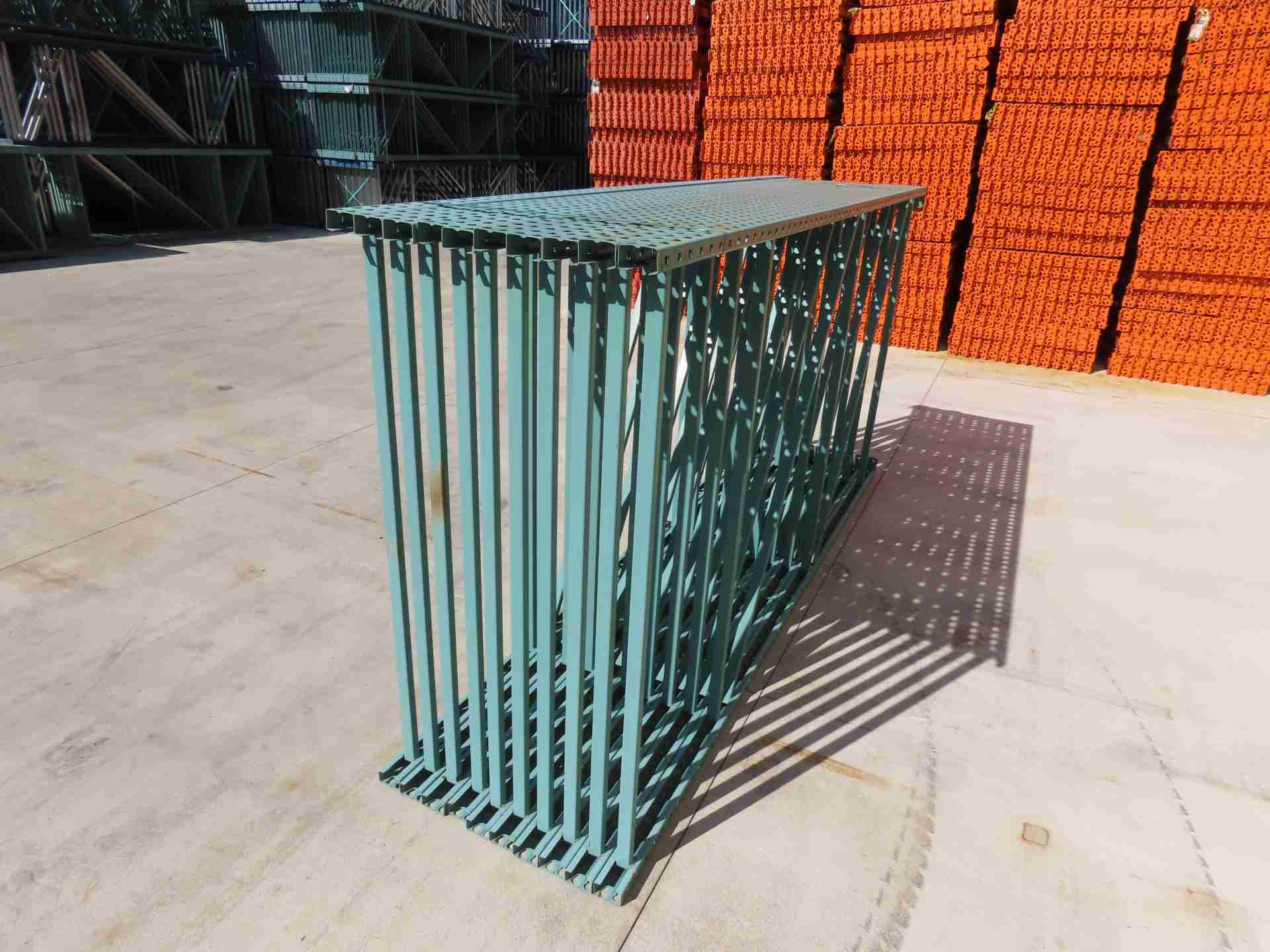
Visual Inspection: Start with a comprehensive visual inspection. Examine the frames, cross beams, and racks for any signs of damage. Look for bends, rust, or cracks. An example of what to watch for can be seen in recent news from a major retailer that faced significant backlash due to safety violations related to damaged racking systems. Imagine the lost revenue and reputational damage that could have been avoided with routine checks! A quick scan can often reveal issues before they escalate.
Check Load Capacities: Next, confirm that your racking systems are not only intact but also operating within their specified load capacities. Each racking system should have a sticker indicating the allowable weight. It’s vital to avoid overloading, as this could lead to catastrophic failures. A recent industry report emphasized that a surprising number of accidents stemmed from misunderstandings about load capacities. Regular training sessions and assessments can mitigate this risk substantially.
Look for Signs of Misalignment: Misalignment occurs when racks sway or become unstable, which can happen due to poor installation or heavy loads. Use a level to ensure that each rack is straight and securely anchored. In a recent case study from a logistics-focused conference, a company reported a 30% drop in workplace accidents after implementing an alignment-checking schedule.
Inspect for Corrosion and Wear: If your racking is exposed to moisture or other corrosive substances, there’s a risk of deterioration. While some wear and tear is natural, consistent exposure can lead to structural weaknesses. Current trends have seen companies investing in protective coatings to prevent rust. Consider whether this could be a worthwhile investment for your existing systems.
Document and Address Problems Promptly: Lastly, take thorough notes on your findings. Documentation helps not only in tracking the condition over time but also in proposing upgrades or replacements as needed. If you discover significant issues, prioritize solutions—whether it’s repairs, replacements, or changes to your racking layout.
In an era where operational excellence can set you apart from competitors, don’t let neglected pallet racking thie away your efficiency. Make assessing the condition of your pallet racking a priority, and safeguard not just your inventory, but your reputation, productivity, and profit.
How Do I Assess The Condition Of Existing Pallet Racking?
How Do I Assess The Condition Of Existing Pallet Racking?
- Pallet racking is essential for operational efficiency, employee safety, and profitability in warehouses and distribution centers.
- Regular assessments of pallet racking conditions should be as routine as checking inventory levels.
- Conduct visual inspections for signs of damage, including bends, rust, or cracks, to prevent operational setbacks.
- Verify that racking systems operate within specified load capacities to avoid catastrophic failures.
- Check for signs of misalignment to ensure safety and stability, using a level to confirm racks are straight.
- Inspect for corrosion and wear, considering protective coatings to prolong the lifespan of racking systems.
- Document findings to track conditions and prioritize necessary repairs or replacements effectively.

How Do I Assess The Condition Of Existing Pallet Racking?
What Additional Equipment Works Well With Pallet Racking?
When it comes to maximizing efficiency in your warehouse or distribution center, it’s not just about installing pallet racking systems. It’s about creating a well-oiled machine where every piece of equipment complements one another to enhance workflow, minimize downtime, and boost profitability. Investing in the right additional equipment can elevate your pallet racking setup from merely functional to extraordinarily efficient.
1. Forklifts and Pallet Jacks
One cannot oversell the importance of reliable forklifts and pallet jacks in a pallet racking system. Electric forklifts, in particular, are gaining popularity due to their low emissions and operational cost efficiency, aligning perfectly with the current trend towards sustainability. The reduced noise levels over traditional gas models mean a more pleasant working environment, encouraging staff productivity. For smaller operations, manual pallet jacks remain an unbeatable choice, marrying simplicity with affordability while still offering ample maneuverability.
2. Cantilever Racks
Pallet racking isn’t just one-size-fits-all. For businesses that handle lengthy items like lumber or pipes, cantilever racks provide the ideal solution. They create vertical storage space without the constraints posed by traditional racking units. This dual setup allows you to optimize available floor space while maintaining accessibility, which is crucial as demand for quick-turn inventory increases, especially in industries like construction and home improvement that have seen a resurging boom.
3. Shelving and Storage Bins
To truly capitalize on your pallet racking setup, consider incorporating shelving units and storage bins. Using shelving for smaller items complements pallet racks perfectly by keeping frequently picked products within easy reach. Currently, companies are experiencing significant supply chain disruptions; hence, ensuring quick access to your most-requested items can be the difference between retaining a customer or losing one. Modular shelving systems can be easily adjusted to fit changing inventory needs, making them a flexible option for fast-paced environments.
4. Warehouse Management Systems (WMS)
Introducing a sophisticated Warehouse Management System can fundamentally transform the efficiency of your pallet racking. A WMS optimizes inventory control, enhances order fulfillment accuracy, and reduces errors. Given today’s increased reliance on e-commerce, a good WMS can help manage space effectively and streamline operations, keeping you ahead of your competitors who might still be relying on outdated systems.
Whether you’re upgrading your current setup or building a new warehouse from the ground up, remember that the goal is synergy. Each piece of equipment must work in concert with your pallet racking for you to reap the maximum benefits. Invest wisely, and you’ll find that the returns are far greater than the initial outlay.

What Additional Equipment Works Well With Pallet Racking?
What Additional Equipment Works Well With Pallet Racking?
- Maximizing warehouse efficiency involves more than just installing pallet racking systems; it requires a cohesive setup.
- Reliable forklifts and pallet jacks are essential; electric forklifts offer low emissions and operational cost efficiency.
- Cantilever racks are ideal for storing lengthy items, optimizing vertical storage without limiting accessibility.
- Shelving units and storage bins complement pallet racks, providing easy access to smaller items, crucial during supply chain disruptions.
- Implementing a Warehouse Management System (WMS) can enhance inventory control and order fulfillment accuracy.
- A well-integrated equipment setup can significantly improve workflow and profitability.
- Investing wisely in the right additional equipment brings greater returns than initial costs.

What Additional Equipment Works Well With Pallet Racking?
How Does Pallet Racking Impact Inventory Management?
When it comes to optimizing inventory management, pallet racking systems prove to be a game changer for businesses in today’s fast-paced market. With supply chains stretching across borders and consumer demand soaring, efficient storage solutions like pallet racking are more crucial than ever. The question isn’t whether to implement such systems, but rather how they can dramatically enhance your operational efficiency, reduce costs, and improve overall profitability.
Consider the example of a prominent e-commerce giant that recently restructured its warehouse following a surge in consumer demand. By implementing an advanced pallet racking system, they increased their storage capacity by 30%, allowing them to accommodate more products without expanding their warehouse footprint. This strategic move didn’t just save space; it turned potential sales losses into a windfall, ensuring that they could meet customer demands without delay. The lesson? Efficient space utilization directly correlates to better inventory levels, which in turn boost sales.
In the landscape of inventory management, accuracy is paramount. A thoughtfully designed pallet racking system facilitates easier stock access, reducing the time spent locating products. For instance, a well-established grocery chain revamped their inventory process by organizing perishable goods on high-density pallet racks, enabling quicker access to items with shorter shelf lives. This reduced spoilage rates by over 25%, leading to significant cost savings and fresher inventory for customers. As global supply chains become increasingly volatile—think disruptions caused by recent geopolitical events—having a nimble inventory system becomes even more critical.
Moreover, modern pallet racking can incorporate technology that provides real-time data on inventory levels and product movement. With the implementation of RFID and barcode systems, businesses can achieve a level of precision that was previously unattainable. Imagine gaining insights into product turnover rates and stock levels with a mere scan. This not only drives informed decision-making but also helps identify slow-moving items that can potentially bog down cash flow.
Pallet racking is not just a storage solution; it’s an essential facet of effective inventory management in the 21st century. As businesses adapt to increasing consumer expectations and complex supply chains, investing in a robust pallet racking system can yield tangible benefits. Whether you’re looking to streamline operations, minimize costs, or enhance customer satisfaction, the right racking solution becomes a foundation, transforming inventory management from a back-end issue into a front-line strategy for success.

How Does Pallet Racking Impact Inventory Management?
How Does Pallet Racking Impact Inventory Management?
- Pallet racking systems optimize inventory management, crucial for today’s fast-paced market.
- Implementing advanced pallet racking can increase storage capacity by up to 30% without expanding warehouse space.
- Efficient space utilization leads to improved inventory levels, driving higher sales and meeting customer demands.
- A well-designed racking system enhances stock access, reducing time spent searching for products.
- Organizing perishable goods on high-density racks can reduce spoilage rates significantly and improve inventory freshness.
- Modern pallet racking incorporates technology like RFID and barcode systems for precise inventory tracking and analysis.
- Investing in pallet racking transforms inventory management into a strategic advantage for businesses.

How Does Pallet Racking Impact Inventory Management?
What Companies Offer Pallet Racking Solutions?
In an ever-evolving marketplace, efficient warehouse management is essential, and the backbone of that efficiency often lies in an effective pallet racking system. As businesses scale and supply chains grow increasingly complex, the need for robust racking solutions has never been more pronounced. Fortunately, a variety of companies are stepping up to provide innovative and effective pallet racking options tailored to diverse operational needs.
1. Steel King Industries
Steel King has set a high standard in the pallet racking realm. Known for their durable steel construction and commitment to safety, they offer a diverse range of racking systems, including selective racking and drive-in solutions. Their focus on customization allows businesses to tailor their systems for unique spatial constraints and operational workflows. Recently, Steel King announced the launch of a new technology platform aimed at optimizing inventory flow, indicating their dedication to integrating cutting-edge technology into traditional warehousing setups.
2. Interlake Mecalux
With a global footprint, Interlake Mecalux provides comprehensive solutions, from simple storage racks to complex automated systems. Their drive-in and push-back racks have garnered acclaim for maximizing space in high-density applications. In light of recent disruptions in the supply chain, they have pivoted to offer quicker installation times and enhanced online resources, empowering businesses to adapt rapidly to changing market conditions.
3. AR Racking
AR Racking is a rising star in the pallet racking landscape, especially across Europe and Asia. Their commitment to innovation is evident in their adjustable rack systems that cater to a variety of industries, from cold storage facilities to retail warehouses. As sustainability becomes a critical concern, AR Racking’s eco-friendly designs align with global efforts to minimize carbon footprints, making them an attractive option for environmentally conscious companies.
4. System Logistics
If you’re looking for an integrated solution, look no further than System Logistics. Renowned for their automated storage systems, they excel at marrying technology with traditional racking. Their automated guided vehicle (AGV) solutions are transforming warehouse efficiency, and recent successful deployments showcase how warehouses can achieve a significant reduction in labor costs while improving speed and accuracy.
5. Rack Builders, Inc.
For those seeking a more tailored approach, Rack Builders, Inc. specializes in custom racking solutions designed with individual business needs in mind. They’ve built a reputation for delivering reliable, cost-effective solutions to small and medium-sized enterprises. Their recent focus on adaptable systems reflects the broader industry trend toward flexibility, enabling clients to grow without the fear of costly overhauls.
With numerous options available, businesses are best served by evaluating their specific needs and consulting with these esteemed companies to find the perfect pallet racking solution to support their growth and operational efficiency. In this competitive landscape, the right racking system can not only save costs but significantly enhance productivity, positioning companies for future success.

What Companies Offer Pallet Racking Solutions?
What Companies Offer Pallet Racking Solutions?
- Efficient warehouse management is crucial in a complex marketplace, with effective pallet racking systems playing a key role.
- Several companies offer innovative pallet racking solutions tailored to diverse operational needs.
- Steel King Industries is known for durable steel construction, offering customizable racking systems and a new technology platform for optimizing inventory flow.
- Interlake Mecalux provides comprehensive racking solutions, emphasizing quick installation and enhanced online resources in response to supply chain disruptions.
- AR Racking focuses on adjustable and eco-friendly racking systems, catering to industries like cold storage and retail while promoting sustainability.
- System Logistics specializes in automated storage systems, utilizing technology to improve warehouse efficiency and reduce labor costs.
- Rack Builders, Inc. offers custom racking solutions for small and medium-sized enterprises, focusing on adaptability and cost-effectiveness.

What Companies Offer Pallet Racking Solutions?
Conclusion
In the competitive world of logistics and warehousing, the key to maximizing efficiency lies in adopting the right pallet racking system. A well-designed racking solution not only organizes your space but dramatically enhances productivity, safety, and profit margins. At RackingWorld.com and Arrow Industrial Sales, we understand that knowing how to navigate this complex landscape can be daunting. But the potential rewards are immense—transforming chaotic storage into a finely tuned operational machine is within your grasp!
With the surge in e-commerce and evolving consumer expectations, the onus is on businesses to improve space utilization and streamline operations continually. Our in-depth resources guide you through the intricate world of pallet racking, from understanding the various types and their applications to learning how to assess and maintain those systems effectively. Moreover, our actionable insights reveal how technology, from Warehouse Management Systems (WMS) to RFID tracking, can enhance inventory management, ensuring that your operations are agile and responsive to market demands.
It’s essential to avoid common pitfalls—underestimating load capacities, neglecting safety protocols, and overlooking routine maintenance can lead to financial losses and unsafe working conditions. Educating yourself on these critical issues not only safeguards your business but also elevates your reputation in a demanding marketplace.
Whether you’re just starting your warehouse journey or seeking to optimize an existing setup, immediate action is necessary. Don’t wait until inefficiencies start harming your bottom line; take the initiative today! Call Arrow Industrial Sales at (574) 349-6575 to get expert advice tailored to your unique needs and gain insights on optimizing your pallet racking systems.
Furthermore, time is of the essence. The logistics landscape is evolving rapidly, and companies that hesitate may find themselves at a disadvantage. Reach out now and seize the opportunity to enhance your operational excellence. With Arrow Industrial Sales by your side, you’ll implement the strategies that set the foundation for future growth and success in your warehousing endeavors.
Your pathway to organized, efficient, and profitable operations begins here. Don’t delay; take action today!

Conclusion
Conclusion:
- Choosing the right pallet racking system is crucial for maximizing warehouse efficiency in logistics and warehousing.
- A well-organized racking solution enhances productivity, safety, and profit margins.
- Resources from RackingWorld.com and Arrow Industrial Sales help navigate the complexities of pallet racking.
- Understanding different racking types and their applications is essential for effective space utilization.
- Technology like Warehouse Management Systems (WMS) and RFID tracking can significantly improve inventory management.
- Awareness of common pitfalls, such as load capacity underestimation and neglect of safety, is vital for safeguarding your business.
- Immediate action is recommended for optimizing warehouse operations; expert advice is available by contacting Arrow Industrial Sales.

Conclusion
Other Resources

Other Resources
Here is a list of other resources you can review online to learn more:
- “ATB Material Handling’s Post”
- “Warehousing Education and Research Council’s Post”
- “MHI: The Association That Makes Supply Chains Work”
- “Mecalux’s Post”
- “Warehousing Education and Research Council’s Post”
- “The New Warehouse’s Post”
- “Pallet Racking Solutions’ Post – Logistics management”
- “Warehousing Education and Research Council’s Post”
Use This Prompt To Get More Resources With Your Favorite Online AI Tool: Please provide me with a list of online articles with their URLs in a bulleted list that I can read regarding How to Learn More About Pallet Racking?
Other Resources
Glossary Terms
How to Learn More About Pallet Racking? – Glossary Of Terms
1. Pallet Racking: A storage system designed to store goods on pallets, using vertical space efficiently.
2. Forklift: A powered industrial vehicle used to lift and move materials over short distances, essential for handling pallet racks.
3. Beam: Horizontal support that holds the pallets, typically adjustable in height.
4. Upright: The vertical component of a racking system that supports the beams.
5. Load Capacity: The maximum weight a pallet rack can safely hold, depending on its design and materials.
6. Pallet: A flat transport structure used to support goods in a stable way while handling, storing, and transporting.
7. Selective Racking: A type of racking that allows for easy access to all pallets, commonly used in warehouses.
8. Drive-In Racking: A high-density racking system that allows forklifts to drive directly into the rack.
9. Push Back Racking: A system where pallets are stored on a sloped track and can be pushed backward into the rack.
10. Flow Racking: A dynamic storage system that uses gravity to move pallets from the back of the rack to the front.
11. Double Deep Racking: A storage option that allows for two pallets to be stored back-to-back, enhancing storage density.
12. Pallet Position: The location within the racking where a pallet is stored, determined based on size and weight considerations.
13. Safety Bar: A component installed to prevent pallets from falling off the racking.
14. End Frame: The outermost vertical section of a racking system that provides structural integrity.
15. Rack Protector: A safety component designed to shield racking from damage caused by forklifts or equipment.
16. Aisle Width: The space between racks to allow for forklift access, affecting layout efficiency.
17. Rack Inspection: The process of assessing racking systems to ensure safety and compliance with standards.
18. Permitted Load: The weight limit specified by manufacturers for a pallet rack configuration.
19. Accessories: Additional components like wire decking, dividers, or lights that enhance racking functionality.
20. Pallet Depth: The dimension of the pallet that determines the depth of the racking needed.
21. Zoning: The practice of organizing warehouse storage by product type or turnover rate to improve efficiency.
22. Warehouse Management System (WMS): Software that helps manage inventory and optimize the layout of storage systems, including pallet racks.
23. Assembly Instructions: Guidelines provided by manufacturers for the proper construction and setup of racking systems.
24. Space Optimization: Efficient use of available space in a warehouse, often aided by strategic racking design.
25. Compliance Standards: Regulations and guidelines that racking systems must adhere to for safety and operational effectiveness.
26. Disassembly: The process of taking apart a racking system, often for relocation or repair.
27. Installation: The procedure of setting up a pallet racking system, often requiring skilled labor.
28. Maintenance: Routine checks and repairs performed on racking systems to ensure they remain functional and safe.
29. Vertical Space Utilization: The practice of maximizing height in warehousing through the use of tall racking systems.
30. Inventory Turnover: A measure of how frequently inventory is sold and replaced, influencing racking decisions and layouts.

Glossary Of Terms
Other Questions
How to Learn More About Pallet Racking? – Other Questions
If you wish to explore and discover more, consider looking for answers to these questions:
- What are the various benefits of using pallet racking in warehouses?
- How does pallet racking impact warehouse safety?
- What is the cost of installing a pallet racking system?
- How can I determine the right pallet racking system for my specific inventory needs?
- What are the steps involved in maintaining pallet racking systems over time?
- What training is available for employees on the proper use of pallet racking?
- How do environmental factors affect the choice of pallet racking systems?
- What innovations are emerging in pallet racking technology?
- What are the key metrics for evaluating the effectiveness of a pallet racking system?
- Can pallet racking systems be customized for specific industries?

Other Questions
Checklist
How to Learn More About Pallet Racking? – A Checklist
. Explore Online Resources
_____ Visit websites like Material Handling Industry (MHI) and Warehousing Education and Research Council (WERC)
_____ Access white papers, case studies, and webinars on pallet racking systems
_____ Stay updated on the latest trends and technologies in pallet racking
2. Attend Industry Trade Shows
_____ Identify and mark your calendar for upcoming events like ProMat or Modex
_____ Network with industry professionals and learn best practices
_____ Engage directly with manufacturers to learn about new products
3. Engage on Social Media
_____ Join LinkedIn groups and follow discussions related to pallet racking
_____ Follow industry leaders and companies specializing in materials handling
_____ Participate in dialogues and ask questions to gain insights
4. Invest in Professional Development
_____ Research and enroll in online courses related to warehouse management and pallet racking
_____ Consider certifications that can enhance your expertise
_____ Dedicate time for ongoing education to stay informed
5. Gain Practical Experience
_____ Spend time in your warehouse to observe pallet racking systems in action
_____ Engage with your team to gather insights and identify improvement areas
_____ Apply learned concepts from resources and training in real-life scenarios
6. Assess Your Current Pallet Racking Systems
_____ Perform visual inspections for damage like bends, rust, or cracks
_____ Verify load capacities and ensure compliance with weight limits
_____ Check for signs of misalignment and wear
7. Review Safety Regulations
_____ Familiarize yourself with OSHA and ANSI regulations related to pallet racking
_____ Implement regular inspections to maintain safety compliance
_____ Train staff on load capacities and safe usage protocols
8. Make Informed Purchasing Decisions
_____ Analyze your inventory to determine the best pallet racking system fit
_____ Consider vertical space utilization and future expansion needs
_____ Evaluate safety features, compliance, and budget constraints
9. Regular Maintenance and Upkeep
_____ Establish a maintenance schedule for routine inspections and cleaning
_____ Document findings and take corrective actions for any issues identified
_____ Keep a record of repairs and upgrades made
10. Leverage Additional Equipment
_____ Assess the need for forklifts, pallet jacks, and other tools that complement your racking
_____ Consider implementing a Warehouse Management System (WMS)
_____ Invest in automation tools for efficiency and accuracy
11. Continuous Improvement
_____ Stay adaptable; reassess your racking configuration as business needs change
_____ Seek feedback from your team on operational efficiency and safety
_____ Track performance metrics and adjust systems for optimal productivity
By following this checklist, you will be well-equipped to enhance your understanding and implementation of pallet racking systems, ultimately leading to improved warehouse efficiency and operational success.

Checklist
At RackingWorld, we help guide you through selecting warehouse storage systems and racking.
Be sure to read our other related stories at RackingWorld to learn more about warehouse storage systems.
0 Comments