
Optimizing Inventory With Dynamic Racking Systems
By Tom Seest
At RackingWorld, we help guide you through selecting warehouse storage systems and racking.
Be sure to read our other related stories at RackingWorld to learn more about warehouse storage systems.
Can Dynamic Racking Systems Enhance Inventory Management?
Imagine walking into your warehouse, and instead of chaos, you see seamless organization. The aisles are clear, and every product is precisely where it belongs. Welcome to the world of dynamic racking systems—a game-changer in inventory management.
Pallet racking has long been the backbone of warehouse storage. However, traditional systems can lead to wasted space, inefficiencies, and frustrating stockouts. The evolution to dynamic racking is not just about keeping up with trends; it’s about transforming your operations into a finely-tuned machine. These systems utilize gravity and advanced engineering to allow for better turnover of inventory and quick access to goods. Just think of it: no more searching through endless rows to find a single item.
Dynamic racking is more than just an upgrade; it’s a strategic move to enhance your bottom line. By optimizing your warehouse layout, you reduce labor costs and decrease the likelihood of error. Fast-moving products can be brought to the forefront, ensuring that your team is always working on the most important items. With features designed for flexibility and expansion, this system can grow alongside your business. You’ll find that every square foot of your space is utilized efficiently, leading to significant cost savings and happier employees.
Now, you might be wondering if investing in such a system is right for you. The answer is simple: If you aspire to streamline operations and serve your customers better, then dynamic racking systems are a no-brainer. Trust me; this is not just a trendy buzzword. It’s a proven solution that has helped countless businesses, just like yours, turn disarray into order.
Picture this: Inventory that flows like a well-oiled machine, shelves that adjust to your needs, and a workspace that promotes productivity. By leveraging dynamic racking, you’ll not only improve your inventory management but also elevate your entire operation.
Ready to take the plunge? Consider starting with a consultation to see how dynamic racking can tailor to your unique requirements. When you enhance your inventory management, you’re not just investing in racks; you’re investing in the future of your business. Don’t let another day slip by without maximizing your potential. Embrace dynamic racking—a smarter way to manage your inventory and watch your profits soar!
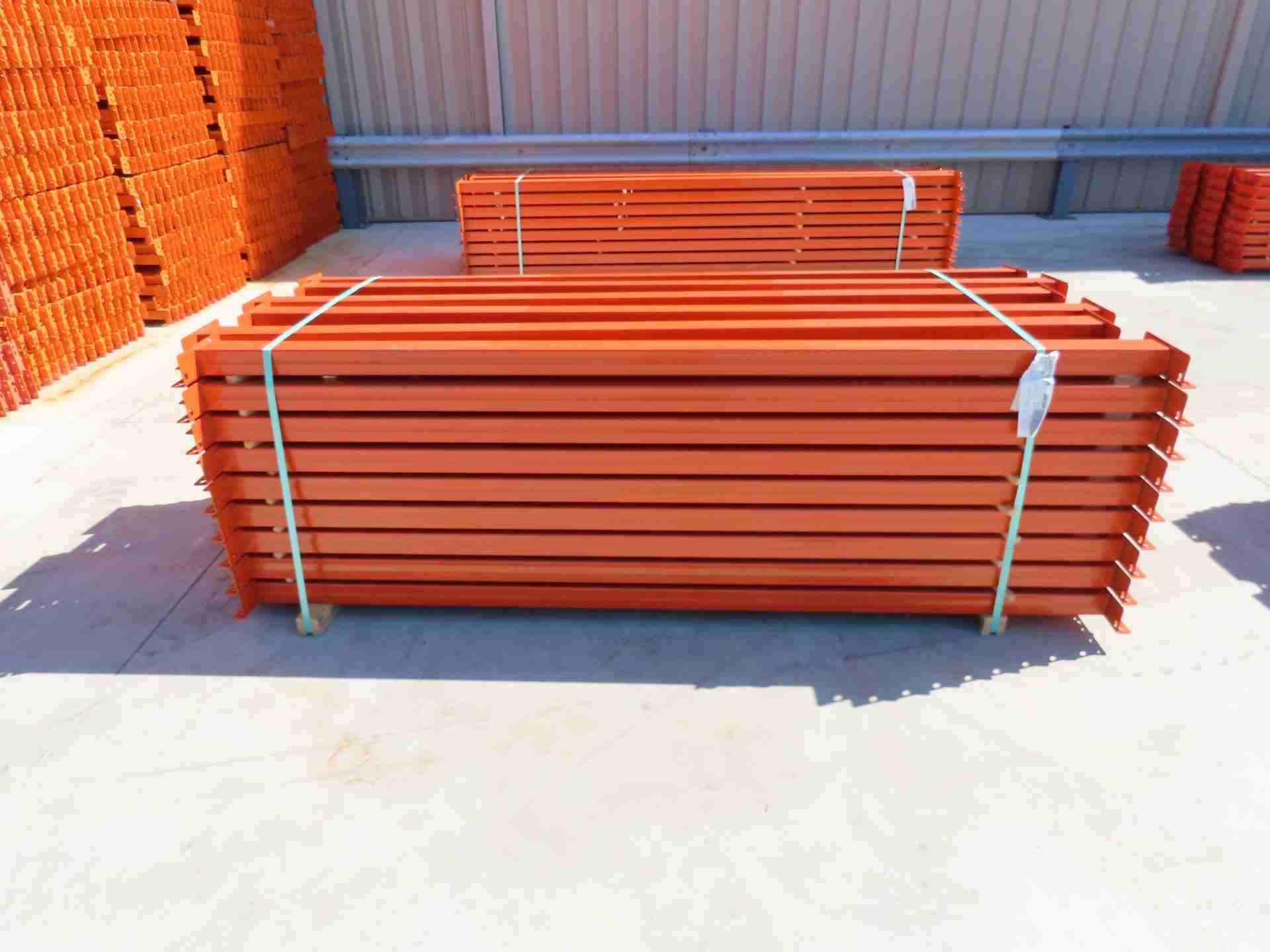
Can Dynamic Racking Systems Enhance Inventory Management?
Can Dynamic Racking Systems Enhance Inventory Management?
- Dynamic racking systems enhance warehouse organization and efficiency.
- Traditional pallet racking can lead to wasted space and stockouts.
- Dynamic racking uses gravity and advanced engineering for better inventory turnover.
- Optimizing warehouse layout reduces labor costs and minimizes errors.
- Flexible and expandable, dynamic racking can grow with your business needs.
- Investing in dynamic racking systems is a strategic move for better operations.
- Consultations can help tailor dynamic racking solutions to individual business requirements.
Can Dynamic Racking Systems Enhance Inventory Management?
Table Of Contents
- Can Dynamic Racking Systems Enhance Inventory Management?
- What Are Dynamic Racking Systems And How Do They Work?
- How Can Dynamic Racking Optimize Space In Warehouses?
- What Are The Benefits Of Using Dynamic Racking For Inventory?
- Are Dynamic Racking Systems Suitable For All Types Of Products?
- How Do Dynamic Racking Systems Improve Picking Efficiency?
- What Are The Cost Implications Of Implementing Dynamic Racking?
- Conclusion
- Other Resources
- Glossary Of Terms
- Other Questions
- Checklist
What Are Dynamic Racking Systems And How Do They Work?
Dynamic racking systems are revolutionizing the way businesses manage their inventory, taking pallet racking to an entirely new level. Imagine an efficient, automated solution that not only maximizes your storage space but also accelerates your picking process. Yes, that’s the power of dynamic racking systems. These intelligent structures are designed to facilitate high-density storage by utilizing gravity and advanced engineering to move products seamlessly within your warehouse.
At their core, dynamic racking systems integrate specialized storage methods, such as push-back and flow racks, that significantly enhance your operational efficiency. Instead of the traditional pallet racking that requires extensive manual handling, these systems allow products to glide smoothly along inclined tracks or rails, ensuring that the first item placed is always the first one picked. This makes them an excellent choice for businesses with high turnover rates or varied assortments of products.
You might be wondering, “How does this really work for me, though?” Consider your current inventory process. Are your employees wrestling with heavy loads or spending too much time locating items? Transitioning to a dynamic racking setup not only mitigates these challenges but also creates a streamlined workflow that can boost productivity by up to 30%. Your workforce can spend less time searching, lifting, and transporting items, and more time engaging in higher-value activities that propel your business forward.
Moreover, dynamic racking systems foster better organization within your warehouse. By automatically organizing SKUs effectively and facilitating faster picking, your operations can respond quickly to market demands and customer needs. This level of agility is especially crucial in today’s fast-paced economy. The high-density storage capabilities enable businesses of all sizes to maximize their real estate — meaning less wasted space and more profitability.
Now, picture the long-term benefits as well. Investing in a dynamic racking system not only enhances the efficiency of your current operations but also lays the groundwork for scalable growth. As your business expands, you can adjust and optimize your storage solution without the complexity and expense of a complete overhaul.
In essence, dynamic racking systems simplify your inventory challenges in a way that is both innovative and practical. Take the leap towards transformation, and experience the freedom of a warehouse that truly works for you. Your future self will thank you!
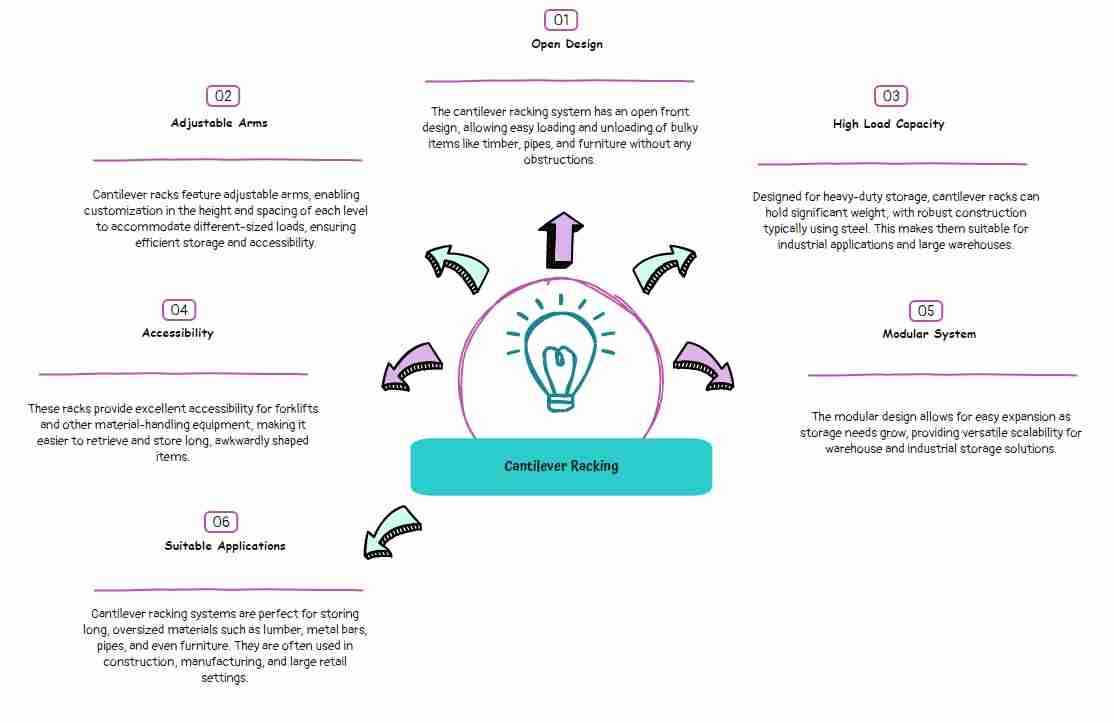
What Are Dynamic Racking Systems And How Do They Work?
What Are Dynamic Racking Systems And How Do They Work?
- Dynamic racking systems revolutionize inventory management, enhancing pallet racking efficiency.
- These automated solutions maximize storage space and accelerate the picking process.
- Integrate specialized methods like push-back and flow racks, improving operational efficiency.
- Allows for smooth movement of products, ensuring FIFO (First In, First Out) picking.
- Streamlines workflows, potentially boosting productivity by up to 30%.
- Enhances organization and responsiveness to market demands, reducing wasted space.
- Investing in dynamic racking systems supports scalability and simplifies inventory management.
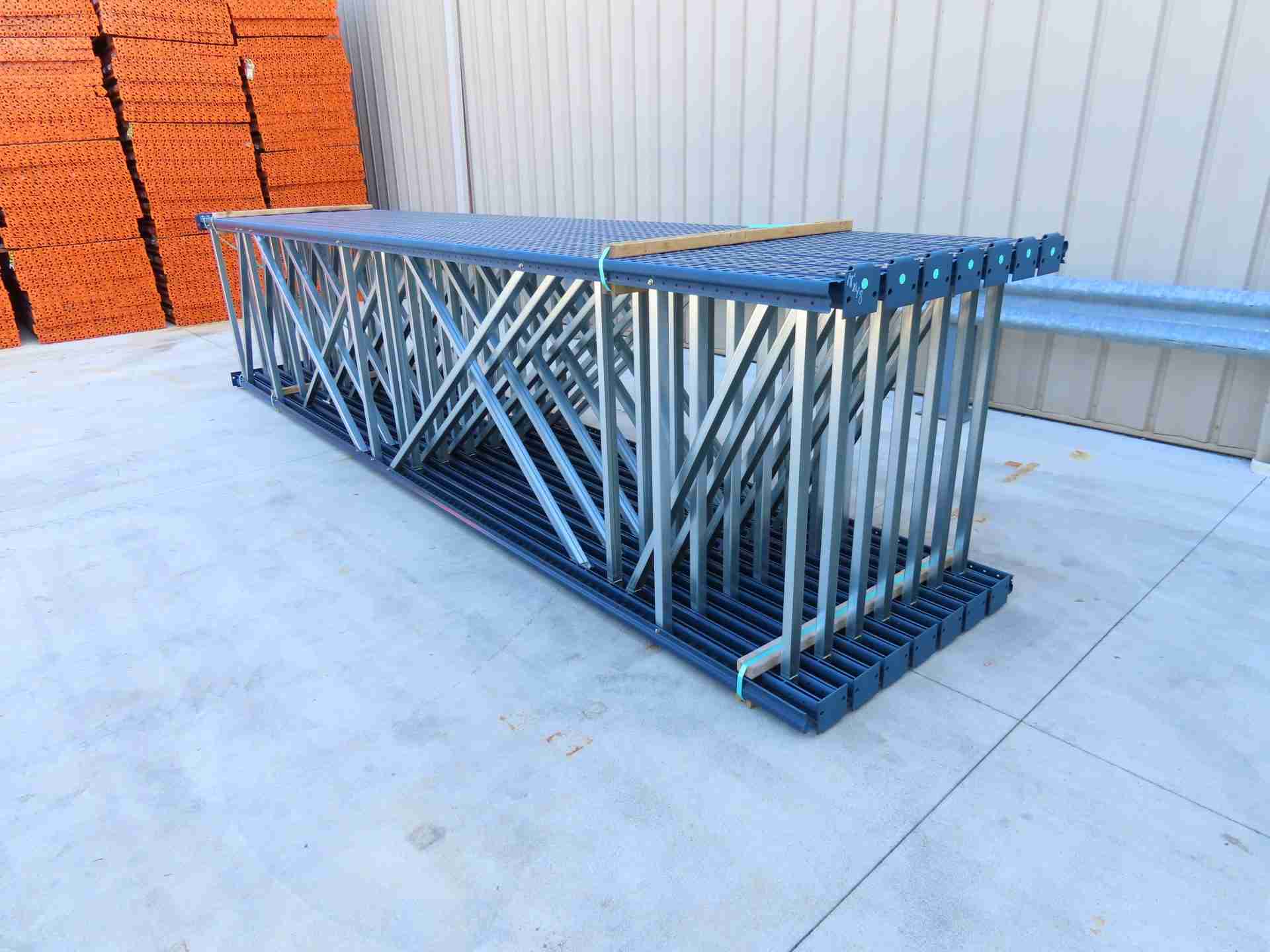
What Are Dynamic Racking Systems And How Do They Work?
How Can Dynamic Racking Optimize Space In Warehouses?
How Can Dynamic Racking Optimize Space in Warehouses?
Picture this: your warehouse is bustling with activity, yet you can’t shake the nagging feeling that you’re not utilizing every square inch of space. You’re not alone. Many warehouse managers face the same challenge, but here’s where the game changes—dynamic racking can be your warehouse’s secret weapon.
Dynamic racking takes the concept of traditional pallet racking and cranks it up to eleven. Unlike static systems that merely hold pallets in fixed positions, dynamic racking systems offer flexibility and efficiency that can revolutionize the way you think about storage. Picture a system that adapts to the ebb and flow of your inventory—one that makes it effortlessly easy to access your stock while dramatically minimizing wasted space.
So, how does it work? Imagine a system of lanes that automatically positions pallets based on activity levels. High-demand products glide to the front, ready for picking, while slower-moving items take a backseat. The result? Increased accessibility and reduced handling time. Your warehouse operates like a well-oiled machine, allowing your team to focus on what truly matters—serving your customers with speed and accuracy.
Now, you might be asking yourself, is it really worth the investment? Trust me when I say the numbers speak for themselves. By maximizing your storage capacity, dynamic racking not only reduces your operational costs but also elevates your overall productivity. The space you gain can be repurposed for additional inventory or can facilitate smoother workflows—whichever way you slice it, you stand to gain.
Moreover, when you invest in a dynamic racking system, you’re not just upgrading your storage; you’re investing in a peace of mind that your operations are as efficient as they can be. The fear of outgrowing your current space? A thing of the past! With the right solution, you can scale your business with confidence, knowing that your warehouse is primed for whatever growth comes your way.
Dynamic racking is more than just a storage solution; it’s an invitation to rethink how you manage your inventory. Ready to optimize your warehouse space and unleash its full potential? Embrace dynamic racking and transform your operations—because success starts with utilizing every square foot to its fullest.
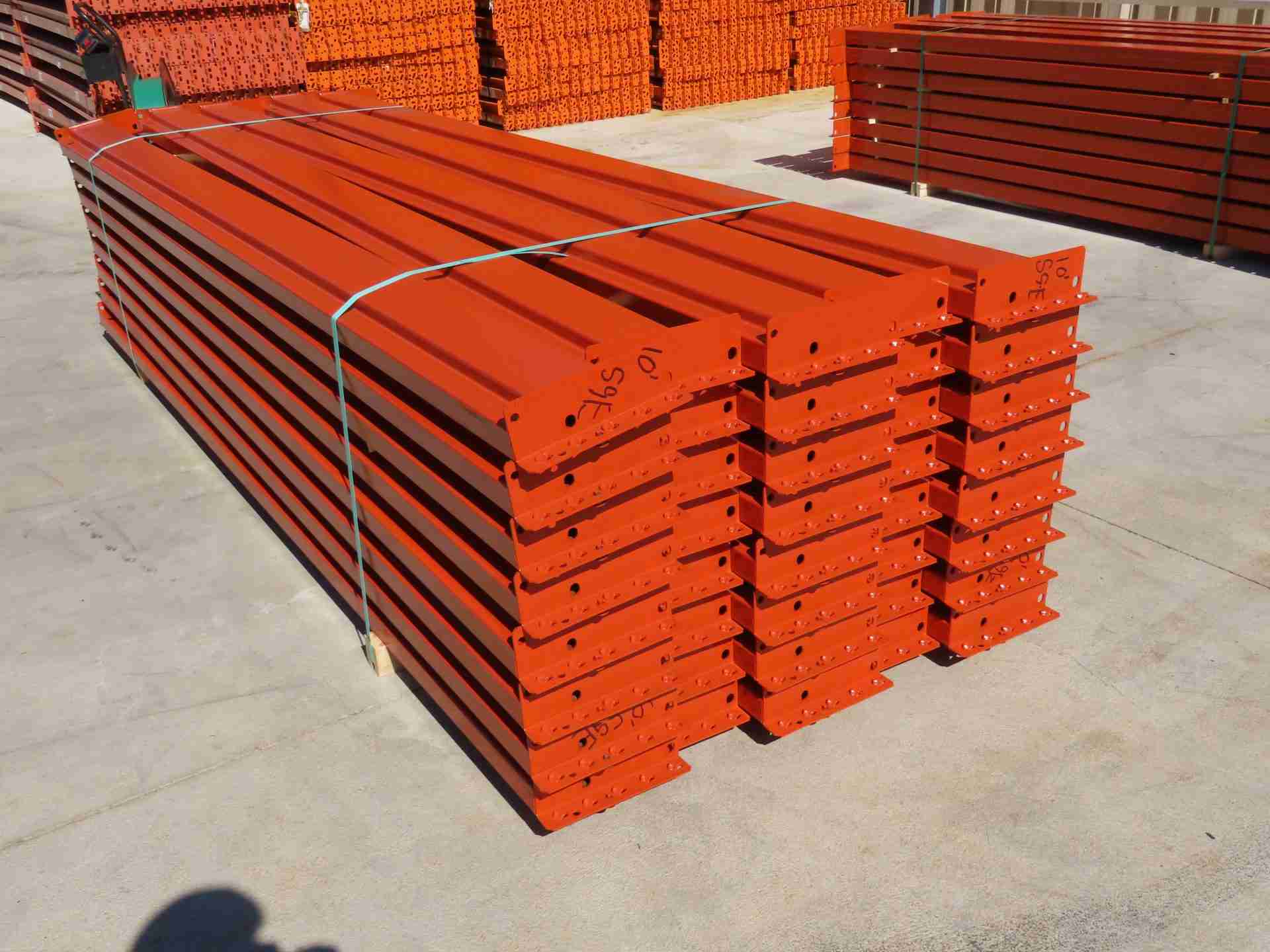
How Can Dynamic Racking Optimize Space In Warehouses?
How Can Dynamic Racking Optimize Space In Warehouses?
- Dynamic racking optimizes warehouse space by enhancing flexibility and efficiency beyond traditional pallet racking.
- This system adapts to inventory levels, making it easy to access high-demand products while minimizing waste.
- Organizes pallets in lanes based on activity, resulting in increased accessibility and reduced handling time.
- Maximizes storage capacity, reducing operational costs and elevating overall productivity.
- Repurposed space can be used for additional inventory or improved workflows, enhancing operational effectiveness.
- Investing in dynamic racking offers peace of mind regarding efficiency and scalability for business growth.
- Encourages a rethinking of inventory management, using every square foot of space to its fullest potential.
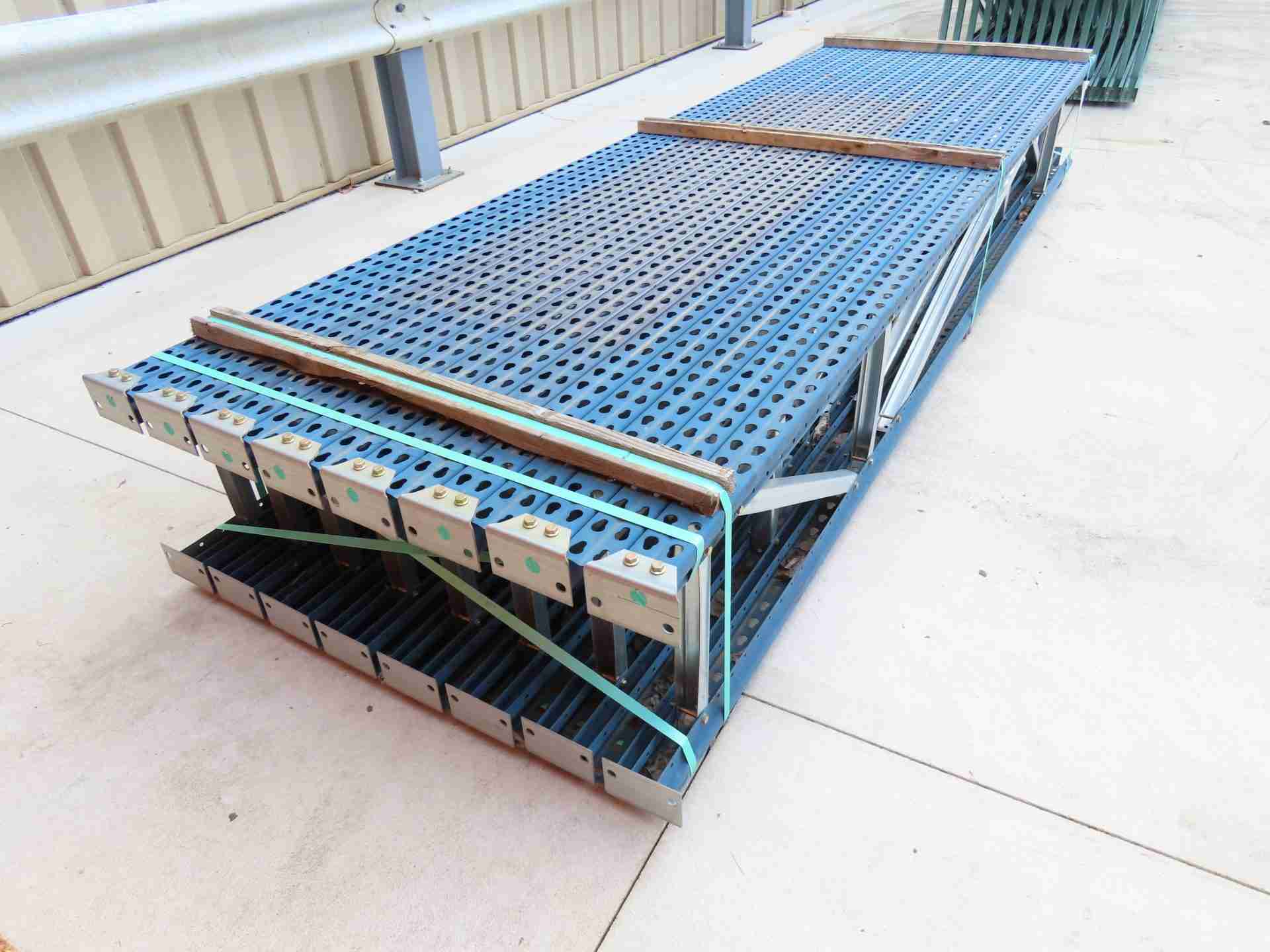
How Can Dynamic Racking Optimize Space In Warehouses?
What Are The Benefits Of Using Dynamic Racking For Inventory?
When it comes to optimizing your inventory management, there’s no one-size-fits-all solution. But if you’re looking to push your operation to the next level, dynamic racking systems could be the game-changer you’ve been searching for. Imagine walking into your warehouse and seeing a perfectly organized space, where each item is accessible, visible, and accounted for. That’s the power of dynamic racking.
Dynamic racking, particularly in the context of pallet racking systems, is designed to maximize storage efficiency while reducing operational costs. Take a moment to think about the layout of your current space. Are your products stacked high and hard to reach? Do you often find yourself digging through layers of pallets, losing valuable time and risking damage to your goods? By embracing dynamic racking, you can dramatically improve accessibility. With its innovative, flow-based design, products are delivered just-in-time, enhancing both speed and accuracy in order fulfillment.
Now, let’s talk about saving money—because who doesn’t want that? One of the standout benefits of using dynamic racking systems is their ability to reduce labor costs. Your employees can swiftly navigate the system, cutting down on time spent locating and retrieving inventory. Quicker access means faster turnarounds, allowing your team to tackle more tasks and ultimately boosting productivity. Increased efficiency translates into a healthier bottom line.
Additionally, dynamic racking can significantly reduce product damage. How often have you winced at the sight of a crushed pallet due to mishandling or poor stacking methods? With a well-designed pallet racking system, the risk of accidents diminishes, safeguarding your assets while giving you peace of mind.
Moreover, the adaptability of dynamic racking cannot be understated. As your business grows and evolves, so too do your storage needs. These systems can be easily reconfigured to accommodate changes in inventory volume or product types, making them a future-proof investment that grows alongside your business.
Finally, let’s not overlook the additional safety benefits that come from organized inventory. A well-structured environment makes it easier for employees to work, reducing the likelihood of accidents and fostering a more engaged workforce.
In summary, dynamic racking for inventory is not just a trend; it’s a strategic approach to modern warehousing that can supercharge your operations. By maximizing space, cutting costs, and enhancing safety, it allows you to nurture your success while making life easier for your team. Don’t just store your inventory—optimize it with dynamic racking. Your business (and your employees) will thank you!

What Are The Benefits Of Using Dynamic Racking For Inventory?
What Are The Benefits Of Using Dynamic Racking For Inventory?
- Dynamic racking systems optimize inventory management without a one-size-fits-all solution.
- Designed for pallet racking, these systems maximize storage efficiency and minimize operational costs.
- Dynamic racking enhances accessibility, reducing time spent locating and retrieving inventory.
- Labor costs decrease as employees navigate the system more swiftly, boosting productivity and turnaround times.
- Improved design significantly reduces product damage from mishandling and poor stacking.
- Dynamic racking is adaptable, allowing for easy reconfiguration as business needs change.
- A well-structured inventory environment increases employee safety and engagement, contributing to overall success.
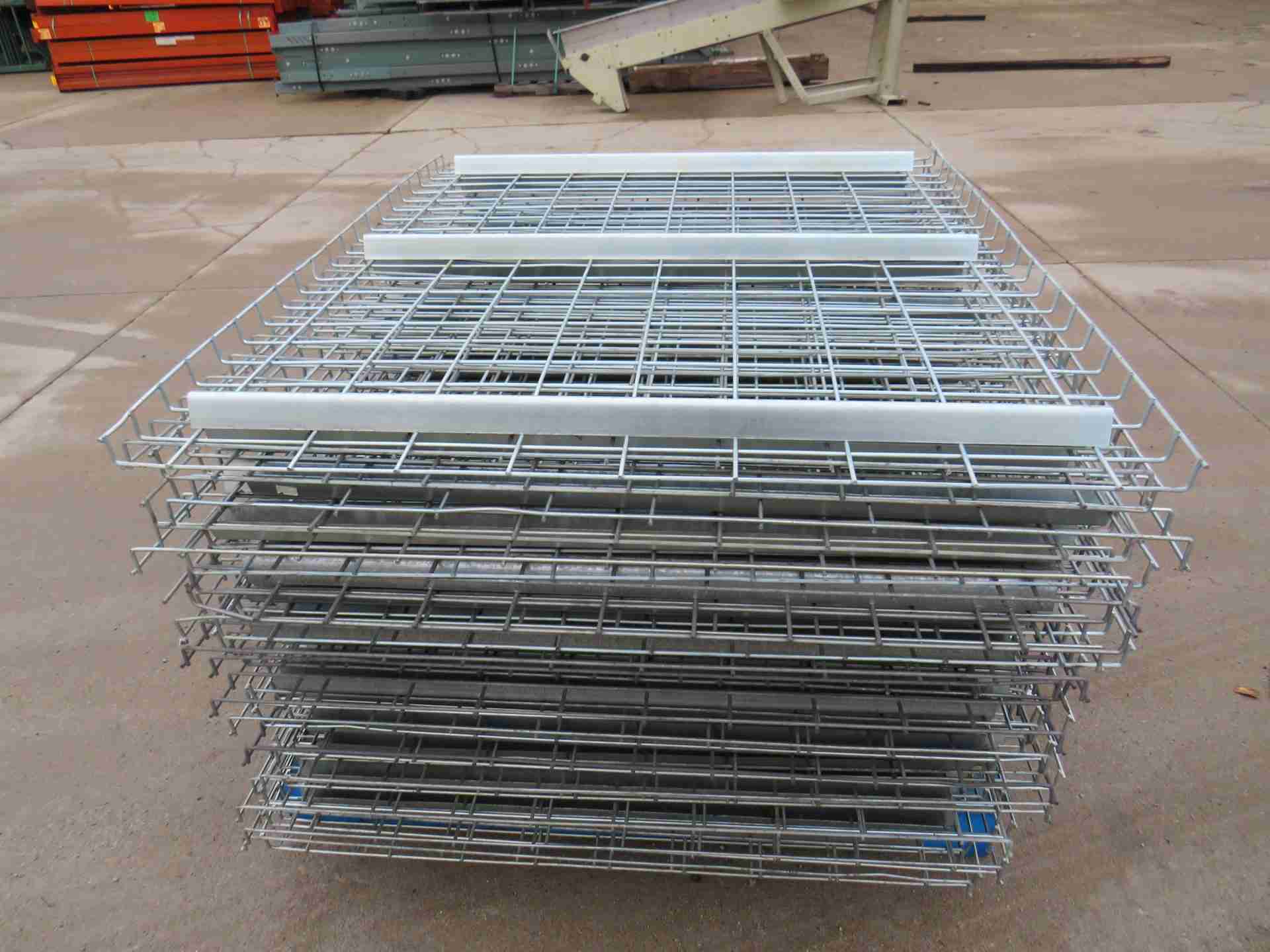
What Are The Benefits Of Using Dynamic Racking For Inventory?
Are Dynamic Racking Systems Suitable For All Types Of Products?
When it comes to maximizing storage efficiency, dynamic racking systems emerge as a game-changer. But a pressing question lingers: Are these systems suited for all types of products? Let’s delve into this intriguing inquiry, shedding light on how dynamic solutions can be tailored to your specific needs.
Dynamic racking systems, particularly in the realm of pallet racking, offer unparalleled flexibility and speed. They’re designed for high-volume warehouses, ensuring that every inch of space is utilized to its fullest potential. Imagine a bustling warehouse where product accessibility is as effortless as flipping a light switch. With dynamic systems, your inventory flows seamlessly from back to front, making restocking and retrieval a breeze. If you handle an extensive array of goods, the efficiency these systems provide is hard to rival.
However, not every product is a perfect fit for dynamic racking. Consider highly fragile or perishable items—these products require gentle handling and precise storage that might not align with the rapid motion of dynamic systems. Fluidity in your operations doesn’t mean you can throw caution to the wind. Products that demand careful oversight and delicate maneuvering might require more traditional forms of pallet racking that prioritize stability and protection.
Conversely, think about the types of products that thrive in a dynamic setup. High-turnover items—like consumer electronics during peak seasons, or popular seasonal decorations—are ideal candidates. These products crave the speed and accessibility that dynamic systems provide, allowing your warehouse to respond swiftly to demand.
Investing in a dynamic racking system should be viewed as an opportunity to enhance your operational prowess. Before making a decision, conduct a comprehensive evaluation of your inventory. Identify which products can utilize the speed of dynamic solutions and which should remain securely in static configurations.
Remember, the goal is to balance efficiency with the delicate nature of your products. When strategically deployed, dynamic racking systems can be your secret weapon in streamlining operations and propelling growth. Don’t settle for a one-size-fits-all approach; explore the potential of dynamic systems within the specific context of your inventory. It’s all about making smart choices that align with your business goals—maximizing productivity while keeping your products safe and sound.
In the world of warehousing, embracing dynamic racking could transform your operations—and that is indeed a step worth taking.
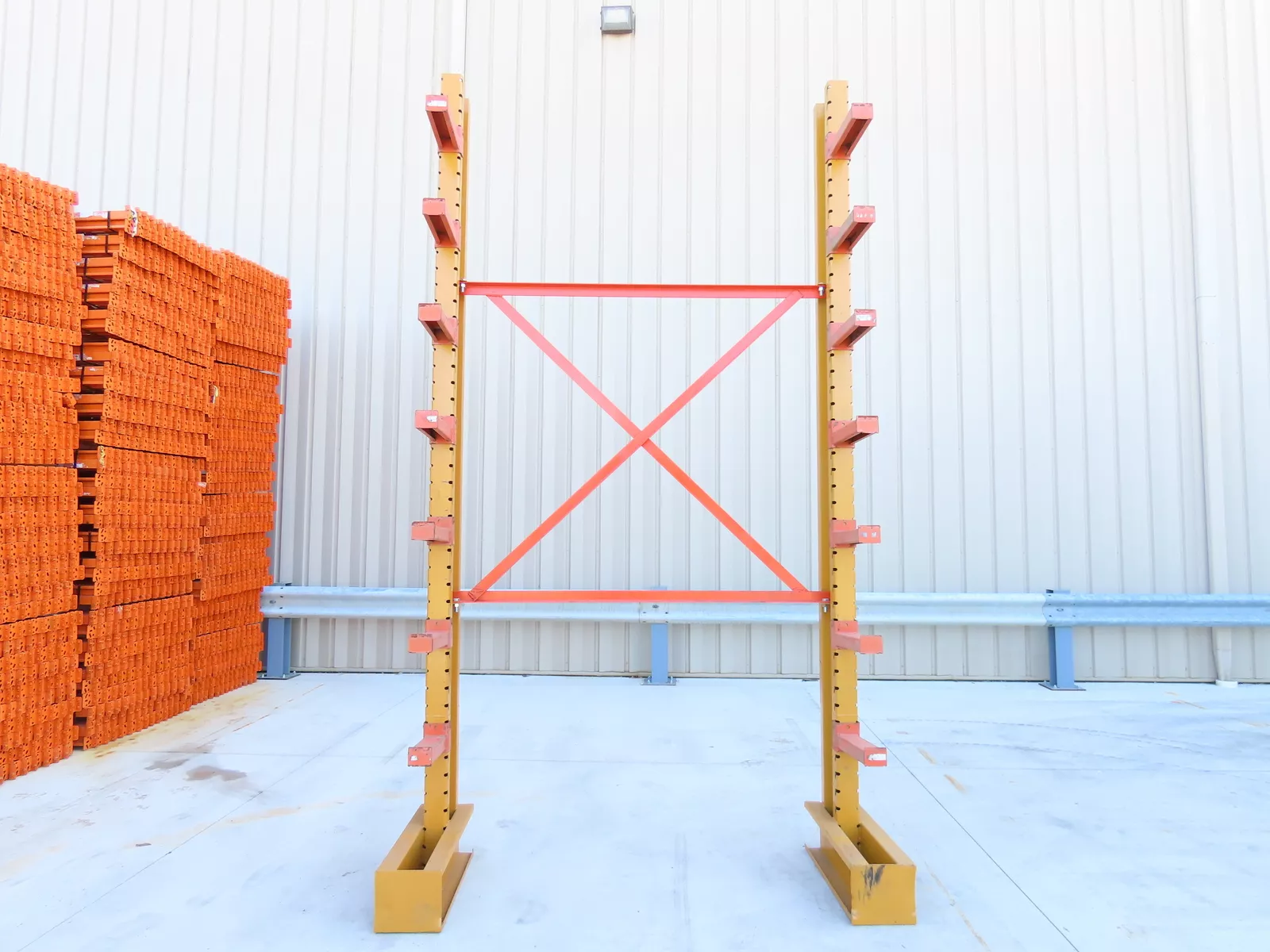
Are Dynamic Racking Systems Suitable For All Types Of Products?
Are Dynamic Racking Systems Suitable For All Types Of Products?
- Dynamic racking systems enhance storage efficiency in high-volume warehouses.
- These systems offer flexibility and speed, making product accessibility effortless.
- Dynamic racking is not suitable for all product types, especially fragile or perishable items.
- High-turnover items, such as consumer electronics, benefit significantly from dynamic systems.
- A comprehensive evaluation of inventory is essential before investing in dynamic racking.
- Strive for a balance between operational efficiency and product safety.
- Dynamic racking systems can streamline operations and support growth when strategically implemented.

Are Dynamic Racking Systems Suitable For All Types Of Products?
How Do Dynamic Racking Systems Improve Picking Efficiency?
In the bustling world of warehousing and distribution, where every second counts and every square foot of space is an asset, dynamic racking systems have emerged as the unsung heroes of efficiency. Imagine walking into a warehouse bustling with activity. You see forklifts navigating narrow aisles, employees zipping around, and stacks of merchandise awaiting their moment to shine. Amidst this organized chaos, dynamic racking systems stand out as a game-changer in the quest for optimal productivity.
At the heart of dynamic racking is the simple yet powerful concept of movement. Unlike traditional pallet racking, which can often feel like a static mountain of goods, dynamic systems offer a fluidity that enhances picking operations. Imagine rows of pallets gliding smoothly in and out, allowing operators to easily access the products they need without the cumbersome delays. Picture your team, empowered by a layout that has been meticulously crafted to reduce travel time and streamline processes, smiling as they accomplish their tasks with newfound ease.
But what does this really mean for those of us on the front lines of warehousing? It means fewer headaches and less frustration. No more wasting precious minutes searching for items or maneuvering around obstacles. The result? A dramatic boost in picking efficiency. When products can be accessed quickly and easily, your operation runs like a well-oiled machine. More orders fill your shipping dock, and customers are left raving about your rapid fulfillment. You become the warehouse superhero of your industry—super efficient, super responsive.
Let’s face it. In today’s fast-paced market, customers expect their goods faster and with impeccable accuracy. Dynamic racking systems are engineered to meet, if not exceed, these expectations. The top-quality materials and intelligent designs mean these systems aren’t just an investment in storage—they’re an investment in your brand’s reputation and future success.
So why wait? Step into the future of warehousing with dynamic racking systems. By transforming your pallet racking strategy, you’re not just optimizing your space; you’re positioning your business for growth and success. Trust us, when you enhance your picking efficiency, you’re not just rearranging items on shelves; you’re revolutionizing the way your team works and the service you provide to your customers. Invest in a dynamic racking system today, and watch as your efficiency—and perhaps even your profit—soars to new heights.
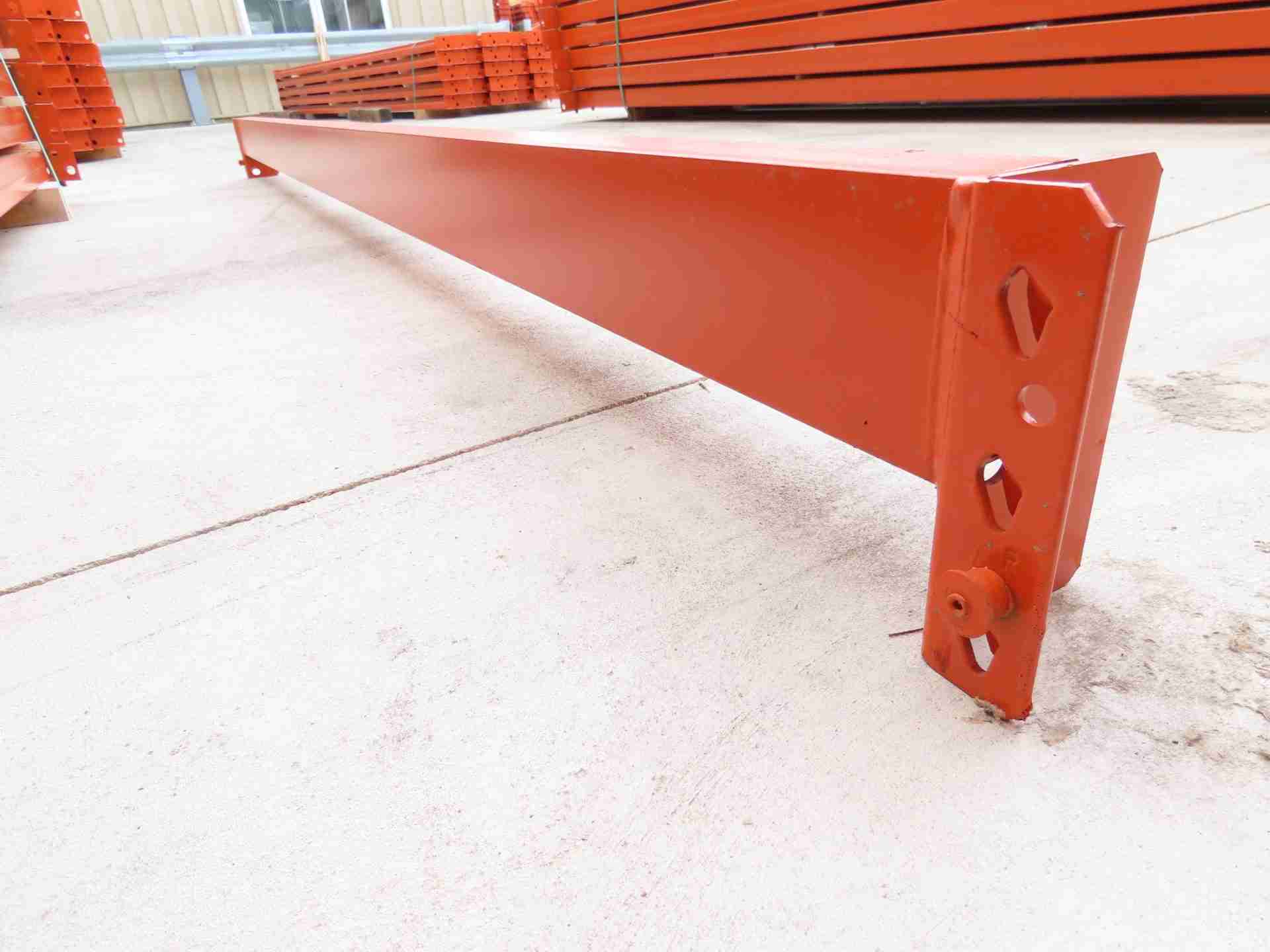
How Do Dynamic Racking Systems Improve Picking Efficiency?
How Do Dynamic Racking Systems Improve Picking Efficiency?
- Dynamic racking systems enhance efficiency in warehousing and distribution.
- They provide a fluid movement of goods, improving picking operations compared to traditional static racking.
- The design reduces travel time and streamlines processes for warehouse employees.
- Fewer delays result in increased picking efficiency and quicker order fulfillment.
- These systems help meet customer expectations for fast and accurate deliveries.
- Investing in dynamic racking is an investment in brand reputation and future success.
- Transforming pallet racking strategies positions businesses for growth and boosts overall profitability.
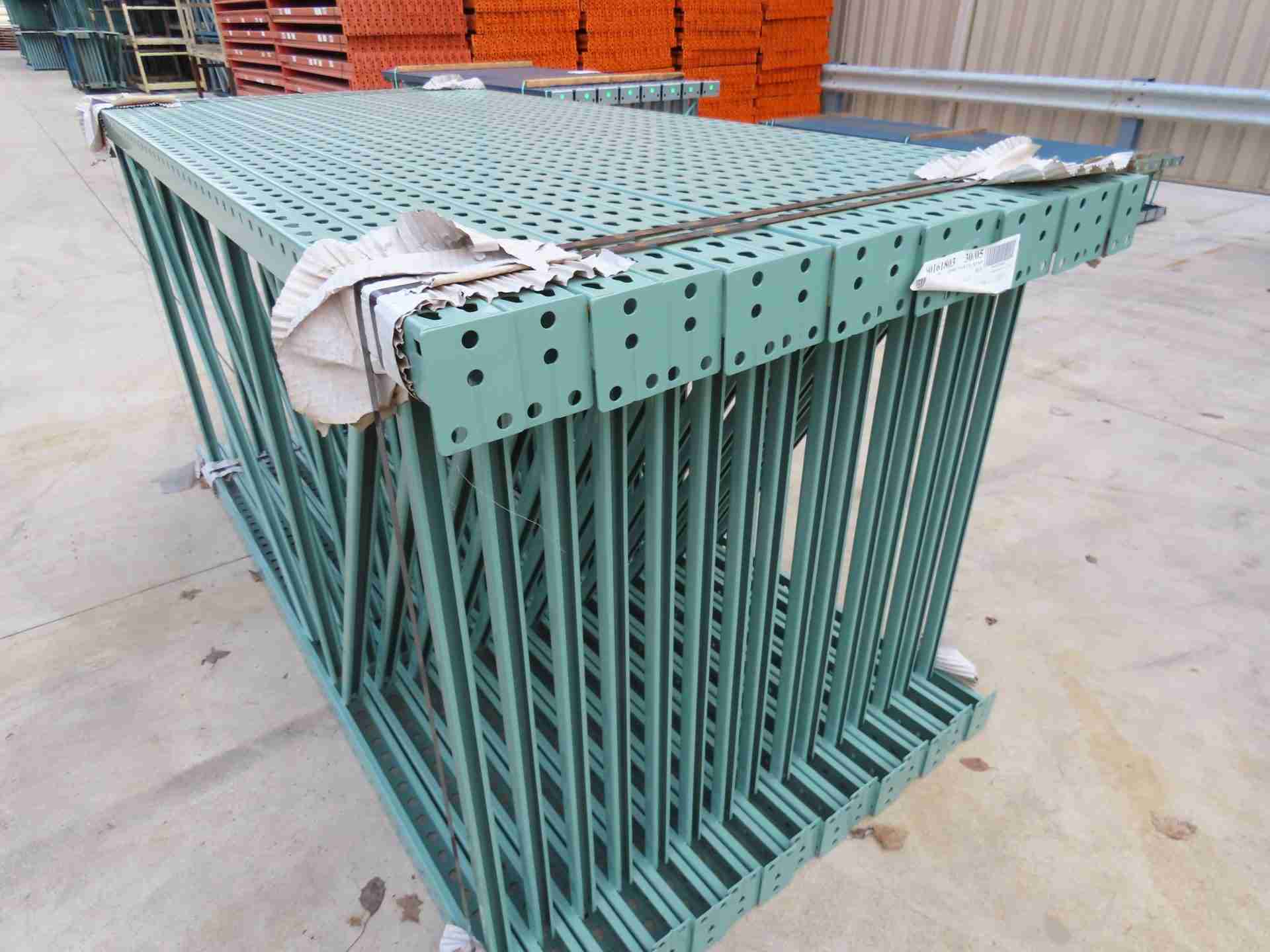
How Do Dynamic Racking Systems Improve Picking Efficiency?
What Are The Cost Implications Of Implementing Dynamic Racking?
When it comes to optimizing space and enhancing the efficiency of your warehouse, dynamic racking is more than just a trend—it’s a game-changer. But let’s address the elephant in the room: cost. Many business owners ponder, “What will it really cost me to implement dynamic racking, and will the investment pay off?”
First, consider this: Pallet Racking has proven to be a trustworthy storage solution for countless businesses. It provides a means to organize products effectively, but dynamic racking takes this to a whole new level. With its ability to adjust to your inventory’s unique needs—whether it’s fluctuating volumes or seasonal changes—this system can significantly reduce the risk of overstocking and underutilization.
Now, the initial cost of dynamic racking may appear daunting. Customized designs, installation, and associated labor can add up quickly. However, think of this as an investment in the backbone of your operations, not merely an expense. A well-planned dynamic racking system can optimize your warehouse space, allowing you to store more products in less area. Imagine doubling—or even tripling—your inventory capacity without the need for a costly expansion. This equates to higher sales potential, which can quickly offset those initial costs.
Moreover, let’s not ignore the labor savings. Implementing dynamic racking means your team spends less time navigating complex layouts and more time fulfilling orders. The efficiency translates directly to improved productivity and the possibility of quicker turnaround times. In industries where time equals money, what could be more appealing?
As you weigh these costs, it’s essential to think long-term. Picture reduced overhead expenses, quicker inventory turnover rates, and a noticeable boost in customer satisfaction. Those who choose to embrace dynamic racking don’t just see a return on their investment; they often experience a transformation in their operational efficiency and profitability.
Before you jump into a decision, conduct a thorough cost-benefit analysis and talk to experienced professionals in the industry. They can provide insights tailored to your specific context, helping you understand not only the costs involved but also the potential lifelines you’ll create for your business.
In a world where responsiveness and agility are non-negotiable, dynamic racking stands as a beacon of opportunity. It’s time to elevate your warehousing strategy—a cost investment that could very well be the springboard to your success!
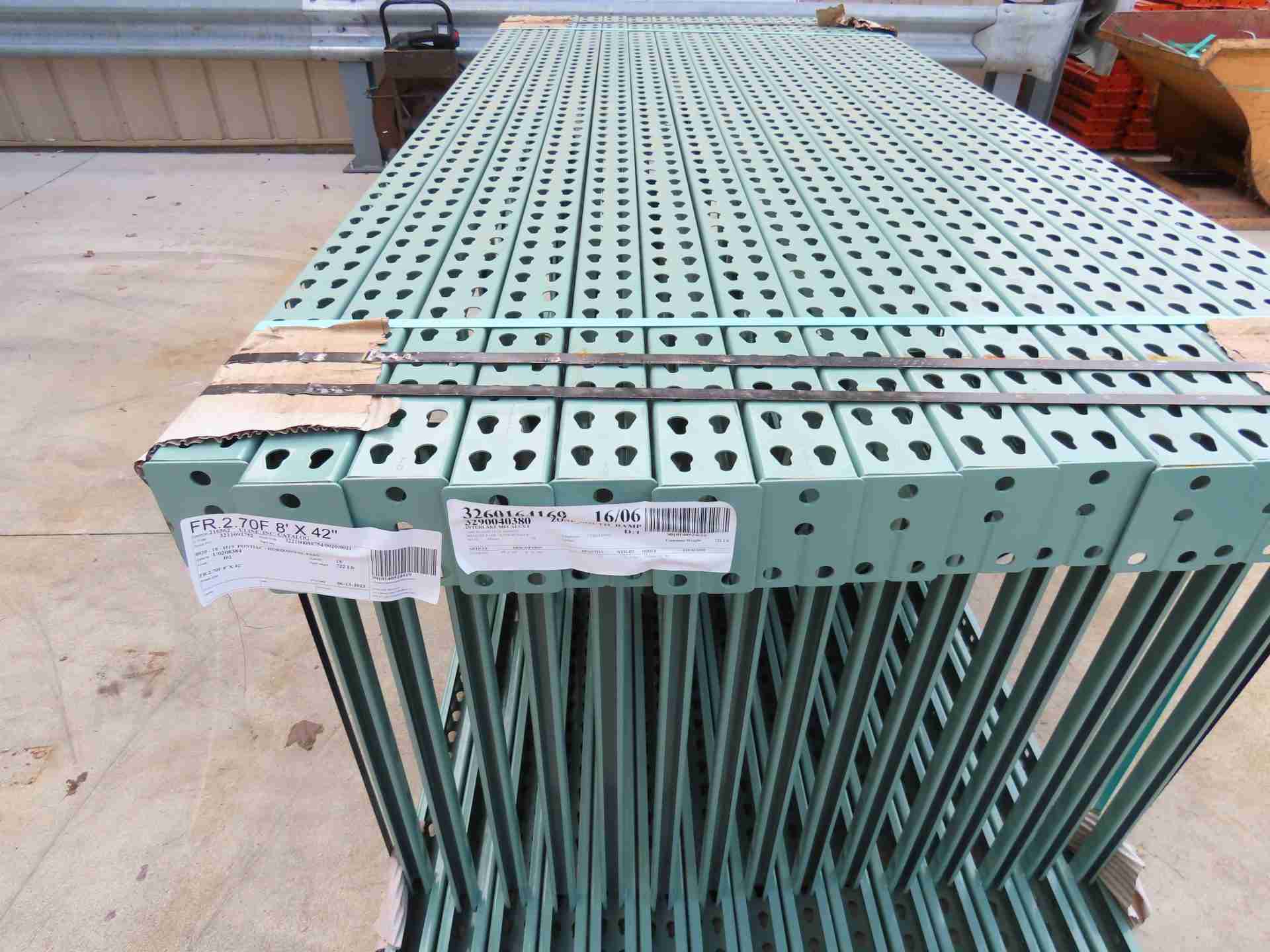
What Are The Cost Implications Of Implementing Dynamic Racking?
What Are The Cost Implications Of Implementing Dynamic Racking?
- Dynamic racking is an innovative solution for optimizing warehouse space and efficiency.
- Pallet racking is a reliable storage method, but dynamic racking offers enhanced adaptability for fluctuating inventory needs.
- The initial investment in dynamic racking may be high, but it’s considered an investment in operational enhancement.
- This system can significantly increase inventory capacity without needing costly expansions.
- Implementing dynamic racking can reduce labor time spent navigating layouts, leading to improved productivity.
- Long-term benefits include reduced overhead costs, faster inventory turnover, and increased customer satisfaction.
- Conducting a cost-benefit analysis and consulting industry professionals is crucial before implementation.
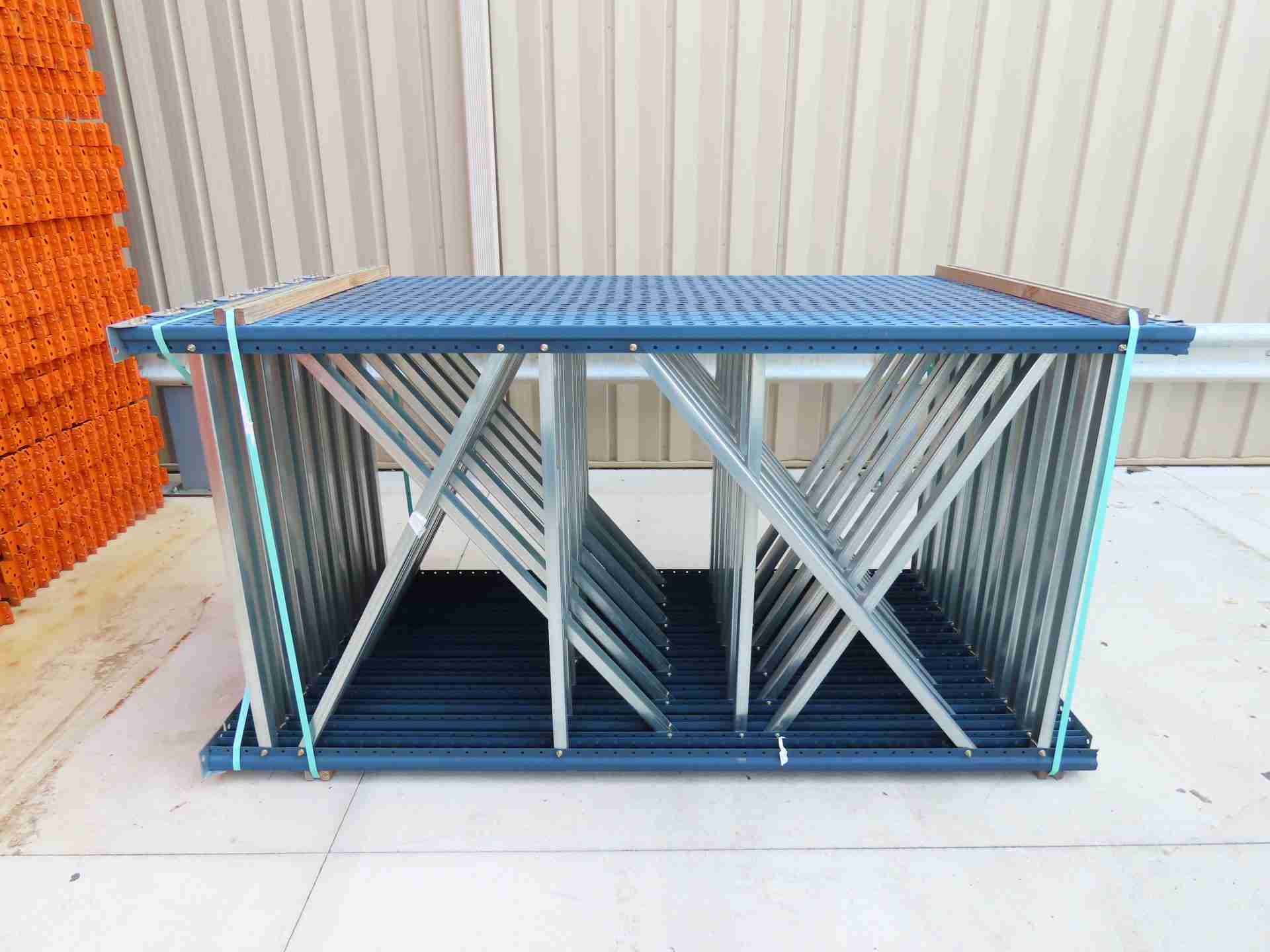
What Are The Cost Implications Of Implementing Dynamic Racking?
Conclusion
Conclusion: Transforming Your Warehouse Operations with Dynamic Racking Systems
As we’ve explored throughout this article, embracing dynamic racking systems is not merely about upgrading your storage capabilities—it’s about revolutionizing the way your entire inventory management operates. Imagine a workspace devoid of clutter, a systematic flow where every item is effortlessly accessible, and your team is more productive than ever. This is the promise of dynamic racking—a game-changing solution that adapts to your unique operational needs, all while emphasizing speed, efficiency, and flexibility.
The shift from static to dynamic racking is a strategic move that combats the inefficiencies and frustrations inherent in traditional systems. By leveraging gravity and cutting-edge engineering, dynamic racking minimizes wasted space and drastically improves picking speed. High-turnover items glide seamlessly to the forefront, allowing your workforce to engage in higher-value tasks instead of wasting valuable time searching for what they need. The capacity to double or triple your inventory without the overhead costs of expanding your facility can significantly enhance your bottom line.
Additionally, dynamic racking isn’t just suitable for all products. While it shines with high-turnover goods, it allows for tailored solutions based on your inventory profile. A strategic assessment of your warehouse can yield remarkable insights on how to optimize every inch, paving the way for a more agile and responsive operation.
The investment in dynamic racking is an investment in future-proofing your business. As your organization grows, so can your storage solution, easily reconfigured to accommodate shifts in product volume or types. With increasing safety, reduced labor costs, and minimal product damage, implementing dynamic racking enhances not only your efficiency but also provides the peace of mind that comes from knowing your operations are optimized for success.
Don’t let another day of inefficiency pass you by. Elevate your inventory management now by consulting with Arrow Industrial Sales at (574) 349-6575. Whether you’re struggling with cluttered aisles, labor-intensive processes, or stagnant growth, dynamic racking systems offer a compelling solution. Don’t wait—transform your warehouse today and watch as operational excellence and profitability become your new standard. Embrace the power of dynamic racking and unlock the full potential of your business!
Conclusion
Conclusion:
- Dynamic racking systems revolutionize inventory management, enhancing storage capabilities and workflow.
- Shifting from static to dynamic racking addresses inefficiencies of traditional systems, boosting speed and flexibility.
- Utilizing gravity and engineering, dynamic racking minimizes wasted space and accelerates picking speed.
- Allows for increased inventory capacity without significant facility expansion costs, enhancing profitability.
- Adaptable for various products, especially effective for high-turnover goods, with tailored solutions for inventory types.
- Investing in dynamic racking future-proofs businesses, accommodating growth and changes in product volume.
- Improves safety, reduces labor costs, and minimizes product damage, optimizing operational efficiency and peace of mind.
Conclusion
Other Resources
Other Resources
Here is a list of other resources you can review online to learn more:
- NSC
- New Cantilever Racks and Racking Kits
- Intro to Warehouse Racks & Warehouse Racking Systems – ShipBob
- Pallet Racking systems in Illinois and Great Lakes
- Material Handling Safety
- ASSP
- Interlake Mecalux
- Teardrop Industrial Shelving Rack
- Illinois
- Cantilever Rack Guide: Ordering Cantilever Racking
Use This Prompt To Get More Resources With Your Favorite Online AI Tool: Please provide me with a list of online articles with their URLs in a bulleted list that I can read regarding Can Dynamic Racking Systems Enhance Inventory Management?
Other Resources
Glossary Terms
Can Dynamic Racking Systems Enhance Inventory Management? – Glossary Of Terms
1. Dynamic Racking: A storage system that allows for the automatic movement of merchandise within a warehouse, improving accessibility and efficiency.
2. Inventory Management: The process of overseeing and controlling the ordering, storage, and use of goods in a business.
3. SKU (Stock Keeping Unit): A unique identifier for each distinct product and service that can be purchased.
4. Compact Storage: A method of storage that maximizes space utilization by minimizing the amount of aisle space required.
5. FIFO (First In, First Out): An inventory management principle that ensures that the oldest stock is sold first.
6. LIFO (Last In, First Out): An inventory strategy where the most recently added items are considered the first to be sold or used.
7. Lean Inventory: A methodology aimed at minimizing waste in inventory processes while maintaining product availability.
8. Warehouse Automation: The use of technology to automate warehouse operations, enhancing accuracy and speed.
9. Pallet Racking: A system designed to store goods on pallets, using vertical space effectively.
10. Throughput: The rate at which products are produced or processed in a given timeframe.
11. Order Fulfillment: The complete process of receiving, processing, and delivering orders to customers.
12. Space Optimization: The practice of maximizing the utilization of available space in a warehouse.
13. Real-Time Inventory: An inventory management system that allows businesses to track their stock levels in real-time.
14. Cross-Docking: A logistics practice where products are directly transferred from inbound to outbound shipping with minimal storage time.
15. Replenishment: The process of restocking inventory to maintain optimal levels.
16. Traceability: The ability to track the history, location, or application of an item through the supply chain.
17. ABC Analysis: An inventory categorization technique that divides items into three categories (A, B, and C) based on their importance.
18. Inventory Turnover: A ratio that shows how many times inventory is sold and replaced over a period.
19. Lead Time: The time it takes from initiating an order until the product is received and ready for use or sale.
20. Multi-Channel Distribution: The strategy of selling products through various channels, such as online, retail, and wholesale.
21. Warehouse Layout: The design and arrangement of a warehouse for optimal product flow and storage efficiency.
22. Cycle Counting: An inventory auditing procedure where a subset of inventory is counted on a specific day.
23. Bin Location: The designated spot within a warehouse where a specific product is stored.
24. Demand Forecasting: The process of predicting future customer demand for products to inform inventory decisions.
25. Safety Stock: Extra inventory held to prevent stockouts caused by fluctuations in demand or supply delays.
26. Picking Efficiency: A measure of how quickly and accurately products are selected from inventory for fulfillment.
27. Integration: The process of linking various systems and processes within inventory management for seamless operation.
28. Skewed Inventory: A situation where inventory levels are disproportionately high or low due to poor management or forecasting.
29. Order Accuracy: The degree to which the items delivered match the items ordered, critical for customer satisfaction.
30. Storage Density: The amount of product stored in a given space, important for maximizing warehouse efficiency.

Glossary Of Terms
Other Questions
Can Dynamic Racking Systems Enhance Inventory Management? – Other Questions
If you wish to explore and discover more, consider looking for answers to these questions:
- What are the different types of dynamic racking systems available?
- How does dynamic racking compare to static racking systems?
- What businesses or industries would benefit the most from dynamic racking systems?
- What is the average cost of installing dynamic racking systems?
- How long does it typically take to implement a dynamic racking system?
- What are the maintenance requirements for dynamic racking systems?
- Can dynamic racking systems be integrated with existing warehouse management software?
- What safety standards should be considered when using dynamic racking systems?
- How do dynamic racking systems impact employee training and workflow?
- Are there any case studies or success stories of businesses that have implemented dynamic racking?
- What are the limitations of dynamic racking systems?
- How do I determine if dynamic racking is suitable for my specific inventory?
- What factors should I consider when choosing a dynamic racking system vendor?
Other Questions
Checklist
Can Dynamic Racking Systems Enhance Inventory Management? – A Checklist
Checklist: Enhancing Inventory Management with Dynamic Racking Systems
Before Implementing Dynamic Racking Systems
1. Assess Current Inventory Management
_____ Evaluate existing storage solutions for efficiency.
_____ Identify common issues (e. g. , stockouts, wasted space).
2. Determine Product Suitability
_____ Analyze if your products are high-turnover or fragile.
_____ Assess if dynamic racking aligns with your inventory types.
3. Conduct Space Utilization Analysis
_____ Measure your current warehouse space.
_____ Identify areas of wasted space that could benefit from optimization.
4. Calculate Costs vs. Benefits
_____ Estimate initial investment costs (installation, equipment).
_____ Conduct a cost-benefit analysis for long-term savings and productivity gains.
5. Consult with Professionals
_____ Seek advice from experts in dynamic racking systems.
_____ Understand design customization according to your operational needs.
During Implementation
6. Develop an Optimized Layout Plan
_____ Design a warehouse layout that maximizes flow and accessibility.
_____ Plan for high-demand items to be placed for easy access.
7. Consider Employee Training
_____ Provide training for workers on using dynamic racking systems effectively.
_____ Emphasize improvements in safety and efficiency.
8. Ensure Adequate Safety Measures
_____ Implement safety protocols for handling dynamic racks.
_____ Ensure stability and protection for special inventory needs.
After Implementation
9. Monitor System Efficiency
_____ Regularly assess the picking efficiency before and after installation.
_____ Track order turnaround times and employee feedback.
10. Review and Adjust Inventory Strategy
_____ Use metrics to refine inventory management strategies.
_____ Make adjustments based on evolving business needs and marketplace changes.
11. Evaluate Long-term Growth Potential
_____ Consider scalability and adaptability of the racking system.
_____ Keep records of cost savings and operational efficiency improvements for future reference.
12. Solicit Feedback from Staff
_____ Gather input from employees on the functionality of the new systems.
_____ Identify any challenges faced during the transition and address them.
Additional Considerations
_____ Explore potential partnerships with suppliers for better pricing and support.
_____ Stay informed on industry best practices regarding dynamic racking systems.
Checklist
At RackingWorld, we help guide you through selecting warehouse storage systems and racking.
Be sure to read our other related stories at RackingWorld to learn more about warehouse storage systems.
0 Comments