
Boosting Warehouse Safety: Proven Strategies For Success
By Tom Seest
At RackingWorld, we help guide you through selecting warehouse storage systems and racking.
Be sure to read our other related stories at RackingWorld to learn more about warehouse storage systems.
How Can You Enhance Safety In Your Warehouse Operations?
In the busy world of warehouse operations, safety isn’t just a requirement—it’s a commitment to your workers, your customers, and your bottom line. Enhancing safety in your warehouse is not merely about following regulations; it’s about fostering a culture of responsibility and care that echoes throughout your entire operation. Imagine walking through a space where every employee understands the importance of their role in safety and contributes to a thriving, secure environment. This vision is attainable, and it all begins with critical elements like pallet racking.
Picture this: your pallet racking system is a sturdy backbone for your storage operations. If it’s properly designed and installed, it not only maximizes space efficiency but also serves as a robust safety mechanism. Make sure to choose high-quality materials that can withstand the daily rigors of your operation. Regularly inspect these structures; a small crack or instability can lead to monumental problems. Investing in durable pallet racking pays off in safety and productivity.
But let’s go beyond structures. Consider the people who work within this environment. Empowering your employees with knowledge is one of the most impactful steps you can take. Provide thorough training on proper lifting techniques, safe maneuvering around pallet racking, and handling materials. When workers feel informed and competent, they contribute to a culture rooted in safety. You’re not just teaching them; you’re instilling confidence.
Communication is also a vital pillar of safety enhancement. Establish clear guidelines and ensure that they are easily accessible. Regular safety meetings should be integrated into your operations to review protocols and discuss potential hazards. Encouraging employees to voice concerns creates an atmosphere of trust and collaboration.
Lastly, consider implementing technology to enhance safety protocols. Training apps, automated tracking systems, and safety monitoring tools can provide real-time data that spotlight areas needing improvement. The goal here is to anticipate and prevent issues before they escalate, creating a proactive safety mindset.
Embracing these strategies not only safeguards your workforce but enhances productivity and morale. Take action today—invest in the best pallet racking, empower your staff, foster open communication, and leverage technology. When you prioritize safety, you are not just meeting regulations; you are shaping an environment where people thrive. And when people thrive, your operations flourish.

How Can You Enhance Safety In Your Warehouse Operations?
How Can You Enhance Safety In Your Warehouse Operations?
- Safety in warehouse operations is a commitment to workers, customers, and profitability.
- Enhancing safety involves fostering a culture of responsibility and care among employees.
- Properly designed and installed pallet racking maximizes space efficiency and serves as a safety mechanism.
- Regular inspections of pallet racking are essential to prevent significant safety issues.
- Empowering employees with knowledge through training helps build confidence and a culture of safety.
- Establishing clear safety guidelines and regular safety meetings fosters open communication and trust.
- Implementing technology can enhance safety protocols by providing real-time data for proactive improvements.

How Can You Enhance Safety In Your Warehouse Operations?
Table Of Contents
- How Can You Enhance Safety In Your Warehouse Operations?
- What Are The Key Safety Risks In Warehouse Operations?
- How Can Proper Training Improve Warehouse Safety?
- What Role Does Equipment Maintenance Play In Safety?
- How Can You Implement Safety Protocols Effectively?
- What Technology Solutions Can Enhance Safety Measures?
- How Can Ergonomics Reduce The Risk Of Injury In Warehouses?
- Conclusion
- Other Resources
- Glossary Of Terms
- Other Questions
- Checklist
What Are The Key Safety Risks In Warehouse Operations?
Operating a warehouse might seem straightforward, but it’s akin to orchestrating a complex symphony—every note, every movement must harmonize to create safety for all involved. Unfortunately, lurking amidst the bustling activity and towering Pallet Racking systems are safety risks that can turn a thriving workspace into a scene of chaos, should anyone overlook them.
Let’s delve into the critical areas that can compromise safety in your warehouse. Picture this: workers navigating narrow aisles between towering shelves, where proper training in handlingforklifts and other machinery is the key to preventing accidents. Forklift collisions can lead to severe injuries or even fatalities, making it essential to invest not just in machinery but in training programs that foster a culture of safe operation. Your team must feel confident wielding equipment just as they should feel secure in their environment.
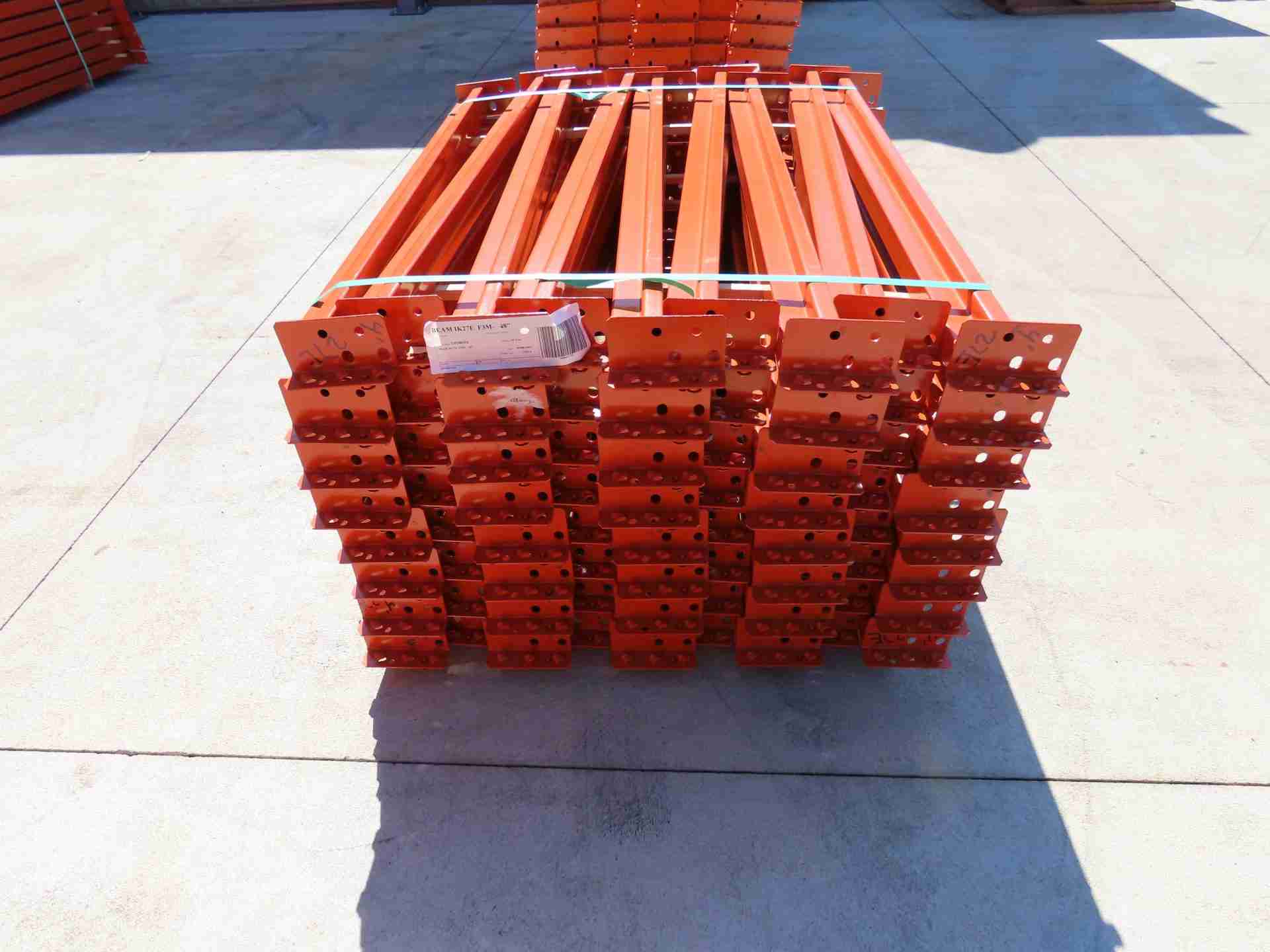
Next, let’s talk about the compact and sometimes precarious Pallet Racking. These systems are the backbone of any warehouse, but they also pose unique risks. Improper stacking can lead to tipping hazards, and lack of inspections can mean overlooking critical wear and tear. It’s vital to have regular audits in place—think of it as a routine check-up for your warehouse. By maintaining safe practices and compliance with regulations, you can significantly diminish risks and create a safer work environment.
Another often-overlooked aspect is the floor itself. Slips, trips, and falls make up a substantial portion of warehouse-related injuries. Keeping aisles clear of debris and spills, using non-slip mats, and ensuring adequate lighting will make the difference between a minor incident and a major injury. Implementing a culture of cleanliness and vigilance empowers workers; they become proactive guardians of their workspace.
Finally, let’s not forget personal protective equipment (PPE). Equipping your team with the right gear is not just a regulatory requirement; it’s a commitment to their well-being. When your staff knows you care about their safety, they’ll feel empowered to focus on their work, knowing they have the support and tools to safeguard themselves against injuries.
In the fast-paced world of warehousing, it’s easy to become complacent. However, by recognizing these risks and fostering a culture of safety, you’re investing in the longevity of your operations and the well-being of your workforce. When your team is safe, your productivity soars, and your reputation thrives. Let’s create an environment where everyone can focus on excellence without fearing for their safety. Together, we can turn your warehouse operation into a shining example of safety and efficiency.
What Are The Key Safety Risks In Warehouse Operations?
What Are The Key Safety Risks In Warehouse Operations?
- Operating a warehouse requires careful coordination to ensure safety for all involved.
- Proper training for workers on equipment, particularly forklifts, is crucial to prevent accidents and injuries.
- Pallet racking systems must be properly stacked and regularly inspected to avoid tipping hazards.
- Maintaining clean floors and clear aisles helps prevent slips, trips, and falls.
- Implementing a culture of cleanliness and vigilance encourages workers to take responsibility for safety.
- Providing appropriate personal protective equipment (PPE) demonstrates a commitment to employee safety and well-being.
- Recognizing and addressing safety risks fosters a productive environment and enhances company reputation.

What Are The Key Safety Risks In Warehouse Operations?
How Can Proper Training Improve Warehouse Safety?
When you step inside a warehouse, you may think of sprawling pallet racking systems. While these towering structures efficiently maximize space, they can become a serious safety hazard if not navigated properly. So, how does training weave its magic into the fabric of warehouse safety? Let’s dive in!
Imagine a scenario where an employee is tasked with operating a forklift. Without proper training, this individual may not recognize the dangers posed by improperly stacked pallets or risk the potential for tipping the racking under the weight of an unstable load. Training equips employees with the knowledge to identify these risks and take appropriate measures to prevent accidents before they occur. When your team understands the significance of proper pallet stacking techniques and weight distribution, you foster a culture of safety that resonates throughout the entire operation.
But it goes beyond just awareness—it’s about action. Think of training as an investment in your workforce. Employees who undergo thorough safety training not only feel more confident in their roles, but they also develop a sense of ownership over their environment. This translates to increased vigilance. When your team is equipped to handle pallet racking situations safely, they’re empowered to make informed decisions on the fly.
Moreover, safety training reinforces critical procedures from emergency protocols to everyday practices in maintaining a clutter-free workspace. What might seem like a minor detail—like keeping pathways clear of obstacles—could prevent life-altering injuries. A well-organized warehouse with clear safety protocols leads to reduced accidents, fewer claims, and ultimately, a more productive workforce. A commitment to safety is a commitment to your team—and the dividends are immeasurable.
But don’t just take our word for it; look at the statistics. Companies that prioritize training consistently report lower injury rates and higher employee morale. Isn’t that a reassurance we can all get behind? Your employees are your greatest asset, and investing in their safety is an investment in your company’s future.
In today’s fast-paced environment, where efficiency is king, let’s not overlook the foundational element of safety. By prioritizing proper training, you not only safeguard your team but also create a culture of reliability and respect. Isn’t that the kind of warehouse you want to run? Let’s create a safe haven amongst those shelves of pallet racking, one employee at a time!

How Can Proper Training Improve Warehouse Safety?
How Can Proper Training Improve Warehouse Safety?
- Warehouse environments often feature large pallet racking systems that can pose safety hazards if not navigated properly.
- Proper training equips employees to identify and mitigate risks associated with tasks like forklift operation and pallet stacking.
- Training fosters a culture of safety by emphasizing the importance of proper pallet stacking techniques and weight distribution.
- Safety training increases employee confidence and ownership over their working environment, leading to greater vigilance.
- Reinforced safety training covers essential procedures, promoting a clutter-free workspace that prevents accidents.
- Companies that prioritize safety training report lower injury rates and higher employee morale, benefiting both employees and the business.
- Investing in safety training creates a reliable and respectful workplace culture, essential for efficient warehouse operations.

How Can Proper Training Improve Warehouse Safety?
What Role Does Equipment Maintenance Play In Safety?
When it comes to ensuring a safe working environment, one crucial element often gets overlooked: equipment maintenance. Think about it—when was the last time you really considered the state of your pallet racking systems? Those towering structures, holding countless products, may seem robust and unyielding, but neglecting their upkeep can lead to catastrophic consequences.
Everyday, businesses face the challenge of balancing productivity and safety. It’s tempting to think that if something isn’t visibly broken, it’s good to go. However, regular maintenance isn’t just about fixing what is broken; it’s about preventing problems before they occur. Imagine the peace of mind that comes with knowing your pallet racking systems are not only functioning but are also safe and sound. This isn’t just wishful thinking; it’s achievable through diligent maintenance practices.
Investing time and resources into maintaining equipment can save you from unexpected downtime, costly repairs, and most importantly, potential injuries. A well-maintained pallet racking system reduces the risk of accidents such as collapses or structural failures, ensuring a secure environment for employees and preventing potential liability for the business. Picture a workplace where everyone feels confident in the integrity of their surroundings—a place where safety and productivity can coexist in harmony.
Moreover, regular inspections and maintenance foster a culture of safety within the organization. When employees see that management prioritizes safety by investing in the maintenance of essential equipment like pallet racking, they are more likely to adopt similar attitudes toward their own responsibilities. This collective commitment to safety can create an invincible team atmosphere where everyone looks out for one another, thereby enhancing overall productivity.
So, what can you do? Start with routine inspections and a solid maintenance schedule tailored to your specific equipment needs. Partner with experts who can provide insight and ensure that your pallet racking systems are up to code. It’s not just about compliance; it’s about building a safer, more efficient workplace.
Investing in equipment maintenance is investing in your most valuable asset—your people. When employees feel safe and supported, they work better. So, take action today. Prioritize maintenance and watch as your workplace transforms into a haven of productivity and safety. Your commitment will resonate—not just within your facility, but in the lives of those who work there.

What Role Does Equipment Maintenance Play In Safety?
What Role Does Equipment Maintenance Play In Safety?
- Equipment maintenance is crucial for a safe working environment, especially for pallet racking systems.
- Regular maintenance helps prevent problems and ensures systems are both functional and safe.
- Investing in maintenance can save businesses from unexpected downtime and costly repairs.
- A well-maintained racking system reduces the risk of accidents, benefiting employee safety and minimizing business liability.
- Regular inspections foster a culture of safety, encouraging employees to take responsibility for their roles.
- Companies should establish routine inspections and maintenance schedules tailored to their equipment needs.
- Prioritizing maintenance leads to a safer, more productive workplace, enhancing employee morale and performance.

What Role Does Equipment Maintenance Play In Safety?
How Can You Implement Safety Protocols Effectively?
In today’s fast-paced work environment, safety should never be an afterthought; it’s the foundation of productivity. Implementing safety protocols effectively is not just about ticking boxes—it’s about fostering a culture of trust and confidence among your team. Imagine your workforce feeling secure, knowing that every precaution has been taken to protect them. This isn’t just wishful thinking; with the right strategies, you can create a safe workplace that people are eager to be part of.
First and foremost, assess your environment thoroughly. Take a good look at critical areas, particularly with respect to equipment like pallet racking. This is where proper storage and organization can significantly impact safety. Ensure that your pallet racking systems are not only utilized to maximize space but are also consistently maintained. Damaged racks can pose a serious hazard, so replace any compromised units immediately. Regular checks can catch issues before they escalate, giving your team peace of mind that their workspace is secure.
Next, engage your employees in the process. Hold training sessions that not only inform but inspire ownership of safety measures. Let them understand that safety isn’t just a management concern but a collective responsibility. By empowering your team to identify potential hazards, you turn them into proactive advocates for safety rather than passive participants. When everyone is on board, your safety culture will thrive, making it easier to implement and enforce protocols.
Communication is critical here. Make sure everyone knows that reporting unsafe conditions or potential hazards is encouraged and not discouraged. Establish a clear channel for these reports and make it as easy as possible for staff to voice concerns. This transparency builds trust and allows you to address issues before they lead to accidents.
Bonus tip? Visual reminders work wonders! Use signage around your workspace to keep safety top of mind. Simple reminders about correct loading on pallet racking, proper lifting techniques, and emergency procedures will ensure that safety information is constantly reinforced.
Finally, make safety audits a regular part of your routine. Regular evaluations can highlight successes and areas for improvement. This demonstrates that you are committed to creating a safe environment, enhancing your reputation as a responsible employer, and fostering a workplace where everyone can thrive.
In short, the implementation of safety protocols doesn’t have to be mundane. With an investment in your people and processes, you can create a safer, more efficient workspace that not only meets compliance standards but elevates your organizational culture.

How Can You Implement Safety Protocols Effectively?
How Can You Implement Safety Protocols Effectively?
- Safety is essential for productivity in the modern work environment and should be a priority.
- Create a culture of trust by implementing effective safety protocols that protect workers.
- Thoroughly assess the work environment, especially areas with equipment like pallet racking.
- Regularly maintain pallet racking systems and promptly replace damaged units to ensure safety.
- Engage employees through training sessions, fostering a sense of ownership over safety measures.
- Encourage open communication about unsafe conditions, providing clear channels for reporting concerns.
- Implement regular safety audits and use visual reminders to reinforce safety protocols consistently.

How Can You Implement Safety Protocols Effectively?
What Technology Solutions Can Enhance Safety Measures?
In today’s fast-paced business environment, safety shouldn’t be an afterthought—it’s a cornerstone of productivity and operational success. Embracing innovative technology solutions can drastically elevate your safety measures, ensuring a secure workplace while also fostering an atmosphere of trust and reliability.
Let’s start with pallet racking systems. These aren’t just elements of your warehouse; they represent the framework that upholds the efficiency of your operations. When paired with cutting-edge technology, modern pallet racking can enhance safety like never before. For example, integrating smart sensors into your pallet racking systems allows for real-time monitoring. Imagine knowing when a load is too heavy or improperly placed, preventing potential accidents before they happen. Investing in such technologies transforms your storage area into a fortress of safety, where every employee can perform their tasks with confidence.
Moreover, employee training is crucial. Utilizing virtual reality (VR) technology for training modules leads to immersive experiences that equip your team with the skills to navigate their environment safely. VR can simulate various scenarios—from emergency evacuations to equipment handling—allowing your employees to practice and prepare without any real-world risk. Safety isn’t merely about compliance; it’s about creating a culture where every team member feels empowered to speak up about safety concerns.
Furthermore, don’t overlook the importance of data analytics. By leveraging data collected from machinery, environment sensors, and employee feedback, you can gain crucial insights into safety trends within your operations. This proactive approach not only reveals potential risks but also informs your decision-making processes, enabling you to implement preventive measures before incidents occur.
Let’s not forget mobile applications tailored for safety management. These apps can streamline communication, allowing employees to report hazards instantly and managers to respond swiftly. By allowing safety to be a part of daily operations, you’re encouraging everyone to take an active role—building trust and accountability across the board.
Investing in technology solutions isn’t just about protecting your assets; it’s about protecting your people. By enhancing your safety measures with smart technology, you’re not only ensuring compliance—you’re building a thriving, secure workplace and a robust foundation for growth. It’s time to take action and elevate your safety solutions to a level where everyone can feel secure and focused on what truly matters: success.

What Technology Solutions Can Enhance Safety Measures?
What Technology Solutions Can Enhance Safety Measures?
- Safety is a cornerstone of productivity and operational success in today’s fast-paced business environment.
- Modern pallet racking systems enhanced with smart sensors enable real-time monitoring of loads, improving safety and efficiency.
- Employee training using virtual reality (VR) technology fosters immersive learning experiences for safe environment navigation.
- Data analytics from various sources can provide crucial insights into safety trends, allowing for proactive risk management.
- Mobile applications for safety management facilitate instant hazard reporting and prompt responses from management.
- Investing in technology solutions protects not only assets but also employees, fostering a culture of trust and accountability.
- Enhancing safety measures through technology creates a secure workplace and paves the way for growth and success.

What Technology Solutions Can Enhance Safety Measures?
How Can Ergonomics Reduce The Risk Of Injury In Warehouses?
When it comes to warehouse operations, there’s a fundamental truth that often goes overlooked: the health and safety of your workforce directly impacts your bottom line. Let’s face it—no one wants to deal with the ramifications of workplace injuries. By embracing the principles of ergonomics, you can create a safer, more productive environment that not only minimizes risk but also empowers your team to thrive.
Consider the often-neglected element of pallet racking. These storage systems are the backbone of any warehouse, holding everything from heavy equipment to delicate goods. If workers are forced to reach awkwardly or lift improperly off these racks, you’re inviting a host of injury risks that could sideline your team. By strategically designing your pallet racking layouts with ergonomics in mind, you can ensure that items are stored at accessible heights, helping your employees avoid unnecessary strain and discomfort.
Imagine your team moving through the warehouse, equipped with tools and systems designed to keep them injury-free. Anti-fatigue mats in work areas, adjustable shelving, and appropriate lifting aids are just a few modifications that can revolutionize the everyday experience of your employees. These changes send a clear message: you value their well-being. When your team knows you care, their morale soars, translating directly into productivity and engagement levels.
Moreover, ergonomics isn’t just about injury prevention; it’s about fostering a culture of safety and care that resonates throughout your organization. Workers who feel safe and supported are more likely to stay loyal, reducing turnover costs and cultivating an environment where everyone flourishes. Not only will you enhance job satisfaction, but your commitment to a safe workspace can also be immensely appealing to potential hires.
So, why wait? Implementing ergonomic solutions today isn’t just a responsible choice—it’s an investment in the future of your warehouse operations. Monitor your team’s health, encourage open communication about any discomfort, and continually assess your practices. By doing so, you set a proactive precedent that speaks volumes about your leadership and dedication.
Ready to make a change? Start with your pallet racking systems and empower your workforce through ergonomics. The result will be a warehouse where efficiency meets safety, and your employees—your most valuable asset—thrive. Let’s create an environment where the only thing at risk is missed opportunities, not your people.

How Can Ergonomics Reduce The Risk Of Injury In Warehouses?
How Can Ergonomics Reduce The Risk Of Injury In Warehouses?
- The health and safety of warehouse workers significantly affects the company’s bottom line.
- Implementing ergonomic principles helps minimize risks and enhances employee productivity.
- Proper design of pallet racking systems is crucial to avoid injury risks from awkward reaching or lifting.
- Use anti-fatigue mats, adjustable shelving, and lifting aids to improve employee comfort and safety.
- A culture of safety promotes employee loyalty, reduces turnover costs, and boosts morale.
- Investing in ergonomic solutions is a responsible decision that supports the future of warehouse operations.
- Proactive monitoring and open communication about discomfort can enhance workplace safety and employee well-being.

How Can Ergonomics Reduce The Risk Of Injury In Warehouses?
Conclusion
Conclusion: Building a Safer Warehouse – Your Next Steps to Success
As we conclude this exploration of enhancing safety in your warehouse operations, remember that safety isn’t simply a compliance checkbox—it’s the very foundation of a thriving, productive environment. Choosing to prioritize safety means investing in your workforce, cultivating a culture of responsibility, and developing systems that together create an inviting and secure atmosphere where every employee can excel.
Imagine walking into a well-structured warehouse, equipped with robust pallet racking systems that not only maximize space but also enhance safety at every level. When these systems are maintained and regularly inspected, they serve as a fortress against accidents and inefficiencies. Control is in your hands when you choose high-quality materials and commit to routine audits. This single act can significantly diminish risks and enhance productivity simultaneously.
Moreover, your people are invaluable assets. By providing robust training programs, you empower employees to navigate their environment knowledgeably and confidently. Communication is crucial; encourage dialogue so that safety protocols are second nature among your team members. Regular safety meetings foster an open environment where potential hazards are discussed, allowing everyone to play a pivotal role in maintaining safety.
Let’s not overlook the dynamic role of modern technology. Integrated systems, smart sensors, and data analytics can transform your safety protocols into proactive measures that anticipate risks rather than react to them. This investment is not just technological; it is foundational to creating an engaged and vigilant workforce that prioritizes their well-being.
As you reflect on these strategies, consider implementing ergonomics in your warehouse layout to further minimize injury risks. By designing your workspaces for optimal physical health, you enhance job satisfaction and decrease turnover. Happy employees lead to a thriving workplace; it’s a ripple effect that benefits everyone.
Now is the time to take action. Don’t let the opportunity to create a safer, more efficient operation slip through your fingers. Call Arrow Industrial Sales at (574) 349-6575 today to discuss tailored safety solutions, product options, and actionable steps that can revolutionize your warehouse environment. The commitment to safety is not just an investment in equipment; it’s an investment in your most valuable asset: your people. Keep your team safe, motivated, and productive by turning your warehouse into a model of operational excellence. Act now, and watch as your success flourishes!

Conclusion
Conclusion:
- Safety in warehouse operations is essential for a thriving and productive environment, not just compliance.
- Investing in high-quality pallet racking systems enhances safety and maximizes space when properly maintained.
- Regular inspections and audits are crucial for reducing risks and boosting productivity.
- Robust training programs empower employees to navigate their work environment safely and confidently.
- Fostering open communication and regular safety meetings increases awareness of potential hazards.
- Modern technology, such as smart sensors and data analytics, can proactively improve safety protocols.
- Implementing ergonomics in the warehouse layout improves job satisfaction and reduces turnover.

Conclusion
Other Resources

Other Resources
Here is a list of other resources you can review online to learn more:
- National Safety Council
- Cantilever Rack Configuration & Installation: A Comprehensive Guide – BMH
- Chicago Pallet Racking
- CMMA
- Teardrop Racks – Pallet Rack World
- Pallet Racking systems in Illinois, Great Lakes
- Storage Equipment Manufacturers Association
- Illinois Pallet Racking – Storage Solutions
- Teardrop Uprights
- Pallet Rack Systems – New and Used Pallet Racking and Shelving Experts
Use This Prompt To Get More Resources With Your Favorite Online AI Tool: Please provide me with a list of online articles with their URLs in a bulleted list that I can read regarding How Can You Enhance Safety In Your Warehouse Operations?

Other Resources
Glossary Terms
How Can You Enhance Safety In Your Warehouse Operations? – Glossary Of Terms
1. Ergonomics: The study of people’s efficiency in their working environment, focusing on designing workspace and tools that prevent injuries and improve comfort.
2. Forklift: A powered industrial truck used for lifting and transporting materials; requires proper training for safe operation.
3. PPE (Personal Protective Equipment): Gear such as helmets, gloves, eye protection, and safety shoes designed to protect workers from hazards.
4. Hazardous Material: Substances that pose risks to health, property, or the environment, requiring special handling and storage procedures.
5. Safety Audit: A systematic examination of a warehouse’s safety practices to identify potential hazards and areas for improvement.
6. Incident Report: A document describing an incident, injury, or near-miss event, used for investigation and future prevention.
7. Action Plan: A detailed strategy outlining steps to improve safety protocols following an incident report or audit findings.
8. Training: Education provided to workers on safety procedures, equipment operation, emergency response, and best practices to prevent accidents.
9. Signage: Visual indicators used within a warehouse to convey safety information, such as warnings, instructions, and emergency exit locations.
10. Spill Kit: A collection of items designed to quickly clean up hazardous materials spills, including absorbents and protective gear.
11. Lockout/Tagout (LOTO): Safety procedures that ensure that dangerous machinery is properly shut off and not able to be started up again until maintenance or servicing is completed.
12. Clearance: An unimpeded space around machinery and equipment that allows for safe maneuvering and operation.
13. Warehouse Management System (WMS): Software designed to manage inventory, order fulfillment, and in some cases, equipment safety metrics and compliance.
14. Emergency Exit: Designated routes and doors for escaping a building in case of an emergency, clearly marked and unobstructed.
15. Material Handling: Techniques and equipment used to move goods within a warehouse without causing injury or damage.
16. Safety Committee: A group of employees tasked with developing, reviewing, and promoting safety policies and practices in the workplace.
17. Fire Extinguisher: A portable device used to extinguish small fires; should be easily accessible and regularly inspected.
18. First Aid Kit: A collection of supplies and equipment for initial medical care in the event of an injury or emergency.
19. Slip-resistant Flooring: Flooring designed to prevent slips and falls, especially in areas prone to spills or moisture.
20. Incident Prevention: Strategies and actions taken to reduce the occurrence of accidents and injuries in a workplace.
21. Inspection: The act of examining equipment and work practices to ensure safety standards are being met.
22. Job Safety Analysis (JSA): A process that helps identify and mitigate hazards associated with specific tasks before they are performed.
23. Safety Culture: The shared beliefs, practices, and attitudes within an organization regarding safety and health.
24. Load Capacity: The maximum weight that equipment, like pallets or shelving, can safely handle without risk of failure.
25. Behavior-Based Safety (BBS): A safety approach that focuses on identifying and reinforcing safe behaviors in the workplace.
26. Near Miss: An event that could have resulted in an injury or damage but did not; serves as an opportunity for learning and prevention.
27. Safety Data Sheets (SDS): Documents that provide detailed information about hazardous materials, including handling, storage, and emergency measures.
28. Training Certification: Official recognition that an employee has completed required safety training and is qualified to perform certain tasks safely.
29. Ventilation: The process of supplying fresh air to a workspace to reduce hazardous inhalants and improve air quality.
30. Risk Assessment: The systematic process of evaluating potential risks that could be involved in a projected activity or undertaking, allowing for better planning and safety measures.

Glossary Of Terms
Other Questions
How Can You Enhance Safety In Your Warehouse Operations? – Other Questions
If you wish to explore and discover more, consider looking for answers to these questions:
- What are the most common warehouse safety hazards?
- How can I create a safety-first culture in my warehouse?
- What types of training programs are most effective for warehouse workers?
- How often should safety inspections and audits be conducted?
- What role does employee feedback play in enhancing warehouse safety?
- How can I measure the effectiveness of my safety protocols?
- What are the legal requirements for warehouse safety compliance?
- How do technological advancements impact warehouse safety?
- What is the role of leadership in promoting safety in the warehouse?
- Can ergonomics really improve productivity in warehouse operations?
- How do I choose the right pallet racking system for safety?
- What should be included in a comprehensive safety training program?
- How can we reduce the risk of slips, trips, and falls in warehouses?
- What type of personal protective equipment (PPE) is essential in warehouses?
- How can communication be improved among warehouse staff regarding safety issues?

Other Questions
Checklist
How Can You Enhance Safety In Your Warehouse Operations? – A Checklist
Warehouse Safety Enhancement Checklist
1. Pallet Racking Safety
_____ Ensure pallet racking systems are properly designed and installed.
_____ Regularly inspect pallet racking for cracks or instability.
_____ Use high-quality materials that can withstand daily operations.
_____ Conduct routine audits for wear and tear.
2. Employee Training
_____ Provide thorough training on proper lifting techniques.
_____ Train employees on safe maneuvering around equipment.
_____ Educate staff on material handling and the importance of visibility.
_____ Implement ongoing safety training programs.
3. Enhanced Communication
_____ Establish clear, easily accessible safety guidelines.
_____ Schedule regular safety meetings to discuss protocols and hazards.
_____ Encourage employees to voice safety concerns without fear of repercussion.
_____ Utilize visual reminders for safety procedures throughout the warehouse.
4. Technological Integration
_____ Consider implementing technology solutions such as safety monitoring tools.
_____ Utilize training apps and virtual reality for immersive safety training.
_____ Use data analytics to identify and mitigate safety risks.
_____ Explore real-time monitoring systems for equipment and loads.
5. Equipment Maintenance
_____ Establish a routine maintenance schedule for all equipment.
_____ Conduct regular inspections of machinery and storage systems.
_____ Replace any damaged equipment immediately.
_____ Collaborate with experts for insights on maintenance best practices.
6. Ergonomics in the Workplace
_____ Design pallet racking layouts for easy access to items.
_____ Use adjustable shelving and lifting aids to minimize strain.
_____ Implement anti-fatigue mats in work areas where employees stand for long periods.
_____ Encourage feedback from employees regarding discomfort or hazards.
7. Floor Safety
_____ Keep aisles clear of debris and spills.
_____ Use non-slip mats in areas prone to wet conditions.
_____ Ensure adequate lighting throughout the warehouse.
8. Personal Protective Equipment (PPE)
_____ Equip all employees with the appropriate PPE for their roles.
_____ Conduct training on the proper use of PPE.
_____ Regularly inspect PPE for wear and replace as needed.
9. Review and Audit Safety Protocols
_____ Schedule regular safety audits to identify areas for improvement.
_____ Use feedback from audits to refine and enhance safety measures.
_____ Promote a culture of safety commitment throughout the organization.
By following this checklist, warehouse operations can significantly enhance their safety standards, foster a culture of responsibility, and ultimately contribute to a more productive work environment.

Checklist
At RackingWorld, we help guide you through selecting warehouse storage systems and racking.
Be sure to read our other related stories at RackingWorld to learn more about warehouse storage systems.
0 Comments