
Maximizing Warehouse Efficiency Without Sacrificing Safety
By Tom Seest
At RackingWorld, we help guide you through selecting warehouse storage systems and racking.
Be sure to read our other related stories at RackingWorld to learn more about warehouse storage systems.
Are You Risking Safety By Overloading Existing Warehouse Pallet Racks?
You’ve invested time, money, and countless hours into creating a streamlined, productive warehouse. You’ve sourced the best products, trained your staff, and maintained optimal inventory levels. But as your business scales, there’s a critical point that often flies under the radar: the safety of your pallet racking system.
Designed to hold a substantial amount of weight, pallet racking systems need to be treated with respect. When you push the limits by overloading, you not only jeopardize the integrity of the racking but also the safety of your most valuable asset: your team. Have you examined your warehouse operations lately? Ask yourself, “Am I putting my employees at risk by trying to squeeze just one more box onto that shelf?”
Consider the number of moving parts in your warehouse. Every day, pallets are lifted, loaded, and removed. Each rack has a specific weight capacity; exceeding this can lead to catastrophic failure. Imagine your team, focused and productive, suddenly faced with the chaos of an unexpected collapse. The repercussions would ripple beyond immediate harm, affecting morale, insurance rates, and even your bottom line.
Safety isn’t just a legal obligation—it’s a moral one. It’s about creating an environment where your staff feels secure and valued. When you prioritize the structural integrity of your pallet racking systems, you show that you care. This commitment fosters a culture of safety that encourages employees to speak up if they notice something amiss, further enhancing the harmony of the workplace.
But let’s face it; what often happens is a ‘just in time’ mentality. The pressure to generate revenue and move products can lead to short-sighted decisions. Overloading racks may seem like a quick fix, but in the long run, it can create a domino effect of costly repercussions.
So, what’s the solution? Regular audits of your pallet racking system are vital. Work with experts to assess your needs and educate your team on load limits. Adjust your inventory processes to prioritize safety without sacrificing efficiency.
Investing in a robust pallet racking setup isn’t just about organizing space—it’s about laying the groundwork for a sustainable, secure future. Your business deserves it, and your employees do too. Don’t risk safety for the sake of a quick gain; instead, champion a culture of protection and trust. The peace of mind that comes from knowing you’re providing a safe work environment will transcend every corner of your operation.
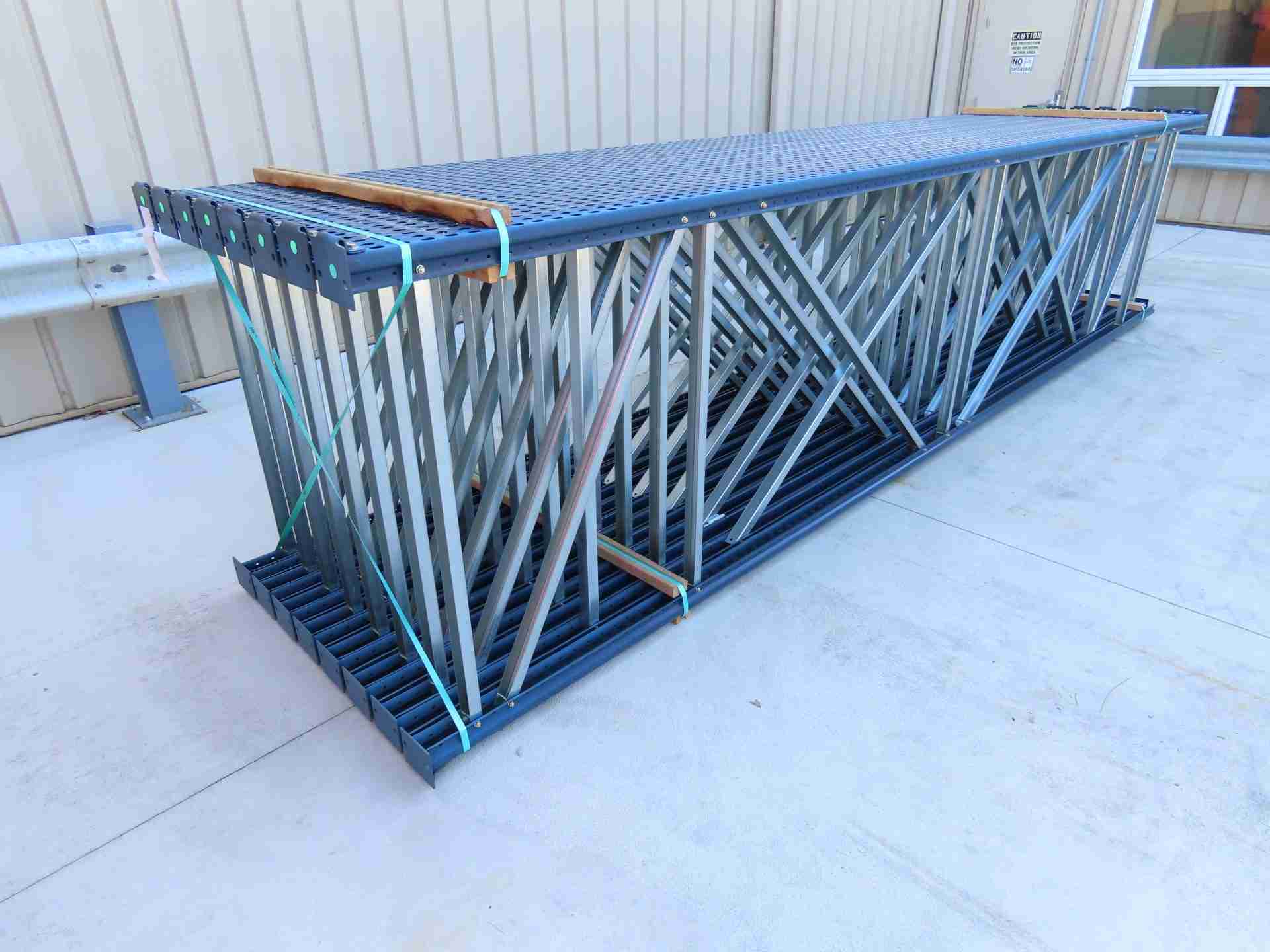
Are You Risking Safety By Overloading Existing Warehouse Pallet Racks?
Are You Risking Safety By Overloading Existing Warehouse Pallet Racks?
- Investing in a productive warehouse includes sourcing quality products, training staff, and maintaining optimal inventory.
- The safety of the pallet racking system is critical as businesses scale, yet often overlooked.
- Overloading pallet racks can compromise both the racking’s integrity and employee safety.
- Every rack has a specific weight capacity; exceeding this can lead to catastrophic failures.
- Creating a culture of safety fosters an environment where employees feel valued and encouraged to report issues.
- Regular audits and expert consultations are essential for maintaining safe pallet racking systems.
- Prioritizing safety in warehouse operations lays the groundwork for a sustainable future and boosts employee morale.
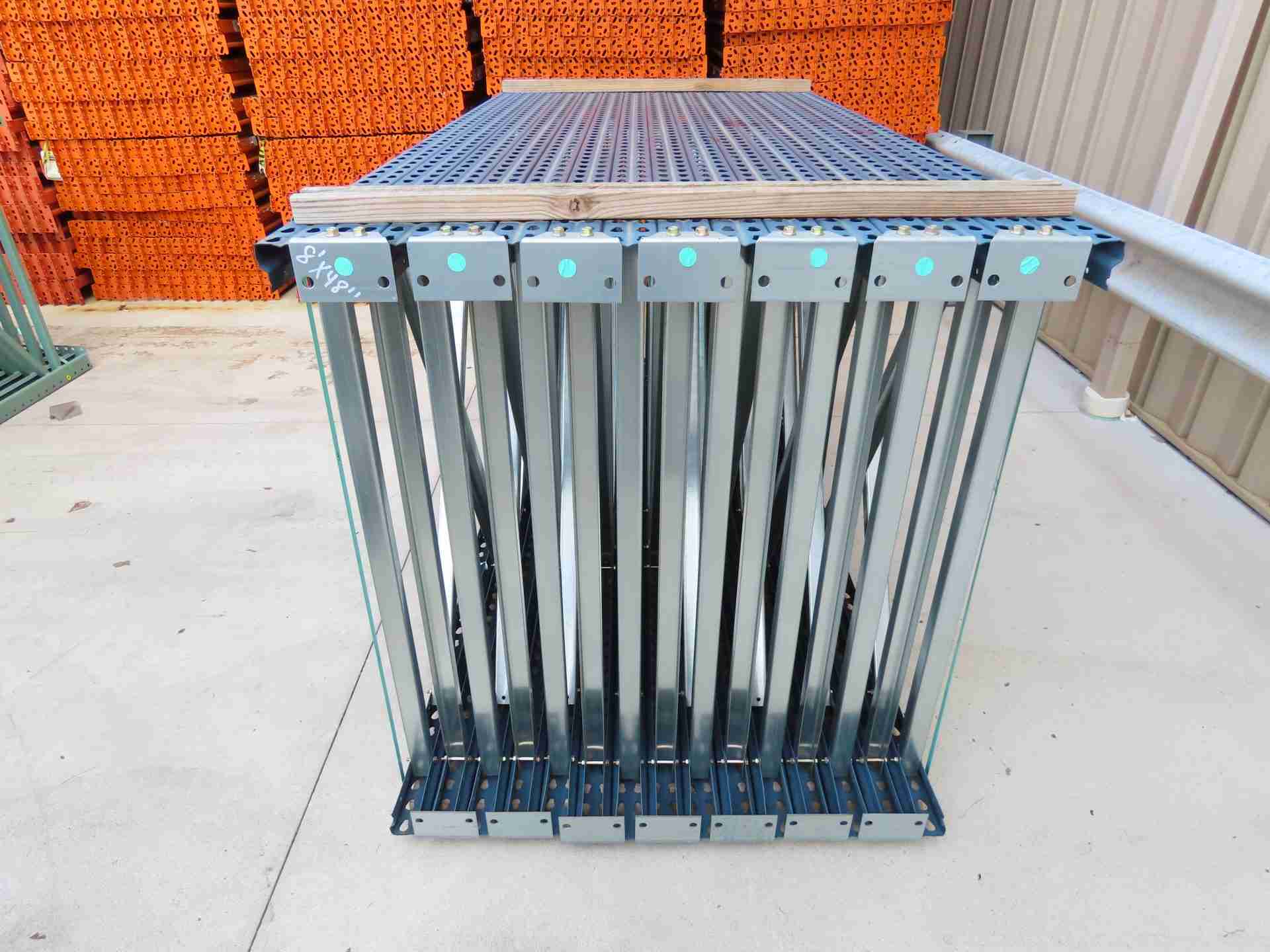
Are You Risking Safety By Overloading Existing Warehouse Pallet Racks?
Table Of Contents
- Are You Risking Safety By Overloading Existing Warehouse Pallet Racks?
- What Are The Signs Of Overloaded Pallet Racks?
- How Does Overloading Affect Safety?
- What Is The Recommended Weight Limit For Pallet Racks?
- What Are The Potential Consequences Of Overloaded Racks?
- How Can You Assess The Stability Of Pallet Racks?
- What Safety Regulations Govern Pallet Rack Use?
- Conclusion
- Other Resources
- Glossary Of Terms
- Other Questions
- Checklist
What Are The Signs Of Overloaded Pallet Racks?
What Are The Signs of Overloaded Pallet Racks?
In the fast-paced world of warehousing and logistics, the efficiency of your storage system is crucial—and that means your pallet racking setup needs to be top-notch. But how can you tell if your pallet racking is overloaded? Recognizing the signs early can save you from costly injuries, damaged inventory, and unexpected downtime. Let’s explore some common indicators that your pallet racks might be in danger of being overloaded.
Visual Cues: One of the most immediate signs of overloading is a noticeable bow or bend in the beam or rack frame. If your pallet racks resemble a flexing athlete, it’s an urgent signal that they’re carrying too much weight. Be conscious of any rack sections that appear misaligned or sagging; this means the structural integrity is at risk.
Noise Feedback: An often overlooked sign is the sound your racks make. If you begin hearing creaking, popping, or groaning sounds when accessing the stored pallets, your pallet racking may be at its limit. This auditory alarm system should not be ignored!
Unusual Wear and Tear: Inspect your pallet racks for signs of unusual wear—cracks, warped beams, or excessive rust. These signs hint that your racking system is not just overloaded; it’s desperately in need of a reassessment.
Product Instability: Are your items falling off or tipping over? If palletized loads seem unstable and are prone to shifting, this is a clear indication that your pallet racking configuration is not only overloaded but also potentially unsafe. Remember, safety should always be the priority in any storage operation.
Employee Feedback: Engage your team! If warehouse workers express concerns about the safety of your pallet racks or their ability to navigate around them, take those insights seriously. They’re on the front lines and know firsthand when something feels off.
Regulatory Compliance Issues: Lastly, consider whether your storage system adheres to industry standards. If you’re stretching the weight limits without proper certification or guidance, you could face not only safety issues but also compliance challenges.
Keeping your pallet racking safe and efficient is not just about avoiding danger; it’s about fostering a reliable environment where both your products and team can thrive. So, take charge! Regular inspections, employee training, and timely upgrades ensure that your pallet racks function as they should, optimizing your operations and safeguarding your investments. Trust the process, and let’s make overloading a thing of the past!

What Are The Signs Of Overloaded Pallet Racks?
What Are The Signs Of Overloaded Pallet Racks?
- Visual Cues: Look for noticeable bows or bends in the beams or rack frames; misalignment or sagging indicates overload.
- Noise Feedback: Listen for creaking, popping, or groaning sounds from the racks when accessing pallets; these are signs of potential overload.
- Unusual Wear and Tear: Inspect for cracks, warped beams, or excessive rust, indicating the racking system may be overloaded and needs reassessment.
- Product Instability: Watch for items falling off or tipping over; instability signals an overloaded and unsafe racking configuration.
- Employee Feedback: Take seriously any safety concerns expressed by warehouse staff about the pallet racks or navigation around them.
- Regulatory Compliance Issues: Ensure your storage system follows industry standards; exceeding weight limits can lead to safety and compliance challenges.
- Overall Safety: Regular inspections, employee training, and timely upgrades are vital for maintaining safe and efficient pallet racking.
What Are The Signs Of Overloaded Pallet Racks?
How Does Overloading Affect Safety?
Imagine walking into a warehouse filled with gleaming rows of pallet racking, each meticulously designed to optimize space and ensure efficiency. It’s a breathtaking sight — a well-oiled machine where every item has its place and purpose. But here’s a question that could keep any facility manager up at night: What happens when that carefully designed system is pushed to its limits?
Overloading pallet racking may appear to be an enticing solution for maximizing storage efficiency, but it comes with potential pitfalls that can impact the safety of your workspace. Think about it: how does it feel to walk underneath a row of pallets that are stacked a little too high, laden beyond their load capacity? For many, it sparks an unsettling mixture of anxiety and doubt. Not only does overloading compromise the structural integrity of the racks, it also increases the risk of accidents — and let’s be honest, nobody wants to face the consequences of an injury or, worse yet, a catastrophic collapse.
Now, let’s pause for a moment to consider our good old human nature. We’re wired to take risks, but in business, those risks can lead to ruin if we’re not careful. Overloading your pallet racking is akin to going for that last slice of cake—tempting in the moment, but laden with potential regret. Plus, when safety measures are compromised, your team members feel the pressure. A nervous employee is less productive, contributing to an uneasy atmosphere all around.
On the flip side, by taking the time to assess and adhere to the prescribed load limits, you nurture a culture of safety and security. Your workforce will appreciate the thoughtfulness behind every pallet stacked and every aisle navigated. Not only does this foster trust, but it also lays the groundwork for confidence in both your operations and in each other as a cohesive unit.
By investing in proper training and safety measures, you’re not just adhering to guidelines; you’re crafting a thriving environment that prioritizes well-being over knee-jerk convenience. You get to elevate your business to new heights—without risking a crash landing. So, why gamble on safety? Choose smart work practices and enjoy the peace of mind that comes from knowing your pallet racking is loaded just right. Transform your warehouse into a fortress of safety; it’s time to take action and create a safer workplace for everyone.
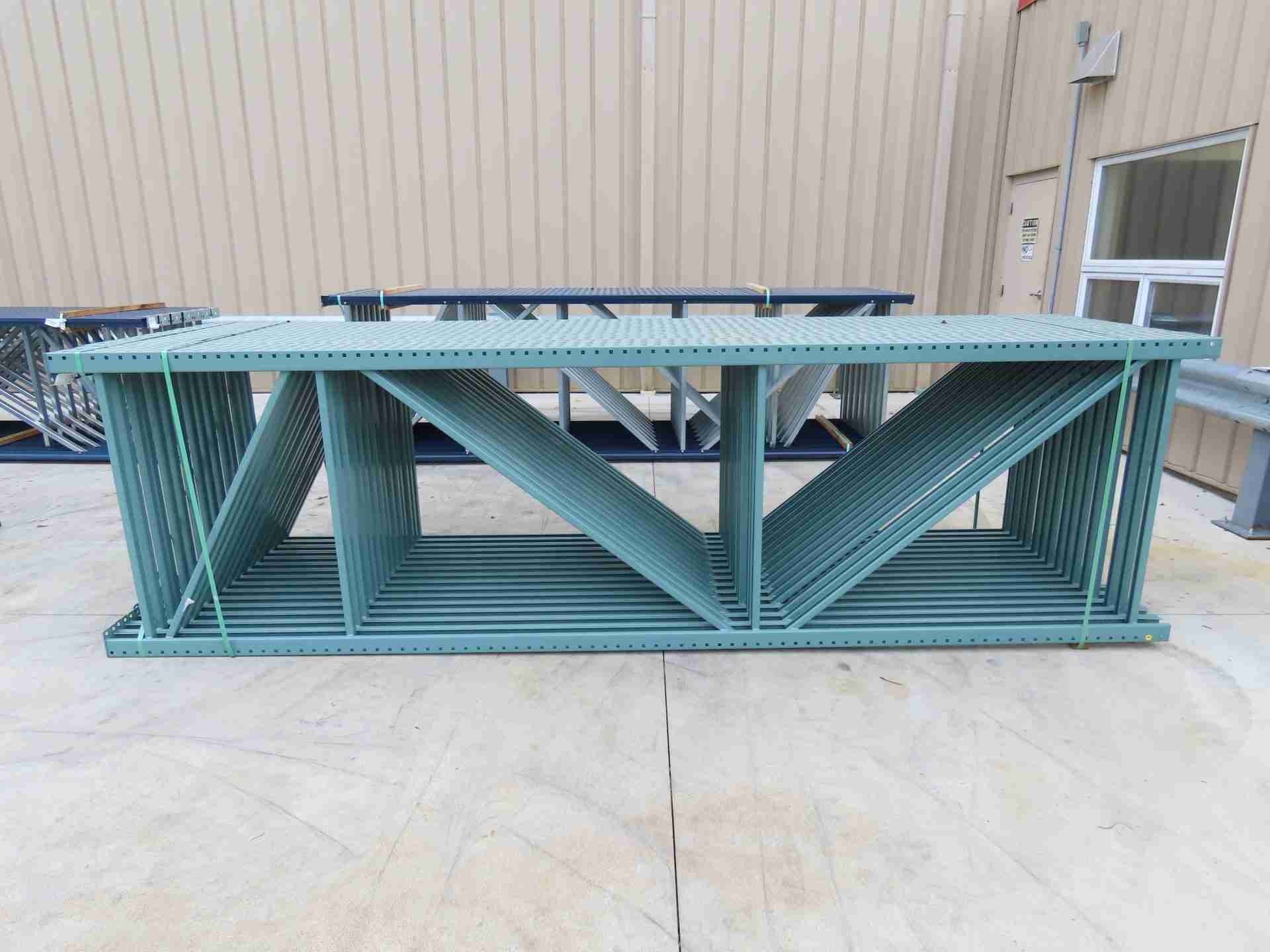
How Does Overloading Affect Safety?
How Does Overloading Affect Safety?
- Warehouse organization relies on strategically designed pallet racking for maximum efficiency.
- Overloading pallet racking can compromise safety and structural integrity.
- High stacks may induce anxiety and uncertainty in employees working underneath.
- Risky practices in the workplace can lead to accidents and severe consequences.
- Adhering to load limits fosters a safety-first culture, improving employee trust and productivity.
- Investing in training and safety measures enhances workplace well-being and operational confidence.
- Choosing smart work practices ensures a safer working environment and prevents potential disasters.
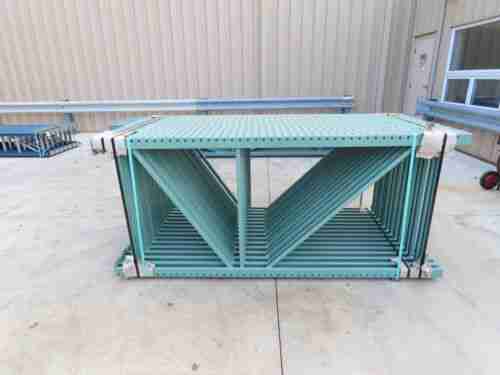
How Does Overloading Affect Safety?
What Is The Recommended Weight Limit For Pallet Racks?
When it comes to maximizing your storage capabilities, few solutions offer as much versatility as pallet racking. However, one of the most critical factors that often gets overlooked is understanding and observing the recommended weight limits for these systems. Trust us, knowing these limits isn’t just a matter of compliance—it’s a matter of safety and efficiency that directly impacts your bottom line.
Imagine a bustling warehouse, buzzing with the hum of productivity. The last thing you want is to disrupt that flow because of overburdened pallet racking. The recommended weight limit for pallet racks can vary significantly based on the rack system you choose, the configuration of your warehouse, and even the types of pallets you are using. Standard pallet racks typically support anywhere from 2,000 to 5,000 pounds per beam level. But wait—just because a rack can hold a specific weight doesn’t mean it’s advisable to push it to the max.
When you select your pallet racking system, consider engaging with a knowledgeable supplier who understands the unique demands of your operation. By utilizing their expertise, you can find a system designed to handle your workload without the stress of potential failure. If you have heavy loads or are working in an environment where weight can shift unpredictably, it’s paramount to communicate these needs during the selection process. After all, what’s more important than ensuring the integrity of your storage solution?
Monitoring your weight limits isn’t just about preventing accidents; it’s also about longevity. Overloading racks can lead to deformation, reduced lifespan, and ultimately, costly repairs or replacements. This ties into a larger idea: investing in quality pallet racking is investing in the peace of mind that your operations will run smoothly and your team will stay safe.
So, what should you do next? Review your current systems and consider conducting a weight assessment. If it seems like your racks could use a boost in capacity or you simply want to revamp your storage space, reach out to a specialist in pallet racking solutions. They’ll guide you through the process of identifying safe weight limits and ensuring your warehouse operates at peak effectiveness.
Make the right move today. Your business—and your team—will thank you for it!
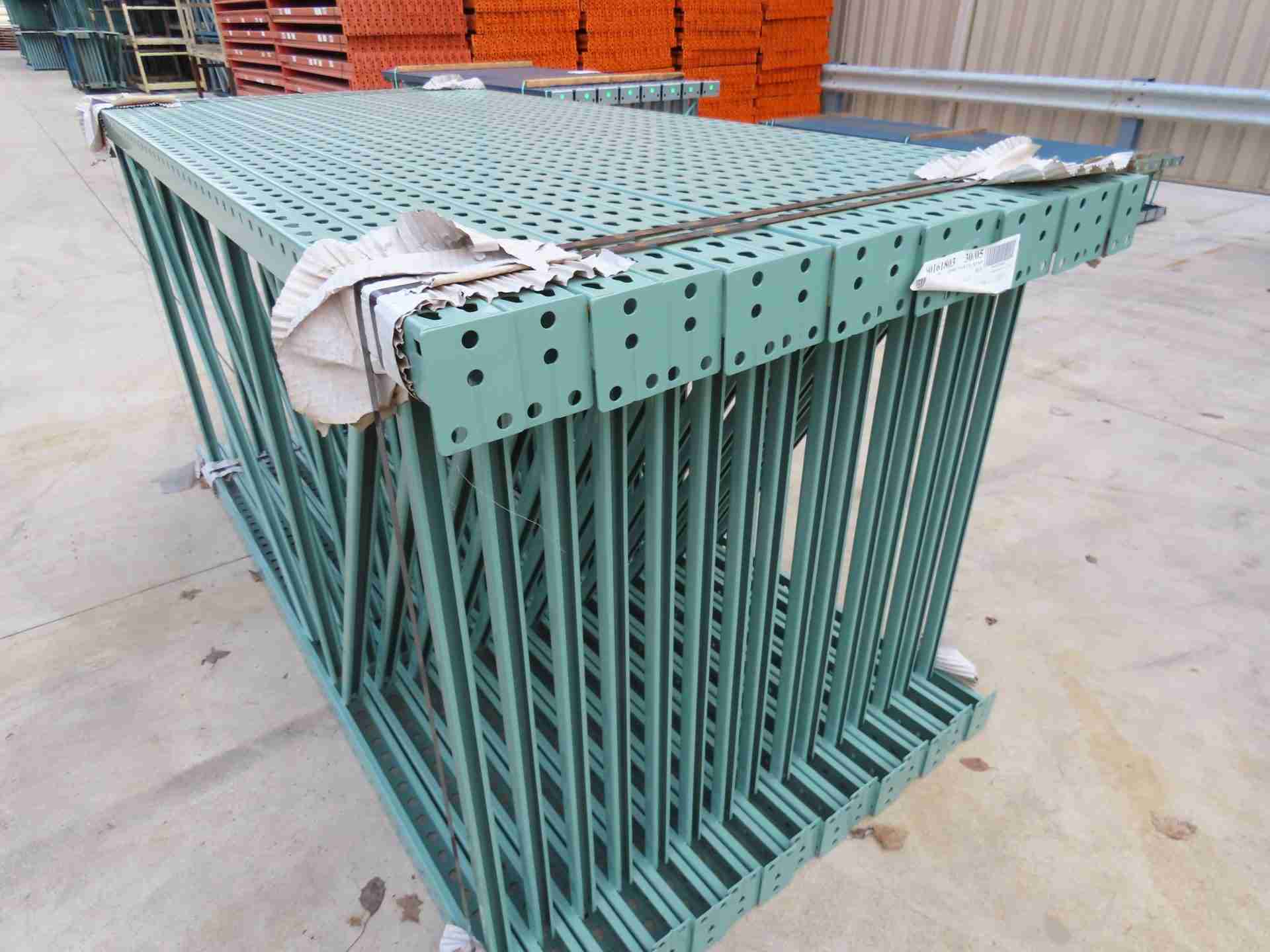
What Is The Recommended Weight Limit For Pallet Racks?
What Is The Recommended Weight Limit For Pallet Racks?
- Pallet racking offers versatile storage solutions; understanding weight limits is crucial.
- Weight limits impact safety and efficiency, influencing overall business performance.
- Standard pallet racks support between 2,000 to 5,000 pounds per beam level.
- Consult knowledgeable suppliers for expert advice on selecting appropriate pallet racking systems.
- Communicate specific operational needs, especially for heavy or shifting loads.
- Overloading racks can lead to deformation, reduced lifespan, and costly repairs.
- Review your current systems and consider consulting a specialist for weight assessments and improvements.
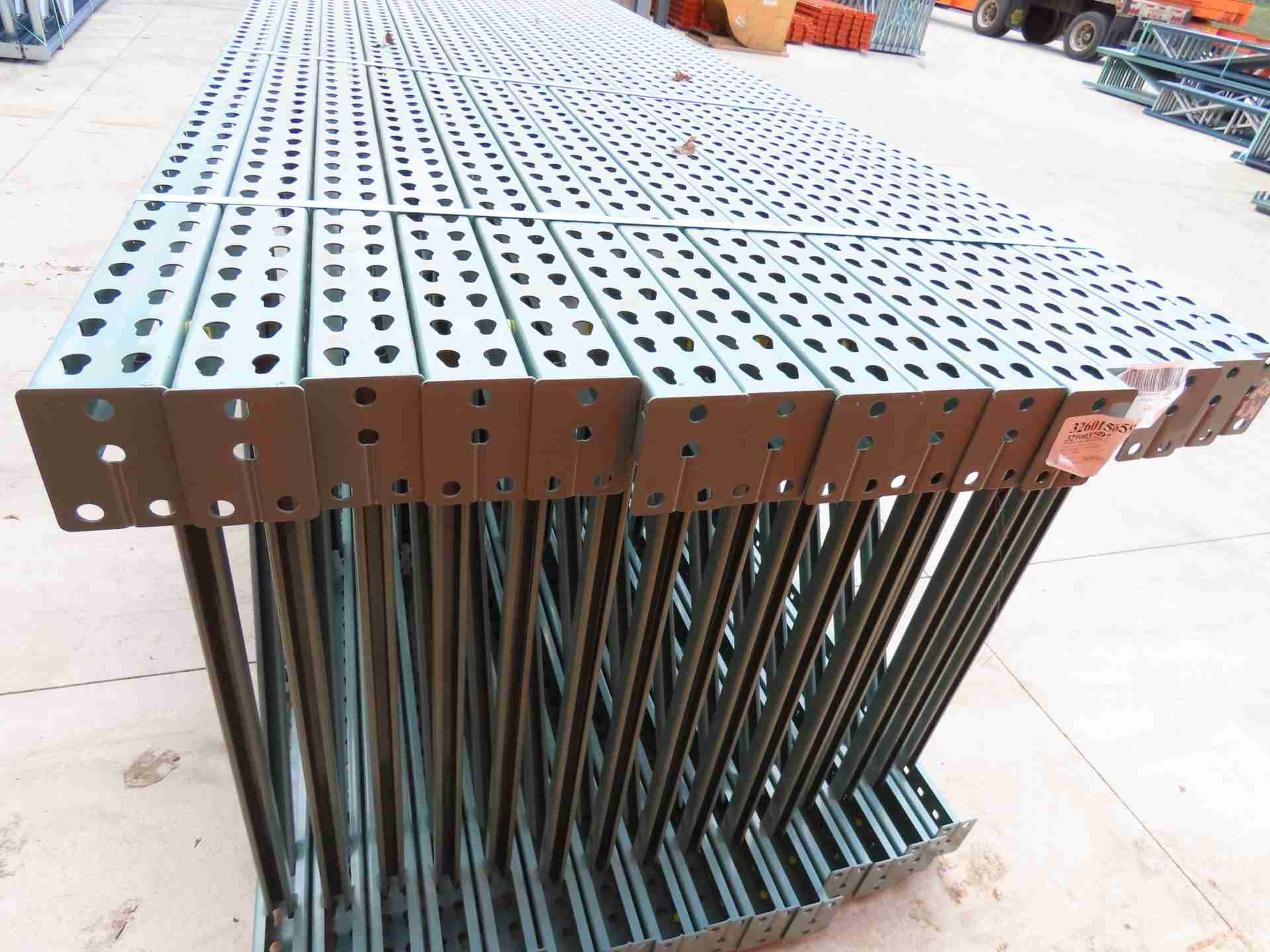
What Is The Recommended Weight Limit For Pallet Racks?
What Are The Potential Consequences Of Overloaded Racks?
What Are The Potential Consequences of Overloaded Racks?
Imagine a bustling warehouse filled with the hum of productivity. Pallet racking systems stand tall, holding countless goods, each item carefully placed for efficiency. But what happens when those racks become overloaded? While it might seem harmless to push limits, the consequences can be dire, affecting not just inventory but also the well-being of your operation.
Firstly, the structural integrity of your pallet racking can be compromised. Racks are engineered to support a specific weight limit, and exceeding this can lead to catastrophic failures. Picture a heavy load collapsing unexpectedly, causing chaos that endangers warehouse staff and halts operations. Safety should never be an afterthought; it’s the bedrock of a successful business. Hence, proper weight management is essential not just for compliance, but for creating a secured environment where employees feel valued and safe.
Beyond safety, consider the impact on efficiency and productivity. When racks are overloaded, retrieving items becomes a precarious task. Workers must navigate around unstable stacks, risking injury or damage to goods. This slows down operations, creating delays that trickle down to customer service and fulfillment. Your reputation hangs in the balance—do you want to be known for delivering late or for handling goods with careless disregard?
Moreover, the wear and tear on overloaded racks can lead to significant maintenance costs. Subpar performance and structural issues can escalate repair costs, diverting vital resources away from growth-oriented initiatives. Every penny spent fixing what should have been right can stifle your company’s progress. Invest in your infrastructure today, or risk a financial burden tomorrow.
Finally, we cannot overlook the potential for regulatory repercussions. Inspections often scrutinize the condition of your pallet racking, especially in environments that demand strict compliance standards. Failing to meet these regulations not only results in fines but can also lead to both retraining and lost credibility in your industry.
So, what’s the takeaway? Avoiding overloaded racks is not simply a logistical consideration—it’s a strategic decision that protects your employees, enhances efficiency, and safeguards your bottom line. Prioritize the health of your pallet racking system, and in doing so, you position your business not just for survival but for thriving in a competitive marketplace. Take action now to ensure a safe, efficient, and successful future!
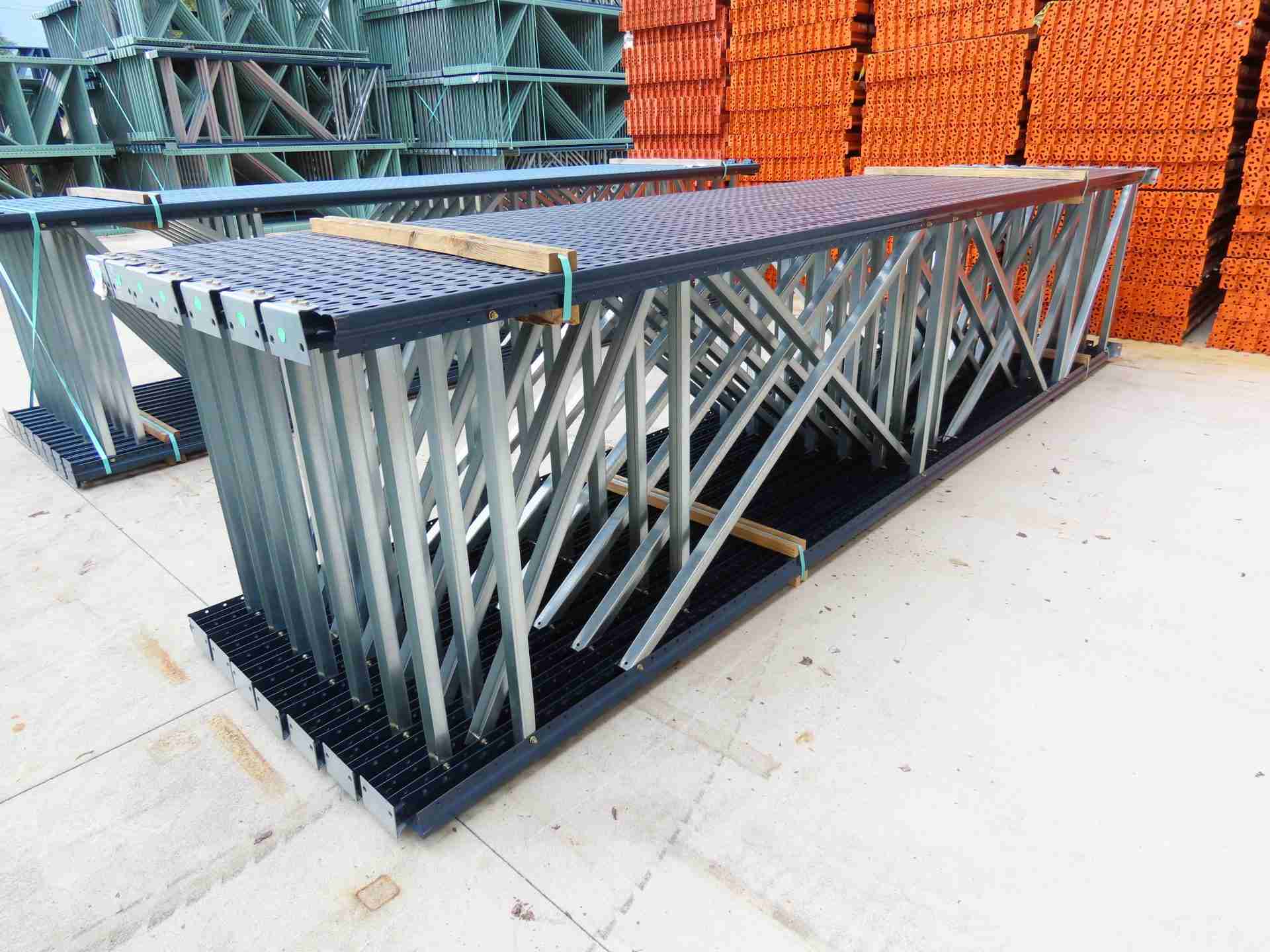
What Are The Potential Consequences Of Overloaded Racks?
What Are The Potential Consequences Of Overloaded Racks?
- Overloaded pallet racks can compromise structural integrity, risking catastrophic failures and operational chaos.
- Safety is paramount; proper weight management is crucial for a secure working environment.
- Efficiency and productivity suffer when retrieving items becomes precarious due to unstable stacks.
- Overloaded racks can lead to higher maintenance costs due to wear and structural issues.
- Investing in infrastructure is essential to avoid financial burdens related to repairs.
- Regulatory repercussions can arise from overloaded racks, leading to fines and loss of industry credibility.
- Avoiding overloaded racks is a strategic decision that protects employees, enhances efficiency, and supports financial health.
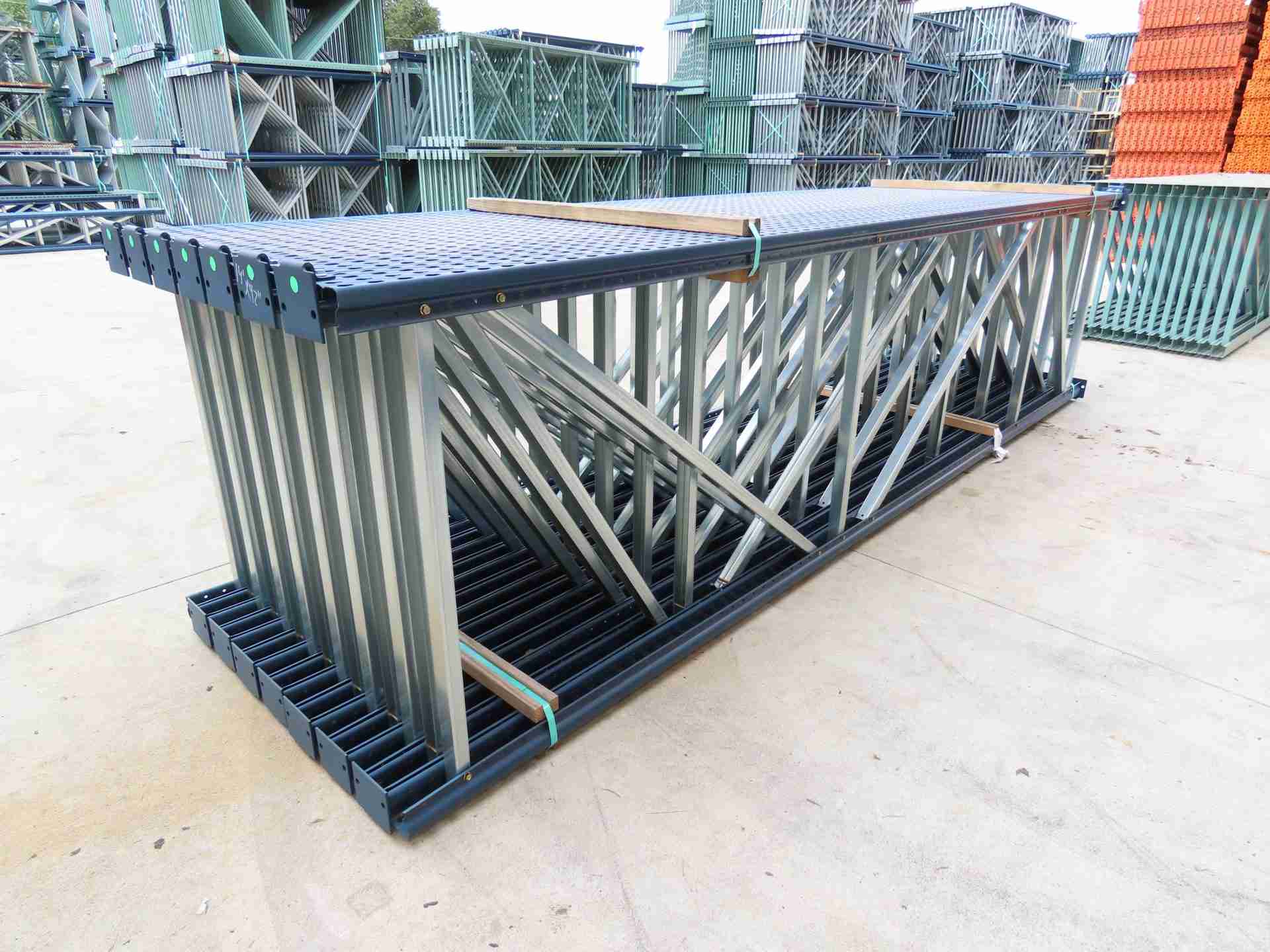
What Are The Potential Consequences Of Overloaded Racks?
How Can You Assess The Stability Of Pallet Racks?
When it comes to storing your valuable inventory, ensuring the stability of your pallet racking systems isn’t just a good idea—it’s absolutely essential. The safety of your workforce and the integrity of your products hinge on a well-assessed racking system. So, how do you get started in assessing the stability of your pallet racks?
First, consider the structural design. Each pallet racking system is engineered to bear a specific load and distribute weight evenly. Check the manufacturer’s specifications to confirm that your racks are installed according to guidelines. Misalignment or overloading can lead to catastrophic failures. Trust your instincts here; if something feels off, it probably is!
Next, examine the components closely. Are the uprights straight, or do they show signs of bowing or bending? Are the beams securely locked in place? Deterioration can strike even the best quality pallets. Take the time to really inspect each element. Remember, a seemingly minor issue today could spiral into a significant problem tomorrow.
Regular maintenance is key. Schedule inspections routinely; this is your opportunity to not just identify potential issues before they escalate, but also to reinforce employee awareness about safety measures. An engaged workforce that understands the importance of stable pallet racking can spot potential red flags that you might miss. After all, they’re on the front lines, interacting with the system every day!
But why stop there? Elevate your approach by investing in training programs. Equip your staff with the knowledge required to identify instability signs. Training fosters a culture of safety and vigilance. When employees feel empowered, they contribute to the overall stability of your pallet racking rather than simply operating around it.
Lastly, don’t ignore environmental factors. Consider the layout of your warehouse. Is there adequate space between racks? Are forklifts maneuvering safely? These aspects can greatly impact the stability of your pallet racking. Implementing a carefully planned layout not only promotes safety but enhances efficiency as well—leading to a more productive environment.
In summary, assessing the stability of your pallet racks is a multifaceted endeavor that requires vigilance, knowledge, and proactive maintenance. By embracing these practices, you underscore your commitment to safety, efficiency, and ultimately, the success of your business. Making the investment in stability today will pay dividends tomorrow, providing peace of mind for both you and your team. So roll up your sleeves and get to work—it’s time to ensure your pallet racking is as secure and dependable as it should be!

How Can You Assess The Stability Of Pallet Racks?
How Can You Assess The Stability Of Pallet Racks?
- Ensuring the stability of pallet racking systems is essential for workforce safety and product integrity.
- Assess the structural design and ensure racks are installed per manufacturer’s specifications to avoid misalignment and overloading.
- Inspect components for signs of deterioration, such as bent uprights and unsecured beams, to prevent minor issues from escalating.
- Schedule regular maintenance inspections to identify issues early and promote employee awareness of safety measures.
- Invest in training programs to equip staff with knowledge to identify signs of instability and foster a culture of safety.
- Consider environmental factors, such as warehouse layout and forklift movement, as they can impact racking stability and efficiency.
- Proactive maintenance and stability assessments underscore commitment to safety and efficiency, benefiting business success.
How Can You Assess The Stability Of Pallet Racks?
What Safety Regulations Govern Pallet Rack Use?
Navigating the world of pallet racking can feel like a daunting task. With towering shelves of goods stacked high and the ever-present need for safety, it’s crucial to understand the regulations that keep your workplace secure. Fear not! Whether you’re a warehouse manager juggling inventory or a business owner striving for excellence, knowing the safety regulations governing pallet rack use is your ticket to peace of mind—and a productive work environment.
First and foremost, the Occupational Safety and Health Administration (OSHA) has established clear guidelines to ensure that pallet racking systems are set up and maintained safely. These regulations require employees to understand the limitations of their racking systems, including load capacities. Imagine a scenario where your team is not just operating efficiently but also adhering to safety standards: a win-win situation!
In addition to OSHA, you’ll want to familiarize yourself with the American National Standards Institute (ANSI) and the Rack Manufacturers Institute (RMI). These organizations provide specific standards that offer insight into proper installation and inspection processes for pallet racking systems. Trusting these guidelines means your business can mitigate risks significantly—so your focus remains where it belongs: on growth and profitability.
However, it doesn’t end with installation and initial compliance. Routine inspections of pallet racking systems are vital. It’s easy to overlook what’s out of sight, but did you know that regular audits can prevent catastrophic incidents? A proactive approach, rooted in safety practices, will not only keep your employees safe, it will bolster morale—because when your team knows safety is a priority, they feel valued and effective.
But here’s the real nugget: integrating safety training into your workplace culture can ensure your team remains engaged and informed. Imagine empowering your workforce! When you equip them with knowledge about pallet racking safety, they become champions of safety, monitoring their environment and reporting concerns, which in turn cultivates a spirit of collaboration and accountability.
Understanding the safety regulations governing pallet racking is more than a list of dos and don’ts; it’s about fostering an environment where every employee feels responsible and invested. By committing to safety, you’re not just protecting your employees—you’re enhancing your bottom line and reinforcing a brand synonymous with reliability. So, let’s inspire confidence, action, and a collective commitment to create a thriving workplace, one pallet rack at a time!
What Safety Regulations Govern Pallet Rack Use?
What Safety Regulations Govern Pallet Rack Use?
- Navigating pallet racking involves understanding safety regulations for a secure workplace.
- OSHA provides clear guidelines for the safe setup and maintenance of pallet racking systems.
- Familiarity with ANSI and RMI standards enhances proper installation and inspection of pallet racks.
- Regular inspections of pallet racking systems are essential to prevent accidents.
- Integrating safety training into workplace culture engages employees and promotes safety ownership.
- Committing to safety not only protects employees but also enhances profitability and brand reliability.
- A collaborative approach to safety fosters a thriving workplace environment.
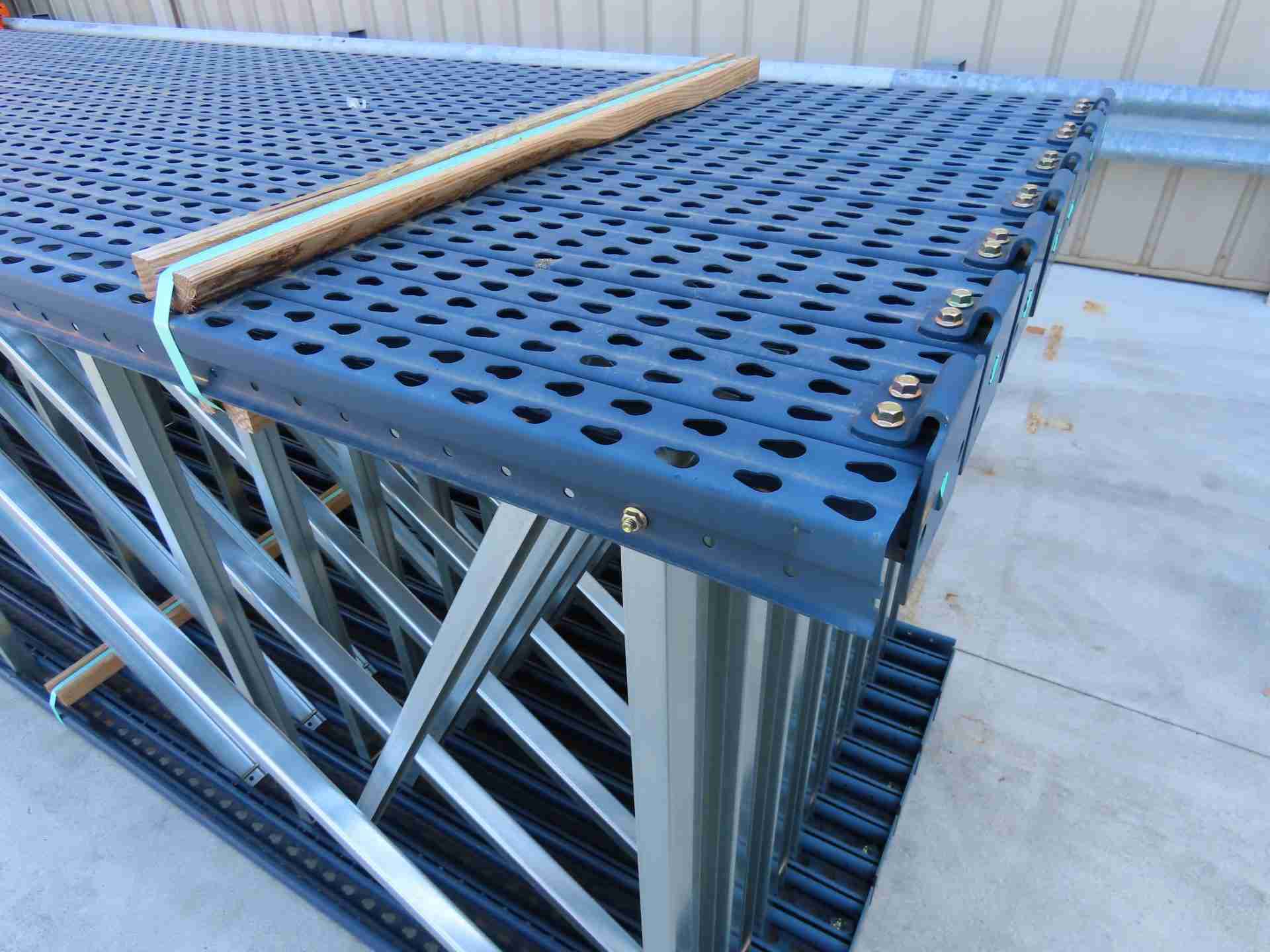
What Safety Regulations Govern Pallet Rack Use?
Conclusion
Conclusion
In the dynamic world of warehousing, the safety of your pallet racking system isn’t just an afterthought; it’s the backbone of your operational success. If you’ve been overloading your existing racks, it’s time to confront the potential dangers head-on. While striving for maximum efficiency may seem appealing, pushing your racking system beyond its limits can culminate in dire consequences—both for your workforce and your bottom line.
The call for action is loud and clear: prioritize safety and recognize the critical role that properly managed pallet racking plays in your warehouse operations. A proactive approach involving regular audits, staff training, and adherence to recommended weight limits can help sustain the integrity of your systems while safeguarding your team. Awareness of the telltale signs of overloading—such as sagging beams, unusual noises, or employee concerns—is imperative in mitigating risks before they escalate into costly accidents or injuries.
Beyond immediate safety, a well-maintained pallet racking setup fosters a culture of trust and respect among your employees. When they feel secure in their environment, productivity flourishes. This doesn’t just benefit your team—it enhances your overall operational efficiency, allowing you to respond quicker to customer needs without compromising safety standards.
Moreover, understanding and adhering to safety regulations set forth by organizations like OSHA and ANSI is not just about compliance; it’s about creating a workplace where employees can perform their tasks without fear. Investing in your pallet racking system is investing in your team’s well-being. Regular inspections and training can transform your workforce into vigilant leaders of safety who are engaged and accountable.
Now is the time for action! Don’t let complacency compromise your business. Call Arrow Industrial Sales at (574) 349-6575 to discuss how you can enhance your warehouse’s safety and efficiency with our expert solutions. Delaying this vital step could expose your company to significant risks, including increased repair costs, potential legal issues, and a tarnished reputation.
The urgency to act is real—the integrity of your operations hinges on the choices you make today. Put your warehouse on a path to success by ensuring safety and efficiency go hand in hand with robust pallet racking strategies. The peace of mind that comes from knowing your workplace is secure is invaluable. Let’s make safety your top priority!

Conclusion
Conclusion:
- The safety of pallet racking systems is crucial for operational success in warehousing.
- Overloading racks can lead to serious risks for both employees and the business.
- Regular audits, staff training, and adherence to weight limits are essential for maintaining system integrity.
- Recognizing signs of overloading (sagging beams, unusual noises) is vital for risk mitigation.
- A safe pallet racking environment promotes employee trust, respect, and productivity.
- Compliance with OSHA and ANSI regulations enhances workplace safety and employee well-being.
- Act now to avoid risks and improve safety and efficiency; contact Arrow Industrial Sales for solutions.
Conclusion
Other Resources
Other Resources
Here is a list of other resources you can review online to learn more:
- IIWS Inc. Rack Installation Illinois & Rack Repairs Illinois
- Pallet Racking systems in Illinois and Great Lakes
- ASSP
- Warehouse Storage Racking in Illinois
- Cantilever Racks Chicago
- SEMA
- Mustang Material Handling
- Warehouse Racking Chicago, IL
- Total Warehouse
- Pallet Rack Systems – New and Used Pallet Racking and Shelving Experts
Use This Prompt To Get More Resources With Your Favorite Online AI Tool: Please provide me with a list of online articles with their URLs in a bulleted list that I can read regarding Are You Risking Safety By Overloading Existing Warehouse Pallet Racks?
Other Resources
Glossary Terms
Are You Risking Safety By Overloading Existing Warehouse Pallet Racks? – Glossary Of Terms
1. Pallet Rack: A storage system designed for storing goods on pallets in a warehouse or distribution center, allowing for efficient stacking and retrieval.
2. Load Capacity: The maximum weight a pallet rack can support safely without risk of failure or collapse.
3. Overloading: The act of exceeding the designated weight limit of a pallet rack, which can compromise structural integrity and safety.
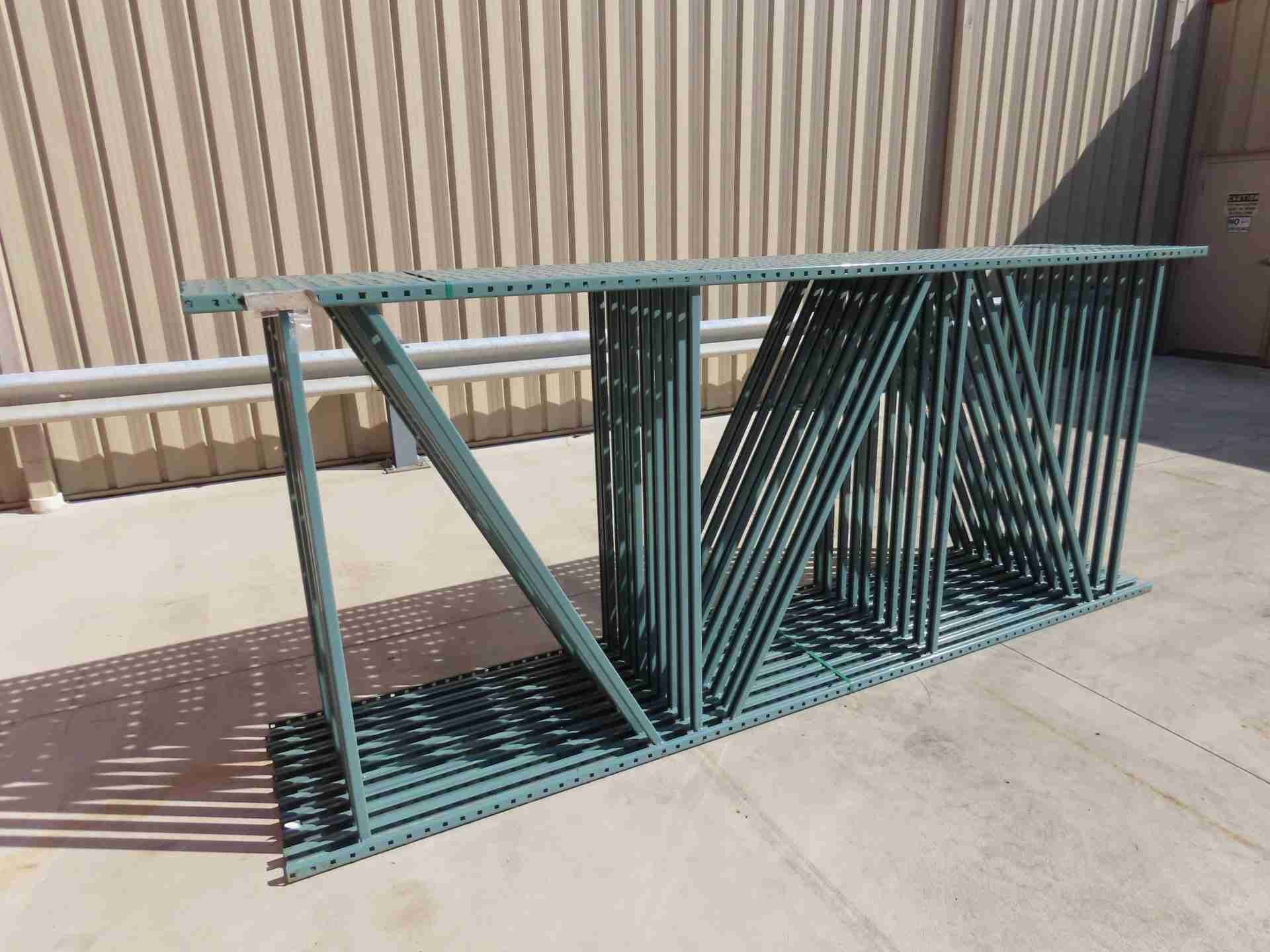
4. Beam: The horizontal supports that hold pallets in a pallet rack system and bear the weight of stored items.
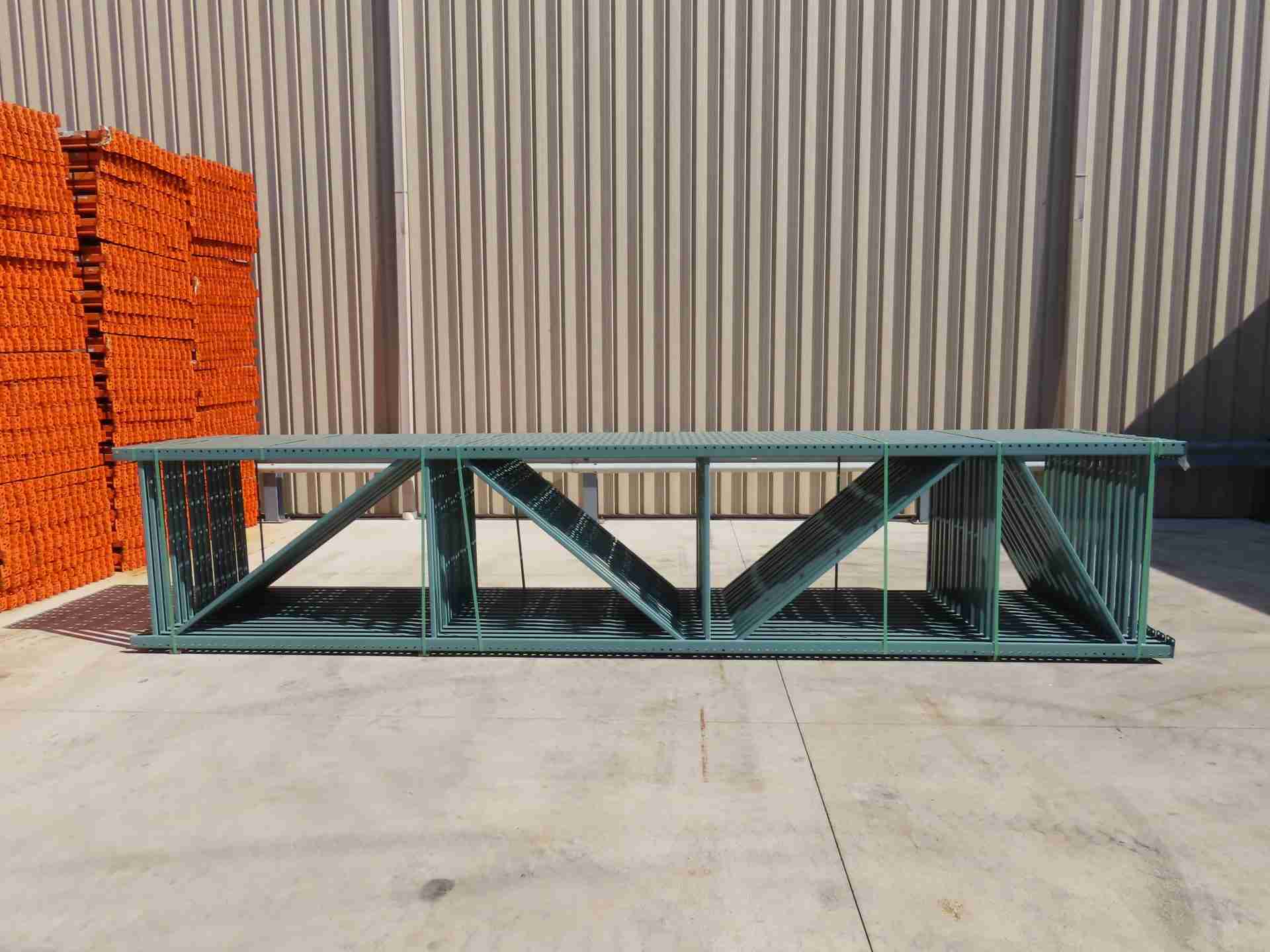
5. Upright: The vertical frame of the pallet rack that provides support for the beams and holds the entire structure upright.
6. Weight Distribution: The manner in which weight is spread across the pallet rack; uneven distribution can lead to instability.
7. Safety Factor: A design criterion that provides a margin of safety by incorporating a load limit that exceeds expected maximum loads.
8. Forklift: A powered industrial truck used to lift and move heavy materials and pallets within the warehouse.
9. Pallet: A flat transport structure that supports goods in a stable manner while being lifted by a forklift or pallet jack.
10. Inspection: The process of examining pallet racks for damage, wear, and compliance with safety standards to prevent accidents.
11. Compliance: Adhering to established regulations and standards related to warehouse safety and equipment use.
12. Weight Rating: A certification assigned to pallet racks that indicates the maximum load they are designed to safely support.
13. Stability: The condition of being balanced and resistant to tipping or collapsing under load.
14. Safety Audit: An evaluation of workplace safety practices, including the condition of pallet racks, procedures, and staff training.
15. Capacity Plate: A label or plate affixed to a pallet rack that indicates its maximum allowable load and safety guidelines.
16. Structural Integrity: The ability of the pallet rack to support intended loads without failure, essential for safety.
17. Hazard: A potential source of harm or adverse effects, such as overloaded pallet racks, which can lead to accidents.
18. Reinforcement: Additional support put in place to enhance the strength and stability of pallet racks.
19. Dynamic Load: The influence of moving weights on a rack system, which may create additional stress compared to static loads.
20. Static Load: The weight placed on the rack when items are at rest and not subjected to movement.
21. Load Chart: A graphical representation that shows how much weight can be safely placed at different levels of a pallet rack.
22. Aisle Space: The area between pallet racks that must be maintained for safe navigation by forklifts and people.
23. Safety Guard: Devices or barriers used to protect pallet racks and workers from accidental collisions or falls.
24. Load Segregation: The practice of separating heavy and light items on a pallet rack to ensure even distribution of weight.
25. Warehouse Management System (WMS): A software solution that helps manage inventory, optimize storage, and improve overall warehouse operations.
26. Pallet Rack Design: The layout and structural configuration of pallet racks, which is crucial for maximizing warehouse space and safety.
27. Employee Training: Programs designed to educate warehouse staff about safe equipment use, load limits, and potential hazards.
28. Rack Collapse: A failure in a pallet rack due to excessive loading or structural deficiencies, which can result in serious injury or damage.
29. Risk Assessment: A systematic evaluation of potential risks associated with using pallet racks, aimed at preventing accidents.
30. Emergency Protocols: Established procedures to follow in the event of a safety incident involving pallet racks, ensuring a quick and effective response.

Glossary Of Terms
Other Questions
Are You Risking Safety By Overloading Existing Warehouse Pallet Racks? – Other Questions
If you wish to explore and discover more, consider looking for answers to these questions:
- What are the specific weight limits for different types of pallet racks?
- How often should you conduct audits of your pallet racking systems?
- What training programs are available for employees regarding pallet rack safety?
- What steps can be taken to prevent overloading in warehouses?
- How does industry specific compliance affect pallet racking systems?
- What should you do if you suspect your pallet racks are overloaded?
- What are some cost-effective solutions for improving pallet racking safety?
- Are there technologies available to monitor load capacity on pallet racks?
- How can warehouse layout influence the safety of pallet racking systems?
- What should be included in a pallet racking inspection checklist?
- What are the liability implications for businesses that ignore pallet rack safety?
- How do you choose the right supplier for pallet racking systems?
- What damages and losses can occur from pallet rack failures?
- How can you encourage a safety culture among warehouse staff?
- What signage is required to ensure safety compliance around pallet racks?
Other Questions
Checklist
Are You Risking Safety By Overloading Existing Warehouse Pallet Racks? – A Checklist
Warehouse Pallet Rack Safety Checklist
Ensure the safety and efficiency of your warehouse operations by following this comprehensive checklist. Regularly assess your pallet racking systems to protect your team and your investment.
Pallet Rack Inspection Checklist
Structural Checks
_____ Visual Inspection: Look for any bows, bends, or misalignments in beams and frame.
_____ Component Integrity: Check uprights for any signs of bowing or bending, and ensure beams are securely locked.
_____ Weight Distribution: Confirm racks are designed to distribute weight evenly as per manufacturer specifications.
Regular Maintenance
_____ Scheduled Inspections: Set a routine for regular inspections to identify potential issues.
_____ Documentation: Keep records of inspections and any maintenance performed on pallet racks.
Employee Engagement
_____ Training Programs: Provide training for employees on recognizing signs of instability and safe loading practices.
_____ Feedback Mechanism: Establish a system for employees to report concerns or observations regarding pallet rack safety.
Load Management
_____ Weight Limits: Ensure all loads adhere to the recommended weight limits for each rack system.
_____ Inventory Practices: Avoid the ‘just in time’ mentality and prioritize safety over convenience.
Environmental Considerations
_____ Warehouse Layout: Ensure adequate aisles and spacing for safe maneuvering of forklifts and personnel.
_____ Clear Pathways: Maintain clear pathways around rack systems to avoid accidents.
Noise Awareness
_____ Sound Checks: Listen for unusual noises such as creaking or groaning from pallet racks when loading or accessing items.
Compliance and Safety Standards
_____ Familiarize with Regulations: Understand and comply with OSHA guidelines and ANSI/RMI standards regarding pallet racking.
_____ Regular Audits: Conduct regular audits to ensure ongoing compliance with safety regulations.
Signs of Overloading
_____ Visual Cues: Look for signs of visual distress such as sagging or misalignment.
_____ Product Stability: Check if items are falling off or tipping over, indicating potential overload.
Emergency Preparedness
_____ Emergency Plan: Develop and communicate a clear emergency response plan for incidents involving racking failures.
_____ First Aid Availability: Ensure first aid supplies and trained personnel are readily available in case of accidents.
Final Steps
_____ Seek Expert Advice: If unsure about the stability or adequacy of your racking system, consult with pallet racking specialists.
_____ Stay Informed: Keep up with industry trends and regulations to continuously improve safety standards in your warehouse.
By regularly following this checklist, you prioritize the safety and productivity of your warehouse environment, ensuring that your operations run smoothly without compromising the well-being of your team.
Checklist
At RackingWorld, we help guide you through selecting warehouse storage systems and racking.
Be sure to read our other related stories at RackingWorld to learn more about warehouse storage systems.
0 Comments