
Conquer Your Warehouse Inventory Insecurities With These Rack Solutions
By Tom Seest
At RackingWorld, we help guide you through selecting warehouse storage systems and racking.
Call Arrow Industrial Sales today at (574) 349-6575 and take the first step toward transforming your warehouse. The stakes are too high to wait. Your safer, more efficient future is just a phone call away!
Be sure to read our other related stories at RackingWorld to learn more about warehouse storage systems.
Are You Insecure About Meeting Warehouse Inventory Demands with Racks?
Every warehouse manager has faced that sinking feeling—those moments when the inventory demands seem overwhelming and those racks look more like a jigsaw puzzle than a solution. You know the stakes: misplaced products lead to chaos, dissatisfied customers, and diminished profits. That’s where the right Pallet Racking system comes in, acting as your backstage hero in the hustle and bustle of warehouse life.
Imagine this: it’s Monday morning, and you walk into your warehouse. Your shelves are neatly organized, products stored systematically, and you can easily locate inventory at a moment’s notice. You unlock the power of your warehouse with an exceptional Pallet Racking layout, maximizing space while allowing for quick access. Sounds comforting, right? But how do you get there?
Start by asking yourself: What are the unique inventory demands of your operation? Are you dealing with bulky products that need heavy lifting? Or maybe you’re juggling multiple SKUs that require flexibility? Understanding your specific needs is the first step toward combating insecurity.
Choosing the right Pallet Racking system is like finding the ideal partner in crime for your warehouse operations. A well-chosen racking solution not only optimizes space but also streamlines workflow. When products are easily accessible, you improve efficiency and reduce the risk of errors. Trust me, the relief of knowing each item is where it belongs will empower you and your team to focus on growing your business rather than scrambling to keep up.
But it’s not just about functionality—it’s about peace of mind. Working with a trusted supplier who understands the nuances of your industry can make all the difference. Look for a partner who offers tailored solutions to meet your unique inventory challenges. They should not only provide you with Pallet Racking options but also stand by you through every phase—from installation to ongoing support.
In a world where logistics is king, don’t let the worry of inventory demands keep you up at night. Instead, take action by investing in a strategic Pallet Racking system that transforms your warehouse from a source of stress into a model of efficiency. Remember, every great journey begins with a single step. Let’s take that step together and ensure your warehouse meets the demands of today and tomorrow with confidence. Embrace the power of effective racking; your warehouse—and your future—will thank you for it.
Are You Insecure About Meeting Warehouse Inventory Demands with Racks?
Are You Insecure About Meeting Warehouse Inventory Demands with Racks?
- Warehouse managers often face overwhelming inventory demands, leading to chaos and customer dissatisfaction.
- A well-designed Pallet Racking system can significantly improve warehouse organization and inventory access.
- Assess unique inventory needs, such as bulky products or multiple SKUs, to choose an appropriate racking solution.
- The right Pallet Racking optimizes space and streamlines workflow, enhancing productivity and reducing errors.
- Partner with a trusted supplier who offers tailored solutions and ongoing support for your racking needs.
- Investing in a strategic Pallet Racking system can alleviate inventory stress and improve efficiency in the warehouse.
- Embrace effective racking as a step towards a successful and organized warehouse operation for the future.
Are You Insecure About Meeting Warehouse Inventory Demands with Racks?
Table Of Contents
- Are You Insecure About Meeting Warehouse Inventory Demands with Racks?
- How Can Proper Racking Solutions Improve Inventory Efficiency?
- What Types Of Racks Are Best For Maximizing Space Utilization?
- How Do I Evaluate The Capacity Needs For Warehouse Racking?
- What Safety Standards Should I Consider For Warehouse Racks?
- How Can Technology Aid In Managing Warehouse Inventory Effectively?
- What Is The Impact Of Seasonal Fluctuations On Inventory Demands?
- Conclusion
- Other Resources
- Glossary Of Terms
- Other Questions
- Checklist
How Can Proper Racking Solutions Improve Inventory Efficiency?
In the fast-paced world of inventory management, efficiency isn’t just an advantage; it’s a necessity. Imagine walking into a warehouse where every item is perfectly placed, easily accessible, and accounted for. This is where proper racking solutions come into play, revolutionizing not just the flow of goods, but the very essence of operational success. Let’s dive into how the right racking choices—especially pallet racking—can transform your inventory strategy.
First and foremost, envision the ultimate scenario: your team spends less time searching for products and more time fulfilling orders. With efficient pallet racking systems, you’re maximizing vertical space and creating organized rows of goods that are easy to navigate. This streamlined approach not only saves precious time but also reduces labor costs. When your employees know exactly where to find items, they can focus on what really matters: delivering exceptional service to your customers.
But let’s not stop there. The right racking solutions also empower your warehouse’s overall flow. Picture a layout where products are categorized systematically using pallet racking, allowing for quick retrieval and replenishment. This organization decreases the likelihood of errors, ultimately heightening your inventory accuracy. We all crave reliability in our operations, and proper racking brings that peace of mind, ensuring that inventory levels are maintained, orders are fulfilled accurately, and waste is minimized.
Moreover, think about safety. A well-structured racking system significantly reduces workplace accidents. By utilizing high-quality pallet racking, your warehouse can prevent collapses and create a safer environment for your staff. When employees feel safe, they are more motivated and productive—an intangible benefit that translates into tangible results.
Now, let’s talk dollars and cents. Better inventory organization through sturdy racking solutions can lead to increased sales. An efficient system means faster turnaround times, which can delight customers and foster loyalty. Moreover, less money tied up in excess inventory translates to improved cash flow. It’s a cycle of success that reinforces itself, allowing you to reinvest in your business and fuel growth.
So, why settle for chaos? Identify the racking solutions that best suit your inventory needs and transform your operations from good to extraordinary. Embrace the power of pallet racking and witness your efficiency soar. It’s time to unleash the full potential of your warehouse and watch as your business thrives!
How Can Proper Racking Solutions Improve Inventory Efficiency?
How Can Proper Racking Solutions Improve Inventory Efficiency?
- Efficiency in inventory management is essential for operational success.
- Proper racking solutions, particularly pallet racking, streamline product organization.
- Efficient systems save time and reduce labor costs by minimizing search efforts.
- Organized layouts improve product retrieval, decreasing errors and enhancing inventory accuracy.
- Quality racking systems promote workplace safety, reducing accidents and boosting employee motivation.
- A well-structured inventory leads to faster turnaround times, boosting sales and customer loyalty.
- Investing in effective racking solutions enhances cash flow and supports business growth.
How Can Proper Racking Solutions Improve Inventory Efficiency?
What Types Of Racks Are Best For Maximizing Space Utilization?
When it comes to maximizing space in your warehouse or retail environment, one thing is certain: the right type of racks can transform chaos into order and inefficiency into productivity. Imagine being able to locate and access your inventory swiftly, allowing your team to focus on what truly matters—serving your customers and growing your business. One solution that consistently rises to the top is Pallet Racking.
Pallet racking is more than just a storage system; it’s a game-changing strategy that makes excellent use of vertical space. In a world where every square foot of your storage area counts, why settle for less? By leveraging the height of your warehouse, pallet racking allows you to stack pallets high, freeing up valuable floor space for other operations. It’s as if you were given a magic wand to create additional room without having to expand your facility.
Now, I know what you’re thinking. “Will all that vertical space really be useful?” The answer is a resounding yes! With the right pallet racking system, you can optimize your layout, increase accessibility, and enhance picking efficiency. Choose from options like selective pallet racks when you need versatility, or consider drive-in racks for compact storage solutions. Every type, tailored to meet unique demands, means there’s no one-size-fits-all; rather, there’s a perfect fit for your specific needs.
Let’s get real: poorly organized inventory can lead to stress, errors, and wasted time. Who hasn’t faced the frustration of searching endlessly for that one product? By implementing pallet racking, you not only improve space utilization, you also reduce picking errors and turnaround time. Your staff will thank you, and your customers will notice the speedy service that comes with a well-thought-out system.
Moreover, a smart investment in pallet racking pays dividends. You’ll see improvements in your bottom line, as efficient space management not only streamlines processes but also enhances your overall operational capabilities. As you build trust with your customers through quicker order fulfillment and stock accuracy, you’ll feel more confident in your business’s future.
So, if you’re ready to elevate your storage game, don’t overlook the potential of pallet racking. Your space is valuable—let it work for you. Step into a world of organized efficiency and watch your business flourish!

What Types Of Racks Are Best For Maximizing Space Utilization?
What Types Of Racks Are Best For Maximizing Space Utilization?
- The right type of racks can transform storage chaos into order and increase productivity.
- Pallet racking makes efficient use of vertical space, optimizing floor area in warehouses and retail environments.
- The system allows for high stacking of pallets, creating extra room without the need for facility expansion.
- Various pallet racking options exist, including selective racks for versatility and drive-in racks for compact storage.
- Implementing pallet racking improves space utilization, reduces picking errors, and decreases turnaround time.
- A smart investment in pallet racking enhances operational capabilities and improves the bottom line.
- Pallet racking fosters quicker order fulfillment and stock accuracy, building customer trust and ensuring business growth.
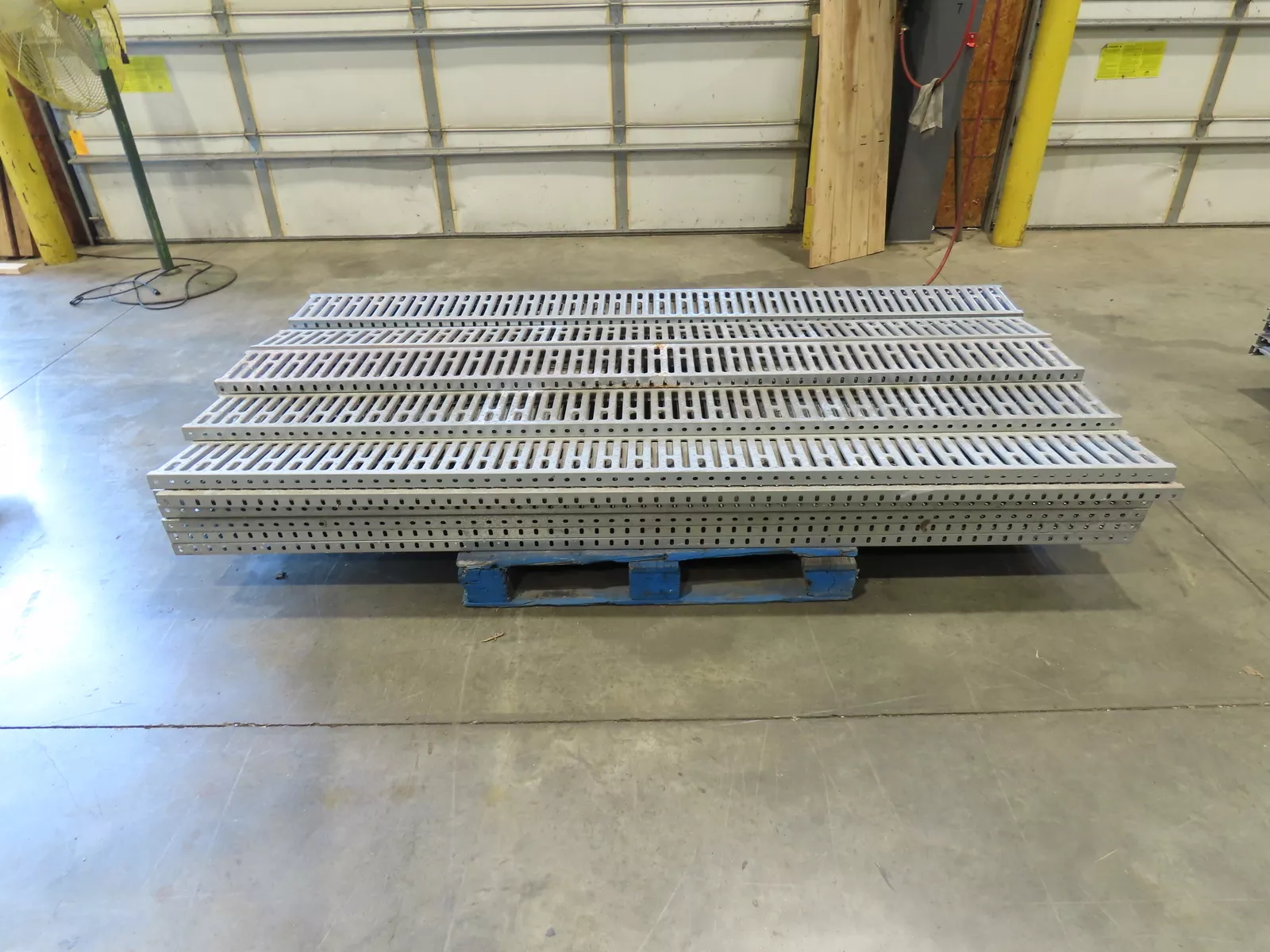
What Types Of Racks Are Best For Maximizing Space Utilization?
How Do I Evaluate The Capacity Needs For Warehouse Racking?
When it comes to maximizing your warehouse efficiency, understanding how to evaluate your capacity needs for pallet racking is crucial. Picture this: You’ve invested in a sprawling warehouse, visions of streamlined operations dancing in your head. But wait! Are your racking systems tailored to support your actual storage requirements? By taking the time to assess your needs, you’re not only making an informed decision but also setting the stage for success.
Begin by assessing your inventory. What types of products do you store? Are they bulky machines, delicate electronics, or perhaps seasonal goods? Each of these items has different dimensional requirements that dictate the type of pallet racking you will need. Create an inventory breakdown and categorize your goods based on size, weight, and handling frequency. This exercise will give you clarity on how much space your racking should provide.
Next, think about your picking methods. Are you operating with a dedicated team of pickers working for hours on end? Or are your products being moved in and out frequently, perhaps with the help of automation? Understanding your operational flow will guide you in selecting the appropriate pallet racking systems that can withstand your workload.
But let’s not forget the future! Your warehouse’s needs may grow or change as your business evolves. Will your racking system be easily adjustable or expandable? Opting for a more flexible pallet racking solution can save you time and money down the line, avoiding the pitfalls of future storage constraints.
Engaging with your team is another powerful step in evaluating capacity needs. They are on the front lines and can provide valuable insights based on their experiences with current systems. Encourage feedback and leverage their hands-on understanding to inform your decision-making. Trust, after all, is built by valuing the voices of those who work inside the space daily.
Finally, it’s wise to reach out to warehouse racking experts. Many offer free consultations to help you assess your specific capacity needs. Their expertise can shed light on overlooked factors and provide innovative solutions. Don’t shy away from asking tough questions; a reliable partner will welcome your curiosity and ensure that you embark on the right path.
Approach the task of evaluating your warehouse’s capacity needs with confidence and a strategic mindset. The right pallet racking can be the backbone of your operation, propelling you toward increased efficiency and profitability. Take this step seriously—your future self will thank you.
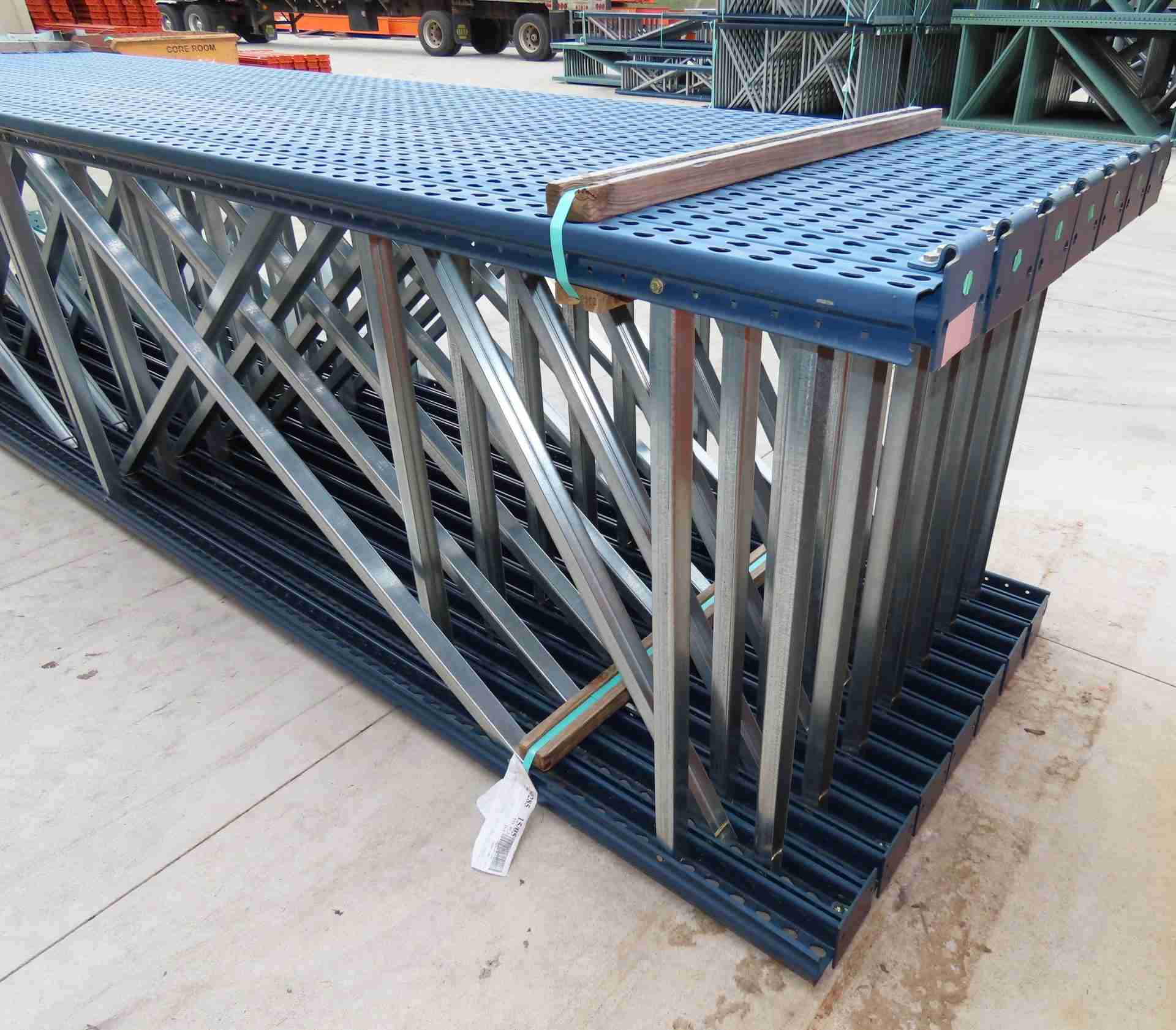
How Do I Evaluate The Capacity Needs For Warehouse Racking?
How Do I Evaluate The Capacity Needs For Warehouse Racking?
- Assess your warehouse capacity needs for pallet racking to enhance efficiency.
- Evaluate inventory types, including size, weight, and handling frequency of products.
- Consider your picking methods to select suitable pallet racking systems.
- Plan for future growth by choosing adjustable or expandable racking solutions.
- Engage with your team for insights and feedback on current racking systems.
- Consult with warehouse racking experts for tailored capacity assessments.
- Adopt a strategic mindset to ensure your pallet racking supports operational efficiency.
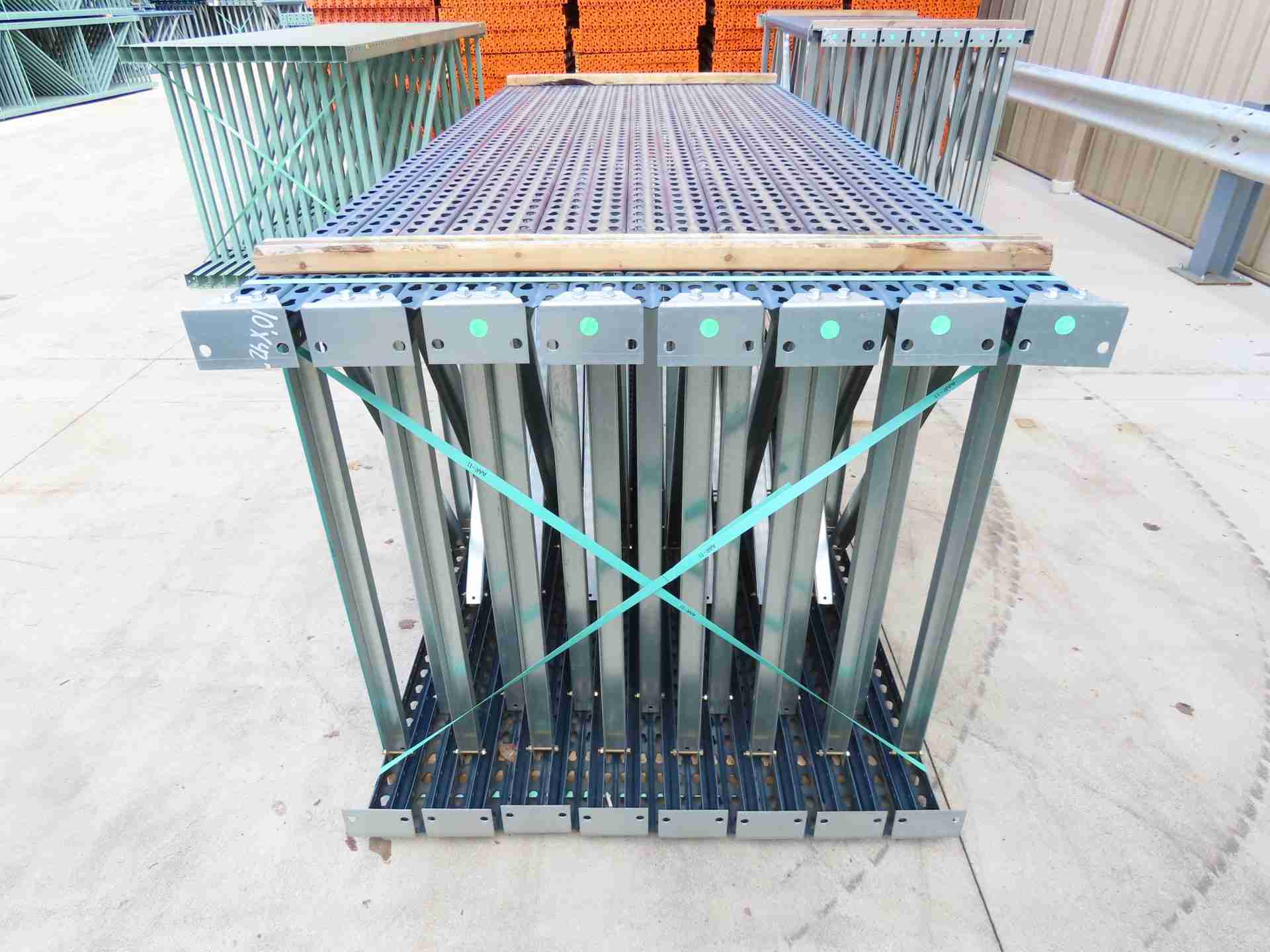
How Do I Evaluate The Capacity Needs For Warehouse Racking?
What Safety Standards Should I Consider For Warehouse Racks?
When it comes to warehouse operations, the safety of your employees and products is non-negotiable. One of the most significant investments in your warehouse is your Pallet Racking system. Choosing the right safety standards for your racking can make a vital difference in protecting your assets and human capital. Remember, a safe workplace fosters a more productive environment—and as a savvy business owner, you understand that any investment in safety is in essence an investment in your business’s success.
First and foremost, familiarize yourself with national and international safety standards relevant to warehouse racking systems. Organizations like OSHA (Occupational Safety and Health Administration) in the U.S. and ISO (International Organization for Standardization) offer guidelines that can help you ensure compliance. Ignoring these regulations could lead to fines that drain your budget and increased risk of accidents that disrupt your operations.
Next, evaluate your specific racking needs. Are you dealing with light or heavy loads? The weight that your Pallet Racking will bear should inform your choice of materials and the design of the racks themselves. Using robust and adequately rated racking systems will mitigate the risk of collapse, often at times least expected—after all, a small oversight can have monumental consequences.
Don’t forget about regular inspections. Safety standards aren’t a one-and-done checklist; they require ongoing vigilance. Establish a routine for examining racks for deformities, loose parts, or signs of wear. This practice not only protects your inventory but sends a powerful message to your team: that their safety is paramount, and that you’re committed to a culture of well-being.
And while we’re on the topic of culture, don’t overlook the importance of training. Ensure that your staff understands the weight limits of each racking system and adheres to proper loading and unloading techniques. Empowering your employees with knowledge builds trust and confidence—essential elements that foster a proactive safety culture.
Finally, connect with a reputable supplier who can offer insights and support tailored to your specific needs. A good supplier will not just provide equipment; they will partner with you to ensure you understand the ins and outs of your Pallet Racking system, contributing to a safer, more productive work environment.
Embrace safety standards in your warehouse with open arms. Not only does it safeguard your employees and inventory, but it also positions your business as a reliable leader in your industry. Remember, a safe operation is a successful operation!
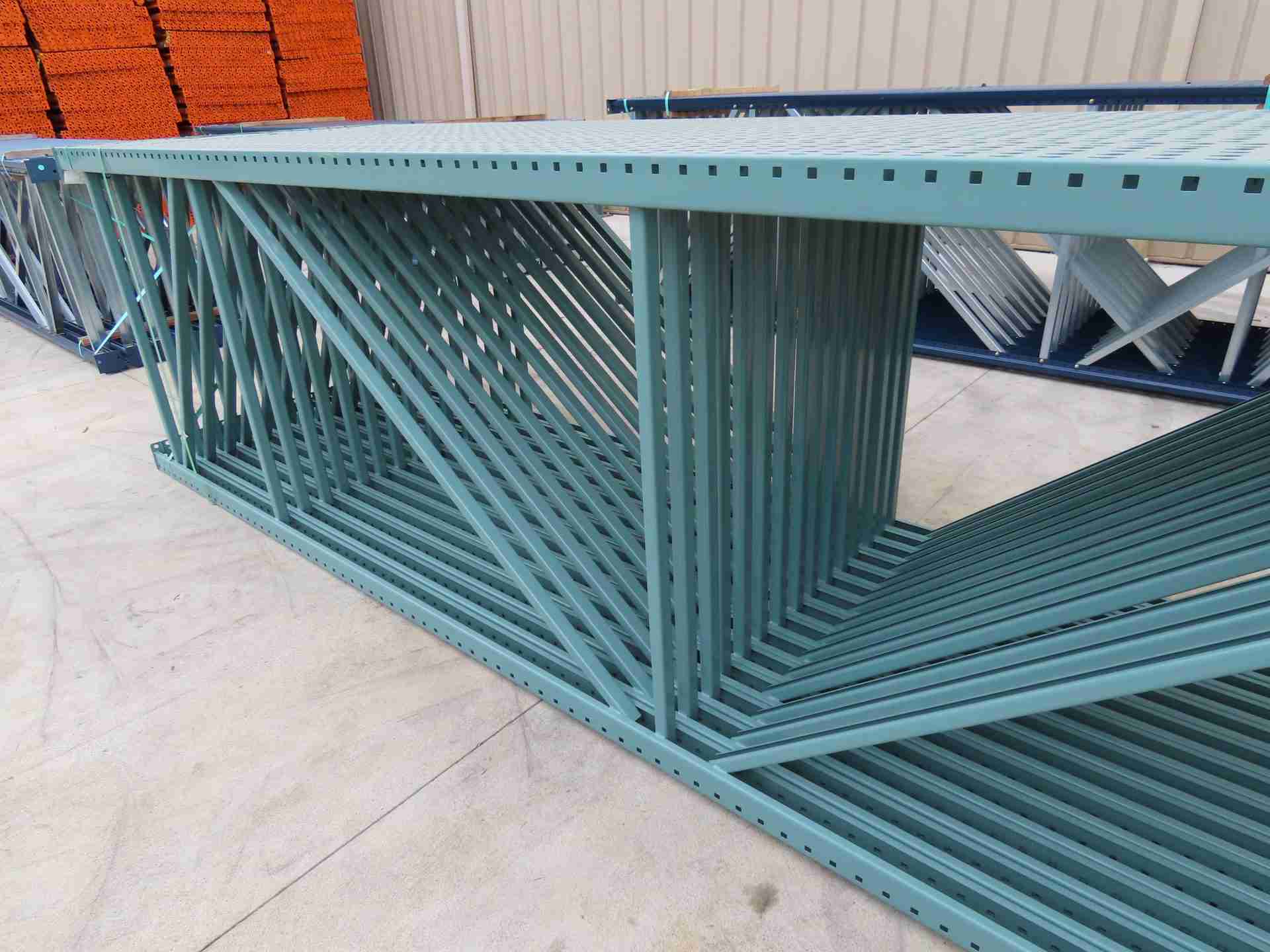
What Safety Standards Should I Consider For Warehouse Racks?
What Safety Standards Should I Consider For Warehouse Racks?
- Prioritize employee and product safety in warehouse operations, viewing safety as a critical investment.
- Familiarize yourself with national and international safety standards for racking systems (e.g., OSHA, ISO) to ensure compliance.
- Evaluate specific racking needs based on load weight to choose appropriate materials and designs, minimizing collapse risks.
- Conduct regular inspections of racking systems to identify deformities or wear, emphasizing the importance of safety culture.
- Provide training for staff on weight limits and proper loading/unloading techniques to foster a proactive safety culture.
- Partner with a reputable supplier for tailored insights and support on Pallet Racking systems to enhance safety and productivity.
- Embrace safety standards to protect employees, inventory, and establish your business as a reliable industry leader.
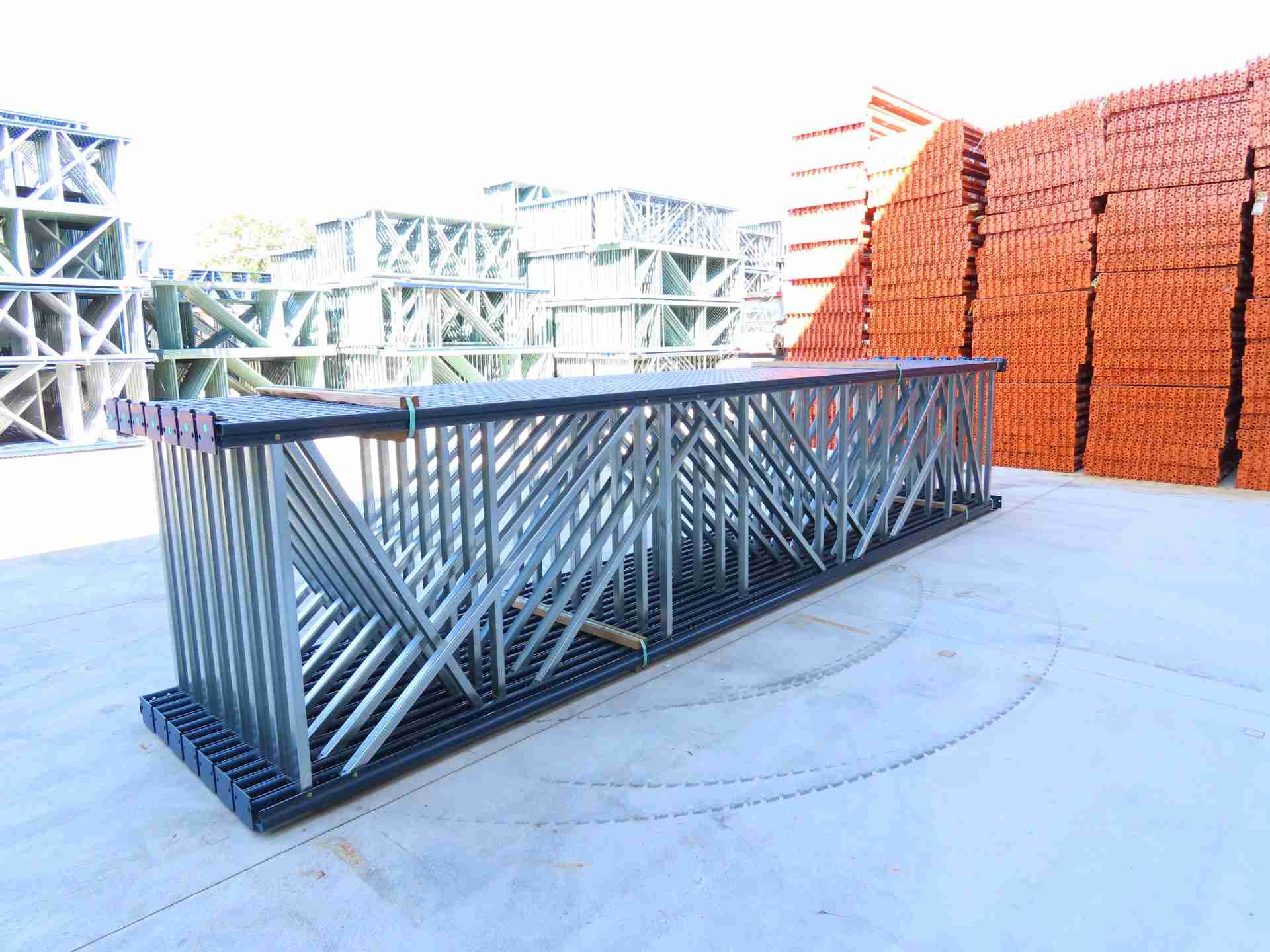
What Safety Standards Should I Consider For Warehouse Racks?
How Can Technology Aid In Managing Warehouse Inventory Effectively?
In today’s fast-paced market, managing warehouse inventory is no longer just about counting boxes and stacking pallets. Gone are the days when a clipboard and a pen would suffice. If you want to thrive, it’s time to embrace how technology transforms inventory management into a streamlined and efficient operation.
Imagine walking into your warehouse and seeing everything in perfect order, itemized and accounted for—like a well-oiled machine. Modern technology makes this vision a reality and ensures your warehouse runs smoother than ever. Pallet racking systems, for instance, have evolved from simple structures to smart solutions that maximize space while providing full visibility of inventory levels. These aren’t just shelves; they are strategic storage units that lend themselves to sophisticated inventory tracking systems.
But it’s not just about physical setup; it’s about integration. Inventory management software ties directly into your pallet racking systems, allowing you to keep track of what’s in stock at any given moment. Want to know how many widgets are on aisle 7? With just a click, you get an instant overview—no treasure hunts required! This increased visibility means better decision-making, reducing the dreaded overstocking or embarrassing stockouts that can cost your business dearly.
And let’s face it, the modern consumer demands accuracy and speed. Imagine providing your customers with real-time inventory updates—when they order, they’ll know exactly what they’re getting and when. That builds trust and loyalty, something you can’t afford to overlook in today’s competitive landscape. Additionally, technologies like RFID and barcode scanning enhance accuracy, so your inventory figures are as precise as your customers expect.
Furthermore, sophisticated analytics can identify trends, helping you evaluate which products fly off the shelves and which linger in the warehouse. Armed with this data, you can strategically plan your buying cycles, optimize storage within your pallet racking system, and ensure that every inch of your space is being utilized effectively.
The question isn’t whether to adopt technology in your inventory management—it’s how quickly you can integrate these solutions into your operation. The fun part? Investing in technology not only streamlines your operations but also positions you as a forward-thinking leader in your industry. Embrace the future, and watch your warehouse—and your profits—thrive.
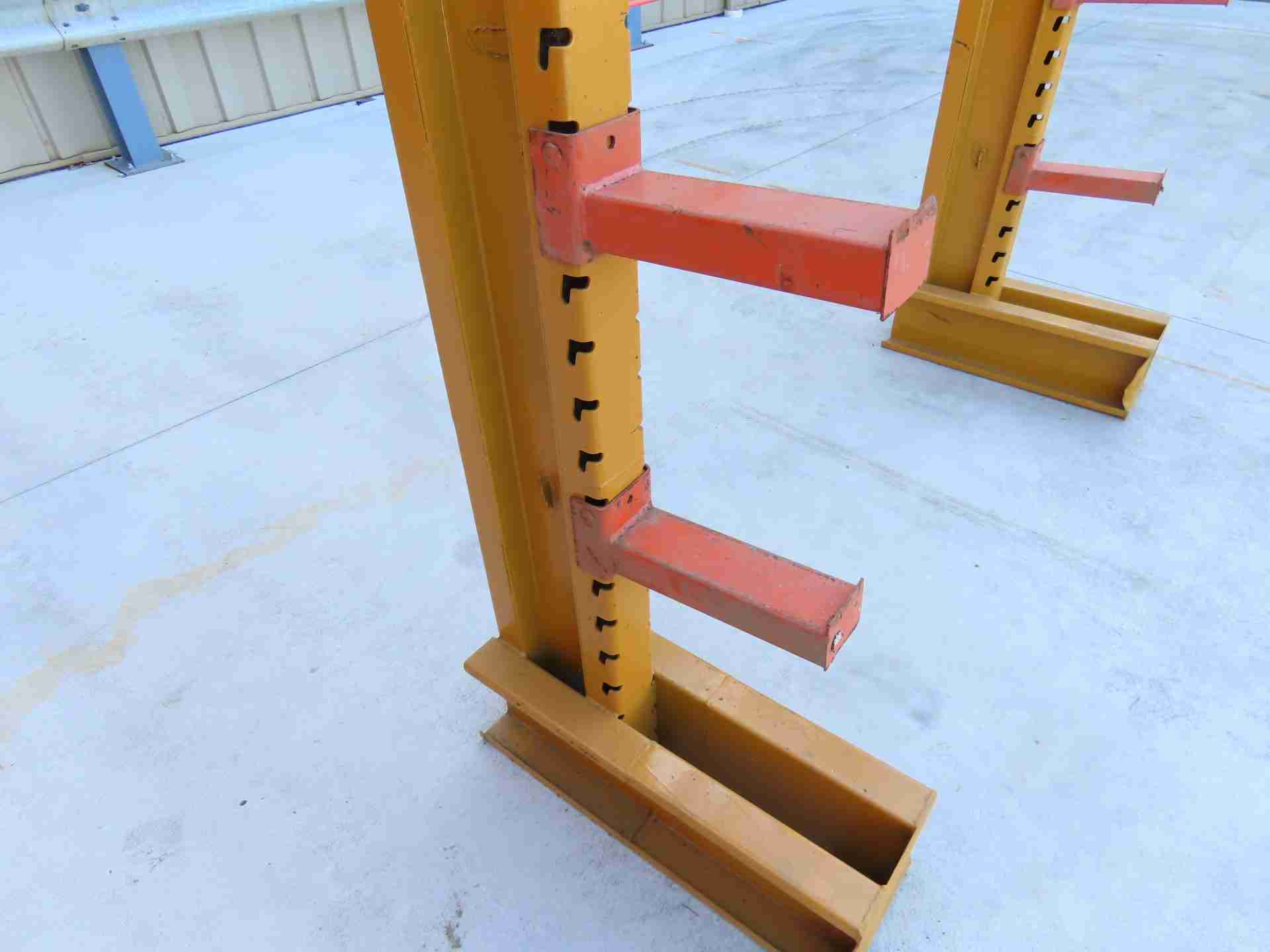
How Can Technology Aid In Managing Warehouse Inventory Effectively?
How Can Technology Aid In Managing Warehouse Inventory Effectively?
- Modern warehouse inventory management requires technology beyond traditional methods like clipboards and pens.
- Pallet racking systems have evolved into sophisticated storage solutions that maximize space and provide inventory visibility.
- Integration with inventory management software allows for real-time tracking of stock levels, enhancing operational efficiency.
- Real-time inventory updates build consumer trust and loyalty by providing accurate information about products and availability.
- Technologies such as RFID and barcode scanning improve inventory accuracy to meet customer expectations.
- Sophisticated analytics help identify sales trends, optimizing storage and purchasing decisions in the warehouse.
- Investing in technology positions businesses as leaders in the industry, driving both efficiency and profits.
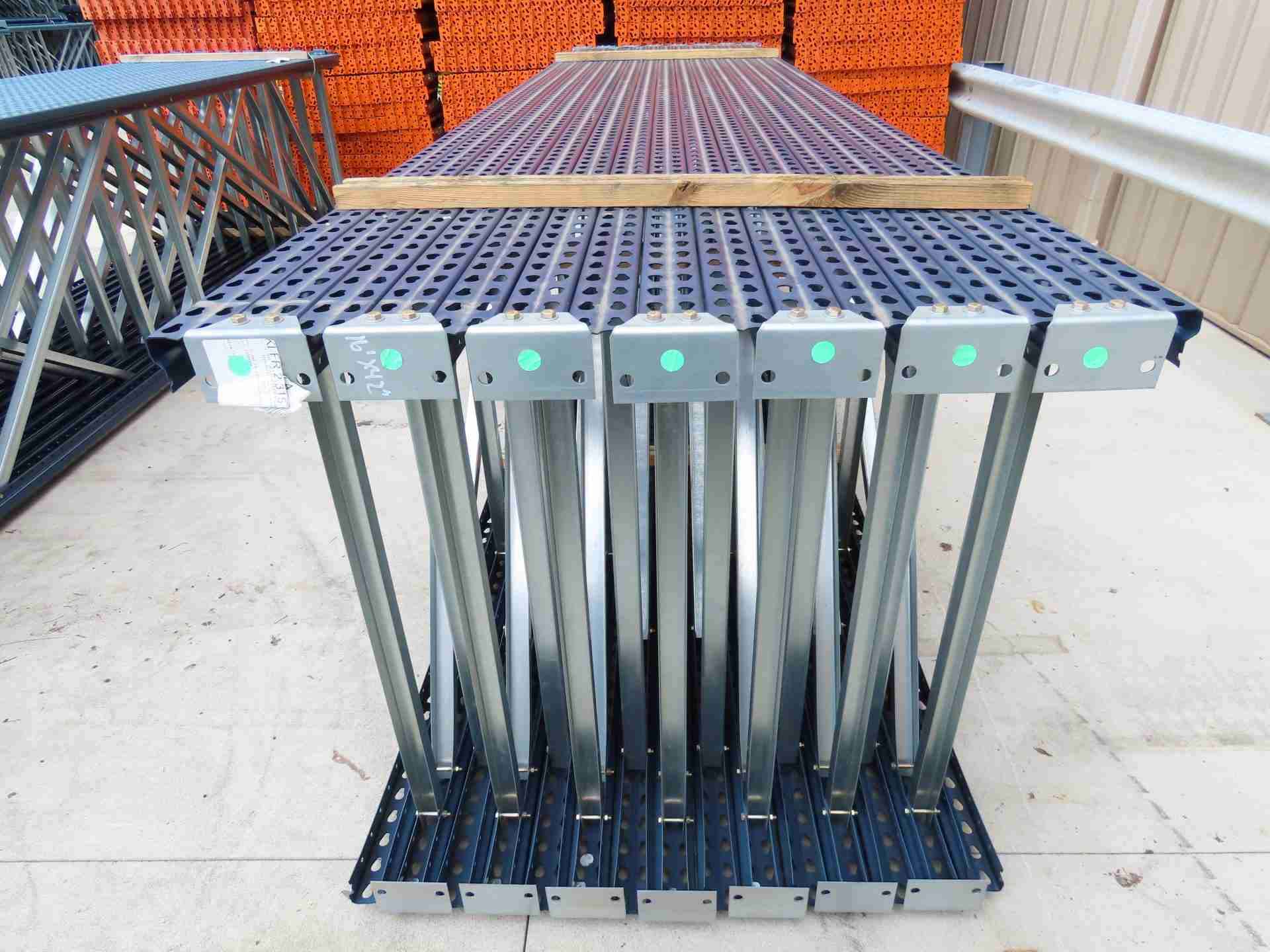
How Can Technology Aid In Managing Warehouse Inventory Effectively?
What Is The Impact Of Seasonal Fluctuations On Inventory Demands?
Embrace the reality that just as the seasons change, so too do the demands of your inventory. If you’re in retail, e-commerce, or even manufacturing, seasonal fluctuations can feel like a rollercoaster ride—thrilling at times and terrifying at others. But here’s the truth: these fluctuations are not just challenges; they are golden opportunities waiting to be seized.
Consider your storage solution—whether it’s sleek pallet racking or organized shelving. The way you optimize these structures can make all the difference during peak seasons. Picture this: during the holiday rush, when customers descend upon your store like a wave, do you want to be scrambling to fit in more stock? Or would you rather have an efficient system ready to handle the influx? If you haven’t yet adapted to this seasonal ebb and flow, now is the time to rethink your strategies.
Demand spikes during times like back-to-school, holidays, and even summer sales can leave businesses scrambling. Insufficient inventory means lost sales, while overstocking can lead to wasted resources and cash flow issues. The balance between supply and demand becomes a delicate dance—one that requires foresight, strategy, and perhaps a little creativity.
Utilizing tools such as pallet racking allows businesses to maximize storage efficiency and adaptability. By analyzing past trends and having a flexible storage system, you can prepare for the upcoming season and hold your ground against competitors. Whether it’s adjusting your inventory levels based on data from previous years or incorporating agile fulfillment processes, preparation is key.
Trust the numbers! Analyze your sales data and look for patterns. Start adjusting your strategies now—don’t wait until the first signs of spring or the countdown to Christmas to make your move. Research indicates that businesses that forecast seasonal shifts effectively can increase their inventory turnover by over 20%.
But don’t just stop at the numbers; people want to feel connected to your brand. Share your seasonal journey on social media; let your audience see how you prepare for their needs. This engagement fosters loyalty and builds trust. After all, they’ll remember how you handled things during peak times, and that can set you apart in a crowded market.
In the world of commerce, being proactive rather than reactive can transform your inventory challenges into triumphs. Embrace the seasonal rhythm, and let your carefully curated inventory shine through every peak and valley. The trust and confidence you foster now will create lasting relationships with customers that go far beyond the seasons. So, get ready; the next seasonal wave is just around the corner!

What Is The Impact Of Seasonal Fluctuations On Inventory Demands?
What Is The Impact Of Seasonal Fluctuations On Inventory Demands?
- Seasonal inventory demands change like the seasons, presenting both challenges and opportunities for businesses in retail, e-commerce, and manufacturing.
- Optimizing storage solutions, such as pallet racking and organized shelving, is crucial for managing peak season demands effectively.
- Insufficient inventory leads to lost sales, while overstocking can cause resource and cash flow issues; striking a balance is essential.
- Utilizing flexible storage systems and analyzing past trends helps businesses prepare for upcoming seasons and remain competitive.
- Effective forecasting of seasonal shifts can increase inventory turnover by over 20%, making it vital to analyze sales data and adjust strategies accordingly.
- Engaging with customers through social media about seasonal preparations fosters loyalty and trust, setting businesses apart in competitive markets.
- Proactivity in inventory management transforms challenges into successes, creating lasting customer relationships that extend beyond seasonal fluctuations.
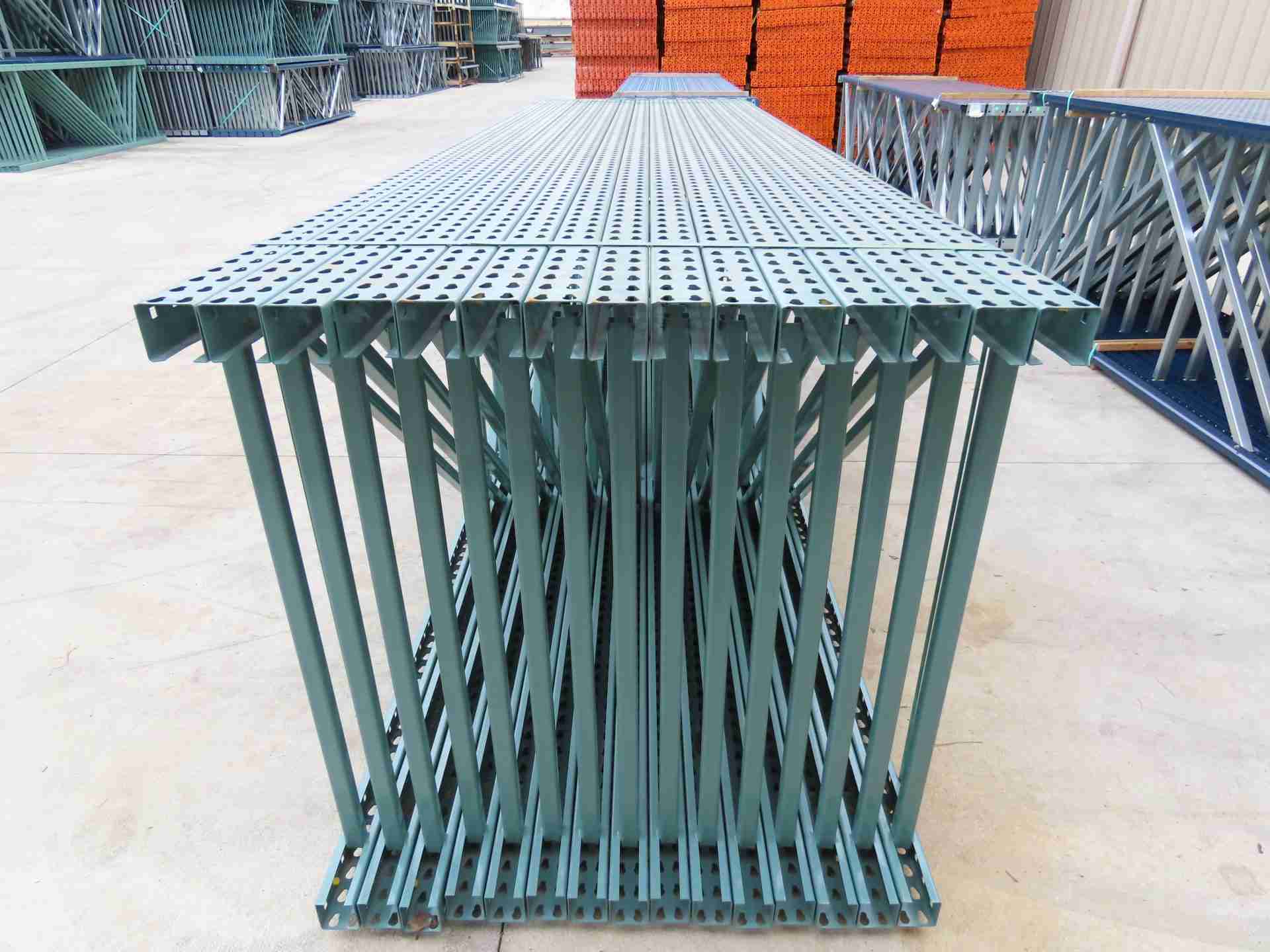
What Is The Impact Of Seasonal Fluctuations On Inventory Demands?
Conclusion
As the landscape of inventory management continues to evolve, the significance of an efficient pallet racking system cannot be overstated. Every warehouse manager knows the weight of responsibility that comes with juggling demands on space, inventory, and workforce efficiency. The good news is, converting these challenges into streamlined successes is entirely within your reach. At RackingWorld.com, powered by Arrow Industrial Sales, we’re here to help you navigate the complexities of warehouse racking solutions.
Think back to the moments when disorganization reigns in your facility. Inventory is misplaced, productivity drops, and customer satisfaction wanes. Now, imagine a transformed operation—a warehouse where every product is easily accessible, organized strategically, and fulfilled precisely as ordered. This vision can become a reality with the right pallet racking solutions designed specifically for your needs.
Understanding your unique requirements is crucial in this journey. Are you managing bulky items or a diverse range of SKUs? Identifying these specifics will pave the way for targeted racking solutions that will empower your team to operate at peak efficiency. Investing in tailored inventory strategies not only maximizes space but also enhances safety, diminishes errors, and ultimately boosts your bottom line.
Yet, it doesn’t stop there. The cornerstone of achieving these efficiencies lies in choosing a partner who not only sells you racks but understands the intricacies of your industry. Partnering with Arrow Industrial Sales means benefitting from personalized support through each step—from the initial assessment to installation and ongoing consultation.
But wait, time is of the essence. Inventory management isn’t just a seasonal concern; it’s a continuous challenge that requires proactive measures. The sooner you implement an effective pallet racking system, the sooner you can reclaim peace of mind and focus on what truly matters: delivering exceptional service to your customers and witnessing your business flourish.
So, what are you waiting for? Don’t let insecurity in managing warehouse inventory keep you up at night. Call Arrow Industrial Sales today at (574) 349-6575 to discuss how we can guide you through tailored racking solutions that ensure your warehouse not only meets today’s demands but also adapts to future growth. Act now—your streamlined warehouse and improved profitability are just a phone call away!

Conclusion
Conclusion:
- The importance of an efficient pallet racking system in modern inventory management is crucial for warehouse managers.
- Disorganization can lead to misplaced inventory, reduced productivity, and diminished customer satisfaction.
- Transforming operations is possible with tailored pallet racking solutions that enhance organization and accessibility.
- Understanding unique requirements, such as bulky items or diverse SKUs, is essential for targeted racking solutions.
- A partnership with Arrow Industrial Sales offers personalized support from assessment to installation and ongoing consultation.
- Implementing an effective pallet racking system should be a proactive priority to ensure continuous operation and growth.
- Contact Arrow Industrial Sales at (574) 349-6575 to explore customized racking solutions for improved warehouse efficiency and profitability.

Conclusion
Other Resources

Other Resources
Here is a list of other resources you can review online to learn more:
- WERC
- Used Teardrop Pallet Rack – American Surplus
- Pallet Rack Systems – New and Used Pallet Racking and Shelving Experts
- Crane Manufacturers Association Of America Inc.
- Rack Manufacturers Institute
- Storage Equipment Manufacturers’ Association
- Arrow Industrial Sales
- Pallet Racking systems in Illinois and Great Lakes
- Pallet Racking systems in Illinois, Great Lakes
Use This Prompt To Get More Resources With Your Favorite Online AI Tool: Please provide me with a list of online articles with their URLs in a bulleted list that I can read regarding Are You Insecure About Meeting Warehouse Inventory Demands with Racks?
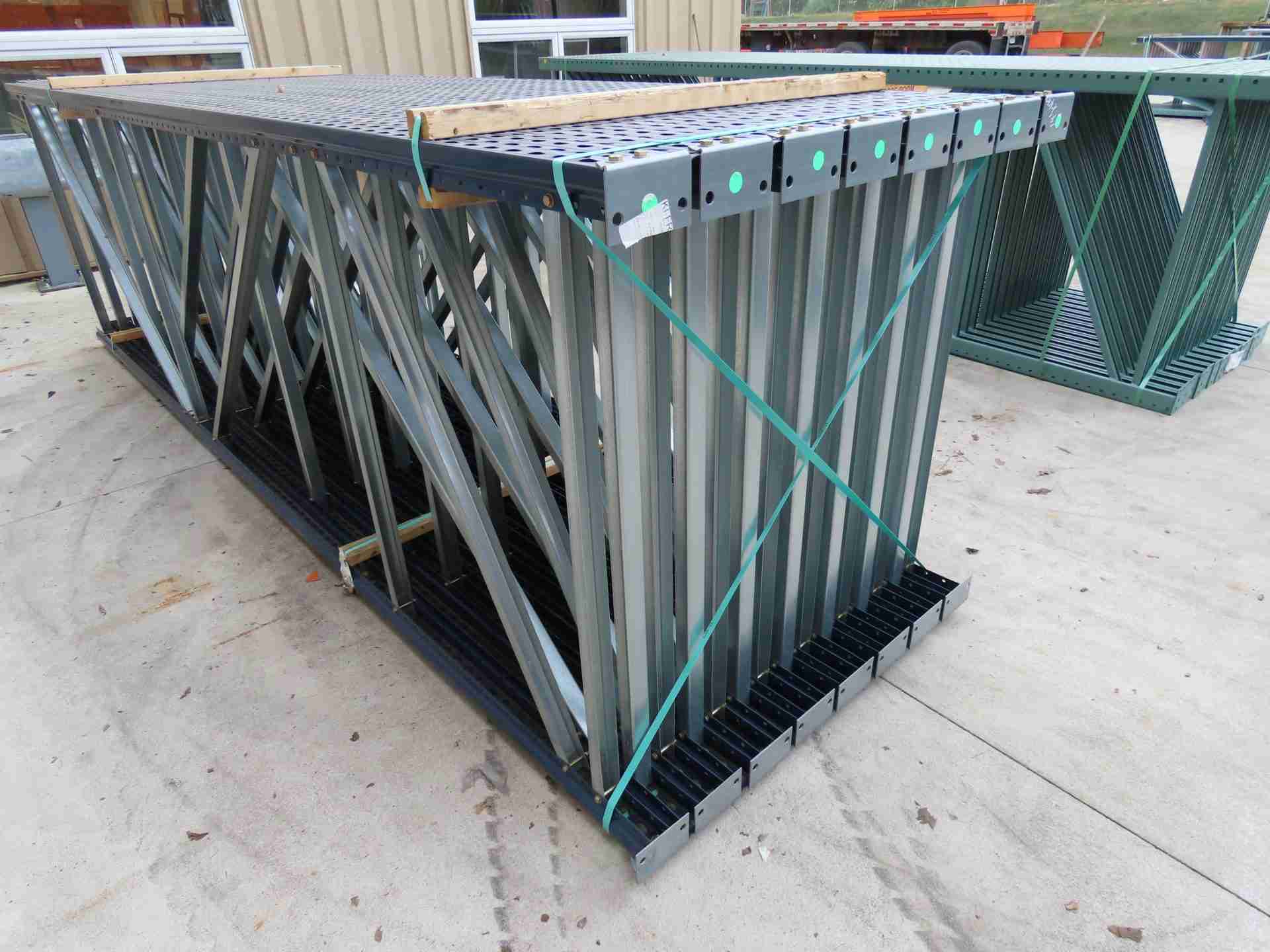
Other Resources
Glossary Terms
Are You Insecure About Meeting Warehouse Inventory Demands with Racks? – Glossary Of Terms
1. Inventory: A complete list of items, materials, or products that a business holds for the purpose of resale or production.
2. Warehouse: A large building where raw materials or manufactured goods are stored before their sale or distribution.
3. Racking System: A framework of shelves or supports designed for storing goods, used to maximize storage space and improve accessibility.
4. SKU (Stock Keeping Unit): A unique identifier for each distinct product and service that can be purchased in a store, used to track inventory.
5. Demand Forecasting: The process of estimating future customer demand for products in order to ensure adequate inventory levels.
6. Lead Time: The total time it takes from placing an order until the goods are received and ready for use or sale.
7. Stockout: A situation in which inventory is depleted and cannot fulfill customer orders, leading to potential losses.
8. Cycle Counting: An inventory auditing procedure where a subset of inventory is counted on a specified schedule to ensure accuracy.
9. Pallet: A flat transport structure used to support goods while being lifted by forklifts or pallet jacks.
10. Accessibility: The ease with which items can be reached or retrieved from storage, affecting warehouse efficiency.
11. Storage Density: A measure of how much product can be stored in a given amount of space, typically influenced by rack design.
12. FIFO (First In, First Out): An inventory management method where the oldest stock is sold first, helping to reduce spoilage.
13. LIFO (Last In, First Out): An inventory management strategy where the most recently added inventory is sold first, often used in certain industries.
14. Just-In-Time (JIT): An inventory management strategy that aligns production and inventory with demand, reducing holding costs.
15. Overflow Storage: Additional storage space used when regular inventory storage is insufficient to meet demand.
16. Capacity Utilization: The percentage of potential output that is actually being produced; higher percentages indicate more efficient use of space and resources.
17. Safety Stock: Extra inventory kept on hand to prevent stockouts during unpredictable demand spikes or supply chain disruptions.
18. Barcoding: A method of inventory tracking using a scannable code that can significantly reduce errors in inventory management.
19. Cross-Docking: A logistics practice where products are unloaded from an incoming truck and directly loaded onto outbound trucks, minimizing storage time.
20. Order Picking: The process of selecting and gathering items from inventory to fulfill a customer order.
21. Warehouse Management System (WMS): A software solution that offers tools for managing and optimizing warehouse operations, including inventory tracking and order fulfillment.
22. Lean Warehouse Management: An approach that focuses on minimizing waste in warehouse operations while maximizing productivity.
23. Storage Solutions: Various methods or systems designed to effectively store and organize inventory within a warehouse.
24. E-commerce Fulfillment: The process of receiving, processing, and delivering orders made online, often requiring specialized warehousing capabilities.
25. Conversion Rate: The percentage of visitors who complete a desired action, such as making a purchase; in a warehouse context, it could relate to the efficient fulfillment of orders.
26. Bin Location System: A method for organizing inventory using designated locations or bins to improve retrieval efficiency.
27. Shrinkage: The loss of inventory due to theft, damage, or errors, impacting overall inventory management.
28. Docking Station: The area within a warehouse where goods are loaded and unloaded from trucks, essential for managing inbound and outbound logistics.
29. Supplier Relationship Management (SRM): The systematic approach for developing and managing partnerships with the organizations that supply goods and services.
30. Scalability: The capacity of a warehouse system to grow and manage increased demand without becoming inefficient.

Glossary Of Terms
Other Questions
Are You Insecure About Meeting Warehouse Inventory Demands with Racks? – Other Questions
If you wish to explore and discover more, consider looking for answers to these questions:
- What are the key factors to consider when selecting a pallet racking system?
- How can I assess the efficiency of my current warehouse racking solutions?
- What are the costs associated with installing new racking systems?
- How often should I conduct safety inspections on my racking systems?
- What types of pallet racking systems are available on the market?
- How can we ensure optimal loading techniques to enhance racking safety?
- What are the common mistakes to avoid when setting up warehouse racks?
- How can I adjust my racking systems for changing inventory needs?
- What role does employee training play in maintaining rack safety?
- How do seasonal changes impact warehouse layout and racking systems?
- What are the advantages of using automated systems for inventory management?
- How do I choose a reliable supplier for racking solutions?
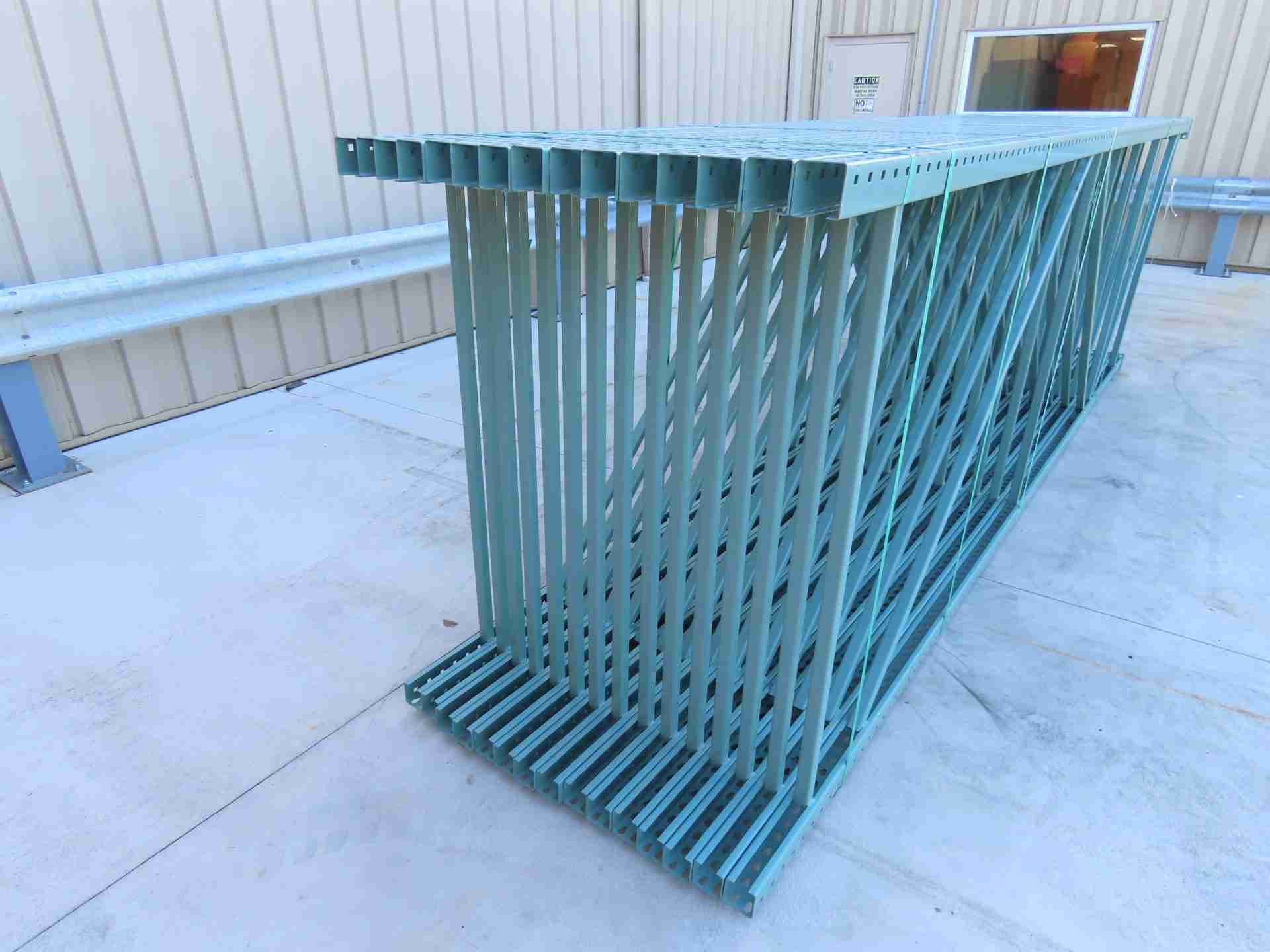
Other Questions
Checklist
Are You Insecure About Meeting Warehouse Inventory Demands with Racks? – A Checklist
Understanding Your Inventory Needs
✅ _____ Assess the types of products in your inventory (size, weight, and handling frequency).
✅ _____ Identify whether you need flexibility for multiple SKUs or solutions for bulky products.
✅ _____ Create an inventory breakdown to clarify space requirements.
Choosing the Right Racking System
✅ _____ Research different types of pallet racking (e. g. , selective, drive-in) that suit your needs.
✅ _____ Evaluate how vertical space can be maximized with an ideal pallet racking layout.
✅ _____ Consider future growth; choose adjustable and expandable racking systems.
Improving Workflow Efficiency
✅ _____ Implement a systematic categorization of products for quicker retrieval.
✅ _____ Train staff on optimal picking methods to improve order fulfillment speed.
✅ _____ Regularly review and optimize your racking layout for efficiency.
Ensuring Safety Standards
✅ _____ Familiarize yourself with OSHA and ISO safety guidelines relevant to racking systems.
✅ _____ Evaluate racking materials and designs based on weight load requirements.
✅ _____ Develop a routine for inspections to check for deformities and wear.
Engaging with Your Team
✅ _____ Solicit feedback from staff on current racking systems and inefficiencies.
✅ _____ Provide training on racking safety and best practices for order handling.
Incorporating Technology
✅ _____ Explore inventory management software that integrates with pallet racking systems.
✅ _____ Utilize RFID and barcode scanning for precise inventory tracking.
✅ _____ Analyze inventory data to forecast demands and optimize storage solutions.
Managing Seasonal Fluctuations
✅ _____ Analyze past sales data to prepare for seasonal demand spikes.
✅ _____ Create flexible inventory strategies that adapt to seasonal changes.
✅ _____ Communicate with your audience about your seasonal readiness and inventory management.
Partnering with Trusted Suppliers
✅ _____ Identify a supplier who provides tailored racking solutions and ongoing support.
✅ _____ Seek expert consultations to ensure your racking system meets your unique needs.
✅ _____ Build a relationship with your supplier for future guidance and innovative solutions.
Continuous Improvement
✅ _____ Stay informed about industry trends to keep your racking strategies updated.
✅ _____ Regularly evaluate the effectiveness of your racking systems and make necessary adjustments.
✅ _____ Foster a culture of safety and efficiency within your warehouse team.
By following this checklist, you can effectively conquer your warehouse inventory insecurities and create a more organized, efficient, and profitable operation.
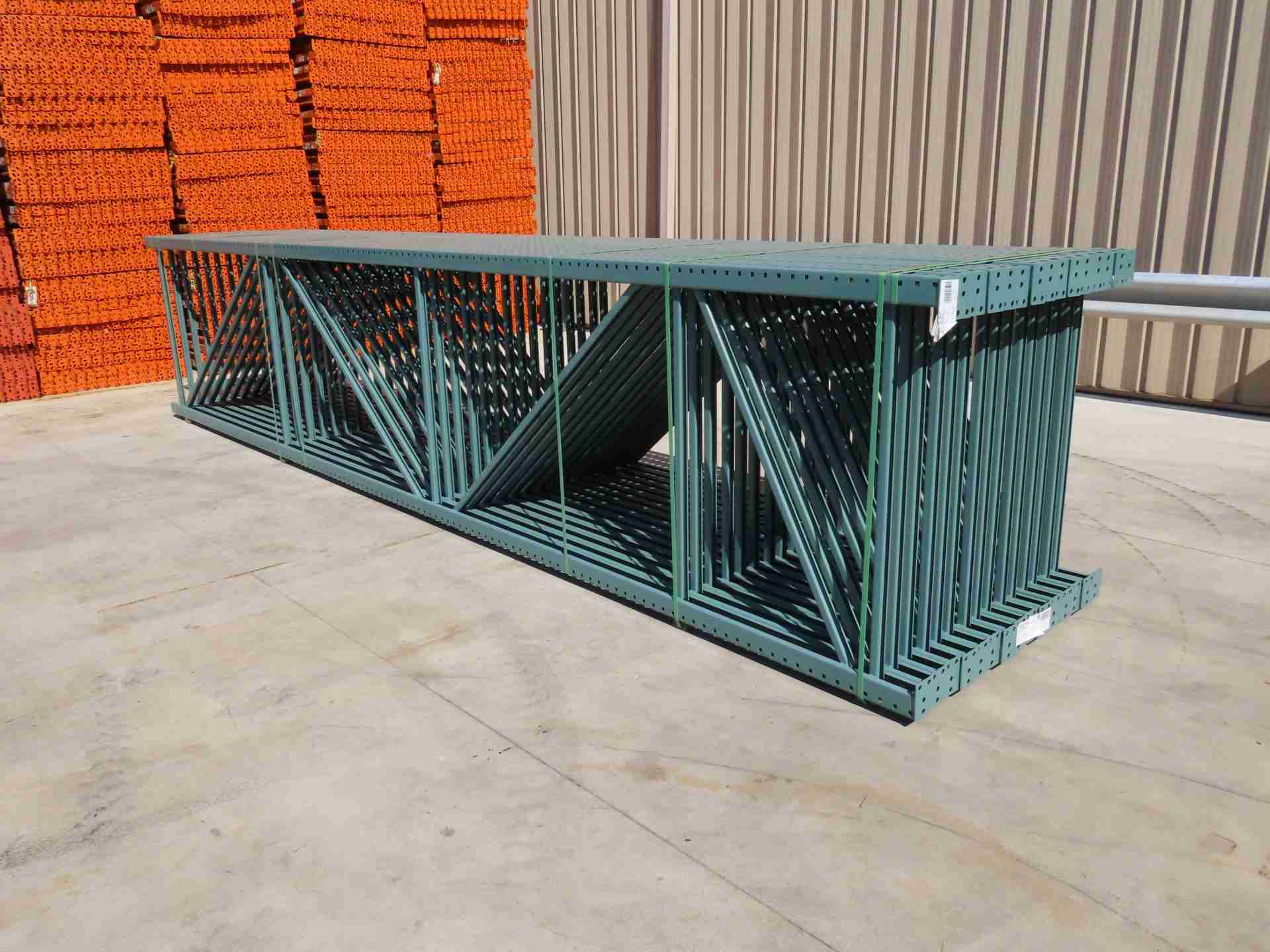
Checklist
At RackingWorld, we help guide you through selecting warehouse storage systems and racking.
Be sure to read our other related stories at RackingWorld to learn more about warehouse storage systems.
0 Comments